The Hits That Almost Belonged To Someone Else
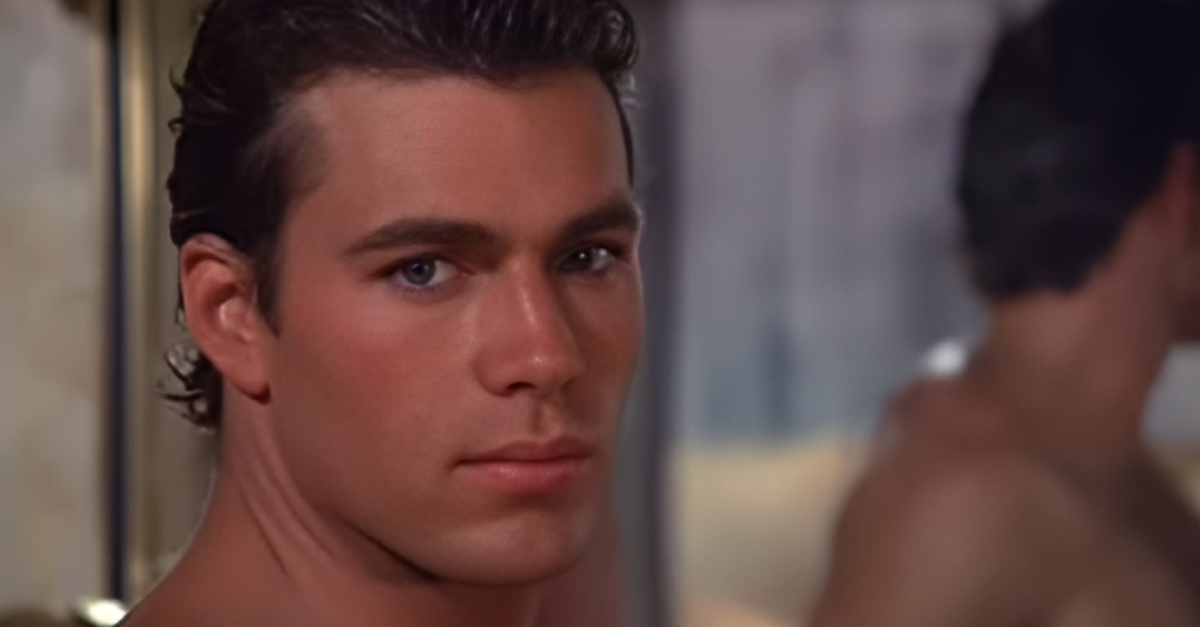
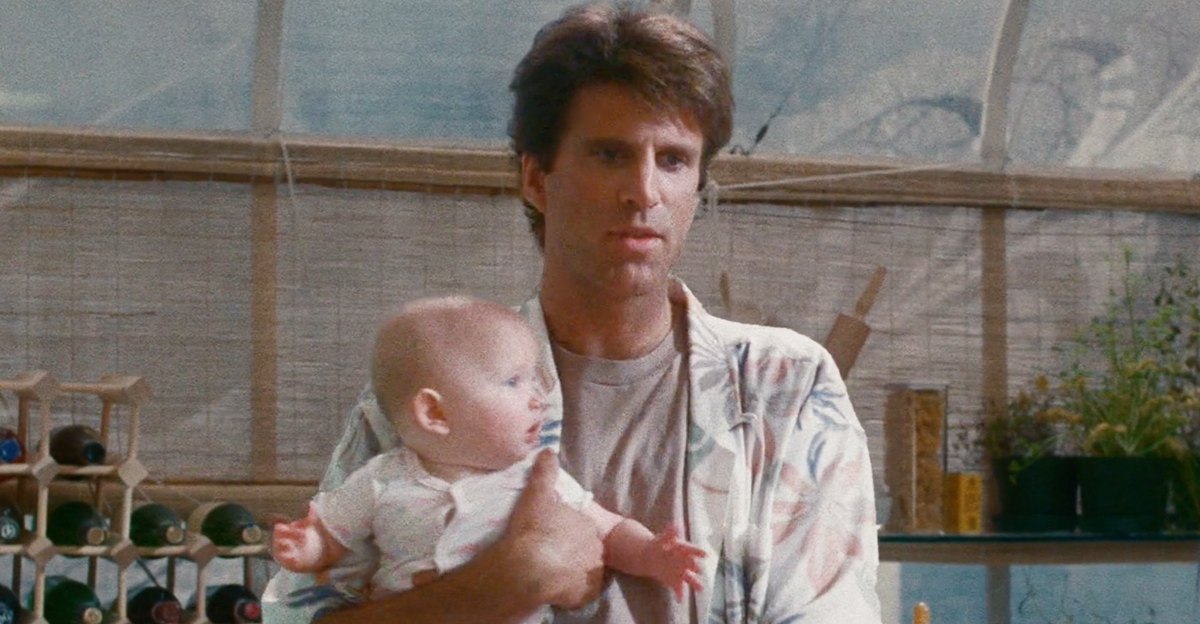
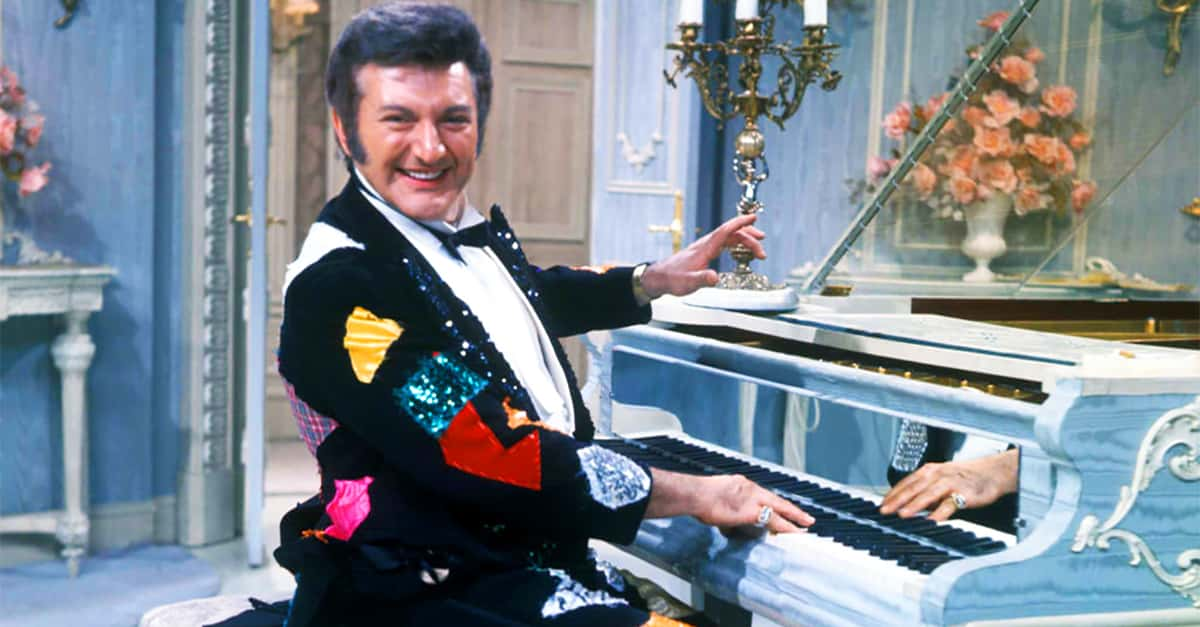
Imagine the 1980s without Tina Turner's "What's Love Got to Do with It," Olivia Newton-John's "Physical,"or Prince's "Kiss." All three hits nearly ended up with different singers. In fact, some of the decade's biggest songs were rejected, abandoned, or snatched up by someone else. Here are 27 unforgettable 1980s hits that almost sounded completely different.
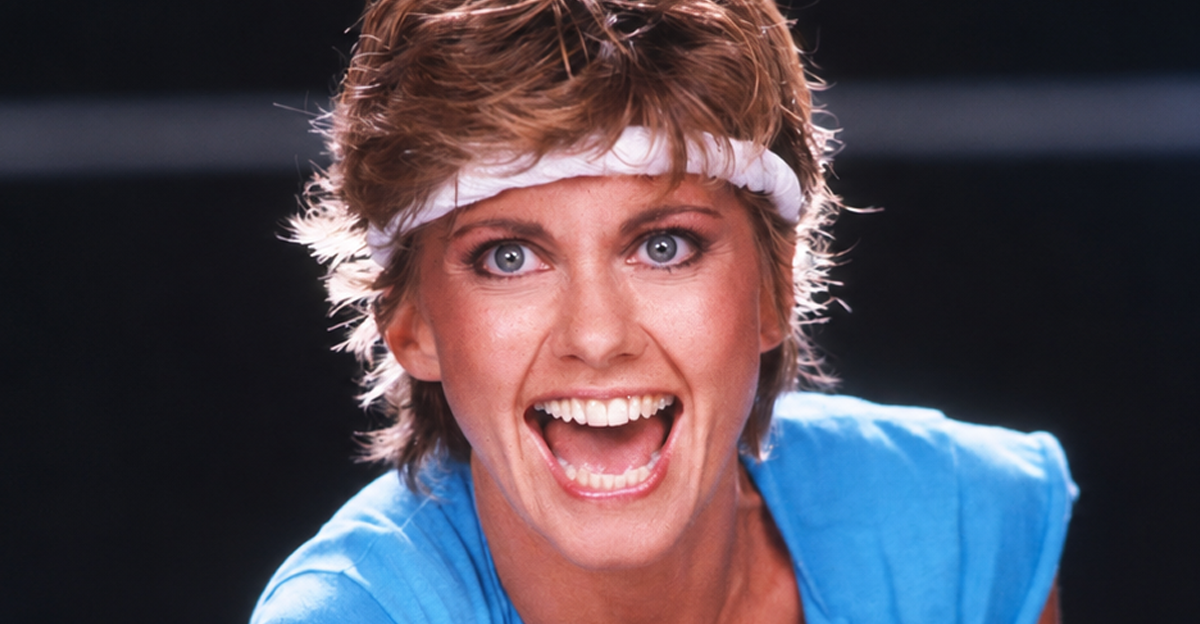 Screenshot from Physical, Geffen Records / Universal Music Group (1981)
What's Love Got To Do With It – Tina Turner
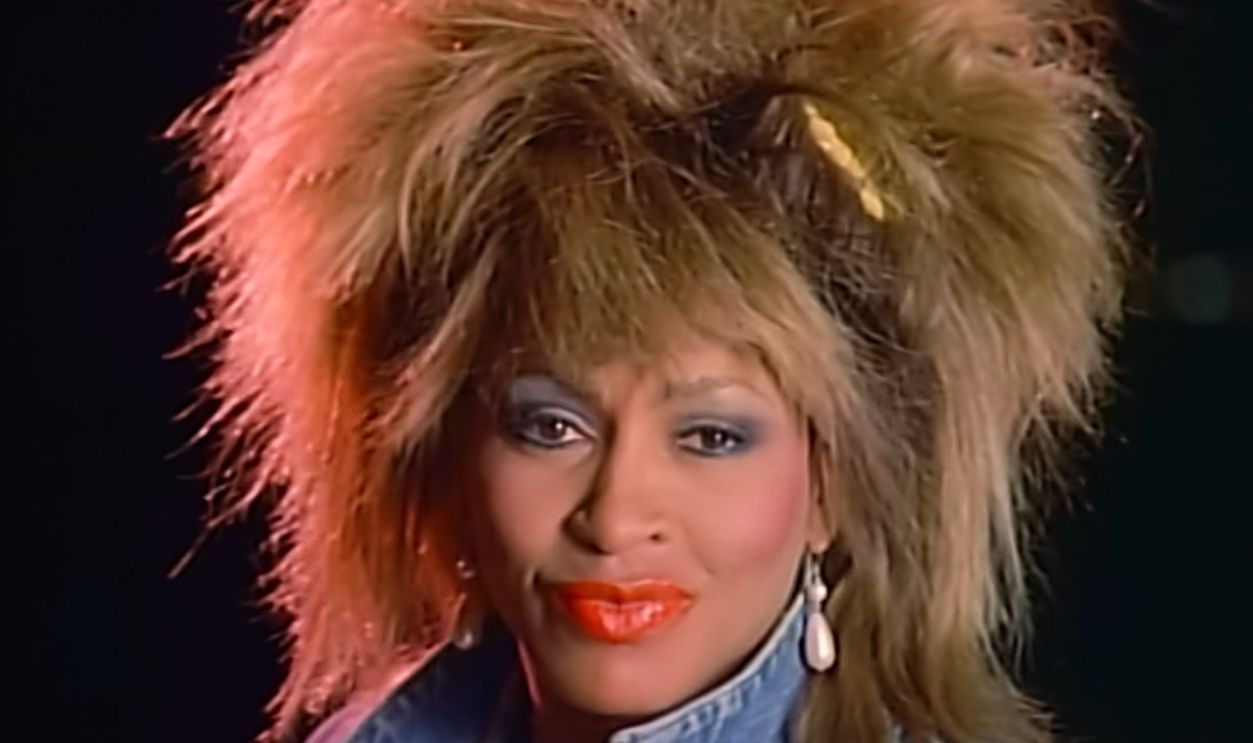
Tina Turner's legendary 1984 comeback almost sounded very different. "What's Love Got to Do with It" had been offered to Cliff Richard, while Phyllis Hyman was prevented from recording it and Bucks Fizz actually cut a version. Turner initially disliked the song herself, but eventually gave it a chance. Her recording reached number one and won three Grammys, including Record of the Year.
 Screenshot from I Wanna Dance with Somebody (Who Loves Me), Arista Records (1987)
How Will I Know – Whitney Houston
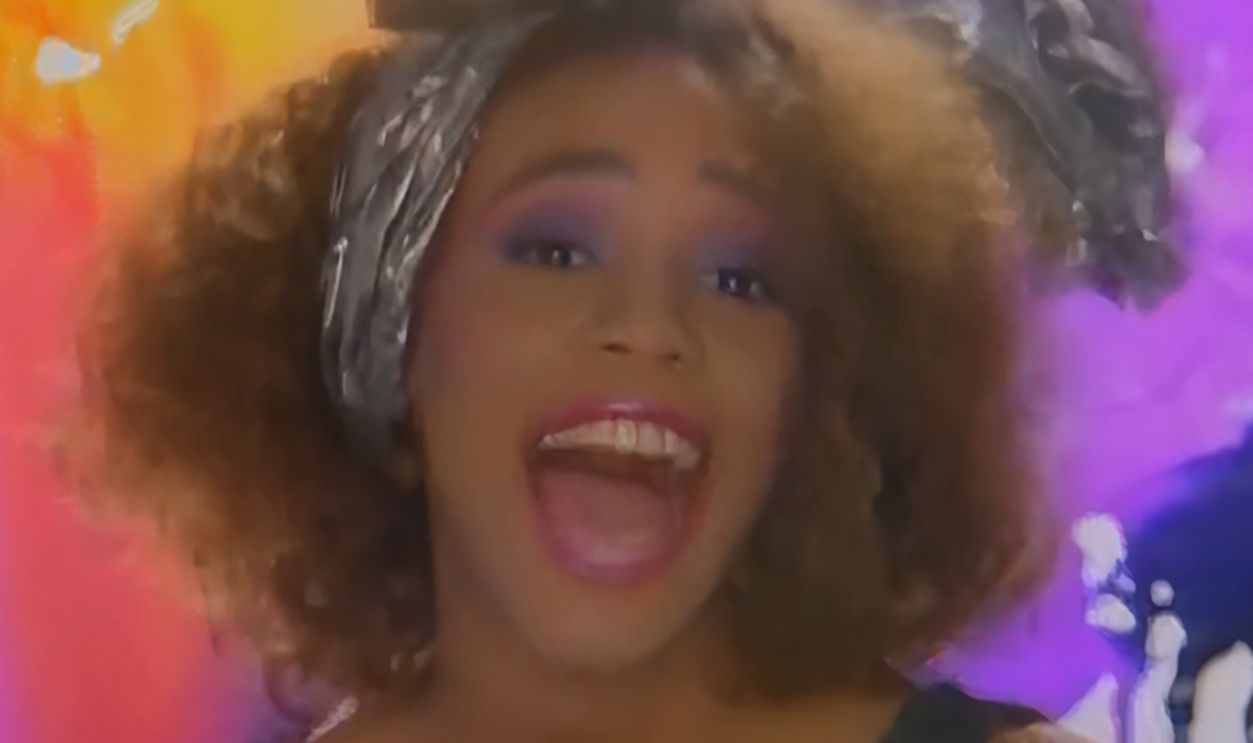
Whitney Houston's infectious 1985 hit was originally written for Janet Jackson. Songwriters George Merrill and Shannon Rubicam created "How Will I Know" with Jackson in mind, but her team passed. Producer Narada Michael Walden then helped transform it into a sparkling dance-pop showcase for Houston. The result became her second American number-one single.
 Screenshot from How Will I Know, Arista Records (1985)
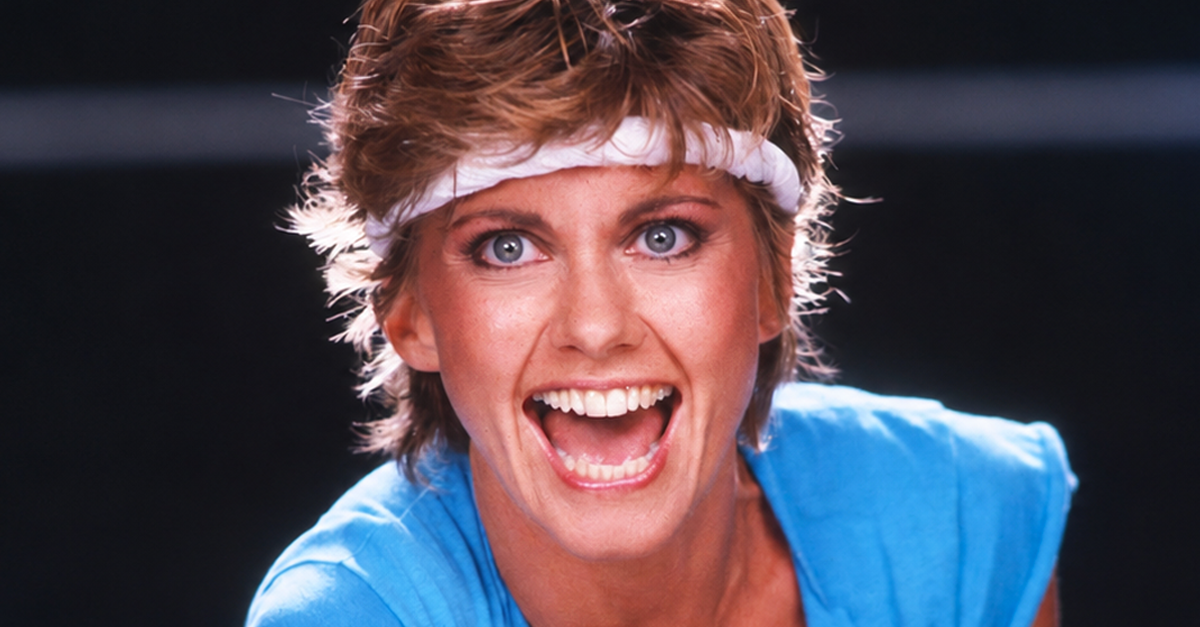
Physical – Olivia Newton-John
Olivia Newton-John's biggest hit was originally envisioned for Rod Stewart. Songwriters Steve Kipner and Terry Shaddick wrote "Physical" with a male rock singer in mind, while Tina Turner also passed on it. Newton-John worried the lyrics were too suggestive, but recorded the song anyway. It spent ten weeks at number one in 1981, becoming one of the decade's defining pop hits.
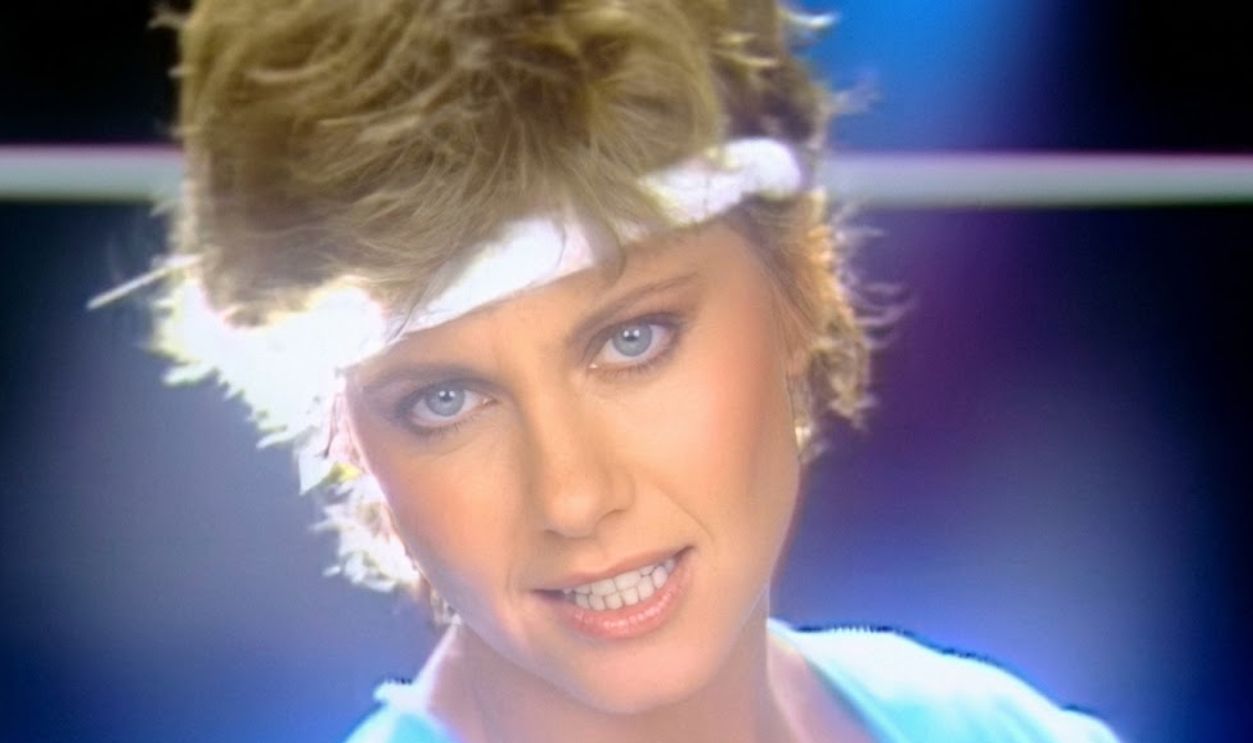 Screenshot from Physical, Geffen Records (1981)
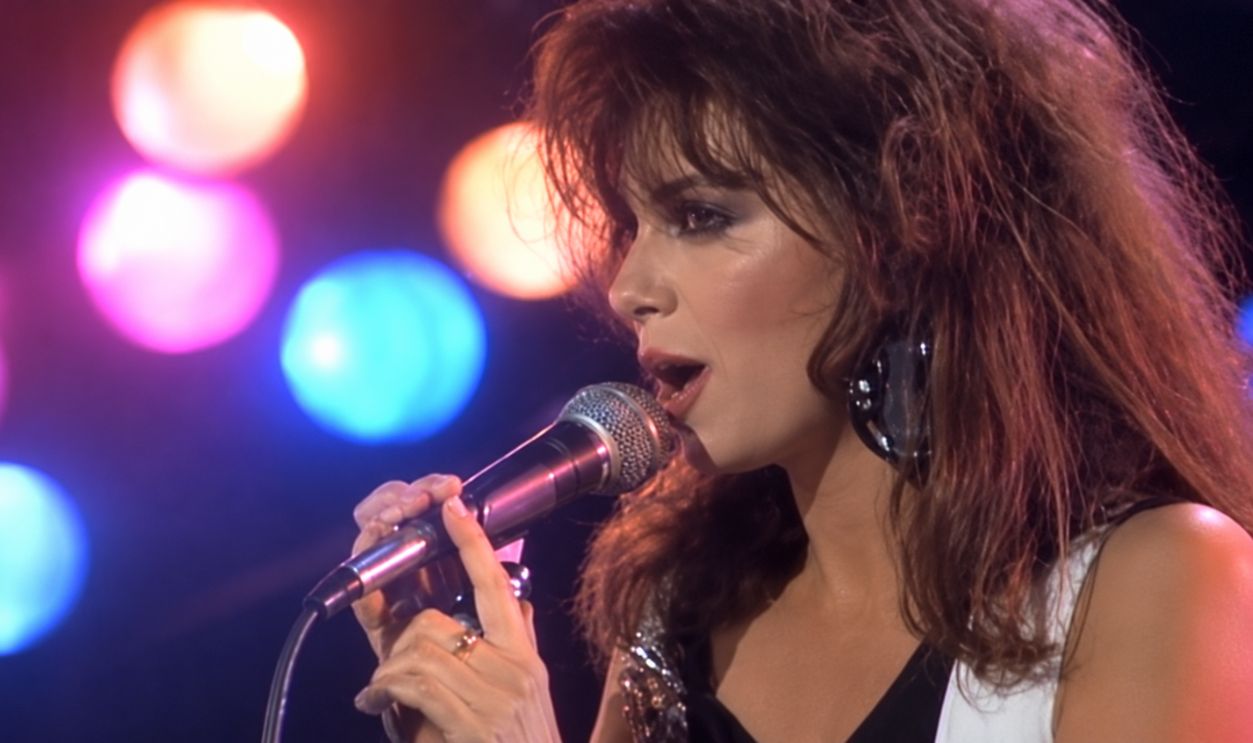
Walk Like An Egyptian – The Bangles
The Bangles weren't the first choice for their enormous 1986 hit. Songwriter Liam Sternberg initially offered "Walk Like an Egyptian" to Toni Basil, the singer behind "Mickey." Other performers were considered before a demo featuring Marti Jones reached Bangles producer David Kahne. The group eventually recorded it, turning an unlikely song into a number-one smash.
 Screenshot from Walk Like an Egyptian, Columbia Records (1986), Enhanced
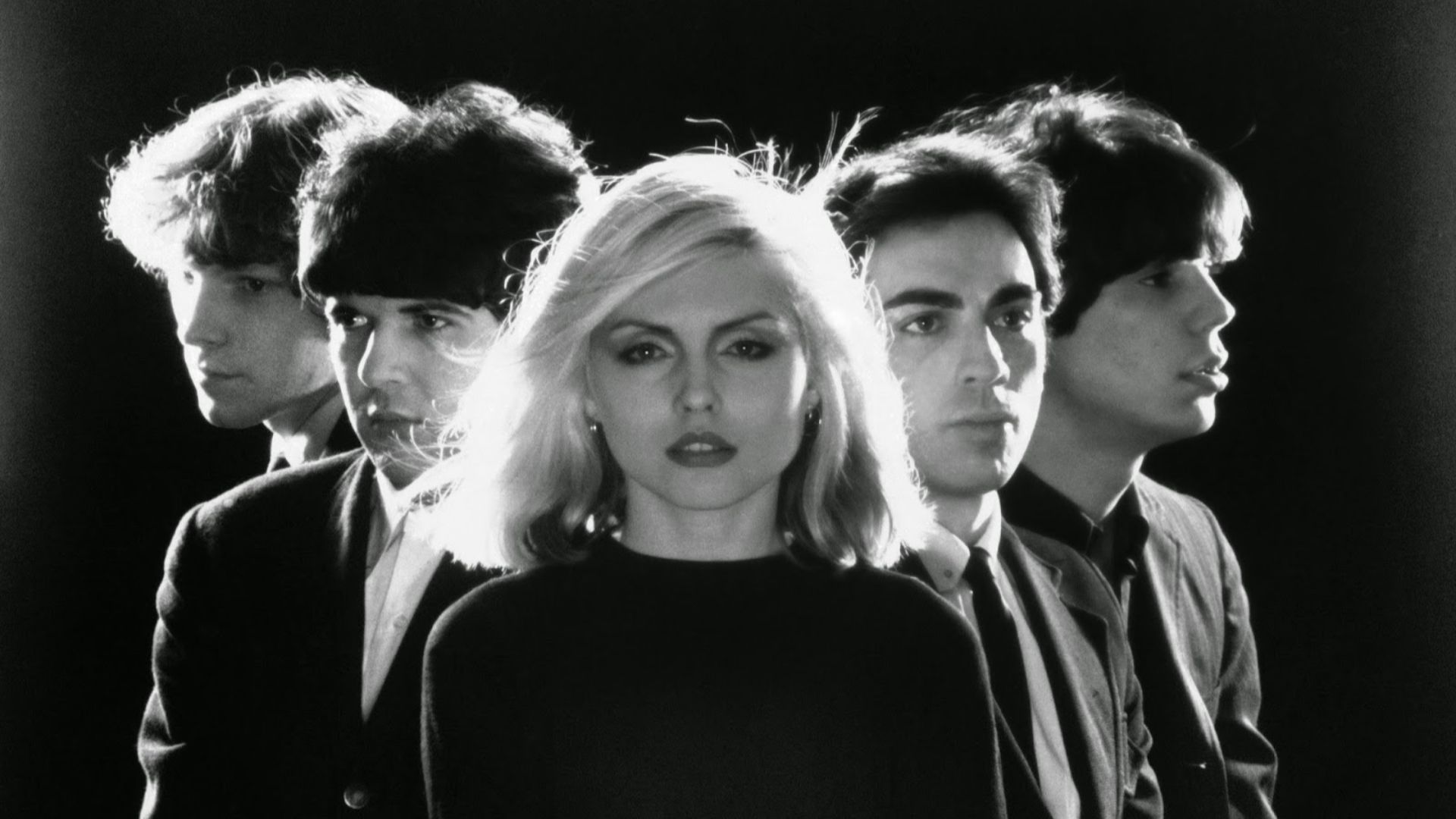
Call Me – Blondie
Debbie Harry made "Call Me" a Blondie classic, but Giorgio Moroder originally wanted Stevie Nicks involved. He approached the Fleetwood Mac singer about contributing to the American Gigolo soundtrack, but contractual restrictions prevented her participation. Moroder turned to Harry, who helped develop the finished song. Blondie's recording spent six weeks at number one in 1980.
 Private Stock Records, Wikimedia Commons
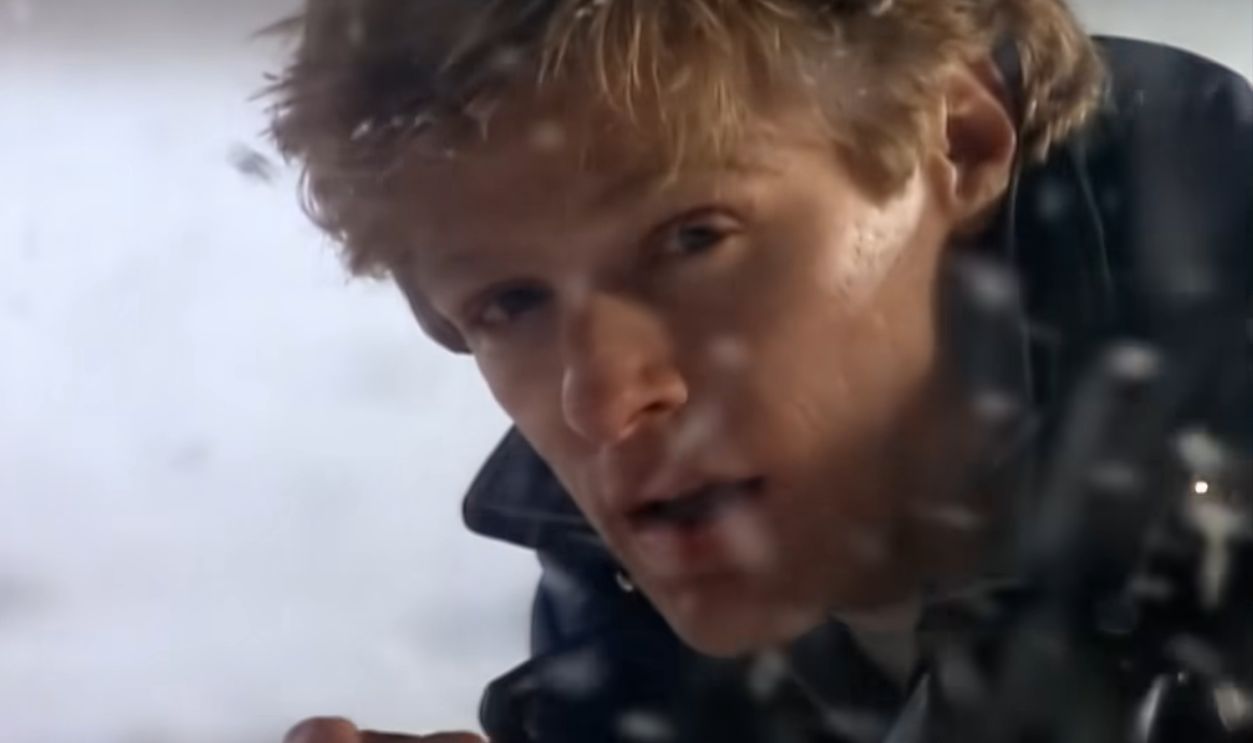
Run To You – Bryan Adams
Bryan Adams originally wrote "Run to You" for someone else's band. He and Jim Vallance developed the track after producer Bruce Fairbairn requested material for Blue Öyster Cult. The song wasn't used, although it's unclear whether the band members actually heard the demo. Adams recorded it for his 1984 album Reckless, turning it into a number-six hit.
 Screenshot from Run to You, A&M Records (1984)
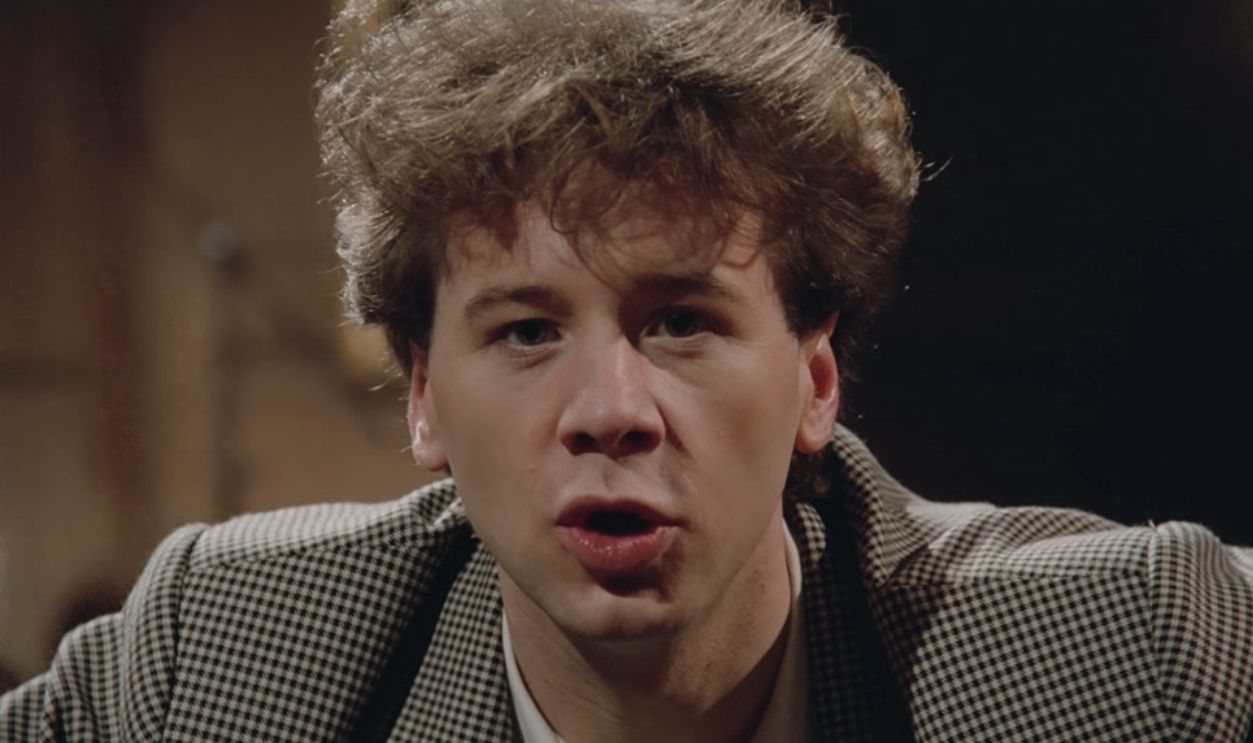
Don't You (Forget About Me) – Simple Minds
It's impossible to hear "Don't You (Forget About Me)" without thinking of The Breakfast Club. Yet Simple Minds initially resisted the 1985 song because it had been written by Keith Forsey and Steve Schiff rather than the band. Other performers, including Billy Idol and Bryan Ferry, were considered. Simple Minds eventually agreed, earning their only American number-one single.
 Screenshot from Don’t You (Forget About Me), A&M Records (1985)
The Boys Of Summer – Don Henley
Don Henley's haunting 1984 hit began with Tom Petty's guitarist, Mike Campbell. Campbell created an instrumental using a drum machine, but Petty didn't think it suited his next album. Campbell took the music to Henley, who wrote the lyrics and vocal melody. "The Boys of Summer" reached number five, leaving Petty to later acknowledge that he'd let a great song get away.
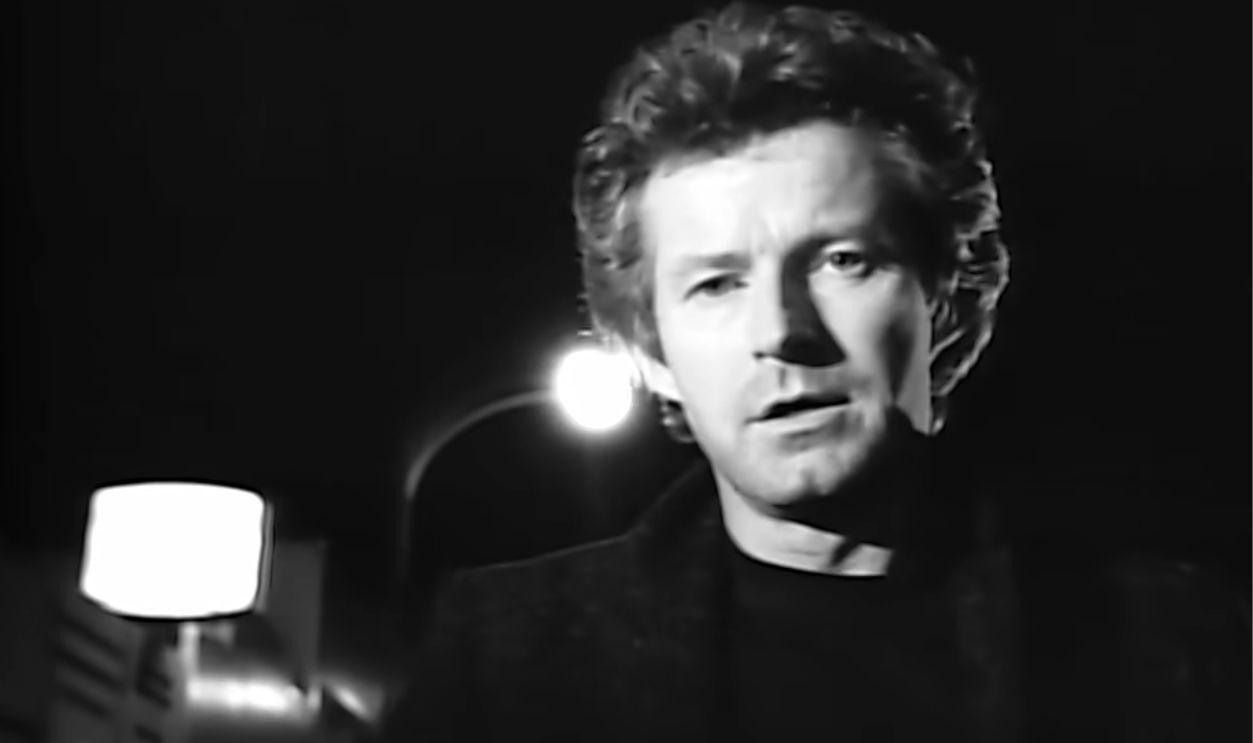 Screenshot from The Boys of Summer, Geffen Records (1984)
Danger Zone – Kenny Loggins
Top Gun and "Danger Zone" became inseparable in 1986, but Kenny Loggins wasn't the original choice. Toto was among the acts considered for the Giorgio Moroder and Tom Whitlock composition before earlier plans fell through. Loggins was already contributing music to the film when he got the opportunity. His recording reached number two and became one of the decade's defining movie themes.
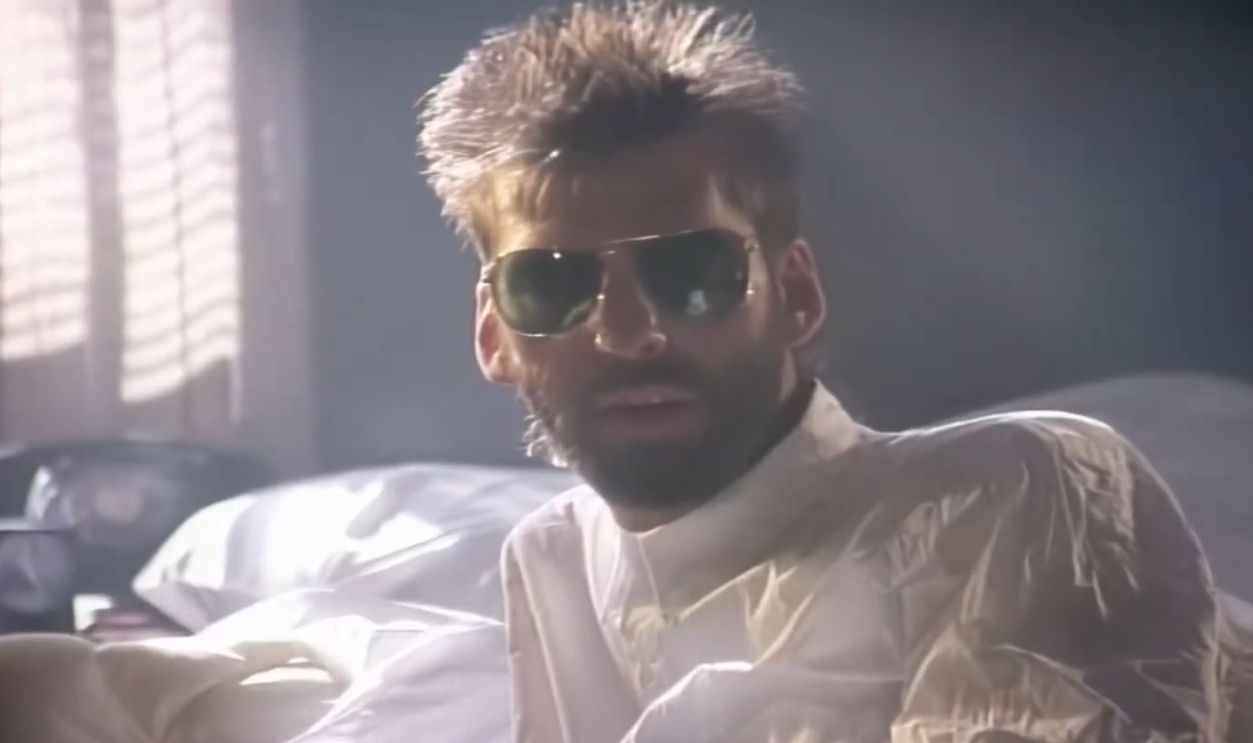 Screenshot from Danger Zone, Columbia Records (1986)
Open Your Heart – Madonna
Madonna's 1986 hit "Open Your Heart" was originally written with Cyndi Lauper in mind. Songwriters Gardner Cole and Peter Rafelson first called it "Follow Your Heart," although Lauper never actually heard it. Madonna eventually received the demo and reworked it with producer Patrick Leonard. Their dance-pop version became another American number-one hit from True Blue.
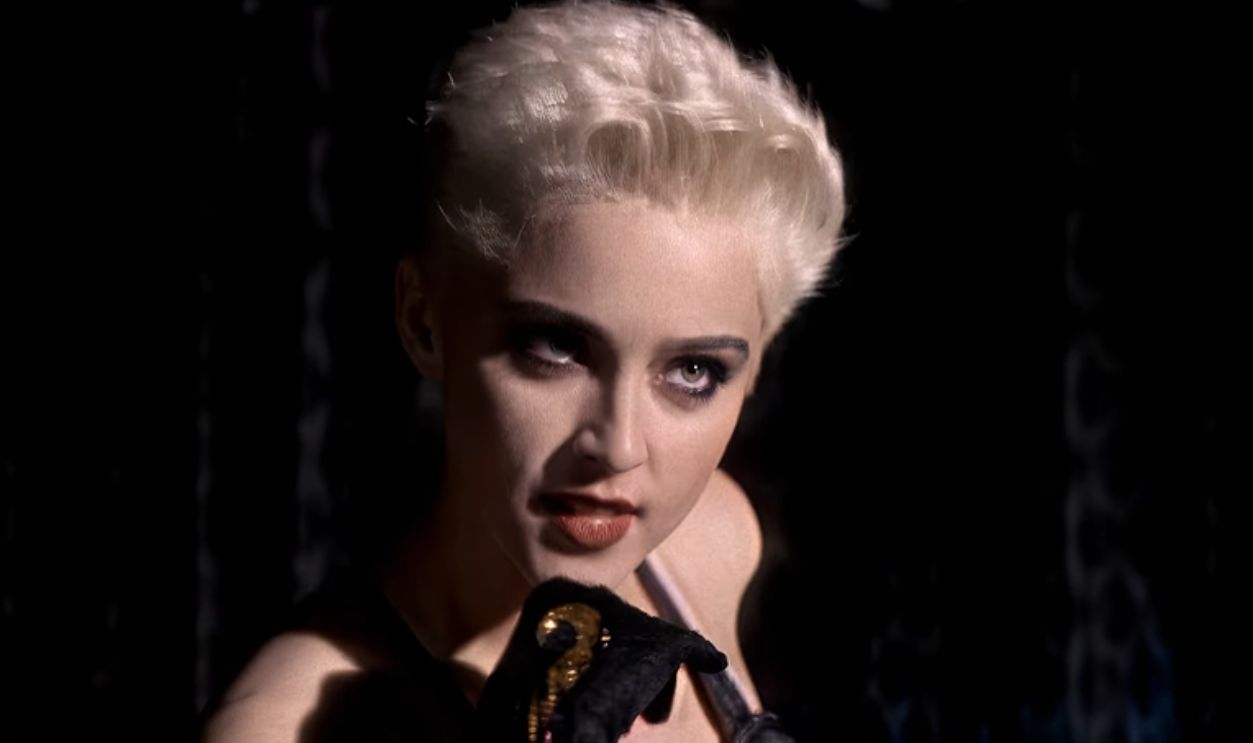 Screenshot from Open Your Heart, Sire Records (1986)
Holiday – Madonna
Before "Holiday" launched Madonna's mainstream breakthrough, it had already been recorded by its writers. Curtis Hudson and Lisa Stevens-Crowder developed it for their group Pure Energy, but their label declined to release it. Producer John "Jellybean" Benitez subsequently brought the song to Madonna. Her 1983 recording became her first Billboard Hot 100 Top 40 hit.
 Screenshot from Holiday, Sire Records (1983)
I Feel For You – Chaka Khan
Chaka Khan's explosive 1984 hit began as a Prince composition intended for Patrice Rushen. Rushen didn't record it, so Prince released his own version in 1979. Years later, Khan's producers transformed the track with a rap by Melle Mel and harmonica from Stevie Wonder. Her recording reached number three and won a Grammy for Best Female R&B Vocal Performance.
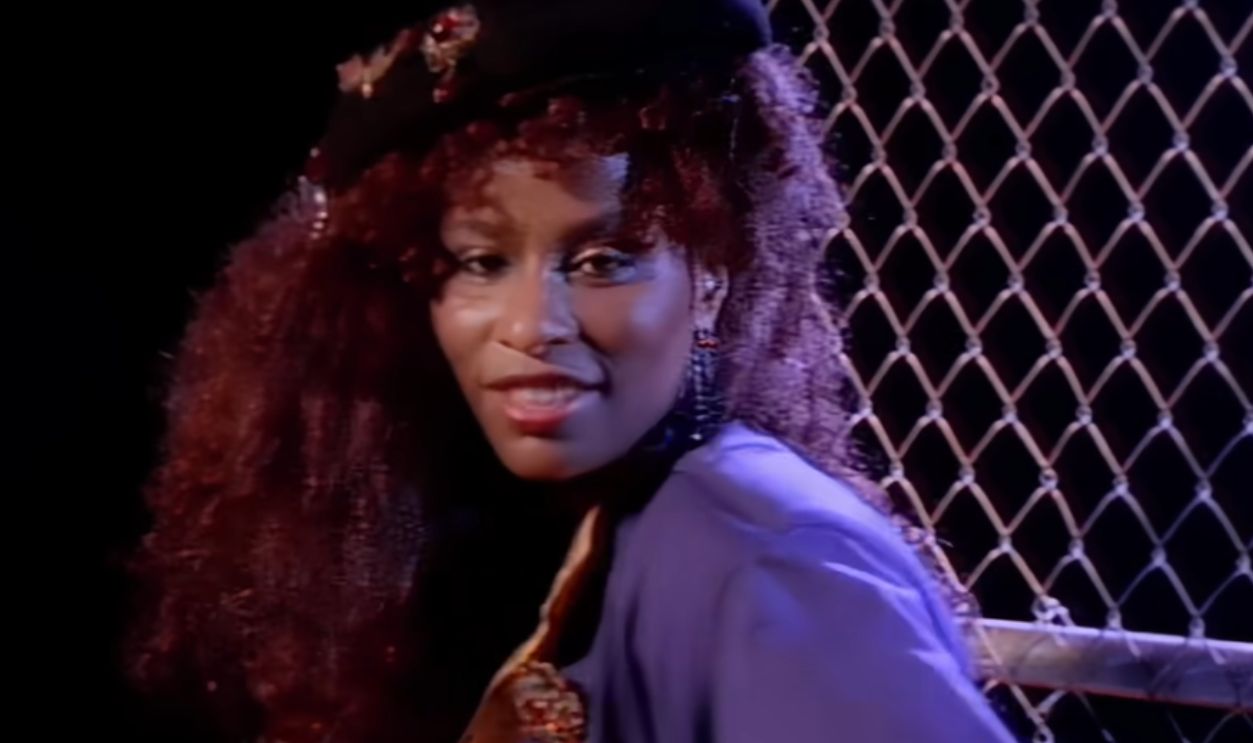 Screenshot from I Feel for You, Warner Bros. Records (1984)
Manic Monday – The Bangles
Prince gave the Bangles one of their biggest hits, but "Manic Monday" was originally intended for Apollonia 6. The female trio recorded the song before it was dropped from their 1984 album. Prince later offered it to the Bangles, who created their own arrangement. Their version reached number two in 1986, blocked from the top by Prince's own "Kiss."
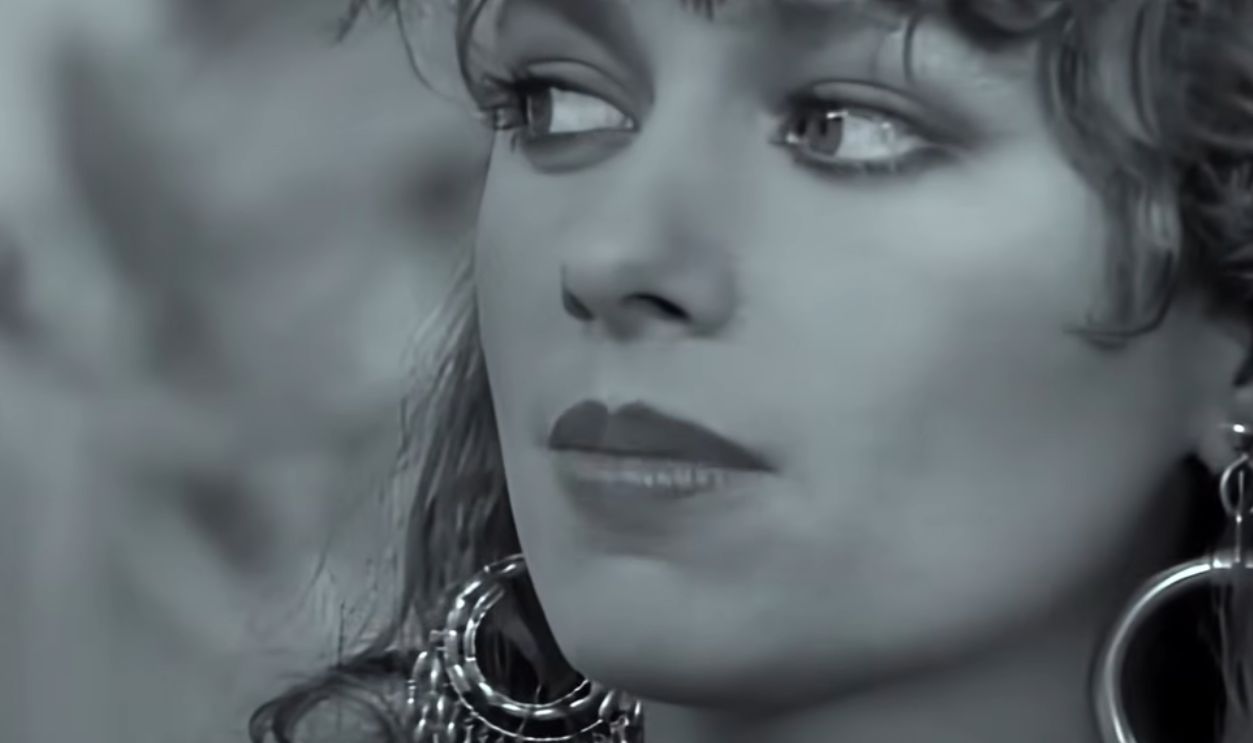 Screenshot from Manic Monday, Columbia Records (1986)
It's Raining Men – The Weather Girls
Before the Weather Girls made "It's Raining Men" a dance-floor anthem, several stars reportedly passed on it. Songwriters Paul Jabara and Paul Shaffer initially wanted Donna Summer, while Diana Ross, Cher, and Barbra Streisand were also approached. Martha Wash and Izora Armstead had reservations themselves but ultimately recorded it. Released in 1982, their version became a lasting dance classic.
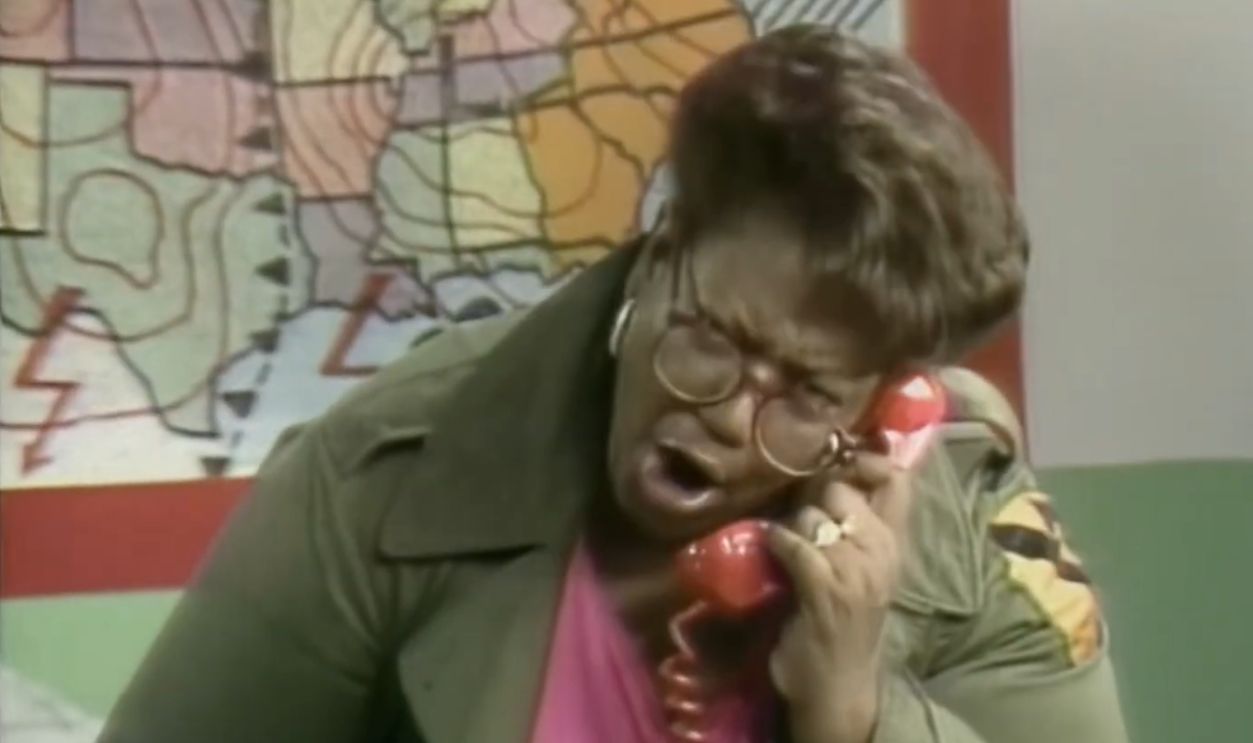 Screenshot from It’s Raining Men, Columbia Records (1982)
These Dreams – Heart
Heart's first American number-one single was originally intended for Stevie Nicks. Bernie Taupin wrote an early version called "Boys in the Mist," but Nicks wasn't interested or available. Taupin and Martin Page developed it into "These Dreams," which Heart recorded for its 1985 album. Nancy Wilson handled the lead vocals, giving the band one of its most distinctive ballads.
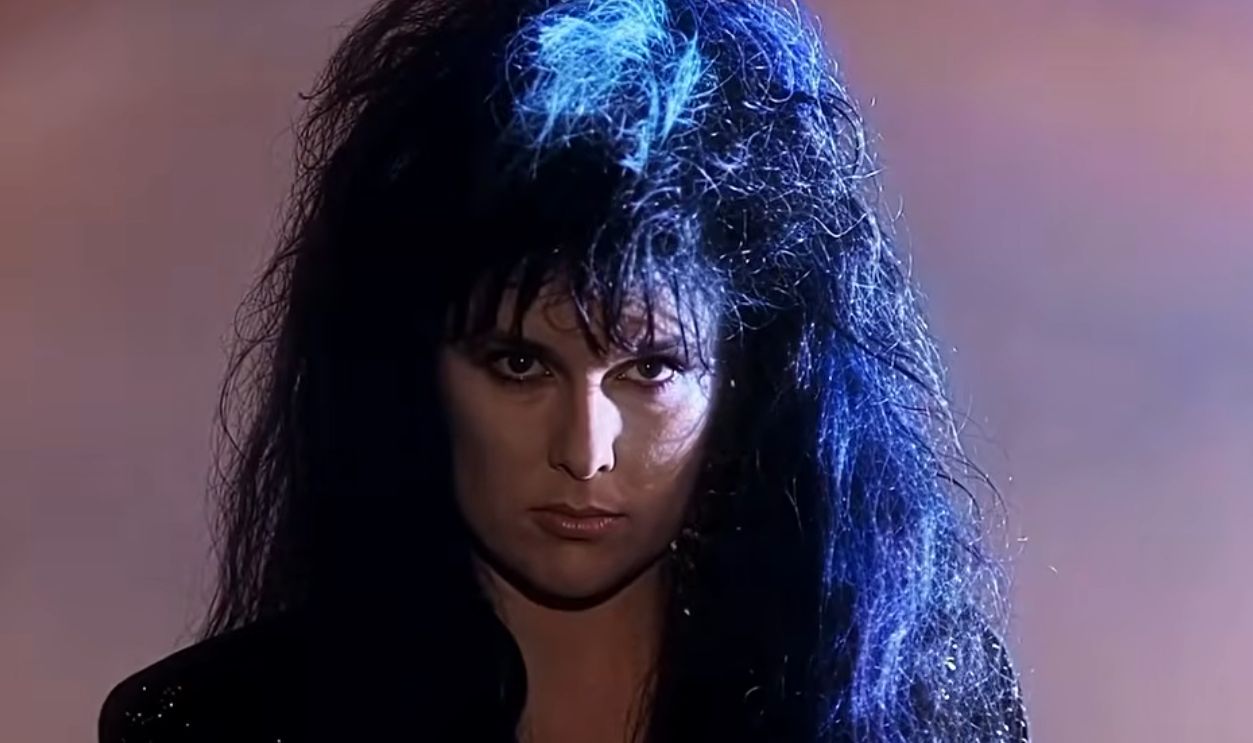 Screenshot from These Dreams, Capitol Records (1986)
Shakedown – Bob Seger
Bob Seger's only American number-one hit nearly belonged to Glenn Frey. Frey was originally chosen to record "Shakedown" for 1987's Beverly Hills Cop II, having already scored with "The Heat Is On" from the first film. When throat problems prevented him from recording it, the opportunity went to Seger. He revised the lyrics and delivered one of the year's biggest soundtrack hits.
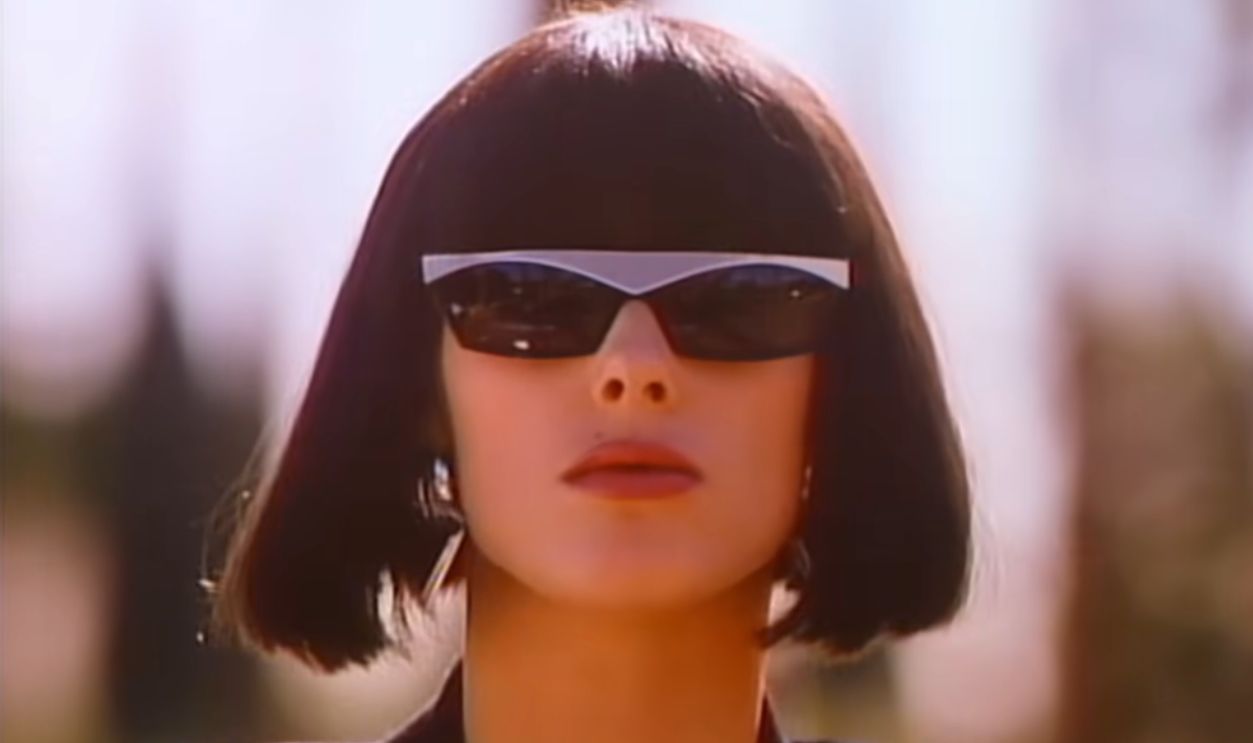 Screenshot from Shakedown, Capitol Records (1987)
The Flame – Cheap Trick
Cheap Trick's only American number-one single was originally written for British singer Elkie Brooks. Songwriters Bob Mitchell and Nick Graham developed "The Flame" for Brooks, but she turned it down. The demo eventually reached Cheap Trick, whose members initially resisted recording someone else's power ballad. Their 1988 version became a massive hit and revived the band's career.
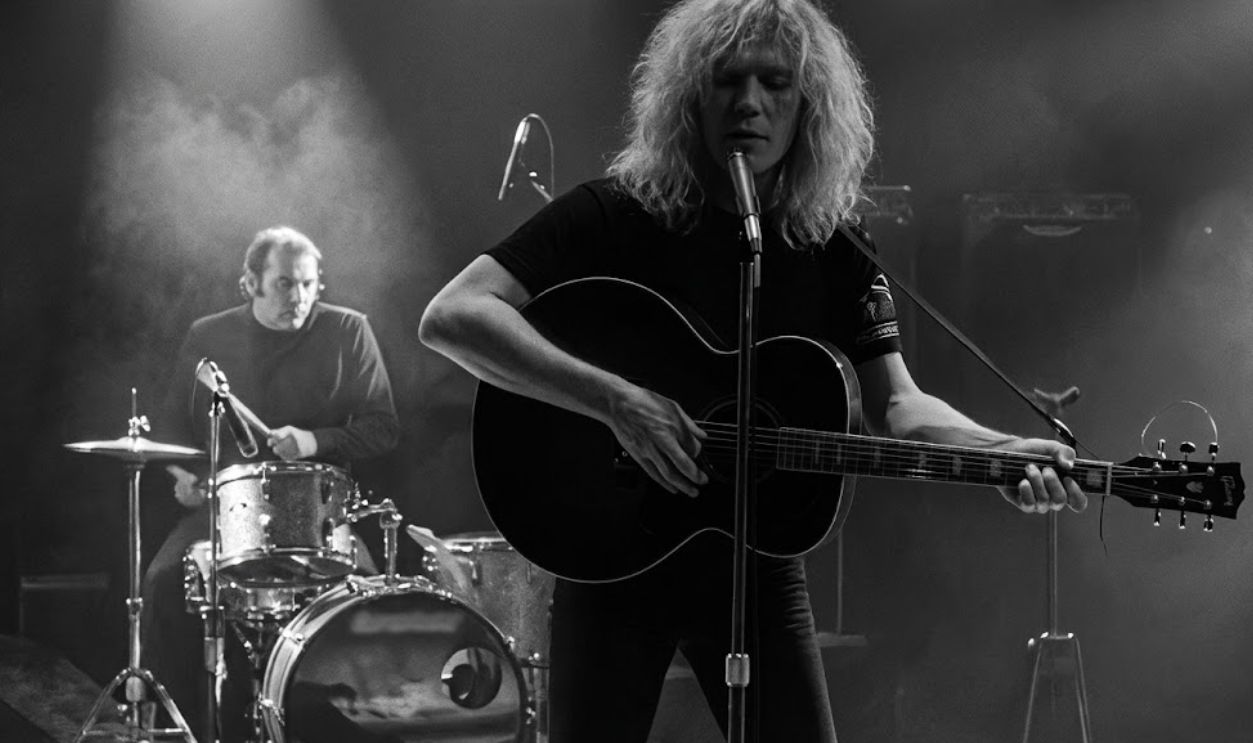 Screenshot from The Flame, Epic Records (1988), Enhanced
I Drove All Night – Cyndi Lauper
Cyndi Lauper's 1989 hit was actually written for Roy Orbison. Songwriters Billy Steinberg and Tom Kelly admired the legendary singer and arranged for him to record "I Drove All Night" in 1987. His version remained unreleased when Lauper recorded her own energetic interpretation. She scored a Top 10 hit, while Orbison's recording finally appeared in 1992, after his death.
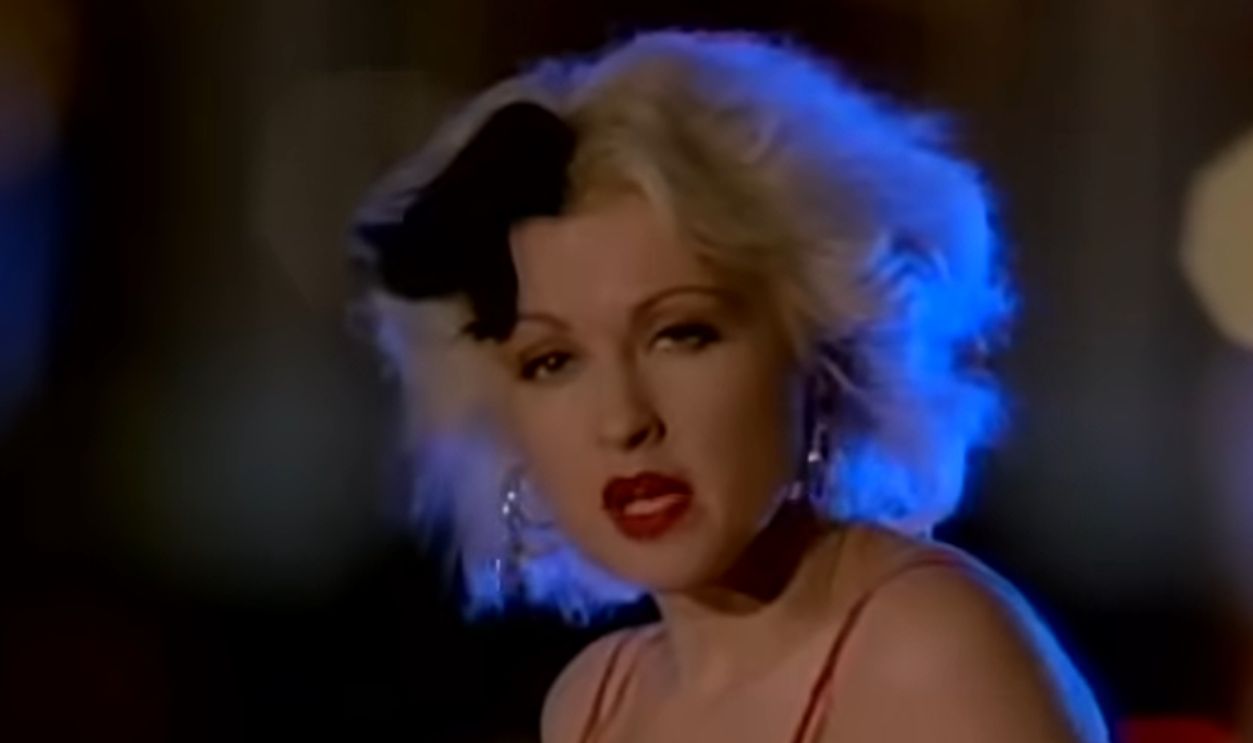 Screenshot from I Drove All Night, Epic Records (1989)
True Colors – Cyndi Lauper
Cyndi Lauper's emotional 1986 hit was originally offered to Canadian singer Anne Murray. Songwriters Billy Steinberg and Tom Kelly submitted "True Colors" to Murray, but she passed. Lauper eventually recorded a stripped-back arrangement that emphasized the song's heartfelt lyrics. It became a number-one hit and one of her most enduring recordings.
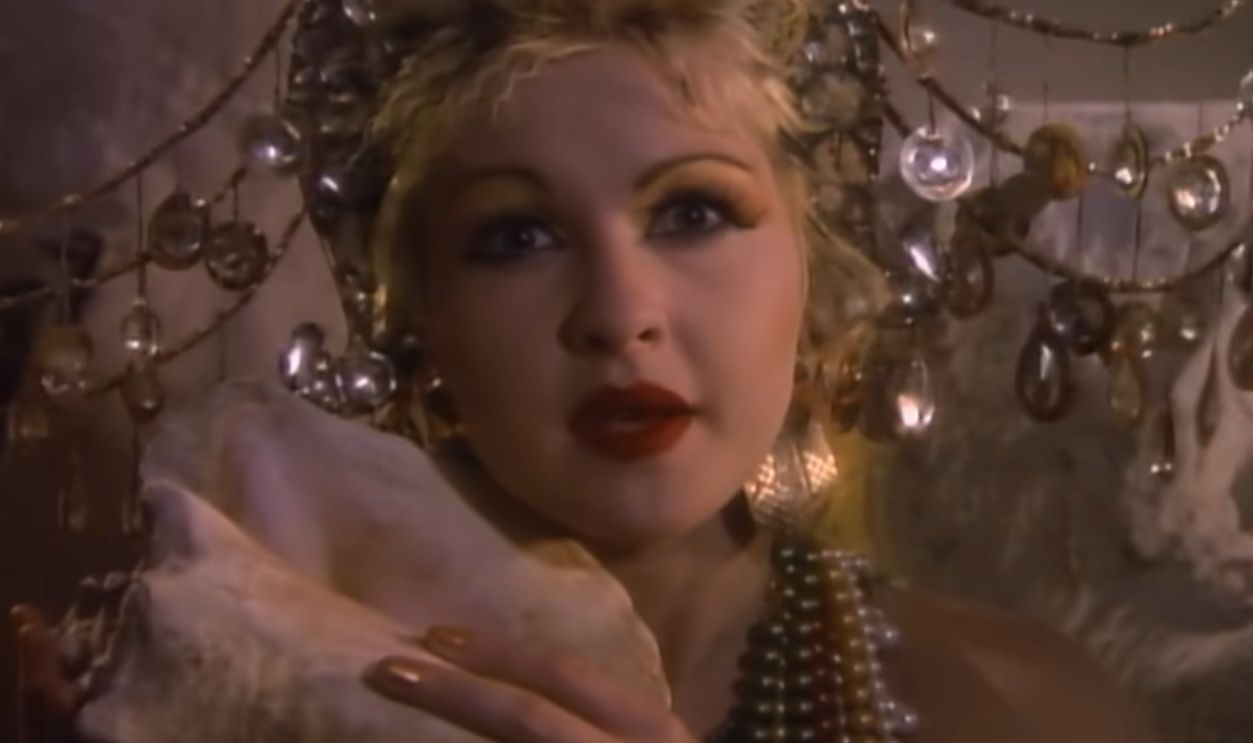 Screenshot from True Colors, Portrait Records (1986)
Islands In The Stream – Kenny Rogers And Dolly Parton
Kenny Rogers and Dolly Parton's 1983 duet was originally conceived for Diana Ross. The Bee Gees wrote "Islands in the Stream," and Barry Gibb later recalled having Ross in mind. Rogers initially recorded it as a solo track before Parton joined him to transform it into a duet. Their version topped the pop and country charts, becoming one of the most beloved collaborations of the decade.

Total Eclipse Of The Heart – Bonnie Tyler
Bonnie Tyler's enormous 1983 power ballad had its roots in an earlier project for Meat Loaf. Songwriter Jim Steinman had begun developing "Total Eclipse of the Heart" with the rock singer in mind years before meeting Tyler. He ultimately completed the composition for her, creating the dramatic recording that became an international sensation. Tyler's version spent four weeks at number one in America.
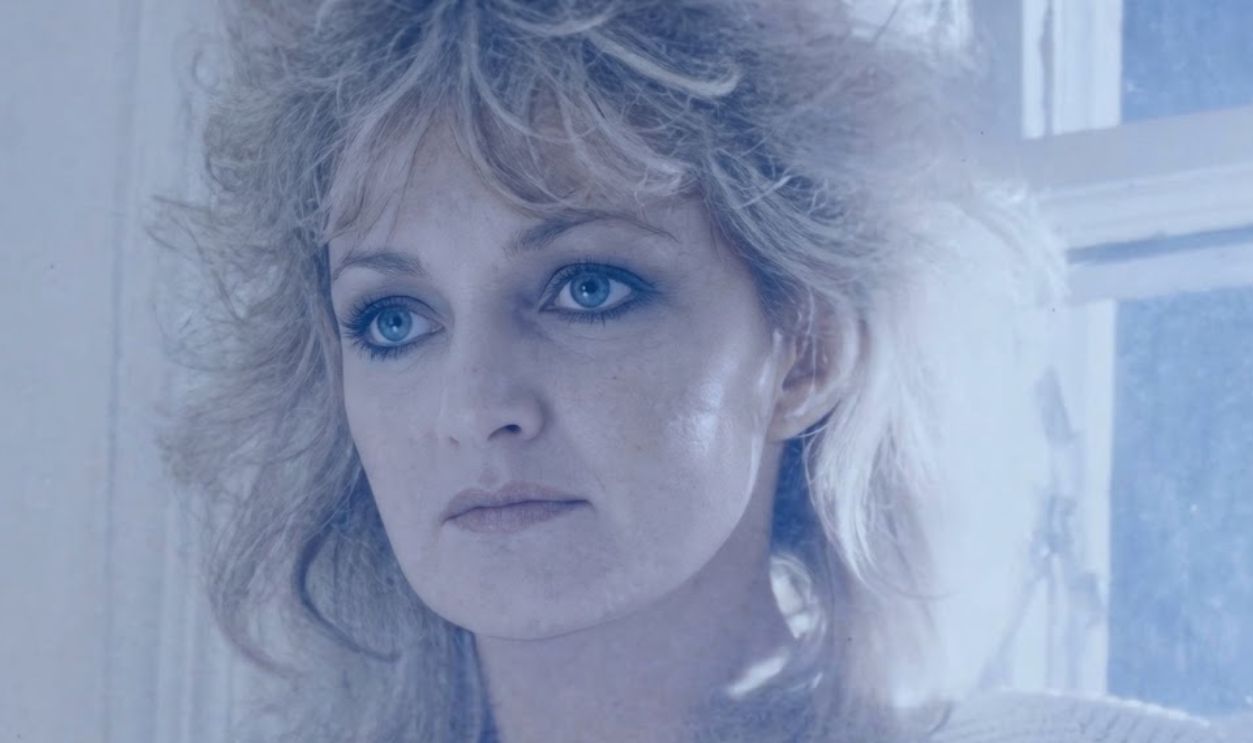 Screenshot from Total Eclipse of the Heart, Columbia Records (1983), Enhanced
Making Love Out Of Nothing At All – Air Supply
Air Supply's towering 1983 ballad emerged from Jim Steinman's complicated songwriting relationship with Meat Loaf. Steinman had been developing ambitious material for the singer, but recording disagreements left some songs available to other performers. Air Supply eventually recorded "Making Love Out of Nothing at All" with Steinman producing. It reached number two, held off the top by Bonnie Tyler's "Total Eclipse of the Heart."
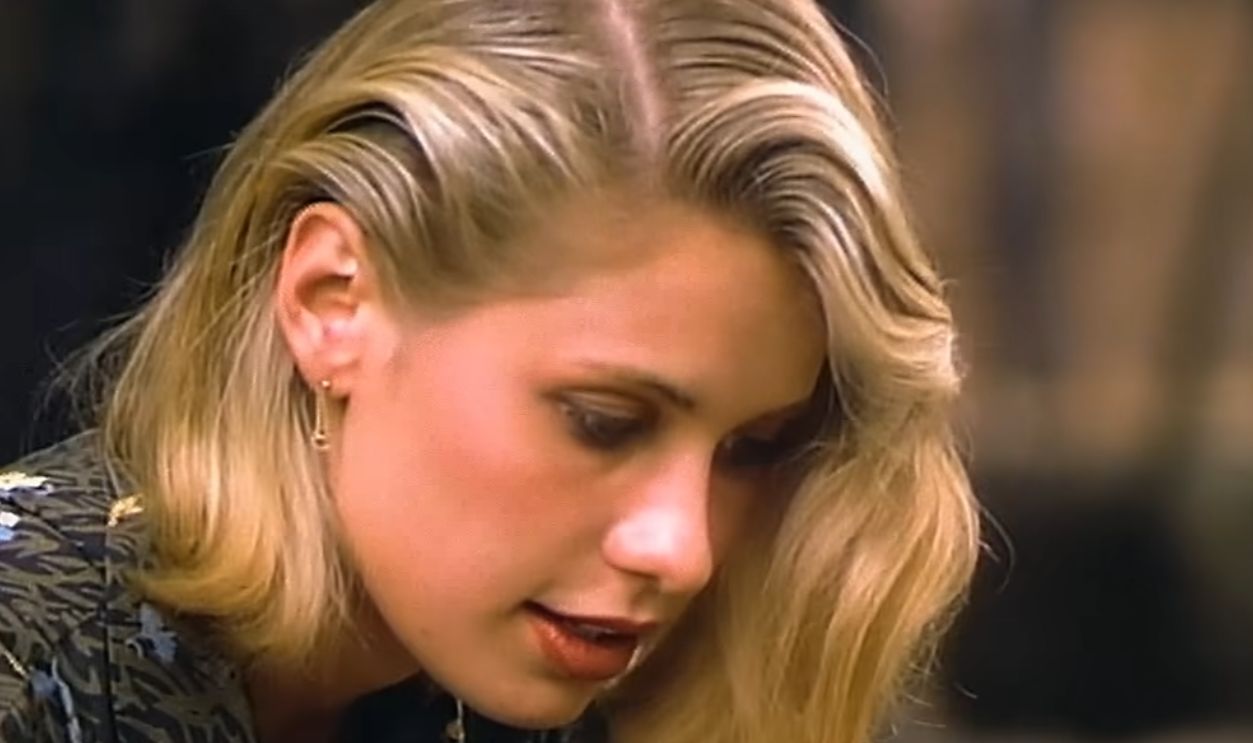 Screenshot from Making Love Out of Nothing at All, Arista Records (1983)
Sisters Are Doin' It For Themselves – Eurythmics And Aretha Franklin
Annie Lennox and Dave Stewart originally planned to record their 1985 empowerment anthem with Tina Turner. When Turner couldn't participate, the Eurythmics turned to another legendary voice, Aretha Franklin. Their collaboration brought together Franklin's powerhouse soul vocals and the duo's modern pop production. "Sisters Are Doin' It for Themselves" became a transatlantic hit and an enduring feminist anthem.
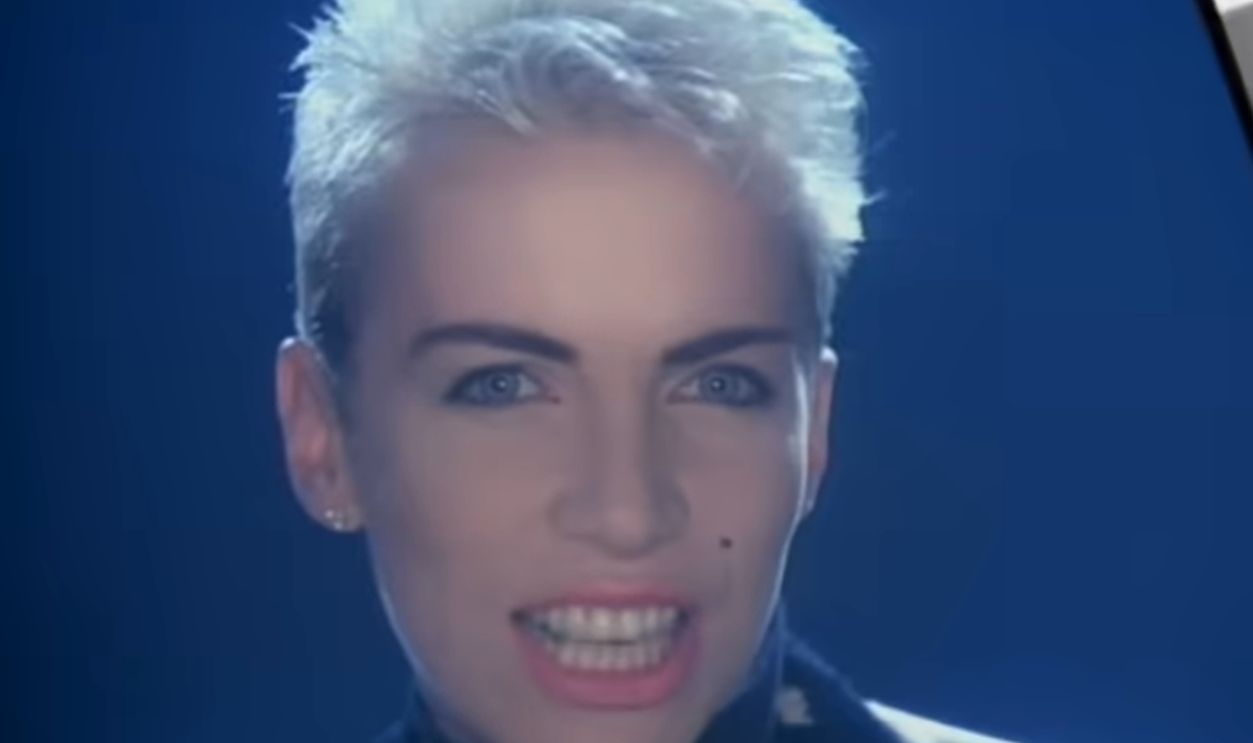 Screenshot from Sisters Are Doin’ It for Themselves, RCA Records (1985)
Into The Groove – Madonna
Madonna's irresistible 1985 dance hit was originally intended for another singer. She and Stephen Bray developed "Into the Groove" for an aspiring performer named Cheyne, who was associated with producer Mark Kamins. Madonna ultimately decided to use the song herself for the film Desperately Seeking Susan. It became her first number-one single in Britain and one of her defining dance tracks.
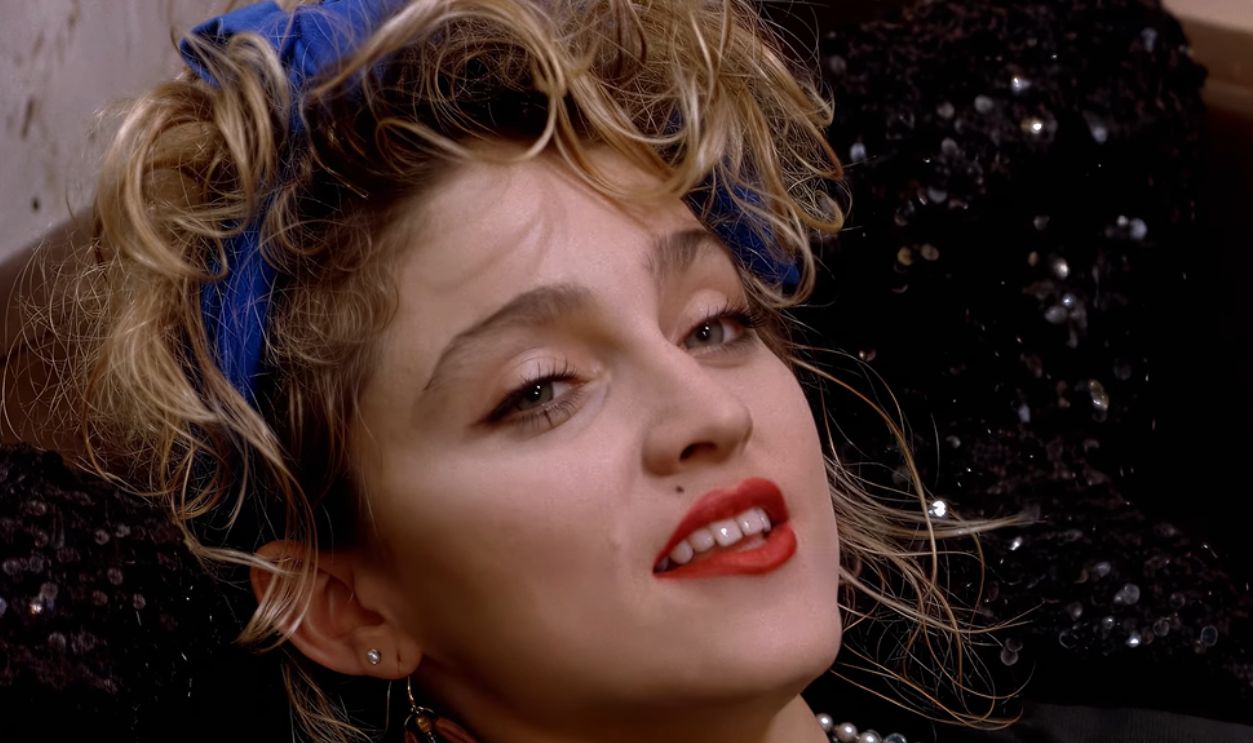 Screenshot from Into the Groove, Sire Records (1985)
Private Dancer – Tina Turner
Tina Turner's sultry 1984 hit was originally developed by Mark Knopfler for Dire Straits. The band worked on "Private Dancer," but Knopfler eventually decided its female perspective made it unsuitable for him to sing. He offered the song to Turner, who made it the title track of her blockbuster comeback album. Several Dire Straits musicians contributed to the recording, while Jeff Beck supplied the guitar solo.
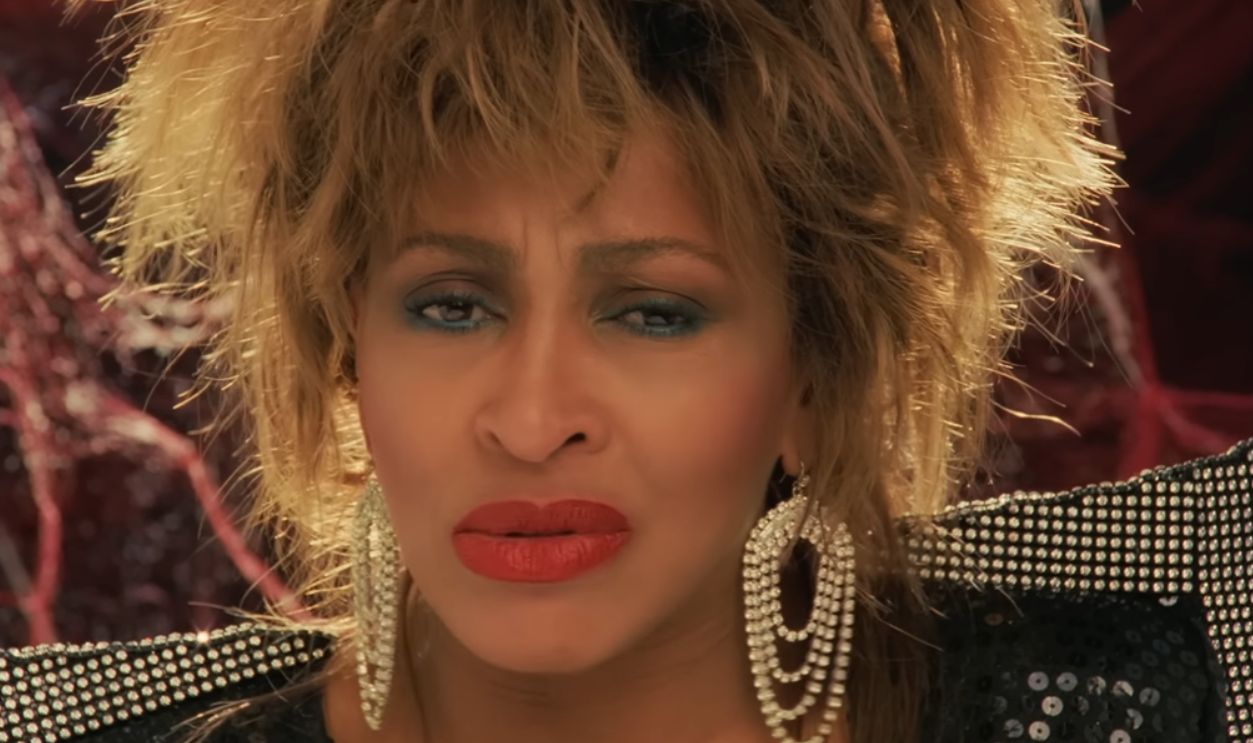 Screenshot from Private Dancer, Capitol Records (1984)
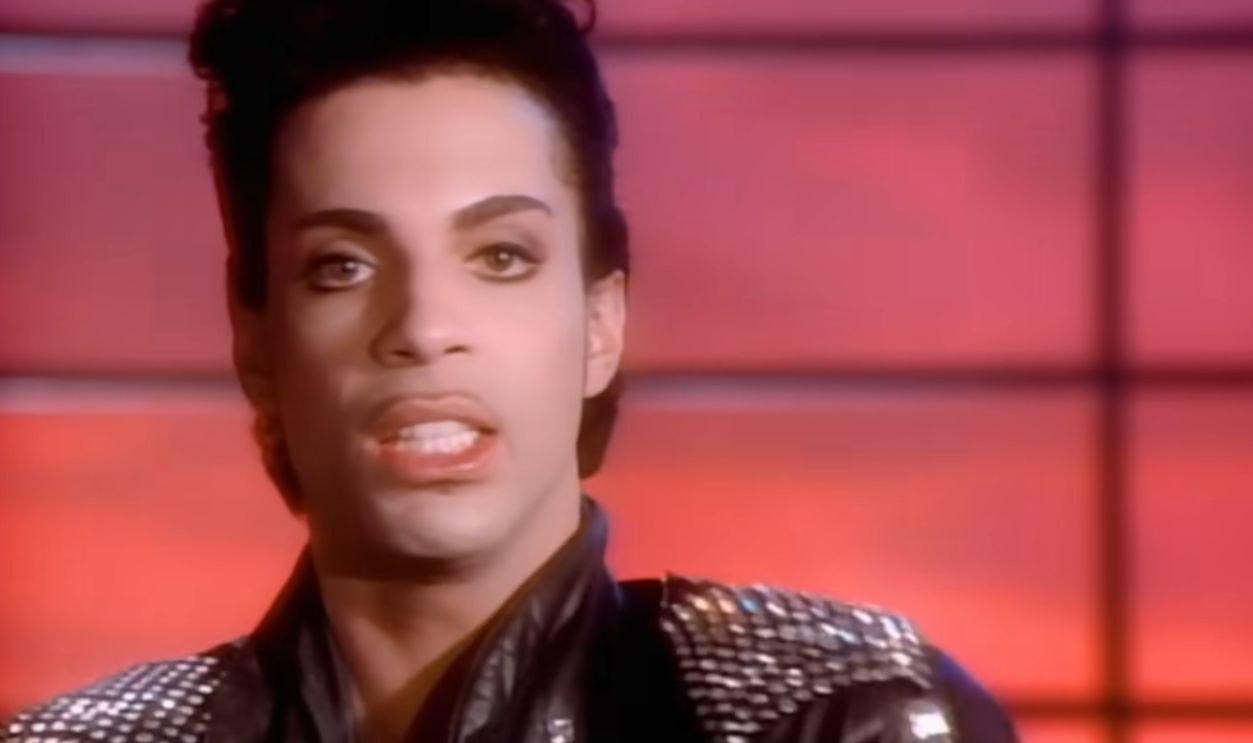
Kiss – Prince
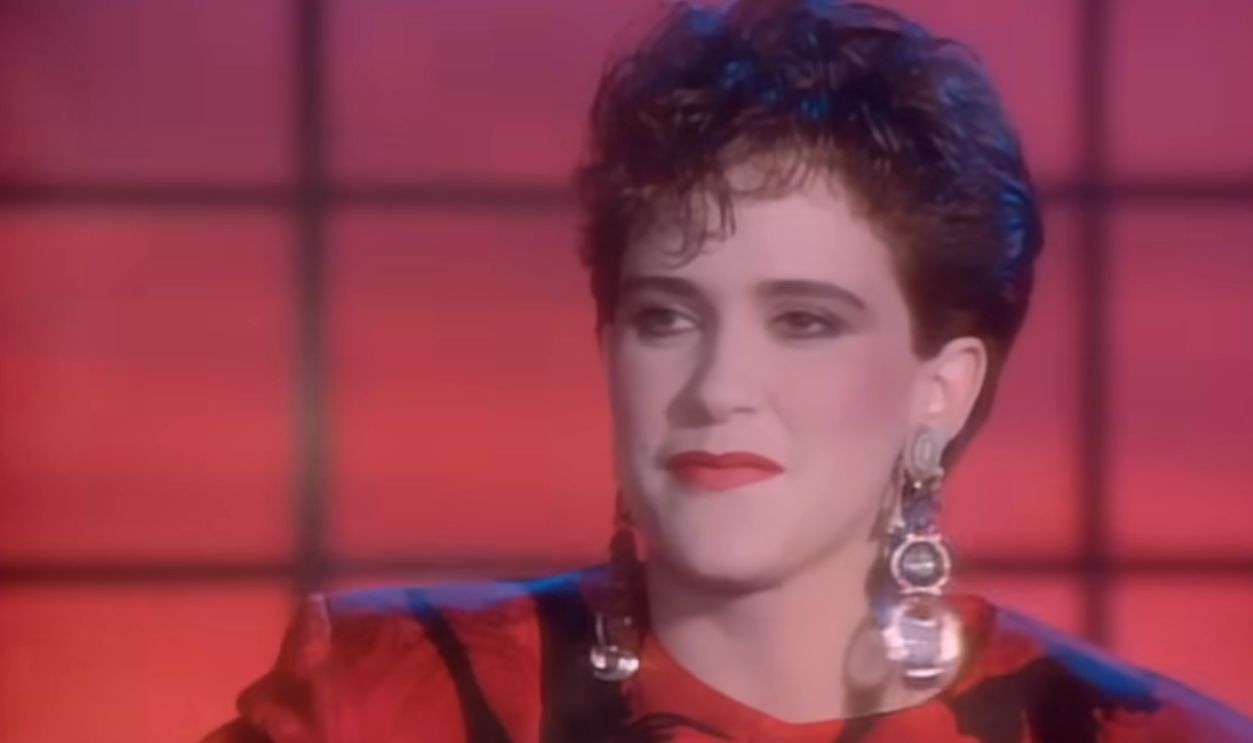
Prince's 1986 number-one hit nearly became a breakthrough for another group. He originally gave "Kiss" to Mazarati, a funk band on his Paisley Park label, who developed the sparse demo with producer David Z. After hearing their arrangement, Prince decided he wanted the song back. He added his own vocals and turned it into one of his most recognizable hits.
 Screenshot from Kiss, Paisley Park Records (1986)
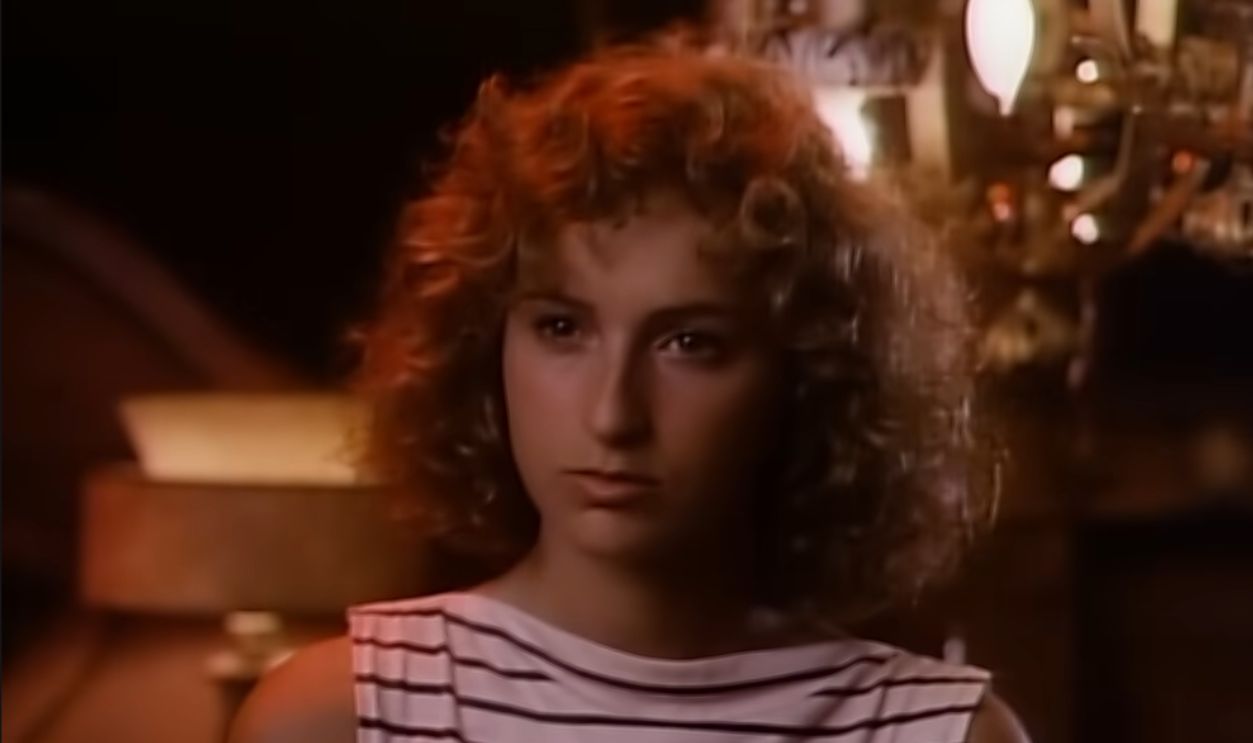
(I've Had) The Time Of My Life – Bill Medley And Jennifer Warnes
The unforgettable Dirty Dancing finale almost featured different singers. Producers considered Donna Summer and Joe Esposito for "(I've Had) The Time of My Life" before approaching Bill Medley. Medley initially resisted because he wanted to remain close to home for the birth of his daughter. He eventually recorded the song with Jennifer Warnes, and their 1987 duet topped the charts and won an Academy Award.
 Screenshot from (I’ve Had) The Time of My Life, RCA Records (1987)
The Hits That Found Their Perfect Voices
Some of the biggest songs of the 1980s were rejected, abandoned, or nearly given away before becoming classics. From Stevie Nicks missing out on "Call Me" to Tom Petty letting "The Boys of Summer" slip away, a few unexpected decisions changed pop history. It's hard to imagine these hits sounding any other way, even though many came remarkably close.
 Screenshot from Kiss, Paisley Park Records (1986)
You May Also Like:
Hit Songs From The 1980s That Were Way Weirder Than You Remember
Forgotten Female Rock Singers From The 1980s Who Deserved Careers As Big As The Men
Pepsi Dropped Madonna Over Like A Prayer—Then Lost A Lot Of Money When The Song Shot To No. 1