
A Fortune Without Instructions
Prince spent decades fiercely controlling his music, his image, and his business affairs. But when he died unexpectedly in 2016, he left behind something nobody expected: a vast fortune with no will explaining who should inherit it. His sister, five half-siblings, dozens of would-be heirs, and eventually a powerful music company became entangled in a legal saga that lasted six years. And even after the estate was divided, the arguments weren't entirely over.
The Day Everything Changed
On April 21, 2016, Prince Rogers Nelson passed away suddenly at his Paisley Park complex in Chanhassen, Minnesota. As he was just 57 years old, the news shocked the music world. But it also created an enormous administrative problem. Prince had no surviving children, no spouse, and apparently no estate plan.

The Missing Will
Considering Prince's reputation for controlling virtually every aspect of his career, the absence of a will seemed extraordinary. His sister, Tyka Nelson, filed court documents indicating that no will had been found. That meant Minnesota's inheritance laws, rather than Prince's personal instructions, would determine who received his property. The court would first have to establish who his rightful heirs actually were.

More Than Just Money
Prince's estate wasn't like that of an ordinary wealthy celebrity. It included Paisley Park, real estate, musical instruments, recording equipment, valuable personal possessions, and interests in a remarkable catalog of recordings and compositions. His name, likeness, trademarks, and future licensing opportunities also had substantial commercial value. Determining what everything was worth would become one of the estate's biggest challenges.
 Bobak Ha'Eri, Wikimedia Commons
The Legendary Music Vault
Perhaps the most intriguing asset was Prince's famous vault of unreleased music. For decades, he had recorded far more material than he released, leaving behind recordings that could potentially generate revenue for years to come. But valuing unreleased music is notoriously difficult. Nobody could know exactly how much fans would pay for future releases, making the vault both a priceless artistic archive and a complicated financial asset.

A Complicated Family Tree
Prince's family history made matters even more complicated. His father, jazz musician John L. Nelson, had children from different relationships. Prince and Tyka shared both parents, while several older siblings were born from their father's other relationships. Other siblings were connected through Prince's mother, Mattie Shaw. As a result, the people entitled to inherit were not all raised together or equally involved in Prince's life.

His Only Full Sister
Tyka Nelson was Prince's only full sibling, sharing both John L. Nelson and Mattie Shaw as parents. She had pursued music herself, although she never approached her brother's level of fame. After Prince's death, Tyka became a prominent figure in the probate proceedings. However, just because she was his only full sister didn't automatically entitle her to a larger inheritance than his legally recognized half-siblings.
The Three Older Half-Siblings
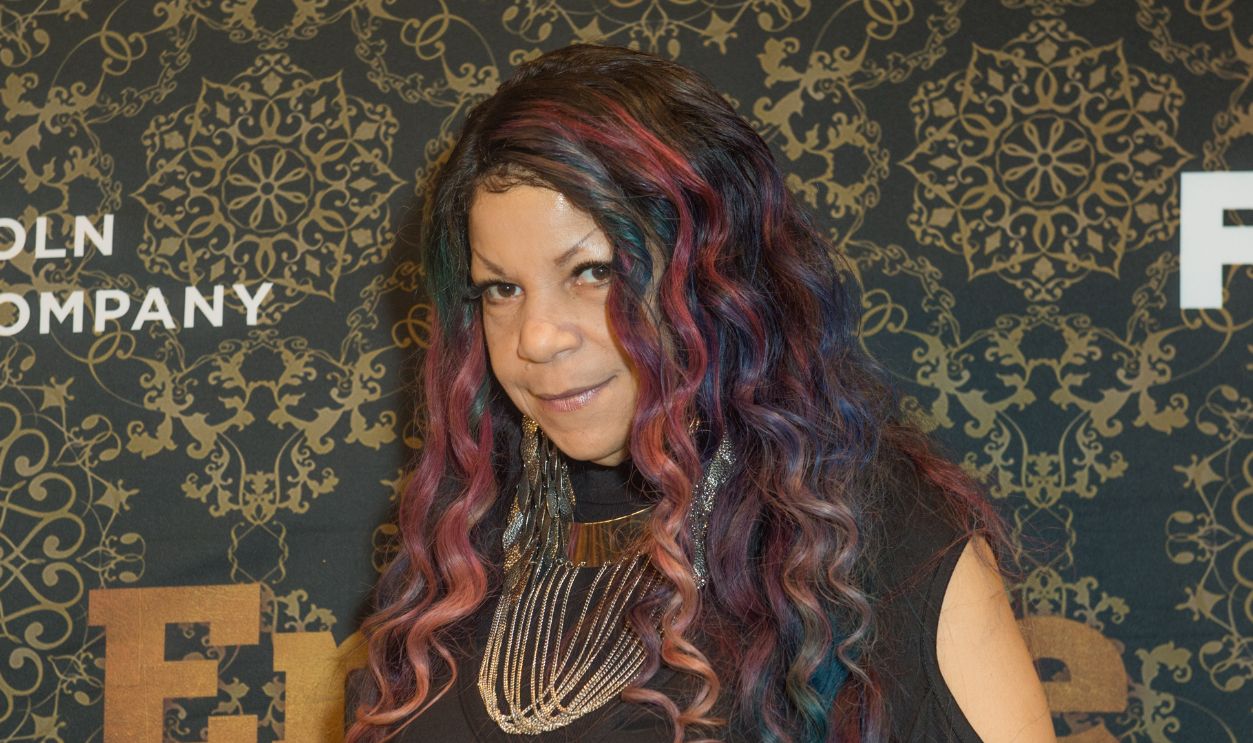
Sharon Nelson, Norrine Nelson, and John R. Nelson were Prince's older paternal half-siblings, born from their father's earlier relationships. All three eventually became recognized heirs. They would later form one side of the estate's ownership divide, preferring to retain their interests rather than sell them to an outside music company. Their decisions would have enormous consequences for the future management of Prince's music.

Two More Half-Brothers
Prince's other surviving half-brothers, Omarr Baker and Alfred Jackson, were related to him through his mother, Mattie Shaw, rather than his father. Omarr was Mattie's son with Hayward Baker, while Alfred was born during her earlier marriage to Alfred Jackson Sr. Along with Tyka, they would eventually make up the younger group of heirs who chose to sell their interests in the estate.
Six Equal Inheritances
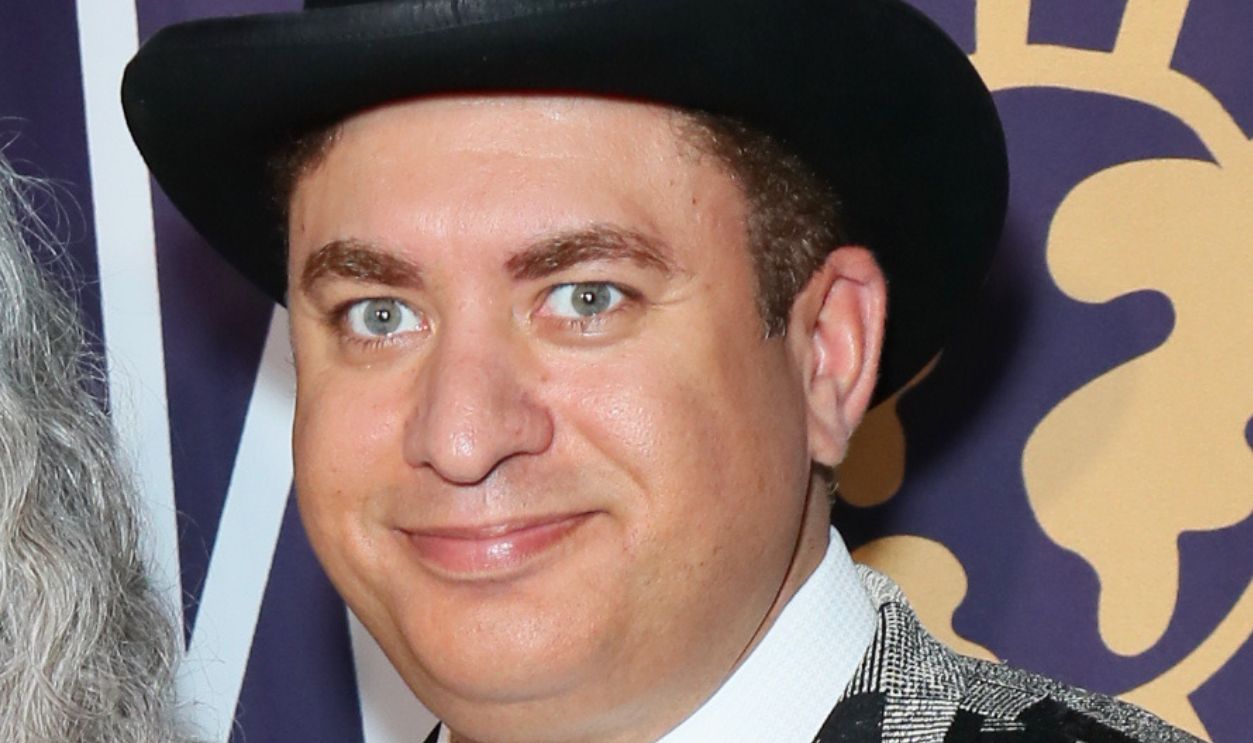
Under Minnesota law, the distinction between full and half-siblings didn't give Tyka priority over the others. With no surviving spouse, descendants, or parents, Prince's six qualifying siblings stood to inherit equal shares. Each was initially entitled to one-sixth of the estate. But before anyone could collect, the court had to resolve a remarkable collection of competing claims.

The Claimants Started Arriving
With Prince's estate now clouded with uncertainty, more than 45 people reportedly filed claims asserting that they were his children, spouses, siblings, or other relatives. Some claimed previously unknown family connections, while others insisted they had relationships that entitled them to inherit. The court couldn't simply dismiss everyone without examining the relevant evidence. Establishing who was genuinely entitled to Prince's fortune became a legal undertaking of its own.

The Court Investigated His Heirs
Judge Kevin Eide oversaw the complicated proceedings in Carver County, Minnesota. Claims involving alleged children, siblings, and other relatives required consideration of legal documentation and, in some instances, genetic evidence. By May 2017, the court had identified Prince's six surviving siblings as his rightful heirs. However, certain rejected claimants still had appeals pending, meaning the estate couldn't simply be handed over immediately.
 Tony Webster from Minneapolis, Minnesota, United States, Wikimedia Commons
The First Major Ruling
In May 2017, the court formally recognized Tyka, Sharon, Norrine, John, Omarr, and Alfred as Prince's heirs. It was an important breakthrough, but hardly the end of the matter. The estate's assets still had to be valued, debts and taxes addressed, and complicated music-related business interests managed. What appeared to be a straightforward inheritance had already become a costly legal process.
A Bank Took Control
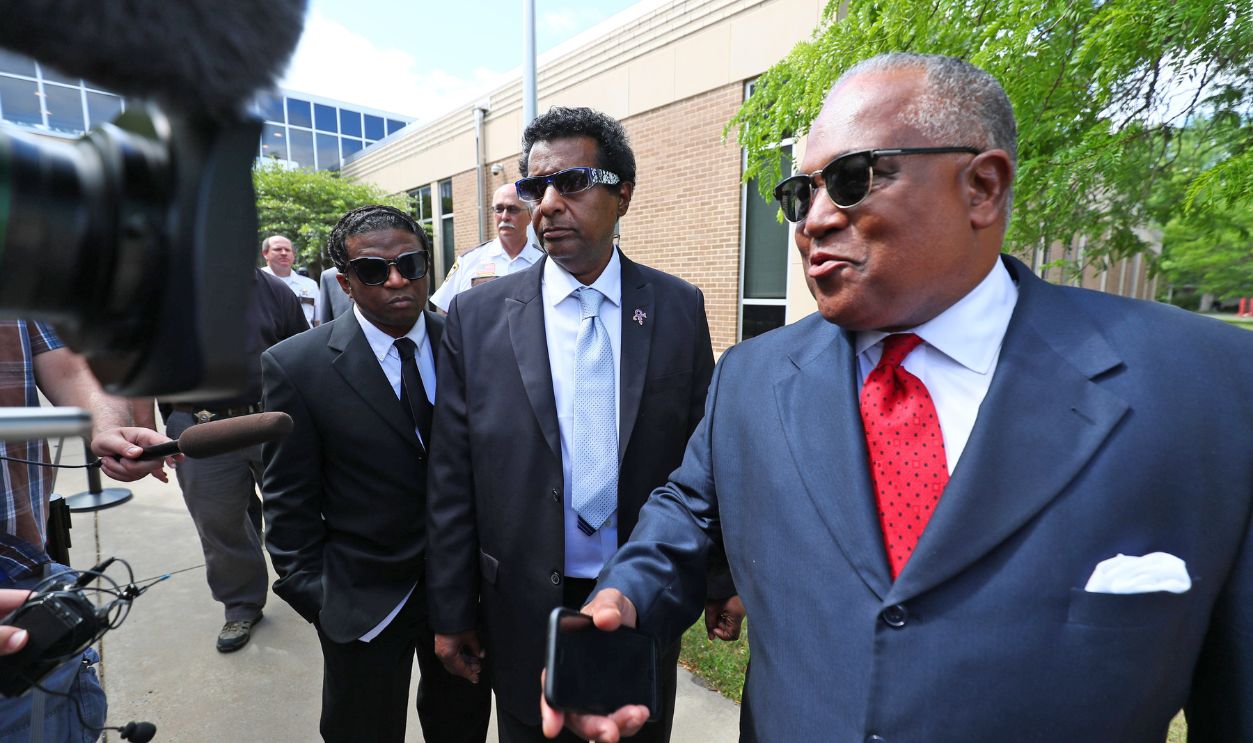
Comerica Bank & Trust eventually assumed responsibility for administering Prince's estate. Its job included safeguarding assets, managing financial obligations, and overseeing business affairs while the courts tried to get to the bottom of resolving the outstanding inheritance issues. This was particularly complicated because Prince's music continued to bring in revenue after his death. Decisions about licensing, reissues, and previously unreleased recordings couldn't simply wait until the family finished arguing.

The Music Kept Earning
Even as the legal proceedings dragged on, Prince's music catalog was still commercially valuable. Expanded editions of the albums Purple Rain (1984), 1999 (1982), and Sign o' the Times (1987) helped introduce archival recordings to listeners. The previously unreleased album Welcome 2 America (2021) also emerged from his vault. Every new release demonstrated why control of the estate was about much more than dividing existing bank accounts.
 Screenshot from Purple Rain, Warner Bros. Pictures (1984), Enhanced
The IRS Entered The Battle
One of the biggest disputes concerned the estate's actual value. Comerica's appraisal placed it at approximately $82.3 million, but the Internal Revenue Service determined that it was worth about $163.2 million. That enormous difference had major estate-tax implications. The disagreement centered partly on how to value intangible assets, particularly Prince's music rights and future earning potential. The resulting tax dispute prolonged an already expensive process.
 G. Edward Johnson, Wikimedia Commons
The Price Of Waiting
By the time the valuation dispute approached resolution, the estate had accumulated tens of millions of dollars in legal, administrative, and professional expenses. Money that might otherwise have benefited Prince's heirs was being consumed by the process of determining who owned what. As the proceedings dragged on, it also meant that elderly family members were waiting years for an inheritance that might never arrive during their lifetimes.

Two Heirs Never Lived To See The Inheritance
Alfred Jackson died in 2019, and John R. Nelson passed on in September 2021. Both had been recognized as heirs, but neither lived to see the estate's final distribution. Their interests passed through their own estates or trusts, introducing additional beneficiaries into an already complicated arrangement. Prince's inheritance battle had now lasted so long that a second generation of family members was becoming involved.
A Music Company Saw Opportunity
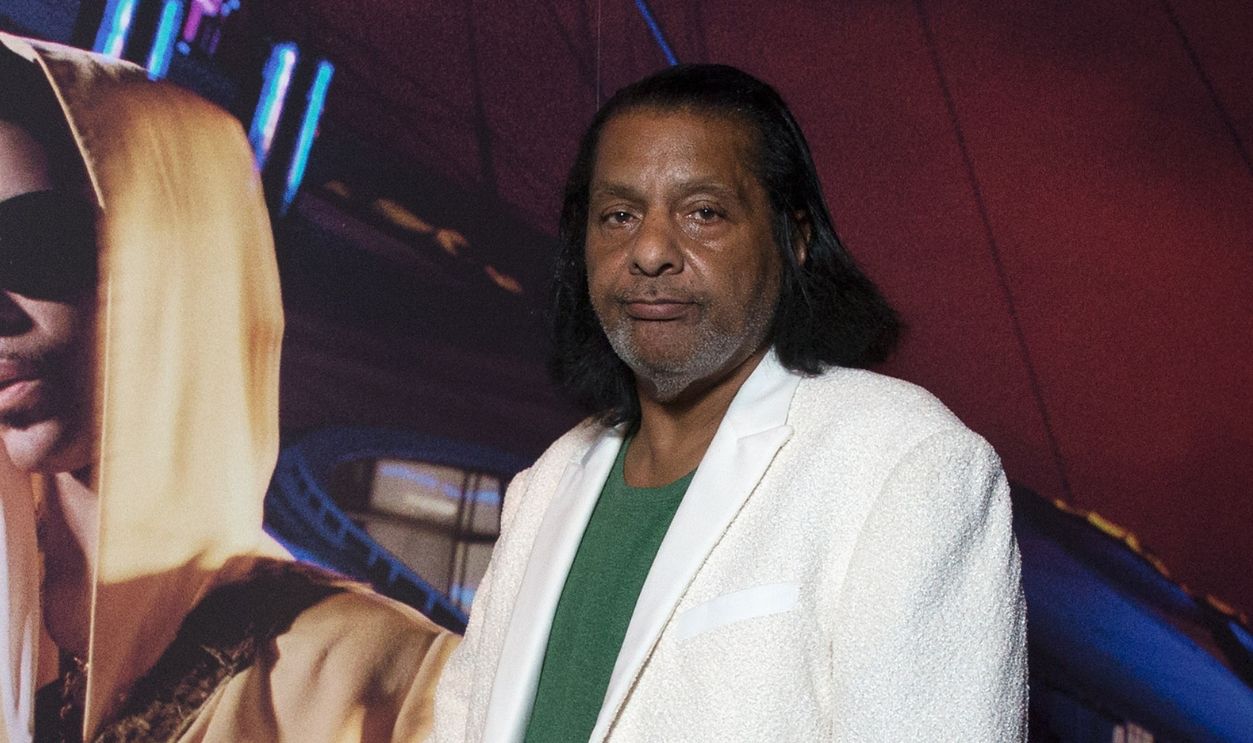
While the family waited, music publishing company Primary Wave began acquiring interests in Prince's estate. The company specialized in managing and developing valuable music catalogs, making Prince's intellectual property particularly attractive. Rather than waiting indefinitely for the probate process to conclude, some heirs chose to sell their expected shares. The transactions introduced a powerful outside business partner into what had originally been a family inheritance.

The Family Split In Two
Primary Wave acquired all of Omarr Baker's and Alfred Jackson's inheritance interests, along with 90% of Tyka Nelson's share. The company initially controlled approximately 42% of the estate, while later arrangements divided its management between two holding companies. Sharon, Norrine, and John's side retained the other major ownership interest, creating competing visions for Prince's legacy.

The $156 Million Agreement
In January 2022, the estate's administrator, the IRS, and Prince's heirs finally agreed on a valuation of approximately $156.4 million. It was a crucial breakthrough after years of disagreement. But that figure represented the estate's agreed value, not a pile of cash waiting to be divided. Taxes, liabilities, and administrative expenses still had to be accounted for before the beneficiaries could receive their shares.

Six Years Finally Ended
In July and August 2022, the Minnesota probate court approved the final arrangements for distributing Prince's estate. Roughly half went to interests associated with Primary Wave, while the other half went to the older siblings' side (i.e., Sharon, Norrine, and John R. Nelson) through a separate holding company. The long-running probate proceedings were finally over. Yet nobody could guarantee that the people now sharing control of Prince's legacy would agree on how to manage it.
Another Family Dispute Erupted
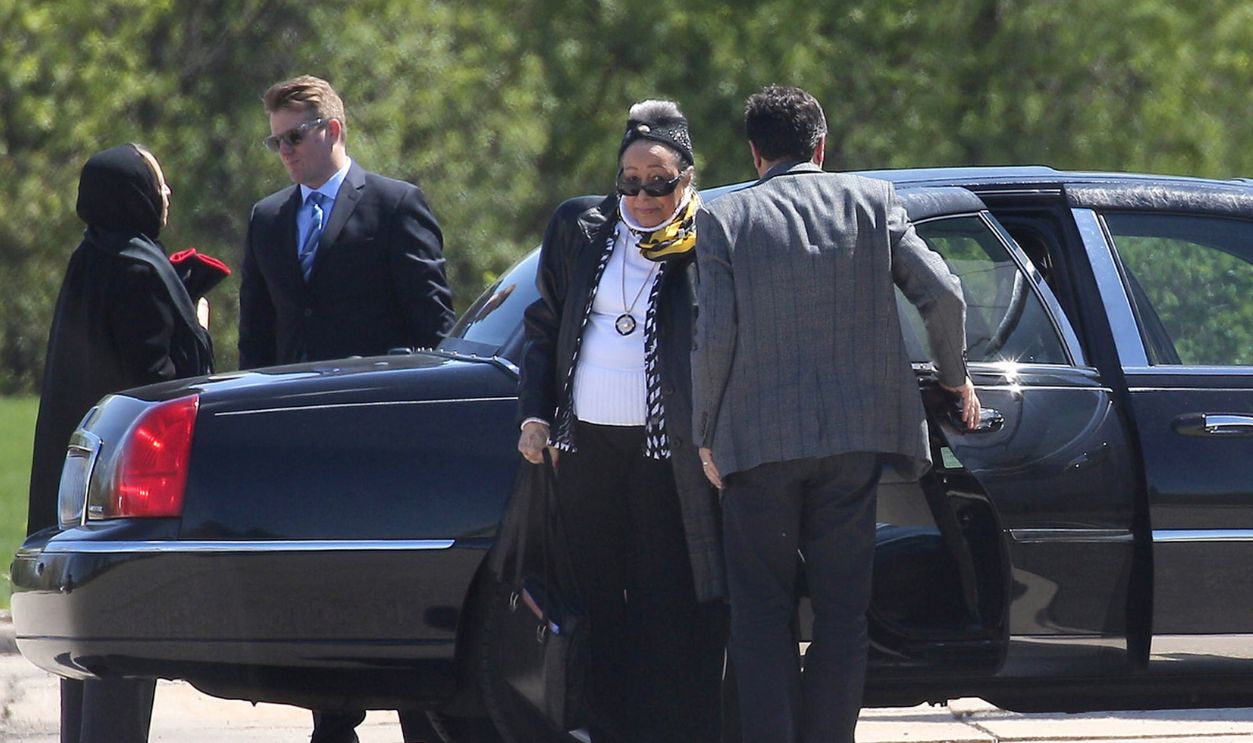
The family-controlled portion was placed in Prince Legacy LLC, with longtime Prince associates L. Londell McMillan and Charles Spicer serving as managing members. But disagreements developed over their authority. Sharon Nelson and other family members attempted to change the company's management arrangements, prompting another lawsuit in 2024. In July, a Delaware judge ruled that the attempted amendment was invalid, leaving McMillan and Spicer in their management positions.
It Still Wasn't Over
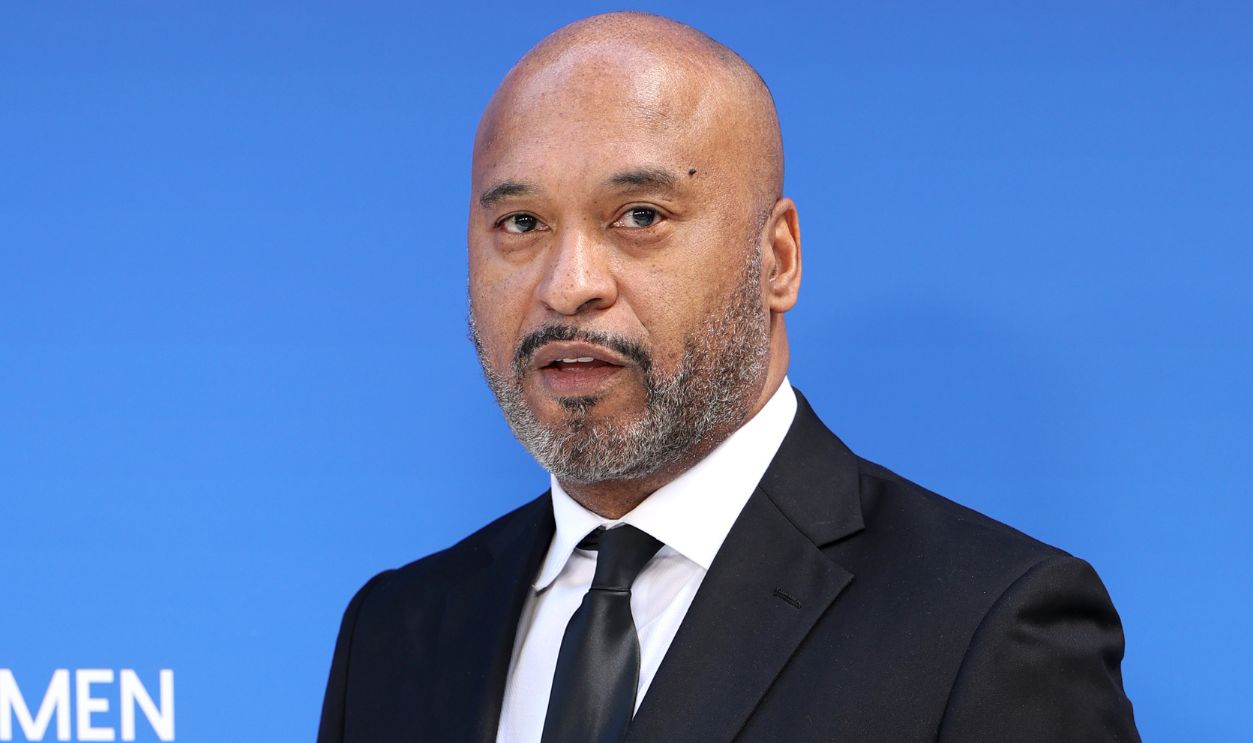
The 2024 ruling resolved an important management question, but it didn't settle every disagreement. Related litigation continued over agreements and financial arrangements involving Prince Legacy. Tyka Nelson, Prince's only full sister, also died in November 2024 at age 64. By 2025, court proceedings were still addressing disputes connected to the family-controlled interests. The six-year probate battle had ended in 2022, but the broader struggle over Prince's legacy had continued.

The Lesson Prince Left Behind
Prince's story offers an expensive lesson about estate planning. A properly drafted will could have established his intended beneficiaries, while trusts and other arrangements might have provided clearer management instructions and greater privacy. Equally important, anyone leaving behind valuable business interests should decide who will control them after death. Prince carefully guarded his artistic independence throughout his career, but with no clear estate plan, those decisions ultimately fell to courts, relatives, and business partners.

You May Also Like: