She Still Had Something To Say
Joan Crawford spent decades making sure Hollywood remembered her. But when she passed away in 1977, she left behind something her children would have a much harder time forgetting. It wasn’t a movie, an interview, or some unfortunate remark overheard at a party. This time, she had put it in writing: “for reasons which are well known to them.”
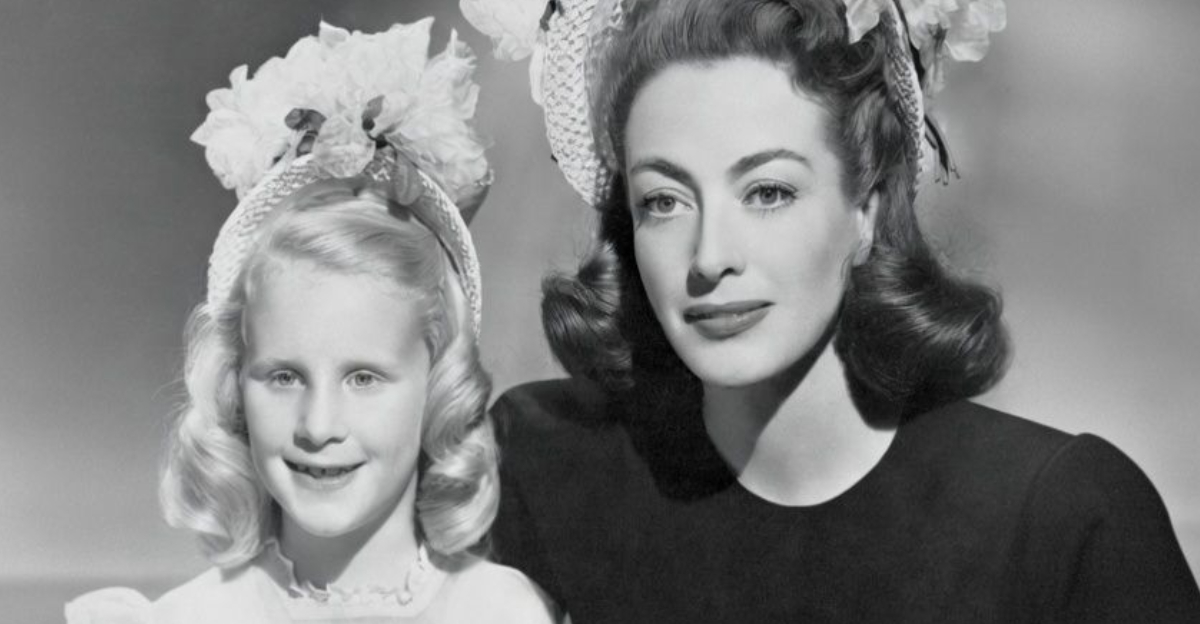
Before There Was Joan Crawford
She was born Lucille LeSueur, long before the glamorous clothes, famous eyebrows, and studio photographers. Her early life included poverty and family instability. Hollywood offered her a chance to become someone else, and she worked relentlessly to make sure that chance didn’t slip away.
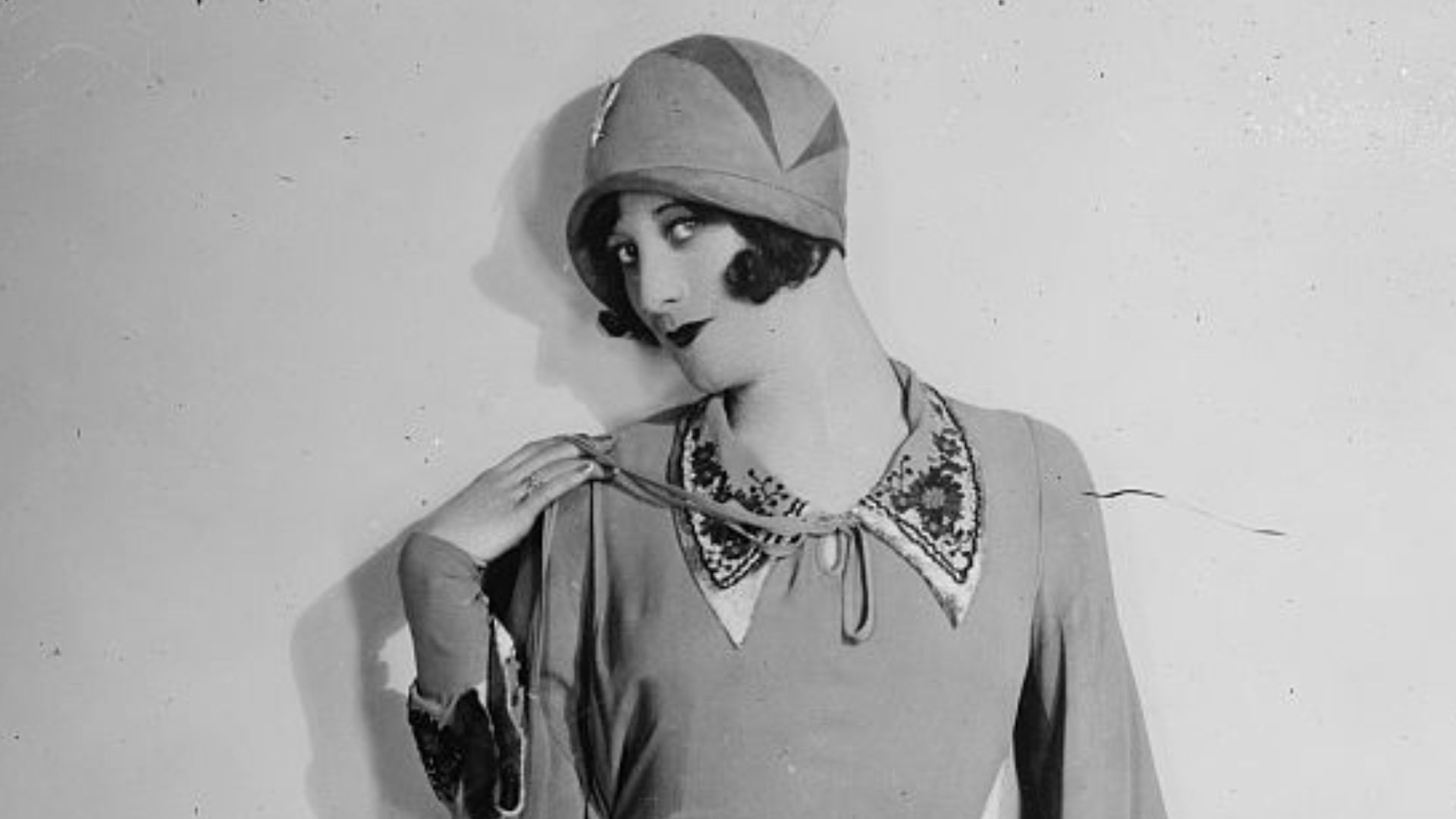 The Library of Congress, Wikimedia Commons
Hollywood Learned Her Name
Crawford signed with MGM in 1925 and became a major star before the silent era was over. Through the 30s, audiences watched her play ambitious women trying to improve their lives. It was a formula she understood pretty well herself. She had already done it.
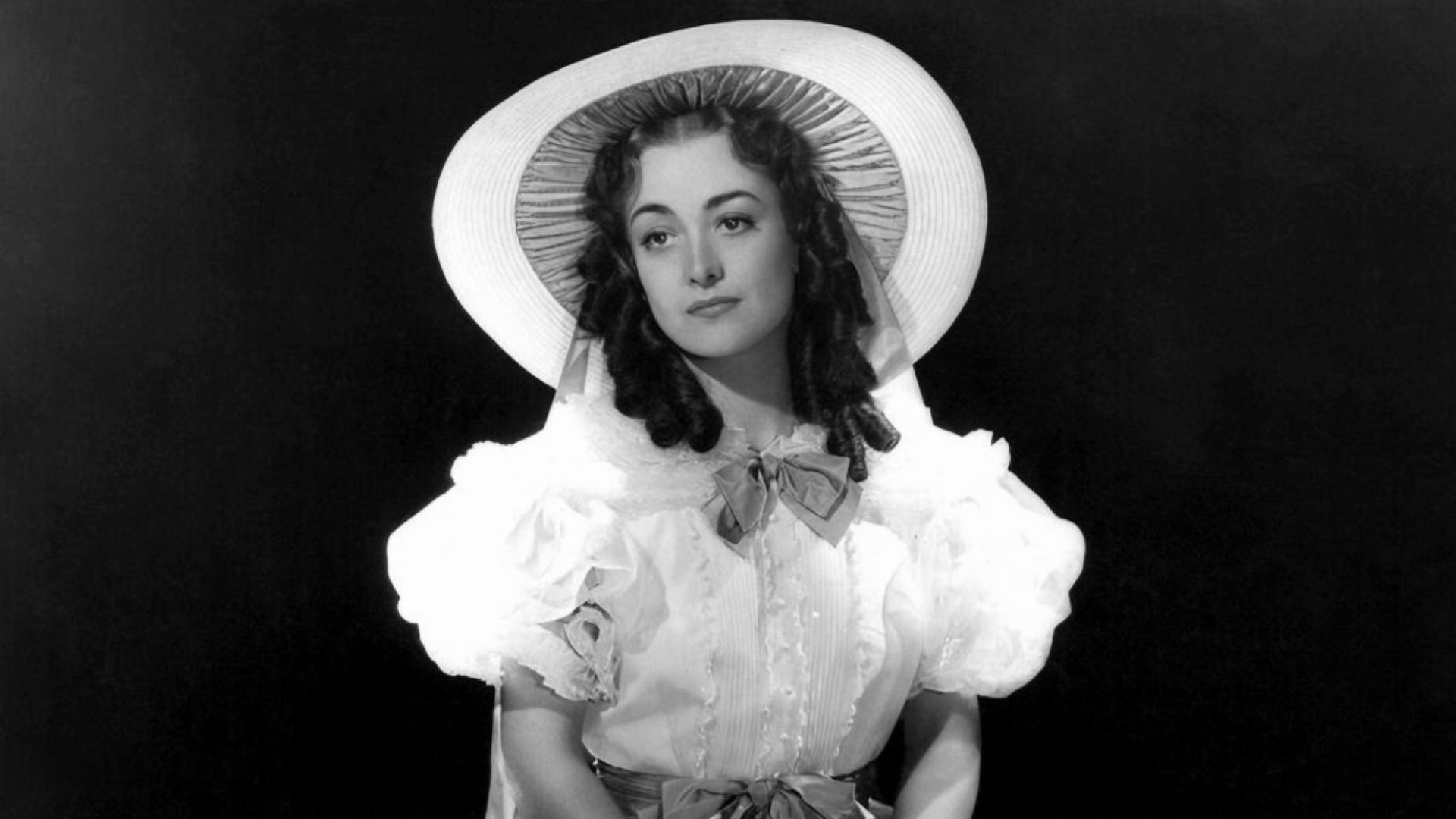 George Hurrell, Wikimedia Commons
She Wasn’t Finished Yet
When her career stumbled, Crawford fought her way back. “Mildred Pierce” brought her the Academy Award for Best Actress in 1946. Playing a mother who sacrificed almost everything for her daughter became one of her greatest achievements. Later, that particular role would carry an uncomfortable association.
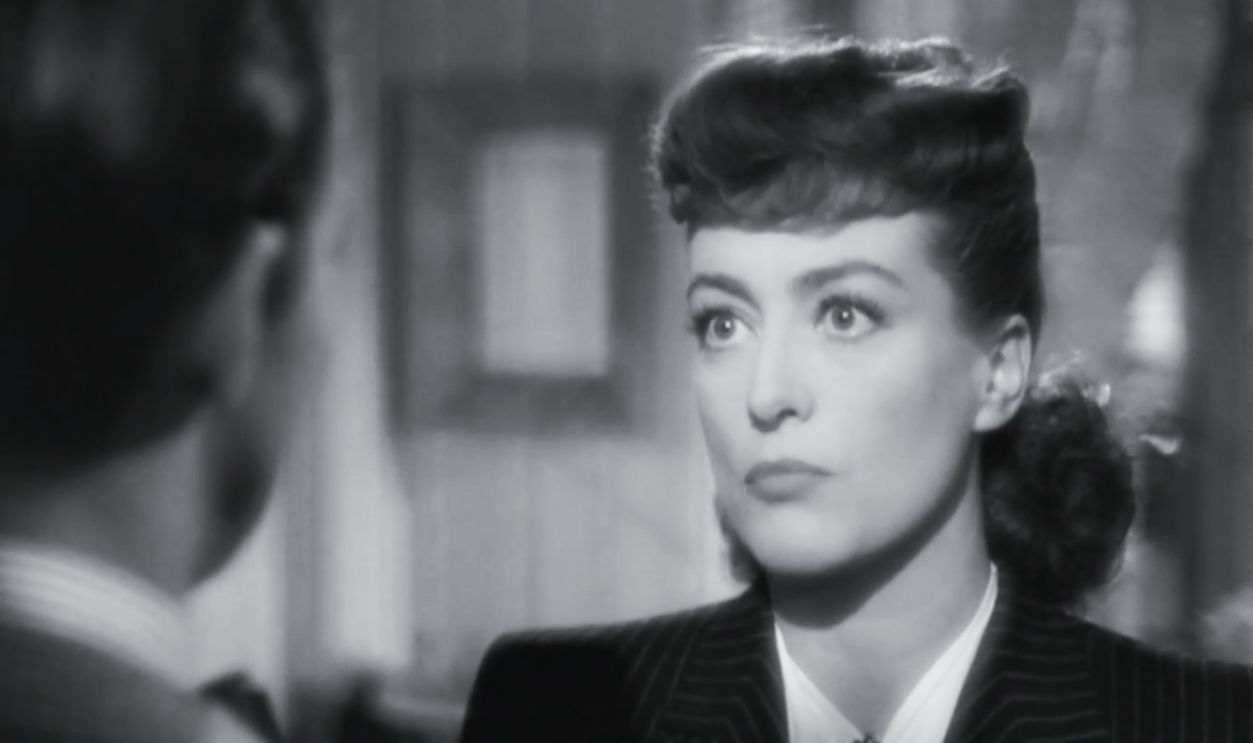 Screenshot from Mildred Pierce, Warner Bros. Pictures (1945)
A Family Of Her Own
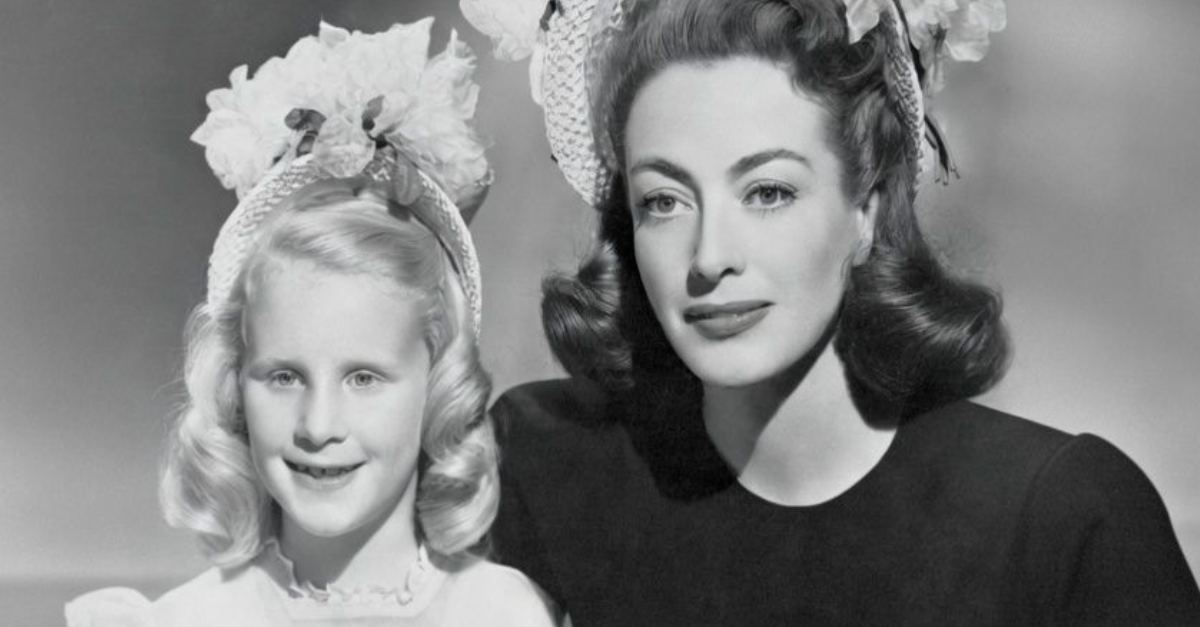
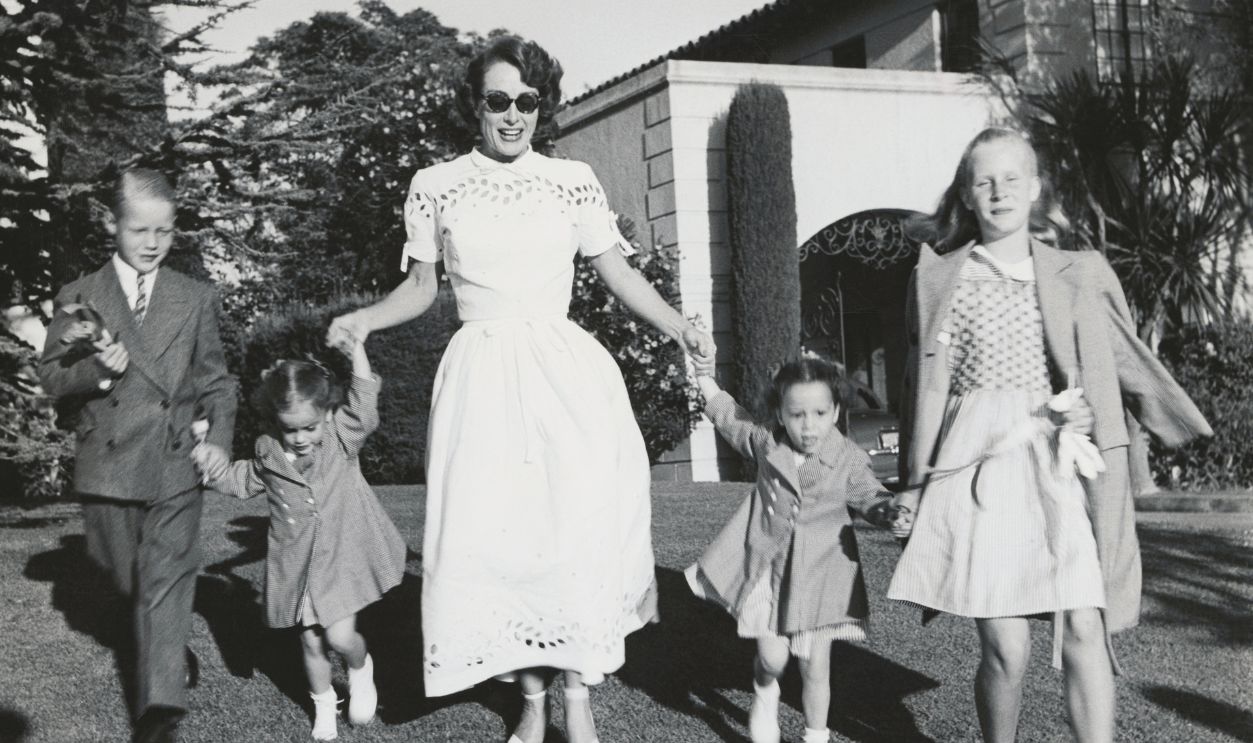
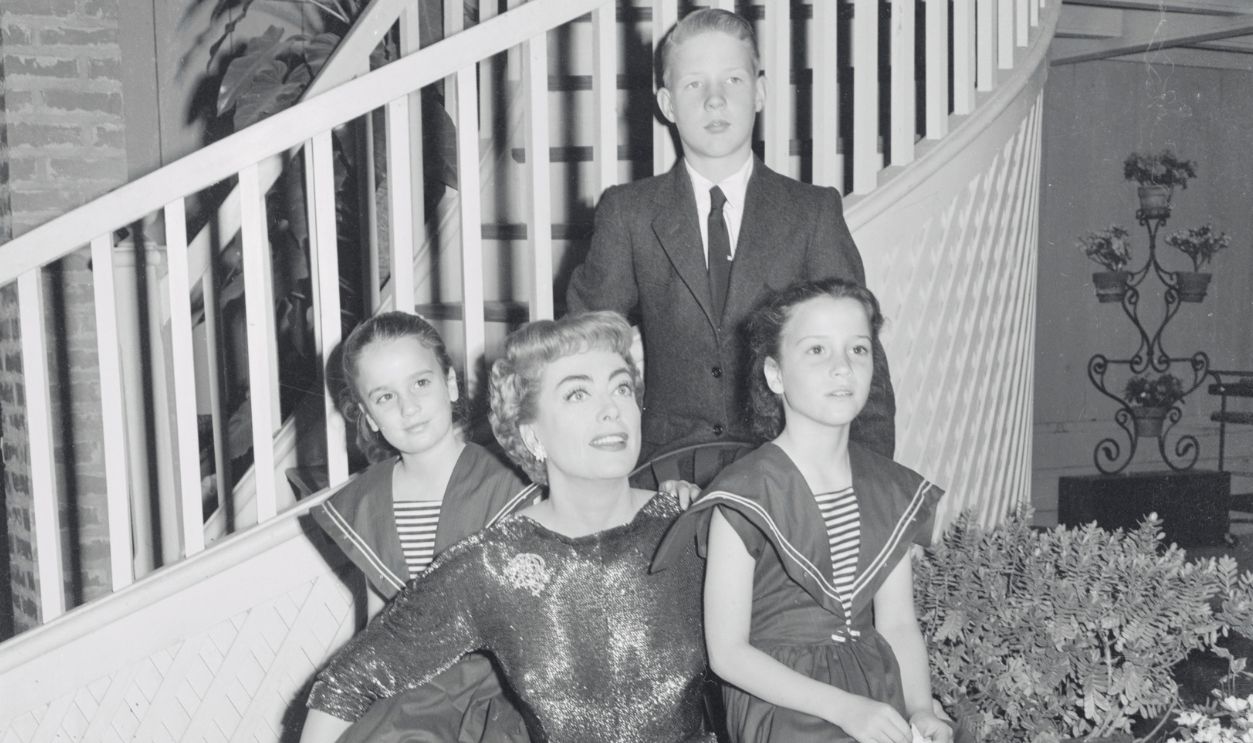
Away from the cameras, Crawford became the mother of four adopted children: Christina, Christopher, and younger twin daughters Cathy and Cynthia, known as Cindy. To the public, it added another appealing chapter to her story. One of Hollywood’s biggest stars was also raising a family.
The Pictures Looked Wonderful
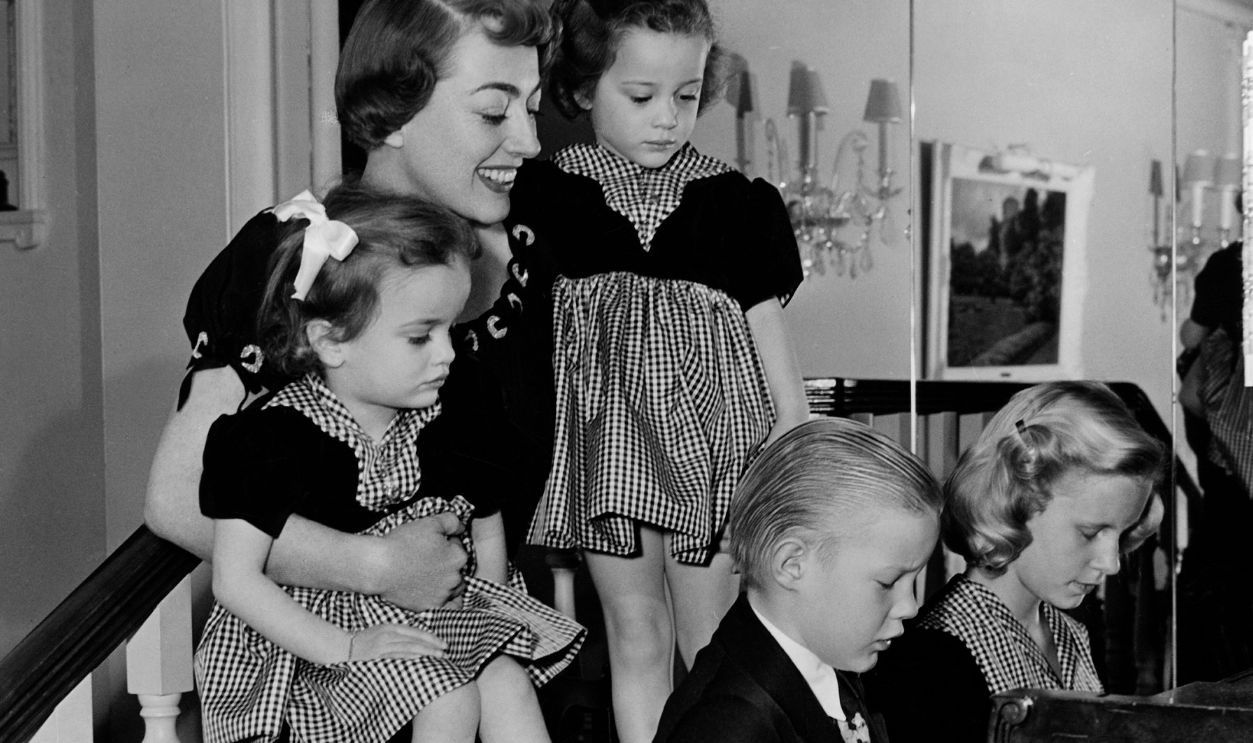
There were coordinated outfits, family photographs, elaborate birthday parties, and impressive Christmas celebrations. Christina later described a childhood that could look almost impossibly lovely from the outside. But she also said that maintaining that picture mattered far more than anyone looking at the photographs could have realized.
 ullstein bild Dtl., Getty Images
Christina Remembered Something Else
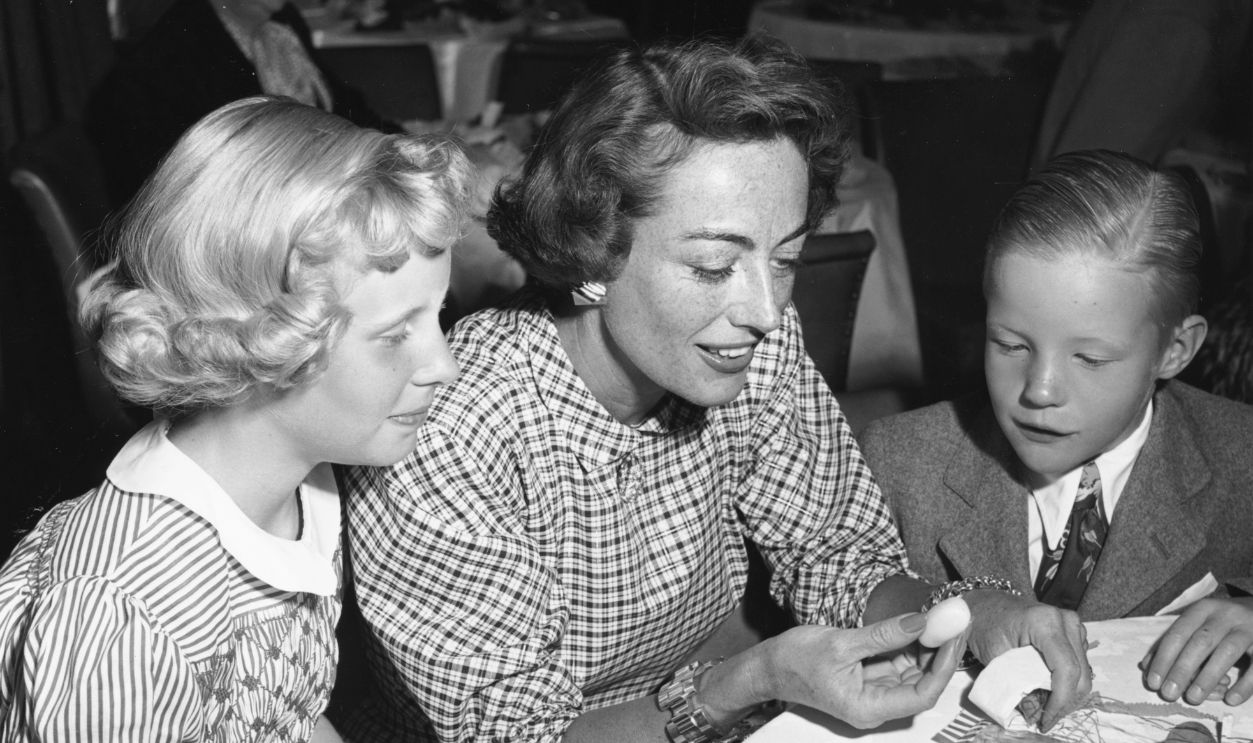
In Christina’s account, life behind those photographs involved rigid rules, frightening outbursts, and physical and emotional abuse. Her mother’s expectations could turn ordinary childhood mistakes into serious confrontations. These were allegations Christina would eventually put before the public, and other family members would fiercely dispute them.
Christopher Had His Own Complaints
Christina wasn’t the only child who described a painful relationship with Crawford. Christopher also spoke publicly about harsh treatment and feeling unwanted. In a 1981 People interview, he recalled moving through numerous schools and struggling to feel accepted either at home or among his classmates.
One Visit Ended Their Relationship
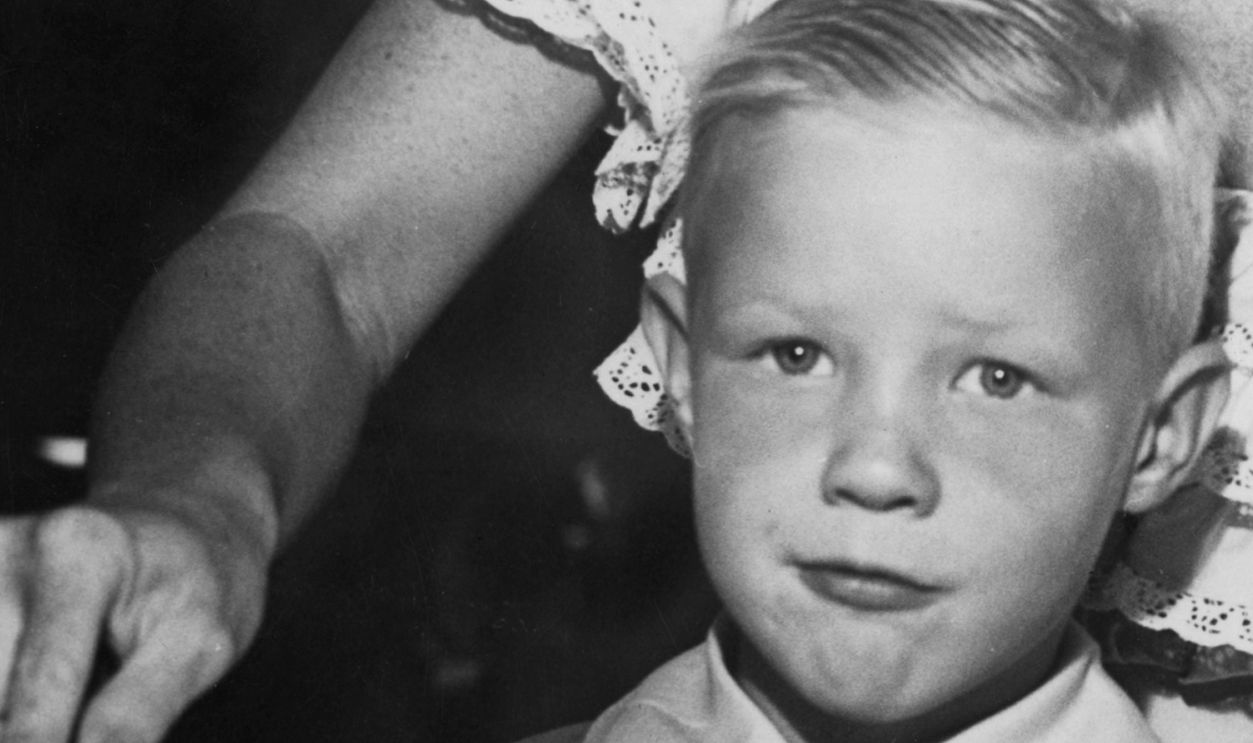
Christopher told People that he brought his young daughter to see Crawford during a visit in Miami. According to his account, Crawford questioned the child’s parentage in an insulting way. He walked out. He said it was the last time he ever saw his mother.
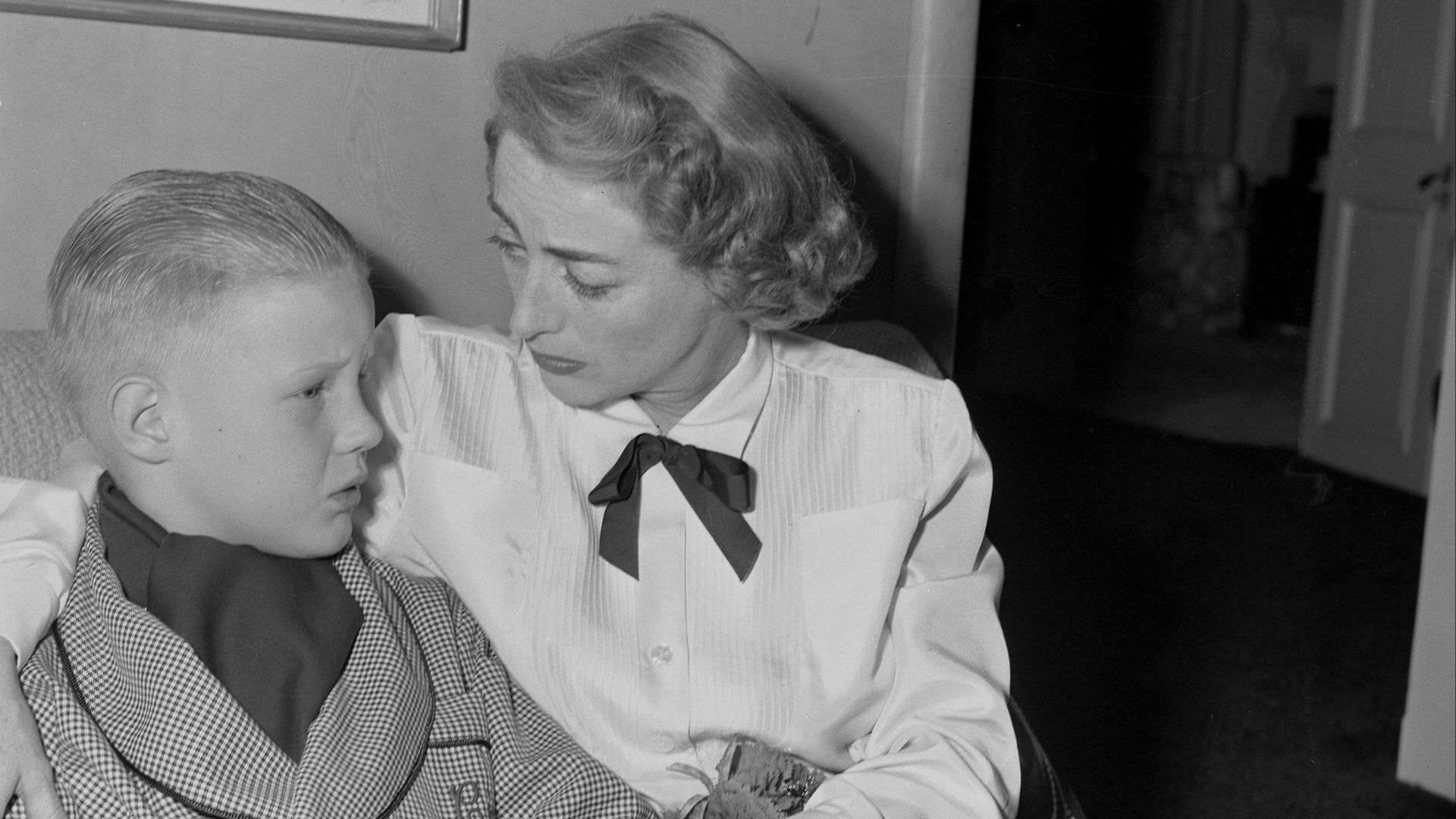 Los Angeles Times, Wikimedia Commons
The Younger Girls Told A Different Story
Cathy and Cindy remembered a mother they loved and defended. They rejected Christina’s portrayal of Crawford as abusive and described a much warmer relationship. This wasn’t a family that eventually agreed on what had happened. The children carried deeply different versions of the same famous mother.
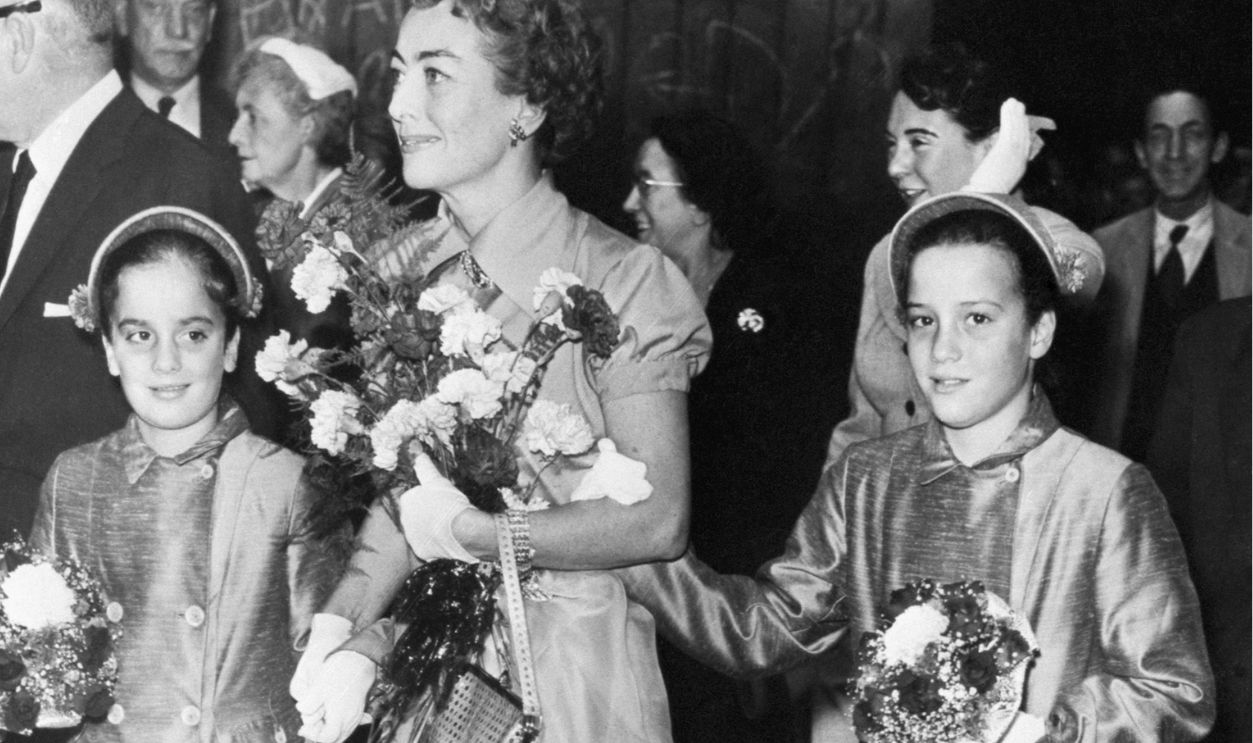
They Hadn’t Shared Every Experience
Christina pointed out that Cathy was only two when she went to boarding school. The younger daughters’ happy memories mattered, but they couldn’t account for everything that happened before they were old enough to remember it. Sharing a mother didn’t mean sharing the same childhood.
Christina Tried Hollywood Too
Christina followed her mother into acting, appearing in film, onstage, and on television. Her credits included the Elvis Presley movie “Wild in the Country” and the soap opera “The Secret Storm.” Having Joan Crawford as a mother made her recognizable. It also made comparisons pretty difficult to escape.
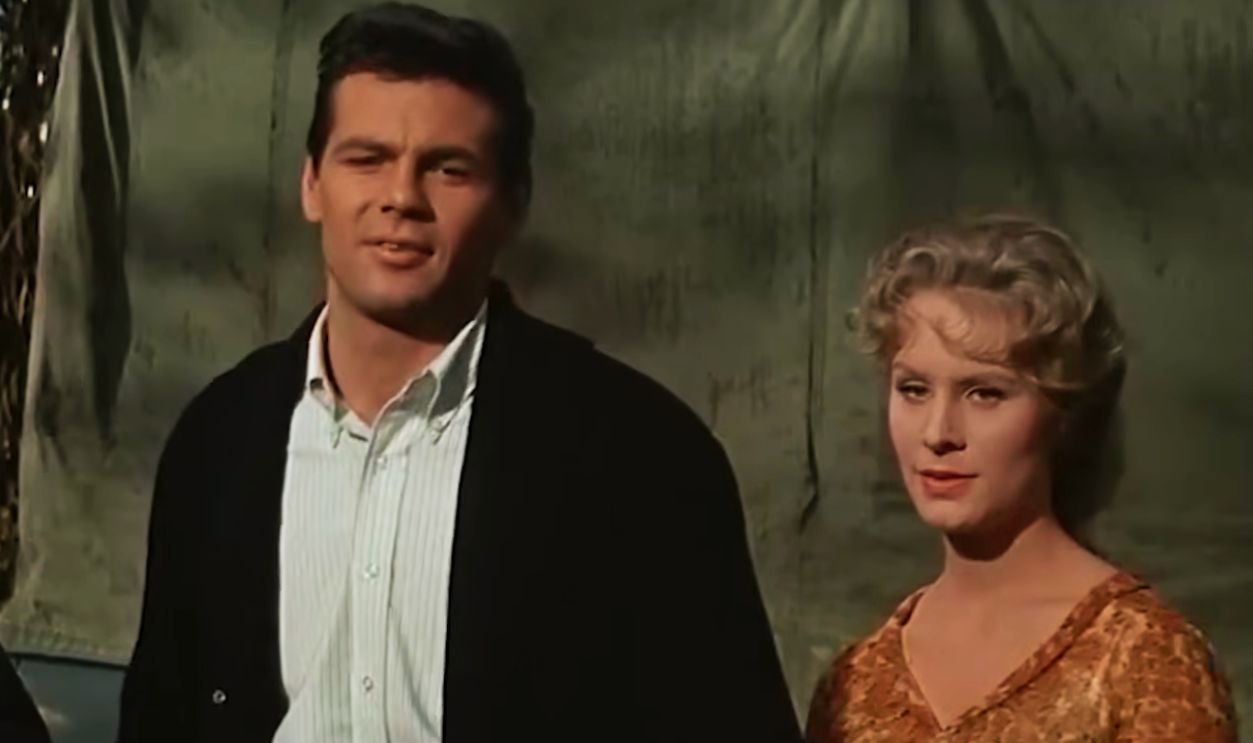 Screenshot from Wild in the Country, 20th Century Fox (1961)
Her Mother Took Her Place
In 1968, Christina needed emergency surgery and couldn’t appear on “The Secret Storm.” Crawford temporarily stepped into her daughter’s role. A Hollywood legend playing a much younger television character certainly attracted attention. It also created another public moment in a relationship that was already complicated enough.
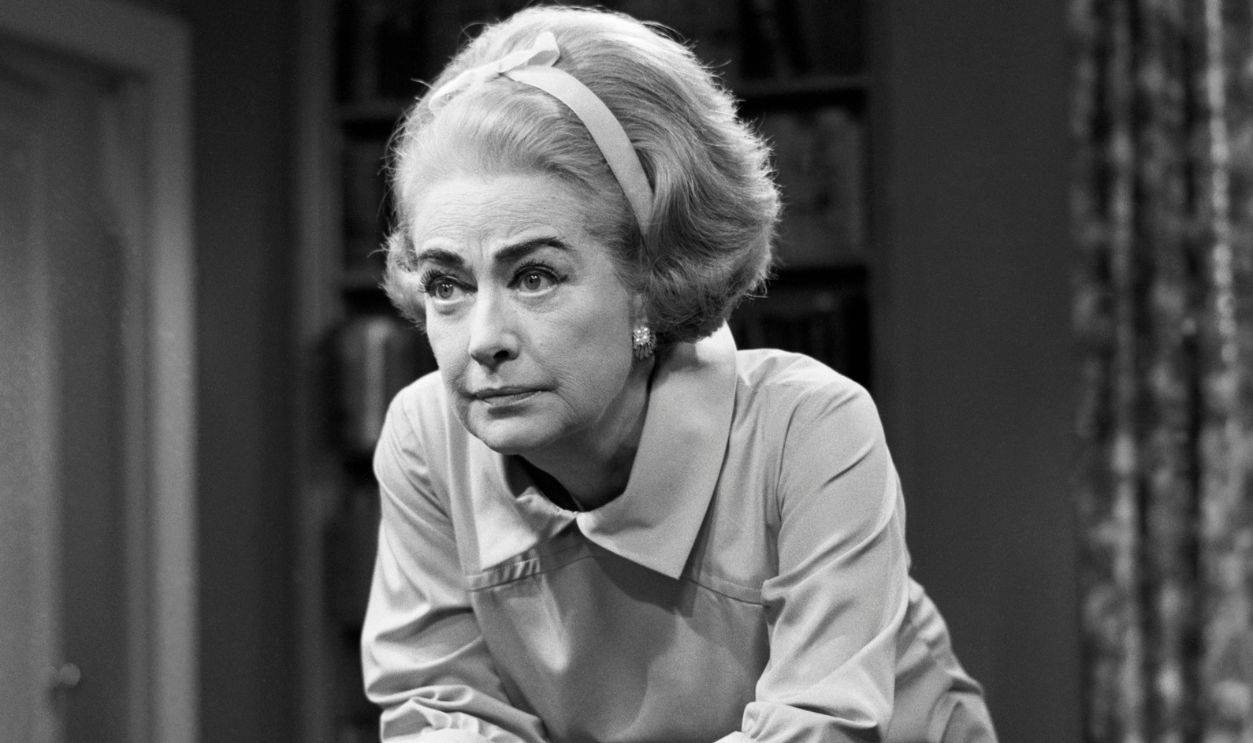
They Had Grown Apart
By Crawford’s final years, the distance between her and her two oldest children was substantial. People reported in 1981 that Christina had last seen her mother five years before Crawford’s passing. Whatever outsiders thought about the family, this wasn’t a sudden disagreement that appeared when the estate was opened.
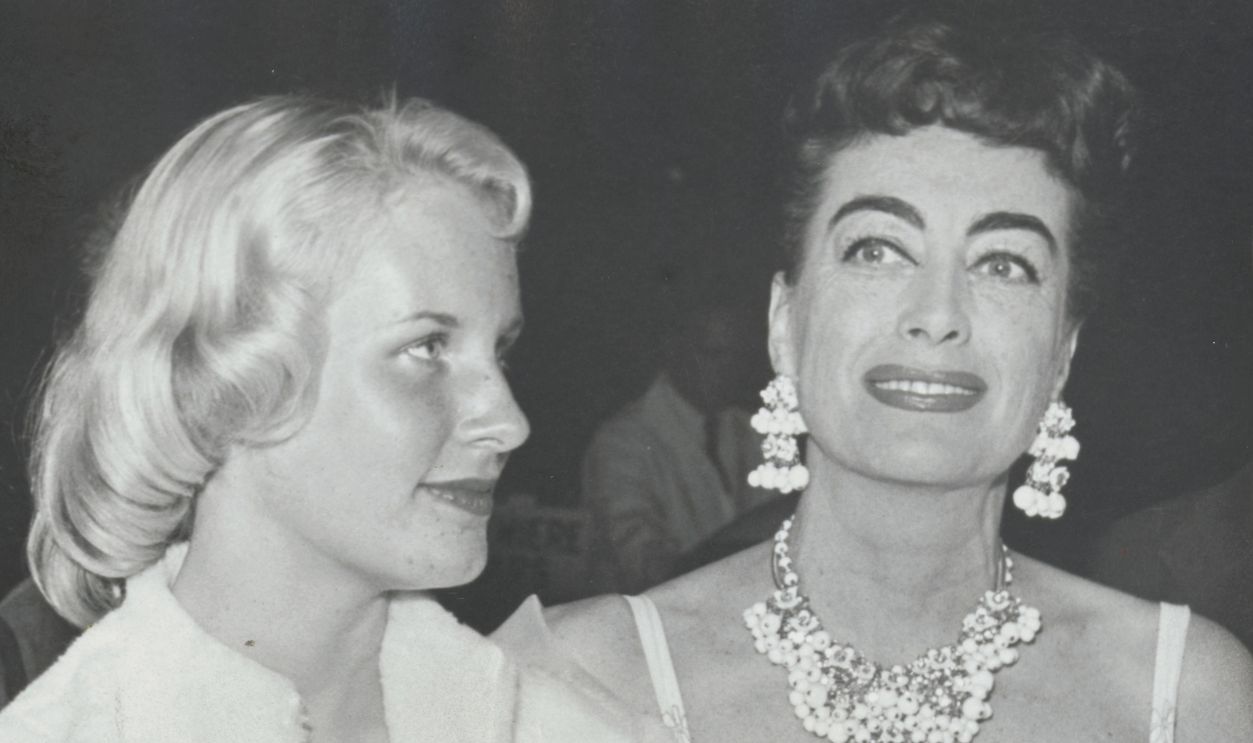
Then She Signed A New Will
On October 28, 1976, Crawford signed the will that would govern her estate. She lived for a little more than six months afterward, passing away in her Manhattan apartment on May 10, 1977. The document made her decisions about the children unmistakably clear.
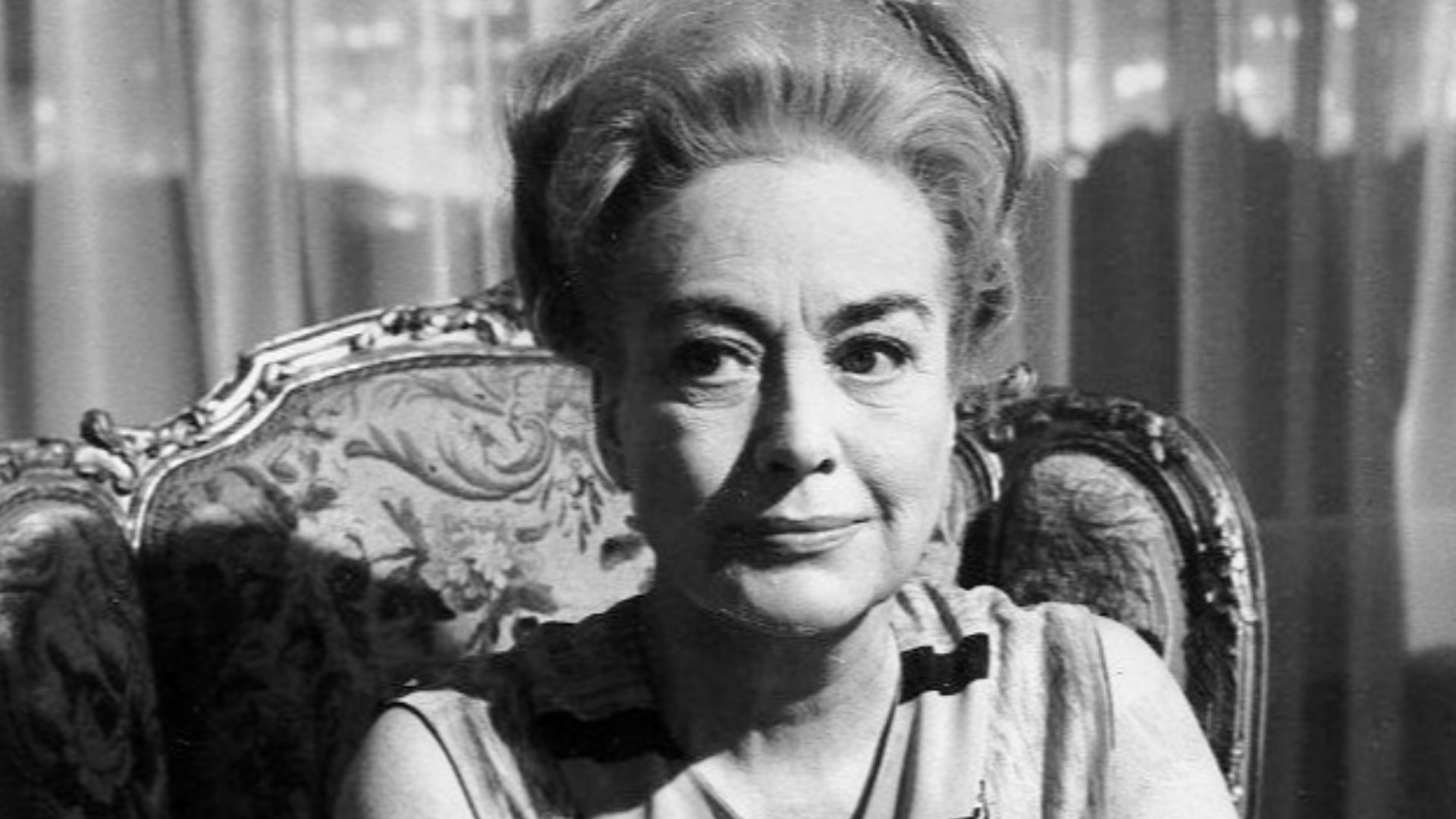 NBC Television, Wikimedia Commons
Two Daughters Were Provided For
The will set aside $77,500 each for Cathy and Cindy. Much of the money was to be managed through trusts, with payments tied to their ages. Crawford also left her tangible personal property to Cathy, with Cindy named to receive it if Cathy couldn’t or declined.
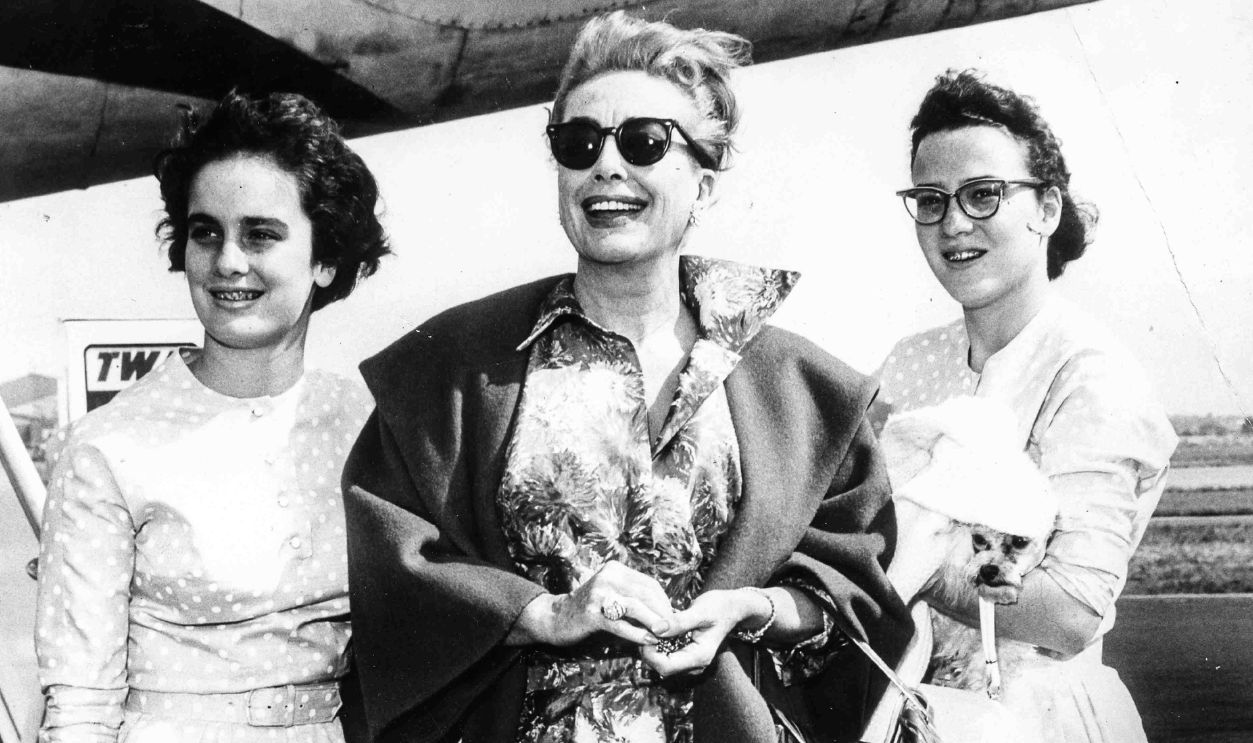 Universal History Archive, Getty Images
Other People Were Remembered Too
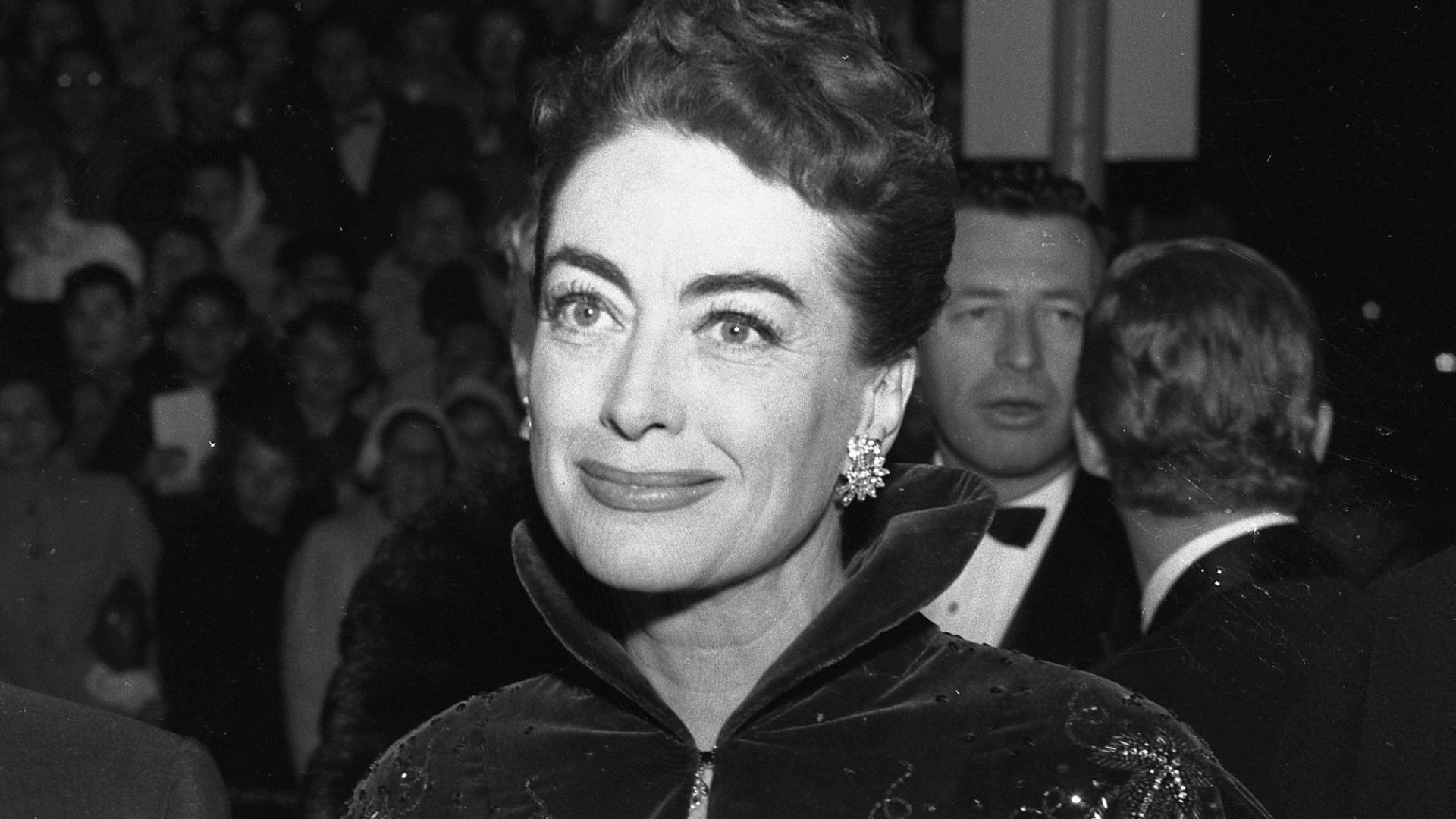
Crawford’s estate was estimated at about $2 million, a considerable fortune in 1977. She left $35,000 to longtime secretary and friend Betty Barker, plus smaller bequests to others. After the specific provisions, the remainder went to charities. There was money available. She had chosen where it would go.
 Los Angeles Times, Wikimedia Commons
The Message In Her Will
Crawford explicitly stated that she intended to leave nothing to her son Christopher or her daughter Christina. She finished the sentence with the words “for reasons which are well known to them.” There was no explanation of those reasons. Just their names, their exclusion, and that final pointed remark.
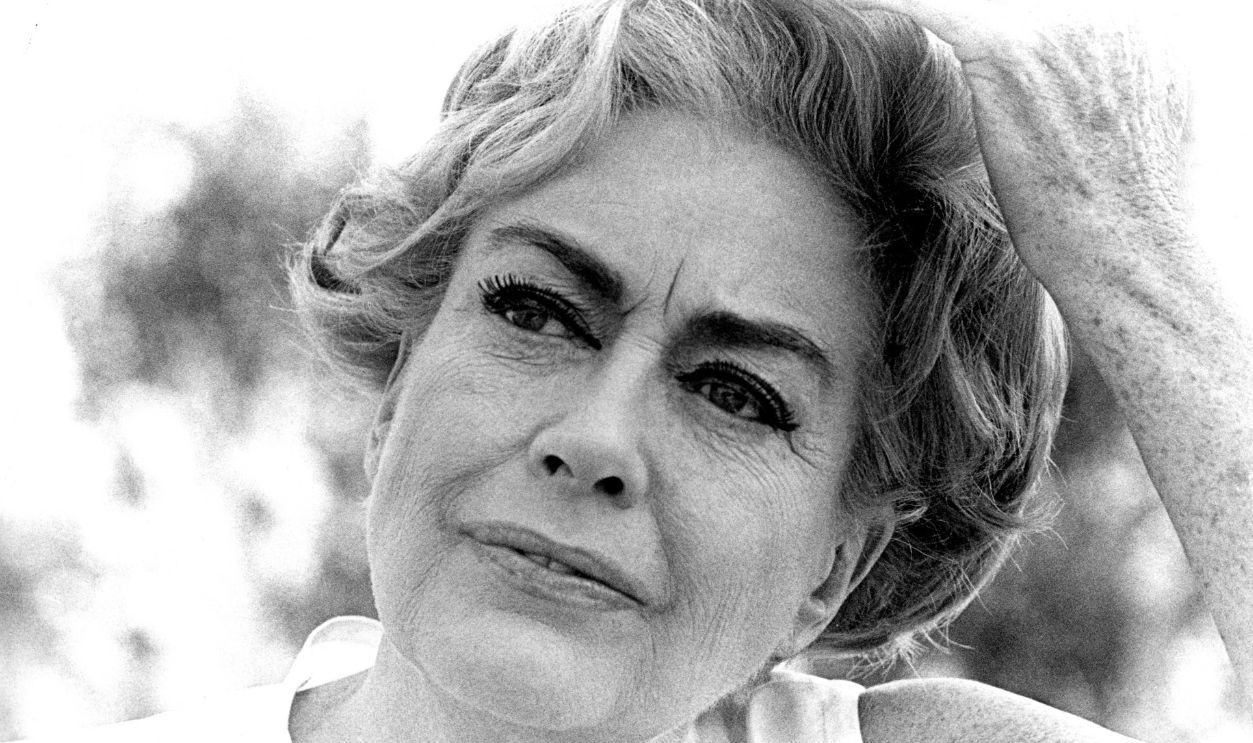
The Implication Hurt More
Christina later said she hadn’t expected an inheritance. What stunned her was the suggestion that she and Christopher had done something terribly wrong. To her, the wording wasn’t simply a financial decision. It left an accusation hanging over both of them without explaining what they were accused of.
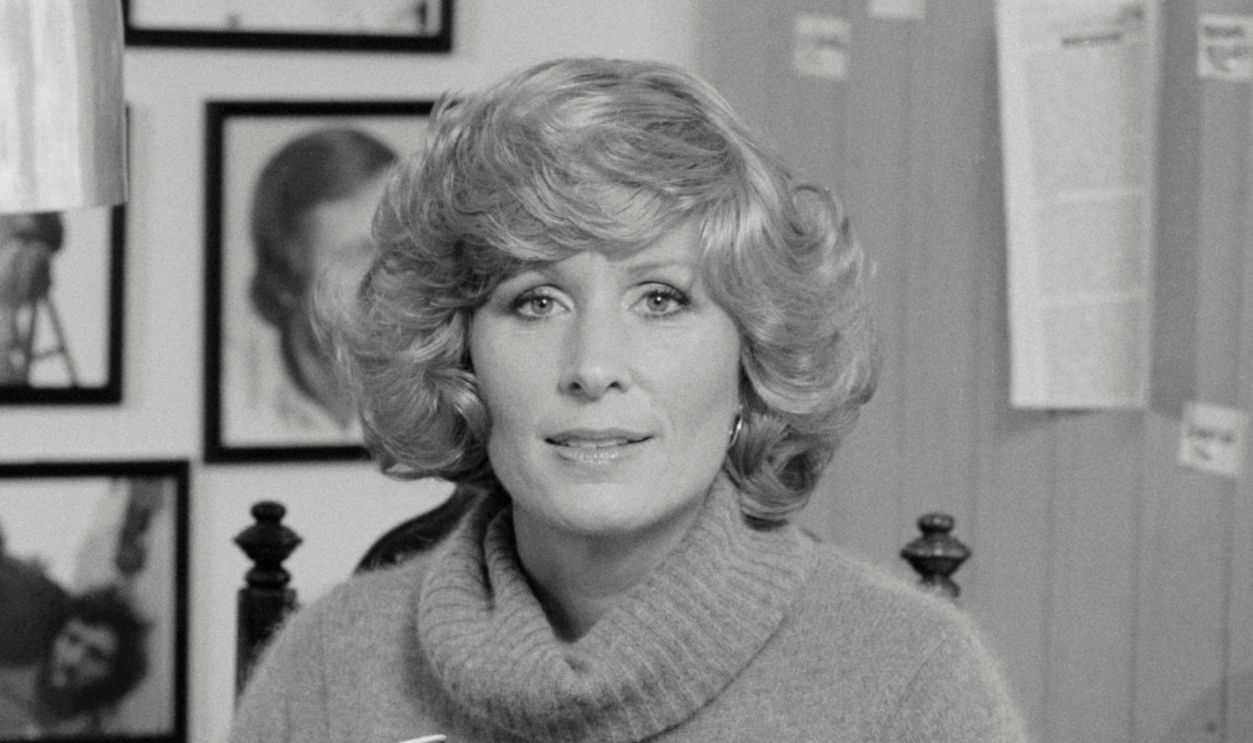
They Challenged Her Decision
Christina and Christopher contested the will. Their objections included claims that illness and alcohol had affected Crawford’s condition when she signed it. They also alleged that Cathy and her husband had improperly influenced her. Those were the challengers’ allegations, rather than established findings about what happened.
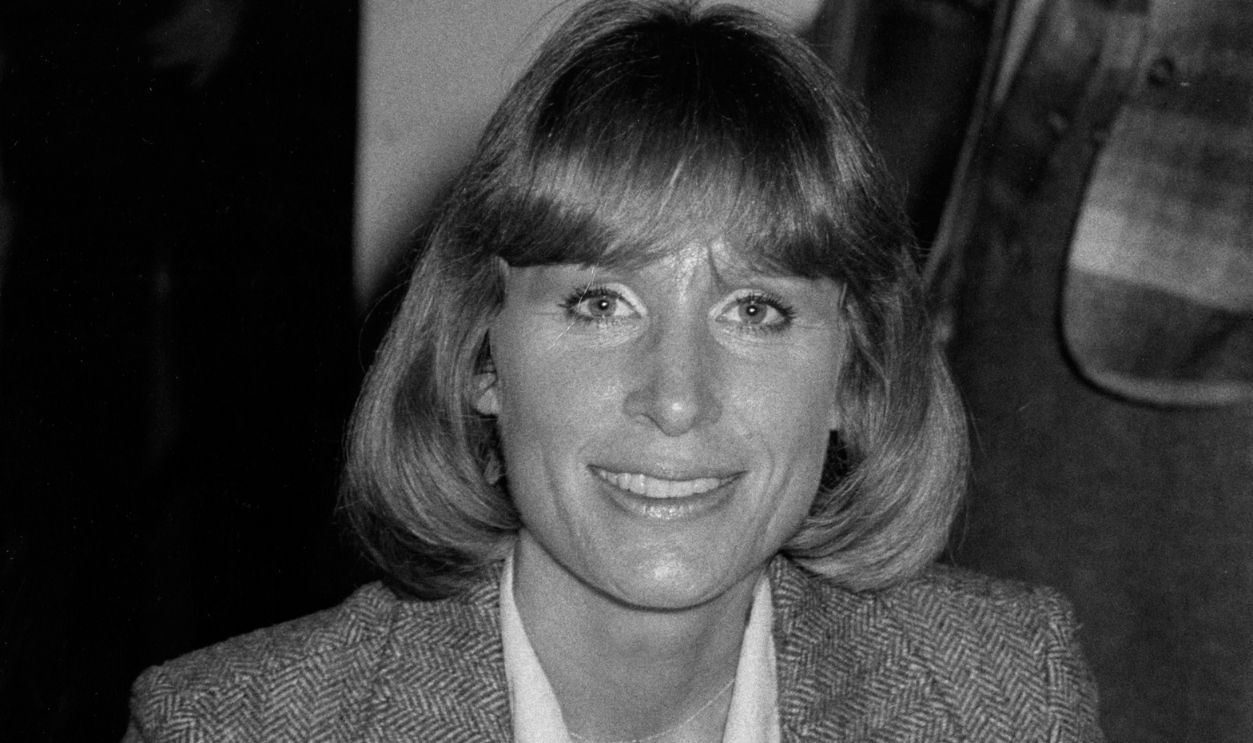
They Eventually Received A Settlement
The dispute ended in a settlement in July 1979. Christina and Christopher received a combined $55,000 from the estate. That distinction matters: Crawford’s will had left them nothing, but they didn’t ultimately receive nothing. The settlement resolved the estate dispute. It couldn’t repair the family relationship.
Christina Had A Message Too
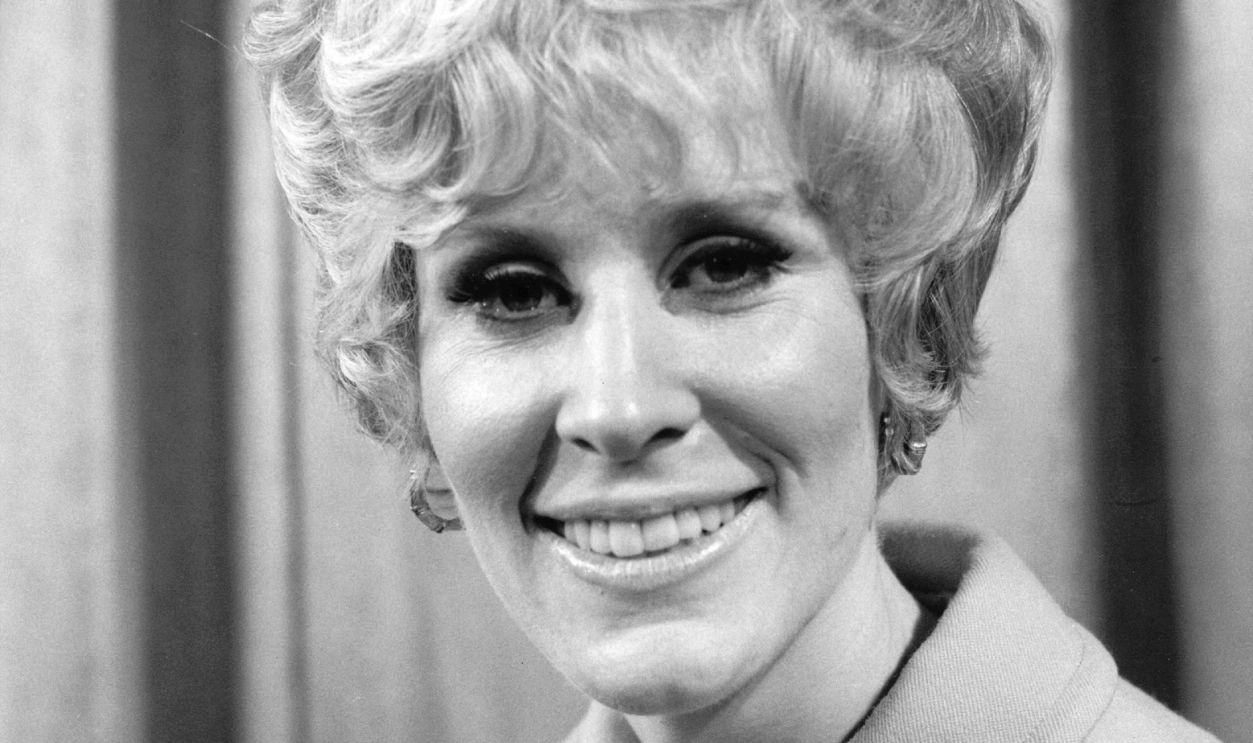
In 1978, before the estate dispute was settled, Christina published “Mommie Dearest.” The memoir described the childhood she said the public had never seen. Suddenly, Crawford’s carefully maintained family image was being challenged by someone who had appeared in those smiling photographs. The book became a bestseller.
The Timing Was Complicated
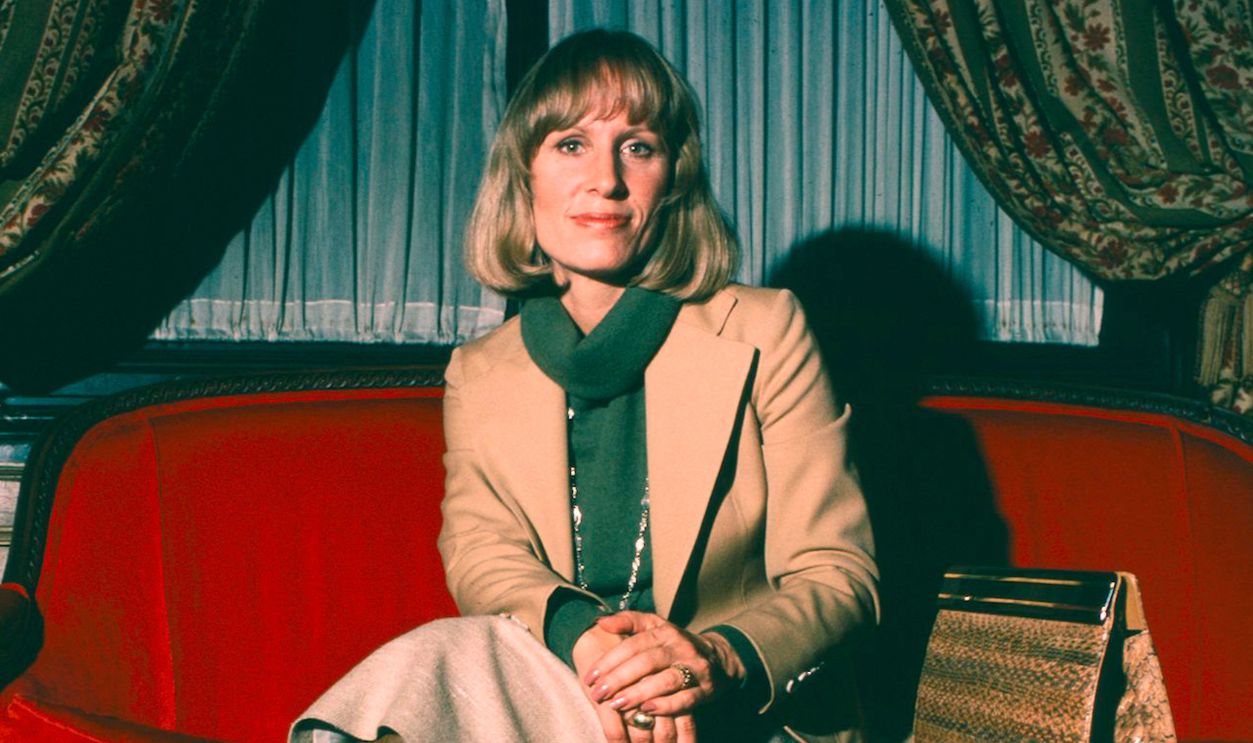
Critics saw the memoir as revenge for being disinherited. Biographer Charlotte Chandler recalled Joan discussing a planned book in 1976, while Christina later said the will prompted her childhood journal. The accounts differ, but the family conflict clearly began long before anyone opened the will.
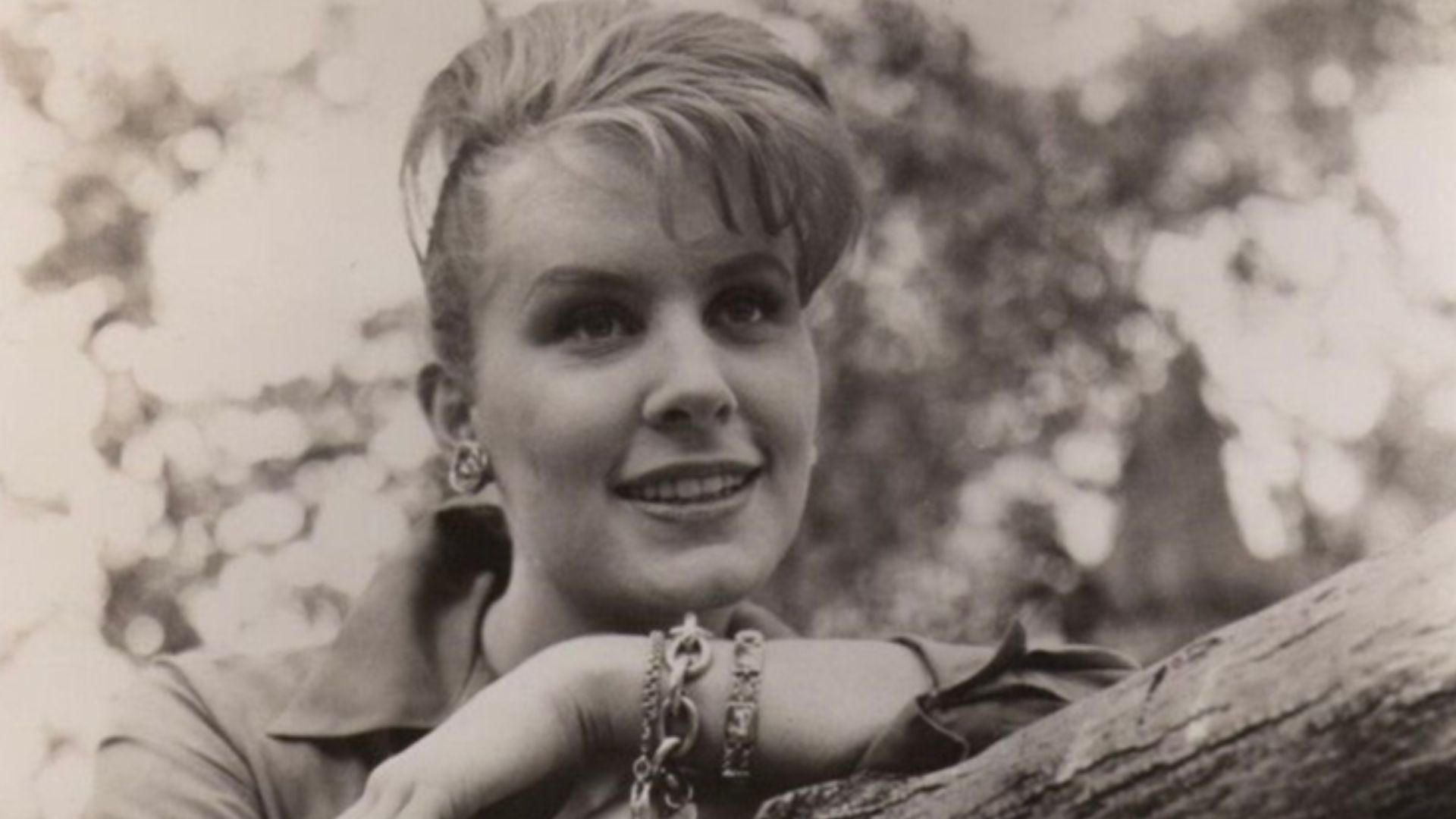 Unknown authorUnknown author, Wikimedia Commons
The Family Divide Became Public
Cathy and Cindy defended Crawford, while Christopher supported Christina’s account. Speaking to UPI in 1981, the twins described their mother as “wise and realistic.” The disagreement now extended far beyond the family. Readers and moviegoers were being asked to decide which Crawford they believed in.
Then Hollywood Made The Movie
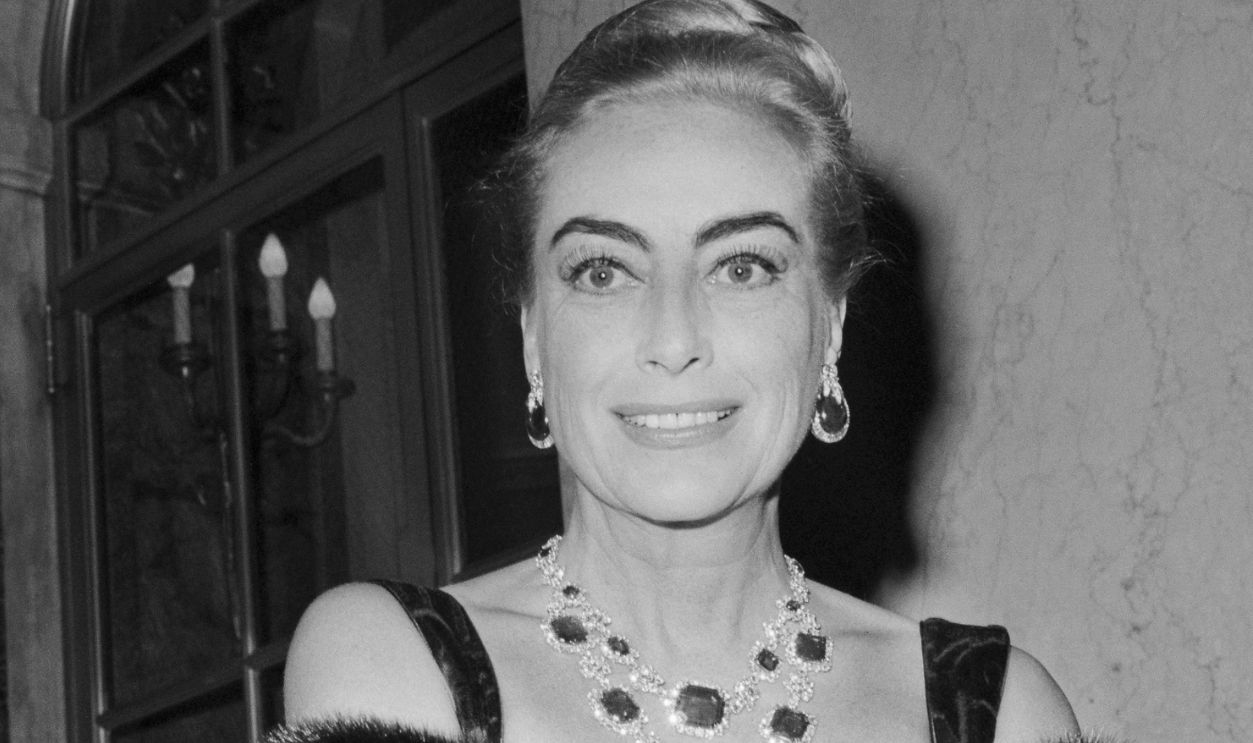
The 1981 film “Mommie Dearest,” starring Faye Dunaway, brought the story to another enormous audience. But Christina wasn’t satisfied with the adaptation’s emphasis. People reported that she and her husband wanted more of her perspective included. Even the movie based on her own book didn’t tell the story quite as she wanted.
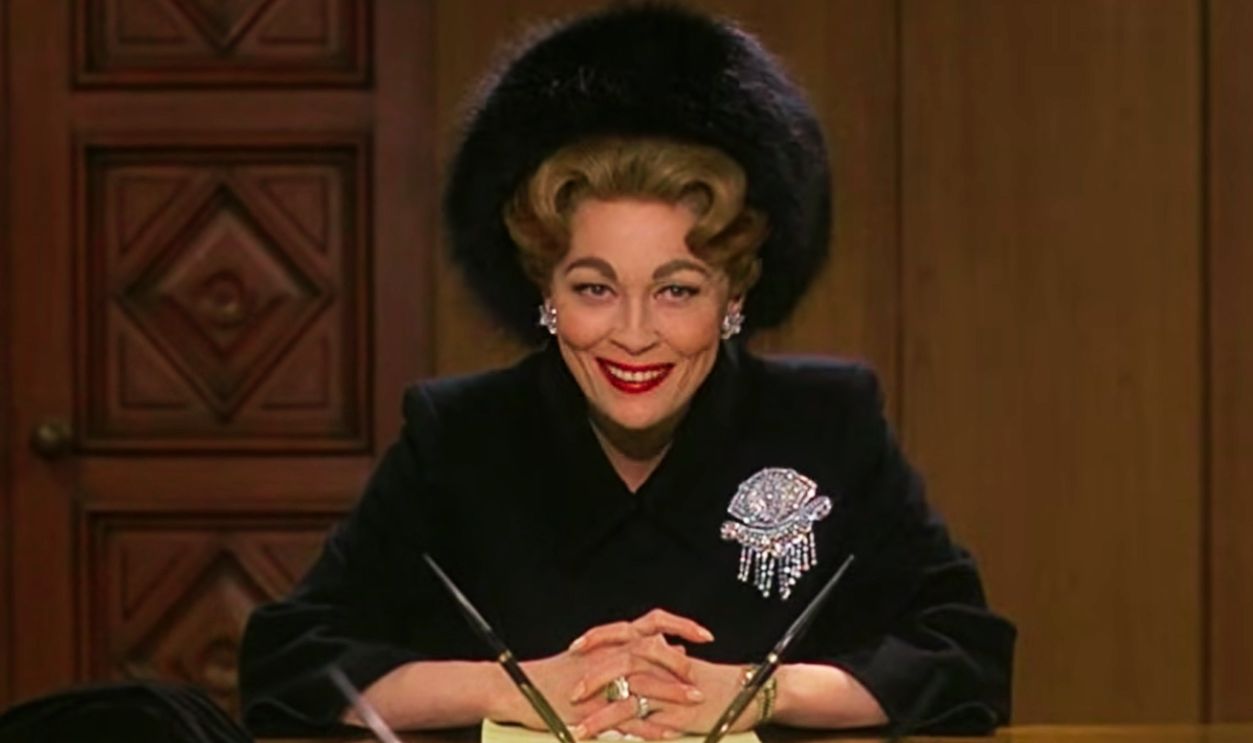 Screenshot from Mommie Dearest, Paramount Pictures (1981)
It Became More Than A Hollywood Story
Christina went on to write about preventing family violence and to advocate for people who had experienced childhood abuse. She said readers recognized their own lives in her account. Whatever they thought of Joan Crawford, many were responding to something much more familiar than Hollywood fame.
Her Last Words Weren’t The Last Word
Crawford’s parenting remains the subject of conflicting accounts. Her will, however, leaves little room for disagreement about one decision: she deliberately excluded Christina and Christopher and attached a personal message. She could decide what went into that document. She couldn’t decide what her children would say afterward.
You Might Also Like:
1970s Actresses Who Deserved Better Than The Roles Hollywood Gave Them
Meredith Baxter Was America’s Favorite TV Mom, But Her Real Story Was Very Different