They Had The Talent, So Why Weren't They Superstars?
They had powerhouse voices, unforgettable hits, and enough attitude to go toe-to-toe with the biggest male rock stars of the 1980s. Some dominated MTV, while others were on the verge of superstardom before their careers took unexpected turns. Yet despite their incredible talent, many of these women faded from the spotlight.
How many of these overlooked rock queens do you remember?
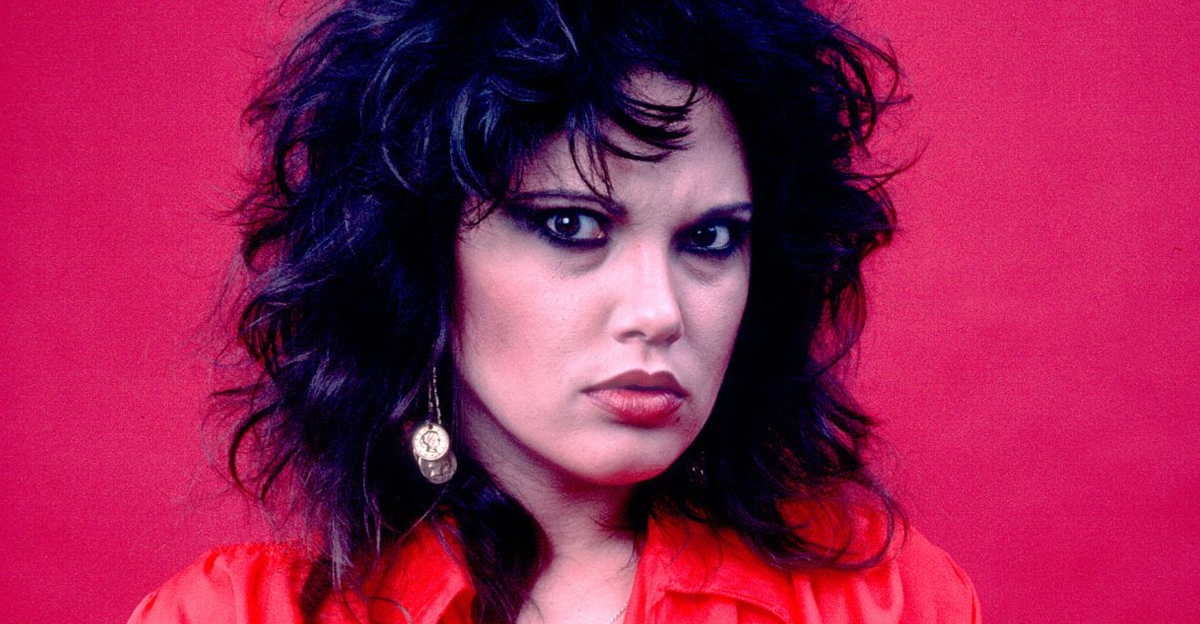
Martha Davis
Martha Davis gave The Motels one of the most distinctive voices in 1980s rock. Her smoky, emotional delivery powered the Top 10 hits "Only the Lonely" and "Suddenly Last Summer," making the band an MTV favorite. Despite releasing five albums for Capitol Records, The Motels broke up in 1987, and Davis's solo career never matched their success.
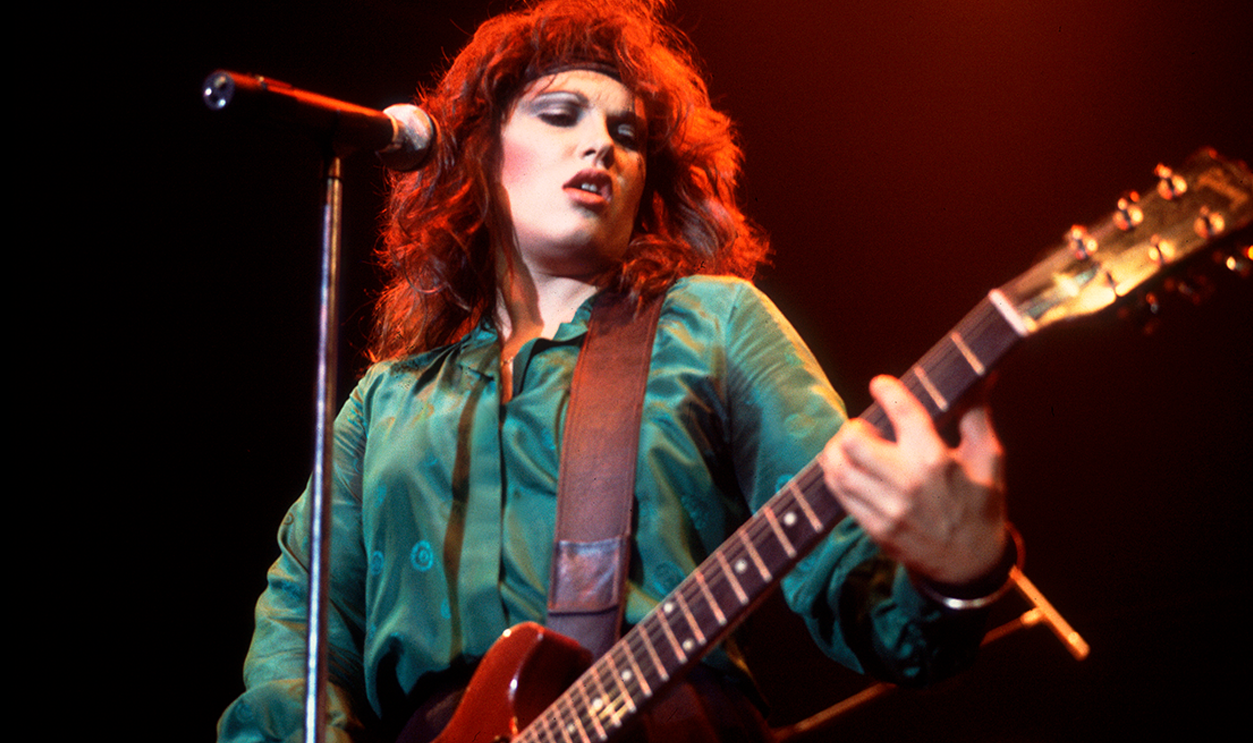
Rindy Ross
Rindy Ross seemed destined for stardom when Quarterflash released "Harden My Heart" in 1981. The song reached number three on the Billboard Hot 100, showcasing her powerful voice and distinctive saxophone playing. Quarterflash's debut album became a major success, but subsequent releases struggled to match its popularity, leaving Ross without another comparable hit.
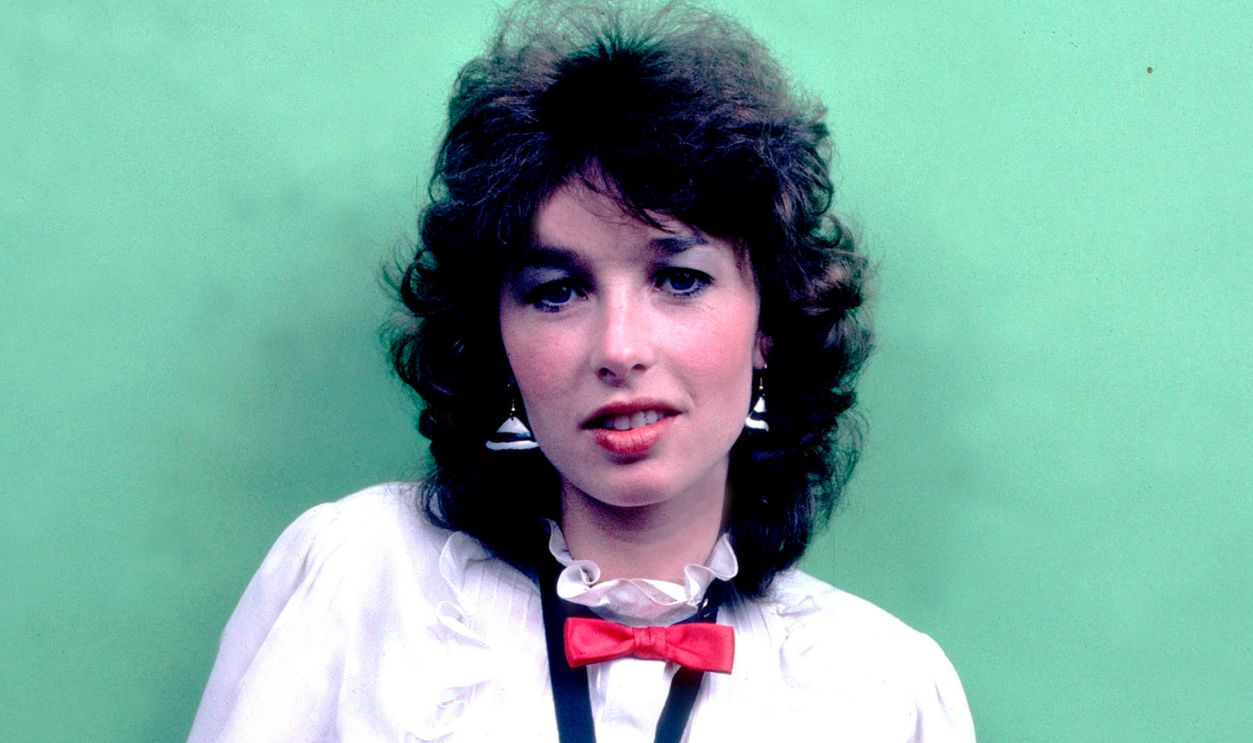
Holly Woods
Holly Woods fronted Canadian rock band Toronto, whose 1982 hit "Your Daddy Don't Know" became a major success at home. The group also recorded an early version of "What About Love," but voted to leave it off their album because it didn't fit their sound. Heart turned the song into an international smash in 1985, while Woods remained largely unknown outside Canada.
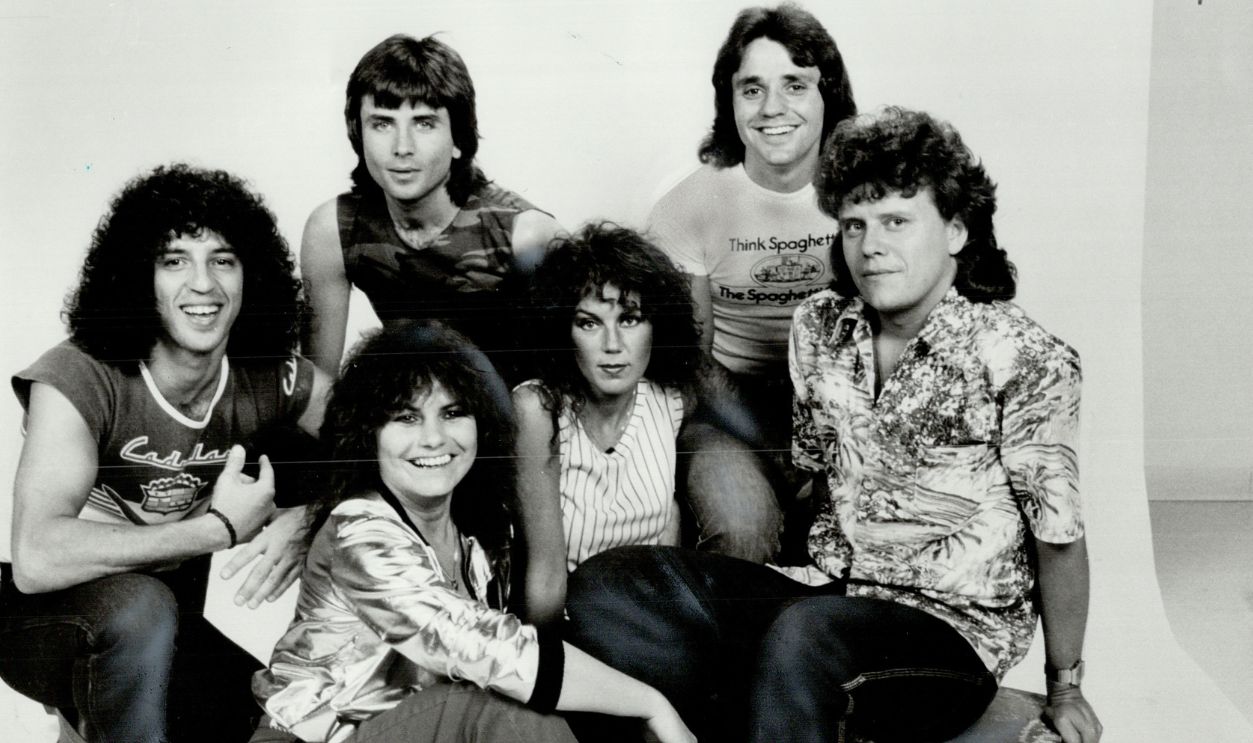
Debora Iyall
Debora Iyall brought fearless songwriting and powerful vocals to San Francisco's Romeo Void. Their provocative "Never Say Never" became an underground favorite, while "A Girl in Trouble (Is a Temporary Thing)" reached the American Top 40 in 1984. Despite their distinctive sound and growing recognition, the band broke up in 1985, leaving behind a devoted cult following.
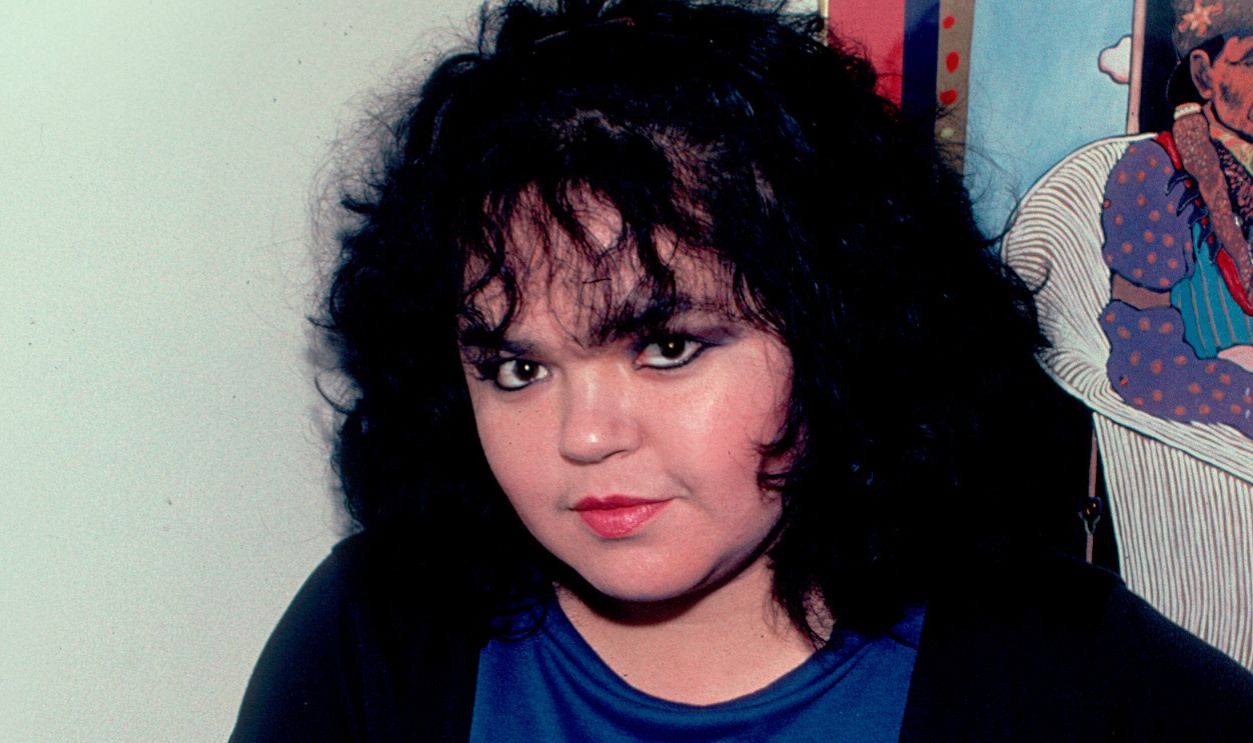
Patty Smyth
Before launching her successful solo career, Patty Smyth was the powerhouse voice behind Scandal. Their 1982 single "Goodbye to You" became an MTV favorite, while "The Warrior" was a major hit in 1984. With her fierce vocals and rebellious attitude, Smyth seemed destined for superstardom, but Scandal's original run was surprisingly short.
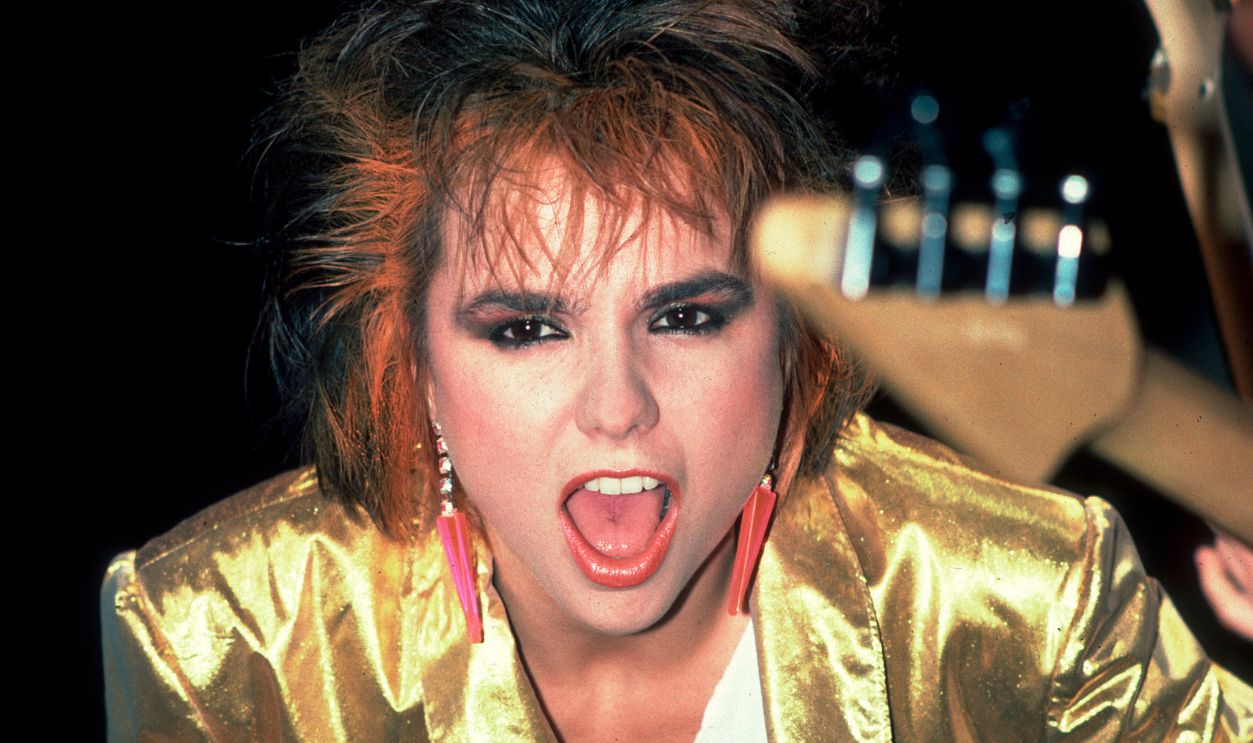
Lene Lovich
Lene Lovich looked and sounded unlike anyone else in rock. Her eccentric appearance, theatrical performances, and extraordinary voice made 1979's "Lucky Number" an unforgettable new wave hit. She continued experimenting throughout the 1980s, releasing No Man's Land in 1982 and March in 1989, but her originality never translated into lasting mainstream success.
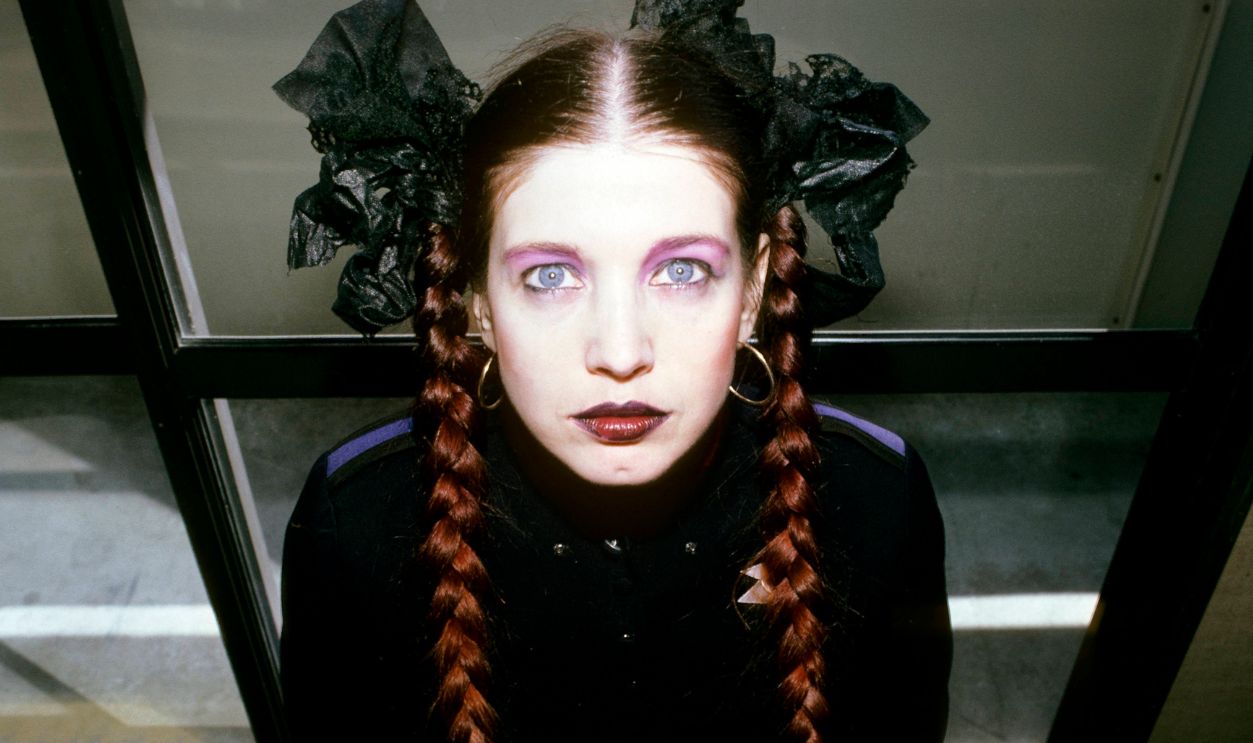
Maria McKee
Maria McKee was still a teenager when she co-founded Lone Justice in Los Angeles in 1982. Her explosive blend of country, blues, and rock impressed established stars including Linda Ronstadt, but the band's two albums struggled commercially. McKee launched her solo career in 1989 and eventually found greater recognition, although Lone Justice never fulfilled its enormous early promise.
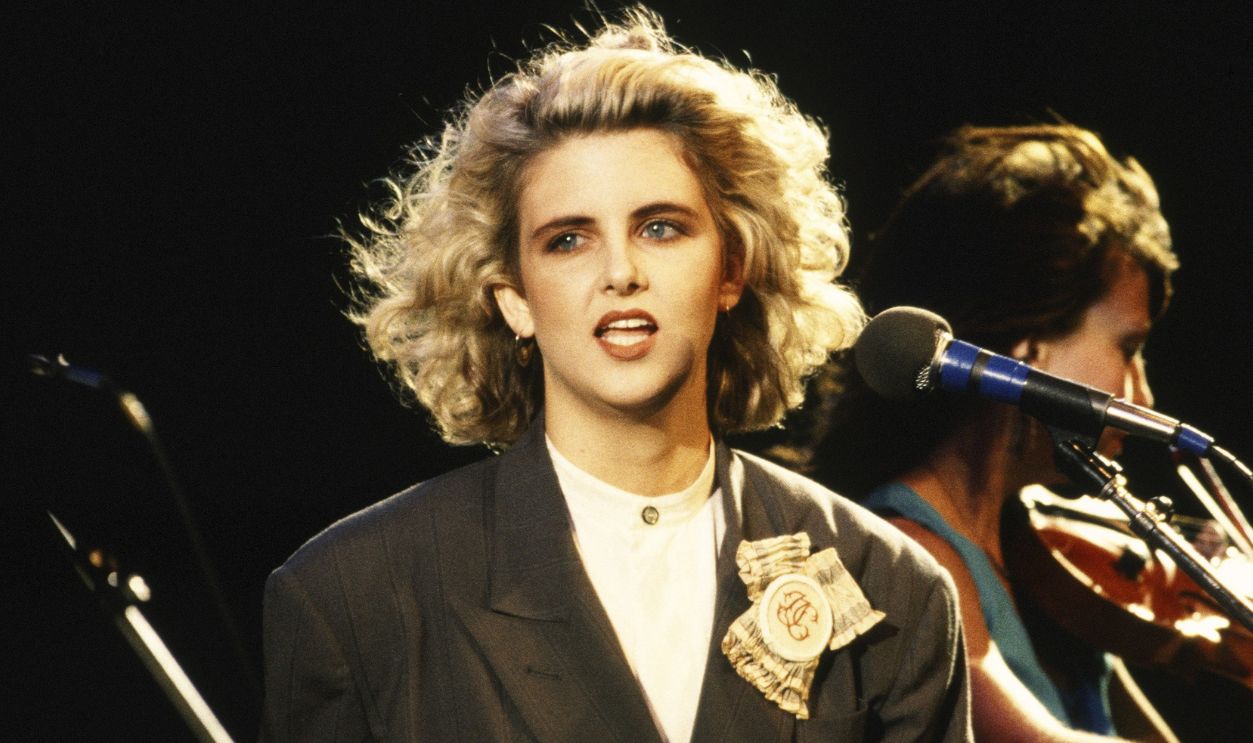
Fiona Flanagan
Fiona Flanagan had the soaring voice and glamorous image perfectly suited to 1980s arena rock. Recording simply as Fiona, she released three albums between 1985 and 1989, including Beyond the Pale and Heart Like a Gun. Despite her powerful performances and polished hard rock sound, a major commercial breakthrough never arrived.
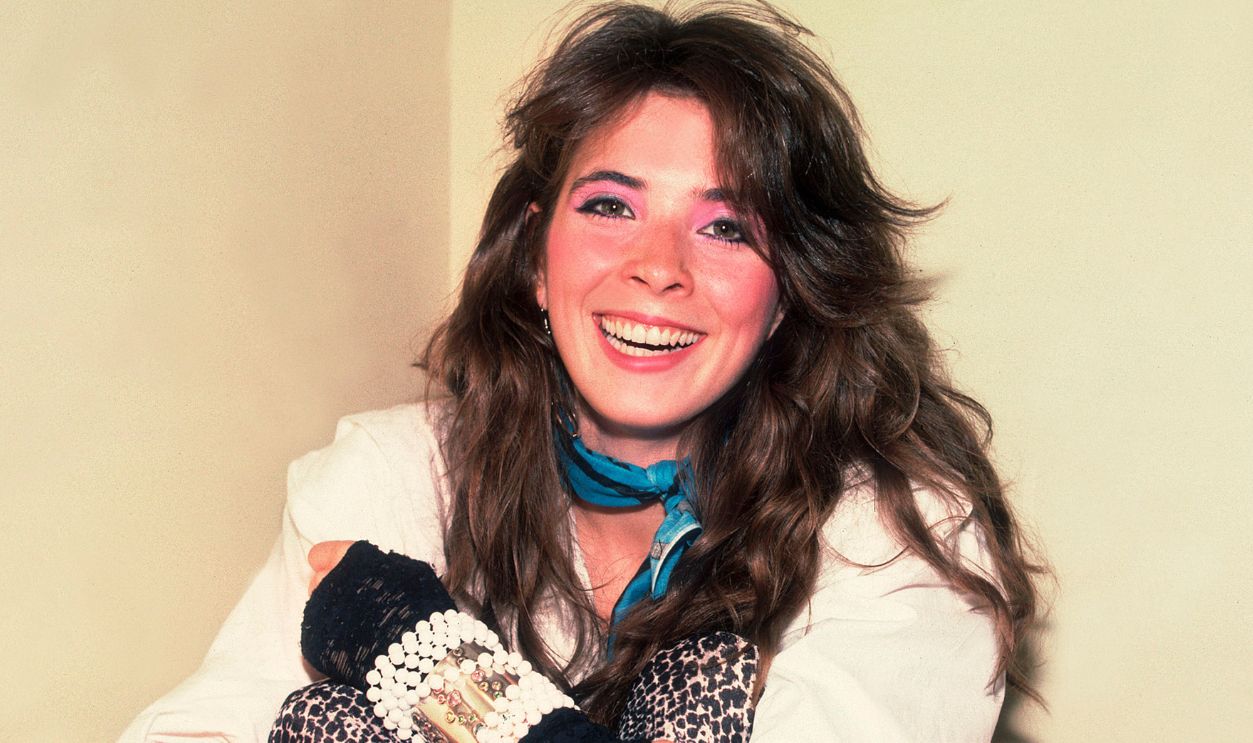
Lisa Dalbello
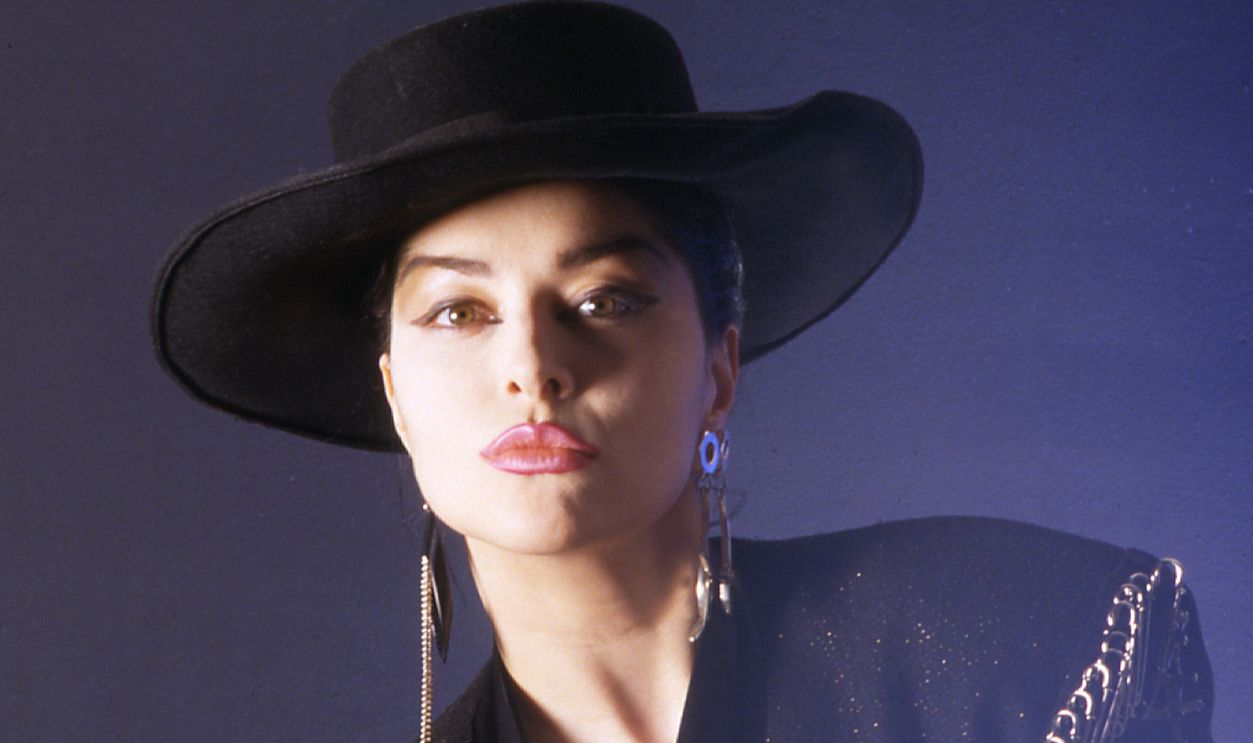
Canadian singer Lisa Dalbello reinvented herself during the 1980s, embracing a darker, more experimental rock sound. Working with former David Bowie guitarist Mick Ronson, she released Whomanfoursays in 1984, showcasing her remarkable vocal range and unconventional songwriting. Her adventurous music earned admiration, but widespread international success remained elusive.
 BSR Entertainment, Getty Images
Carol Decker
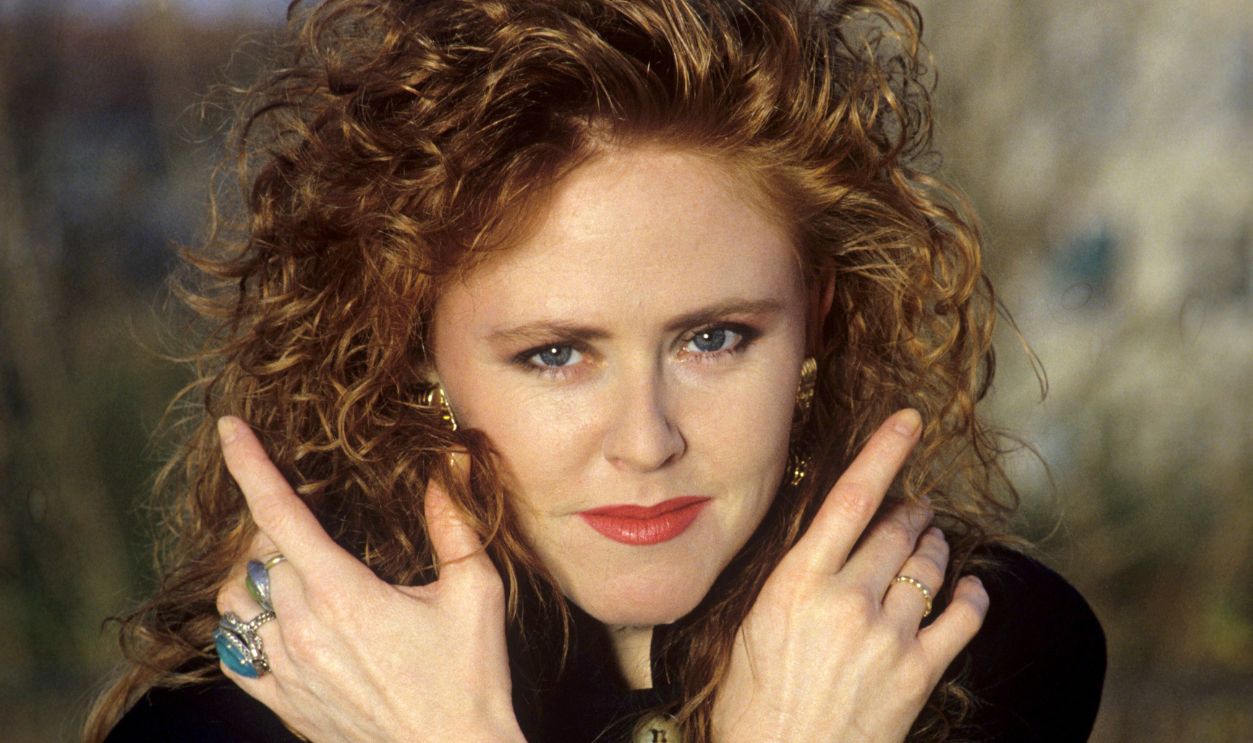
Carol Decker seemed unstoppable when her British band T'Pau exploded onto the charts in 1987. Their breakthrough "Heart and Soul" became an international hit, while "China in Your Hand" spent five weeks at number one in Britain. With her huge voice and commanding stage presence, Decker appeared destined for lasting fame, but the band's commercial momentum gradually faded.
 picture alliance, Getty Images
Johnette Napolitano
Johnette Napolitano brought haunting vocals and fierce intensity to Concrete Blonde. As the band's singer, bassist, and principal songwriter, she helped create their dark alternative rock sound on albums released in 1987 and 1989. Their biggest breakthrough came with 1990's "Joey," but Napolitano never achieved the widespread recognition her distinctive voice deserved.
Lee Aaron
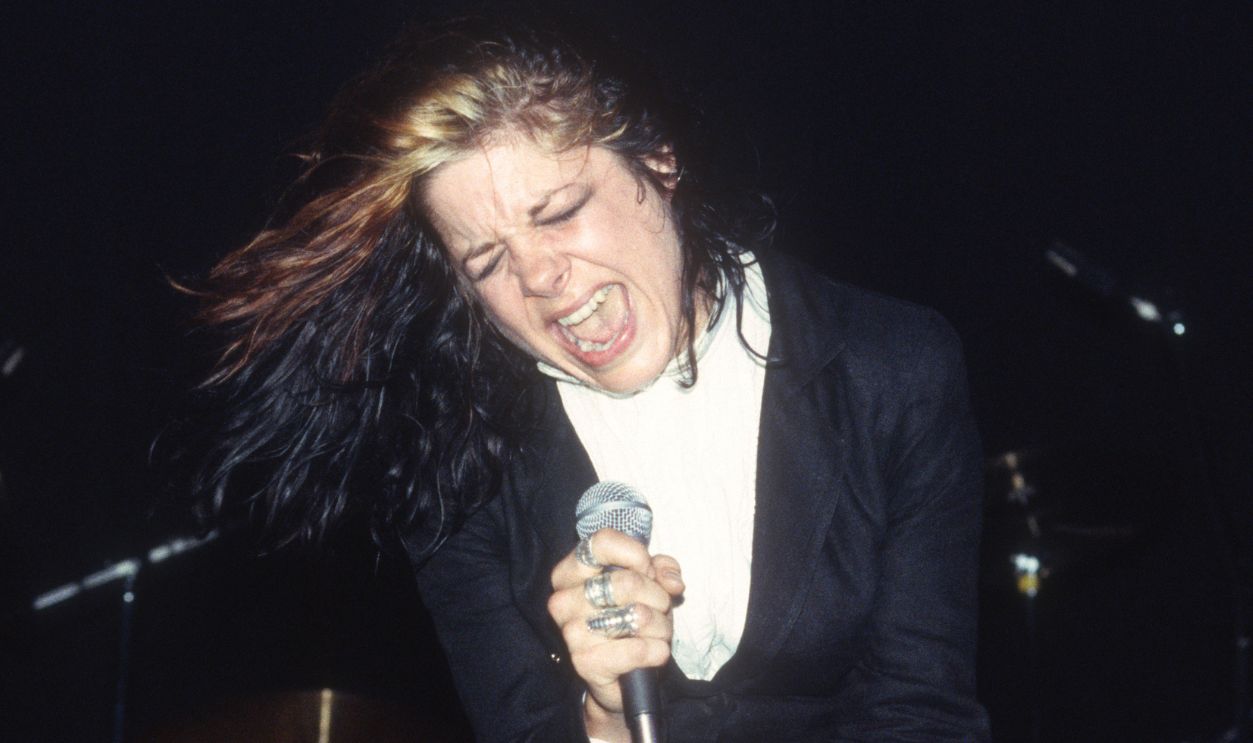
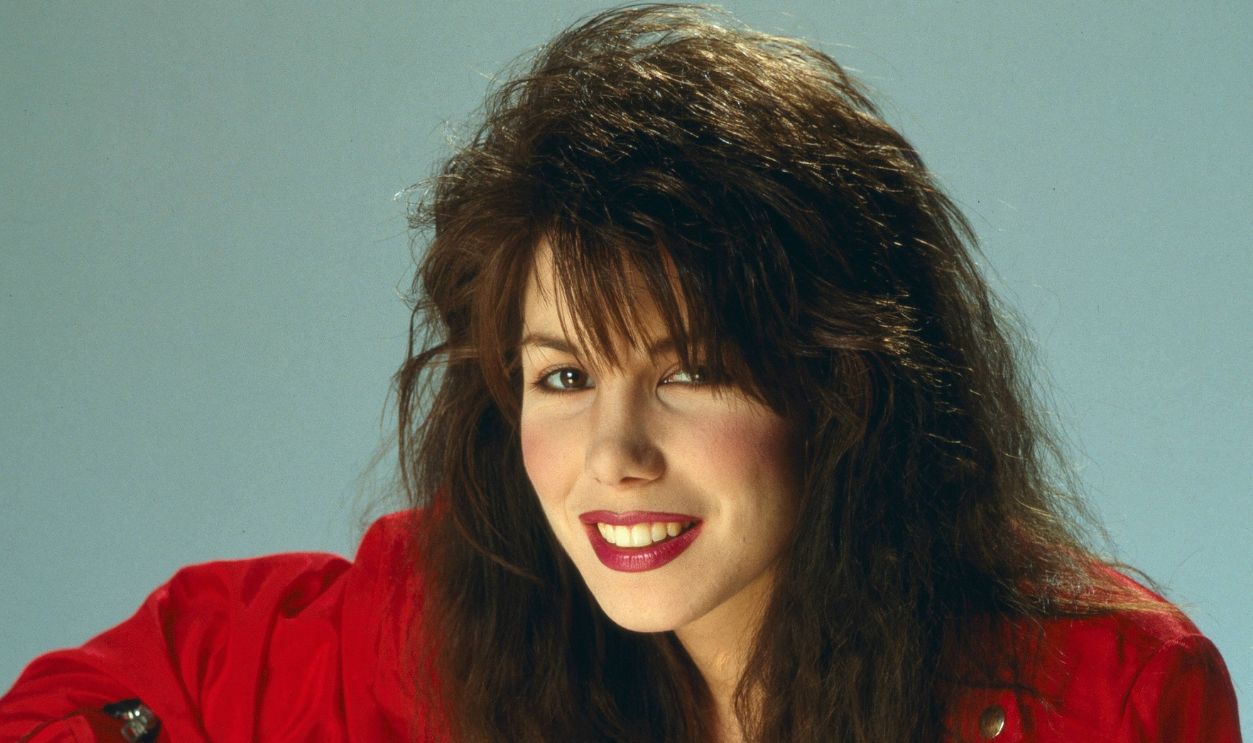
Lee Aaron became Canada's "Metal Queen" with her 1984 album of the same name. Her thunderous vocals and commanding performances made her a leading figure in Canadian hard rock, with further success arriving through 1989's Bodyrock. Despite her popularity at home and years of recording, Aaron never reached the international heights enjoyed by many male heavy metal stars.
 picture alliance, Getty Images
Janet Gardner
Janet Gardner helped Vixen break into the male-dominated glam metal scene of the late 1980s. Her soaring vocals powered their 1988 breakthrough "Edge of a Broken Heart," earning the all-female band substantial MTV exposure. Although Vixen continued enjoying success into the early 1990s, they never reached the commercial heights of male contemporaries such as Bon Jovi and Poison.
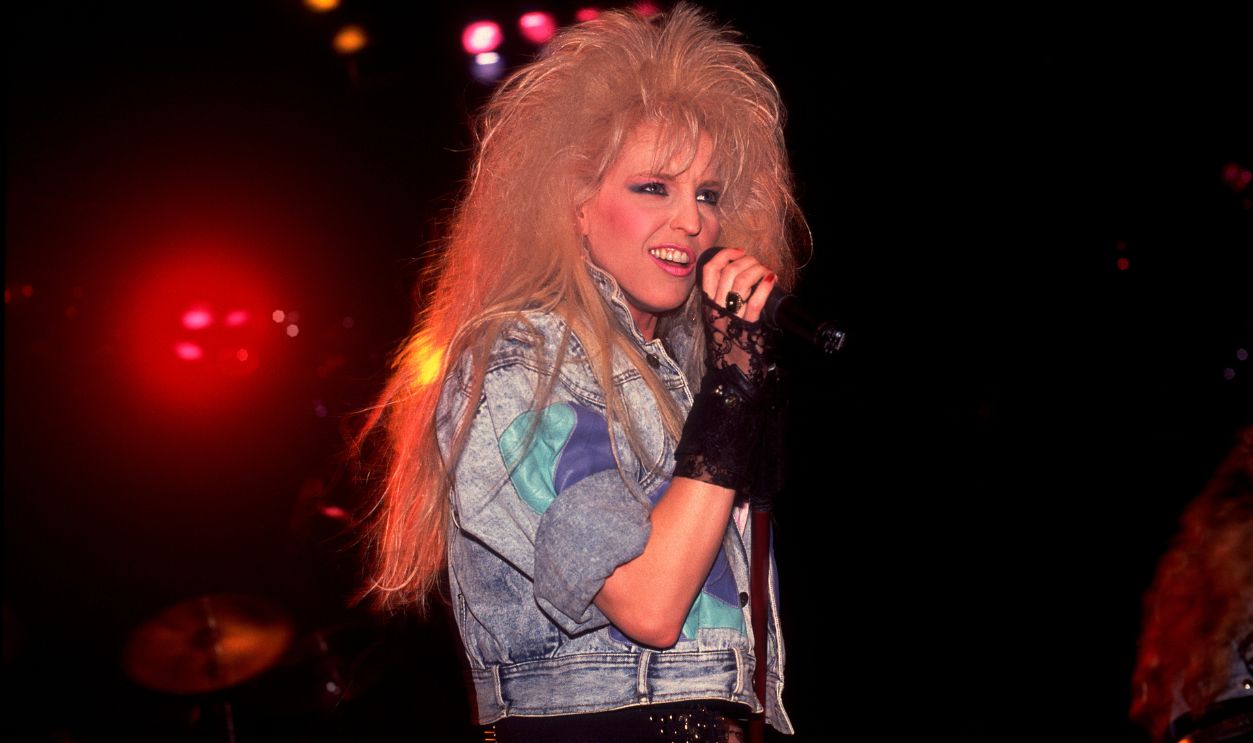
Christina Amphlett
Christina Amphlett was one of rock's most electrifying frontwomen. Leading Australia's Divinyls, she delivered fierce performances on songs including "Boys in Town" and "Pleasure and Pain," building a devoted following throughout the 1980s. Despite considerable success at home, the band's international breakthrough didn't arrive until 1991's "I Touch Myself."
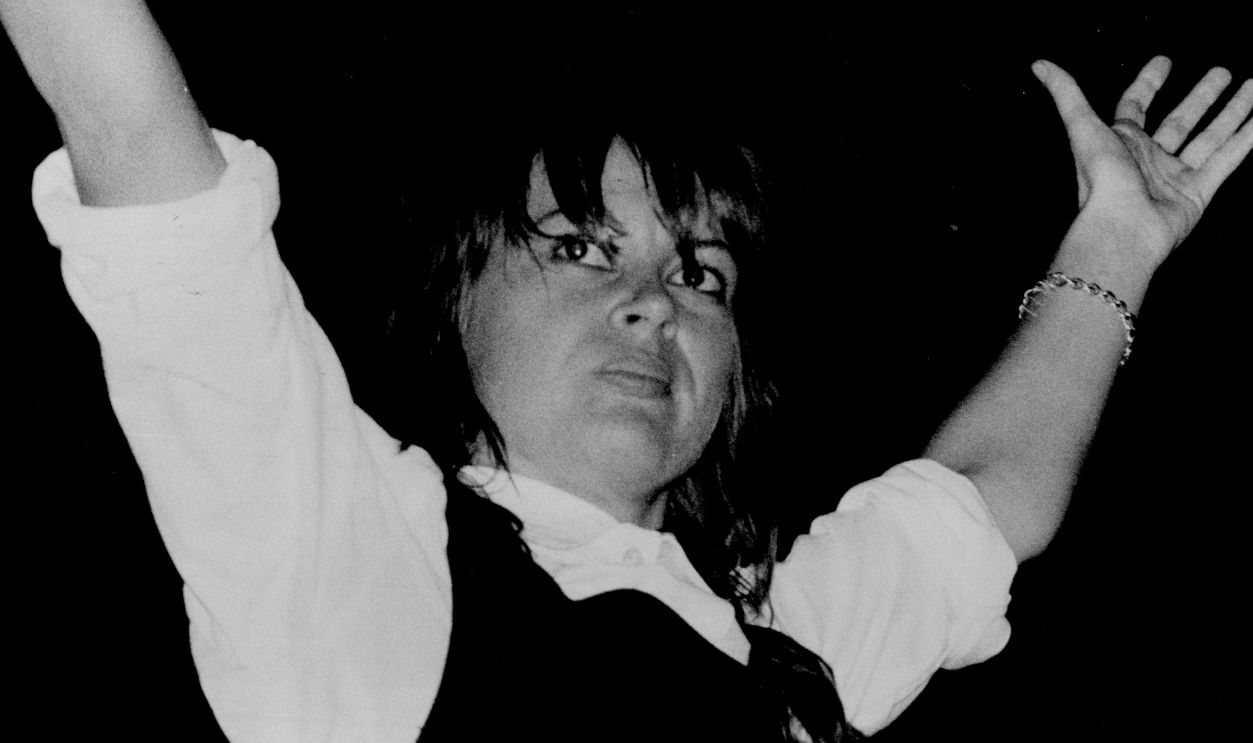 Fairfax Media Archives, Getty Images
Exene Cervenka
Exene Cervenka helped define Los Angeles punk rock as a founding member of X. Sharing vocals with John Doe, she brought poetic lyrics and raw energy to acclaimed albums including Los Angeles and Wild Gift. The band's inventive blend of punk, country, and rockabilly became enormously influential, but mainstream commercial success never followed.
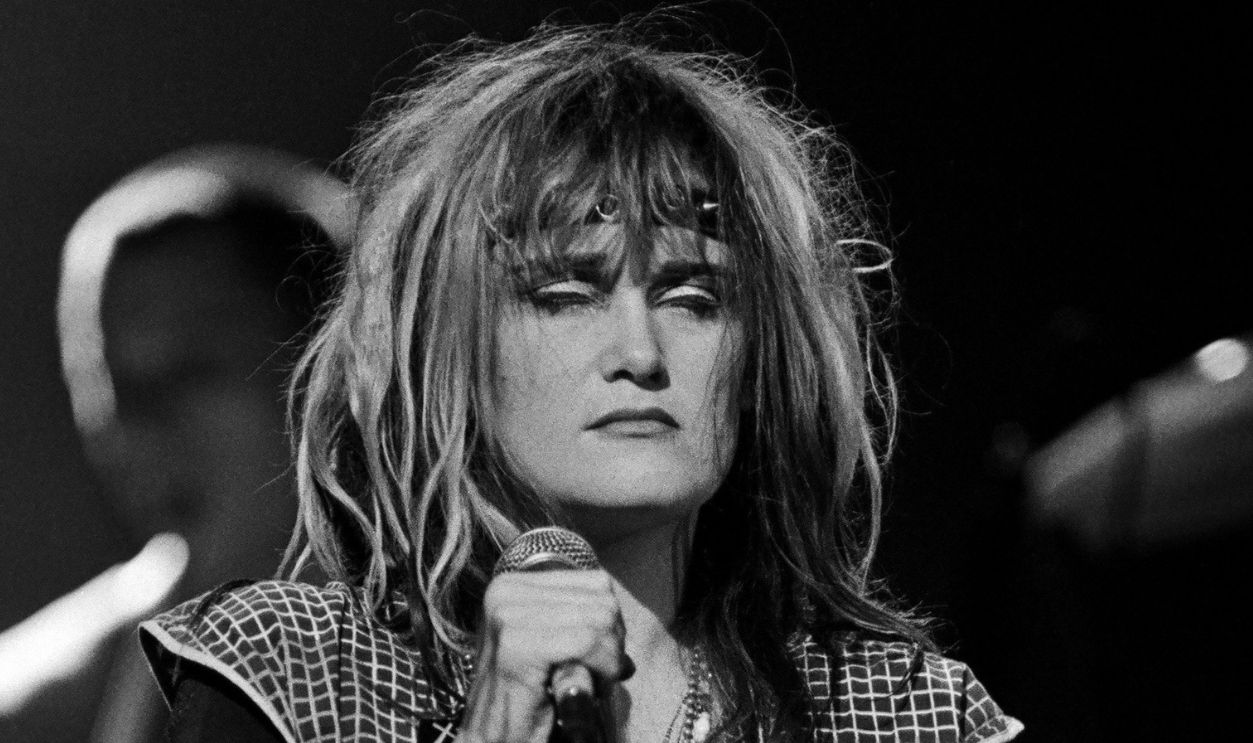
Holly Beth Vincent
Holly Beth Vincent blended punk attitude with irresistible melodies in Holly and the Italians. Their single "Tell That Girl to Shut Up" became a cult favorite, but the band broke up in 1981 after signing with Virgin Records. Transvision Vamp revived the song in 1988, giving Vincent's songwriting renewed attention even as she remained relatively obscure.
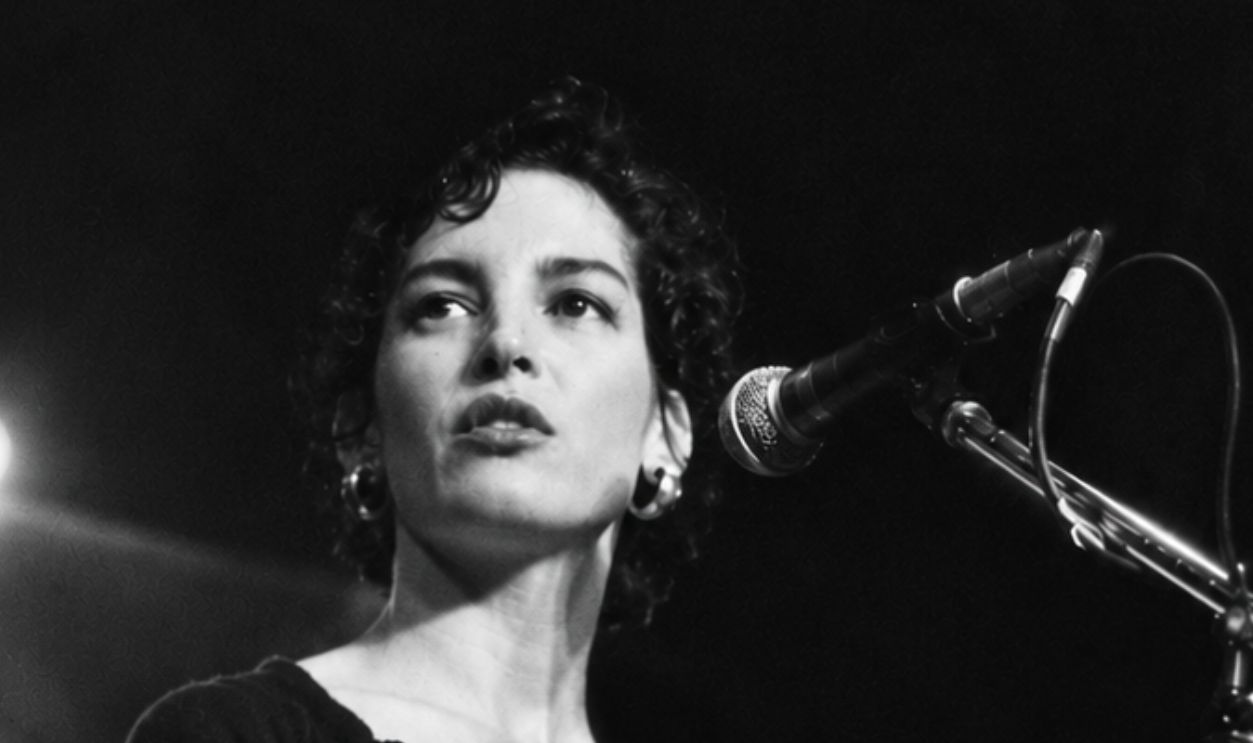 Erica Echenberg, Getty Images, Enhanced
Nina Hagen
Nina Hagen possessed one of rock's most astonishing voices. The German singer blended punk aggression, operatic techniques, and theatrical performances on albums including 1982's Nunsexmonkrock and 1983's Fearless. Her outrageous style and extraordinary vocal range earned her an international cult following, but major American chart success never arrived.
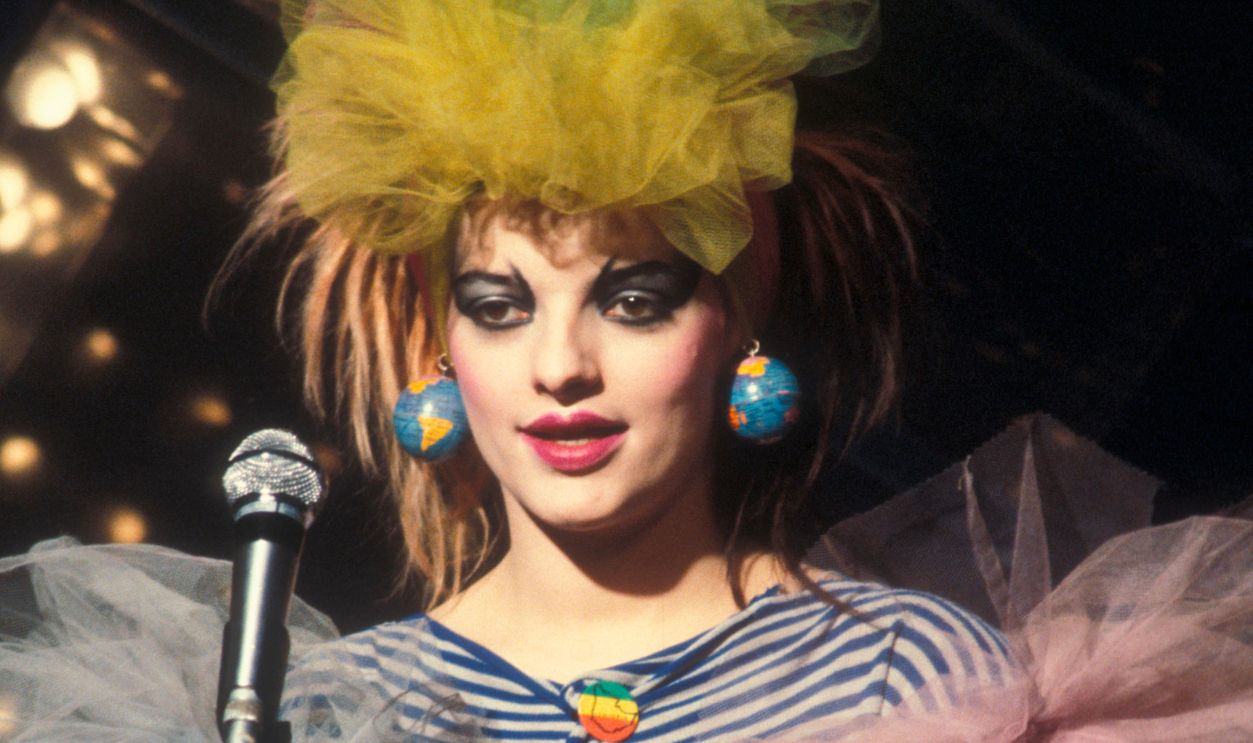
Alannah Myles
Alannah Myles seemed destined for superstardom when "Black Velvet" became a worldwide sensation. Released on her 1989 debut album, the bluesy anthem topped the American charts in March 1990 and made her an international star. Although she continued enjoying success in Canada, Myles never repeated that enormous worldwide breakthrough.
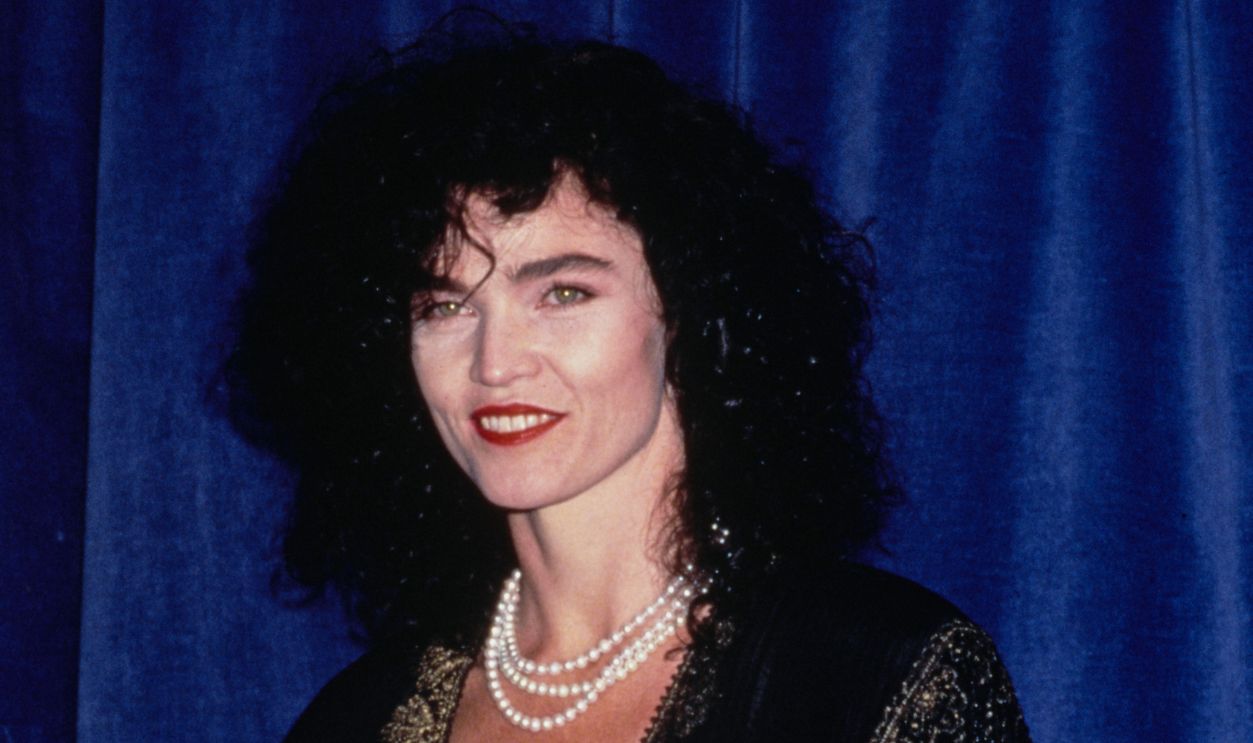
Jane Wiedlin
Jane Wiedlin was already famous as a member of the Go-Go's when she launched her solo career. Her 1985 debut produced "Blue Kiss," while 1988's Fur delivered the catchy hit "Rush Hour," proving she could succeed outside the band. Despite her songwriting talent and new wave credentials, Wiedlin's solo career never matched the Go-Go's enormous popularity.
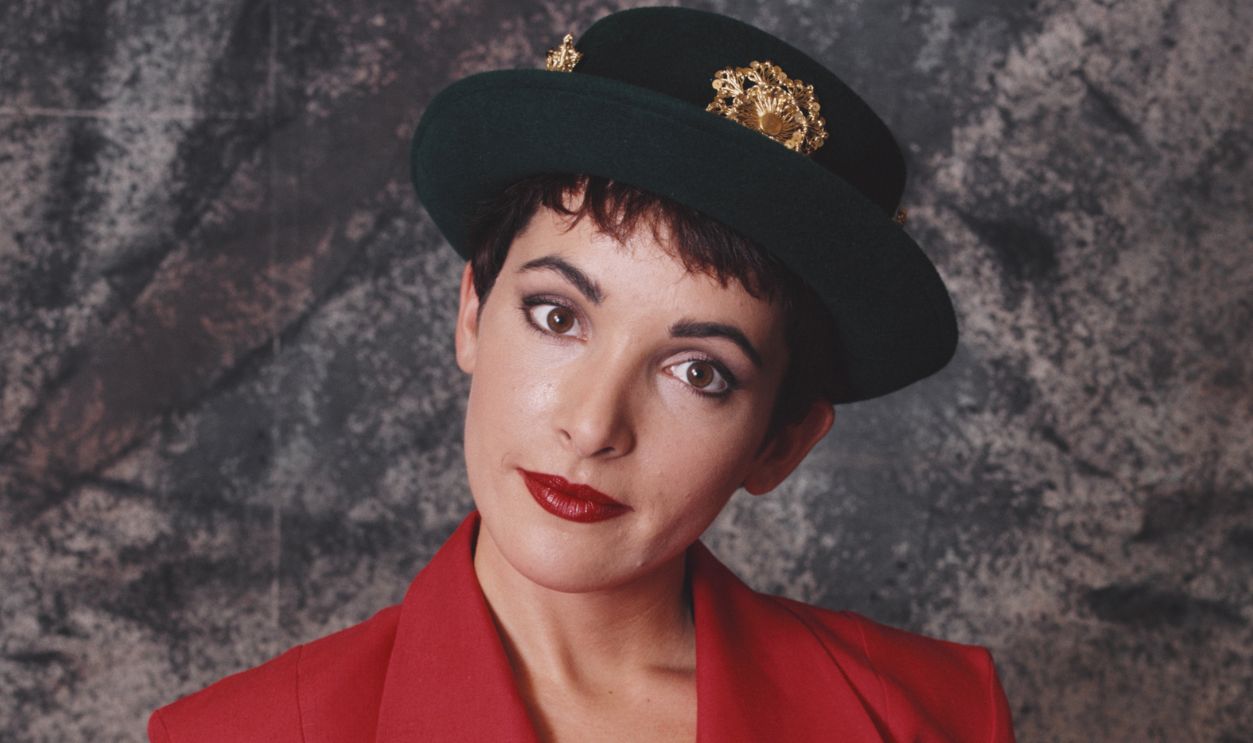
Dale Bozzio
Dale Bozzio was practically made for MTV, with her futuristic outfits, colorful hair, and distinctive voice. As Missing Persons' frontwoman, she helped turn "Words" and "Destination Unknown" into new wave favorites, while their 1982 debut went gold. Later albums struggled to match that success, and her 1988 solo release on Prince's Paisley Park label failed to revive her commercial fortunes.
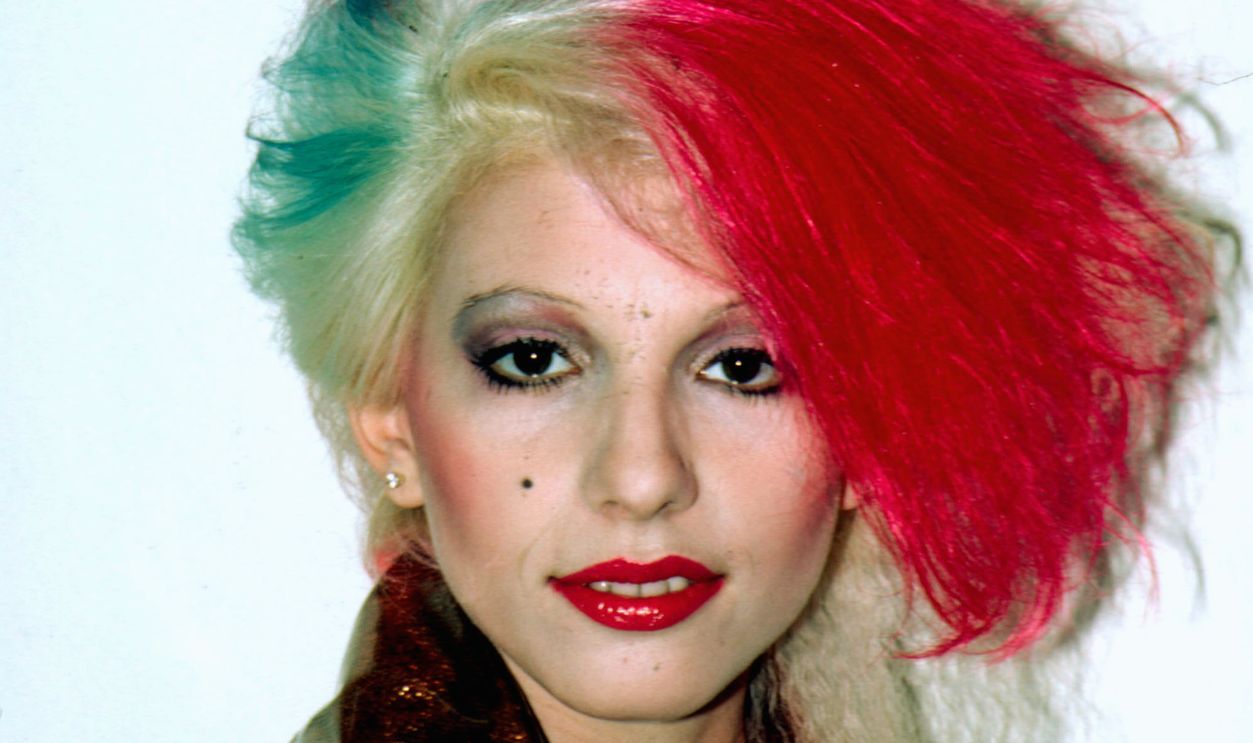
Aimee Mann
Before becoming an acclaimed solo artist, Aimee Mann fronted Boston's 'Til Tuesday. Their 1985 breakthrough "Voices Carry" became an MTV staple, introducing audiences to her distinctive vocals and sharp songwriting. Although the band released increasingly sophisticated music, another major hit never followed, and Mann eventually built a successful solo career.
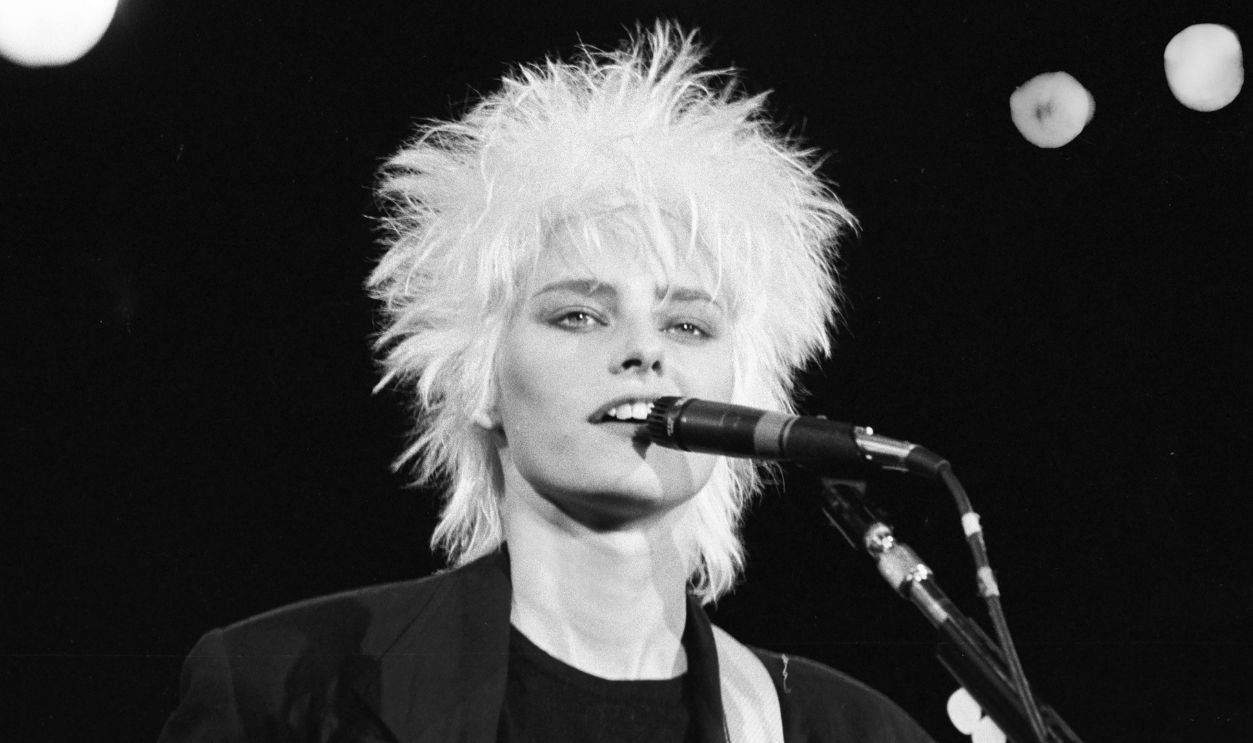 John Kisch Archive, Getty Images
Sandi Saraya
Sandi Saraya had the powerhouse vocals and commanding presence of an arena rock superstar. Her band's self-titled 1989 debut reached number 79 on the Billboard 200, while "Love Has Taken Its Toll" became a rock radio hit. Despite that promising start and a sound suited to the decade's hard rock boom, lasting mainstream fame never followed.
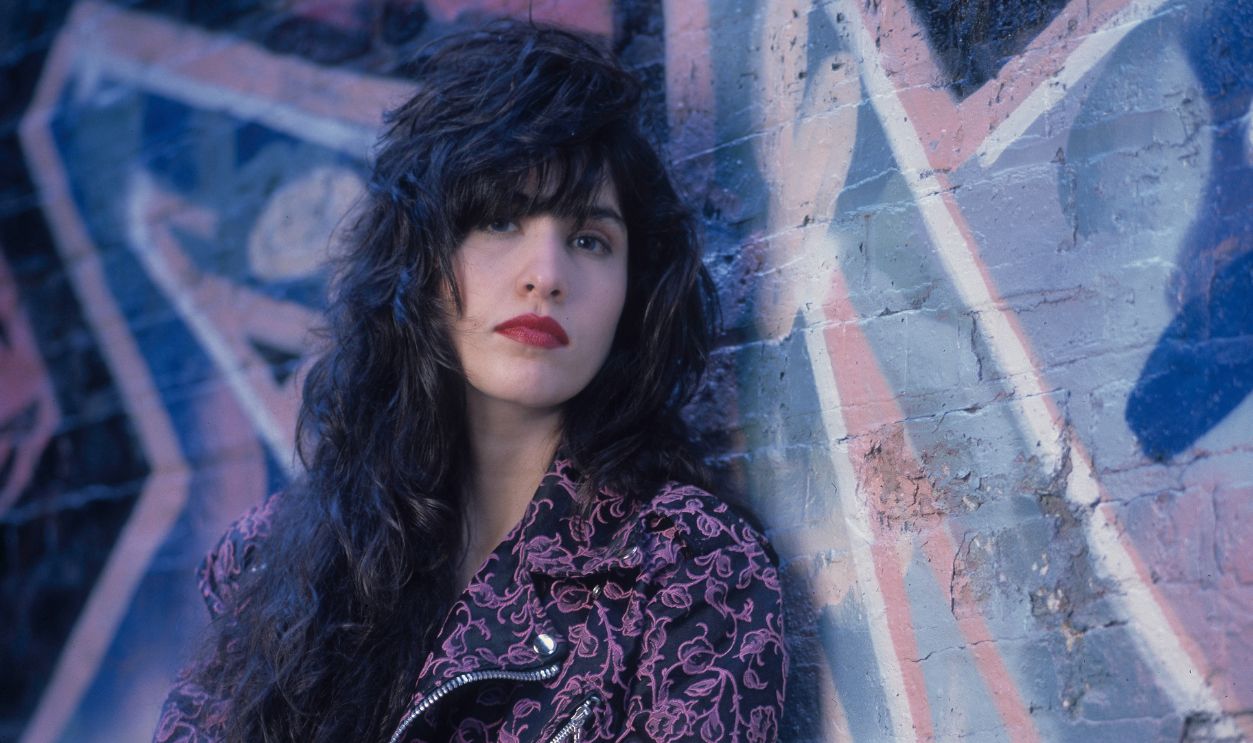
Robin Beck
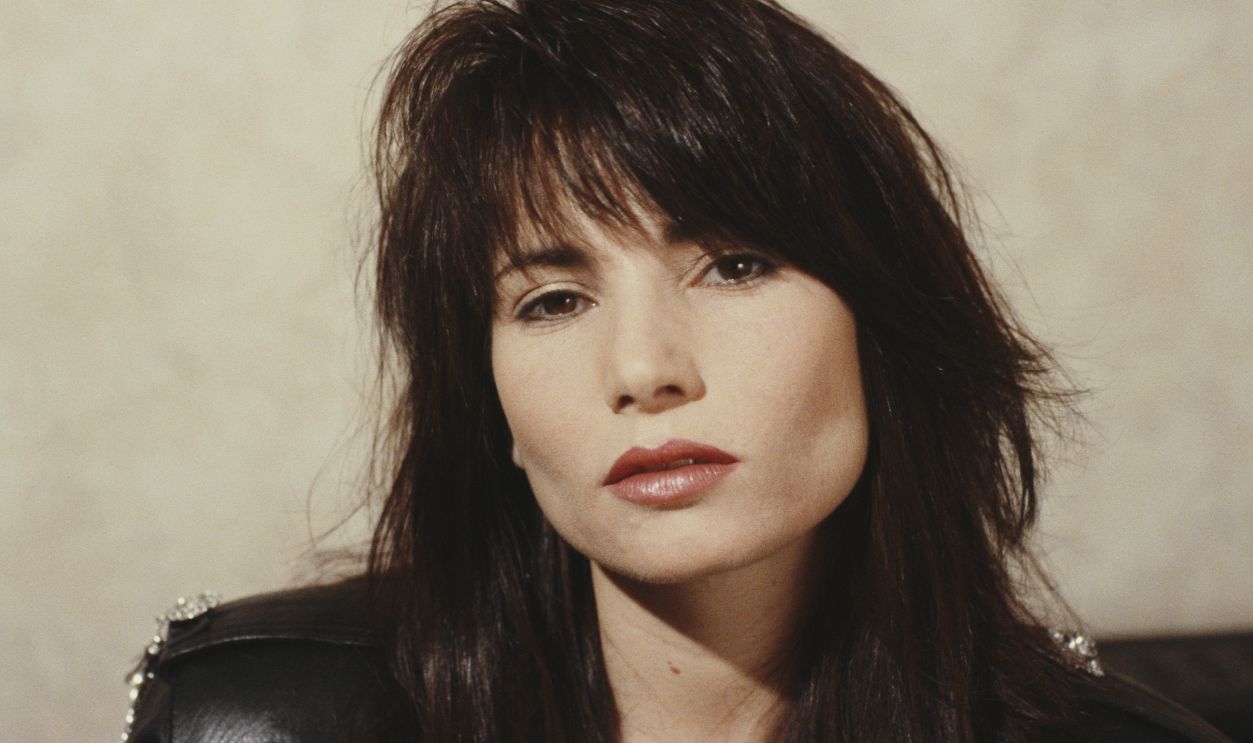
Robin Beck was an experienced backing vocalist when she scored an unexpected international breakthrough in 1988. Featured in a Coca-Cola commercial, her soaring power ballad "The First Time" topped the charts in Britain and West Germany. Despite following it with 1989's Trouble or Nothin', featuring songs by established hitmakers, Beck never achieved comparable stardom in America.
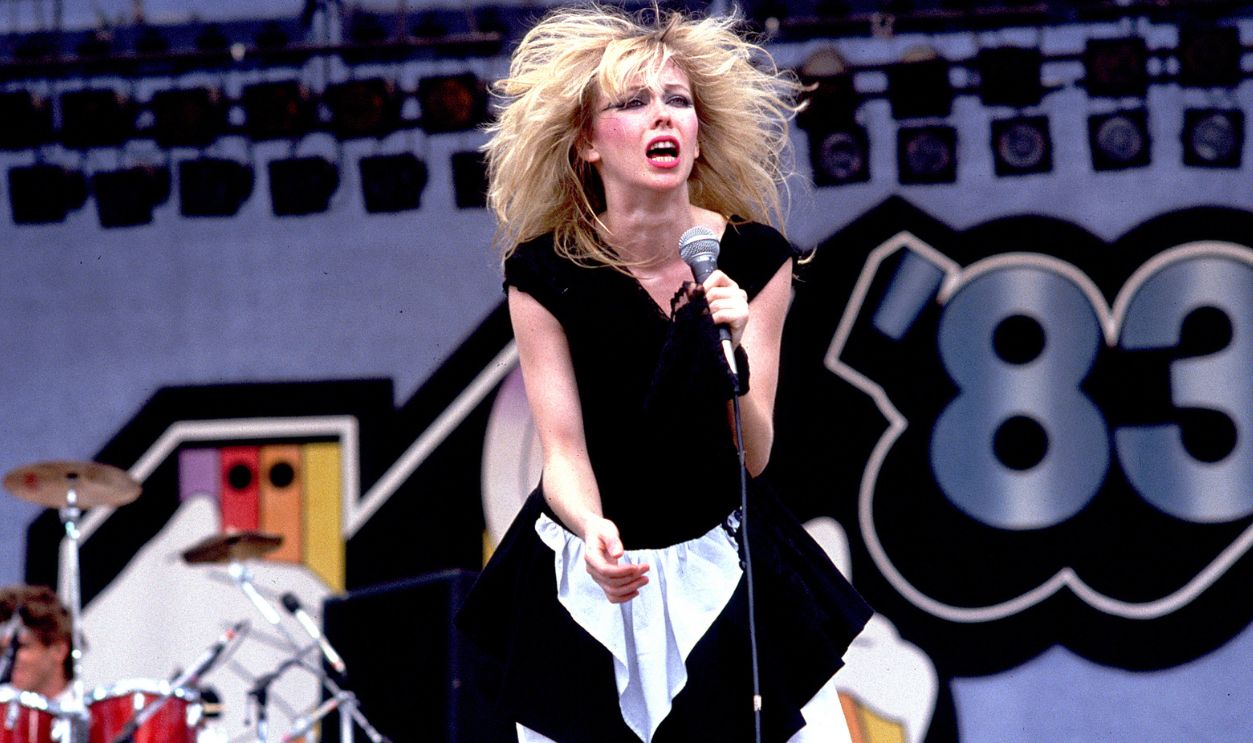
Terri Nunn
Terri Nunn became one of MTV's most recognizable voices as Berlin's frontwoman. Songs like "The Metro" and "No More Words" established the band before "Take My Breath Away" became a worldwide smash in 1986. Yet disagreements over their increasingly commercial direction contributed to Berlin's breakup in 1987, bringing their original successful run to an abrupt end.
Wendy O. Williams
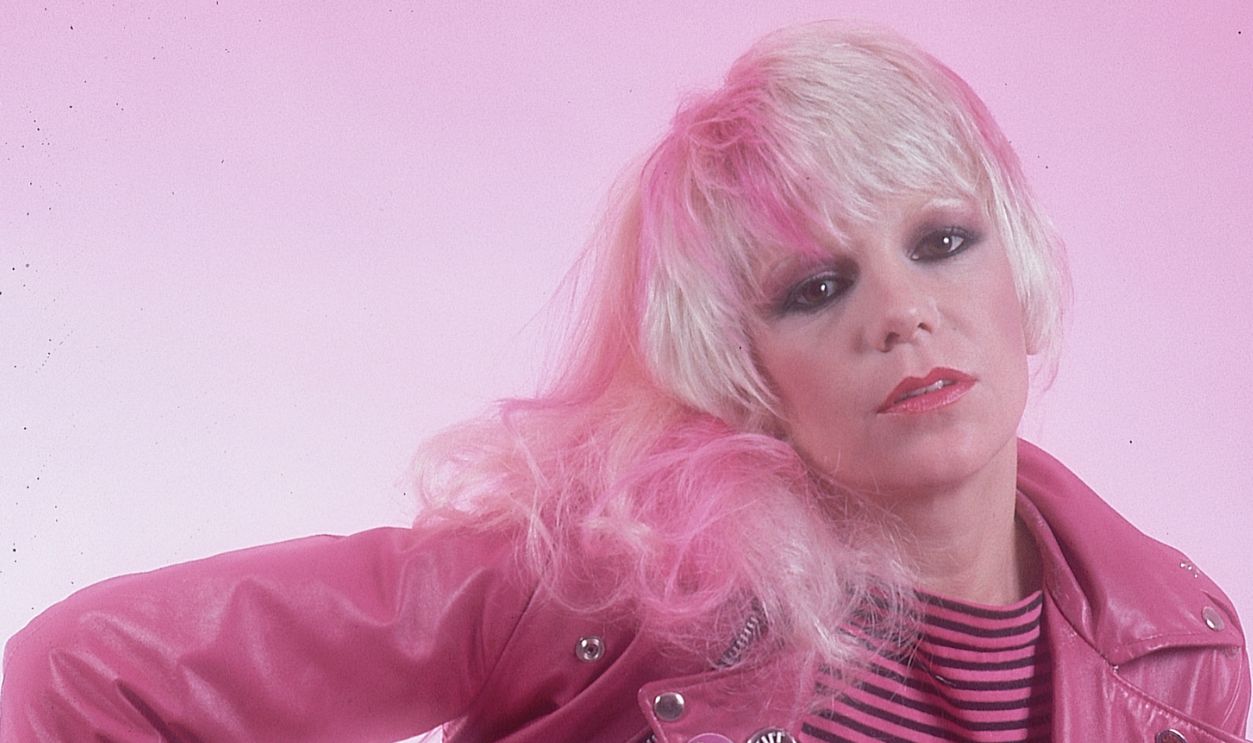
Few performers challenged rock's conventions quite like Wendy O. Williams. As the Plasmatics' frontwoman, she became notorious for outrageous stage performances and ferocious vocals that blended punk with heavy metal. Her 1984 solo album W.O.W., produced by Gene Simmons, earned a Grammy nomination, but mainstream superstardom never followed.
They Deserved More Than A Moment In The Spotlight
Some scored massive hits, others built devoted followings, and a few came painfully close to superstardom. Yet all 26 women helped shape the sound of 1980s rock, from punk and new wave to hard rock and heavy metal. Their recordings prove that the decade's greatest voices weren't always its biggest stars, and many still deserve another listen.
 Sam Cali
The original uploader was Buchoamerica at English Wikipedia., Wikimedia Commons
You May Also Like:
Female Action Stars Of The 1970s Who Were Cooler Than The Men Around Them
Pepsi Dropped Madonna Over Like A Prayer—Then Lost A Lot Of Money When The Song Shot To No. 1
Forgotten Rock Frontmen From The 1970s Who Once Seemed Larger Than Life