The Goodbye America Never Forgot
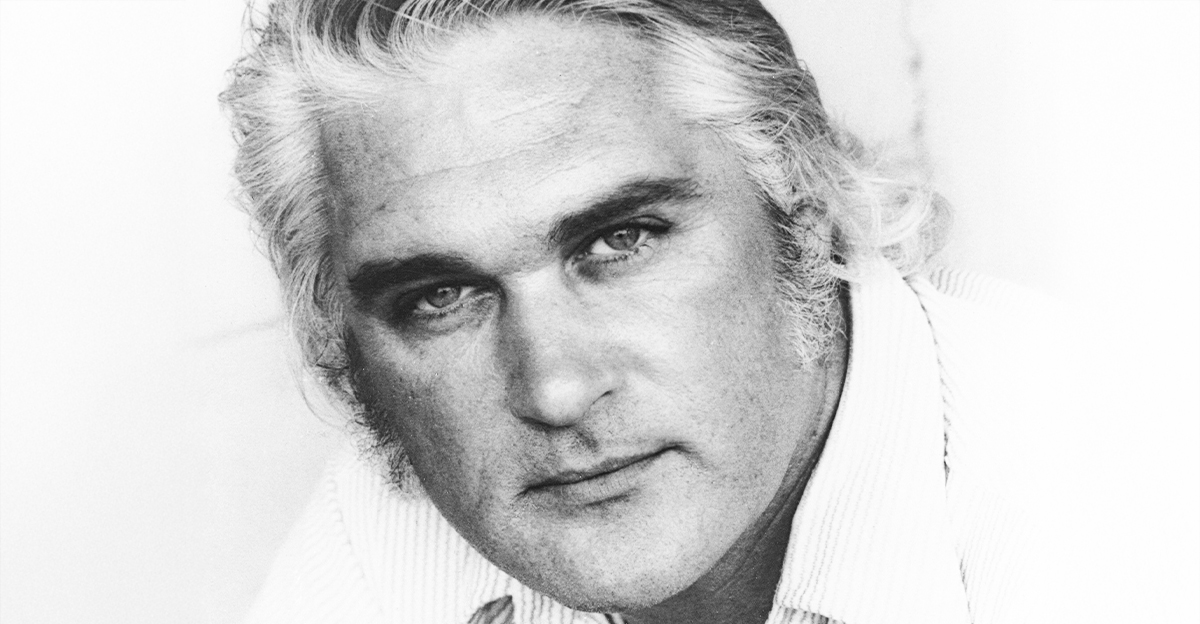
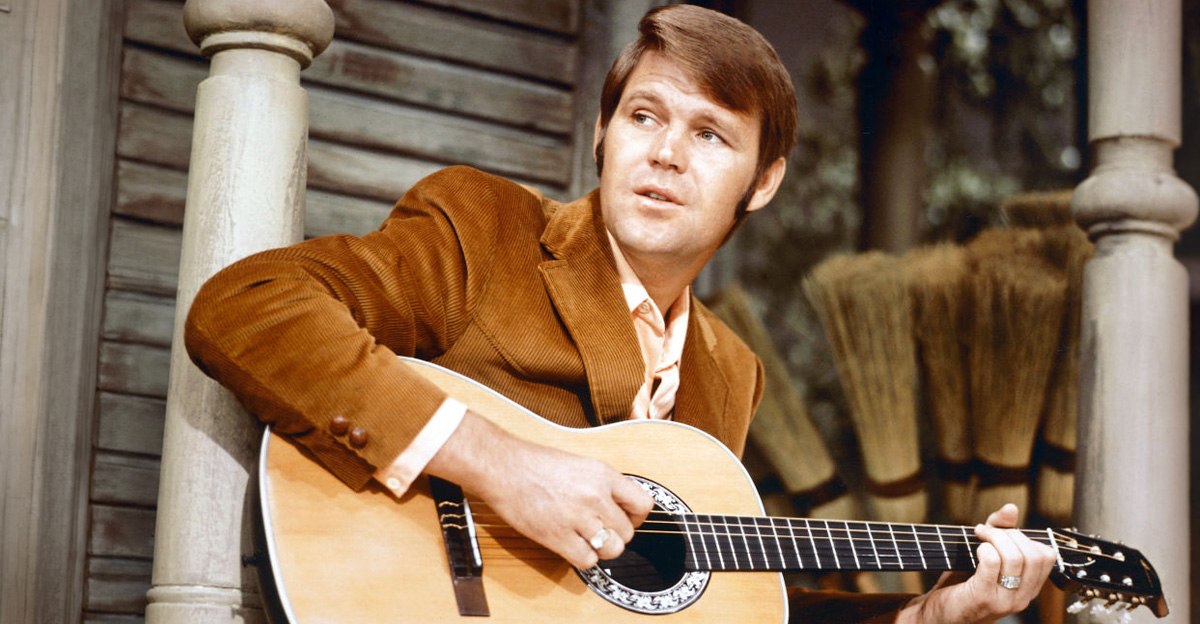
For decades, Glen Campbell made America sing along to "Rhinestone Cowboy" and "Wichita Lineman." But when his farewell documentary, I'll Be Me, reached television in 2015, audiences saw something different: a beloved entertainer confronting Alzheimer's disease while refusing to surrender his love of music.
 Silver Screen Collection, Getty Images
A Boy From Arkansas
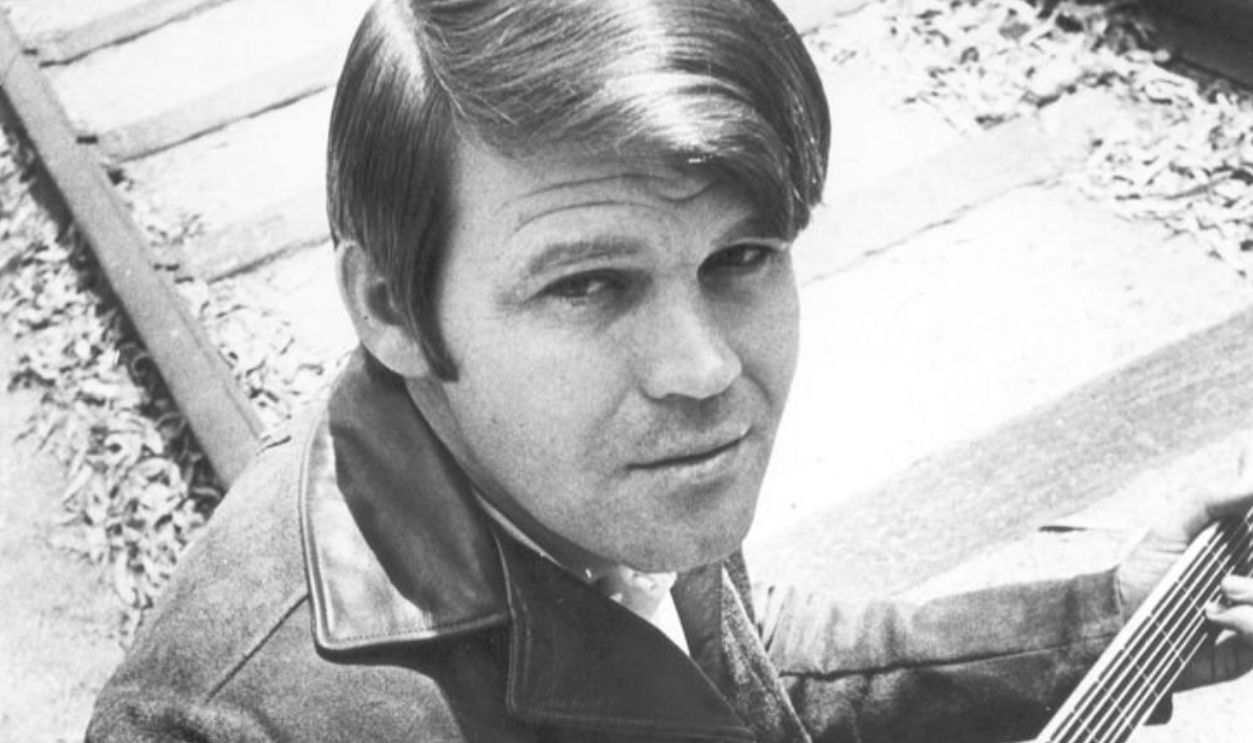
Born on April 22, 1936, near Delight, Arkansas, Campbell grew up in a poor sharecropping family with 12 children. His father introduced him to the guitar, and the young Glen quickly showed extraordinary talent. Music offered him opportunities far beyond his rural upbringing.
 Michael Ochs Archives, Getty Images
The Guitar Was His Ticket Out
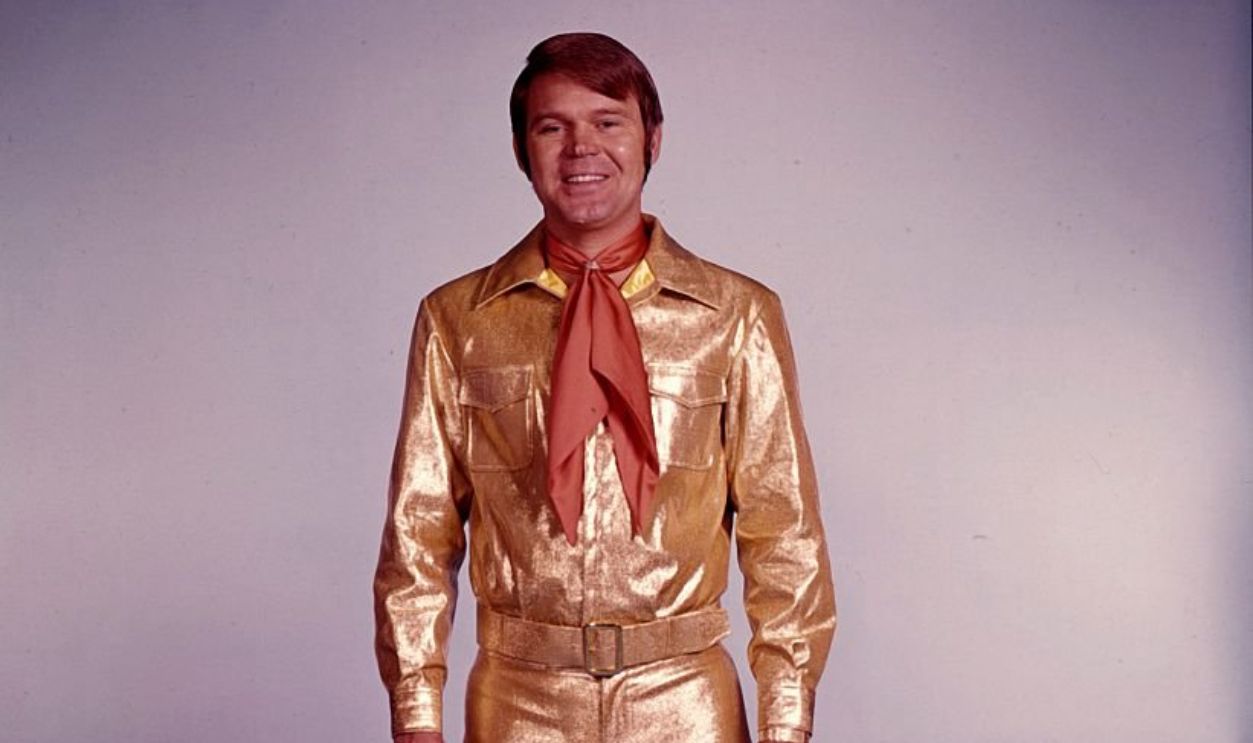
Campbell began performing professionally while still young, eventually making his way to Los Angeles in 1960. He wasn't famous yet, but his remarkable guitar playing soon attracted attention. Before long, he became one of the most sought-after session musicians in Hollywood.
 Donaldson Collection, Getty Images
The Man Behind The Hits
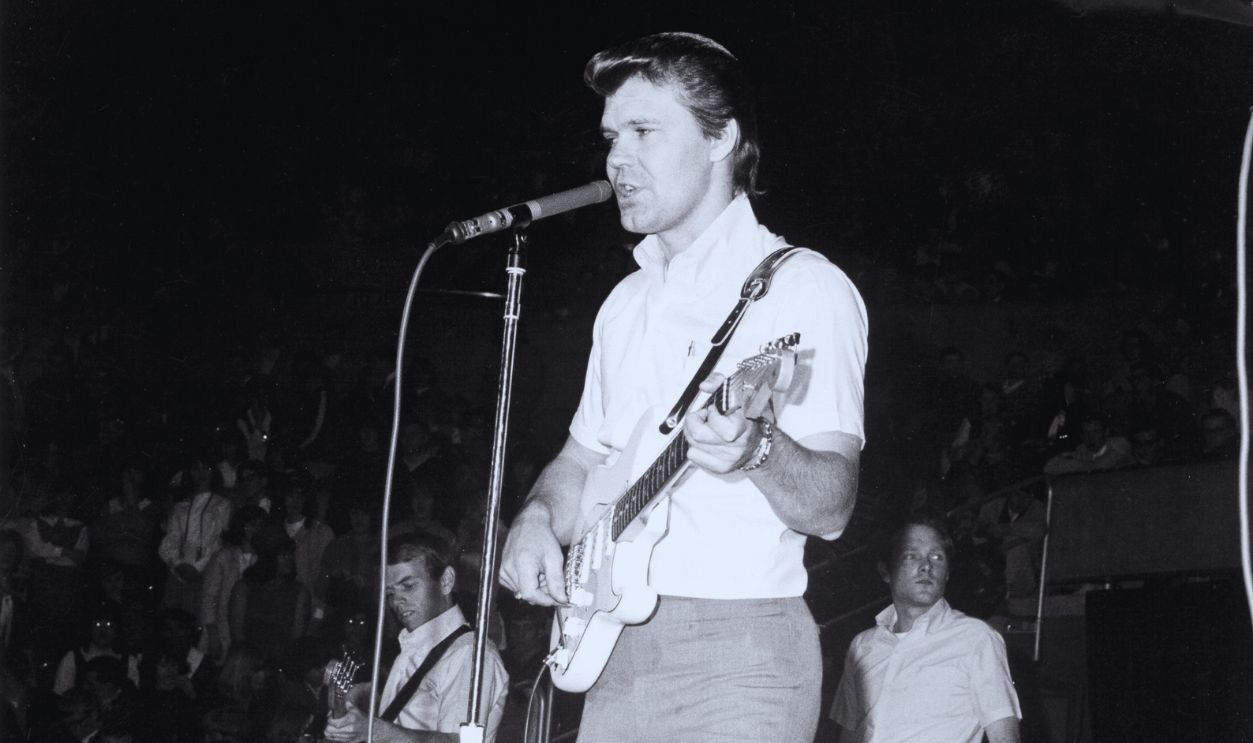
As a member of the legendary Wrecking Crew, Campbell contributed guitar work to recordings by some of music's biggest names. His studio career included sessions associated with Frank Sinatra, Elvis Presley, and other stars. Millions heard Campbell's playing before they knew his name.
 Michael Ochs Archives, Getty Images
When The Beach Boys Needed Help
In late 1964, Campbell stepped into an unexpected role when Brian Wilson stopped touring with the Beach Boys. Campbell temporarily joined the group onstage, performing their famous harmonies while handling demanding guitar parts. It was another demonstration of his remarkable versatility as a musician.
 Michael Ochs Archives, Getty Images
The Voice That Changed Everything
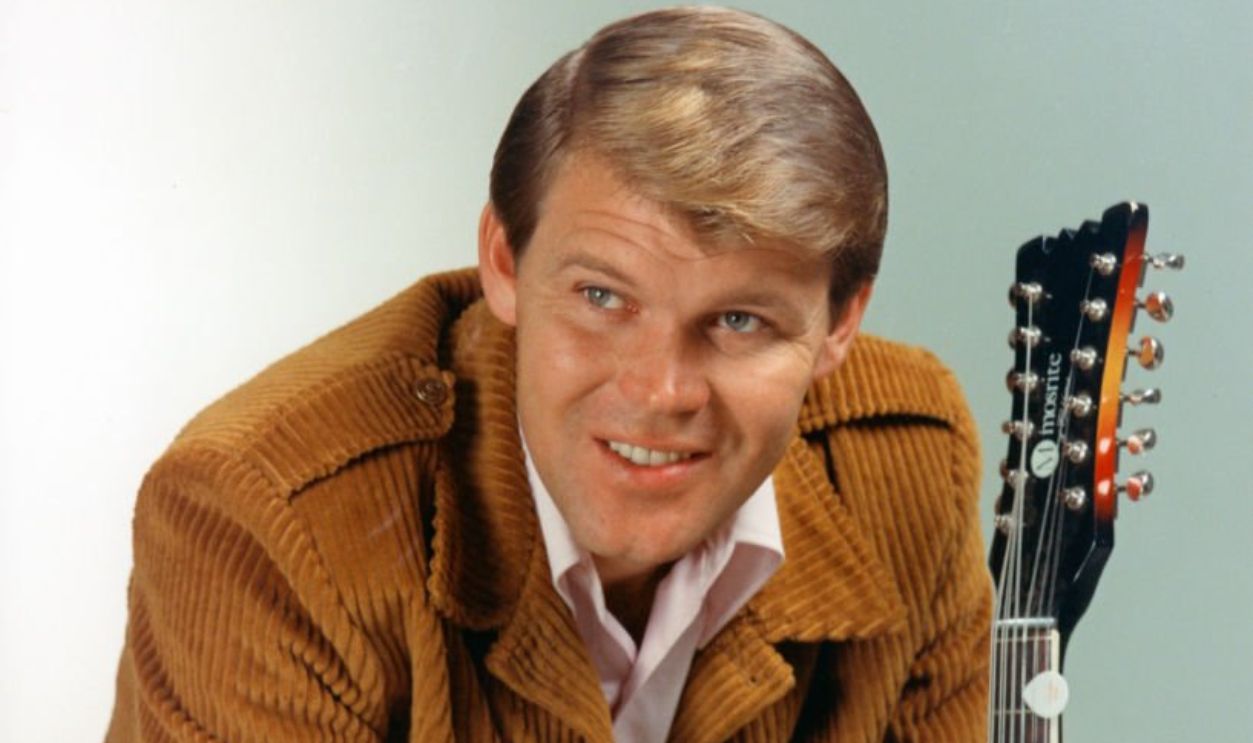
Campbell's solo career finally took off in 1967 with "Gentle on My Mind" and "By the Time I Get to Phoenix." His warm voice and effortless delivery appealed to country and pop audiences alike. That year, he achieved an extraordinary Grammy breakthrough.
 Michael Ochs Archives, Getty Images
Four Grammys In One Night
At the 1968 Grammy Awards, Campbell won four awards for his recordings of "Gentle on My Mind" and "By the Time I Get to Phoenix." He collected honors in both country and pop categories, proving that his music couldn't easily be confined to one genre.
 Michael Ochs Archives, Getty Images
The Magic Of Wichita Lineman
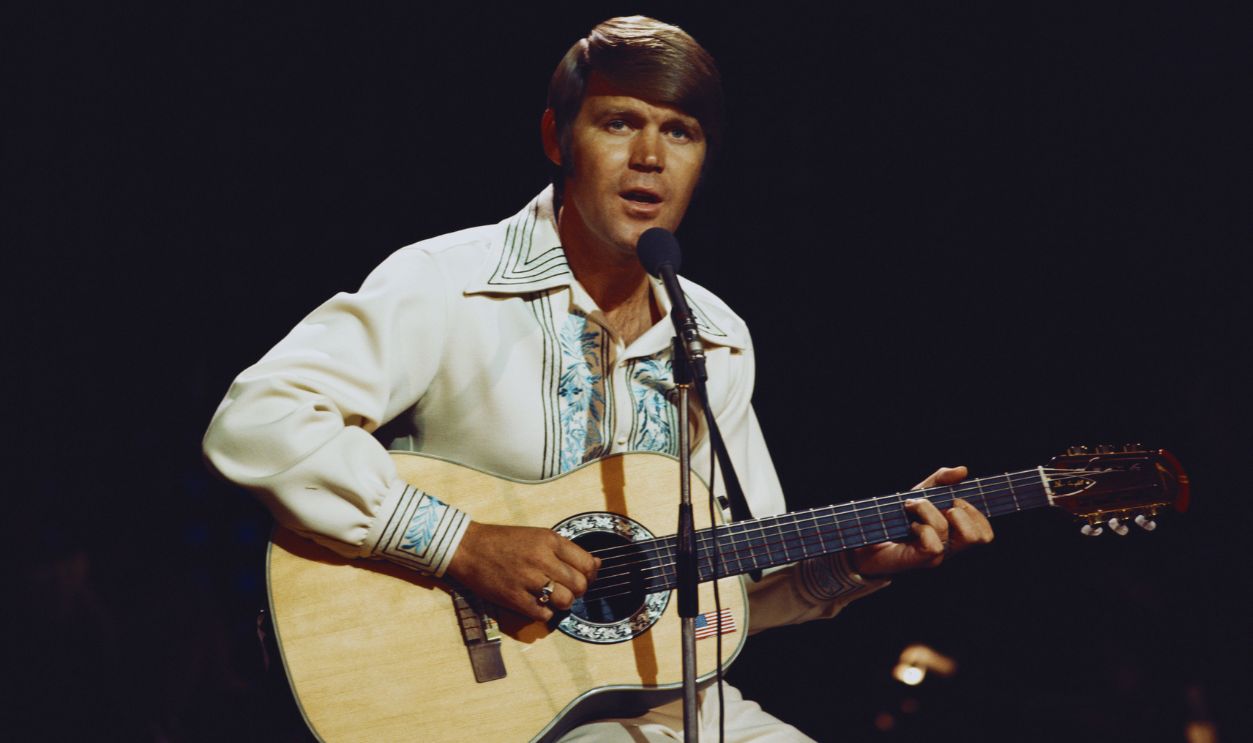
Released in 1968, "Wichita Lineman" became one of Campbell's defining recordings. Written by Jimmy Webb, the song transformed the loneliness of a telephone lineman into something universal. Campbell's restrained performance helped make it an enduring classic, admired by generations of musicians.
America Invited Him Into Its Living Rooms
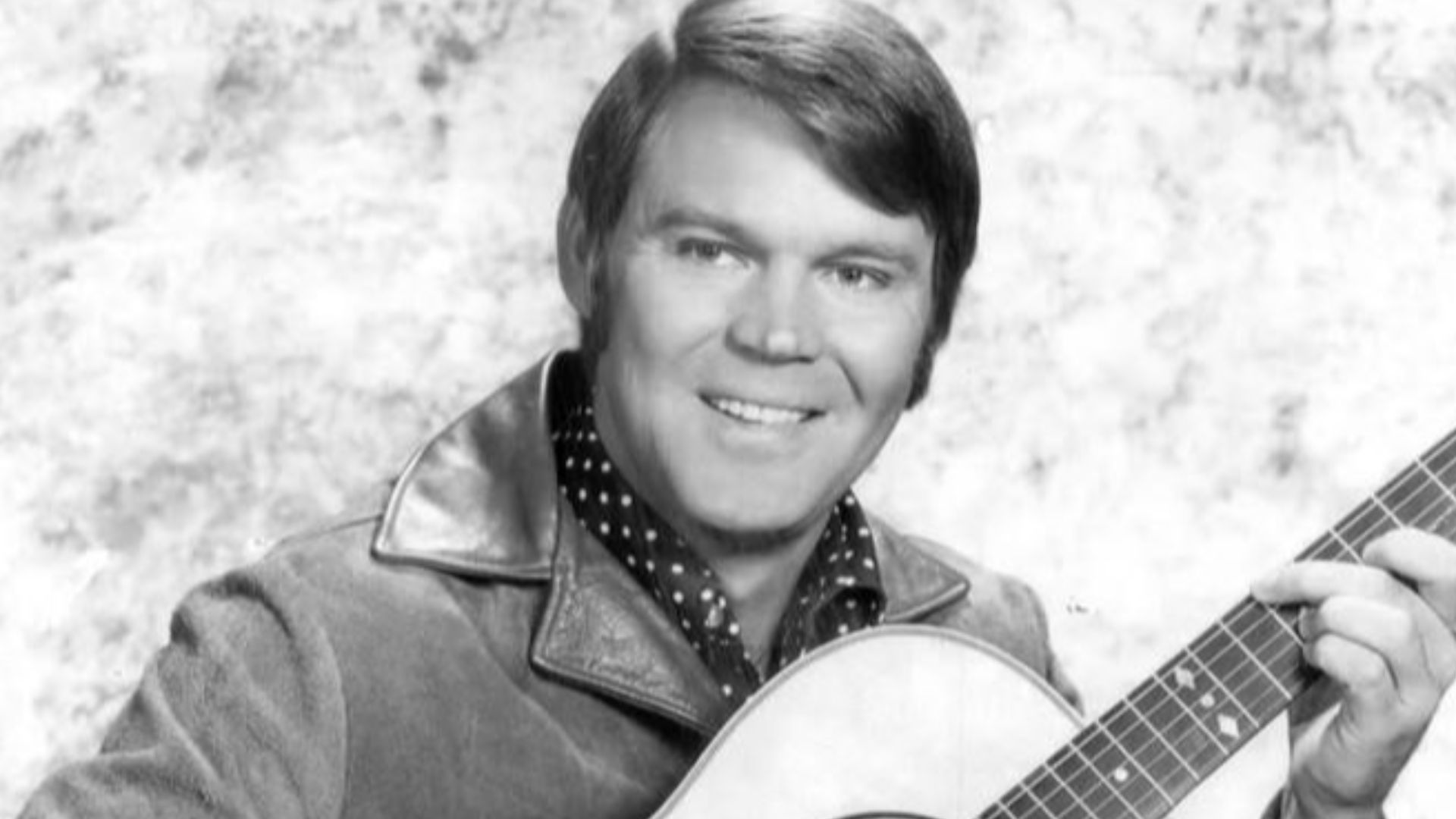
From 1969 to 1972, Campbell hosted The Glen Campbell Goodtime Hour on CBS. His television show welcomed major performers, including Johnny Cash and Ray Charles. With his easy charm, quick humor, and musical abilities, Campbell became a familiar face in American households.
 CBS Television, Wikimedia Commons
Even John Wayne Was Impressed
Campbell made his major film debut alongside John Wayne in the 1969 Western True Grit. Playing Texas Ranger La Boeuf, he demonstrated another side of his talents. Although acting never replaced music, the film introduced him to an even wider audience.
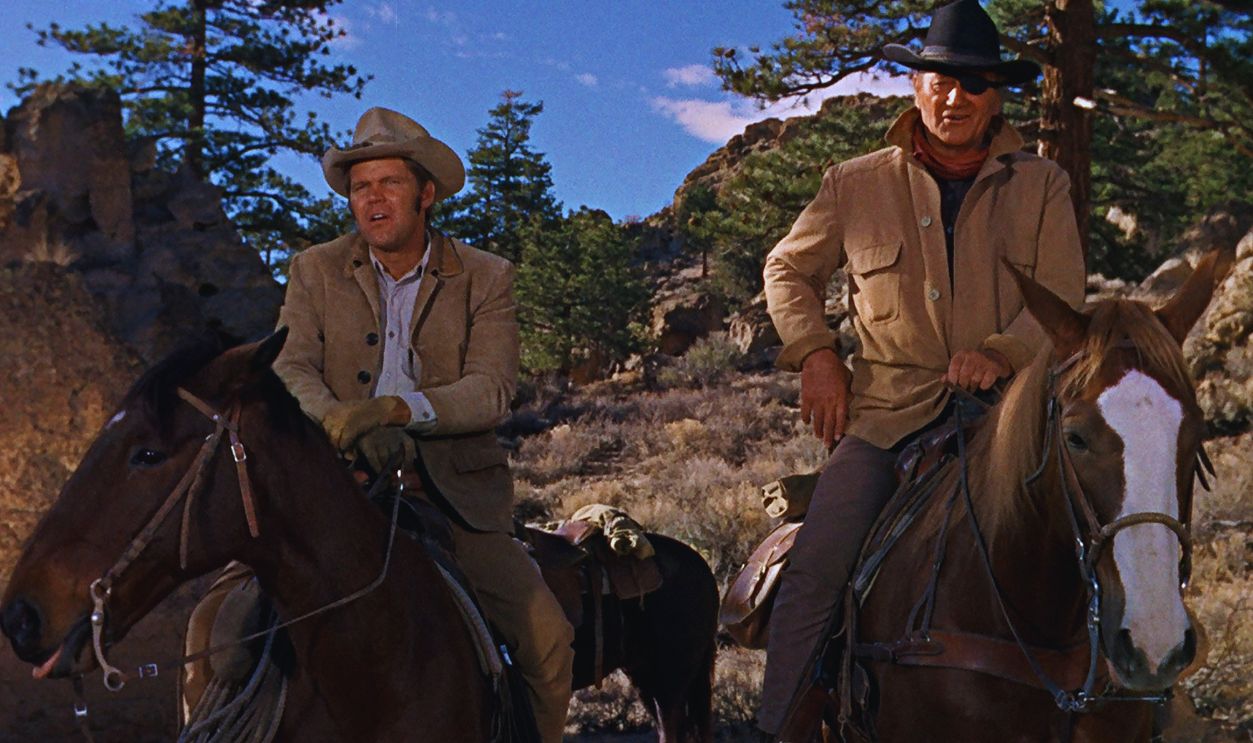 Silver Screen Collection, Getty Images
Then Came The Rhinestone Cowboy
In 1975, Campbell released "Rhinestone Cowboy," the song that would become his signature. It topped both the country and pop charts, introducing him to another generation of listeners. Its story of perseverance seemed especially fitting for a performer who had worked so hard.
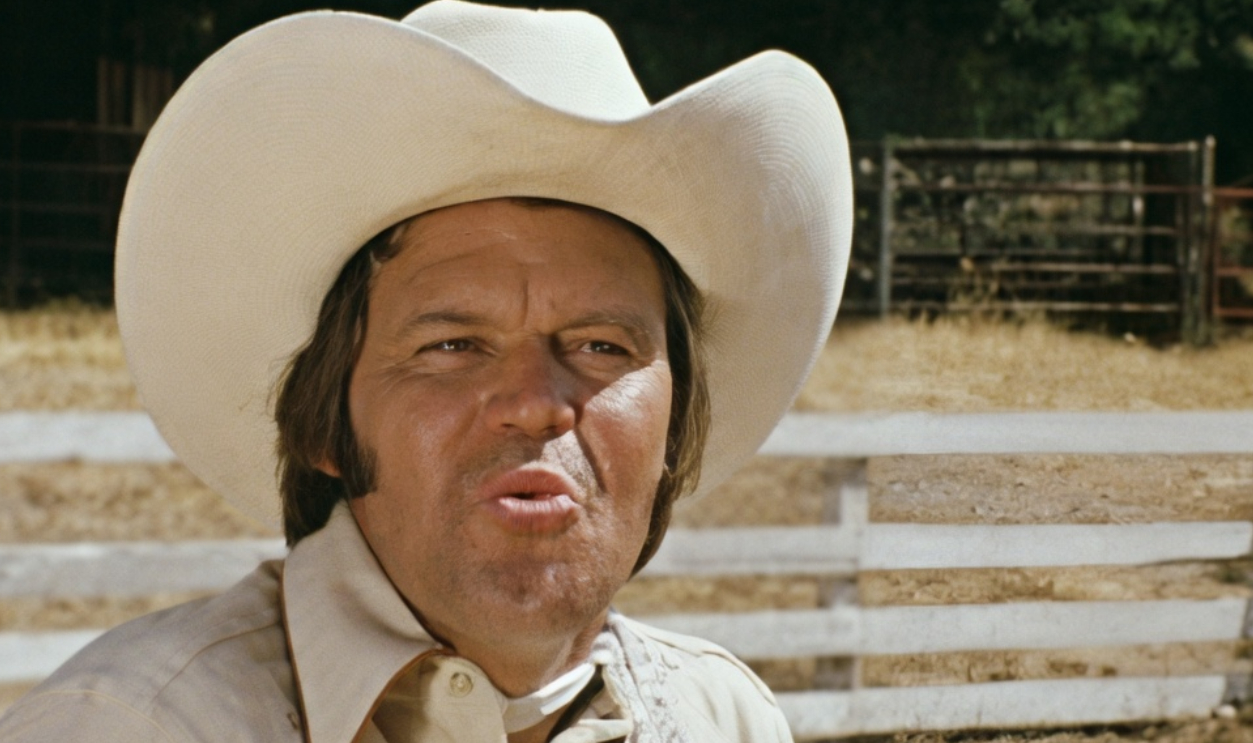 Screenshot from Glen Campbell: Rhinestone Cowboy, Capitol Records (1975)
The Hits Just Kept Coming
Campbell returned to the top of the pop and country charts with "Southern Nights" in 1977. Written by Allen Toussaint, the cheerful recording became another enormous success. By then, Campbell had established himself as one of America's most recognizable entertainers.
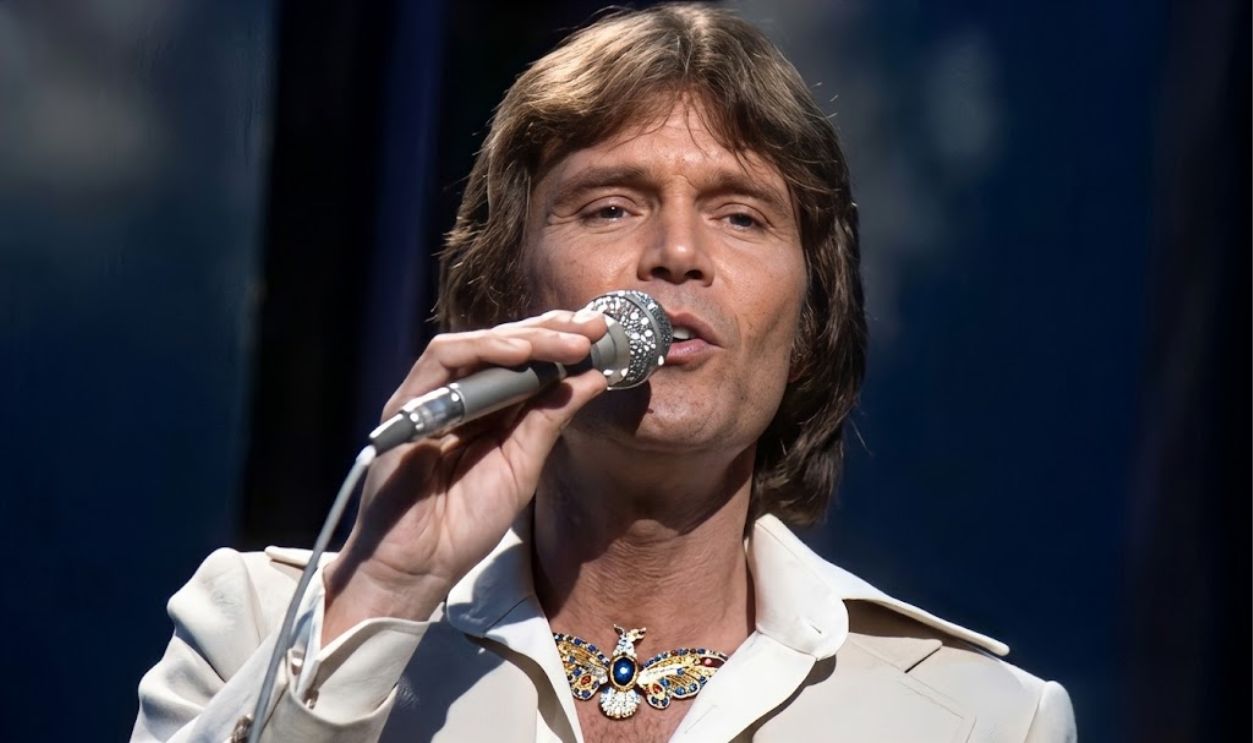 Screenshot from Southern Nights, Capitol Records (1977), Enhanced
Success Didn't Spare Him Personal Struggles
Behind the scenes, Campbell experienced well-publicized difficulties involving alcohol, drugs, and relationships. His personal life frequently attracted tabloid attention. Nevertheless, he continued recording and performing, eventually finding greater stability in his marriage to Kim Woollen, whom he married in 1982.

Country Music Finally Gave Him Its Highest Honor
In 2005, Campbell was inducted into the Country Music Hall of Fame. It recognized decades of groundbreaking recordings, extraordinary guitar playing, and his role in introducing country music to mainstream audiences. Yet another important chapter of his life was approaching.
 Fairfax Media Archives, Getty Images
The Diagnosis That Changed Everything
In June 2011, Campbell publicly announced that he had Alzheimer's disease. The diagnosis threatened his memory, independence, and ability to perform. Rather than withdrawing immediately from public life, Campbell and his family decided that he would undertake a farewell tour.
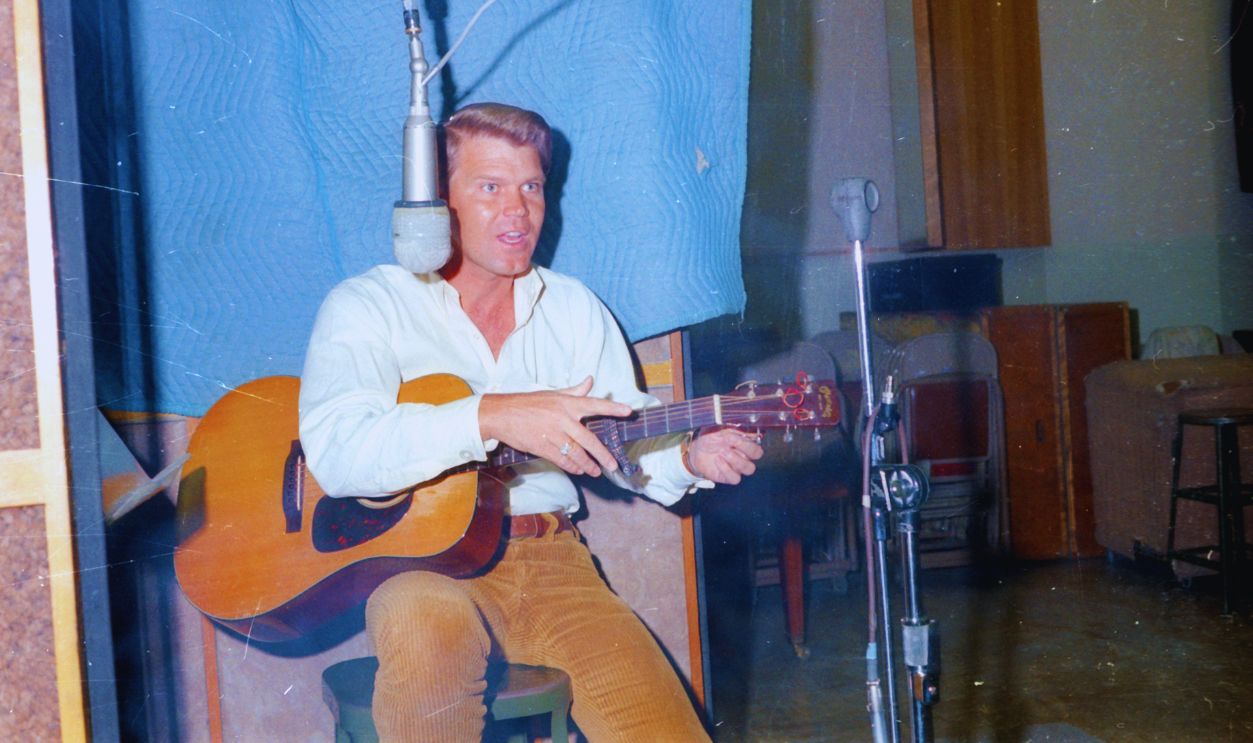 Michael Ochs Archives, Getty Images
One Last Ride With His Fans
Campbell's Goodbye Tour began in 2011, accompanied by his family and fellow musicians. Originally planned as a relatively short series of performances, it expanded into 151 shows over approximately 18 months. Fans gathered to celebrate a performer whose songs had accompanied their lives.

His Children Stood Beside Him
Campbell's children Ashley, Shannon, and Cal joined him on the road, helping support their father through increasingly difficult performances. The family witnessed the progression of his illness firsthand. Their involvement would become one of the most important elements of his farewell documentary.
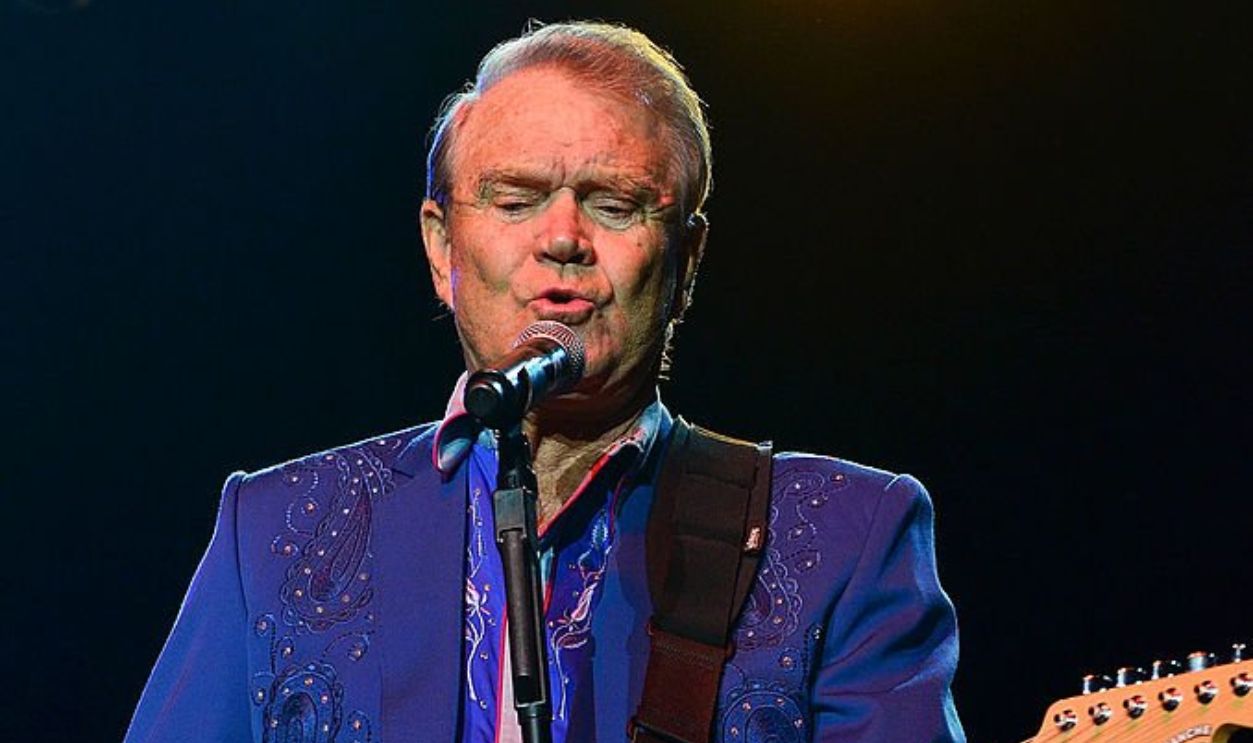
Sometimes The Guitar Remembered
During the farewell tour, Campbell experienced memory difficulties, occasionally struggling with lyrics or conversations. Yet his musical skills remained remarkable during many performances. Audiences witnessed the contrast between his increasing cognitive challenges and the extraordinary guitarist they had admired for decades.
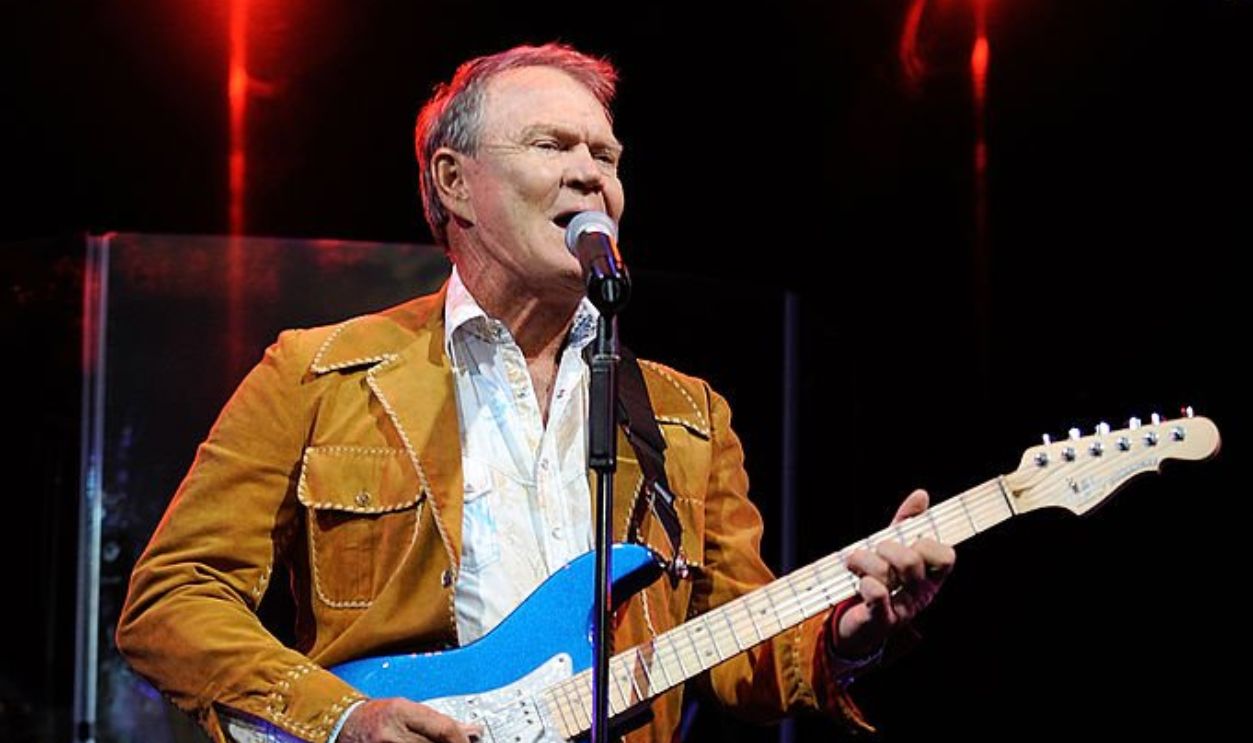
A Documentary Unlike Any Other
Director James Keach followed Campbell and his family throughout their journey, creating Glen Campbell: I'll Be Me. Released theatrically in 2014, the documentary offered an unusually personal account of a famous musician experiencing Alzheimer's while attempting to complete his final tour.
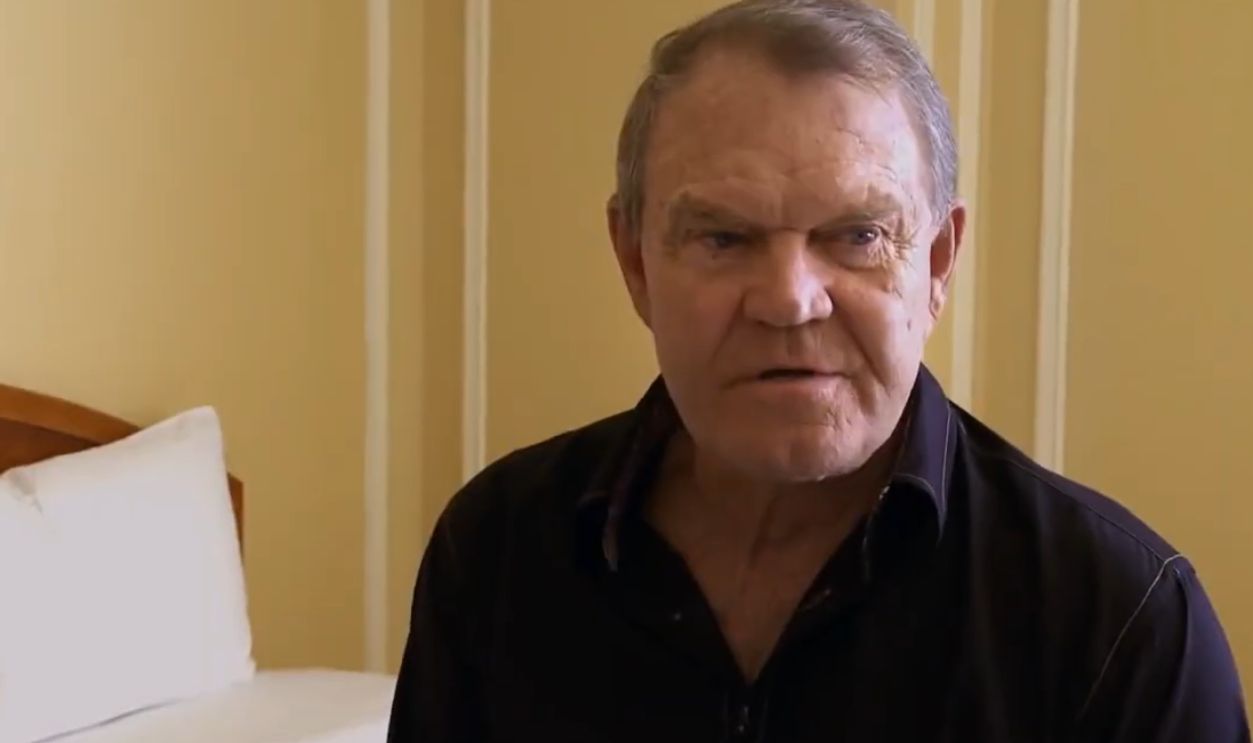 Screenshot from Glen Campbell: I'll Be Me, Area 23a (2014)
The Cameras Captured Everything
The documentary didn't simply celebrate Campbell's greatest achievements. It also showed medical appointments, moments of confusion, and the emotional demands placed upon his family. Viewers witnessed the realities of Alzheimer's alongside the humor, affection, and musical performances that continued to define Campbell's life.
 Screenshot from Glen Campbell: I'll Be Me, Area 23a (2014)
Kim Campbell Became His Strongest Advocate
Throughout the documentary, Campbell's wife Kim played a central role in his care. She helped him navigate the growing challenges of Alzheimer's while supporting his decision to continue performing. The film also revealed the enormous responsibilities shouldered by families caring for loved ones.

The Song That Made His Farewell Even Harder
Campbell recorded "I'm Not Gonna Miss You" with songwriter and producer Julian Raymond. The deeply personal song addressed the painful reality of losing memory and recognition. Featured in the documentary, it became one of Campbell's final recordings and an especially moving part of his farewell.
 Screenshot from I'm Not Gonna Miss You, Big Machine Records (2014)
Hollywood Honored His Final Song
"I'm Not Gonna Miss You" won the Grammy for Best Country Song in 2015 and received an Academy Award nomination for Best Original Song. At the Oscars, Tim McGraw performed the song in Campbell's place, bringing his farewell message to another enormous audience.

The Night Millions Watched Him Say Goodbye
On June 28, 2015, CNN aired Glen Campbell: I'll Be Me. The documentary attracted approximately 2.76 million viewers during its premiere broadcast, becoming the network's most-watched CNN Films presentation at that point. Campbell's intensely personal story had reached a huge national audience.
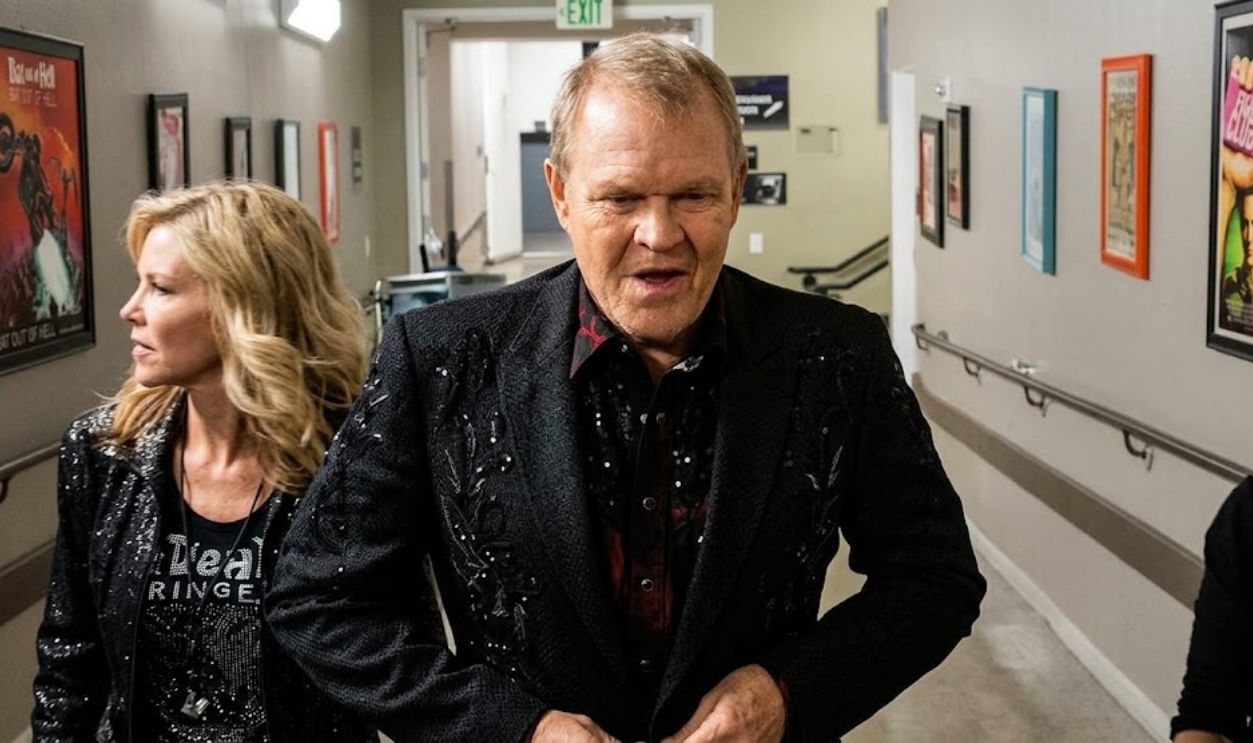 Screenshot from Glen Campbell: I'll Be Me, CNN Films (2015), Enhanced
Critics Couldn't Ignore Its Emotional Power
The film received widespread critical praise for its honesty and compassion. Reviewers highlighted Campbell's humor, courage, and musical talent, alongside the difficult realities facing his family. Rather than presenting a conventional celebrity biography, the documentary showed audiences what living with Alzheimer's could mean.

His Family Helped Change The Conversation
Campbell and his family used the farewell tour and documentary to promote Alzheimer's awareness. They also advocated for greater research funding, including visiting Congress. Their openness encouraged public discussion about the disease and the challenges experienced by patients and caregivers.
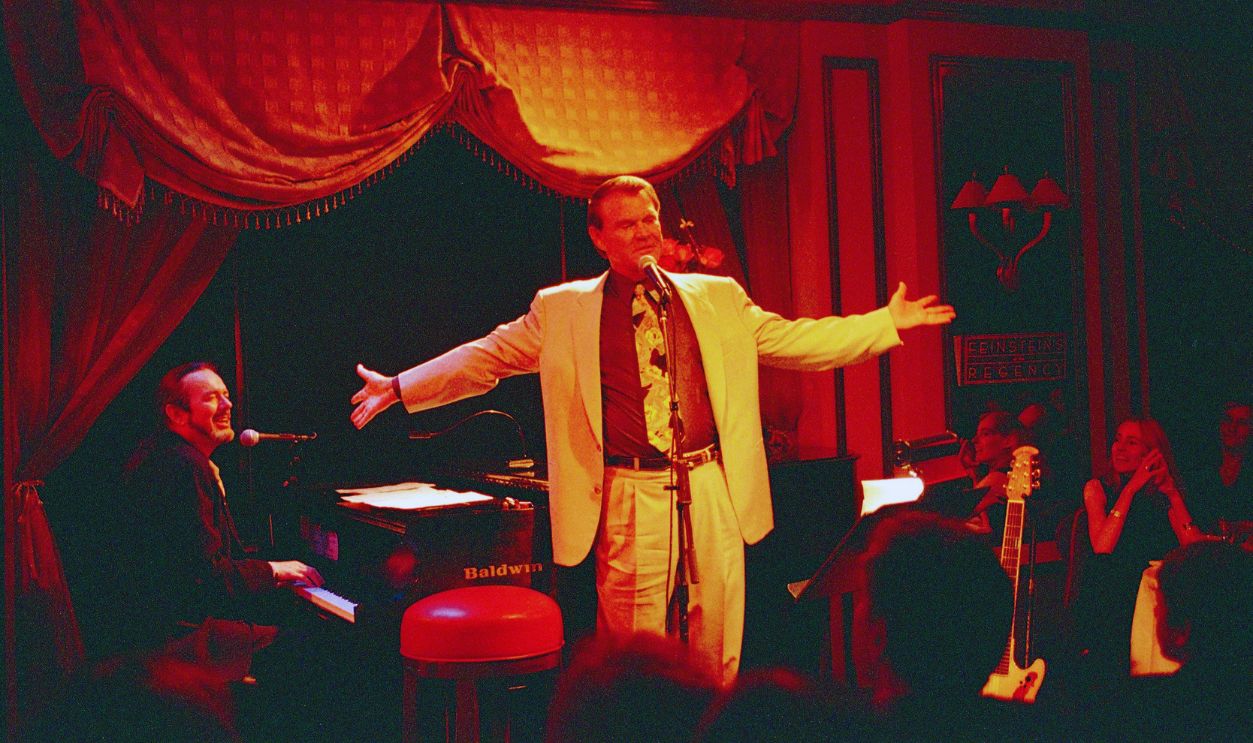
His Final Album Was Called Adios
In June 2017, Campbell released Adiós, an album recorded several years earlier, before his illness made further recording impossible. Featuring songs associated with artists he admired, the collection became a fitting conclusion to his recording career. Its title carried obvious emotional significance.
 Frederick Breedon IV, Getty Images
The Rhinestone Cowboy's Final Goodbye
On August 8, 2017, Glen Campbell died in Nashville at age 81 following complications from Alzheimer's disease. His death ended a career spanning six decades. Although his diagnosis had been public for years, the loss prompted tributes throughout the entertainment industry.
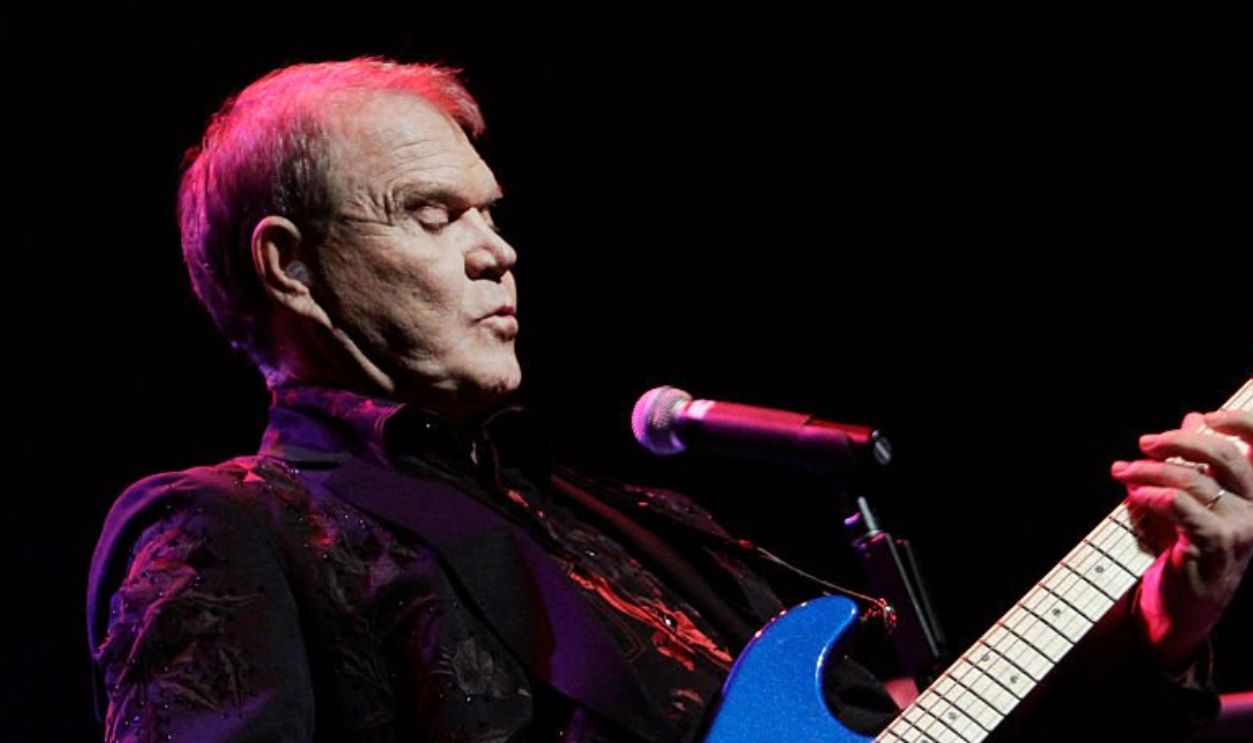
America Remembered Its Country Music Hero
Dolly Parton, Blake Shelton, and numerous other musicians publicly mourned Campbell's death. The Recording Academy called him an American treasure, while the Country Music Hall of Fame praised his musicianship and voice. His passing prompted renewed appreciation for both his recordings and his courageous farewell.
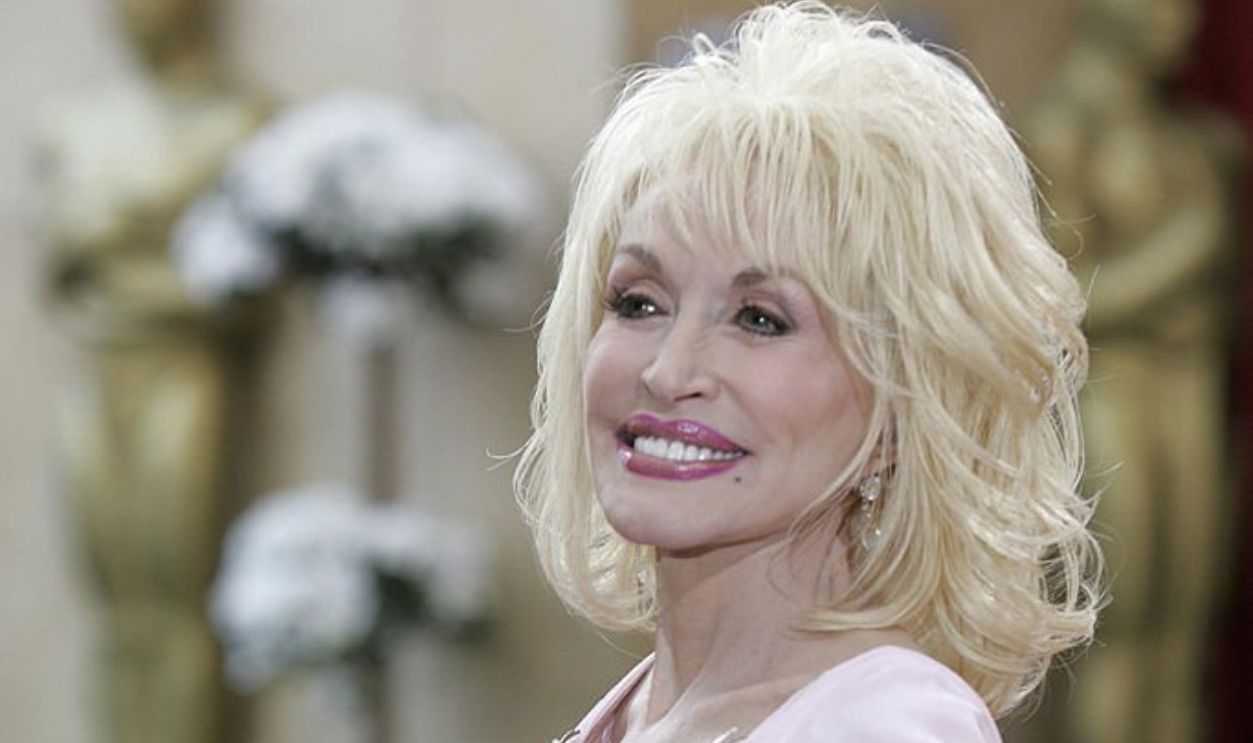
The Music Outlived The Memories
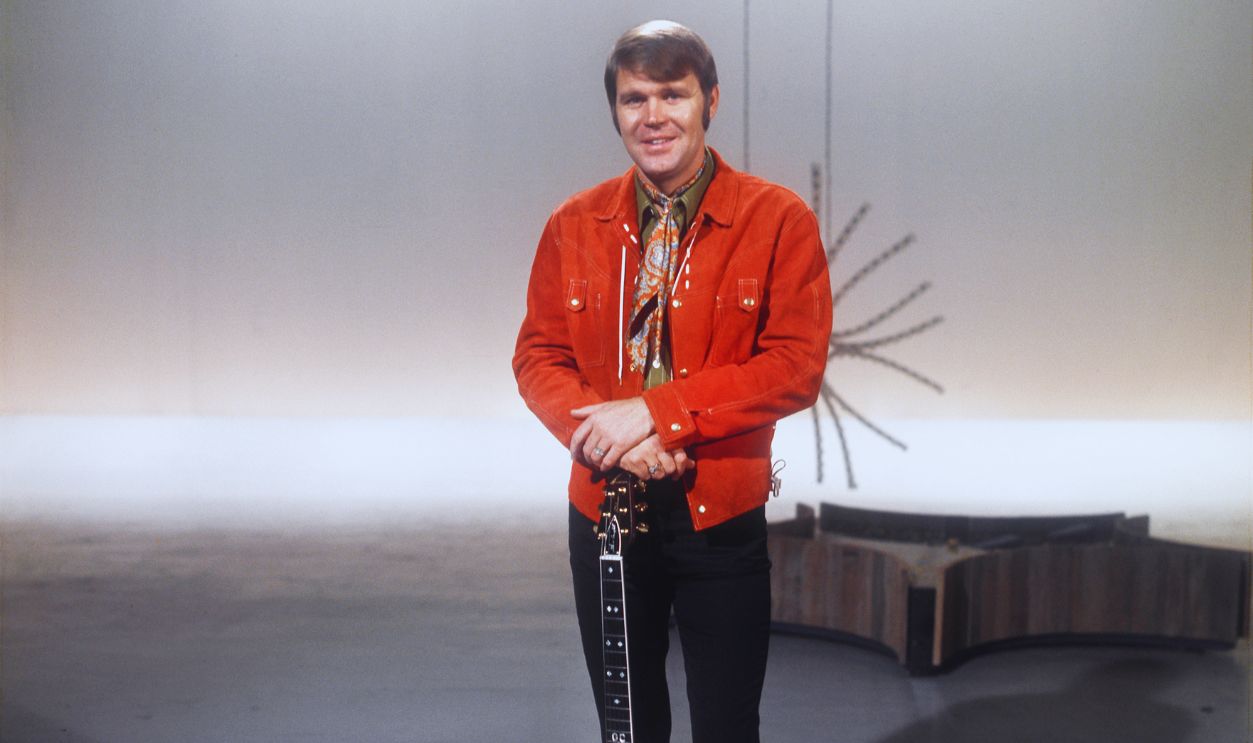
Glen Campbell's final years were documented with unusual openness, giving audiences an opportunity to understand the man behind the famous songs. I'll Be Me preserved his humor, musicianship, and family's devotion. His recordings remain a lasting reminder of the extraordinary talent behind the Rhinestone Cowboy.
 Donaldson Collection, Getty Images
You May Also Like:
Songs That Should Be National Anthems—What Would You Choose To Replace "The Star-Spangled Banner"?