What If Your Country Had A Different National Anthem?
Every country has a national anthem, but does it always have the best song? Some beloved patriotic classics have arguably become more meaningful than the official tunes. In a 2020 YouGov poll, 15% of Americans supported replacing “The Star-Spangled Banner.” So, what would we sing instead? From rock legends to folk favorites, here are some intriguing contenders.
America The Beautiful
If America ever retired “The Star-Spangled Banner,” this might be its most natural replacement. Written by Katharine Lee Bates, with music by Samuel A Ward, “America the Beautiful” celebrates the country's landscapes and ideals. It's frequently suggested as an alternative anthem, and its soaring melody certainly sounds the part.
 Unknown author, Wikimedia Commons, Modified
God Bless America
Irving Berlin's “God Bless America” has practically served as a second national anthem for generations. Famously performed by Kate Smith, the song became especially meaningful during wartime and moments of national tragedy. It's already a fixture at patriotic gatherings, making it an obvious candidate. Would anyone even notice the switch?

This Land Is Your Land
Woody Guthrie wrote this folk classic in 1940, partly in response to hearing “God Bless America” repeatedly on the radio. Unlike traditional patriotic marches, Guthrie's song celebrates America's people and landscapes while questioning inequality. Its simple, singalong melody could make it one of the most democratic national anthems imaginable.
 Al Aumuller, photographer. NYWT&S staff photograph., Wikimedia Commons
Lift Every Voice And Sing
Often called the Black national anthem, “Lift Every Voice and Sing” was written by James Weldon Johnson and set to music by his brother, J Rosamond Johnson. Its message of endurance, freedom, and hope carries enormous historical meaning. It has been proposed as an alternative to the official anthem, although the idea remains controversial.
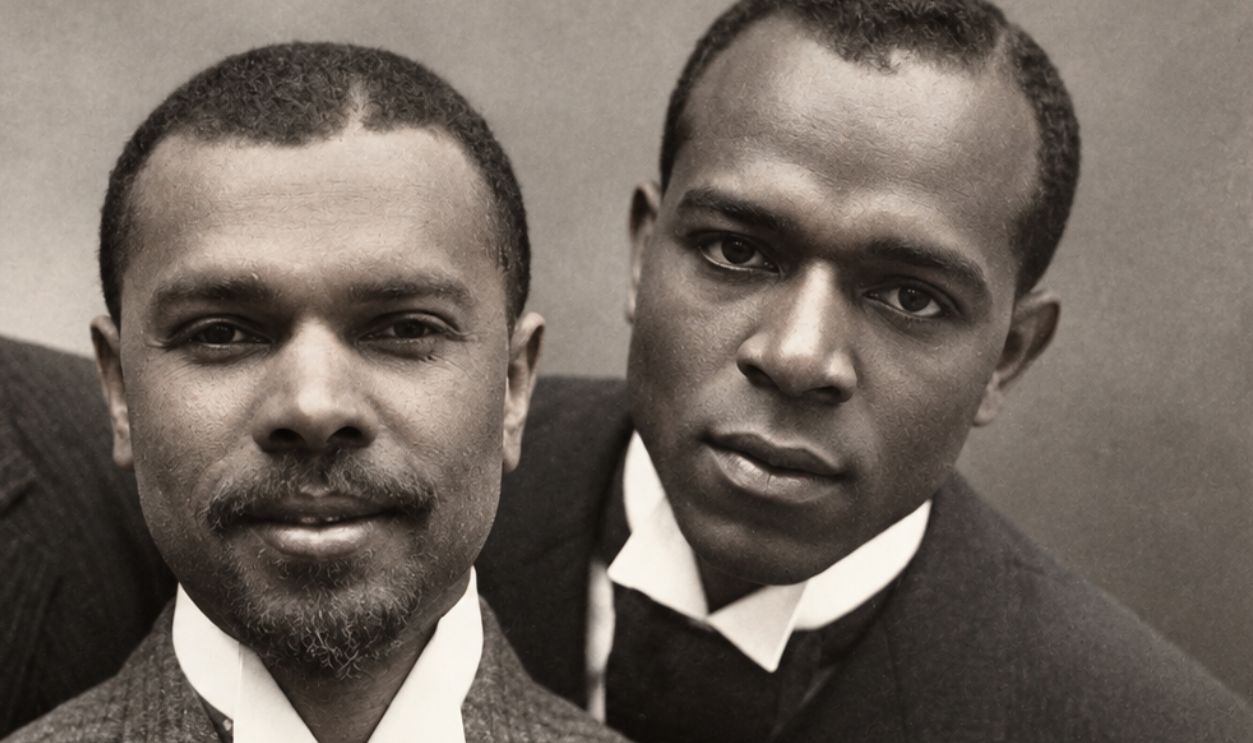 Unknown author, Wikimedia Commons, Enhanced
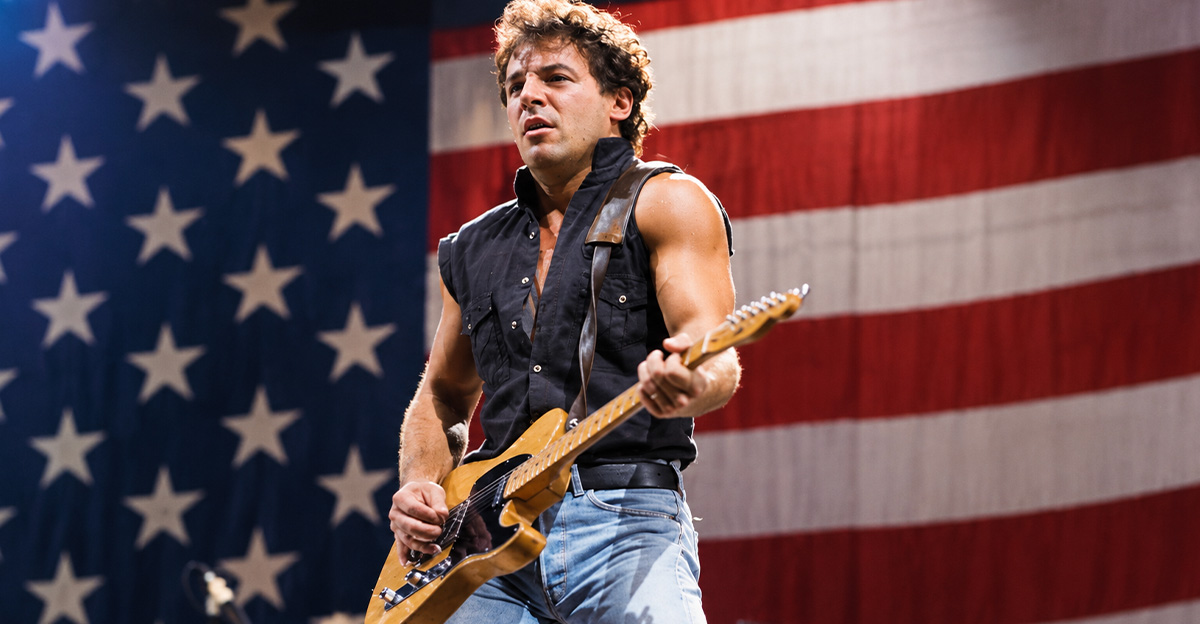
Born In The U.S.A.
Bruce Springsteen's 1984 smash hit sounds like a patriotic anthem, particularly when thousands of concertgoers shout its unforgettable chorus. There's just one complication: the song actually criticizes America's treatment of Vietnam veterans. Still, its powerful sound and cultural importance make it an interesting candidate. Imagine that opening drumbeat before the Super Bowl.
 Screenshot from Born in the U.S.A., Columbia Records (1984), Enhanced
God Bless The U.S.A.
Lee Greenwood's 1984 patriotic anthem became a staple of Fourth of July celebrations, military ceremonies, and political rallies. Its straightforward message of American pride has earned it a loyal following, particularly among conservative audiences. Whether it could unite an entire nation politically is another matter, but its popularity is undeniable.
 Screenshot from God Bless the U.S.A., MCA Records (1984)
Take Me Home, Country Roads
John Denver's 1971 classic isn't technically about the entire country, but that hasn't stopped Americans everywhere from singing along. Its affectionate portrait of West Virginia evokes home, belonging, and nostalgia. Already an official state song of West Virginia, it might be America's most unexpectedly charming national anthem candidate.
 ABC Television, Wikimedia Commons
Jerusalem
William Blake's words, set to music by Hubert Parry, have long been suggested as an alternative to “God Save the King” for England. The song's magnificent melody is particularly popular at major ceremonial occasions. In a 2016 YouGov survey of British opinion formers supporting an English sporting anthem, “Jerusalem” led with 39%.
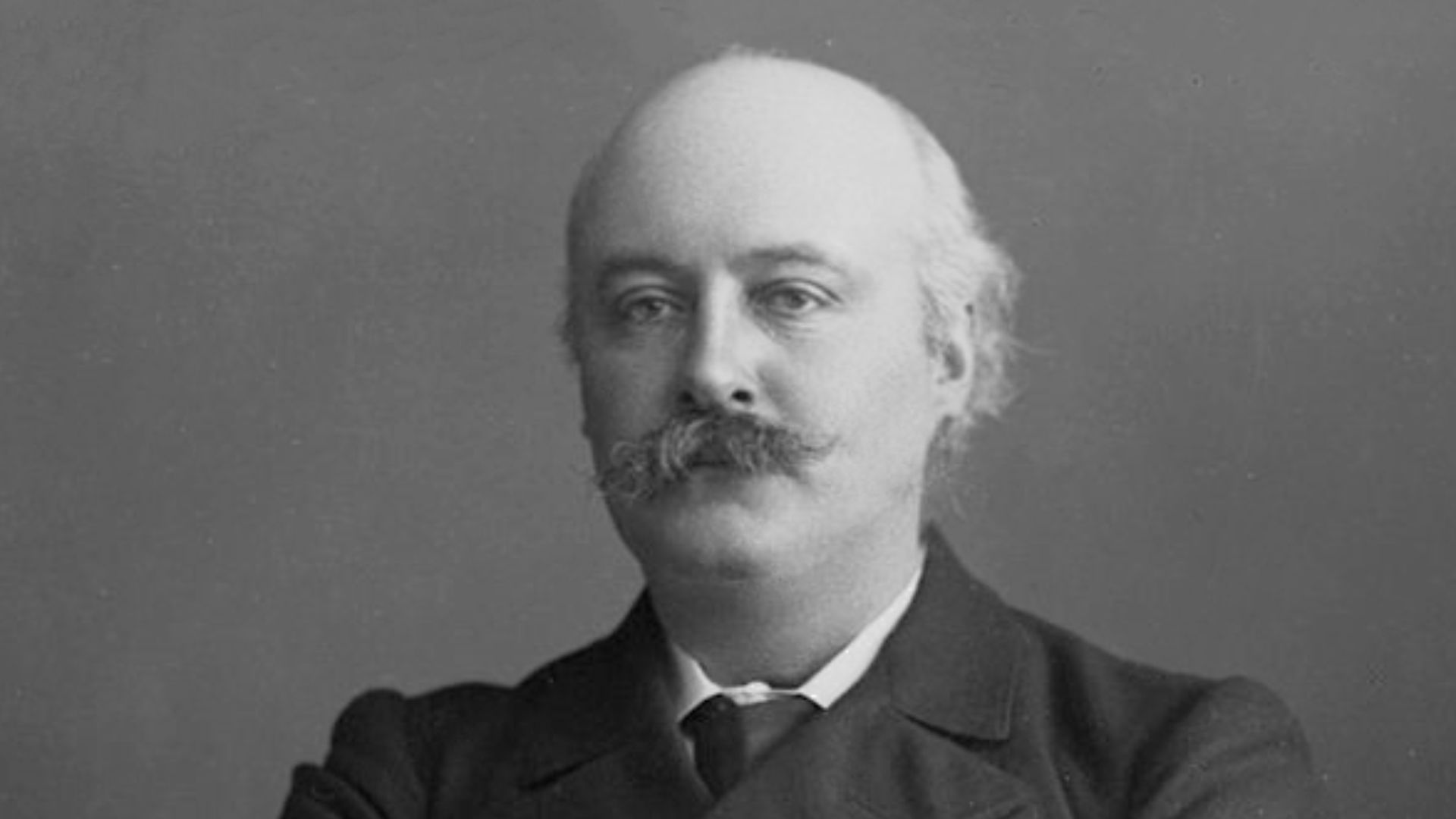 Unknown authorUnknown author (W. & D. Downey), Wikimedia Commons
Land Of Hope And Glory
Edward Elgar's magnificent composition might be the most convincing anthem England never officially adopted. Audiences famously sing it during the Last Night of the Proms. A 2016 YouGov survey of the English public preferred it over “Jerusalem” and other alternatives for an English national anthem. It's certainly difficult to beat for grandeur.
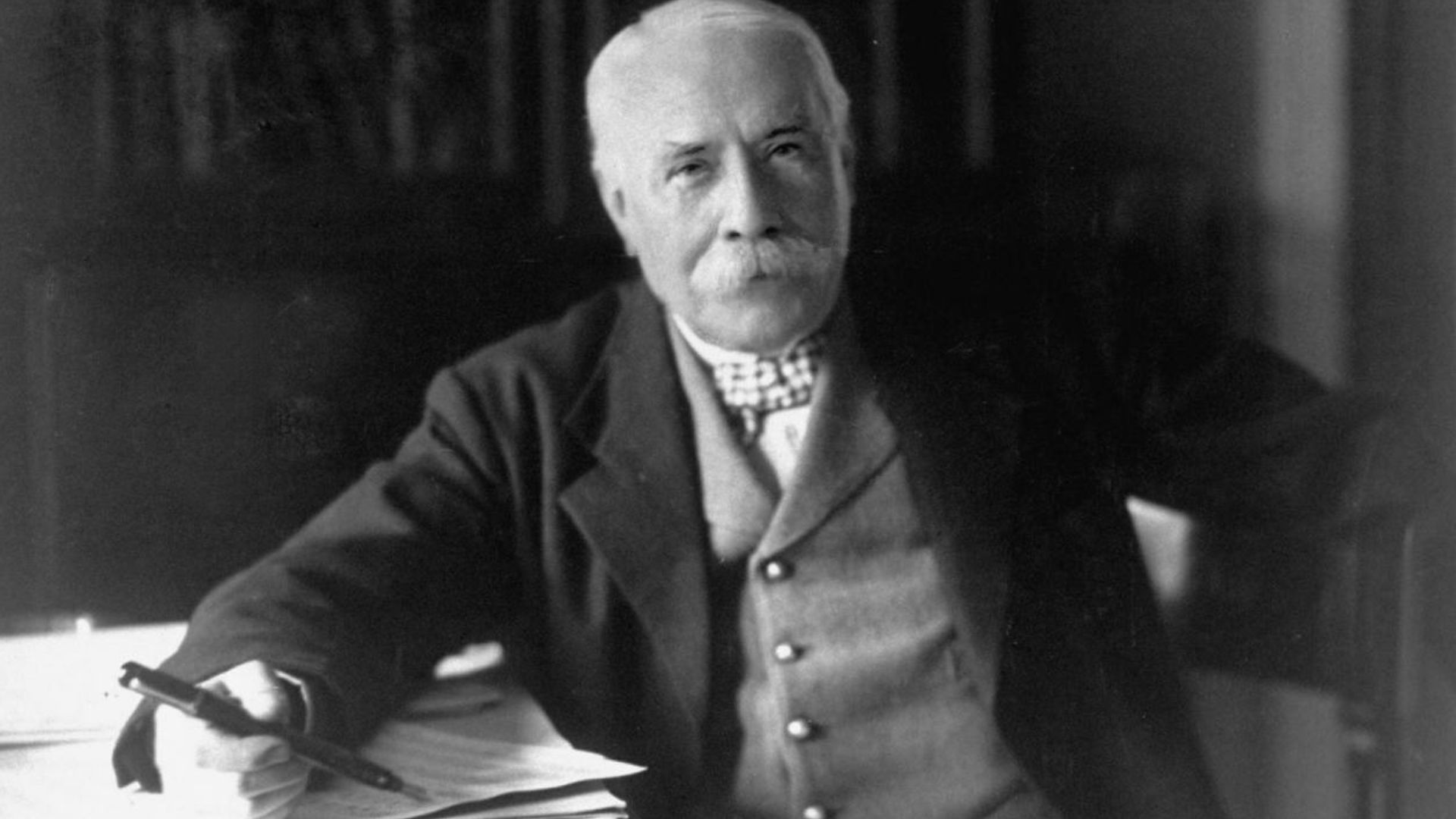 Herbert Lambert (1881–1936), Wikimedia Commons
I Vow To Thee, My Country
Set to a melody adapted from Gustav Holst's The Planets, this deeply emotional hymn is frequently performed at remembrance ceremonies. Its themes of loyalty, sacrifice, and devotion would make it a solemn alternative to “God Save the King.” Unlike many patriotic tunes, its strength lies in quiet dignity rather than chest-thumping celebration.
 Herbert Lambert, Wikimedia Commons, Modified
Scotland The Brave
Scotland doesn't have a legally designated national anthem, although “Flower of Scotland” is widely used at sporting events. “Scotland the Brave” remains a major contender, thanks to its unmistakable bagpipe melody. In a 2006 Royal Scottish National Orchestra online poll, it received 29% of votes, behind “Flower of Scotland” at 41%.
 Andy Farrington , Wikimedia Commons
Caledonia
Dougie MacLean's 1977 folk ballad has become one of Scotland's best-loved songs. Rather than celebrating military victories, it expresses a longing for home that Scottish emigrants understand particularly well. Its gentle melody and heartfelt words would certainly make international sporting ceremonies more emotional. Just imagine an entire stadium singing it together.

Ireland's Call
Originally commissioned for Irish rugby, Phil Coulter's “Ireland's Call” was designed to represent players from both the Republic of Ireland and Northern Ireland. First performed in 1995, it eventually became a familiar sporting anthem. Its emphasis on unity makes it a plausible replacement candidate, although plenty of Irish fans prefer the existing national anthem.
 Screenshot from Ireland’s Call, Solid Records (1995)
The Fields Of Athenry
Pete St John's heartbreaking ballad about the Great Famine has become an unofficial anthem among Irish sports supporters. Football and rugby stadiums regularly erupt into its chorus. Although a 2011 poll found just 7% favoring it as a replacement for Ireland's official anthem, its popularity with crowds is impossible to dispute.
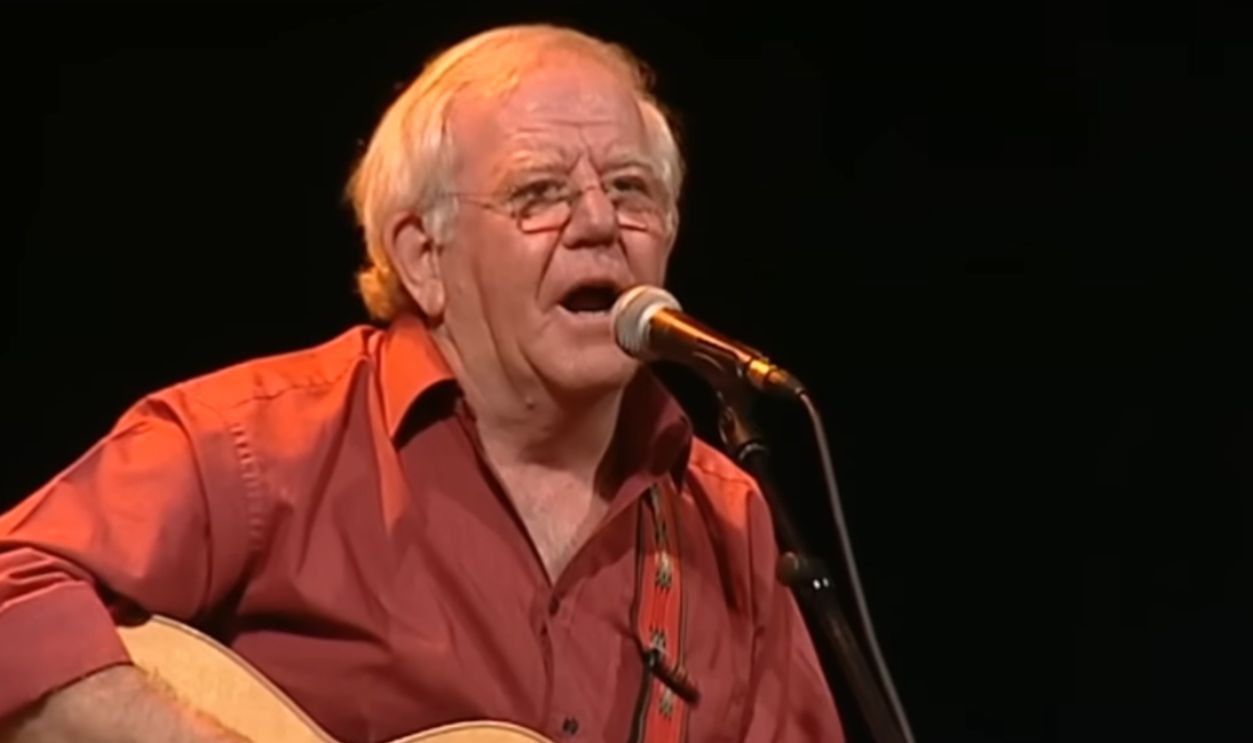 Screenshot from The Fields of Athenry, Dolphin Records (1982)
Northwest Passage
Stan Rogers' stirring 1981 folk song is practically Canada's unofficial anthem already. Celebrating exploration, hardship, and the country's vast northern wilderness, its magnificent chorus feels tailor-made for national ceremonies. When CBC radio host Peter Gzowski invited listeners to suggest an alternative Canadian anthem, “Northwest Passage” emerged as an overwhelming favorite.
 Screenshot from Northwest Passage, Fogarty’s Cove Music (1981), Enhanced
The Hockey Song
Could Canada's national anthem really be about hockey? Stompin' Tom Connors might have thought so. His wonderfully catchy 1973 classic celebrates the country's favorite winter sport and has become an arena staple. Inducted into the Canadian Songwriters Hall of Fame in 2018, it's arguably the most entertaining alternative to “O Canada.”
 Screenshot from The Hockey Song, Boot Records (1973), Enhanced
Cielito Lindo
Few songs inspire Mexican crowds quite like “Cielito Lindo.” Dating to the 19th century, its unforgettable chorus has become a favorite at World Cups and other international sporting events. Although originally a romantic song, it has developed into an unofficial Mexican anthem. With thousands singing together, it already sounds like one.

México Lindo Y Querido
Made famous by legendary singer Jorge Negrete and later performed by Vicente Fernández, this beloved ranchera expresses an extraordinary attachment to Mexico. Its themes of national pride, homesickness, and belonging have made it especially meaningful among Mexicans living abroad. For pure emotional impact, it would be difficult to find a more fitting anthem.
 Screenshot from Mexico Lindo y Querido, Compania del Gramofono-Odeon, S.A.E. (1947)
Aquarela Do Brasil
Ary Barroso's 1939 samba classic, often called “Brazil,” celebrates the country's beauty, culture, and irresistible musical spirit. International audiences became familiar with it through Disney's Saludos Amigos and countless later recordings. Its sweeping melody feels suitably grand for a national anthem, although the samba rhythm might encourage considerably more dancing than usual.
 Unknown author, Wikimedia Commons, Modified
Muchachos
Argentina's victory at the 2022 FIFA World Cup came with its own unforgettable soundtrack. “Muchachos, Ahora Nos Volvimos a Ilusionar,” performed by La Mosca, became a rallying cry for Lionel Messi's supporters. Although more about football than national history, its emotional connection with millions of Argentinians makes it an entertaining modern anthem candidate.
 Screenshot from Muchachos, Ahora Nos Volvimos a Ilusionar, Sony Music Argentina (2022)
Douce France
Charles Trenet's nostalgic classic offers a gentler alternative to France's famously martial national anthem, “La Marseillaise.” Written during World War II, “Douce France” celebrates memories of childhood and the French countryside. Its warmth and simplicity have helped it endure for generations. Perhaps France's national ceremonies could use a little less marching and a little more nostalgia.
 Screenshot from Douce France, Columbia Records (1947), Enhanced
Wind Of Change
Few songs capture modern German history as powerfully as the Scorpions' 1990 rock ballad. Inspired by the changing political atmosphere of 1989, “Wind of Change” became closely associated with the fall of the Iron Curtain and German reunification. Its message of peace and optimism would make it a moving alternative to Germany's traditional anthem.
 Screenshot from Wind of Change, Mercury Records (1991), Enhanced
Volare
Domenico Modugno's 1958 smash hit “Nel Blu, Dipinto Di Blu,” better known as “Volare,” is among Italy's most internationally recognizable songs. Winning the Sanremo Music Festival, it became a worldwide sensation. While hardly a conventional patriotic anthem, its jubilant melody and unmistakably Italian identity could make national ceremonies considerably more cheerful.
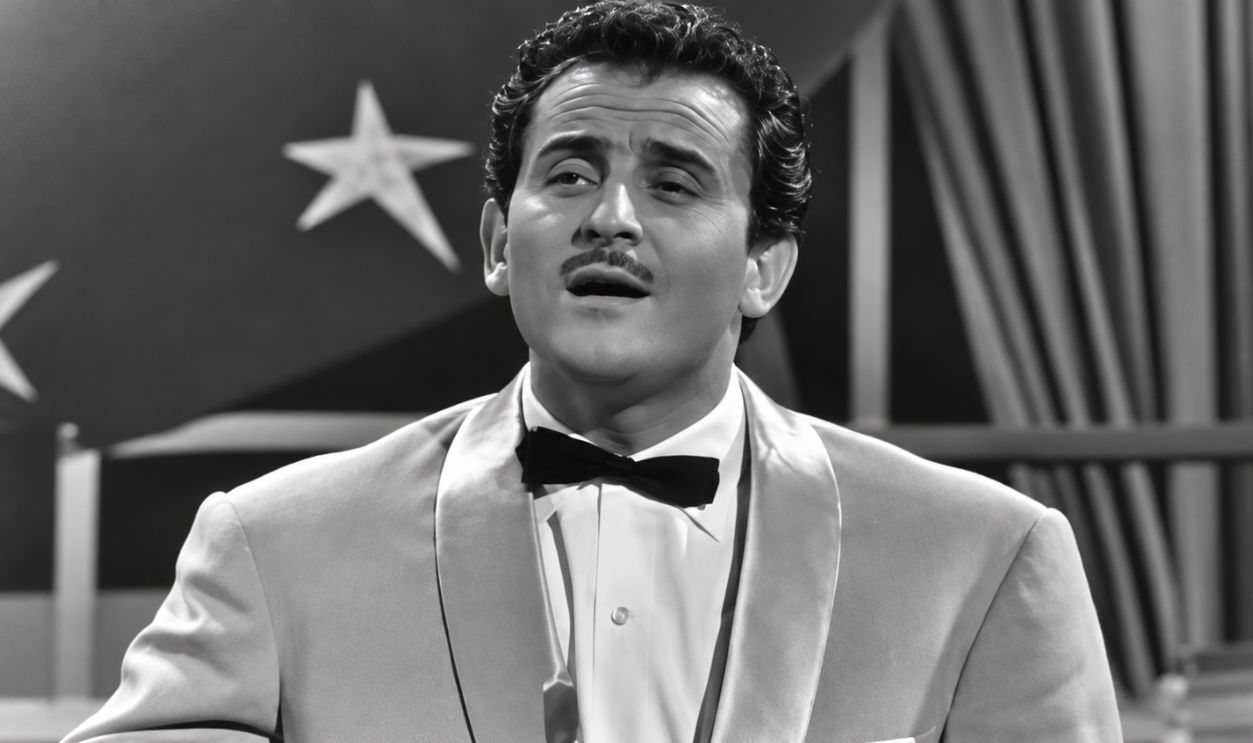 Screenshot from Nel blu, dipinto di blu, Fonit (1958), Enhanced
Y Viva España
Manolo Escobar turned “Y Viva España” into a Spanish favorite during the 1970s, although the song was originally composed in Belgium. Its infectious melody and celebratory lyrics helped make it an unofficial symbol of Spanish pride. For a country whose official national anthem has no official lyrics, a familiar singalong certainly offers one advantage.

Grândola, Vila Morena
José Afonso's “Grândola, Vila Morena” has a remarkable place in Portuguese history. Broadcast over the radio on April 25, 1974, it served as a signal for the military uprising that launched the Carnation Revolution. Forever associated with Portugal's transition to democracy, this powerful folk song would make a meaningful alternative national anthem.
 Screenshot from Grandola, Vila Morena, Orfeu (1971), Enhanced
Should National Anthems Reflect History Or Popularity?
There's something special about national anthems that have survived for generations. But songs by John Denver, Bruce Springsteen, Stan Rogers, and countless others have also helped define how people feel about their homelands. Perhaps the best anthem isn't always the most traditional or the grandest. Maybe it's simply the song everyone wants to sing together. Which would you choose?
 JolandaBakker, Wikimedia Commons
You May Also Like:
Classic TV Shows That Were Almost Canceled Before They Became Massive Hits