A Hard Road To The Top
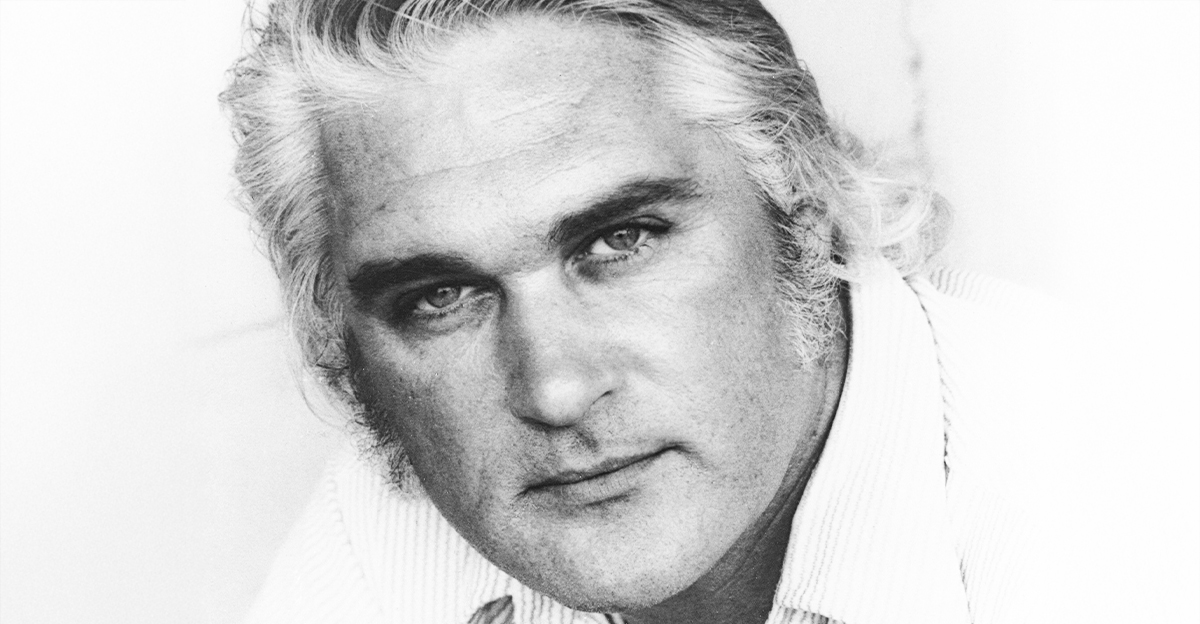
Charlie Rich had the voice, looks, and musical talent to become a superstar. There was just one problem: nobody seemed to know what to do with him. For nearly 15 years, the man who would become country music's legendary Silver Fox bounced between record labels, struggled with disappointment, and watched other performers find the success that kept eluding him. Then, at 40, he finally struck gold. But even at the top, Rich's troubles were far from over.
 Michael Ochs Archives/Getty Images
A Boy From Arkansas
Charles Allan Rich was born on December 14, 1932, in Colt, Arkansas, a small farming community where his parents worked the land. His childhood was shaped by cotton fields, church services, and the sounds of rural America. Money was hard to come by, but music was everywhere, and the young Charlie soon showed an extraordinary ear for it.
 Thomas R Machnitzki, Wikimedia Commons
Music Filled His Childhood
Rich's parents were devout Missionary Baptists who sang in a church quartet, while his mother also played piano. Gospel music surrounded him from an early age, but another influence proved just as important. A Black sharecropper named C. J. Allen taught young Charlie blues piano, introducing him to a musical tradition that would shape his sound for the rest of his life.
Jazz Captured His Imagination
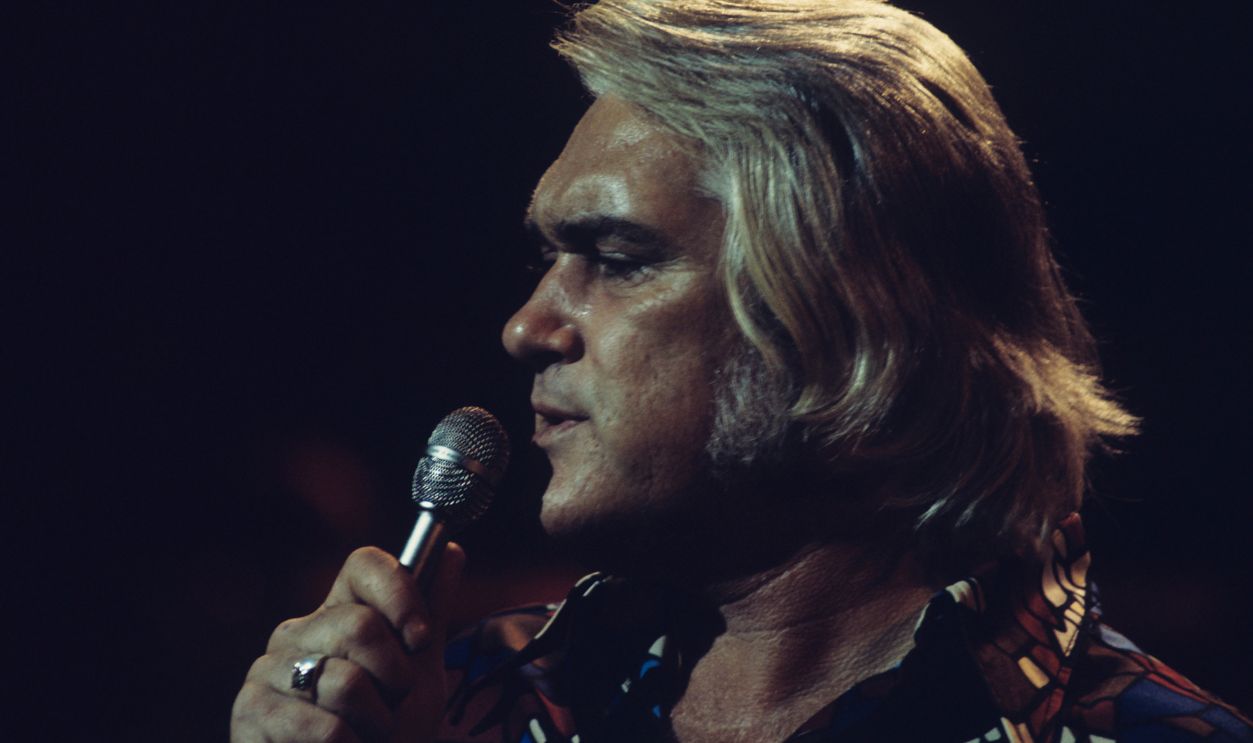
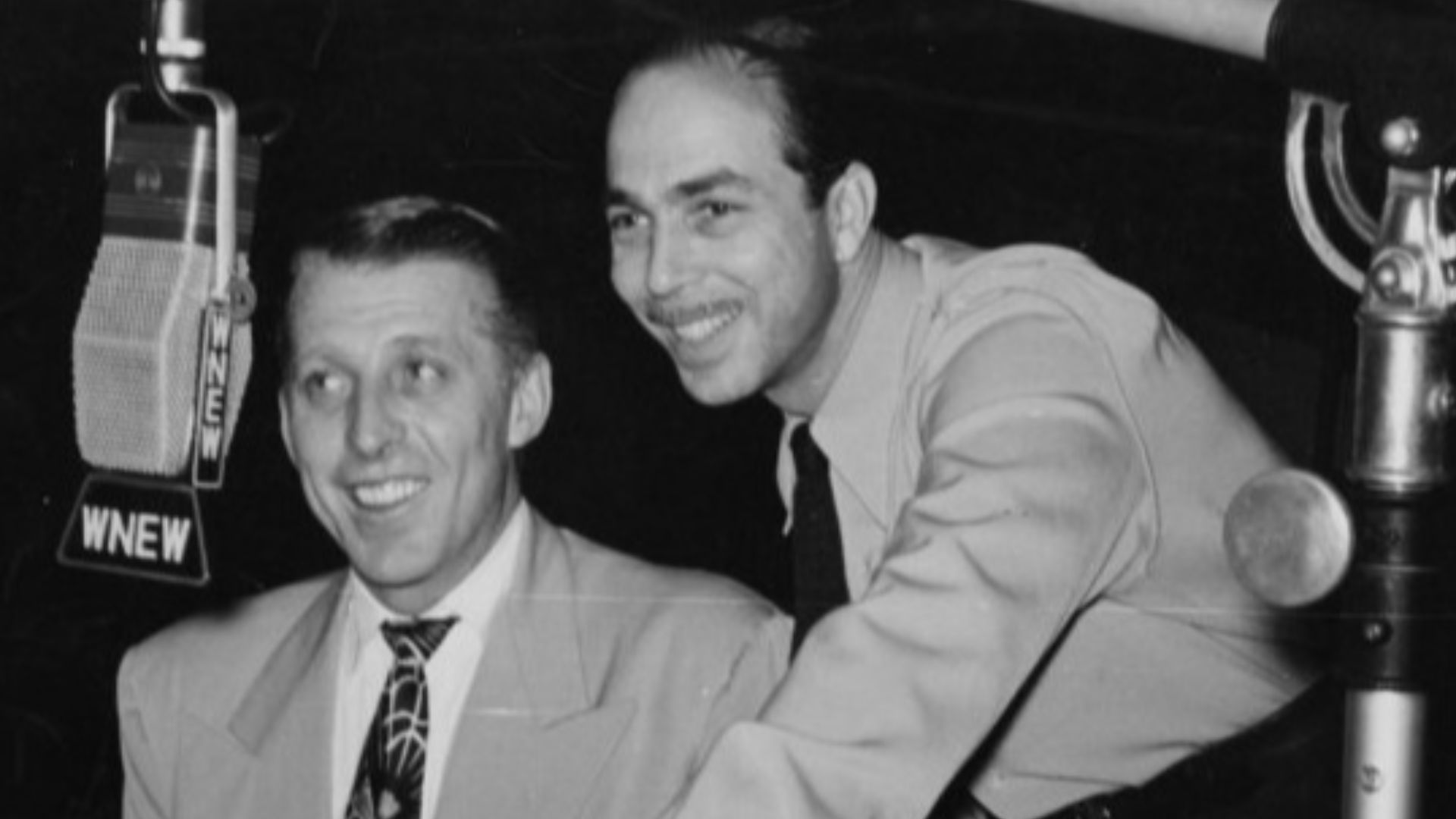
As a teenager, Rich developed a passion for jazz, particularly the sophisticated arrangements of Stan Kenton and the dazzling piano playing of Oscar Peterson. He learned piano and saxophone and briefly studied music at the University of Arkansas. His musical interests were already unusually broad, which would prove both a blessing and a problem.
 Noel Wedder, as above. Uploaded by We hope at en.wikipedia, Wikimedia Commons
A Young Man In Uniform
Rich joined the United States Air Force in the early 1950s and was stationed in Enid, Oklahoma. Military life didn't interrupt his musical ambitions. Instead, he formed a jazz-and-blues group called the Velvetones and began performing locally. The experience gave him valuable confidence, although the biggest development of these years was personal rather than professional.
 Photographer's Name: Terry Wasson, Civilian, USAF, Wikimedia Commons
Margaret Entered His Life
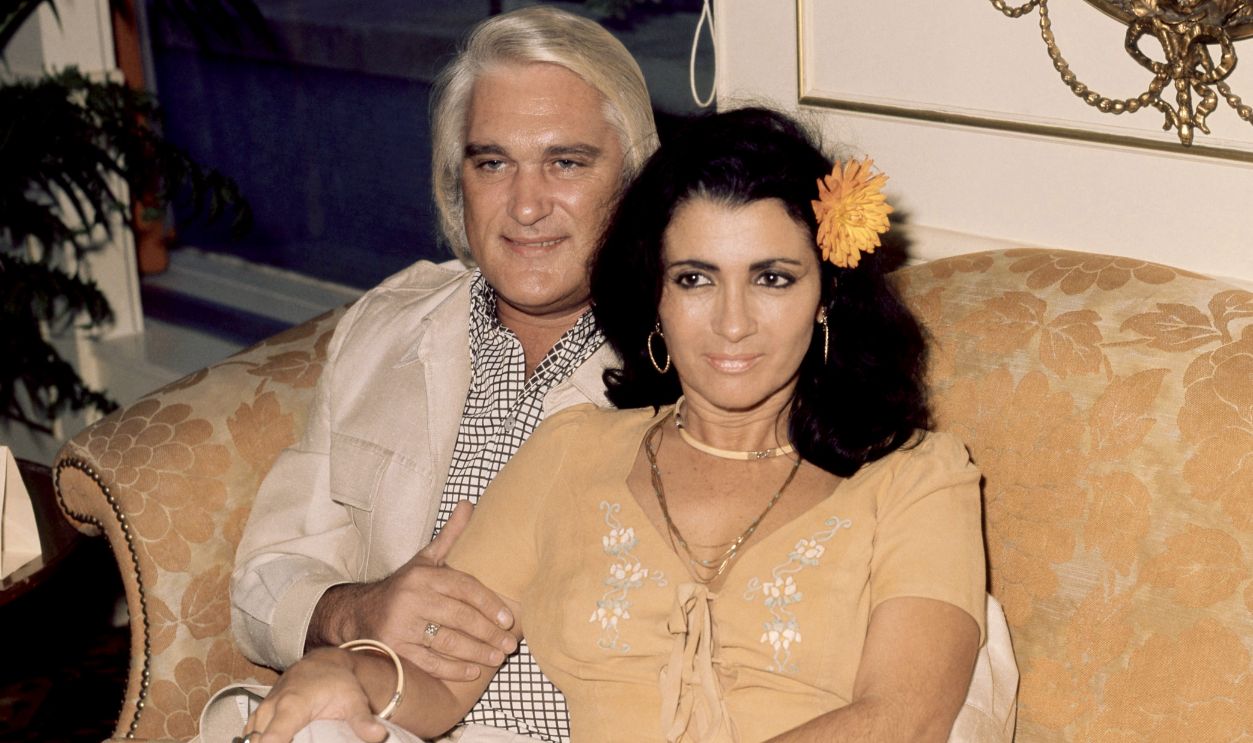
In 1952, Rich married Margaret Ann Greene, whom he had known since high school. A talented singer who shared his love of jazz, Margaret later performed with his Air Force band, the Velvetones. She became his closest musical collaborator, occasional songwriting partner, and most determined supporter. Their marriage endured for more than four decades, through financial difficulties, sudden fame, and personal struggles.
Farming Wasn't His Future
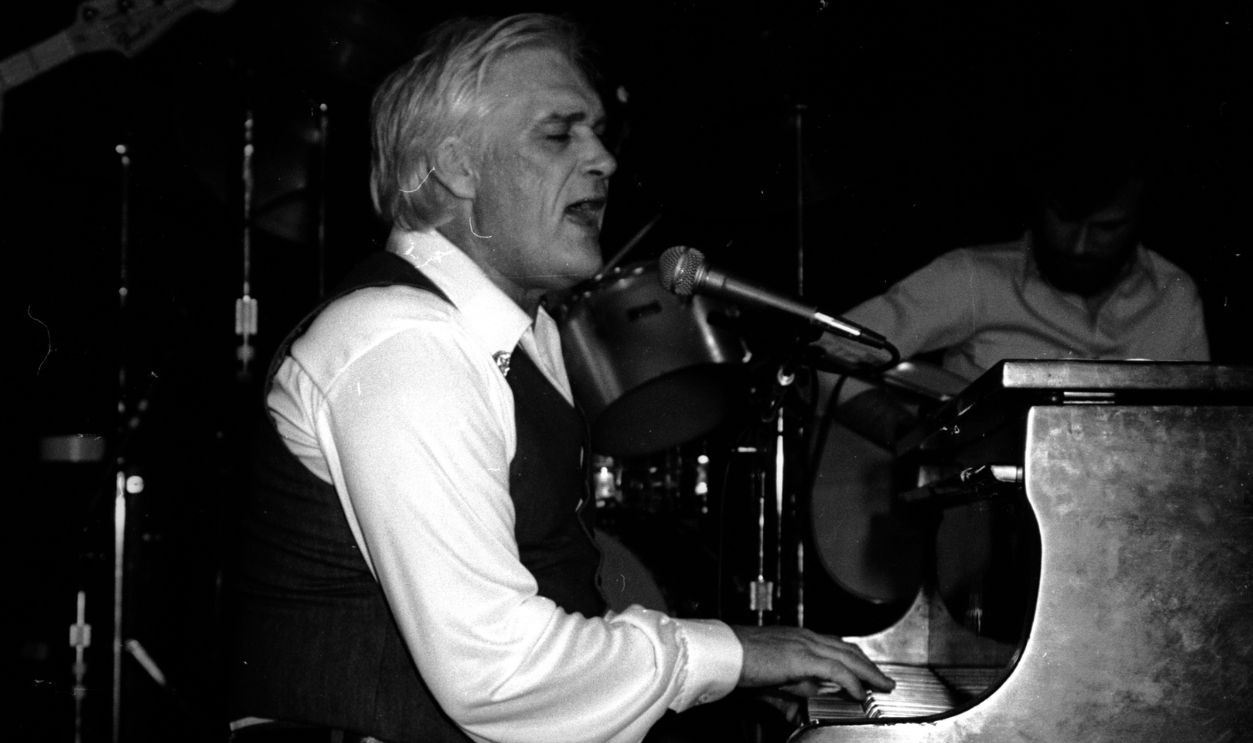
After leaving the Air Force in 1956, Rich returned to Arkansas and tried to scratch out a living as a farmer. The venture proved to be unsuccessful, and he increasingly turned toward performing in Memphis-area clubs. Some engagements paid little, but they allowed him to develop his distinctive blend of blues, jazz, and country music. Margaret believed deeply that he deserved a much bigger audience.
 Michael Ochs Archives, Getty Images
Margaret Made The Introduction
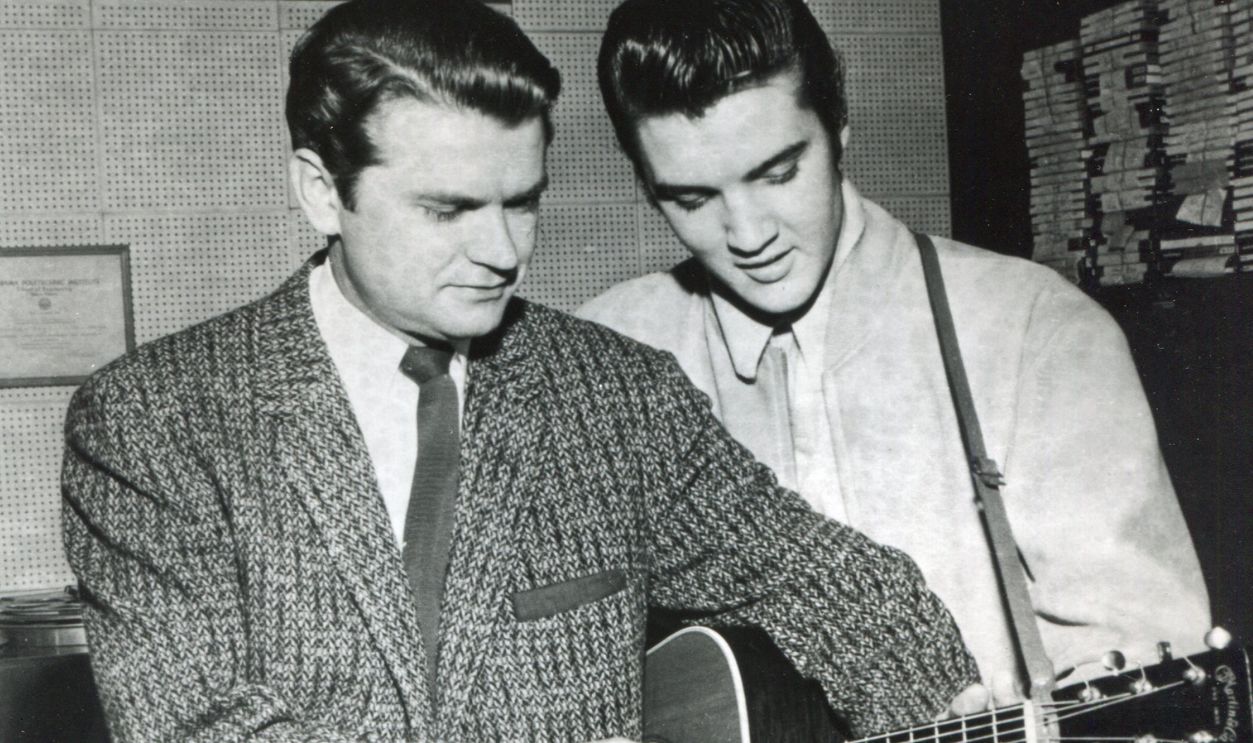
Margaret took recordings of her husband's music to Sun Records in Memphis, where producer Sam Phillips had helped launch Elvis Presley, Johnny Cash, and Jerry Lee Lewis. Phillips initially found Rich's jazz-influenced material difficult to market. On the other hand, he recognized the young musician's abilities and eventually brought him into the studio as a songwriter and session pianist.
 Mark Hayward Archive, Getty Images
Working Among Future Legends
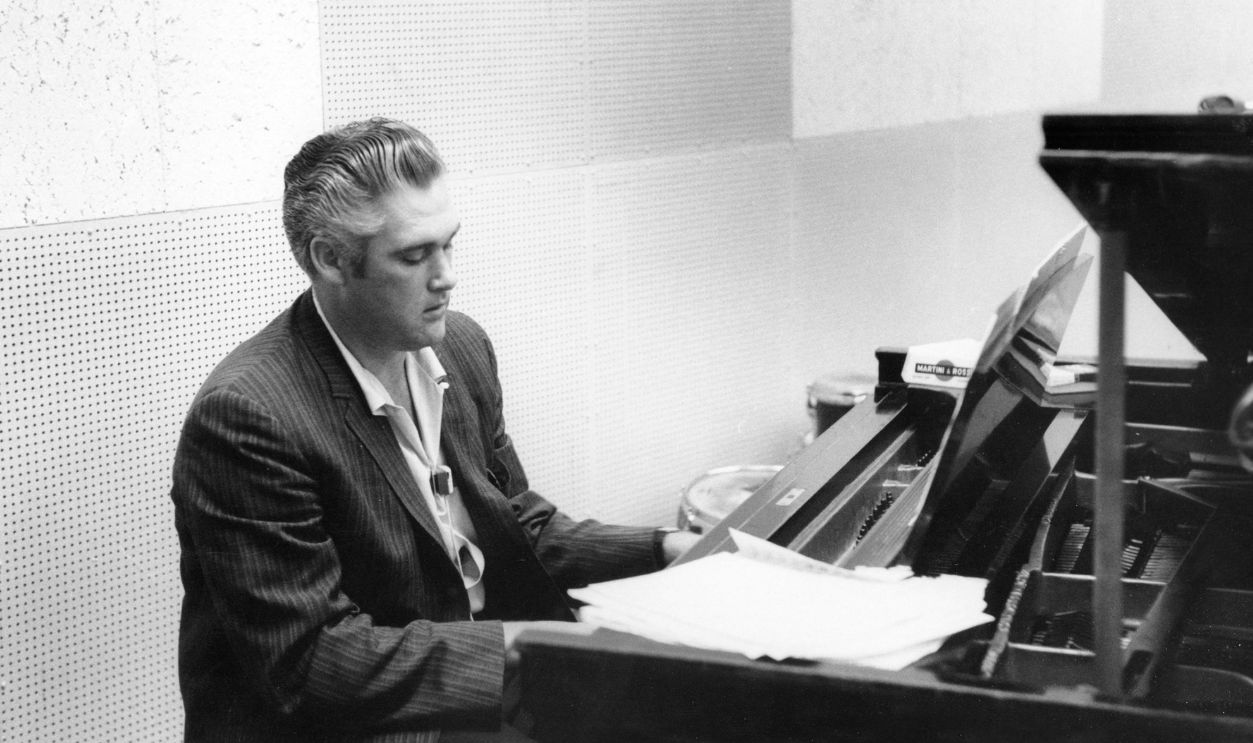
By 1958, Rich was working at Sun Records, contributing piano performances, arrangements, and songs. His colleagues included some of the most important figures in early rock and roll. Phillips admired Rich's exceptional musical abilities, but finding the right commercial direction was still difficult. Rich could play practically anything, yet the record business wanted artists who easily slotted into recognizable categories.
 Michael Ochs Archives, Getty Images
His First Records Appeared
Rich's early recordings included “Whirlwind,” released in 1958, but commercial success was slow to arrive. His material moved between rockabilly, rhythm and blues, and jazz-influenced pop. Rather than establishing a clear identity, his versatility sometimes confused listeners and record executives. Still, one energetic song finally gave him a taste of what a hit record could do.
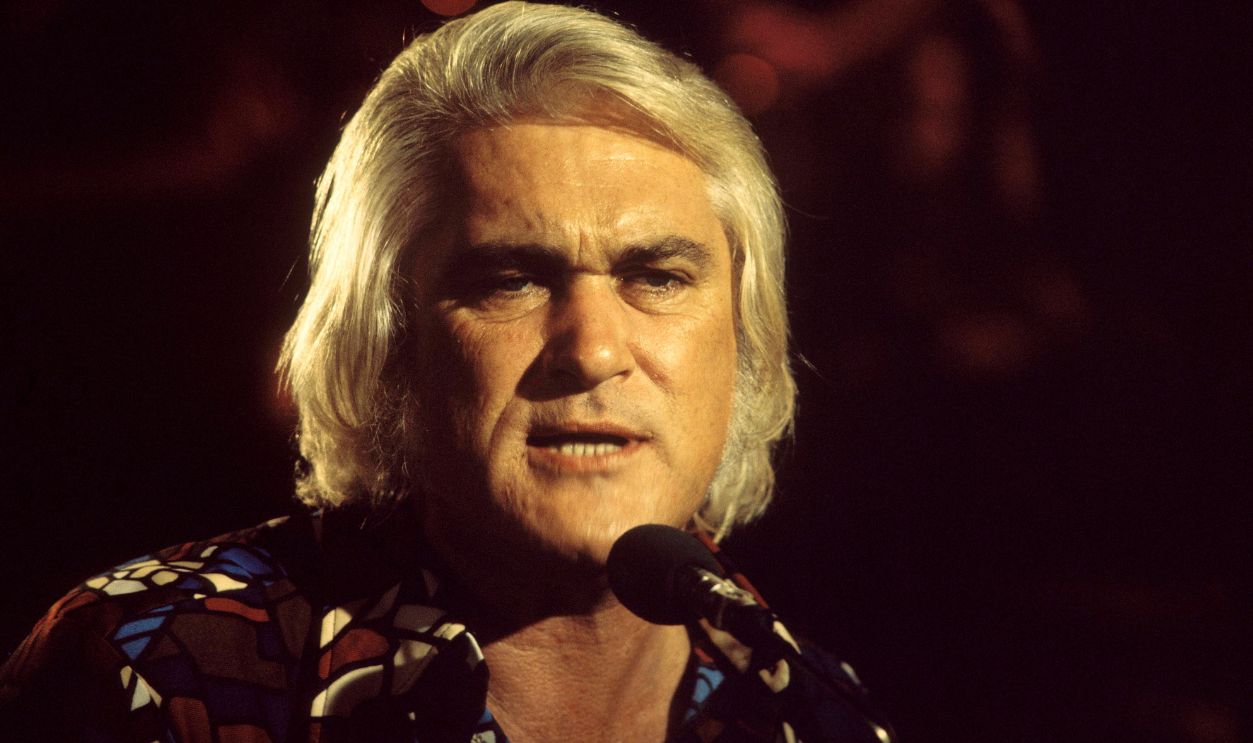
Lonely Weekends Changed Everything
“Lonely Weekends,” recorded at Sun and released on its Phillips International subsidiary in 1960, became Rich's first substantial hit. The lively recording showcased his piano playing and rock-and-roll instincts, reaching the pop Top 30. For a moment, it looked like he might follow Elvis Presley and Jerry Lee Lewis into lasting stardom. But the breakthrough proved difficult to repeat.
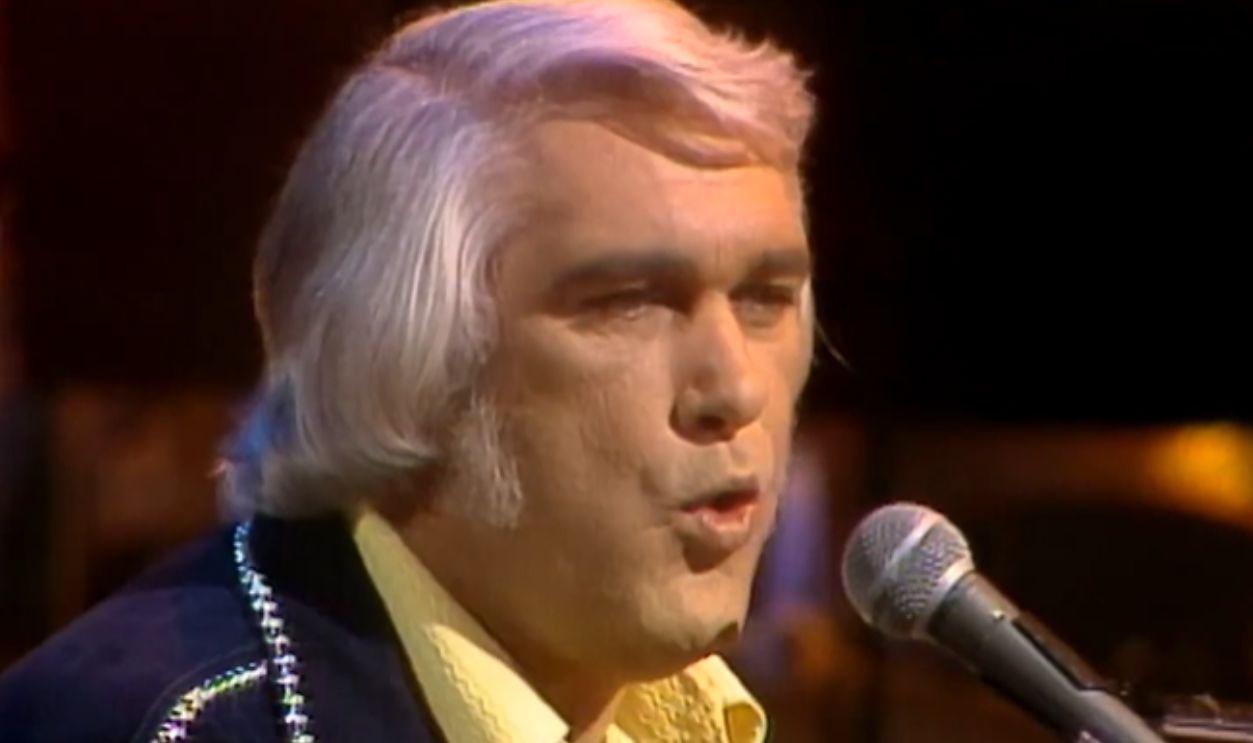 Screenshot from Lonely Weekends, Phillips International (1960)
Success Slipped Away Again
Despite the promise of “Lonely Weekends,” Rich struggled to produce another major hit for the label. His sophisticated musical tastes didn't always align with the rock-and-roll market, and he increasingly resisted being confined to one style. By the early 1960s, he was ready to pursue opportunities elsewhere, beginning a frustrating series of record-company changes.
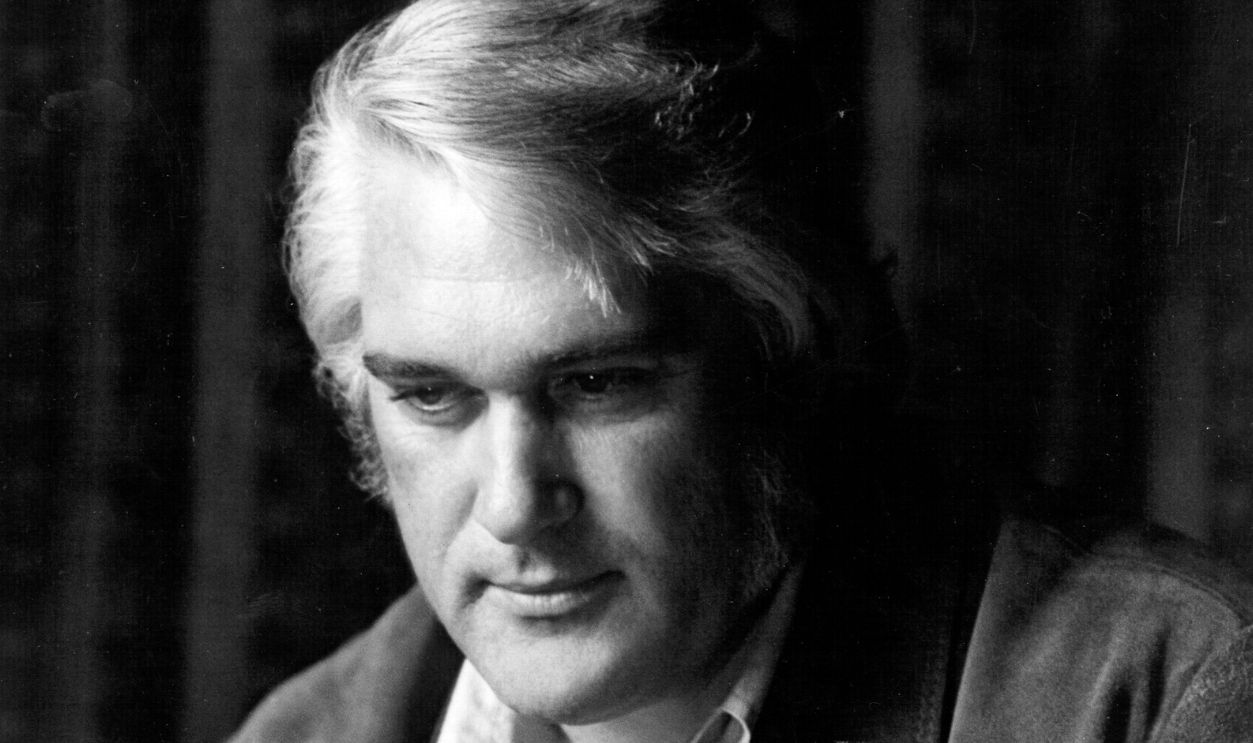 Michael Ochs Archives, Getty Images
Searching For Another Sound
Rich recorded for several labels during the 1960s, including RCA's Groove subsidiary, Smash Records, and Hi Records. Producers experimented with different approaches, hoping to find the combination that would make him a consistent seller. Rich could handle soulful ballads, bluesy rockers, and polished pop equally well. But versatility alone wasn't enough to guarantee chart success.
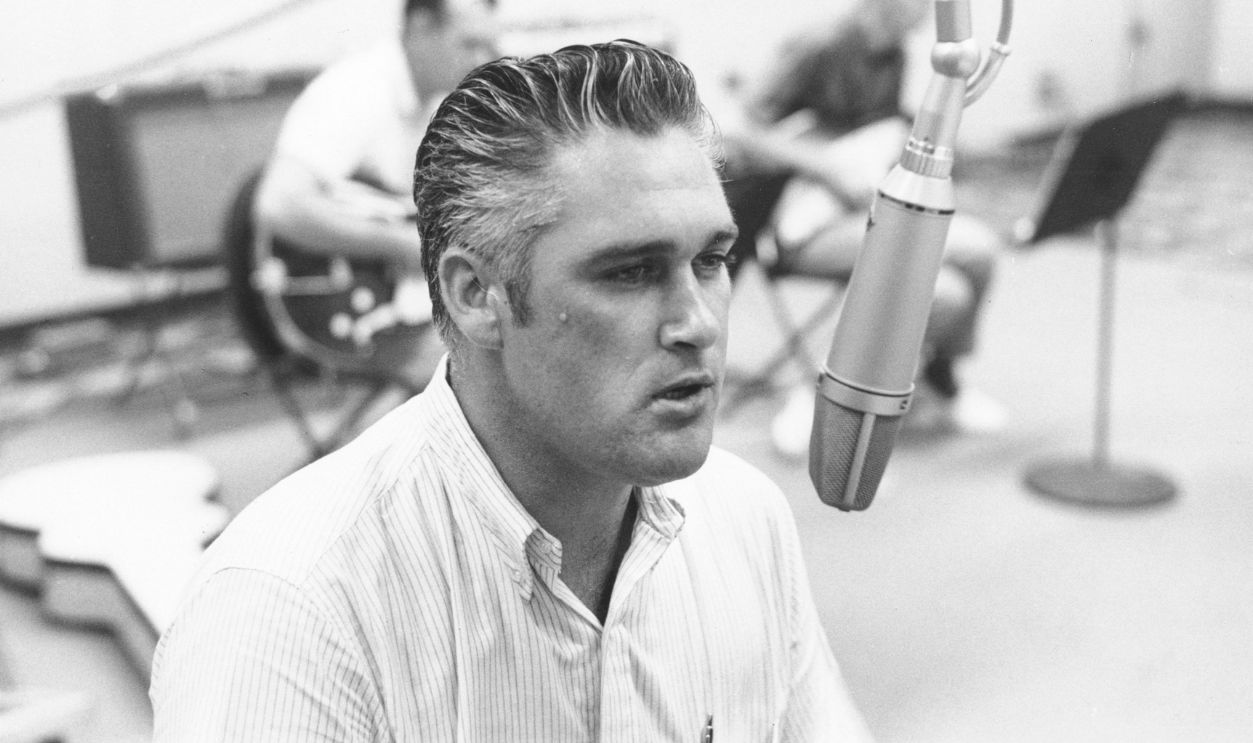 Michael Ochs Archives, Getty Images
Mohair Sam Offered Hope
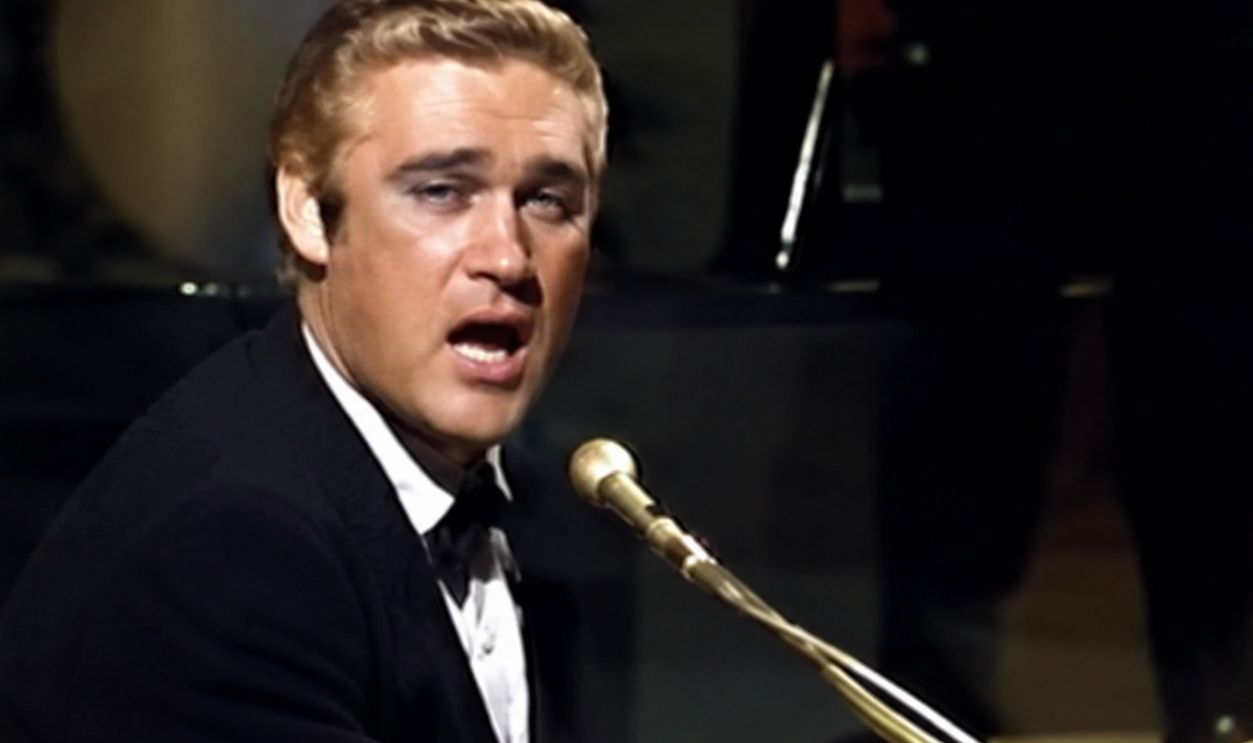
In 1965, Rich scored another significant pop hit with “Mohair Sam,” written by Dallas Frazier. The playful, rhythm-driven recording reached the Billboard Hot 100's Top 30 and introduced him to a new audience. Once again, Rich appeared poised for a commercial breakthrough. Once again, however, the follow-up success everyone anticipated failed to materialize.
 Screenshot from Mohair Sam, Smash Records (1965), Enhanced
Margaret Understood His Music
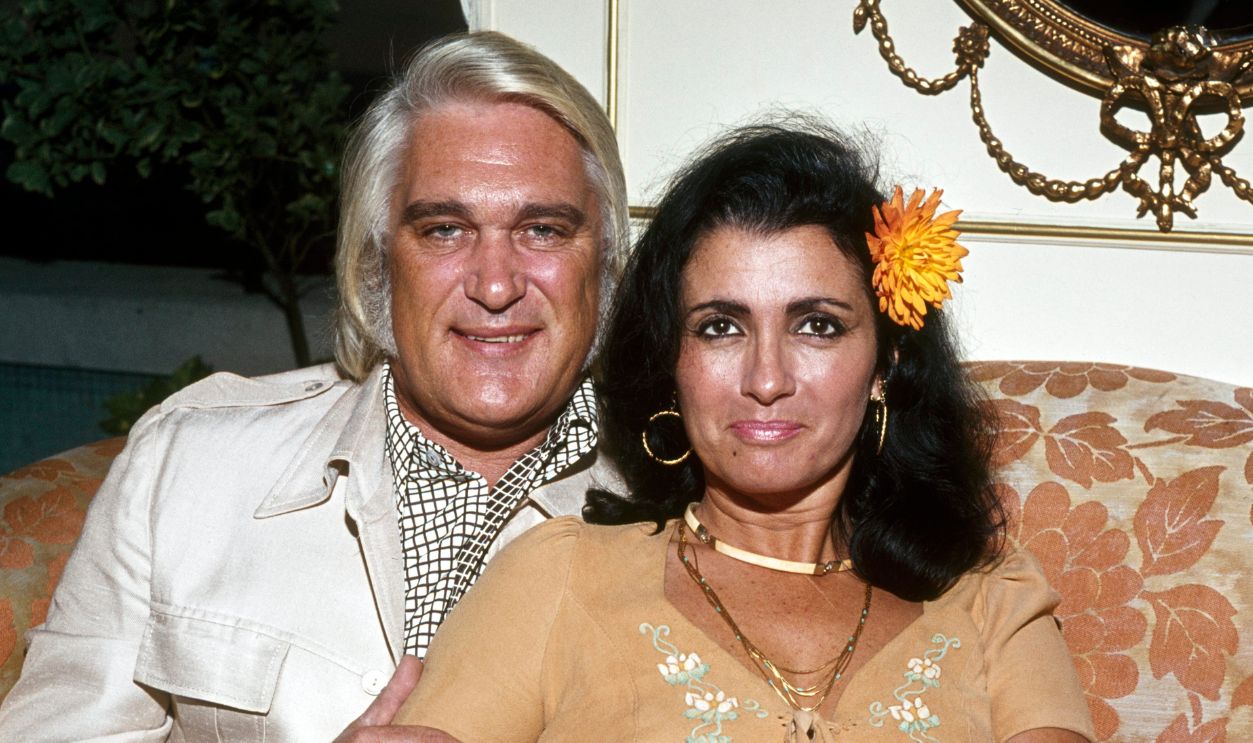
Throughout these uncertain years, Margaret remained an important creative influence. She wrote “Life's Little Ups And Downs,” a moving song Rich recorded in 1969 that reflected the emotional complexity of marriage. The recording became one of his most admired performances, even without becoming a major pop hit. His most revealing music often came from the experiences closest to home.
 George Wilkes Archive, Getty Images
Billy Sherrill Saw Potential
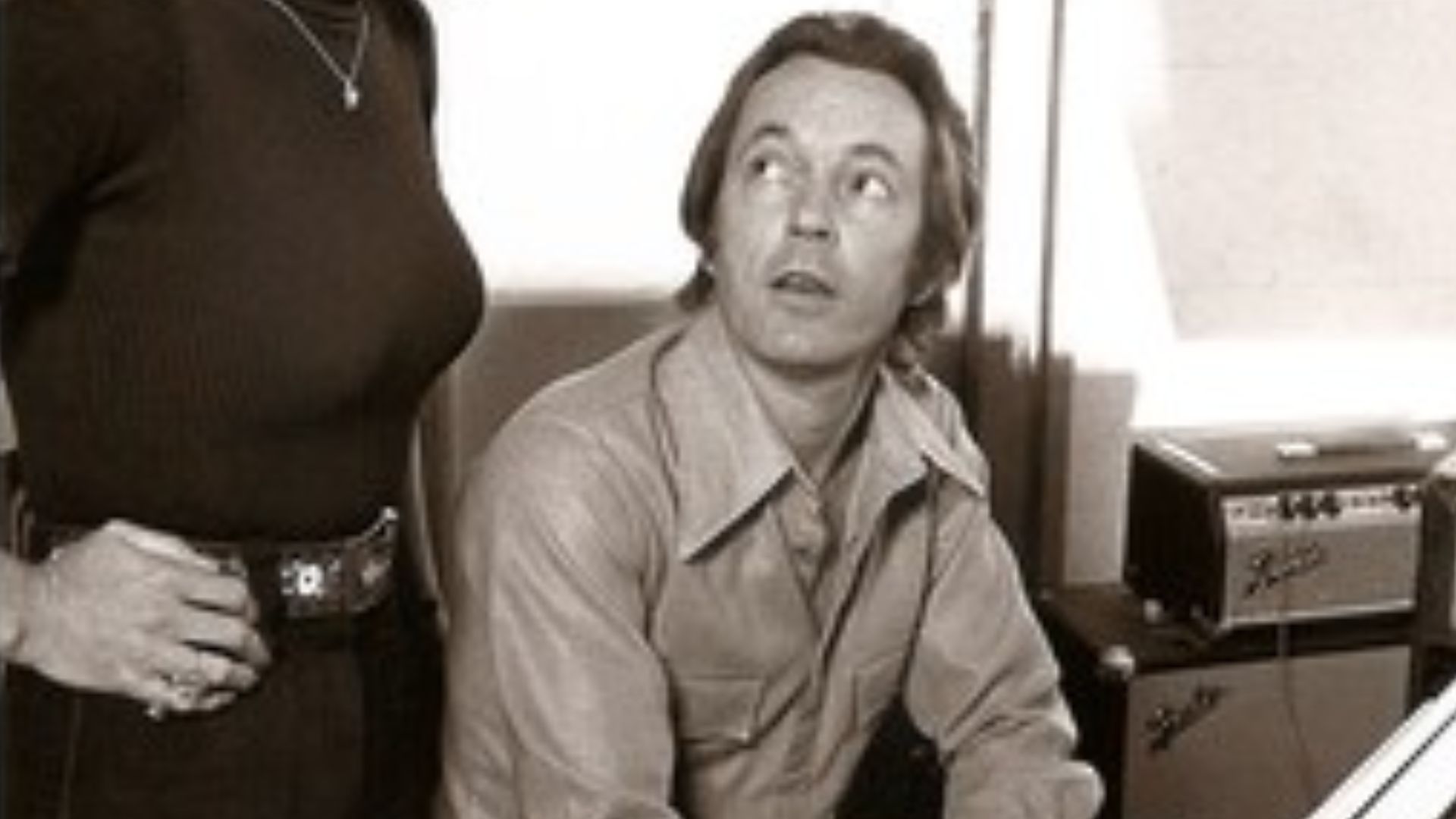
In 1967, Rich signed with Epic Records, largely on the recommendation of producer Billy Sherrill, one of the architects of Nashville's polished countrypolitan sound. Sherrill recognized that Rich's mature voice and emotional delivery could appeal to country listeners. Their early recordings didn't immediately become hits, but the partnership gradually gave Rich something he had lacked for years: a recognizable commercial direction.
 CBS Records, Wikimedia Commons
A Long-Awaited Country Hit
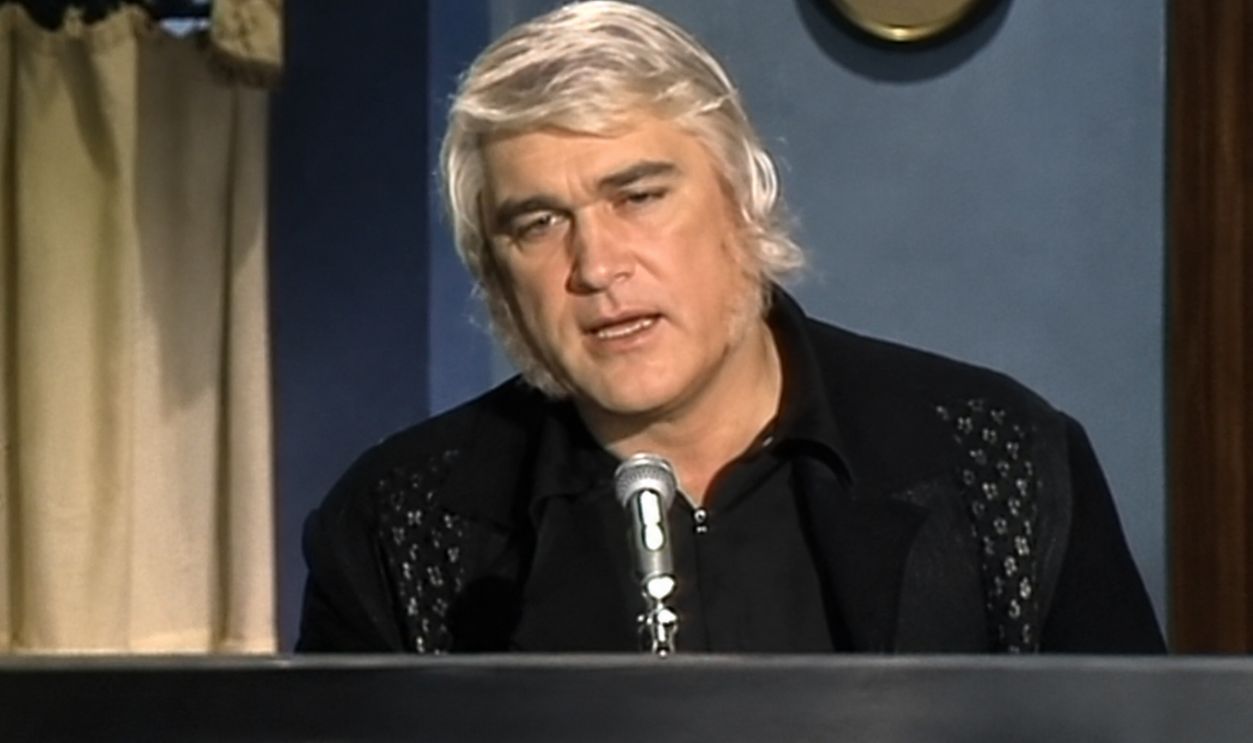
By 1972, Rich had spent more than a decade chasing sustained success. Then “I Take It On Home” became a major country hit, reaching the Top 10 and earning a Grammy nomination. It wasn't yet the spectacular breakthrough he needed, but it demonstrated that Sherrill's approach was working. At last, Rich seemed to be getting through to the audience he deserved.
 Screenshot from I Take It On Home, Epic Records (1972), Enhanced
Behind Closed Doors Opened Everything
In 1973, Rich released “Behind Closed Doors,” written by Kenny O'Dell. Its intimate lyrics, lush arrangement, and Rich's unmistakably smooth delivery made it an enormous country hit and a pop crossover success. The accompanying album became a bestseller. After years of frustration, the 40-year-old singer suddenly found himself among the biggest names in American music.
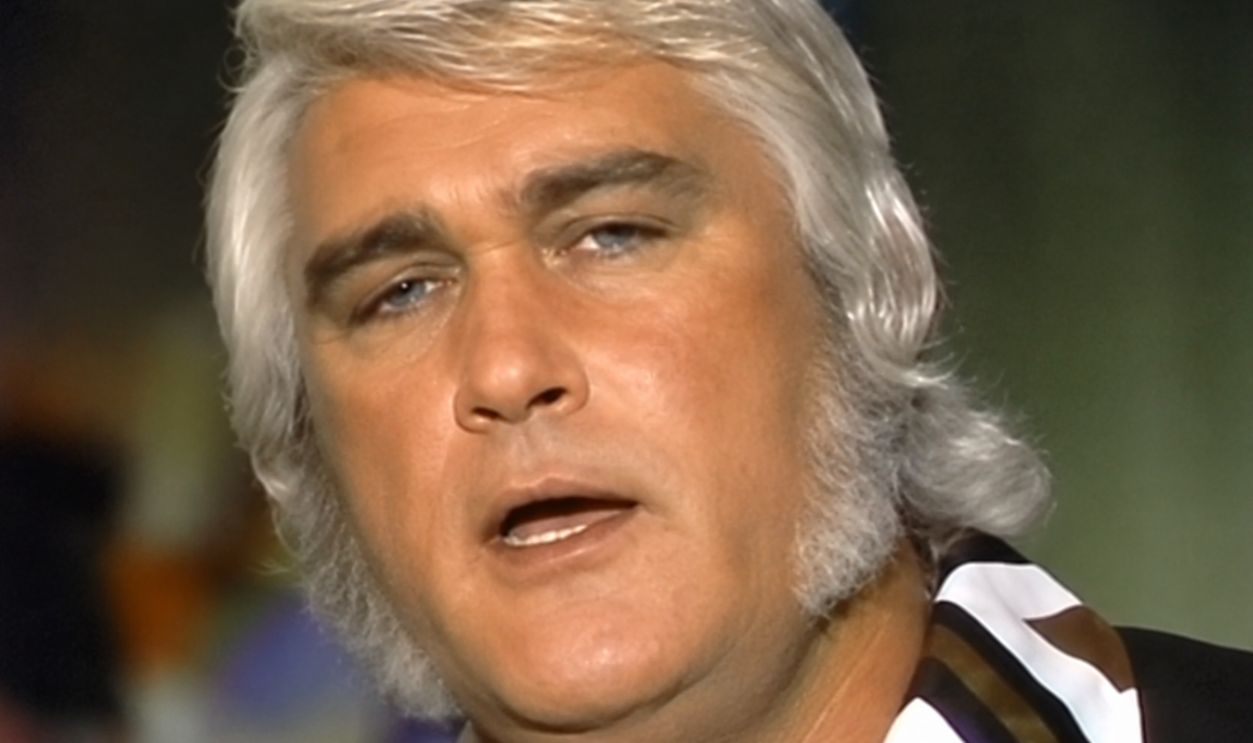 Screenshot from Behind Closed Doors, Epic Records (1973), Enhanced
The Most Beautiful Girl
Rich followed his breakthrough with “The Most Beautiful Girl,” a heartbreaking ballad that reached number one on both the country and pop charts in 1973. Suddenly, listeners who had never heard of his Sun Records recordings were buying his albums. His remarkable voice had finally found a commercial home, and the success brought national television appearances and prestigious awards.
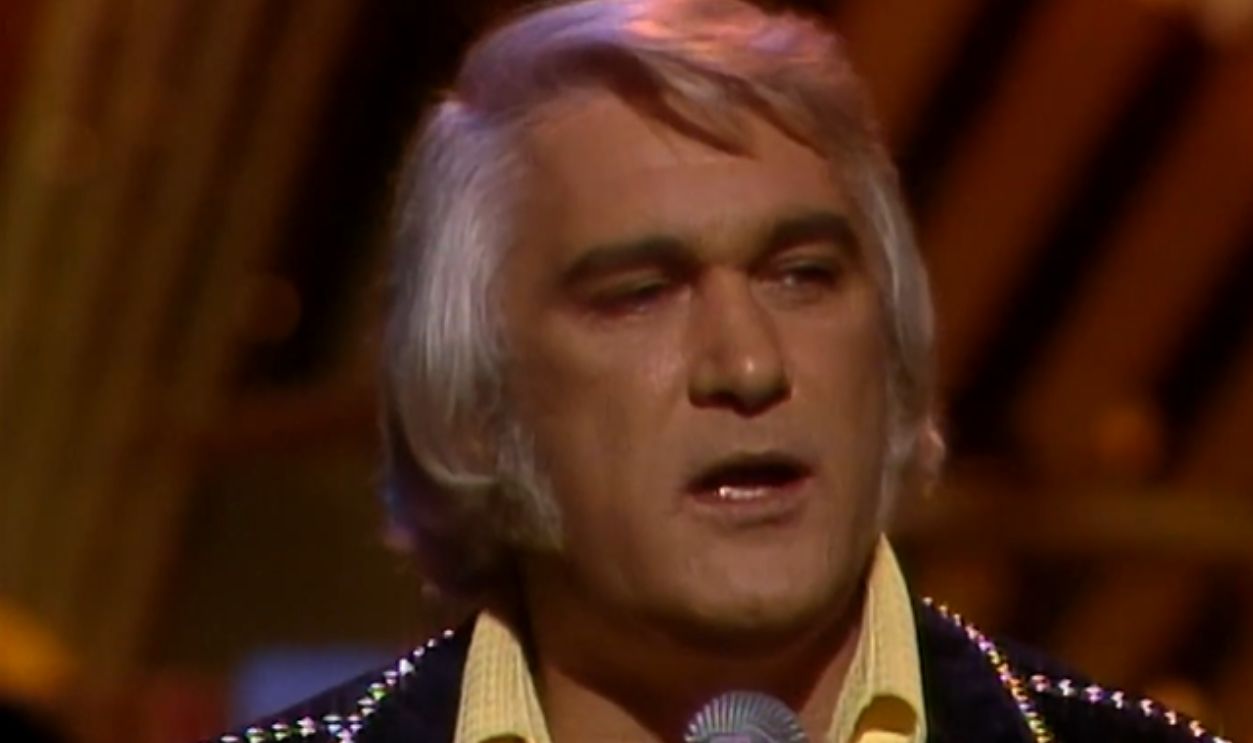 Screenshot from The Most Beautiful Girl, Epic Records (1973)
The Silver Fox Arrived
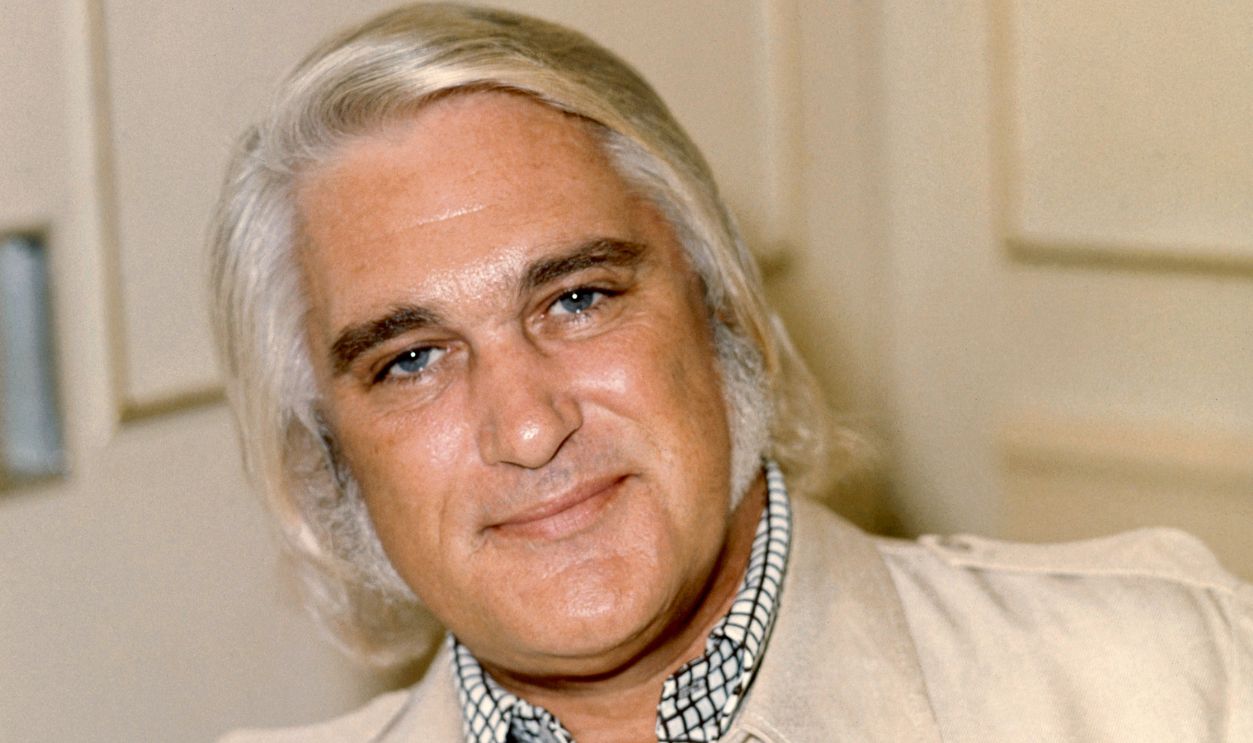
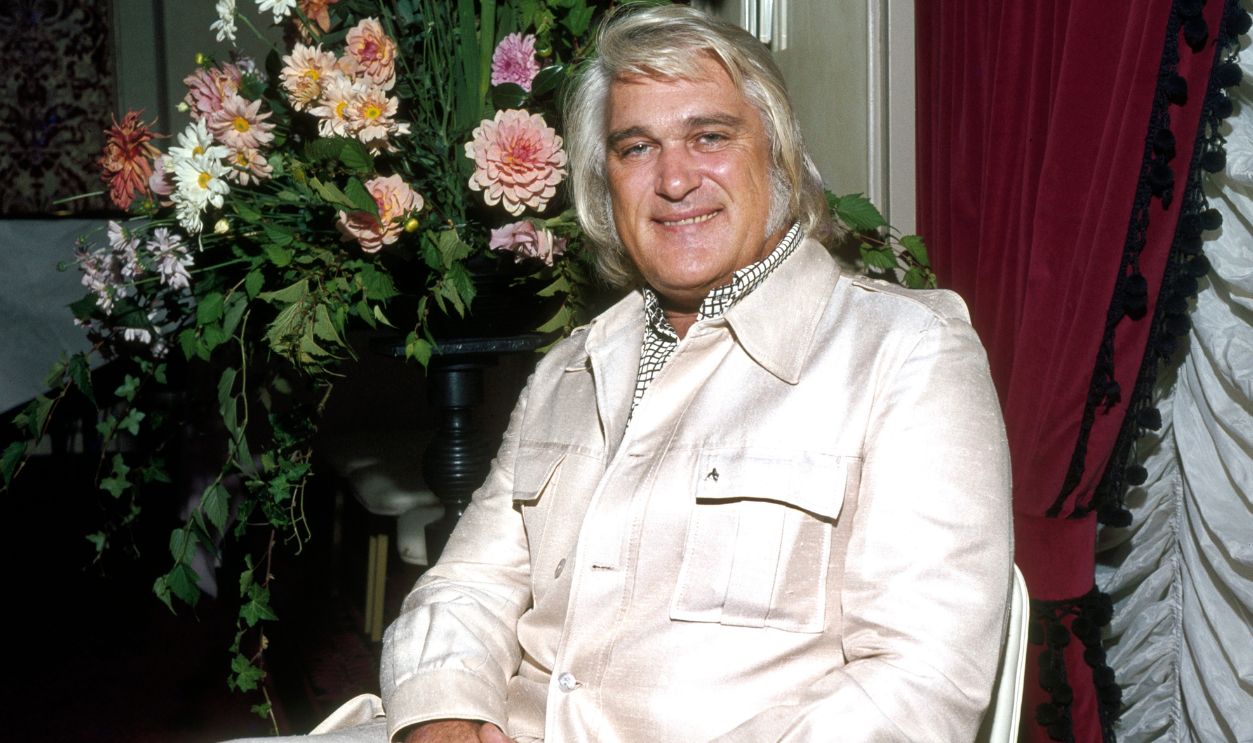
Rich's prematurely silver hair became his trademark, earning him the nickname the Silver Fox. Remarkably, his hair had reportedly turned gray while he was still in his twenties. In 1973, the Country Music Association named him Male Vocalist of the Year. The following year, he won Entertainer of the Year, confirming his transformation from struggling musician into country music royalty.
An Unlikely Opening Act
One of Rich's more surprising connections came in April 1973, when a young Tom Waits opened for him at Max's Kansas City in New York. Waits was promoting his debut album, Closing Time (1973), while Rich was approaching his commercial peak. Their contrasting styles were perhaps an unusual pairing, but both artists shared an appreciation for jazz, blues, and emotionally expressive songwriting.
 Gut (Anna Wittenberg), Wikimedia Commons
More Hits Followed
Rich's extraordinary run continued through 1974 with five country chart-toppers: “There Won't Be Anymore,” “A Very Special Love Song,” “I Don't See Me In Your Eyes Anymore,” “I Love My Friend,” and “She Called Me Baby.” Some were older recordings reissued by former labels hoping to capitalize on his popularity. His success also brought enormous pressure to tour, record, and maintain an image that didn't always reflect his musical interests.
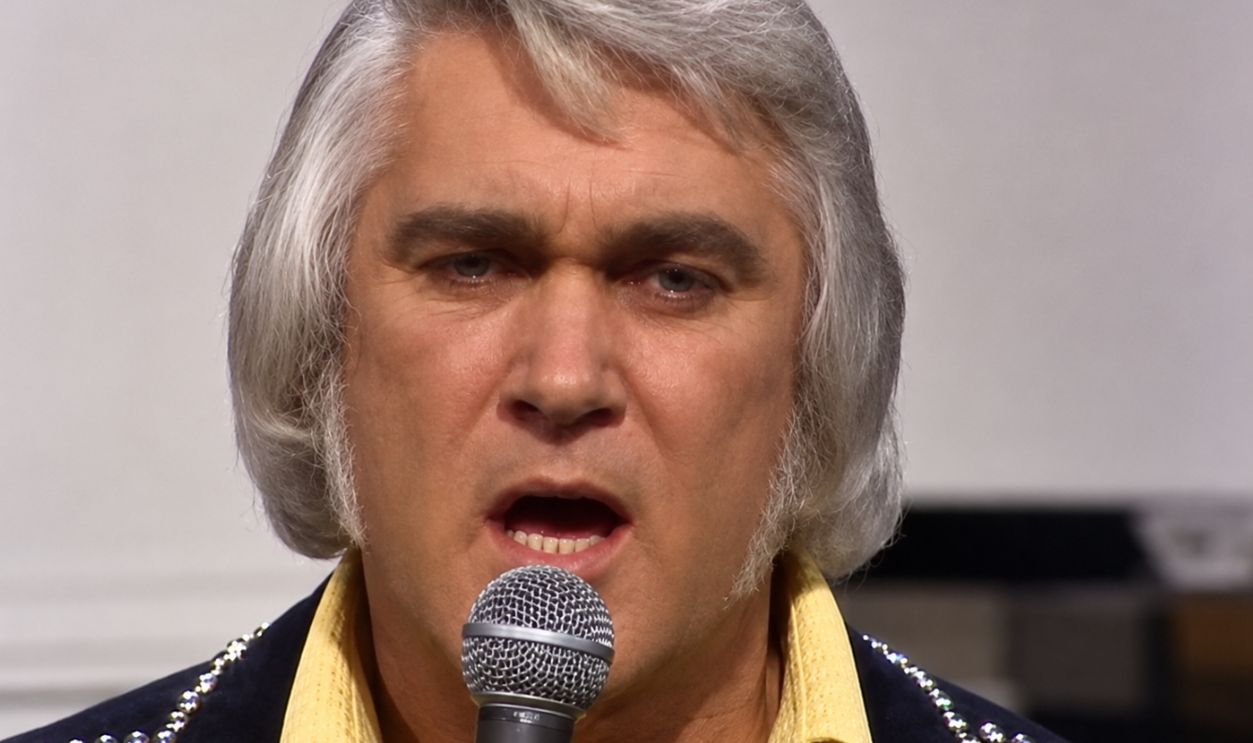 Screenshot from A Very Special Love Song, Epic Records (1974), Enhanced
The Infamous Awards Ceremony
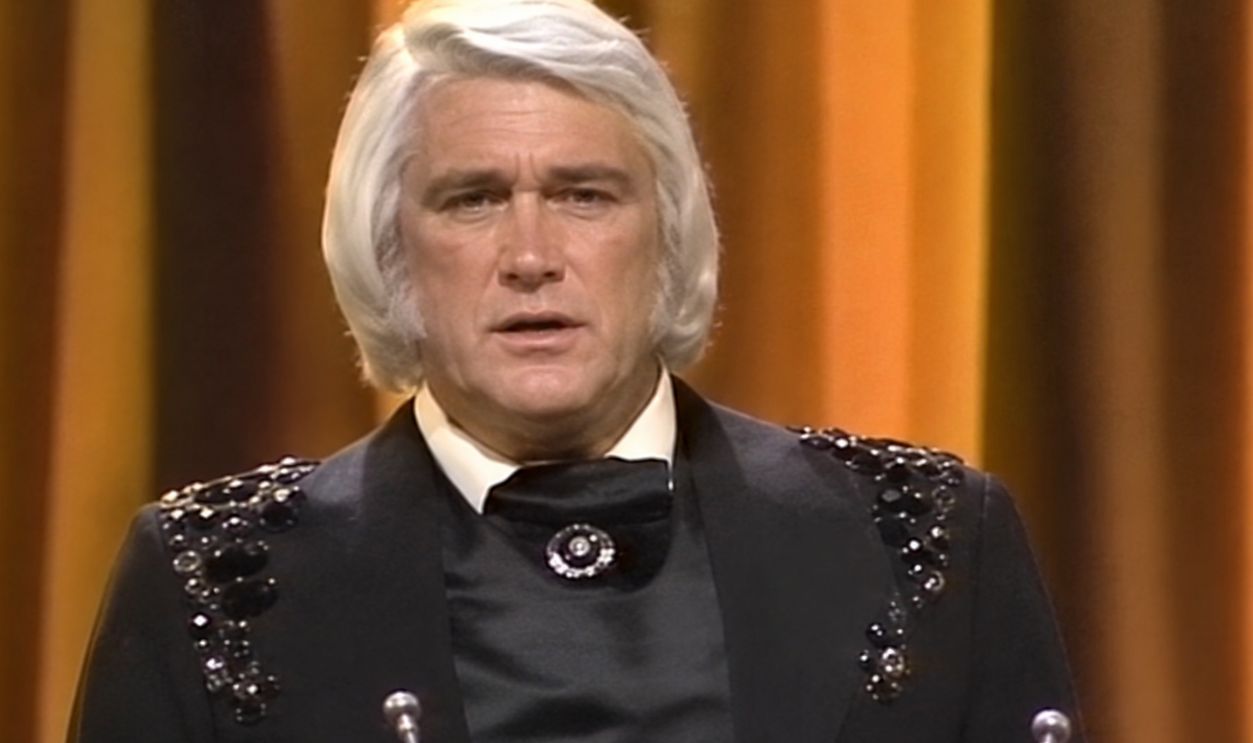
At the 1975 CMA Awards, Rich was supposed to announce the new Entertainer of the Year. Instead, after opening the envelope, he produced a lighter and burned the card before announcing John Denver's name. The incident became one of country music's most notorious television moments. Rich's motivation is unclear, with later explanations involving drinking, medication, and fatigue. If you look closely, it seems that he was intent on nothing more than a bit of clowning around in front of the live audience.
 Screenshot from 1975 CMA Awards, CBS (1975), Enhanced
His Career Found Another Gear
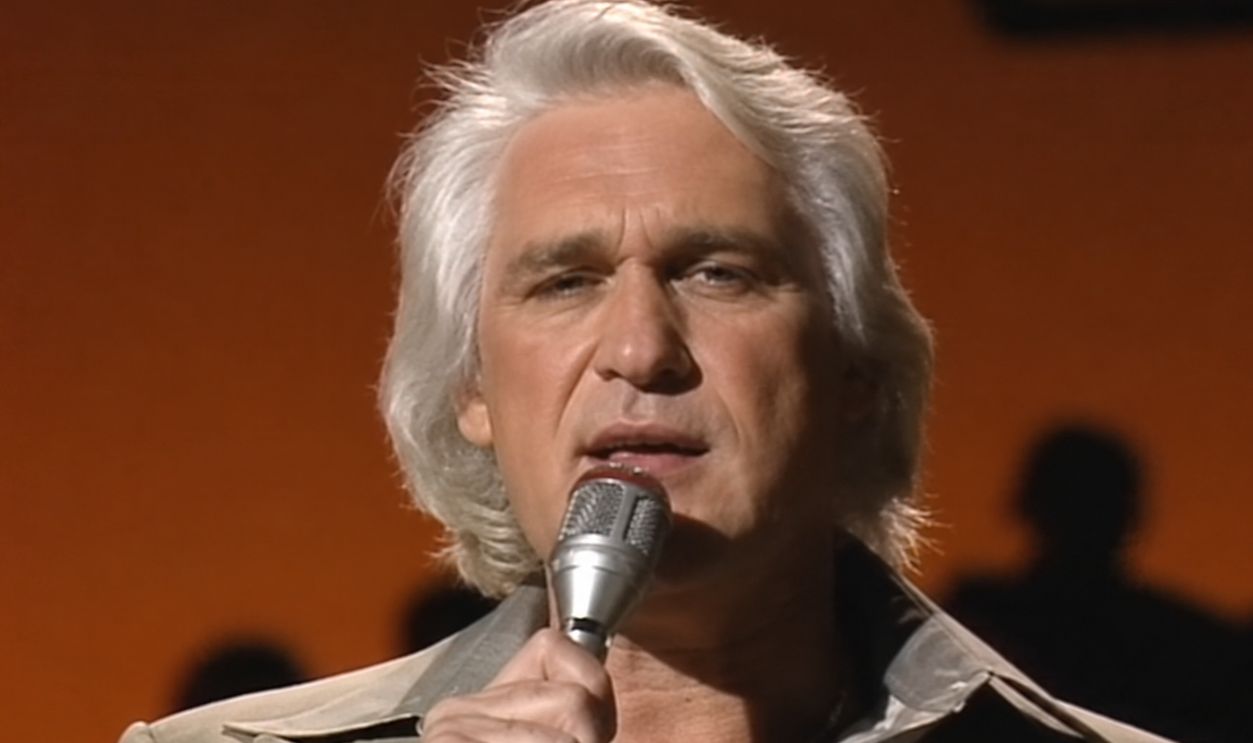
The controversy damaged Rich's reputation, but it didn't end his recording career. After a difficult 1976, he returned to number one on the country charts with “Rollin' With The Flow” in 1977. In 1978, his duet with Janie Fricke, “On My Knees,” became another chart-topper. Rich had proved that even after a public embarrassment, his musical abilities were still formidable.
 Screenshot from Rollin' with the Flow, Epic Records (1977), Enhanced
A Familiar Face Onscreen
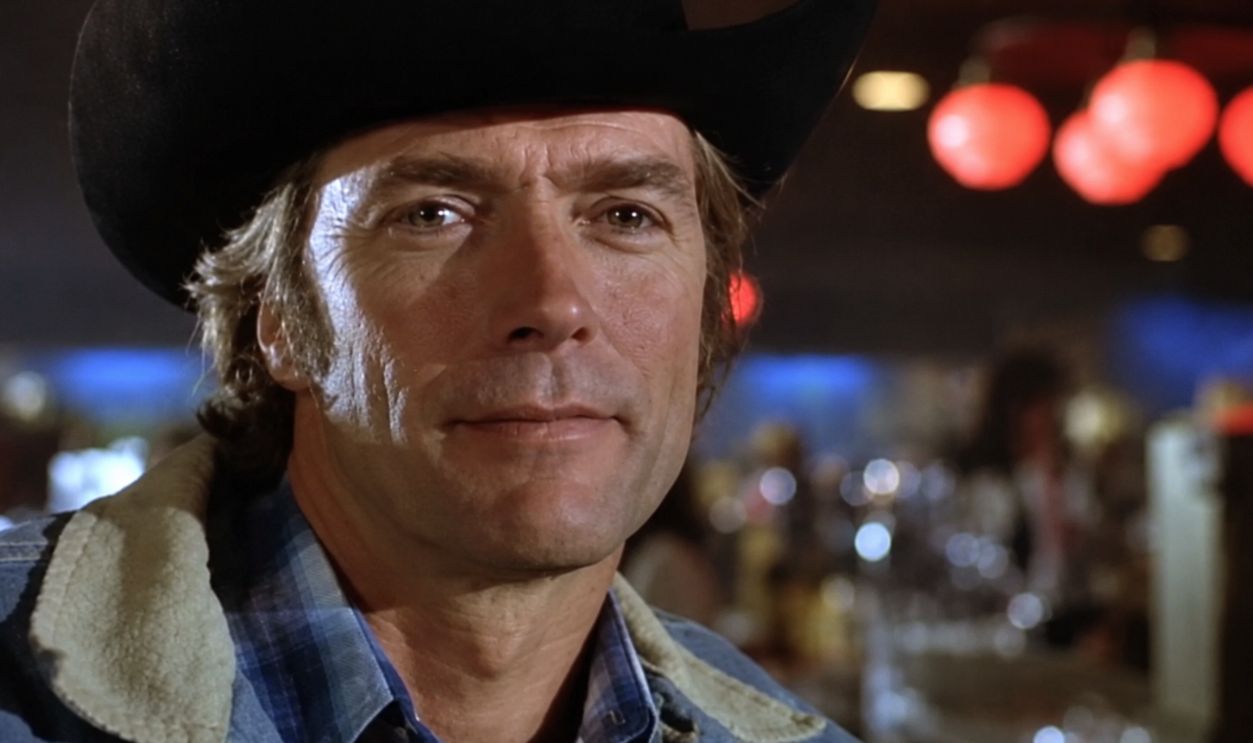
Rich also appeared as himself in Clint Eastwood's comedy Every Which Way But Loose (1978), performing “I'll Wake You Up When I Get Home.” The song became another country hit in 1979. But as the decade ended, changing musical tastes and Rich's reluctance to embrace the demands of celebrity made sustained success increasingly difficult. His next chapter would be considerably quieter.
 Screenshot from Every Which Way But Loose, Warner Bros. (1978), Enhanced
Retreating From The Spotlight
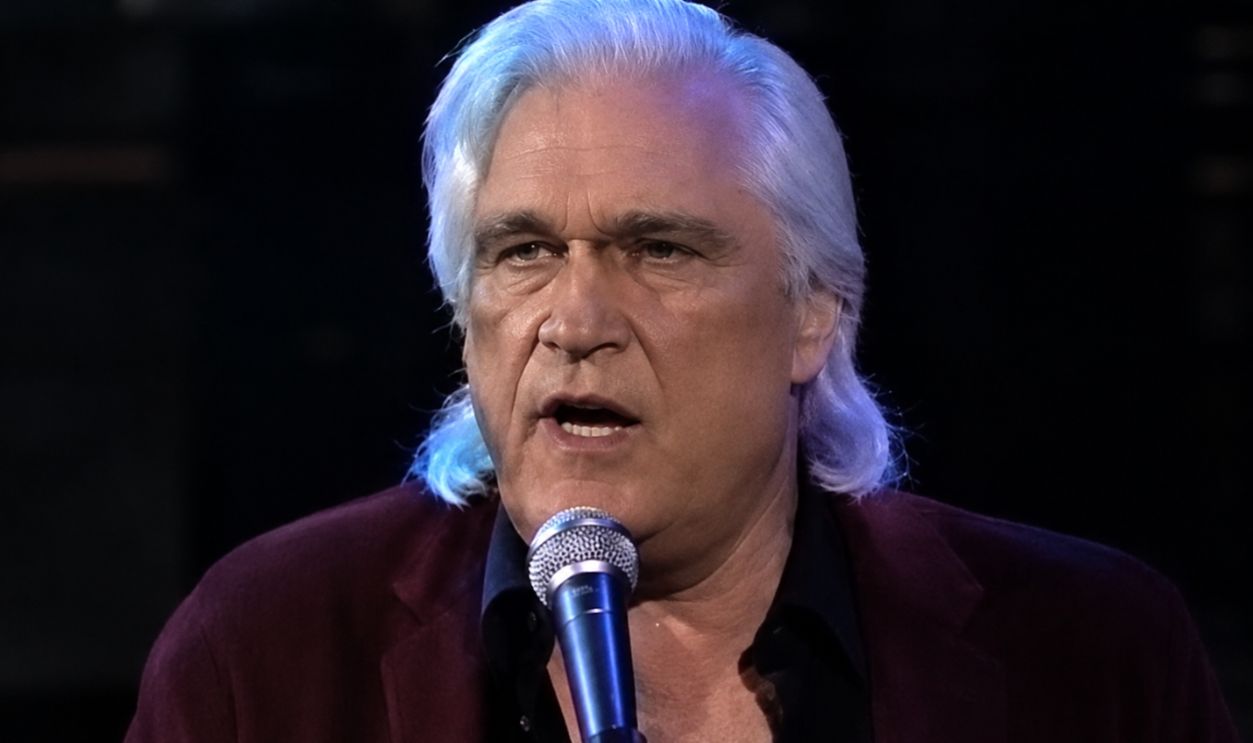
After recording for United Artists and Elektra, Rich gradually reduced his public appearances during the 1980s. He preferred spending time with Margaret and their family rather than maintaining a relentless touring schedule. His longstanding struggles with the bottle had also complicated his career. Yet he never completely abandoned music, and in 1992 he returned with the critically admired album Pictures And Paintings, which emphasized his jazz and blues roots.
 Screenshot from Feel Like Going Home, Epic Records (1973), Enhanced
His Final Journey
On July 25, 1995, Rich passed away at 62 while traveling through Louisiana with Margaret. The couple had stopped overnight at a motel in Hammond after Rich experienced a coughing illness. Reportedly it was because of a pulmonary embolism, a blood clot that blocked an artery in his lungs. His death brought an end to one of country music's most distinctive careers.
 George Wilkes Archive, Getty Images
The Silver Fox's Legacy
Charlie Rich never fit comfortably into a single musical category, and perhaps that was his greatest strength. His recordings brought together country, jazz, blues, gospel, rock, and sophisticated pop, influencing how later generations understood the possibilities of American popular music. The hits made him famous, but his deeper recordings reveal an artist of remarkable sensitivity. After decades of searching, the Silver Fox had left behind something more enduring than his 70s stardom.
You May Also Like: