The Breakup That Changed Everything
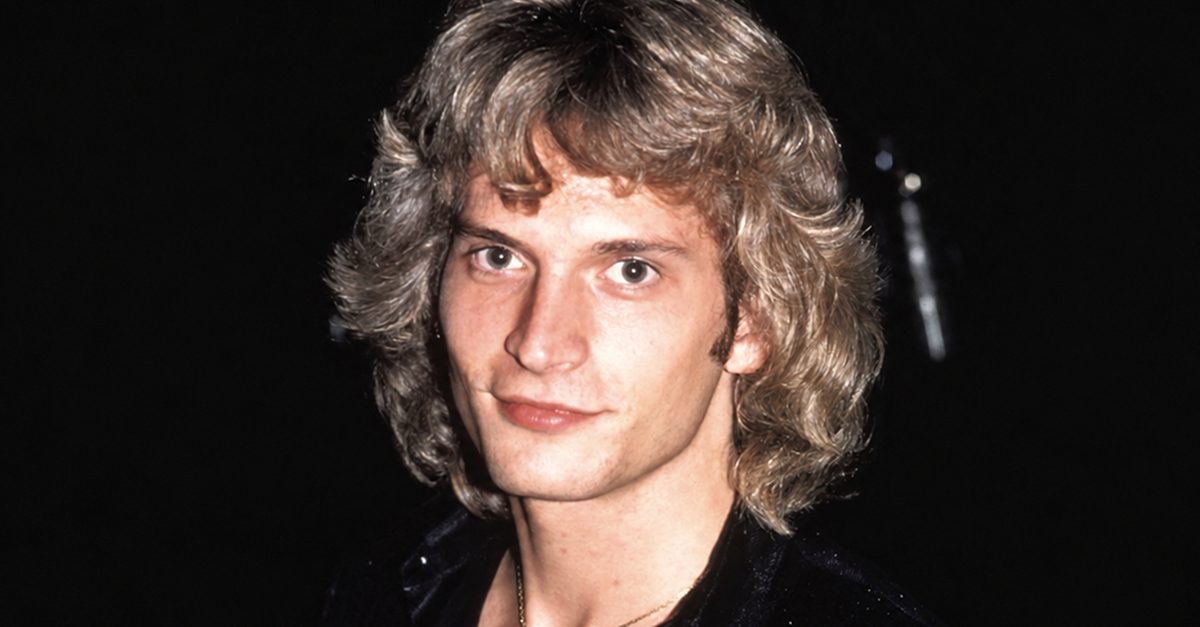
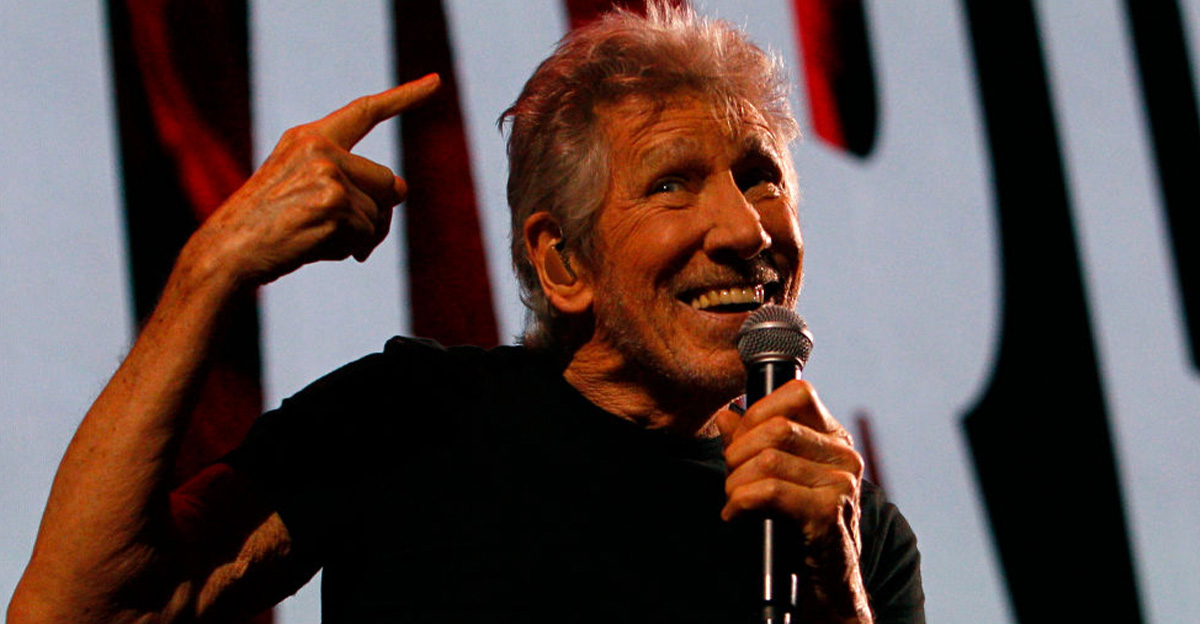
Roger Waters helped make Pink Floyd one of the biggest bands in history. Then everything fell apart. By the mid-1980s, arguments over creative control had turned longtime collaborators into bitter rivals. What followed was a painful separation, a courtroom battle, and an unlikely second act.
Before The Bitterness
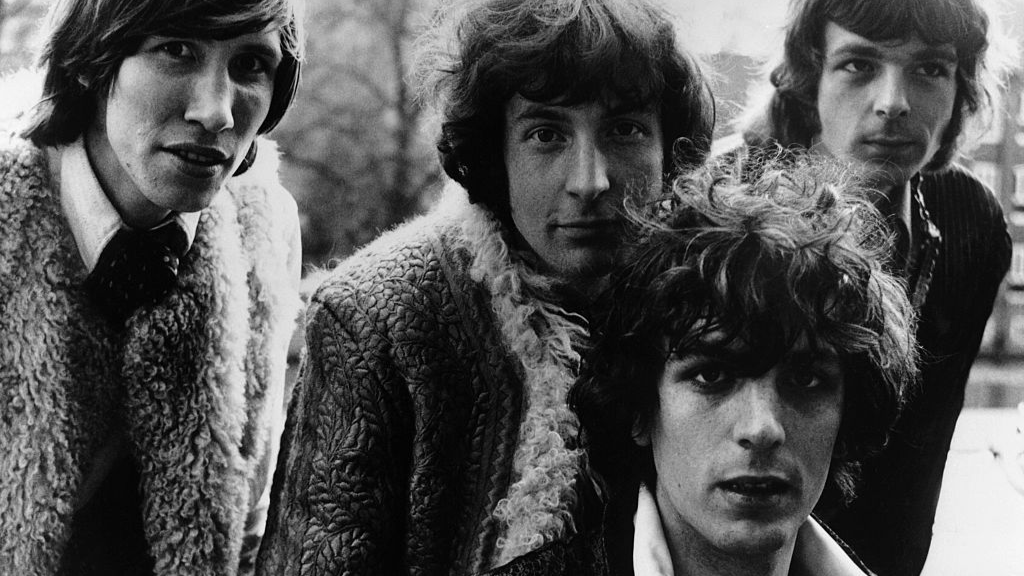
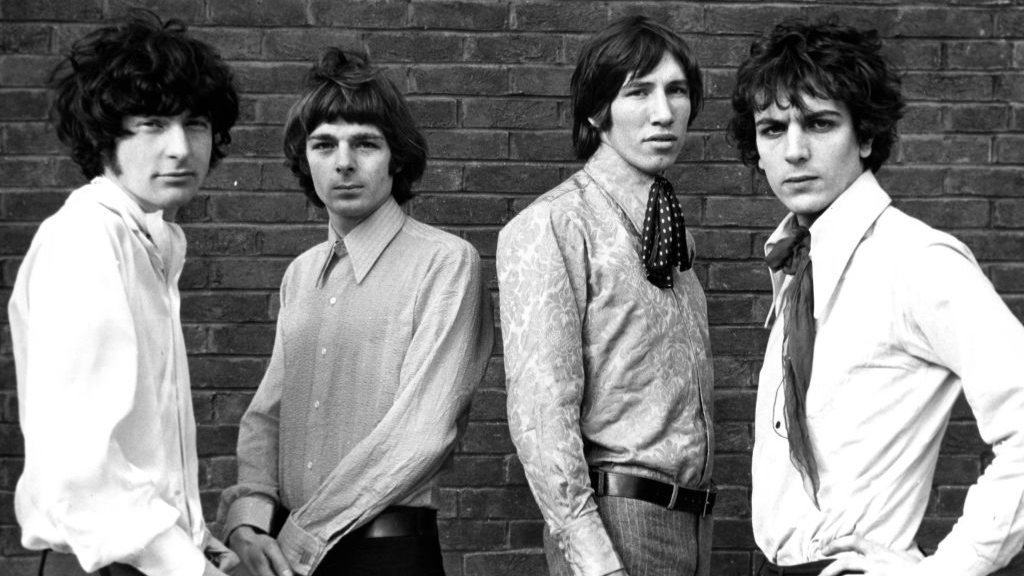
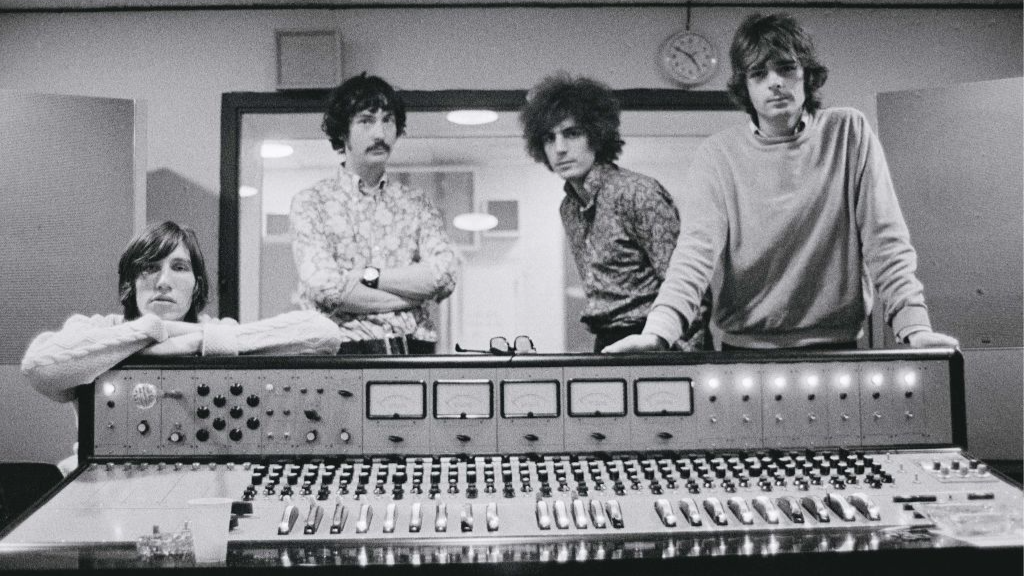
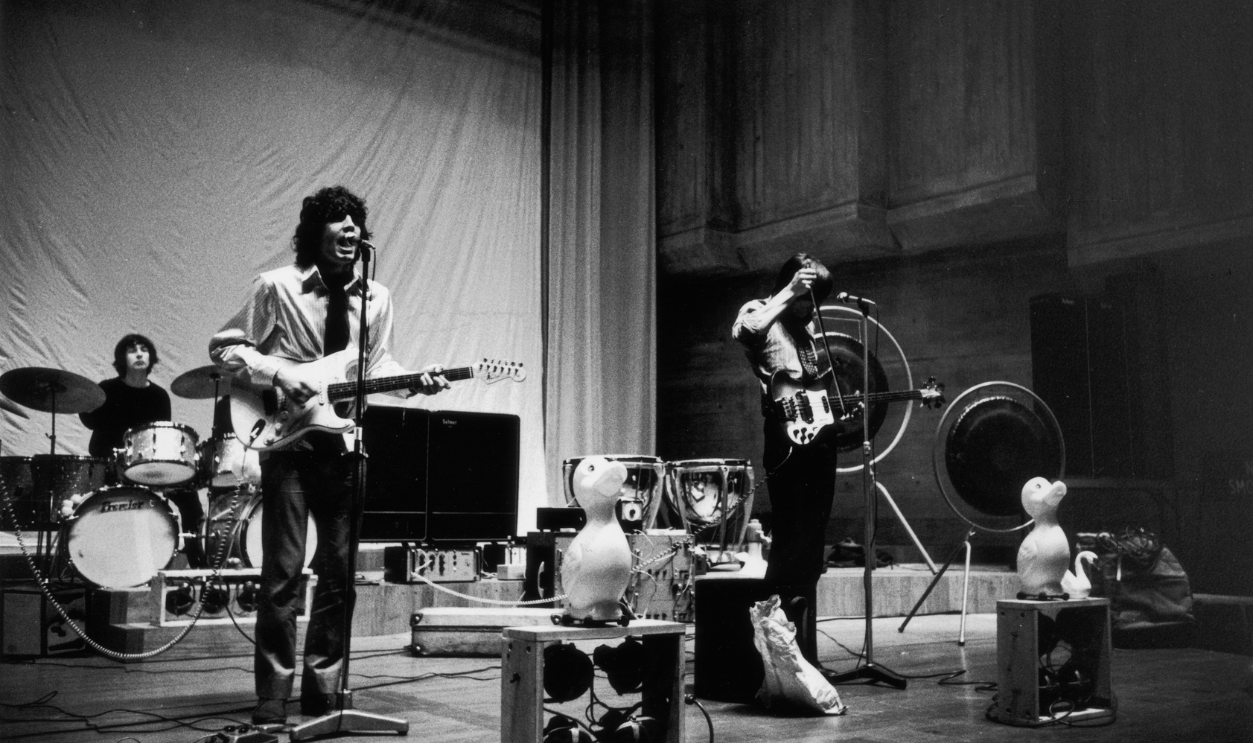
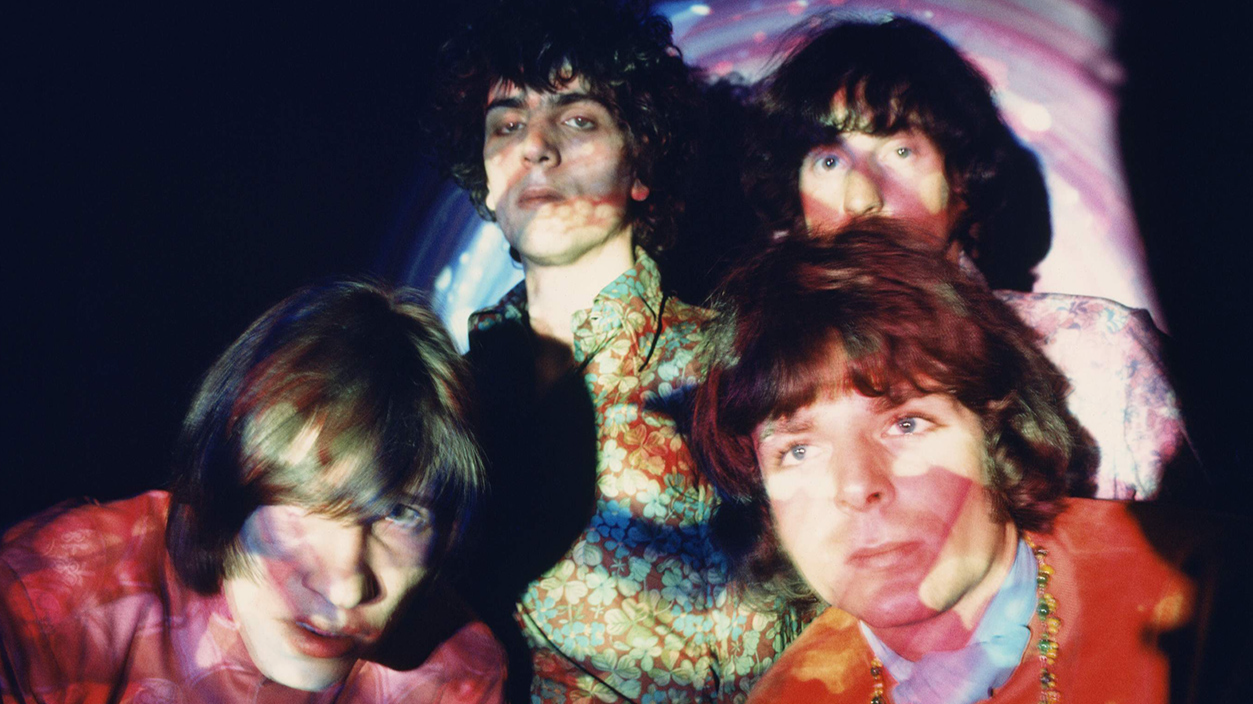
Pink Floyd began in the 1960s, with Syd Barrett providing much of the band's early creative direction. Waters played bass alongside keyboardist Richard Wright and drummer Nick Mason. David Gilmour arrived in 1967, shortly before Barrett's departure transformed the group's future.
Finding His Voice
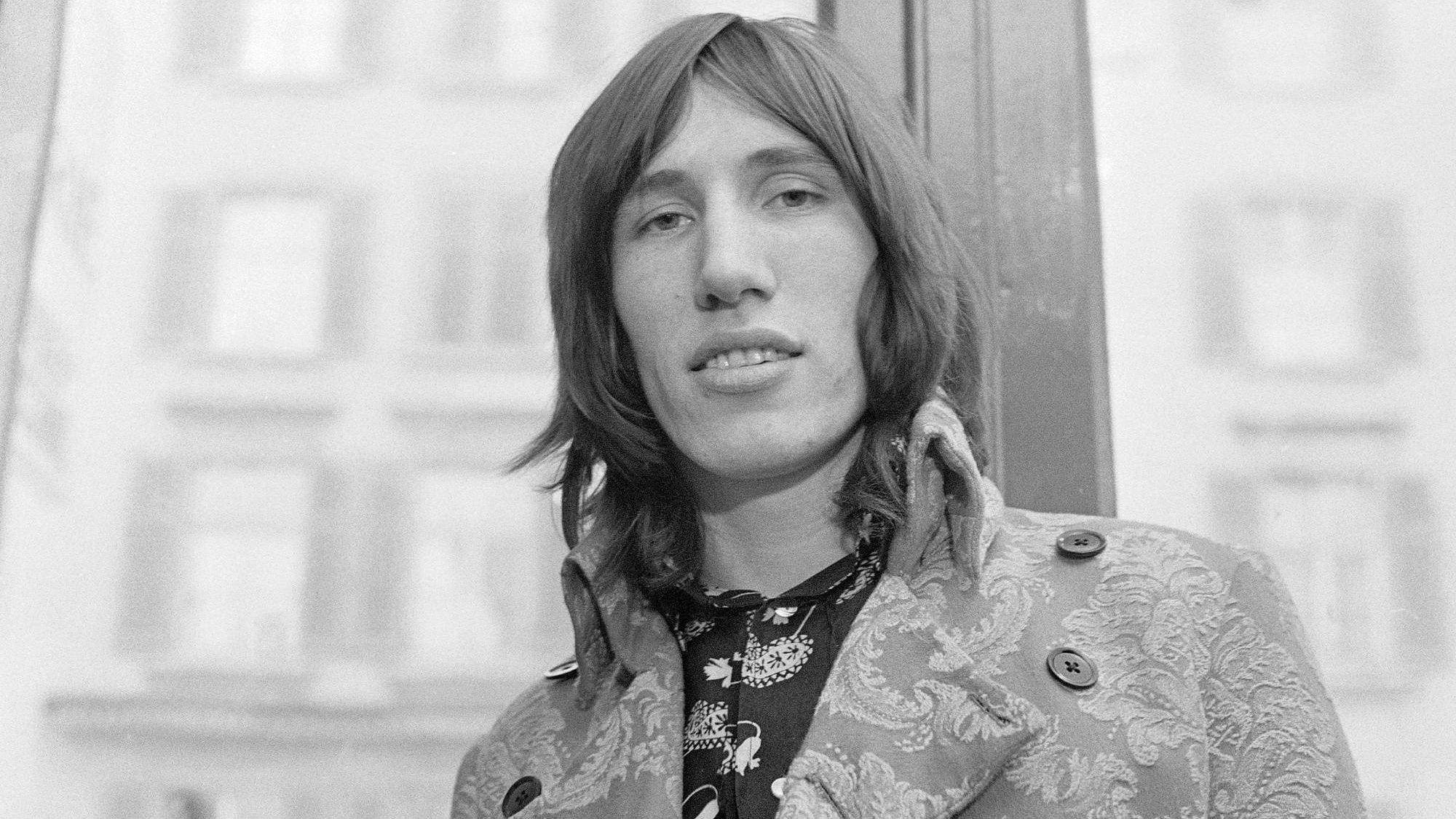
After Barrett left in 1968, Waters gradually became Pink Floyd's principal lyricist and conceptual driving force. His fascination with isolation, authority, war, and human relationships helped define the band's music. Gilmour's guitar playing and Wright's keyboards provided an equally important musical identity.
 Michael Ochs Archives, Getty Images
The Dark Side Of Success
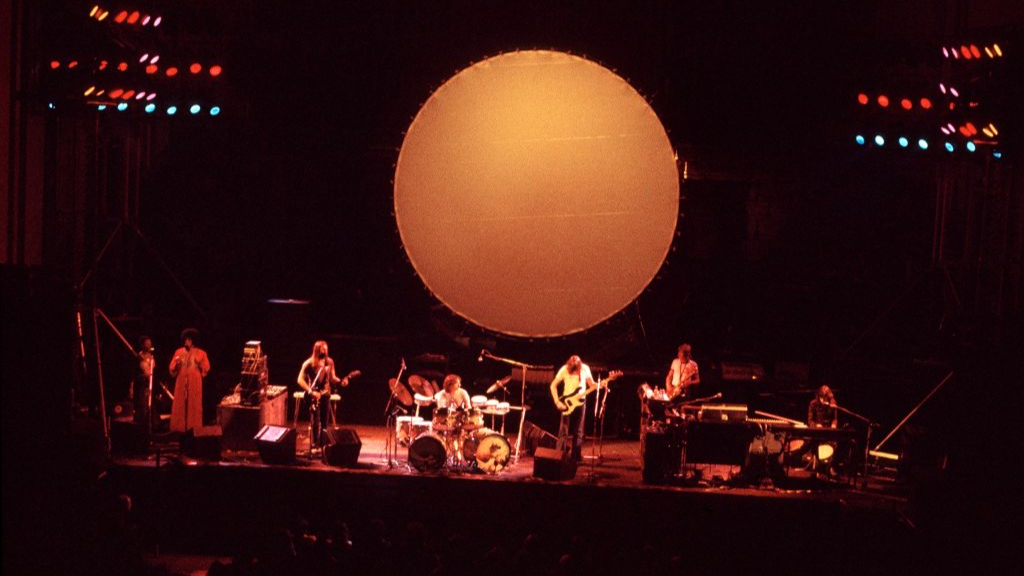
The Dark Side of the Moon arrived in 1973 and turned Pink Floyd into international superstars. Waters wrote its lyrics, exploring subjects from mortality to madness. But even during those successful sessions, creative disagreements were emerging between him and Gilmour.
Trouble Behind The Music
By 1977, Waters was taking an increasingly dominant role in Pink Floyd's creative decisions. The politically charged Animals reflected his growing influence. Although the album was successful, differences over the group's musical direction were becoming harder to ignore.
The Night Everything Changed
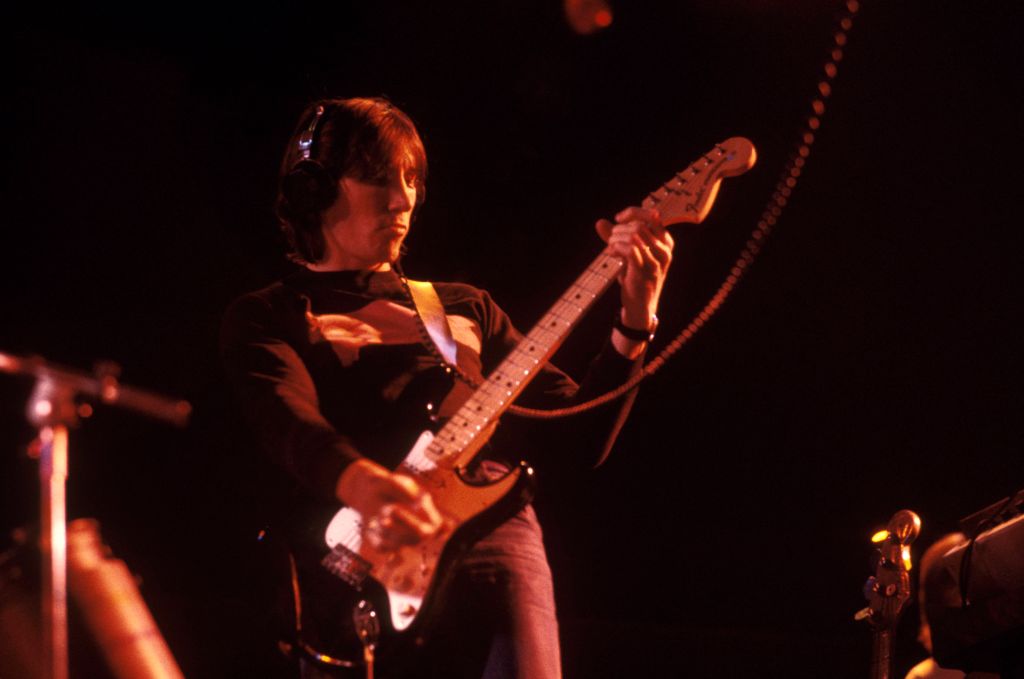
During Pink Floyd's 1977 Montreal concert, Waters spat toward a disruptive audience member. He later acknowledged the incident as an important inspiration for The Wall. His growing alienation from enormous crowds had provided the starting point for another ambitious musical project.
 Alterna2 http://www.alterna2.com, Wikimedia Commons
Building His Own Wall
Released in 1979, The Wall drew heavily on Waters' experiences, including his father's death during World War II and his difficulties with fame. The fictional rock star Pink became the vehicle for exploring isolation, failed relationships, and emotional barriers.
Success Couldn't Save The Friendship
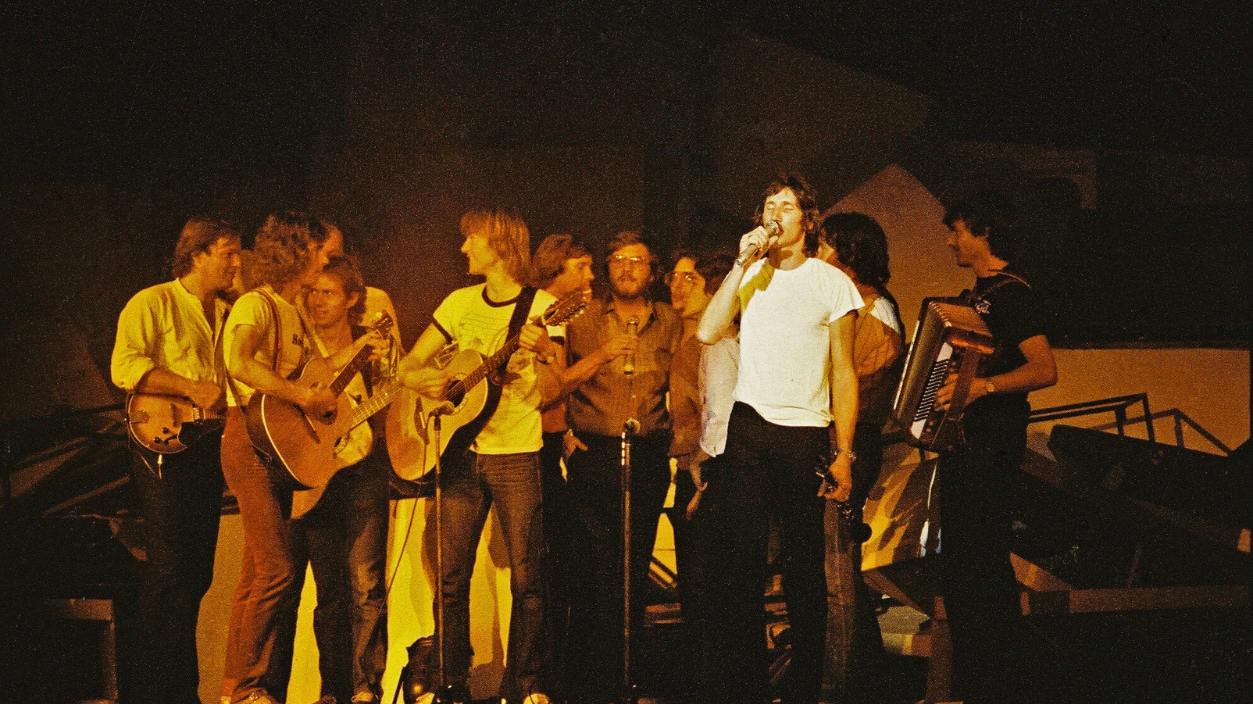
The Wall became a defining Pink Floyd album, featuring classics like "Comfortably Numb" and "Another Brick in the Wall, Part 2." Behind the scenes, however, Waters and Gilmour repeatedly clashed over creative decisions. Producer Bob Ezrin found himself navigating their increasingly difficult relationship.
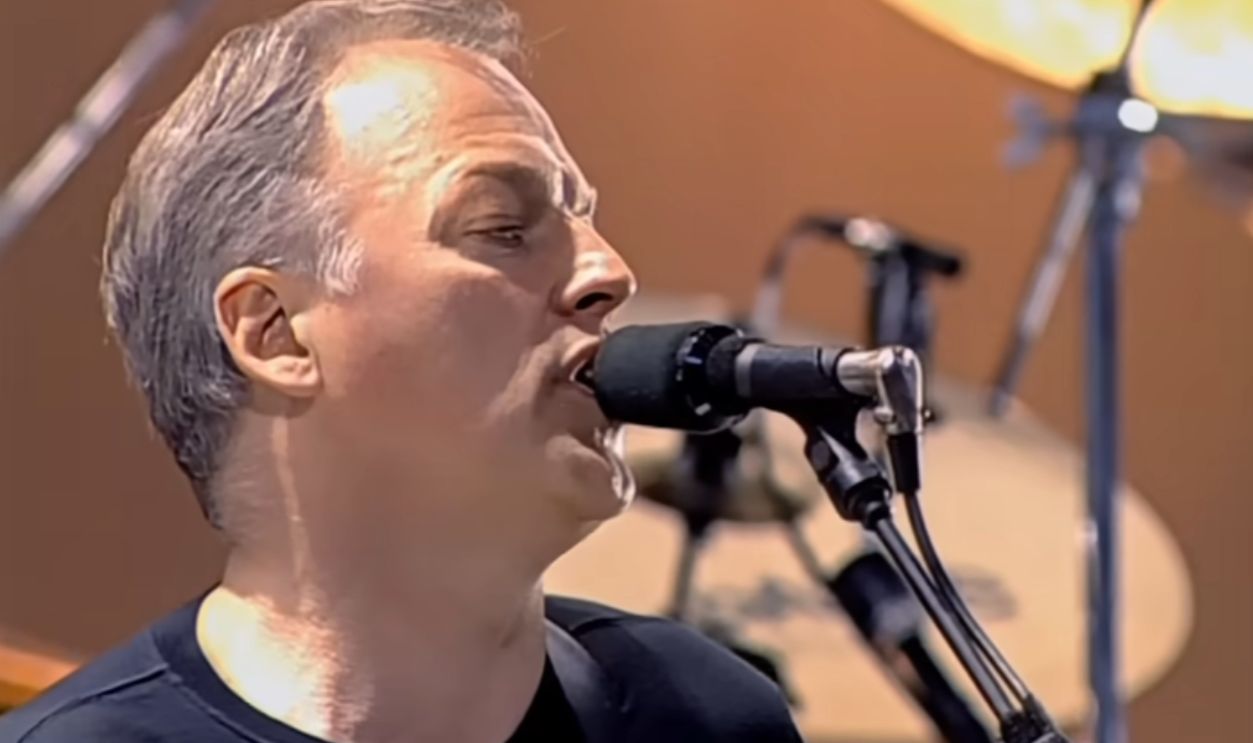 Screenshot from Another Brick in the Wall, Pt. 2, Pink Floyd Music Ltd. (1979)
Richard Wright Was Pushed Out
The tensions reached another level during The Wall. Richard Wright left Pink Floyd as a formal member following disagreements with Waters but continued performing on the album's subsequent tour as a paid musician. The group's classic lineup had effectively fractured.
The Final Cut Was Deeply Personal
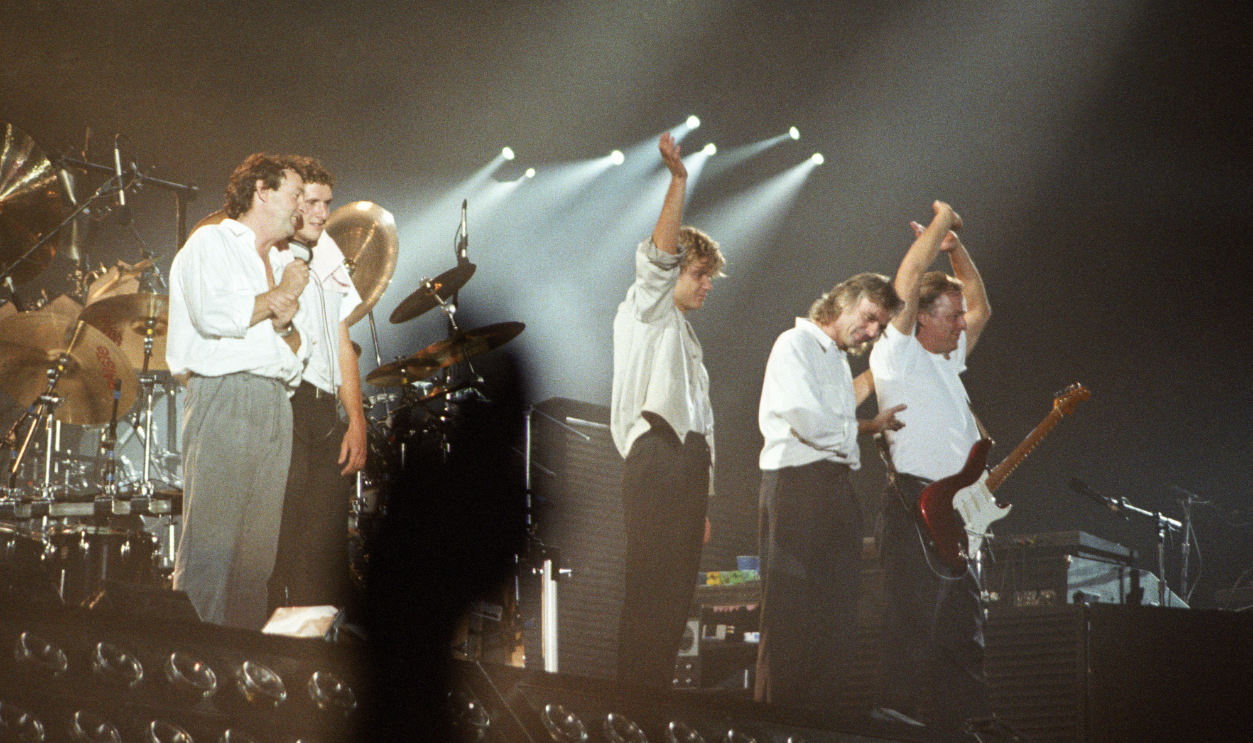
In 1983, Pink Floyd released The Final Cut, a record dominated by Waters' anti-war convictions and memories of his father, who died in 1944. Its sleeve described the album as a Roger Waters work performed by Pink Floyd, an unusually revealing credit.
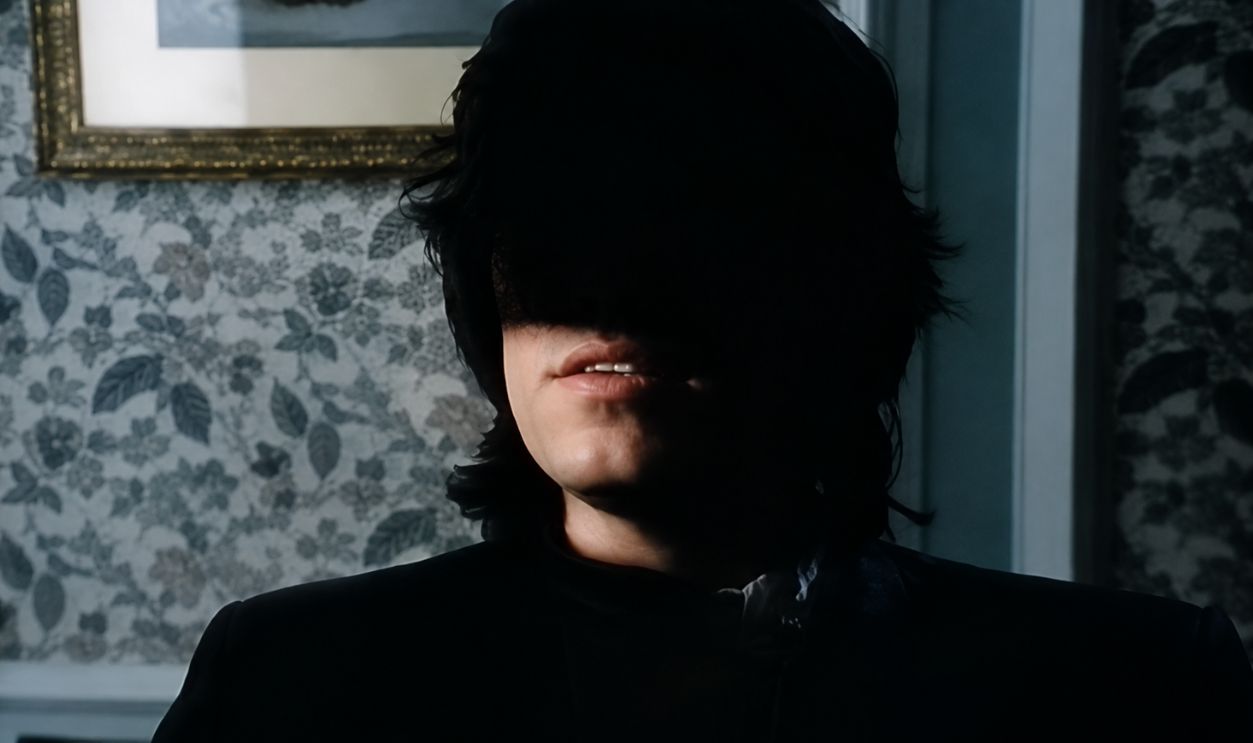 Screenshot from The Final Cut, Columbia Records (1983)
Gilmour Had Heard Enough
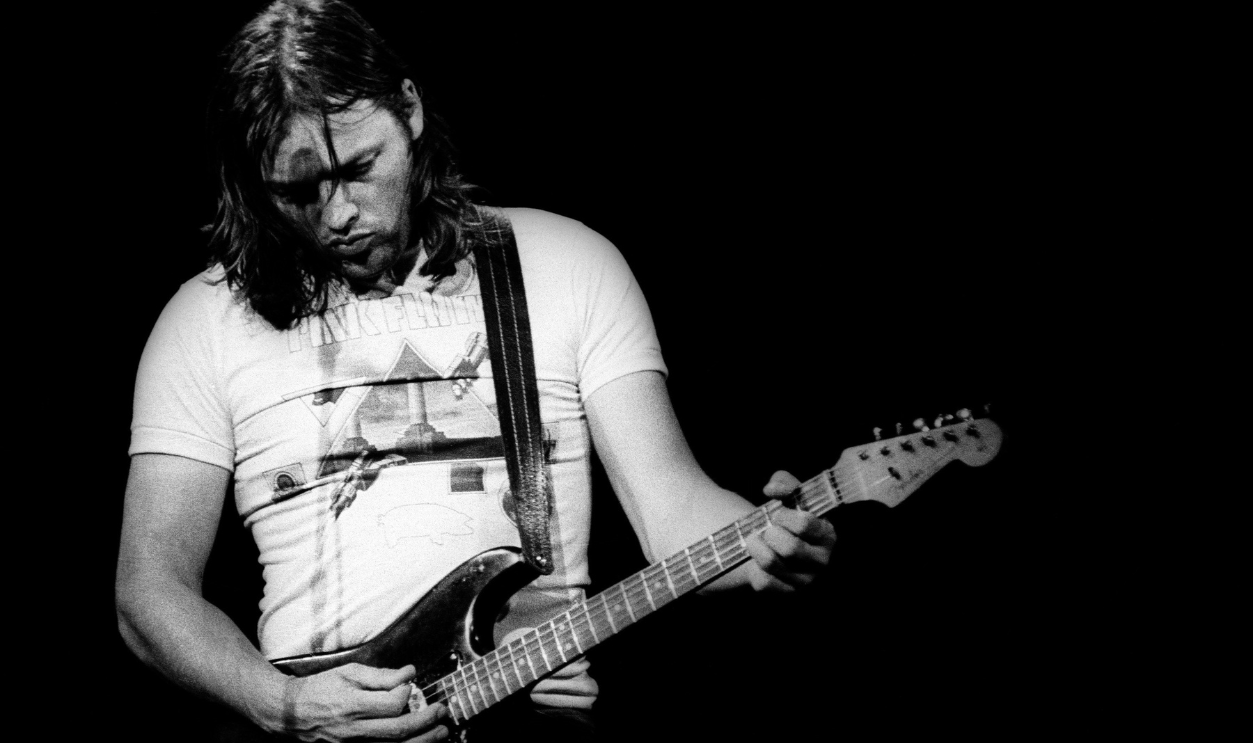
Gilmour disagreed with Waters over the quality of material selected for The Final Cut. Their working relationship deteriorated further, and Gilmour relinquished his co-producer credit. Waters later described making the album as miserable. Their musical partnership was approaching its end.
Waters Went Solo First
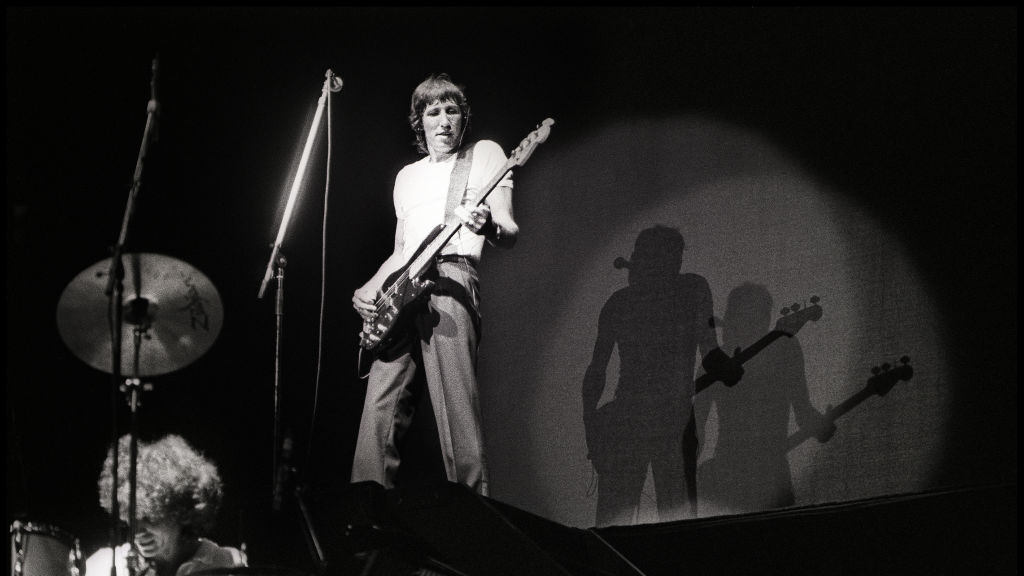
Waters released The Pros and Cons of Hitch Hiking in 1984, while Pink Floyd's future remained uncertain. The concept had been developed years earlier, around the same period as The Wall. It explored marriage, temptation, dreams, and personal relationships through another elaborate narrative.
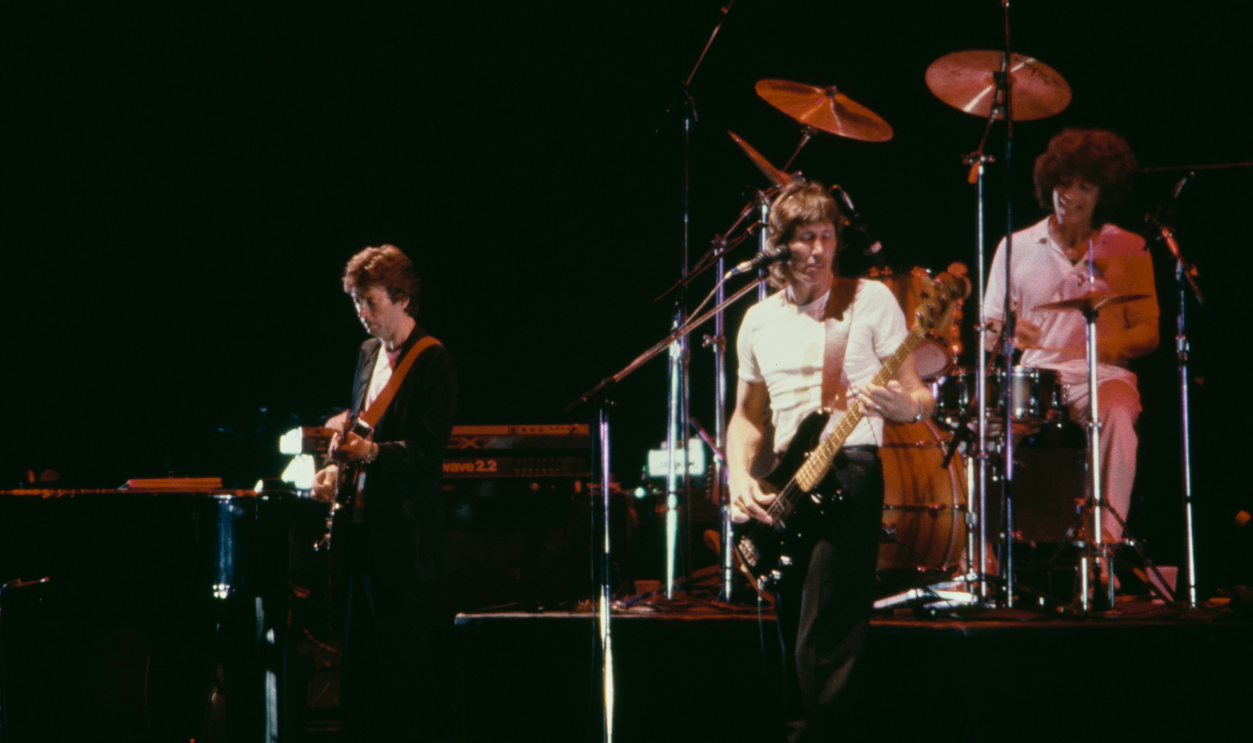
Eric Clapton Joined The Journey
Waters recruited Eric Clapton to play guitar on the album and its accompanying tour. Despite the considerable talent involved, the project couldn't match Pink Floyd's commercial success. Critics were divided, and Waters discovered that his reputation didn't automatically translate into equally enormous solo audiences.
The Final Goodbye
In December 1985, Waters formally notified Pink Floyd's record companies that he was leaving. He believed the group had exhausted its creative possibilities. But Gilmour and Mason disagreed with his conclusion. Waters' departure, they insisted, didn't automatically mean Pink Floyd had ceased to exist.
Pink Floyd Continued Without Him
Gilmour and Mason decided to record under the Pink Floyd name, with Wright eventually returning. Waters objected strongly, arguing that the group's identity was inseparable from the work they had created together. Suddenly, the disagreement was about more than music.
The Lawyers Took Over
In October 1986, Waters filed legal proceedings seeking to prevent Gilmour and Mason from continuing under the Pink Floyd name. The dispute also involved management and financial arrangements. Both sides publicly defended their positions, turning a private falling-out into a rock-world spectacle.
Radio K.A.O.S. Entered The Picture
Waters released Radio K.A.O.S. in 1987, using a fictional radio broadcast to explore nuclear war, political manipulation, and communication. The ambitious concept featured a young character named Billy and real radio personality Jim Ladd. Reviews were mixed, and sales remained modest by Floyd standards.
 ullstein bild Dtl., Getty Images
Two Versions Of Pink Floyd's Legacy
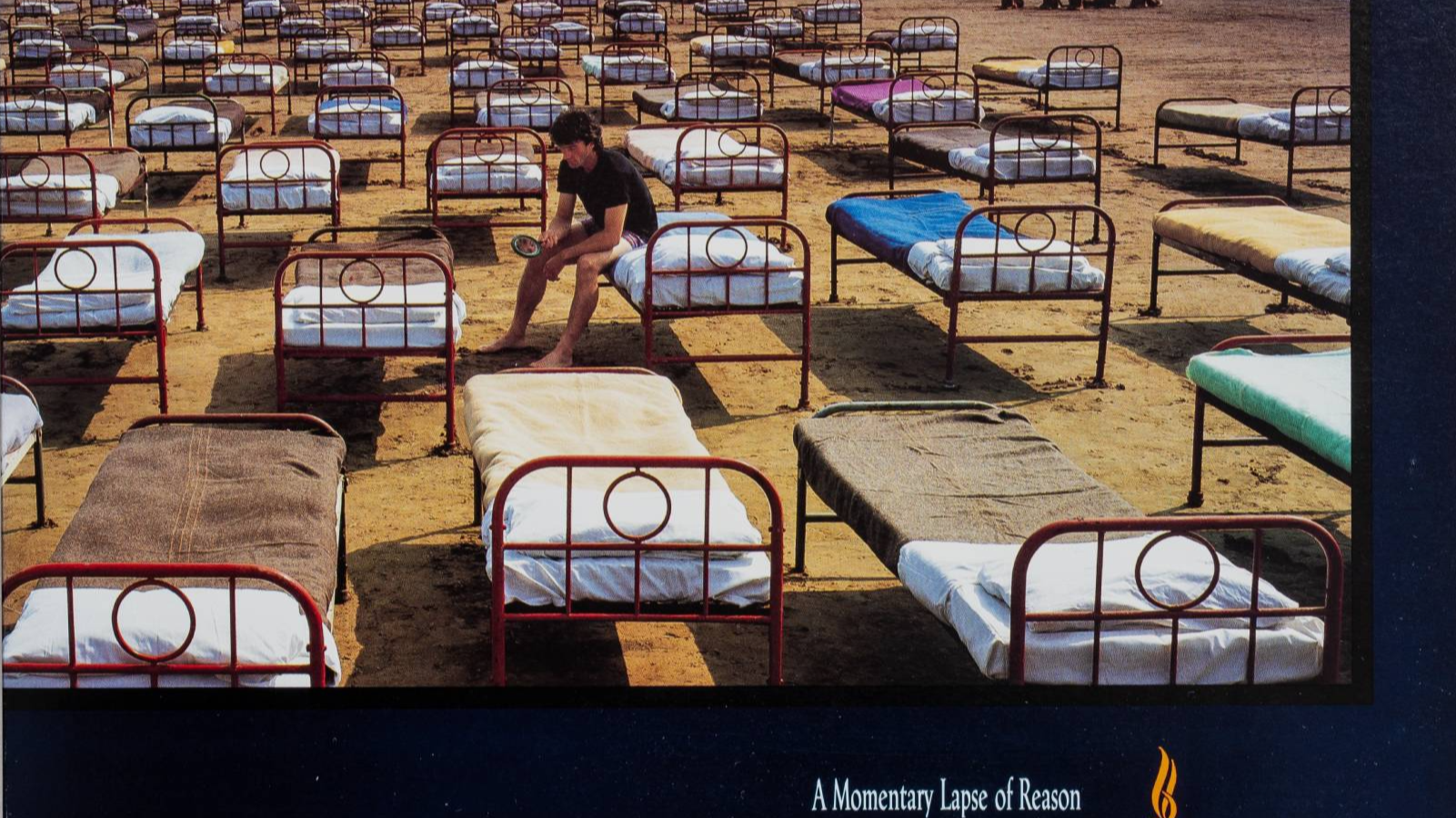
The timing was awkward. Gilmour's Pink Floyd released A Momentary Lapse of Reason that same year and launched a hugely successful tour. Waters was touring his own material alongside Floyd classics, but the competing shows attracted very different-sized audiences.
The Settlement Changed Everything
The dispute over the Pink Floyd name was settled in late 1987. Gilmour and Mason could continue using it, while Waters retained the right to perform music he had helped create. The legal confrontation ended, but the personal disagreements remained unresolved.
 Andrew Whittuck/Redferns, Getty Images
The Resentment Wasn't Hidden
Waters accused his former colleagues of exploiting a name and legacy he believed should have ended with their partnership. Gilmour countered that Pink Floyd was bigger than any single member. Interviews from the period showed just how far their relationship had deteriorated.
Berlin Gave Him Another Chance
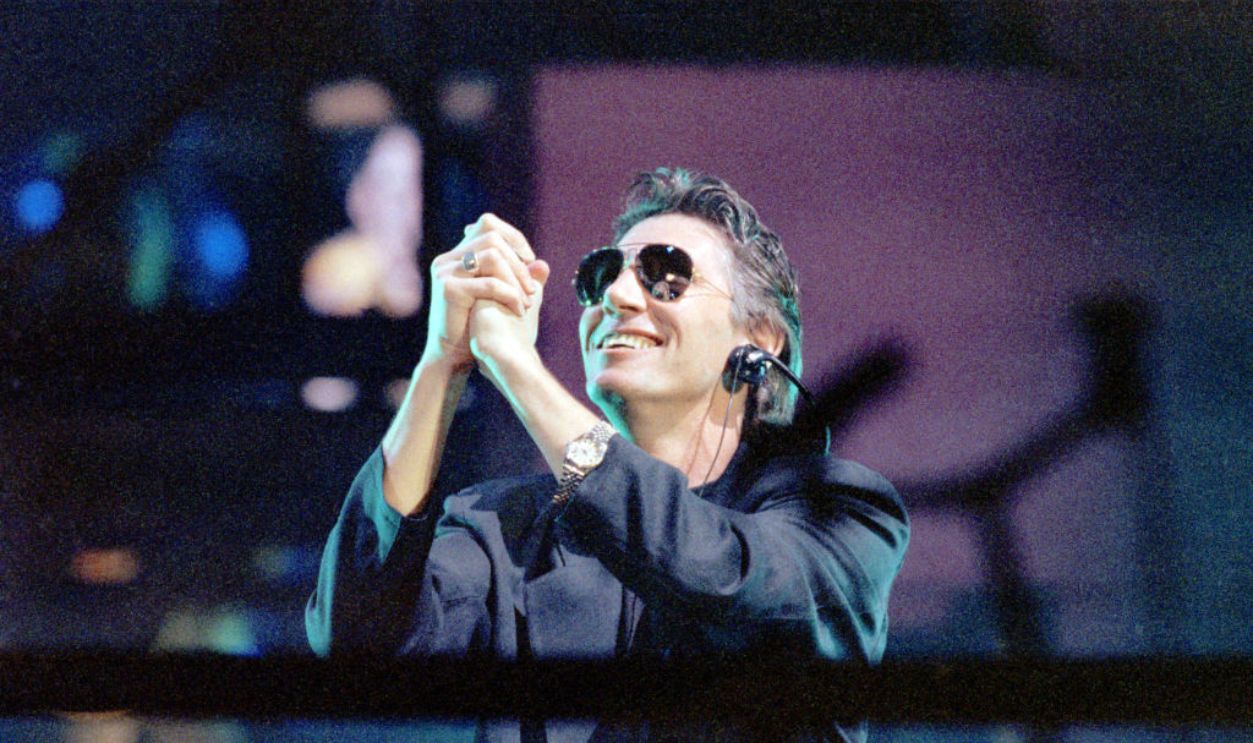
In July 1990, Waters staged The Wall in Berlin, months after the city's famous barrier opened. An audience estimated at 350,000 watched a spectacular production featuring Bryan Adams, Cyndi Lauper, Joni Mitchell, and other guests. It marked an important turning point in his solo career.
 picture alliance, Getty Images
Amused To Death Proved His Ambition Remained
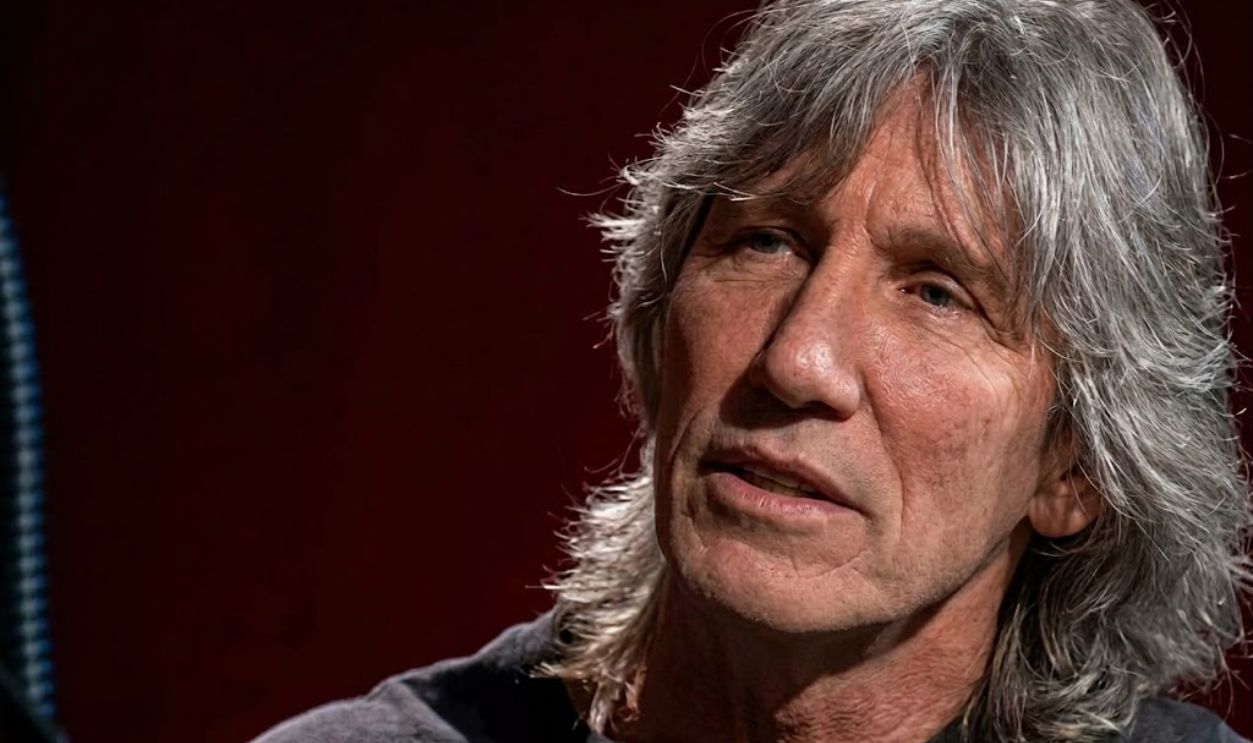
Waters followed with Amused to Death in 1992. Featuring Jeff Beck's unmistakable guitar work, the album criticized warfare, television, and humanity's relationship with mass entertainment. It reached the British Top 10 and received a considerably warmer reception than Radio K.A.O.S.
 Screenshot from Amused to Death, Columbia Records (1992), Enhanced
Then Came The Silence
Despite Amused to Death's reception, Waters didn't embark on a supporting tour. Years passed without another conventional rock studio album. Pink Floyd continued touring successfully without him, while Waters' own large-scale live career remained on hold throughout much of the 1990s.
An Unexpected Return To The Stage
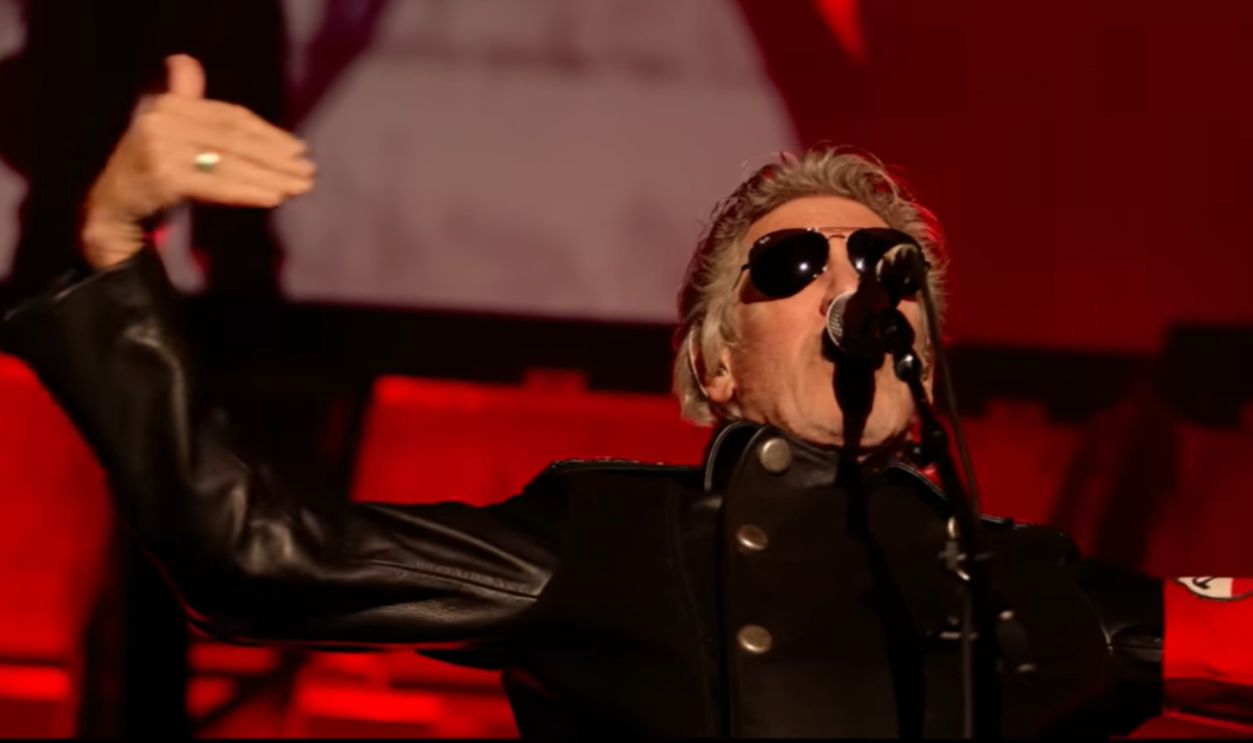
In 1999, Waters returned to touring with In the Flesh, his first major concert tour in 12 years. He performed Pink Floyd favorites alongside solo material. The shows introduced a new opportunity to reconnect with audiences who knew his music but hadn't seen him perform independently.
 Screenshot from In the Flesh, Columbia Records (2000)
The Crowds Came Back
Demand for In the Flesh exceeded expectations. Some concerts originally scheduled for smaller venues were moved into larger arenas. The tour eventually extended into 2002, demonstrating that Waters could attract substantial audiences without performing under the Pink Floyd name.
 Andrés Ibarra, CC BY-SA 4.0, Wikimedia Commons
One Last Reunion
In 2005, Waters reunited with Gilmour, Mason, and Wright for London's Live 8 concert. They performed "Money," "Wish You Were Here," and "Comfortably Numb," among other Floyd favorites. The emotional appearance delighted fans, although it didn't lead to a permanent reunion.
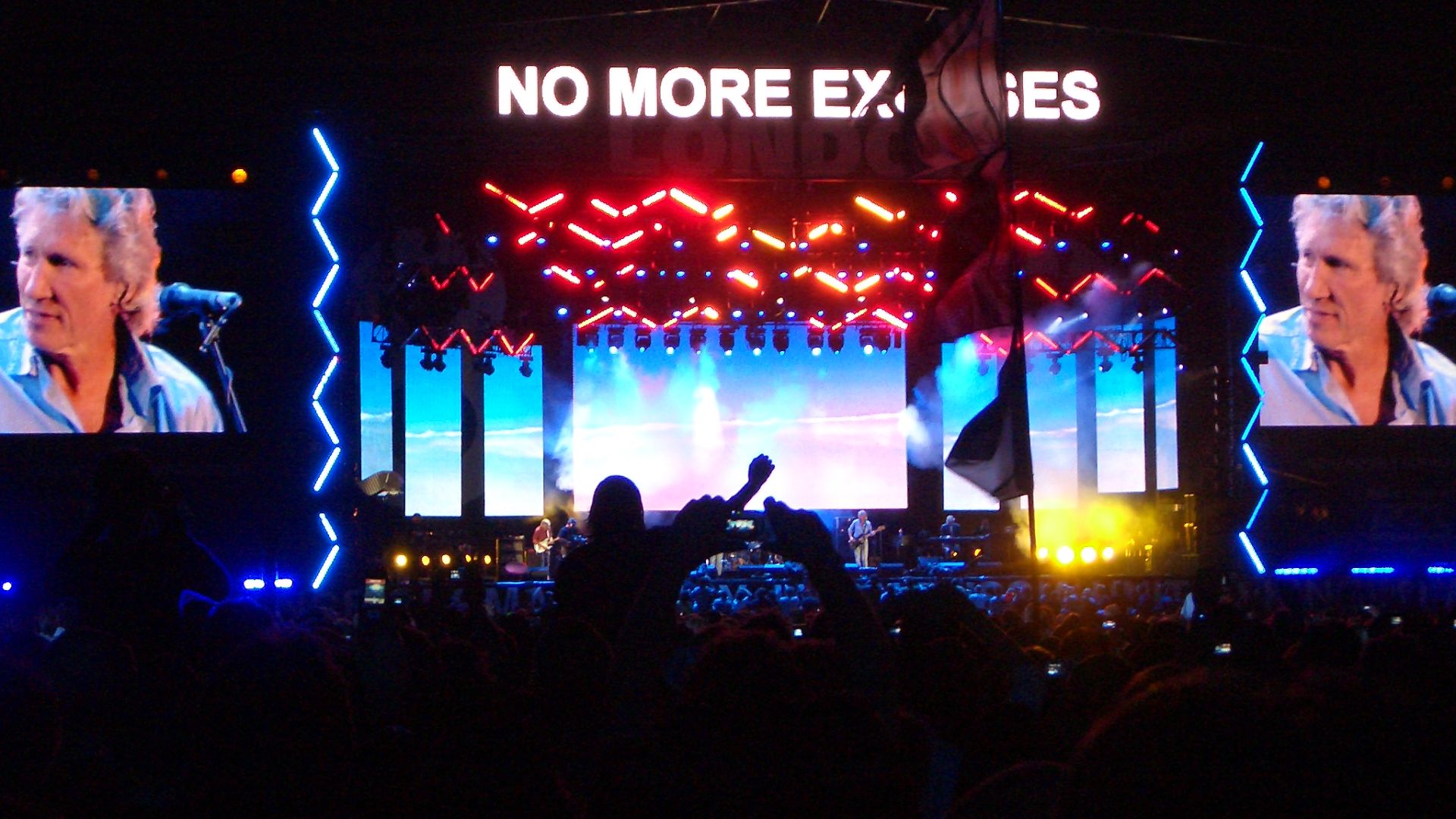 Jon Lean from Bristol, United Kingdom, Wikimedia Commons
Revisiting The Dark Side
Between 2006 and 2008, Waters toured with performances of The Dark Side of the Moon in its entirety. His concerts increasingly combined classic Floyd material with enormous visual productions. Decades after his departure, he was again commanding the kinds of audiences associated with his former band.
The Wall Became Bigger Than Ever
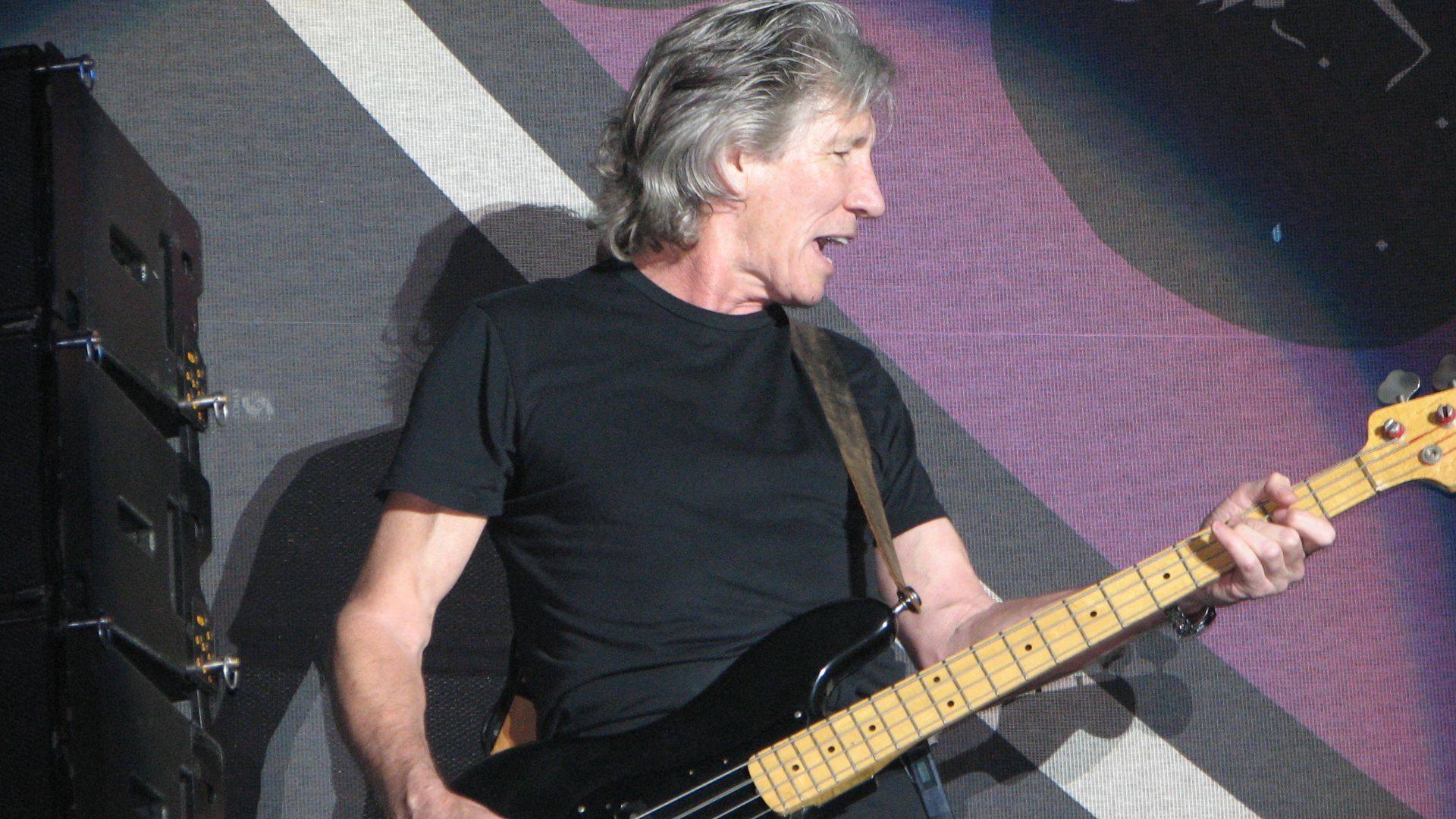
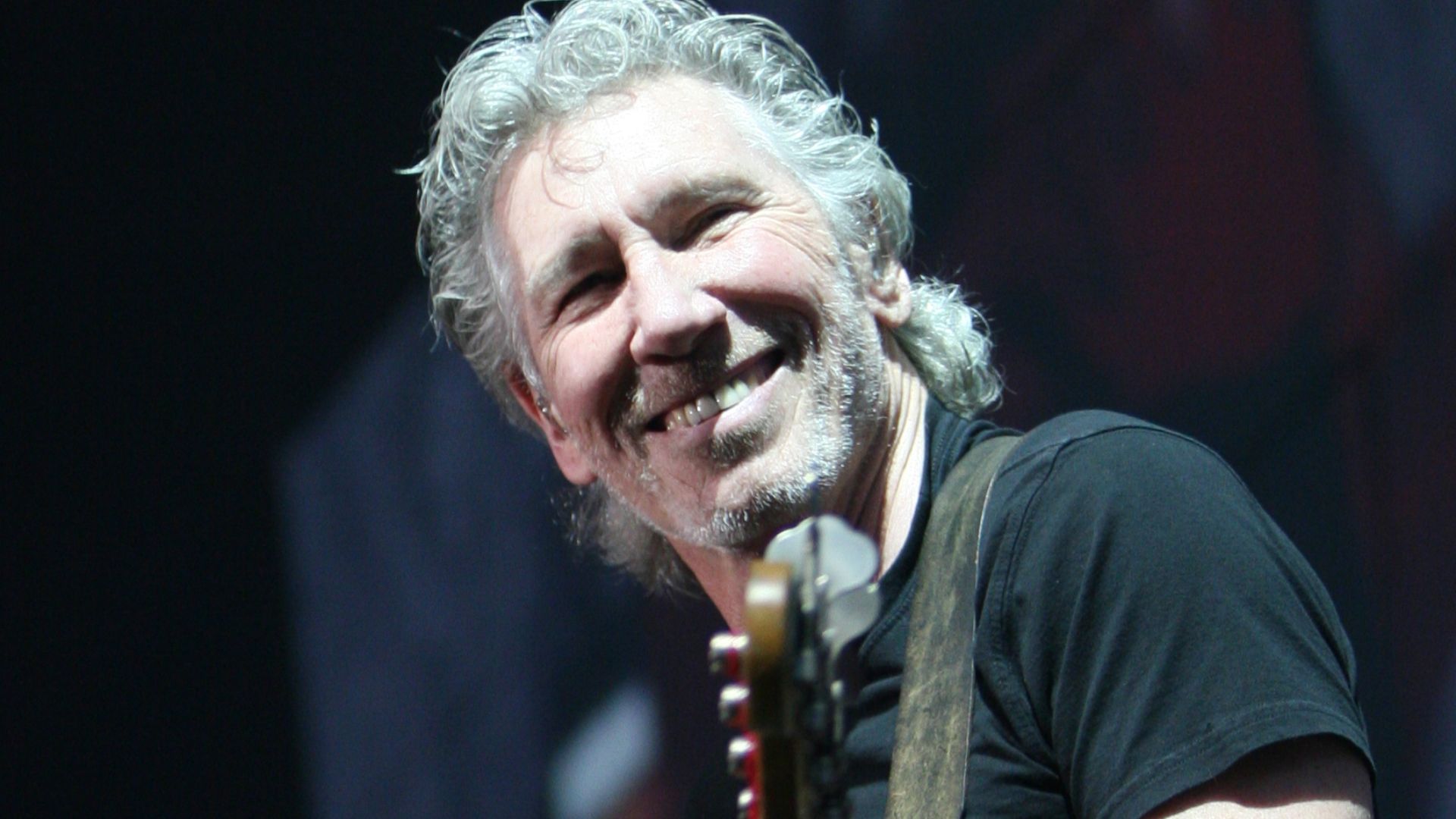
From 2010 to 2013, Waters toured The Wall with a spectacular production involving projections, giant puppets, and an enormous physical wall. Across 219 performances, it grossed approximately $459 million, briefly establishing a record for the highest-grossing tour by a solo performer.
 Alterna2 http://www.alterna2.com, Wikimedia Commons
The Music Never Stopped
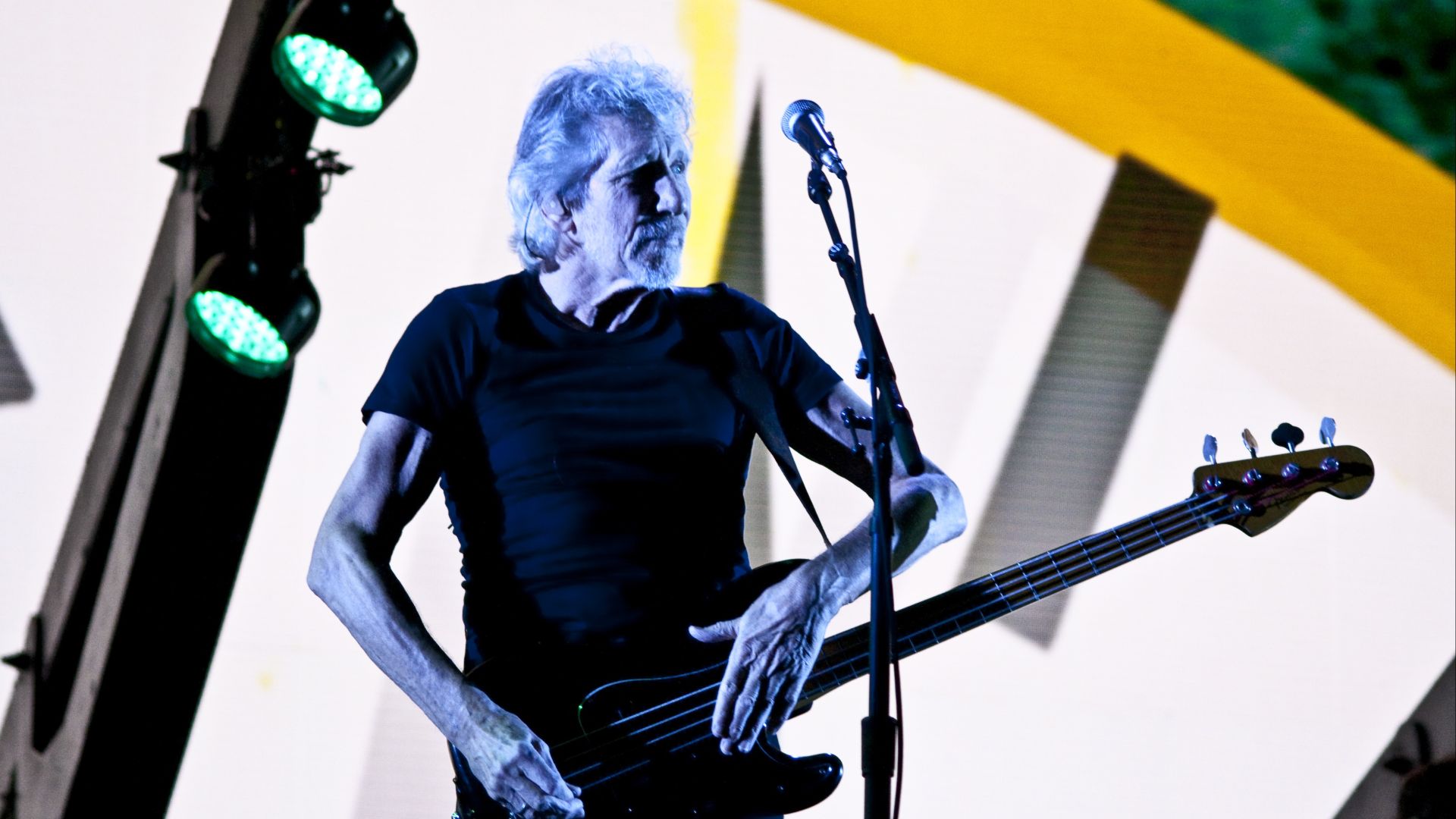
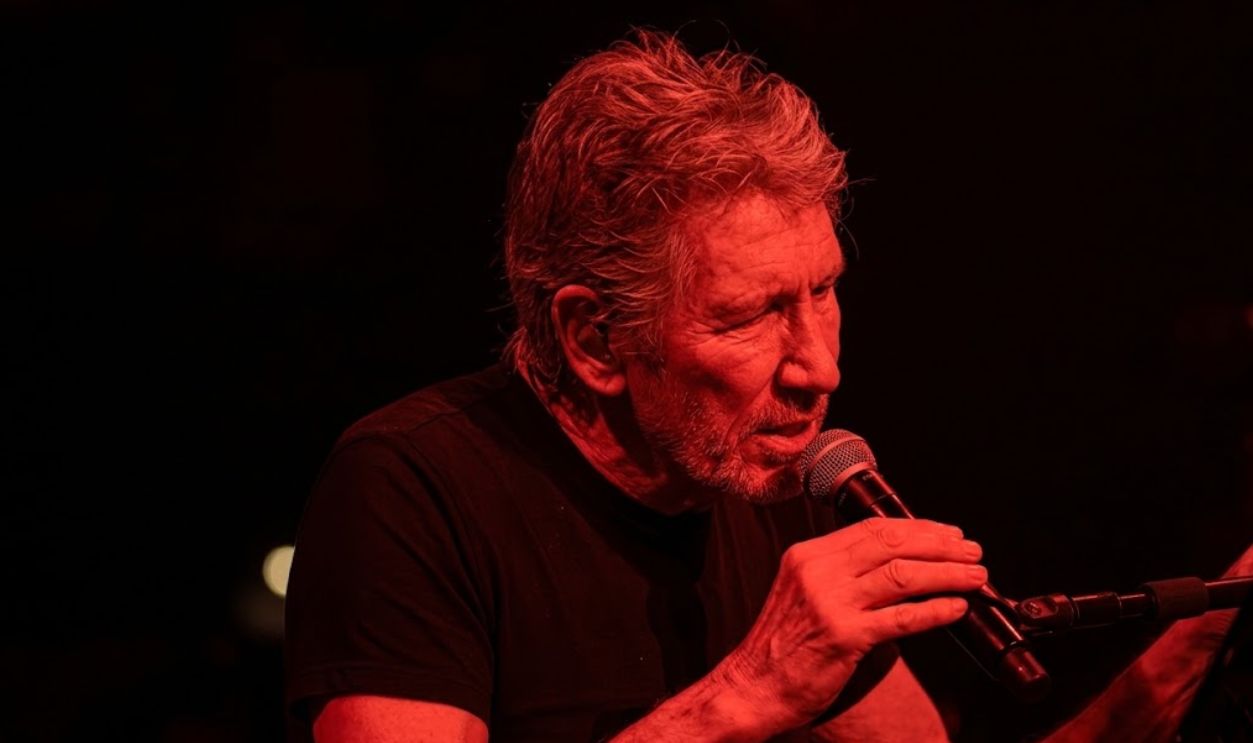
Waters released Is This the Life We Really Want? in 2017, his first rock studio album in 25 years. His political concerns remained central. In 2023, he revisited another defining work with The Dark Side of the Moon Redux, presenting familiar compositions from his older perspective.
 Screenshot from Is This the Life We Really Want?, Columbia Records (2017), Enhanced
A Legacy Bigger Than The Feud
Waters' disagreements with his former bandmates never entirely disappeared. Neither did the anger and political frustration running through his work. But his solo career eventually became a major success on its own terms, proving that leaving Pink Floyd hadn't ended his musical story.
You May Also Like:
Classic Songs That Disappeared From Their Artists' Concert Setlists For Surprising Reasons