When The Hits Become A Burden
Every musician dreams of recording a song that audiences will remember forever. But what happens when the artist gets tired of singing it? Some famous hits have disappeared from concert setlists because of painful memories, embarrassing lyrics, creative disagreements, or simple exhaustion. And in a few cases, the reasons are stranger than anyone could imagine.
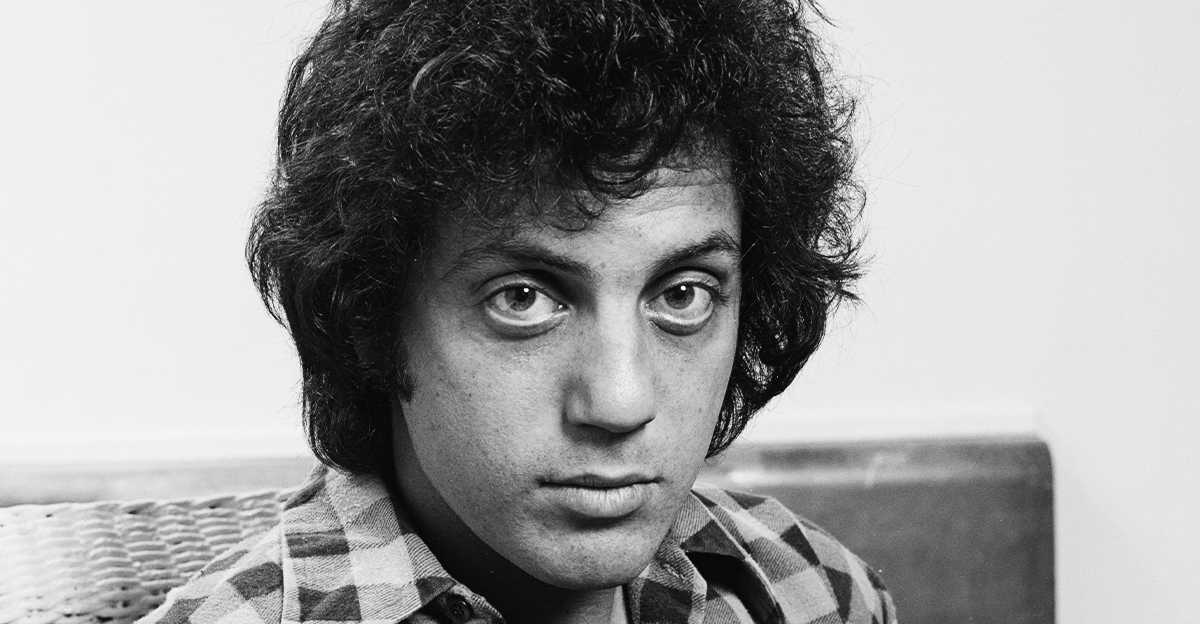
 Hulton Archiv, Michael Putland/Getty Images
Billy Joel: "Just The Way You Are" (1977)
Billy Joel wrote this Grammy-winning ballad for his first wife, Elizabeth Weber. After their marriage ended in 1982, the romantic lyrics became increasingly uncomfortable for him. Although he continued performing it occasionally, the song gradually disappeared from his regular concerts. Joel has spoken about how strange it feels to sing a love song dedicated to someone he divorced decades ago.
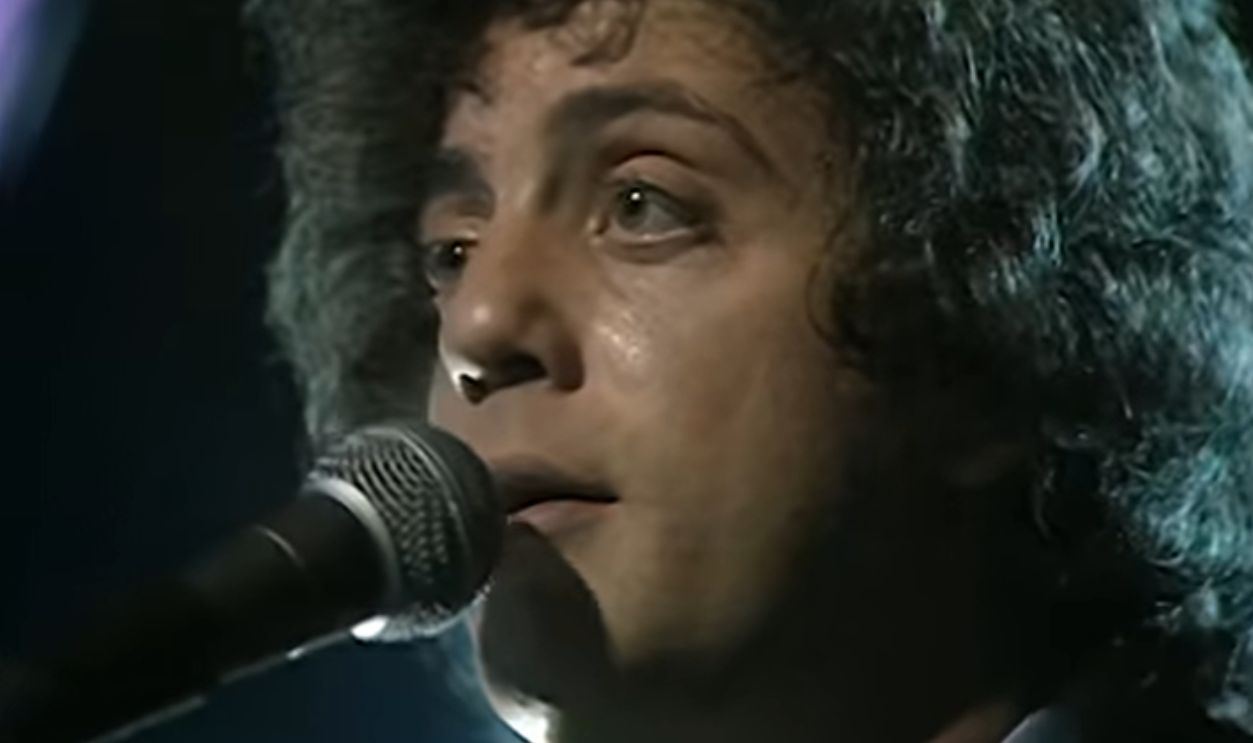 Screenshot from Just the Way You Are, Columbia Records (1977)
Radiohead: "Creep" (1992)
"Creep" made Radiohead internationally famous, but Thom Yorke soon became frustrated by the song defining the band. As their music grew increasingly experimental, the straightforward alternative-rock anthem seemed less representative of their ambitions. Radiohead went through lengthy periods without performing it, although occasional surprise appearances proved the song wasn't permanently retired.
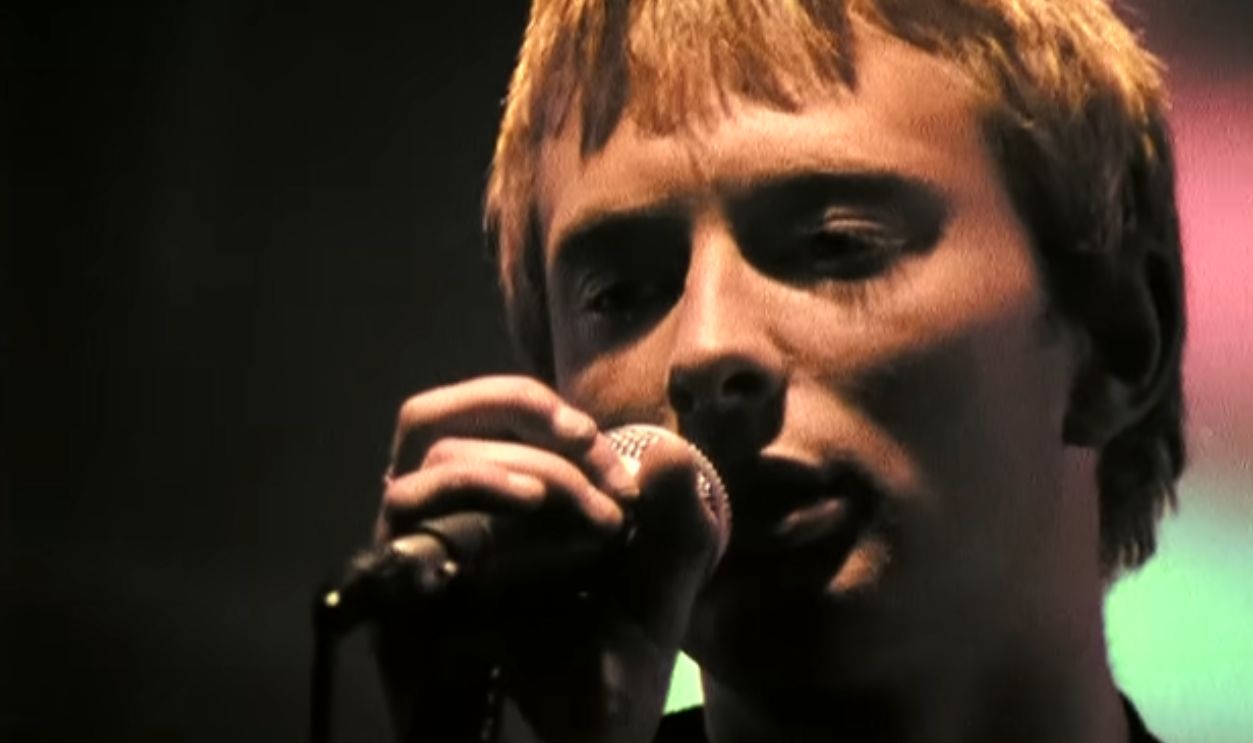 Screenshot from Creep, Parlophone Records (1992)
R.E.M.: "Shiny Happy People" (1991)
Michael Stipe never particularly enjoyed performing R.E.M.'s relentlessly cheerful hit, featuring Kate Pierson of the B-52s. Although it became one of the band's biggest commercial successes, Stipe felt uncomfortable with its sugary image. R.E.M. performed it only a handful of times and effectively abandoned it, even while continuing to play other songs from Out Of Time.
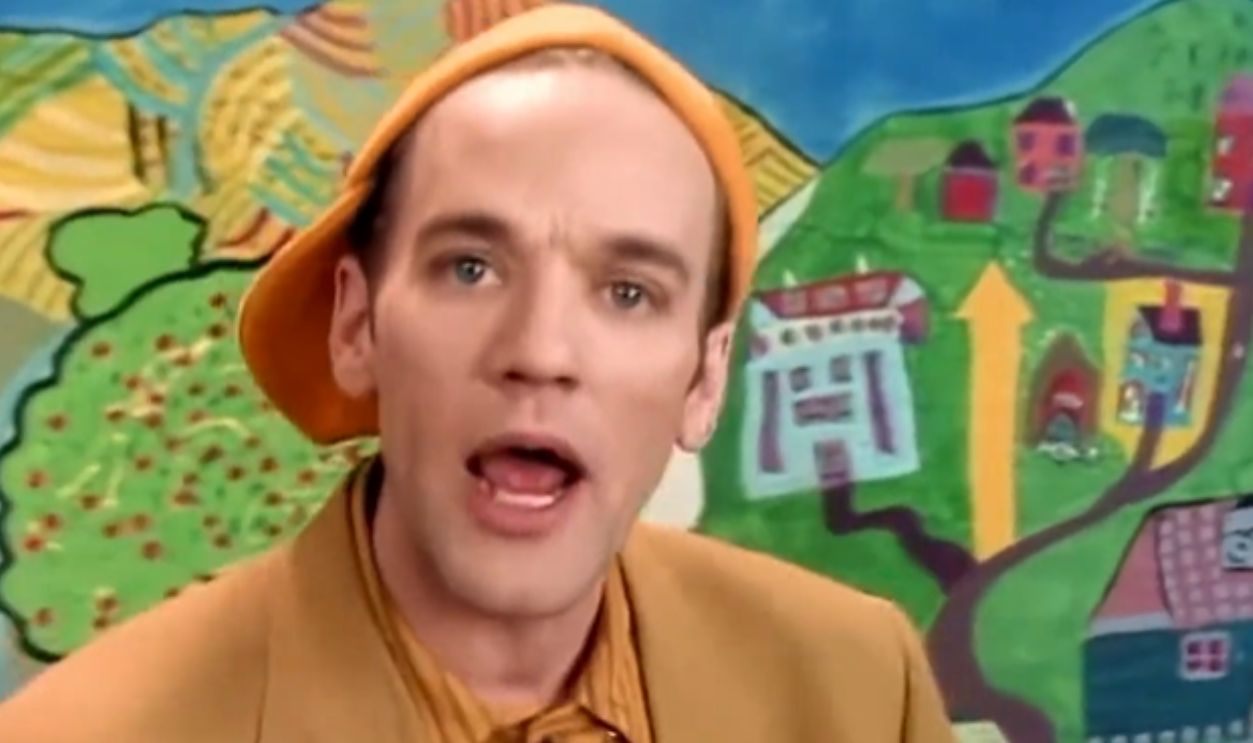 Screenshot from Shiny Happy People, Warner Bros. Records (1991)
Led Zeppelin: "Stairway To Heaven" (1971)
Robert Plant grew increasingly weary of Led Zeppelin's most celebrated composition. After the band's breakup, he largely avoided performing the eight-minute epic during his solo career, believing its lyrics belonged to another period of his life. Plant has occasionally made exceptions, including Led Zeppelin's 2007 reunion, but he has consistently resisted making it a regular concert feature.
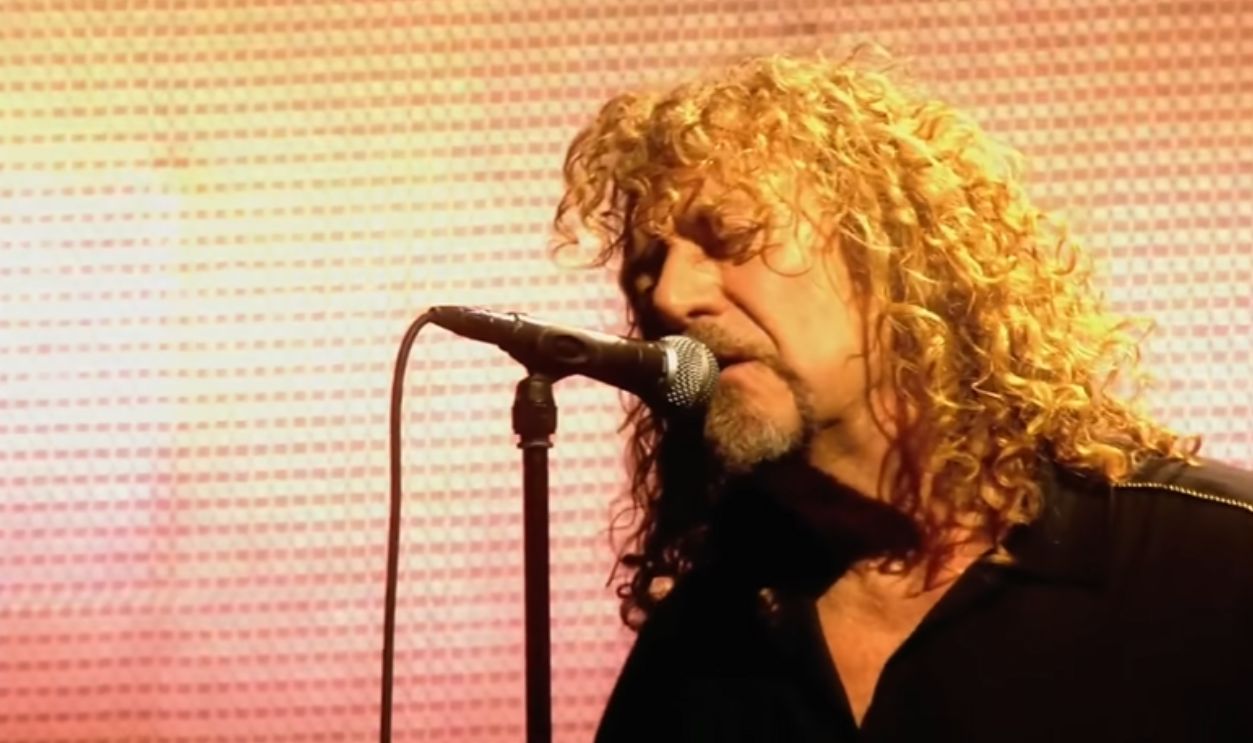 Screenshot from Stairway to Heaven, Atlantic Records (1971)
The Rolling Stones: "Brown Sugar" (1971)
For decades, "Brown Sugar" was practically guaranteed at a Rolling Stones concert. But the song's references to slavery and sexual exploitation became increasingly controversial. Mick Jagger and Keith Richards eventually removed it from their performances, with Richards acknowledging the debate surrounding its lyrics. Its absence marked a remarkable change for a band that had played the song for half a century.
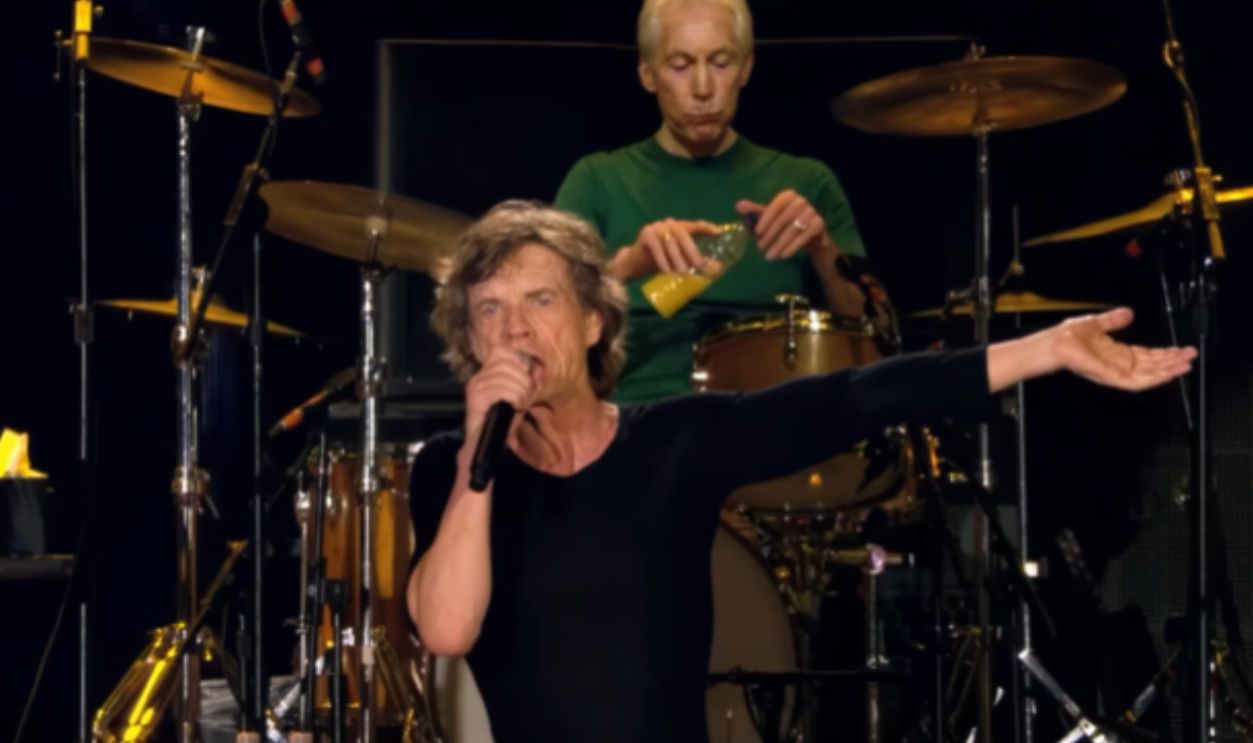 Screenshot from Brown Sugar, Rolling Stones Records (1971)
Beastie Boys: "(You Gotta) Fight For Your Right (To Party!)" (1986)
The Beastie Boys intended their breakthrough hit as a joke about obnoxious party culture. Unfortunately, many listeners embraced it as a genuine celebration of precisely that behavior. As the group matured musically, they became uncomfortable with the audience it attracted. By the late 1980s, the song had largely disappeared from their concerts, returning only occasionally.
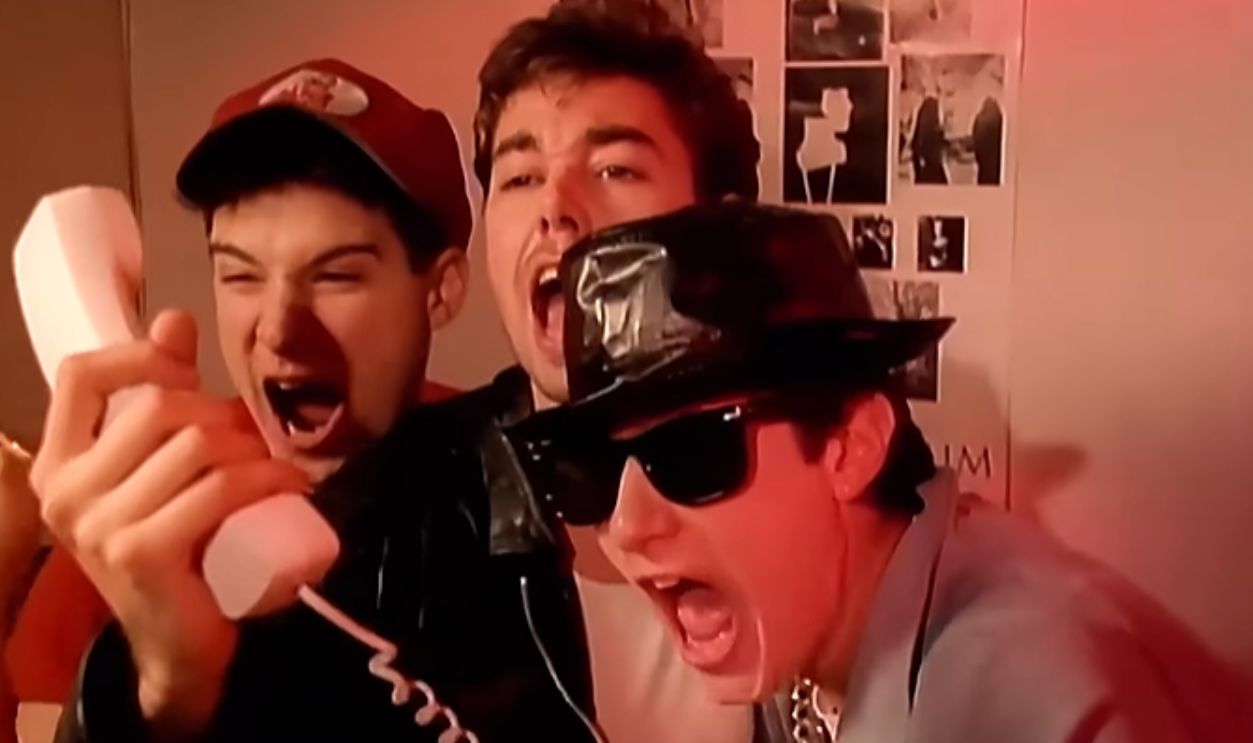 Screenshot from (You Gotta) Fight For Your Right (To Party!), Def Jam Recordings (1986)
Eric Clapton: "Tears In Heaven" (1992)
Eric Clapton wrote this heartbreaking ballad following the death of his four-year-old son, Conor, in 1991. Performing it helped him process his grief, but eventually the emotional connection changed. In 2004, Clapton announced that he would stop singing it because he no longer felt the same emotional connection needed to perform it authentically . He subsequently returned the song to his concerts.
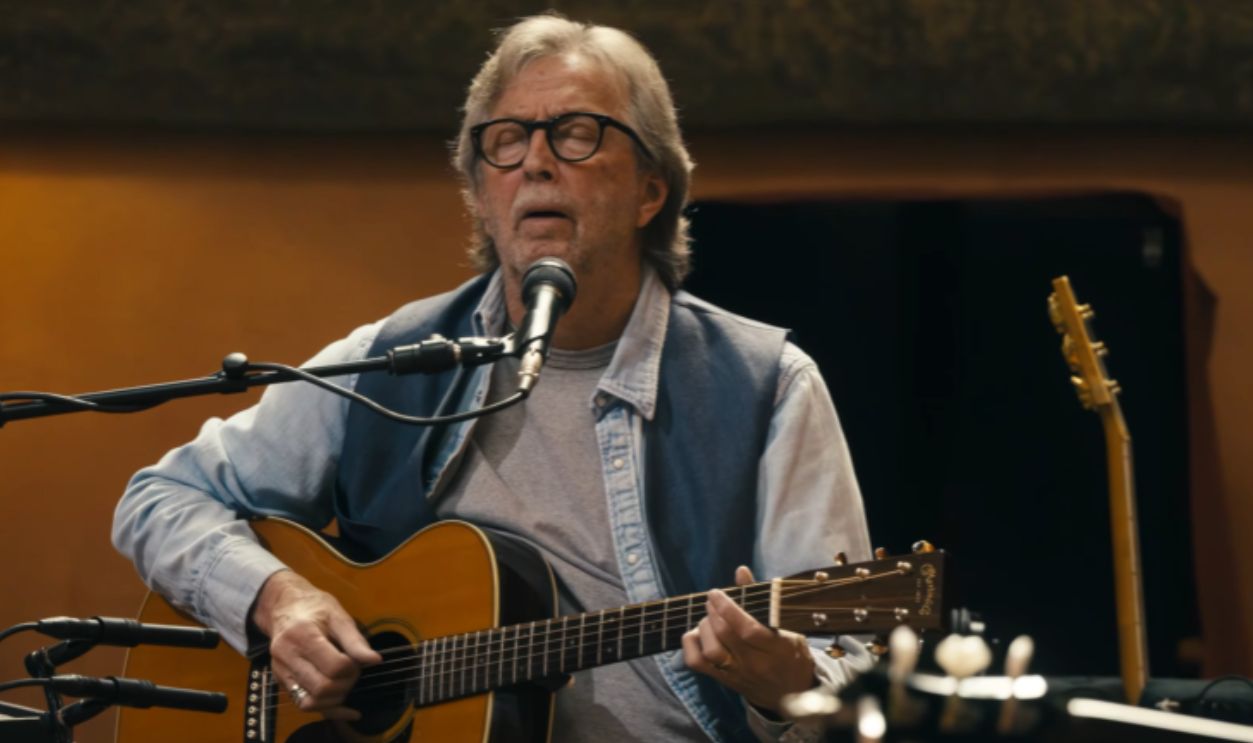 Screenshot from Tears in Heaven, Reprise Records (1992)
AC/DC: "It's A Long Way To The Top (If You Wanna Rock 'N' Roll)" (1975)
This early AC/DC classic, complete with Bon Scott's memorable bagpipe performance, was once a concert favorite. But following Scott's death in 1980, the band stopped performing it. Brian Johnson became AC/DC's new singer, yet the group chose to leave the song associated with Scott rather than make it part of their new lineup's regular repertoire.
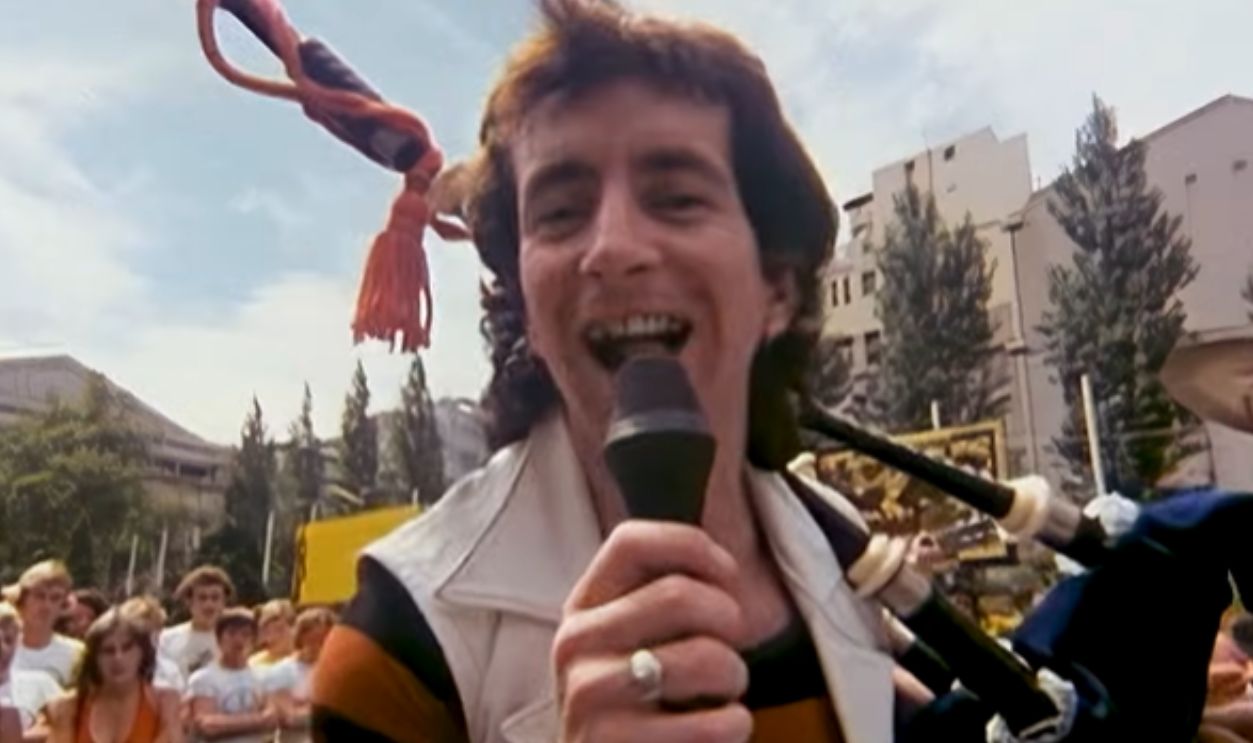 Screenshot from It's a Long Way to the Top (If You Wanna Rock 'n' Roll), Albert Productions (1975)
Pat Benatar: "Hit Me With Your Best Shot" (1980)
Pat Benatar's breakthrough hit became an arena-rock favorite, but in 2022 she removed it from her concerts out of respect for victims of mass shootings. Although the song's title was intended playfully, Benatar felt uncomfortable singing those words amid continuing gun violence. She acknowledged that disappointed fans still wanted to hear it, but believed the decision was necessary.
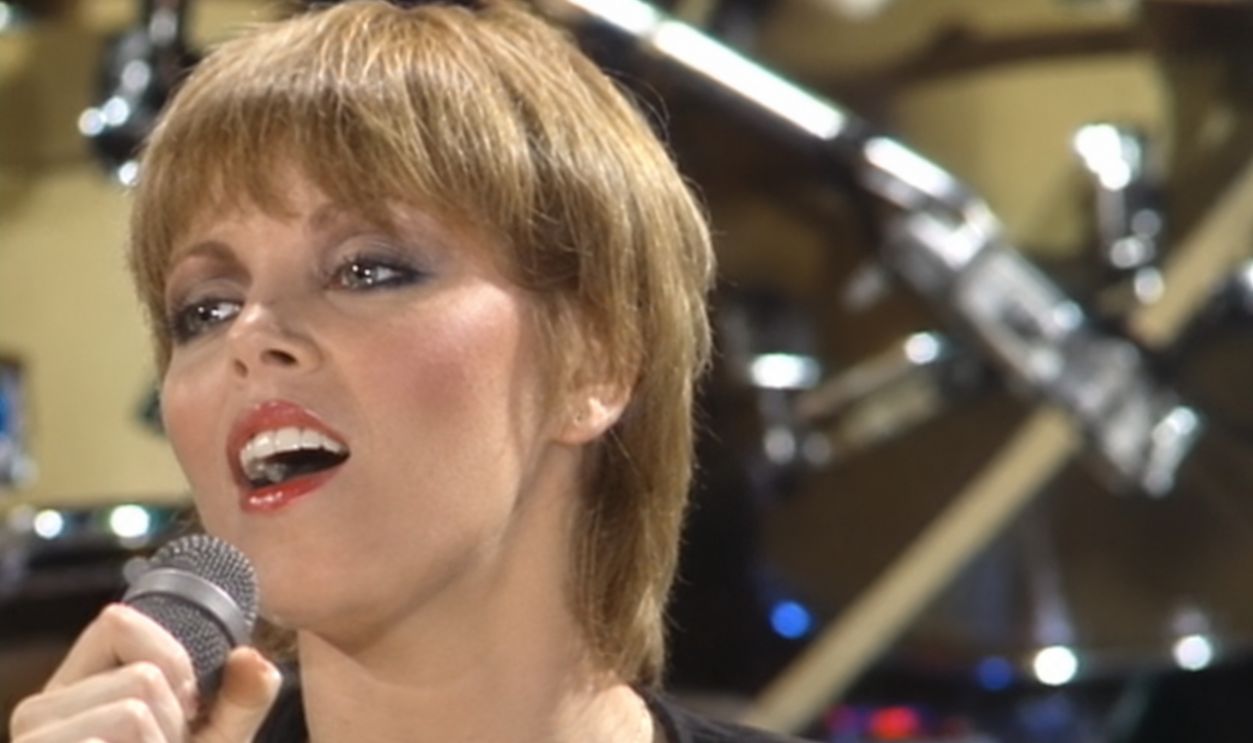 Screenshot from Hit Me with Your Best Shot, Chrysalis Records (1980), Enhanced
Sinéad O'Connor: "Nothing Compares 2 U" (1990)
Sinéad O'Connor's unforgettable interpretation of Prince's composition made her an international superstar. In 2015, however, she announced that she would stop performing it because she no longer felt an honest emotional connection to the lyrics. She believed singing without genuine feeling would be unfair to audiences. O'Connor eventually reconsidered and performed the song again in 2020 at what would turn out to be the last concert she ever gave.
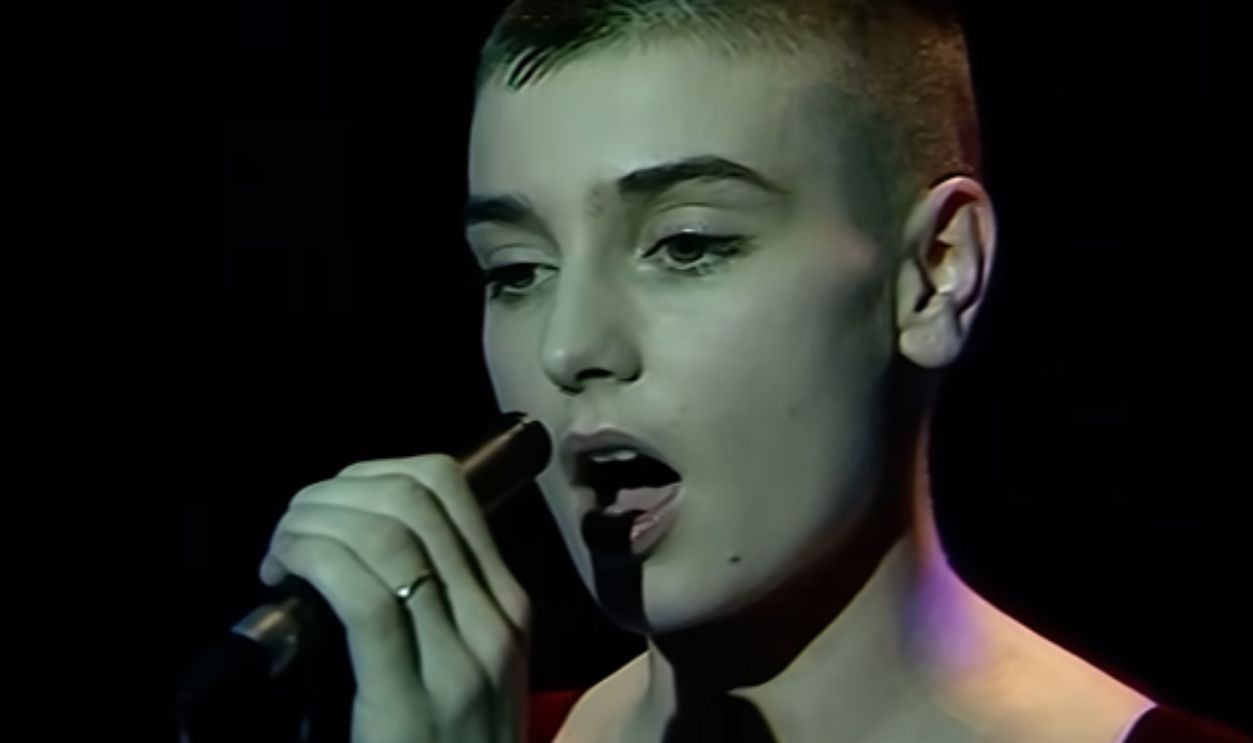 Screenshot from Nothing Compares 2 U, Ensign Records (1990)
Prince: "1999" (1982)
Prince's apocalyptic party anthem seemed perfectly suited to the approaching millennium. But when 1999 finally arrived, the singer announced that he would retire the song because its moment had passed. He largely kept that promise for several years. Then came his spectacular 2007 Super Bowl halftime performance, where "1999" returned to the spotlight and eventually became a concert favorite again.
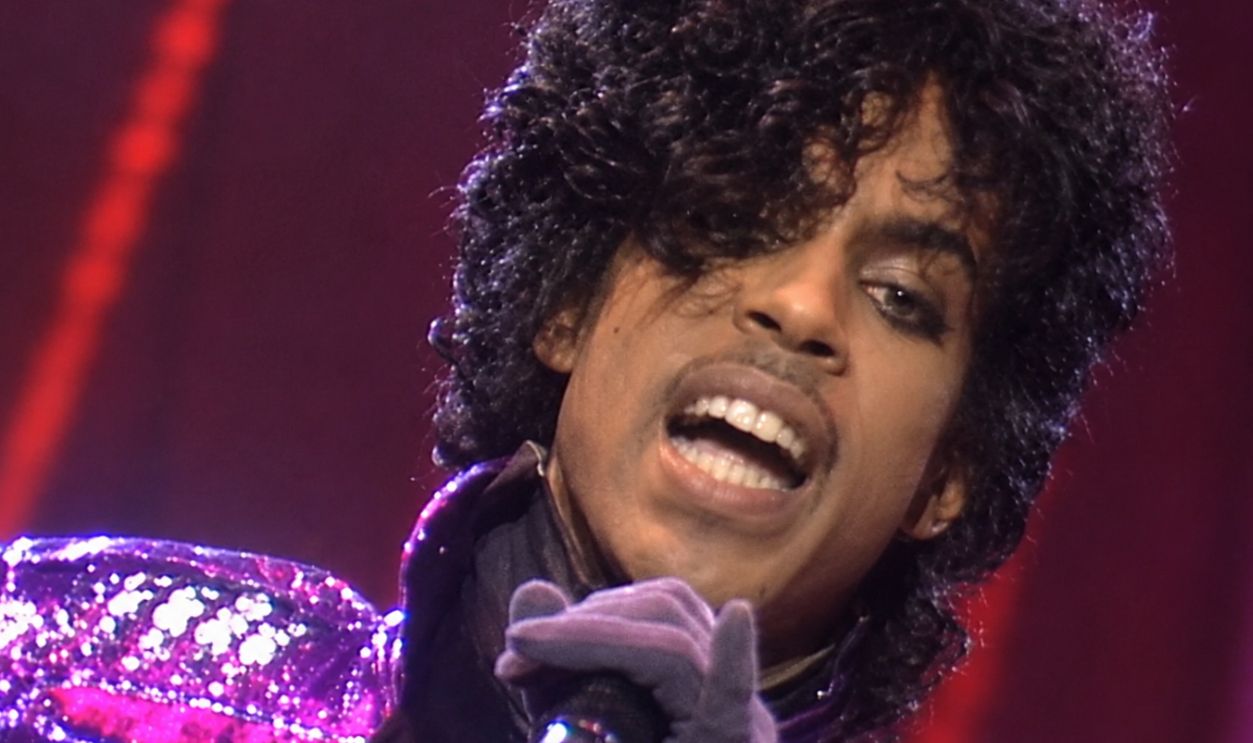 Screenshot from 1999, Warner Bros. Records (1982), Enhanced
Foo Fighters: "Big Me" (1995)
Dave Grohl temporarily abandoned this Foo Fighters hit for an unusually painful reason: flying candy. The song's music video parodied Mentos advertisements, inspiring concertgoers to throw the hard mints at the band. Grohl complained that the projectiles actually hurt. After watching Weezer perform the song during a shared tour, he reconsidered, and "Big Me" eventually returned to Foo Fighters concerts.
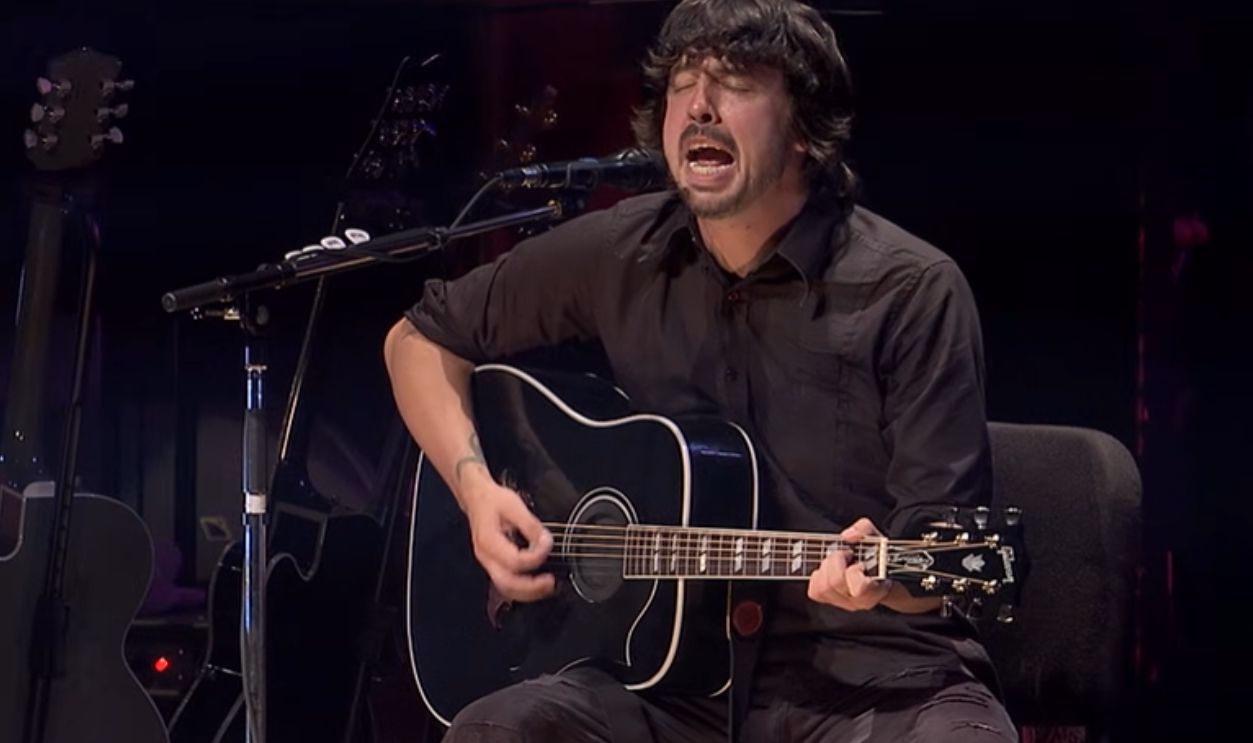 Screenshot from Big Me, Roswell Records (1995)
Styx: "Mr. Roboto" (1983)
"Mr. Roboto" became one of Styx's biggest hits, but the futuristic concept album Kilroy Was Here contributed to serious disagreements within the group. Guitarist Tommy Shaw disliked the theatrical direction, and the band avoided full performances of the song for decades. In 2018, Styx finally restored it to their concerts, surprising fans who had waited 35 years.
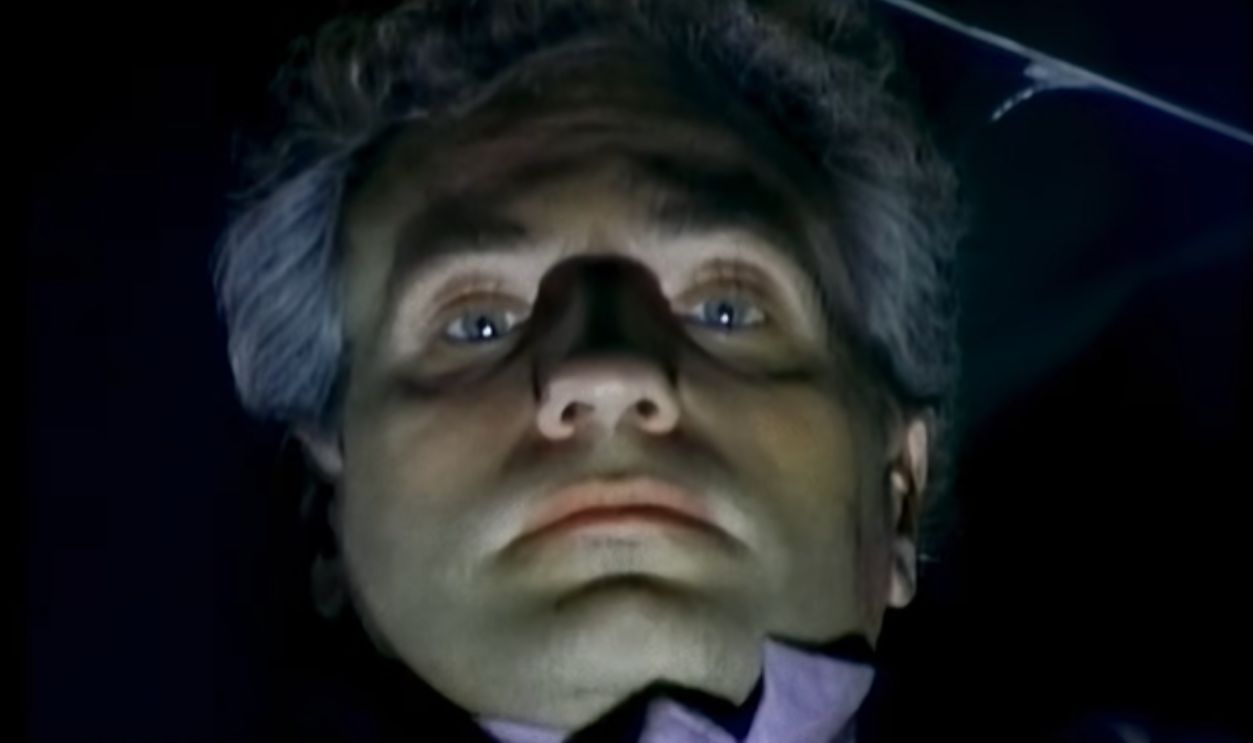 Screenshot from Mr. Roboto, A&M Records (1983)
Pink Floyd: "Echoes" (1971)
Pink Floyd's sprawling 23-minute composition became a favorite among progressive-rock enthusiasts. David Gilmour revived it during his solo career, performing alongside longtime Pink Floyd keyboardist Richard Wright. But following Wright's death in 2008, Gilmour decided he couldn't perform the piece without him. Their musical interaction had been so distinctive that replacing Wright simply wouldn't feel right.
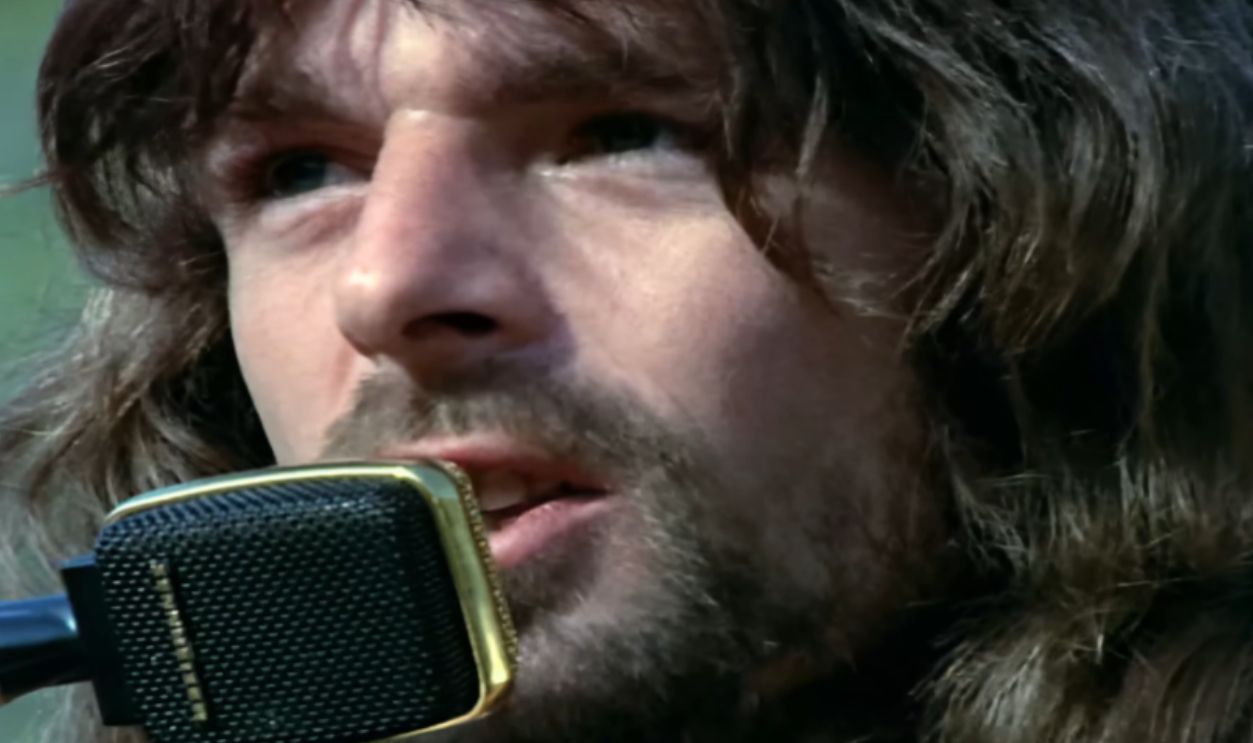 Screenshot from Echoes, Pink Floyd Music Ltd. (1971)
Bobby McFerrin: "Don't Worry, Be Happy" (1988)
Bobby McFerrin's cheerful a cappella smash became one of the most recognizable songs of the 1980s. But its success overshadowed his broader musical ambitions. McFerrin also found the recording difficult to reproduce faithfully because it relied on multiple overdubbed vocal parts. He eventually stopped making it a regular concert attraction, preferring to explore improvisation and more adventurous material.
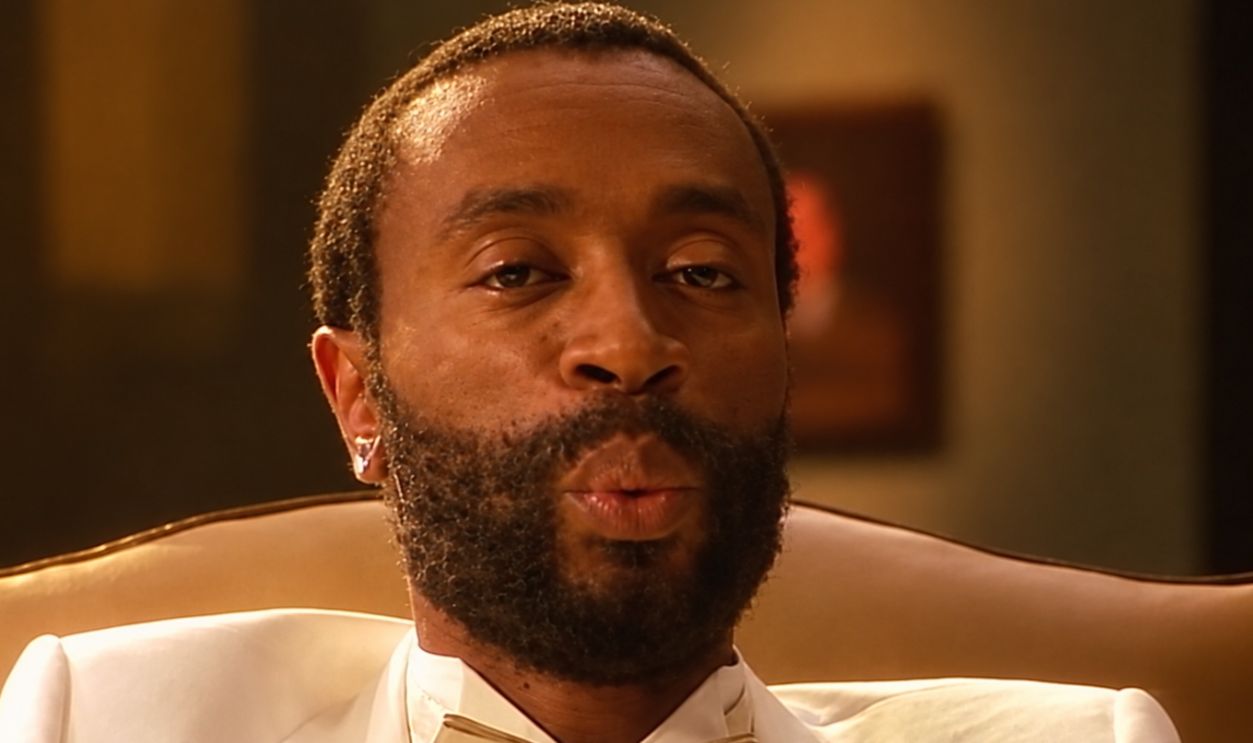 Screenshot from Don't Worry, Be Happy, EMI-Manhattan Records (1988), Enhanced
Radiohead: "High And Dry" (1995)
Although "High And Dry" became one of Radiohead's best-known early singles, Thom Yorke was never particularly fond of it. He considered the composition too conventional and later admitted that he had been pressured into including it on The Bends. The band stopped performing it in the late 1990s, even as other early favorites occasionally returned to its concerts.
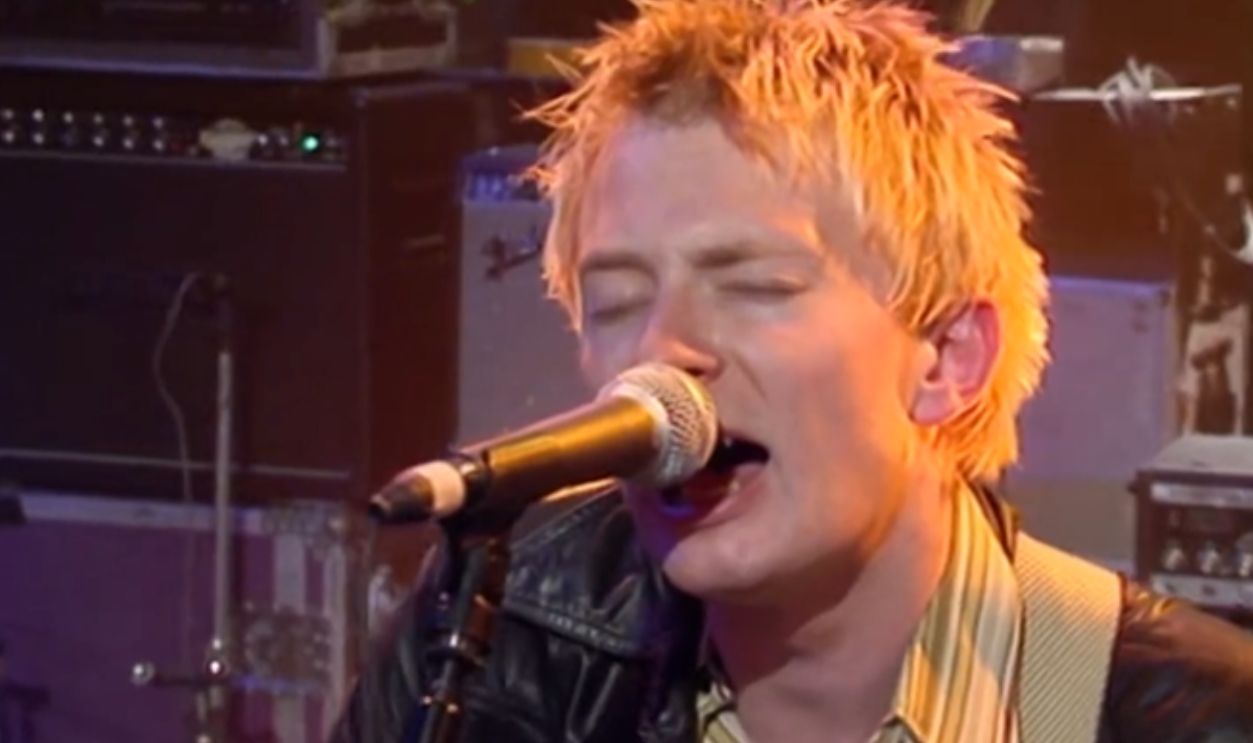 Screenshot from High and Dry, Parlophone Records (1995)
My Chemical Romance: "Drowning Lessons" (2002)
My Chemical Romance developed a strange relationship with this song from their debut album. Frontman Gerard Way explained that performances seemed plagued by technical problems, including equipment failures and musical mistakes. The band began joking that the composition was cursed. Way also found the lyrics deeply personal, giving him another reason to abandon it during subsequent tours.
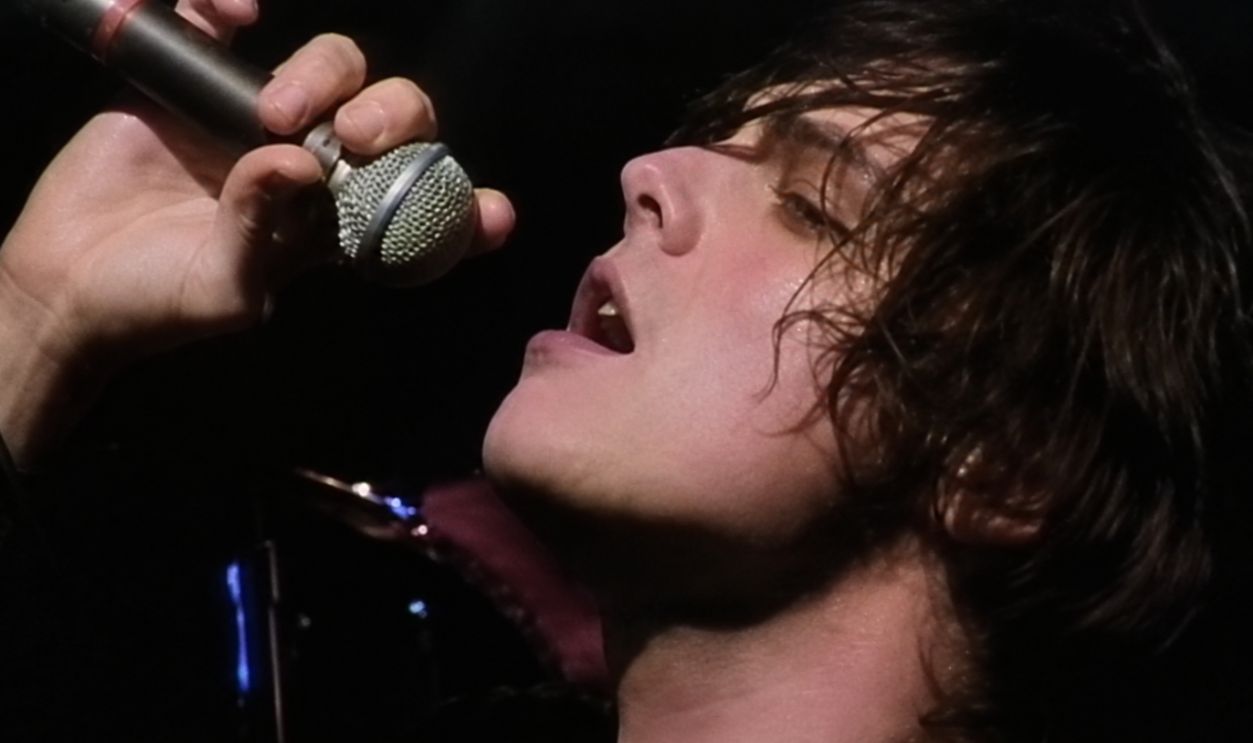 Screenshot from Drowning Lessons, Eyeball Records (2002), Enhanced
Adele: "Chasing Pavements" (2008)
Adele's breakthrough single helped introduce her remarkable voice to international audiences. Yet she eventually became irritated by the way she pronounced certain words when singing it, believing the performance made her sound like her teenage self. During her 2024 Munich residency, Adele revived the song after a seven-year absence and suggested she wouldn't perform it again afterward.
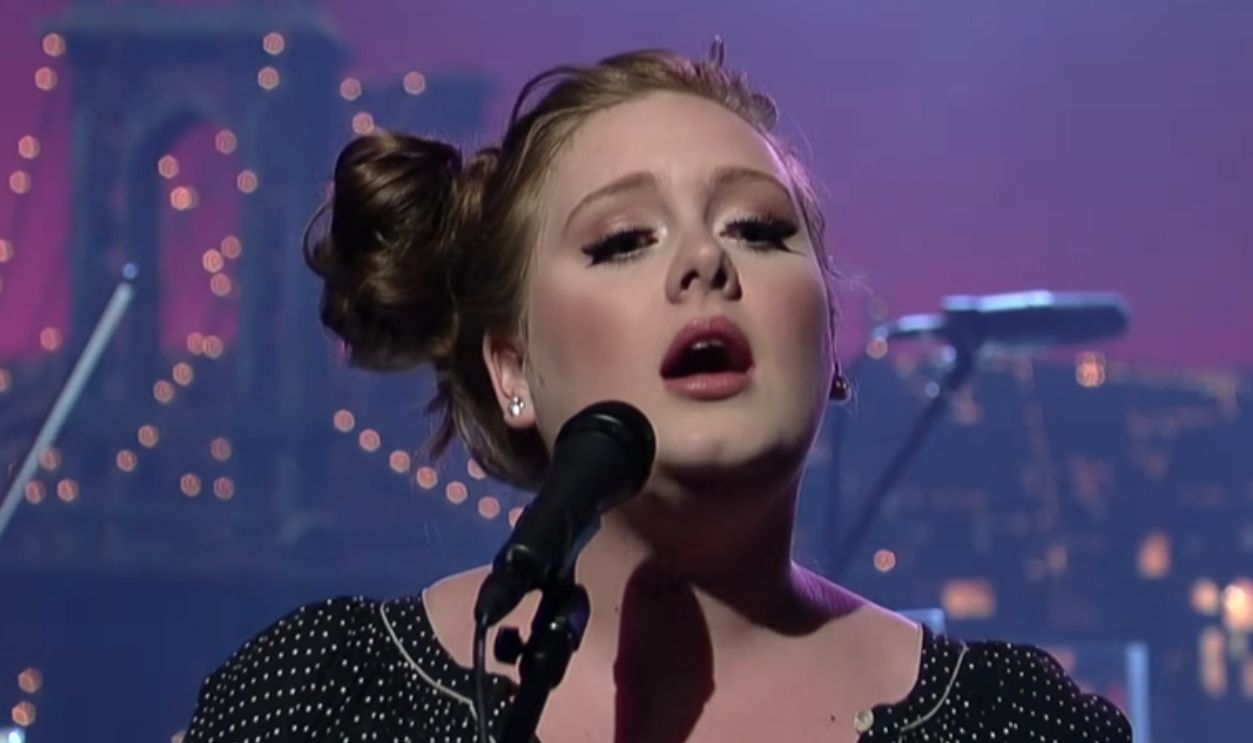 Screenshot from Chasing Pavements, XL Recordings (2008)
Paramore: "Misery Business" (2007)
Hayley Williams was only 17 when she wrote the lyrics to Paramore's breakthrough hit. Years later, she became uncomfortable with its derogatory language toward another woman. In 2018, the band announced that it would stop performing the song. However, attitudes changed, and Paramore brought "Misery Business" back in 2022, acknowledging how both the band and its audience had evolved.
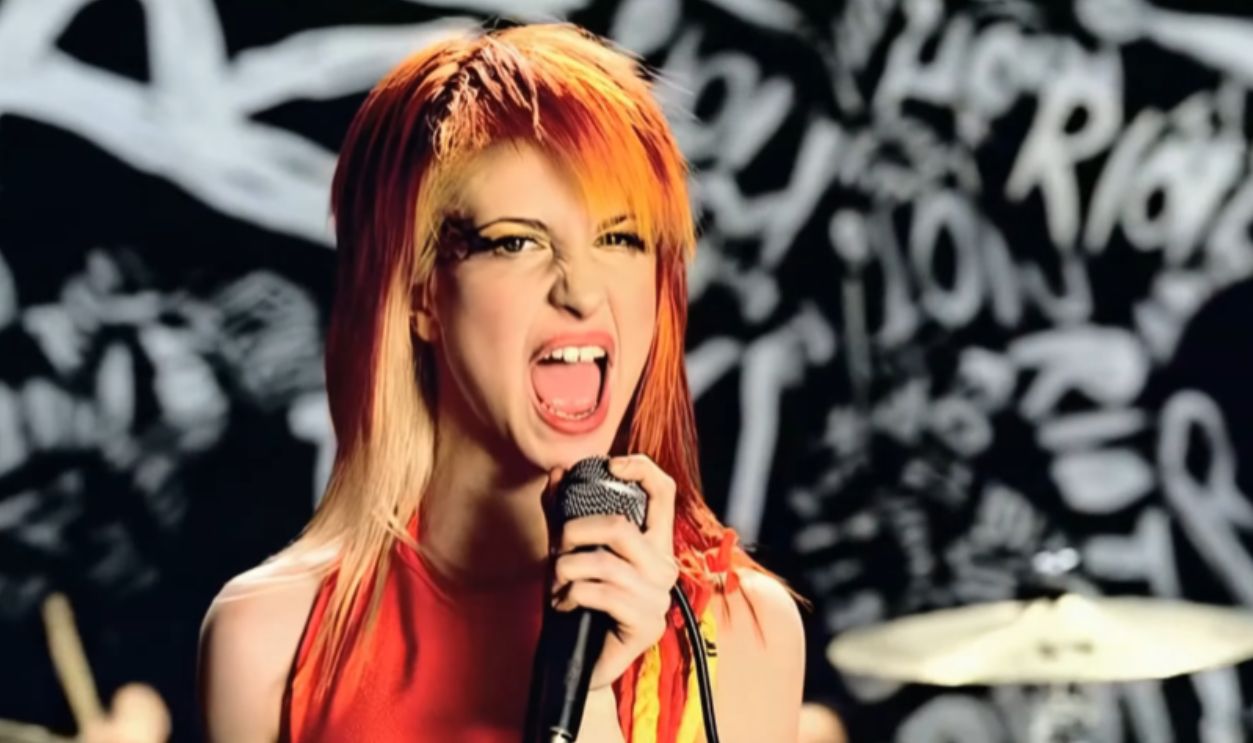 Screenshot from Misery Business, Fueled by Ramen (2007)
Bob Dylan: "Like A Rolling Stone" (1965)
Few songs are more closely associated with Bob Dylan than "Like A Rolling Stone." Yet Dylan has never felt obligated to perform his greatest hits at every concert. After years as a regular encore favorite, the song largely vanished from his setlists around 2013. His unpredictable performances reflect a longstanding preference for continually reshaping his repertoire rather than repeating familiar arrangements.
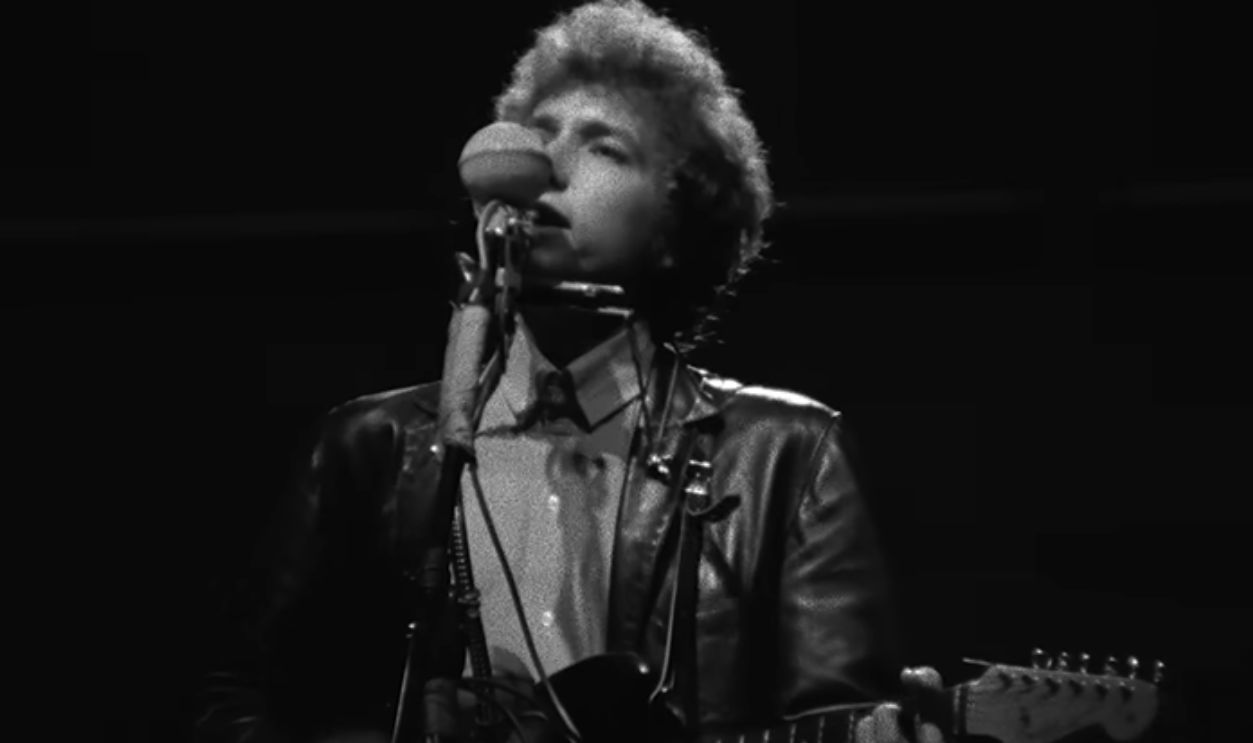 Screenshot from Like a Rolling Stone, Columbia Records (1965)
The Who: "My Generation" (1965)
Pete Townshend wrote "My Generation" as an expression of youthful frustration, but its lyrics became increasingly awkward as The Who grew older. Townshend acknowledged that the group sometimes avoided the song because performing it no longer felt natural. It has returned repeatedly over the years, including during their 2025 farewell tour, proving that even an aging rock band can occasionally embrace its rebellious youth.
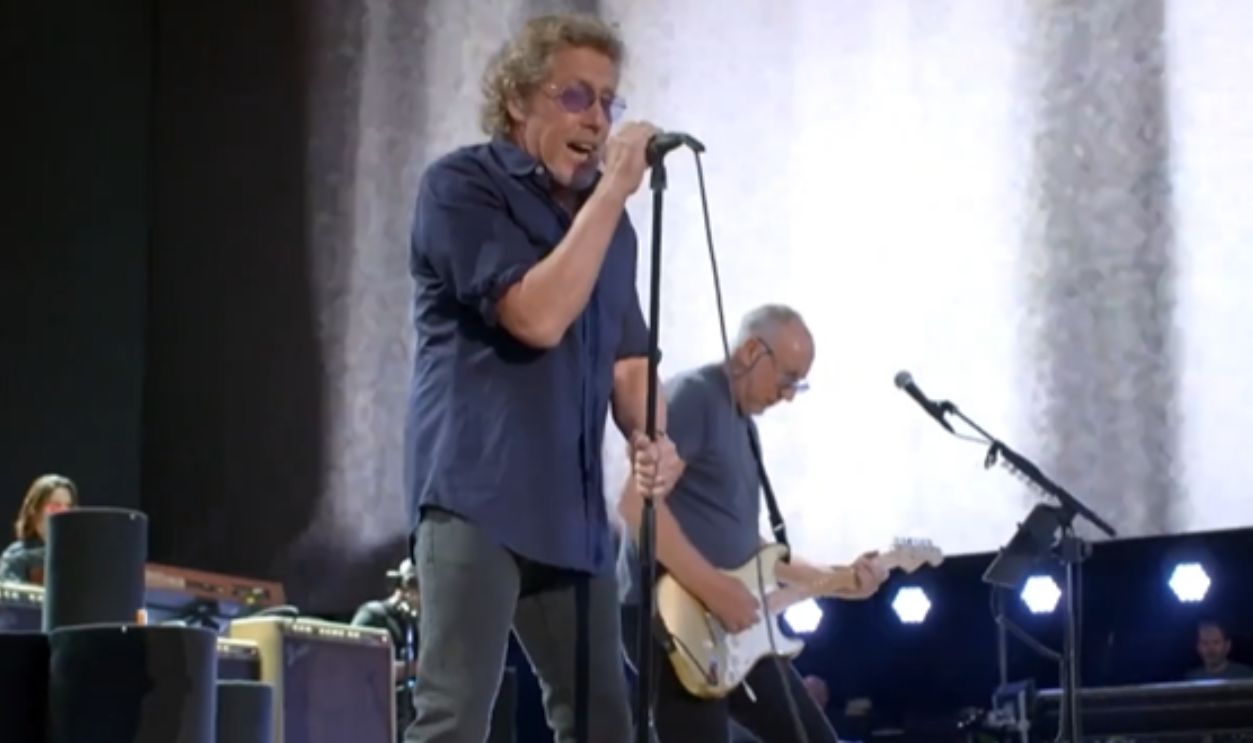 Screenshot from My Generation, Brunswick Records (1965)
U2: "Exit" (1987)
U2 regularly performed this dark, unsettling song during their original Joshua Tree tour. But it largely disappeared afterward, returning to their concerts only when the band revisited the album decades later. The composition also became associated with a disturbing criminal case after a convicted murderer cited it during psychiatric questioning. Its lengthy absence made its return during the 2017 anniversary tour particularly striking.
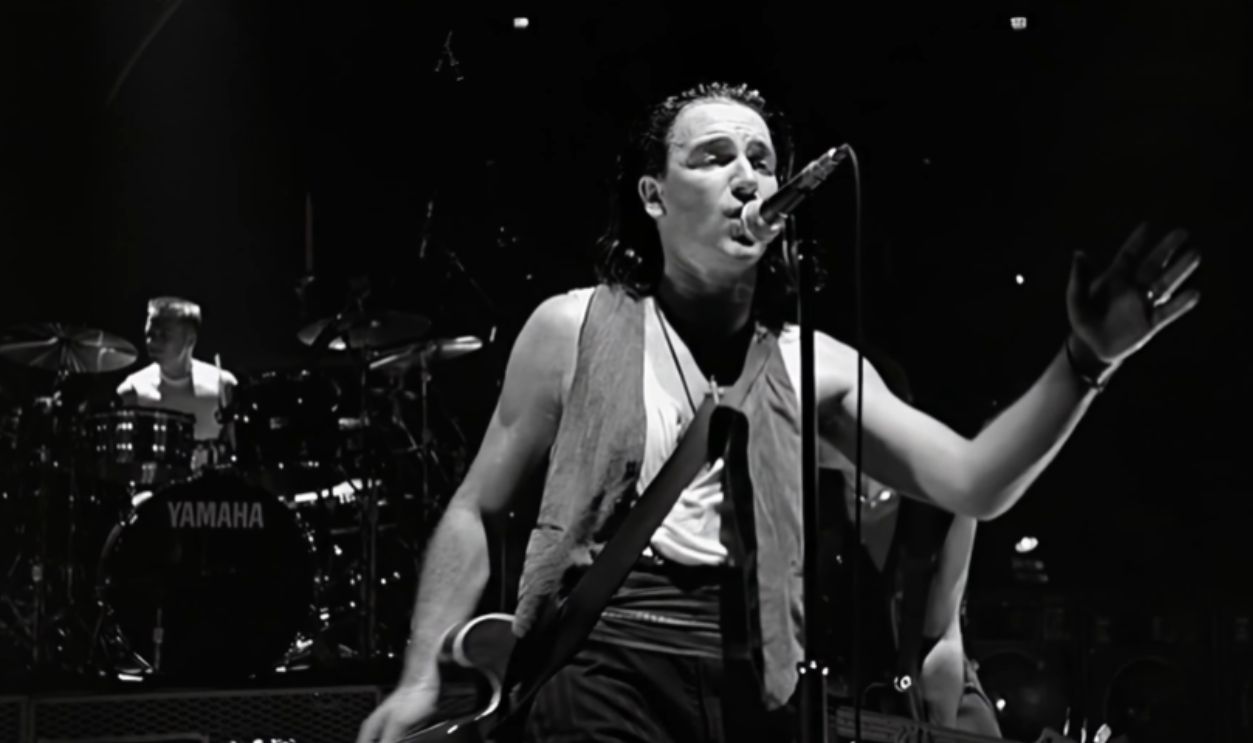 Screenshot from Exit, Island Records (1987)
Judas Priest: "Better By You, Better Than Me" (1978)
Judas Priest's recording of this Spooky Tooth song became the subject of a controversial lawsuit alleging hidden messages encouraged two young listeners to harm themselves. The allegations were ultimately dismissed, but the legal ordeal left a lasting impression. The band subsequently dropped the song from its concert repertoire, making an already obscure single even less likely to be heard live.
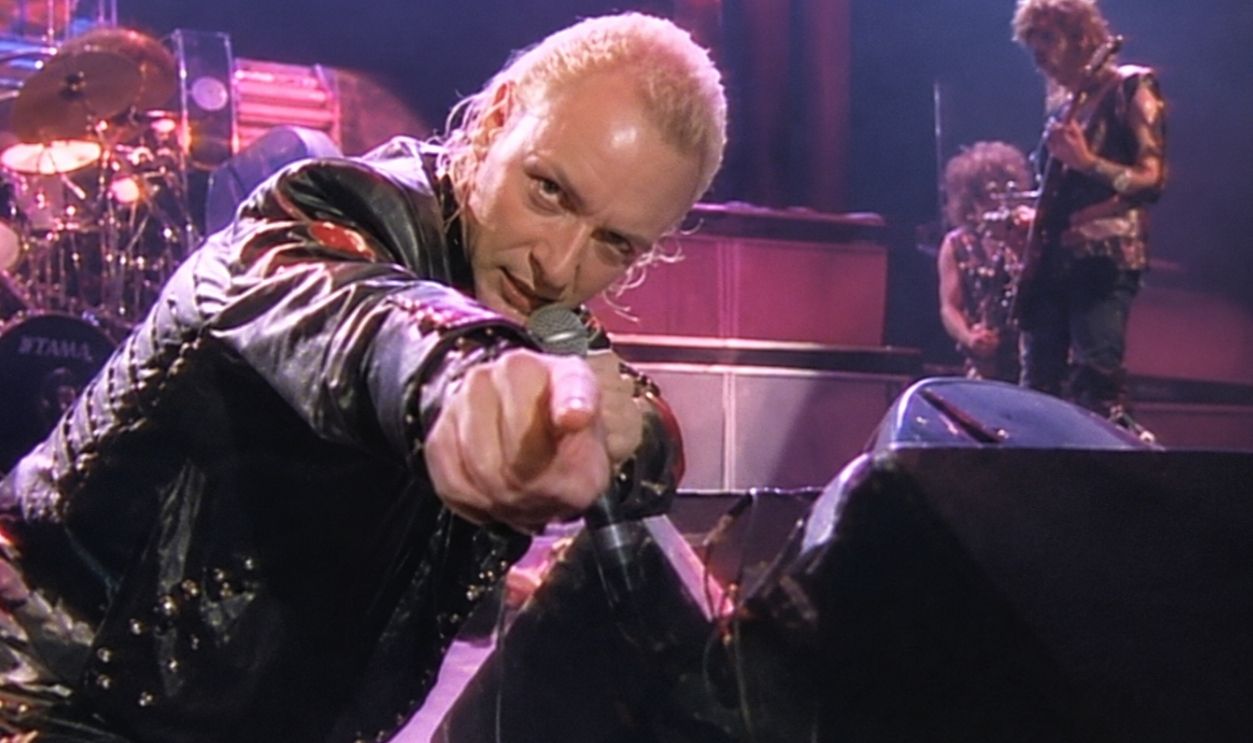 Screenshot from Better by You, Better than Me, CBS Records (1978), Enhanced
Billy Joel: "Captain Jack" (1973)
Long before "Piano Man" became his signature song, "Captain Jack" helped establish Billy Joel's reputation as a songwriter. But its bleak portrait of suburban alienation eventually wore him down. Joel admitted that the repetitive musical structure bored him and the depressing story no longer interested him. Despite requests from longtime fans, he stopped including it regularly in his concerts.
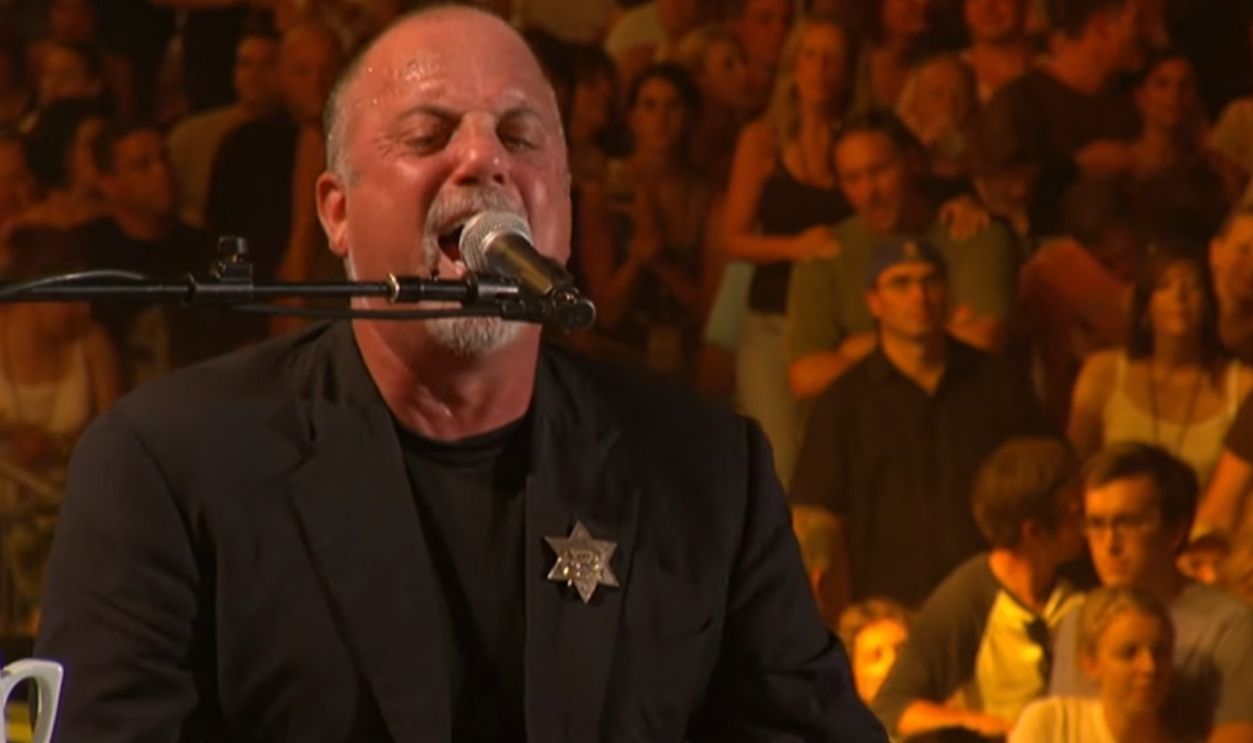 Screenshot from Captain Jack, Columbia Records (1973)
Blue Rodeo: "Try" (1987)
Blue Rodeo's early hit "Try" helped establish the Canadian country-rock band, but singer Jim Cuddy eventually grew tired of performing it. After years of singing the demanding ballad, he temporarily removed it from concerts. Unlike some musicians, however, Cuddy rediscovered his affection for the song after taking a break. He later explained that performing it had become enjoyable again.
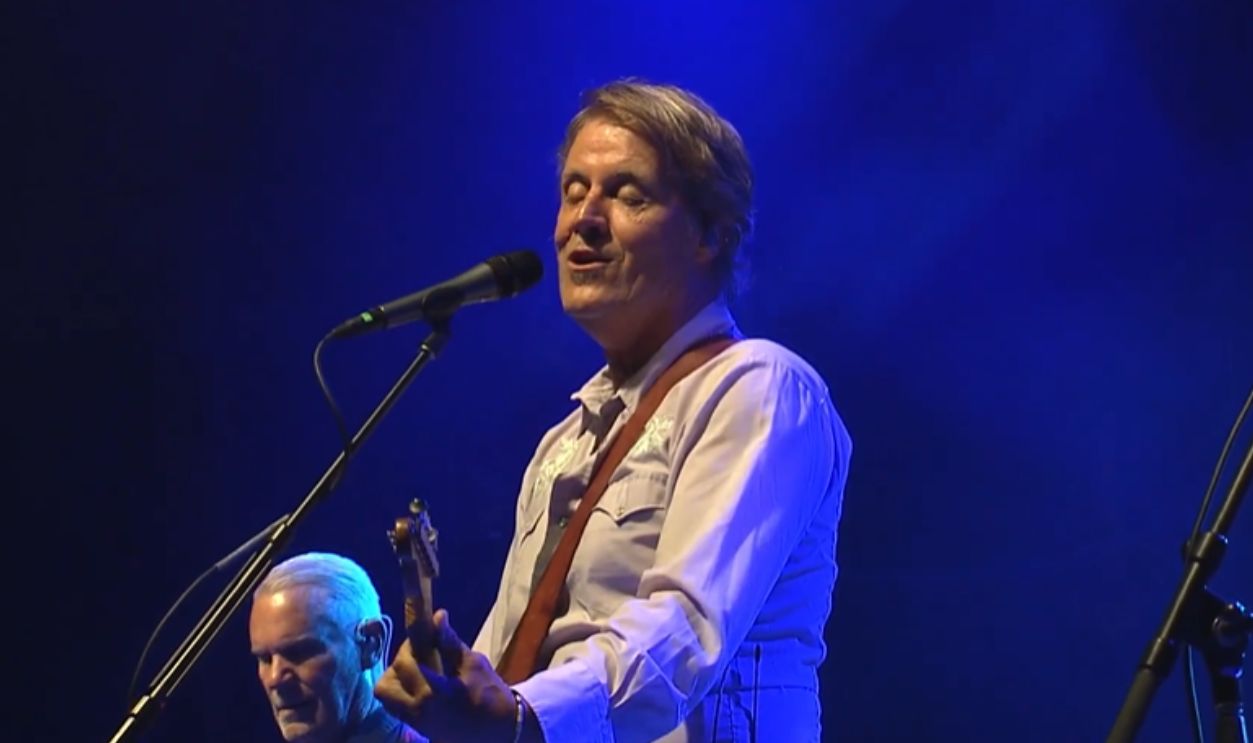 Screenshot from Try, Risque Disque (1987)
Barenaked Ladies: "If I Had $1,000,000" (1992)
This playful novelty hit became one of Barenaked Ladies' signature concert attractions. Yet former singer Steven Page explained that the group occasionally rested familiar favorites, including "If I Had $1,000,000," to avoid going through the motions. The musicians believed audiences deserved genuine enthusiasm rather than tired performances. The song wasn't permanently abandoned, but temporary absences helped keep their concerts fresh.
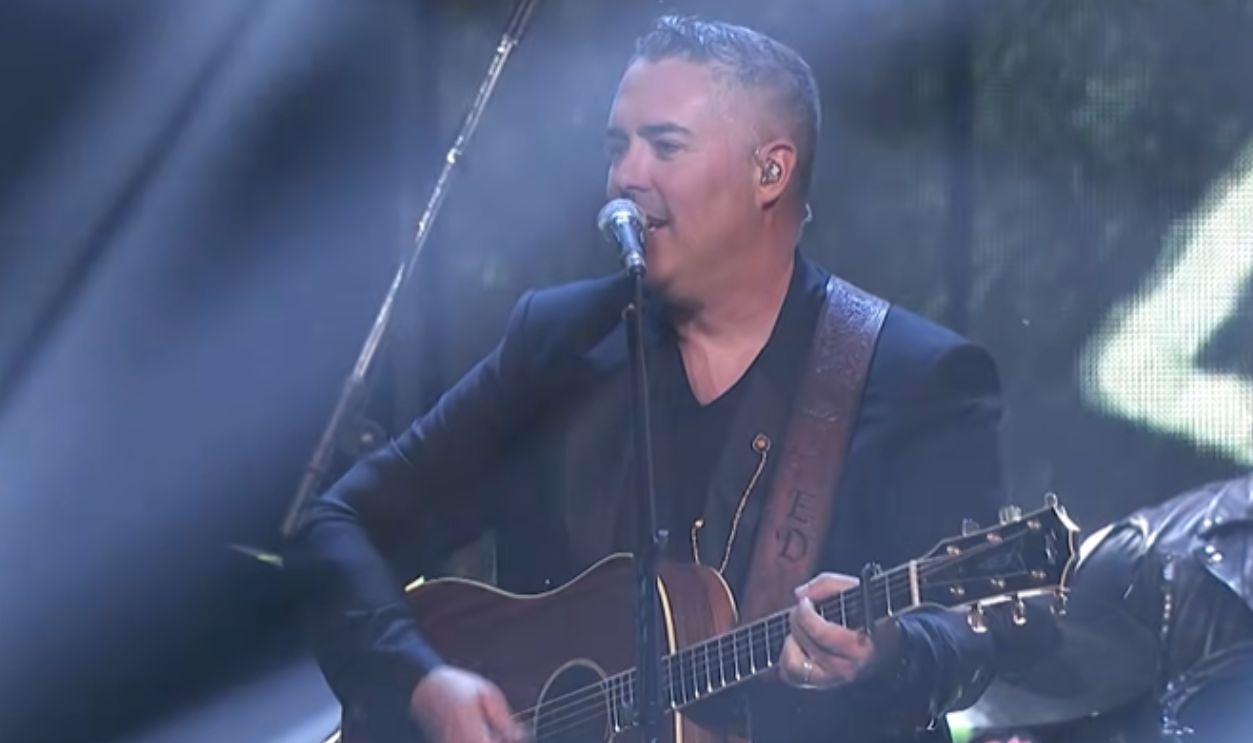 Screenshot from If I Had $1,000,000, Reprise Records (1992)
You May Also Like:
Famous Songs That Some Members Of The Band Absolutely Hated
Hit Songs From The 70s That Were Originally Written For Completely Different Singers
1980s Songs That Sound Romantic Until You Realize What They’re Really About
Sources: 1, 2, 3, 4, 5, 6, 7, 8, 9, 10, 11, 12, 13, 14, 15, 16, 17, 18, 19