Love Songs With A Catch
The 1980s practically perfected the enormous romantic ballad: swelling synthesizers, dramatic vocals, and choruses built for slow dancing. But listen past the glossy production and some supposedly swoon-worthy favorites become remarkably uncomfortable. These songs deal with obsession, affairs, jealousy, manipulation, broken marriages, and relationships already falling apart. A few were so routinely misunderstood that their own writers eventually had to explain what listeners had missed.
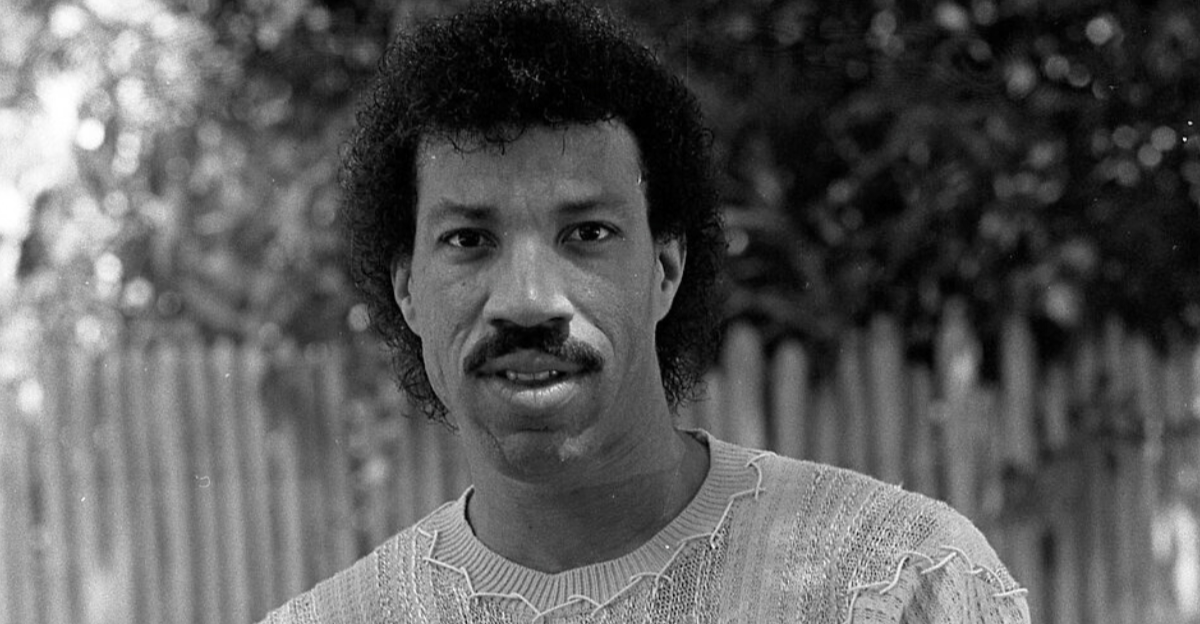 Penni Gladstone, Los Angeles Times, Wikimedia Commons
Every Breath You Take—The Police
Few songs have been mistaken for romance as spectacularly as “Every Breath You Take.” Sting has repeatedly explained that the 1983 hit is about possession and surveillance, not tender devotion, and has called the song sinister and even “evil.” That makes its history as a wedding favorite especially awkward.
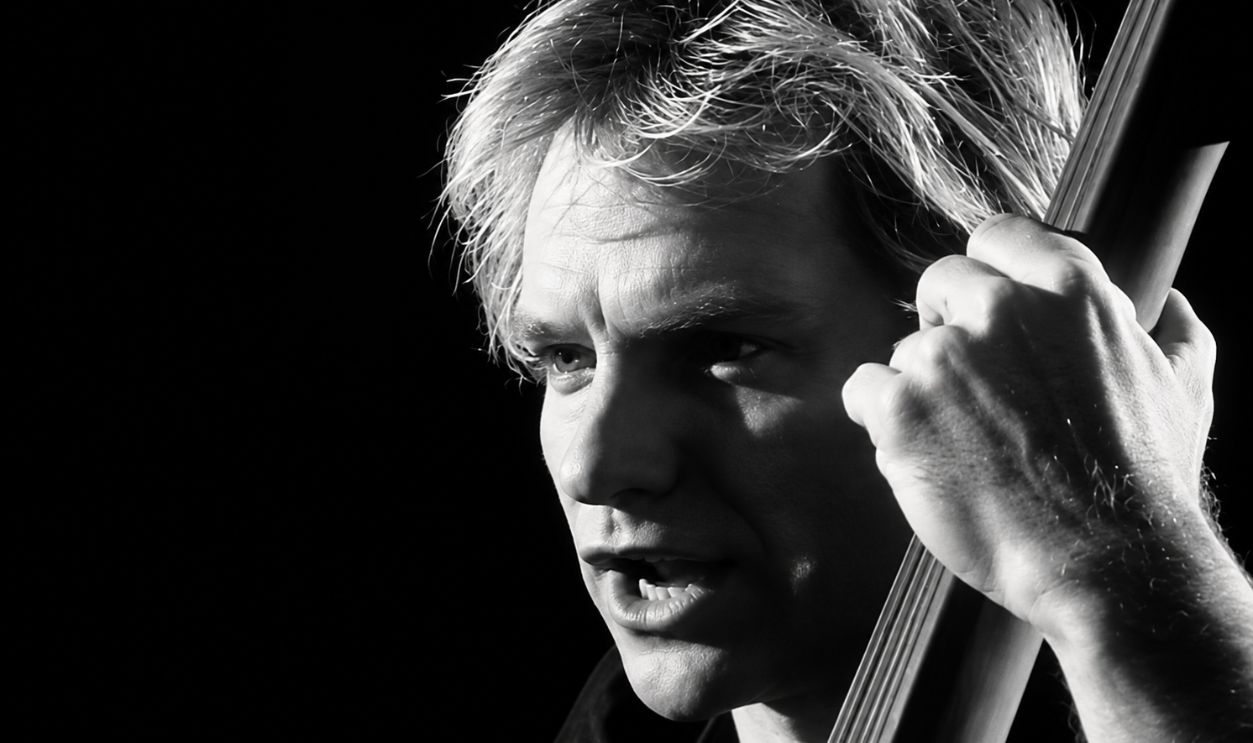 Screenshot from Every Breath You Take, A&M Records (1983), Modified
The One I Love—R.E.M.
That opening dedication sounds perfect for a mixtape until you keep listening. Michael Stipe explained that the 1987 song concerns using other people, describing it as extremely harsh. The supposedly beloved person is essentially someone the narrator keeps around until somebody else replaces them.
 Screenshot from The One I Love, I.R.S. Records (1987)
Don’t You Want Me—The Human League
Its irresistible chorus can disguise just how nasty this 1981 duet becomes. Philip Oakey described the song as being about intimate power politics. His male character believes he created his former partner’s success and implies that leaving him could cost her everything she has achieved.
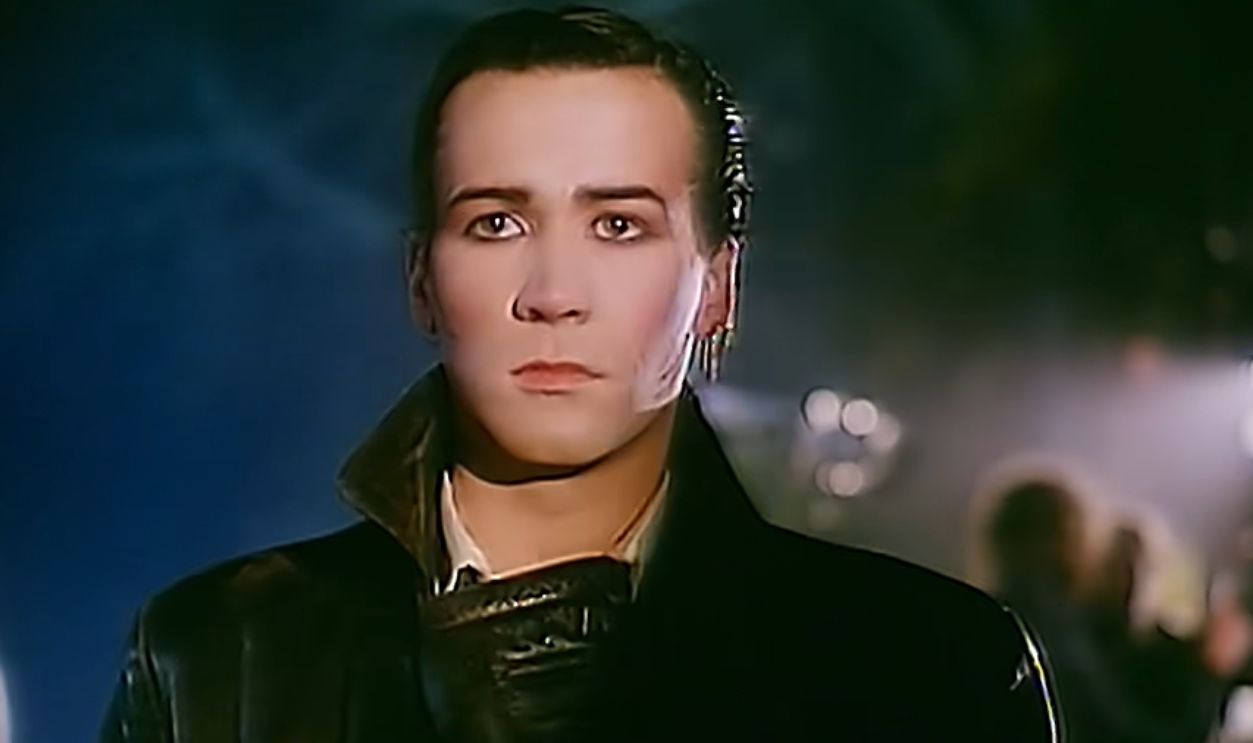 Screenshot from Don't You Want Me, Virgin Records (1981)
Saving All My Love For You—Whitney Houston
Houston’s soaring 1985 performance can sound like absolute devotion. The story, however, concerns a woman waiting for a man who already has a family. Houston’s official website describes it as a romantic ballad with a twist and notes that its affair storyline caused controversy.
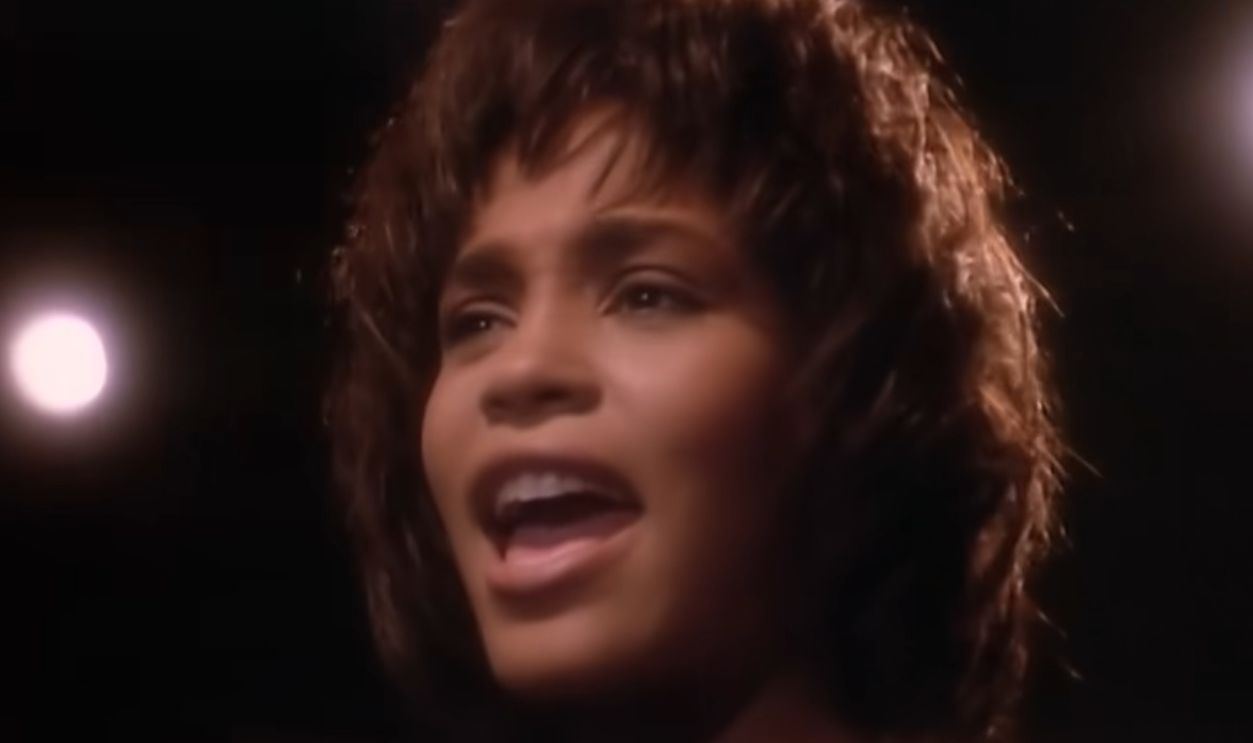 Screenshot from Saving All My Love for You, Arista Records (1985)
Careless Whisper—George Michael
That saxophone may be synonymous with romance, but George Michael built the song around betrayal. He later explained that he imagined dancing with a partner who had discovered his infidelity and knew the relationship was finished. The seductive atmosphere is really the soundtrack to guilt.
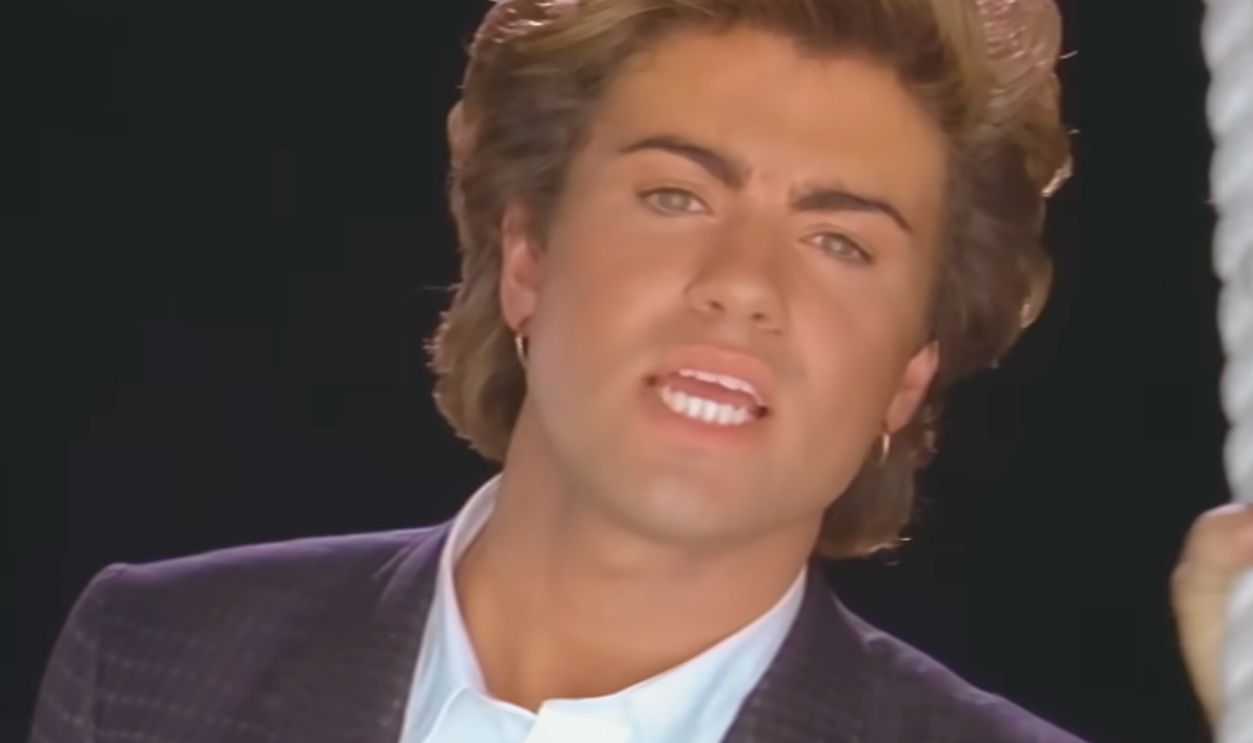 Screenshot from Careless Whisper, Epic Records (1984)
Total Eclipse Of The Heart—Bonnie Tyler
Jim Steinman’s enormous power ballad is stranger than the average breakup song. Steinman revealed that he originally conceived “Total Eclipse of the Heart” as a vampire love song while developing a Nosferatu musical. He even said its original title was “Vampires in Love.”
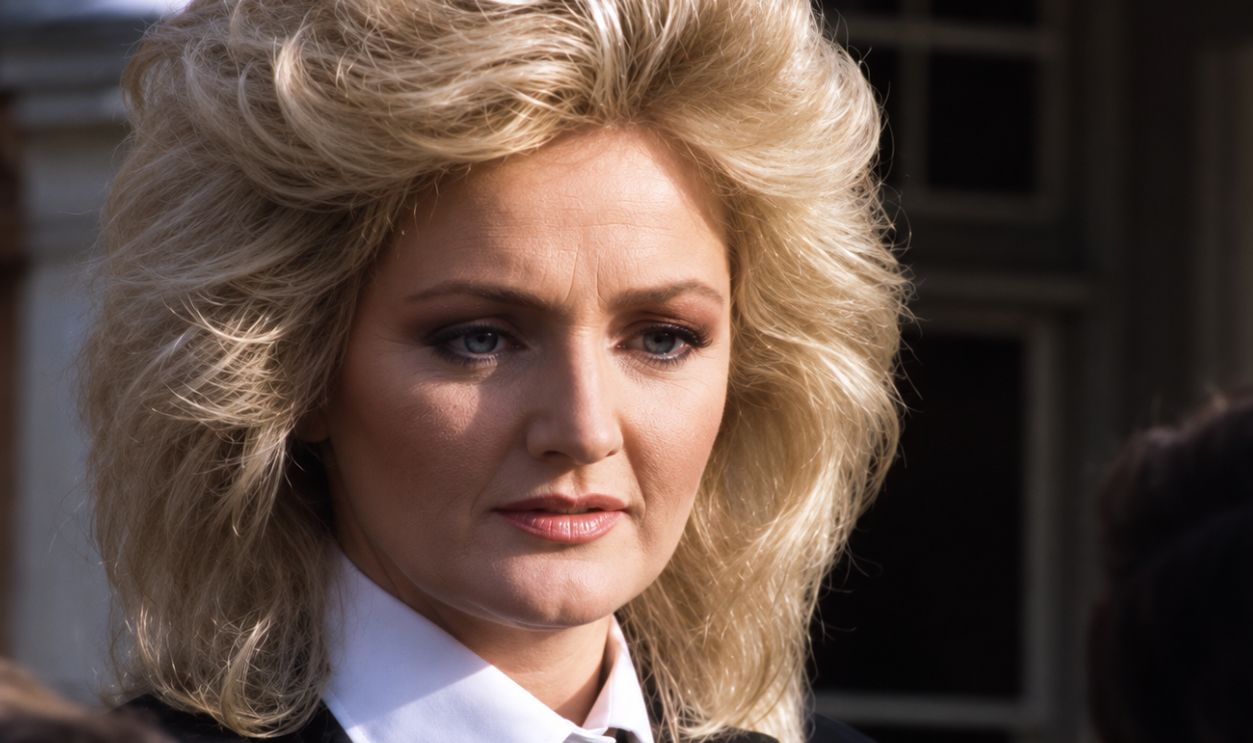 Screenshot from Total Eclipse of the Heart, Columbia Records (1983), Modified
Every Rose Has Its Thorn—Poison
Bret Michaels was not celebrating lasting romance when he wrote Poison’s signature ballad. He has said the song emerged from a heartbreaking experience involving his then-girlfriend and that he wrote it in a Dallas laundromat. Beneath the slow-dance arrangement is the aftermath of a relationship unraveling.
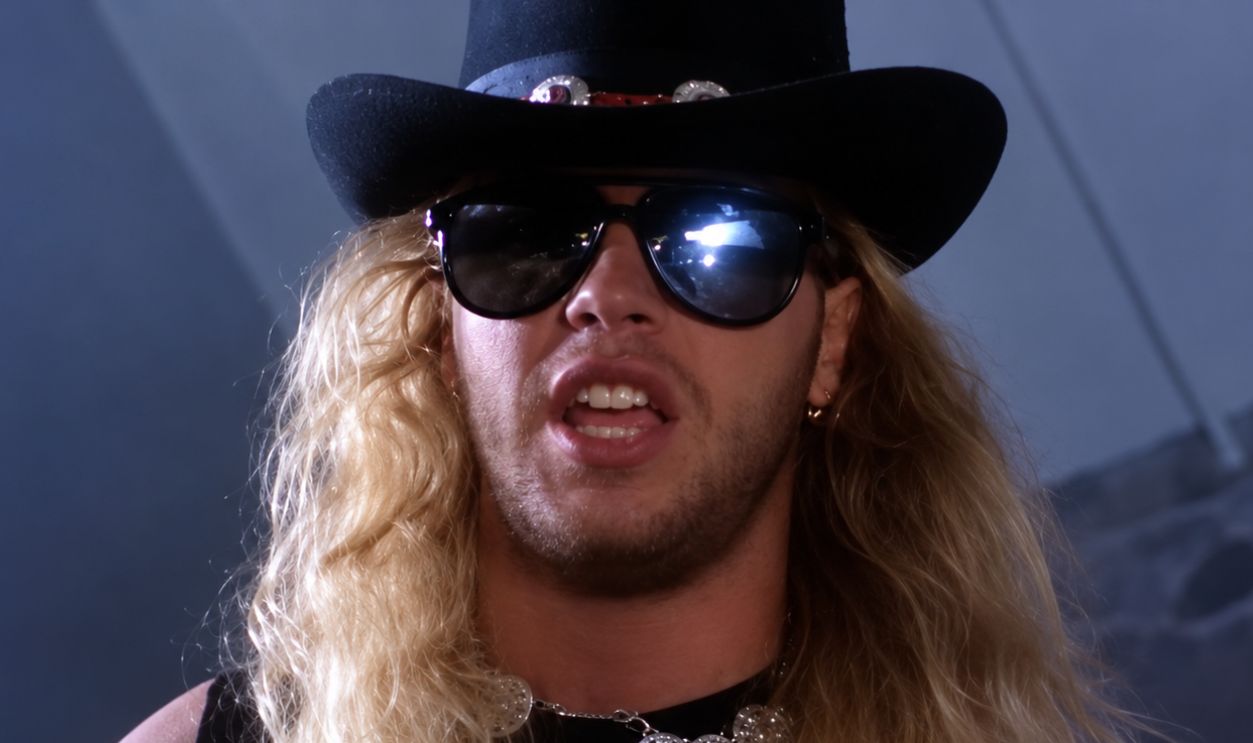 Screenshot from Every Rose Has Its Thorn, Capitol Records (1988), Modified
Keep On Loving You—REO Speedwagon
The title sounds like uncomplicated devotion, but Kevin Cronin wrote the song after discovering his wife had been unfaithful. Rather than a dreamy declaration, the 1980 power ballad concerns deciding whether love can survive betrayal. Cronin’s narrator chooses to keep trying despite what happened.
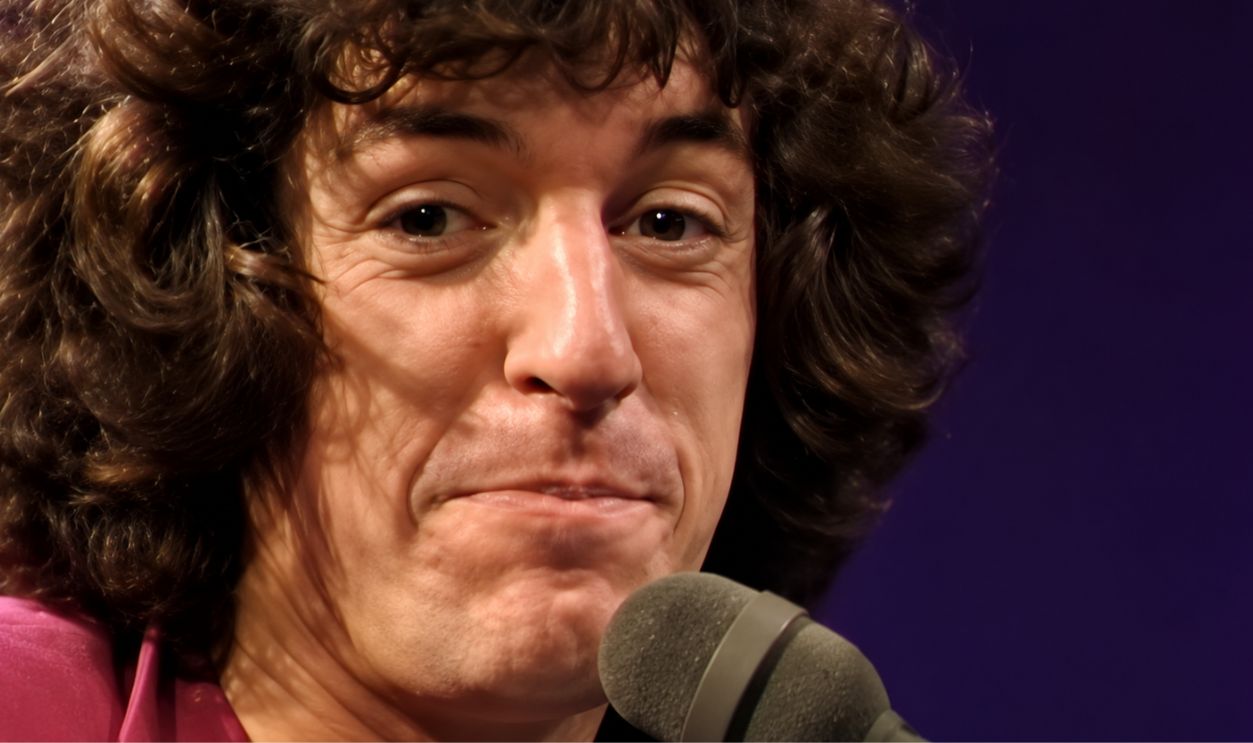 Screenshot from Keep On Loving You, Epic Records (1980), Modified
Missing You—John Waite
The chorus insists the narrator is not missing somebody, but John Waite says that is precisely the point: he is in denial. Waite has connected the 1984 hit to three women, distance, and the collapse of his marriage. Its confidence is really an emotional defense mechanism.
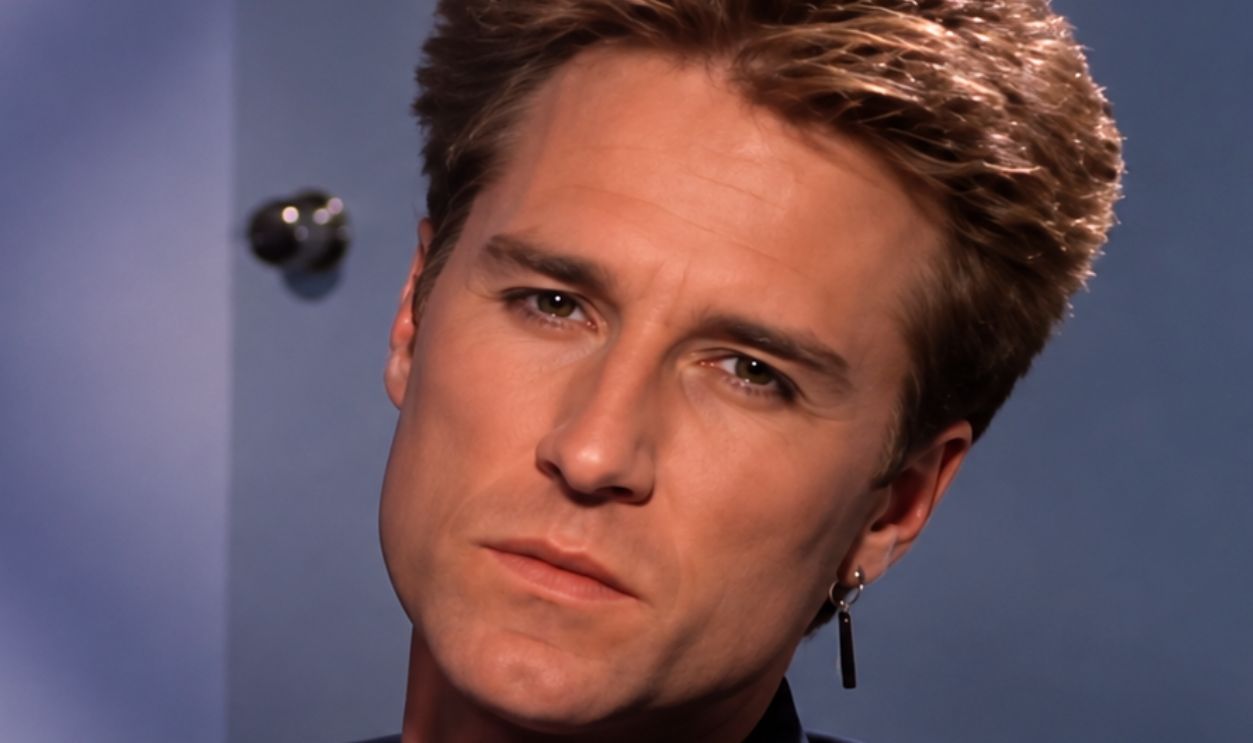 Screenshot from Missing You, EMI America (1984), Modified
Voices Carry—’Til Tuesday
Aimee Mann’s haunting vocal makes “Voices Carry” sound like tortured longing, and that is partly true. Mann has explained that its inspiration came from a male friend whose partner did not want their affection displayed publicly. The finished song transforms that secrecy into a suffocating relationship dynamic.
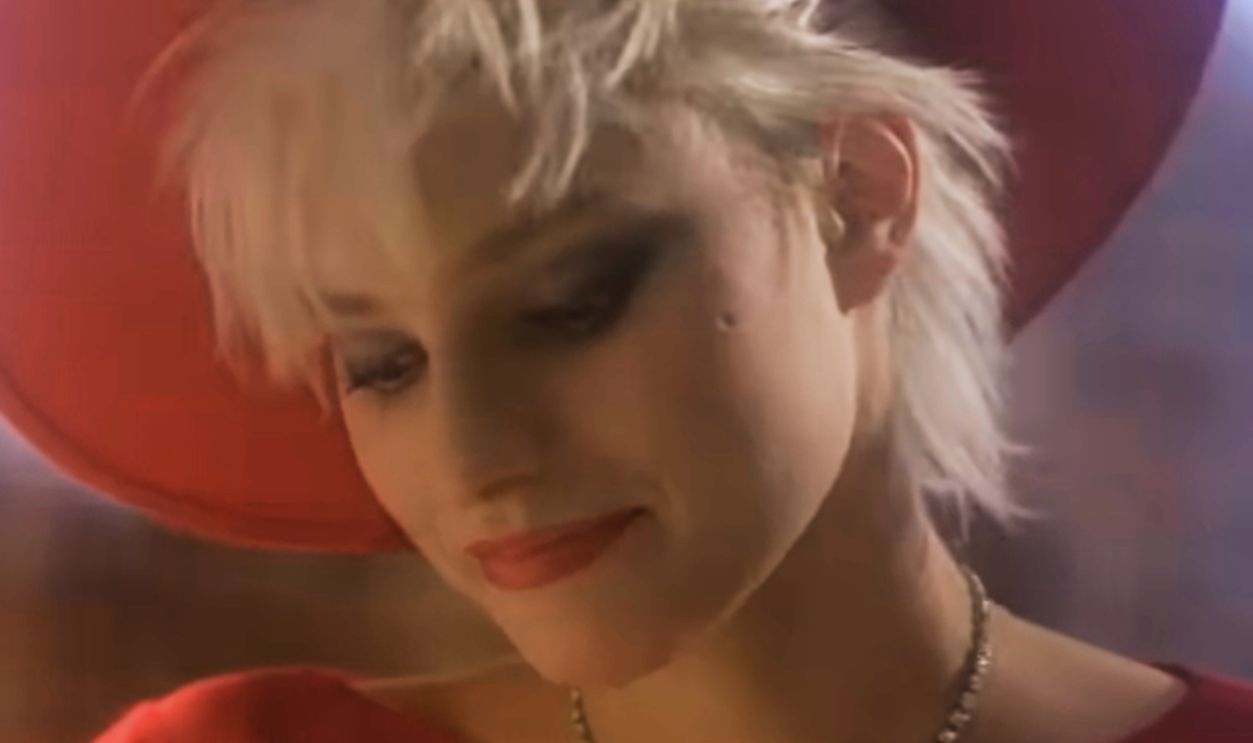 Screenshot from Voices Carry, Epic Records (1985), Modified
Your Love—The Outfield
The energetic guitars make this 1986 hit feel like youthful romantic urgency. Pay attention to the setup, though: Josie is away, and the narrator wants another woman to spend the night with him. Even contemporary criticism noted that the song appeared to advocate cheating.
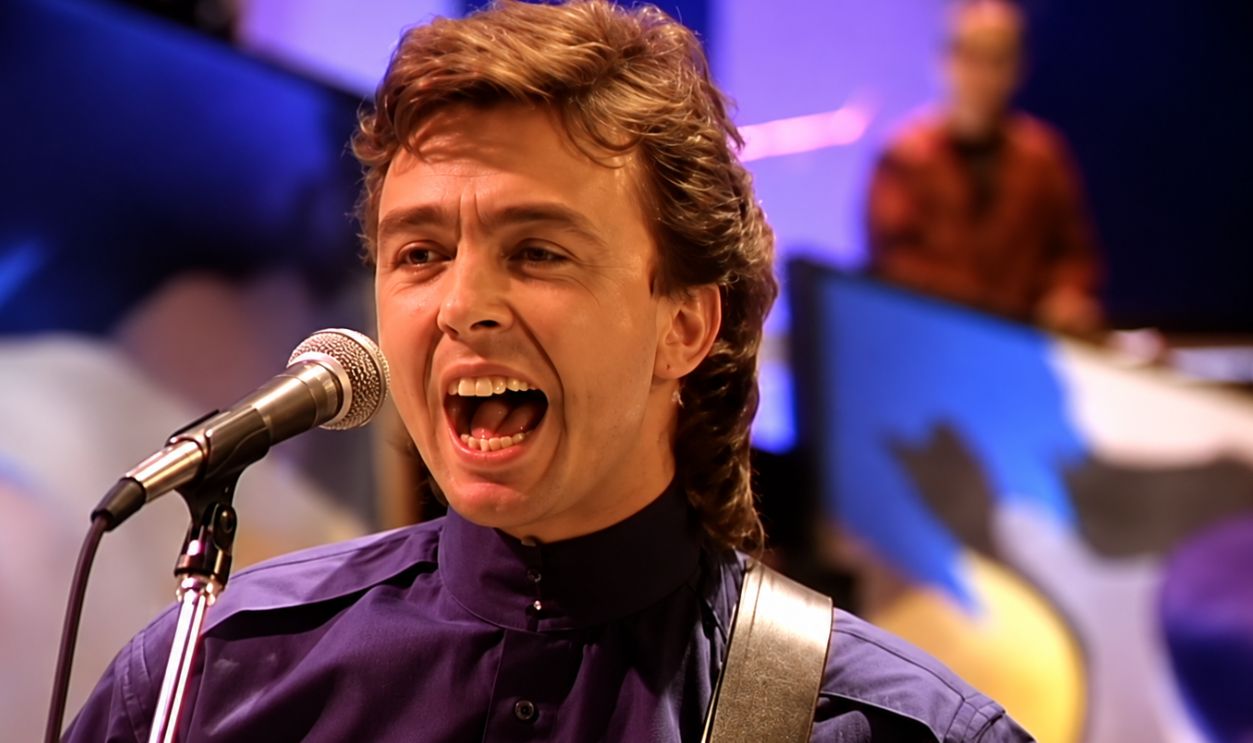 Screenshot from Your Love, Columbia Records (1985), Modified
Tempted—Squeeze
Paul Carrack’s soulful delivery makes “Tempted” sound almost tender. Chris Difford’s lyrics instead follow a narrator contemplating a failing relationship and his own infidelity while ordinary sights pass by on a journey to Heathrow Airport. The polished love song is actually filled with guilt and temptation.
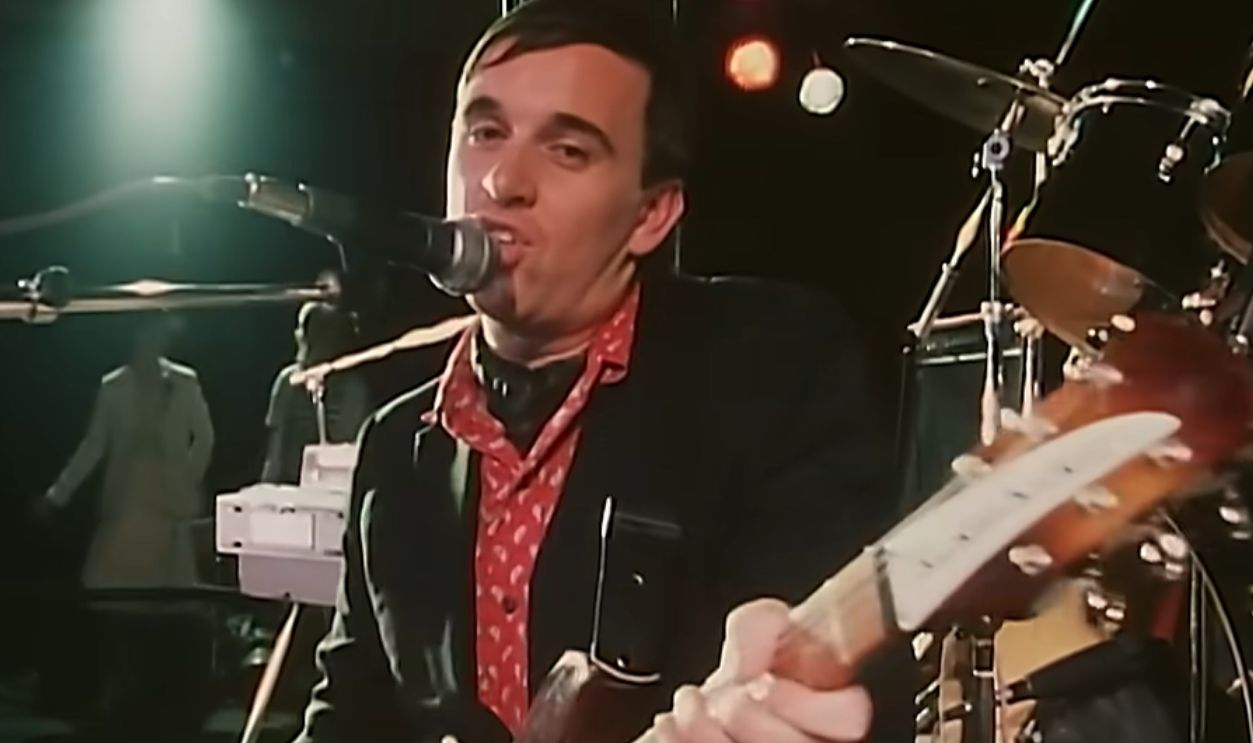 Screenshot from Tempted, A&M Records (1981)
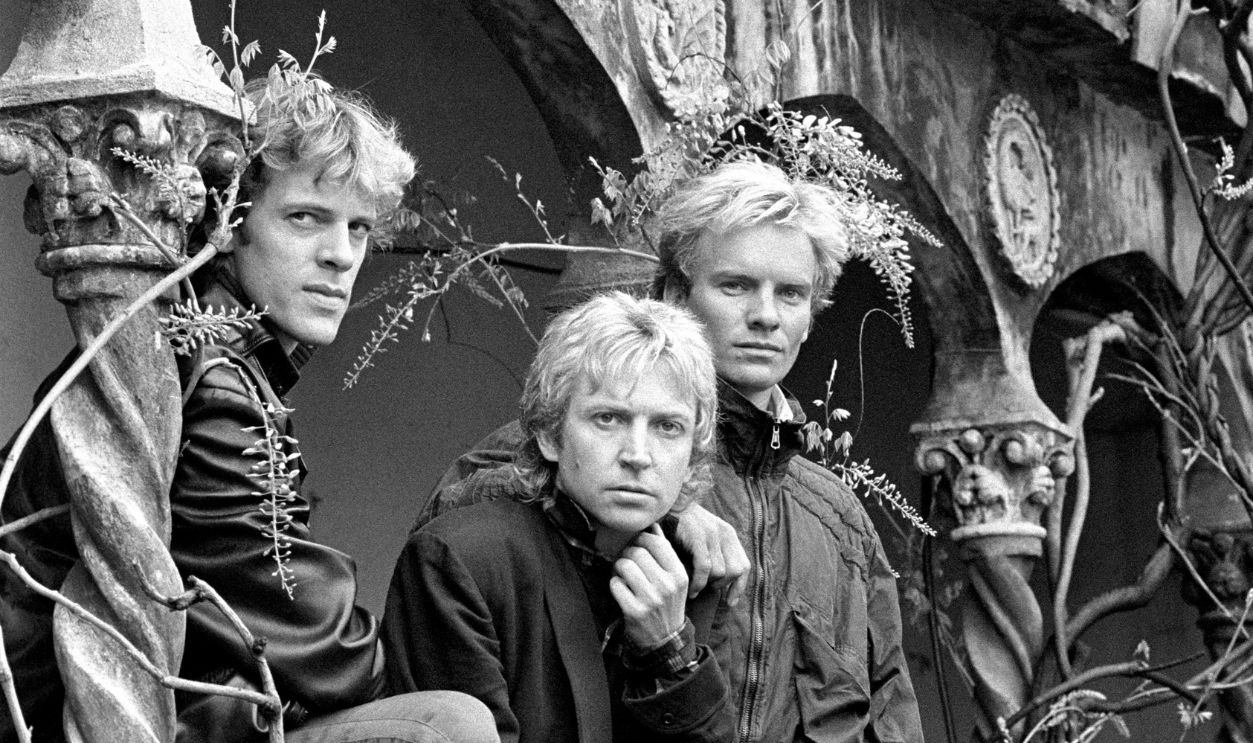
Wrapped Around Your Finger—The Police
Another Police song that sounds far more romantic than its creator intended, this one is really about control. Sting called it a spiteful song about reversing a power imbalance. By the conclusion, the person who once controlled the narrator discovers that the relationship’s power has completely changed hands.
Little Red Corvette—Prince
Prince wrapped this 1982 song in one of pop’s most memorable automotive metaphors. The Corvette represents a fast-moving romantic encounter rather than an actual sports car. Critics have noted that underneath the playful imagery, the song explores the vulnerability, anxiety, and uncertainty surrounding casual relationships.
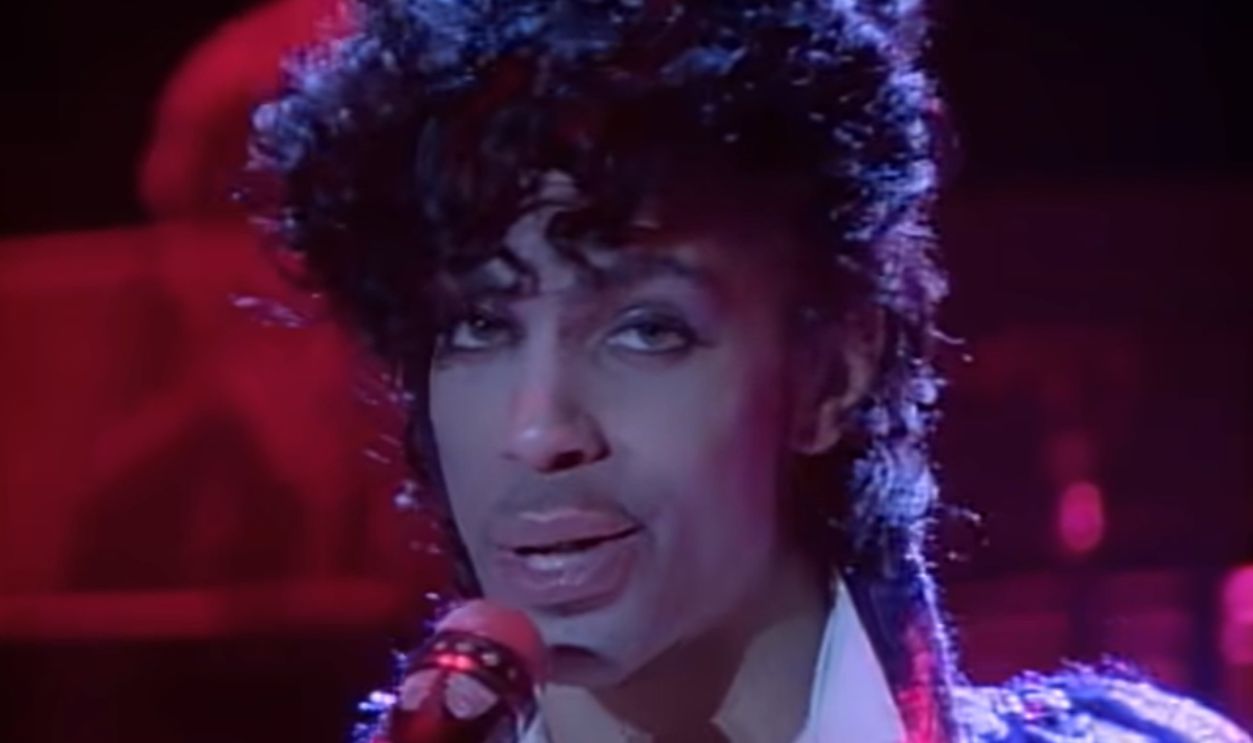 Screenshot from Little Red Corvette, Warner Bros. Records (1983)
Jessie’s Girl—Rick Springfield
Rick Springfield’s massive 1981 hit is catchy enough to make jealousy sound charming. Springfield has explained that it came from his attraction to another man’s girlfriend in a stained-glass class. She apparently showed no interest in him, leaving Springfield to turn his frustration into a career-defining song.
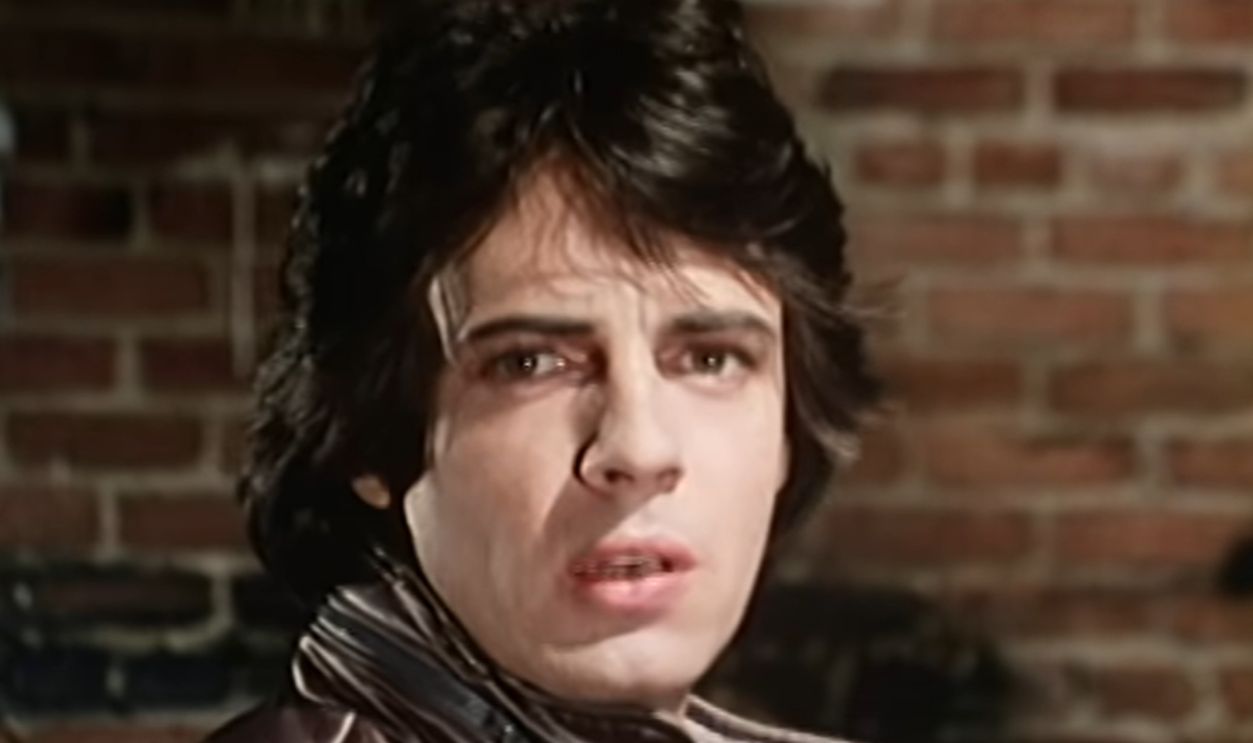 Screenshot from Jessie's Girl, RCA Records (1981)
Bette Davis Eyes—Kim Carnes
The mysterious woman in this 1981 smash initially sounds impossibly glamorous. Yet songwriters Jackie DeShannon and Donna Weiss created a character whose allure comes with a warning. She charms, teases, and maintains the upper hand, making the song less a romantic portrait than a caution about irresistible attraction.
 Screenshot from Bette Davis Eyes, EMI America (1981), Modified
Red Red Wine—UB40
UB40’s breezy reggae treatment makes “Red Red Wine” remarkably easy to hear as a relaxed party song. Neil Diamond’s original composition is considerably sadder: its narrator drinks because he wants relief from memories of a lost relationship. The cheerful groove disguises an attempt to numb heartbreak.
 Screenshot from Red Red Wine, DEP International (1983), Modified
Against All Odds—Phil Collins
“Against All Odds” sounds like a grand plea for love to conquer everything, but its roots were painfully personal. Collins has said he wrote the original song during his first divorce, after his wife and children had left. Its desperation came from lived separation rather than an imagined romance.
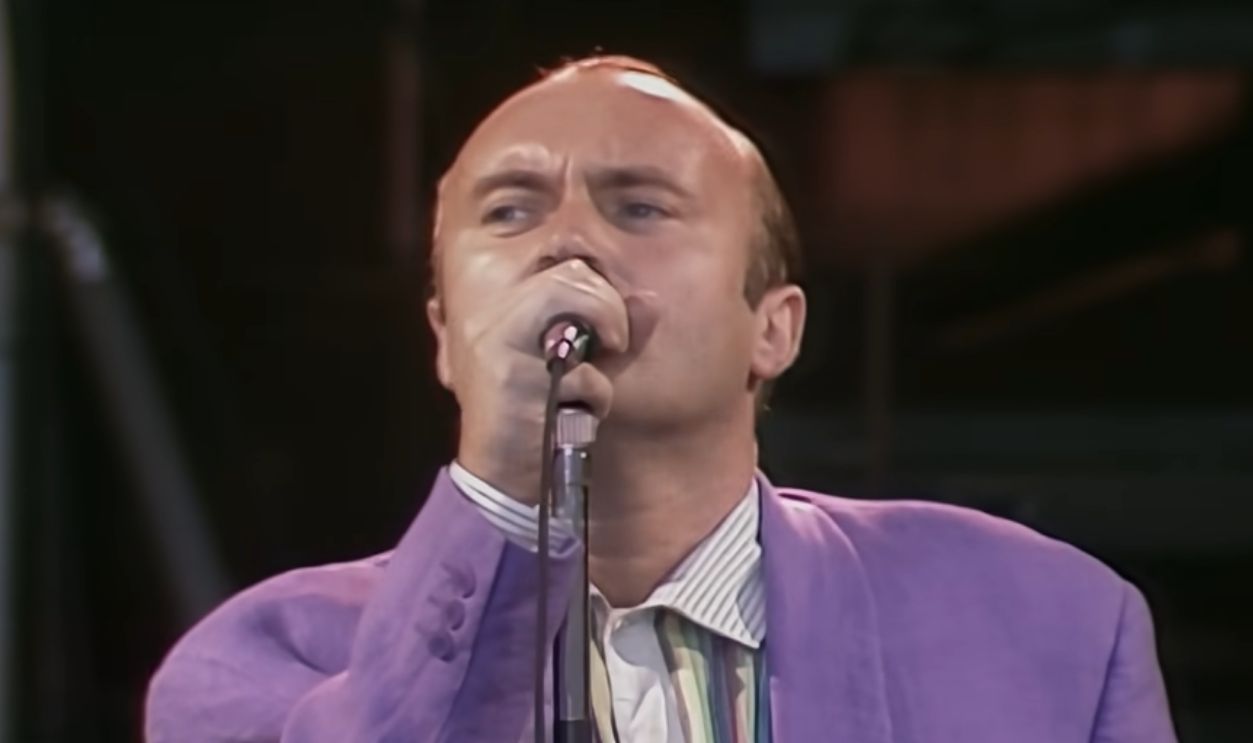 Screenshot from Against All Odds, Virgin Records (1984)
Tainted Love—Soft Cell
The title provides a clue, but Soft Cell’s hypnotic 1981 arrangement can still make this sound strangely seductive. The narrator is actually trying to escape a relationship that has become painful and one-sided. Marc Almond’s cool delivery makes emotional exhaustion sound remarkably danceable.
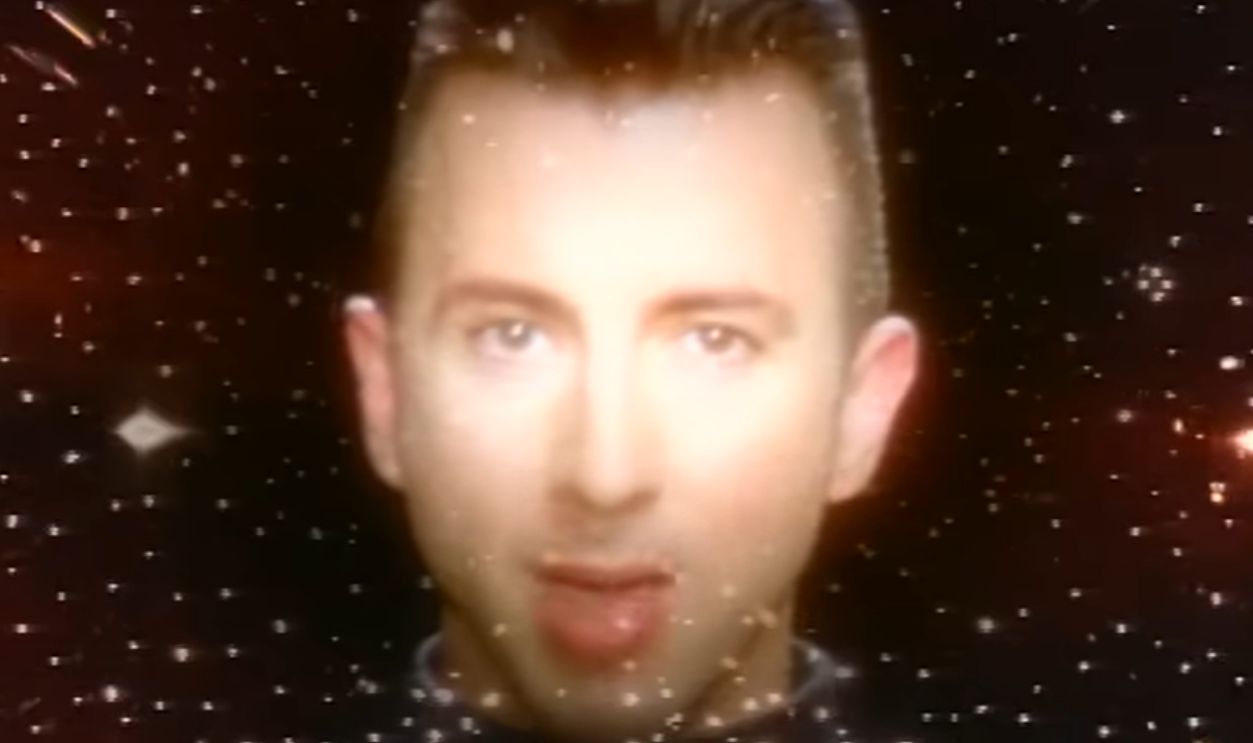 Screenshot from Tainted Love, Some Bizzare Records (1981)
Drive—The Cars
Benjamin Orr’s restrained vocal and the shimmering production make “Drive” feel like an intimate love ballad. The lyrics are considerably less reassuring, addressing someone whose life appears to be coming apart and repeatedly asking who will take care of them. Romance gives way to concern and helplessness.
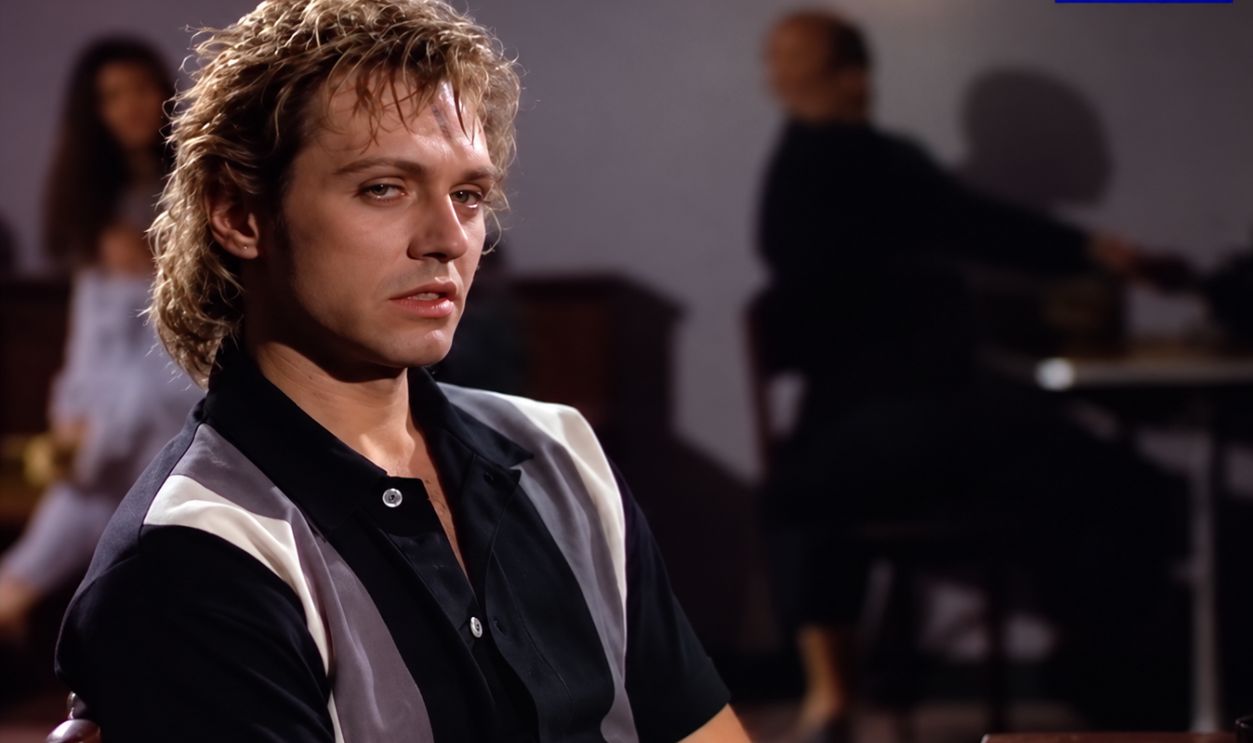 Screenshot from Drive, Elektra Records (1984), Modified
Human—The Human League
This 1986 ballad initially sounds like a gentle request for forgiveness. Philip Oakey’s character admits he was unfaithful while the couple was apart, only for the spoken section to reveal that his partner also strayed. The romantic reconciliation is therefore built around two simultaneous confessions.
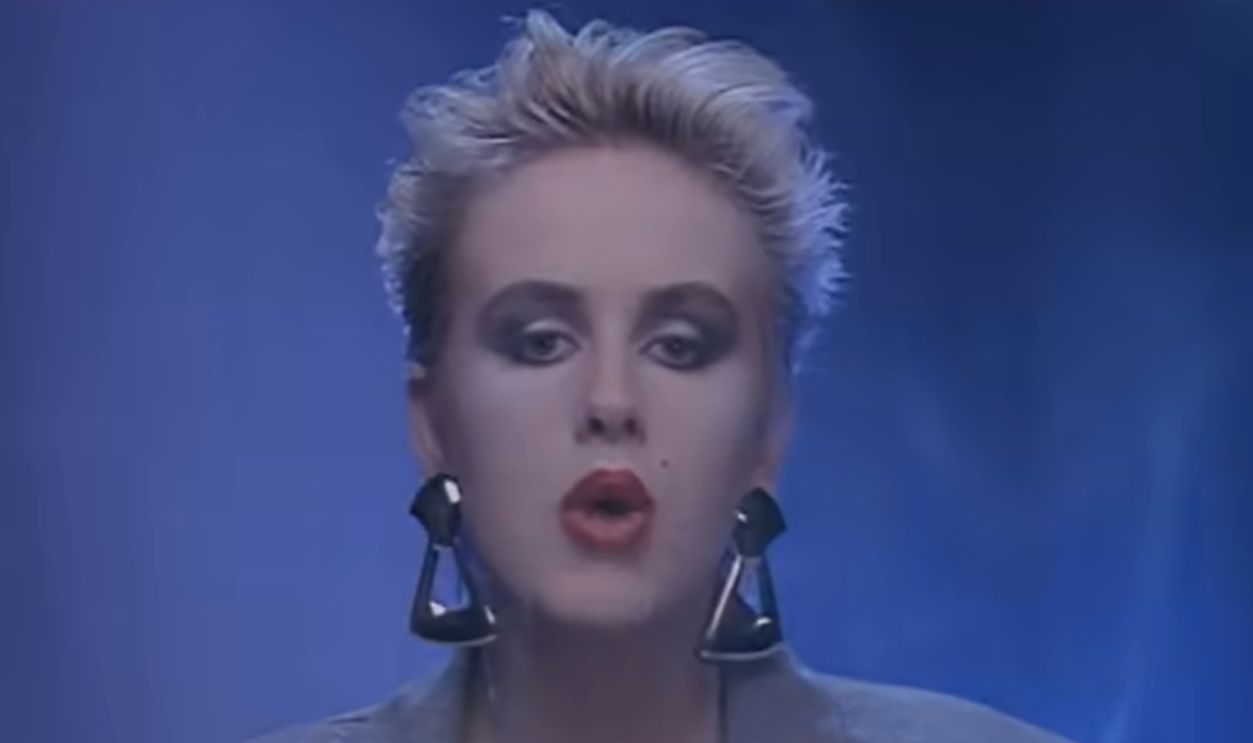 Screenshot from Human, A&M Records (1986)
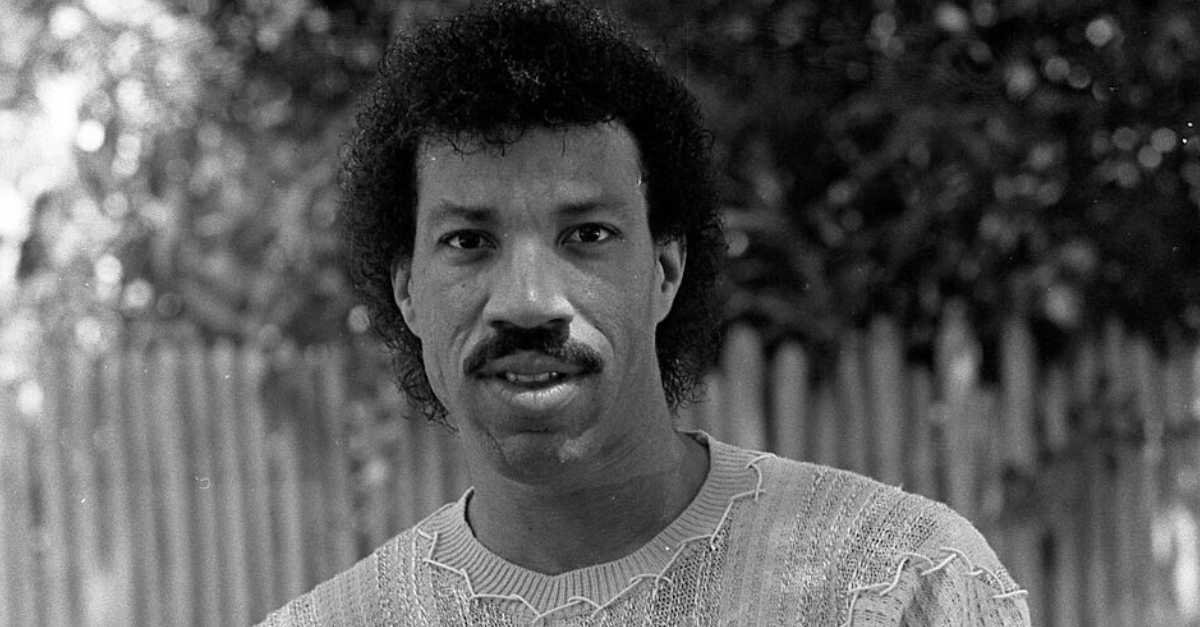
Hello—Lionel Richie
Lionel Richie’s 1984 ballad became shorthand for extravagant longing, but its famous video makes the situation considerably stranger. Richie plays a teacher secretly infatuated with a blind student in his class. The clip eventually reveals that she reciprocates his feelings through a sculpture she has made of him.
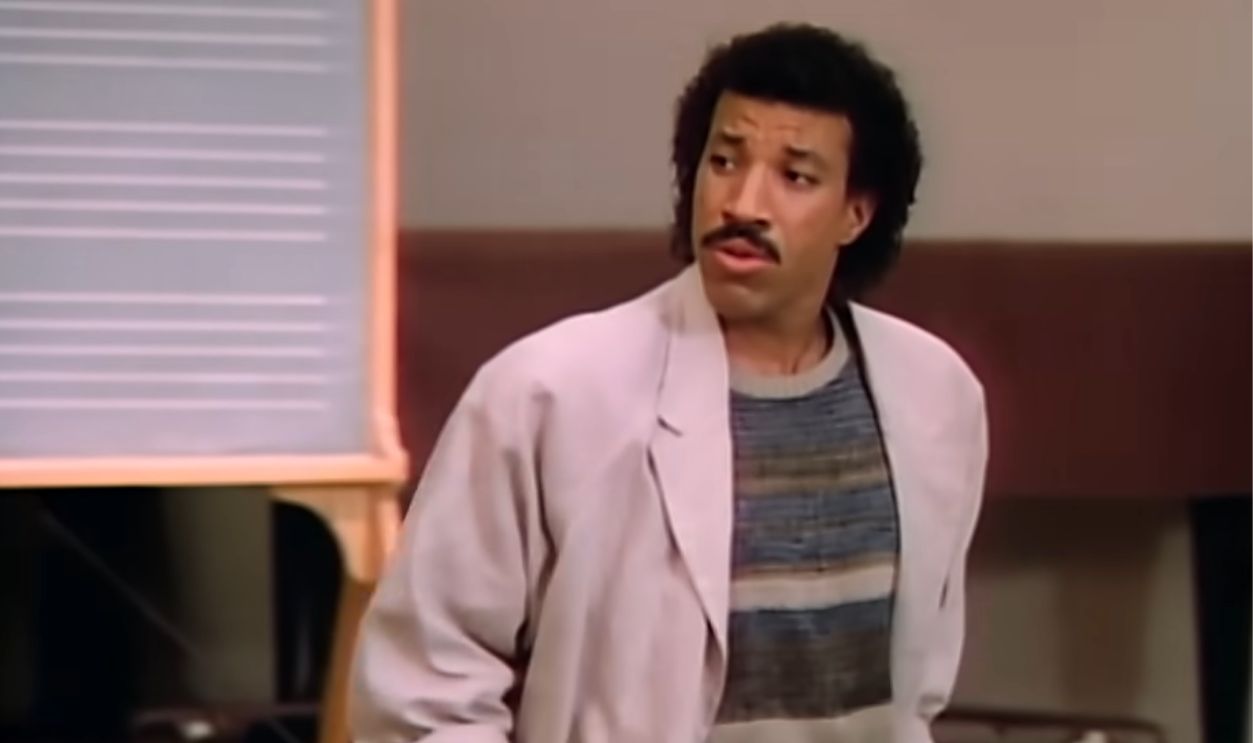 Screenshot from Hello, Motown Records (1984)
Romantic On The Radio, Complicated Everywhere Else
That contradiction is part of what made these songs so durable. Eighties production could turn jealousy, guilt, secrecy, and heartbreak into something enormous enough for a dance floor. Once the lyrics and writers’ explanations enter the picture, however, some of the decade’s sweetest-sounding records become entirely different songs.
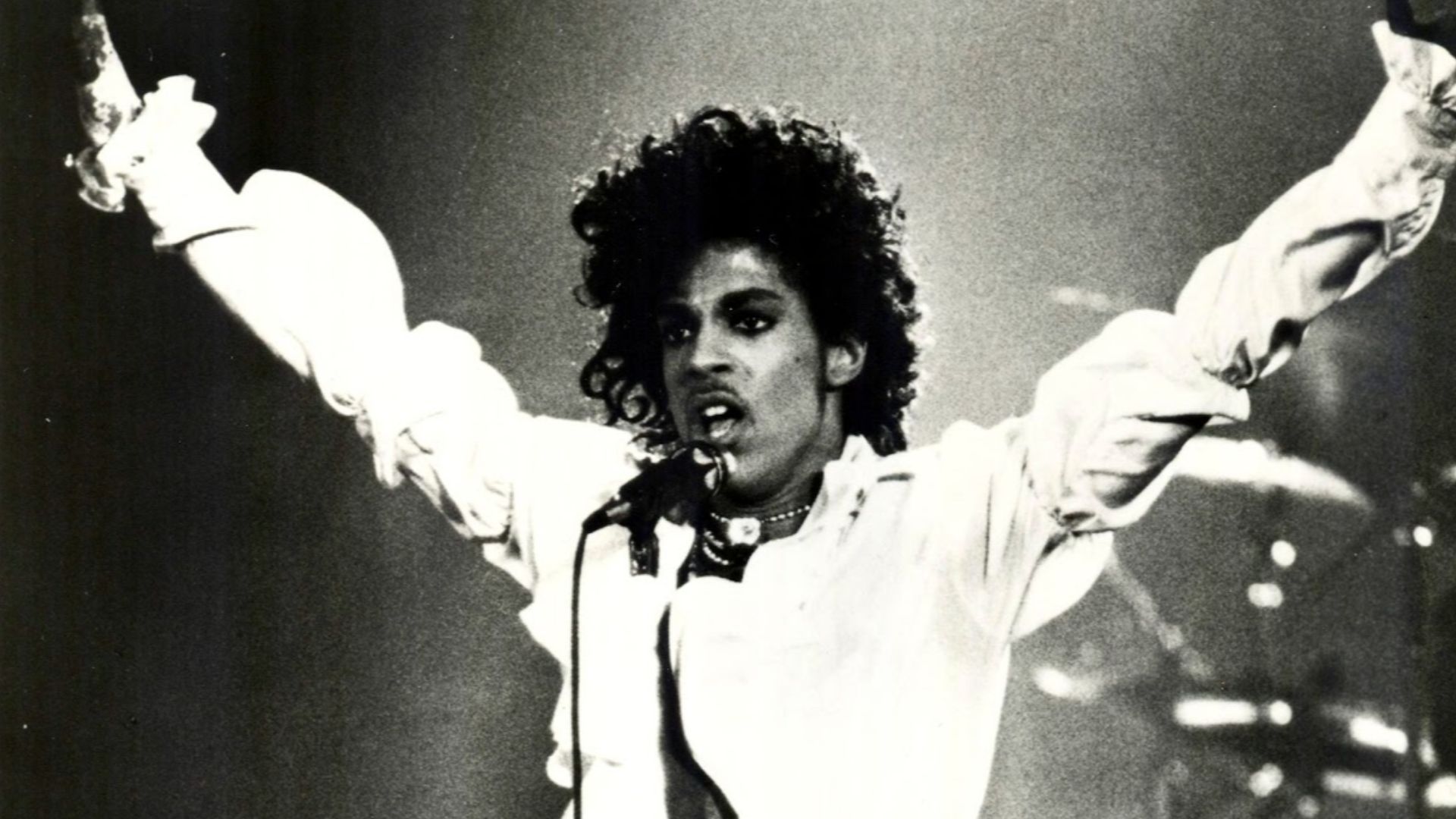 Distributed by Warner Bros., Wikimedia Commons
You May Also Like:
1980s Love Songs Generation X Can Still Recognize After Hearing Just Three Notes
1970s Singers Who Had One Big Hit And Then Seemed To Disappear
Source: 1, 2, 3, 4, 5, 6, 7, 8, 9, 10, 11, 12, 13, 14, 15, 16, 17