Stuck Between Two Worlds
Some musicians fit neatly into a record-store bin. These didn't. From Gram Parsons mixing honky-tonk with rock and roll to Uncle Tupelo crashing punk into country, generations of artists have discovered that the space between Nashville and rock radio can be an awfully exciting place to get lost.
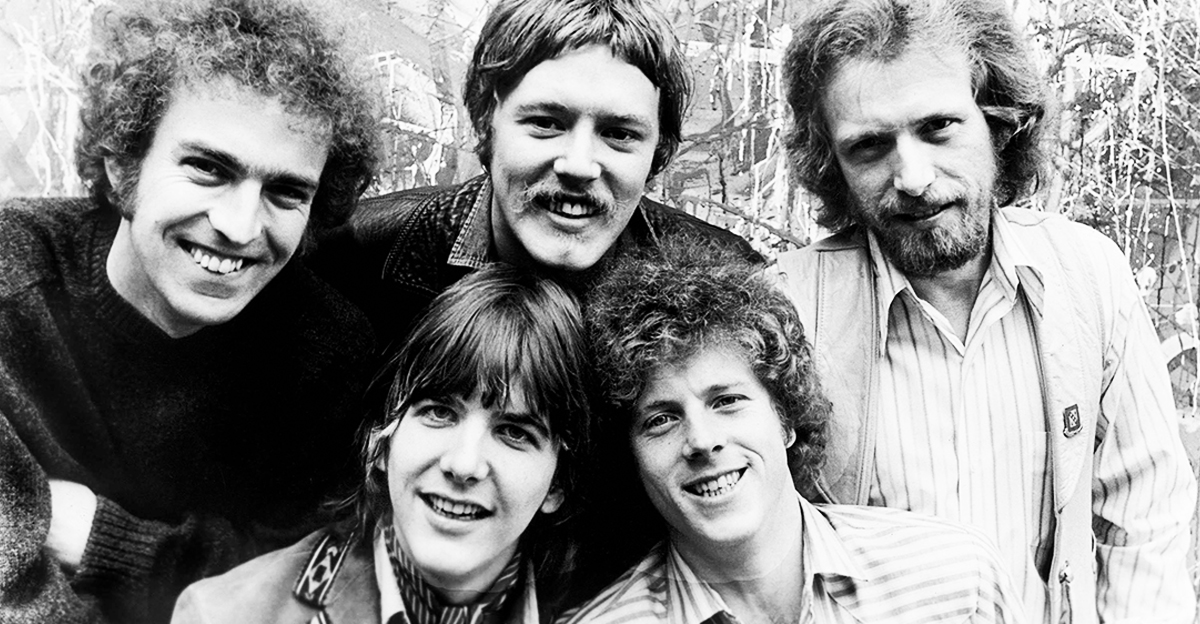 Photo by Jim McCrary/Redferns, Getty Images
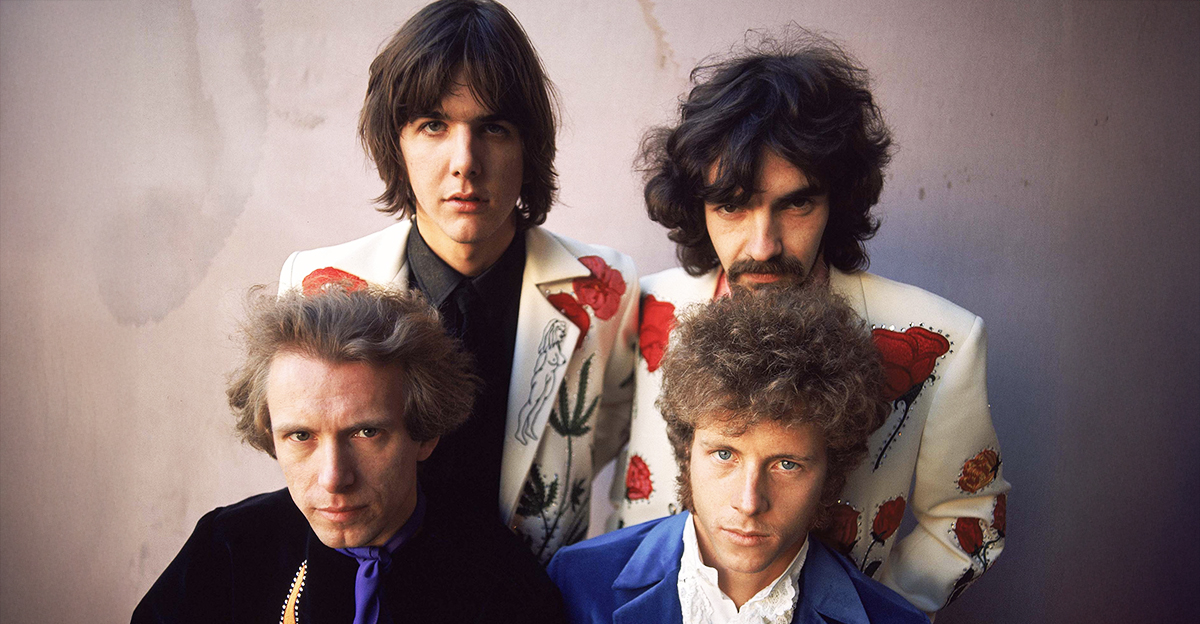
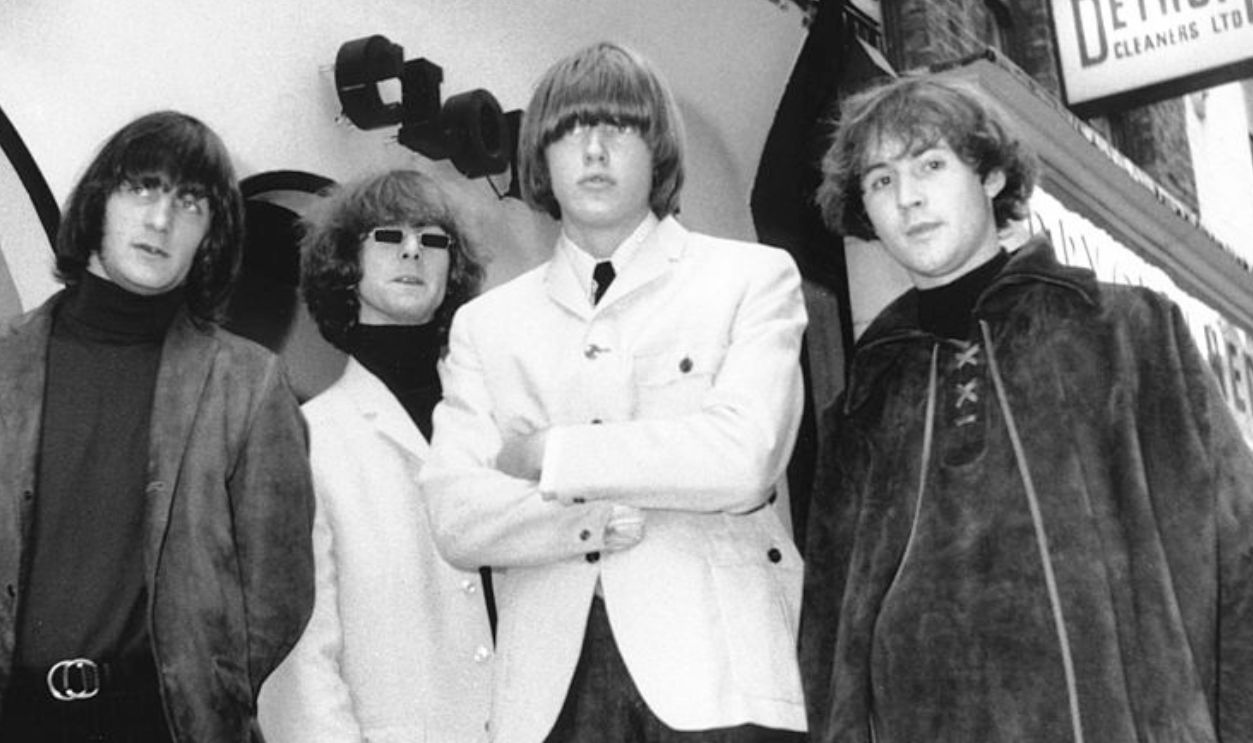
The Byrds
When the Byrds recruited Gram Parsons and recorded Sweetheart of the Rodeo (1968), one of America's defining folk-rock bands suddenly plunged into country music. The record baffled portions of their existing audience but became enormously influential, helping establish the Los Angeles country-rock movement that followed.
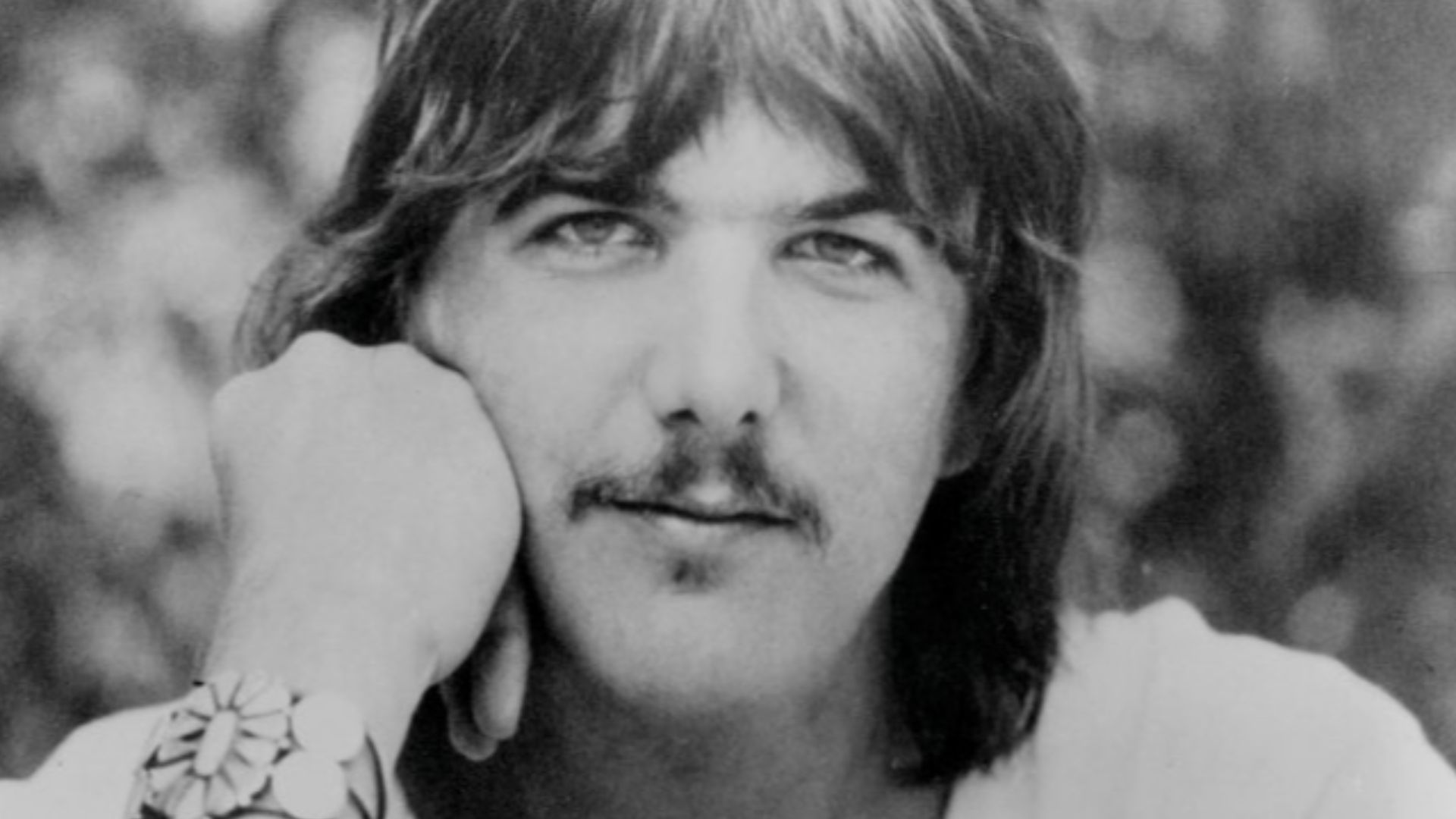
Gram Parsons
Nobody embodies this list better. Parsons dreamed of what he called “Cosmic American Music,” refusing to recognize rigid divisions between country, rock, soul, gospel, and folk. His work with the Byrds, Flying Burrito Brothers, and on GP (1973) helped make those supposedly incompatible traditions sound completely natural together.
 Reprise Records, Wikimedia Commons
The Flying Burrito Brothers
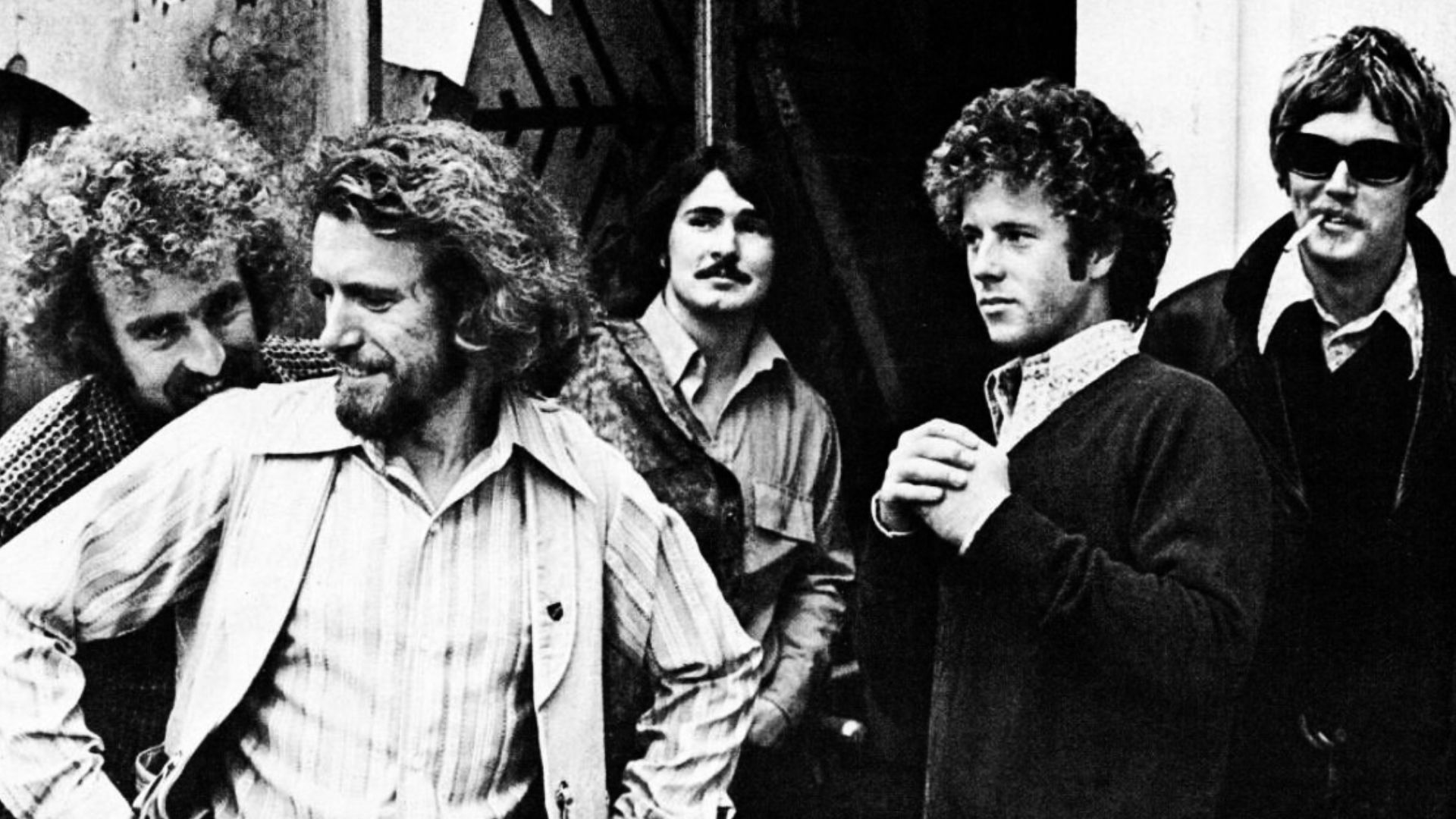
The Flying Burrito Brothers looked like psychedelic rock stars dressed for the Grand Ole Opry and sounded much the same way. Their landmark The Gilded Palace of Sin (1969) fused country instrumentation with rock attitude and soul influences, helping erase what the Country Music Hall of Fame calls the cultural and musical divide between country and rock.
 A&M Records, Wikimedia Commons
Manassas
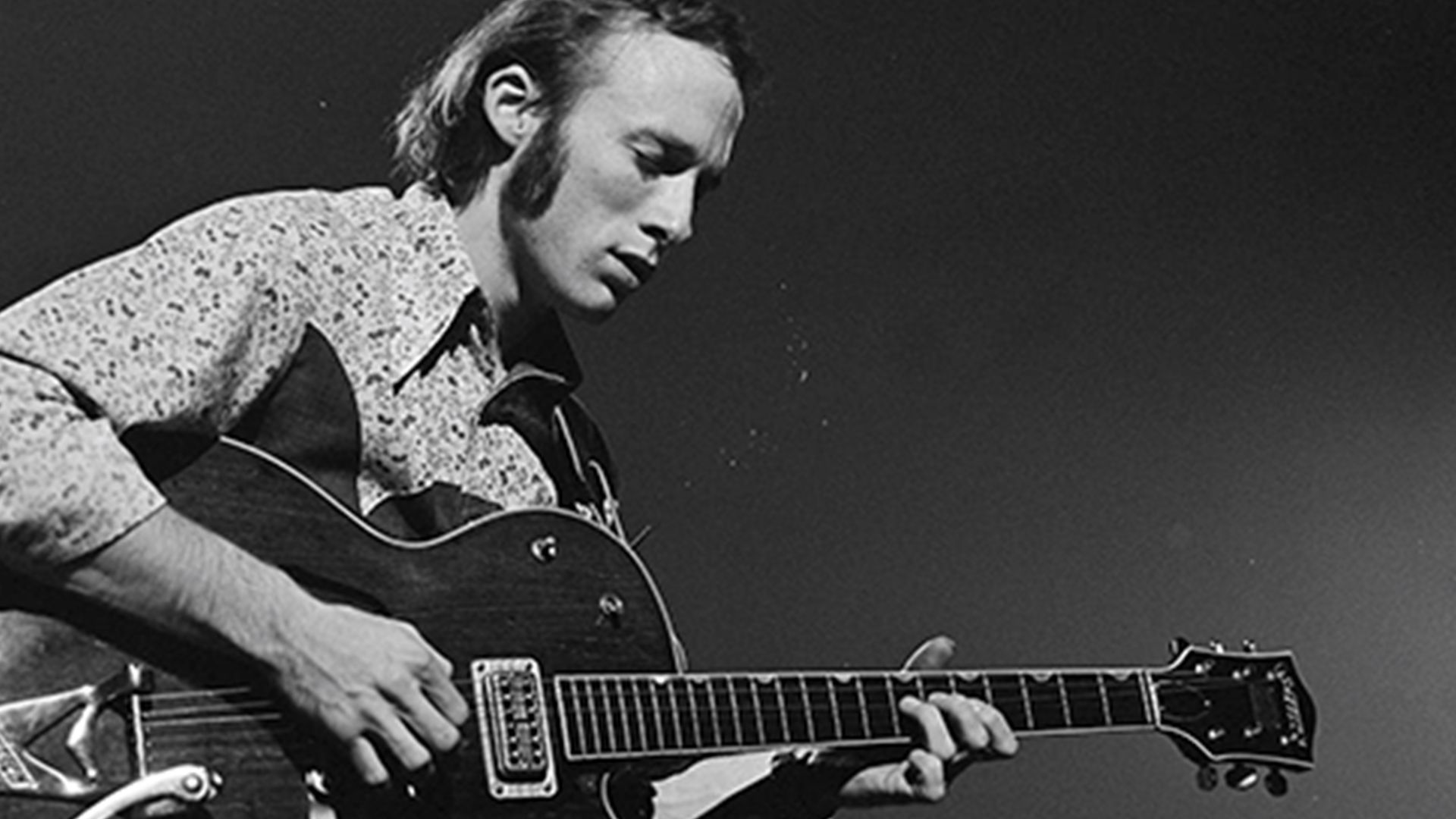
Stephen Stills formed Manassas in 1971 with musicians including former Byrd and Flying Burrito Brother Chris Hillman. Their sprawling double album Manassas (1972) moved freely through rock, country, bluegrass, blues, and Latin music, often sounding like several different bands sharing one record. They were far too eclectic for Nashville, but country remained fundamental to their sound.
 AVRO's TopPop, Wikimedia Commons
Poco
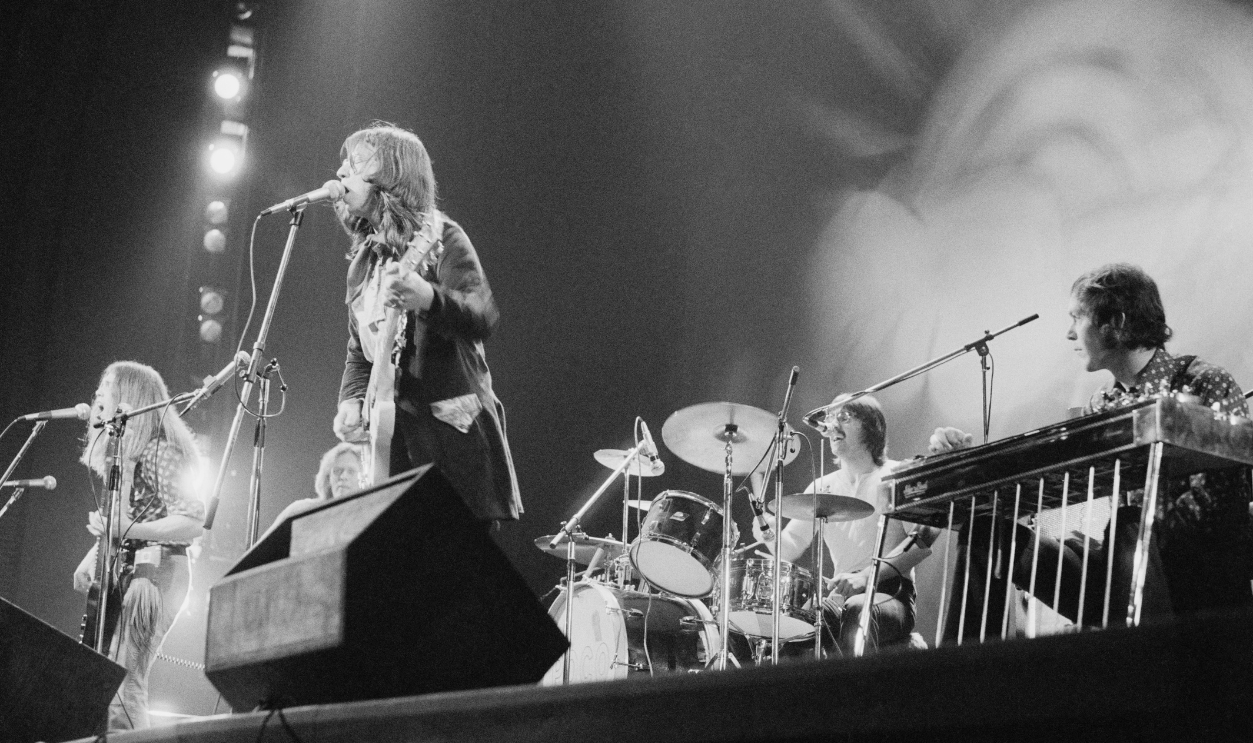
Richie Furay and Jim Messina emerged from Buffalo Springfield and pushed the country-rock experiment further with Poco. Pedal steel, harmony singing, electric guitars, and rock rhythms all lived comfortably together. Yet Poco never became as commercially dominant as the Eagles, who would take a similar musical mixture into the stratosphere.
Pure Prairie League
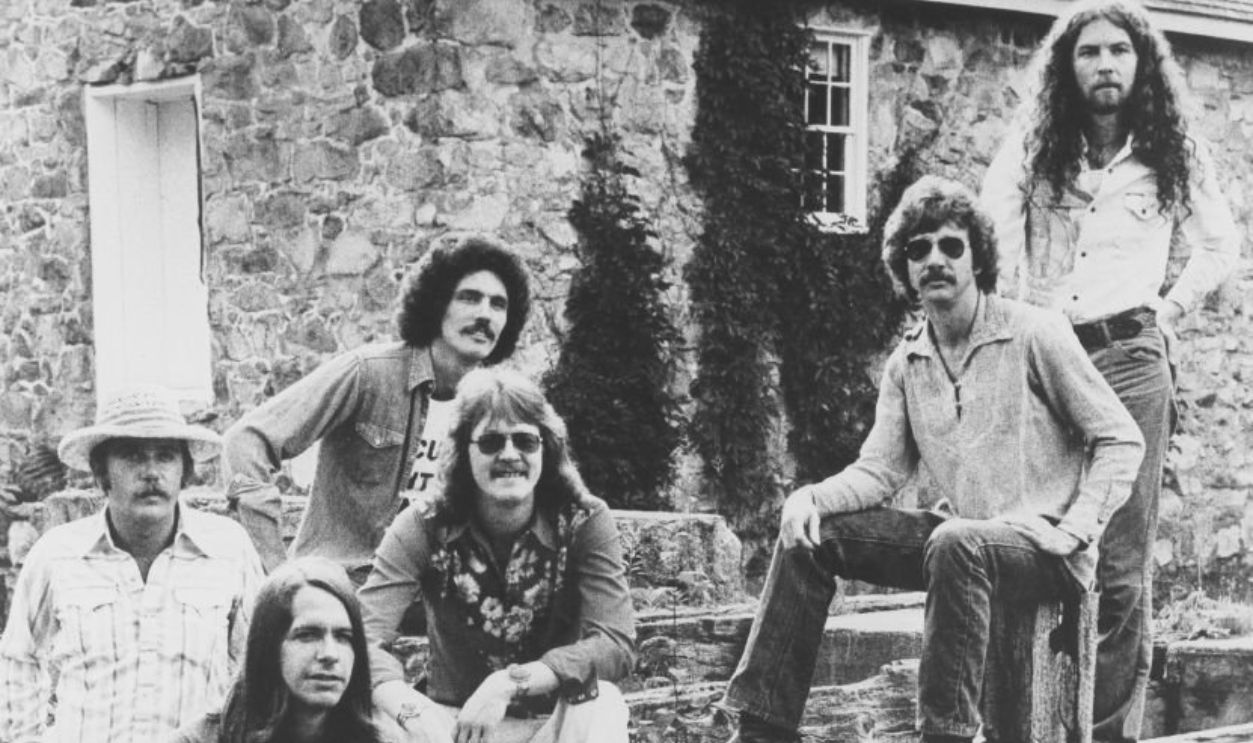
Pure Prairie League emerged from Ohio rather than Nashville or Los Angeles, but their early records landed squarely between country and rock. Pedal steel, close harmonies, electric guitars, and songs like “Amie” gave them a distinctly country flavor, yet they found much of their audience through rock radio and the college circuit. Their revolving lineup later even included future country star Vince Gill.
 Michael Ochs Archives, Getty Images
Nitty Gritty Dirt Band
They could play country, folk, bluegrass, and rock without treating any of them as museum pieces. That made the Nitty Gritty Dirt Band difficult to categorize but extraordinarily useful as a bridge between generations, particularly with the roots-music summit Will the Circle Be Unbroken (1972).
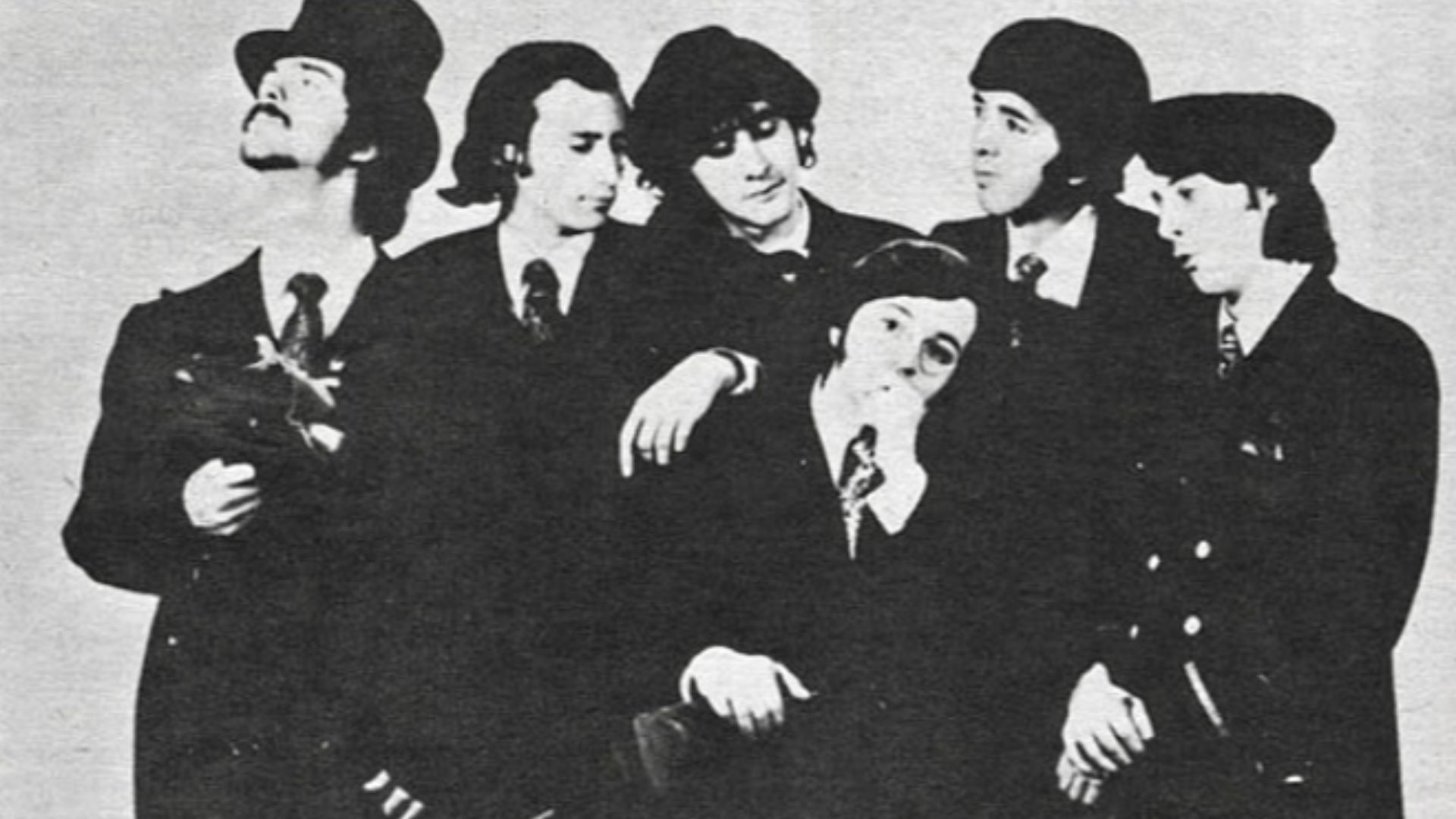
Commander Cody
Commander Cody and His Lost Planet Airmen sounded as though a honky-tonk band had collided with a rowdy rock bar. Western swing, boogie-woogie, country, rockabilly, and rock all went into the blender, producing their wonderfully unruly 1971 version of “Hot Rod Lincoln.”
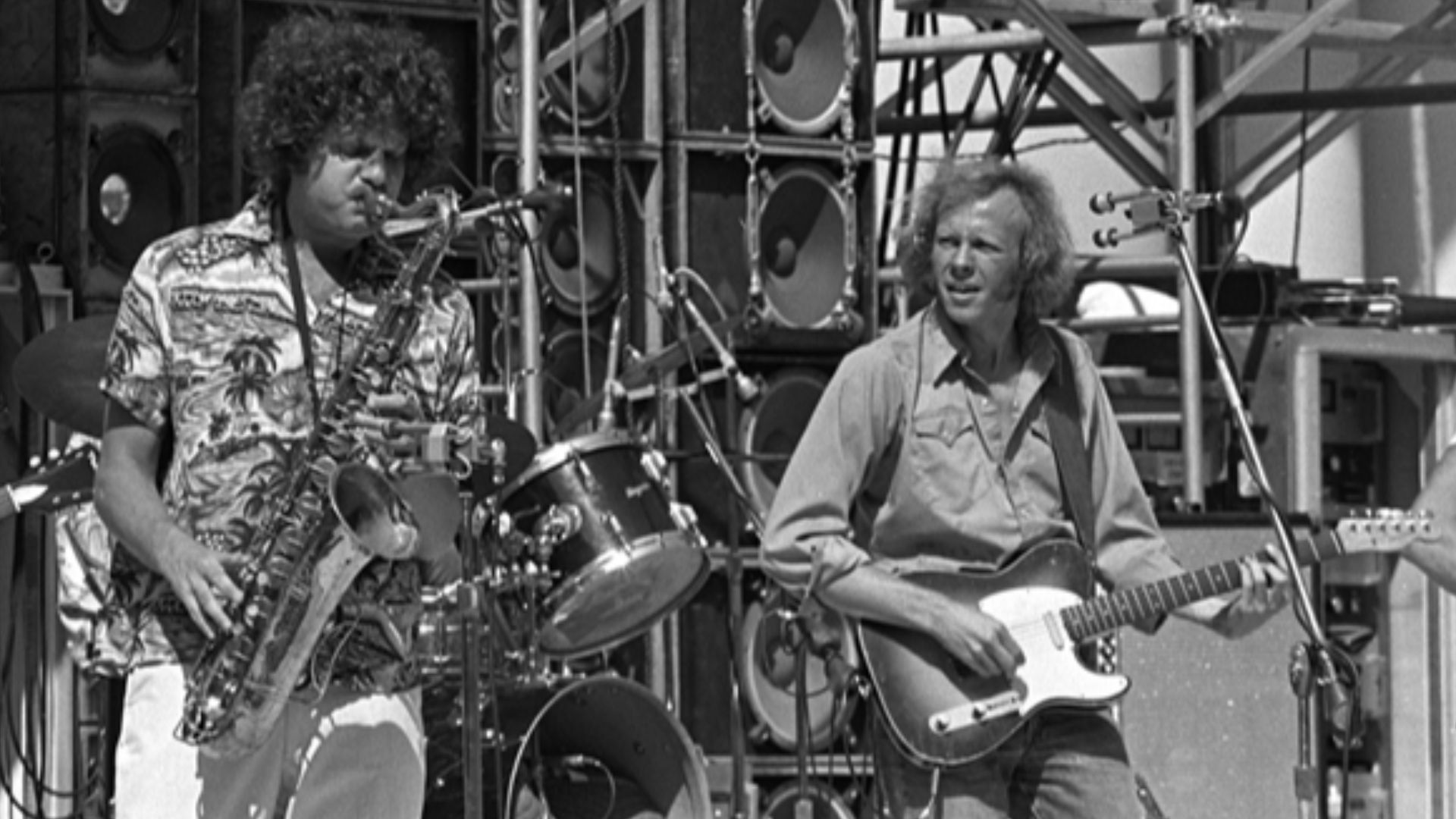
New Riders Of The Purple Sage
The New Riders came directly from the San Francisco psychedelic scene, with Jerry Garcia initially playing pedal steel and Grateful Dead connections everywhere. Featuring guitarists John Dawson and David Nelson, bassist Dave Torbert, Spencer Dryden on drums, and Buddy Cage on pedal steel, their music leaned heavily toward country. At the same time they were essentially hippies making honky-tonk music, which made perfect sense around Northern California and considerably less sense to genre purists.
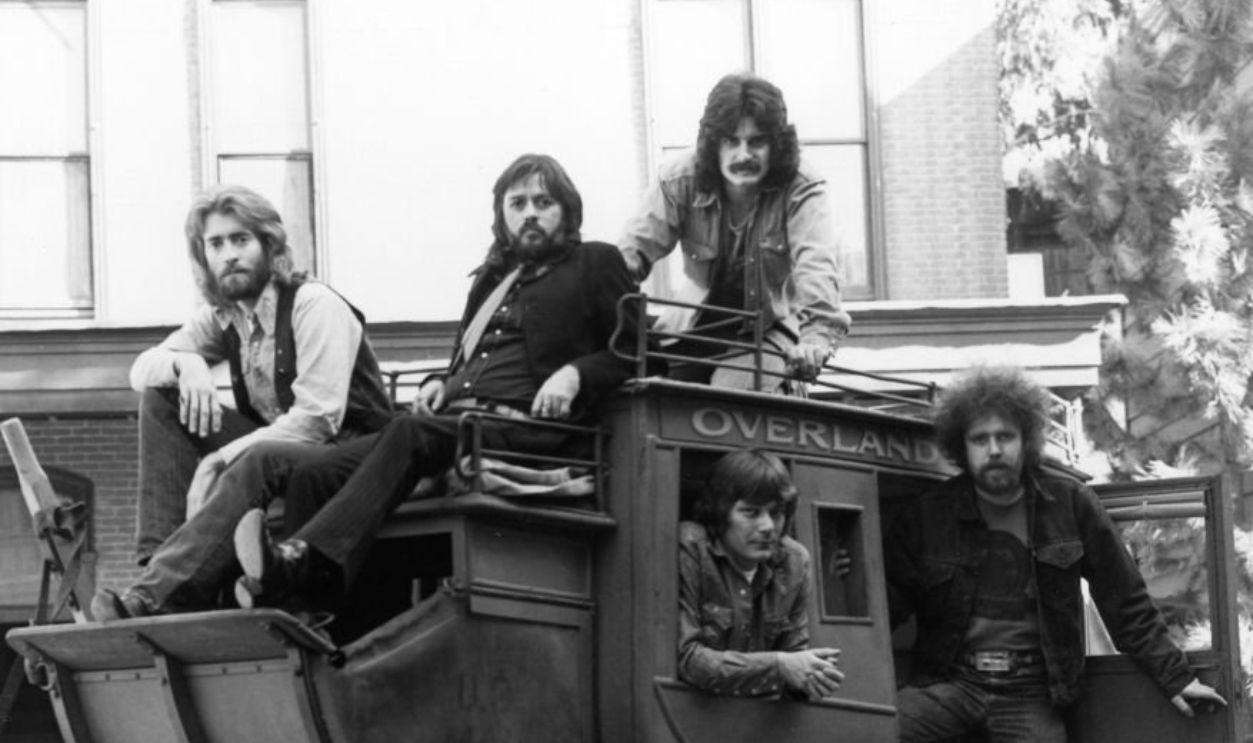 Michael Ochs Archives, Getty Images
Linda Ronstadt
Ronstadt could move from country standards to Buddy Holly, the Everly Brothers, Warren Zevon, and the Rolling Stones without sounding like she'd changed careers. She emerged from the same Southern California community that produced the Eagles and helped turn the country-rock hybrid into mainstream 1970s pop.
![Collectie / Archief : Fotocollectie Anefo
Reportage / Serie : [ onbekend ]
Beschrijving : Zangeres Linda Ronstadt op Schiphol
Datum : 20 November 1976
Locatie : Noord-Holland, Schiphol
Trefwoorden : zangeressen
Fotograaf : Bogaerts, Rob / Anefo
Auteursrec](https://www.factinate.com/storage/app/media/theshot/2026/10/8/1791438508610325063c16edc51363ad9380c7acf60315d3d5.jpg) Rob Bogaerts for Anefo, Wikimedia Commons
Rob Bogaerts for Anefo, Wikimedia Commons
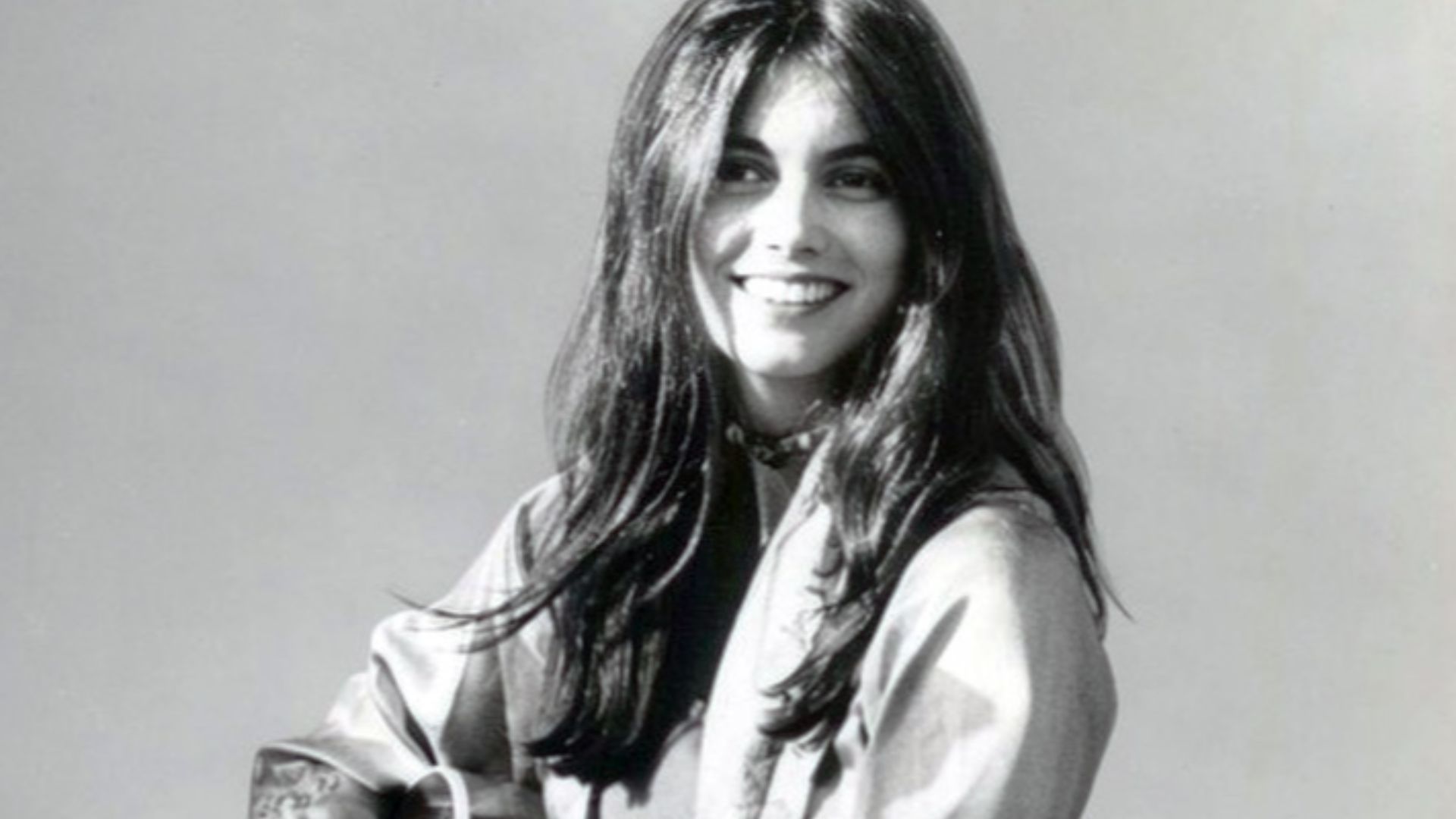
Emmylou Harris
Harris learned firsthand from Gram Parsons, then created a career that respected country's past while refusing to stay there. Nashville ultimately embraced her, but her appeal extended far beyond it. The Country Music Hall of Fame credits Harris with providing common ground between rock audiences and country listeners.
 Dan Reeder; Distributed by Warner/Reprise, Wikimedia Commons
The Marshall Tucker Band
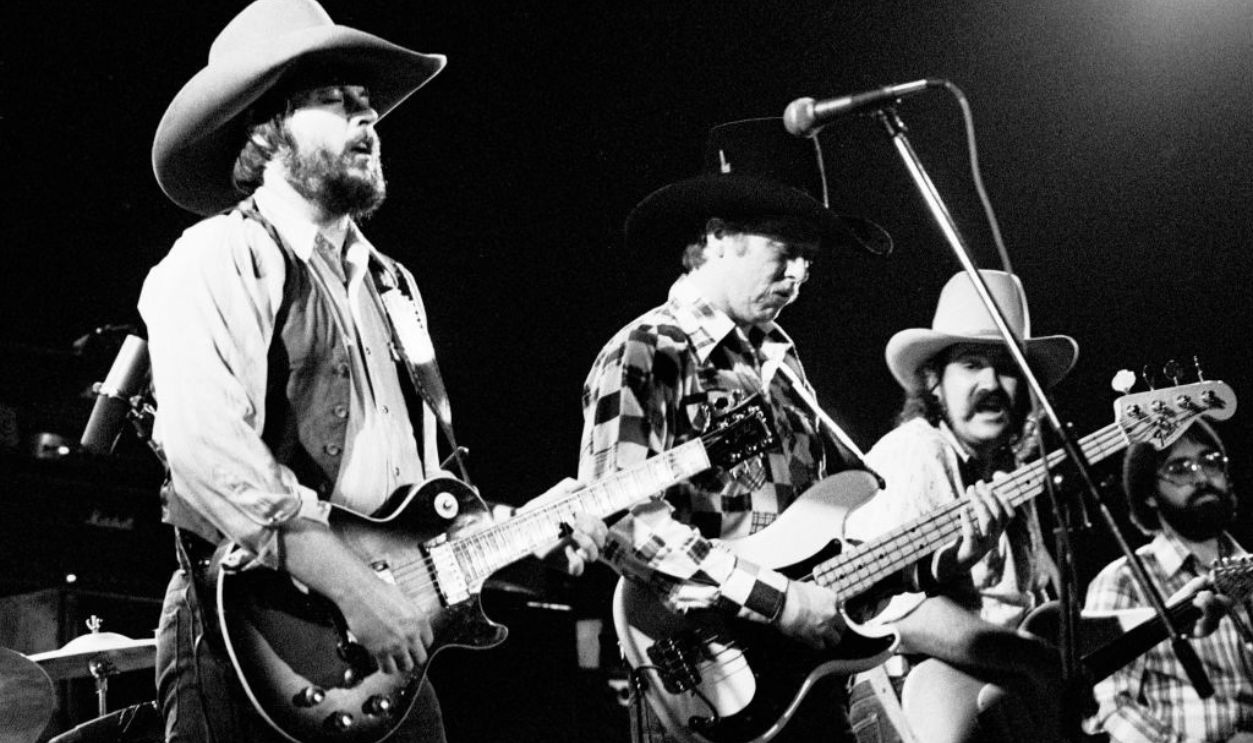
The Marshall Tucker Band gets filed under Southern rock, but listen past the electric guitars and the borders become considerably fuzzier. Country, blues, jazz, gospel, and rock all informed the group's sound, while Toy Caldwell's songwriting and the band's frequent use of flute gave them an identity unlike their harder-rocking contemporaries.
 Gijsbert Hanekroot, Getty Images
Charlie Daniels Band
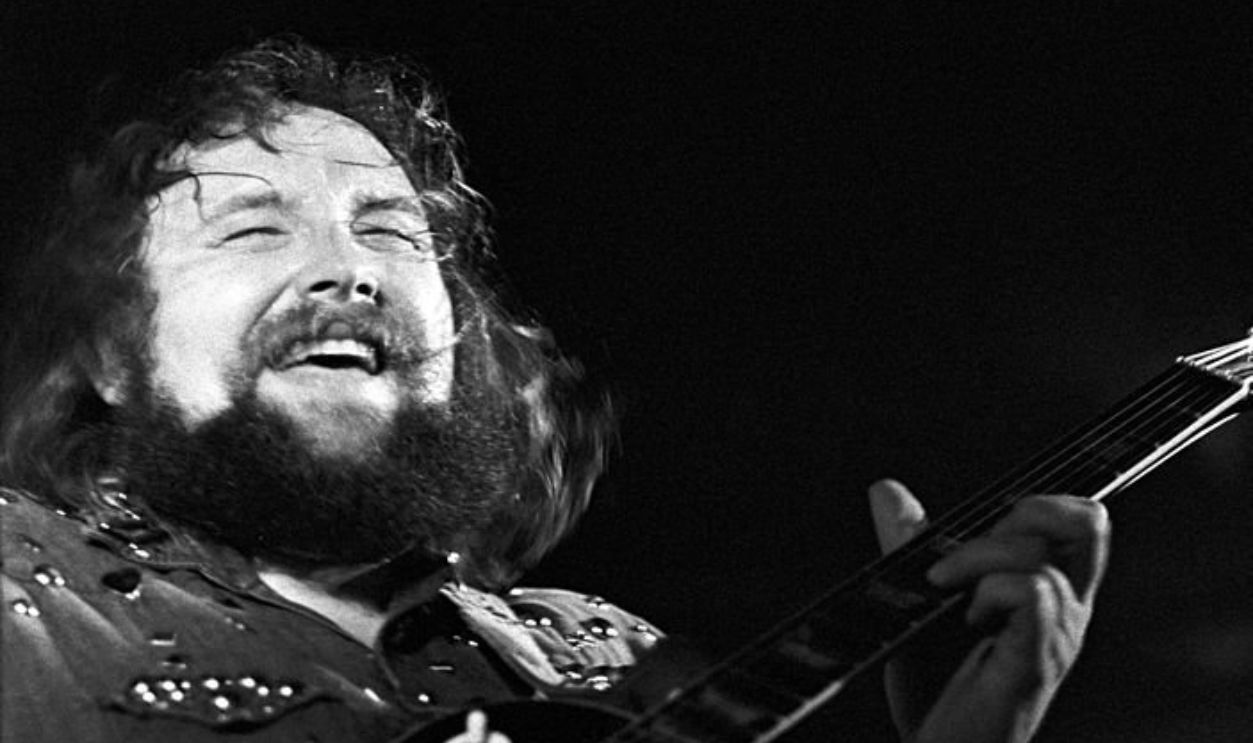
Charlie Daniels could stand comfortably beside country singers, Southern rock bands, and jam-oriented rock acts. His fiddle became his calling card, but songs such as “The Devil Went Down to Georgia” coexisted with lengthy instrumental workouts and electric-guitar firepower that hardly sounded designed for traditional Nashville.
The Amazing Rhythm Aces
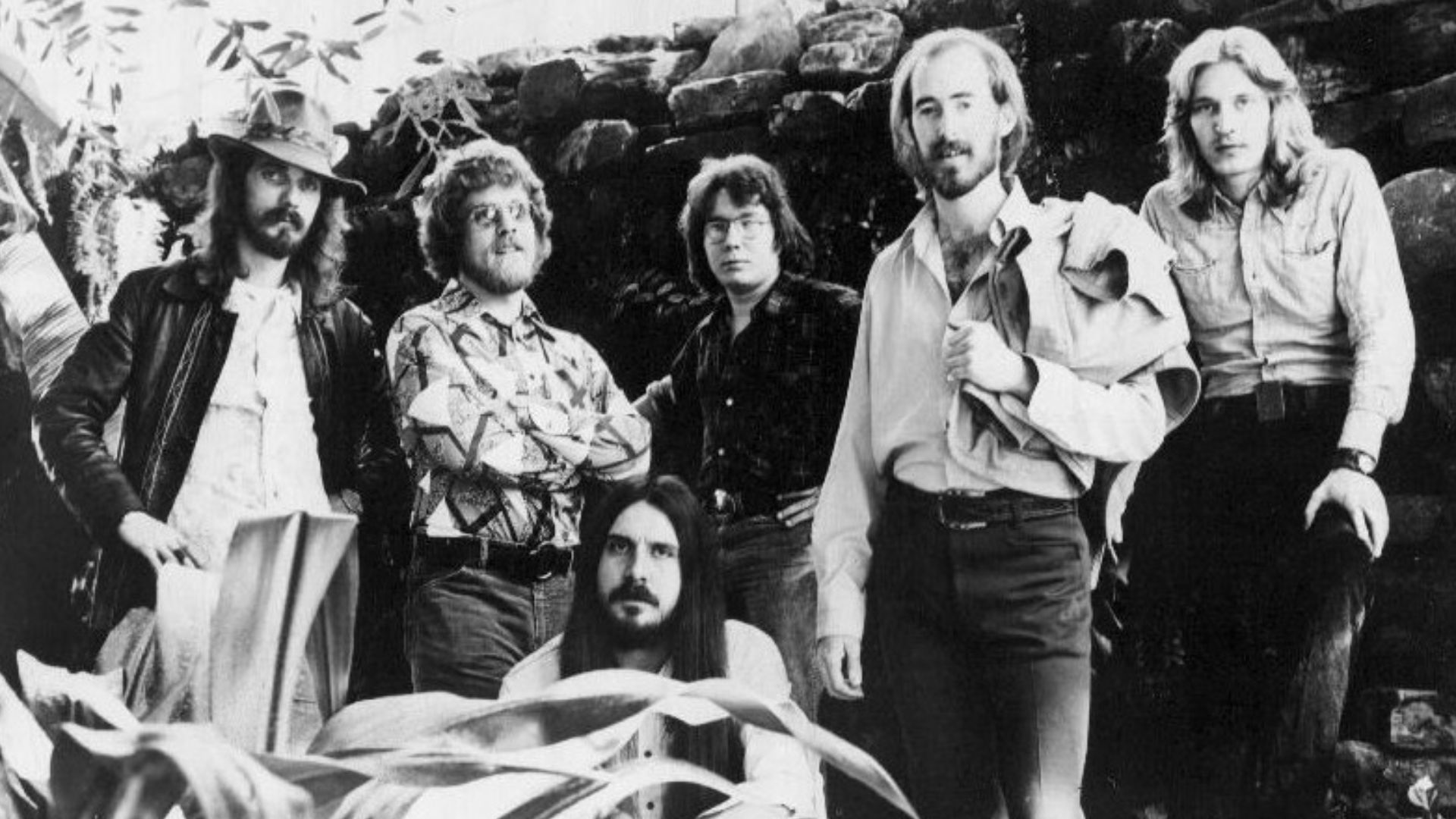
The Amazing Rhythm Aces were almost designed to cause trouble for anyone organizing record-store shelves. Russell Smith and company mixed country, Southern rock, blues, soul, and swampy roots music, scoring a crossover hit with “Third Rate Romance” in 1975. Their follow-up, “Amazing Grace (Used to Be Her Favorite Song),” climbed even higher on the country chart, proving just how comfortably they could move between musical worlds.
 ABC Records, Wikimedia Commons
Rodney Crowell
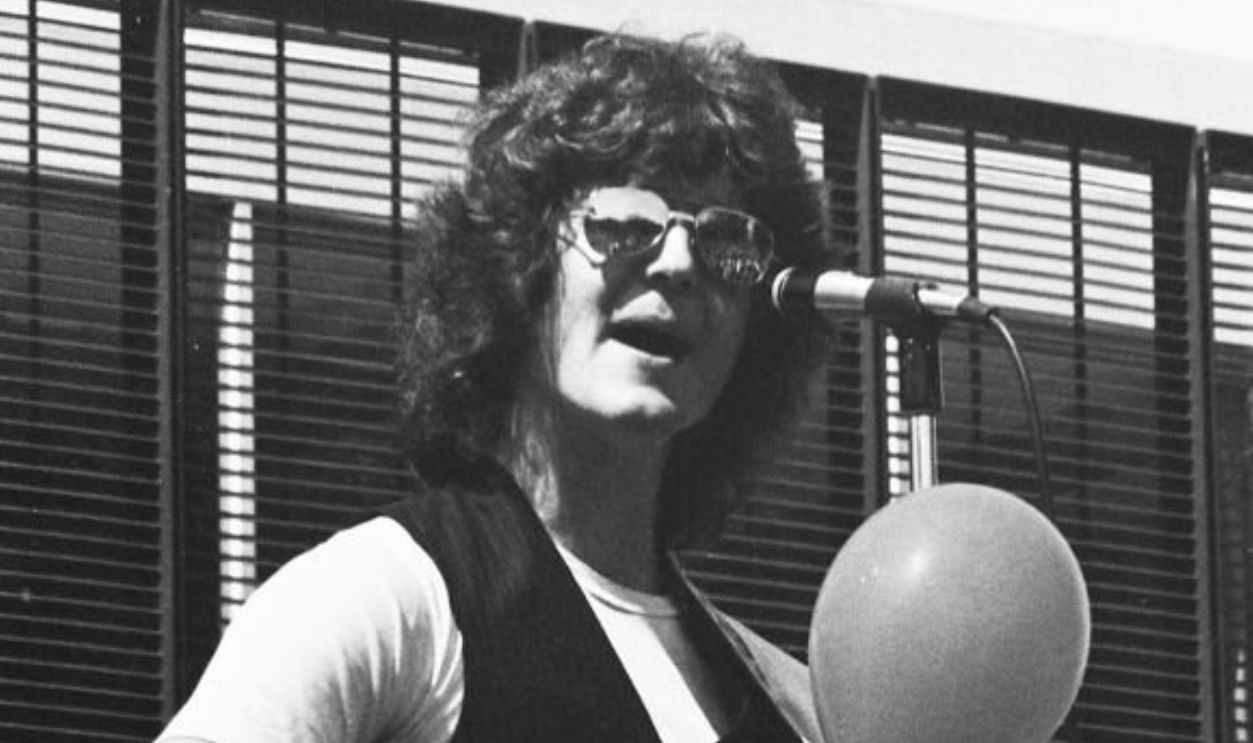
Crowell came through Emmylou Harris's Hot Band, wrote songs recorded by Waylon Jennings and Bob Seger, and eventually scored five number-one country singles from Diamonds & Dirt (1988). His songwriting could satisfy Nashville while retaining the literary, roots-rock sensibility that kept him connected to a much broader musical world.
Steve Earle
Steve Earle arrived with Guitar Town (1986), and Nashville had itself a problem. He could write a country song, but his attitude and electric attack owed plenty to rock. Copperhead Road (1988) pushed the combination even harder, becoming one of the defining genre-blurring records of his career.
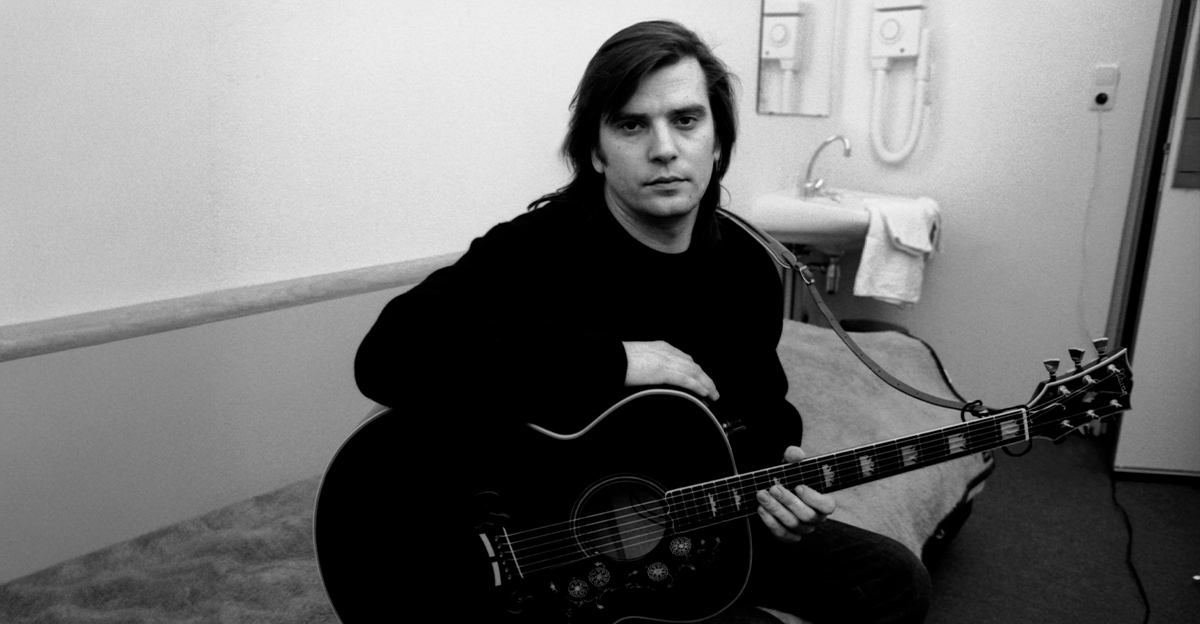 Photo by David Corio/Redferns, Getty Images
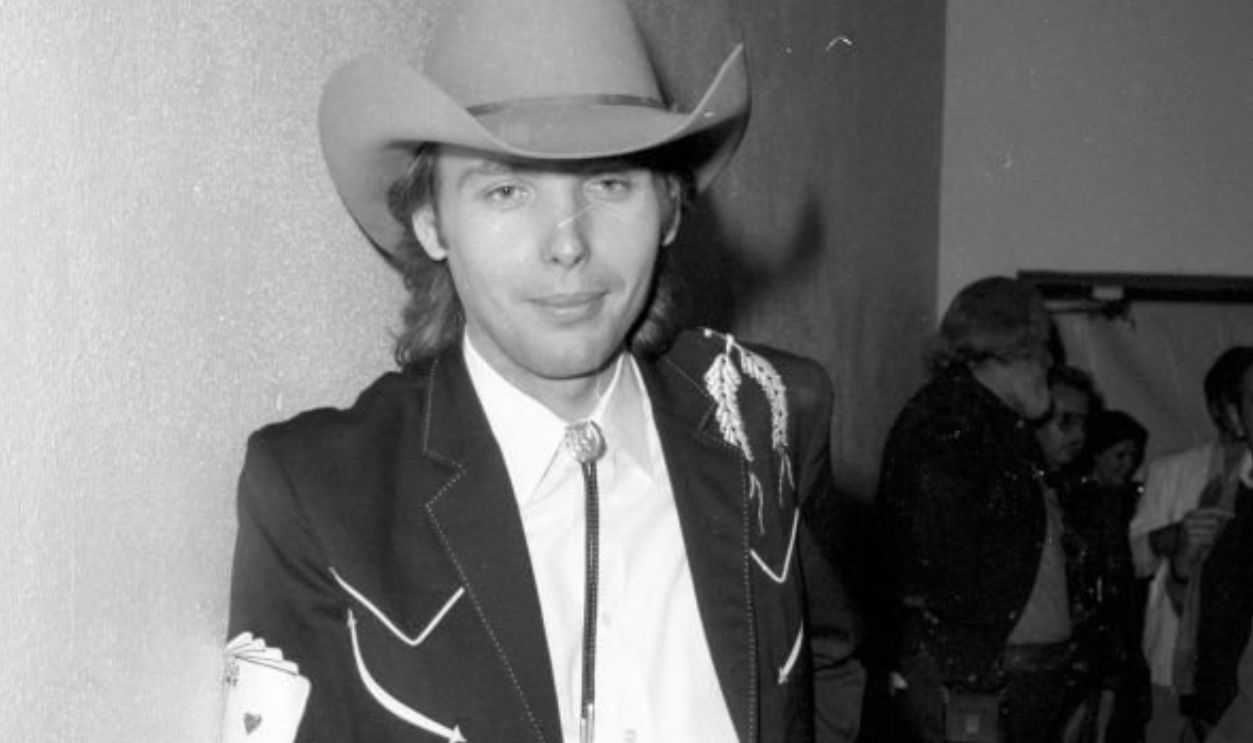
Dwight Yoakam
Yoakam was country enough to revive the Bakersfield sound but initially found a particularly receptive audience in Los Angeles clubs alongside roots-rock and punk musicians. His tight jeans, sharp honky-tonk songs, and rock-and-roll energy made him an ideal bridge between scenes that weren't supposed to have much in common.
 Michael Ochs Archives, Getty Images
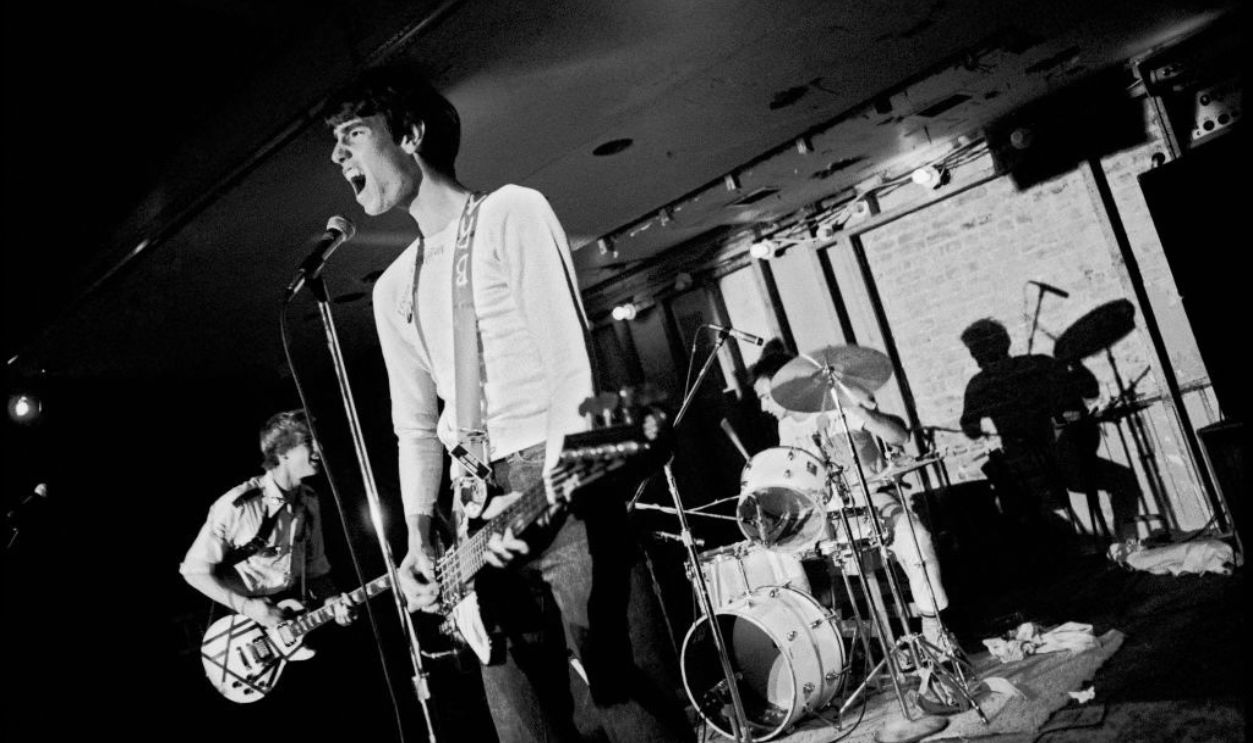
Rank And File
Brothers Chip and Tony Kinman came out of the punk band the Dils before forming Rank and File. Their 1982 debut Sundown combined classic country with stripped-down punk energy, becoming an important early example of the style soon labeled “cowpunk.”
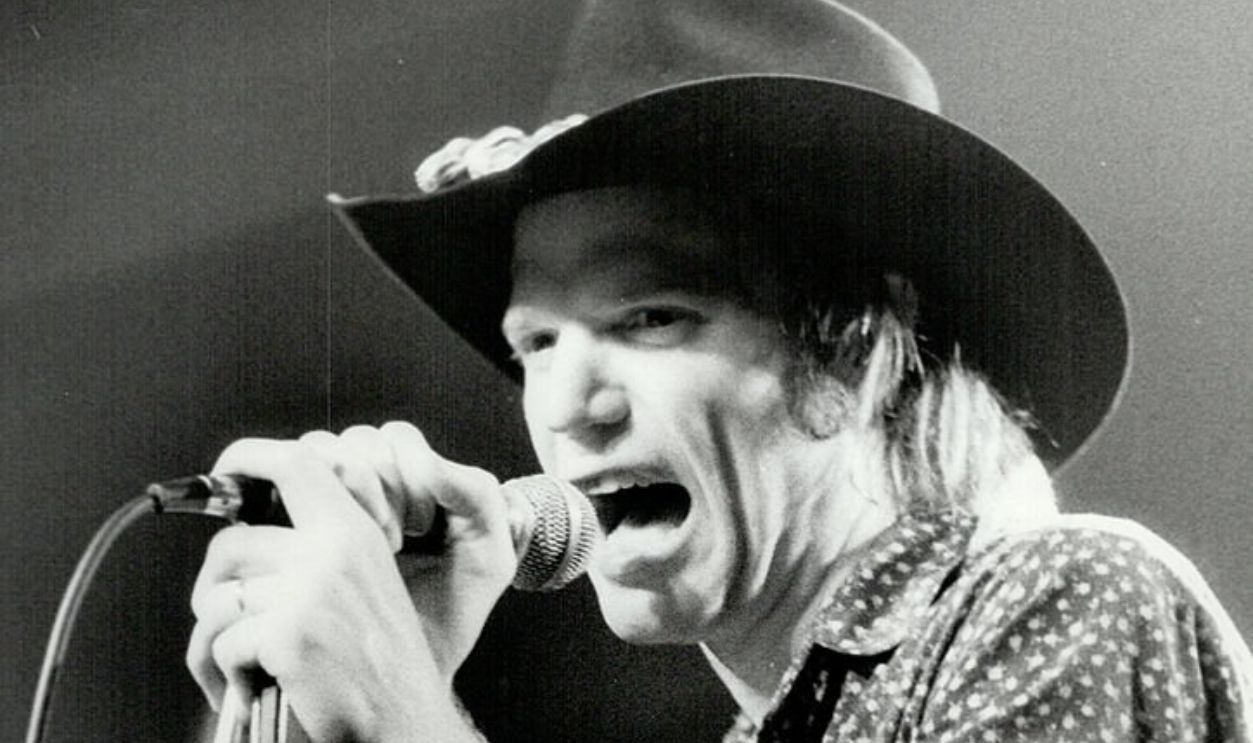
Jason & The Scorchers
If the title of this article describes anyone literally, it's Jason & the Scorchers. Formed in Nashville in 1981, they attacked country material with punk-rock ferocity. Critical acclaim followed, but major commercial success didn't. Their reward was becoming acknowledged pioneers of both cowpunk and the later alt-country movement.
Lone Justice
Fronted by the extraordinary Maria McKee, Lone Justice emerged from Los Angeles' early-'80s roots scene combining country, rockabilly, and punk energy. The industry had difficulty deciding what to do with them, but their self-titled 1985 debut became an influential example of how exciting country-rock could sound after punk had changed the rules.
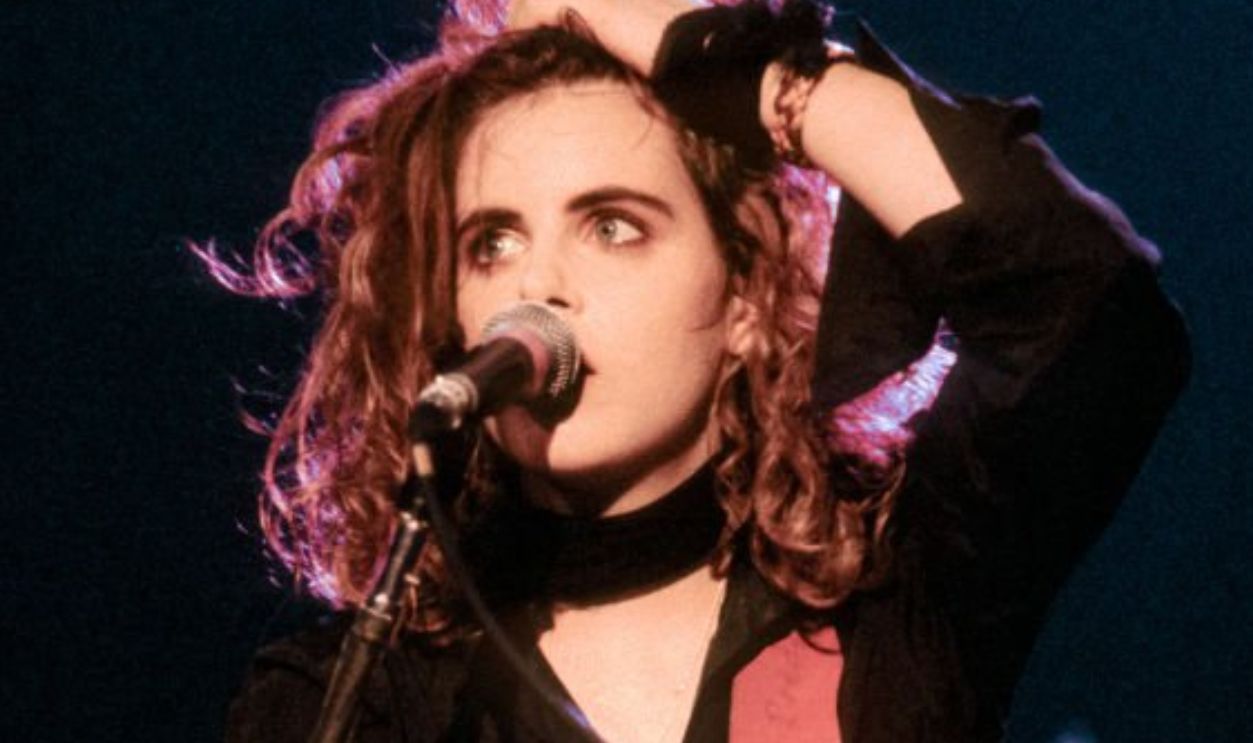
The Blasters
Dave and Phil Alvin's Blasters reached backward to move forward. Blues, rockabilly, R&B, country, and early rock and roll powered their music, delivered with enough intensity to thrive alongside Los Angeles punk bands. Nashville wasn't really their home, but neither was conventional rock radio.
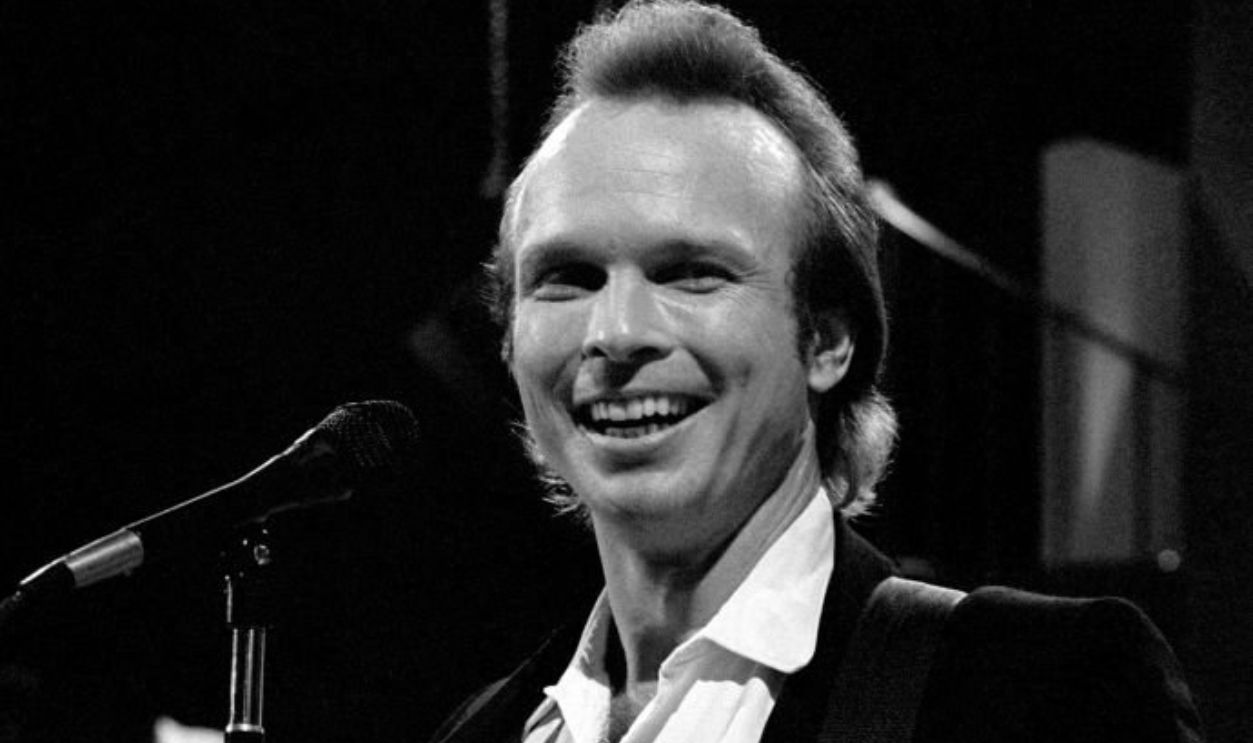
The Long Ryders
The Long Ryders took inspiration from the Byrds and Flying Burrito Brothers but added the urgency of the post-punk era. Their mixture of jangling guitars, country instrumentation, and garage-rock energy made them central figures in Los Angeles' Paisley Underground and important precursors of 1990s alternative country.
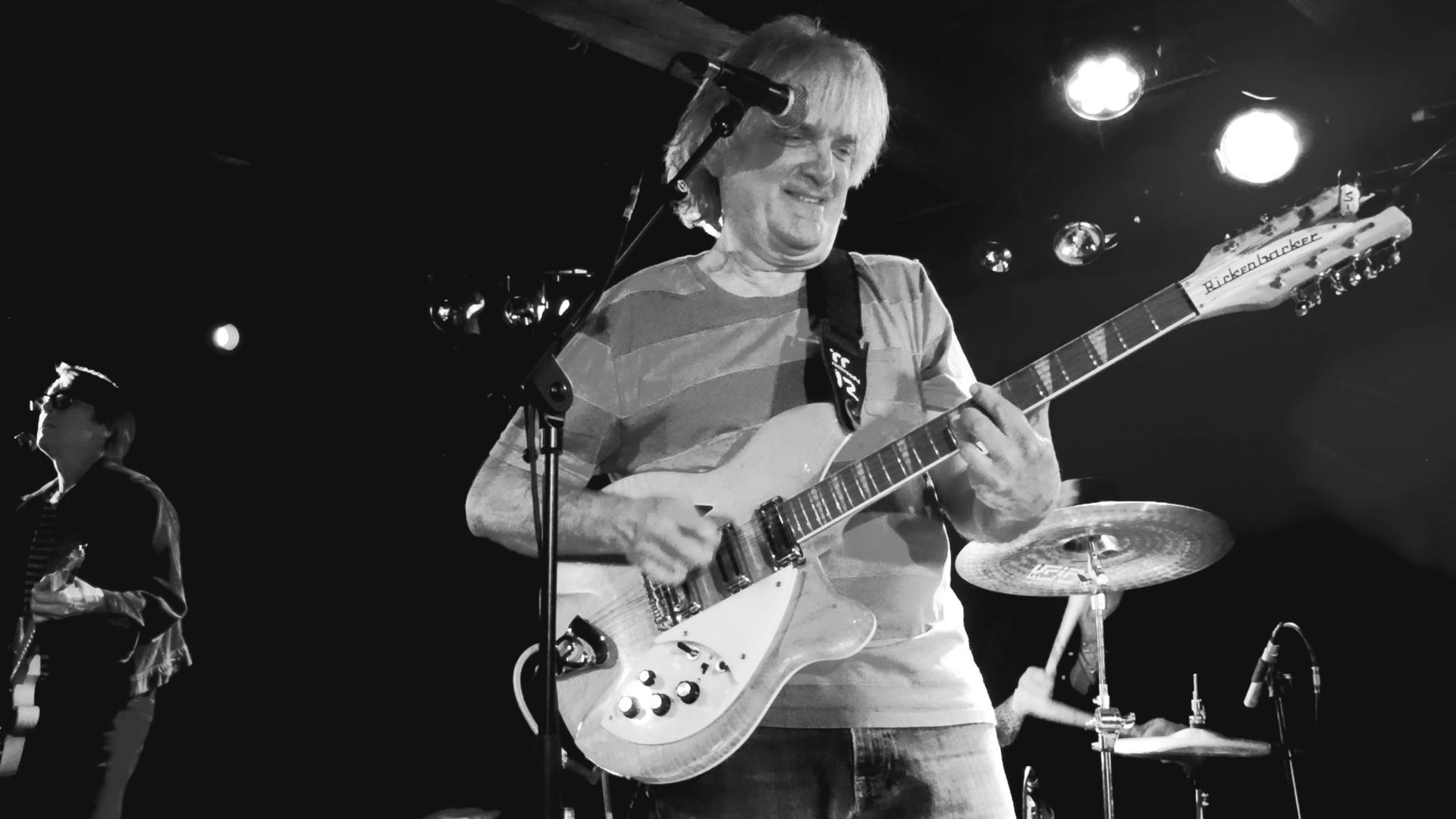
Lucinda Williams
For years, the music business seemed unsure where to put Lucinda Williams. Her songs drew from country, folk, blues, and rock, while her rough-edged voice resisted Nashville polish. Car Wheels on a Gravel Road (1998) ultimately turned that inability to fit comfortably into one genre into her greatest strength.
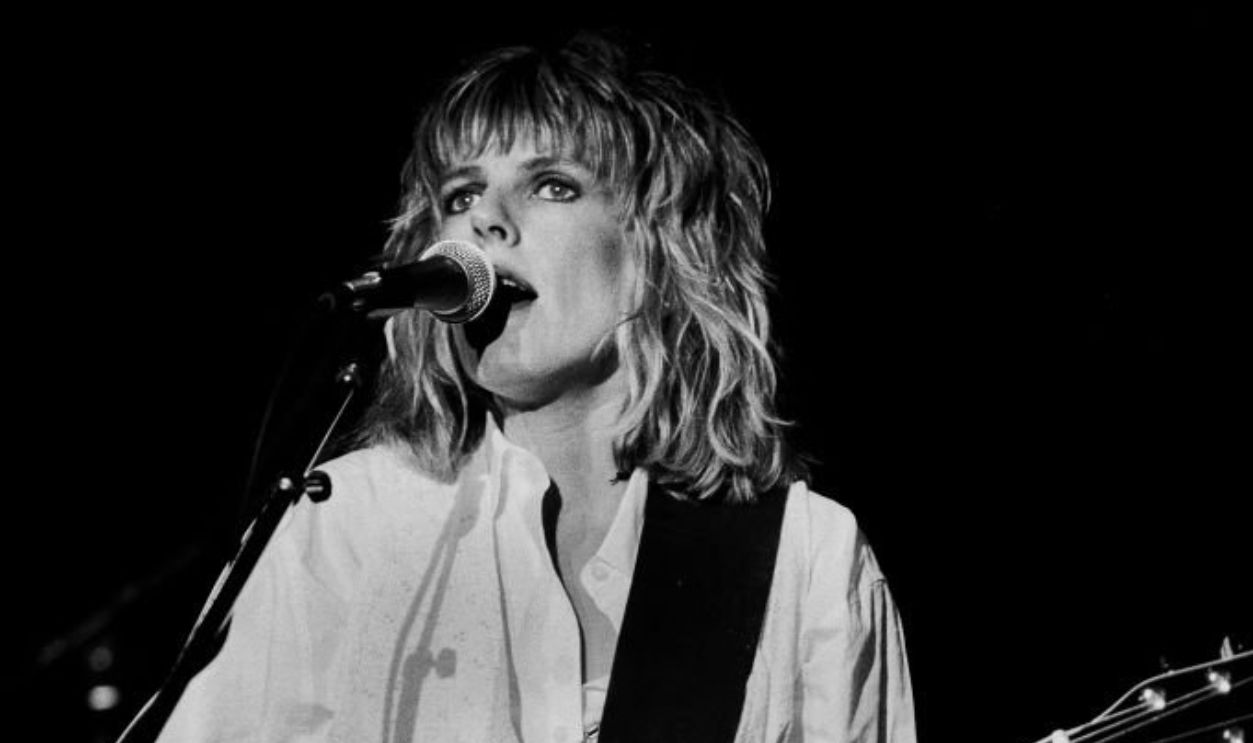
Uncle Tupelo
Country had rarely collided with anything as abrasive as Uncle Tupelo. Jay Farrar, Jeff Tweedy, and Mike Heidorn combined traditional American music with the force of punk on No Depression (1990). The album became so influential that its title eventually became shorthand for an entire alternative-country movement.
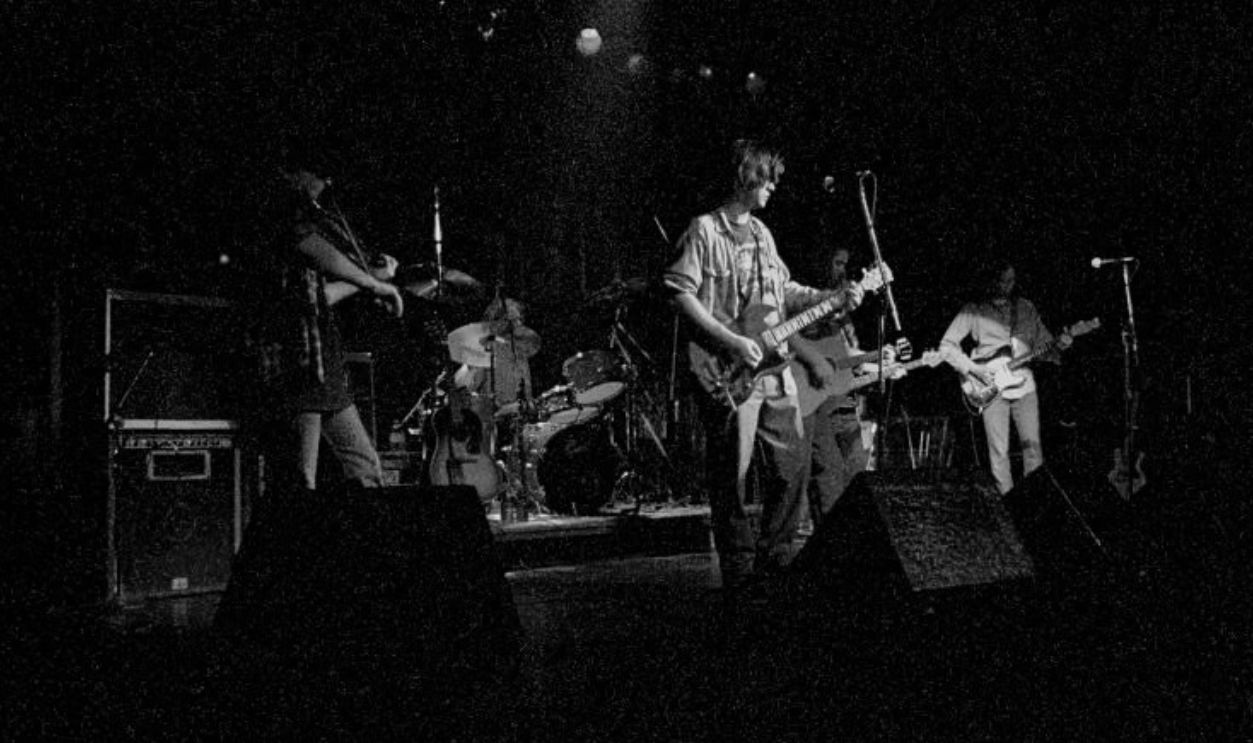
The Bottle Rockets
Formed in Missouri in the early 1990s, the Bottle Rockets sounded like country music after somebody turned the amplifiers up. Brian Henneman's songs dealt with working-class life, small towns, bad jobs, and ordinary frustrations, while the band supplied muscular roots-rock guitars. Closely connected to the Uncle Tupelo scene, they became one of alt-country's quintessential cult bands.
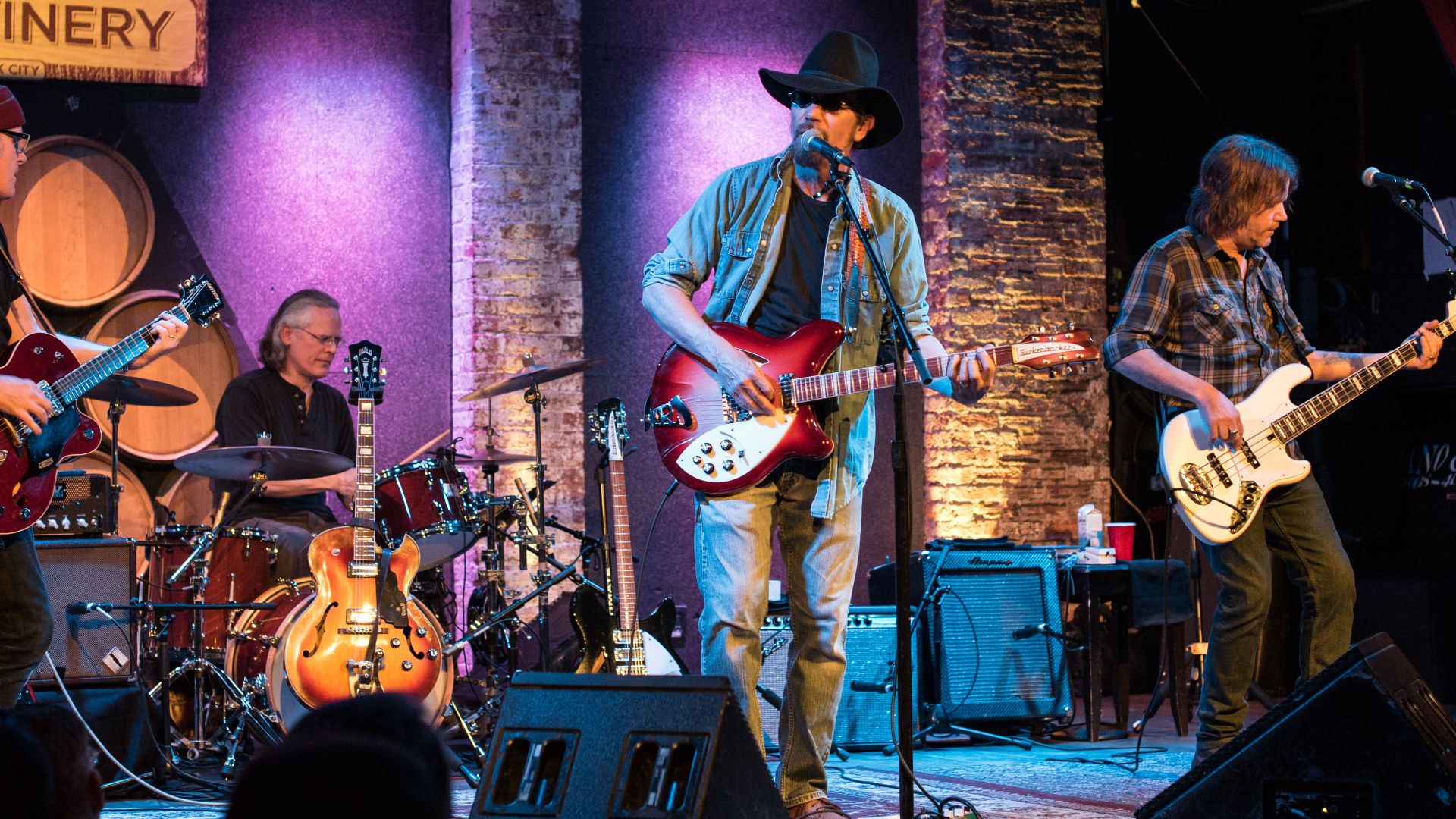 Vivian HW Wang, Wikimedia Commons
Drive-By Truckers
Drive-By Truckers could write songs about the South with the narrative detail of country music, then unleash three electric guitars like a Southern rock band. Albums including Southern Rock Opera (2001) and Decoration Day (2003) made the tension between country storytelling and loud rock one of their defining characteristics.
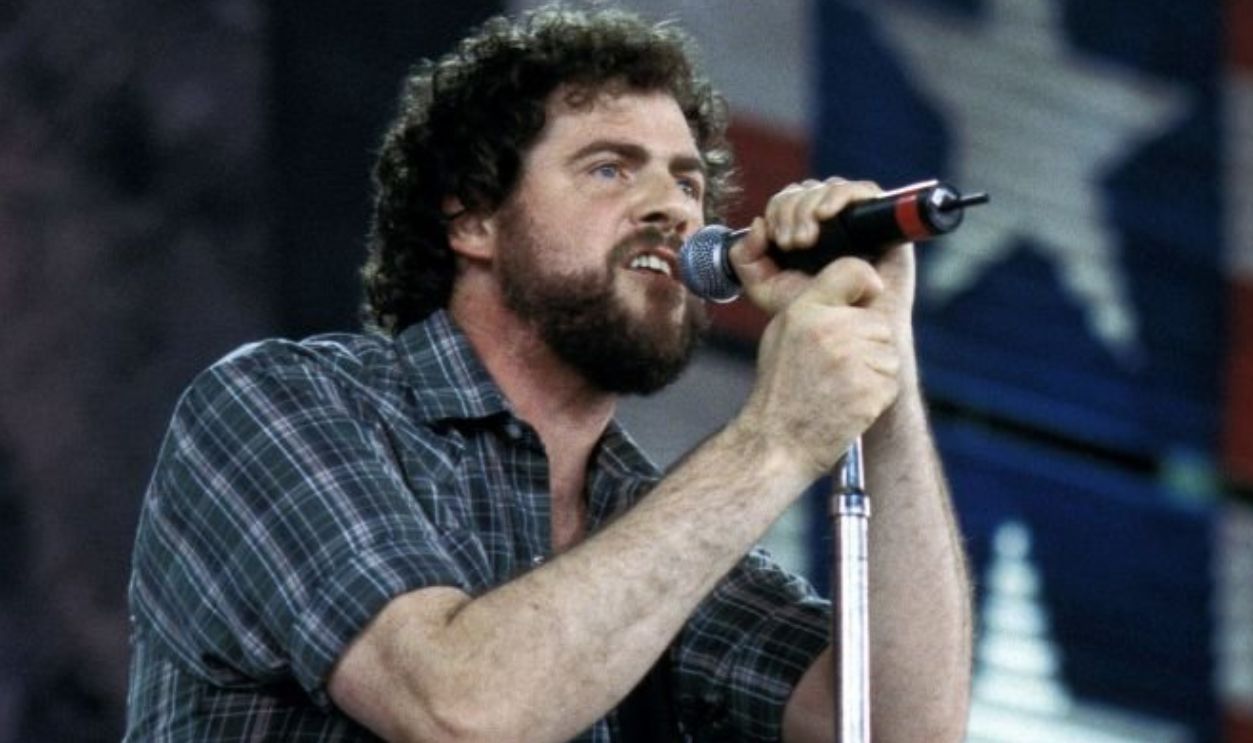
The Genre Finally Caught Up
Eventually the industry found names for much of this music: country-rock, cowpunk, roots rock, alt-country, Americana. The labels changed, but the idea didn't. The most interesting artists were often the ones standing between genres, proving that being too twangy for rock and too loud for Nashville wasn't a problem at all.
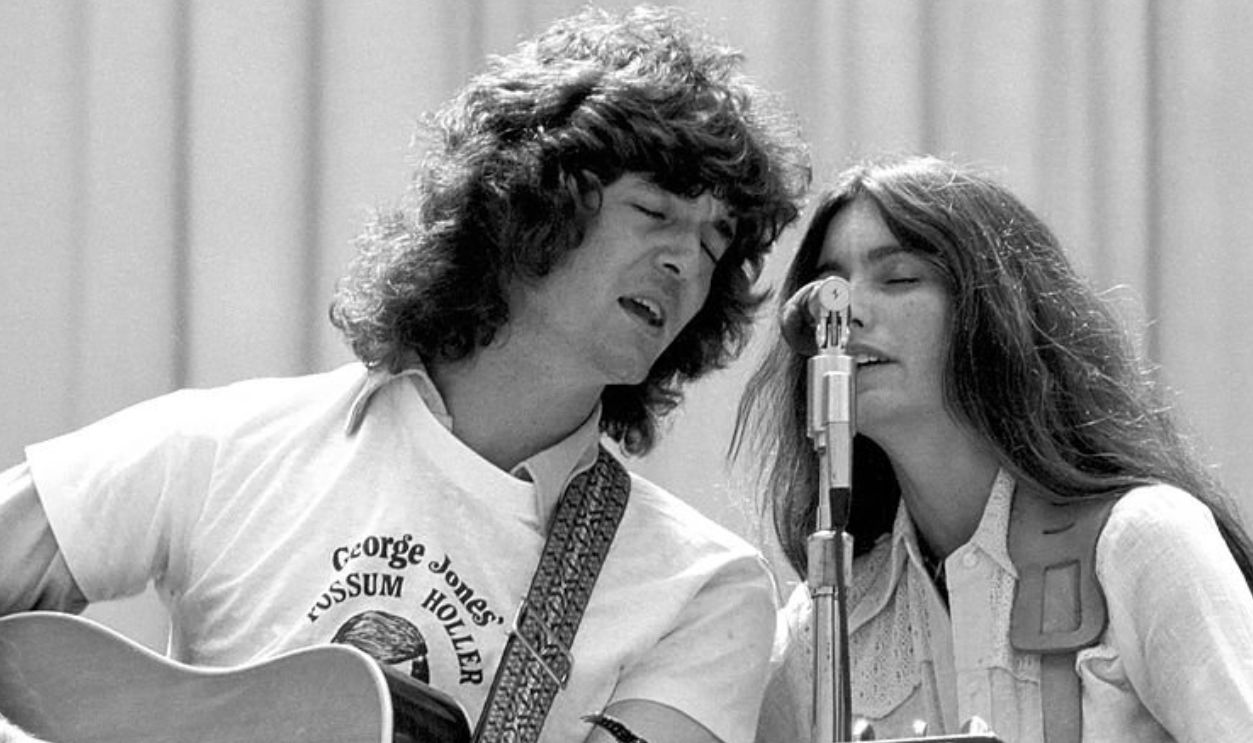
You May Also Like:
Spiraling Facts About Randy Meisner, The Eagles’ Reluctant Rock Star
Alarming Facts About Gram Parsons, The Man Who Reshaped A Genre