Before The Stars Made Them Famous
Long before these songs conquered radio, they were sung by songwriters, producers, session vocalists, and even other celebrities. Some demos sound remarkably familiar, while others feel like transmissions from a musical alternate universe.
Here are 25 major hits that began with someone else behind the microphone.
“The Middle” — Sarah Aarons
Before Maren Morris supplied the polished vocal heard around the world, co-writer Sarah Aarons sang the original demo. Producers reportedly tested numerous singers afterward, but Aarons’ phrasing remained the standard everyone was trying to match. Morris finally captured its conversational quality without making it sound overly rehearsed.
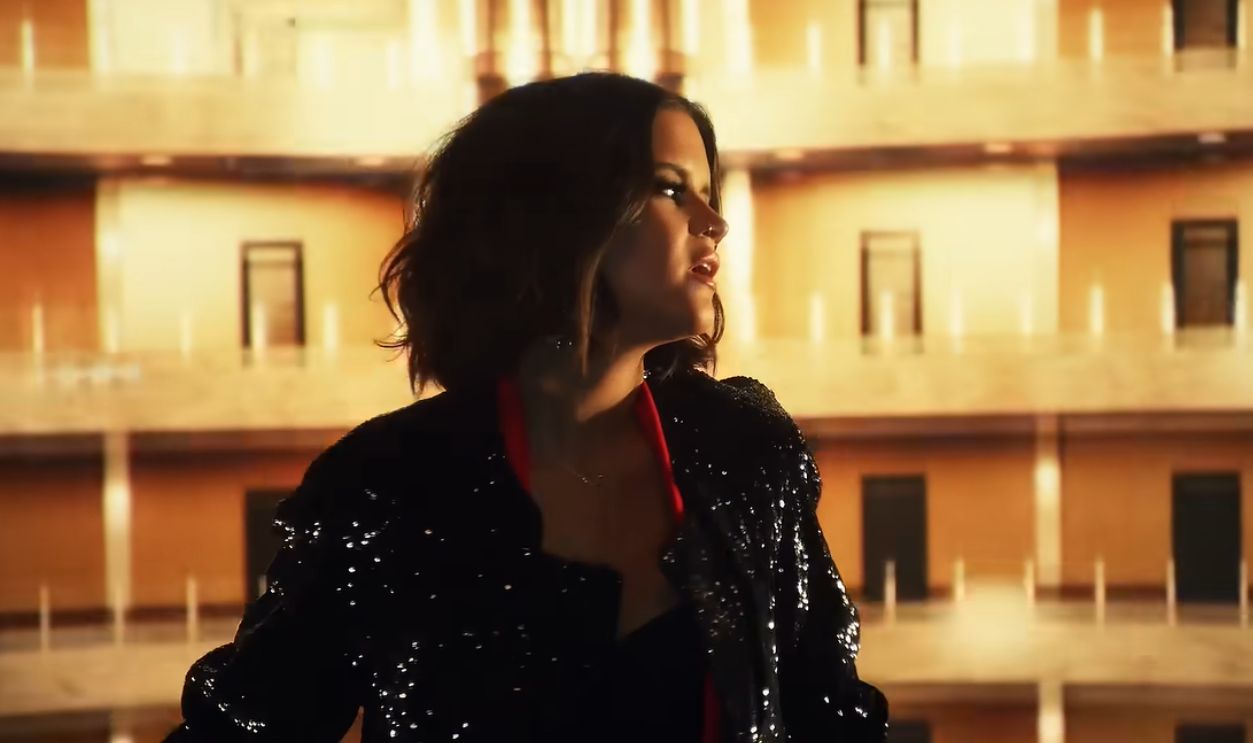 Screenshot from “The Middle,” Interscope Records (2018)
“One Kiss” — Jessie Reyez
Dua Lipa made “One Kiss” one of 2018’s defining dance-pop hits, but co-writer Jessie Reyez sang an early demo for Calvin Harris. Reyez later shared part of her version publicly. Lipa’s cooler, controlled delivery ultimately became inseparable from the song’s sleek house production.
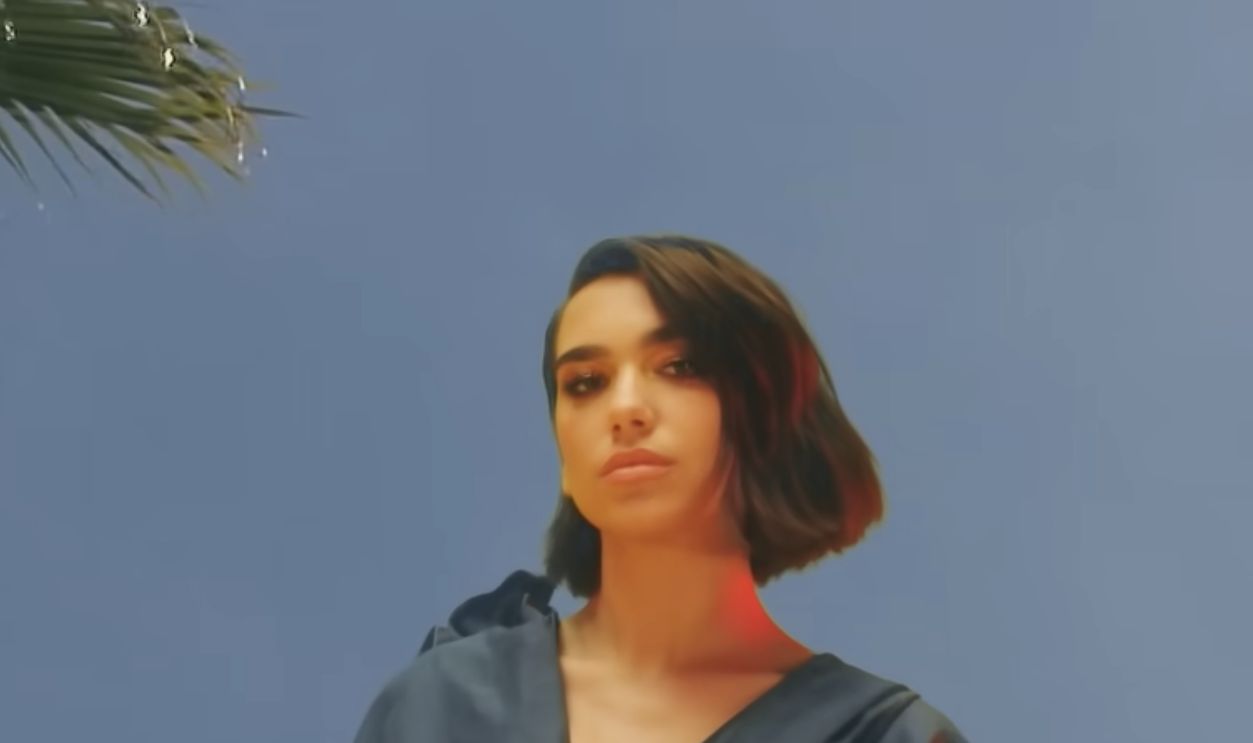 Screenshot from “One Kiss,” Columbia Records (2018)
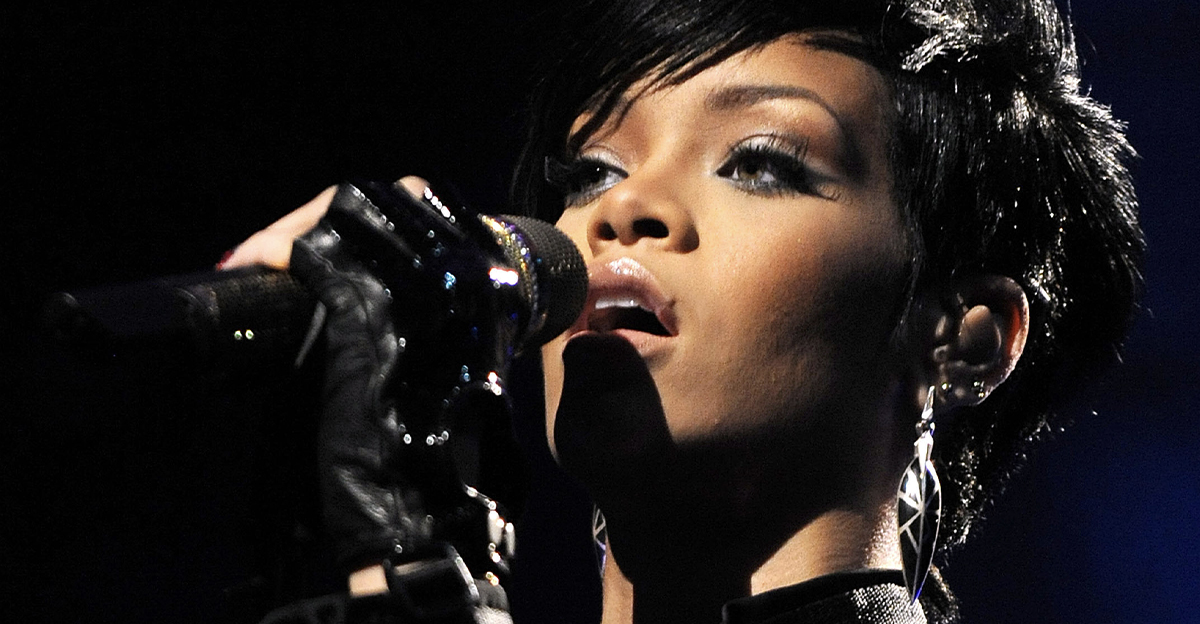
“Diamonds” — Sia
Sia wrote “Diamonds” with Stargate and recorded its demo herself, reportedly completing the vocal very quickly. Rihanna closely followed Sia’s distinctive cadence when recording the finished version, which explains why listeners can practically hear Sia hiding inside it. Rihanna still gave the song her own commanding glow.
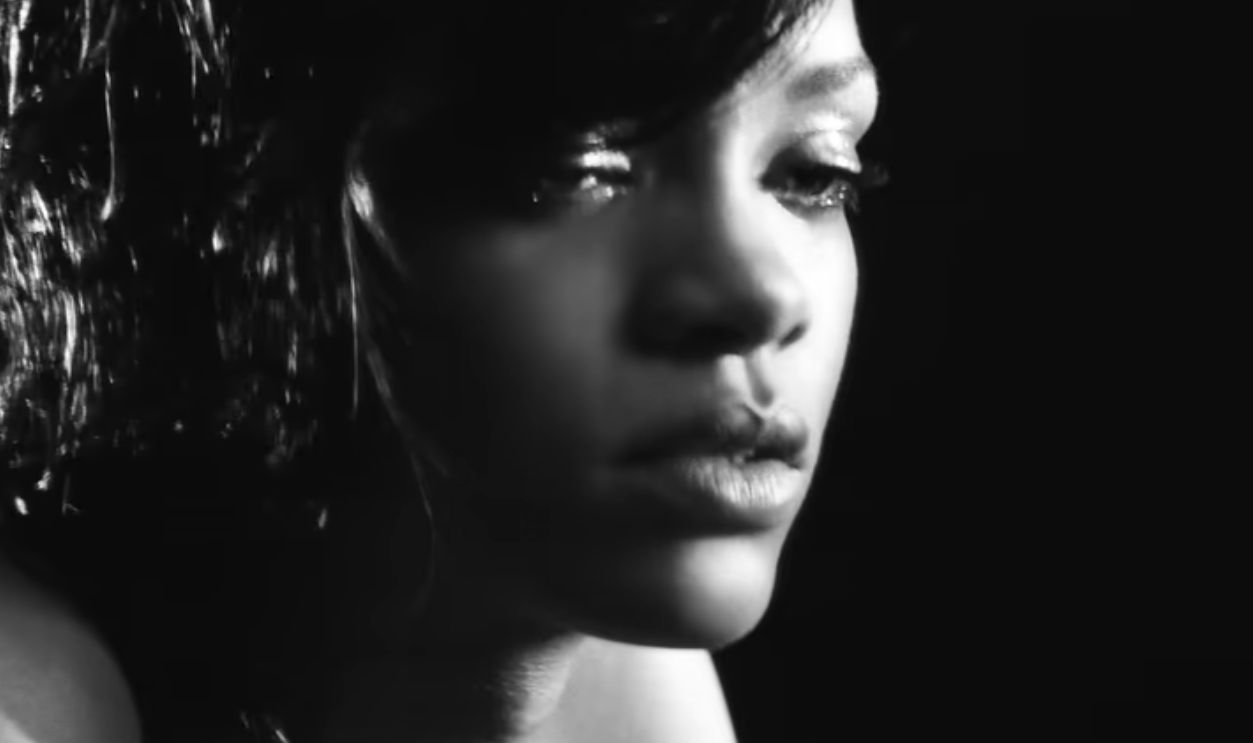 Screenshot from “Diamonds,” Def Jam Recordings (2012)
“Telephone” — Britney Spears
Lady Gaga originally offered “Telephone” to Britney Spears during the period surrounding Spears’ Circus album. Spears recorded a rough demo but did not release it. Gaga reclaimed the song, added Beyoncé, and turned it into an elaborately staged pop spectacle that made the abandoned version irresistible internet mythology.
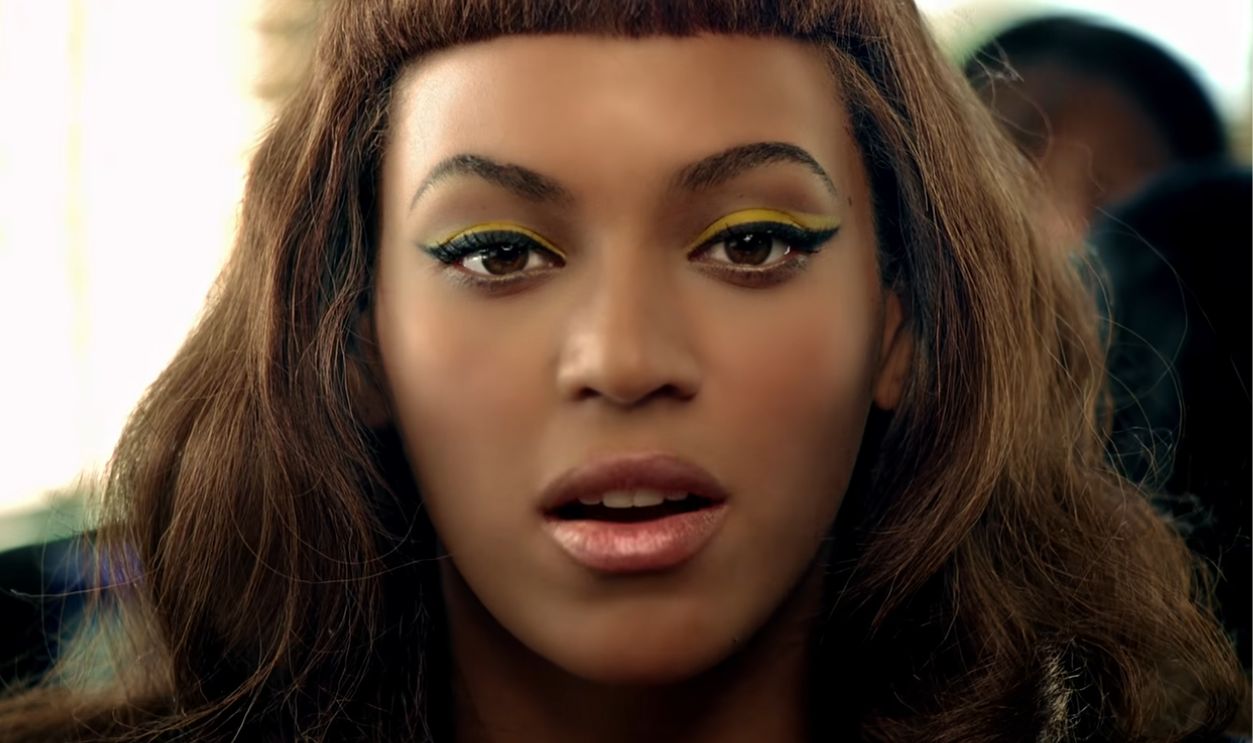 Screenshot from “Telephone,” Interscope Records (2010)
“Toxic” — Cathy Dennis
Songwriter Cathy Dennis sang the demo for “Toxic” before Britney Spears transformed it into a career-defining hit. Dennis already knew her way around pop radio, having enjoyed her own recording career. Spears added the breathy danger and futuristic attitude that made the final recording sound almost impossible to imitate.
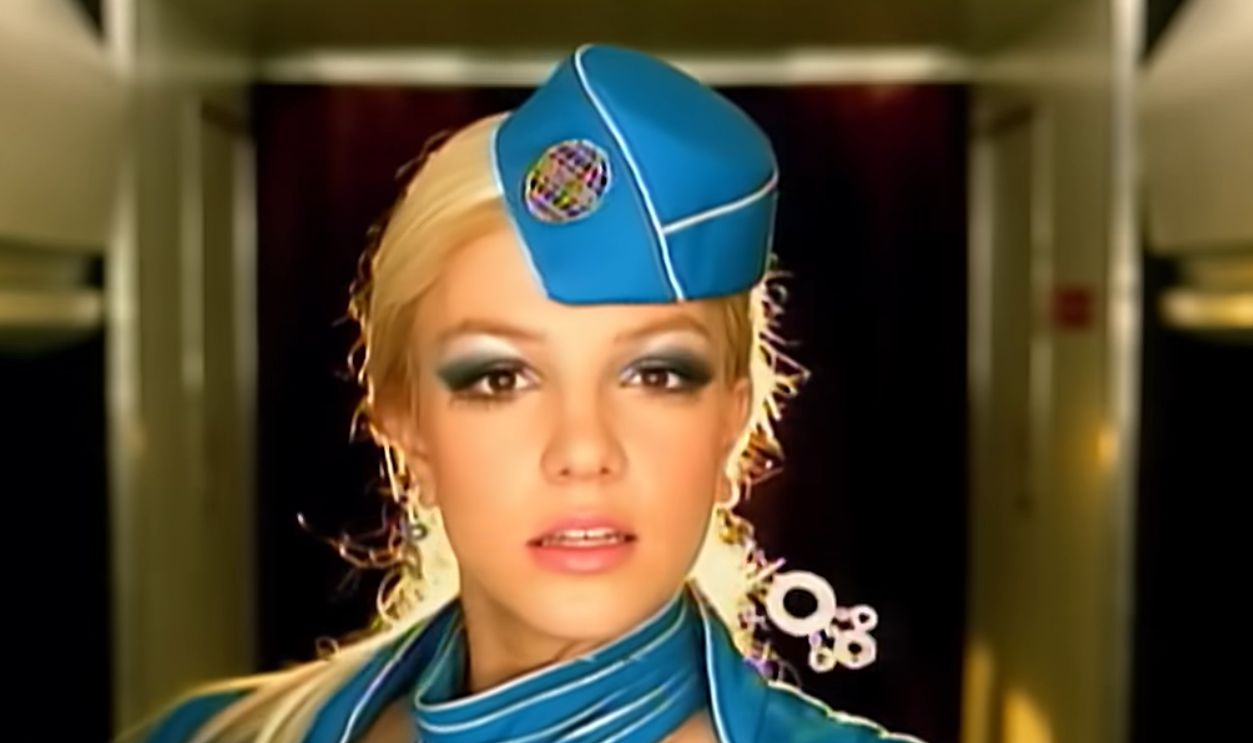 Screenshot from “Toxic,” Jive Records (2004)
“Beautiful” — Linda Perry
Linda Perry wrote “Beautiful” and recorded its deeply personal demo before Christina Aguilera heard it. Perry was initially protective of the song, but Aguilera’s emotional response convinced her that she had found the proper singer. The released vocal preserved the composition’s vulnerability without turning it into theatrical vocal gymnastics.
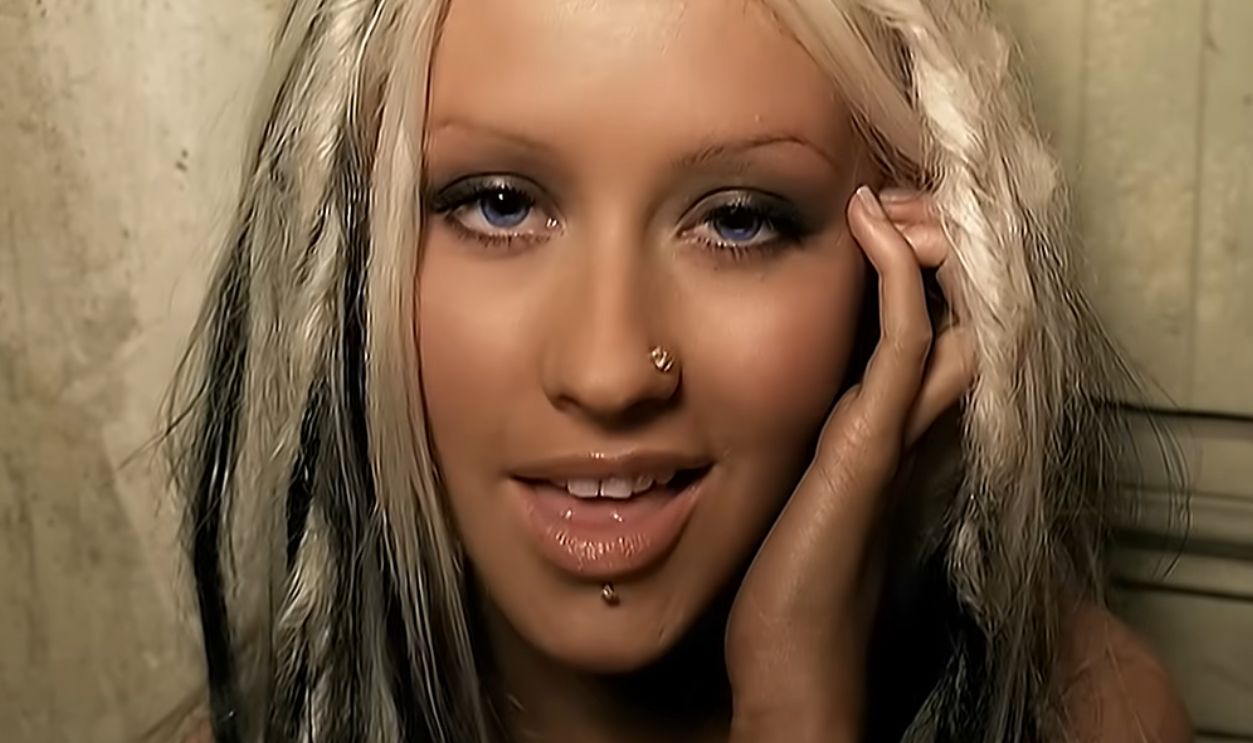 Screenshot from “Beautiful,” RCA Records (2002)
“Umbrella” — The-Dream
Co-writer The-Dream sang the working demo of “Umbrella,” a song that was reportedly considered for other artists before reaching Rihanna. His version established the melody and hypnotic repetition. Rihanna brought the cool authority, while Jay-Z’s opening verse helped turn a songwriter’s demo into an international pop landmark.
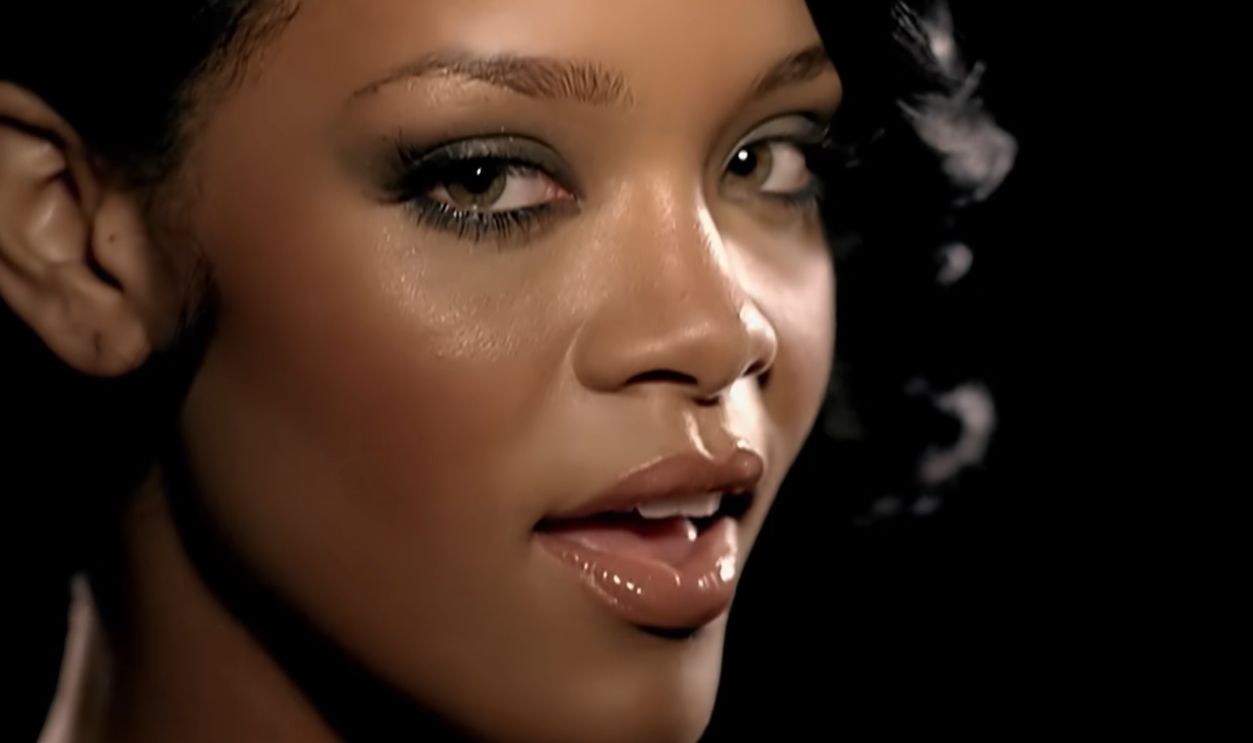 Screenshot from “Umbrella,” Def Jam Recordings (2007)
“Rude Boy” — Ester Dean
Ester Dean, one of the busiest pop songwriters of the era, sang the demo for Rihanna’s “Rude Boy.” Dean’s demos were known for supplying strong melodies, vocal rhythms, and attitude. Rihanna took that blueprint and made the teasing, swaggering delivery sound completely natural rather than like something assembled in a songwriting room.
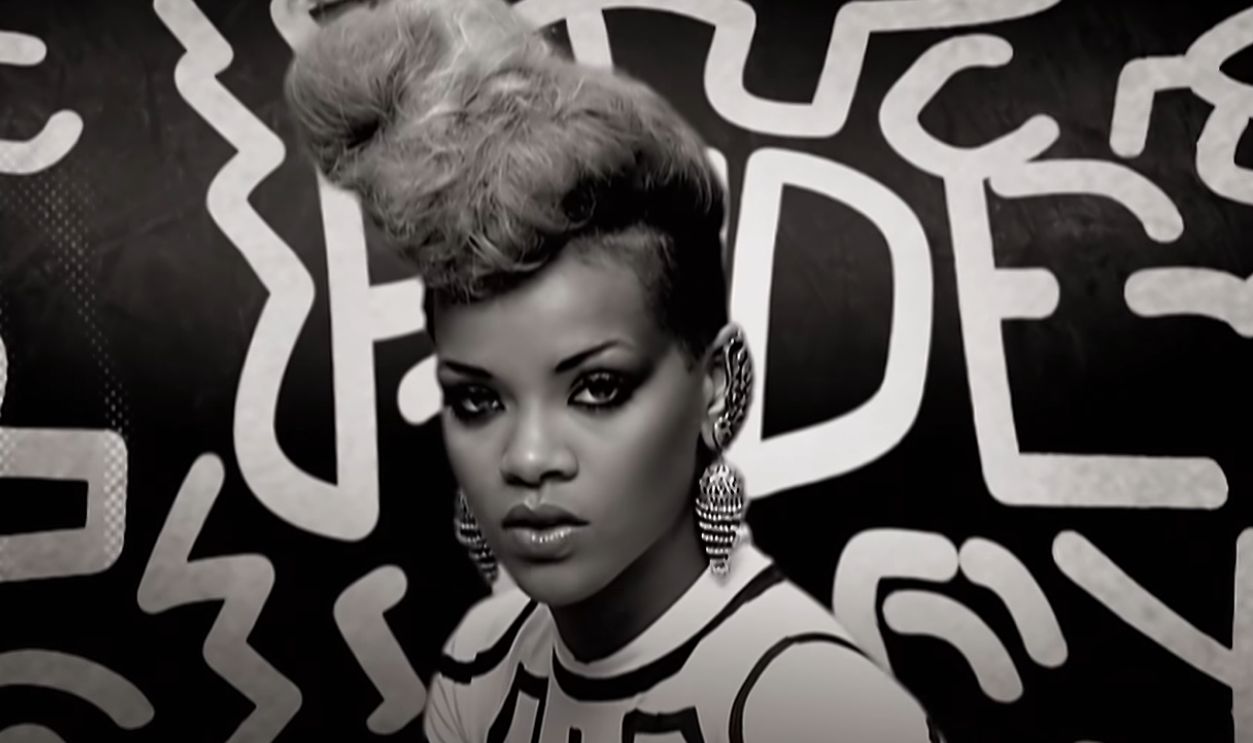 Screenshot from “Rude Boy,” Def Jam Recordings (2010)
“Love the Way You Lie” — Skylar Grey
Skylar Grey wrote and sang the original demo that became “Love the Way You Lie.” The composition eventually reached Eminem, while Rihanna was recruited to deliver the chorus. Grey’s haunting idea remained at the song’s center, but Rihanna’s powerful vocal gave the hook its enormous radio-ready impact.
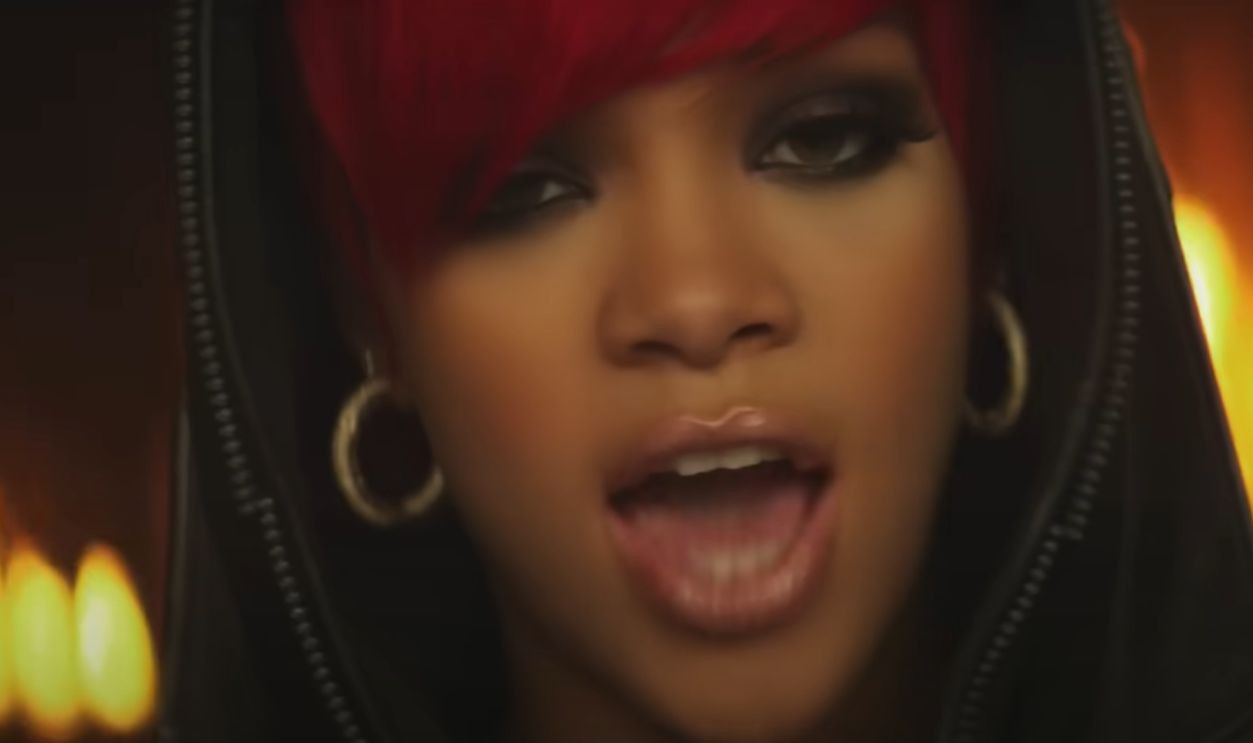 Screenshot from “Love the Way You Lie,” Aftermath Entertainment (2010)
“Halo” — Ryan Tedder
Ryan Tedder recorded a demo of “Halo” after writing the song with Evan Bogart. Hearing the OneRepublic singer tackle a song now associated with Beyoncé can be slightly disorienting. Beyoncé retained the soaring melodic structure but supplied the vocal power, warmth, and precision that made the finished ballad unmistakably hers.
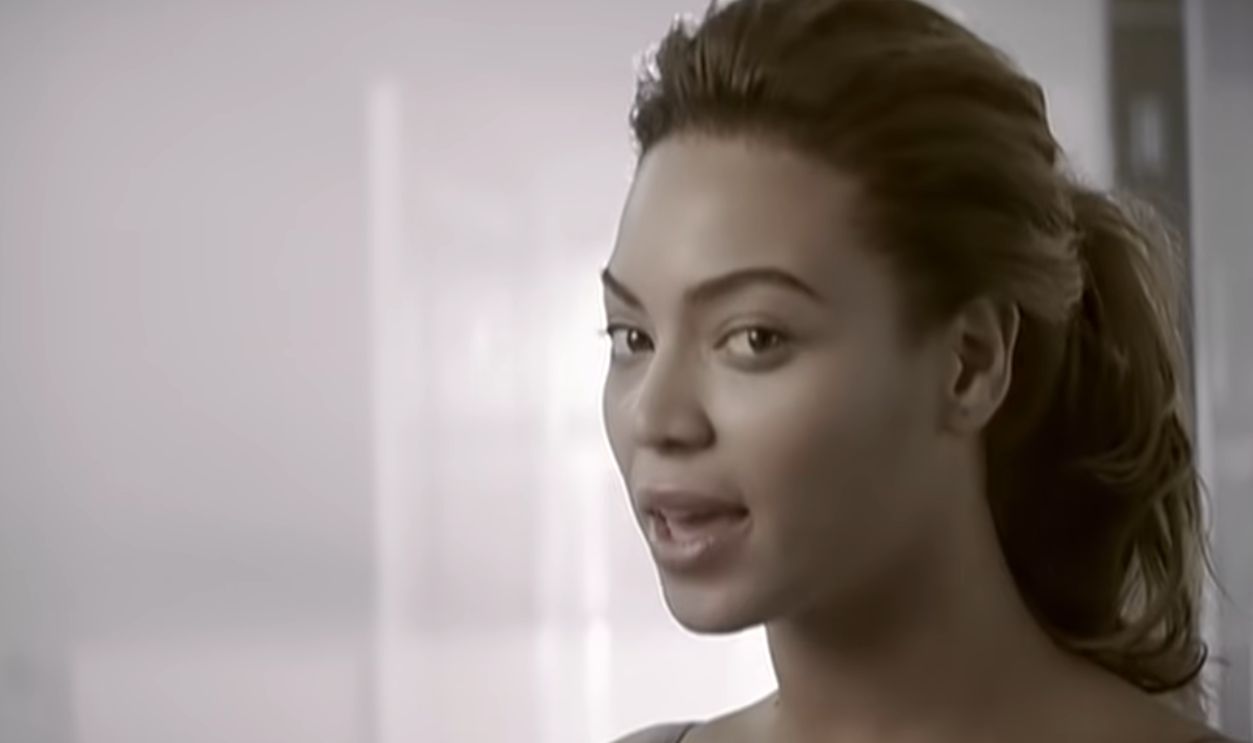 Screenshot from “Halo,” Columbia Records (2009)
“Irreplaceable” — Ne-Yo
Ne-Yo sang the early demo of “Irreplaceable,” which made its dismissal of an unfaithful partner sound rather different. Once Beyoncé recorded it from a woman’s perspective, the song became a confident breakup anthem. Ne-Yo later acknowledged that the record made far more sense with a female vocalist delivering those famous instructions.
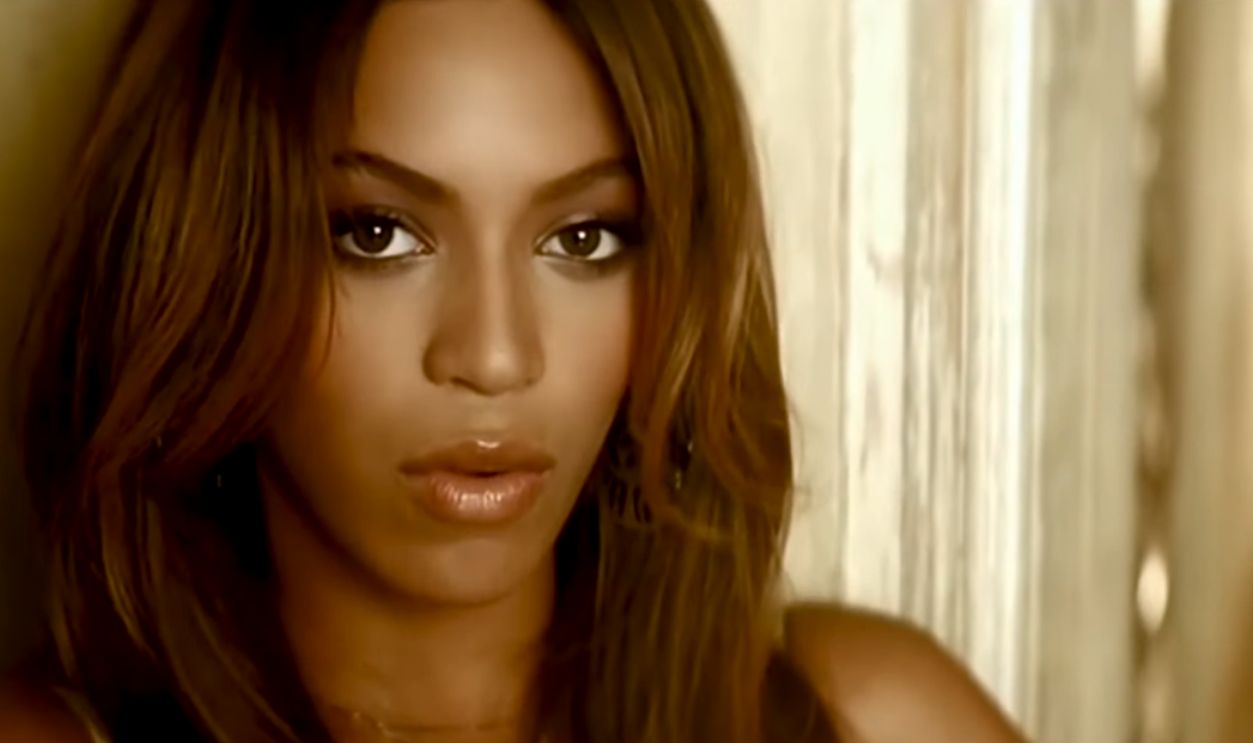 Screenshot from “Irreplaceable,” Columbia Records (2006)
“Breakaway” — Avril Lavigne
Avril Lavigne co-wrote “Breakaway” and recorded a demo while preparing her debut album, Let Go. The song was ultimately left off that record and given to Kelly Clarkson. Clarkson’s expansive vocal turned its small-town escape story into a soaring anthem, although Lavigne’s melodic fingerprints remain easy to recognize.
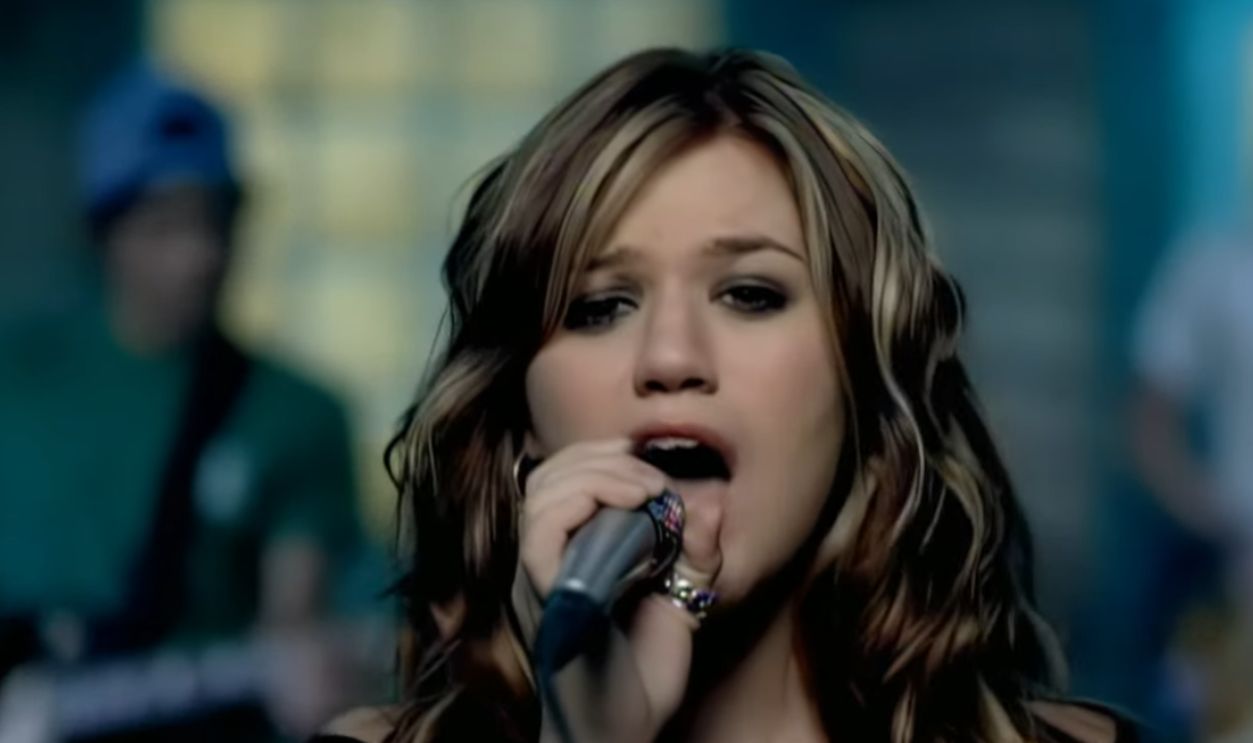 Screenshot from “Breakaway,” RCA Records (2004)
“Like a Virgin” — Tom Kelly
Co-writer Tom Kelly sang the original “Like a Virgin” demo in a high falsetto. Madonna reportedly used the recording as a detailed musical blueprint before recording her version with producer Nile Rodgers. Her playful delivery and carefully cultivated image then transformed the song into one of the defining pop singles of the 1980s.
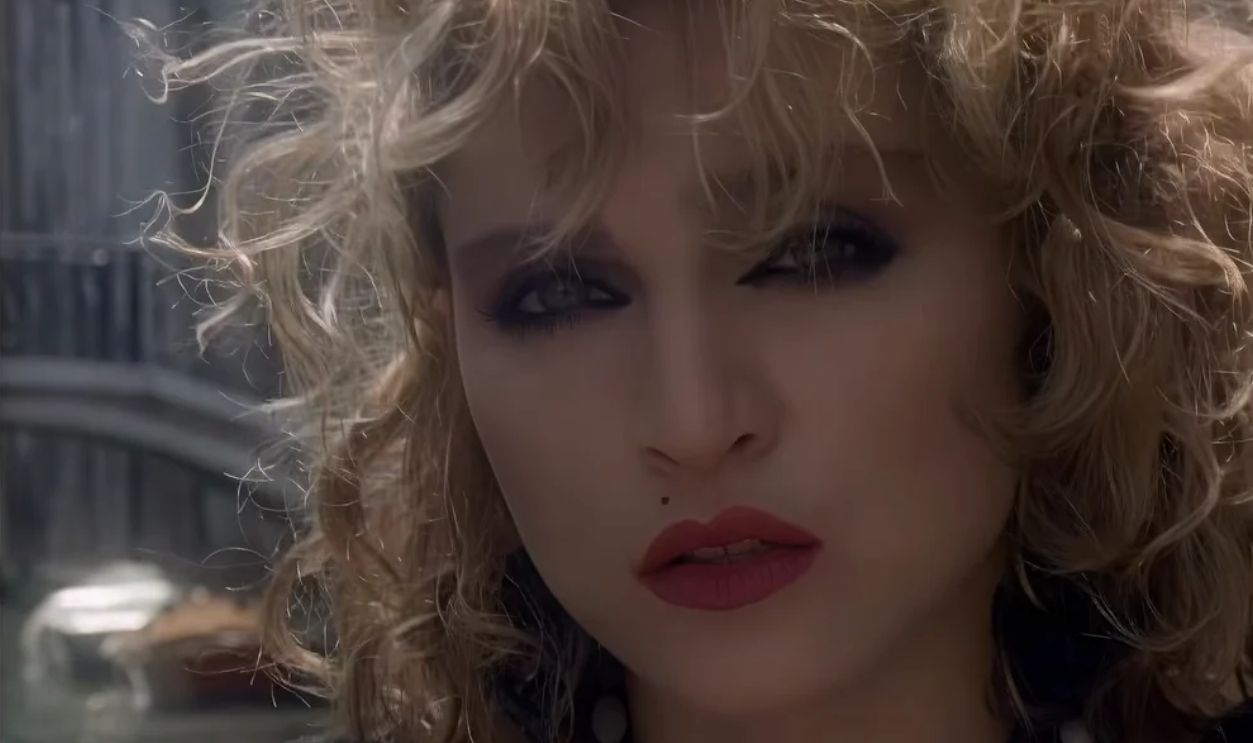 Screenshot from Like a Virgin, Sire Records (1984)
“Manic Monday” — Prince
Prince wrote “Manic Monday” and recorded the original demo before giving the song to the Bangles. His recording already contained the melody and wistful quality that made the composition special. Susanna Hoffs’ airy lead vocal added a different kind of charm, helping the Bangles take it to No. 2.
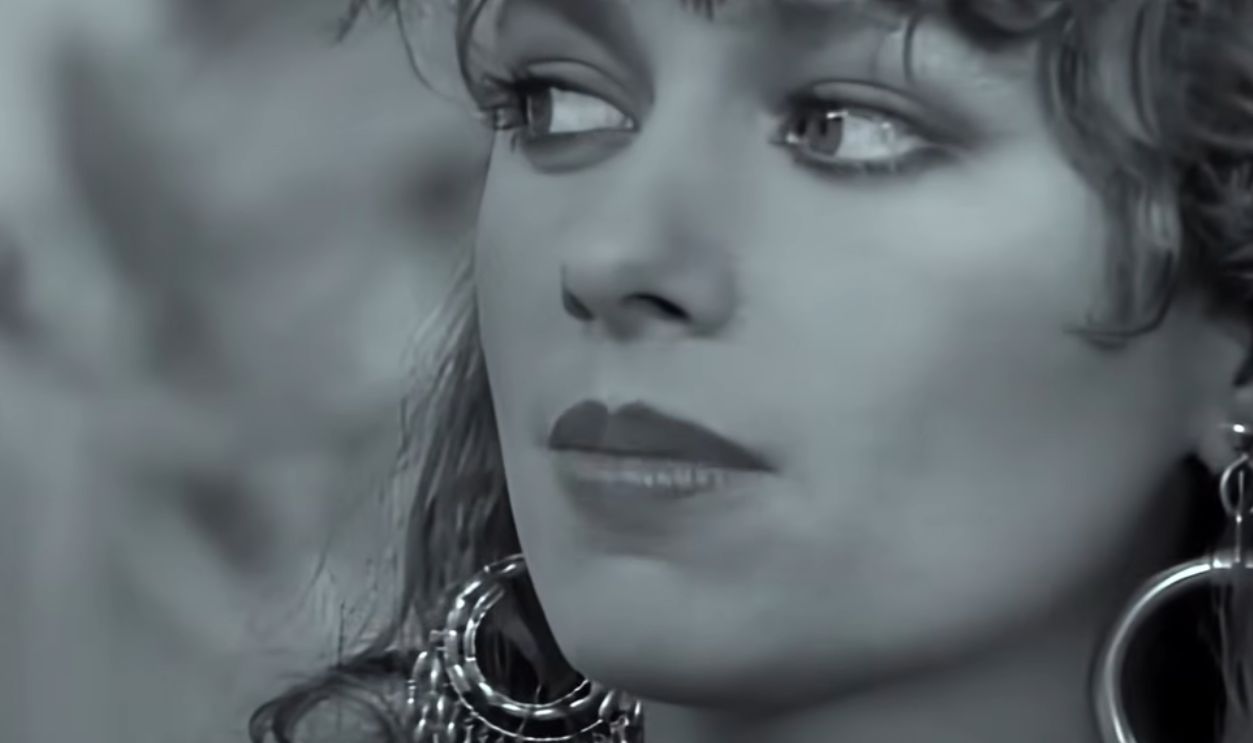 Screenshot from Manic Monday, Columbia Records (1986)
“The Glamorous Life” — Prince
Prince also created an early version of “The Glamorous Life,” singing the song that would become Sheila E.’s breakthrough hit. The final recording gained much of its identity from Sheila E.’s percussion and stylish performance. Prince supplied the architecture, but she turned it into her own glamorous, rhythm-heavy showcase.
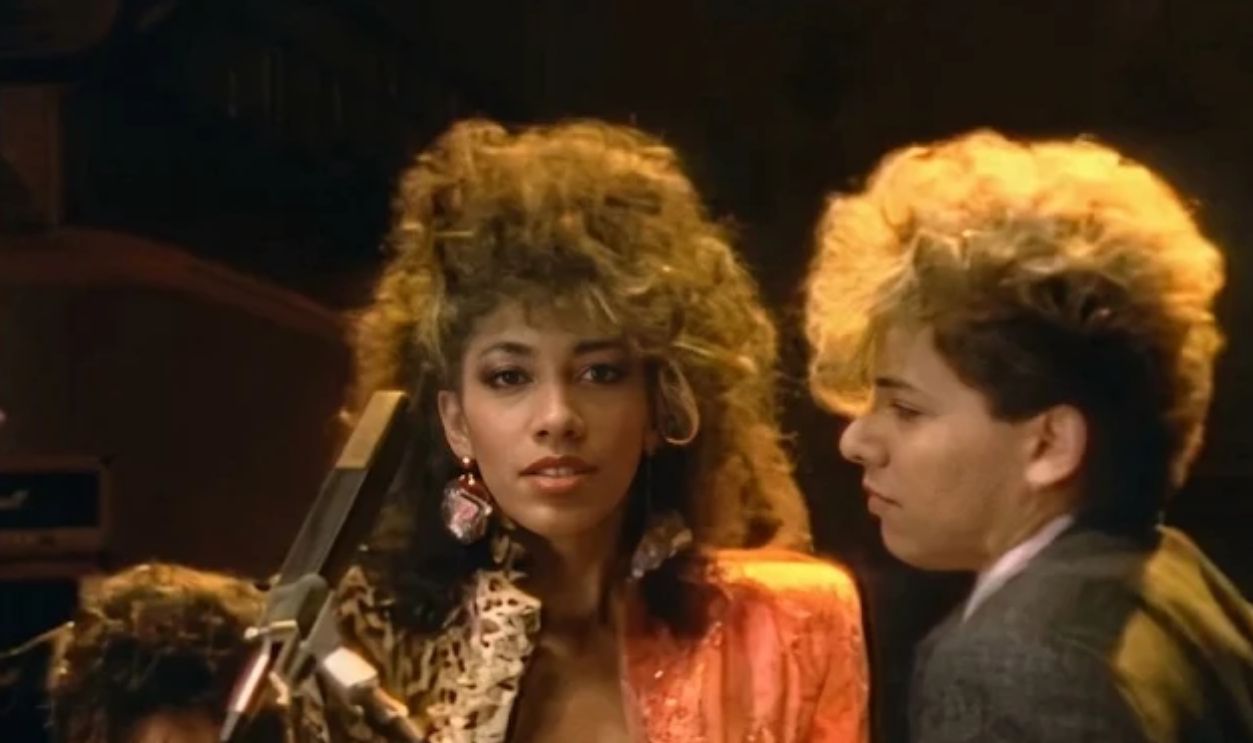 Screenshot from “The Glamorous Life,” Warner Bros. Records (1984)
“Nothing Compares 2 U” — Prince
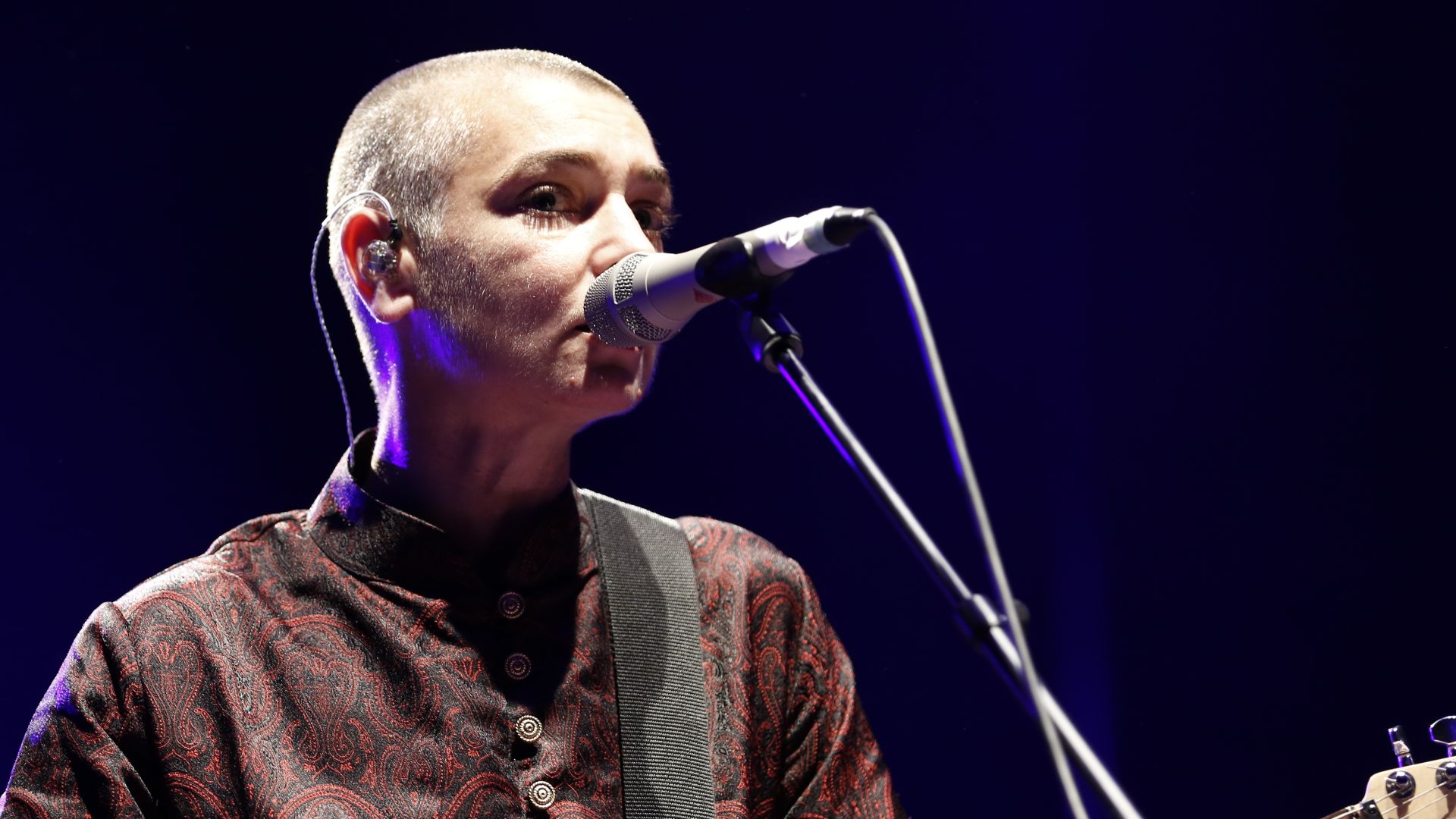
Prince recorded a studio demo of “Nothing Compares 2 U” years before Sinéad O’Connor made it a worldwide phenomenon. A version by the Family appeared earlier, but O’Connor’s stark 1990 recording became definitive. Her exposed, aching performance found an emotional depth that the song’s previous incarnations had not achieved commercially.
“(You Make Me Feel Like) A Natural Woman” — Carole King
Carole King sang the original demo of the song she wrote with Gerry Goffin and Jerry Wexler. Aretha Franklin’s 1967 recording elevated it into a soul standard. King later released her own rendition on Tapestry, allowing listeners to hear the writer’s intimate interpretation after already knowing Franklin’s towering performance.
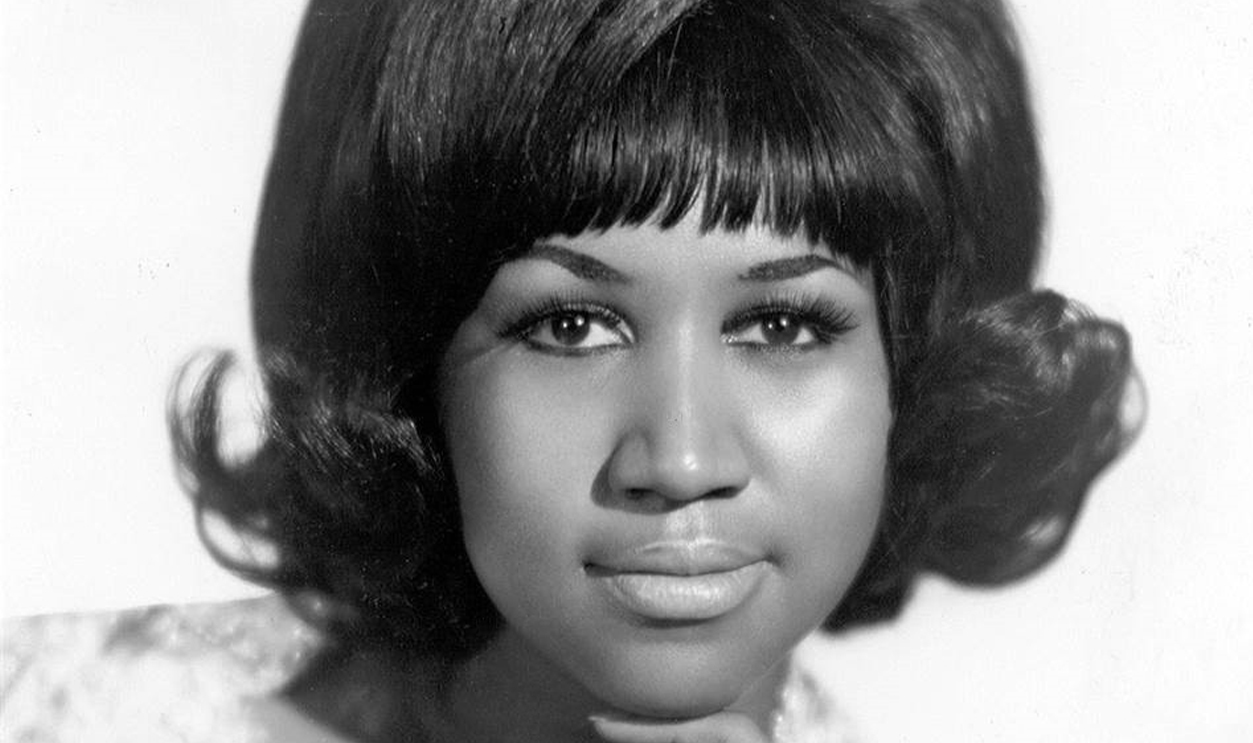 Atlantic Records, Wikimedia Commons
“Genie in a Bottle” — Pam Sheyne
Co-writer Pam Sheyne provided the lead vocal on the original “Genie in a Bottle” demo. Christina Aguilera was not immediately enthusiastic about the song, but her final recording became her breakthrough single. Her vocal control gave the polished teen-pop production more personality than its carefully manufactured origins might suggest.
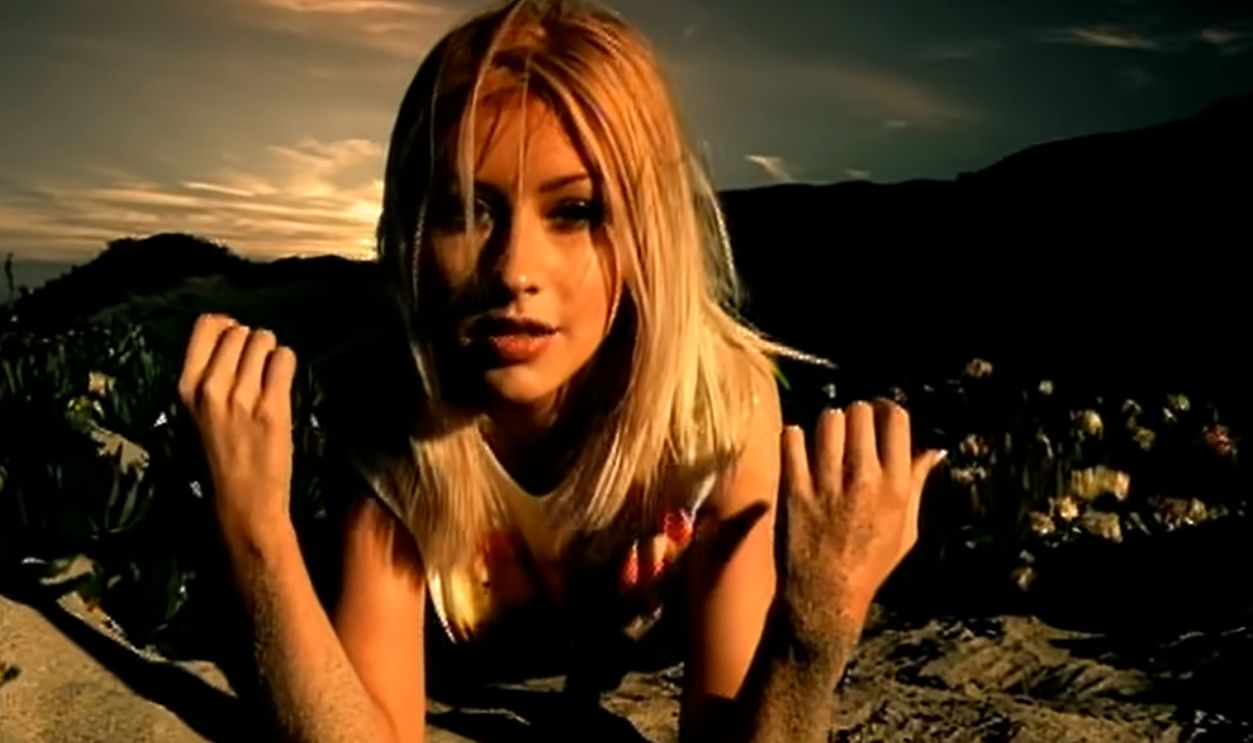 Screenshot from “Genie in a Bottle,” RCA Records (1999)
“How Will I Know” — Shannon Rubicam
George Merrill and Shannon Rubicam wrote “How Will I Know” with Janet Jackson initially in mind. Their demo featured Rubicam’s voice before the song reached Whitney Houston’s team. Houston’s joyful performance, combined with Narada Michael Walden’s production work, turned the composition into one of the brightest pop singles of the decade.
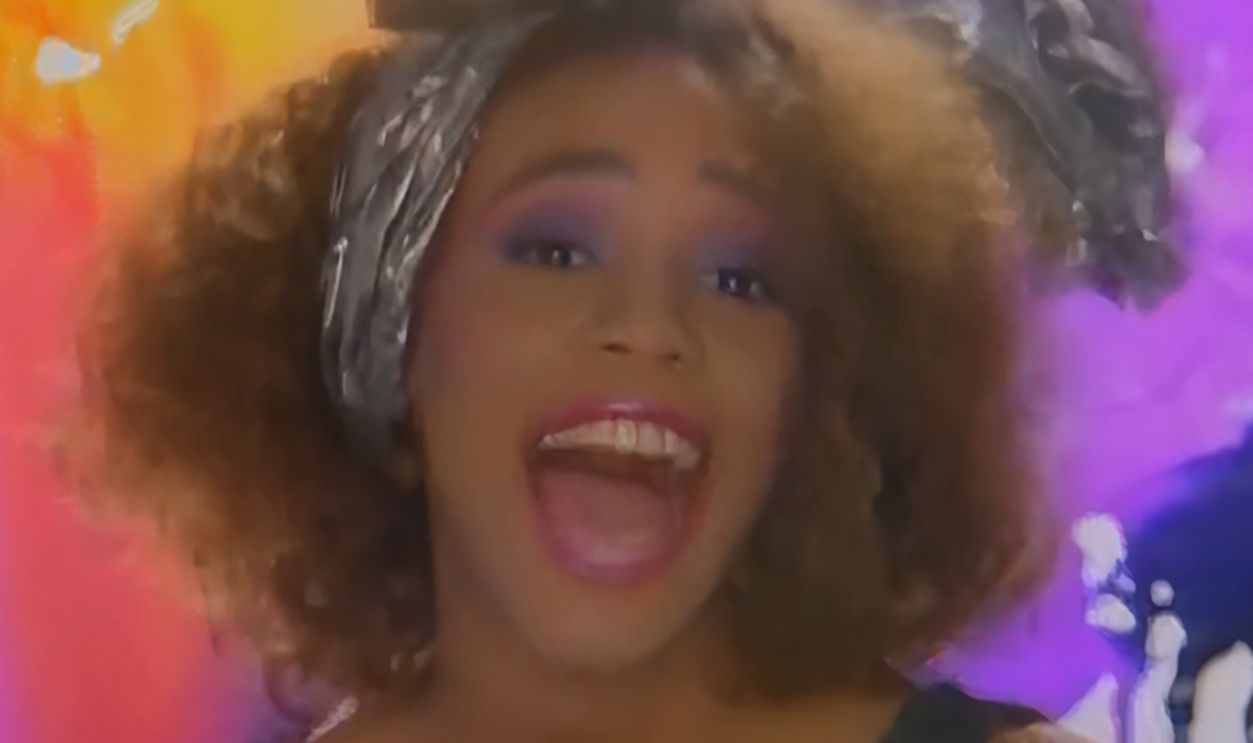 Screenshot from How Will I Know, Arista Records (1985)
“Bleeding Love” — Jesse McCartney
Jesse McCartney co-wrote “Bleeding Love” with Ryan Tedder and recorded a demo while considering it for his own album. The song eventually went to Leona Lewis. Her immense vocal range turned the heartbreak ballad into a global blockbuster, although McCartney continues to perform the song and remains closely connected to it.
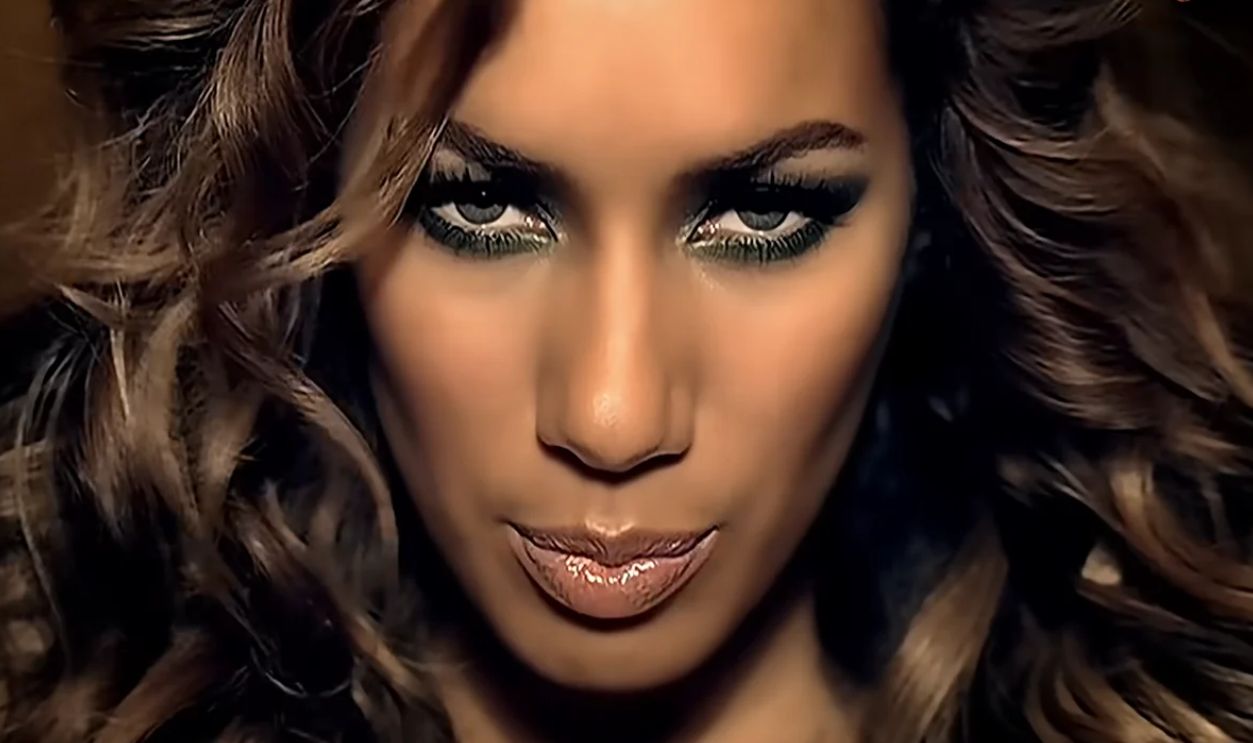 Screenshot from Bleeding Love, Sony Music Entertainment (2007)
“Party in the U.S.A.” — Jessie J
Before Miley Cyrus sang about arriving in Los Angeles, co-writer Jessie J recorded an early version of “Party in the U.S.A.” The British singer decided the song did not fit her style. Cyrus turned its fish-out-of-water lyrics into an American pop anthem, despite not having written the very American-sounding story herself.
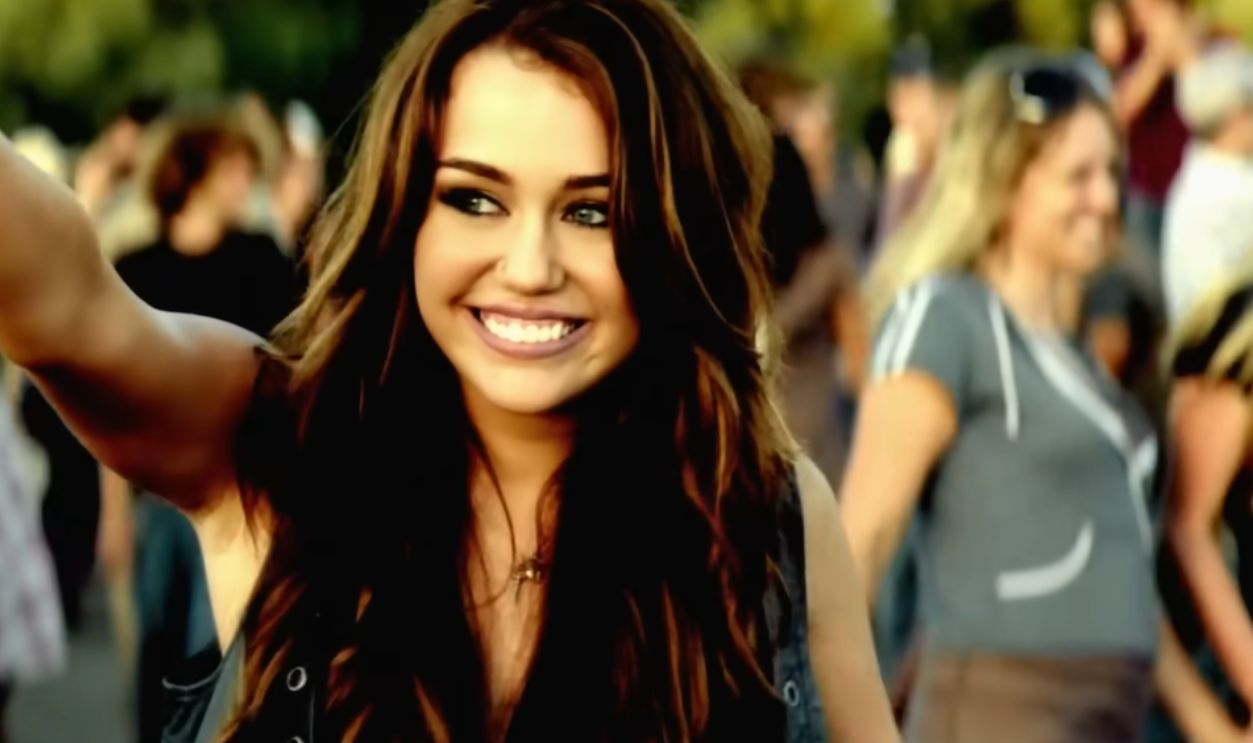 Screenshot from Party in the USA, Hollywood Records (2009)
“What’s Love Got to Do with It” — Terry Britten
Co-writer Terry Britten sang the early demo of “What’s Love Got to Do with It.” Bucks Fizz also recorded a version before Tina Turner released hers. Turner initially had reservations, but her restrained, world-weary performance helped the song become her first and only solo No. 1 on the Billboard Hot 100.
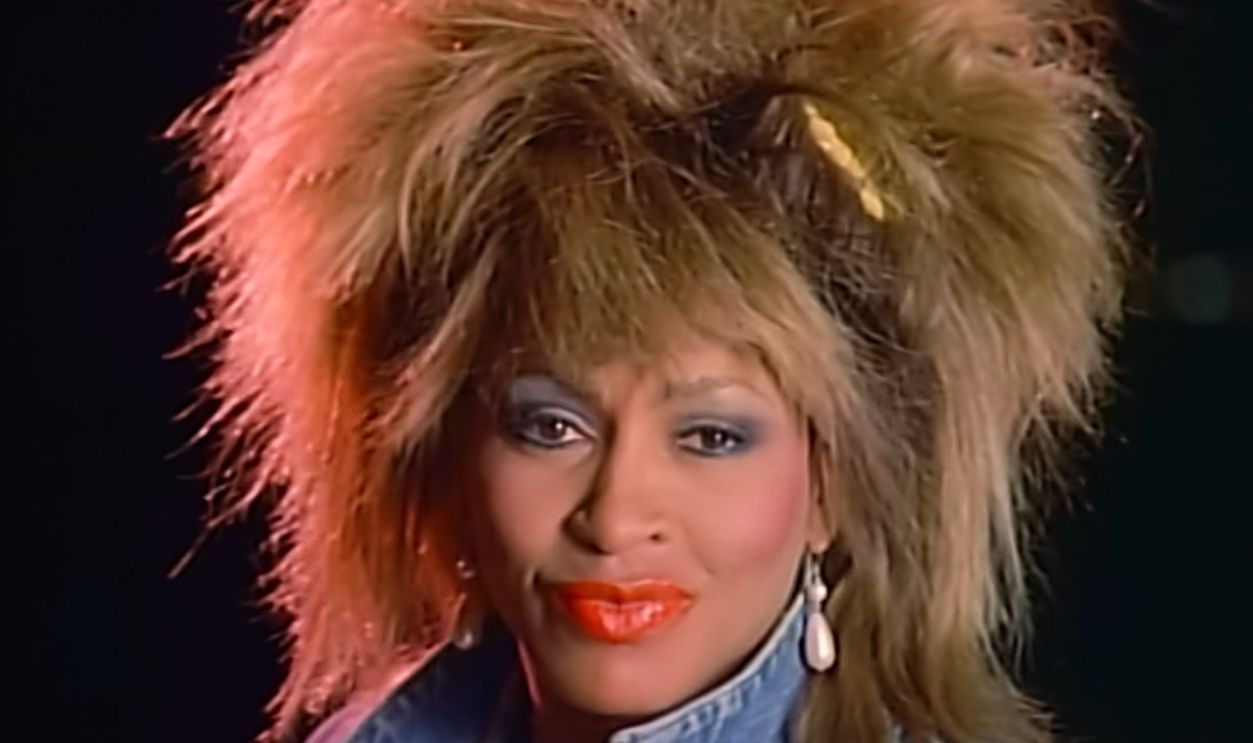 Screenshot from What’s Love Got to Do with It, Capitol Records (1984)
“How Do I Live” — Gia Ciambotti
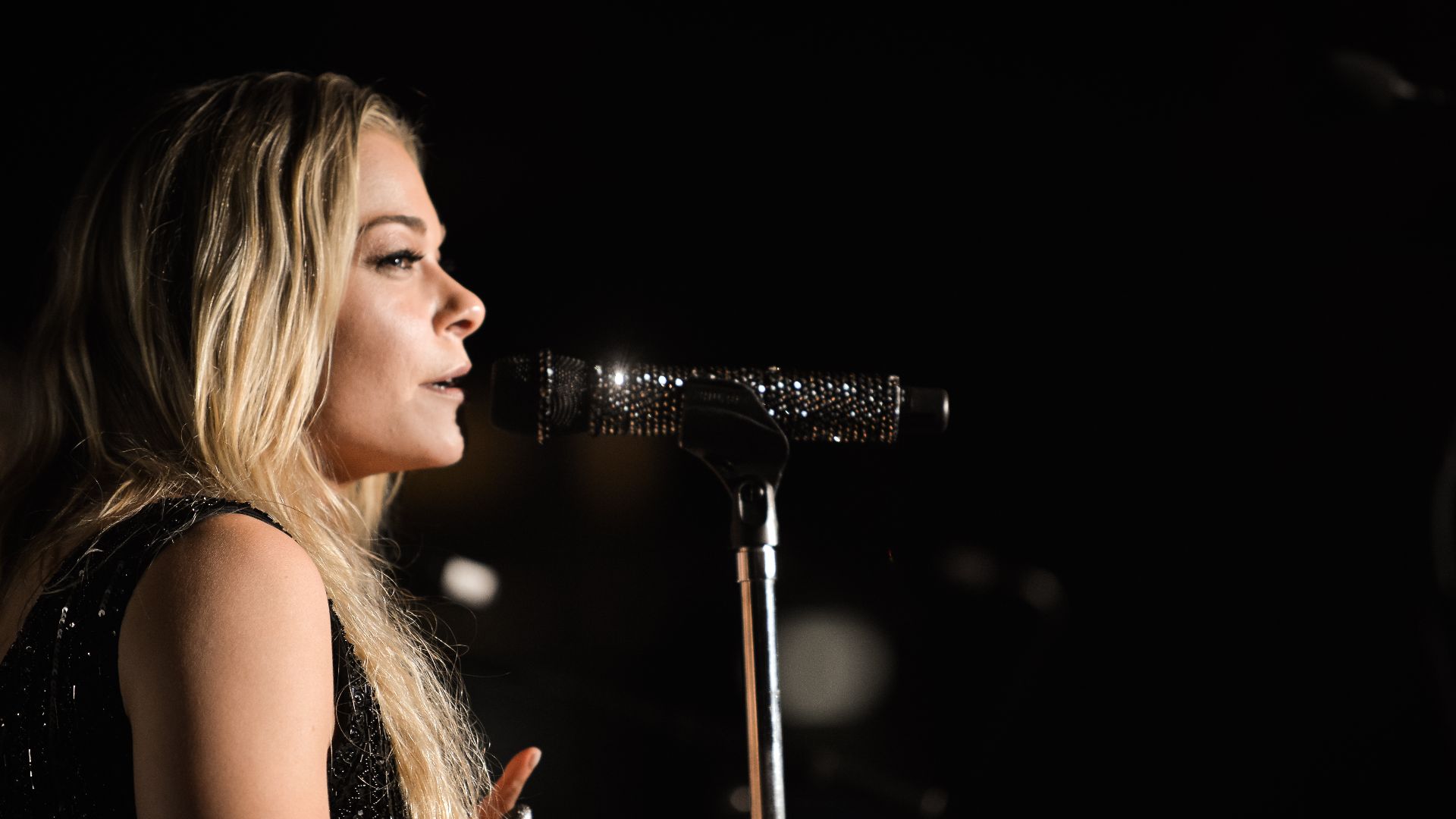
Diane Warren’s composition was first represented by a demo sung by session vocalist Gia Ciambotti. LeAnn Rimes and Trisha Yearwood subsequently recorded separate versions, both released in 1997. Rimes’ rendition became a remarkably durable pop hit, while Yearwood’s appeared in the film Con Air and found major country success.
“I Swear” — Frank Myers
Frank Myers co-wrote “I Swear” with Gary Baker and sang the songwriter demo before John Michael Montgomery recorded the country hit. All-4-One then transformed it into a gigantic pop ballad. Myers’ original presentation proved the melody worked, but the later harmony-heavy arrangement made it nearly unavoidable at 1990s weddings.
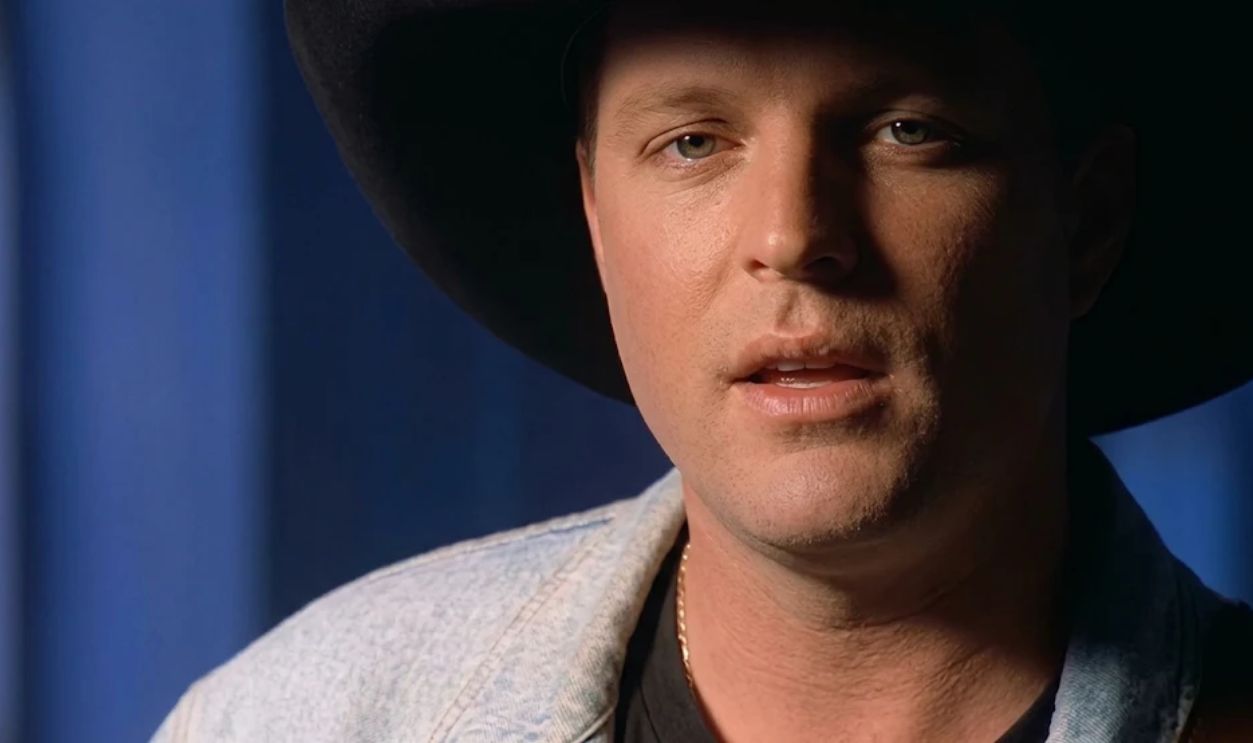 Screenshot from “I Swear,” Atlantic Records (1994), Enhanced
“I Hope You Dance” — Tia Sillers
Co-writer Tia Sillers sang an early songwriter version of “I Hope You Dance” before Lee Ann Womack recorded the finished hit. Womack’s performance crossed from country into mainstream adult-contemporary radio. The song’s sweeping advice made it a favorite at graduations, weddings, and every family slideshow assembled around 2000.
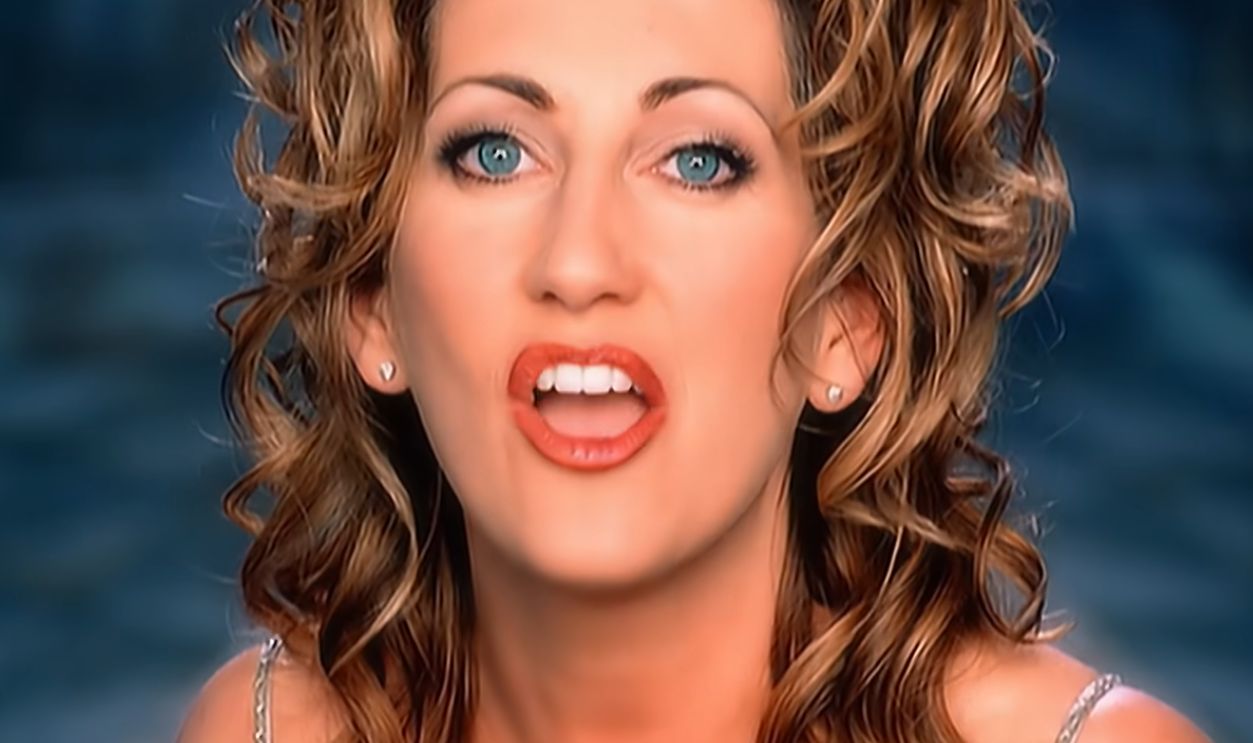 Screenshot from “I Hope You Dance,” MCA Nashville (2000)
You May Also Like: Classic 1970s Songs Today’s Youth Only Know Thanks To Movies And TV