When Flipping The Record Changed Everything
Record companies usually knew which side of a 45 they wanted radio stations to play. DJs didn't always cooperate. Throughout the 70s, programmers flipped singles over and discovered songs they liked even better, sometimes forcing labels to completely reverse their plans.
 Joel Brodsky, Distributed by Elektra Records, Wikimedia Commons
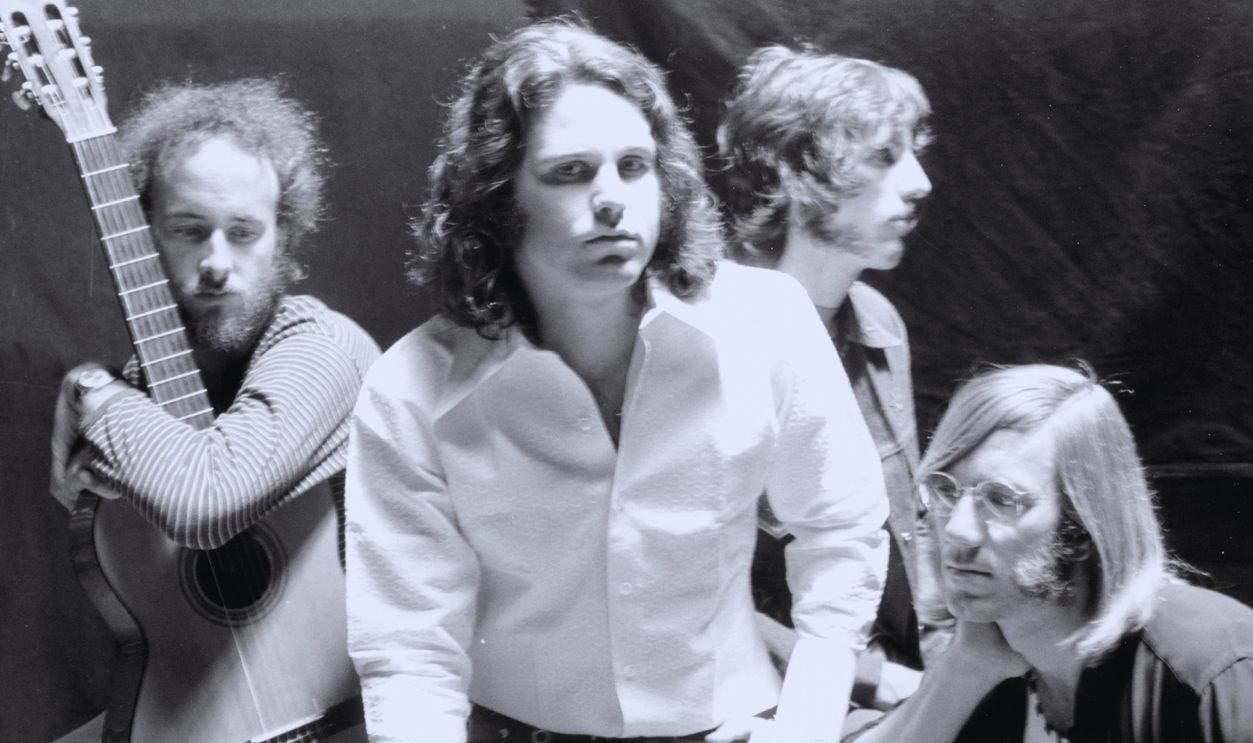
Bill Withers - “Ain't No Sunshine” (1971)
Sussex Records initially treated “Harlem” as the important side of Bill Withers' first single, placing “Ain't No Sunshine” on the back. Radio DJs had other ideas. They began favoring the quieter, far more haunting song, prompting the label to reverse the emphasis. “Ain't No Sunshine” eventually reached Number 3 on the Hot 100, won Withers a Grammy, and gave a former aircraft mechanic one of the most recognizable debut hits of the decade.
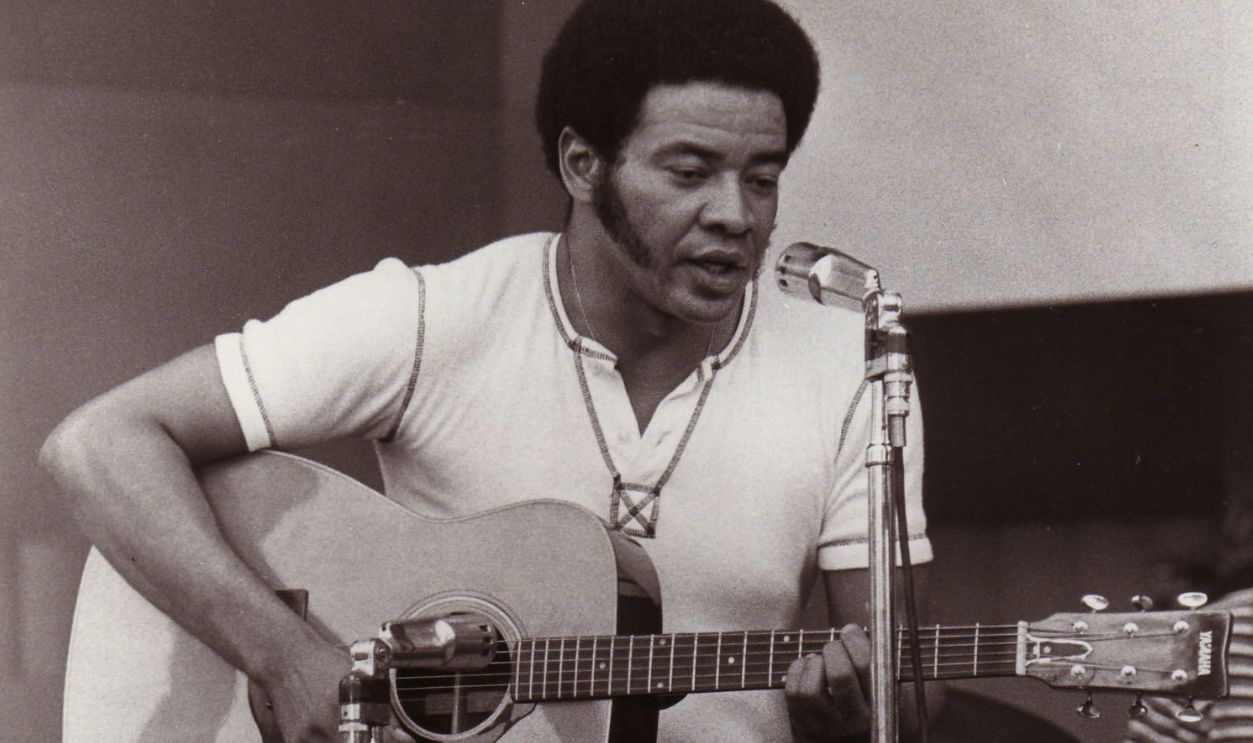
The Doors - “Roadhouse Blues” (1970)
“You Make Me Real” was technically the A-side, but its flip eventually became far more important to the Doors' legacy. “Roadhouse Blues” didn't become a major chart single, yet its swaggering blues riff, Jim Morrison's loose vocal, and John Sebastian's harmonica helped turn it into a concert favorite and enduring rock-radio staple. It was one of those songs whose reputation kept growing long after the original single had disappeared from record-store racks.
 Estate of Edmund Teske, Getty Images
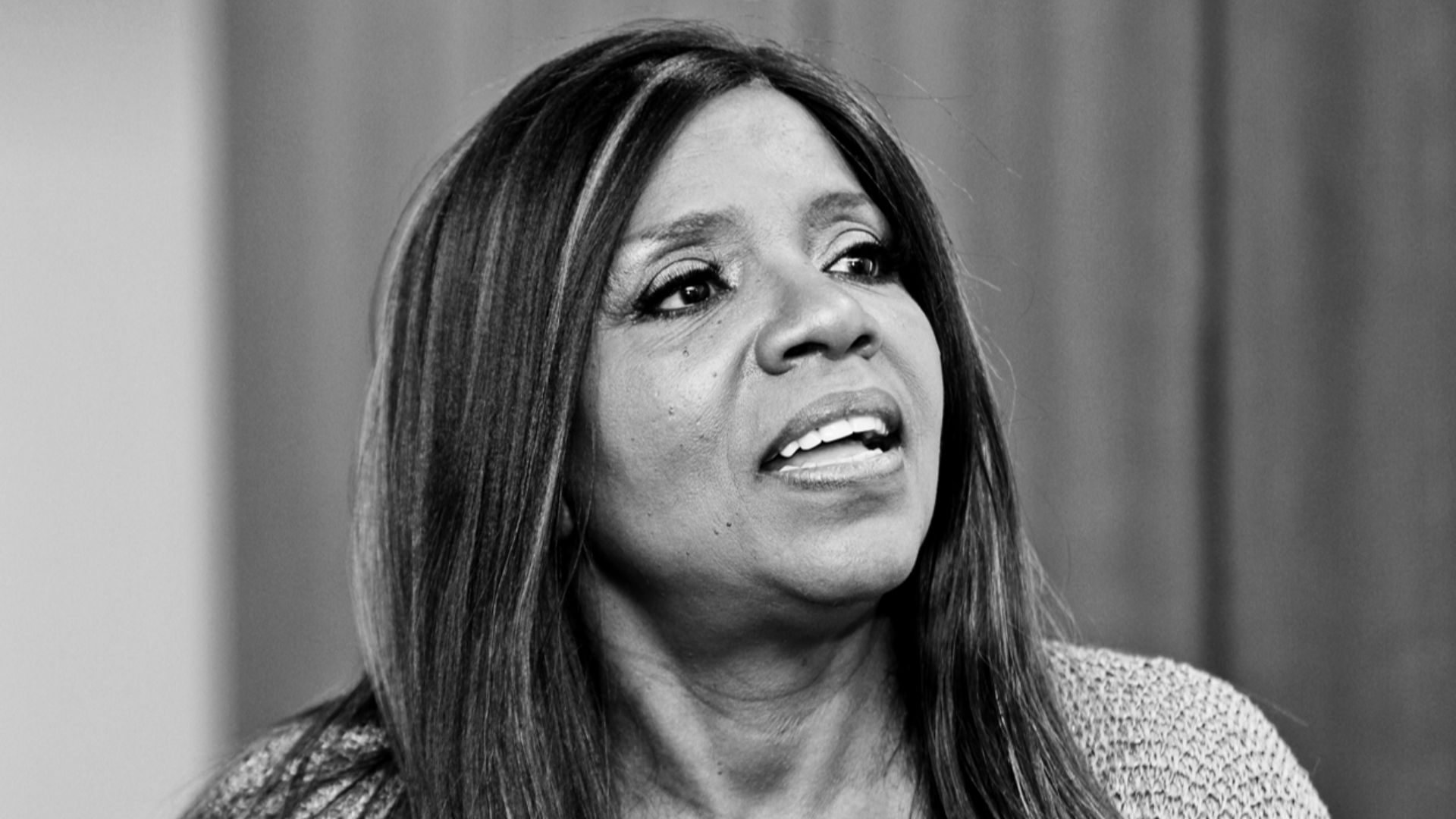
Gloria Gaynor - “I Will Survive” (1978)
Polydor wanted Gloria Gaynor's version of “Substitute” to revive her career, while “I Will Survive” was squeezed onto the other side after being recorded quickly. Gaynor immediately believed the B-side was stronger, and club DJs agreed. As disco audiences responded, radio followed and the sides were effectively reversed. The supposedly secondary song reached Number 1, won a Grammy, and grew into an anthem of independence that completely eclipsed the single it was originally meant to support.
 Thomas Rodenbücher, Wikimedia Commons
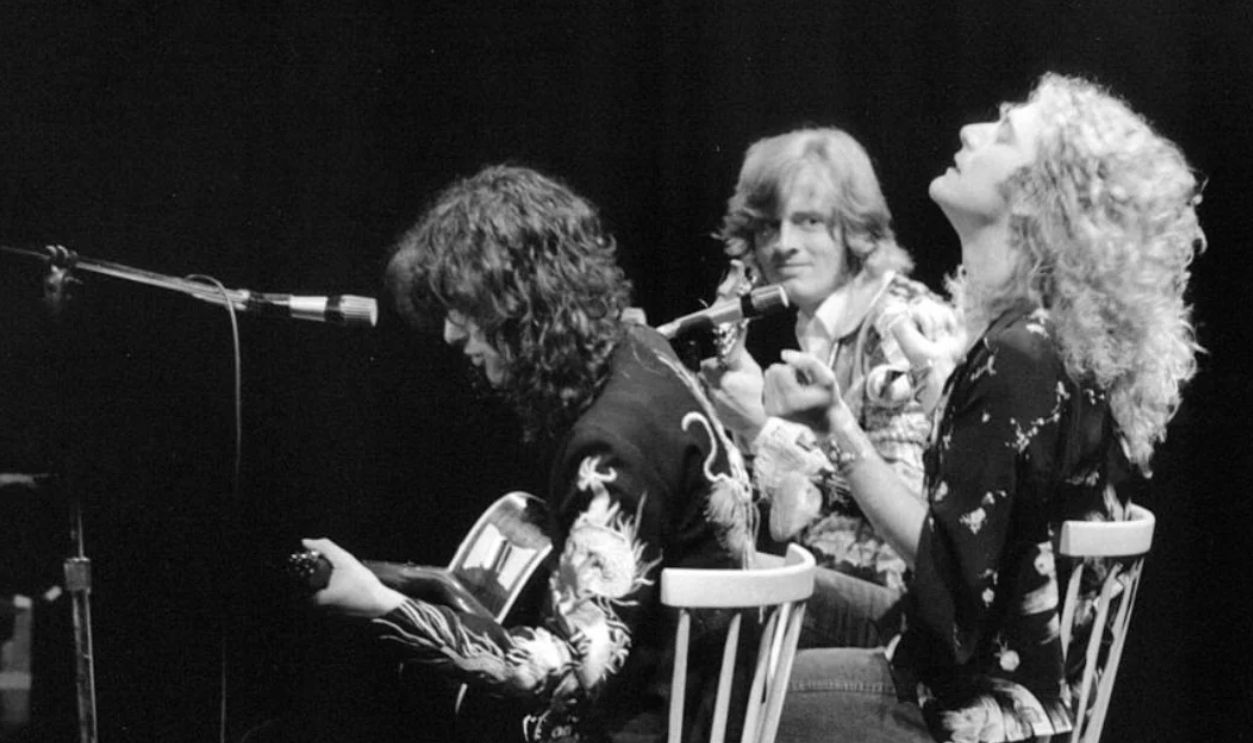
Led Zeppelin - “Hey, Hey, What Can I Do” (1970)
Led Zeppelin weren't particularly interested in the singles market, which made “Hey, Hey, What Can I Do” unusually elusive. It appeared as the B-side of the American “Immigrant Song” single but wasn't included on one of the band's regular studio albums during its original lifetime. That scarcity only strengthened its appeal. Rock stations occasionally played it, collectors hunted down the 45, and the acoustic-driven song eventually became one of Zeppelin's best-known rarities.
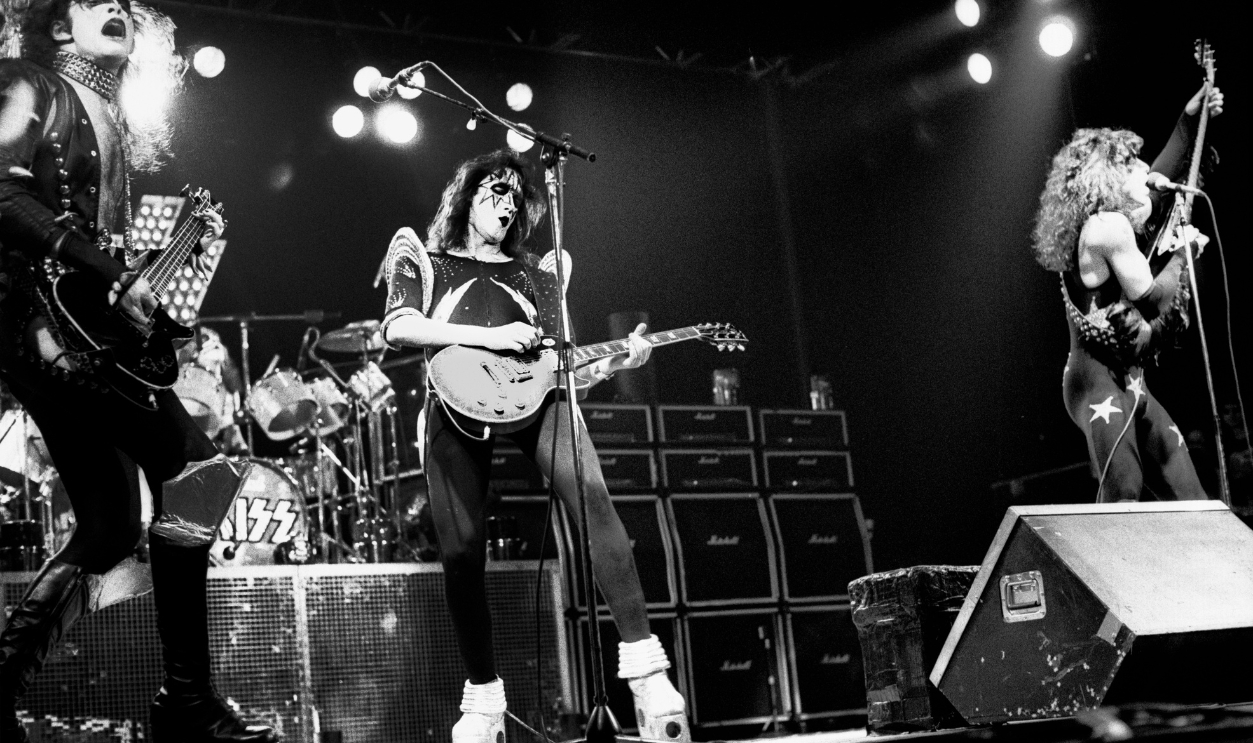
Kiss - “Beth” (1976)
Casablanca expected the hard-rocking “Detroit Rock City” to be the attraction. Instead, radio stations began noticing the strange piano ballad hiding on its B-side. “Beth” received enough unexpected airplay that the label eventually flipped the single and promoted the ballad instead. It reached Number 7 on the Hot 100, became Kiss' highest-charting American single, and proved that the band's biggest mainstream breakthrough could come from a song that sounded almost nothing like Kiss.
 Gijsbert Hanekroot , Getty Images
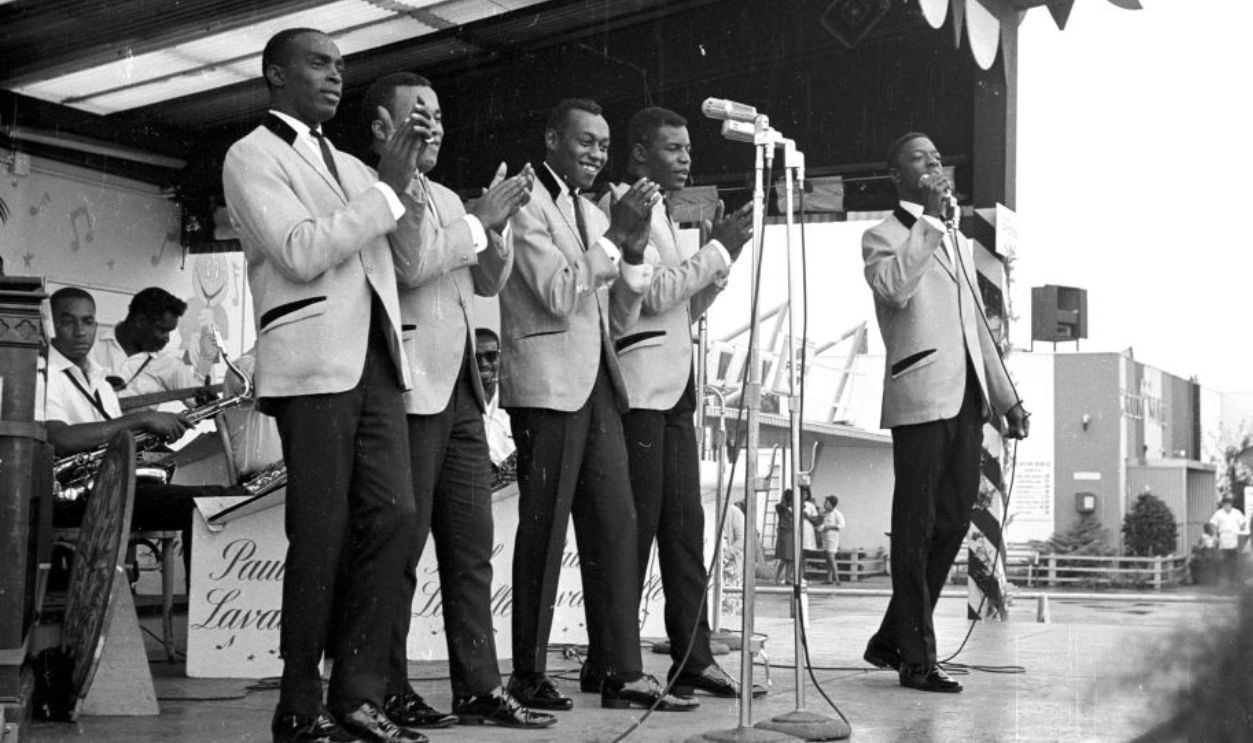
The Spinners - “I'll Be Around” (1972)
Atlantic initially pushed “How Could I Let You Get Away” as the Spinners' first single for the label. DJs began playing the other side instead, where Thom Bell's immaculate production surrounded the group on “I'll Be Around”. Atlantic quickly recognized what was happening and shifted its attention to the B-side. It spent five weeks atop the R&B chart, reached Number 3 on the Hot 100, and became the Spinners' first million-selling record.
 Michael Ochs Archives, Getty Images
Fleetwood Mac - “Silver Springs” (1976)
Stevie Nicks thought “Silver Springs” belonged on Rumours, but space limitations and internal band decisions pushed it off the album. Instead, it appeared behind Lindsey Buckingham's “Go Your Own Way,” an especially cruel pairing considering both songs addressed their breakup. The original B-side developed a devoted following, but its real vindication came two decades later when Fleetwood Mac revived it for The Dance. The live version finally became a hit in its own right.
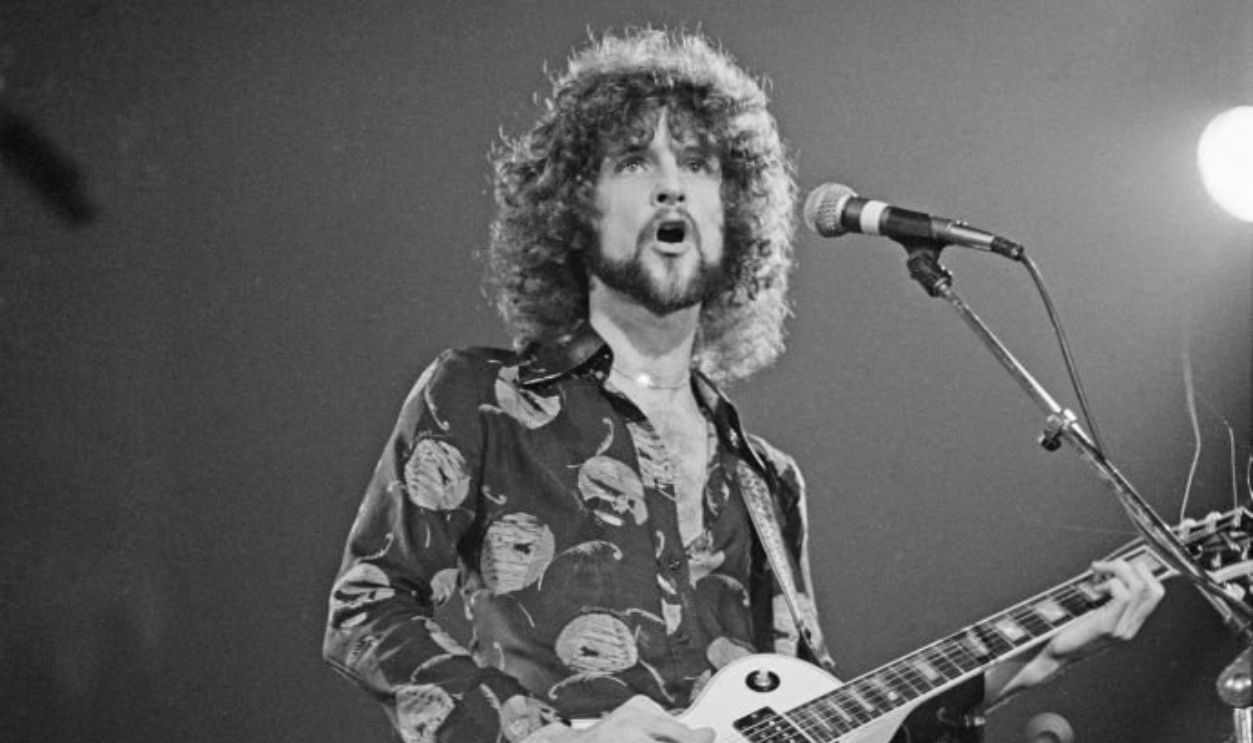
The Doobie Brothers - “Black Water” (1974)
Warner Bros. originally tucked Patrick Simmons' laid-back “Black Water” behind “Another Park, Another Sunday”. Then a DJ at WROV in Roanoke, Virginia began playing the B-side, reportedly appreciating its connection to the nearby Blackwater River. Other stations followed. Warner Bros. eventually released “Black Water” as a single in its own right, and the song climbed all the way to Number 1, becoming the Doobie Brothers' first chart-topper.
 Warner/Reprise Records, Wikimedia Commons
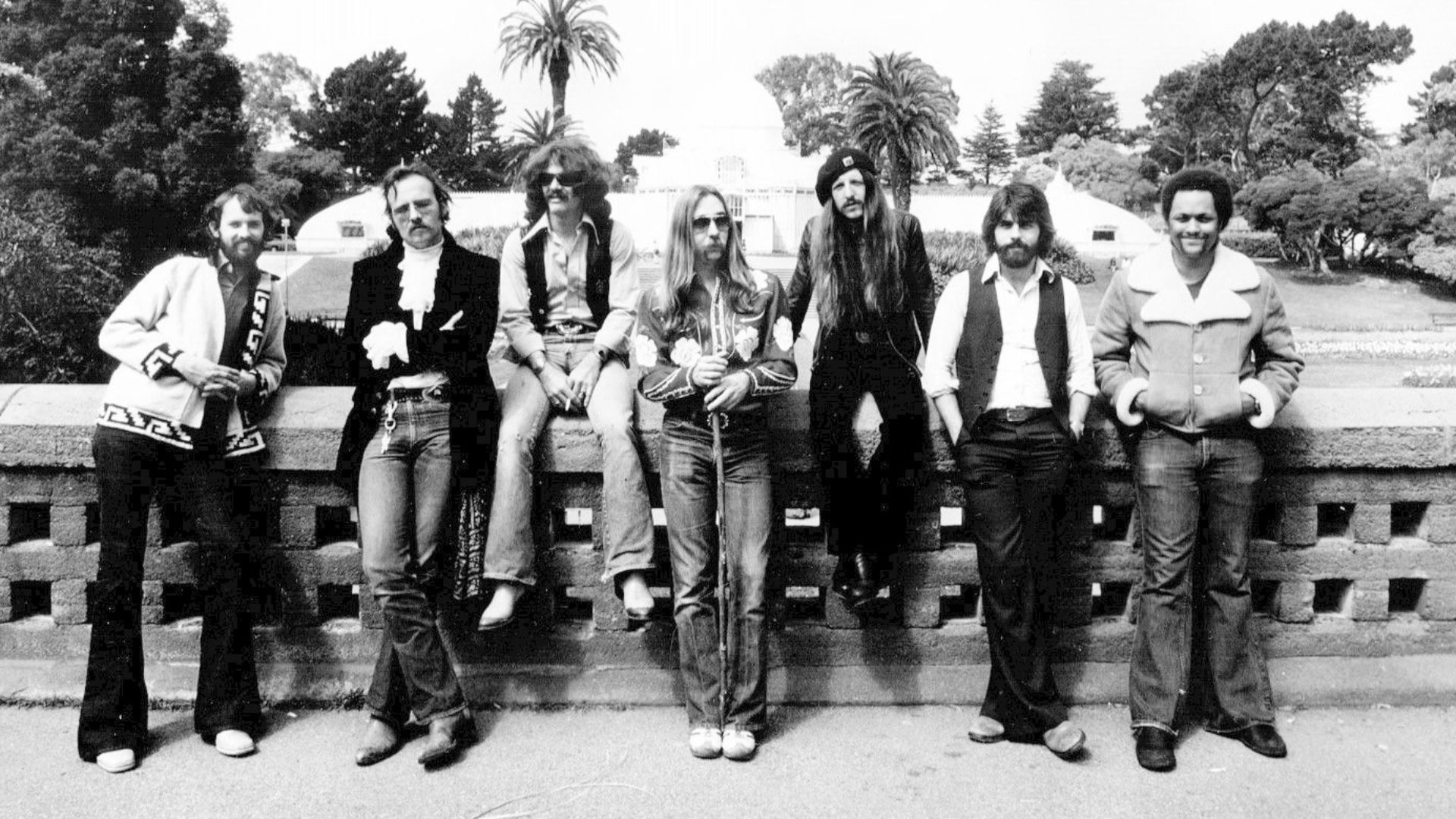
David Bowie - “Suffragette City” (1972)
“Starman” was the song RCA wanted listeners to notice when David Bowie was introducing Ziggy Stardust to the wider world. On the other side sat “Suffragette City,” a ferocious rocker Bowie had previously offered to Mott the Hoople. It didn't become a chart hit in 1972, but radio, live performances, and the growing stature of The Rise and Fall of Ziggy Stardust and the Spiders from Mars turned it into one of Bowie's most immediately recognizable rock songs.
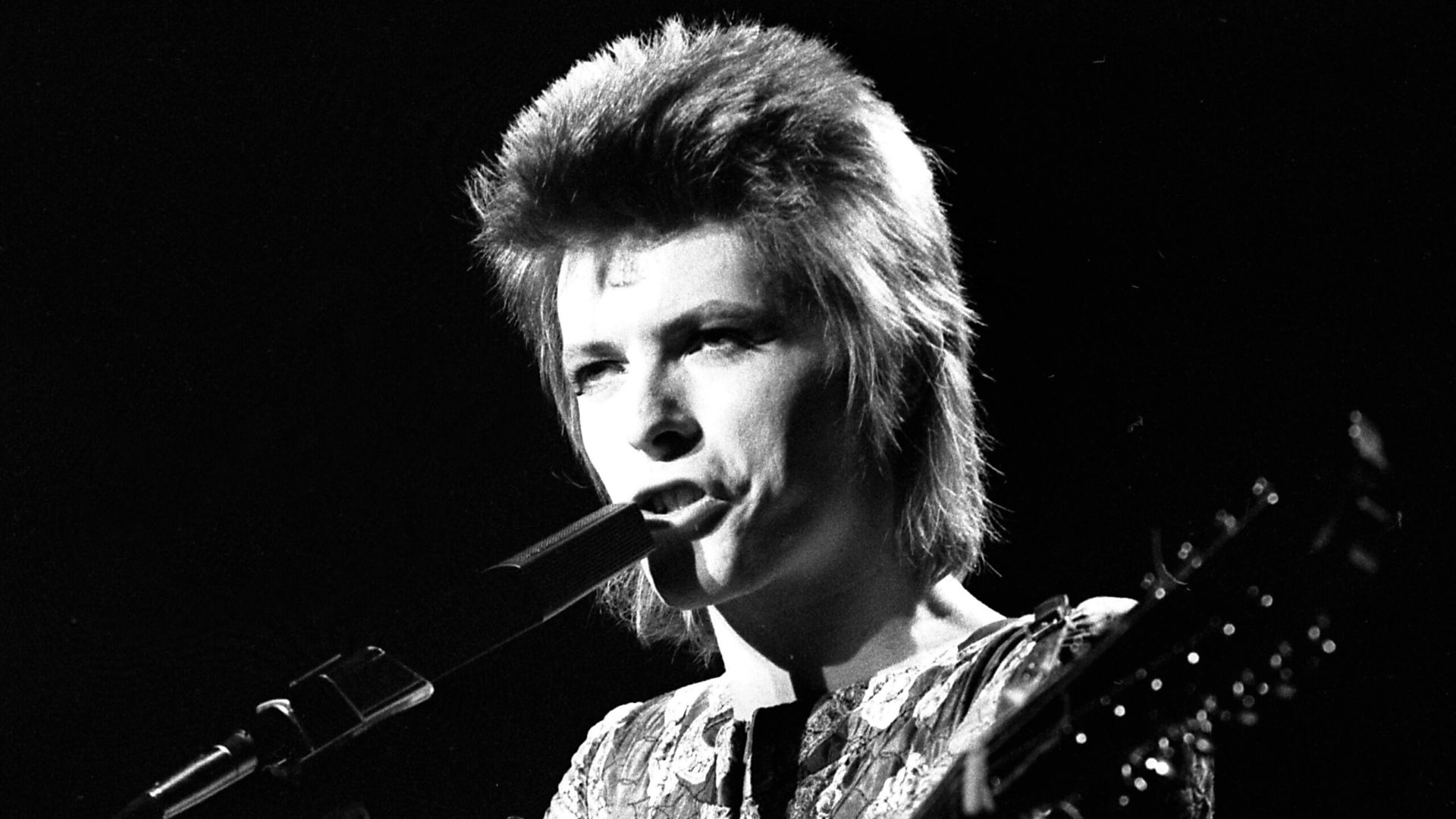
Carl Douglas - “Kung Fu Fighting” (1974)
“Kung Fu Fighting” was created almost as an afterthought. Producer Biddu needed something to accompany “I Want to Give You My Everything,” so Douglas pulled out a song inspired by the martial-arts craze and recorded it quickly. It was conceived as B-side material, complete with exaggerated “huhs” and “hahs”. Pye Records realized the supposedly disposable song was stronger and promoted it instead. It went to Number 1 in Britain and America and sold millions worldwide.
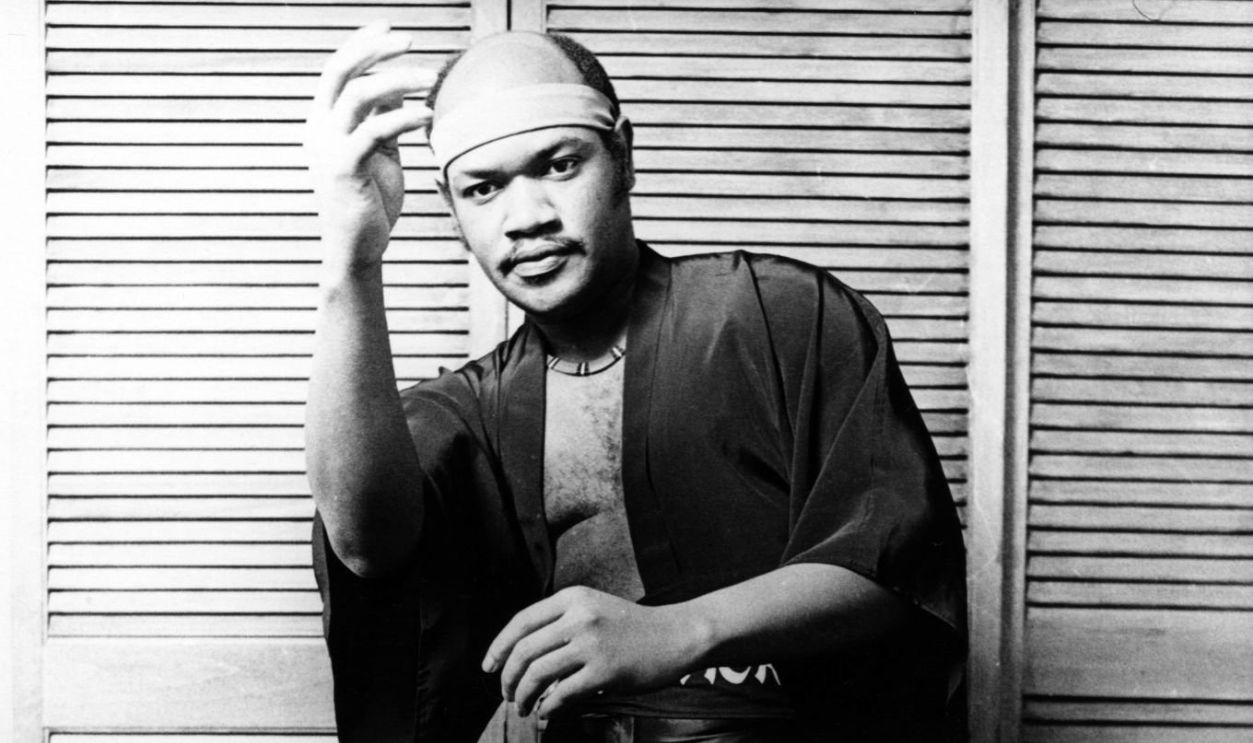
Chicago - “Colour My World” (1970)
Chicago managed to hide “Colour My World” on the B-side twice. It first backed “Make Me Smile” in 1970, then appeared behind a reissued “Beginnings” the following year. James Pankow's simple piano-led ballad became enormously familiar despite never getting a conventional solo push. The second pairing reached Number 7 with both sides receiving attention, and “Colour My World” became virtually unavoidable at proms, weddings, and slow dances throughout the decade.
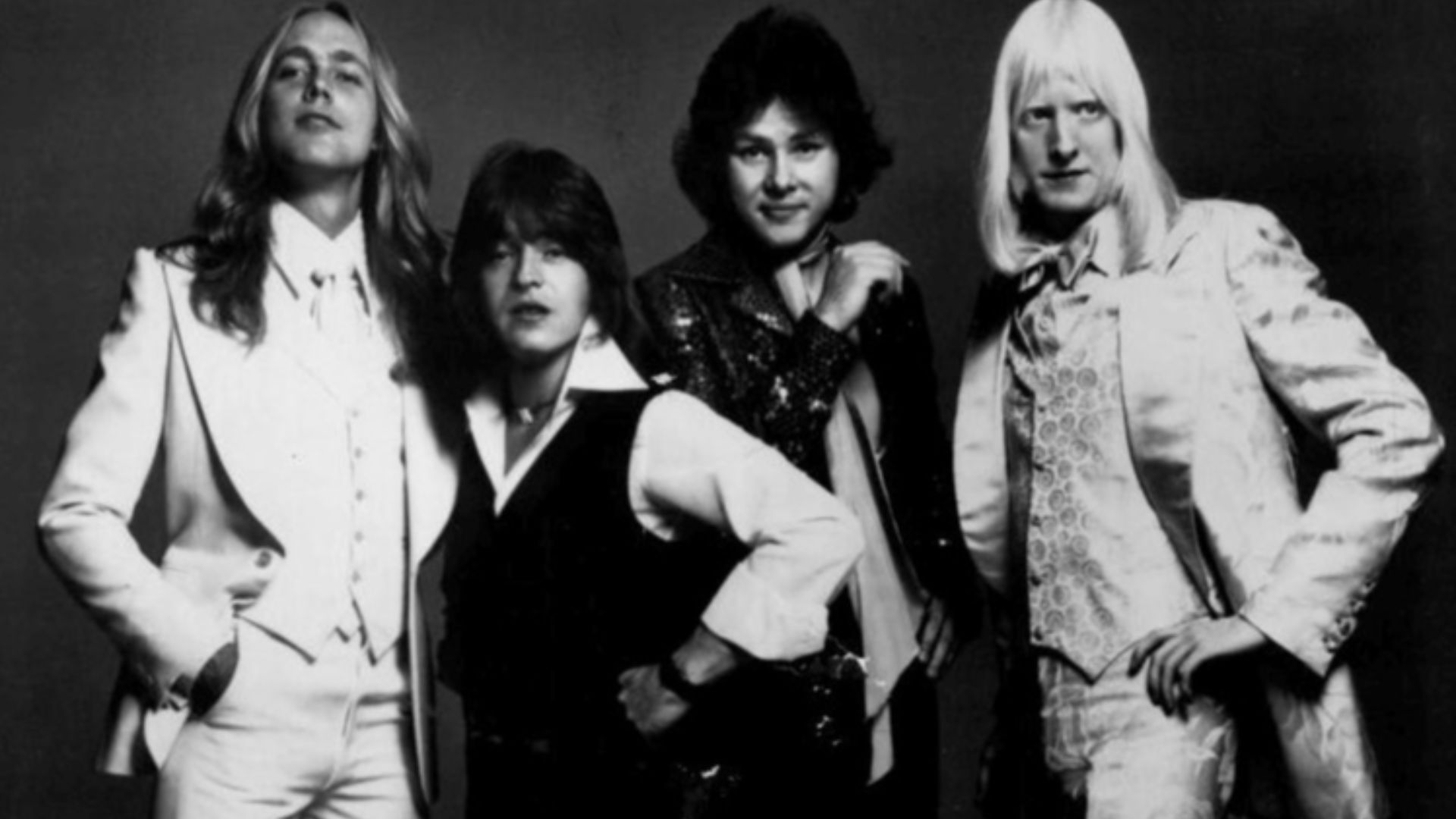
Edgar Winter Group - “Frankenstein” (1973)
Epic initially wanted listeners focused on “Hangin' Around”. DJs preferred the weird instrumental hiding behind it. “Frankenstein” combined hard-rock riffs, drums, saxophone, synthesizer, and sections literally stitched together from different pieces of tape, which inspired its title. Radio enthusiasm forced the label to recognize what it had, and the instrumental eventually reached Number 1 on the Hot 100. A B-side with no lyrics had somehow beaten nearly everything else on American radio.
 Blue Sky Records, Wikimedia Commons
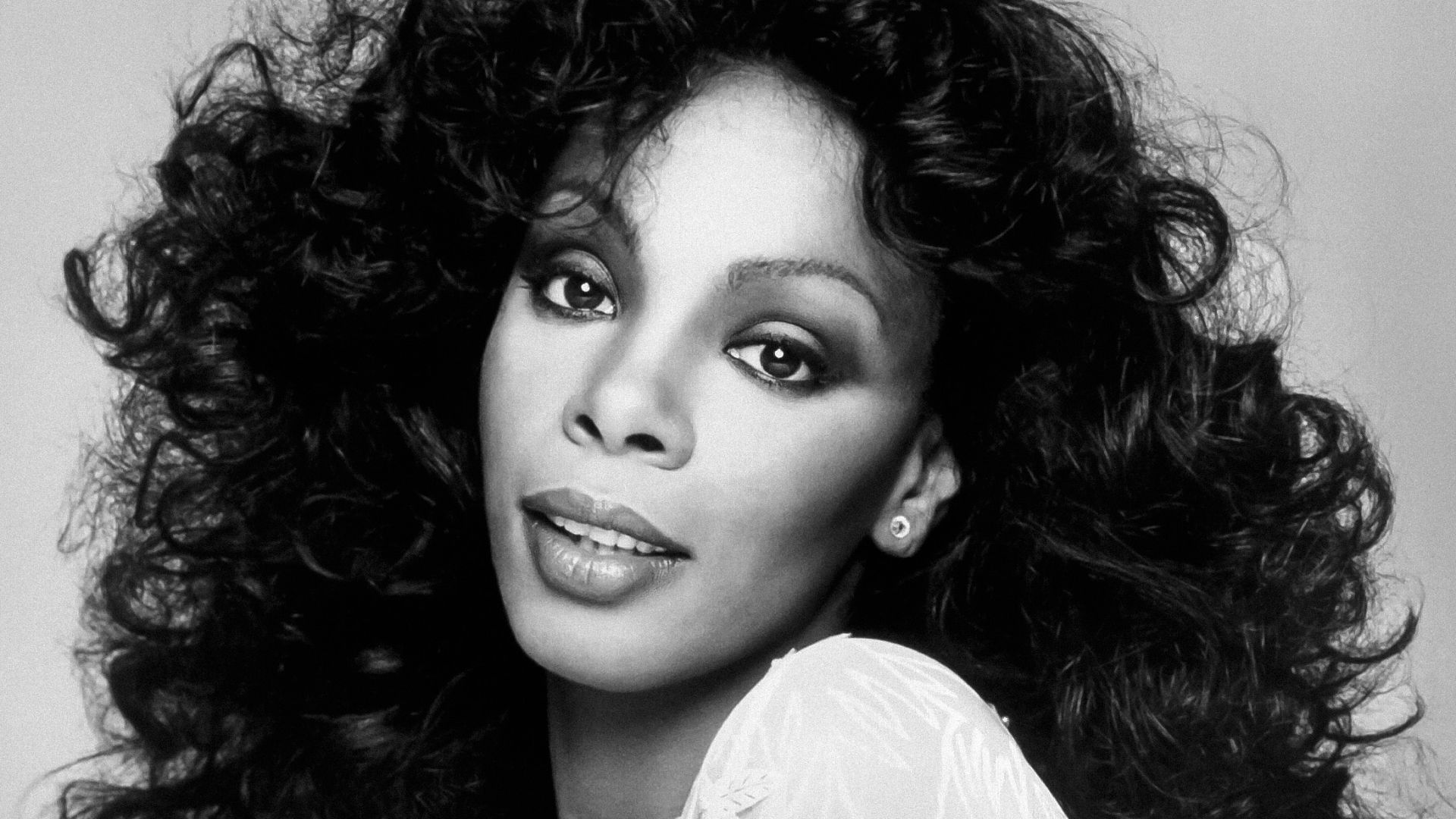
Donna Summer - “I Feel Love” (1977)
Casablanca initially put “Can't We Just Sit Down (And Talk It Over)” on top, leaving the genuinely futuristic “I Feel Love” underneath. That didn't last. DJs and club audiences responded to Giorgio Moroder's pulsing synthesizers and Summer's ethereal vocal, and the record was reissued with “I Feel Love” promoted as the main attraction. It reached Number 1 in Britain and Number 6 in America while fundamentally changing the possibilities of electronic dance music.
 Francesco Scavullo; Distributed by Casablanca Records on Wikimedia
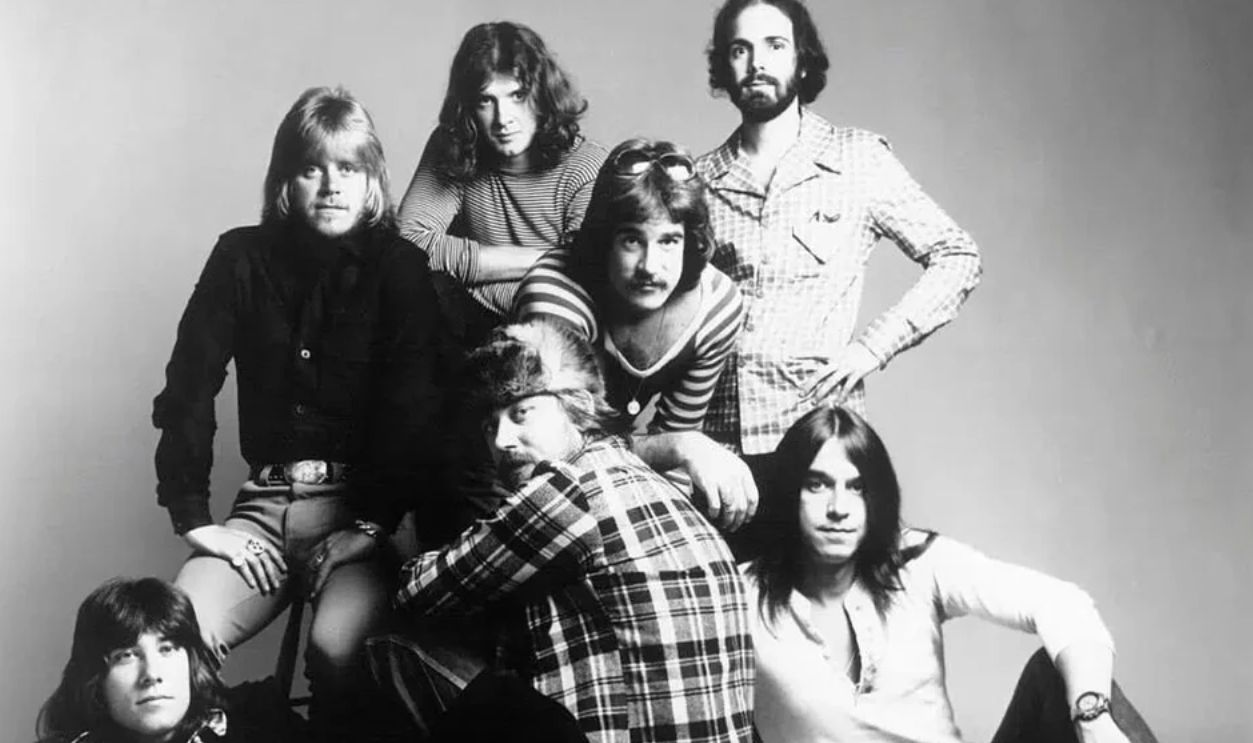
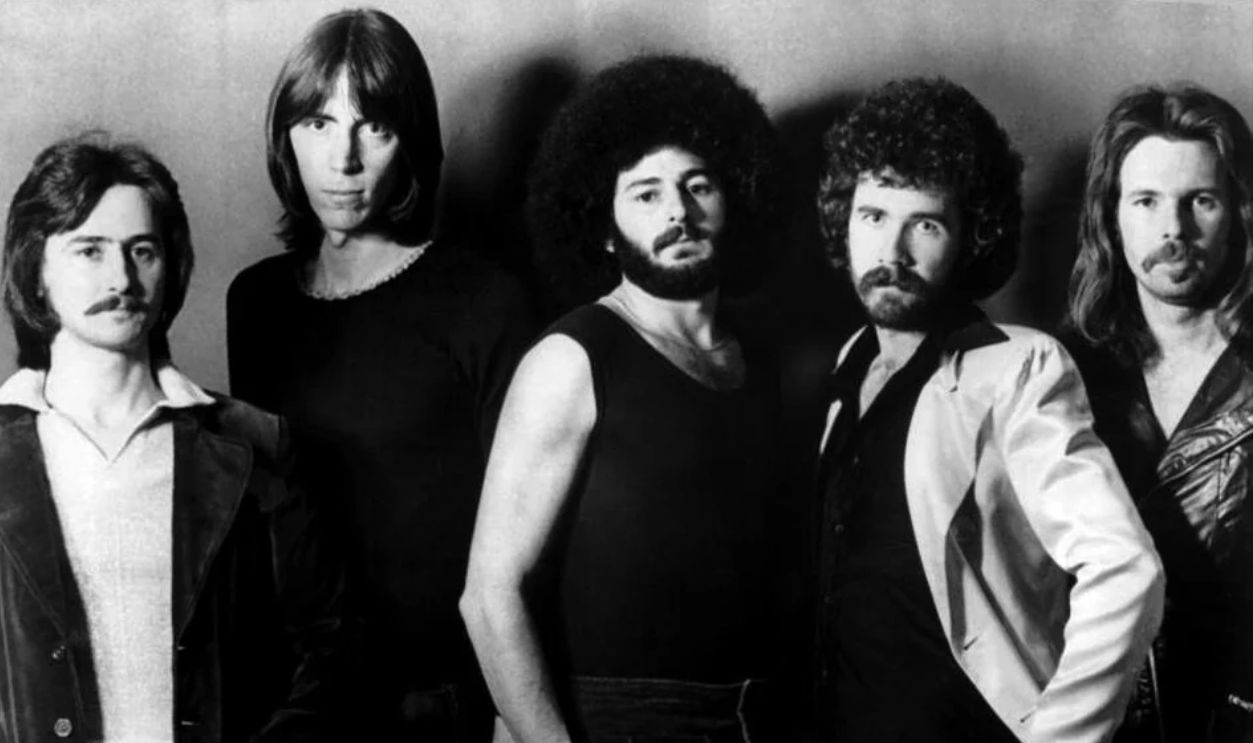
Boston - “Smokin'” (1976)
“More Than a Feeling” understandably received the A-side designation when Boston issued its first single. Yet listeners who flipped the record found another song destined for decades of radio play. “Smokin'” never needed its own big Hot 100 run to become familiar. Its boogie riff, Brad Delp's vocal, Tom Scholz's guitar work, and prominent organ made it a natural fit for FM rock stations, where it became one of several Boston album tracks with a life far beyond the singles chart.
 Premier Talent Associates (management company), Wikimedia Commons
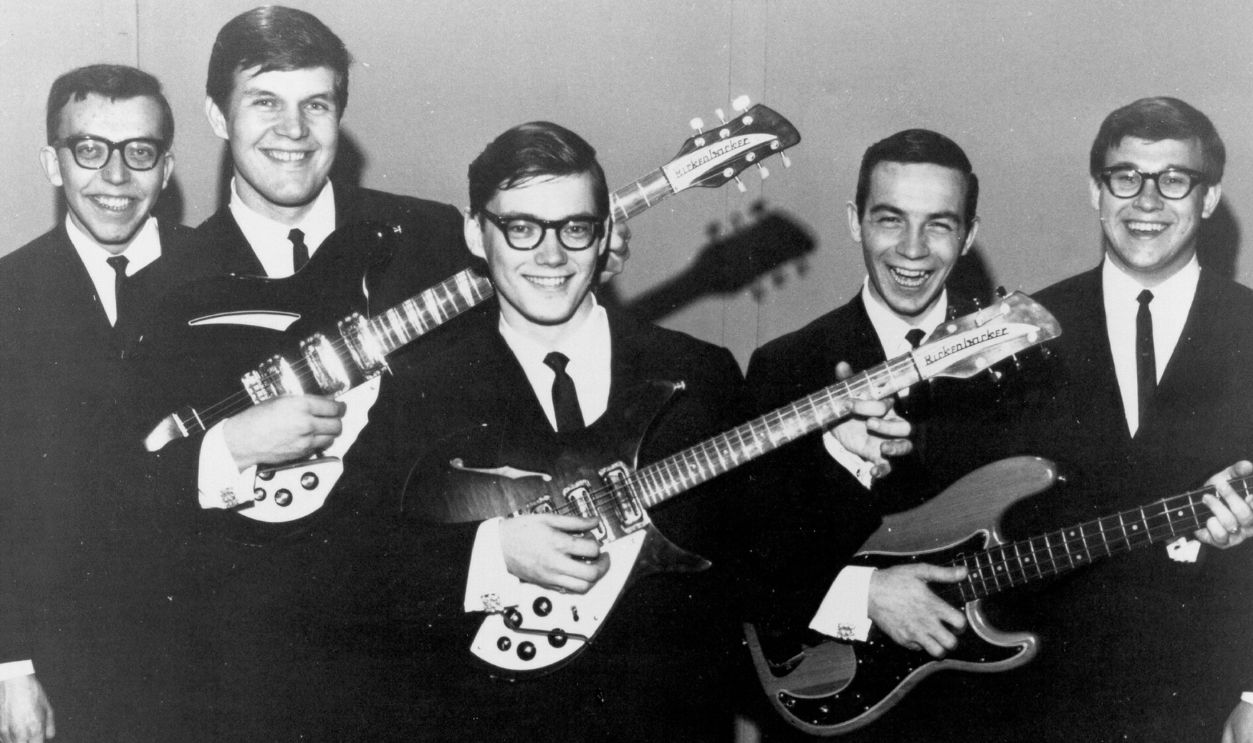
The Guess Who - “No Sugar Tonight” (1970)
“No Sugar Tonight” shared a 45 with “American Woman,” and radio stations found plenty to like on both sides. The B-side received enough attention that American chart listings ultimately treated the record as “American Woman/No Sugar Tonight,” with the two-sided single spending three weeks at Number 1. The Canadian Songwriters Hall of Fame even describes it as effectively becoming a double A-side. One piece of vinyl had managed to produce two songs audiences wanted to hear.
 Michael Ochs Archives, Getty Images
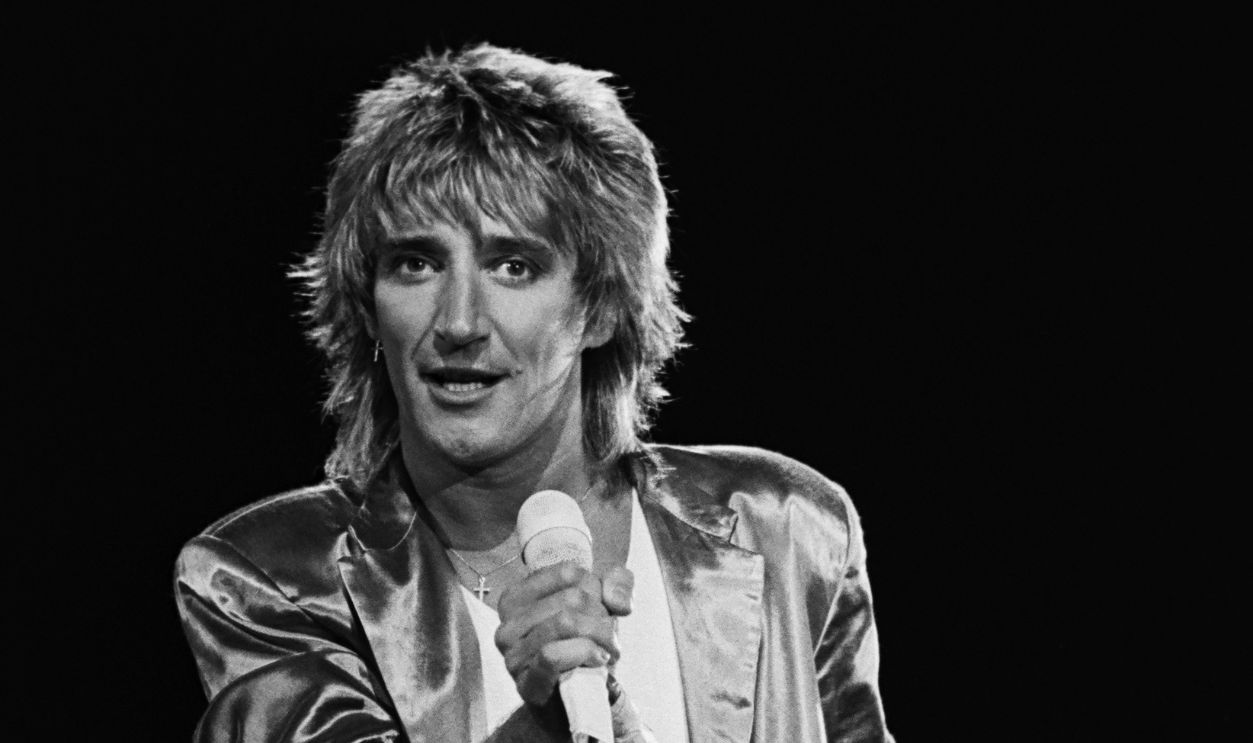
Rod Stewart - “Maggie May” (1971)
Mercury initially backed Tim Hardin's “Reason to Believe” as Rod Stewart's safest bet for a single. “Maggie May” sat on the flip, partly because its loose structure didn't sound like an obvious radio smash. DJs started playing it anyway. Soon the B-side was receiving far more attention, and Stewart's record company shifted its focus. “Maggie May” reached Number 1 in both America and Britain and transformed Stewart from a promising solo performer into a major star.
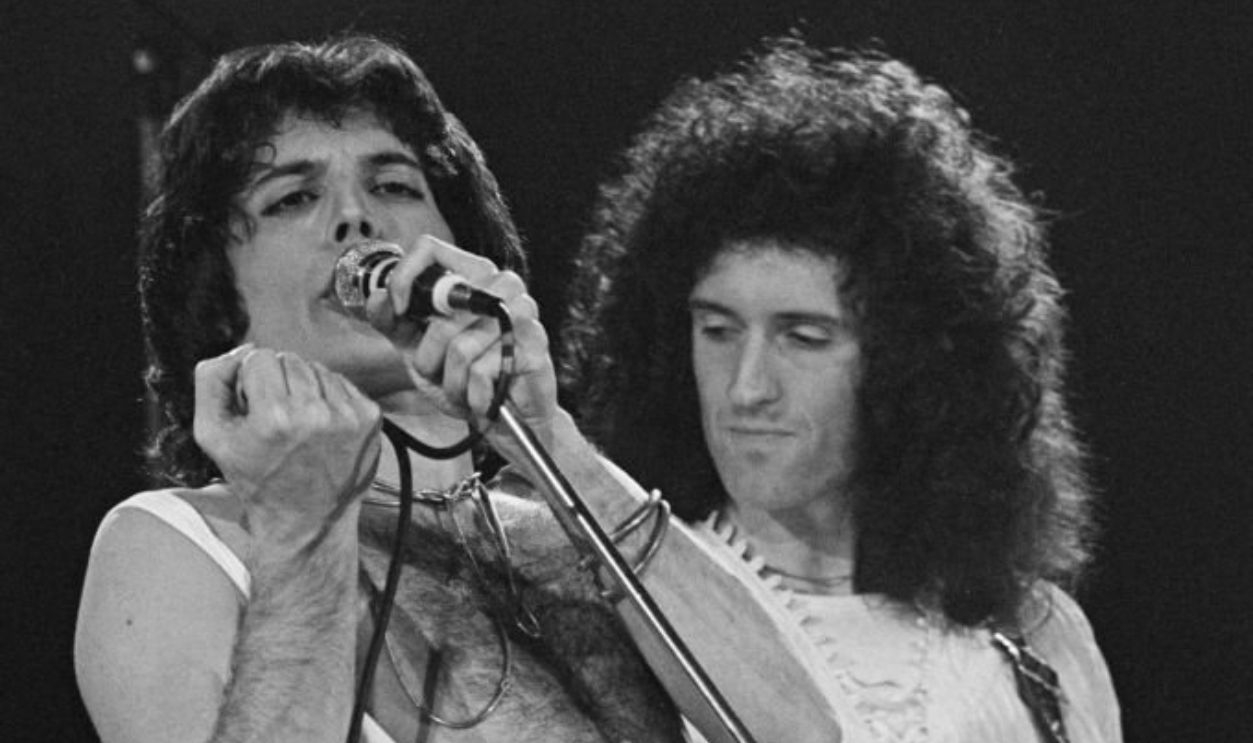
Queen - “We Will Rock You” (1977)
“We Are the Champions” officially occupied the A-side of Queen's 1977 single in the United States, with “We Will Rock You” on the back. Radio stations quickly discovered that the two songs worked even better together, often playing them consecutively just as they appeared on News of the World. The stomp-stomp-clap rhythm became one of rock's most universally recognized sounds, leaving the distinction between A-side and B-side almost meaningless in the long run.
 Michael Ochs Archives, Getty Images
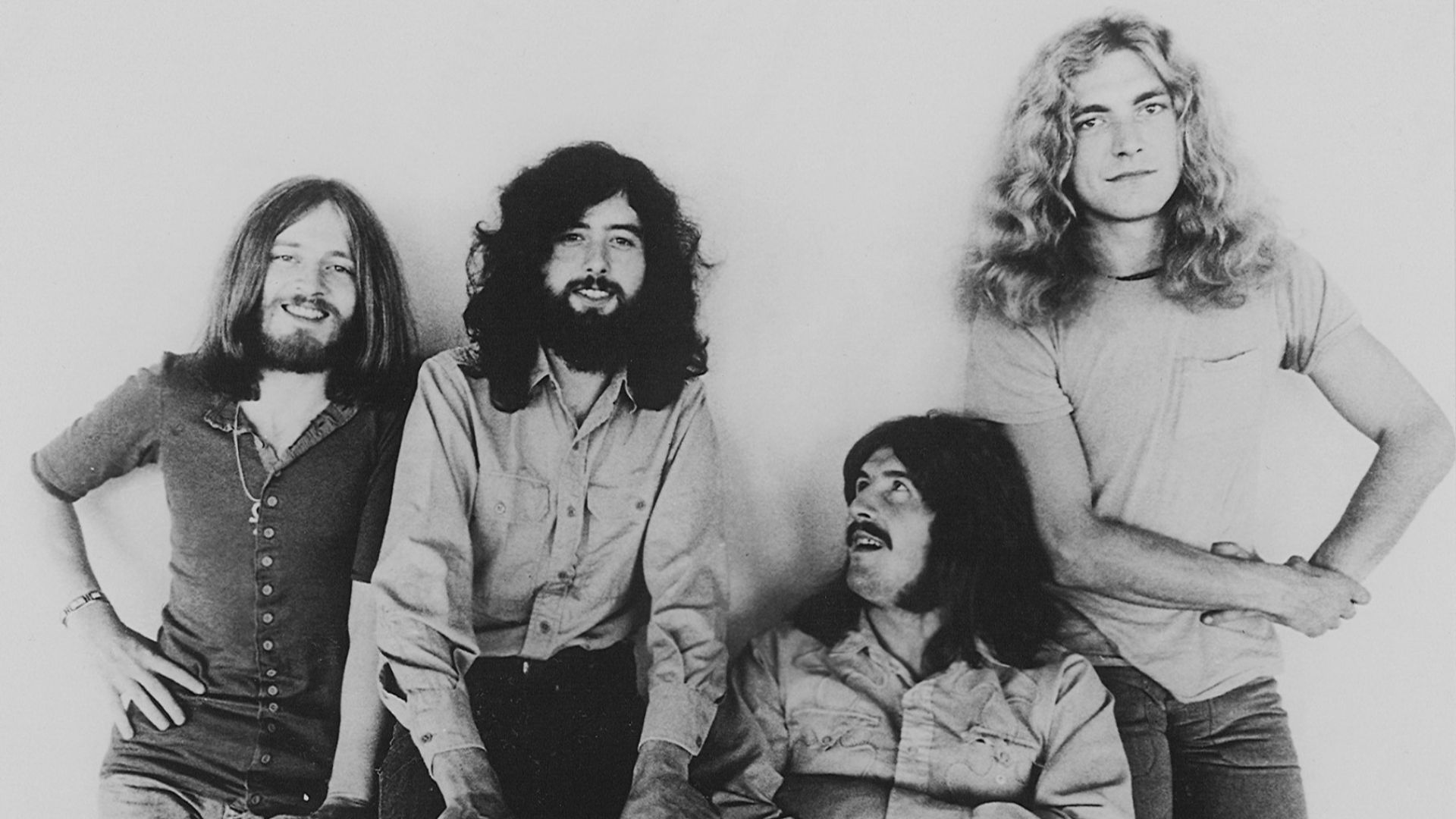
Led Zeppelin - “Misty Mountain Hop” (1971)
Led Zeppelin placed “Misty Mountain Hop” behind “Black Dog” on the American single from their untitled fourth album. It didn't chart independently, but Zeppelin hardly needed singles charts to turn songs into standards. John Paul Jones' electric-piano riff and Robert Plant's countercultural lyrics made it a regular part of the band's early-70s concerts. As album-oriented FM radio grew, “Misty Mountain Hop” became widely familiar without ever needing a conventional standalone push.
 Atlantic Records, Wikimedia Commons
Van Morrison - “Crazy Love” (1970)
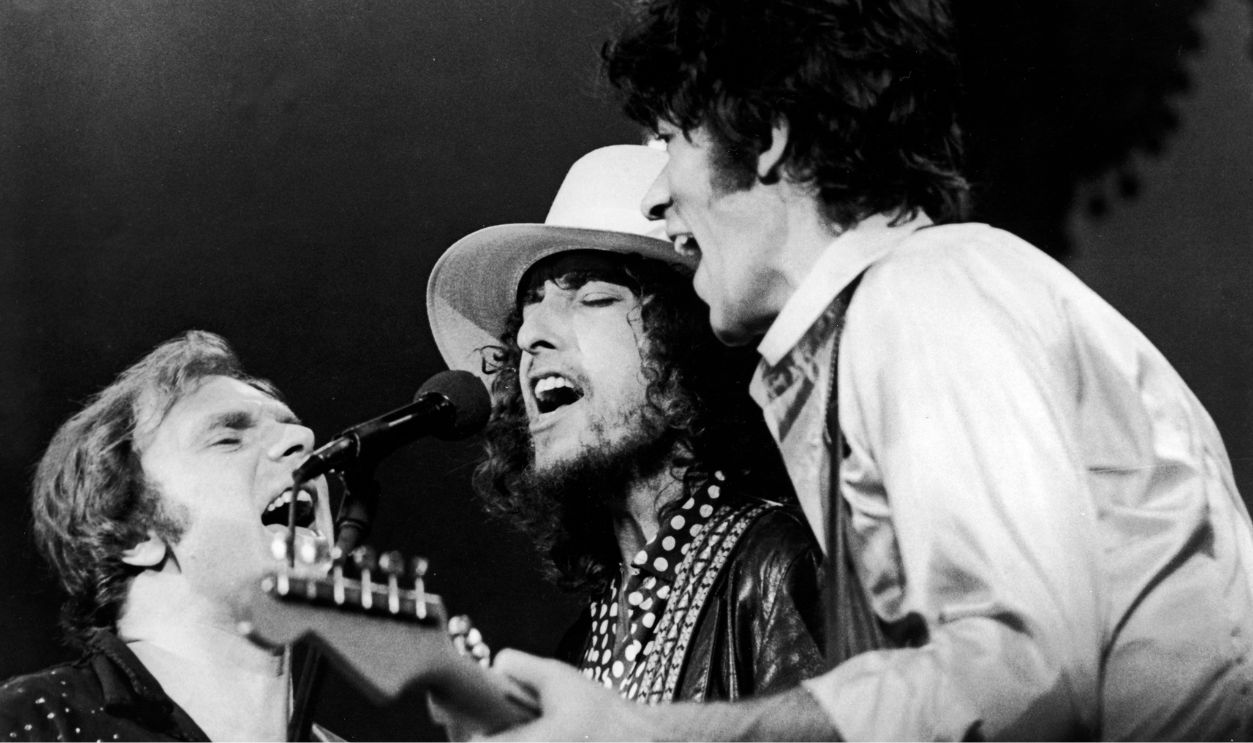
Warner Bros. originally placed “Crazy Love” behind “Come Running” when issuing material from Moondance in 1970. The B-side never became a major American chart single, but its reputation kept growing anyway. The tender ballad became one of Van Morrison’s most frequently covered songs, eventually attracting versions from artists including Ray Charles and Aaron Neville. Decades of weddings, movies, covers, and radio play turned it into one of Morrison’s most familiar recordings.
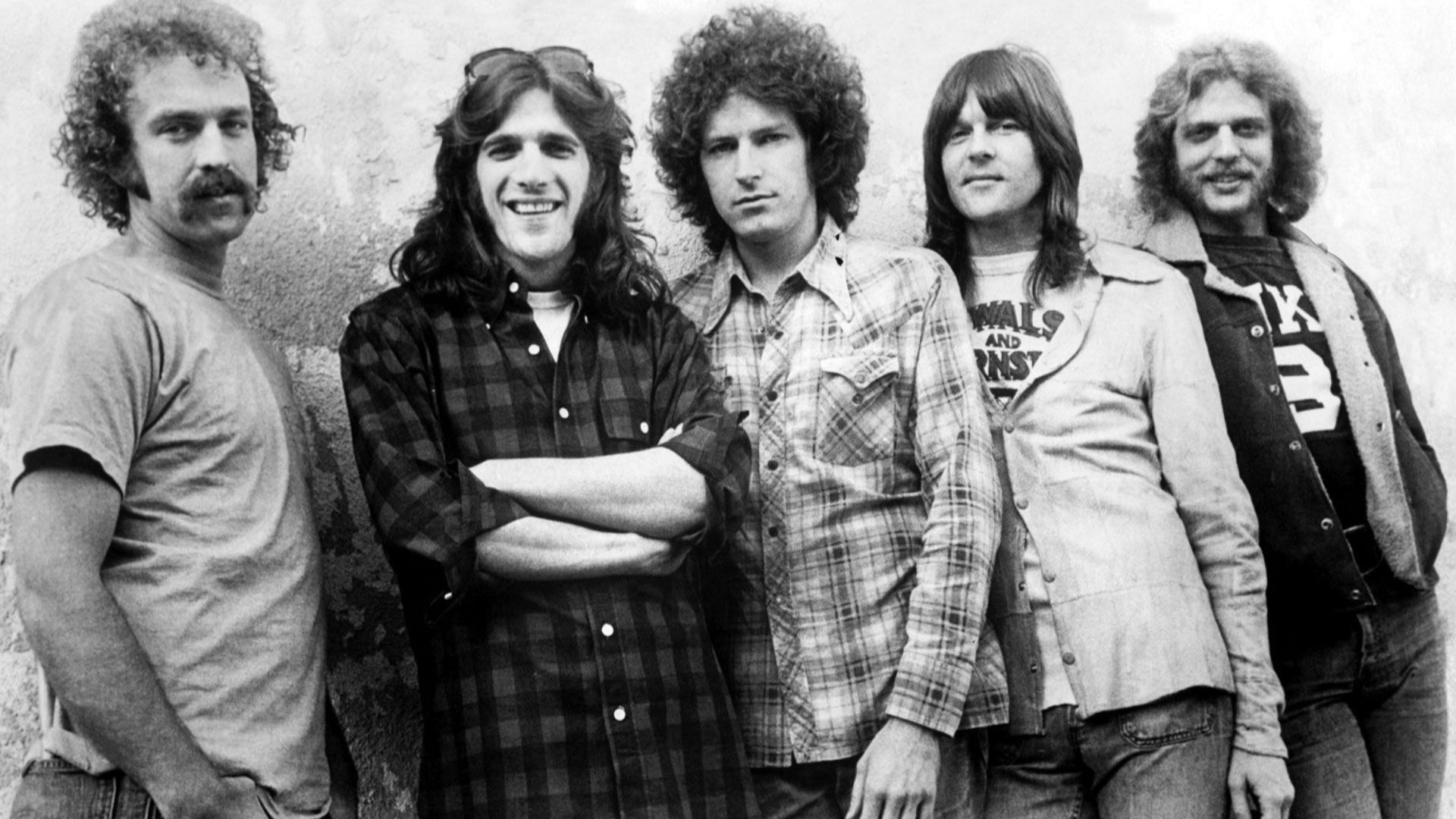
Eagles - “Ol’ ’55” (1974)
When the Eagles released “Best of My Love,” Tom Waits’ “Ol’ ’55” appeared on the B-side. The A-side became the band’s first Number 1 hit, but the flip developed its own following as On the Border became a major album. Glenn Frey and Don Henley transformed Waits’ rougher original into polished country rock, and “Ol’ ’55” eventually became one of the Eagles’ better-known early album tracks despite never receiving its own major singles push.
 Distributed by Asylum Records, Wikimedia Commons
You May Also Like:
The Most Overlooked B-Sides In Rock History
Underrated B-Sides That Became Fan Favorites