
Country Radio Held Enormous Power
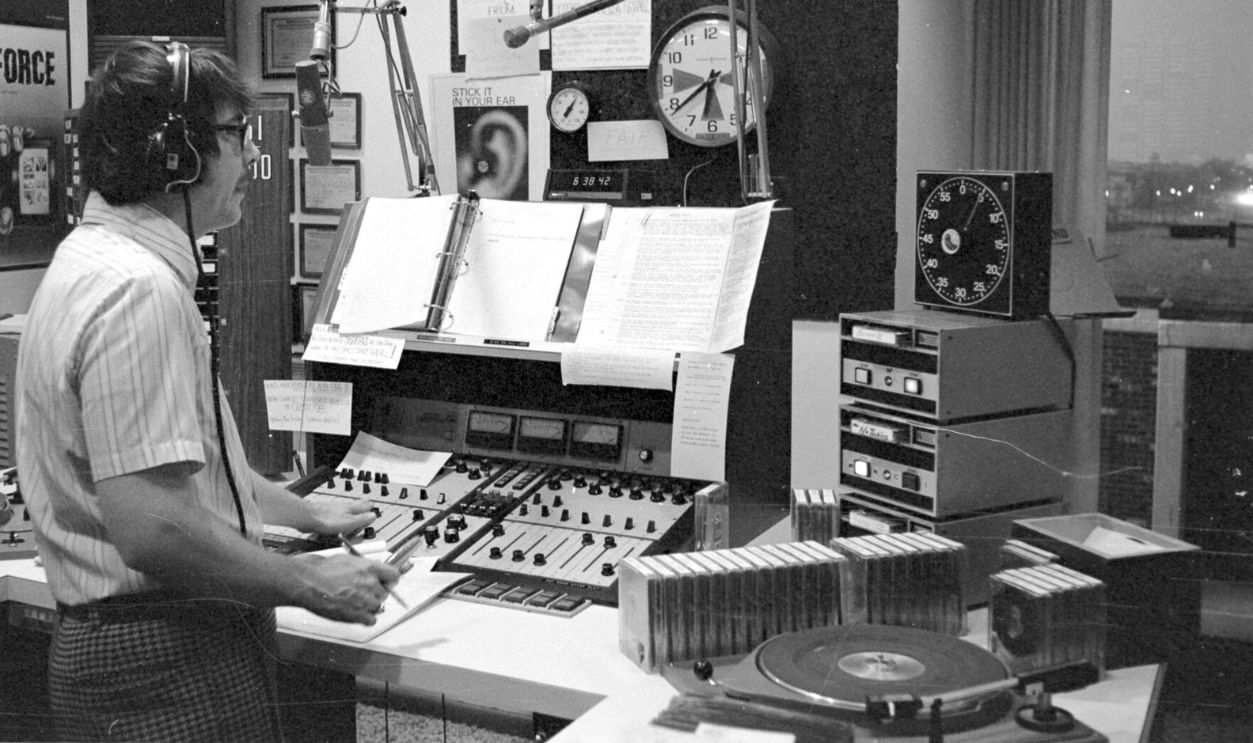
In the 1970s, a country singer could make a great record and still hit a wall at the radio station door. Program directors had enormous influence over what reached listeners, and songs about intimacy, politics, birth control, or even the wrong choice of words could suddenly become “too much” for the airwaves.

A “Ban” Wasn't Always What It Sounds Like
There was rarely some nationwide order declaring a song forbidden. One station might play a record constantly while another refused to touch it. Sometimes a DJ objected. Sometimes management did. That makes the stories more complicated, but it also shows just how much power individual programmers once had.
 Columbus Metropolitan Library, Wikimedia Commons
Loretta Lynn Kept Making Radio Nervous
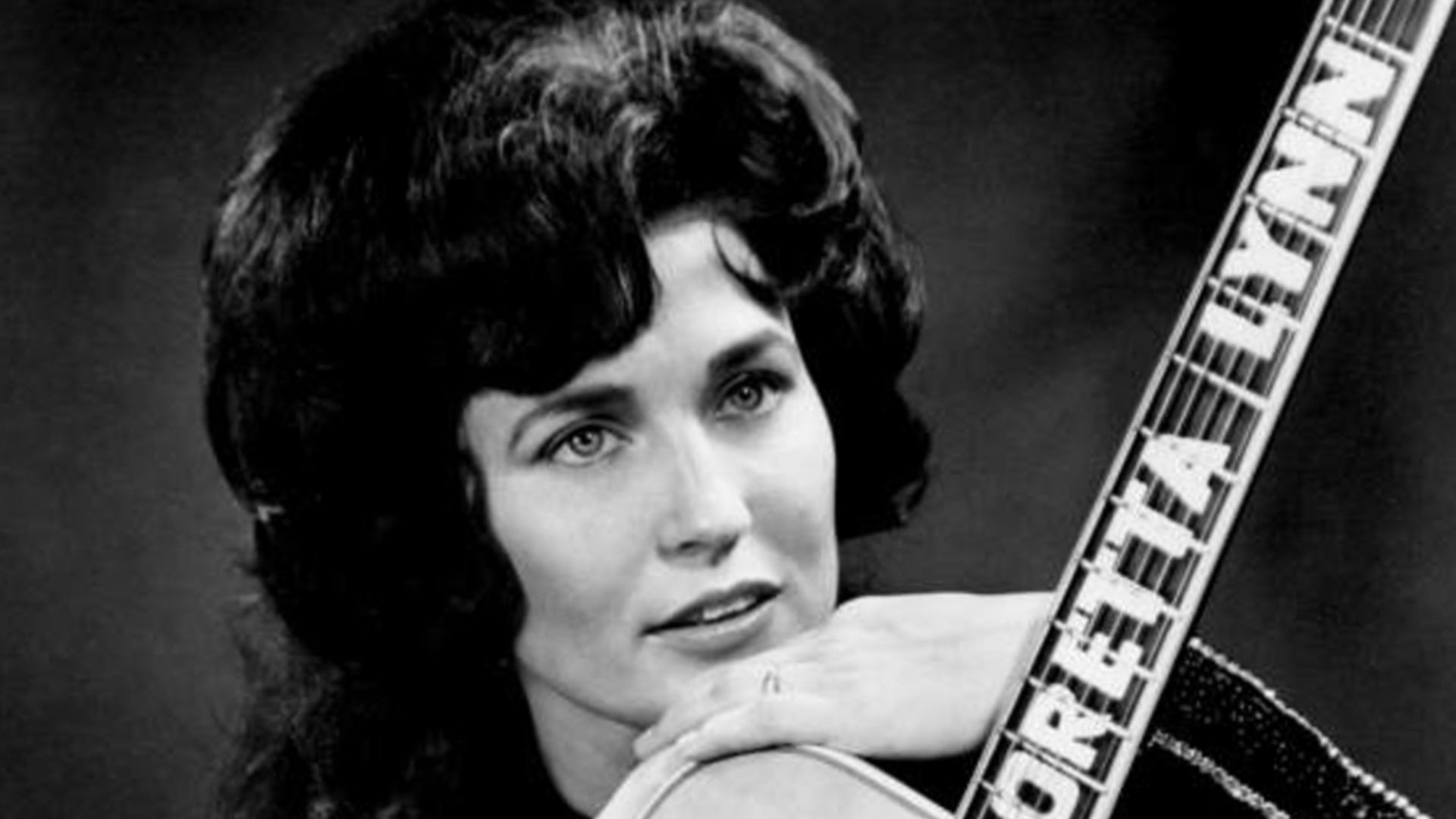
Loretta Lynn had an extraordinary talent for singing about subjects country radio preferred women to approach delicately. Divorce, adultery, pregnancy, contraception, and female desire all made their way into her songs. Lynn later remembered stations balking again and again, even when her listeners clearly understood exactly what she meant.
 Les Leverett, Wikimedia Commons
“Another Man Loved Me Last Night” Was Too Much For Some Stations
The title alone told programmers where this one was headed. Lynn sang from the perspective of a woman who had been mistreated and ended up with another man. Trade reporting noted difficulty getting airplay in parts of the Bible Belt, and Lynn later remembered the song as one that stations there refused to play.
“One's On The Way” Hit A Little Too Close To Home
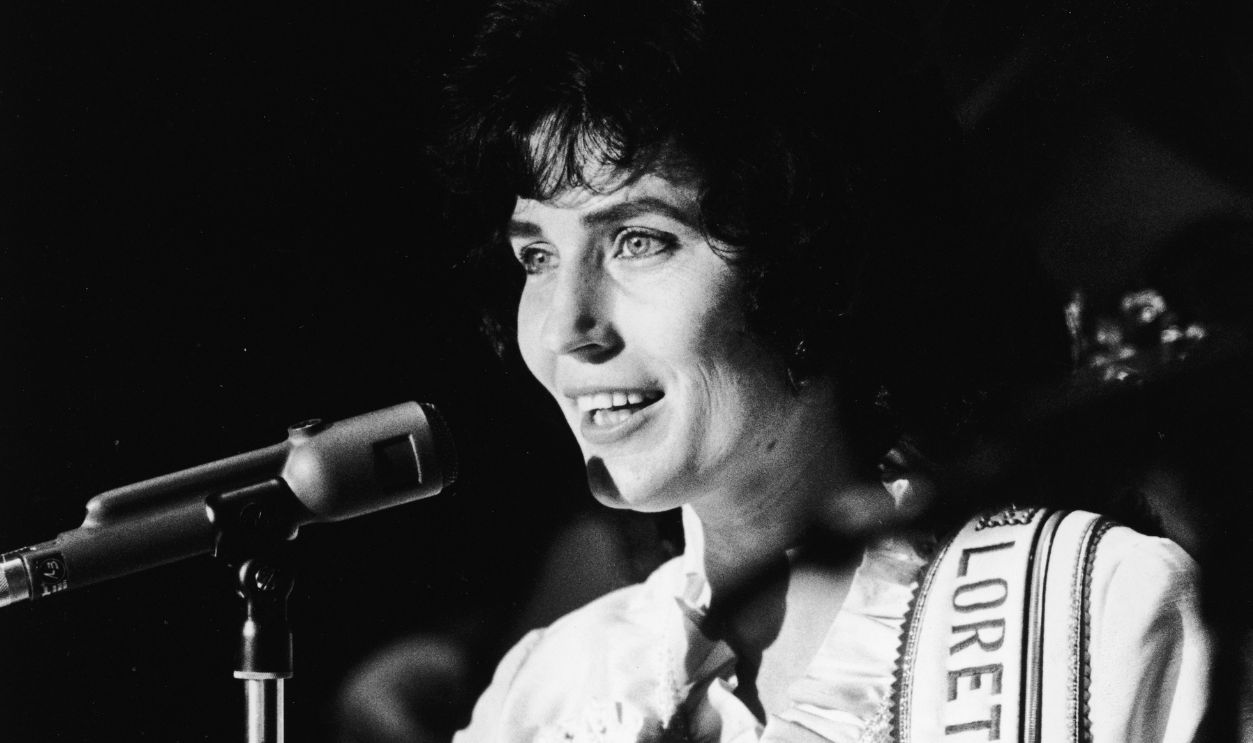
“One's on the Way” was funny, but the joke had teeth. While celebrities lived glamorous lives, Lynn's exhausted Kansas housewife had children underfoot and another baby coming. Lynn later included it among songs that drew radio objections. Listeners apparently weren't bothered. The single went all the way to No 1.
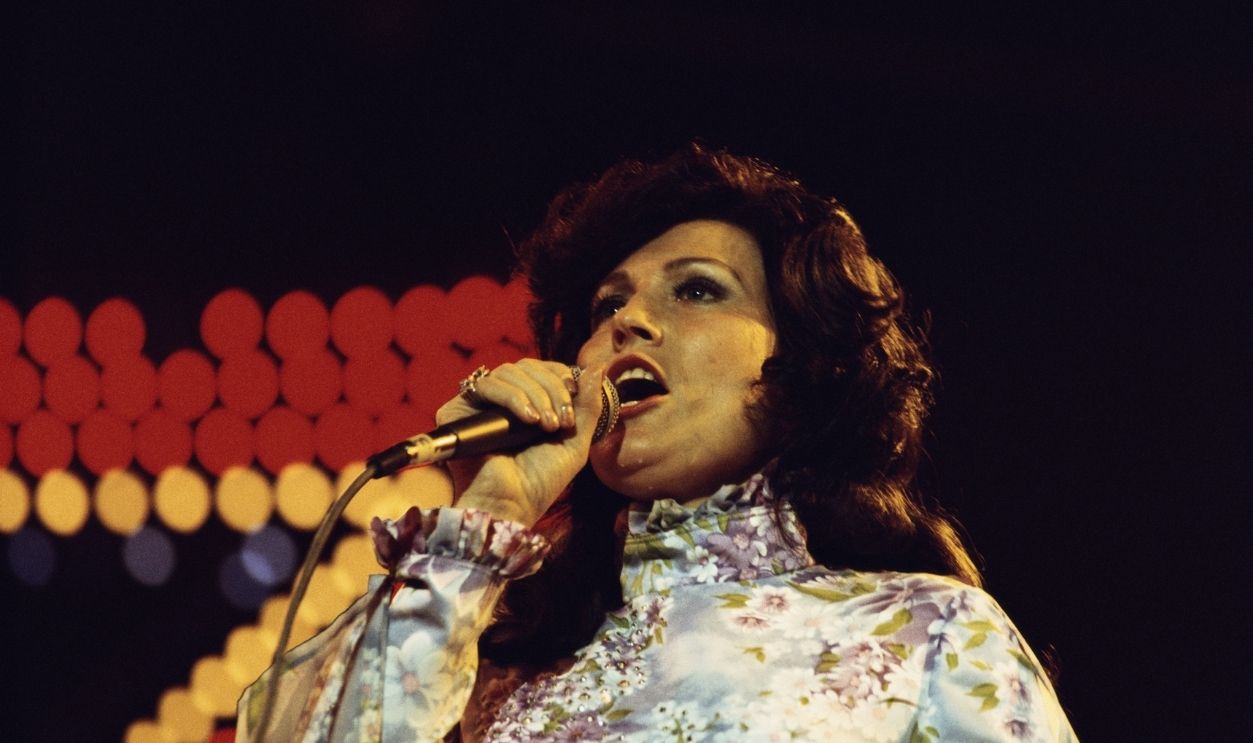
Some DJs Rejected “Rated X” Without Even Hearing It
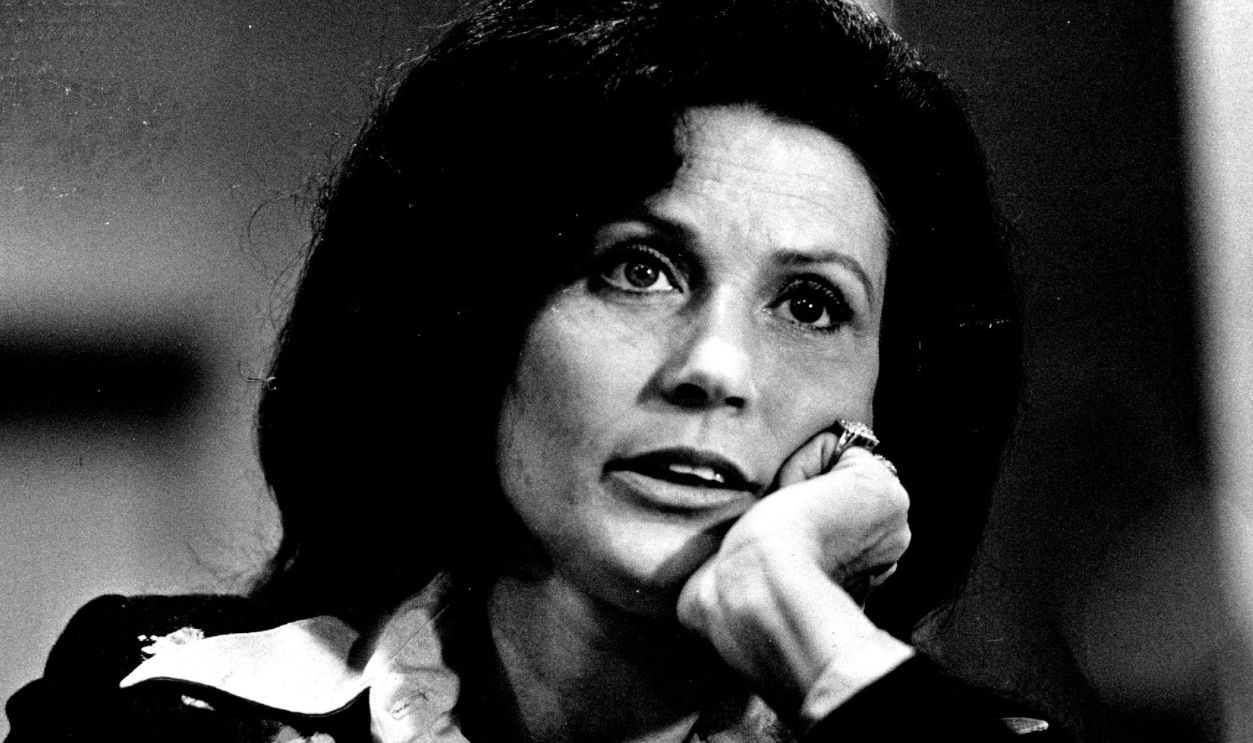
“Rated X” took aim at the way divorced women could suddenly be treated as fair game by men. According to Lynn, some DJs saw the title and decided that was enough. They banned the record without listening. Once it began climbing the charts anyway, some of those same stations quietly changed their minds.
 Star Tribune via Getty Images, Getty Images
“The Battle Hymn Of Lt. Calley” Put Radio In An Impossible Position
Few records were more politically explosive. Terry Nelson's “The Battle Hymn of Lt Calley” portrayed William Calley sympathetically while his role in the My Lai massacre dominated headlines. Billboard found stations sharply divided over whether to play it. The controversy only increased public interest, and the single sold more than a million copies.

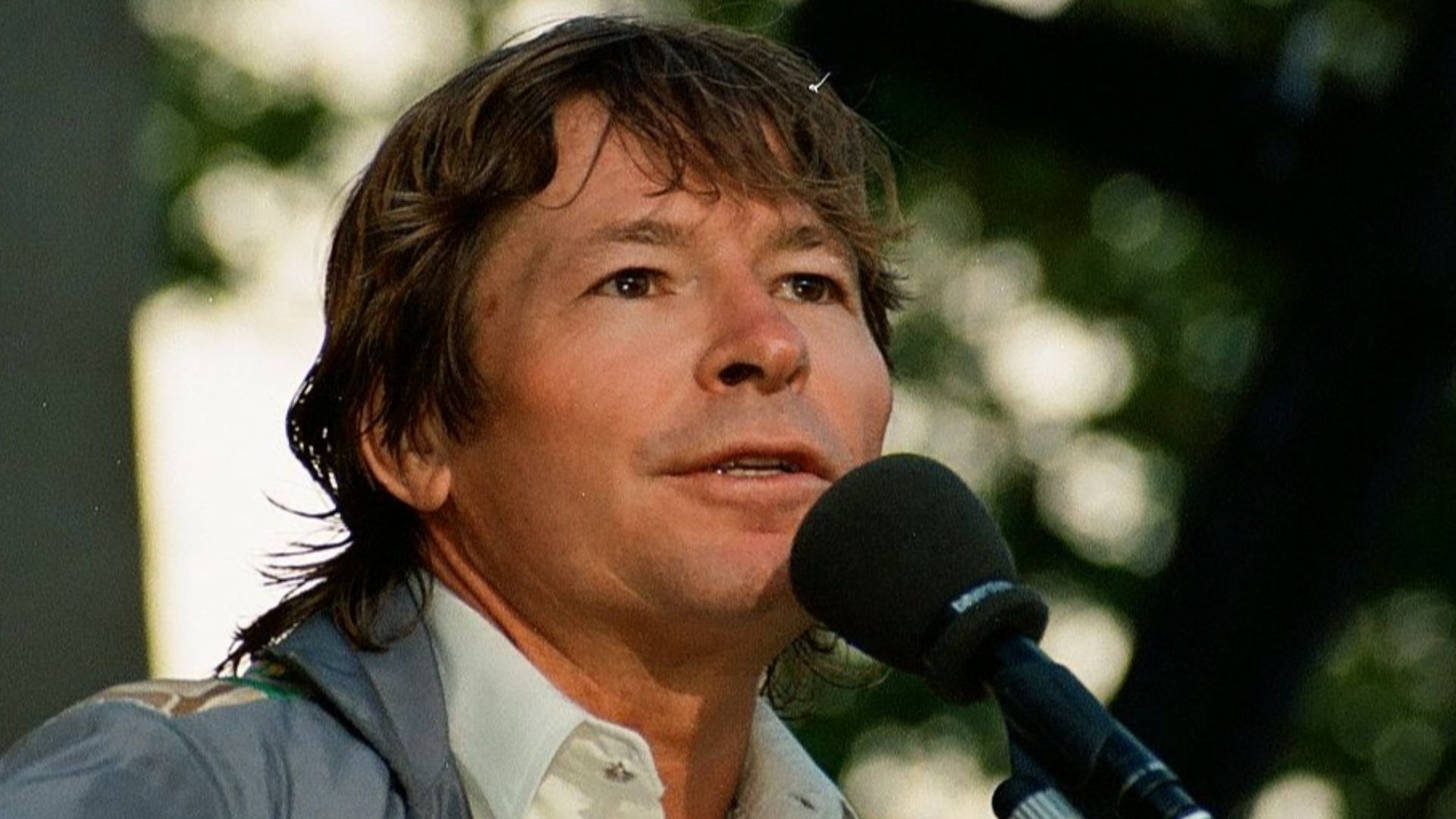
John Denver Got Banned Over One Word
“Rocky Mountain High” was John Denver's celebration of the exhilaration he felt in the Colorado mountains. Some programmers heard the word “high” and decided he must be singing about substances. Denver later told Congress that stations had banned the song for exactly that reason. It still became one of the defining hits of his career.
 John Mathew Smith & www.celebrity-photos.com from Laurel Maryland, USA, Wikimedia Commons
Charlie Rich Apparently Got Too Romantic For Radio
By modern standards, “Behind Closed Doors” sounds almost restrained. In 1973, though, its suggestion that a married couple had a passionate private life made some programmers uneasy. Contemporary reporting said a number of stations refused it. Country fans had a different reaction: the song became a huge breakthrough for Charlie Rich.
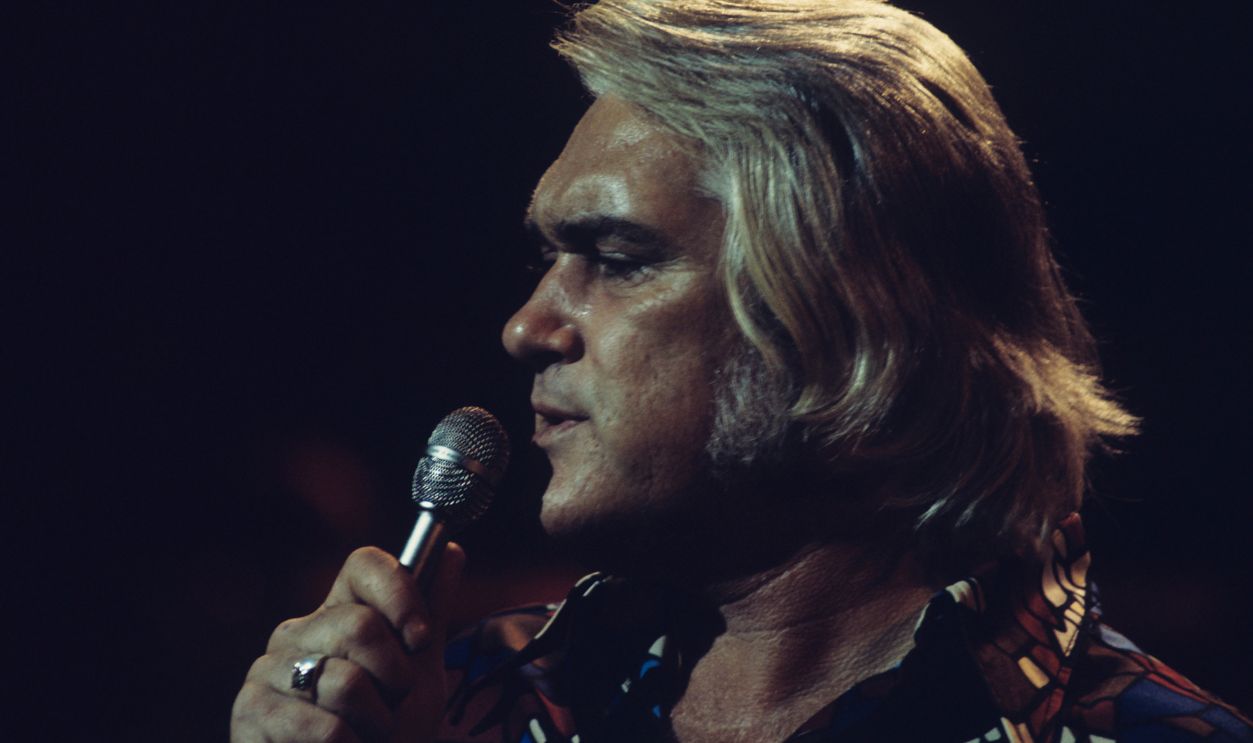
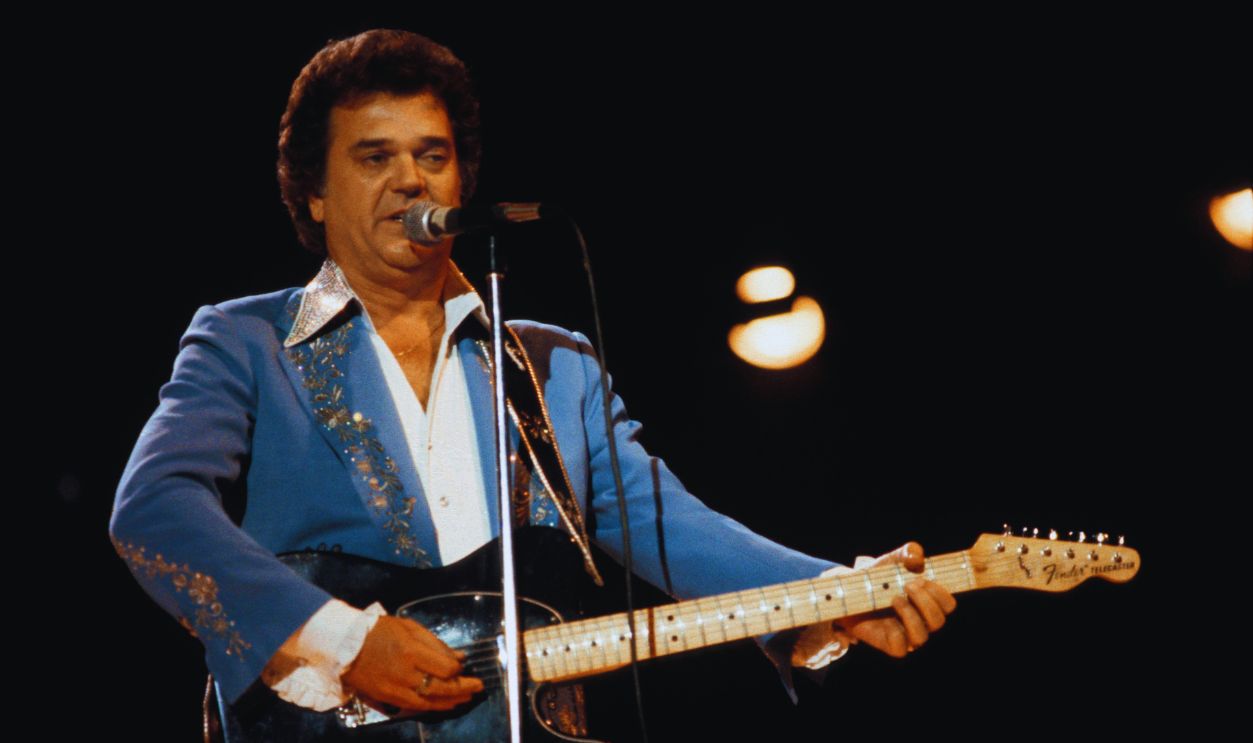
Conway Twitty Barely Bothered With Subtext
“You've Never Been This Far Before” was considerably more direct. Twitty's narrator describes an intimate encounter in language that made some country programmers squirm. Twitty later remembered a DJ personally telling him the station could not play it. Enough others did, however, for the song to climb all the way to No. 1.
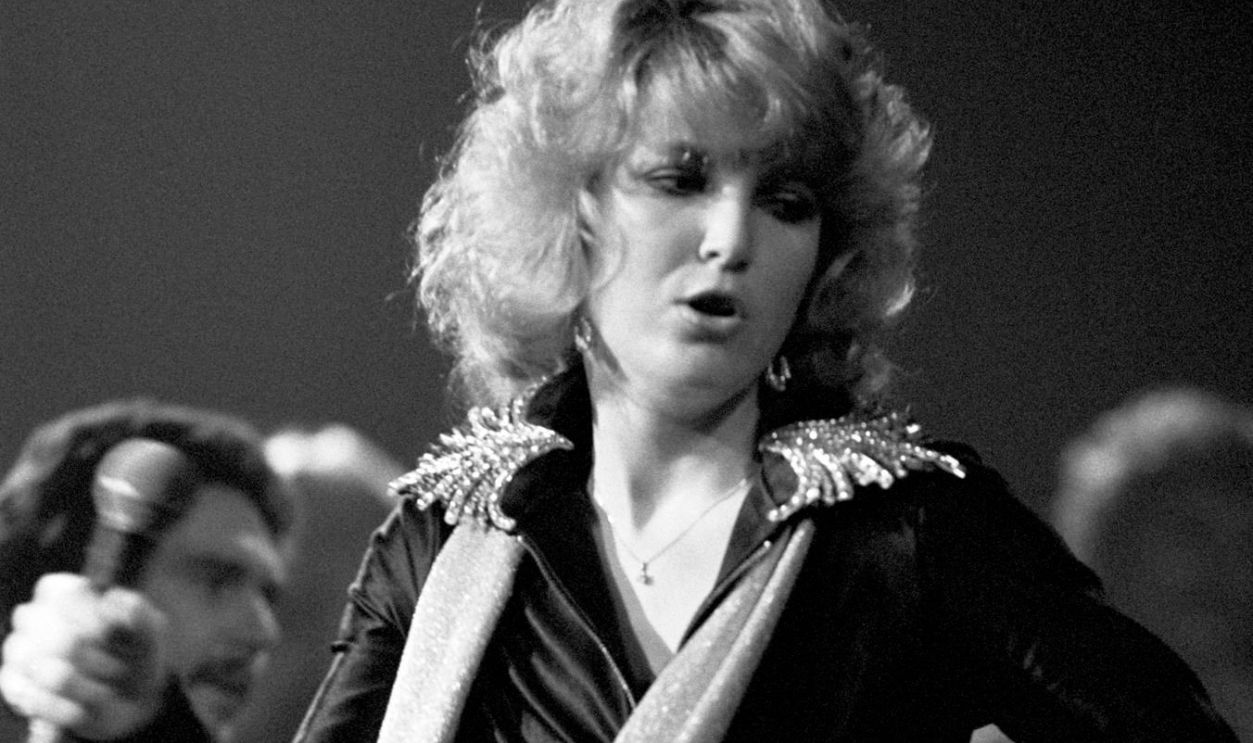
Tanya Tucker's Age Made Her Song Even More Controversial
Tanya Tucker was only 15 when “Would You Lay with Me (In a Field of Stone)” became a hit. Its intimate lyrics were already provocative, but hearing them sung by a teenage girl made some stations especially uncomfortable. Tucker later confirmed that a few stations banned the record.
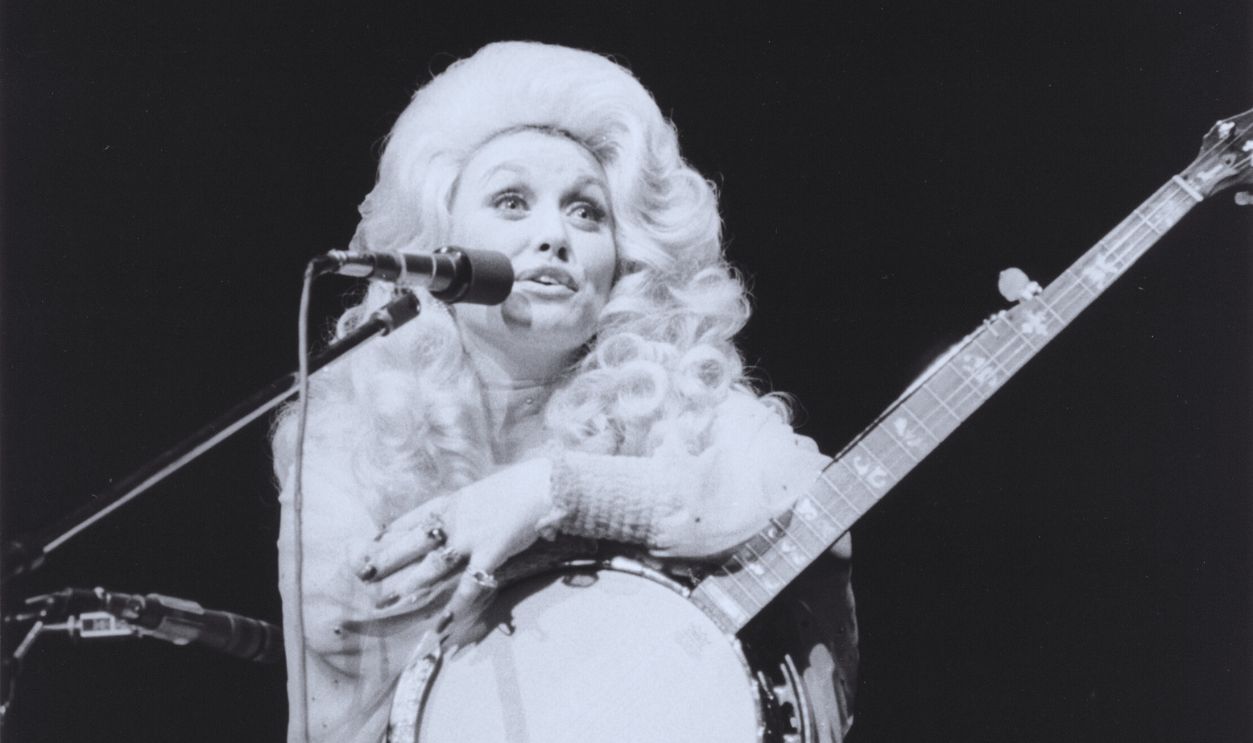
Dolly Parton's Metaphor Went Right Over Some DJs' Heads
“The Bargain Store” was about a battered heart that still had love left to give. Some programmers somehow heard something far more scandalous. Dolly Parton later recalled that stations interpreted the metaphor as sensual and refused the song because they thought it was vulgar. Listeners understood it just fine.
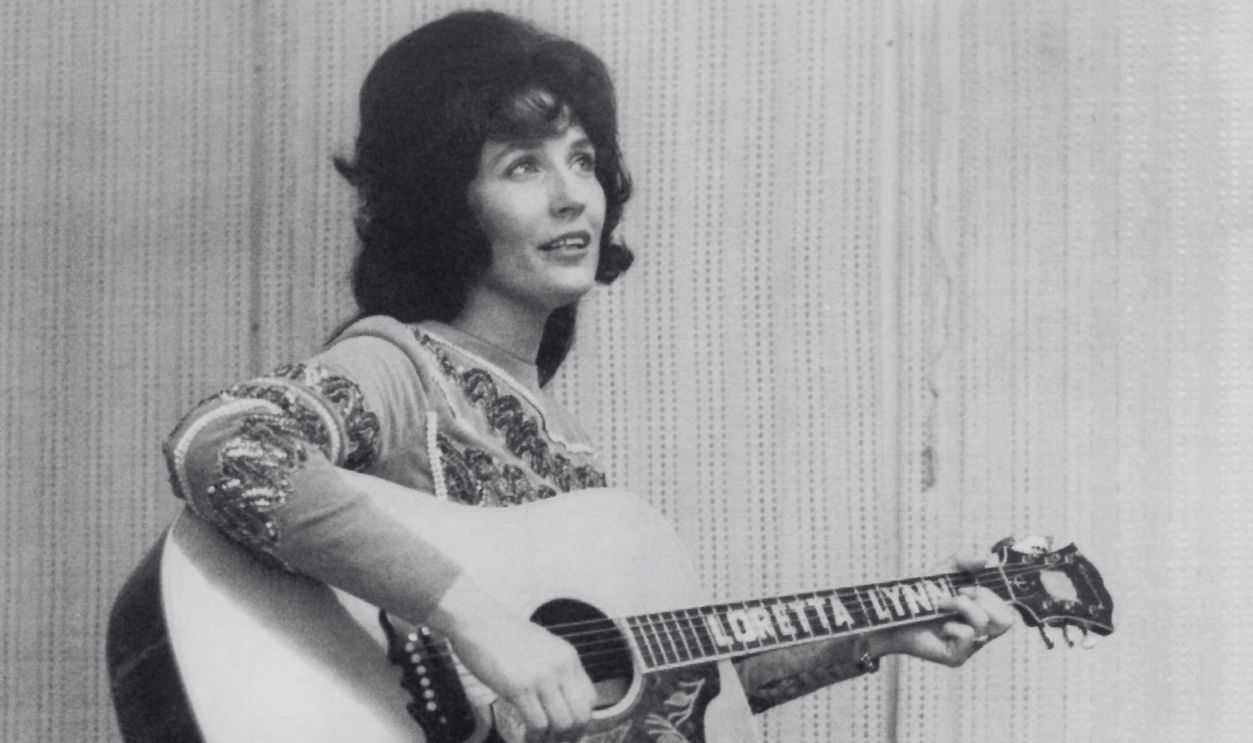
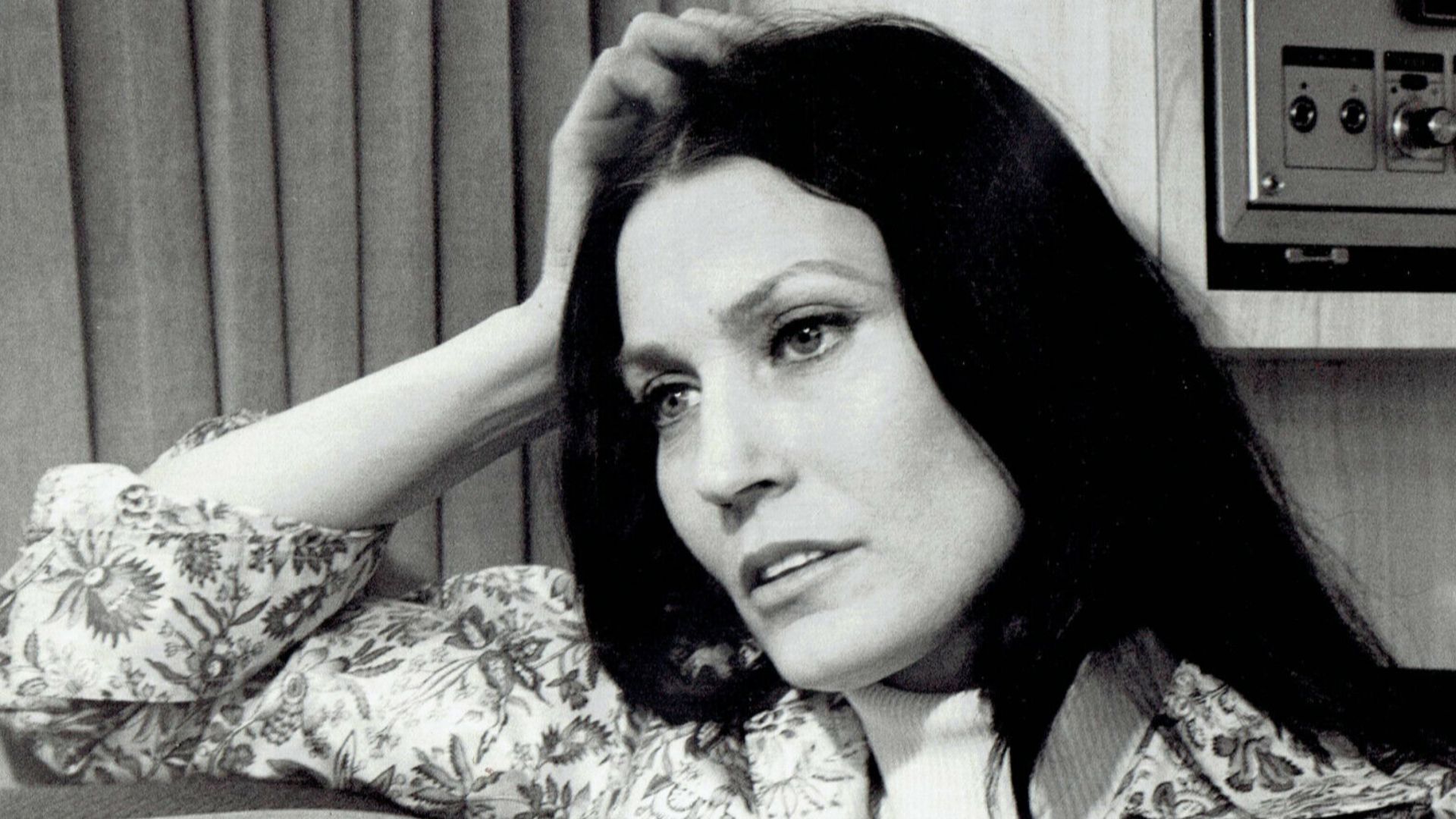
Then Loretta Lynn Dropped “The Pill”
If country radio had been nervous before, “The Pill” gave it something to really argue about. Lynn sang as a married woman celebrating birth control after years of pregnancies. More than 60 stations reportedly refused to play it, while preachers condemned it from pulpits. The title alone became enough to start a fight.
 Michael Ochs Archives, Getty Images
Refusing To Play It Didn't Stop Anyone From Buying It
The backlash only made “The Pill” more famous. Contemporary reporting said the single was moving around 15,000 copies a week even as stations rejected it. It reached No 5 on the country chart and crossed onto the Hot 100, becoming Lynn's highest-charting solo pop single. Radio had lost control of the story.
 CBS Television, Wikimedia Commons
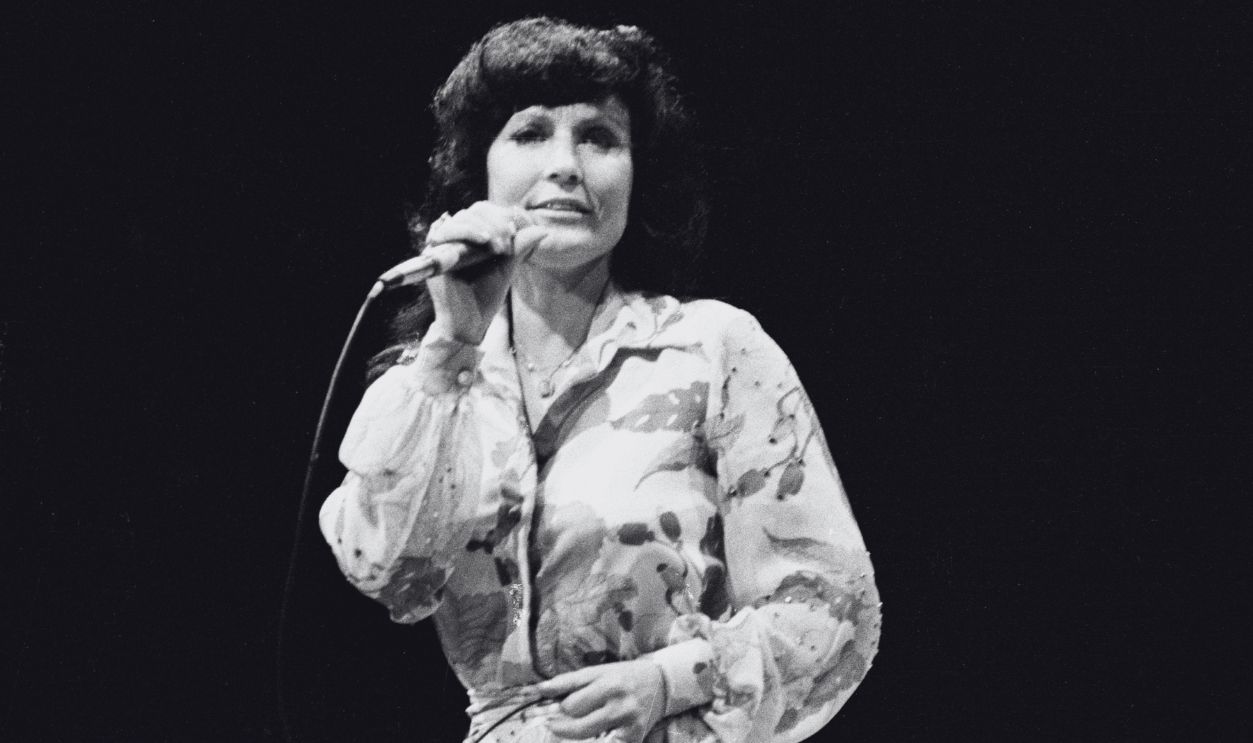
The Double Standard Was Hard To Miss
Country music had never been shy about cheating spouses, sloppy nights, and badly behaved husbands. Yet a married woman singing happily about avoiding another pregnancy suddenly became dangerous. That contradiction is part of what made “The Pill” so important. Lynn wasn't inventing a new reality. She was singing openly about one already there.
 Richard E. Aaron, Getty Images
Sometimes Radio Didn't Ban The Song. It Cleaned It Up
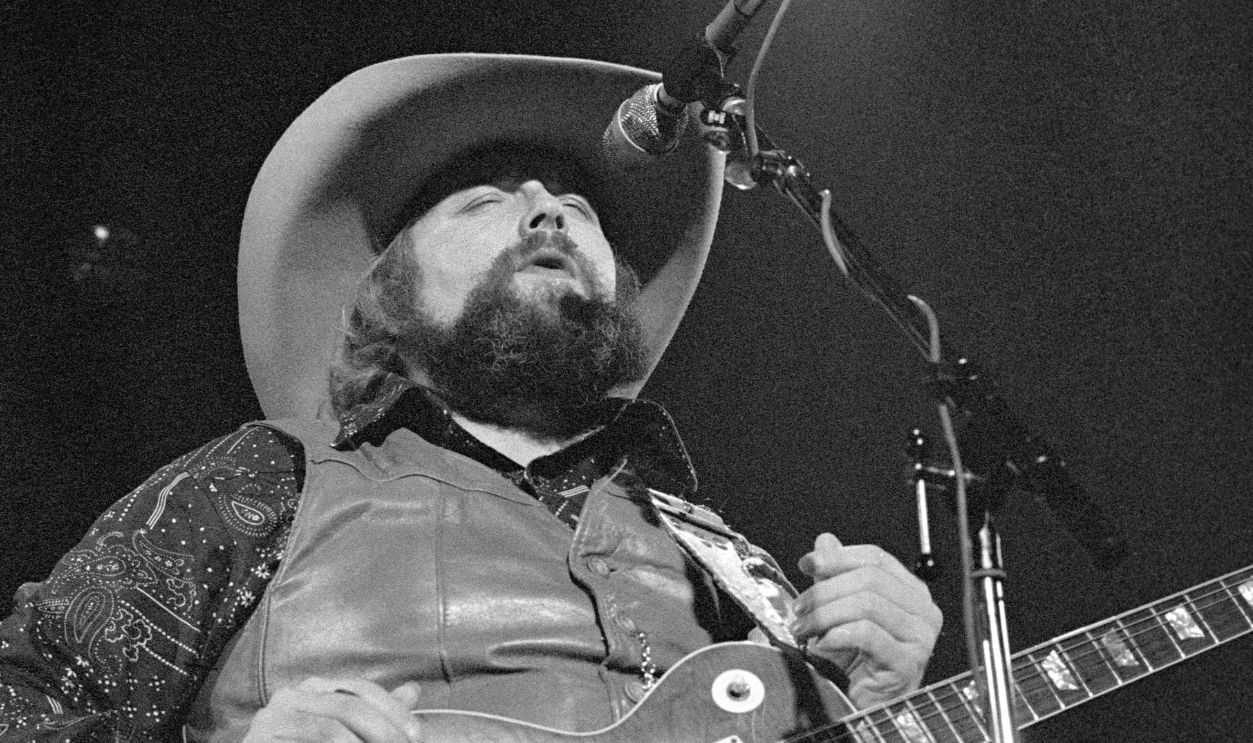
By the end of the decade, labels had another option: give stations a safer version. Charlie Daniels' “The Devil Went Down to Georgia” originally included a mild insult that broadcasters considered risky. A cleaner “son of a gun” line was prepared for radio, allowing stations to play the hit without arguing over the original wording.
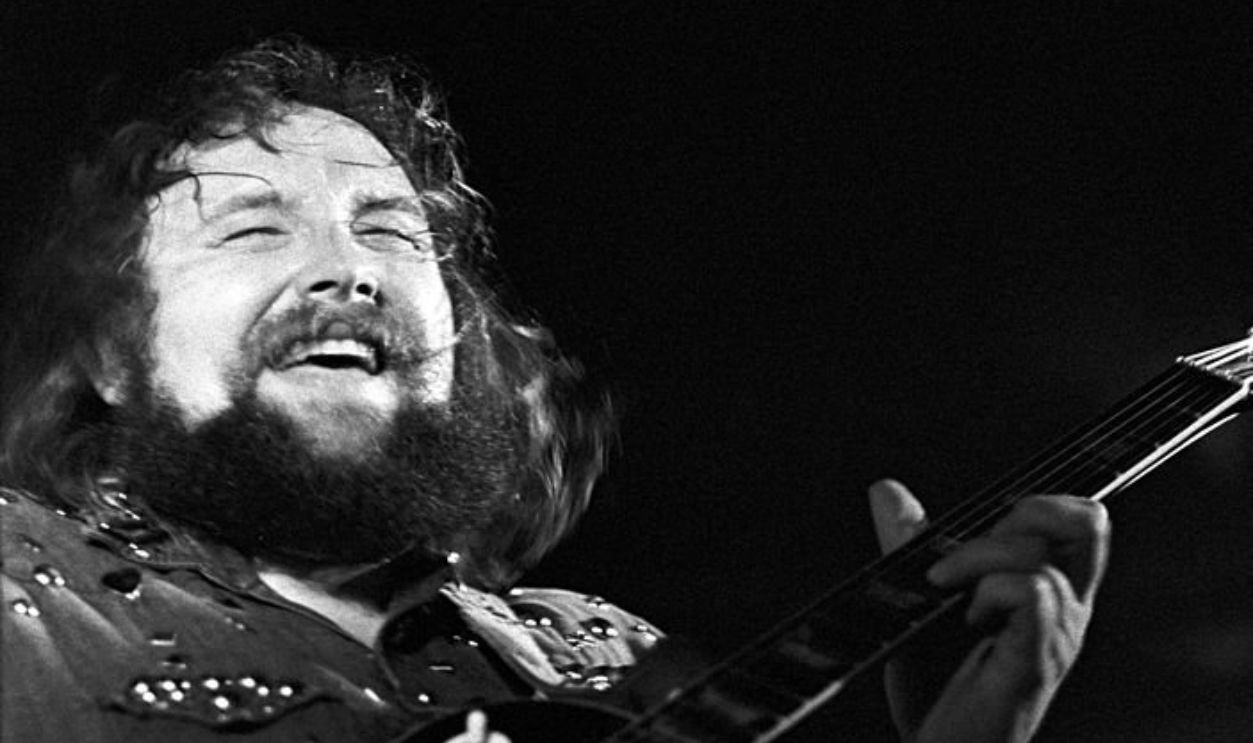
The Clean Version Didn't Slow Charlie Daniels Down
The compromise worked. “The Devil Went Down to Georgia” became the Charlie Daniels Band's breakthrough monster hit, topping the country chart and crossing over to pop audiences. Radio got the wording it wanted, listeners got the song, and the supposedly troublesome original line became little more than trivia.
Women Had Far Less Room To Push The Boundary
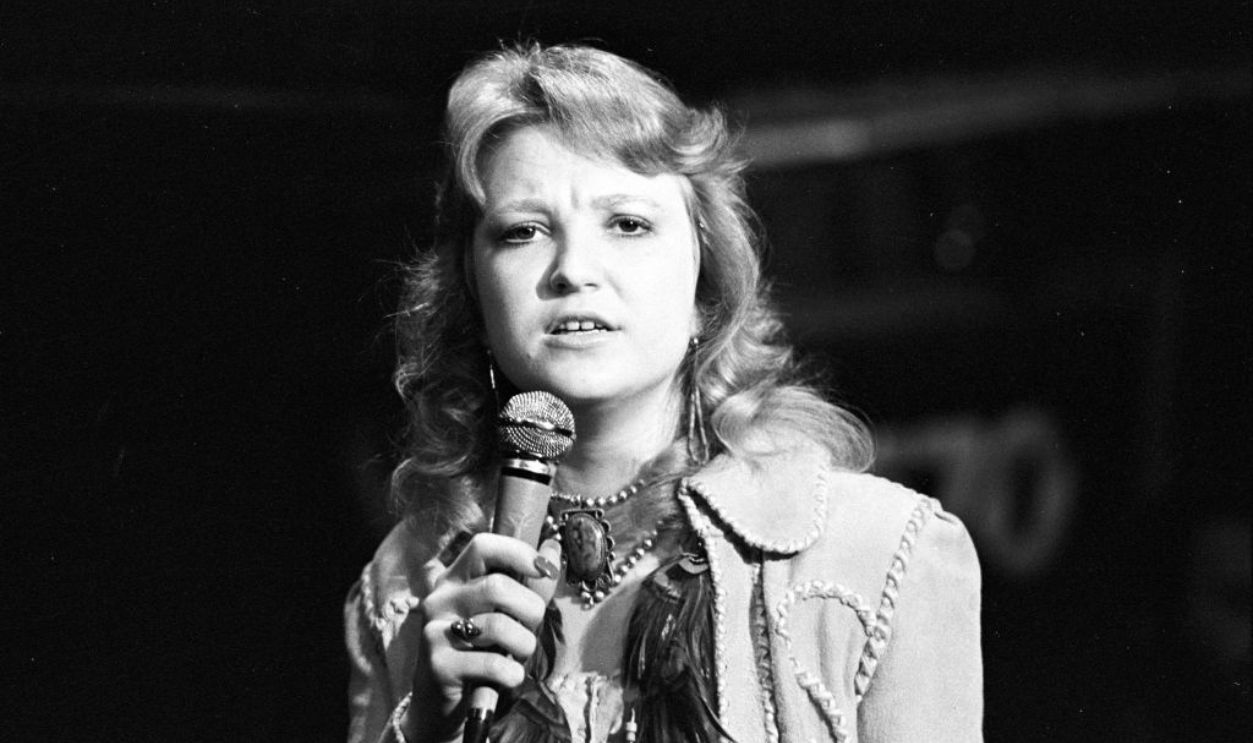
Look at the songs that caused trouble and a pattern appears quickly. Lynn was challenged for singing about divorce and birth control. Tucker faced resistance while singing about intimacy. Parton's wounded-heart metaphor was interpreted as something dirty. Female singers could sell those records, but radio still worried about what they were saying.
 Michael Ochs Archives, Getty Images
Sometimes A Ban Was The Best Advertisement A Song Could Get
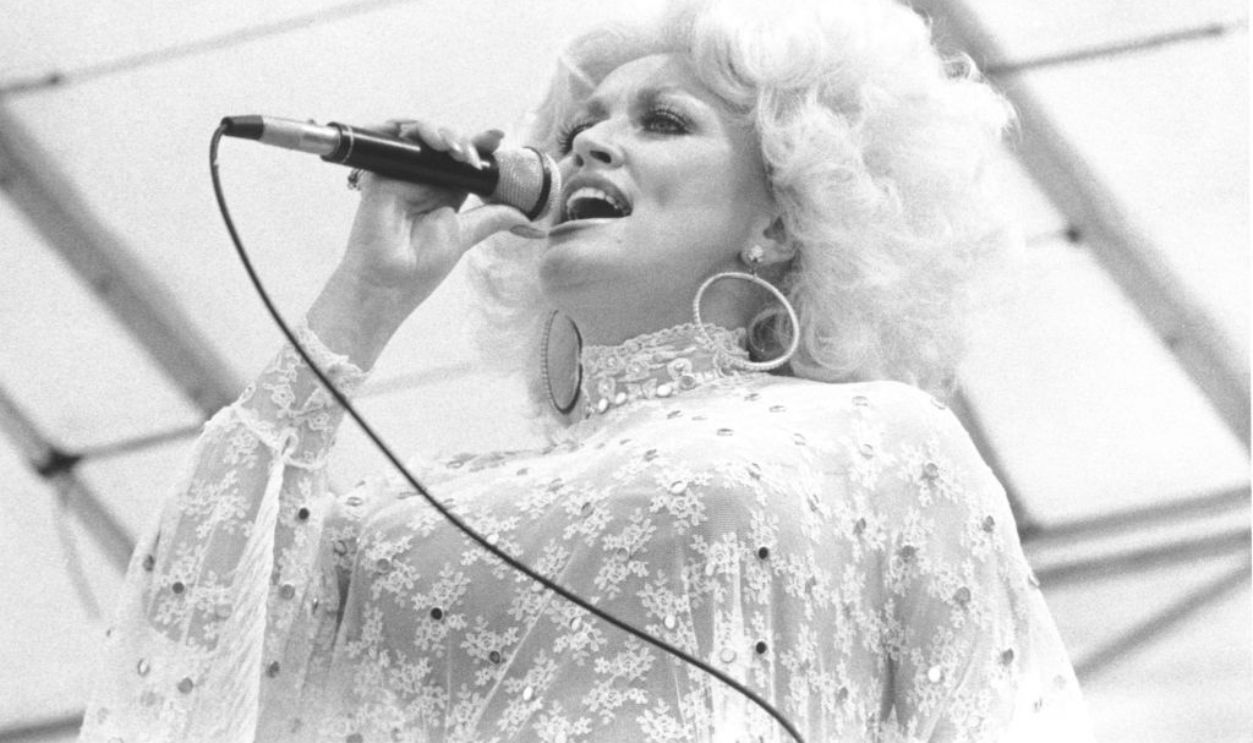
For an unknown singer, losing radio play could sink a record. For a star with momentum, though, a ban could have the opposite effect. Tell people they aren't supposed to hear a song and suddenly everyone wants to know what's in it. Several of these records became hits partly while programmers were debating whether listeners could handle them.
The Audience Kept Making The Final Decision
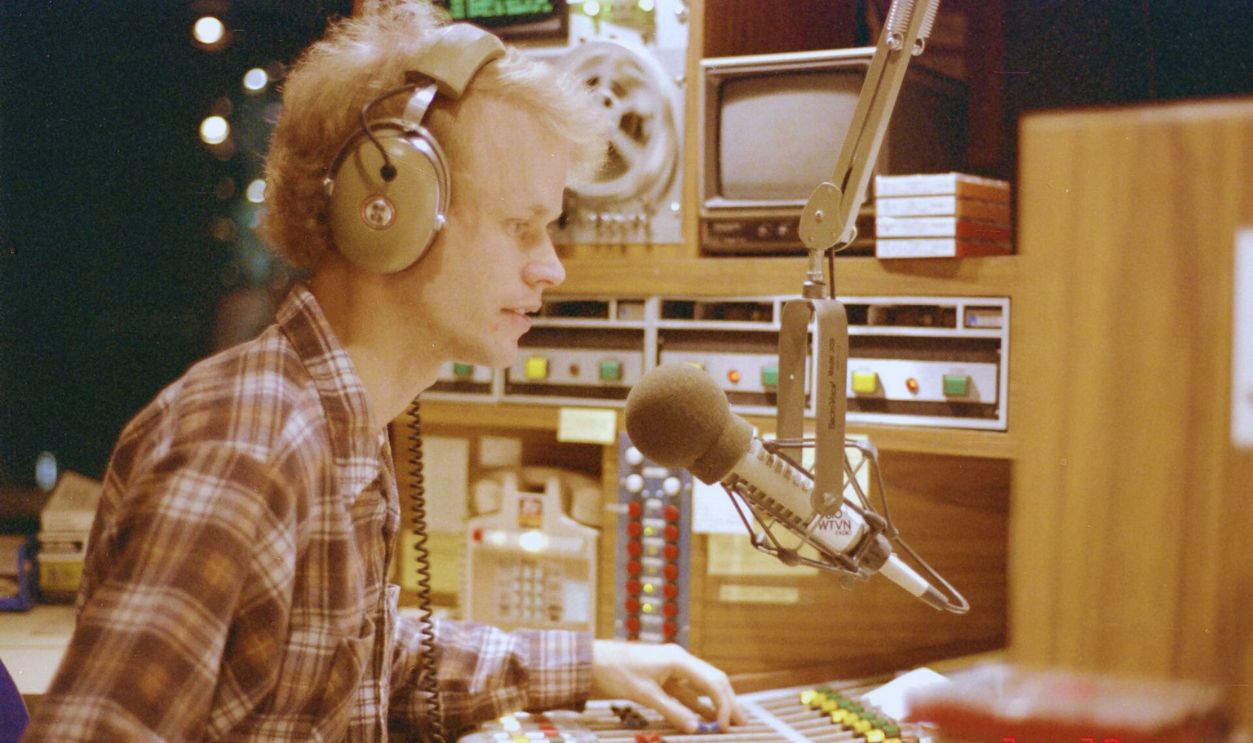
That may be the funniest part of the story. Radio programmers spent enormous energy worrying about whether country fans would accept these songs, while those same fans were buying the records. Again and again, the audience proved less easily shocked than the people deciding what was safe enough to broadcast.
 Columbus Metropolitan Library, Wikimedia Commons
The Records Outlasted The Outrage
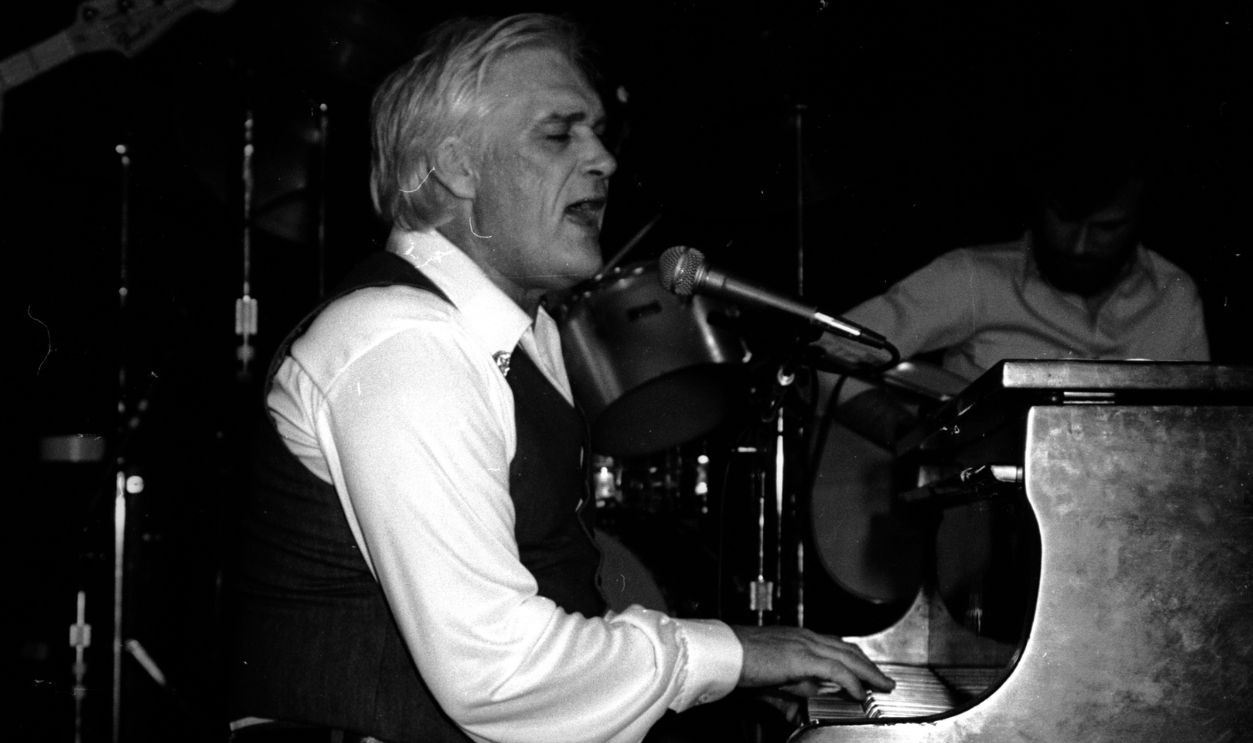
Half a century later, many of these songs barely sound scandalous. What survives is the music, not the panic around it. Stations could refuse a single, delay adding it, or demand a cleaner version. They could make a song harder to hear. What they couldn't do was decide which records listeners would remember.
 Michael Ochs Archives, Getty Images
You May Also Like:
Otis Blackwell And The Making Of Rock And Roll
The 1980s Music Videos That Viewers Didn't Know Were Heavily Censored Before Airing
Iconic Albums Recorded In Strange Places, And The Stories Behind Them
Sources: 1, 2, 3, 4, 5, 6, 7, 8, 9, 10, 11, 12, 13, 14, 15, 16, 17, 18