The Music Videos MTV Didn't Want You To See
MTV ruled the 1980s, but some of the decade's biggest music videos were too provocative for television. From Duran Duran's outrageous nightclub scenes to George Michael's steamy performances, executives demanded cuts, covered up revealing footage, and restricted what audiences could watch. Even Cher and Olivia Newton-John weren't safe from the censors.
Here are 14 famous music videos that MTV viewers never saw exactly as their creators intended.
 Screenshot from If I Could Turn Back Time, Geffen Records (1989)
Duran Duran — "Girls On Film"
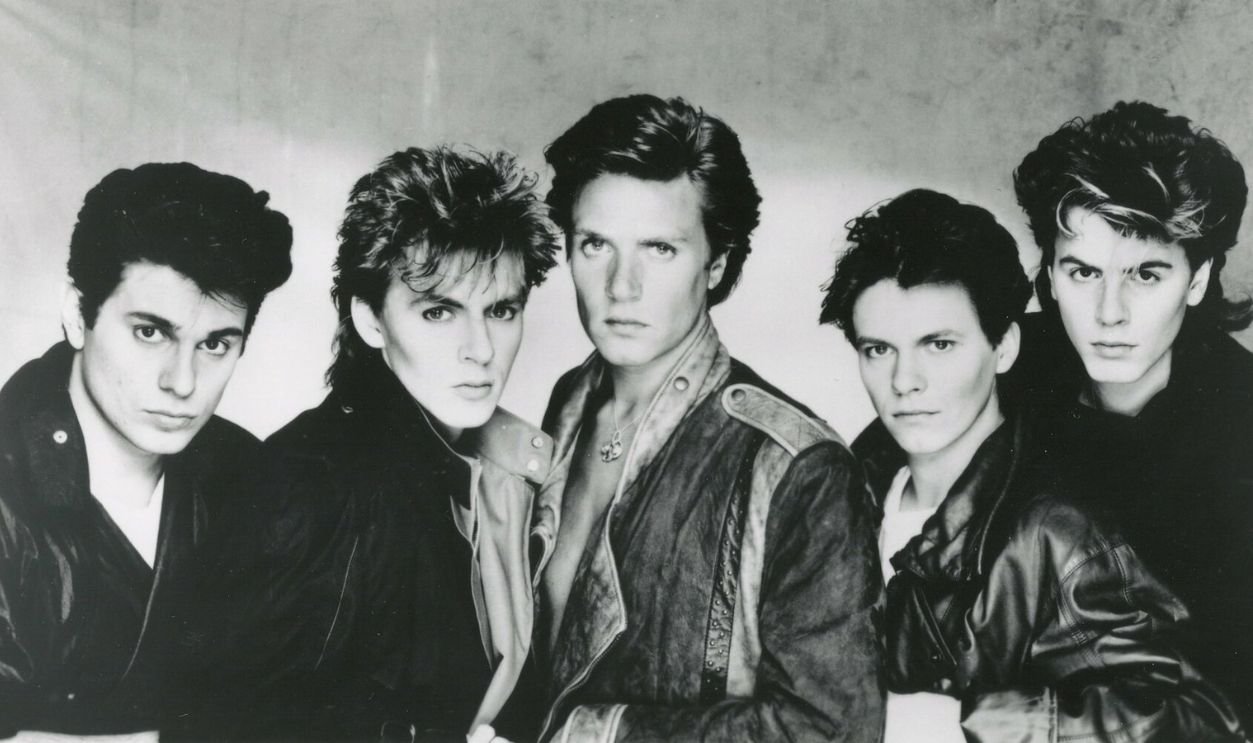
Duran Duran's 1981 video for "Girls on Film" was far more provocative than the version MTV audiences remember. Directed by Kevin Godley and Lol Creme, it featured models, mud wrestling, and suggestive scenarios designed for nightclub audiences. The original production featured partially unclothed performers, along with imagery considered unsuitable for mainstream television.
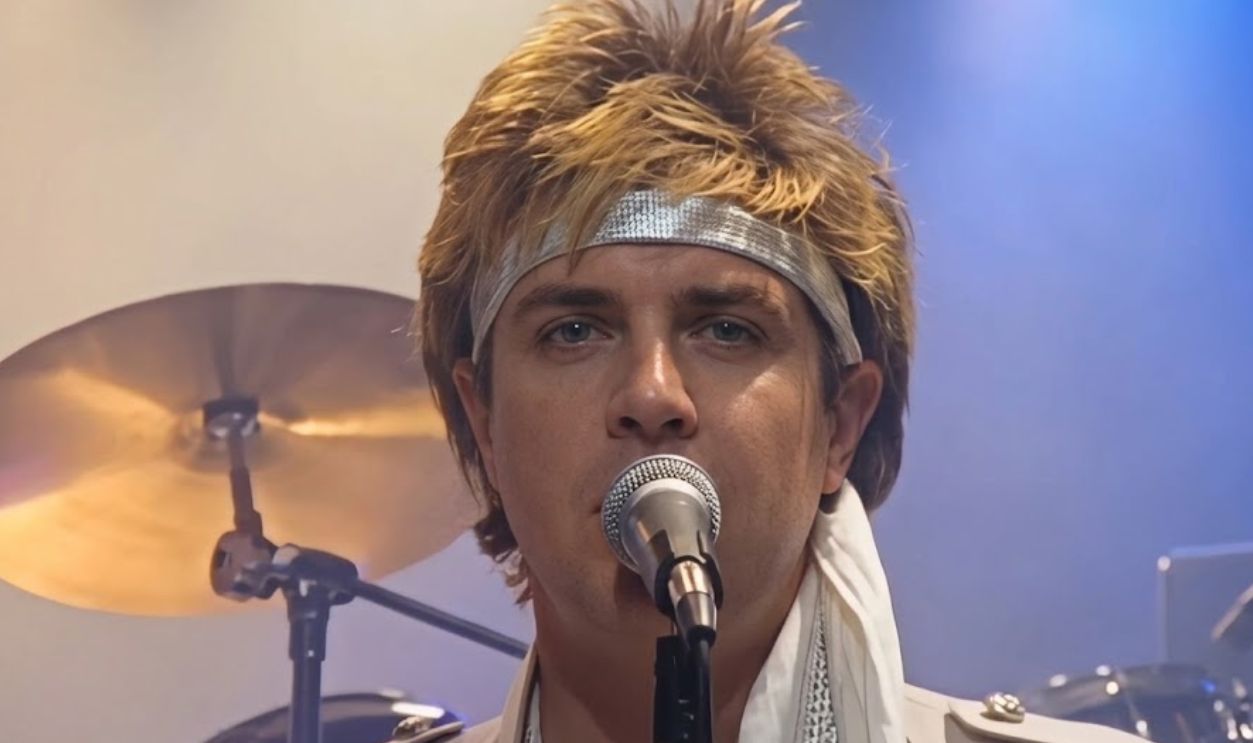 Screenshot from Girls on Film, EMI Records (1981), Enhanced
Duran Duran — "Girls On Film"
The BBC rejected the uncut video, while MTV eventually aired a heavily edited alternative. Scenes featuring partially unclothed performers and other provocative material were removed, leaving viewers with a considerably tamer production. Director Kevin Godley later explained that the original had deliberately been created without worrying about conventional television restrictions.
Olivia Newton-John — "Physical"
Olivia Newton-John's 1981 video for "Physical" transformed a suggestive pop song into a playful workout routine. Wearing a leotard and headband, she played an aerobics instructor attempting to motivate a group of out-of-shape men. The video took an unexpected turn when her newly muscular students showed little romantic interest in her.
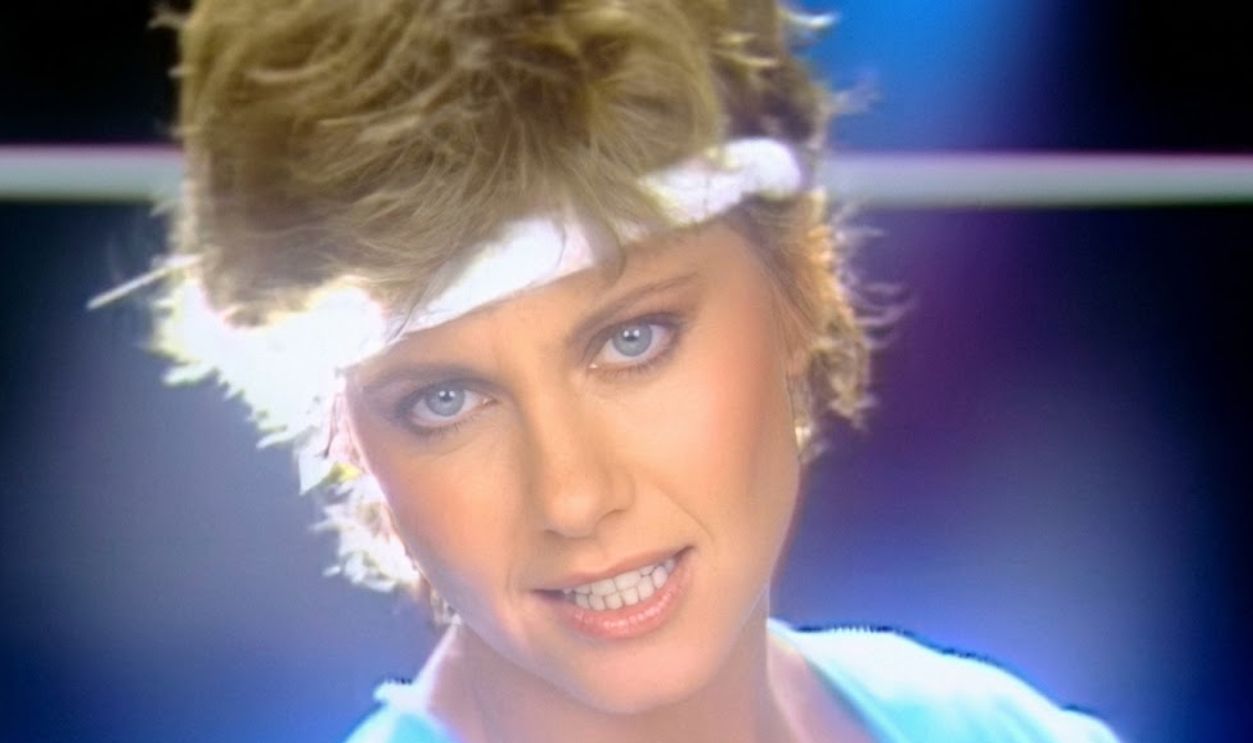 Screenshot from Physical, Geffen Records (1981)
Olivia Newton-John — "Physical"
The video's final joke revealed two men walking toward the locker room together while holding hands. Some MTV broadcasts reportedly shortened the production before that ending, meaning certain viewers missed the surprise. The controversy was especially striking because some radio stations had already refused to play "Physical" because of its suggestive lyrics.
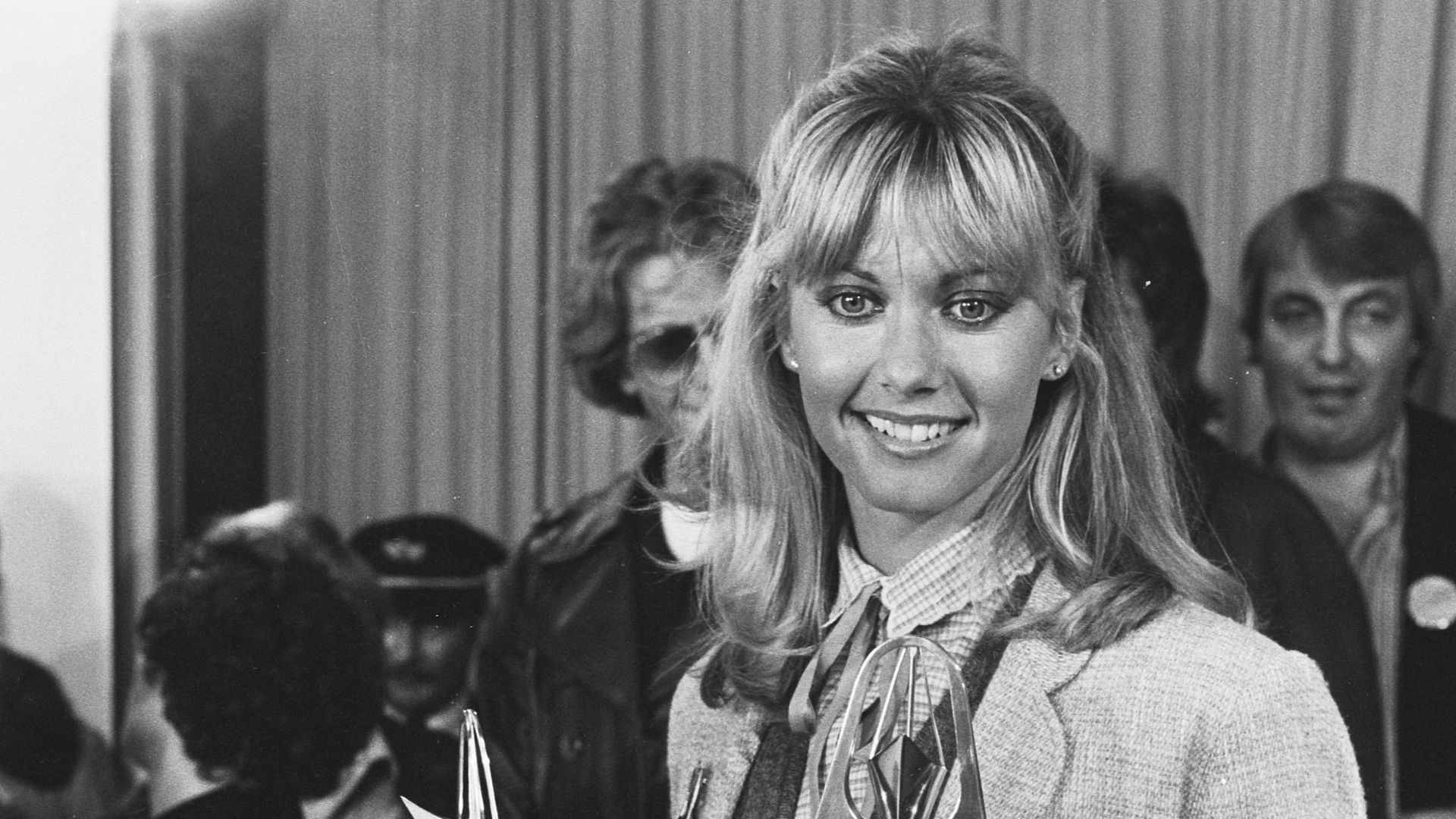 Bert Verhoeff for Anefo, Wikimedia Commons
Frankie Goes To Hollywood — "Relax"
Frankie Goes to Hollywood's 1983 hit "Relax" originally received a video set inside a provocative nightclub. Directed by Bernard Rose, it featured leather-clad performers and suggestive imagery that television executives considered unacceptable. The BBC rejected the original, while MTV also declined to broadcast the nightclub production.
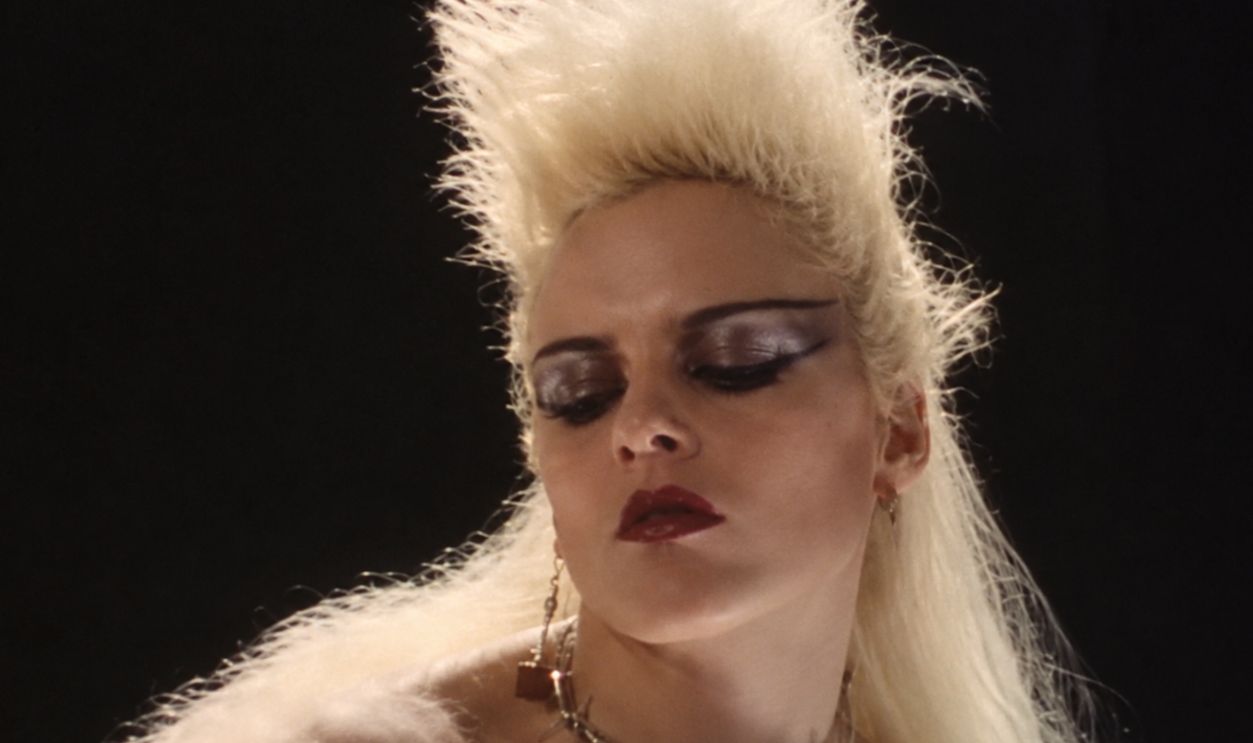 Screenshot from Relax, ZTT Records (1983), Enhanced
Frankie Goes To Hollywood — "Relax"
Rather than simply remove a few scenes, the group created a replacement video directed by Godley and Creme. It featured the band performing against a backdrop of colorful laser effects, avoiding the nightclub imagery that had caused the controversy. The considerably tamer version received substantial MTV airplay, leaving many American viewers unaware of the original production.
 Screenshot from Relax, ZTT Records (1983)
Laura Branigan — "Self Control"
Laura Branigan's 1984 hit "Self Control" received a mysterious video directed by William Friedkin, the filmmaker behind The Exorcist. It followed Branigan through a surreal nighttime world populated by masked strangers and increasingly intimate encounters. MTV executives objected to some of the sensual imagery and requested changes before approving the production.
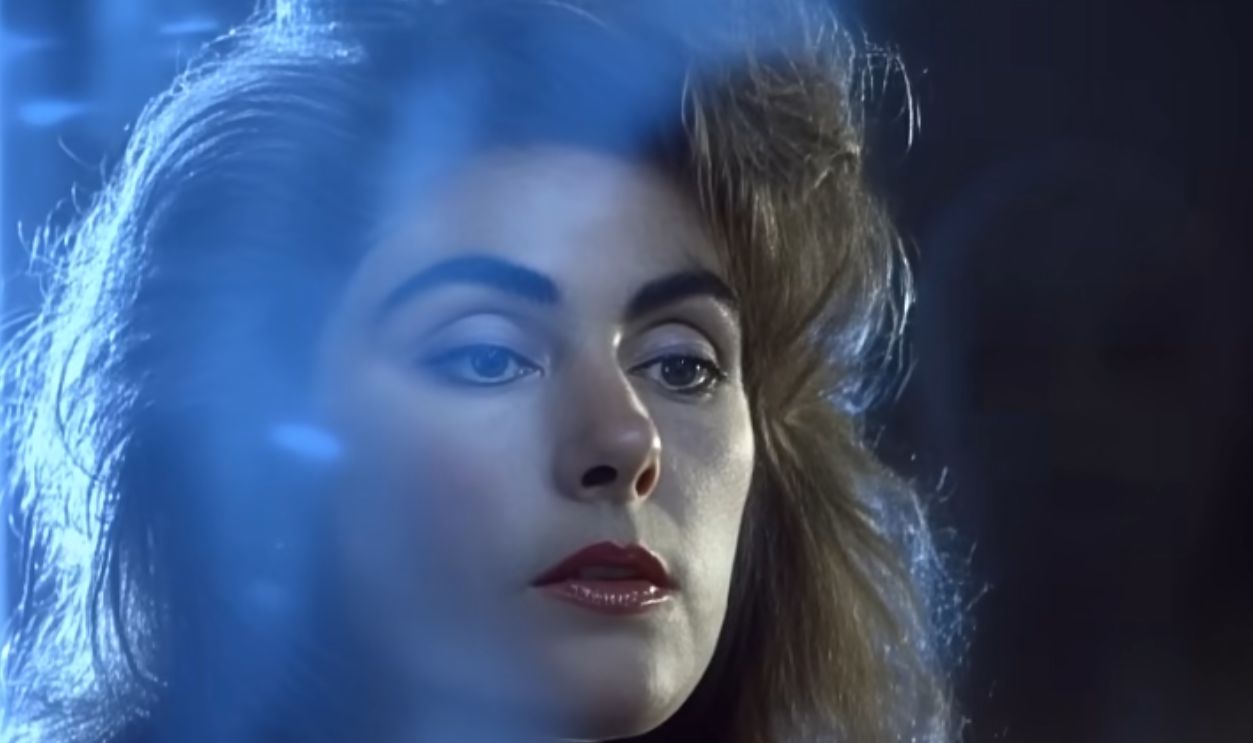 Screenshot from Self Control, Atlantic Records (1984)
Laura Branigan — "Self Control"
Branigan initially resisted altering Friedkin's vision, believing the provocative atmosphere was essential to the video's storyline. However, MTV refused to broadcast the original cut, eventually persuading her to accept modifications. The edited production retained its mysterious appearance, but the version television audiences watched wasn't exactly what Friedkin had originally created.
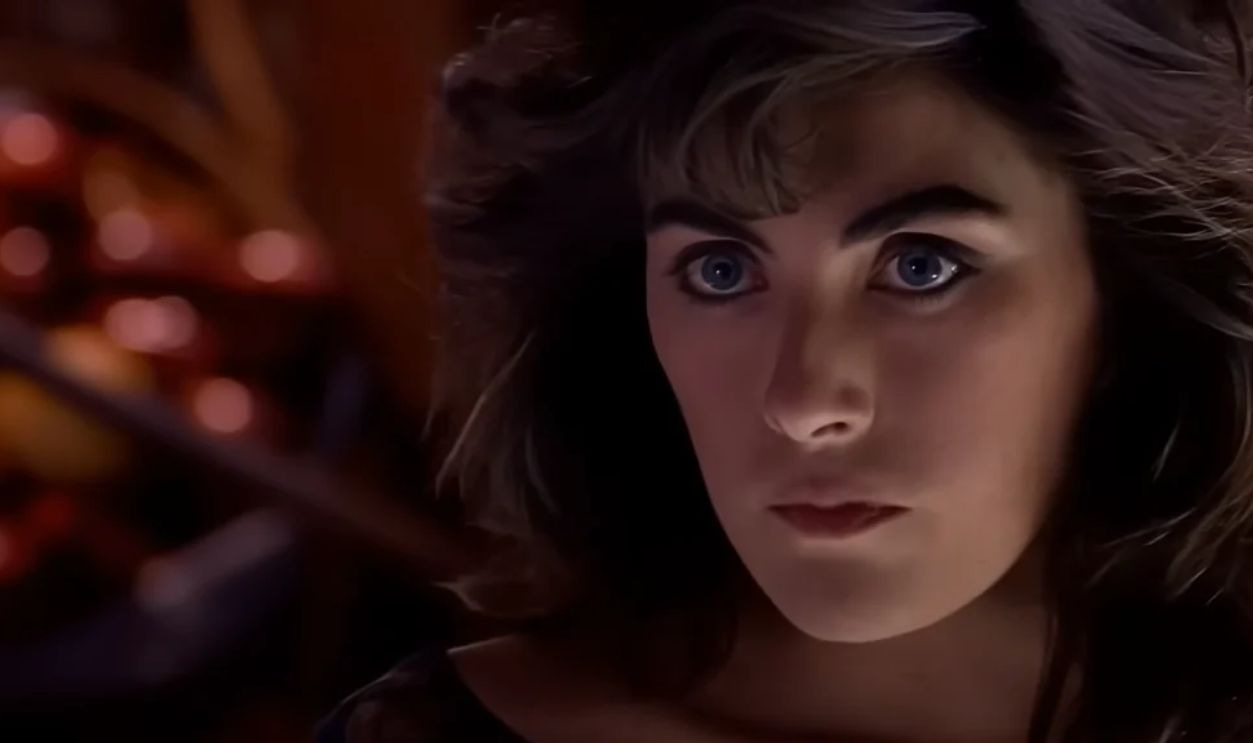 Screenshot from Self Control, Atlantic Records (1984)
Frankie Goes To Hollywood — "Two Tribes"
Frankie Goes to Hollywood caused another controversy in 1984 with the video for "Two Tribes." Directed by Godley and Creme, it depicted actors portraying Ronald Reagan and Soviet leader Konstantin Chernenko fighting inside a wrestling ring. The increasingly violent confrontation ended with the destruction of the world, making it a provocative statement about Cold War tensions.
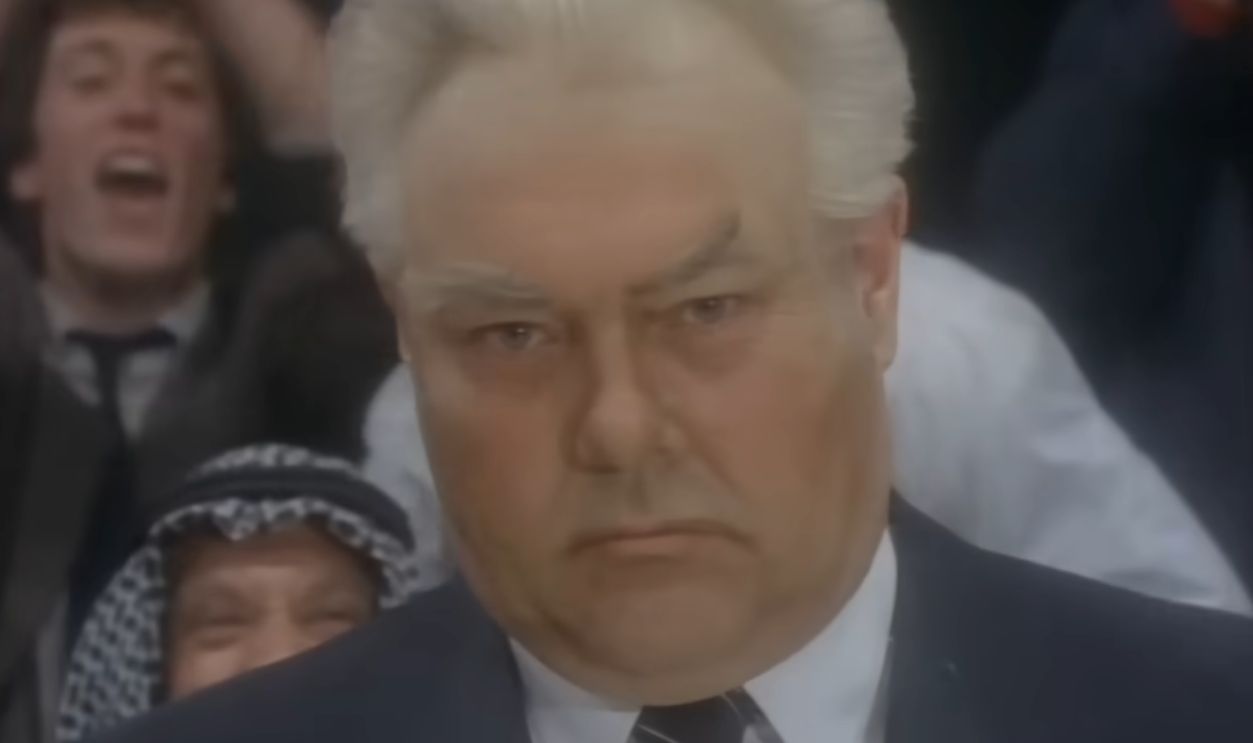 Screenshot from “Two Tribes,” ZTT Records (1984)
Frankie Goes To Hollywood — "Two Tribes"
MTV agreed to broadcast "Two Tribes" only after receiving a shorter, sanitized version. Violent moments were removed, including a scene in which the fictional Reagan bites his opponent's ear. The original extended production continued circulating in nightclubs, while American television viewers generally saw the less graphic alternative.
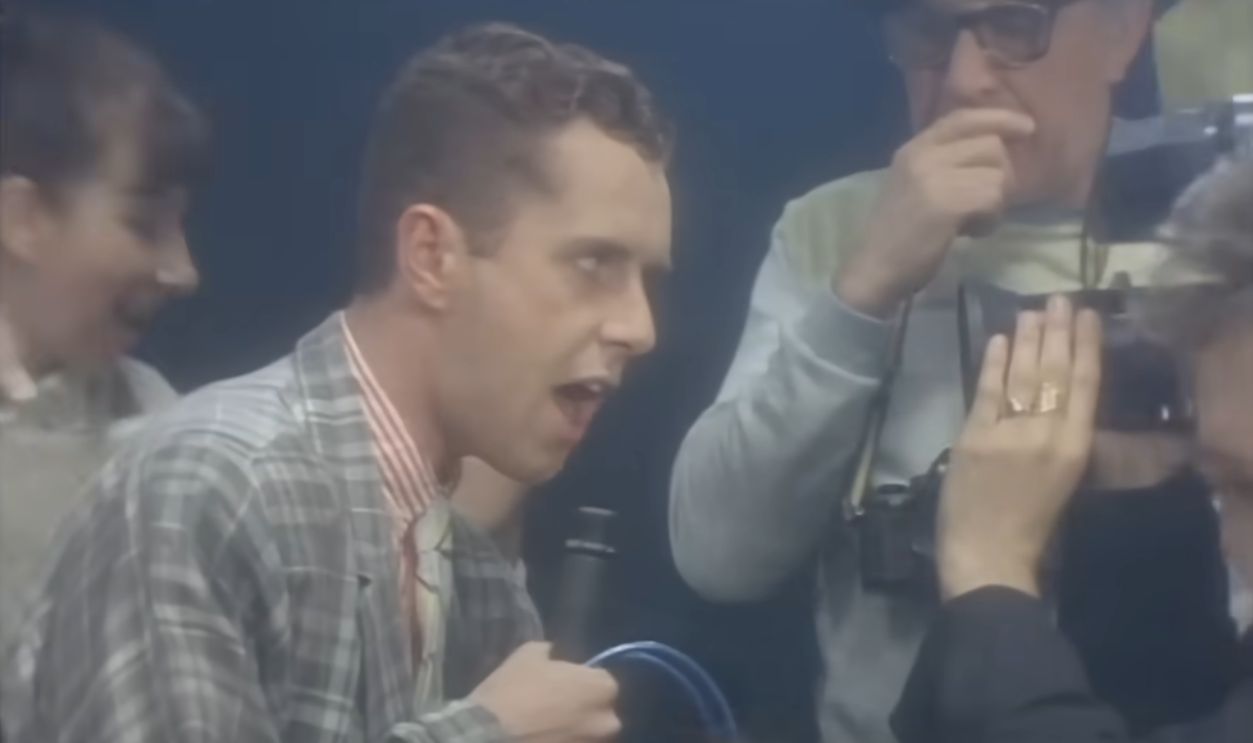 Screenshot from “Two Tribes,” ZTT Records (1984)
Van Halen — "Hot For Teacher"
Van Halen's 1984 video for "Hot for Teacher" turned a classroom into an outrageous rock-and-roll fantasy. Featuring bikini-clad teachers, mischievous students, and exaggerated performances, it became one of the band's most recognizable productions. However, a brief gesture by the musicians caused problems for at least one television broadcaster.
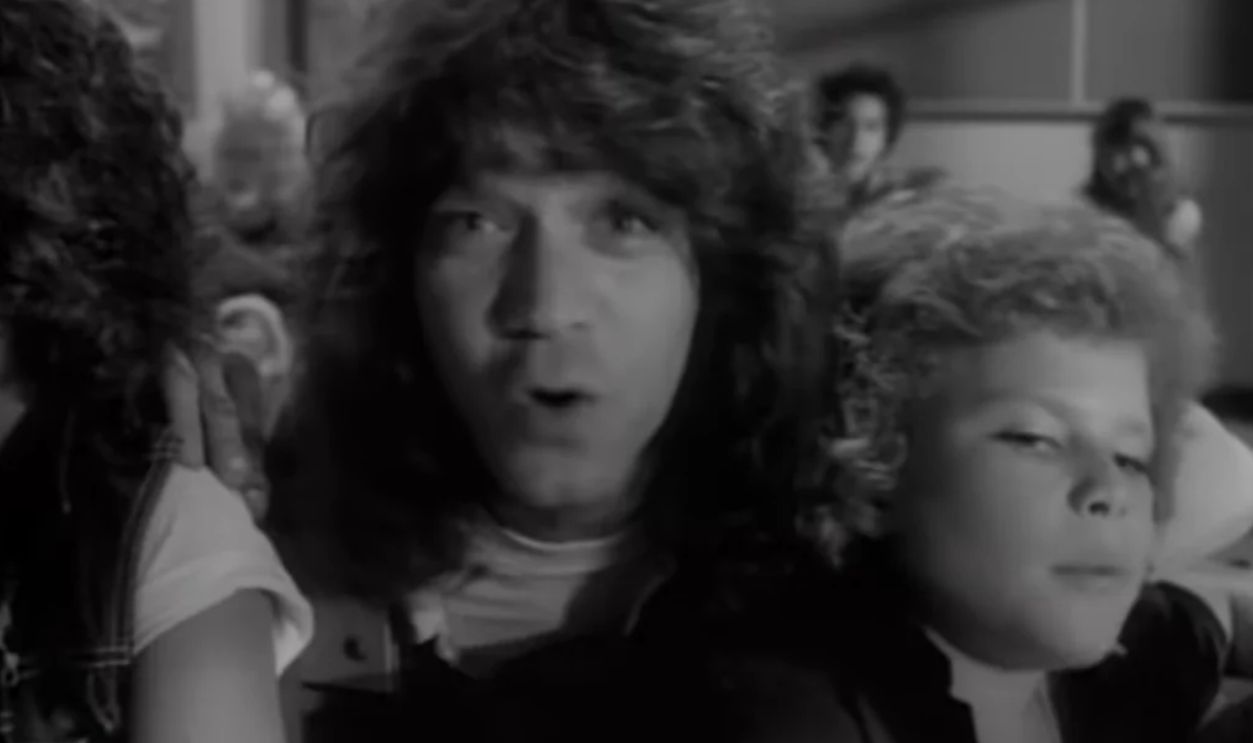 Screenshot from Hot for Teacher, Warner Bros. Records (1984), Enhanced
Van Halen — "Hot For Teacher"
During the song's chorus, the band members performed a synchronized gesture, suggestively grabbing the front of their pants. NBC's Friday Night Videos initially covered the movement with black censor boxes, even though the rest of the provocative video remained intact. The program eventually stopped obscuring the scene, but early viewers received a visibly censored broadcast.
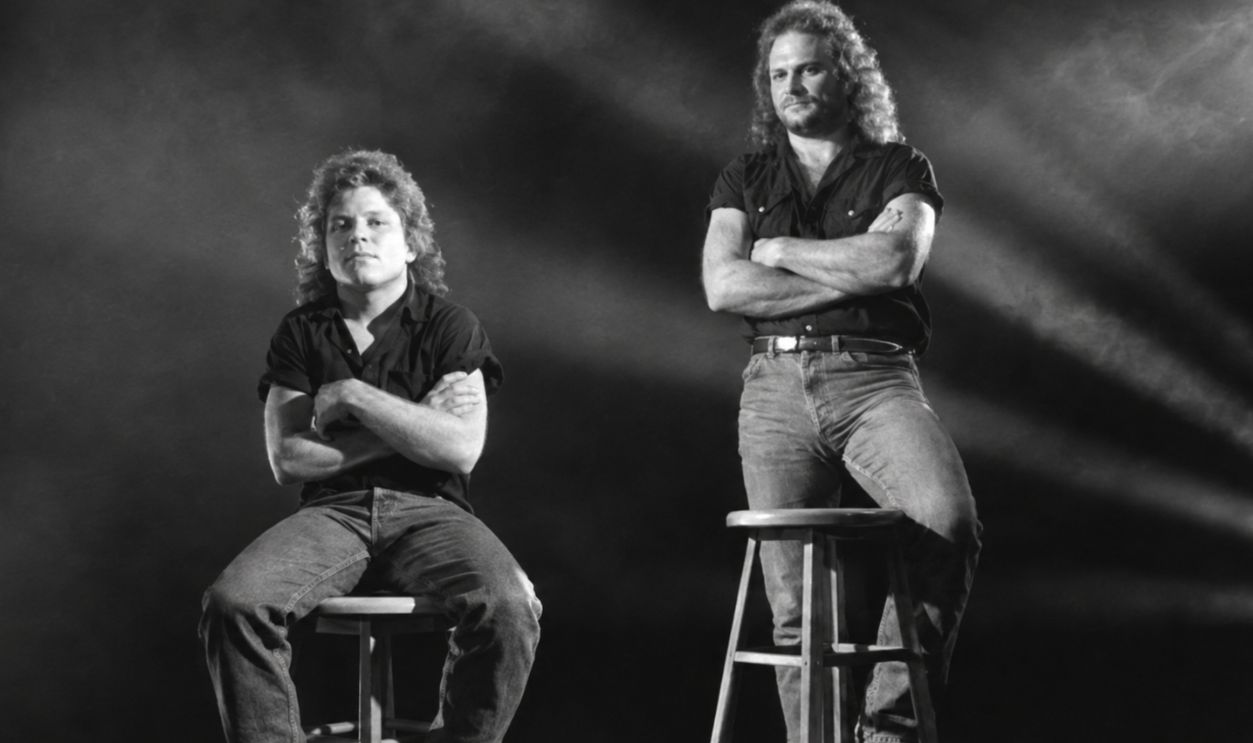 Screenshot from Hot for Teacher, Warner Bros. Records (1984), Enhanced
Huey Lewis And The News — "The Power Of Love"
Huey Lewis and the News released "The Power of Love" in 1985 as part of the soundtrack to Back to the Future. Its music video included footage involving the film's characters and story, linking the hit directly to the movie. MTV liked the song, but executives believed the video crossed a line between music promotion and advertising.
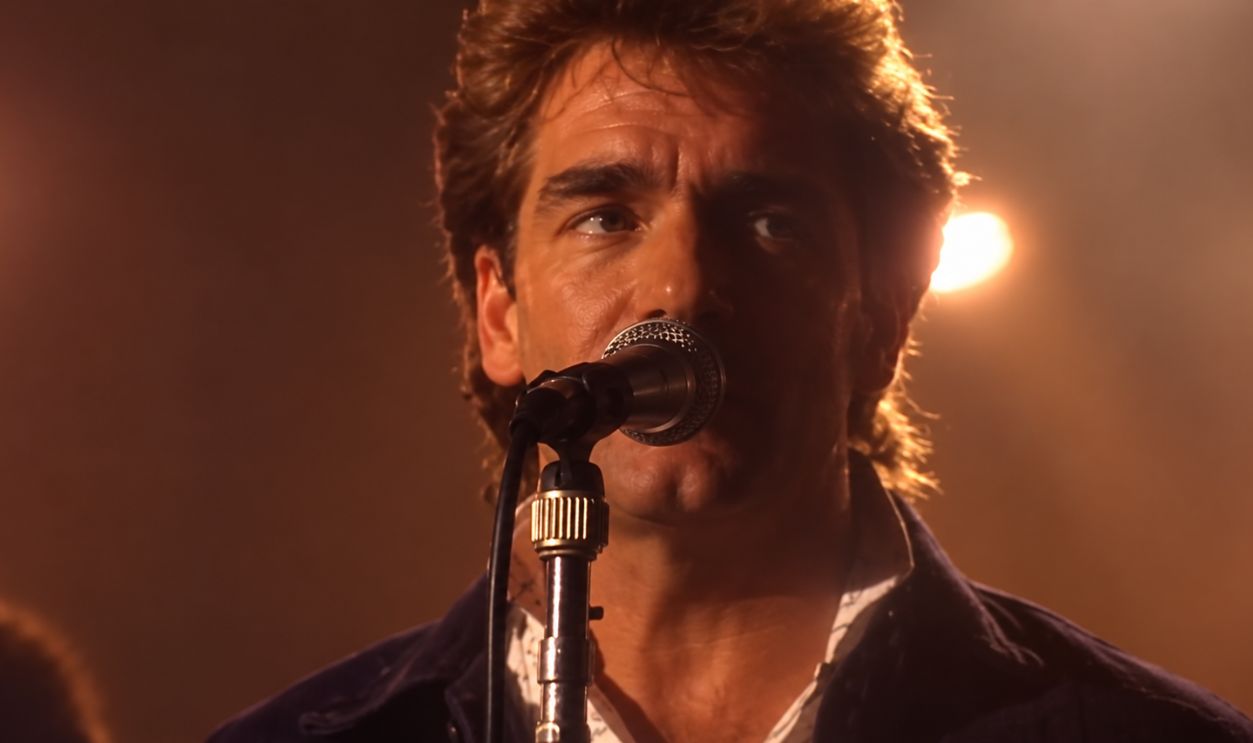 Screenshot from The Power of Love, Chrysalis Records (1985), Enhanced
Huey Lewis And The News — "The Power Of Love"
MTV rejected the original video's lengthy introduction because it promoted Back to the Future too directly. The record company subsequently submitted an edited version that removed the objectionable promotional material. Unlike many other censorship disputes, this one had nothing to do with revealing clothing or suggestive scenes.
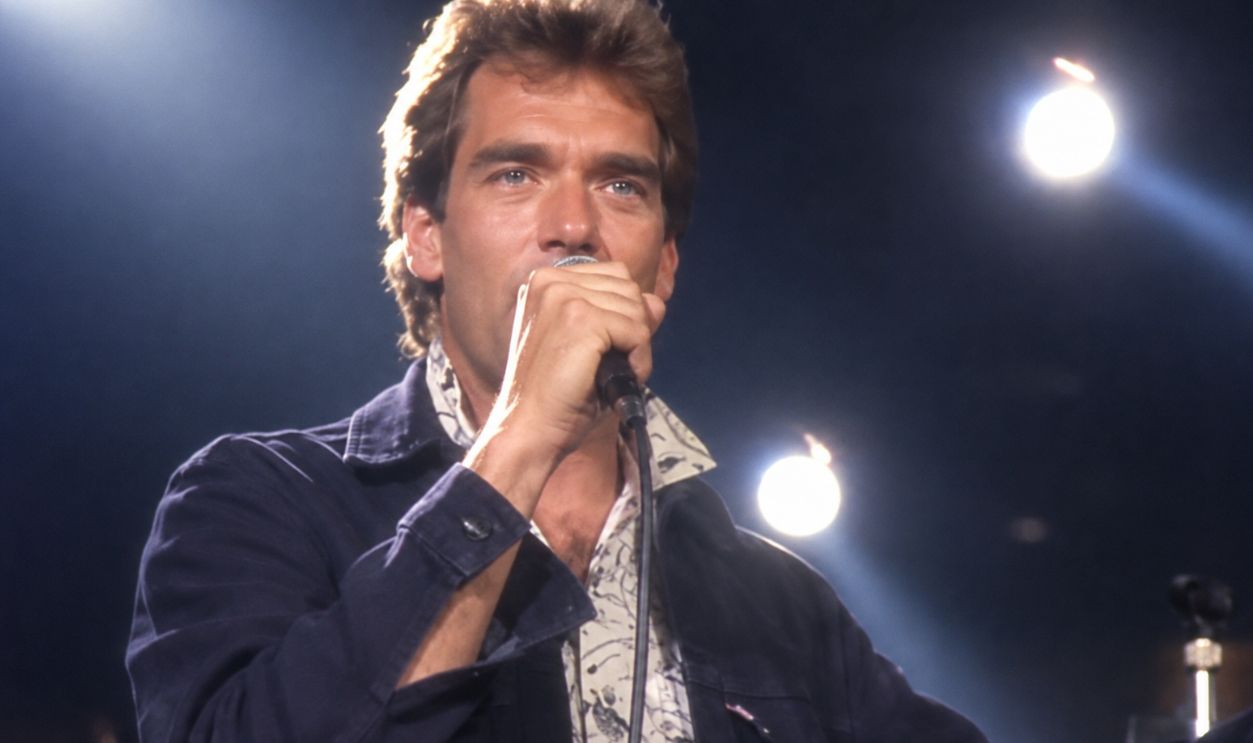 Screenshot from The Power of Love, Chrysalis Records (1985), Enhanced
Quiet Riot — "The Wild And The Young"
Quiet Riot's 1986 video for "The Wild and the Young" imagined a frightening future in which rock music was suppressed by an authoritarian government. Musicians were rounded up, guitars were destroyed, and the band found itself trapped in a society obsessed with censorship. The storyline was meant to satirize the growing campaign against controversial rock music.
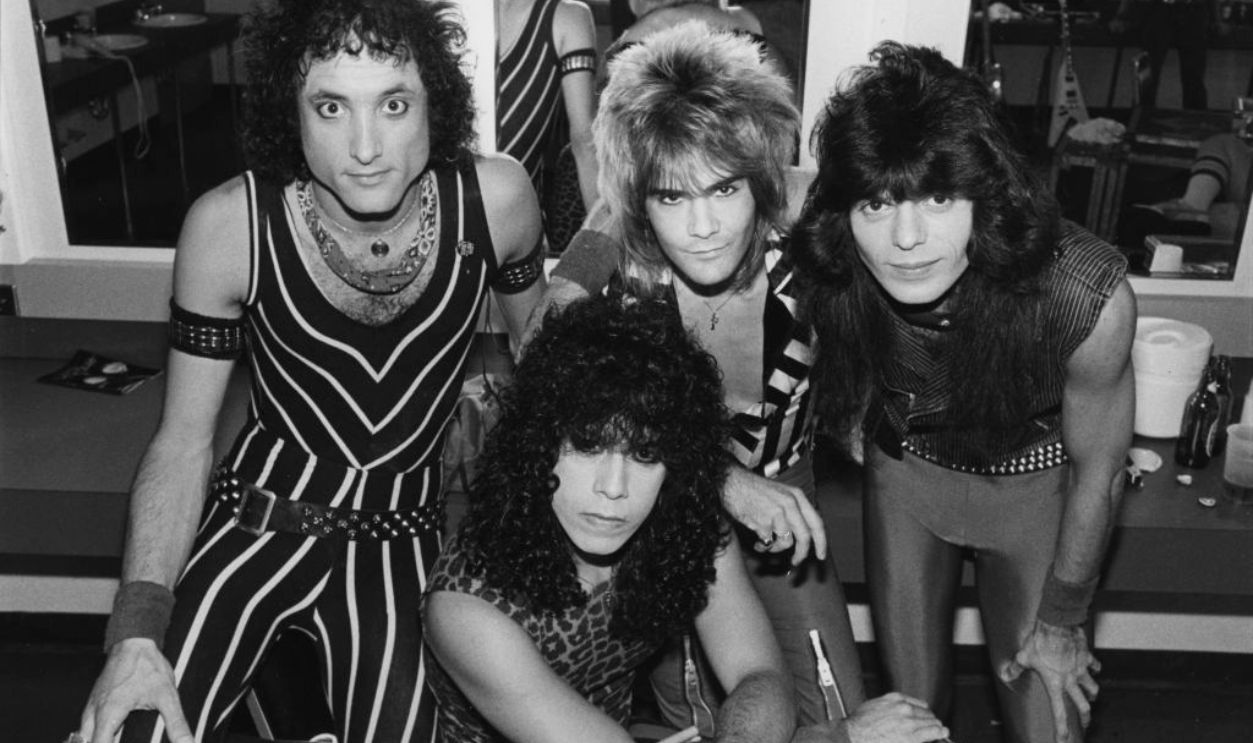
Quiet Riot — "The Wild And The Young"
The original ending featured a fictional news report announcing government requirements for warning labels on music. MTV aired versions with that commentary shortened or removed, prompting the band's record label to complain that the changes weakened the message. MTV insisted the edits were made for scheduling reasons rather than censorship, but the label pushed for the complete ending to be restored.
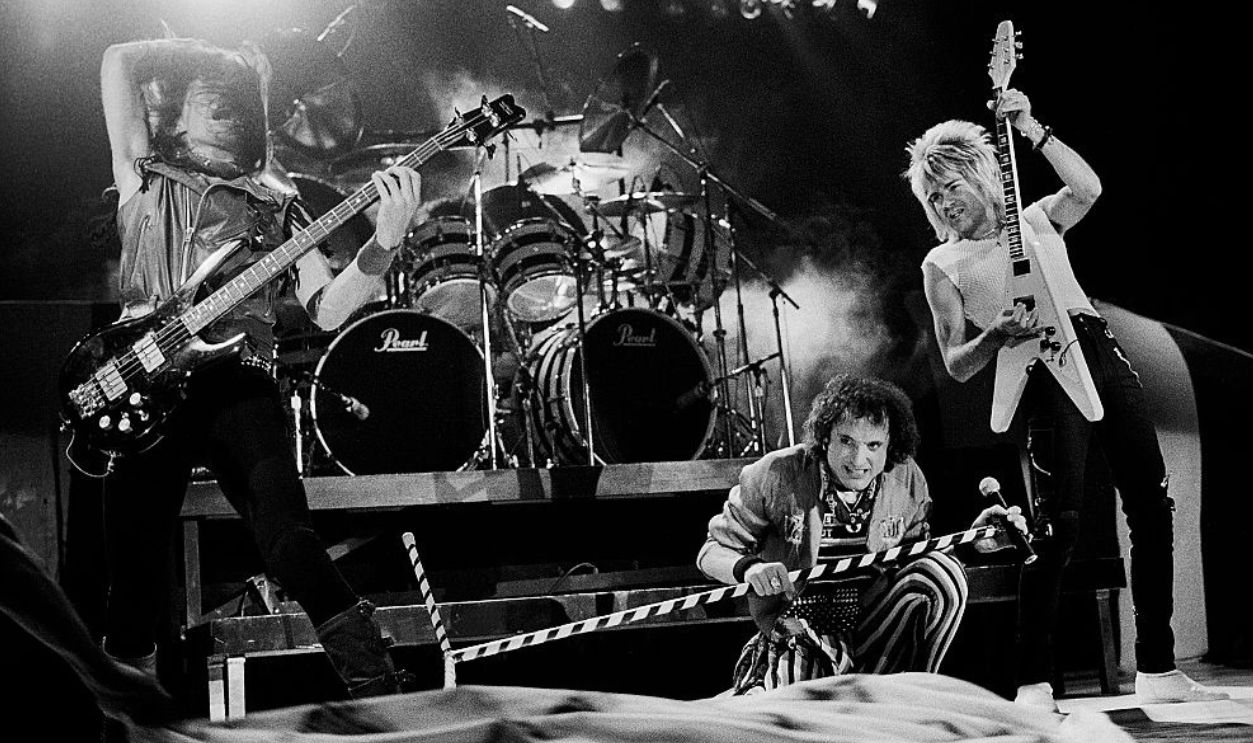
George Michael — "I Want Your Sex"
George Michael's 1987 single "I Want Your Sex" came with a video that pushed MTV's standards considerably further than his earlier work with Wham! It featured intimate encounters, partially unclothed performers, and a deliberately provocative atmosphere. The original production was considered too revealing for the network, which demanded substantial modifications.

George Michael — "I Want Your Sex"
Michael's video underwent several rounds of editing before receiving MTV approval. Provocative sequences were trimmed, and a spoken introduction explaining the song's message about monogamy accompanied its television presentation. Even after the changes, the video remained controversial, showing how carefully MTV scrutinized one of pop's biggest stars.
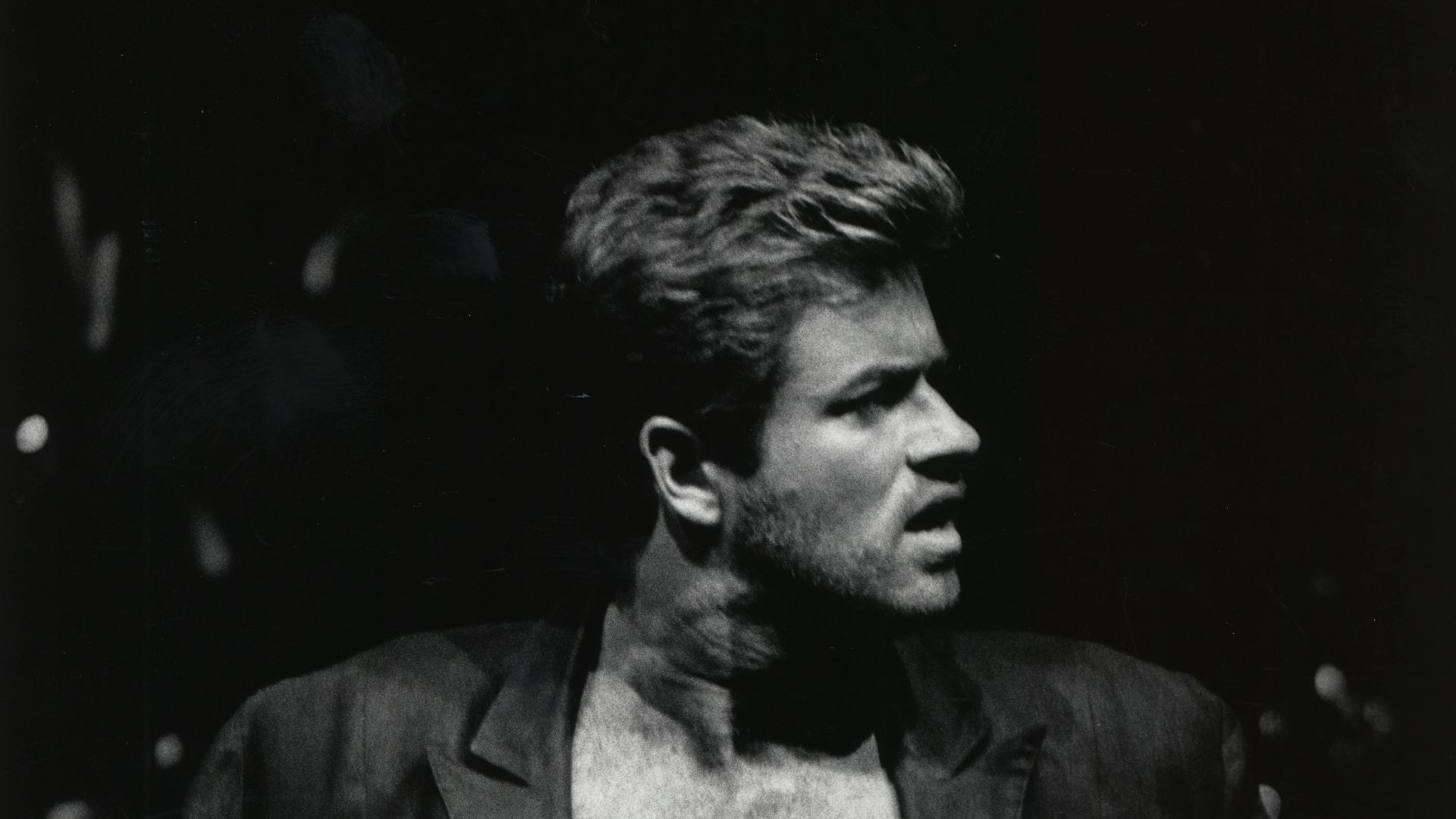 University of Houston Digital Library, Wikimedia Commons
Mötley Crüe — "Girls, Girls, Girls"
Mötley Crüe's 1987 video for "Girls, Girls, Girls" was filmed inside Los Angeles strip clubs, including the Seventh Veil. The band appeared surrounded by dancers, motorcycles, and the extravagant nightlife associated with its image. Some performers appeared without any clothing in the original footage, creating an obvious problem for MTV.
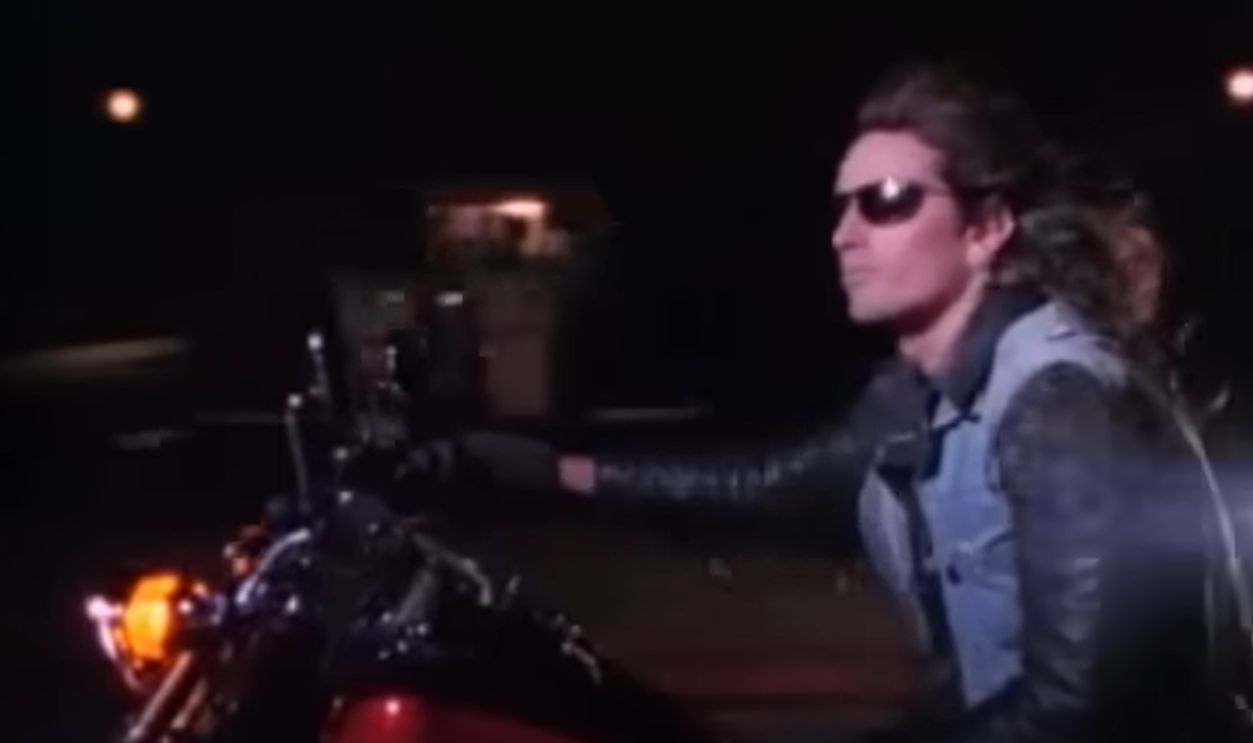 Screenshot from “Girls, Girls, Girls,” Elektra Records (1987)
Mötley Crüe — "Girls, Girls, Girls"
Bassist Nikki Sixx later revealed that the band had deliberately prepared two versions of the video. They submitted the explicit one first, anticipating MTV's objections, and already had a less revealing alternative ready. Once the network rejected the original footage, the musicians supplied the toned-down production that eventually reached television audiences.

R.E.M. — "Pop Song 89"
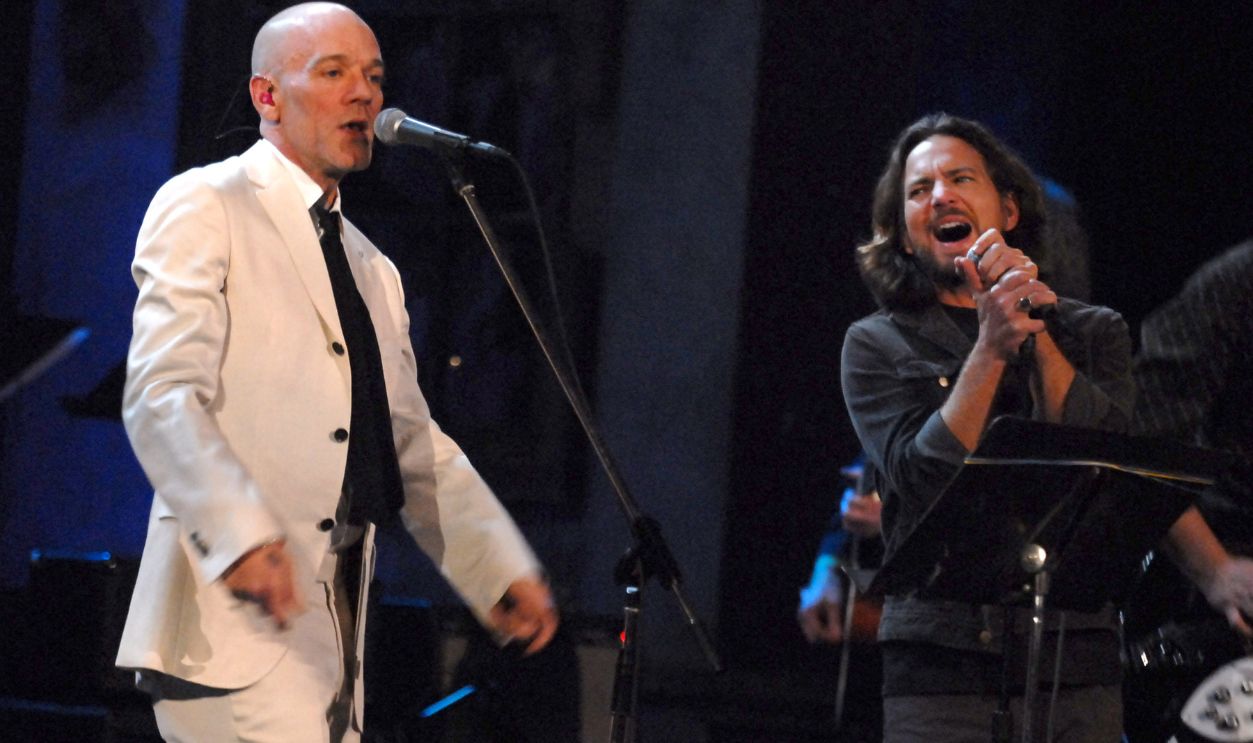
R.E.M. took an unusual approach to their 1989 video for "Pop Song 89." Directed by frontman Michael Stipe, the black-and-white production featured him dancing alongside three women with no tops on. MTV objected to the revealing footage and requested that the women's chests be covered before the clip could air.
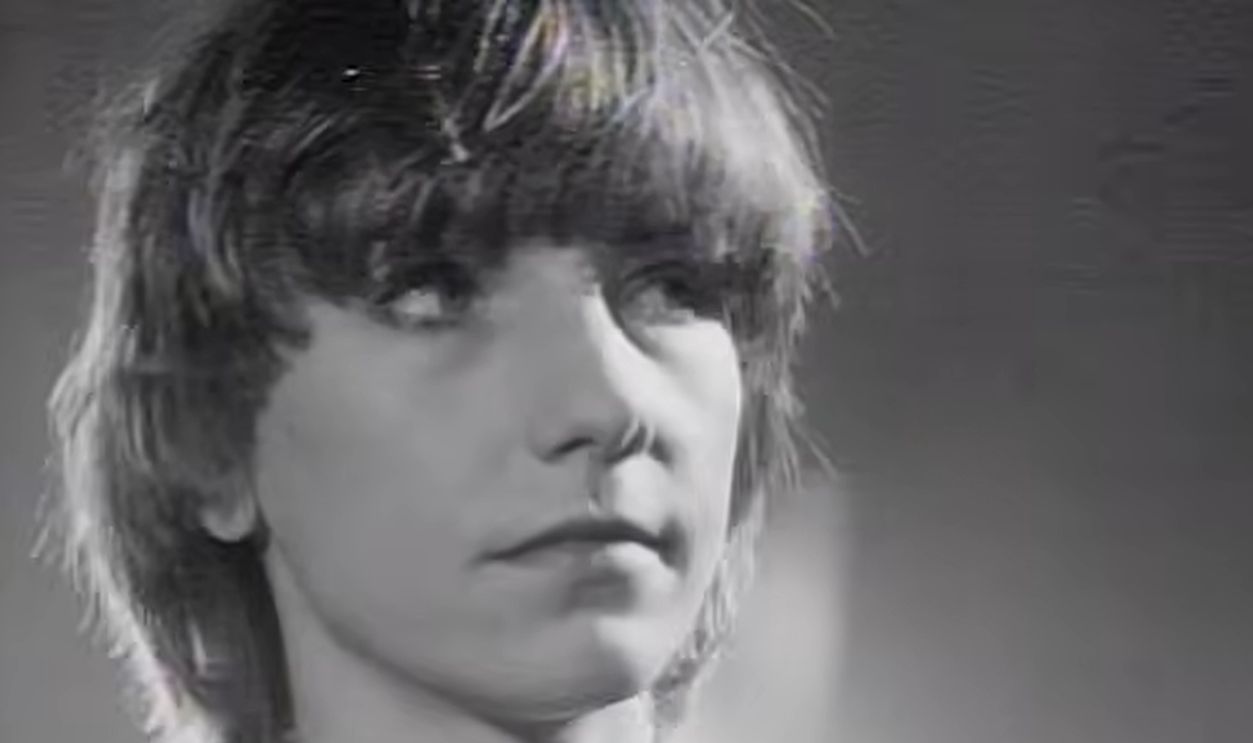 Screenshot from “Pop Song 89,” Warner Bros. Records (1989)
R.E.M. — "Pop Song 89"
Stipe responded by placing black censor bars over all four performers, including himself. His decision deliberately applied the same censorship to both men and women, turning the network's restriction into part of the video's visual joke. The censored version aired on television, while the original footage later became available through the band's video releases.
Bon Jovi — "Living In Sin"
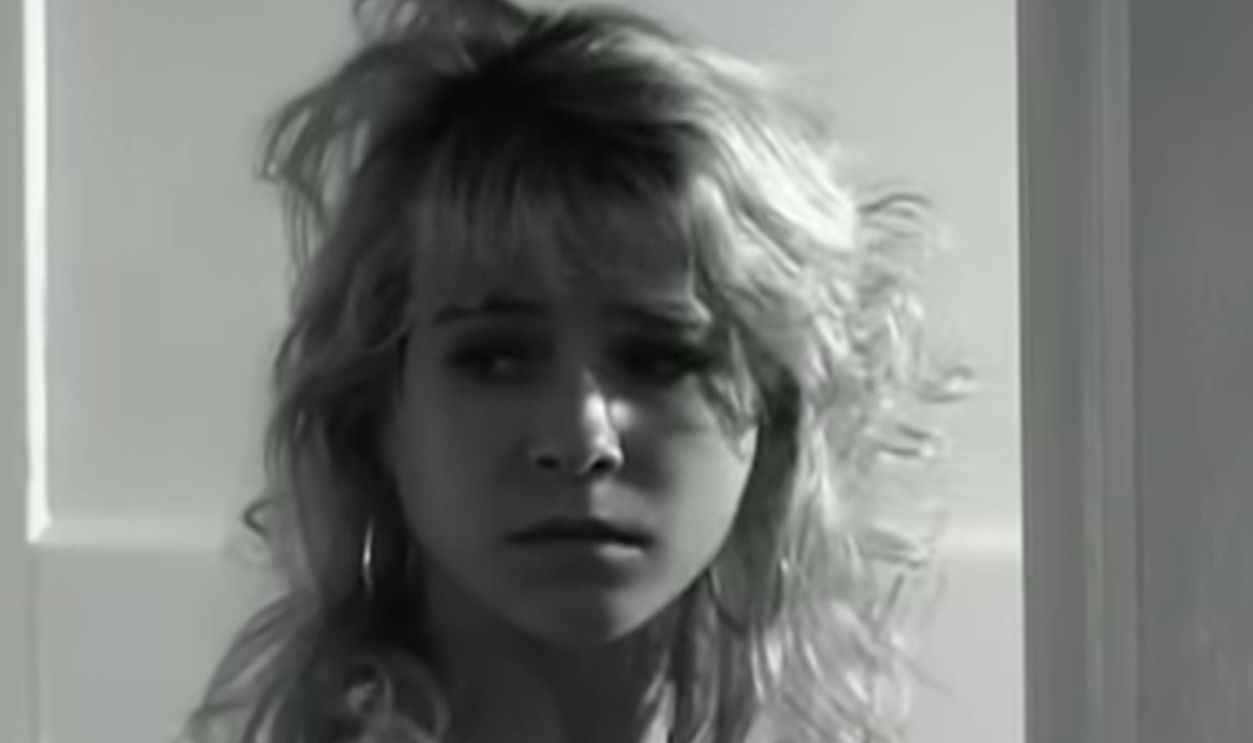
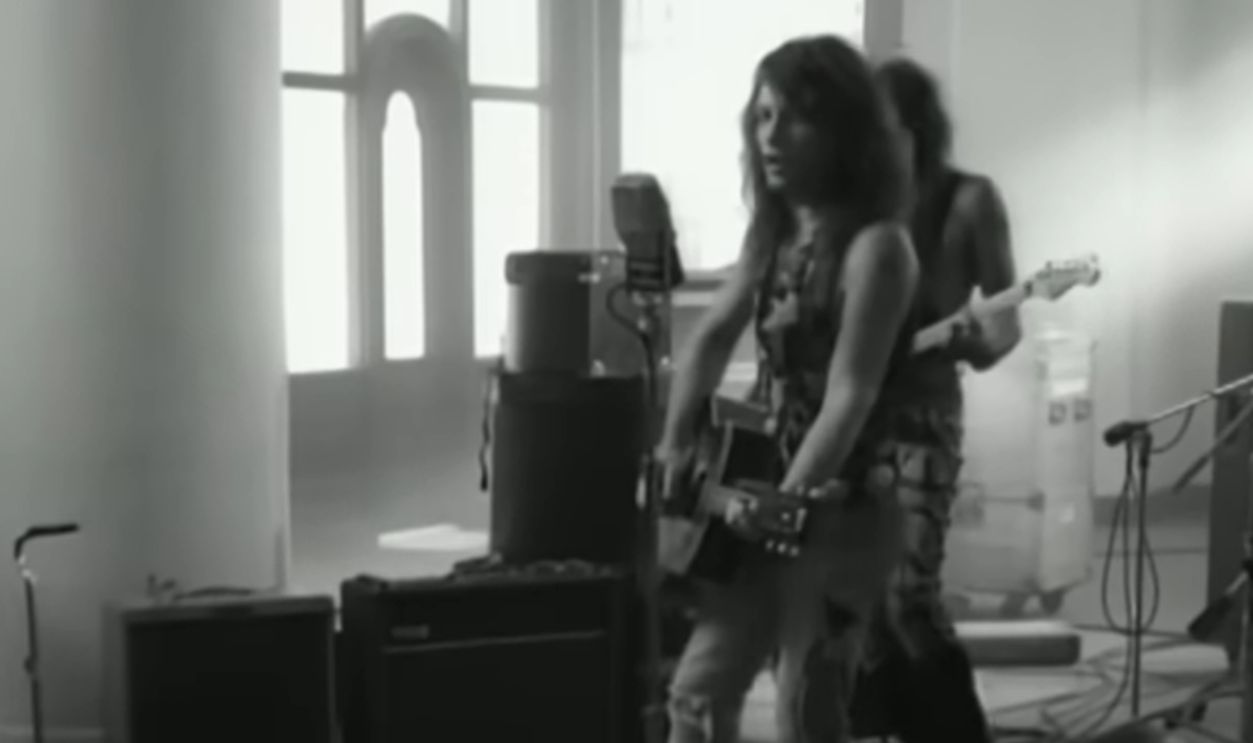
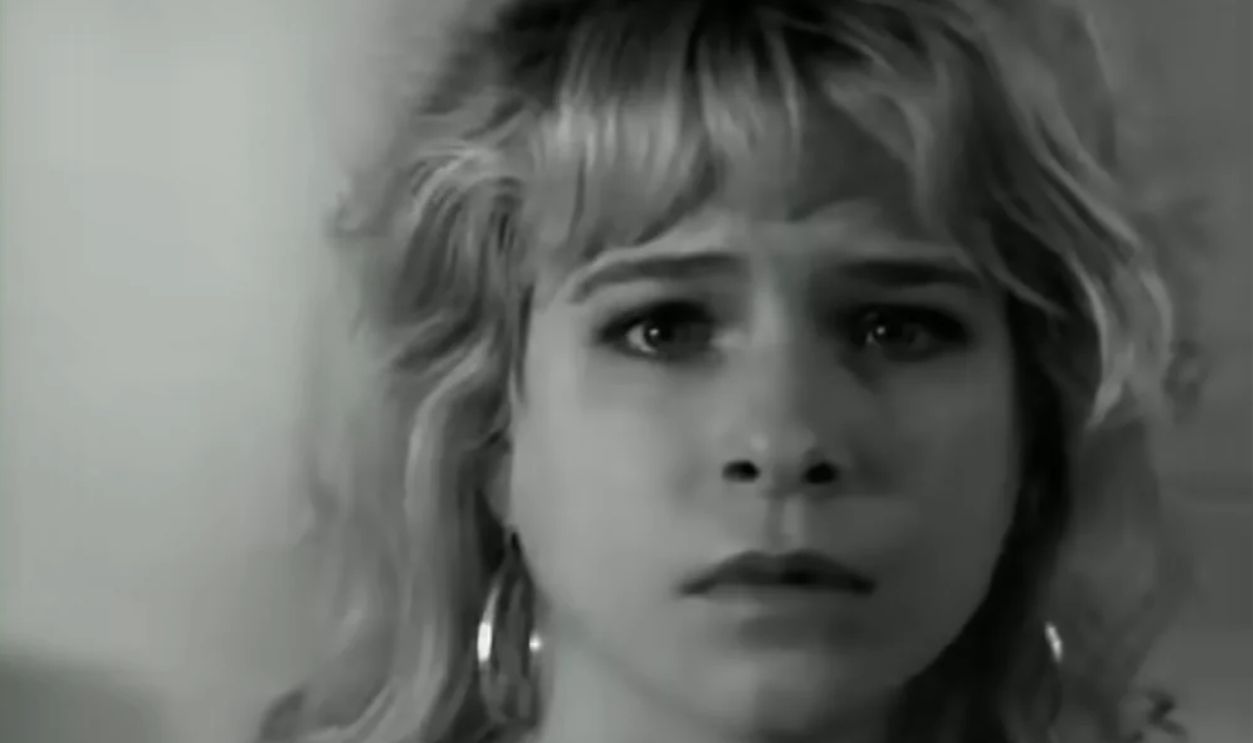
Bon Jovi's 1989 video for "Living in Sin" told the story of a young couple whose romance faced parental disapproval. Filmed in black and white, it featured intimate scenes that complemented the song's themes of love and rebellion. MTV's standards department objected to the original production and requested an edited alternative.
 Screenshot from “Living in Sin,” Mercury Records (1989)
Bon Jovi — "Living In Sin"
The record company complied with MTV's request, producing a version considered suitable for television. According to an October 1989 Billboard report, MTV premiered the censored cut on October 12, preventing the unedited version from receiving its planned national exposure. The original footage remained unavailable through major national television outlets, even though the toned-down production received MTV airplay.
 Screenshot from “Living in Sin,” Mercury Records (1989)
Aerosmith — "Love In An Elevator"
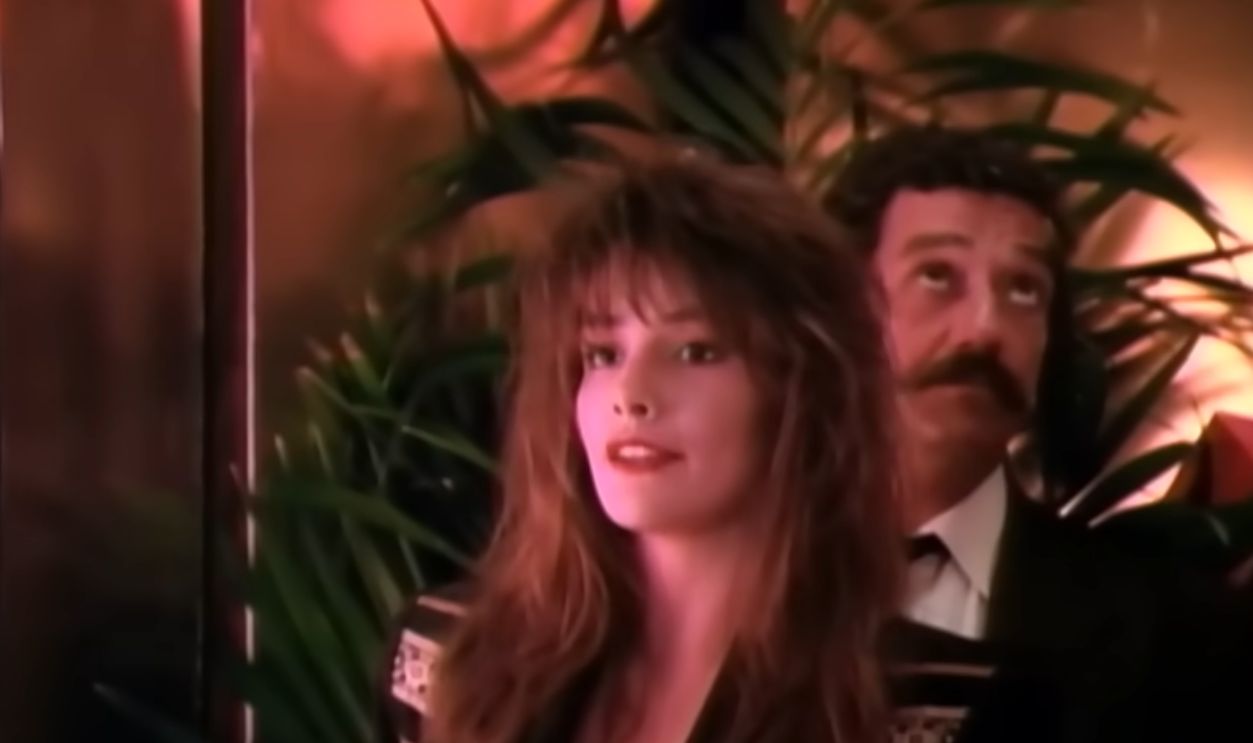
Aerosmith's 1989 video for "Love in an Elevator" featured suggestive imagery designed to match the song's playful lyrics. Directed by Marty Callner, it included revealing scenes that MTV executives considered too provocative. Rather than reject the entire production, the network reached an unusual compromise with the band.
 Screenshot from “Love in an Elevator,” Geffen Records (1989)
Aerosmith — "Love In An Elevator"
MTV placed black bars over selected scenes, obscuring imagery that executives wanted removed. Aerosmith had resisted cutting the footage entirely, so the censorship allowed the video to reach television without eliminating the disputed material. The arrangement was discussed in a contemporary Billboard report, making it a particularly clear example of visible television censorship.
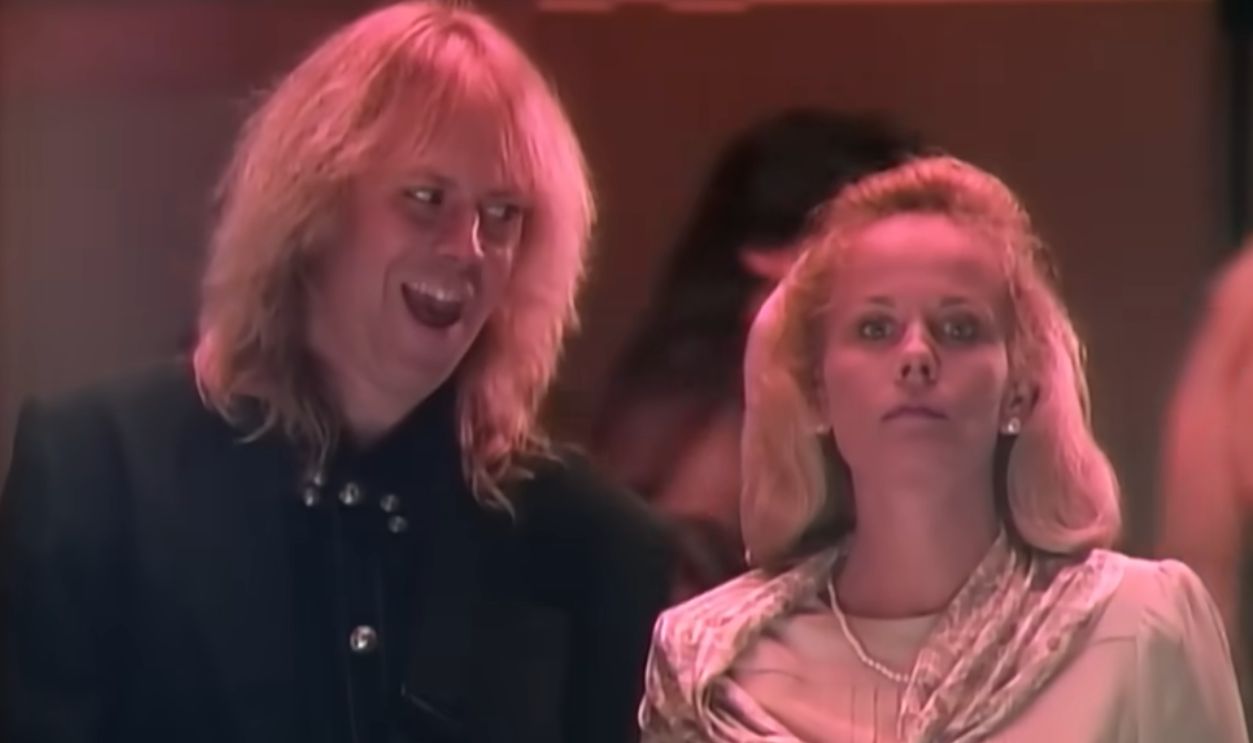 Screenshot from “Love in an Elevator,” Geffen Records (1989)
Cher — "If I Could Turn Back Time"
Cher's 1989 video for "If I Could Turn Back Time" featured the singer performing aboard the USS Missouri in a revealing black outfit. Surrounded by Navy personnel, she delivered a performance that quickly became one of the decade's most recognizable music-video moments. MTV initially aired it in regular rotation, but complaints about her clothing eventually forced a change.
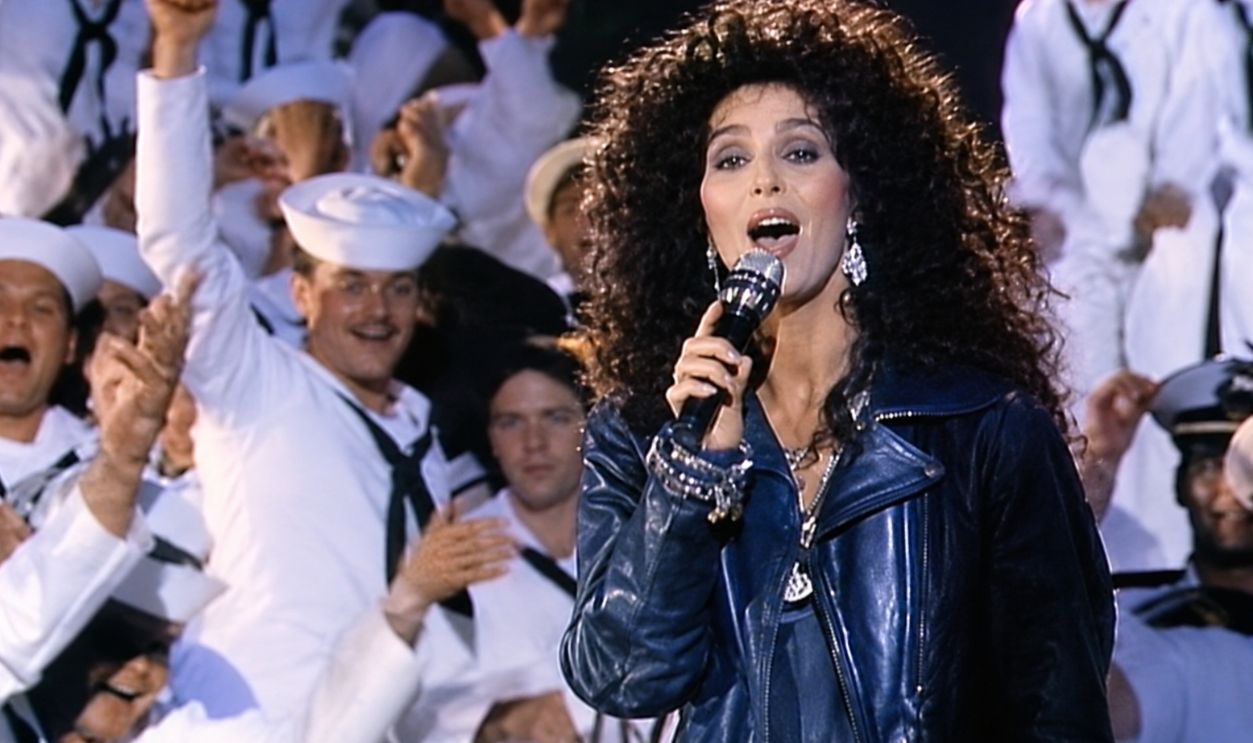 Screenshot from “If I Could Turn Back Time,” Geffen Records (1989), Enhanced
Cher — "If I Could Turn Back Time"
In August 1989, MTV restricted the video to broadcasts between 9 p.m. and 6 a.m. The network didn't physically remove any footage, but it prevented daytime audiences from watching the performance. The decision showed that television censorship could involve limiting when viewers saw something rather than changing the images themselves.
 Screenshot from “If I Could Turn Back Time,” Geffen Records (1989), Enhanced
What MTV Viewers Never Knew
The 1980s gave us some of the most unforgettable music videos ever made, but what appeared on television wasn't always what the artists intended. From removed scenes to strategically placed black bars, even the biggest stars had to play by MTV's rules. How many of these videos did you watch without realizing something had been censored?
 Screenshot from “Living in Sin,” Mercury Records (1989)
You May Also Like:
Famous Actors Who Appeared In Music Videos Before They Were Stars—Did You Spot Them?
Pepsi Dropped Madonna Over Like A Prayer—Then Lost A Lot Of Money When The Song Shot To No. 1
Huge Songs From The 1980s That Were Supposed To Be Hits For Someone Else