When The Voice Changed, Everything Changed
Imagine Van Halen without David Lee Roth, AC/DC without Bon Scott, or Black Sabbath without Ozzy Osbourne. In the 1980s, some of rock's biggest bands lost their unmistakable frontmen and replaced them with singers who sounded completely different. Some became even bigger stars, while others never recovered.
How many of these shocking changes do you remember?
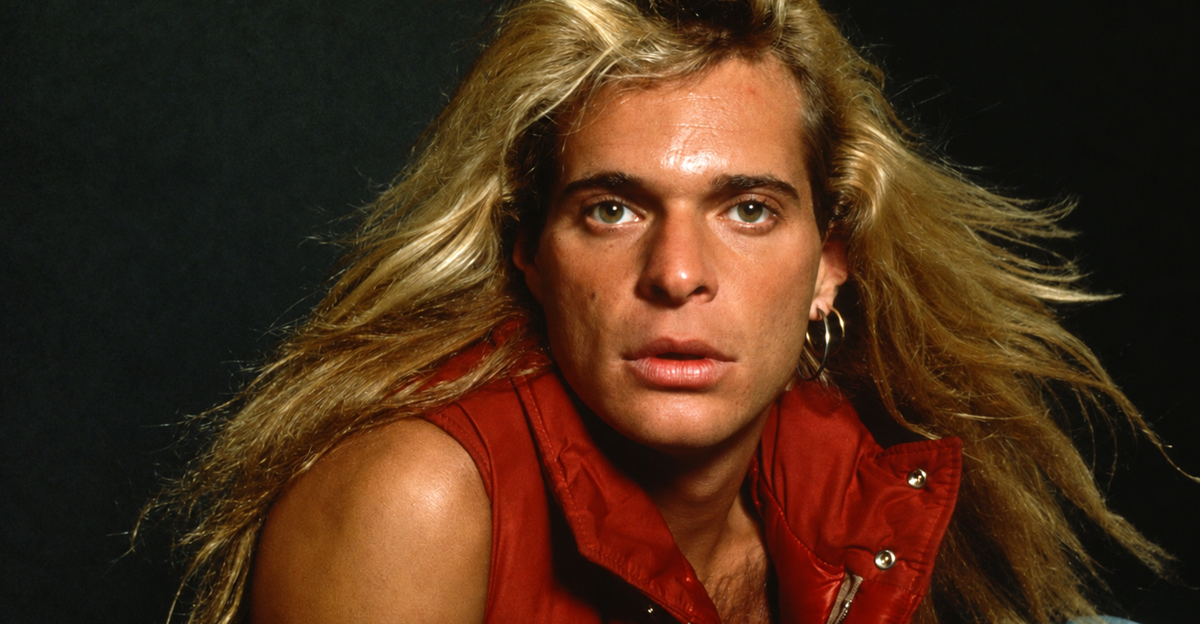
AC/DC: Bon Scott To Brian Johnson
Bon Scott's death in February 1980 left AC/DC facing an uncertain future. The band recruited former Geordie singer Brian Johnson, whose piercing, gravelly vocals gave their music a new identity. Just months later, Back in Black became an enormous success and eventually one of the best-selling albums in history.
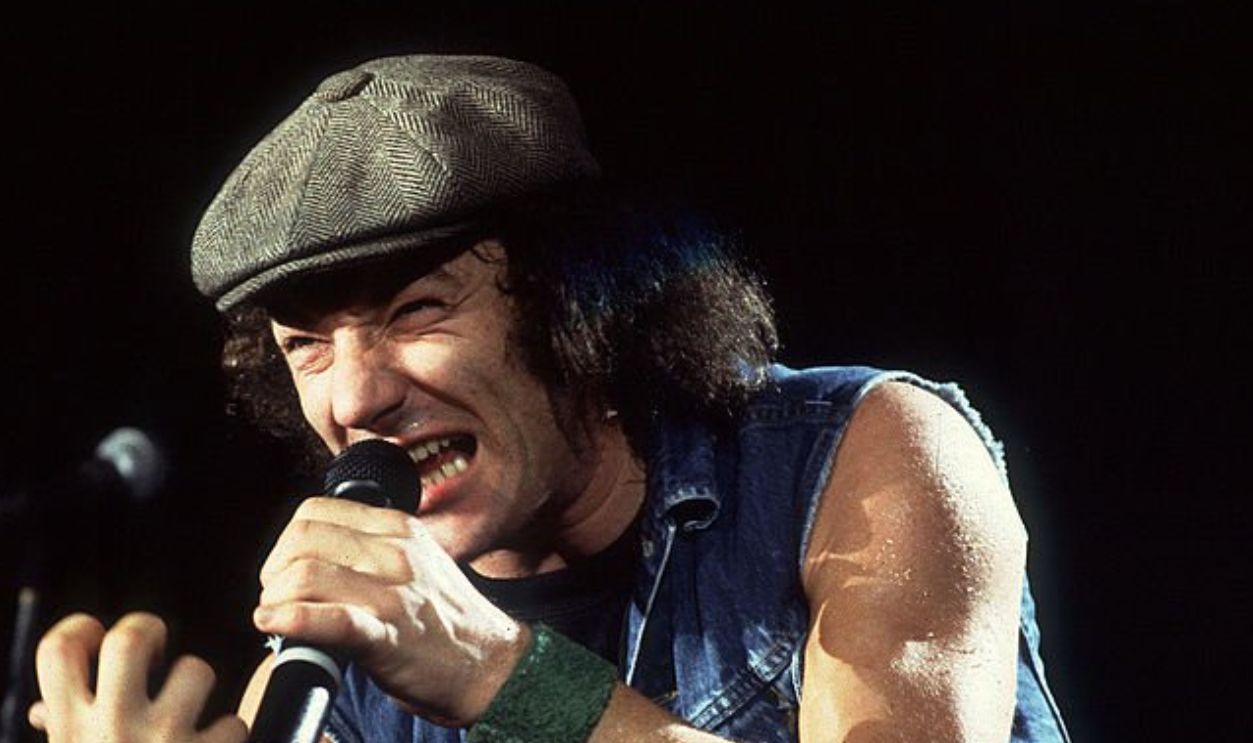
Black Sabbath: Ozzy Osbourne To Ronnie James Dio
Black Sabbath had helped define heavy metal with Ozzy Osbourne's haunting vocals throughout the 1970s. After Osbourne's dismissal in 1979, former Rainbow singer Ronnie James Dio brought a dramatically more powerful, theatrical style. Their 1980 album Heaven and Hell introduced a revitalized Sabbath with classics like "Neon Knights" and the title track.
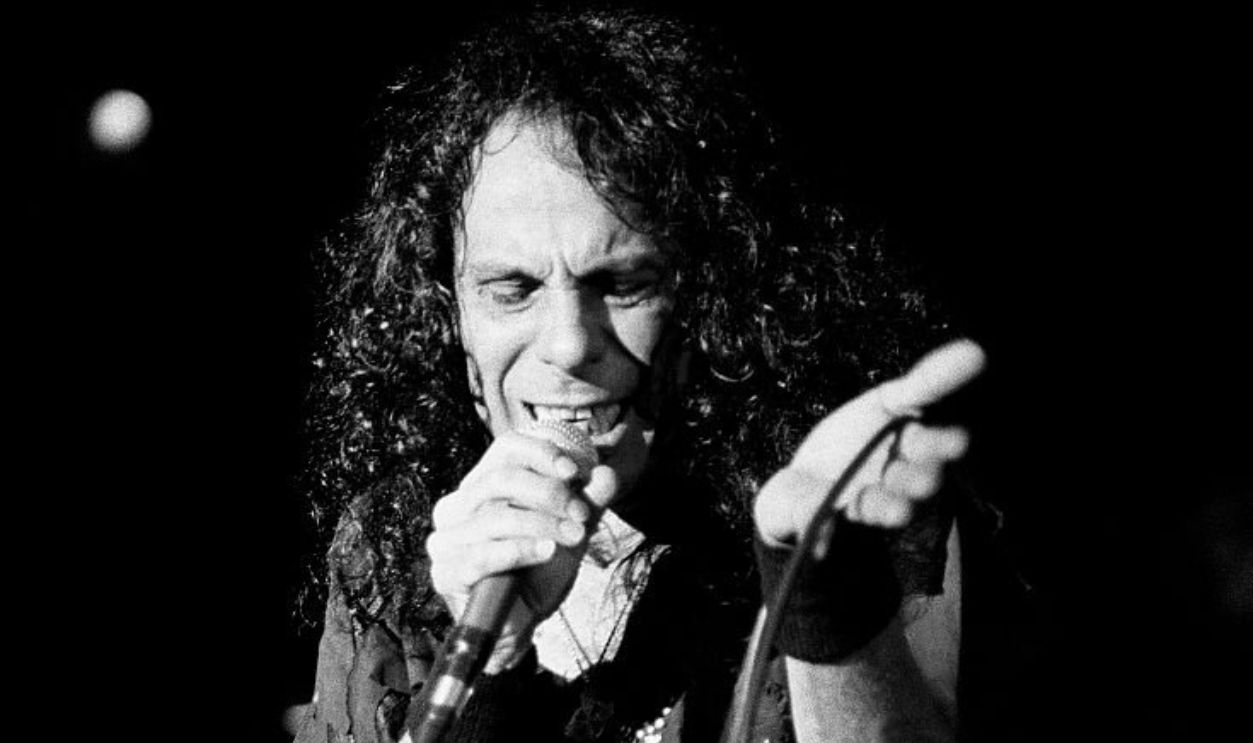
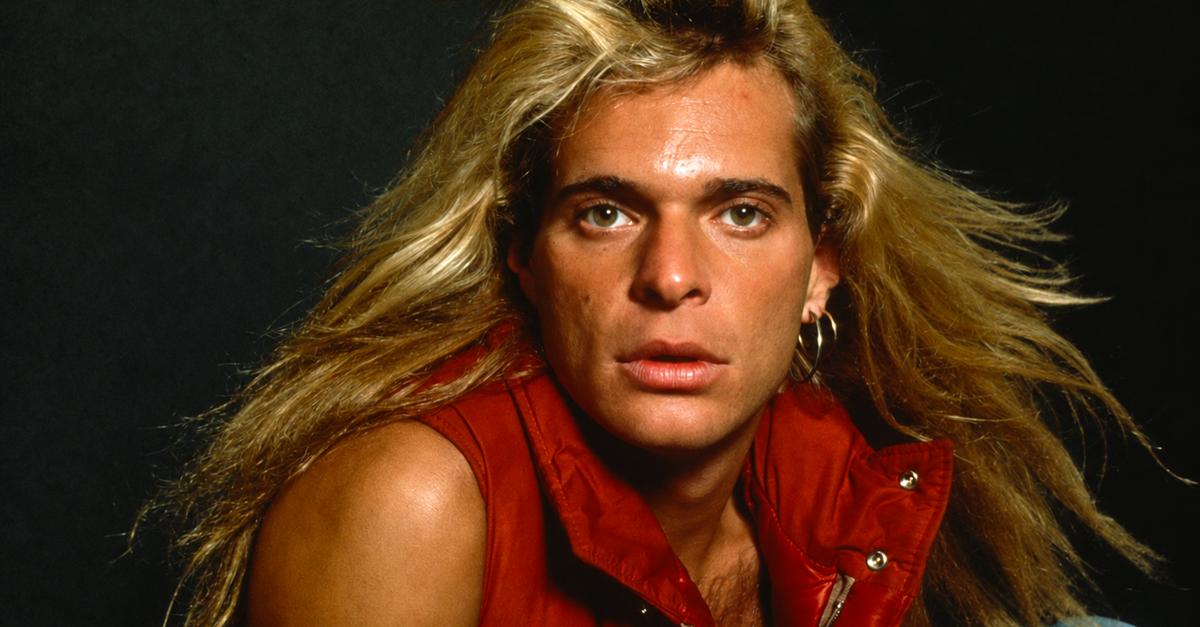
Van Halen: David Lee Roth To Sammy Hagar
David Lee Roth's departure in 1985 left Van Halen without its flamboyant frontman. Former Montrose singer Sammy Hagar stepped in, bringing a more melodic vocal style to the band's music. Their first album together, 1986's 5150, reached number one and launched a hugely successful new era.
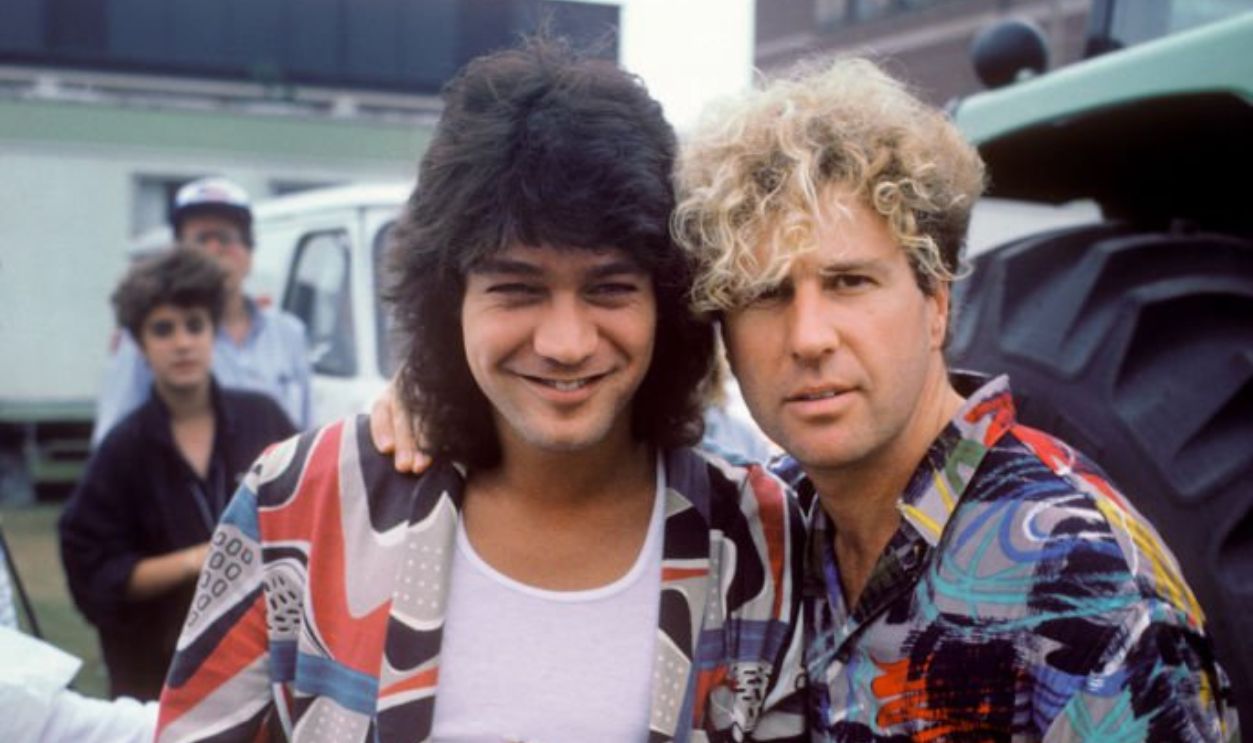
Iron Maiden: Paul Di'Anno To Bruce Dickinson
Iron Maiden's first two albums featured Paul Di'Anno, whose gritty vocals gave the group an aggressive, punk-influenced edge. Bruce Dickinson replaced him in 1981, bringing an operatic range that transformed the band's sound. Their first album together, 1982's The Number of the Beast, helped establish Iron Maiden as heavy-metal superstars.
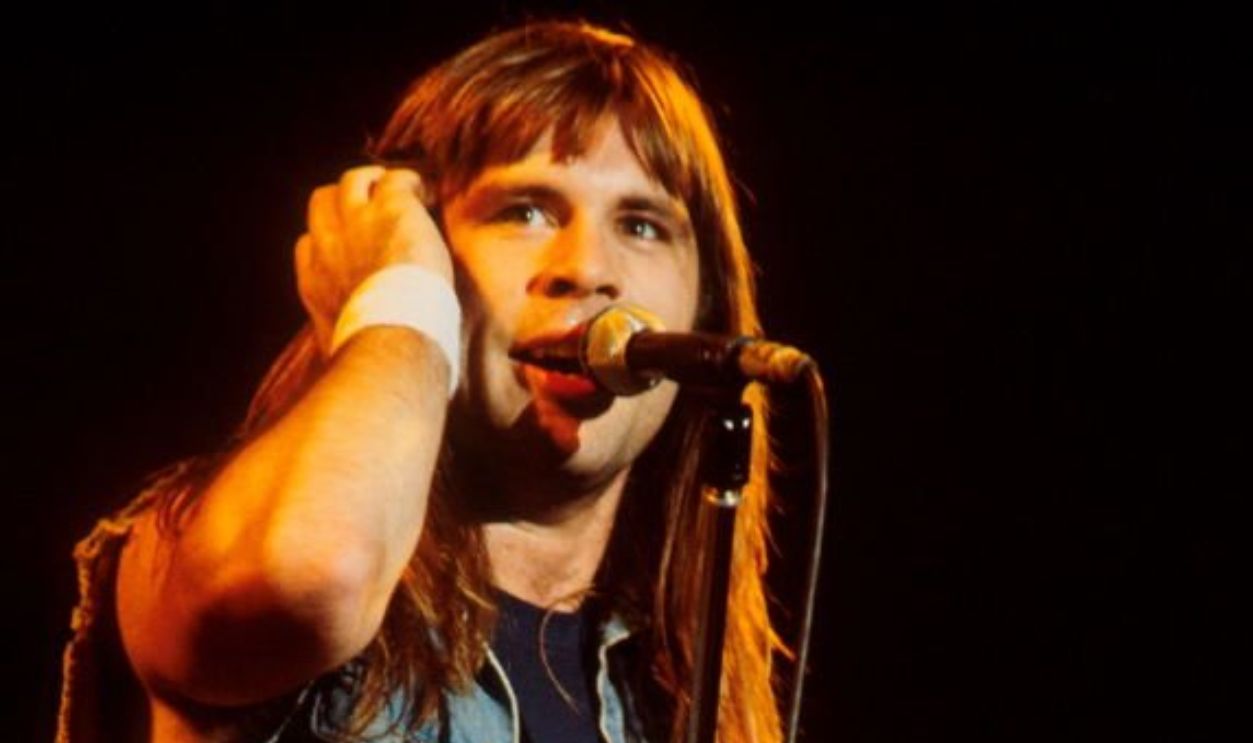
Chicago: Peter Cetera To Jason Scheff
Peter Cetera helped make Chicago an early-1980s pop powerhouse with hits like "Hard to Say I'm Sorry" and "You're the Inspiration." When he left in 1985, bassist and singer Jason Scheff stepped in with a similarly high but distinctly different voice. Scheff helped carry Chicago into another successful chapter with 1986's "Will You Still Love Me?"
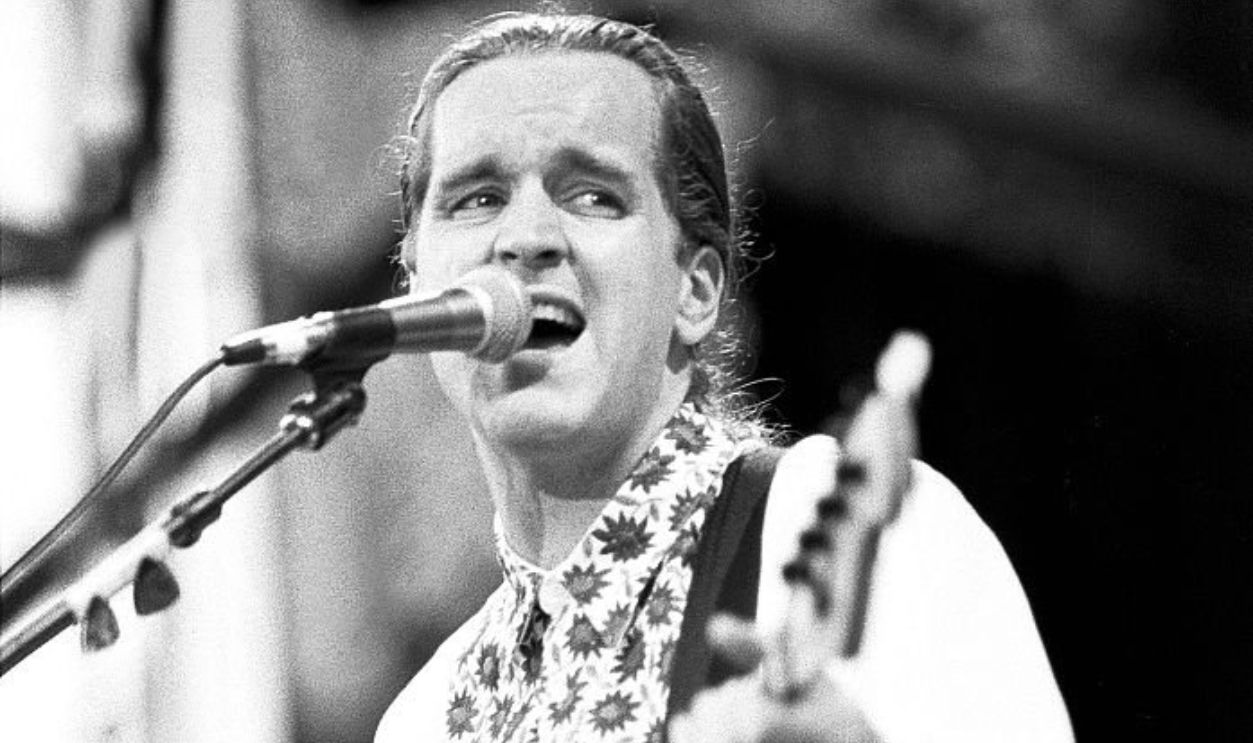
Survivor: Dave Bickler To Jimi Jamison
Dave Bickler made Survivor famous with his powerful performance on 1982's "Eye of the Tiger." After vocal health problems disrupted his career, Jimi Jamison replaced him in 1984. Jamison's soaring, melodic voice powered hits like "The Search Is Over," "High on You," and "Burning Heart."
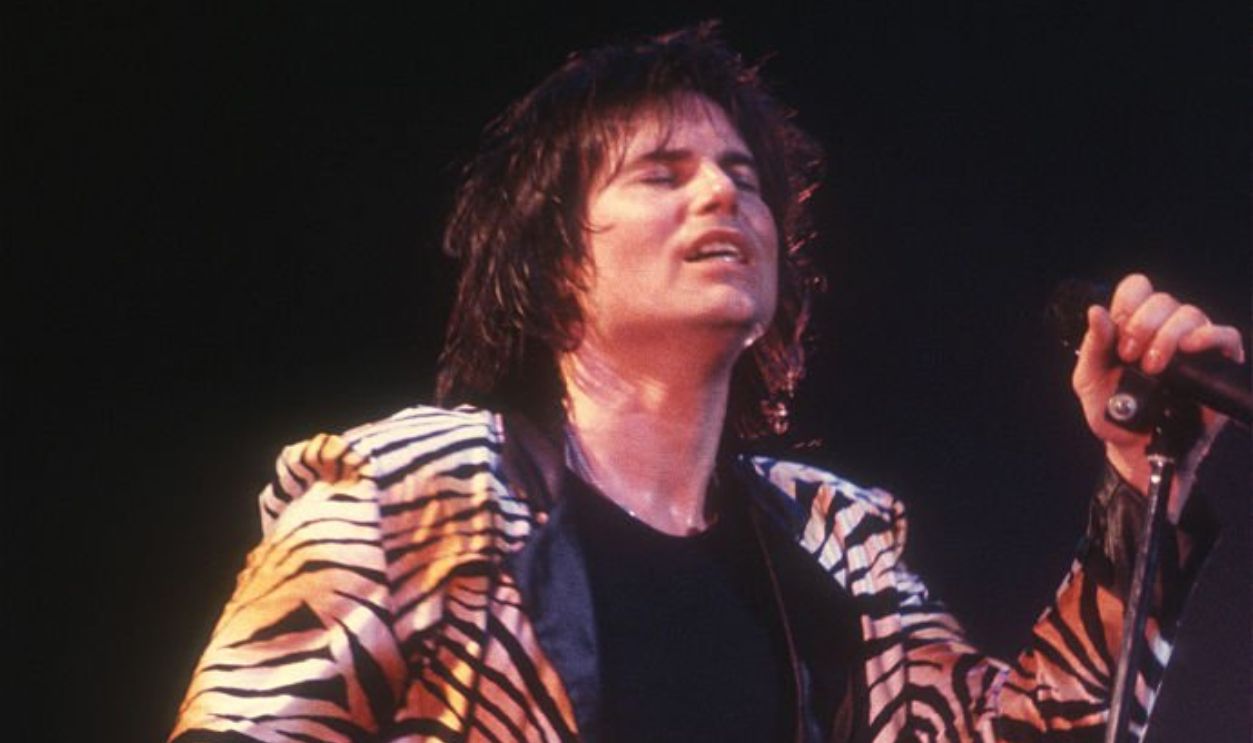
Rainbow: Ronnie James Dio To Graham Bonnet
Ronnie James Dio's dramatic vocals helped define Rainbow's early fantasy-inspired hard rock. When he departed in 1979, guitarist Ritchie Blackmore recruited Graham Bonnet, whose forceful singing introduced a noticeably different approach. Their album Down to Earth produced the hit "Since You Been Gone" and pointed the band toward a more accessible sound.
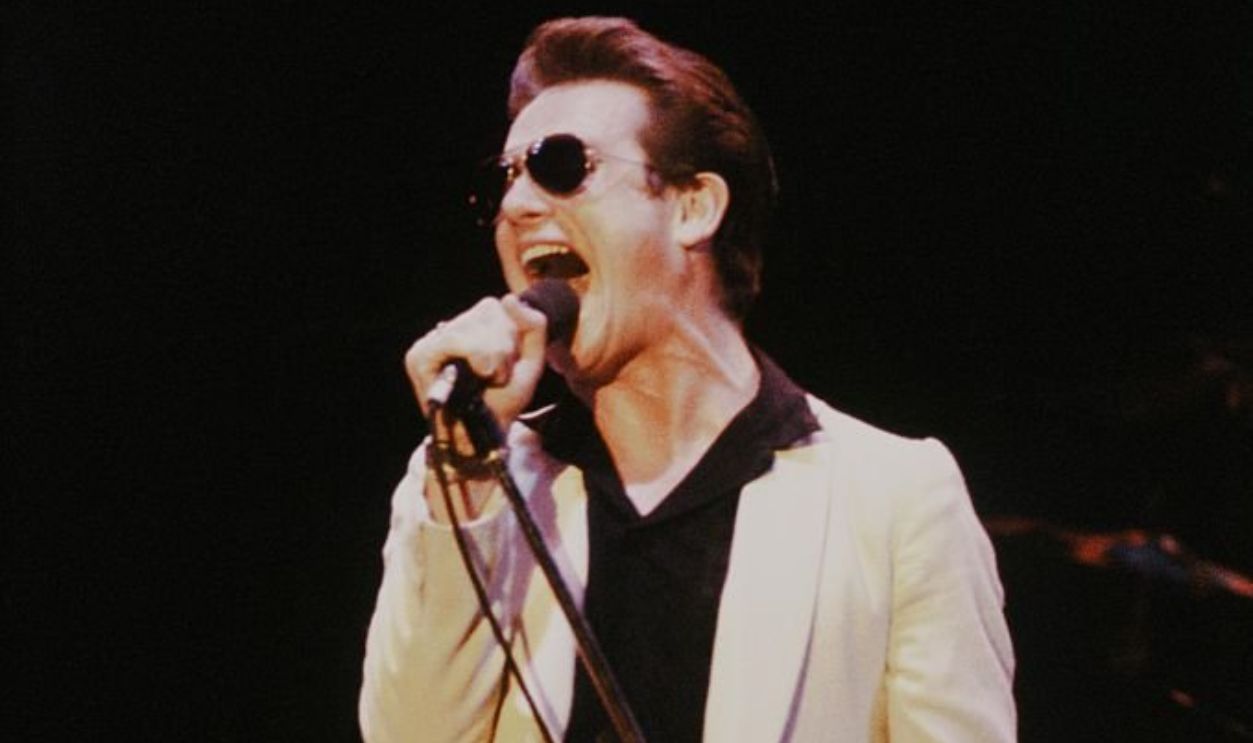 Koh Hasebe/Shinko Music, Getty Images
Rainbow: Graham Bonnet To Joe Lynn Turner
Rainbow underwent another transformation when Joe Lynn Turner replaced Graham Bonnet in 1980. Turner's smoother, more radio-friendly voice helped push the group further toward melodic arena rock. By 1982, songs like "Stone Cold" sounded considerably different from the band's earlier recordings with Ronnie James Dio.
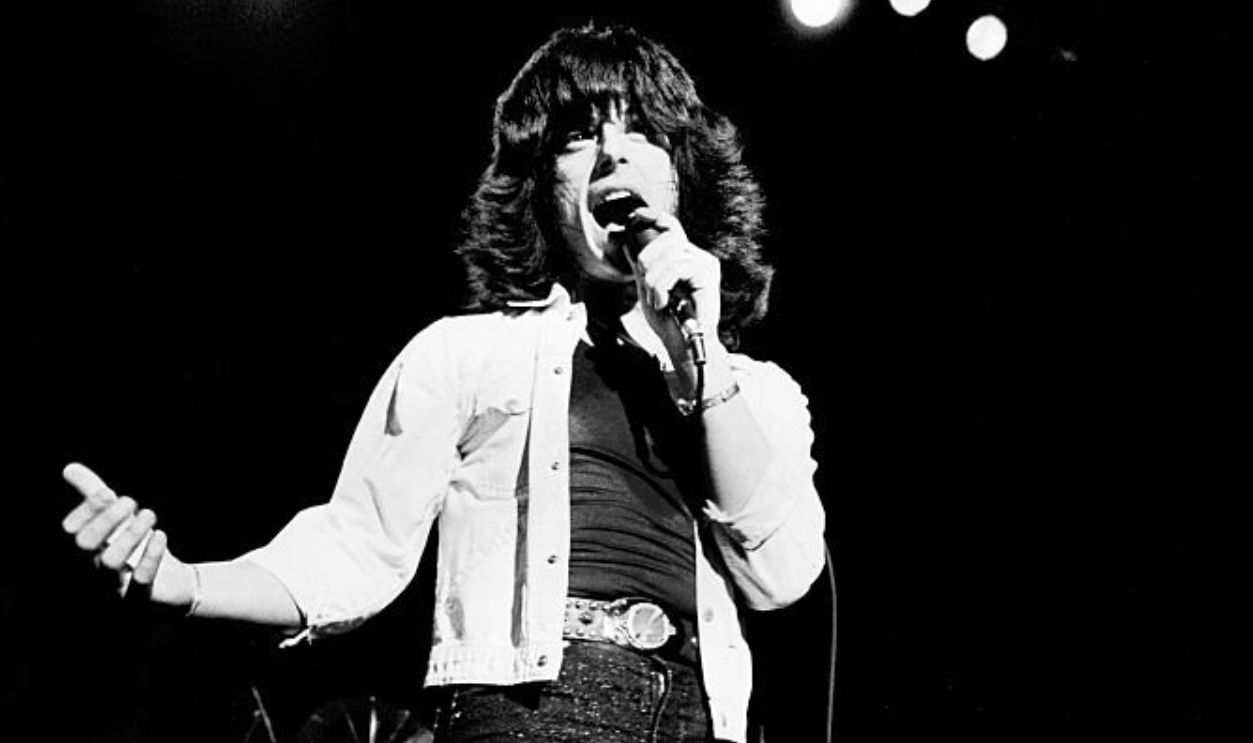
Bad Company: Paul Rodgers To Brian Howe
Paul Rodgers had given Bad Company its bluesy identity with classics like "Can't Get Enough" and "Feel Like Makin' Love." After Rodgers departed, the group eventually recruited Brian Howe for its 1986 comeback. Howe's powerful vocals accompanied a more polished, keyboard-heavy direction that helped Bad Company find renewed success later in the decade.
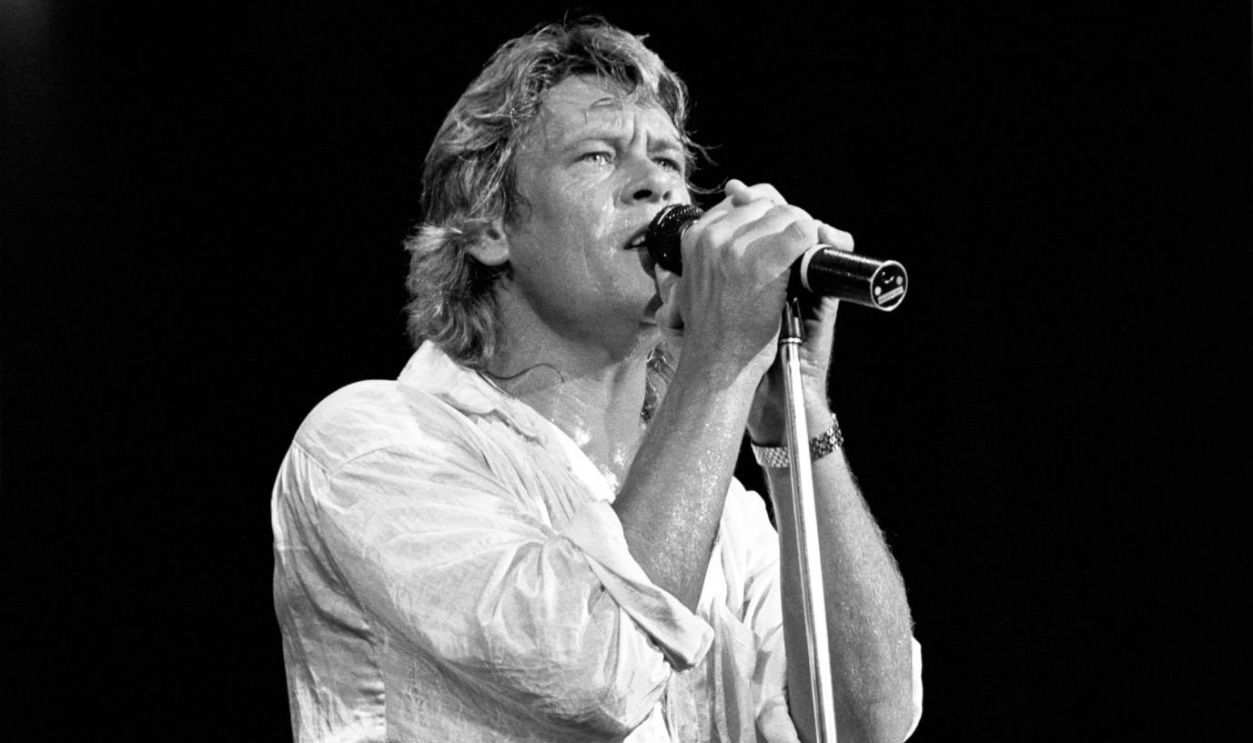
Yes: Jon Anderson To Trevor Horn
Jon Anderson's unmistakable high voice had defined Yes throughout the 1970s. After his departure in 1980, Trevor Horn of the Buggles joined as the band's new singer. Their album Drama featured a harder, more streamlined sound that surprised fans accustomed to Anderson's soaring progressive-rock vocals.
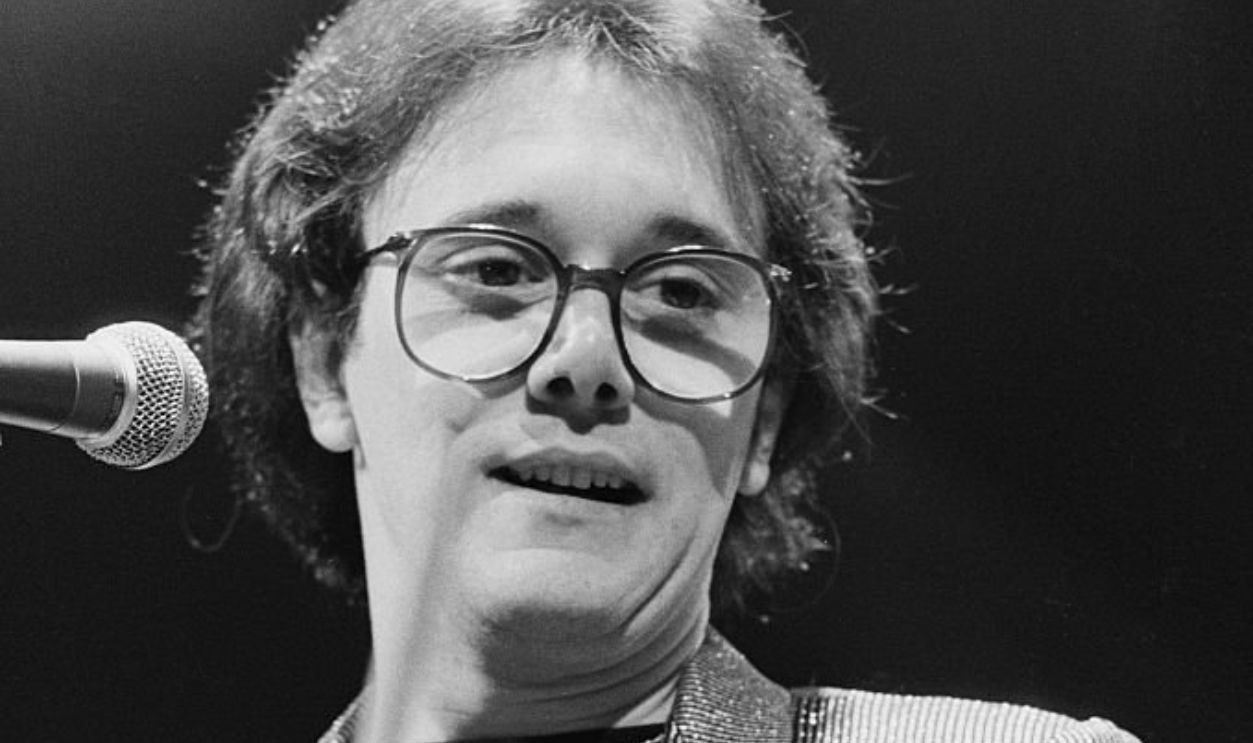
Quiet Riot: Kevin DuBrow To Paul Shortino
Kevin DuBrow's brash vocals helped make Quiet Riot's Metal Health a groundbreaking success in 1983. But the band dismissed him in 1987 and recruited former Rough Cutt singer Paul Shortino. His deeper, bluesier voice gave 1988's QR a noticeably different sound, although the album struggled commercially.
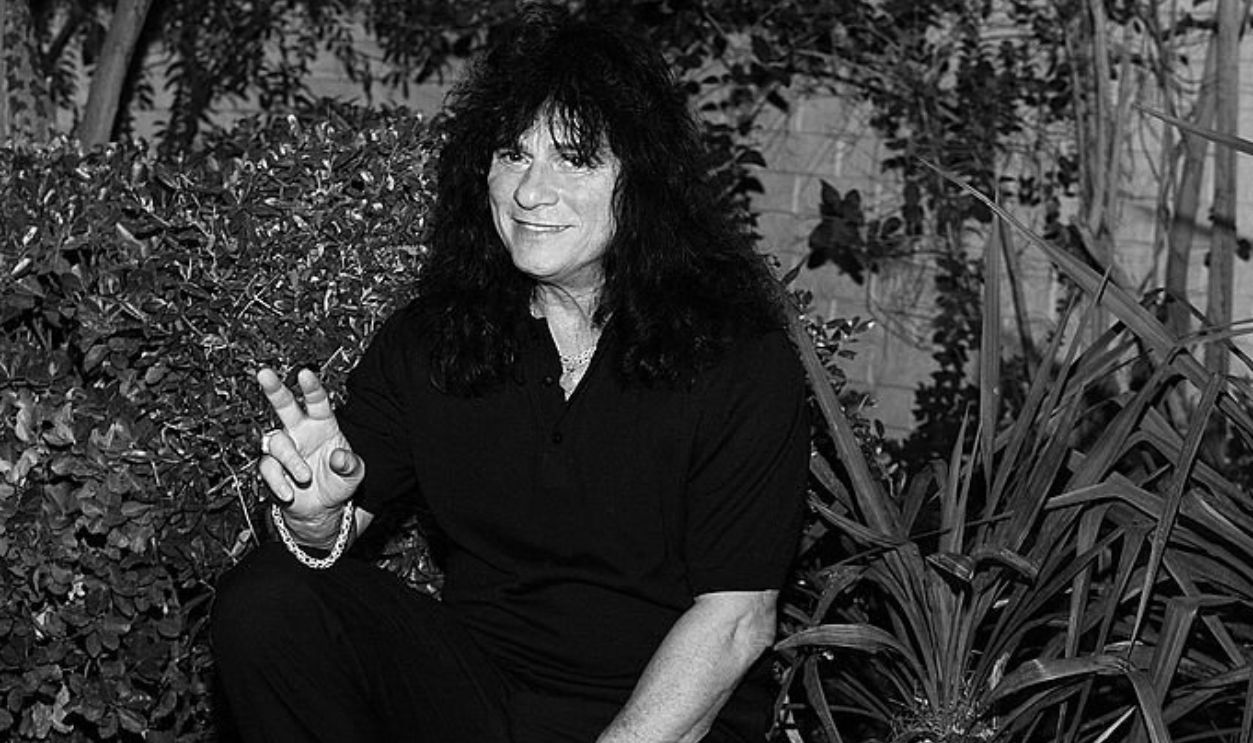 Denise Truscello, Getty Images
Toto: Bobby Kimball To Fergie Frederiksen
Bobby Kimball's vocals helped shape Toto's early success, including the band's blockbuster 1982 album Toto IV. After his dismissal in 1984, Fergie Frederiksen joined and brought a harder-edged voice to the group's music. Their album Isolation leaned further toward arena rock, but Frederiksen's time with the band lasted just one studio release.
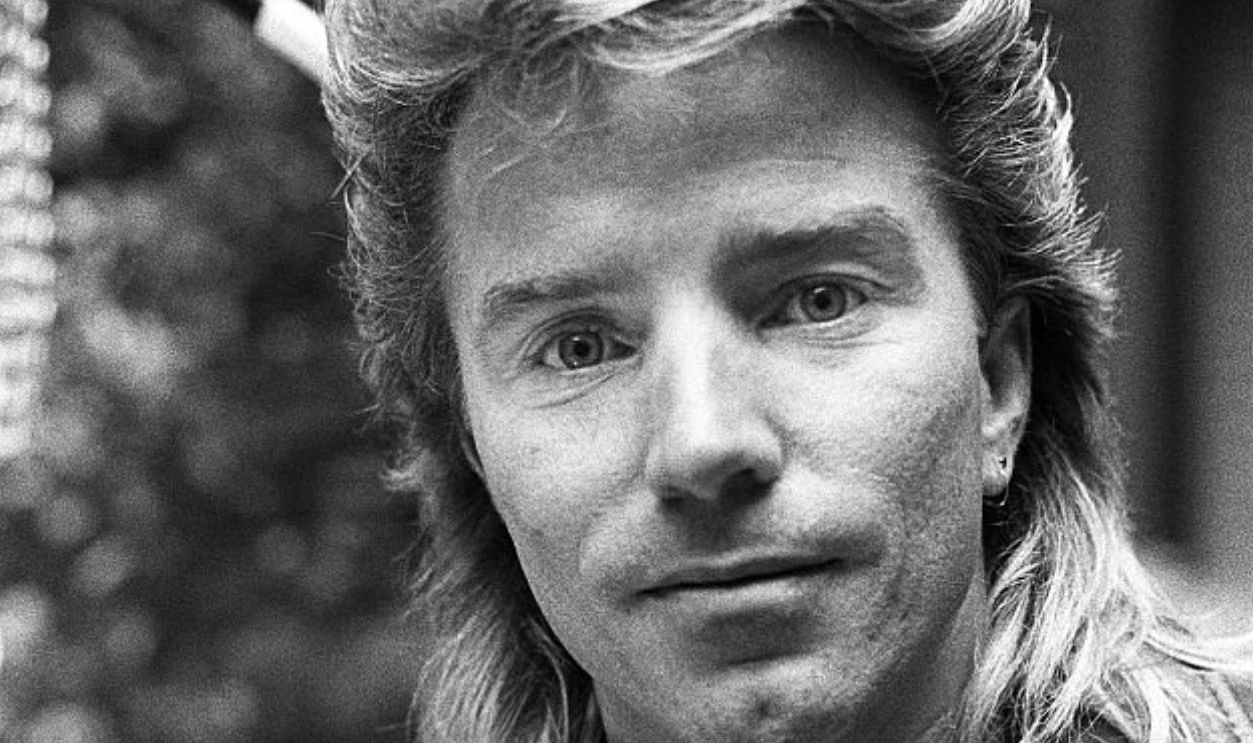
Toto: Fergie Frederiksen To Joseph Williams
Toto changed singers again when Joseph Williams joined in 1986. His smoother, expressive vocals appeared on Fahrenheit and 1988's The Seventh One, helping return the band to polished melodic pop-rock. By the end of the decade, Toto had undergone several vocal transformations without losing its reputation for accomplished musicianship.
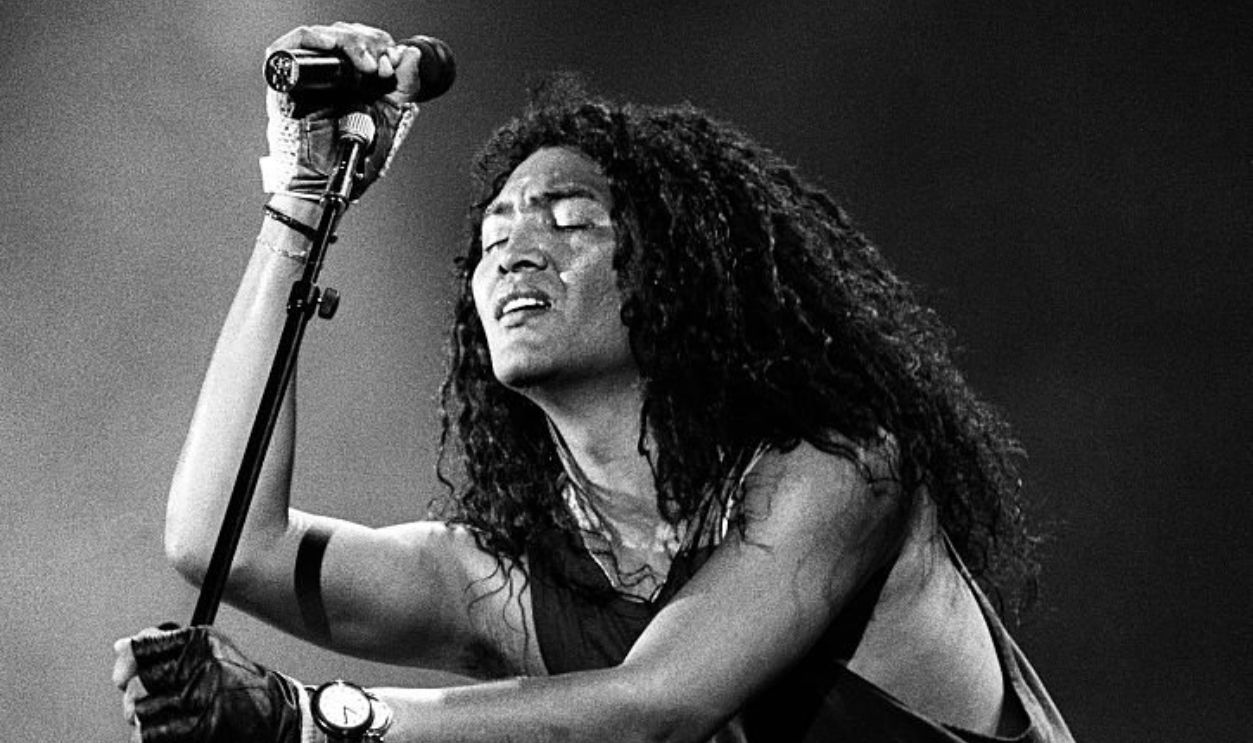
Kansas: Steve Walsh To John Elefante
Steve Walsh had sung Kansas classics like "Carry On Wayward Son" and "Dust in the Wind." After his departure in 1981, John Elefante joined and brought a smoother vocal style to the group's music. Their 1982 album Vinyl Confessions featured the hit "Play the Game Tonight," reflecting Kansas's move toward a more radio-friendly sound.
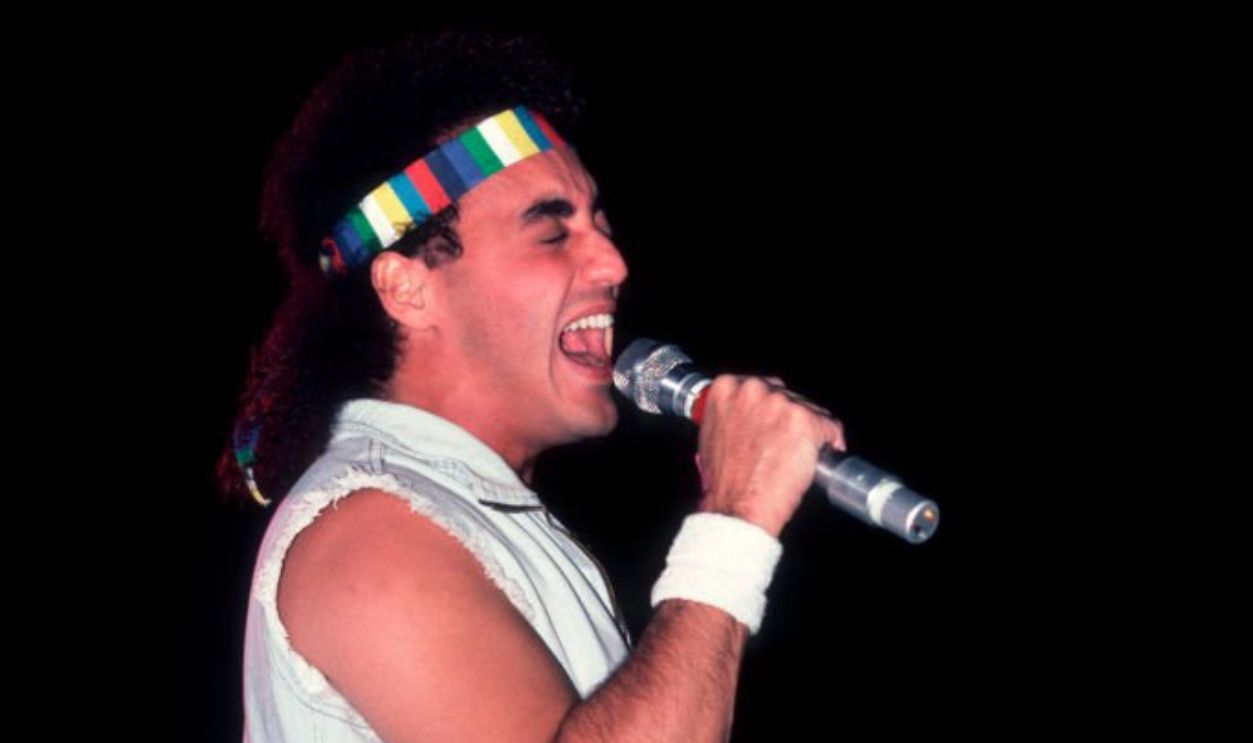
.38 Special: Don Barnes To Max Carl
Don Barnes sang several of .38 Special's signature hits, including "Hold On Loosely" and "Caught Up in You." When he left in 1987, Max Carl joined alongside longtime singer Donnie Van Zant. Carl's soulful vocals helped produce the 1989 hit "Second Chance," which reached number six on the Billboard Hot 100.
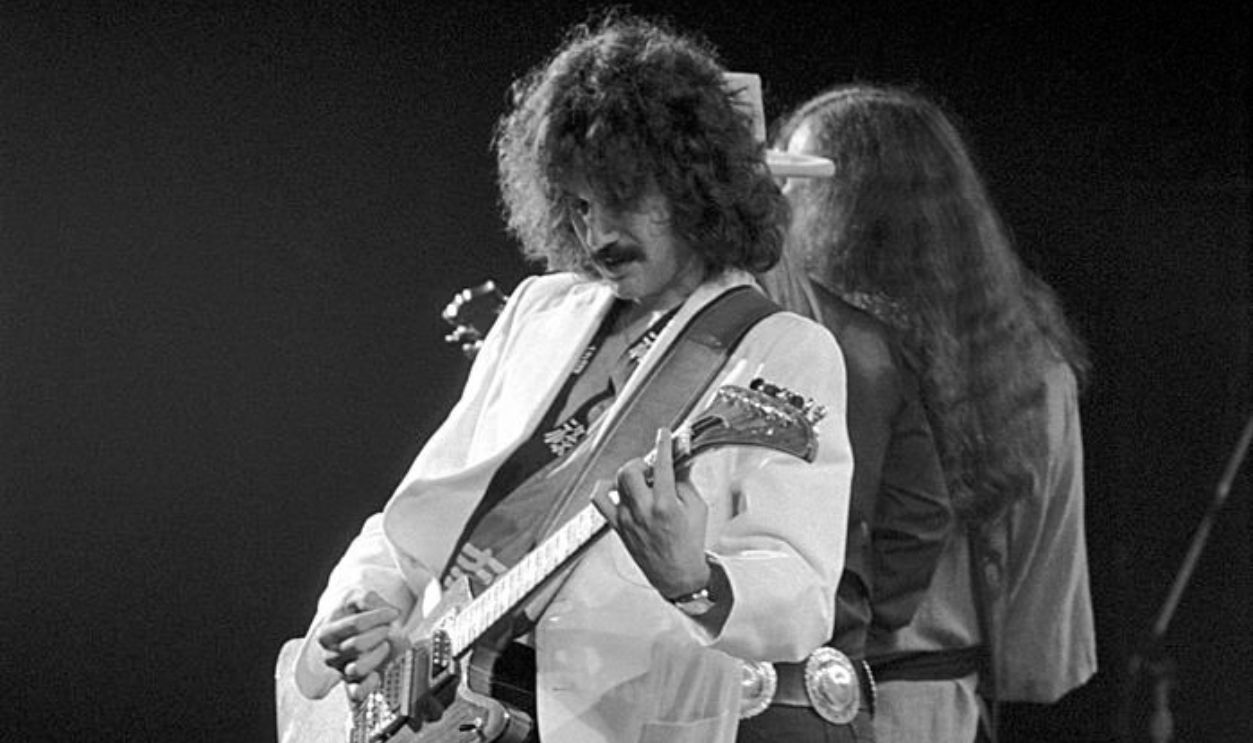
Deep Purple: Ian Gillan To Joe Lynn Turner
Deep Purple reunited with Ian Gillan in 1984, producing the successful comeback album Perfect Strangers. But Gillan was dismissed again in 1989, and former Rainbow singer Joe Lynn Turner replaced him. Turner's smoother, more melodic vocals gave 1990's Slaves and Masters a strikingly different sound from the band's classic recordings.
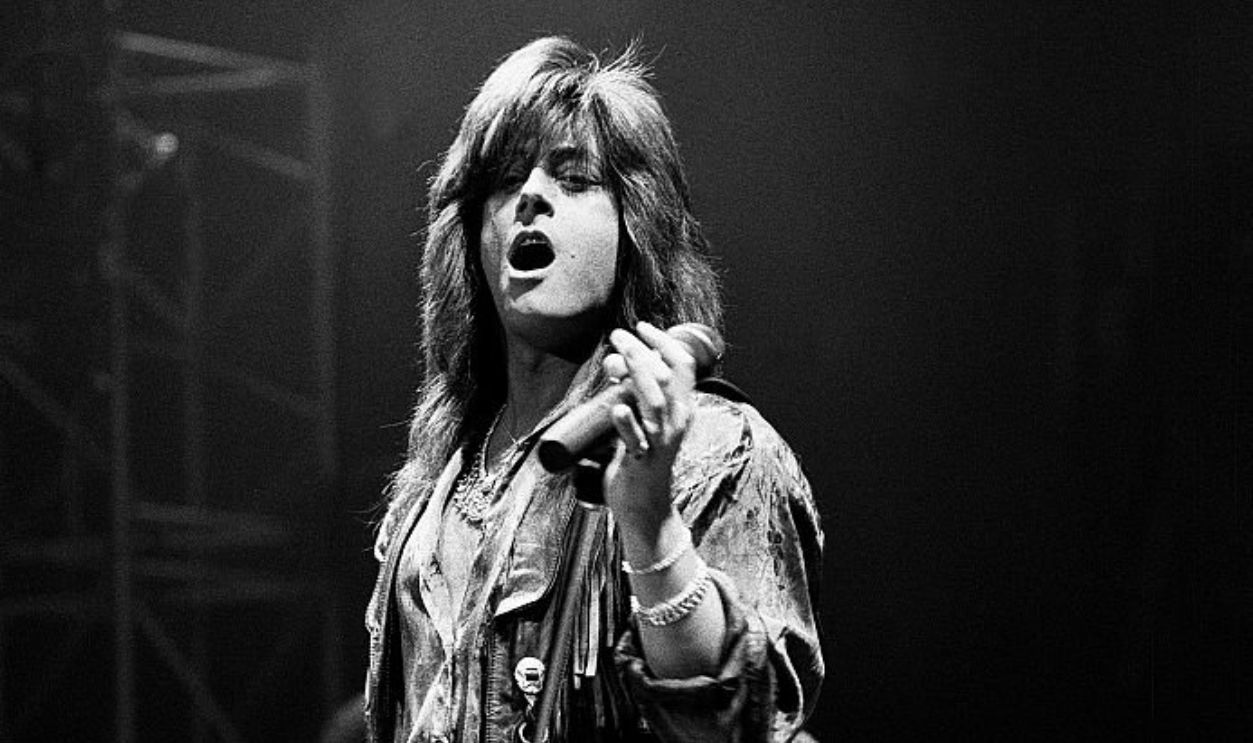
Black Sabbath: Ronnie James Dio To Ian Gillan
Black Sabbath's singer changes continued when Ronnie James Dio departed in 1982. The band recruited former Deep Purple frontman Ian Gillan, whose distinctive screams and blues-influenced singing defined 1983's Born Again. The unlikely collaboration lasted only one studio album before Gillan returned to Deep Purple.
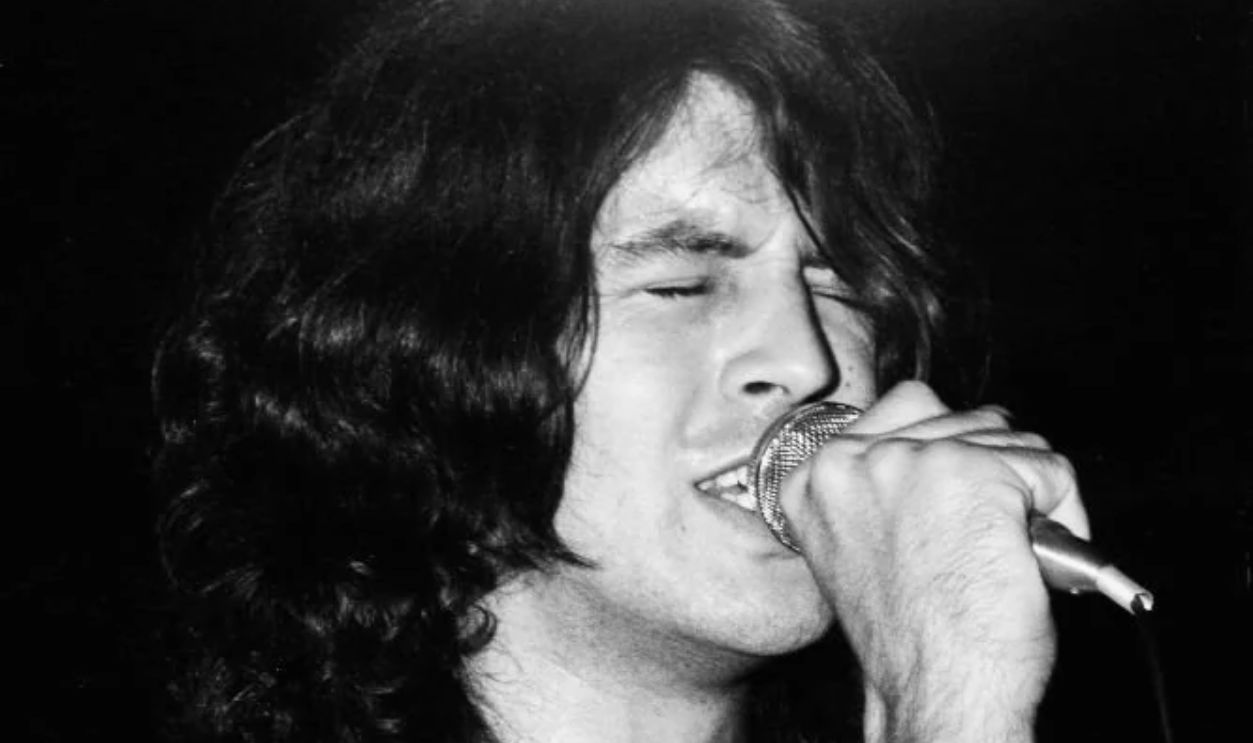
Black Sabbath: Glenn Hughes To Ray Gillen
Black Sabbath recruited another former Deep Purple vocalist, Glenn Hughes, for 1986's Seventh Star. His soulful singing gave the album a noticeably different character, but vocal difficulties following an altercation disrupted his tour. Ray Gillen replaced Hughes after just a handful of concerts, bringing yet another voice to the band's ever-changing lineup.
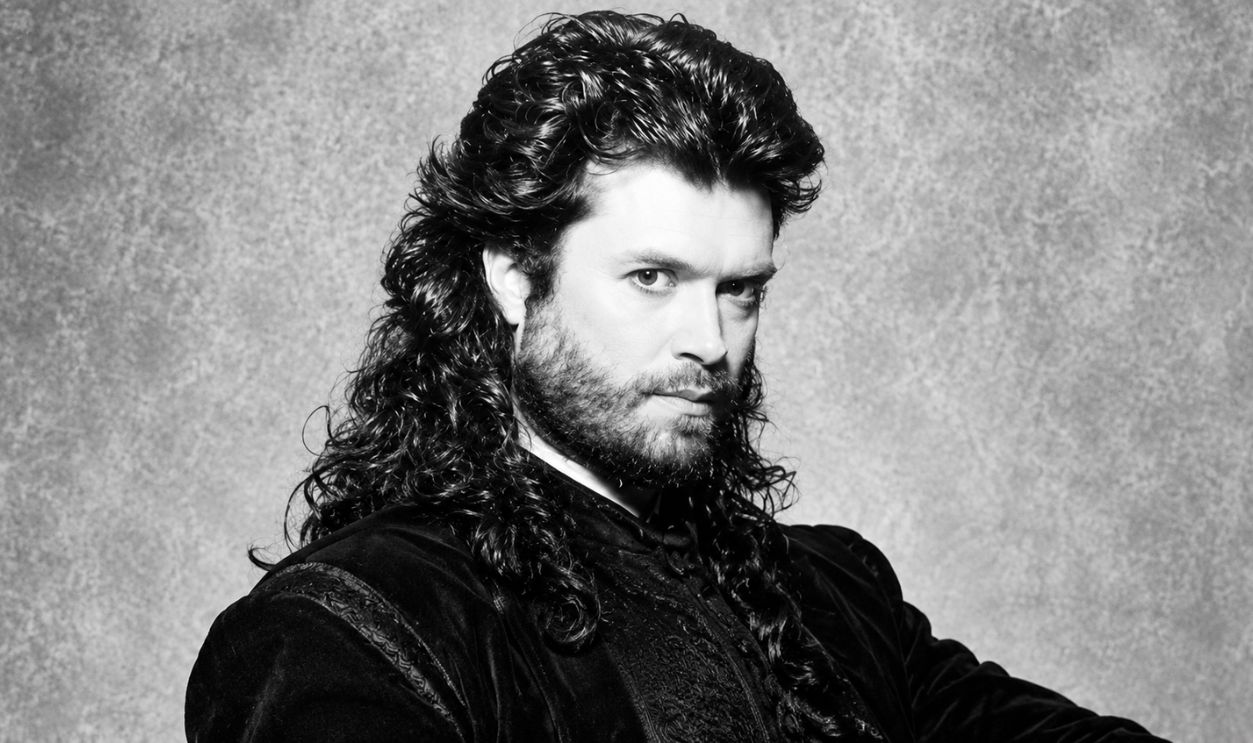 Warner Bros. Records, Wikimedia Commons
Black Sabbath: Ray Gillen To Tony Martin
Ray Gillen began recording Black Sabbath's next album but departed before it was completed. Tony Martin replaced him in 1987 and rerecorded the lead vocals for The Eternal Idol. Martin's powerful, melodic delivery helped establish a more consistent sound on subsequent albums, including 1989's Headless Cross.
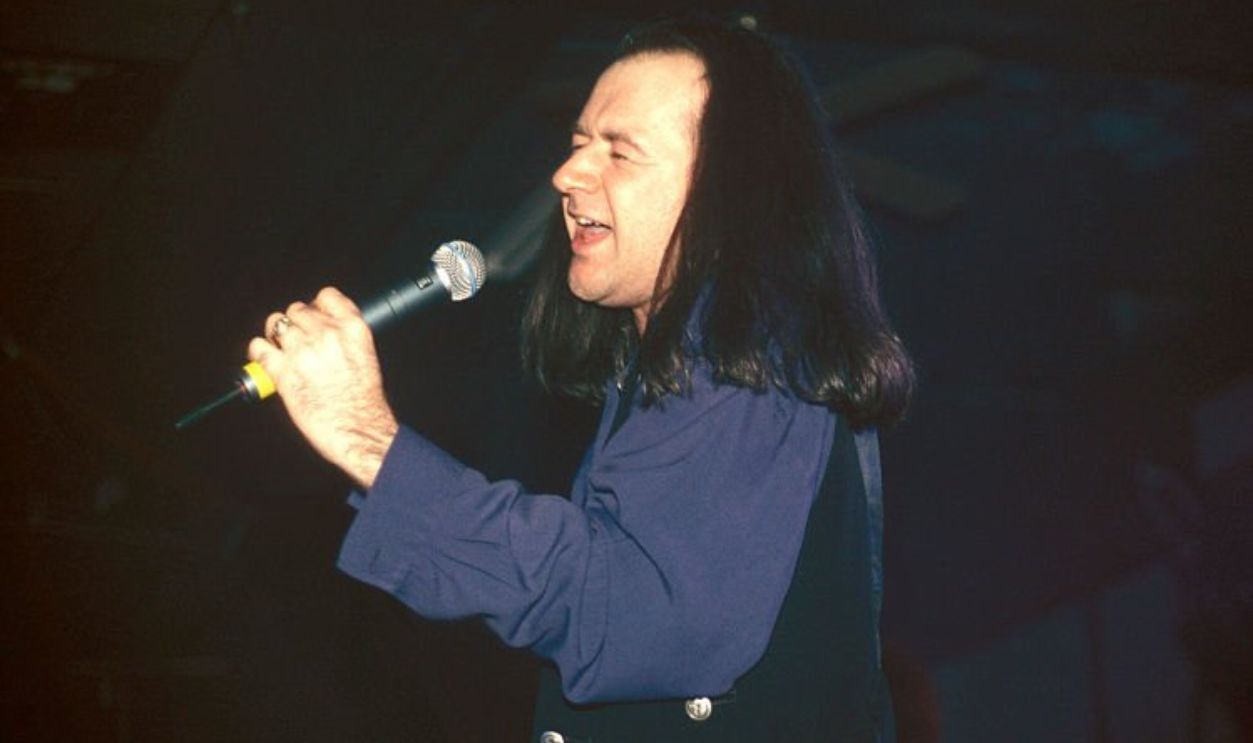
Jefferson Starship: Marty Balin To Mickey Thomas
Marty Balin's warm, soulful voice helped make Jefferson Starship successful during the 1970s with songs like "Miracles." After Balin left in 1978, Mickey Thomas joined in 1979 and brought a much more powerful rock vocal style. His performances on "Jane" and "Find Your Way Back" helped steer the group toward the arena-rock sound it embraced in the 1980s.
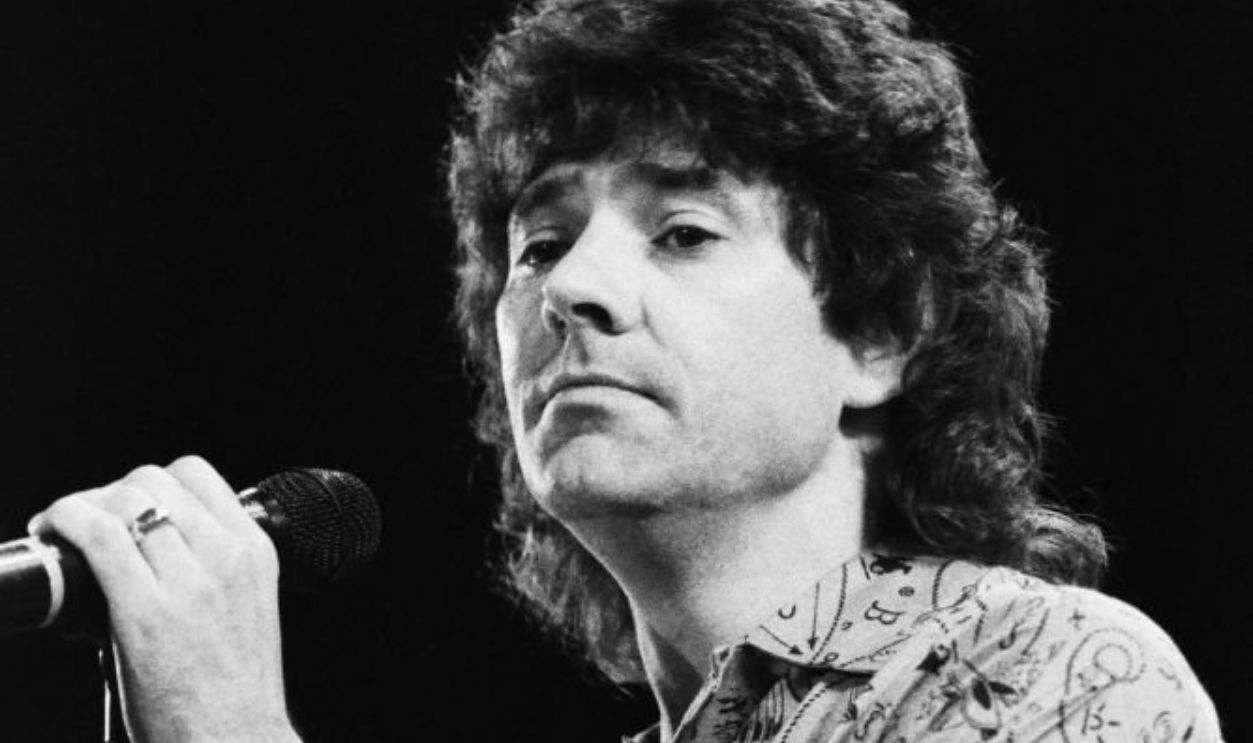
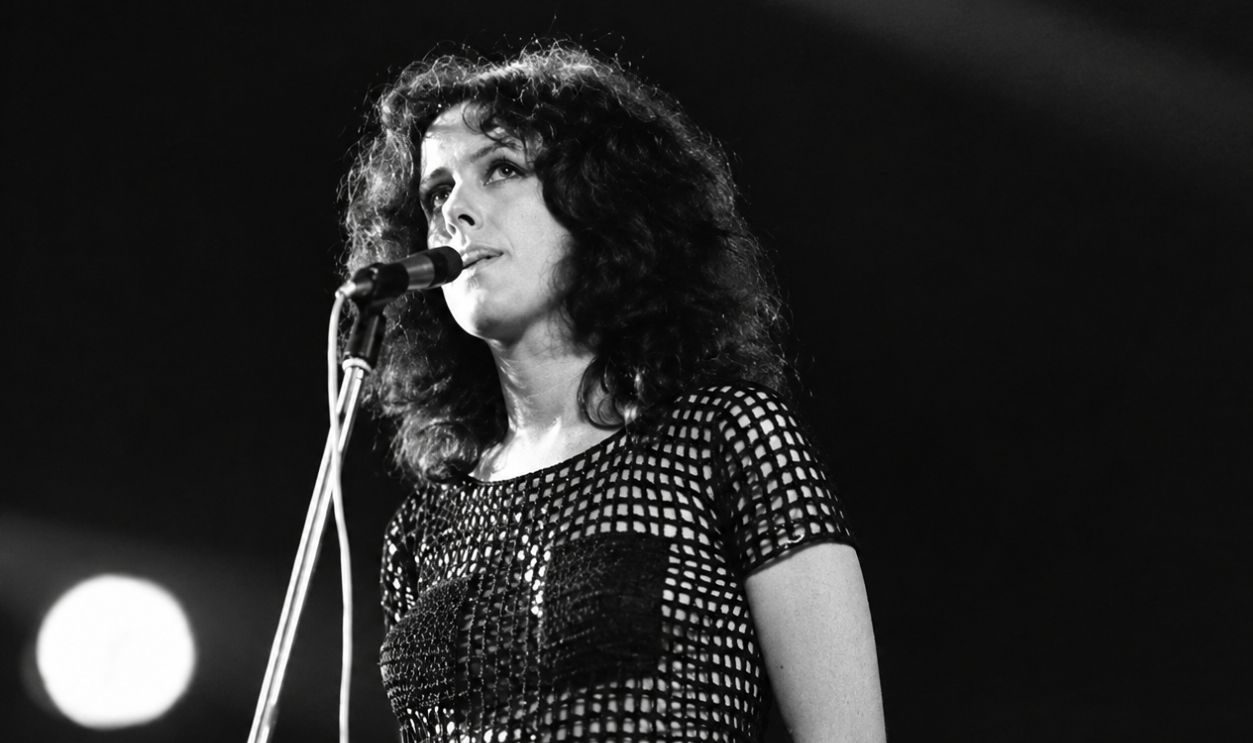
Starship: Grace Slick To Mickey Thomas
Grace Slick and Mickey Thomas shared lead vocals as Jefferson Starship evolved into the pop-oriented Starship. Their contrasting voices helped create enormous hits like "We Built This City" and "Nothing's Gonna Stop Us Now." When Slick left in 1988, Thomas became the group's principal lead singer, carrying Starship into another musical chapter.
 Fotopersbureau De Boer, Wikimedia Commons
Lynyrd Skynyrd: Ronnie Van Zant To Johnny Van Zant
Lynyrd Skynyrd's original singer Ronnie Van Zant died in the devastating 1977 plane crash that ended the band's original run. When surviving members reunited for a tribute tour in 1987, Ronnie's younger brother Johnny became their new frontman. Johnny brought his own voice to Southern rock classics like "Sweet Home Alabama" and "Free Bird," helping introduce the band to another generation.
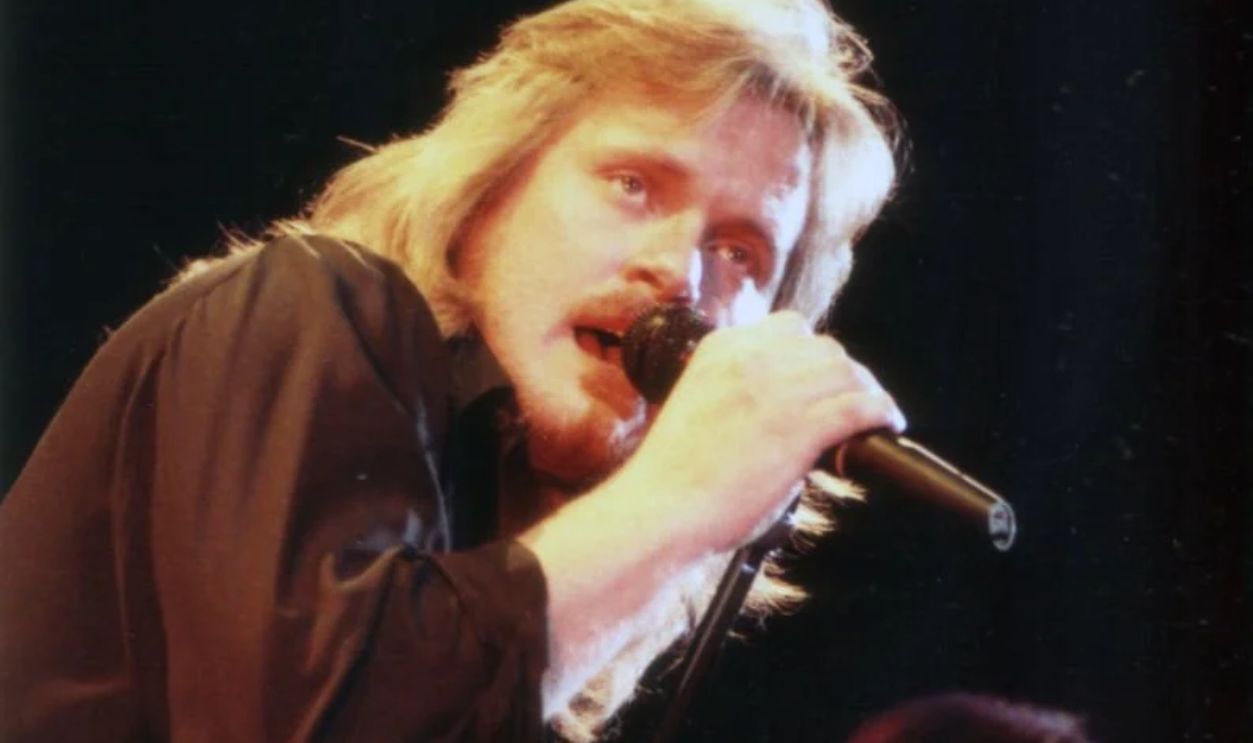
Krokus: Chris Von Rohr To Marc Storace
Swiss rockers Krokus had a progressive-rock background before moving toward a much harder sound. Marc Storace became their frontman around 1980, while previous lead singer Chris von Rohr moved to bass. Storace's gritty vocals helped power Metal Rendez-vous and 1983's Headhunter, making Krokus sound dramatically different from their earliest recordings.
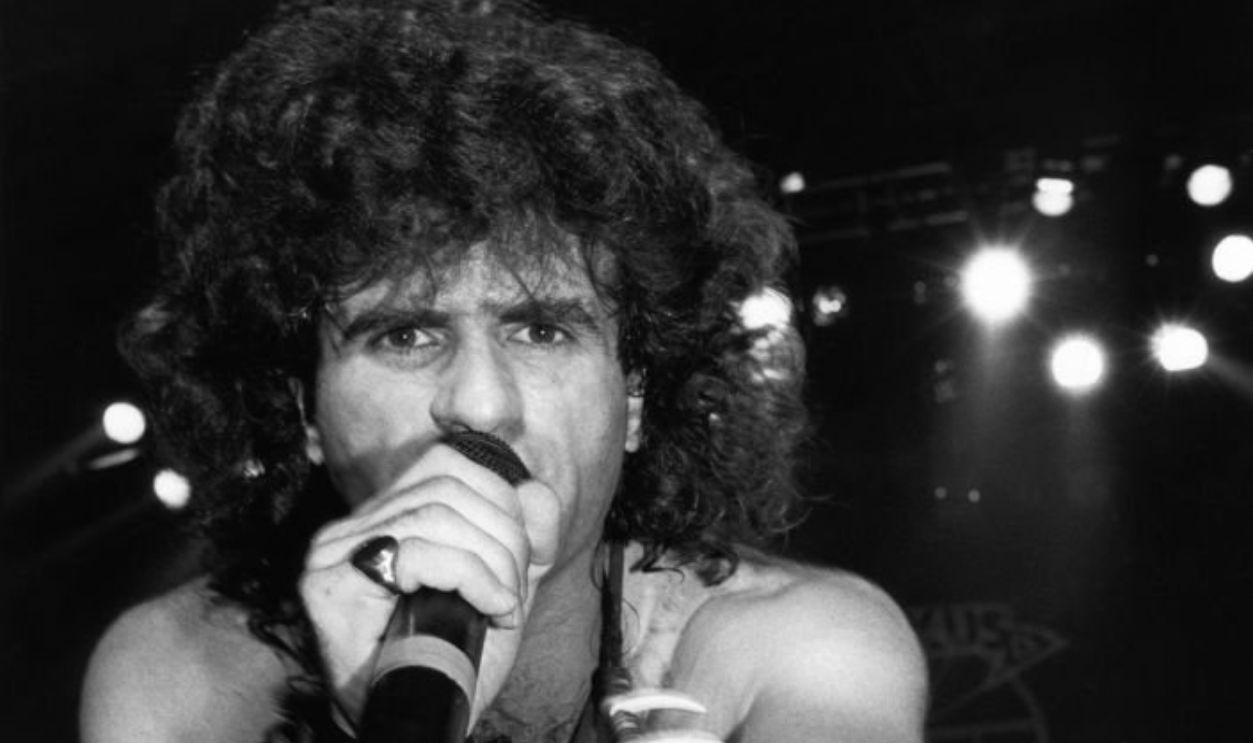
Asia: John Wetton To Greg Lake
John Wetton helped make Asia an international sensation with 1982's "Heat of the Moment" and "Only Time Will Tell." But he was briefly replaced in 1983 by former Emerson, Lake & Palmer singer Greg Lake. Lake's deeper, distinctive voice was heard during the band's televised Asia in Asia concert in Tokyo, although his time with the group was short.
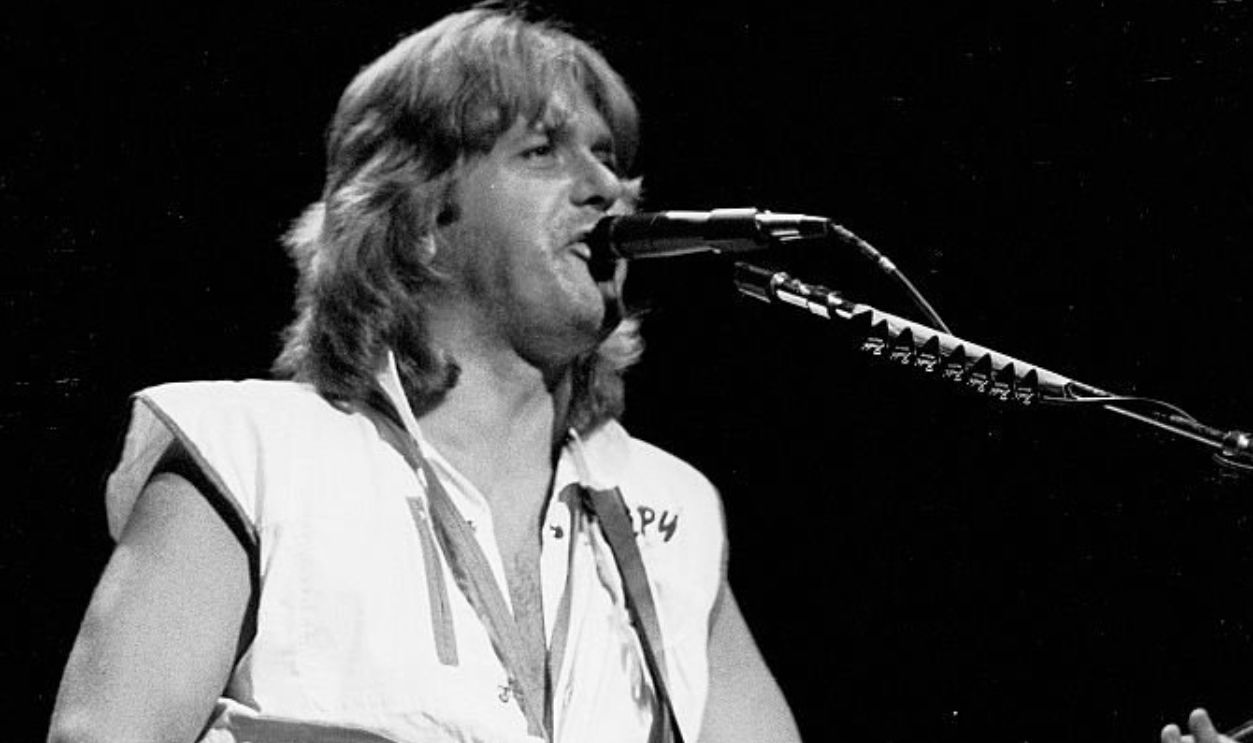
Fleetwood Mac: Lindsey Buckingham To Billy Burnette And Rick Vito
Lindsey Buckingham's voice and guitar playing were central to Fleetwood Mac's biggest 1970s and 1980s hits. After he left in 1987, the band recruited Billy Burnette and Rick Vito to share his musical responsibilities. Their voices and guitar styles helped reshape Fleetwood Mac's sound on 1990's Behind the Mask, although Stevie Nicks and Christine McVie remained prominent vocalists.
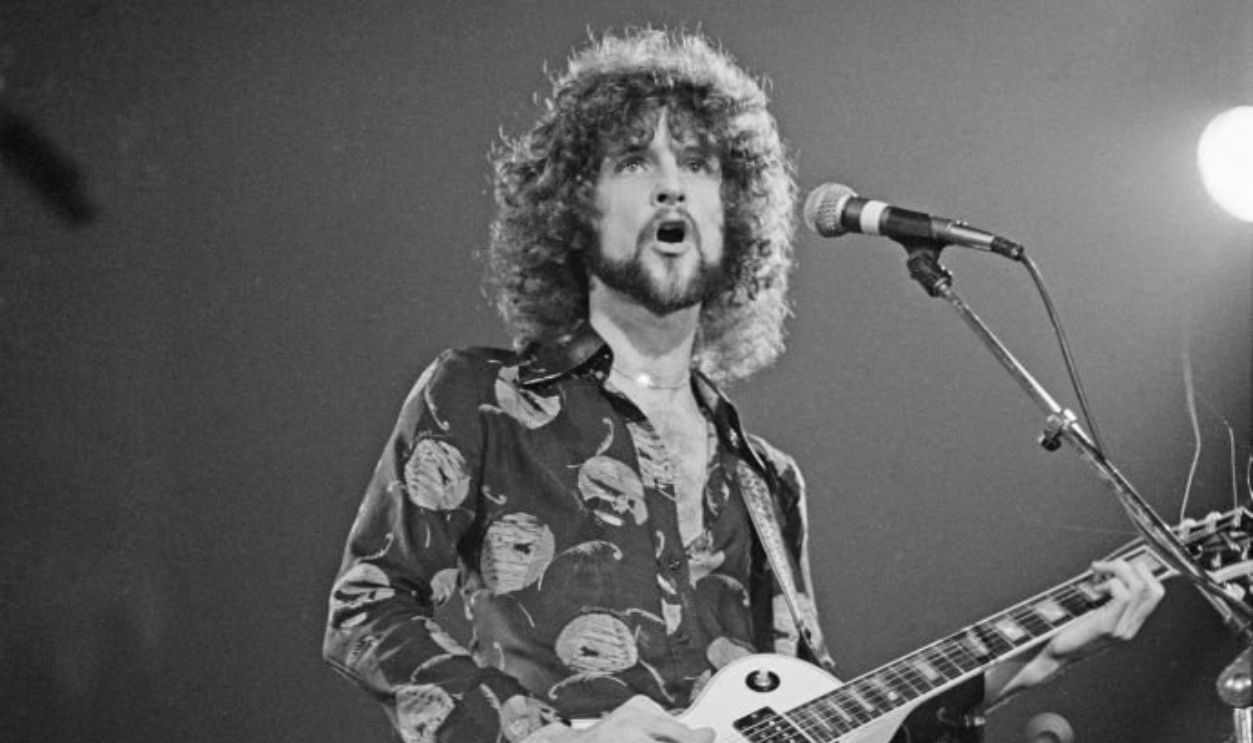
Little River Band: Glenn Shorrock To John Farnham
Glenn Shorrock's smooth vocals helped make Little River Band famous with hits like "Reminiscing" and "Cool Change." After his departure in 1982, Australian singer John Farnham stepped in with a more powerful, dramatic delivery. Farnham sang on "The Other Guy" and several subsequent releases, giving the group a noticeably different identity.
 picture alliance, Getty Images
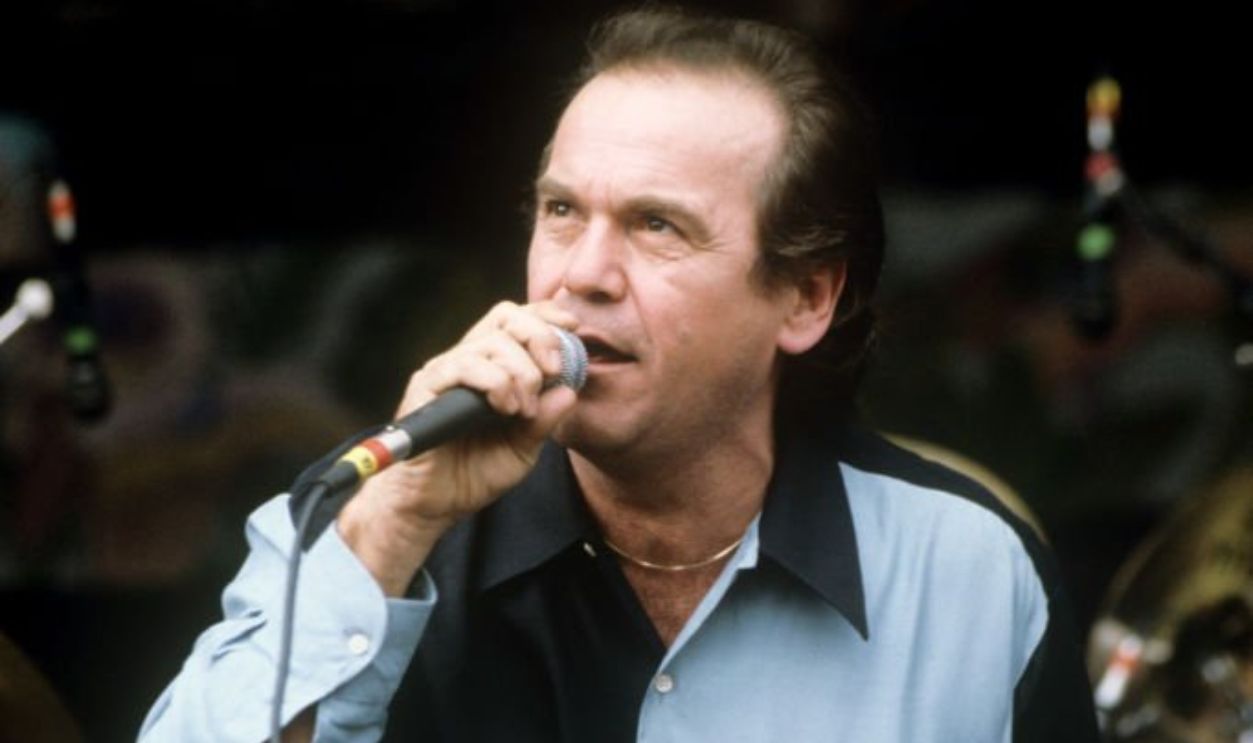
Marillion: Fish To Steve Hogarth
Scottish singer Fish helped define Marillion's dramatic progressive-rock sound with hits like "Kayleigh" and "Lavender." After he left in 1988, Steve Hogarth became the band's new singer and appeared on 1989's Seasons End. Hogarth's more restrained, emotional singing marked a major departure from Fish's theatrical style and began a long new era for Marillion.
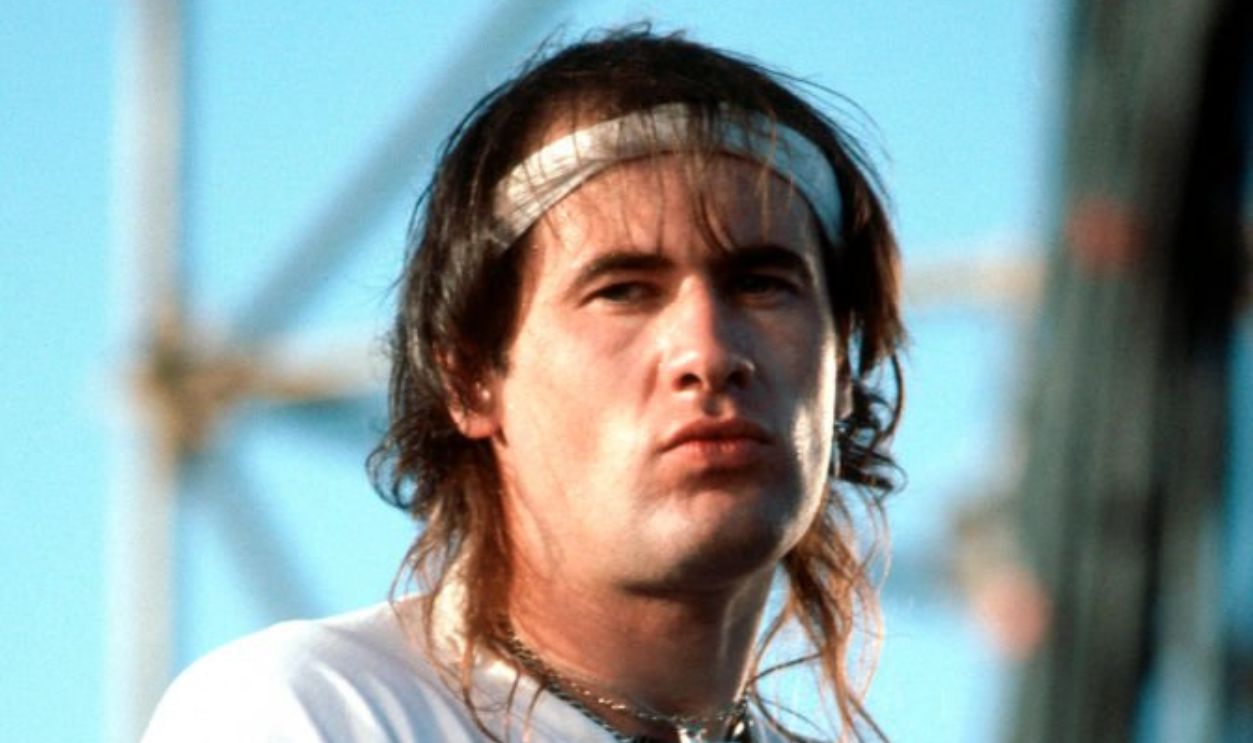
Foreigner: Lou Gramm To Johnny Edwards
Lou Gramm's powerful voice had made Foreigner famous with hits like "Cold as Ice," "Urgent," and "I Want to Know What Love Is." After Gramm departed in 1990, guitarist Mick Jones recruited Johnny Edwards to replace him. Edwards brought a different vocal character to 1991's Unusual Heat, but the album failed to match the band's earlier commercial success.
A Different Voice, A Different Band
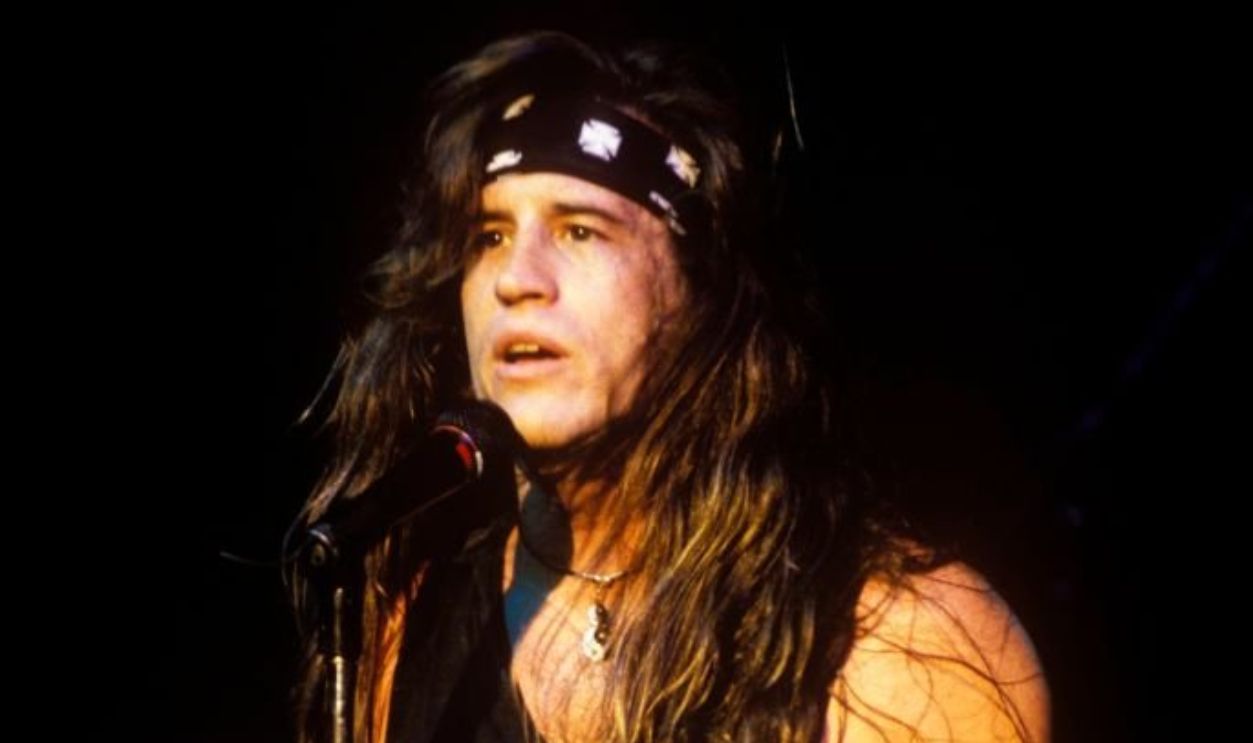
Replacing a famous singer was one of the biggest gambles a rock band could take in the 1980s. AC/DC and Van Halen found enormous success, while other groups struggled to recapture their former glory. Some replacement singers even became as closely associated with their bands as the originals. Which of these changes do you remember, and who do you think did the better job?
 Ron Galella, Ltd., Getty Images
You May Also Like:
Forgotten Female Rock Singers From The 1980s Who Deserved Careers As Big As The Men
Twisted Sister’s Dee Snider Took On Congress Over Heavy Metal—And Turned The Tables On Tipper Gore
Rock Songs From The 1970s That Sounded Innocent—Until Parents Actually Listened To The Lyrics