Catchy Songs With Surprising Lyrics
The 1970s gave us some of rock's catchiest songs, but plenty came with lyrics that were anything but family-friendly. Behind those irresistible choruses were stories about forbidden romance, wild lifestyles, and bedroom encounters that weren't always obvious on the first listen.
Here are the 1970s hits that might have made parents reach for the radio dial once they realized what their kids were singing.
Afternoon Delight
Starland Vocal Band's 1976 hit "Afternoon Delight" sounded harmless thanks to its cheerful melody and wholesome harmonies. But the song was actually about a couple enjoying an intimate encounter in the middle of the day. Songwriter Bill Danoff borrowed the title from a restaurant menu, turning an innocent phrase into one of the decade's cheekiest number-one hits.
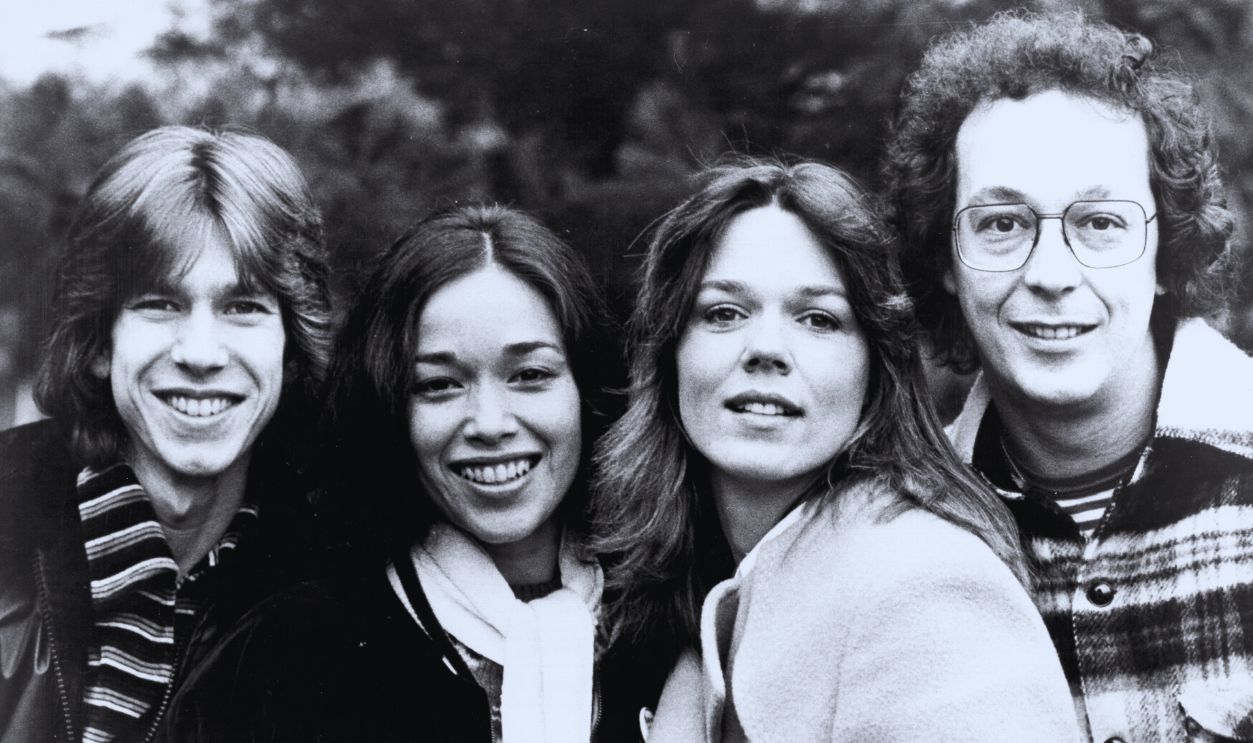 Michael Ochs Archives, Getty Images
Squeeze Box
The Who's 1975 song "Squeeze Box" sounded like a cheerful tune about a woman playing an accordion. However, Pete Townshend filled the lyrics with suggestive double meanings, particularly when describing why Daddy couldn't sleep at night. The playful arrangement helped disguise one of the band's sauciest singles.

My Sharona
The Knack's "My Sharona" dominated American radio in 1979 with its unforgettable guitar riff. Singer Doug Fieger wrote it after becoming attracted to Sharona Alperin, who was 17 when they met and he was 25. The lyrics include suggestive references to pursuing someone younger, giving the catchy hit an uncomfortable dimension.
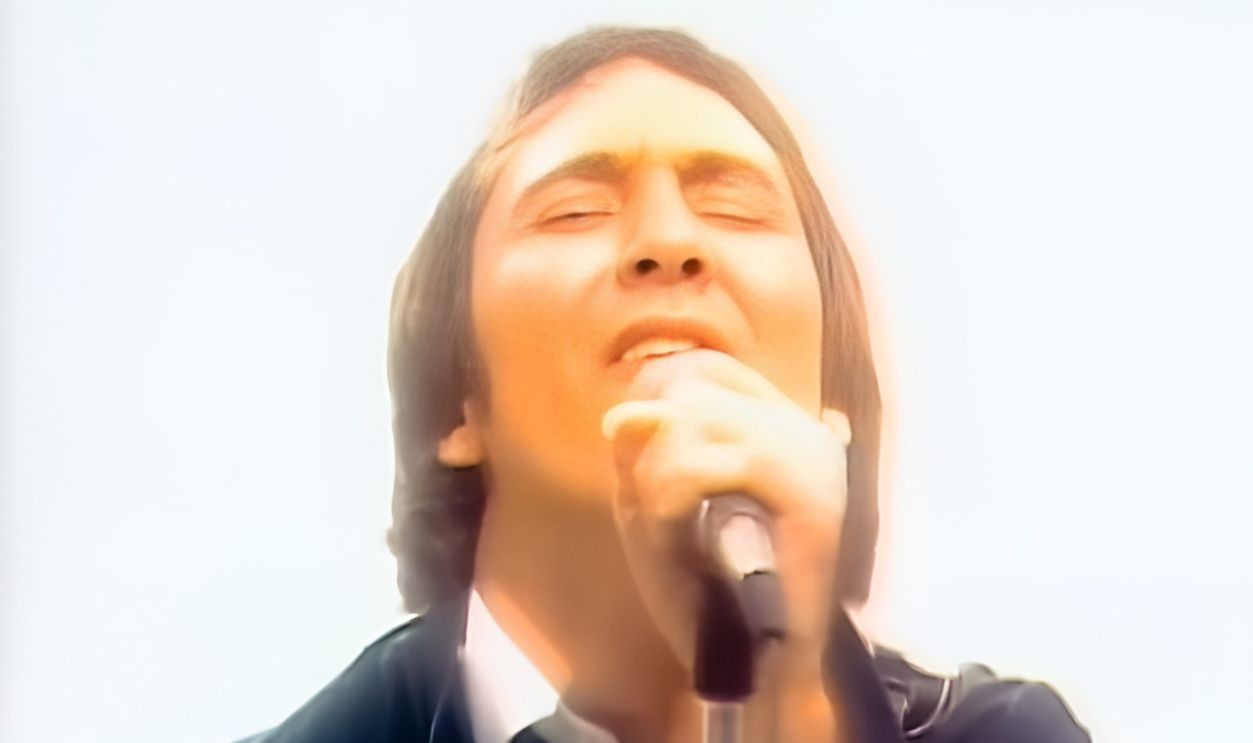 Screenshot from The Knack - My Sharona Music Video, Universal Music Group (1979)
Good Girls Don't
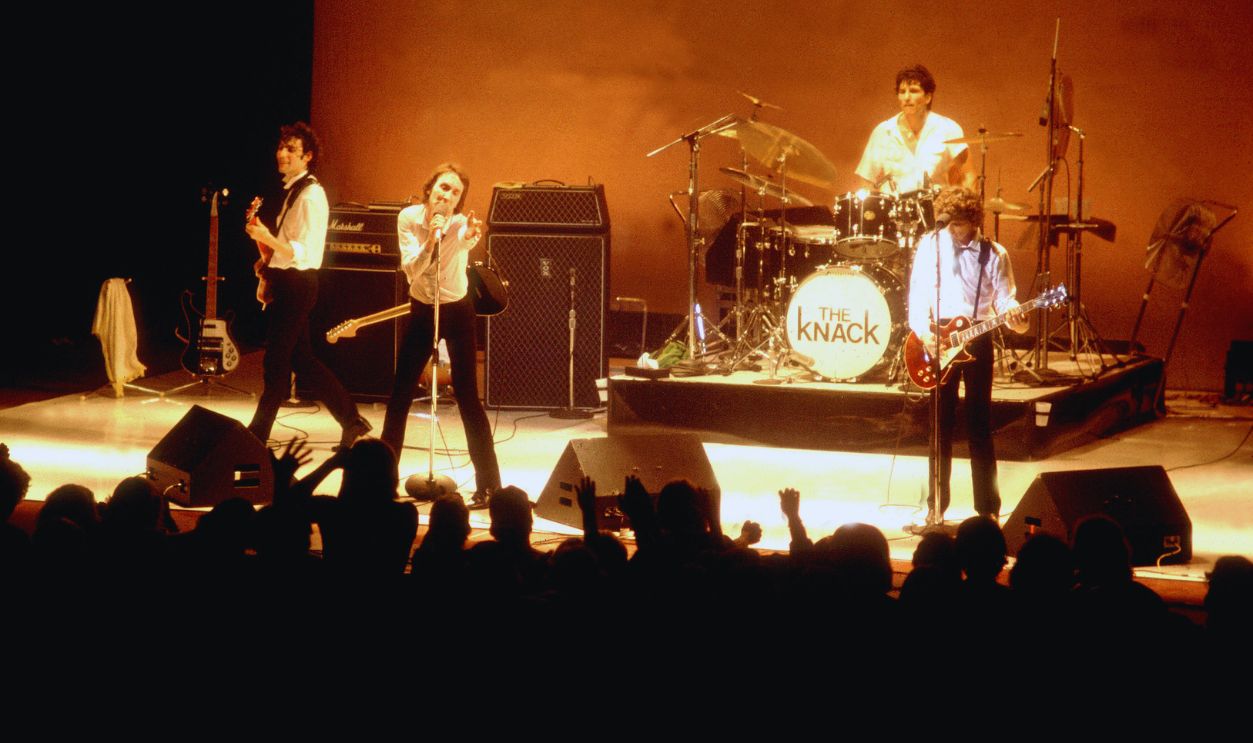
After "My Sharona," the Knack released another catchy power-pop single called "Good Girls Don't" in 1979. Its bouncy melody disguised provocative lyrics about teenage attraction and temptation. Some lines were considered unsuitable for mainstream airplay, prompting the band to record a cleaned-up version for radio.
Christine Sixteen
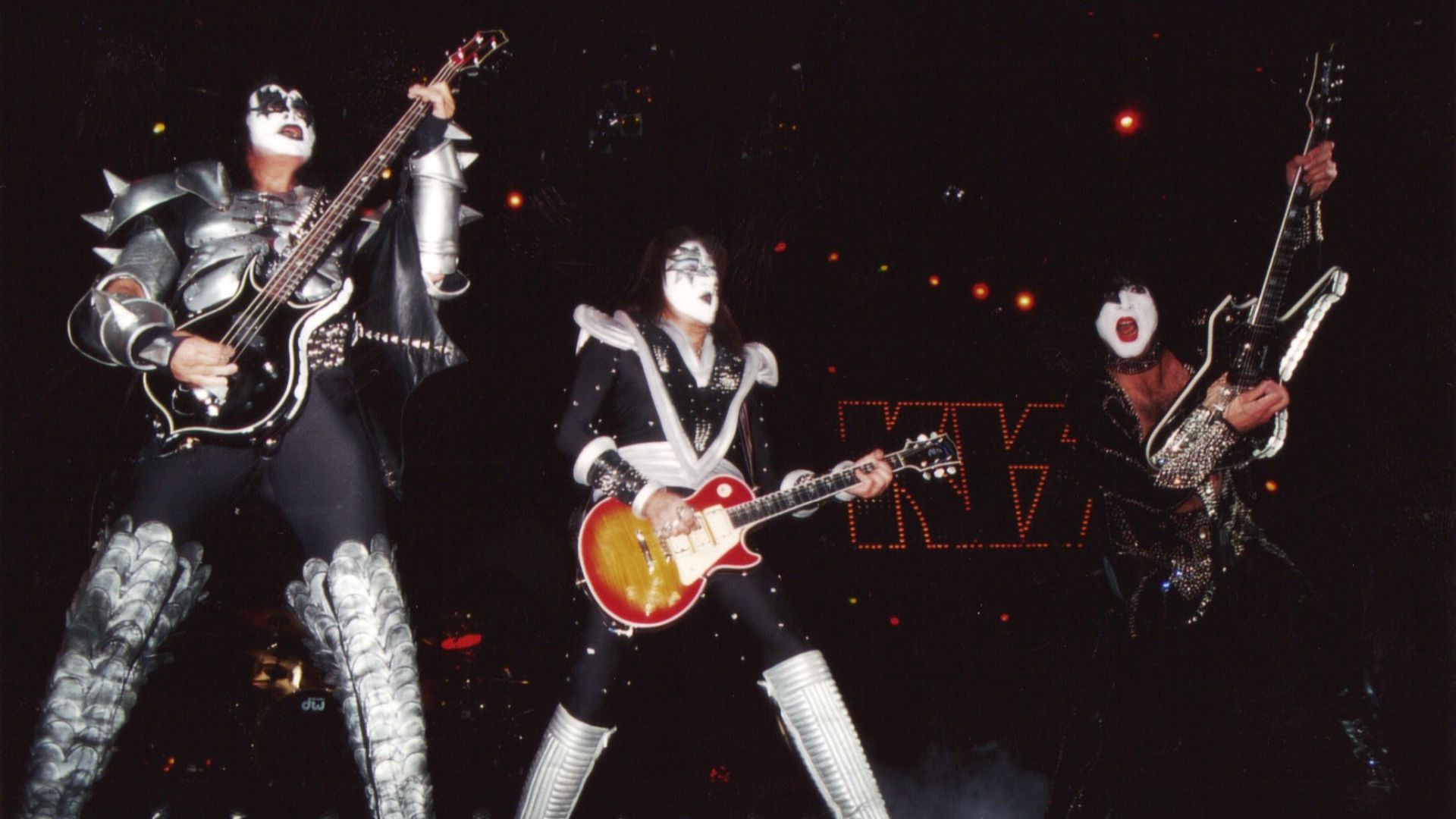
KISS released "Christine Sixteen" in 1977, pairing a catchy piano-driven melody with the band's familiar hard-rock sound. But the lyrics describe an older narrator's attraction to a 16-year-old schoolgirl, making the subject matter difficult to ignore. Written by Gene Simmons, the song reached number 25 on the Billboard Hot 100 despite its controversial premise.
Brand New Key
Melanie's 1971 hit "Brand New Key" sounded like an innocent little song about roller skating. But listeners quickly noticed suggestive double meanings involving locks, keys, and a young woman's romantic pursuits. Melanie insisted those interpretations weren't intentional, although she later admitted she understood why people heard something more adult.
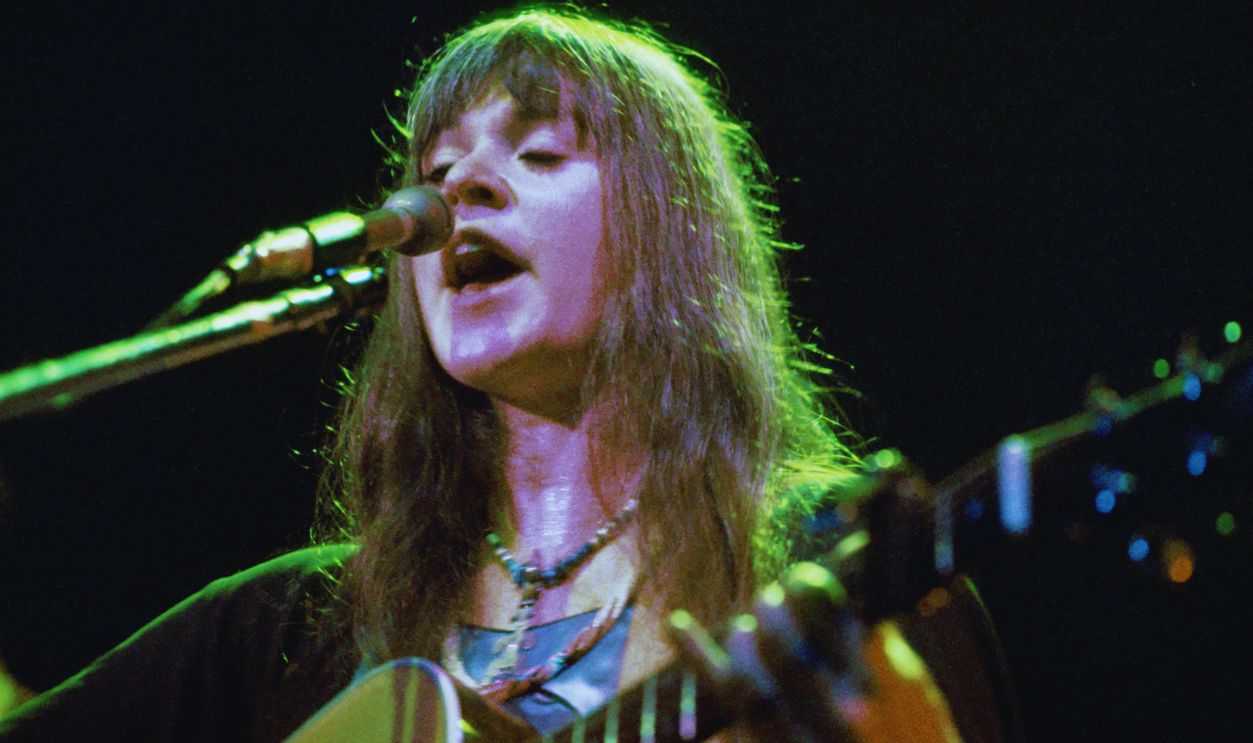 Michael Ochs Archives, Getty Images
Walk On The Wild Side
Lou Reed's 1972 classic "Walk on the Wild Side" featured a smooth bass line and a relaxed delivery. Yet its lyrics explored New York's underground culture, including substance use, unconventional relationships, and people associated with Andy Warhol's Factory. Several characters were inspired by real individuals, including Holly Woodlawn and Candy Darling.
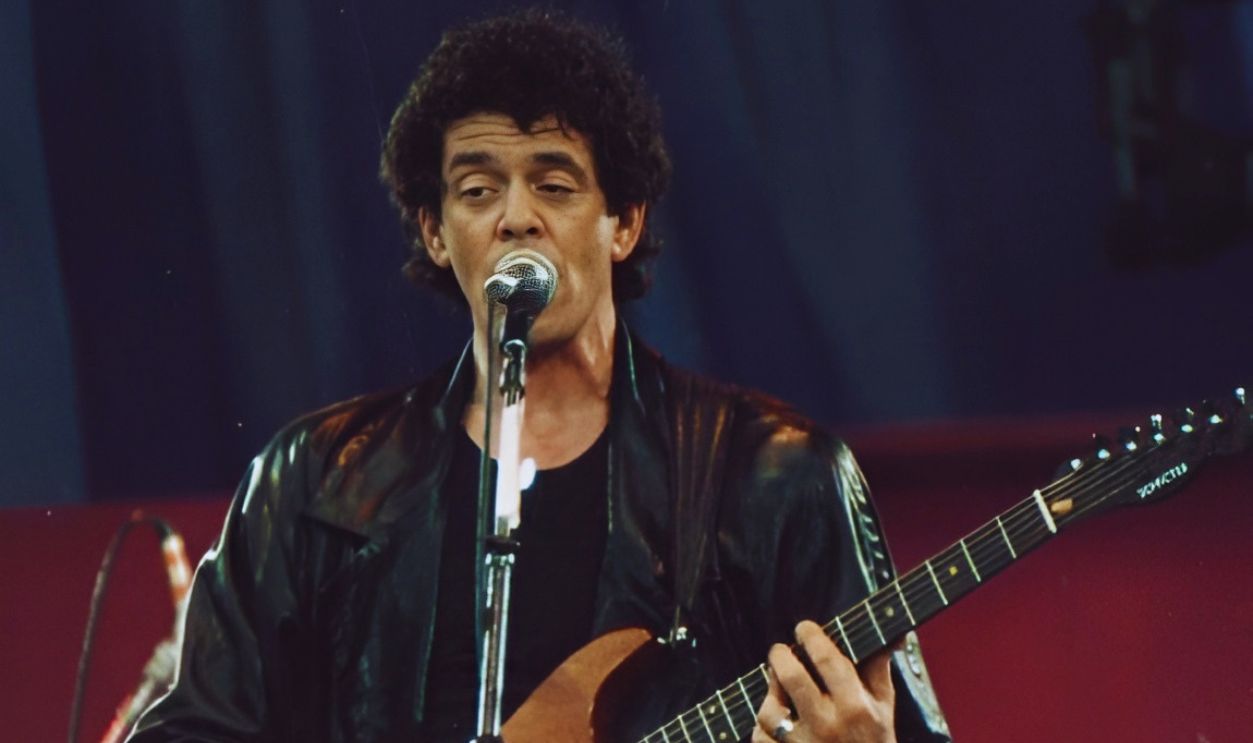 Steven Toole, Wikimedia Commons
Lola
The Kinks scored a major hit in 1970 with "Lola," a catchy song about a romantic encounter in a London nightclub. As the story unfolds, the narrator realizes Lola doesn't fit his initial expectations about gender. Rather than ending in embarrassment, Ray Davies turns the encounter into an unusually accepting love story for its time.
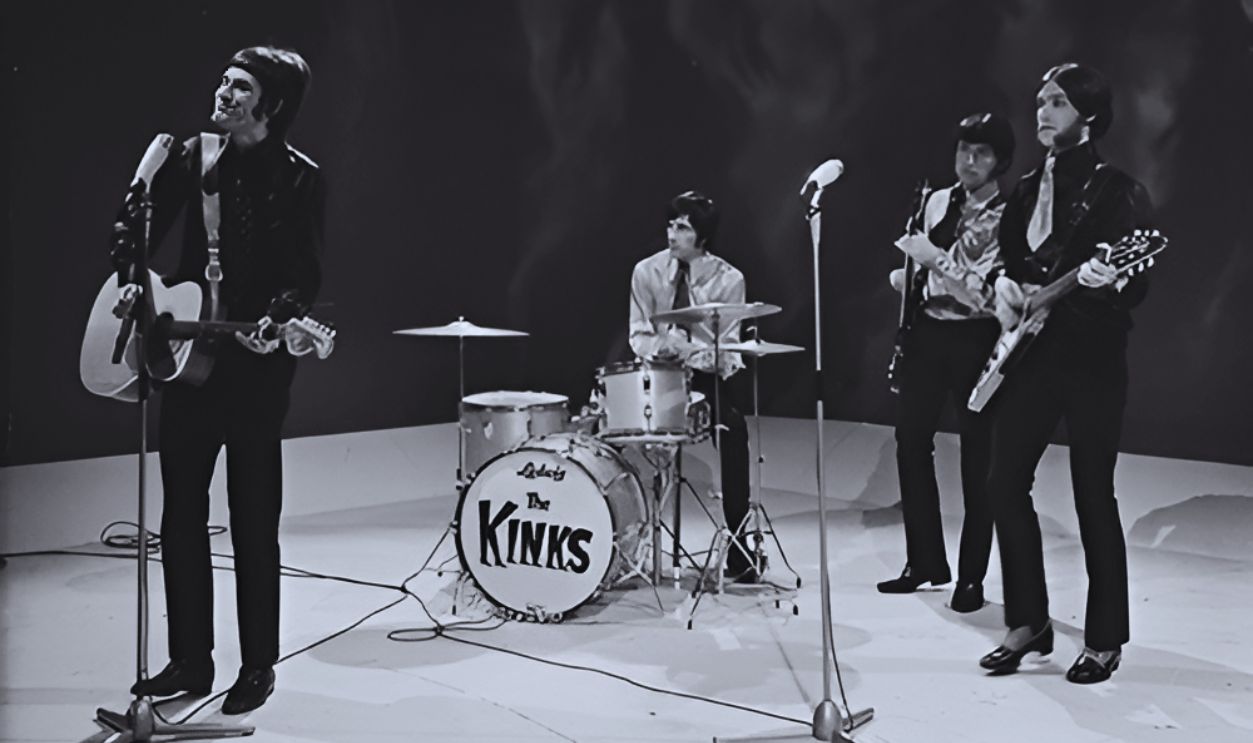
Everyone's Gone To The Movies
Steely Dan's 1975 song "Everyone's Gone to the Movies" sounds deceptively pleasant, with its smooth arrangement and relaxed vocals. But the lyrics introduce Mr. LaPage, a man who invites teenagers into his home to watch inappropriate films. The situation becomes increasingly unsettling, making it one of the band's darker songs.
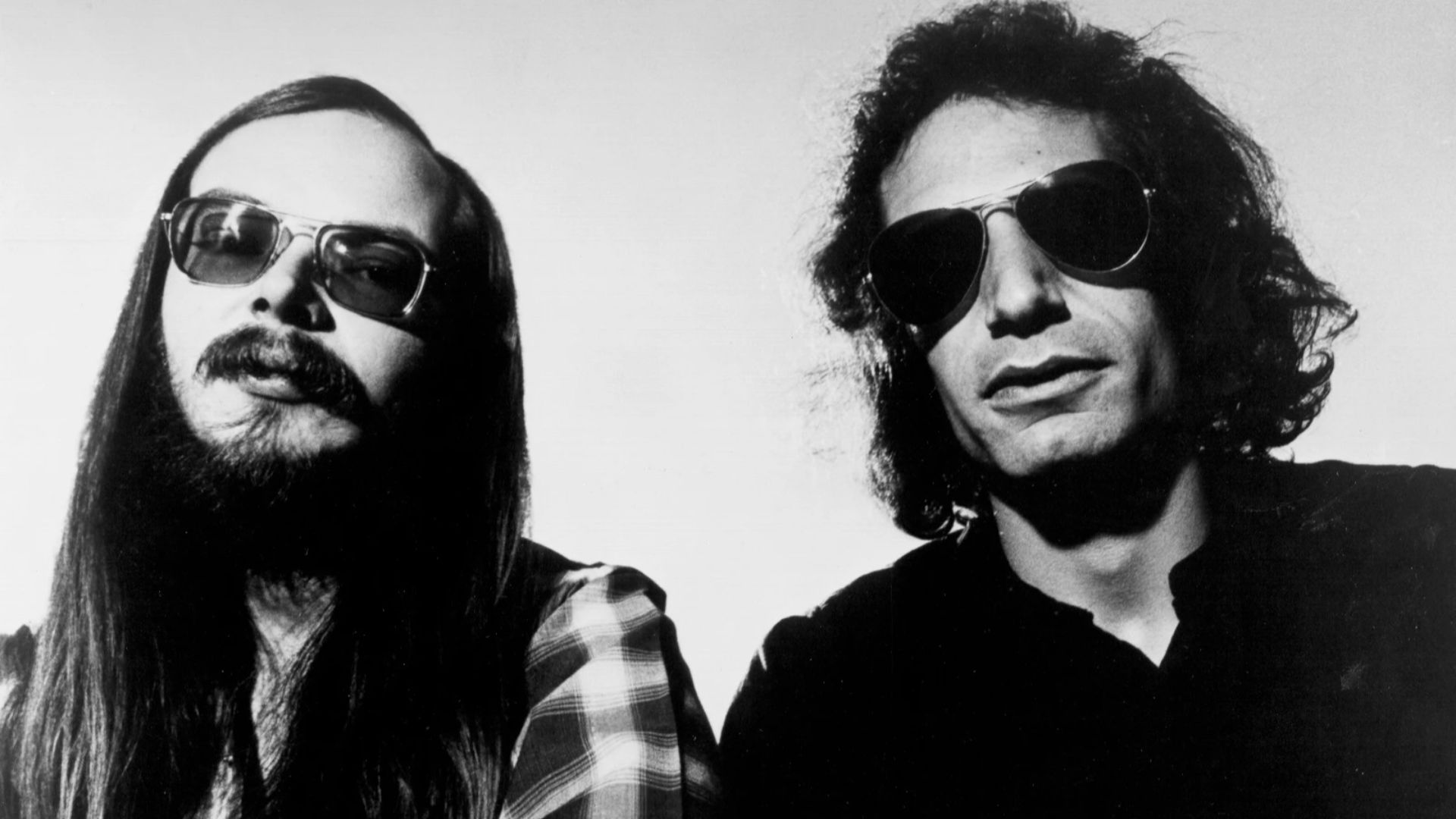 Distributed by ABC Records, Wikimedia Commons
Brown Sugar
The Rolling Stones released "Brown Sugar" in 1971, and its driving guitar riff quickly made it a rock favorite. But the lyrics contain references to slavery, the exploitation of enslaved women, and disturbing acts of violence. Mick Jagger later acknowledged that the song's subject matter was problematic, and the band stopped performing it regularly in 2021.
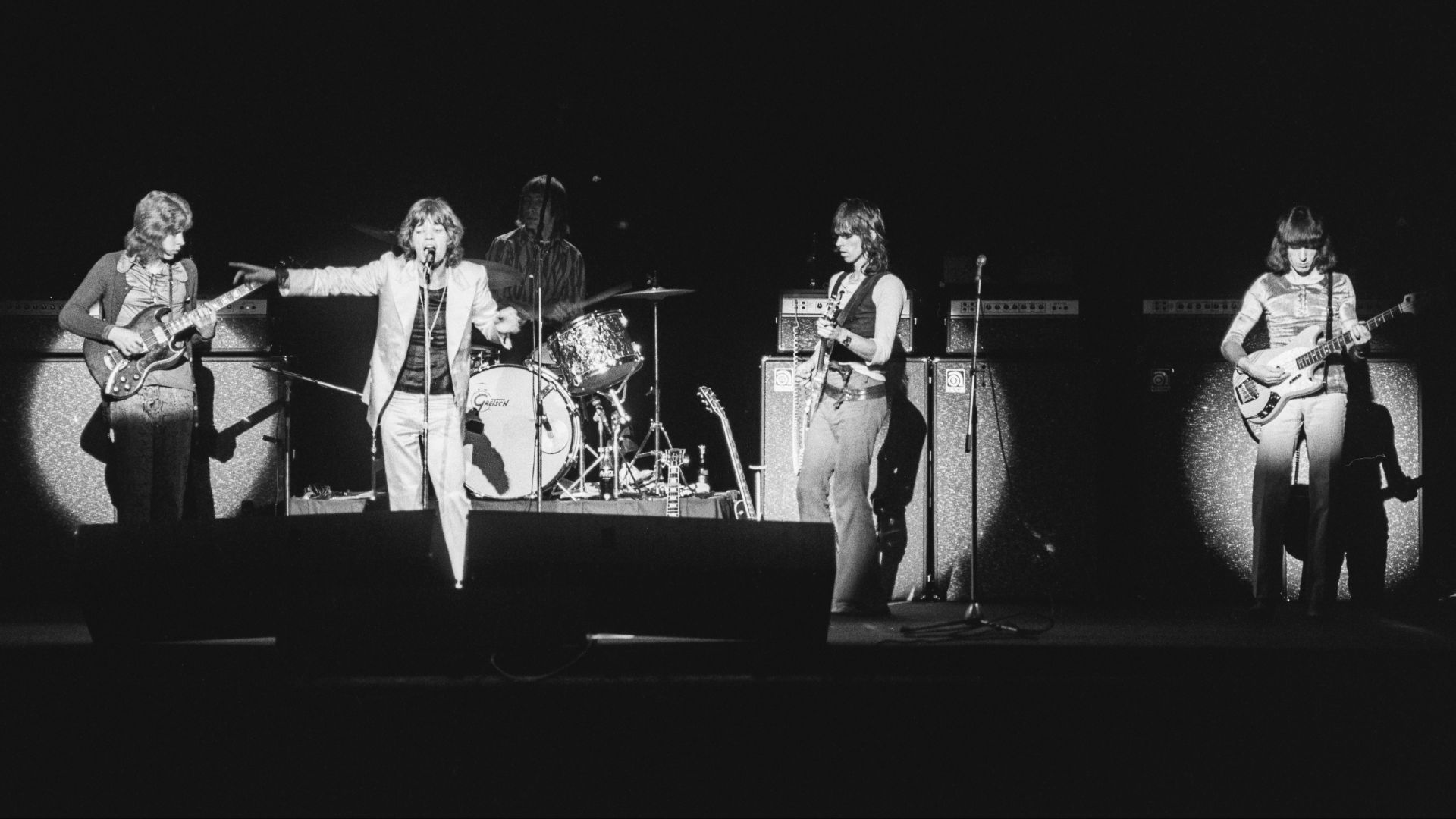 Kari Pulkkinen, Wikimedia Commons
Walk This Way
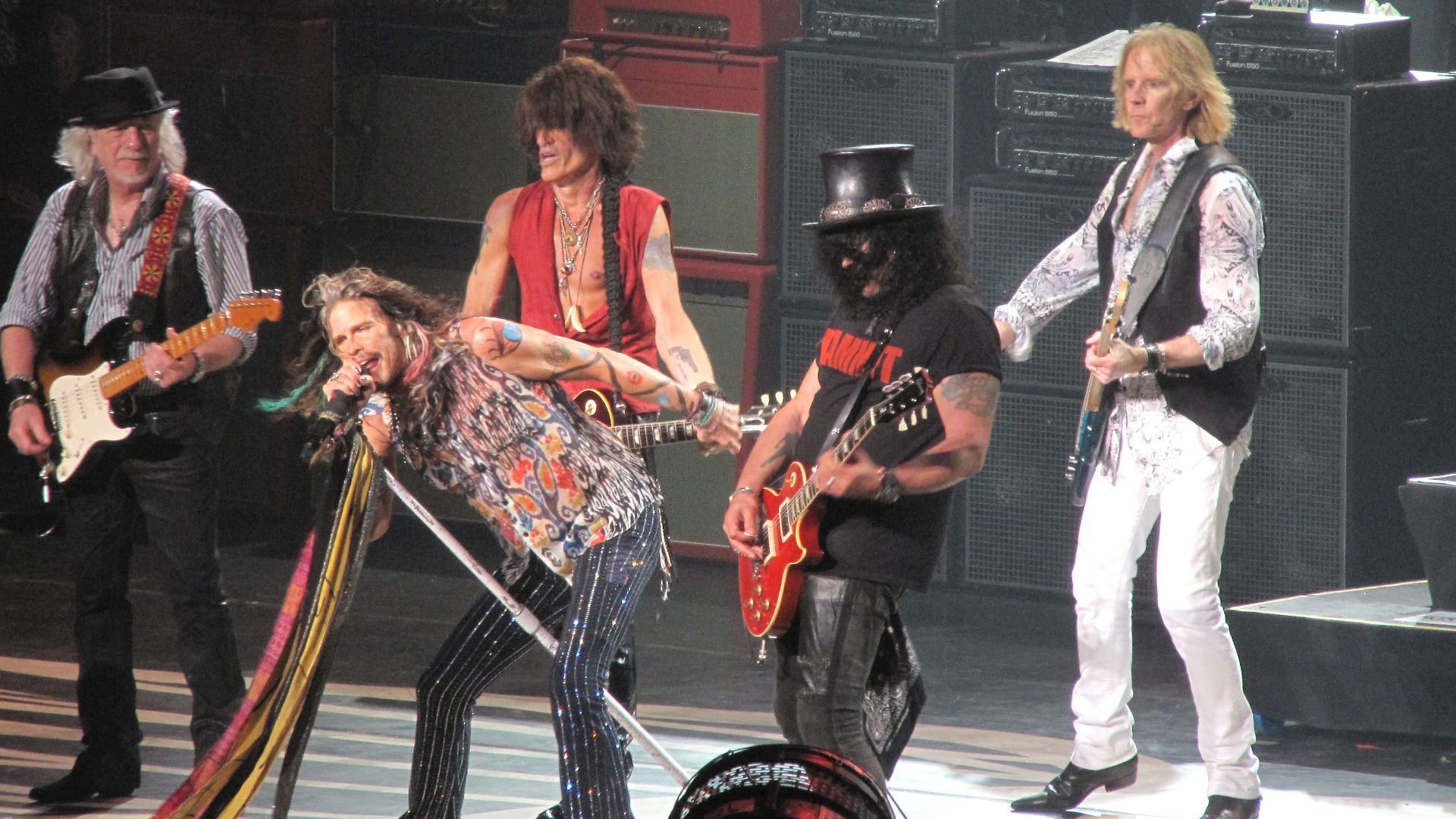
Aerosmith's "Walk This Way" became a classic thanks to Joe Perry's funky guitar riff and Steven Tyler's rapid-fire singing. Released in 1975, the song tells a suggestive story about a young man's romantic experiences and encounters with girls at school. Its playful delivery made it easy to overlook exactly what Tyler was describing.
Island Girl
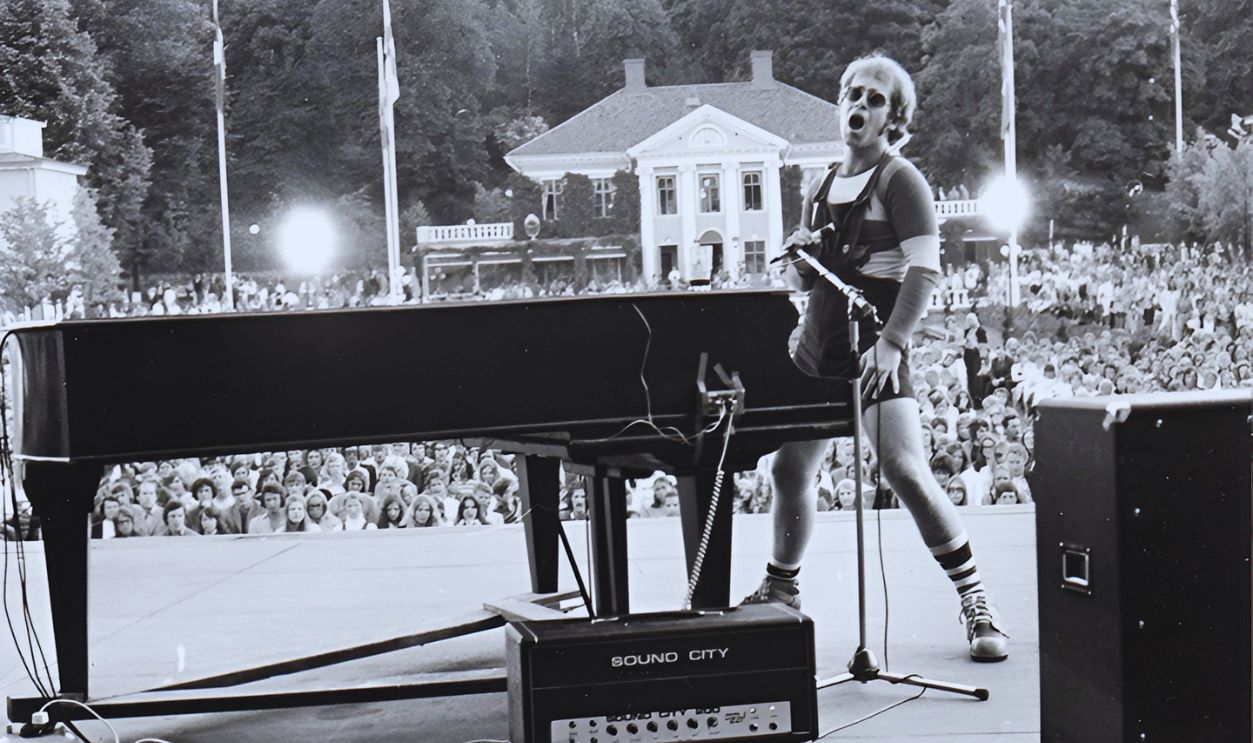
Elton John's 1975 hit "Island Girl" combined a cheerful Caribbean-influenced rhythm with a catchy melody. However, Bernie Taupin's lyrics describe a Jamaican woman working on the streets of New York City. The song contrasts her Caribbean background with her difficult circumstances in Manhattan, yet it still spent three weeks at number one.
Telephone Man
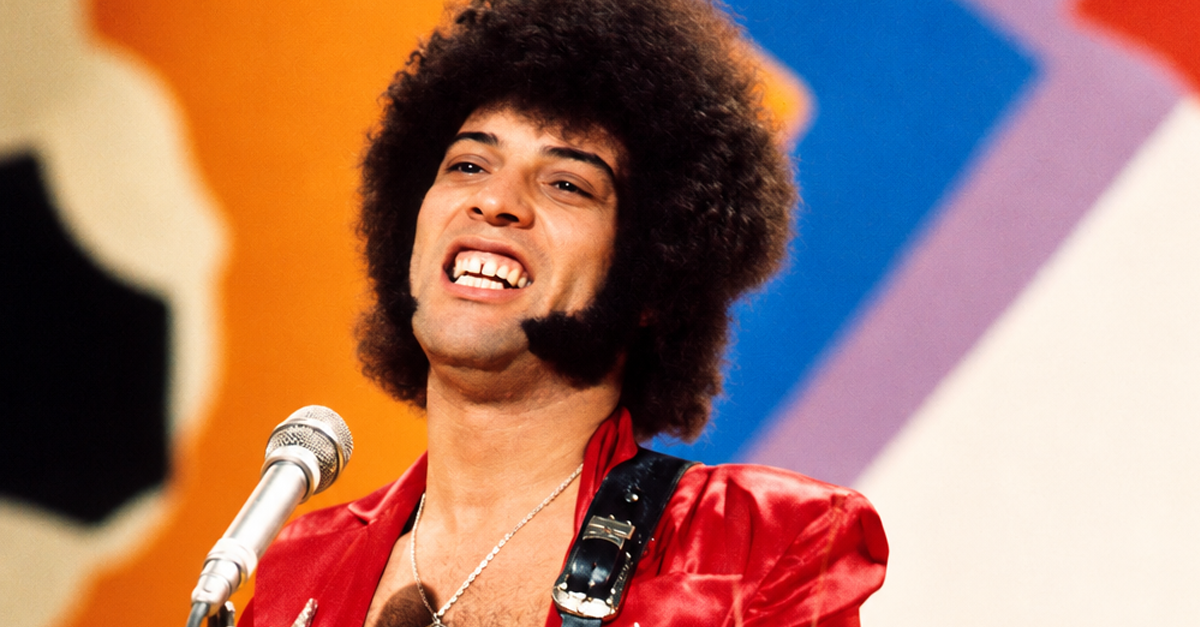
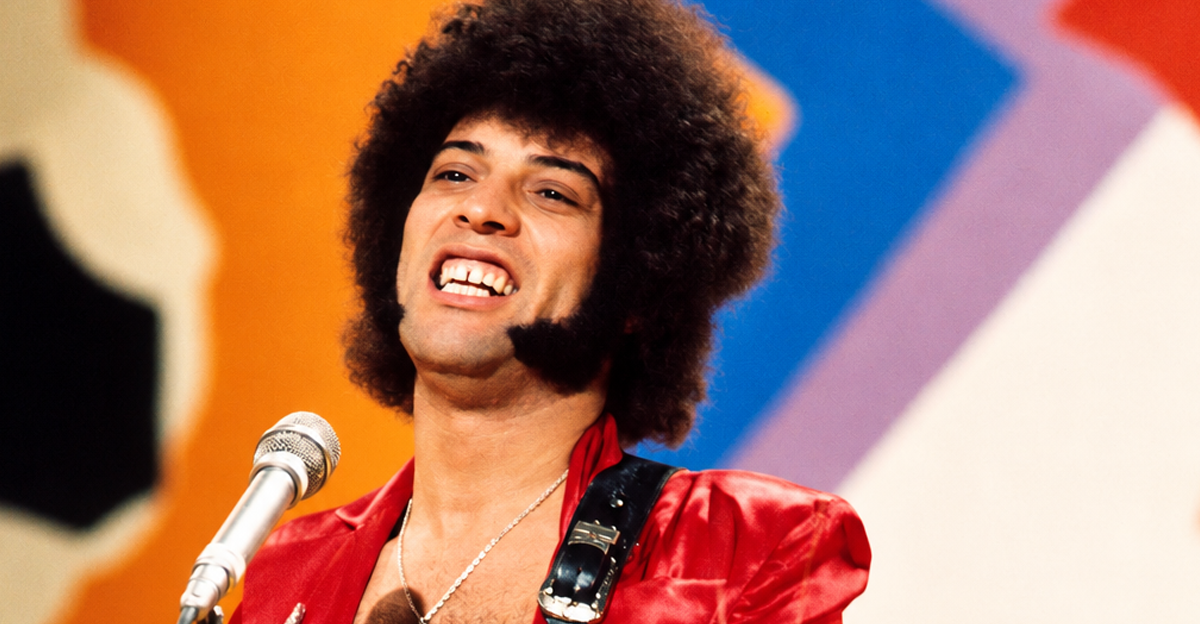
Meri Wilson's 1977 novelty hit "Telephone Man" sounded like a silly story about a technician installing a telephone. But the lyrics are packed with suggestive references to where the equipment should go and what happens during the visit. Wilson's giggling delivery made the double meanings even more obvious once listeners caught on.
 Screenshot from Meri Wilson - Telephone Man Music Video, Sony Music Entertainment (1977)
In The Summertime
Mungo Jerry's "In the Summertime" became one of 1970's most recognizable feel-good hits. Its bouncing rhythm celebrates sunshine, parties, and carefree summer adventures. However, the lyrics also suggest treating women differently depending on their fathers' wealth, alongside an alarmingly casual attitude toward drinking and driving.
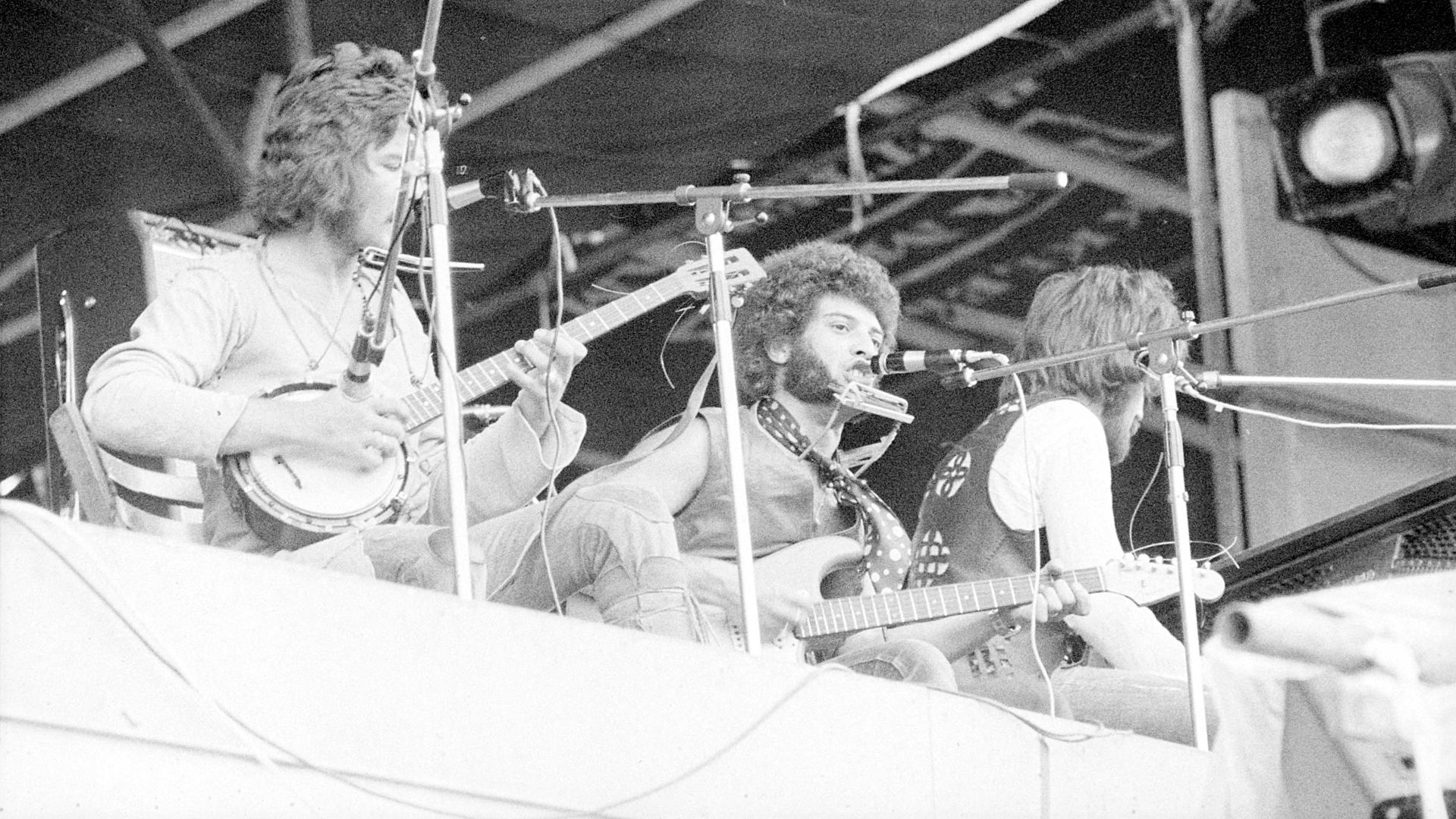 Fotopersbureau De Boer, Wikimedia Commons
Paradise By The Dashboard Light
Meat Loaf's 1977 epic "Paradise by the Dashboard Light" sounds like an over-the-top celebration of young romance. But its famous baseball commentary, delivered by broadcaster Phil Rizzuto, is actually an elaborate metaphor for a couple's intimate encounter. The story takes another turn when the young man makes a lifelong promise he eventually regrets.
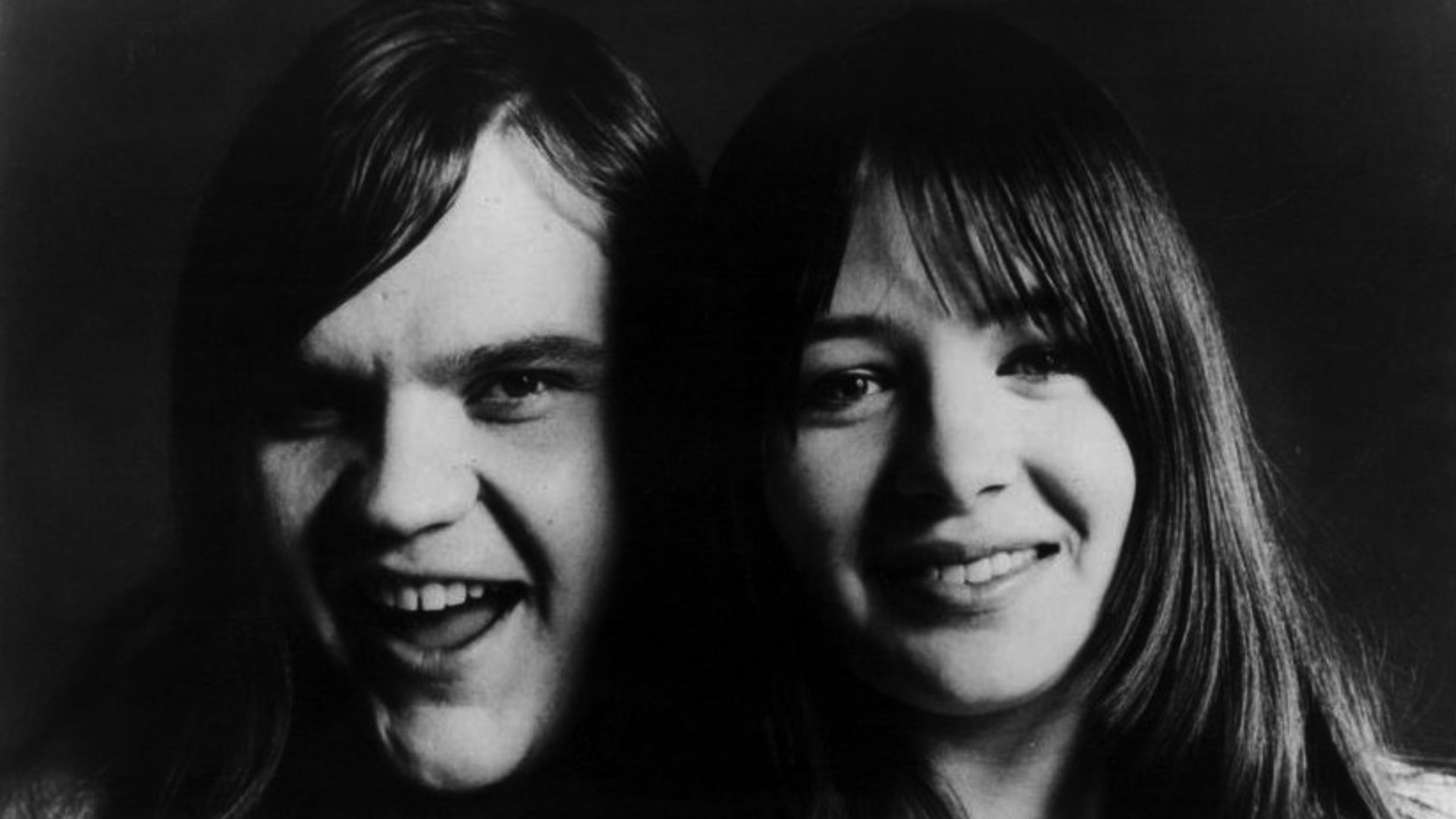 Ronden Talent Management, Wikimedia Commons
Night Moves
Bob Seger's 1976 classic "Night Moves" evokes memories of warm summer evenings and teenage freedom. Yet the title partly refers to the intimate encounters Seger remembers from his younger years. Inspired by a real relationship, the nostalgic song describes two teenagers exploring romance while trying to understand their changing lives.
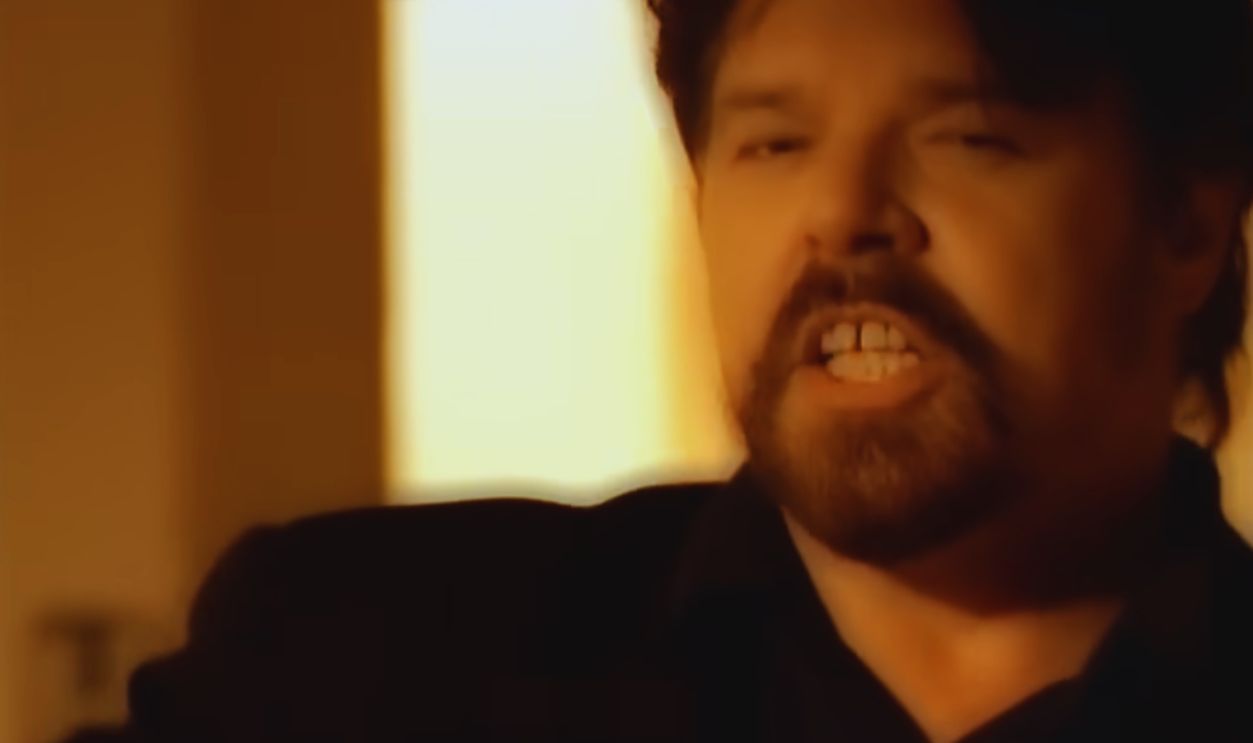 Screenshot from Night Moves, Capitol Records (1976)
My Ding-A-Ling
Chuck Berry's 1972 hit "My Ding-a-Ling" sounded like a harmless novelty song about a child's treasured possession. But the playful lyrics repeatedly turn that innocent object into a suggestive joke, with Berry encouraging audiences to sing along. Remarkably, the recording became the rock pioneer’s only number-one hit on the Billboard Hot 100.
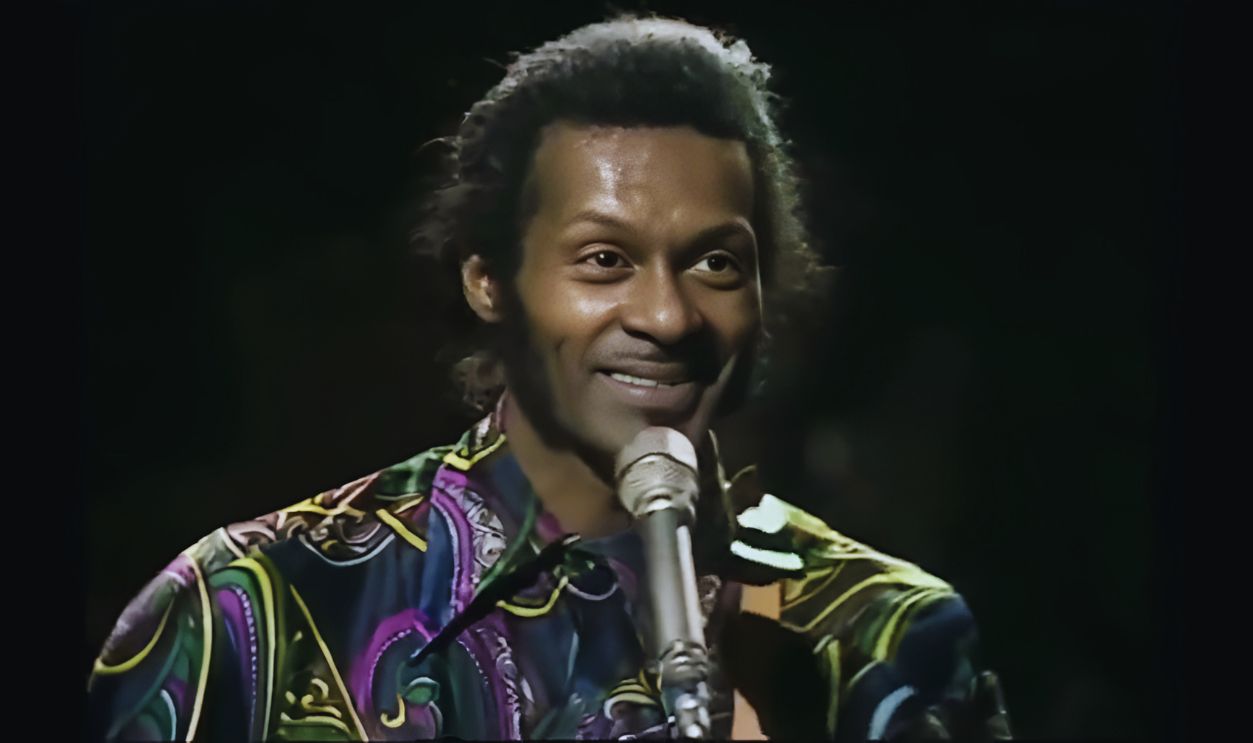 Screenshot from Chuck Berry - My Ding-A-Ling Performance, Universal Music Group (1972)
Maggie May
Rod Stewart's 1971 hit "Maggie May" sounds like a bittersweet story about a young man falling for an older woman. Stewart later explained that he drew inspiration from his first intimate experience, which happened when he was a teenager. The lyrics capture his fascination and regret, turning a deeply personal memory into a breakthrough hit.
 Distributed by Warner Bros. Records, Wikimedia Commons
The Joker
Steve Miller Band's 1973 hit "The Joker" became famous for its laid-back rhythm and unusual vocabulary. But behind the playful word choices are suggestive references to romantic activities, alongside a slang term commonly associated with marijuana. Miller also borrowed flirtatious phrasing from the Clovers' 1950s R&B song "Lovey Dovey."
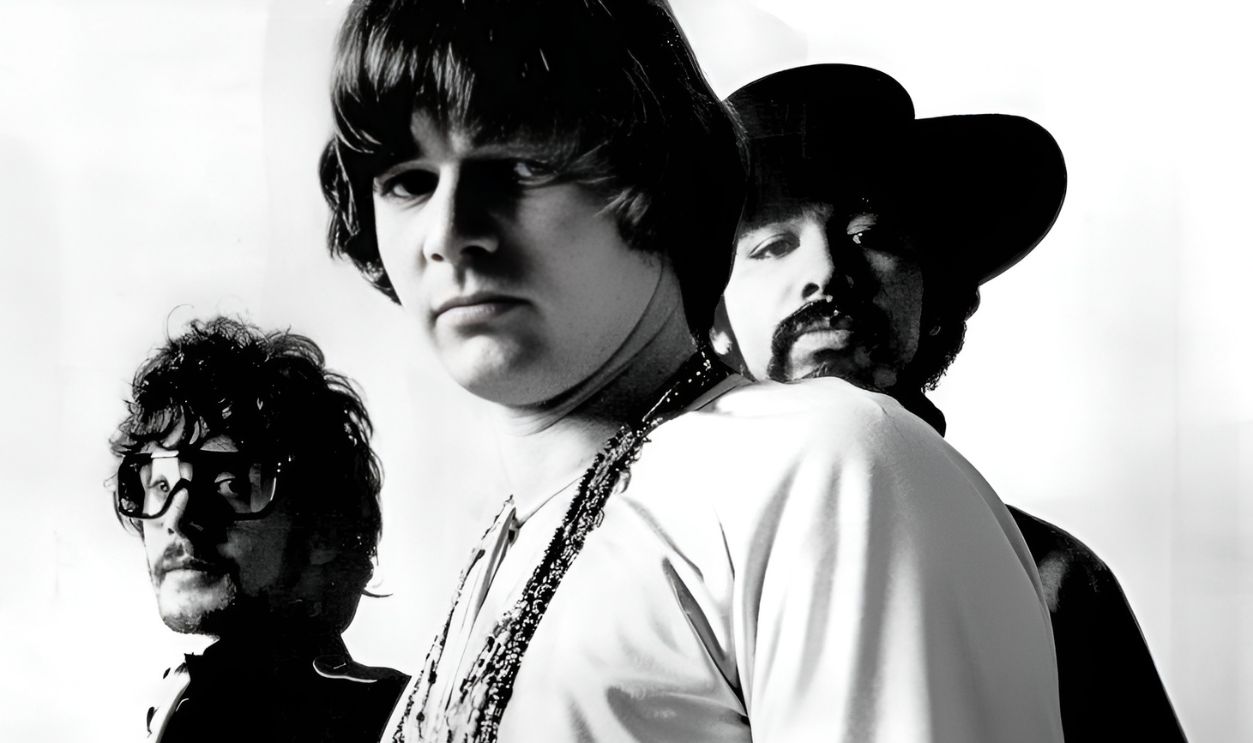 Capitol Records, Wikimedia Commons
Short People
Randy Newman's 1977 hit "Short People" sounded like a ridiculously catchy tune about disliking people of a certain height. Its lyrics list increasingly absurd reasons for treating shorter people badly, prompting some listeners to take offense. But Newman was actually satirizing prejudice itself, using an exaggerated narrator to expose the absurdity of discrimination.
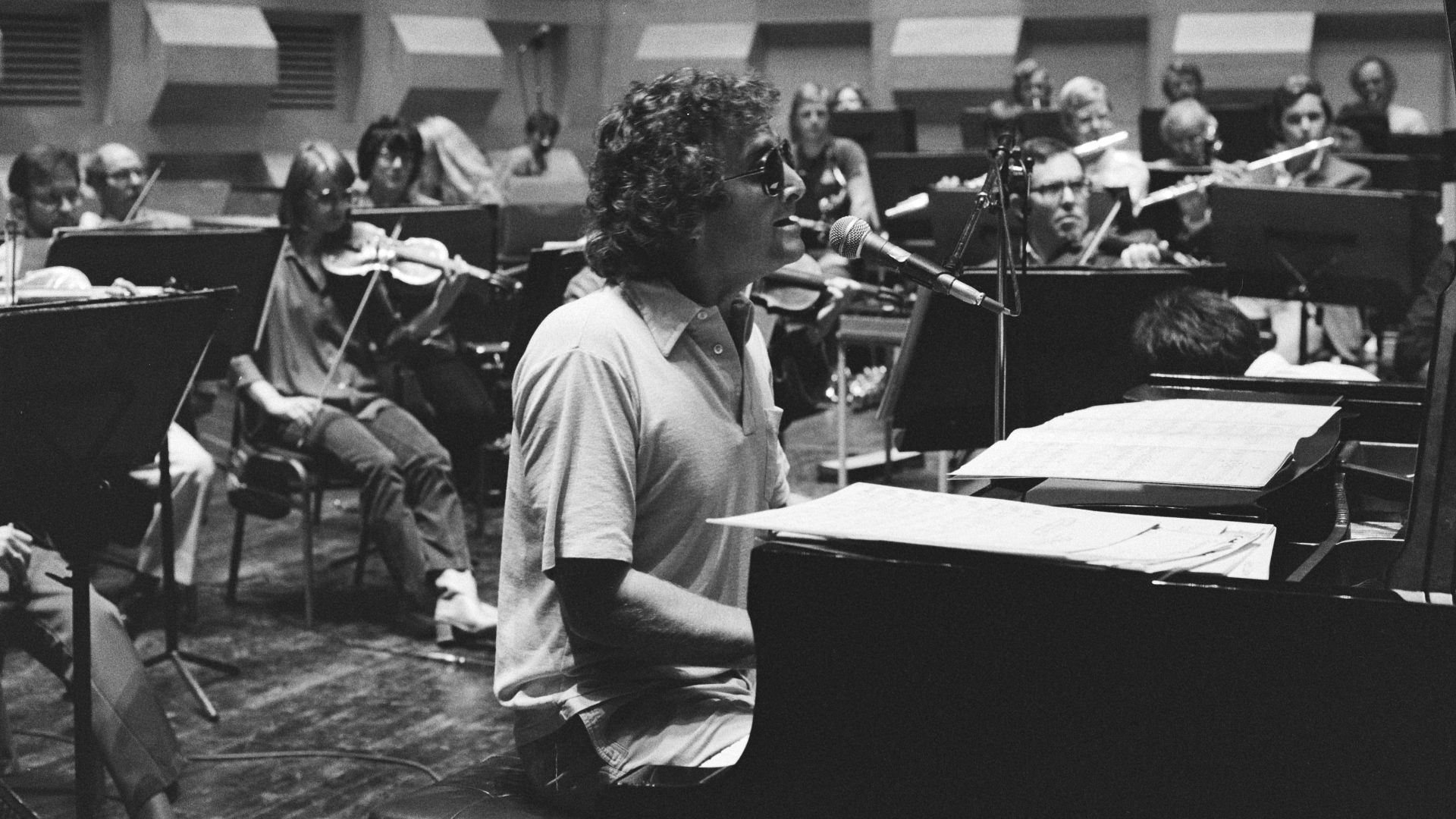 Hans van Dijk for Anefo, Wikimedia Commons
Sweet Emotion
Aerosmith's 1975 hit "Sweet Emotion" has a title that sounds perfectly suited to a romantic ballad. Instead, its lyrics reflect personal tensions within the band, including Steven Tyler's strained relationship with guitarist Joe Perry's girlfriend, Elyssa. Behind the infectious bass line was a song shaped partly by jealousy and resentment.
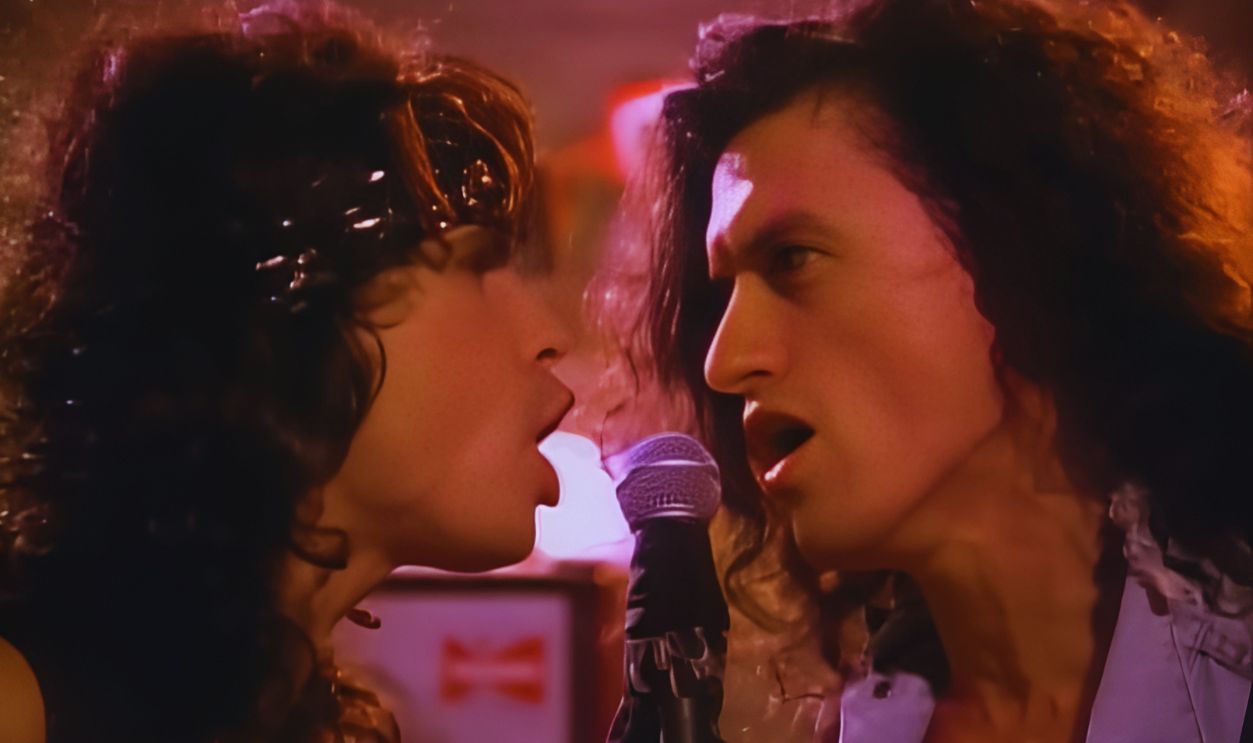 Screenshot from Aerosmith - Sweet Emotion, Sony Music Entertainment (1975)
Life In The Fast Lane
The Eagles released "Life in the Fast Lane" in 1976, pairing a memorable guitar riff with a story about an extravagant lifestyle. Glenn Frey got the title after a frighteningly fast ride with a drug dealer. The lyrics follow two people caught up in substance use, reckless behavior, and an increasingly destructive relationship.
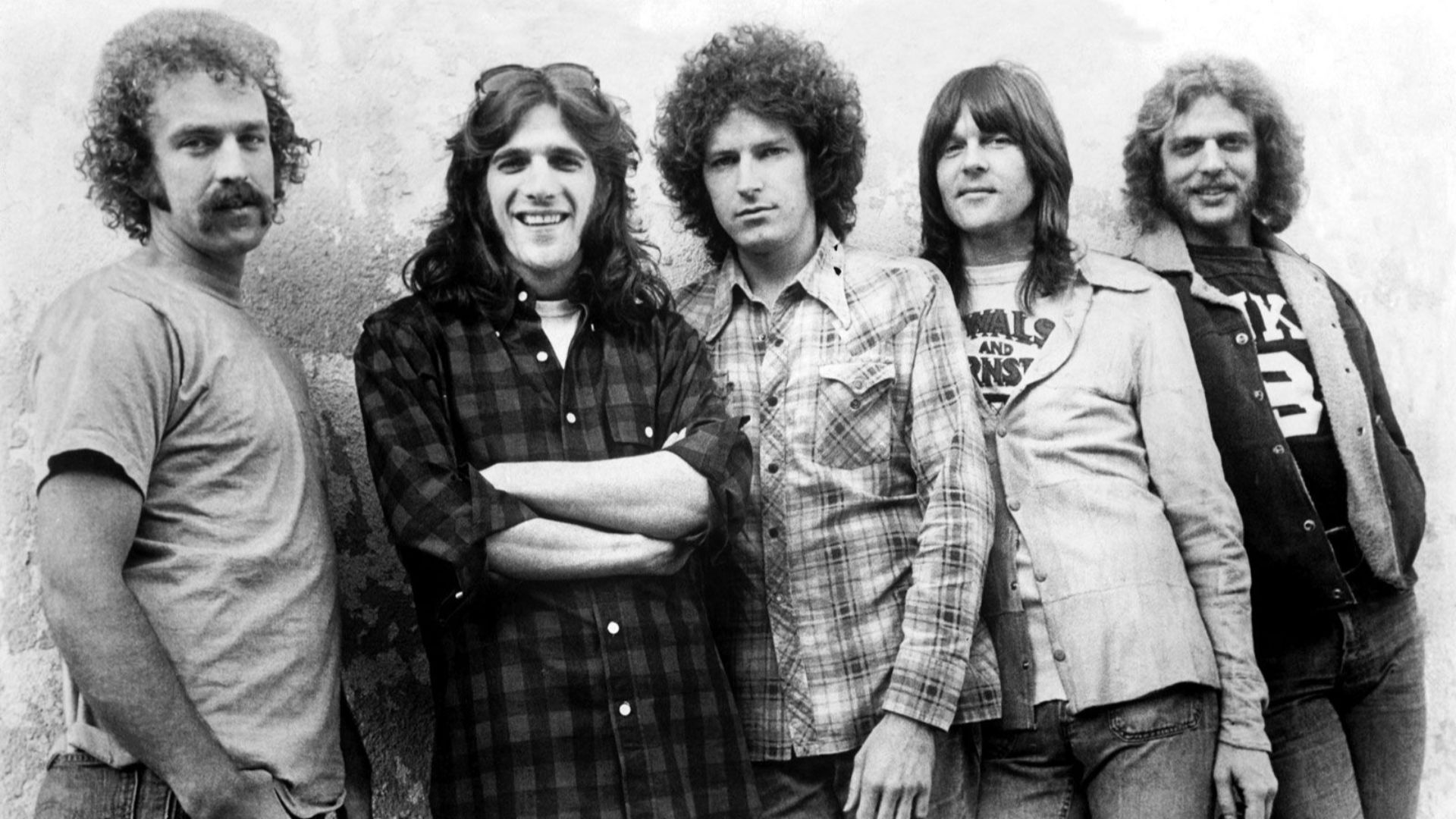 Distributed by Asylum Records, Wikimedia Commons
One Way Or Another
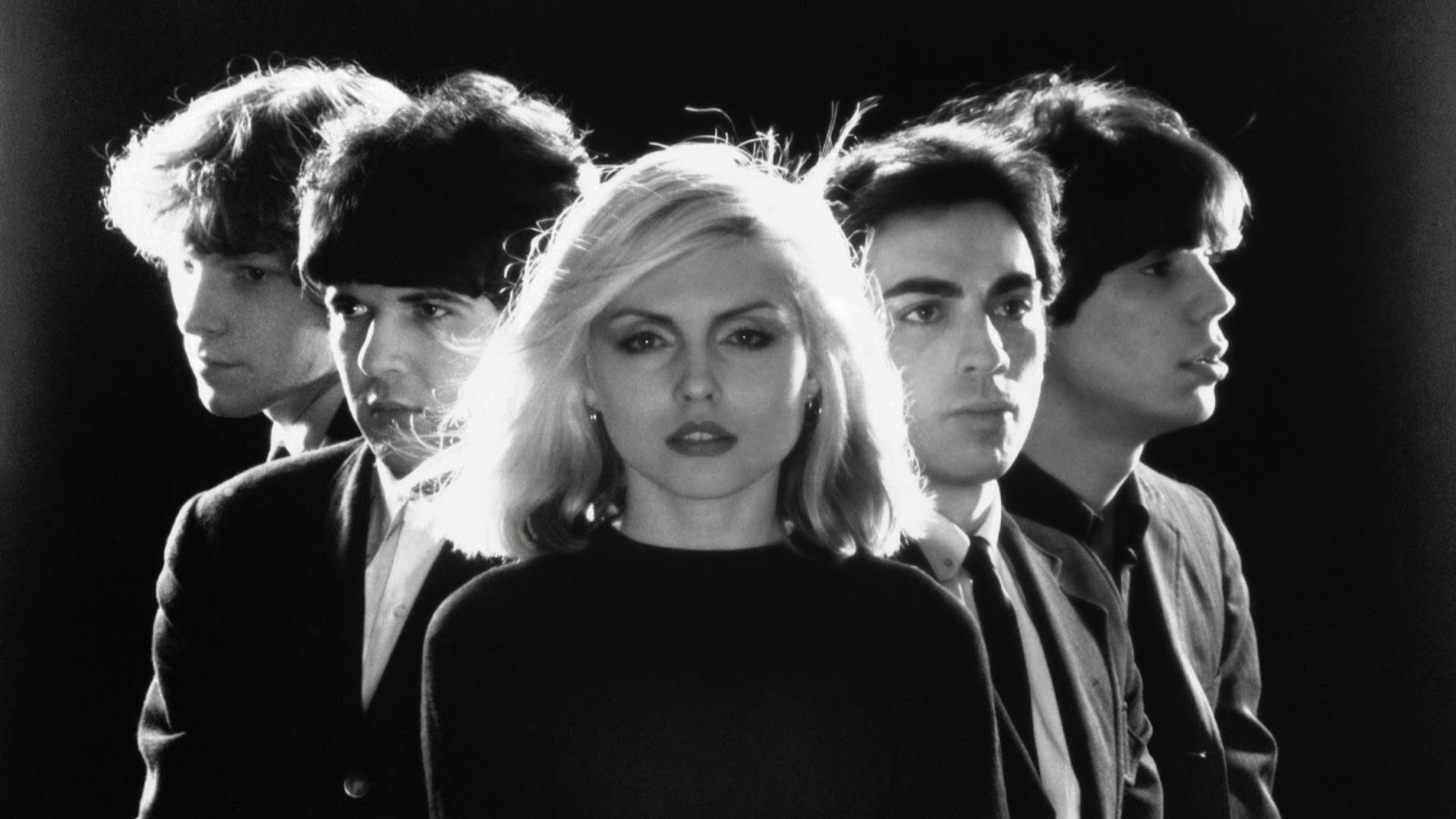
Blondie's 1978 song "One Way or Another" sounds like a playful declaration of romantic determination. However, Debbie Harry revealed that its lyrics were partly inspired by someone who had stalked her in New Jersey. The narrator's repeated promises to pursue another person become considerably more unsettling when heard in that context.
 Brian Cooke / Getty ImagesRoxanne
The Police released "Roxanne" in 1978, combining a reggae-influenced rhythm with Sting's distinctive vocals. He wrote the song after seeing women working on the streets near the band's hotel in Paris. Its narrator imagines falling in love with one of those women and urging her to leave that life behind.
 Distributed by A&M Records, Wikimedia Commons
Chevy Van
Sammy Johns' 1975 hit "Chevy Van" sounded like a relaxed, carefree song about driving across America. But the lyrics describe a man picking up a female hitchhiker, leading to a brief romantic encounter inside his vehicle. The woman eventually continues her journey, leaving the narrator with little more than a memory.
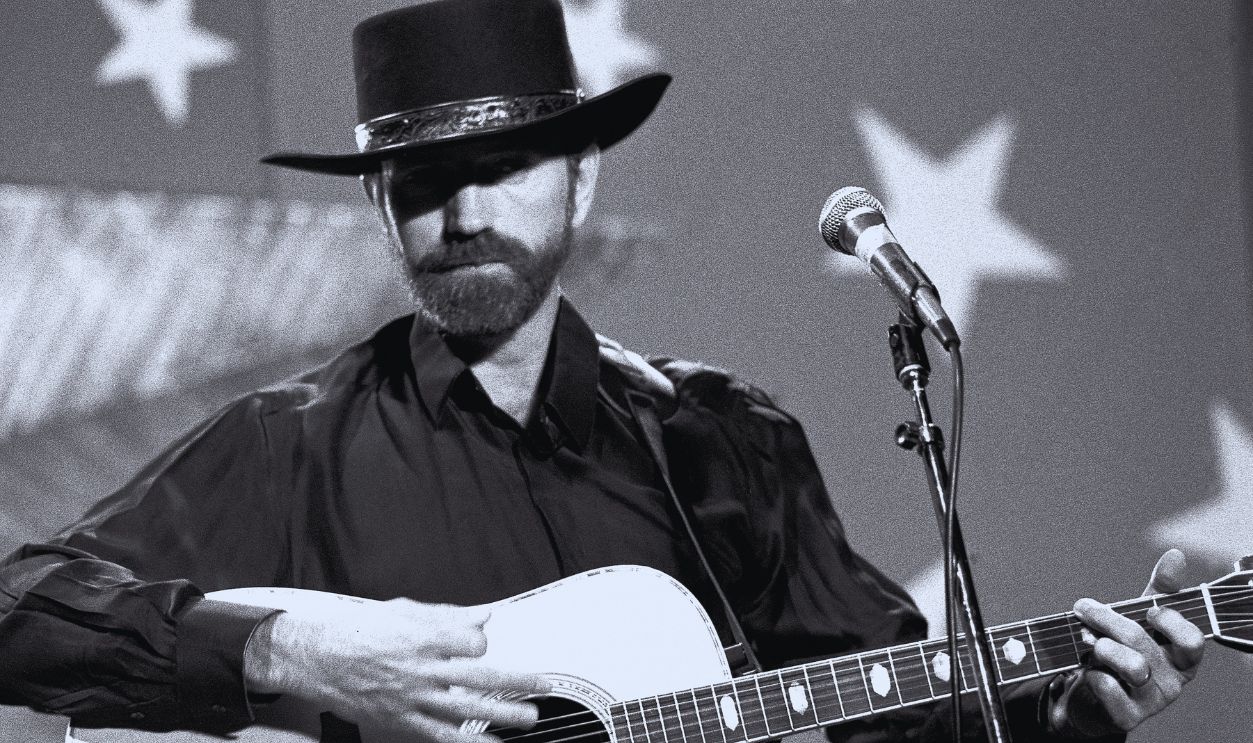
Escape (The Piña Colada Song)
Rupert Holmes released "Escape (The Piña Colada Song)" in 1979, creating one of the decade's breeziest singalong hits. Yet the lyrics begin with a man who's bored with his relationship and answers a personal advertisement seeking another woman. When they meet, he discovers the woman is his current partner, who has also been looking for someone new.
I Don't Like Mondays
The Boomtown Rats released "I Don't Like Mondays" in 1979, pairing a catchy piano melody with an apparently familiar complaint. But Bob Geldof wrote it after learning about an incident in San Diego, where a teenage girl had attacked an elementary school. Her explanation for the incident inspired the song's title, giving its seemingly ordinary chorus a chilling meaning.
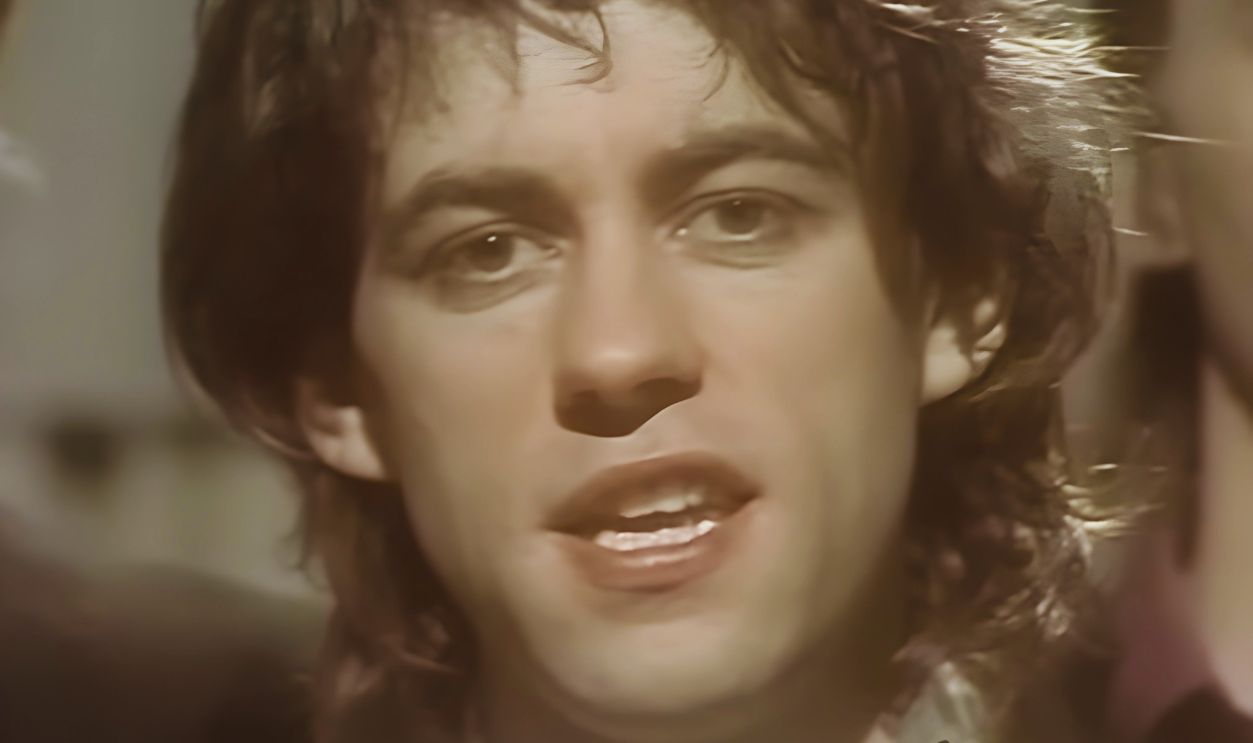 Screenshot from The Boomtown Rats - I Don't Like Mondays, Universal Music Group (1979)
I'm Not In Love
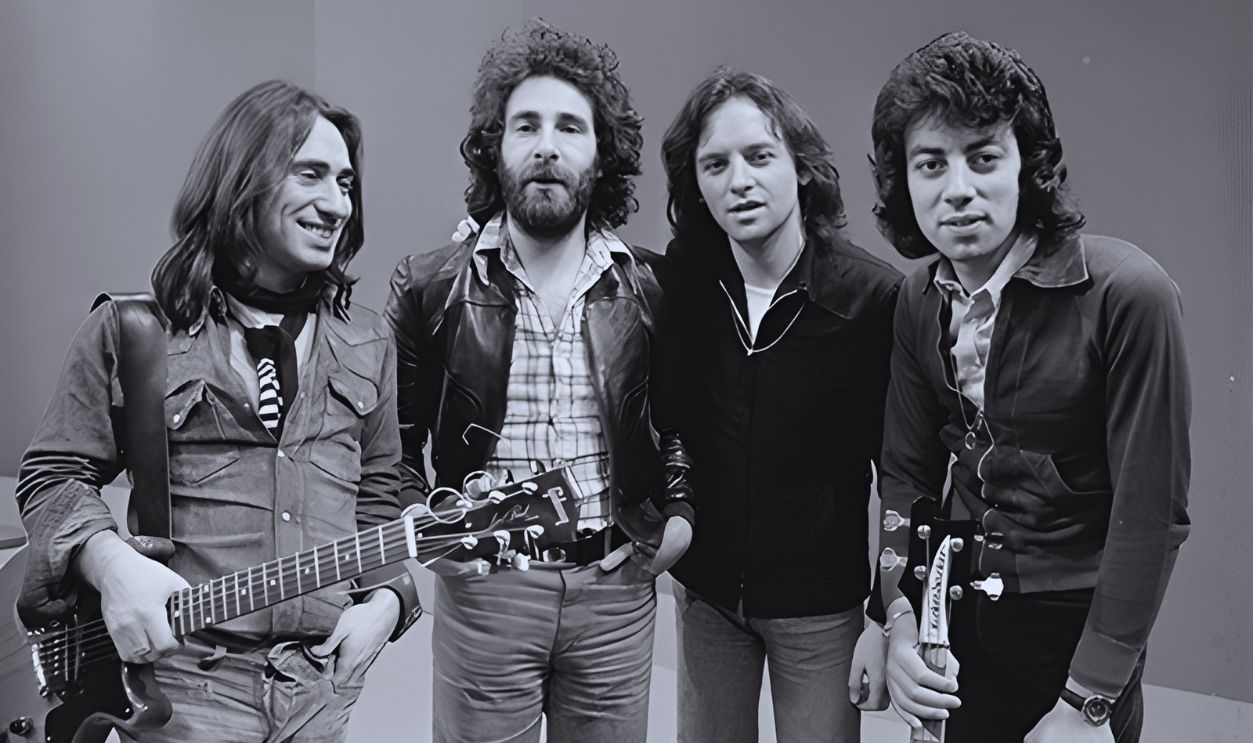
10cc's dreamy 1975 hit "I'm Not in Love" sounds like a man repeatedly denying his romantic feelings. But Eric Stewart wrote it after his wife complained that he wasn't telling her he loved her often enough. Instead of writing a conventional love song, he created one in which the narrator's desperate denials reveal just how deeply he cares.
The Lyrics Weren't Always What They Seemed
The 1970s produced some unforgettable rock hits, but their catchy melodies often disguised surprisingly adult themes. From suggestive double meanings to disturbing stories, plenty of songs had more going on than listeners first realized. And chances are, some parents never caught on to what their kids were singing along to.
 Private Stock Records, Wikimedia Commons
You May Also Like:
Forgotten Female Rock Singers From The 1980s Who Deserved Careers As Big As The Men
1970s Songs That Were More Famous Than The Musicians Who Sang Them.
Forgotten Soft-Rock Duos That Were Everywhere In The 1970s, Then Quietly Faded Away