The Real Faces Behind The Songs
These songs were too big to miss in the 70s, and many never really left the radio. But the stories behind them weren’t always nearly as famous as the records themselves.
 Silver Screen Collection, Getty Images
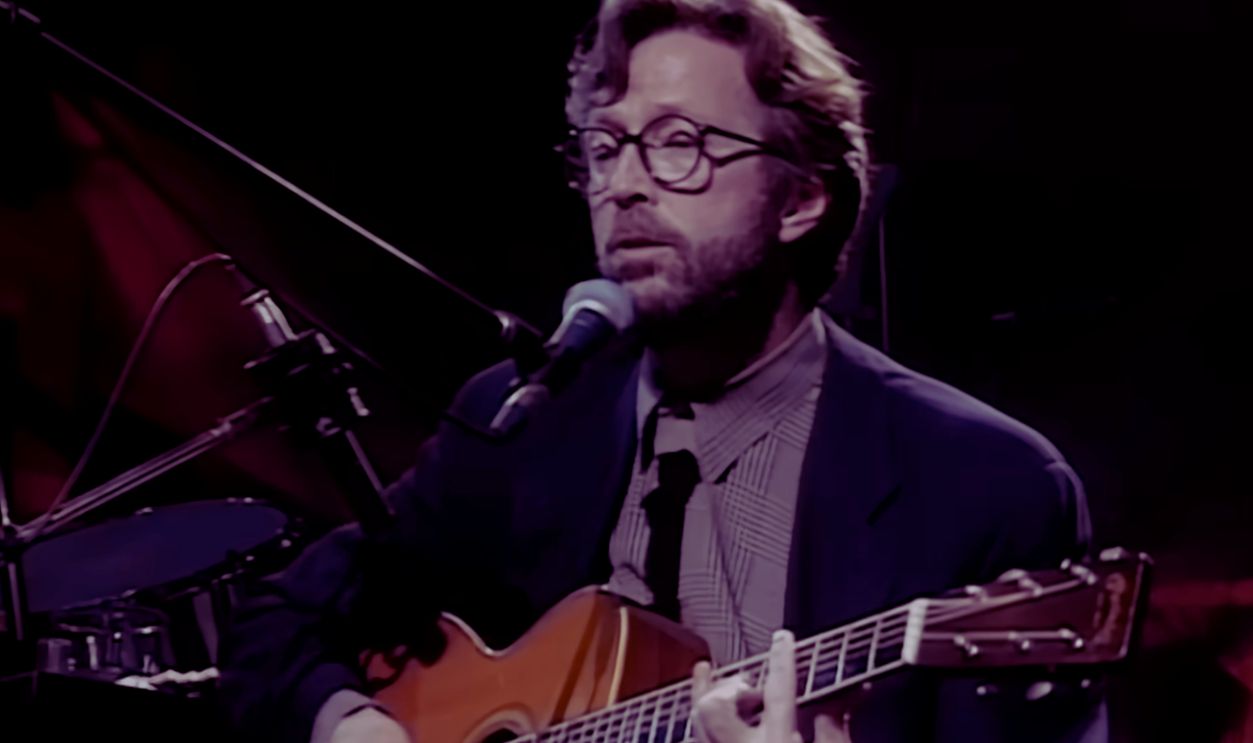
Derek And The Dominos - “Layla” (1970)
Eric Clapton's tormented love song wasn't addressed to someone named Layla. He was hopelessly in love with Pattie Boyd, who was married to his close friend George Harrison. Clapton borrowed the title from the Persian tale of Layla and Majnun, about an impossible love that drives a man nearly mad. Boyd inspired several Clapton songs, but “Layla” captured the desperation of wanting someone he couldn't have more dramatically than any of them.
 Screenshot from Layla, Polydor Records (1970)
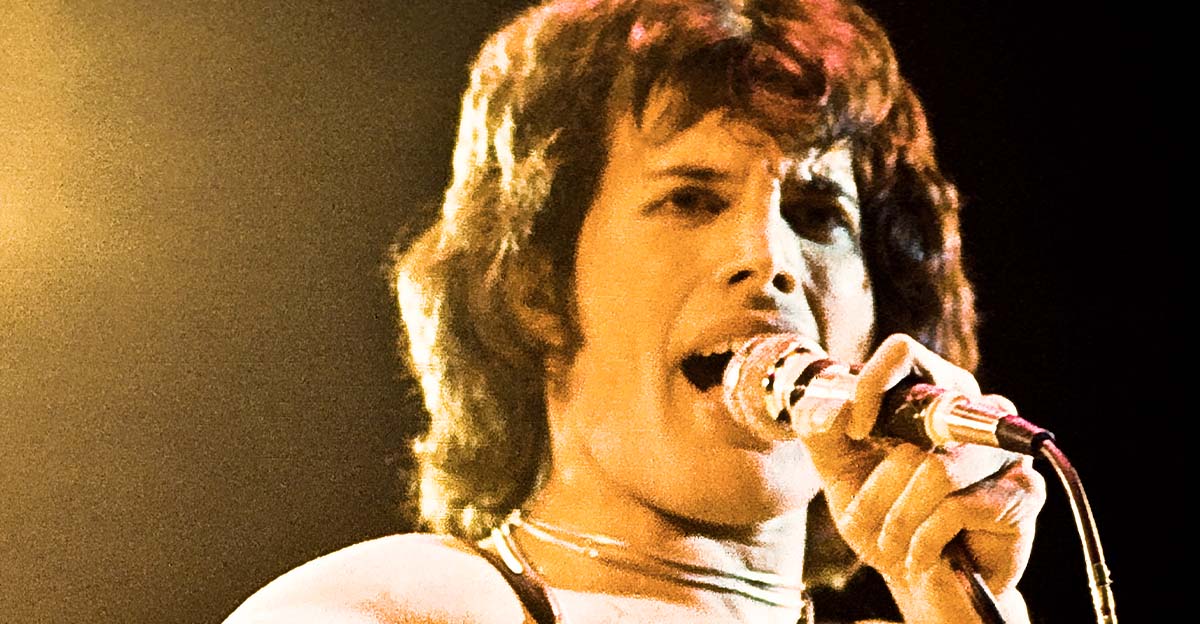
Queen - “Death On Two Legs” (1975)
Freddie Mercury's venomous opening track on A Night at the Opera was aimed at Queen's former manager Norman Sheffield. The band had split acrimoniously from Sheffield and the Trident organization after becoming increasingly unhappy with its financial situation. Mercury never names him in the lyric, but the insults are so specific and furious that their target wasn't difficult for insiders to recognize. Sheffield later disputed Queen's version of events, keeping the feud alive long afterward.
Pink Floyd - “Shine On You Crazy Diamond” (1975)
Pink Floyd never needed to say Syd Barrett's name. Roger Waters' lyrics and David Gilmour's mournful guitar turned “Shine On You Crazy Diamond” into a sprawling tribute to the band's former leader, whose deteriorating mental health had pushed him out years earlier. Then the story became almost unnervingly literal: Barrett unexpectedly appeared at Abbey Road while Pink Floyd were working on the album, looking so different that several former bandmates initially didn't recognize him.
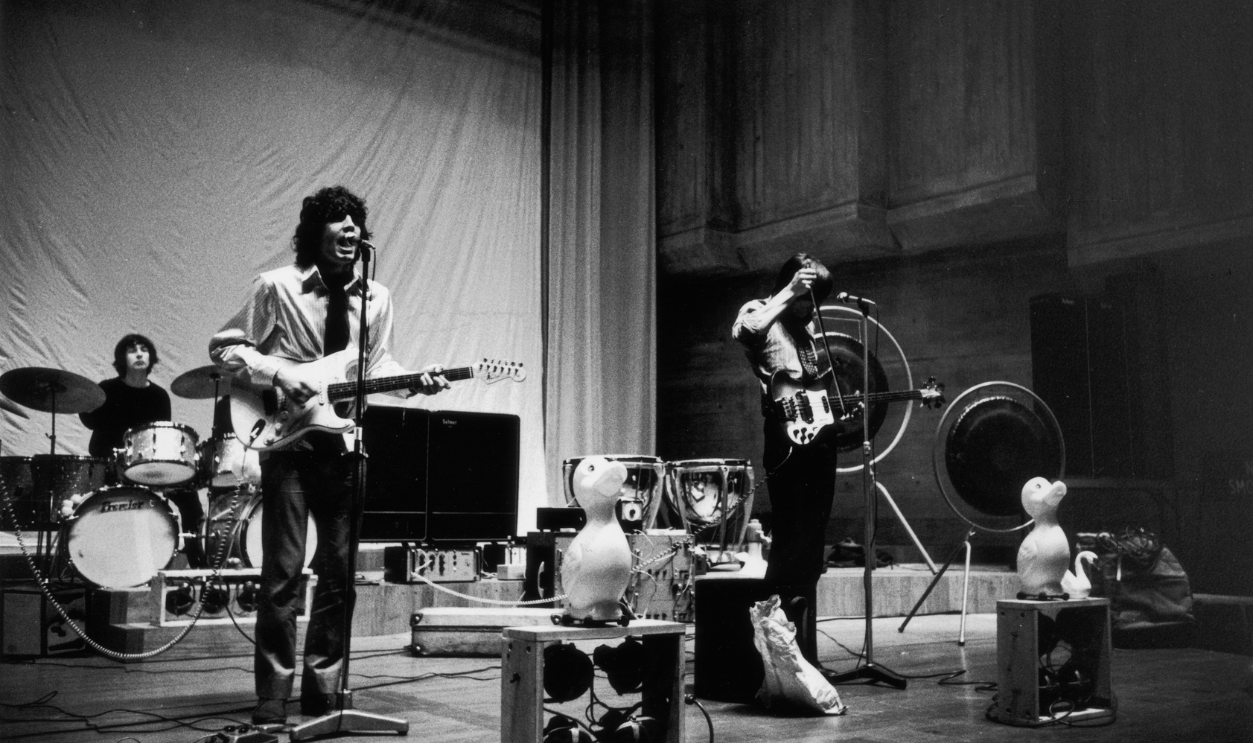
The Rolling Stones - “Sweet Black Angel” (1972)
“Sweet Black Angel” sounds cryptic until its subject is identified. Mick Jagger was writing about activist Angela Davis, who was imprisoned and awaiting trial in connection with a deadly California courtroom incident. Davis was ultimately acquitted. The Stones never use her name, instead calling for the release of the woman at the center of the song. That made the track one of the band's relatively unusual ventures into direct contemporary political commentary.
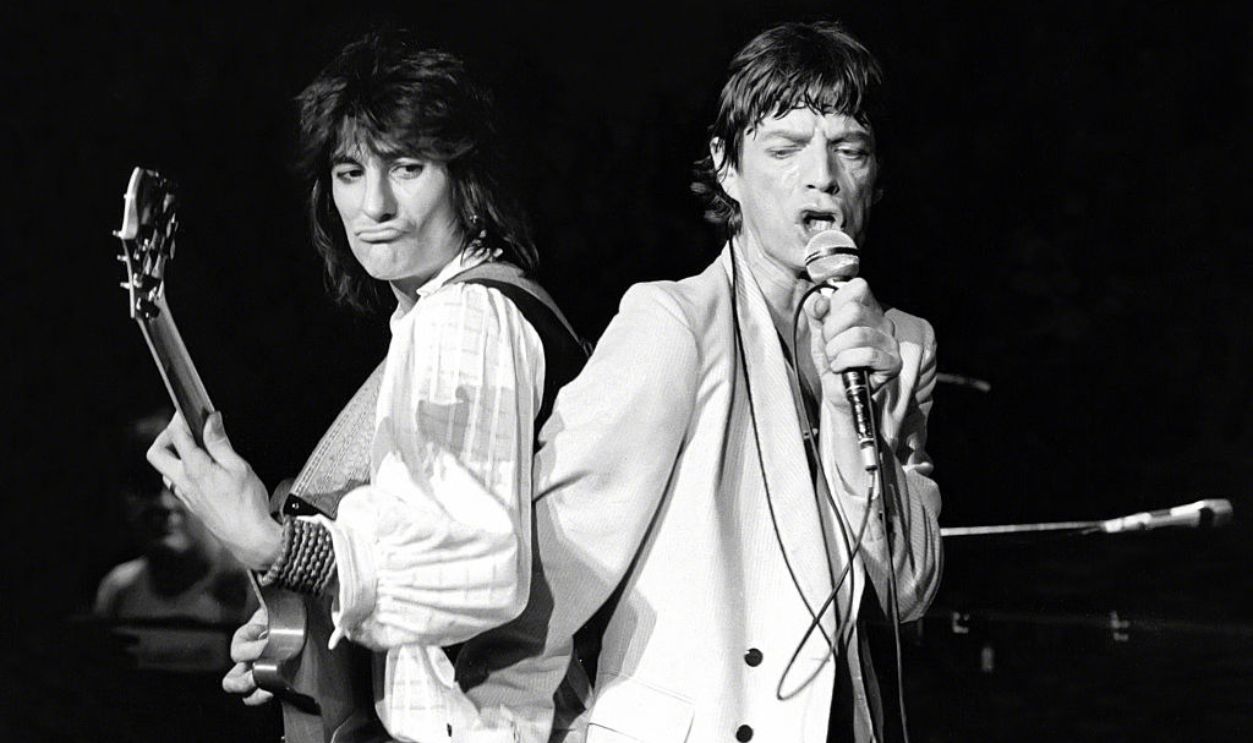
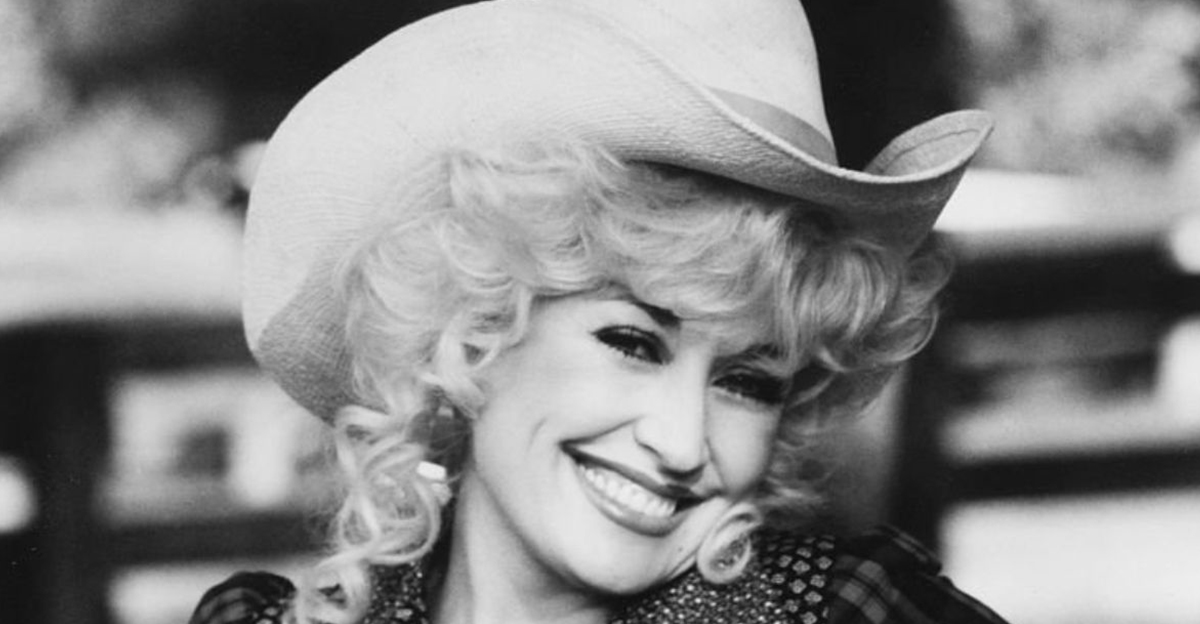
Dolly Parton - “I Will Always Love You” (1974)
It became one of the world's great romantic ballads, but Dolly Parton wasn't saying goodbye to a lover. She wrote “I Will Always Love You” for Porter Wagoner when she decided to leave their successful television and musical partnership. Their professional separation had become tense, and Parton found it easier to explain her feelings through a song. Wagoner reportedly cried when he heard it. Decades later, Whitney Houston's version made its original meaning even easier to overlook.
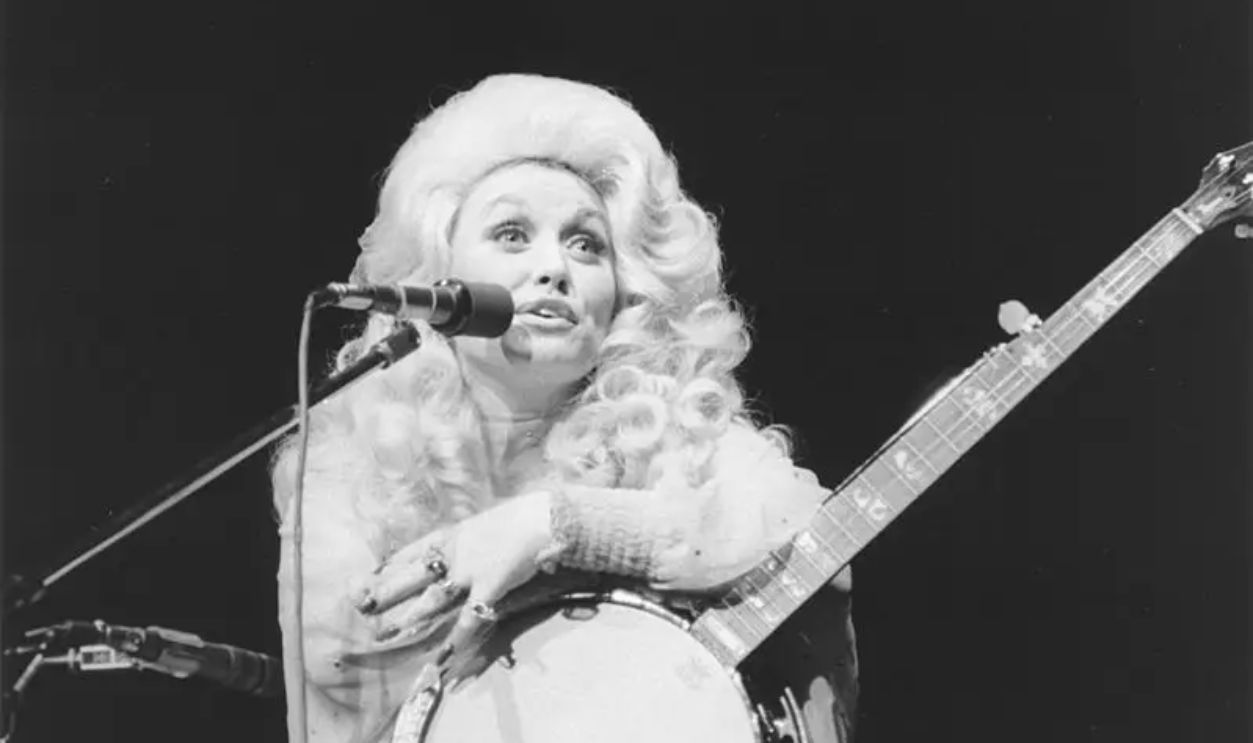
Elton John - “Candle In The Wind” (1973)
Bernie Taupin made the subject easier to identify by addressing Marilyn Monroe through her birth name, Norma Jeane. Still, “Candle in the Wind” wasn't intended as a biography of Monroe so much as a meditation on fame consuming people before their time. Taupin later explained that Monroe could almost have been replaced by another prematurely lost celebrity. Her life simply became the lens through which he examined the destructive machinery surrounding fame.

Fleetwood Mac - “Go Your Own Way” (1977)
Nobody had to travel far to find the person behind “Go Your Own Way.” Lindsey Buckingham was writing about Stevie Nicks, his former romantic partner and current Fleetwood Mac bandmate. Nicks particularly resented the accusation that she was “shacking up” with someone else, but Buckingham kept it in. The awkward part was unavoidable: she then had to sing harmonies on his angry breakup song and perform it beside him as Rumours became a global phenomenon.
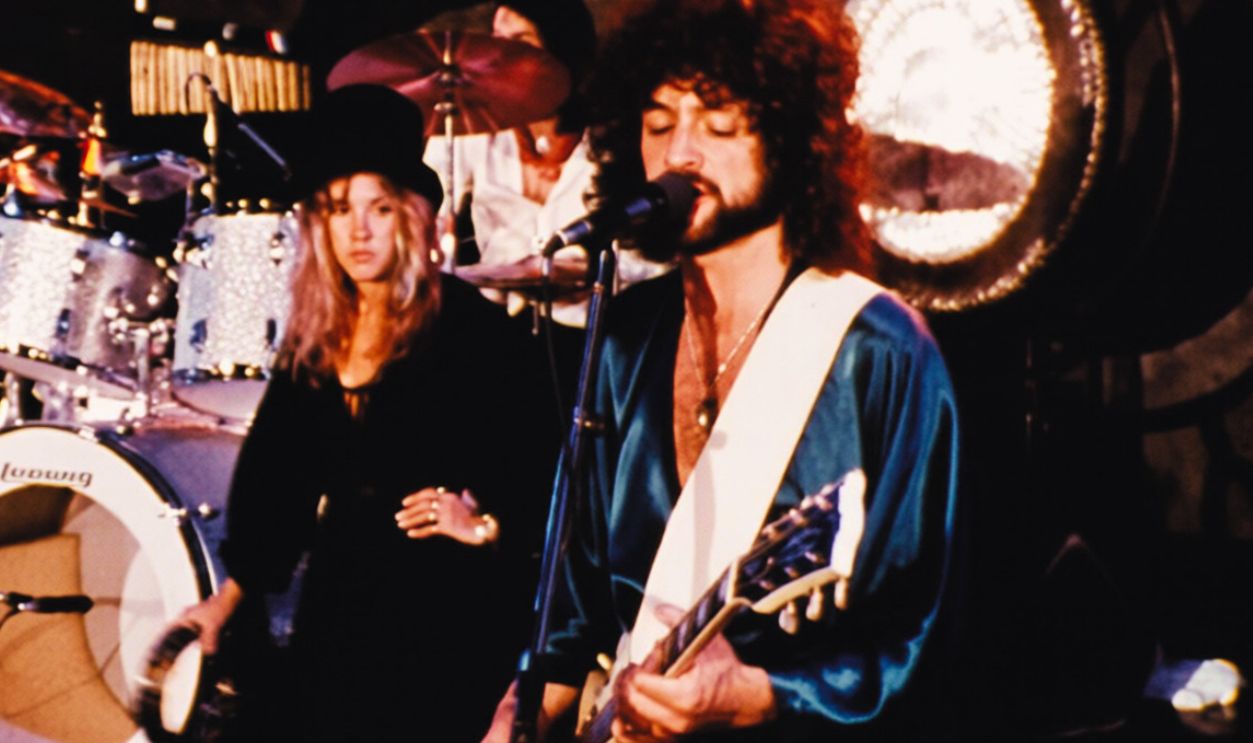 Screenshot from Go Your Own Way, Warner Bros. Records (1977), Enhanced
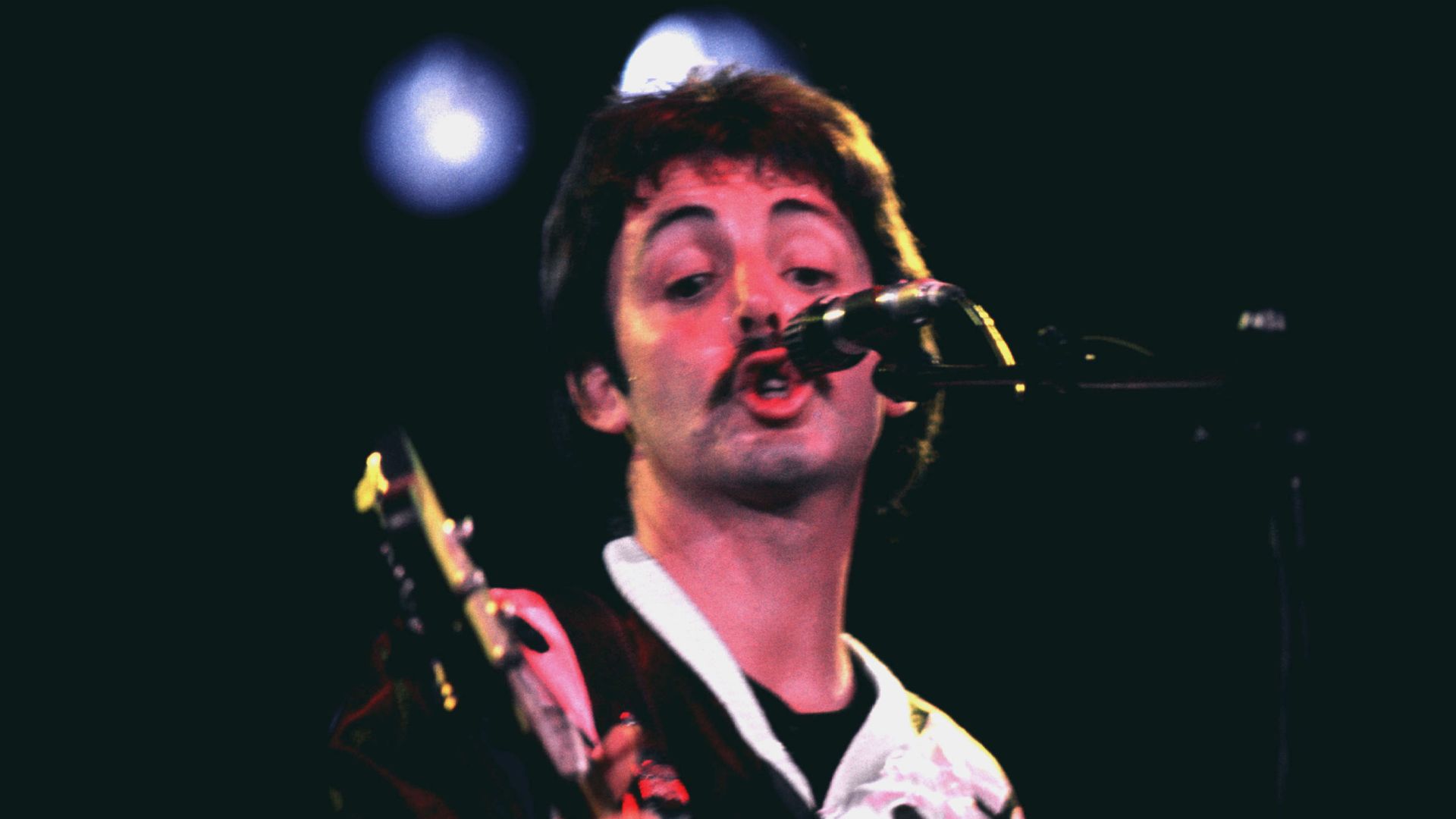
Paul McCartney - “Maybe I'm Amazed” (1970)
Paul McCartney's first solo album arrived while the Beatles were falling apart, and Linda McCartney was one of the people helping him through the emotional fallout. “Maybe I'm Amazed” grew directly from that period. McCartney has described Linda as someone who helped pull him through a moment when he wanted to escape what the Beatles had become. The result was less a generic declaration of love than a thank-you to the person standing beside him during a personal crisis.
 Gorupdebesanez, Wikimedia Commons
Eric Clapton - “Wonderful Tonight” (1977)
By the time Clapton wrote “Wonderful Tonight,” his relationship with Pattie Boyd was no longer merely an impossible fantasy. Boyd recalled that the song emerged while she was getting dressed for an evening out and repeatedly asking Clapton how she looked. Rather than simply becoming annoyed by the delay, he turned the ordinary scene into one of his most enduring ballads. Its romantic grandeur came from a surprisingly mundane moment between two people at home.
 Screenshot from Wonderful Tonight, RSO Records (1977)
Stevie Wonder - “Isn't She Lovely” (1976)
The “she” in Stevie Wonder's joyful song wasn't a romantic partner at all. “Isn't She Lovely” celebrated the birth of his daughter Aisha Morris, whose arrival is announced right in the opening lines. Wonder made the recording even more personal by incorporating sounds associated with Aisha as an infant. That context transforms what might sound like a general celebration of love into something much more specific: a new father overwhelmed by his daughter.
 Screenshot from Isn't She Lovely, Tamla Records (1976)
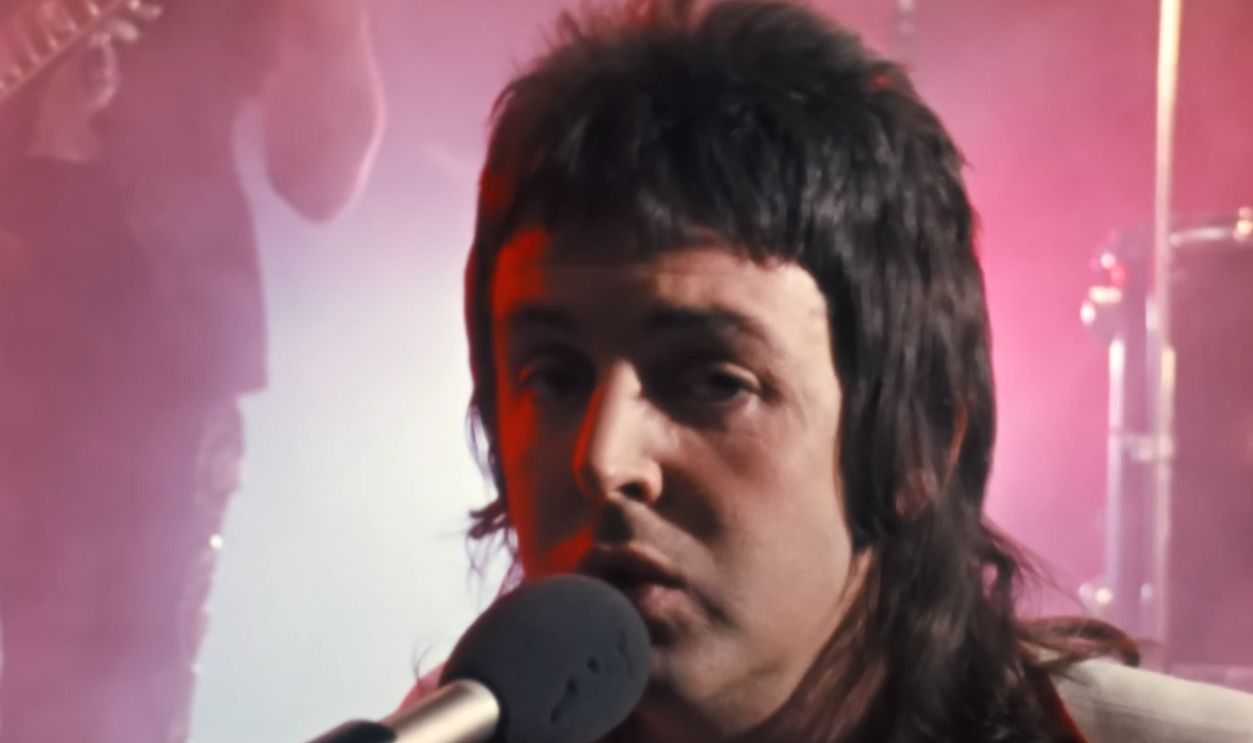
Wings - “My Love” (1973)
Linda McCartney inspired another enormous Paul McCartney love song with “My Love.” McCartney has been unusually straightforward about its meaning, describing it simply as a love song to Linda from the early years of their marriage. The polished Wings ballad became the group's first Number 1 single in the United States. To millions of listeners it worked as a universal romantic statement, but for McCartney the person behind every line was sitting in the band beside him.
 Screenshot from My Love, Apple Records (1973)
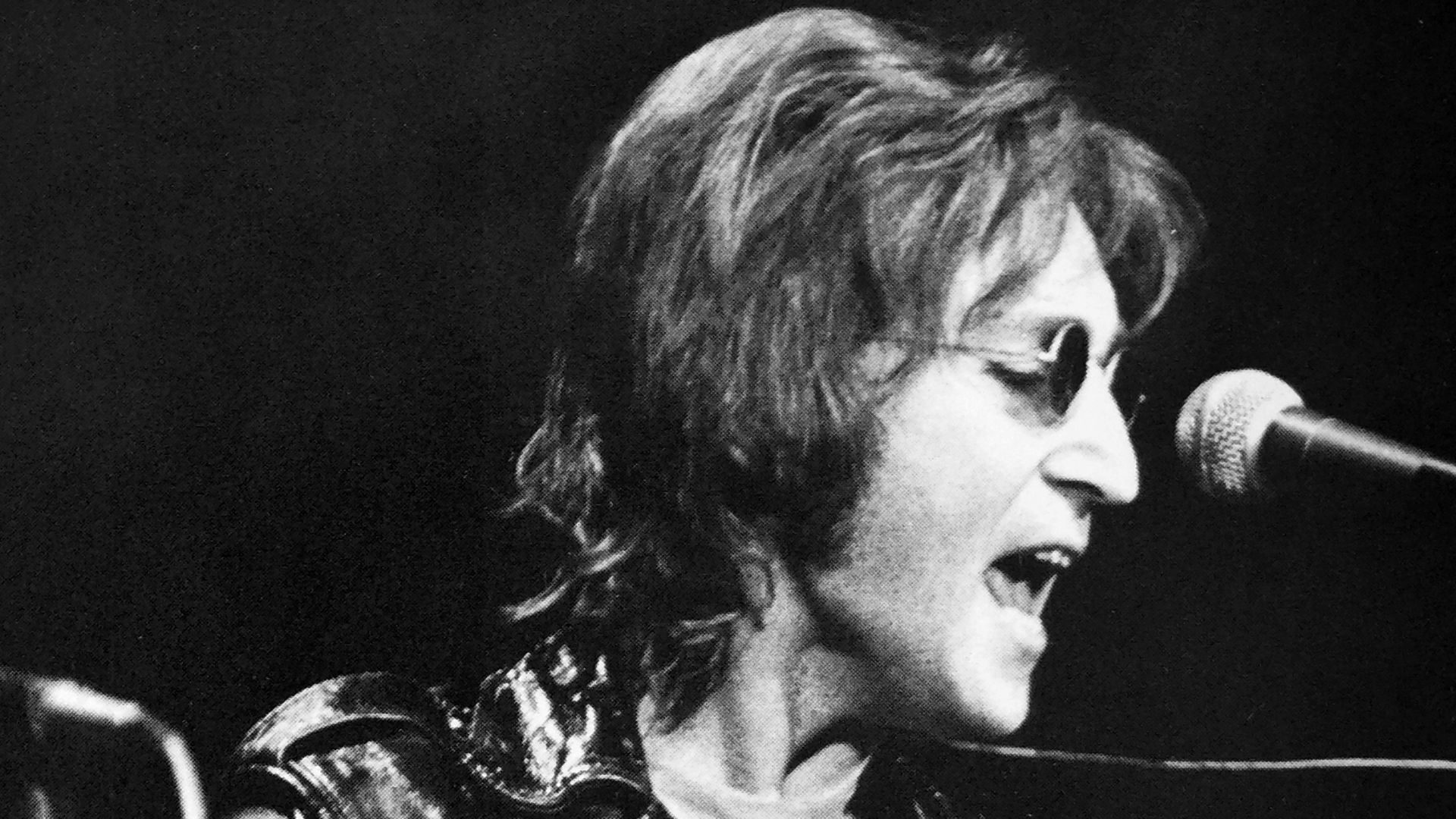
John Lennon - “How Do You Sleep?” (1971)
There wasn't much subtlety here once listeners understood the references. John Lennon wrote “How Do You Sleep?” amid his bitter post-Beatles conflict with Paul McCartney, filling it with jabs at McCartney's songs and career. Lennon later complicated the story by saying he was partly attacking himself and had used his resentment toward Paul as creative fuel. Whatever later reinterpretations followed, the original recording captured just how ugly relations between two former Beatles had temporarily become.
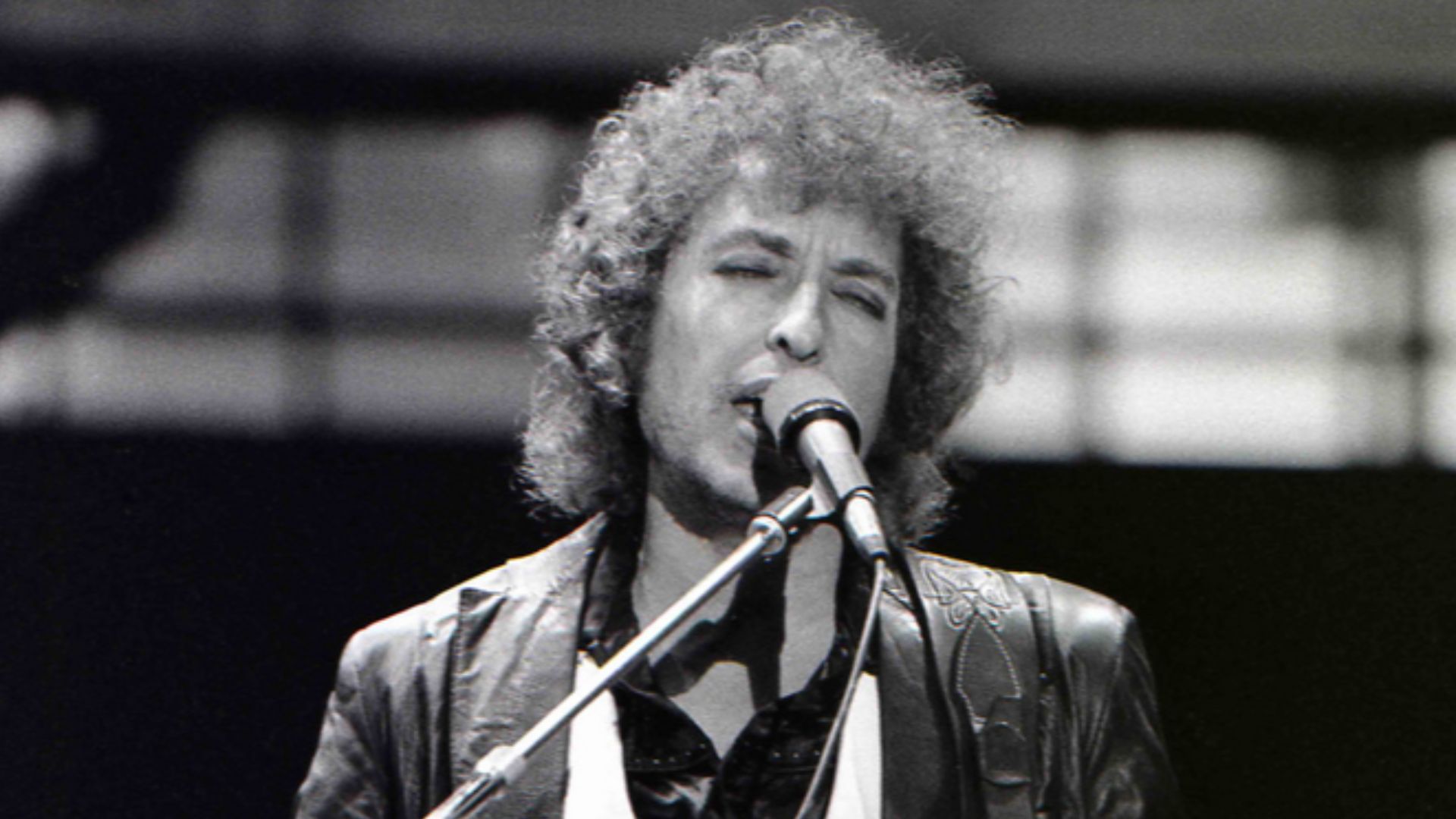
Bob Dylan - “Hurricane” (1975)
Bob Dylan turned the case of boxer Rubin “Hurricane” Carter into an eight-minute protest song. Carter had been convicted of taking a life in New Jersey and maintained his innocence, while supporters argued that racial bias and serious problems with the case had helped put him in lockup. Dylan visited Carter and became convinced of the injustice. “Hurricane” didn't disguise its subject, but countless listeners singing along with its chorus may never have known the case behind it.
 Chris Hakkens, Wikimedia Commons
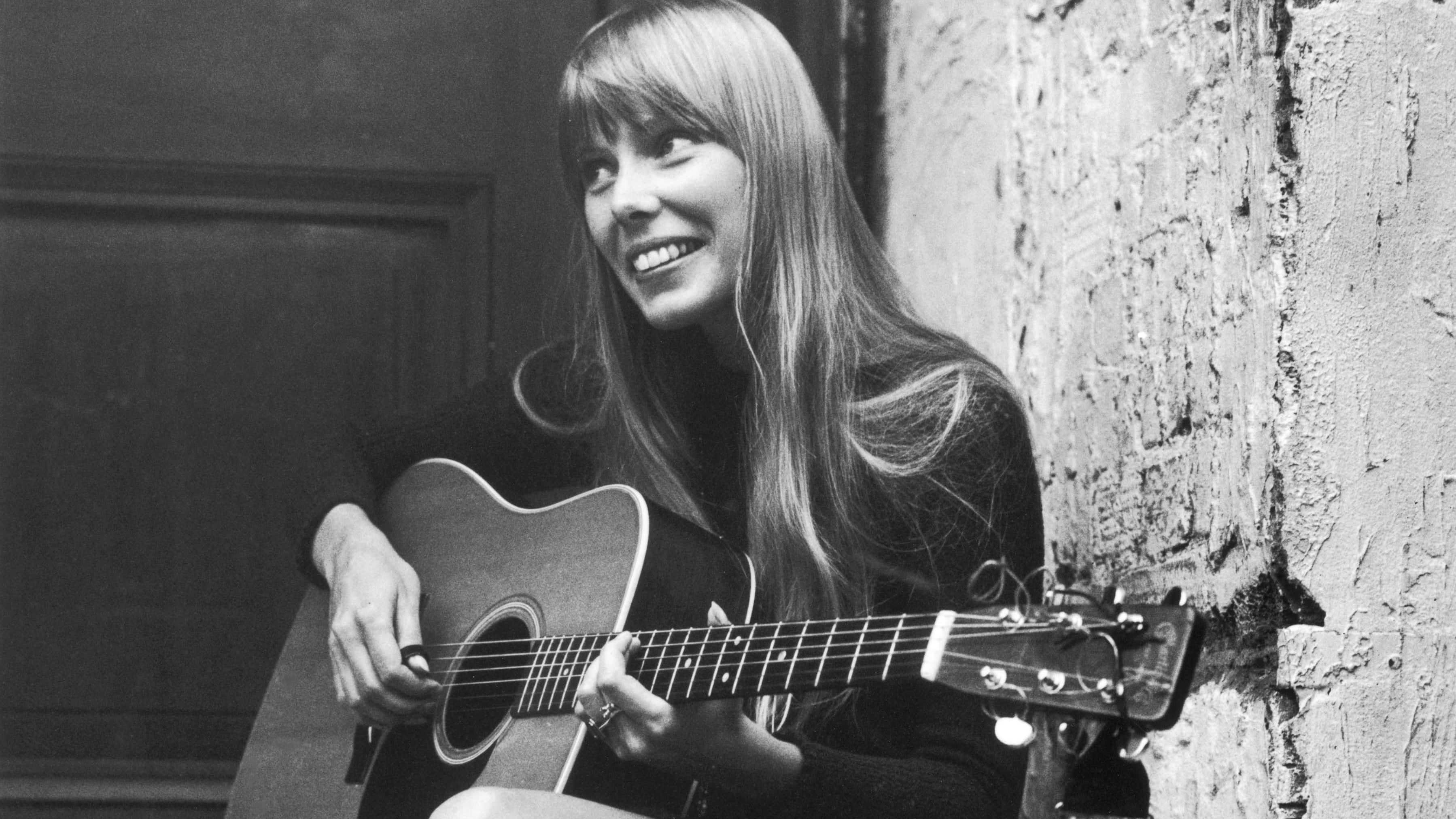
Joni Mitchell - “Free Man In Paris” (1974)
Joni Mitchell wrote “Free Man in Paris” from the perspective of her friend and music-industry executive David Geffen. Mitchell had traveled in France with Geffen and later remembered how relieved he seemed when temporarily free from the demands of managing careers and running a record company. She incorporated some of his own feelings into the song. Geffen initially disliked being portrayed so directly and reportedly urged Mitchell not to include it on Court and Spark.
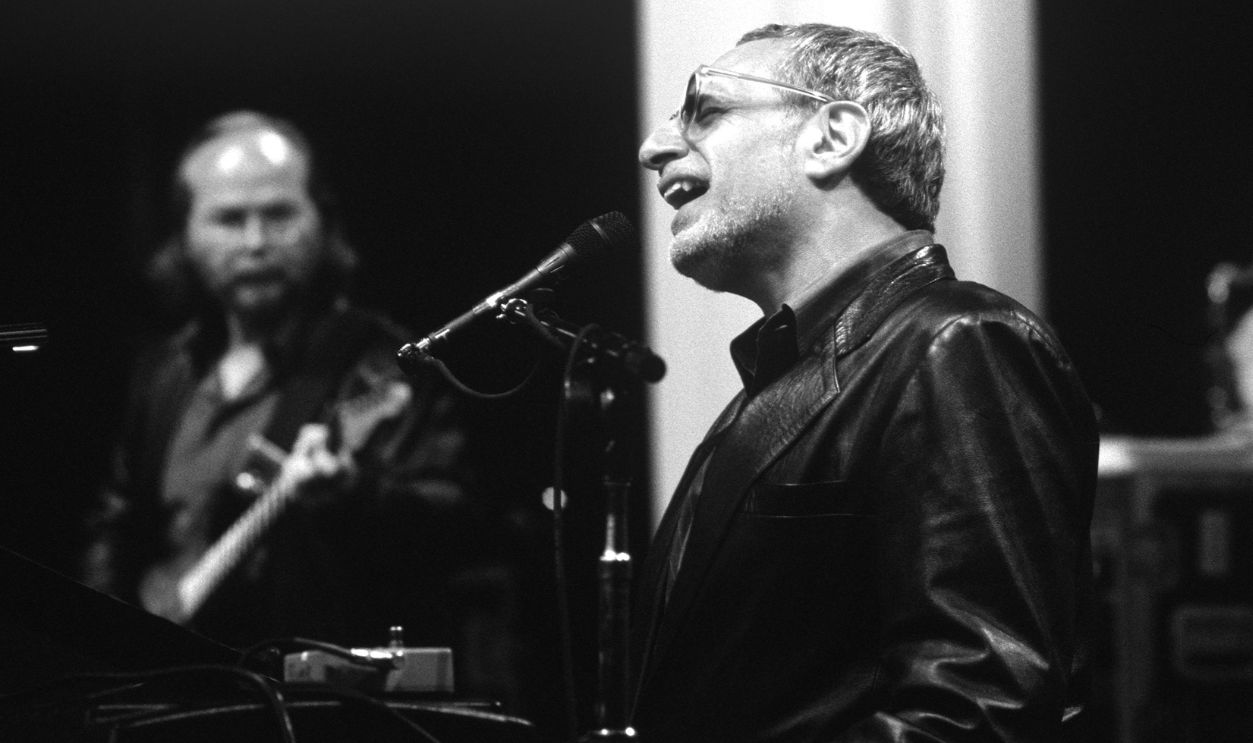
Steely Dan - “Kid Charlemagne” (1976)
The mysterious “Kid Charlemagne” was loosely based on Owsley Stanley, the legendary sound engineer and underground chemist closely associated with the Grateful Dead and San Francisco's 60s psychedelic culture. Stanley became famous for producing remarkably pure psychedelics before running into trouble with the law. Donald Fagen and Walter Becker transformed that real biography into the rise-and-fall story of a counterculture outlaw whose world disappears as the 60s give way to something less romantic.
The Boomtown Rats - “I Don't Like Mondays” (1979)
Bob Geldof took the title from one of the darkest news stories of 1979. Brenda Ann Spencer opened fire at Cleveland Elementary School in San Diego, taking the lives of two adults and injuring others. The phrase “I don't like Mondays” was widely reported as an explanation she gave afterward. Geldof was struck by how chillingly ordinary the words sounded beside the brutality, and he built the Boomtown Rats' biggest song around that unsettling contrast.
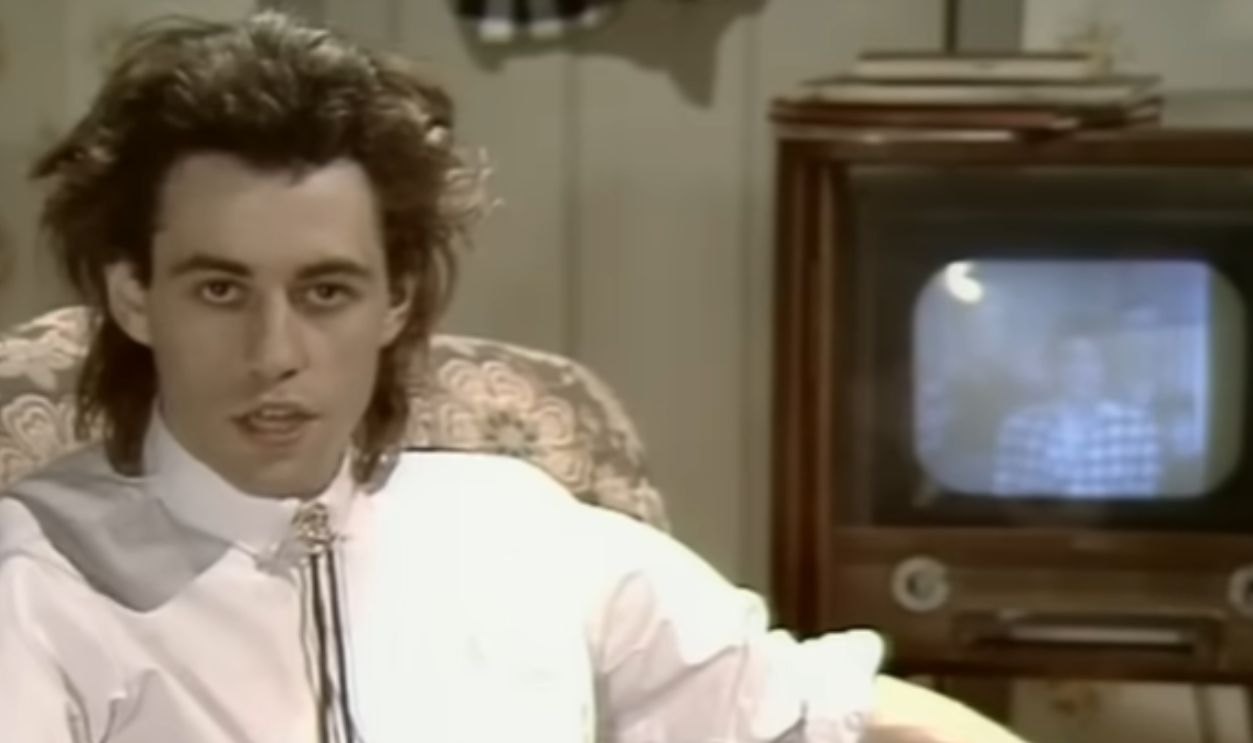 Screenshot from I Don't Like Mondays, Columbia Records (1979)
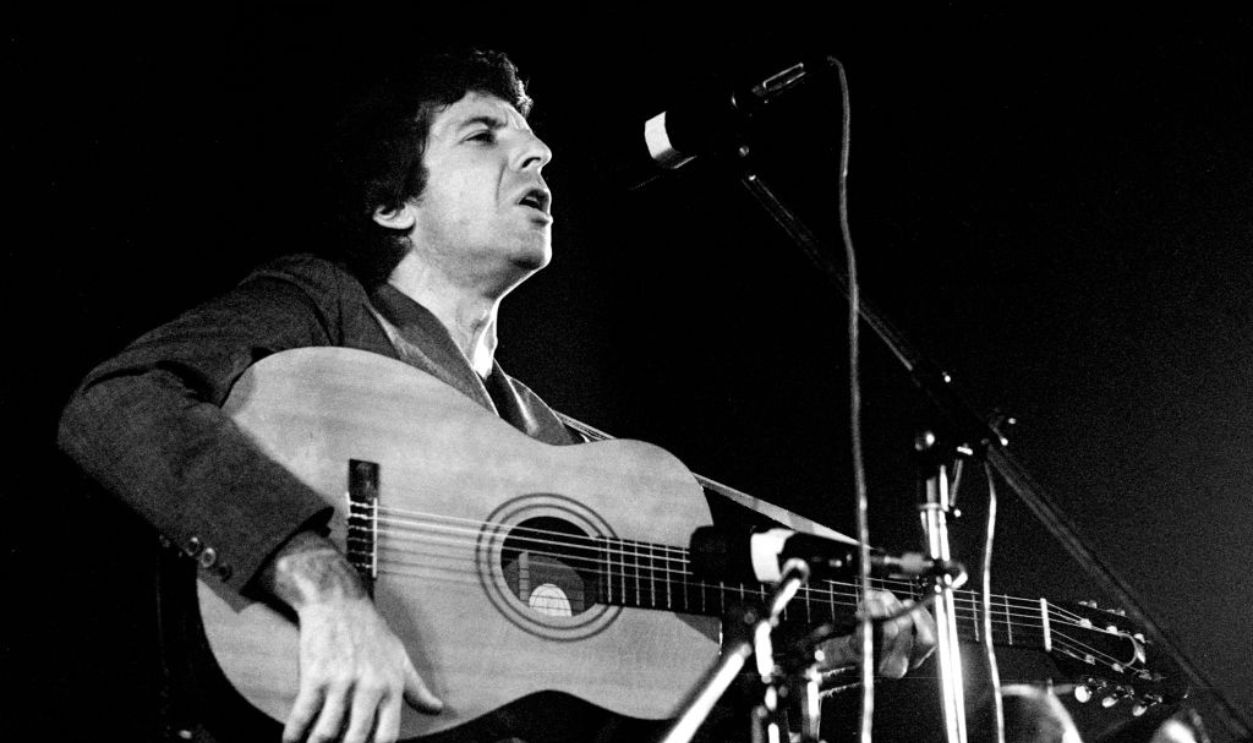
Leonard Cohen - “Chelsea Hotel #2” (1974)
Leonard Cohen originally left the woman in “Chelsea Hotel #2” unidentified, turning their encounter into a candid memory of intimacy, fame, attraction, and emotional distance. He later revealed publicly that the woman had been Janis Joplin, whom he'd met at New York's famously bohemian Chelsea Hotel. Cohen eventually expressed regret about identifying her, feeling that revealing the subject had violated an unwritten rule about protecting the privacy of people who appear in songs.
 Gijsbert Hanekroot, Getty Images
Elton John - “Philadelphia Freedom” (1975)
“Philadelphia Freedom” became a Number 1 hit that sounded perfectly suited to America's coming bicentennial, but Elton John had a much more specific person in mind. He wanted to write something for his friend Billie Jean King, the tennis champion who played for the Philadelphia Freedoms in World TeamTennis. The original single even carried a dedication to “B.J.K.” The lyrics weren't literally about tennis, but King was the reason the song existed in the first place.
 Screenshot from Philadelphia Freedom, MCA Records (1975)
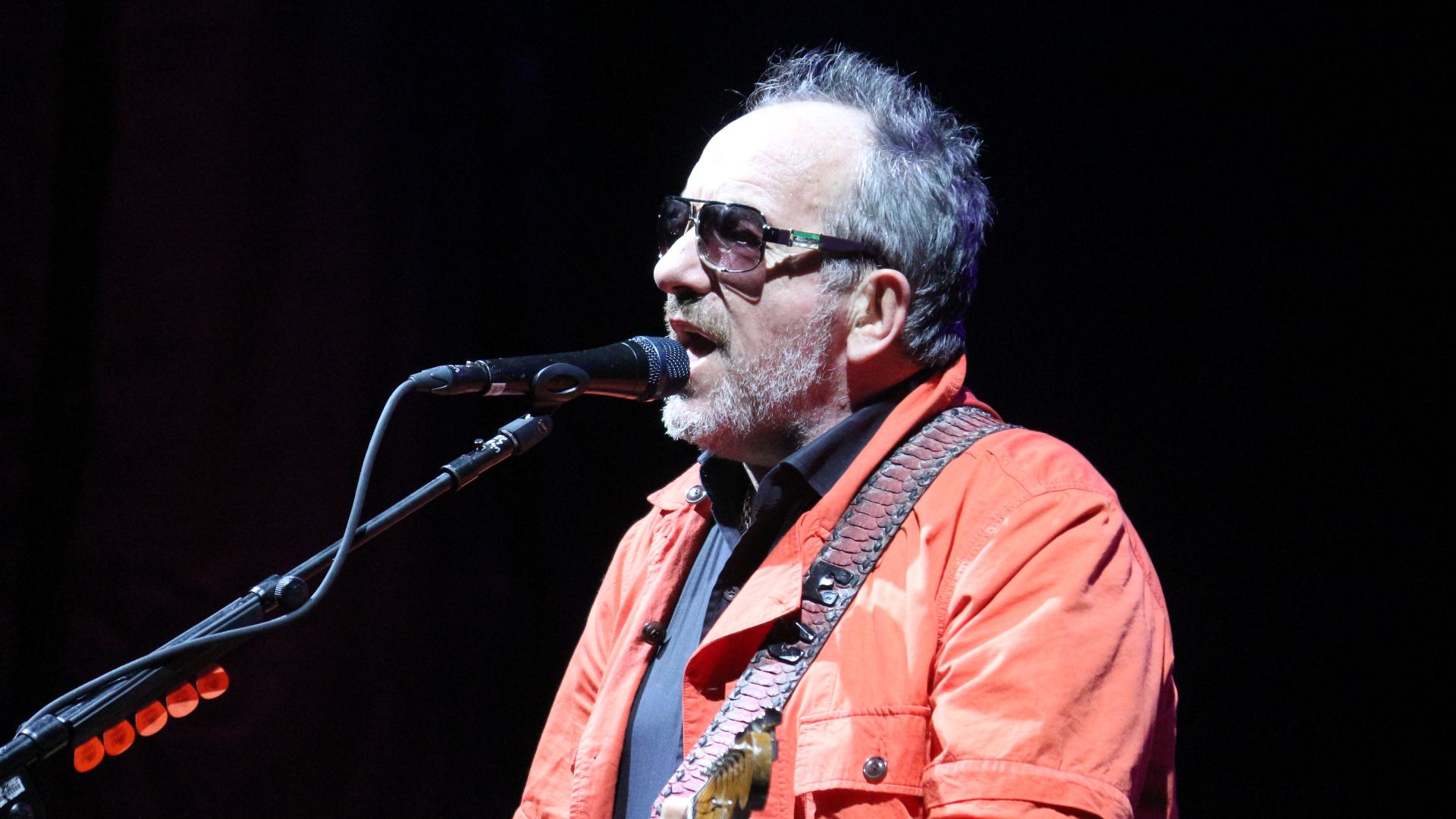
Elvis Costello - “Less Than Zero” (1977)
The “Oswald” in Elvis Costello's debut single wasn't Lee Harvey Oswald. Costello wrote the song after watching British leader Sir Oswald Mosley interviewed on television. He was infuriated by what he saw as Mosley's lack of remorse over his past leadership of the British Union of Fascists. That very British reference confused American listeners so badly that Costello later wrote a substantially different version of the song for U.S. audiences.
 Matt Johnson from Omaha, Nebraska, United States, Wikimedia Commons
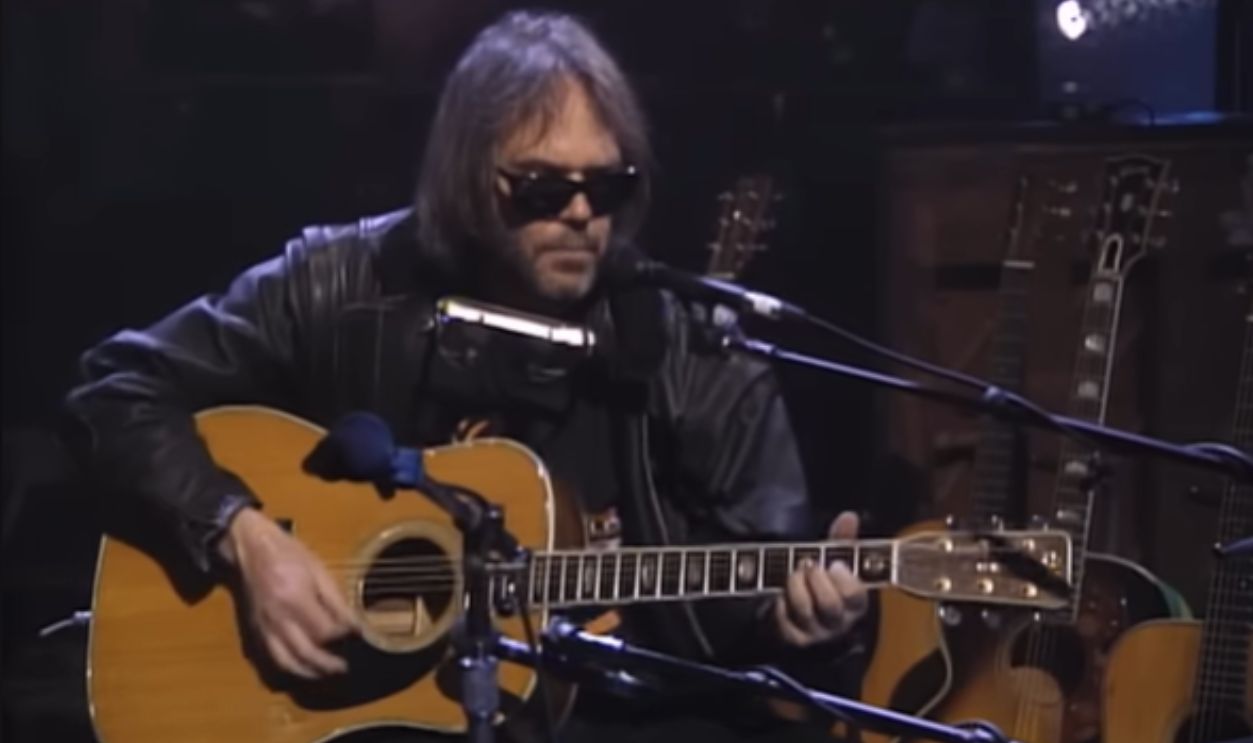
Neil Young - “The Needle And The Damage Done” (1972)
Neil Young had watched illicit substances destroy talented musicians around him, and Crazy Horse guitarist Danny Whitten became closely associated with the song's tragedy. Young wrote “The Needle and the Damage Done” before Whitten passed, but Whitten's worsening addiction gave the lyrics painful immediacy. He succumed to an OD later in 1972. The spare live recording on Harvest lasts barely two minutes, which only makes its warning feel more abrupt.
 Screenshot from The Needle and the Damage Done, Reprise Records (1972)
Neil Young - “Tonight's The Night” (1975)
The passing of roadie Bruce Berry hit Neil Young soon after Danny Whitten's OD and pushed him deeper into grief. “Tonight's the Night” doesn't disguise Berry behind a fictional character. Young names him immediately and remembers him loading the band's van, playing guitar late at night, and singing in an unsteady voice. Berry's passing helped shape not only the title track but the exhausted, deliberately rough atmosphere of the entire Tonight's the Night album.
 Richard E. Aaron, Getty Images
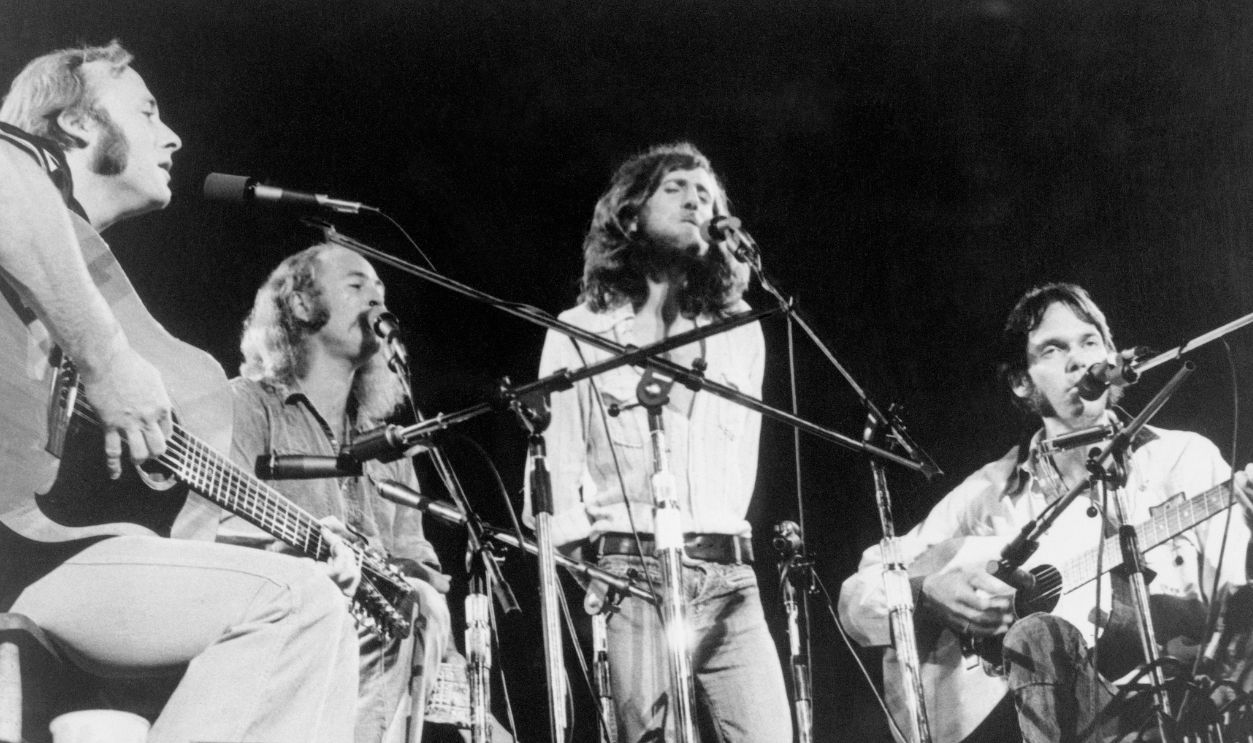
Crosby, Stills, Nash & Young - “Our House” (1970)
“Our House” grew out of an ordinary morning Graham Nash spent with Joni Mitchell while the two were living together in Laurel Canyon. Nash remembered stopping with Mitchell at an antique store where she bought a vase. Back home, he lit a fire while she arranged flowers, and the simplicity of the scene struck him. He sat at Mitchell's piano and quickly turned that quiet domestic moment into one of CSNY's most recognizable songs.
You May Also Like:
The Strange Stories Behind Some Of Rock’s Biggest Songs
Hit Songs From The 1980s That Were Banned By Radio Stations But Became Huge Anyway
Huge Songs From The 1980s That Were Supposed To Be Hits For Someone Else