Pink Floyd Survived, But Syd Never Really Left
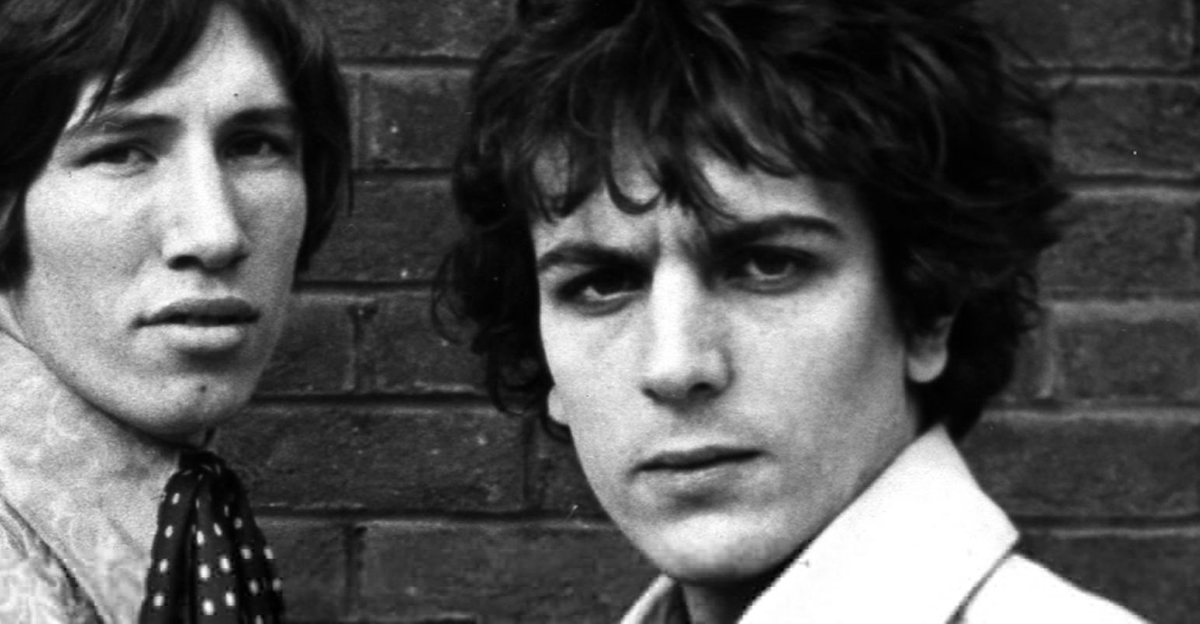
By the end of 1967, Syd Barrett was becoming too unpredictable for Pink Floyd to function around, yet losing him seemed almost as dangerous as keeping him. David Gilmour was brought in as a practical solution, first to support Barrett and then to replace him entirely. The band survived the crisis, but Barrett's absence soon became almost as important to Pink Floyd's identity as his presence had been.
 Hit Parader magazine, Wikimedia Commons
Syd Barrett Had Built The First Pink Floyd
Before Pink Floyd became synonymous with enormous concept albums and arena spectacles, Syd Barrett was its creative center. He sang, played lead guitar, gave the group much of its visual identity, and wrote most of the material on its debut album, The Piper at the Gates of Dawn. His strange lyrics and unconventional guitar playing helped move the band beyond its blues roots into something distinctly psychedelic.
"Arnold Layne" Announced A Very Strange New Band
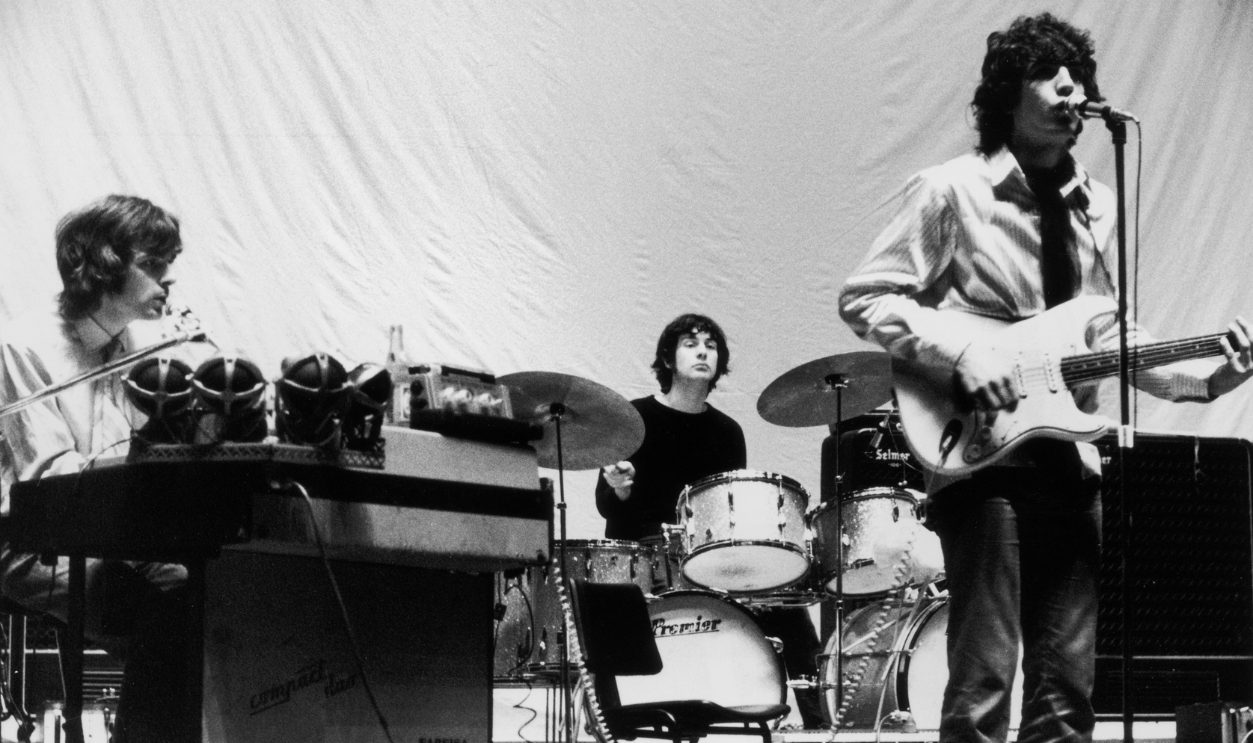
Pink Floyd's first single, "Arnold Layne," arrived in 1967 with Barrett already displaying the qualities that made him unusual. Instead of conventional love lyrics, he wrote about a man stealing women's clothes from washing lines. "See Emily Play" followed and reached the British Top 10. Barrett's songs were whimsical, unsettling, unmistakably English, and difficult to imagine anyone else in the band writing.
The Piper At The Gates Of Dawn Was Essentially His World
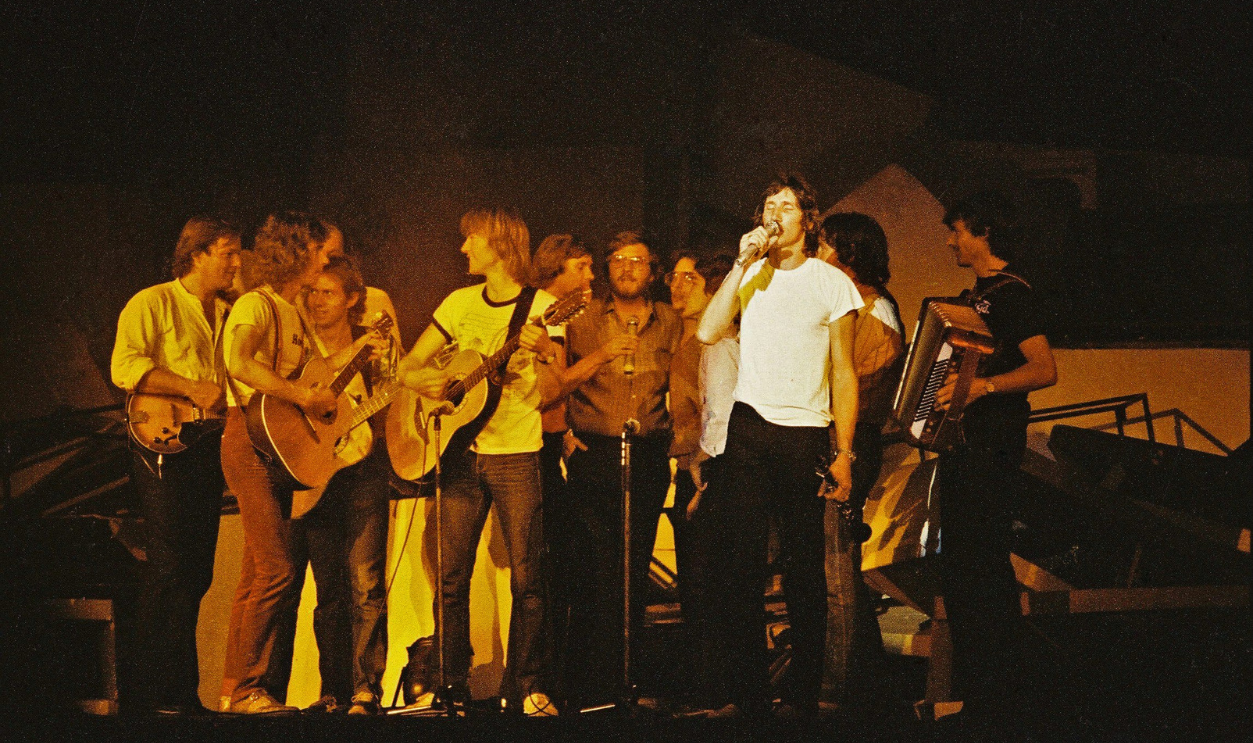
Released in August 1967, The Piper at the Gates of Dawn established Barrett as one of British psychedelia's most distinctive writers. He wrote eight songs alone and co-wrote two more, filling the album with outer space, fairy tales, childhood memories, strange characters, and open-ended improvisation. Pink Floyd wasn't simply a band featuring Syd Barrett. At that stage, much of what made Pink Floyd different came directly from him.
Then His Behavior Started Changing
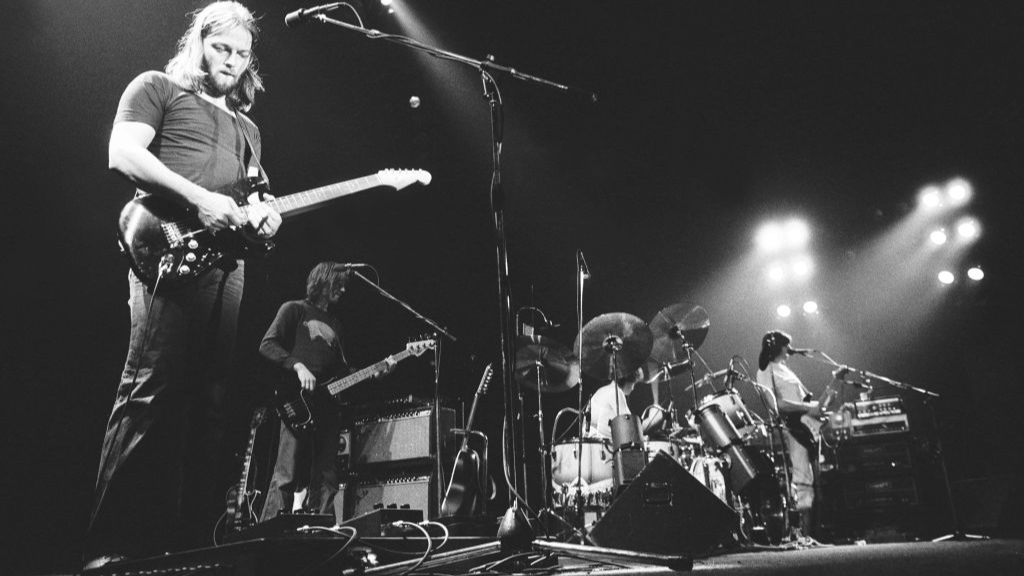
During 1967, Barrett became increasingly unpredictable. Accounts from bandmates and friends describe periods when he appeared withdrawn, unresponsive, or almost completely absent despite physically being in the room. His heavy substance use has long been discussed as one factor, although precisely what was happening psychologically has never been definitively established. Whatever the cause, the practical problem for Pink Floyd was becoming impossible to ignore.
Television Appearances Became Increasingly Uncomfortable
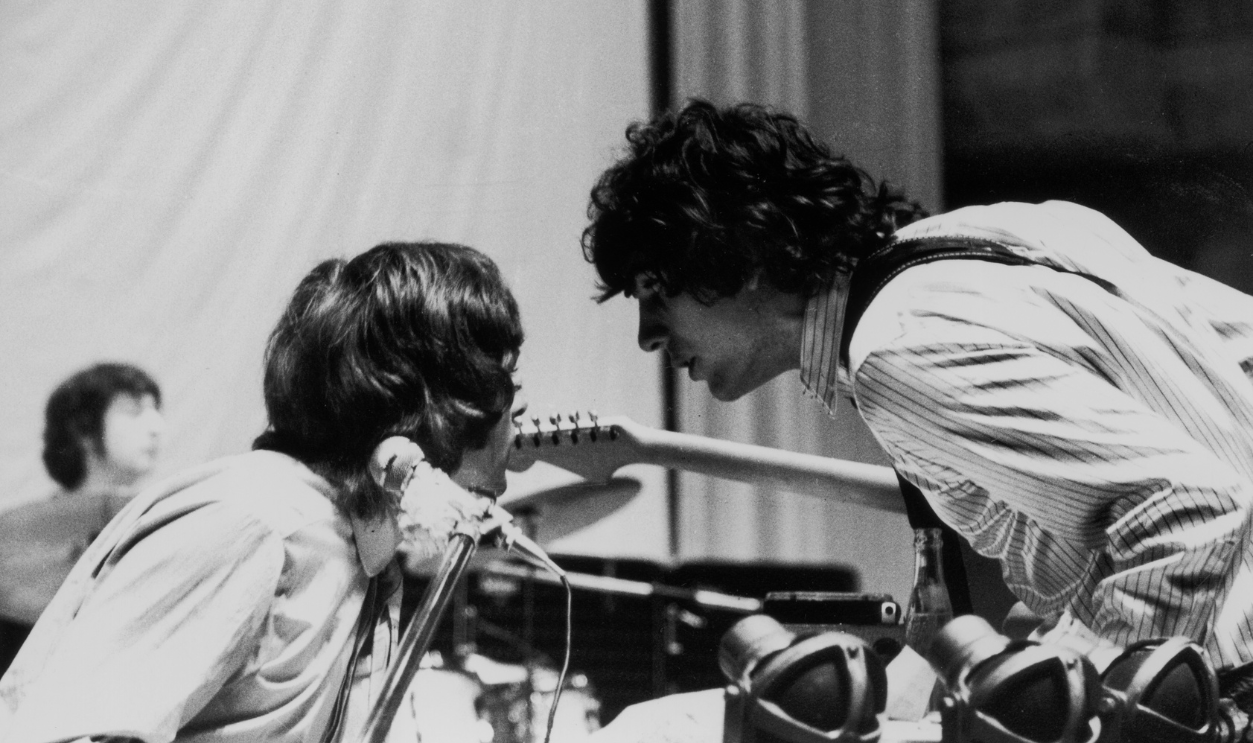
Success meant promotional appearances, but Barrett was becoming less dependable precisely when the band needed him most. During the period surrounding "See Emily Play," his behavior worried people around him, and later American television appearances showed a frontman who could appear distant and uncommunicative. Pink Floyd had finally achieved the attention they'd spent years chasing, only to find that the person most responsible for it seemed increasingly unable to participate.
Concerts Could Become A Gamble
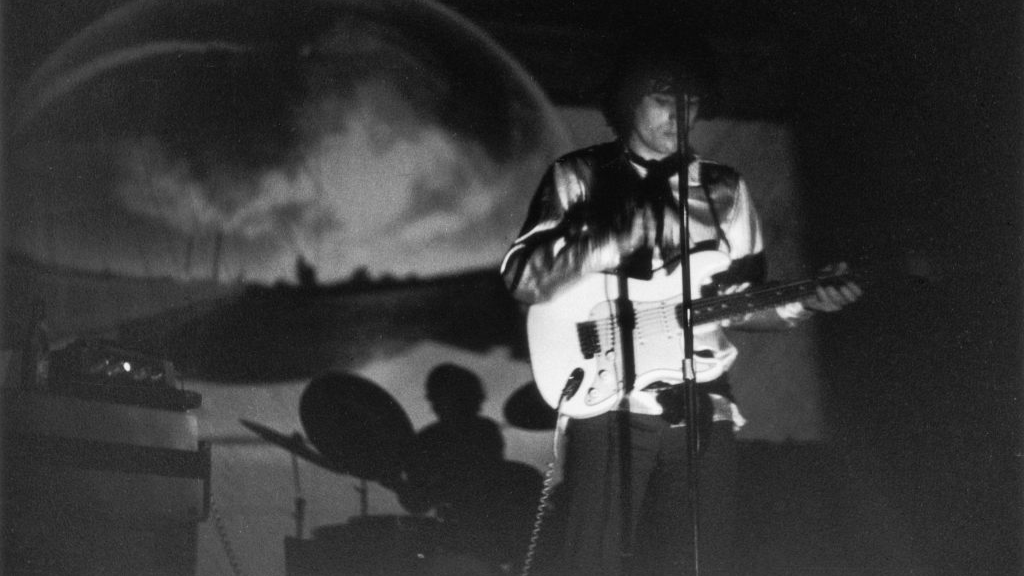
The problems were even harder to disguise onstage. Barrett sometimes played very little, stood staring while the others performed, or repeated the same detuned guitar figure through a show. In November 1967, he went missing before a Liverpool concert and guitarist Davy O'List of The Nice temporarily helped cover for him. The other members never knew which version of Barrett would arrive on a particular night.
The Band Still Didn't Want To Lose Him
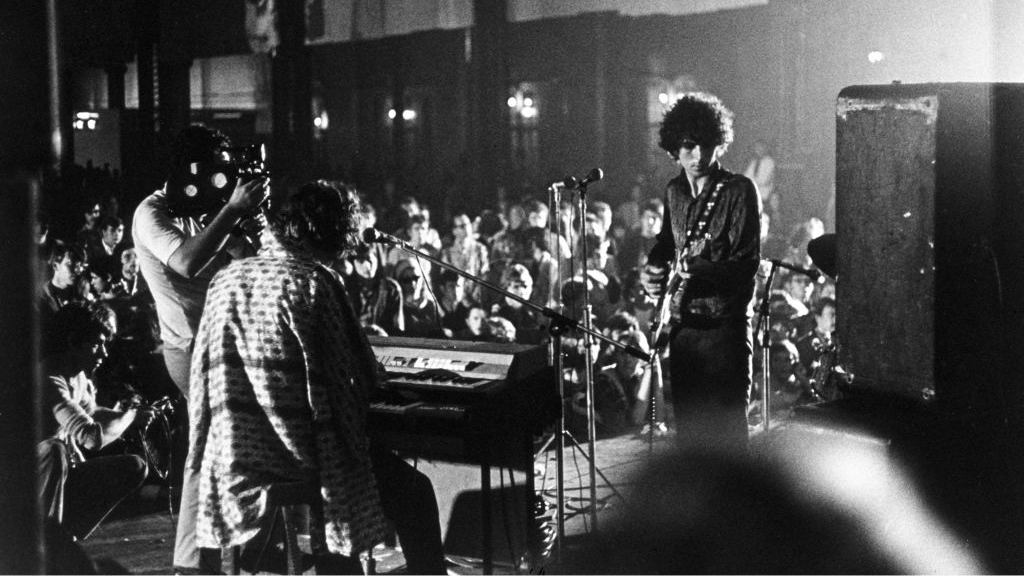
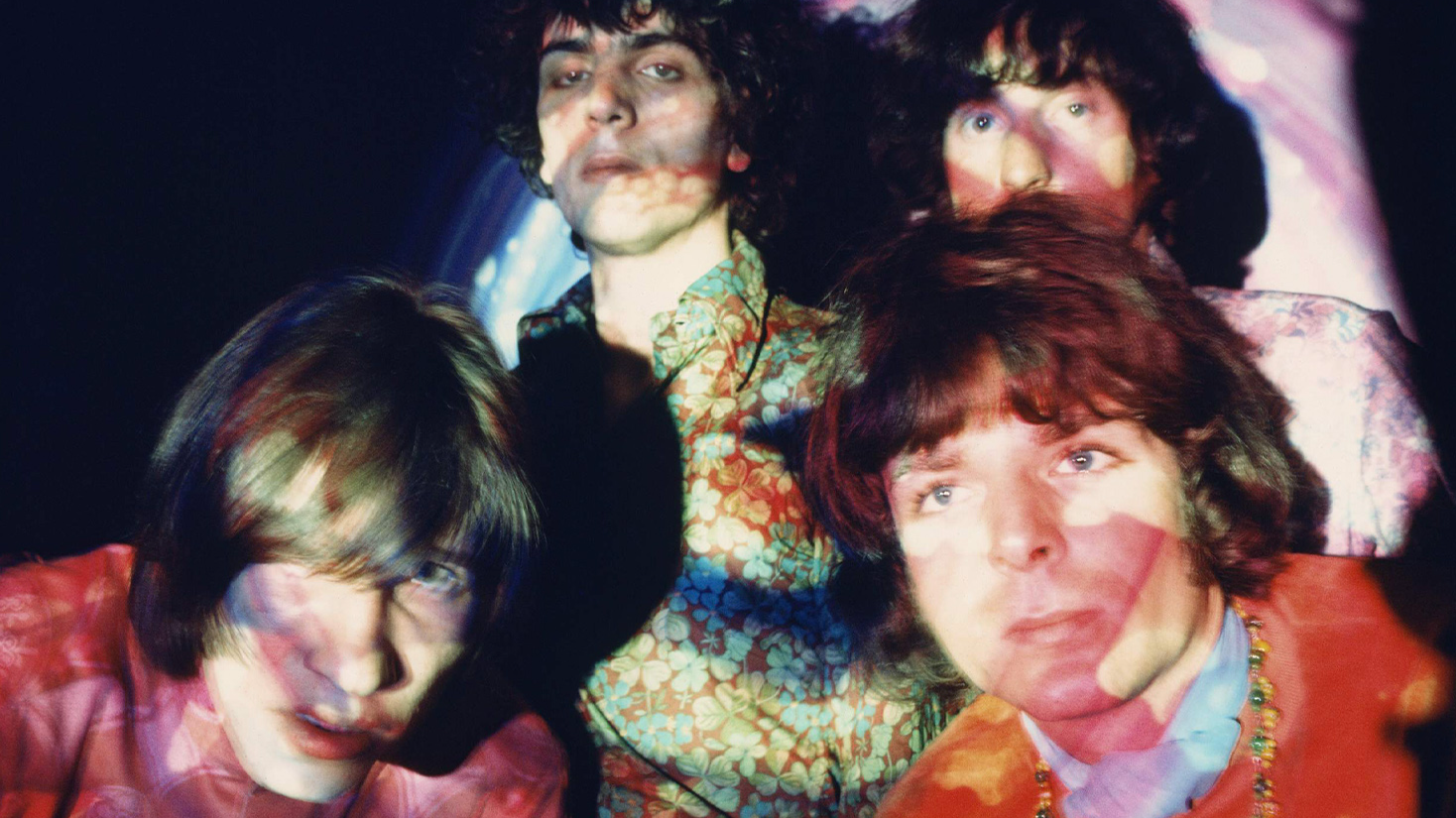
Roger Waters, Richard Wright, and Nick Mason understood that removing Barrett could destroy Pink Floyd just as easily as his declining reliability could. He was still the group's most established songwriter and public face. Their first solution wasn't to replace him at all. They wanted somebody who could strengthen the live band while Barrett remained involved creatively, buying him time to recover without abandoning the talent that had gotten them there.
 Andrew Whittuck/Redferns/Getty Images
David Gilmour Wasn't A Stranger To Syd
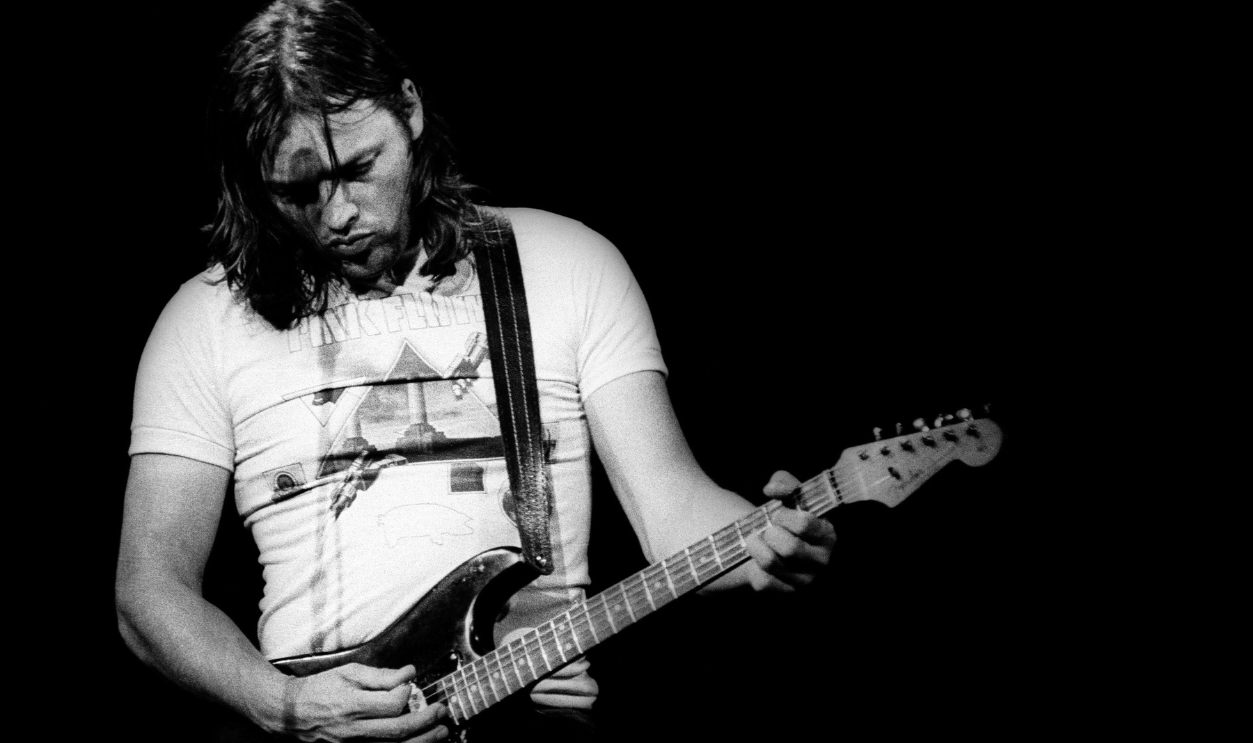
Gilmour was an especially complicated choice because he and Barrett had known each other since their teenage years in Cambridge. They played guitar together, traveled around Europe when they were younger, and moved through overlapping social circles. Gilmour had even witnessed some of Barrett's changing behavior before joining Pink Floyd. He wasn't an anonymous session player arriving to take someone's job. He was stepping into the place occupied by an old friend.
Gilmour Watched From The Audience Before Joining
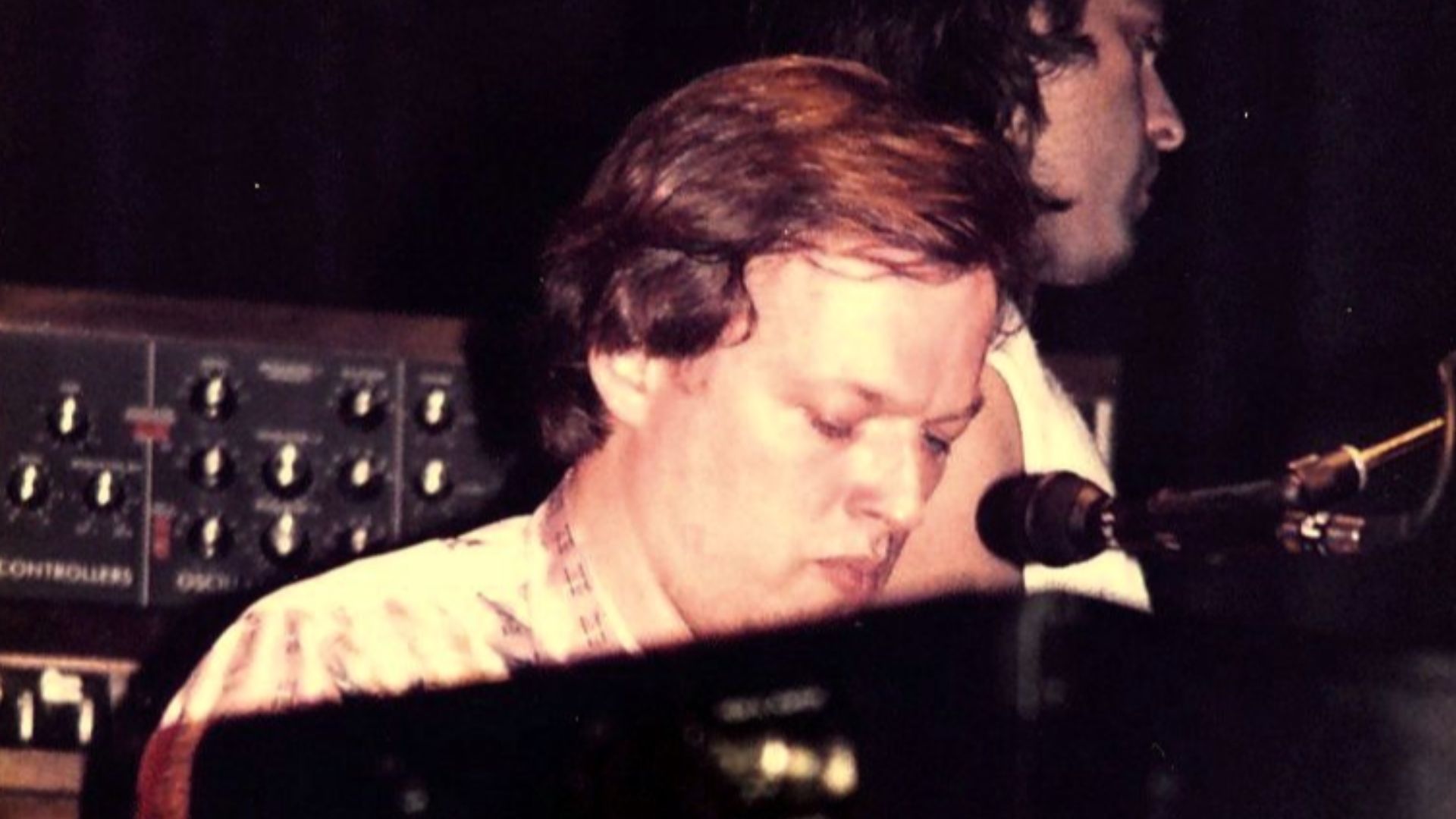
On December 6, 1967, Gilmour attended a Pink Floyd performance at London's Royal College of Art. By then, the other members were already considering bringing him aboard. Pink Floyd's official history records that he was subsequently asked to join. Gilmour was a confident guitarist and singer who could reproduce Barrett's parts reliably, which was becoming increasingly important for a band whose live performances couldn't depend on Barrett doing so.
 Klaus Hiltscher, Wikimedia Commons
For A Few Weeks, Pink Floyd Had Five Members
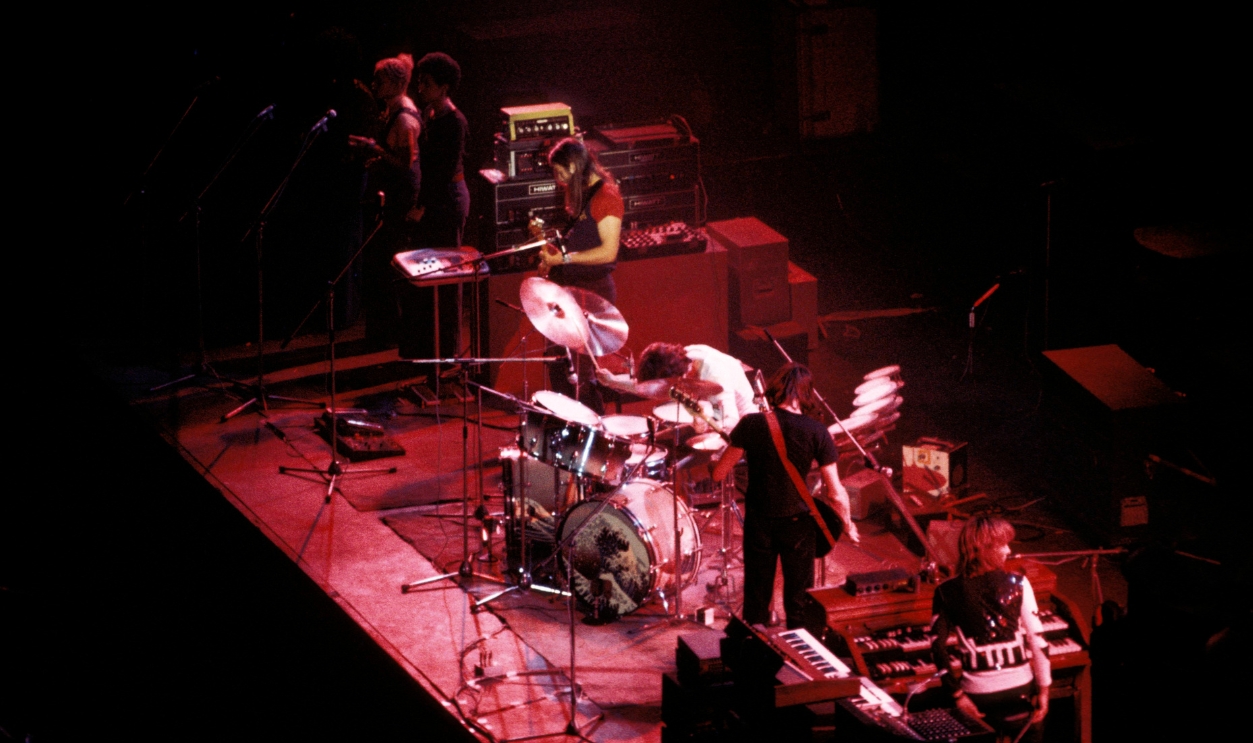
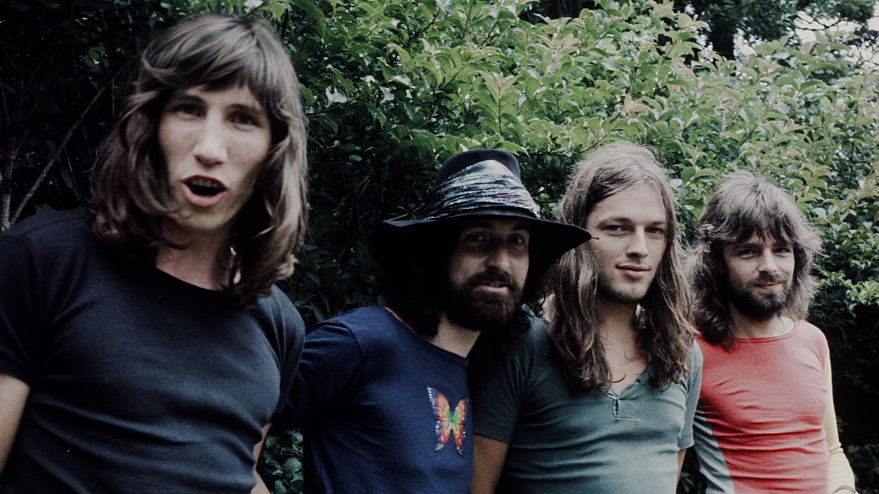
Gilmour officially joined at the beginning of 1968, and Pink Floyd briefly operated as a five-piece. Their first documented performance with both guitarists took place at Aston University on January 12. The arrangement was awkward from the start. Gilmour wasn't sure whether he should duplicate Barrett, support him, or take over completely, while Barrett's participation could change from one moment to the next.
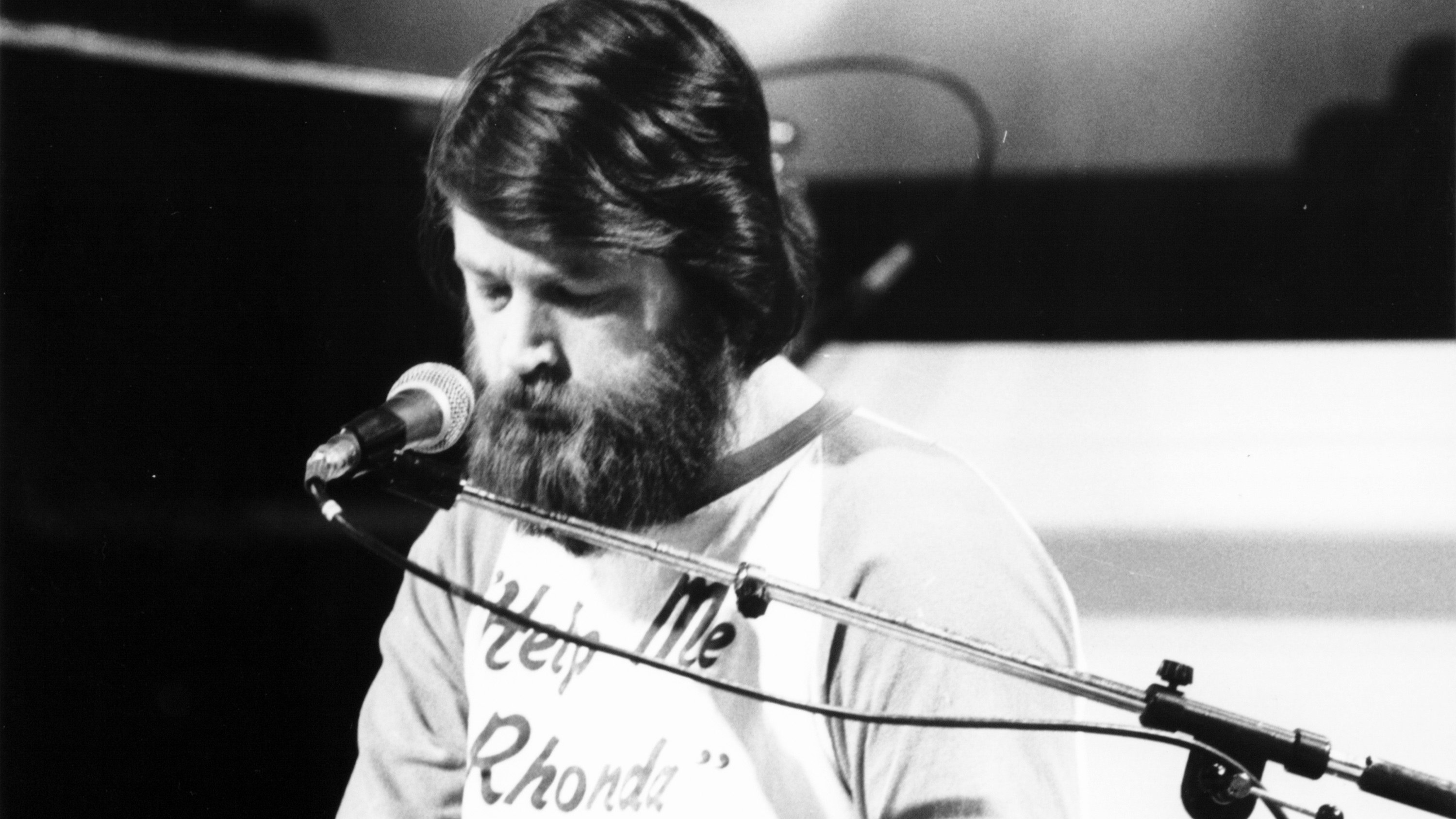
The Brian Wilson Solution Almost Happened
The band briefly considered an arrangement inspired by the Beach Boys. Brian Wilson had stopped touring while continuing to write and record, so perhaps Barrett could do something similar. Gilmour would handle concerts while Barrett remained Pink Floyd's songwriter in the background. On paper, it offered the best of both worlds. In practice, Barrett was no longer producing material consistently enough for the plan to work.
"Have You Got It Yet?" Made The Problem Brutally Clear
One famous story from the period captures the impossible situation. Barrett reportedly presented the band with a song later remembered as "Have You Got It Yet?" Each time the others tried to learn it, he subtly changed the structure, leaving them perpetually unable to follow. Eventually they realized he seemed to be deliberately making the song impossible to learn. Whether joke, provocation, or symptom, it showed how far communication inside Pink Floyd had deteriorated.
Then They Simply Stopped Picking Him Up
On January 26, 1968, the band was traveling to a show at Southampton University when someone reportedly asked whether they should collect Barrett. The decision was made not to bother. There was no dramatic firing meeting that night, just a group of young musicians continuing toward a gig without the man who had created so much of their identity. Pink Floyd played its first show without Barrett that evening.
Gilmour Inherited An Impossible Position
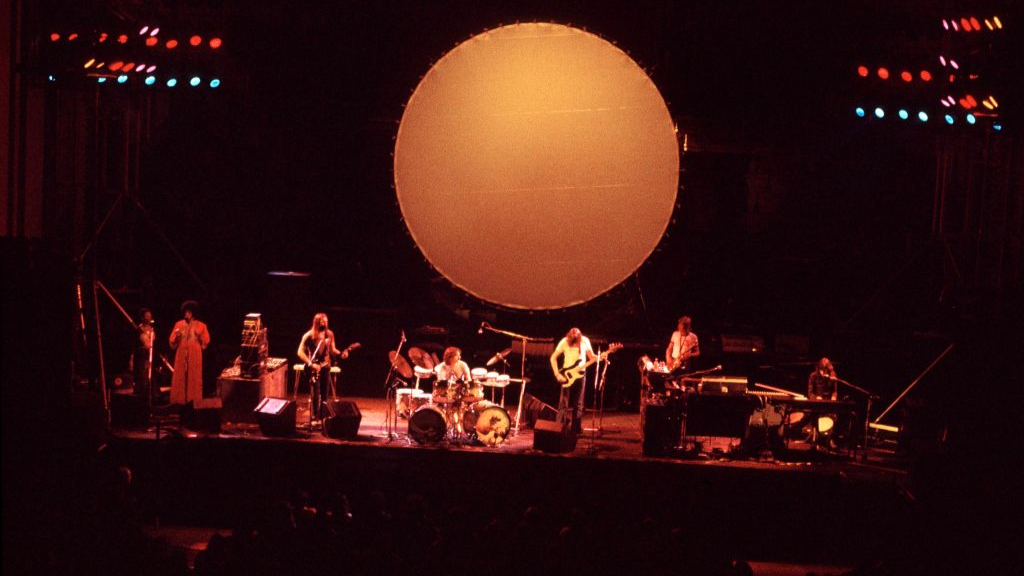
Replacing a guitarist would've been difficult enough. Gilmour was replacing the songwriter, singer, frontman, and personality many people regarded as Pink Floyd itself. Years later, he remembered the period as deeply uncomfortable and admitted it took a long time to feel that he truly belonged. He wasn't stepping into an empty position. He was occupying a space where Barrett still seemed psychologically present.
 National Archives at College Park, Wikimedia Commons
Plenty Of People Thought Pink Floyd Was Finished
The skepticism wasn't subtle. Gilmour later remembered people being extremely dismissive after Barrett left because many believed Syd was all Pink Floyd really had. Even the band's managers, Peter Jenner and Andrew King, chose to continue working with Barrett rather than the remaining group. Losing their frontman was bad enough. Watching their own management effectively bet against them made the uncertainty even worse.
Barrett's Departure Became Official That Spring
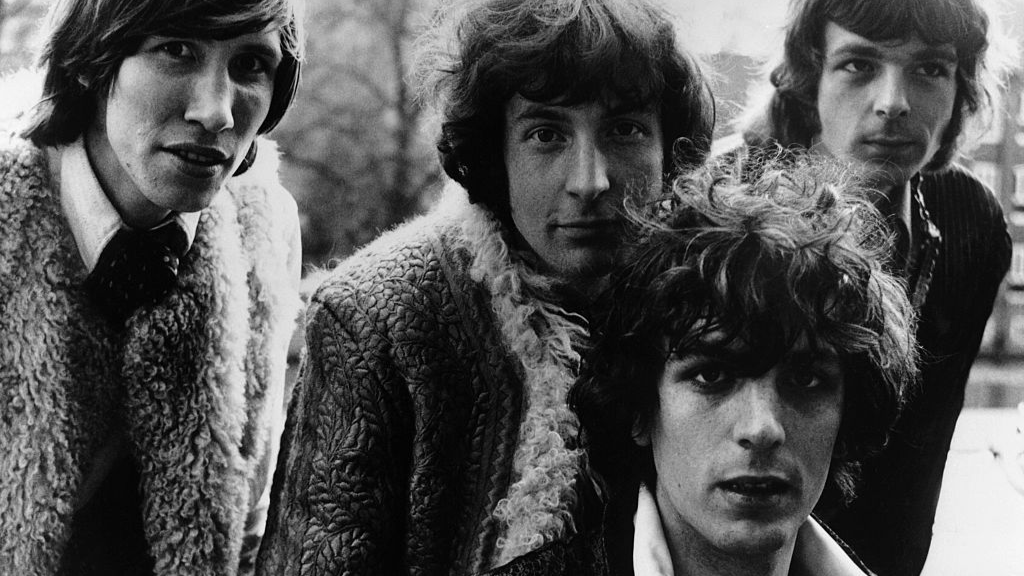
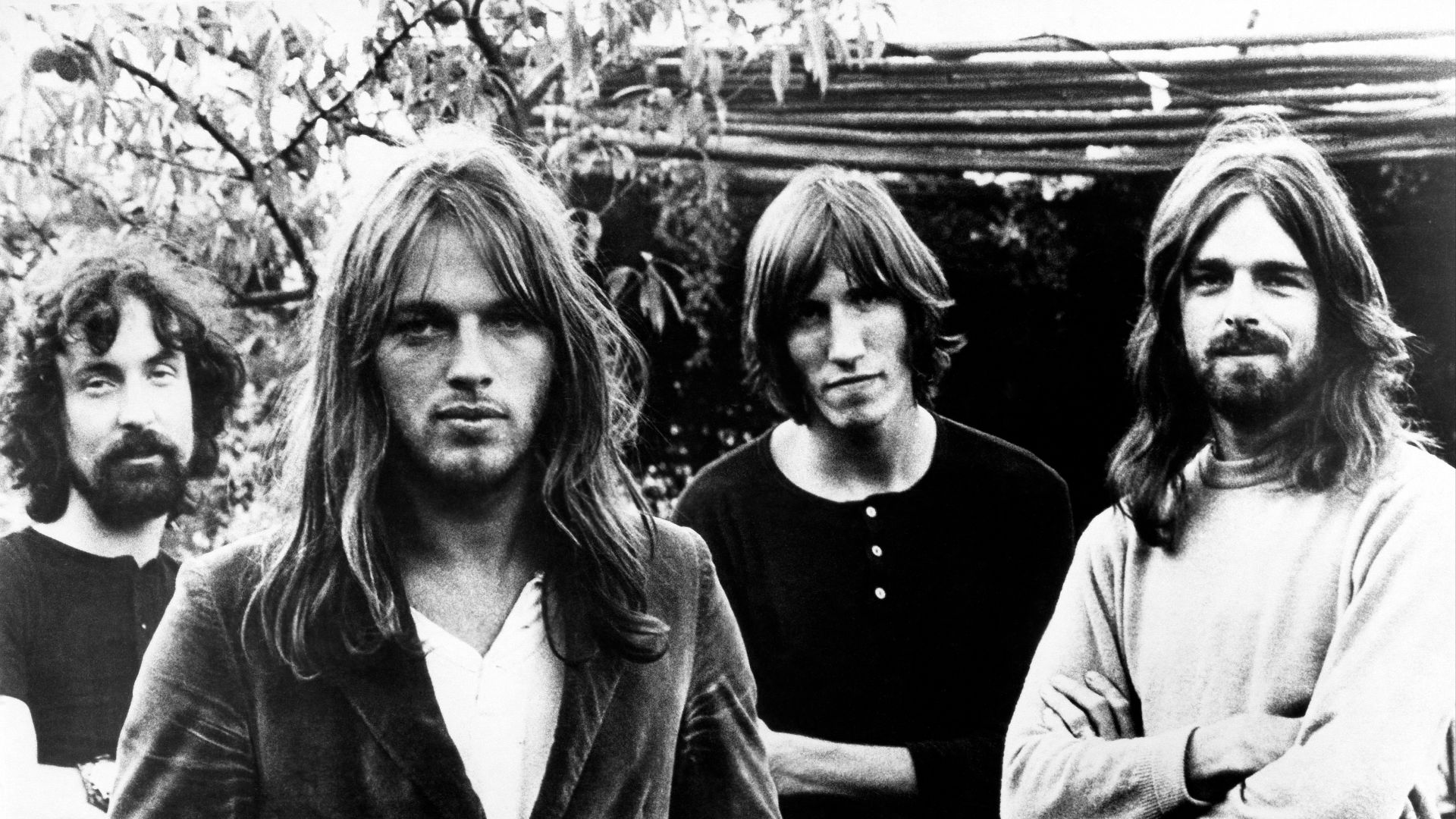
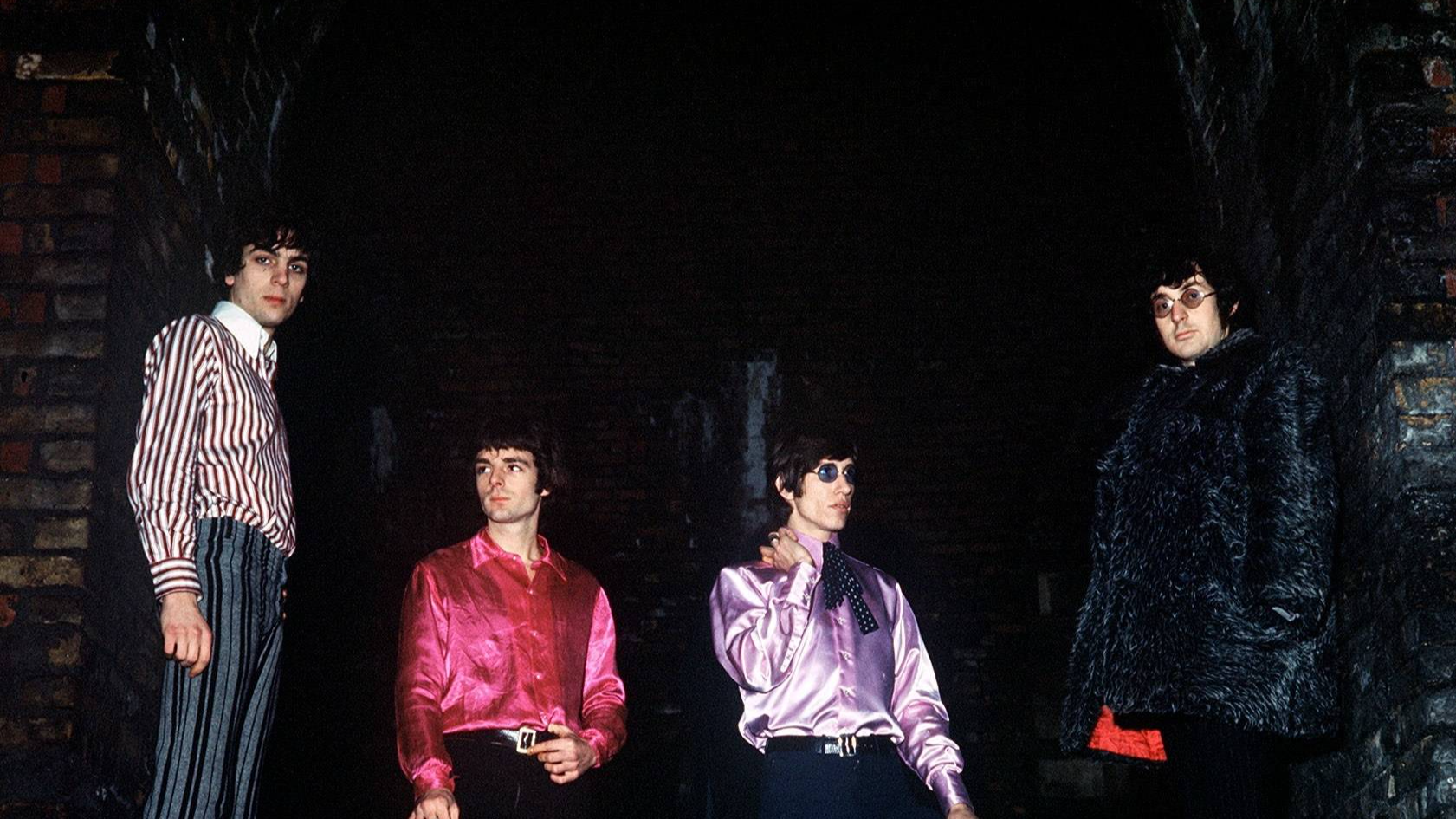
The separation was formalized in early 1968. Barrett was out, and Pink Floyd continued as Gilmour, Waters, Wright, and Mason. It was less a triumphant new beginning than an act of survival. Their original hit songwriter was gone, their management relationship had collapsed, and Gilmour had joined a group many people expected to disappear. The four musicians now had to discover what Pink Floyd could sound like without the person who had defined it.
A Saucerful Of Secrets Captured The Handover
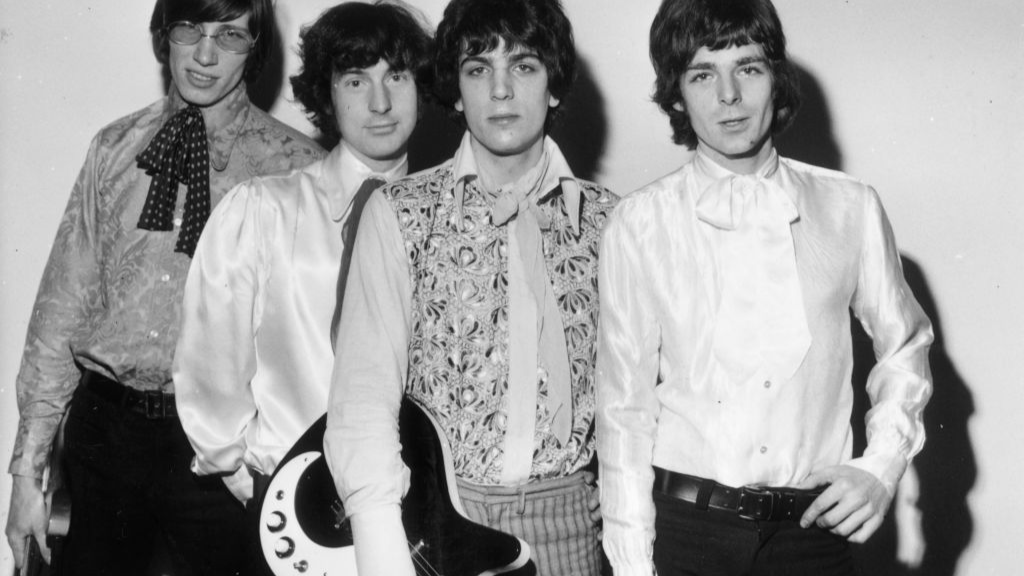
Pink Floyd's second album, A Saucerful of Secrets, preserves the transition in real time. Recording began while Barrett was still involved and continued after Gilmour joined. Barrett appears on several tracks and wrote "Jugband Blues," his only solo composition on the album. Gilmour appears elsewhere, making the record one of the rare places where Pink Floyd's original era and its future literally overlap.
"Jugband Blues" Sounded Like An Uncomfortable Goodbye
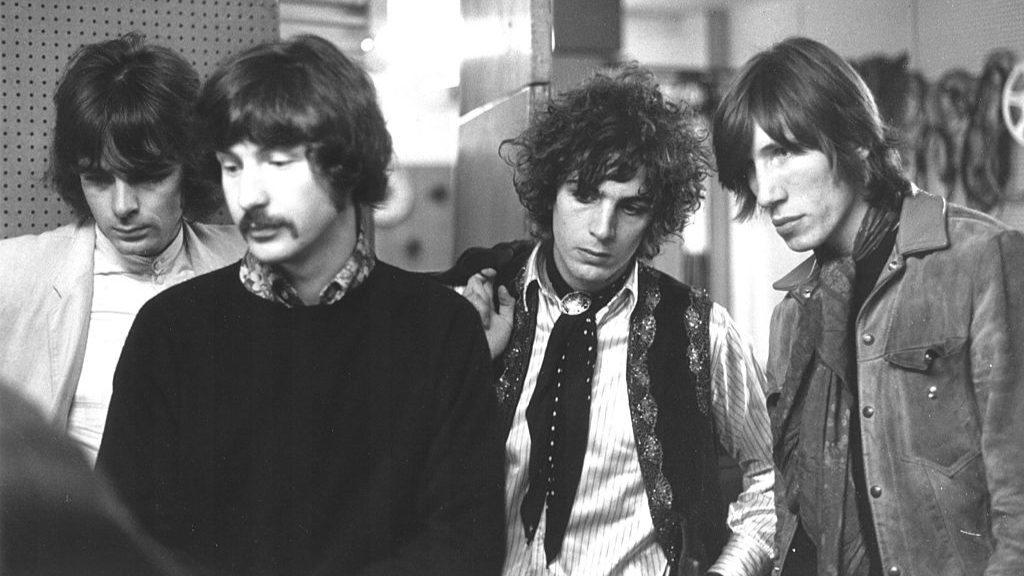
"Jugband Blues" became Barrett's final composition released on a Pink Floyd studio album during his membership, and its lyrics have inevitably been interpreted through the circumstances of his departure. The song is funny, fractured, and deeply unsettling, with sudden changes of style and surreal orchestration. Whatever Barrett consciously intended, hearing it now feels like listening to someone already standing partly outside the group he had created.
The New Floyd Had To Learn How To Write
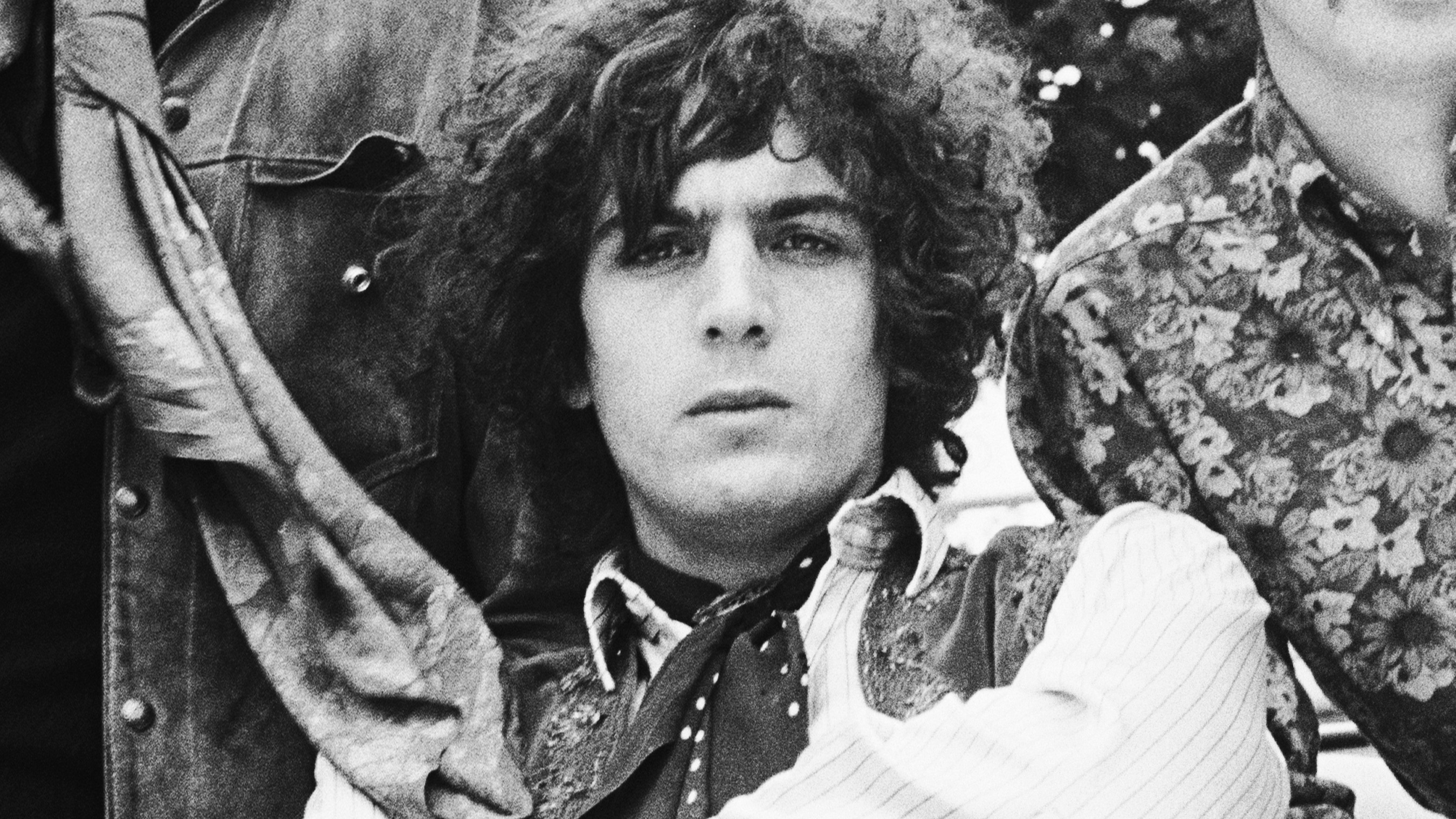
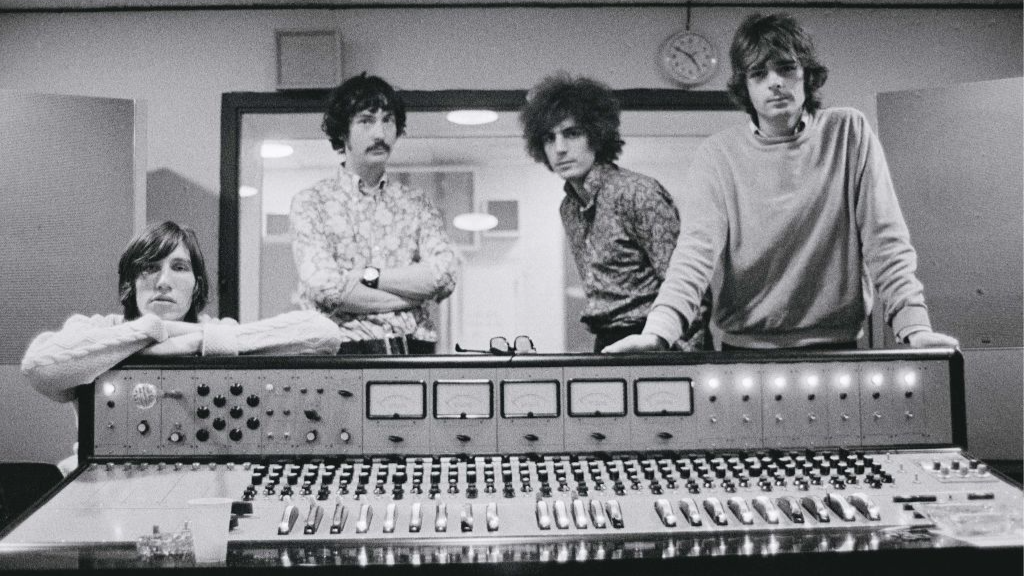
Barrett's absence created a huge songwriting vacuum. Roger Waters increasingly assumed responsibility for lyrics and concepts, while Wright and Gilmour contributed music and songs of their own. The transition wasn't immediate. Records such as Ummagumma and Atom Heart Mother sound like a band actively searching, moving through long instrumentals, soundtrack work, experimental pieces, orchestration, and ideas that didn't always connect cleanly.
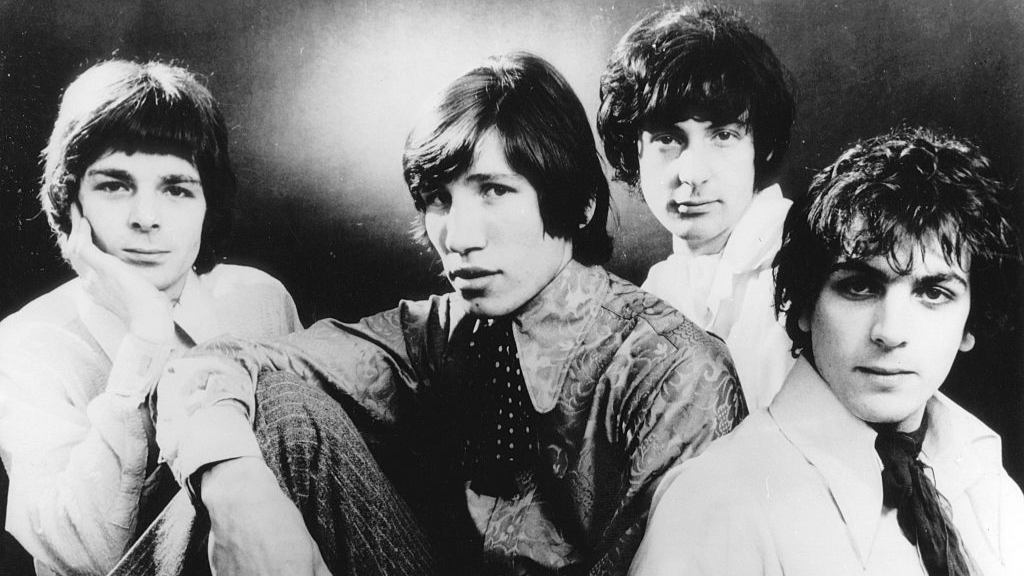 ullstein bild Dtl., Getty Images
Gilmour Changed The Guitar Without Erasing The Experimentation
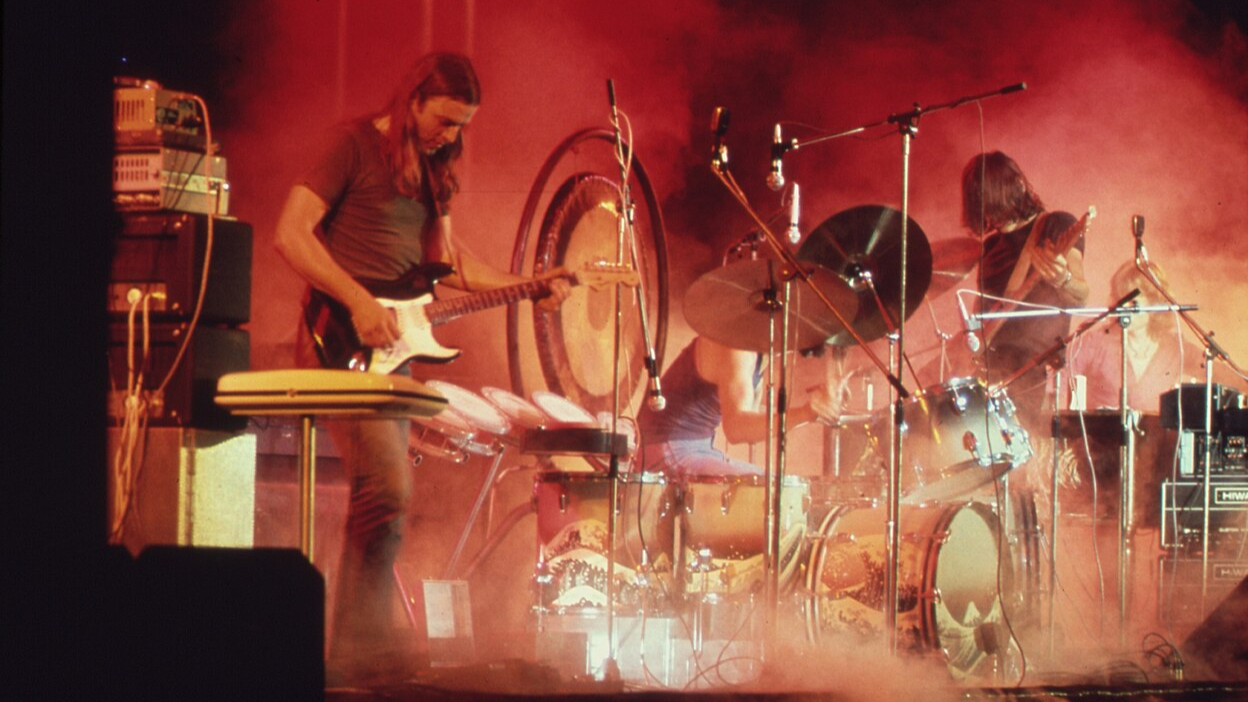
Barrett's guitar playing had been jagged, spontaneous, textural, and sometimes deliberately primitive. Gilmour brought something very different. His playing was more controlled, melodic, blues-based, and technically assured. Yet Pink Floyd didn't suddenly become conventional. Gilmour's sustained notes and spacious phrasing eventually became perfect for a band that was learning to turn psychedelic improvisation into carefully constructed atmosphere.
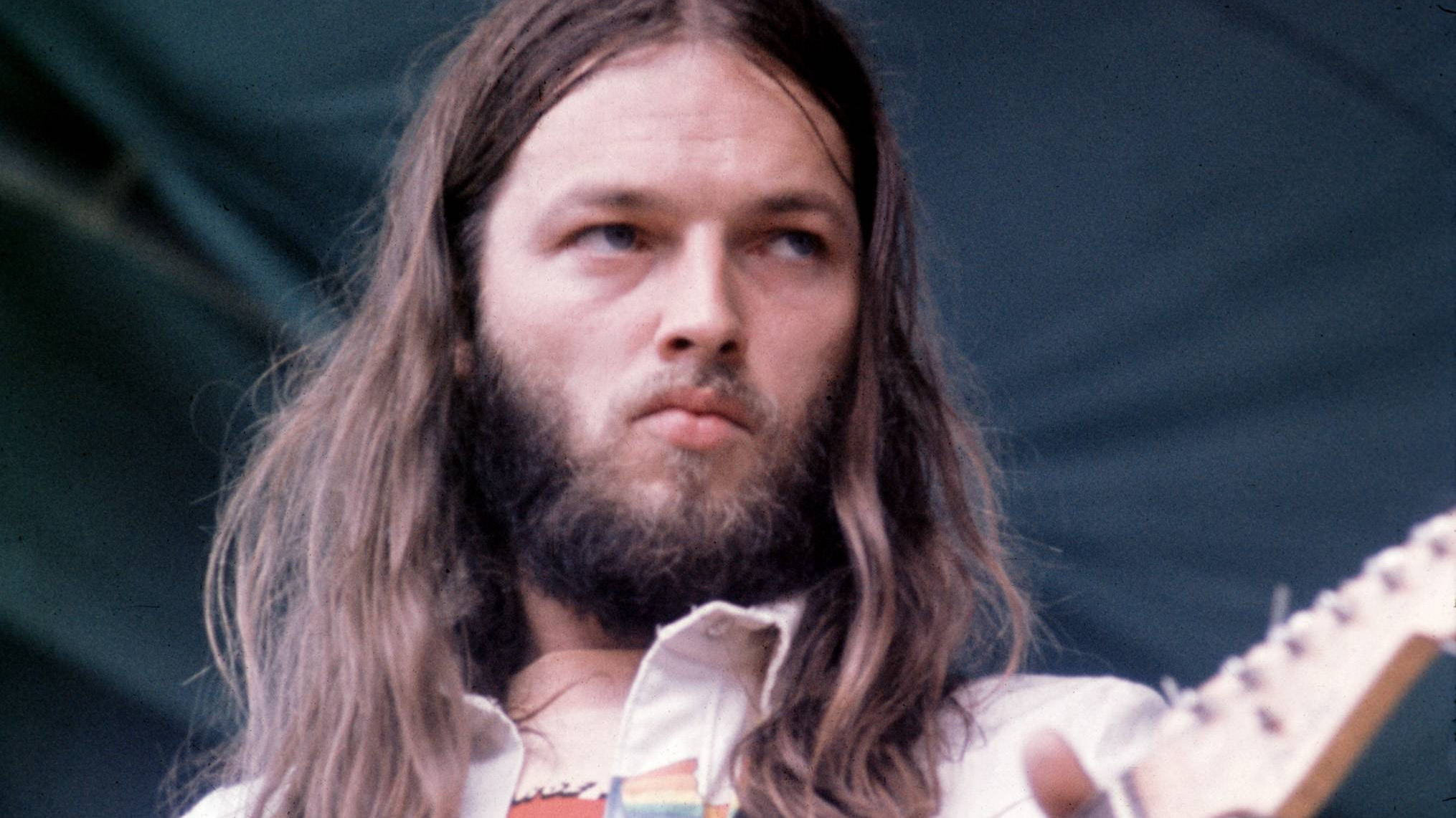
Barrett Had Already Taught Them That Songs Could Be Worlds
Even when Pink Floyd moved far beyond Barrett's compact psychedelic songs, one of his fundamental ideas survived: music didn't have to behave like ordinary pop. "Interstellar Overdrive" had already shown the band how a composition could become an extended sonic environment onstage. Later Floyd pieces became more structured and ambitious, but the willingness to stretch songs into experiences had developed while Barrett was still directing the group's imagination.
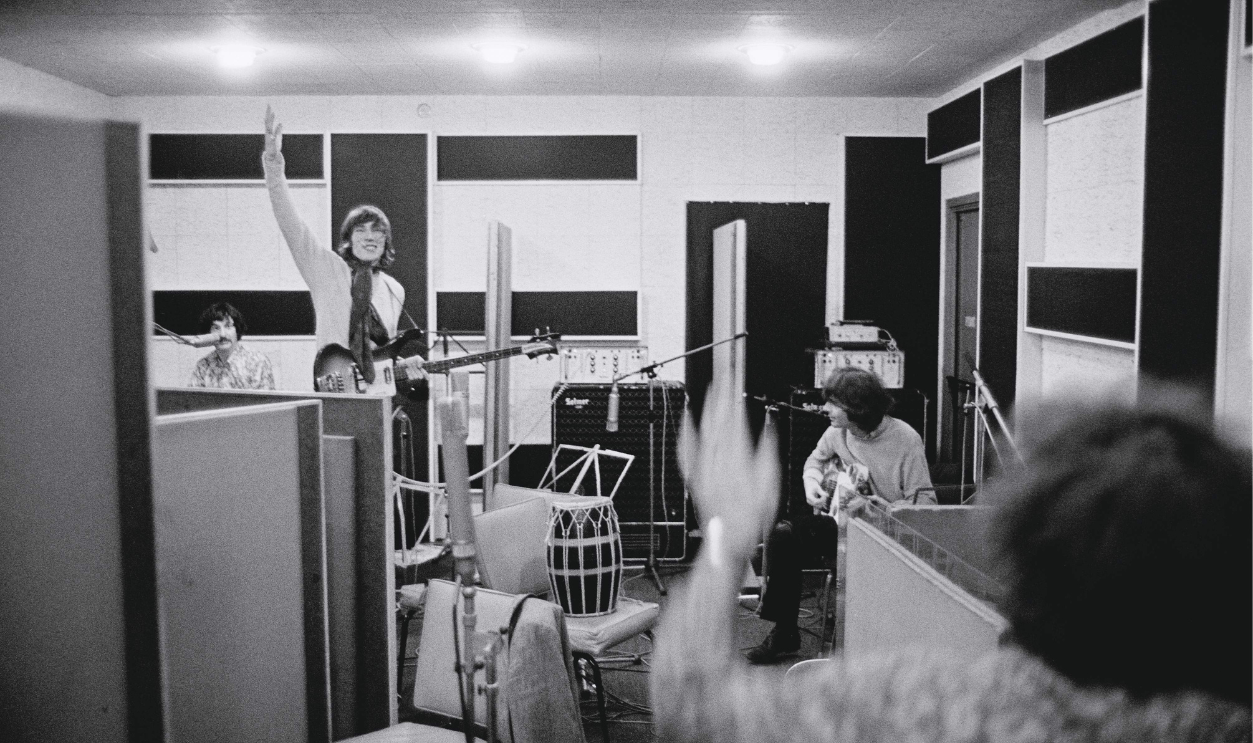
The Band Even Helped Syd Make His Solo Records
The personal separation wasn't as clean as the professional one. Gilmour and Waters helped complete Barrett's first solo album, The Madcap Laughs, while Gilmour and Wright worked on the follow-up, Barrett. Gilmour's involvement is especially poignant given that he'd replaced Barrett. Rather than simply moving on, he found himself helping preserve his old friend's music even as Pink Floyd was trying to build a future without him.
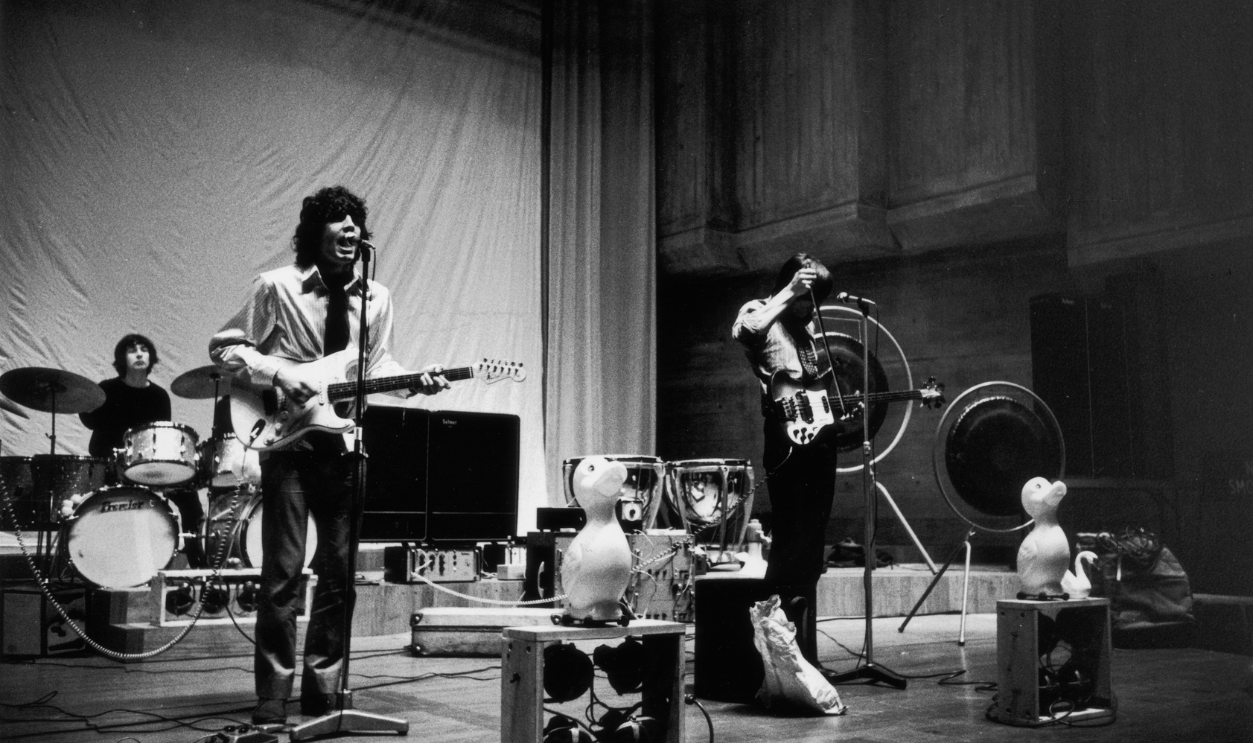
Success Didn't Make The Guilt Disappear
Pink Floyd gradually became more successful after Barrett, but his story stayed close to the surface. The band knew that it had survived partly because it had made a painful decision about someone who had once been its leader and friend. Gilmour later expressed regret about not maintaining more personal contact with Barrett. The greater Pink Floyd became, the more striking the contrast with Barrett's retreat from public life appeared.
 Unknown authorUnknown author, Wikimedia Commons
The Dark Side Of The Moon Echoed His Story Without Being About Him
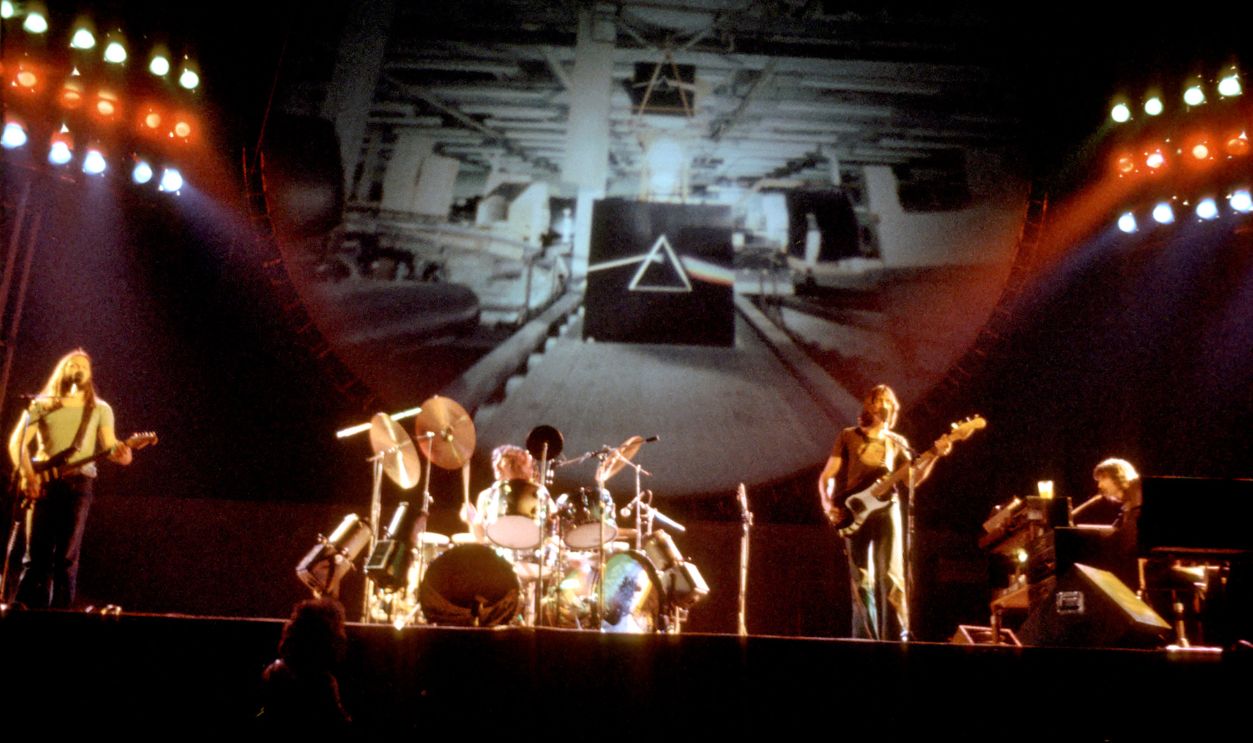
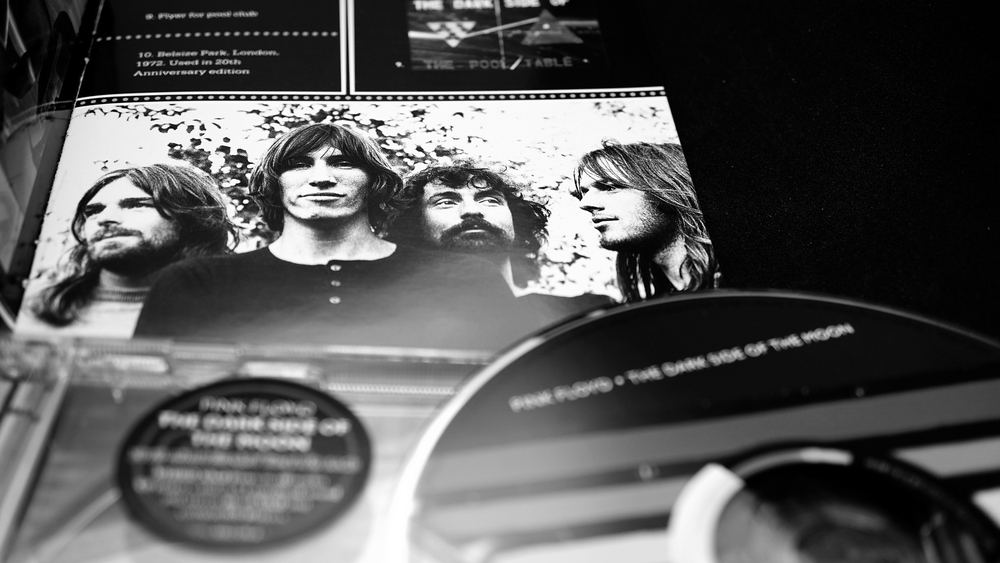
The Dark Side of the Moon wasn't a concept album about Syd Barrett, but its central subjects made comparisons unavoidable. Mental strain, alienation, time, pressure, money, death, and the fear of losing one's grip run through the record. Waters drew on broader human experiences, yet Pink Floyd had already witnessed an intensely personal example of a young man becoming unable to function within the pressures surrounding him.
 Michael Ochs Archives, Getty Images
"Brain Damage" Made The Connection Hard To Miss
"Brain Damage" particularly invited listeners to think about Barrett. Waters' images of madness and someone being pushed outside ordinary society echoed a story Pink Floyd's audience already knew. The song isn't simply a portrait of their former singer, but Barrett's fate gave its subject frightening immediacy. By the time The Dark Side of the Moon made Pink Floyd superstars, the man who had first made them famous was living largely outside music.
Wish You Were Here Finally Put Absence At The Center
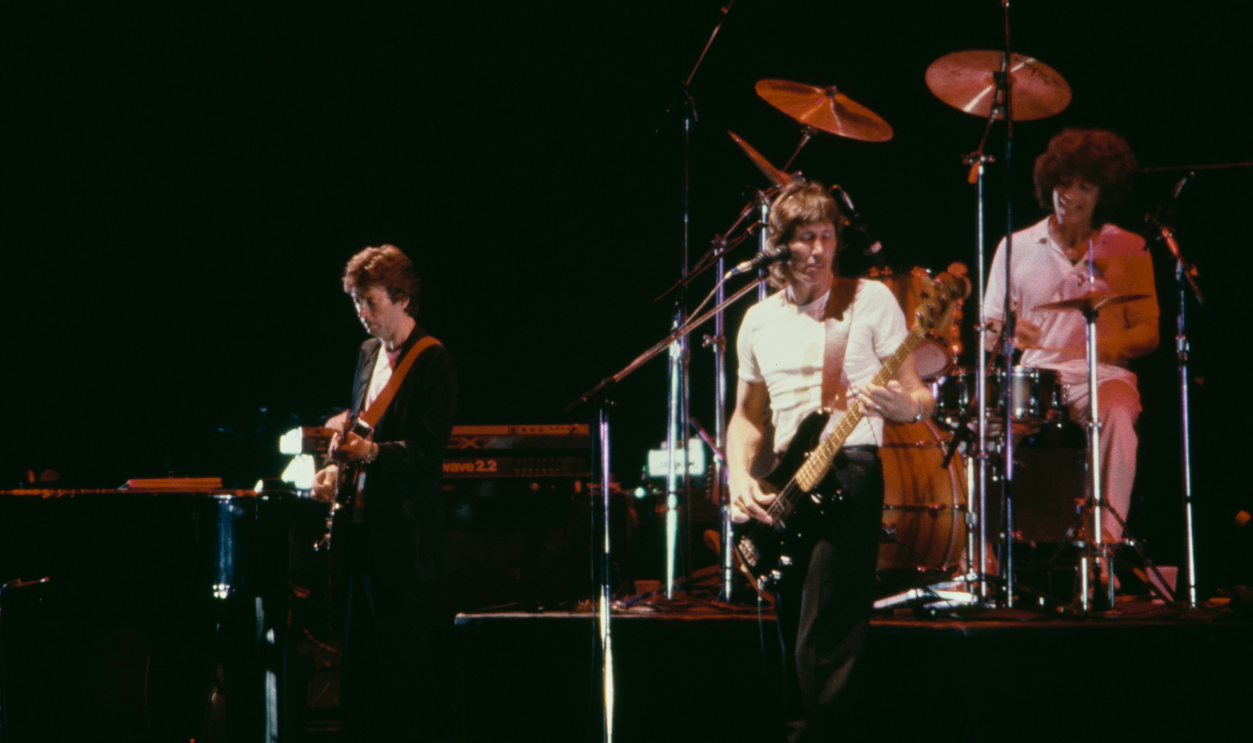
Two years later, Pink Floyd stopped merely carrying Barrett's memory in the background. Wish You Were Here was built around absence, disconnection, the machinery of the music business, and the uneasy experience of success. Barrett wasn't the only subject, but his shadow became central. The album's emotional core came from something the band had never completely resolved: somebody important was missing, and becoming successful hadn't made that loss easier.
Four Guitar Notes Opened The Door Back To Syd
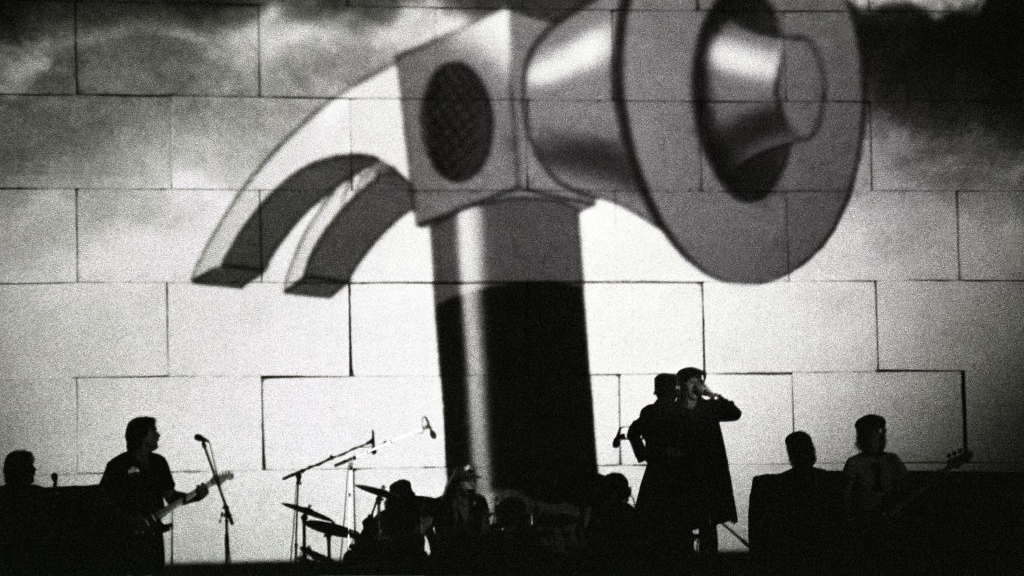
"Shine On You Crazy Diamond" began with a simple four-note phrase Gilmour found on guitar. Waters recognized that the music could support lyrics about Barrett, and the piece grew into an extended tribute spread across the beginning and end of Wish You Were Here. The song doesn't attempt to explain what happened to Syd. It remembers his brilliance, anger, vulnerability, and disappearance without pretending the band had ever understood all of it.
 Lee Dedmon, CC BY-SA 2.0, Wikimedia Commons
Then Syd Walked Into The Studio
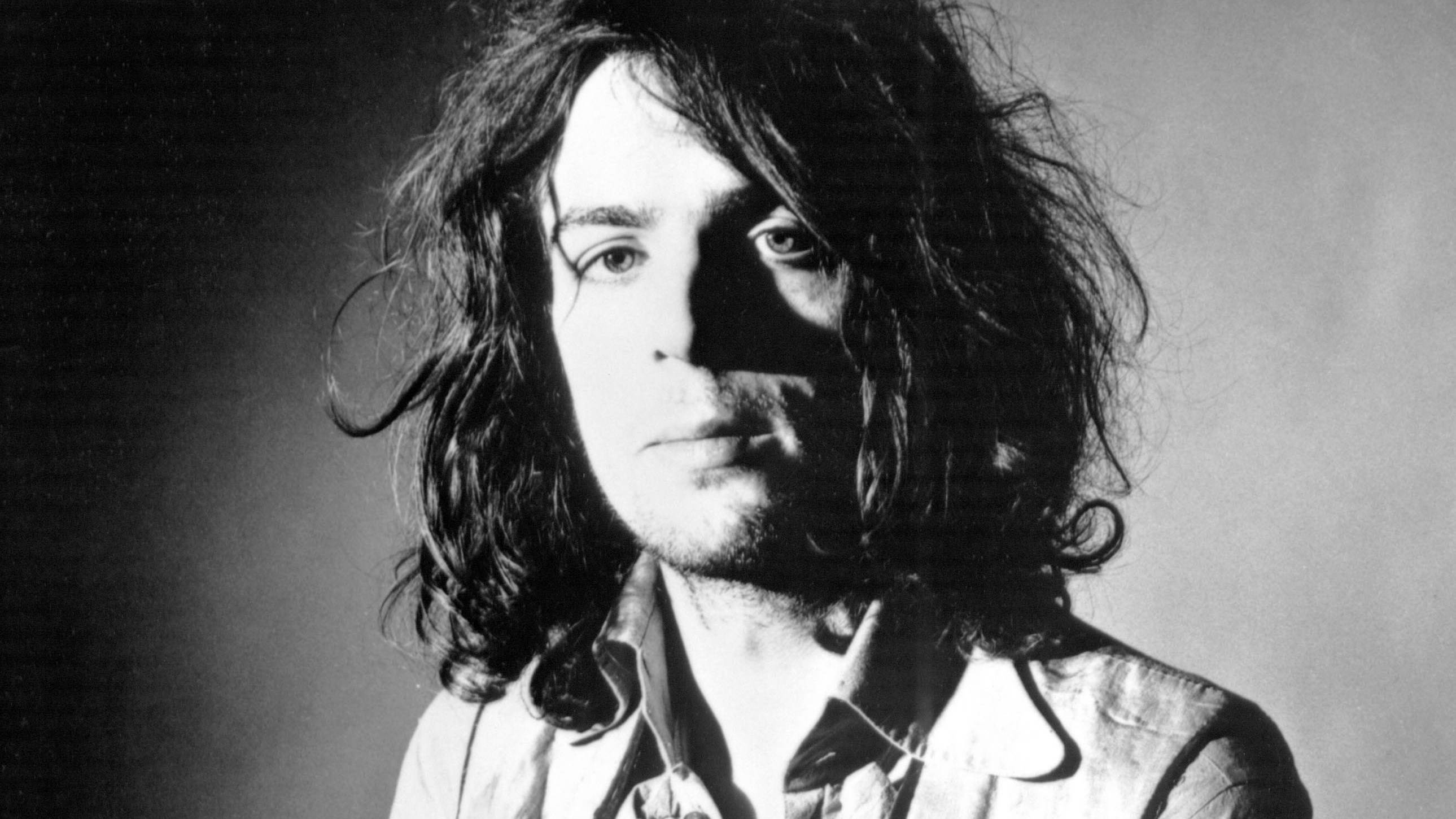
During the recording of Wish You Were Here in 1975, Barrett unexpectedly appeared at Abbey Road. He had gained significant weight, shaved his head and eyebrows, and looked so different that some of his former bandmates didn't initially recognize him. The timing was almost impossibly strange. Pink Floyd was working on music haunted by Barrett's absence, and suddenly the man himself was standing in the room.
The Encounter Shook The Band
Accounts of the visit remain heartbreaking. Richard Wright later recalled Barrett asking when he was supposed to add his guitar, even though the relevant parts had already been recorded. The musicians were deeply affected by seeing him. He attended part of the session and then disappeared from their working lives again. The incident helped turn the mythology around Wish You Were Here into something even more haunting because real life had intruded on the album's central theme.
"Wish You Were Here" Became Bigger Than One Person
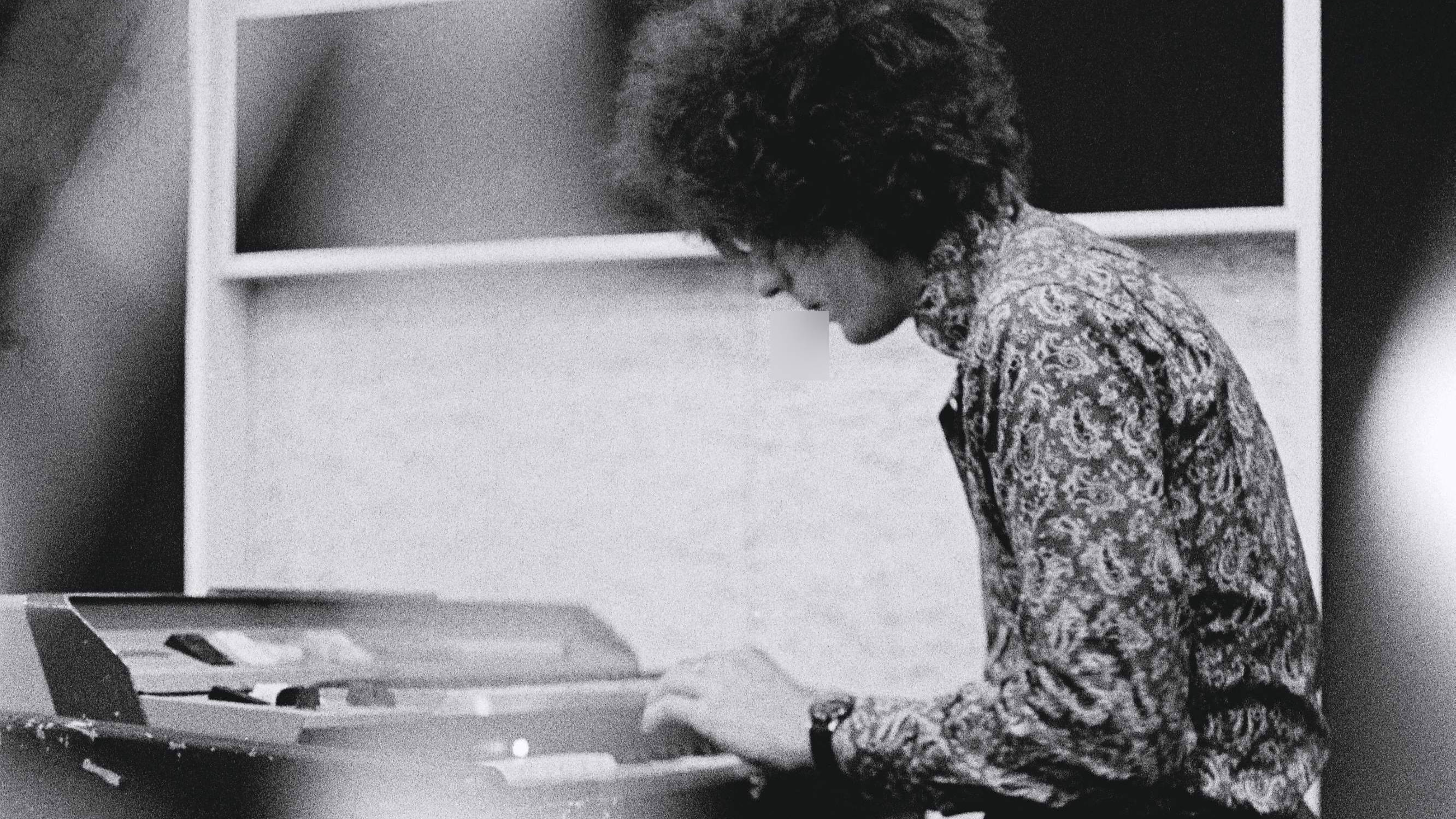
The title song isn't exclusively about Barrett, and both Waters and Gilmour have discussed broader meanings involving absence and personal disconnection. Still, Barrett inevitably hovers over it. By 1975, Pink Floyd had transformed the loss of one person into a universal feeling: the strange experience of caring about somebody who is physically alive yet somehow unreachable. That emotional ambiguity became one of the band's greatest strengths.
 Koh Hasebe/Shinko Music, Getty Images
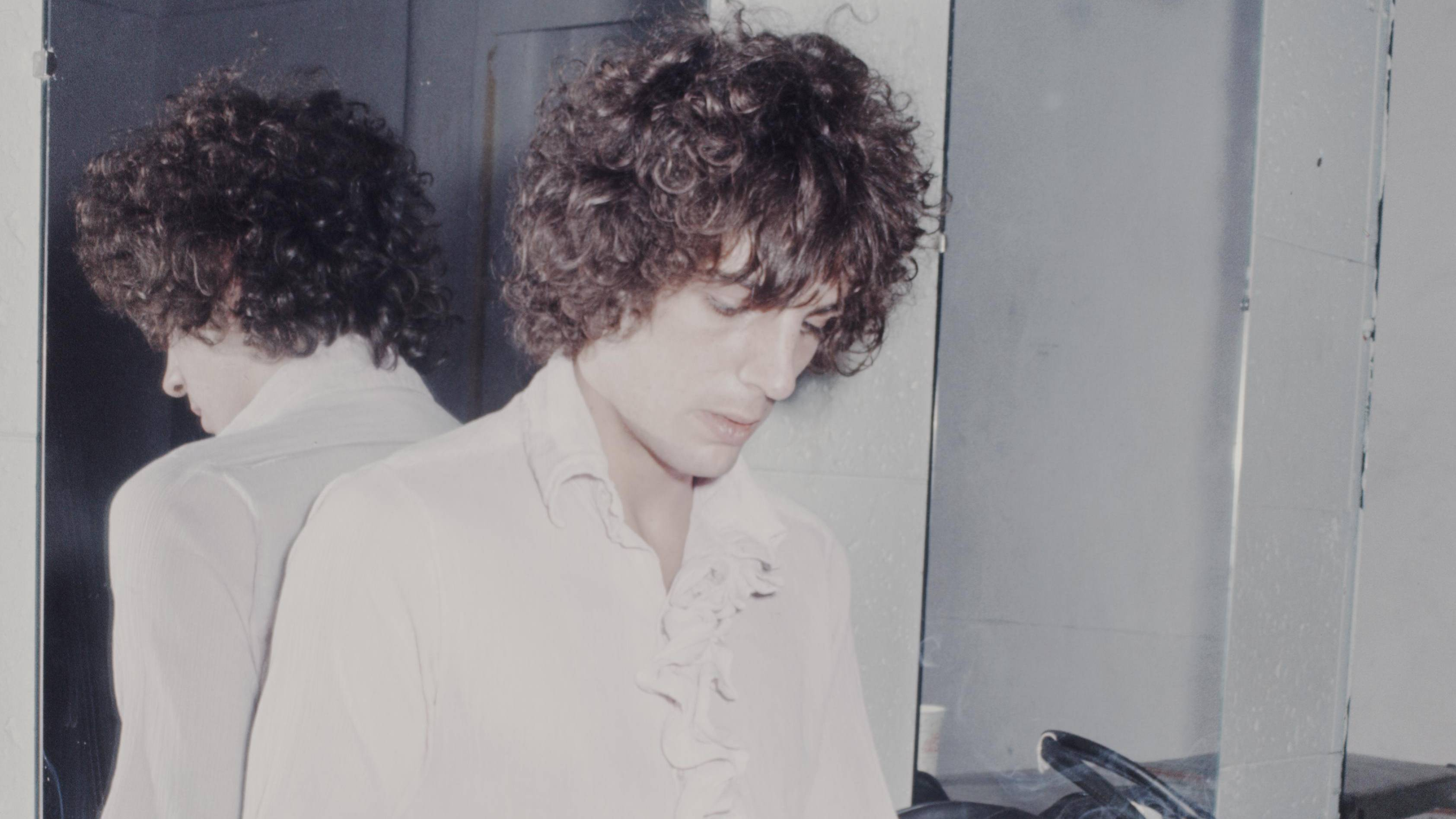
Gilmour Never Tried To Become Syd
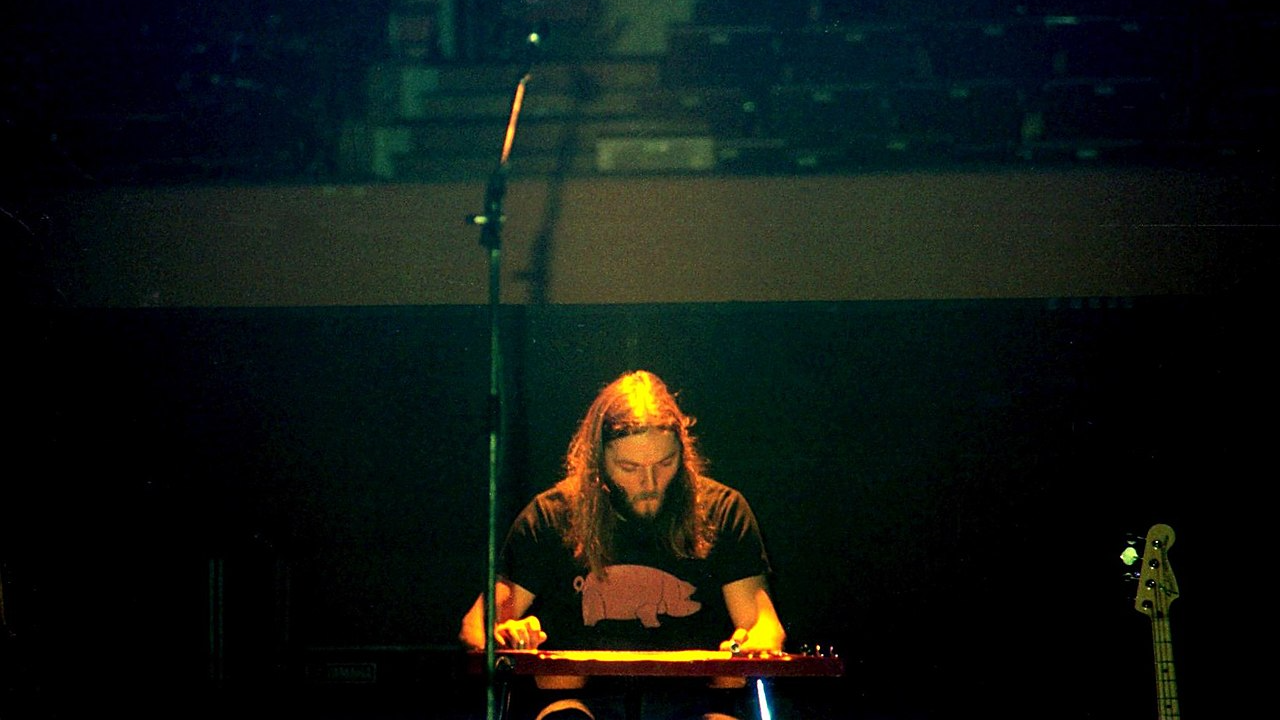
One reason Pink Floyd survived was that Gilmour didn't attempt to recreate Barrett's personality or songwriting style. His voice, guitar technique, and temperament were fundamentally different. That gave the others room to change too. Waters became a conceptual lyricist, Wright's keyboards created enormous atmospheric spaces, Mason's understated drumming anchored increasingly elaborate pieces, and Gilmour's guitar supplied a new emotional center rather than a Barrett imitation.
 Klaus Hiltscher, CC BY-SA 2.0, Wikimedia Commons
Losing Barrett Forced Pink Floyd To Reinvent Itself
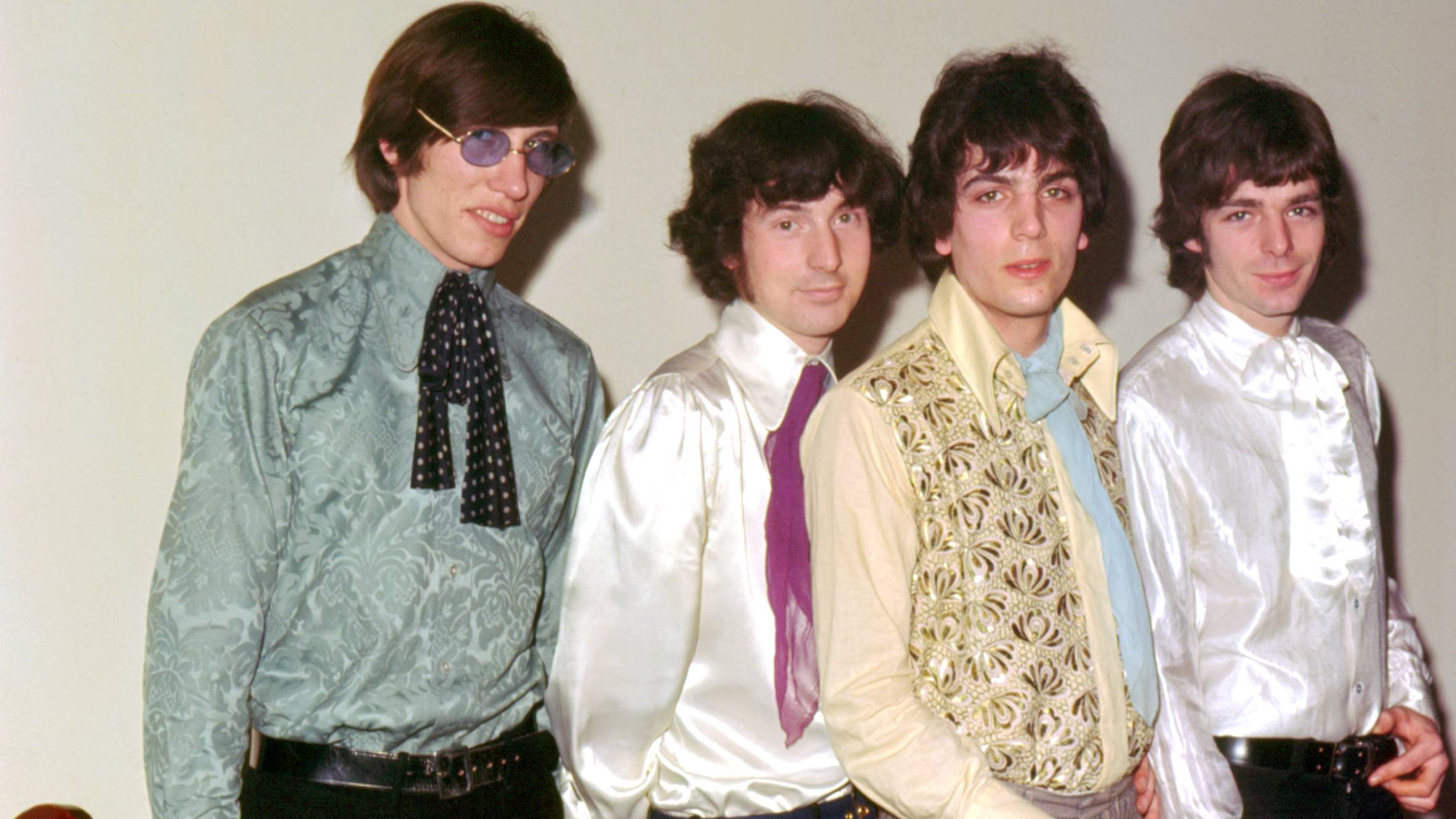
In the short term, Barrett's departure looked catastrophic. In the longer term, it forced every remaining member to become more ambitious. Without their established songwriter, they had to develop a collective identity from scratch. That search produced uneven records before eventually leading to Meddle, The Dark Side of the Moon, Wish You Were Here, Animals, and The Wall. Pink Floyd's greatest commercial era grew partly from the necessity of learning how to exist without Syd.
 Michael Ochs Archives, Getty Images
Yet Their Biggest Reinvention Still Carried His Shadow
The irony is that escaping Barrett's musical identity never meant escaping his influence. Pink Floyd abandoned his whimsical psychedelic pop, but themes connected to his story grew larger as the band's music became more serious. Isolation, mental fracture, absence, failed communication, and the pressures of modern life became recurring concerns. Barrett was no longer supplying the songs, yet the experience of losing him had changed what his former bandmates wanted to write about.
Gilmour's Replacement Became A Different Kind Of Tribute
Gilmour ultimately spent far longer in Pink Floyd than Barrett ever did, and his guitar became one of the most recognizable sounds in rock. Yet he continued acknowledging Barrett's importance throughout his career, including his work on Barrett's solo recordings and later archival projects. The relationship remained emotionally complicated: Gilmour had benefited professionally from a friend's collapse, but he also helped make sure the friend's music wasn't forgotten.
Pink Floyd Saved Itself By Becoming Something Syd Had Never Been
The band that made The Piper at the Gates of Dawn and the band that made The Dark Side of the Moon can sound almost like two different groups. That transformation was precisely why Pink Floyd survived. David Gilmour didn't replace Syd Barrett in the creative sense because nobody really could. Instead, his arrival allowed Pink Floyd to evolve into something new while the memory of its first leader quietly followed them into almost every stage of that evolution.
Barrett’s disappearance gave the surviving members an emotional wound they kept returning to as their music grew darker, larger, and more reflective. Pink Floyd thought replacing him might save the band. It did, but the music that followed proved they never truly left him behind.
You May Also Like: