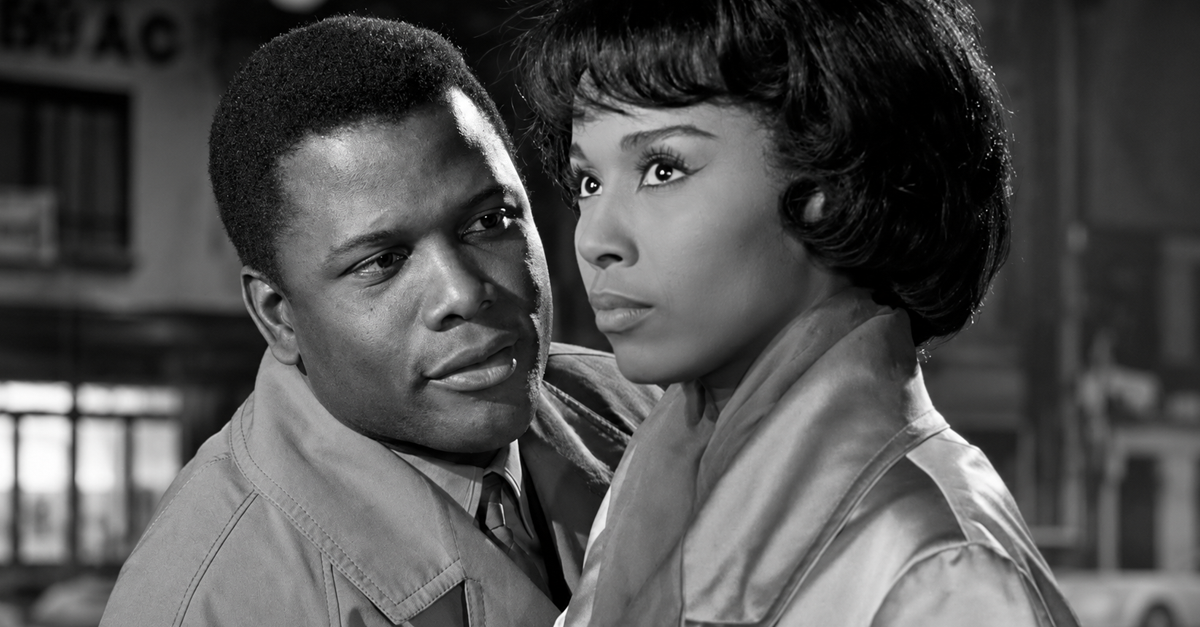
Their Secret Romance Lasted Nine Years
Diahann Carroll and Sidney Poitier made history on screen, but their private lives were every bit as dramatic. Behind the scenes, the two were involved in a steamy nine-year affair while both were married. Carroll later said Poitier urged her to leave her husband so they could finally be together, and she did. Then Poitier hesitated, setting off years of broken plans, arguments, and a breakup they later remembered very differently.
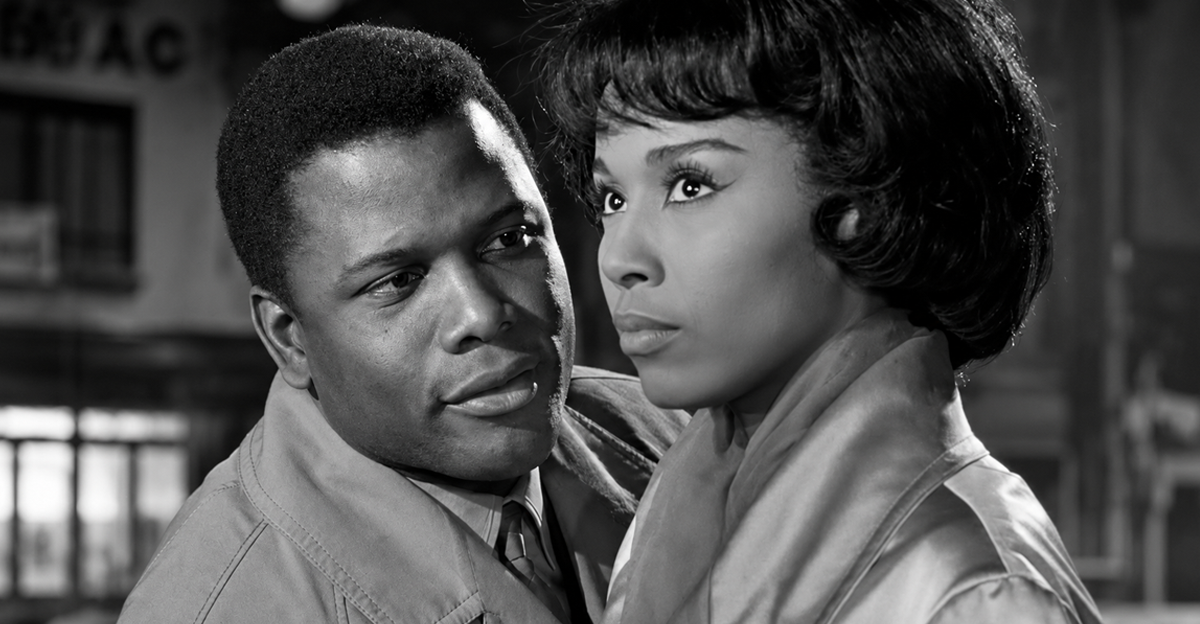 Screenshot from Paris Blues, United Artists (1961)
They Were Two Hollywood Trailblazers
Carroll and Poitier were already breaking barriers in an industry that offered Black performers painfully few leading roles. Carroll had appeared in films including Carmen Jones and was establishing herself as a major stage performer. Poitier was becoming one of Hollywood's most important leading men. Their paths crossed at exactly the wrong time personally.
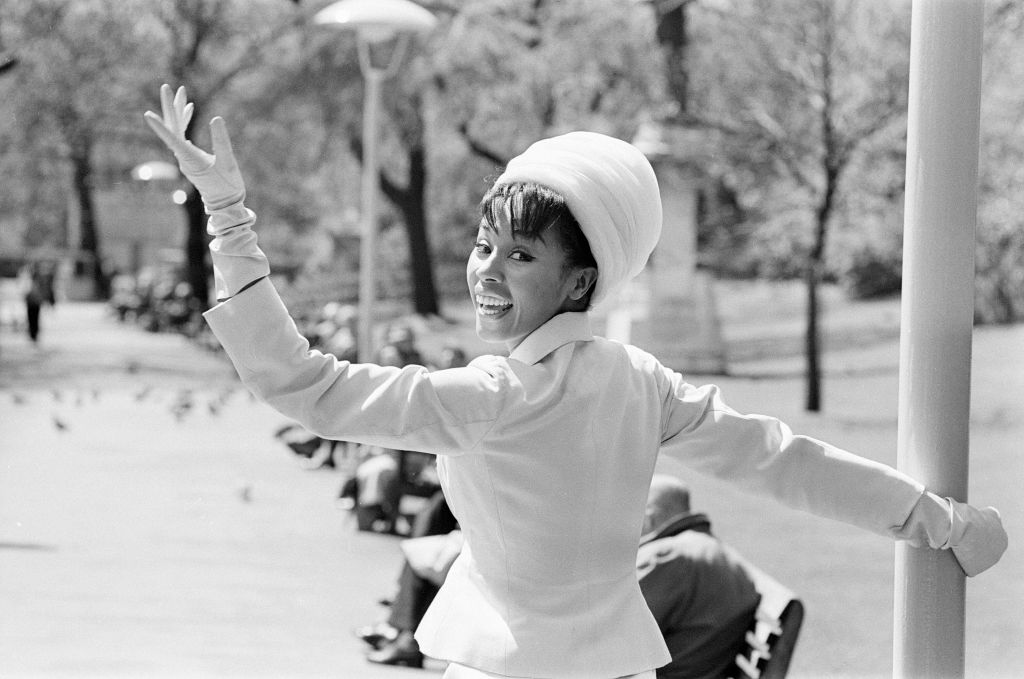
They Fell For Each Other On Porgy And Bess
Carroll and Poitier worked together on the 1959 film Porgy and Bess. Poitier later wrote that he quickly became captivated by Carroll's confidence, humor, and sophistication. By the end of production, he said, they had fallen in love. There was just one enormous problem.
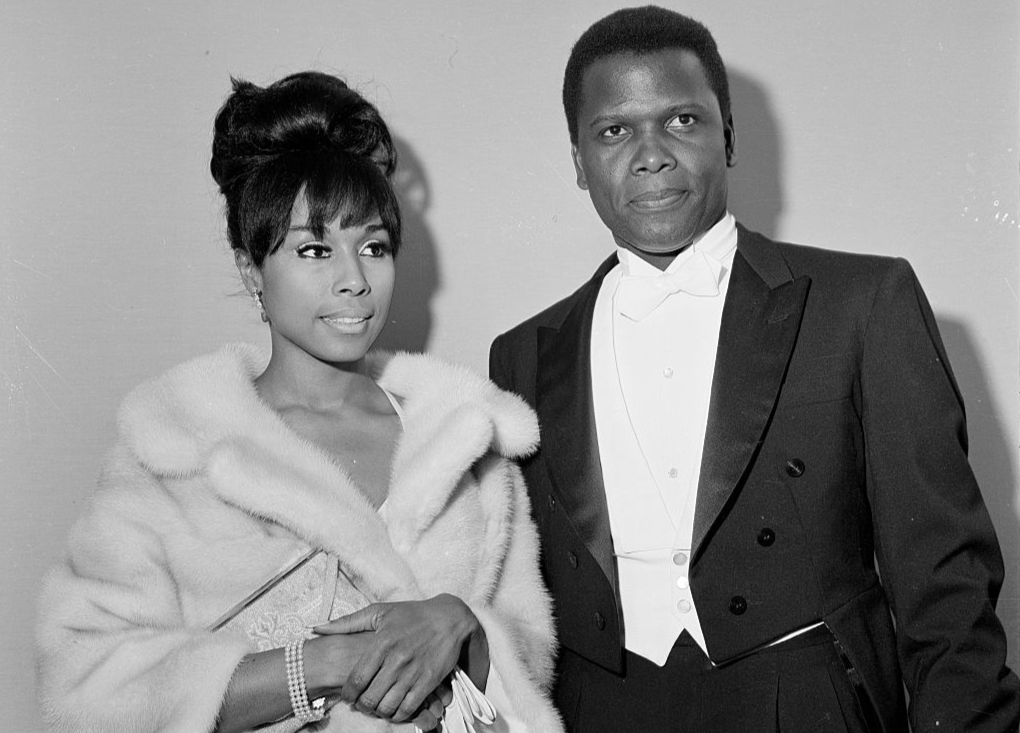 Michael Ochs Archives, Gettyimages
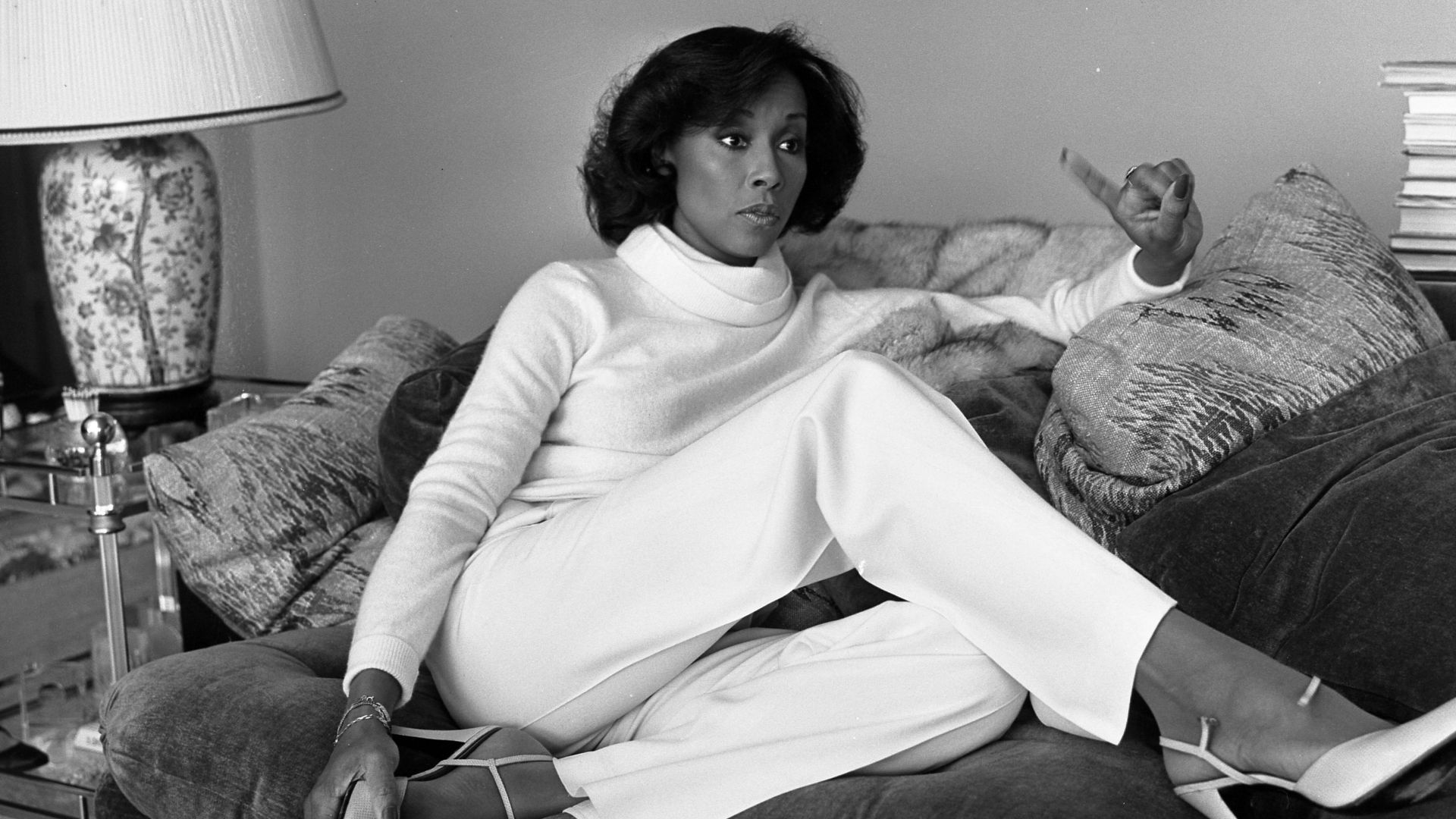
Neither Of Them Was Single
Carroll had married casting director Monte Kay in 1956. Poitier had been married to Juanita Hardy since 1950, and the couple already had children. Carroll and Kay would also welcome their daughter Suzanne in 1960. Their attraction therefore had consequences far beyond the two of them.
 Mary Frampton, Los Angeles Times, Wikimedia Commons
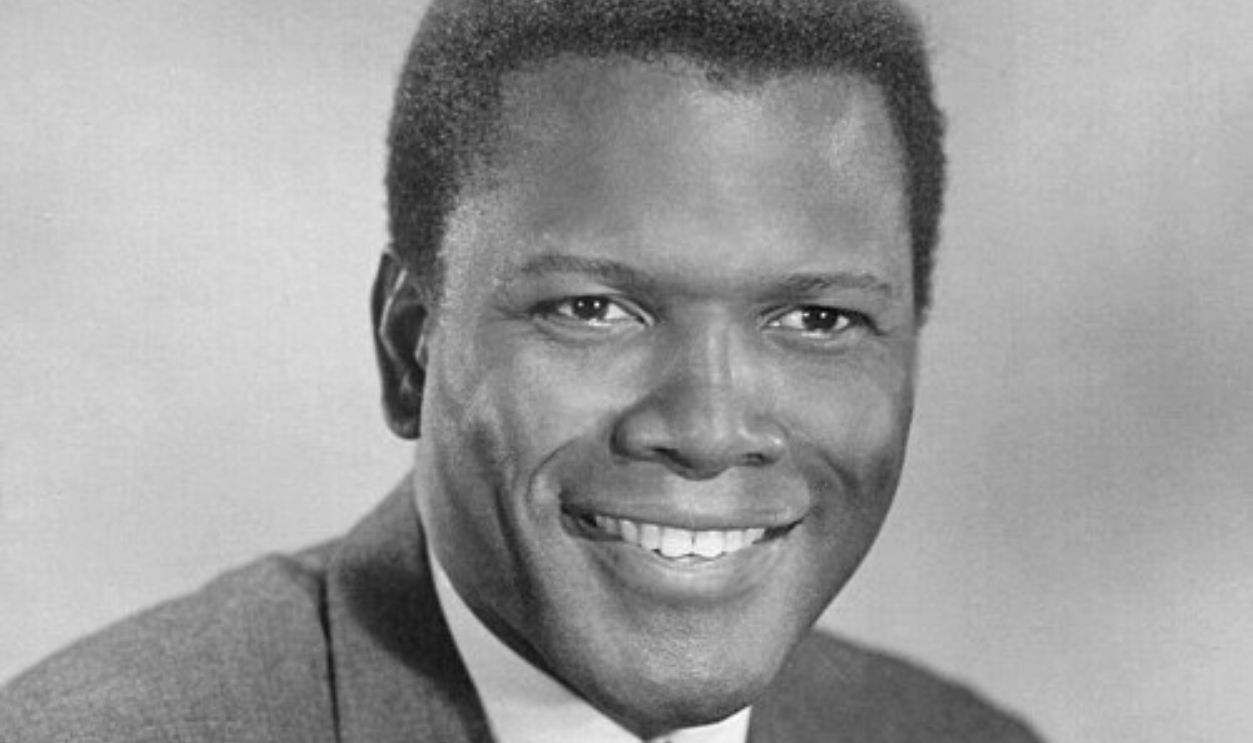
The Attraction Became A Long Affair
Whatever reservations they initially had did not end the relationship. Carroll and Poitier began an affair that would continue, on and off, for years. Both later discussed it publicly rather than pretending it had never happened. Poitier eventually described their time together as nine bittersweet years.
 Unknown photographer, Wikimedia Commons
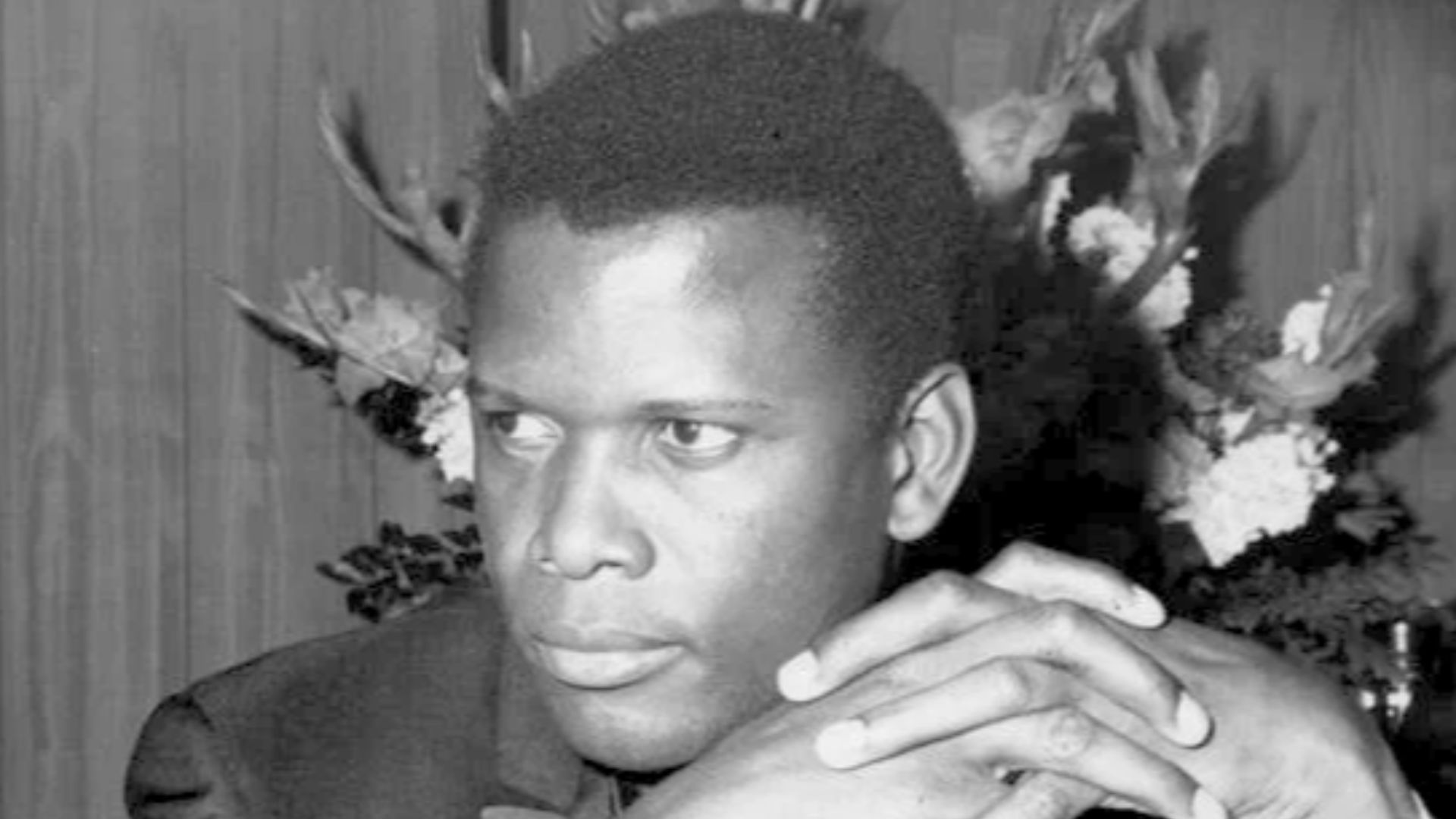
They Told Their Spouses
Poitier later wrote that he and Carroll eventually went home and admitted what had happened to their spouses. That confession did not produce a clean break. Poitier moved into a bachelor apartment, but neither marriage immediately ended. The affair remained caught between two existing families.
 Irv Steinberg, Wikimedia Commons
Hollywood Kept Bringing Them Together
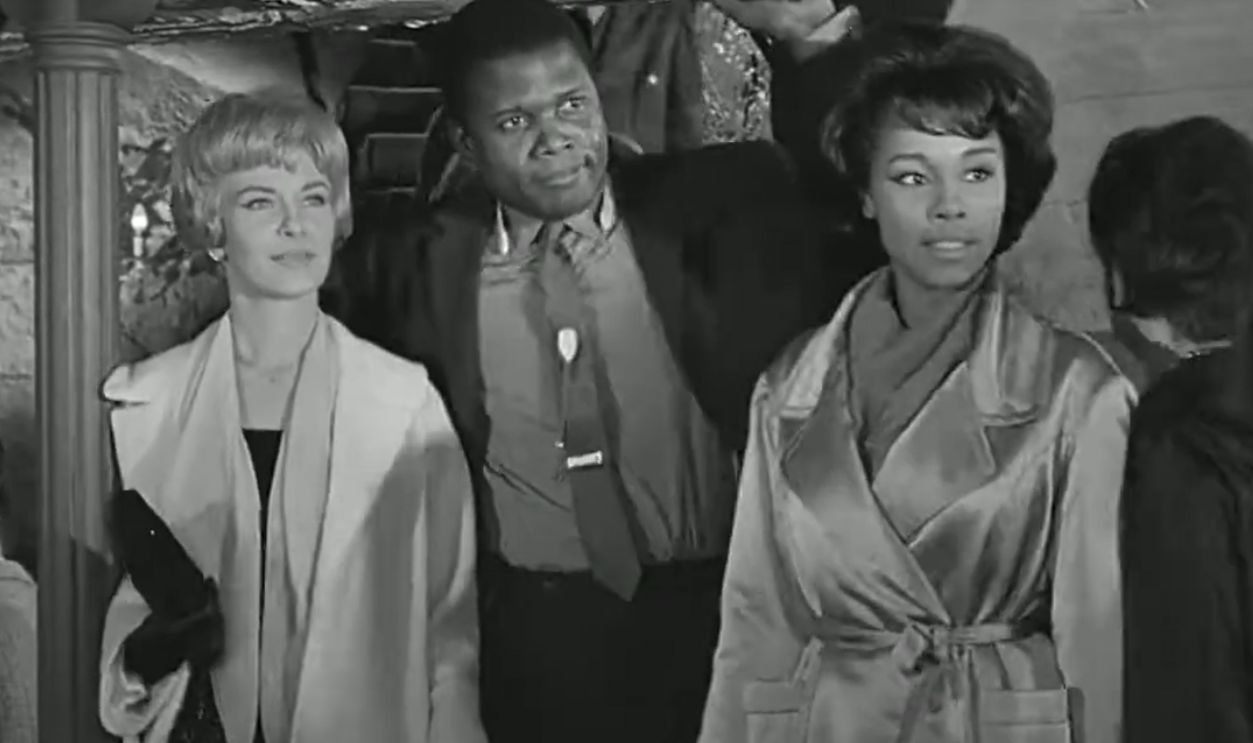
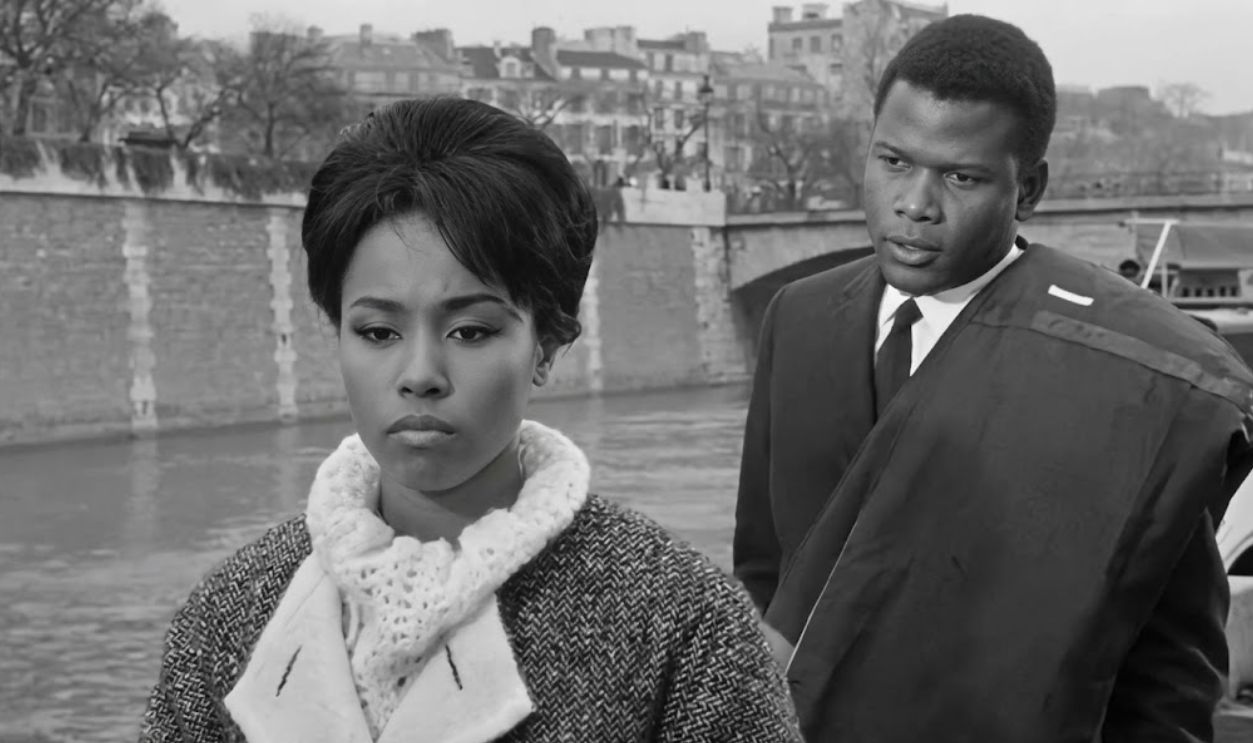
Their professional lives also made a clean separation difficult. Carroll and Poitier appeared together again in the 1961 drama Paris Blues, alongside Paul Newman and Joanne Woodward. Onscreen, Carroll and Poitier played romantic interests. Offscreen, their own relationship remained unresolved.
 Screenshot from Paris Blues, United Artists (1961)
Carroll's Career Was Surging
Carroll's personal turmoil coincided with one of the biggest breakthroughs of her career. She starred in Richard Rodgers' Broadway musical No Strings and won the Tony Award for Best Actress in a Musical in 1962. She became the first Black woman to win that category. Her professional life was soaring even as her private life became increasingly complicated.
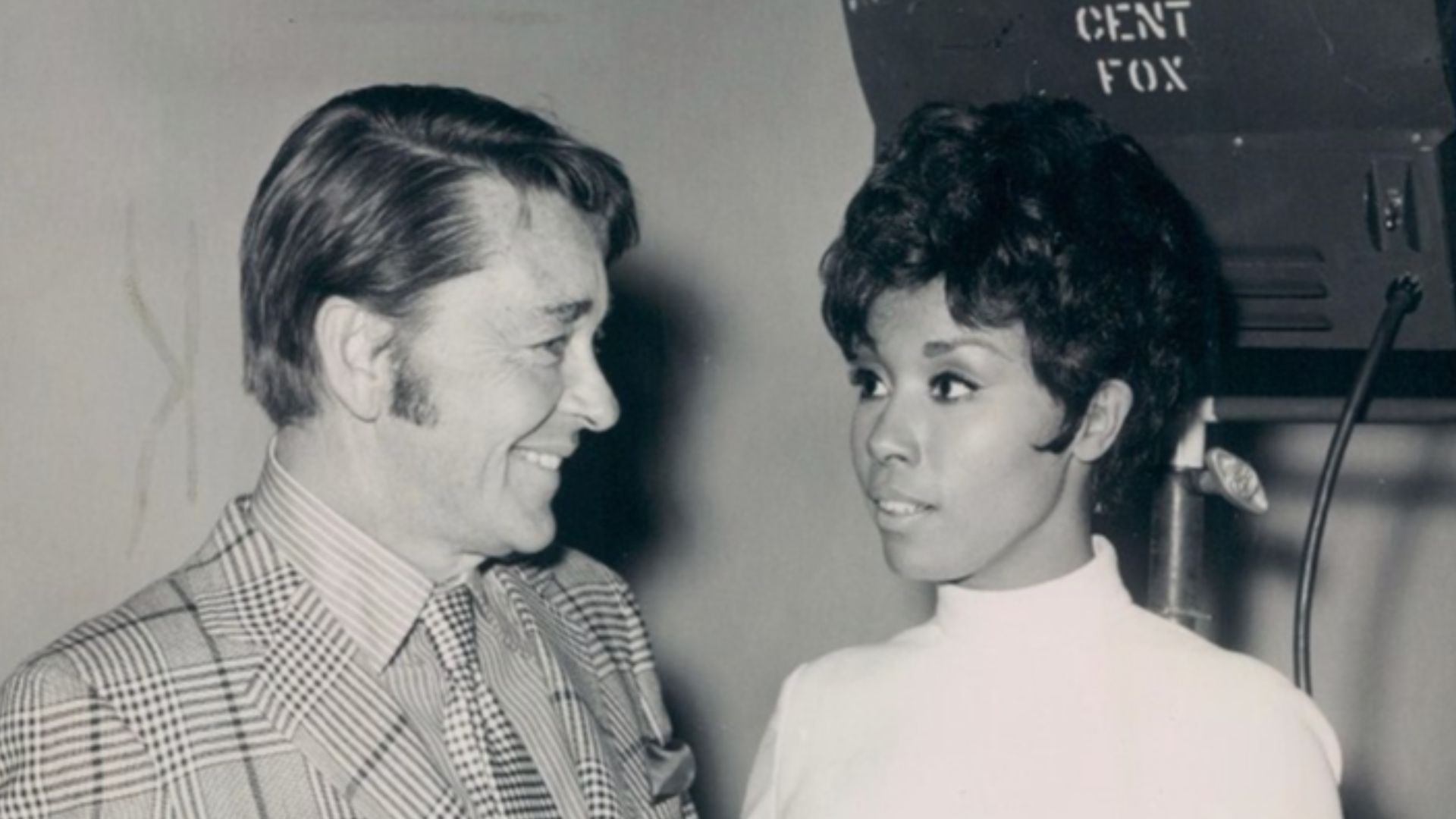 unknown (20th Century Fox), Wikimedia Commons
Their Relationship Refused To End
Carroll and Poitier repeatedly struggled with what their relationship was supposed to become. Poitier later remembered passionate arguments as well as reconciliations. Carroll's own accounts made clear that the uncertainty became emotionally exhausting. Eventually, conversations about actually leaving their marriages became impossible to avoid.
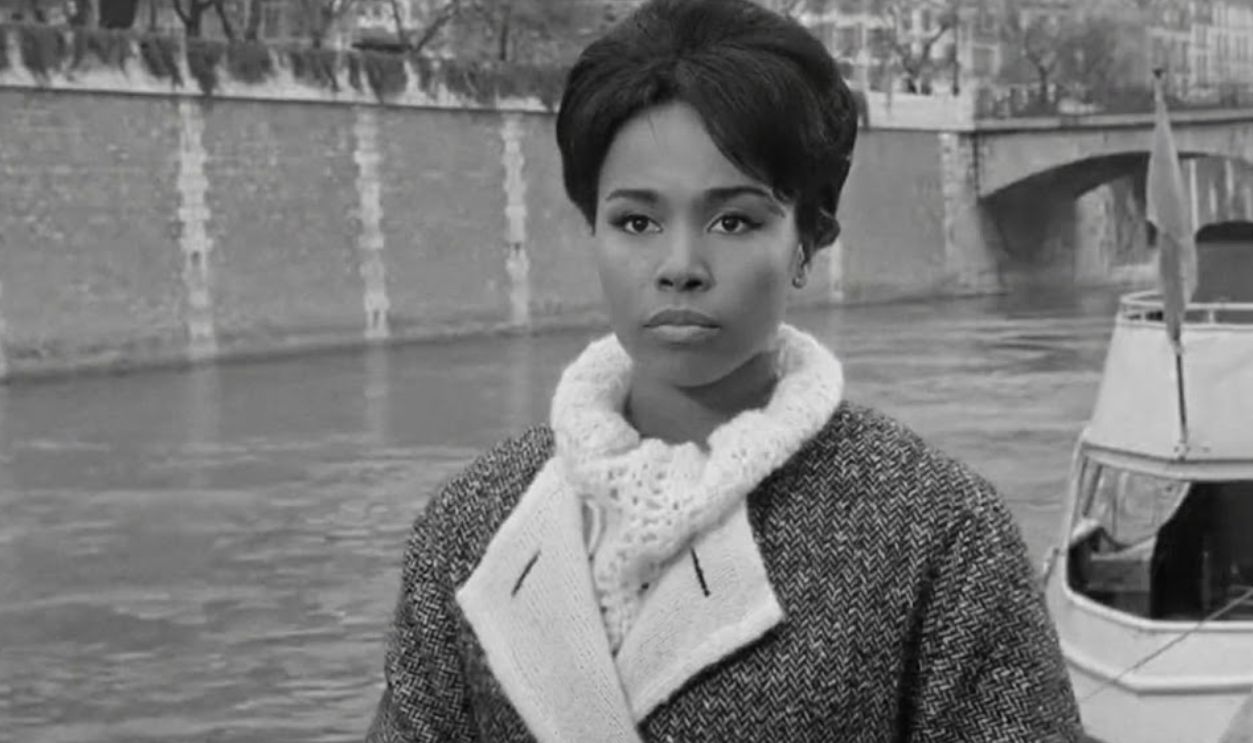 Screenshot from Paris Blues, United Artists (1961)
Carroll Said Poitier Wanted Her To Divorce
Carroll later said Poitier encouraged her to divorce Monte Kay. According to her, he indicated that he intended to leave Juanita as well. That transformed their relationship from an affair into what Carroll believed was a plan for a future together. She ultimately acted on it.
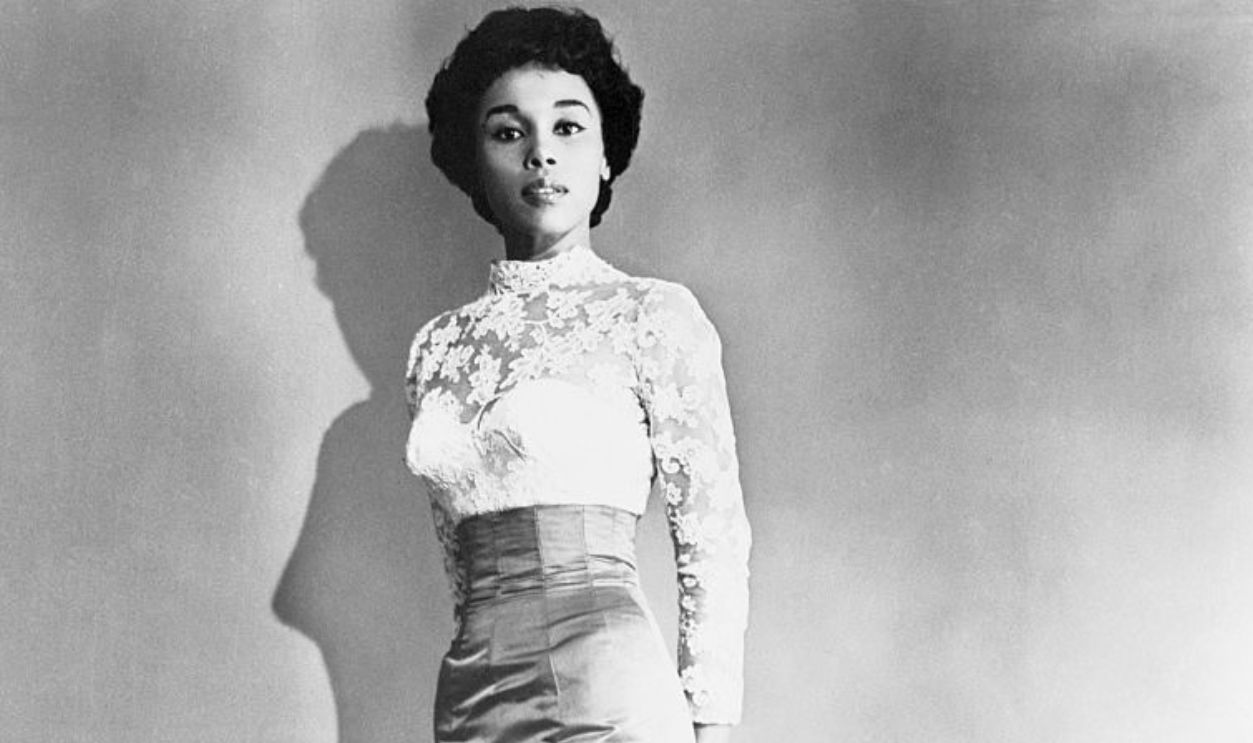
Carroll Ended Her Marriage
Carroll's marriage to Kay ended in 1963. She later said she believed that finally cleared the way for her and Poitier to build a life together. Poitier, however, was still married to Juanita at the time. For Carroll, the situation suddenly looked very different.
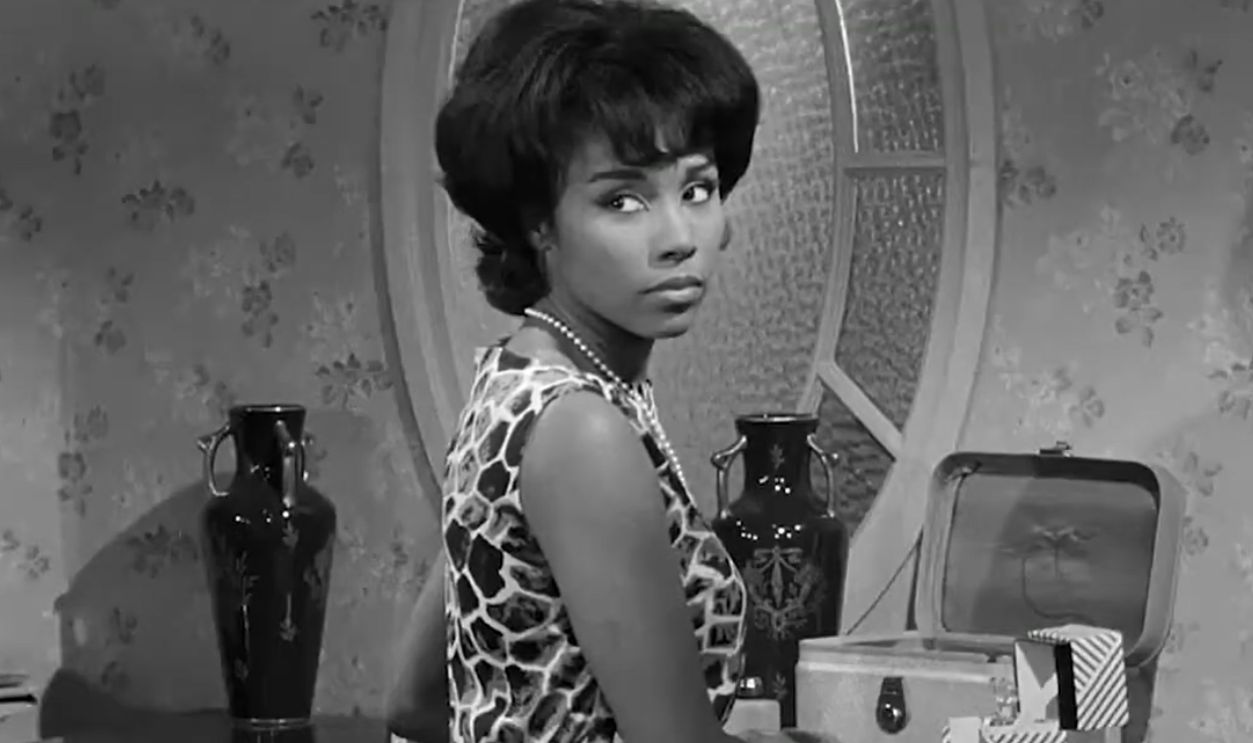 Screenshot from Paris Blues, United Artists (1961)
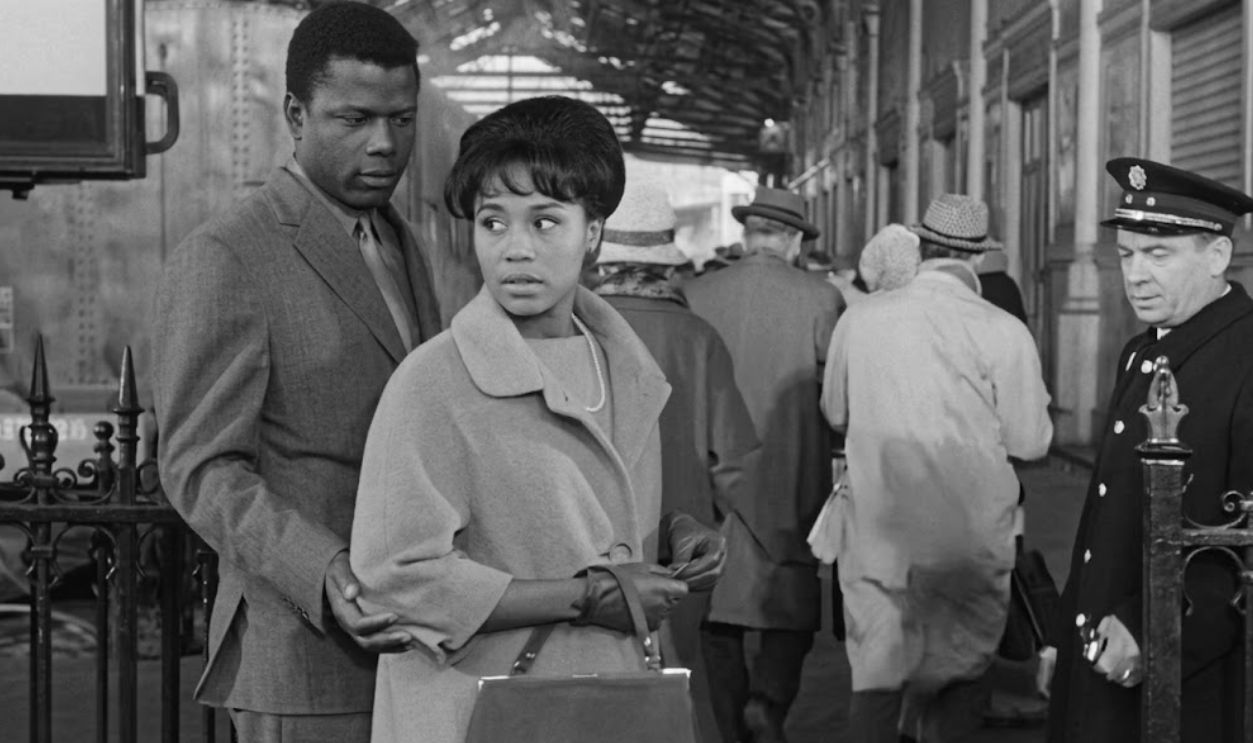
She Expected Poitier To Follow
Carroll's frustration centered on what she believed Poitier had promised her. She had ended her marriage expecting that he would soon do the same. Instead, she found herself waiting again. The future she thought they had agreed upon remained uncertain.
 Screenshot from Paris Blues, United Artists (1961)
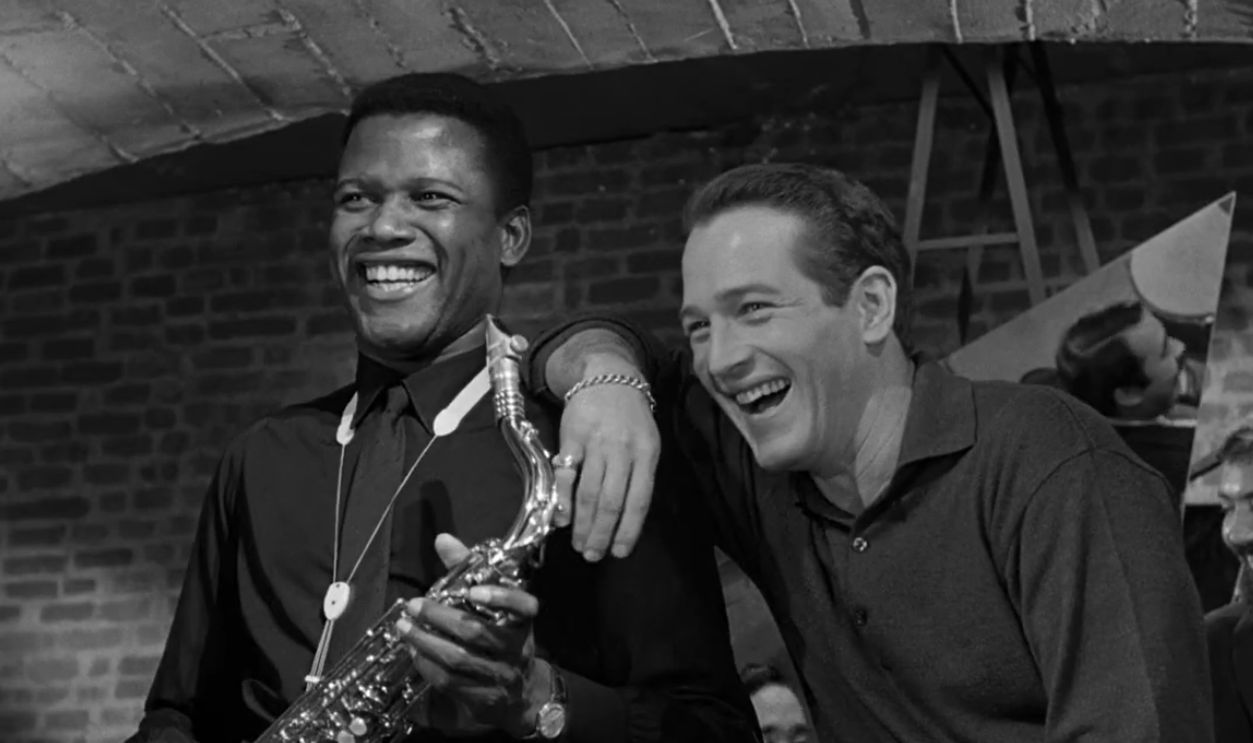
They Even Planned A Home Together
The relationship eventually appeared to move closer to becoming permanent. Poitier later wrote about a new apartment that he and Carroll planned to share. It seemed like a major step after years of uncertainty. Instead, the apartment became part of the conflict that helped tear them apart.
 Screenshot from Paris Blues, United Artists (1961)
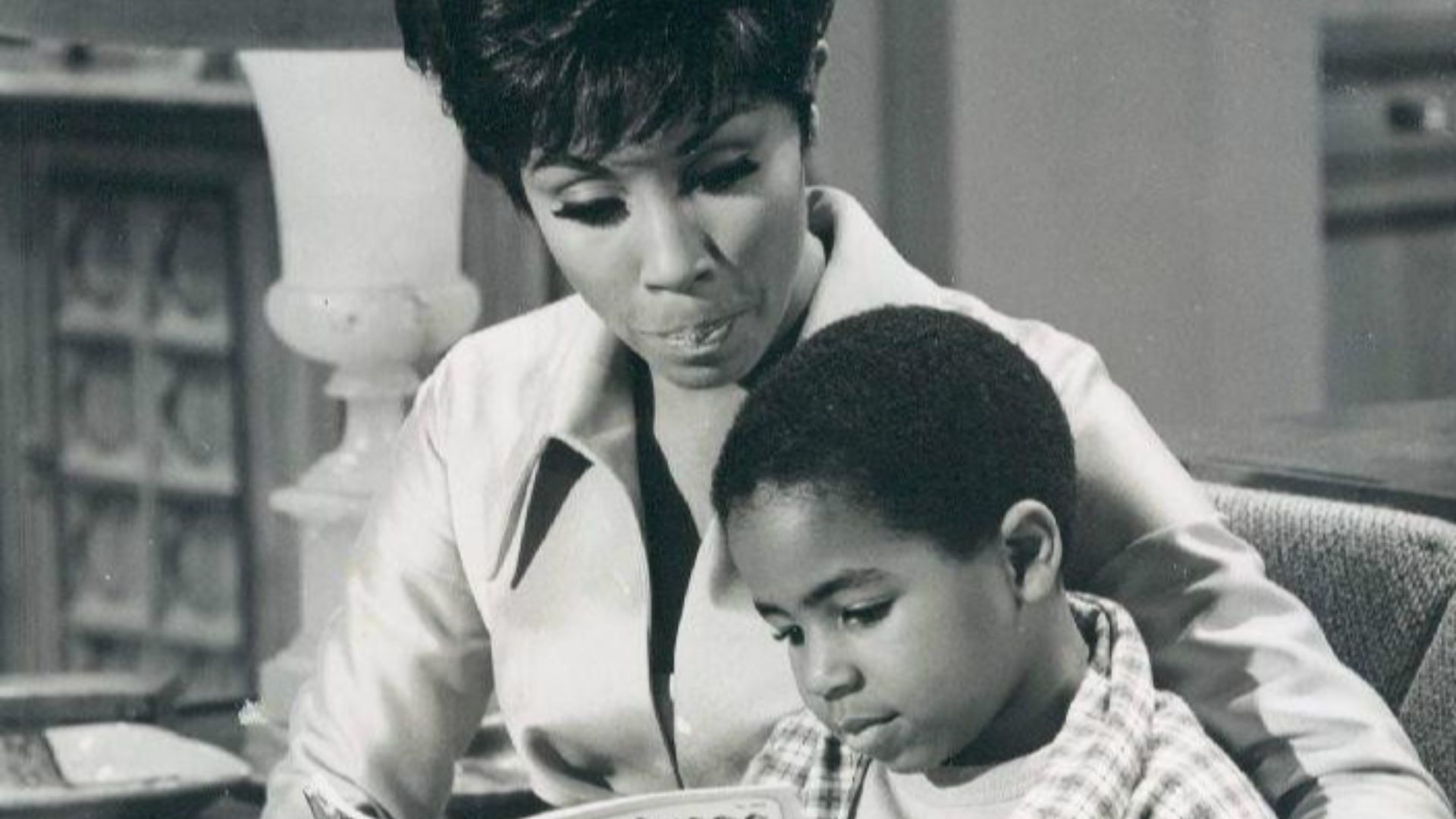
Carroll's Daughter Changed The Equation
One of the biggest disagreements involved Carroll's daughter, Suzanne. Poitier later said he wanted Carroll's parents to care for Suzanne temporarily while he and Carroll spent their first six months living together. Carroll refused that arrangement. The disagreement exposed a serious difference in what each expected their new life to look like.
 NBC Television. Uploaded by We hope at en.wikipedia, Wikimedia Commons
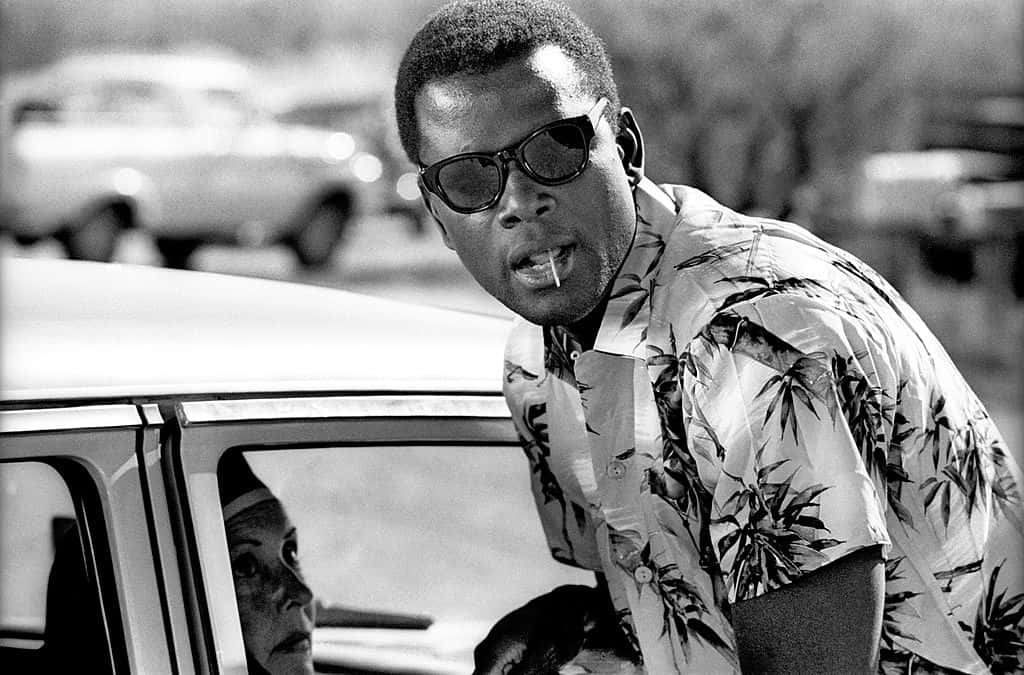
Poitier Told A Different Version
Poitier's account complicates Carroll's version of events. He said Carroll asked him to leave his home and obtain a divorce, which he eventually did. He claimed his request for six months living together without Suzanne was meant to create space between his first marriage and whatever came next. According to Poitier, Carroll's refusal helped begin the final unraveling of their relationship.
 Michael Ochs Archives, Getty Images
Poitier Eventually Did Divorce
One important detail is often lost when their story is retold. Poitier did eventually divorce Juanita, with their marriage formally ending in 1965. Carroll had already divorced Kay roughly two years earlier. Her complaint was therefore about his delays and reversals, not that he remained married forever.
Being Free Did Not Fix Everything
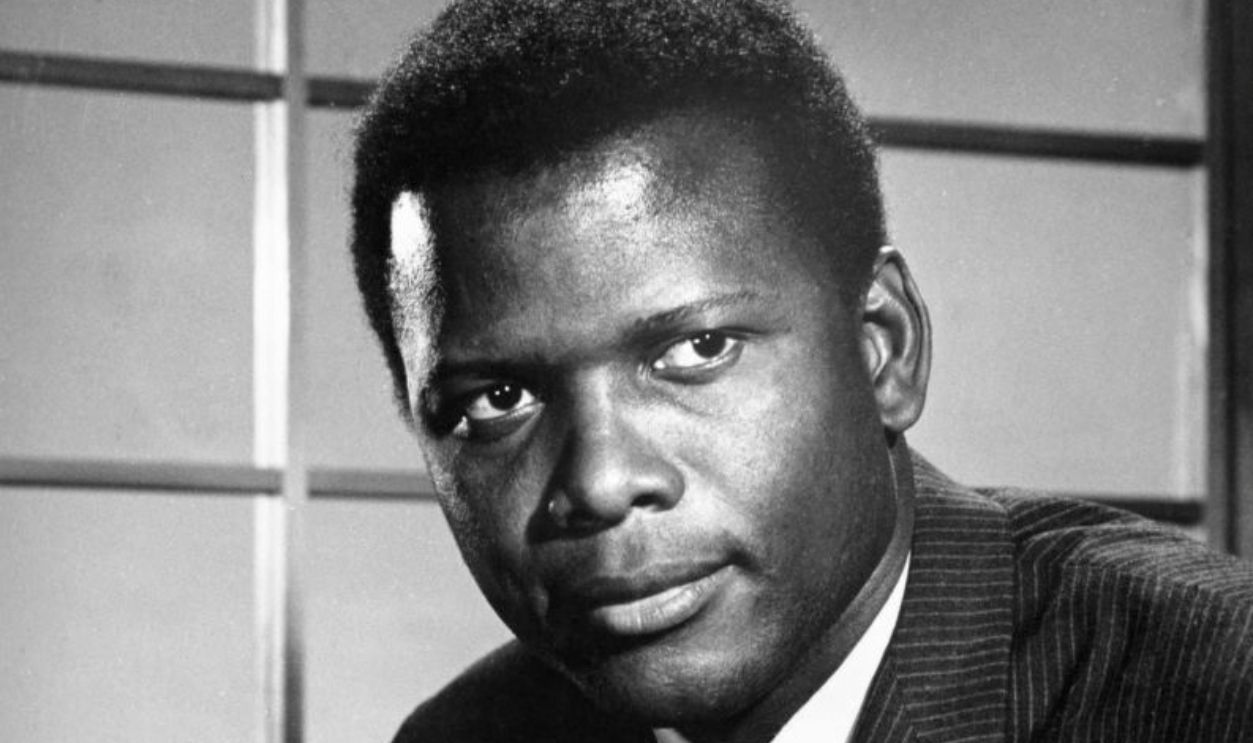
By the time both stars were legally available, the relationship had already accumulated years of resentment and uncertainty. Arguments over Suzanne and their proposed household added another strain. Becoming free to marry each other did not suddenly solve those problems. Their imagined future proved harder to build than either had expected.
 Screenshot from Paris Blues, United Artists (1961)
The Affair Lasted Nearly A Decade
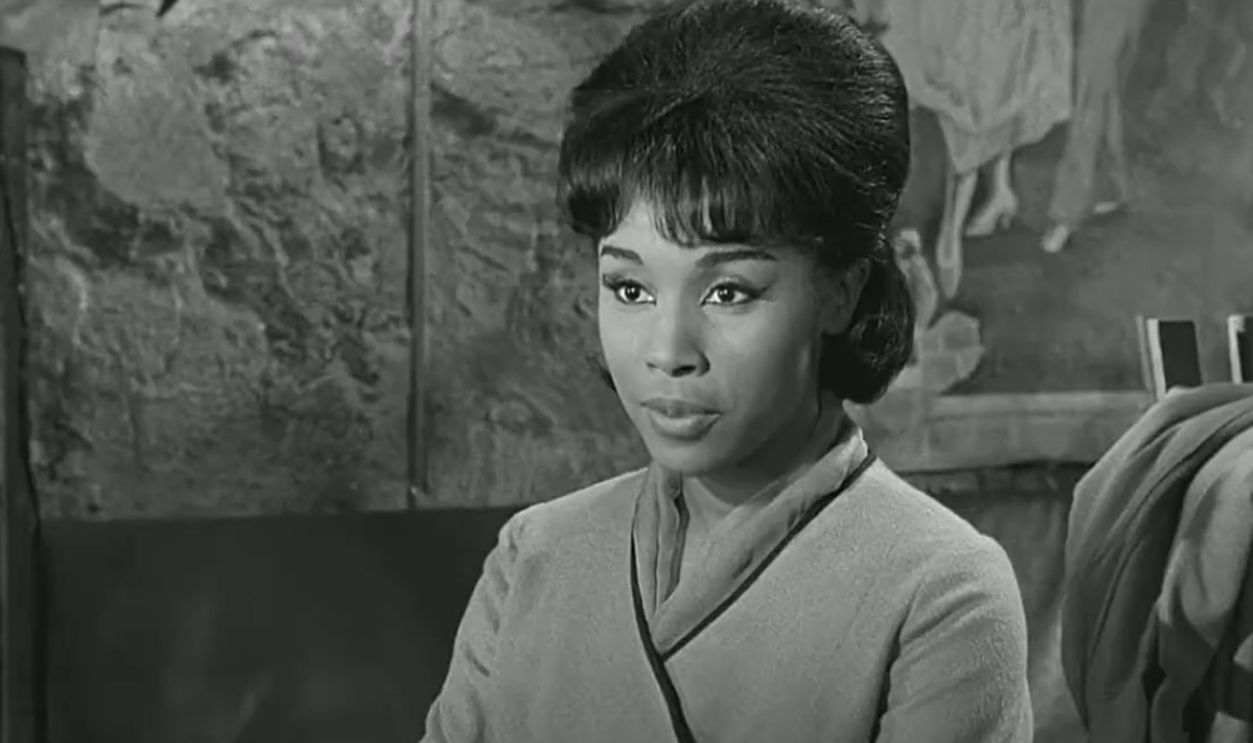
Despite everything, Carroll and Poitier remained emotionally connected for roughly nine years. Their relationship survived marriages, separations, and repeated arguments before finally ending in the late 1960s. Carroll later made clear that Poitier had been far more than a passing Hollywood romance. The breakup was painful because the relationship had meant so much to both of them.
 Screenshot from Paris Blues, United Artists (1961)
Carroll Called Their Love Profound
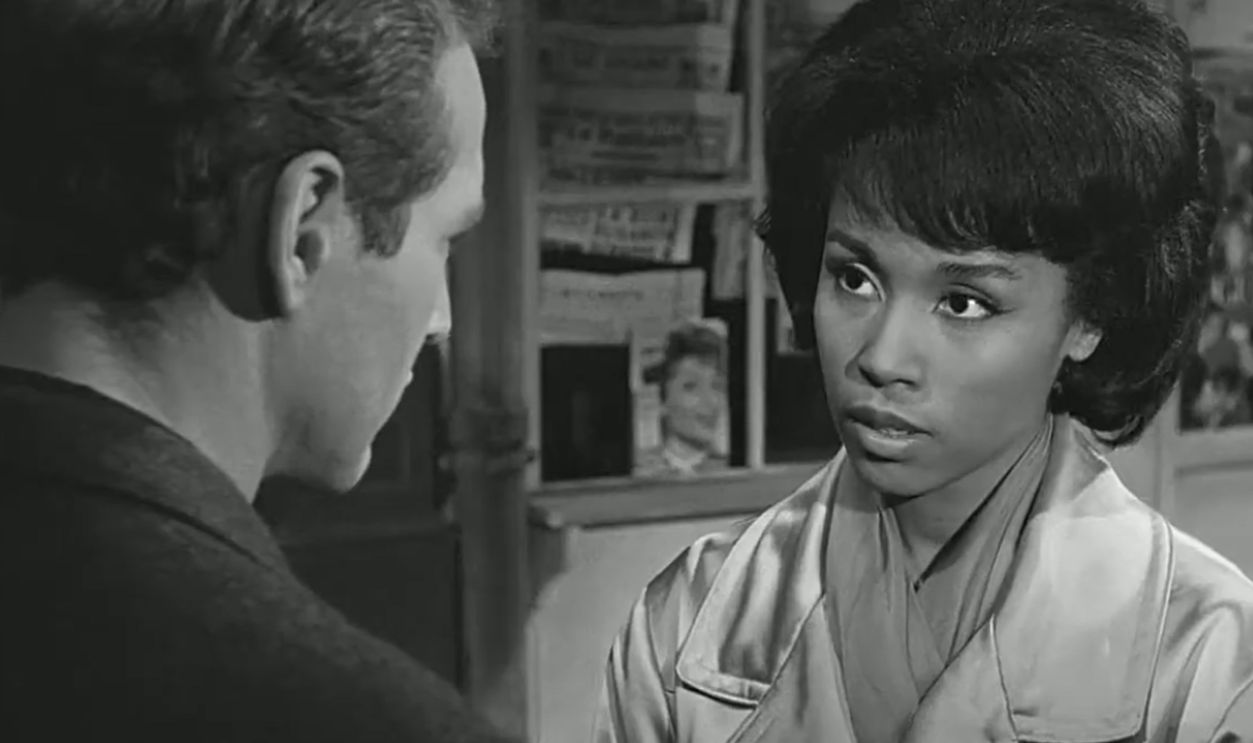
Decades later, Carroll was still remarkably open about what Poitier had meant to her. During a 2009 CNN interview, she described the love between them as profound. She also remembered their eventual separation as painful for both of them. Whatever bitterness remained, she never suggested that the feelings themselves had been fake.
 Screenshot from Paris Blues, United Artists (1961)
Poitier Had Regrets Too
Poitier's later account was hardly self-congratulatory. He acknowledged the turmoil surrounding the relationship and reflected on choices he regretted. His recollection differed from Carroll's on important details, but he did not portray their years together as simple or painless. Both remembered a relationship that had left lasting scars.
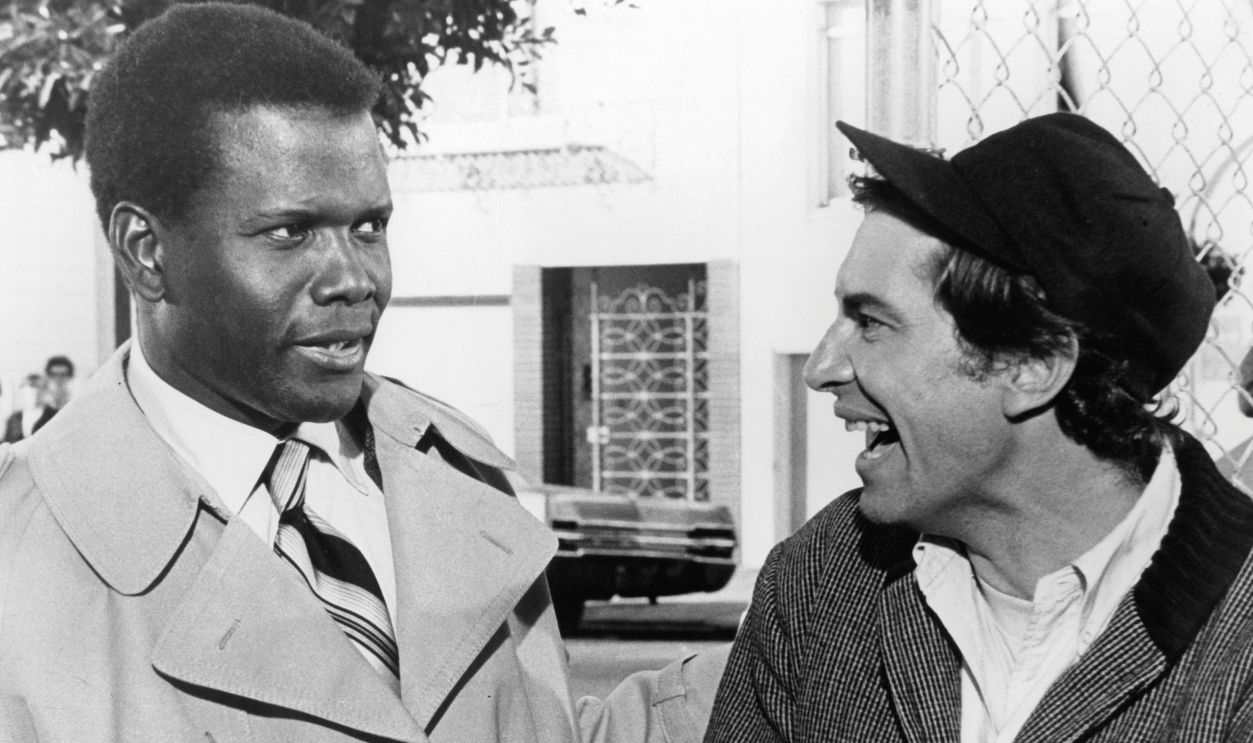
Carroll Was About To Make Television History
The end of the romance coincided with another enormous chapter in Carroll's career. In 1968, she began starring as nurse Julia Baker in NBC's Julia. The series broke significant ground by placing a Black professional woman at the center of a network sitcom. Carroll earned an Emmy nomination for the role.
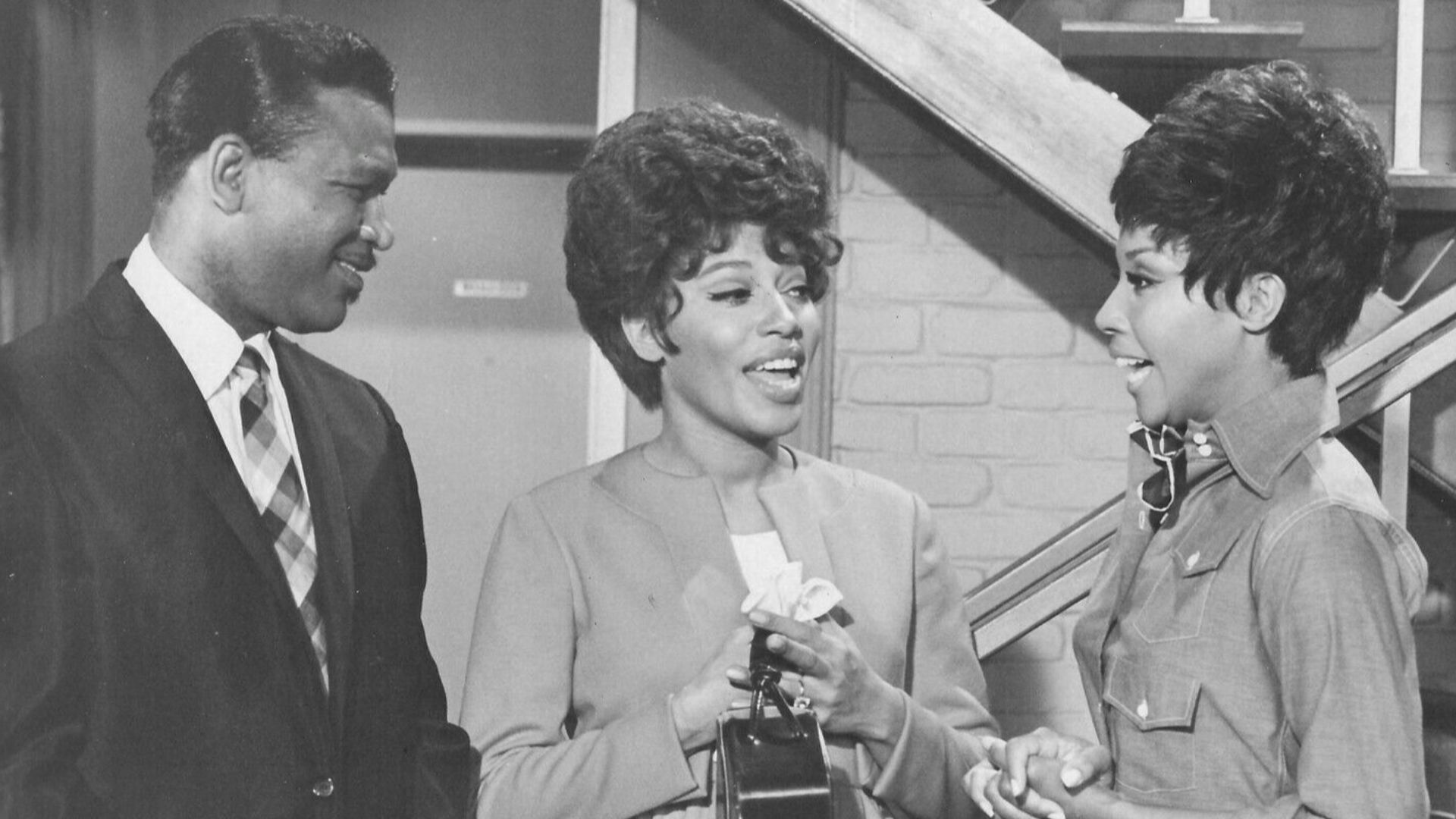 NBC Television Network. Photographer not credited, Wikimedia Commons
Julia Changed How America Saw Her
Carroll's character was a widowed nurse raising her young son, rather than one of the domestic stereotypes frequently given to Black women on television. That made Julia culturally significant even as the series drew criticism for avoiding some of the harsher realities facing Black Americans. Carroll understood that burden. She was being asked to represent far more than one fictional character.
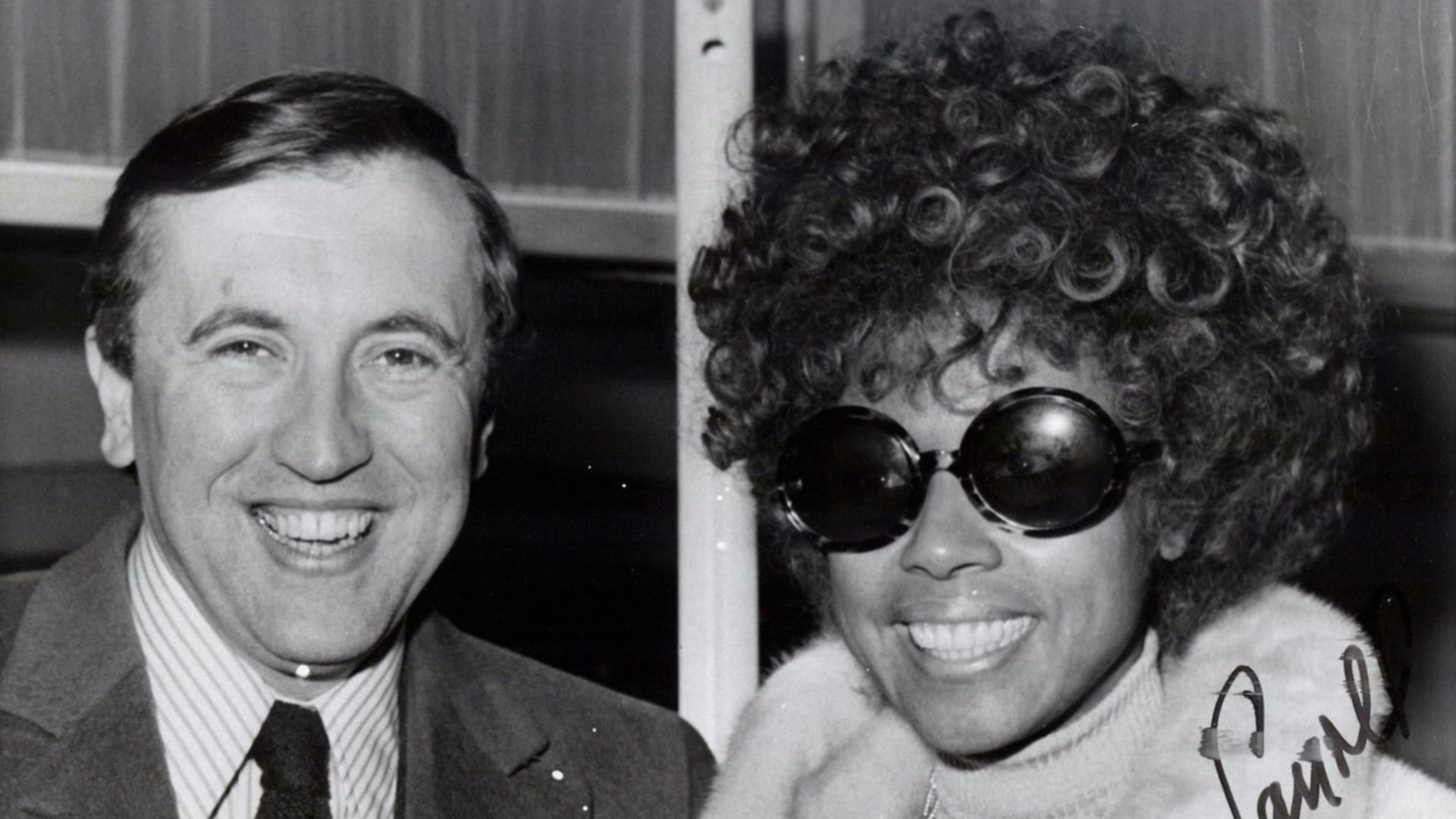 Photographer not credited. Signature by Diahann Carrol, Wikimedia Commons
Hollywood Still Had More For Her
Carroll continued proving that Julia was not the peak of her career. Her performance in the 1974 film Claudine earned her an Academy Award nomination for Best Actress. Later, she reached another generation of viewers as Dominique Deveraux on Dynasty. Her career kept reinventing itself long after her relationship with Poitier had ended.
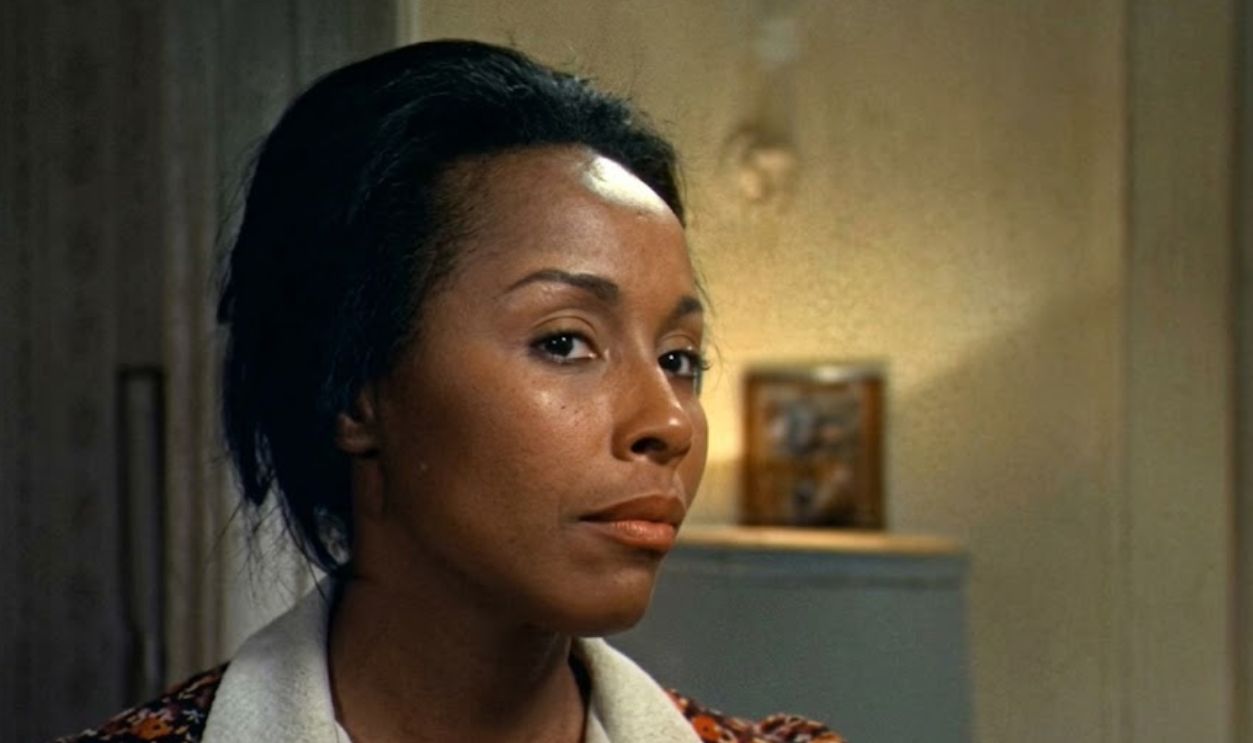 Screenshot from Claudine, 20th Century Fox (1974), Enhanced
She Eventually Wrote About The Affair
Carroll became increasingly candid about her private life as she grew older. Her memoirs covered her marriages, career struggles, mistakes, and complicated relationship with Poitier. She revisited the affair again in her 2008 book The Legs Are the Last to Go. By then, enough time had passed for her to discuss some extraordinarily painful memories in public.
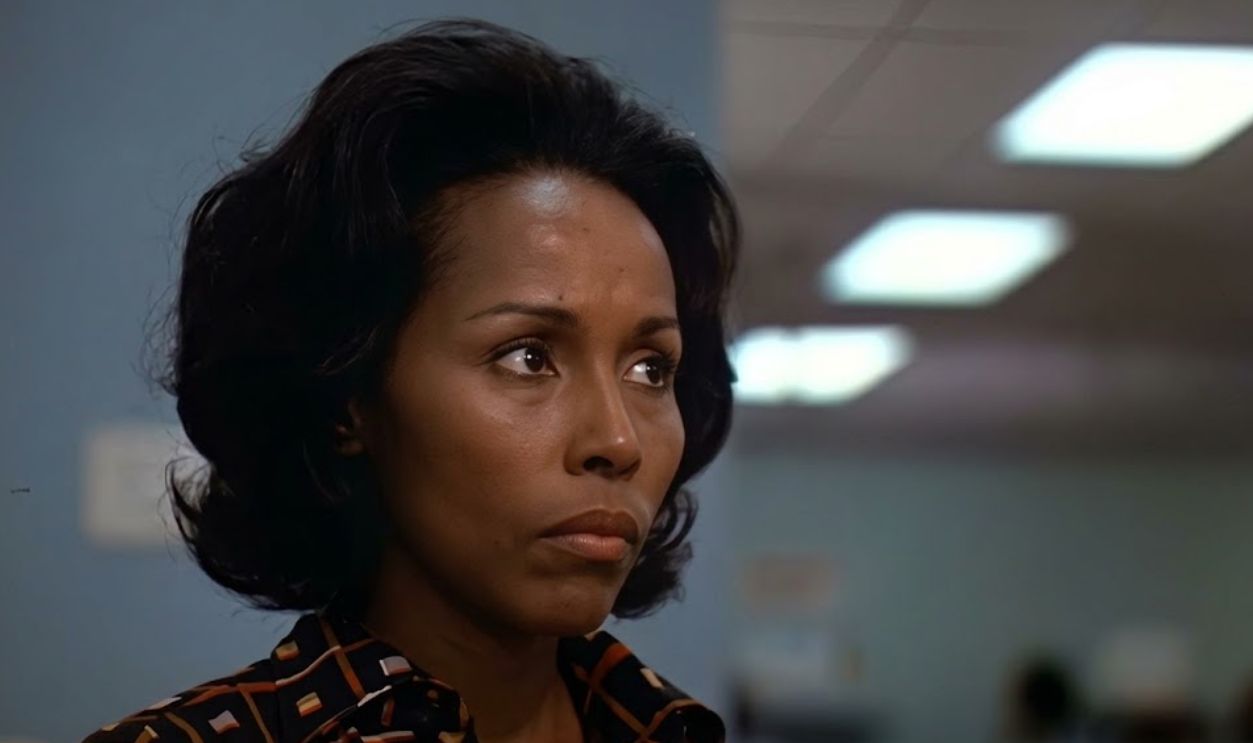 Screenshot from Claudine, 20th Century Fox (1974), Enhanced
They Eventually Became Friends
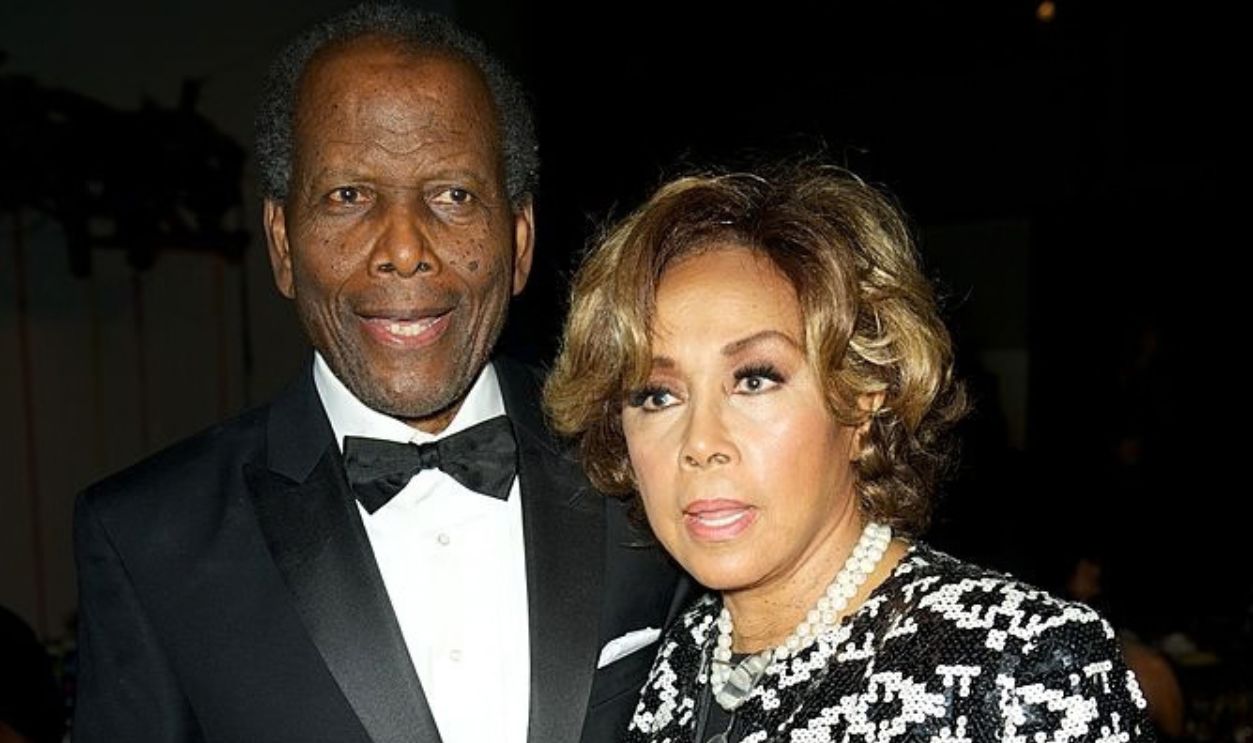
The anger between Carroll and Poitier did not last forever. Decades after their romance, the former lovers appeared together publicly and spoke warmly about each other. Their connection had changed dramatically from the volatile relationship of the 1960s. Somehow, friendship survived what romance could not.
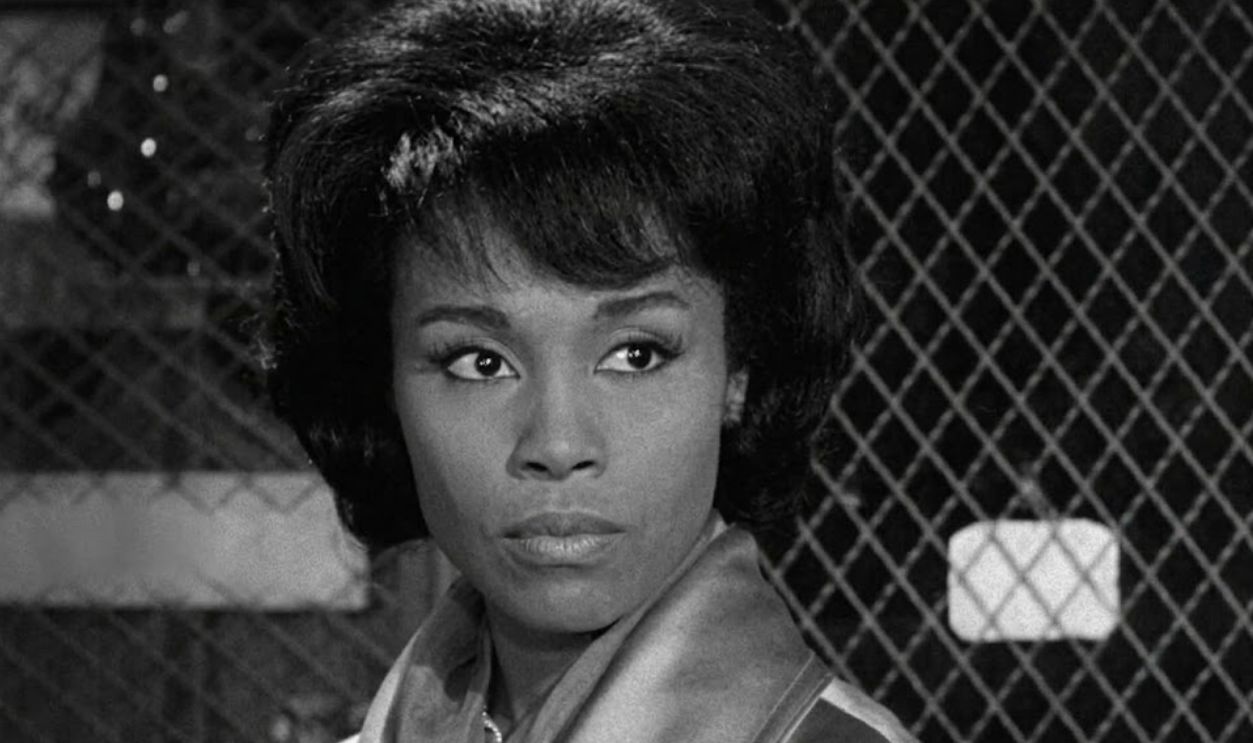 Screenshot from Paris Blues, United Artists (1961)
Their Lives Went In Different Directions
Carroll continued acting across film, television, and the stage for decades. Poitier remained one of the most consequential actors and filmmakers of his generation. Neither ultimately built the life together that they had once discussed. Their extraordinary careers instead moved forward on separate paths.
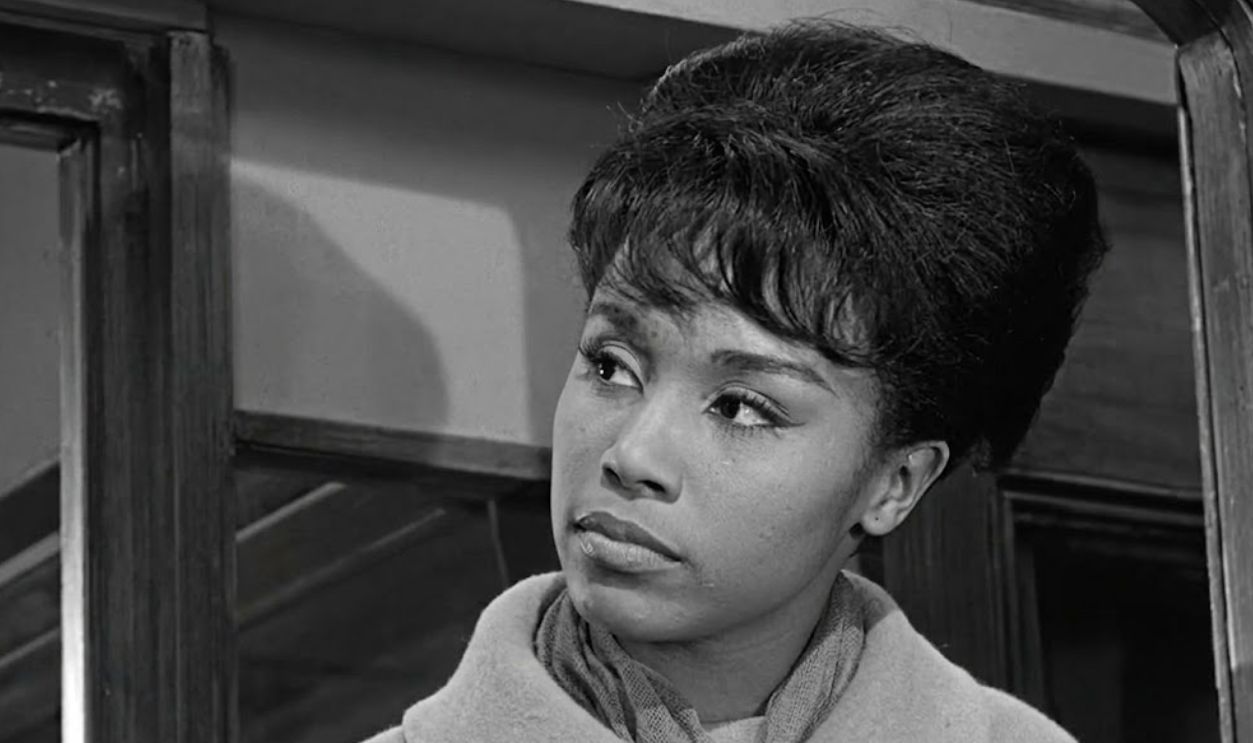 Screenshot from Paris Blues, United Artists (1961)
The Same Story Looked Different To Each Of Them
Carroll remembered a man who encouraged her to leave her husband, then hesitated when she actually did it. Poitier remembered eventually leaving his marriage, only to see their relationship collapse over how they would begin living together. Their accounts never perfectly matched. What they did agree on was that the relationship had been serious, turbulent, and extremely difficult to end.
You May Also Like:
The Hollywood Scandal That Nearly Ended Debbie Reynolds And Elizabeth Taylor's Friendship