Everybody Wanted Into Sinatra’s World
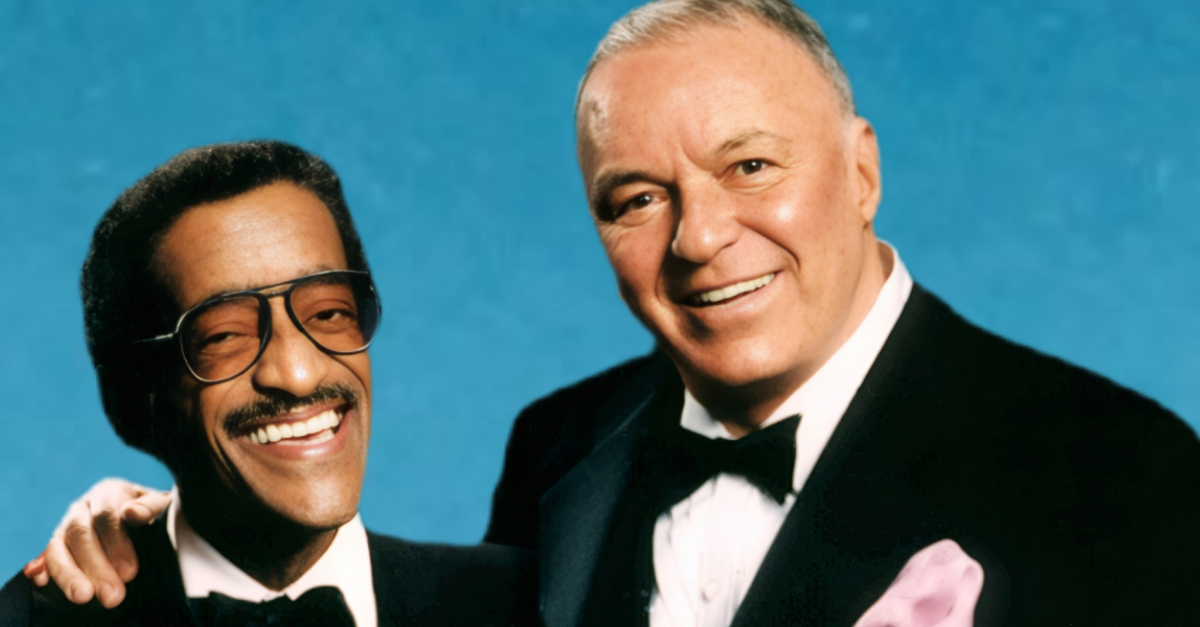
In the 1960s, Frank Sinatra’s inner circle looked like the center of the universe. The Rat Pack had money, fame, power, and the kind of cool nobody else could touch. And when Sammy Davis Jr. became part of it, the public saw a success story. But along with the tuxedos, jokes, and packed casino crowds came a cost that followed Sammy for the rest of his life.
Frank Sinatra Saw Talent Immediately
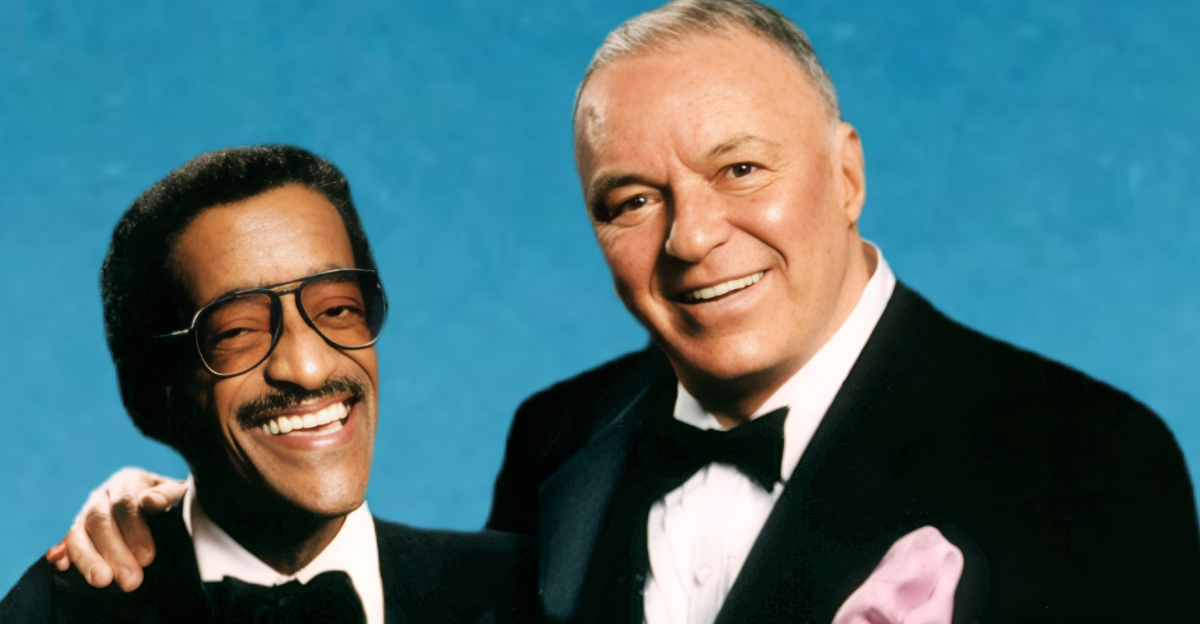
Before the Rat Pack became legendary, Sammy Davis Jr. was already a wildly talented performer. He could sing, dance, act, play instruments, and imitate almost anyone. Sinatra admired performers who worked hard, and Sammy’s talent was impossible to ignore. Frank became one of the biggest supporters of Sammy’s career at a time when many major stars kept their distance from Black entertainers.
 John Springer Collection, Getty Images
Sammy Had Been Performing Since Childhood
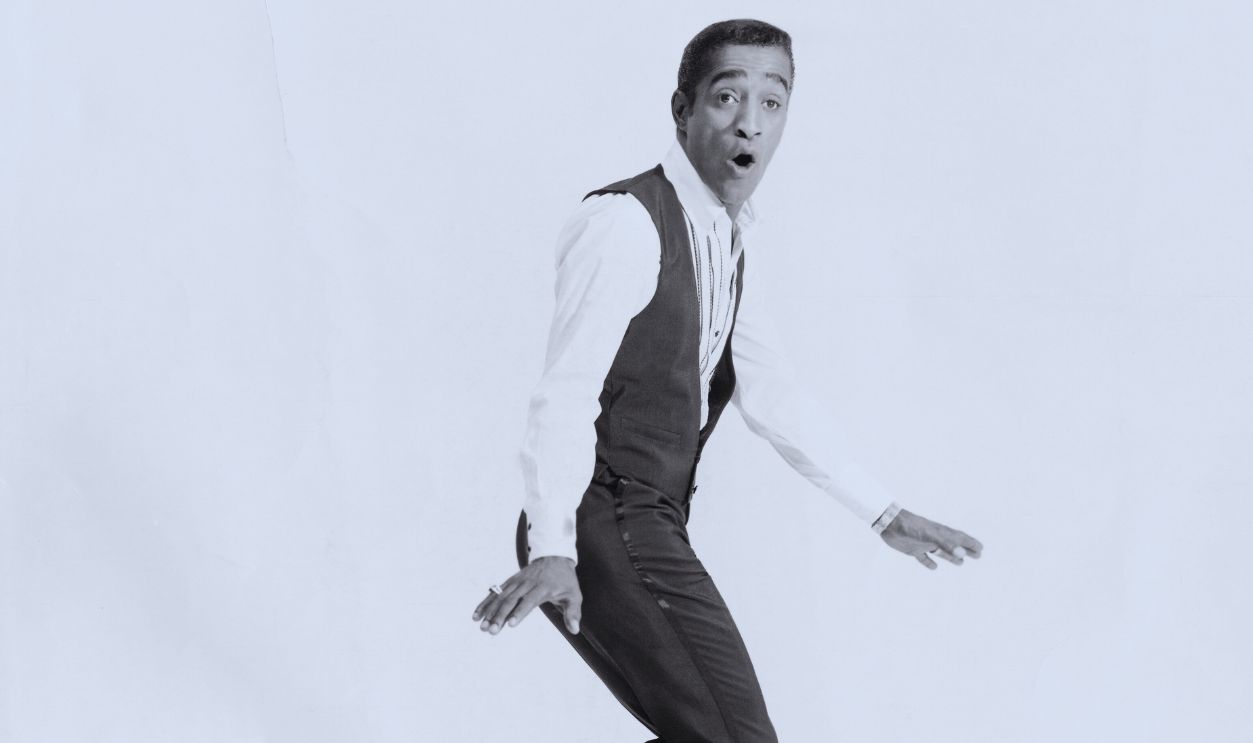
Sammy Davis Jr. basically grew up onstage. He performed with the Will Mastin Trio as a child alongside his father and uncle. By the time most kids were in school, Sammy was already touring theaters and vaudeville circuits across America. The years of nonstop performing made him incredibly polished, but they also meant he spent most of his life trying to win over audiences.
 Evening Standard, Getty Images
Sinatra Helped Open Doors In Vegas
Las Vegas in the 50s and early 60s was glamorous onstage and deeply segregated behind the scenes. Sammy could perform in casinos but often wasn’t allowed to stay in the same hotels as white entertainers. Sinatra publicly pushed back against some of that treatment. He used his influence to pressure casinos and clubs to treat Sammy better.

But Equality Still Had Limits
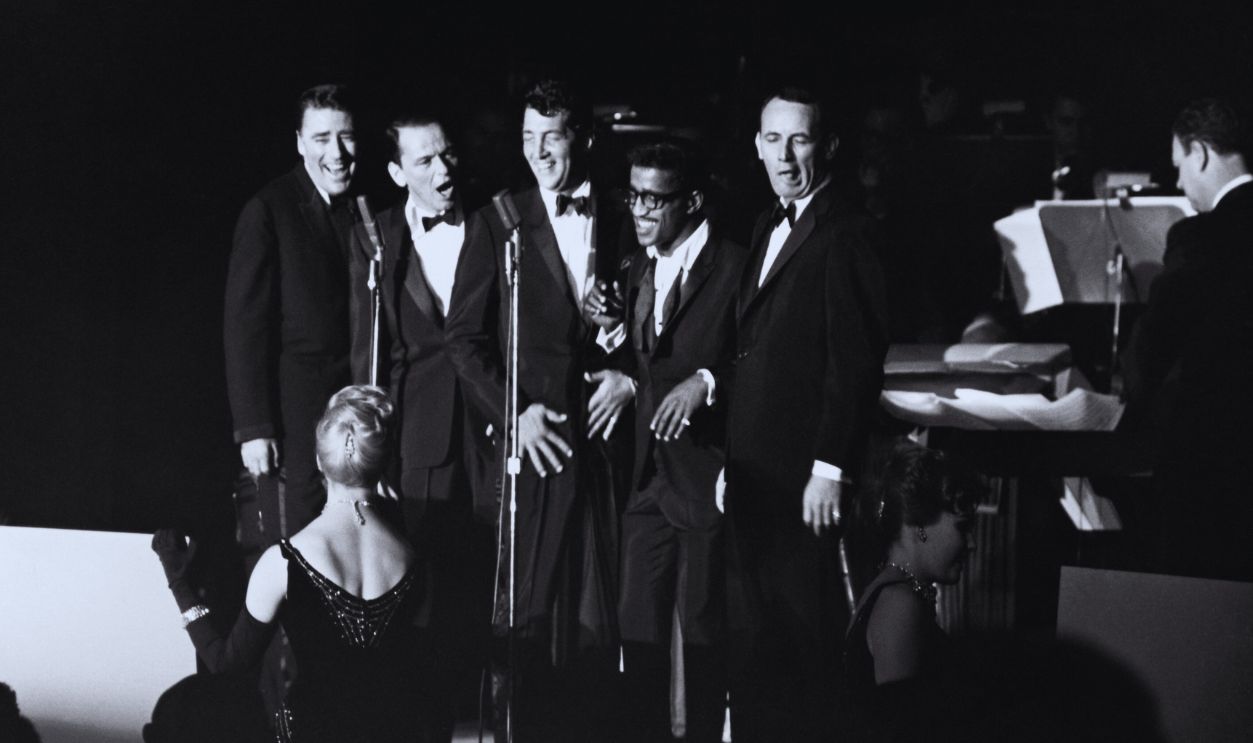
Even while performing alongside Sinatra and the Rat Pack, Sammy still faced racism constantly. He could headline a room packed with celebrities and then be denied entry somewhere moments later. Some hotels quietly resisted having him around wealthy white guests. Sammy later admitted that public acceptance didn’t mean he was ever fully treated as equal behind closed doors.
 John Springer Collection, Getty Images
The Rat Pack Looked Effortless
The Rat Pack projected pure cool. Onstage, the group joked, drank, insulted each other, and made it seem like everybody was having the time of their lives. Audiences loved the loose, chaotic energy. But much of it was carefully crafted performance designed to look spontaneous and carefree.

Sammy Was Often Forced To Laugh Along
During live routines, Sammy frequently became the target of racial jokes from the other members. Audiences roared with laughter, and Sammy usually laughed too. But the racial “ribbing” was real, and even contemporary looks back at the Rat Pack describe the forced joviality of those moments. Staying part of Sinatra’s world often meant knowing when not to push back.
 Michael Ochs Archives, Getty Images
Sammy Sometimes Had To Humiliate Himself To Stay In The Act
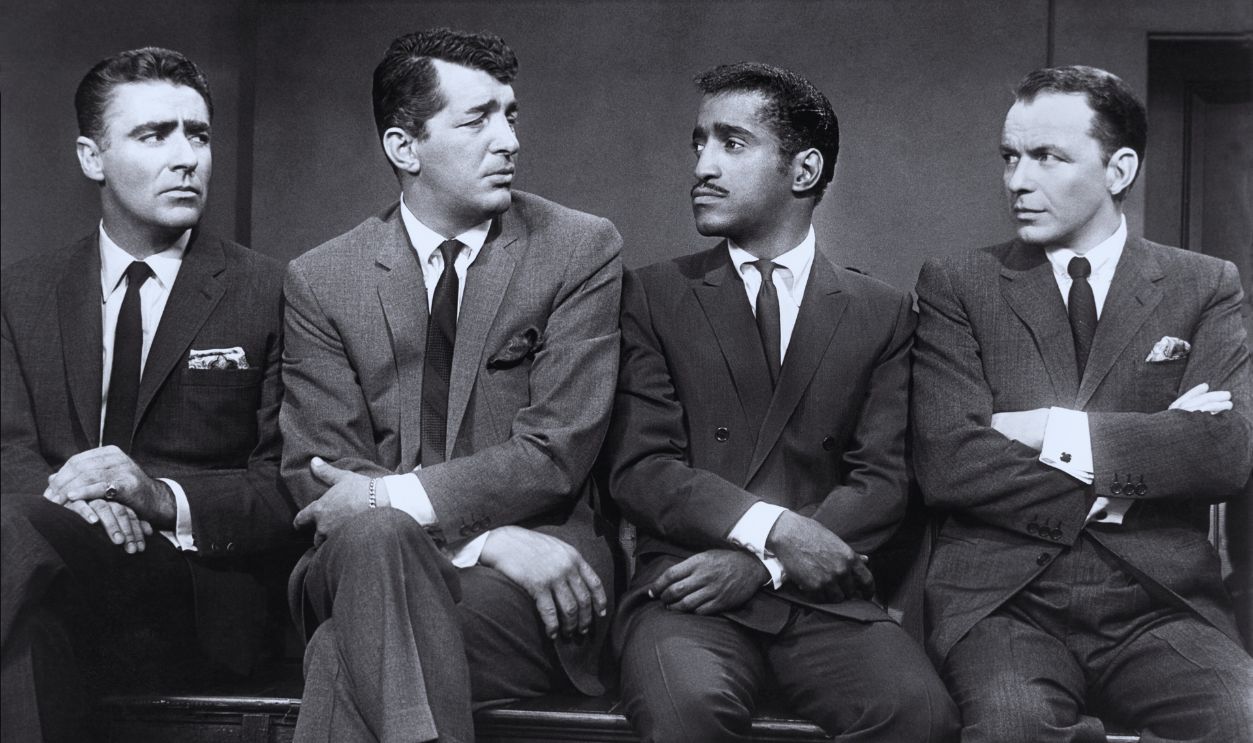
Some Rat Pack routines relied heavily on racial humor aimed directly at Sammy. He laughed along publicly because audiences expected it and because pushing back could threaten the chemistry that made the group successful. Vegas crowds wanted the act exactly the way they knew it, and Sammy understood that disrupting the formula could put his standing at risk.
 Underwood Archives, Getty Images
Sammy Knew His Place Could Disappear
Sinatra and Dean Martin had a naturally relaxed chemistry audiences instantly connected with. Sammy fit into the group differently. Friends later said he constantly worried about maintaining Sinatra’s approval and protecting his place within the Rat Pack because he knew how quickly Hollywood could shut someone out.
Sinatra Became A Mentor Figure
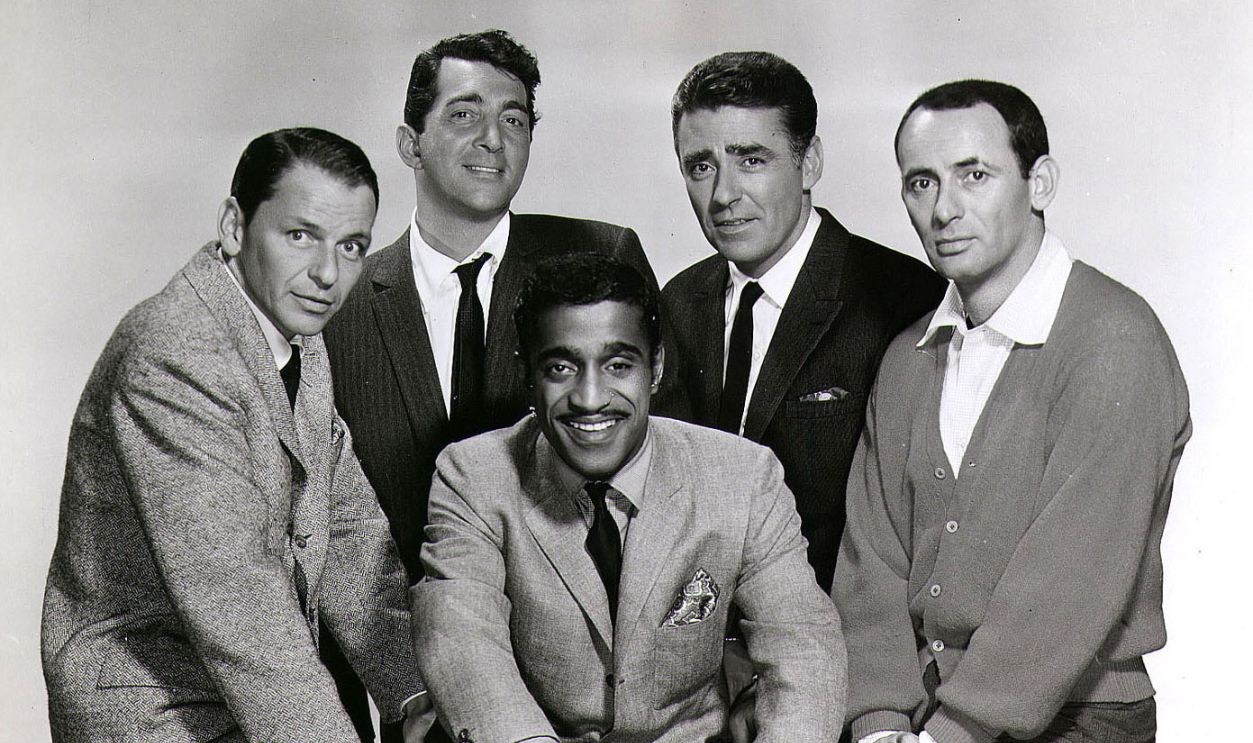
Multiple biographies and interviews described Sinatra as enormously important to Sammy emotionally, not just professionally. Sammy reportedly feared disappointing him and cared deeply about Sinatra’s approval. That closeness helped make the friendship powerful, but it also meant tensions inside Sinatra’s world could affect Sammy on a very personal level.
Sinatra Could Make Careers
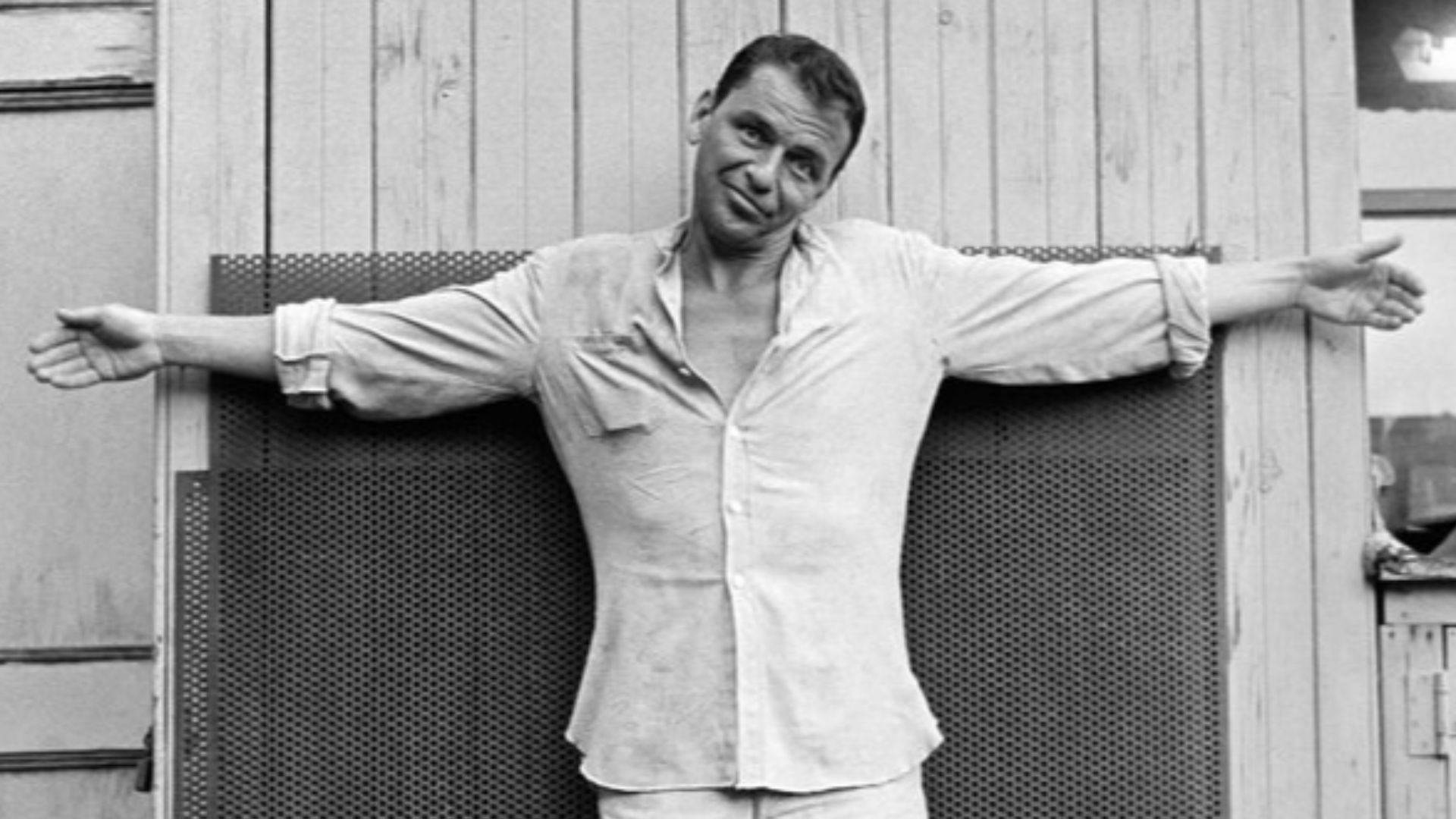
Frank Sinatra defended people fiercely when he cared about them. He promoted Sammy publicly, included him in films and performances, and treated him like part of the inner circle. For a Black entertainer in that era, Sinatra’s support carried enormous power inside the entertainment industry. One phone call from Sinatra could completely change someone’s career.
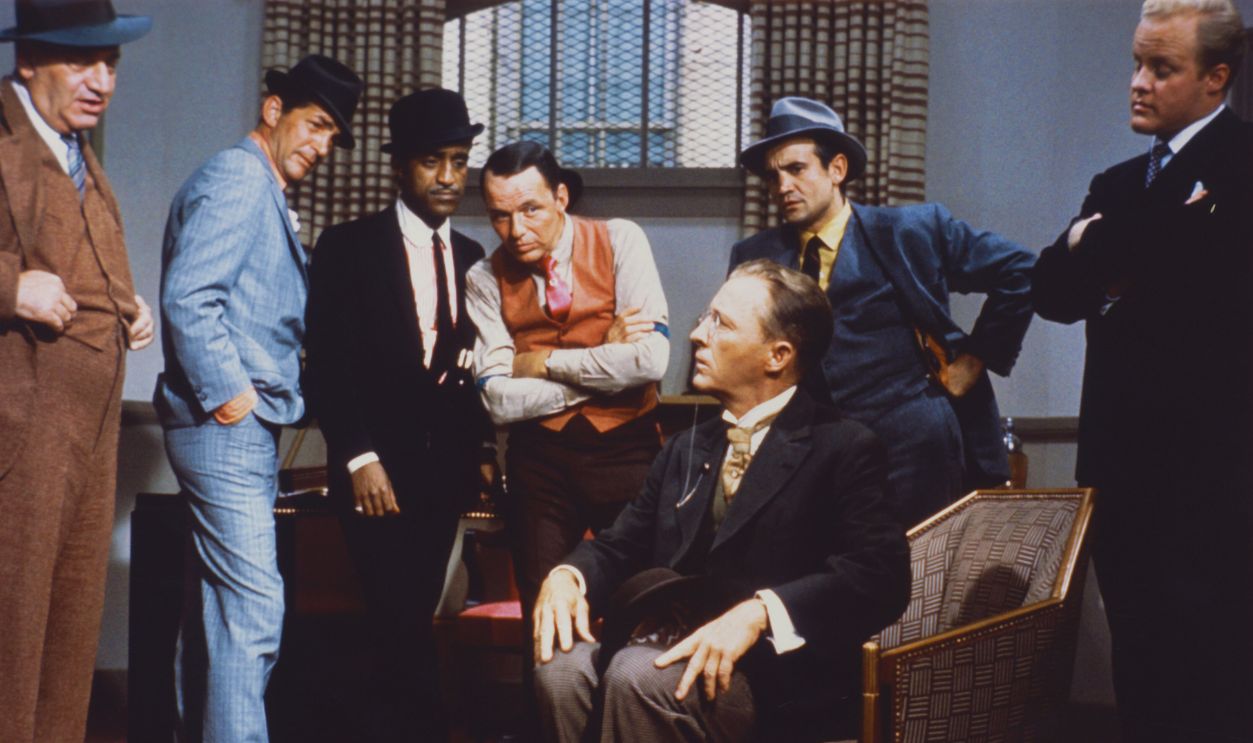
Sammy Became Tied To Sinatra’s World
As Sammy’s fame grew, so did his dependence on the Rat Pack machine surrounding Sinatra. Vegas bookings, celebrity connections, elite social circles, and career opportunities increasingly overlapped with Sinatra’s influence. Walking away from that world—or risking Sinatra’s disapproval—could have carried enormous professional consequences.
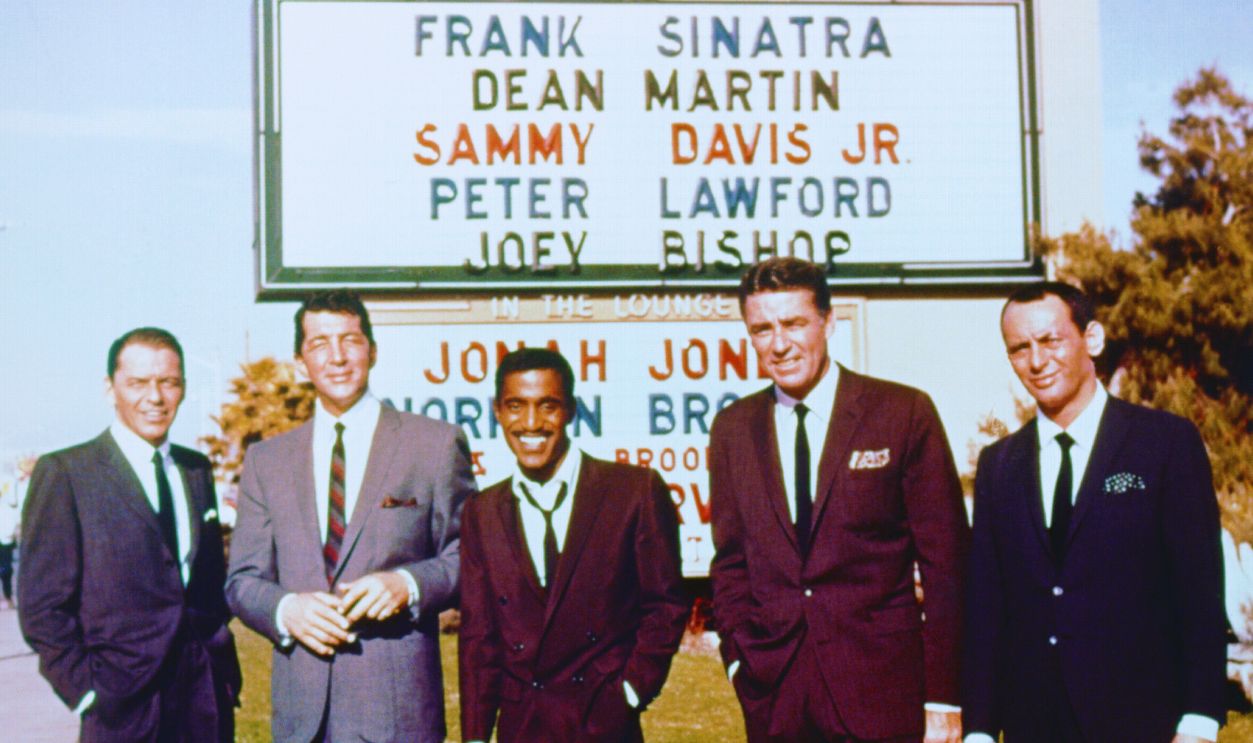 Michael Ochs Archives, Getty Images
Sinatra’s World Also Came With Pressure
Being close to Sinatra came with expectations. Sinatra’s friendships could become intense, emotional, and controlling. He also had a reputation for publicly embarrassing or freezing out friends when angry. People around him often felt pressure to stay aligned with him politically, socially, and personally. Sammy admired Sinatra deeply, but life inside Frank’s orbit could sometimes feel exhausting and emotionally complicated.
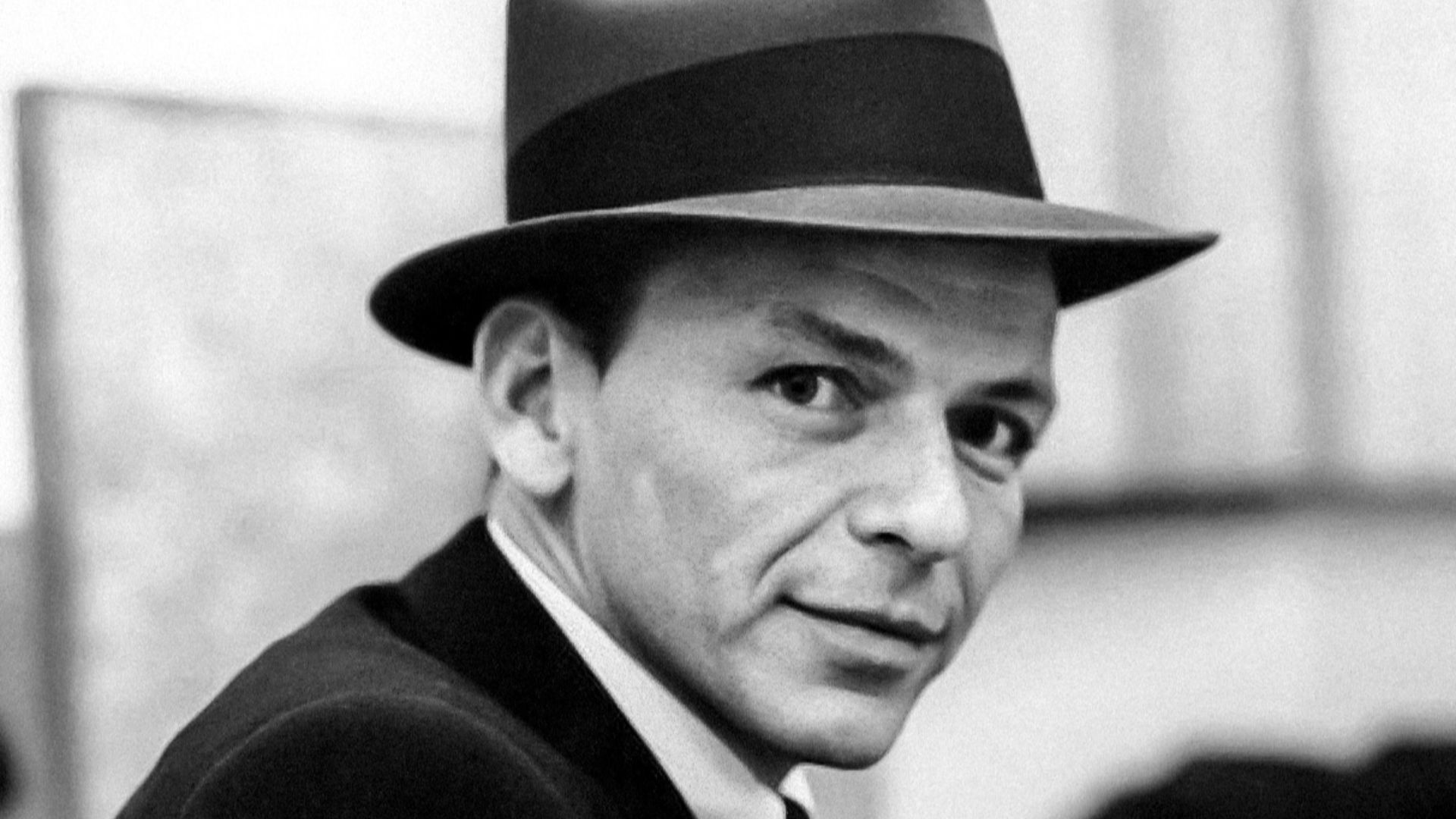 Photograph by Capitol Records, Wikimedia Commons
Sammy’s Interracial Marriage Sparked Outrage
In 1960, Sammy married Swedish actress May Britt. Interracial marriage was still illegal in parts of America at the time, and the backlash was vicious. Sammy received hate mail and threats, and many people blamed Sinatra’s social circle for “encouraging” Sammy to break social norms.
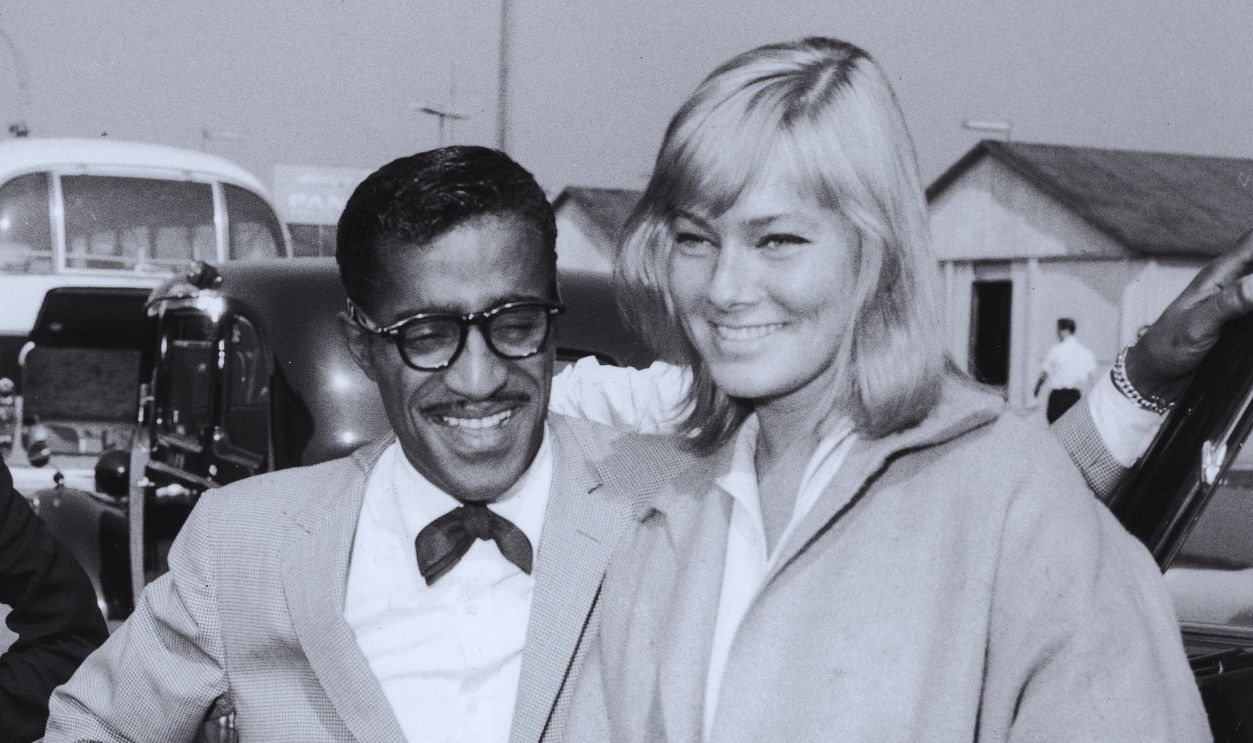 Express Newspapers, Getty Images
Sinatra Supported Him...But The Damage Was Done
While many celebrities stayed quiet, Sinatra openly supported Sammy and May Britt. That mattered. Sinatra’s approval helped shield Sammy somewhat from industry backlash. But the controversy still damaged Sammy’s popularity with parts of America, and the hostility surrounding the marriage followed him for years afterward.
 Universal History Archive, Getty Images
Sammy’s Accident Changed His Life
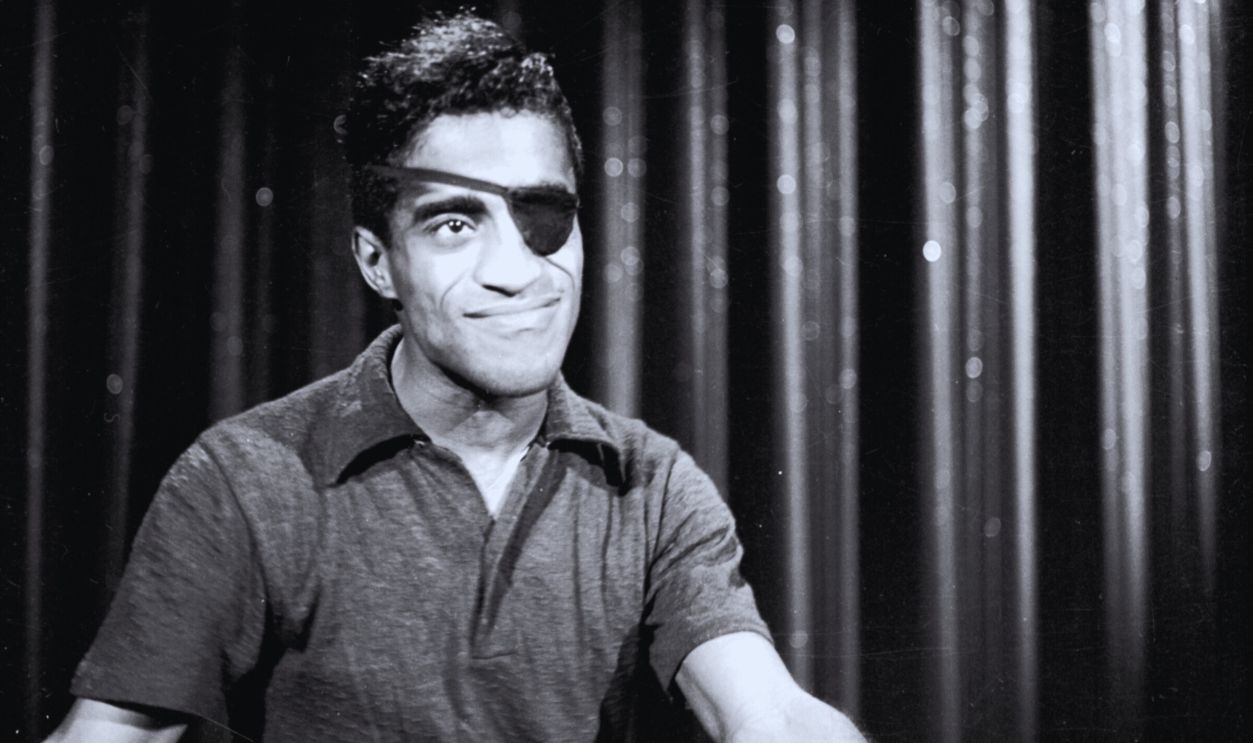
In 1954, years before the Rat Pack peak, Sammy was involved in a devastating car accident that cost him his left eye. The injury nearly ended his career and left him physically and emotionally shaken. Sammy later wore his signature plastic eye for the rest of his life.
 Michael Ochs Archives, Getty Images
He Began Searching For Meaning
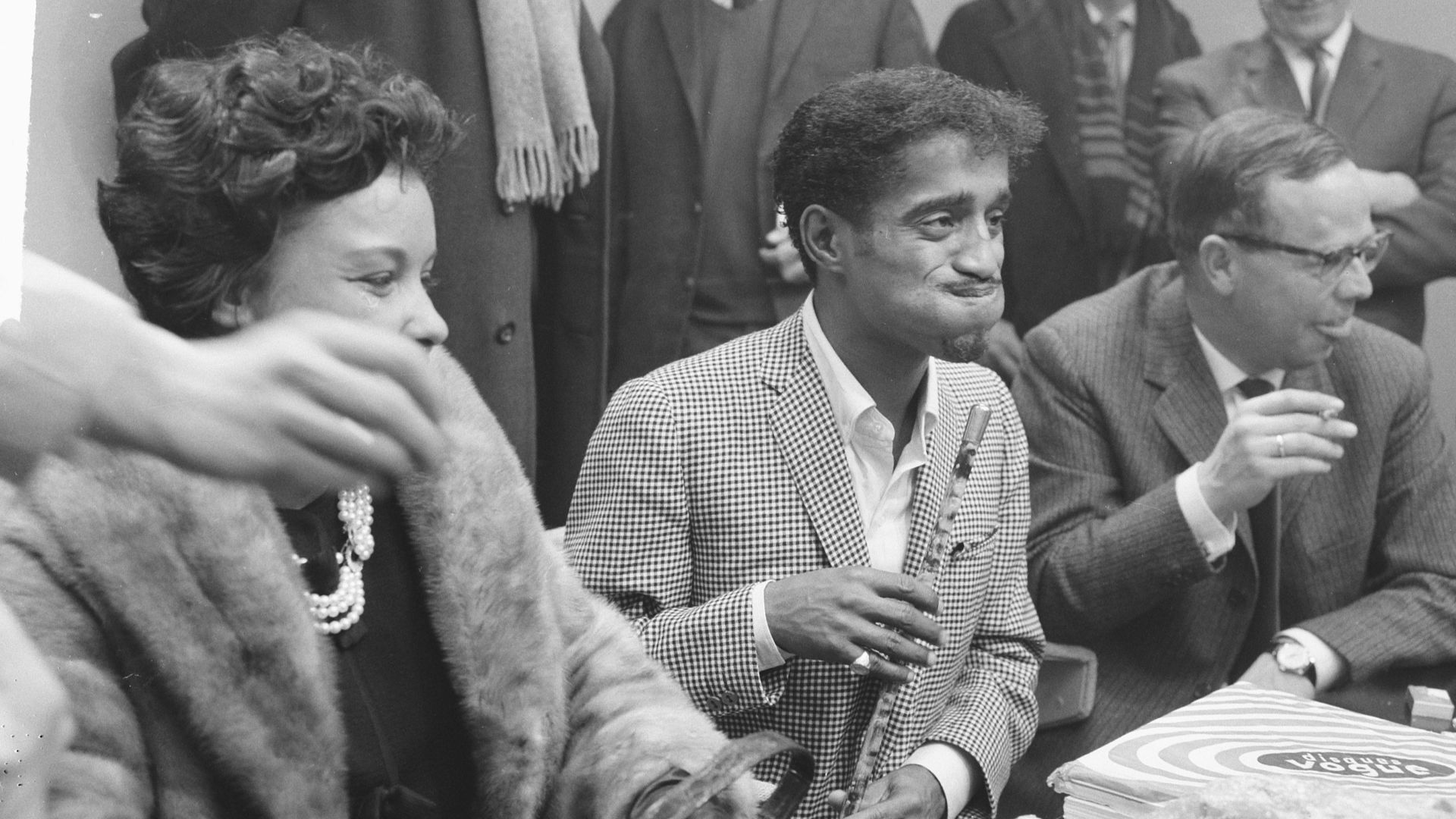
The accident reportedly pushed Sammy toward a deeper spiritual search. During recovery, he became fascinated with Judaism and eventually converted. Sammy later said the religion gave him a sense of identity and belonging during an extremely difficult period of his life.
 F.N. Broers / Anefo, Wikimedia Commons
His Conversion Became Another Controversy
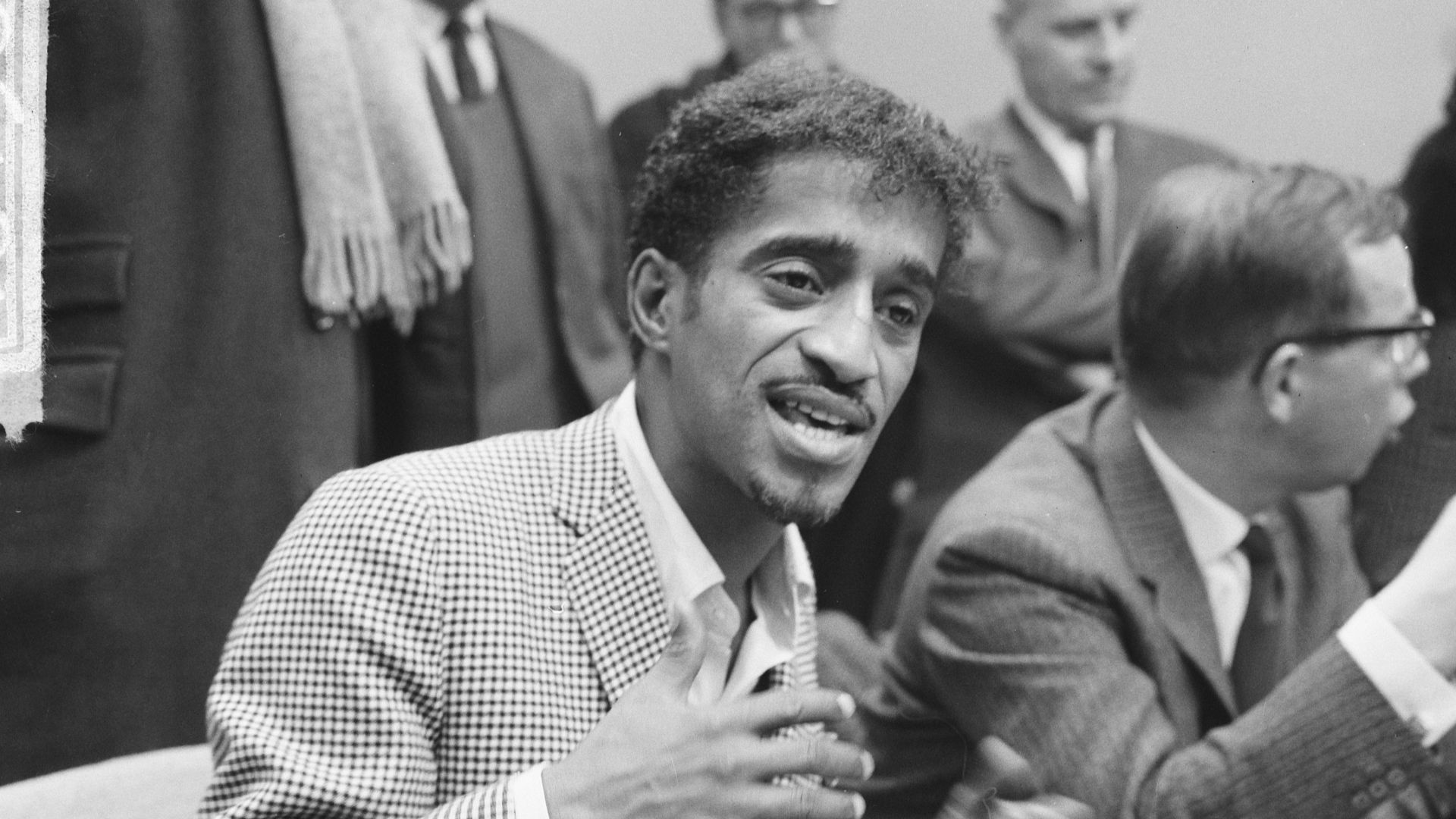
Sammy Davis Jr.’s conversion to Judaism confused and angered parts of the public. Some people mocked him openly, while others treated it like a publicity stunt. Sammy took it seriously, but being Black, famous, and Jewish in America during that era placed him in a uniquely difficult social position.
 F.N. Broers / Anefo, Wikimedia Commons
The Kennedy Situation Hurt Deeply
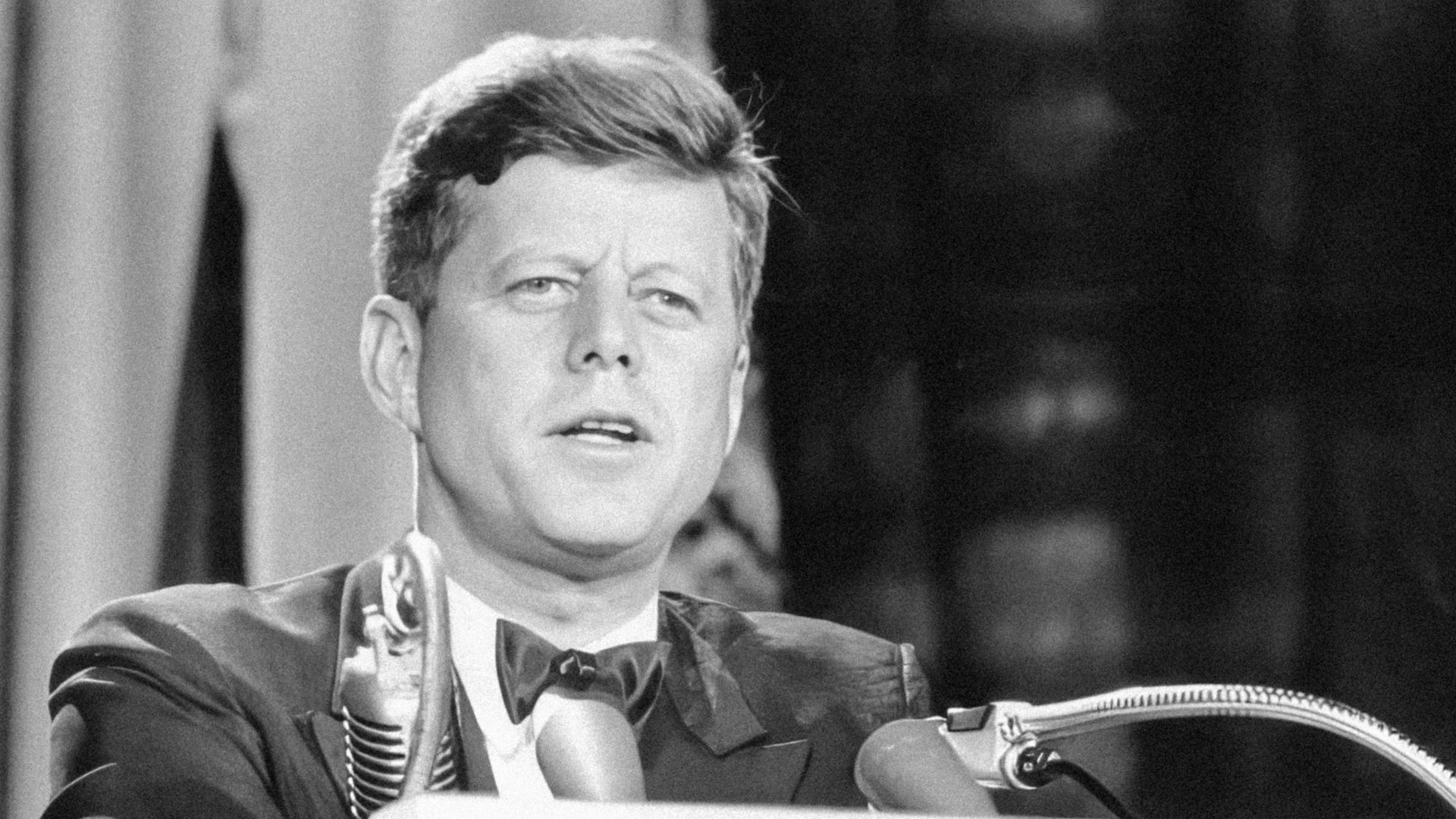
One of the most painful moments in Sammy’s life involved John F. Kennedy’s inauguration in 1961. Sammy had campaigned heavily for JFK and expected to attend inaugural events. But after pressure surrounding Sammy’s interracial marriage, the Kennedy camp quietly distanced itself.
Sammy Felt Publicly Humiliated
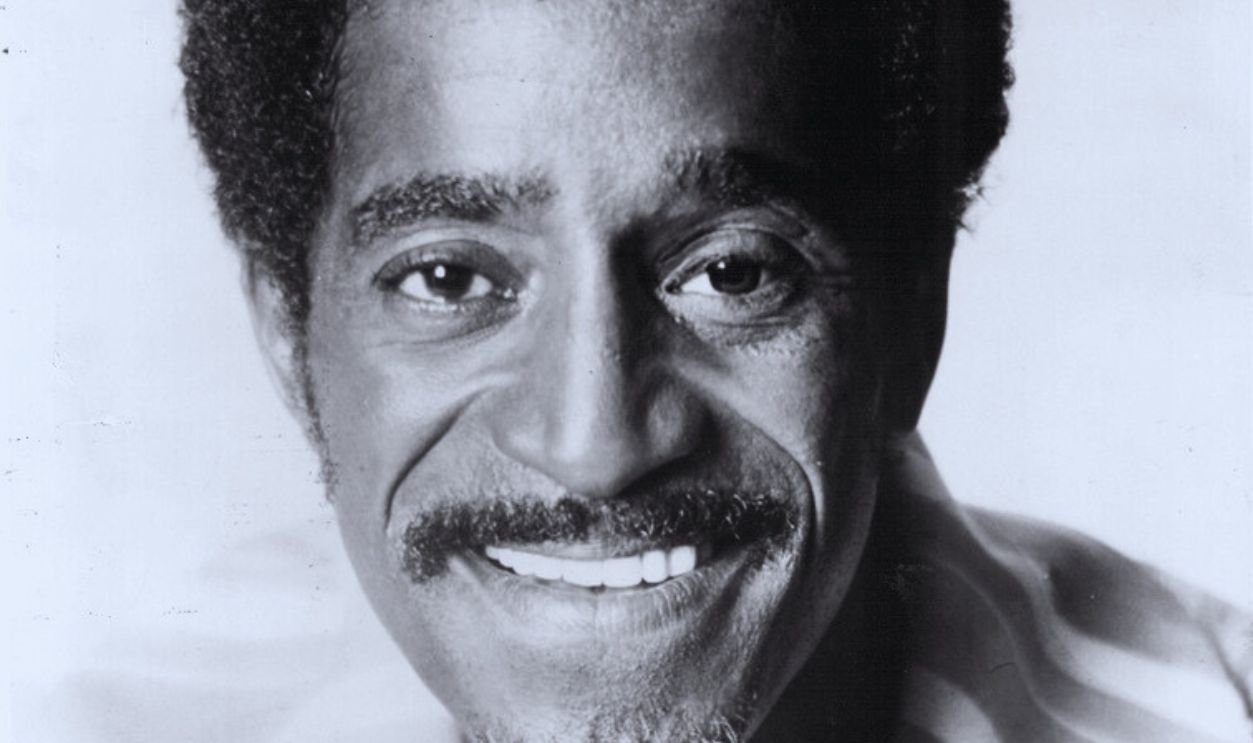
Sammy reportedly took the situation personally and felt deeply embarrassed after working so hard to support the campaign. The experience reinforced something he had already learned many times in Hollywood: acceptance could disappear very quickly the moment controversy entered the picture.
 Jay Bernstein Public Relations, Wikimedia Commons
Sinatra Was Furious Over It
Frank Sinatra also took the Kennedy situation personally. Sinatra had campaigned heavily for JFK and reportedly became enraged when Sammy was pushed aside politically. The incident damaged Sinatra’s relationship with the Kennedys and created tensions that lingered for years afterward.
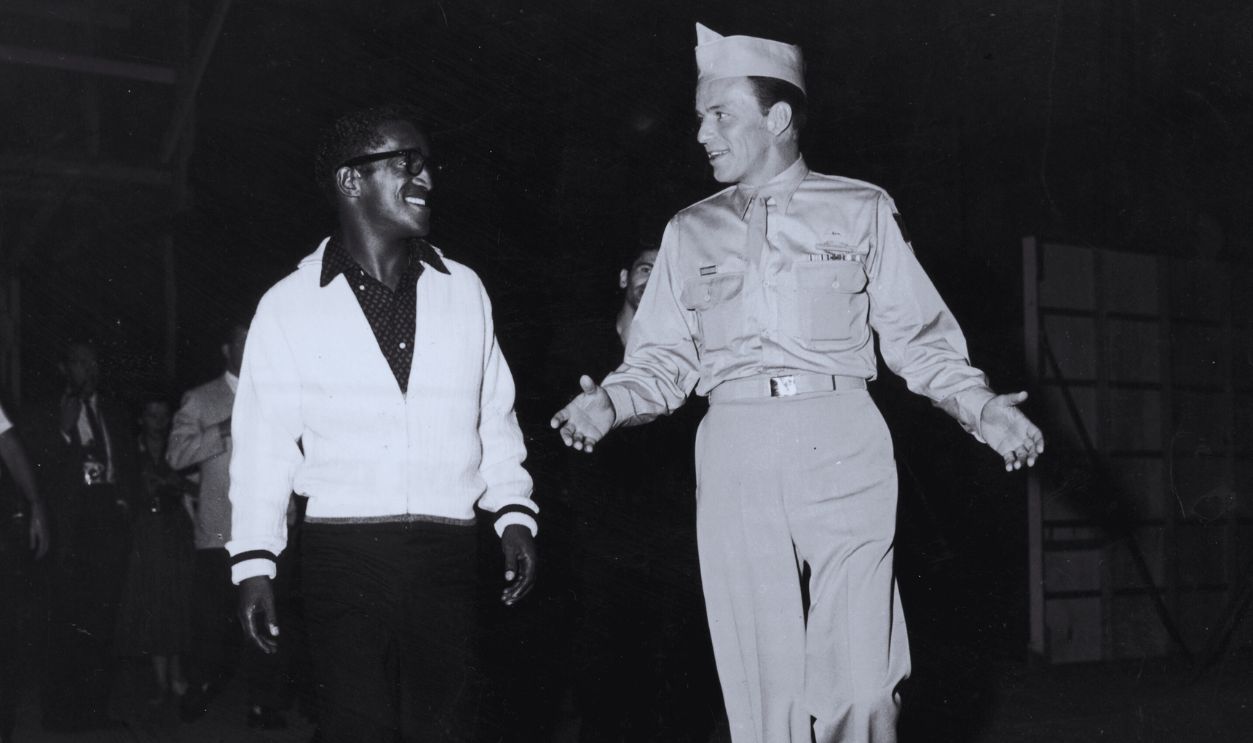
Sammy Worked Constantly
Part of Sammy Davis Jr.’s legend came from how relentlessly he worked. Concerts, movies, television appearances, nightclub shows, recording sessions...he rarely stopped moving. Friends later said Sammy feared losing relevance and constantly felt pressure to prove himself again and again.
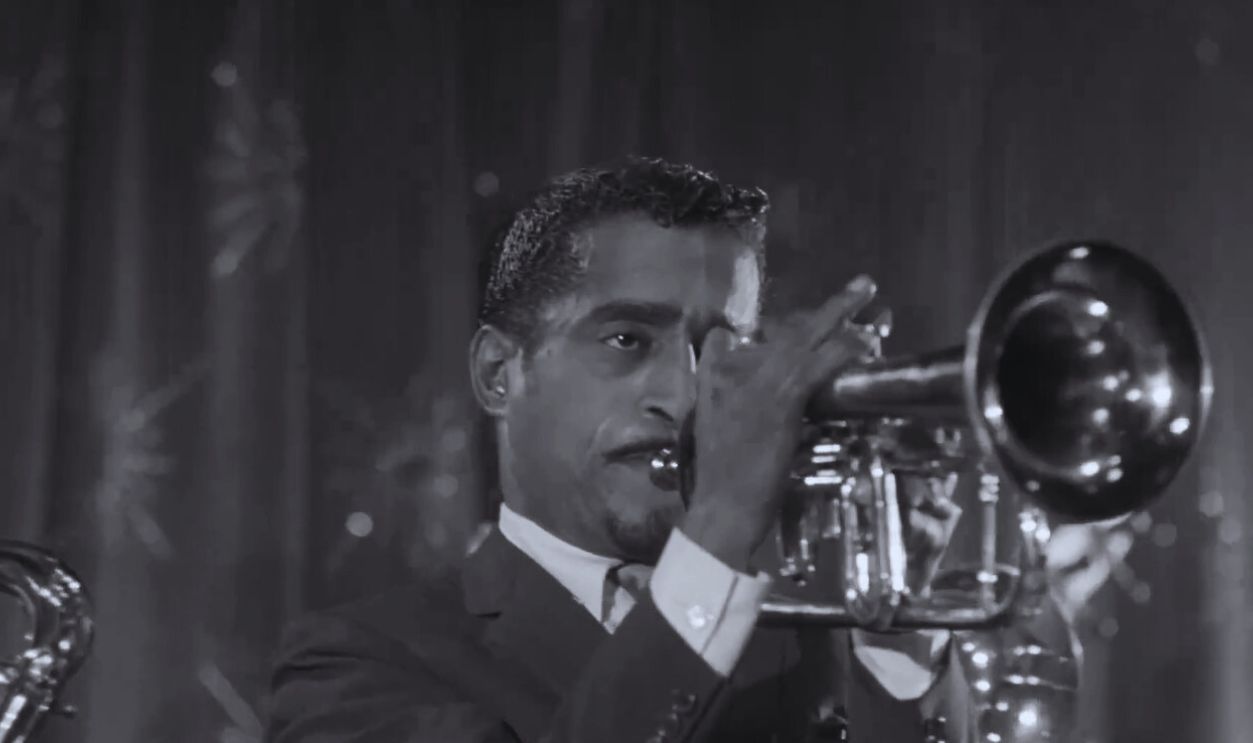 Screenshot from A Man Called Adam, Trace-Mark Productions / Embassy Pictures (1966–1966)
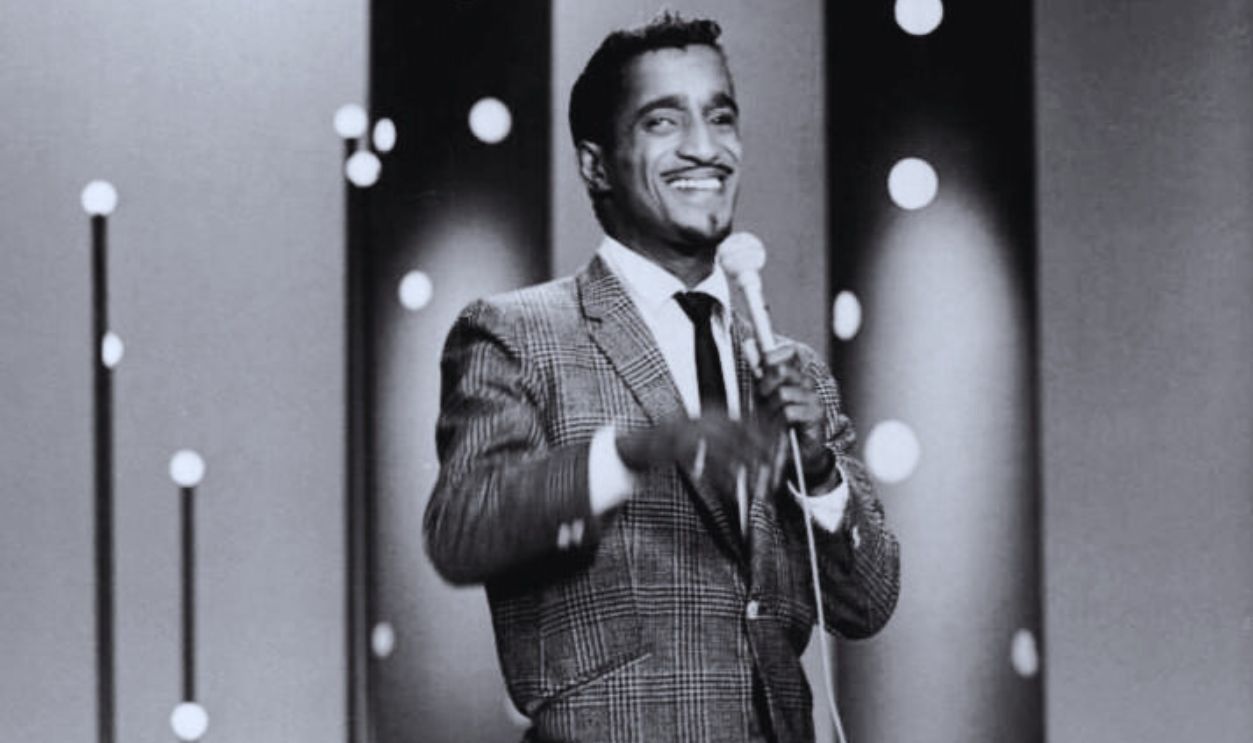
He Was Never Allowed To Relax
Even at the height of his fame, Sammy seemed afraid everything could vanish. He performed constantly, socialized constantly, and kept pushing himself long after exhaustion set in. People around him noticed that he often looked like someone trying to earn his place over and over again, even after becoming one of the biggest entertainers in America.
 NBC Television, Wikimedia Commons
The Lifestyle Took A Serious Toll
The Rat Pack lifestyle looked glamorous, but it was exhausting. Endless nights, smoking, drinking, gambling, travel, and nonstop performing eventually caught up with many people around that world. Sammy struggled financially at times despite earning huge amounts of money during his career.
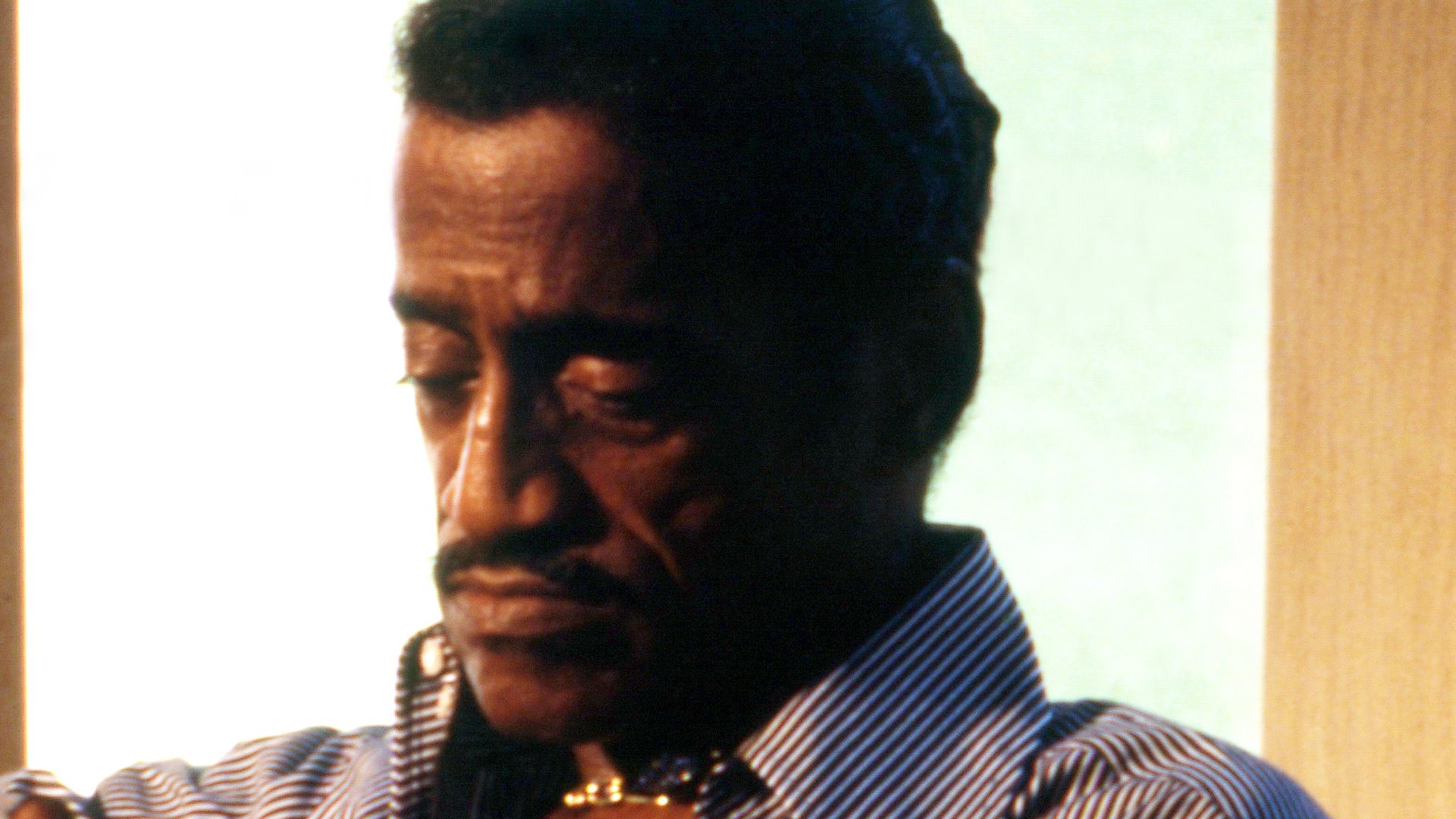 Allan warren, Wikimedia Commons
He Felt Trapped By His Own Persona
Audiences loved Sammy as the endlessly energetic entertainer. But maintaining that image constantly became exhausting. Sammy later admitted he often felt pressure to perform happiness even when he was struggling privately. The same charisma that made him famous also became something people expected from him every second he appeared in public.
![Collectie / Archief : Fotocollectie Anefo
Reportage / Serie : [ onbekend ]
Beschrijving : Sammy Davis Jr. tijdens optreden in theater Carre
Datum : 20 maart 1964
Locatie : Amsterdam, Noord-Holland
Trefwoorden : Optredens, theaters
Instellingsnaam : Carré](https://www.factinate.com/storage/app/media/theshot/2026/6/3/17805070389a08a4369e5b34d7a643d87b874fa1bf288f8bed.jpg) Hugo van Gelderen / Anefo, Wikimedia Commons
Hugo van Gelderen / Anefo, Wikimedia Commons
Sinatra And Sammy Eventually Drifted
Like many intense friendships, Sinatra and Sammy’s relationship changed over time. Political differences, career changes, and personal tensions created distance between them during later years. They still shared affection and history, but the closeness of the classic Rat Pack era slowly faded away.
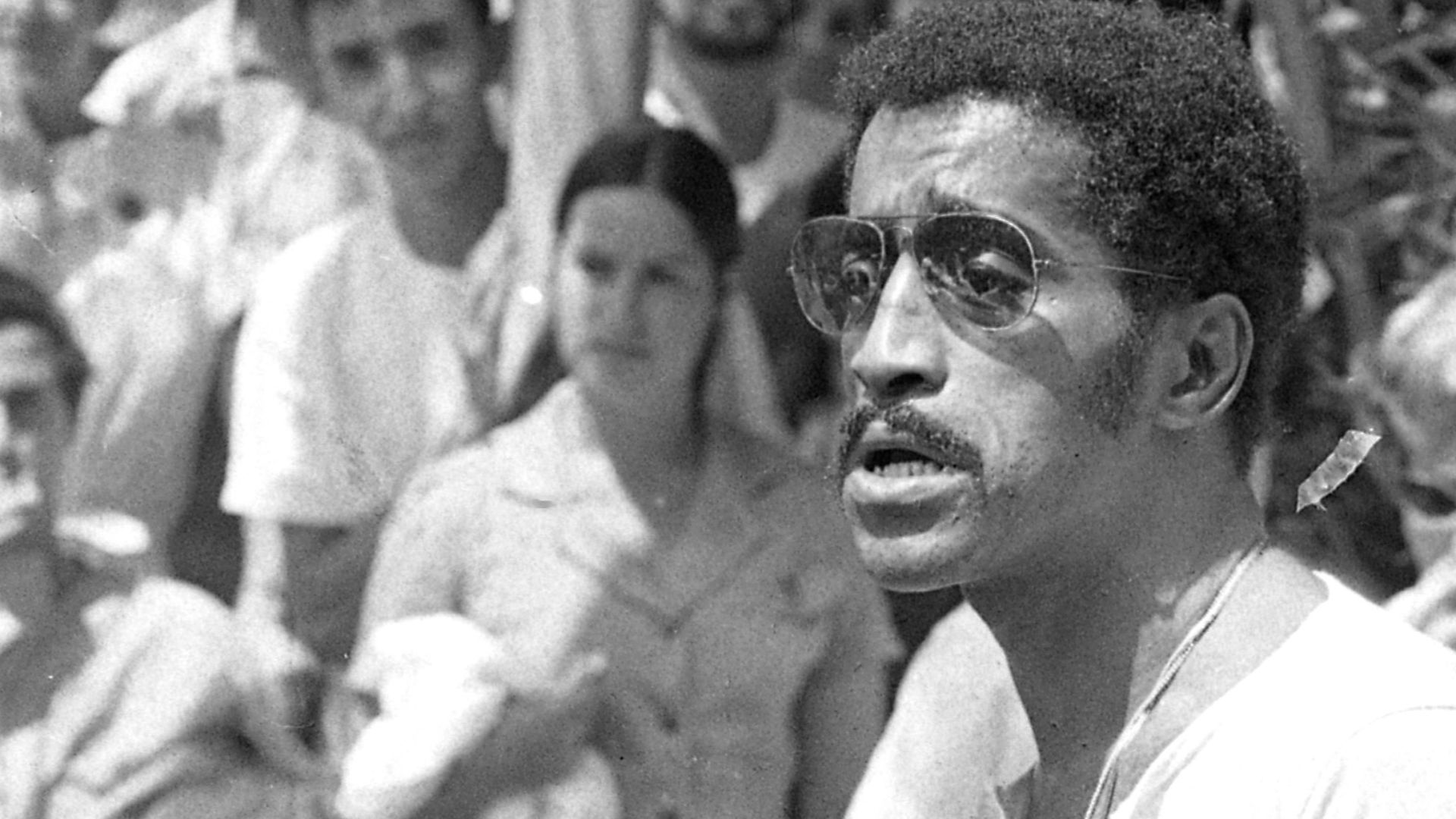 Yacob Elbaz, Wikimedia Commons
Sammy Never Escaped The Rat Pack Shadow
Even though Sammy Davis Jr. had an extraordinary career outside the Rat Pack, many people still primarily remember him through Sinatra’s world. The image became both a blessing and a limitation. It made Sammy immortal in pop culture, but it also sometimes overshadowed how groundbreaking and versatile he truly was.
![Collectie / Archief : Fotocollectie Anefo
Reportage / Serie : [ onbekend ]
Beschrijving : Sammy Davis Jr. tijdens optreden in theater Carre
Datum : 20 maart 1964
Locatie : Amsterdam, Noord-Holland
Trefwoorden : Optredens, theaters
Instellingsnaam : Carré](https://www.factinate.com/storage/app/media/theshot/2026/6/3/1780507319c37ef1d96aa9e0b6a4c1e6e4dc08340f36049945.jpg) Hugo van Gelderen / Anefo, Wikimedia Commons
Hugo van Gelderen / Anefo, Wikimedia Commons
By The End, Sammy’s Health Was Failing
In the late 80s, Sammy Davis Jr. was diagnosed with throat cancer after decades of heavy smoking. Performing had been his identity since childhood, making the illness especially devastating. Even as his health declined, he continued appearing publicly whenever possible. He passed away in 1990 at age 64.
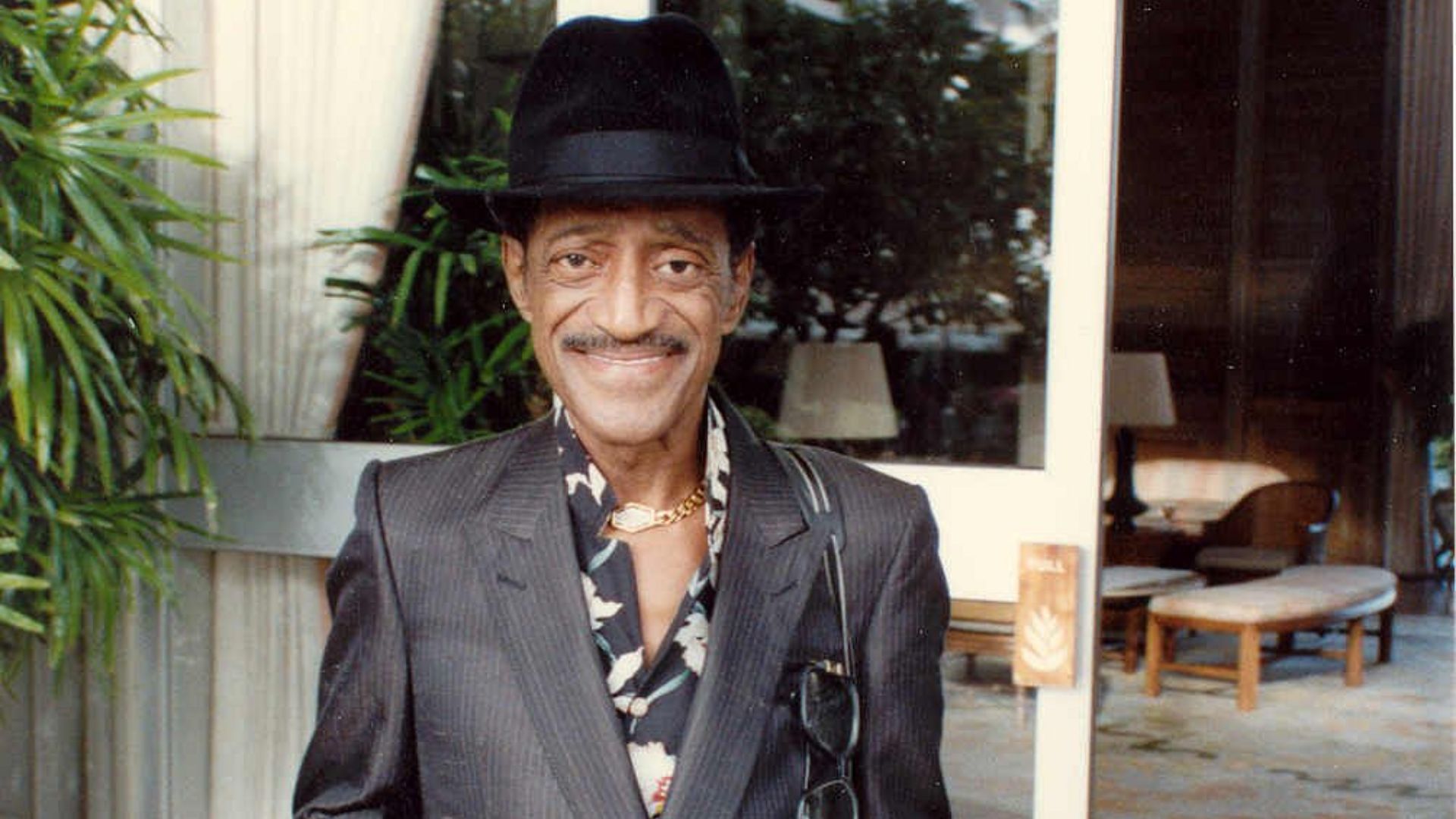
The Rat Pack Was More Complicated Than It Looked
The Rat Pack became one of the most iconic entertainment groups in American history. But behind the tuxedos and jokes was a more complicated reality, especially for Sammy Davis Jr. Sinatra helped make him a legend and opened doors few others could have opened at the time. But being part of Sinatra’s world also meant carrying enormous pressure, painful public scrutiny, and the exhausting burden of constantly proving he belonged there at all.
![Collectie / Archief : Fotocollectie Anefo
Reportage / Serie : [ onbekend ]
Beschrijving : Sammy Davis junior geeft persconferentie in Hilton, Amsterdam
Datum : 10 september 1976
Locatie : Amsterdam, Noord-Holland
Trefwoorden : persconferenties
Persoonsnaa](https://www.factinate.com/storage/app/media/theshot/2026/6/3/1780507626bc5d28a27b04648e4476acd8e47cdf2361140e28.jpg) Bert Verhoeff / Anefo, Wikimedia Commons
Bert Verhoeff / Anefo, Wikimedia Commons
You Might Also Like: