Dyn-O-Mite Didn’t Pay Forever
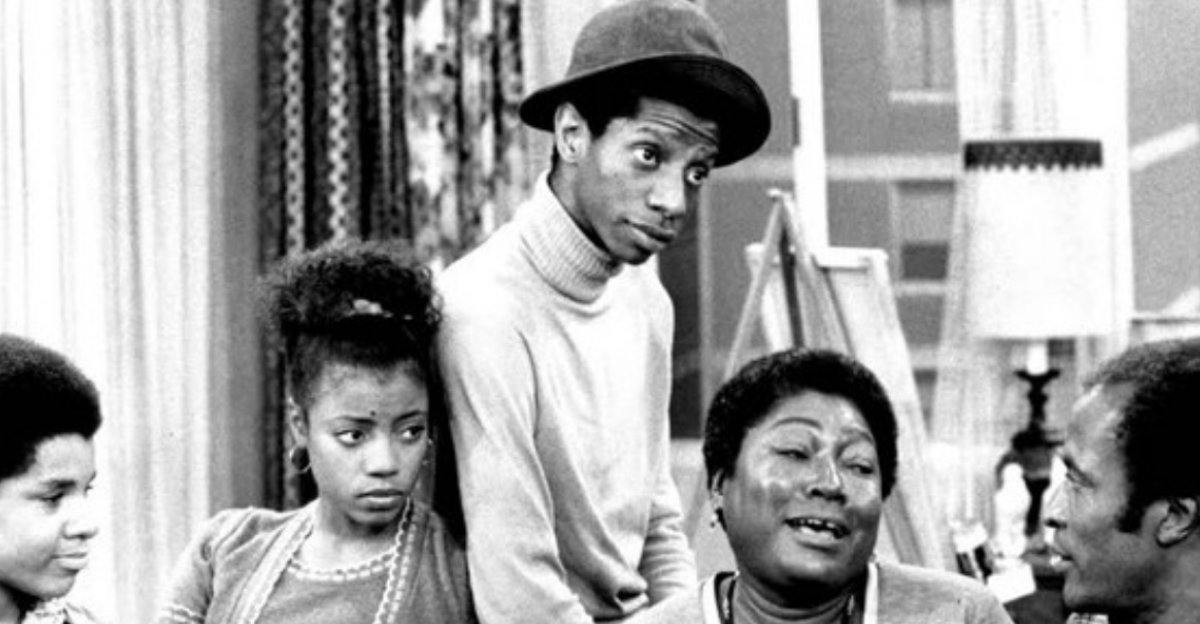
For a few years in the 1970s, Jimmie Walker was absolutely everywhere. His catchphrase “Dyn-O-Mite!” became so gigantic that it practically swallowed pop culture whole, turning the Good Times star into one of the most recognizable comedians in America. But while audiences assumed Walker would coast into sitcom royalty forever, his real post-Good Times story turned out to be far stranger, quieter, and way more complicated.
 CBS Television, Wikimedia Commons
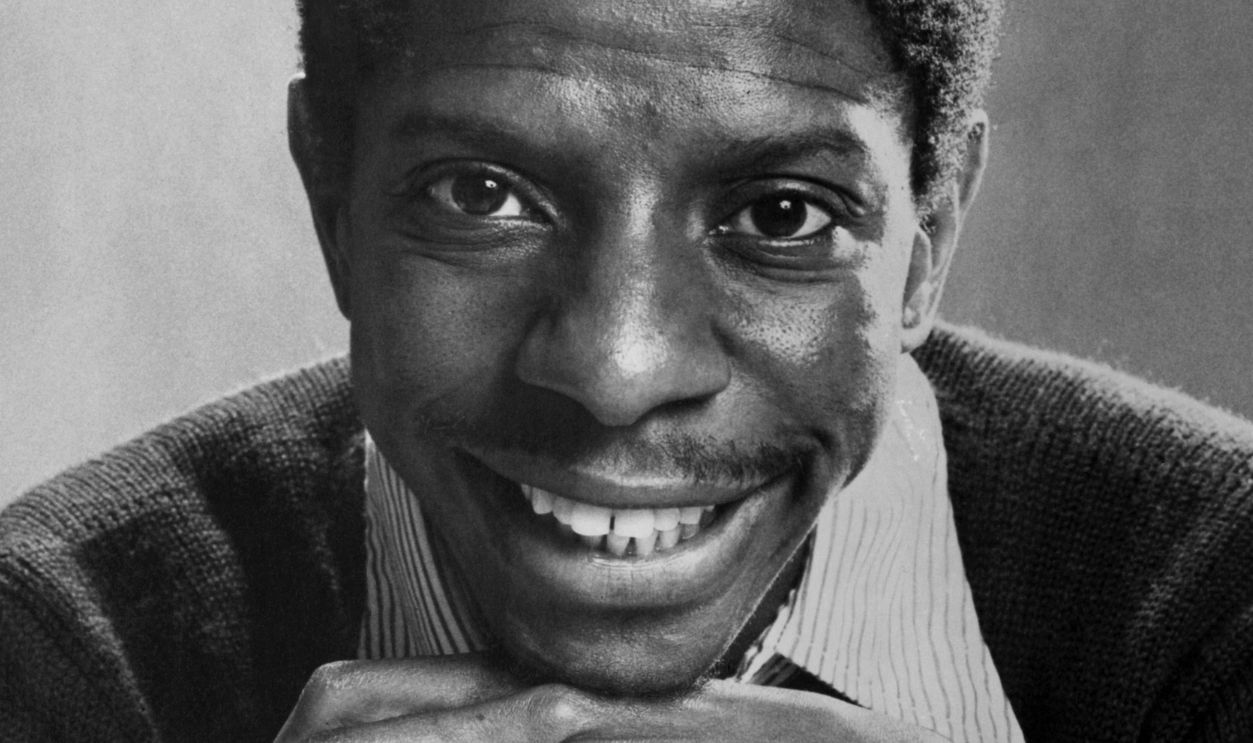
He Was Already Doing Stand-Up Before Fame
Long before Good Times, Walker was grinding through New York comedy clubs while working jobs to survive. He studied radio engineering and got involved with local radio stations, which helped sharpen the fast-talking rhythm that later became his trademark. Even then, fellow comics noticed he had an unusually explosive stage presence that could dominate an entire room.
 Michael Ochs Archives, Getty Images
His Big Break Came Through Comedy Circuits
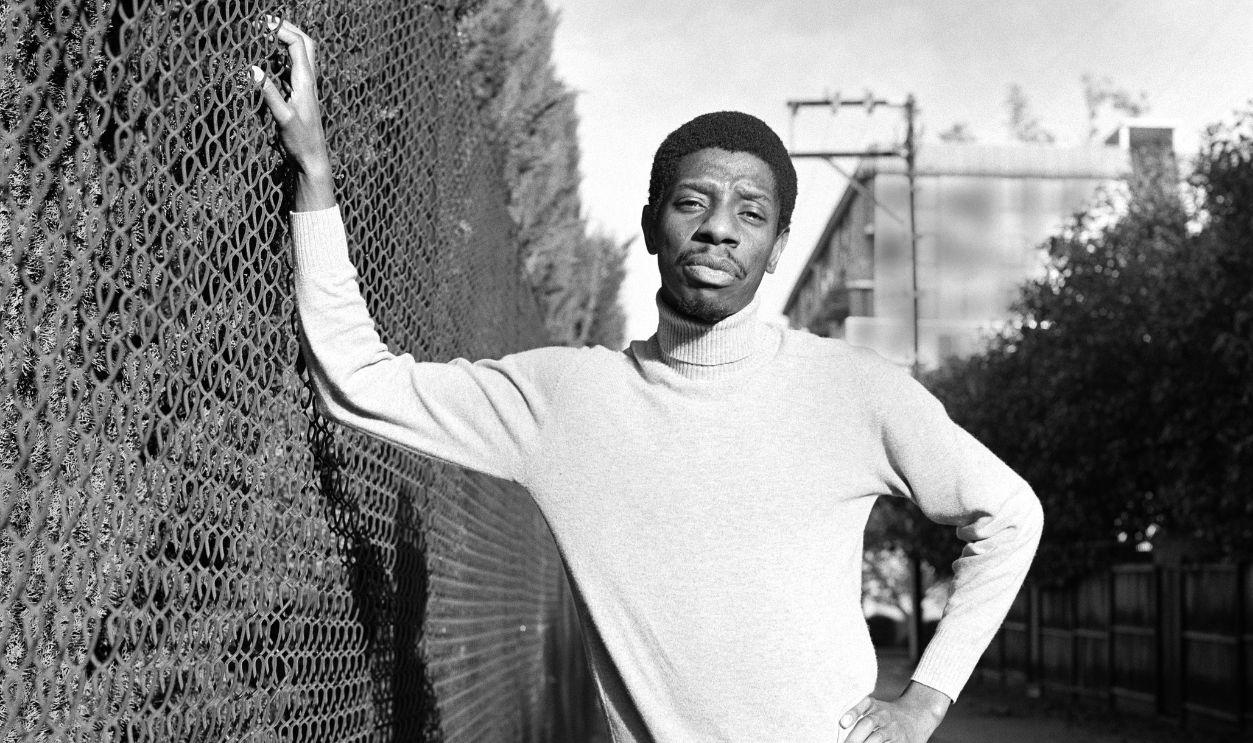
Walker started building a reputation at clubs like The Comedy Store and caught the attention of television talent scouts during the early 1970s comedy boom. Appearances on programs like The Jack Paar Show helped him gain visibility with mainstream audiences. At a time when stand-up comedians were suddenly becoming TV stars overnight, Walker arrived with perfect timing.
Good Times Changed Everything Overnight
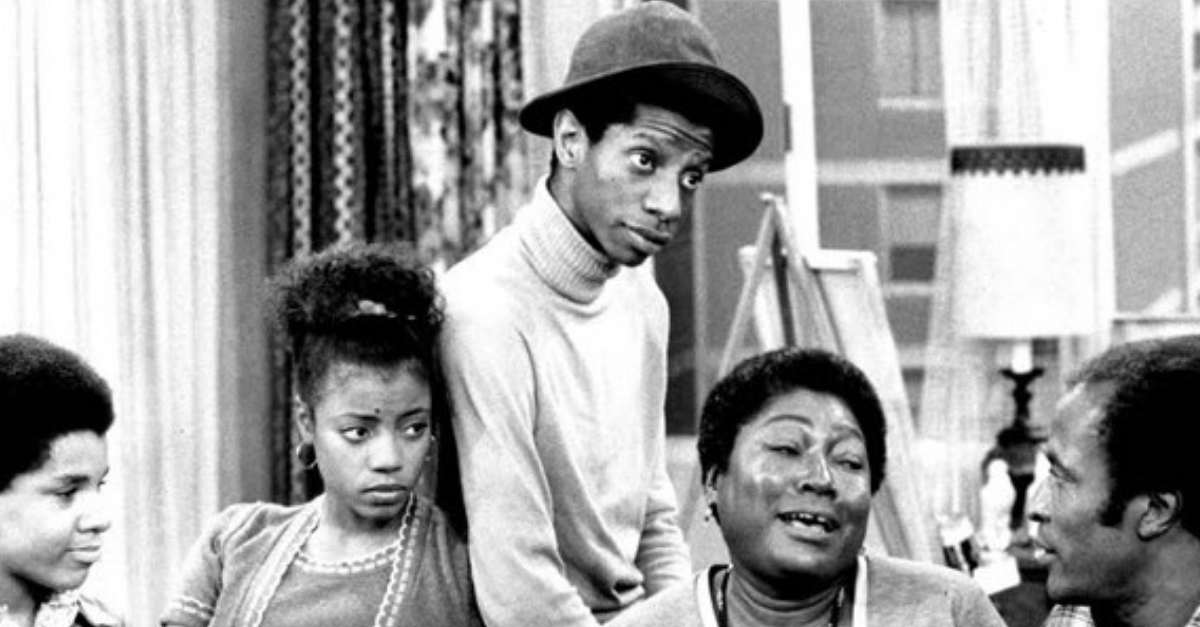
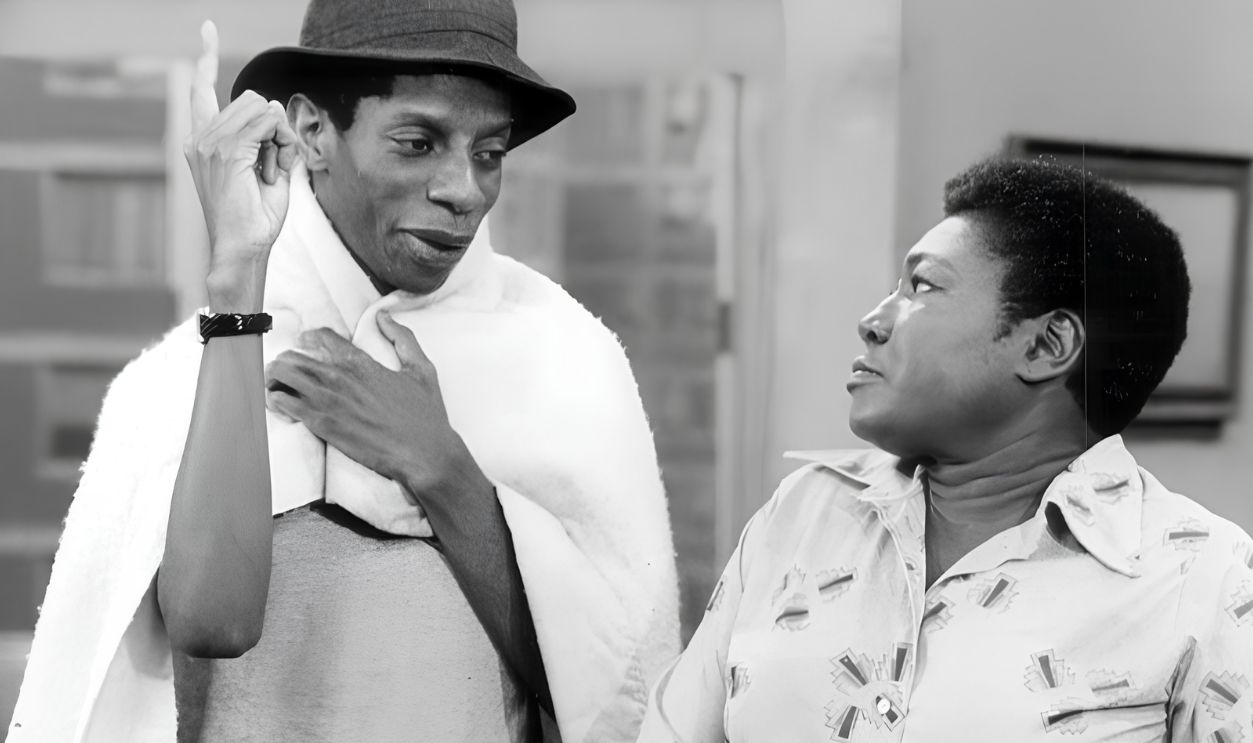
When Walker landed the role of JJ Evans on Good Times in 1974, his career detonated almost immediately. The show was intended to focus on the struggles of a working-class Black family in Chicago, but audiences became obsessed with Walker’s comedic energy. Before long, JJ became the breakout star whether the rest of the cast liked it or not.
 CBS TelevisionUploaded by We hope at en.wikipedia, Wikimedia Commons, enhanced
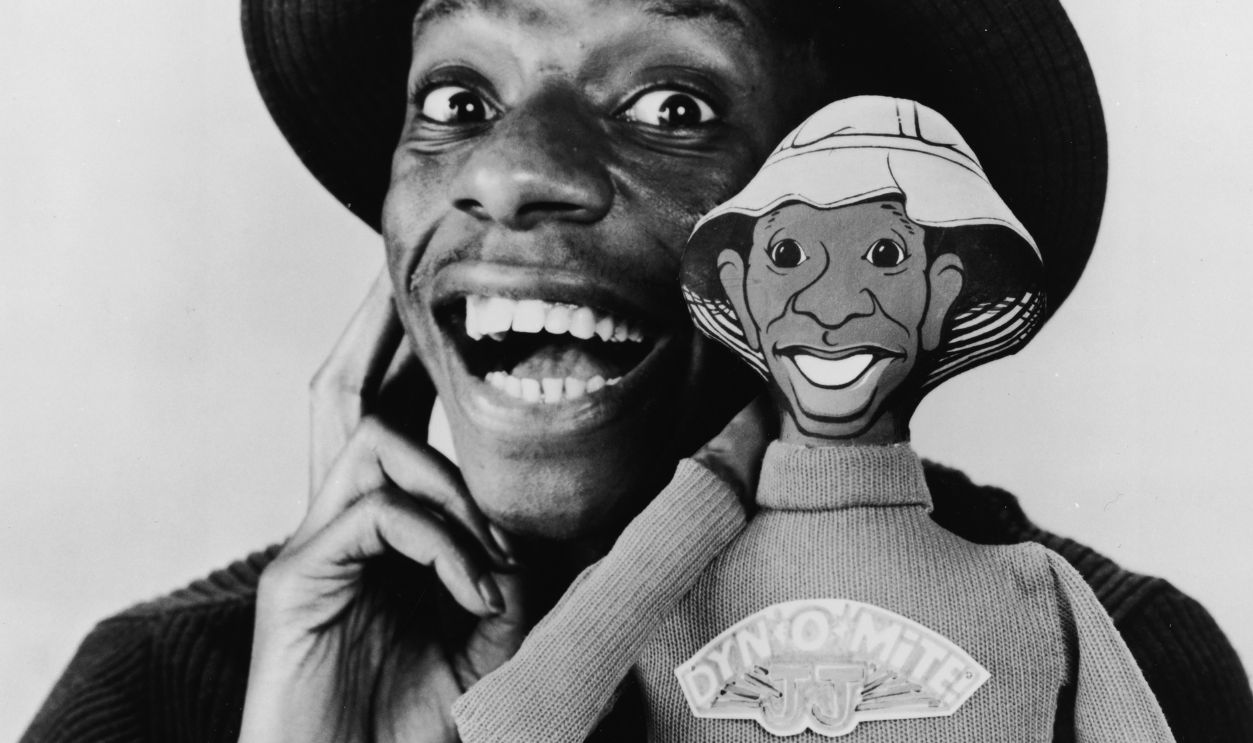
“Dyn-O-Mite!” Took Over America
Walker’s signature catchphrase became one of the defining TV moments of the decade. Kids repeated it at school, comedians parodied it, and advertisers wanted a piece of it too. The phrase became so huge that it elevated Walker into a full-blown celebrity while simultaneously trapping him inside a single exaggerated persona.
The Success Created Tension On Set
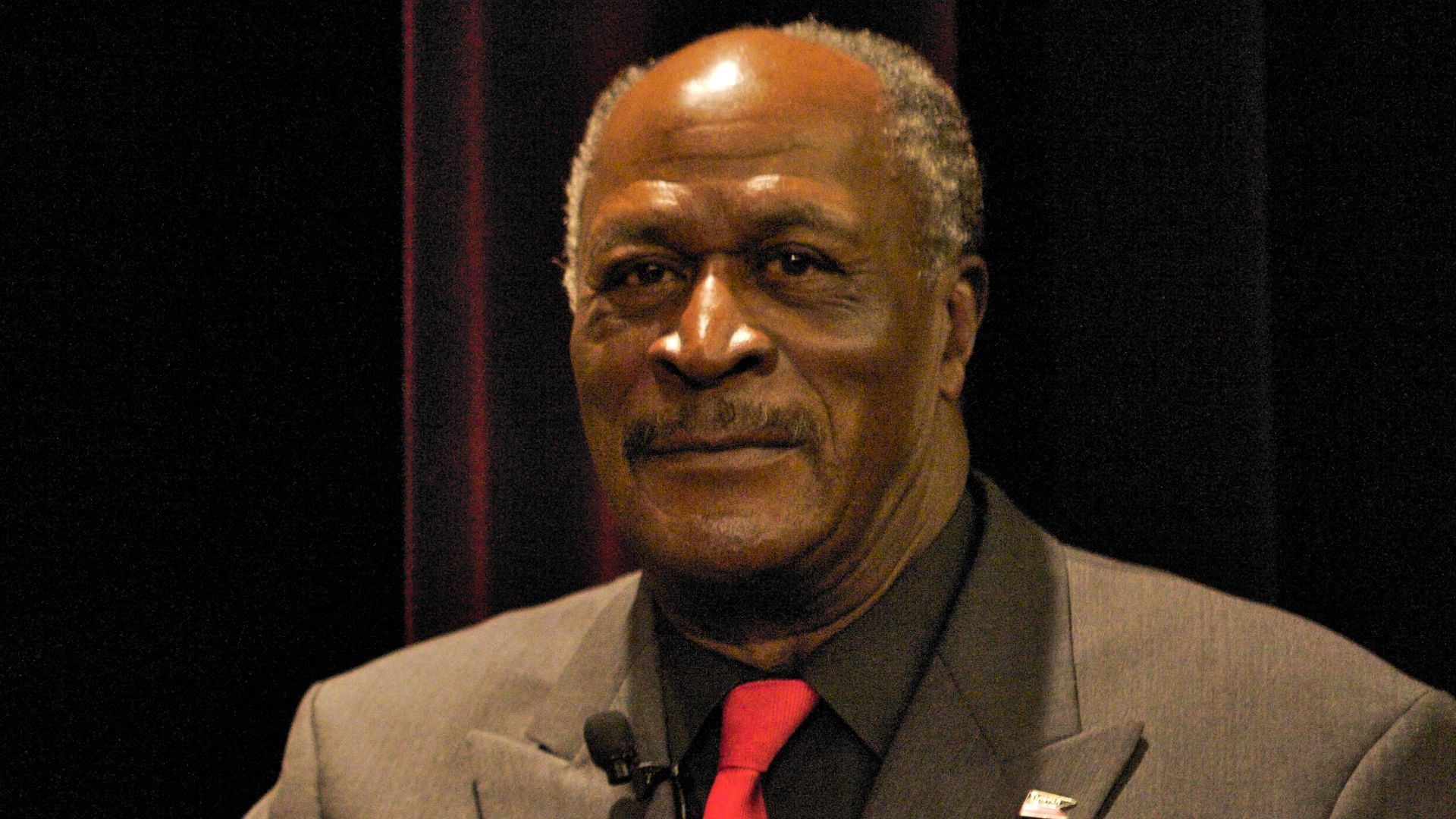
Not everyone connected to Good Times loved the direction the show was heading. Co-star John Amos openly criticized the increasing focus on JJ’s clownish behavior, believing it weakened the show’s original purpose. Walker later acknowledged that the cast didn’t always agree creatively, though he insisted the behind-the-scenes hostility has often been exaggerated over the years.
 U.S. National Archives, Wikimedia Commons
Esther Rolle Had Serious Concerns
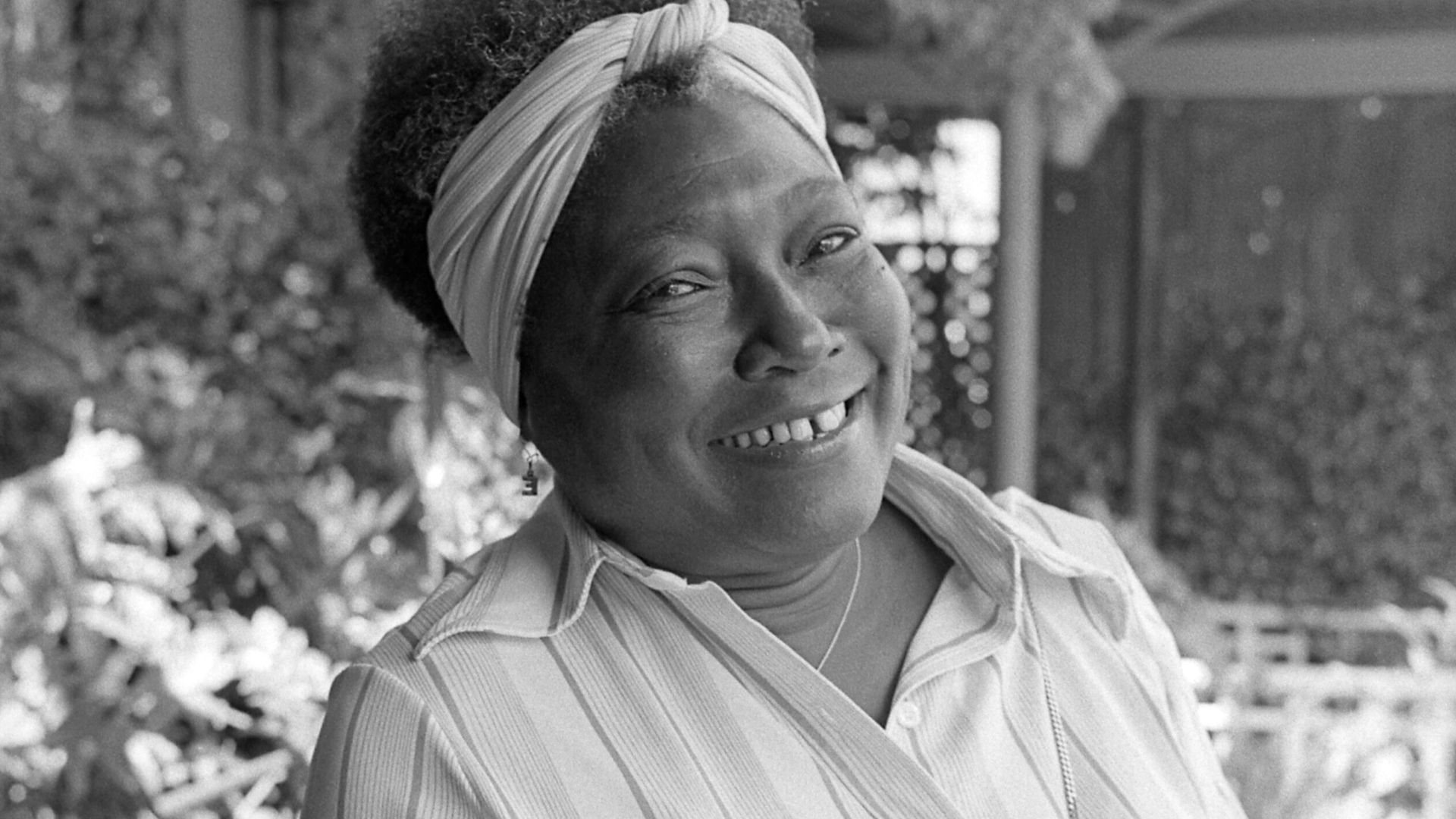
Esther Rolle also worried that JJ Evans was drifting into caricature territory. She reportedly pushed producers to give the series more meaningful stories instead of leaning entirely on comedy and catchphrases. The strange part is that Walker’s popularity was so overwhelming that the network kept steering harder toward the exact thing some cast members feared most.
 Larry Armstrong, Los Angeles Times, Wikimedia Commons
He Became One Of Television’s Biggest Stars
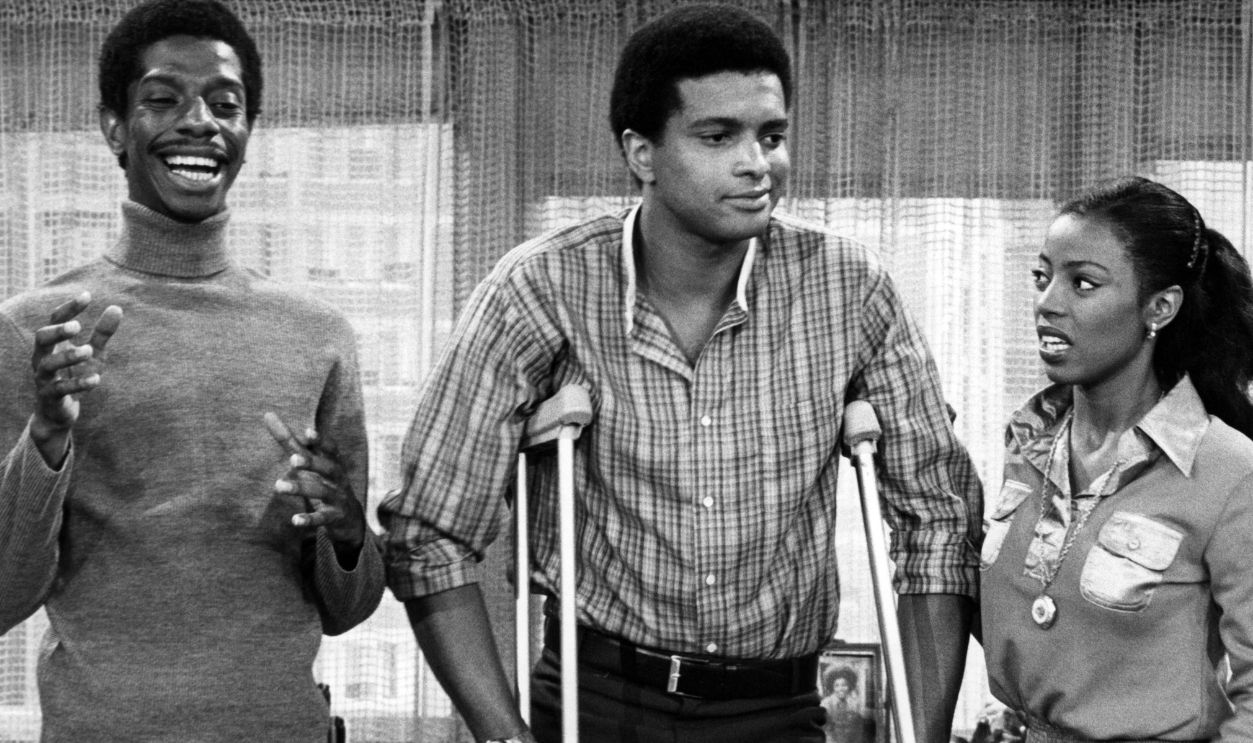
At the height of Good Times, Walker was appearing on talk shows constantly and became one of the most in-demand guest stars on television. He showed up on programs ranging from The Tonight Show to game shows and celebrity specials. For a while, it genuinely looked like he might become one of the dominant sitcom stars of the era.
 Michael Ochs Archives, Getty Images
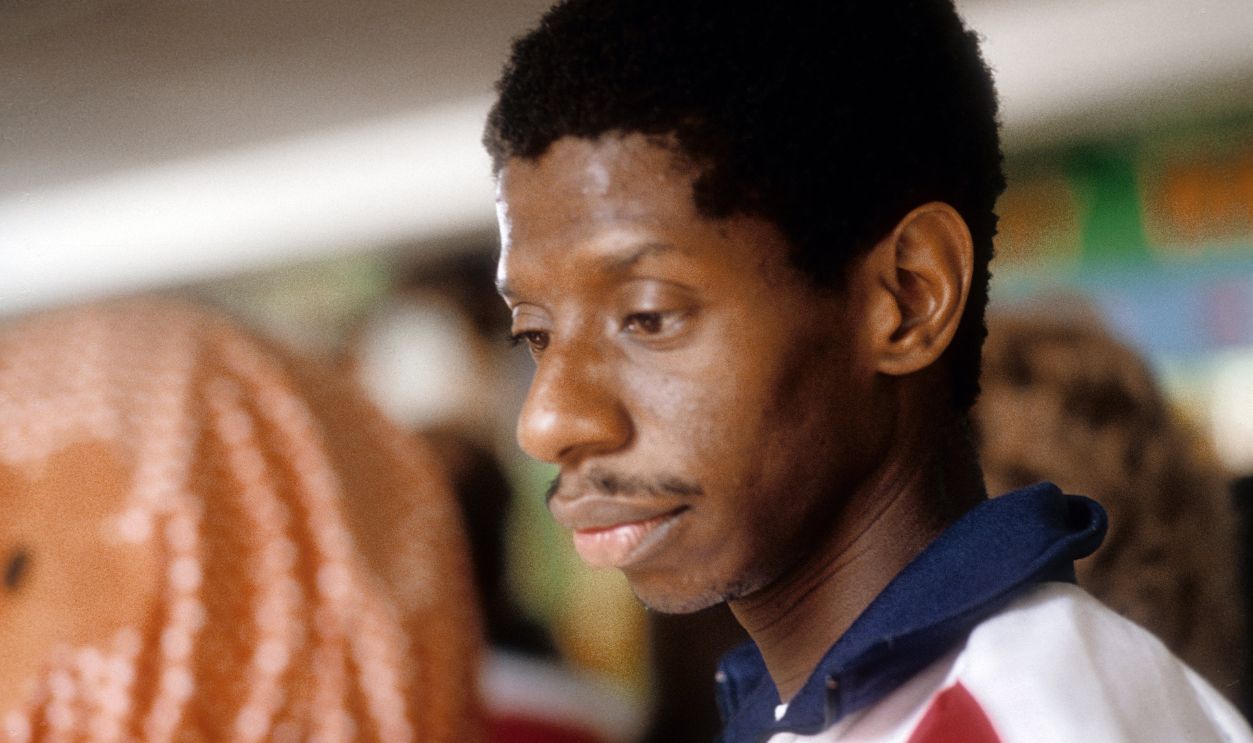
Hollywood Started Typecasting Him Fast
The downside of catchphrase fame appeared almost immediately. Producers wanted Walker to play variations of JJ Evans instead of giving him opportunities to stretch into different kinds of roles. That left him stuck in a weird Hollywood limbo where he was famous enough for audiences to recognize instantly, but not necessarily trusted with deeper material.
 Michael Ochs Archives, Getty Images
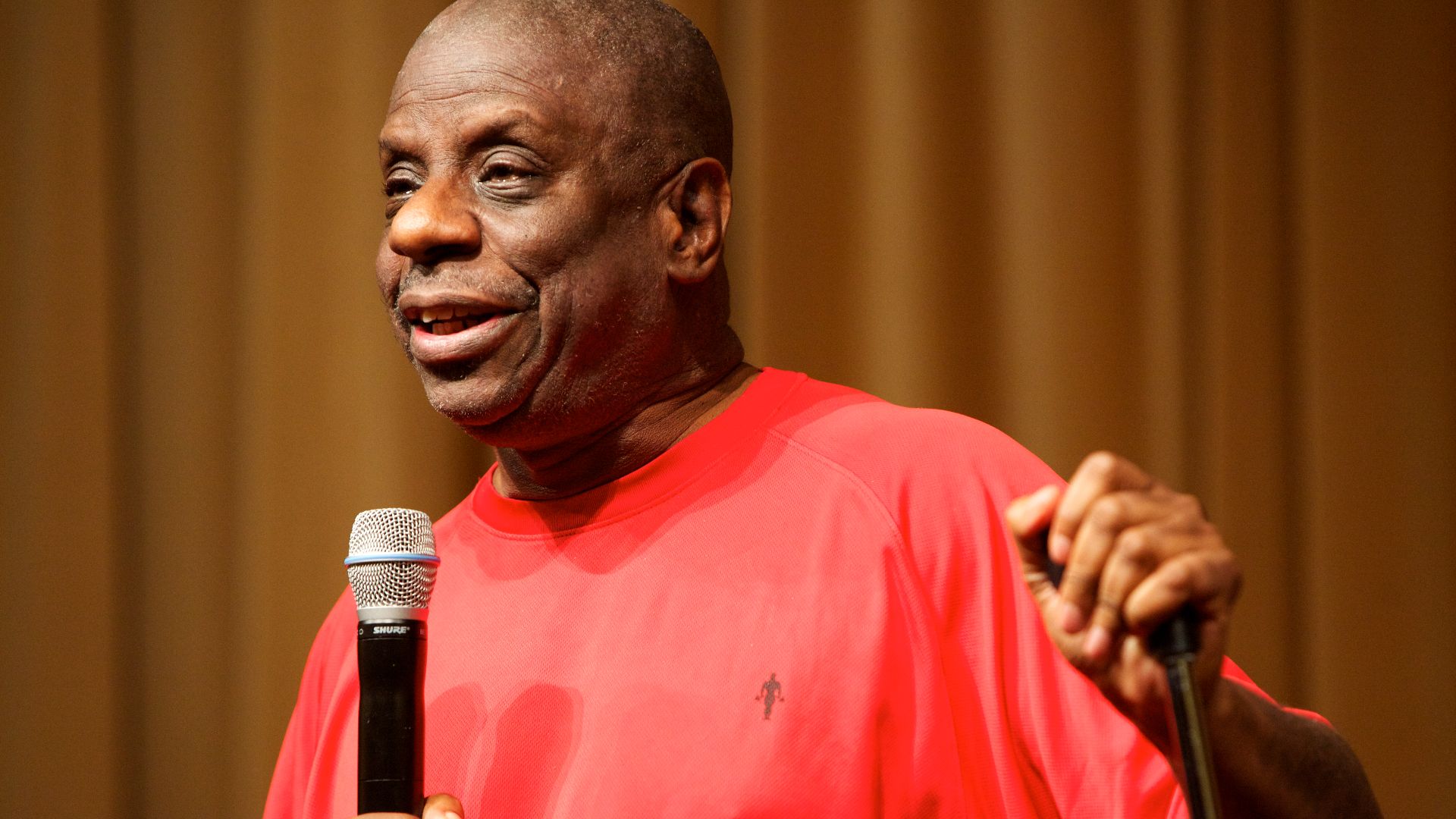
He Leaned Hard Into Stand-Up Comedy
Rather than chase dramatic acting jobs endlessly, Walker doubled down on live comedy. Stand-up had always been his strongest creative outlet, and it allowed him to stay in control of his material. Even decades after Good Times ended, touring comedy clubs remained the backbone of his career.
 Jermaine Scott--NARA Staff, Wikimedia Commons
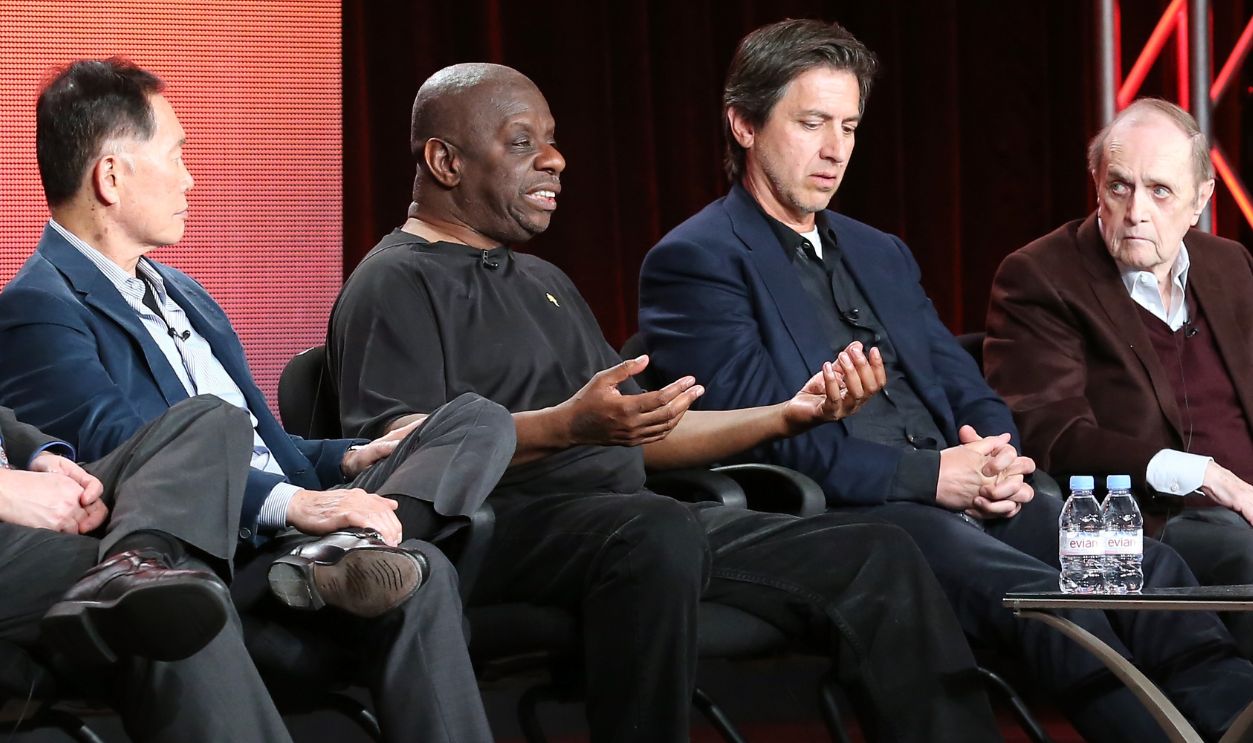
He Became A Constant Television Guest
Walker spent years bouncing between sitcom guest spots, game shows, talk shows, and celebrity appearances. He turned up on programs like Fantasy Island, The Love Boat, and Murder, She Wrote, becoming one of those instantly recognizable faces television loved to recycle. Even if he wasn’t headlining major projects anymore, he never fully disappeared from screens.
 Frederick M. Brown, Getty Images
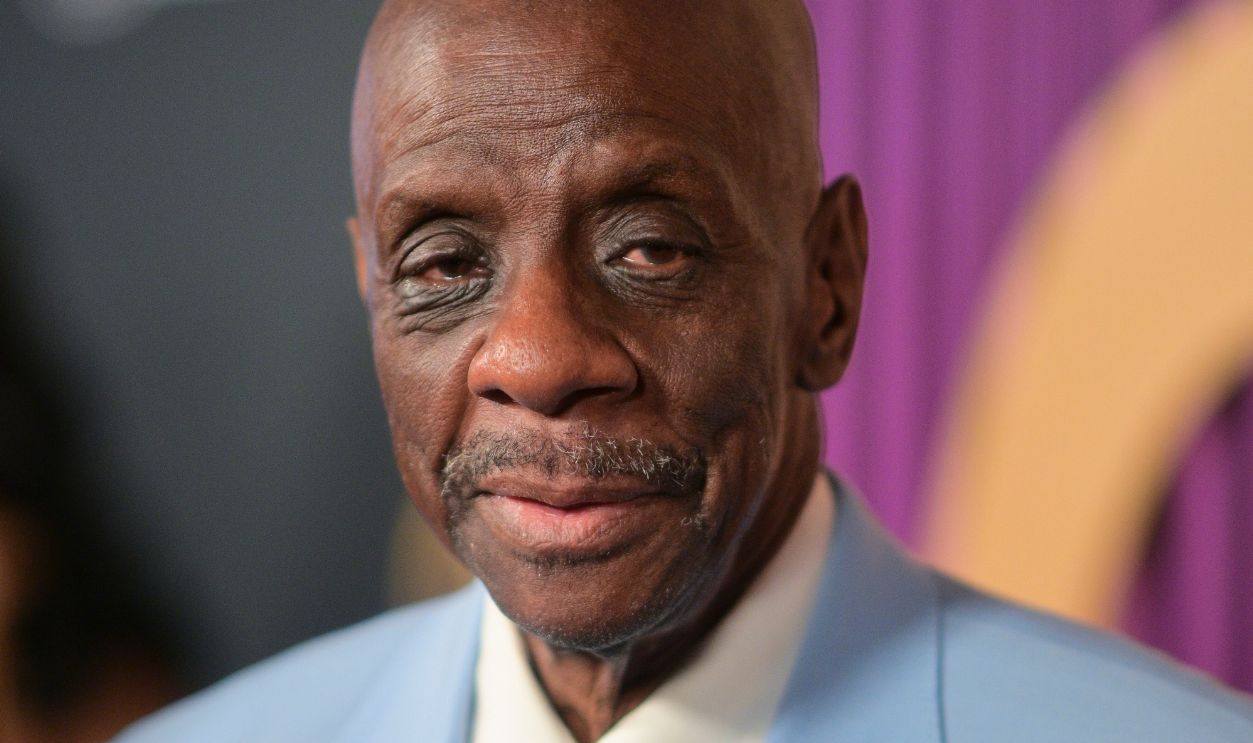
He Avoided The Typical Hollywood Lifestyle
Unlike many stars from the 1970s television boom, Walker stayed surprisingly private. He never married and rarely attached himself to the celebrity party scene people expected from sitcom stars of the era. In interviews, he often sounded more interested in working steadily than maintaining a glamorous public image.
Politics Made Him Unexpectedly Controversial
Walker occasionally surprised audiences with political opinions that didn’t line up with what many people expected from him. Over time, he developed a reputation for conservative viewpoints that sometimes shocked interviewers. That unpredictability helped keep him in public conversations long after his sitcom peak faded.
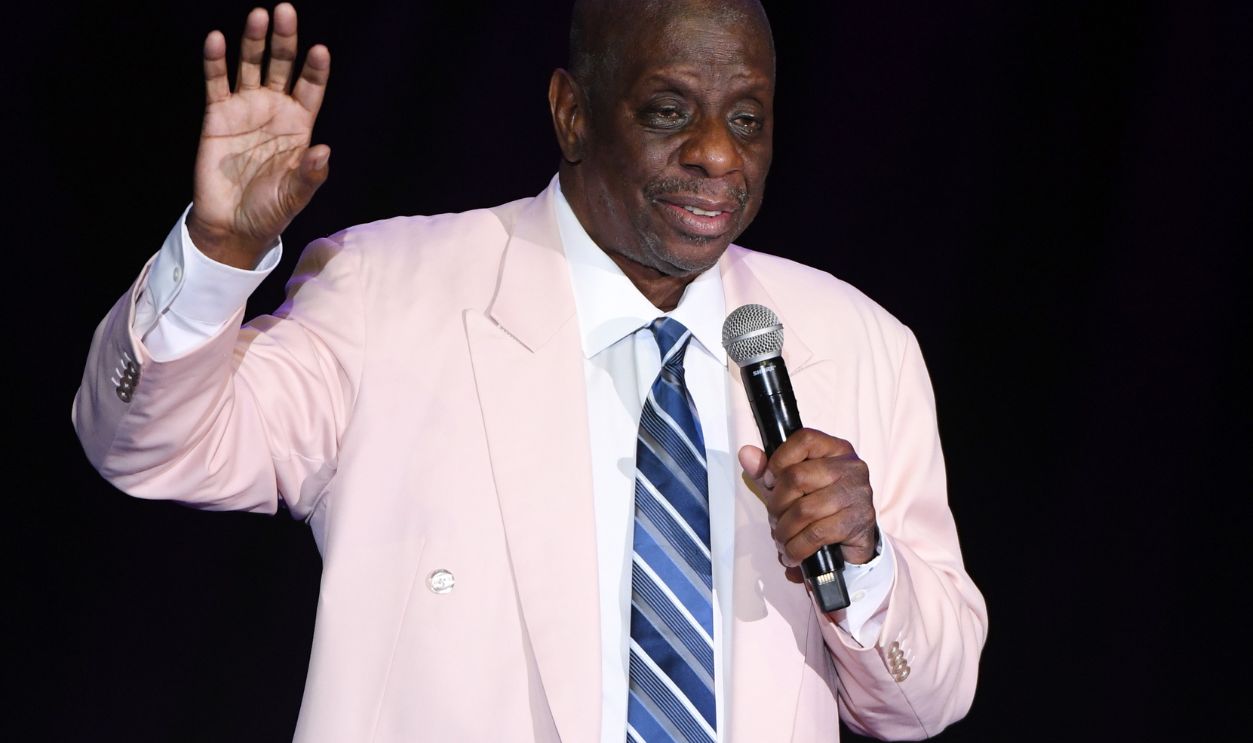
He Wrote A Memoir That Stirred Things Up
In 2012, Walker released his memoir Dyn-O-Mite! Good Times, Bad Times, Our Times. The book revisited old tensions surrounding Good Times and offered his version of several long-debated behind-the-scenes conflicts. Some former colleagues and fans disagreed with parts of his recollections, which only fueled more fascination with the show’s history.
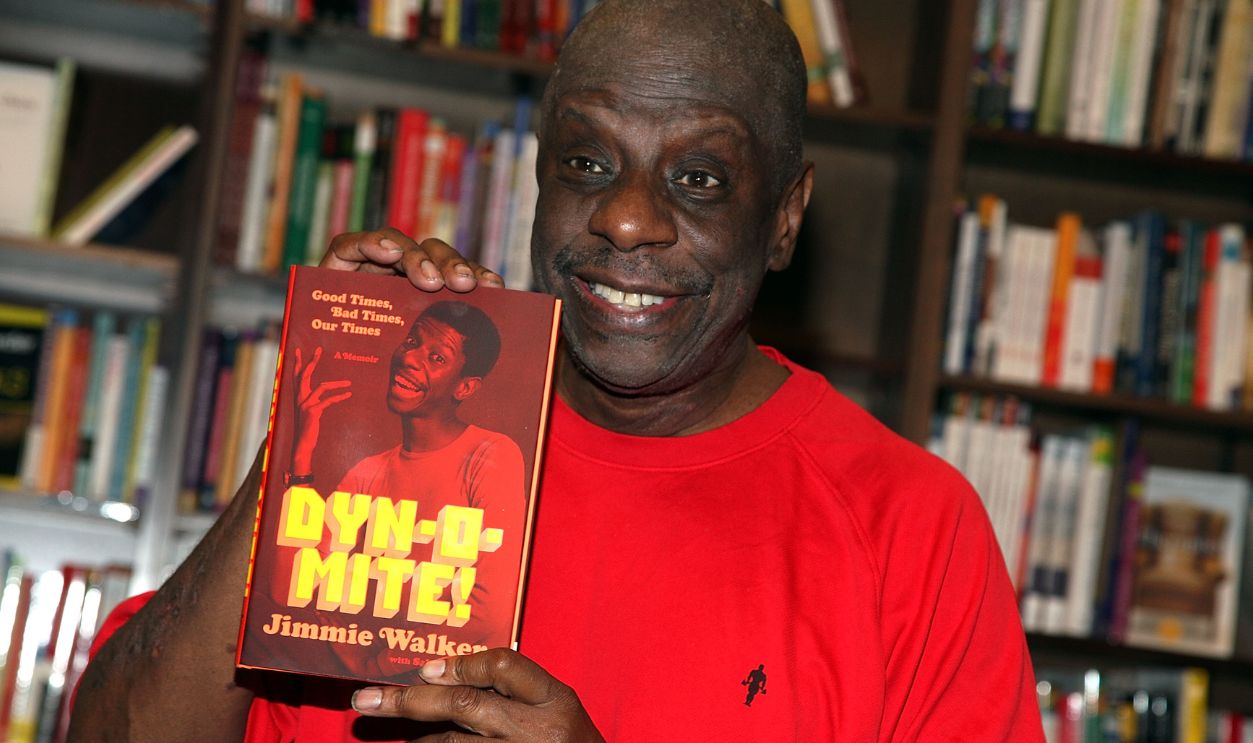
He Never Escaped JJ Evans Completely
No matter how many stand-up tours or television appearances Walker booked, audiences still mainly wanted JJ Evans. That kind of recognition can be both a blessing and a curse for performers. Walker spent decades living with the bizarre reality of being permanently linked to a character people remembered more vividly than almost anything else he ever did.
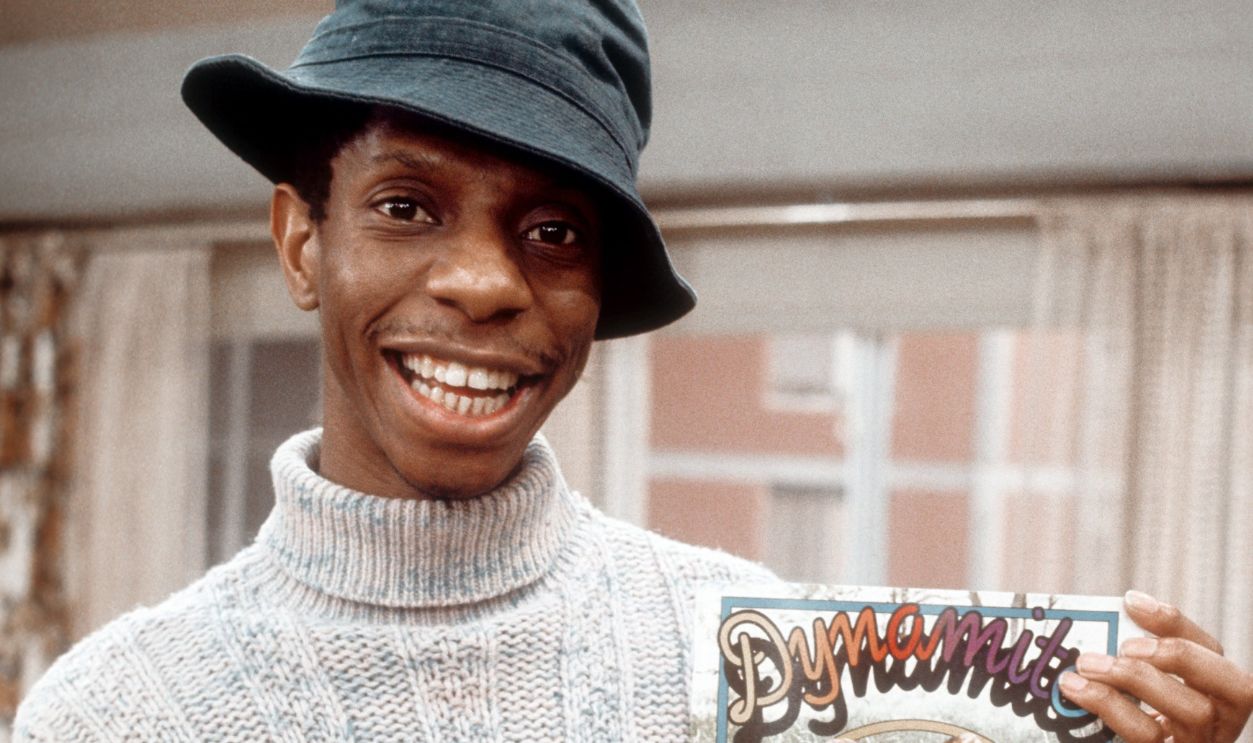 Michael Ochs Archives, Getty Images
He Continued Touring Well Into Later Life
While many assumed Walker faded away after the sitcom era, he actually maintained an active touring schedule for years. Comedy clubs, casinos, and live appearances kept him working steadily across the country. The fame frenzy cooled off, but he never fully stopped performing.
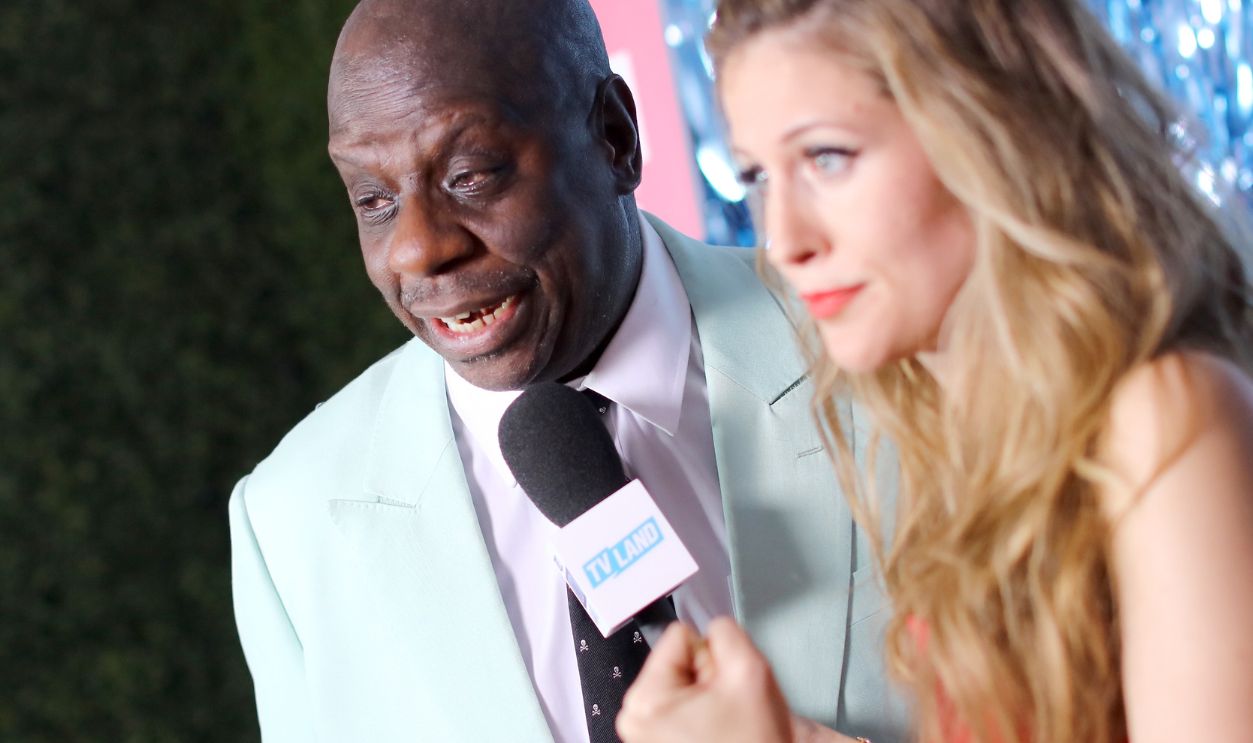
He Kept Appearing In Pop Culture Documentaries
Because Good Times remained such an iconic sitcom, Walker frequently appeared in retrospectives and television documentaries about classic TV. Producers loved bringing him back to discuss the show’s impact on American culture and Black television history. Those appearances helped introduce him to younger audiences who never originally watched the series.
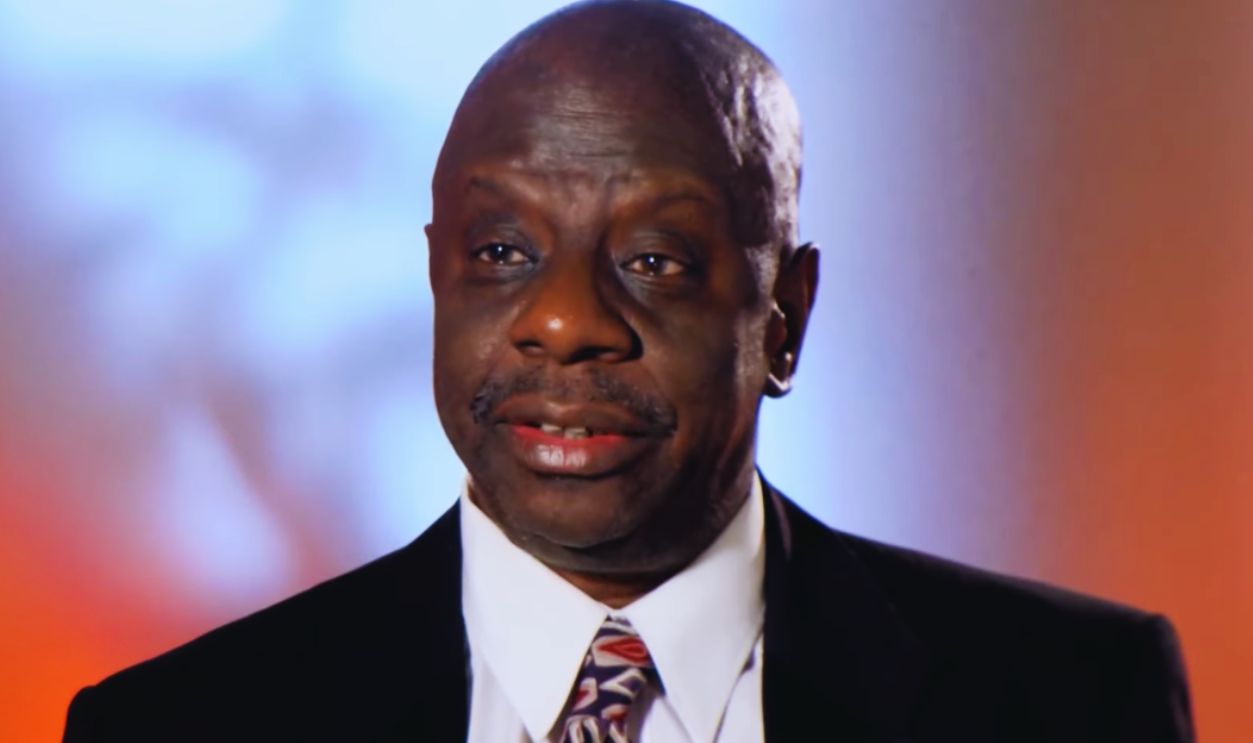 Screenshot from Pioneers of Television, PBS (2008-2019)
He Stayed Loyal To Traditional Stand-Up
Walker often criticized changes in modern comedy and preferred the old-school nightclub style that made him famous. He admired fast joke-writing, audience interaction, and rapid-fire delivery rather than heavily confessional material. In many ways, his career became a living time capsule of 1970s stand-up culture.
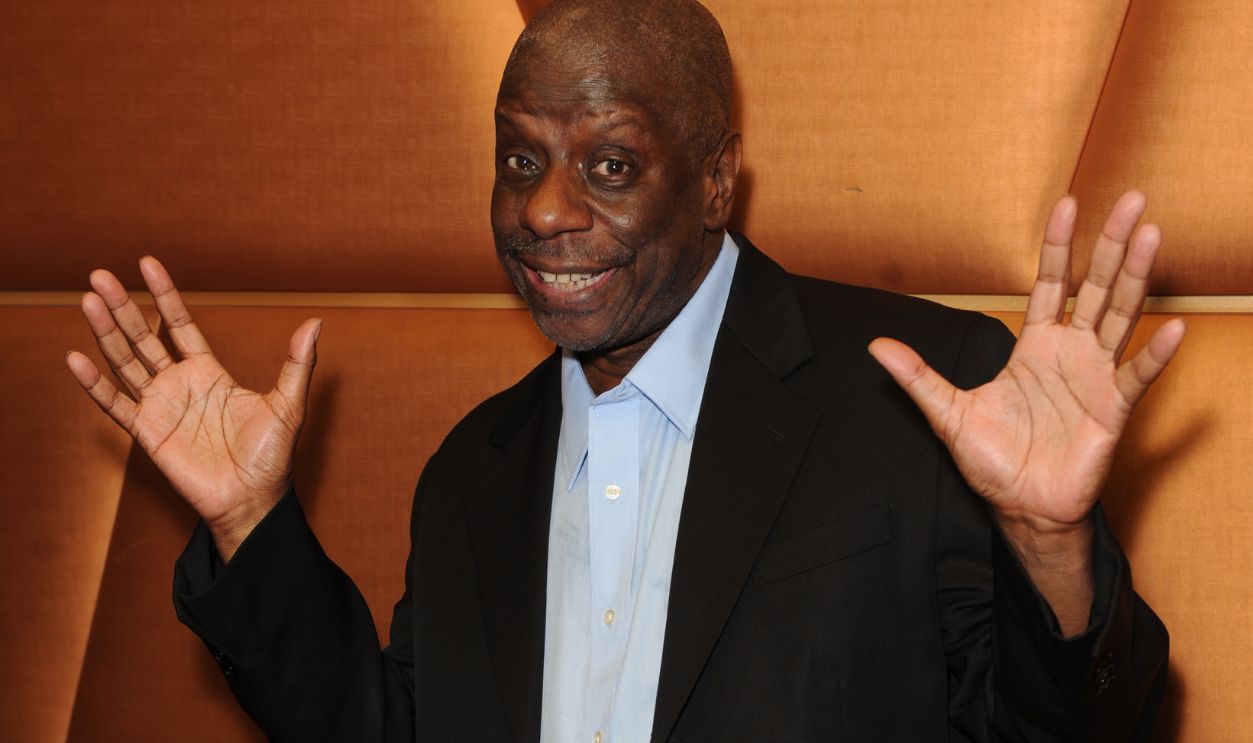
He Became More Respected Over Time
Although critics sometimes dismissed Walker during the peak of the “Dyn-O-Mite!” craze, later generations developed more appreciation for his timing and charisma. Comedy historians increasingly recognized how difficult it is to create a television character so unforgettable that it permanently enters pop culture vocabulary. That level of recognition simply doesn’t happen by accident.
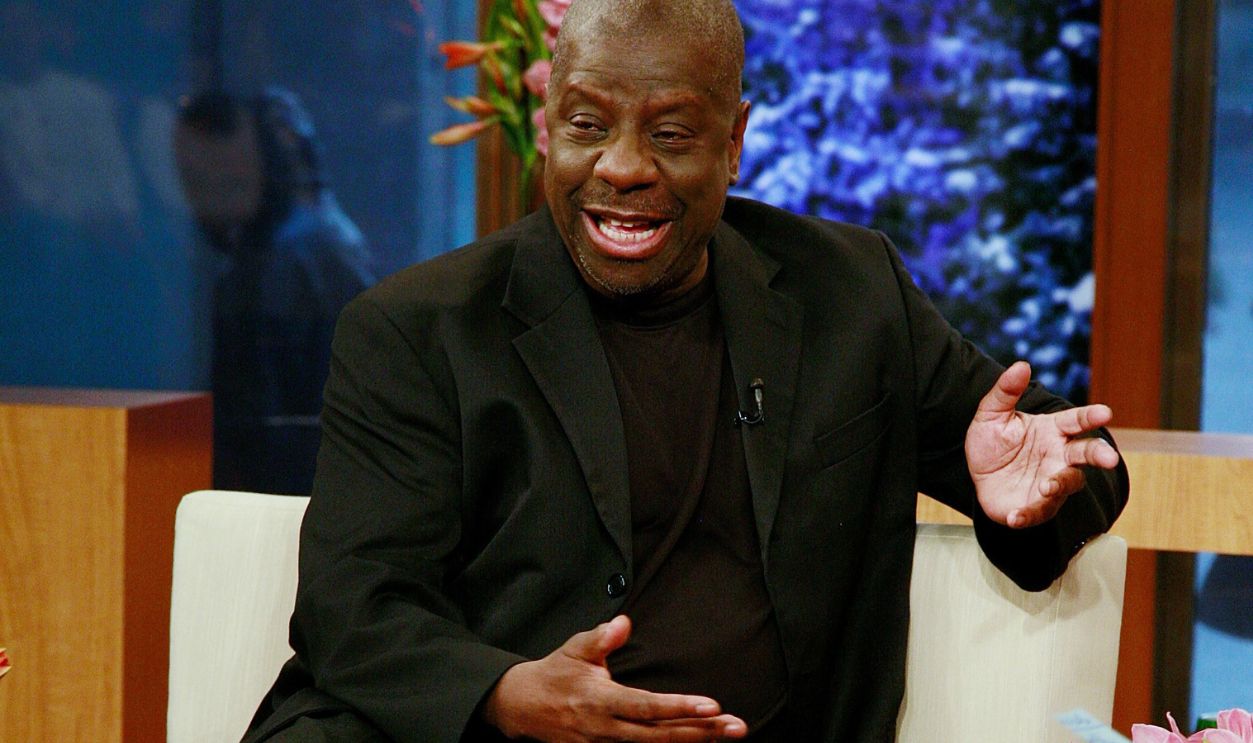 Charles Eshelman, Getty Images
Jimmie Walker Never Fully Vanished
The strange thing about Walker’s career is that people often talk about him like he disappeared completely after Good Times, even though he never really stopped working. He just shifted away from the center of Hollywood attention while continuing to perform, tour, and pop up across television for decades. The spotlight eventually moved on, but Jimmie Walker kept doing exactly what he’d been doing before fame hit: telling jokes and working the crowd.
You May Also Like: