
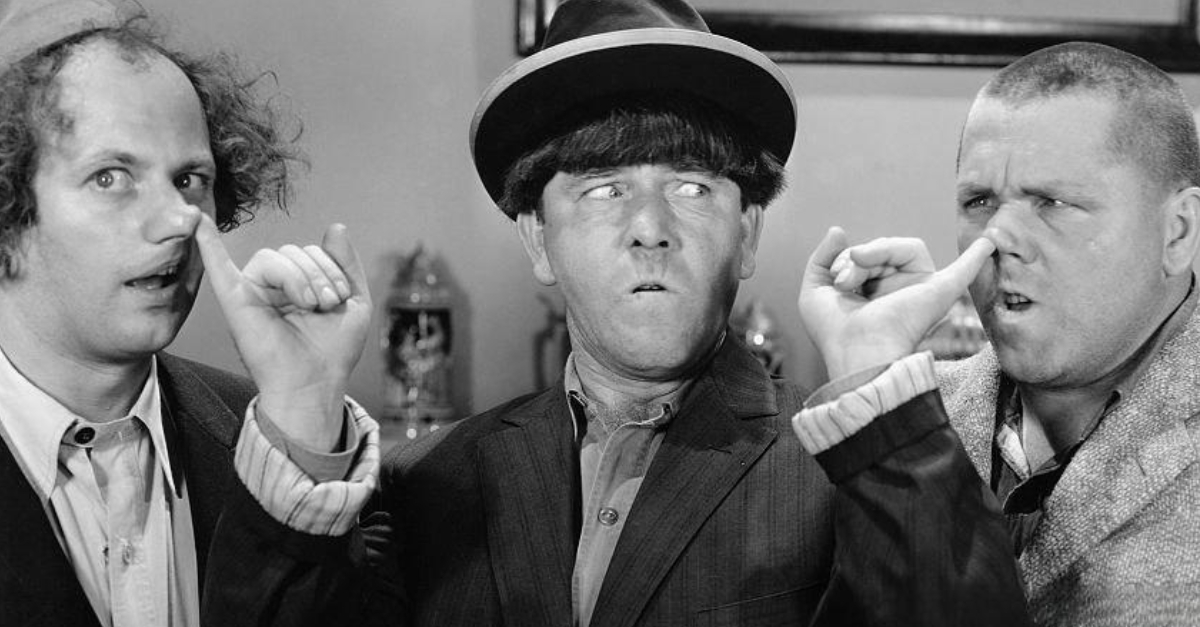
The Man Behind The Bowl Cut
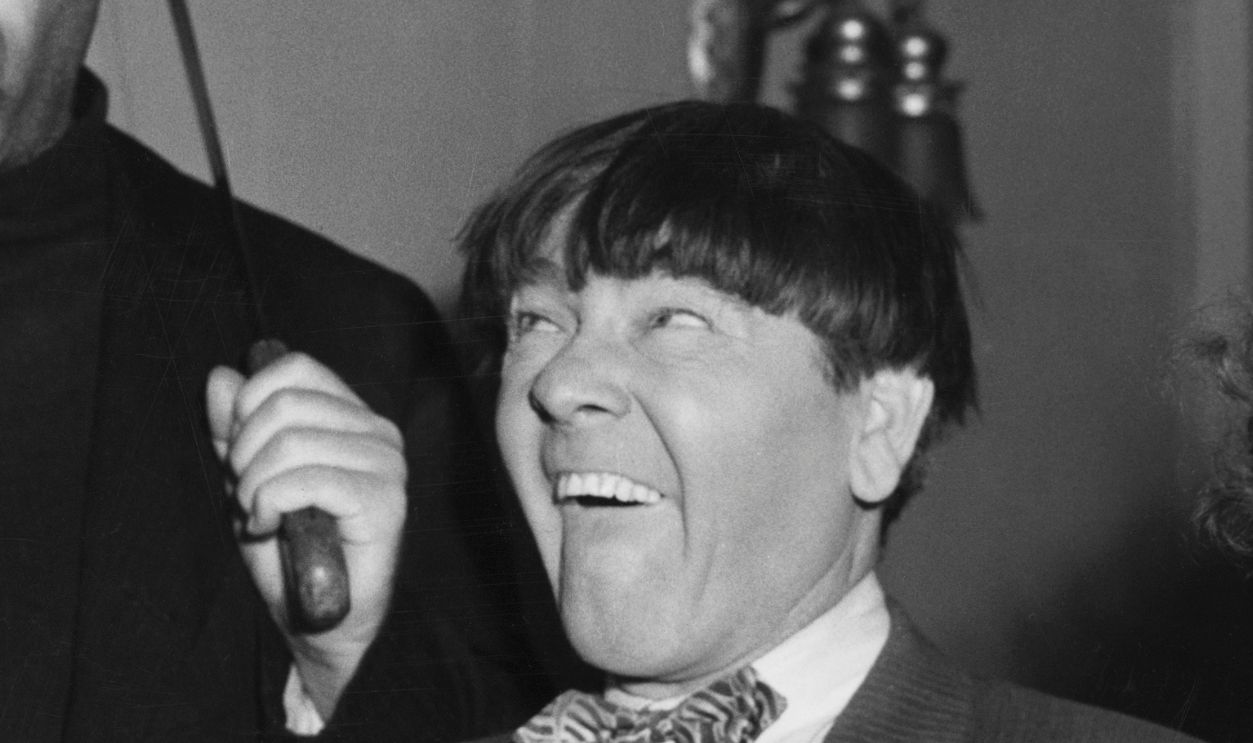
For generations, Moe Howard looked like the toughest—and funniest—man in comedy. He barked insults, smacked heads, and turned chaos into one of television’s most iconic acts. But while audiences saw nonstop laughs, the real story behind the leader of the Three Stooges was far darker, sadder, and far more complicated than most fans ever realized.
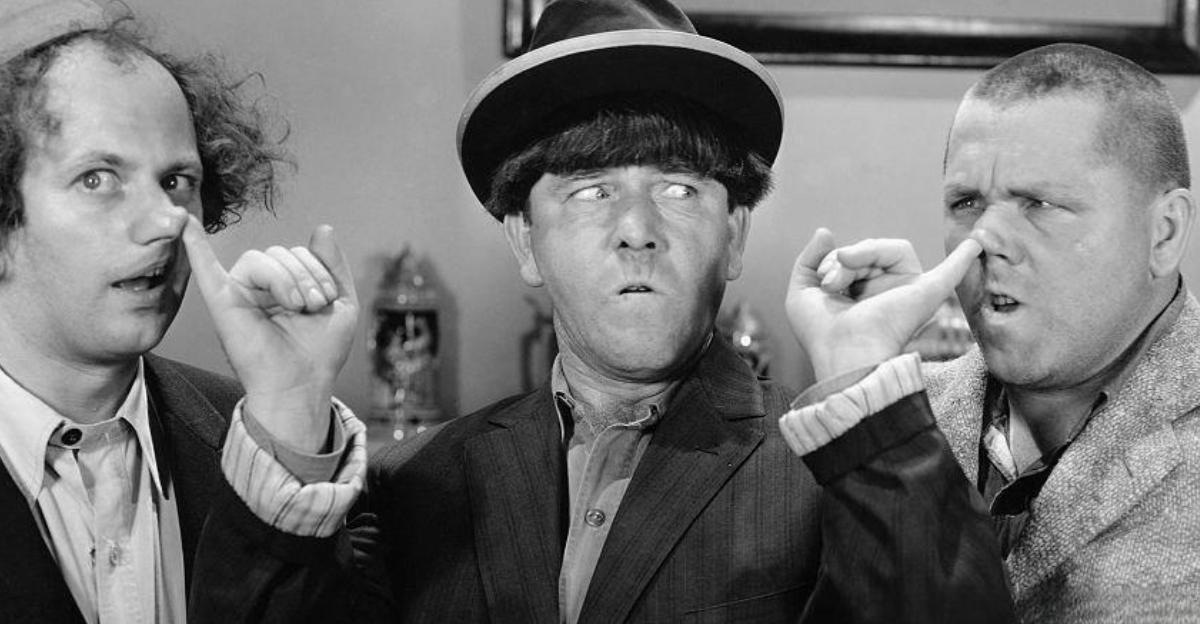 John Springer Collection, Getty Images
Brooklyn Before Hollywood
Moe Howard was born Moses Harry Horwitz in Brooklyn, New York, in 1897, the fourth of five sons in a working-class Jewish family. His parents hoped their boys would pursue stable careers, not show business. But from an early age, Moe became fascinated by movies, comedy, and performing.
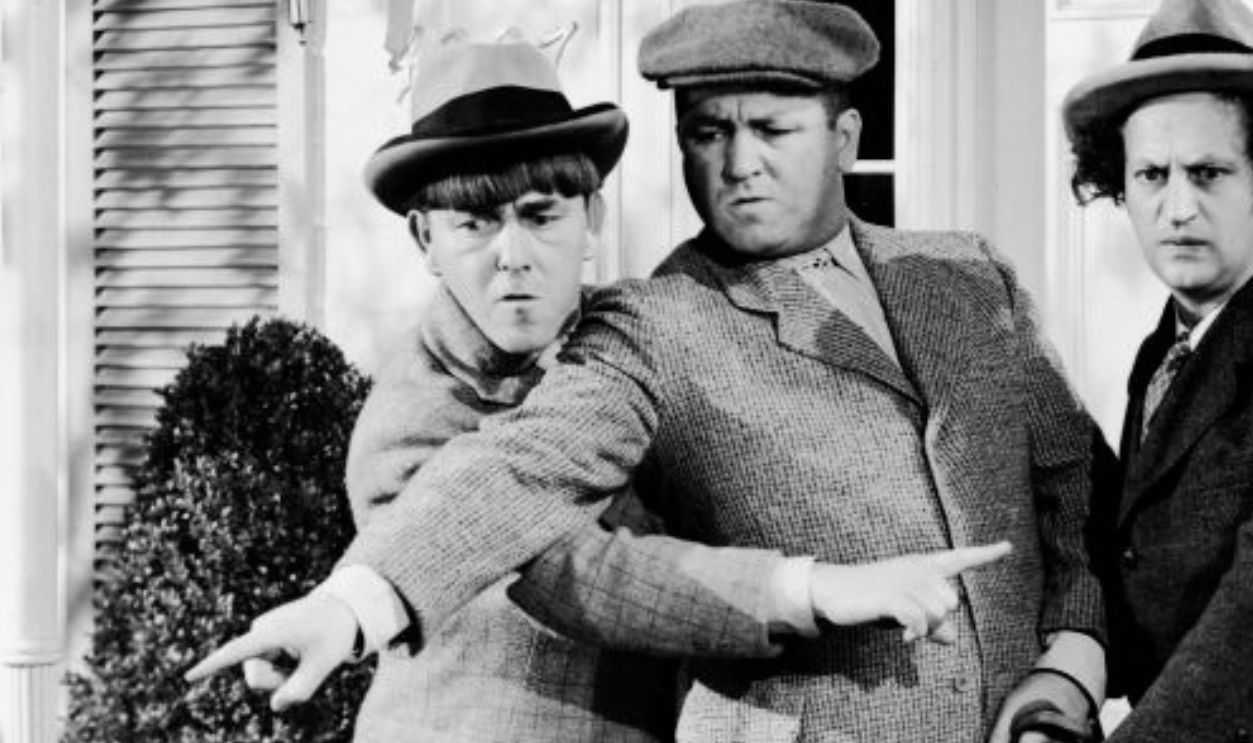 Columbia Pictures, Getty Images
From Schoolboy To Performer
As a kid, Moe often skipped school to watch movies and stage shows instead. Eventually, Moe and his brother Shemp entered vaudeville, where the act that later became the Three Stooges slowly began taking shape. Years later, younger brother Curly would replace Shemp and become the group’s most famous third Stooge.
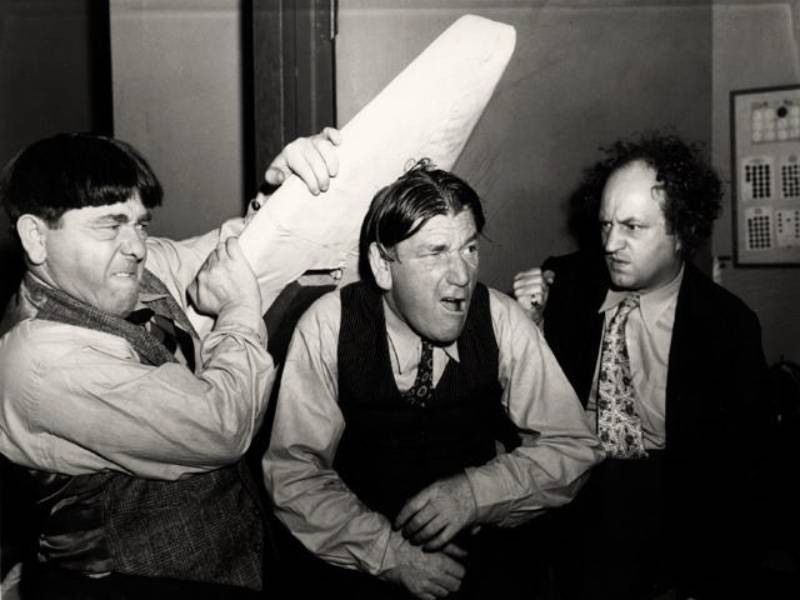 Unknown Author, Wikimedia Commons
Before The Slaps And Eye Pokes
Long before reruns turned the Stooges into television legends, they were just struggling entertainers trying to survive vaudeville. The trio spent years traveling constantly, sleeping in cheap hotels, and chasing unstable work. For Moe Howard, success didn’t arrive overnight—and even when it finally did, it came with a heavy price.
 De Carvalho Collection, Getty Images
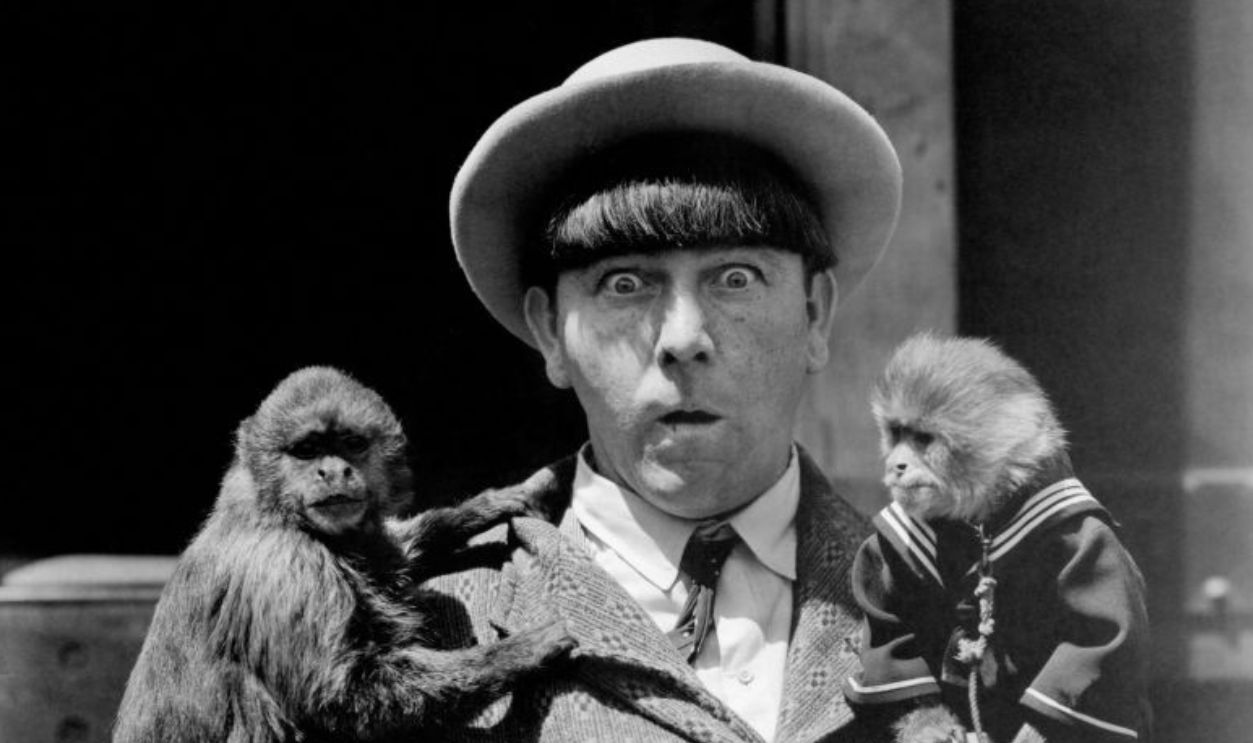
He Had To Leave Show Business Temporarily
During slower periods, Moe briefly stepped away from entertainment and worked regular jobs, including real estate. The instability of comedy work frightened him, especially once he had a family to support. It was a painful reminder that even recognizable performers could suddenly find themselves without steady income.
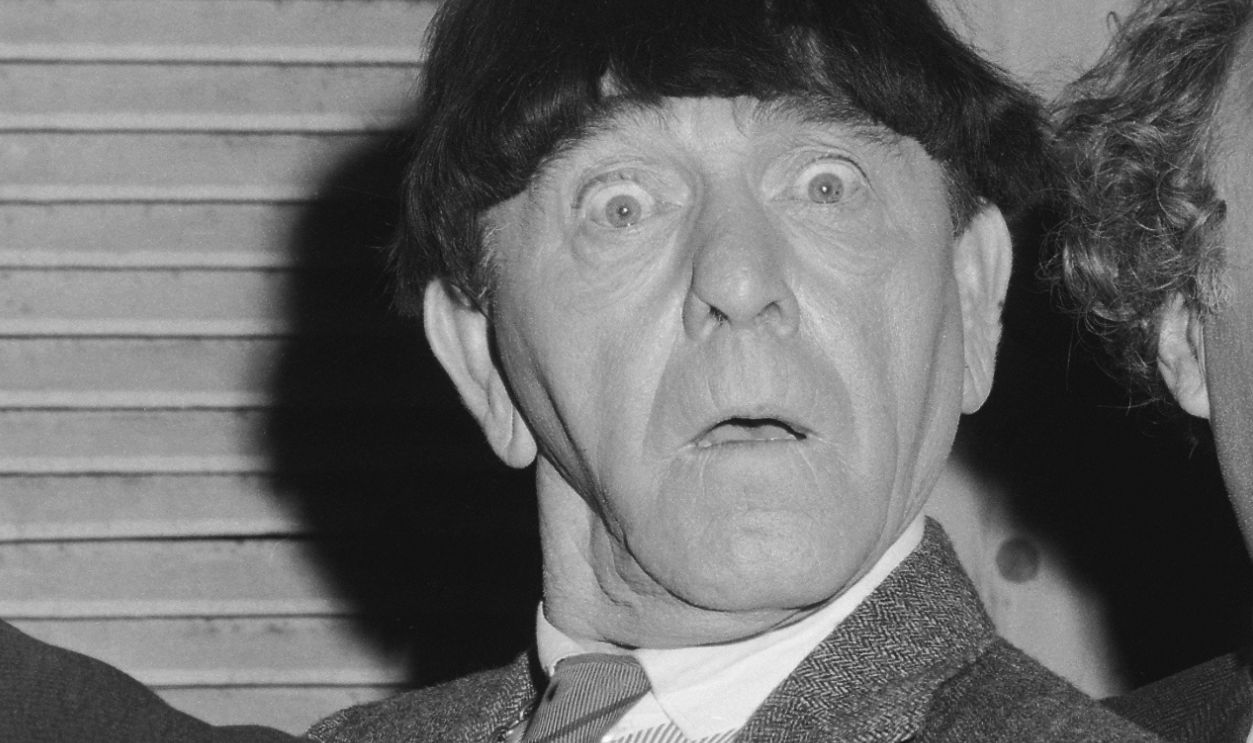
The Haircut Became A Curse
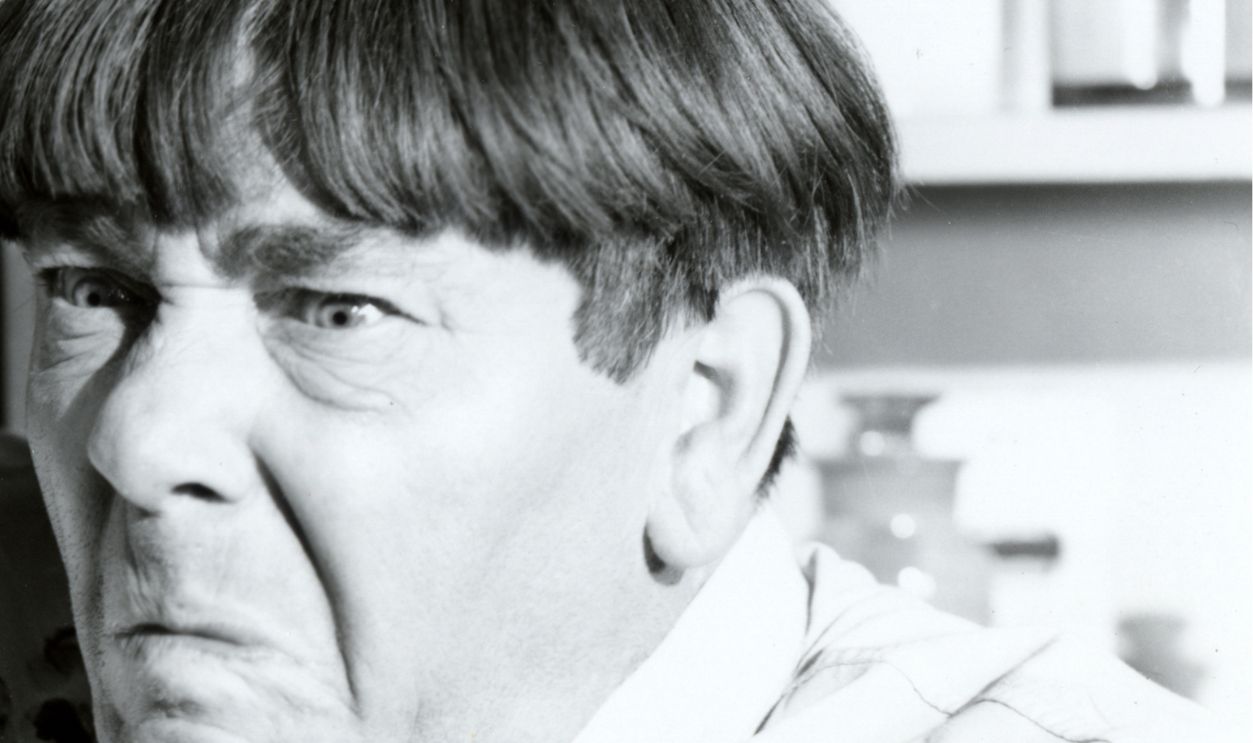
Moe’s famous bowl haircut started in childhood and eventually became one of comedy’s most recognizable looks. Fans loved it instantly. Moe, however, sometimes felt trapped by the image. The haircut made him unforgettable, but it also kept Hollywood from seeing him as anything other than “the angry Stooge.”
The Stooges Worked Constantly
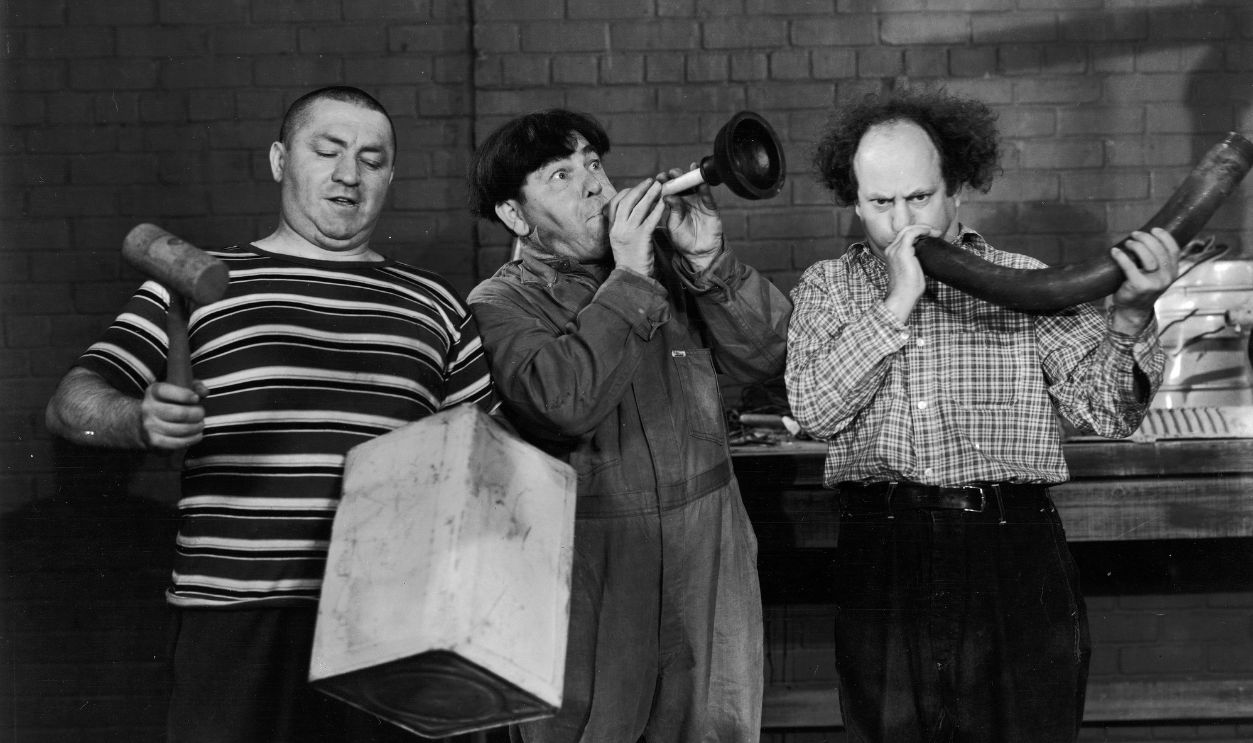
During their peak years at Columbia Pictures, the Stooges filmed shorts at a relentless pace. There was little downtime between productions, and the physical comedy demanded constant rehearsals. Moe later admitted the schedule could be exhausting. Audiences saw effortless slapstick, but filming it was physically draining work.
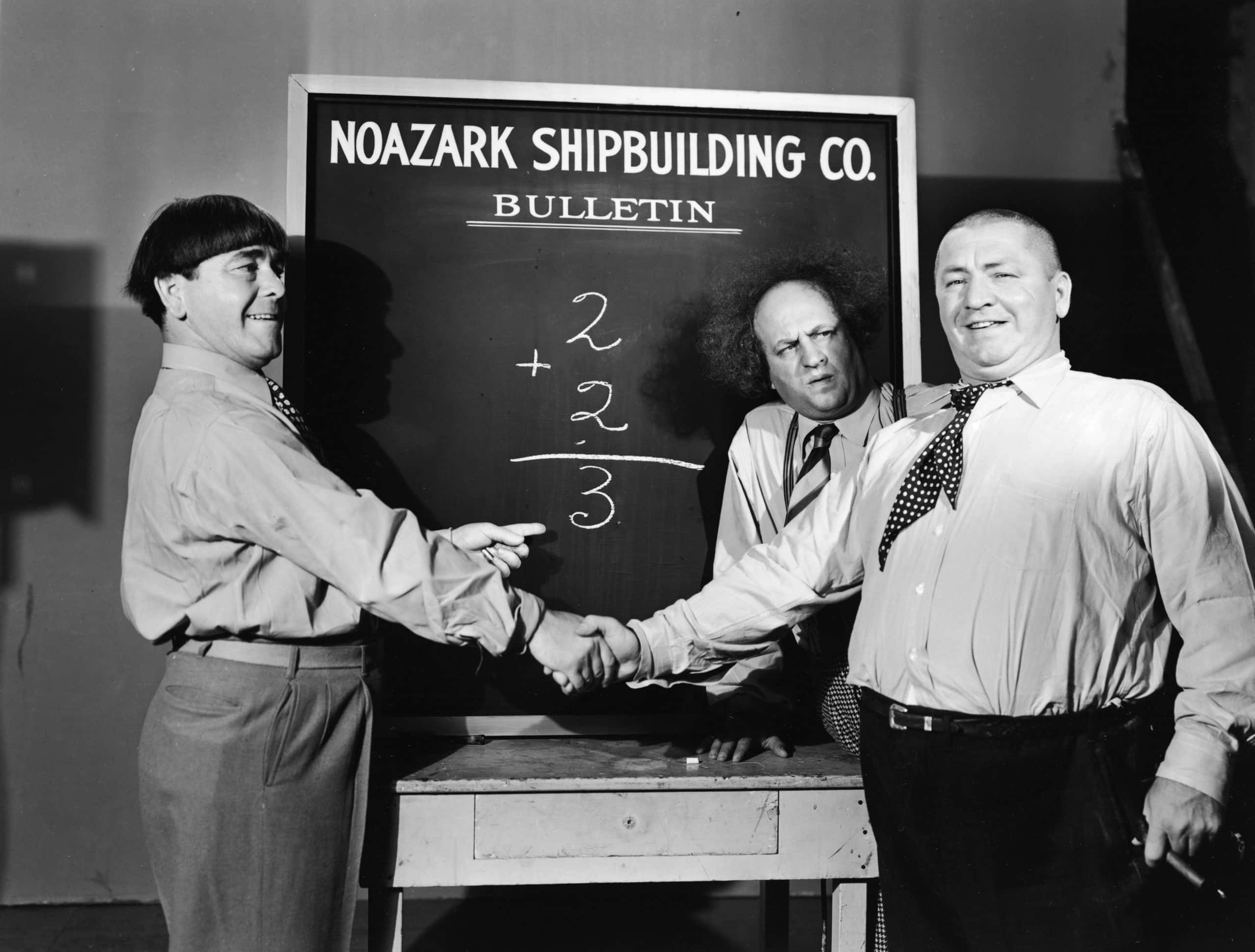
Fame Didn’t Mean Fortune
Despite becoming comedy legends, the Stooges never earned the kind of money fans assumed they did. Studio contracts heavily favored executives, leaving the trio underpaid for years. Moe grew increasingly frustrated watching their shorts become wildly popular while the group itself struggled financially behind the scenes.
Moe Handled The Business
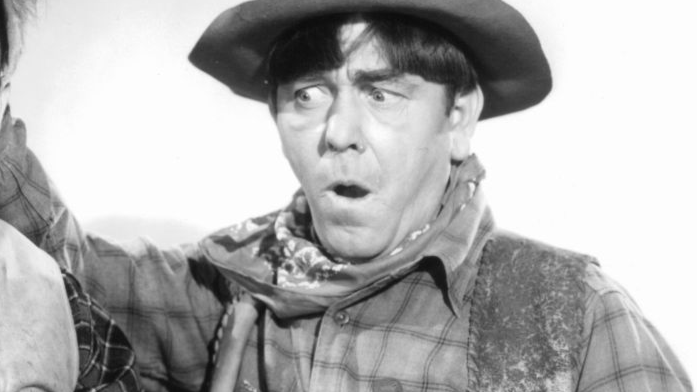
Offscreen, Moe was far more than the loud guy delivering eye pokes. He handled negotiations, bookings, schedules, and business decisions for the group. That responsibility created enormous stress over time. If jobs disappeared or contracts changed, Moe felt personally responsible for keeping everyone employed and working.
Curly’s Health Was Declining On Camera
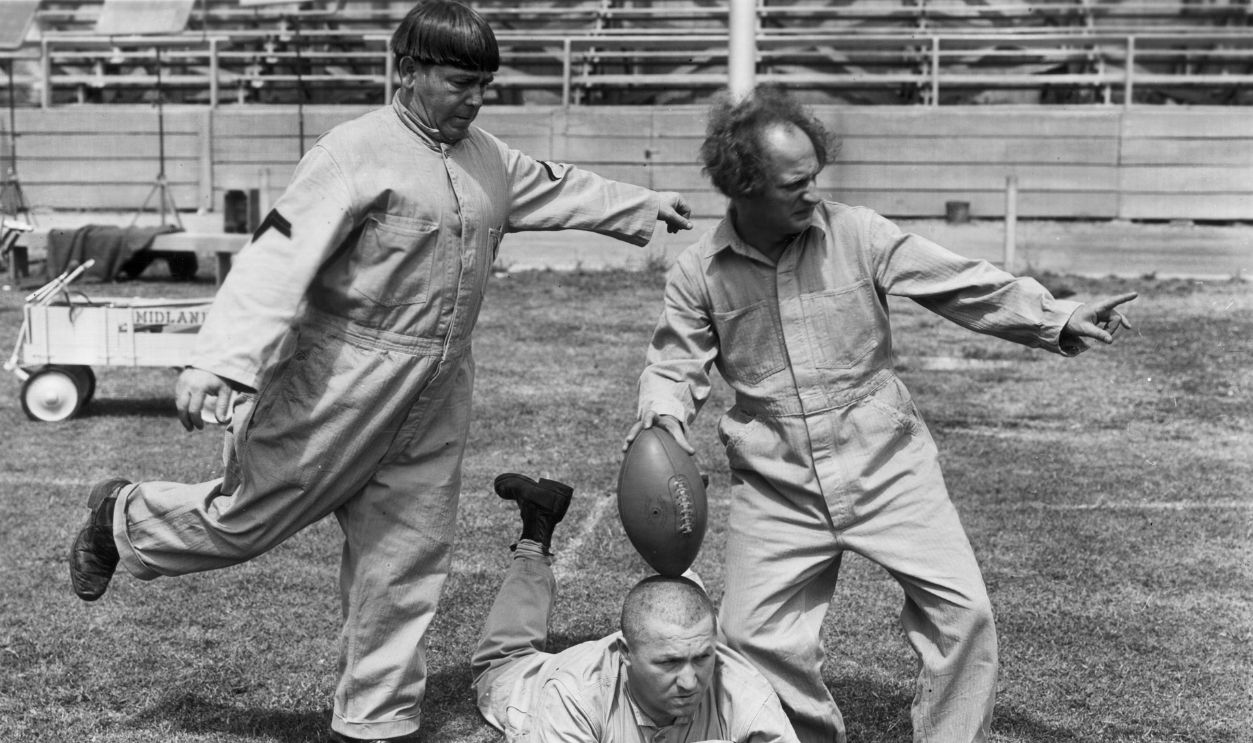
Before Curly Howard suffered his major stroke, fans could already see signs something was wrong. His timing slowed, his movements became less energetic, and he appeared exhausted during later shorts. Moe watched his younger brother deteriorate in real time while production schedules kept moving forward.
Curly’s Decline Broke His Heart
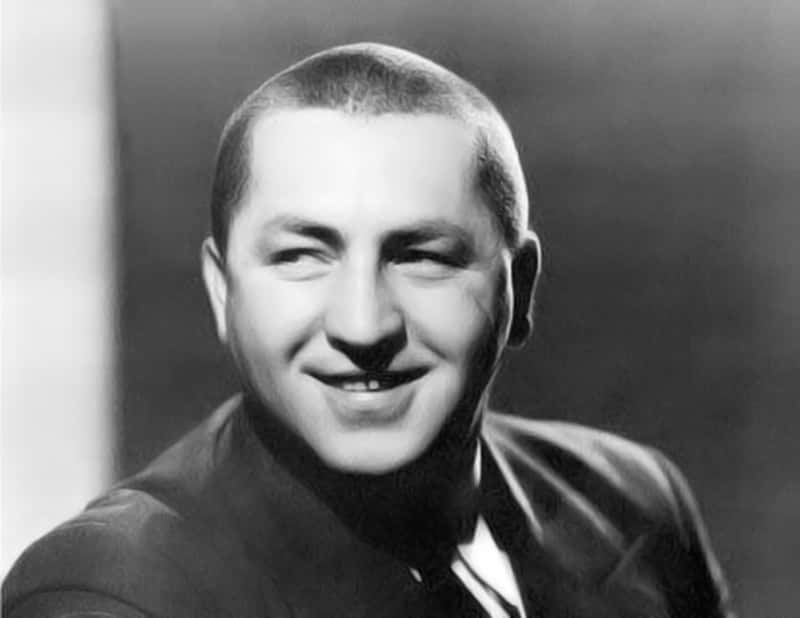
Years of stress and nonstop filming took a serious toll on Curly’s health. After his stroke in 1946, he could barely perform anymore. Moe reportedly carried guilt for years afterward, wondering if the group’s brutal workload had pushed Curly too hard. Losing his brother’s comedic spark was emotionally devastating.
Losing Shemp Changed Everything
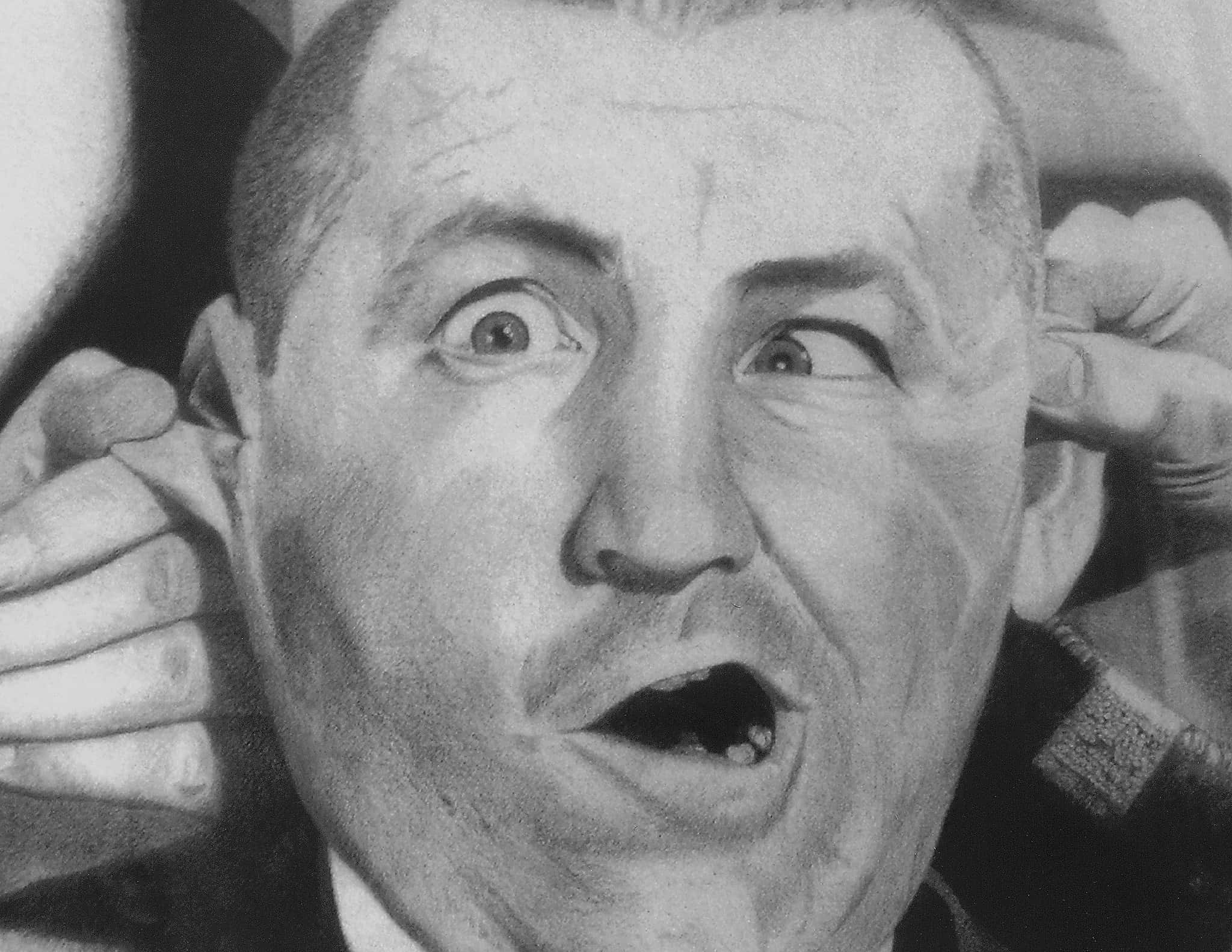
When Shemp Howard died suddenly in 1955, Moe was devastated. Shemp had returned to the act after Curly’s health collapsed and helped keep the Stooges alive during a difficult period. Losing him was both a personal tragedy and a major blow to the group’s future.
The Injuries Were Real
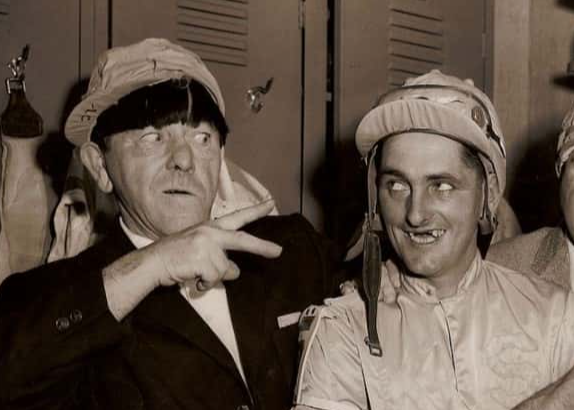
The eye pokes and falls were choreographed carefully, but accidents still happened constantly. Moe suffered damaged fingers, back pain, and years of physical wear from slapstick routines. Some scenes required repeated takes, multiplying the punishment. What looked silly onscreen often left the performers bruised and exhausted afterward.
Critics Never Respected Them
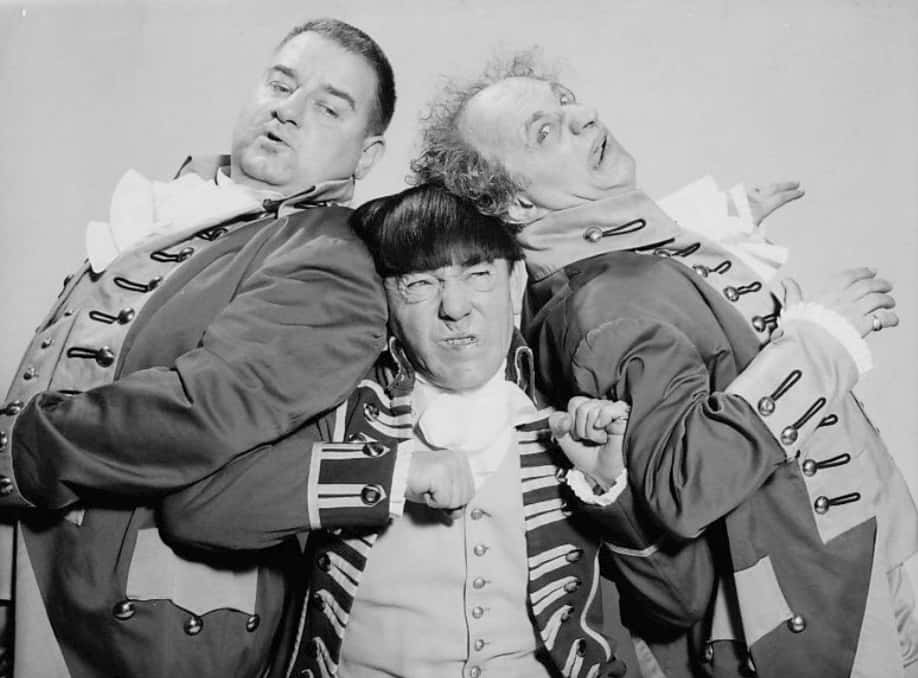
Audiences adored the Stooges, but critics often dismissed them as cheap, lowbrow entertainment. Moe took those insults personally. He believed comedy was much harder than people realized and hated seeing the trio treated like disposable performers. For years, Hollywood refused to give them the respect their popularity deserved.
Television Saved Their Careers
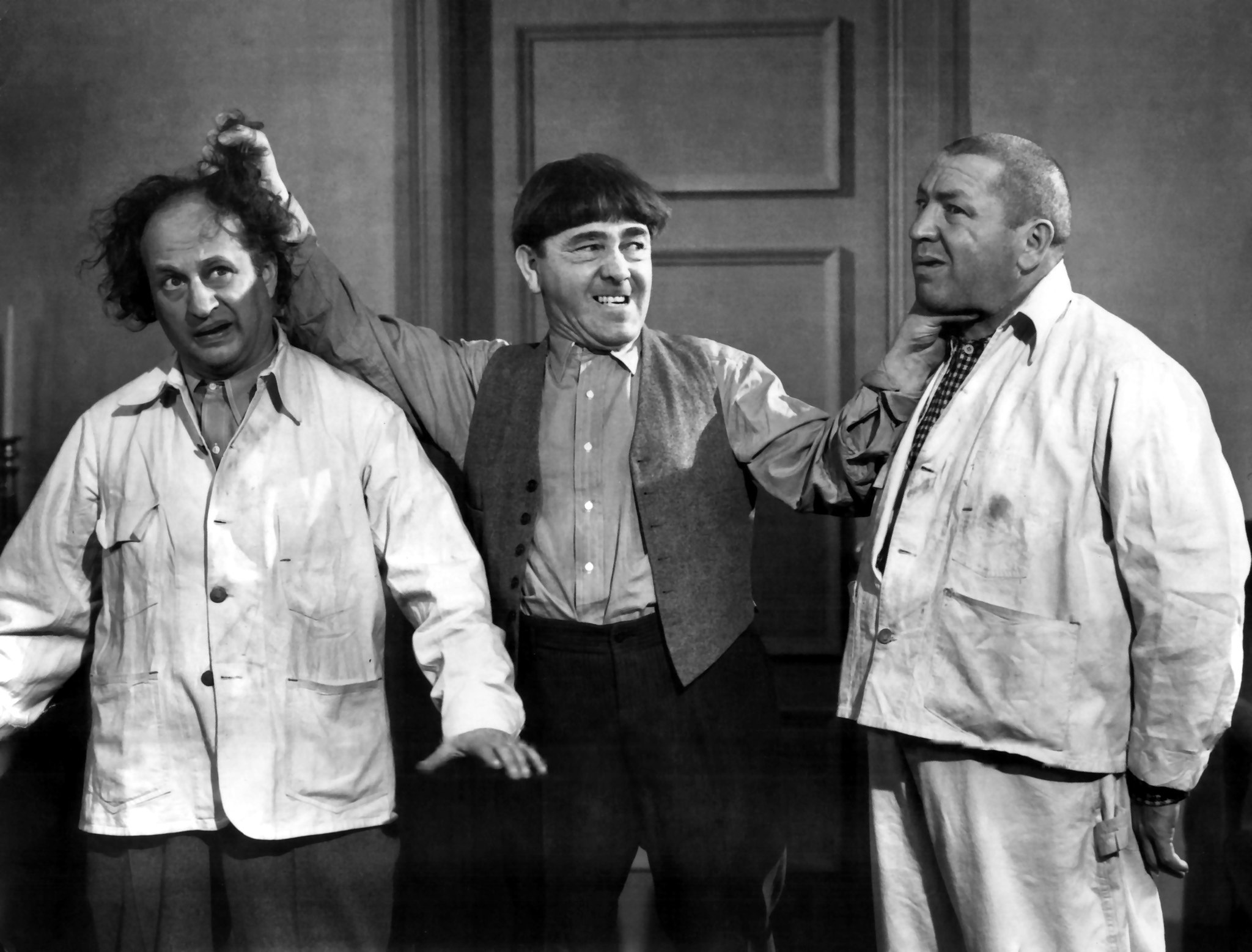
By the late 50s, the Stooges’ movie career seemed finished. Then television stations began replaying their old shorts for younger audiences. Kids across America suddenly became obsessed with the shorts. The unexpected rerun boom turned the trio into television legends and gave Moe a surprising late-career comeback.
Some Stations Stopped Airing Them
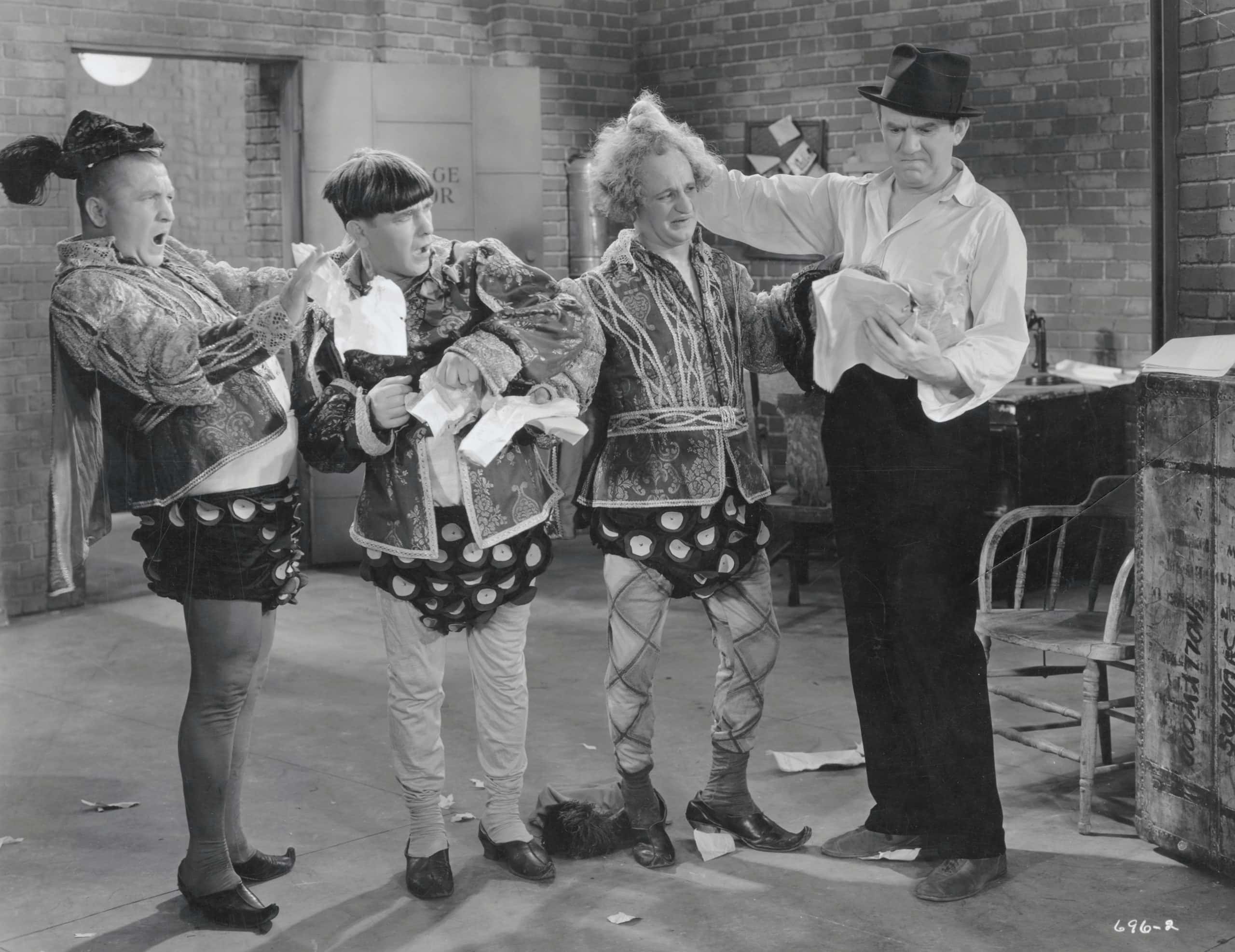
As the Stooges grew more popular on TV, some stations eventually stopped airing the shorts because of concerns about violence. Critics worried children would imitate the eye pokes and slaps at home. For Moe, it was frustrating watching the act suddenly treated like something harmful after finally becoming successful again
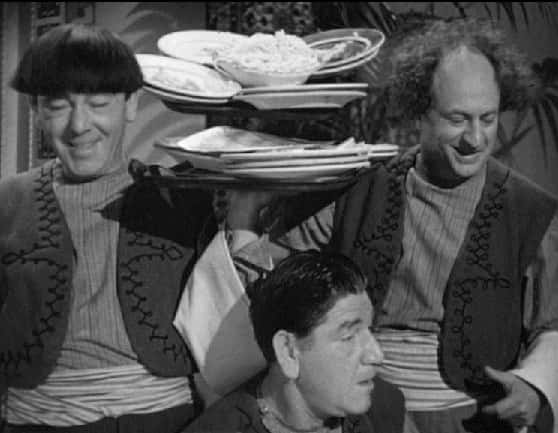
Moe Was Quiet In Real Life
Fans expected Moe to act loud and aggressive offscreen, but many people described him as surprisingly shy and polite. Away from cameras, he was soft-spoken and business-minded. The contrast shocked fans who only knew the angry Stooge character that had defined him for decades.
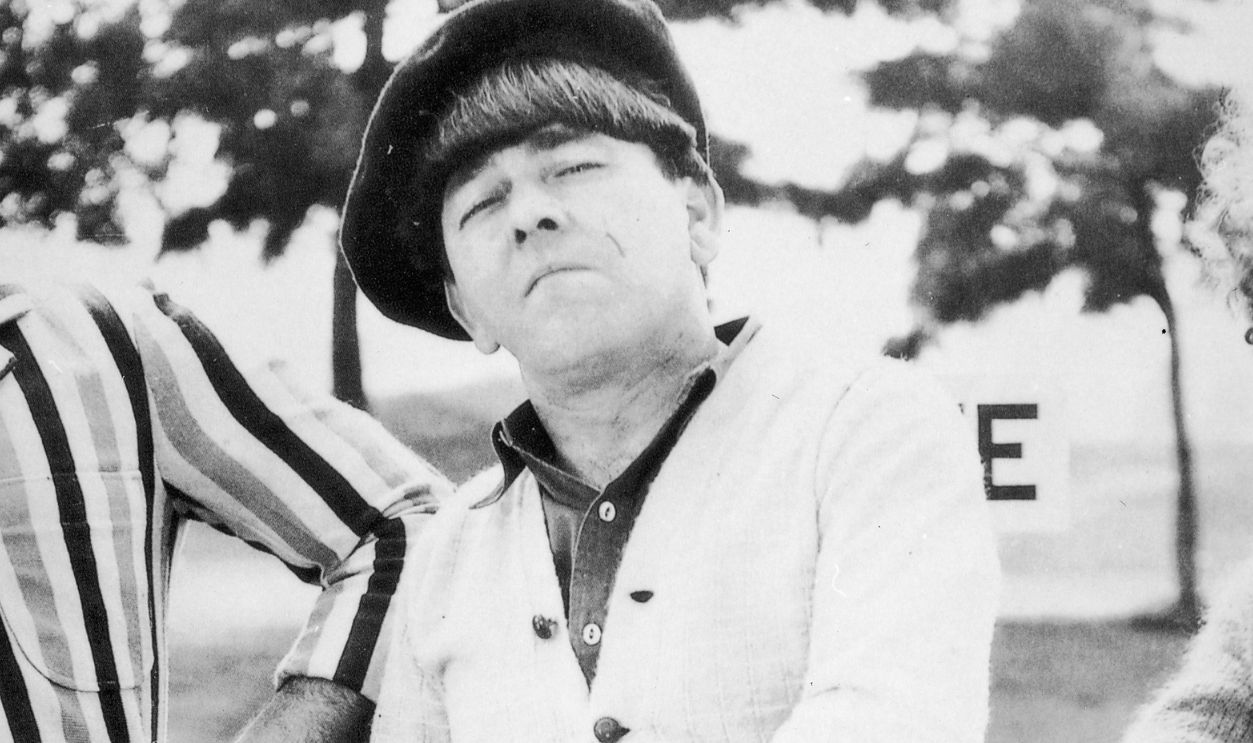
He Wanted A Stable Family Life
Unlike his chaotic onscreen persona, Moe cared deeply about stability at home. Friends described him as family-oriented and practical. He wanted financial security and a calmer personal life, but the nonstop uncertainty of show business rarely allowed him to fully relax, even during successful periods.
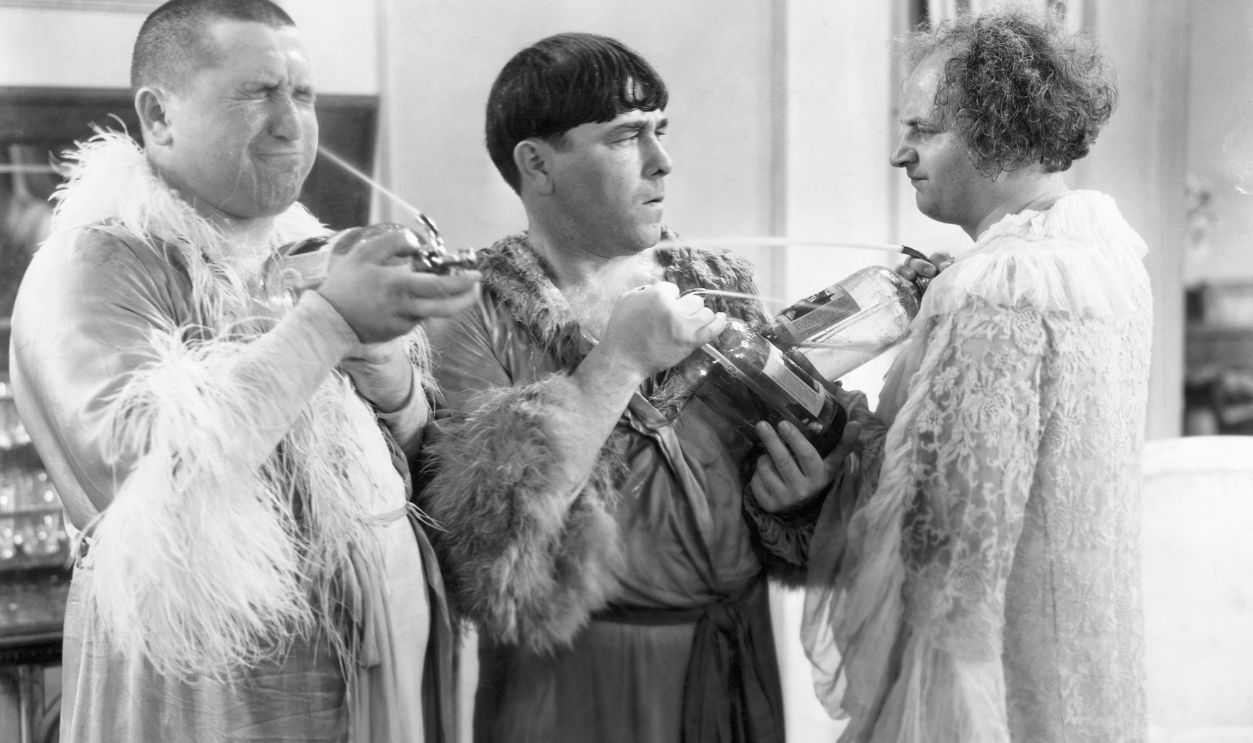
Money Problems Never Fully Disappeared
Even after television revived the Stooges’ popularity, Moe reportedly remained anxious about money. Entertainment careers were unpredictable, and he had spent years dealing with unstable income. Supporting a family while managing the group created long-term stress that never fully went away, even during successful years.
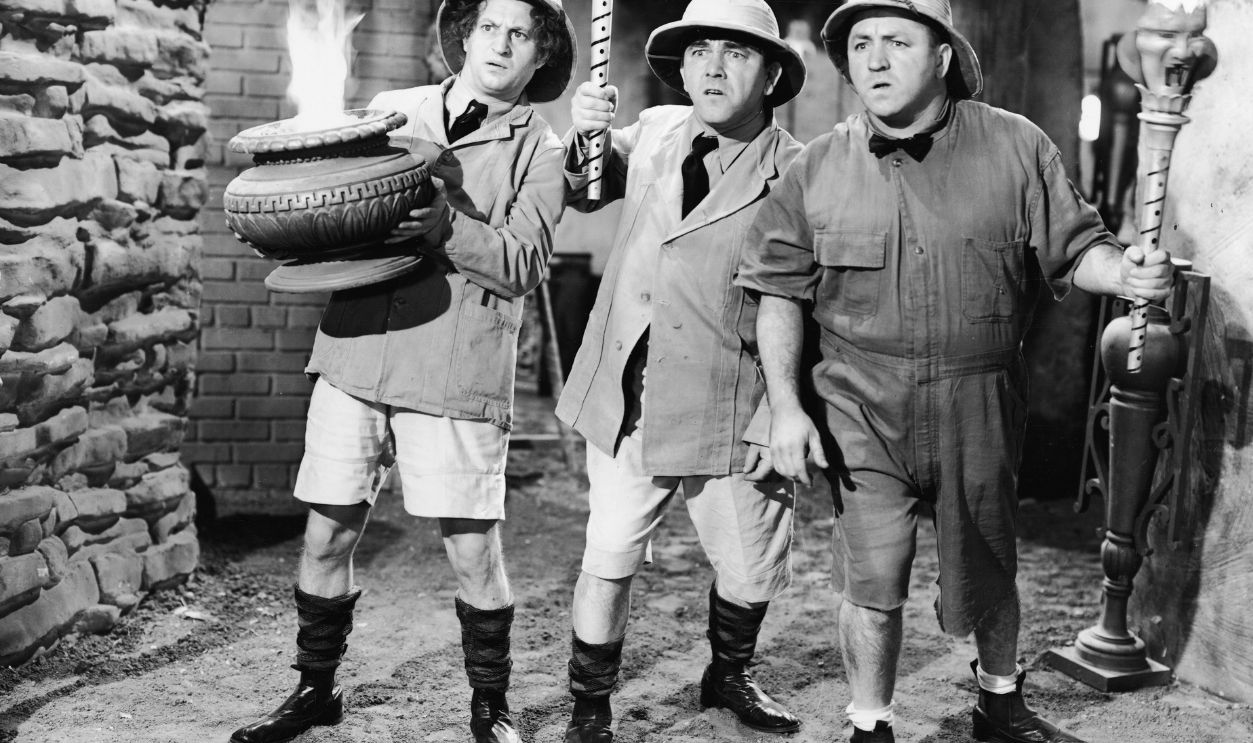 Columbia Pictures, Getty Images
Larry Fine’s Decline Was Painful
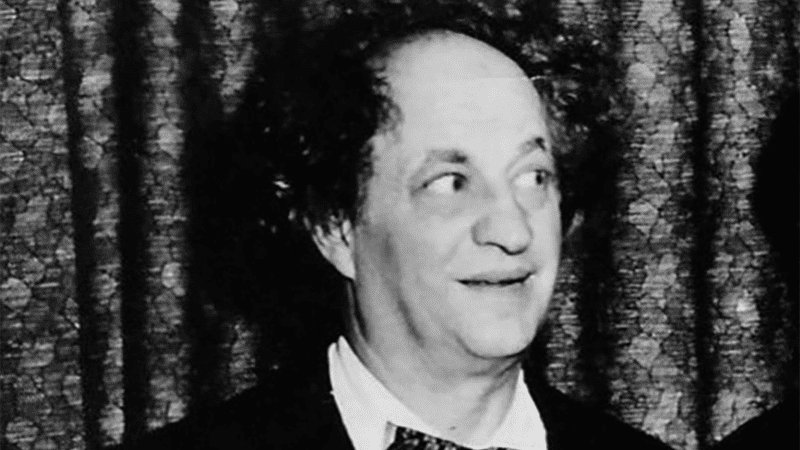
As time passed, Larry Fine developed serious health problems, including strokes that ended his career. Moe struggled watching another close friend decline physically. By that point, the Stooges weren’t just co-workers—they were practically family after spending decades together.
Hollywood Wouldn’t Let Him Evolve
Moe occasionally hoped to explore different acting roles, but Hollywood only wanted him as “Moe the Stooge.” His signature haircut and aggressive character became both a blessing and a limitation. Even after decades in entertainment, casting directors rarely imagined him doing anything outside slapstick comedy.
The Group Had Real Tension Sometimes
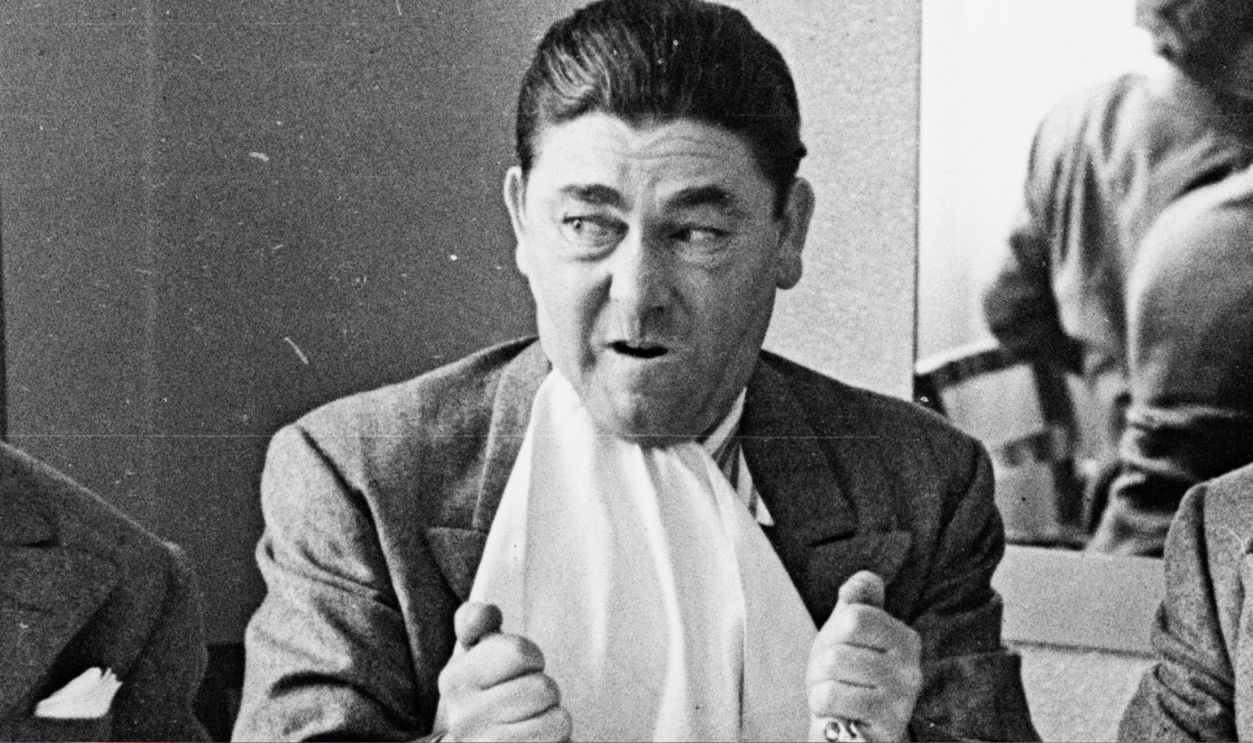
Like many long-running comedy acts, the Stooges occasionally argued behind the scenes. Endless touring and filming could wear anyone down. Moe often acted as the disciplinarian of the trio, which sometimes caused friction. Maintaining the act year after year required far more patience than audiences ever realized.
Their Biggest Fame Came Late
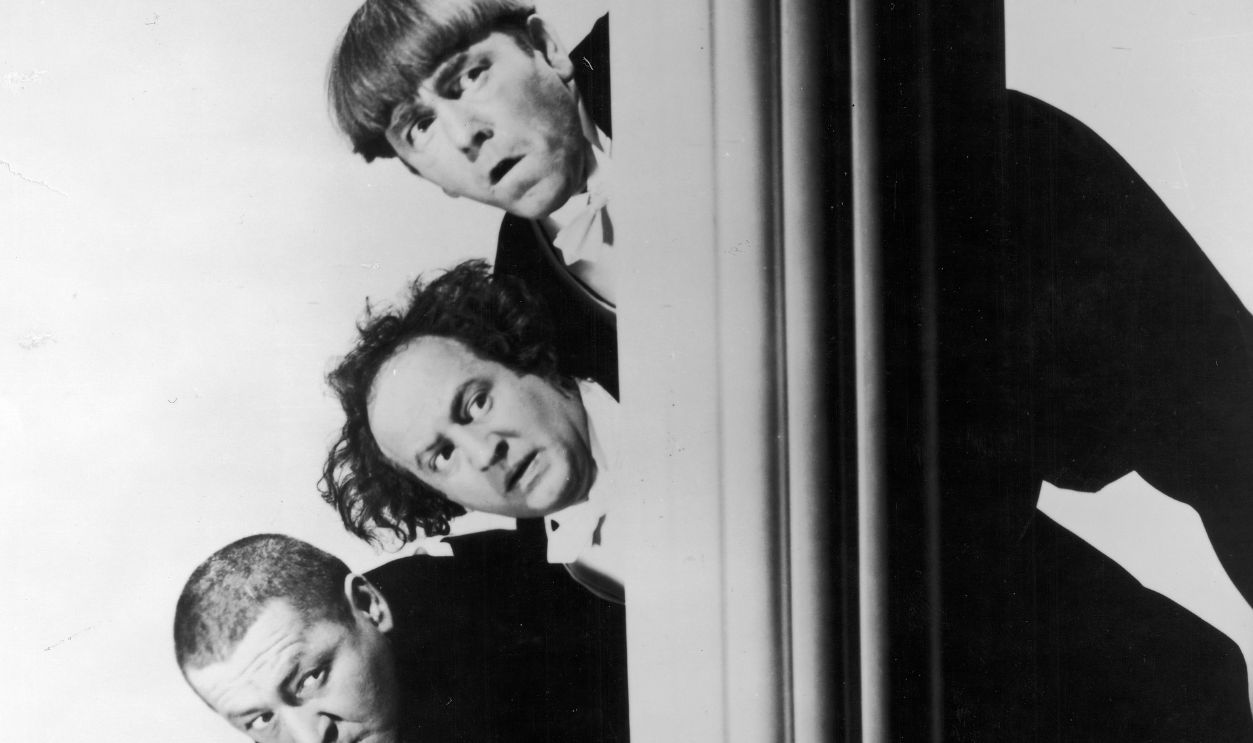
Ironically, the Stooges became even more beloved during the television era, long after their original movie peak. Younger generations adored them, but much of the financial opportunity had already passed. Moe sometimes expressed frustration that their greatest cultural impact arrived after decades of struggling financially.
 De Carvalho Collection, Getty Images
He Hated How Studios Treated Comedy Shorts
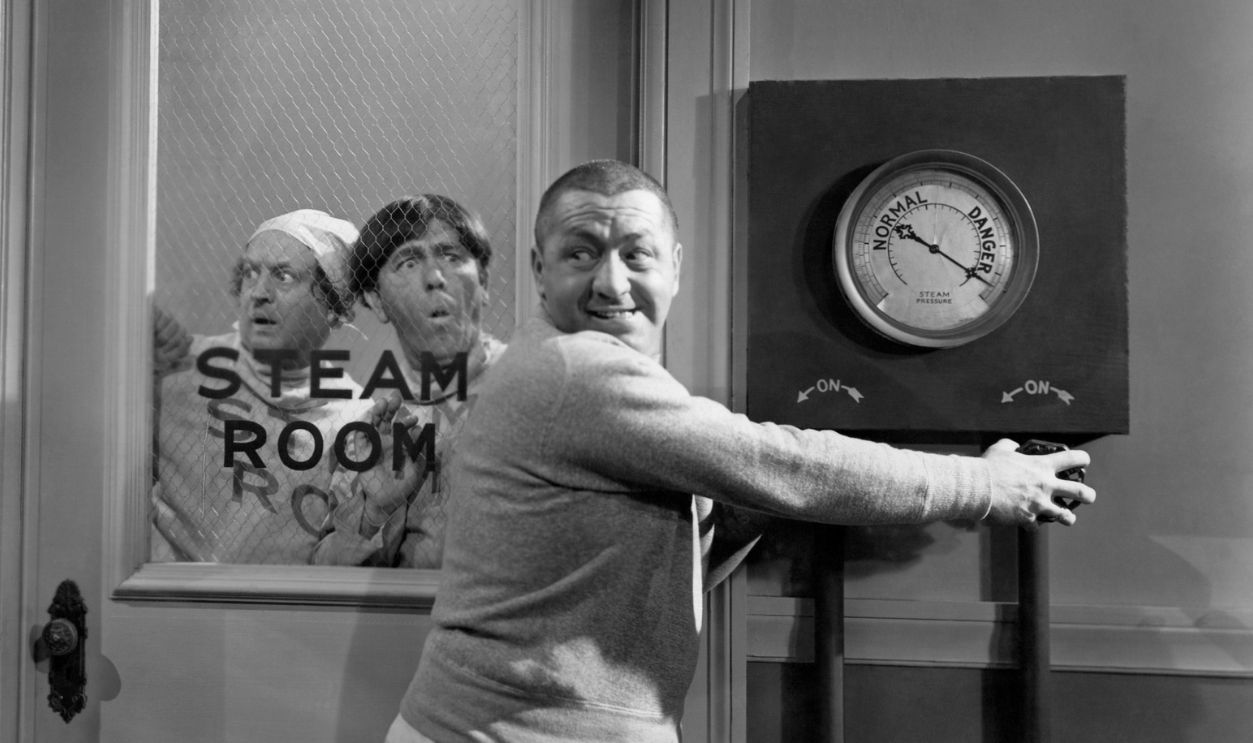
For years, studios treated comedy shorts as disposable entertainment rather than valuable film history. Some old materials were neglected or discarded entirely. Moe found that frustrating because the Stooges had spent decades building those films. Only later did Hollywood begin recognizing the trio’s lasting influence on American comedy.
He Worked Through Grief
No matter what happened personally, Moe kept performing. Whether dealing with family loss, financial worries, or declining health within the group, he pushed forward because people depended on the Stooges for work. Audiences saw nonstop chaos and laughter while Moe quietly carried enormous emotional pressure.
Younger Comics Finally Appreciated Him
By the 70s, comedians and filmmakers began openly praising the Stooges’ influence on comedy. Younger entertainers recognized how difficult their timing and physical routines actually were. Moe appreciated the respect, though it arrived after years of critics dismissing the group as mindless slapstick performers.
His Final Years Were Bittersweet
Moe loved seeing new generations discover the Stooges through television reruns, but he also carried enormous sadness. Curly was gone. Shemp was gone. Larry could no longer perform. The comedy empire they built together slowly disappeared piece by piece, leaving Moe as the final public face of the act.
He Died Before Another Comeback
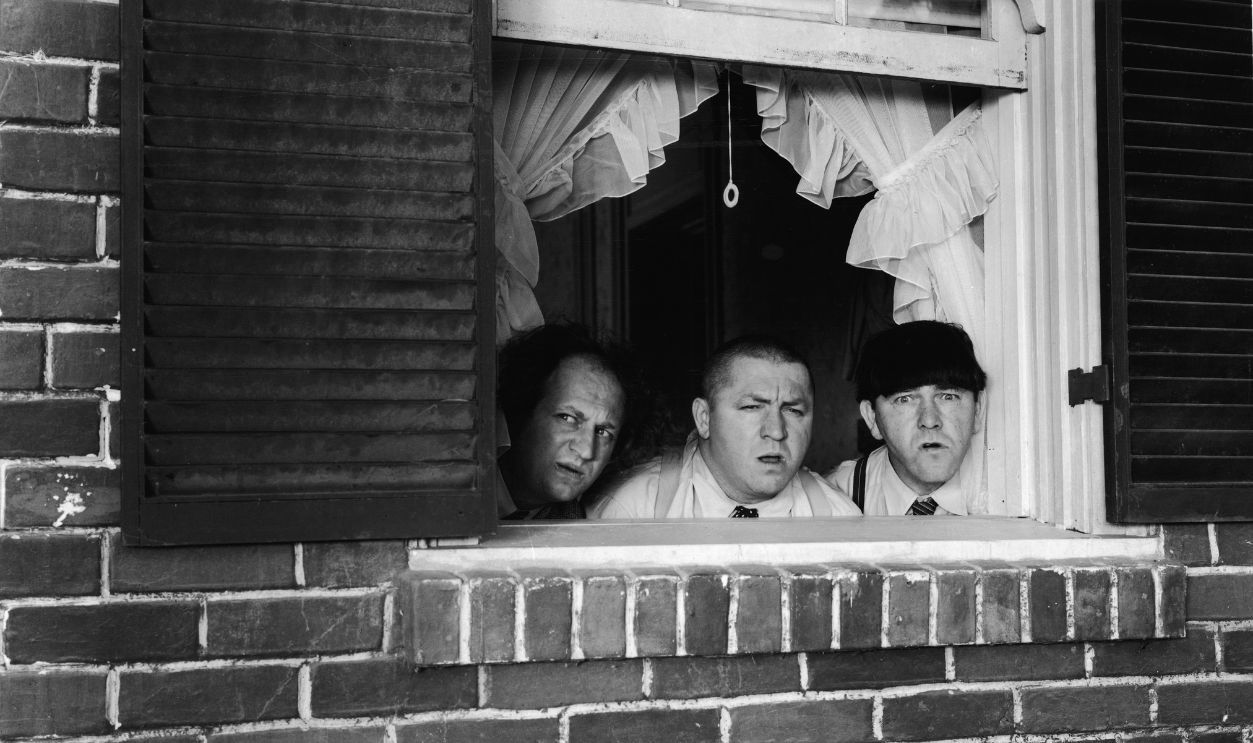
In the mid-70s, renewed interest in classic comedy sparked plans for more Stooge appearances and projects. Moe was still eager to work despite his age. Sadly, he died in 1975 before many of those ideas could happen, ending one of comedy’s most recognizable careers.
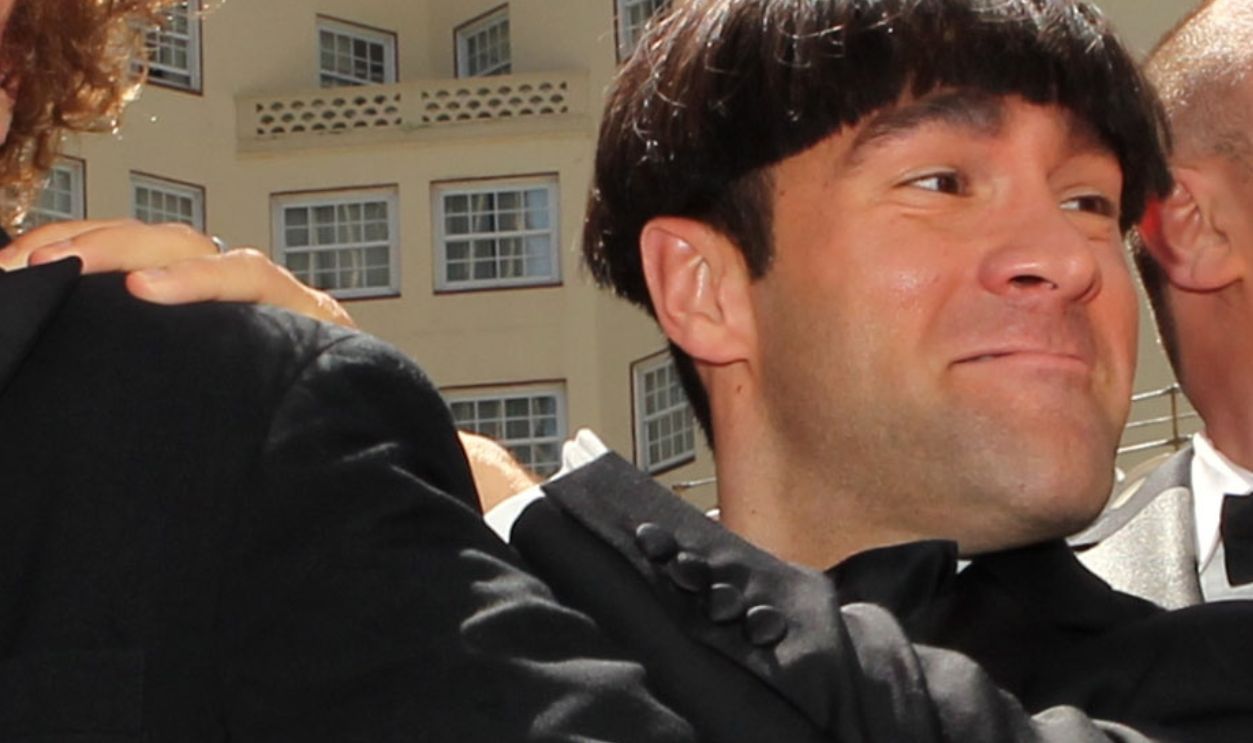
The Man Behind The Slaps
To fans, Moe Howard will always be the furious Stooge yelling “Why you…!” before another eye poke. But behind the comedy was a hardworking performer carrying decades of stress, grief, injuries, and responsibility. The world remembers the laughs. Moe lived the sacrifices required to create them.
 John Springer Collection, Getty Images
You Might Also Like:
The Most Oscar Winning Movies Ever—That You’ve Probably Never Even Heard Of
_2.jpg)


