

Disguised As Dumb
You probably dismissed these movies as meaningless or silly trash. Everyone did initially. But underneath the crude humor and ridiculous plots lived razor-sharp observations about capitalism, consumerism, corporate greed, and more.
 Eva Rinaldi, Wikimedia Commons, Modified
Starship Troopers
The film's deliberately cheesy propaganda commercials and over-the-top military recruitment ads weren't bad filmmaking—they were the entire point. Paul Verhoeven crafted a satirical masterpiece mocking jingoistic nationalism, but critics in 1997 completely missed the joke, dismissing it as mindless bug-blasting action.
 Screenshot from Starship Troopers, TriStar Pictures (1997)
Starship Troopers (Cont.)
Every "would you like to know more?" prompt, every gung-ho soldier dying cheerfully for the cause, every slick commercial selling war as adventure was all deliberate mockery. Verhoeven had done this before with RoboCop, but somehow Starship Troopers got taken at face value.
 Screenshot from Starship Troopers, TriStar Pictures (1997)
RoboCop
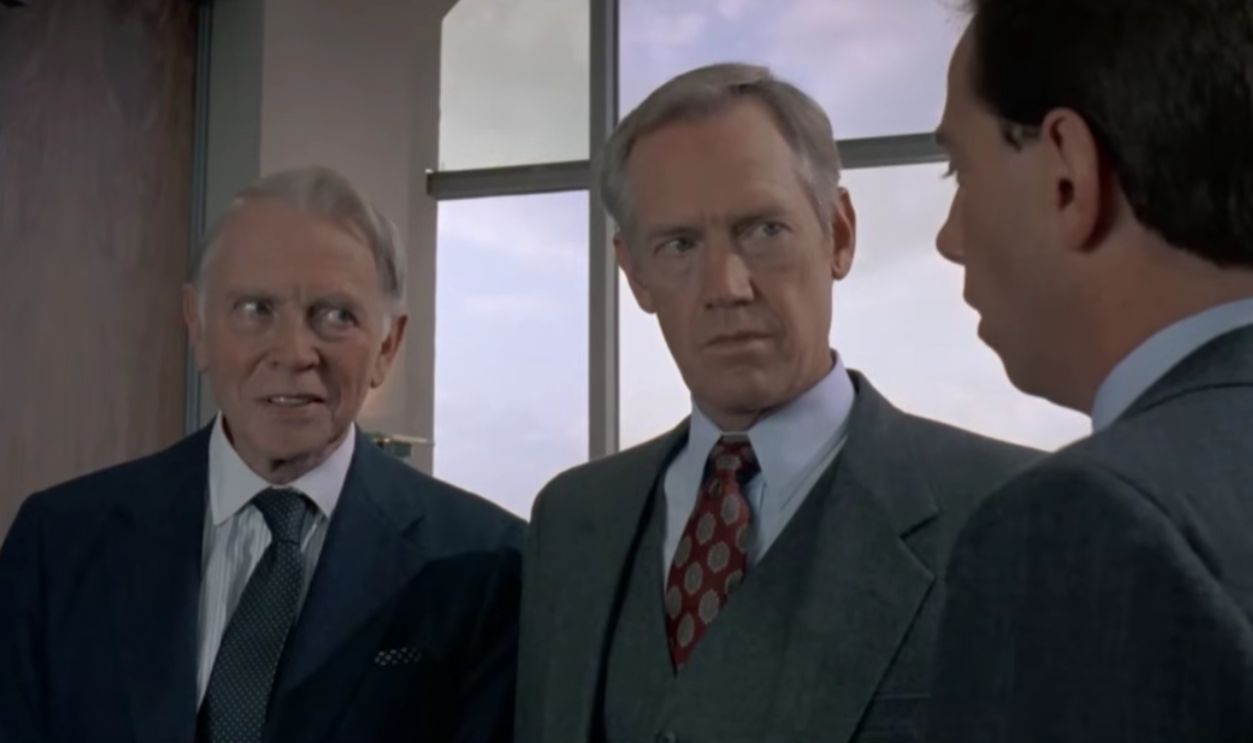
Detroit's dystopian future in 1987 presented corporations privatizing police forces, creating killer robots, and treating human life as expendable. These were ideas that seemed like pure sci-fi exaggeration at the time. The ultraviolent action and Arnold Schwarzenegger-style one-liners made it easy to dismiss.
 Screenshot from RoboCop, Orion Pictures (1987)
RoboCop (Cont.)
That infamous ED-209 malfunction scene perfectly captures corporate negligence: the robot orders an executive to drop his weapon, then murders him for "non-compliance" long after he complies. It's simultaneously hilarious and horrifying, predicting our current reality where AI makes life-and-death decisions.
 Screenshot from RoboCop, Orion Pictures (1987)
Idiocracy
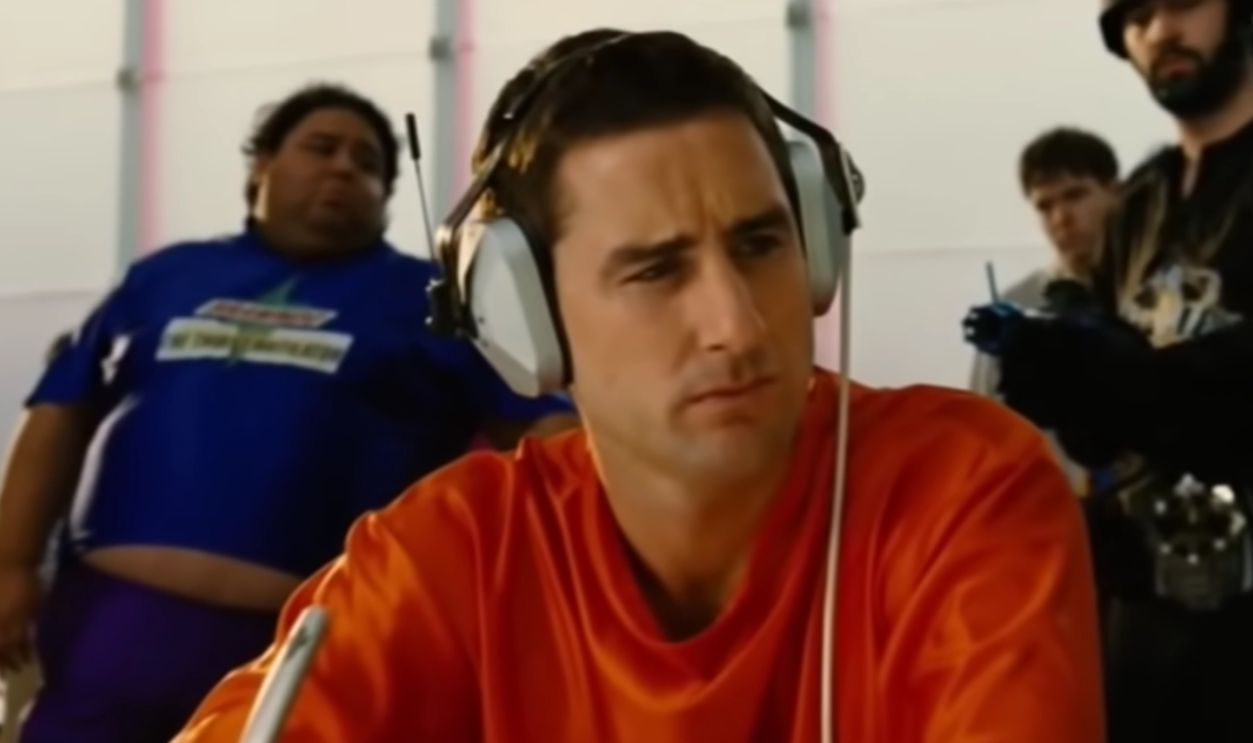
Fox Studios barely released this comedy, dumping it into limited theaters with zero marketing. Fast-forward twenty years, and the film feels less like exaggeration and more like documentary footage from a slightly alternate timeline. Judge's depiction of anti-intellectualism, corporate-controlled democracy, and populations dumbed down by entertainment has aged disturbingly well.
 Screenshot from Idiocracy, 20th Century Fox (2006)
Hot Fuzz
The commitment to craft is staggering. 18 months of writing, 138 action movies watched, 50 police officer interviews, and constant references to Point Break and Bad Boys II woven throughout. This isn't a parody that sneers at its subject; it's an affectionate pastiche that masters the genre.
 Screenshot from Hot Fuzz, Universal Pictures (2007)
Galaxy Quest
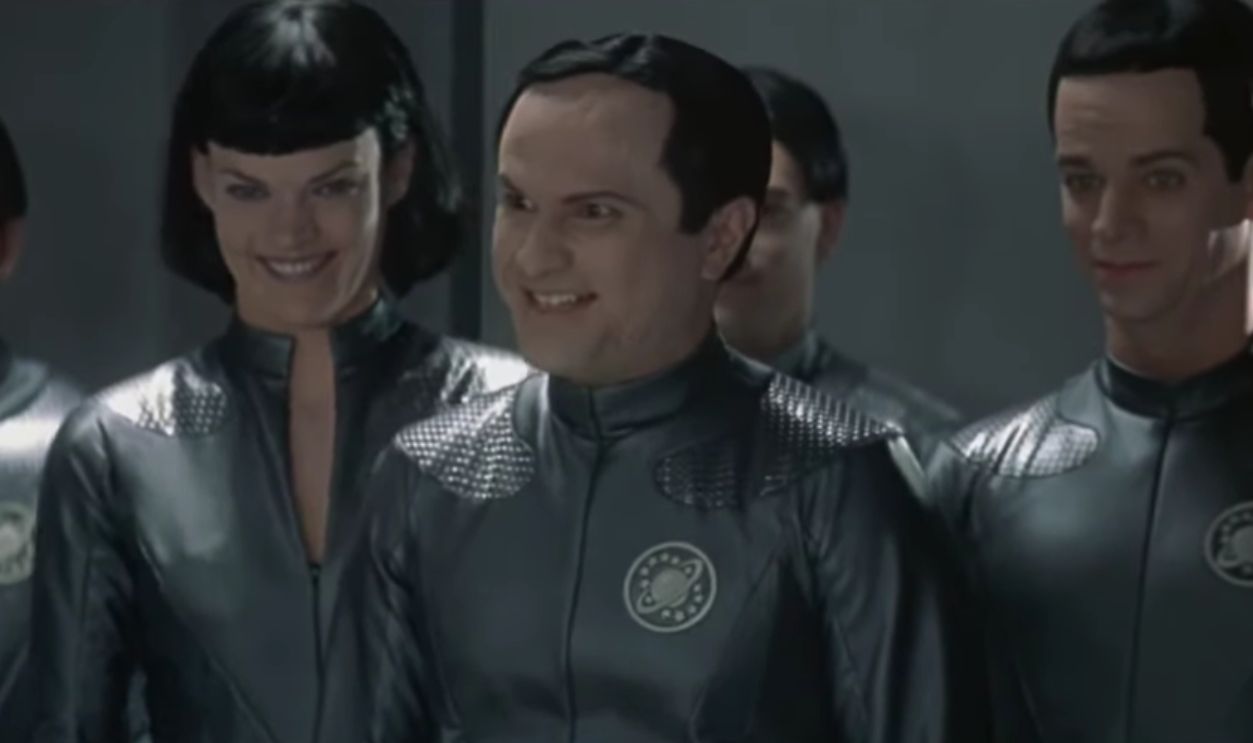
Tim Allen's washed-up TV captain getting mistaken for a real space hero by earnest aliens sounds like the dumbest possible premise for a sci-fi comedy. The setup—has-been actors forced to actually become the characters they played—promised nothing more than cheap Star Trek parody with some fish-out-of-water gags.
 Screenshot from Galaxy Quest, DreamWorks Pictures (1999)
Galaxy Quest (Cont.)
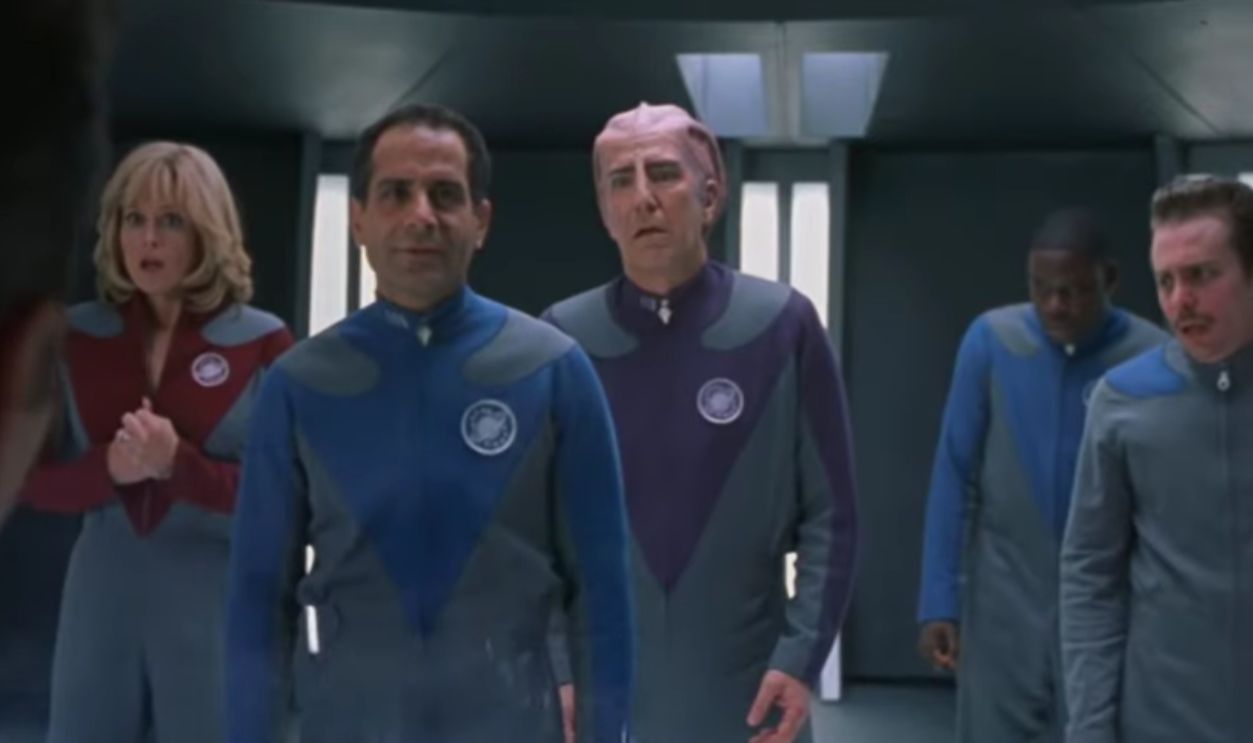
What emerged instead was a profound meditation on belief, the power of fiction, and finding meaning in unexpected places. The film respects both its source material and the obsessive fans it gently mocks, understanding that fiction can inspire real courage and that believing in something matters, even if that something is a canceled TV show.
 Screenshot from Galaxy Quest, DreamWorks Pictures (1999)
Shaun Of The Dead
Nobody expected a British zombie comedy shot on a modest budget to become the gold standard for horror-comedy filmmaking. Edgar Wright's debut feature looked like disposable genre entertainment, with hungover slackers fighting the undead with cricket bats and vinyl records.
 Screenshot from Shaun of the Dead, Universal Pictures (2004)
Shaun Of The Dead (Cont.)
The emotional depth catches you off guard. Beneath the zombie splatter lies a genuinely affecting story about arrested development, fractured friendships, and unresolved grief, in which the apocalypse forces the protagonist, Shaun, to finally grow up. Wright never loses sight of broken relationships, even while delivering spectacular gore.
 Screenshot from Shaun of the Dead, Universal Pictures (2004)
Tropic Thunder
Ben Stiller's Hollywood satire opens with fake trailers brutally mocking blockbuster franchises, lowbrow comedies, and Oscar-bait dramas before diving into its main story about pampered actors stumbling into real warfare. A movie within a movie, critiquing method acting and celebrity culture, was too smart for viewers expecting simple comedy.
 Screenshot from Tropic Thunder, DreamWorks Pictures / Paramount Pictures (2008)
Zoolander
The satire cuts deeper than surface-level mockery of beautiful idiots. Zoolander tackles child labor, corporate manipulation, celebrity culture's emptiness, and the fashion industry's unethical practices through a plot involving brainwashing models to assassinate world leaders.
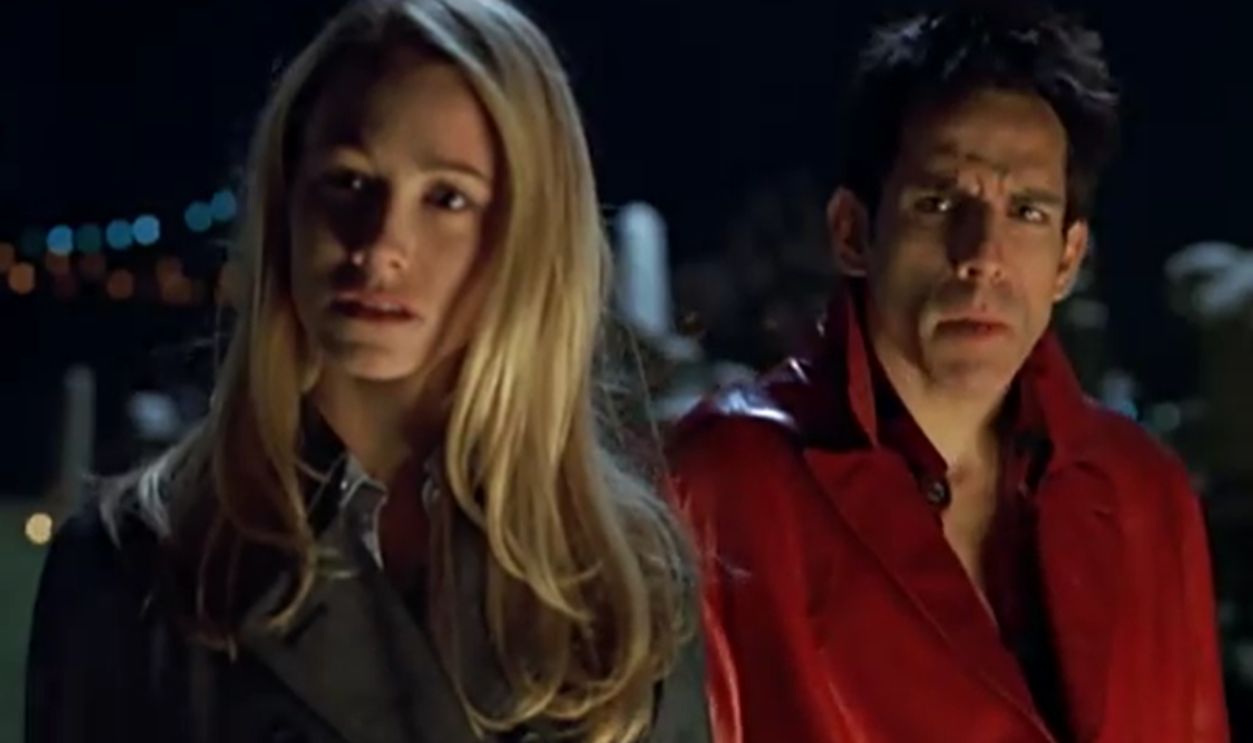 Screenshot from Zoolander, Paramount Pictures (2001)
Zoolander (Cont.)
Derek's existential crisis—"there's more to life than being really, really ridiculously good looking"—resonates as genuine commentary on finding purpose beyond superficial success. The film's deliberately absurd premise camouflages sharp observations about how industries exploit workers and manufacture trends to maximize profits.
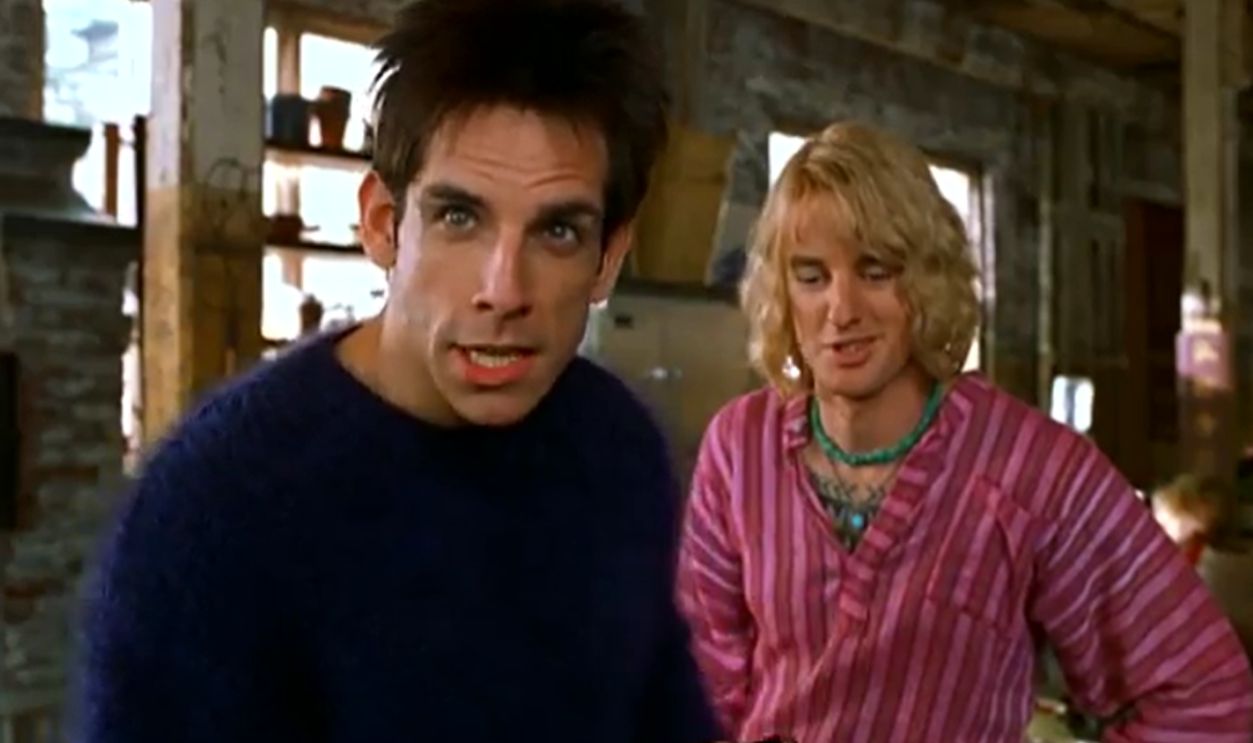 Screenshot from Zoolander, Paramount Pictures (2001)
Tucker & Dale Vs Evil
Director Eli Craig built his 2010 horror-comedy on one ingenious premise: what if hillbillies in slasher films are actually nice guys, and the college kids are the delusional aggressors? The setup subverts decades of horror movie cliches by flipping perspective entirely, turning Texas Chainsaw Massacre tropes inside out.
 Screenshot from Tucker & Dale vs. Evil, Magnet Releasing (2010)
Tucker & Dale Vs Evil (Cont.)
Tyler Labine and Alan Tudyk play sweet-natured friends who just want to fix up their vacation cabin, but paranoid college students interpret every innocent action as murderous intent. It's smart satire disguised as a gore-fest, deconstructing harmful stereotypes while delivering genuine scares and laughs simultaneously.
 Screenshot from Tucker & Dale vs. Evil, Magnet Releasing (2010)
They Live
They Live features a drifter who discovers sunglasses that reveal aliens disguised as yuppies who control humanity through subliminal messages hidden in advertising and the media. The premise sounds like B-movie schlock, complete with pro wrestler Roddy Piper as the lead.
 Screenshot from They Live, Universal Pictures (1988)
They Live (Cont.)
Carpenter was screaming about Reaganomics and unrestrained capitalism, crafting a furious political satire where billboard ads literally say "OBEY" and "CONSUME" when viewed through the truth-revealing glasses. Money becomes blank paper reading "THIS IS YOUR GOD”. The heavy-handed symbolism was intentional.
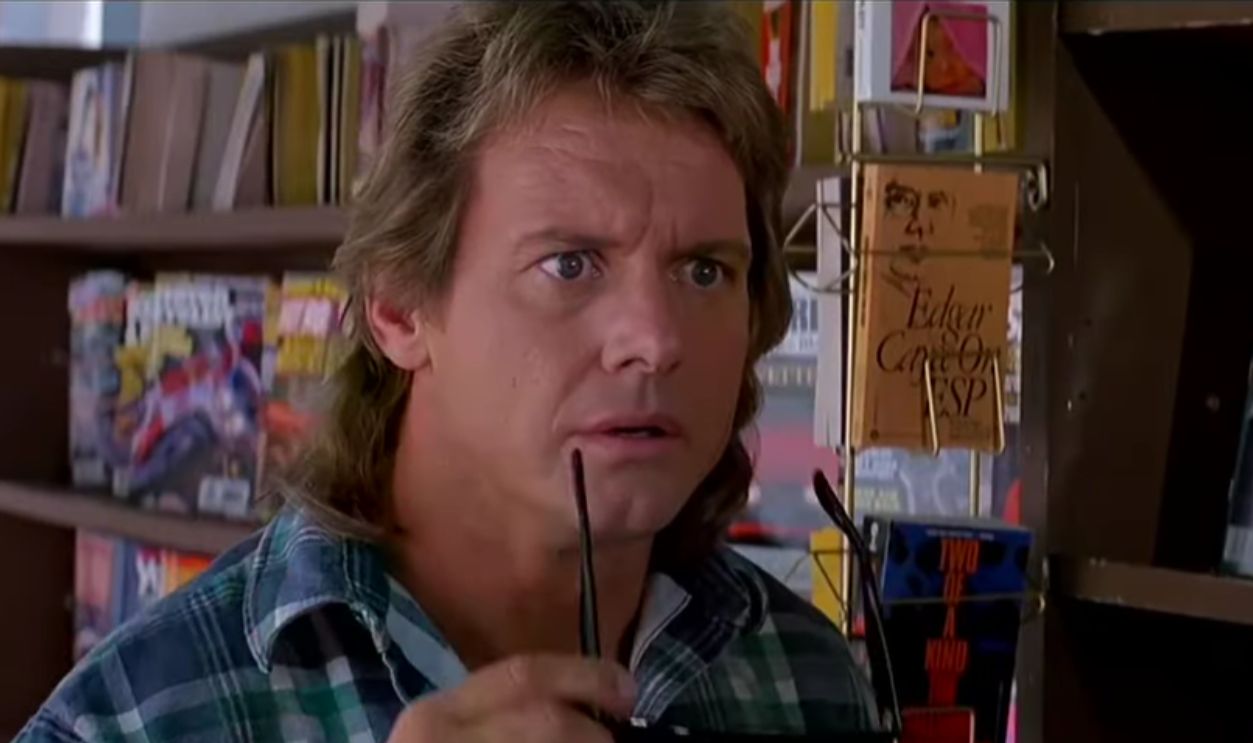 Screenshot from They Live, Universal Pictures (1988)
Airplane!
The Zucker brothers and Jim Abrahams crammed more than 87 jokes into 88 minutes, delivering rapid-fire absurdist humor at a pace that seems mathematically impossible. Every single line of dialogue, every background gag, every deadpan reaction was meticulously crafted to subvert disaster-movie cliches while maintaining the genre's serious tone.
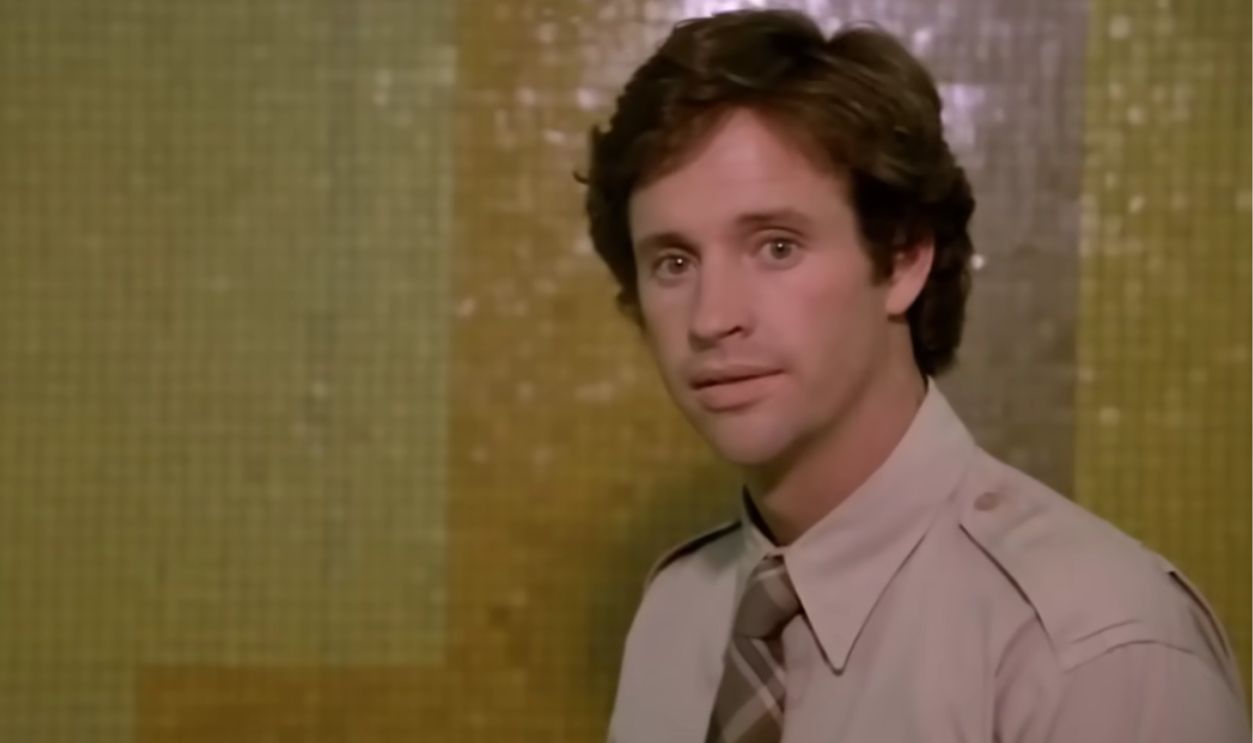 Screenshot from Airplane!, Paramount Pictures (1980)
Office Space
Mike Judge spent years working soul-crushing office jobs before creating this 1999 workplace satire, channeling every indignity of cubicle life into a film that captures corporate malaise with uncomfortable accuracy. The attention to mundane details creates comedy that hits too close to home for anyone trapped in corporate America.
 Screenshot from Office Space, 20th Century Fox (1999)
Anchorman: The Legend Of Ron Burgundy
Will Ferrell's jazz-flute-playing, Scotch-loving news anchor spouting absurd machismo became an instant comedy icon in 2004, spawning endless quotable lines and GIF-worthy moments. The ridiculous gang fights made it seem like pure silly nonsense. Well, Director Adam McKay and Ferrell built something sharper underneath the stupidity.
 Screenshot from Anchorman: The Legend of Ron Burgundy, DreamWorks Pictures (2004)
Anchorman: The Legend Of Ron Burgundy (Cont.)
We’re talking about a surprisingly effective satire of casual workplace discrimination and the stranglehold of mediocre journalism on information. Ron Burgundy's pompous self-importance and the boys' club mentality perfectly capture how mediocrity thrives when nepotism and gender bias dominate industries.
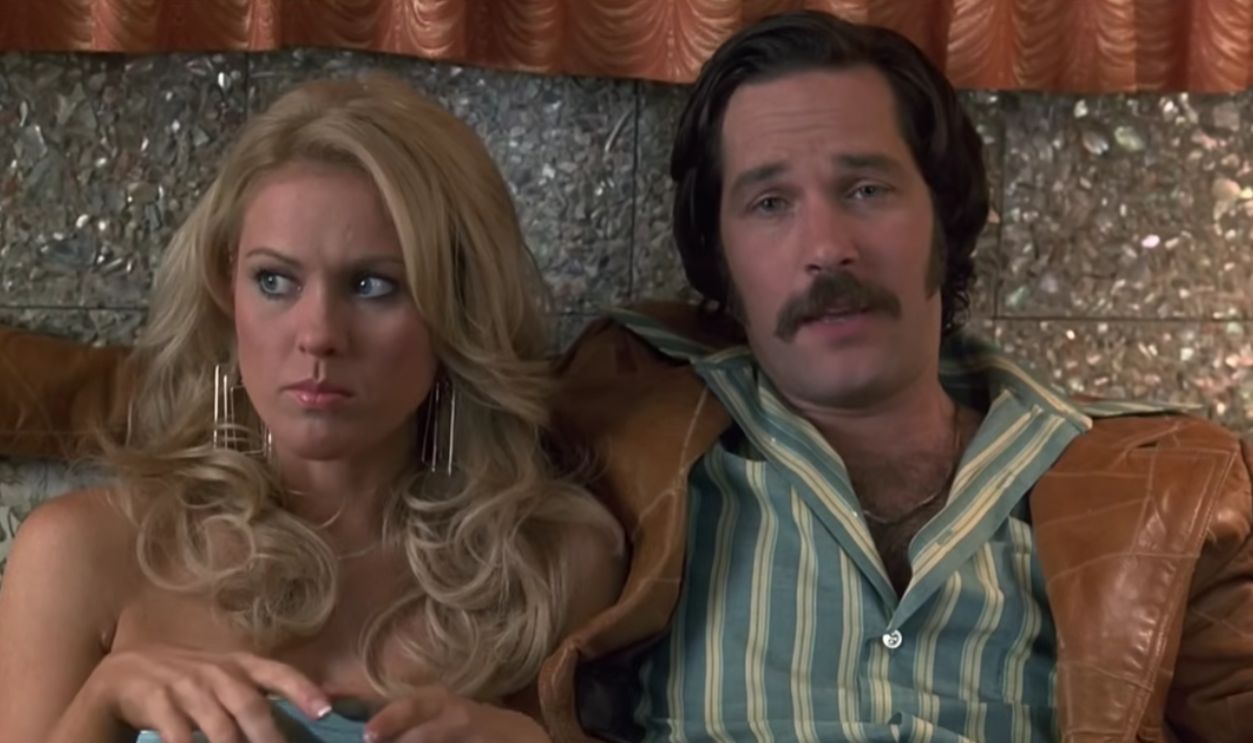 Screenshot from Anchorman: The Legend of Ron Burgundy, DreamWorks Pictures (2004)
The Fifth Element
Those gaudy visuals, campy performances, and convoluted plot about elemental stones made critics dismiss it as a style-over-substance spectacle. Below all that neon chaos, however, lives genuine philosophical depth about love, humanity, and environmental destruction.
 Screenshot from The Fifth Element, Columbia Pictures (1997)
The Fifth Element (Cont.)
The film explores how corporate greed and militarism threaten existence, how fascism exploits fear, and ultimately argues that love—not violence—saves civilization. Besson packed serious themes about consumerism, war, and human nature into a package so deliberately outrageous that audiences could enjoy the spectacle without noticing the commentary.
 Screenshot from The Fifth Element, Columbia Pictures (1997)
Dumb And Dumber
Dumb and Dumber looks like pure stupidity, but the jokes are tightly built and surprisingly precise. Every gag pays off. The movie commits fully to its logic, rewarding attention and timing. It’s not random chaos. Instead, it’s deliberate, structured comedy pretending to be clueless.
 Screenshot from Dumb and Dumber, New Line Cinema (1994)





.jpg)