These Films Made Abroad Didn't Translate Well Onto The American Big Screen
Foreign films often offer a fascinating window into other cultures—until they’re adapted, dubbed, or edited for American audiences. Sometimes it’s just a little lost nuance, but other times, the reworking completely changes the story’s heart. These 25 films show what can happen when a masterpiece crosses the ocean and loses its magic somewhere along the way.

Amélie
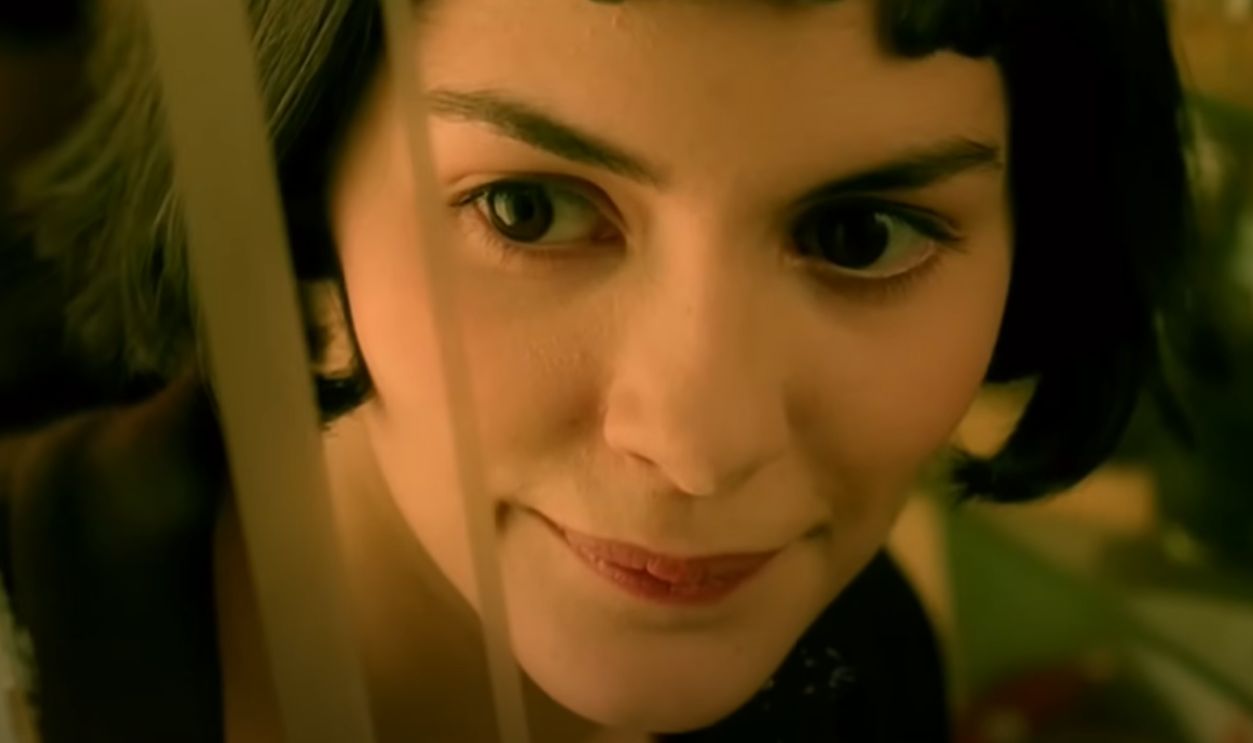
Jean-Pierre Jeunet’s Amélie enchanted audiences in France with its whimsical Parisian charm, but the U.S. release lost much of its cultural texture in translation. Subtle jokes tied to French customs were flattened, and the marketing leaned heavily on quirky romance rather than the film’s existential melancholy. For many Americans, Amélie became a twee caricature instead of a mirror of urban loneliness.
Oldboy
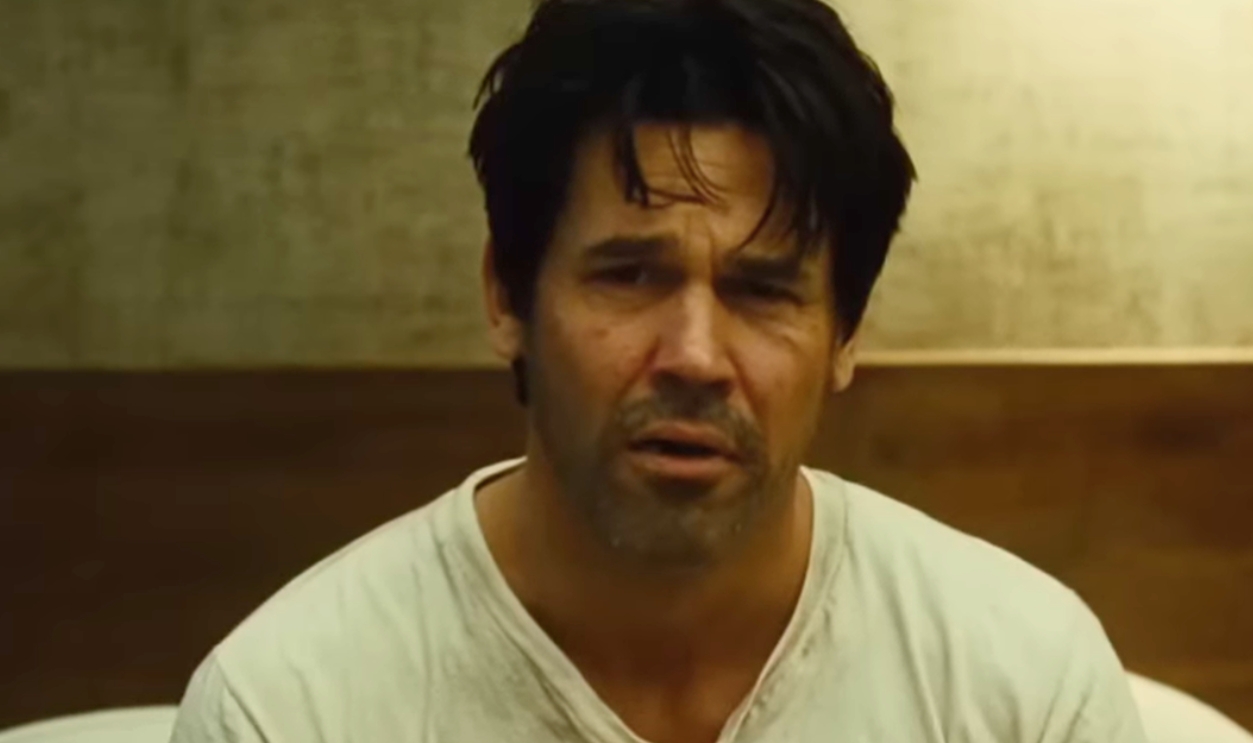
Park Chan-wook’s Oldboy is a brutal, operatic thriller that’s deeply tied to South Korean social history and Confucian guilt. The 2013 American remake stripped away those layers, turning moral ambiguity into standard revenge tropes. Gone was the uncomfortable introspection—replaced with Hollywood gloss and a misplaced sense of heroism.
The Girl With The Dragon Tattoo
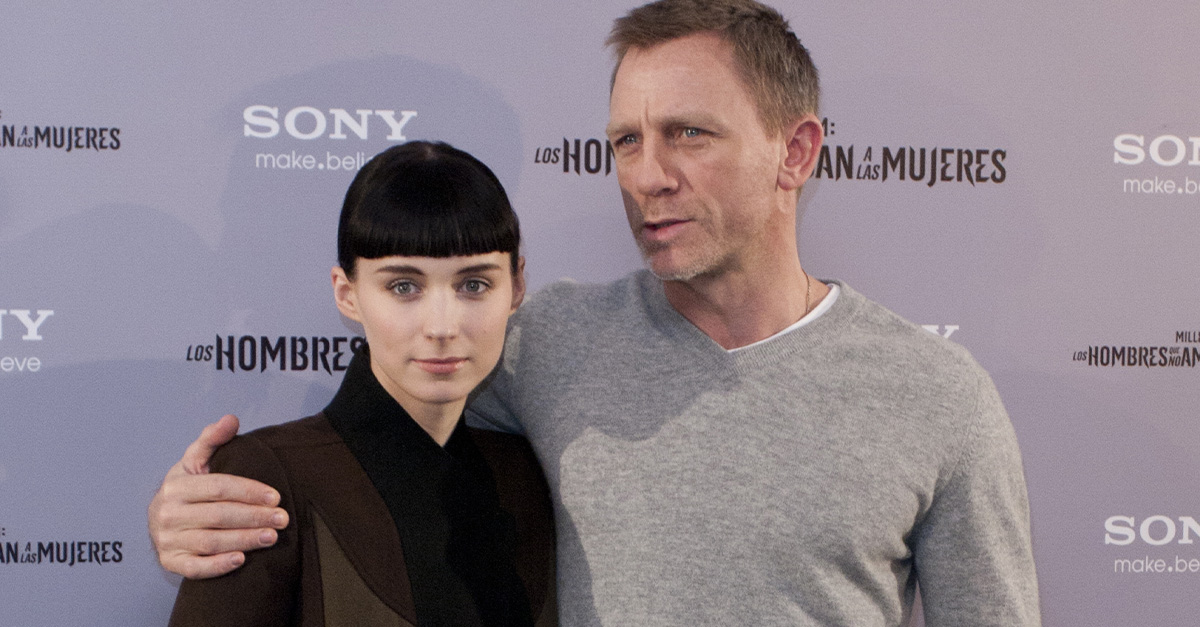
Stieg Larsson’s Swedish phenomenon gripped the world, but the U.S. remake missed the source’s icy austerity. Where the original thrived on quiet dread and emotional restraint, the American version turned up the volume with stylized violence and faster pacing. Rooney Mara’s performance was strong, but the raw Scandinavian tension was replaced by cinematic polish.
 Sony Pictures Releasing, The Girl With The Dragon Tattoo (2011)
Let The Right One In
This Swedish vampire classic thrived on subtlety—a tender, eerie meditation on loneliness. The American remake, Let Me In, was faithful on paper but over-explained everything. By translating the mood into something more palatable and less ambiguous, it lost the haunting quiet that made the original unforgettable.
 Overture Films, Let Me In (2010)
The Ring
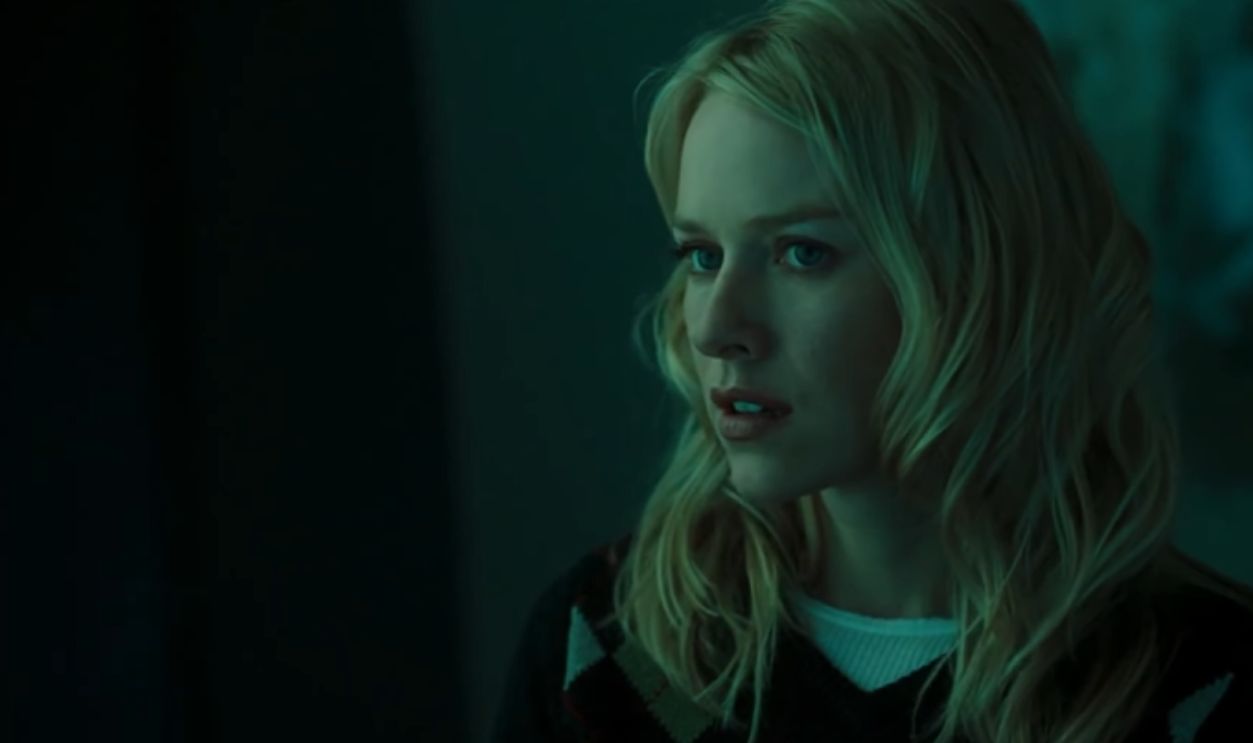
Japan’s Ringu remains a minimalist masterpiece—an icy descent into technological horror. The American Ring was stylish and successful but misunderstood the ghost’s cultural roots in Japanese folklore. By emphasizing jump scares over psychological unease, it became a different kind of horror—effective, but no longer deeply unsettling.
 DreamWorks Pictures, The Ring (2002)
Ghost In The Shell
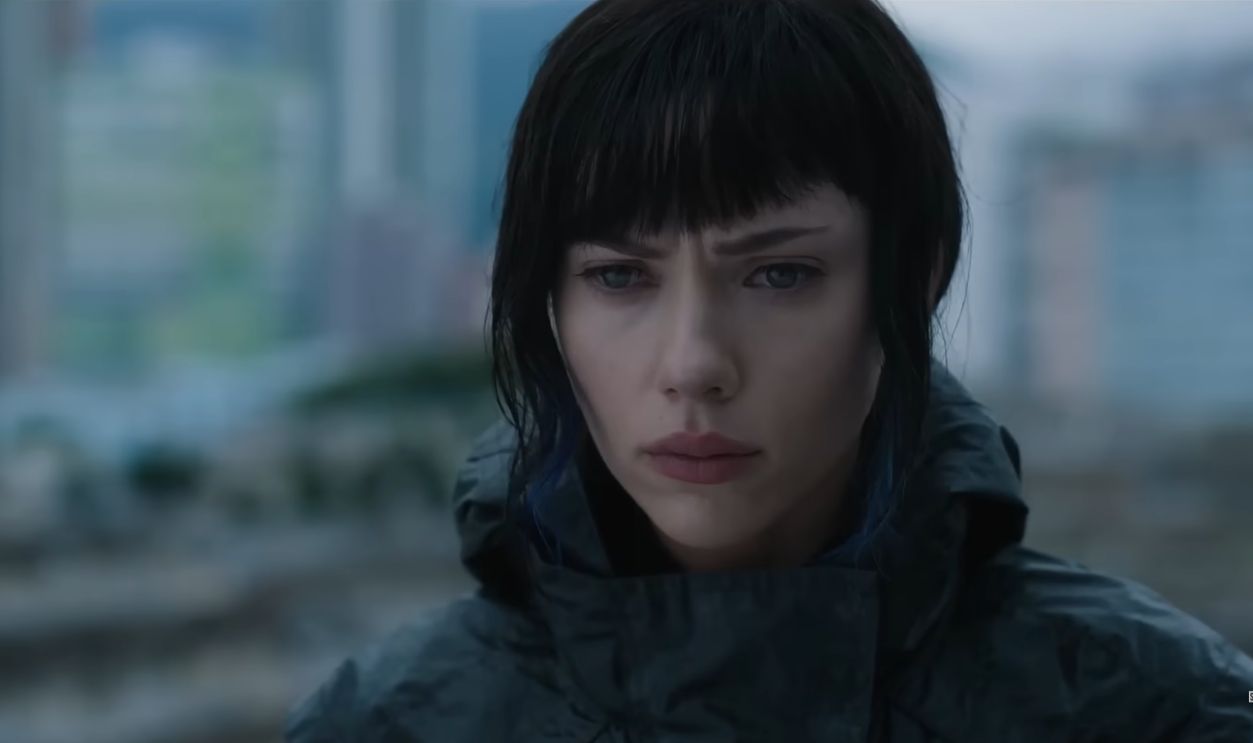
When Hollywood adapted Ghost in the Shell, it missed the point entirely. The original Japanese anime explored identity and consciousness through a cyberpunk lens steeped in postwar Japanese anxieties. The 2017 film, with Scarlett Johansson, reduced that depth to an action spectacle and was criticized for whitewashing the lead role, stripping the story of its philosophical and cultural foundation.
 Paramount Pictures, Ghost in the Shell (2017)
The Secret In Their Eyes
The Argentine original won an Oscar for its tightrope balance between political thriller and aching romance. The 2015 U.S. remake replaced Argentina’s post-dictatorship trauma with post-9/11 anxieties, erasing the historical weight that made the story compelling. What was once a meditation on justice became just another procedural drama.
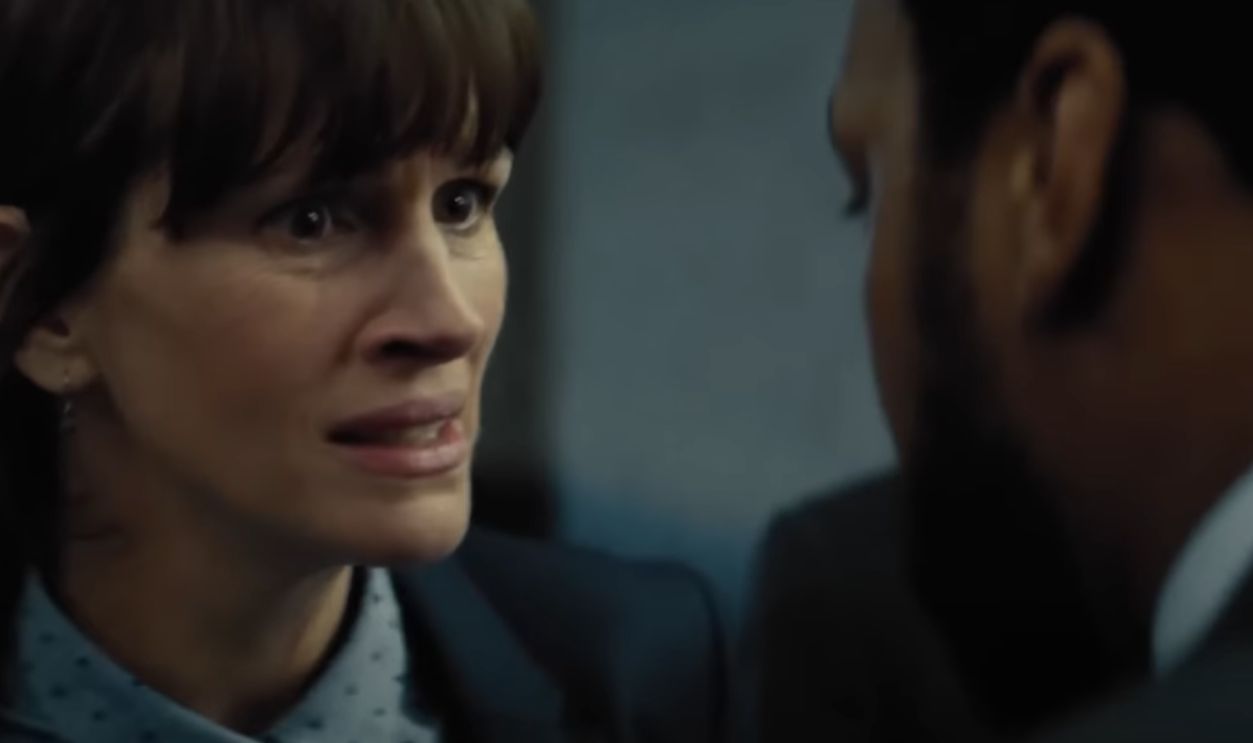 STX Entertainment, Secret in Their Eyes (2015)
The Intouchables
France’s The Intouchables told a story of friendship across class and race with warmth and irony. The American remake, The Upside, tried to replicate it but dulled the edges. By sanding away the French film’s biting social commentary, it turned a complex bond into a sentimental buddy comedy.
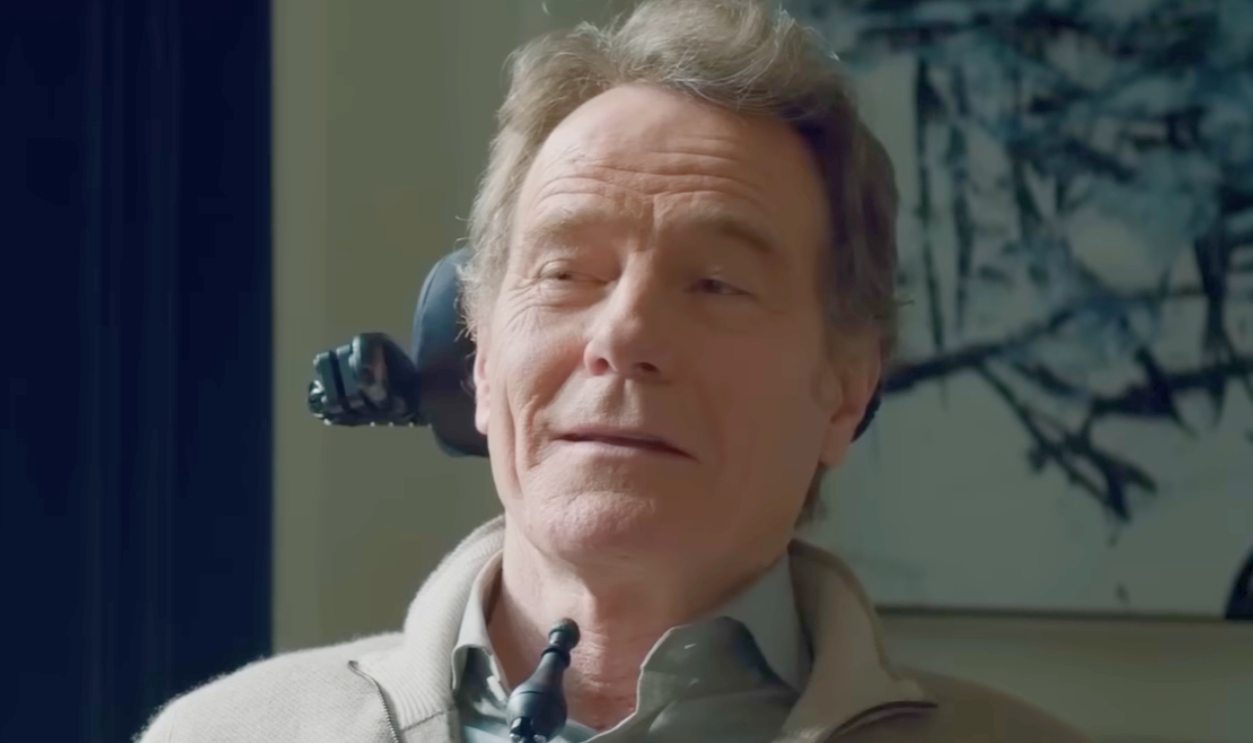 STX Entertainment, The Upside (2017)
The Wicker Man
Robin Hardy’s 1973 British folk horror is cryptic and chilling—a clash of faiths and folklore. The 2006 American remake with Nicolas Cage turned that eerie psychological tension into an unintentional meme. Gone was the dread; in its place, a surreal fever dream of bad bees and worse dialogue.
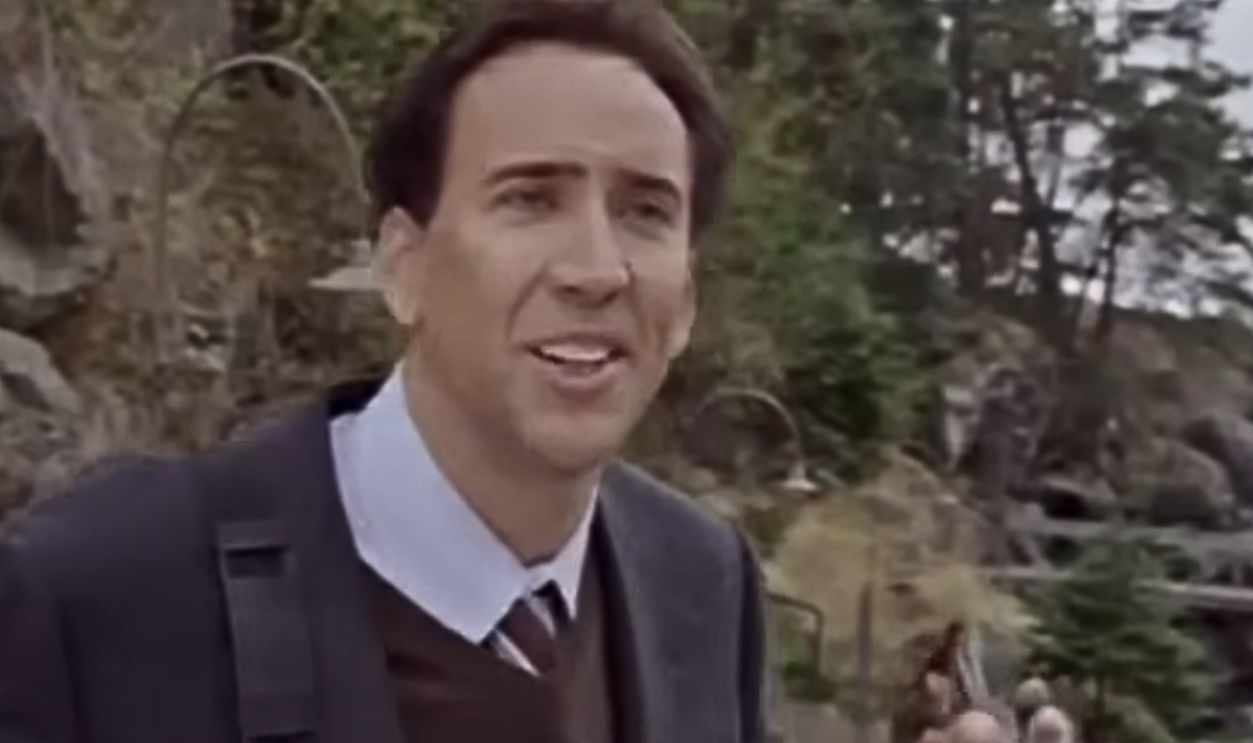 Warner Bros. Pictures, The Wicker Man (2006)
Shall We Dance?
The original Japanese Shall We Dansu? is about breaking free from societal expectations in a culture where dancing is seen as frivolous. The U.S. remake turned that tension into a feel-good midlife romance starring Richard Gere. The shame, secrecy, and subtle rebellion—central to the original—were entirely lost.
 Miramax Films, Shall We Dance? (2004)
Infernal Affairs
Martin Scorsese’s The Departed is a great film, but it’s also a prime example of Americanization changing meaning. Infernal Affairs’ Buddhist undertones and moral circularity were swapped for Catholic guilt and macho violence. The U.S. version won Oscars—but lost the Hong Kong original’s quiet sense of karmic tragedy.
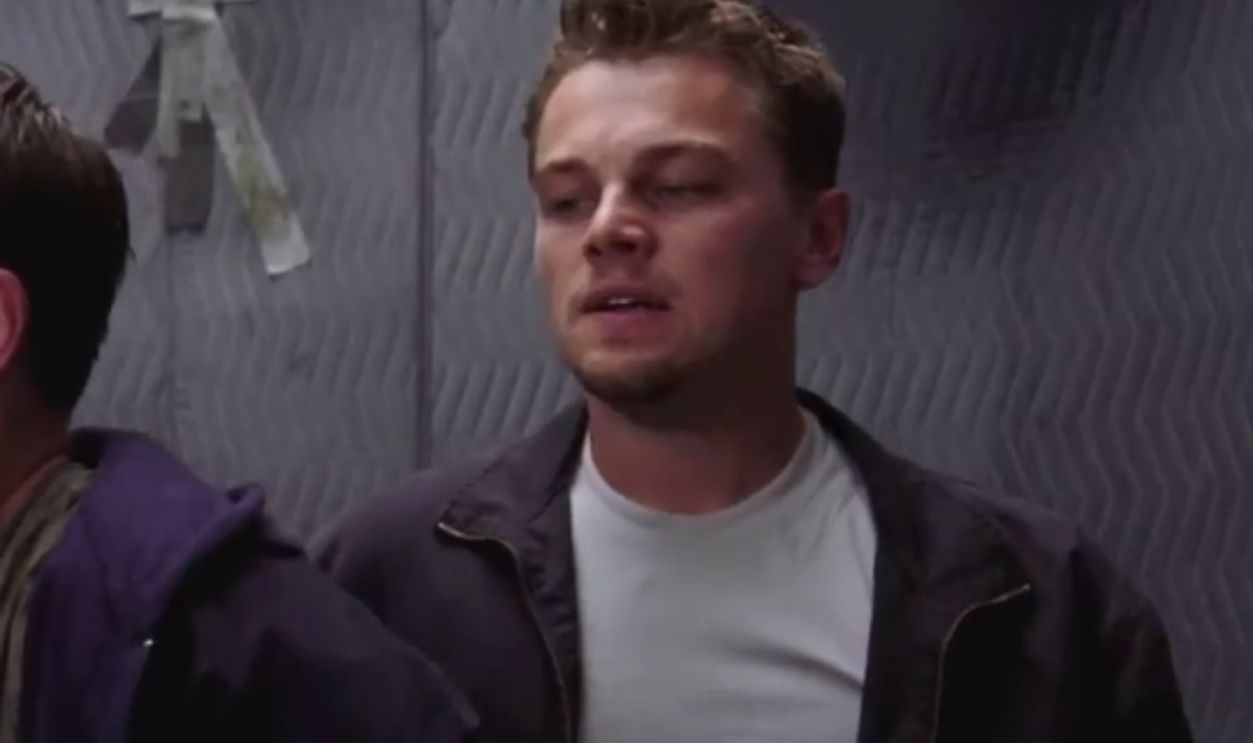 Warner Bros, The Departed (2006)
The Vanishing
The 1988 Dutch original is a clinical masterpiece of dread with a shocking, nihilistic ending. When Hollywood remade it in 1993, they gave it a happy ending. The result? A completely neutered psychological thriller that turned existential horror into formulaic suspense.
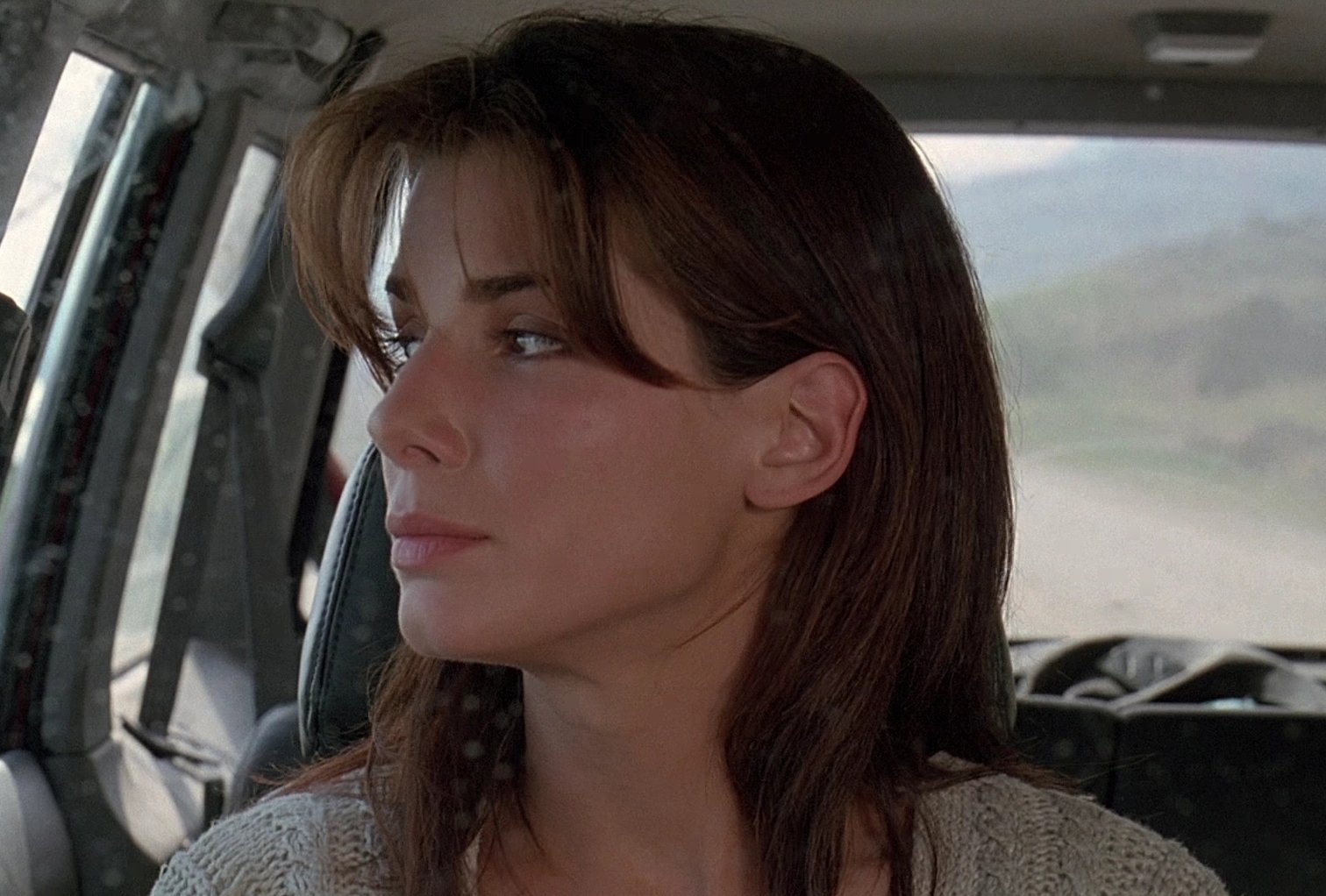 20th Century Fox, The Vanishing (1993)
The Grudge
Ju-On: The Grudge built its terror from silence and stillness, steeped in Japanese ghost lore. The American Grudge translated the scares but none of the soul. Without the Shinto context or sense of inevitability, the curse felt arbitrary—like a franchise engine instead of a cultural myth.
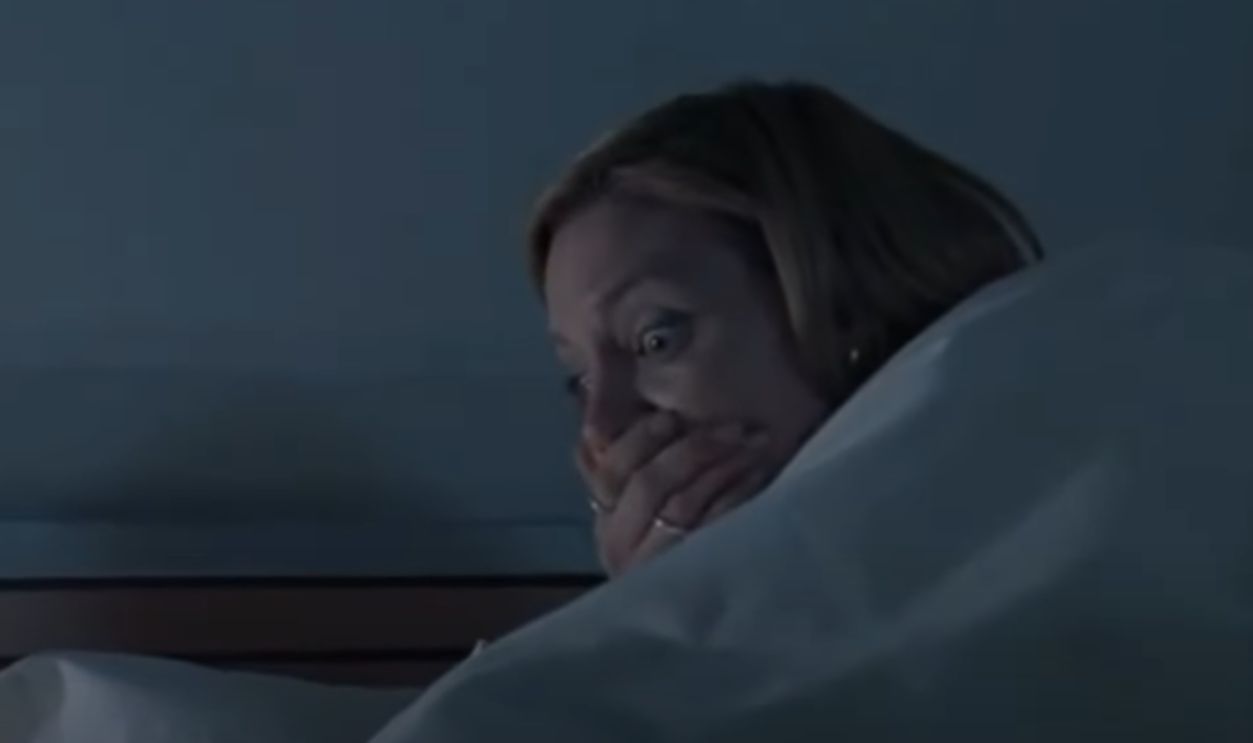 Columbia Pictures, The Grudge (2004)
My Sassy Girl
The South Korean original is chaotic, tender, and deeply emotional—a rollercoaster of humor and tragedy that resonated across Asia. The U.S. remake missed every emotional beat, mistaking manic behavior for quirkiness and sentimental love for slapstick comedy. What was once a bittersweet romance became generic rom-com fluff.
 20th Century Fox, My Sassy Girl (2008)
The Dinner
The Dutch film Het Diner (2013) and its earlier novel version are studies in moral decay and class hypocrisy. The U.S. version, starring Richard Gere, turned a moral labyrinth into dinner-table drama. The satire of European bourgeoisie didn’t translate well, and the biting tone softened into melodrama.
 The Orchard, The Dinner (2017)
The Return
Andrey Zvyagintsev’s Russian masterpiece The Return is a quiet parable about fathers, sons, and the unknowable. When similar themes were attempted in American indie versions and festival adaptations, the spiritual ambiguity was replaced by neat resolutions. Some stories simply don’t survive clarity.
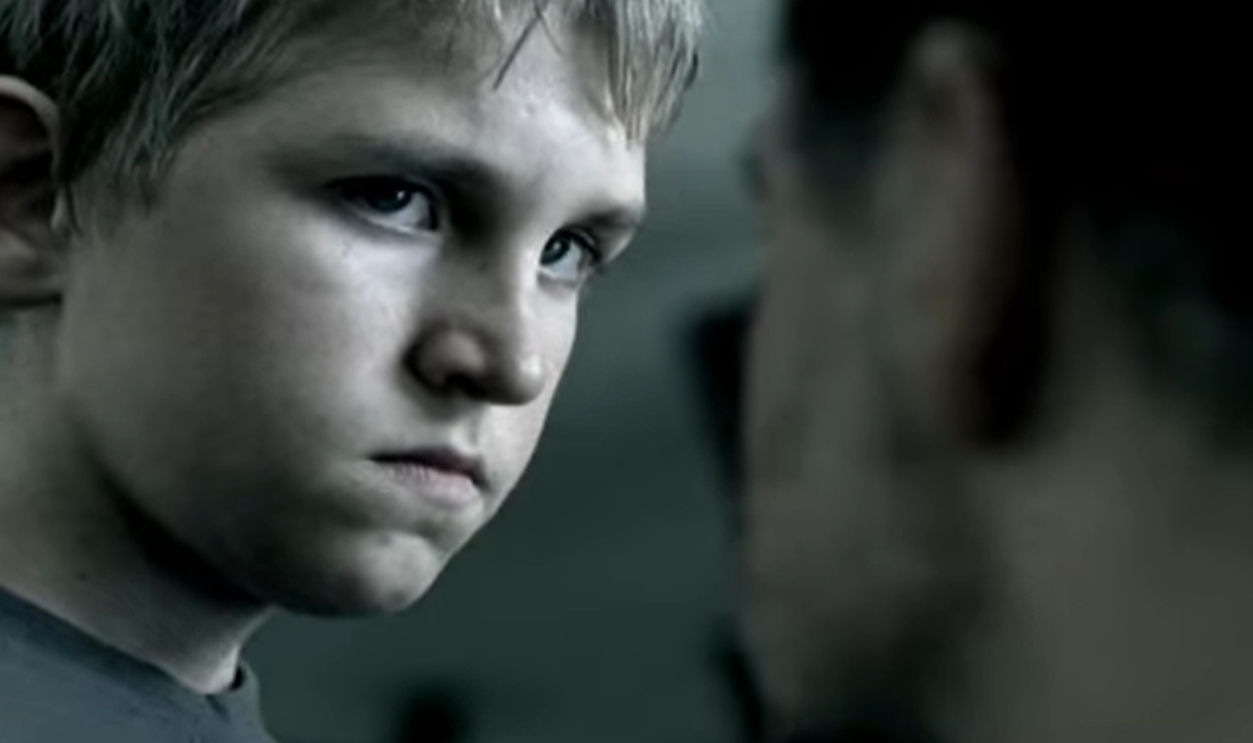 Kino Lorber, The Return (2003)
Downfall
Though not remade in full, Downfall suffered in American pop culture through memeification. The viral “Hitler reacts” videos stripped away the German film’s intense moral reckoning, turning a harrowing performance into a punchline. Sometimes “translation” happens in internet form—and it’s no less distorting.
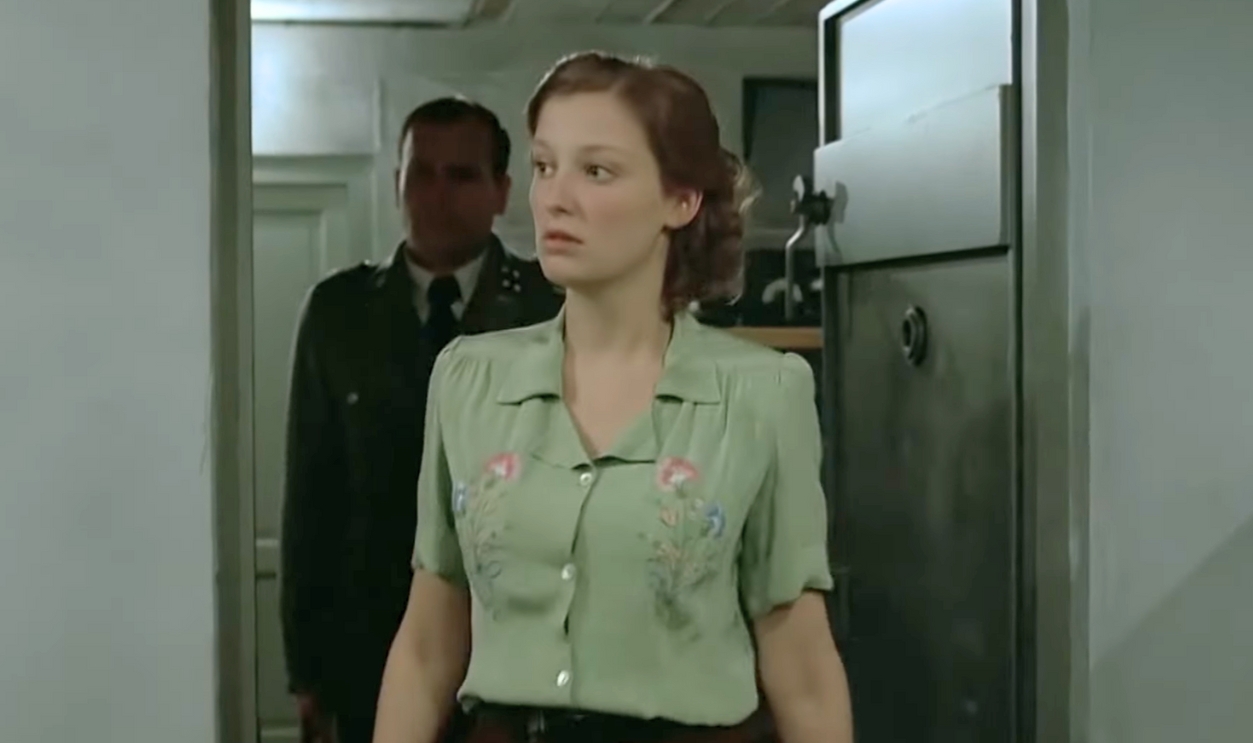 Constantin Film, Downfall (2004)
The Man From Nowhere
This South Korean action thriller combined violent style with raw emotion, centered on loss and redemption. Its American spiritual successors, like John Wick, borrowed the style but not the soul. The emotional core—grief as salvation—was lost amid slicker choreography and simpler motives.
 CJ Entertainment, The Man from Nowhere (2010)
Cinema Paradiso
Giuseppe Tornatore’s Italian classic is a love letter to cinema and memory. When re-edited for U.S. audiences, much of its bittersweet ending was truncated. American distributors assumed viewers wouldn’t sit through nostalgia and melancholy—ironically cutting out the emotional climax that made the film timeless.
 Miramax Films, Cinema Paradiso (1988)
Train To Busan
Hollywood immediately eyed a remake of Train to Busan, but early versions and spin-offs like The Last Train to New York struggled to capture what made it great: social critique within chaos. American versions favor spectacle over empathy, proving that not every zombie film survives translation.
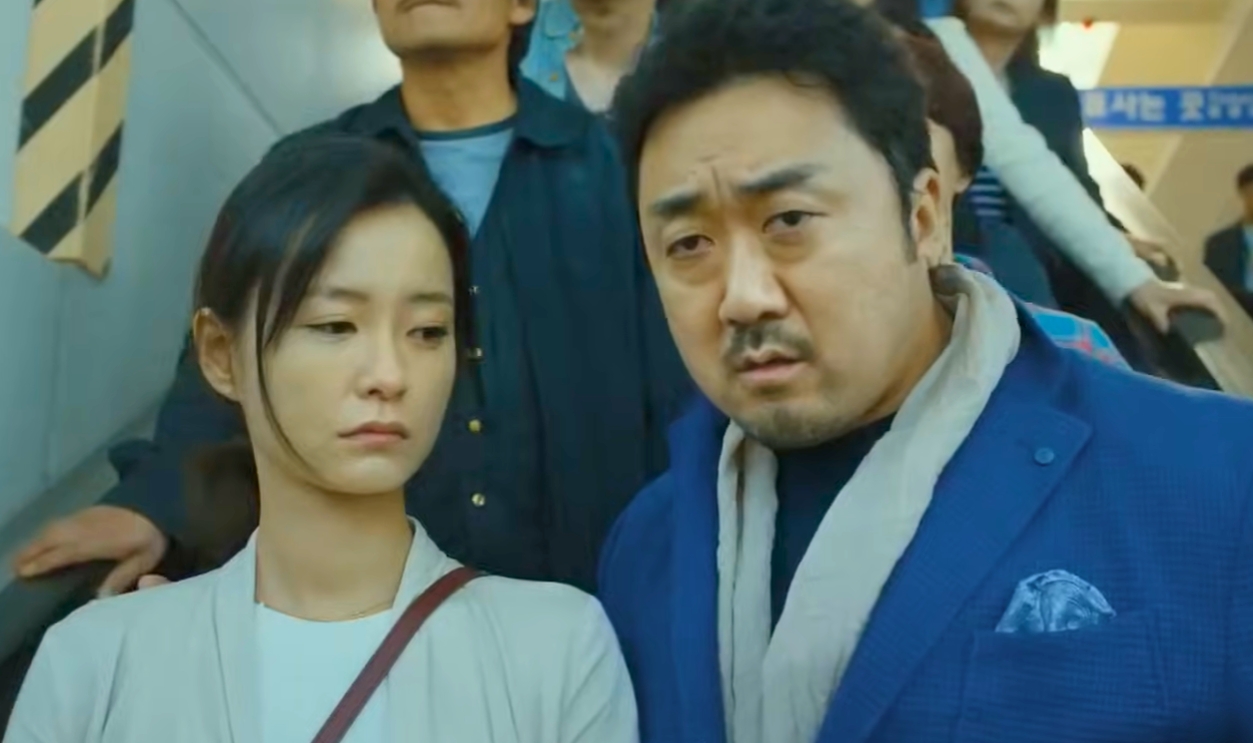 Next Entertainment World, Train to Busan (2016)
Life Is Beautiful
Roberto Benigni’s Life Is Beautiful balanced humor and horror in a uniquely Italian tragicomic tone. In the U.S., critics were split—some praised it as uplifting, others saw it as inappropriate comedy about the Holocaust. The misunderstanding underscored cultural discomfort with irony as a coping tool.
 Miramax Films, Life Is Beautiful (1997)
Funny Games
Michael Haneke remade his own Austrian shocker Funny Games for the U.S. audience, nearly shot-for-shot—and it still failed to land. What was a critique of voyeurism in Europe became, in America, a misunderstood exercise in sadism. Haneke proved that even perfect translation can fail if cultural context shifts.
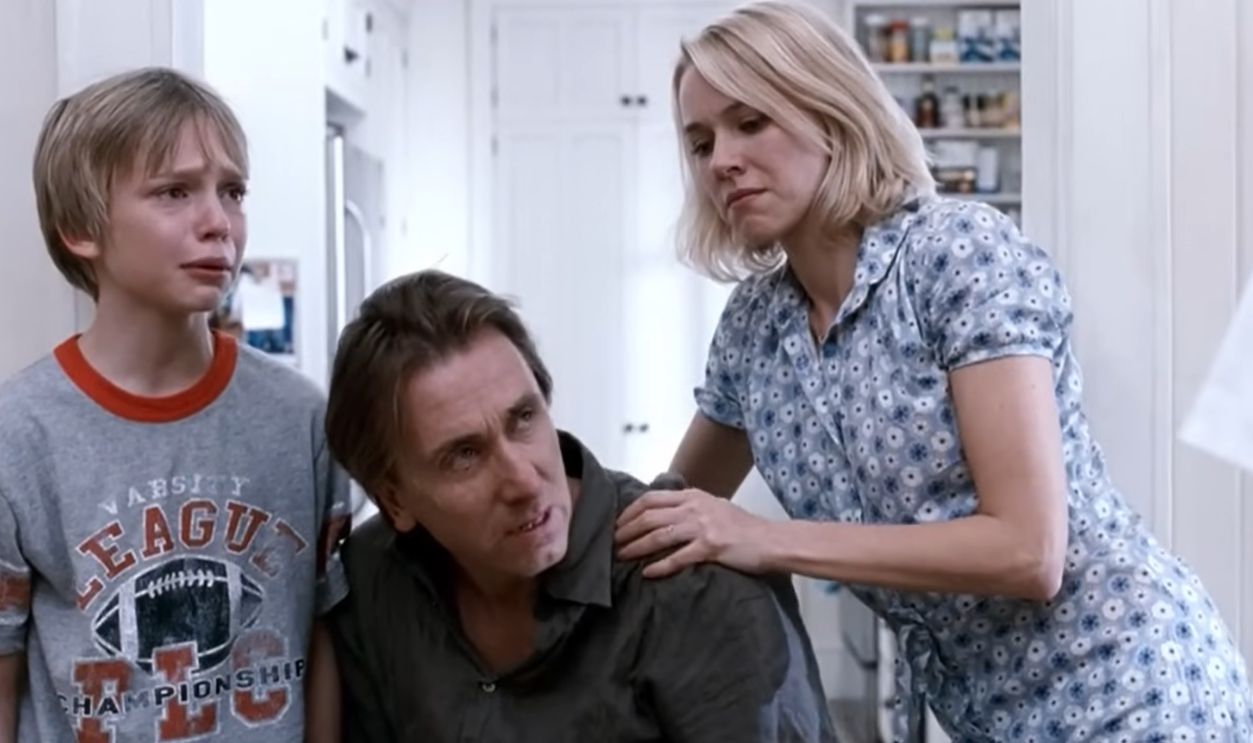 Warner Independent Pictures, Funny Games (2007)
Crouching Tiger, Hidden Dragon: Sword of Destiny
Ang Lee’s 2000 epic blended martial arts and Chinese romantic fatalism, earning worldwide acclaim. Its U.S.-produced sequel, however, flattened the poetry into martial-arts fan service. Where the original soared with quiet grace, the follow-up stumbled through English dialogue and Western pacing.
 Netflix, Crouching Tiger, Hidden Dragon: Sword of Destiny (2016)
The Raid
Gareth Evans’ The Raid set a new standard for Indonesian action. Hollywood quickly tried to develop a remake, but early test versions missed the cultural discipline and physical authenticity of pencak silat. Turning it into just another shoot-’em-up lost what made the original so groundbreaking.
 PT Merantau Films, The Raid (2011)
Parasite
Bong Joon-ho’s Parasite won Oscars and changed global cinema, but when some American studios pitched remakes and TV adaptations, Bong himself pushed back, noting the impossibility of cultural replication. The class satire is inseparable from Korean social dynamics—translation risks flattening critique into moral lesson.
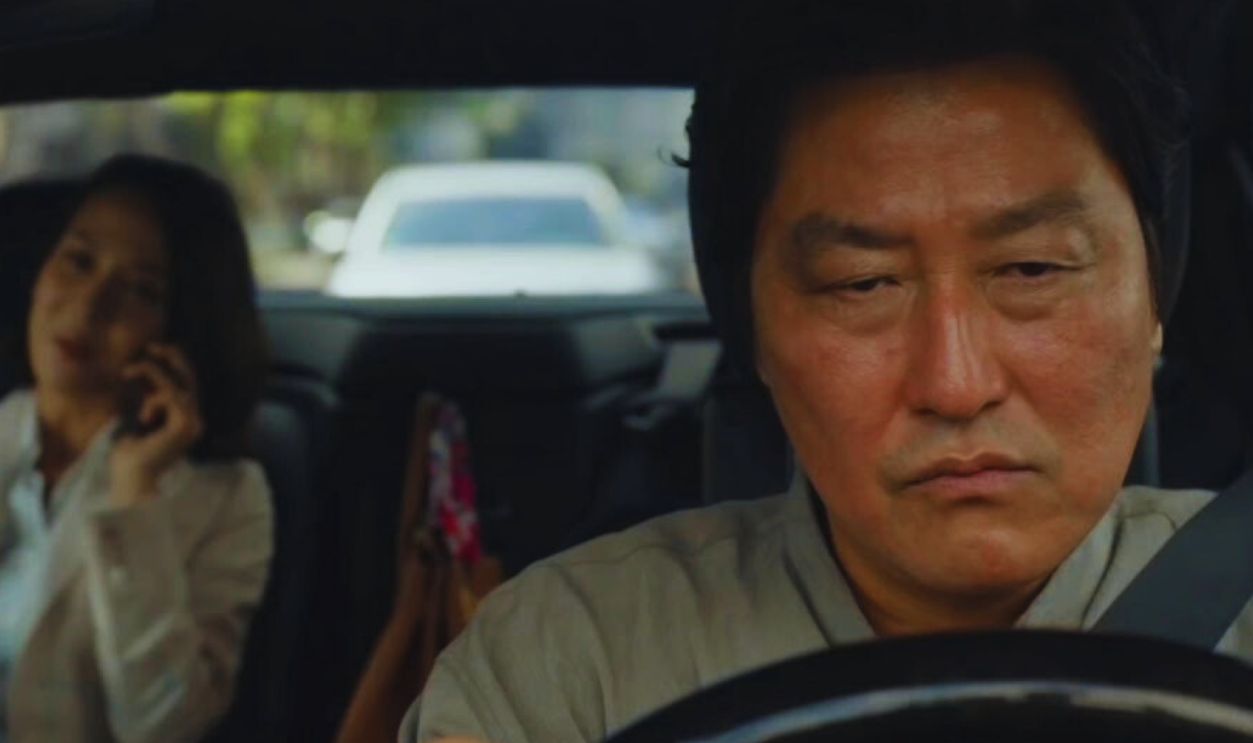 CJ Entertainment, Parasite (2019)
Run Lola Run
Tom Tykwer’s German cult hit Run Lola Run played like a pop-art adrenaline rush about fate and choice. Attempts to Americanize its premise in films and TV pilots failed, mainly because its heart wasn’t about running—it was about the randomness of life in post-reunification Germany. Context made it art; imitation made it noise.
 Sony Pictures Classics, Run Lola Run (1998)
What Translation Can’t Capture
When movies cross borders, translation becomes transformation. Sometimes it works, but too often, what was specific becomes generic. The humor, the pain, the rhythm—all born of cultural soil—don’t always bloom the same way elsewhere. These 25 films remind us that storytelling may be universal, but meaning isn’t. To truly appreciate world cinema, we have to meet it where it lives, not remake it in our own image. Sony Pictures Classics, Run Lola Run (1998)
You May Also Like: