
You Know The Big Ones—These Aren’t
Everyone knows Abbey Road, Rumours, and Hotel California. Those albums, like anyone checking out of that latter hotel, can never leave. But for every one of those iconic standouts, there were dozens of albums released during those decades that came…and went. And all these years later, most people barely remember them, if at all.
Let’s see how many you actually recognize.
 Richard McCaffrey, Getty Images
“Odessey and Oracle” (The Zombies, 1968)
This one almost feels like a trick question. It flopped at first, the band broke up, and then Time of the Season became a hit later. The rest of the album is just as strong, but most people never go past that one song, which says a lot about how it was remembered.

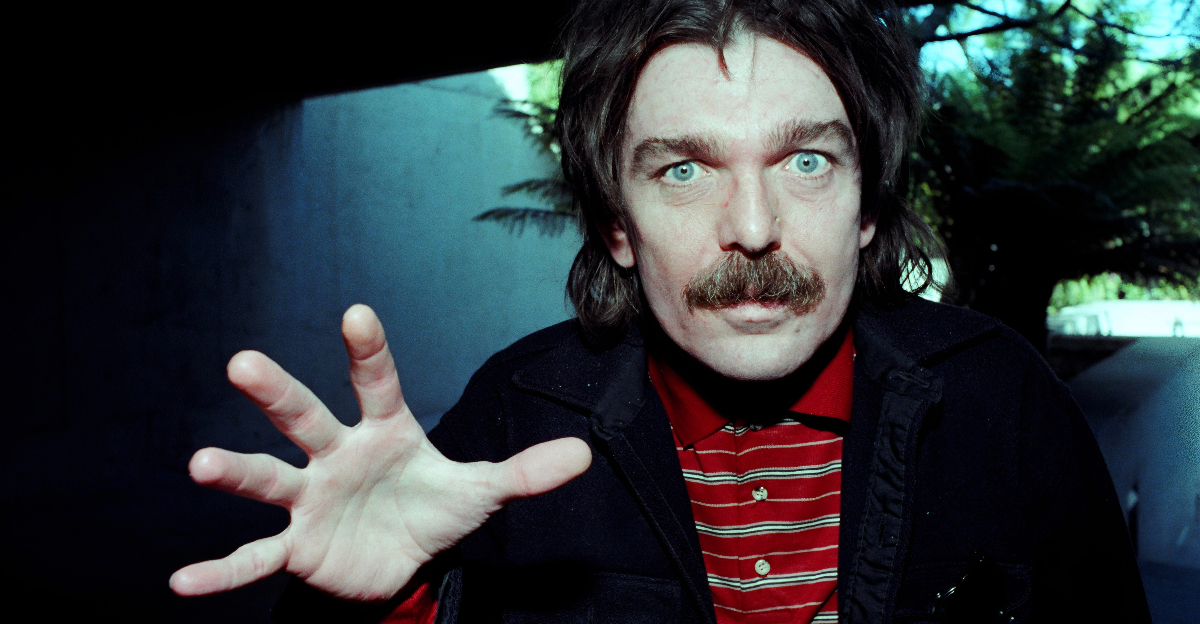
“Smiley Smile” (The Beach Boys, 1967)
This is the “wait, what happened here?” album. After Smile fell apart, this stripped-down version showed up instead. It is lo-fi, a little off, and definitely not what fans expected, which explains why it often gets skipped today when people revisit their catalog.
 Capitol Records, Wikimedia Commons
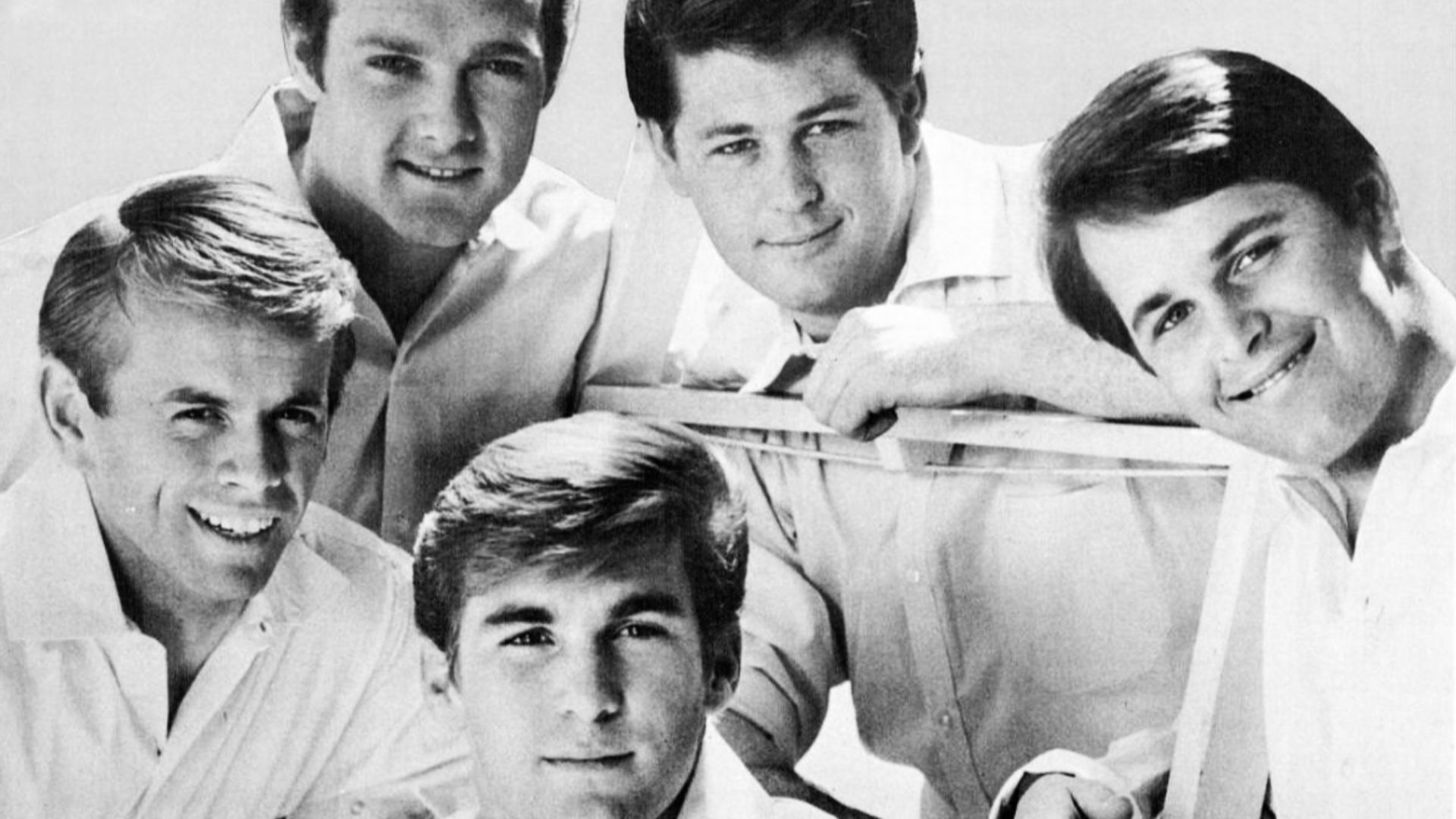
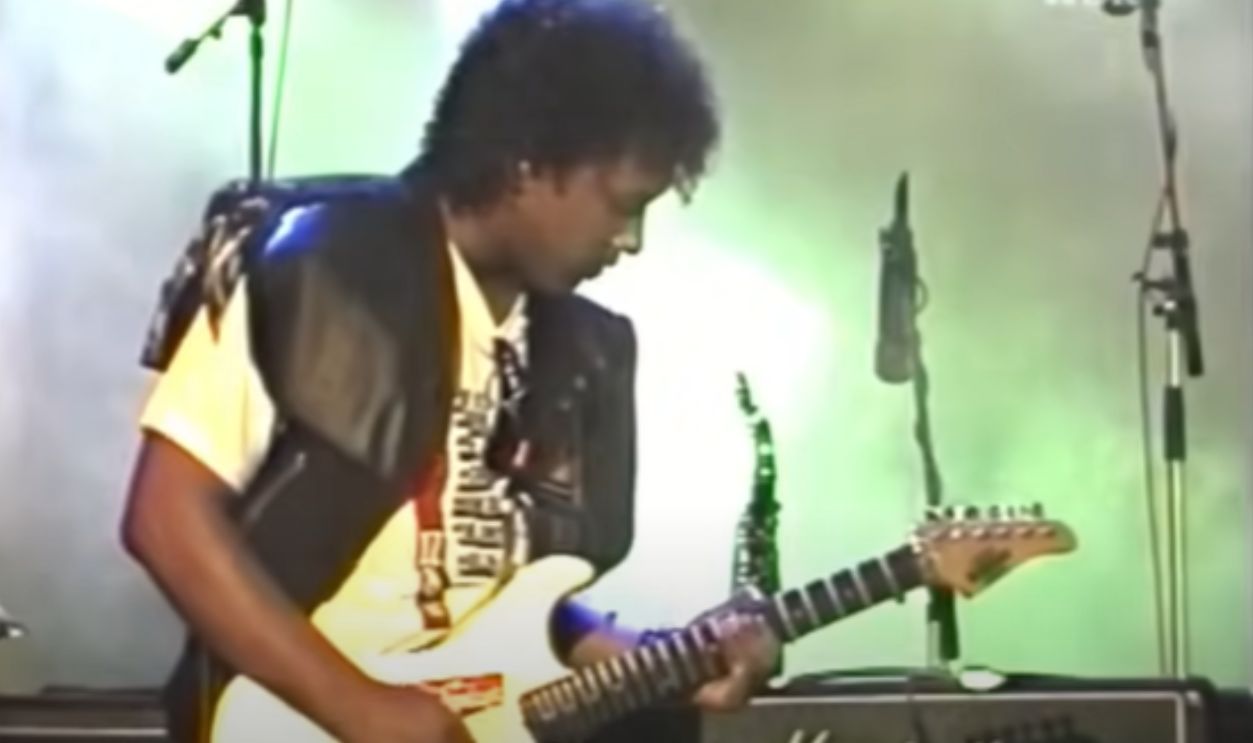
“Maggot Brain” (Funkadelic, 1971)
Most people know the title track, if that. After that, it turns into a full mix of styles. Funk, soul, rock, and psychedelia all show up. It should feel messy, but it works because the band fully commits to the direction.
 Screenshot from Maggot Brain, Westbound Records (1971)
“Forever Changes” (Love, 1967)
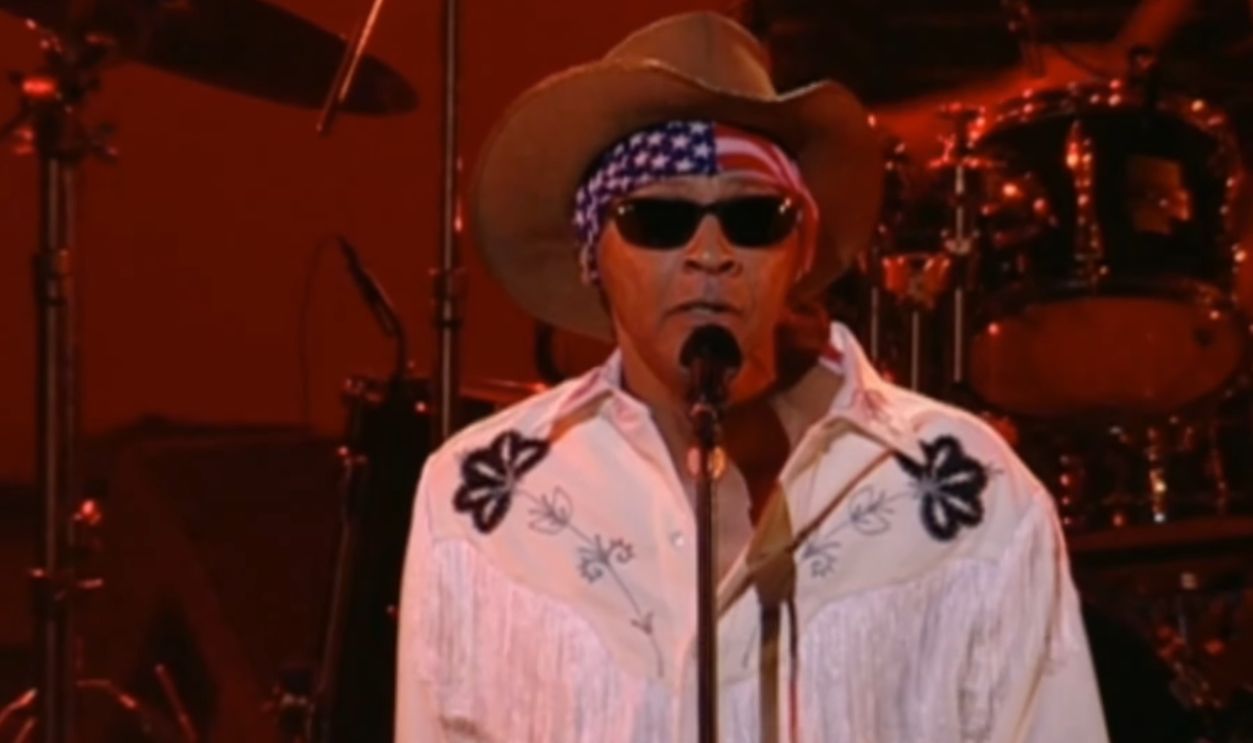
Critics bring this one up all the time. Regular listeners do not nearly as much. It is slower, layered, and not trying to grab you immediately. But if you stick with it, it builds in a way that a lot of louder albums do not, and that is exactly why it still gets brought up.
 Screenshot from Forever Changes, Elektra Records (1967)
“Loaded” (The Velvet Underground, 1970)
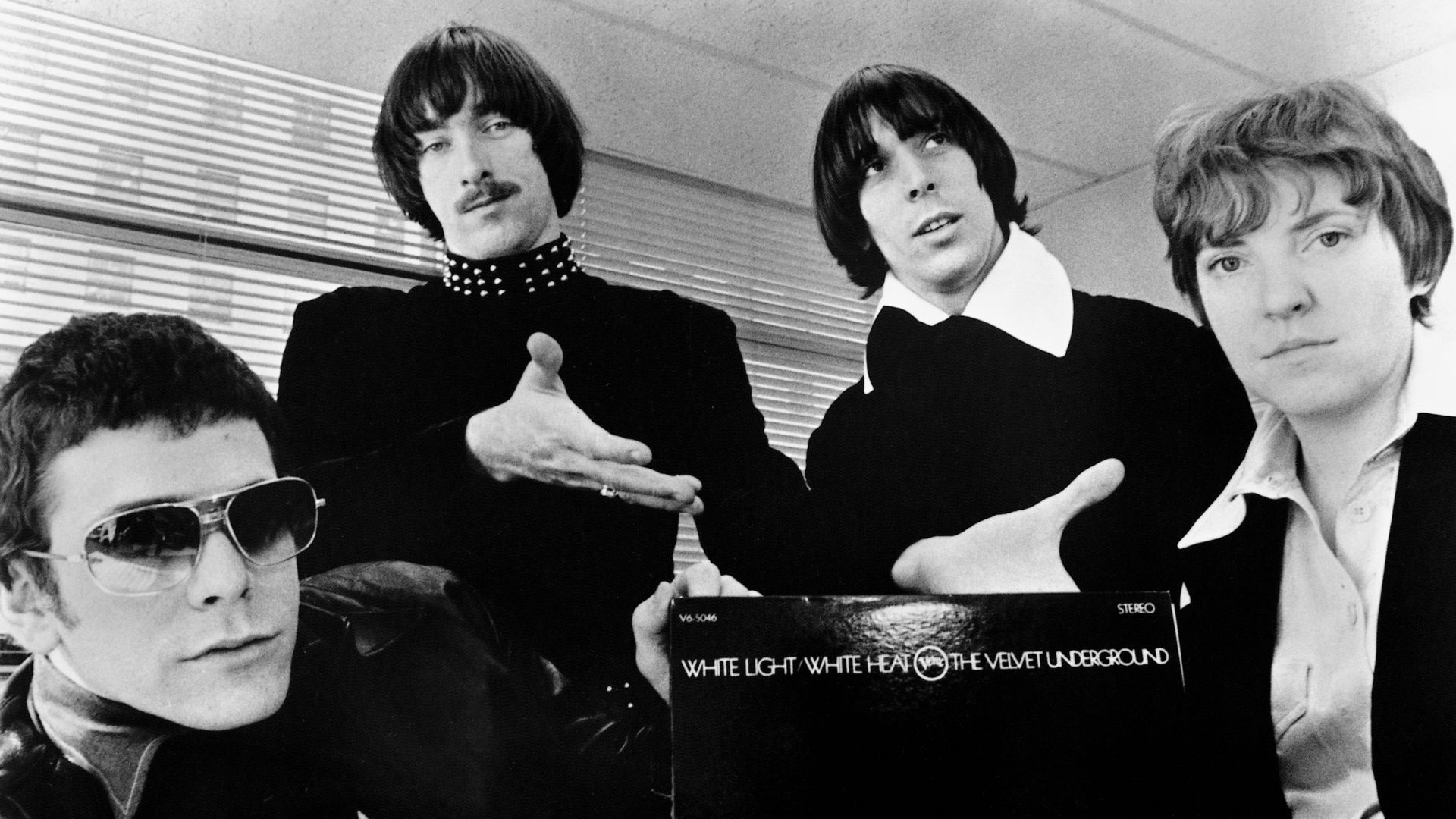
This is the more accessible Velvet Underground album. It has clearer songs, stronger hooks, and moments that feel closer to traditional rock. That should help, but it often gets overlooked because it feels less raw than their earlier work.
“New Morning” (Bob Dylan, 1970)
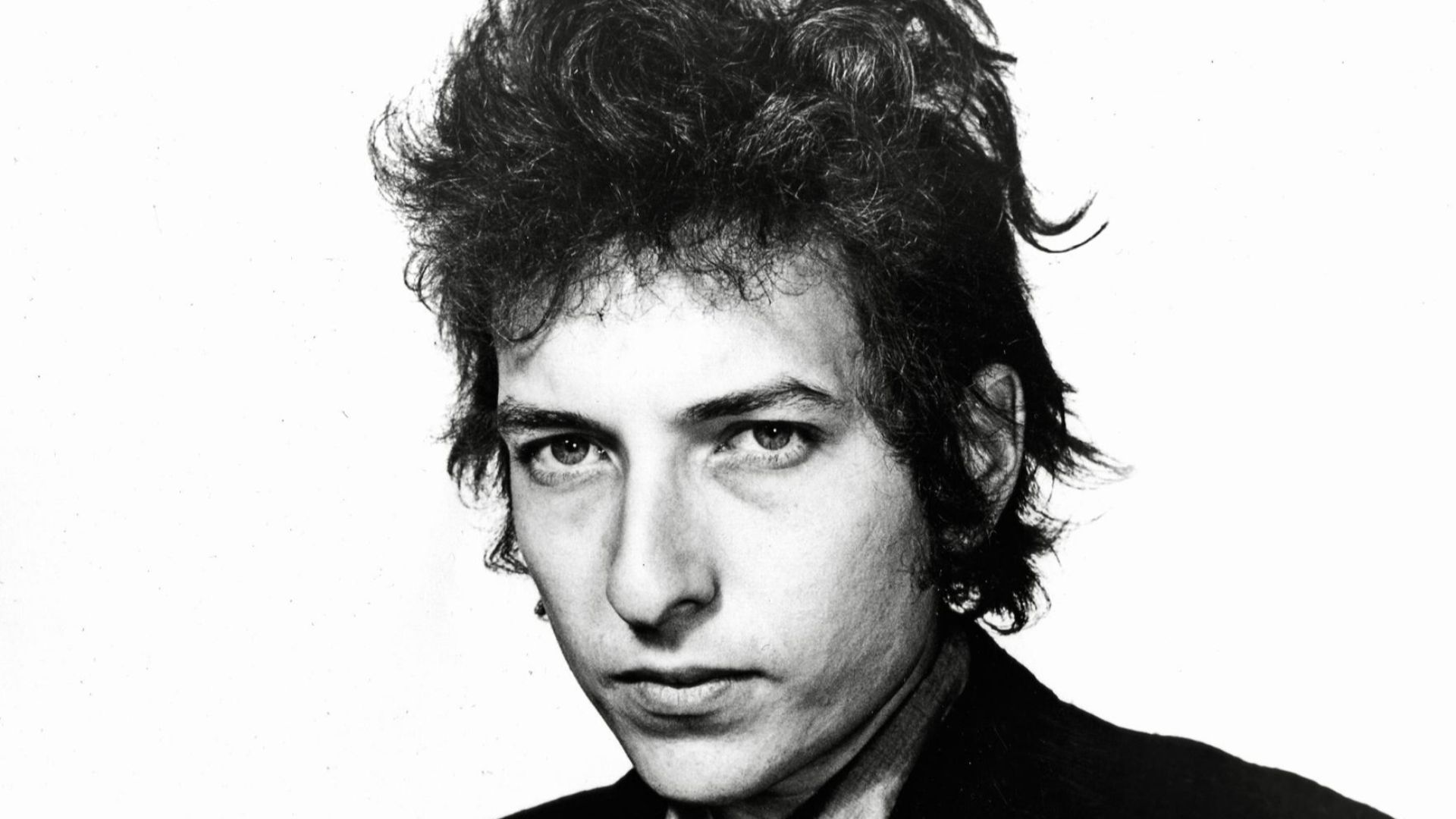
A Dylan album that often slips through the cracks. It came after a complicated period and takes a simpler approach. It is more relaxed and less ambitious on the surface, but that laid-back feel is exactly what makes it easy to revisit.
 Daniel Kramer (Albert Grossman Management), Wikimedia Commons
“Cold Fact” (Rodriguez, 1970)
If you have seen Searching for Sugar Man, you know how strange this story is. The album goes nowhere in the U.S., disappears, and then becomes huge somewhere else without him knowing. The music itself is sharp and surprisingly ahead of its time.
 Whomstweekly, Wikimedia Commons
“Begin” (The Millennium, 1968)
This sounds like a hit album. Big harmonies, polished production, and everything layered carefully. It also reportedly cost a small fortune to make and still flopped. Listening now, it feels like it missed its moment by just enough to disappear.
 Robert Drozd, Wikimedia Commons
“Nilsson Sings Newman” (Harry Nilsson, 1970)
This one almost dares you to stay focused. No big arrangements, no production tricks. Just Nilsson’s voice and Randy Newman’s songs. It is so stripped down it can feel unusual, especially compared to what was popular at the time, but that simplicity is also what makes it stand out.
![Collectie / Archief : Fotocollectie Anefo
Reportage / Serie : [ onbekend ]
Beschrijving : TV programma](https://www.factinate.com/storage/app/media/theshot/2026/5/4/177789529031a7847666cbded079388f10b92c7b0176492a6e.jpg) Rob Bogaerts / Anefo, Wikimedia Commons
Rob Bogaerts / Anefo, Wikimedia Commons
“After Bathing at Baxter’s” (Jefferson Airplane, 1967)
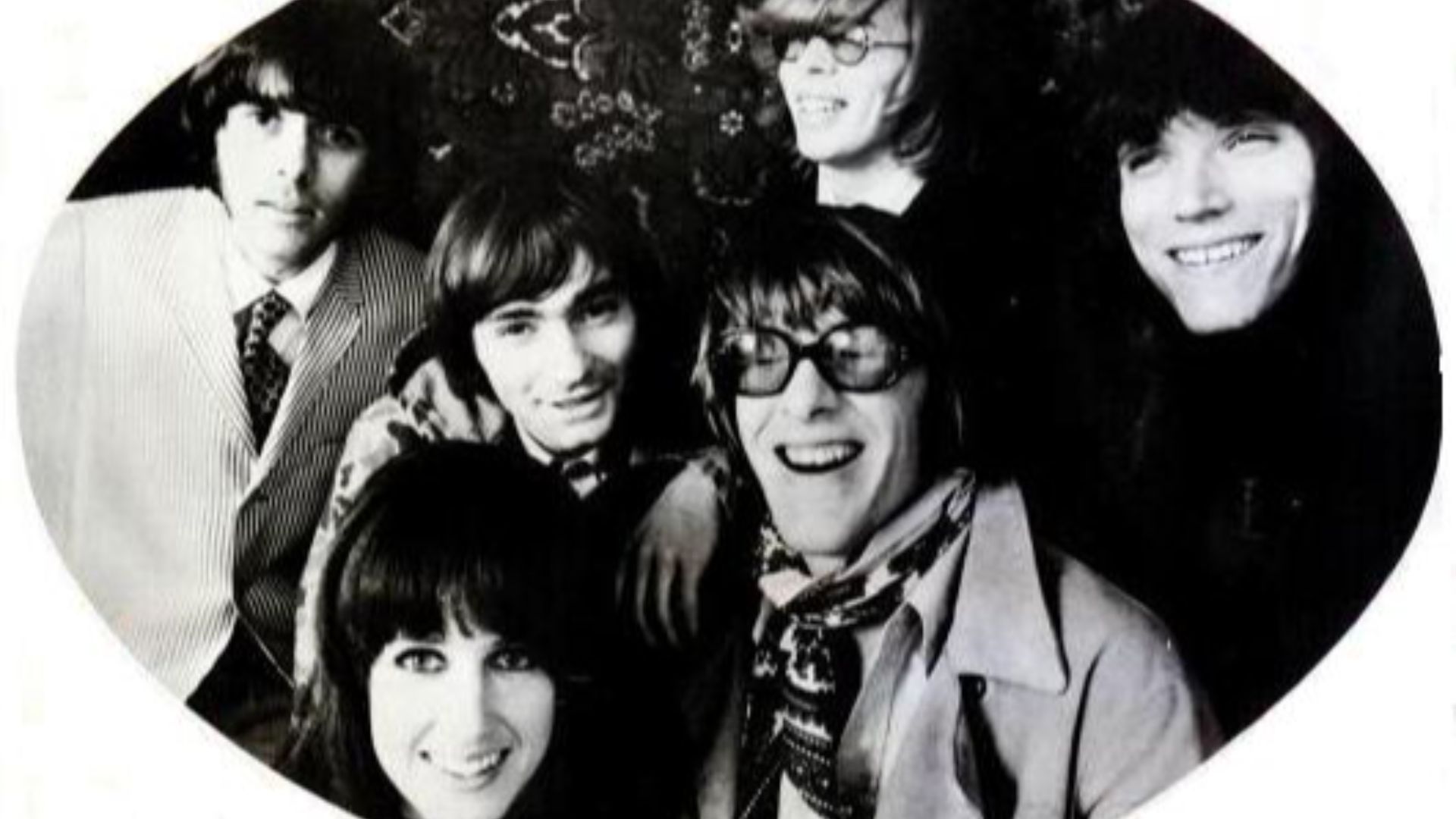
They had momentum and could have played it safe. Instead, they went in a much stranger direction. The album is fragmented and harder to follow than their earlier work. You can hear them moving away from expectations in real time as it plays out.
 RCA Records., Wikimedia Commons
“If I Could Only Remember My Name” (David Crosby, 1971)
On paper, this should have been huge. Big names, strong scene, and plenty of talent involved. Instead, it feels loose and unfocused at times. It drifts more than it builds, which likely kept it from sticking with a wider audience.

“Parallelograms” (Linda Perhacs, 1970)
This feels like something you discover by accident and immediately think you found something rare. It disappeared quickly after release and was not rediscovered for years. Quiet and hypnotic, it rewards listeners who actually sit with it instead of expecting instant payoff.
 Unknown authorUnknown author, Wikimedia Commons
“Just Another Diamond Day” (Vashti Bunyan, 1970)
This album barely tries to get your attention. It is soft, minimal, and easy to miss if you are not paying attention. That is probably why it disappeared at first and also why it found a much stronger audience years later.

“Judee Sill” (Judee Sill, 1971)
This one has a quiet weight to it. The songwriting is detailed and delicate, but there is something heavier underneath. It did not reach a wide audience at the time, but people who find it now tend to stick with it and wonder how it slipped through.
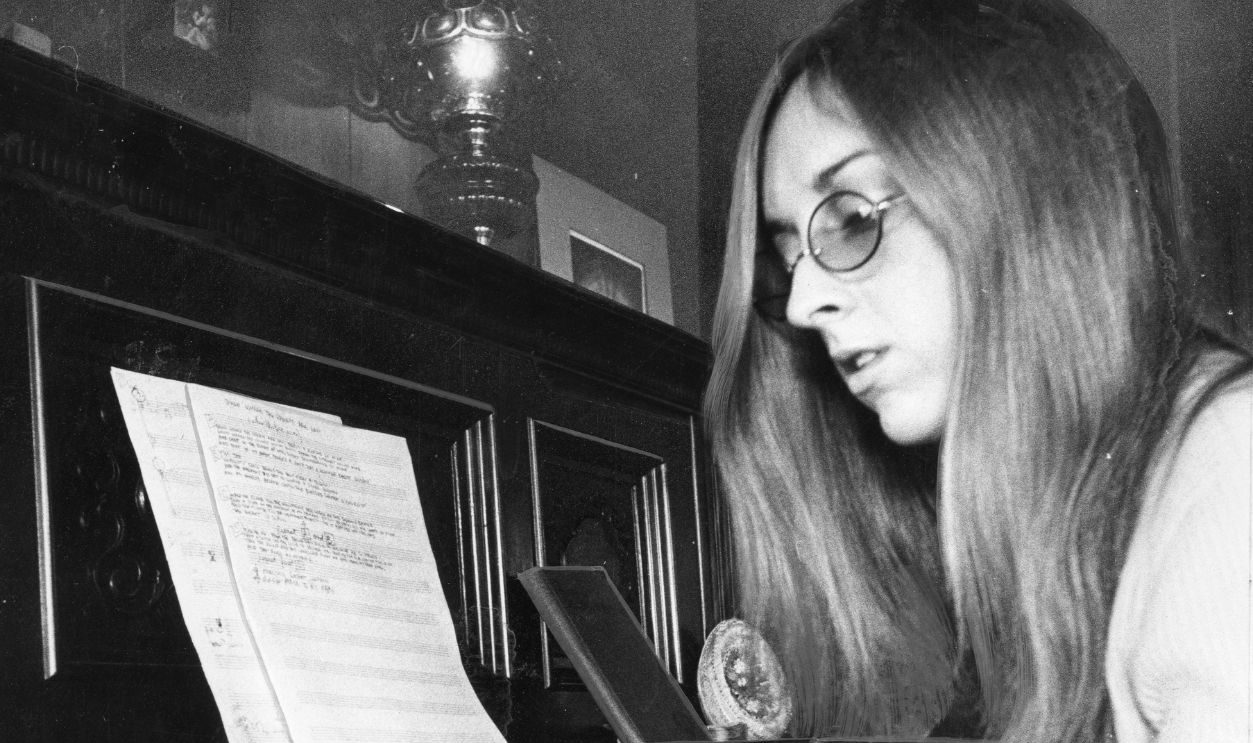 San Francisco Chronicle/Hearst Newspapers, Getty Images
“Red Hash” (Gary Higgins, 1973)
Recorded in a basement after he got out of prison, pressed in small numbers, and then largely forgotten. It sounds exactly like that setup suggests. Hazy, intimate, and a little fragile in a way that makes it feel very specific and personal.

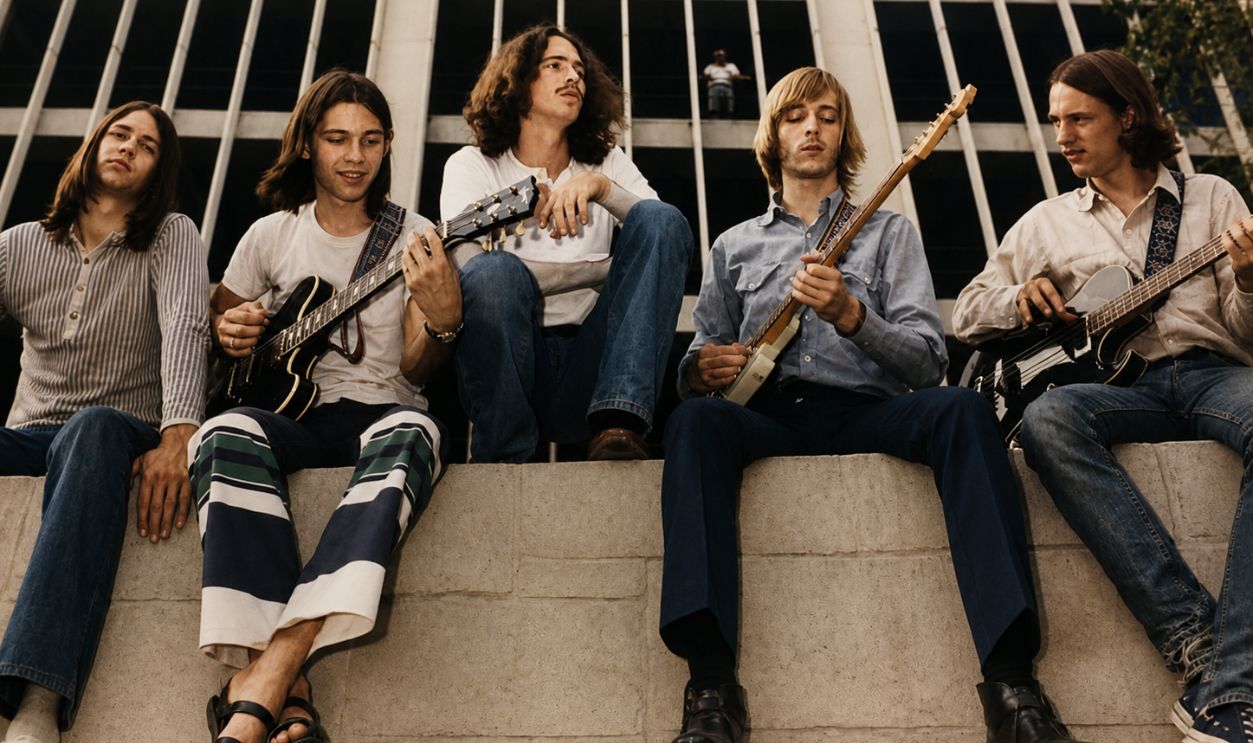
“Phluph” (Phluph, 1968)
Even the name does not help it stand out. The sound is solid late-60s psychedelic rock with a fuzzed edge and some strong playing underneath. It did not break through, but it captures the era in a way that still feels authentic when you hear it now.
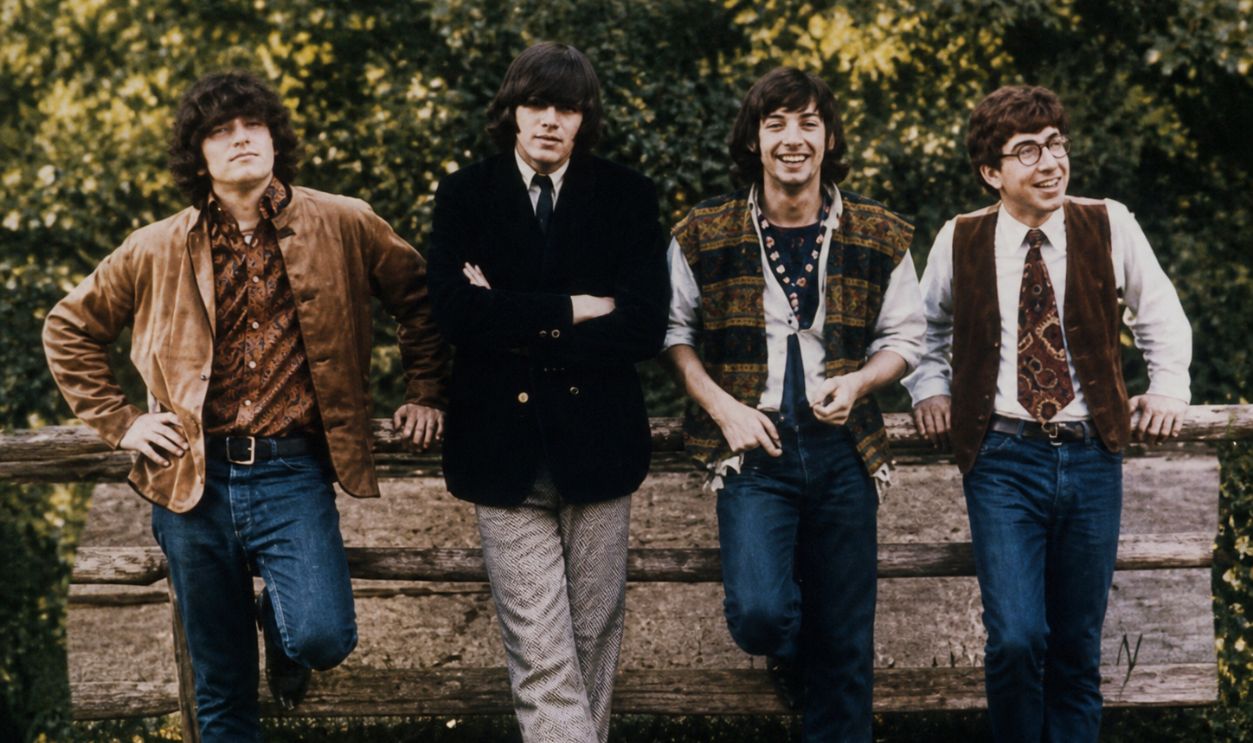
“Felt” (Felt, 1971)
One album, no follow-up, and still remembered by people who dig deep enough. It blends jazz and rock in a loose, improvisational way. It is not polished, but it has a style that makes it stick once you hear it, especially if you like music that feels a bit unstructured.
“The United States of America” (The United States of America, 1968)
Even the name makes it harder to remember. The sound is much more interesting. Early electronic elements, unusual structure, and very little concern for traditional rules. It is uneven at times, but it keeps you curious because it never settles into anything predictable.
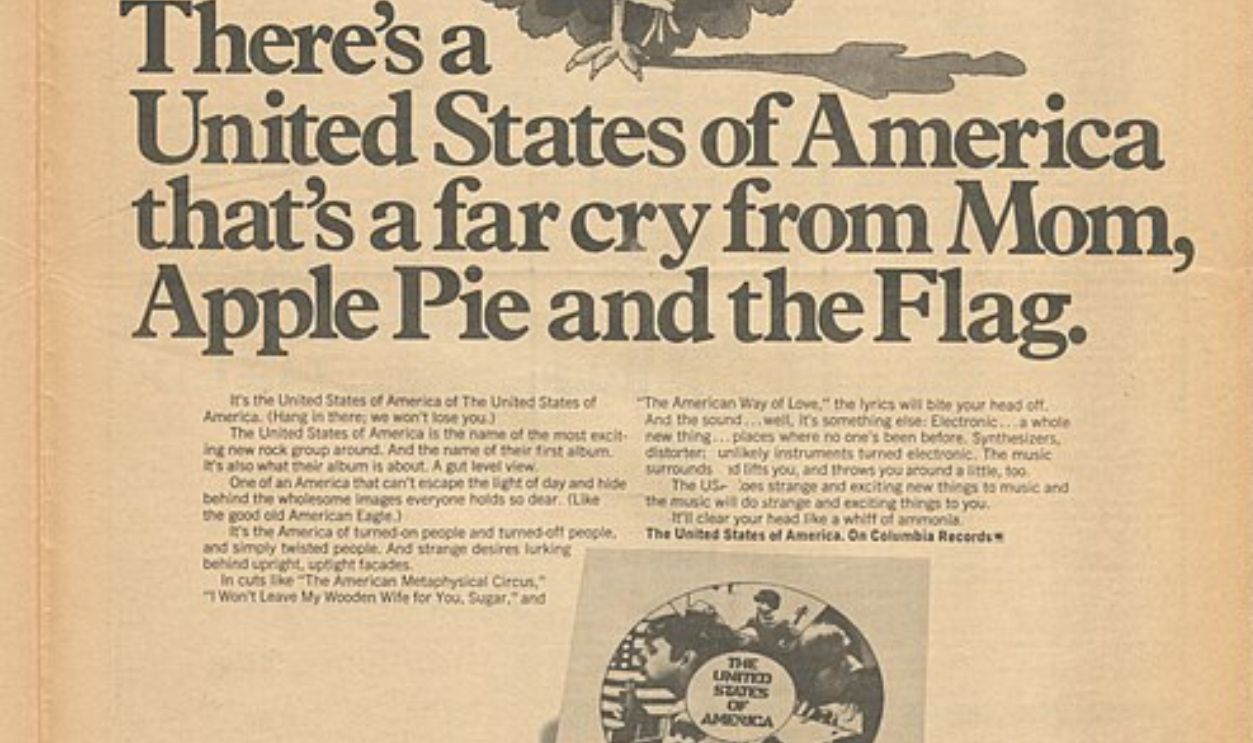 Seattle Public Library, Wikimedia Commons
“Cauldron” (Fifty Foot Hose, 1968)
This sounds like it came from somewhere else entirely. Early electronic rock with homemade equipment and unpredictable structure. It can feel chaotic, but it stands out because it does something different from almost everything else released at the time.
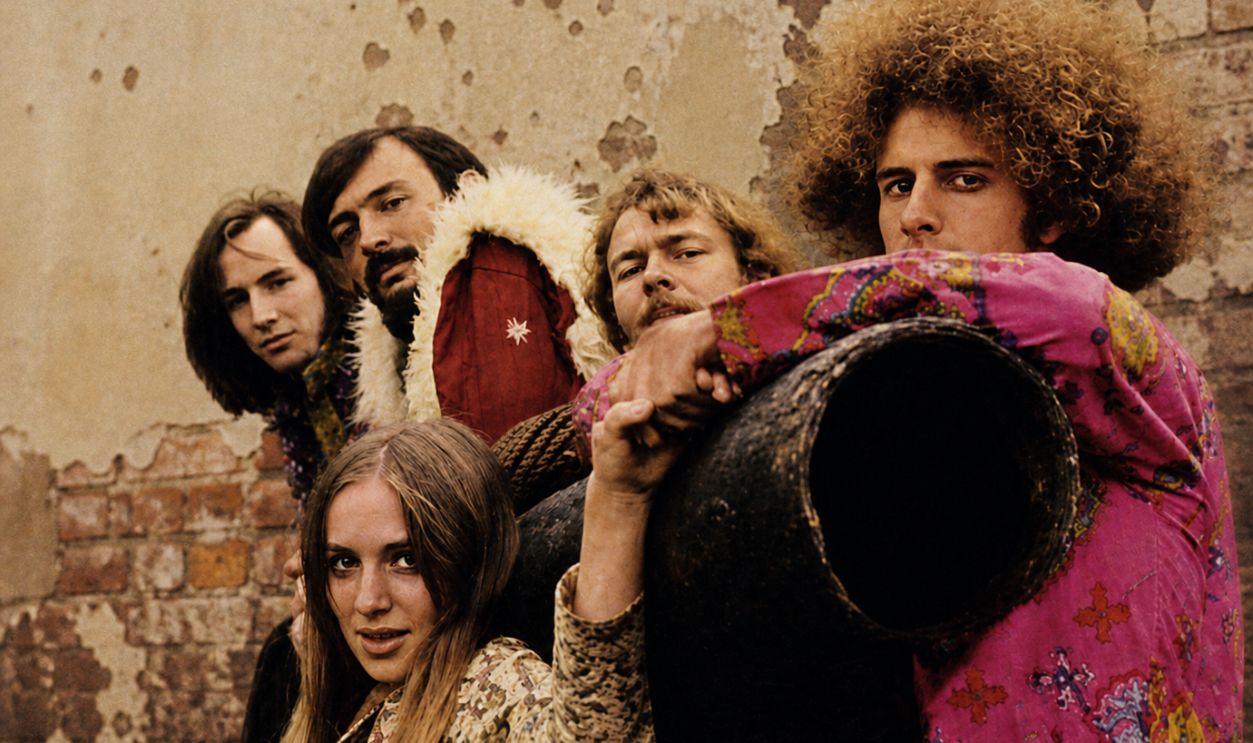
“Safe as Milk” (Captain Beefheart & His Magic Band, 1967)
This is where things get difficult for a lot of listeners. It is rooted in blues, but everything feels slightly off. Musicians tend to admire it for that reason. Casual listeners often struggle to get all the way through it.
 Jake from Manchester, UK, Wikimedia Commons
“Happy Sad” (Tim Buckley, 1969)
The title is accurate. It shifts moods often and does not settle into one clear direction. There are jazz influences and longer structures that take some adjustment. It is not always easy, but it stays interesting if you give it time.

“Starsailor” (Tim Buckley, 1970)
Even fans of Buckley sometimes stop here. It leans heavily into vocal experimentation and very loose structure. Some listeners admire the ambition, while others are not entirely sure what they just listened to by the end.
 Jorgen Angel, Wikimedia Commons
“The Marble Index” (Nico, 1968)
If you are expecting something similar to her earlier work, this is a sharp shift. It is colder, quieter, and much less accessible. It is not an easy listen, but it creates a very specific atmosphere that sticks with people who give it a chance.
 Unidentified (Ensian published by University of Michigan), Wikimedia Commons
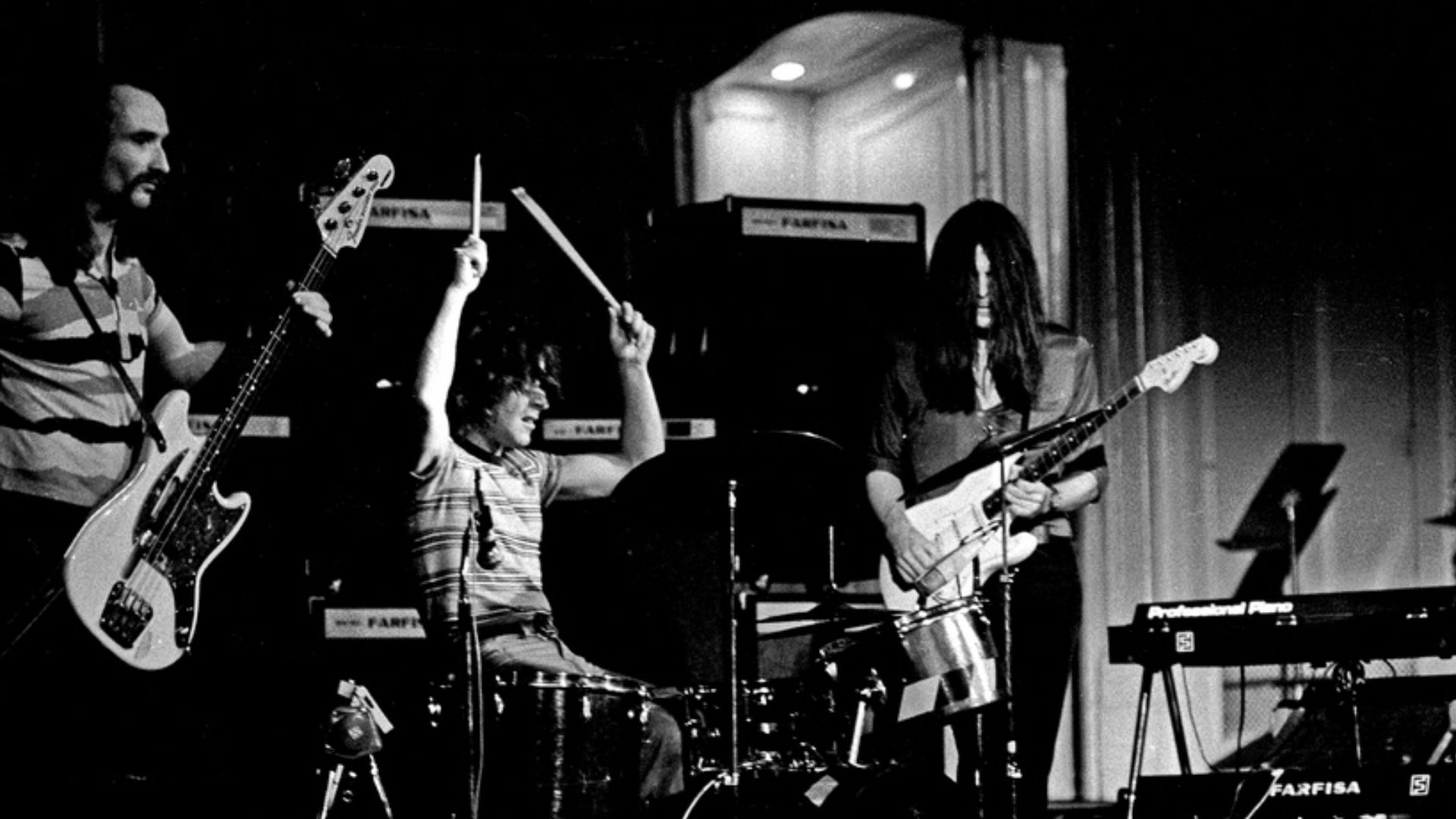
“Tago Mago” (Can, 1971)
This one requires patience. Long tracks, repeated grooves, and a slow pace. Some listeners lock into it completely and get pulled in. Others find themselves checking how much time is left before it finishes.
 Heinrich Klaffs, Wikimedia Commons
So…How Many Did You Actually Know?
Be honest. Two? Three? Or maybe you are one of those who remember most of these records? Let us, and everyone else, know how many struck a chord in your musical brain.

You Might Also Like:
Ranking the best songs under 3 minutes long of all time—do you agree?





.jpg)