The Comfort Of Familiar Faces
Great actors are often praised for disappearing into wildly different roles, but that is not the only path to stardom. Some performers found a character type audiences loved and kept returning to it for decades. Cowboys, gangsters, monsters, action heroes, and awkward romantics all became familiar territory for these stars.
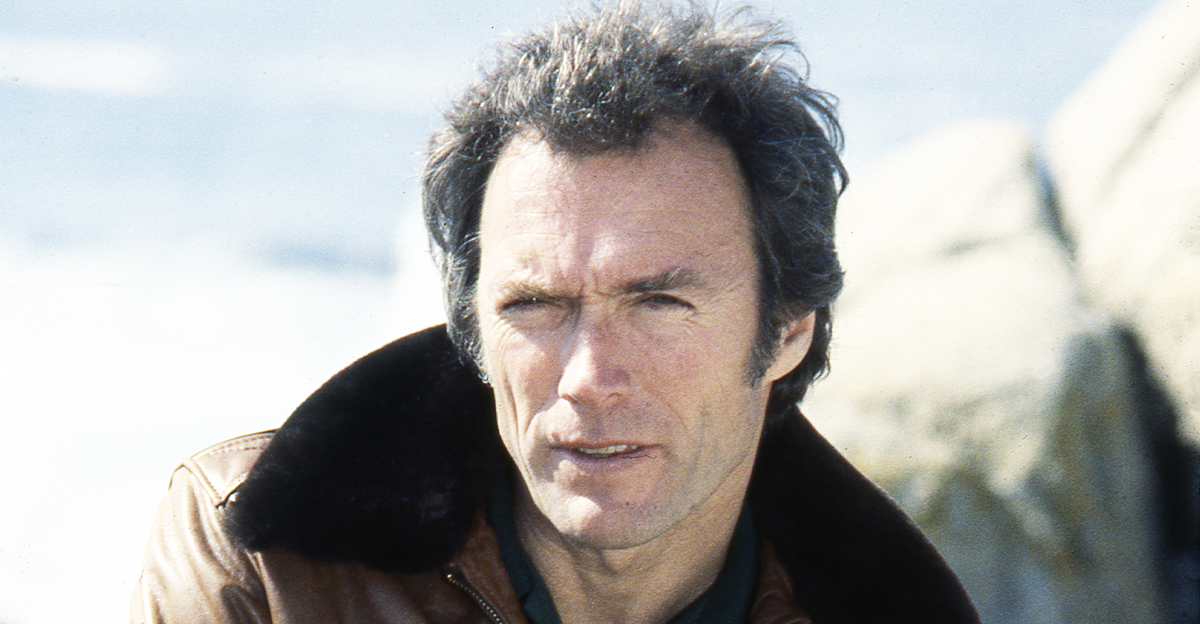 Photo by Nik Wheeler/Corbis via Getty Images
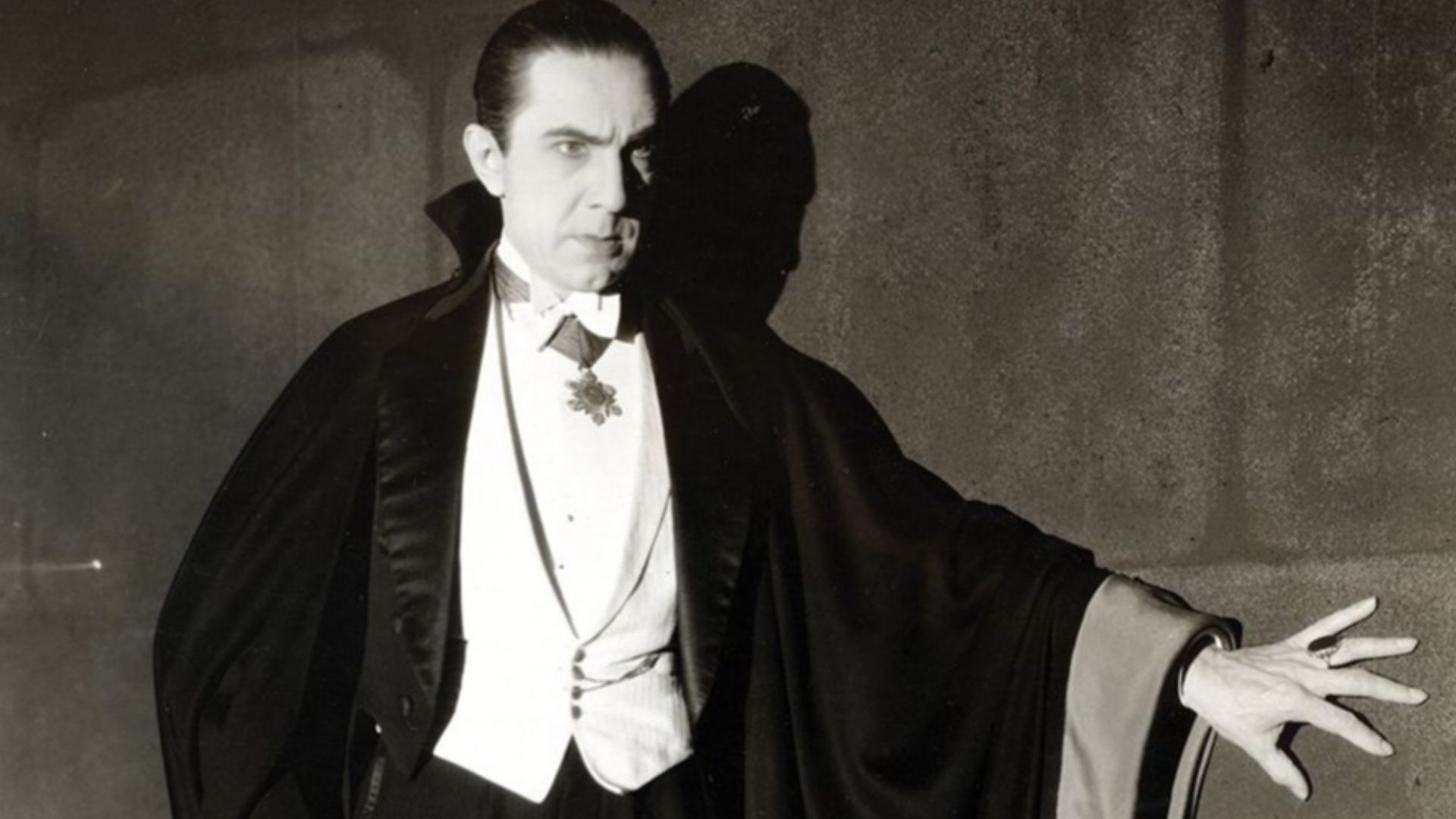
Bela Lugosi: The Elegant Monster
After starring as Count Dracula in Dracula (1931), Bela Lugosi became almost inseparable from horror. His accent, aristocratic bearing, and sinister stare led to similar roles in White Zombie (1932), The Black Cat (1934), and The Raven (1935). Lugosi resisted typecasting, but audiences wanted him lurking in castles and laboratories.
 Unknown authorUnknown author, Wikimedia Commons
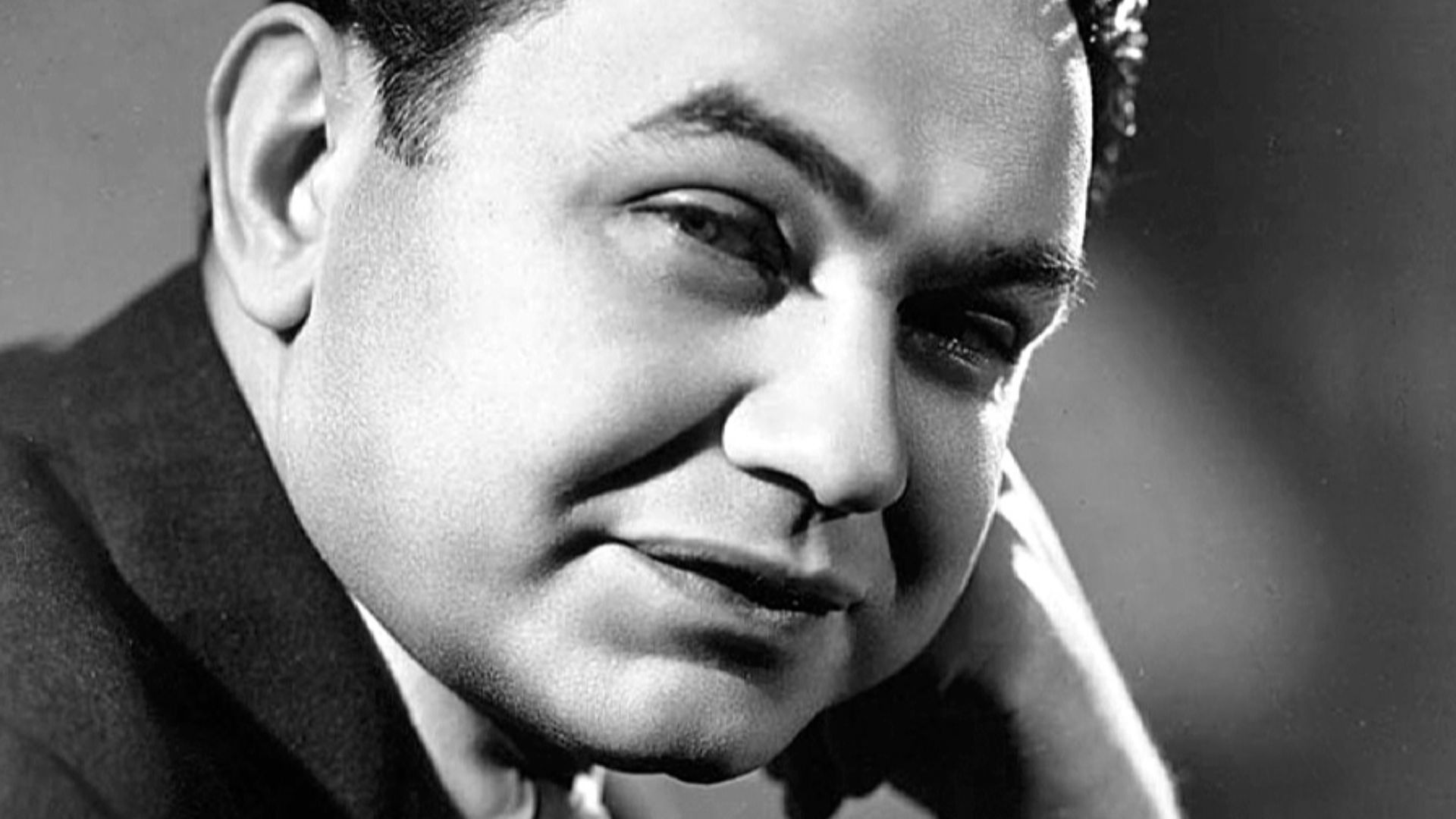
Edward G. Robinson: The Gangster
Edward G. Robinson became a star as ruthless criminal Caesar Enrico Bandello in Little Caesar (1931). Although Robinson had considerable range, his forceful voice and intimidating presence made him one of Hollywood’s defining screen gangsters. Even when playing comedy, as in Larceny, Inc. (1942), the underworld image remained part of the fun.
 Unknown photographer, Wikimedia Commons
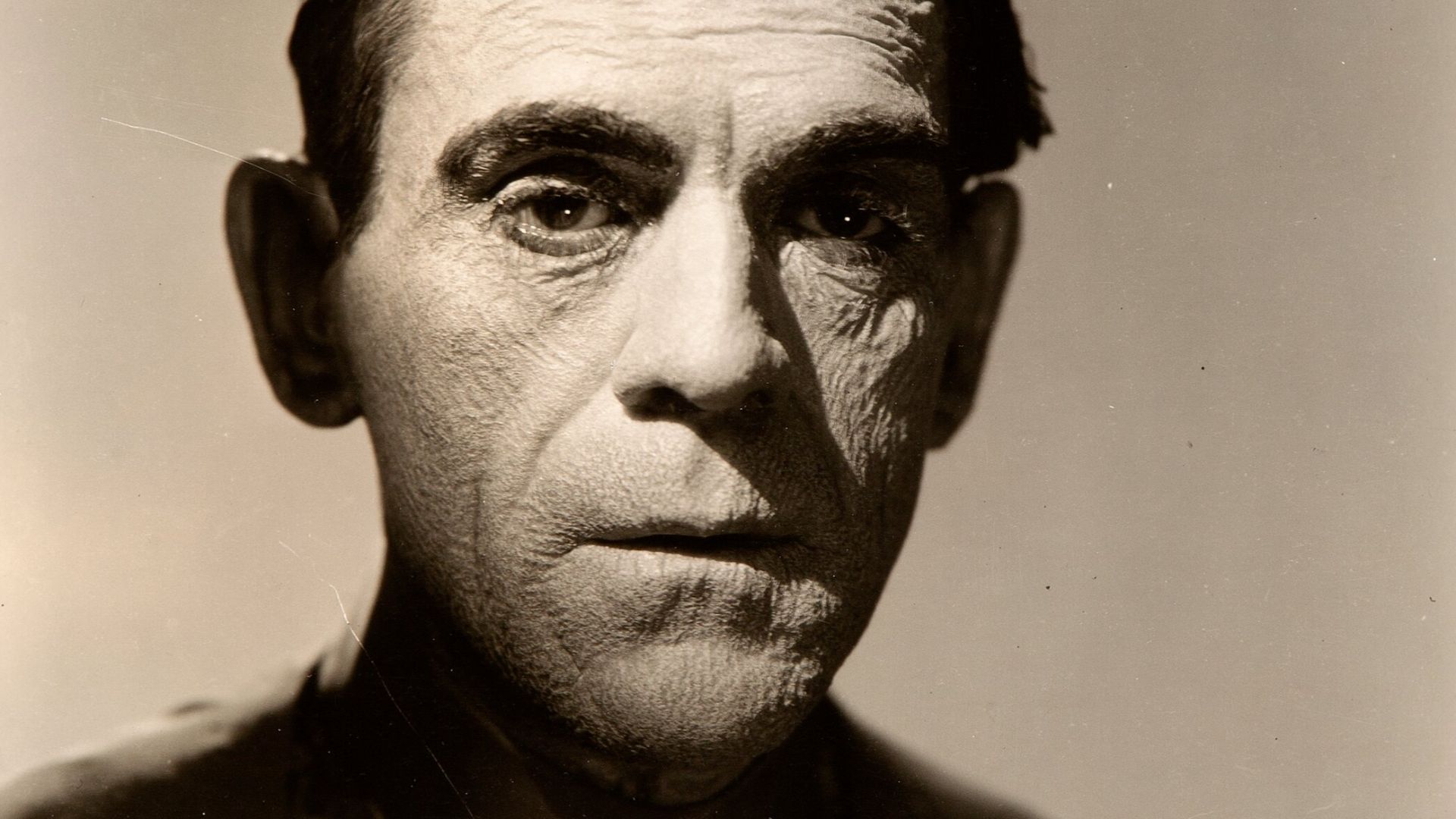
Boris Karloff: The Horror Icon
Boris Karloff had appeared in dozens of movies before Frankenstein (1931) changed everything. He followed it with The Old Dark House (1932), The Mummy (1932), The Black Cat (1934), and Bride of Frankenstein (1935). Audiences loved seeing Karloff emerge from shadows, laboratories, tombs, and fog.
 Universal Studios, Wikimedia Commons
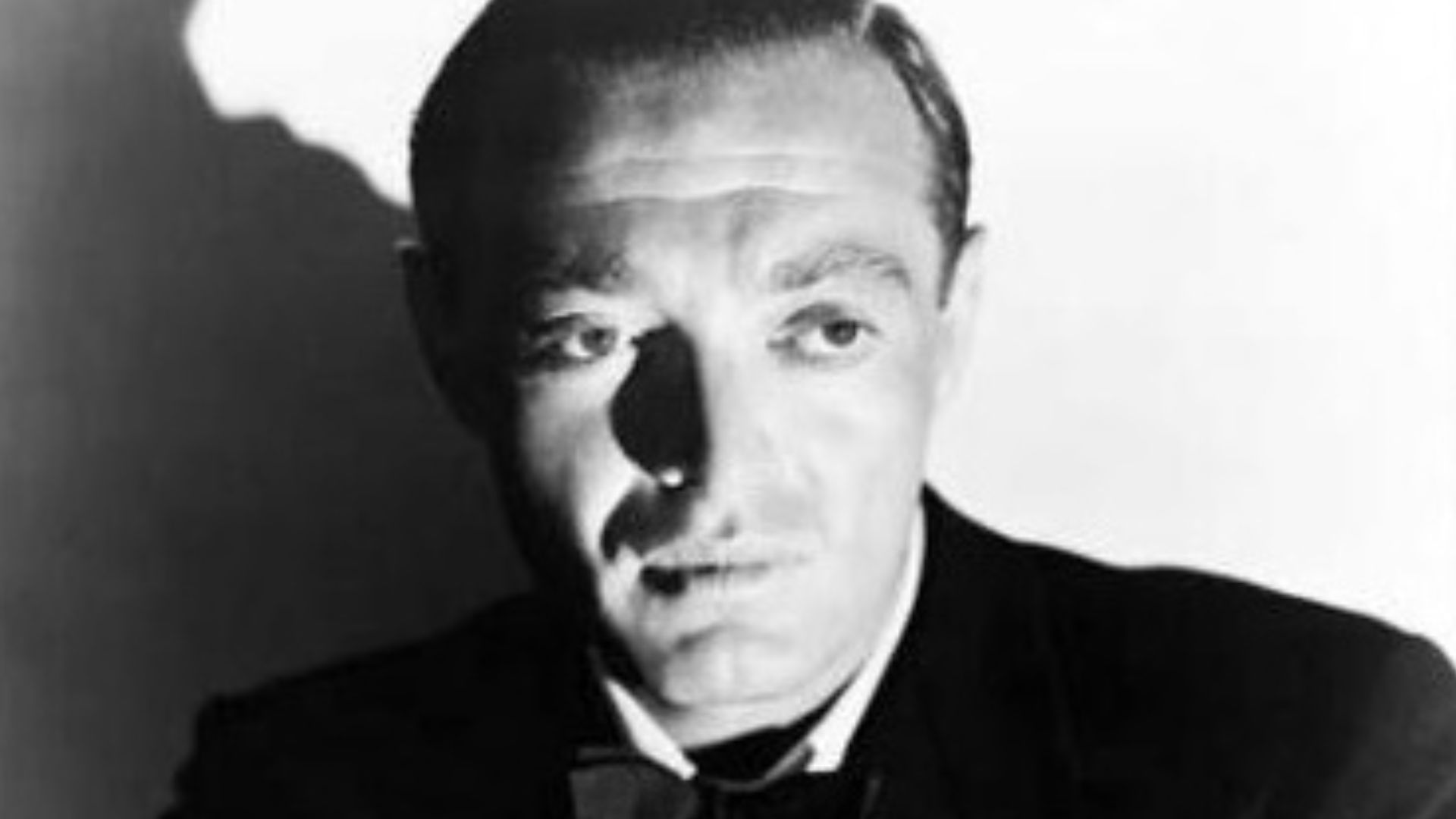
Peter Lorre: The Sinister Outsider
Peter Lorre’s unusual voice, expressive eyes, and nervous energy made him perfect for characters who seemed to know more than they revealed. After M (1931), Hollywood repeatedly cast him as sinister foreigners, criminals, and suspicious outsiders. Films including The Maltese Falcon (1941) turned that recognizable persona into one of classic Hollywood’s great supporting attractions.
 Unknown authorUnknown author, Wikimedia Commons
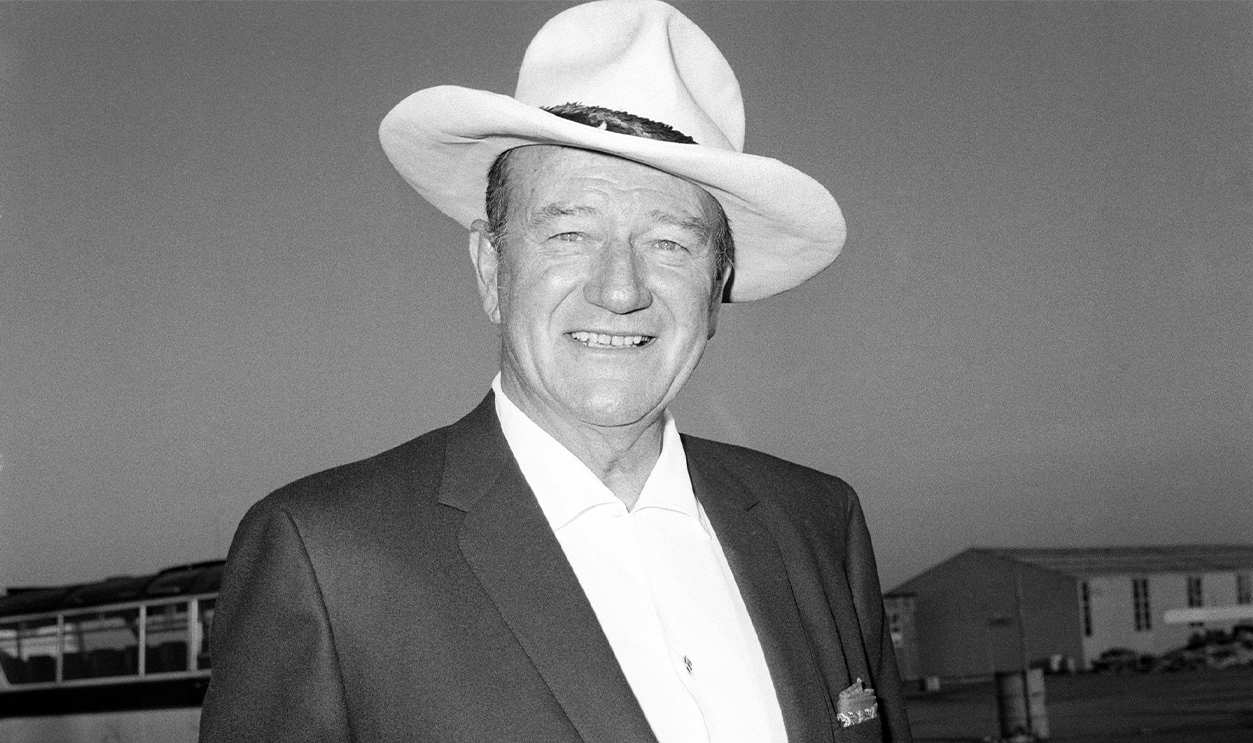
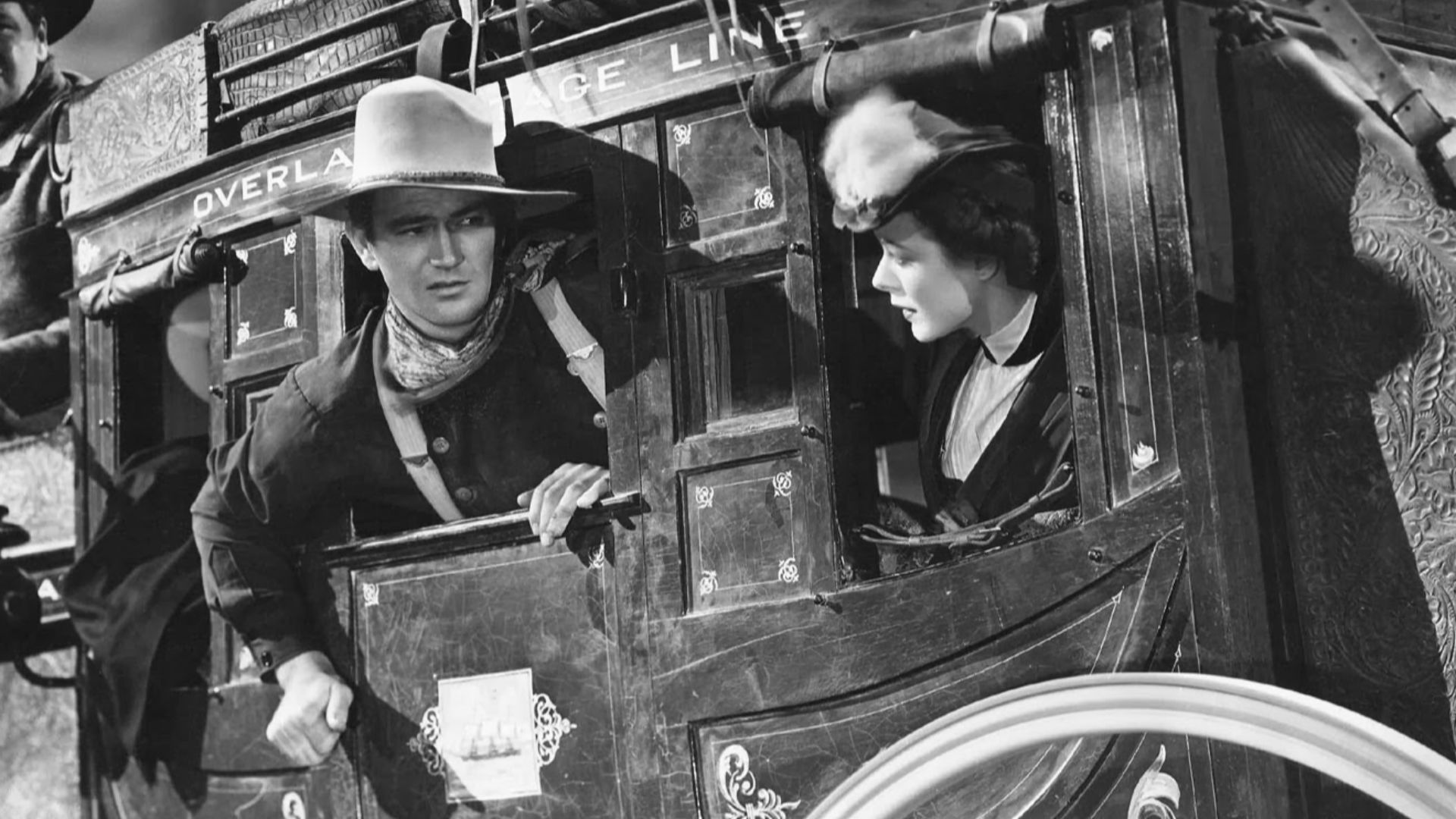
John Wayne: The Western Hero
John Wayne appeared in scores of low-budget Westerns before Stagecoach (1939) made him a major star. From there, audiences repeatedly returned to see him as some variation on the tough, independent frontier hero. The Searchers (1956), The Man Who Shot Liberty Valance (1962), and True Grit (1969) proved the formula had remarkable staying power.
 United Artists, Wikimedia Commons
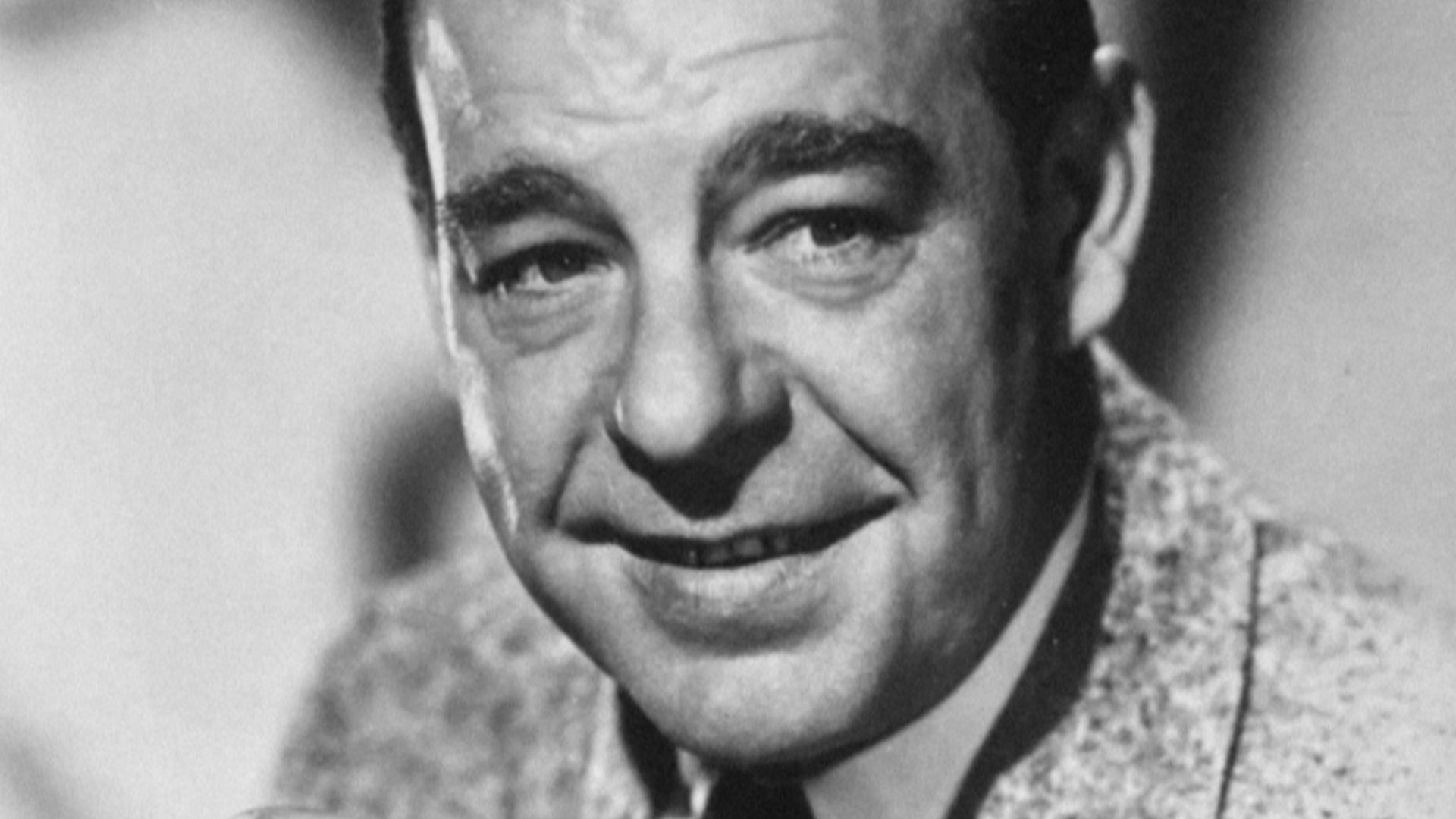
Lon Chaney Jr.: The Tormented Monster
Lon Chaney Jr. found his defining role as Larry Talbot in The Wolf Man (1941). The performance effectively established him as one of Universal’s dependable horror stars, and he spent much of his later career playing monsters, tormented outsiders, and tragic figures. Audiences knew exactly what kind of darkness Chaney brought to the screen.
 Unknown photographer, Wikimedia Commons
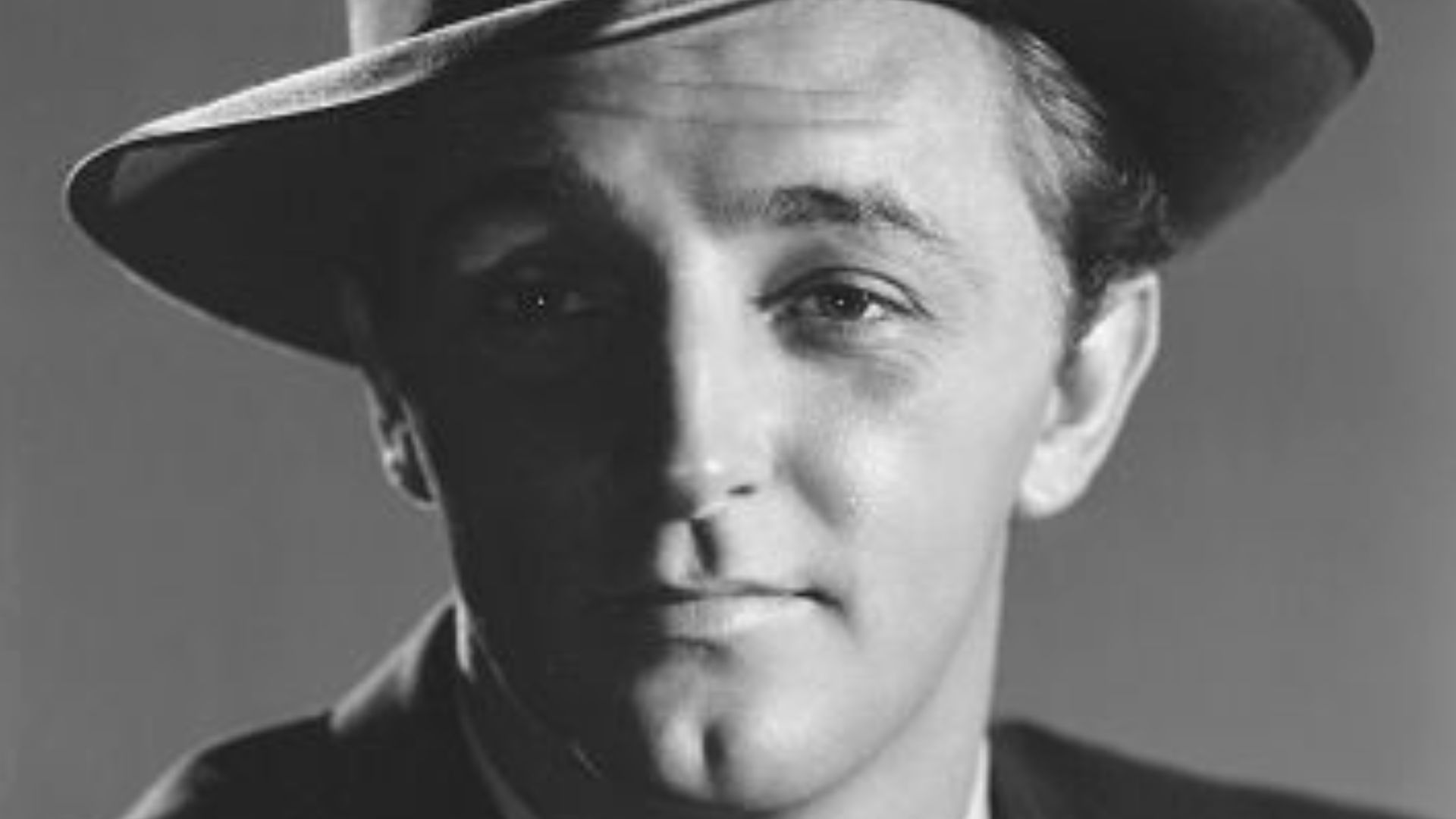
Robert Mitchum: The Weary Antihero
Robert Mitchum’s sleepy eyes and famously relaxed manner made him a natural fit for film noir. He became associated with cynical antiheroes, dangerous drifters, and morally complicated tough guys. Out of the Past (1947), The Night of the Hunter (1955), and Cape Fear (1962) showed how many shades of menace he could find in that territory.
 Unknown authorUnknown author, Wikimedia Commons
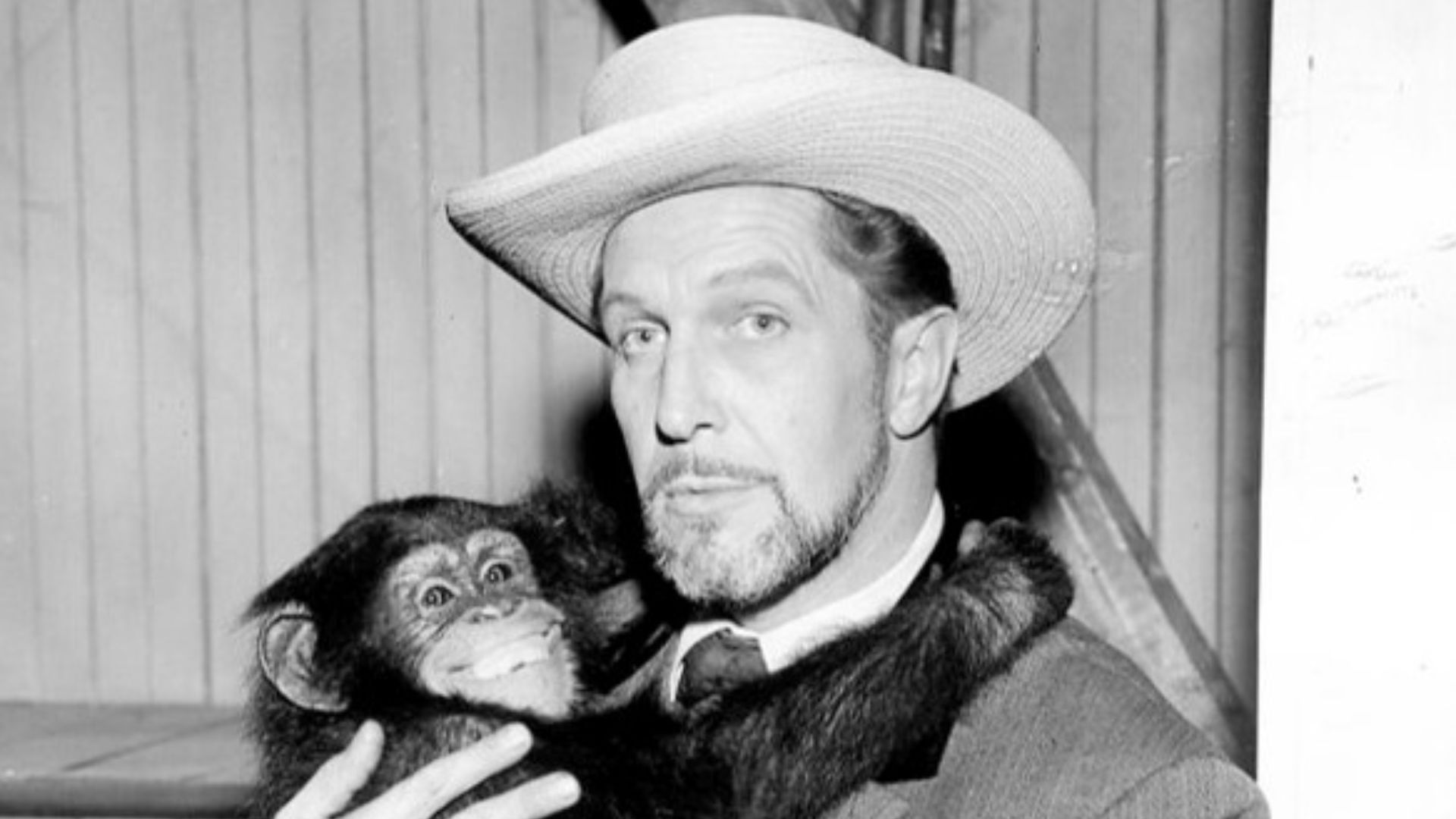
Vincent Price: The Charming Villain
Vincent Price possessed the rare ability to make evil seem sophisticated, funny, and strangely inviting. Although his career included other genres, movie audiences came to know him primarily through horror and villainous roles. His distinctive voice and theatrical manner made even his most outrageous characters feel unmistakably like the kind of Price performance fans came to see.
 NBC Television, Wikimedia Commons
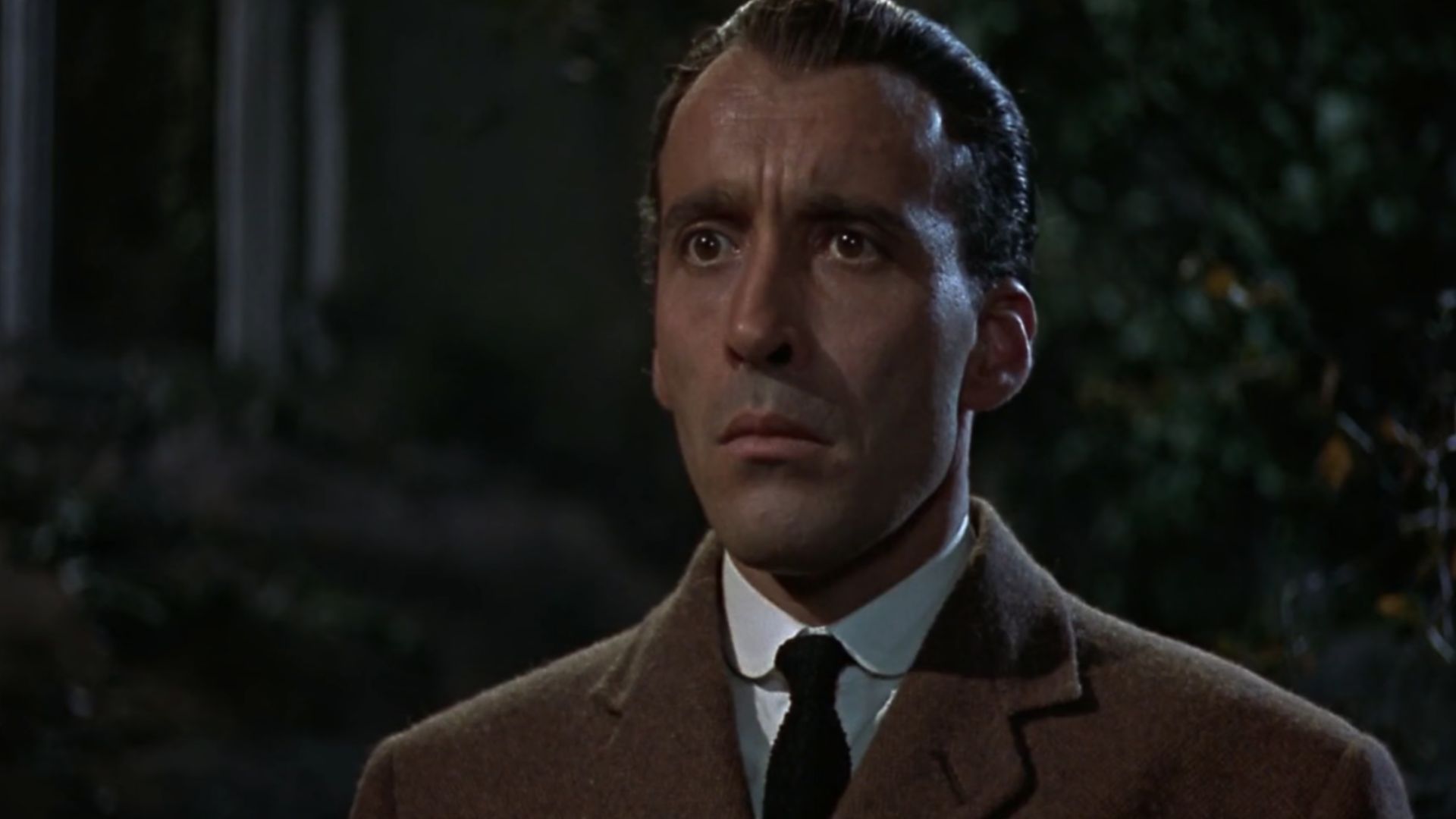
Christopher Lee: The Imposing Villain
Christopher Lee became a horror superstar through Hammer films including The Curse of Frankenstein (1957), Dracula (1958), and The Mummy (1959). His imposing height, deep voice, and severe presence kept him in demand for decades as monsters, villains, and powerful authority figures. Few actors ever made intimidation look so effortless.
 United Artists, Wikimedia Commons
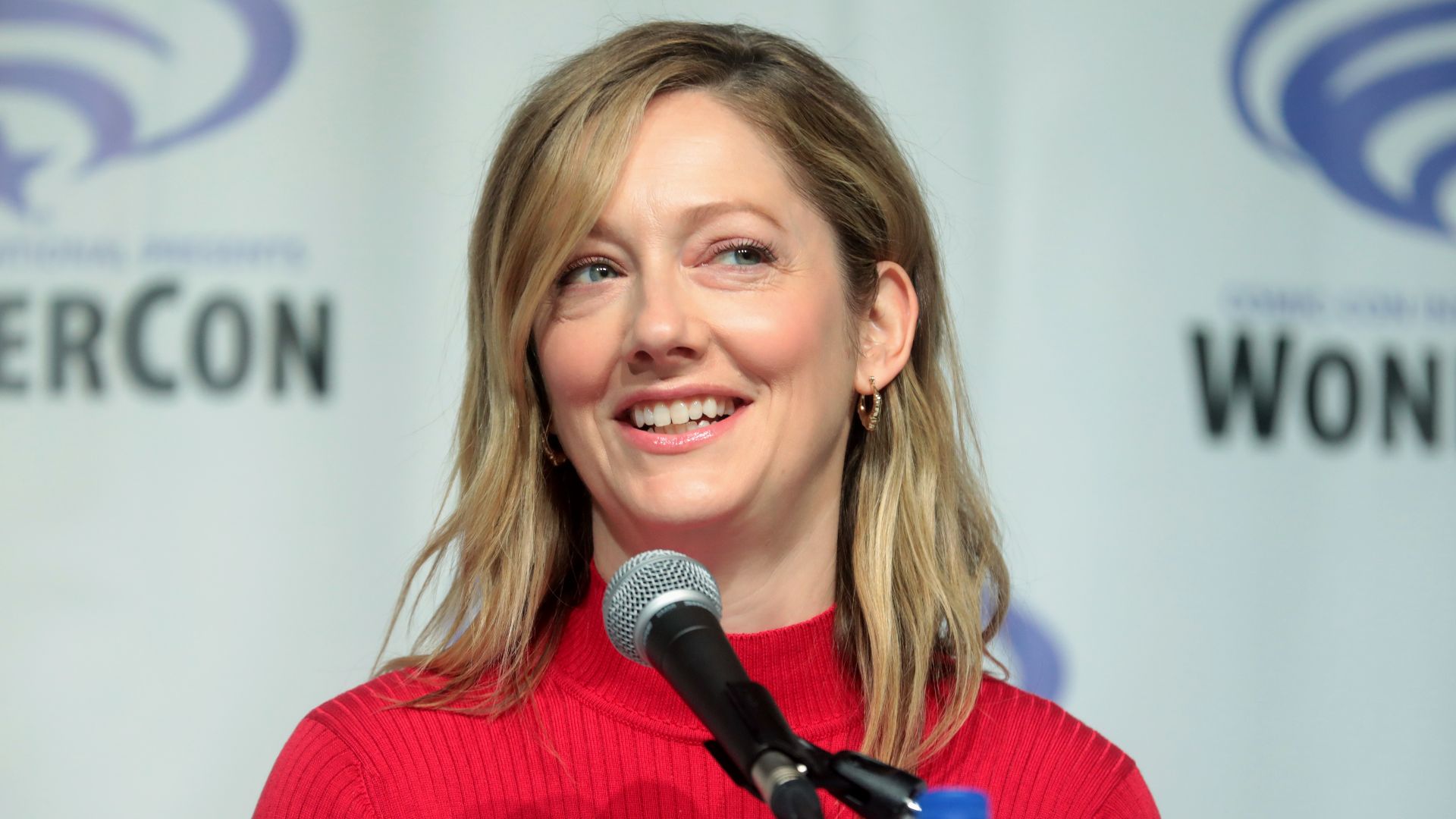
Judy Greer: The Frazzled Best Friend
For years, Greer was Hollywood’s go-to actress for sarcastic best friends, ex-wives, coworkers, and sisters orbiting the main character. What Women Want (2000), 13 Going on 30 (2004), and 27 Dresses (2008) helped establish a persona so recognizable that Greer titled her memoir I Don’t Know What You Know Me From.
 Gage Skidmore from Peoria, AZ, United States of America, Wikimedia Commons
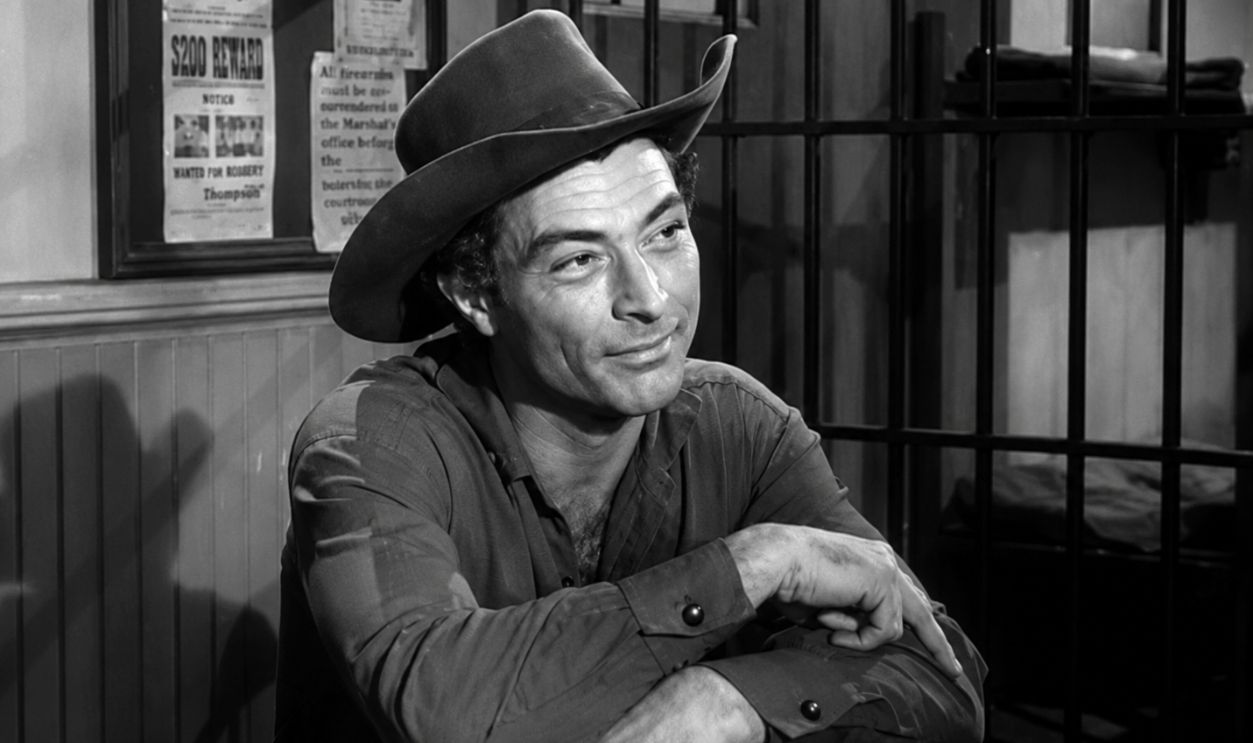
Lee Van Cleef: The Western Badman
With his angular face and piercing eyes, Lee Van Cleef seemed born to stare down another gunfighter across a dusty street. Hollywood initially typecast him as a minor villain in Westerns and crime pictures. Sergio Leone transformed that image into stardom with For a Few Dollars More (1965) and The Good, the Bad and the Ugly (1966).
 Albert C. Gannaway, Wikimedia Commons, Enhanced
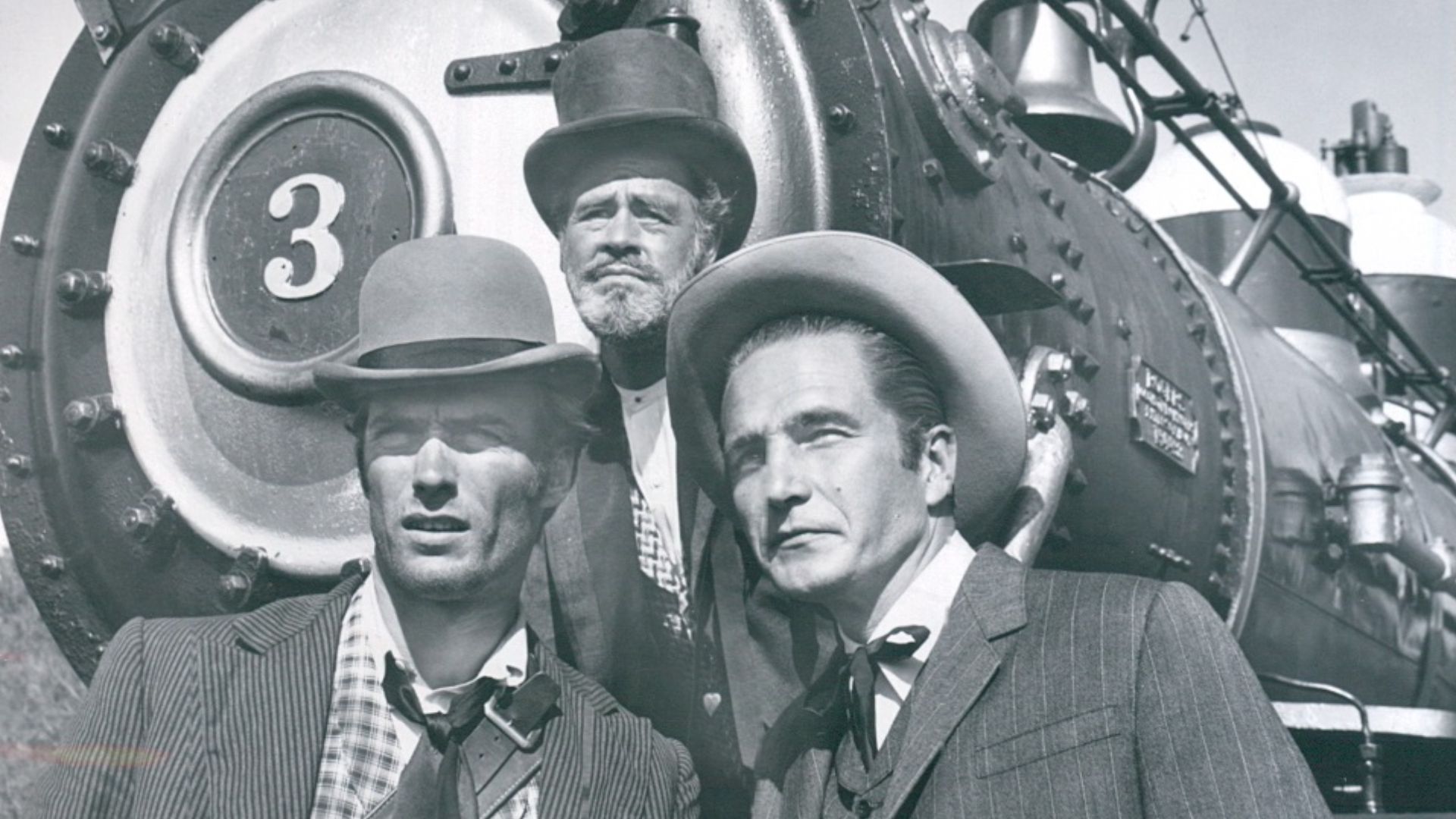
Clint Eastwood: The Silent Tough Guy
Clint Eastwood established his screen persona on the TV Western Rawhide before becoming internationally famous through Sergio Leone’s Dollars Trilogy. He then carried the same controlled intensity into the Dirty Harry movies. Whether playing a cowboy, outlaw, or cop, Eastwood’s audiences generally wanted the same thing: few words, a hard stare, and decisive action.
 CBS Television, Wikimedia Commons
Jennifer Coolidge: The Wealthy Eccentric
Coolidge has spent decades playing exaggerated, glamorous, socially oblivious women whose confidence greatly exceeds their understanding of what is happening. From Best in Show (2000) and Legally Blonde (2001) to A Cinderella Story (2004) and The White Lotus, audiences clearly enjoy seeing her return to that comic territory.
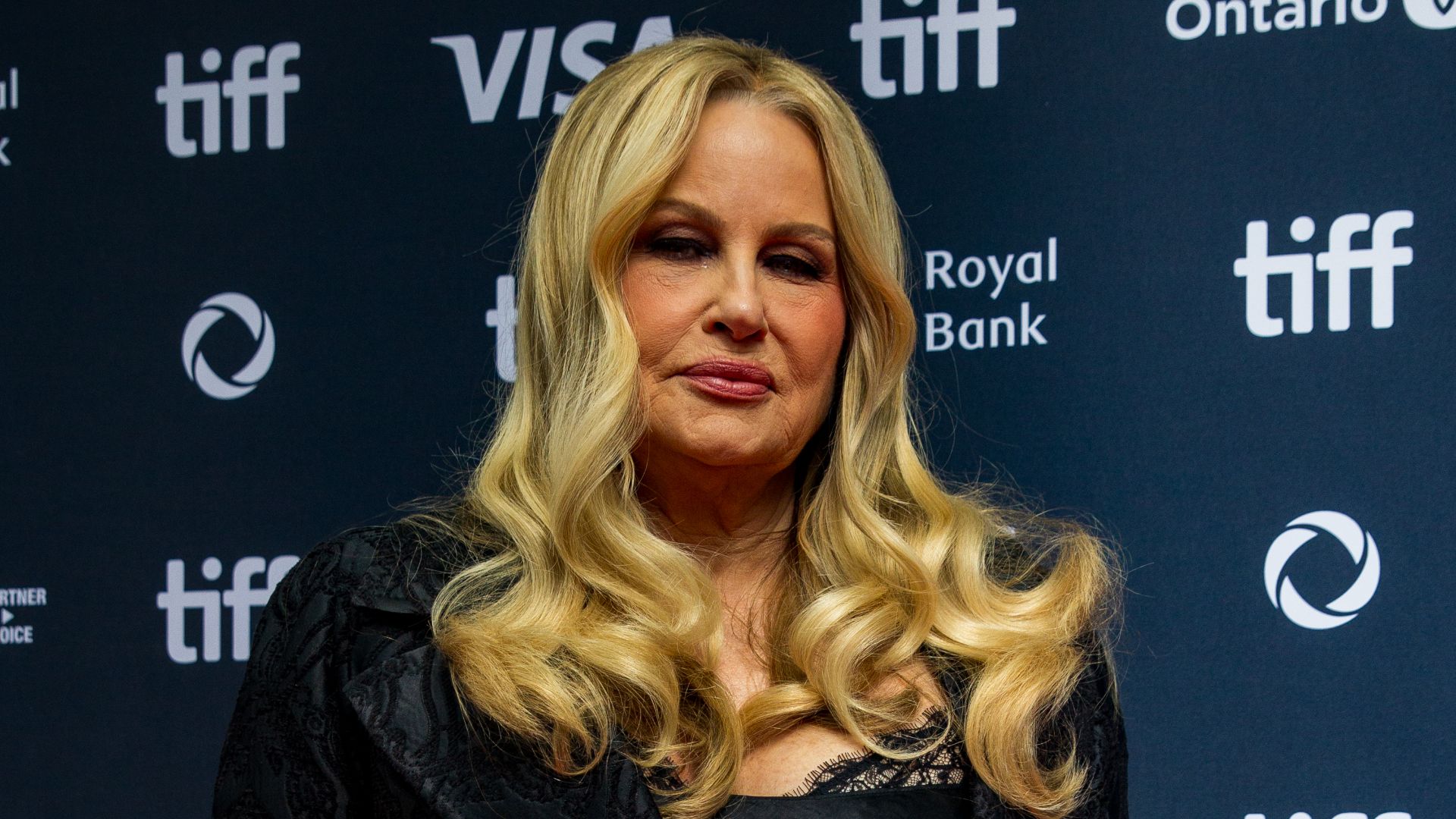 Adam Chitayat, Wikimedia Commons
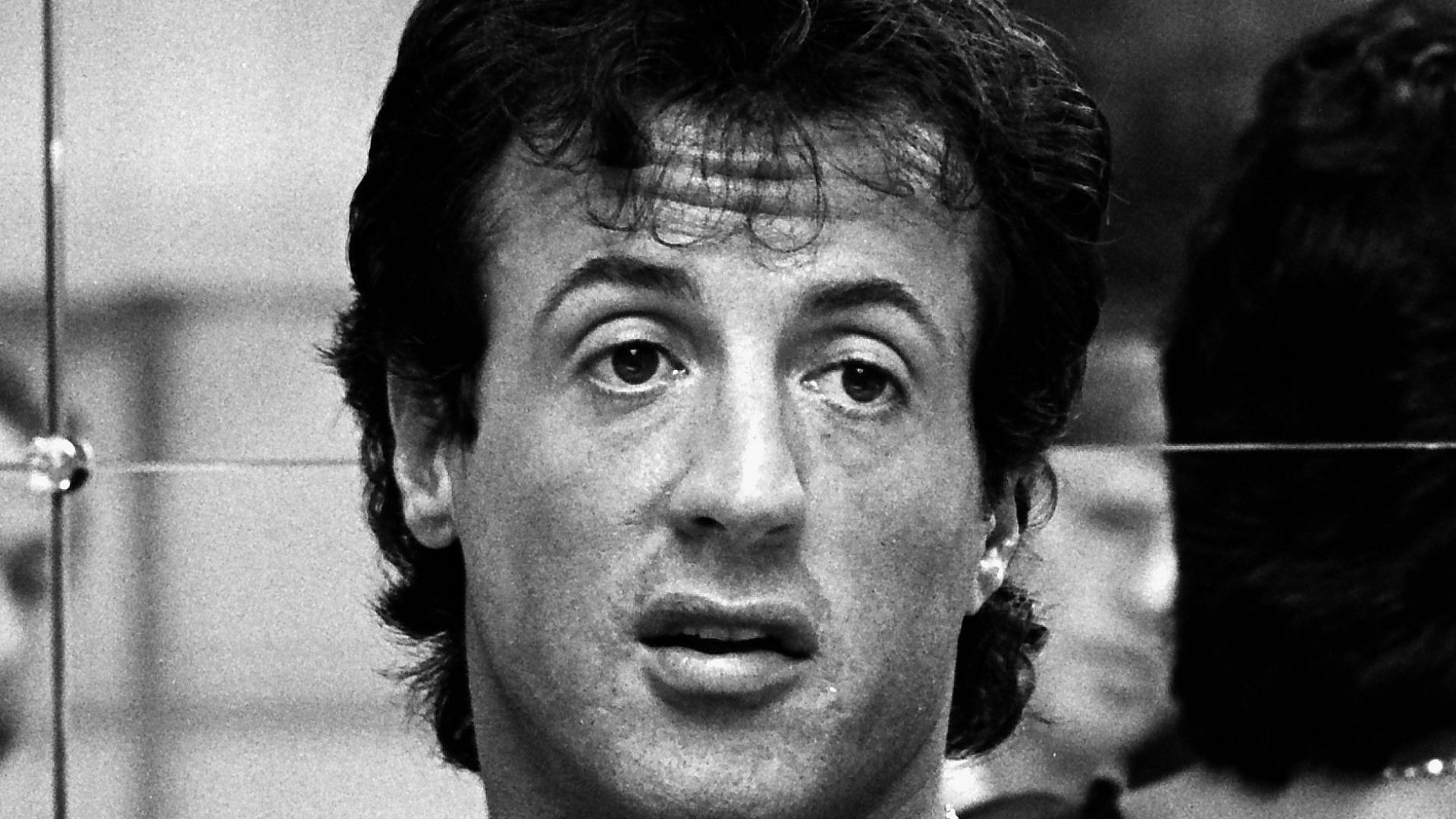
Sylvester Stallone: The Underdog Fighter
Sylvester Stallone built his career around men who absorb punishment and somehow keep moving. Rocky Balboa made him a superstar in Rocky (1976), while John Rambo established his other great screen identity in First Blood (1982). Stallone repeatedly returned to boxers, soldiers, mercenaries, and battered heroes because audiences never stopped cheering for them.
Arnold Schwarzenegger: The Action Machine
Arnold Schwarzenegger became one of the defining action stars of the 1980s and 1990s. From The Terminator (1984) and Commando (1985) to Predator (1987), Total Recall (1990), and True Lies (1994), audiences happily paid to watch him play nearly unstoppable men facing heavily armed enemies and impossible odds.
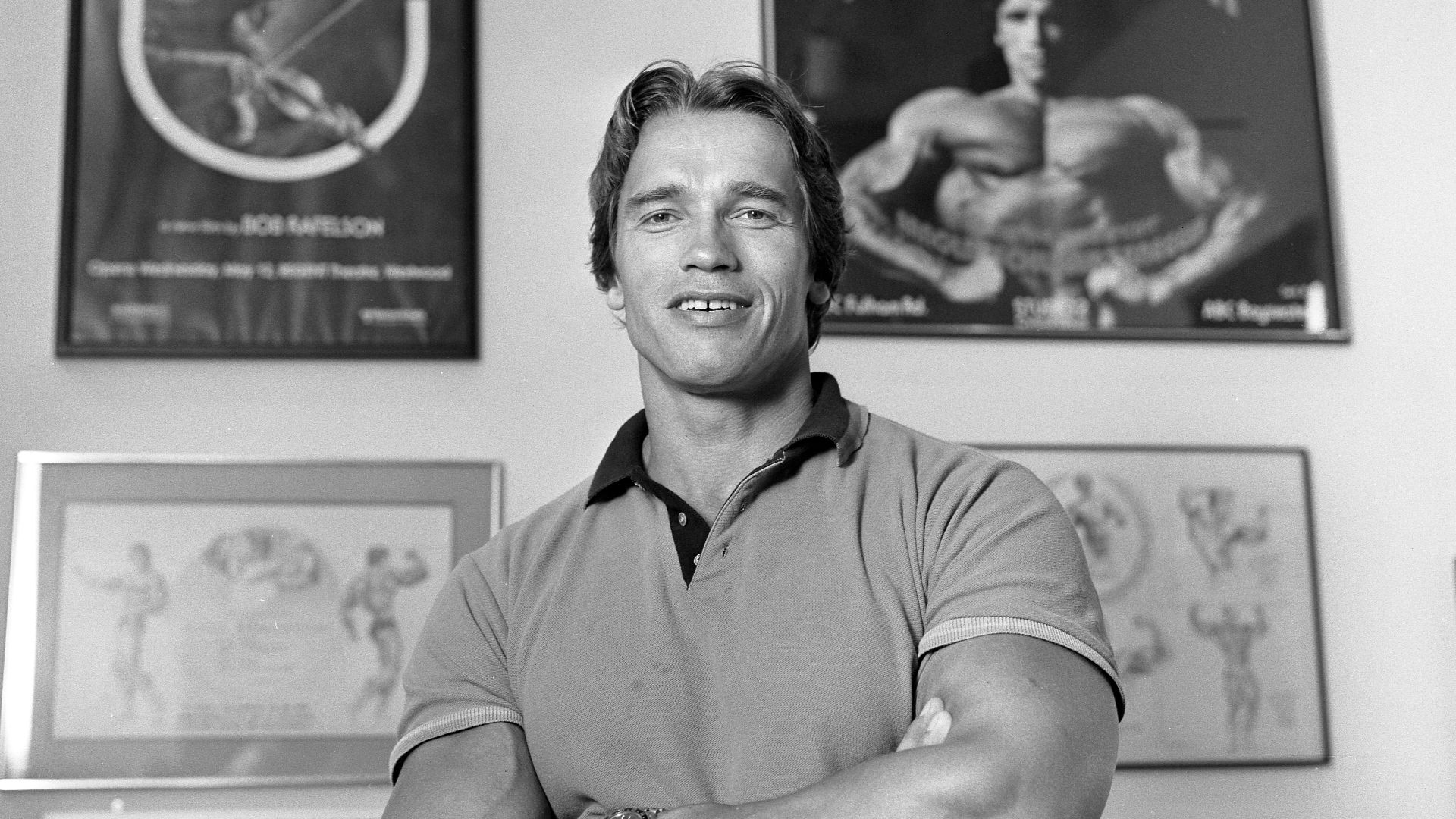 Mary Frampton, Los Angeles Times, Wikimedia Commons
R. Lee Ermey: The Authority Figure
A former Marine drill instructor, R. Lee Ermey became unforgettable as Gunnery Sergeant Hartman in Full Metal Jacket (1987). Hollywood kept returning to what he did best. Ermey frequently played military men, police officers, sheriffs, and other intimidating authority figures in movies including Mississippi Burning (1988), Seven (1995), and The Texas Chainsaw Massacre (2003).
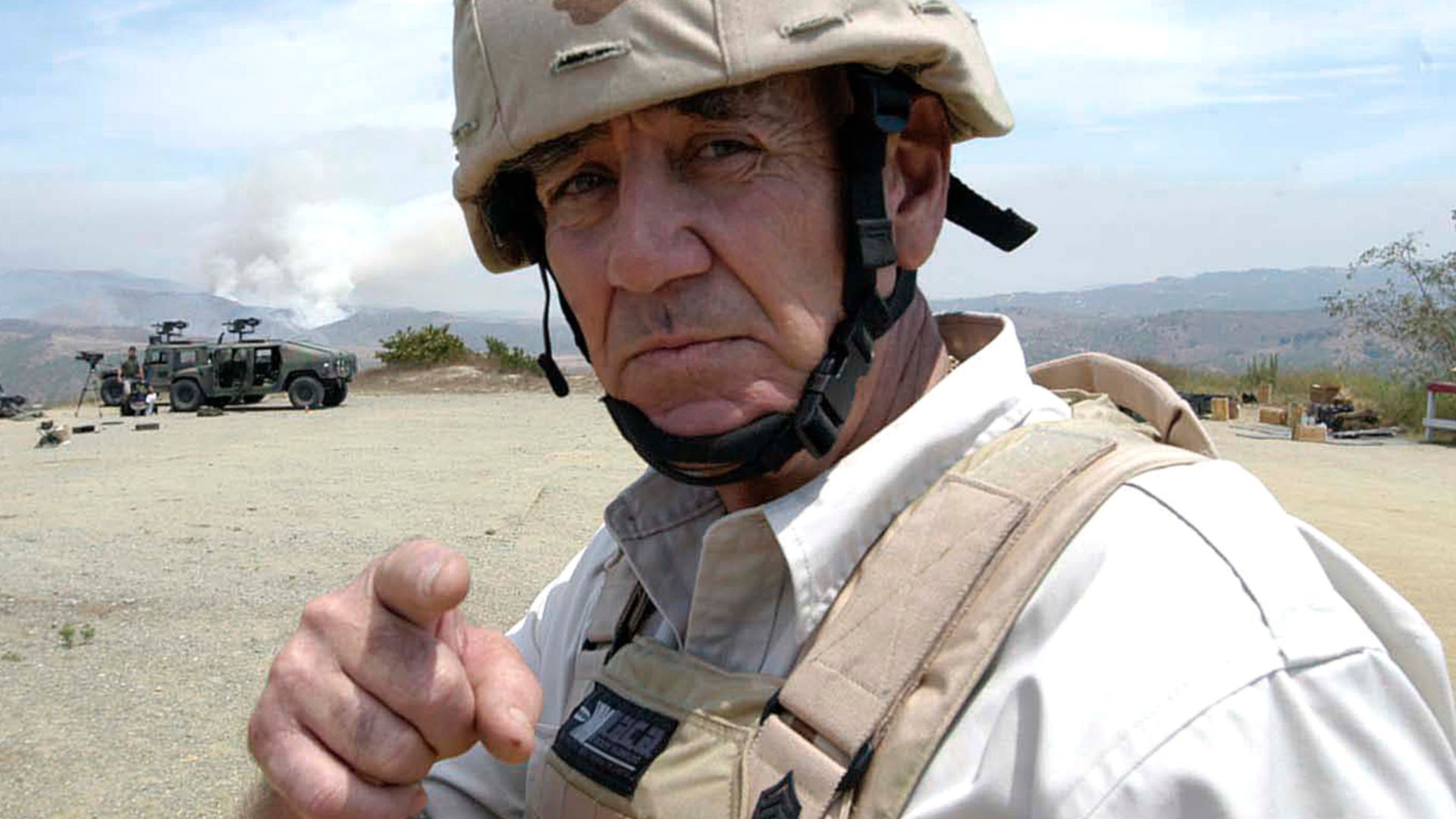 Slick-o-bot, Wikimedia Commons
Thelma Ritter: The Wisecracking Working Woman
Ritter made a career out of playing maids, nurses, companions, secretaries, and other practical working women who saw straight through everyone around them. Whether in All About Eve (1950), Rear Window (1954), or Pillow Talk (1959), she usually got the sharpest observations.
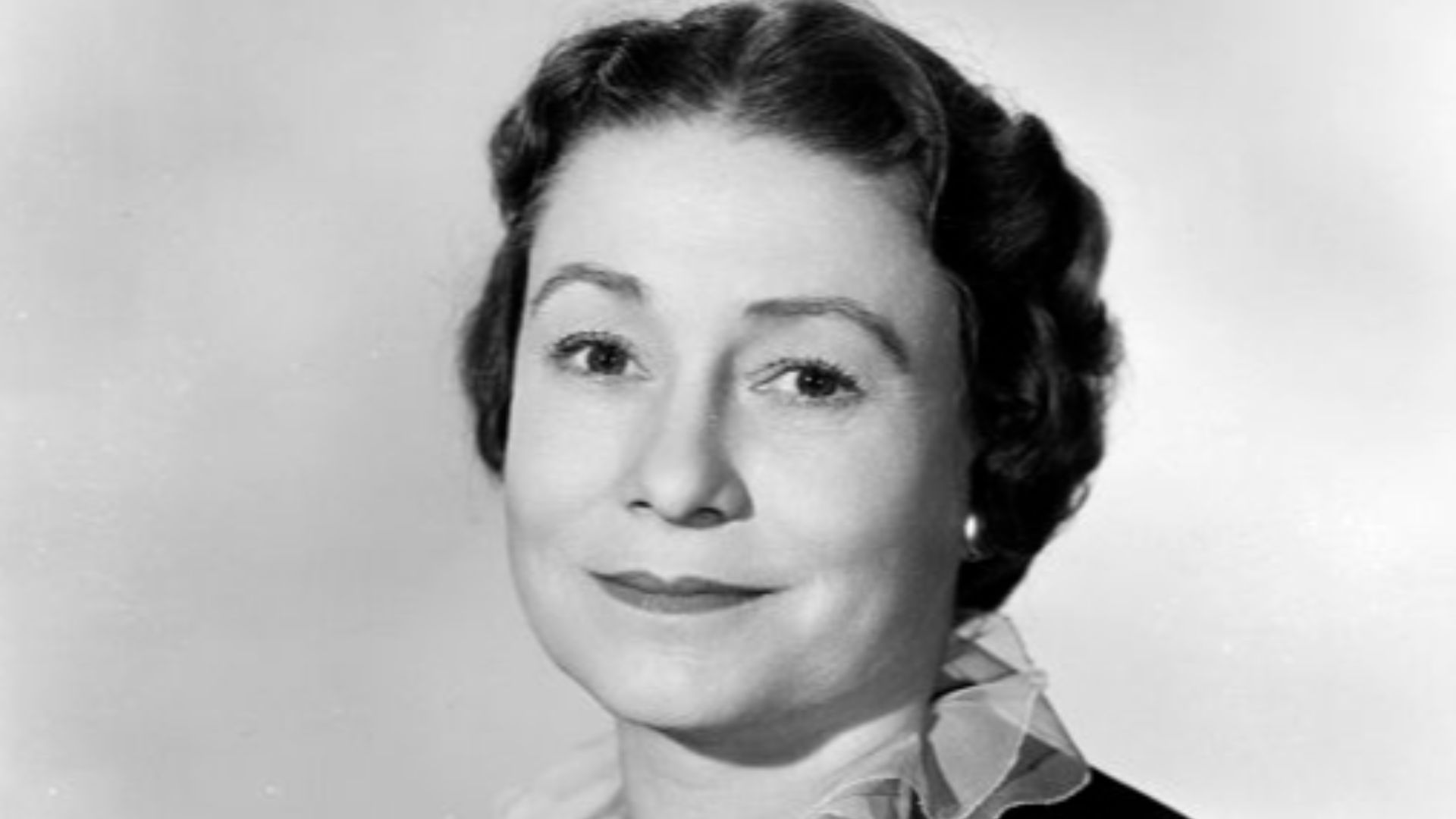 Unknown authorUnknown author, Wikimedia Commons
Danny Trejo: The Ultimate Tough Guy
Danny Trejo made his feature debut in Runaway Train (1985) and gradually became one of Hollywood’s most recognizable tough-guy character actors. His intimidating appearance made him a natural choice for criminals, prisoners, enforcers, and killers. Eventually, Machete (2010) turned the familiar Trejo persona into the leading attraction rather than a supporting threat.
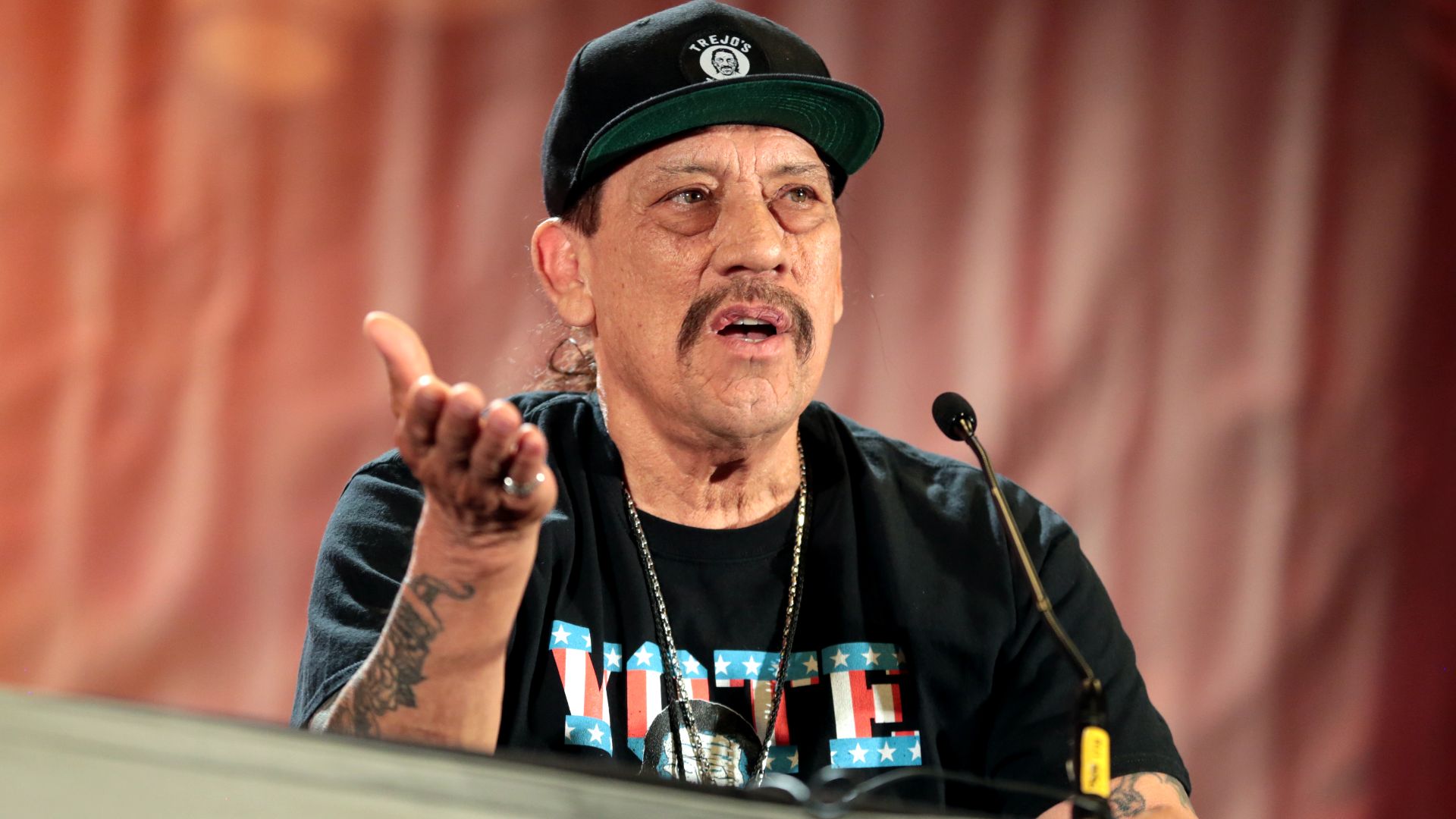 Gage Skidmore from Peoria, AZ, United States of America, Wikimedia Commons
Morgan Freeman: The Wise Authority
Morgan Freeman has played an enormous range of characters, but audiences especially embraced him as the calm, experienced man who understands the situation before everyone else does. From The Shawshank Redemption (1994) and Seven (1995) to Batman Begins (2005), Freeman became the dependable voice of wisdom, patience, and quiet authority.
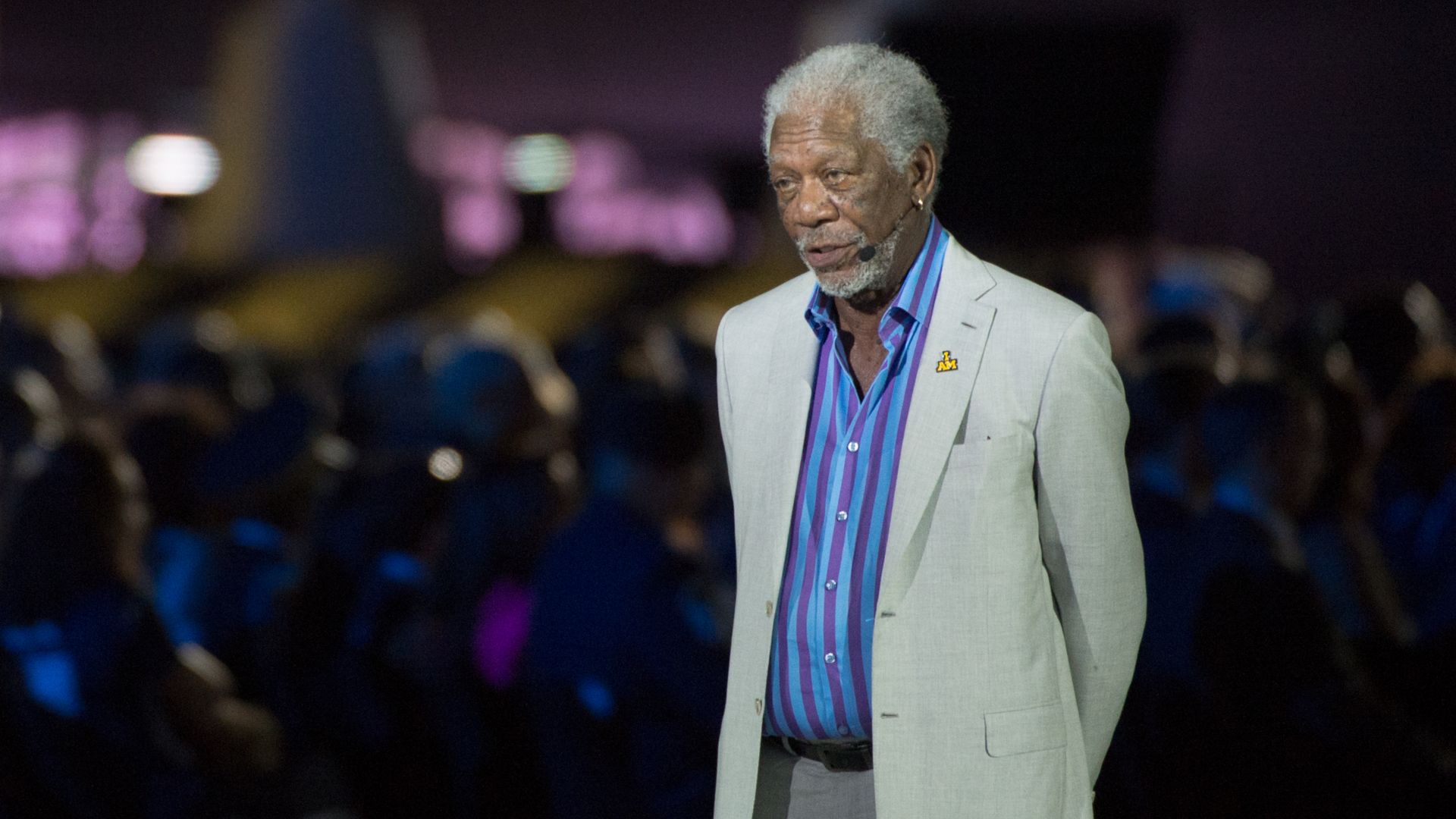 DoD News Features, Wikimedia Commons
Margaret Hamilton: The Severe Battle-Axe
After the Wicked Witch in The Wizard of Oz (1939), Hamilton remained closely associated with stern spinsters, suspicious neighbors, sharp-tongued authority figures, and intimidating women. She could make a small supporting role memorable simply by walking into the scene and looking thoroughly unimpressed.
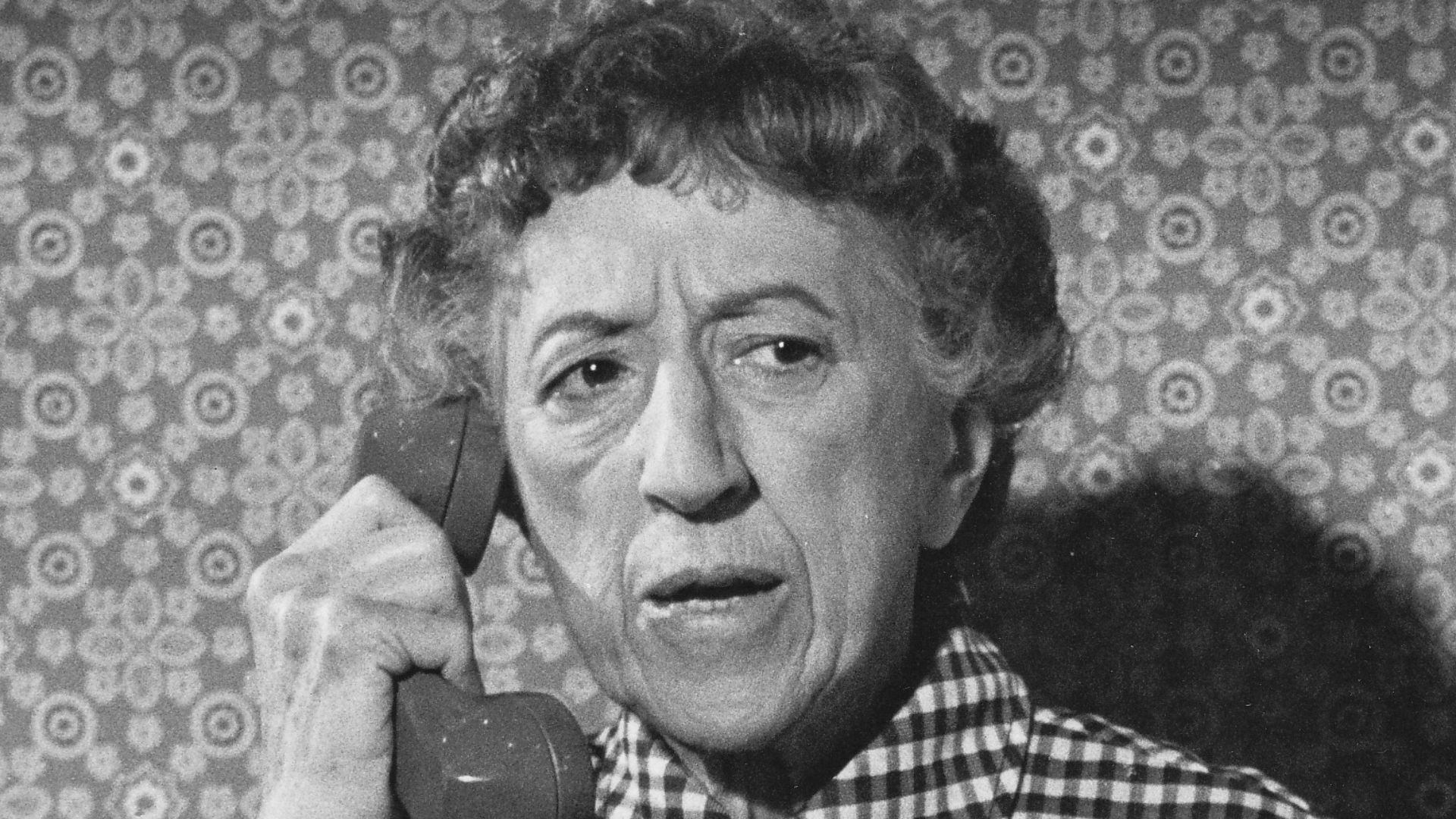 NBC Television Network., Wikimedia Commons
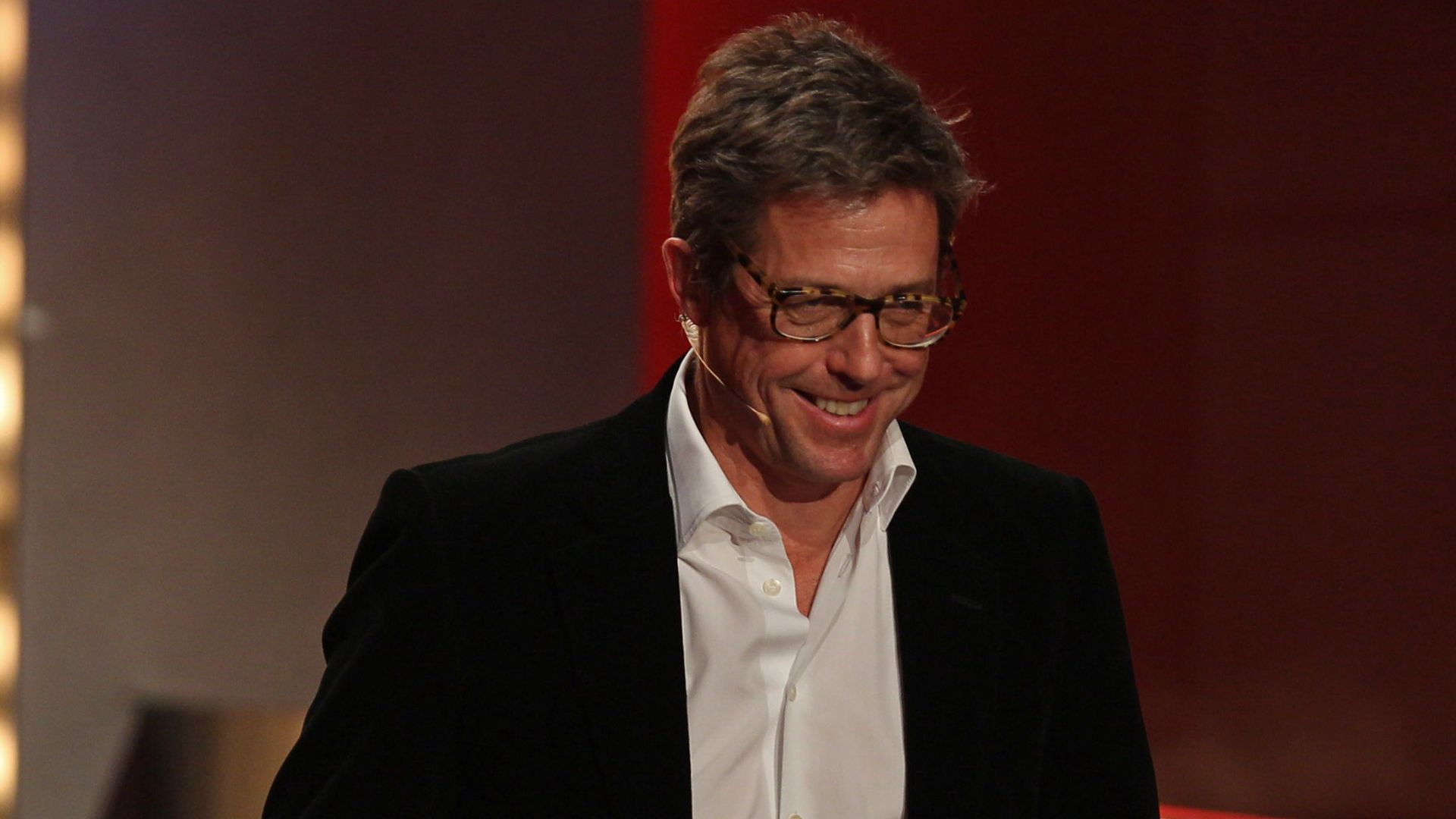
Hugh Grant: The Romantic Englishman
After becoming an international star, Hugh Grant spent years playing variations on the charming, awkward, emotionally confused English bachelor. His romantic comedy persona drove films including Notting Hill (1999) and Love Actually (2003). Grant eventually moved toward darker and more eccentric characters, but his stammering romantic hero remains the image audiences remember best.
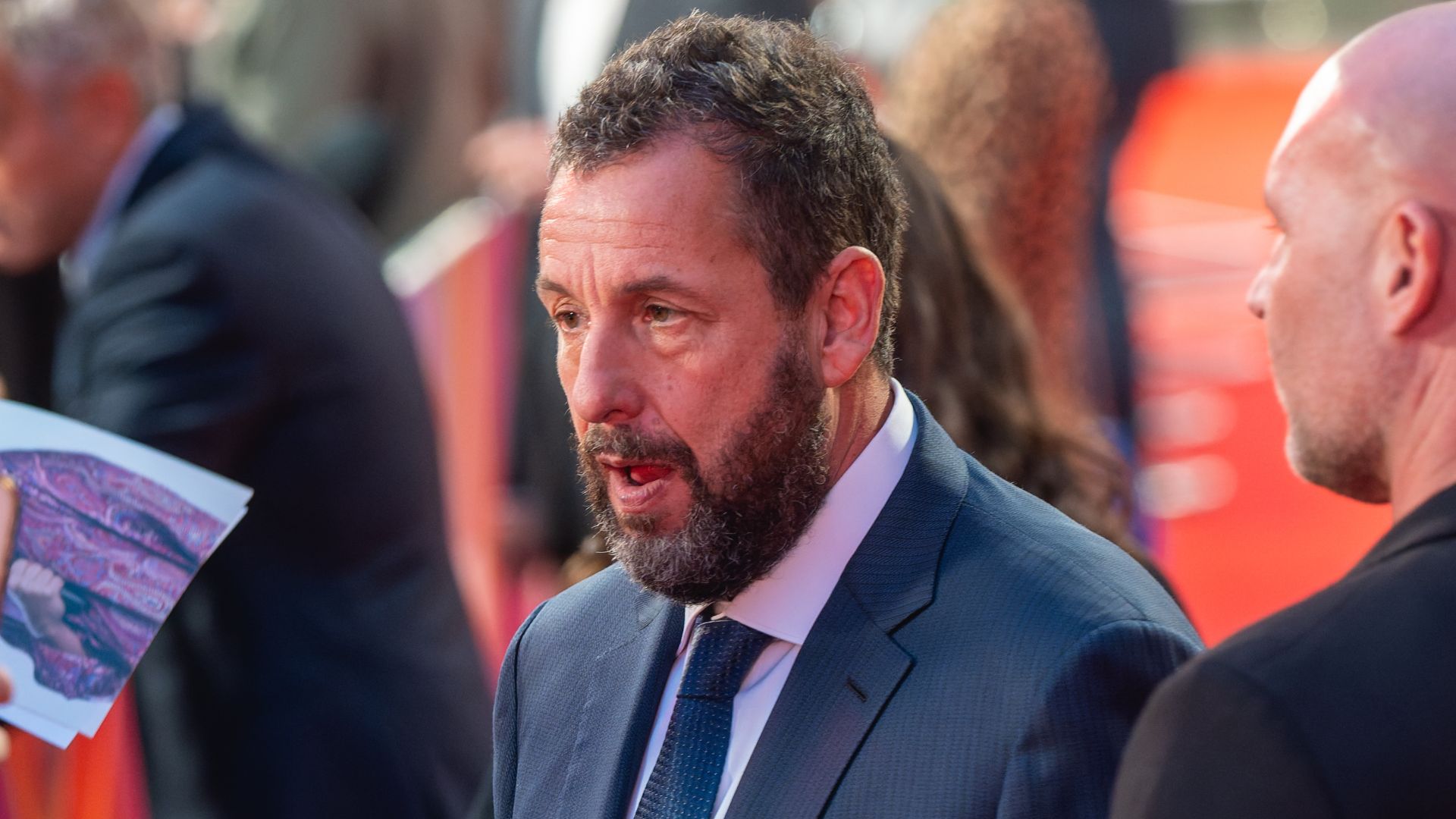
Adam Sandler: The Angry Man-Child
Adam Sandler’s comedies often revolve around immature, frustrated men whose childish behavior can explode into spectacular rage. That familiar formula helped make him one of Hollywood’s most successful comedy stars. Even when films such as Anger Management (2003) put a new twist on the persona, audiences knew exactly whose volcanic temper they had come to watch.
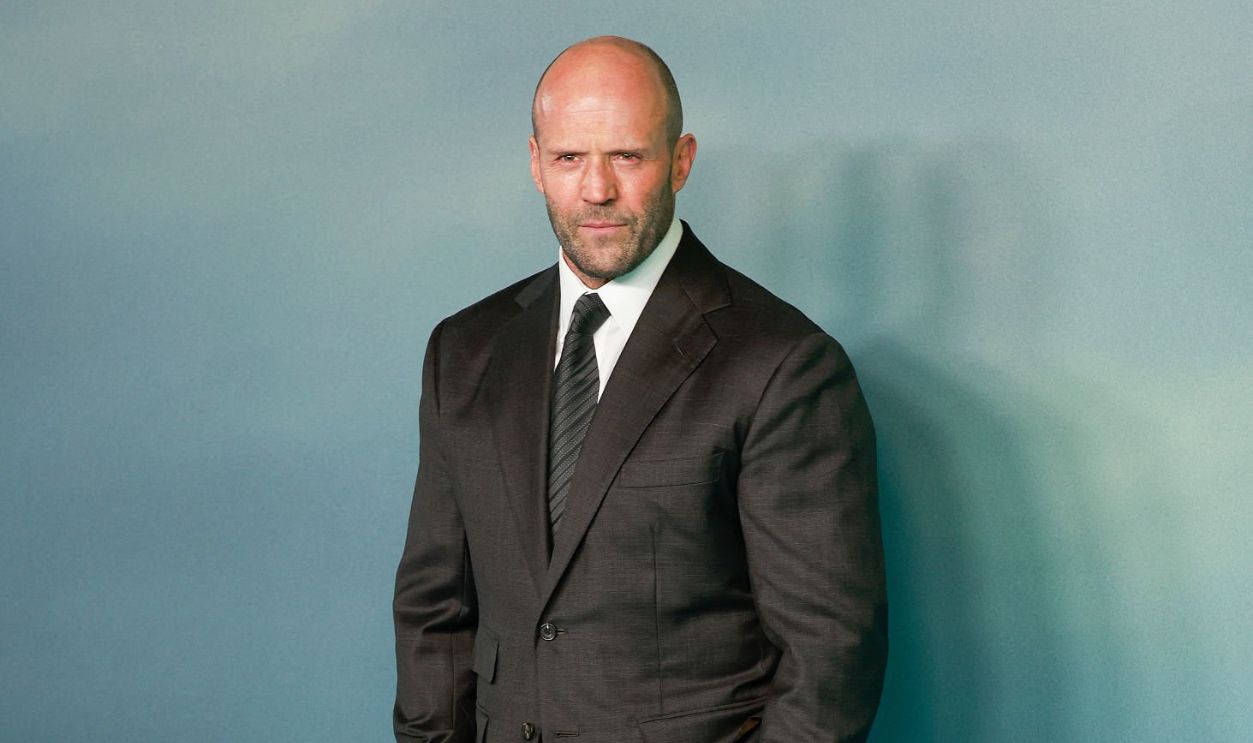
Jason Statham: The Unbreakable Professional
Jason Statham rarely seems interested in playing men who spend their weekends gardening and discussing their feelings. He became famous as one of modern cinema’s most dependable action stars, repeatedly playing tough, gritty, and violent professionals. The formula worked: Statham’s films have collectively earned billions, proving audiences remain very happy to watch him solve problems physically.
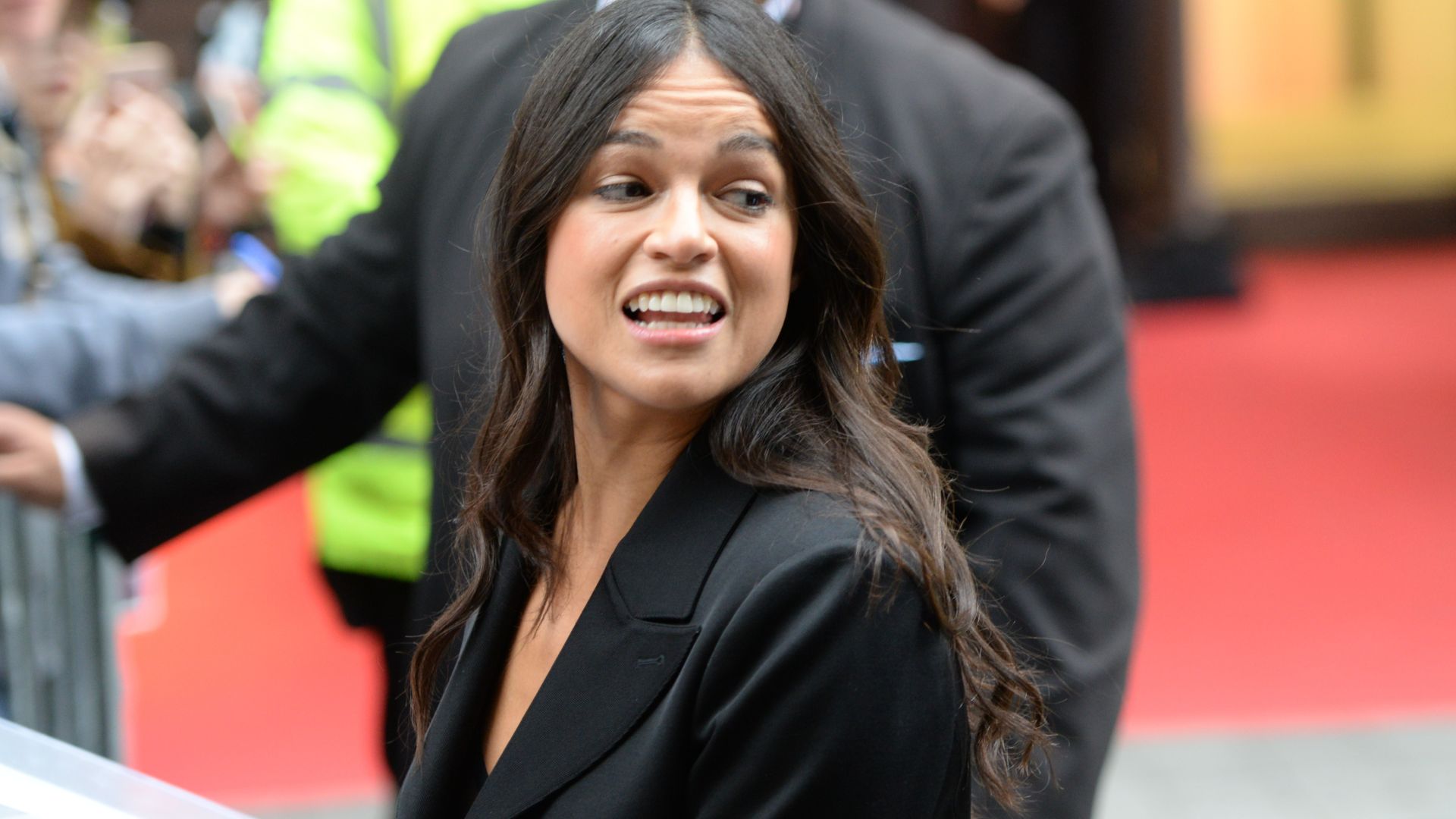
Michelle Rodriguez: The Tough Woman
Michelle Rodriguez broke through as a troubled boxer in Girlfight (2000), and Hollywood quickly recognized her ability to play physically capable, confrontational women. She became especially associated with action franchises through The Fast and the Furious (2001) and Resident Evil (2002). Rodriguez’s tough persona became her trademark, and audiences kept welcoming it back.
 John Bauld from Toronto, Canada, Wikimedia Commons
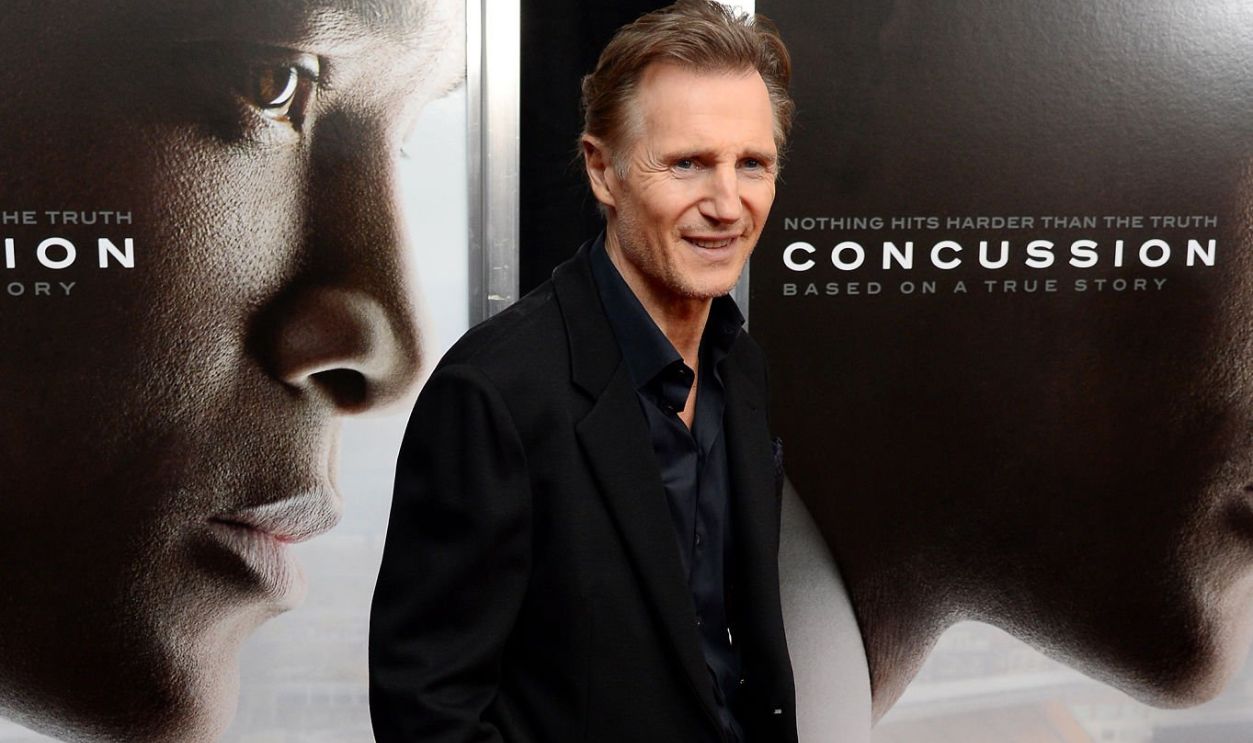
Liam Neeson: The Avenging Father
Liam Neeson had already enjoyed a long dramatic career before Taken (2008) unexpectedly reinvented him as an action star. The film’s worldwide success led to sequels and numerous other thrillers built around Neeson as a grim, highly capable older man pursuing kidnappers, killers, terrorists, and assorted people who made extremely poor decisions.
Joan Crawford: The Formidable Survivor
Especially in her later career, Crawford repeatedly played hard, commanding, emotionally embattled women who had fought their way to the top and intended to stay there. Mildred Pierce (1945), Harriet Craig (1950), and Queen Bee (1955) all played variations on that powerful persona.
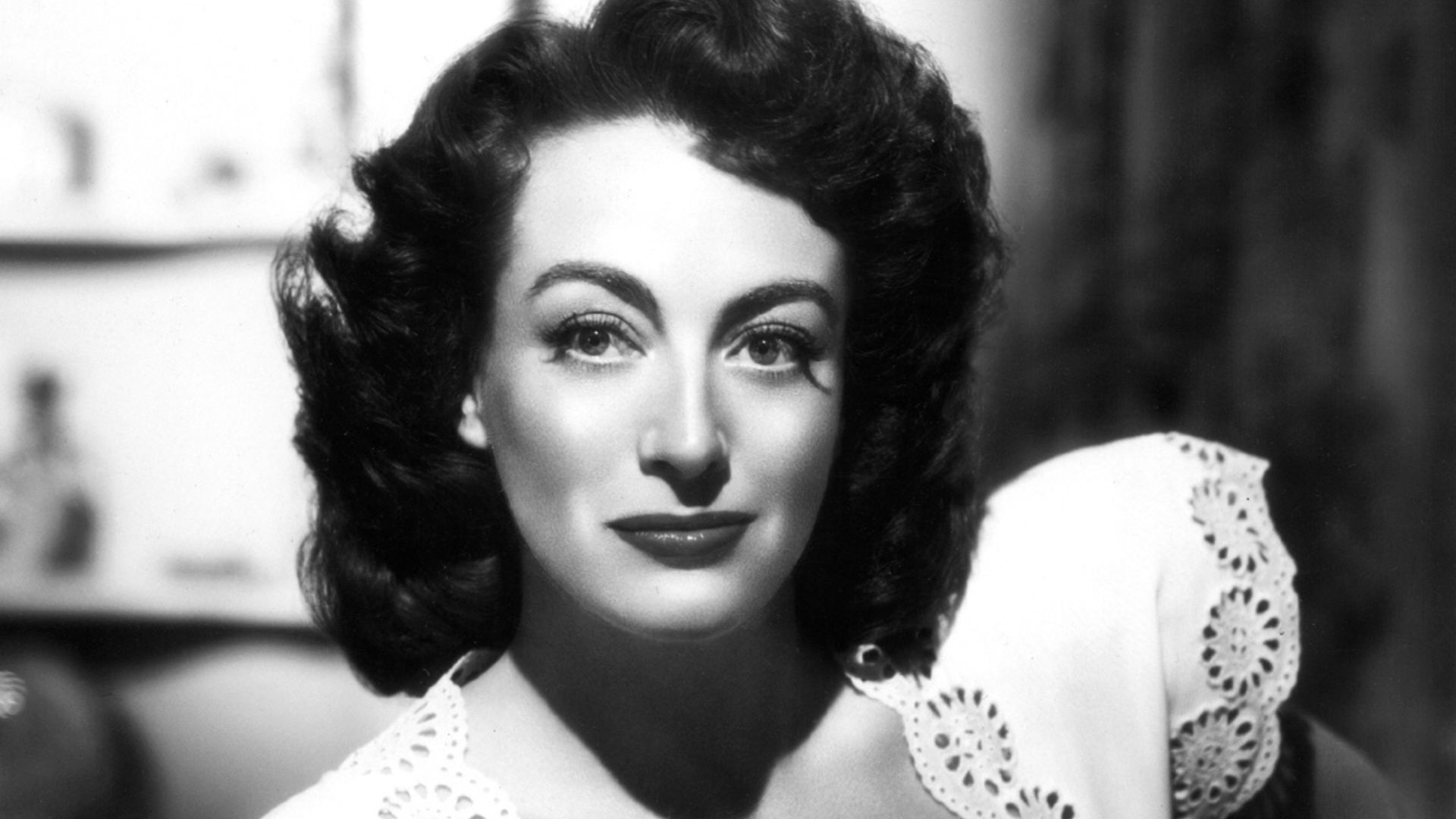 Studio publicity still, Wikimedia Commons
You May Also Like:
When A Movie Character Is Hated This Much, Is That A Good Thing Or A Bad Thing?
The Most Relatable TV Characters Ever Written
Actors Who Played Real People So Well It's Like They Were Inhabited By Ghosts