Stepping Into Someone Else’s Skin
Acting is supposed to be make-believe, but sometimes the illusion feels unsettlingly real. The face, the voice, even the quirks come alive again. It’s not mimicry—it’s transformation, leaving you wondering how they pulled it off.
Ben Kingsley – Mahatma Gandhi – Gandhi (1982)
Ben Kingsley’s transformation into Gandhi was no half‑measure. He shed over 20 pounds, embraced a vegetarian diet, and immersed himself in Gandhi’s writings while traveling in India. That level of dedication deservingly got him an Oscar, and even Gandhi’s family applauded the performance.
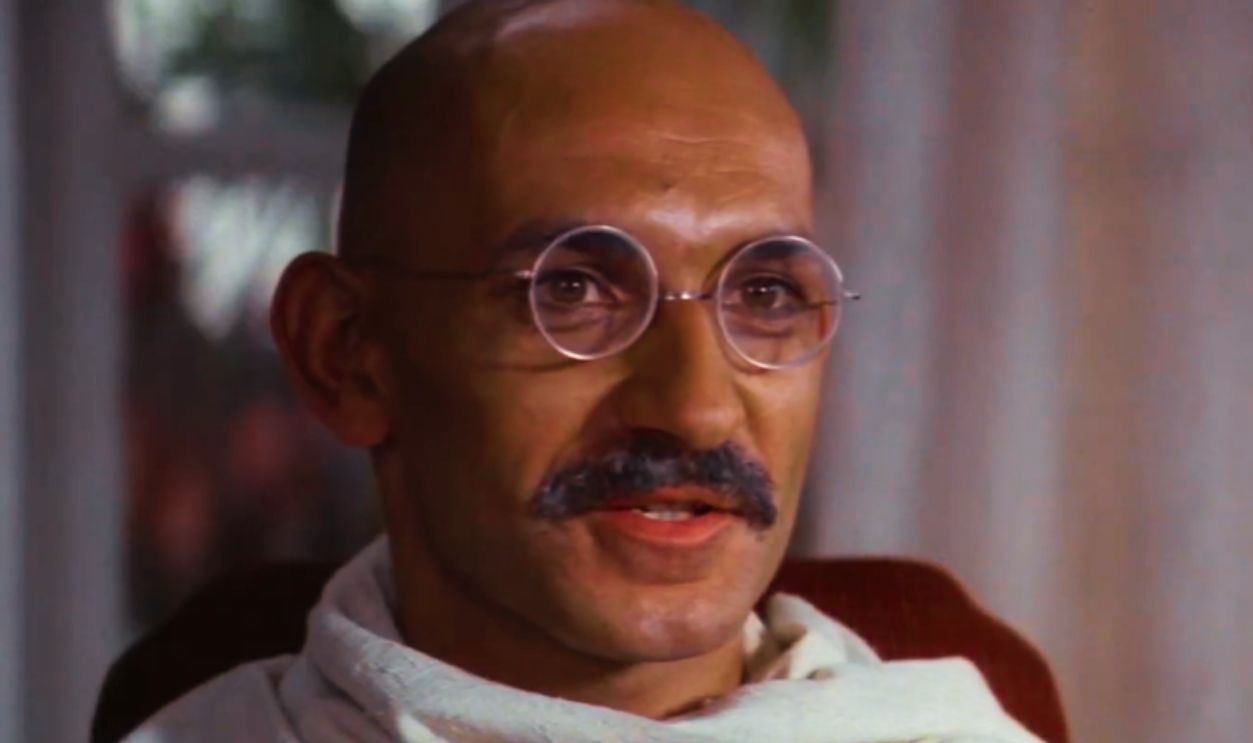 Columbia Pictures, Gandhi (1982)
Jamie Foxx – Ray Charles – Ray (2004)
Foxx spent filming days with prosthetic eyelids sealed shut, living in blindness hour after hour. His piano skills carried the live music, and Ray Charles personally gave his blessing. The Academy followed suit by honoring Foxx with Best Actor for a truly uncanny portrayal.
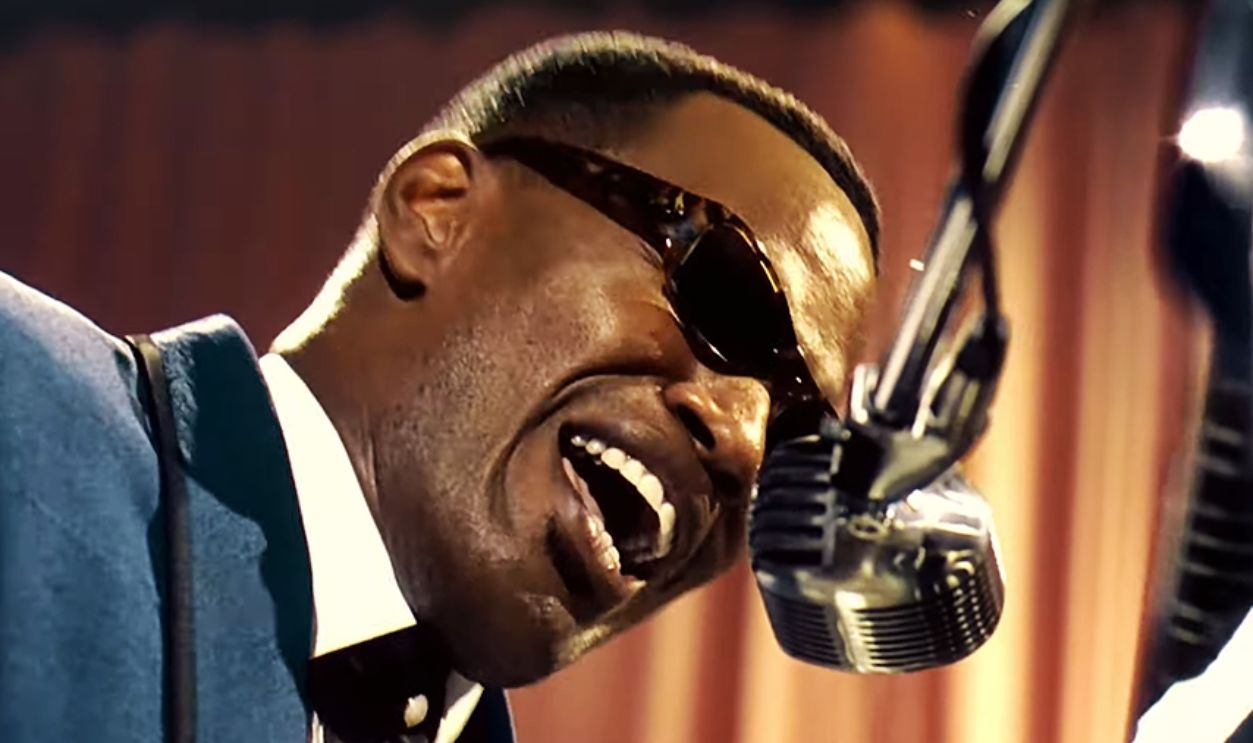 Universal Pictures, Ray (2004)
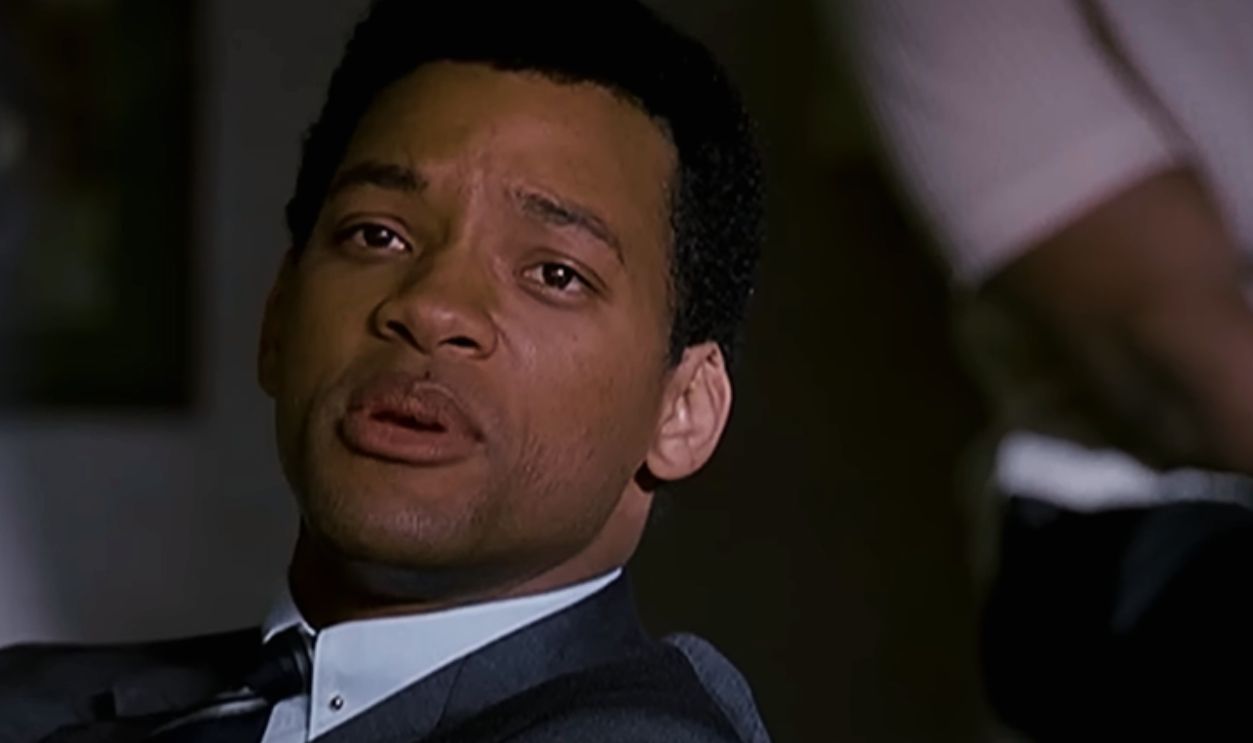
Will Smith – Muhammad Ali – Ali (2001)
A year with trainer Darrell Foster left Will Smith stronger by 35 pounds of muscle. He worked endlessly for 2 years on Ali’s cadence as well, so much so that Ali himself said, “He is a perfect actor. I even thought he was me”.
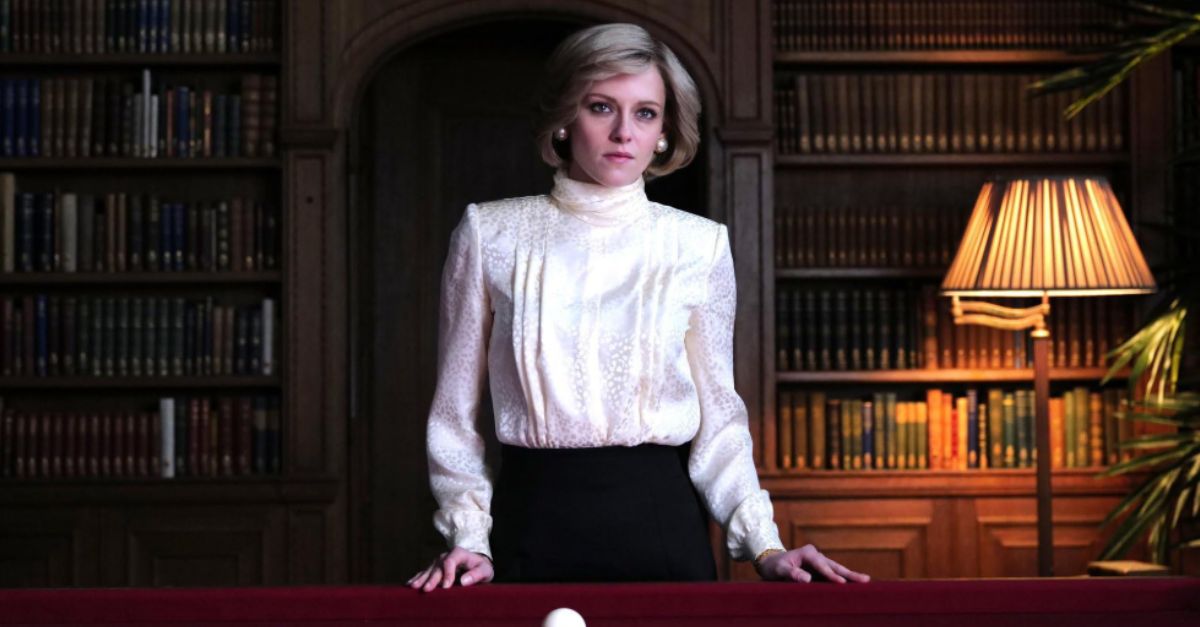
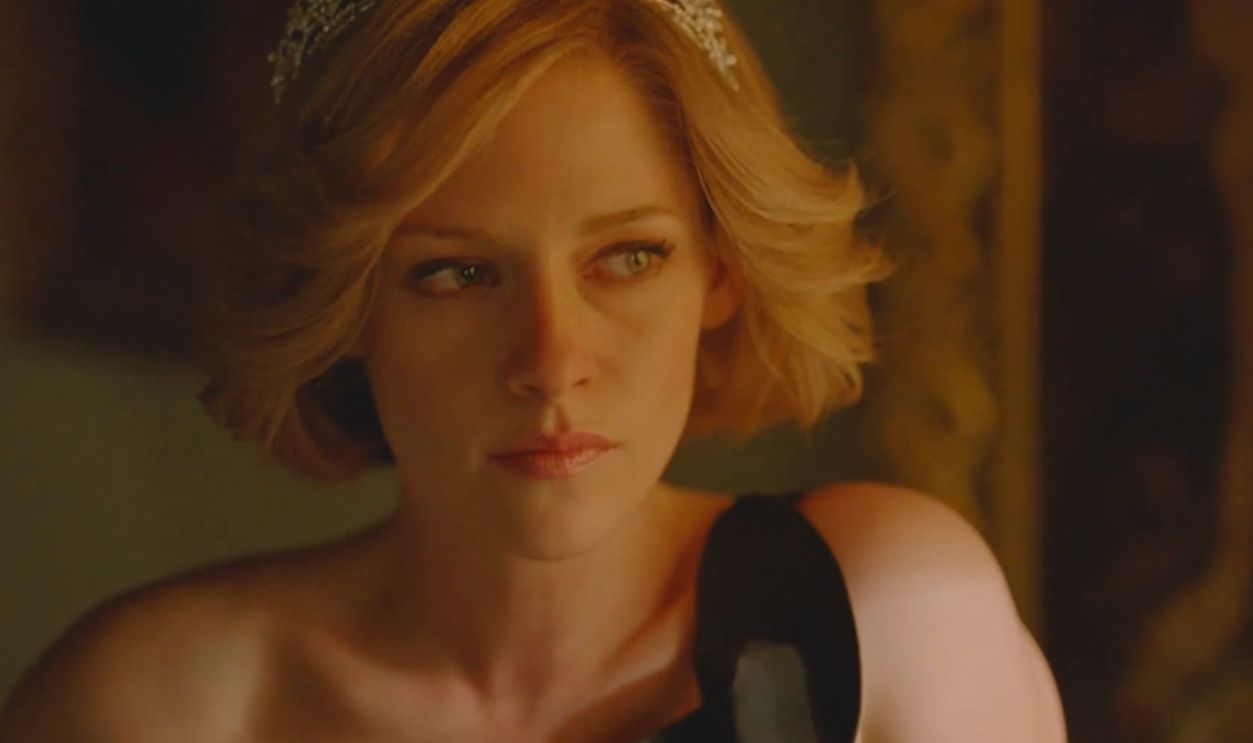
Kristen Stewart – Princess Diana – Spencer (2021)
Frame‑by‑frame, Kristen Stewart studied Diana’s Christmas rituals. She mirrored subtle movements, matched the voice with a dialect coach, and wore precise replicas of royal jewelry. Those choices made critics take notice, and the Academy nearly crowned her with its top acting prize.
Angela Bassett – Tina Turner – What’s Love Got To Do With It (1993)
The Golden Globe that Angela Bassett earned carried special weight because Tina Turner herself endorsed the performance. Behind that recognition stood months of drilling with Turner’s choreographer, and moments when Tina pushed her to summon energy that went beyond dance into presence.
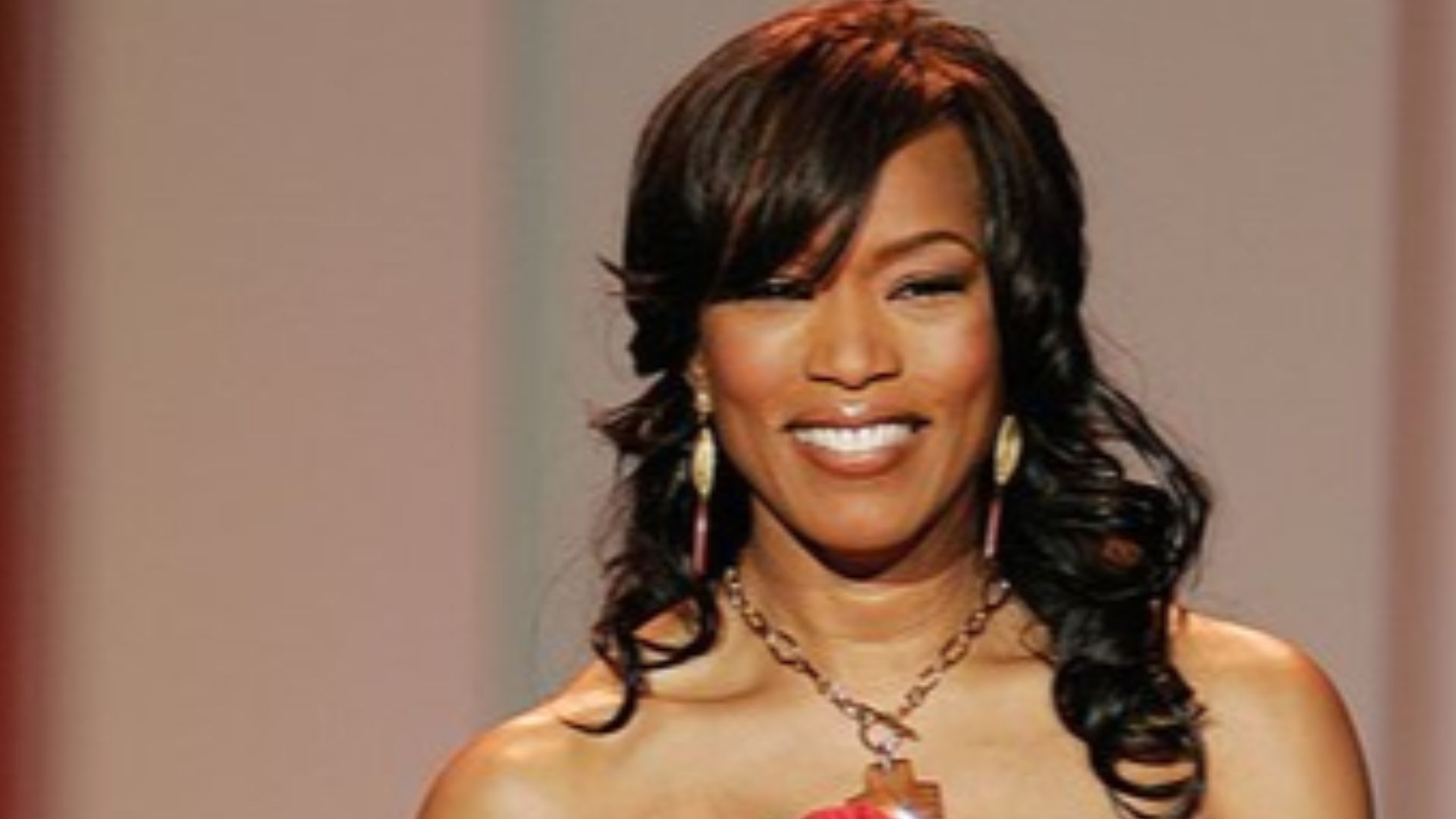 The Heart Truth, Wikimedia Commons
Mathieu Amalric – Jean-Dominique Bauby – The Diving Bell And The Butterfly (2007)
For most of the film, Mathieu Amalric acted with just his left eye. He studied patients with locked-in syndrome and consulted neurologists to capture reality. Critics praised his restrained performance, while the film’s unusual cinematography deepened its emotional impact.
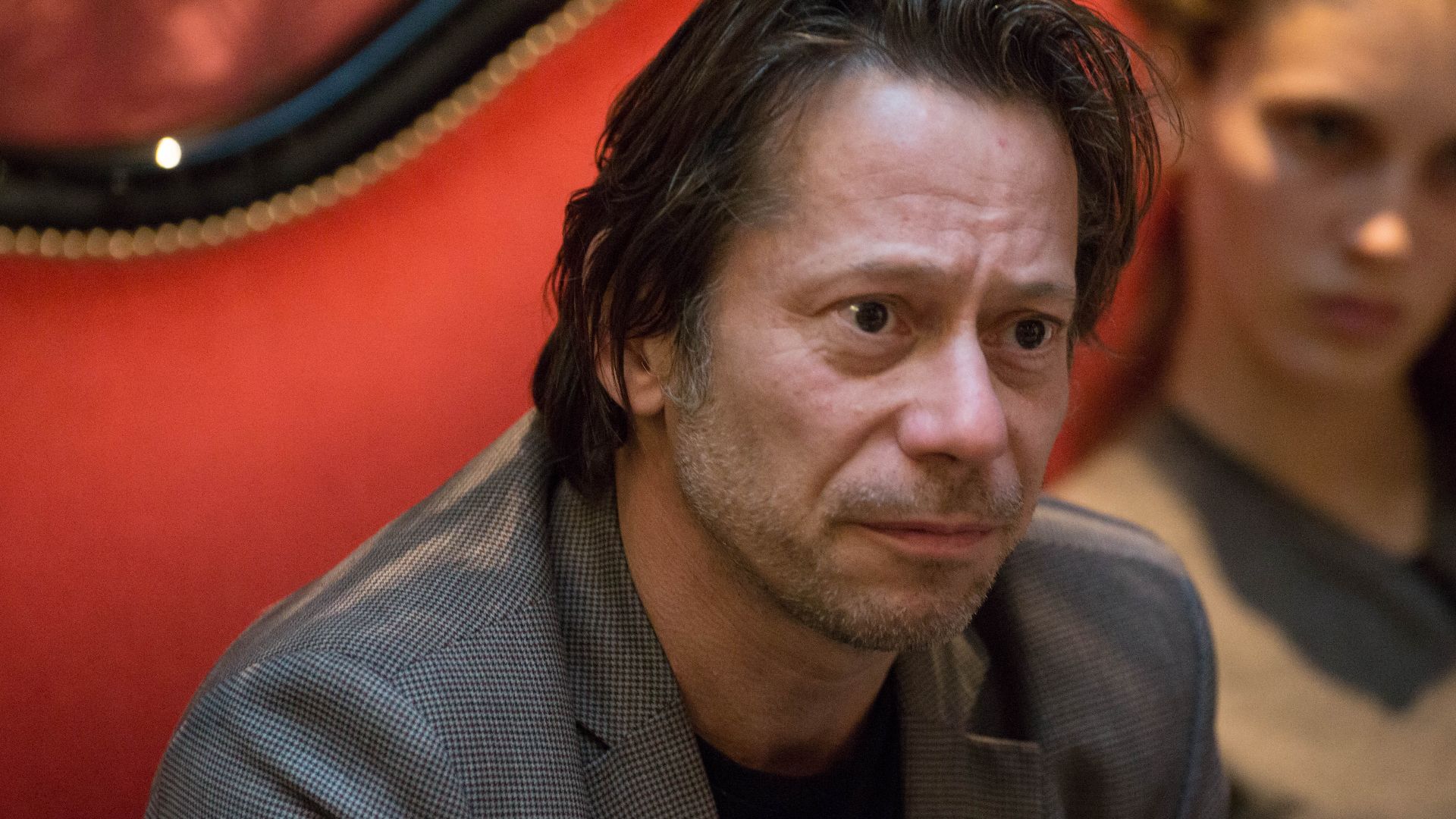 Pablo Tupin-Noriega, Wikimedia Commons
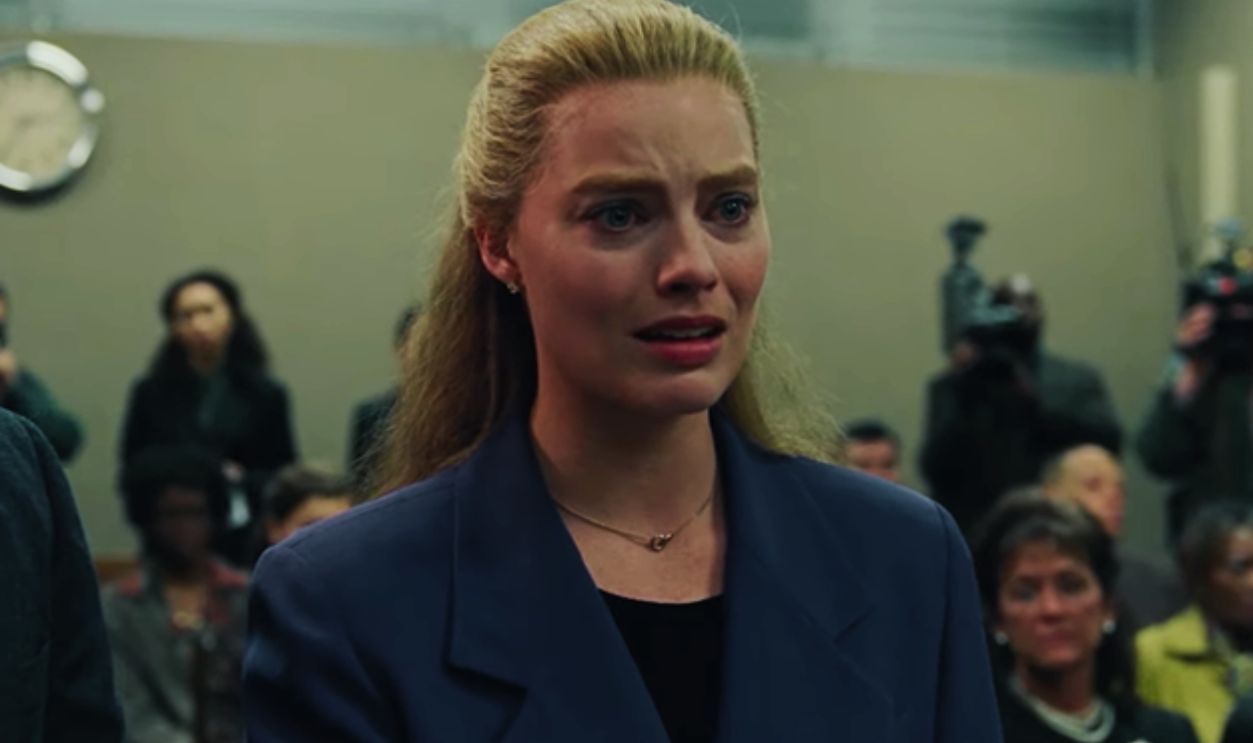
Margot Robbie – Tonya Harding – I, Tonya (2017)
Robbie had logged months of grueling skating practice, and, as producer, she shaped the entire film around Harding’s tumultuous struggles. Plus, I, Tonya, was endorsed by Tonya Harding herself, who even admitted that Margot Robbie’s performance felt uncannily right.
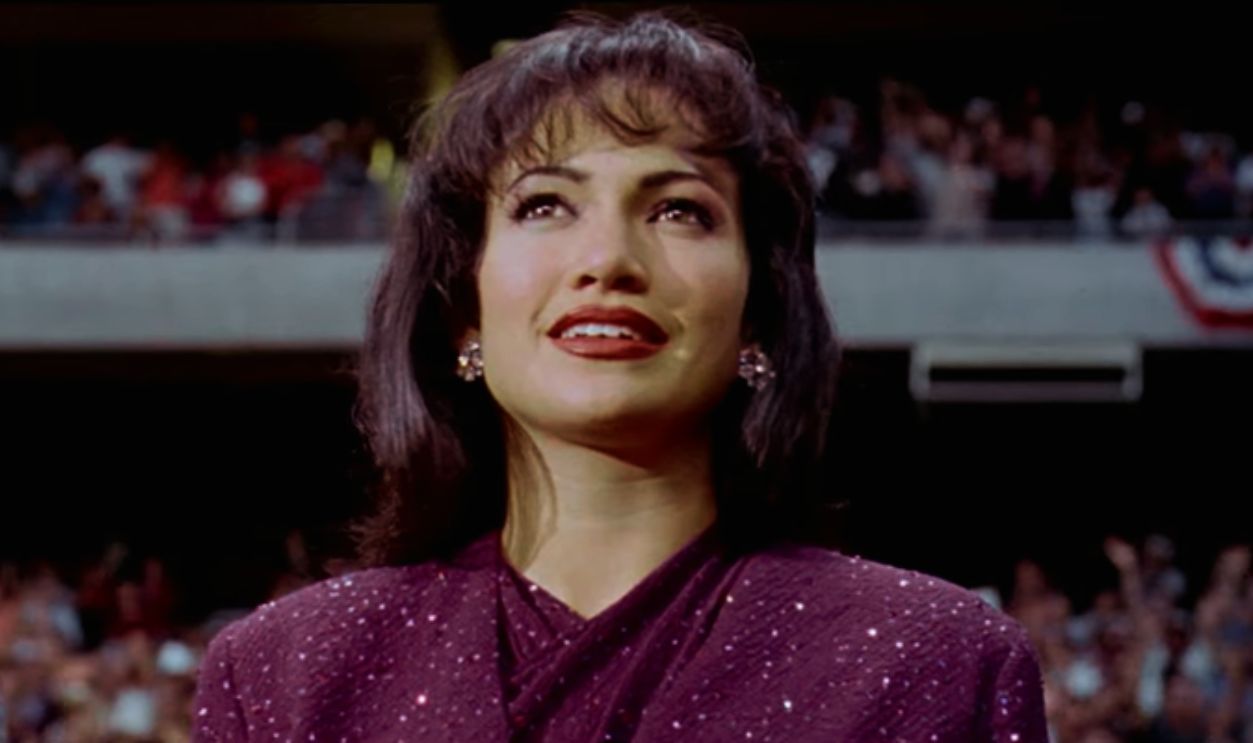
Jennifer Lopez – Selena Quintanilla – Selena (1997)
The role of Selena became Jennifer Lopez’s defining milestone, one that fans still celebrate. She reached that point through discipline—hours of concert study, carefully mimicking dance steps, perfect lip-syncing, and listening to the advice of Selena’s family to honor her legacy.
Nigel Hawthorne – King George III – The Madness Of King George (1994)
Hawthorne’s portrayal of George III struck critics as painfully authentic, a quality that got him a BAFTA and an Oscar nomination. His preparation involved a detailed study of the King’s porphyria, and his corset-bound stance portrayed frailty as clearly as his dialogue did.
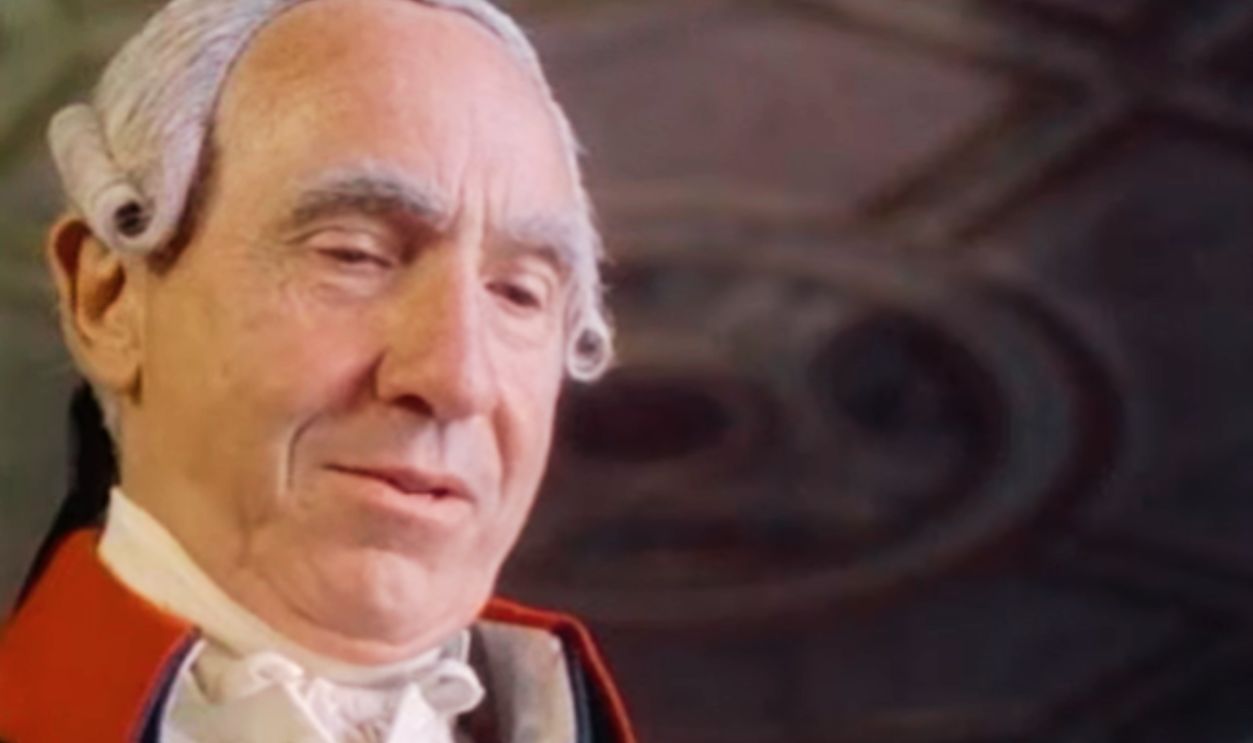 Samuel Goldwyn Company, The Madness of King George (1994)
Chadwick Boseman – Jackie Robinson – 42 (2013)
Rachel Robinson, Jackie’s widow and a leading voice for his legacy, led Chadwick Boseman through the personal side of the role. With her stories and his field training under baseball coaches, he built a performance in 42 that radiated dignity and steady resolve.
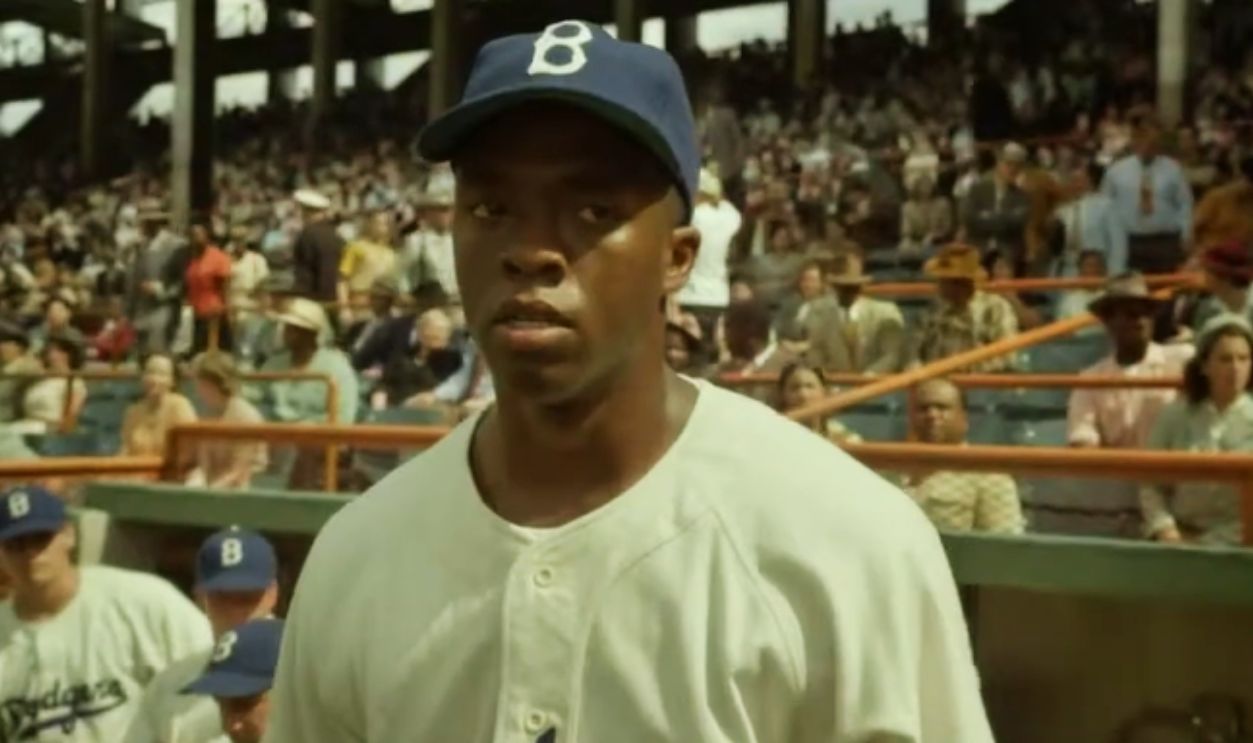 Warner Bros. Pictures, 42, (2013)
Charlize Theron – Aileen Wuornos – Monster (2003)
Few actors have ever disappeared into a role quite like Charlize Theron did in Monster. And the Academy rewarded her fearless dive with Best Actress. Prosthetics and weight gain helped, but her mimicry of Wuornos’s voice and presence is known to have startled even the crew.
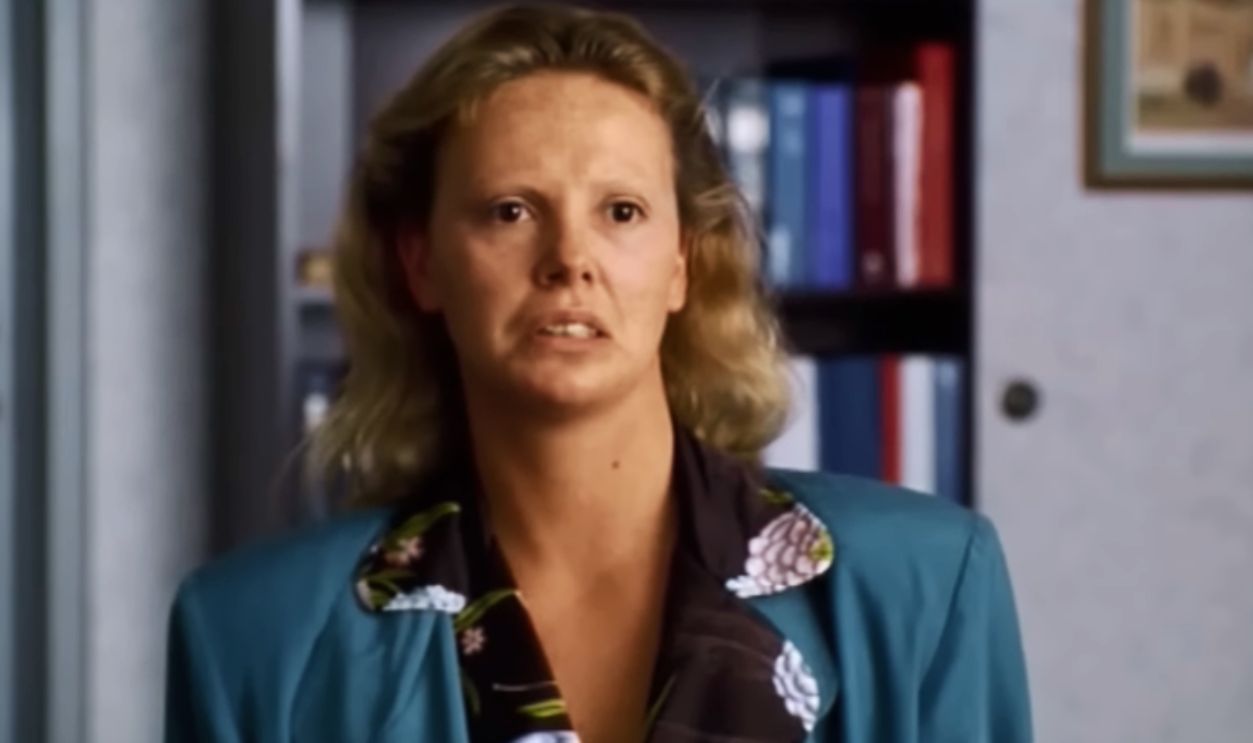 Newmarket Films, Monster (2003)
Joaquin Phoenix – Johnny Cash – Walk The Line (2005)
Phoenix approached Johnny Cash not as a role to mimic but as a life to inhabit. He immersed himself in the music, shaping his performance around Cash’s recordings and stage presence. Safe to say that the result resonated strongly enough to earn him top recognition.
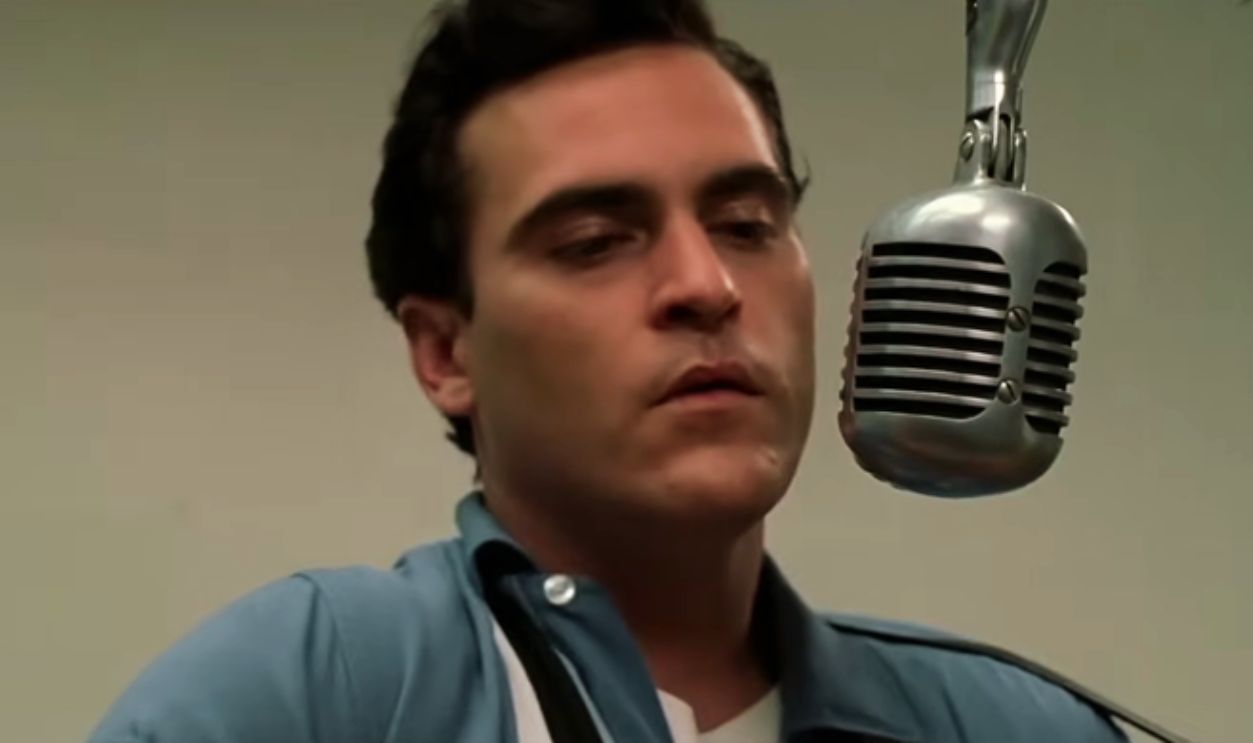 20th Century Fox, Walk the Line (2005)
Reese Witherspoon – June Carter Cash – Walk The Line (2005)
In the same film, Reese Witherspoon’s turn as June Carter Cash required her to step far outside her comfort zone. She took vocal and guitar lessons for months, insisting on performing all of June’s songs live. Her chemistry with Joaquin Phoenix added emotional weight to their complicated relationship.
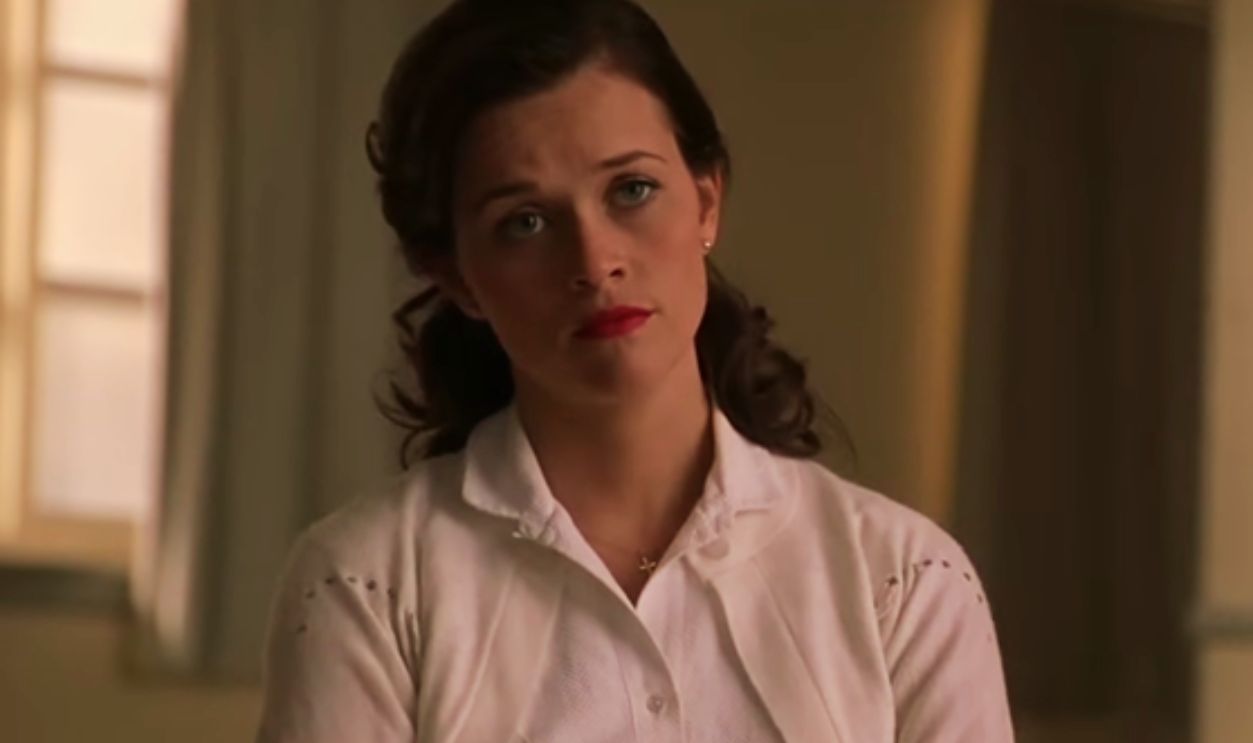 20th Century Fox, Walk the Line (2005)
Madonna – Eva Peron – Evita (1996)
Golden Globe night confirmed what rehearsals had hinted: Madonna had truly captured Eva Peron. She had trained her voice for months and worn museum-sourced wardrobe replicas. Together, those choices gave her performance both political gravitas and cinematic flair.
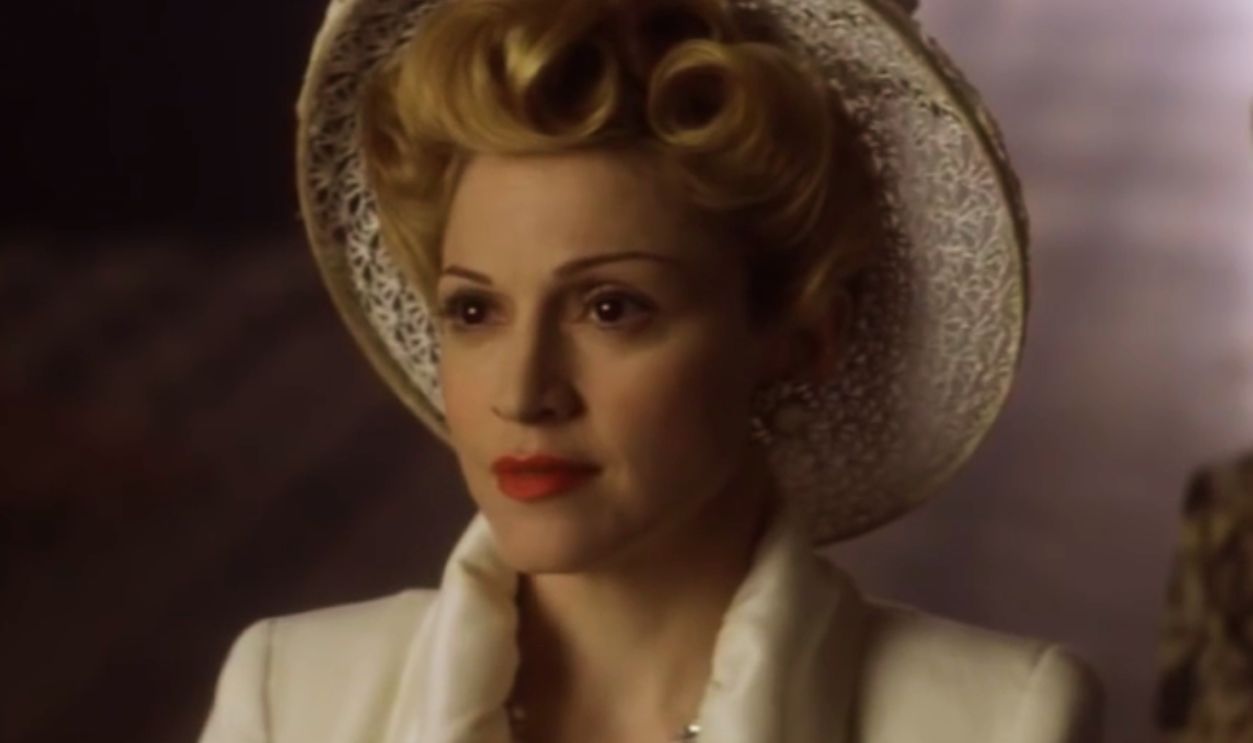 Buena Vista Pictures, Evita (1996)
Sandra Bullock – Leigh Anne Tuohy – The Blind Side (2009)
Academy voters took notice when Sandra Bullock convincingly portrayed Leigh Anne Tuohy. She had spent time with Tuohy, honing a Southern accent and wearing her jewelry during scenes. The performance brought her the Oscar and warm approval from the real Tuohy.
 Warner Bros. Pictures, The Blind Side (2009)
Bruce Greenwood – John F Kennedy – Thirteen Days (2000)
A president’s presence rests in rhythm and gesture—Greenwood knew that. For Thirteen Days, he paid close attention to the subtle pauses that gave JFK’s words weight, and carried himself with the same upright posture and deliberate movements, which made his performance grounded rather than imitated.
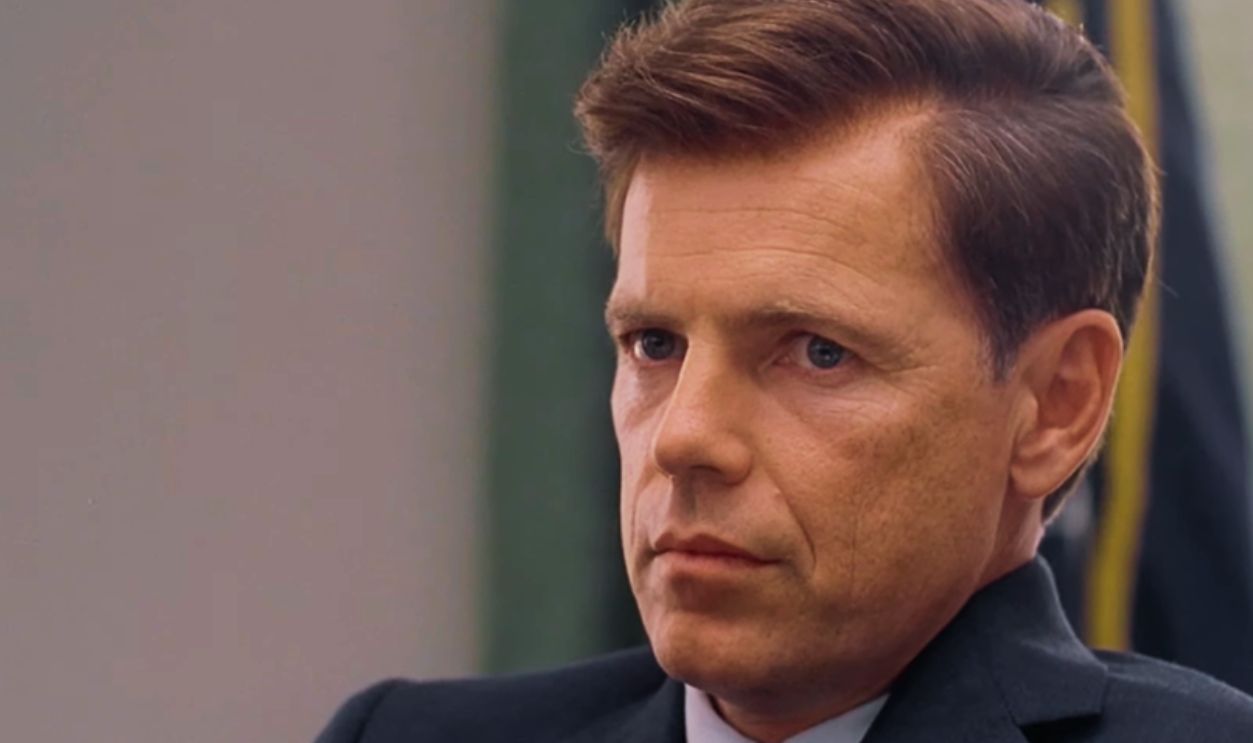 New Line Cinema, Thirteen Days (2000)
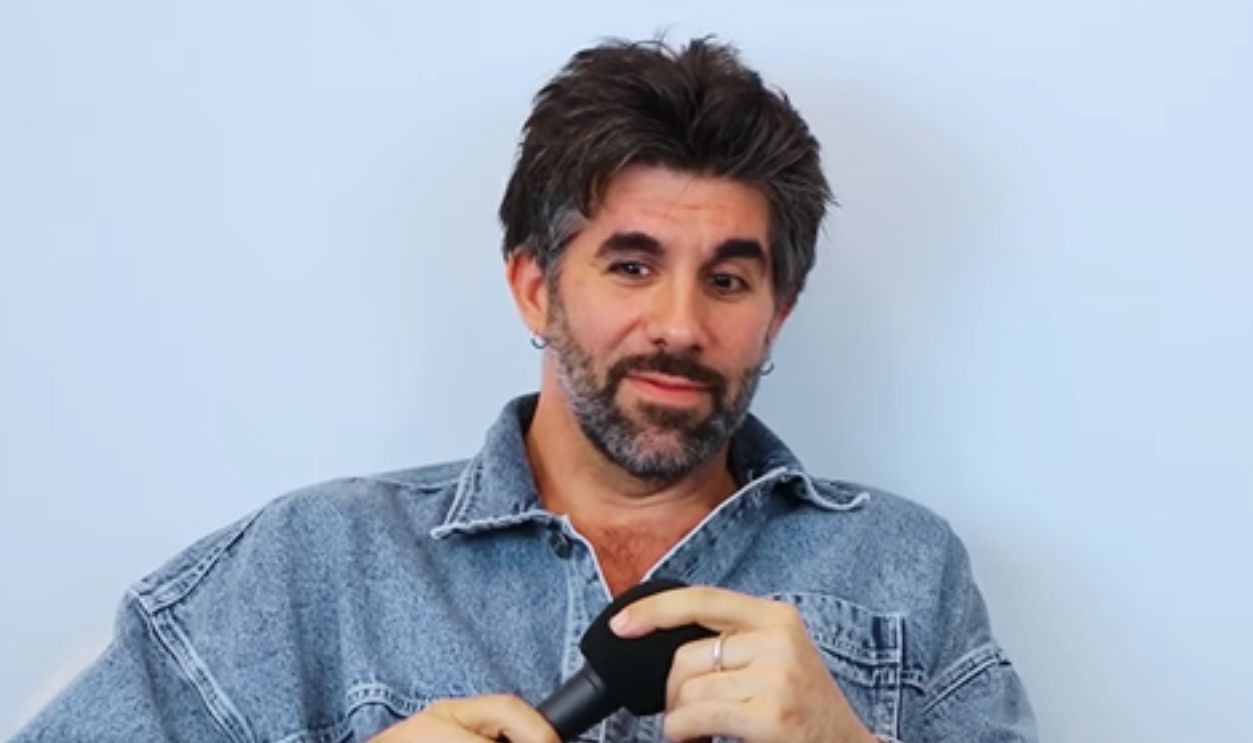
Simon Lipkin – Harry Houdini – Houdini’s Greatest Escape (Stage)
Bringing Houdini to life, Simon Lipkin fused illusion with performance. He executed escapes on stage in real time and refined his sleight-of-hand by working with experts. By researching Houdini’s history, he added nuance and humor that made the role both believable and electrifying.
Andrew Garfield – Desmond Doss – Hacksaw Ridge (2016)
Andrew Garfield took on the role of Desmond Doss with great care and respect. He trained hard for the tough battle scenes but never used a weapon, staying true to Doss’s choice to serve without one. Garfield also wore his dog tags during filming to feel closer to the real man.
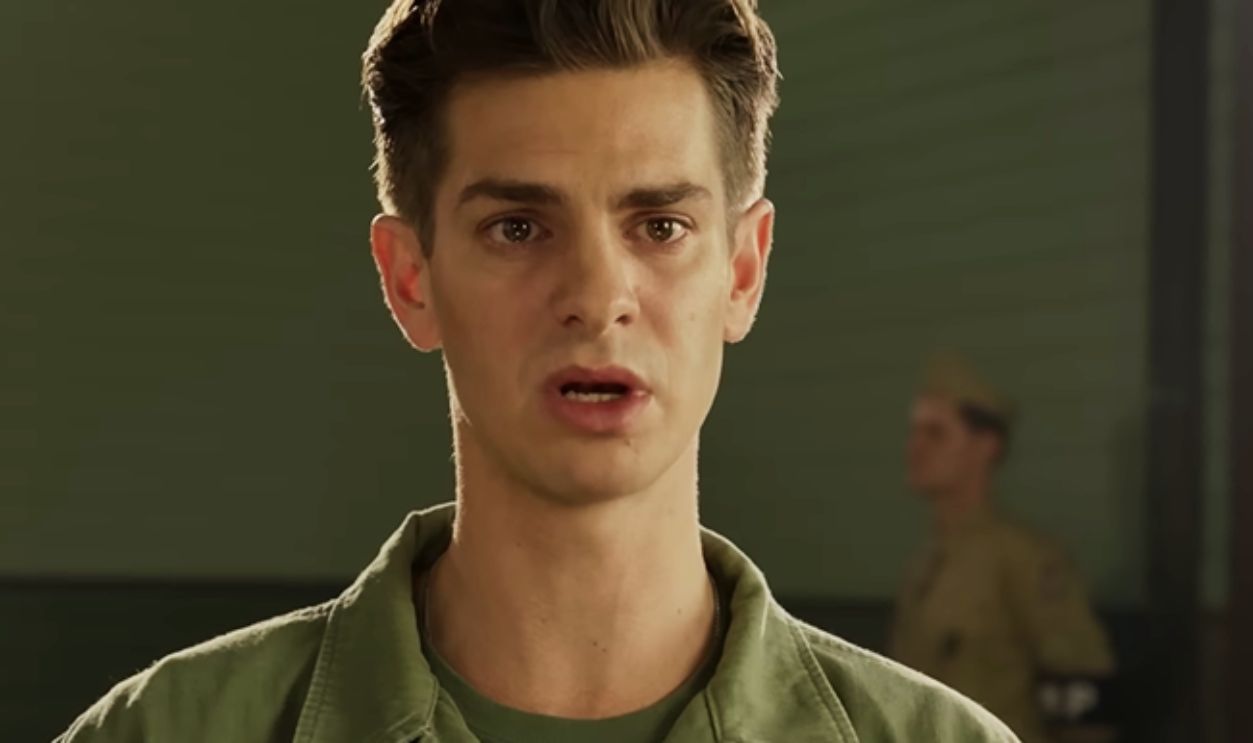 Summit Entertainment, Hacksaw Ridge (2016)
Meryl Streep – Margaret Thatcher – The Iron Lady (2011)
Months of studying Thatcher’s voice and mannerisms paid off for Meryl Streep because it brought her an Academy Award and wide praise for turning a polarizing leader into a nuanced figure. With wigs and prosthetics crafted from real photographs, she conveyed both power and vulnerability.
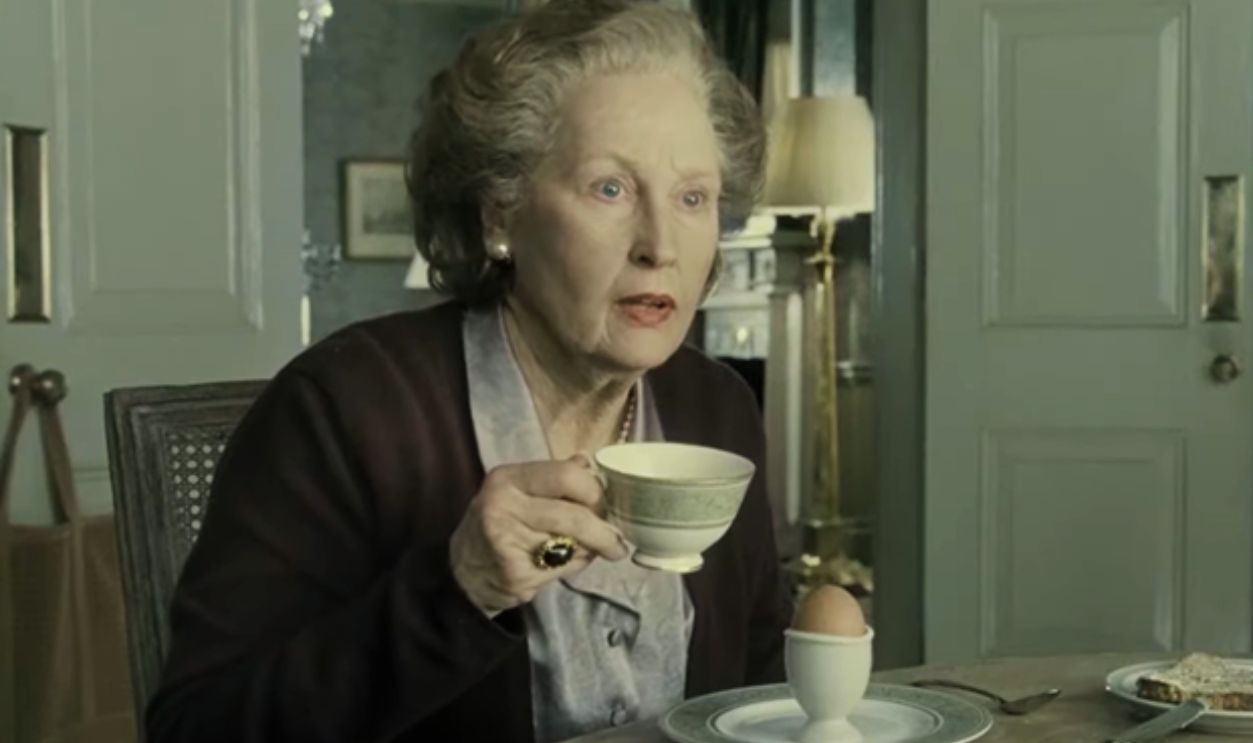 The Weinstein Company, The Iron Lady (2011)
Daniel Day-Lewis – Abraham Lincoln – Lincoln (2012)
Daniel Day-Lewis poured himself completely into the role of Abraham Lincoln, to the point where many said it felt like the president had stepped off the history books and onto the screen. His process demanded relentless reading, and his refusal to break character lent the film its realism.
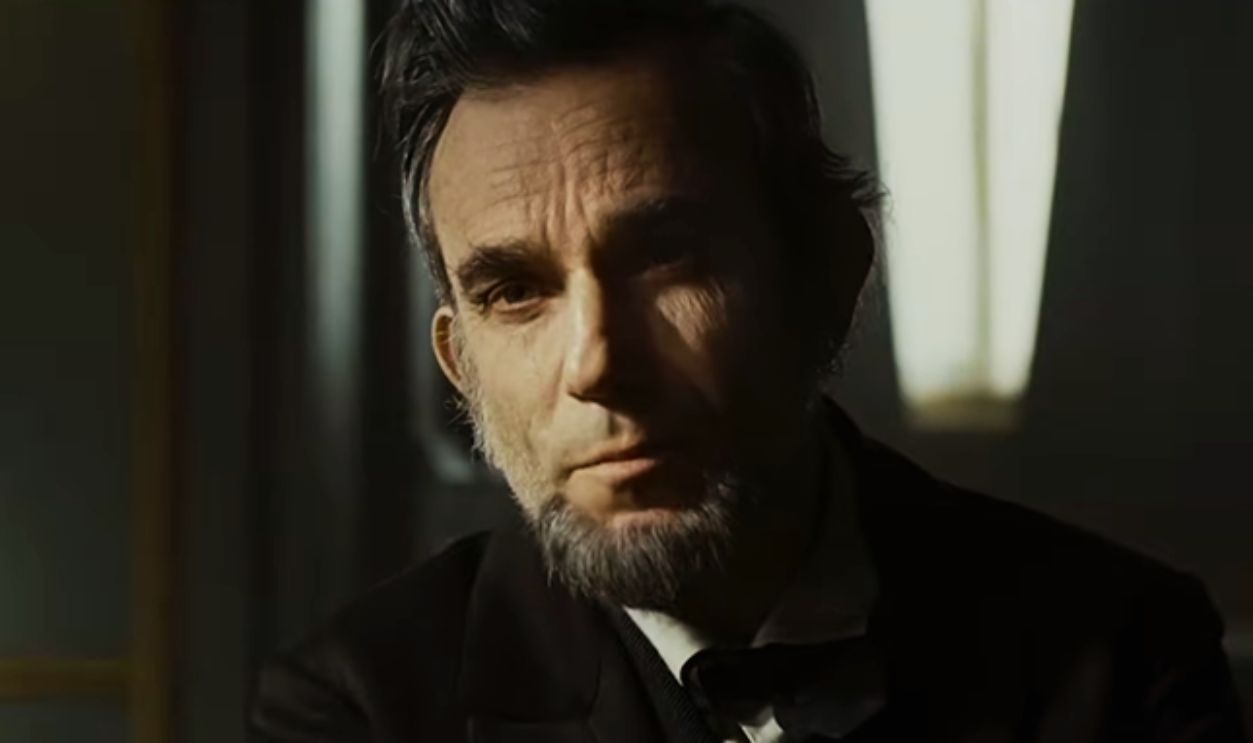 Walt Disney Studios Motion Pictures, Lincoln (2012)
Christian Bale – Former Vice President Cheney – Vice (2018)
The jokes from the crew said it best: Bale looked more like Cheney than the photographs did. His approach reshaped everything—from the body he carried to the tone of his voice—and the final screen presence convinced audiences they were seeing the vice president himself.
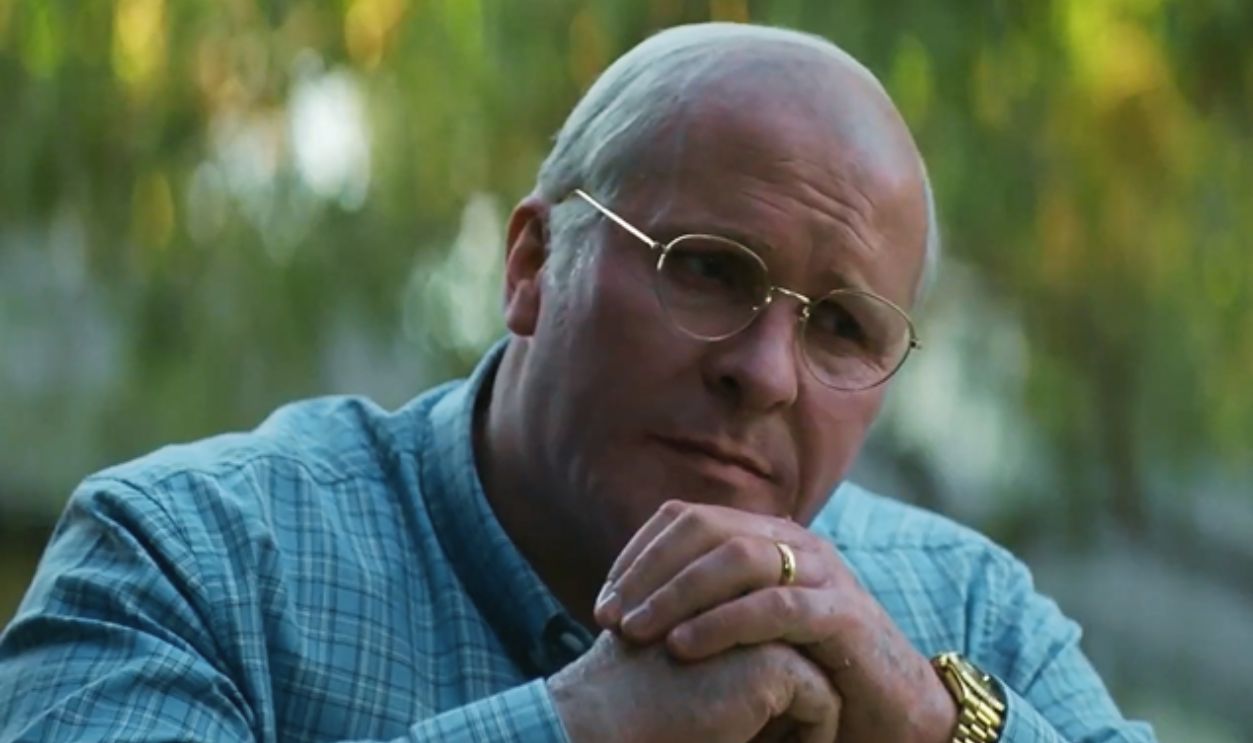 Annapurna Pictures, Vice (2018)
Cillian Murphy – J Robert Oppenheimer – Oppenheimer (2023)
Cillian Murphy’s transformation into J Robert Oppenheimer was intense and deeply committed. He lost a noticeable amount of weight to match Oppenheimer’s thin frame and stuck to a sparse diet throughout filming. On set, he kept mostly to himself, mirroring the quiet, introspective nature of the man he was portraying.
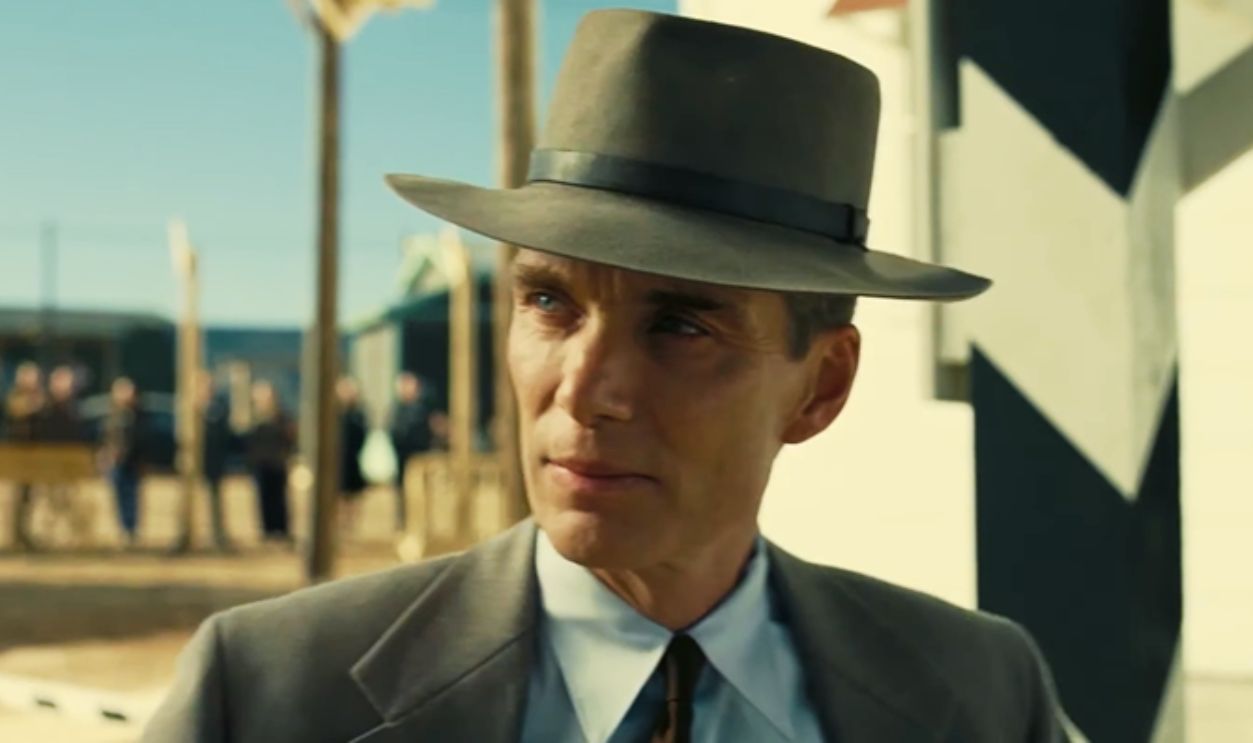 Universal Pictures, Oppenheimer (2023)
Austin Butler – Elvis Presley – Elvis (2022)
Becoming Elvis Presley was an all-consuming transformation. Butler trained rigorously to master Elvis’s distinct voice, so much so that he continued speaking like him well after production ended. With the help of movement coaches, Butler recreated Elvis’s stage presence from his early rockabilly swagger to his Vegas-era charisma.
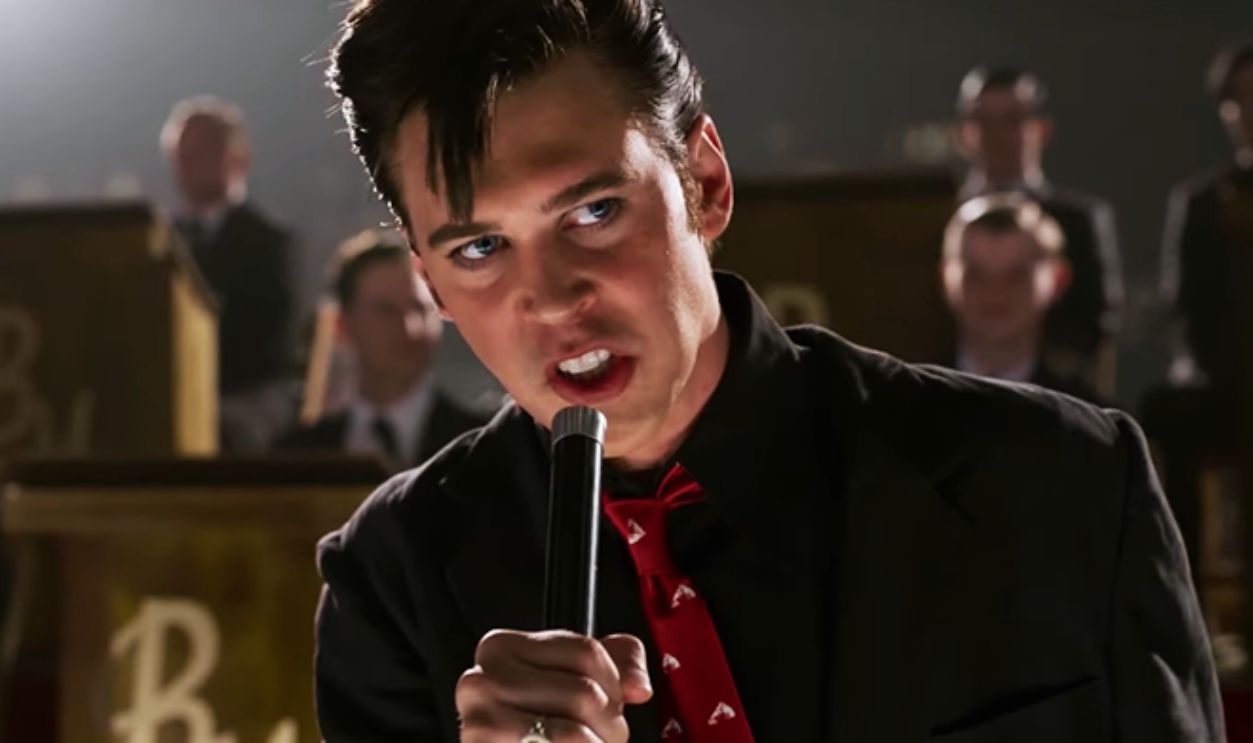 Warner Bros. Pictures, Elvis (2022)
Gary Oldman – Winston Churchill – Darkest Hour (2017)
There was little trace of Gary Oldman left by the time he stepped into Churchill’s shoes. Hours of prosthetic work and makeup turned him into a visual match, but it was his meticulous preparation studying his mannerisms that brought the British Prime Minister to life. Oldman even took up Churchill’s cigar habit.
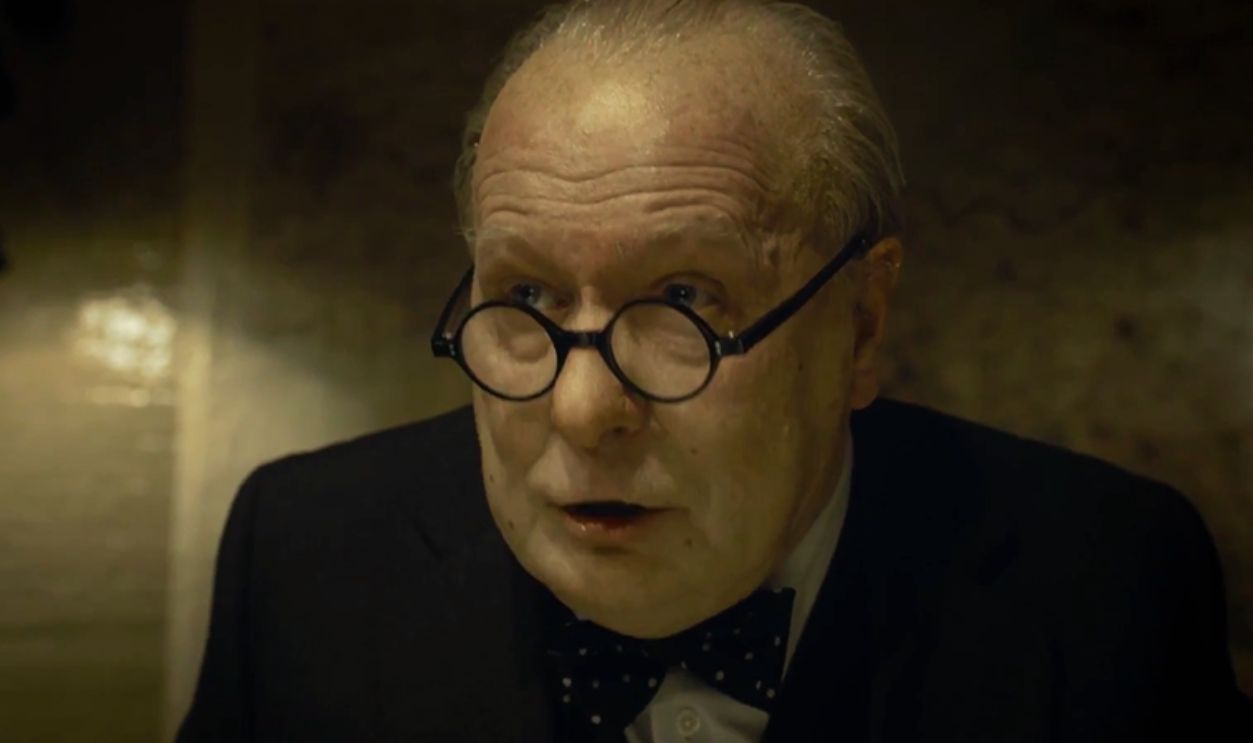 Focus Features, Darkest Hour (2017)
Natalie Portman – Jackie Kennedy – Jackie (2016)
Capturing the quiet strength and sorrow of Jackie Kennedy required immersing in private writings and more to tap into the former First Lady’s emotional state during an unimaginable period of loss. Critics and audiences alike praised Portman’s ability to reveal the humanity behind the icon.
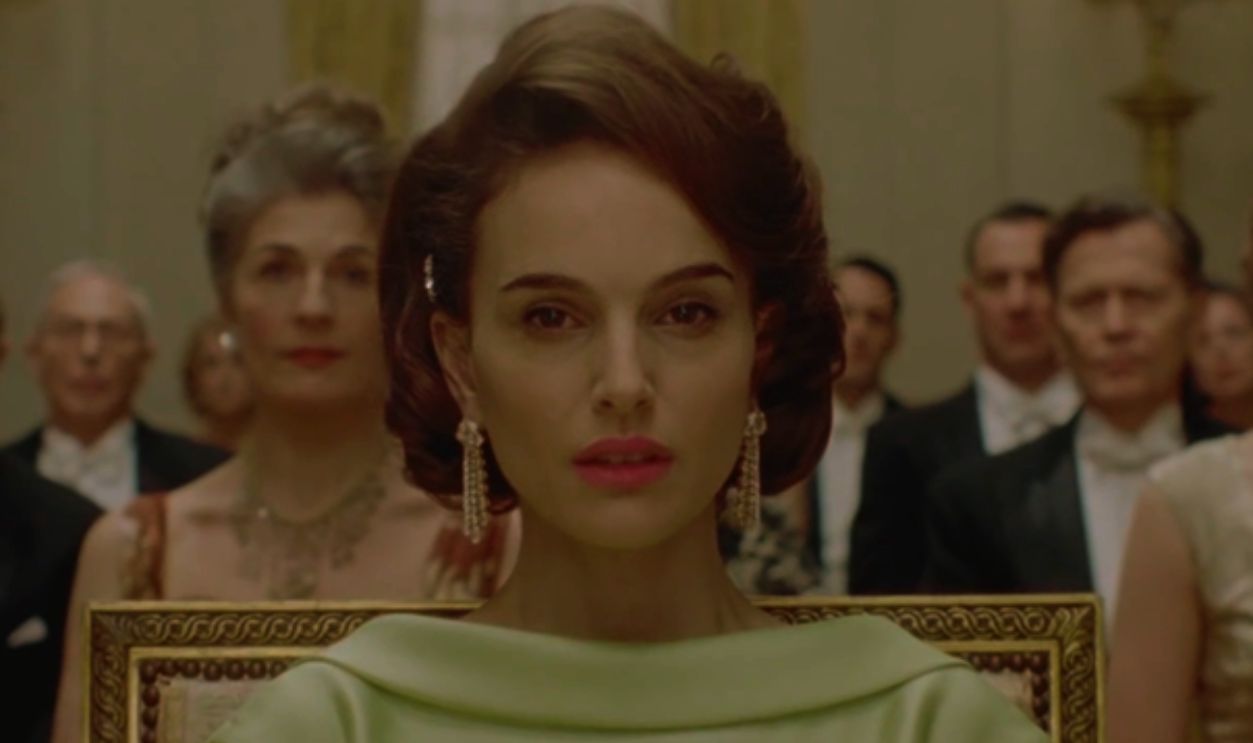 Fox Searchlight Pictures, Jackie (2016)
Rami Malek – Freddie Mercury – Bohemian Rhapsody (2018)
Dental prosthetics reshaped Rami Malek’s face by capturing Mercury’s famous overbite. He watched many hours of concert tapes, rehearsing his stage struts and microphone swings. With guidance from a movement coach, he delivered a performance that won him an Oscar and global recognition.
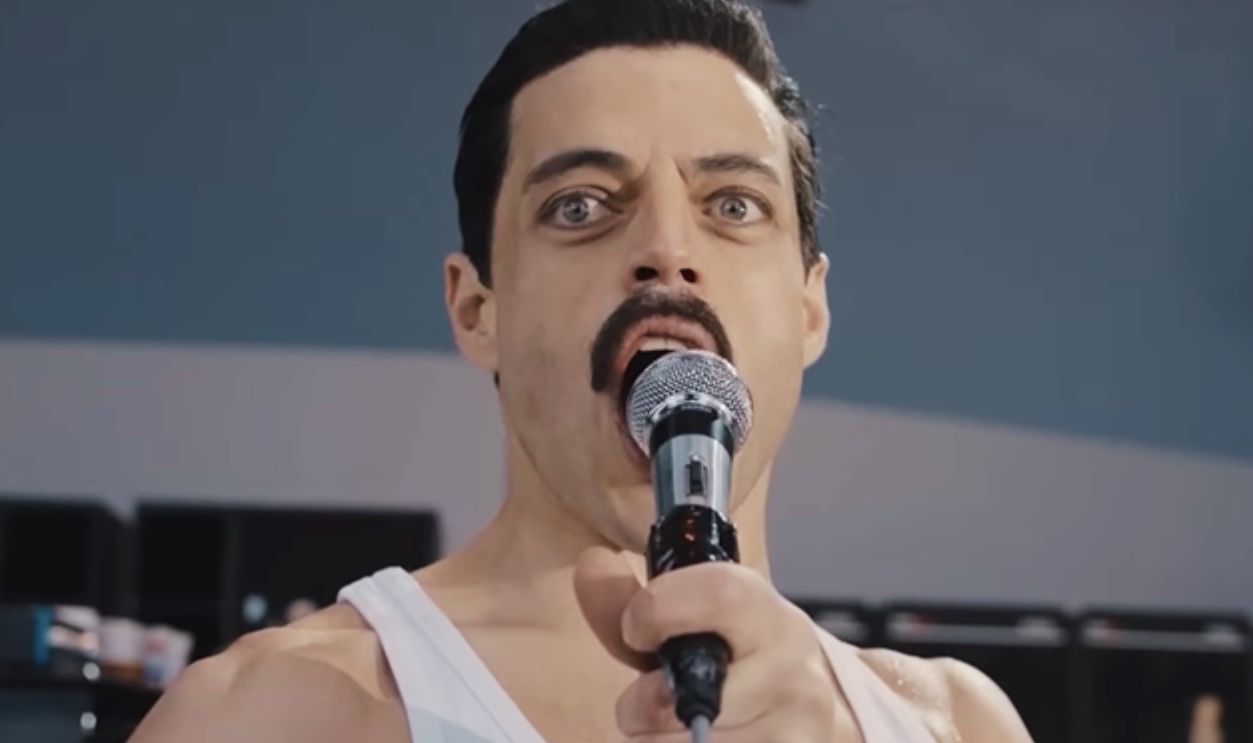 20th Century Fox, Bohemian Rhapsody (2018)
Leonardo DiCaprio – Howard Hughes – The Aviator (2004)
DiCaprio’s portrayal of Hughes’s descent into obsessive-compulsive disorder was so detailed that it reportedly stayed with him long after filming. He learned how to fly, consulted with doctors to understand Hughes’s mental health struggles, studied historical footage to nail every nuance, and eventually, became Hughes inside out.
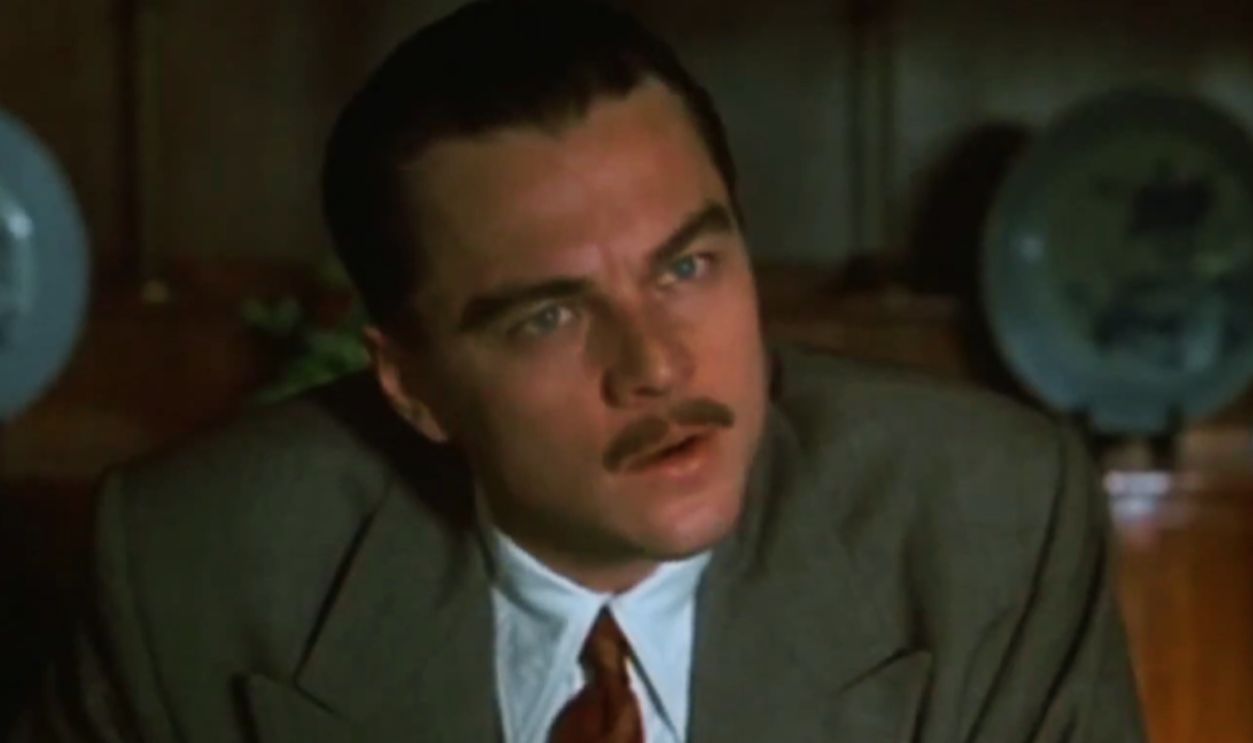 Warner Bros. Pictures, The Aviator (2004)
Benedict Cumberbatch – Alan Turing – The Imitation Game (2014)
Playing Alan Turing required Benedict Cumberbatch to dive deep into the mind of a man both brilliant and burdened. He studied Turing’s writings and mannerisms to understand his unique way of thinking, especially his social awkwardness and emotional restraint. His layered portrayal actually helped reignite public interest in Turing’s legacy.
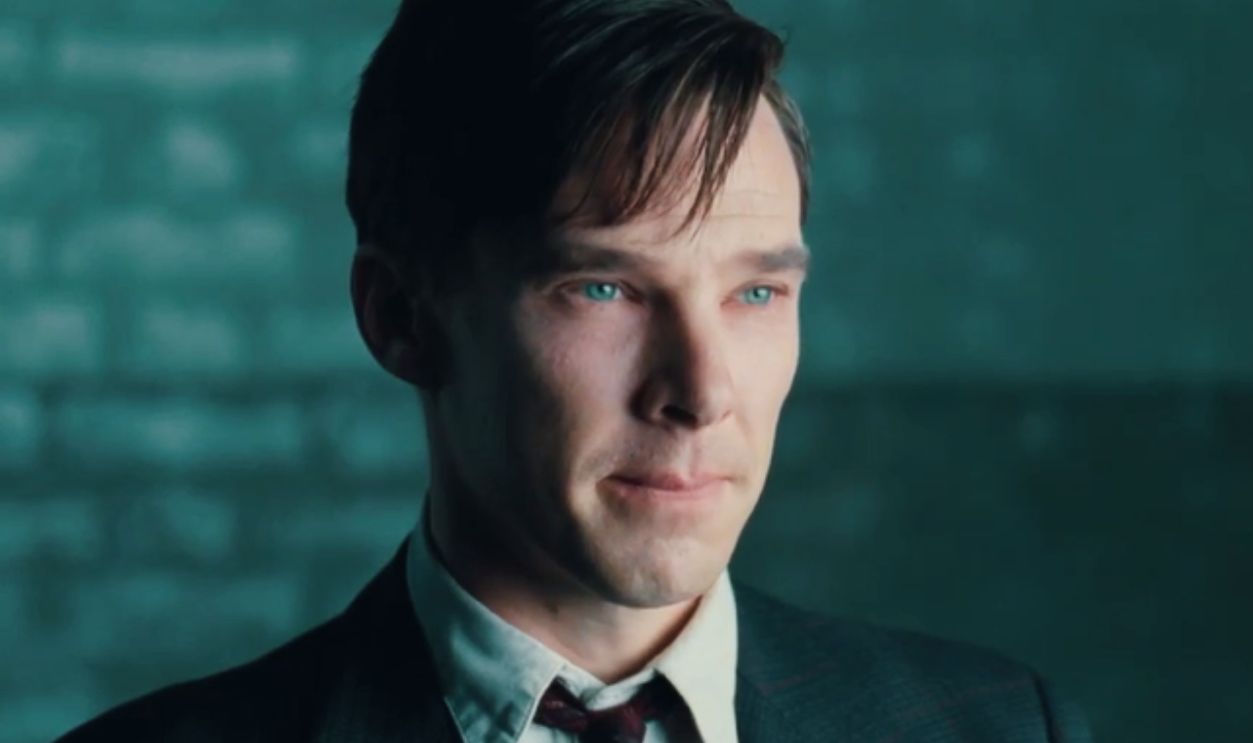 The Weinstein Company, The Imitation Game (2014)
Eddie Redmayne – Stephen Hawking – The Theory Of Everything (2014)
Redmayne’s Academy Award for The Theory Of Everything was well deserved. He played Stephen Hawking, the renowned physicist who experienced a gradual physical decline due to ALS. Redmayne consulted with specialists and kept a detailed chart tracking the restrictive progression of Hawking’s condition scene by scene.
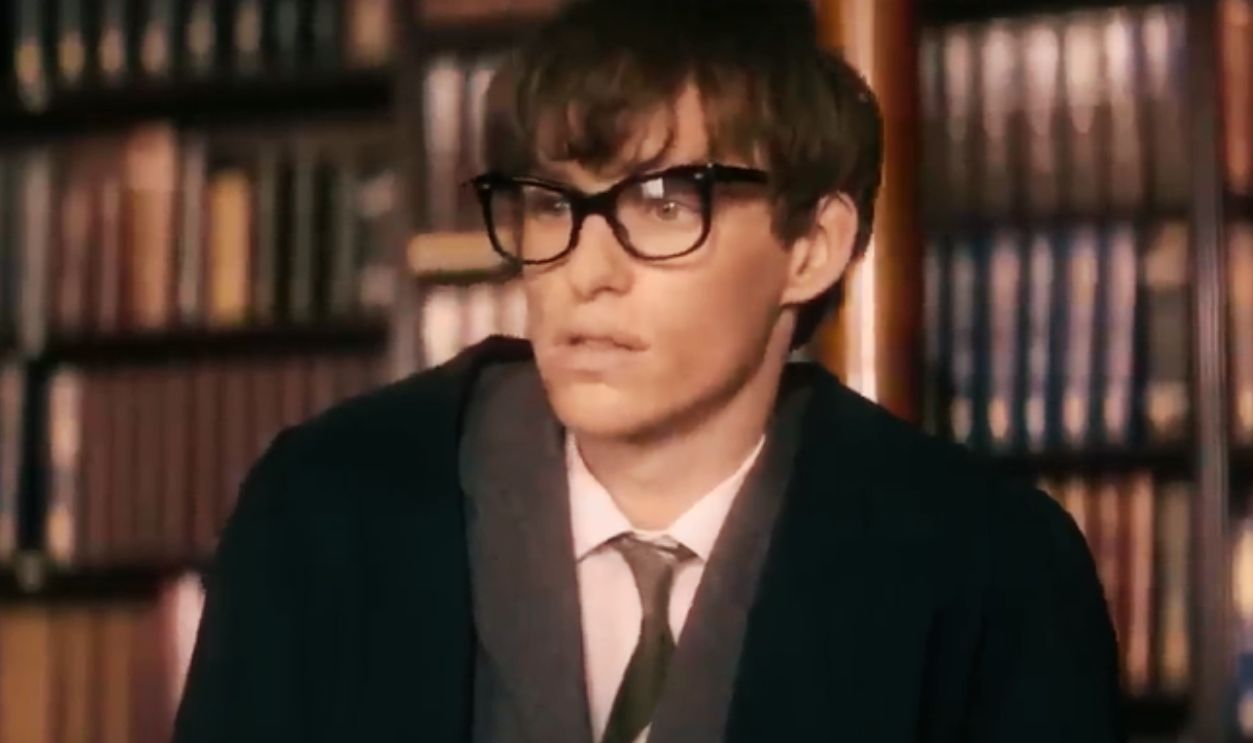 Focus Features, The Theory of Everything (2014)
Sean Penn – Harvey Milk – Milk (2008)
Harvey Milk changed history, and Sean Penn strived to honor the spirit of the first openly gay elected official in California. The performance felt urgent and lived-in, earning Penn his second Oscar and bringing Milk’s story to a wider audience.
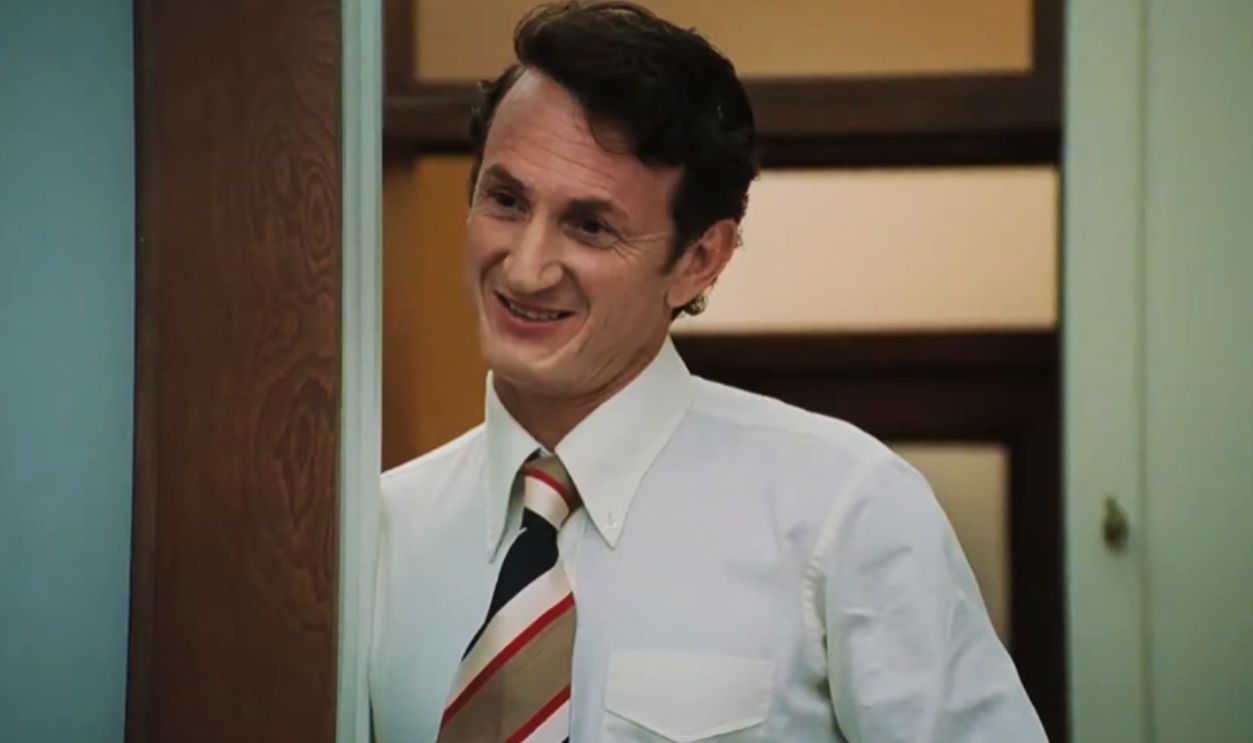
Salma Hayek – Frida Kahlo – Frida (2002)
For Salma Hayek, playing Frida Kahlo was a personal mission. She spent years fighting to get the film made with utmost truth and complexity. Once production began, she threw herself into the part, learning to paint like Kahlo, wearing heavy prosthetics, and enduring physical challenges to depict the artist’s chronic pain.
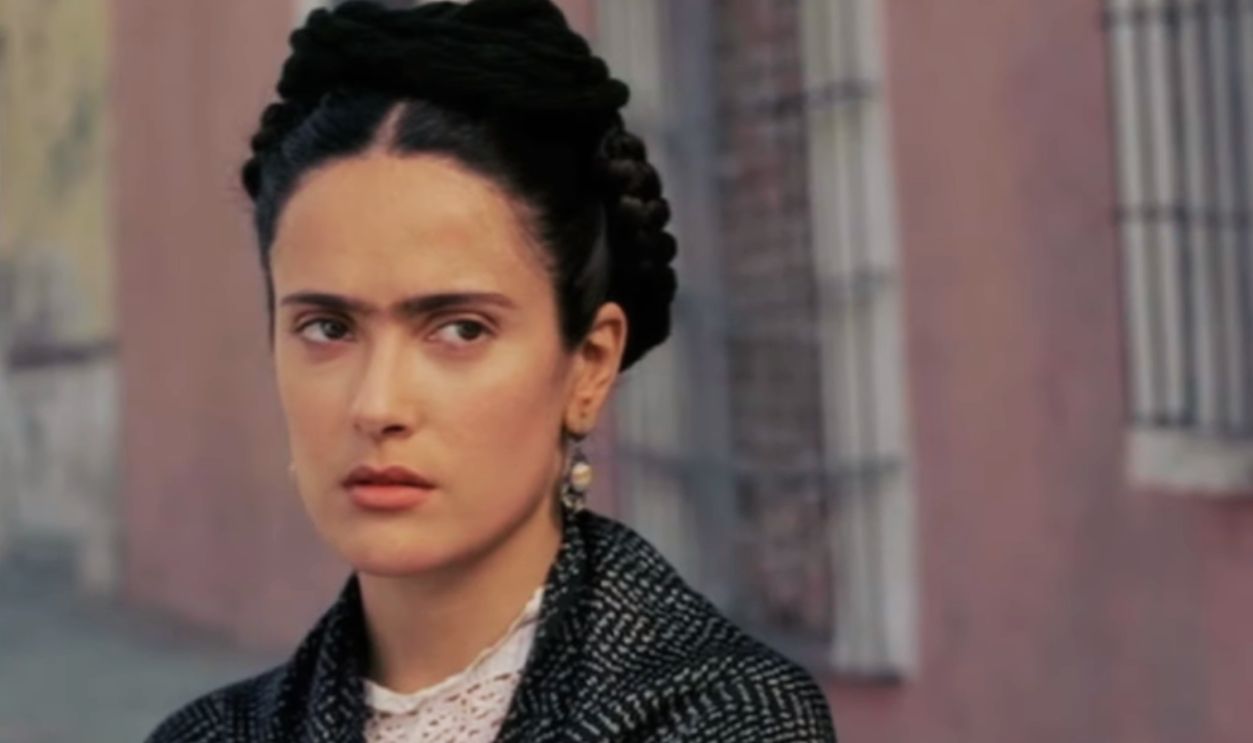
Cate Blanchett – Bob Dylan – I'm Not There (2007)
In a bold casting choice that paid off brilliantly, Cate Blanchett became one of the many faces of Bob Dylan in I’m Not There. She mimicked his swagger and transformed her voice to match his mid-1960s cadence with such an uncanny precision that many viewers forgot they were watching an actress.
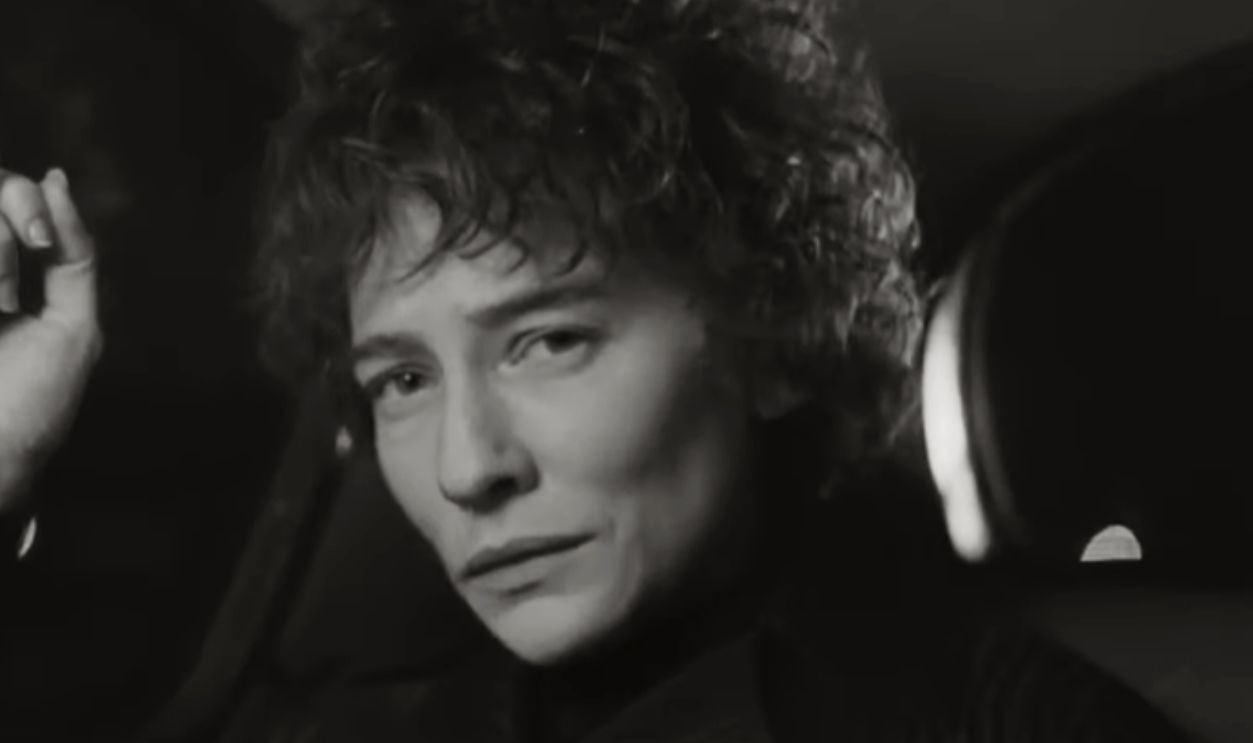 The Weinstein Company, I'm Not There (2007)
Jennifer Hudson – Aretha Franklin – Respect (2021)
Handpicked by Aretha Franklin herself years before filming began, Hudson treated the role with deep reverence. Every song in the film was performed live, with Hudson channeling both the technical mastery and raw spirit that defined Queen of Soul’s legacy.
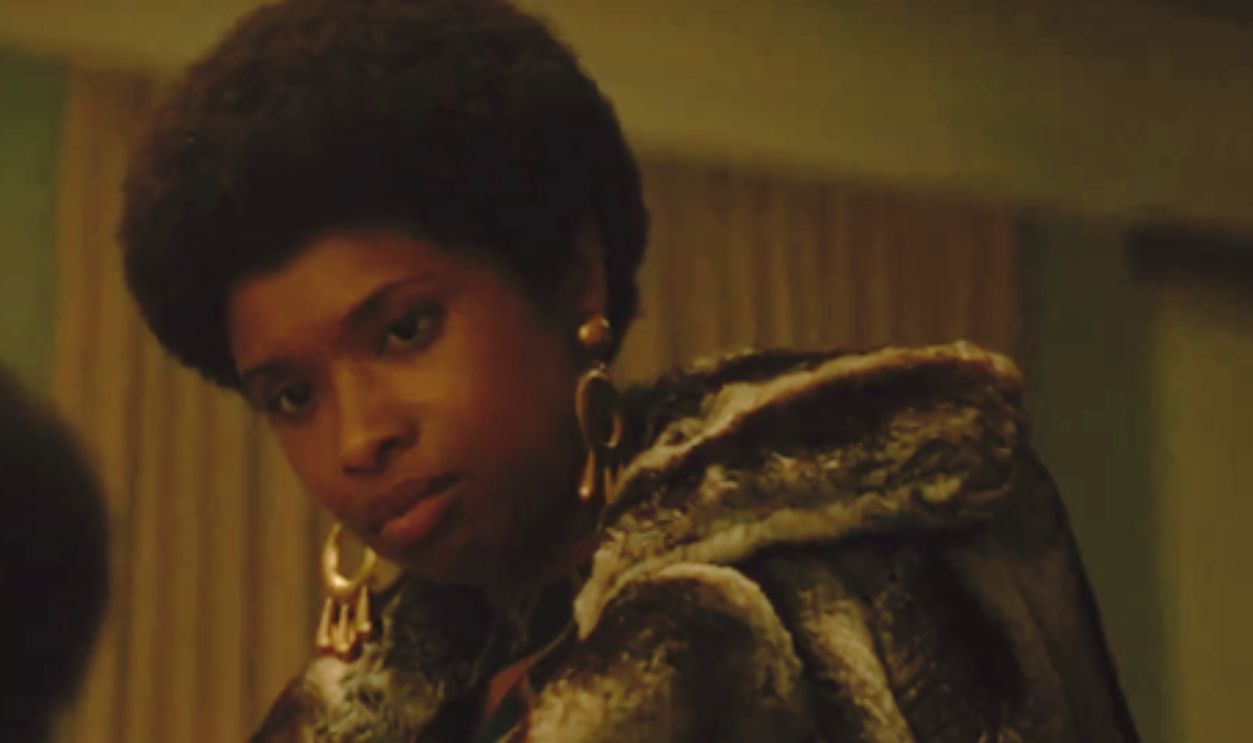 United Artists Releasing, Respect (2021)
Mark Ruffalo – Robert Bilott – Dark Waters (2019)
To prepare for his role as Robert Bilott, Mark Ruffalo spent time with the real environmental lawyer, absorbing not only legal details but also his tireless sense of duty. Ruffalo took a restrained approach by avoiding courtroom theatrics in favor of slow-burning tension that came with the years-long battle against chemical giants.
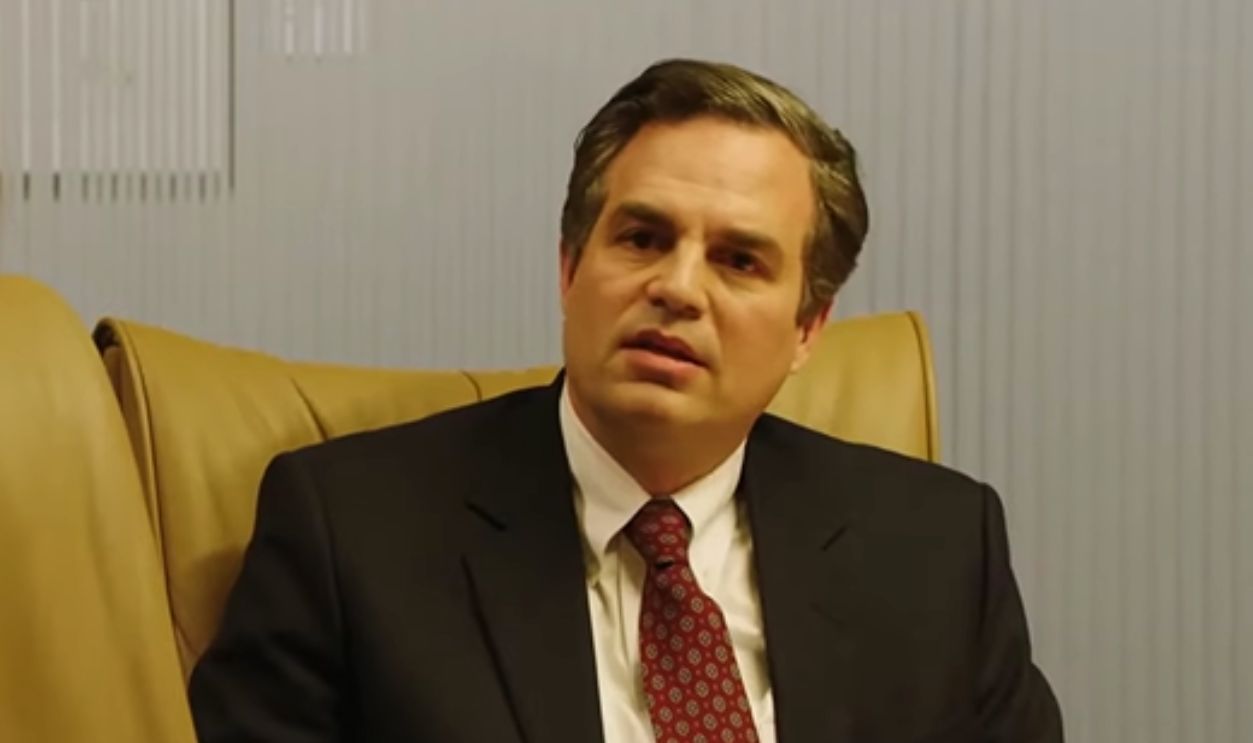 Focus Features, Dark Waters (2019)
Paul Giamatti – Harvey Pekar – American Splendor (2003)
Paul Giamatti delivered a performance that was as offbeat and unpredictable as Harvey Pekar himself. He studied hours of interviews, comics, and candid footage to nail the underground comic writer’s mumbling cadence and grumpiness. After the first screening of the film, Pekar himself said, “Wow…They took a lot of chances and they all worked”.
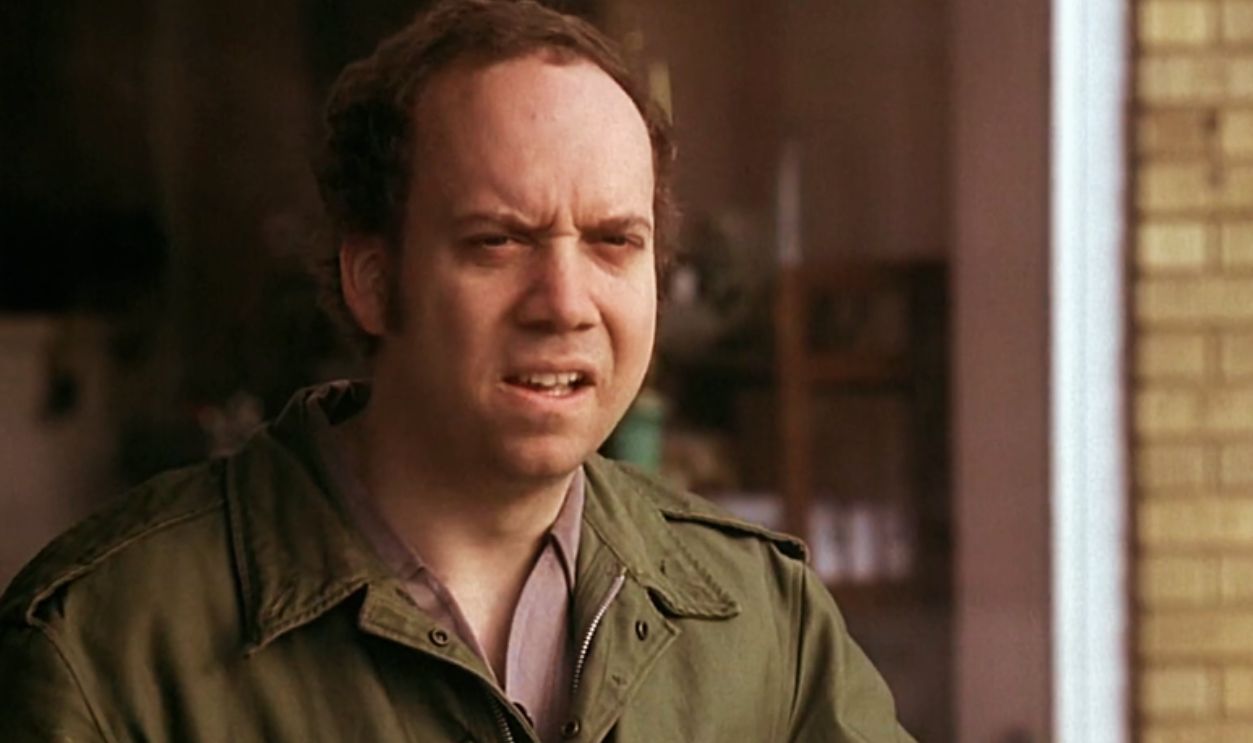 HBO Films, American Splendor (2003)
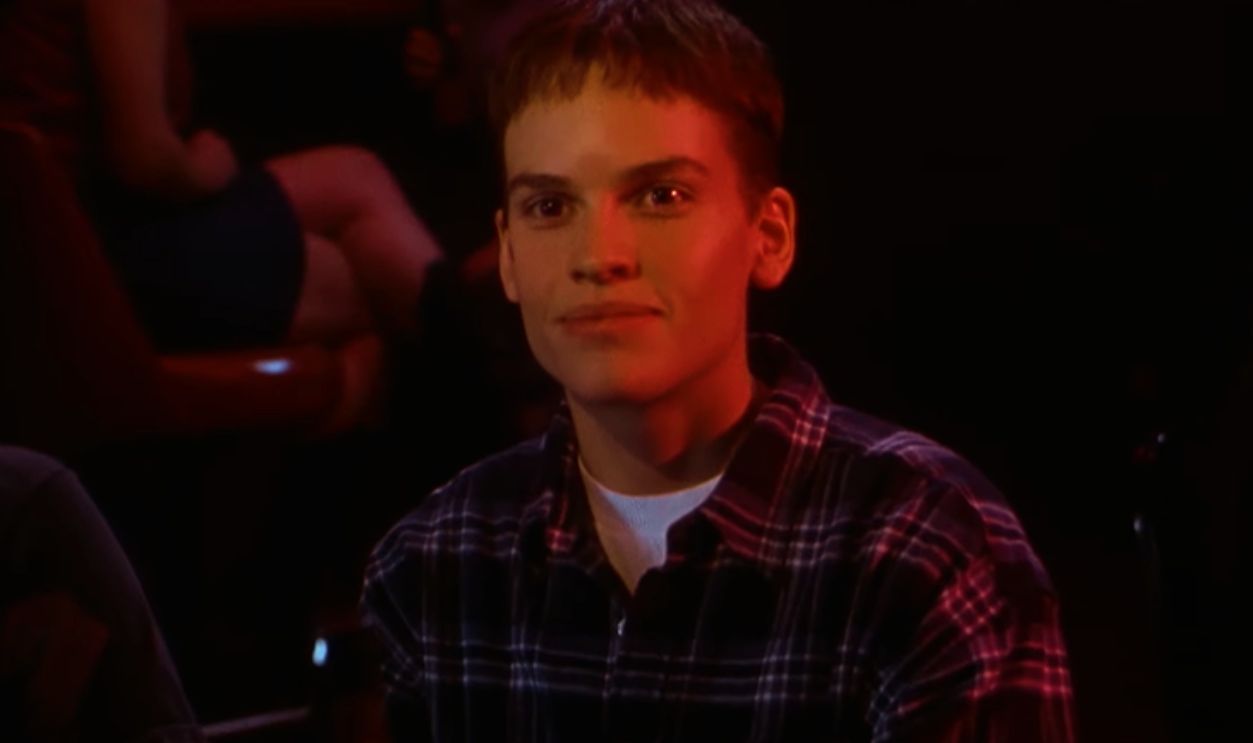
Hilary Swank – Brandon Teena – Boys Don’t Cry (1999)
Hilary Swank lived as a man for weeks before shooting, binding her chest and lowering her voice even in casual conversations. Swank’s determination to understand the social and emotional complexities of Brandon’s life earned her an Oscar. The movie played a role in sparking necessary conversations about gender identity and violence.
 Fox Searchlight Pictures, Boys Don’t Cry (1999)
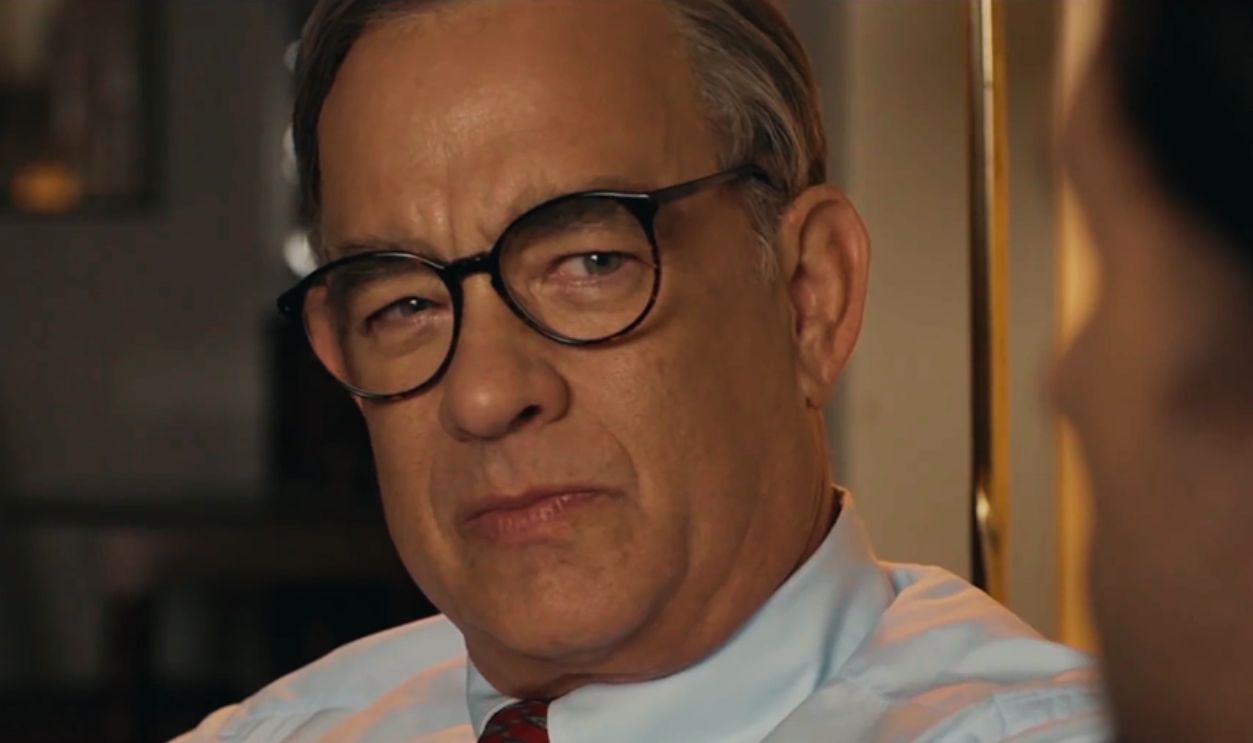
Tom Hanks – Fred Rogers – A Beautiful Day In The Neighborhood (2019)
Stepping into the shoes of Fred Rogers was no small task, but Tom Hanks spent considerable time studying old episodes of Mister Rogers’ Neighborhood to capture the cadence of Fred Rogers’ speech. The emotional patience and warmth that made Rogers so beloved for children and adults came across beautifully in the movie.
 Sony Pictures, A Beautiful Day in the Neighborhood (2019)
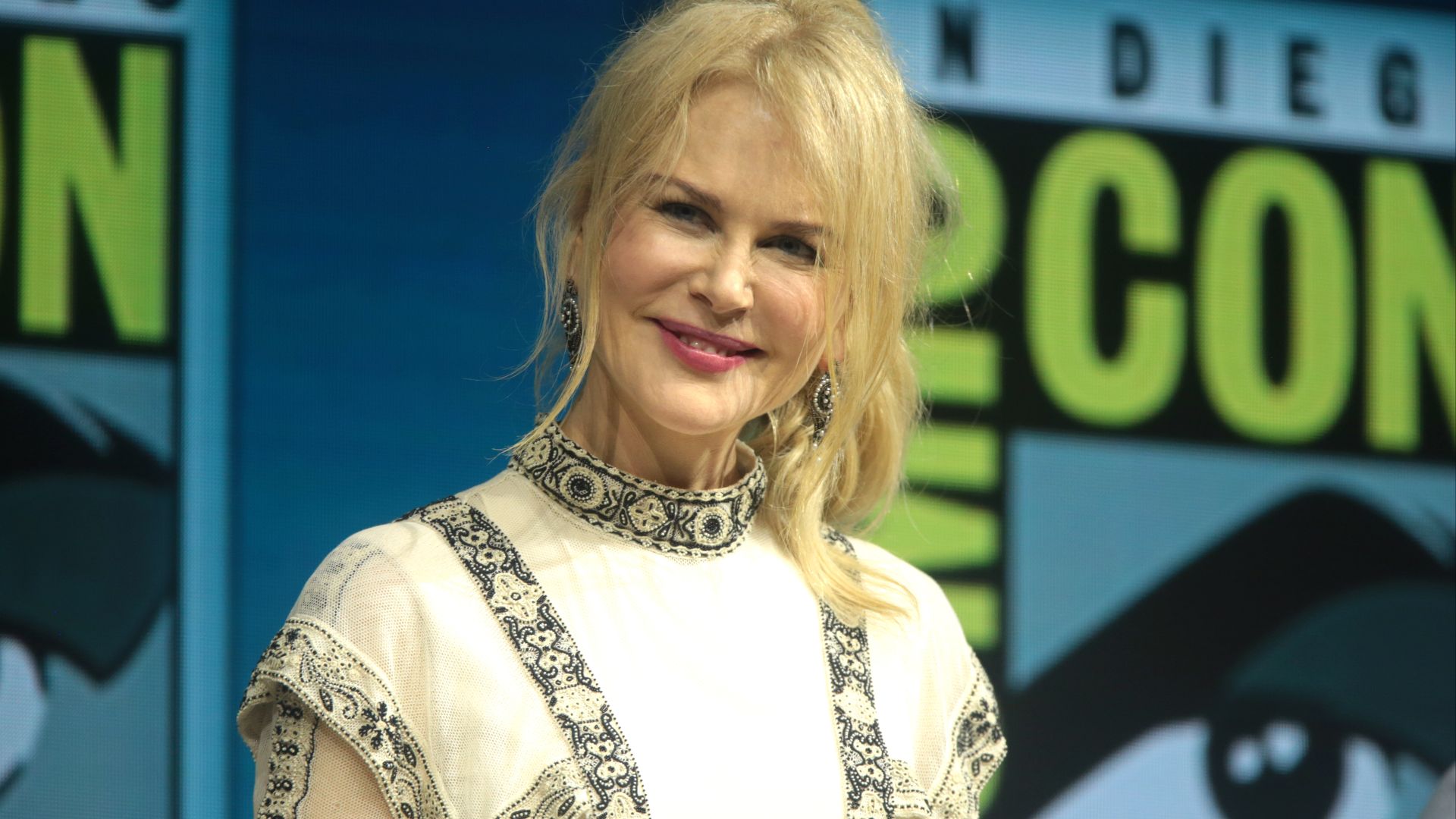
Nicole Kidman – Virginia Woolf – The Hours (2002)
The Hours had three phenomenal actresses, but the way Nicole Kidman disappeared into the role of Virginia Woolf with her transformation stunned audiences. Not only did she physically reshape herself with the makeup, she fully leaned into Woolf’s intensity and fragility to deliver an emotionally gripping performance.
 Gage Skidmore from Peoria, AZ, United States of America, Wikimedia Commons
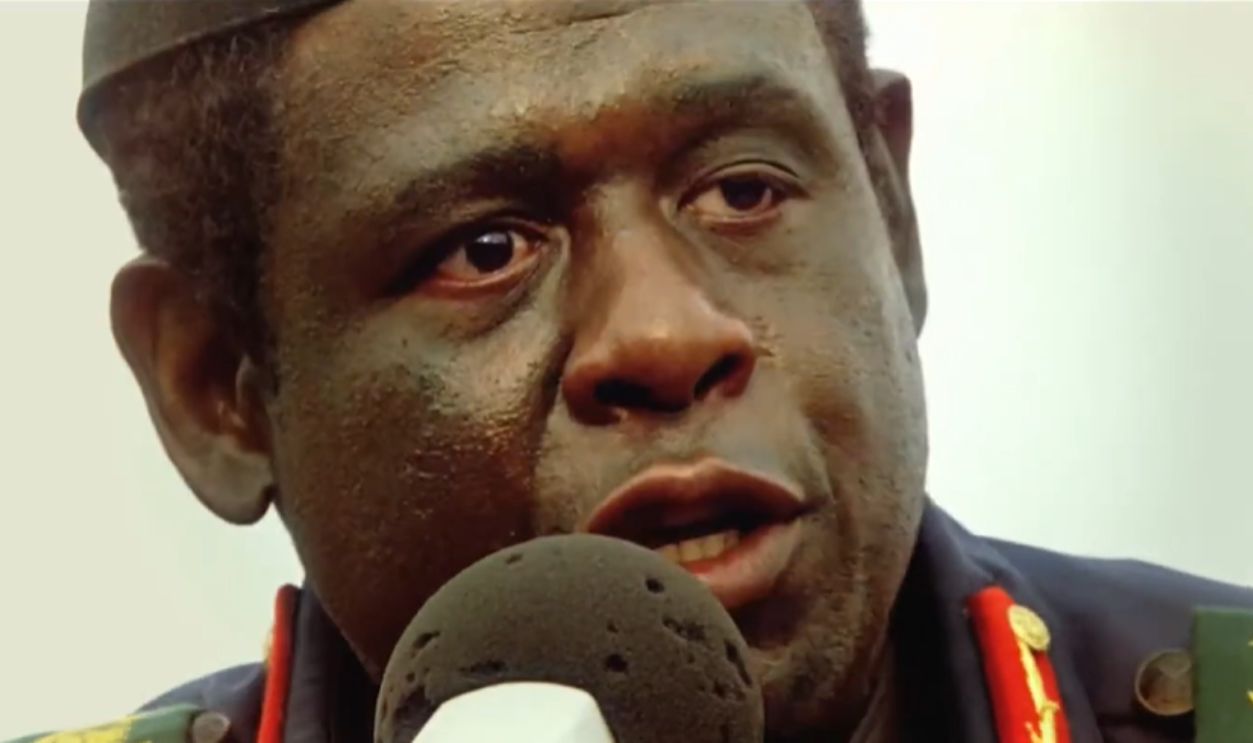
Forest Whitaker – Idi Amin – The Last King Of Scotland (2006)
Bringing a dictator to life required Forest Whitaker to take an immersive and unsettling path. He spent time in Uganda, learned Swahili, studied Amin’s speeches, and even gained weight to match the Ugandan leader’s physical presence. Critics called it one of the greatest portrayals of political power gone wrong.
 Fox Searchlight Pictures, The Last King of Scotland (2006)
Ray Liotta – Henry Hill – Goodfellas (1990)
Henry Hill, a mobster turned FBI informant, was involved in the making of Goodfellas and even got paid a hefty sum. Ray Liotta spoke with Hill directly to prepare for the role. He brought a sense of escalating paranoia and moral decay that mirrored Hill’s journey through the criminal underworld.
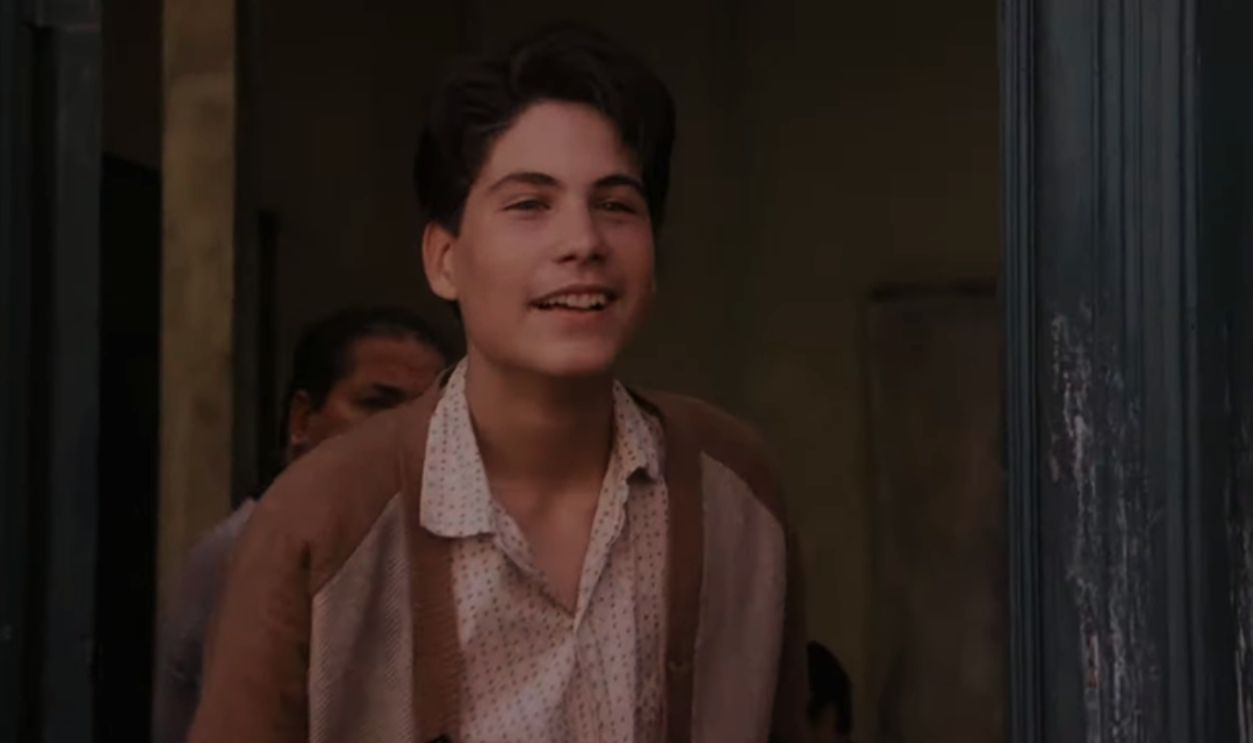 Warner Bros. Pictures, Goodfellas (1990)
Eddie Redmayne – Lili Elbe – The Danish Girl (2015)
Playing Lili Elbe, one of the first known recipients of gender-affirming surgery, required Eddie Redmayne to approach the role with deep care. Redmayne’s performance was both delicate and powerful, and while it sparked important conversations about casting transgender folks for trans roles, it also brought long-overdue attention to Lili’s story.
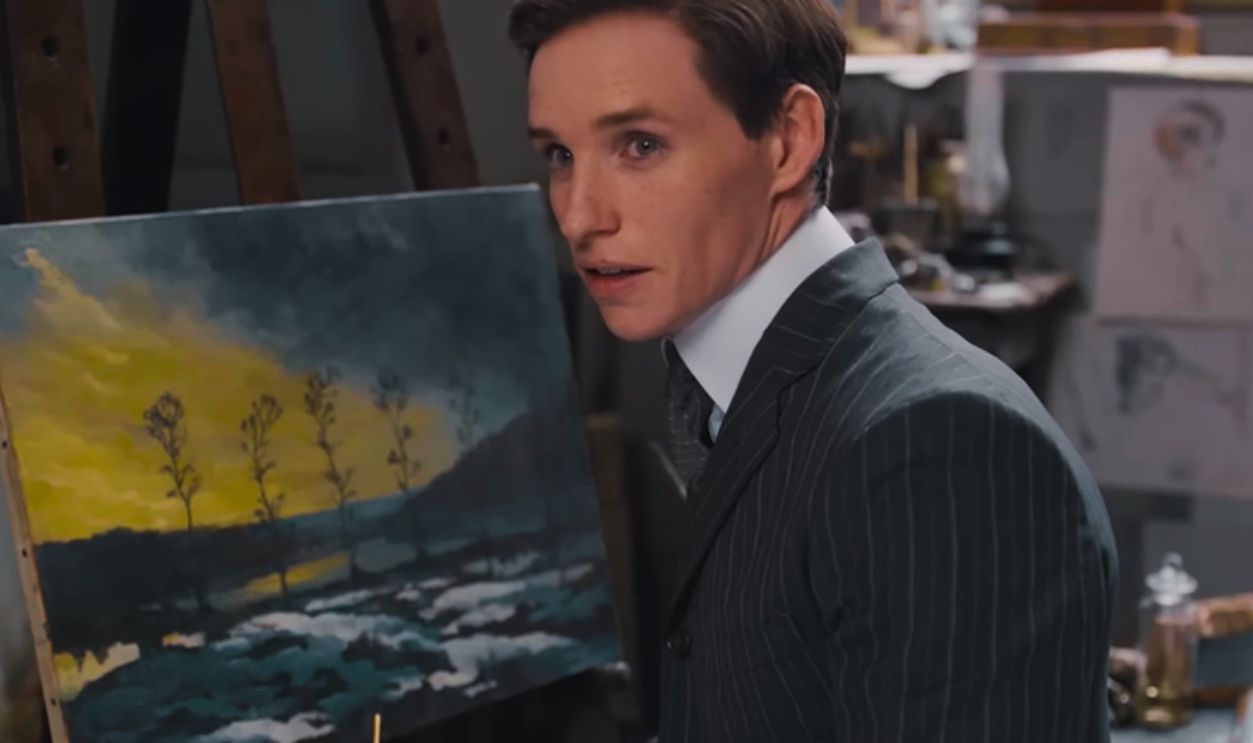 Focus Features, The Danish Girl (2015)
Val Kilmer – Jim Morrison – The Doors (1991)
Val Kilmer’s commitment to playing Jim Morrison bordered on eerie. He studied Morrison’s music, poetry, and interviews so obsessively that even the surviving members of The Doors had trouble telling their voices apart during playback. Off-camera, Kilmer stayed in character for long stretches, almost like he was unraveling in real time.
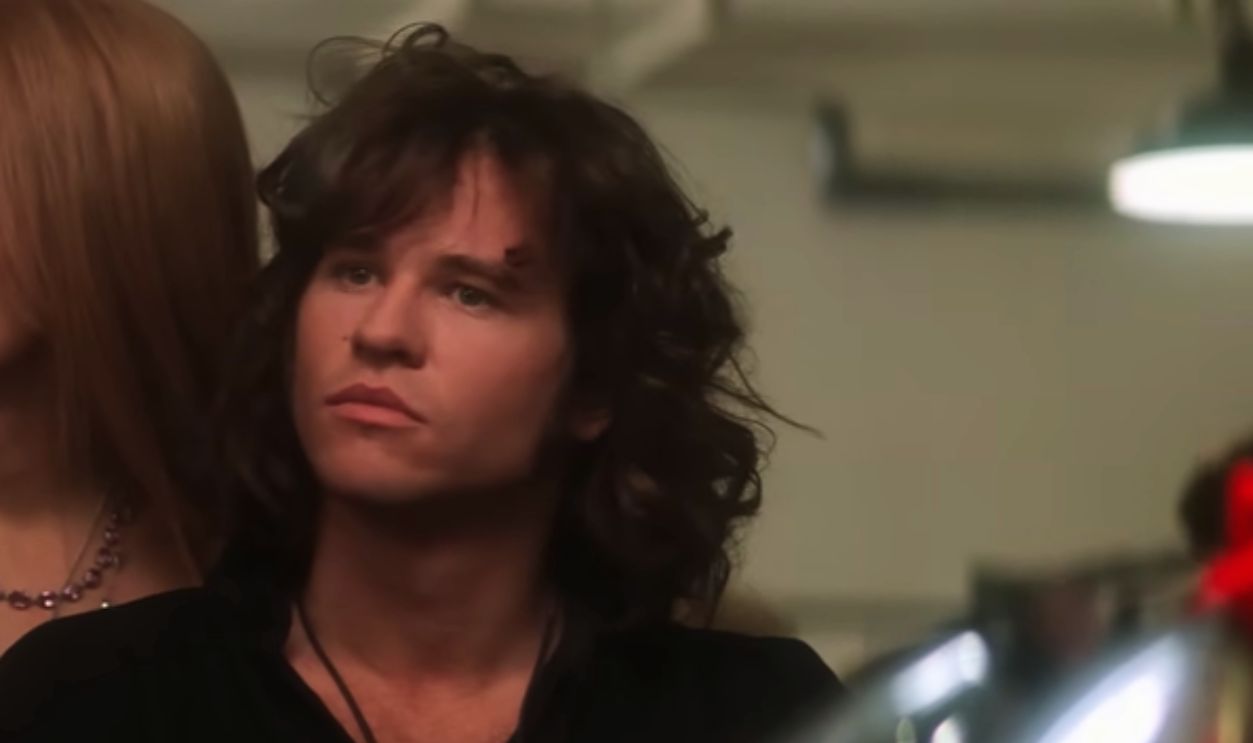 TriStar Pictures, The Doors (1991)
Anthony Hopkins – Alfred Hitchcock – Hitchcock (2012)
Anthony Hopkins transformed himself into Alfred Hitchcock with the help of heavy prosthetics, but it was his mimicry of deliberate speech patterns and dry wit that truly brought the director to life. The role also explored his complex relationship with fear, fame, and control.
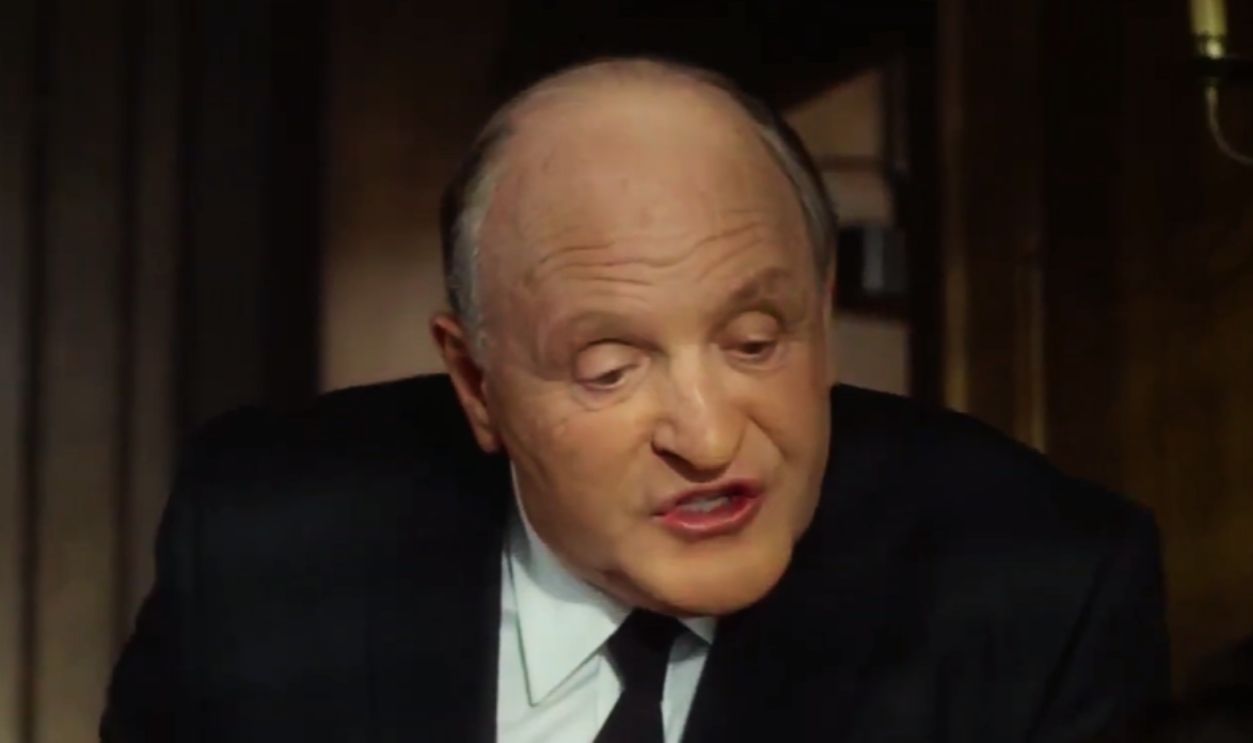 Fox Searchlight Pictures, Hitchcock (2012)
Emma Stone – Billie Jean King – Battle Of The Sexes (2017)
Portraying tennis legend Billie Jean King meant more than just learning to swing a racket. Emma Stone intensively for months, gaining muscle and perfecting King’s distinctive style of play, and she worked closely with King herself to understand the era’s pressures and expectations.
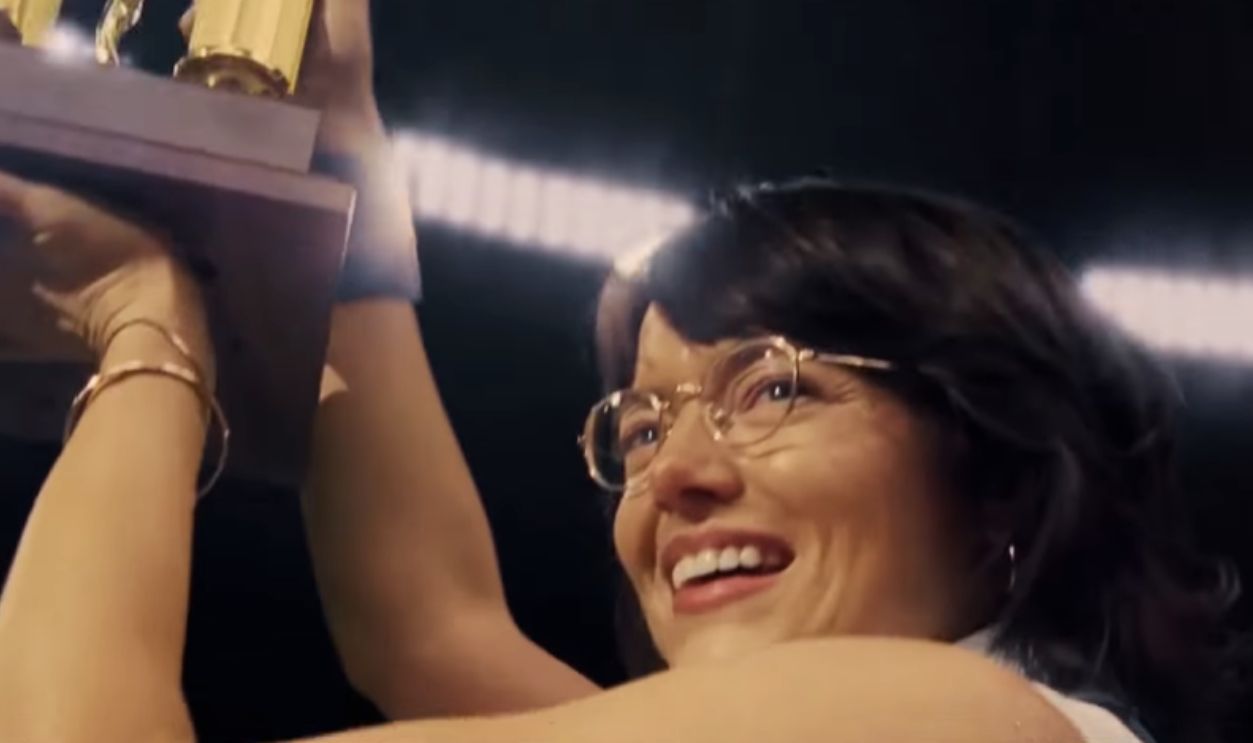 Fox Searchlight Pictures, Battle of the Sexes (2017)
Michelle Williams – Marilyn Monroe – My Week With Marilyn (2011)
Michelle Williams leaned fully into that duality of the myth and the person beneath THE Marilyn Monroe. She played Monroe during the filming of The Prince and the Showgirl, for which she gained weight to match Monroe’s figure and spent months working with vocal coaches to capture her famous breathy tone.
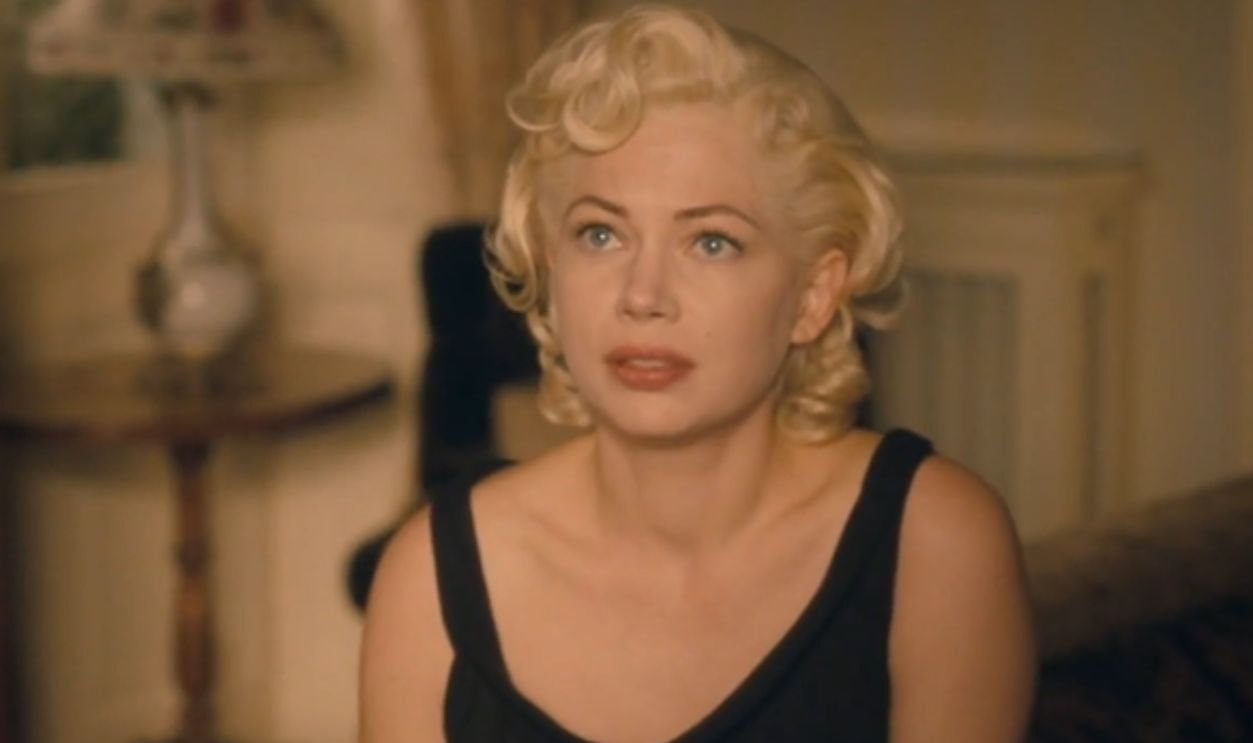 The Weinstein Company, My Week With Marilyn (2011)