Their Presence Makes Tummies Churn
Yes, yes, everyone knows they are just “acting”. But did they have to be this cruel, mean, or inconsiderate? Watching these characters feels personal, like running into someone who ruins the room and never gets called out.
1. Miss Trunchbull (Matilda)
Whenever Miss Trunchbull shows up, the kids’ faces say it all, and her theatrics as the movie unfolds seal the hate. She yanks Amanda Thripp by her pigtail and forces Bruce Bogtrotter to eat cake in front of everyone. Her cruelty boggles the mind. Why choose a job around children?
 Screenshot from Matilda, Sony Pictures Releasing (1996)
2. Dolores Umbridge (Harry Potter And The Order Of The Phoenix)
With Umbridge, rules come first; empathy never enters the picture. A sweet smile, soft curls, and endless pink frame calculated punishment. Blood quills enforce obedience under bureaucratic cover. Her devotion to authority over humanity fuels the hatred, especially when savagery hides behind procedure.
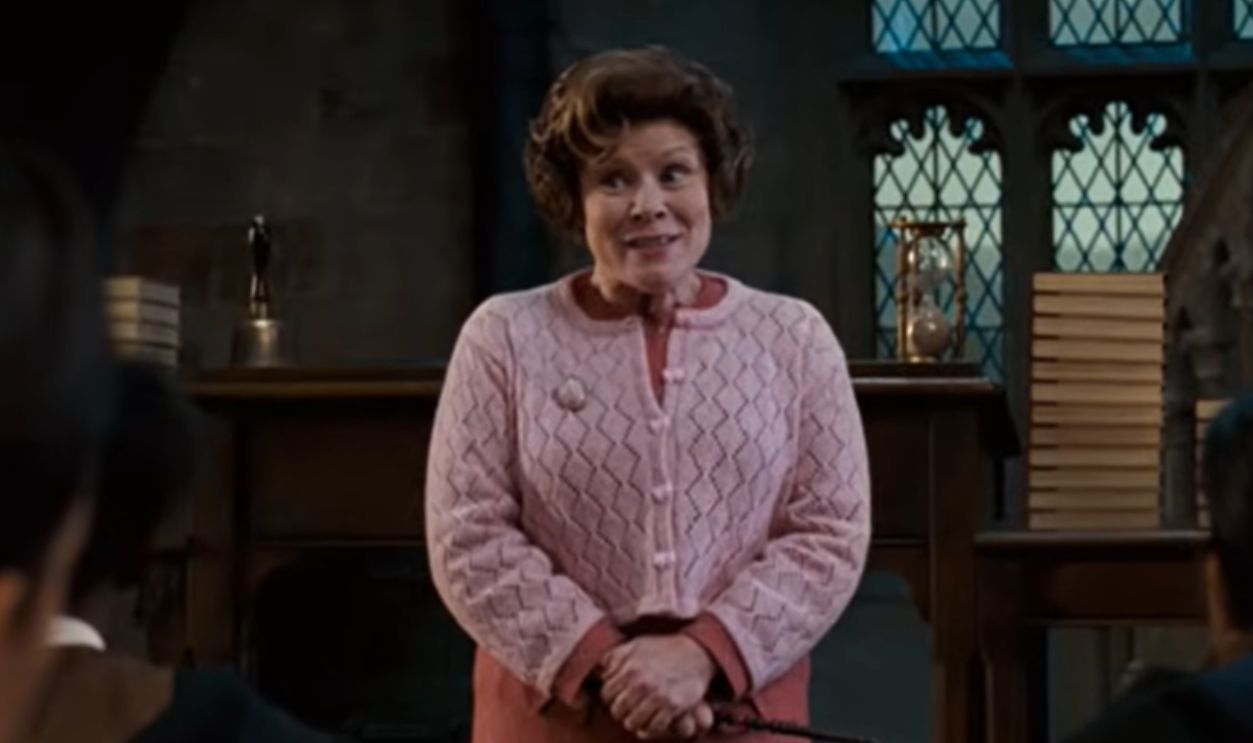 Screenshot from Harry Potter and the Order of the Phoenix, Warner Bros. (2007)
3. Jar Jar Binks (Star Wars: The Phantom Menace)
Nearly every Jar Jar Binks’s appearance involves shouting or overreacting to the point that all the exaggerated movements interrupt serious scenes. The humor never pauses, and instead of offering relief, the clumsiness pulls viewers out of the story and turns irritation into a lasting reaction.
 Screenshot from Star Wars: The Phantom Menace, 20th Century Fox (1999)
4. Anakin Skywalker (Star Wars: Attack Of The Clones)
Anakin Skywalker’s emotions swing fast and without warning, especially in romantic moments where affection flips into anger. Fear and insecurity exist, yet the buildup feels missing. Many struggled to connect because the emotional shifts came off as abrupt rather than believable.
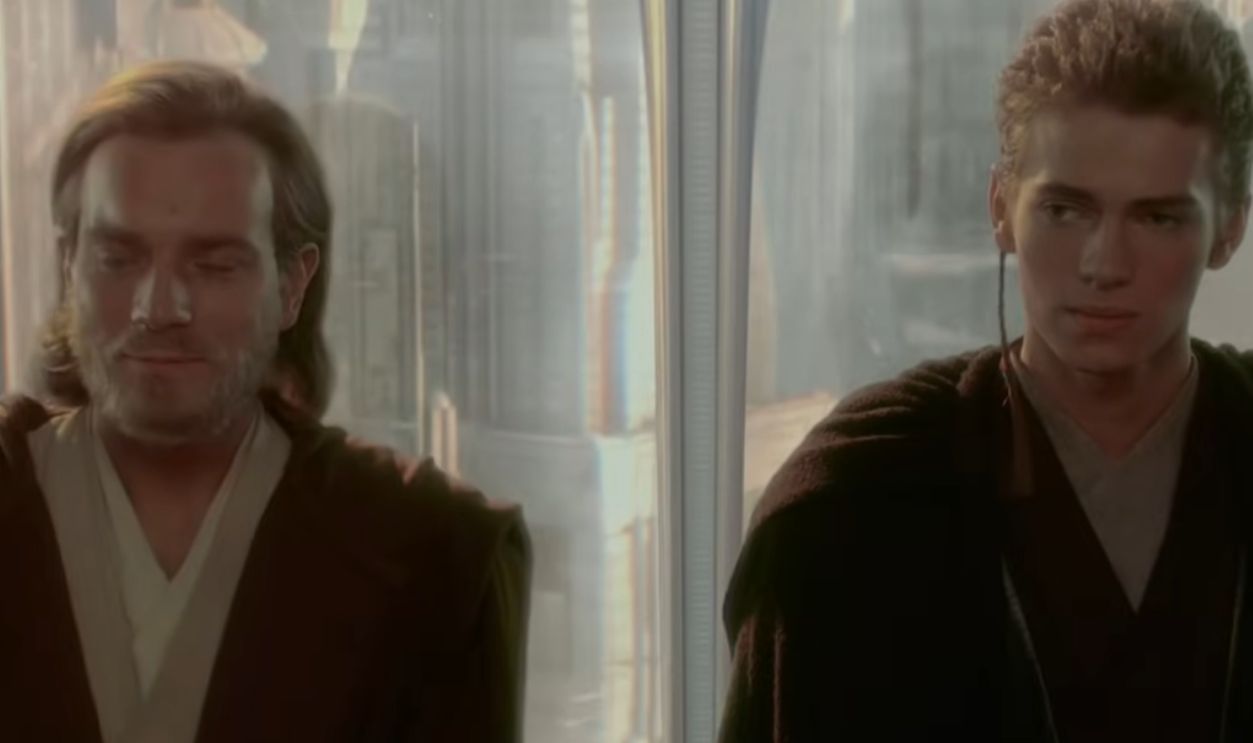 Screenshot from Star Wars: Attack of the Clones, 20th Century Fox (2002)
5. Bella Swan (Twilight)
Most scenes are reserved, even in places where emotion should surface. Almost always, Bella avoids conflict, and her sense of self centers almost entirely on romance. While accurate to the source material, the lack of outward expression made some people watching disengage.
 Screenshot from Twilight, Lionsgate (2008)
6. Rose Tico (Star Wars: The Last Jedi)
Introduced as practical, nervous, and idealistic, Tico reacts like a normal person under pressure. The issue with her wasn’t behavior or intent. It was that she appeared late in a long-running saga, and this created expectations that the persona was never meant to carry. Eventually, this led to backlash.
 Screenshot from Star Wars: The Last Jedi, Walt Disney Studios Motion Pictures (2017)
7. Commodus (Gladiator)
Commodus’s insecurity drives nearly every decision. Approval is constantly sought and rarely granted, and when he feels threatened in any way, jealousy turns into wickedness. Power exposes weakness, and as a result, the audiences respond strongly because his authority amplifies emotional instability rather than confidence.
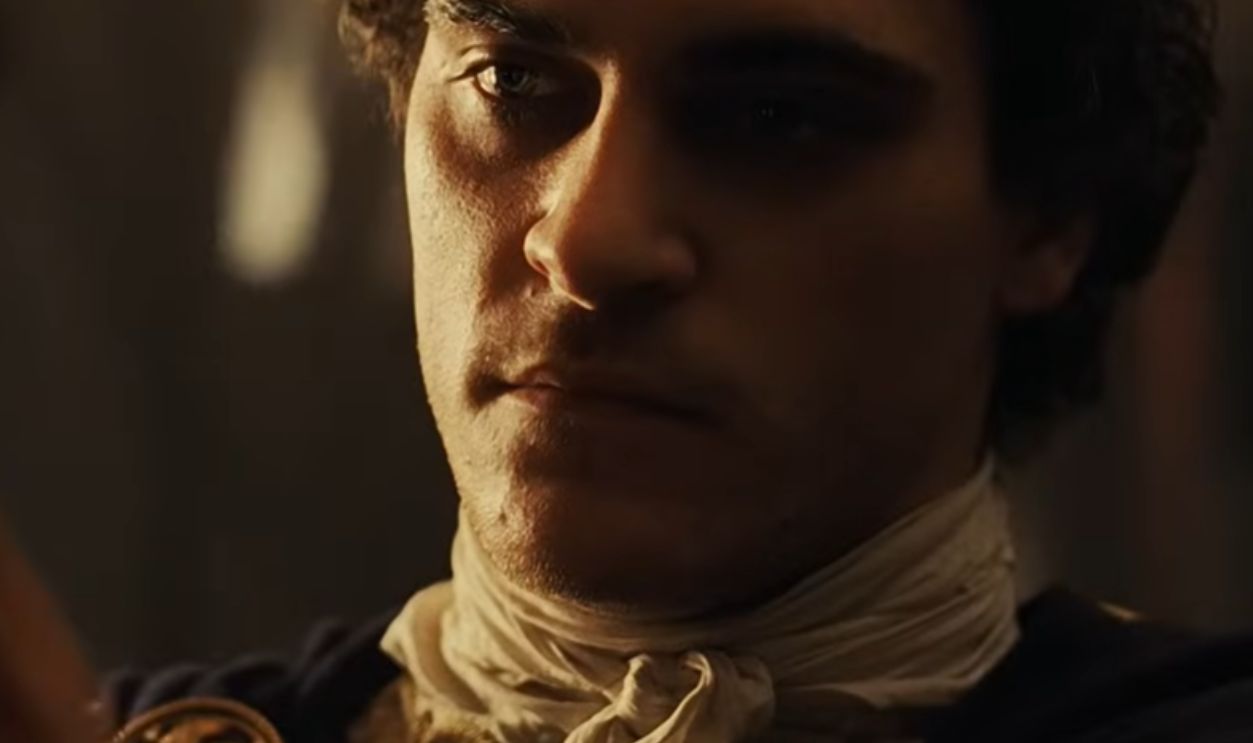 Screenshot from Gladiator, DreamWorks Pictures (2000)
8. Gellert Grindelwald (Fantastic Beasts: The Crimes Of Grindelwald)
Style dominates the screen before motivation becomes clear. Accents, costumes, and theatrical delivery grab attention, but the character’s beliefs and goals struggle to land. Viewers focused more on the presentation than on the purpose, weakening engagement and stalling momentum.
 Screenshot from Gladiator, DreamWorks Pictures (2000)
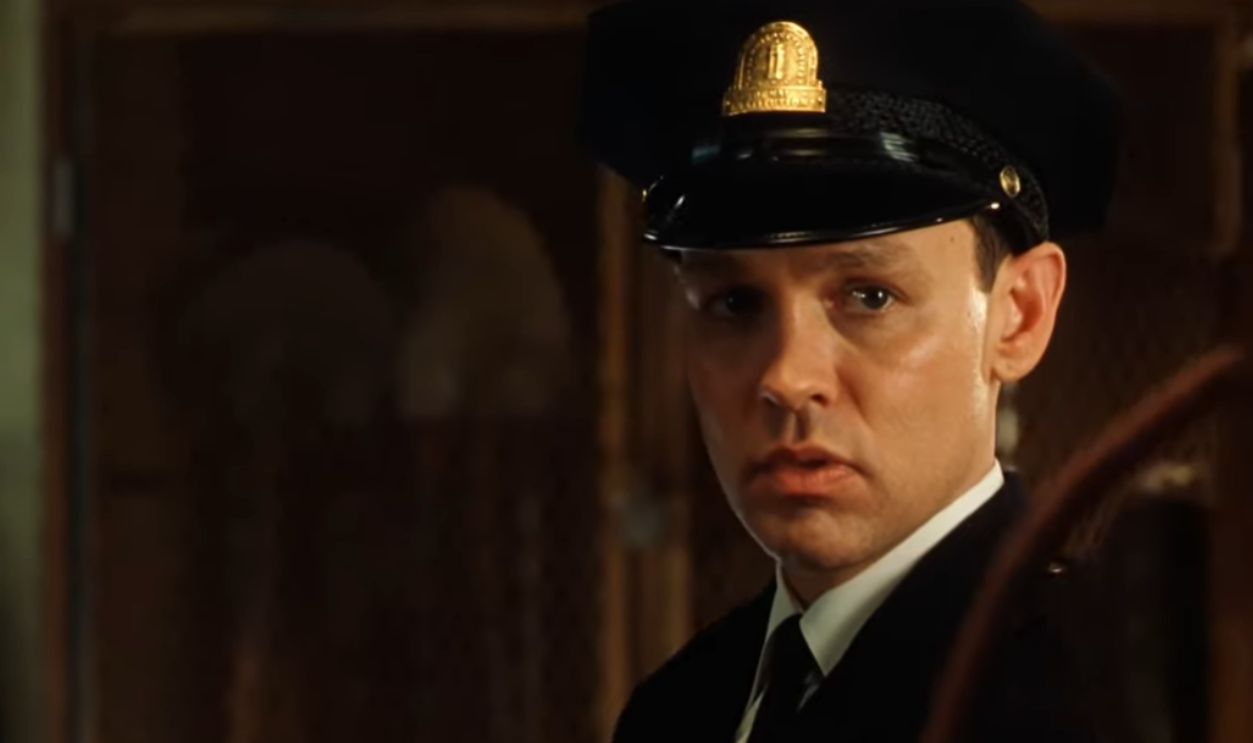
9. Percy Wetmore (The Green Mile)
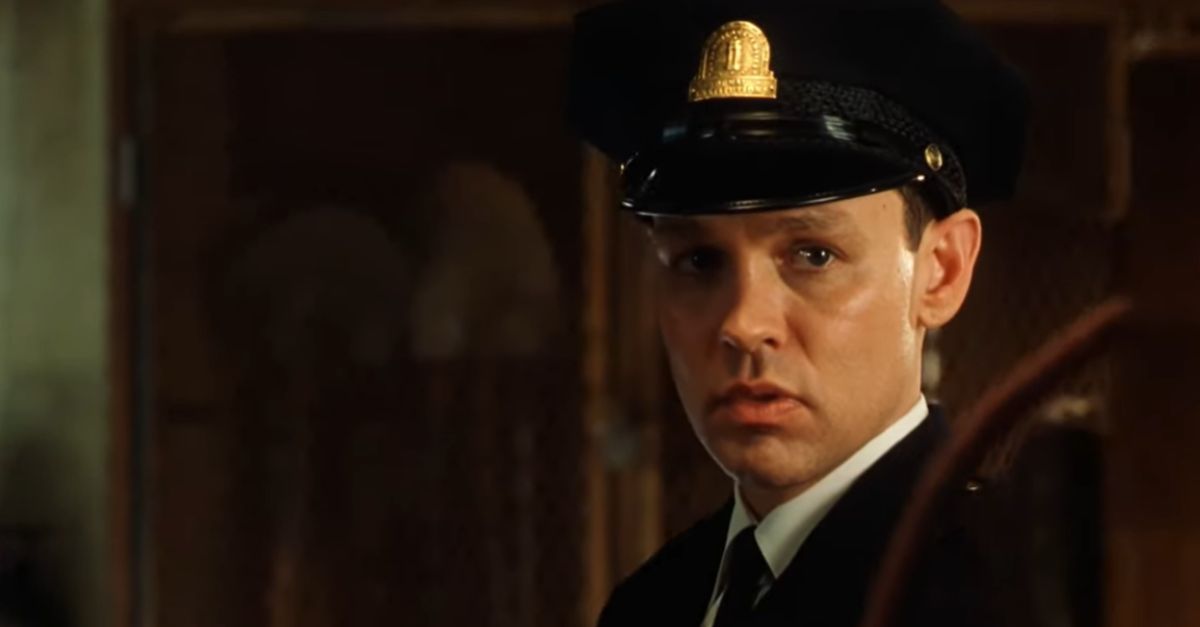
People hated him because the moment he was given authority, he abused it. Whenever Wetmore was challenged, his cowardice surfaced fast. The worst part is that his actions cause real harm. Audience anger feels intense because the behavior mirrors familiar abuses of unchecked power in the real world.
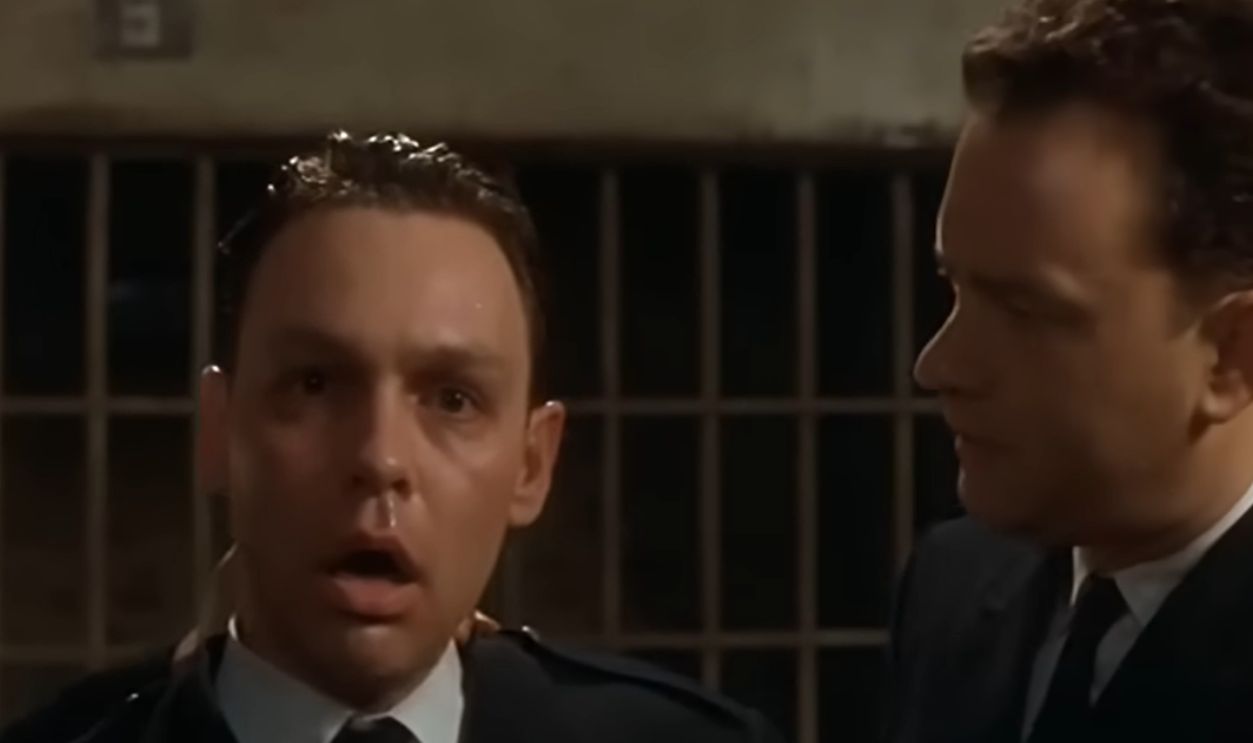 Screenshot from The Green Mile, Warner Bros. (1999)
10. Willy Wonka (Charlie And The Chocolate Factory)
If there are words that would describe Willy Wonka best, they would be emotionally distant, almost scripted. His speeches stay blunt with a stare into the air. The behavior stems from unresolved childhood issues. Families expecting charm instead encountered discomfort, which became the defining takeaway for many.
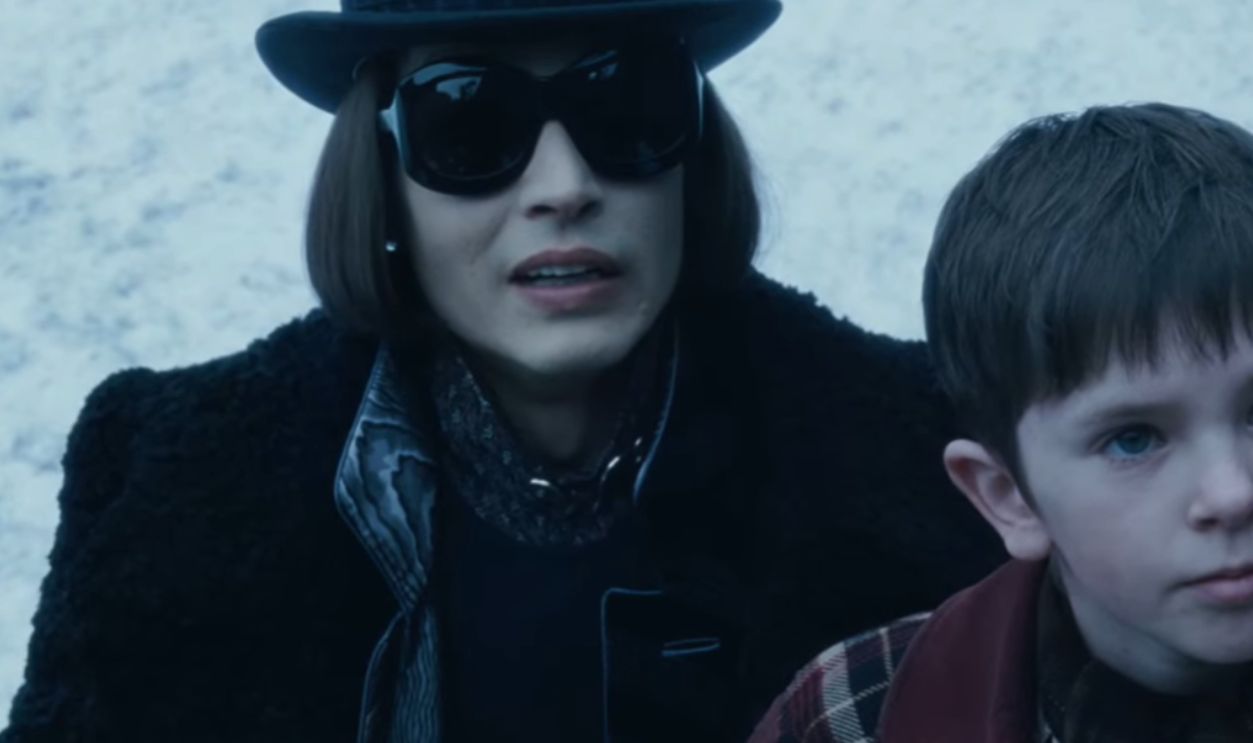 Screenshot from Charlie and the Chocolate Factory, Warner Bros. (2005)
11. Jenny Curran (Forrest Gump)
Barefoot entrances and sudden exits shape Jenny Curran’s presence in the movie. She drifts through movements and causes without pause, then leaves Forrest to absorb the fallout. Trauma explains the behavior without softening its impact, and viewers grow frustrated as the same consequences repeat.
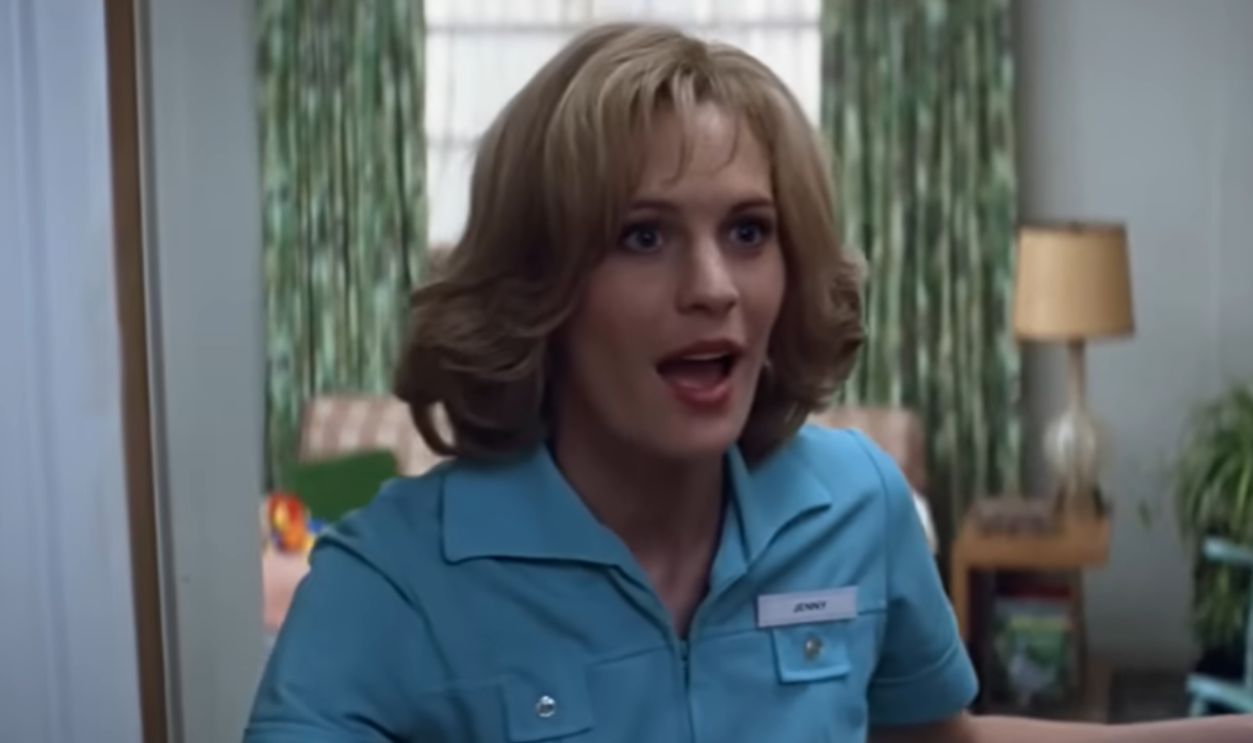 Screenshot from Forrest Gump, Paramount Pictures (1994)
12. General Hux (Star Wars: The Force Awakens)
Audiences criticized Hux’s shift from chilling propagandist to comic relief. His tantrums undermined menace, rivalry with Kylo Ren felt petty, and his spy twist seemed rushed. Many saw wasted potential, weakening the First Order’s credibility despite Domhnall Gleeson’s strong performance.
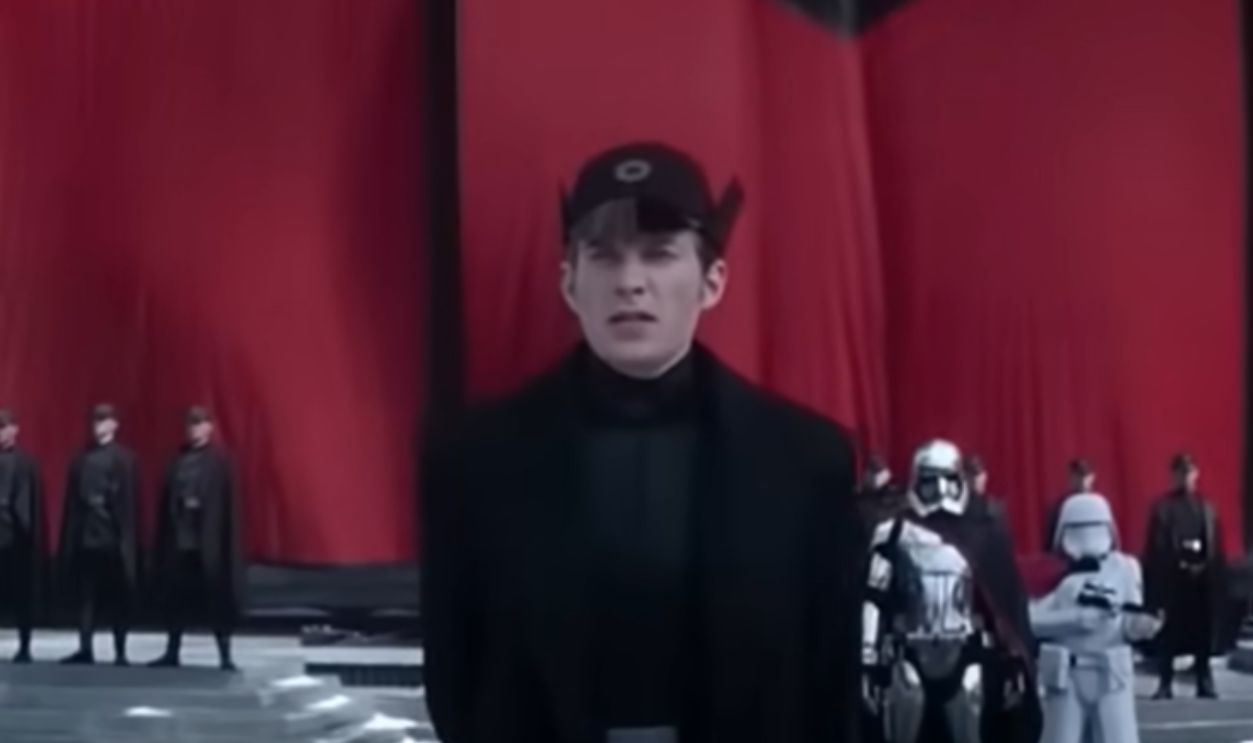 Screenshot from Star Wars: The Force Awakens, Walt Disney Studios Motion Pictures (2015)
13. Carter Burke (Aliens)
Burke’s corporate betrayal was his flaw. His greed sacrificed lives, and he sabotaged trust more than the xenomorphs. When Ripley exposed him, panic replaced confidence. The slow downfall satisfied viewers, who cheered his fate because profit-driven cruelty—not monsters—was the true horror.
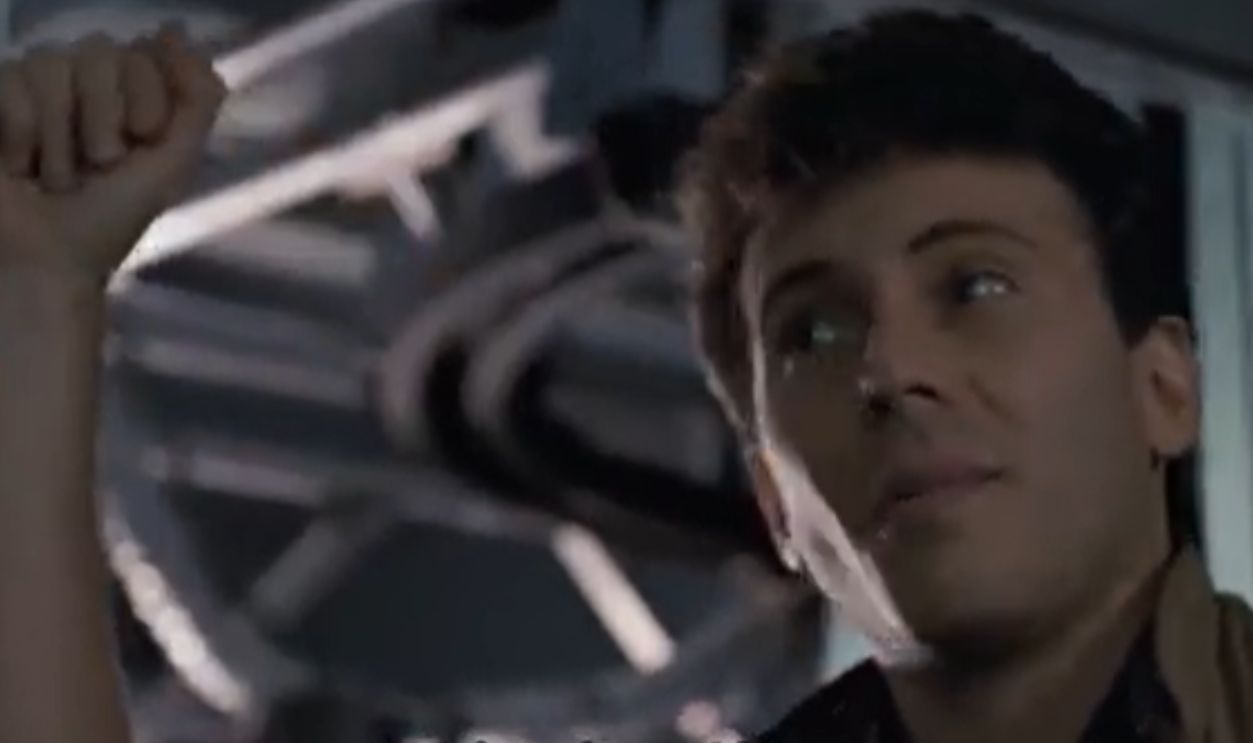 Screenshot from Aliens, 20th Century Fox (1986)
14. Cal Hockley (Titanic)
His entitlement fueled audience hatred, with Cal’s wealth and threats controlling every room he entered. Once Rose slipped beyond his reach, insecurity surfaced. Privilege had masked malice, but the Titanic’s sinking stripped away leverage, leaving audiences to loathe the cowardice beneath perfect hair and tailored suits.
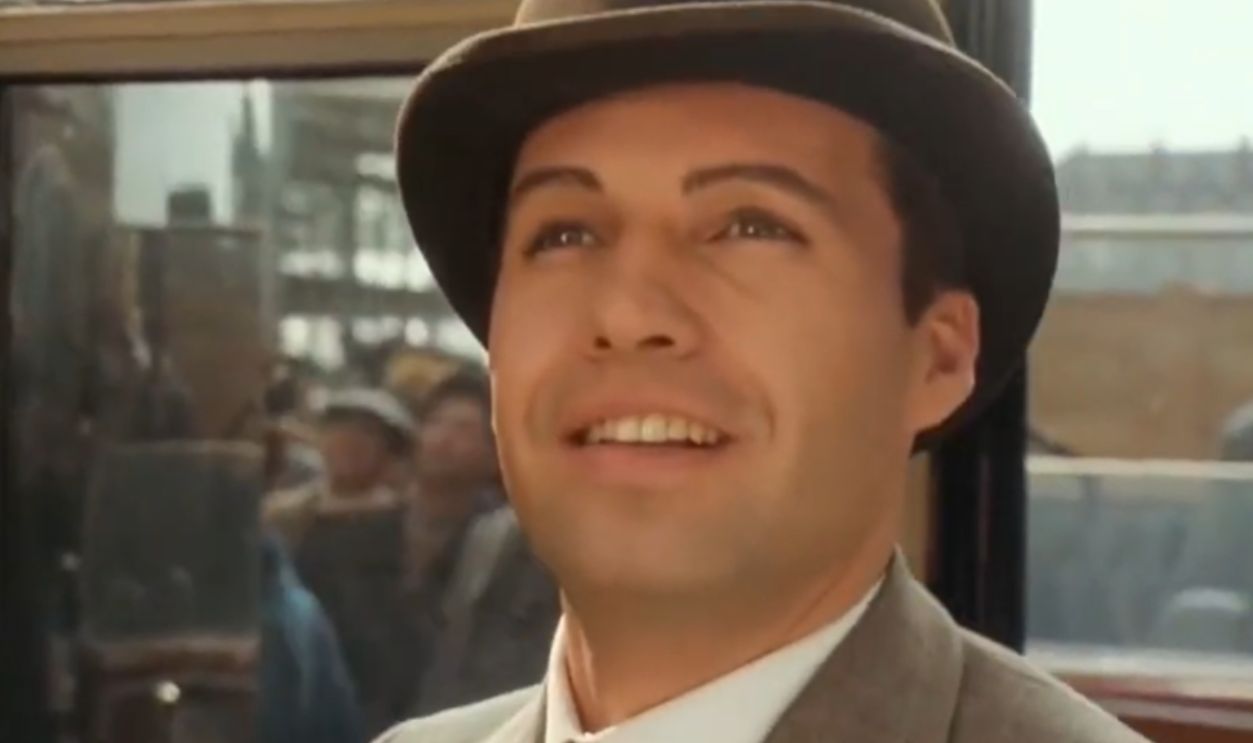 Screenshot from Titanic, Paramount Pictures (1997)
15. Carol Danvers (Captain Marvel)
The audience’s reactions polarized instantly. Some rejected Carol’s emotional restraint and clipped responses, which they interpreted as detachment. Others embraced her resilience and underestimated training. The divide was locked in place, always sparking debates about representation, tone, and whether her guarded demeanor weakened the connection.
 Screenshot from Captain Marvel, Walt Disney Studios Motion Pictures (2019)
16. Biff Tannen (Back To The Future)
Biff was a hated persona because of his greasy swagger, bullying, and cheating behavior. The guy never evolved, even across timelines. Even though power shifts changed settings, his personality remained intact. And when the consequences arrived late, they were 100% deserved, making his downfall satisfying.
 Screenshot from Back to the Future Part II, Universal Pictures (1989)
17. Mrs Carmody (The Mist)
Mrs Carmody’s fanaticism horrified audiences. Wild eyes and scripture shouting made fear her basis of authority. Her supermarket sermons trapped neighbors in panic. Critics recoiled at the realism, even as they watched crowds follow blindly. Hatred stemmed from her believable manipulation.
 Screenshot from Back to the Future, Universal Pictures (1985)
18. Trevor Slattery (Iron Man 3)
The people felt duped by Slattery’s reveal. Menacing broadcasts collapsed into bathrobes and snacks, and they exposed a role within a role. The twist sparked outrage, then laughter, then years of debate. Audiences resented deliberate deception, questioning Marvel’s credibility as villains while grudgingly enjoying the absurdity.
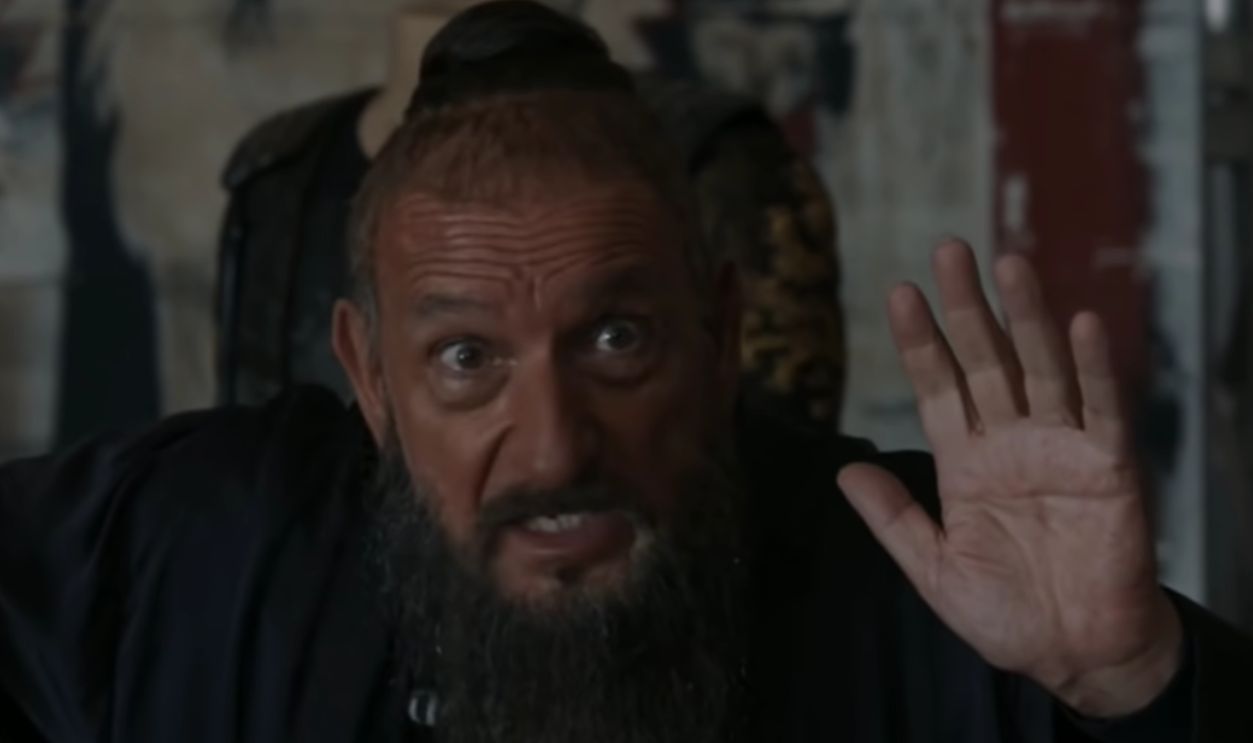 Screenshot from Iron Man 3, Walt Disney Studios Motion Pictures (2013)
19. Norman Stansfield (Leon: The Professional)
Stansfield’s chaos unsettled audiences with his sudden mood swings, obsession, and unpredictable violence that replaced strategy. His tailored suits masked instability, especially when targeting Mathilda. Hatred grew because no rule governed him. Control existed only in imagination, and viewers were disturbed by his unhinged menace.
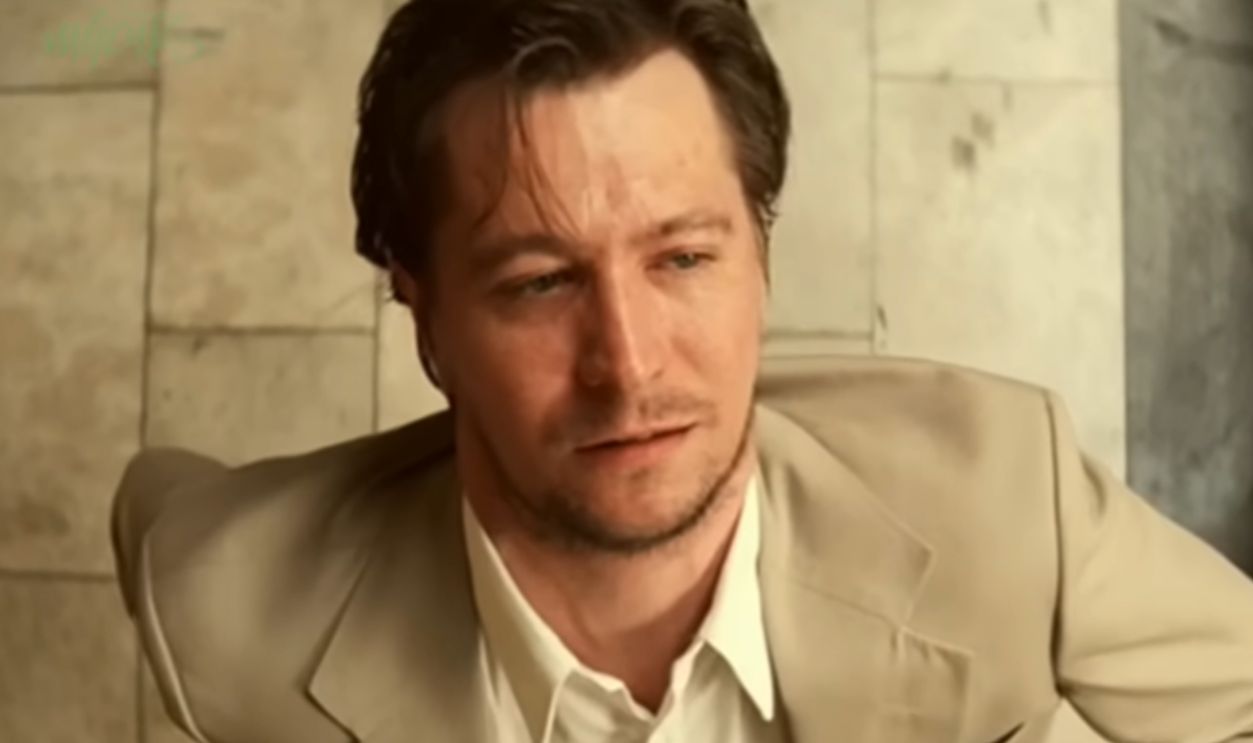 Screenshot from Leon: The Professional, Gaumont (1994)
20. Amy Dunne (Gone Girl)
Apparently, people both hated and admired Amy. Perfect hair and chilling monologues framed manipulation. Planning replaced emotion, control outweighed truth. Her intelligence fascinated a few, but her morality repelled others. Hatred mixed with awe because every move felt calculated.
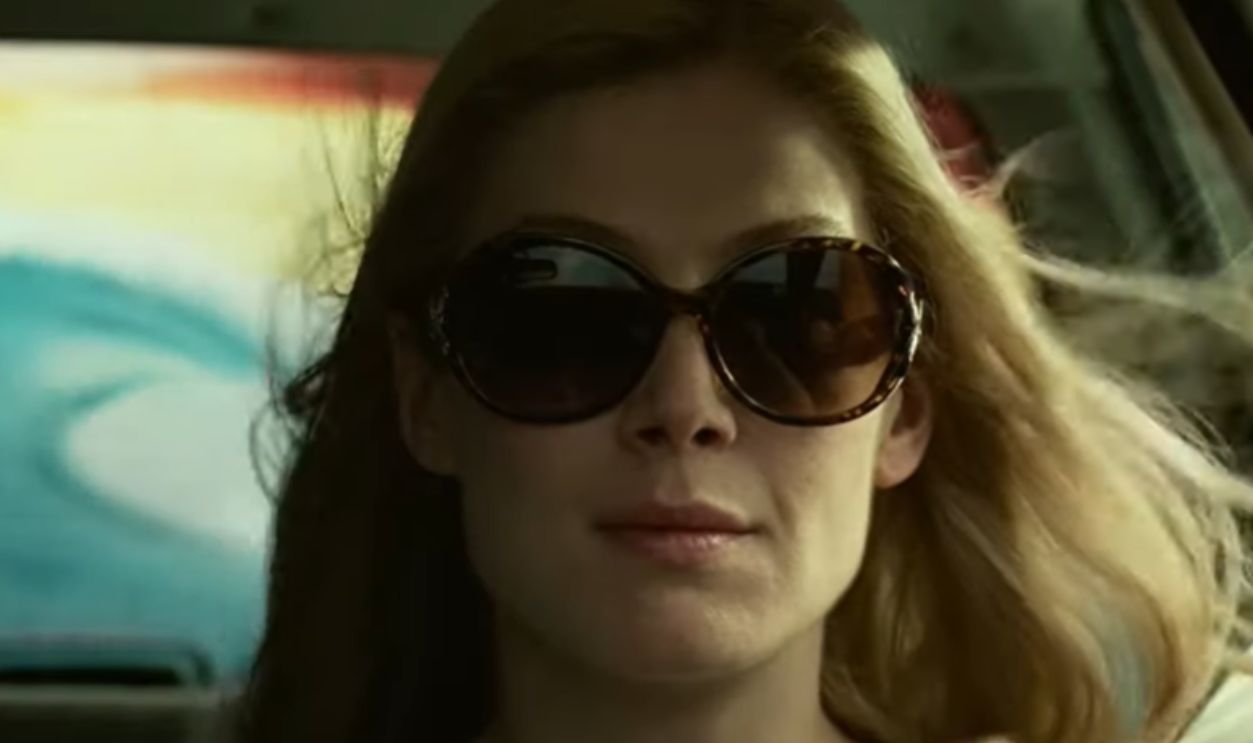 Screenshot from Gone Girl, 20th Century Fox (2014)
21. Professor Callahan (Legally Blonde)
Audiences turned on Callahan when mentorship collapsed into exploitation. His courtroom confidence masked predatory behavior and authority, leveraged under the guise of professionalism, ruffled feathers. As a result, his credibility evaporated instantly, and when his downfall came, audiences celebrated.
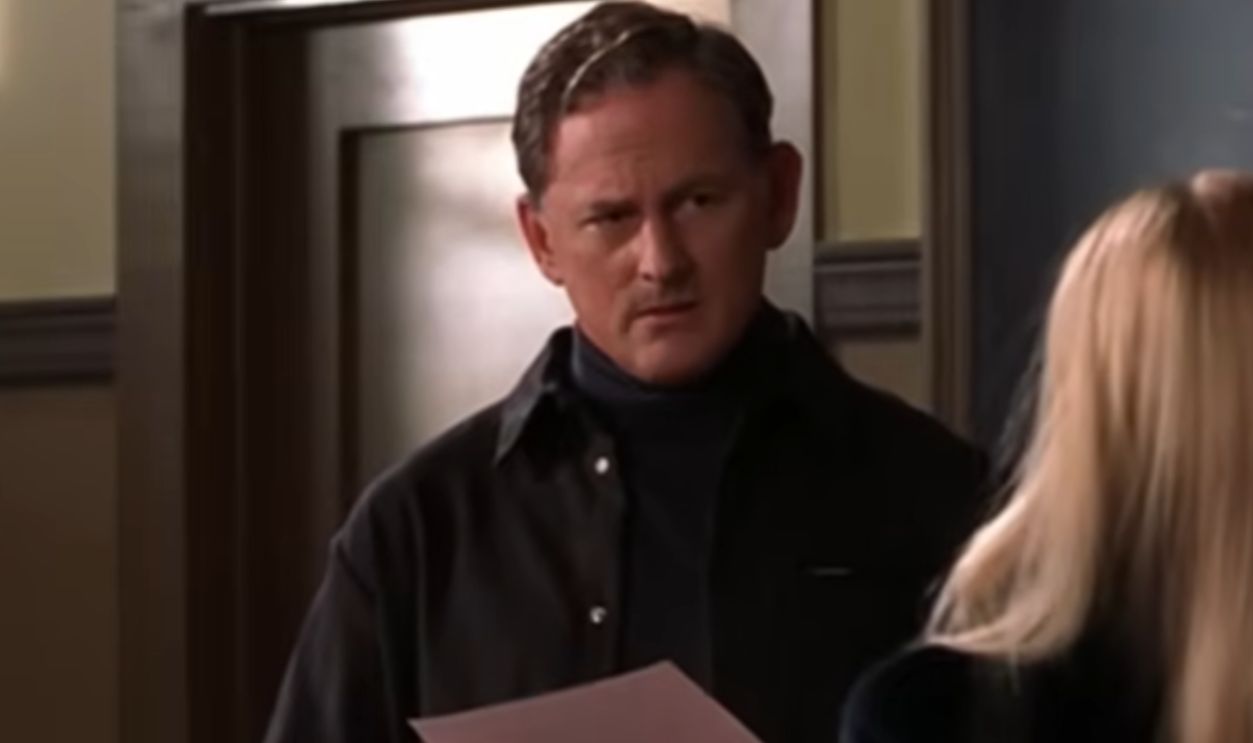 Screenshot from Legally Blonde, Metro-Goldwyn-Mayer (2001)
22. Colonel Tavington (The Patriot)
Polished uniforms and a controlled posture shape Tavington’s presence, with Jason Isaacs playing him with chilling restraint. On screen, he burns villages and manipulates warfare with precision. Audiences remember the character for cruelty delivered calmly, methodically, and without hesitation.
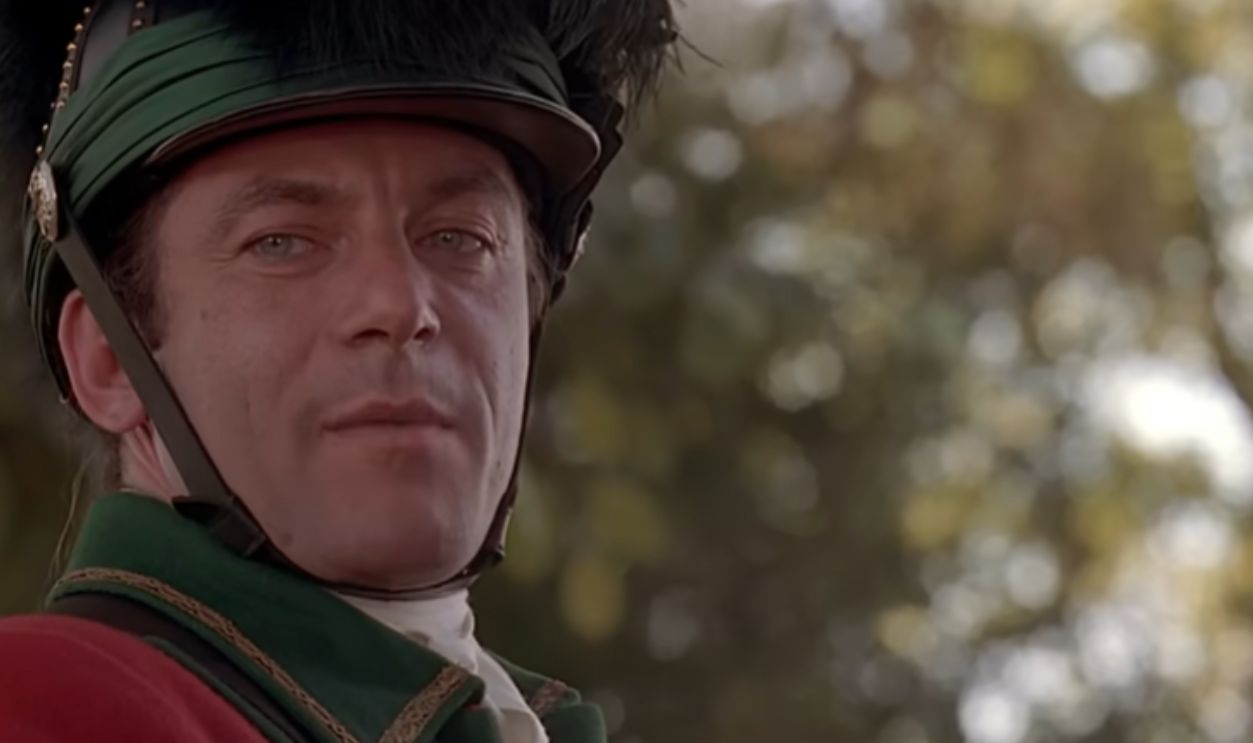 Screenshot from The Patriot, Columbia Pictures (2000)
23. Xerxes (300)
His towering stature and shaved head dominate the screen, something audiences had no issue with. What they loathed was that he ruled through intimidation and divine self-image. Plus, his authority rests on fear and submission. Viewers reacted strongly to this excess.
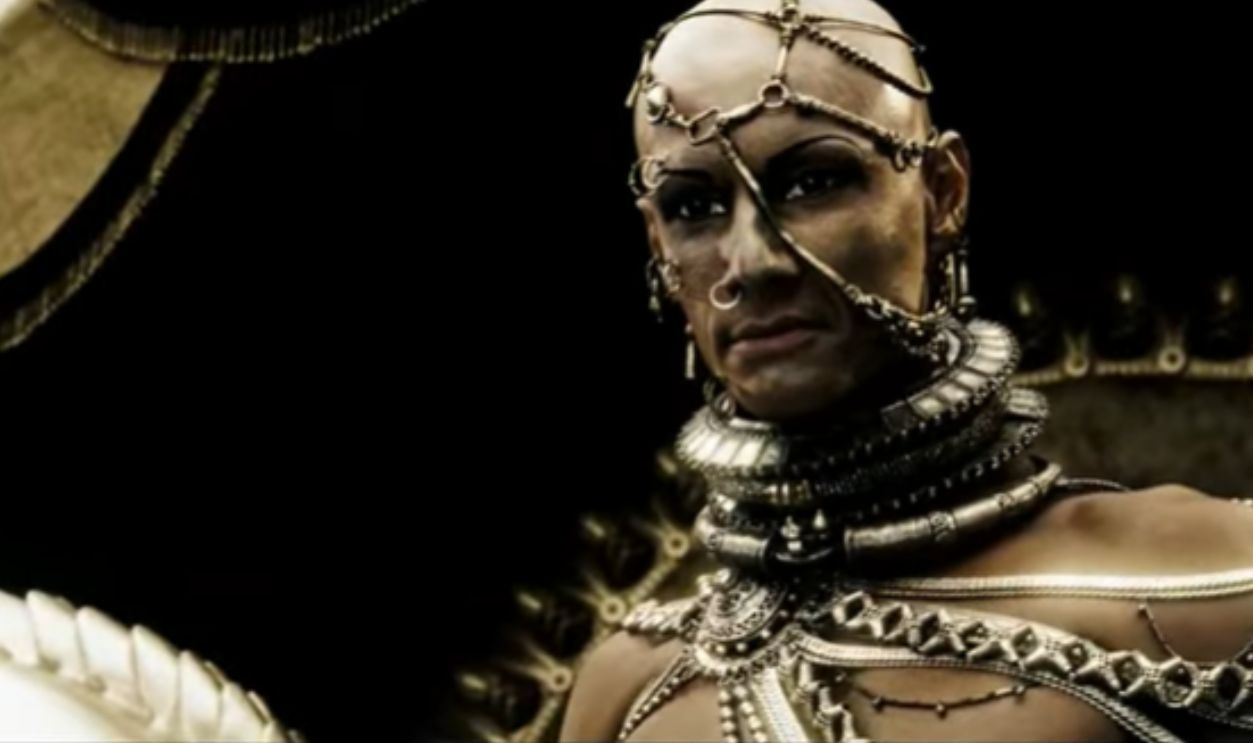 Screenshot from 300, Warner Bros. Pictures (2006)
24. Lex Luthor (Batman V Superman: Dawn Of Justice)
Luthor obsesses over control and power. And because of that, his schemes always unfolded loudly. And notably, impulsively. Viewers found the intent difficult to track. As a result, the hated character became remembered for agitation over intimidation.
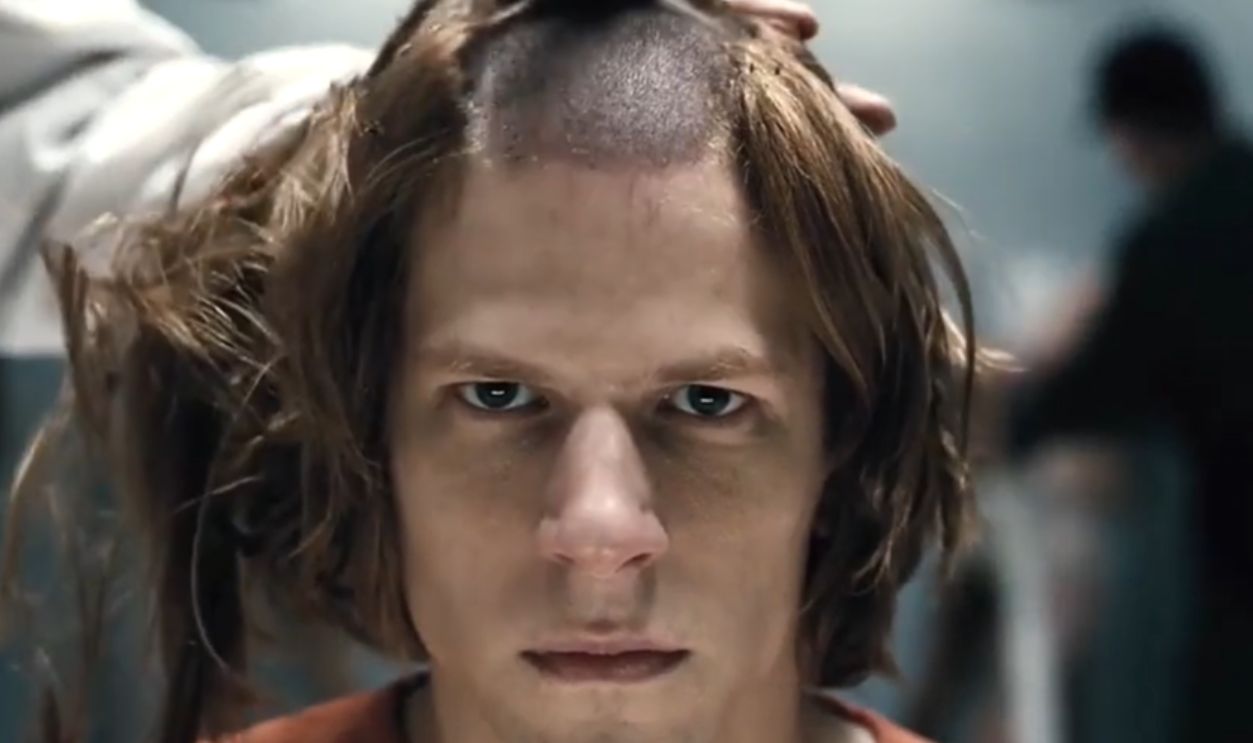 Screenshot from Batman v Superman: Dawn of Justice, Warner Bros. (2016)
25. White Goodman (Dodgeball)
White was instantly recognizable because the guy walked around with bleached hair and tight uniforms. The hate came from his tendency to lead with insults, ego, volume, and vanity that dictate every choice. To add salt to the injury, he never self-corrects. Narcissism drives the comedy without interruption.
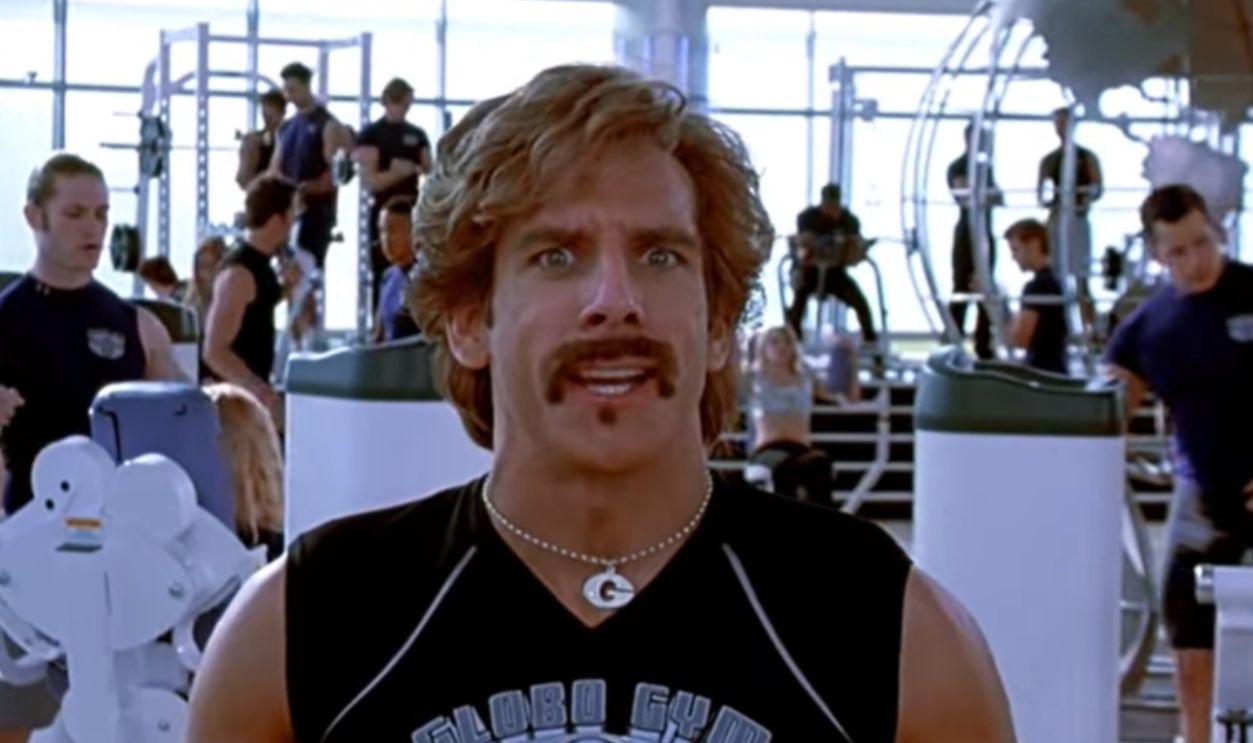 Screenshot from Dodgeball: A True Underdog Story, 20th Century Fox (2004)