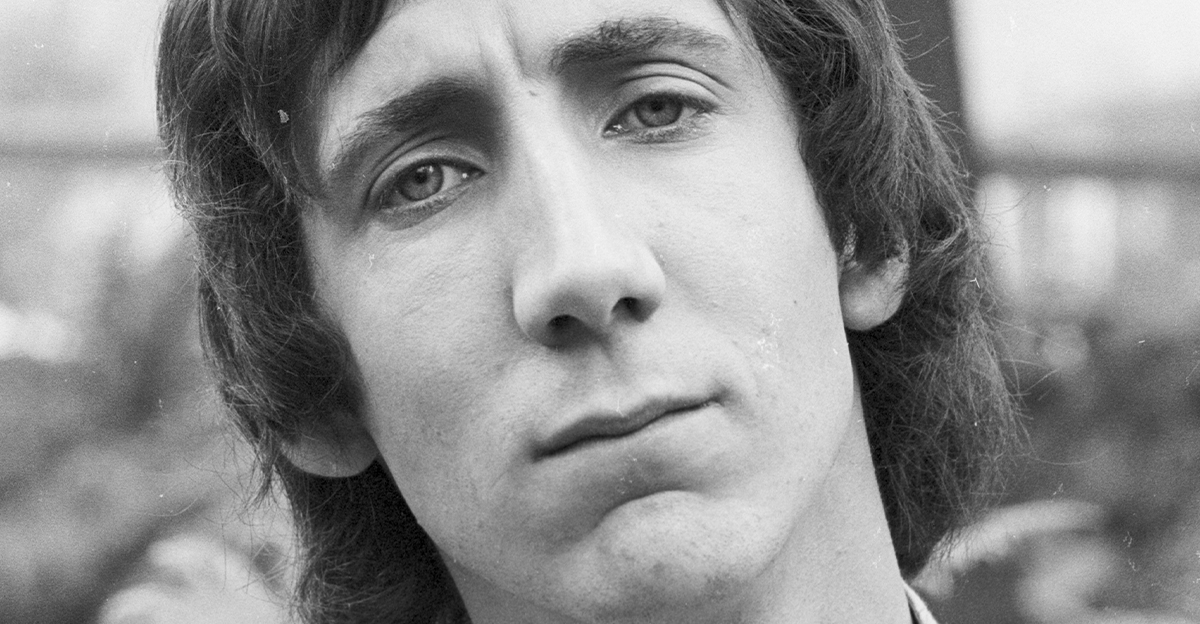
The Accident That Became An Art Form
Pete Townshend didn't walk onstage one night intending to invent one of rock's most famous acts of destruction. He simply struck his guitar against a low ceiling, accidentally breaking it, and became irritated when the moment didn't get the reaction he expected.
What happened next turned frustration into performance art, and before long, The Who's concerts weren't complete until something had been destroyed.
 Michael Ochs Archives/Getty Images
The Who Were Already Trying To Be Louder Than Everyone Else
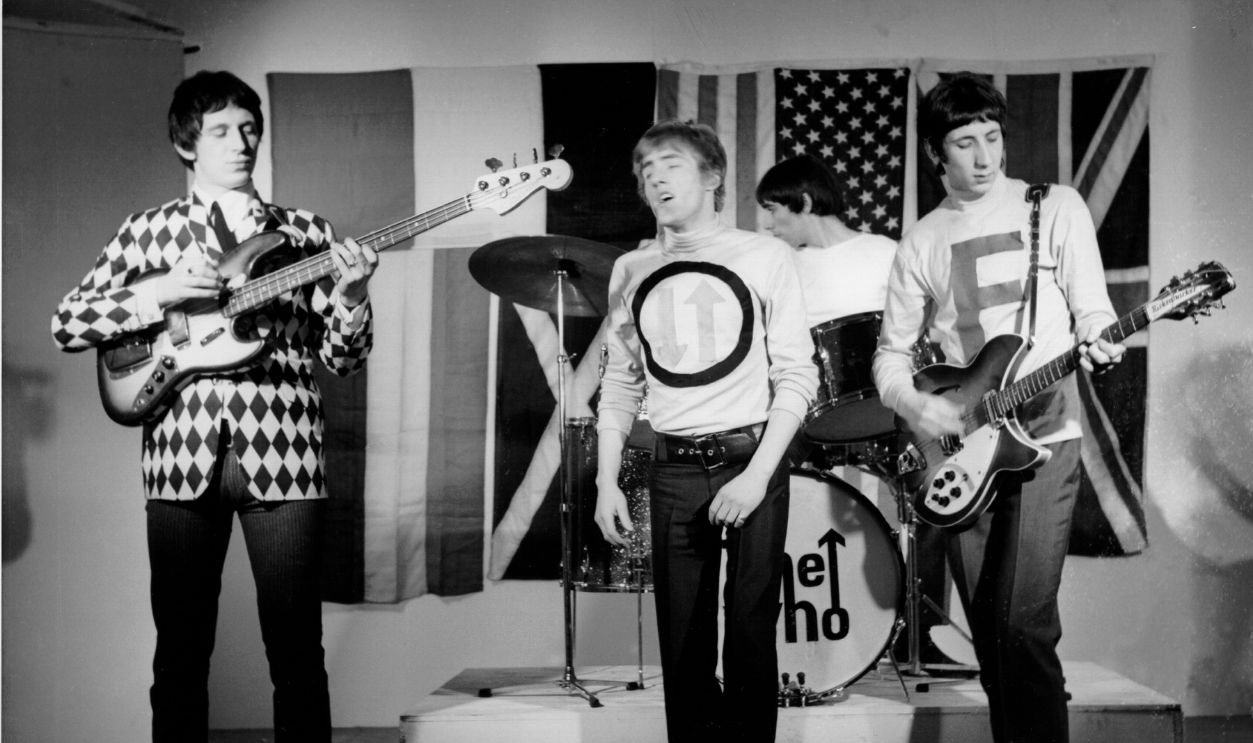
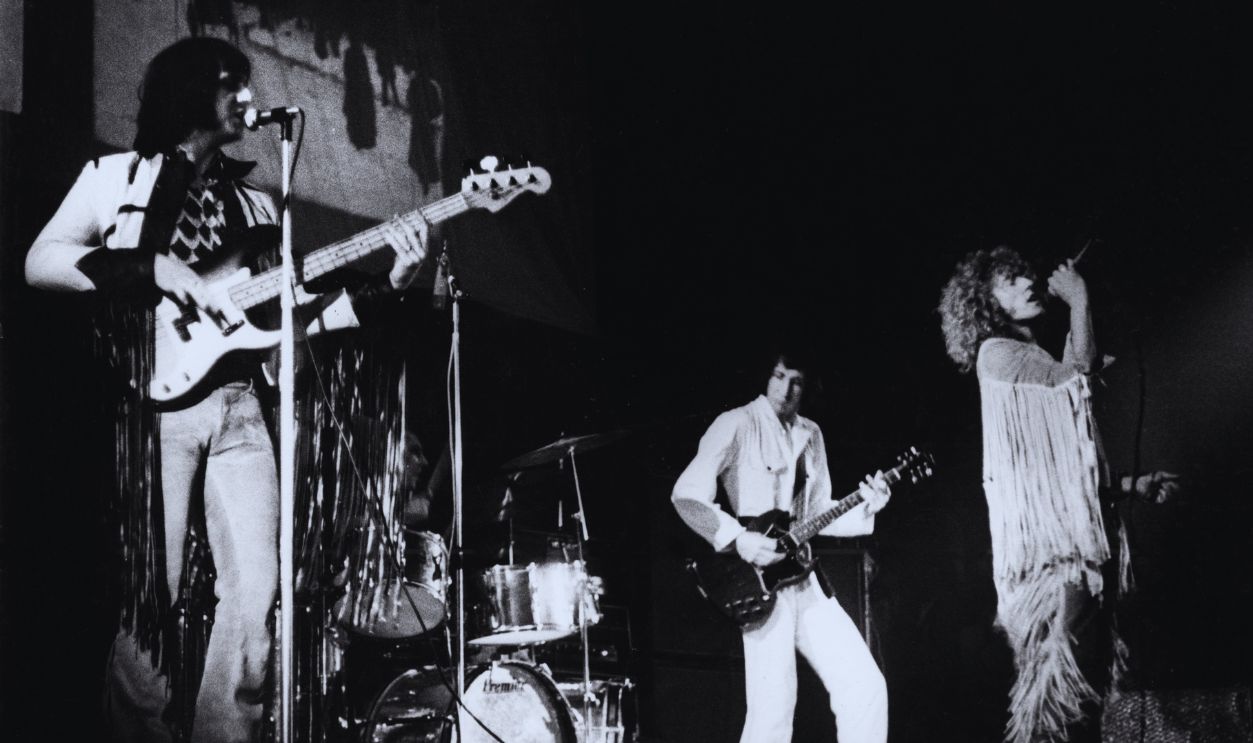
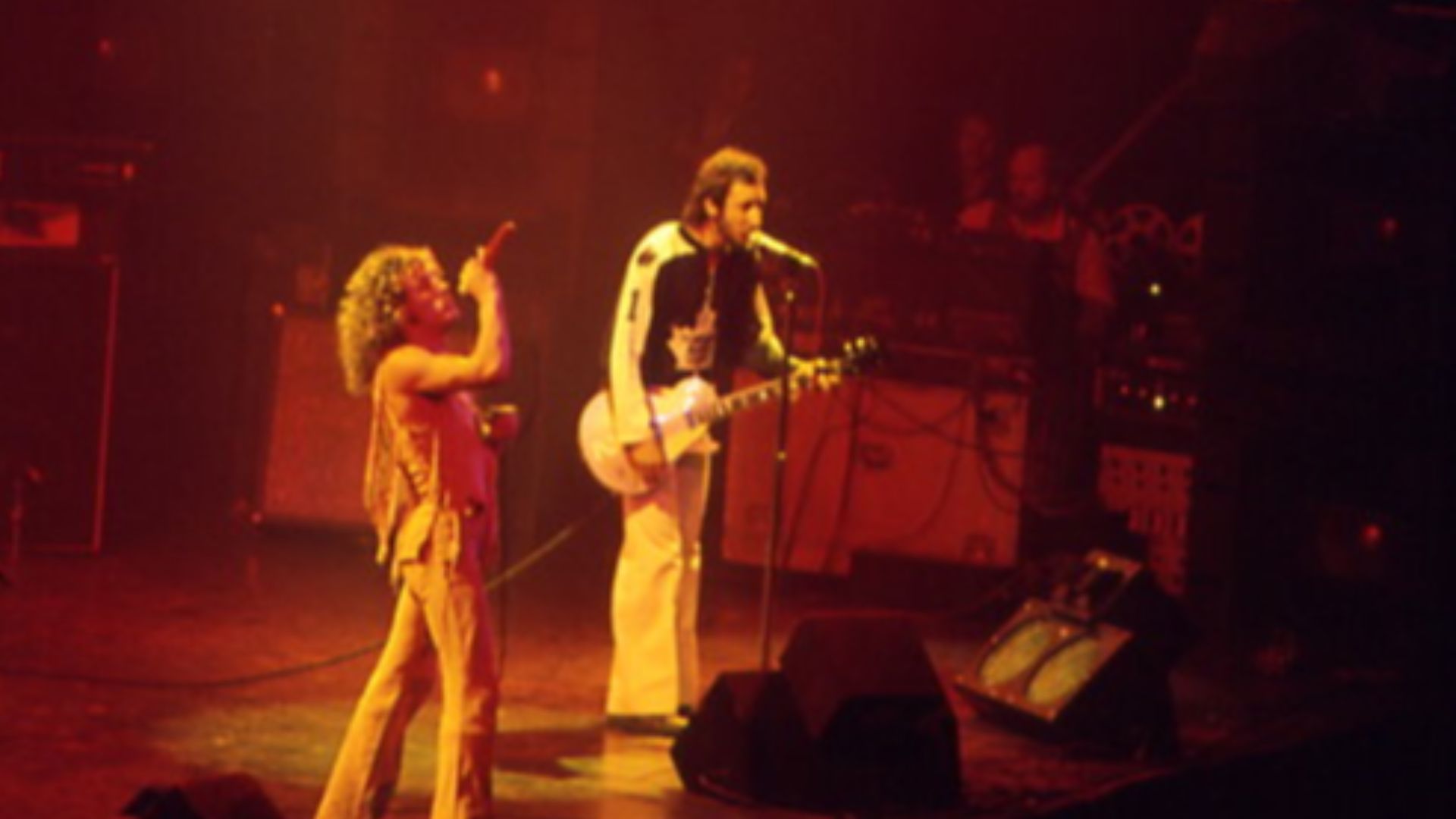
Before guitar smashing became part of the act, The Who were developing a performance style built around sheer physical force. Pete Townshend tackled chords with sweeping arm movements, Keith Moon treated drumming like a contact sport, and Roger Daltrey swung his microphone dangerously around the stage. They weren't interested in standing politely beneath spotlights. Even before anything broke, a Who concert could look barely under control.
 Michael Ochs Archives, Getty Images
Townshend Had Learned To Think About Music As Art
Townshend's approach came partly from his time at Ealing Art College. He wasn't simply learning visual design there. He encountered ideas questioning what art could be, including lectures by Gustav Metzger, whose "auto-destructive art" deliberately used destruction as part of the creative process. Those ideas stayed in Townshend's head long before he found a way to express them with an electric guitar.

Gustav Metzger Made Destruction Sound Creative
Metzger argued that destruction itself could become an artistic act rather than merely vandalism. Townshend later connected his guitar smashing directly to those ideas. To his bandmates, explanations about auto-destructive art could sound hilariously pretentious, but Townshend took them seriously. An electric guitar wasn't simply something he played. It could become an object through which aggression, technology, noise, and destruction were all expressed at once.
 Gijsbert Hanekroot, Getty Images
The Railway Hotel Was The Perfect Place For An Accident
The crucial moment came in 1964 at the Railway Hotel in Harrow, where The Who, then still navigating their early identity, had become a regular attraction. The performance space was cramped, with a high stage and an unusually low ceiling above it. That architectural detail would matter far more than anyone could've imagined when Townshend began violently working his guitar around the stage.

He Was Already Using The Guitar Like More Than An Instrument
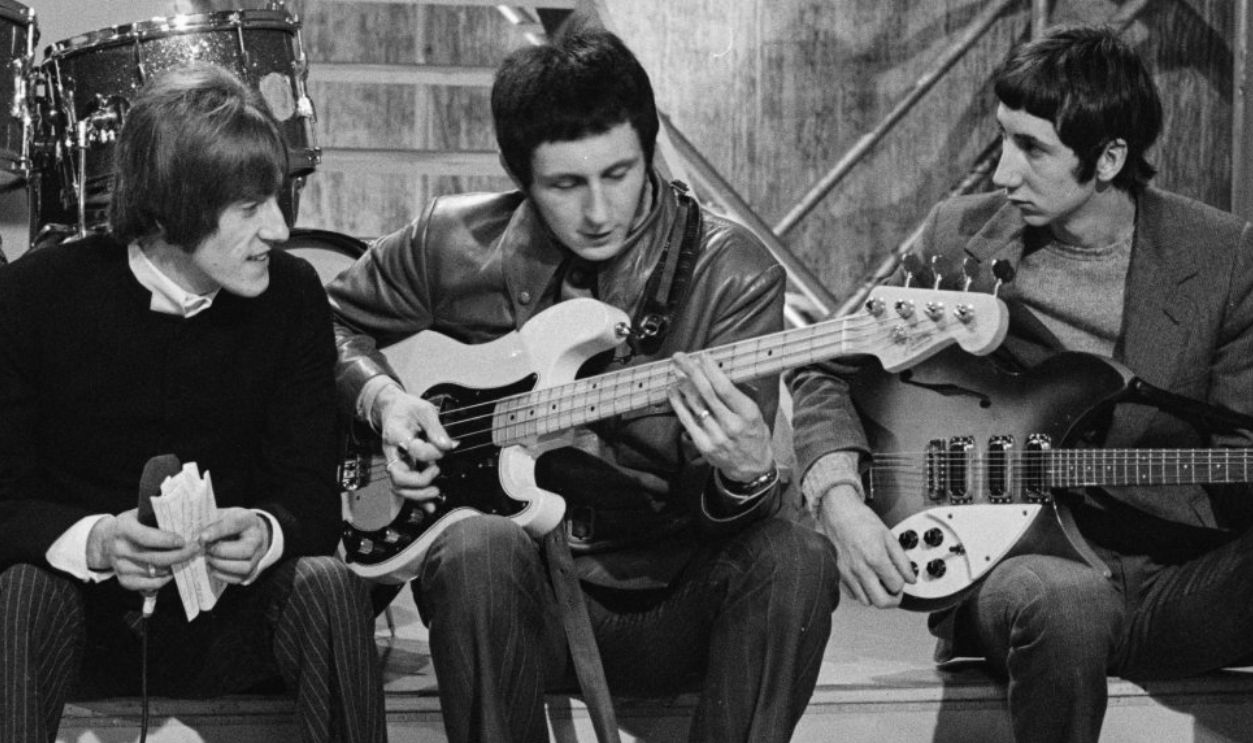
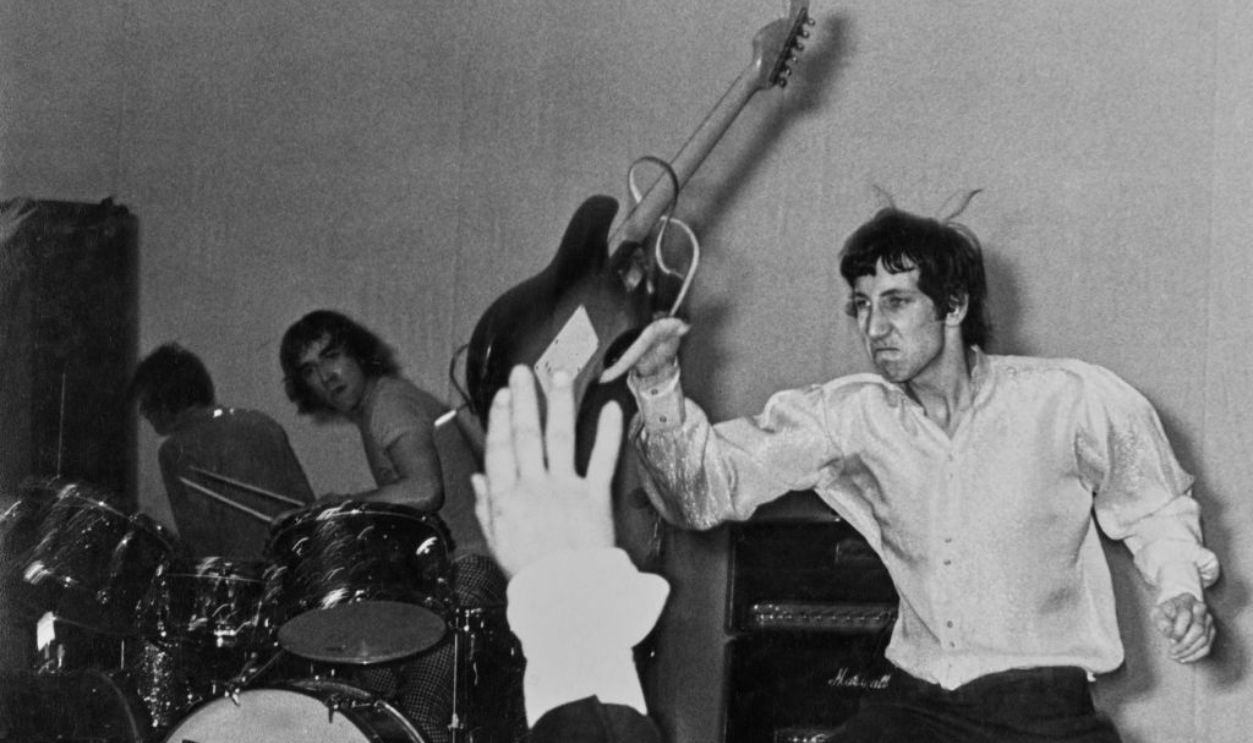
Pete Townshend had started experimenting with feedback and noise, striking his guitar against microphone stands and amplifiers to produce sounds beyond normal chords. His performances were highly physical, and he would throw the instrument around while chasing different bursts of distortion. During one Railway Hotel show, he lifted his Rickenbacker aggressively upward and slammed its headstock directly into the ceiling.
The Guitar Went Through The Ceiling
The impact punched the guitar through the plaster. When Townshend pulled it back down, part of the neck had broken away. It wasn't planned, and he was horrified. Guitars were expensive, Townshend was hardly rich, and he'd just badly damaged an instrument he'd worked hard to obtain. For a few seconds, the future ritual of rock destruction looked more like an embarrassing accident.

The Crowd Didn't React The Way He Expected
Townshend later remembered waiting for the audience to respond to what had just happened. He expected shock. Instead, the reaction was underwhelming, although some art-school acquaintances near the front reportedly laughed at him. Their amusement only made him angrier. If the accidental destruction wasn't dramatic enough to command attention, Townshend suddenly decided he was going to make absolutely certain the audience noticed what happened next.

So He Destroyed What Was Left
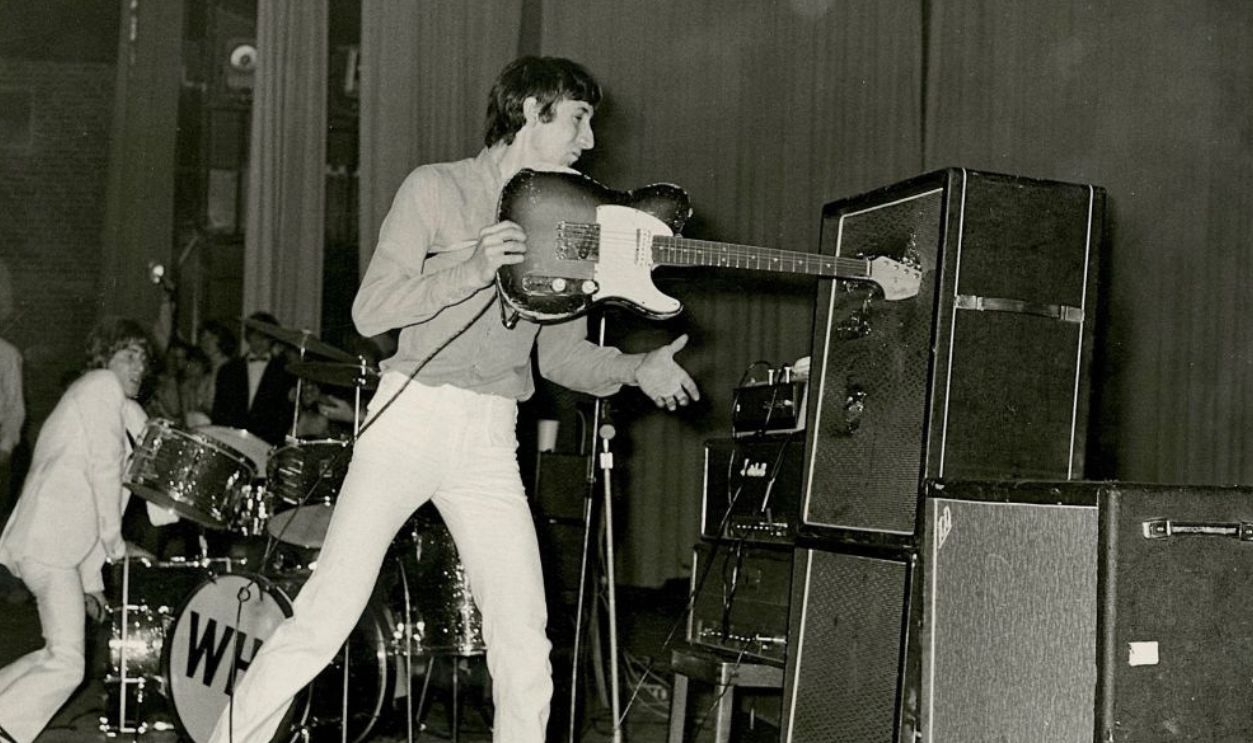
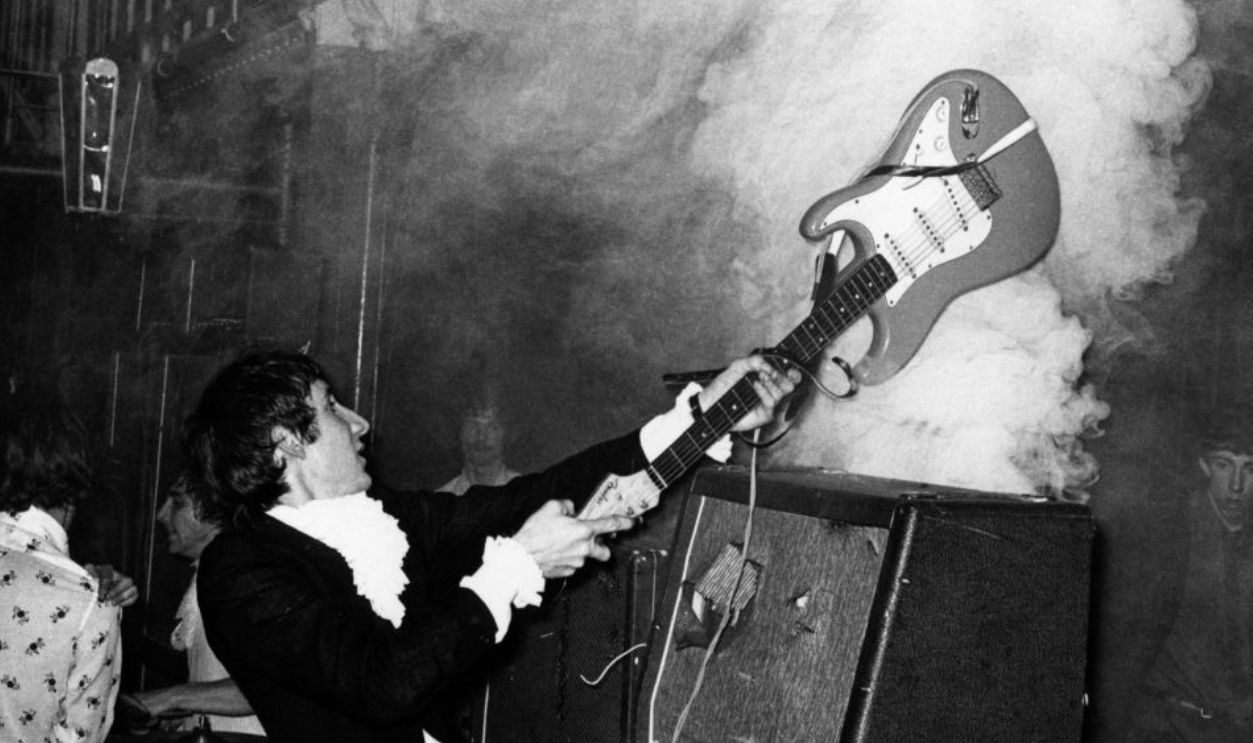
Rather than carefully putting the damaged Rickenbacker aside, Townshend went at it. He smashed the remaining instrument against the stage and surrounding equipment until the clean break had become a pile of wreckage. An accident had turned into a deliberate act in seconds. Townshend later described what he'd done not simply as smashing the guitar, but as effectively "sculpting" it in front of the audience.
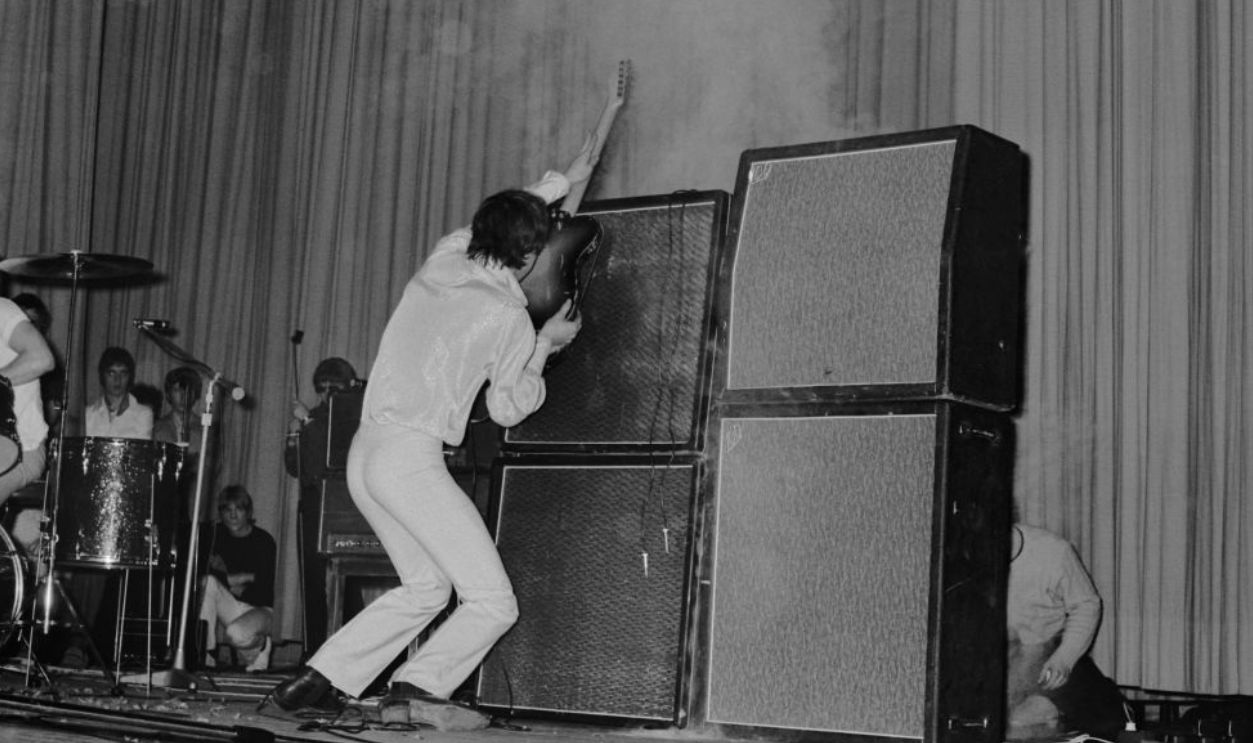
Then He Simply Kept Playing
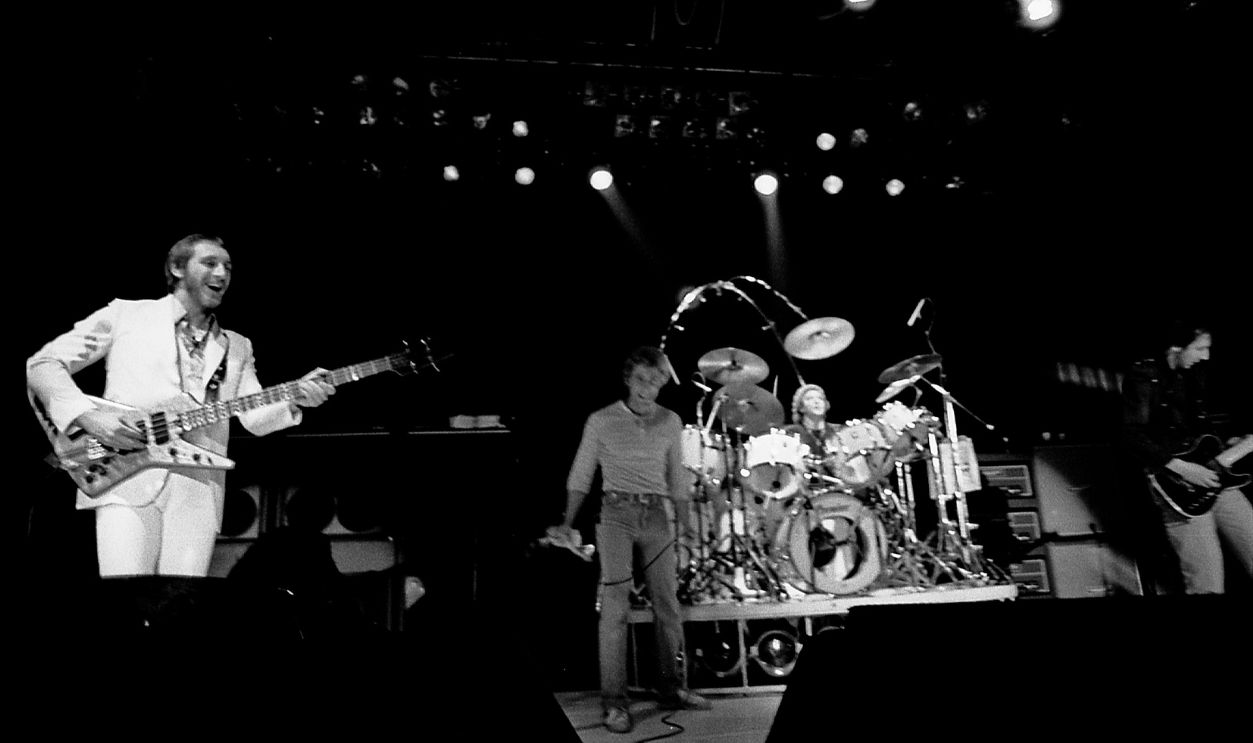
The strangest part may have been what happened afterward. Townshend had another Rickenbacker, a 12-string he normally used only on certain songs, so he picked it up and continued the performance. There was no solemn acknowledgement that rock history had just changed. The show went on. By treating the destruction almost casually, Townshend made the moment look even more confrontational.
 BSR Entertainment, Getty Images
The Audience Remembered
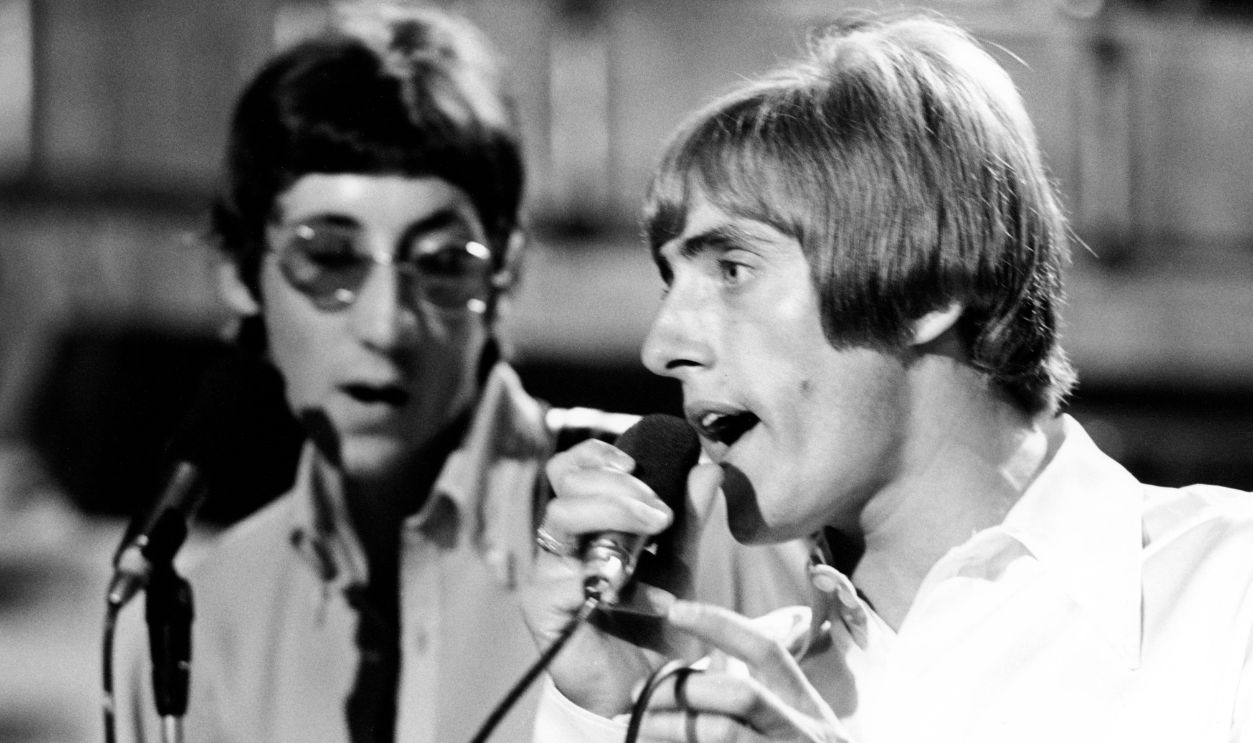
Whatever uncertainty surrounded the crowd's first response to the accidental break, people certainly noticed the full demolition. When The Who returned to the Railway Hotel, the story had spread and the audience expected something similarly outrageous. Pete Townshend suddenly faced a problem no guitarist had really encountered before: people had come partly to see whether he'd destroy another expensive instrument.
Keith Moon Decided He Wasn't Being Left Out
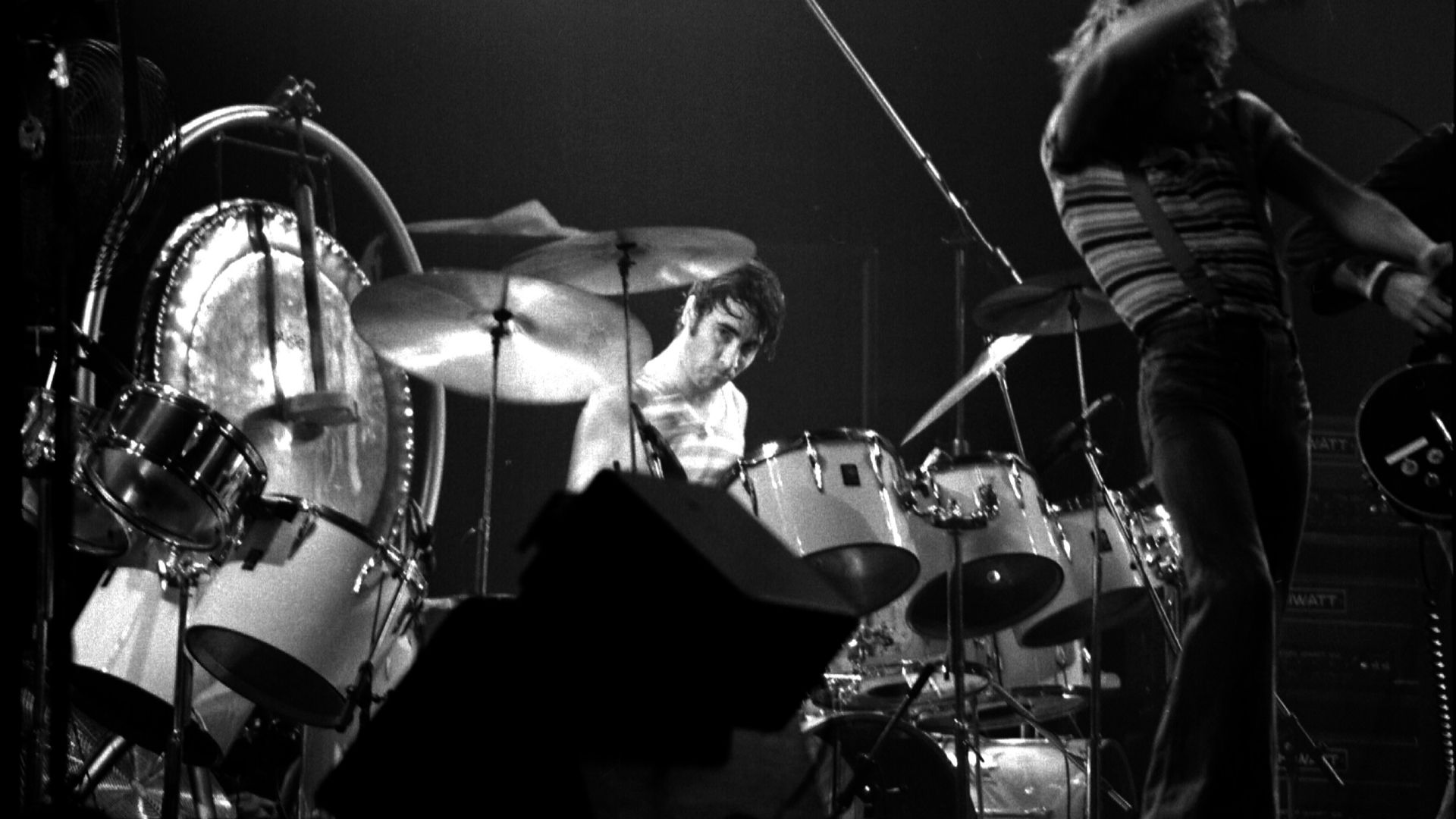
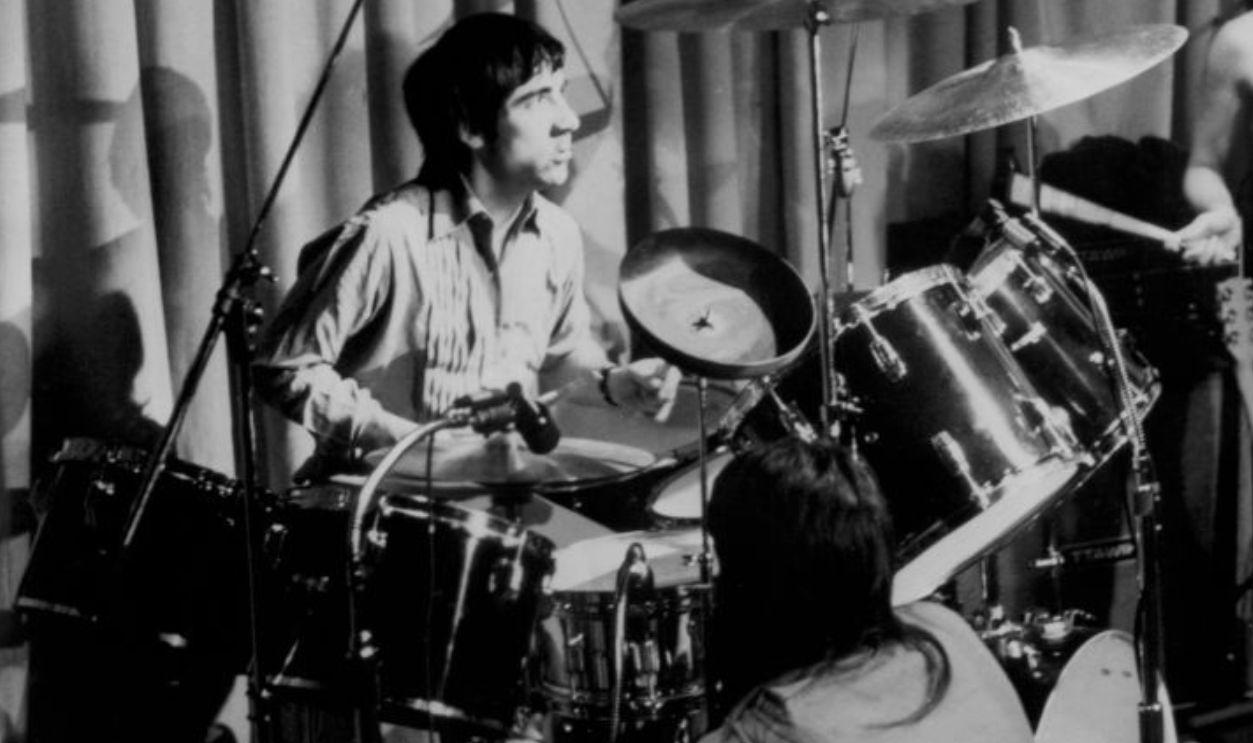
Townshend's destruction quickly spread to the rest of The Who's visual identity. Keith Moon began overturning and attacking his drum kit during finales, reportedly joining the destruction partly in solidarity with Townshend. That was a dangerous development because Moon rarely approached anything cautiously. One broken guitar had now become the beginning of a full-band ritual.
The Who Realized Chaos Could Sell Tickets
Managers Kit Lambert and Chris Stamp understood that The Who's wild live reputation could separate them from dozens of other young British bands. Audiences had plenty of choices, but very few groups promised the possibility of witnessing actual destruction. The smashing started drawing press attention as well as crowds. What had begun accidentally was becoming a marketable part of The Who's identity.
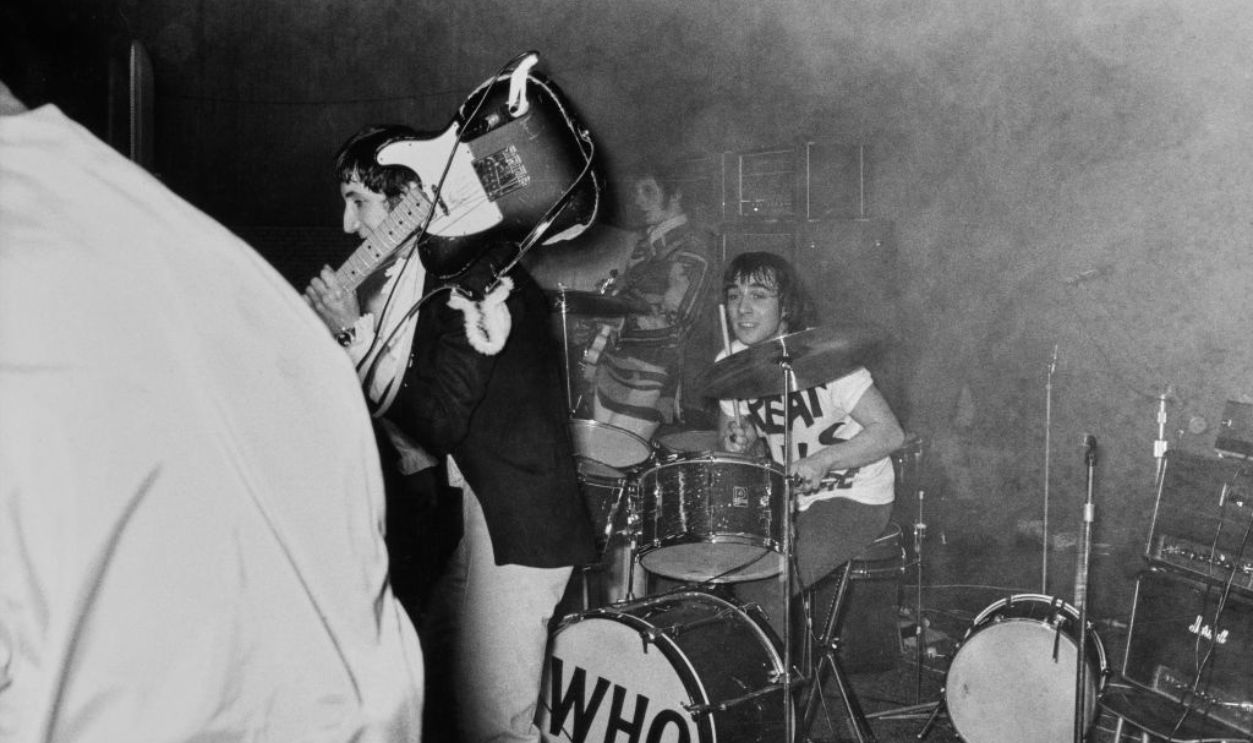
Townshend Didn't See It As A Simple Temper Tantrum
From the outside, guitar smashing looked like uncomplicated rage. Townshend consistently described something more complicated. He connected it to artistic independence and to the auto-destructive ideas he'd encountered at art school. The act might look furious, and genuine frustration could fuel it, but he wasn't simply losing his temper and breaking whatever happened to be nearby.
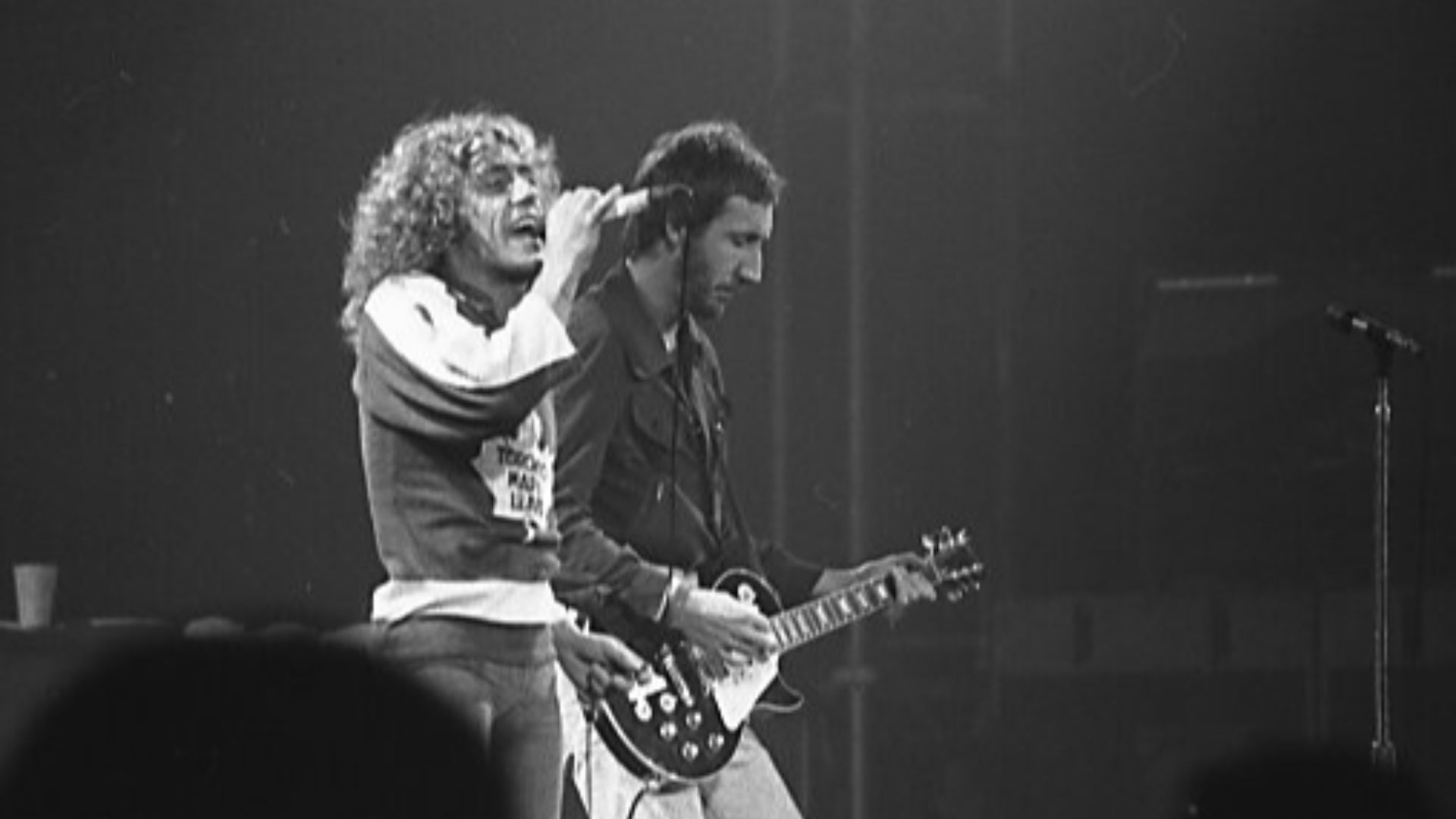
The Guitar Became Part Of The Performance Until The Very End
Pete Townshend saw an electric guitar as more than a prized possession. During a concert, it became part of the relationship between musician, amplifier, noise, and audience. Destroying it could mark the absolute end of that interaction. The show hadn't merely stopped because the last chord had been played. The object capable of creating those sounds had itself been silenced.
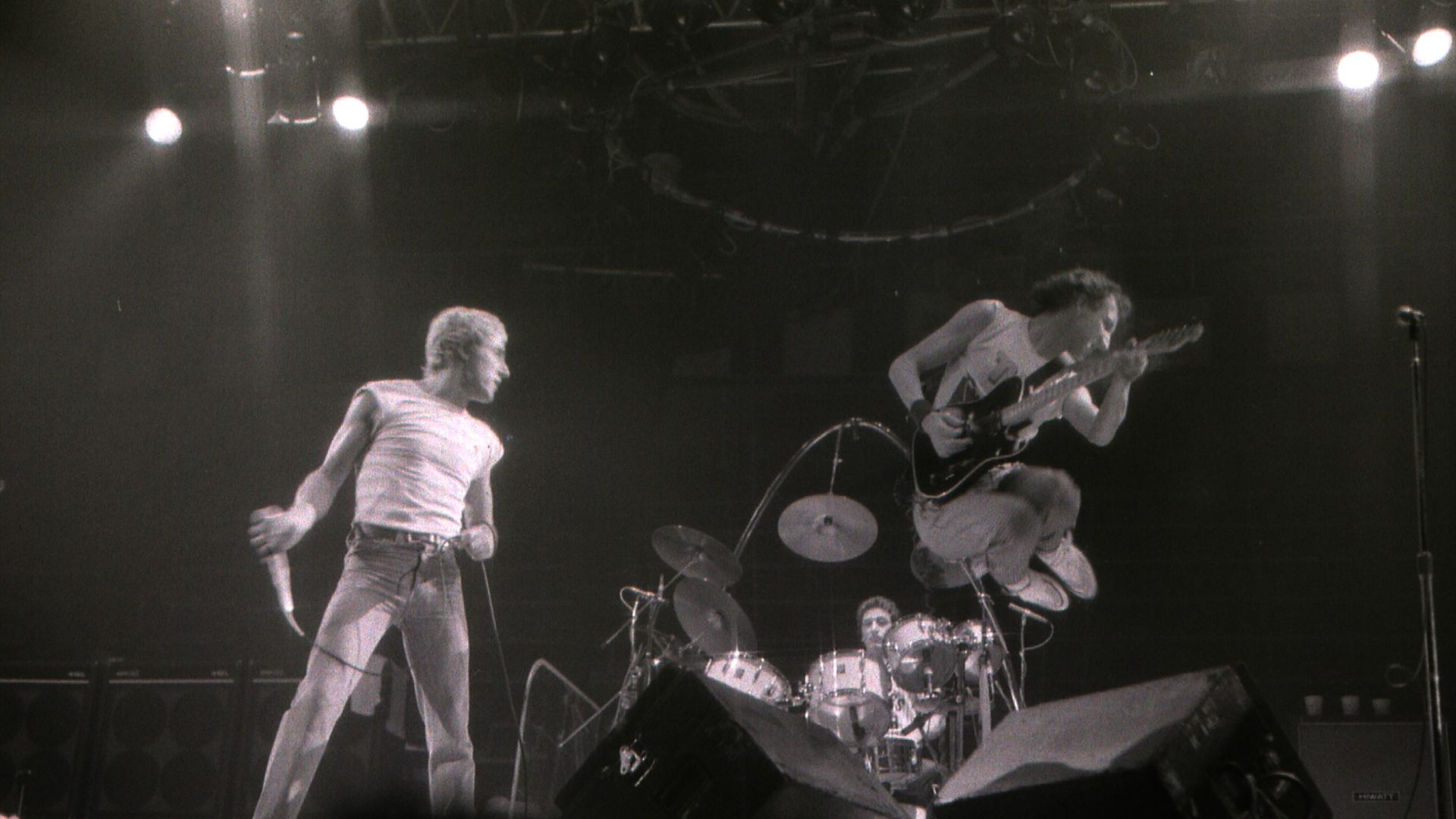
Feedback And Destruction Started Belonging Together
The Who's growing fascination with feedback made the smashing feel less disconnected from the music than photographs sometimes suggest. Townshend had already been scraping guitars against equipment and encouraging uncontrolled electronic noise. Breaking the instrument became an extreme conclusion to the same process. The guitar began as a machine producing music, slowly turned into a machine producing noise, and finally ceased functioning altogether.
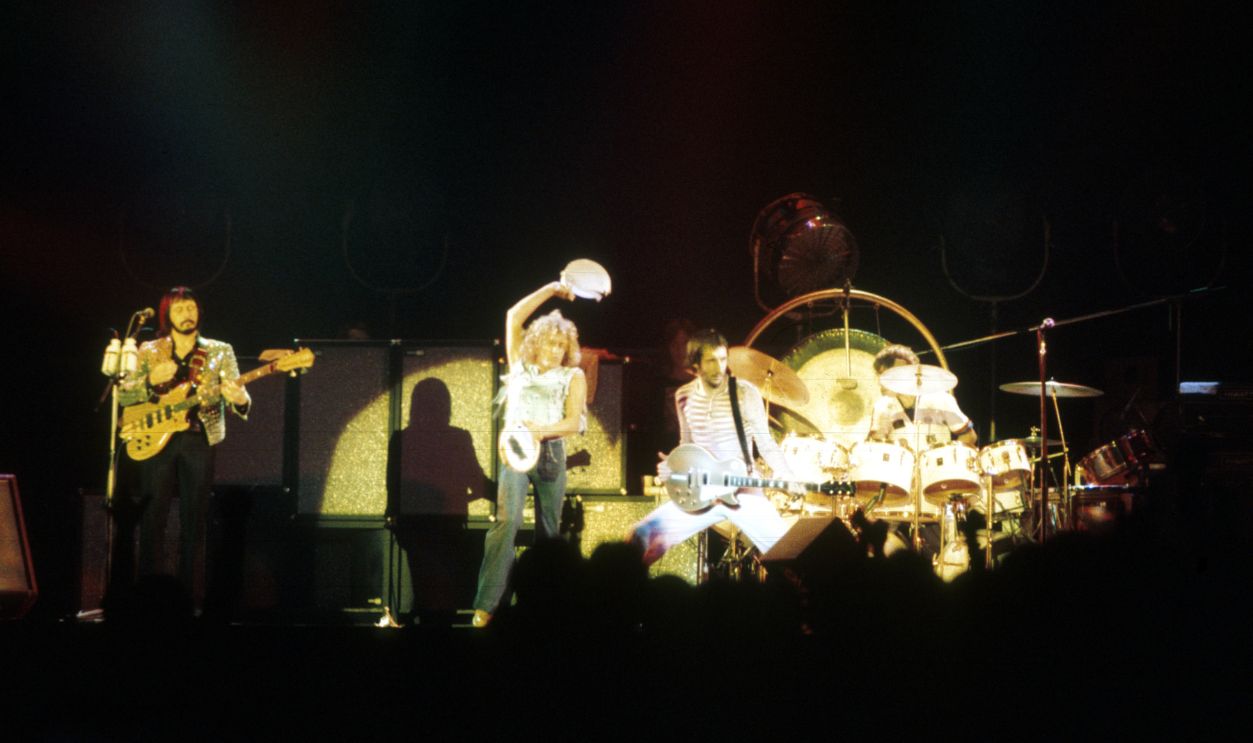 Michael Ochs Archives, Getty Images
"My Generation" Became The Natural Finale
As The Who's reputation grew, "My Generation" became an ideal setting for the ritual. The song already contained one of rock's great declarations of generational frustration, so ending it amid feedback, smashed equipment, and Moon's collapsing drums made theatrical sense. The destruction didn't need to be literally described in the lyrics. It looked like the physical version of what the song felt like.
 Jean-Luc Ourlin, Wikimedia Commons
There Was One Major Problem: Guitars Cost Money
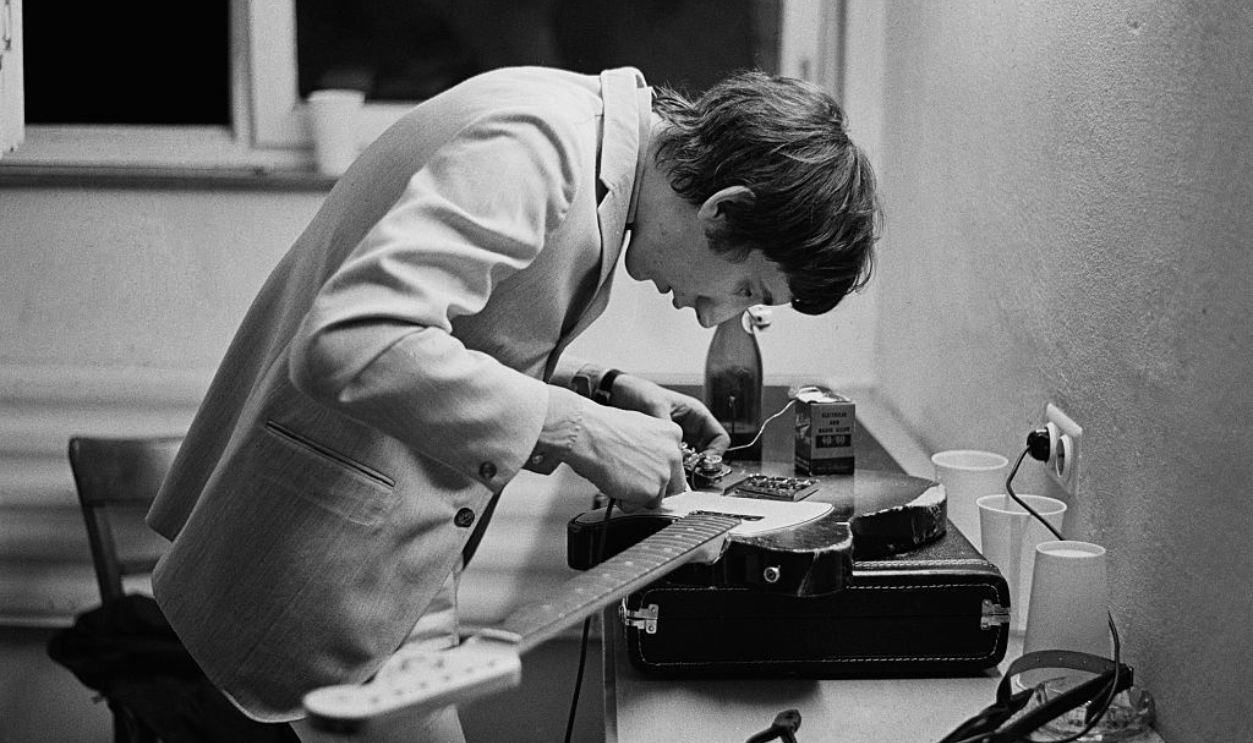
The spectacle wasn't cheap. Townshend later emphasized how painful the expense could be, especially when The Who weren't yet wealthy stars. The band sometimes repaired instruments and reused them rather than buying a brand-new guitar for every demolition. Roger Daltrey has recalled that damaged guitars could be glued back together as long as essential parts survived, allowing Townshend to break the same unfortunate instrument again.
In America, He Sometimes Had To Rebuild Them Constantly
The problem became particularly absurd during The Who's early American appearances. Pete Townshend later recalled playing multiple performances a day during Murray the K's package shows in New York. With limited equipment available, a smashed guitar could need to be repaired before the next performance. The rebellious ritual occasionally involved a lot more glue, string, and backstage reconstruction than the audience ever knew.
The Destruction Became Something Fans Demanded
Success created another complication. Once Townshend became famous for smashing guitars, audiences started expecting it. He could decide before a show that he wasn't going to destroy anything, only to feel the performance pulling him toward the ritual anyway. Something that had once represented spontaneity and independence was becoming an obligation. The rebel had accidentally invented another rule he was expected to follow.
 Jim Summaria, Wikimedia Commons
Monterey Turned It Into An International Statement
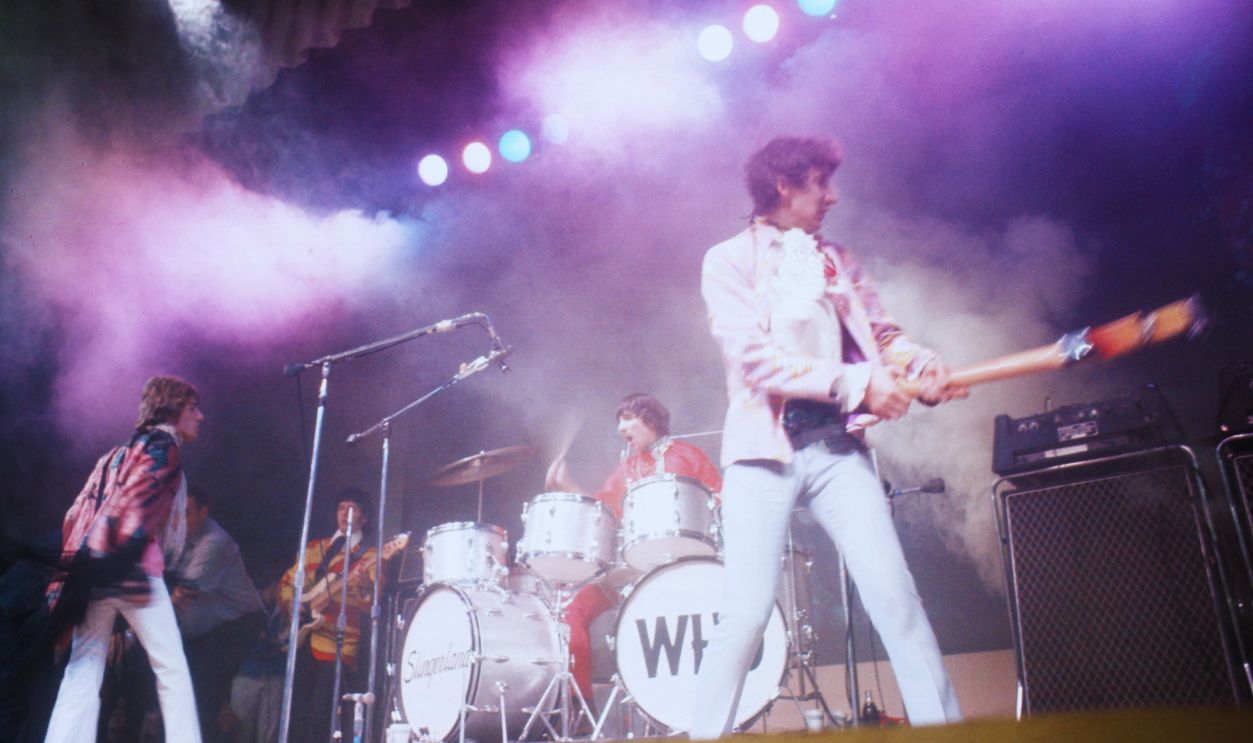
The Who's appearance at the Monterey International Pop Festival in 1967 introduced their destructive finale to a huge American audience. Townshend ended the band's set by attacking his instrument and equipment, with Moon adding his own chaos behind him. The performance helped establish The Who as one of Britain's most explosive live bands, but another spectacular guitarist was waiting nearby.
Jimi Hendrix Made The Competition Even More Dangerous
Pete Townshend knew how overwhelming Jimi Hendrix could be and desperately didn't want The Who to follow him at Monterey. The two musicians argued over performance order before The Who ultimately went first. Townshend smashed his guitar as expected. Hendrix later topped the spectacle by kneeling over his own guitar, setting it on fire, and destroying it during "Wild Thing". Rock showmanship had become an arms race.
 Hannu Lindroos / Lehtikuva, Wikimedia Commons
American Television Took The Destruction Into Living Rooms
Later in 1967, The Who performed "My Generation" on The Smothers Brothers Comedy Hour. Townshend's guitar destruction was already planned as part of the finale, but Keith Moon secretly arranged something bigger. He had explosives loaded into his bass drum so it would detonate while Townshend smashed his instrument. Nobody around them fully understood just how much explosive Moon had arranged to use.
Keith Moon Nearly Blew Up The Entire Routine
The blast was vastly more powerful than expected. Townshend's hair was singed, Moon was injured by debris, and the explosion has often been cited as contributing to Townshend's later hearing problems. Millions of television viewers saw the band's destructive reputation become literal. The Who no longer merely looked as though their equipment might explode. Now it actually did.
 Michael Ochs Archives, Getty Images
The Joke Was Becoming A Rock Language
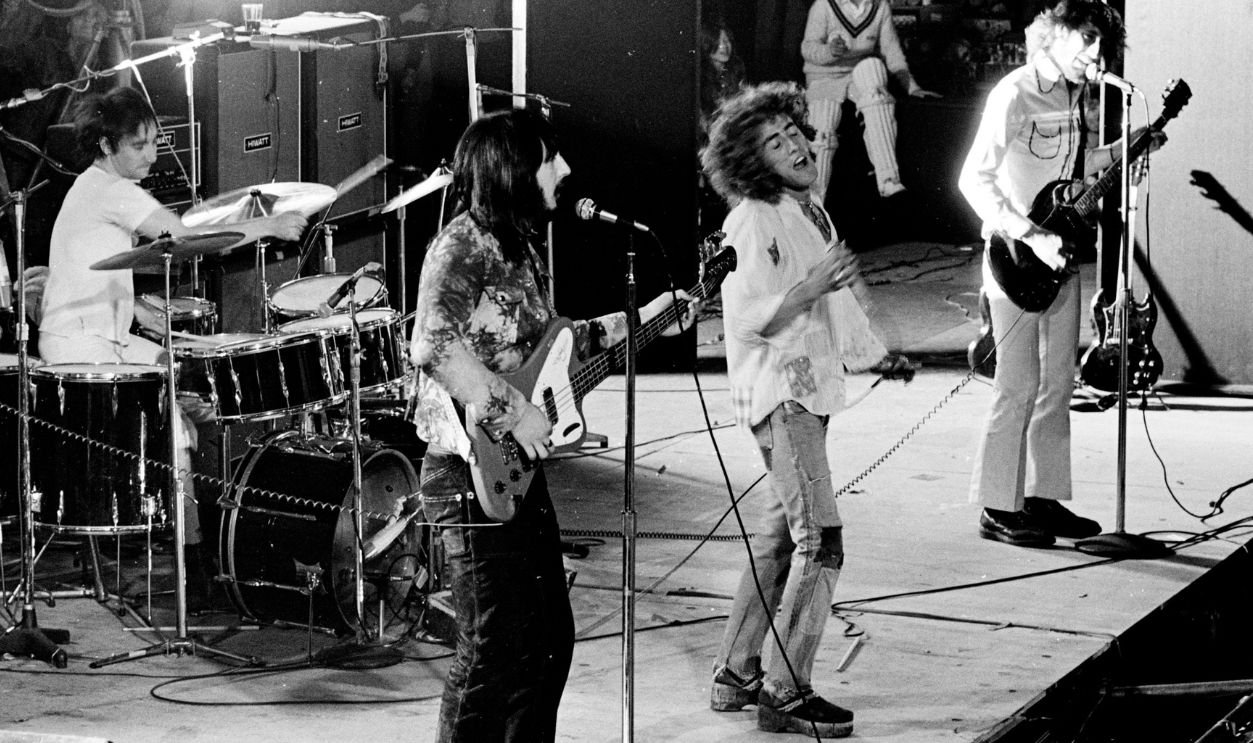
Other musicians began adopting destruction as part of performance. Hendrix had already provided his own fiery variation, while later artists from Ritchie Blackmore to Paul Stanley and generations of punk, alternative, and grunge musicians would destroy instruments onstage. What Townshend had done out of anger at a broken Rickenbacker became visual shorthand for refusing to treat rock equipment, tradition, or decorum with reverence.
 Gijsbert Hanekroot / Contributor, Getty Images
But Townshend Never Thought Smashing Was Pure Fun
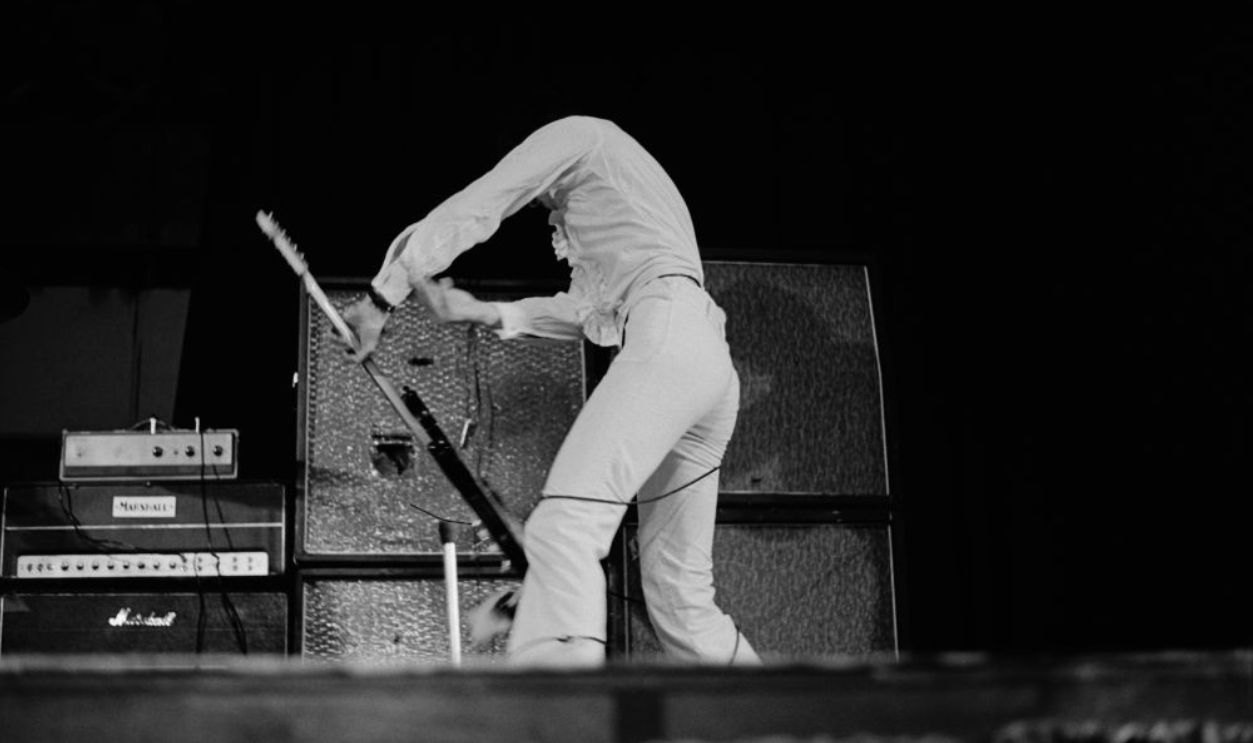
Decades later, Townshend complicated the popular interpretation that smashing guitars must have provided a wonderful emotional release. He admitted watching an instrument splinter could make him think painfully about how much money he was destroying. What kept him doing it wasn't simply that destruction felt good. He believed strongly enough in the artistic gesture to keep making it despite the cost.
To Him, It Was About Artistic Independence
Townshend has described the act as a statement of artistic independence. Destroying the guitar rejected the idea that the instrument itself had to be treated as sacred. It also allowed him to declare a performance definitively finished on his own terms. Fans could shout for more, but the object through which the performance had happened might now be lying in pieces on the floor.
The Rebellion Was Real, Just More Complicated Than It Looked
Fans weren't wrong to see rebellion in the spectacle. Pete Townshend was a young musician smashing expensive equipment in an era when pop performers were generally expected to look polished and grateful. But the rebellion wasn't simply against parents, authority, or good manners. It was also against conventional ideas about what a musician was allowed to do with an instrument and what could count as art.

One Accident Changed The Meaning Of A Guitar Onstage
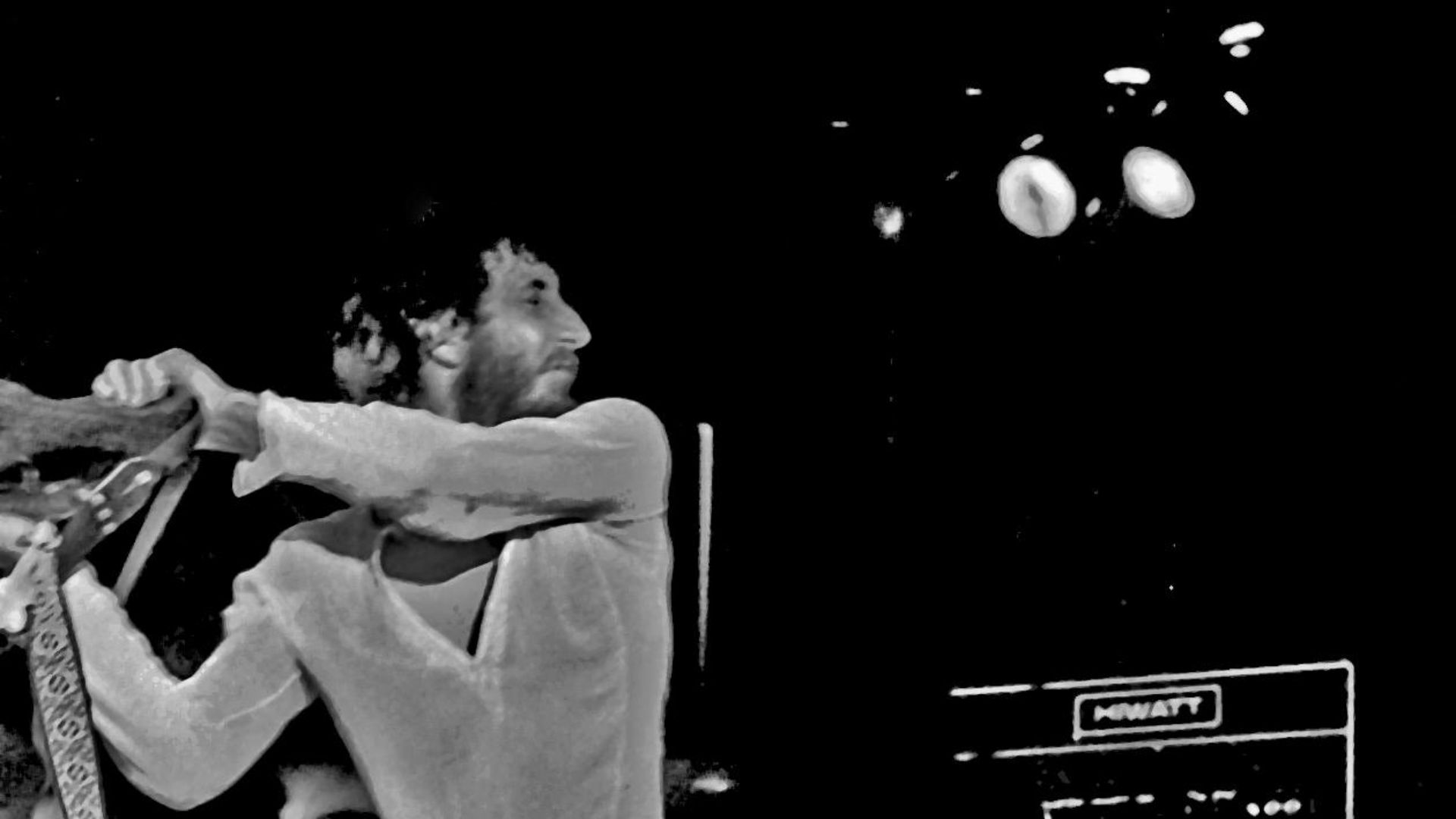
Before Townshend, destroying the tool required to make music seemed almost self-defeating. After him, the contradiction became the point. A guitar could produce the final chord and then become the final visual statement. The act could represent frustration, artistic destruction, spectacle, humor, arrogance, sacrifice, or all of them at once. That ambiguity is why the image remained so powerful.
 Heinrich Klaffs, Wikimedia Commons
The Smash Became Bigger Than The Broken Guitar
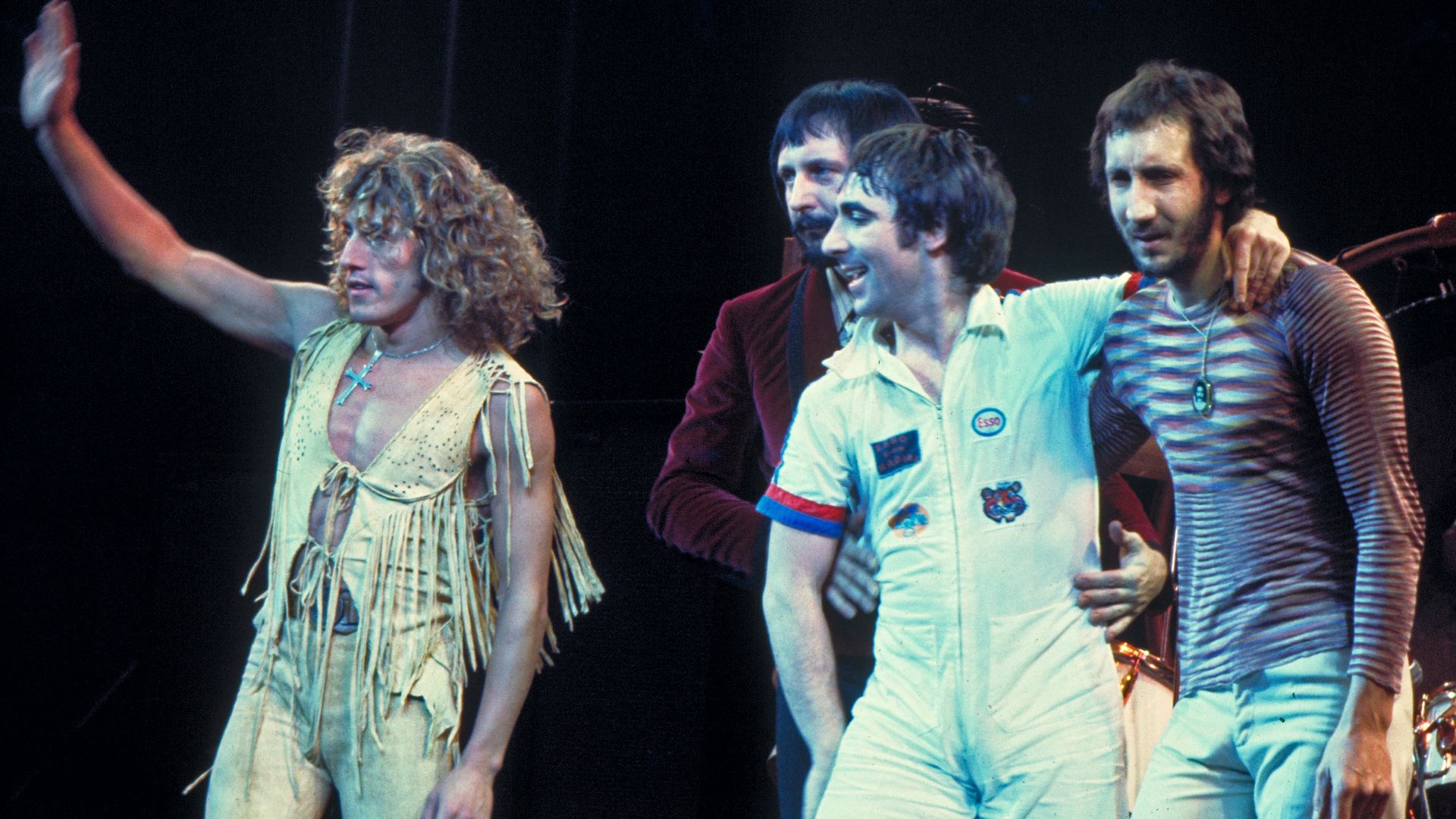
Pete Townshend spent decades writing far more sophisticated music than his early reputation suggested, from Tommy and Quadrophenia to some of rock's most ambitious individual songs. Yet the image of him raising a guitar over his head never disappeared. It survived because it captured something essential about The Who: intelligence and violence, artistic ambition and juvenile chaos, discipline and complete loss of control occupying the same stage.

You May Also Like: