Two Men Who Could Make Hits And Drive Each Other Crazy
Randy Bachman and Burton Cummings helped turn a Winnipeg rock band into an international phenomenon, writing songs that still define Canadian rock. Then, just as American Woman carried The Guess Who to their commercial peak, Bachman was suddenly gone. The split left behind conflicting stories, bruised egos, and decades of uneasy reunions. Somehow, the fight that finally put them firmly on the same side wouldn’t arrive until more than 50 years later.
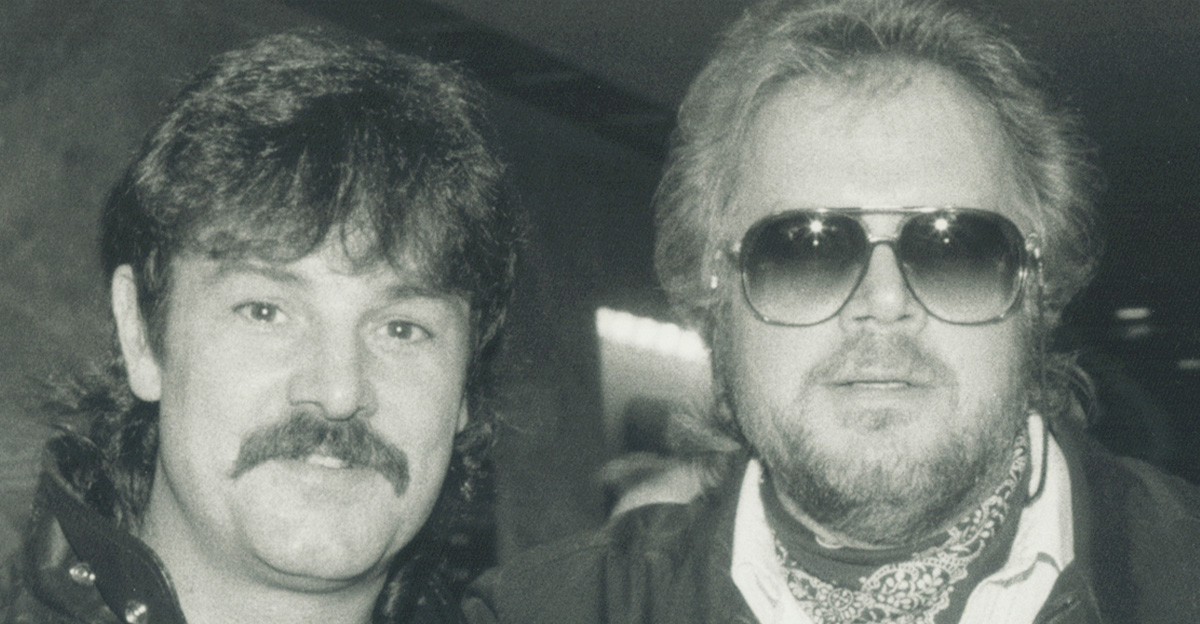 David Cooper/Toronto Star via Getty Images
The Guess Who Existed Before Burton Cummings
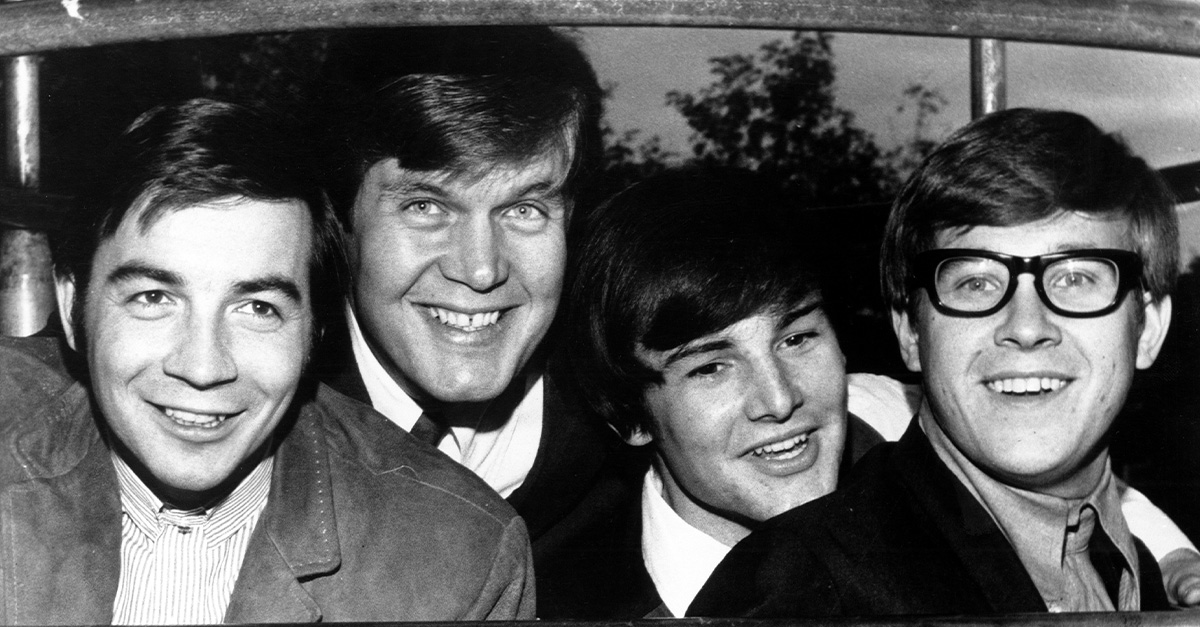
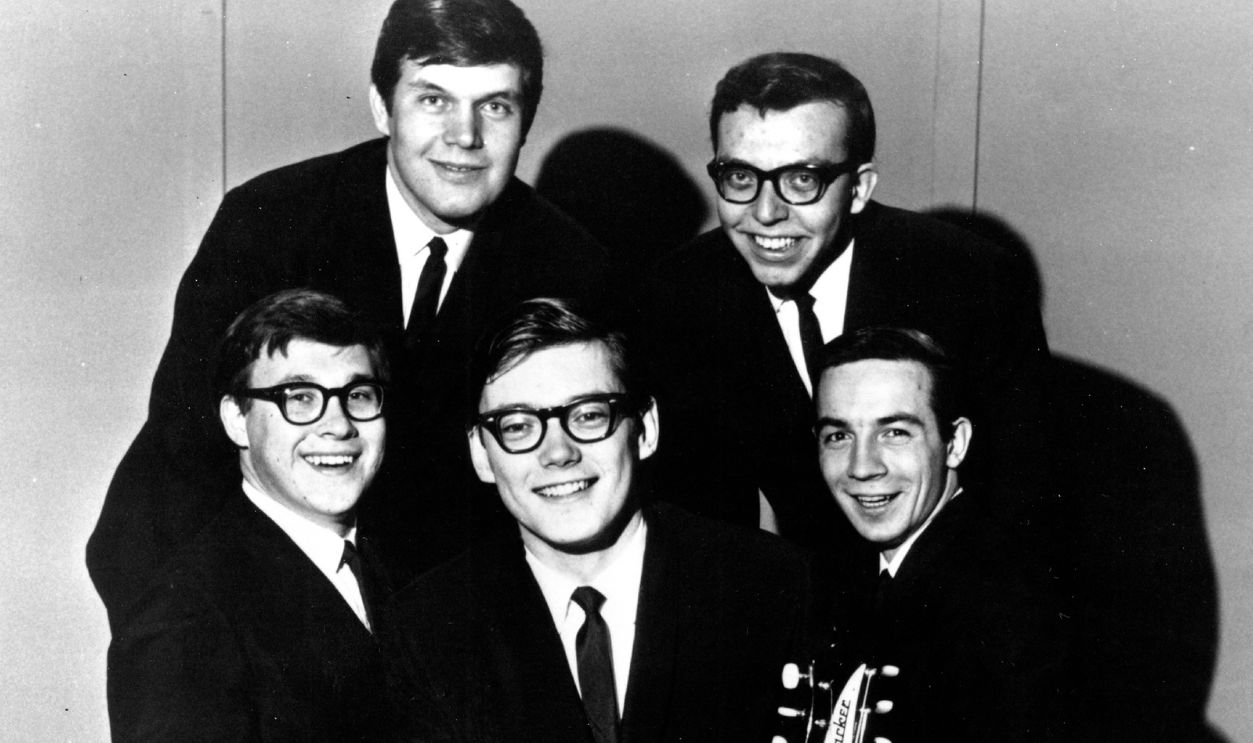
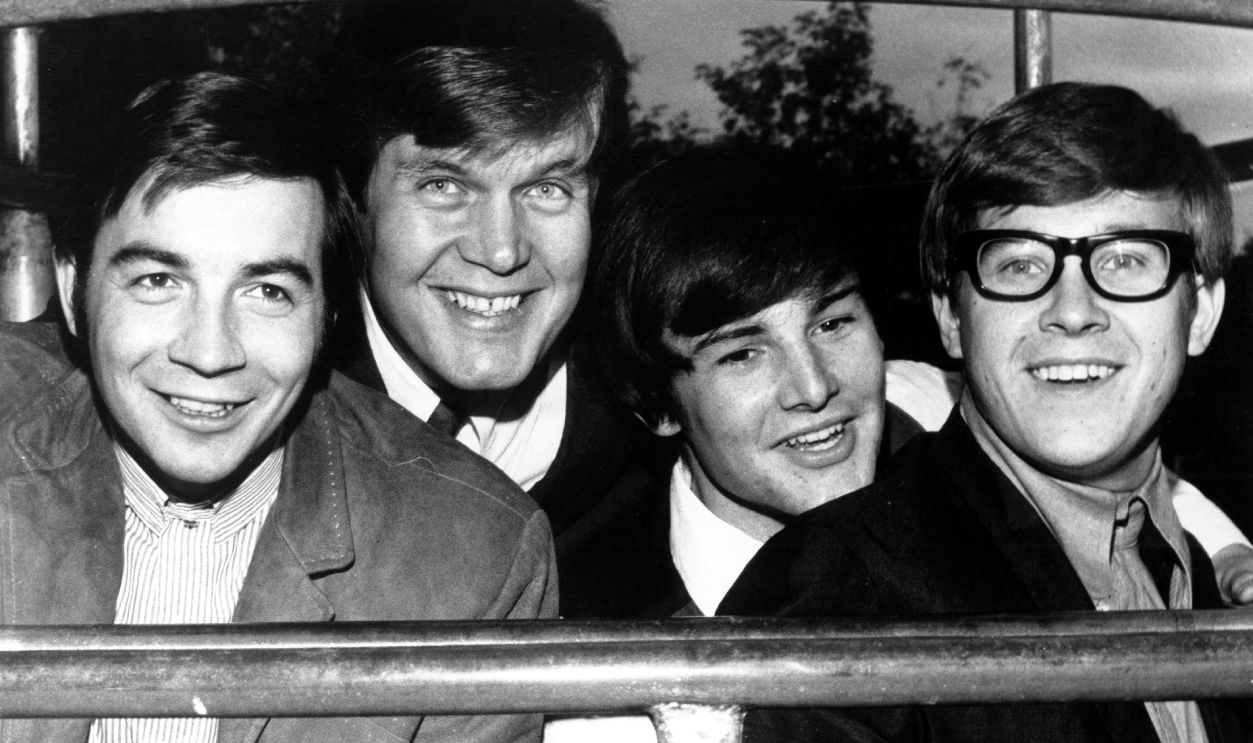
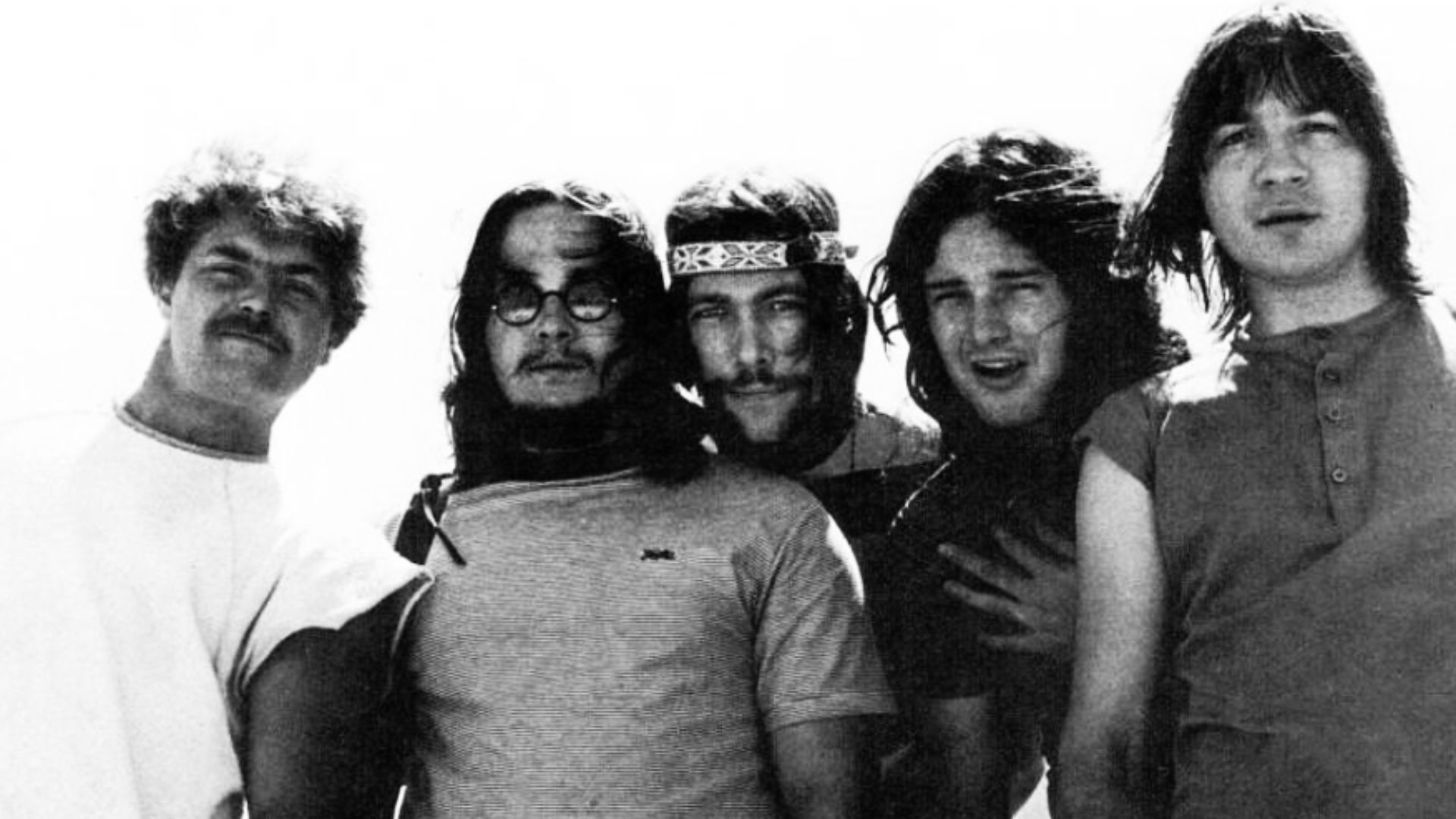
The band's roots stretched back to the late 1950s, when singer Chad Allan formed a Winnipeg group that eventually included Bachman, bassist Jim Kale, drummer Garry Peterson, and keyboardist Bob Ashley. They went through names including Chad Allan and the Reflections and Chad Allan and the Expressions while chasing the breakthrough enjoyed by British and American bands. Bachman was already becoming one of the group's musical anchors.
 Michael Ochs Archives, Getty Images
"Shakin’ All Over" Accidentally Named The Band
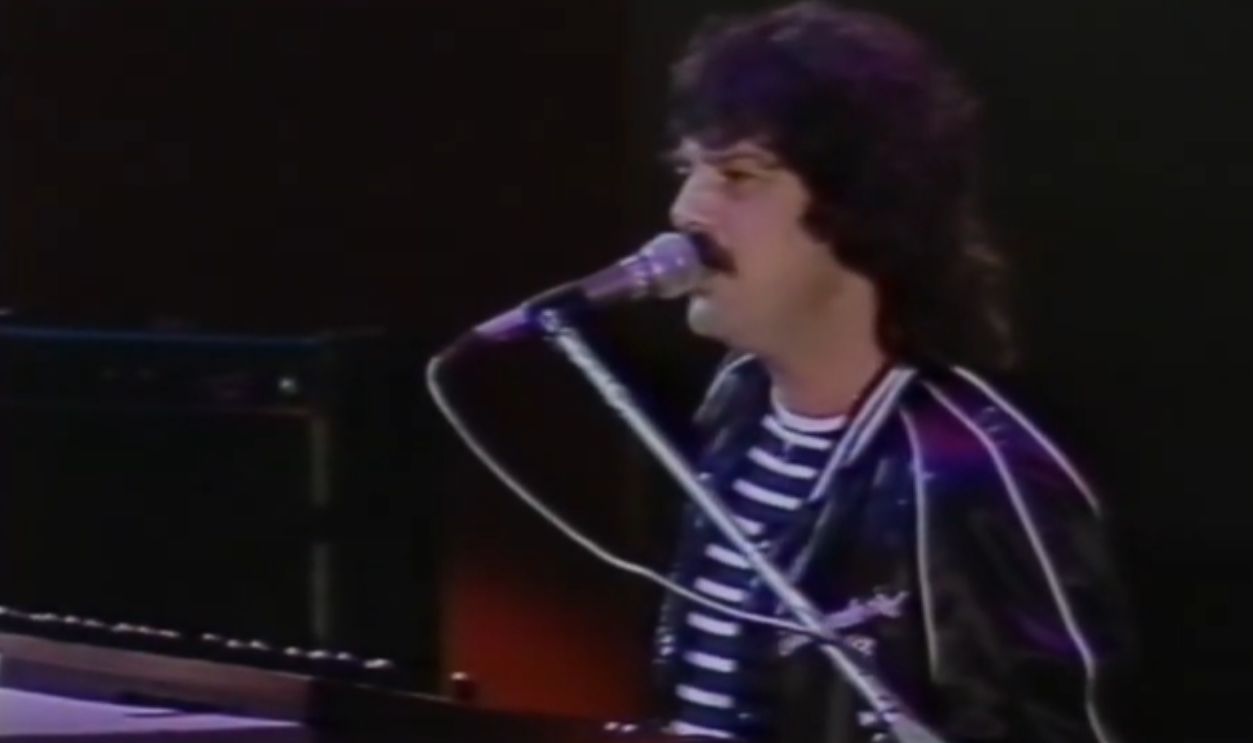
Their first major breakthrough came with a 1965 cover of Johnny Kidd and the Pirates' "Shakin’ All Over". Quality Records promoted the single under the mysterious credit "Guess Who?" in hopes listeners might think an established British act had recorded it. Instead, the gimmick stuck. The song reached No. 1 in Canada and cracked the American charts, and eventually the accidental name became permanent.
 Screenshot from Shakin' All Over, His Master's Voice (1960)
Burton Cummings Walked Into An Established Group
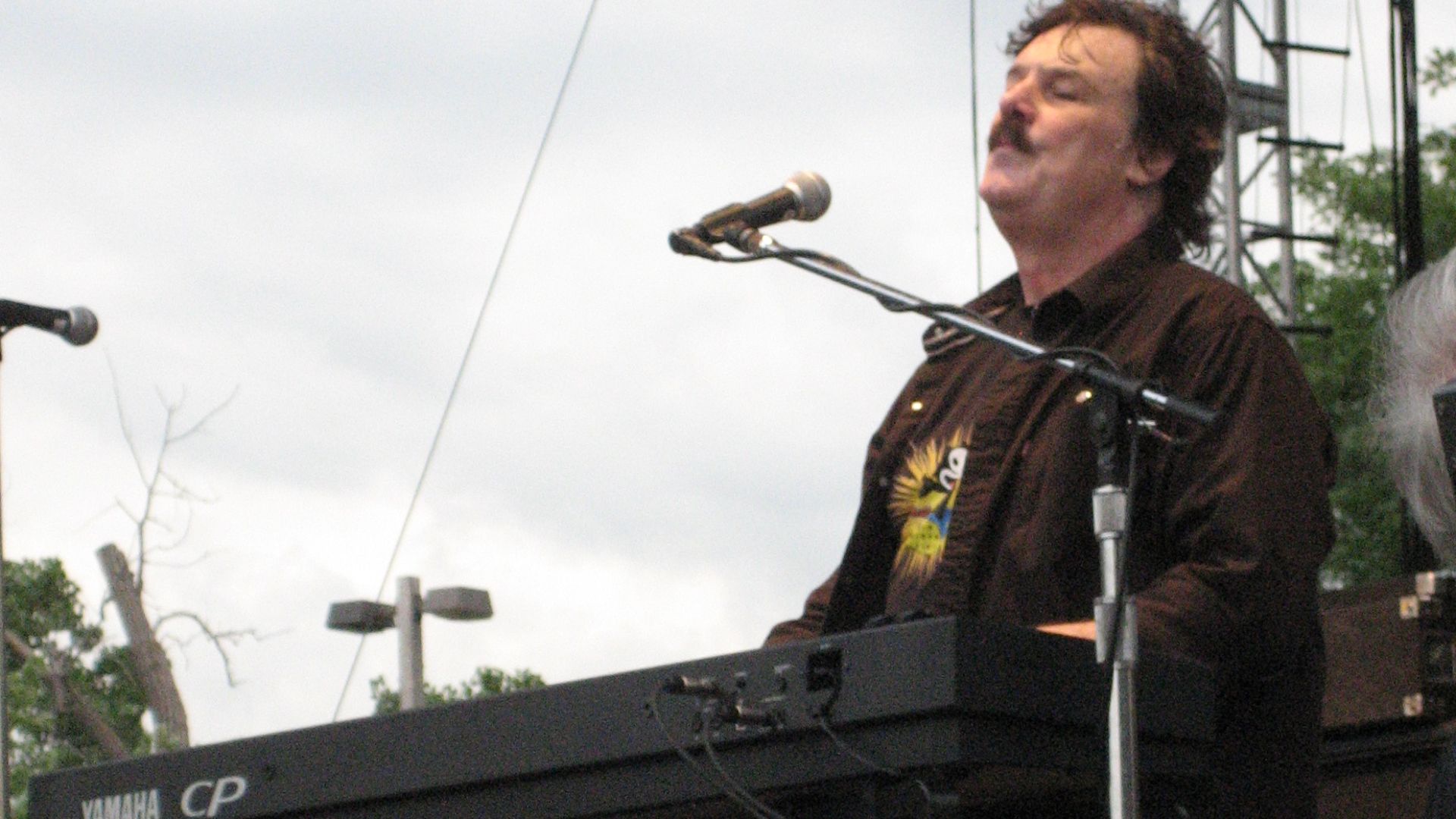
Cummings was still a teenager when he joined the band, initially replacing Bob Ashley on keyboards while Chad Allan remained out front. Allan left soon afterward, and Cummings became the lead singer. Bachman and Cummings had previously played in competing Winnipeg groups, but putting them in the same band created something neither had managed separately. Their voices, instincts, and songwriting began fitting together remarkably well.
Fame Still Took Longer Than Expected
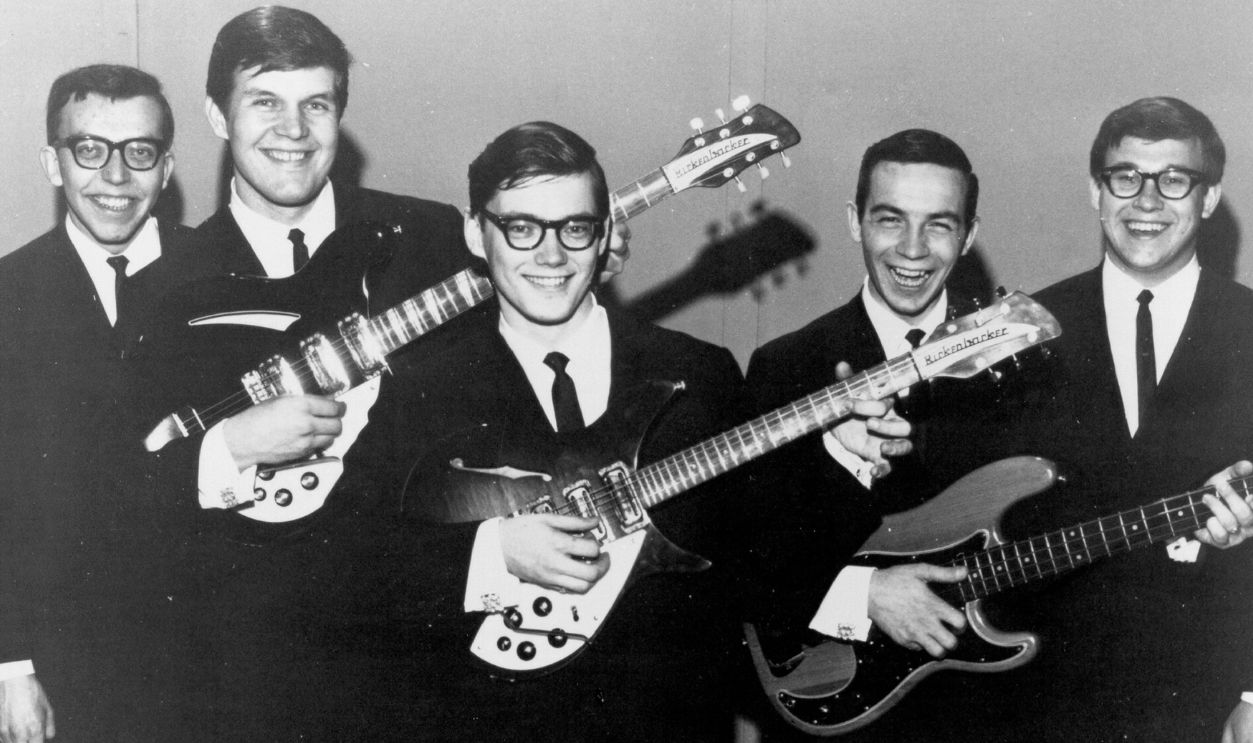
The Guess Who didn't immediately become international stars after Cummings arrived. A disappointing British tour left them badly in debt, and the band returned to Canada needing steady work. A stint on the CBC television program Let’s Go helped keep them afloat and sharpened their live skills. They were becoming familiar faces at home, but the American breakthrough they wanted still seemed frustratingly distant.
 Michael Ochs Archives, Getty Images
Jack Richardson Took A Huge Gamble On Them
Producer Jack Richardson became one of the most important figures in the band's rise. Convinced The Guess Who could reach an international audience, Richardson famously took significant financial risks to record them properly. Those sessions produced Wheatfield Soul, released in 1969. The investment paid off almost immediately when a Bachman-Cummings ballad finally accomplished what years of touring and singles hadn't.
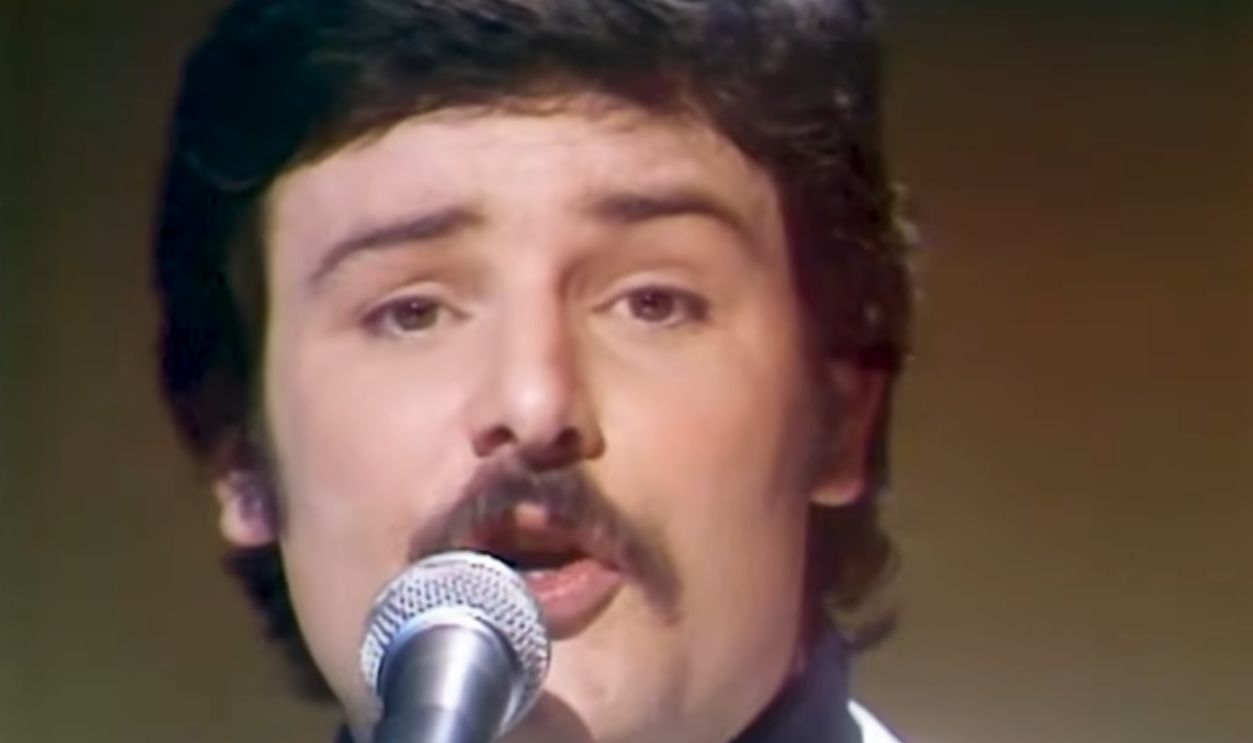 Screenshot from These Eyes, Nimbus 9 (1969)
"These Eyes" Changed Everything
"These Eyes" became The Guess Who's first major American hit and established Bachman and Cummings as a formidable songwriting team. Their partnership worked partly because their musical instincts were different. Bachman brought distinctive guitar ideas and strong structural instincts, while Cummings brought melody, keyboards, and one of rock's most recognizable voices. Suddenly, the two Winnipeg musicians weren't just writing Canadian hits. They were competing internationally.
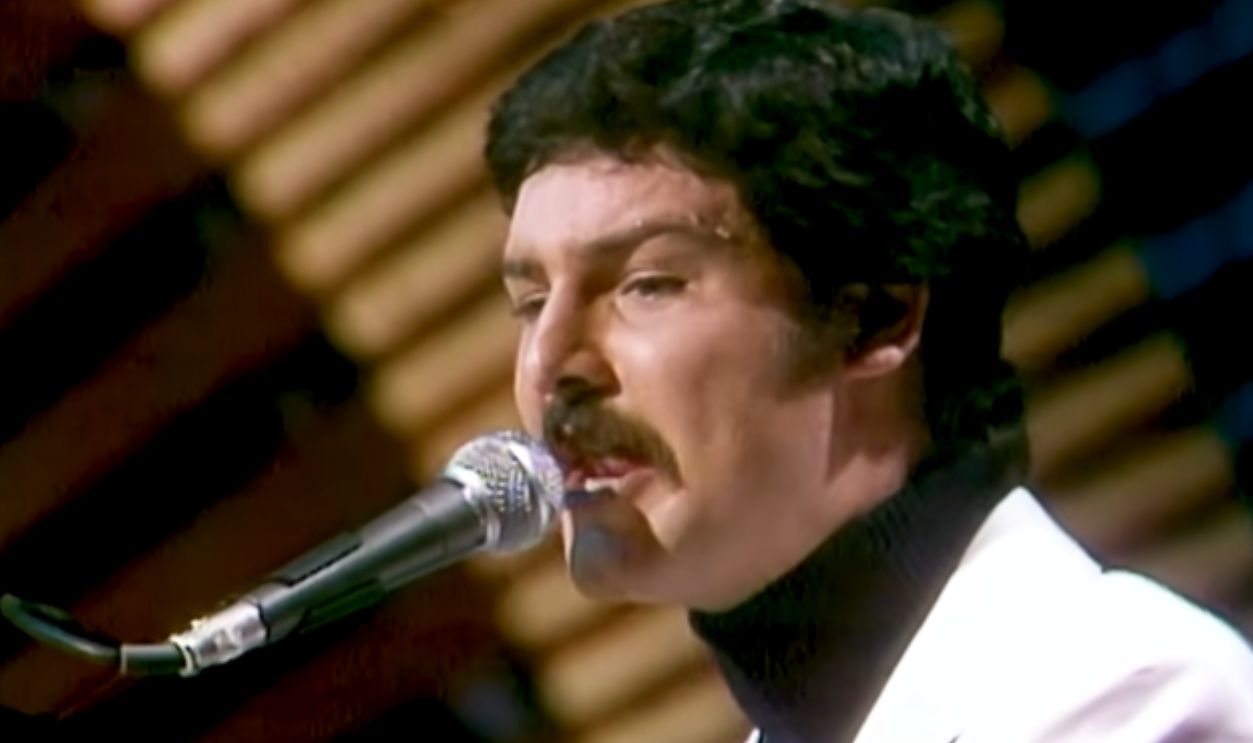 Screenshot from These Eyes, Nimbus 9 (1969)
The Hits Started Coming Quickly
Once the door opened, The Guess Who didn't waste much time. Canned Wheat produced "Laughing," Bachman's jazzier "Undun," and a new recording of "No Time". The band's music could jump from hard rock to sophisticated pop without losing its identity. Bachman and Cummings were becoming the creative partnership at the center of that range, even if becoming successful together wasn't necessarily making them closer personally.
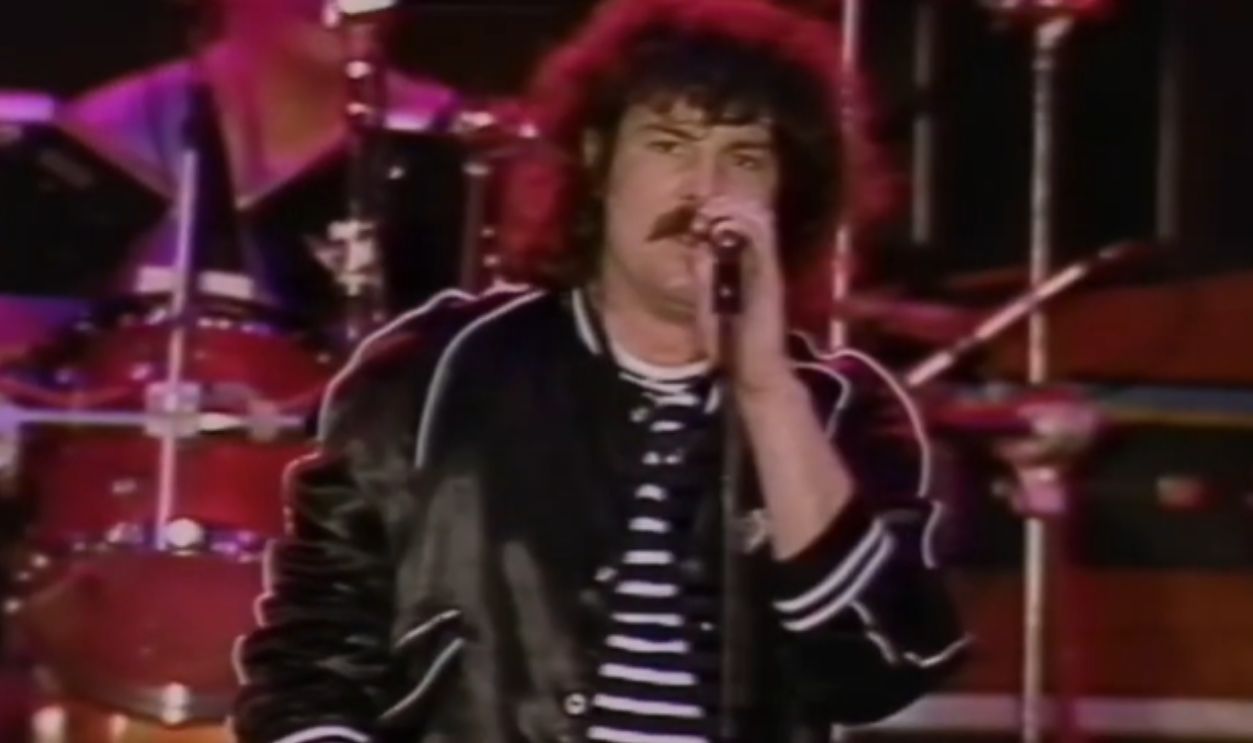 Screenshot from Undun, RCA Records (1969)
Their Partnership Was Never A Great Friendship
Cummings later described his relationship with Bachman during those years as largely business rather than friendship. They could write extremely well together, but they didn't necessarily socialize or live the same way away from music. That distinction became much more important once fame arrived. The differences that made their songs interesting were also beginning to expose just how differently the two men wanted to live.
"American Woman" Pushed Them Over The Top
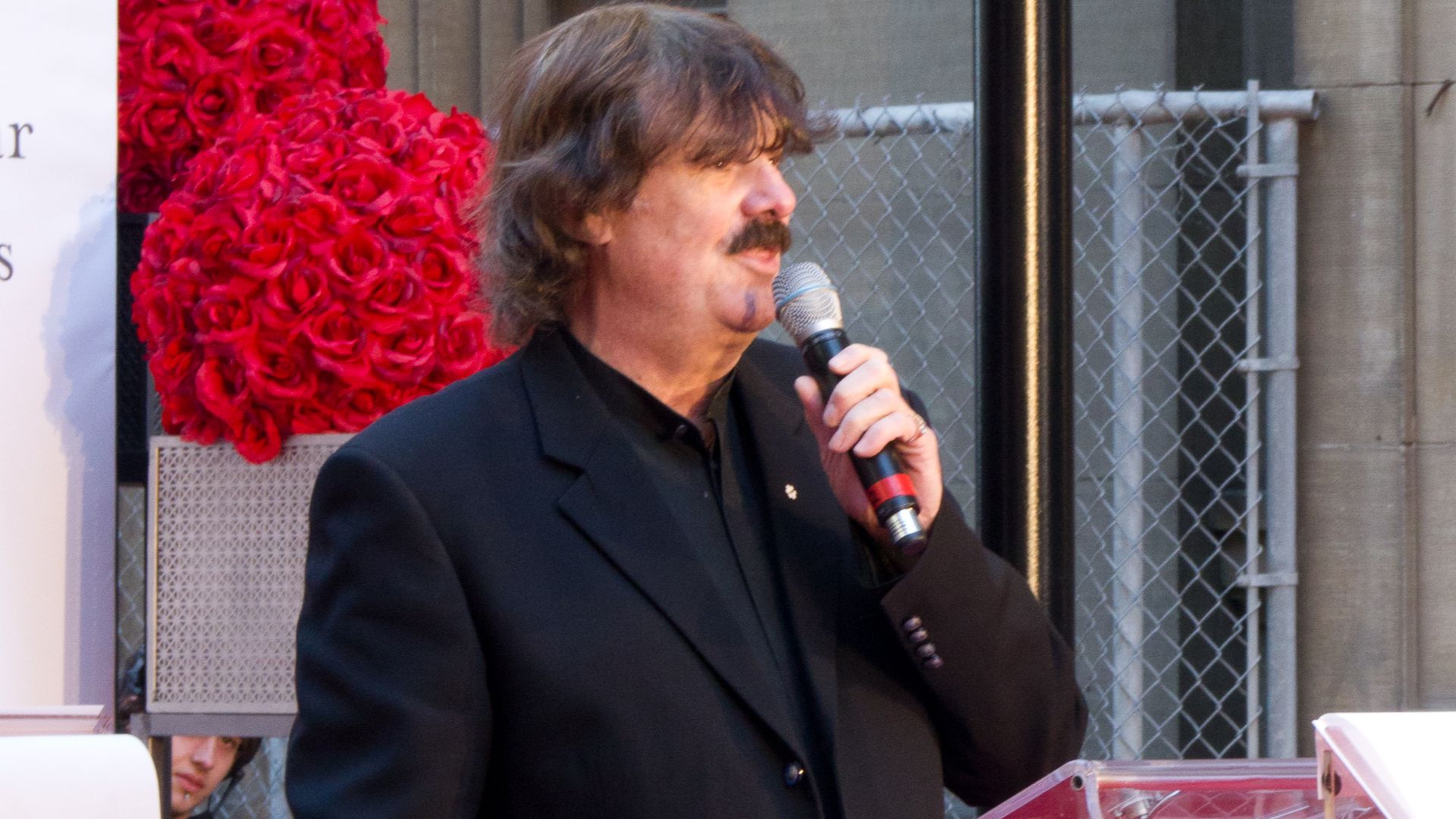
The band's greatest hit famously grew from a guitar riff Bachman started playing during a live performance. Cummings began improvising lyrics, the audience reacted, and the musicians realized they'd stumbled onto something worth remembering. "American Woman" became the first Billboard Hot 100 No. 1 by a Canadian group. The accompanying album American Woman turned The Guess Who into genuine international rock stars.
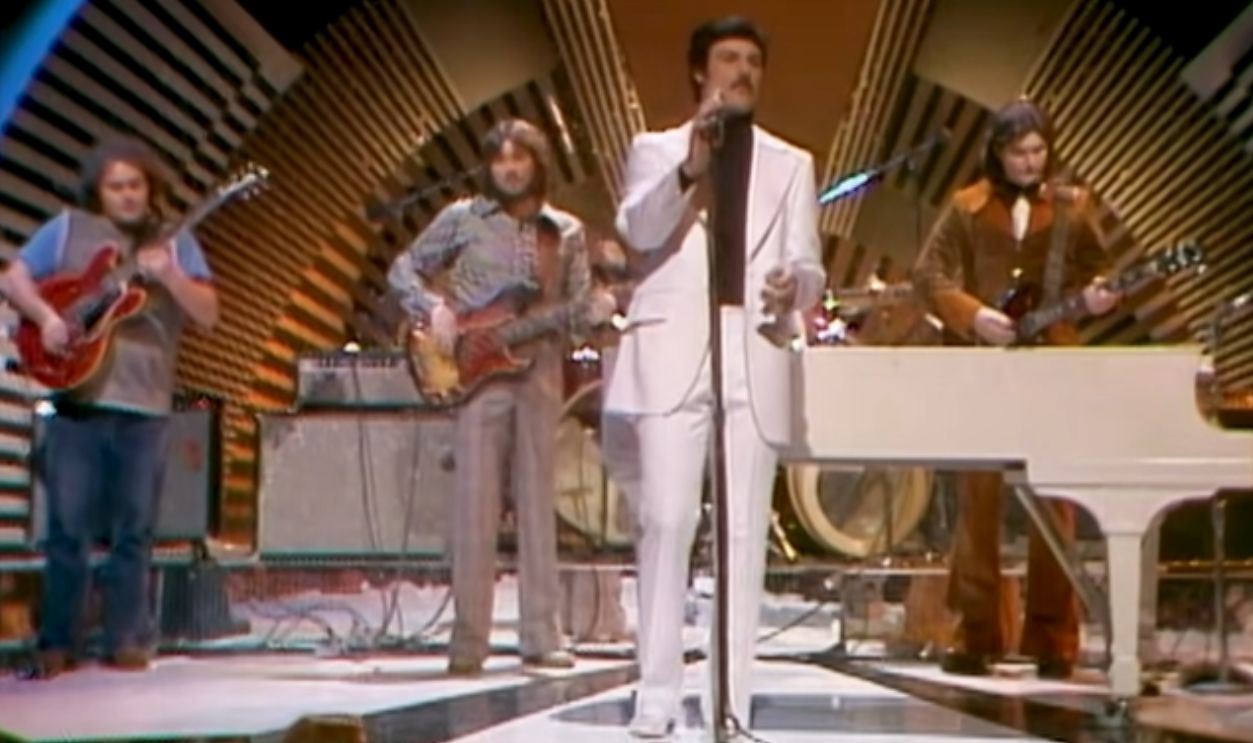 Screenshot from American Woman, RCA Records (1970)
They Had Reached The Top At The Worst Possible Time
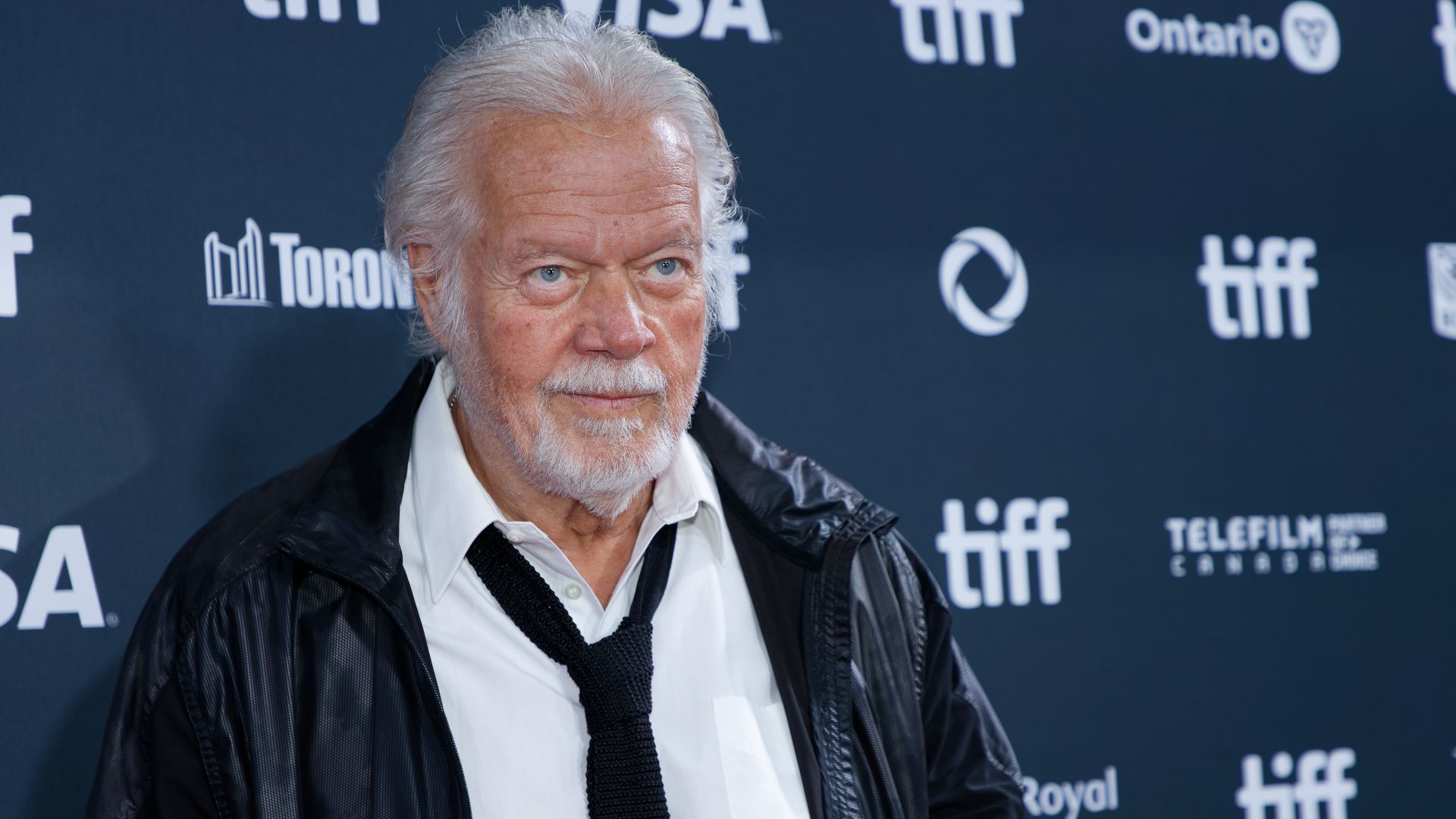
Everything looked spectacular from outside. The band had a No. 1 single, a successful album, packed shows, and invitations to perform in increasingly prestigious settings. Inside the group, Bachman's relationship with the others was deteriorating. The success that should have confirmed the partnership instead magnified differences that had been manageable when everyone was still struggling.
 Kevin Payravi, Wikimedia Commons
Bachman's Lifestyle Had Changed Dramatically
Bachman had converted to the Church of Jesus Christ of Latter-day Saints and embraced a much more restrained lifestyle. He didn't drink or participate in the drug culture surrounding the band, while the other members were increasingly enjoying the freedoms of rock stardom. Bachman later remembered being treated like the group's disapproving parent. To his bandmates, his concern could sound less like advice and more like preaching.
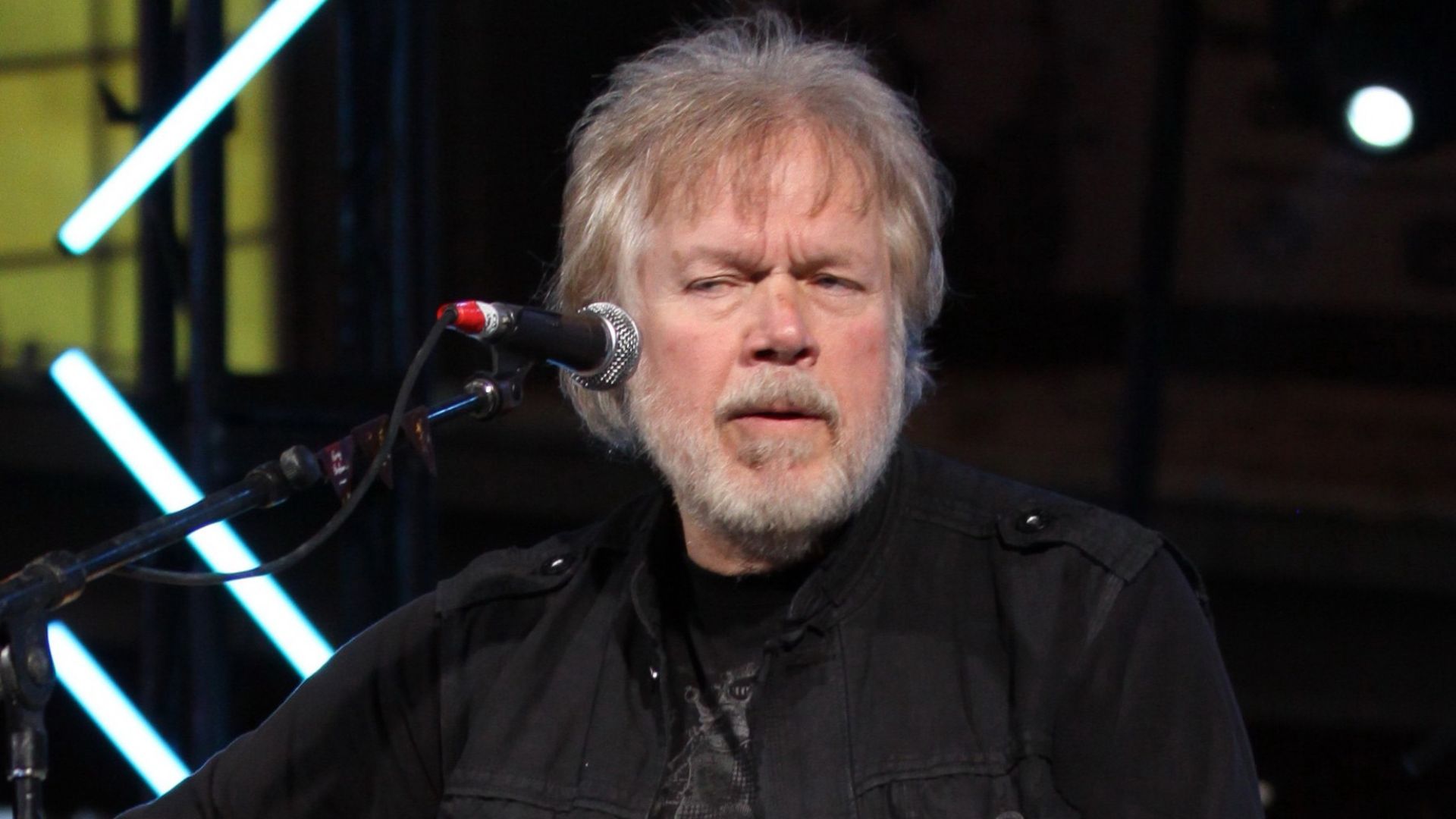 Randy_Bachman_in_2009.jpg: B Stahls derivative work: Tabercil (talk), Wikimedia Commons
Cummings Saw The Divide Very Differently
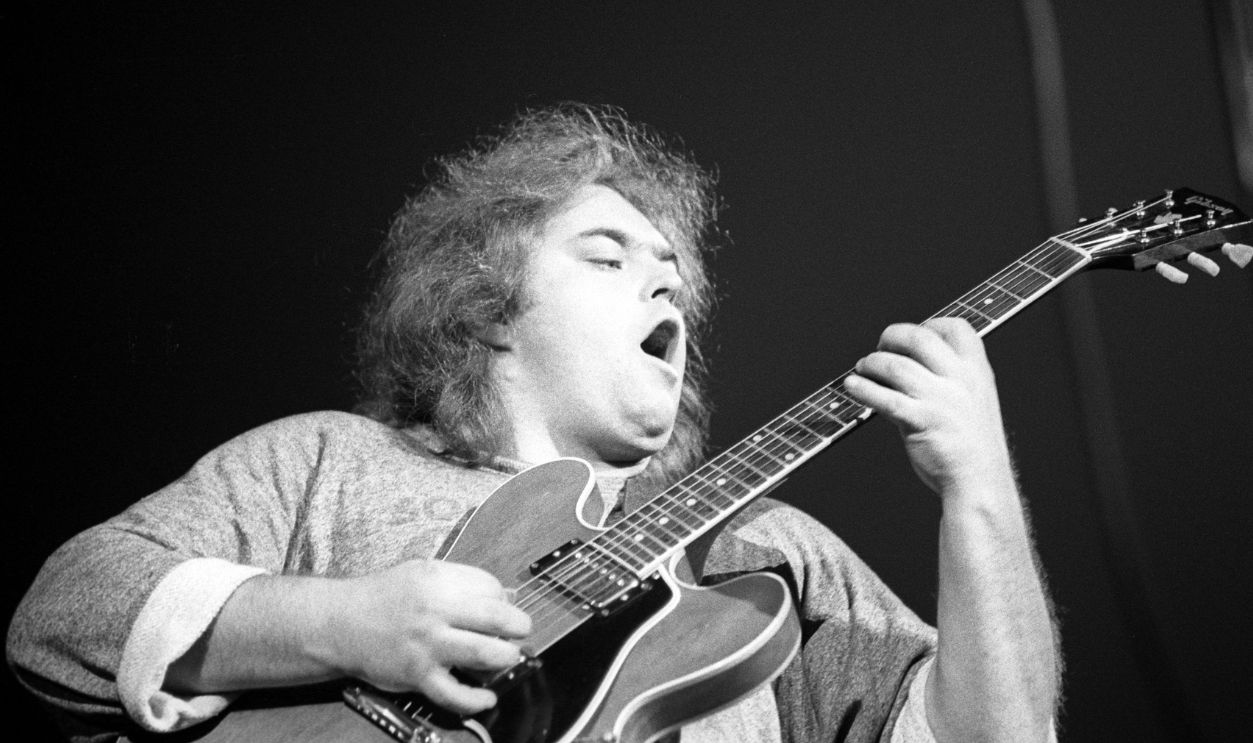
Cummings wasn't simply annoyed that Bachman avoided partying. He has described the two as increasingly incompatible personally and musically. Once Bachman left, Cummings said he became much closer with replacement guitarist Kurt Winter because they actually socialized together. The later rivalry wasn't created by one dramatic argument. By 1970, the songwriting partners had already spent considerable time moving in opposite directions.
 Michael Ochs Archives, Getty Images
Then Bachman's Health Became A Crisis
Bachman was also suffering severe gallbladder attacks while touring. He has described being in intense pain and repeatedly needing medical attention between shows. Eventually, he returned to Winnipeg for treatment while American guitarist Bobby Sabellico temporarily filled in. Bachman has always insisted the health problem was genuine. What happened while he was recovering, however, helped turn an already strained relationship into a full rupture.
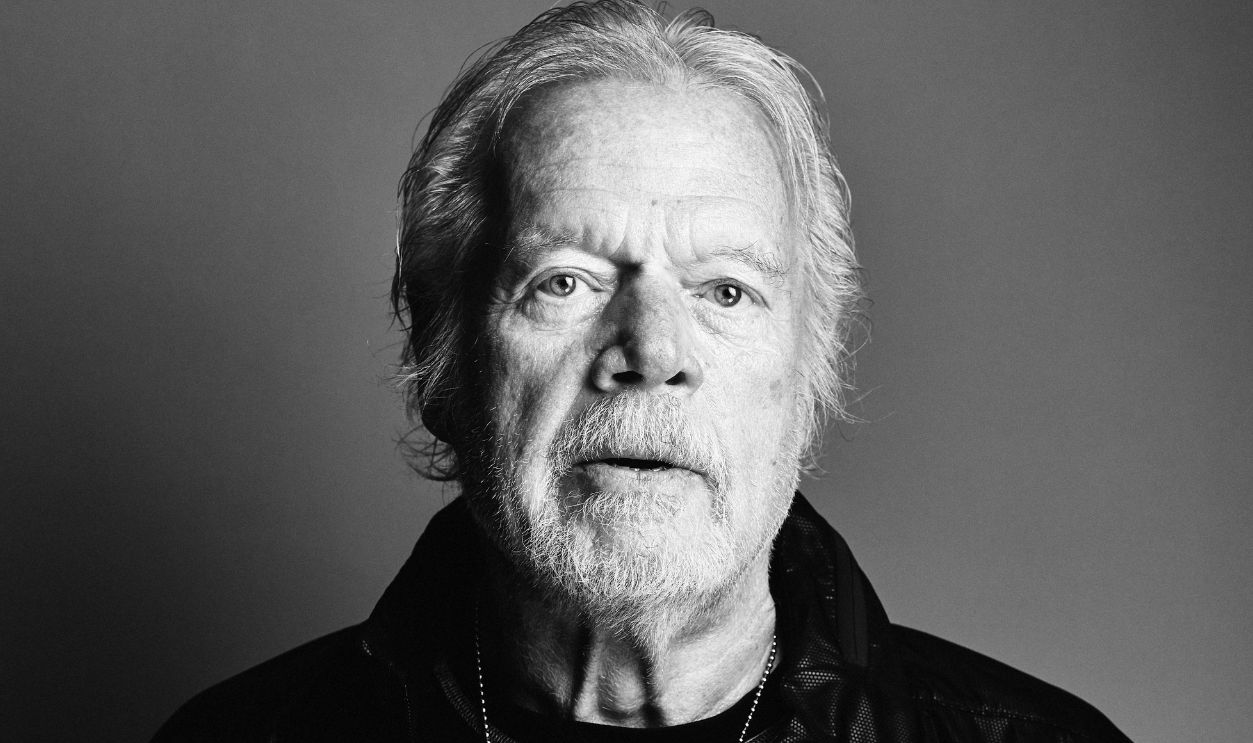 Gareth Cattermole, Getty Images
A New York Meeting Made Everyone Suspicious
While away from the tour, Bachman began exploring outside production opportunities. He traveled to New York early before rejoining The Guess Who and met record executives about a project involving another Winnipeg band. His bandmates learned about the meeting while they'd been performing without him. To them, a guitarist who had stepped away because he was too sick to tour suddenly appeared capable of conducting business in New York.
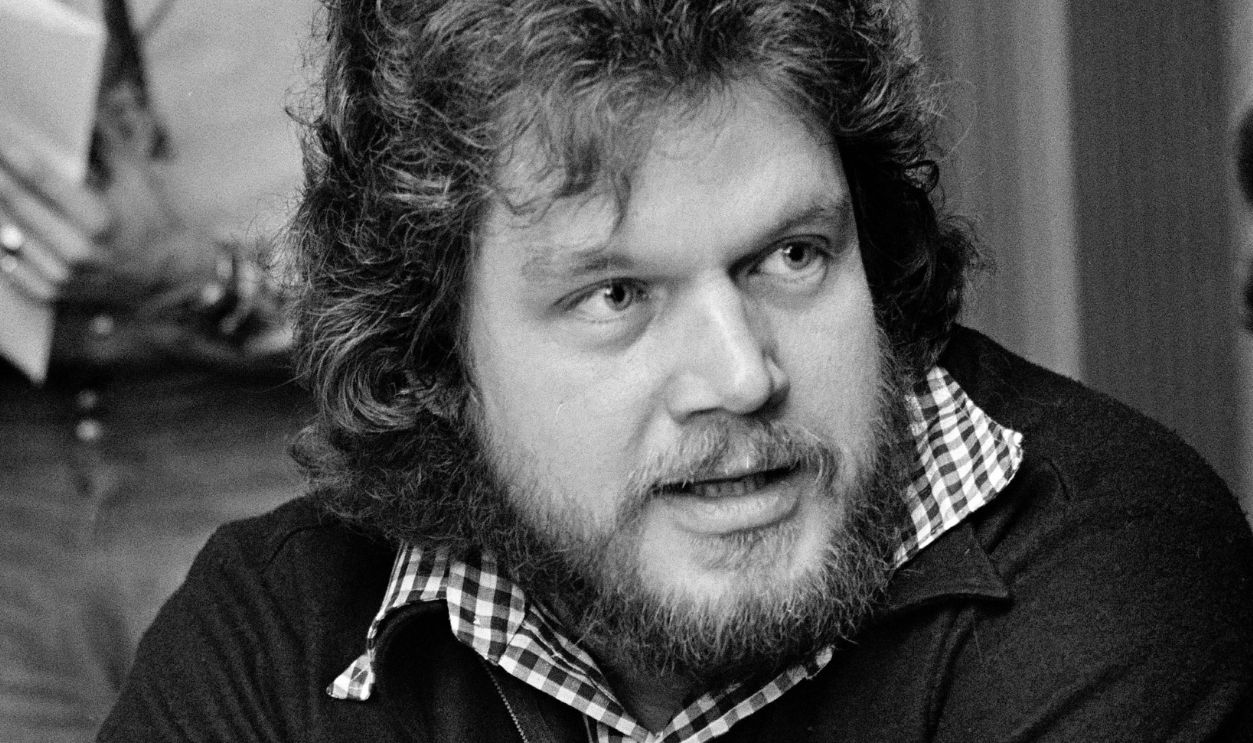
Was He Fired Or Did He Leave?
This is where Bachman and Cummings' versions of history have never lined up neatly. Bachman emphasizes his serious health problems, lifestyle differences, and desire for time away. Cummings has been much more emphatic that Bachman was thrown out. Drummer Garry Peterson later recalled a hotel confrontation in which Cummings told Bachman the band no longer wanted him, and Bachman responded that he'd already been considering leaving.
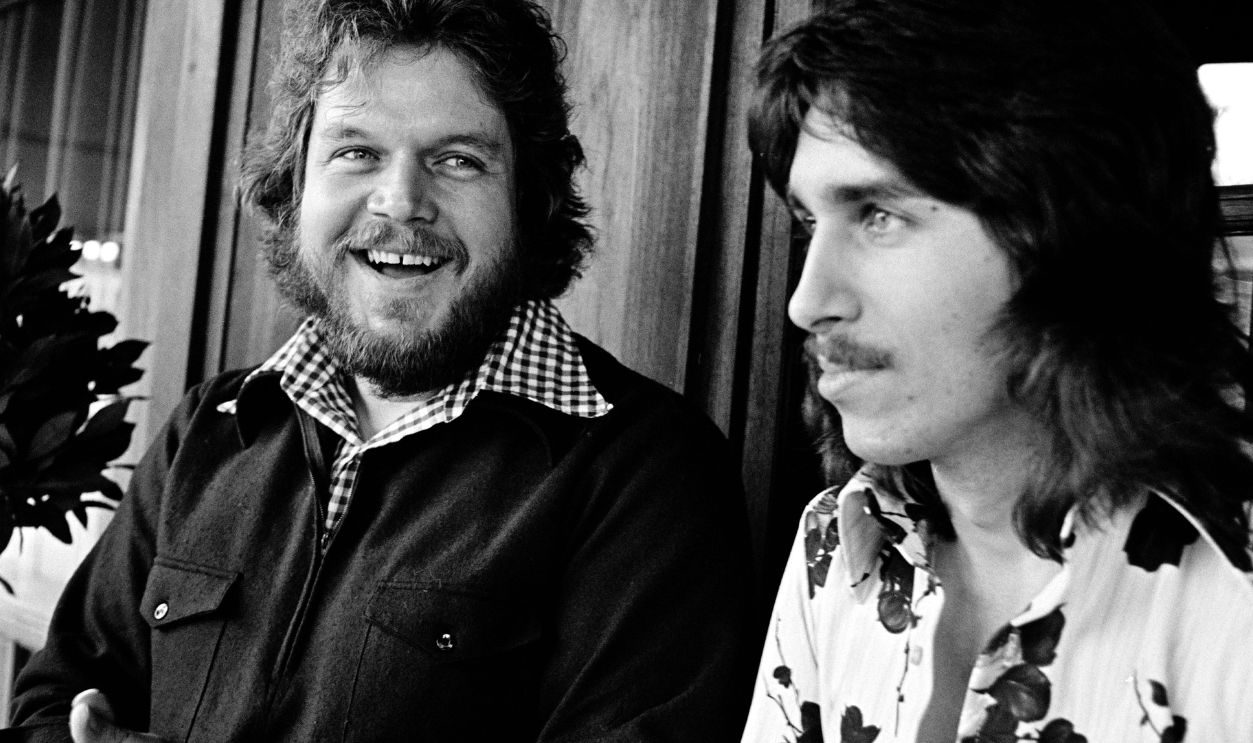
His Exit Came At The Peak
However the final decision is described, Bachman's time in The Guess Who ended in 1970, almost immediately after the enormous success of American Woman. Few musicians have ever left a band at a stranger moment. Bachman had spent years struggling to reach the American market, finally reached No. 1, and then found himself outside the group just as it had become bigger than ever.
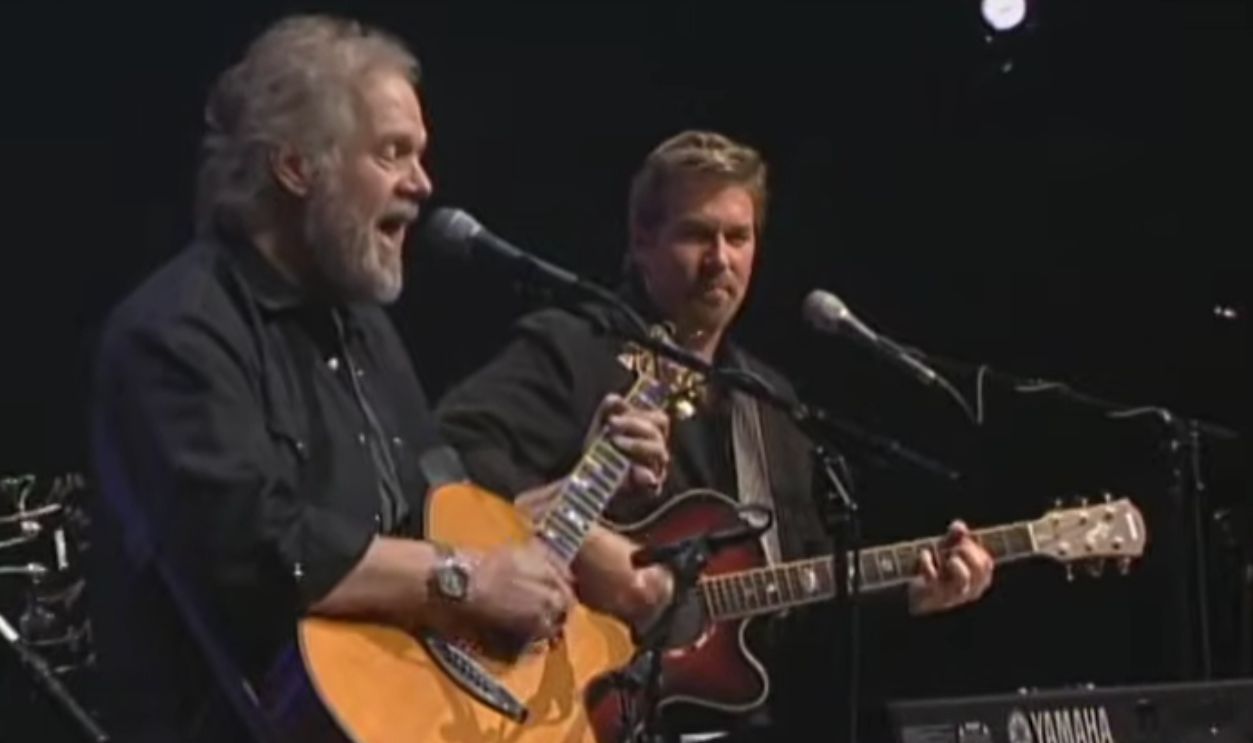 Screenshot from American Woman, RCA Records (1970)
Cummings Proved The Guess Who Could Continue
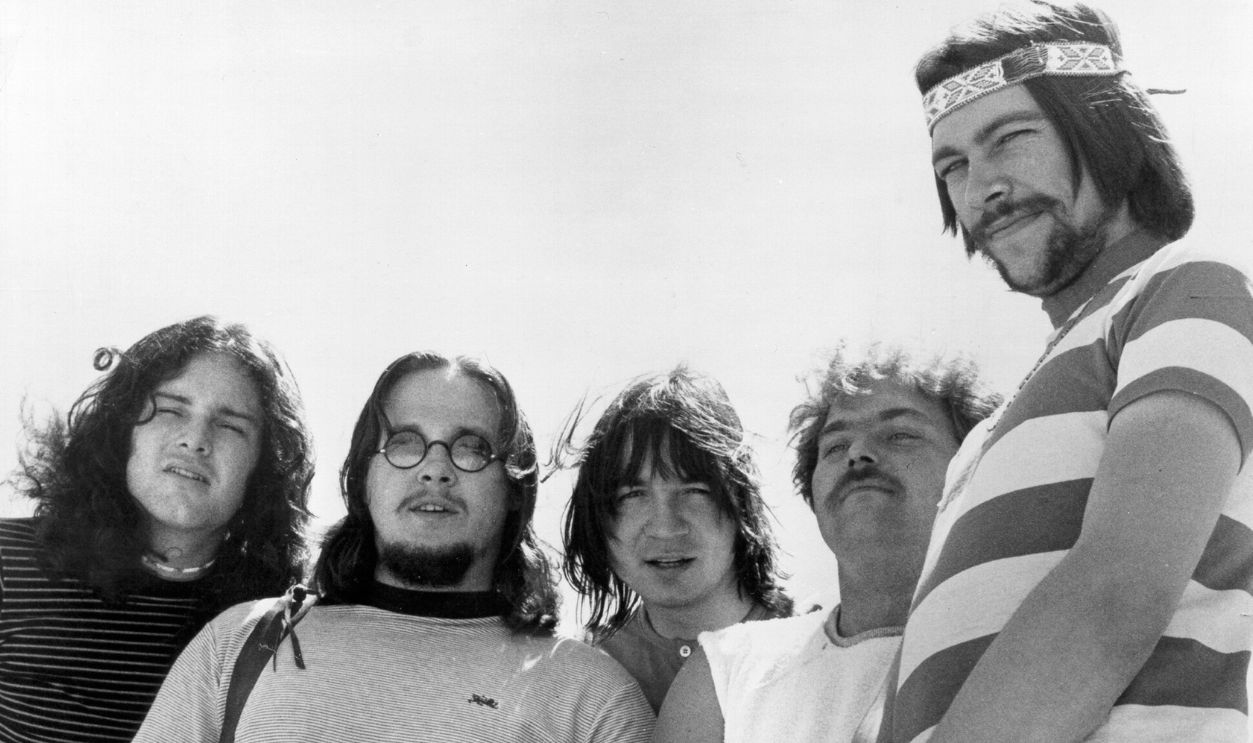
The Guess Who didn't collapse when Bachman disappeared. Kurt Winter and Greg Leskiw were brought in on guitar, and Cummings became the band's undisputed creative center. "Hand Me Down World," "Share the Land," "Albert Flasher," "Rain Dance," and later "Clap for the Wolfman" kept the group on the charts. If Bachman had expected his departure to end the story, Cummings quickly proved otherwise.
 Michael Ochs Archives, Getty Images
Bachman Built Another Giant Band From Scratch
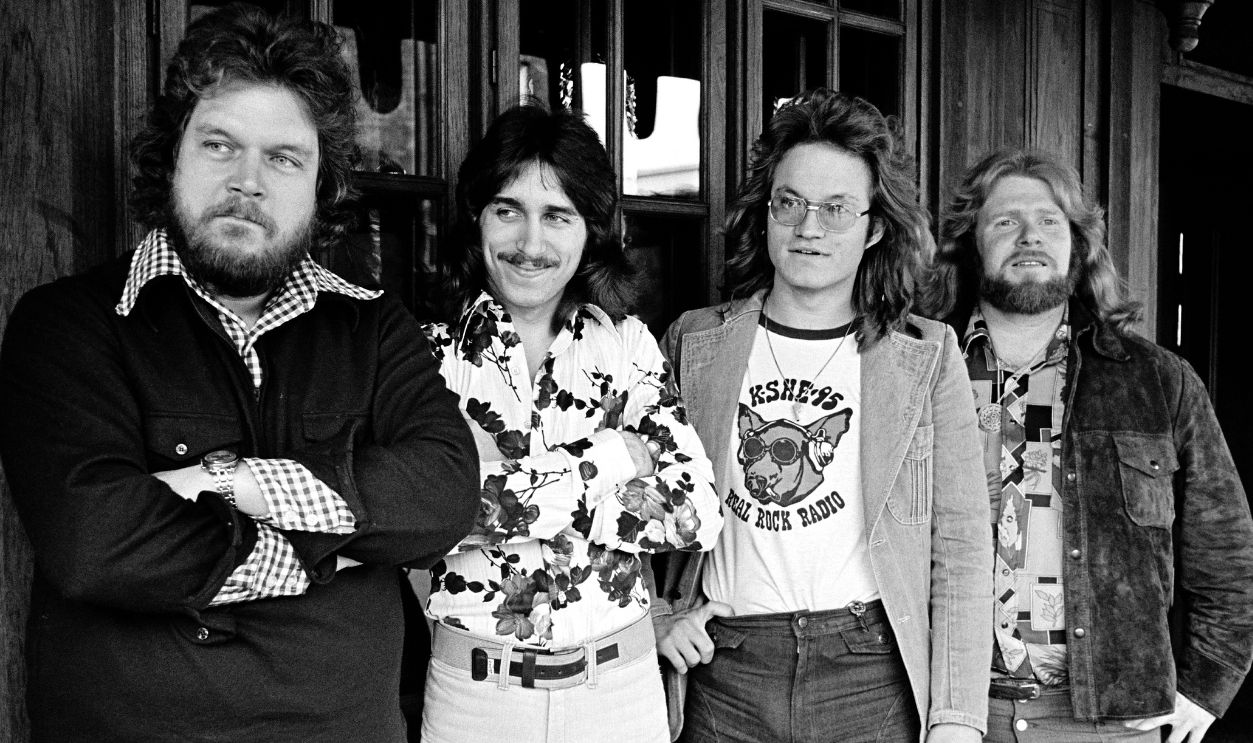
Bachman's response was equally impressive. He initially formed Brave Belt with former Guess Who singer Chad Allan, but the project gradually evolved into Bachman-Turner Overdrive. BTO became an international powerhouse with songs including "Takin’ Care of Business," "Let It Ride," and "You Ain’t Seen Nothin’ Yet". Bachman hadn't simply survived leaving The Guess Who. He'd managed the rare feat of creating another hugely successful band.
Their Separate Success Kept The Comparison Alive
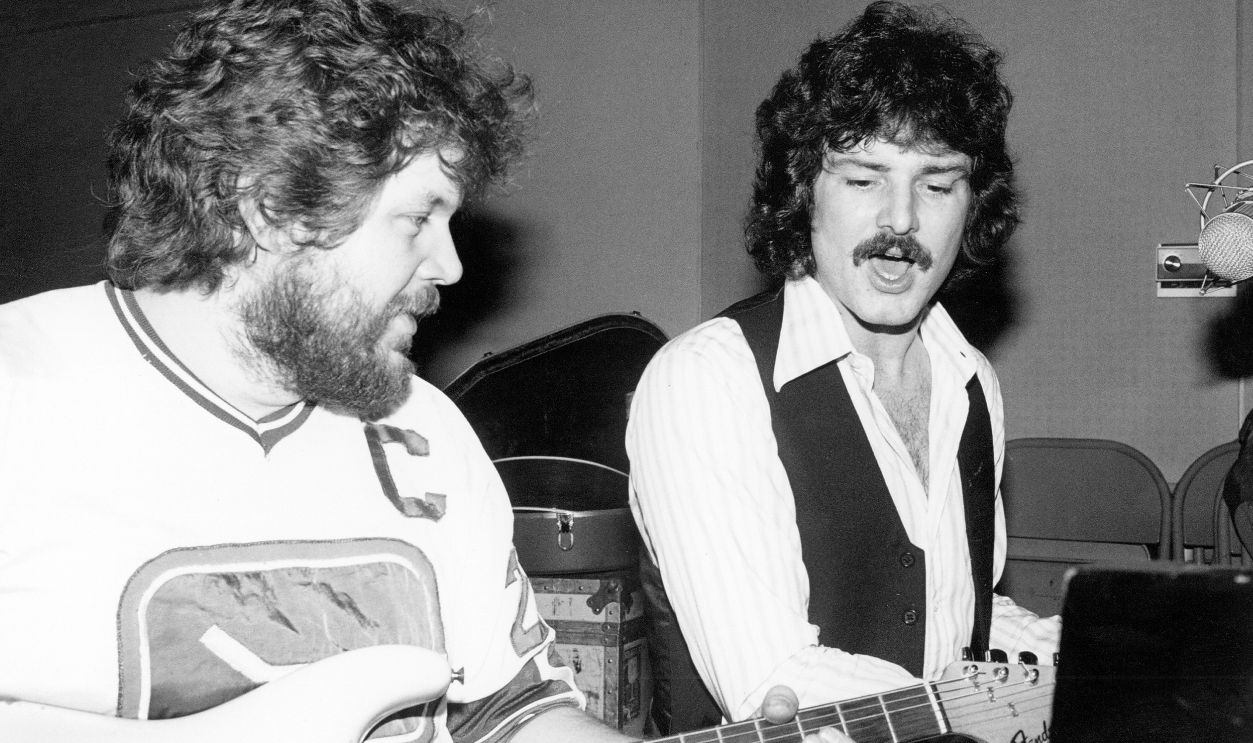
That made the Bachman-Cummings relationship more interesting than a normal band breakup. Neither man needed the other to remain successful. Cummings led The Guess Who for another five years before beginning a major solo career, while Bachman had BTO. Each could point to hits made without his former partner. Yet the songs they'd written together remained central to both men's legacies, ensuring neither could ever completely leave the other behind.
 Michael Ochs Archives, Getty Images
Cummings Finally Ended His Version Of The Band
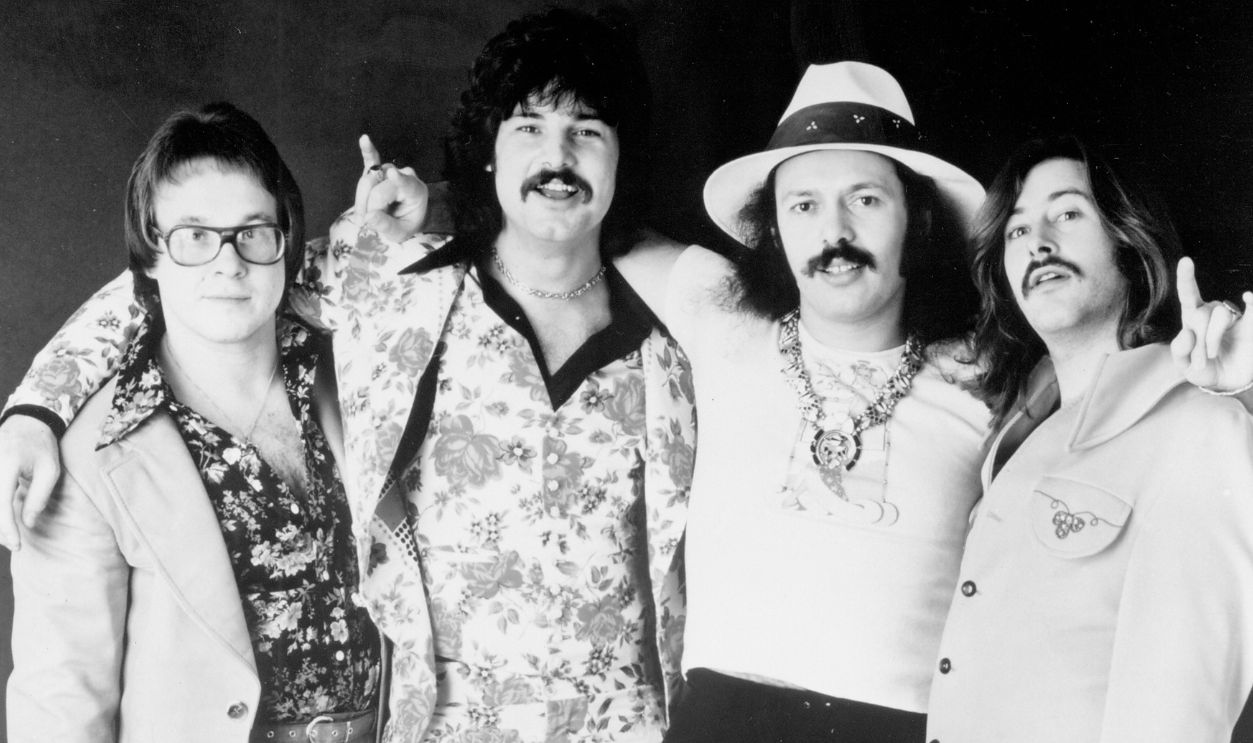
By 1975, Cummings had become increasingly unhappy with The Guess Who's changing lineup and musical direction. Guitarist Domenic Troiano's arrival pushed the group toward a sound Cummings later said wasn't what he wanted the band to be. He finally left, effectively ending the classic story. The breakup created an unexpected problem, however: who actually controlled the name "The Guess Who"?
 Michael Ochs Archives, Getty Images
The Name Slipped Away From Its Famous Songwriters
Former bassist Jim Kale eventually secured rights to The Guess Who name and began using it with changing lineups. Over the following decades, versions of the group toured with varying connections to the classic era. Sometimes original drummer Garry Peterson was involved; sometimes performances reportedly featured no original members at all. Bachman and Cummings increasingly disliked seeing the famous name used without the men most associated with its biggest recordings.
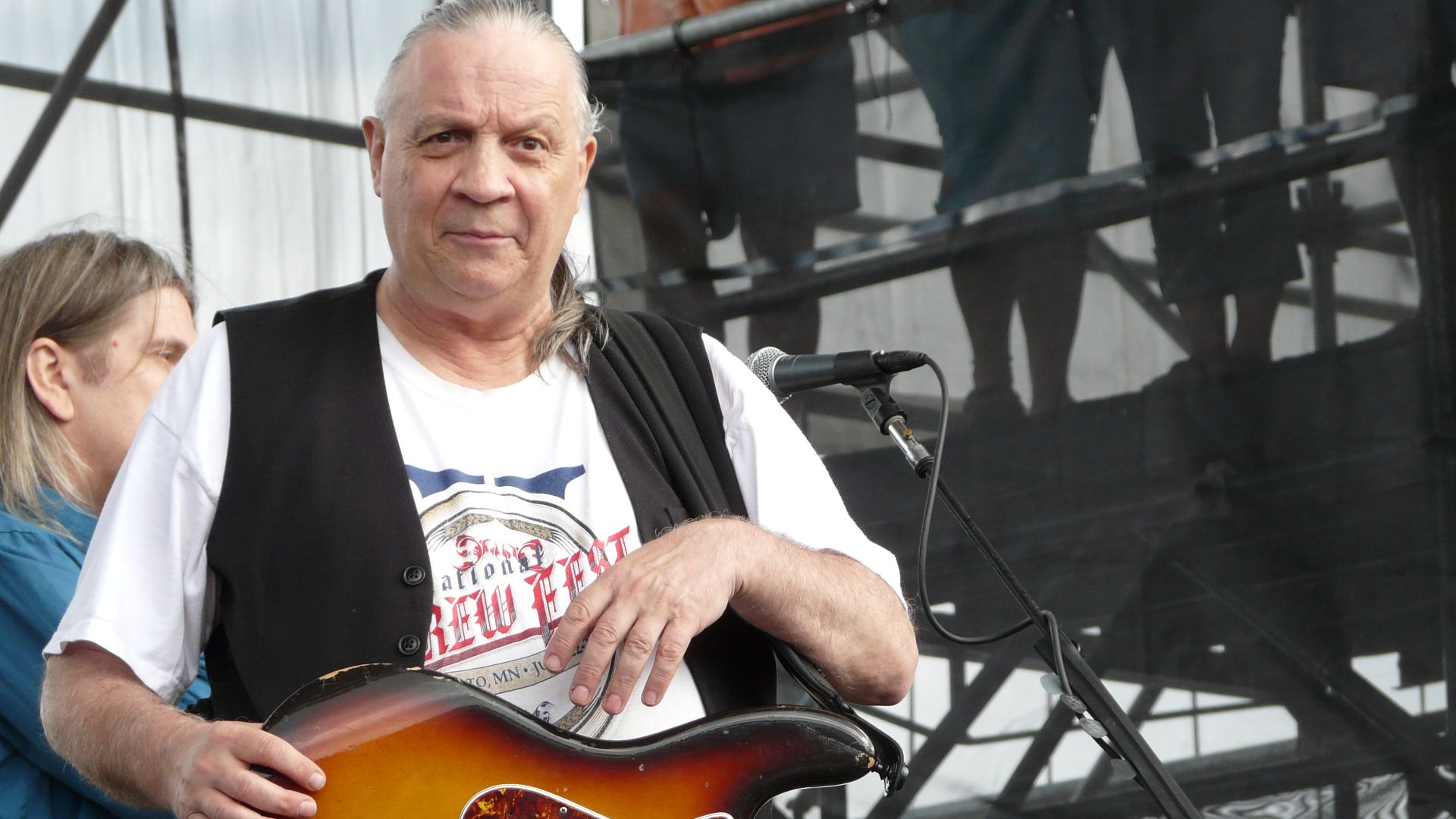 PHOTO BY MATT BECKER www.melodicrockconcerts.com [email protected], Wikimedia Commons
Reunions Kept Interrupting The Rivalry
Bachman and Cummings never remained completely separated. Classic members reunited for a CBC television special in 1979 and again for a Canadian tour in 1983. The appearances proved they could still play together, but they didn't permanently repair the partnership. For years, their relationship followed a strange pattern: long stretches apart, occasional reunions, and a shared catalog powerful enough to keep pulling them back toward each other.
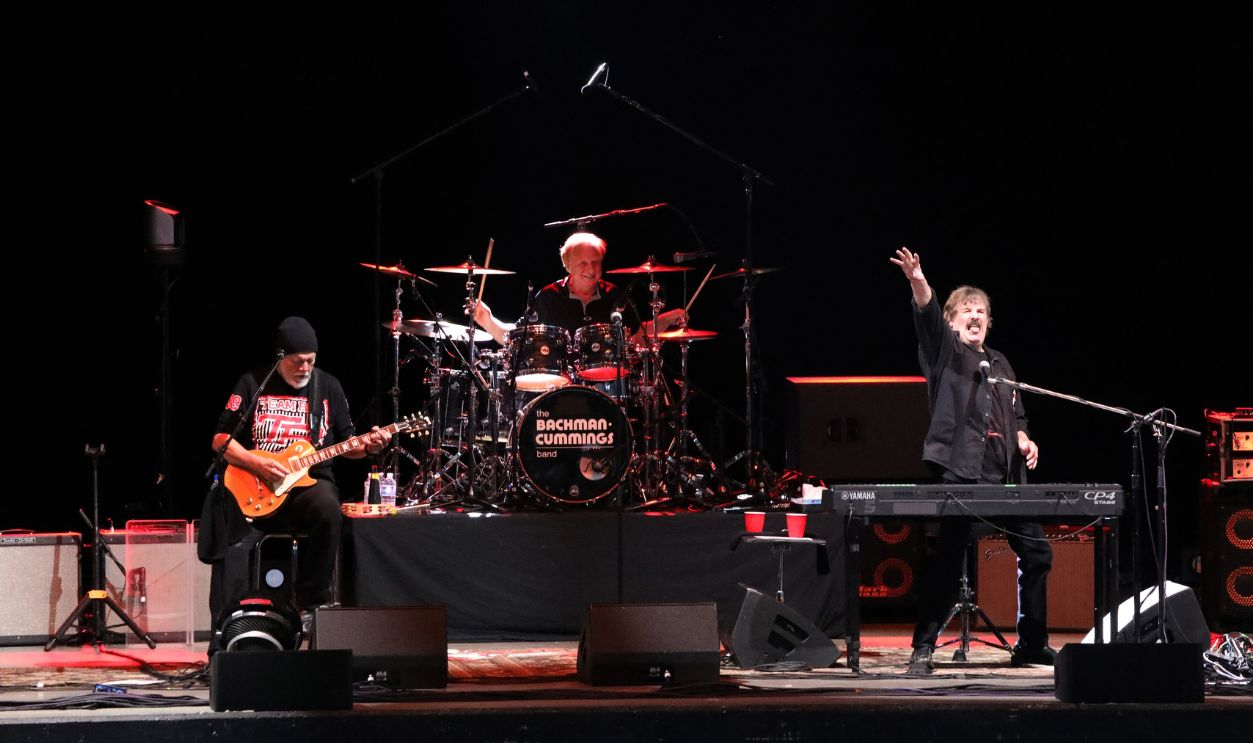 Jeremychanphotography, Getty Images
Winnipeg Helped Bring Them Together Again
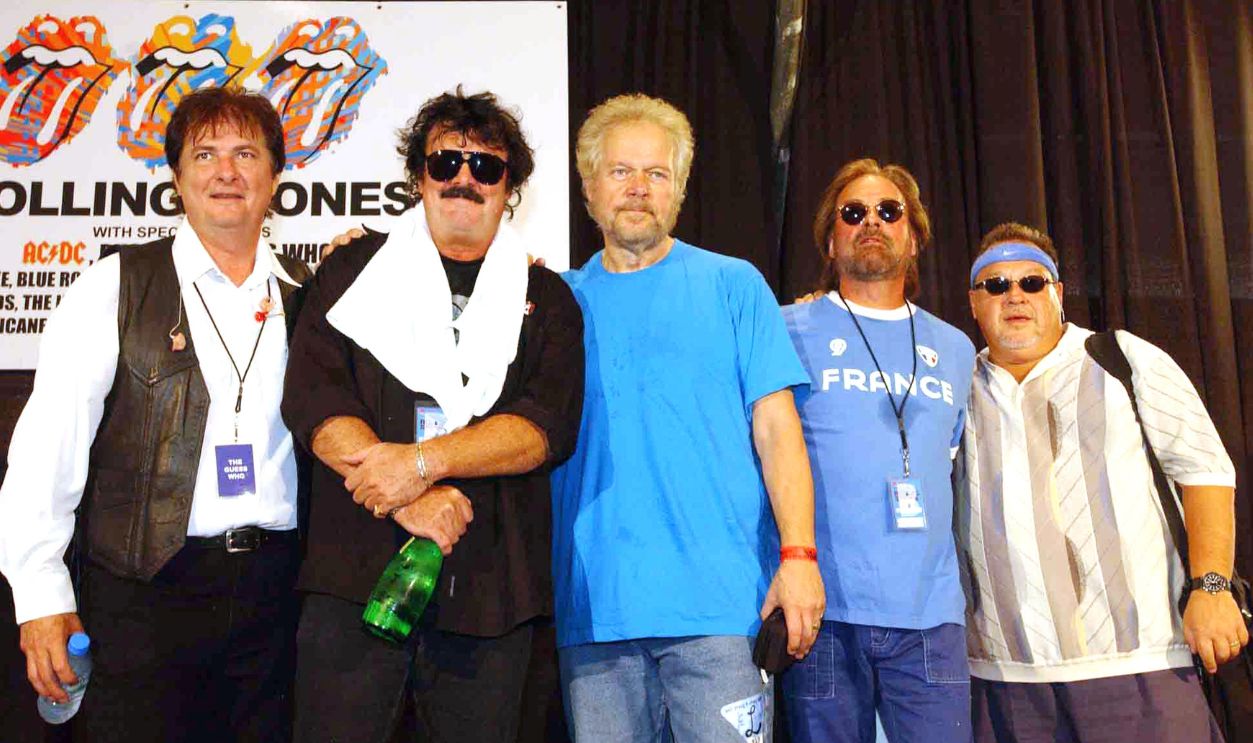
Their hometown provided another bridge. Bachman and Cummings reunited for a Manitoba flood-relief benefit in 1997, then joined other classic Guess Who members at the closing ceremony of the 1999 Pan American Games in Winnipeg. The response helped inspire a much larger reunion. For the first time in years, getting The Guess Who back together looked less like nostalgia and more like a viable touring proposition.
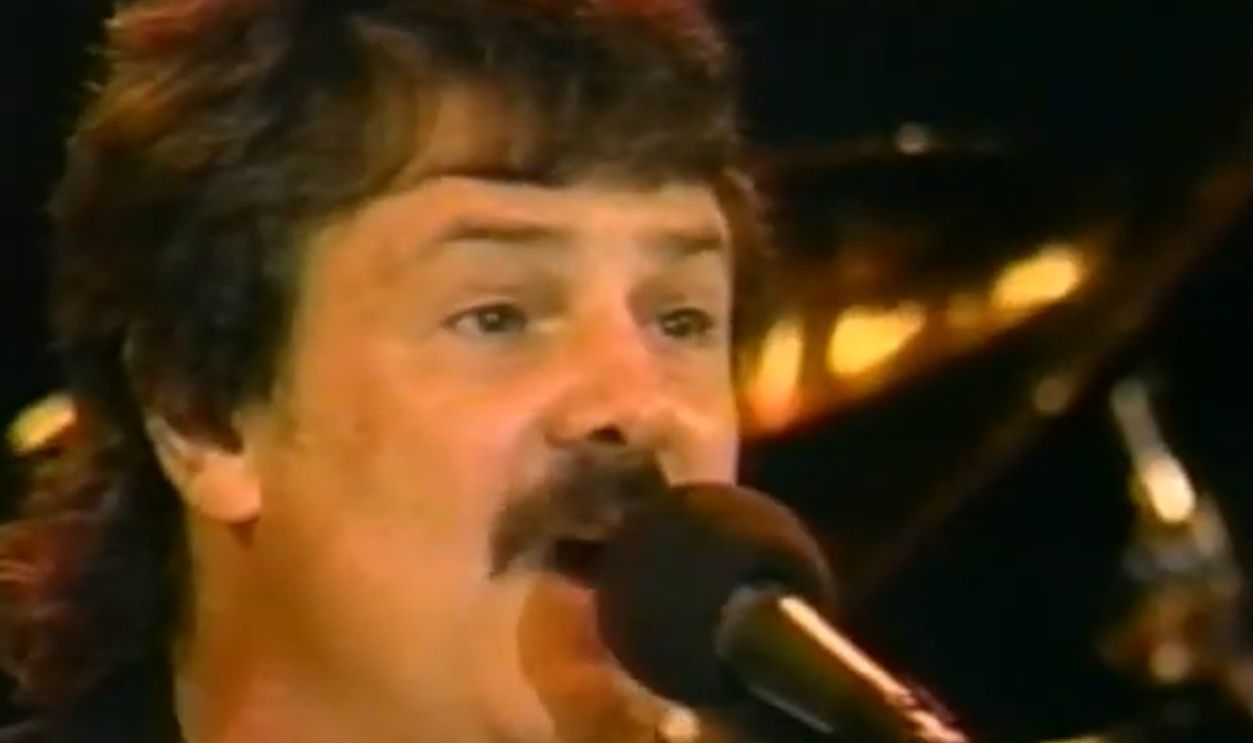 Screenshot from These Eyes, Nimbus 9 (1969)
The Early 2000s Reunion Became Much Bigger Than Planned
The resulting reunion expanded into extensive Canadian and American touring between 2000 and 2003. Bachman and Cummings were sharing Guess Who stages again, including the massive 2003 SARS benefit concert in Toronto. Publicly, much of the old baggage seemed to have softened. Both men could now acknowledge that their differences had helped create the music even when those same differences once made staying together nearly impossible.
They Eventually Became Bachman-Cummings
By the mid-2000s, the two began working together without pretending the old band had fully returned. Performing as Bachman-Cummings allowed them to revisit their shared songs while also drawing from BTO and Cummings' solo catalog. They recorded the television special First Time Around and released the covers album Jukebox in 2007. After decades of rivalry, they had found a workable relationship outside The Guess Who name.
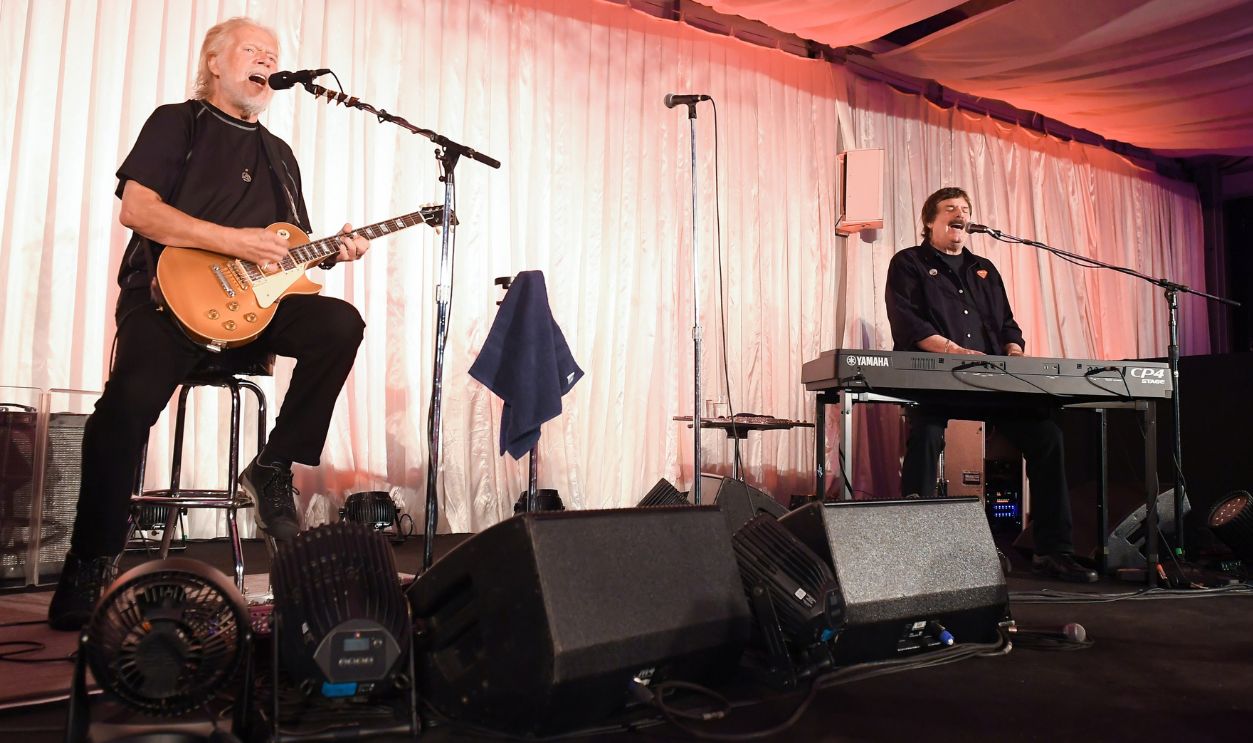
The Band Name Became The Enemy They Shared
As the years passed, both grew increasingly frustrated with other musicians touring as The Guess Who. Their complaint wasn't simply that Kale and Peterson had legal ties to the band. Bachman and Cummings alleged that advertising sometimes relied on classic recordings, imagery, and history in ways that could make audiences believe the famous singer and guitarist were involved. Angry messages from confused concertgoers helped turn irritation into action.
 Michael Ochs Archives, Getty Images
In 2023, The Old Rivals Became Allies
Bachman and Cummings filed a federal lawsuit in October 2023 against Kale and Peterson, accusing the touring operation of false advertising and seeking control over how The Guess Who legacy was presented. More than half a century after their own partnership had imploded, the two men were suddenly united by a simple argument: whatever they'd fought about in 1970, they believed the music and history they'd created together were being misrepresented.
Cummings Used The Songs As His Strongest Weapon
The dispute escalated dramatically in 2024 when Cummings terminated performance licensing arrangements covering compositions he owned. That meant venues could no longer rely on their usual blanket licenses to host performances of many Guess Who classics. Cummings knew the maneuver would cost him royalties too, but he was willing to sacrifice the money. Concerts by the disputed touring version were cancelled, and the judicial pressure increased sharply.
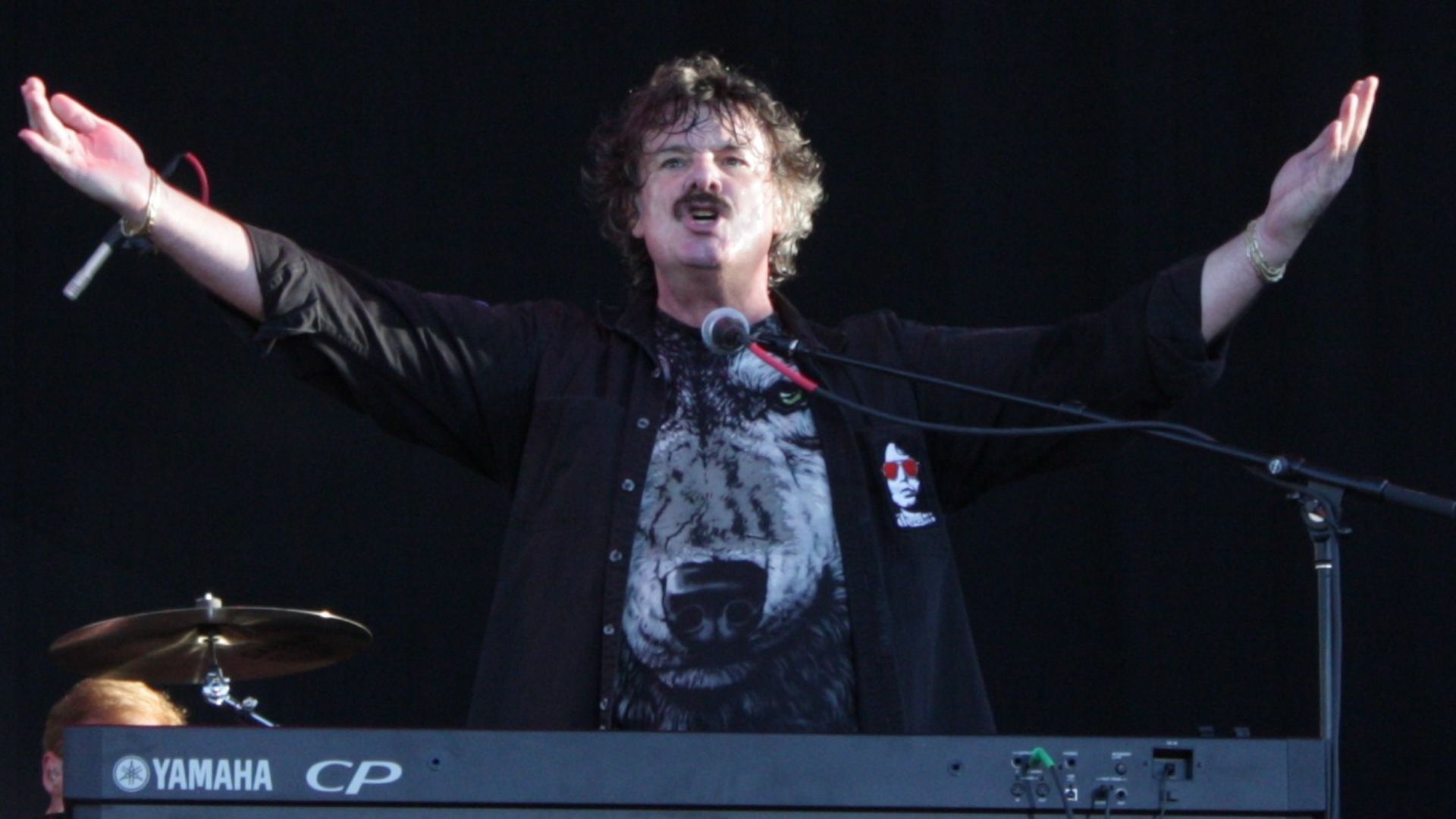 Shayne Kaye from Victoria, Canada, Wikimedia Commons
The Settlement Gave Bachman And Cummings The Name
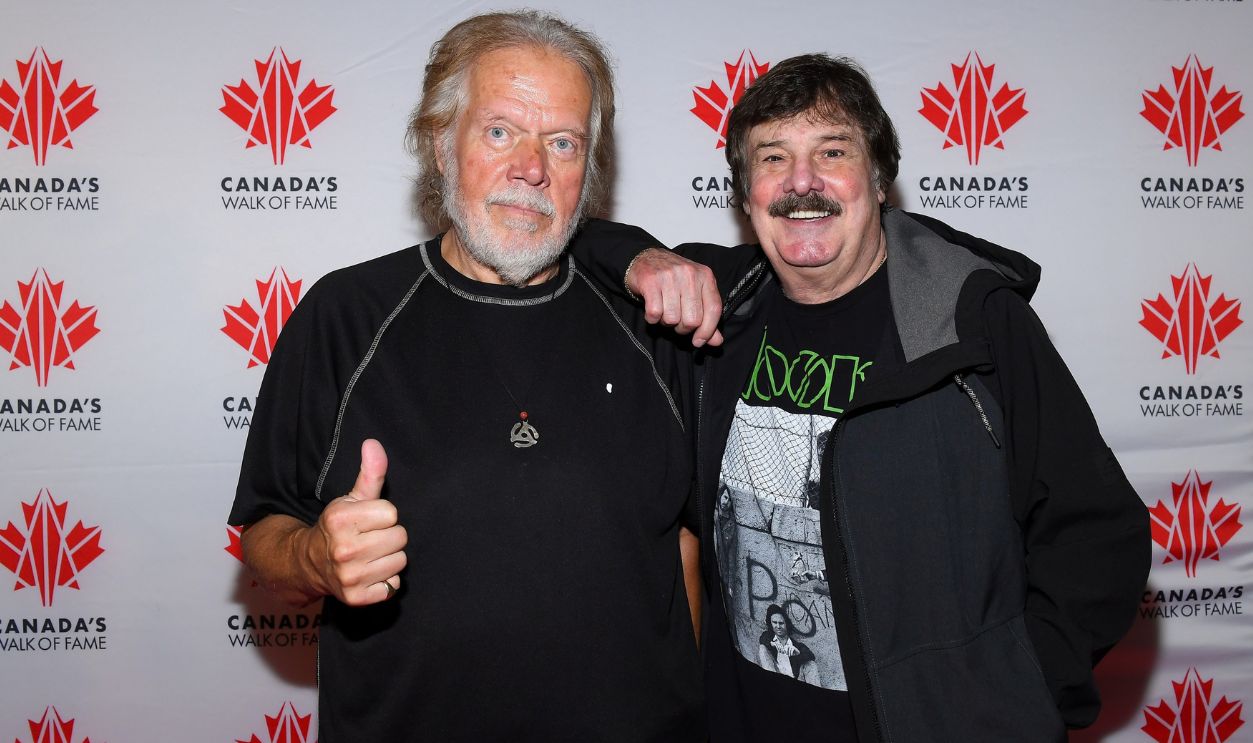
In September 2024, the parties announced a settlement. Details remained confidential, but one outcome was public and unmistakable: Bachman and Cummings acquired The Guess Who trademark. The men whose partnership had fractured at the band's commercial peak now jointly controlled its name more than 50 years later. The legal fight had done something countless nostalgic reunions hadn't quite managed. It gave them a shared mission again.
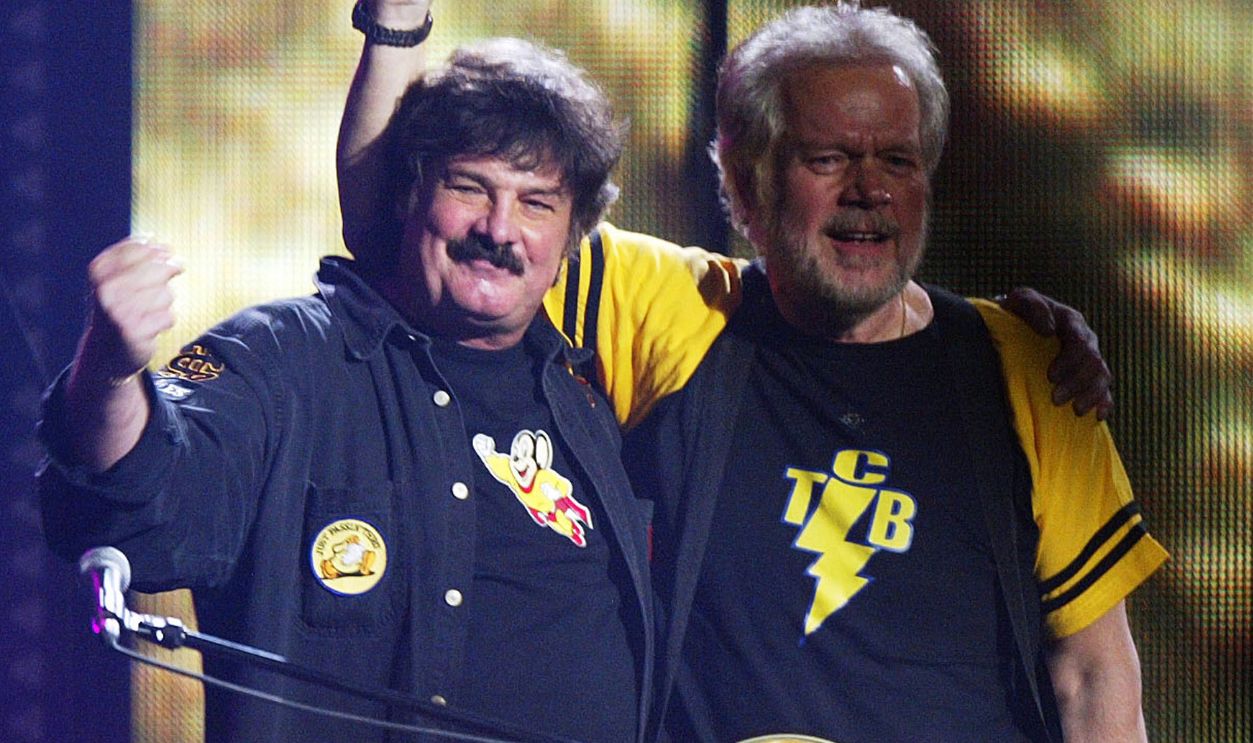
They Finally Became The Guess Who Again
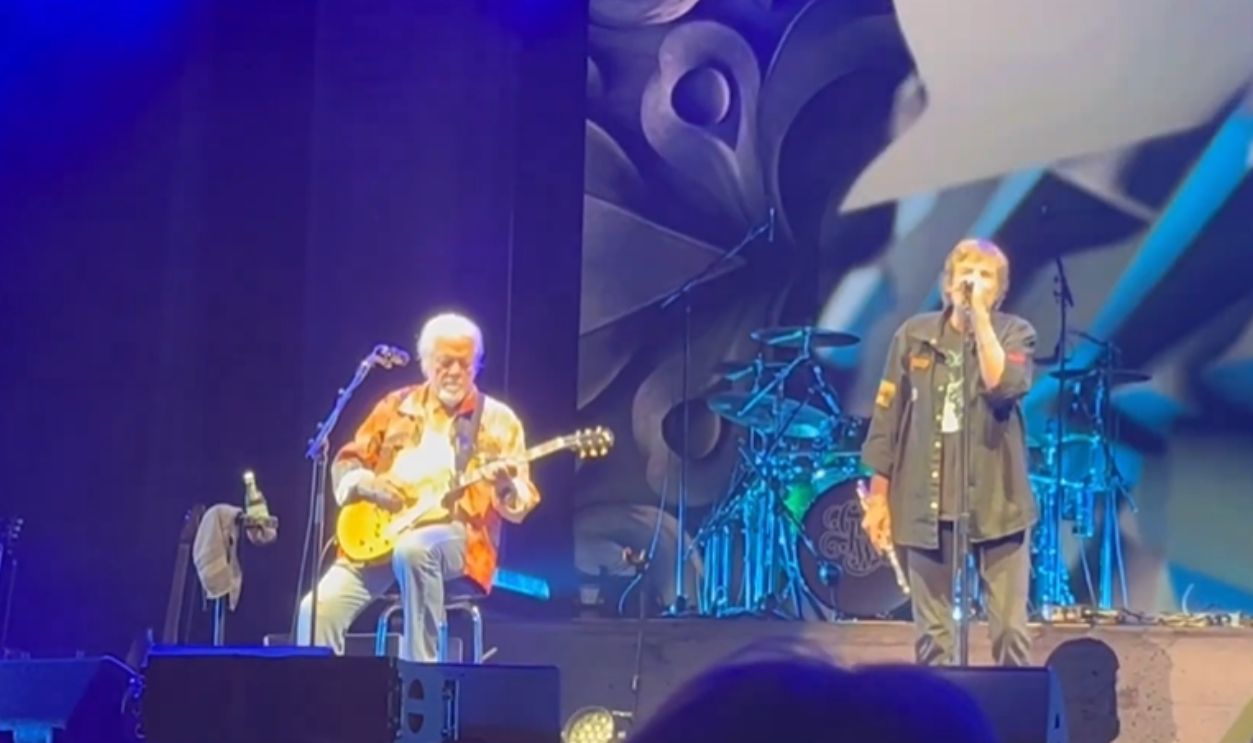
The next step was almost inevitable. Bachman and Cummings announced that they would return to the road officially as The Guess Who, playing together under the name for the first time in more than two decades. Their first comeback performance arrived in Niagara Falls in January 2026, followed by an extensive Canadian and UStour built around the songs they'd written during their remarkably brief creative peak.
 Screenshot from Undun, RCA Records (1969)
The Rivalry Ended Where It Started
Bachman and Cummings have never rewritten their history to make the difficult parts disappear. They still remember the 1970 breakup differently, and decades of distance can't be reduced to one tidy misunderstanding. Yet that may be why their reunion means more than a conventional nostalgia tour. Two musicians who once couldn't remain in the same band eventually fought together to reclaim it. The rivalry survived breakups, competing careers, and half a century of arguments, only for The Guess Who to become the thing that united them again.
 RCA Records, Wikimedia Commons
You May Also Like:
Legendary Bands That Changed Lineups But Kept The Magic Alive