The Darkest Chapter Of Johnny Cash’s Life
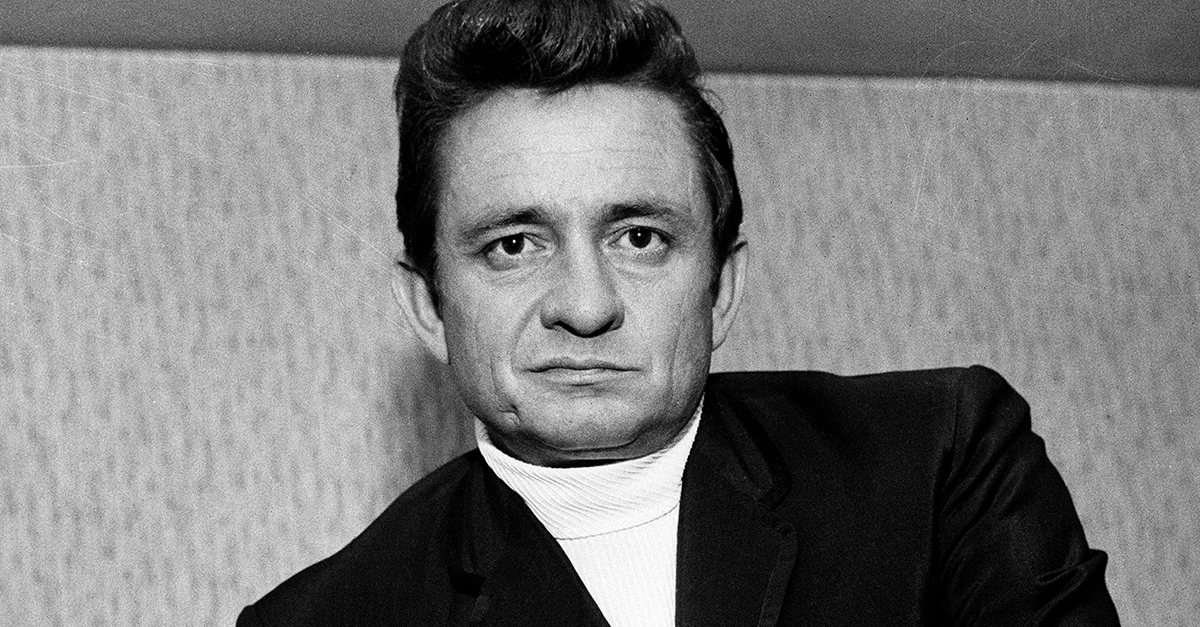
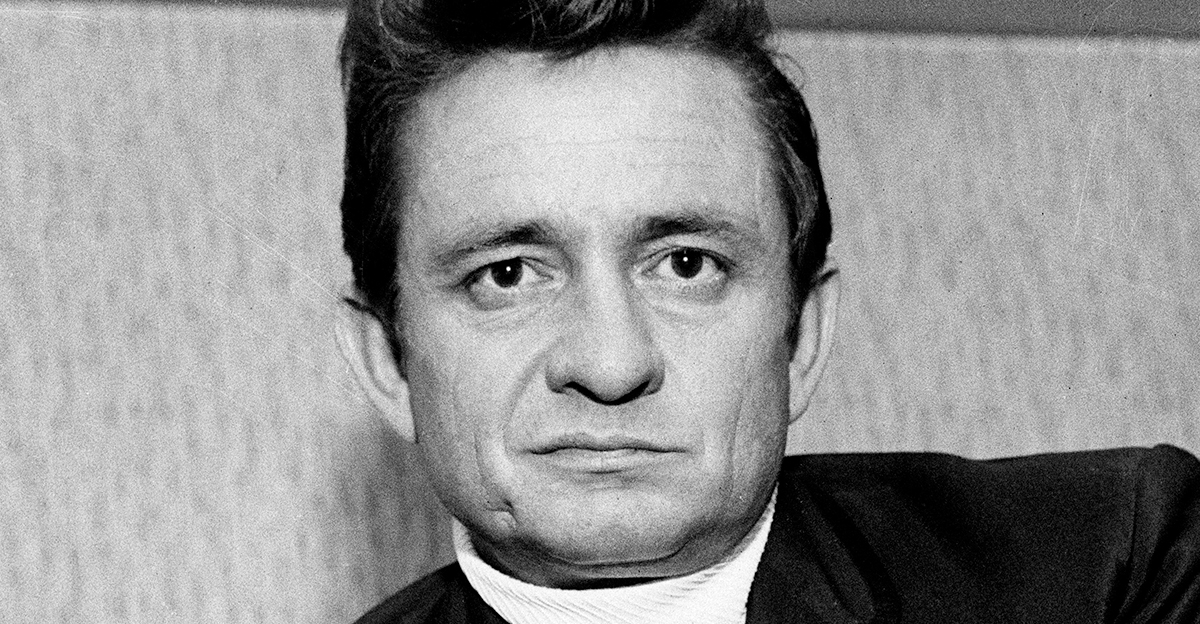
Johnny Cash built a career around songs of sinners, prisoners, temptation, faith, and redemption, but those themes were not merely stage material. During the 1960s, his escalating dependence on pills damaged his health, his first marriage, and his professional life. Cash later said one of his lowest moments came inside Tennessee’s Nickajack Cave, where what began as a journey toward death became, in his telling, a reason to keep living.
 George Wilkes/Hulton Archive/Getty Images
Long Before He Became The Man In Black
J. R. Cash was born in Kingsland, Arkansas, in 1932 and grew up in the New Deal agricultural community of Dyess. His family worked the land, and both music and religion were important parts of his childhood. Those experiences would eventually feed directly into the working-class stories, gospel songs, and spiritual questions that filled his music.
He Suffered A Terrible Loss As A Boy
Cash was only 12 when his older brother Jack suffered catastrophic injuries in a sawmill accident and died in 1944. The brothers had been extremely close, and Cash continued talking and writing about Jack decades afterward. The trauma stayed with him throughout his life.
Faith Was Already Part Of His World
Cash was raised by a Baptist father and Methodist mother, and Christianity remained an important part of his identity even when his behavior clashed dramatically with his beliefs. Gospel music was one of his earliest musical passions. That tension between religious conviction and personal failure would become central to the story Cash later told about Nickajack Cave.
Then Music Changed Everything
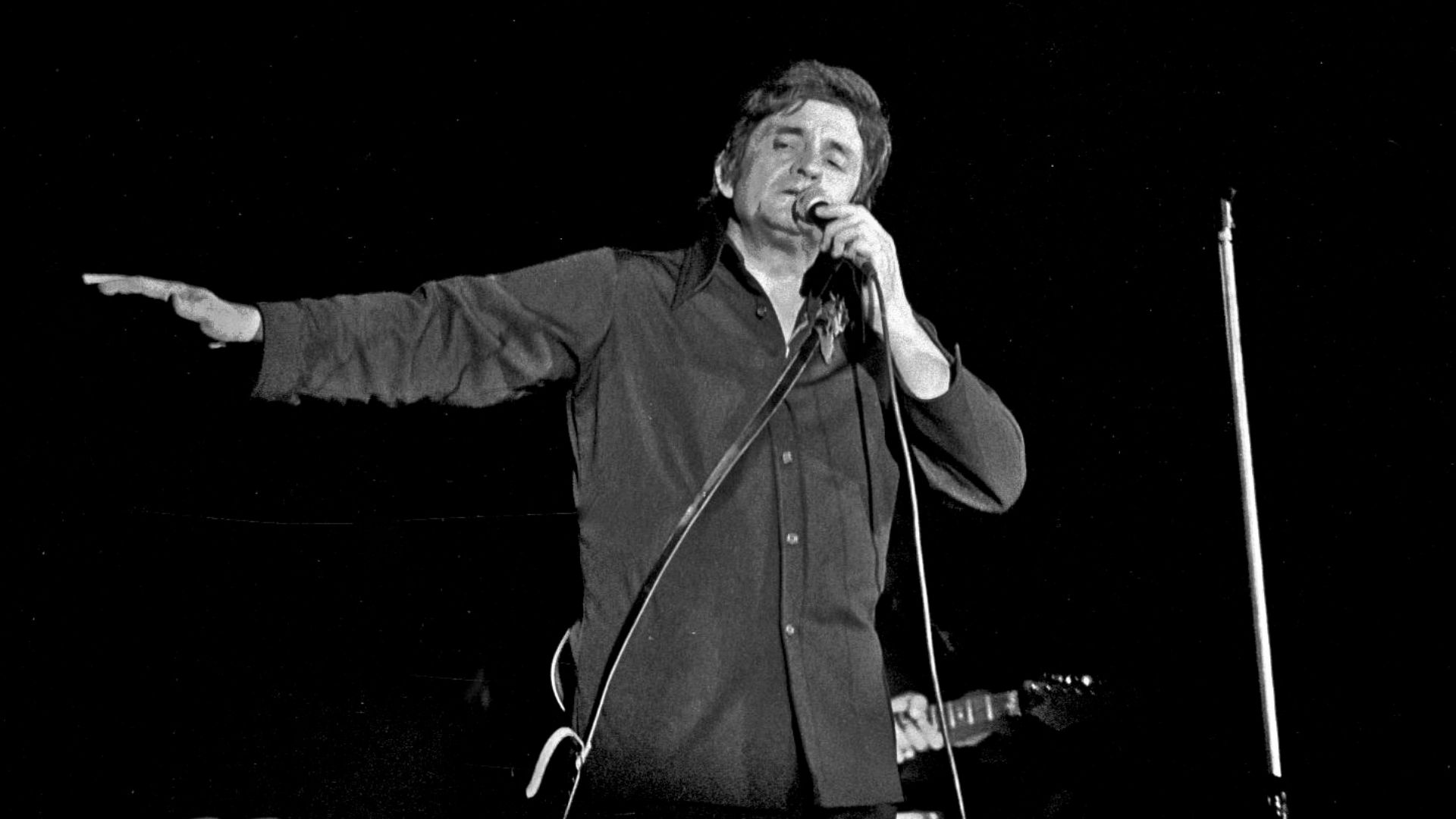
After graduating from high school, Cash joined the U.S. Air Force and spent part of his service in Germany. Following his discharge in 1954, he married Vivian Liberto and eventually settled in Memphis, where he worked as an appliance salesman while pursuing music. There he teamed up with Luther Perkins and Marshall Grant and began chasing a recording career.
 Heinrich Klaffs, Wikimedia Commons
Sun Records Opened The Door
Cash and his band landed at Sam Phillips’ Sun Records, releasing “Hey Porter” and “Cry! Cry! Cry!” in 1955. “Folsom Prison Blues” followed, and “I Walk the Line” helped establish him as a major country star. Within only a few years, Cash went from selling appliances to maintaining a punishing professional schedule.
Life On The Road Took A Toll
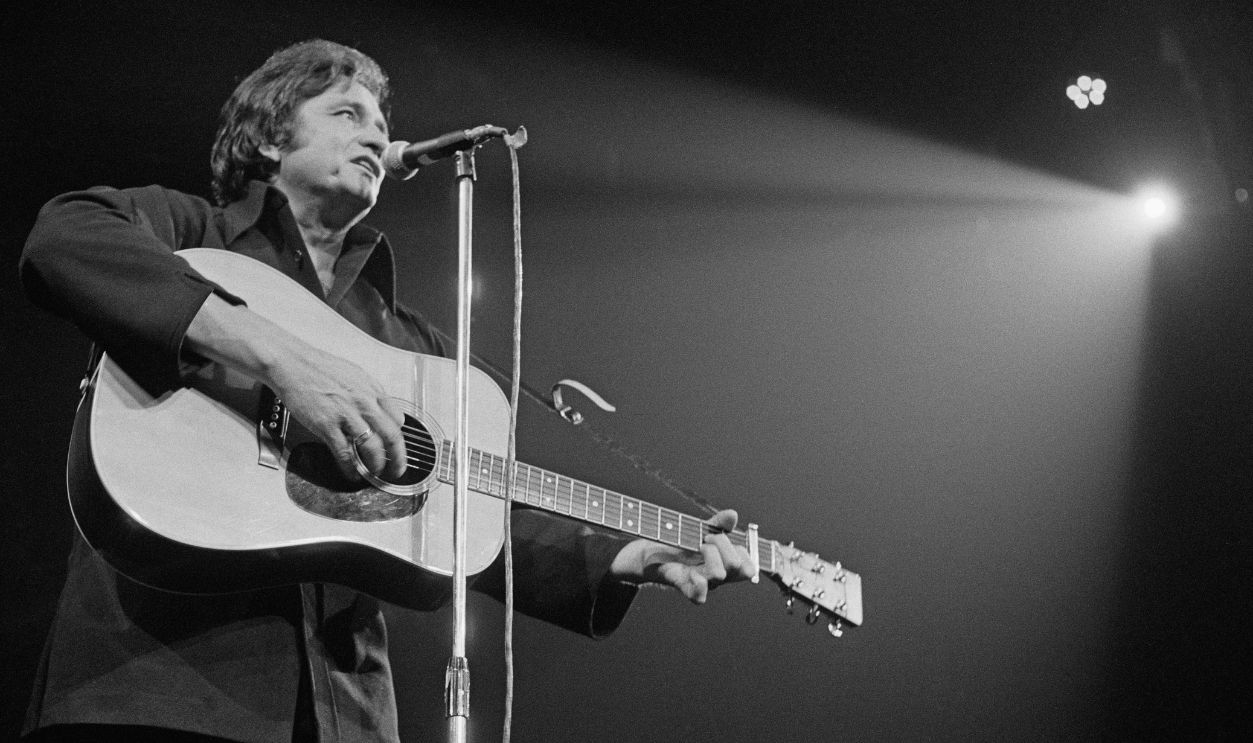
As Cash’s fame grew, so did the demands of touring, recording, and performing. According to accounts of his life, he began using amphetamines for energy and other pills as his dependence deepened. What might initially have seemed useful for keeping up with the road eventually became an addiction that endangered both his career and his relationships.
The Pills Began Taking Over
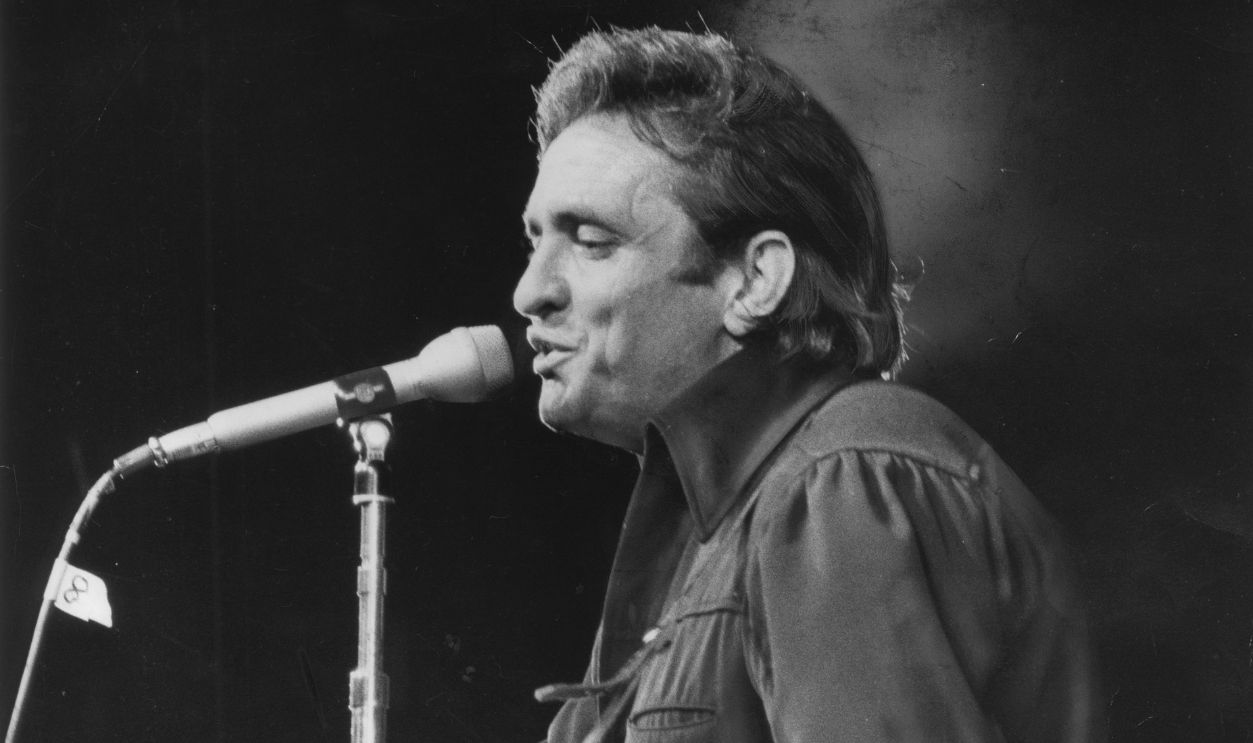
Cash later described touring and illicit substances as increasingly intertwined parts of his life. He could stay awake for extended periods and then use other substances while coming down, creating an increasingly destructive cycle. By the middle of the 1960s, people close to him were seriously worried about what was happening.
Even His Success Could Not Hide It
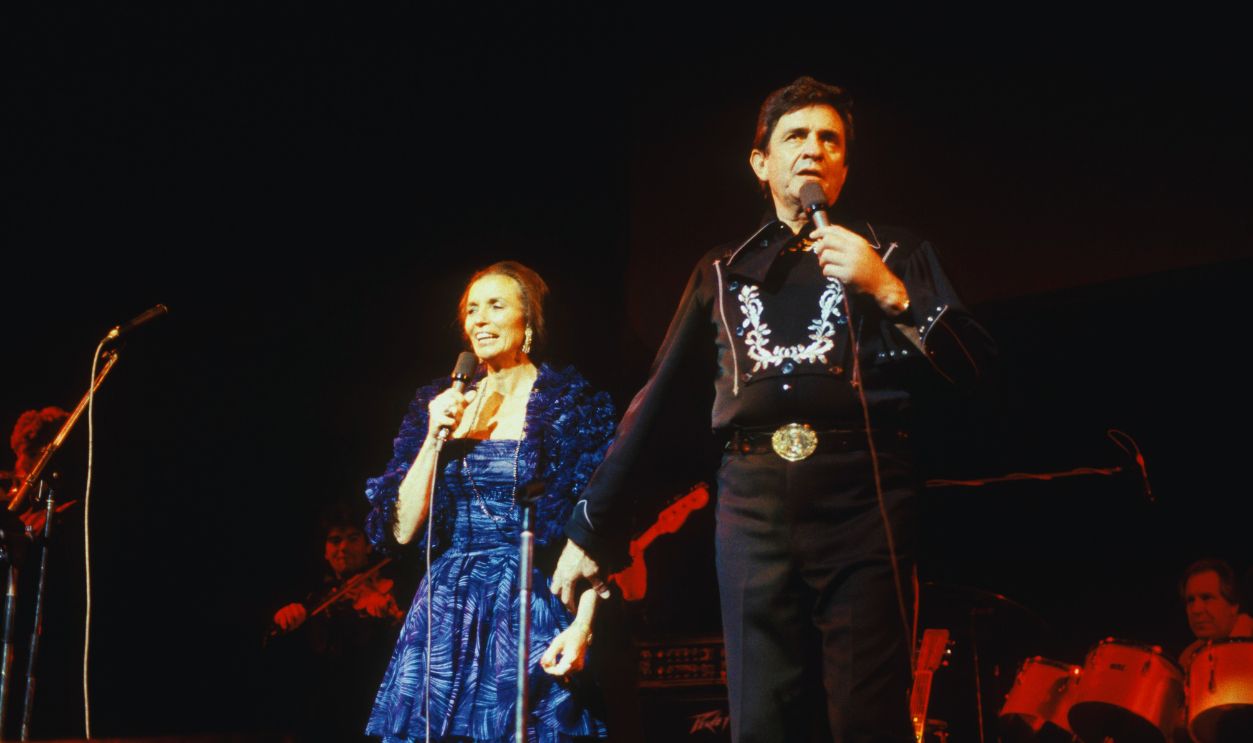
Cash remained capable of major artistic achievements during this period, including the 1963 hit “Ring of Fire.” Behind the music, however, his personal life was deteriorating as his addiction worsened and his marriage to Vivian broke apart. The polished records coming out of Columbia increasingly contrasted with the disorder surrounding the man making them.
An Arrest Made His Troubles Public
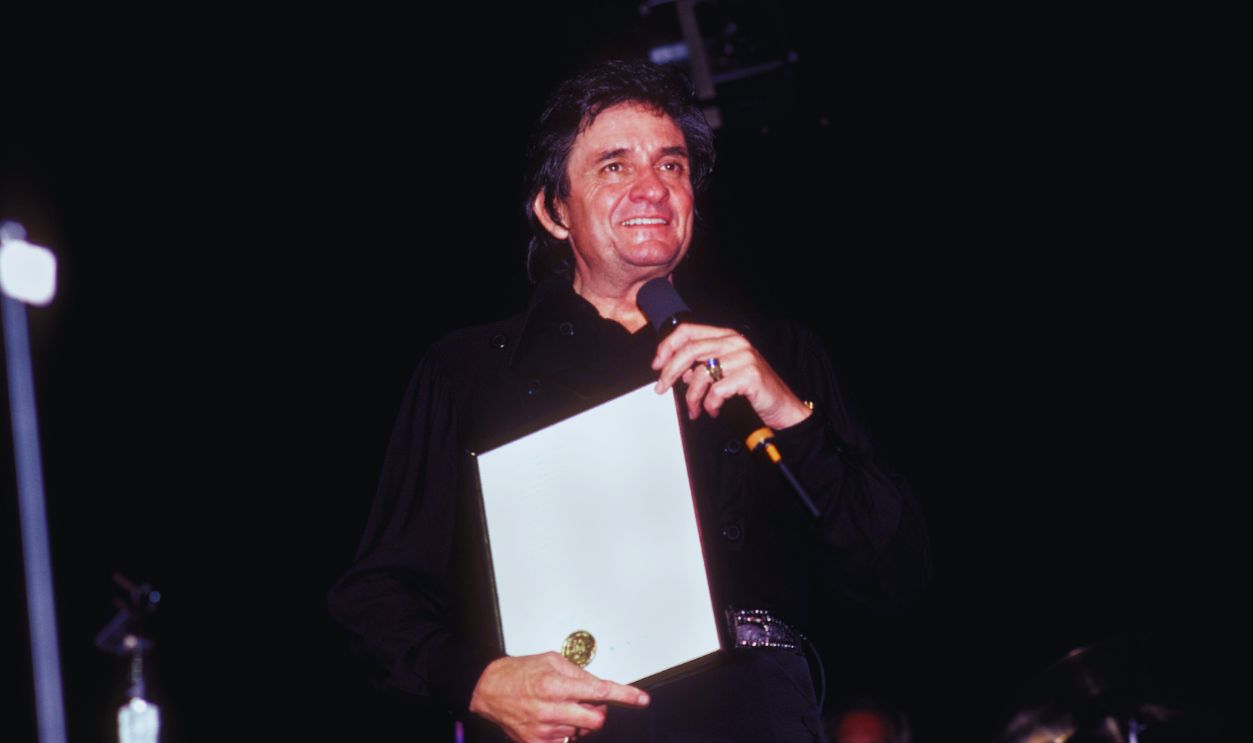
On October 4, 1965, Cash was detained in El Paso after returning from Mexico with hundreds of prescription pills hidden in his guitar case. Customs agents found 475 Equanil tablets and 688 Dexedrine capsules. He later faced the case in court, turning what had previously been largely known inside the music business into national news.
The Humiliation Did Not Stop Him
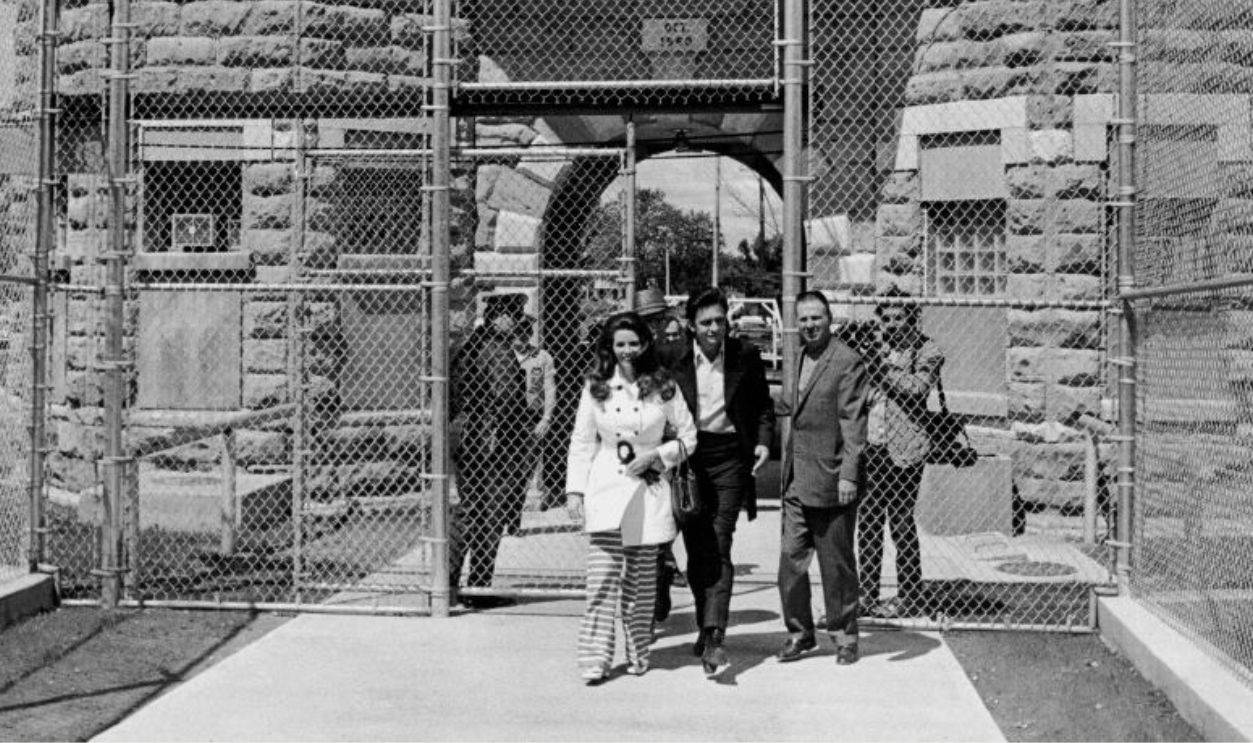
Cash vowed to change after the El Paso arrest, but the improvement did not last. Biographical accounts describe him returning to pills as his marriage continued to collapse and his behavior became increasingly dangerous. The arrest had exposed the problem, but exposure was not the same thing as recovery.
His Marriage Was Falling Apart Too
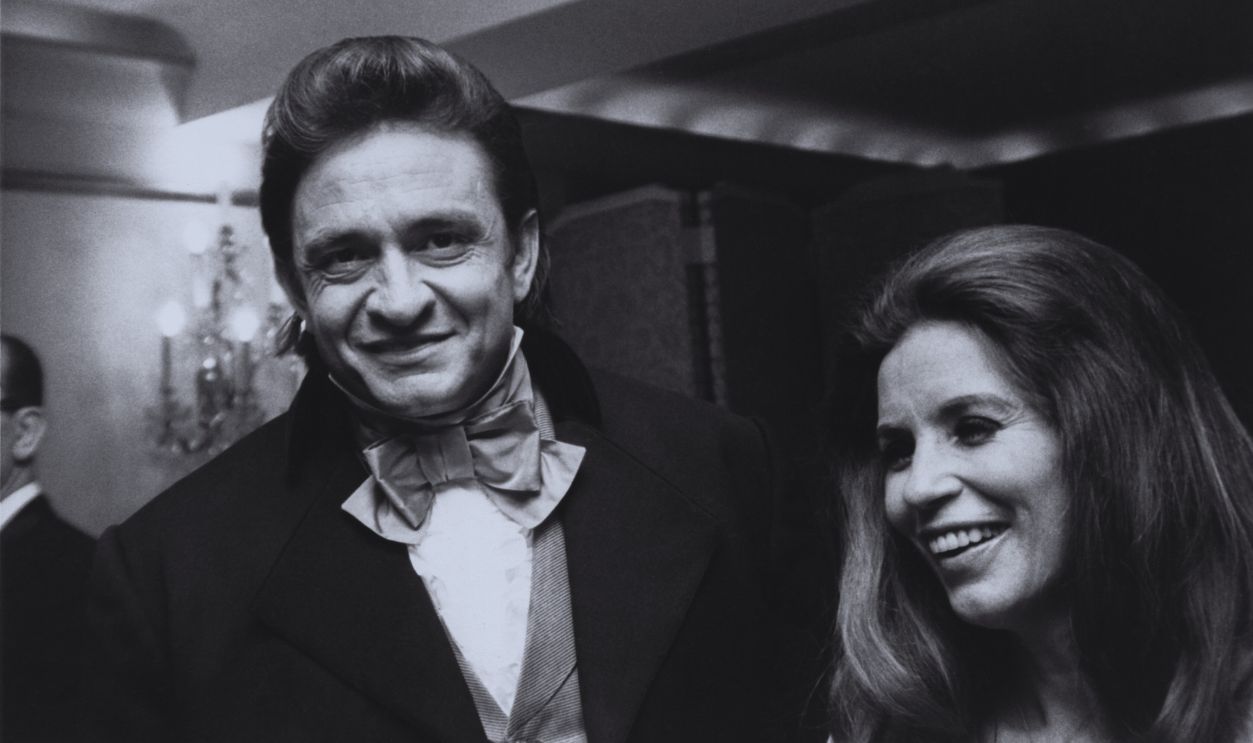
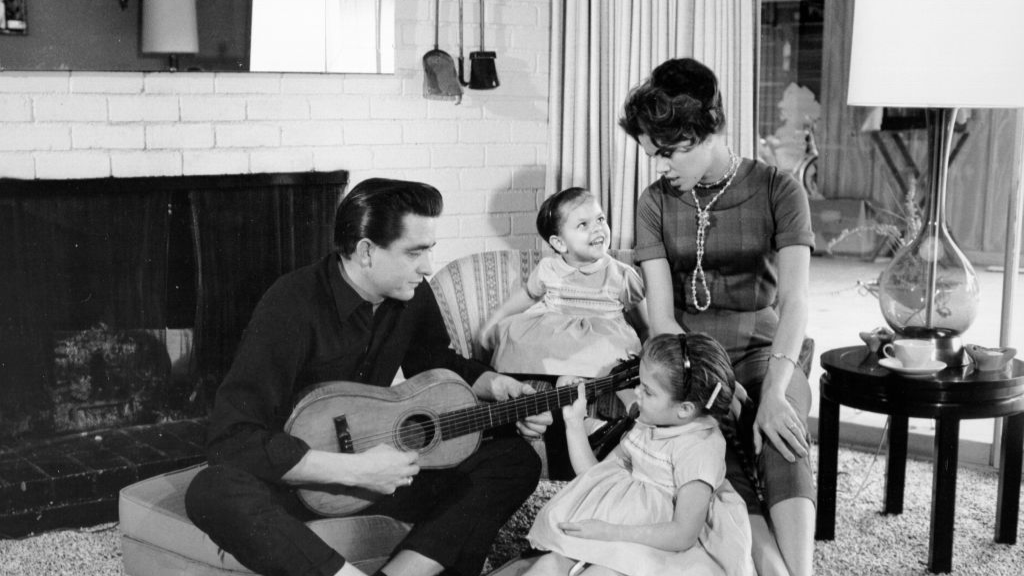
Cash and Vivian had married in 1954 and raised four daughters, but his prolonged absences, substance use, and relationship with June Carter placed enormous strain on the family. By the latter half of the 1960s, the marriage was effectively over. Cash was simultaneously losing an important source of stability while his addiction was becoming harder to control.
 Michael Ochs Archives, Getty Images
June Carter Had Seen The Danger
June Carter had known Cash since the 1950s and joined his road show during the following decade. His pill addiction frightened her, particularly because she had witnessed Hank Williams struggle with addiction before his death. Yet Carter remained closely involved in Cash’s life as his situation grew more desperate.
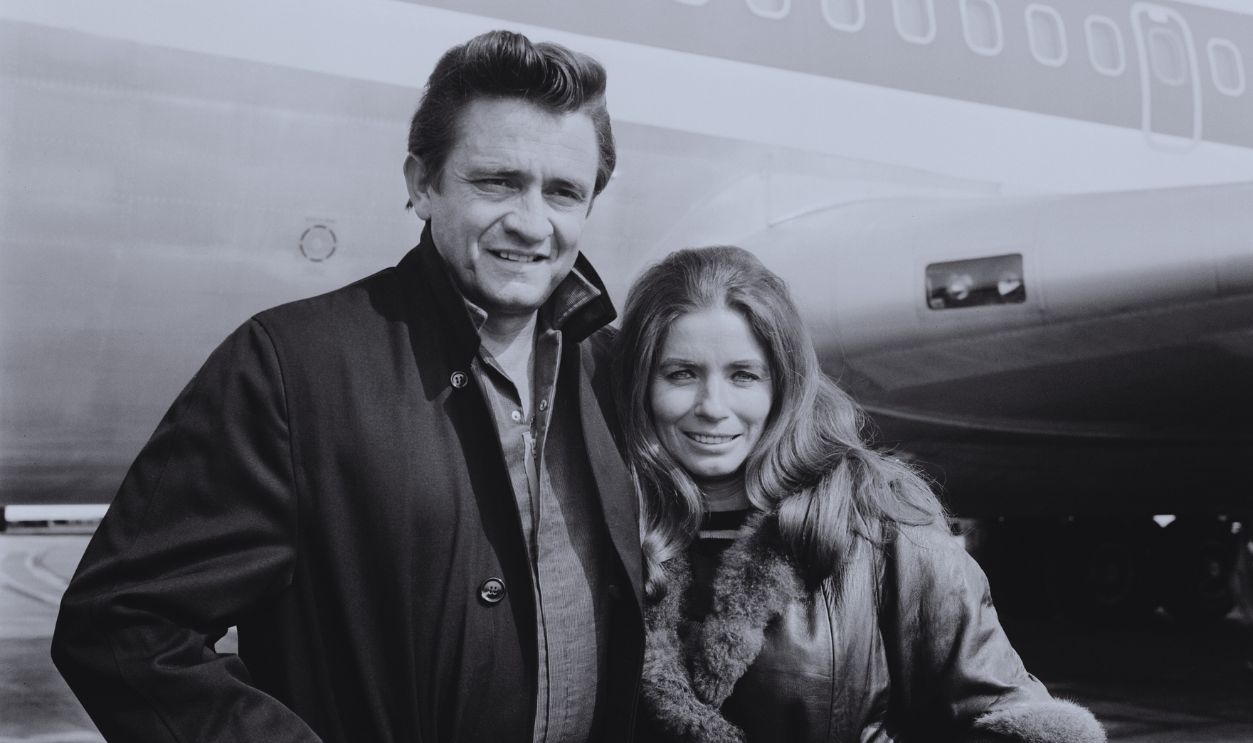
By 1967, Things Had Become Desperate
Biographies and Cash’s own later account portray 1967 as an especially grim period. He was addicted to pills, emotionally isolated, and increasingly convinced that he had betrayed both the people who loved him and the religious values he still professed. It was against that backdrop that Cash later placed his extraordinary trip to Nickajack Cave.
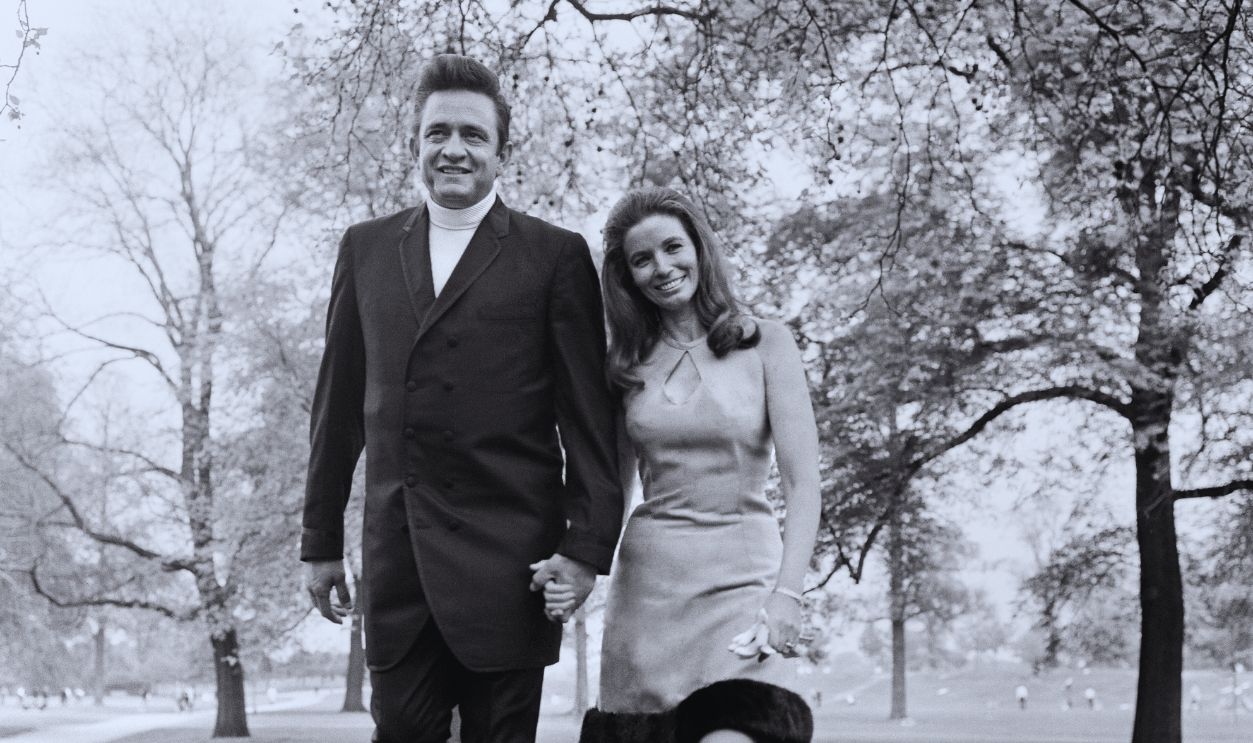
He Drove Toward Nickajack Cave
In his 1997 autobiography, Cash, the singer said he drove to Nickajack Cave near Chattanooga in 1967 while in a suicidal state. His intention, according to that later account, was to enter the cave, become lost in its darkness, and never emerge. The Marion County historical project dates Cash’s account to October 1967.
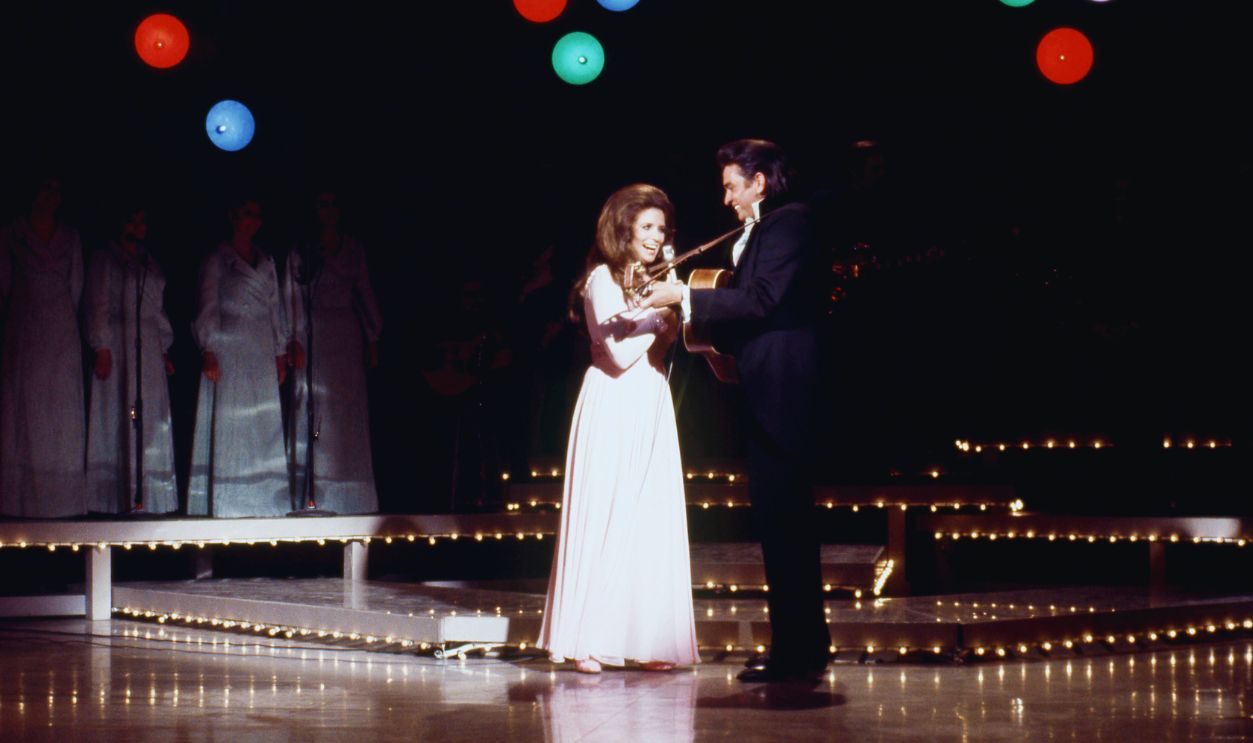
Nickajack Was A Very Real Place
Nickajack Cave lies in Marion County along the Tennessee River, west of Chattanooga. The Tennessee Valley Authority was then completing Nickajack Dam, which replaced the older Hales Bar Dam and ultimately partially flooded the historic cave. Today, the cave is also an important habitat for endangered gray bats.
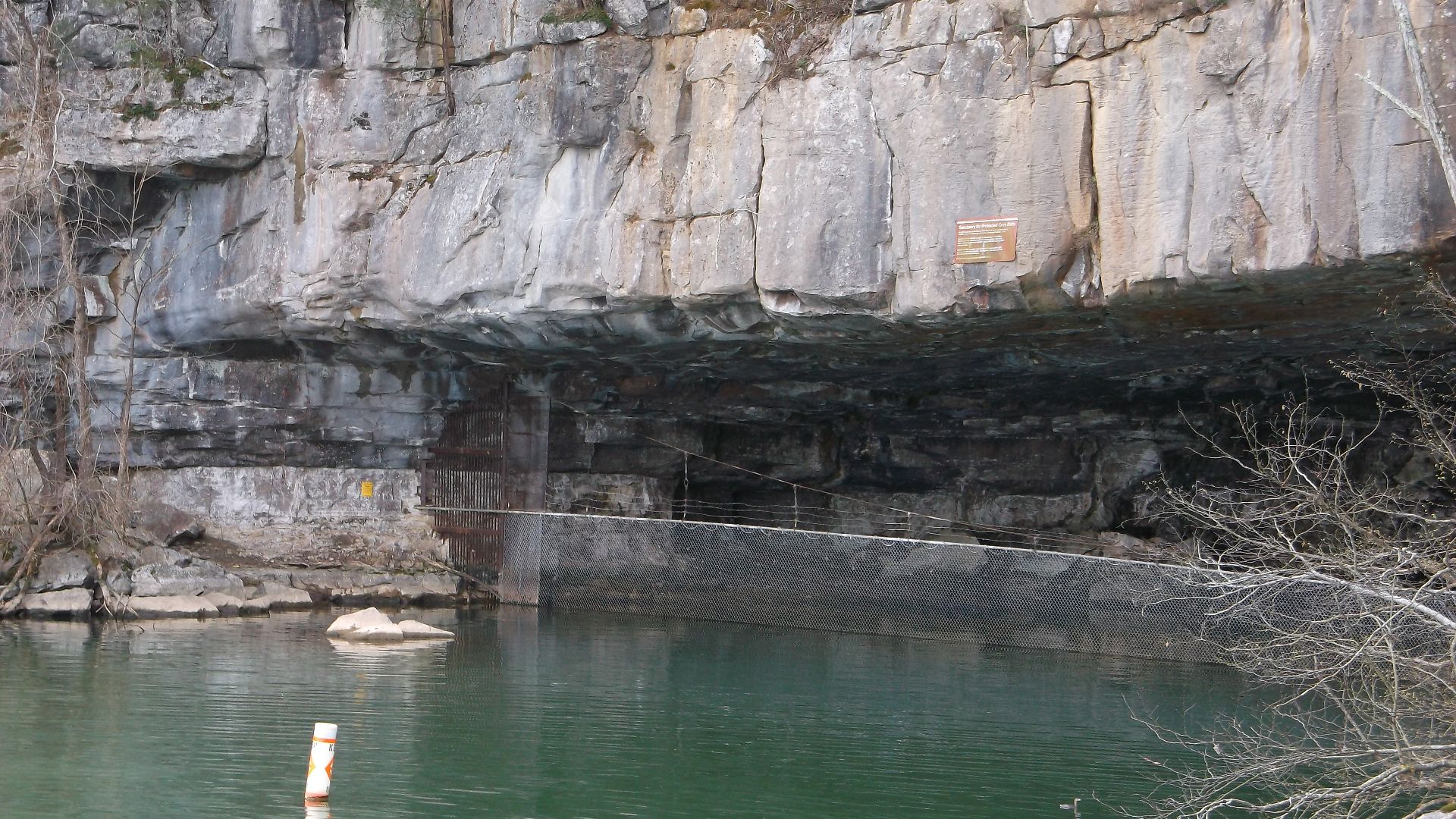 RebelCowboySnB Marlon N Weldon, Wikimedia Commons
Cash Said He Crawled Into The Darkness
According to Cash’s account, he pushed farther into the cave until he was surrounded by darkness. He was physically depleted and believed he had reached the end of his life. Rather than searching for an exit, he had entered the cave expecting to disappear there.

Then Something Changed
Cash wrote that while lying in the cave, he suddenly experienced an intense sense of peace, clarity, and sobriety. He interpreted the experience in explicitly religious terms, believing that God had not abandoned him even though he felt he had abandoned God. The moment fundamentally changed what he believed he was supposed to do next.
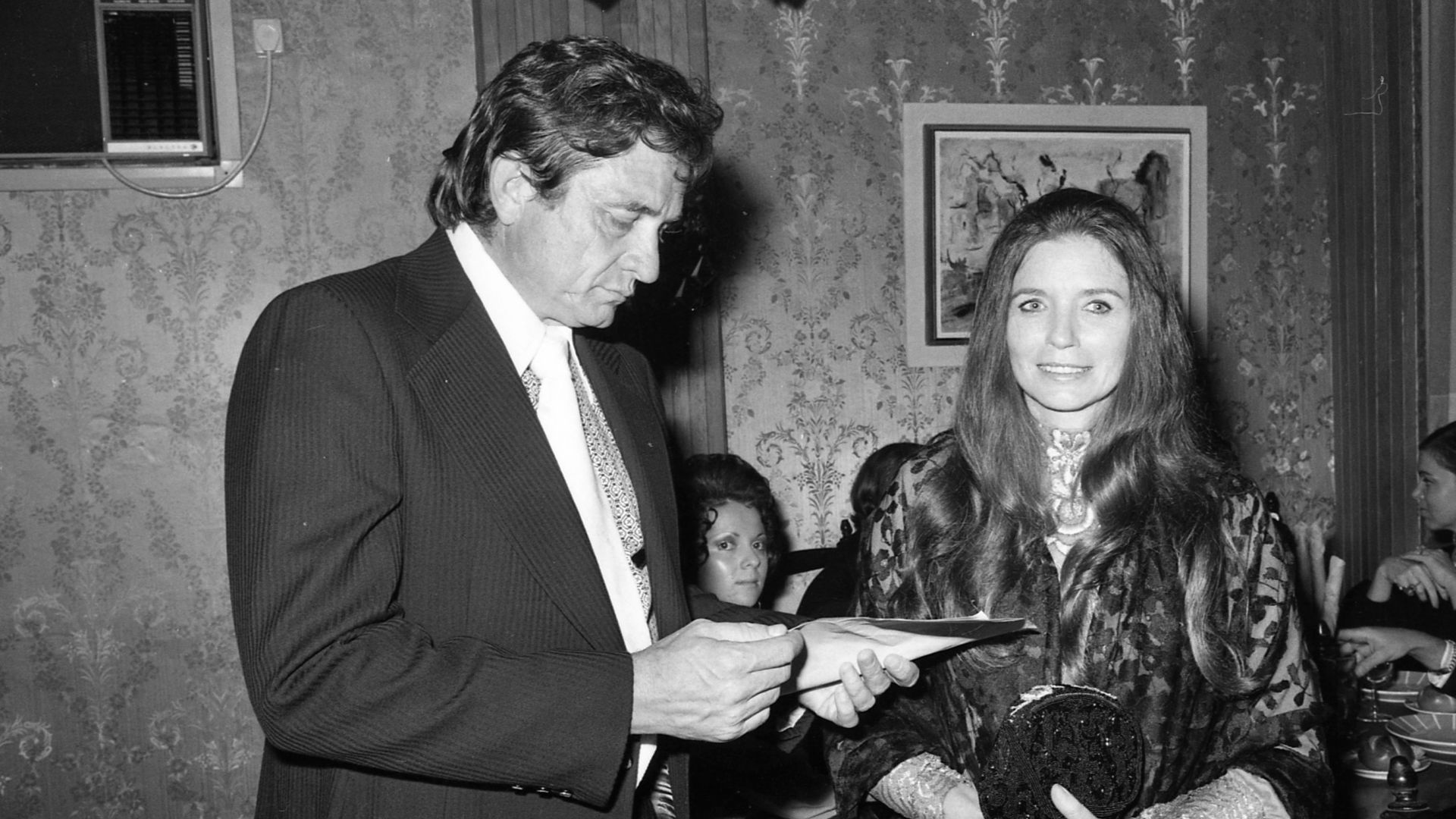 IPPA photographer, Wikimedia Commons
He Decided His Death Was Not His Decision
Cash summarized the realization with a simple idea: he was “not in charge of my destiny.” He believed that deciding when he would die was not his choice to make. That conviction transformed the cave, at least in his autobiography, from the place where Cash expected his life to finish into the place where he decided to fight for it.
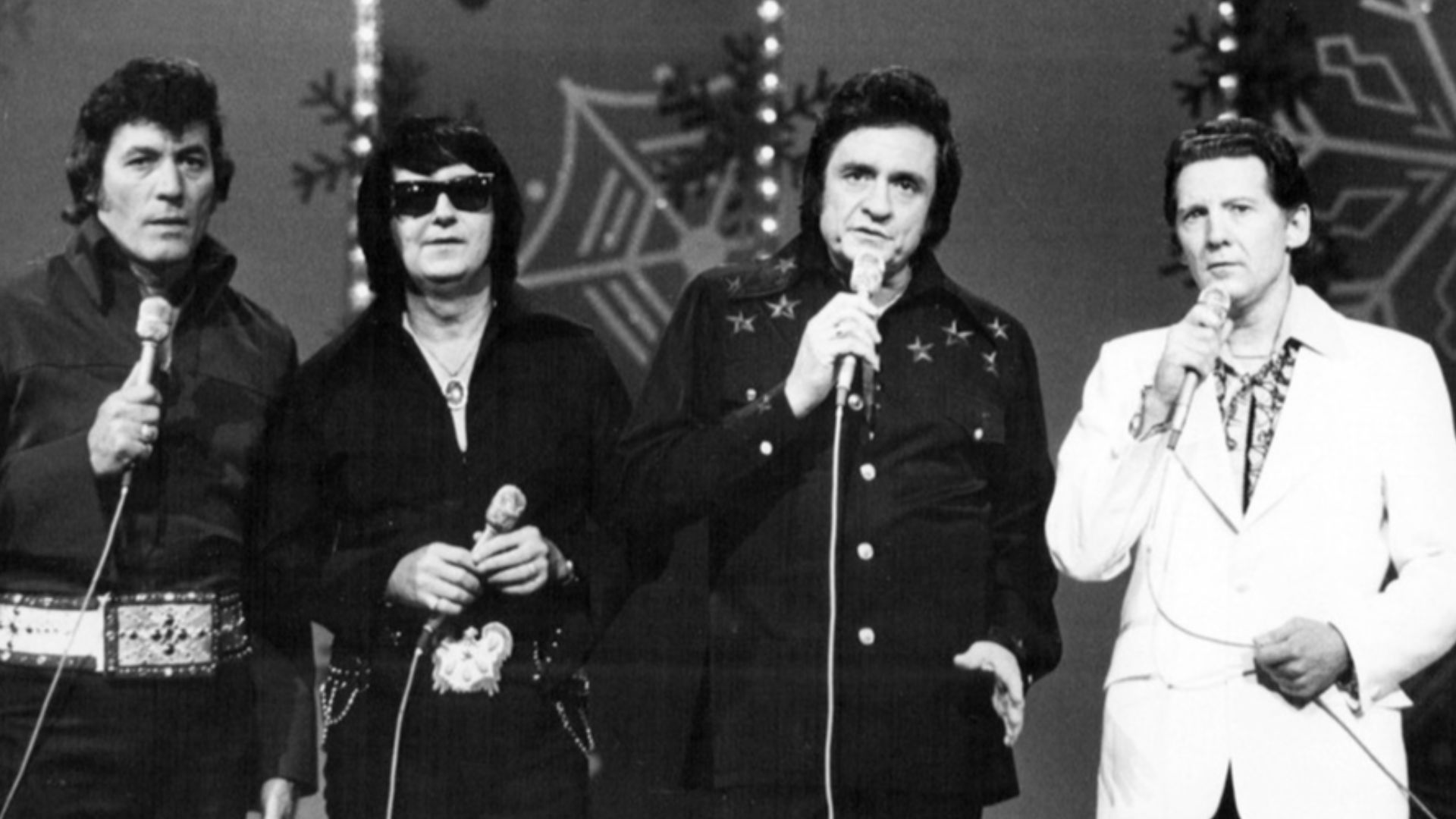 CBS Television, Wikimedia Commons
Now He Had To Find His Way Out
Cash said he began feeling his way through the cave, attempting to locate a route back toward daylight. Eventually he detected air moving through the passages and followed it. After entering Nickajack intending not to return, Cash said he finally emerged alive.
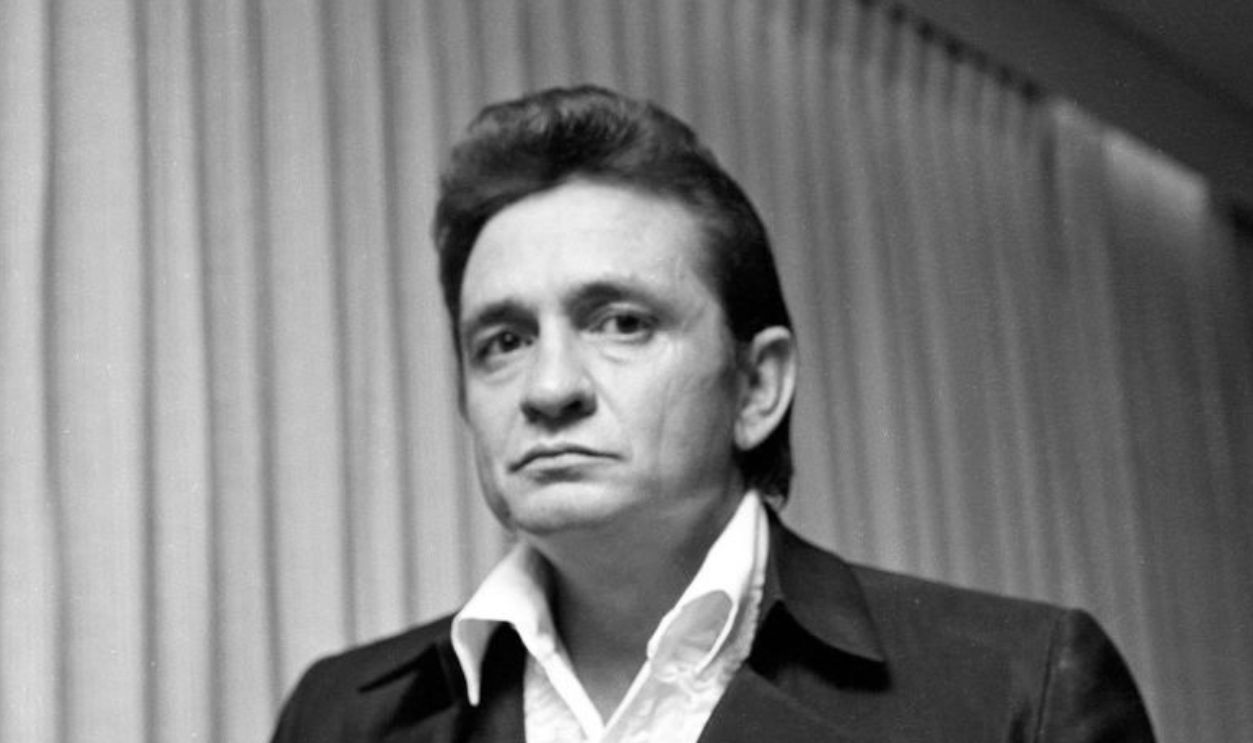 Michael Ochs Archives, Getty Images
Two Familiar Faces Were Waiting
Cash’s autobiography contains another striking detail. He said his mother, Carrie, and June Carter were waiting outside when he emerged from the cave. In Cash’s telling, their presence reinforced his belief that something larger than chance had just taken place.
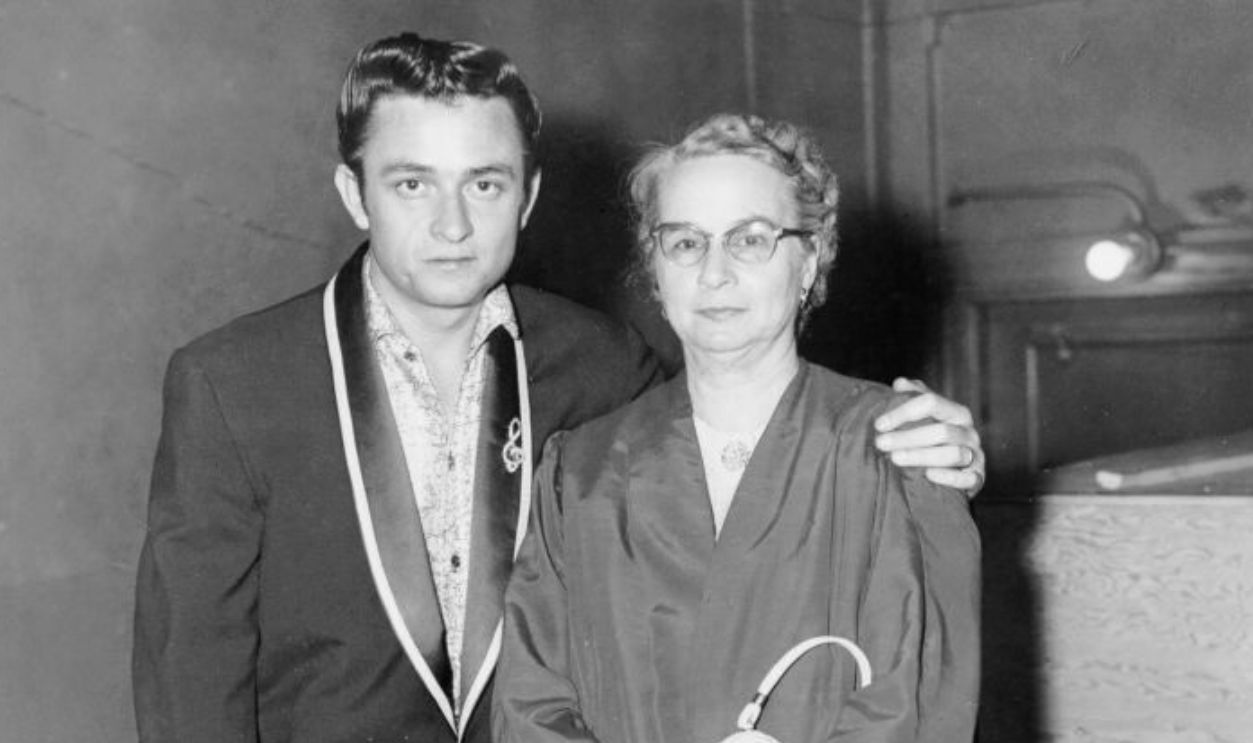 Michael Ochs Archives, Getty Images
The Cave Story Comes With An Important Caveat
Cash did not publish the Nickajack story until his 1997 autobiography, three decades after the event supposedly occurred. His earlier 1975 autobiography, Man in Black, does not mention the episode, and some historians and longtime bassist Marshall Grant questioned its literal accuracy. The responsible way to tell the story, therefore, is as Cash’s own later account of his spiritual turning point rather than as an independently verified sequence in every detail.
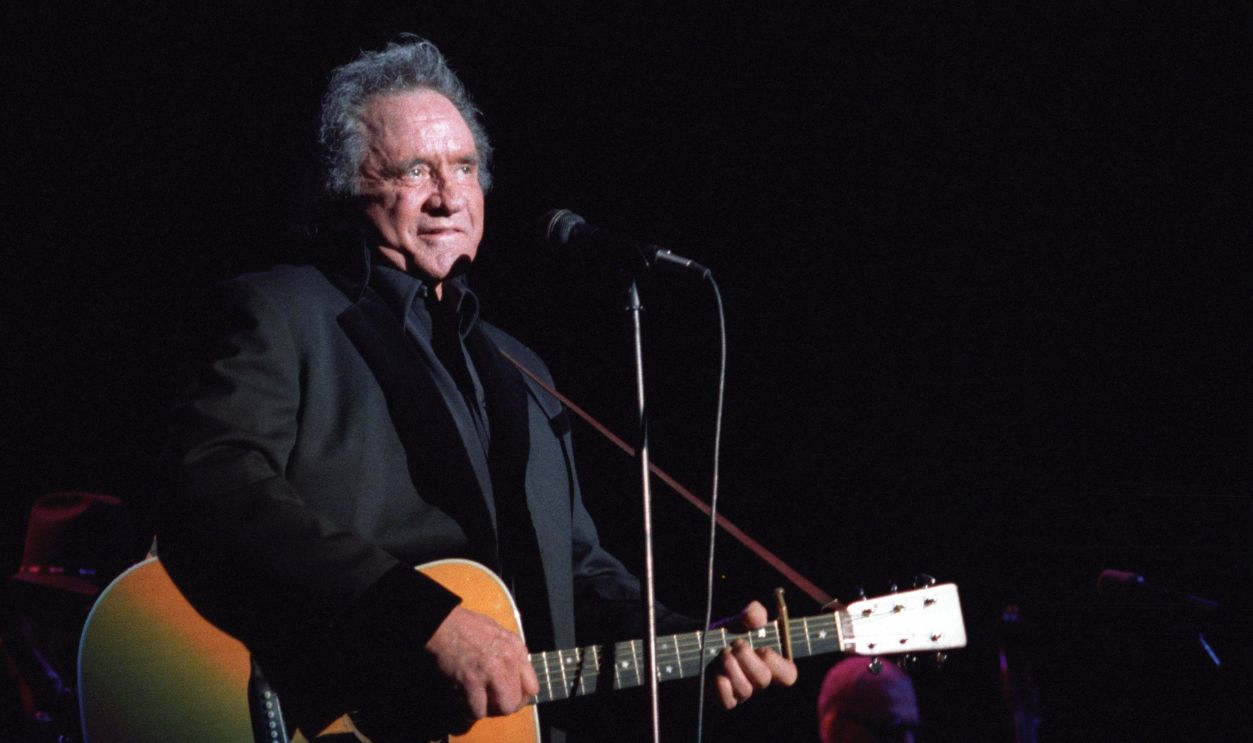
Cash Was A Storyteller About His Own Life
That uncertainty fits a broader challenge biographers encounter with Cash. Robert Hilburn, who researched the singer extensively, has noted that Cash was an artist and storyteller whose retellings could make events more dramatic. That does not establish that Nickajack never happened, but it does mean his autobiographical version should not automatically be treated like a contemporaneous police report.
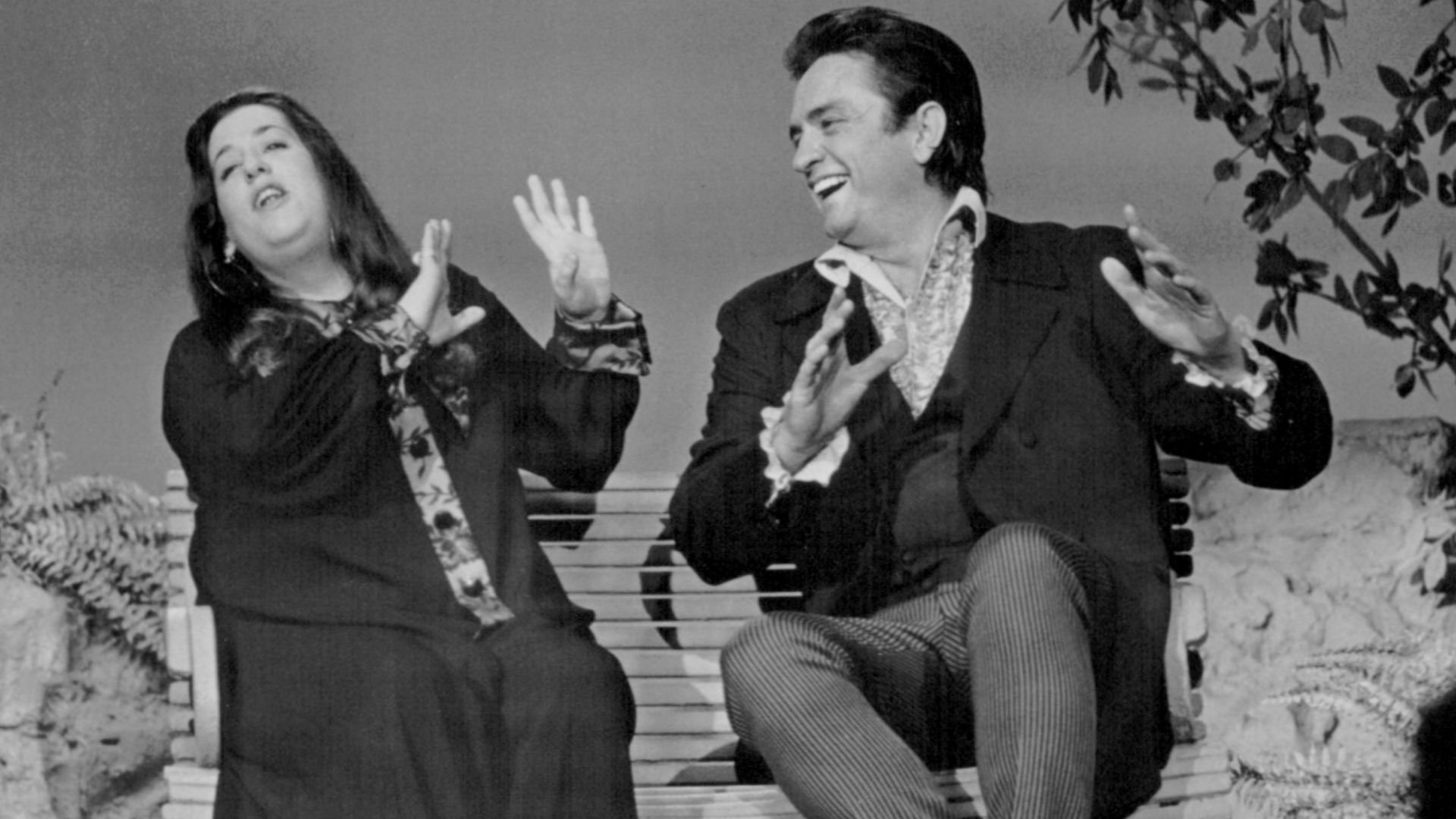 ABC Television., Wikimedia Commons
What Happened Around Him Is Better Documented
Whatever the precise details inside Nickajack, there is strong evidence that Cash was in serious trouble during this period and soon made a concerted effort to change. June Carter is widely credited with helping him confront his pill addiction. Other accounts describe Carter and her family supporting Cash as he tried to get away from the addiction that had dominated his life.
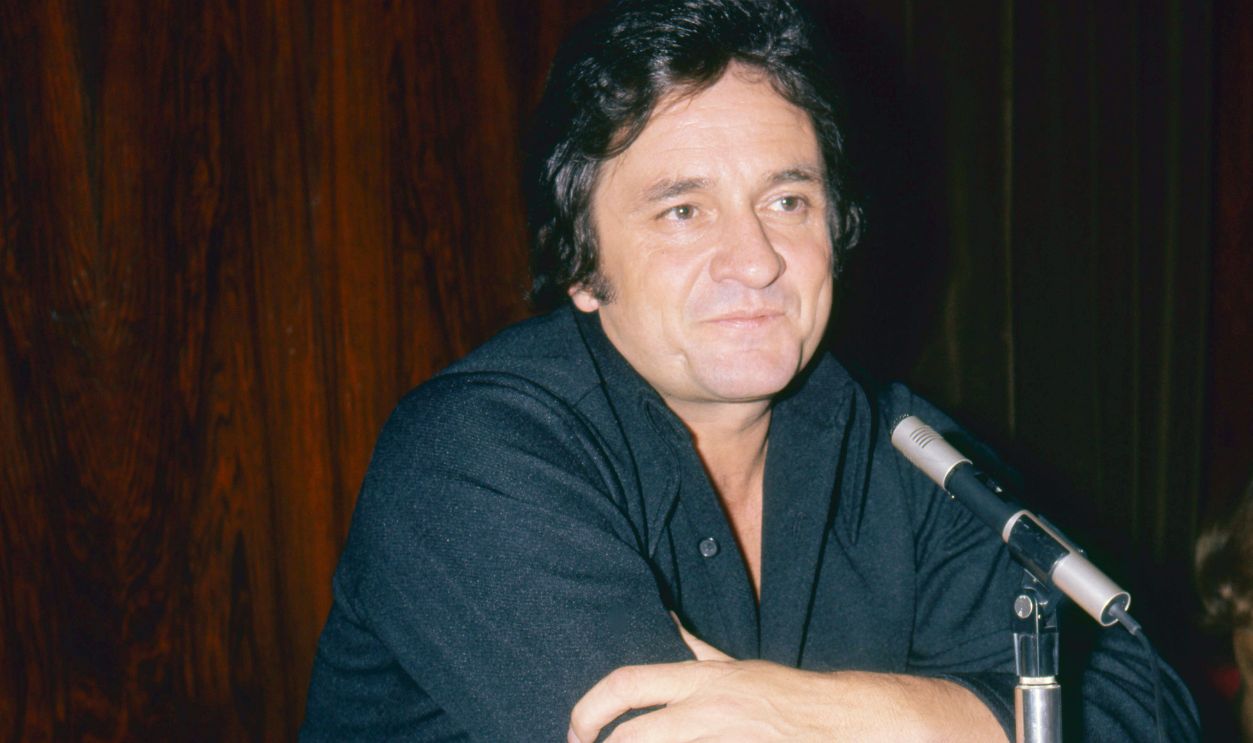
His Recovery Was Not A Perfect Straight Line
The Nickajack episode can sound like a single miraculous cure when compressed into a few sentences, but Cash’s relationship with illicit substances was more complicated. He continued to struggle with addiction at other points in his life and later required treatment again. The cave is best understood as a major spiritual turning point in the story Cash told about himself, not proof that every addiction problem vanished permanently that day.
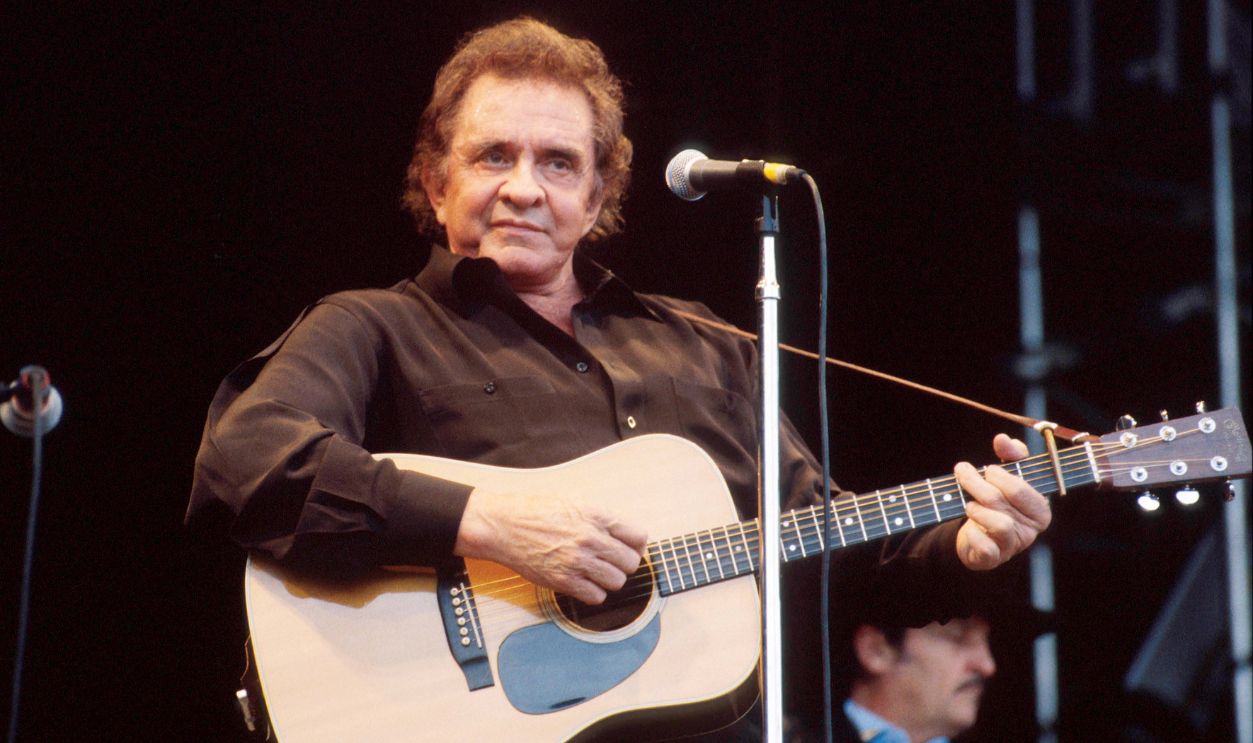
Then Came Folsom Prison
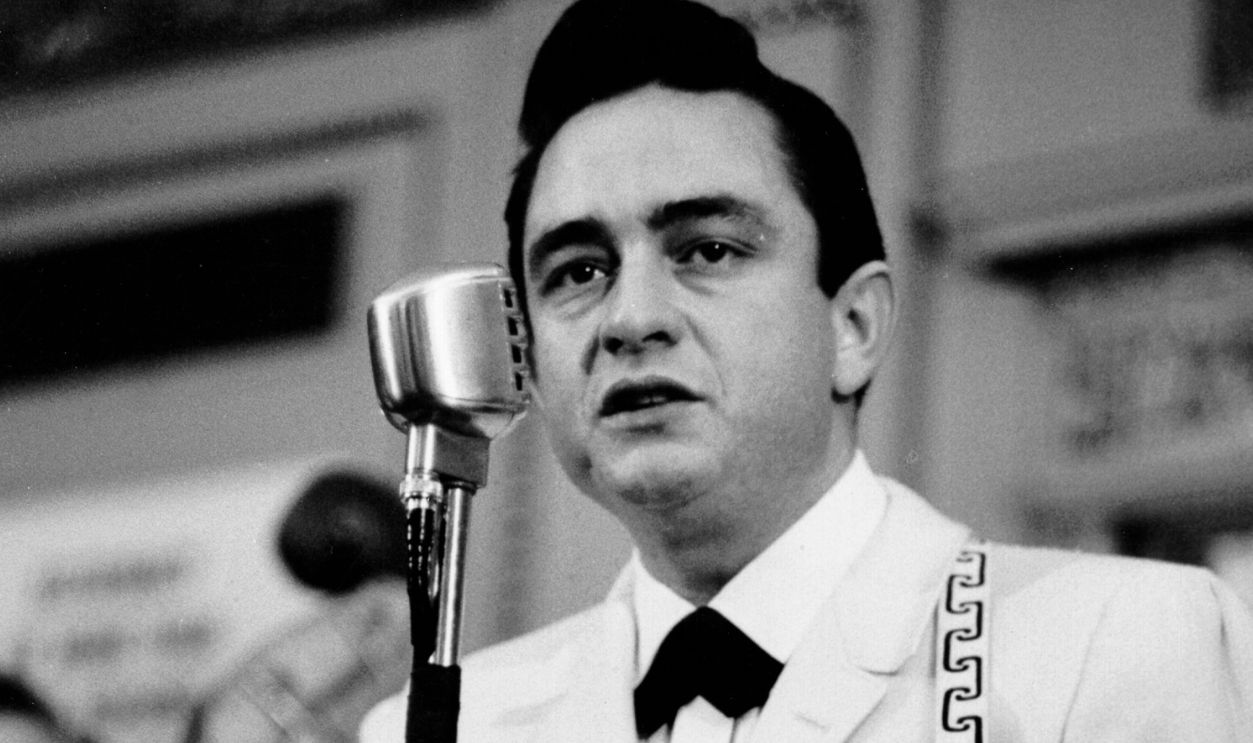
Only months after the period Cash associated with Nickajack, his career reached one of its defining moments. On January 13, 1968, he performed and recorded at California’s Folsom State Prison, producing the material for At Folsom Prison. The live album revitalized his career and eventually became important enough to enter the Library of Congress National Recording Registry.
 Michael Ochs Archives, Getty Images
June Became His Wife
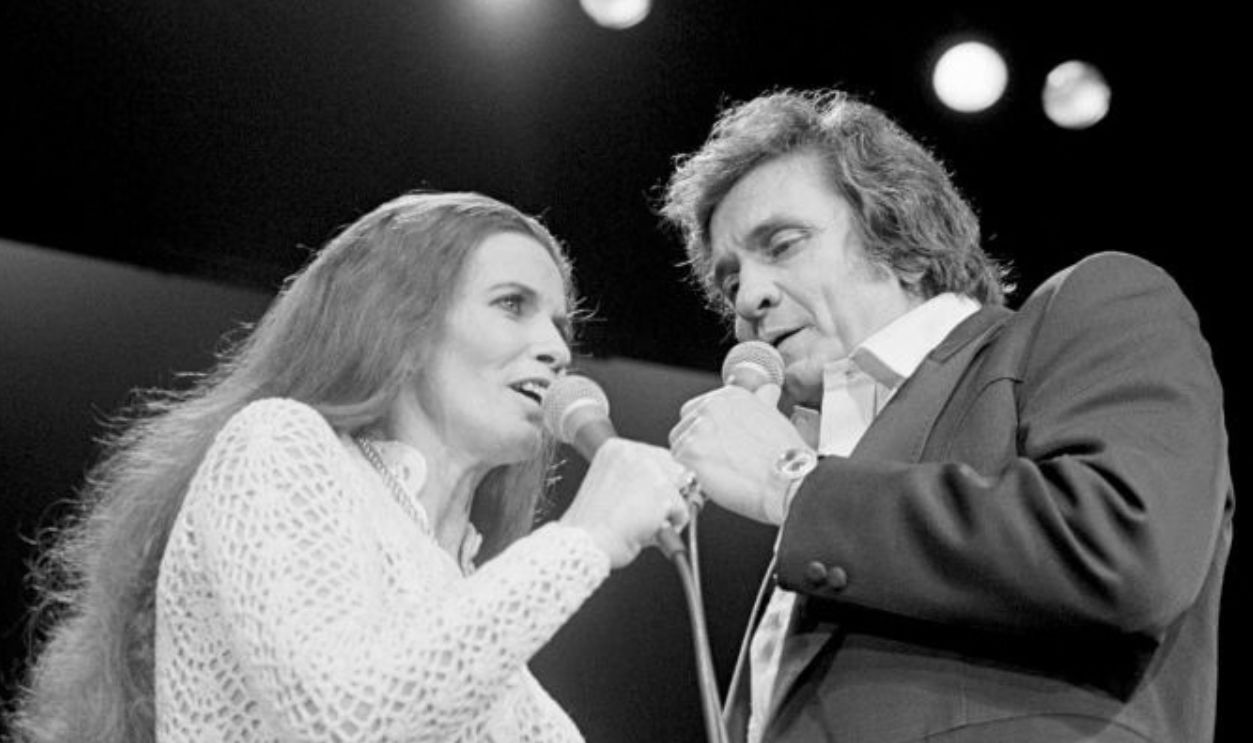
On February 22, 1968, Cash proposed to June Carter onstage before thousands of people in London, Ontario, and she accepted. They married on March 1. June subsequently remained both a musical partner and a central figure in the personal and religious life Cash built after his tumultuous 1960s.
Redemption Became Part Of The Johnny Cash Story
The years after Cash’s crisis brought At Folsom Prison, At San Quentin, a string of enormous hits, and his own network television program. Yet the contradictions never disappeared from the way Cash presented himself. Themes of struggle and redemption repeatedly played out in both his life and career.
Nickajack Became Part Of His Legend
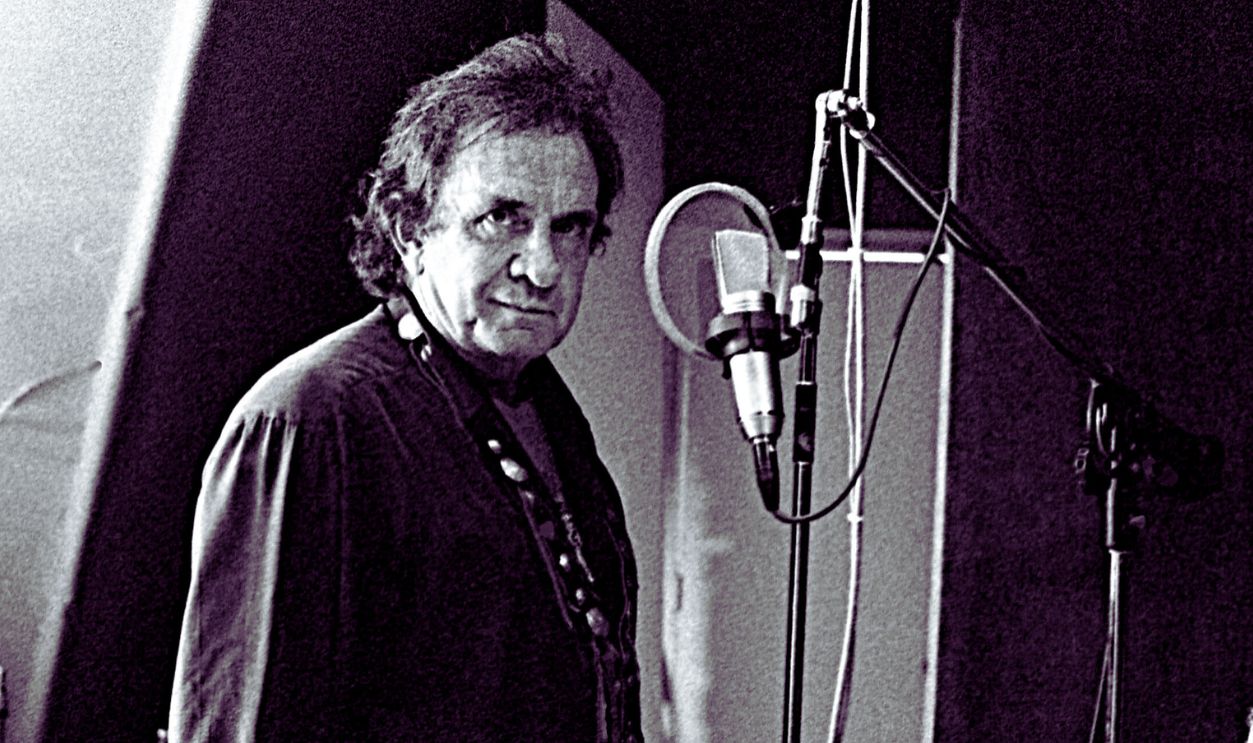
Today, TVA itself acknowledges Cash’s connection to Nickajack Cave, noting his autobiographical claim that he entered it intending to die and instead found God. The physical cave has changed because the reservoir partially flooded it, while access is restricted to protect its endangered bat population. The place remains attached to Cash because it captures, almost too perfectly, the central contradiction of his public story: a man drawn repeatedly toward darkness who kept searching for a way back into the light.
He Survived To Tell The Story Himself
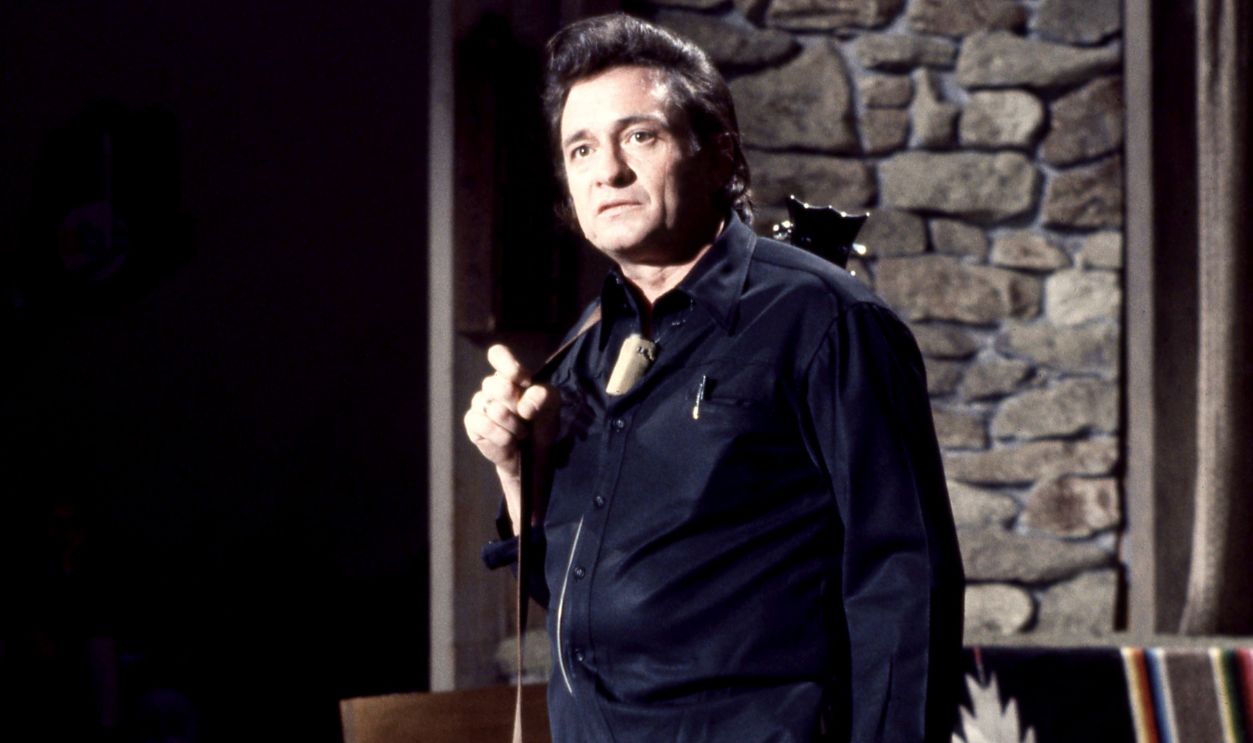
Johnny Cash lived until 2003 and continued recording almost to the end of his life, including his celebrated late-career work with producer Rick Rubin. Whether every detail of Nickajack happened exactly as Cash remembered it cannot now be proved. What can be established is that he chose the cave as the defining image of one of his lowest moments, and as the place where he believed his life had been handed back to him.
You May Also Like:
The Love Story Of Johnny Cash And June Carter
Sources: 1, 2, 3, 4, 5, 6, 7, 8, 9, 10, 11, 12, 13, 14, 15, 16, 17, 18