We’re Feeling Pretty Confident
Most record collections in the 70s had plenty of Zeppelin, Floyd, and Fleetwood Mac. Maybe yours included a few obscure imports too. But we are willing to bet none of the albums coming next ever made it onto your shelf.
Some were barely offered for sale. Others were properly released and barely sold anyway. So, are we wrong? Did you own any of them back then? If so, let us know and allow us to bestow some pretty serious bragging rights upon you.
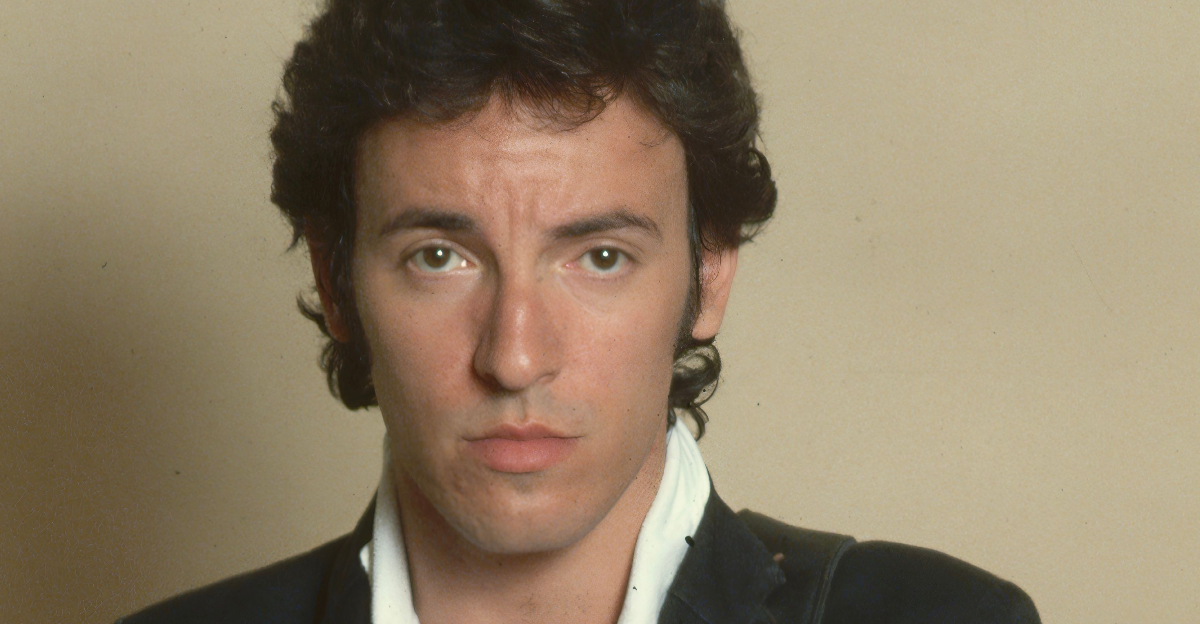
"#1 Record" (Big Star)
Critics admired Big Star’s 1972 debut, but acclaim could not fix its label’s distribution problems. Despite a title that practically demanded success, #1 Record sold fewer than 10,000 copies during its initial release. It eventually became a power-pop landmark, so maybe you picked it up years later. But that doesn’t count...we’re talking about owning it when it was released.
 Screenshot from #1 Record, Ardent Records (1972)
"Terranaut" (Crystalaugur)
Four American teenagers living in Singapore made Terranaut in 1975, mixing psychedelic rock, progressive detours, and youthful confidence. Only 200 copies appeared on the band’s private Warped label. The album sounds like a transmission from a parallel 70s where the garage happened to be near the equator.
 Yannis Papanastasopoulos, Unsplash
"Ramones" (Ramones)
The Ramones’ debut now feels inseparable from punk history, but very few buyers noticed in 1976. The album initially sold only about 6,000 copies and stalled at No. 111 in America. It eventually went gold—38 years later. Apparently, changing rock music did not produce immediate royalty checks.
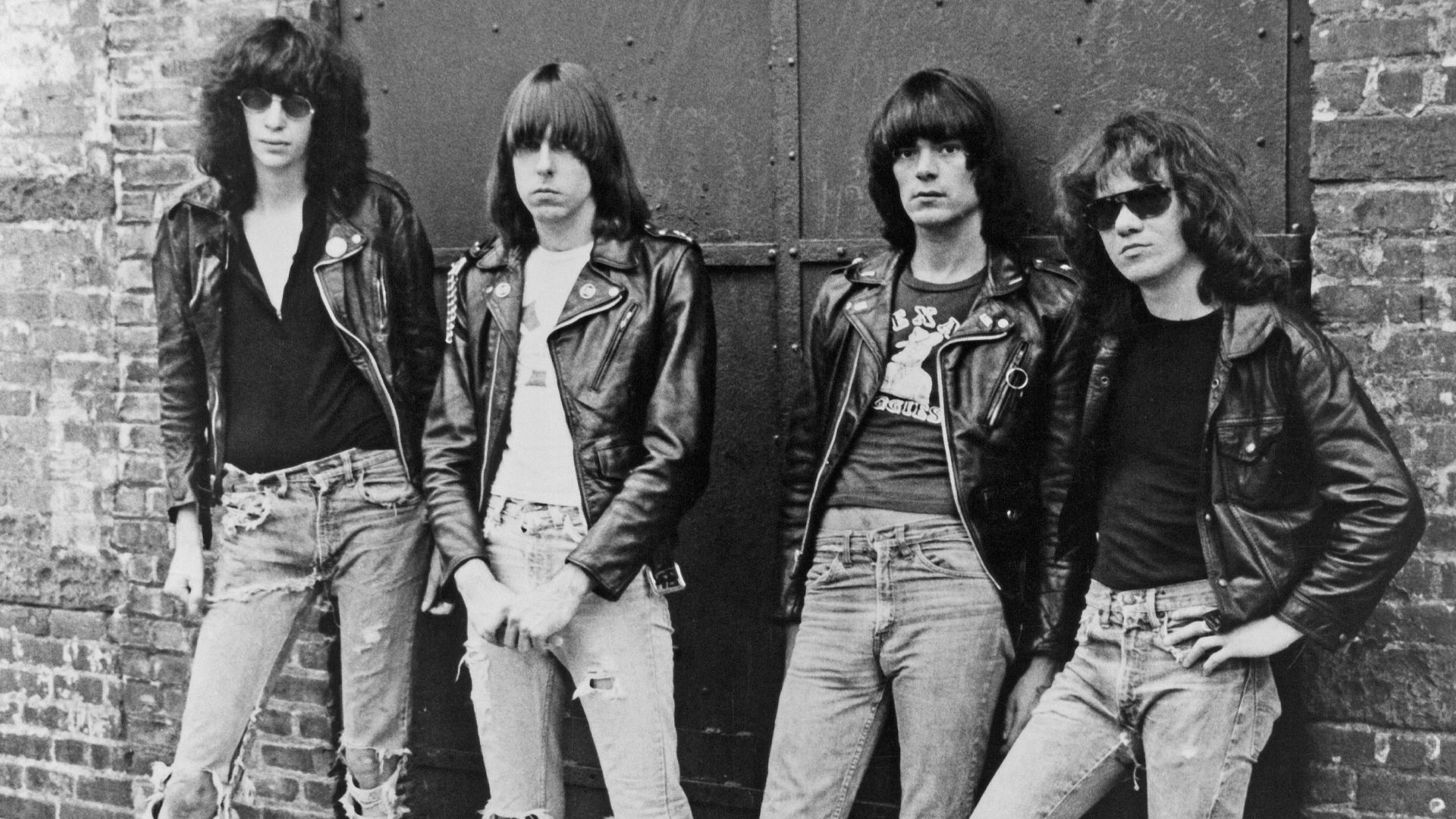 Danny Fields, Wikimedia Commons
"Michael Angelo" (Michael Angelo)
Michael Angelo Nigro played nearly everything except drums on his dreamy 1977 album, blending Beatlesque pop with fuzzy psychedelic guitar. Liberty abandoned its plans for the record, but Big K Records finished it and released just 500 copies. Collectors later decided everybody else had missed something special.
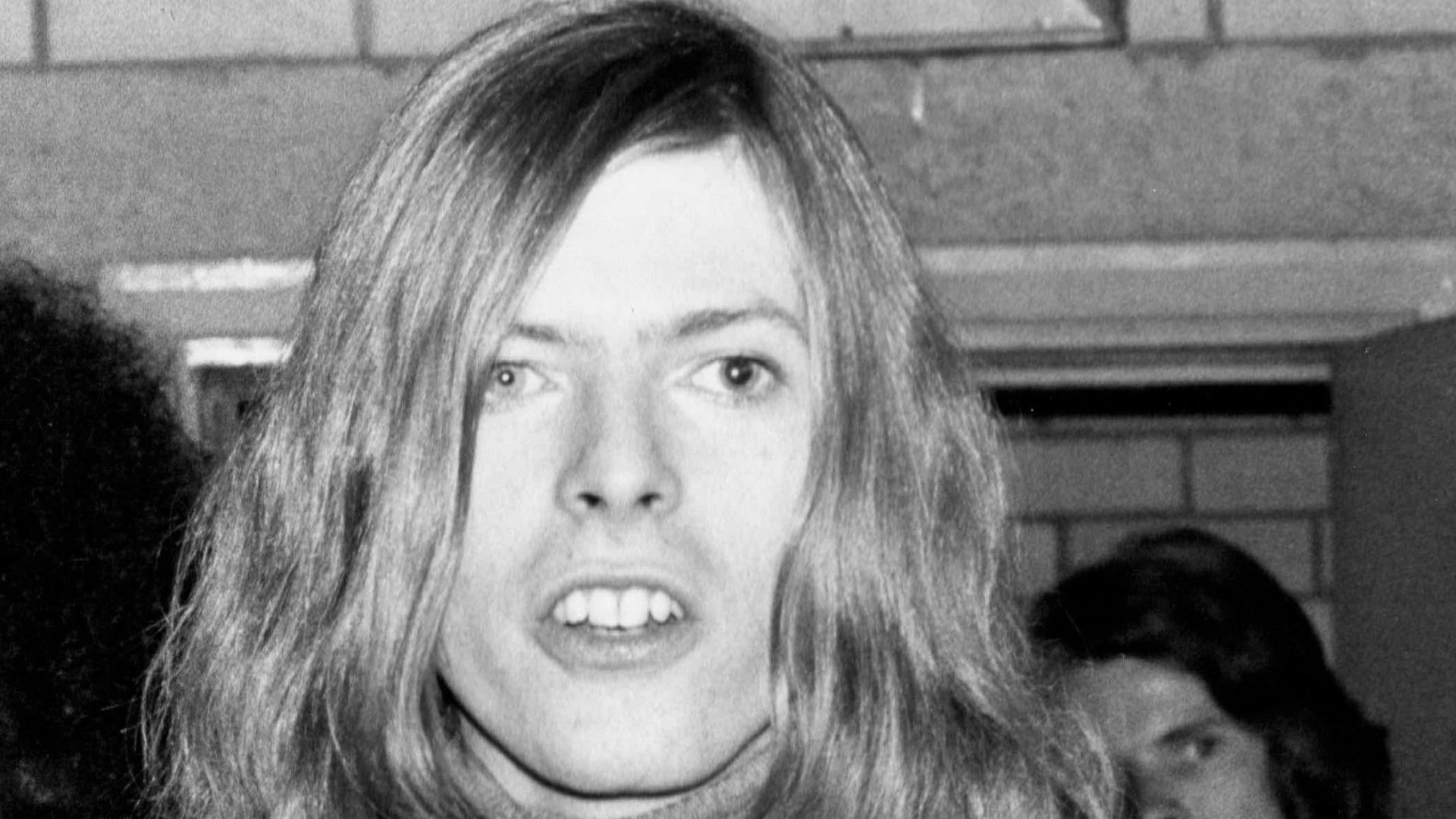
"The Man Who Sold the World" (David Bowie)
David Bowie hardly seems eligible for this list, but he was not yet the Bowie everyone remembers. By the end of June 1971, The Man Who Sold the World had reportedly sold only 1,395 American copies. Success arrived later, followed by a very well-timed reissue.
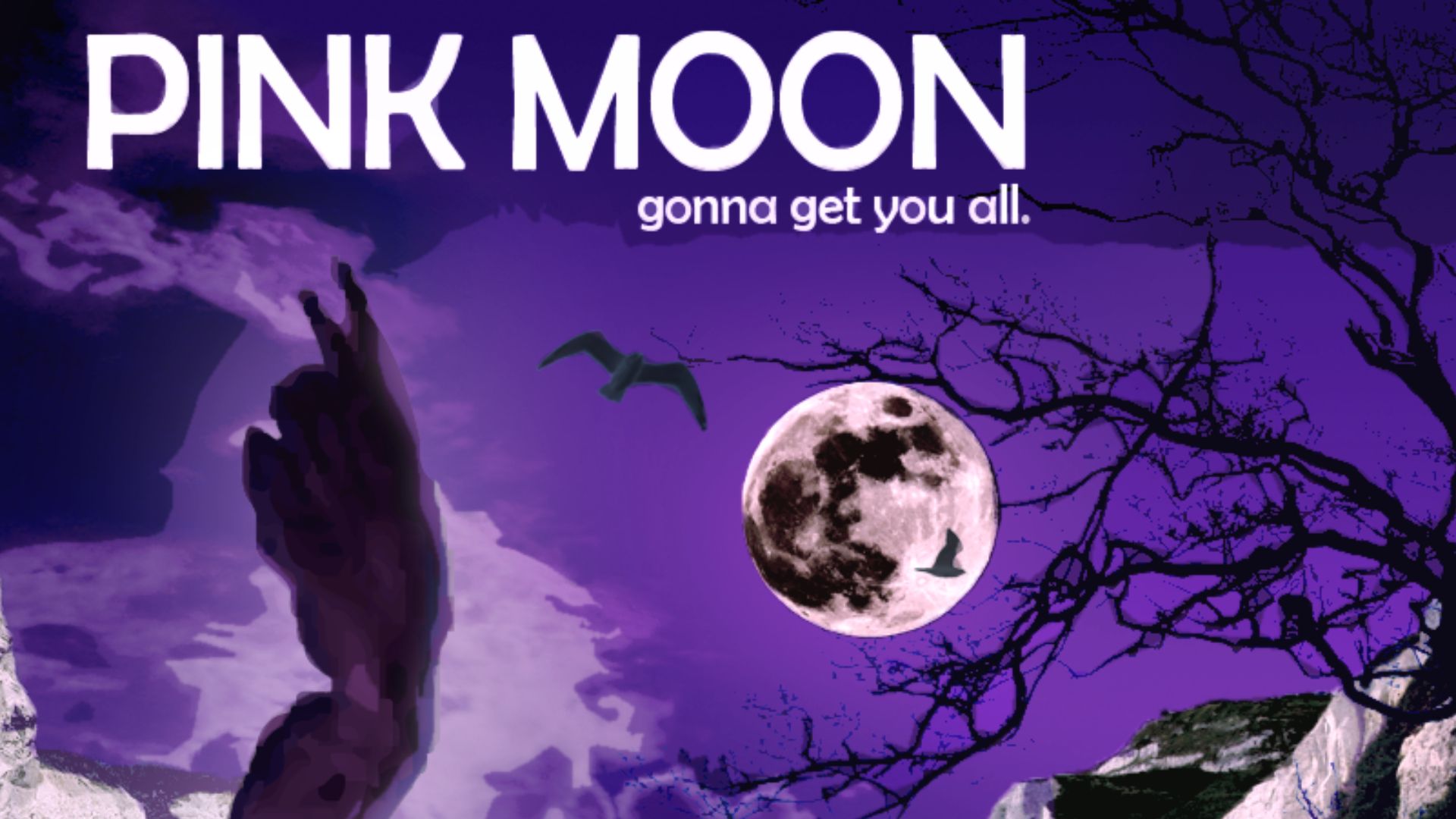
"Pink Moon" (Nick Drake)
Nick Drake’s spare final album now sounds like an undisputed classic, but Island could barely get it noticed. It sold extremely poorly during Drake’s lifetime. Its voice-and-guitar intimacy finally found a huge audience decades later, helped considerably by an unlikely Volkswagen commercial.
 Visions of Domino, Wikimedia Commons
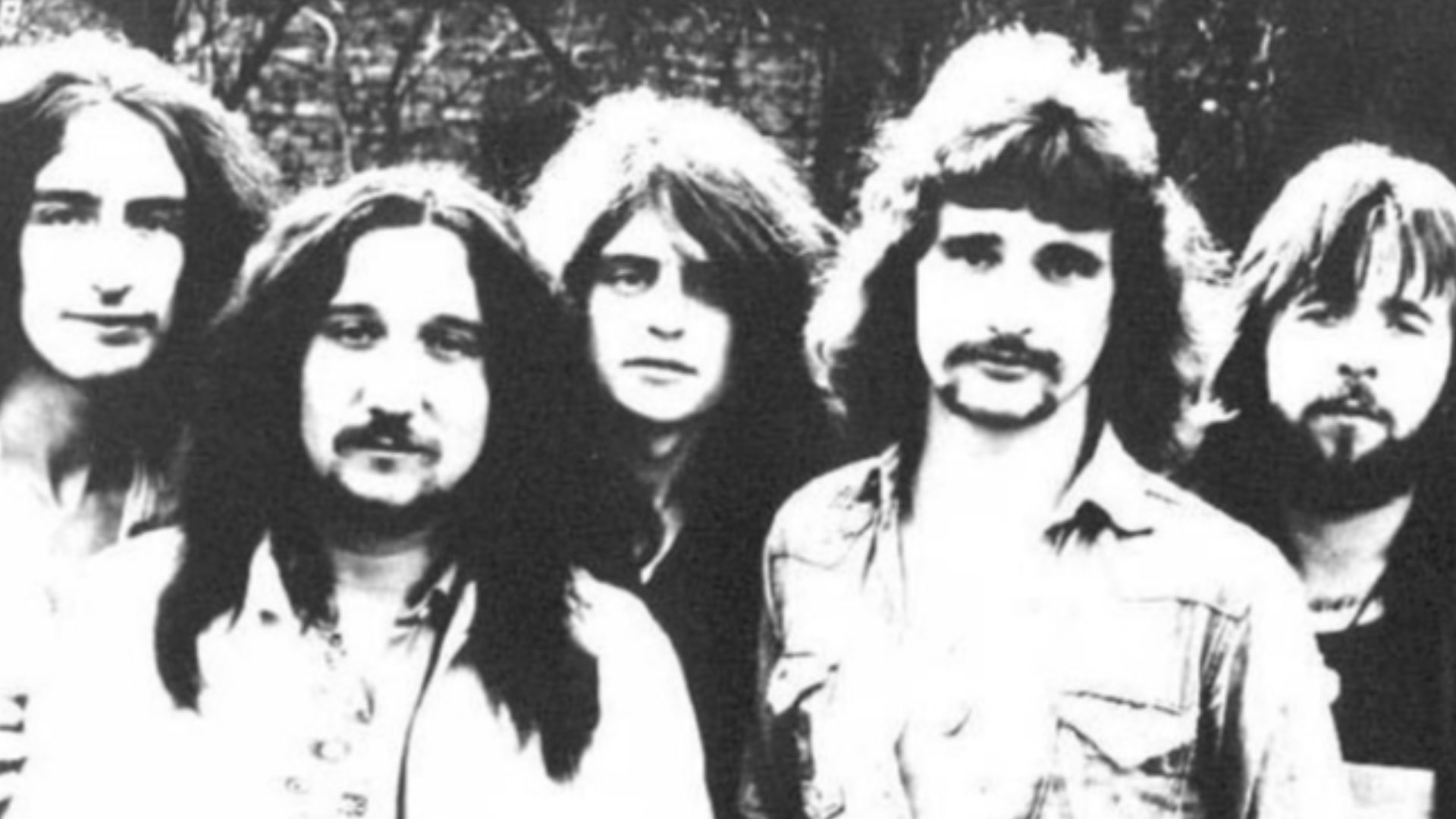
"Captain Marryat" (Captain Marryat)
This Scottish band had the organ-heavy muscle of Deep Purple and Uriah Heep, but none of their distribution. Captain Marryat released its lone album in 1974 on the group’s own label in an edition of only 150 to 200 copies. That is one small room’s worth of rock history.
 Mercury Records, Wikimedia Commons
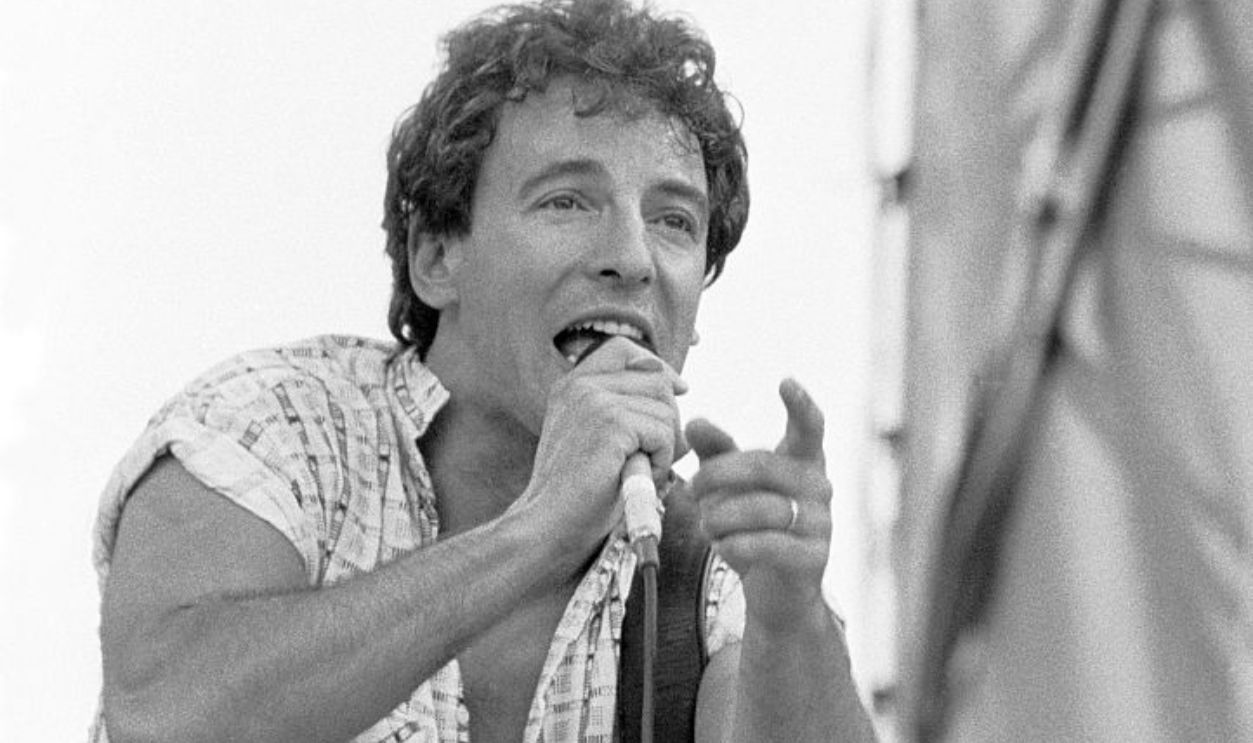
"Greetings from Asbury Park, N.J." (Bruce Springsteen)
Long before stadium tours and packed arenas, Bruce Springsteen was another new Columbia artist struggling to sell records. His 1973 debut reportedly moved only about 25,000 copies during its first year. Even “Blinded by the Light” failed to chart in Springsteen’s hands. The Boss apparently needed a little more time.
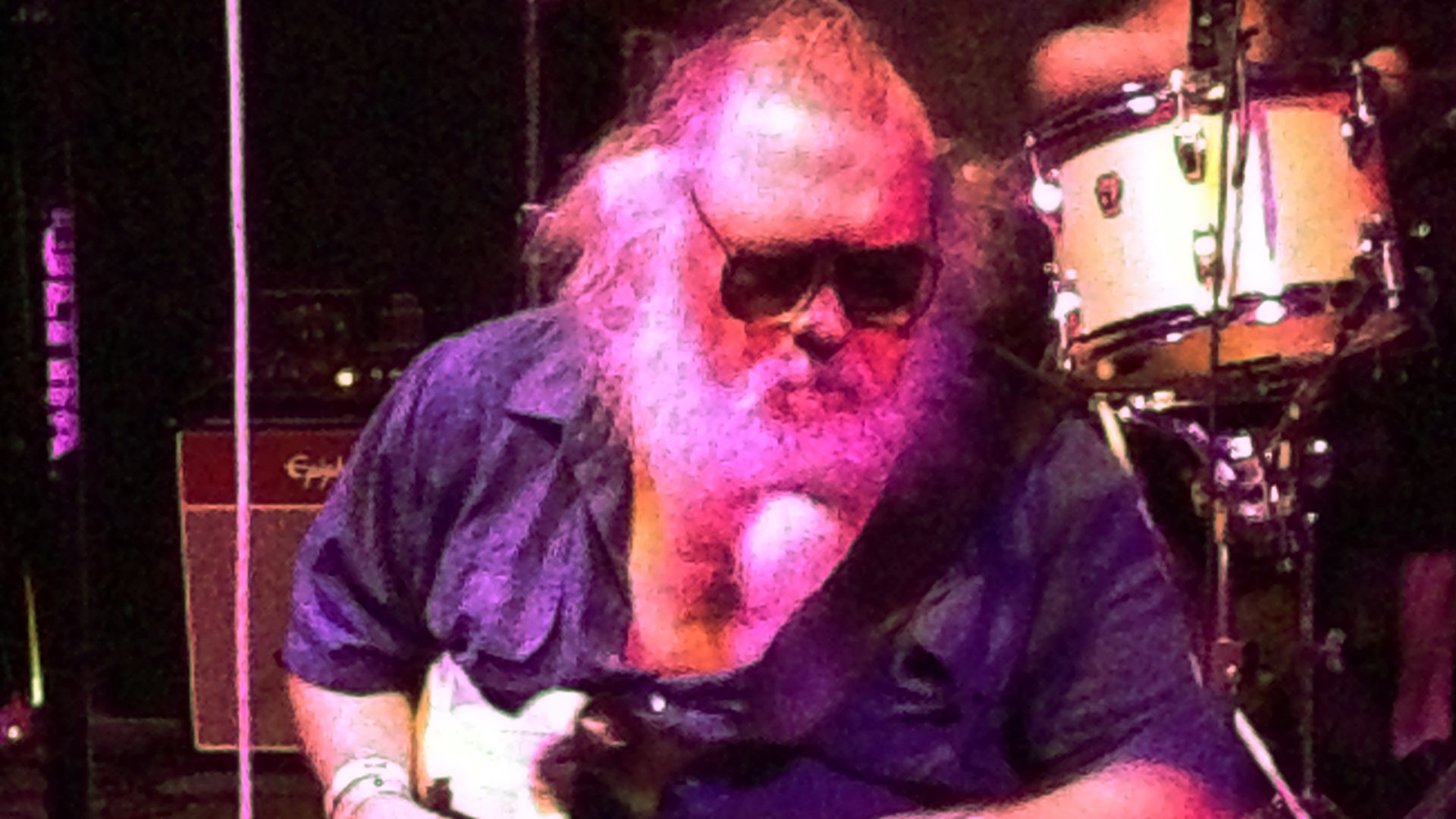
"Phonography" (R. Stevie Moore)
R. Stevie Moore recorded Phonography at home between 1973 and 1976, using inexpensive equipment and whatever ideas wandered through the door. The first vinyl edition numbered only 100 copies. Its art-rock fragments and DIY nerve later influenced generations of musicians who owned considerably better tape machines.
 Timothy Misir from Moscow, Russia, Wikimedia Commons
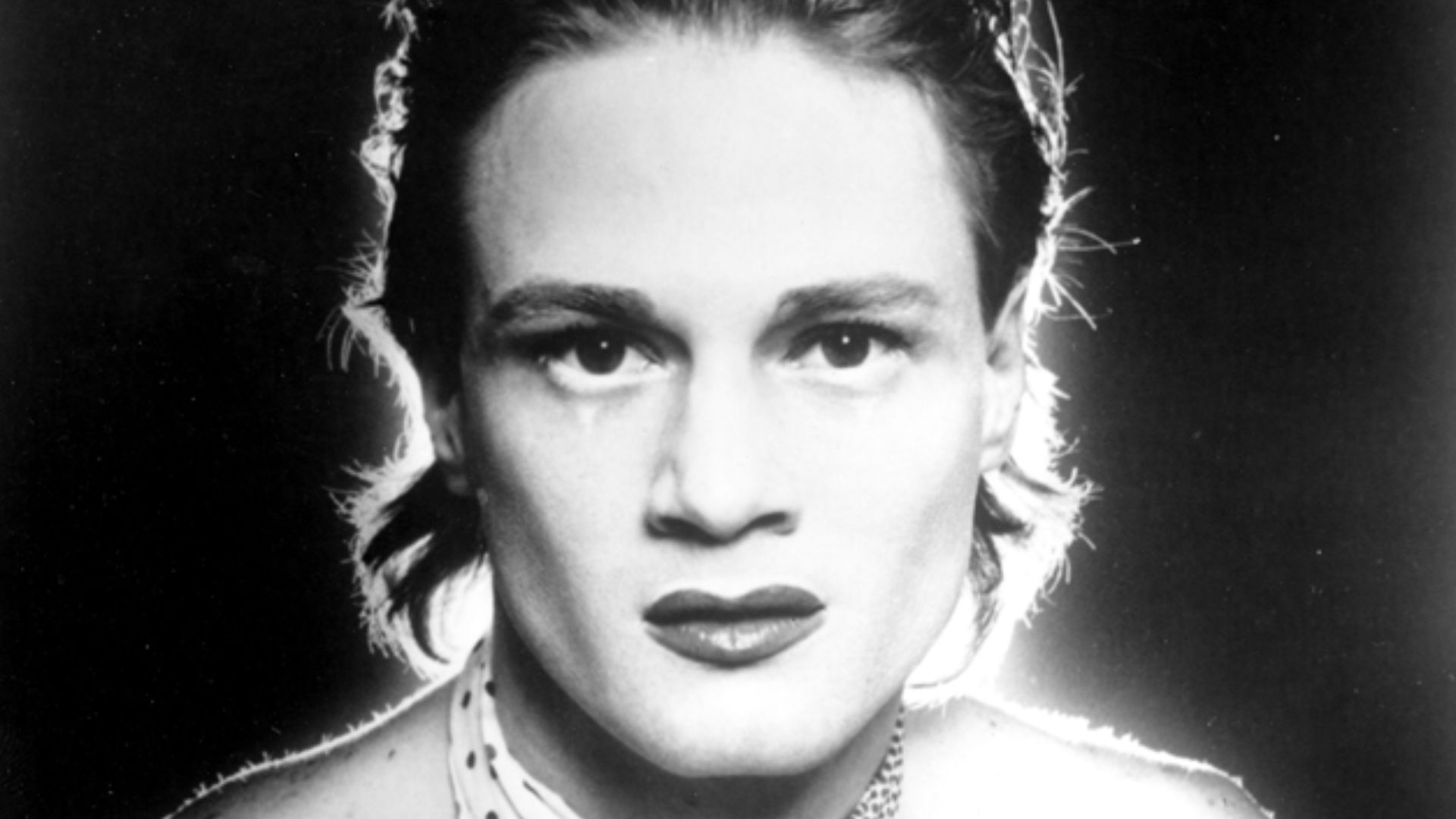
"Jobriath" (Jobriath)
Elektra spent heavily promoting Jobriath as America’s answer to David Bowie, complete with enormous advertisements and plenty of hype. His self-titled 1973 debut nevertheless sold poorly. Jobriath was supposed to become a major glam-rock star. Instead, the campaign became considerably more famous than the album.
 Elektra Records, Wikimedia Commons
"The Second Annual Report" (Throbbing Gristle)
The original Industrial Records edition of Throbbing Gristle’s 1977 debut consisted of just 785 copies. Its live recordings, tape experiments, and confrontational noise helped define industrial music before most record shops knew where to file it. Easy listening it was not. Historically important, absolutely.
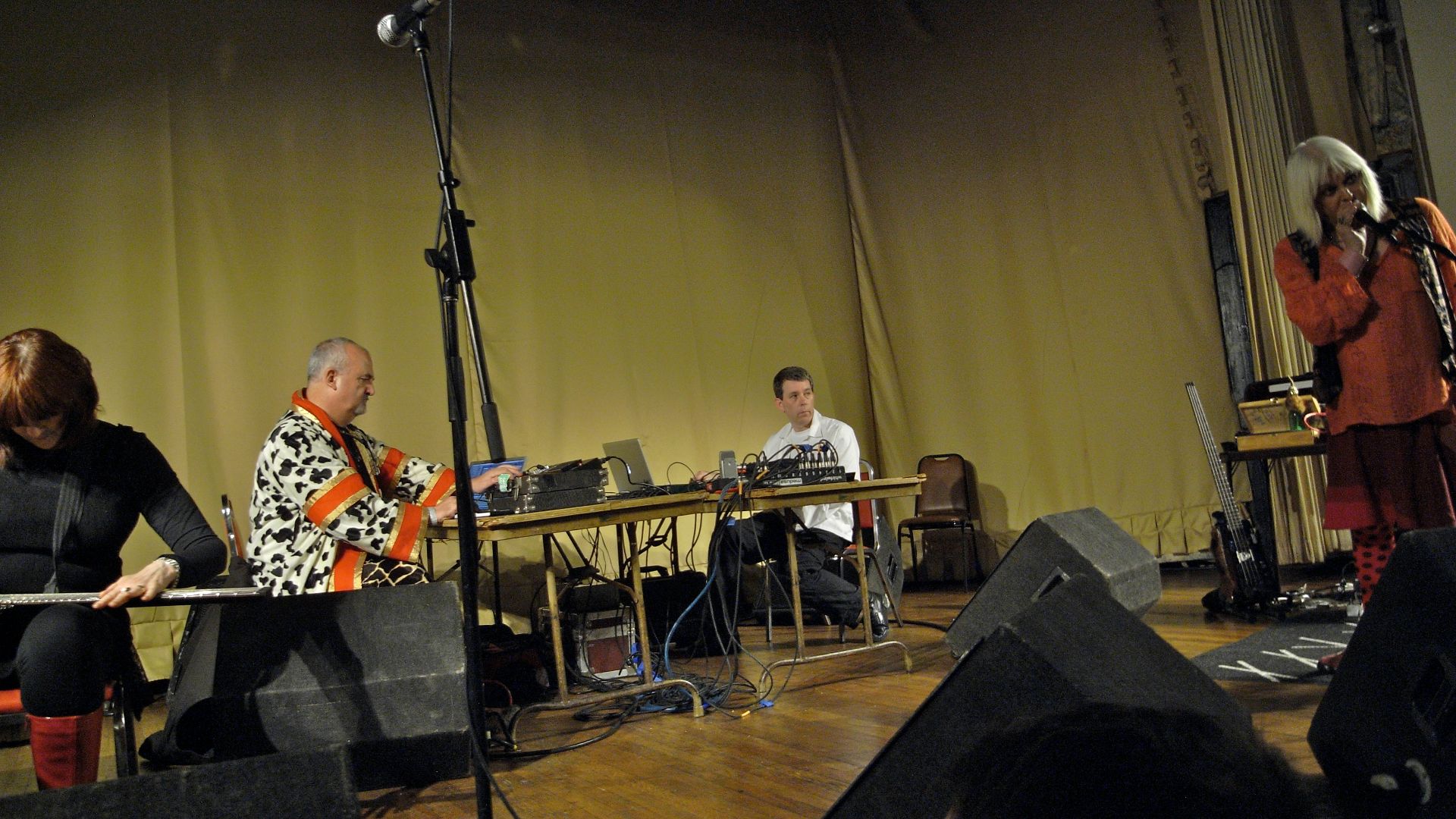
"Meet the Residents" (The Residents)
The Residents’ 1974 debut treated familiar pop like something discovered in a laboratory. Its altered Meet the Beatles! cover was easier to recognize than the music. According to the band’s history, only 40 copies from a roughly 1,000-copy pressing sold during the first year. Apparently, the world needed a minute.
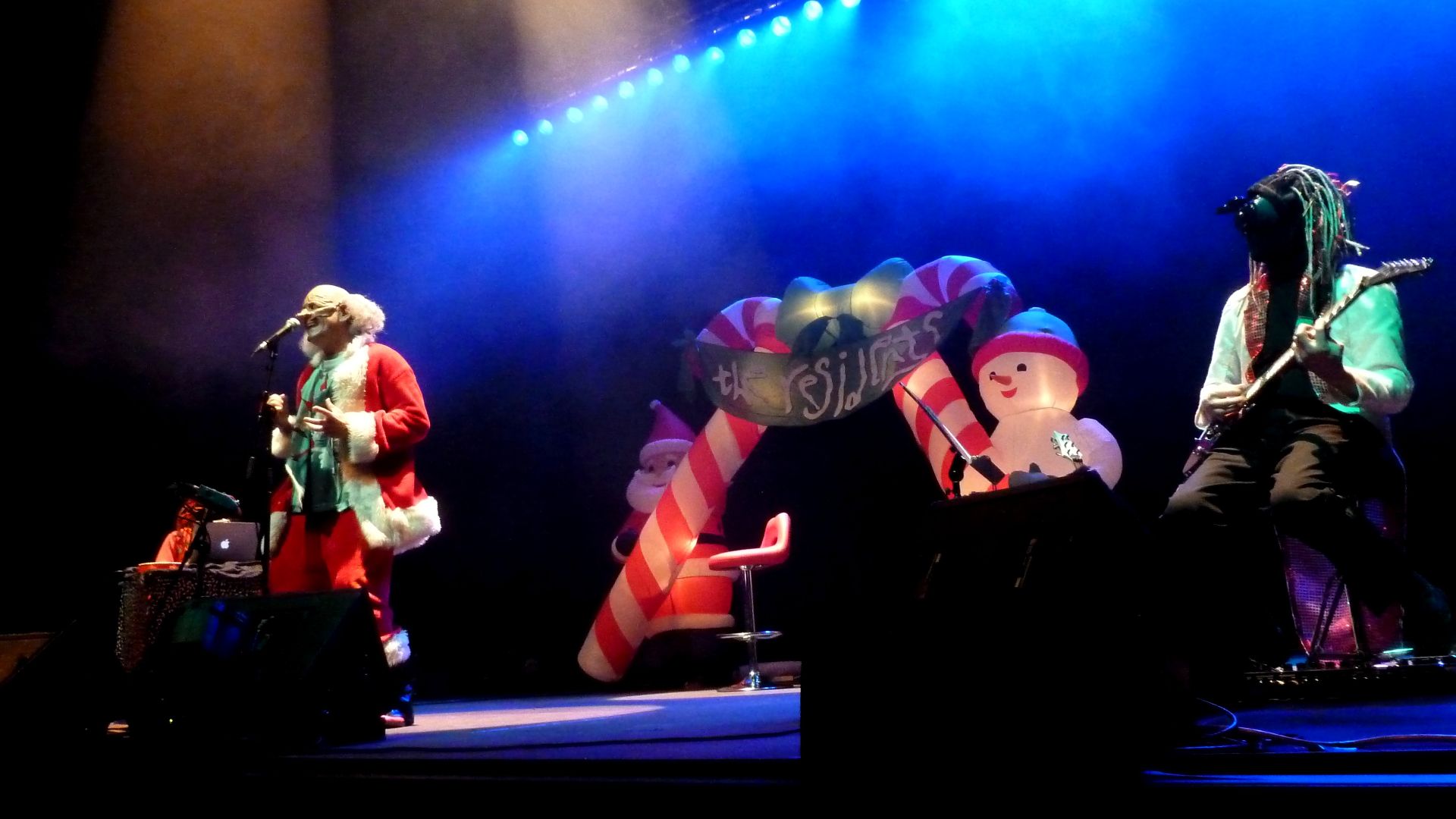
"Kazemachi Roman" (Happy End)
Happy End’s 1971 album helped prove that rock sung in Japanese could develop its own identity rather than imitate the West. It sold fewer than 10,000 copies during its release year. Rolling Stone Japan later named it the country’s greatest rock album. That is quite a delayed correction.
 JJ Hall from Peckham Rye, London, UK, Wikimedia Commons
"Moon Blood" (Fraction)
Los Angeles band Fraction pressed roughly 200 copies of Moon Blood in 1971. The record’s heavy guitar, dramatic vocals, and dark psychedelic atmosphere made it sound far bigger than its audience. It reportedly took only a few hours to record, which is longer than most copies spent in stores.

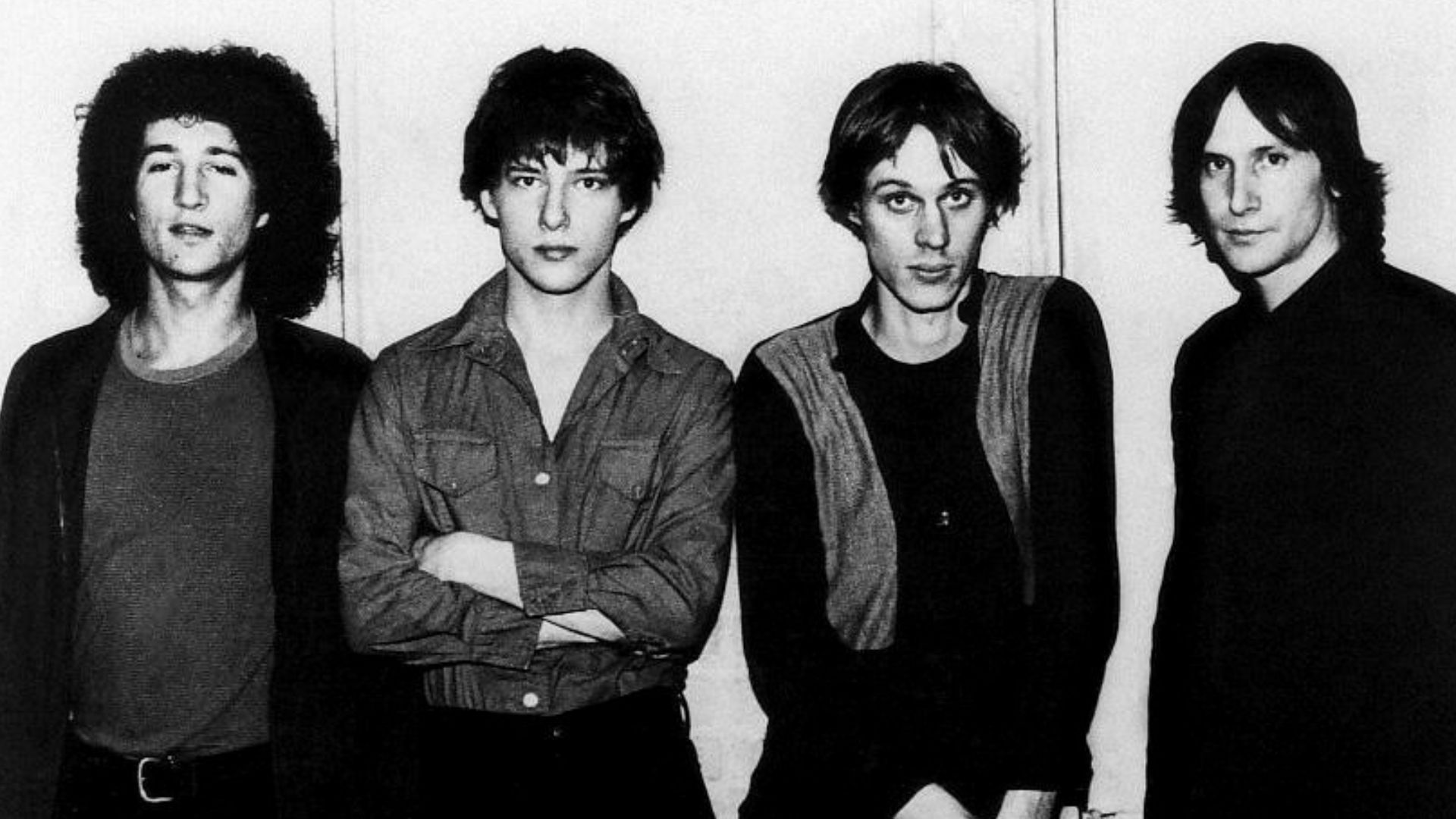
"Marquee Moon" (Television)
Critics recognized something extraordinary in Television’s 1977 debut, and British listeners were interested. America was another matter. Marquee Moon sold fewer than 80,000 American copies and never entered the Billboard 200. It later became one of the most acclaimed and influential guitar albums of its era.
 Photograph by Roberta Bayley. Distributed by Elektra Records., Wikimedia Commons
"Complex" (Complex)
In 1971, Lancashire band Complex privately pressed just 99 copies of its self-titled debut and passed them around gigs and industry offices. The psychedelic rock was ambitious. The distribution plan was basically hope wearing shoes. Decades later, one copy found in a junk shop was valued at thousands.
"Radio City" (Big Star)
Big Star’s second album received more glowing reviews in 1974, followed by another distribution disaster. A dispute involving Stax and Columbia left stores without copies, and Radio City managed only about 20,000 sales. “September Gurls” became a power-pop standard. Big Star remained anything but.
 User:Groovindays, Wikimedia Commons
"Debris’" (Debris’)
Oklahoma trio Debris’ released its self-titled debut in April 1976, the same month the Ramones issued theirs. A local studio package included recording time, jackets, and 1,000 pressed LPs. Static Disposal was actually the label name printed on the cover, although it eventually became the album’s unofficial title.
"Fun House" (The Stooges)
The Stooges’ 1970 album helped provide a blueprint for punk, although buyers were not rushing to study it. Fun House had sold only 89,000 copies by March 2000—nearly 30 years after its release. Its reputation traveled considerably faster than the record itself.
 Carptrash at English Wikipedia, Wikimedia Commons
"Attic Demonstration" (Kenneth Higney)
Kenneth Higney did not initially see Attic Demonstration as a grand artistic statement. It was a rough showcase meant to sell his songs to other performers. He issued 500 copies in 1976. Instead of attracting hitmakers, its unpolished outsider rock eventually attracted collectors. Close enough, perhaps.
"Paternoster" (Paternoster)
Austria’s Paternoster recorded its only album in two days, filling it with ominous organ, heavy guitar, and gloriously gloomy progressive rock. Only about 270 to 300 copies reportedly sold in 1972. That was not much of a career launch, but it was excellent preparation for becoming a collector obsession.
"Ready for the House" (Jandek)
Jandek’s deeply strange 1978 debut originally appeared under the name the Units. He reportedly pressed 1,000 copies, but only two sold during the first two years. Most artists would have accepted the hint. Jandek continued releasing records for decades.
"Round the Edges" (Dark)
Dark’s heavy psychedelic album is the list’s jaw-dropper. Guitarist Steve Giles paid for an initial run of 30 copies, then used advance orders to help fund 30 more. Including four test pressings, only 64 originals existed. He handmade the photo-covered sleeves and gave many copies to family and friends.

Well...Were We Right?
If one of these records really was sitting in your collection during the 70s, we officially withdraw our accusation. Tell us which one, where you found it, and whether you knew what you had. Everyone else can begin checking the attic just in case.

You Might Also Like:
Crystal Gayle Is So Much More Than Just Loretta Lynn’s Little Sister
Songs From 1977 That Boomers Still Know By Heart, But Their Kids Barely Recognize