When These Songs Were Absolutely Everywhere
Turn on the radio in 1977 and you could hear disco, soft rock, soul, country, movie themes, and some wonderfully strange pop sharing the same station. Many of these songs reached No. 1 and became impossible to escape, yet younger listeners may only recognize a handful today. For Boomers who lived through the year, though, the first few notes can still bring the whole song rushing back.
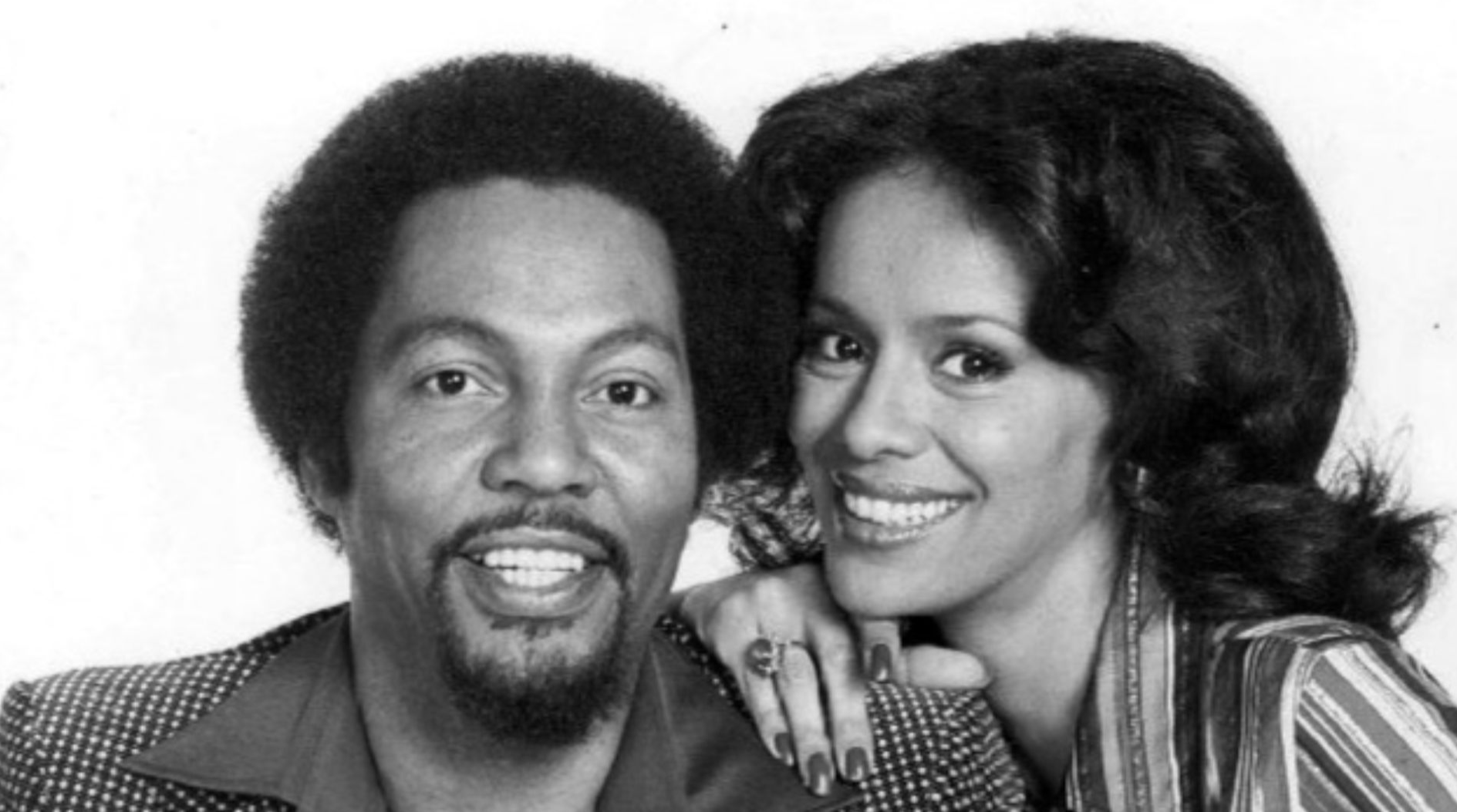
“You Don't Have To Be A Star (To Be In My Show)” - Marilyn McCoo & Billy Davis Jr
After leaving the 5th Dimension, married couple Marilyn McCoo and Billy Davis Jr proved they didn't need their old group to score a major hit. Their warm, conversational duet topped the Hot 100 as 1977 began and also earned them a Grammy for R&B Performance by a Duo or Group with Vocals. It's pure '70s romantic pop, with the couple insisting fame doesn't matter nearly as much as love.
 CBS Television, Wikimedia Commons
“You Make Me Feel Like Dancing” - Leo Sayer
Leo Sayer's unmistakably high vocal helped make “You Make Me Feel Like Dancing” one of the year's happiest records. The song became his first American No. 1, while Sayer and co-writer Vini Poncia later won the Grammy for Best R&B Song. It's hard to hear that elastic bassline and enthusiastic chorus without understanding why people were willing to hear it over and over again.
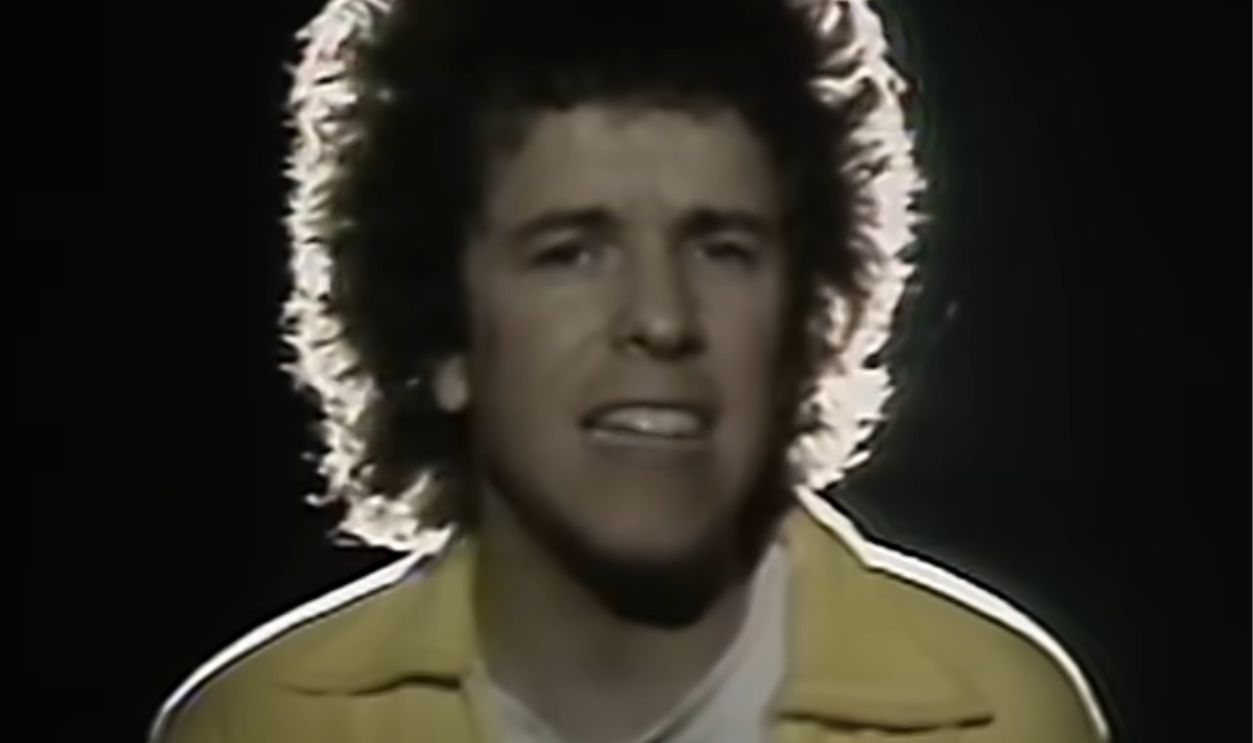 Screenshot from You Make Me Feel Like Dancing, Warner Bros. (1976)
“I Wish” - Stevie Wonder
Stevie Wonder spent “I Wish” looking backward even while his music was moving forward. Inspired partly by memories stirred up at a Motown picnic, the song recalls childhood mischief, neighborhood friends, candy, smokes, and getting into trouble. Its irresistible bassline helped propel the single to No. 1 on both the pop and soul charts, giving Songs in the Key of Life another defining moment.
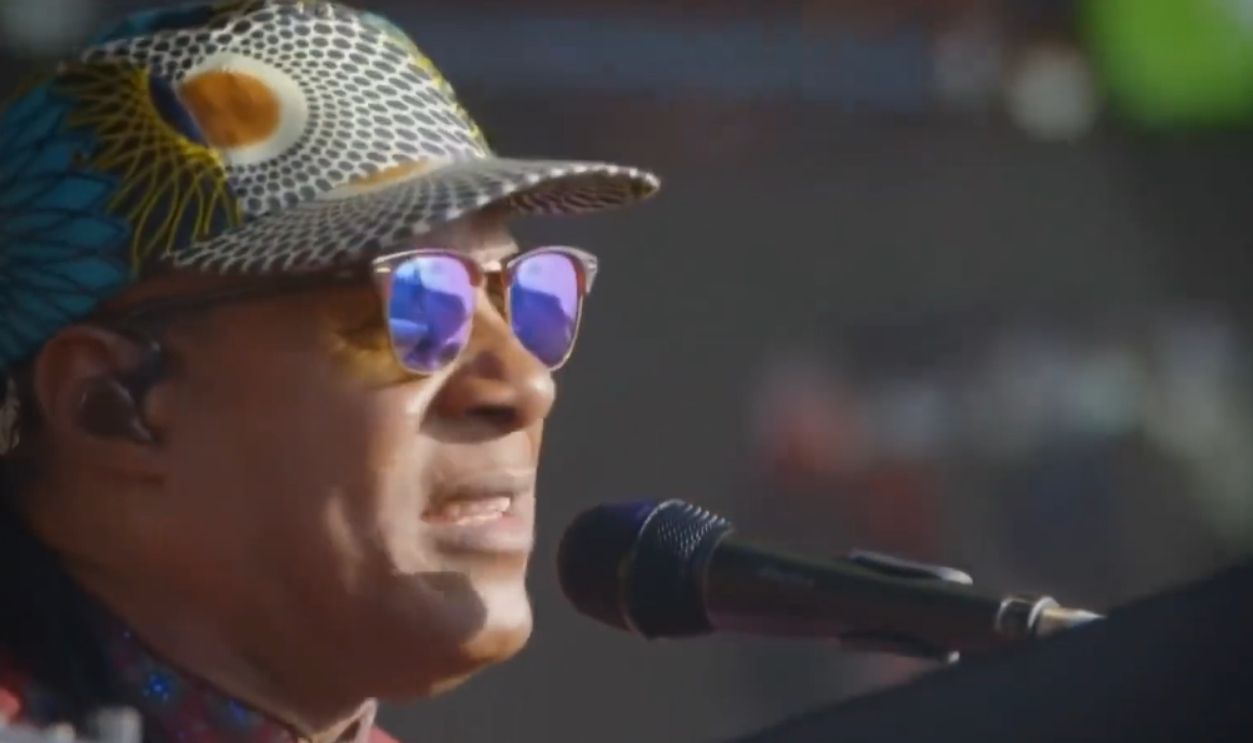 Screenshot from I Wish, Motown Records (1976)
“Car Wash” - Rose Royce
A movie about employees at a Los Angeles car wash didn't exactly sound like obvious material for a timeless funk song, but Norman Whitfield made it work. He assembled Rose Royce for the Car Wash soundtrack, and the title track quickly became bigger than the film itself. Its rubbery bass, whistles, handclaps, and party atmosphere turned an ordinary workplace into one of 1977's most memorable dance floors.
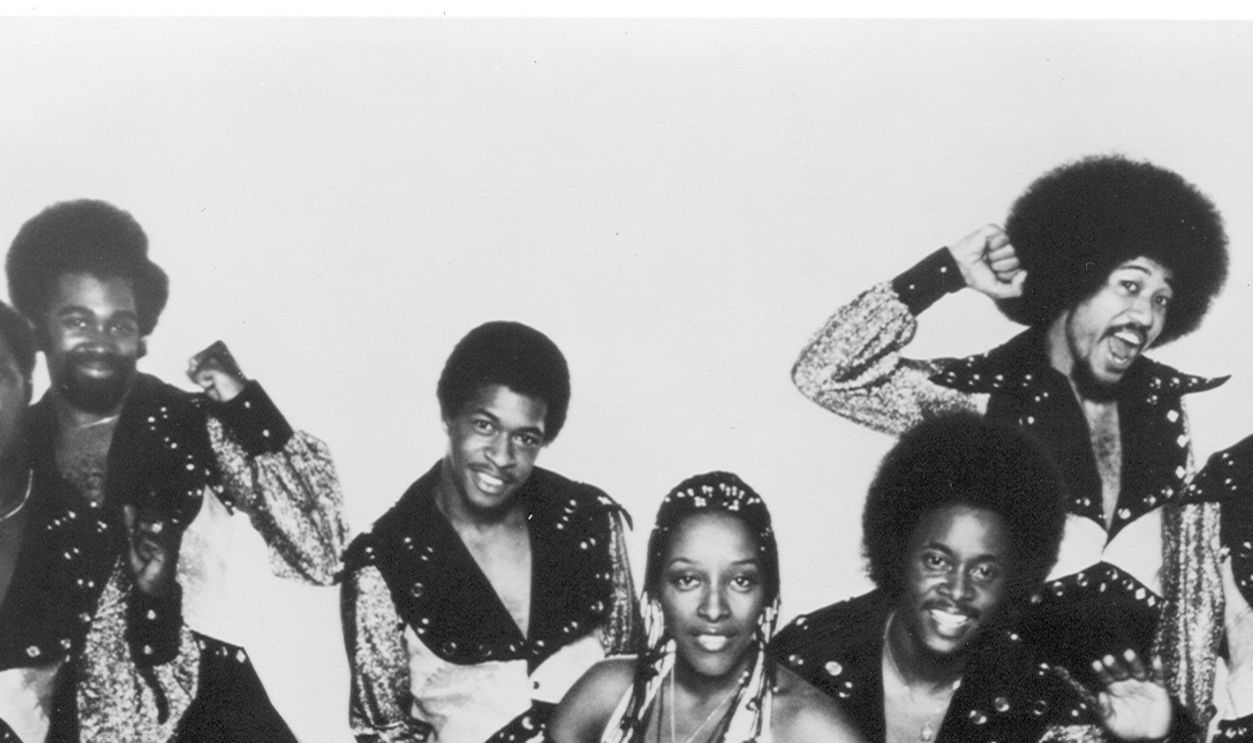 Michael Ochs Archives, Getty Images
“Torn Between Two Lovers” - Mary MacGregor
Mary MacGregor's biggest hit presented a romantic dilemma right in the title. Instead of choosing between two people, the narrator admits she genuinely loves both, giving the song a surprisingly complicated premise beneath its gentle soft-rock arrangement. “Torn Between Two Lovers” reached No. 1 early in 1977 and became MacGregor's signature recording, even as changing tastes eventually pushed it out of everyday rotation.
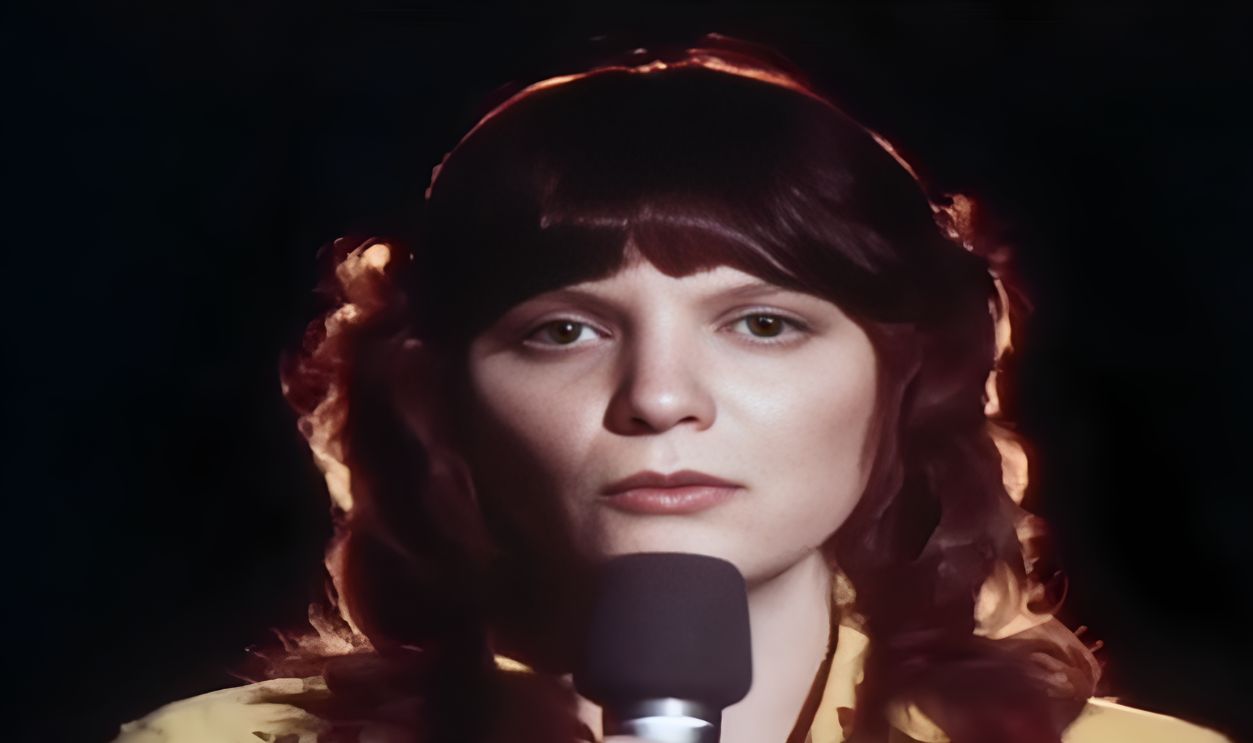 Screenshot from Torn Between Two Lovers, Ariola Records (1976), Modified
“Blinded By The Light” - Manfred Mann's Earth Band
Bruce Springsteen originally recorded “Blinded by the Light,” but Manfred Mann's Earth Band turned it into a completely different beast. Their version added synthesizers, layered harmonies, prog-rock flourishes, and the famous lyric that generations of listeners have misheard. It reached No. 1 in 1977, making it the only Springsteen composition ever to top the Hot 100.
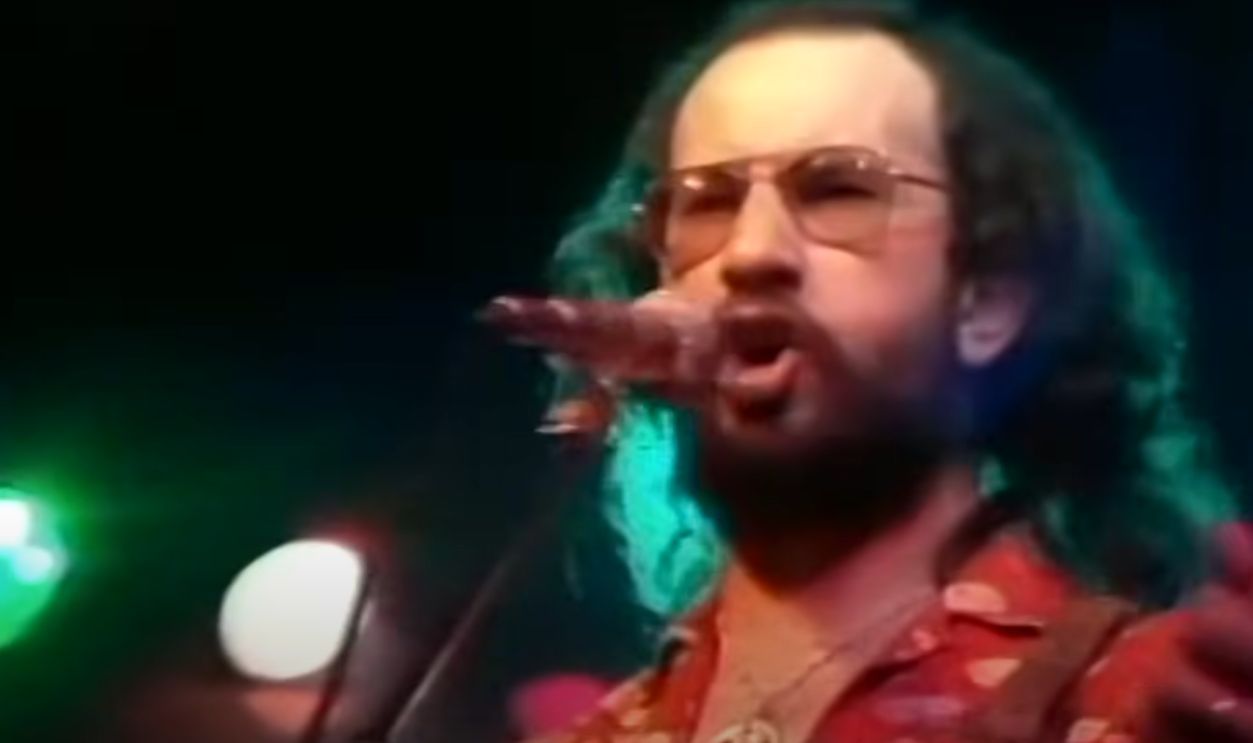 Screenshot from Blinded by the Light, performed by Manfred Mann's Earth Band, Bronze Records (1976)
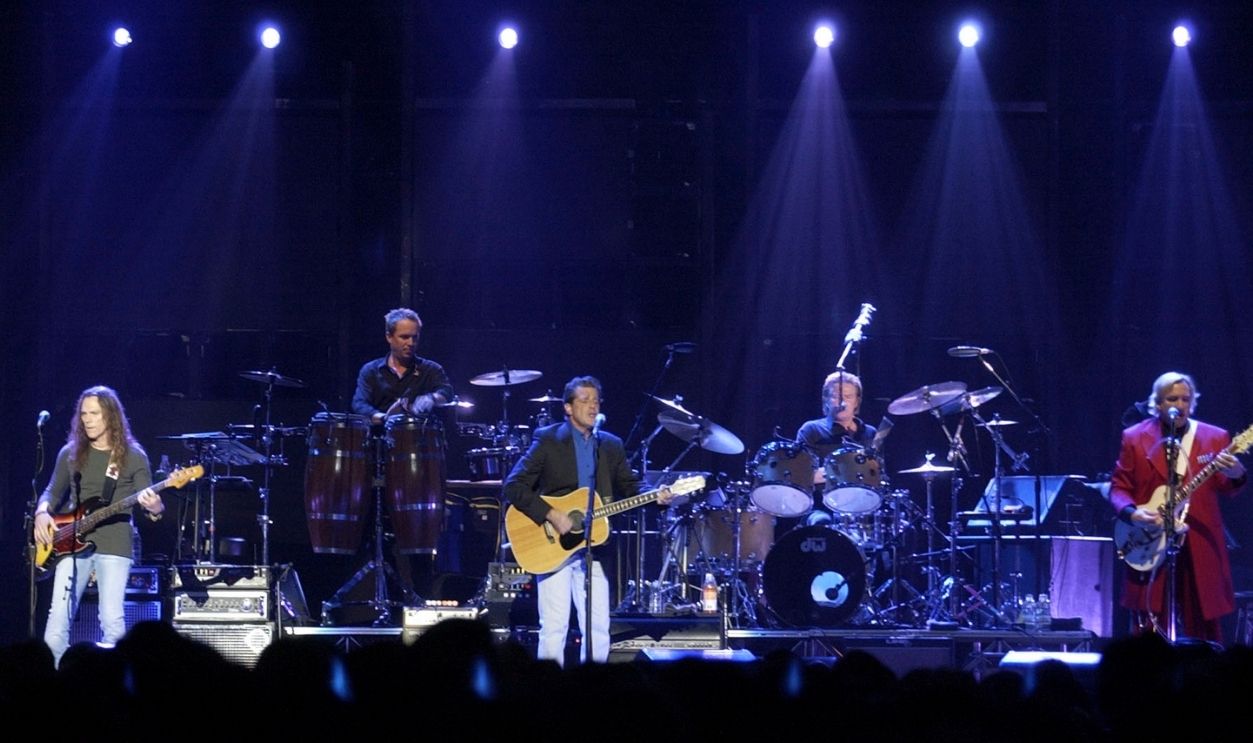
“New Kid In Town” - Eagles
“New Kid in Town” sounds like a romantic song about watching someone's attention drift toward somebody new, but the Eagles had something else on their minds too. Don Henley, Glenn Frey, and JD Souther were also writing about fame and how quickly the music industry replaces yesterday's stars. That anxiety didn't hurt sales. The song became the Eagles' third No. 1 single in early 1977.
“Evergreen (Love Theme From A Star Is Born)” - Barbra Streisand
Barbra Streisand didn't just sing “Evergreen.” She helped write it, composing the music while Paul Williams supplied the lyrics. The sweeping ballad from A Star Is Born became a No. 1 hit and collected both Oscar and Grammy recognition. Streisand's performance is remarkably controlled considering how enormous the arrangement becomes, which helped make it one of the decade's quintessential romantic slow dances.
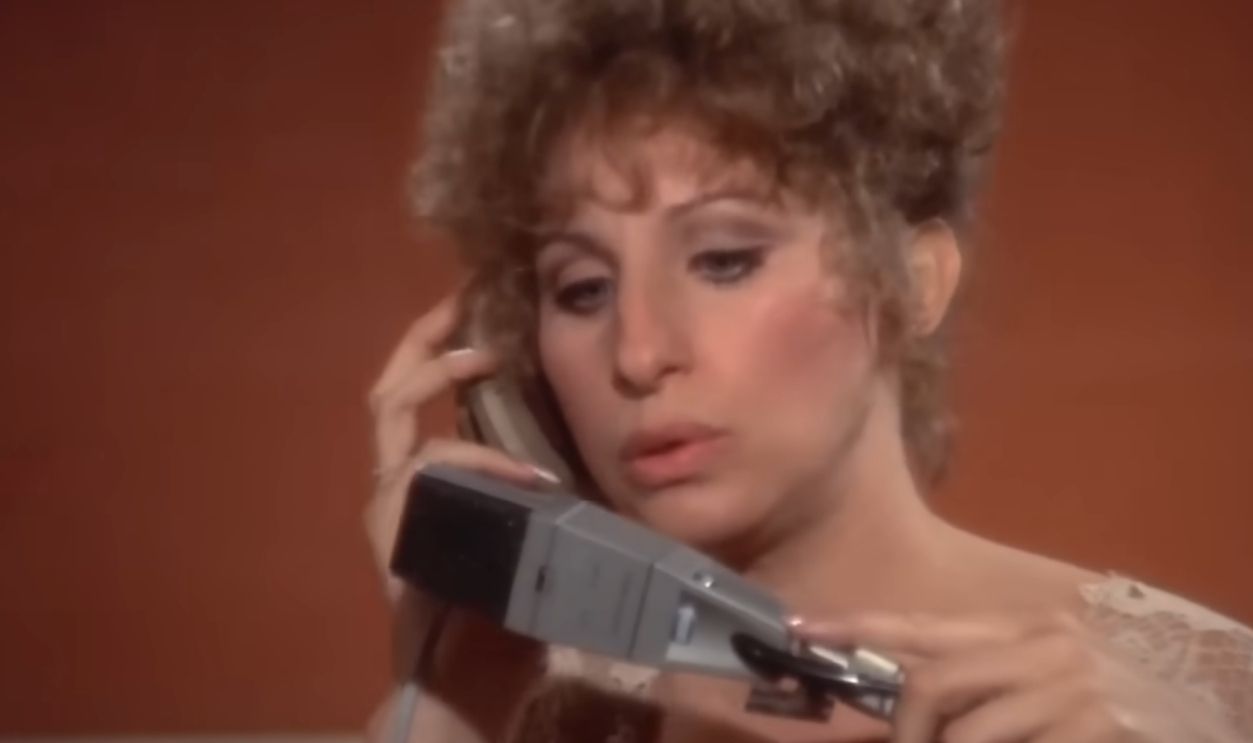 Screenshot from Evergreen, Warner Bros. (1976)
“Rich Girl” - Hall & Oates
The “girl” who inspired Daryl Hall's first No. 1 with John Oates was actually a man. Hall based the song on a wealthy acquaintance who could rely on his family money whenever trouble appeared, but decided “rich guy” didn't sound right in the chorus. The gender switch worked. “Rich Girl” topped the Hot 100 and gave Hall & Oates the first of their six American No. 1 hits.
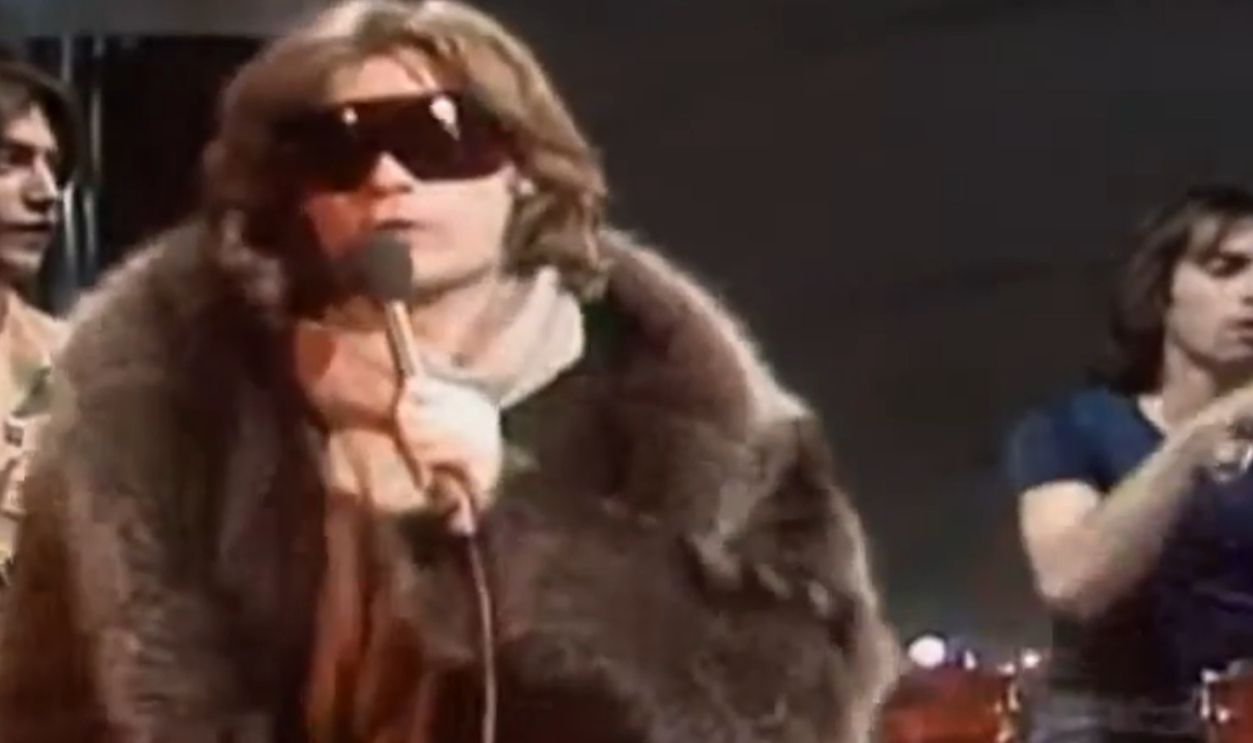 Screenshot from Rich Girl, RCA Records (1976)
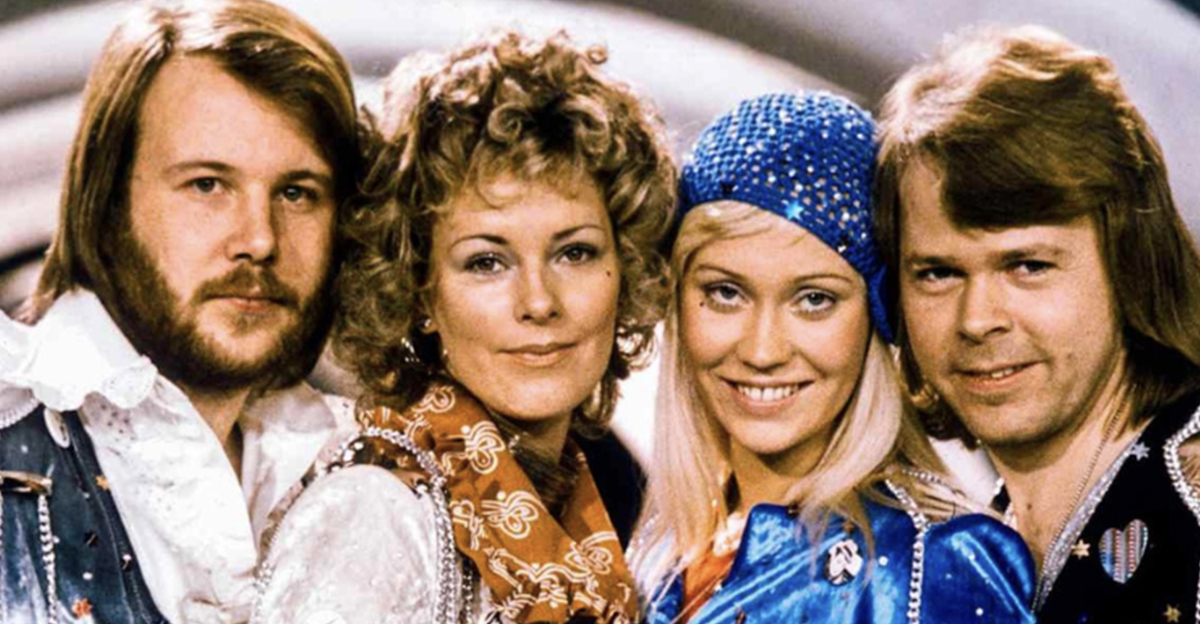
“Dancing Queen” - ABBA
Plenty of ABBA songs became international standards, but “Dancing Queen” achieved something none of their other singles did in America: it reached No. 1. The song had already been released in 1976, but its American chart peak came in 1977. Its piano glissandos, shimmering harmonies, and bittersweet celebration of being young on the dance floor helped make ABBA's disco-pop sound truly global.
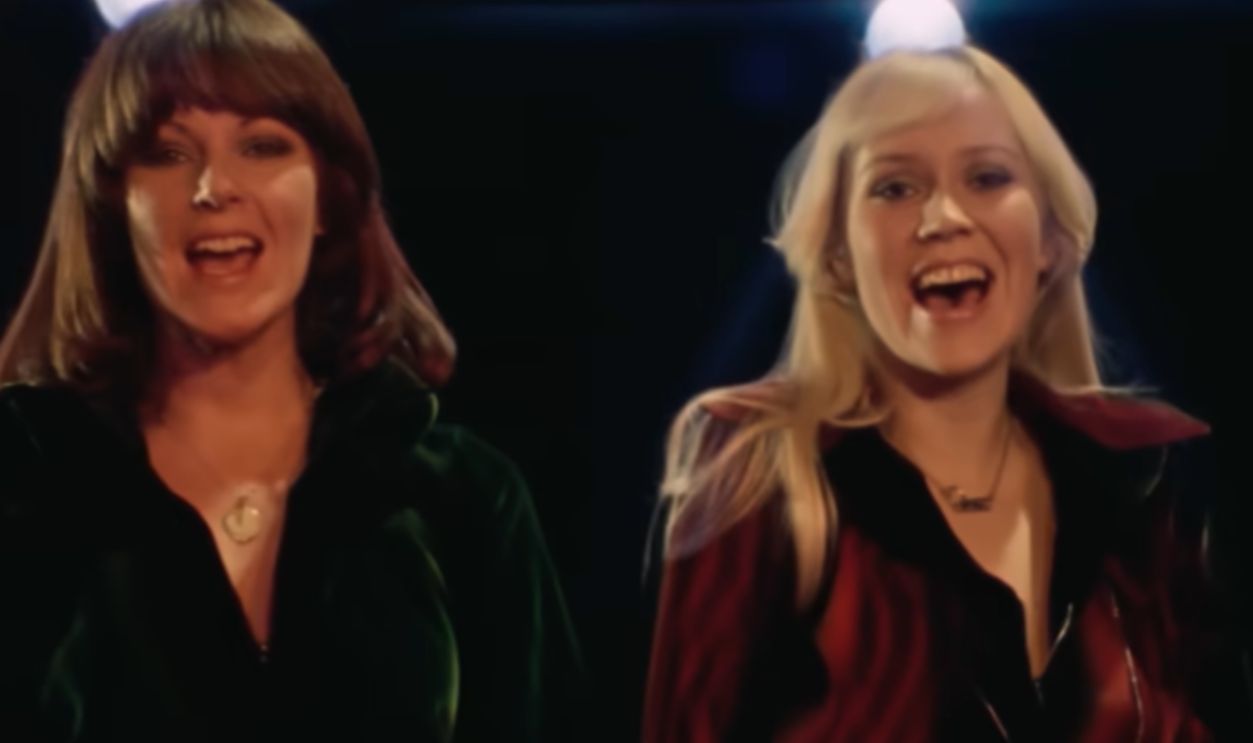 Screenshot from Dancing Queen, Polar Music (1976)
“Don't Give Up On Us” - David Soul
David Soul was already famous for playing Hutch on Starsky & Hutch when his singing career suddenly took off. “Don't Give Up on Us” couldn't have been further from a police drama, with Soul delivering a gentle plea to save a troubled relationship. The ballad topped charts on both sides of the Atlantic, including a four-week run at No. 1 in Britain during early 1977.
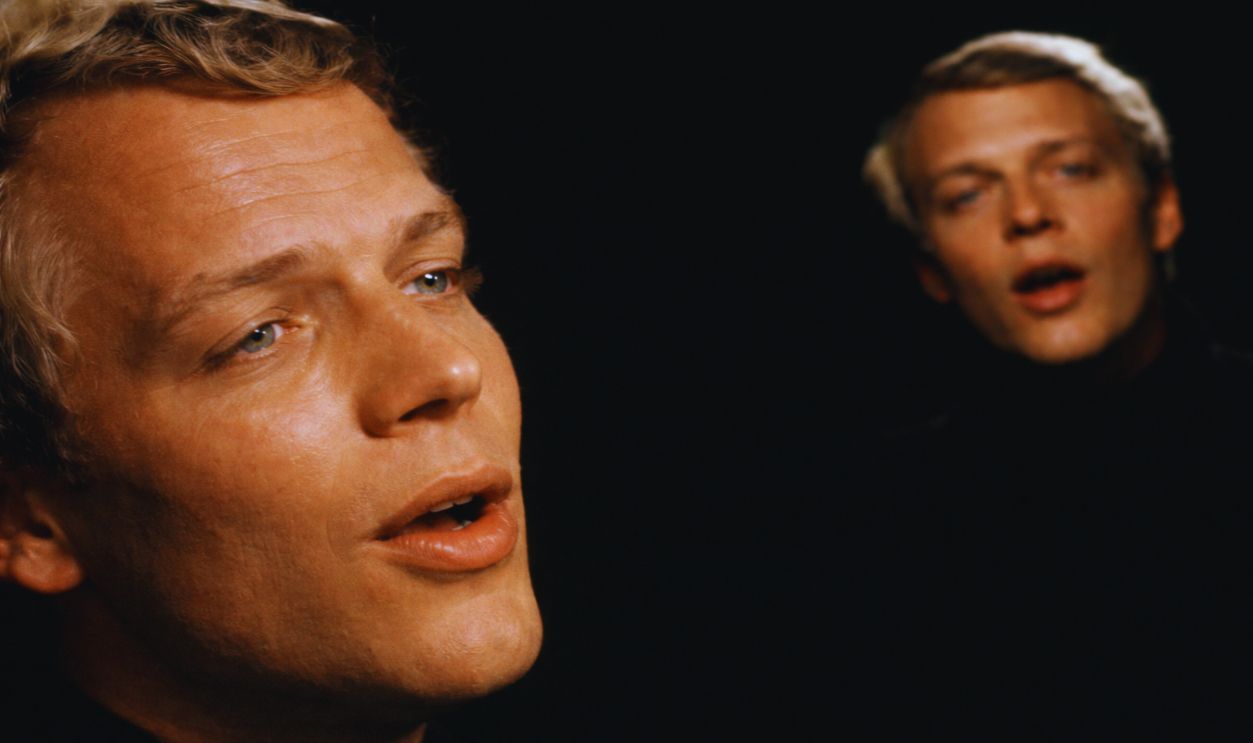 Screenshot from Don't Give Up On Us, Private Stock Records (1976), Modified
“Don't Leave Me This Way” - Thelma Houston
Thelma Houston transformed a song previously recorded by Harold Melvin & the Blue Notes into one of disco's great vocal showcases. She starts relatively restrained before gradually turning the desperate plea into an explosive performance. The recording reached No. 1 and later earned Houston the Grammy for Female R&B Vocal Performance, giving Motown one of its biggest disco-era successes.
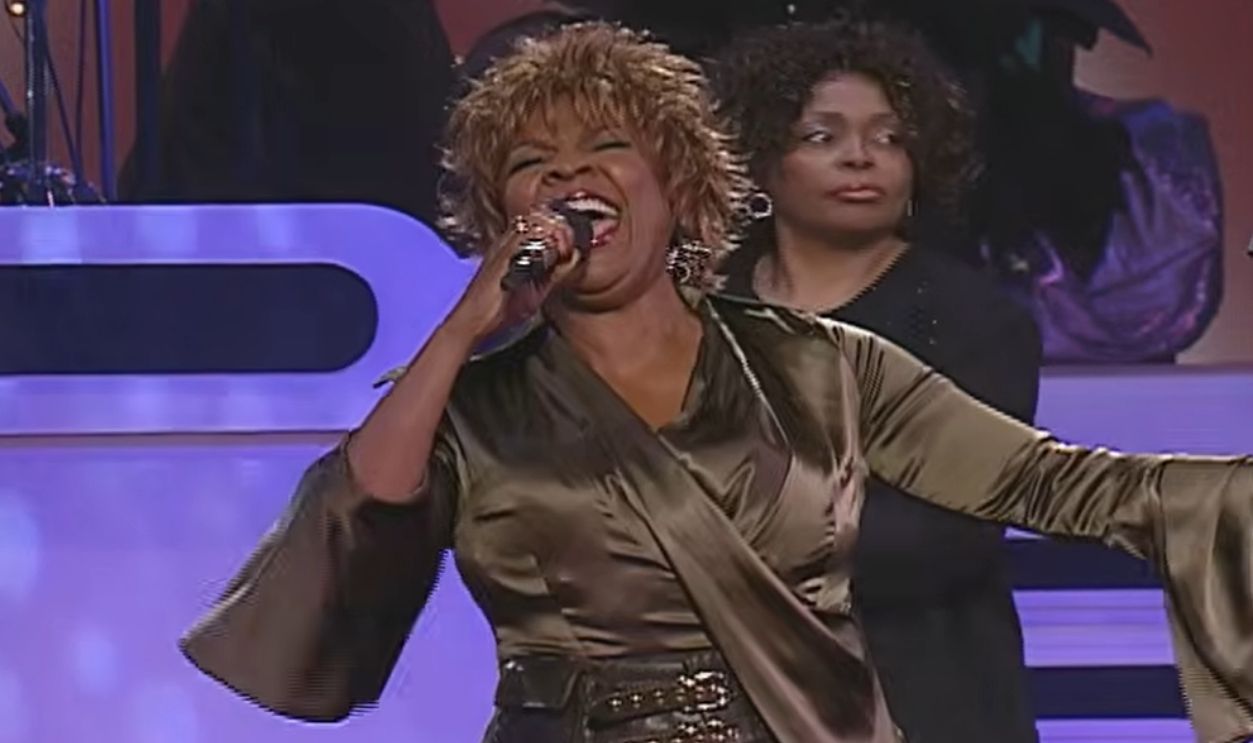 Screenshot from Don't Leave Me This Way, Philadelphia International Records (1975)
“Southern Nights” - Glen Campbell
Allen Toussaint wrote “Southern Nights,” but Glen Campbell heard something deeply personal in it. The song reminded him of his childhood in rural Arkansas, so he reshaped it into a bright country-pop record that crossed almost every imaginable boundary. Campbell's version reached No. 1 on three charts and became the most-played jukebox recording of 1977.
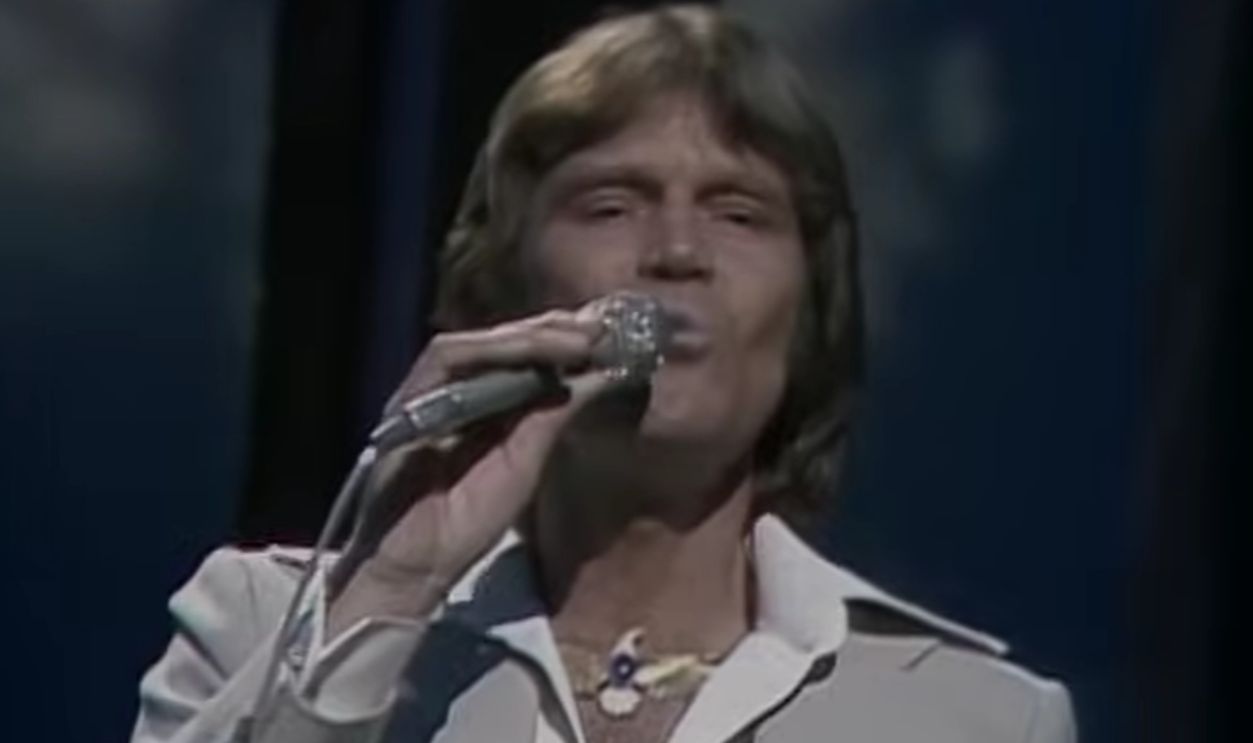 Screenshot from Southern Nights, Capitol Records (1977)
“Hotel California” - Eagles
Younger listeners probably recognize this one more readily than most songs on the list, but in 1977 “Hotel California” wasn't yet a classic. It was a long, mysterious single with an extended guitar ending that Don Felder initially worried wouldn't suit radio. Don Henley disagreed, and he was right. The song reached No. 1 and later won the Grammy for Record of the Year.
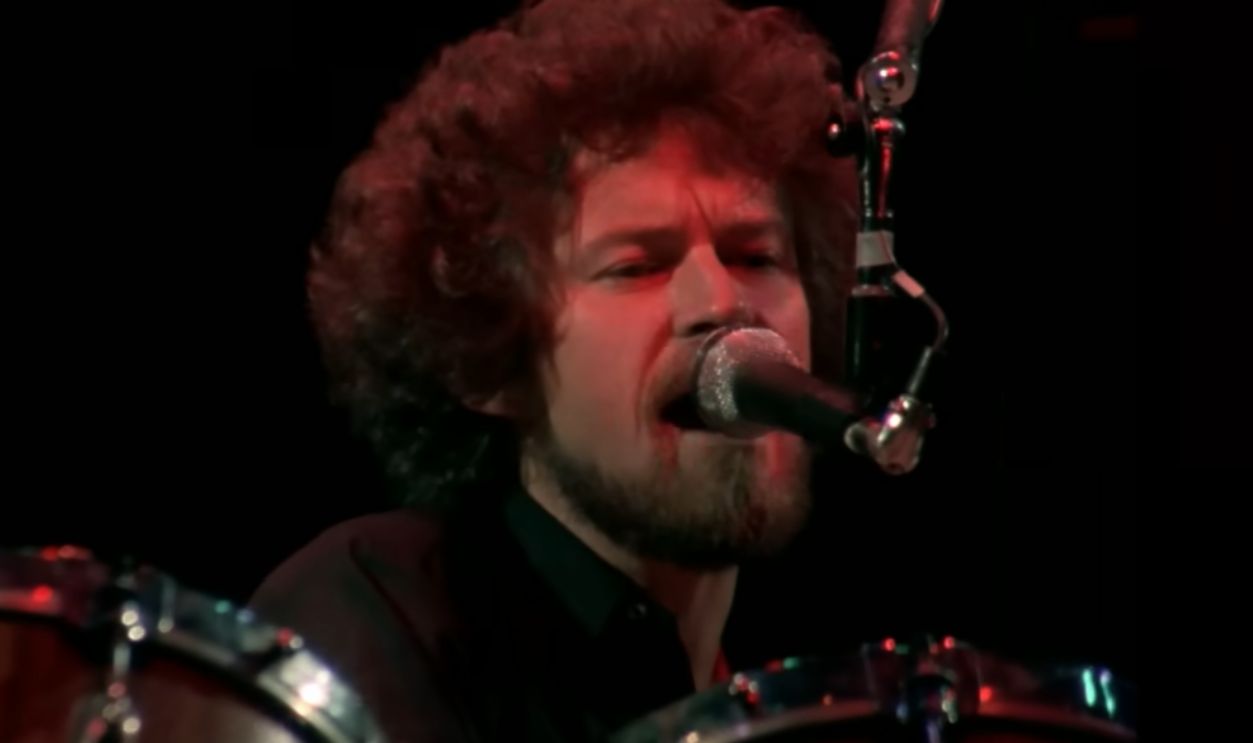 Screenshot from Hotel California, Asylum Records (1977)
“When I Need You” - Leo Sayer
Leo Sayer managed to reach No. 1 twice in the same year with two songs that barely sounded related. After the buoyant “You Make Me Feel Like Dancing,” he slowed everything down for “When I Need You,” written by Albert Hammond and Carole Bayer Sager. The aching ballad became another transatlantic smash and cemented Sayer as one of 1977's most reliable voices on pop radio.
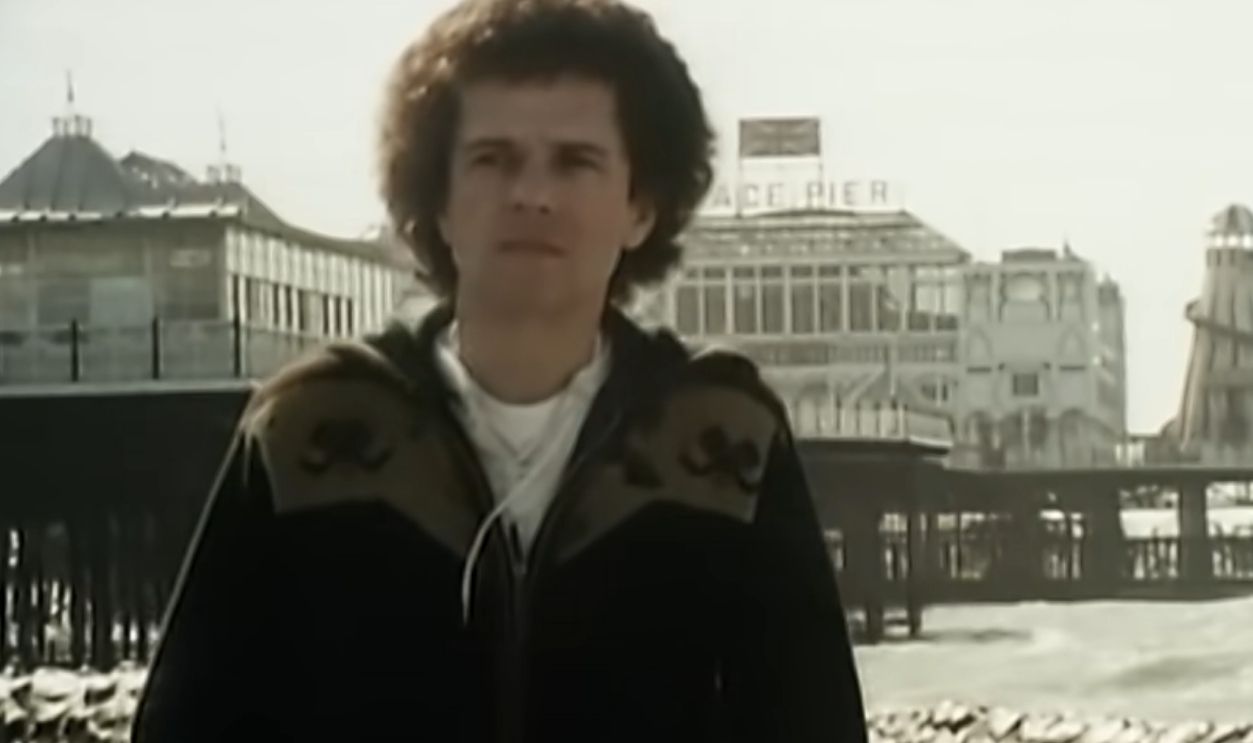 Screenshot from When I Need You, Chrysalis Records (1976)
“Sir Duke” - Stevie Wonder
Stevie Wonder wrote “Sir Duke” as a celebration of Duke Ellington, but he didn't stop there. The lyrics also salute musical giants like Count Basie, Glenn Miller, Louis Armstrong, and Ella Fitzgerald while arguing that music has a power almost everyone understands. The joyous horn line and Wonder's vocal carried the song to No. 1, proving a tribute to jazz history could still dominate 1977 pop radio.
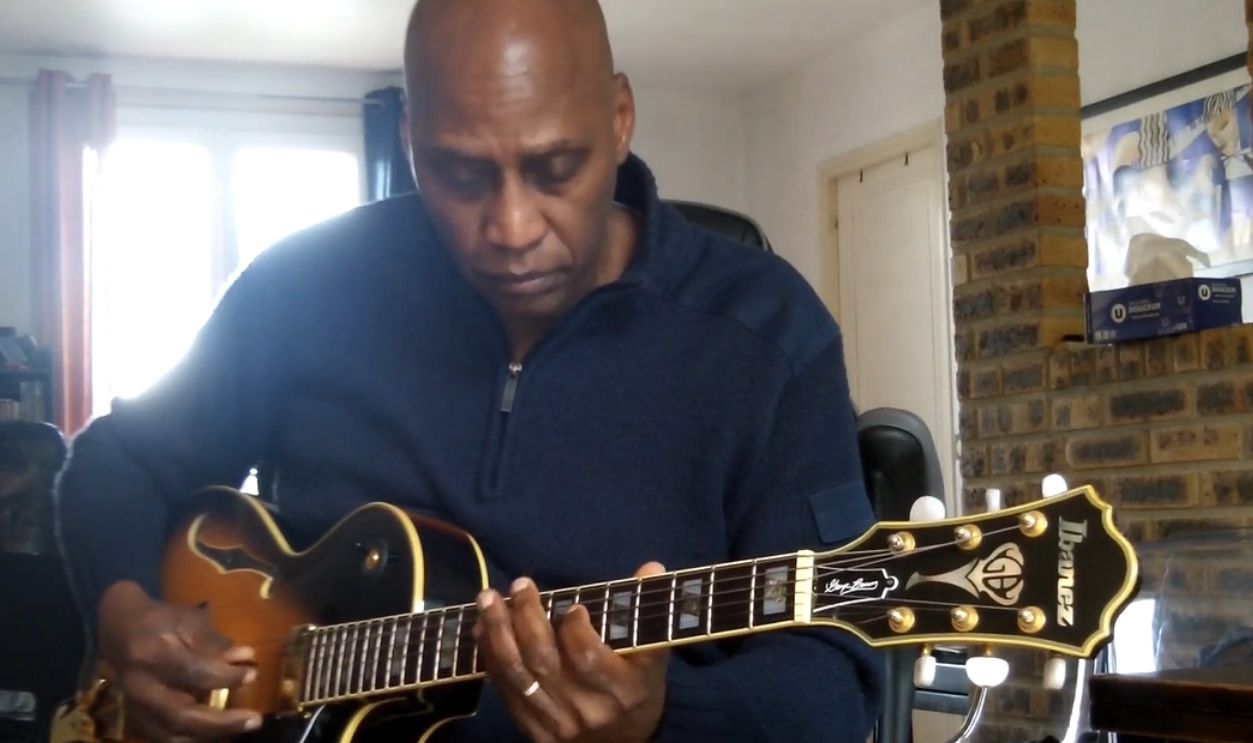 Screenshot from Sir Duke,Motown Records (1977)
“I'm Your Boogie Man” - KC And The Sunshine Band
KC and the Sunshine Band understood that a disco hit didn't need a complicated story. “I'm Your Boogie Man” is essentially one long invitation to dance, delivered over a tight funk groove and an endlessly repeated hook. The group had already scored several major hits, and this one took them back to No. 1 as disco tightened its grip on American pop culture.
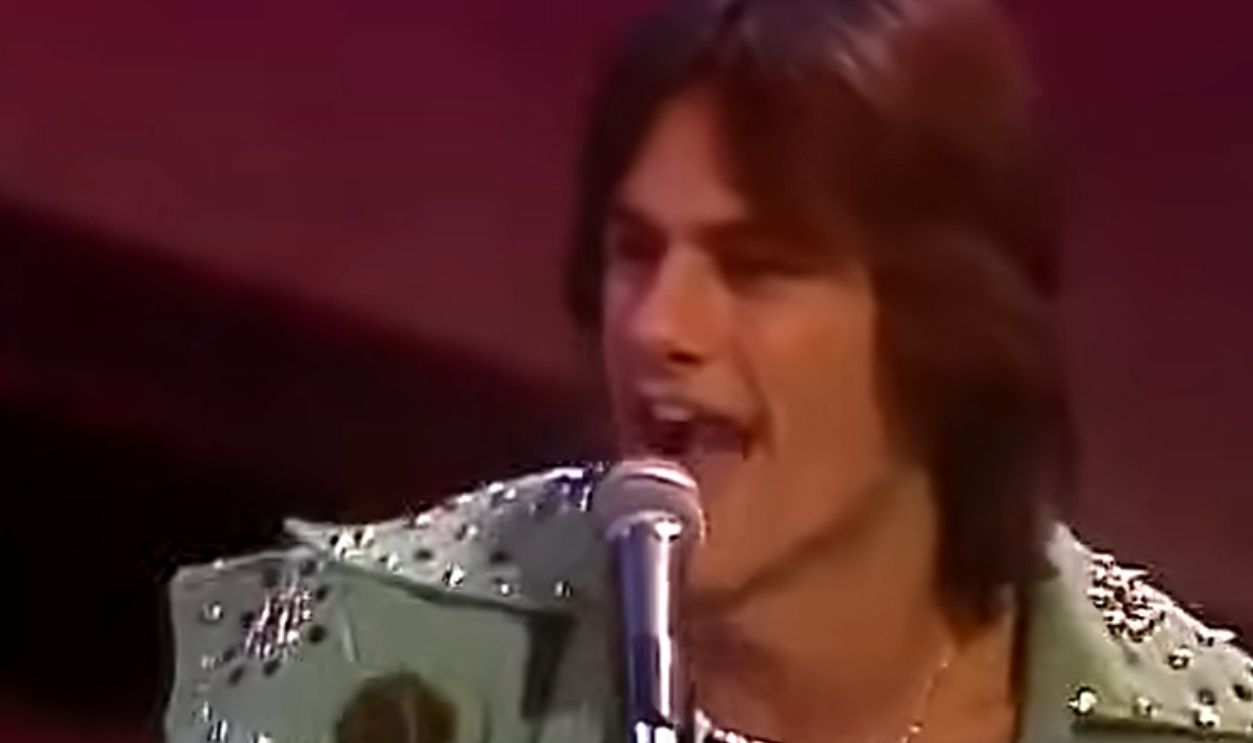 Screenshot from I'm Your Boogie Man, TK Records (1976)
“Dreams” - Fleetwood Mac
It's surprising that a band with as many famous songs as Fleetwood Mac only reached No. 1 on the Hot 100 once. “Dreams” did it in June 1977. Stevie Nicks wrote the song incredibly quickly during the emotionally disastrous Rumours sessions, turning her breakup with Lindsey Buckingham into something cool and hypnotic rather than explosive. That restraint became one of the record's greatest strengths.
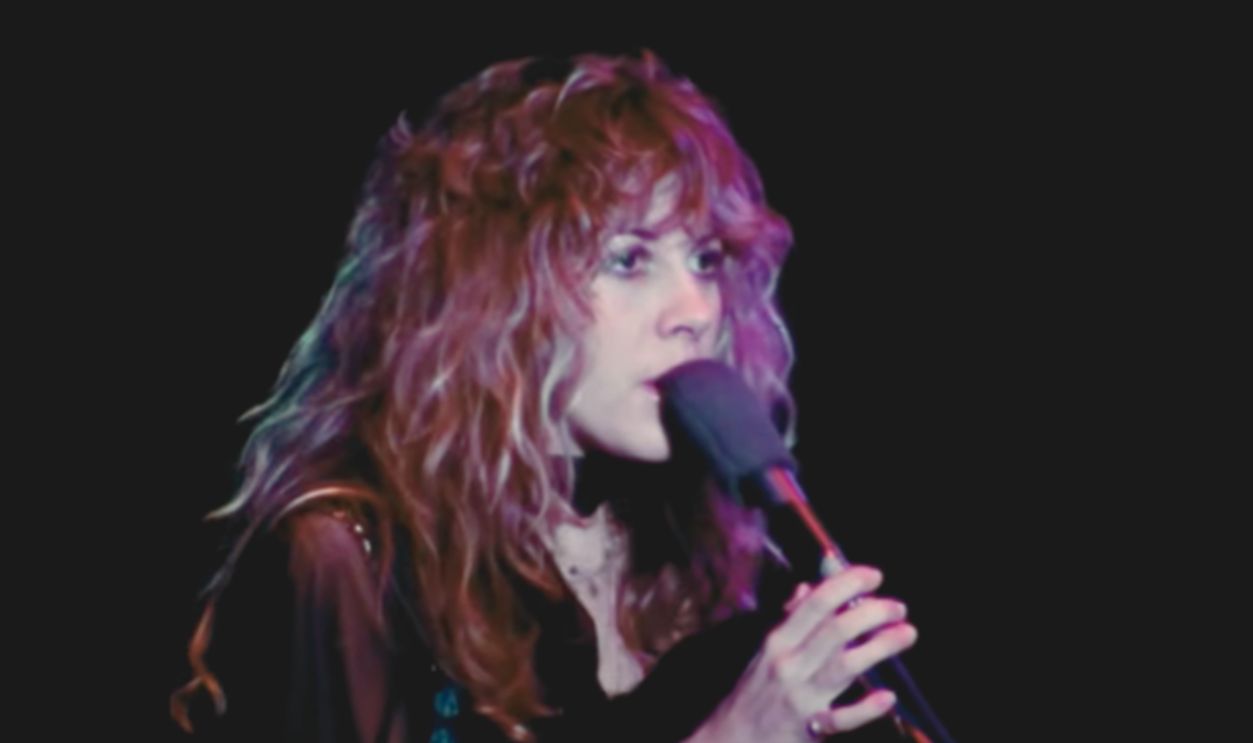 Screenshot from Dreams, Warner Bros. Records (1977)
“Got To Give It Up” - Marvin Gaye
Motown wanted Marvin Gaye to capitalize on the disco explosion, and he responded with something much looser than a typical studio production. “Got to Give It Up” recreates the atmosphere of a crowded party, complete with chatter and background noise surrounding Gaye's falsetto. The track appeared on Live at the London Palladium despite being a studio recording, then became Gaye's final No. 1 hit.
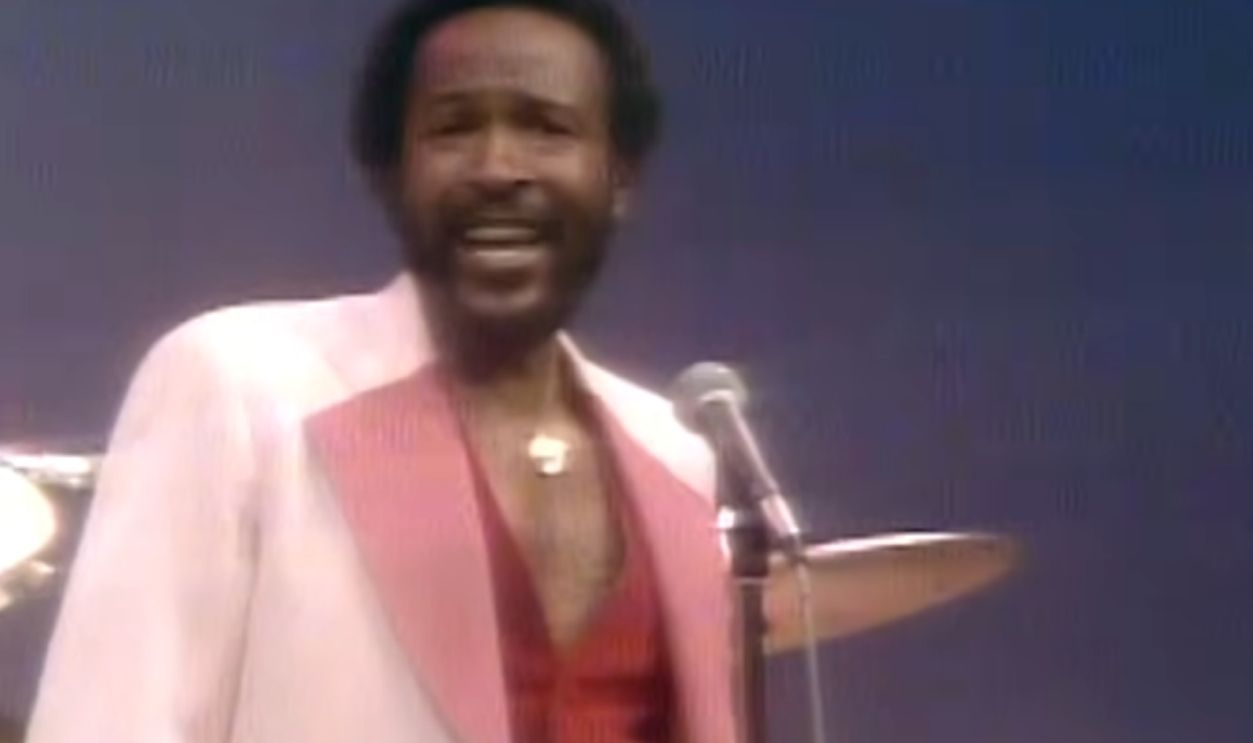 Screenshot from Got to Give It Up, Motown Records (1977)
“Gonna Fly Now (Theme From Rocky)” - Bill Conti
You didn't need lyrics to have a huge hit in 1977. Bill Conti's “Gonna Fly Now” had already accompanied Rocky Balboa's famous training sequence in Rocky, and the movie's enormous popularity pushed the instrumental theme onto pop radio. The pounding drums, brass fanfare, and brief vocal chant were enough to take it all the way to No. 1.
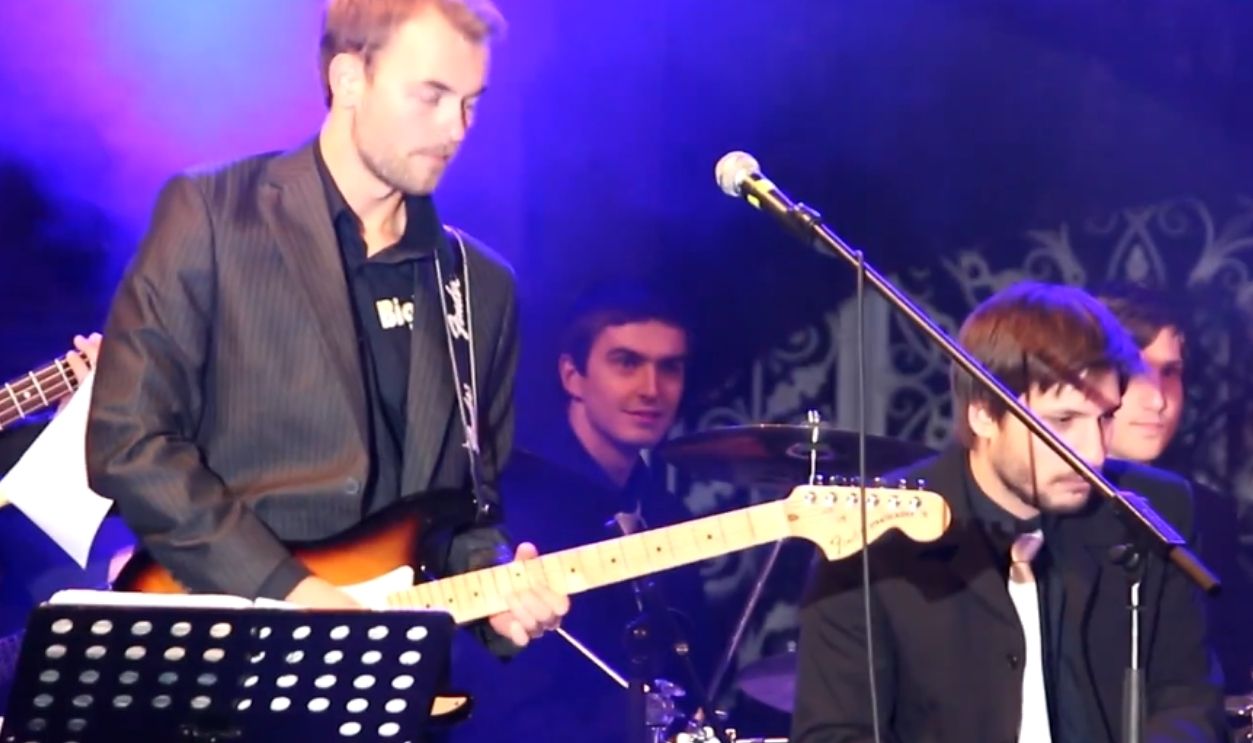 Screenshot from Gonna Fly Now,United Artists Records (1976)
“Undercover Angel” - Alan O'Day
Alan O'Day had already written hits for other performers, including Helen Reddy's “Angie Baby,” before becoming an unlikely pop star himself. He described “Undercover Angel” as a “nocturnal novelette,” which is a pretty good description of its strange fantasy-romance storyline. The song reached No. 1 in 1977 and became O'Day's only major hit as a recording artist.
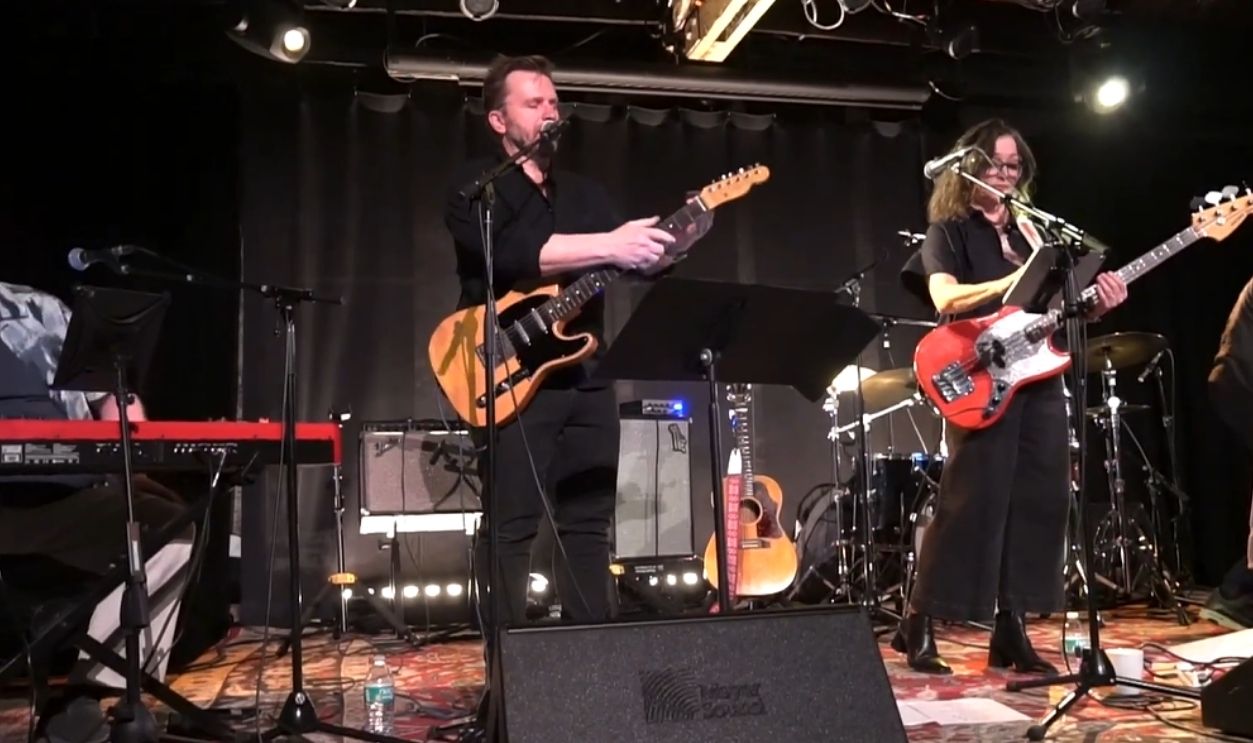 Screenshot from Undercover Angel, Pacific Records (1977)
“Da Doo Ron Ron” - Shaun Cassidy
Shaun Cassidy didn't need an unfamiliar song for his big breakthrough. He revived “Da Doo Ron Ron,” the Phil Spector-produced Crystals hit from 1963, and introduced it to an entirely new wave of teenage fans. Cassidy's version rode his growing teen-idol popularity straight to No. 1 in 1977, proving that even a song already associated with another generation could become a phenomenon all over again.
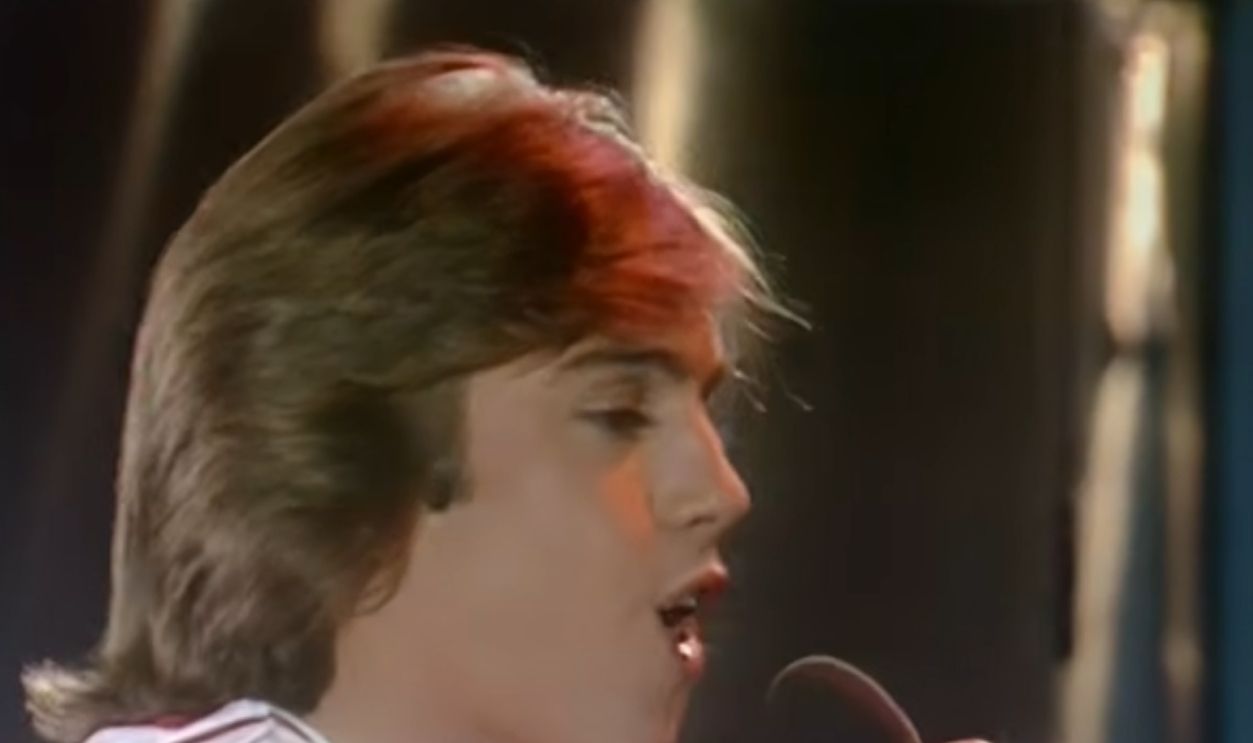 Screenshot from Da Doo Ron Ron,Philles Records (1963)
“Looks Like We Made It” - Barry Manilow
The title sounds triumphant, but Barry Manilow's “Looks Like We Made It” isn't really about a couple surviving together. It's about two former lovers who have separated, found new relationships, and realize they've each managed to move forward. That bittersweet twist sits beneath a huge, dramatic arrangement that was perfect for Manilow's voice and helped give him another No. 1 hit.
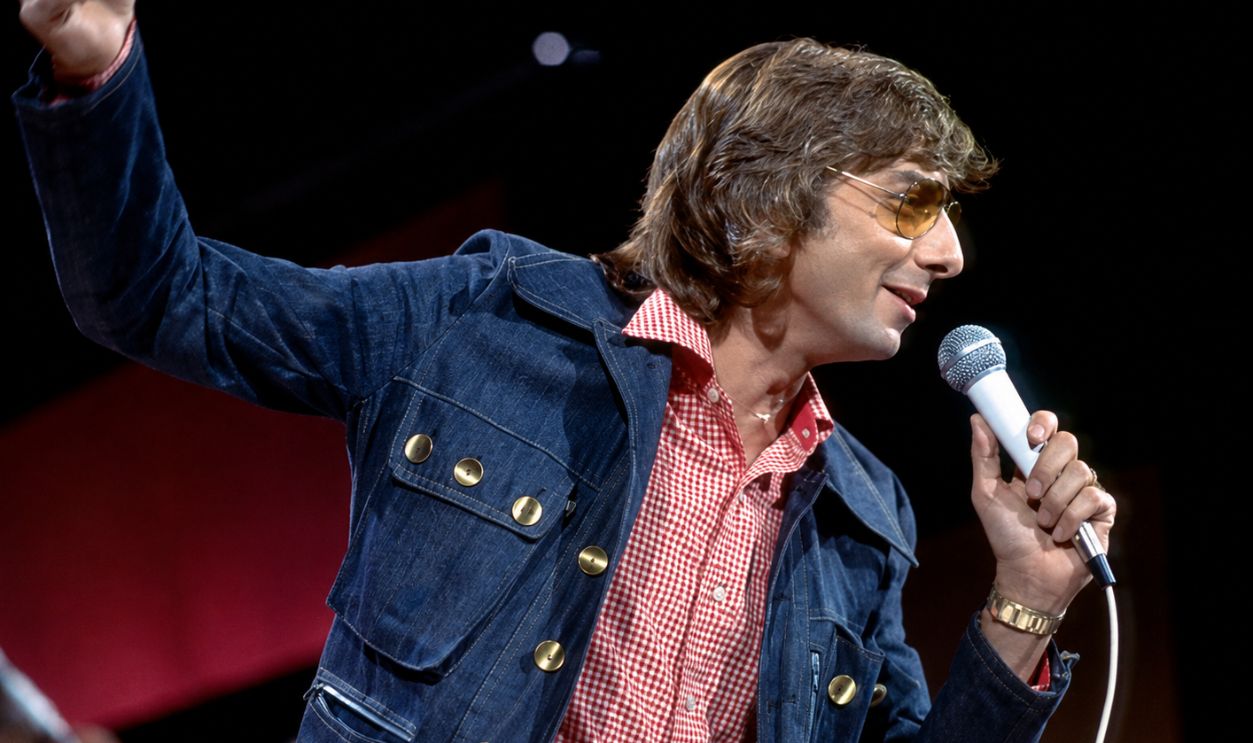 Michael Ochs Archives, Getty Images, Enhanced
“I Just Want To Be Your Everything” - Andy Gibb
Andy Gibb arrived in America with a pretty useful connection: his older brothers were the Bee Gees. Barry Gibb wrote “I Just Want to Be Your Everything,” and Andy's breathy performance made it one of 1977's biggest pop records. The single spent weeks at No. 1 and immediately established the youngest Gibb brother as a star in his own right, rather than simply an extension of the family group.
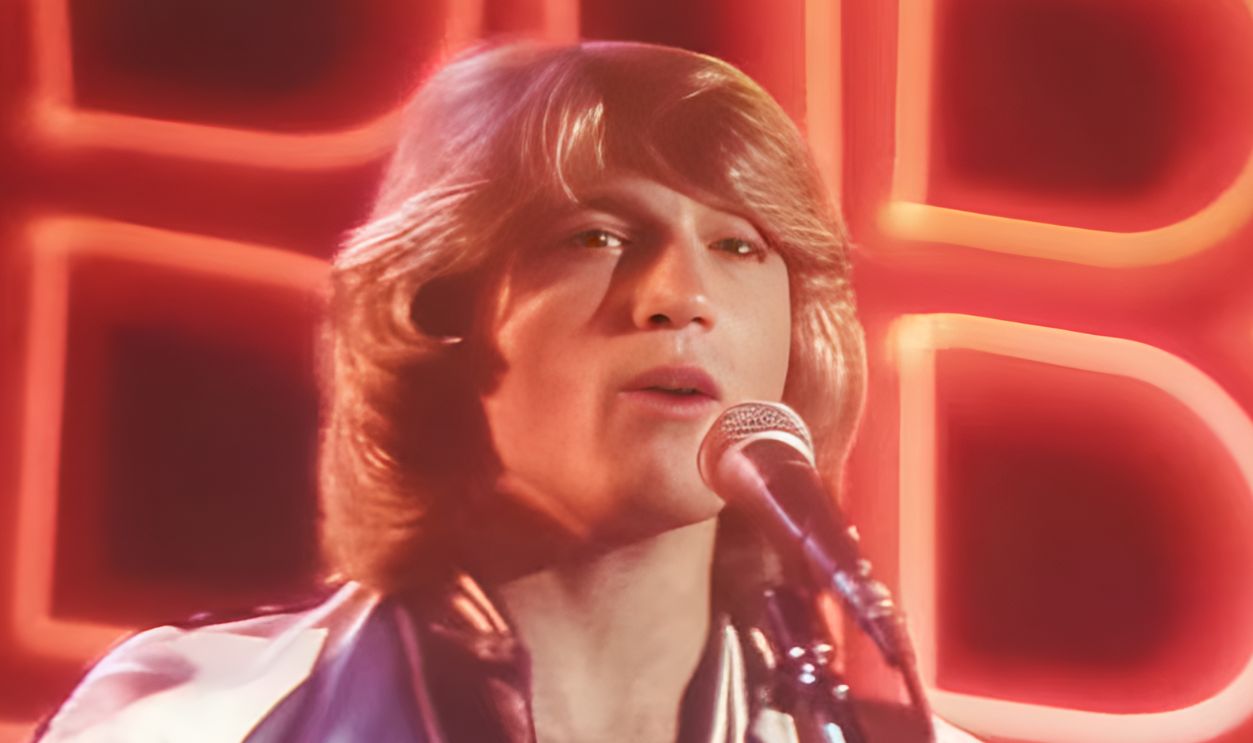 Screenshot from I Just Want to Be Your Everything, RSO Records (1977), Modified
“Best Of My Love” - The Emotions
Maurice White and Al McKay of Earth, Wind & Fire co-wrote “Best of My Love,” and their fingerprints are all over its joyful groove. The Emotions' soaring harmonies turned the song into one of the summer's defining hits, and it reached No. 1 before earning the trio a Grammy for R&B Performance by a Duo or Group with Vocals. It's practically impossible to hear the opening without expecting a party.
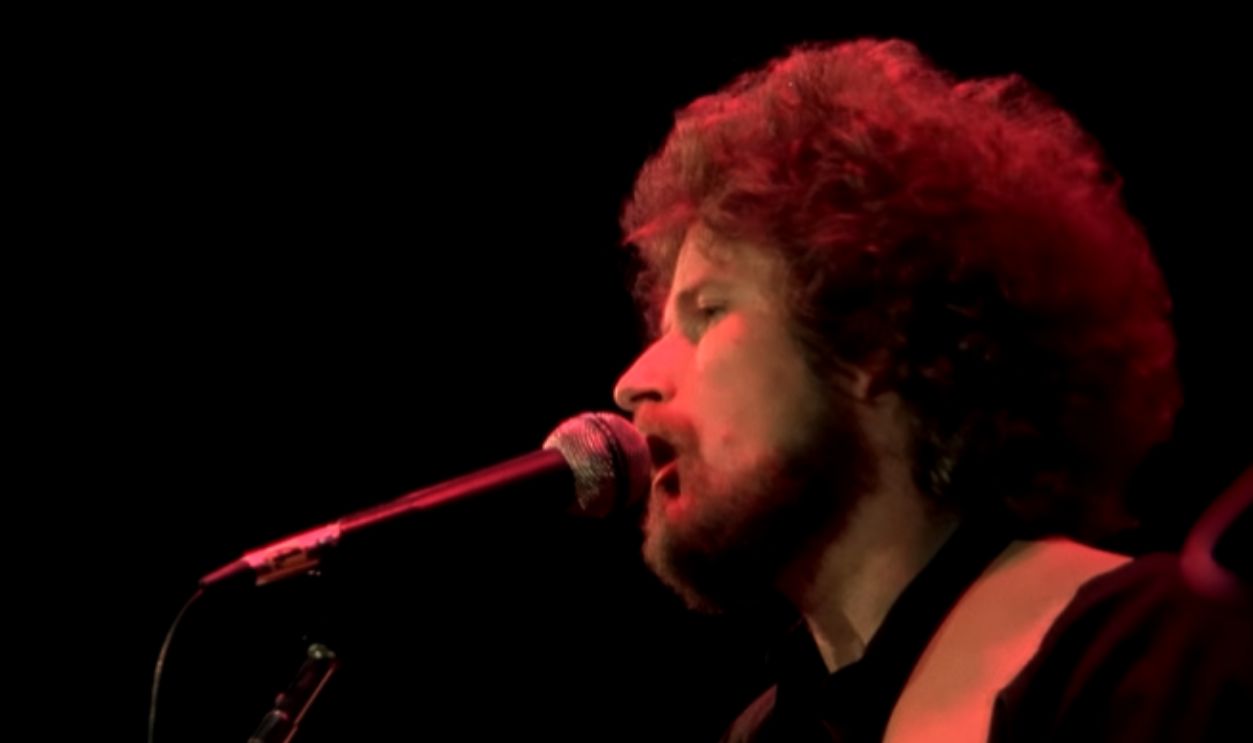 Screenshot from The Best of My Love, Asylum Records (1974)
“Star Wars Theme/Cantina Band” - Meco
Only in 1977 could the year's biggest movie inspire a chart-topping disco medley. Producer Meco became fascinated with Star Wars and transformed John Williams' orchestral themes into “Star Wars Theme/Cantina Band,” complete with a dance beat and futuristic effects. The novelty could've disappeared quickly, but audiences loved it. The record went platinum and briefly made dancing to science-fiction soundtrack music seem perfectly normal.
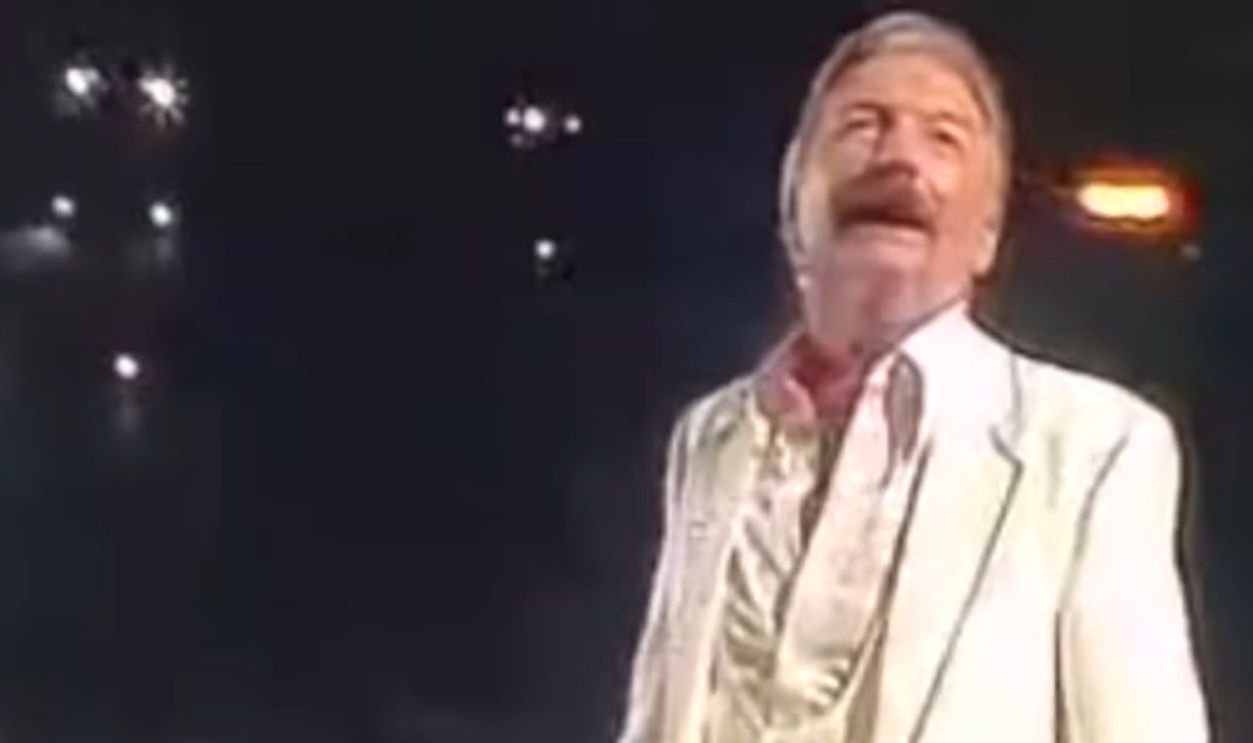 Screenshot from Star Wars Theme/Cantina Band, Millennium Records (1977)
“You Light Up My Life” - Debby Boone
If any song truly qualifies as inescapable in 1977, it's this one. Debby Boone's “You Light Up My Life” spent an extraordinary 10 weeks at No. 1, then a record for the Hot 100. The song's saturation eventually inspired some backlash, but that only proves how thoroughly it dominated the year. Boone also won the Grammy for Best New Artist as her signature ballad became unavoidable.
 Screenshot from You Light Up My Life, Warner Bros. Records (1977)
“How Deep Is Your Love” - Bee Gees
The Bee Gees were about to become practically synonymous with disco, yet the first major single associated with Saturday Night Fever was a soft, beautifully arranged ballad. Barry Gibb has called “How Deep Is Your Love” his favorite Bee Gees song, and audiences clearly agreed. It reached No. 1 near the end of 1977 and stayed there as the Saturday Night Fever phenomenon gathered momentum.
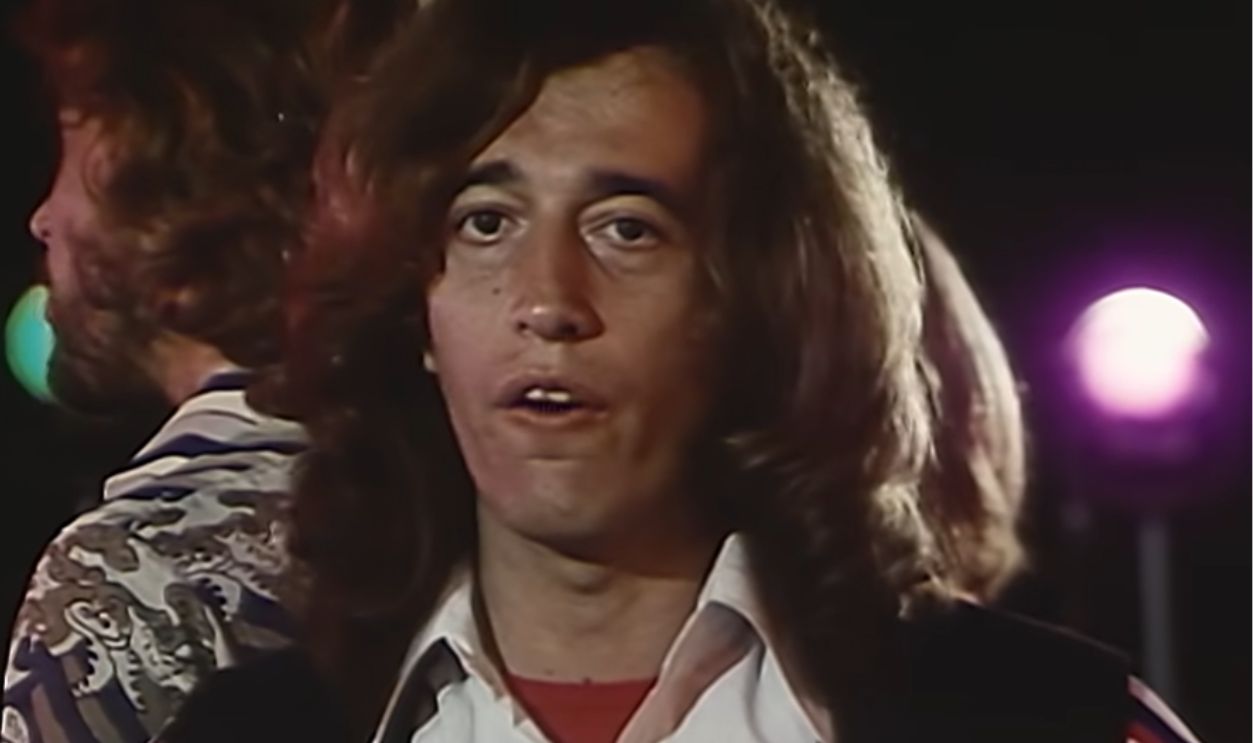 Screenshot from How Deep Is Your Love, RSO Records (1977)
“Year Of The Cat” - Al Stewart
Al Stewart didn't reach No. 1 with “Year of the Cat,” but the song was far too big in 1977 to leave off this list. Its cinematic lyrics, elegant piano introduction, Alan Parsons production, and extended saxophone passage made it unusually sophisticated for a Top 10 single. Radio stations discovered the lengthy track anyway, sending it to No. 8 and giving Stewart his first charting single anywhere.
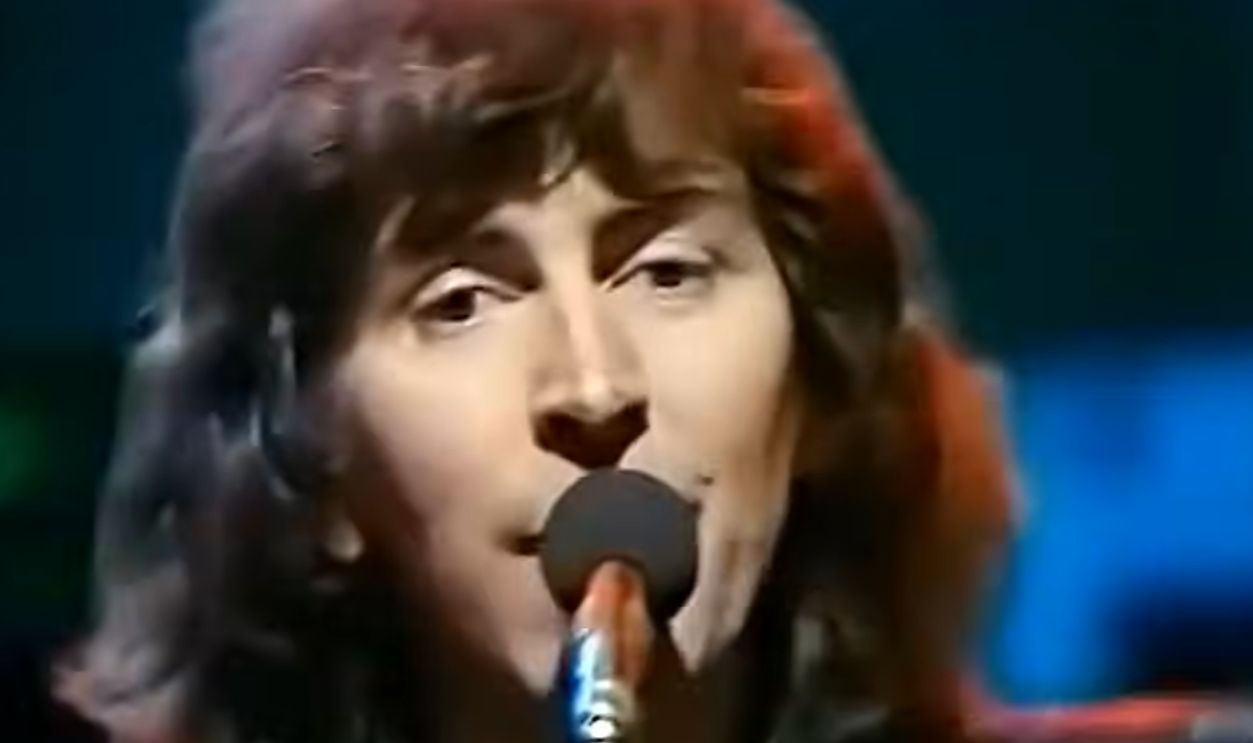 Screenshot from Year of the Cat, Janus Records (1976)
“Lido Shuffle” - Boz Scaggs
Boz Scaggs' Silk Degrees kept producing hits well into 1977, and “Lido Shuffle” was one of its most energetic. Scaggs and David Paich built the song around a driving rhythm inspired partly by Fats Domino's “The Fat Man,” then piled on piano and horns. It peaked at No. 11 on the Hot 100, making it an ideal addition to a list of huge 1977 songs that aren't quite as unavoidable today.
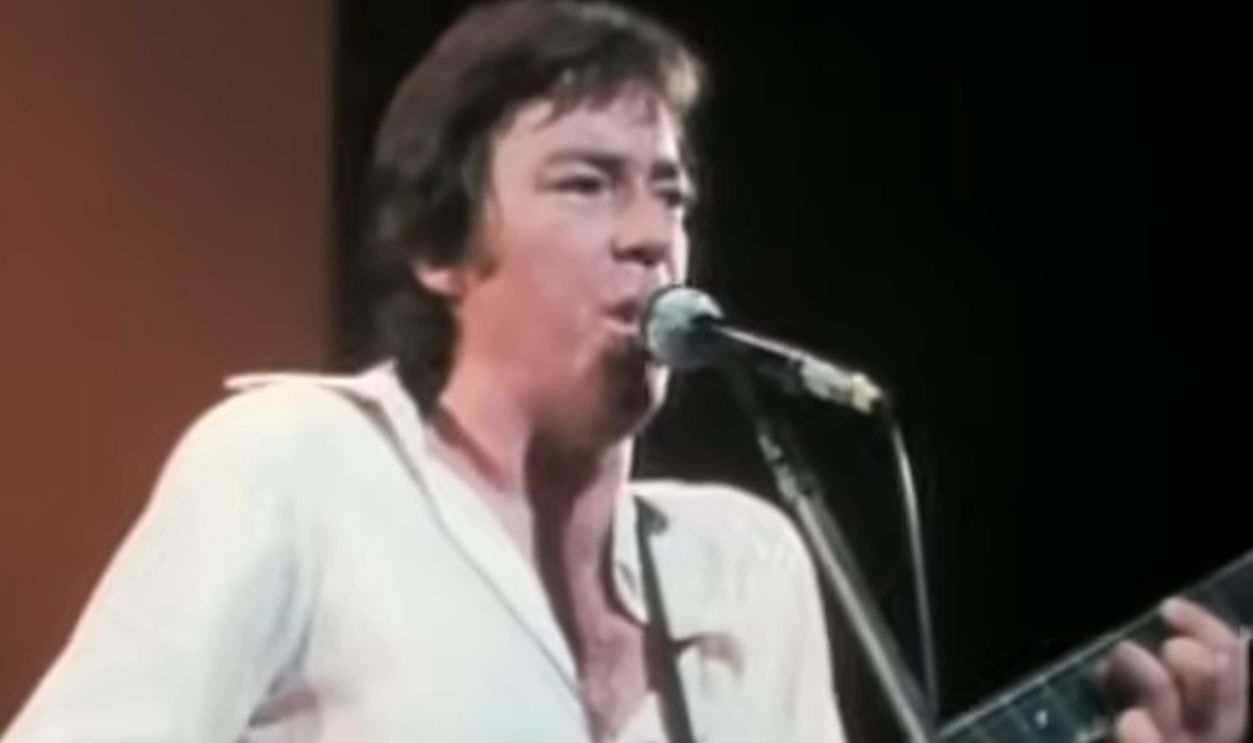 Screenshot from Lido Shuffle, Warner Bros. Records (1976)
You May Also Like:
The Easiest 1970s Rock & Roll Trivia Quiz Ever—Can You Get At Least 18 Out Of 20?
Album Covers From The 1970s That Baby Boomers Can Still Recognize Instantly