Overcoming The Unthinkable
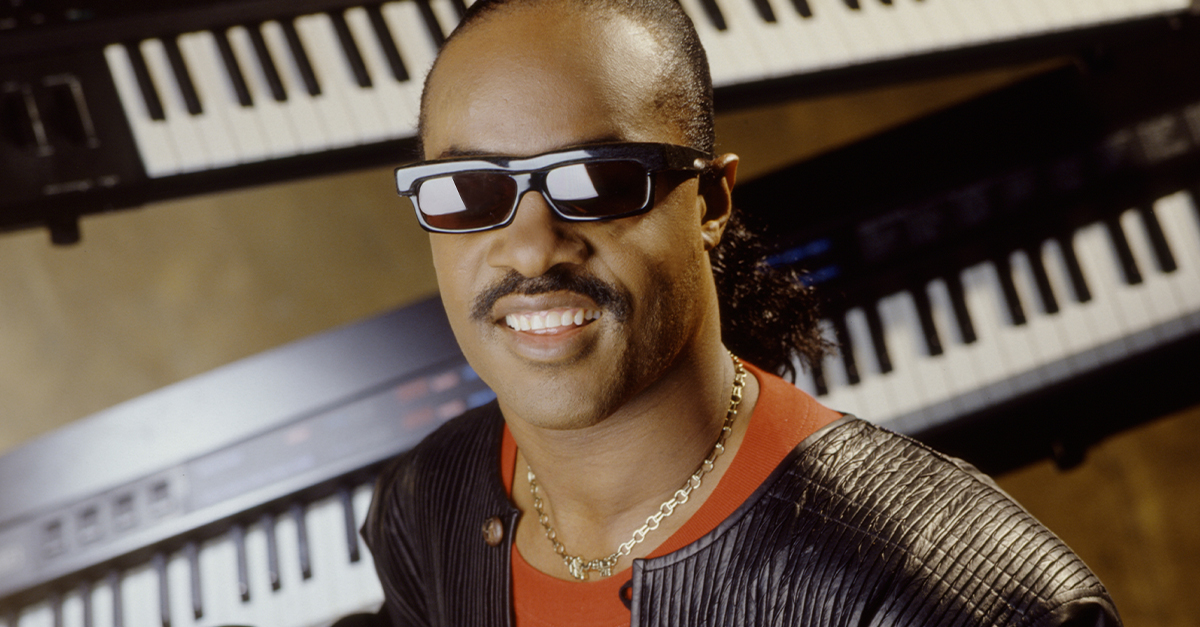
Stevie Wonder is one of the most celebrated musicians in history, but his life story begins with a challenge that shaped everything that followed. Blind since infancy, Wonder grew up learning to navigate a world without sight—yet he turned that obstacle into a unique strength that helped define his music and his outlook on life.
A Premature Beginning
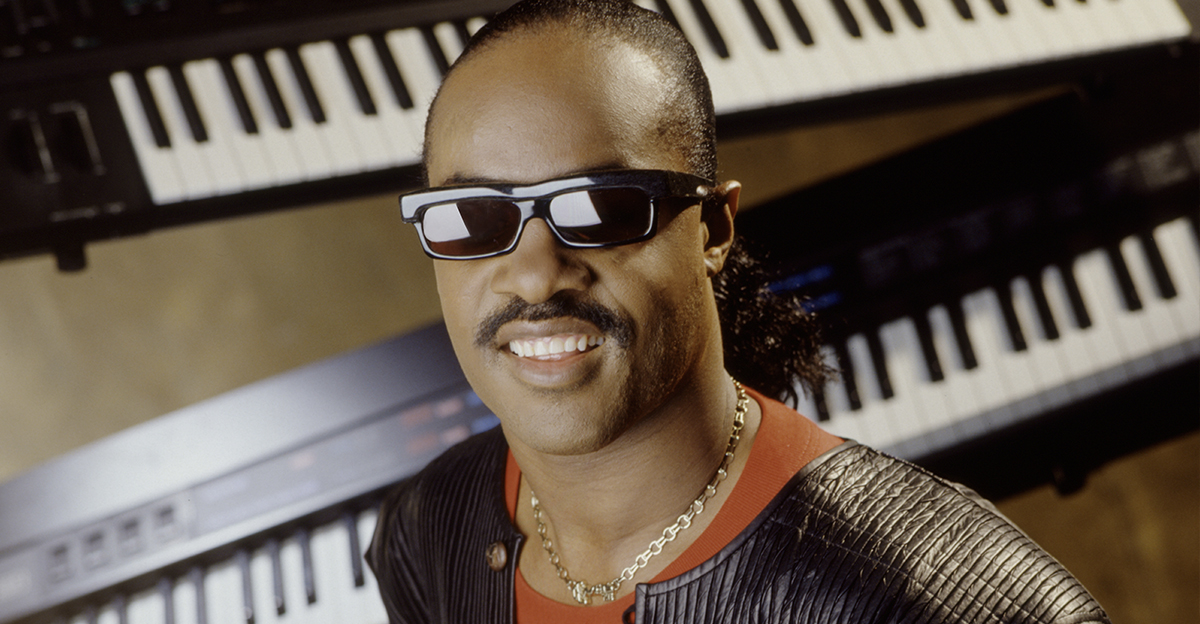
Stevie Wonder was born Stevland Hardaway Morris on May 13, 1950, in Saginaw, Michigan. His arrival came about six weeks earlier than expected. Premature birth was far riskier in the 1950s, and the fragile newborn needed specialized care almost immediately after entering the world.

A Medical Complication
Doctors placed the premature infant in an incubator to help him survive. Unfortunately, the oxygen-rich environment used at the time sometimes caused eye damage in premature babies. In Wonder’s case, it triggered a condition called retinopathy of prematurity, which permanently affected his vision.

Losing His Sight As A Baby
Contrary to a common myth, Stevie Wonder was not born completely blind. Instead, he lost his sight only a few weeks after birth. The condition caused abnormal blood vessels to form in his retinas, which eventually detached and left him without vision.

A Mother’s Challenge
Wonder’s mother, Lula Mae Hardaway, initially struggled with the news that her child would be blind. Raising a visually impaired child in the 1950s came with enormous uncertainty. Still, she quickly realized that protecting him too much would only limit his independence and growth.
Learning To Navigate The World
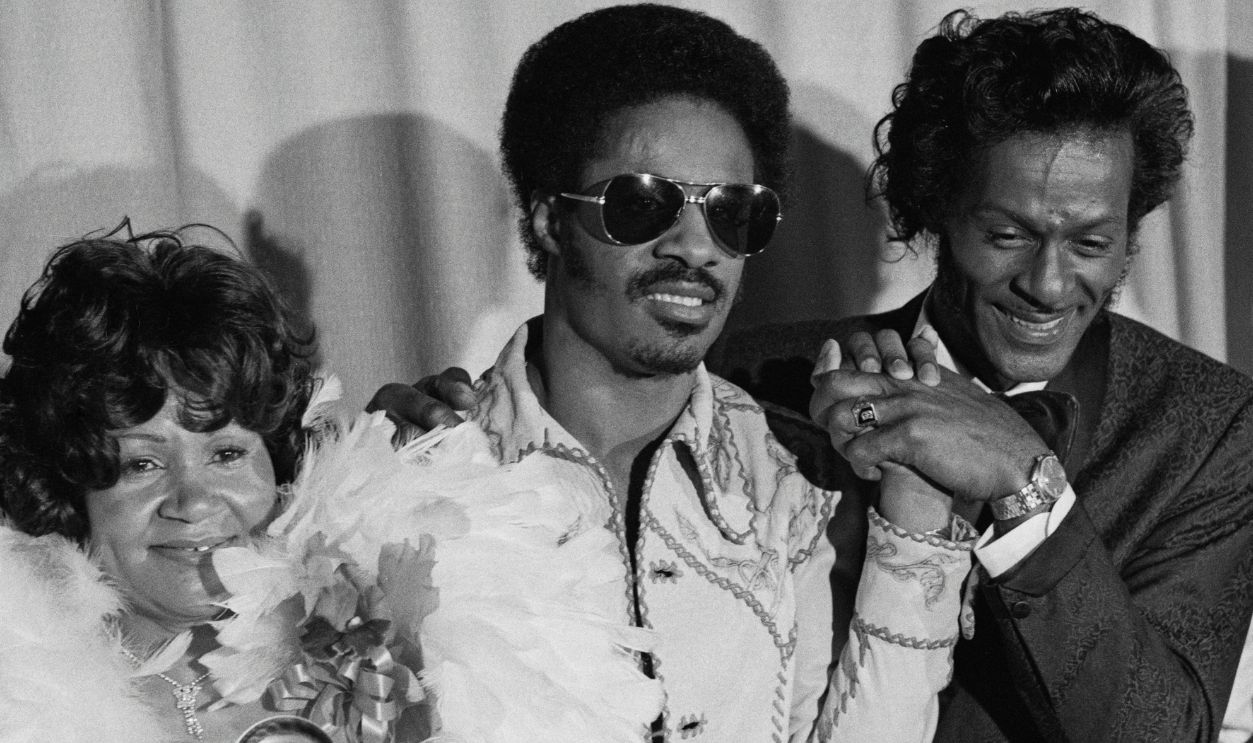
Instead of sheltering him, Wonder’s mother encouraged him to explore and learn. She allowed him to move around freely, even if it meant the occasional stumble. That approach helped him build confidence early in life and taught him to rely on his other senses.
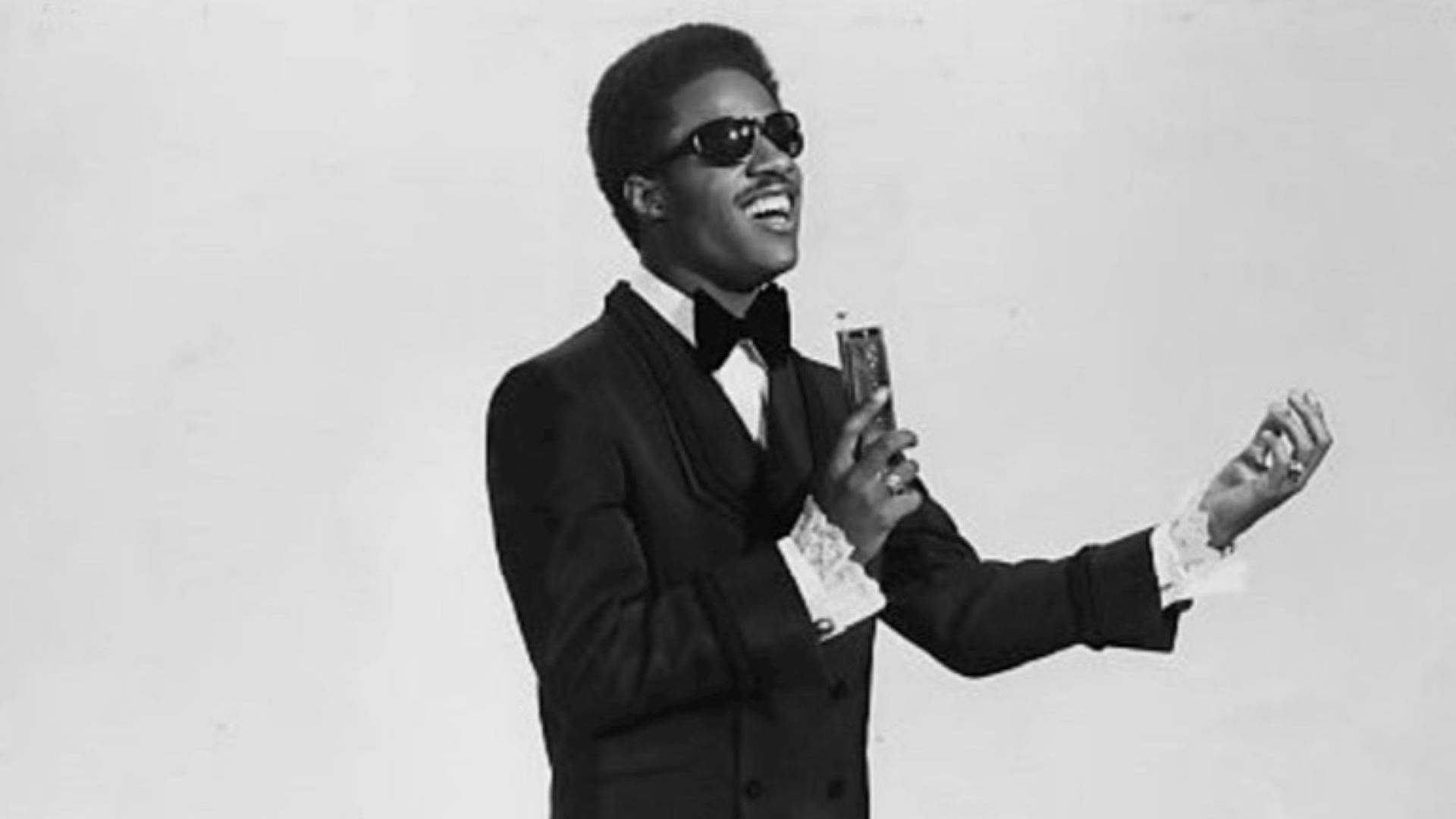 William Morris Agency (management)/Photo ny James Kriegsmann, New York,, Wikimedia Commons
Discovering Sound
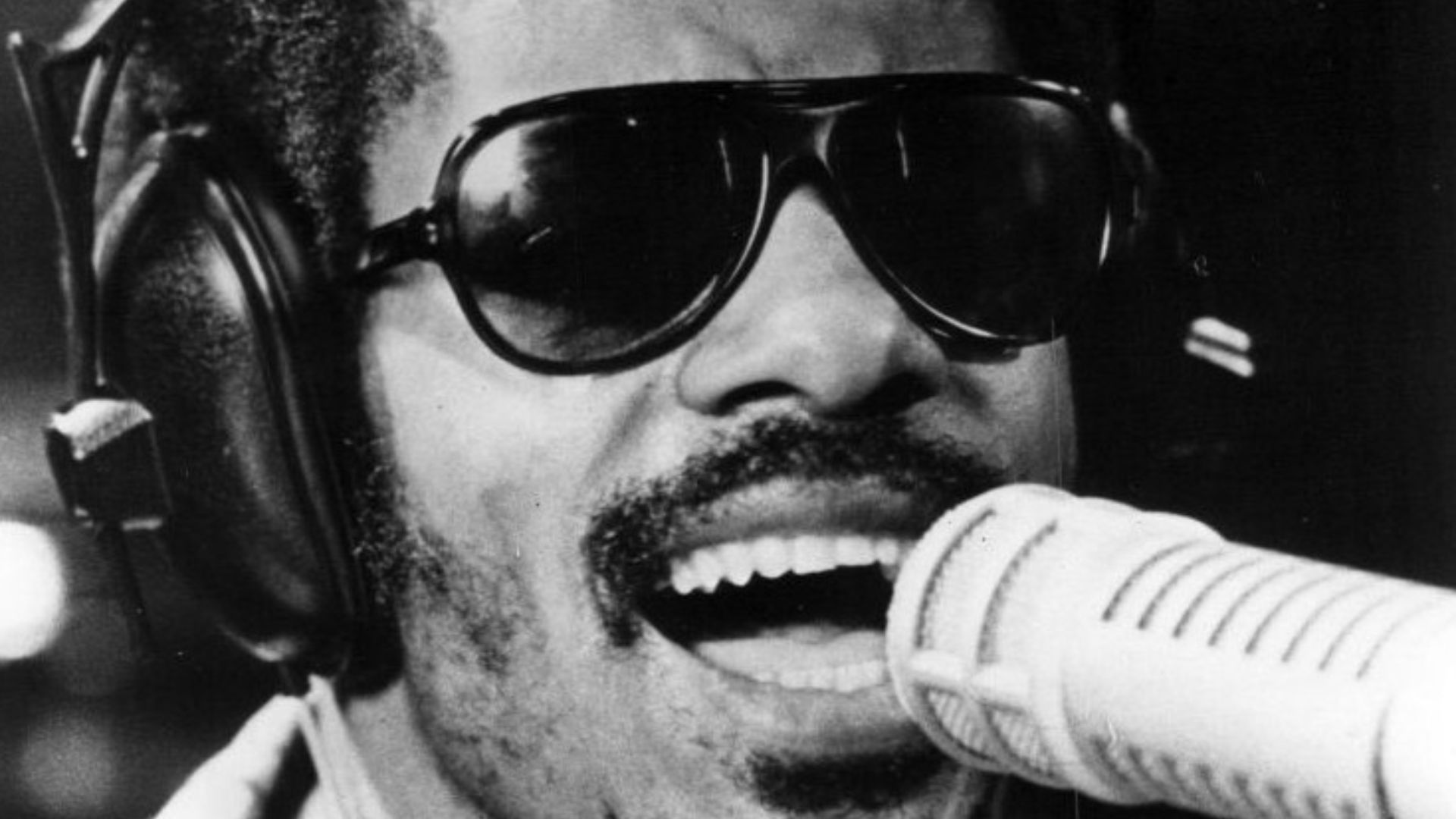
Music entered Wonder’s life very early. As a child, he spent hours listening to the radio and singing in church. Without sight, he became deeply tuned in to rhythm and melody, paying attention to subtle musical details that others might overlook.
 Motown Records, Wikimedia Commons
Instruments Become His Language
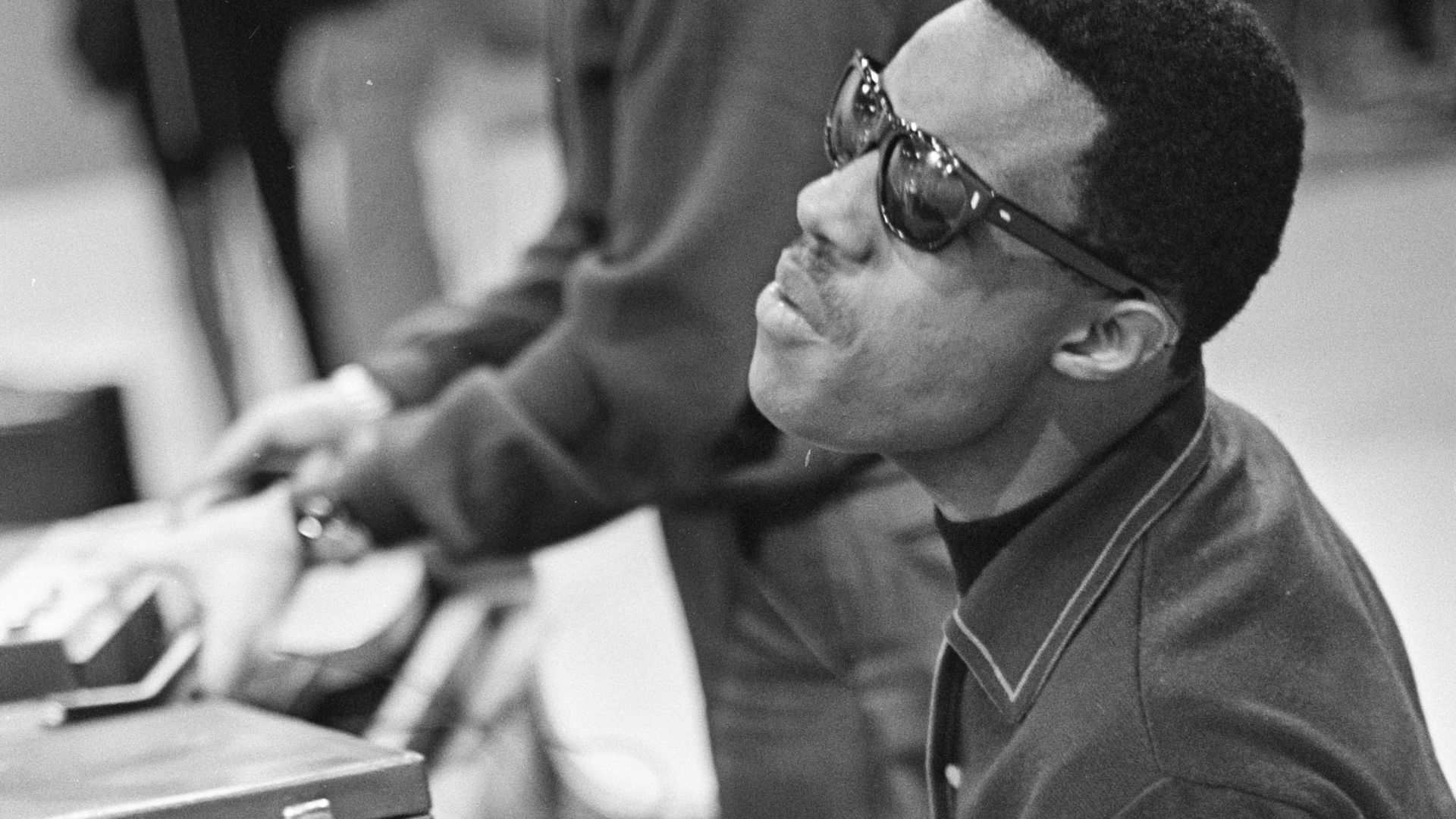
Still very young, Wonder had begun teaching himself instruments. He learned harmonica, piano, and drums while still a child. Music became a way to express himself and connect with the world around him, even without visual cues.
 Jack de Nijs for Anefo, Wikimedia Commons
A Gifted Child Performer
Wonder’s talent quickly became obvious to everyone around him. At only 11 years old, he was discovered, signing with Motown's Tamla label. The young performer, nicknamed "Little Stevie Wonder," soon amazed audiences with his voice and musical skill.

Turning A Challenge Into Strength
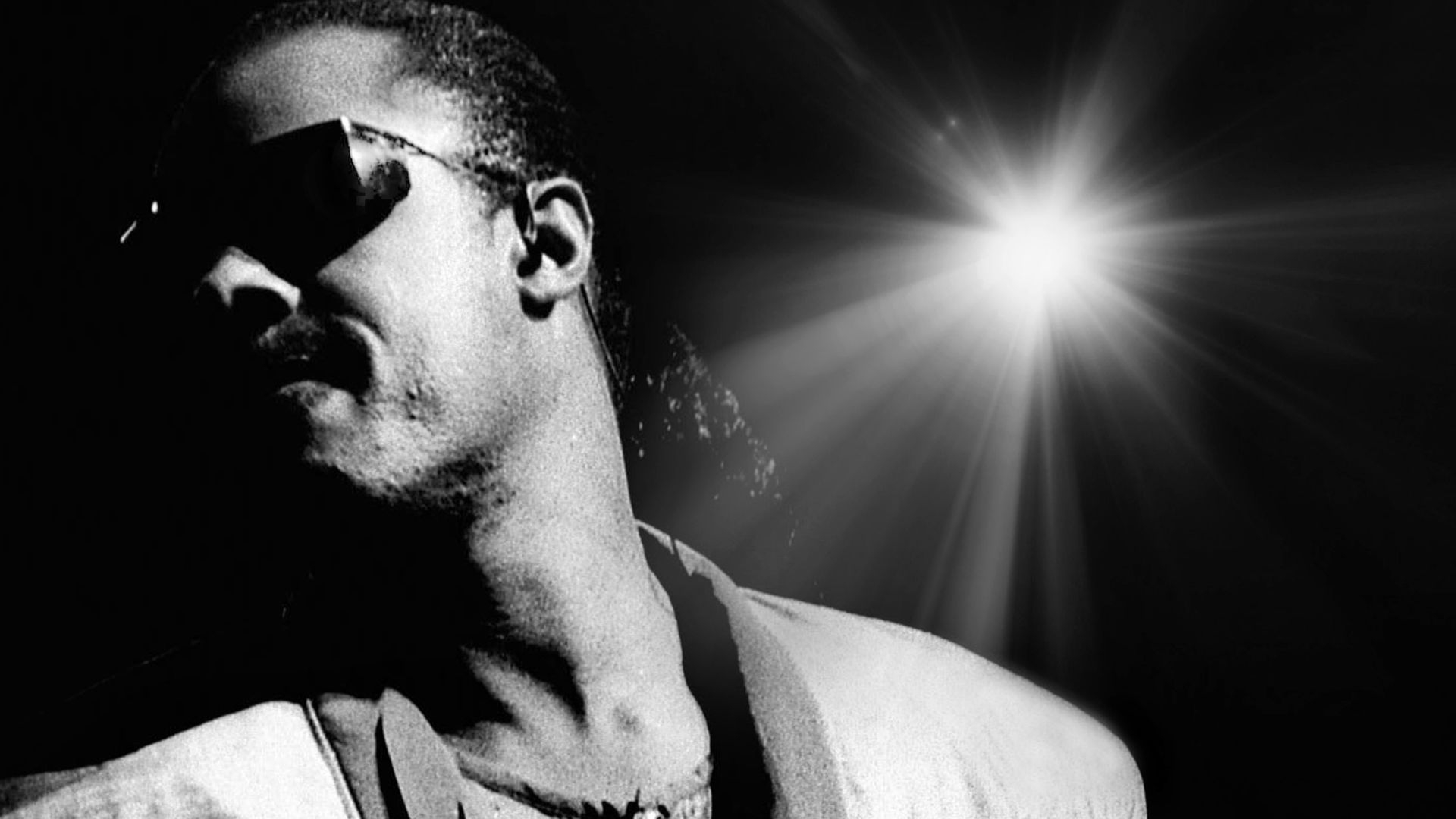
Blindness never stopped Wonder from developing as a musician. In fact, many believe it sharpened his ability to focus on sound and emotion. Without visual distractions, he immersed himself completely in music, creating a deeply expressive style.
 Rozsavolgyi Gyongyi fotografus, fotoriporter., Wikimedia Commons
Listening In A Different Way
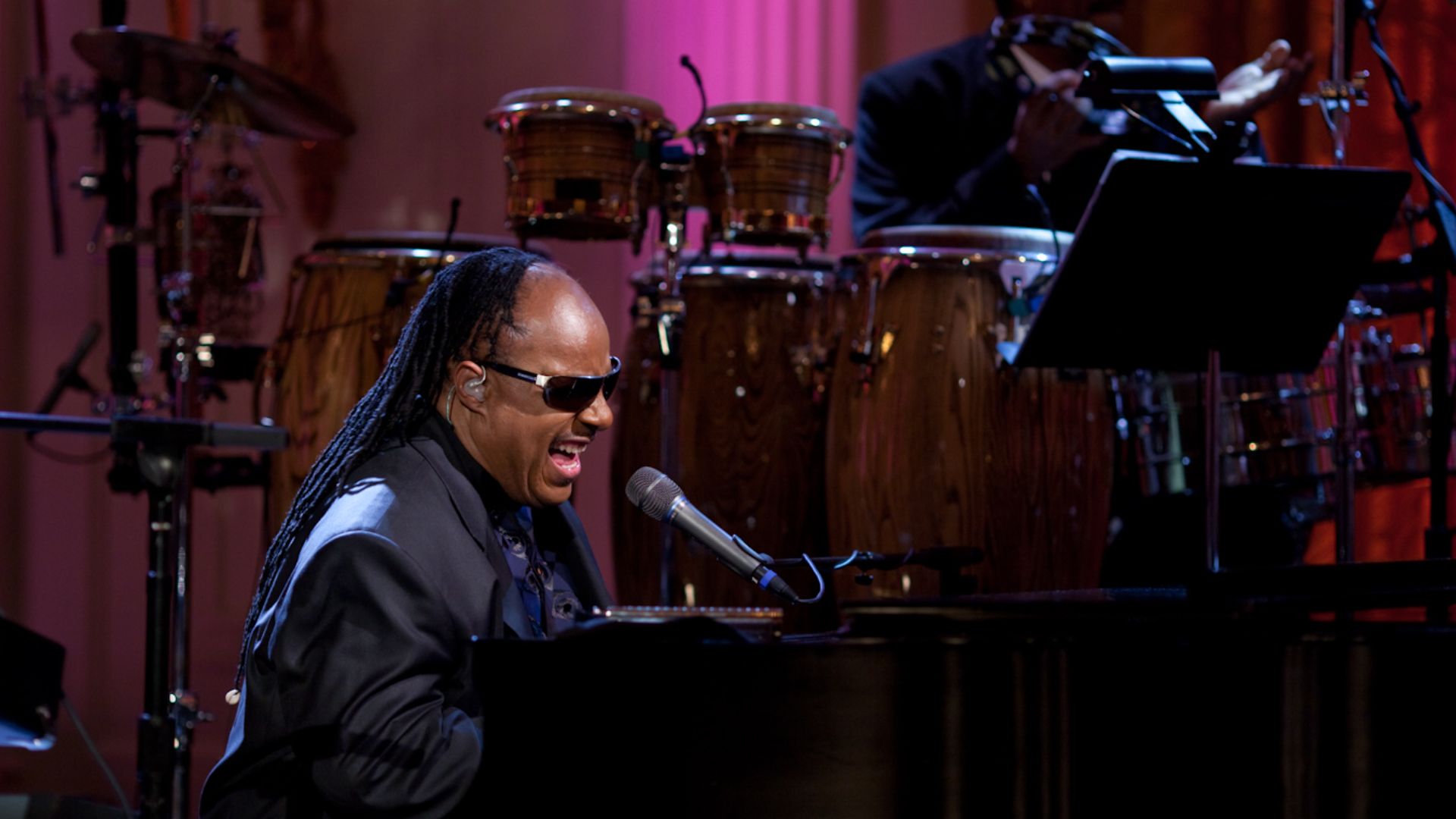
Wonder often relied on hearing and touch when working in the studio. Instruments, sound textures, and vocal harmonies became his way of 'seeing' music. This sensitivity helped him experiment with synthesizers and production techniques long before they became common.
Facing Misconceptions
Over the years, rumors occasionally surfaced suggesting Wonder could secretly see. He has repeatedly explained that he lost his sight shortly after birth and has lived blind ever since. Despite the jokes, he often responds with humor and grace.
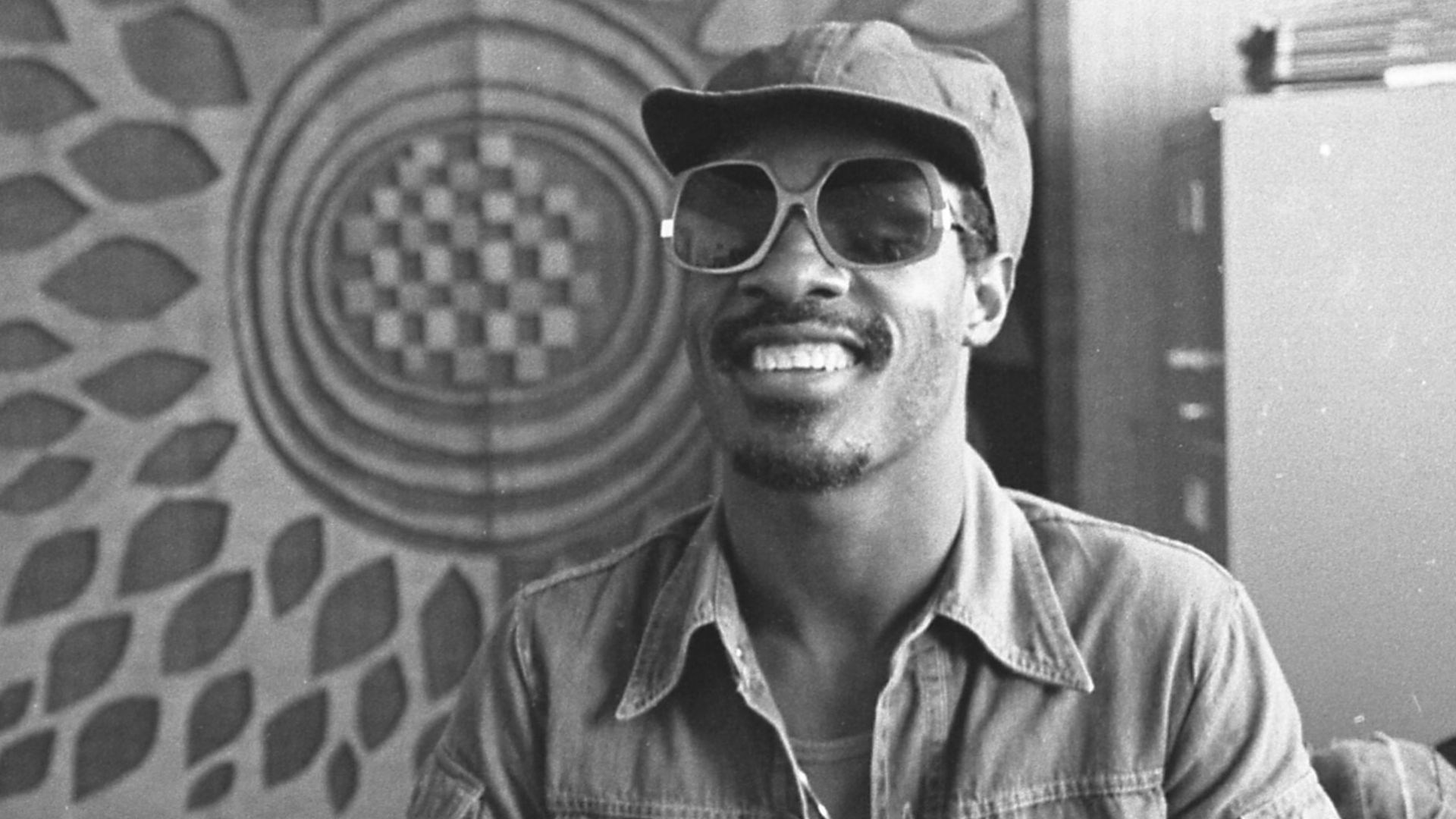 Los Angeles Times, Wikimedia Commons
A Doesn't Lack Vision
Wonder has expressed how his blindness has never hindered his creativity. One of the most popular quotes attributed to him is: “Just because a man lacks the use of his eyes doesn’t mean he lacks vision.”
 Antonio Cruz/ABr, Wikimedia Commons
A Unique Perspective On Life
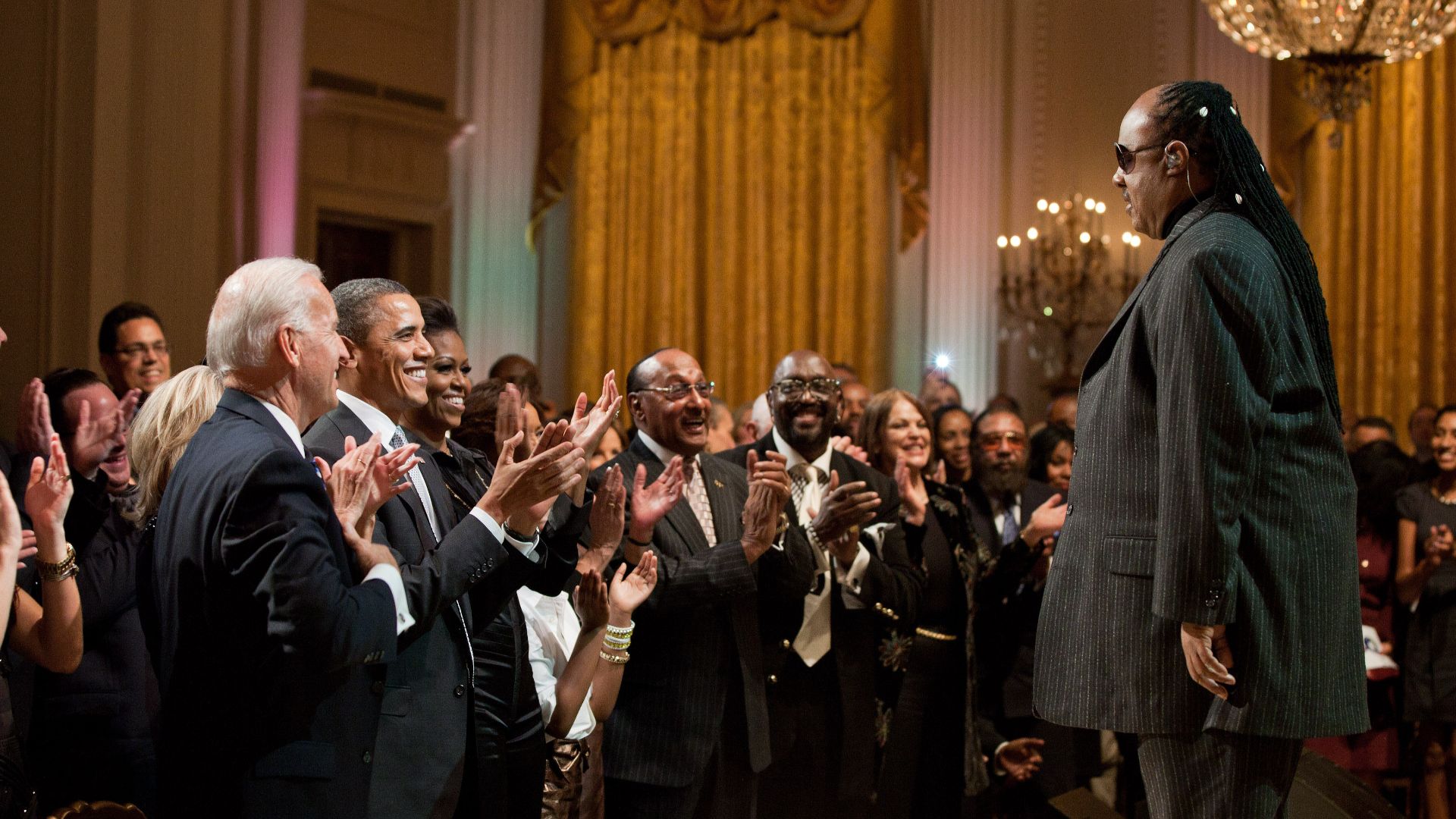
Rather than viewing blindness as a tragedy, Wonder has described it as a blessing. He believes it helped him develop empathy and creativity. His outlook reflects a belief that limitations can sometimes reveal unexpected strengths.
Wonder has explained that his blindness has "allowed me to see the world in the vision of truth, of sight. See people in the spirit of them, not how they look. Not what color they are, but what color is their spirit?"
 The White House from Washington, DC, Wikimedia Commons
Creativity Without Limits
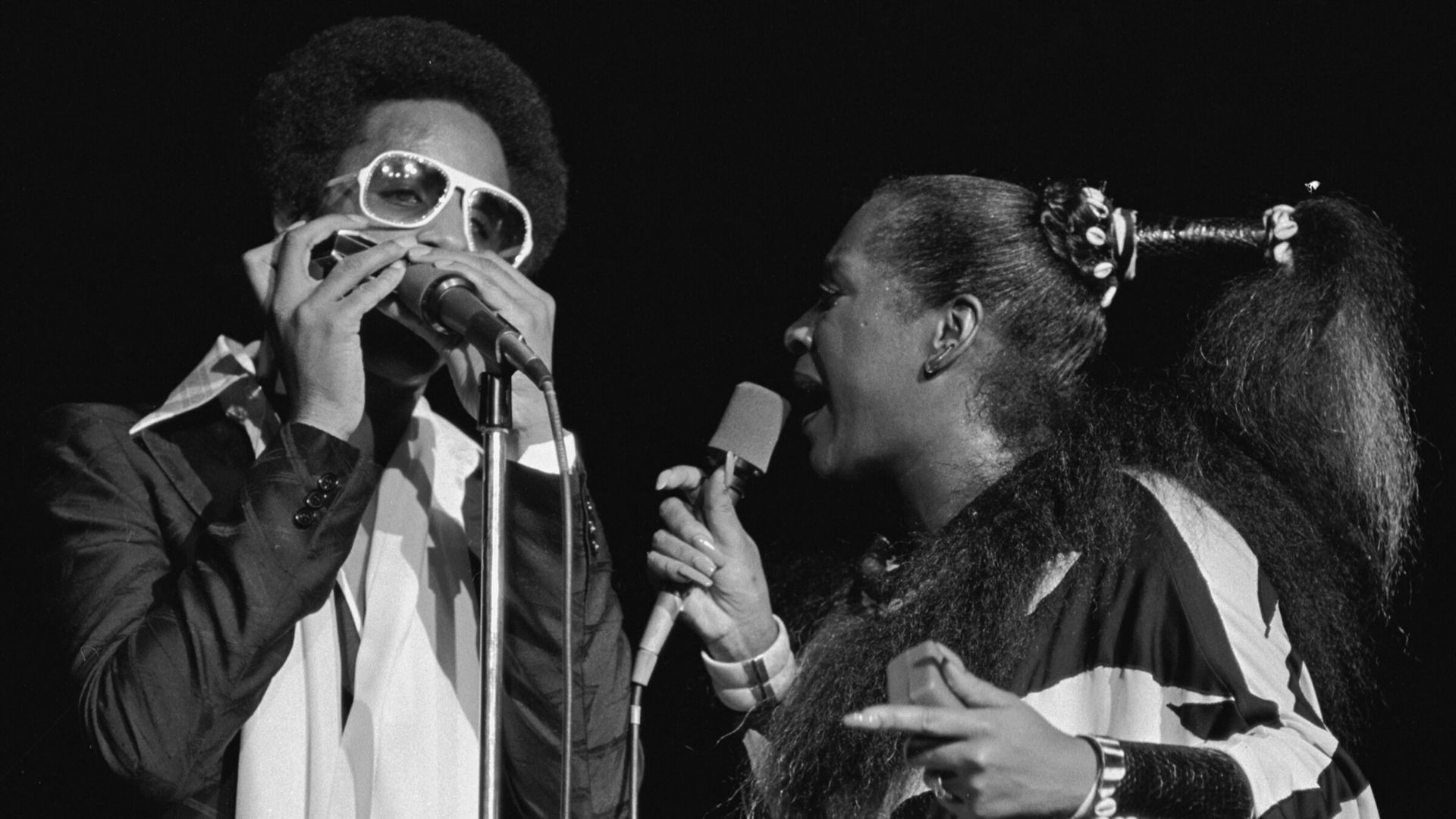
Stevie Wonder’s musical achievements prove that his lack of sight didn't squash his dreams of success. Over the decades, he created groundbreaking albums that blended soul, funk, pop, and electronic sounds. His music changed the direction of modern R&B and pop music.
 Los Angeles Times, Wikimedia Commons
The Classic Album Era
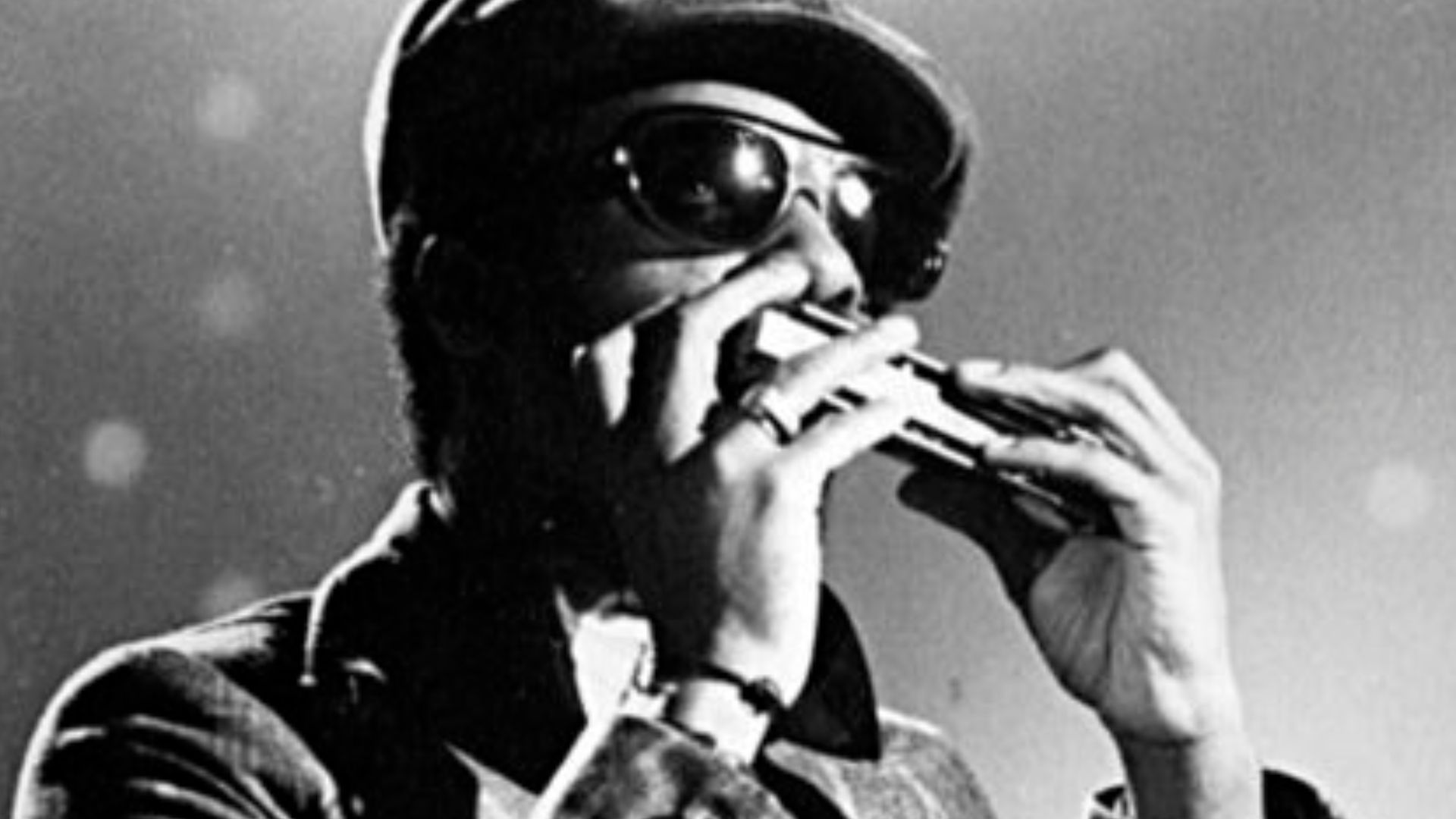
During the 1970s, Wonder released a series of landmark albums, including Talking Book, Innervisions, and Songs in the Key of Life. These records combined social commentary, emotional storytelling, and innovative production.
 Unknown author, Wikimedia Commons
Awards And Recognition
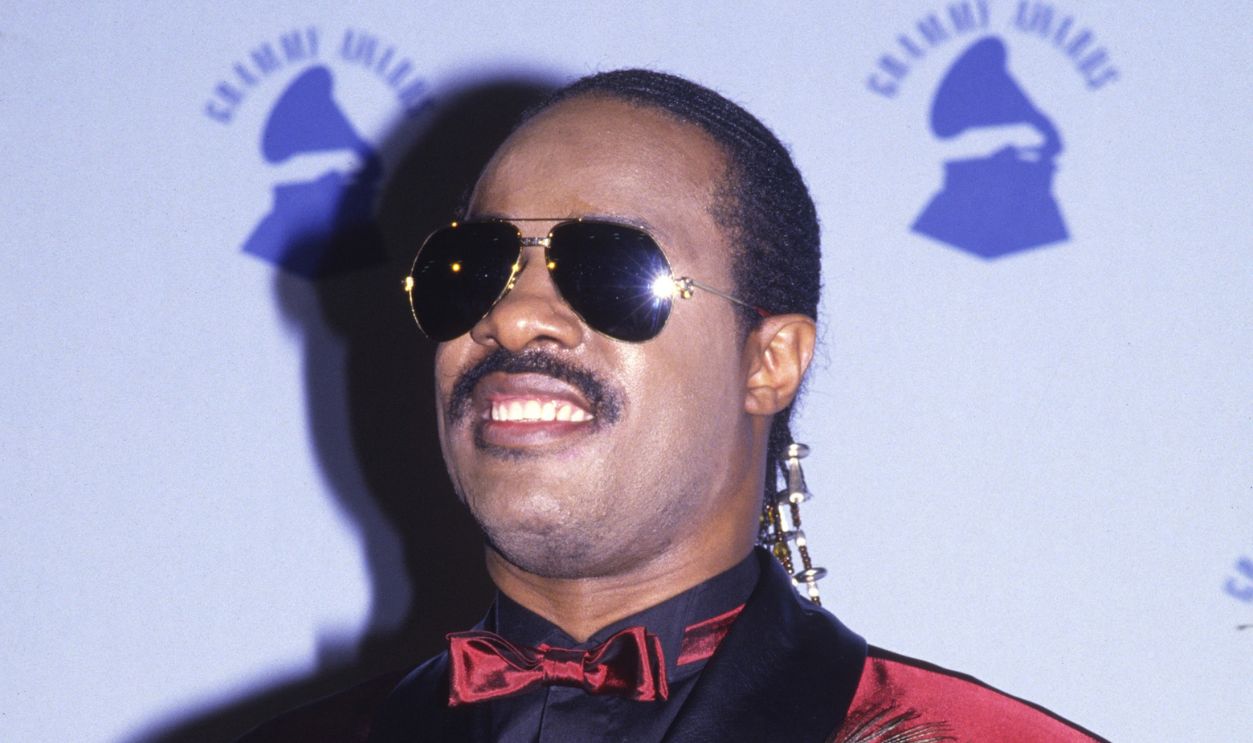
Wonder’s influence has been recognized with numerous honors. He has won dozens of major awards, including 25 Grammy Awards and an Academy Award for Best Original Song. His work continues to shape generations of musicians.
Advocating for Change
Beyond music, Wonder has also used his voice for social causes. He played a major role in the campaign to establish Martin Luther King Jr. Day as a U.S. national holiday and has long supported civil rights and humanitarian efforts.

Navigating Fame Without Sight
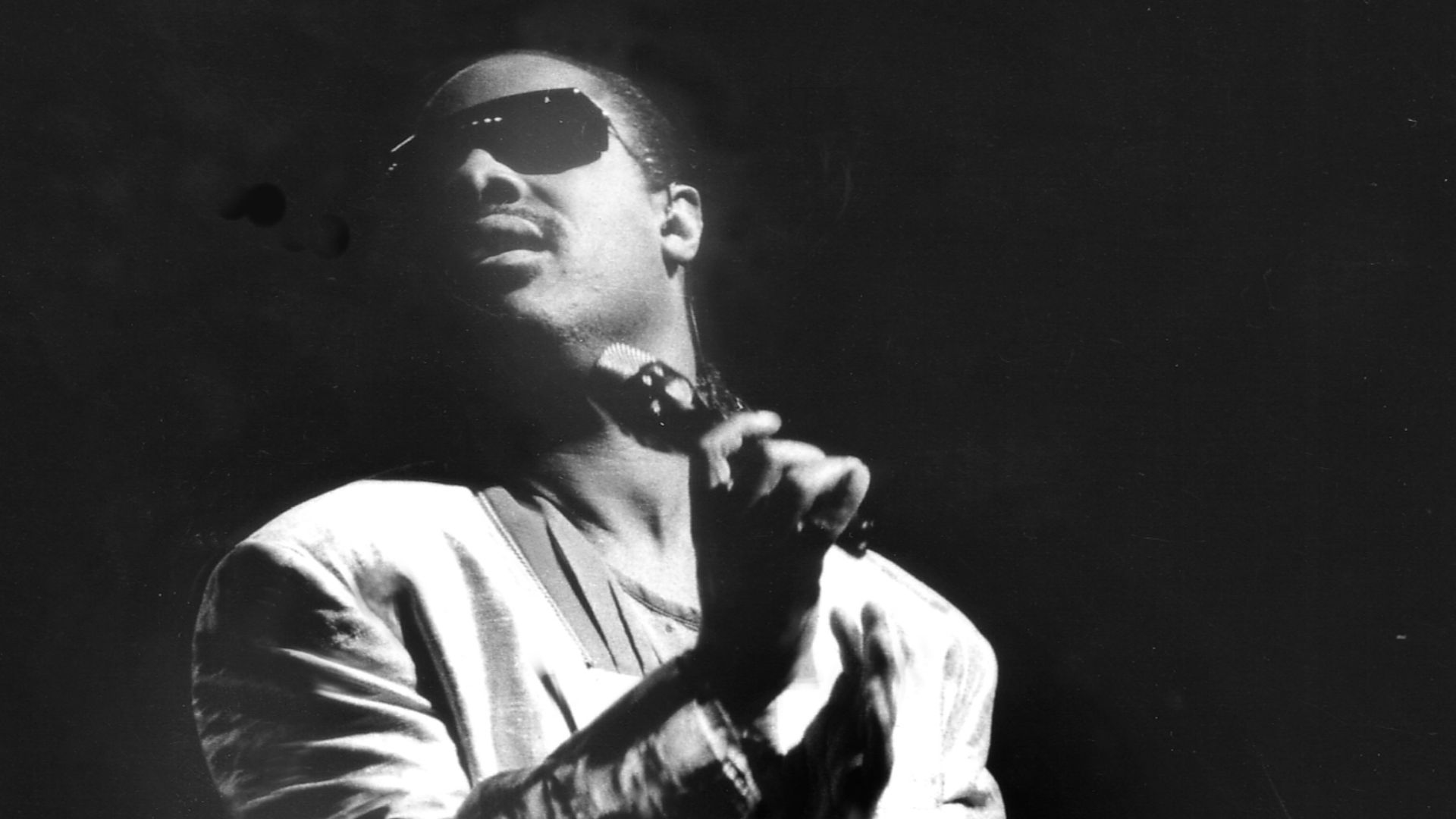
Life as a global superstar presents challenges even for people with full vision. Wonder learned to navigate concert stages, recording studios, and public appearances through careful preparation and trust in his team.
 Rozsavolgyi Gyongyi fotografus, fotoriporter., Wikimedia Commons
A Remarkable Work Ethic
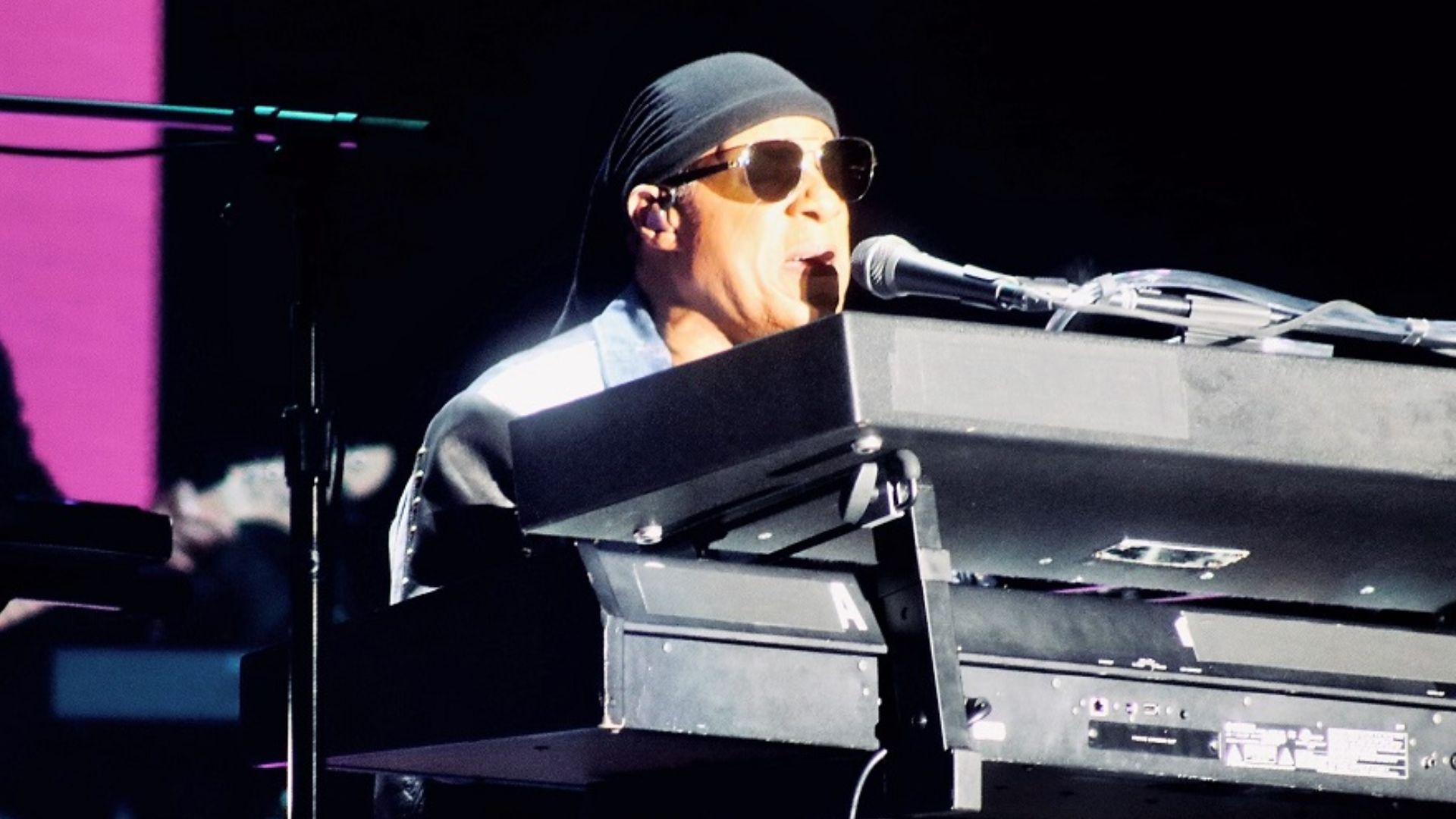
Blindness never slowed Wonder’s productivity. He became known for spending long hours in recording studios, experimenting with sounds and instruments. He once shared, "If my flow is goin', I keep on until I peak". His determination helped him maintain a career spanning more than six decades.
 Julio Enriquez from Denver,CO, USA, Wikimedia Commons
Inspiring Millions
For many fans, Wonder’s story is deeply inspiring. His achievements challenge stereotypes about disability and show that creativity can thrive despite physical limitations. But that isn't all.
His life story reminds people that adversity does not have to limit ambition. Instead, it can become part of the journey that shapes a person’s unique voice.

You May Also Like:
Songs That Made Hip-Hop Political
Iconic R&B Songs That Might Convince You To Stay Single Forever