When The Beat Gets Opinionated
Hip-hop has never been great at staying quiet. Give it a drum loop and a mic, and sooner or later someone’s going to start naming names. Politics in rap isn’t some side experiment—it’s baked into the culture. When systems fail, when leaders fumble, when reality feels upside down, artists press record.
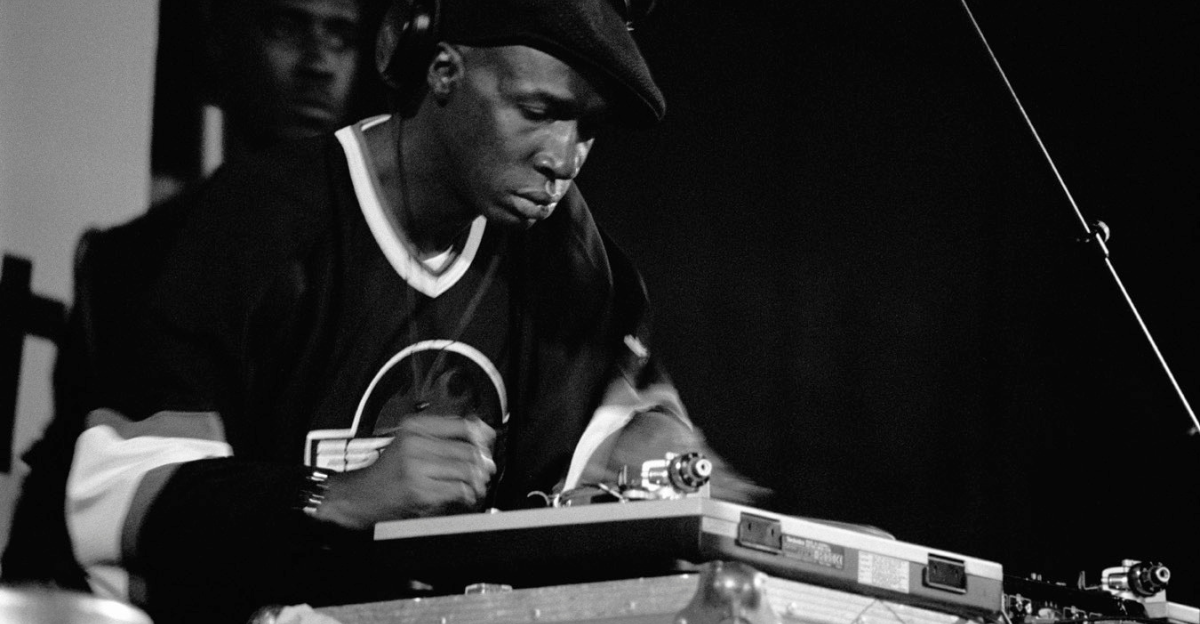 Mika-photography, Wikimedia Commons
Alright–Kendrick Lamar
When Kendrick dropped “Alright,” it didn’t take long for it to leave the radio and land in the streets. The hook became a chant at protests, a kind of collective exhale in the middle of chaos. It’s hopeful without pretending everything’s fine—and that balance is exactly why it stuck.
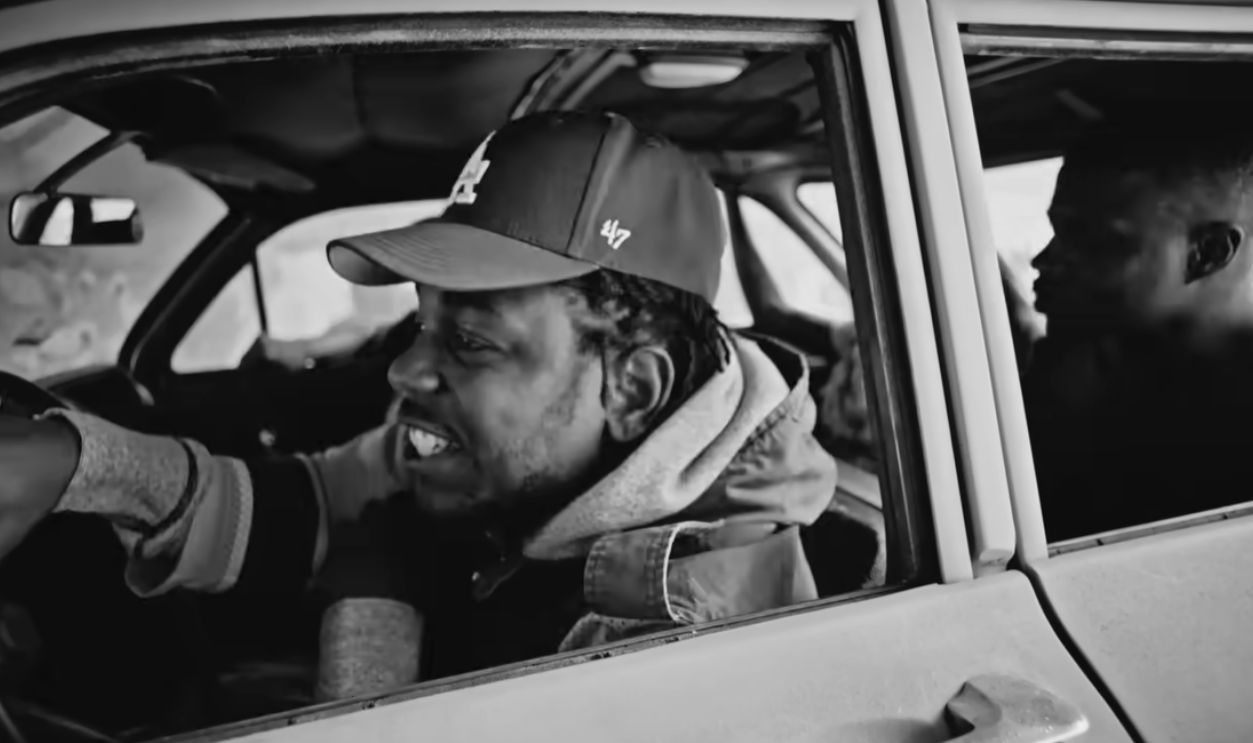 Screenshot from Alright, Interscope Records (2015)
Changes–2Pac
“Changes” feels like Tupac thinking out loud about racism, poverty, and the endless cycle of it. He doesn’t sugarcoat anything, but he also doesn’t pretend he’s above the mess. It’s reflective, conflicted, and brutally honest all at once.
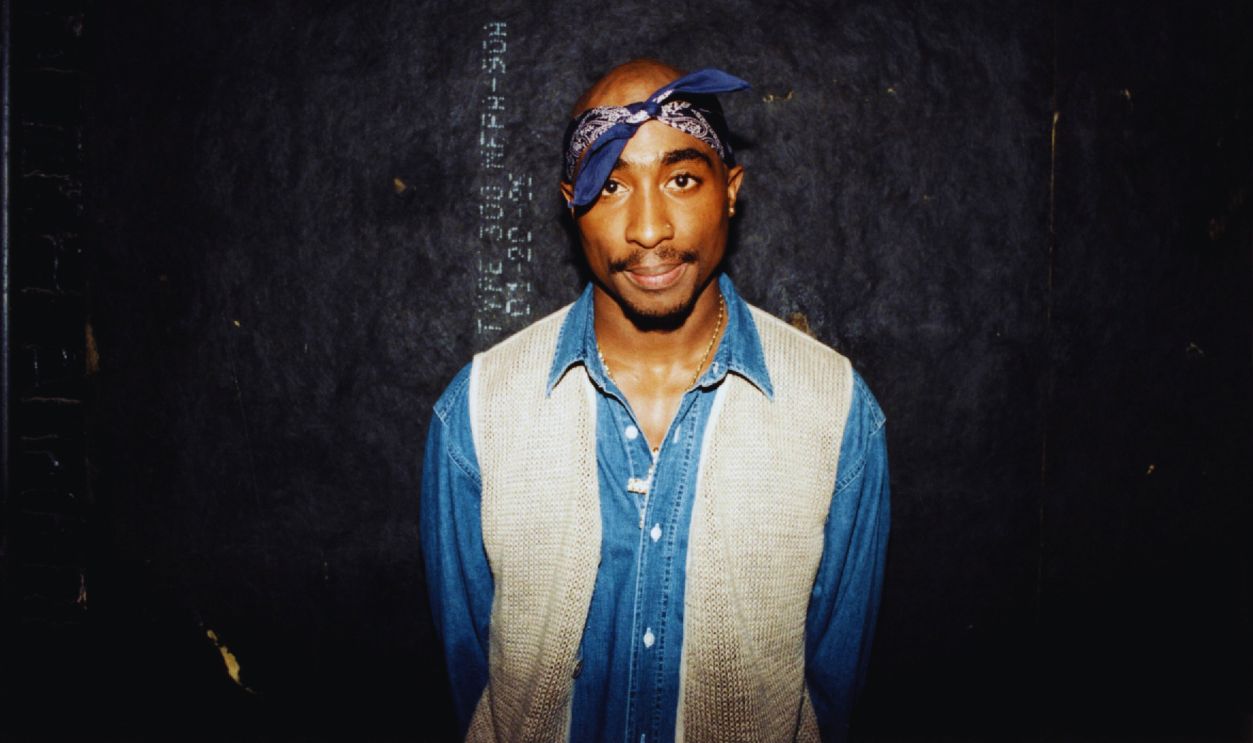
Georgia… Bush–Lil Wayne
After Hurricane Katrina, Lil Wayne wasn’t in the mood for subtlety. “Georgia… Bush” calls out government failures directly, no coded language required. It’s anger turned into airtime, and it refuses to let leadership off the hook.
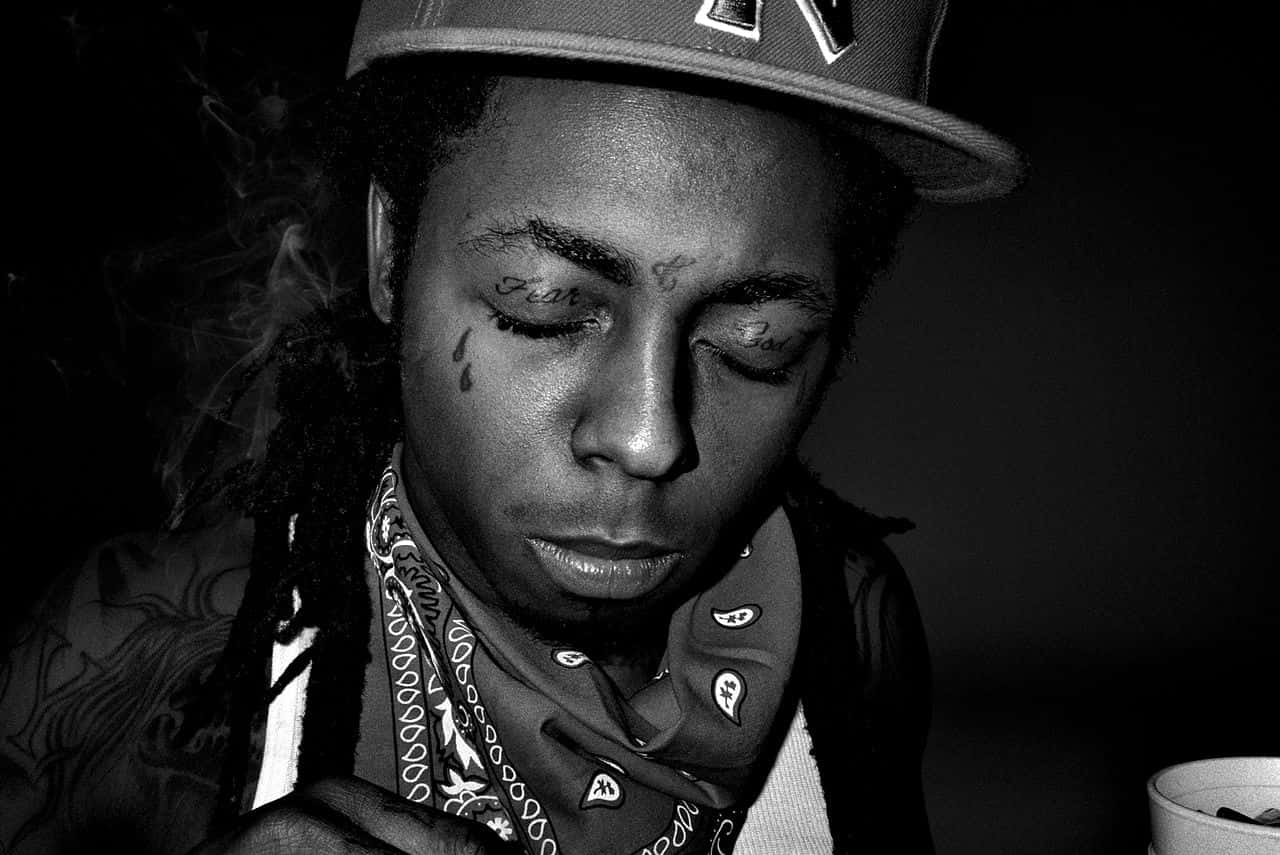
Be Free–J. Cole
This one feels less like a studio track and more like a moment of grief caught on tape. J. Cole’s voice cracks with frustration as he responds to killings in the streets by officers. There’s no flashy production to hide behind—just raw emotion.
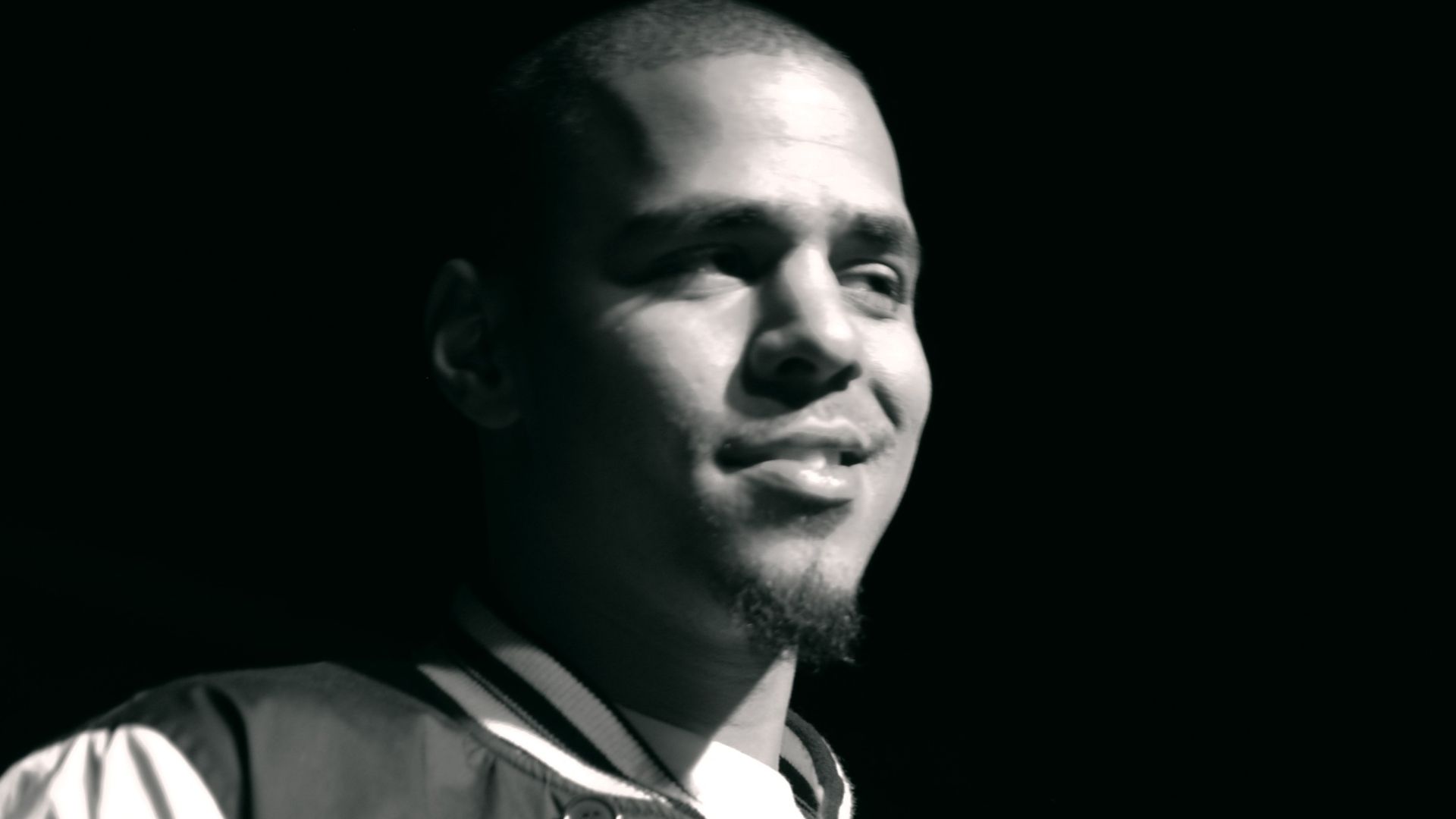
Untitled–Nas
Nas has always had a gift for turning complex issues into sharp verses. “Untitled” dives straight into race, history, and power dynamics without flinching. It’s bold, confrontational, and clearly not worried about making anyone comfortable.
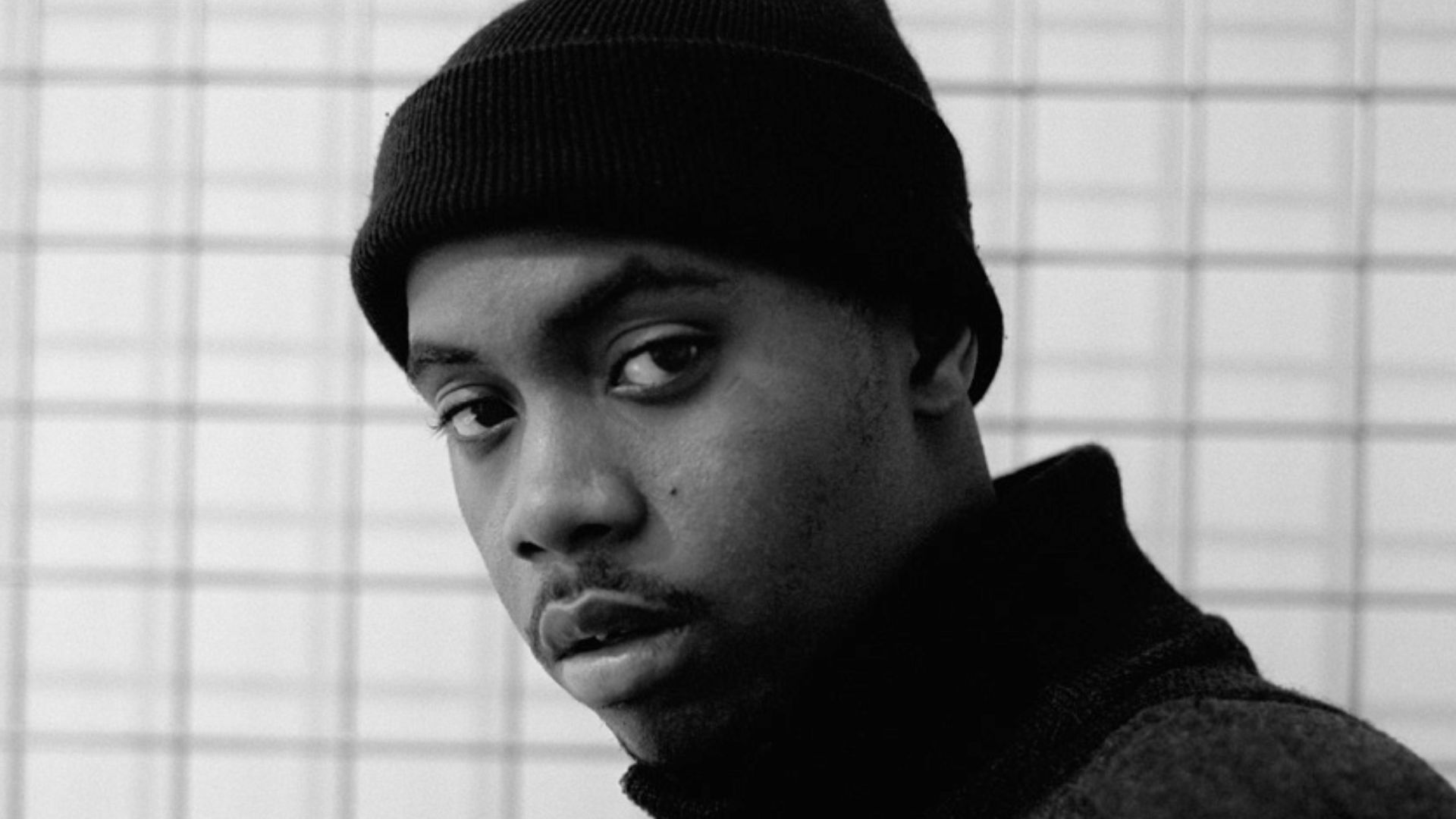
Fight The Power–Public Enemy
If protest songs had a Mount Rushmore, this one’s carved in stone. Chuck D delivers each line like he’s addressing a packed crowd—even when you’re listening alone. Decades later, it still sounds urgent instead of nostalgic.
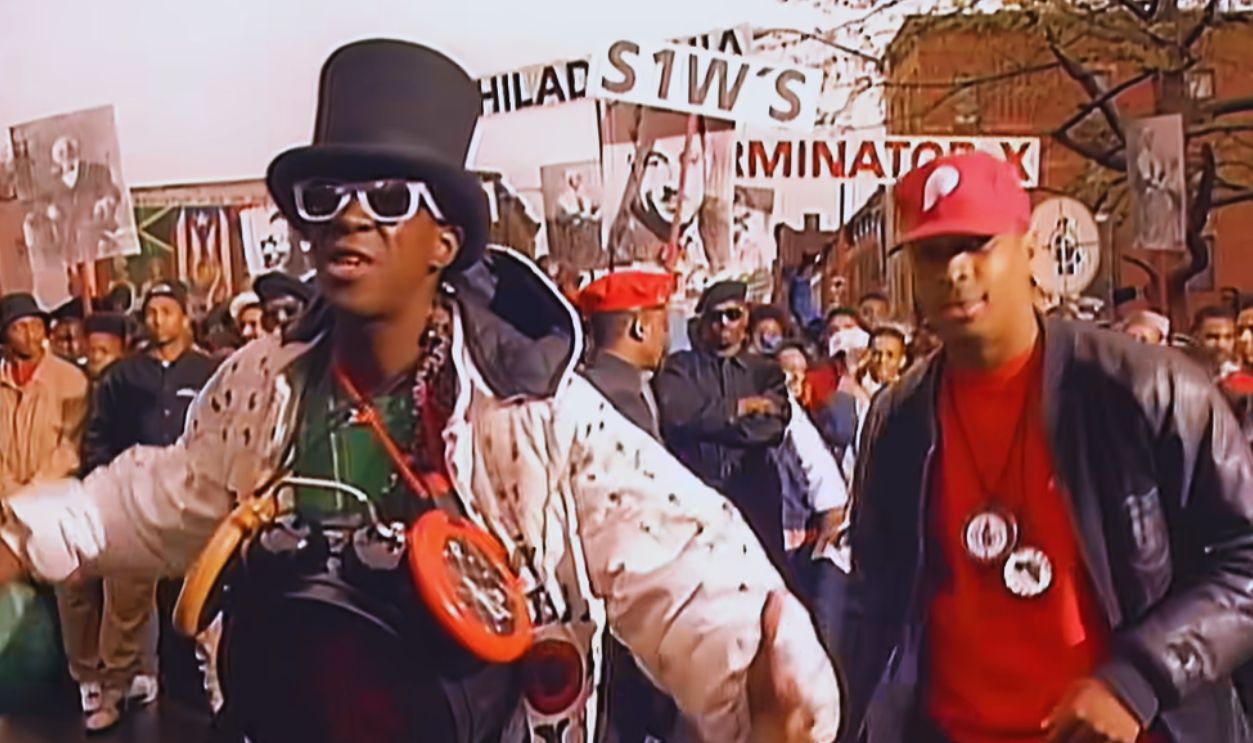 Screenshot from Public Enemy – Fight the Power, Def Jam Recordings (1989)
A Song For Assata–Common
Common takes a more reflective route, honoring Assata Shakur while connecting past activism to the present. The song feels like a bridge between generations. It reminds you that movements don’t disappear—they evolve.
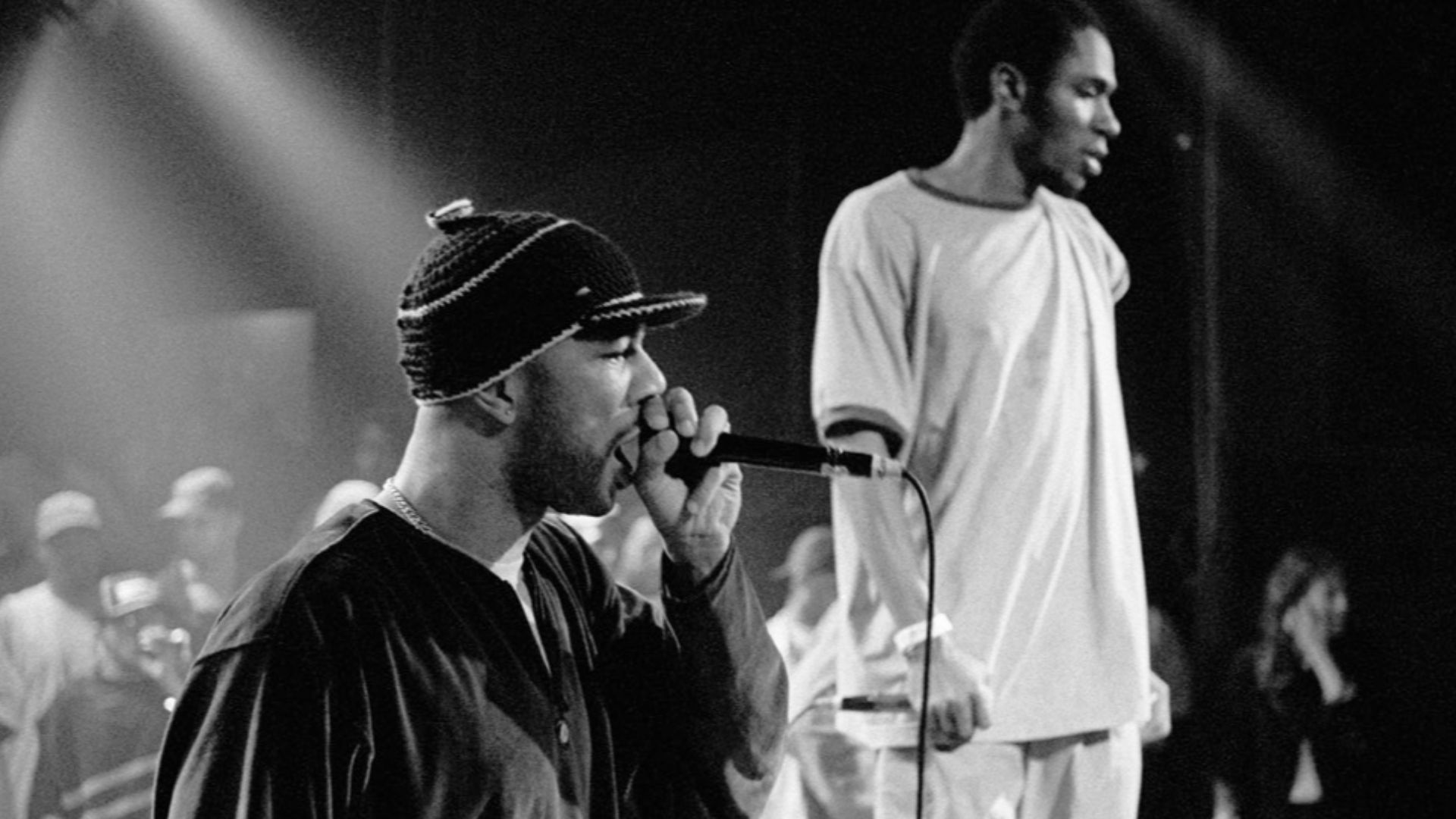
Land Of The Free–Joey Bada$$
Released on Inauguration Day in 2017, Joey Bada$$ made his political stance crystal clear. The track calls out systemic prejudice and hypocrisy without dancing around specifics. It’s confident, direct, and very intentional about its timing.
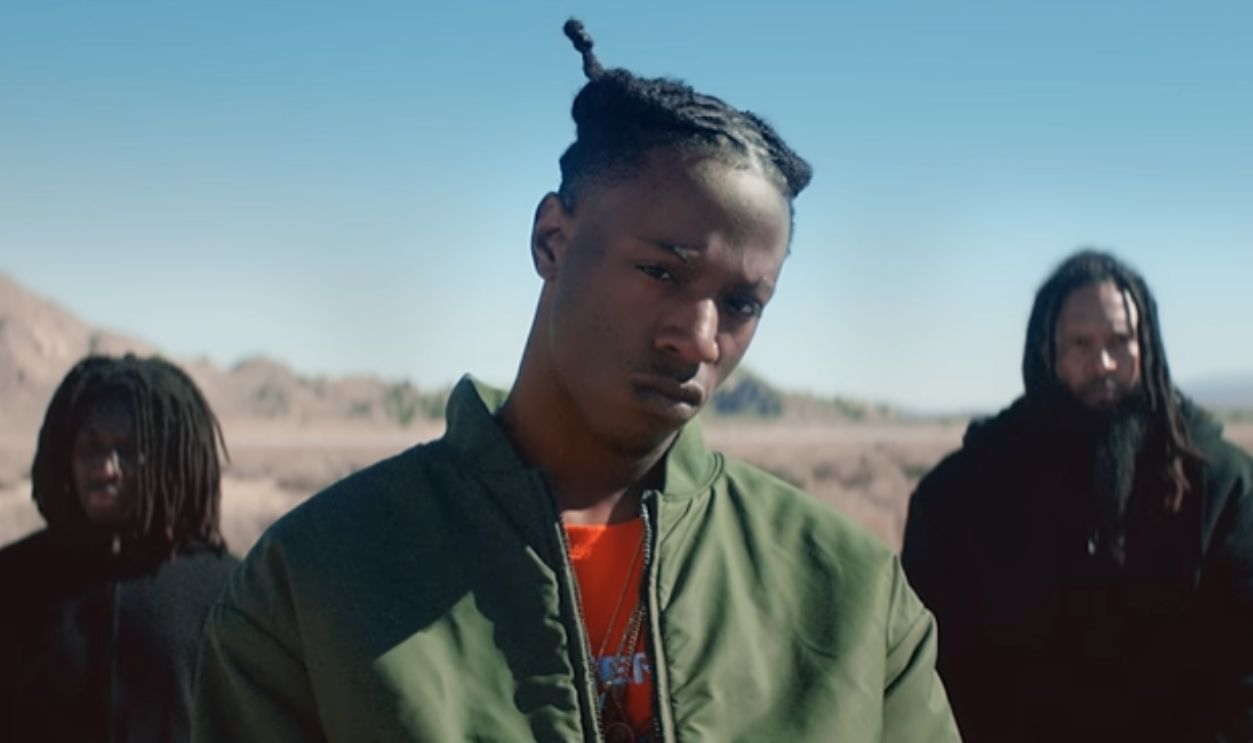 Screenshot from Land Of The Free, Cinematic Music Group (2017)
Reagan–Killer Mike
Killer Mike doesn’t deal in vague statements. “Reagan” breaks down how policies from the 1980s still ripple through communities today. It’s political analysis delivered with the force of a battle verse.
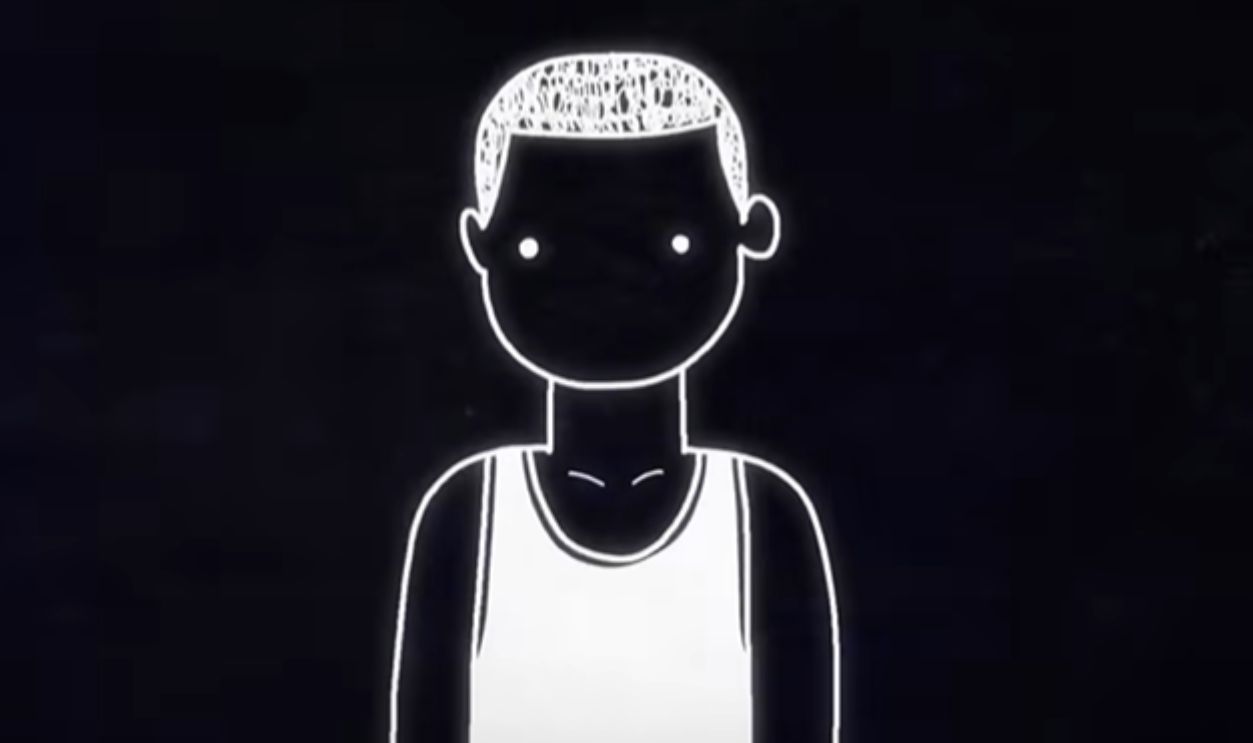 Screenshot from Reagan, Williams Street Records (2012)
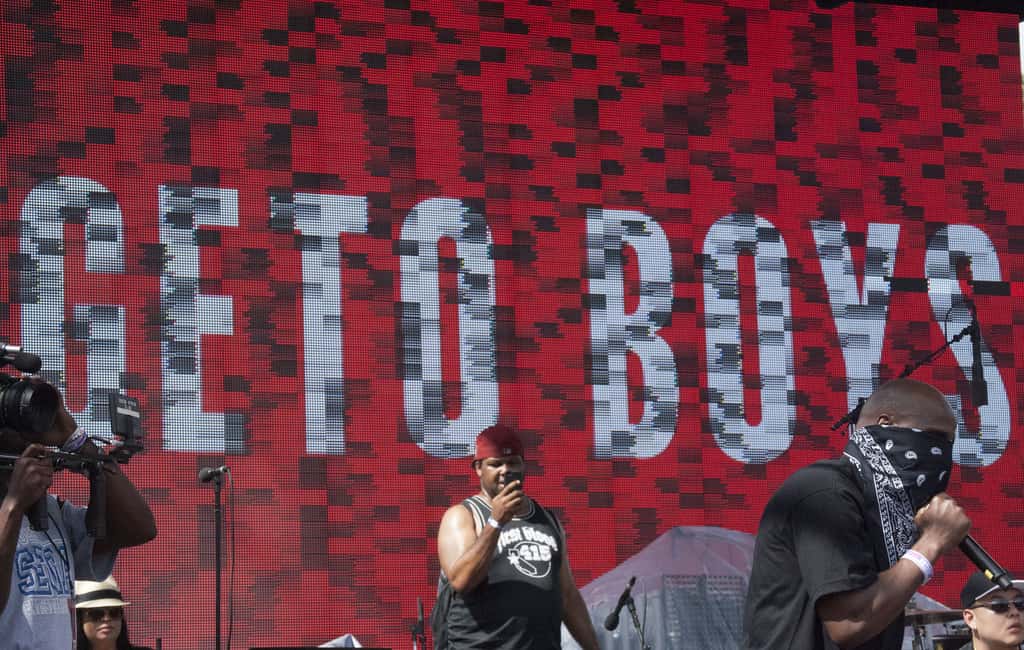
The Point Of No Return–Geto Boys
The Geto Boys brought Southern perspective into the broader protest conversation. This track leans into frustration with systemic neglect and the feeling of being boxed in. It’s gritty, unfiltered, and unapologetic about where it stands.
Words I Never Said–Lupe Fiasco
Lupe unloads here—government, media, public apathy, no one’s off limits. The verses move fast, packed with references and pointed critiques. It sounds like someone finally saying everything they were told to keep quiet about.
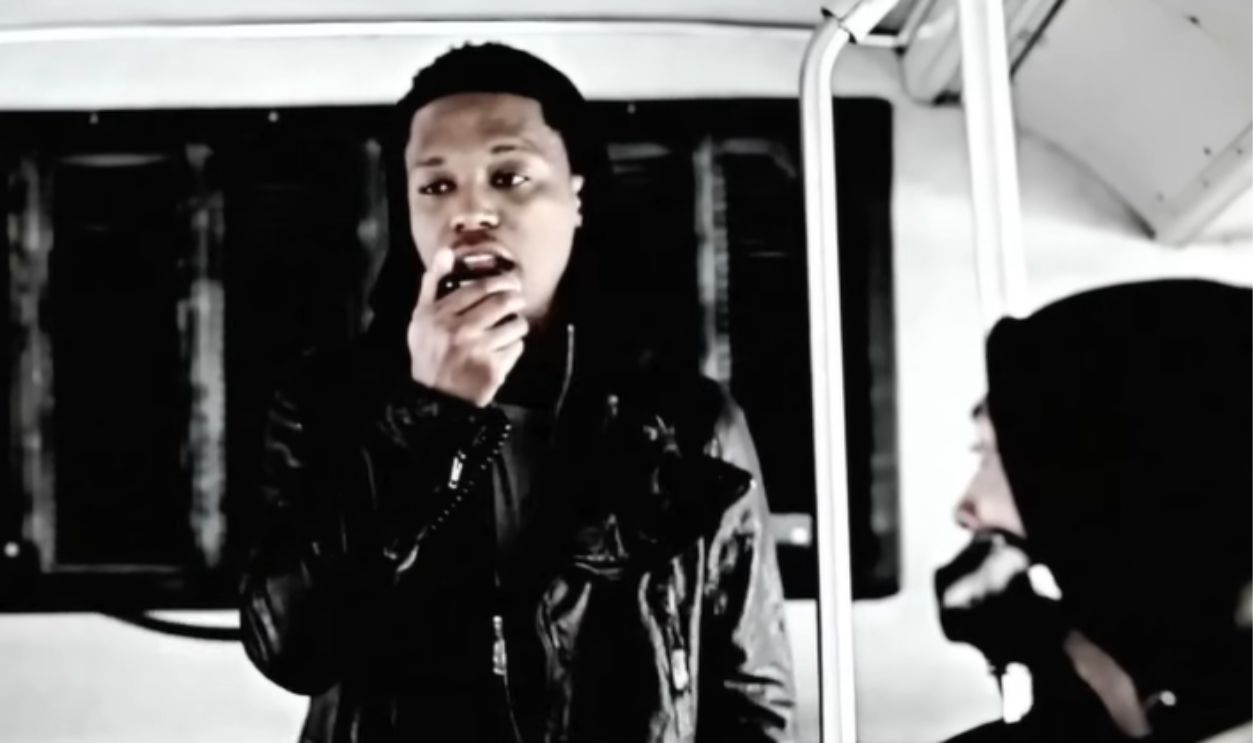 Screenshot from Words I Never Said, Atlantic Records (2011)
The Message–Grandmaster Flash & The Furious Five
Before political rap was a defined lane, “The Message” changed the route entirely. It swapped party rhymes for vivid depictions of urban struggle. Suddenly, hip-hop wasn’t just escapism—it was reporting from the front lines.
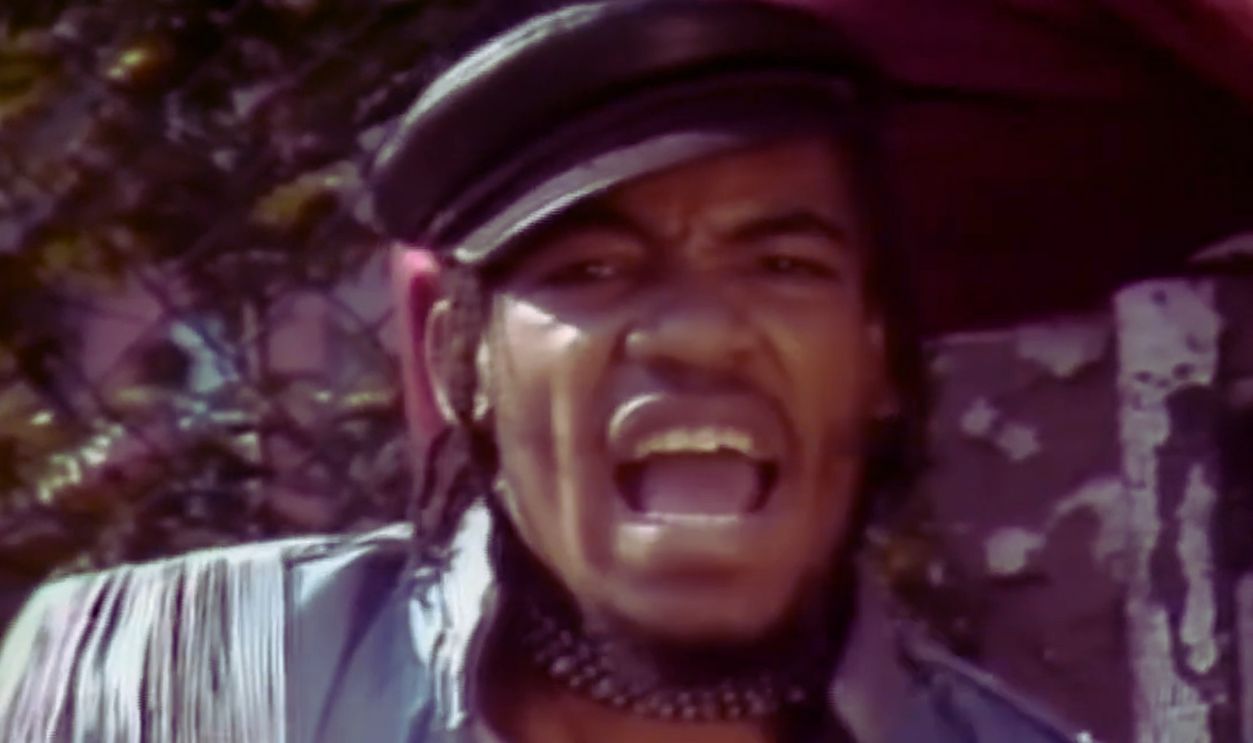 Screenshot from The Message, Sugar Hill Records (1982)
Black America Again–Common
Common returns to big-picture commentary here, tackling incarceration and systemic issues head-on. The tone is urgent but measured, like someone carefully choosing every word. It feels less like a rant and more like a warning.
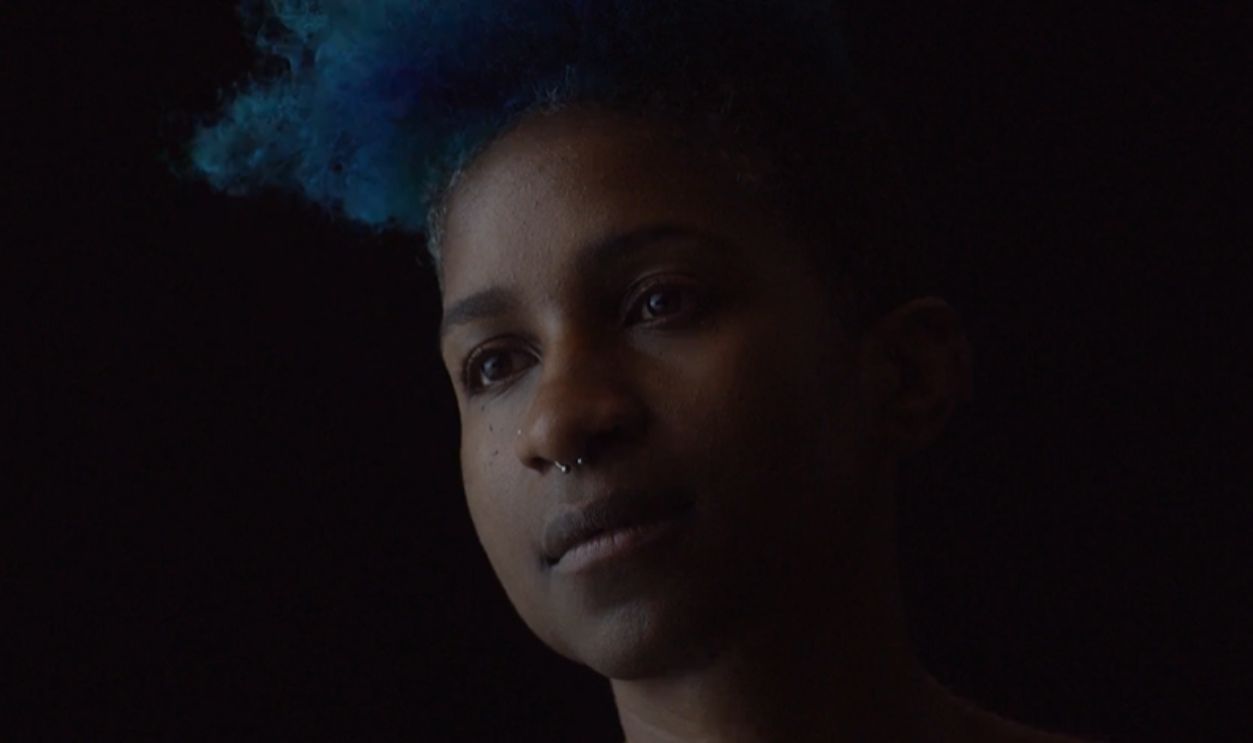 Screenshot from Black America Again, Def Jam Recordings (2016)
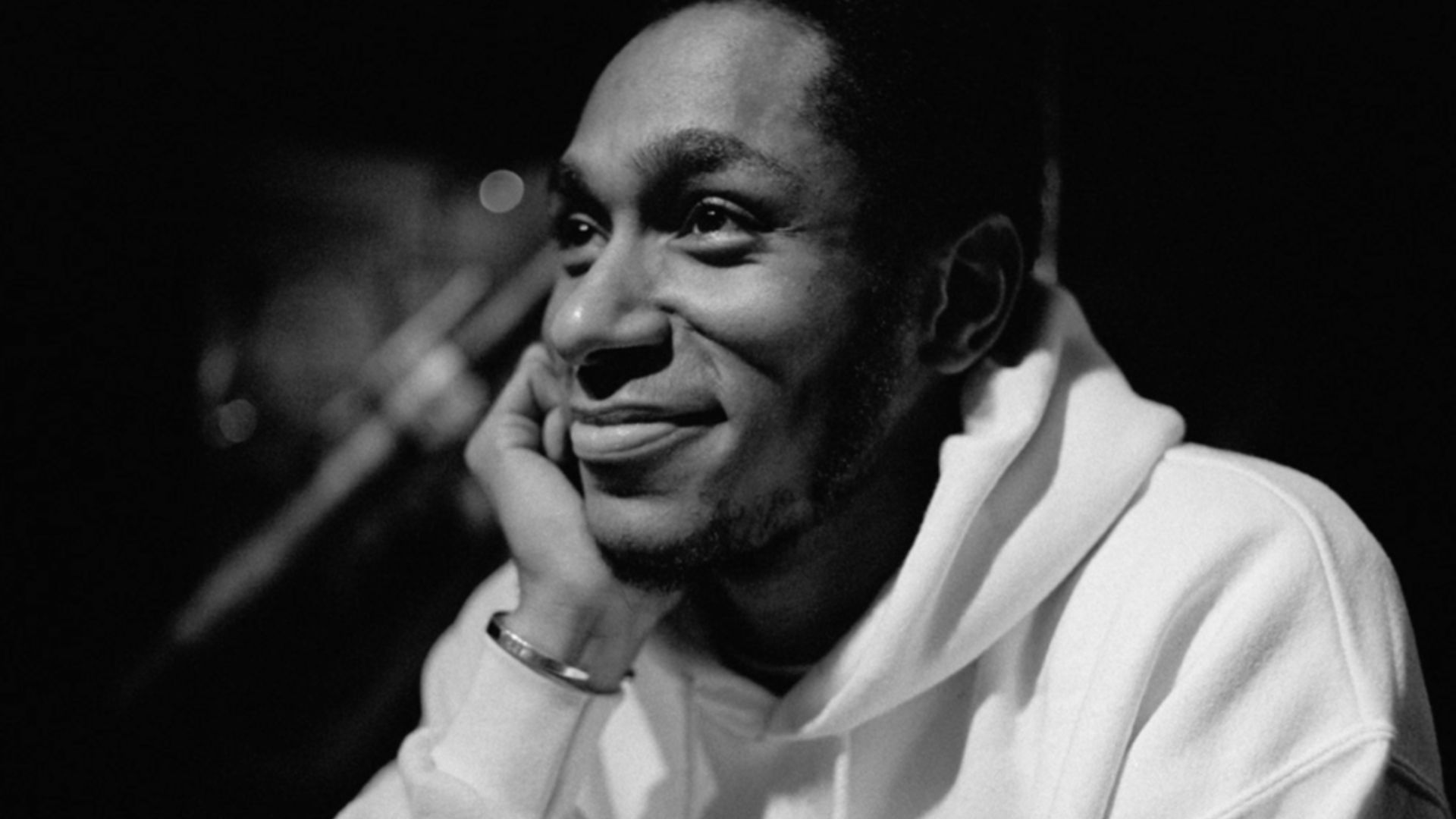
Mathematics–Mos Def
Mos Def turns statistics into something you can nod your head to. He weaves numbers about incarceration and inequality into smooth, hypnotic bars. It’s proof that data can hit just as hard as a punchline.
U.N.I.T.Y.–Queen Latifah
Queen Latifah didn’t wait for permission to demand respect. “U.N.I.T.Y.” calls out misogyny both inside and outside hip-hop with total confidence. It’s empowerment without apology—and it still lands.
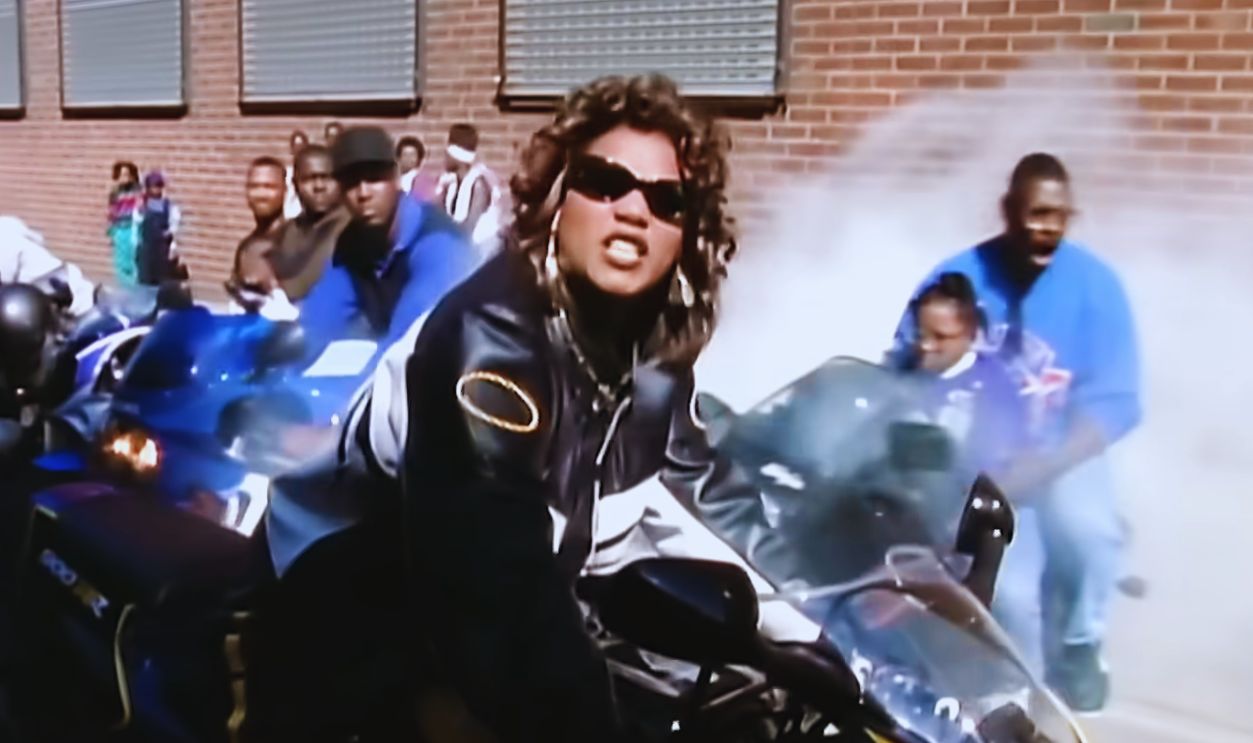 Screenshot from U.N.I.T.Y., Motown Records (1993)
High For Hours–J. Cole
After visiting the White House, J. Cole came away with more questions than answers. This track wrestles with the idea of representation versus real change. It’s thoughtful, skeptical, and deeply personal.
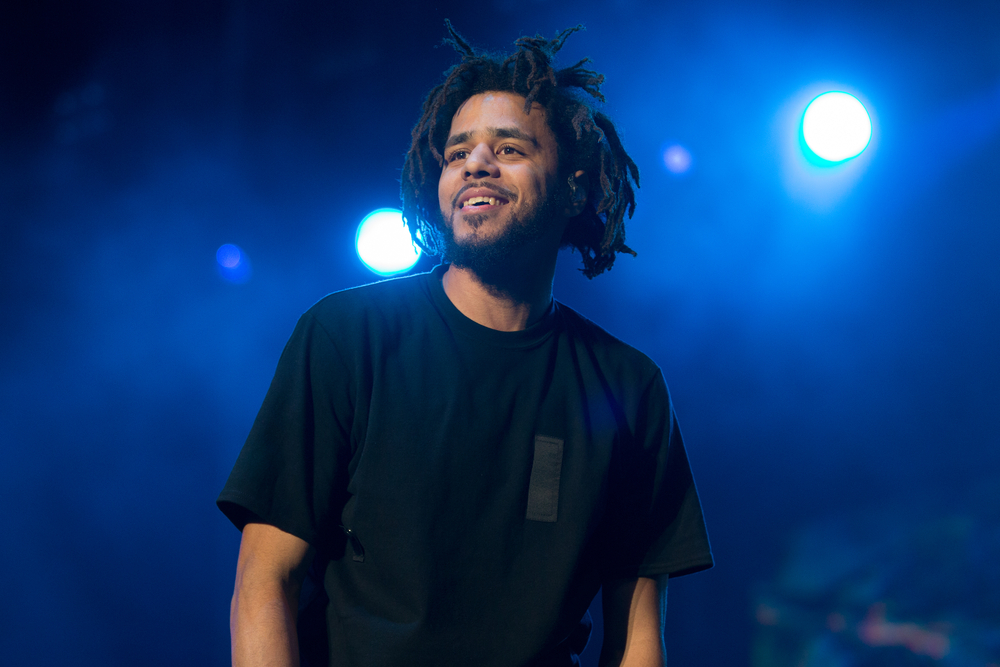 Sterling Munksgard, Shutterstock
Sunshine–Pusha T
Known for razor-sharp delivery, Pusha T uses “Sunshine” to reflect on race and identity in America. It strips away flash and leans into commentary. The tone is cool, but the message isn’t.
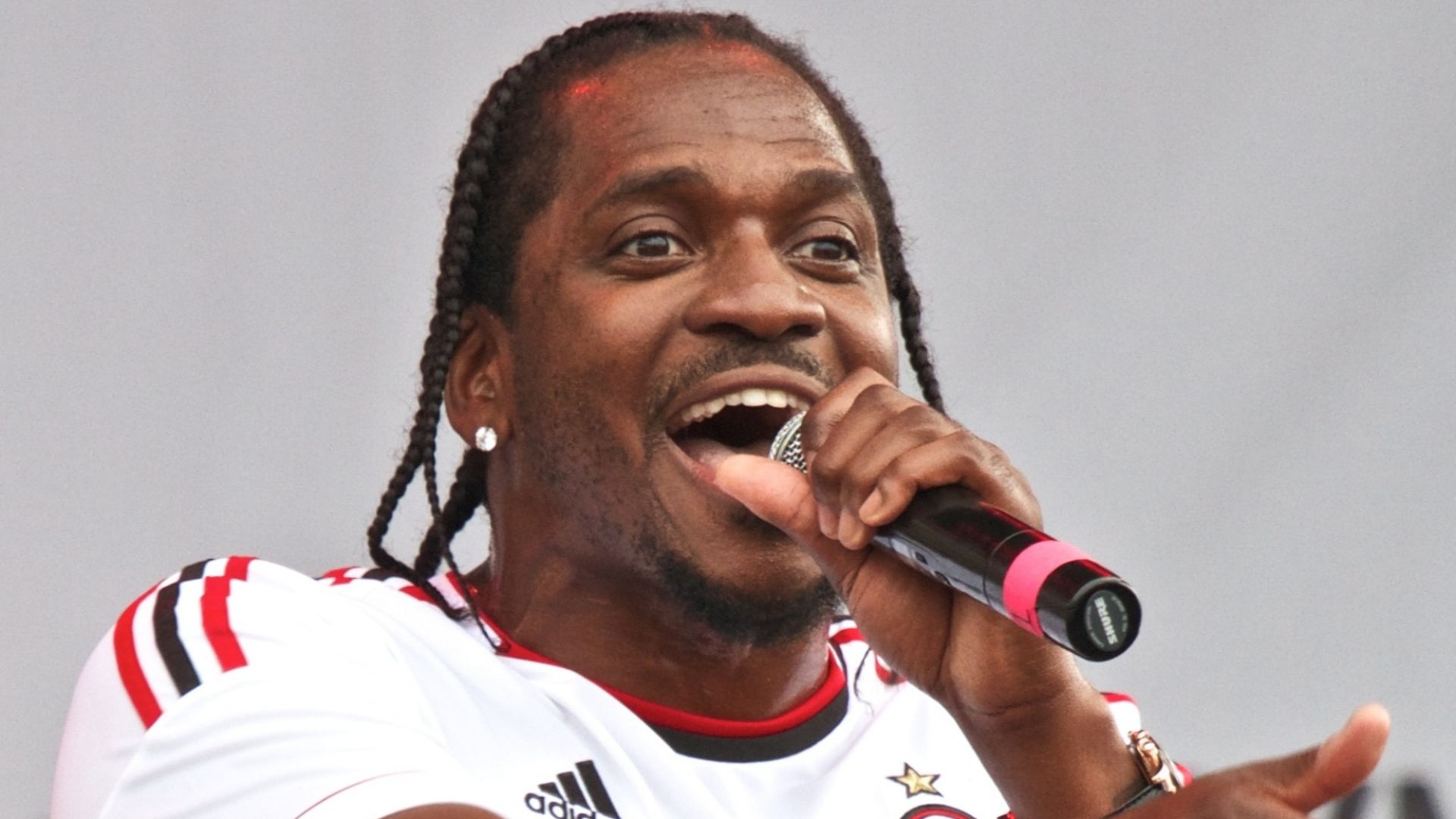 Simon Abrams, Wikimedia Commons
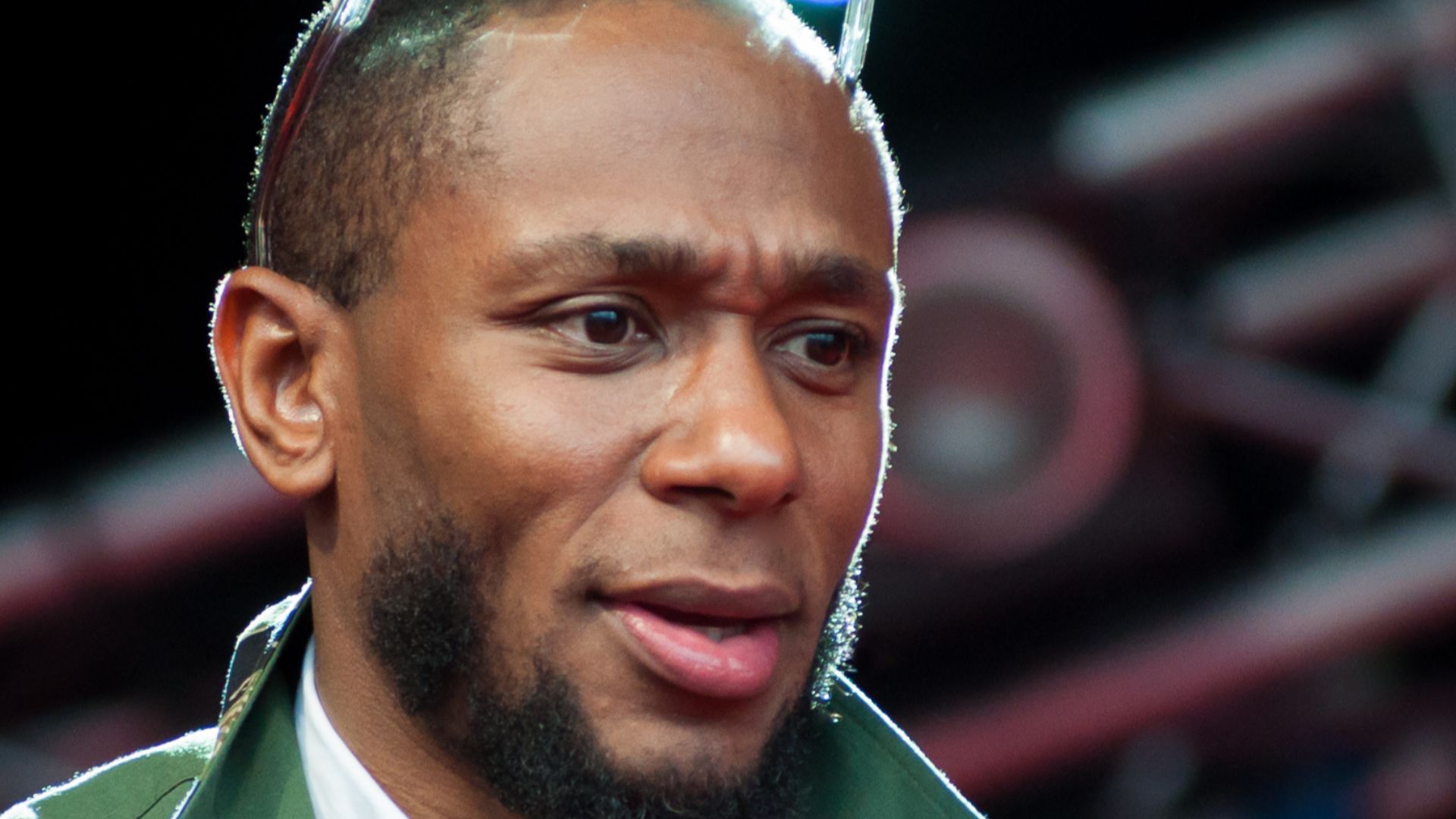
Bin Laden–Immortal Technique Featuring Yasiin Bey And Others
Immortal Technique has never been shy about controversy. “Bin Laden” questions official narratives and US foreign policy with fearless bluntness. It’s the kind of song that dares you to argue back.
 Tuomas Vitikainen, Wikimedia Commons
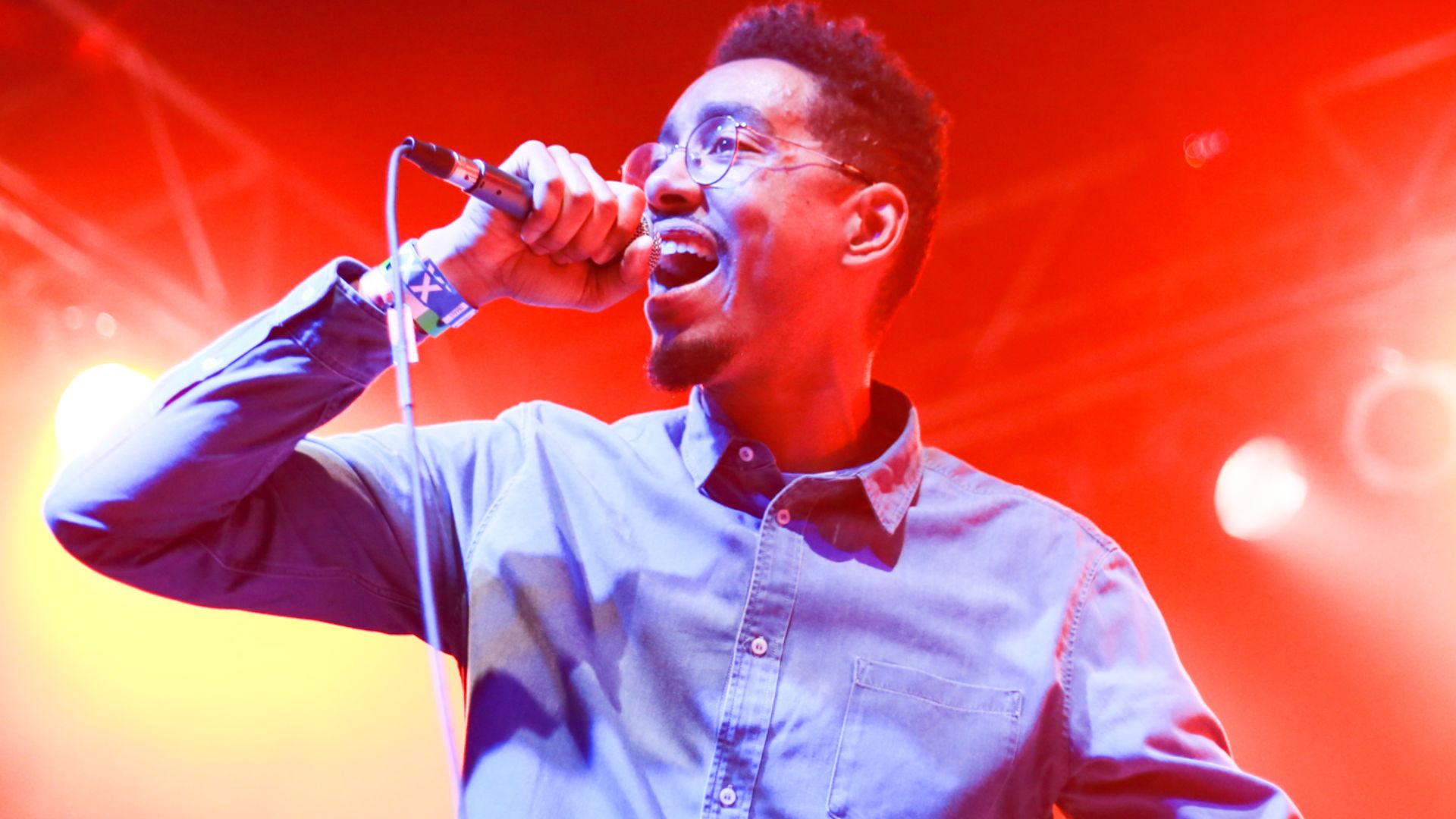
Like Really–Oddisee
Oddisee approaches politics with a raised eyebrow and sharp pen. The track questions performative outrage and surface-level engagement. It’s calm on the surface—but pointed underneath.
 Treefort Music Fest, Wikimedia Commons
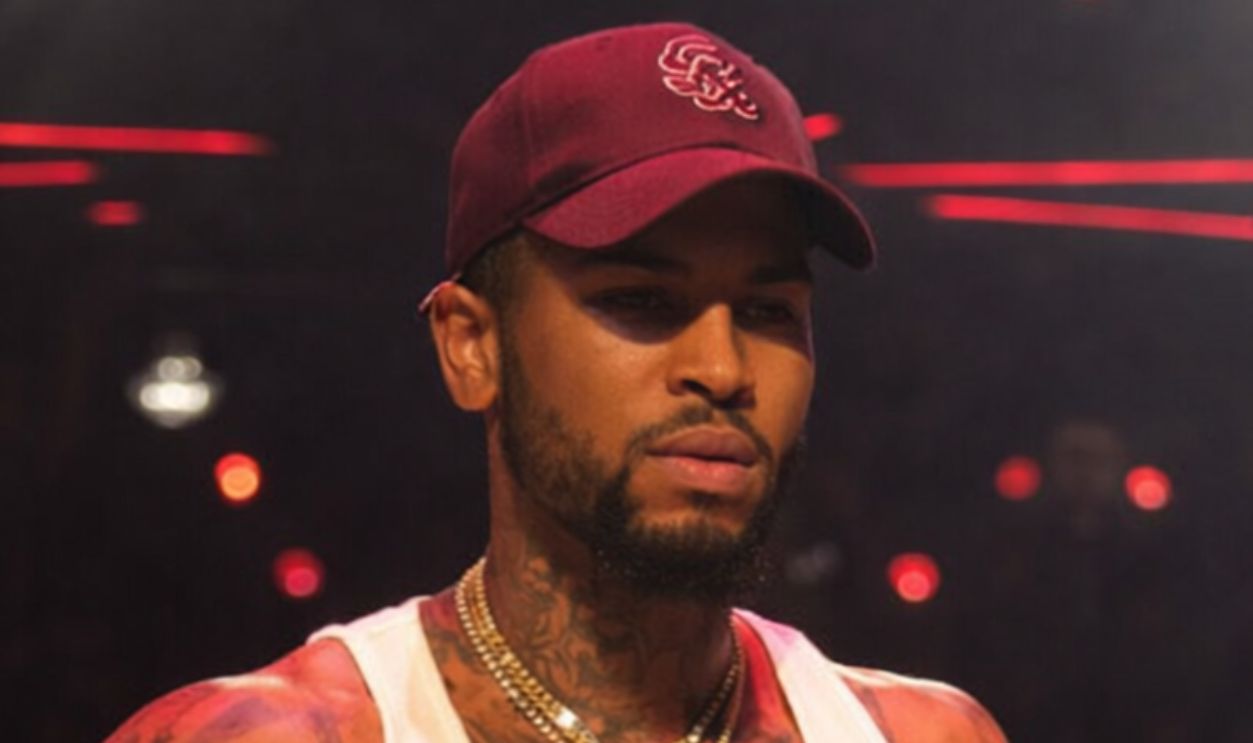
Don’t Shoot–Dave East
“Don’t Shoot” captures a moment of national tension and channels it into direct appeal. Dave East keeps the message simple and clear. Sometimes the most powerful statement is also the most straightforward.
 Chris ATL, CC BY 3.0, Wikimedia Commons
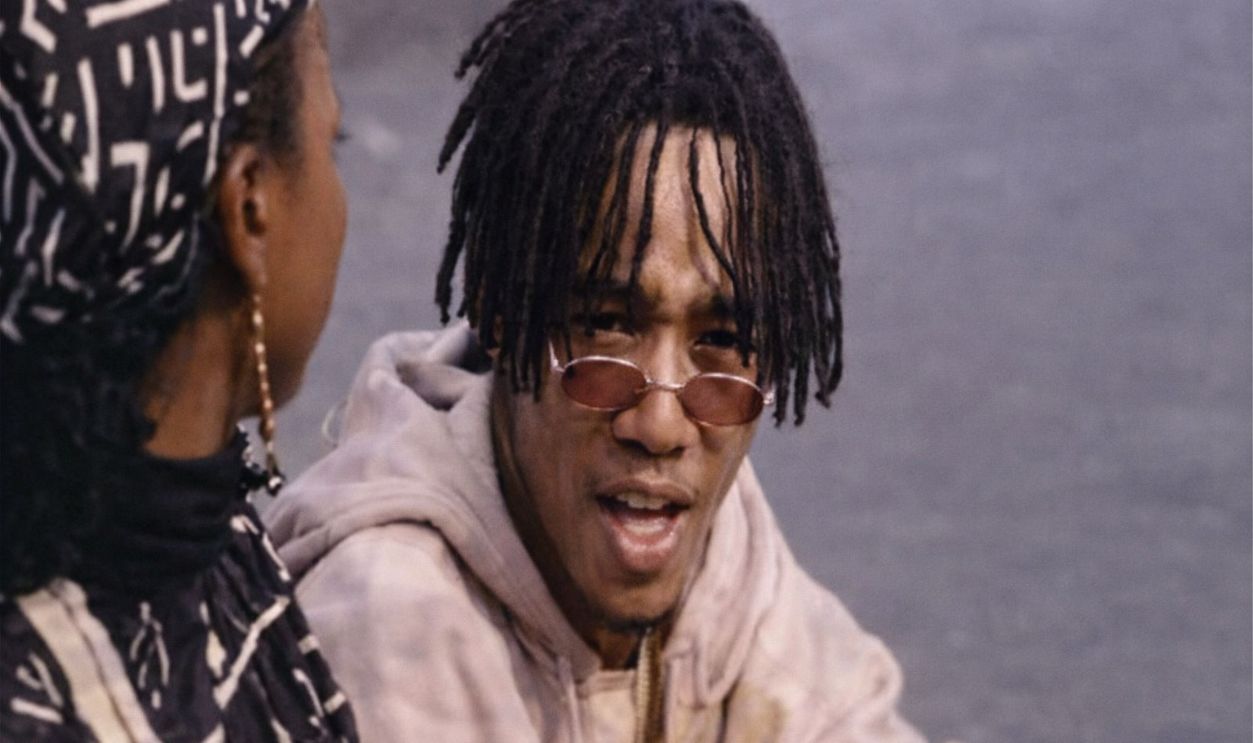
Revolution–Arrested Development
Arrested Development brought activism wrapped in melody. “Revolution” calls for change but doesn’t lose its warmth. It proves protest music doesn’t always have to shout to be heard.
 Screenshot from Revolution, EMI Music Distribution (1992)
When Rap Refuses To Whisper
Together, these songs show how hip-hop keeps circling back to one core idea: speak up. Whether it’s policy breakdowns, personal grief, or full-volume outrage, the message is consistent. When something feels broken, rap doesn’t just soundtrack the moment—it challenges it.
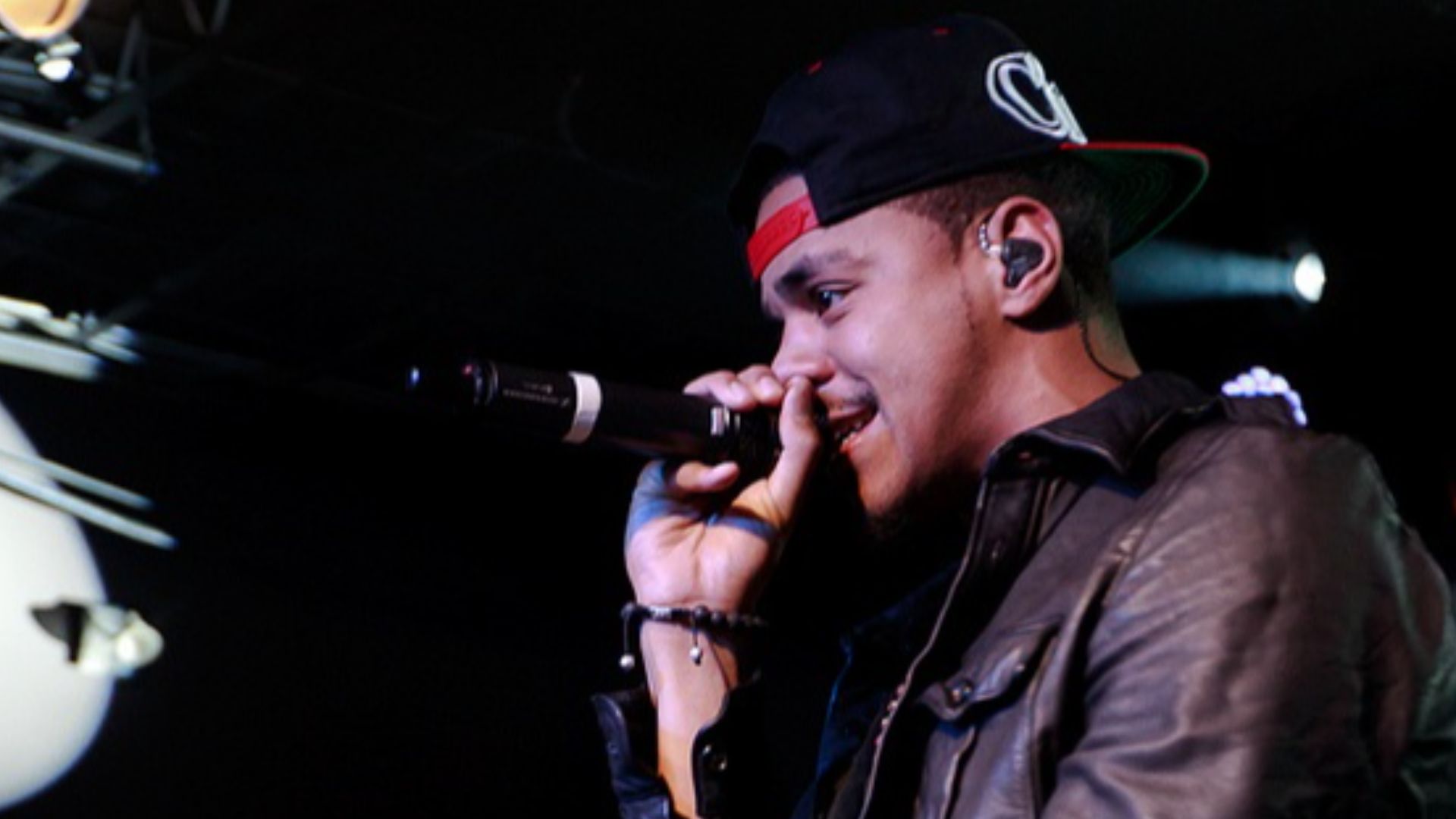 thecomeupshow, Wikimedia Commons
You May Also Like:
Iconic R&B Songs That Might Convince You To Stay Single Forever
Source: 1