Explorers Of Sound, Vision, And Mind-Bending Music
Psychedelic rock was a complete shift in perception. In the mid-1960s, bands started stretching songs past normal limits, bending guitars into strange shapes, and writing lyrics that felt more like dreams than diary entries. Reverb got heavier. Songs got longer. Structures got weirder. And suddenly rock music wasn’t just something you listened to—it was something you experienced.
 Michael Ochs Archives/Getty Images
The Doors
Formed in Los Angeles in 1965, The Doors quickly became one of psychedelic rock’s most iconic voices. With Jim Morrison’s poetic lyrics and unpredictable stage presence, Ray Manzarek’s swirling organ lines, and Robby Krieger’s distinctive guitar work, they bridged blues, jazz, and psychedelia in a way that felt both hypnotic and unsettling. Tracks like “The End” and “Light My Fire” captured mysticism and raw emotional intensity in equal measure.
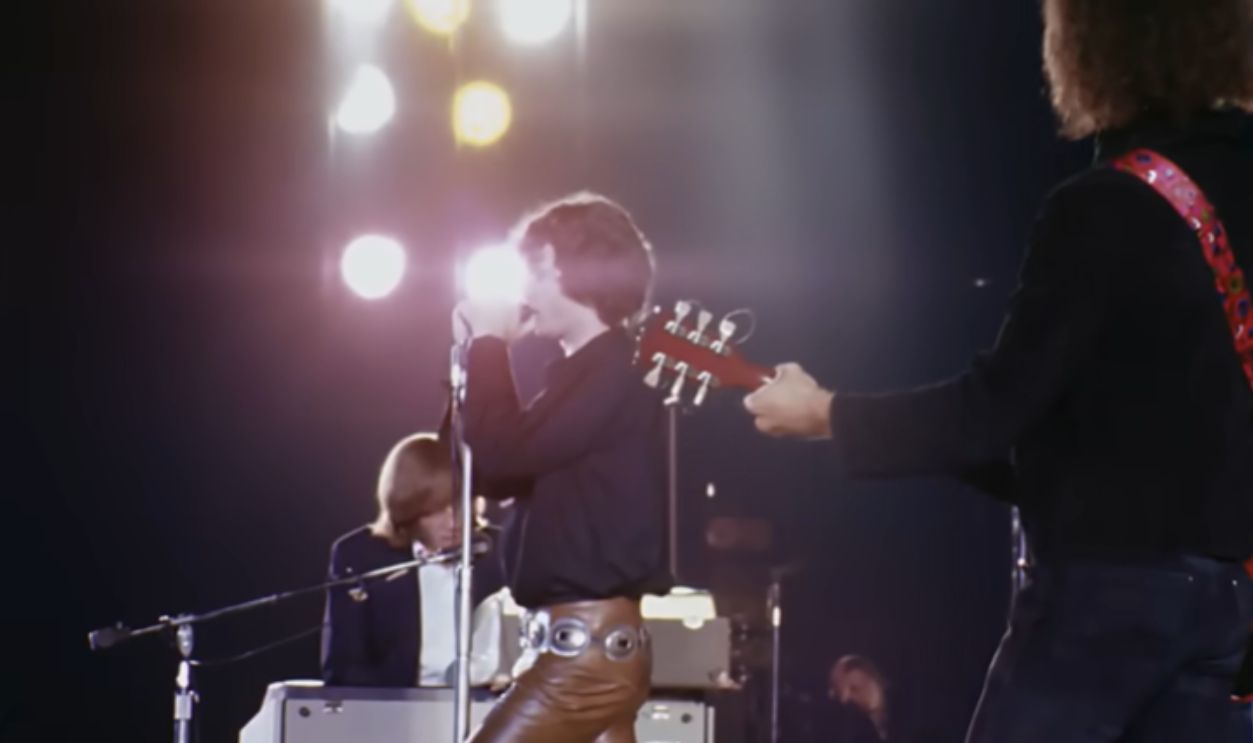 Screenshot from Light My Fire, Elektra Records (1967)
Cream
As one of rock’s first supergroups, Cream (featuring Eric Clapton, Jack Bruce, and Ginger Baker) fused blues roots with expansive improvisation and distortion. Their 1967 album Disraeli Gears showcased psychedelic staples like “Strange Brew” and “Tales of Brave Ulysses,” combining virtuosic musicianship with swirling effects and a freer approach to rock. Cream’s jam-heavy experimentation helped lay groundwork for both psychedelia and heavier rock movements.
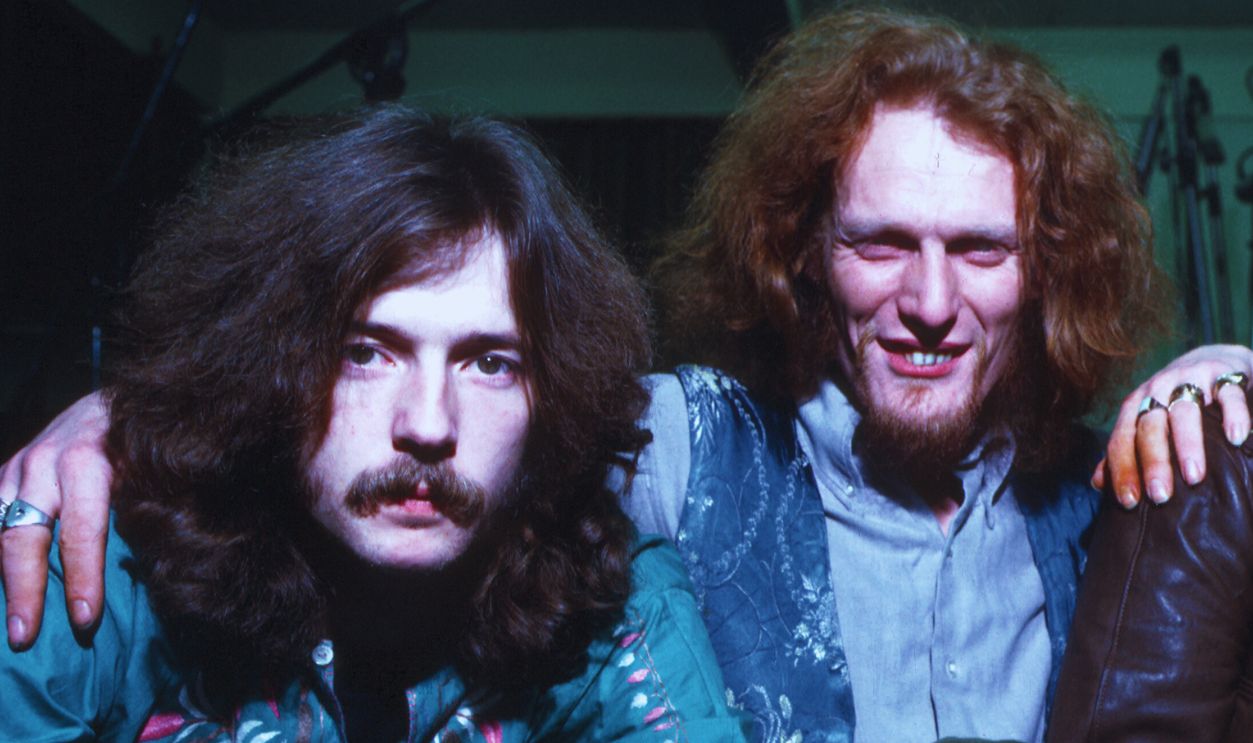 Michael Ochs Archives, Getty Images
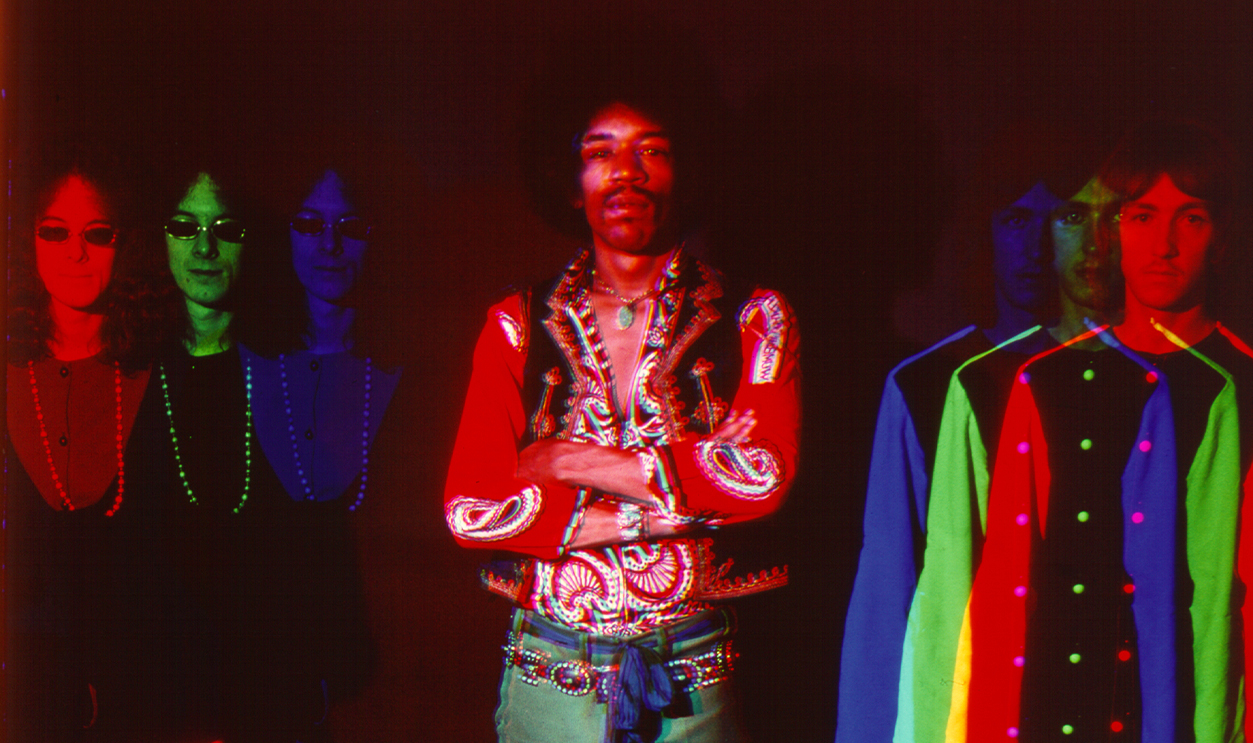
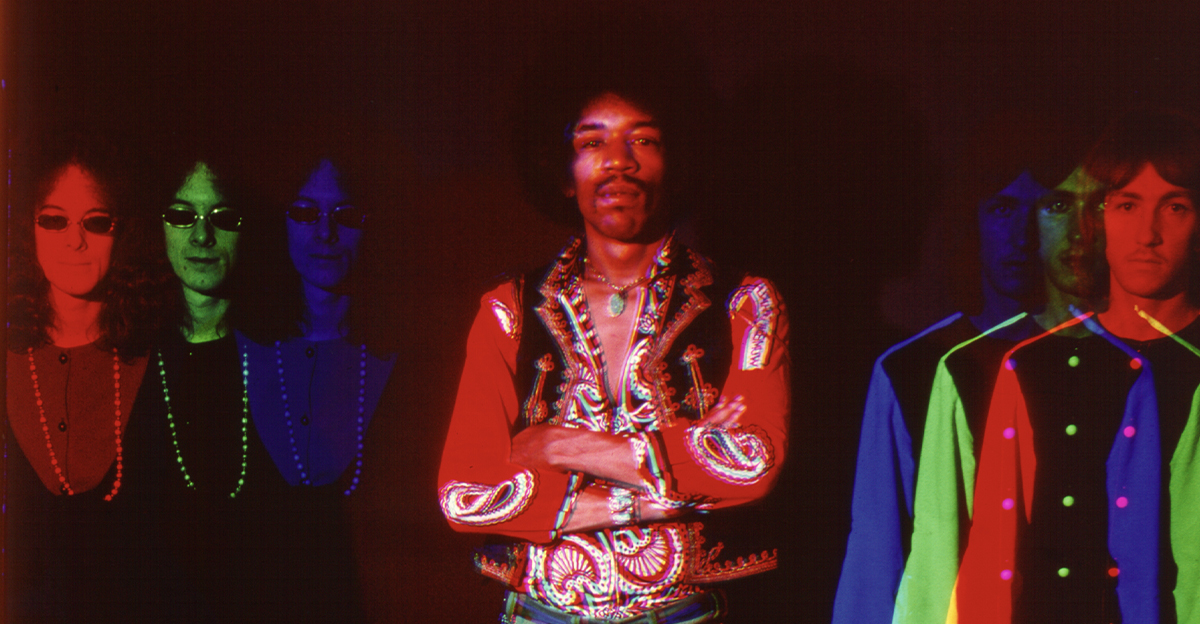
The Jimi Hendrix Experience
Few artists reshaped psychedelic music like Jimi Hendrix. With explosive guitar techniques and fearless studio experimentation, The Jimi Hendrix Experience transformed blues-rock into something cosmic. Albums like Are You Experienced and Electric Ladyland layered distortion, feedback, and wah-drenched textures into immersive soundscapes. Hendrix didn’t just stretch guitar boundaries—he dissolved them entirely.
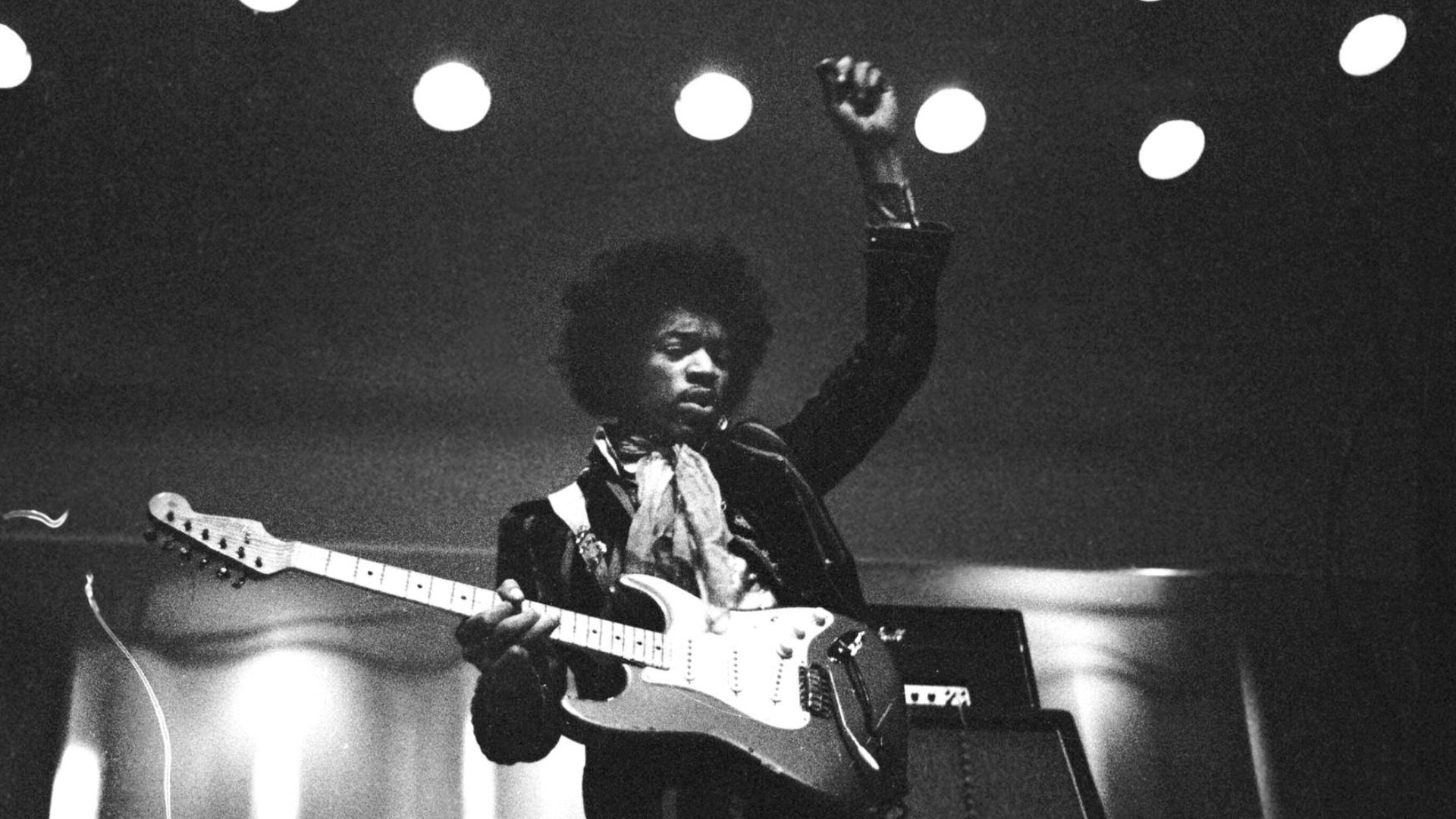 Hannu Lindroos / Lehtikuva, Wikimedia Commons
The Rolling Stones
Though rooted in blues and swaggering rock ’n’ roll, The Rolling Stones dove headfirst into psychedelia during the mid-1960s. Songs like “Paint It Black” incorporated sitar and modal scales, while Their Satanic Majesties Request embraced kaleidoscopic production and surreal imagery. It was a brief but fascinating detour that showed even rock’s grittiest band could experiment with the era’s mind-expanding aesthetics.
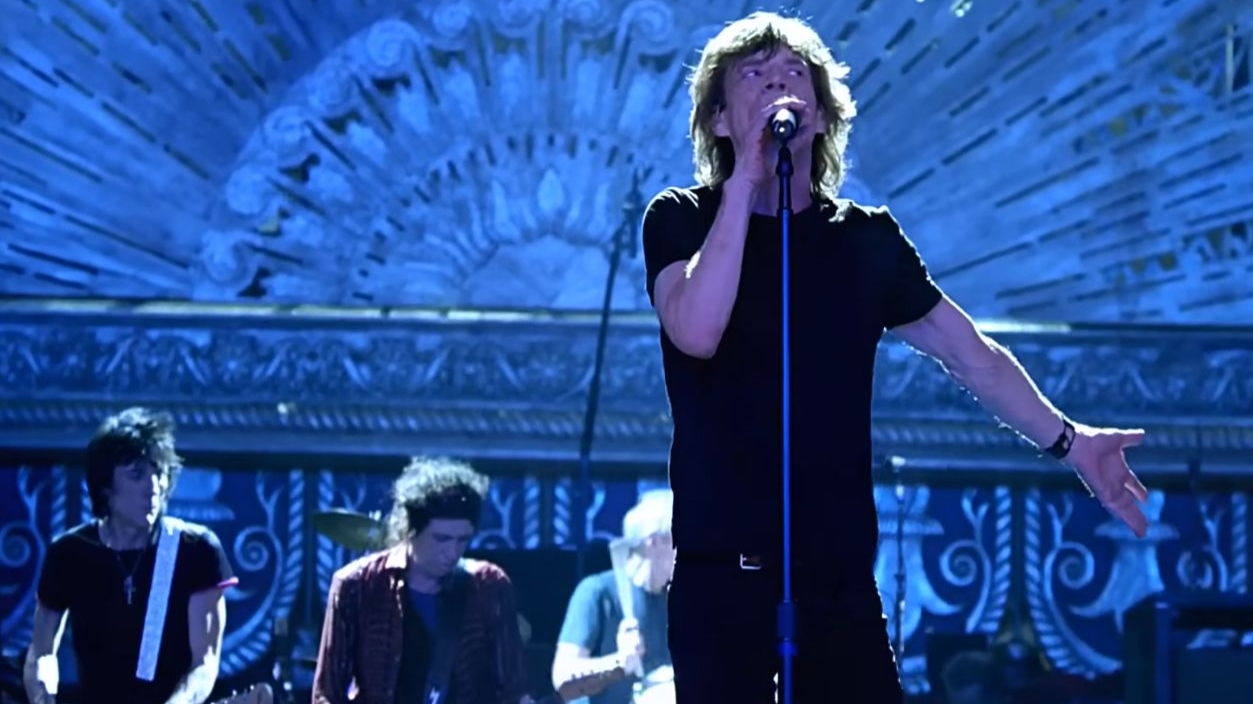 Screenshot from Paint It Black, London Recordings (1966)
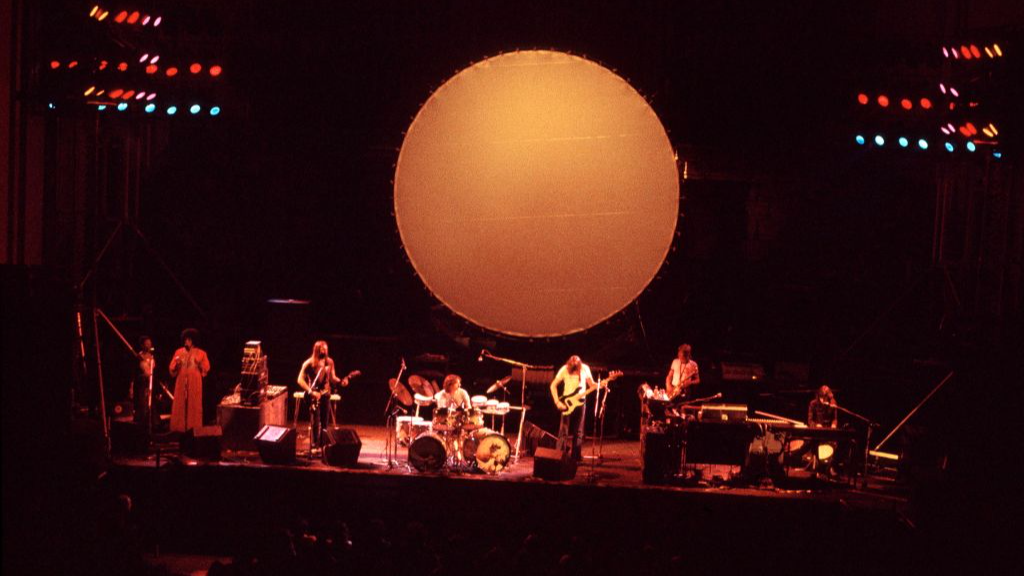
Pink Floyd
Pink Floyd built entire sonic worlds out of echo, atmosphere, and philosophical depth. Their early Syd Barrett era leaned into surreal whimsy and spacey improvisation, while later albums like The Dark Side Of The Moon and Wish You Were Here refined psychedelia into cinematic precision. They combined experimental electronics with emotional introspection, turning psychedelic rock into something immersive and conceptual.
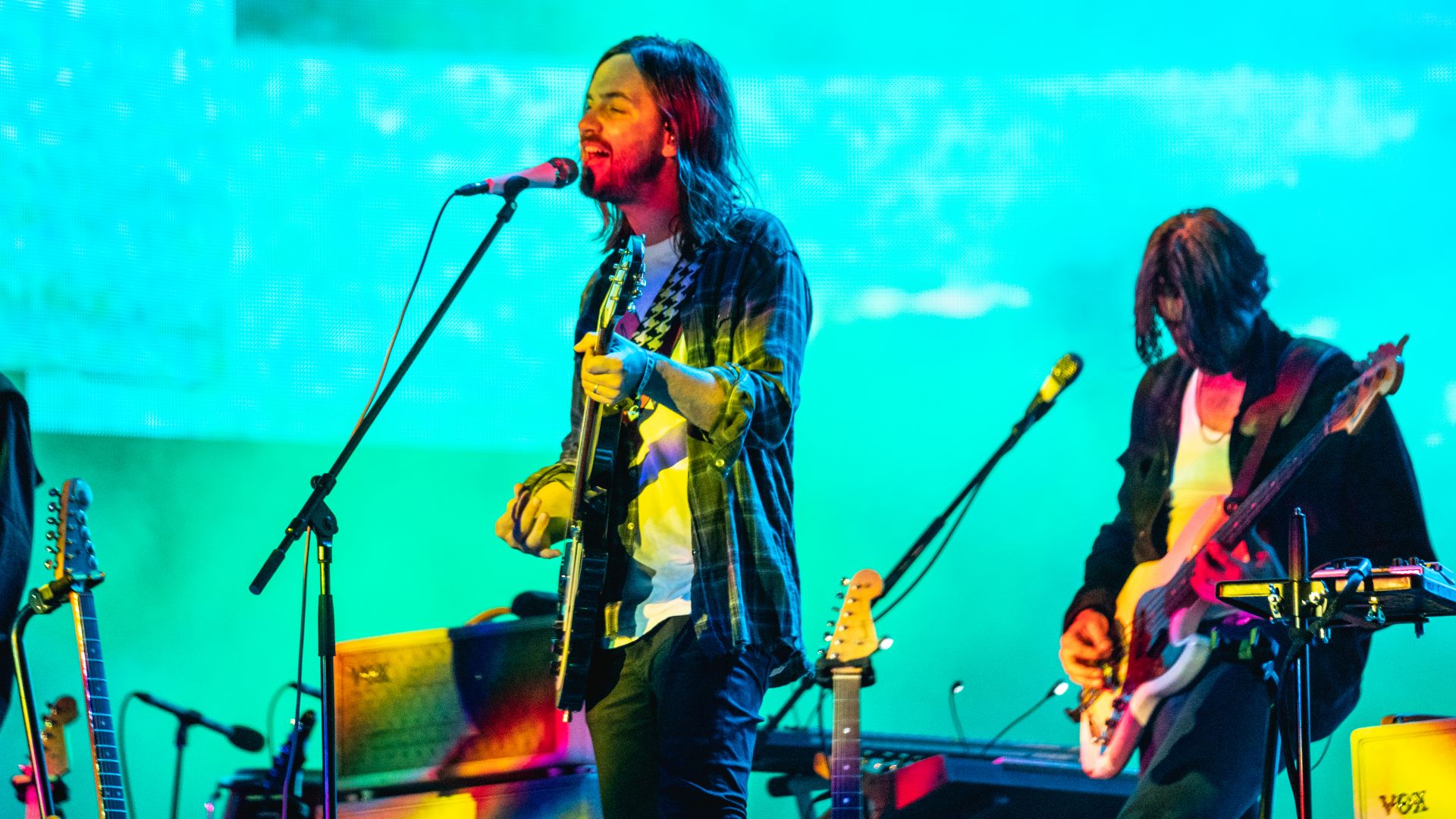
Tame Impala
Tame Impala proves psychedelic rock isn’t stuck in the 60s. Kevin Parker’s project channels vintage textures—fuzzy guitars, dreamy vocals, hypnotic rhythms—through modern production. Albums like Lonerism and Currents blend psych rock with synth-pop and electronic polish, creating music that feels nostalgic and futuristic at once. It’s a seamless revival without imitation.
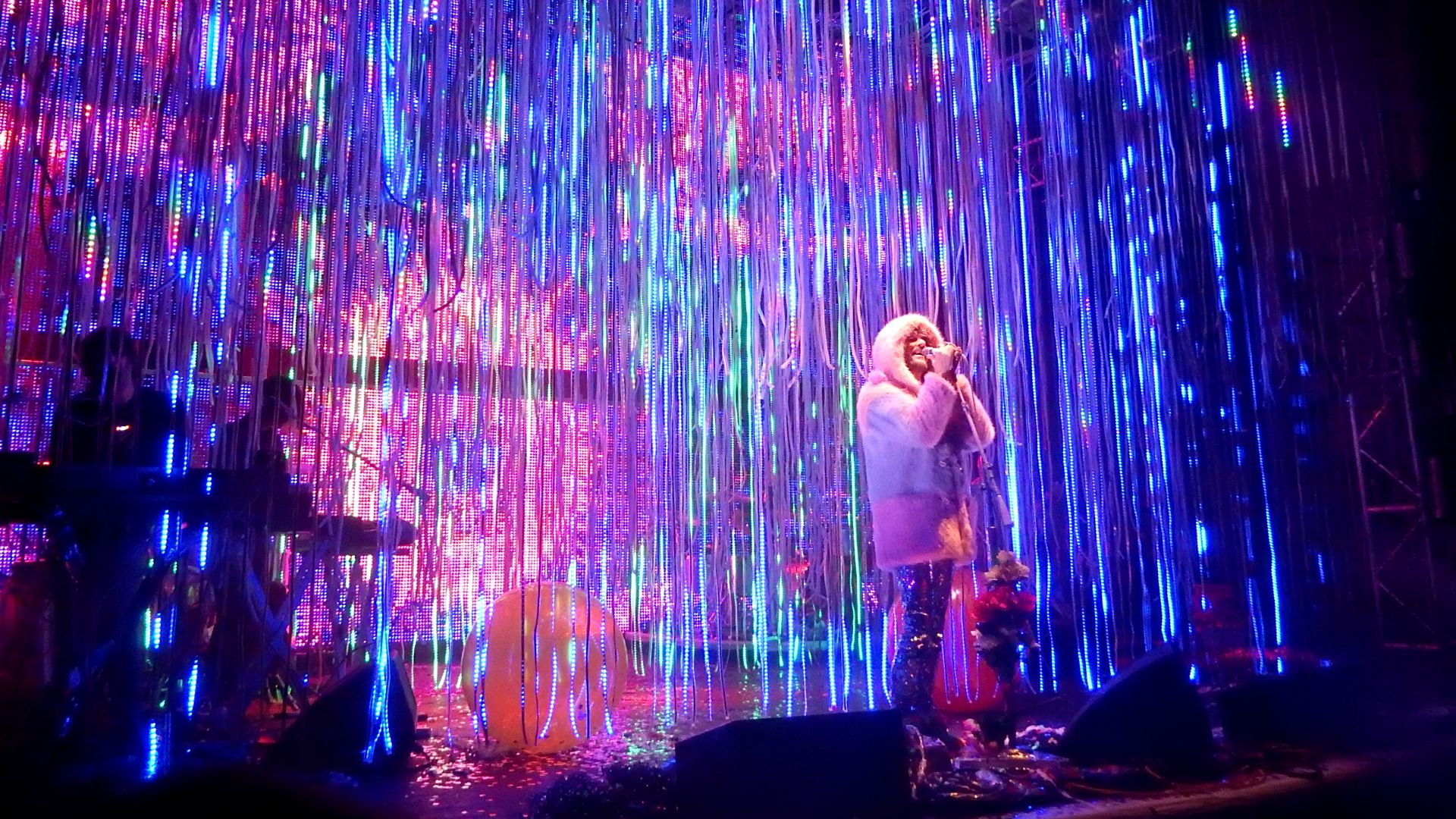
The Flaming Lips
The Flaming Lips have kept psychedelic imagination alive for decades. Known for elaborate live shows, layered studio experimentation, and surreal concepts, they combine quirky electronics with emotional songwriting. Albums like The Soft Bulletin and Yoshimi Battles The Pink Robots feel like lucid dreams set to music, balancing vulnerability with otherworldly sonic adventure.
 Drew de F Fawkes, Wikimedia Commons
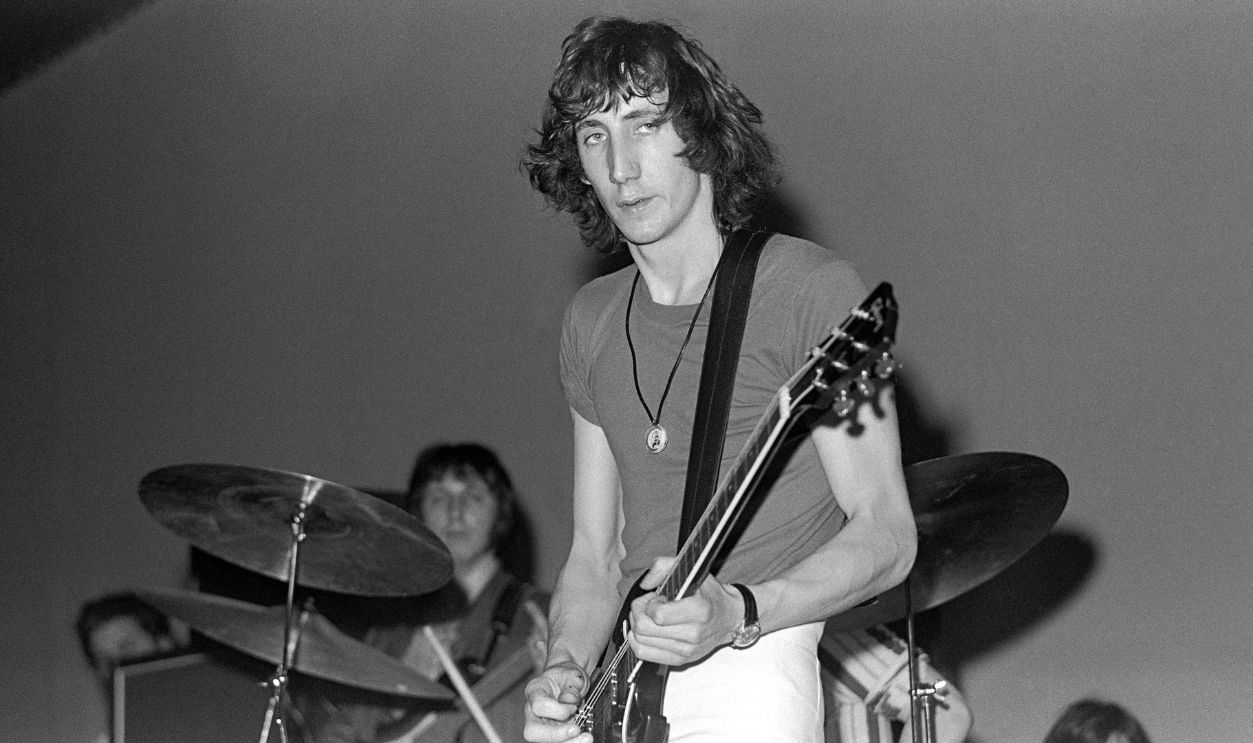
The Who
The Who’s contribution to psychedelia often gets overshadowed by their hard-rock power, but Tommy expanded rock’s narrative ambition into psychedelic territory. The album’s thematic cohesion and studio experimentation helped shape rock opera as a form. They combined muscular performance with conceptual scale, proving psychedelic rock could be both theatrical and explosive.
The Beatles
The Beatles helped define psychedelic rock’s mainstream breakthrough. From tape loops and reverse guitar effects to Eastern instrumentation and abstract lyrics, albums like Sgt. Pepper’s Lonely Hearts Club Band and Magical Mystery Tour reinvented pop’s possibilities. They made experimentation accessible, turning psychedelic innovation into global phenomenon.
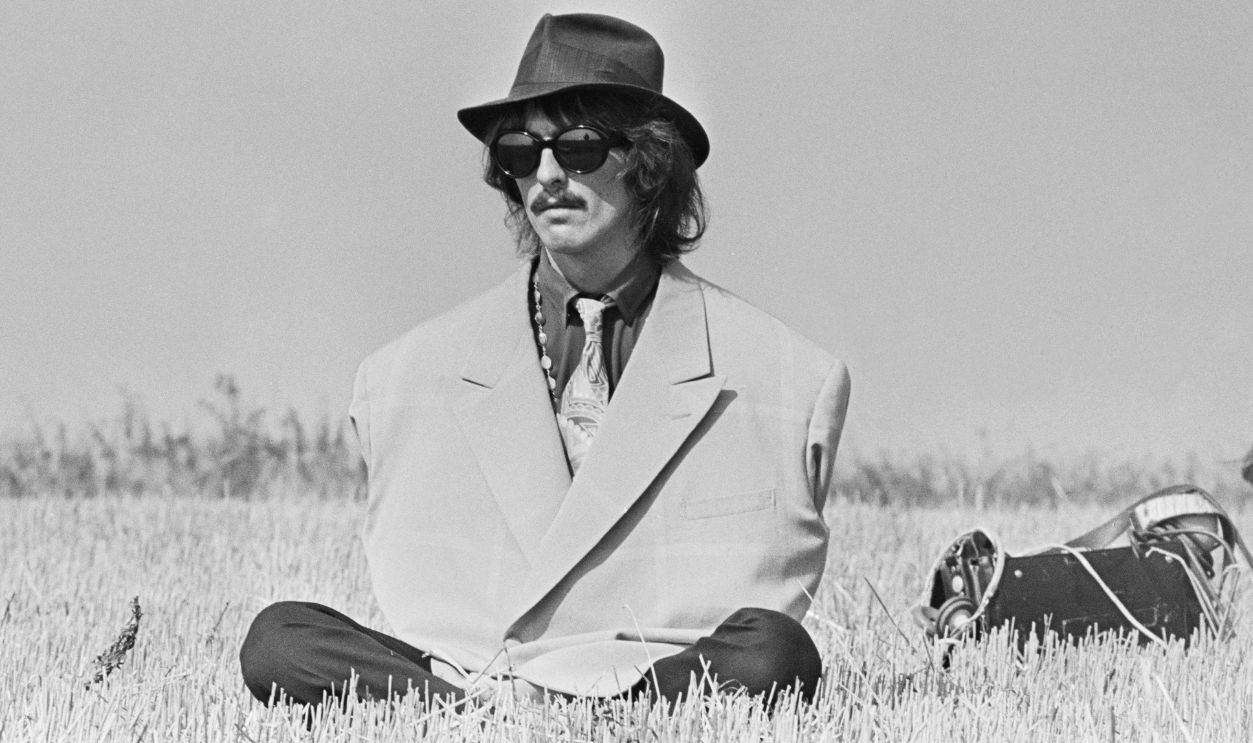
13th Floor Elevators
Often credited as one of the first bands to call their music “psychedelic,” the 13th Floor Elevators fused garage rock energy with eerie, reverberating textures. Their electric jug added a distinctive warble that set them apart. “You’re Gonna Miss Me” captured the restless urgency of early psychedelia with raw, unfiltered intensity.
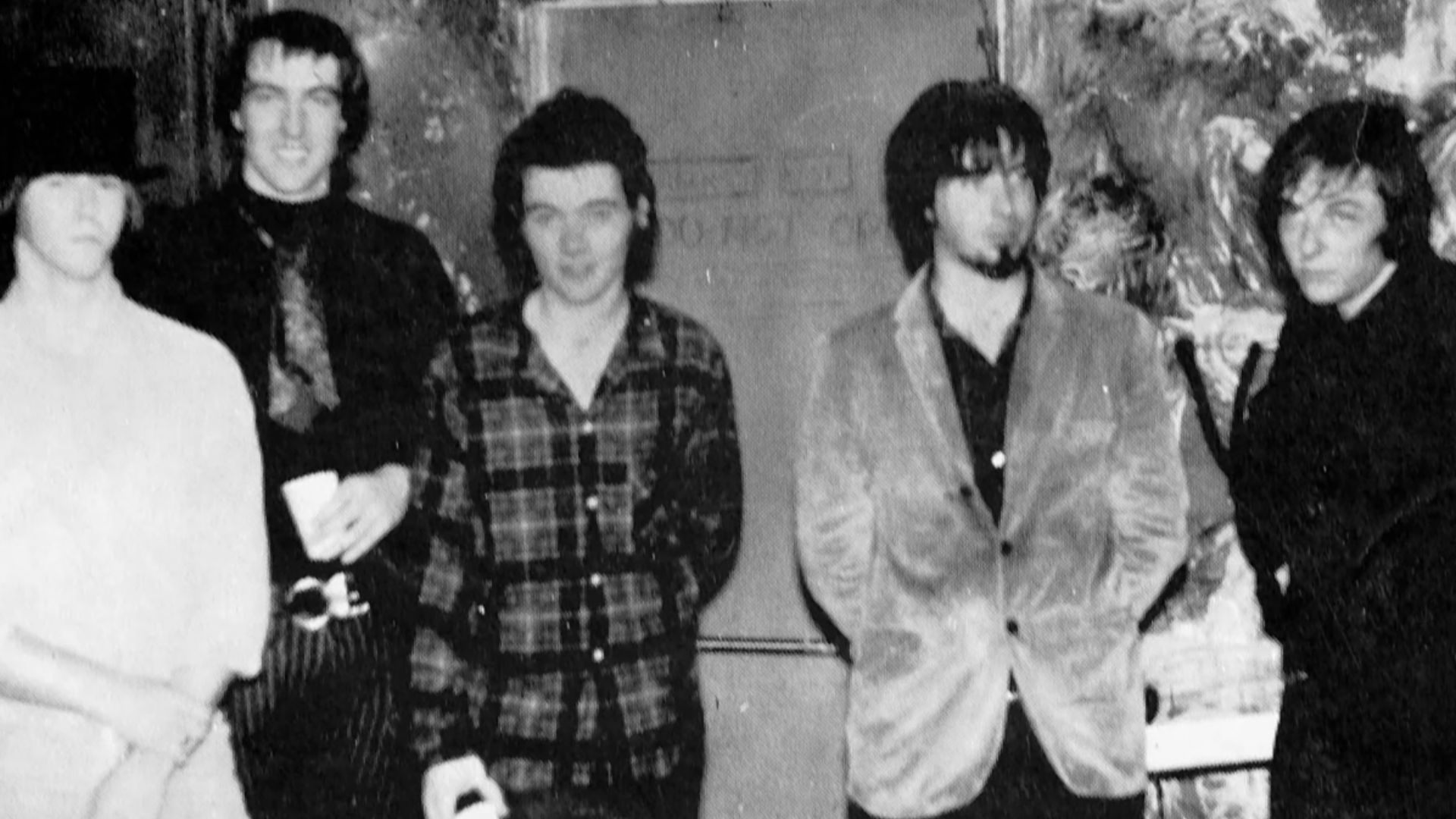 Published in Not Fade Away by Doug Hanners, Wikimedia Commons
The Dandy Warhols
Emerging in the 90s, The Dandy Warhols blended neo-psychedelia with indie cool. Their hazy guitars and laid-back grooves paid homage to classic psych influences while maintaining modern sensibilities. Songs like “Bohemian Like You” balanced attitude and atmosphere, showing that psychedelic aesthetics could still feel effortless and stylish decades later.
 Screenshot from Bohemian Like You, The Dandy Warhols, Capitol Records (2000)
Jefferson Airplane
Jefferson Airplane became one of the defining voices of San Francisco’s psychedelic explosion. Grace Slick’s commanding vocals on “White Rabbit” and “Somebody To Love” brought intensity and mystique to their swirling sound. Their music blended folk-rock roots with trippy textures, embodying the counterculture’s spirit of rebellion and exploration.
 Screenshot from White Rabbit, RCA Victor (1967)
Grateful Dead
The Grateful Dead turned psychedelic rock into a communal experience. Their extended improvisations blurred genre lines between rock, folk, and blues, allowing songs to morph night after night. Concerts became journeys rather than performances, and their devoted following transformed live music culture in the process.
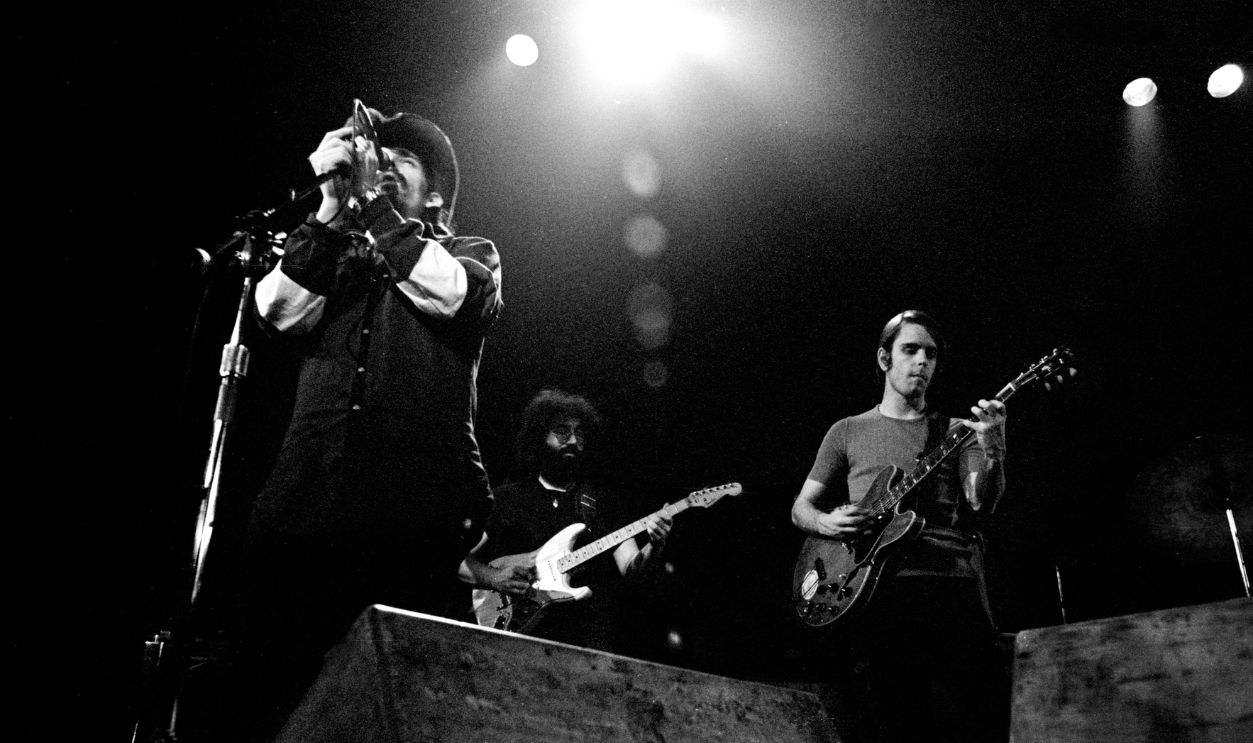 Gijsbert Hanekroot, Getty Images
Sly & The Family Stone
Blending funk, soul, and psychedelic production, Sly & The Family Stone expanded the genre’s rhythmic and cultural boundaries. Their layered grooves and socially conscious themes added depth and dynamism. Psychedelia didn’t have to float in space—it could groove hard and still challenge listeners.
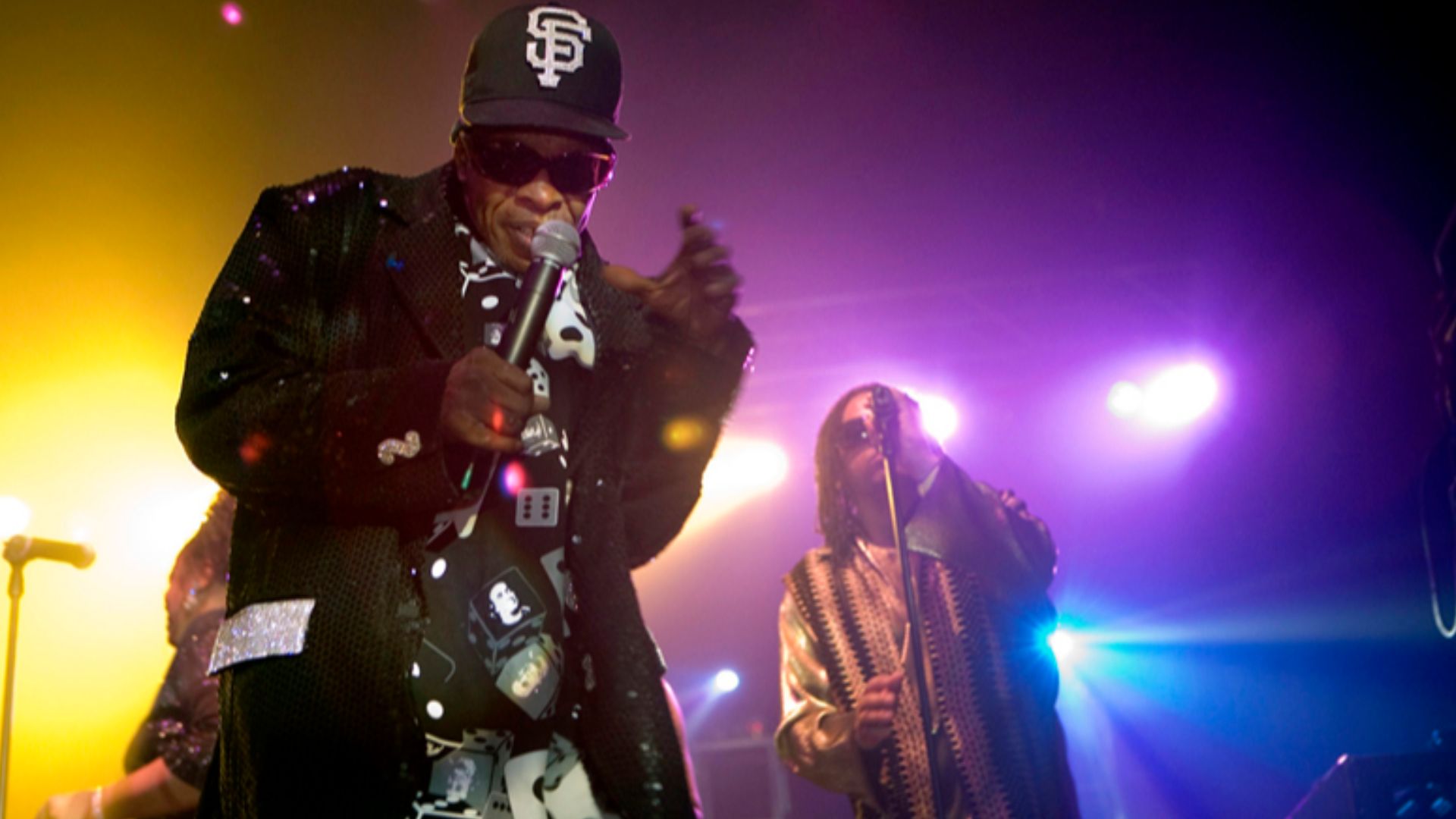 Simon Fernandez, Wikimedia Commons
The Yardbirds
The Yardbirds were early experimenters, incorporating feedback, distortion, and improvisational “rave-ups” that pushed rock into psychedelic territory. They also launched the careers of Clapton, Jeff Beck, and Jimmy Page, three guitarists who would shape rock’s future. Their willingness to experiment helped spark the British psych wave.
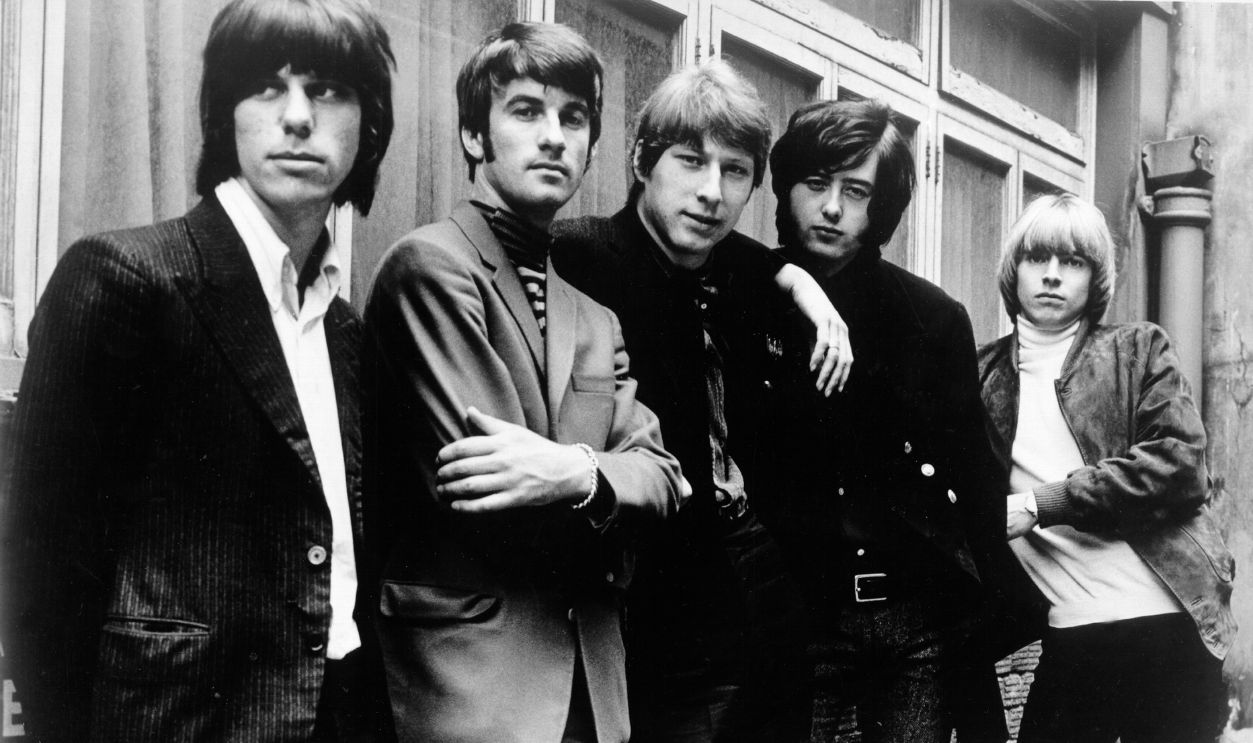 Michael Ochs Archives, Getty Images
Quicksilver Messenger Service
Part of San Francisco’s psychedelic scene, Quicksilver Messenger Service emphasized melodic interplay and extended jams. Their fluid guitar work and improvisational ethos made them favorites at acid tests and underground venues. They embodied the freeform, exploratory spirit at the heart of psychedelic rock.
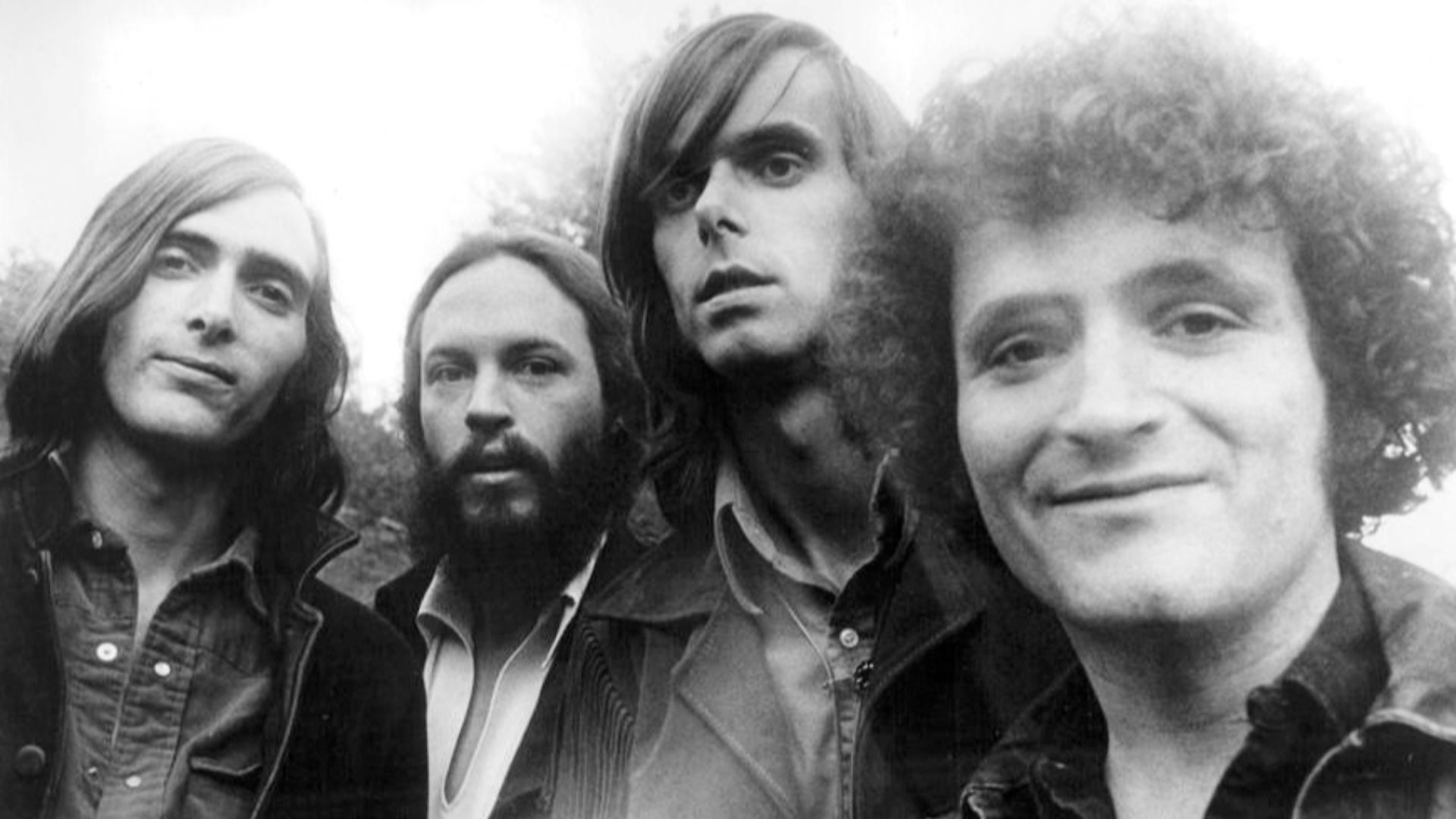 Capitol Records, Wikimedia Commons
Love
Los Angeles band Love brought baroque arrangements and poetic lyricism to psychedelia. Their landmark album Forever Changes combined folk influences, orchestration, and introspective songwriting. Rather than relying on volume or distortion, they created emotional depth through subtle complexity.
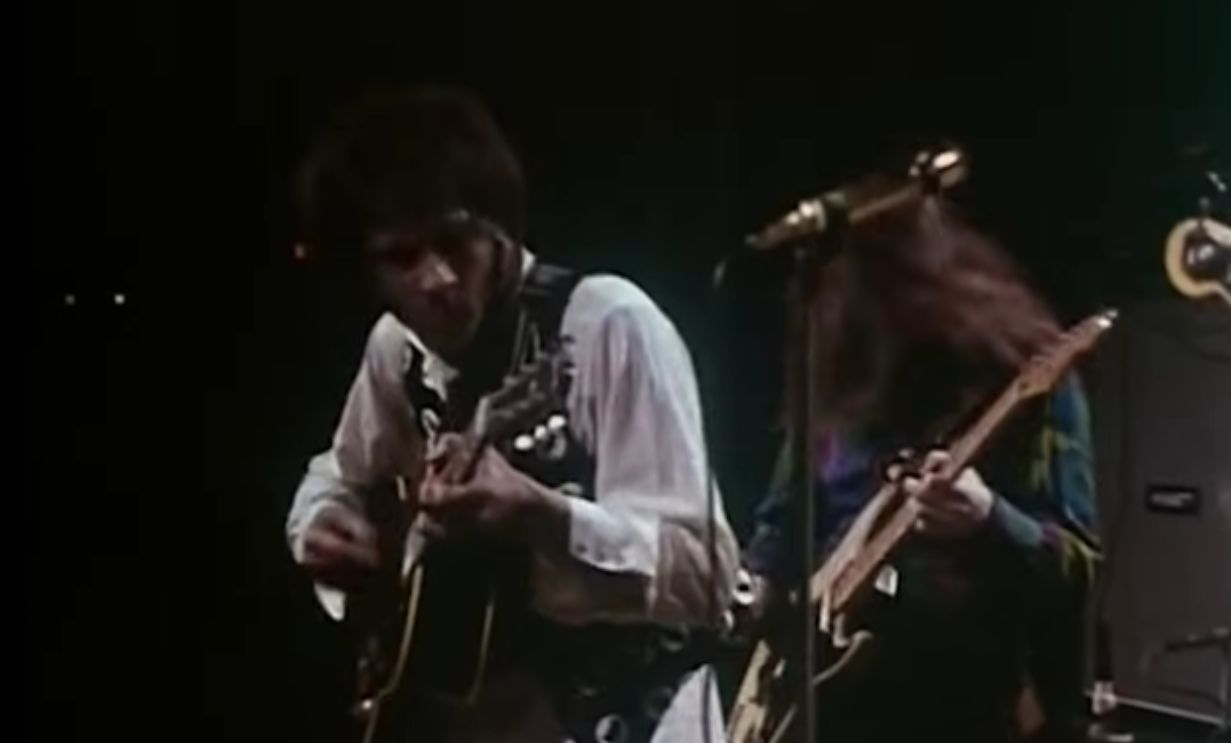 Screenshot from Forever Changes, Elektra Records (1967)
Spacemen 3
Spacemen 3 embraced repetition and minimalism, building hypnotic soundscapes from droning guitars and mantra-like rhythms. Their stripped-down approach influenced neo-psychedelic and shoegaze movements in the 80s and beyond. They proved psychedelia could be meditative and raw at the same time.
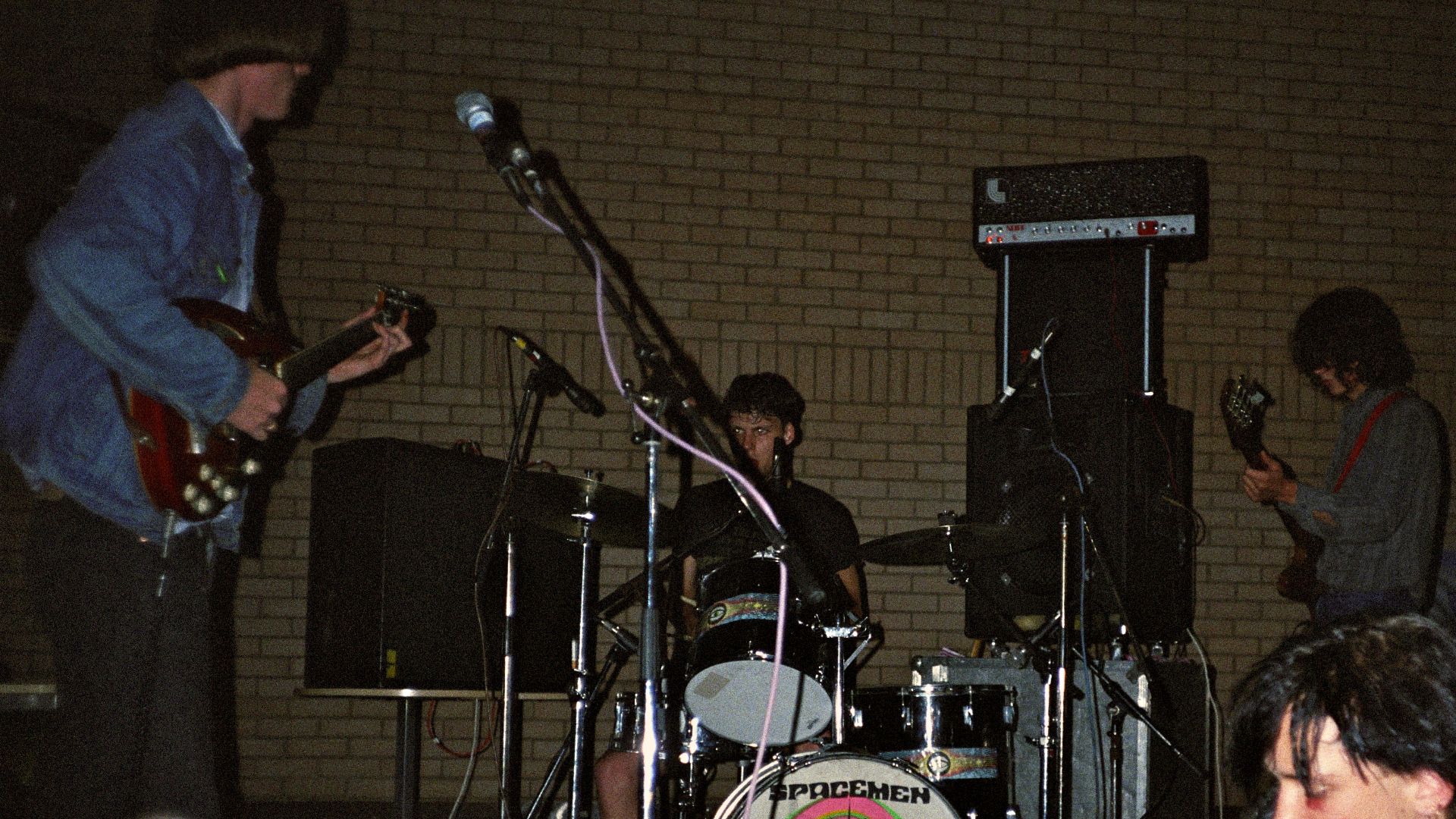
The Zombies
The Zombies delivered a more refined, melodic take on psychedelia. Their lush harmonies and keyboard textures made songs like “Time Of The Season” feel dreamy and mysterious. They leaned into atmosphere rather than chaos, giving psych rock a polished elegance.
 Screenshot from Time of the Season, CBS (1968)
Country Joe And The Fish
Country Joe And The Fish combined experimental sound with pointed political commentary. Emerging from the Bay Area scene, they infused psychedelic textures with satire and protest. “I-Feel-Like-I’m-Fixin’-To-Die Rag” captured the counterculture’s biting humor and rebellious edge, wrapping social critique in trippy instrumentation.
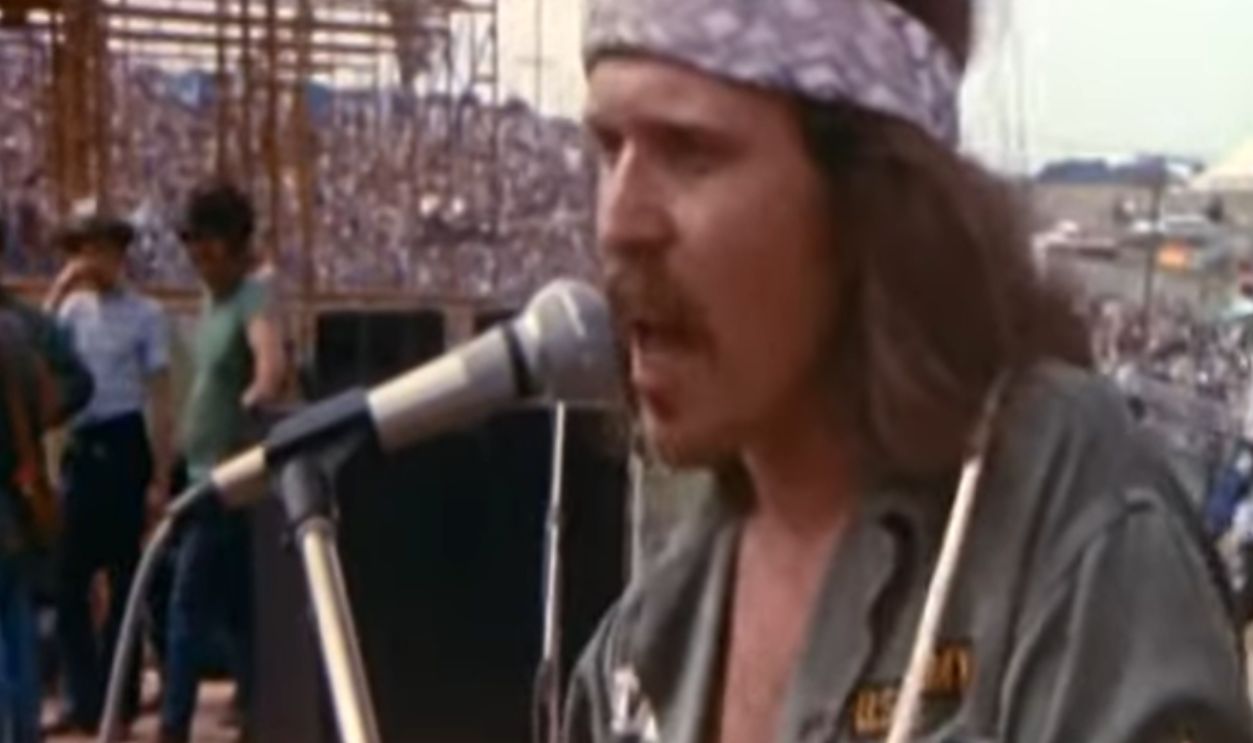 Screenshot from The 'Fish' Cheer / I-Feel-Like-I'm-Fixin'-to-Die Rag, Vanguard (1967)
You May Also Like:
Bands That Brought Britpop To The World
Countless Musicians Imitated The California Sound, But These Bands Defined It