When Reinvention Saves A Band
Sometimes, bands hit a wall. Sales stall, audiences’ attention starts to drift, or the sound that once seemed to work so well suddenly feels outdated. Instead of fading away, some of these groups took a risk and completely overhauled their lineup, style, or identity. The gamble doesn’t always pay off, but when it does, the results can change music history.
 Michael Ochs Archives/Getty Images
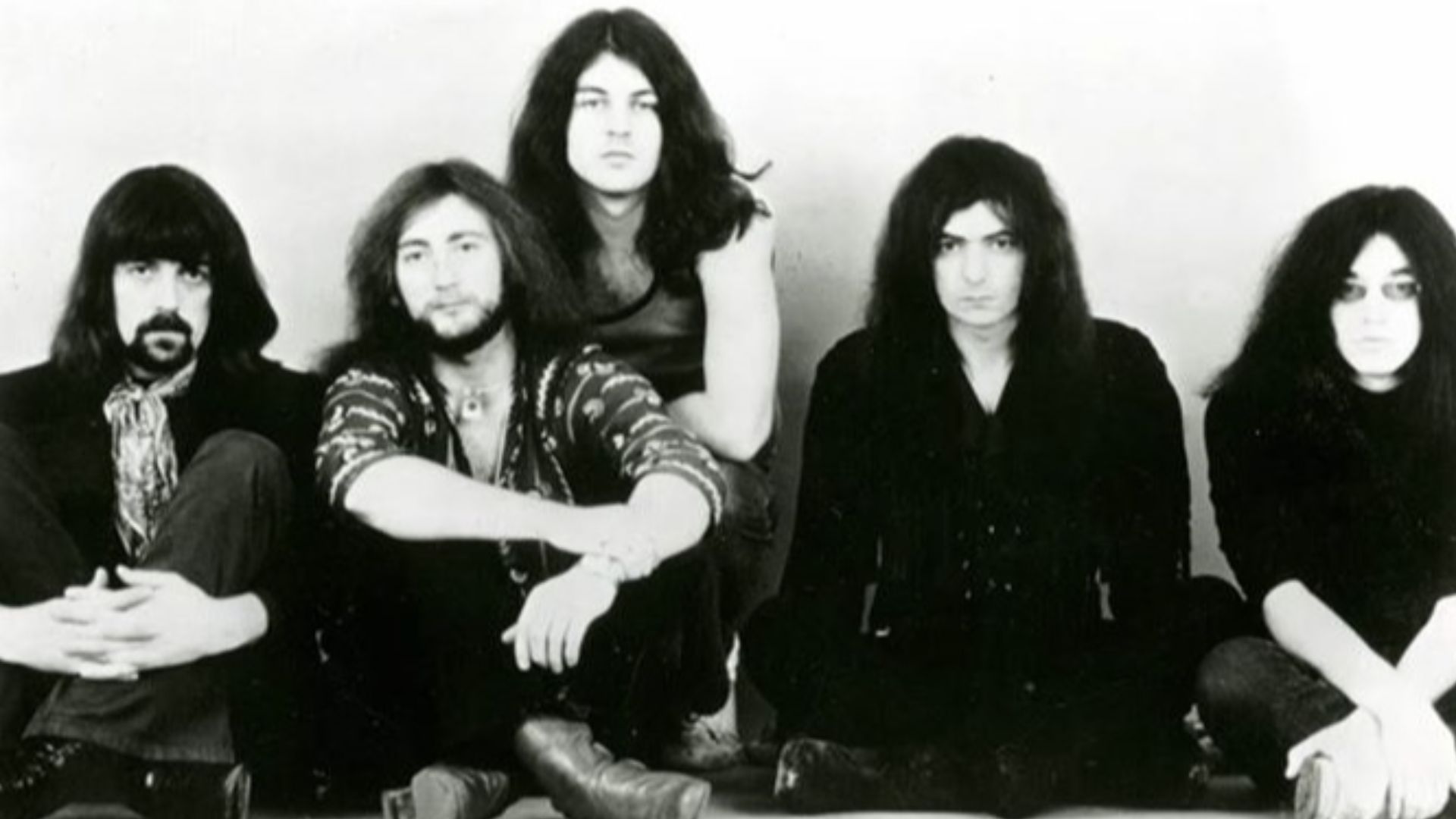
Deep Purple Finds Its Voice With Ian Gillan
Deep Purple struggled in the late 60s with an intriguing but unfocused psychedelic sound. Then they replaced their original singer Rod Evans with Ian Gillan. Gillan’s vocals and a new laser-like focus on hard rock ushered in a new era for the band, producing landmark albums and helping define hard rock itself. The change gave them clarity, identity, and global success.
 Warner Bros. Records, Wikimedia Commons
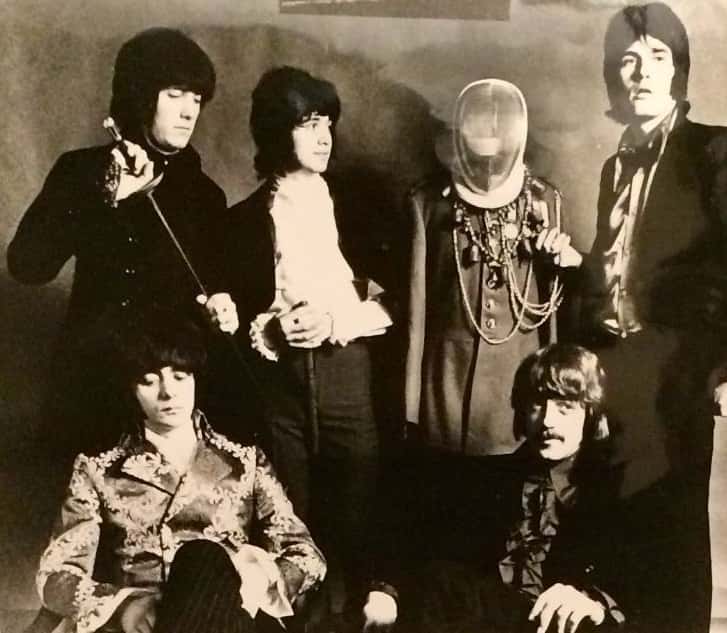
The Moody Blues Turn Symphonic
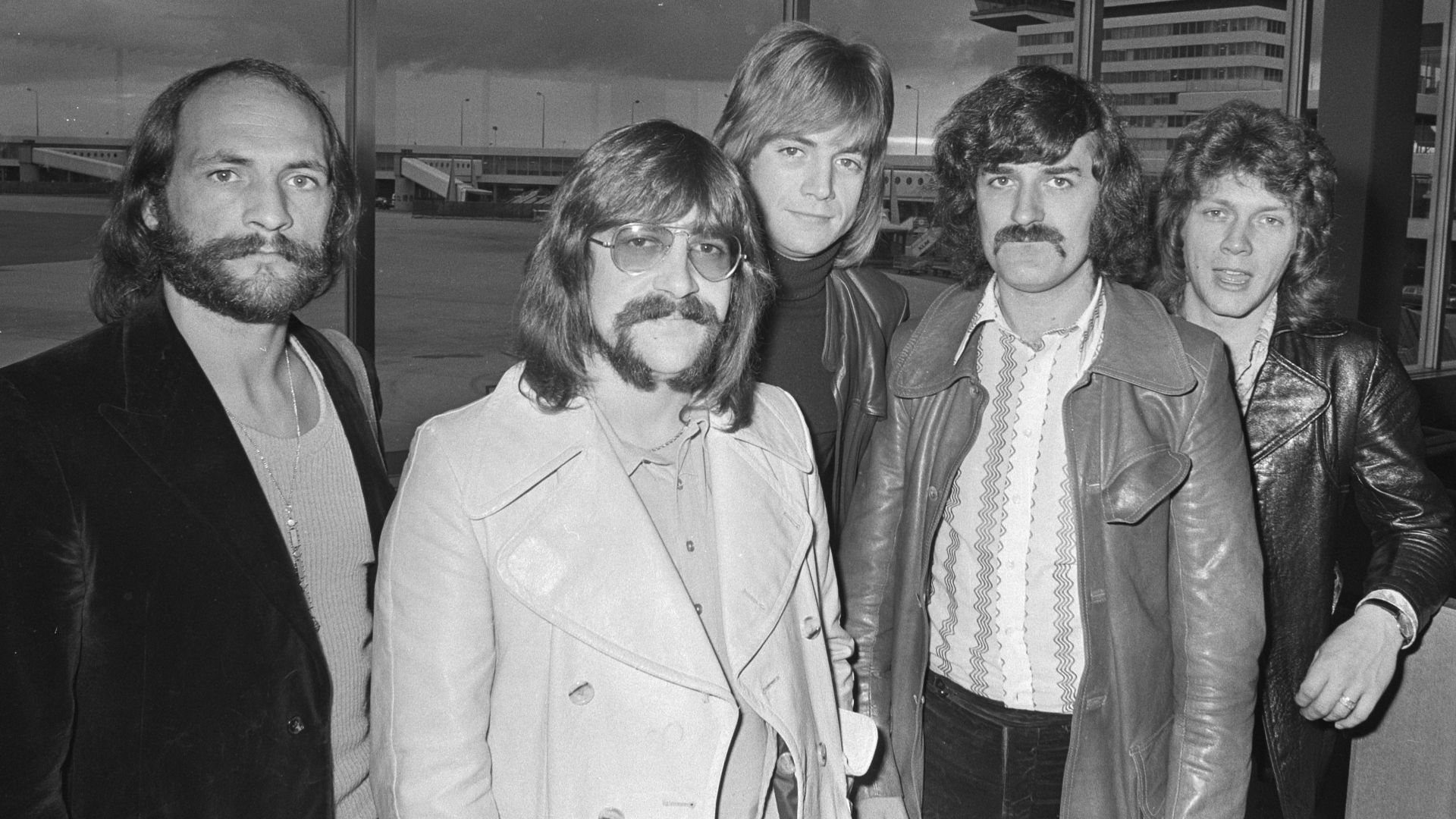
Originally an R&B act, The Moody Blues transformed their sound after Denny Laine and Clint Warwick left the band to be replaced by Justin Hayward and John Lodge. They pivoted into the lush, orchestral rock, culminating in Days of Future Passed (1967). The gamble paid off, helping them become a defining band of the late 60s and powering forward from there.
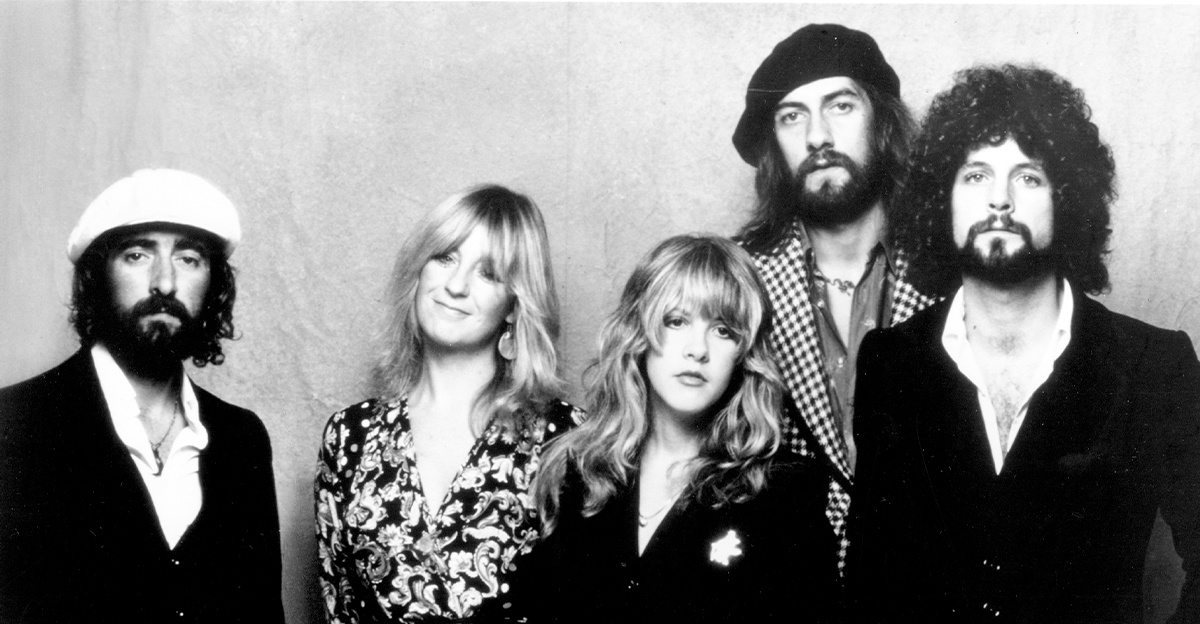
Fleetwood Mac Becomes A Pop Juggernaut
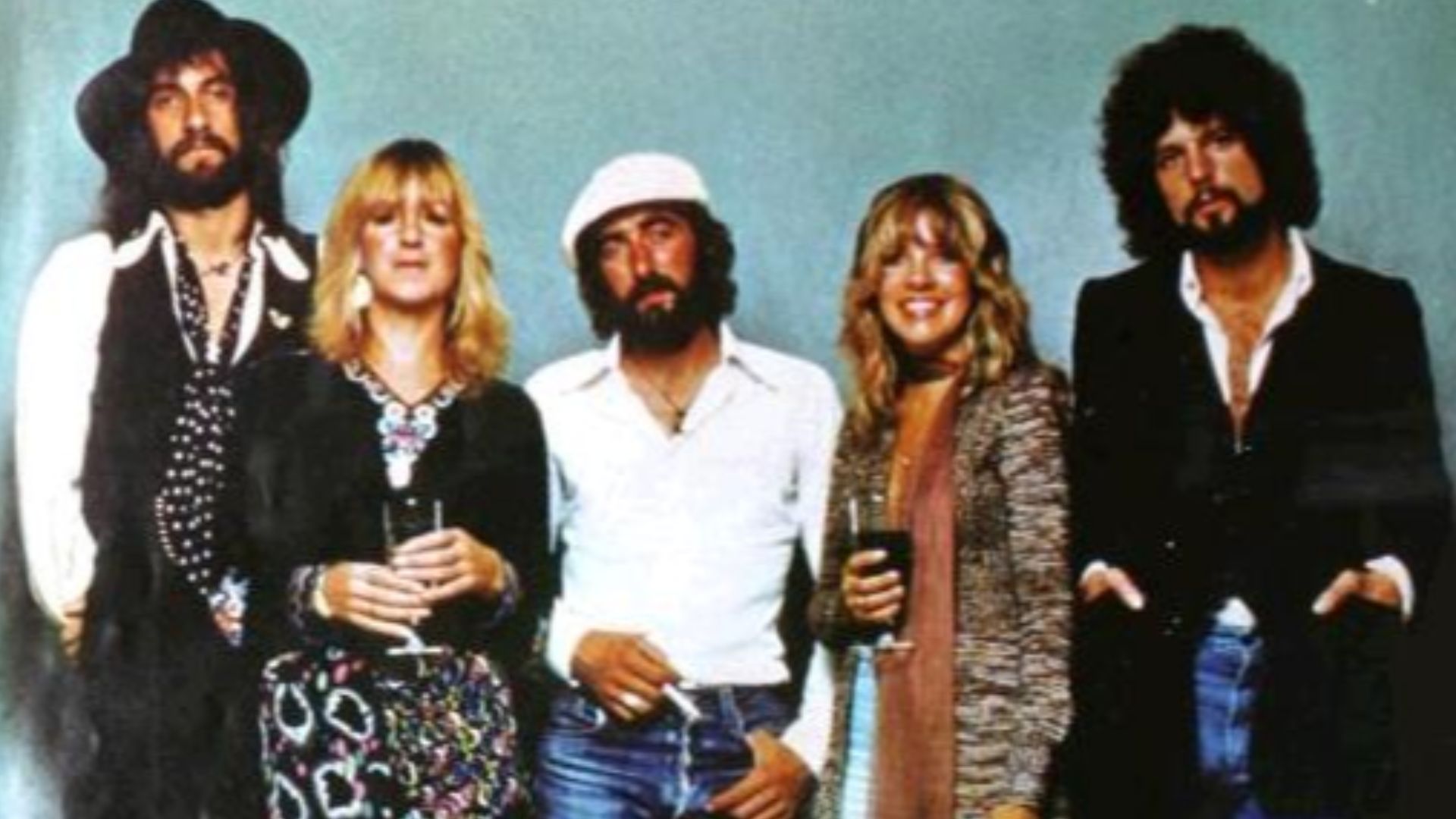
Fleetwood Mac started out as a blues outfit under the leadership of Peter Green before he left, eventually to be replaced by singer-songwriter duo Lindsey Buckingham and Stevie Nicks. Their sound shifted toward polished pop rock, leading to massive albums like Rumours (1977). The lineup change triggered their most commercially successful era.
 Warner Bros. Records, Wikimedia Commons
Genesis Goes From Prog To Pop
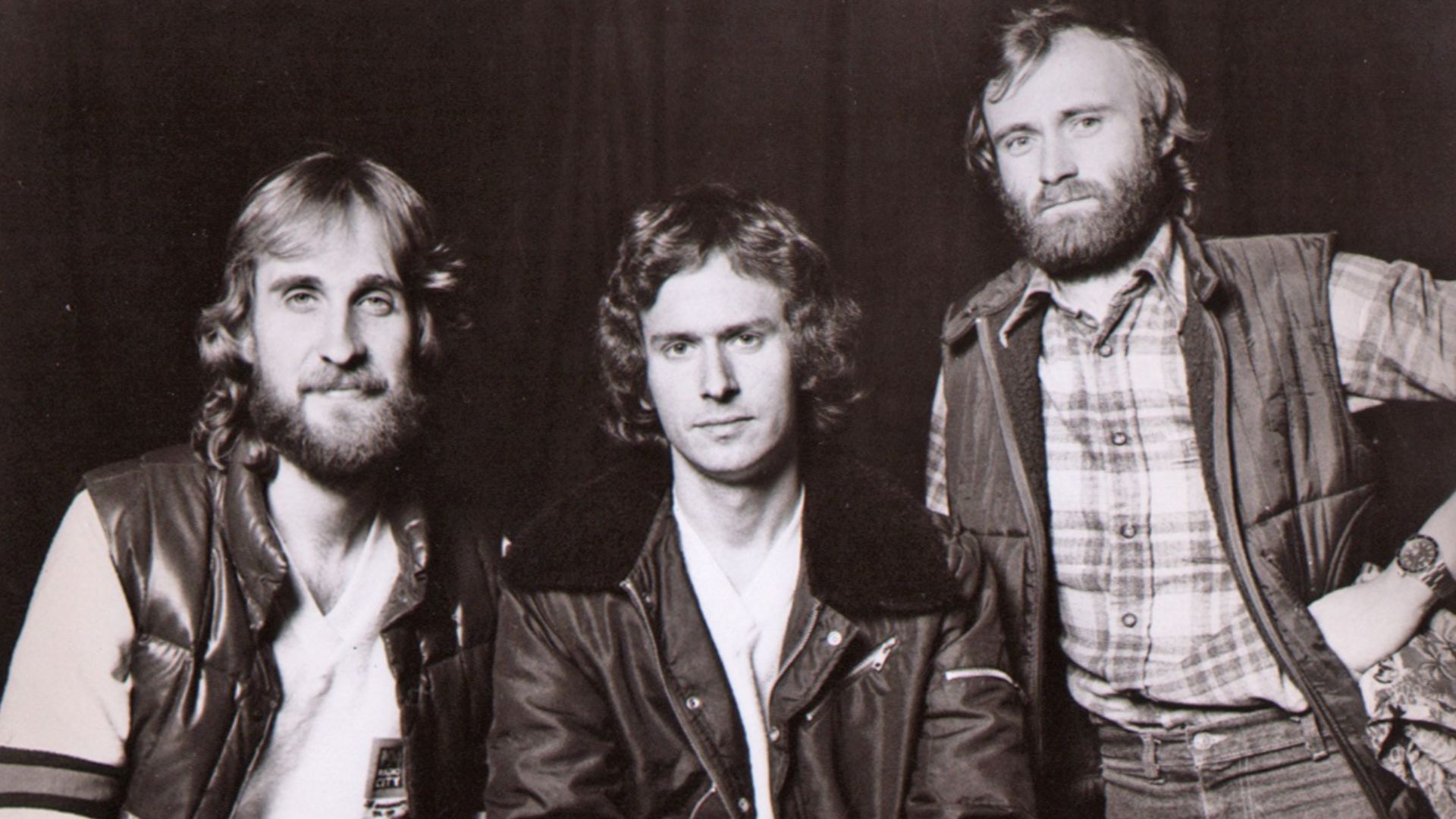
Genesis started out as a complex progressive art rock act but pivoted toward accessible pop after the departure of Peter Gabriel, after which Phil Collins became the reluctant frontman. The band’s new streamlined pop sound brought massive radio success in the 1980s, turning them into one of the decade’s biggest bands.
 Distributed by Atlantic Records, Wikimedia Commons
Radiohead Reinvents Alternative Rock
Radiohead shocked fans by abandoning guitar-driven rock after OK Computer (1997). Albums like Kid A (2000) embraced electronic and experimental sounds. Instead of alienating audiences, the shift elevated them into one of the most critically respected bands of their generation.

The Bee Gees Ride The Disco Wave
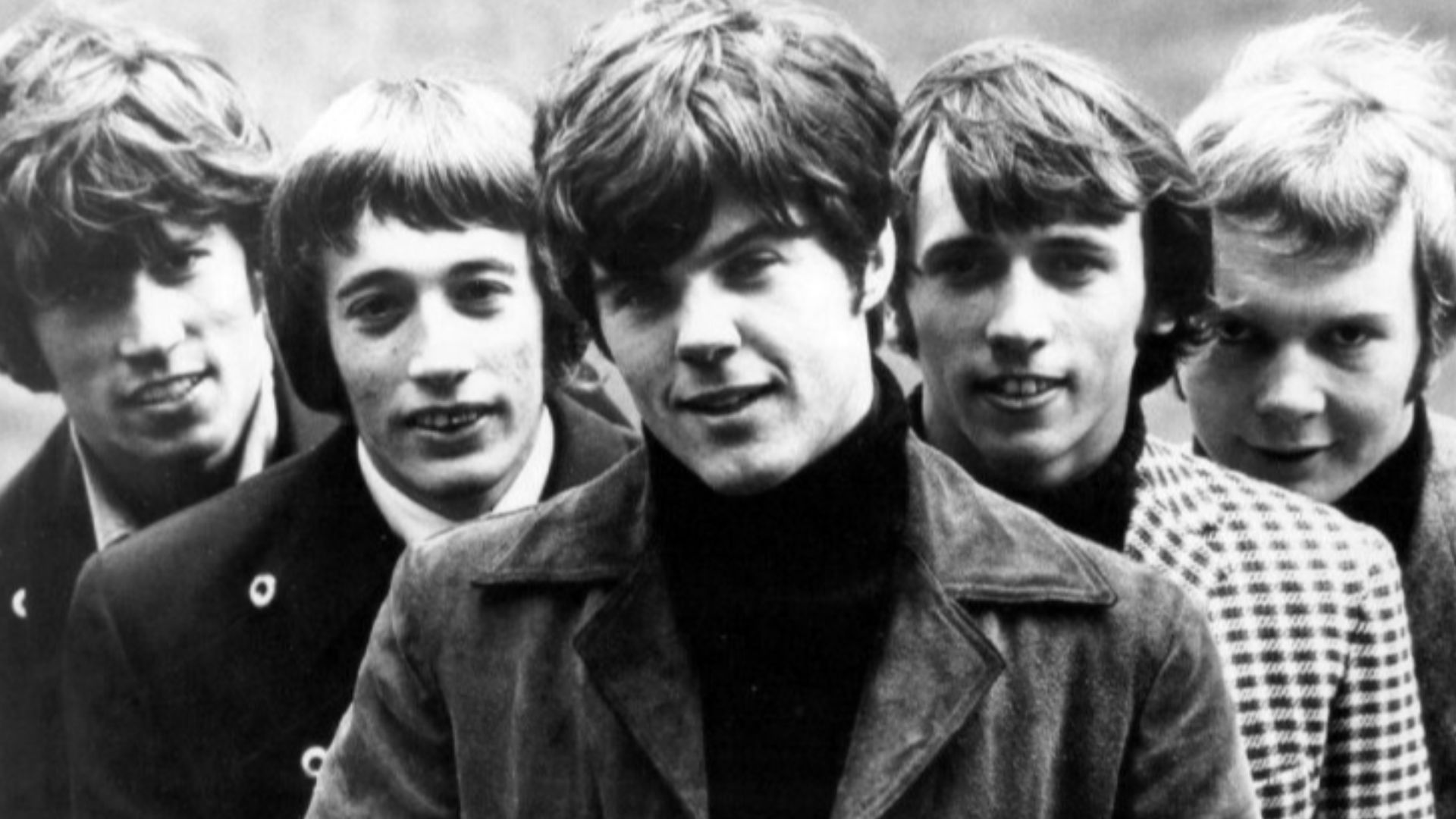
The Bee Gees mastered the craft of pop songwriting in the late 60s and early 70s before reinventing themselves with a falsetto-driven disco sound. The transformation powered the Saturday Night Fever (1977) soundtrack and turned the brothers Gibb into global superstars for the rest of the 70s.
 Atco Records., Wikimedia Commons
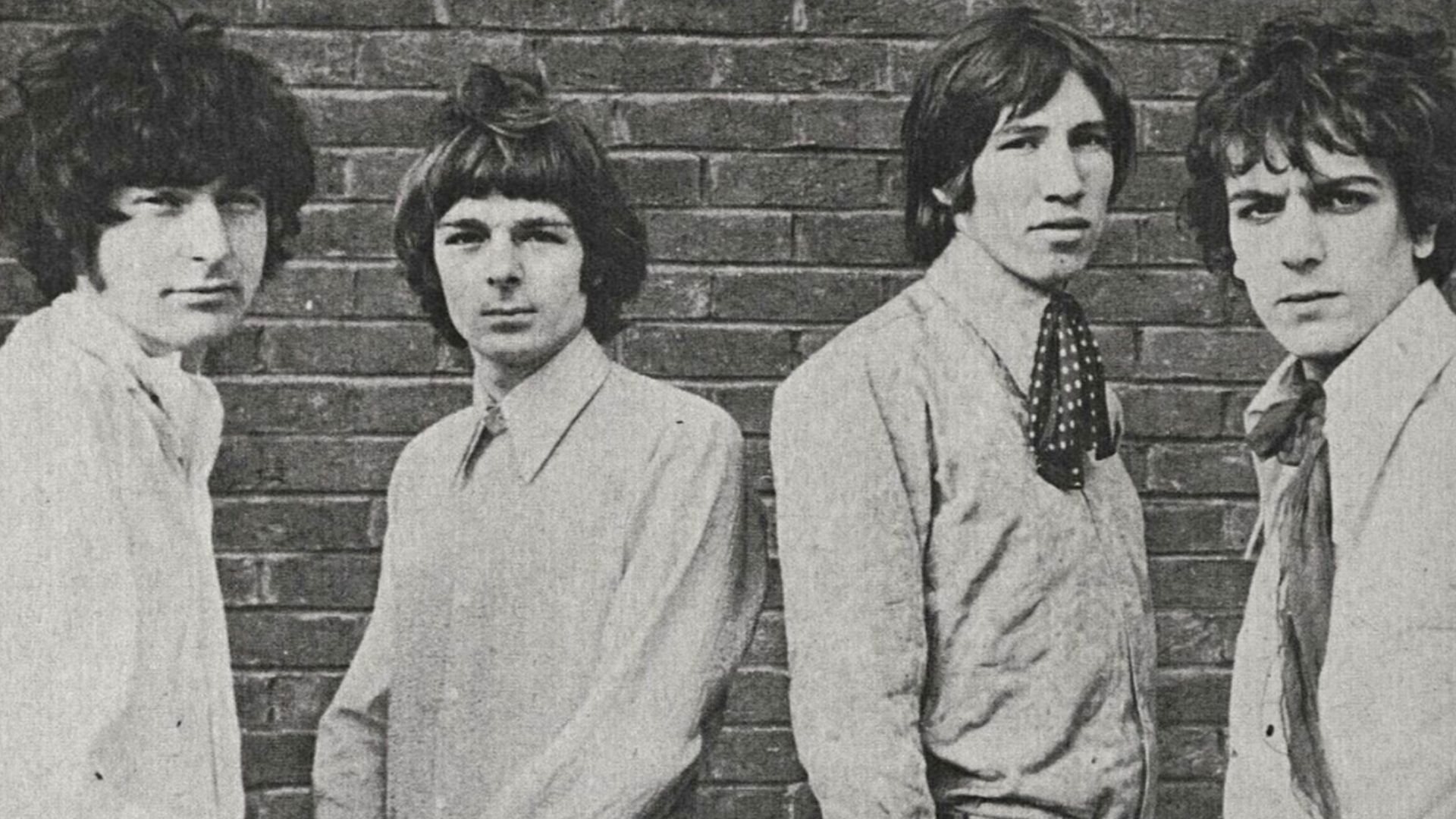
Pink Floyd Evolves After Syd Barrett
Pink Floyd began in the late 60s as a psychedelic group led by Syd Barrett. After his departure, the band shifted toward ambitious conceptual and atmospheric albums like The Dark Side of the Moon (1973), achieving massive commercial and artistic success.
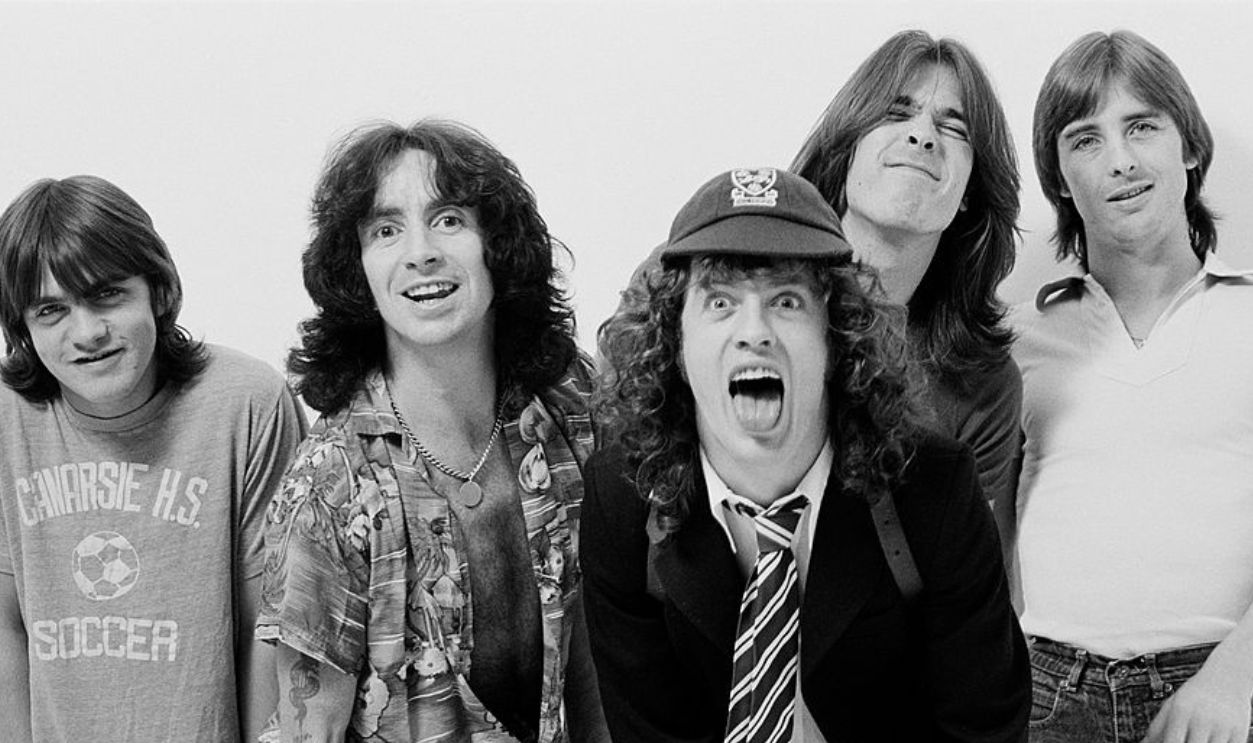
AC/DC Survives And Thrives After Tragedy
AC/DC lost frontman Bon Scott in 1980 but bounced back quickly with Brian Johnson. Their sound stayed consistent but sharpened, leading to Back in Black (1980), one of the best-selling rock’n’roll albums of all time. Johnson’s voice and trademark tweed cap became an inseparable part of the band’s sound and look.
Depeche Mode Finds Darkness And Depth
Depeche Mode began as a bright, synth-pop group with a lighter tone on early releases like Speak & Spell (1981). After the departure of Vince Clarke, the band shifted toward darker, more atmospheric music. Albums like Black Celebration (1986) and Violator (1990) redefined their sound and helped establish them as pioneers of moody electronic music.
 Distributed by Sire Records, Wikimedia Commons
U2 Reinvents Itself In The 1990s
U2 pivoted from its earnest arena rock image of the 80s to a darker, electronic-influenced style with the albums Achtung Baby (1991) and Zooropa (1993). The revamp refreshed their image and some equally strong songwriting kept them relevant with a new generation of listeners in those years.
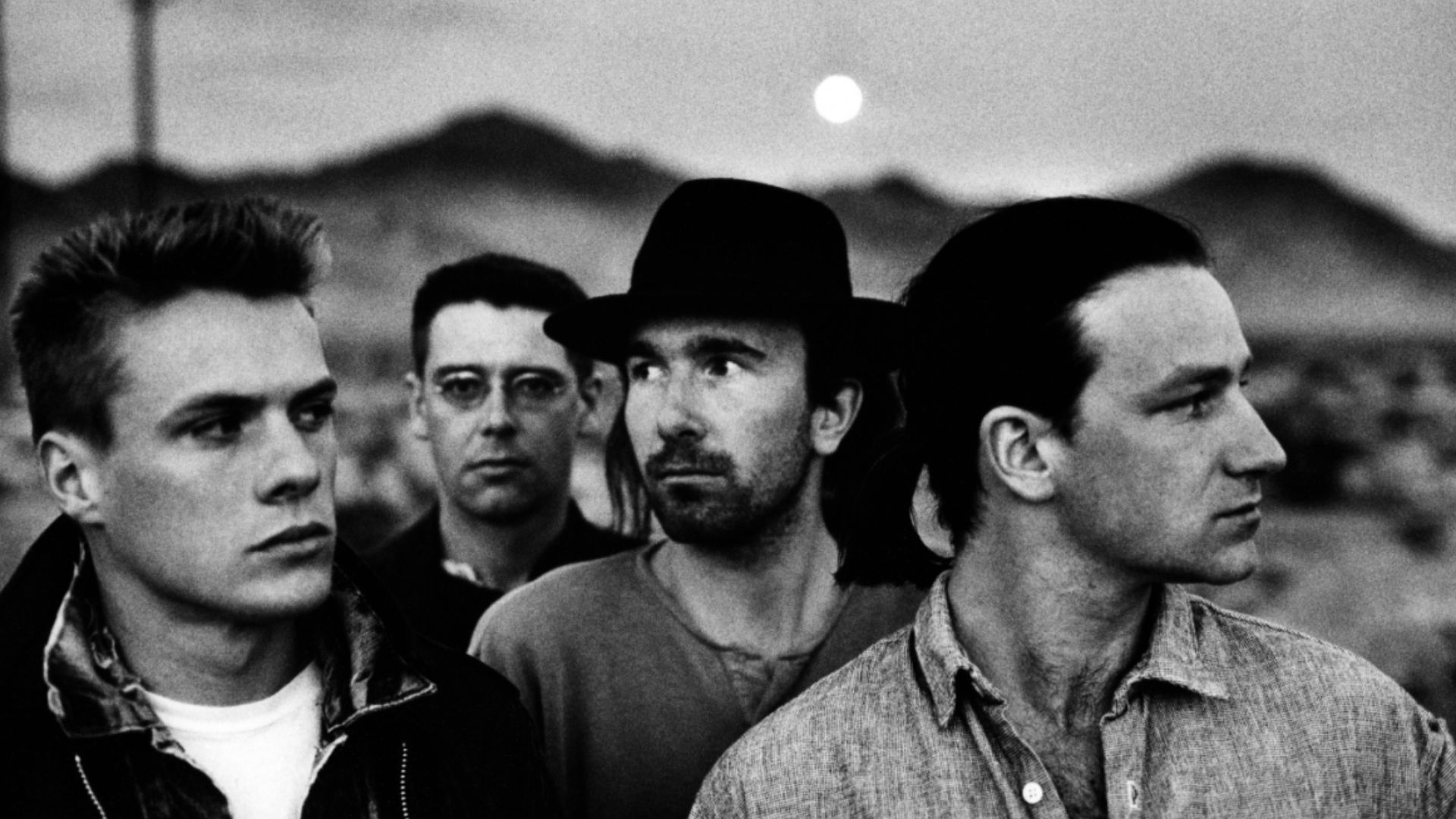 Anton Corbijn, Distributed by Island Records, Wikimedia Commons
Metallica Embraces Mainstream Appeal
Metallica moved from thrash metal roots to a more accessible sound on The Black Album (1991). While it was a controversial move for their early fans, the shift expanded Metallica’s audience dramatically, making them the biggest touring act in the United States in the 1990s. They took metal mainstream, a notion that would’ve seemed laughable a decade earlier.
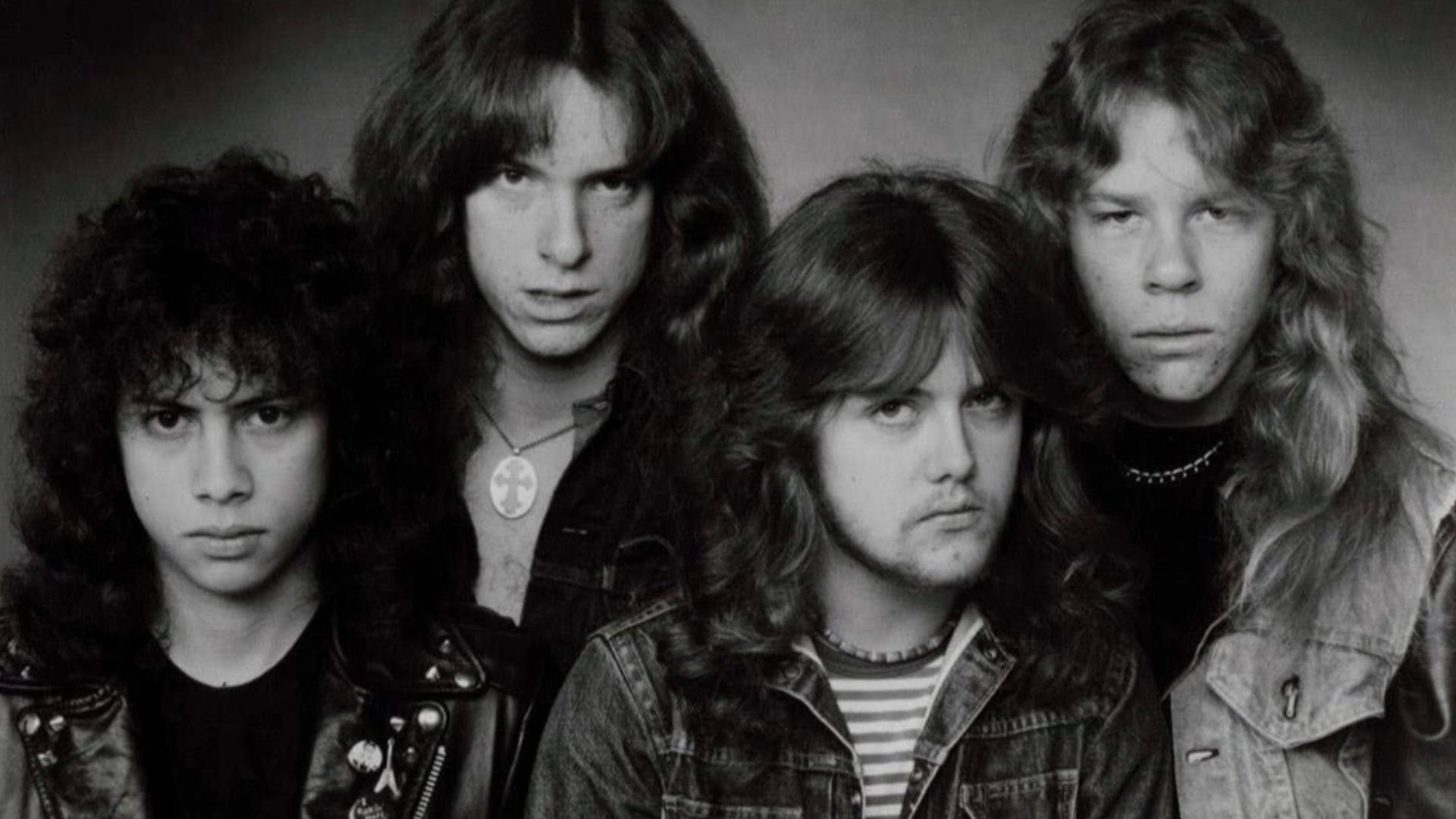 Distributed by Megaforce Records, Wikimedia Commons
Pantera Goes Heavier And Harder
Pantera started out as a glam metal act before reinventing themselves with a heavier groove metal sound. That shift led to albums like Cowboys from Hell (1990) and a dominant run in the 1990s.

The Doobie Brothers Change Direction
The Doobie Brothers pivoted from guitar-driven rock to a smoother, soulful sound when Michael McDonald joined the band. Though the change didn’t go over that well with all of their earlier fans, it brought major commercial success and a string of hits including the album Takin’ It to the Streets (1976) and the Grammy winning song “What a Fool Believes” (1978).
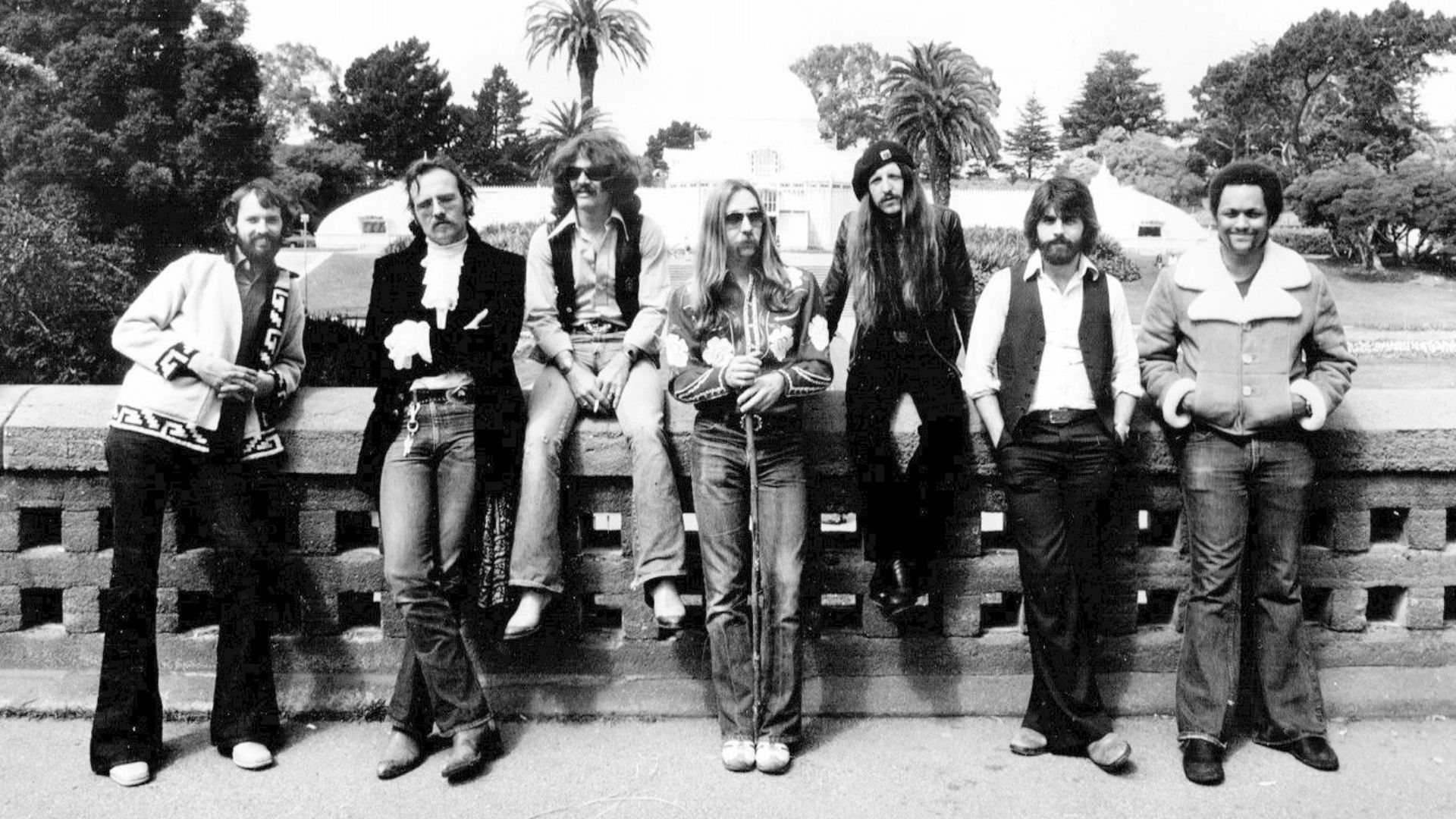 Warner/Reprise Records, Wikimedia Commons
Chicago Softens Its Sound
Chicago began as a jazz-rock fusion group in the late 60s and early 70s, but transitioned toward ballads and soft rock in the 1980s. Though some of the band’s earlier fans lost interest, the new direction brought a wave of radio-friendly hits and renewed commercial success.
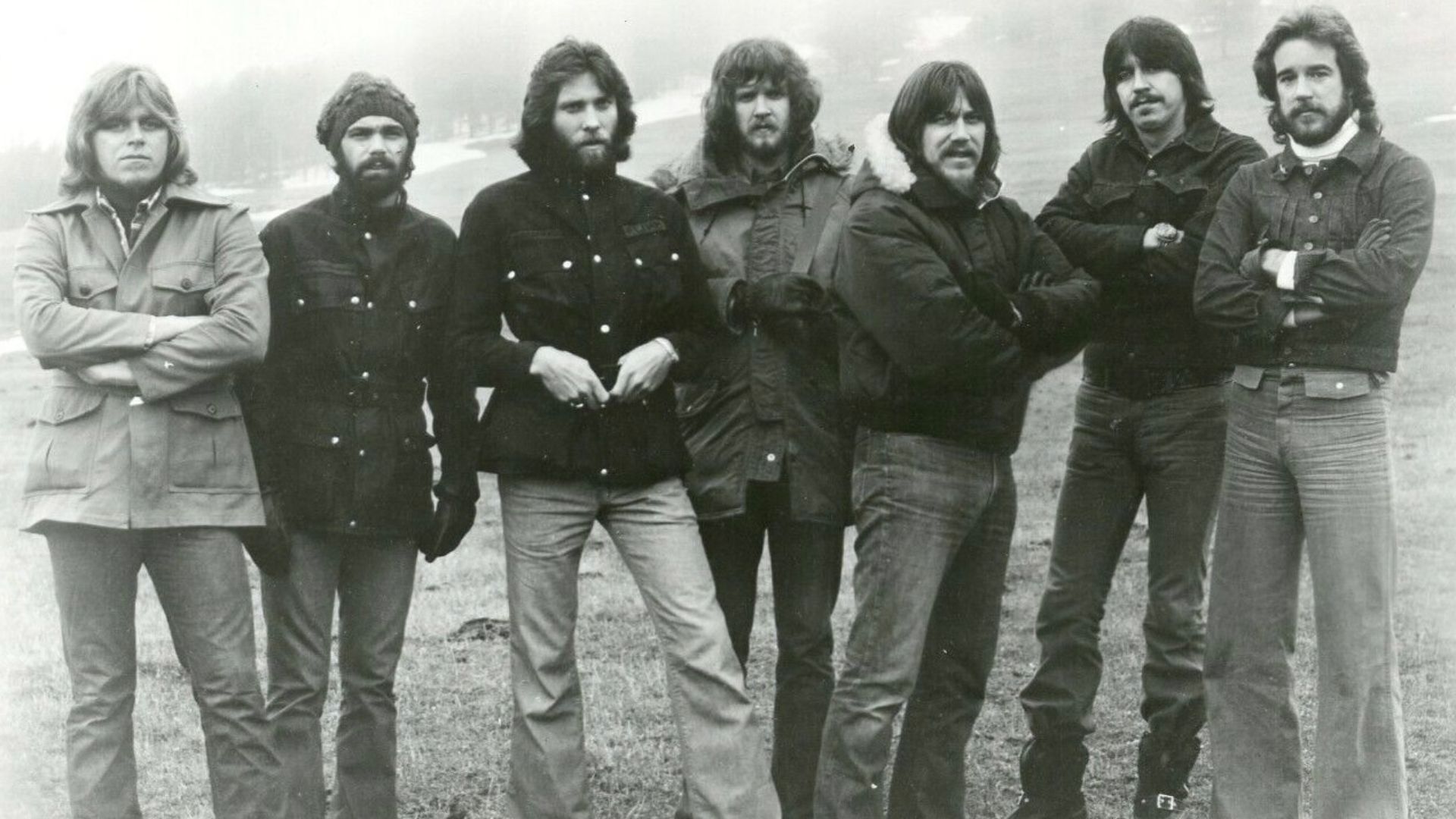 Columbia Records, Wikimedia Commons
Journey Finds Its Arena Ballad Formula
Journey started as a guitar-driven, jazz-influenced rock group before the arrival of lead vocalist Steve Perry. His powerful, emotive vocals helped steer the band toward melodic, ballad-driven arena rock. The shift produced massive hits like “Don’t Stop Believin’” (1981) and turned Journey into one of the defining bands of the era.
 Travis Shinn, Wikimedia Commons
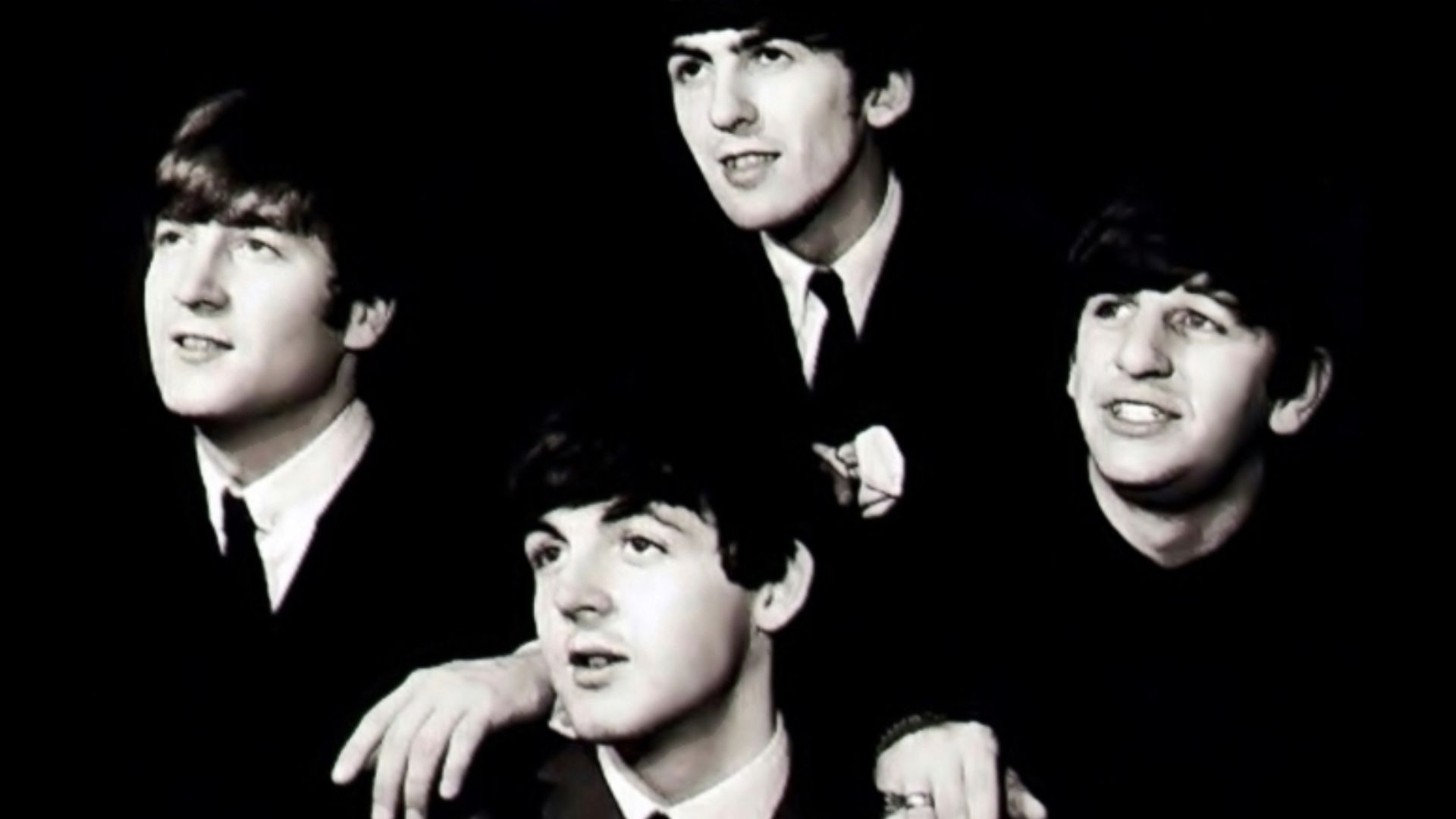
The Beatles Constantly Reinvent Themselves
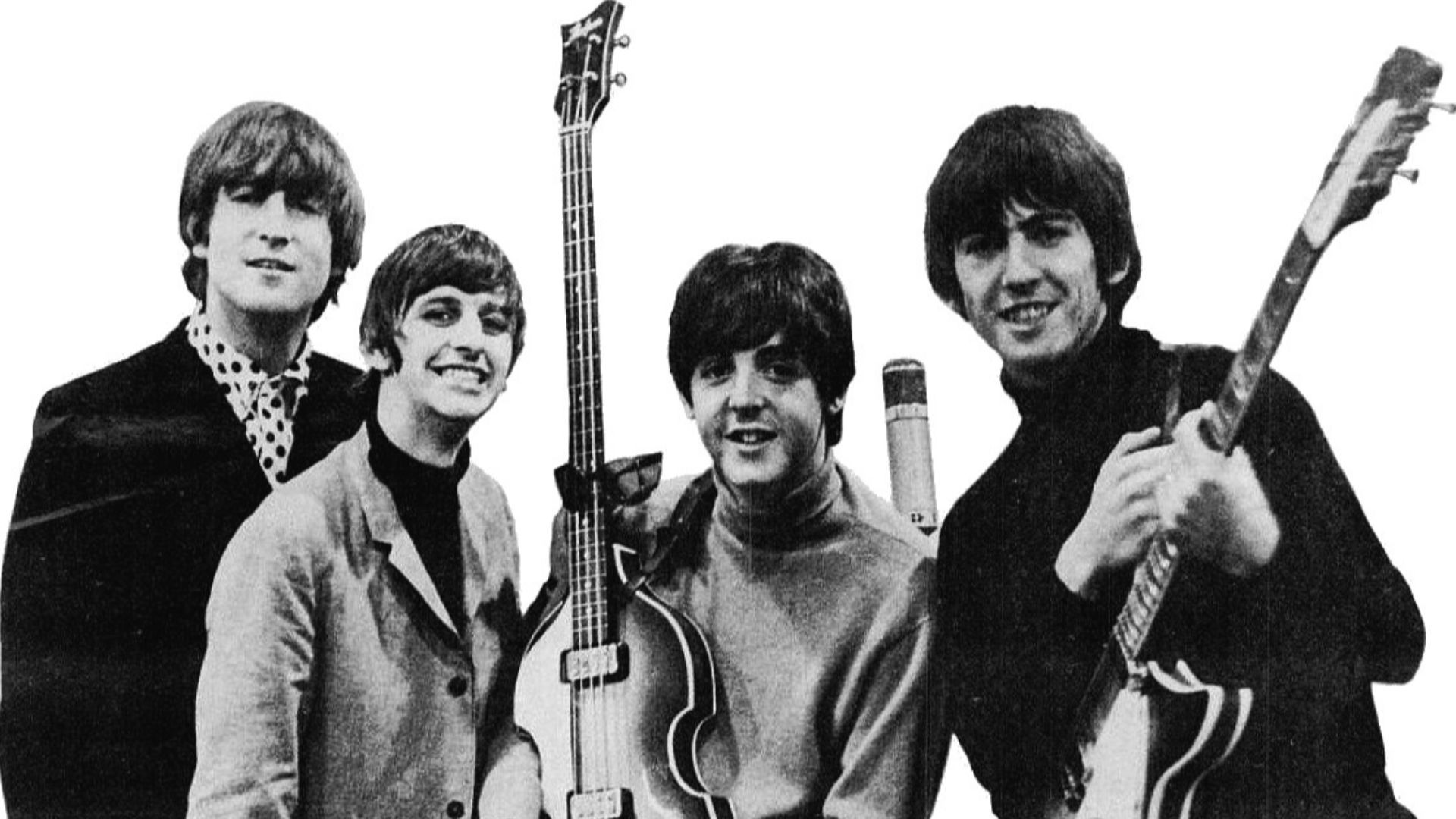
The Beatles evolved from simple pop beginnings into psychedelic and experimental pioneers. Each reinvention expanded their artistic boundaries and redefined what a rock band could be.
New Order Emerges From Tragedy With A New Sound
After the death of Ian Curtis, the remaining members of Joy Division regrouped as New Order and dramatically reshaped their sound. Moving away from bleak post-punk, they embraced synthesizers and dance rhythms, pioneering alternative dance music. The reinvention produced iconic tracks like "Blue Monday" and "True Faith," sustaining long-term success.
 Thesupermat, Wikimedia Commons
Marc Bolan Plugs In And Ignites Glam Rock
Marc Bolan began with the acoustic, folk-leaning sound of Tyrannosaurus Rex before embracing electric guitars and a punchier rock style. Rebranded as T. Rex, the shift sparked the glam rock explosion, producing hits like “Get It On” and transforming Bolan into a major star in the UK.
 ABC Television, Wikimedia Commons
Blur Embraces Lo-Fi And Indie Evolution
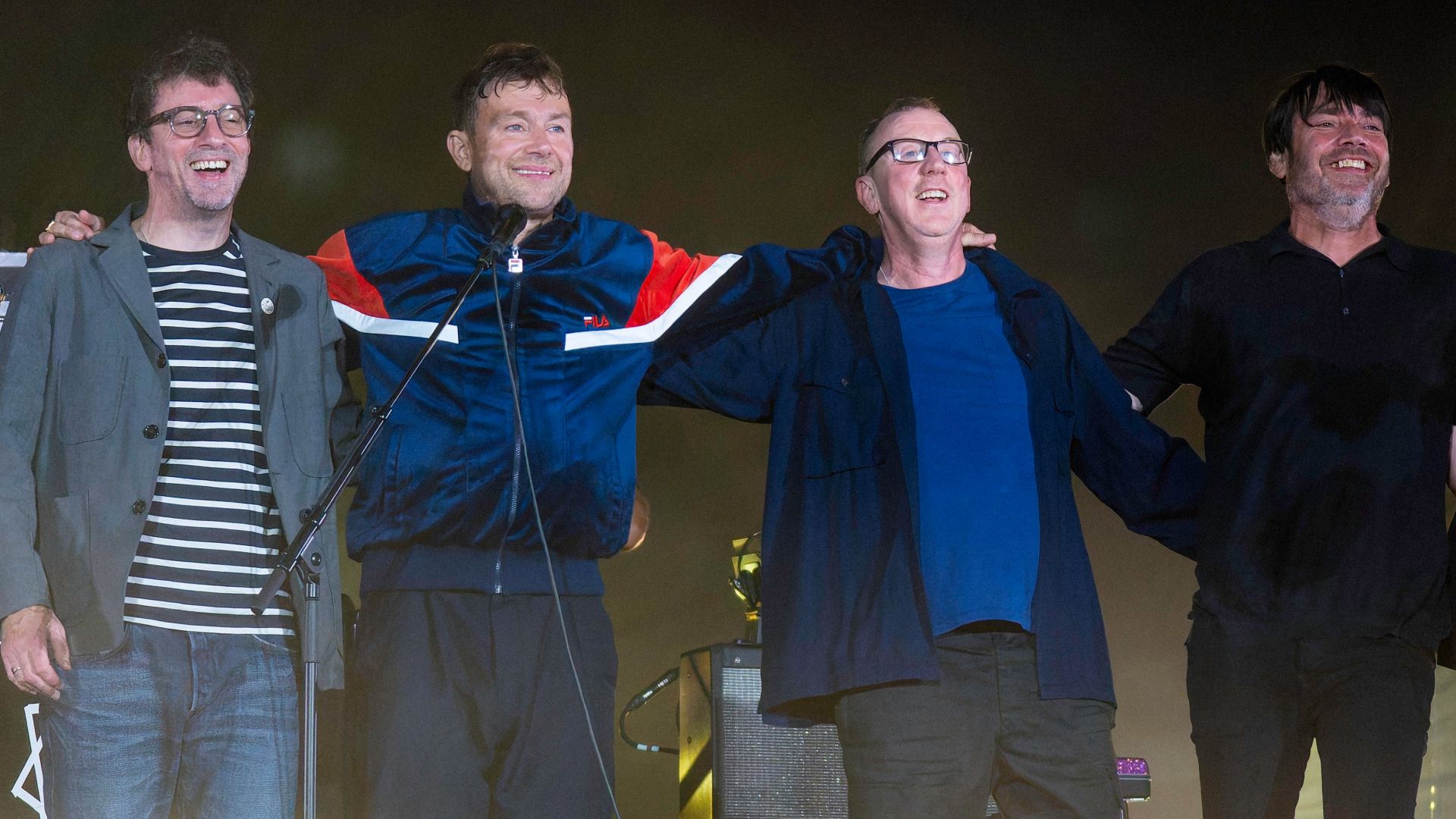
Blur shifted from Britpop polish to a rougher, lo-fi indie sound in the late 1990s, starting with the album Blur (1997). The reinvention revitalized their career and influenced a new wave of alternative rock.
Linkin Park Experiments Beyond Nu Metal
Linkin Park evolved from nu metal into electronic and alternative styles on later albums. While divisive among fans, the shift showed a willingness to evolve and kept their sound fresh.
 James Minchin III (rights holder), CeriRoberts (Warner Records representative), Wikimedia Commons
Arctic Monkeys Mature Their Sound
Arctic Monkeys moved from raw indie rock to a more polished, lounge-influenced style on AM (2013) and later albums. The transformation expanded their global reach and critical acclaim.
 Laura from Washington/Newcastle/Sunderland, UK, Wikimedia Commons
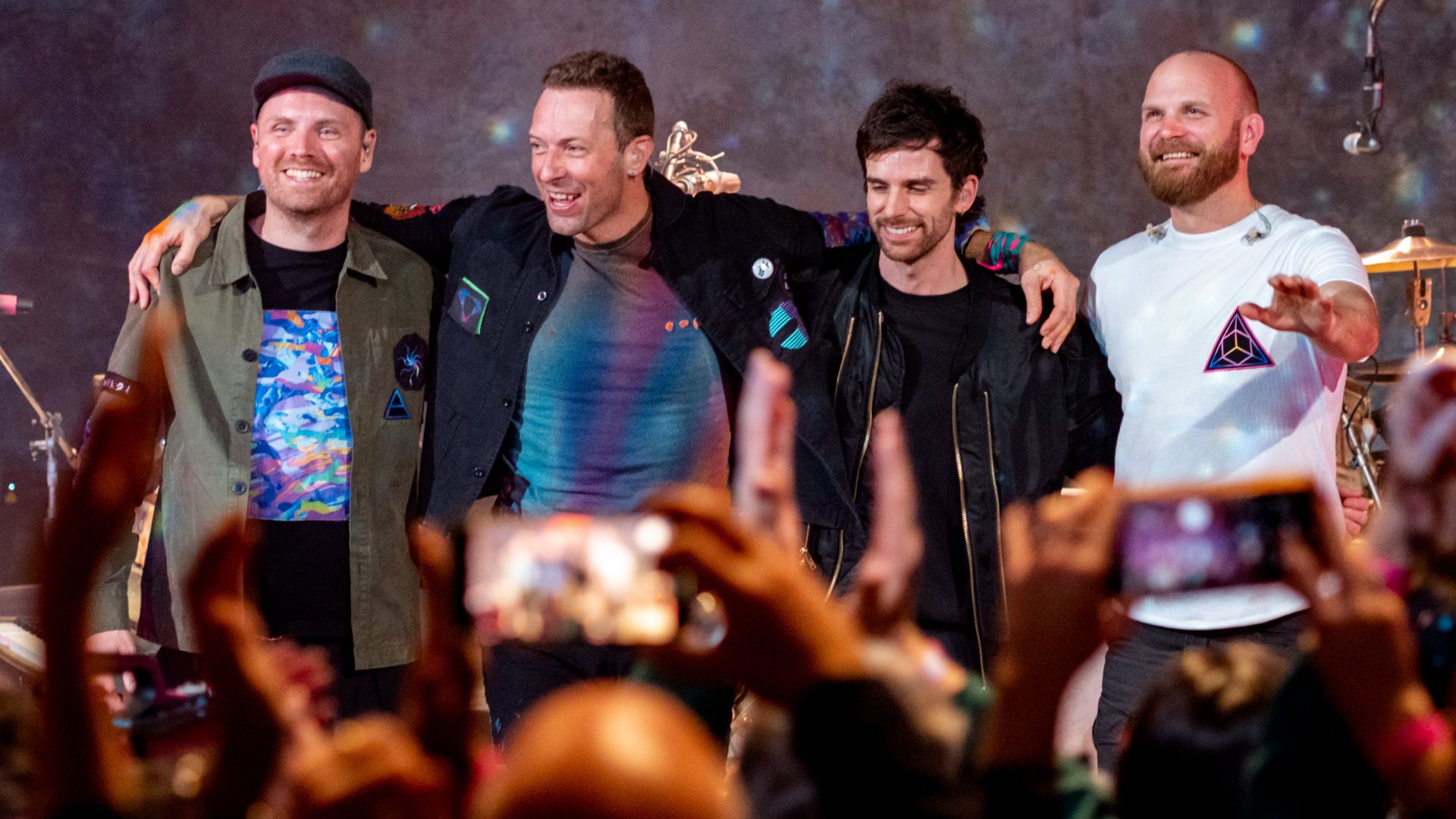
Coldplay Moves Toward Pop And Electronic
Coldplay began with introspective alternative rock but gradually embraced pop and electronic influences. Albums like A Head Full of Dreams (2015) broadened their appeal to mainstream audiences.
The Cardigans Flip Genres Entirely
The Cardigans reportedly started with heavier influences before pivoting to breezy pop. That reinvention led to global hits like “Lovefool” (1996) proving the power of tonal contrast.
 Neto Oliveira, Wikimedia Commons
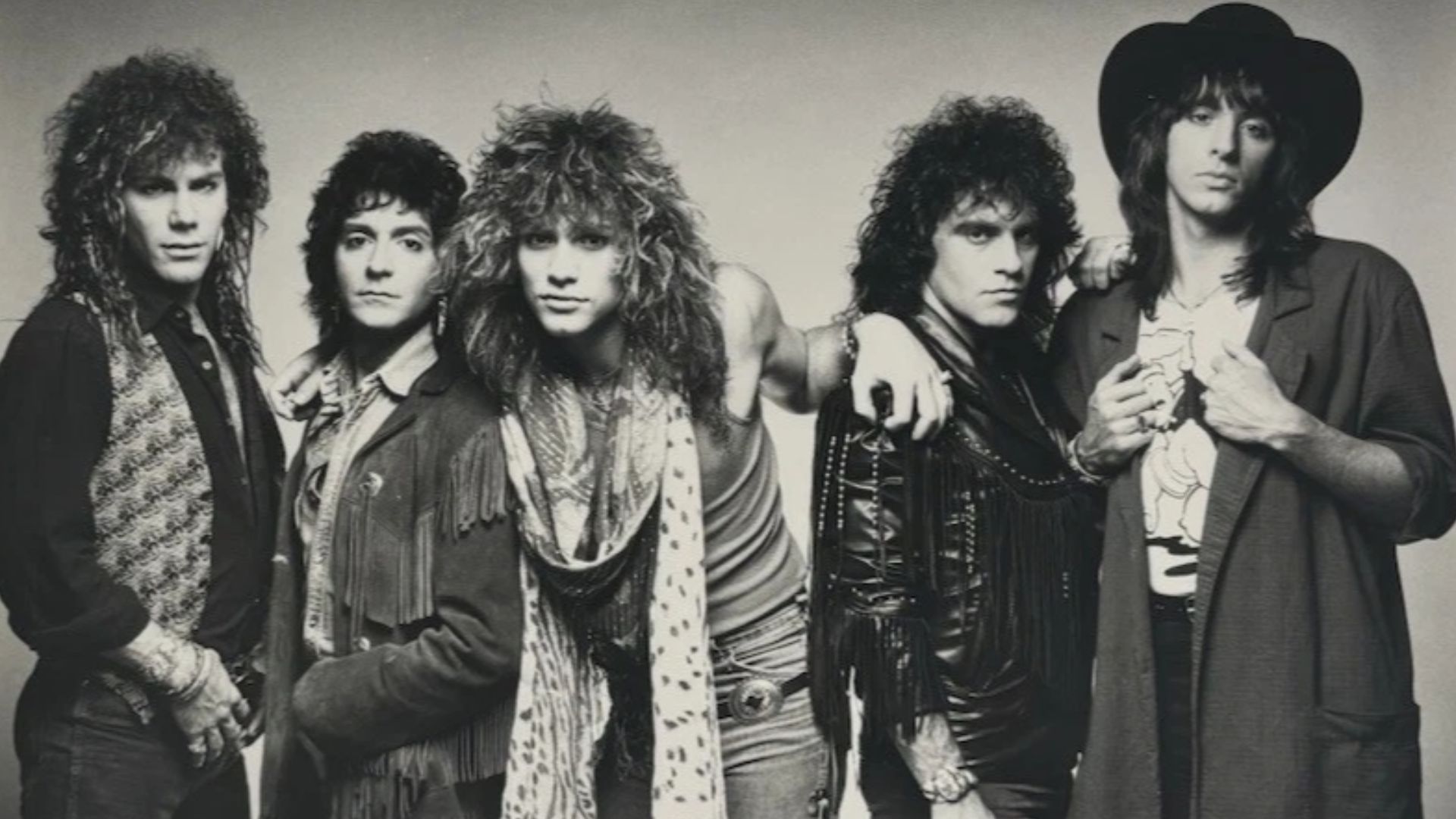
Bon Jovi Updates Its Sound For A New Era
Bon Jovi transitioned from 1980s glam metal to a more mature rock sound in the 1990s and 2000s. The shift helped them remain relevant long after their hair-metal peers faded off into the sunset.
 Mercury Records, Wikimedia Commons
Reinvention Is The Ultimate Survival Skill
The bands that endure are rarely the ones that stay the same. Whether through lineup changes, genre pivots, or creative risks, reinvention can breathe new life into a struggling act. These artists prove that sometimes, abandoning what worked before is exactly what leads to something even bigger.
You May Also Like:
Bands Who Left A Mark That Still Shapes Music Today
Brilliant Folk Songs That Captured The Heart Of America