When British Guitars, Accents, and Attitude Took Over Everything
Britpop wasn’t just a sound; it was an identity. Loud guitars, sharp hooks, swaggering vocals, and lyrics about real life in the UK were the calling cards of a movement that roared through the 1990s. Born from a backlash against American grunge and a desire to reclaim Britain’s musical soul, Britpop fused nostalgia with modern energy, creating a cultural moment that influenced fashion, film, politics, and the global music market.
Some of these bands topped charts. Some became cult favorites. Some imploded spectacularly. But each one helped Britpop take over the world in its own uniquely British way.
Suede
Often considered the spark that ignited Britpop, Suede blended glam-rock drama with gritty urban storytelling. Frontman Brett Anderson’s androgynous charisma and Bernard Butler’s soaring guitar work made early albums like Suede and Dog Man Star instant classics. Songs such as “Animal Nitrate” captured the movement’s hedonistic edge, while their emotional intensity helped shape Britpop’s darker, more theatrical side.
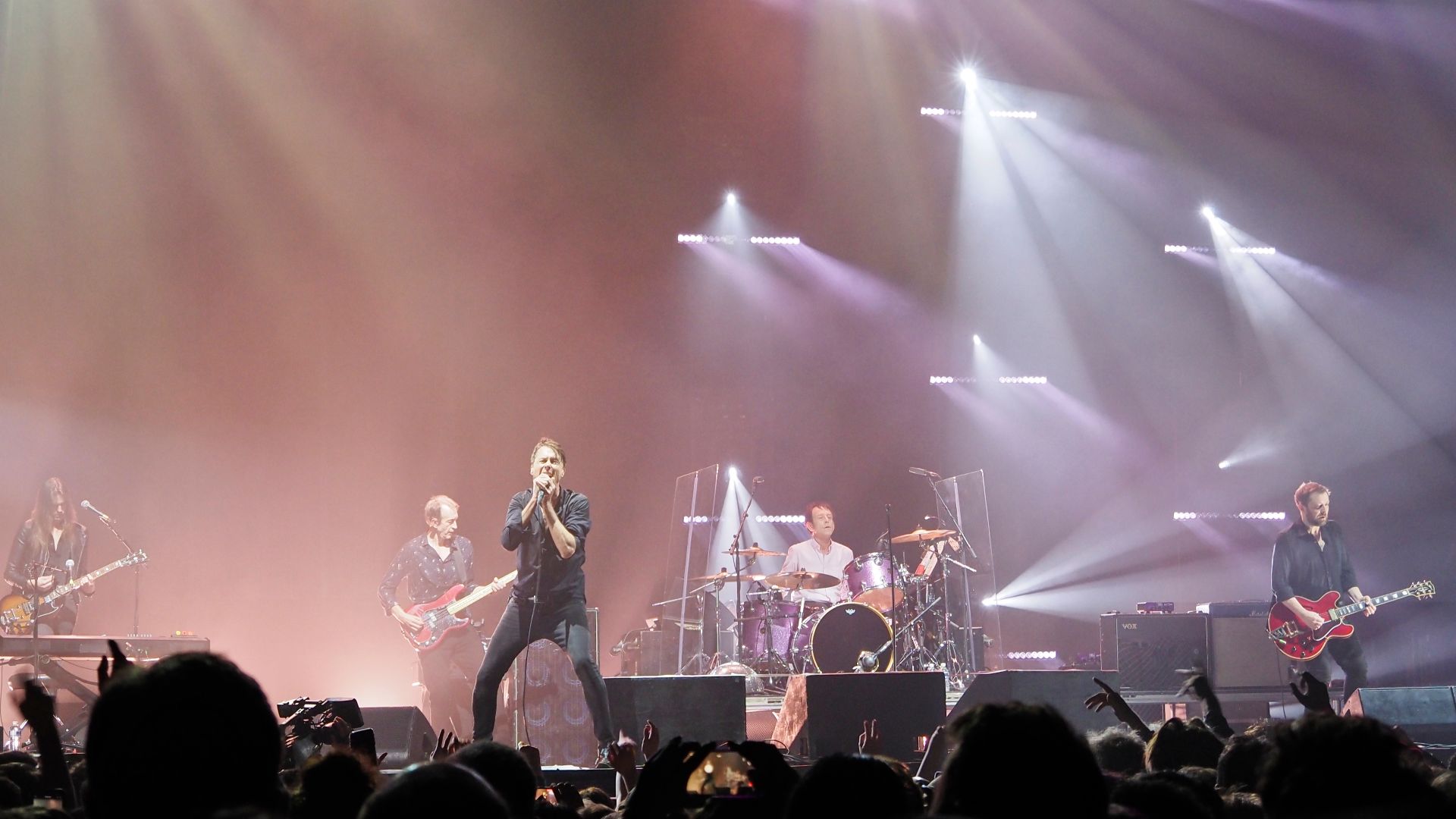 Bex Walton from London, England, Wikimedia Commons
Elastica
Led by Justine Frischmann, Elastica burst into the Britpop scene with wiry energy, minimalist riffs, and post-punk cool. Their self-titled debut became the fastest-selling first album in UK history at the time, thanks to sharp tracks like “Connection” and “Stutter”. The band’s punchy, art-school aesthetic made them Britpop’s sleekest outliers, and their impact reached far beyond the UK’s borders, influencing later indie and alternative artists with their effortless swagger.
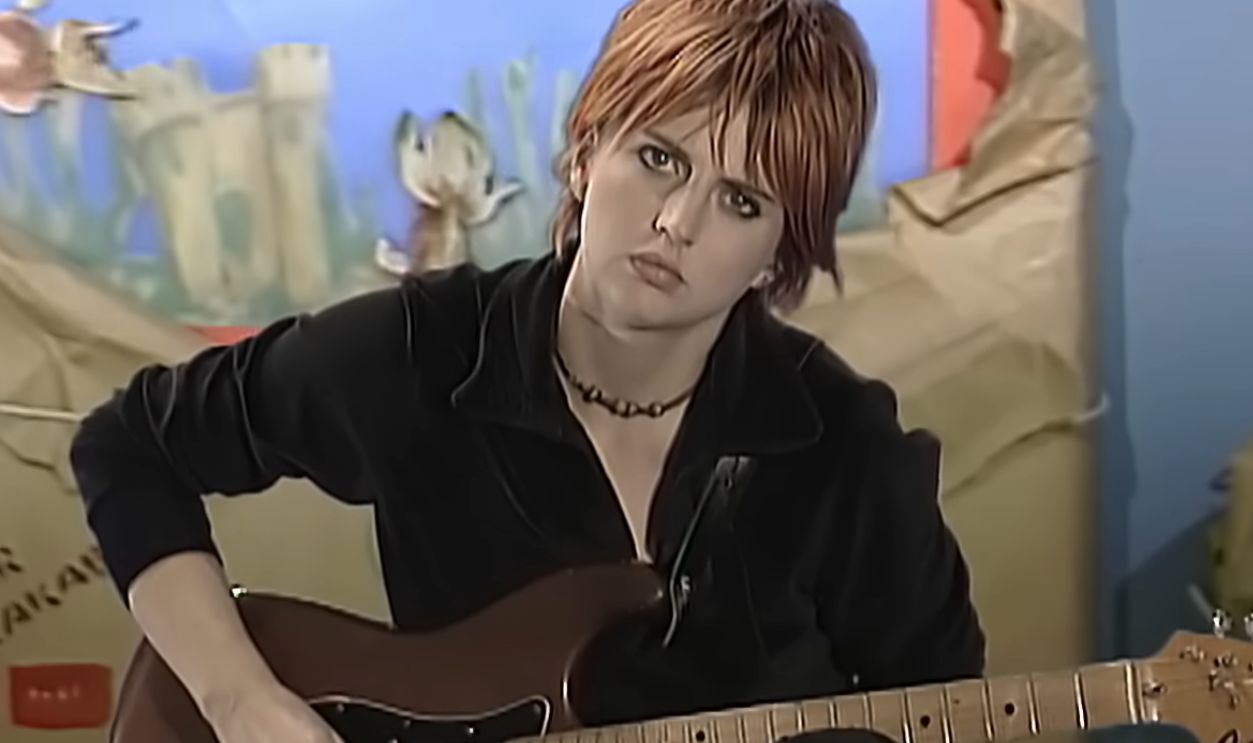 Screenshot from Connection, Geffen Records (1994)
Supergrass
Cheeky, energetic, and bursting with youthful adrenaline, Supergrass delivered some of Britpop’s most joyful moments. With hits like “Alright” and “Pumping on Your Stereo,” they balanced glam, punk, and power-pop influences while maintaining their own quirky identity. Their debut album I Should Coco became a defining record of mid-90s British rock, showcasing a band that made everything sound fun without ever losing musical sharpness.
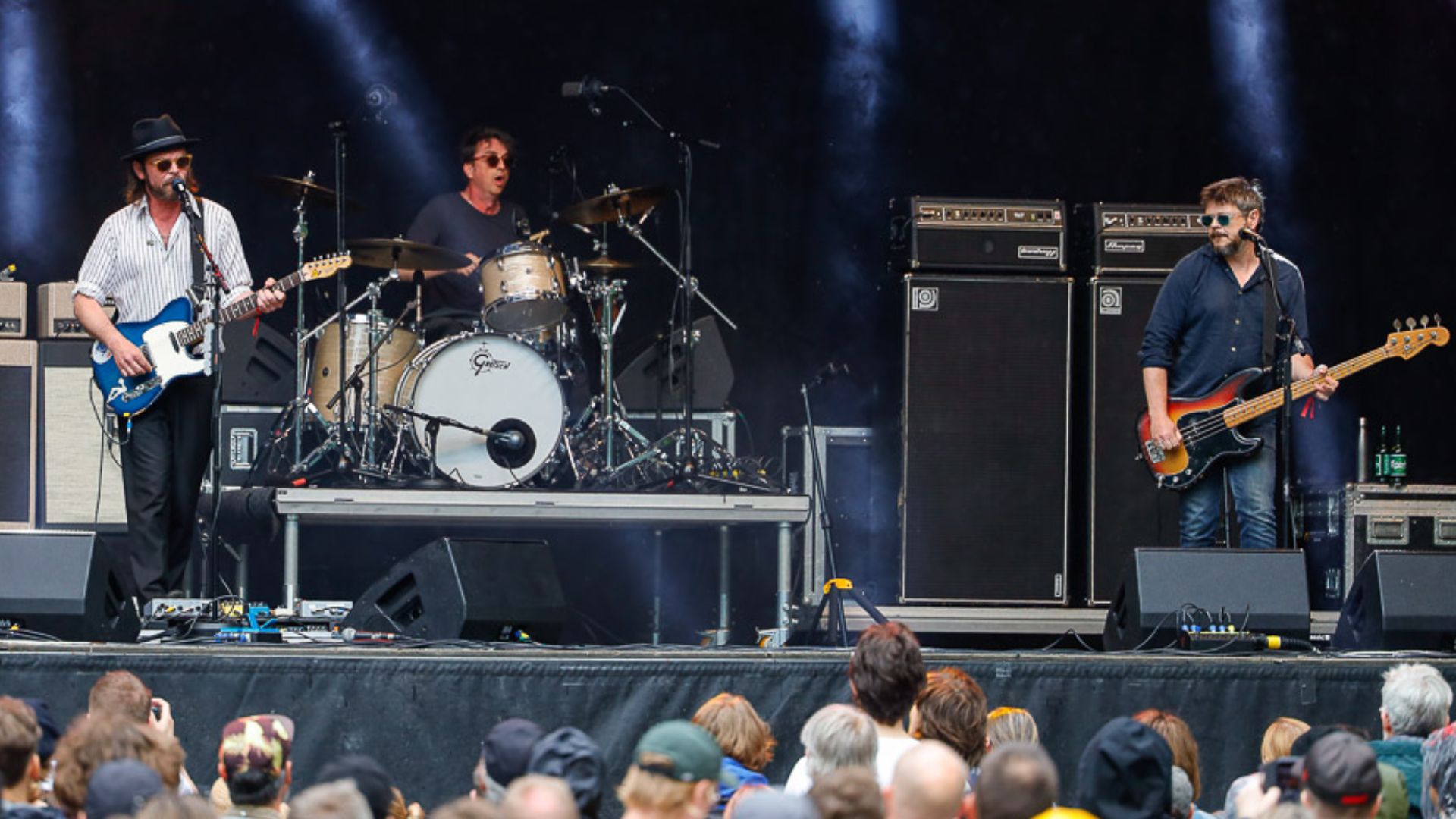 Stian Schlosser Moller, Wikimedia Commons
Sleeper
With Louise Wener at the helm, Sleeper offered biting wit, radio-ready melodies, and a distinctly female perspective in a male-heavy scene. Songs like “Inbetweener” and “Sale of the Century” captured the anxieties and absurdities of 90s British life. They became mainstays of the Britpop charts and a key part of the iconic Trainspotting soundtrack, helping the movement reach global audiences.
 Paul Hudson from United Kingdom, Wikimedia Commons
Paul Weller
Before Britpop existed, Paul Weller laid its foundation. As frontman of The Jam and later The Style Council, Weller influenced nearly every major Britpop act with his melodic instincts, mod aesthetic, and sharp lyrics. His 90s solo work—especially albums like Wild Wood and Stanley Road—made him the unofficial “Modfather” of the movement. Younger bands didn’t just admire him—they openly worshipped him.
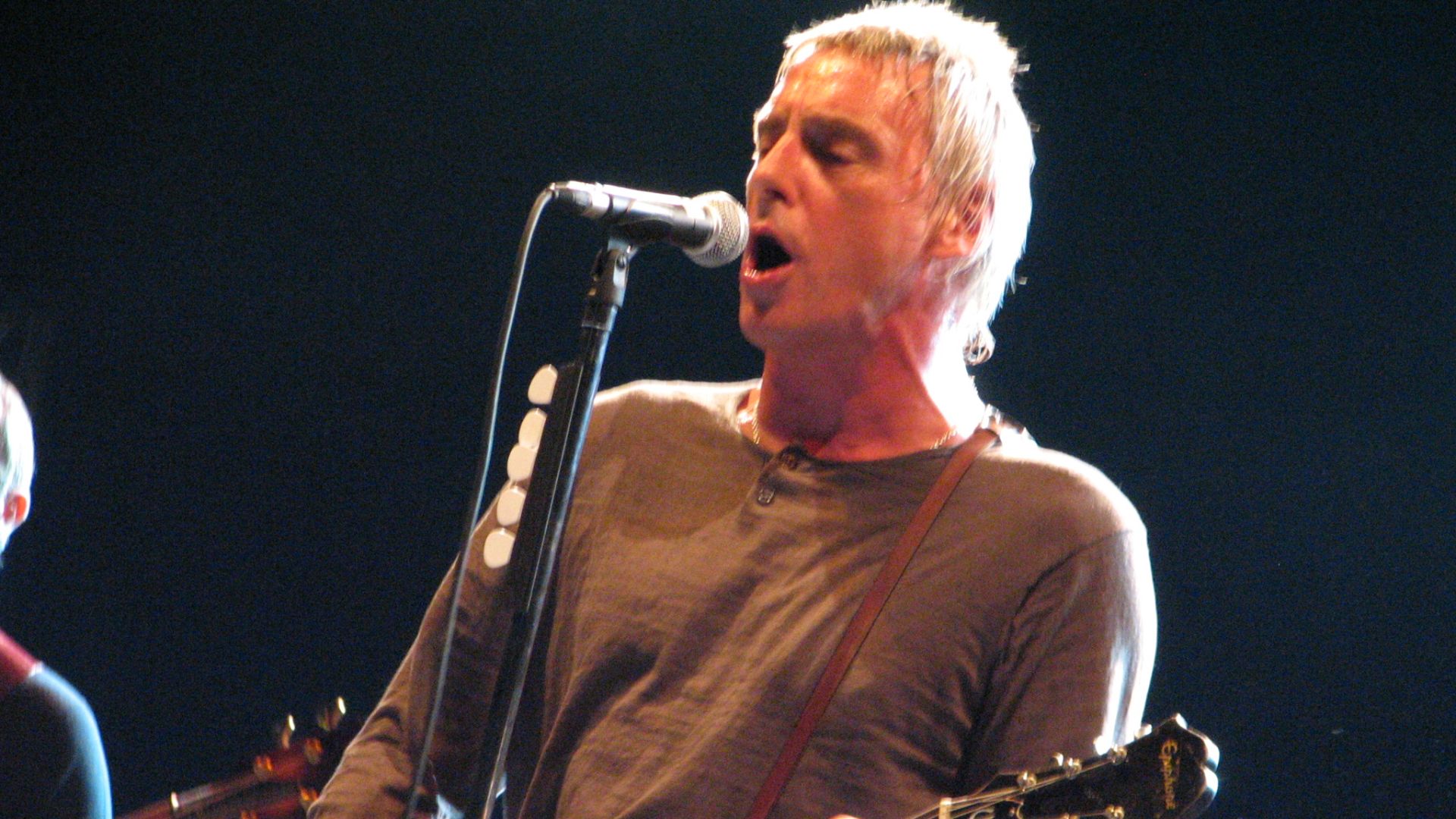
Bis
This Scottish trio blended indie-pop, riot grrrl attitude, and DIY electronics into a playful style that sat on Britpop’s fringes. Their sugary hooks and punk energy stood out on tracks like “Eurodisco,” while their bright, cartoonish visuals made them early icons of the anime-inspired, electro-pop movement. Bis didn’t sound like anyone else—and that outsider vibe helped expand Britpop’s boundaries.
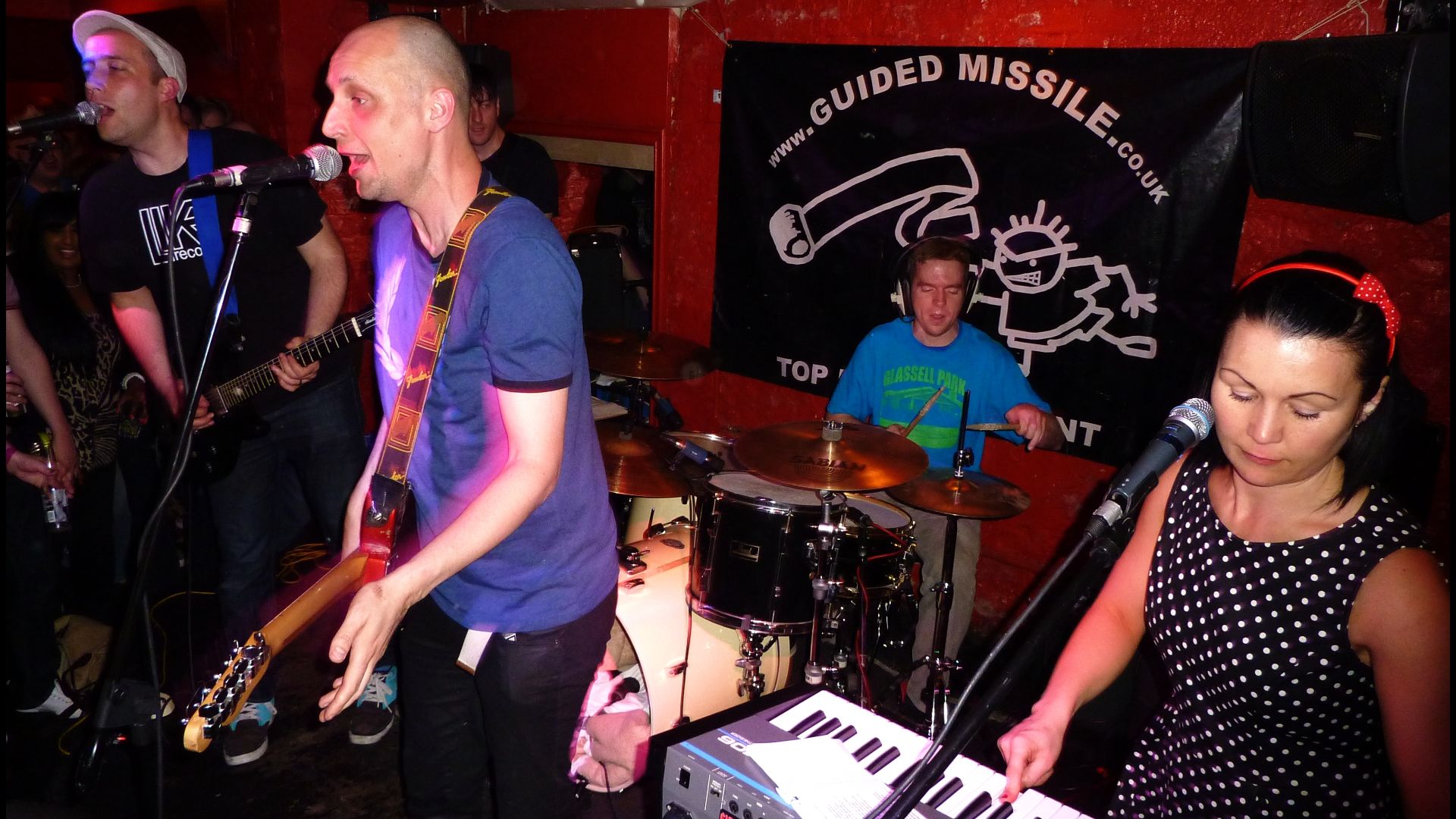 Stuart Chalmers, Wikimedia Commons
Manic Street Preachers
Though often darker and more politically charged than their Britpop peers, the Manics played a crucial role in shaping the decade’s musical identity. Albums like Everything Must Go and This Is My Truth Tell Me Yours produced anthems such as “A Design for Life,” proving that thoughtful, literate rock could thrive in the mainstream. Their ability to pair big choruses with heavier themes gave Britpop emotional depth.
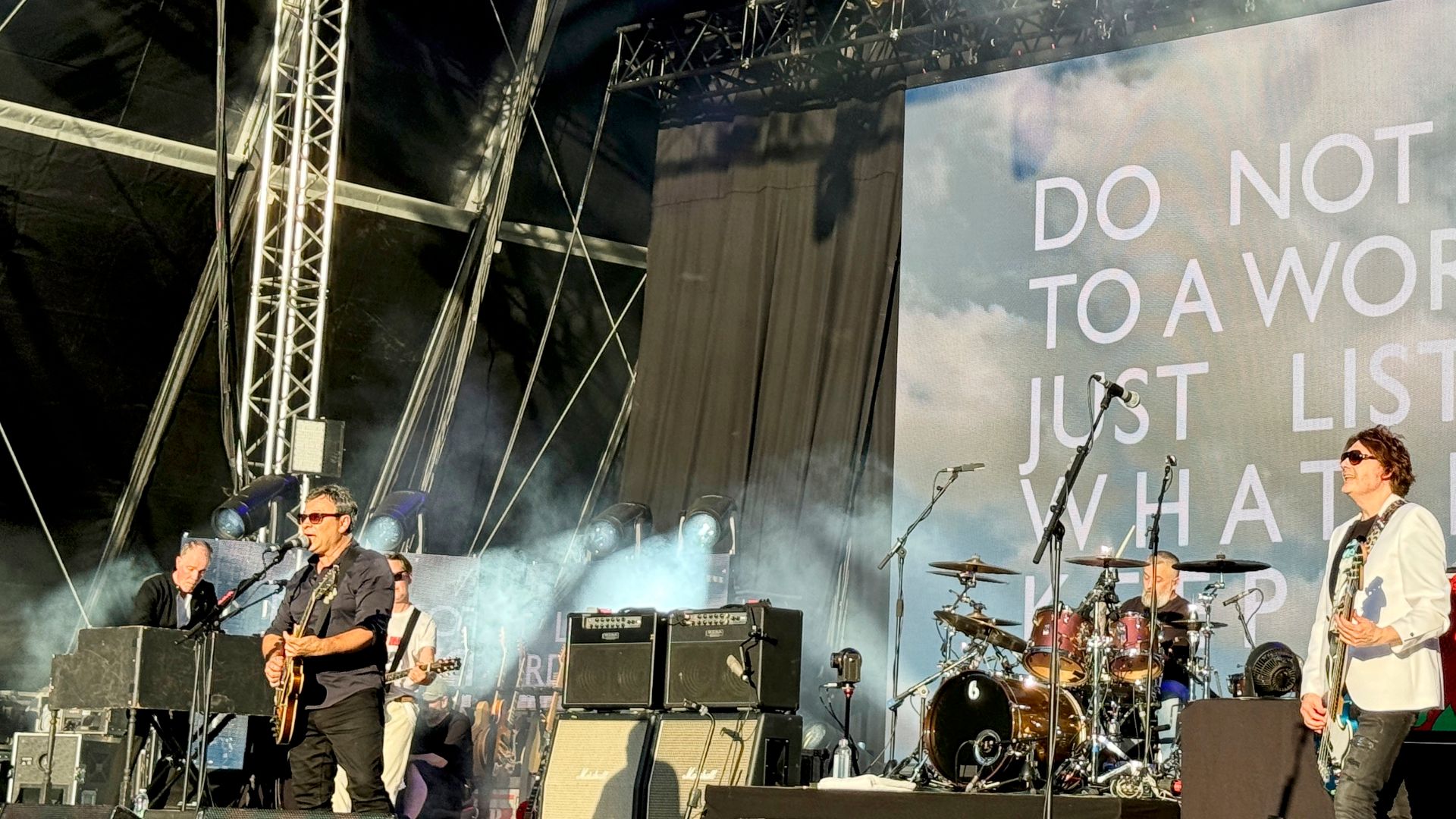
Ash
Northern Ireland’s Ash brought a youthful, punk-driven sound to the Britpop era. Their album 1977 packed massive hooks into tracks like “Girl from Mars” and “Goldfinger,” making them instant festival favorites. Ash’s blend of sci-fi references, melodic punch, and teen-aged exuberance offered a refreshing contrast to Britpop’s more metropolitan cool.
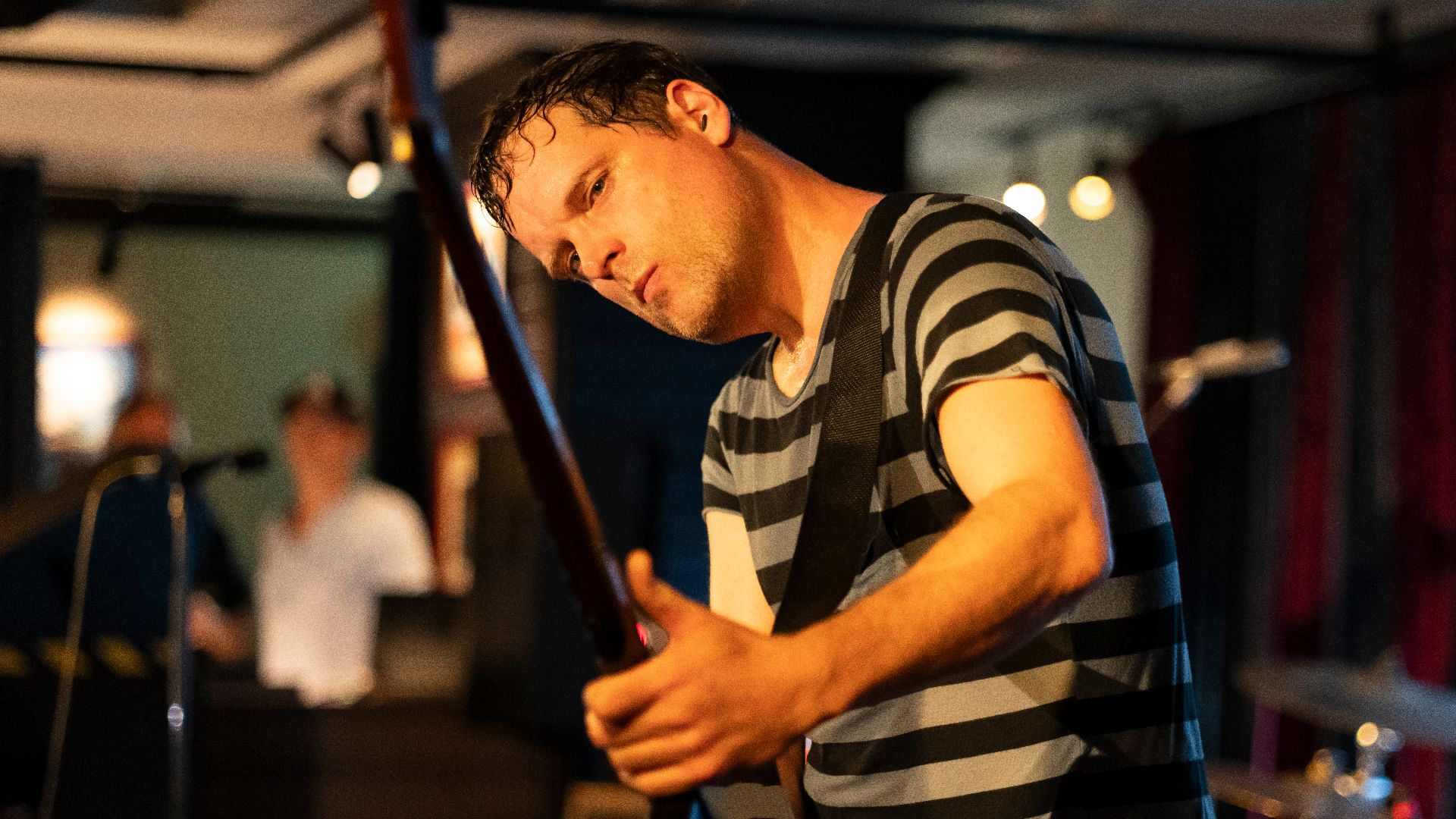
Kula Shaker
Spiritual, psychedelic, and undeniably ambitious, Kula Shaker infused Britpop with Indian instrumentation, mysticism, and shimmering 60s influences. Their debut K became one of the fastest-selling albums of the decade, with hits like “Tattva” and “Govinda” offering a unique spin on the guitar-band formula. They helped prove the movement had room for something far more global and experimental.
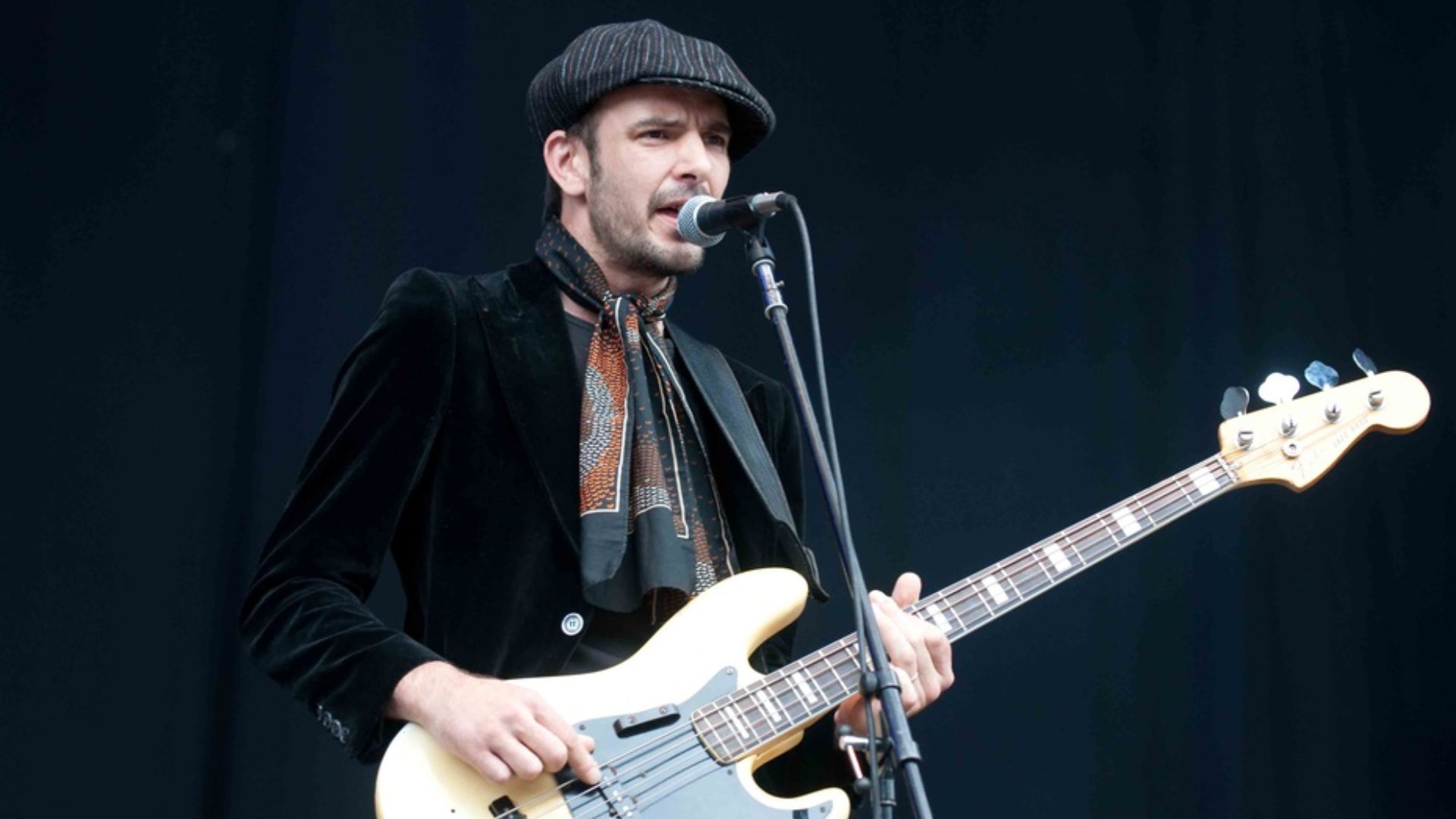 Tokyo Times, Wikimedia Commons
Placebo
Brooding, androgynous, and defiantly alternative, Placebo weren’t Britpop traditionalists—but they rose alongside the movement and reshaped its darker edges. Songs like “Nancy Boy” and “Pure Morning” brought a provocative sensibility that contrasted sharply with the era’s cheekier anthems. Their glam-tinged, emotionally raw style broadened Britpop’s appeal to alternative fans worldwide.
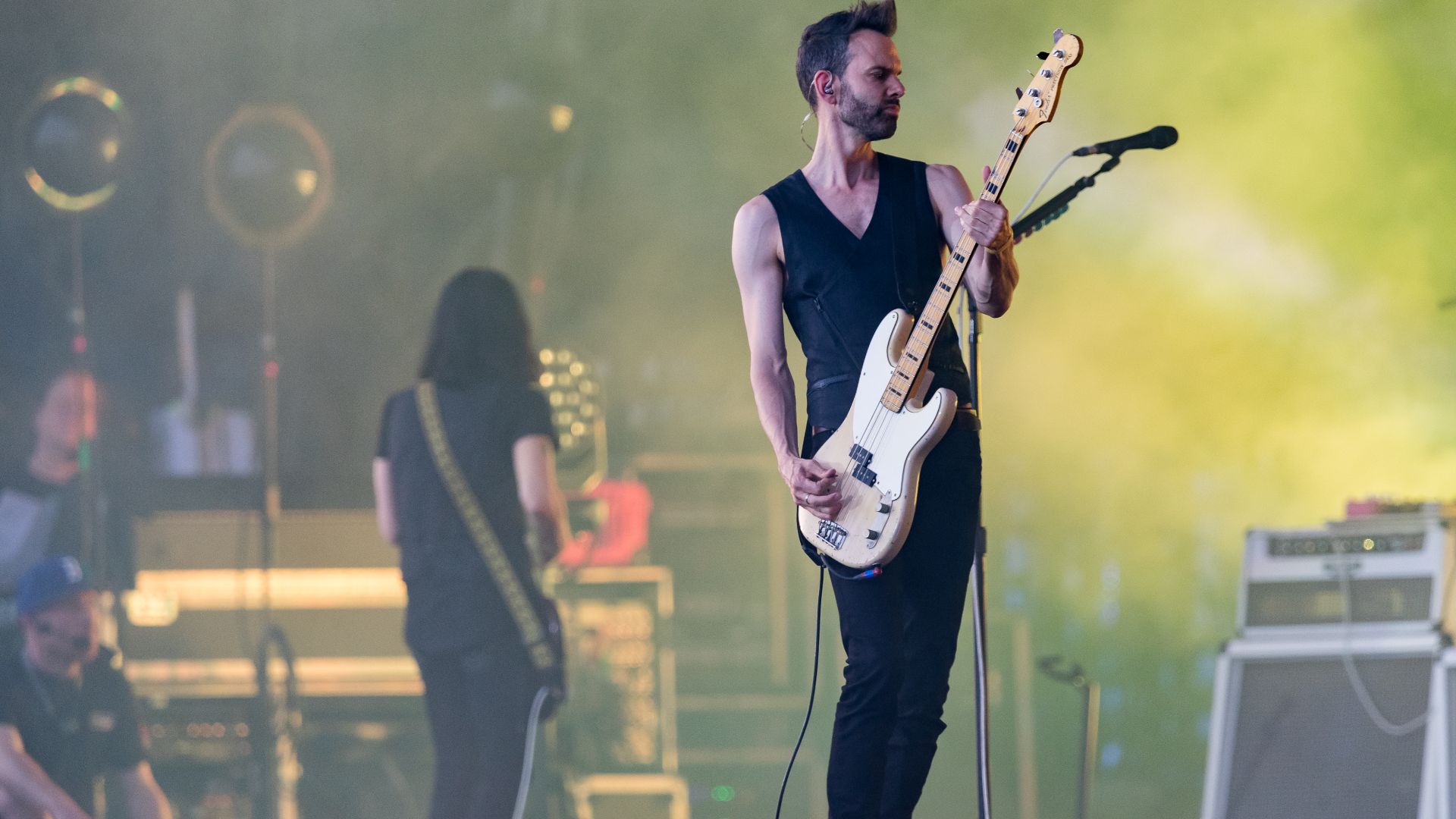 Sven Mandel, Wikimedia Commons
Longpigs
A band beloved by critics and Britpop diehards, Longpigs delivered melodic, emotionally rich rock with standout tracks like “She Said”. Their debut The Sun Is Often Out showcased soaring choruses, intricate guitar lines, and a bittersweet tone that separated them from the swagger-heavy competition. They didn’t hit the commercial heights of their peers, but their influence runs deep among musicians of the era.
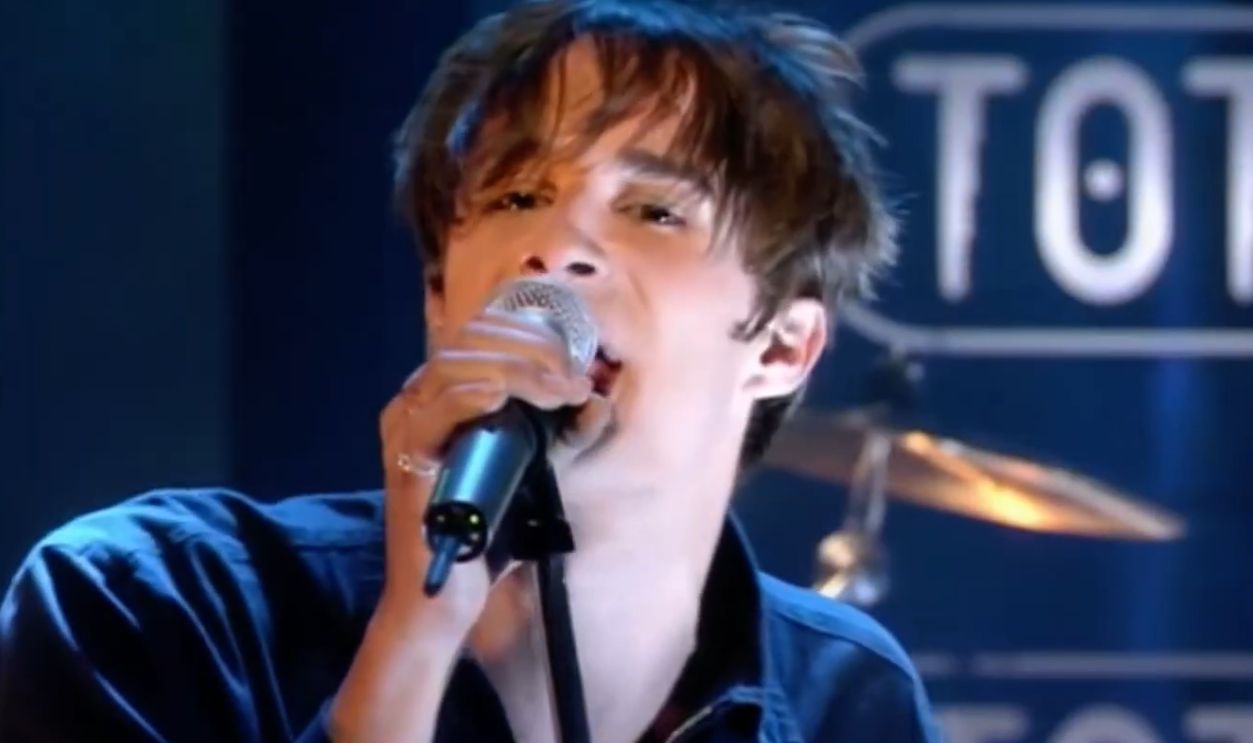 Screenshot from She Said, Mother Records (1996)
Ocean Colour Scene
Armed with bluesy riffs, mod sensibilities, and classic British songwriting, Ocean Colour Scene crafted some of Britpop’s most enduring radio staples. Songs like “The Riverboat Song” and “The Day We Caught the Train” defined the era’s polished guitar-rock sound. Their friendship with Paul Weller and heavy rotation on UK radio helped spread the Britpop gospel far beyond Britain.
 Cameron Scott, Wikimedia Commons
Super Furry Animals
Welsh, weird, and wonderfully inventive, Super Furry Animals brought an eccentric flair to Britpop’s later years. Albums like Fuzzy Logic and Radiator fused psychedelia, punk, techno, and lush harmonies into something entirely their own. Tracks like “Something 4 the Weekend” showed the world Britpop’s surreal, experimental potential.
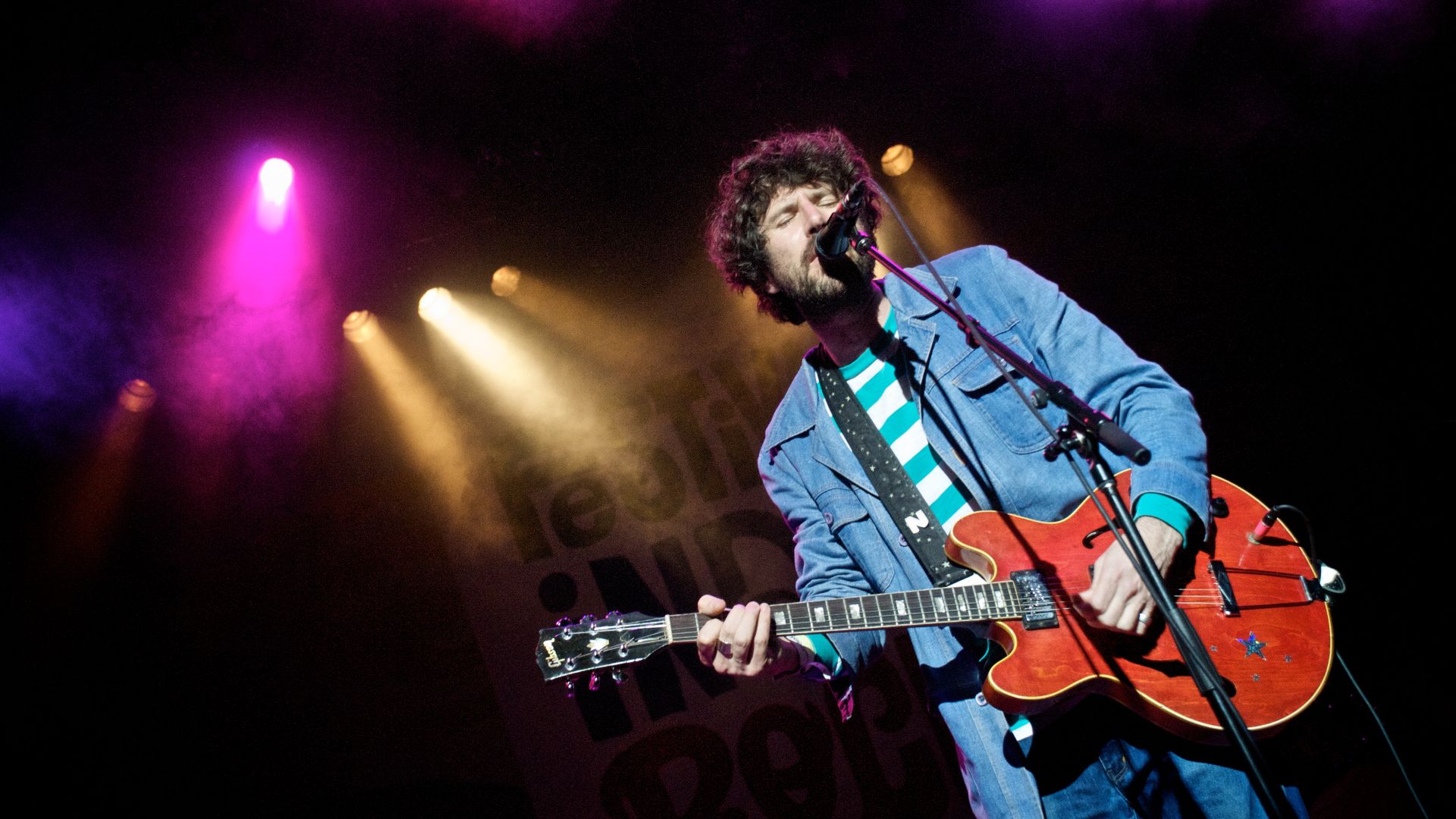 Silvio Tanaka from Sao Paulo, Brazil, Wikimedia Commons
Pulp
No one captured the grit, glamour, and awkwardness of British life quite like Pulp. Jarvis Cocker’s literate, wry storytelling shined in hits like “Common People,” turning everyday moments into pop anthems. Their album Different Class became a Britpop masterpiece, giving the movement its sharpest social commentary and most memorable narratives.
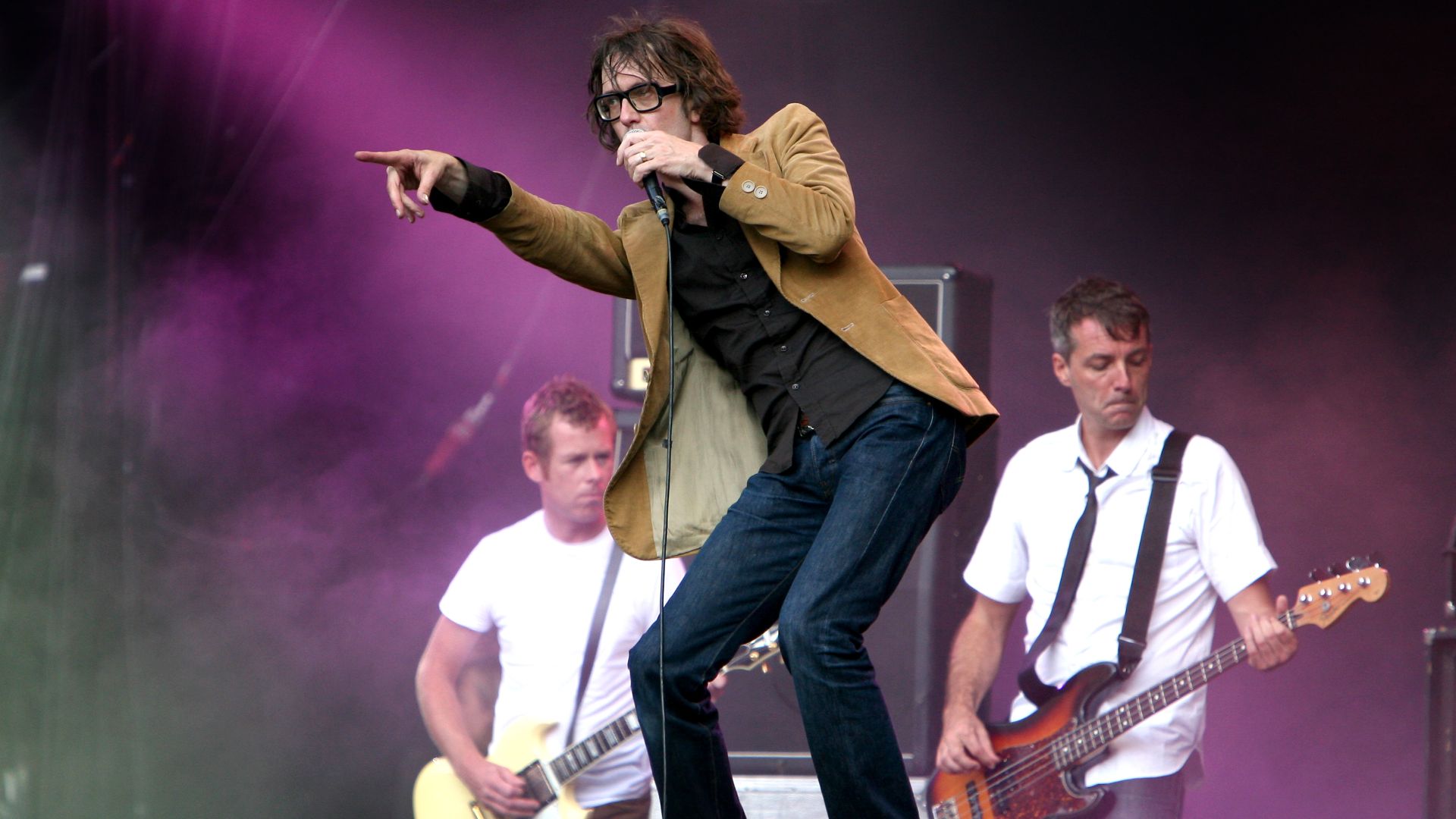 Bertrand from Paris, France, Wikimedia Commons
Shed Seven
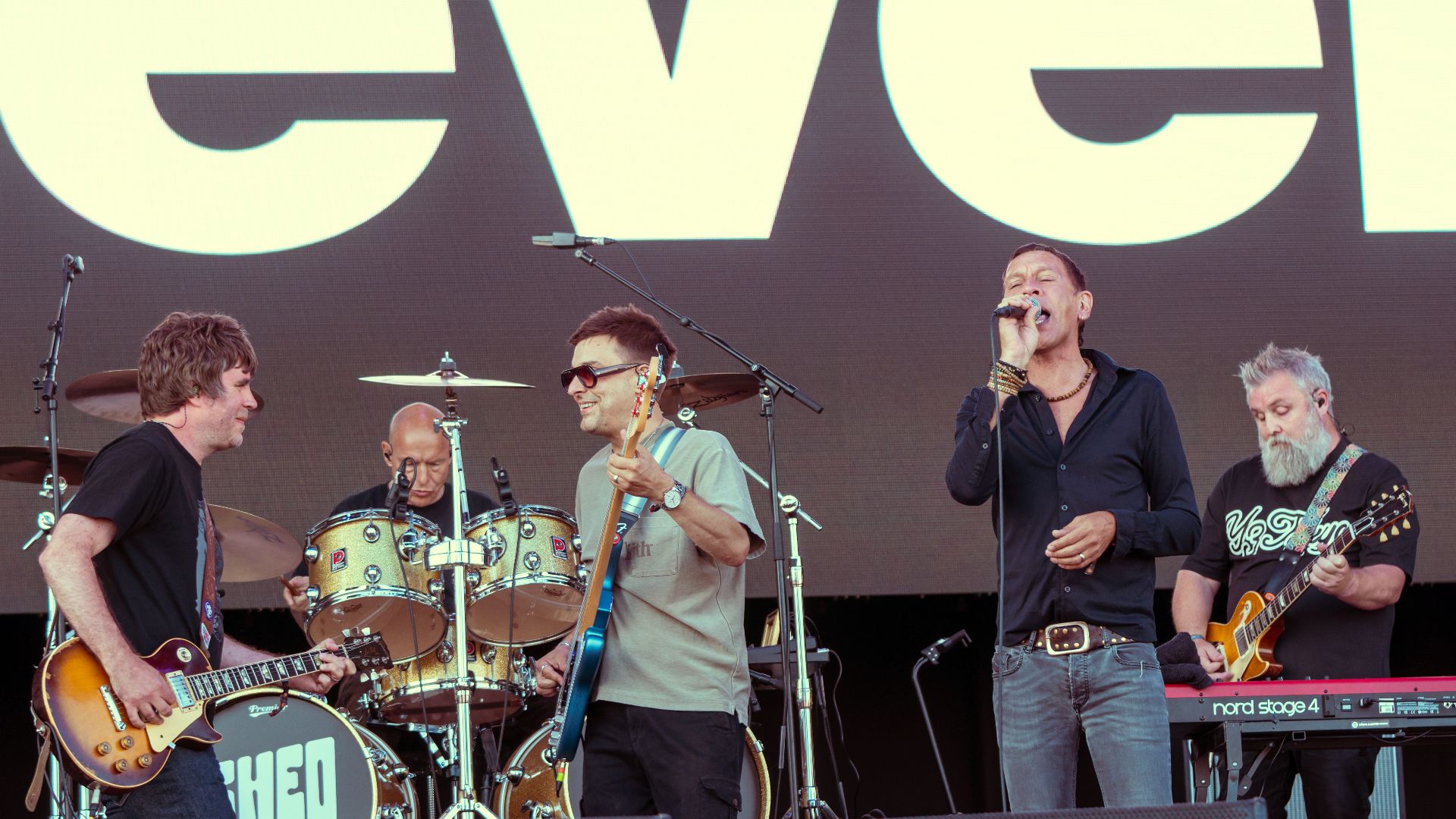
A fixture of the 90s charts, Shed Seven delivered jangly guitar-pop with massive choruses on tracks like “Going for Gold” and “Chasing Rainbows”. Their energetic live presence and consistent stream of hits made them a staple of the Britpop era, especially in the north of England where they cultivated a fiercely loyal fanbase.
Mansun
Mansun approached Britpop with a theatrical, art-rock twist, crafting ambitious albums like Attack of the Grey Lantern. Their dramatic flair and moody, intricate arrangements made them a favorite among fans seeking something more eclectic. Tracks like “Wide Open Space” showed their knack for blending weirdness with killer hooks.
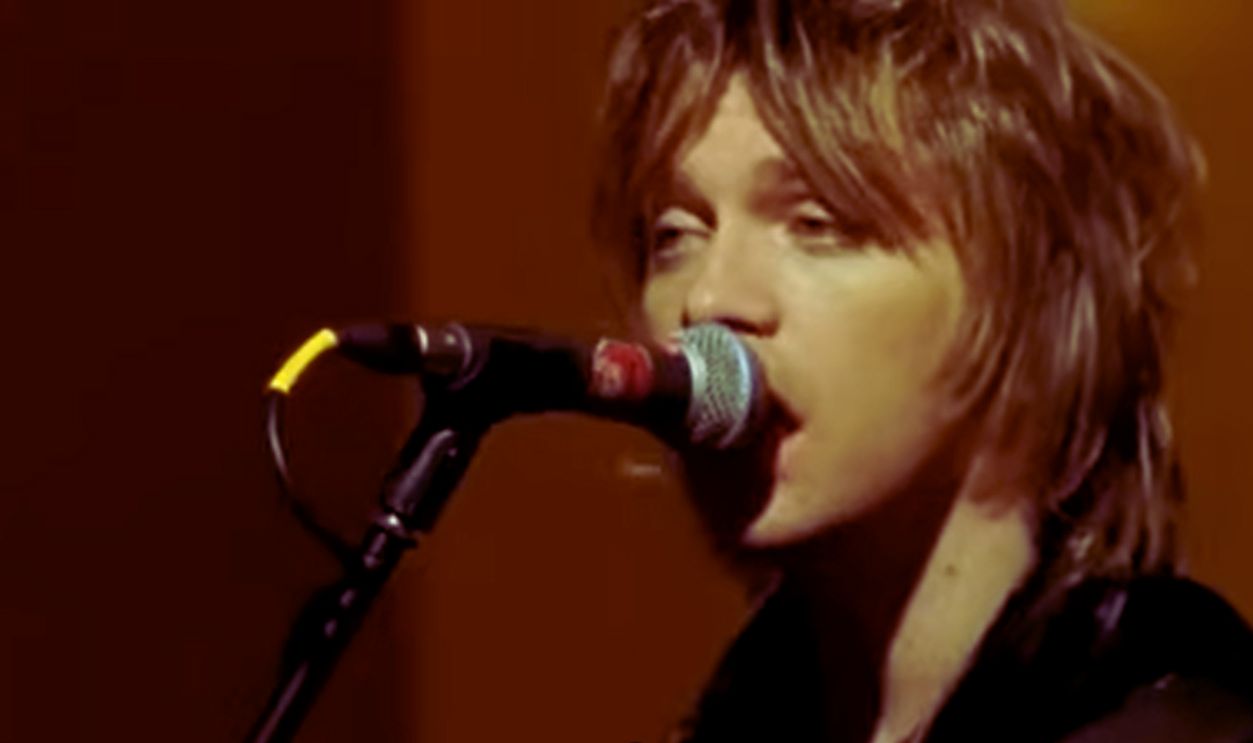 Screenshot from Wide Open Space, Parlophone (1996)
Cast
Formed by former La’s bassist John Power, Cast delivered crystal-clear melodic rock with an upbeat edge. Their debut All Change became one of Britpop’s most successful albums, filled with hits like “Walkaway” and “Alright”. Cast embodied the movement’s optimistic, wide-eyed spirit.
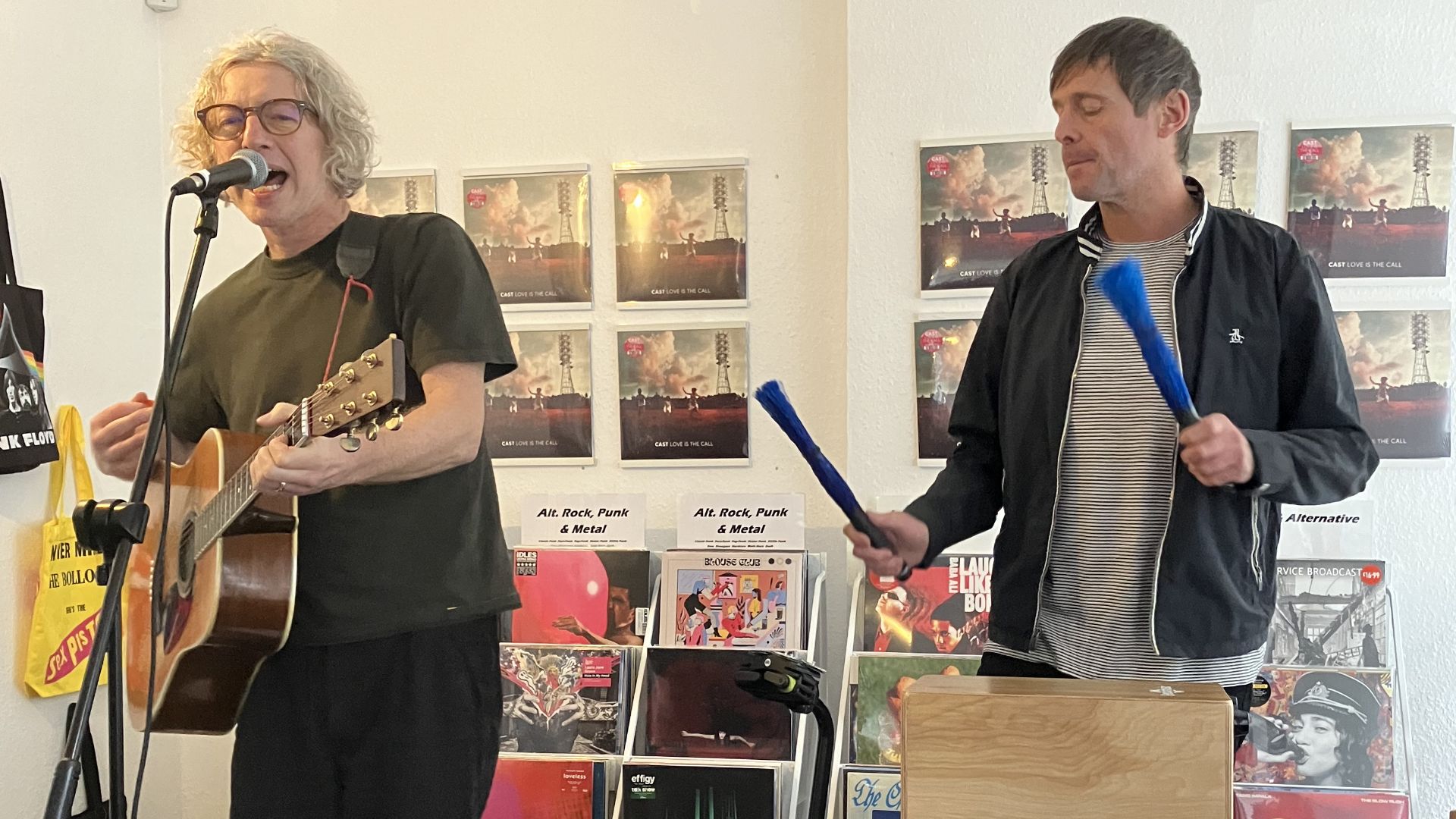 Dcameron814, Wikimedia Commons
The Verve
Though more psychedelic and atmospheric than typical Britpop bands, The Verve became one of its biggest international names thanks to Urban Hymns and the era-defining single “Bitter Sweet Symphony”. Their sweeping soundscapes and emotional depth showed how Britpop could stretch into something cinematic and soulful.
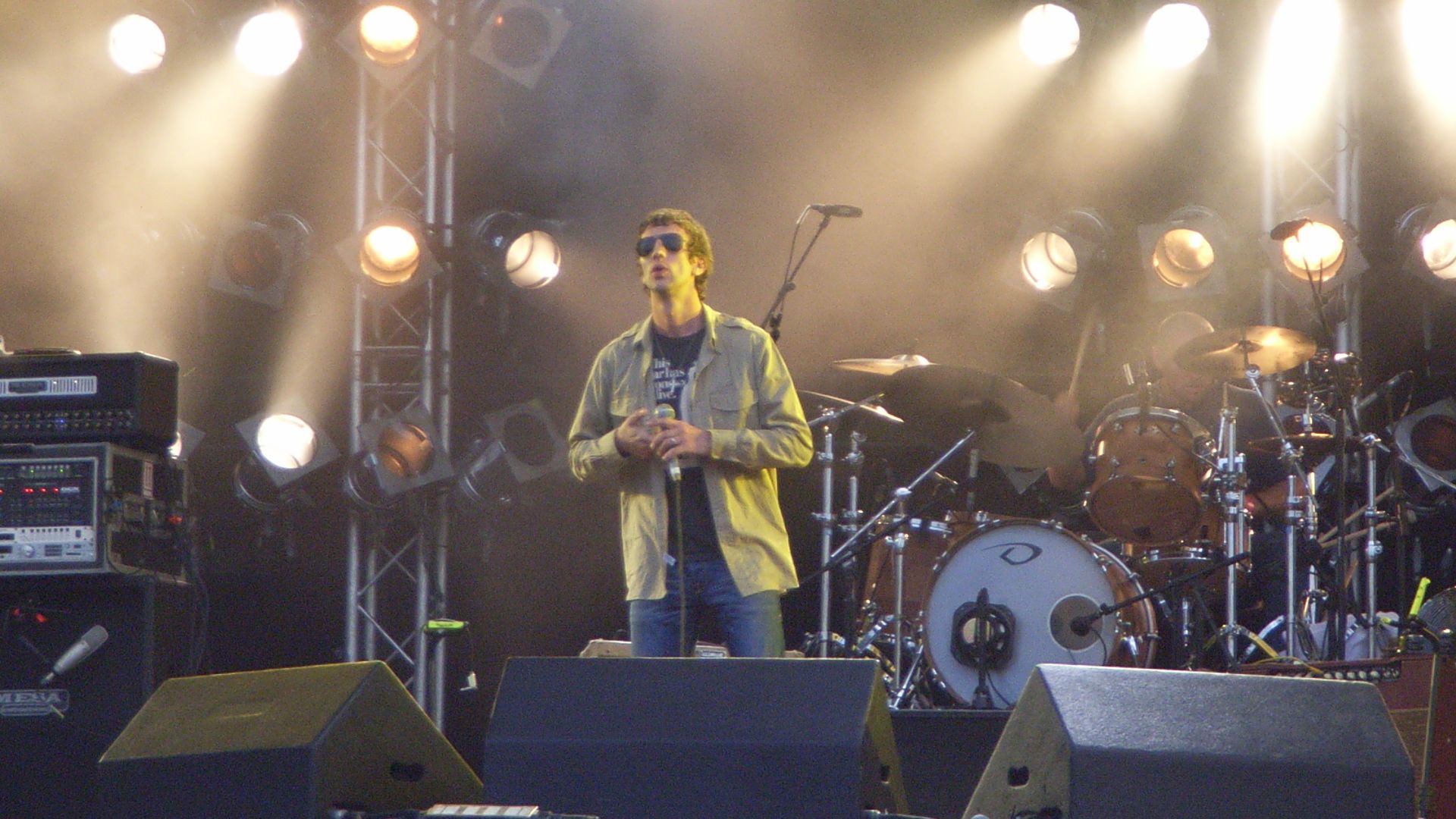 Danny Lechanteur, Wikimedia Commons
Blur
Blur were shapeshifters: art-school indie kids one minute, cartoonish Britpop heroes the next, experimental weirdos later on. With albums like Parklife and The Great Escape, they captured British eccentricity with sharp humor and unforgettable hooks. Damon Albarn’s lyrical snapshots of everyday life made them cultural ambassadors of the movement.
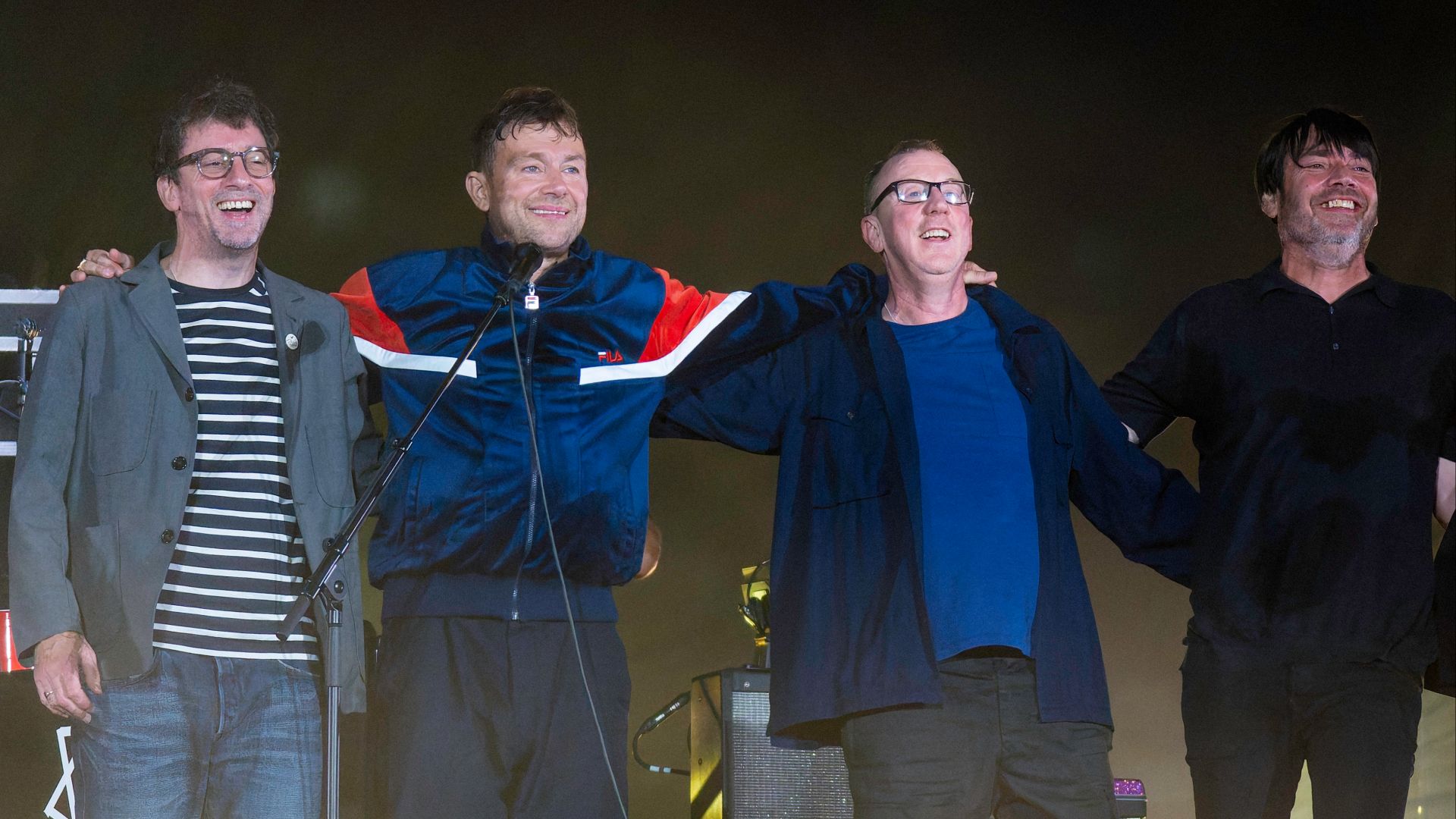
Oasis
If Britpop had a crown, Oasis wore it. Noel and Liam Gallagher brought swagger, anthemic songwriting, and working-class pride to every track on Definitely Maybe and (What’s the Story) Morning Glory?. Songs like “Wonderwall,” “Don’t Look Back in Anger,” and “Live Forever” became global stadium staples. Oasis didn’t just bring Britpop to the world—they blasted it into the stratosphere.
You May Also Like:
Bands That Couldn’t Stand Each Other But Made Magic Anyway
Legendary Bands We Can't Believe Never Had A Number-One Hit