

The Friendship Behind The Hits
Glen Campbell had the voice, the smile, and the guitar skills. Jimmy Webb had the pen that could turn loneliness into gold. Put them together, and something magical happened. Their friendship helped give Campbell some of his most unforgettable songs—and helped turn him into a country-pop legend.
 Tore Sætre, CC BY-SA 4.0 , via Wikimedia Commons
Glen Was Already A Pro
Before he became a household name, Campbell was one of the busiest guitar players in Los Angeles. He worked as a session musician with the famous Wrecking Crew, playing on records for major stars. He had talent to spare, but he still needed the right songs to define him.
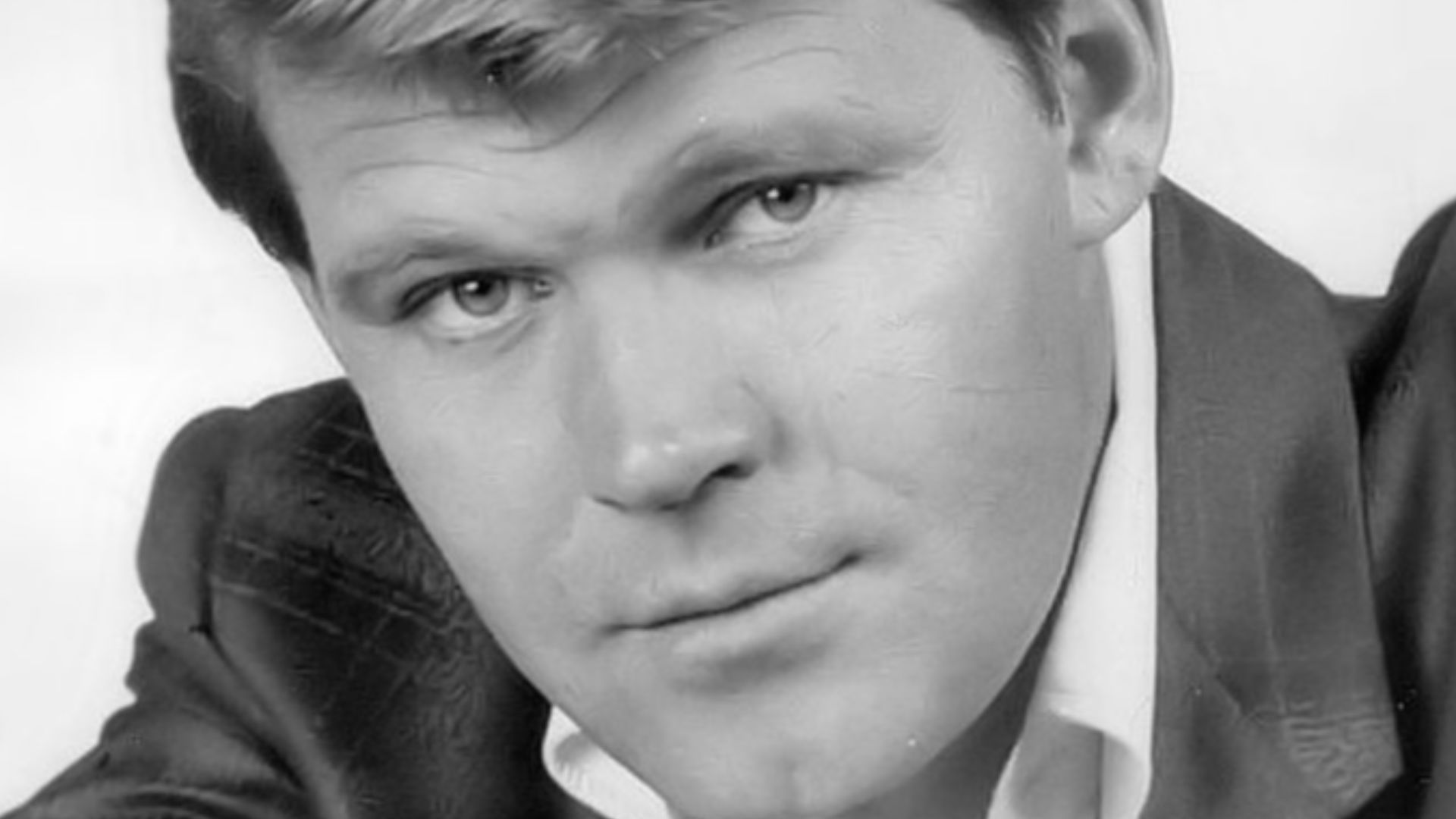 Capitol Records, Wikimedia Commons
Jimmy Webb Was The Young Genius
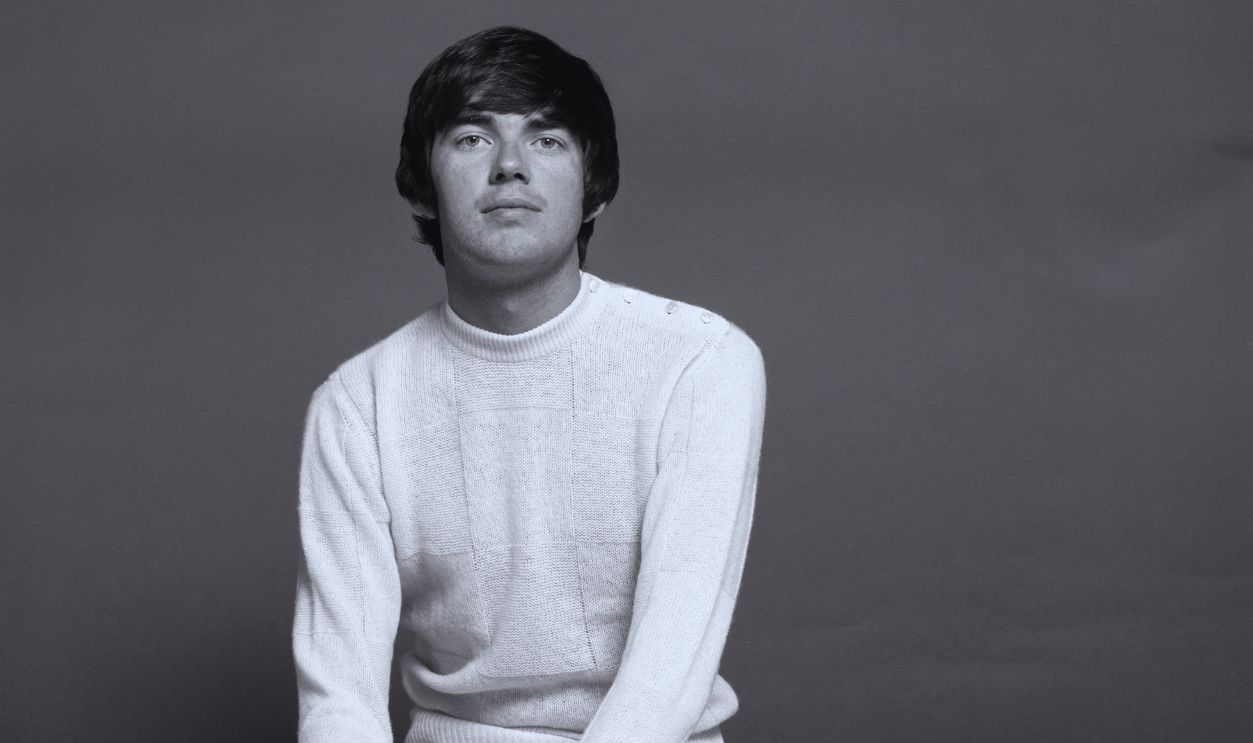
Jimmy Webb was a young songwriter with a gift for writing big feelings in simple lines. His songs did not sound like regular country, pop, or rock. They floated somewhere in between. That was exactly what made them perfect for Campbell, who also refused to fit neatly in one box.
Their First Big Connection
The song that first tied their careers together was “By the Time I Get to Phoenix.” Campbell recorded it in the late 1960s, and it became one of his signature hits. The song gave him a new kind of emotional weight, showing listeners that he was more than a charming entertainer.
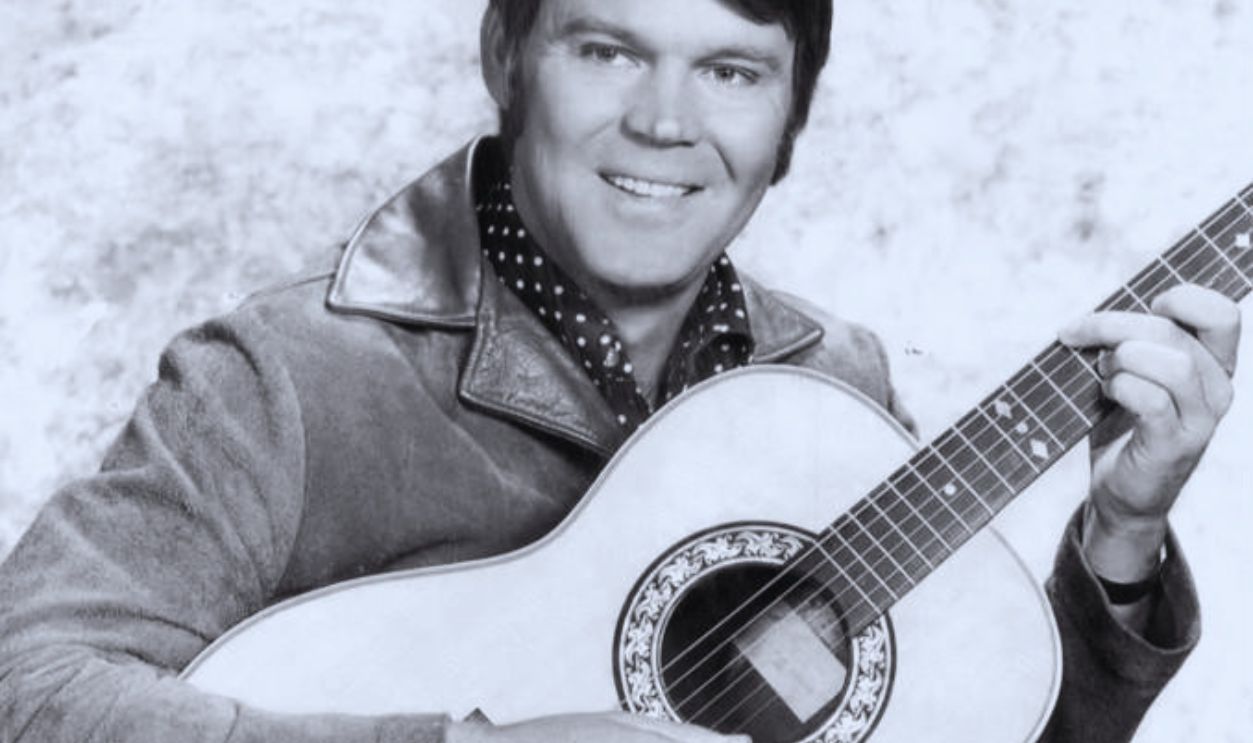 CBS Television, Wikimedia Commons
A Song Full Of Heartbreak
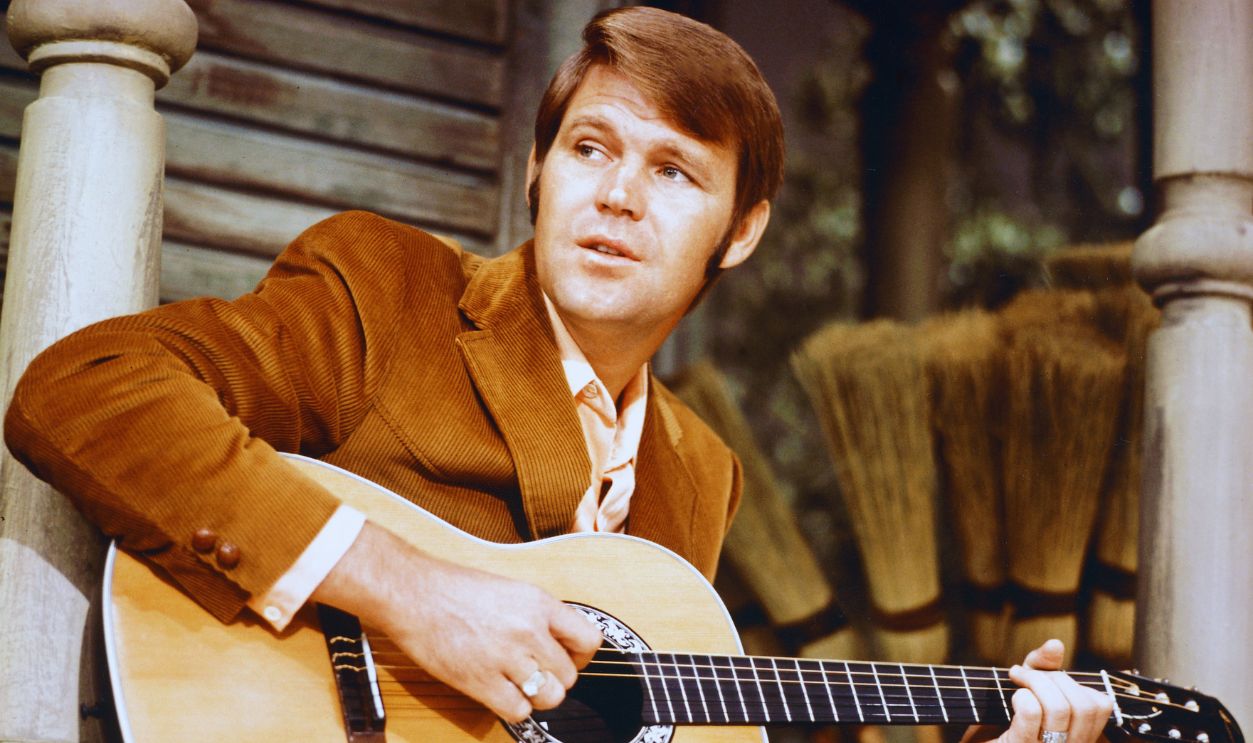
“By the Time I Get to Phoenix” was not loud or dramatic. It was quiet, sad, and devastating in the best way. Campbell sang it like a man trying not to fall apart. Webb’s writing gave him a story to tell, and Campbell’s voice made that story feel painfully real.
 Silver Screen Collection, Getty Images
The Perfect Match
Some singers perform a song. Campbell seemed to step inside it. That was what made his Webb recordings so special. Webb could write lonely characters, open highways, and aching hearts. Campbell could make those characters sound human, friendly, and familiar, like someone you had known for years.

Jimmy Found Glen’s Sweet Spot
Campbell’s voice had a bright, clean sound, but Webb’s songs added mystery. They gave him room to be smooth without sounding shallow. Suddenly, Campbell was not just the handsome guy on television. He was the singer of complicated emotions, wrapped in beautiful melodies.
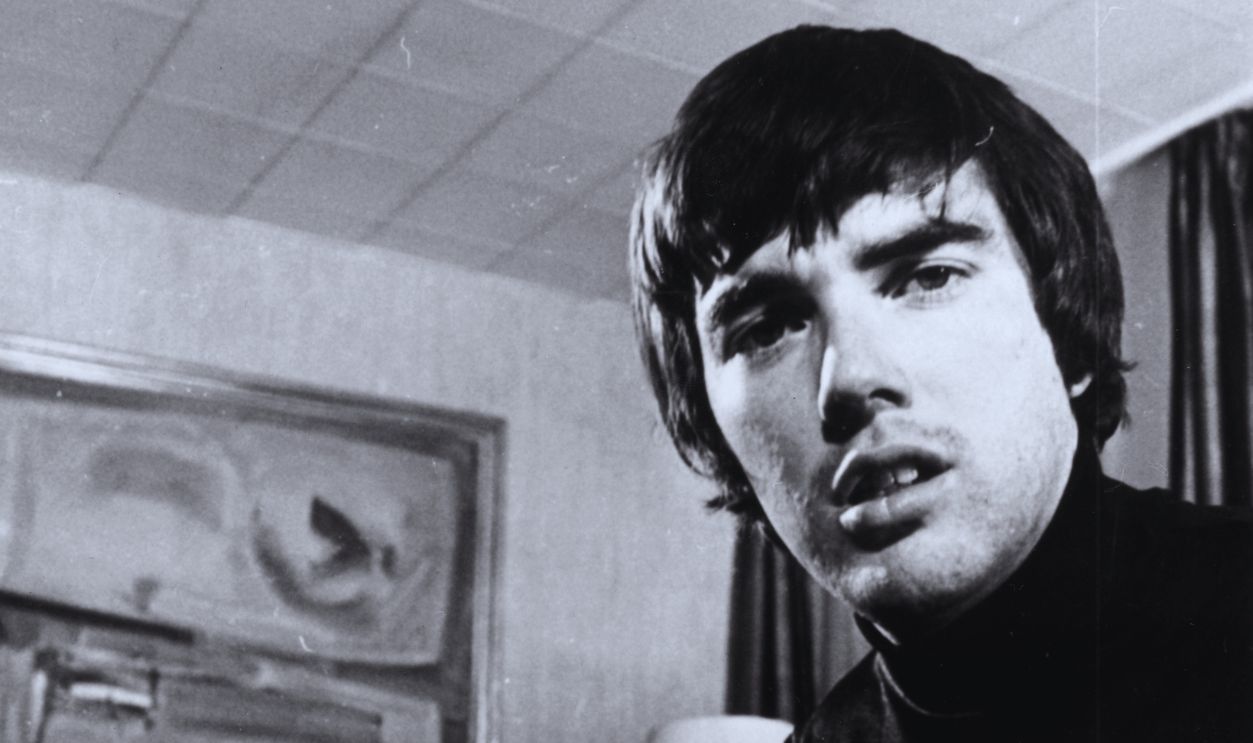
Then Came Wichita Lineman
After “Phoenix,” Campbell wanted another Webb song. Webb delivered “Wichita Lineman,” a strange, gorgeous tune about a telephone lineman longing for someone far away. It did not sound like an obvious hit. In fact, Webb reportedly thought it was not quite finished. Campbell knew better.
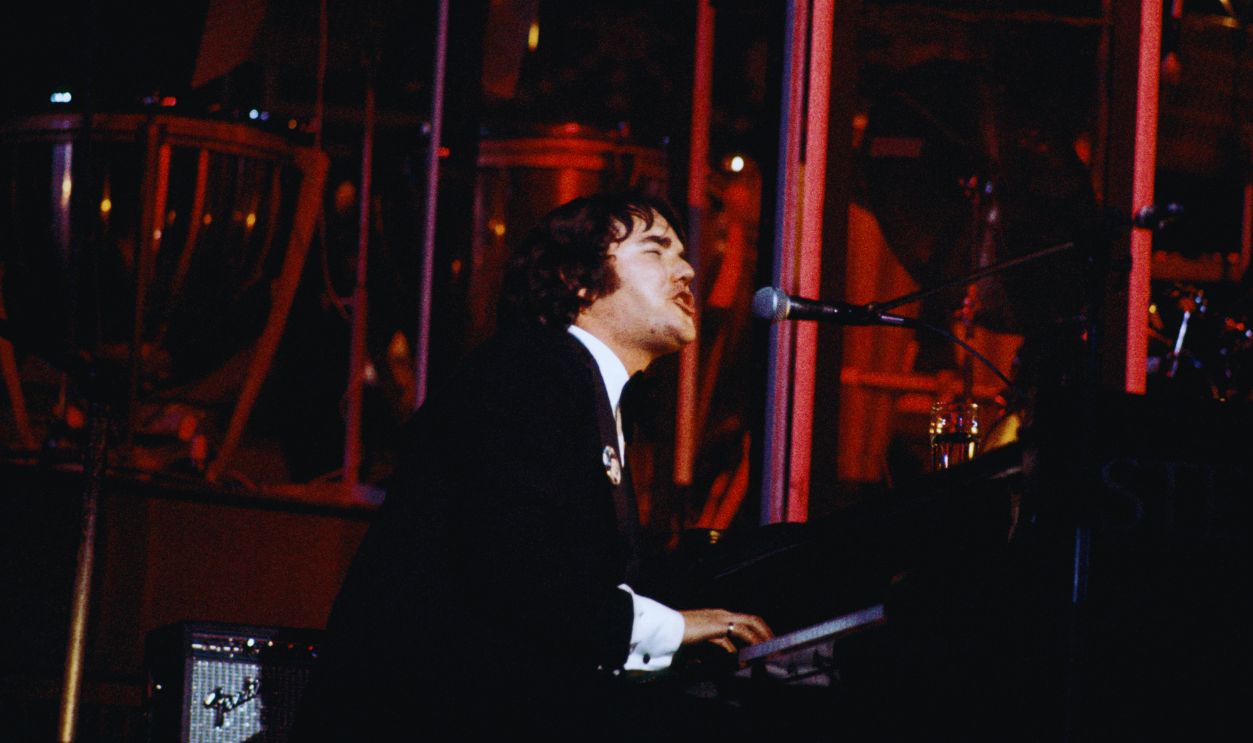
Glen Heard The Magic
Campbell understood “Wichita Lineman” almost instantly. Where someone else might have asked for a bigger chorus or clearer story, he heard space, loneliness, and beauty. That instinct mattered. He trusted Webb’s unusual writing, and Webb trusted Campbell to bring the song fully to life.
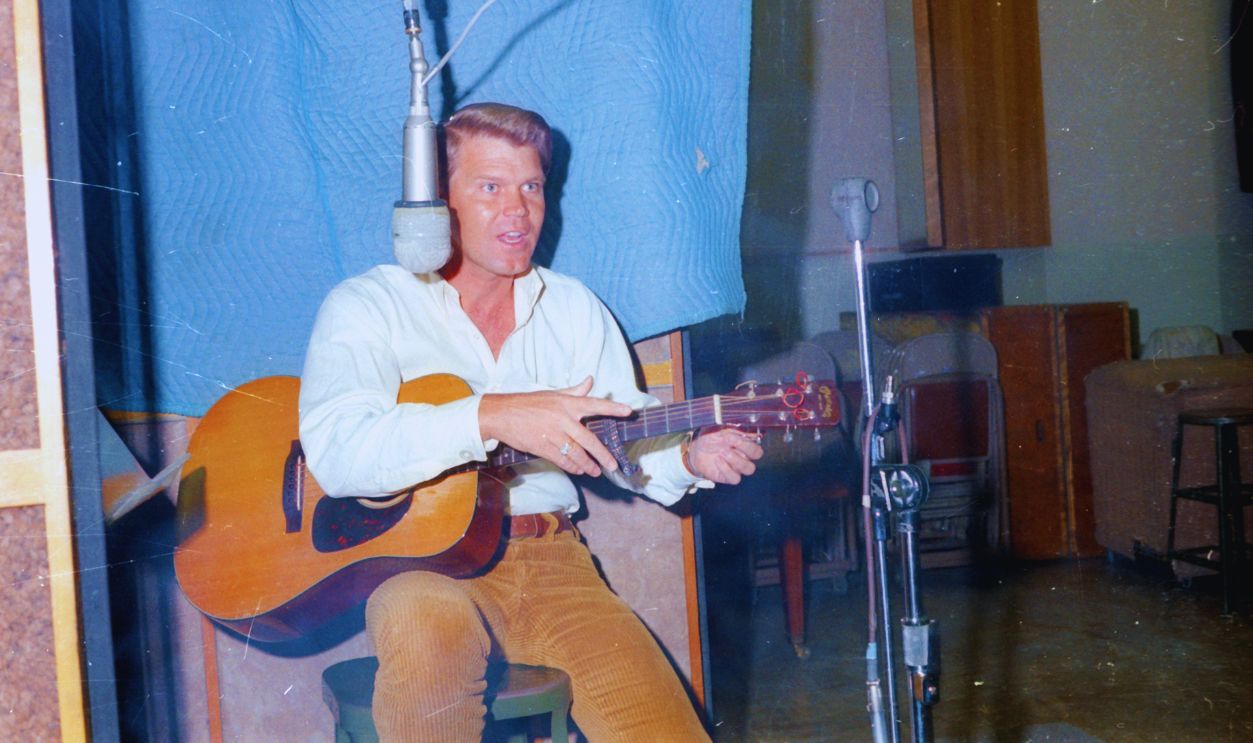 Michael Ochs Archives, Getty Images
A Career-Defining Recording
“Wichita Lineman” became one of Campbell’s greatest recordings. The song was cinematic, almost like a little movie playing across the plains. Campbell’s vocal was warm but distant, as if he were singing from a telephone wire stretching across America. It helped make him sound timeless.
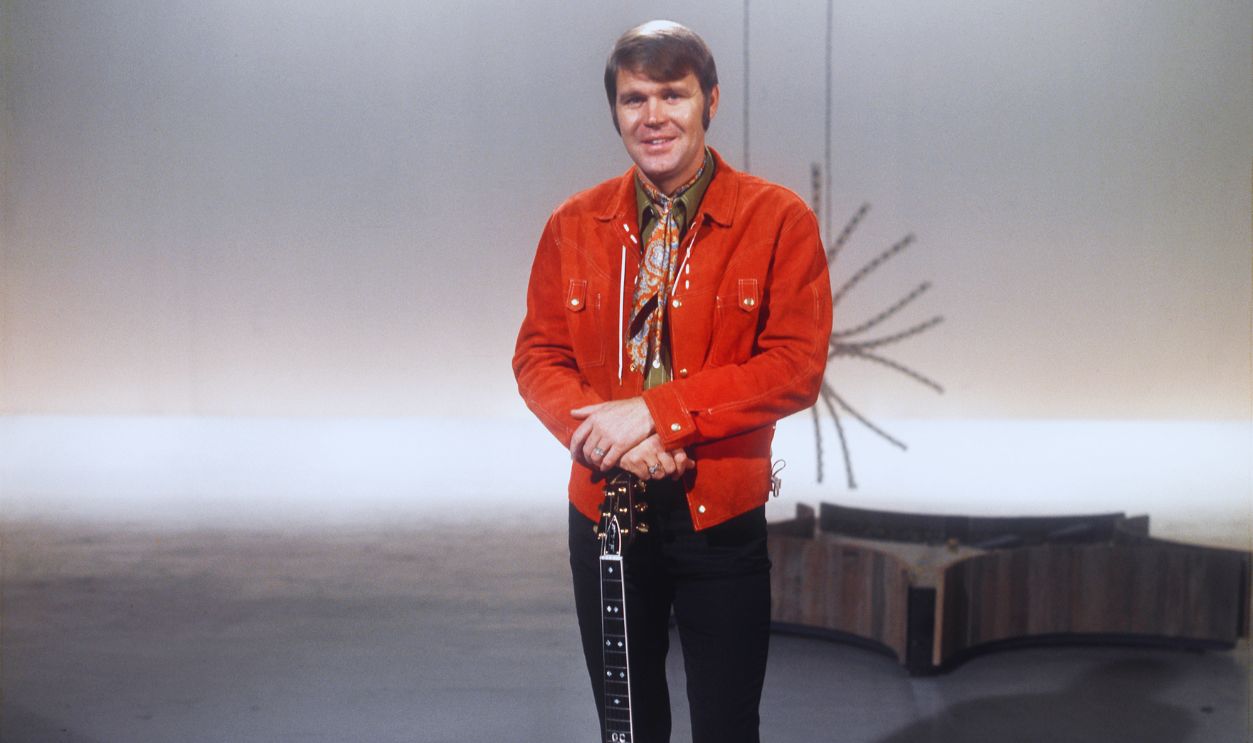 Donaldson Collection, Getty Images
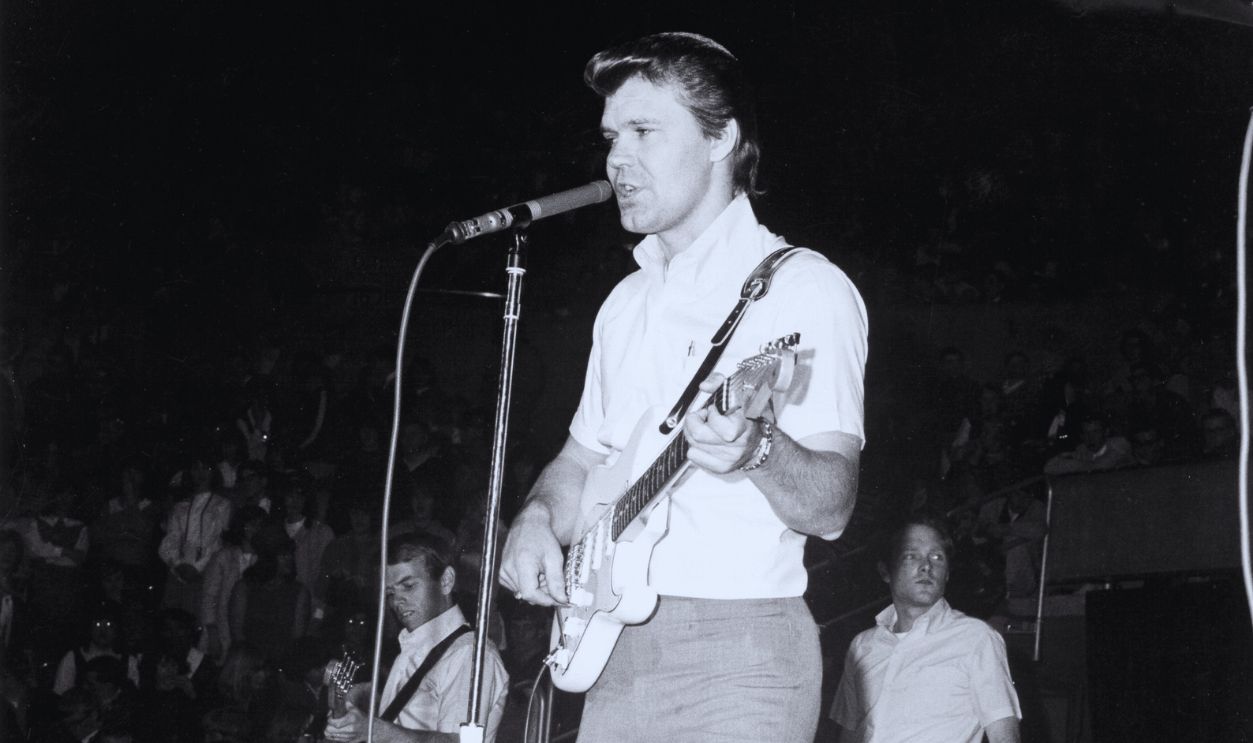
Not Your Average Country Song
At the time, country music often leaned on direct storytelling. “Wichita Lineman” was different. It was poetic, moody, and a little mysterious. That difference helped Campbell cross over to pop audiences. Webb’s songs gave him sophistication without taking away his country warmth.
 Michael Ochs Archives, Getty Images
Friendship Built On Trust
Their friendship worked because both men respected what the other could do. Webb wrote songs that took risks. Campbell sang them like they were obvious classics. That kind of trust is rare in music. It lets artists be brave without constantly explaining themselves.

Galveston Changed The Mood
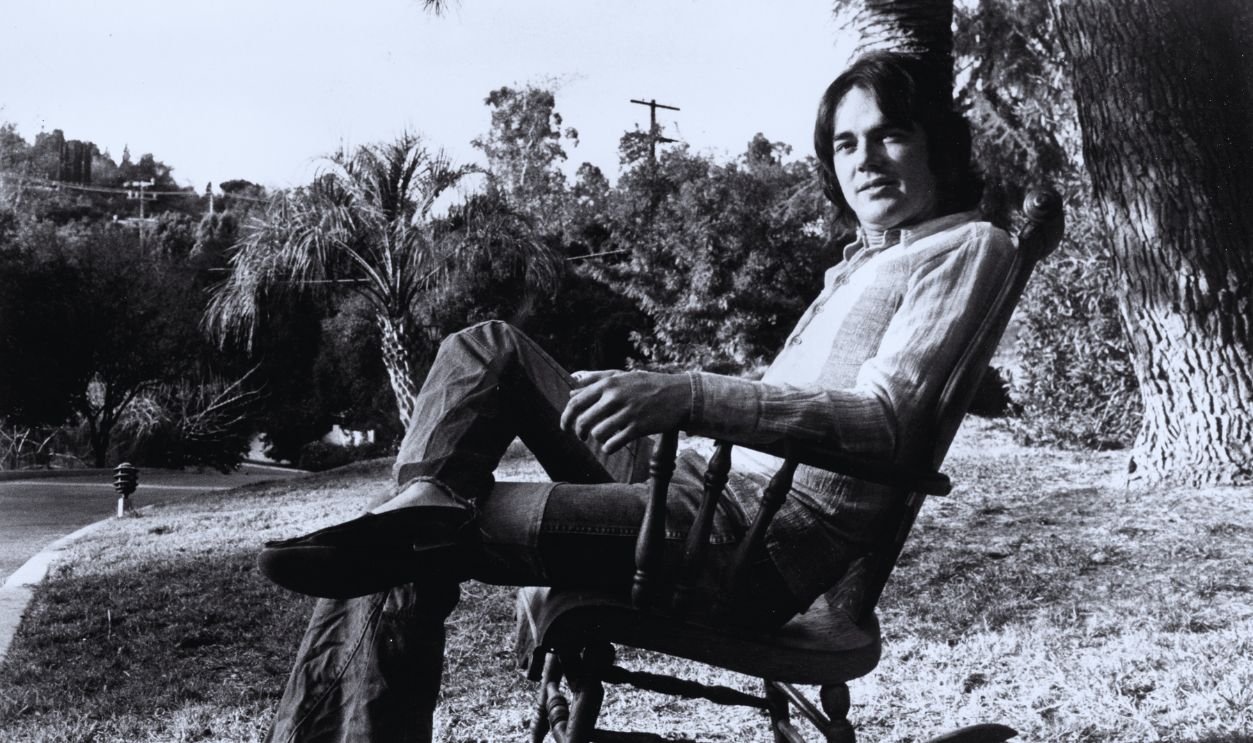
Then came “Galveston,” another Webb song that Campbell turned into a hit. On the surface, it sounded bright and catchy. Underneath, it carried tension and longing. Campbell’s version gave the song a shining, radio-friendly sound while still holding onto the ache at its center.
 Michael Ochs Archives, Getty Images
Glen Made Webb’s Songs Accessible
Webb could be poetic, even unusual. Campbell made his songs feel welcoming. He had a way of smoothing the edges without sanding off the emotion. That balance was crucial. It meant millions of listeners could connect with songs that might have seemed too strange in other hands.
Jimmy Helped Glen Stand Apart
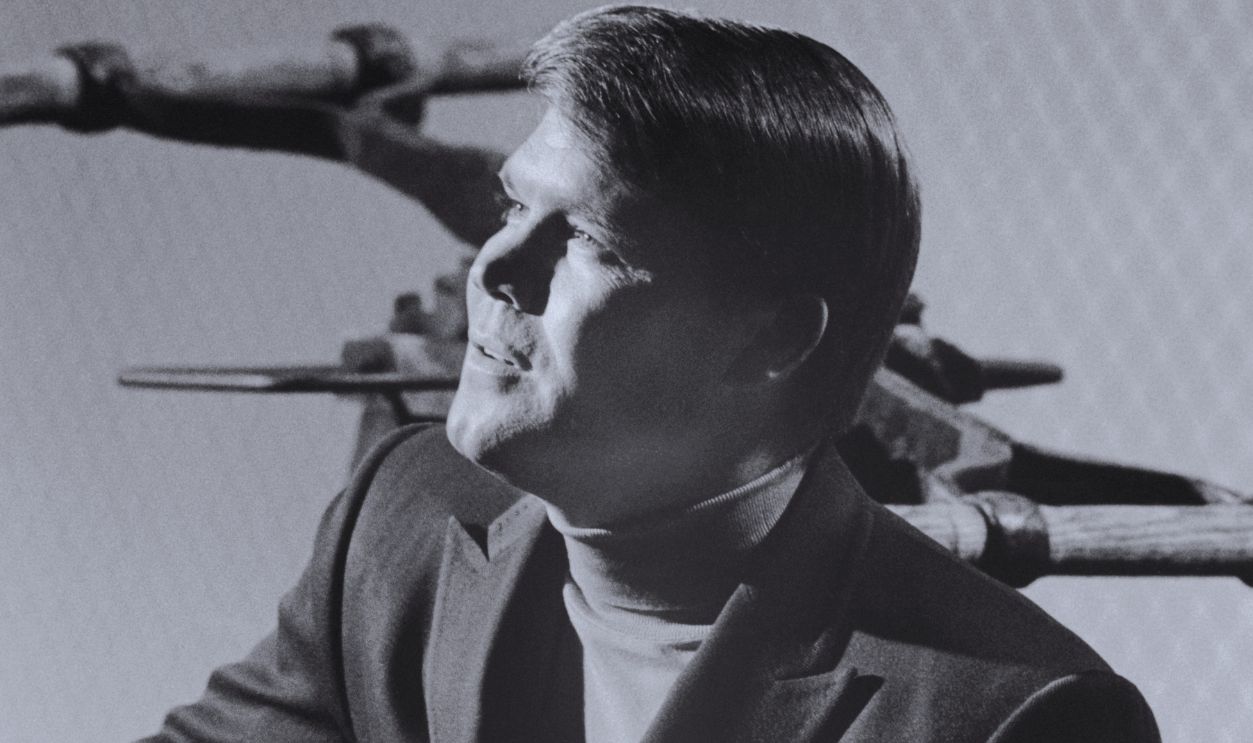
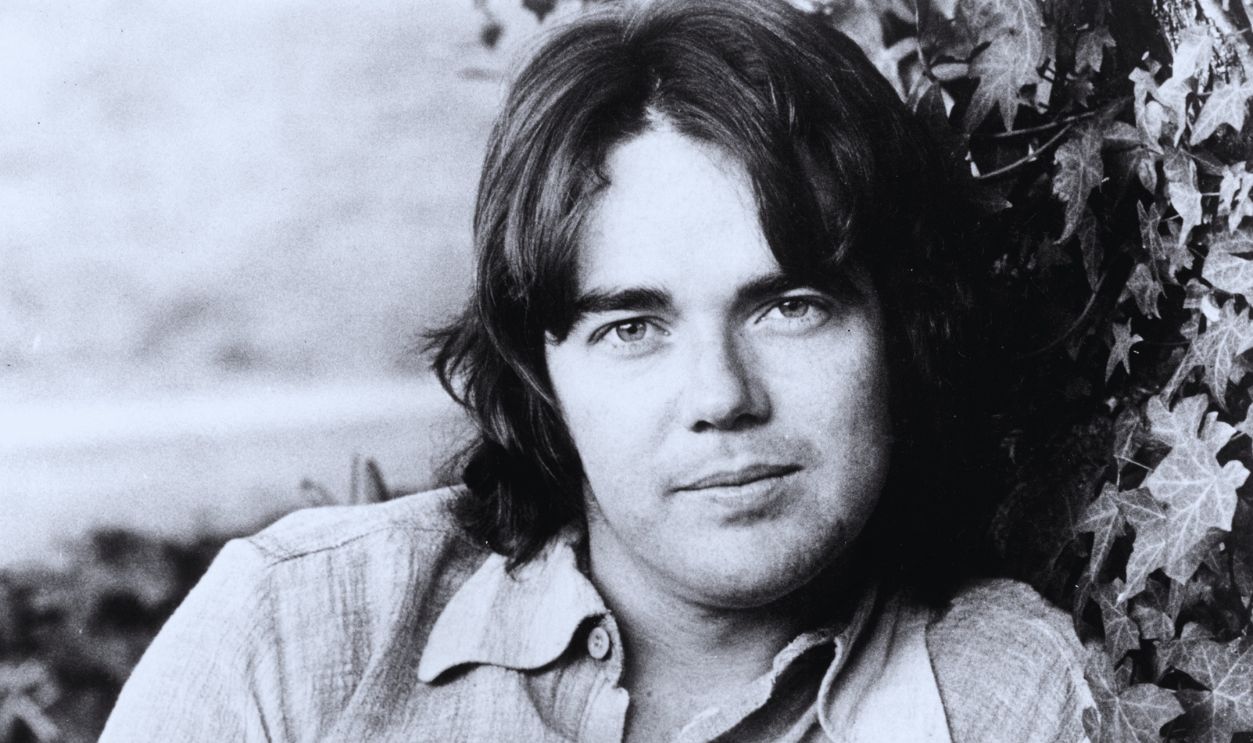
Campbell came up during a crowded era filled with country stars, pop idols, and rock bands. Webb’s songs helped him stand apart from all of them. They made Campbell sound polished, emotional, and modern. He was country enough for Nashville and pop enough for everyone else.
 Michael Ochs Archives, Getty Images
Glen Helped Jimmy Reach The World
The friendship was not one-sided. Campbell gave Webb’s writing a massive audience. A beautiful song still needs the right singer, and Campbell was that singer. Through Glen, Webb’s lonely linemen, travelers, soldiers, and dreamers reached listeners who might never have noticed a songwriter’s name.
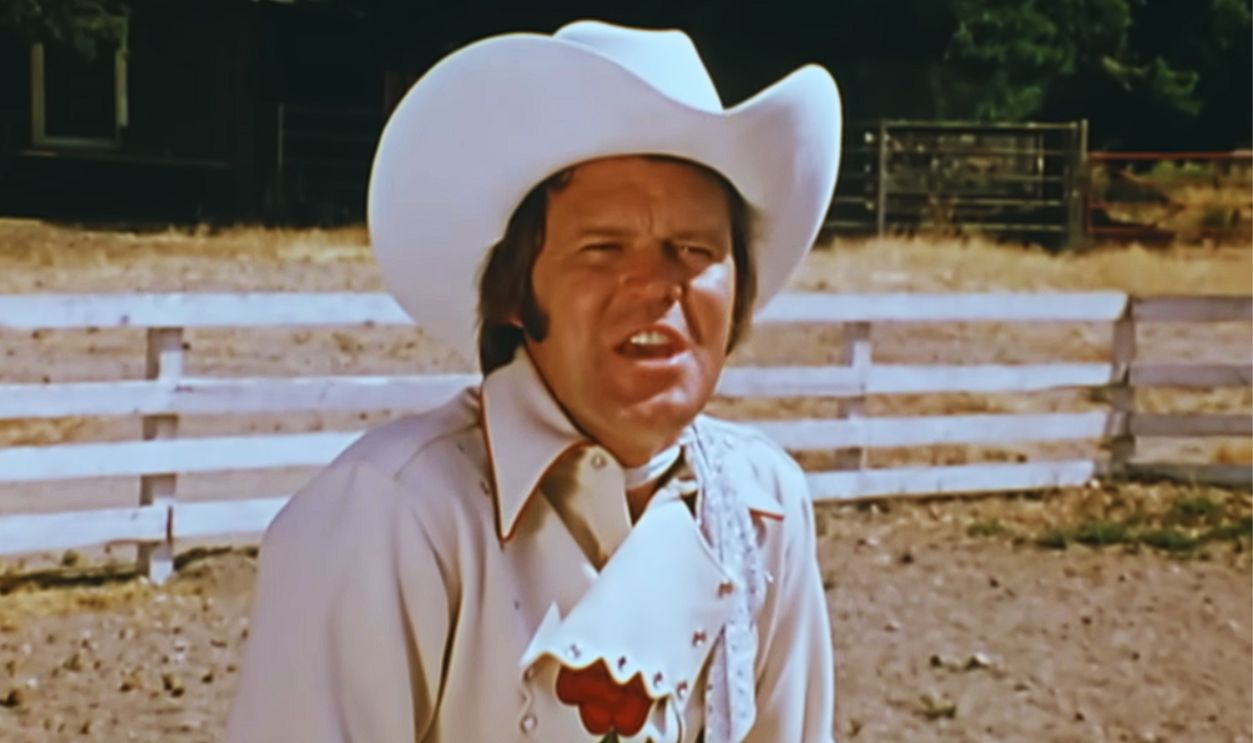 Screenshot from Glen Campbell: Rhinestone Cowboy, Capitol Records (1975)
The Songs Felt Like America
Their best collaborations had a wide-open feeling. Phoenix, Wichita, Galveston—these were real places, but they also became emotional landscapes. Webb wrote America as a place of distance and longing. Campbell sang it as someone who understood every mile of the road.
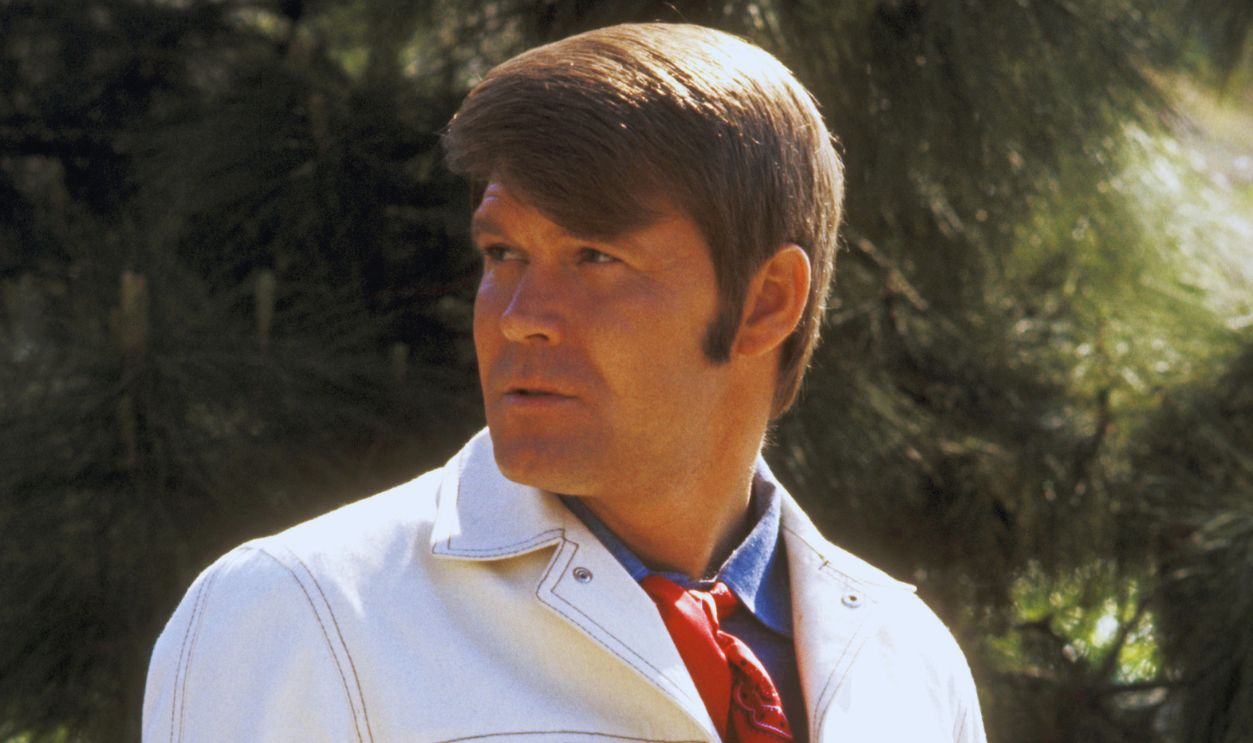
Television Made Glen Bigger
Campbell’s television success also helped those songs travel farther. On screen, he was easygoing and funny, with a friendly charm that made viewers comfortable. Then he would sing a Webb ballad, and suddenly the room changed. The nice guy had hidden emotional depth.
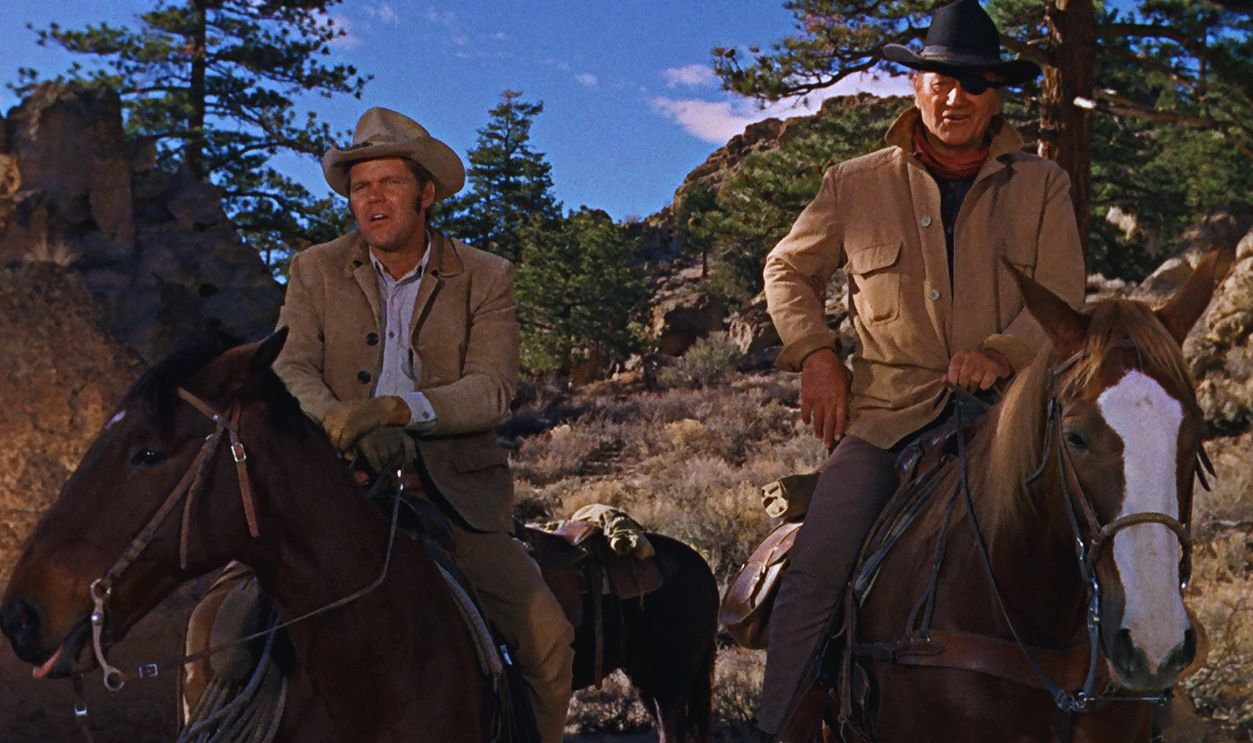 Silver Screen Collection, Getty Images
The Voice And The Pen
Every great musical partnership has chemistry. Campbell and Webb had it in a quieter way than most. There were no matching outfits or duo branding. Just one man writing extraordinary songs and another singing them with perfect feeling. The result was subtle, but powerful.

Glen’s Guitar Mattered Too
Campbell was not just a voice. He was a brilliant guitarist, and that musicianship shaped how he approached Webb’s songs. He understood arrangements, textures, and timing. That helped him treat the songs not as simple vocal showcases, but as complete little worlds.
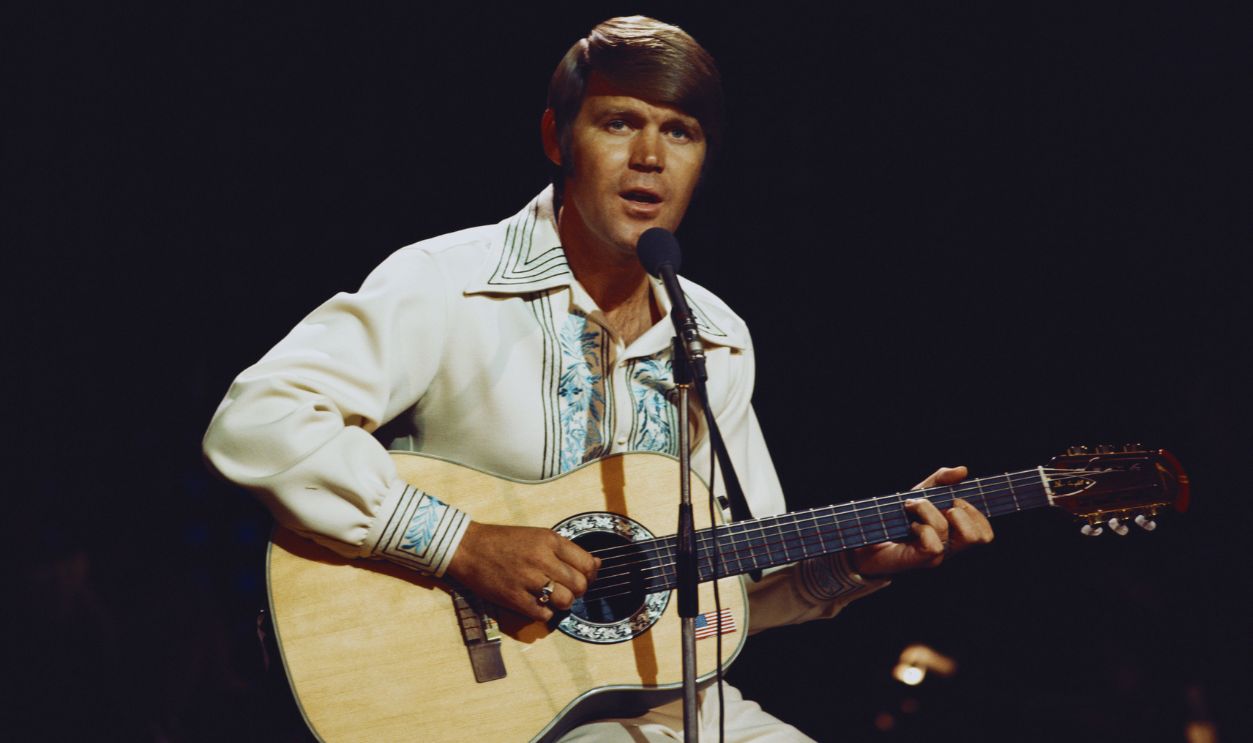
Jimmy Gave Glen Drama
Webb’s songs gave Campbell drama without melodrama. Nobody had to shout. Nobody had to over-explain. A line, a chord change, or a pause could do the work. Campbell’s relaxed delivery made the heartbreak hit even harder, because he sounded like he was trying to stay composed.
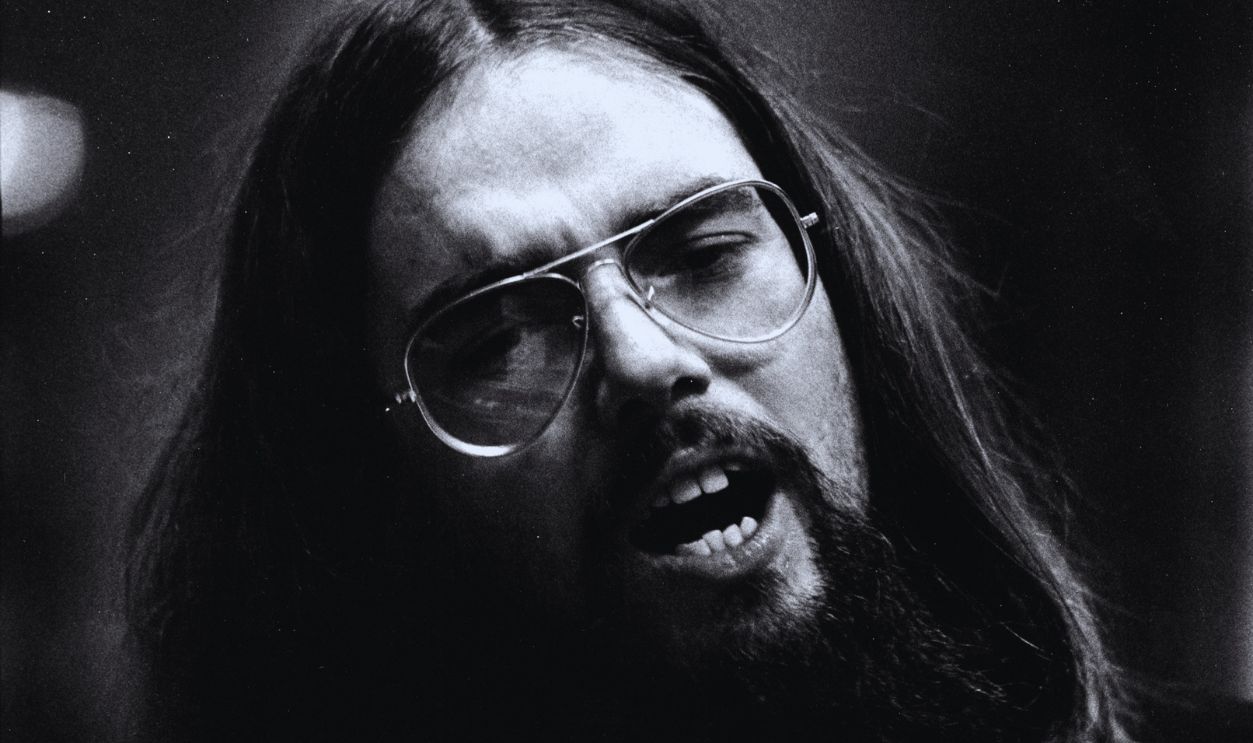 Michael Ochs Archives, Getty Images
The Friendship Outlasted The Charts
Their connection became part of Campbell’s larger story. Even as musical trends changed, the Webb songs remained central to his identity. When fans thought of Campbell at his most elegant and emotional, they often thought of “Wichita Lineman,” “Galveston,” and “By the Time I Get to Phoenix.”

A Surprising Pairing
On paper, they were not an obvious pair. Campbell was the Arkansas-born performer with dazzling guitar chops and mainstream charm. Webb was the ambitious songwriter with unusual, almost literary instincts. Together, they found a middle ground that sounded effortless, even when the songs were anything but simple.
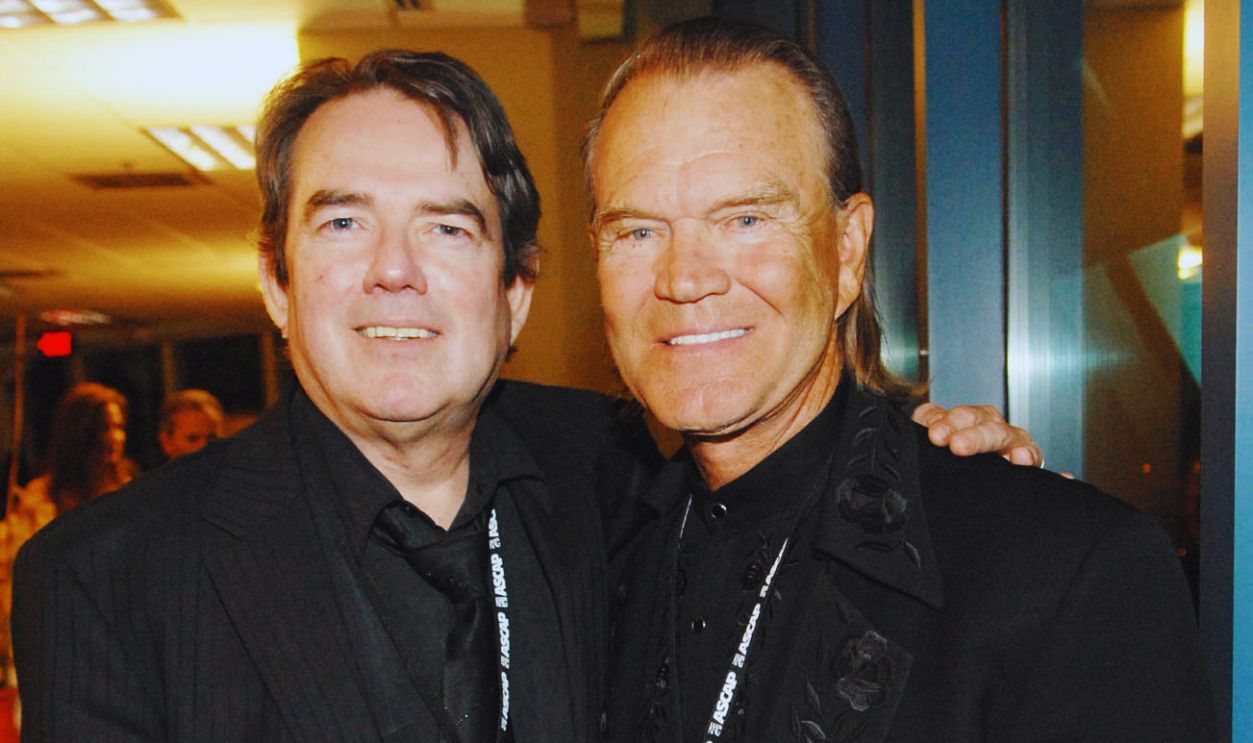
Why It Worked So Well
Campbell never made Webb’s songs feel too fancy. Webb never made Campbell sound ordinary. That was the secret. Each man stretched the other in the right direction. Campbell became deeper and more distinctive, while Webb’s songs became warmer, clearer, and more emotionally direct.
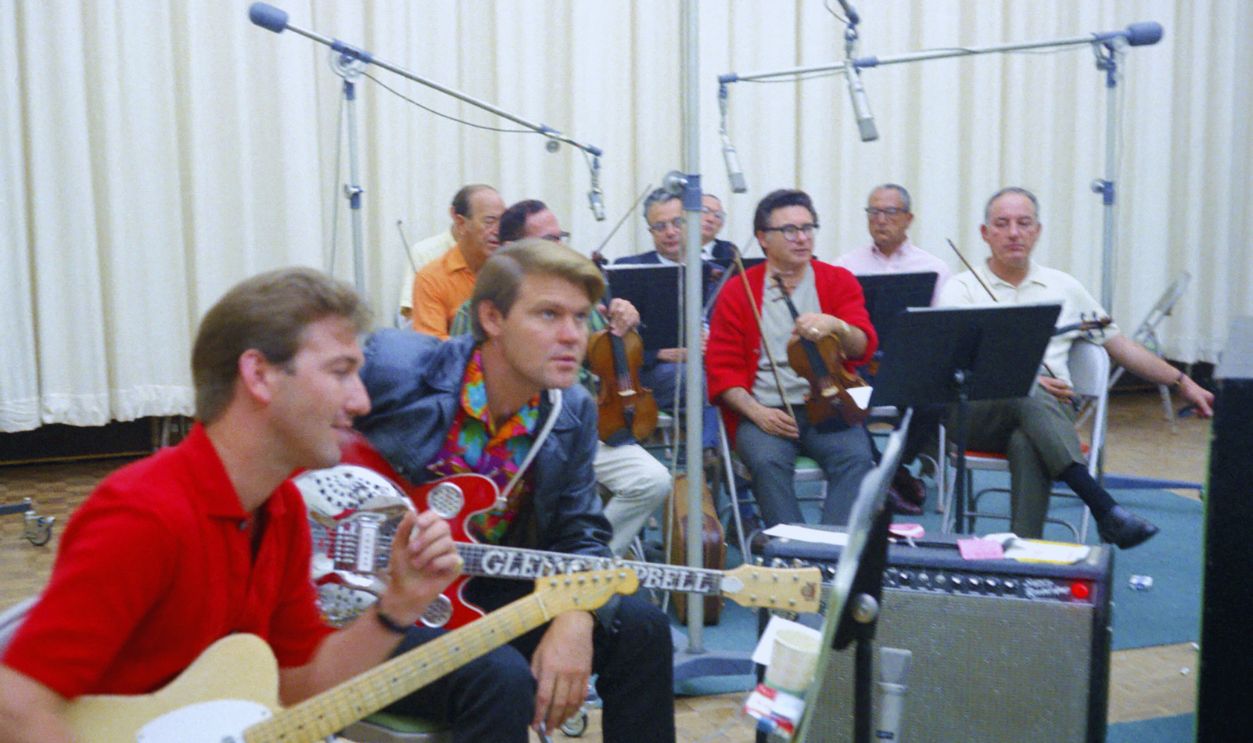 Michael Ochs Archives, Getty Images
The Legacy Is Everywhere
Decades later, their work still sounds fresh. “Wichita Lineman” in particular is treated like a masterpiece, admired by musicians far outside country music. That staying power says a lot. Campbell and Webb were not just making hits. They were building songs that could survive every trend.
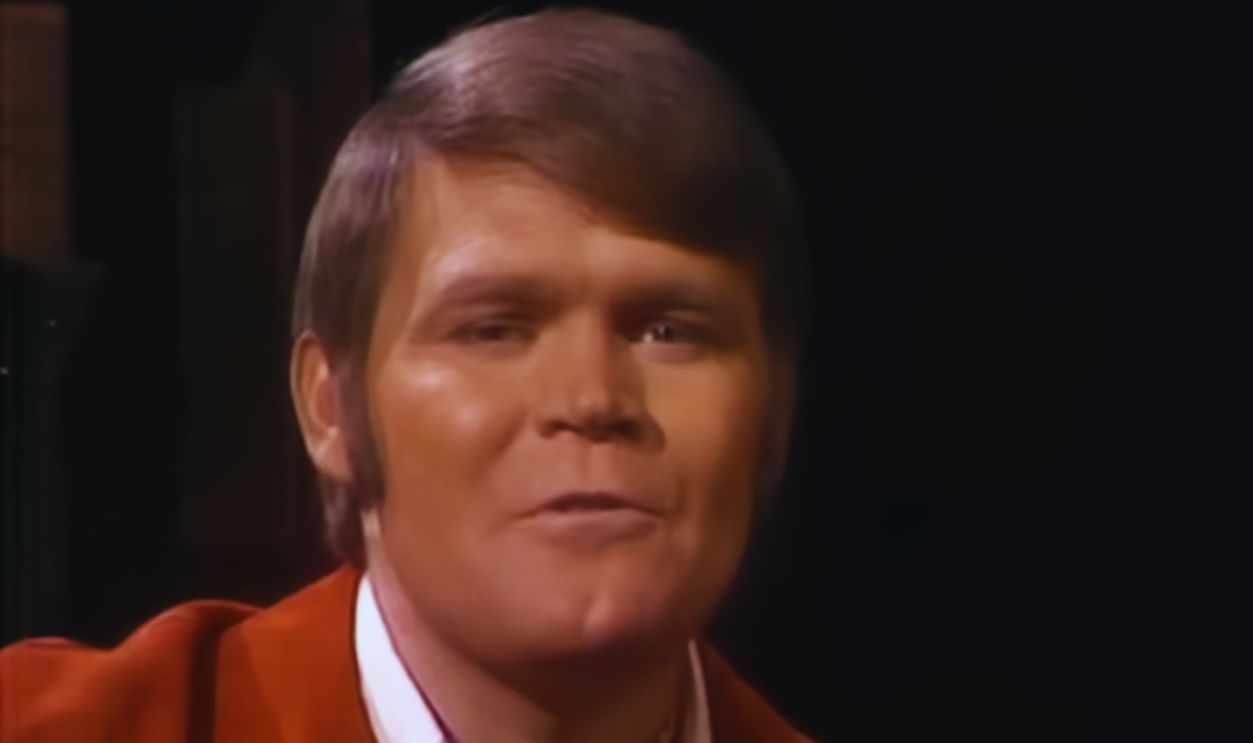 Screenshot from The Glen Campbell Goodtime Hour, CBS (1969–1972)
More Than A Hitmaker Partnership
Their friendship helped shape Campbell’s career because it gave him a musical identity no one else had. He was not just a country singer, pop singer, actor, or TV host. Through Webb’s songs, he became the voice of longing itself—polished, tender, and unforgettable.

The Songwriter And The Rhinestone Soul
Glen Campbell had many chapters in his career, but his friendship with Jimmy Webb gave him some of his most beautiful pages. Webb handed him songs filled with distance and desire. Campbell gave them warmth, charm, and soul. Together, they turned loneliness into something millions wanted to hear again and again.
 Frederick Breedon IV, Getty Images
You May Also Like:
The Uphill Battles Of Sterling Hayden
Family Sitcoms From The 1960s That Would Feel Completely Different If They Tried To Make Them Today
Famous Actors Who Turned Real-life Skills Into Screen Success




.jpg)
