
The Critics Can Wait
Music critics have spent decades telling us which albums belong on lists like this. Sure, sometimes they were right. But they have also missed a whole bunch of great albums that are well deserving of a top 50 ranking recognition. Do you agree?
50: Fool for the City (Foghat)
Foghat never worried much about being fashionable. They just made records that rocked. Slow Ride alone would make this album memorable, but the rest of the record proves the band had a lot more going for them than one famous song.
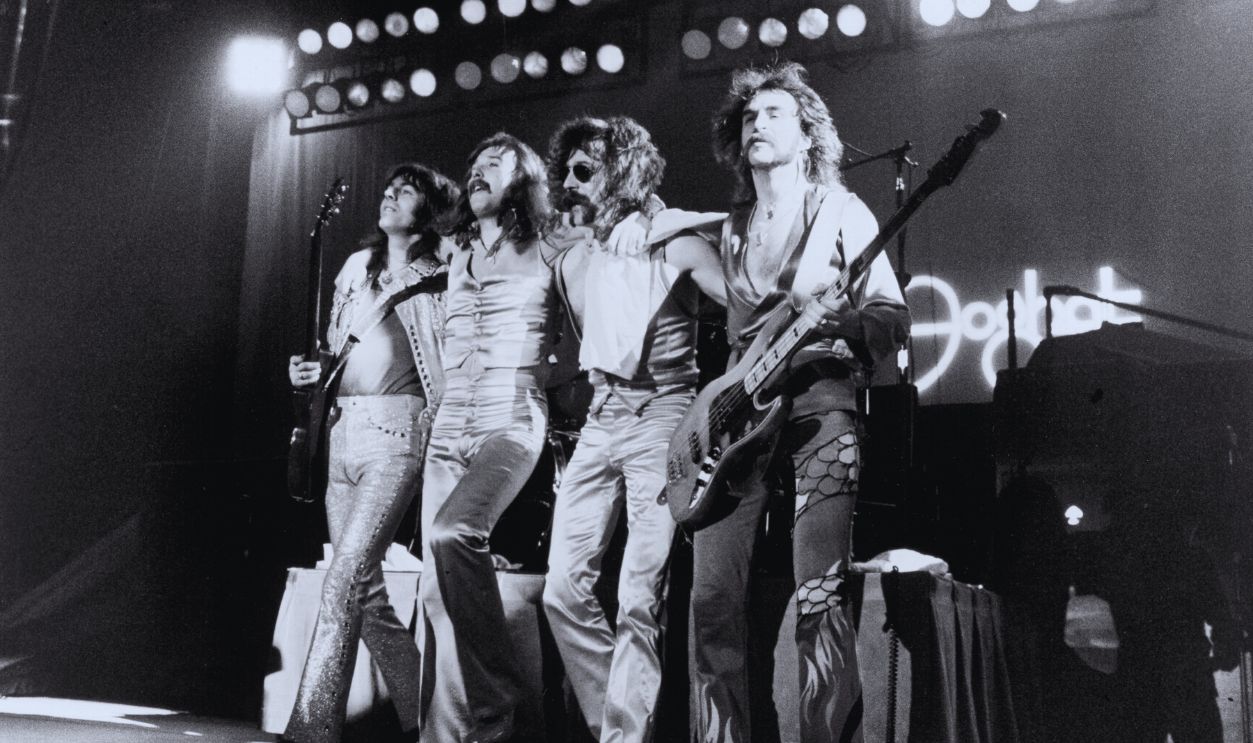 Michael Ochs Archives, Getty Images
49: Not Fragile (Bachman-Turner Overdrive)
BTO understood something a lot of bands overthink: rock music is supposed to be fun. You Ain't Seen Nothing Yet remains one of the most recognizable songs of the decade, and the album around it delivers exactly what you'd hope.
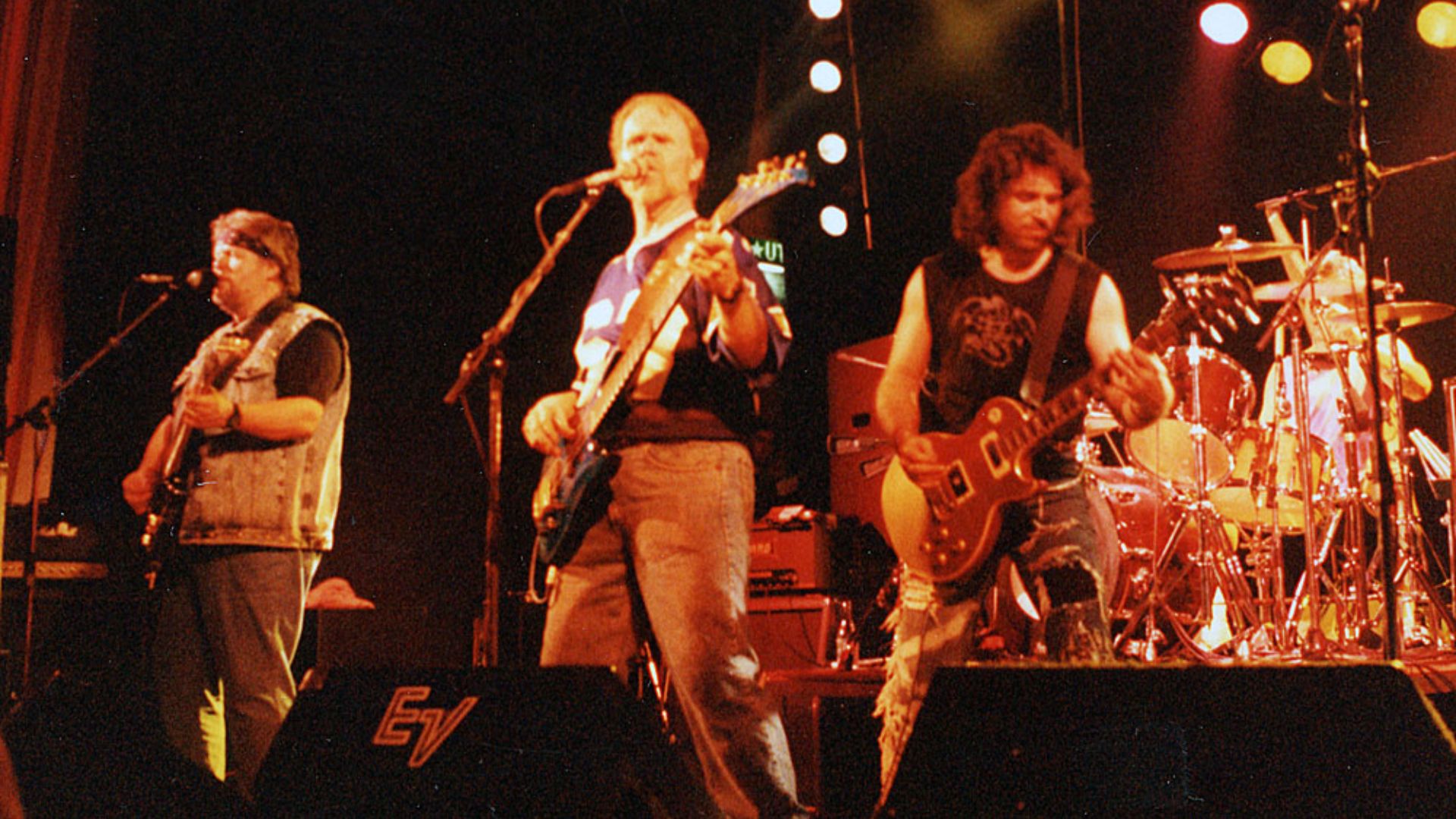 Håkan Henriksson (Narking), Wikimedia Commons
48: Hair of the Dog (Nazareth)
Nazareth always felt like the band that showed up after everyone else had gone home and somehow stole the party anyway. The title track still hits like a truck, and the rest of the album isn't exactly subtle either.
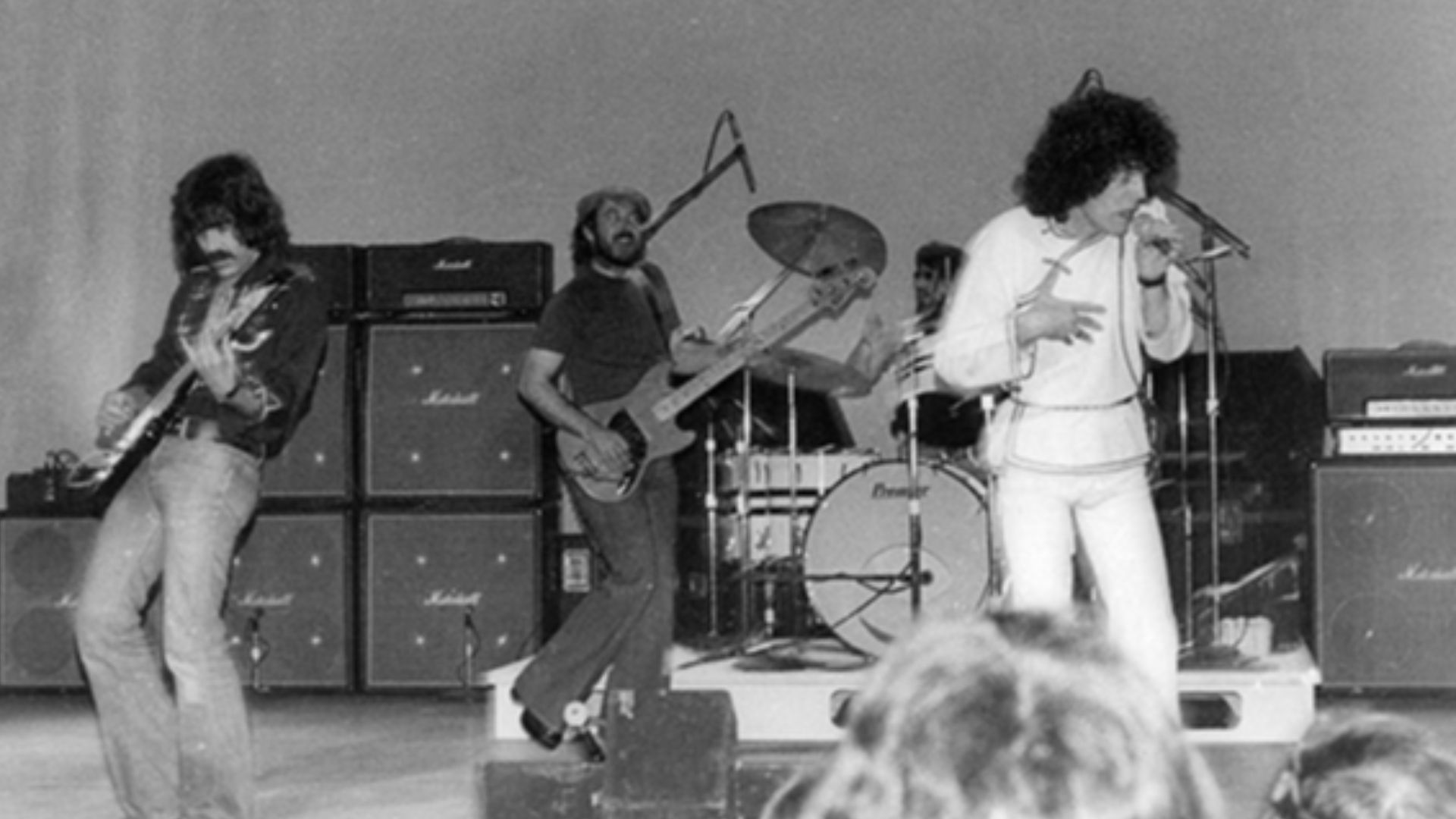
47: Bad Company (Bad Company)
The band is called Bad Company. The album is called Bad Company. It contains a song called Bad Company. Honestly, you have to admire that level of commitment. Fortunately, the music is every bit as good as the name.
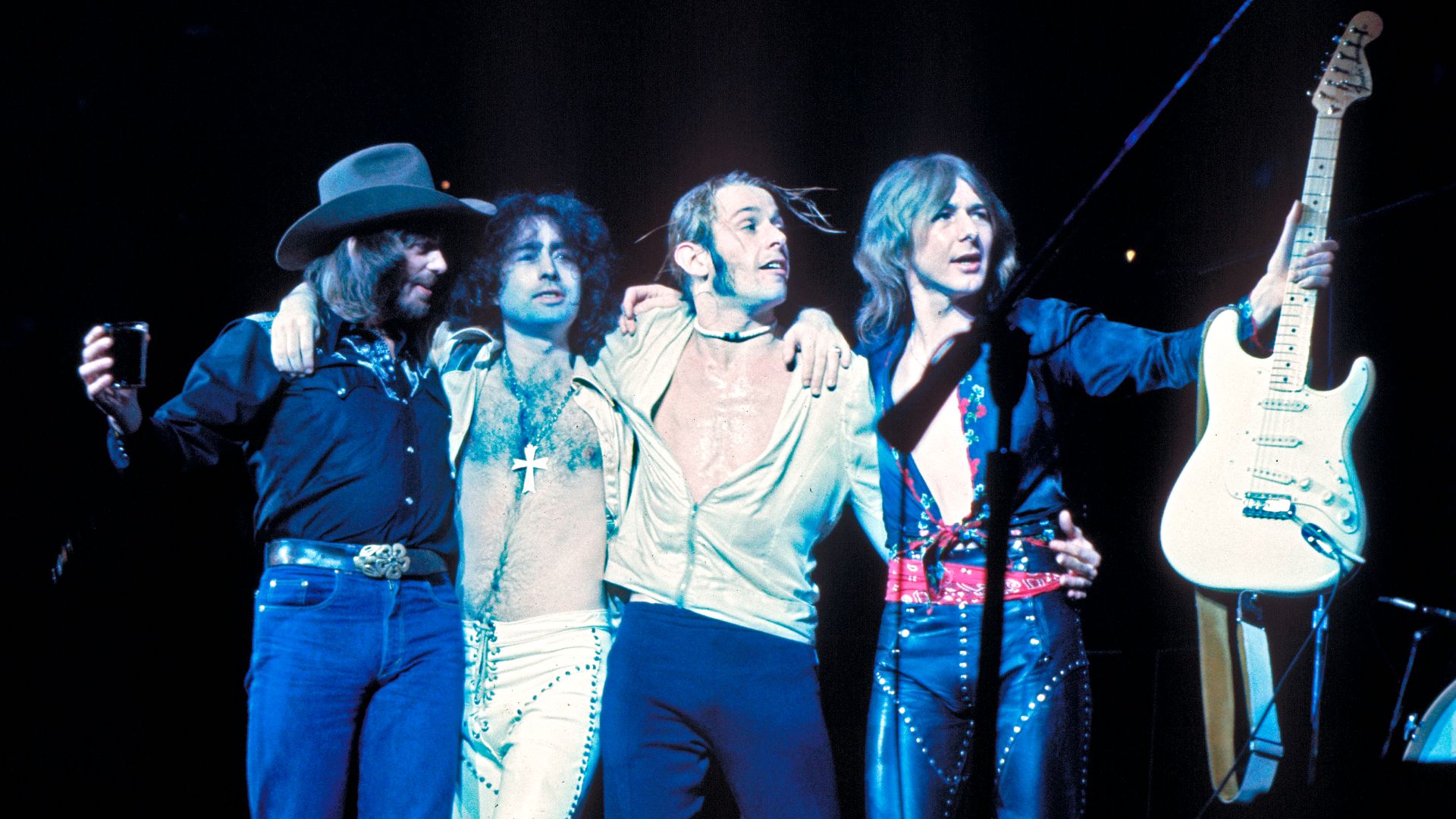 Jim Summaria, Wikimedia Commons
46: Cheap Trick at Budokan (Cheap Trick)
Live albums aren't supposed to be this good. Cheap Trick walked into Japan as a respected rock band and walked out as stars. If you've ever randomly started singing I Want You to Want Me, this album is probably responsible.
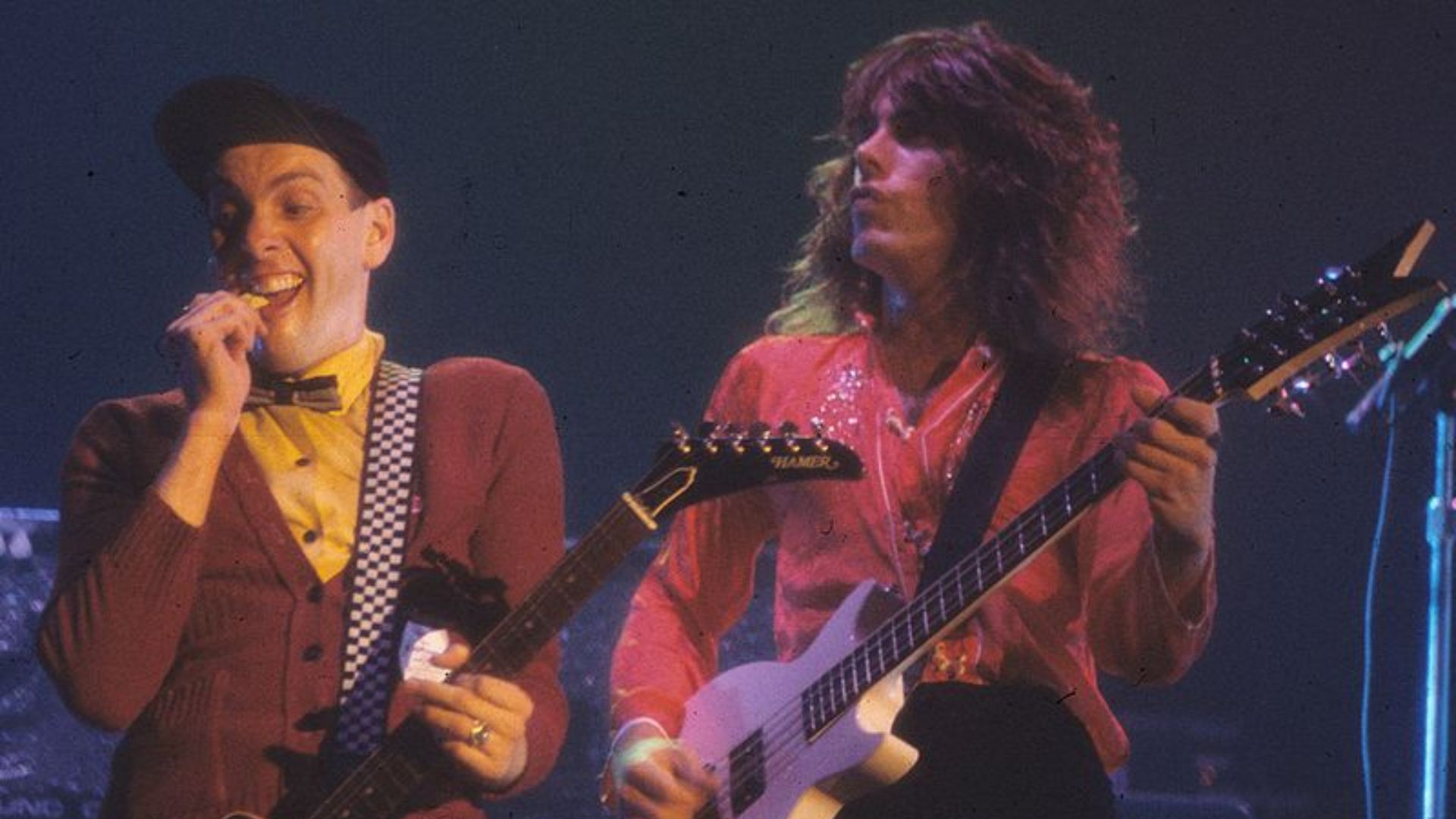 Mike Burns from Somerville, MA, USA, Wikimedia Commons
45: You Don't Mess Around with Jim (Jim Croce)
Jim Croce could tell a better story in three minutes than some movies manage in two hours. The title track remains a classic, but the deeper you go into this album, the more impressive his songwriting becomes.
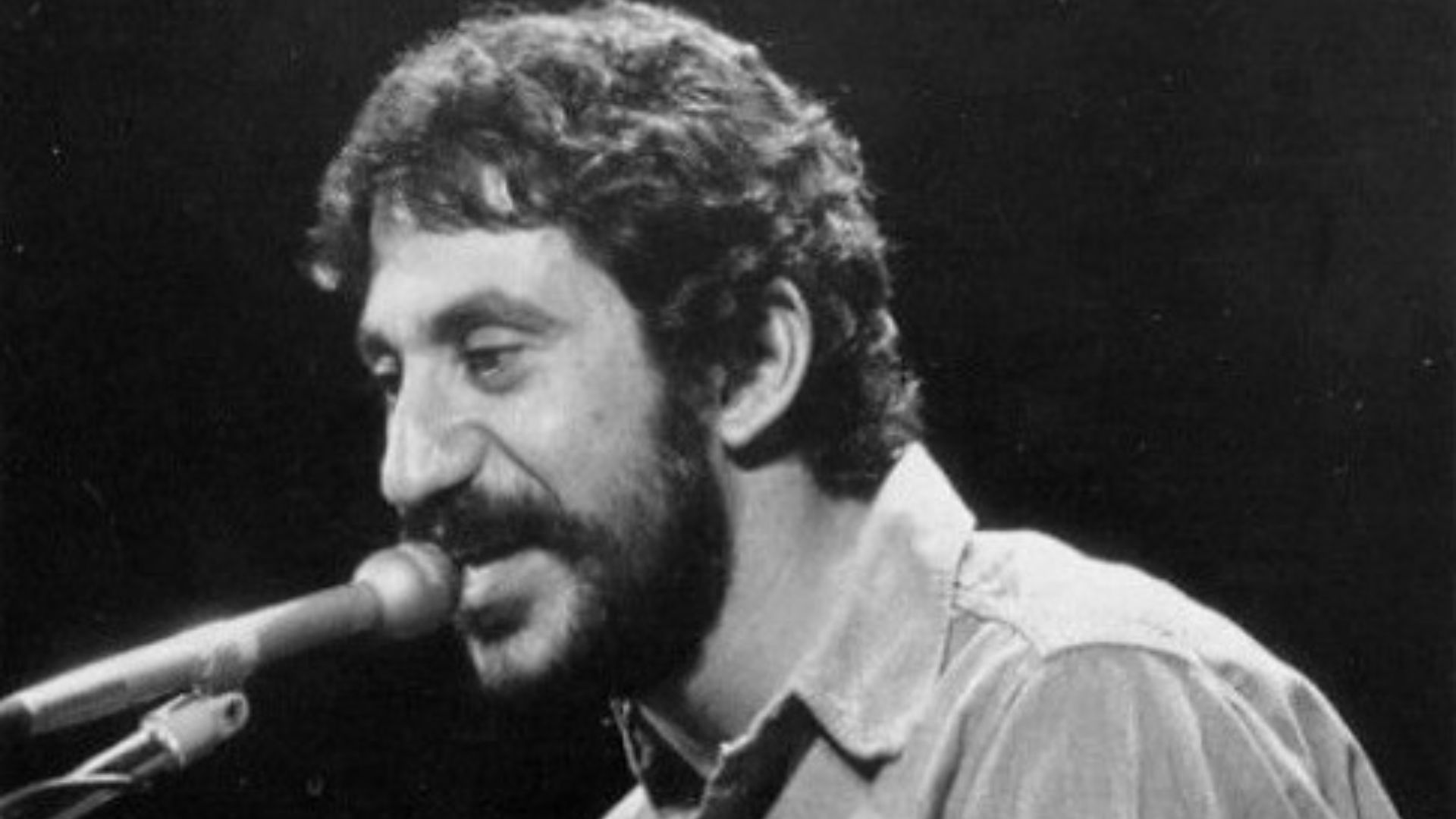 ABC Television, Wikimedia Commons
44: The Grand Illusion (Styx)
Styx spent years being underrated by people who should have known better. Big hooks, huge choruses, and enough ambition to fill three albums. Sometimes being unapologetically dramatic is exactly what makes a record great.
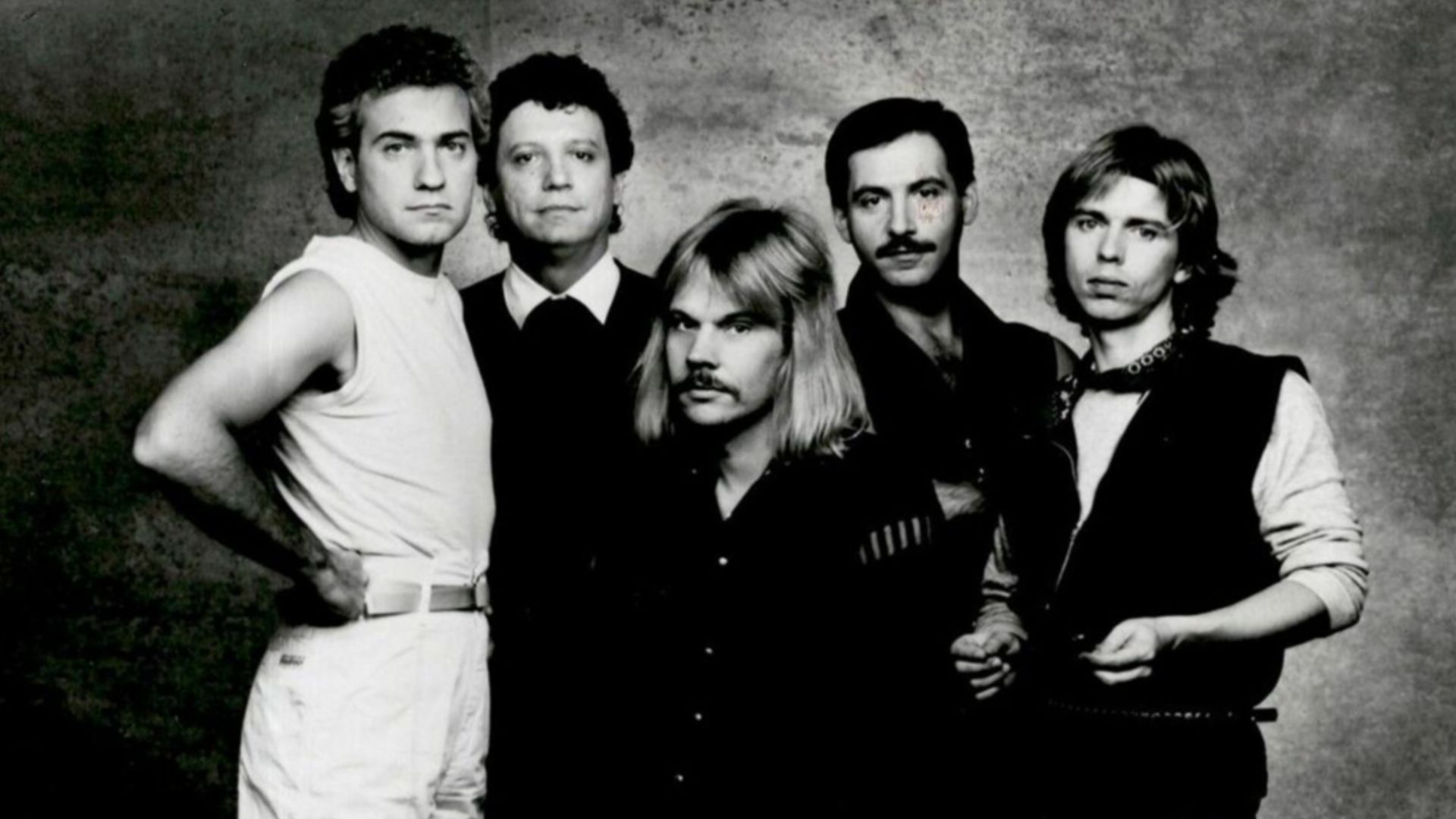 Front Line Management Company; Distributed by A&M Records, Wikimedia Commons
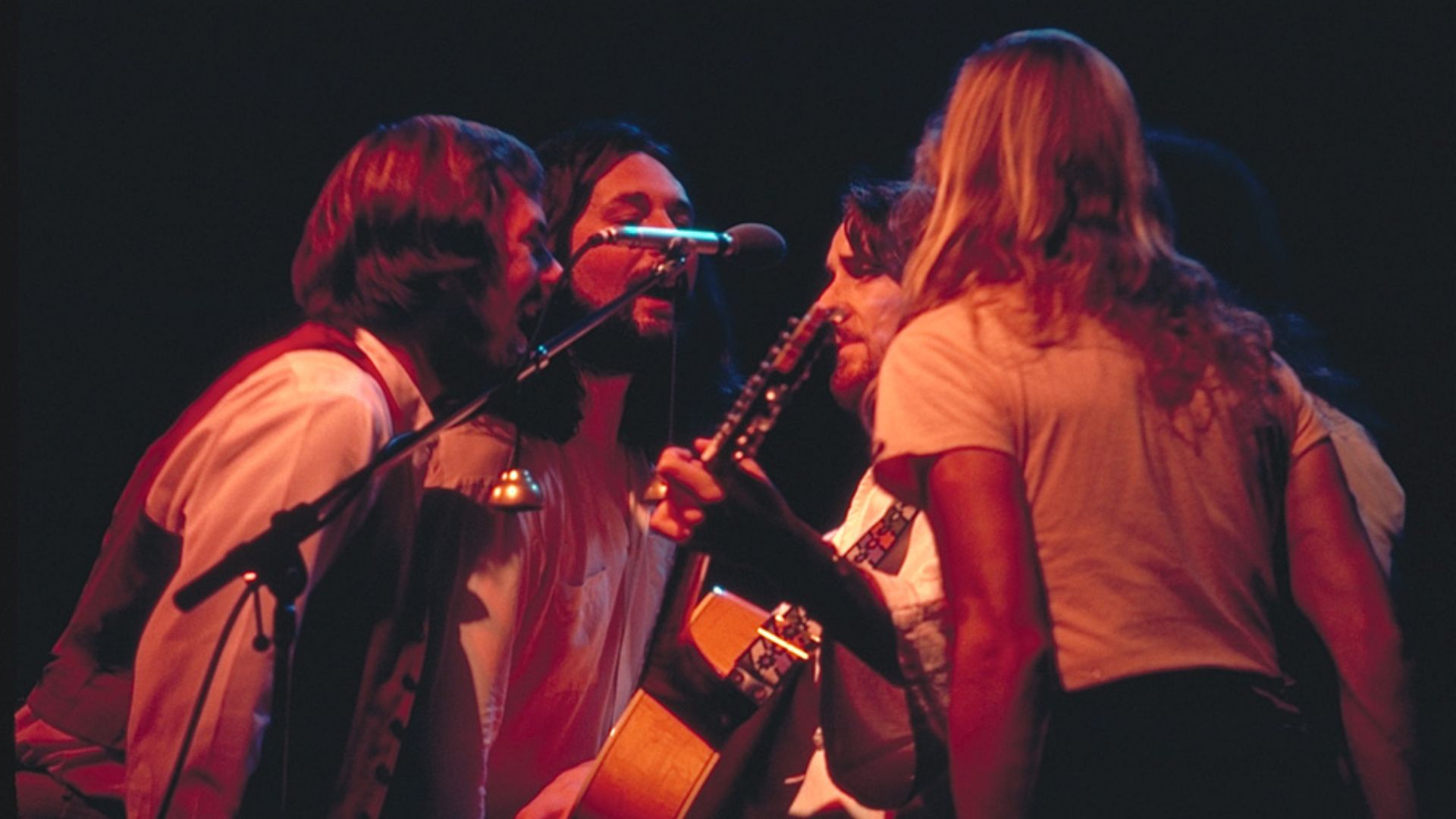
43: Crime of the Century (Supertramp)
Before Breakfast in America turned them into superstars, Supertramp made this. The songs are smart without trying too hard, and the whole album feels like a band realizing just how good they can actually be.
42: The Long Run (Eagles)
Poor The Long Run. Following Hotel California is like batting after Babe Ruth. Even so, this album gave us Heartache Tonight and I Can't Tell You Why. Most bands would have been thrilled to make a record this good.
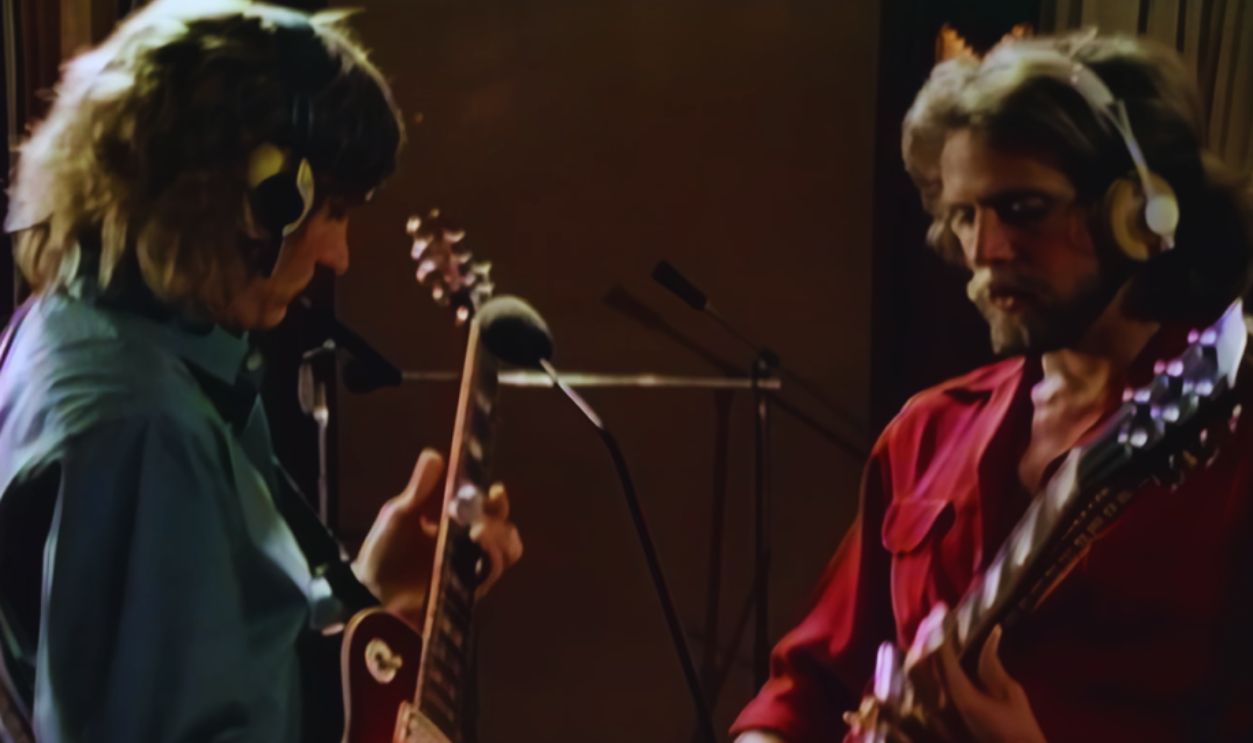 Screenshot from The Long Run, Asylum Records (1979)
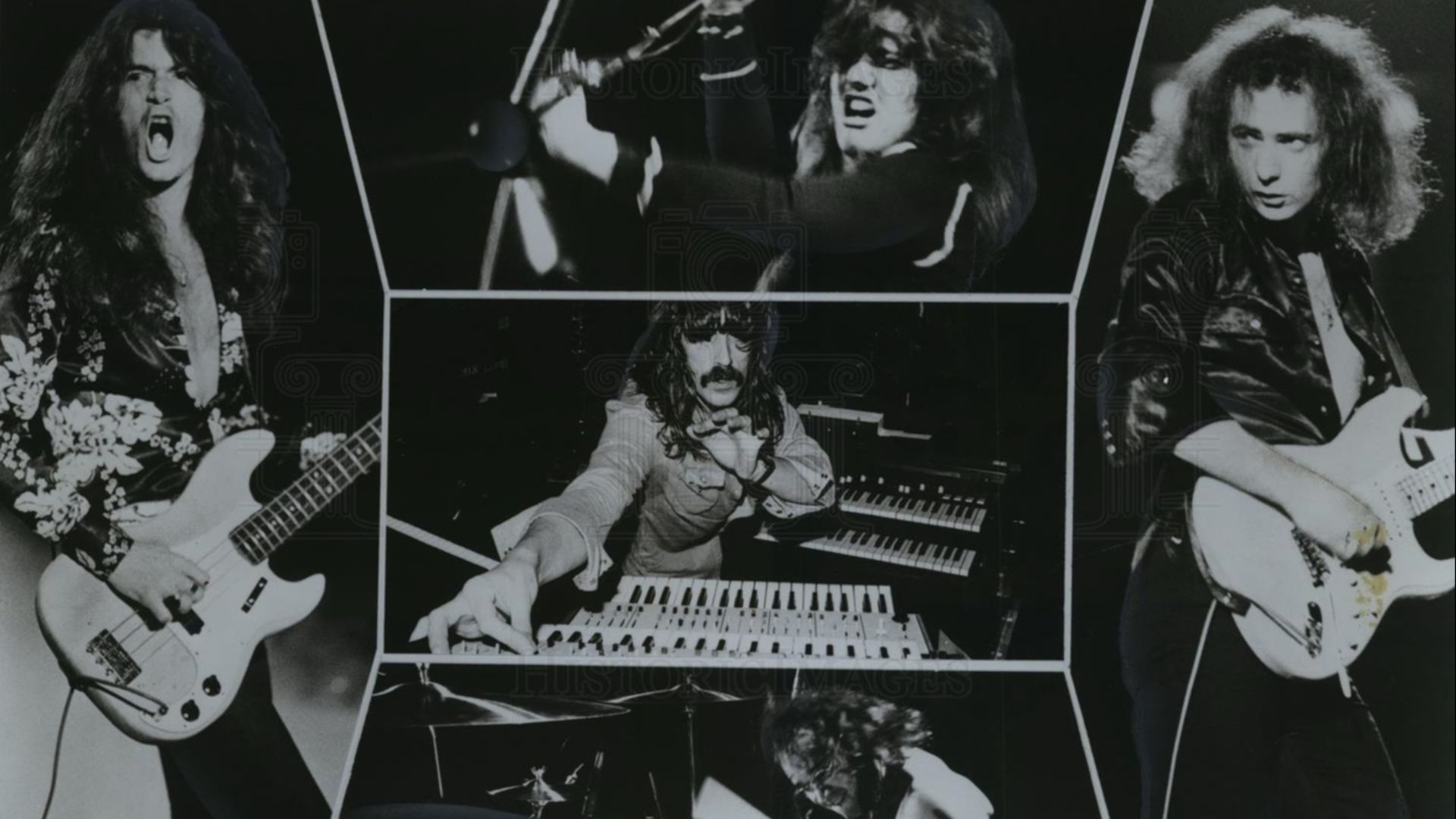
41: Machine Head (Deep Purple)
Half the people who picked up a guitar in the 70s probably tried learning Smoke on the Water before they learned how to tune the thing. The amazing part is that the rest of the album nearly matches it.
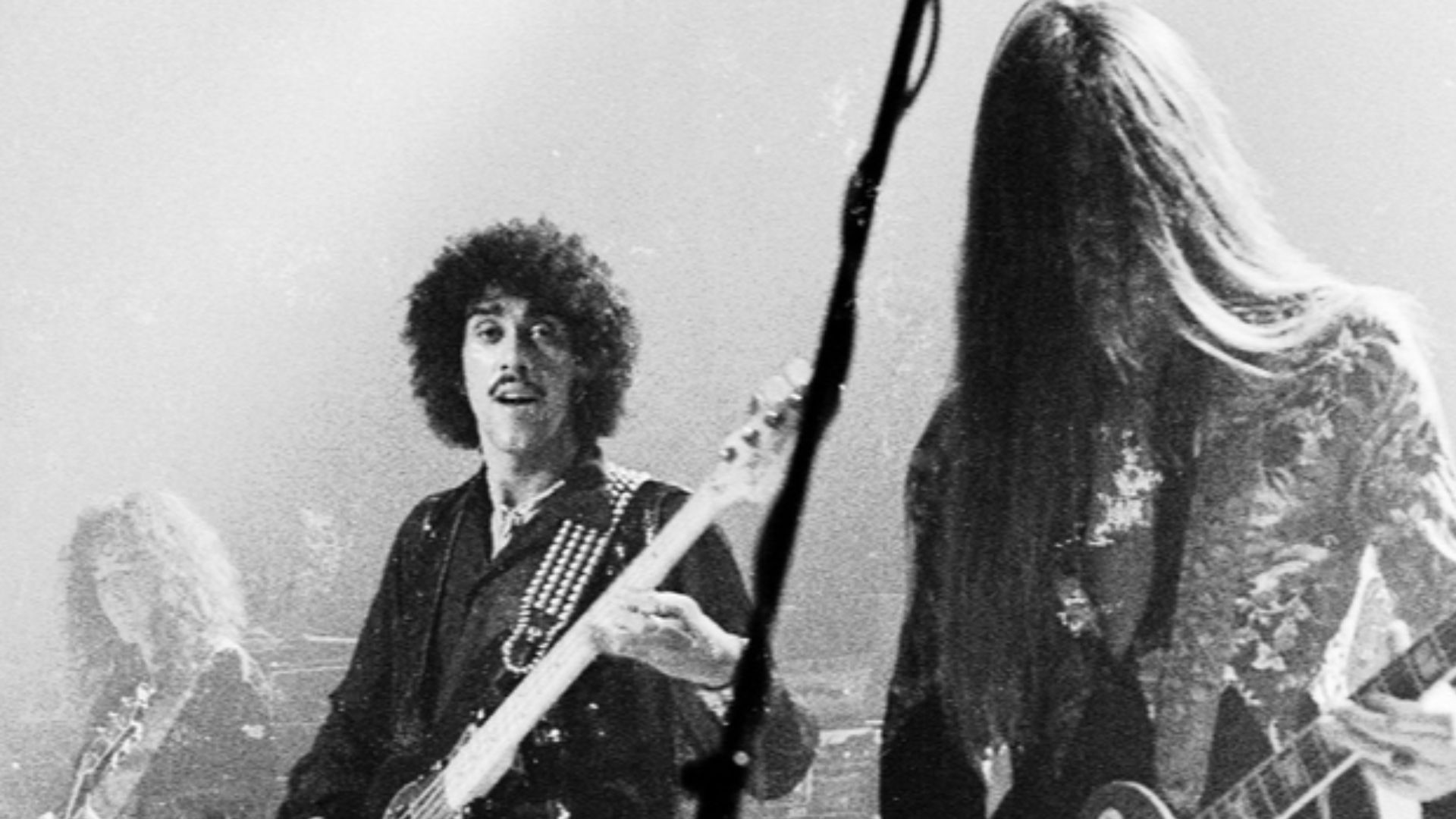
40: Jailbreak (Thin Lizzy)
Imagine writing The Boys Are Back in Town and somehow having people overlook the rest of the album. That's basically what happened here. Thin Lizzy made one of the great hard-rock records of the decade and deserve more credit for it.
 Richard Marchewka, Wikimedia Commons
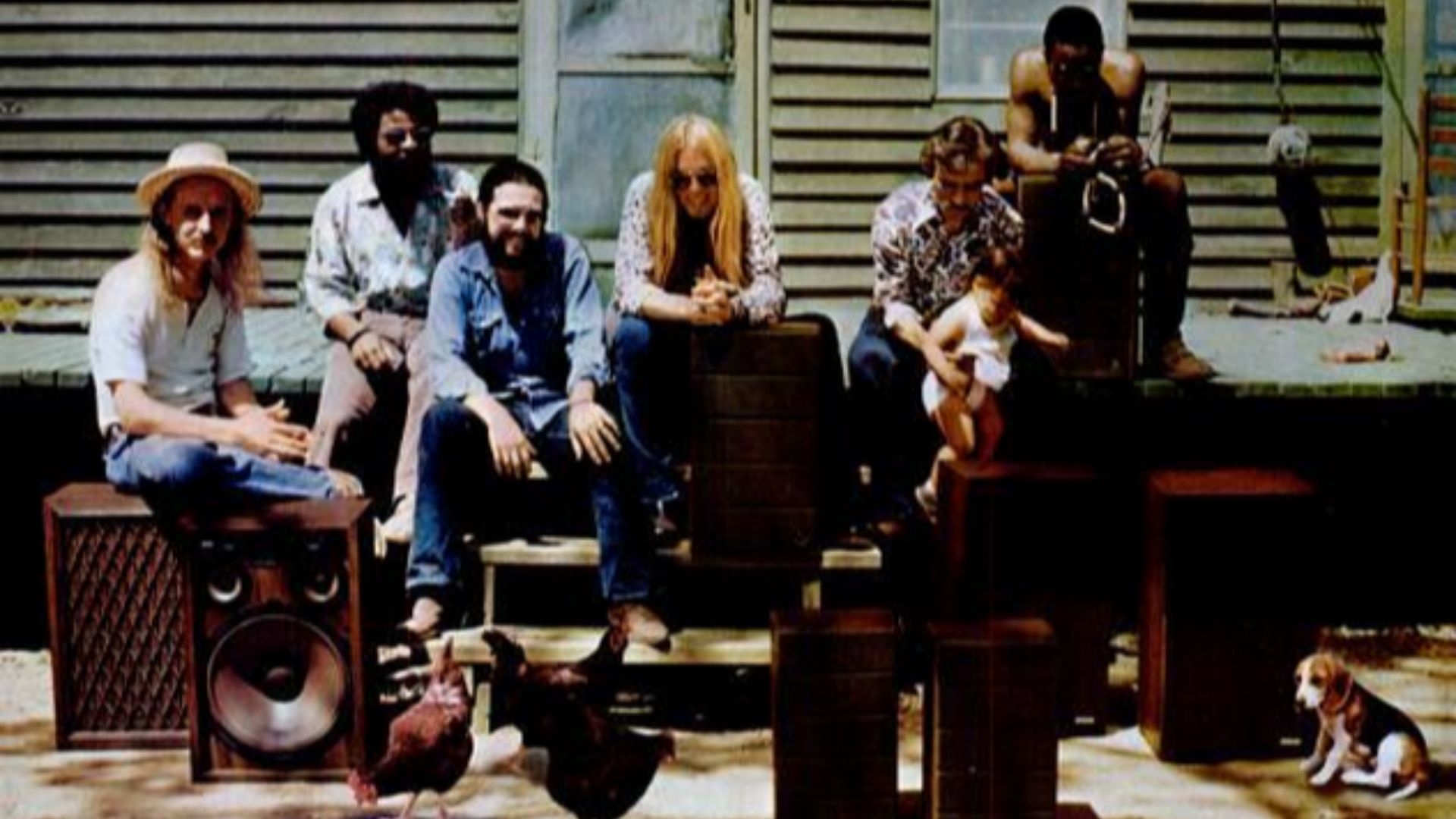
39: At Fillmore East (The Allman Brothers Band)
Some live albums sound like a band playing songs. This one sounds like a band discovering new ways to play them every night. The guitar work is legendary, the performances are incredible, and somehow the whole thing still feels effortless.
 Capricorn Records, Wikimedia Commons
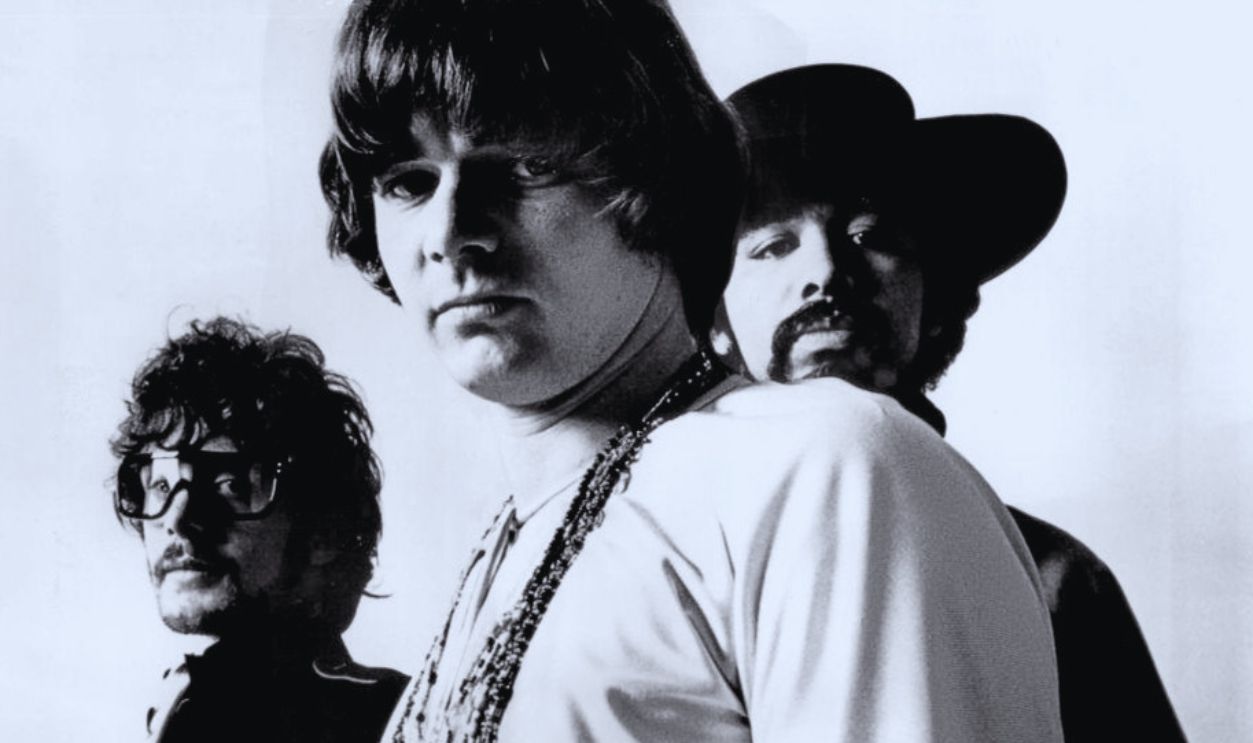
38: Fly Like an Eagle (Steve Miller Band)
Steve Miller made making great songs look way too easy. Fly Like an Eagle, Take the Money and Run, Rock'n Me...most bands would have spread those songs across three albums. Miller put them all in one place and called it a day.
 Capitol Records, Wikimedia Commons
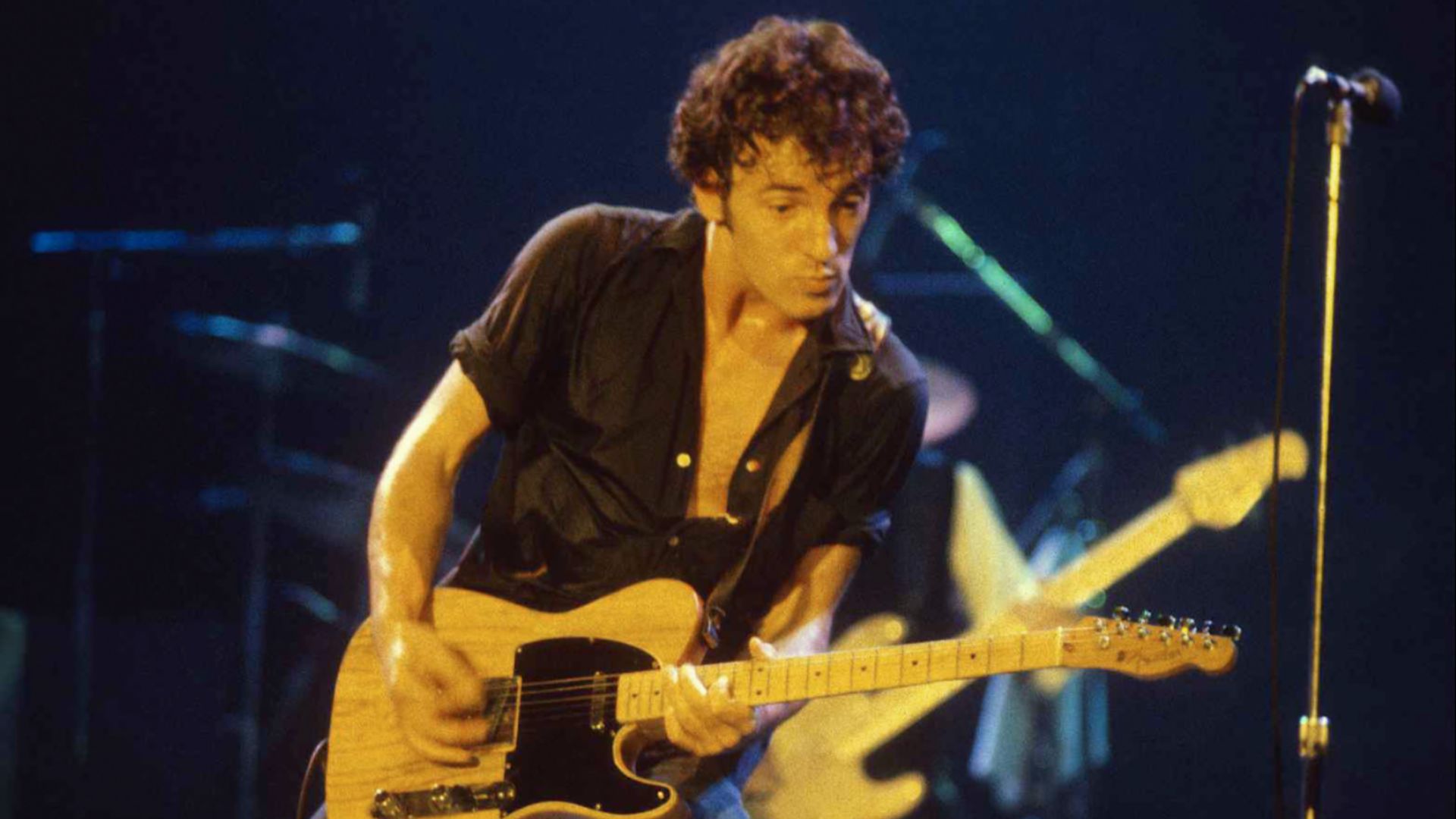
37: Darkness on the Edge of Town (Bruce Springsteen)
If Born to Run was Bruce Springsteen dreaming big, this was Bruce Springsteen waking up. The songs are tougher, grittier, and less romantic. Not everyone ranks it among his best albums. They probably should.
 Carl Lender, Wikimedia Commons
36: The Captain and Me (The Doobie Brothers)
If China Grove doesn't make you want to turn up the volume, you might want to check your pulse. The Doobie Brothers were on an incredible run during the 70s, and this album captures them right in the middle of it.
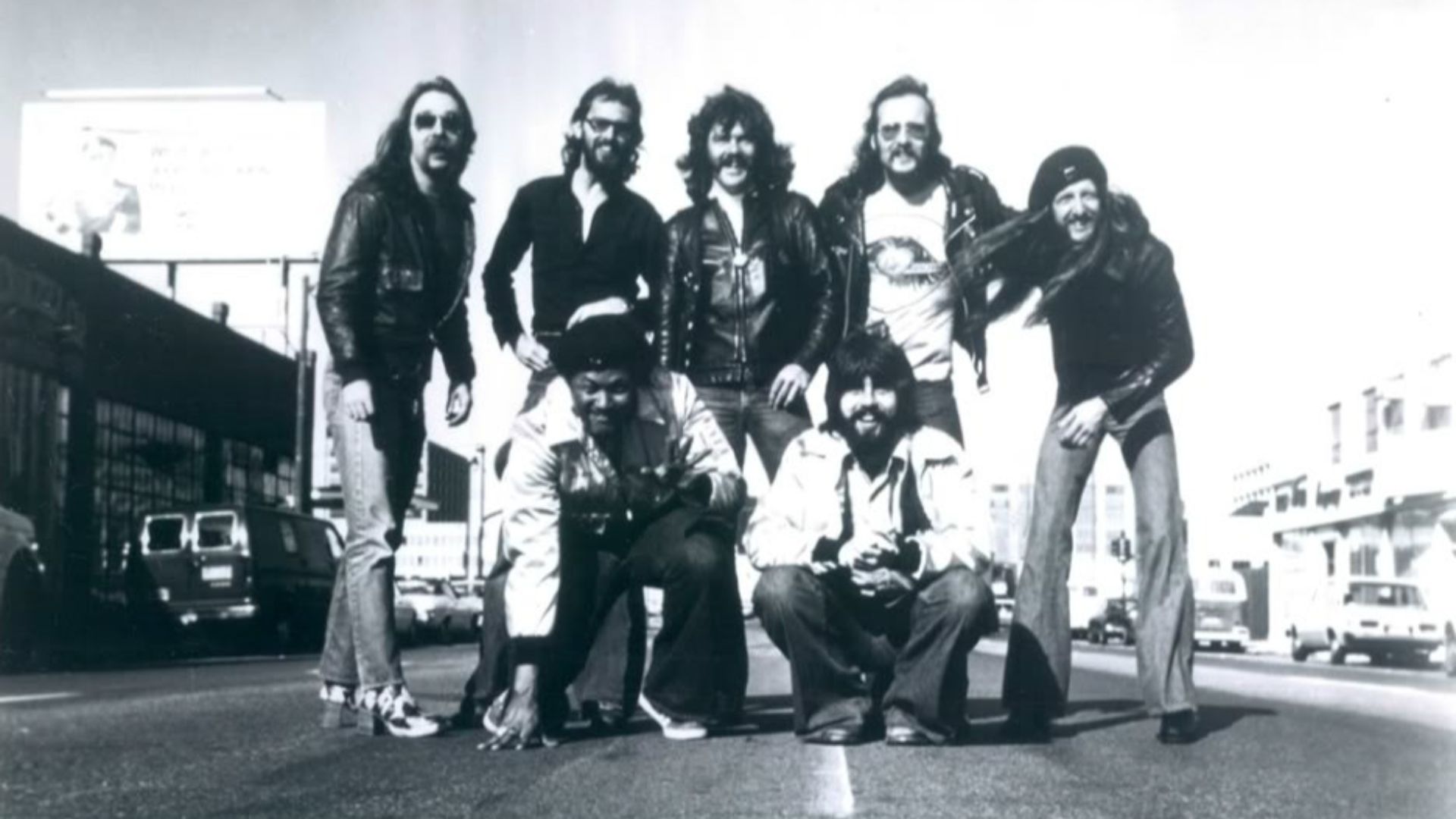 David Gest & Associates (the band's publicity agents), Wikimedia Commons
35: Bat Out of Hell (Meat Loaf)
There are subtle albums. This is not one of them. Every song sounds like it was written for the final scene of the world's most dramatic movie. Somehow it all works. In fact, it works so well that people still can't stop buying it.
 Ronden Talent Management, Wikimedia Commons
34: 2112 (Rush)
Most bands would have looked at a 20-minute science-fiction rock suite and immediately thought, Maybe that's a terrible idea. Rush looked at it and thought, Let's build an album around it. Thankfully, they trusted their instincts.
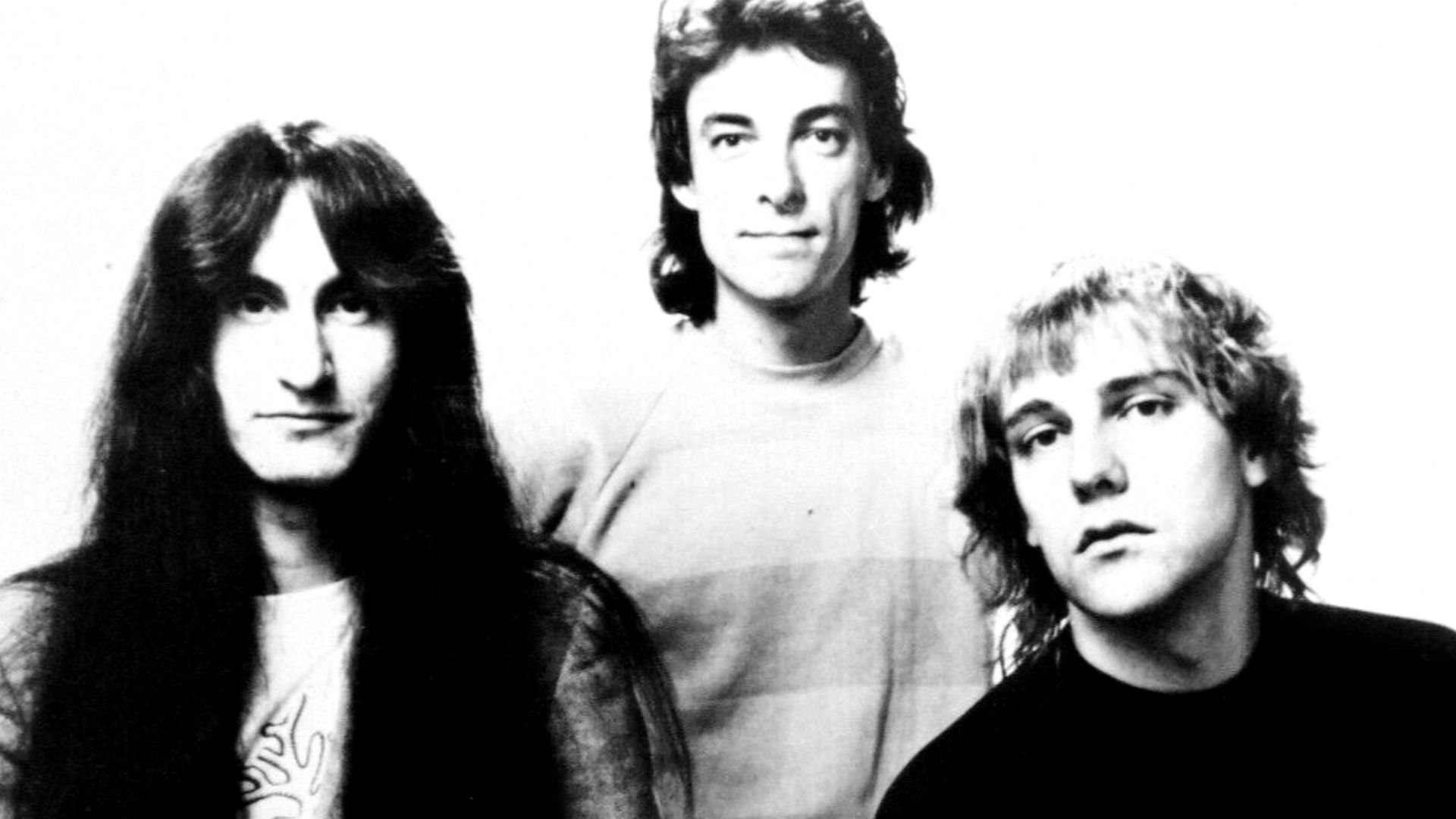
33: The Rise and Fall of Ziggy Stardust and the Spiders from Mars (David Bowie)
Most artists spend their careers trying to be themselves. David Bowie spent his becoming somebody else every few years. Ziggy Stardust may have been the best version of all. Strange, brilliant, and still impossible to ignore.
![500px provided description: David Bowie [#show ,#rock ,#concert ,#music ,#live ,#guitar ,#performance ,#stage ,#gig ,#band ,#musician ,#singer ,#live music ,#bowie ,#David Bowie ,#Roger Woolman]](https://www.factinate.com/storage/app/media/theshot/2026/6/17/1781681904640a2100bc44939d1e629c479b71e8aaa1988593.jpeg) Roger Woolman, Wikimedia Commons
Roger Woolman, Wikimedia Commons
32: Tumbleweed Connection (Elton John)
Ask Elton John fans to name his most underrated album and this one comes up a lot. It doesn't have the biggest hits, but that's part of the appeal. The deeper you get into it, the better it becomes.
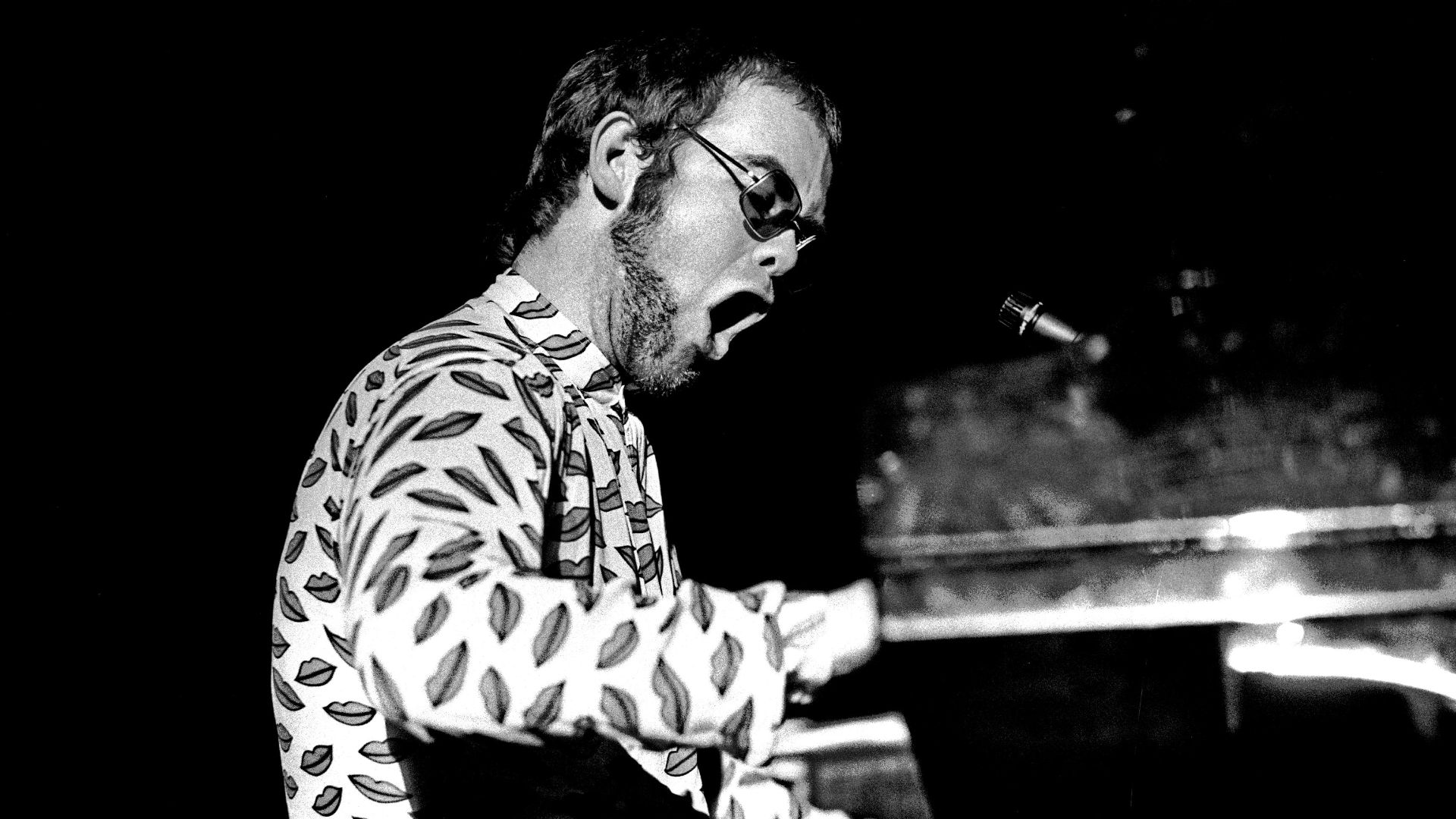 Heinrich Klaffs, Wikimedia Commons
31: Night Moves (Bob Seger)
Bob Seger somehow figured out how to make nostalgia sound cool. The title track remains one of the most beloved songs of the decade, but the entire album feels like catching up with an old friend you haven't seen in years.
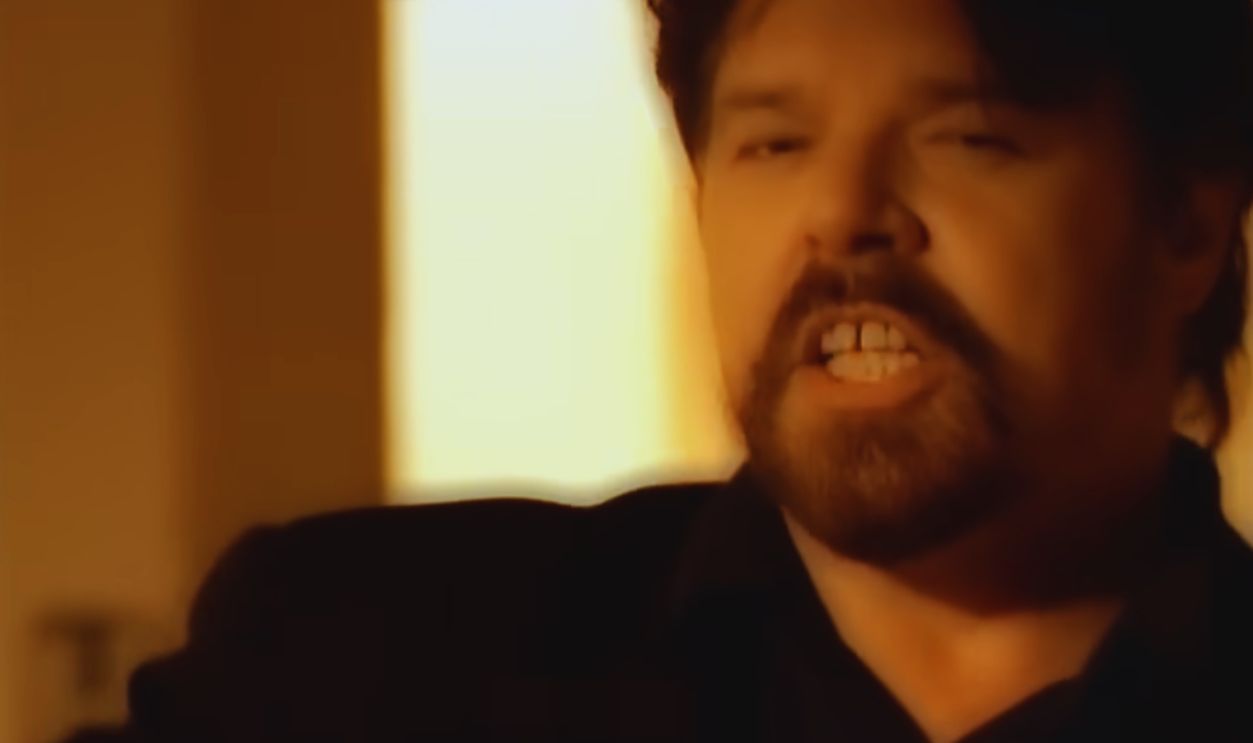 Screenshot from Night Moves, Capitol Records (1976)
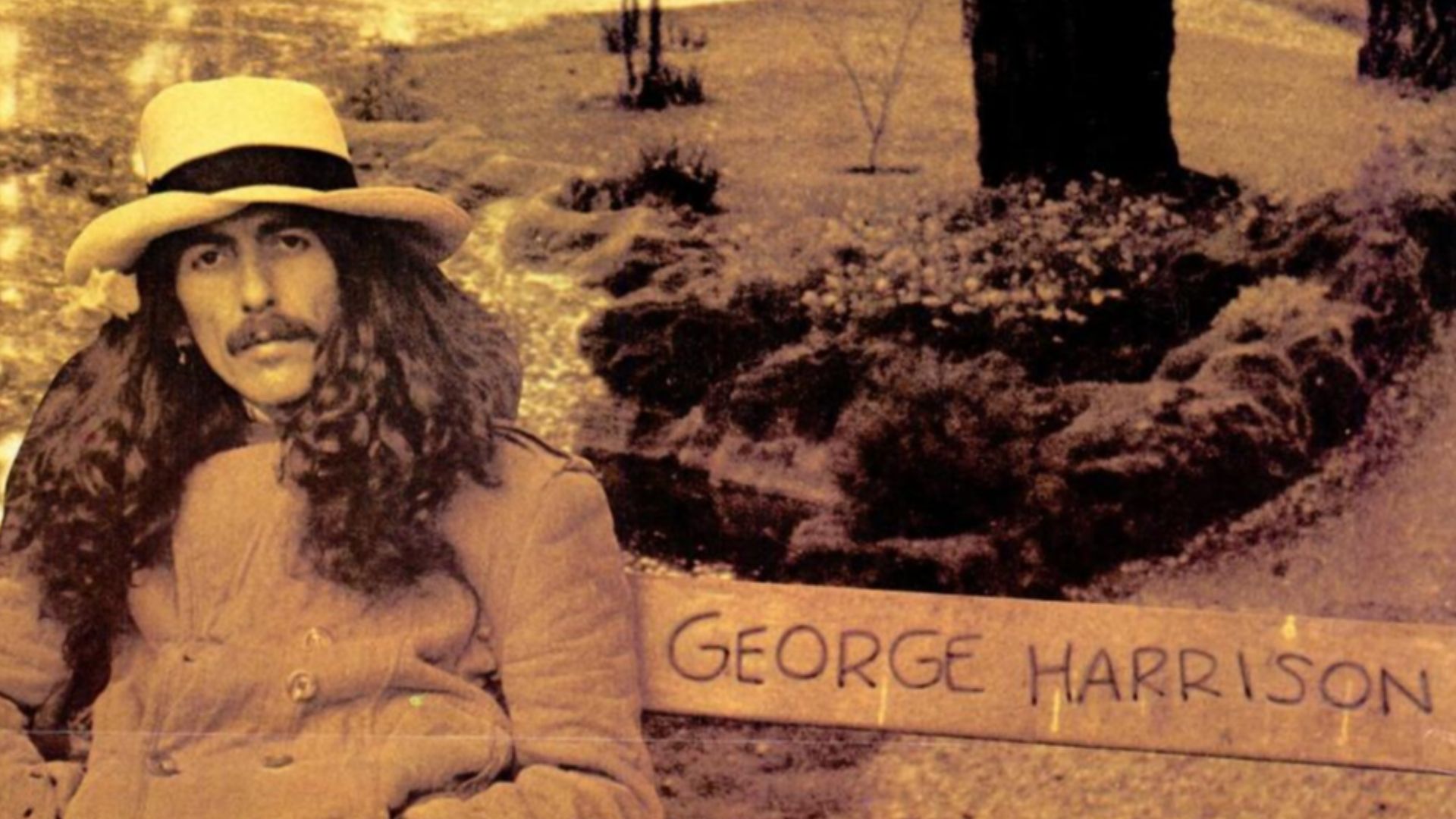
30: All Things Must Pass (George Harrison)
The Beatles broke up and George Harrison basically responded with, Fine, watch this. Then he released a triple album packed with great songs. Suddenly, people realized he'd been holding onto quite a few ideas all along.
 Apple Records, Wikimedia Commons
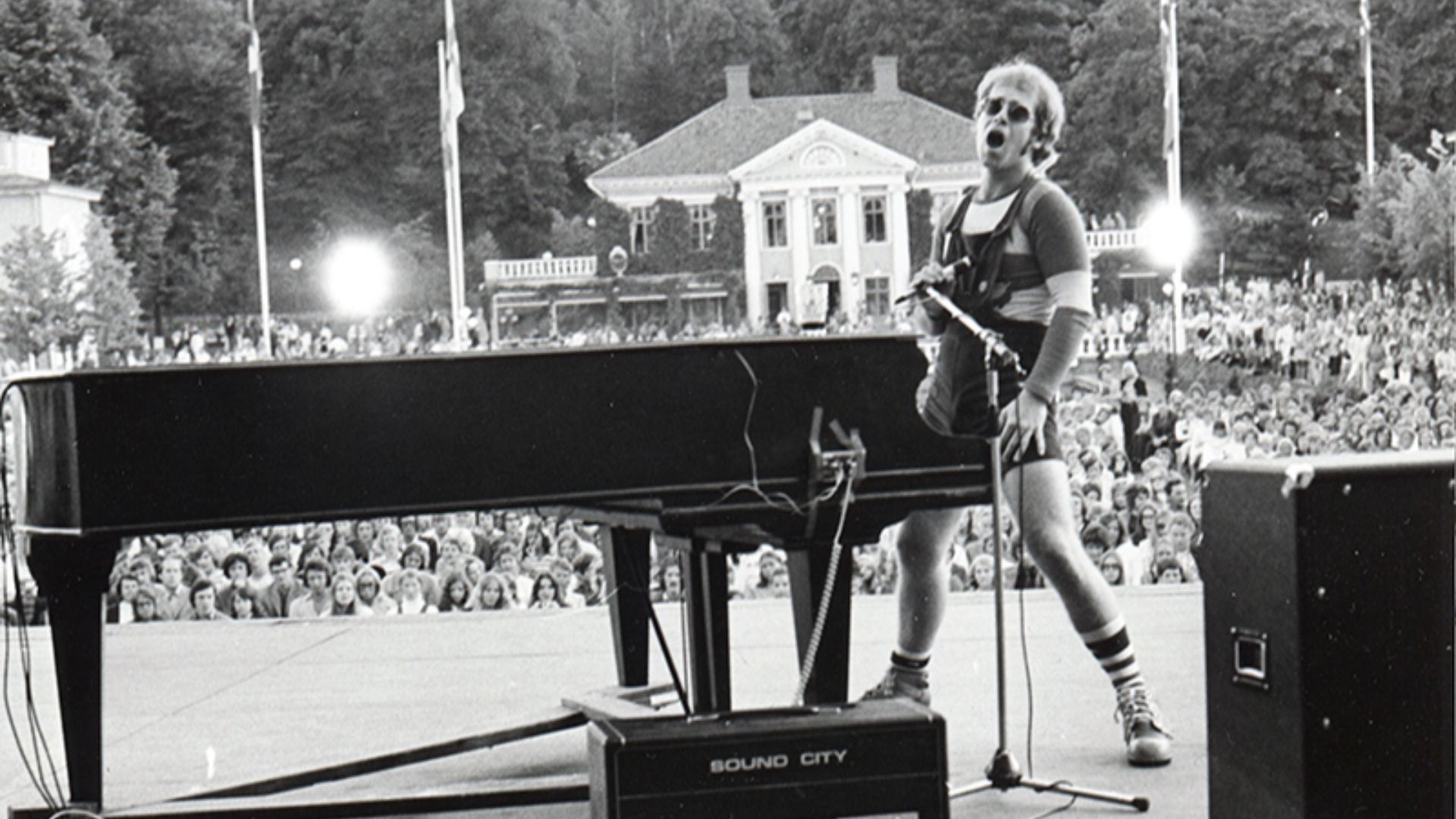
29: Captain Fantastic and the Brown Dirt Cowboy (Elton John)
Elton John has bigger albums. He has more famous albums. But this often feels like the favorite Elton album of people who own all the others. Personal, ambitious, and surprisingly fun, it never gets old.
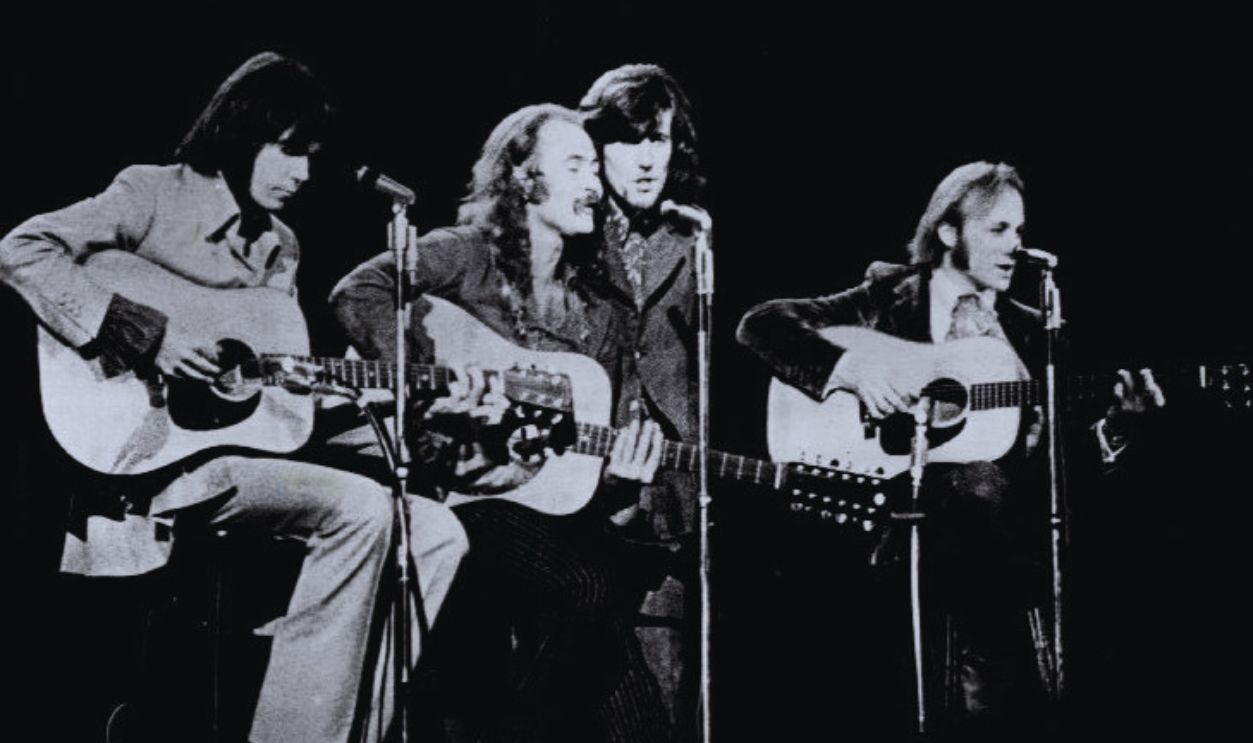
28: Déjà Vu (Crosby, Stills, Nash & Young)
It's easy to forget just how ridiculous the songwriting lineup was here. Neil Young, Stephen Stills, David Crosby, and Graham Nash all bringing songs to the same album? That's almost unfair. Somehow, the record lived up to the hype.
 CMA-Creative Management Associates/Atlantic Records, Wikimedia Commons
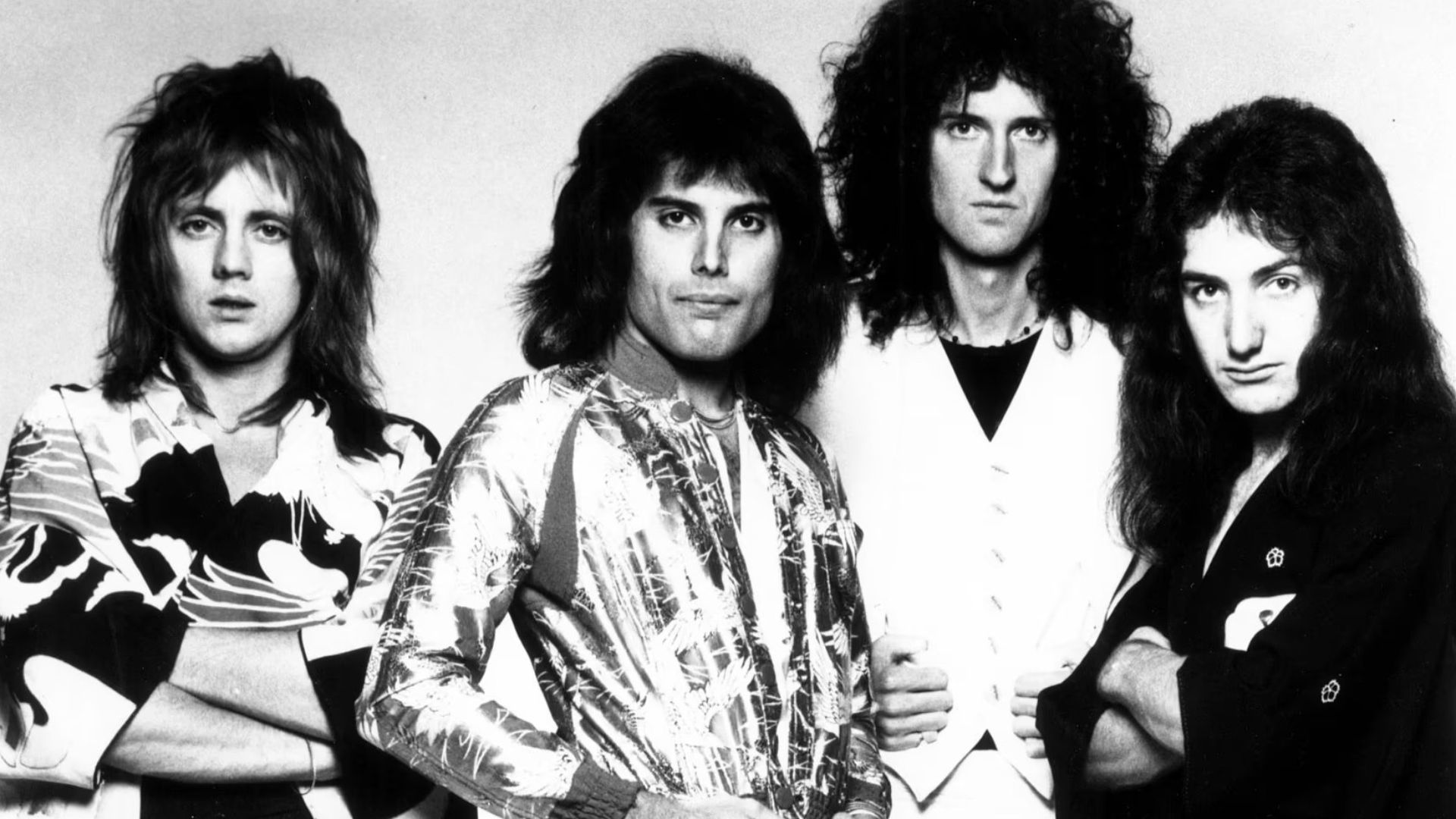
27: A Night at the Opera (Queen)
Imagine being in a band and deciding that normal songs are simply too boring. That's basically what Queen did here. The result is one of the most entertaining albums of the decade and home to a little song called Bohemian Rhapsody.
 Koh Hasebe; Distributed by Elektra Records, Wikimedia Commons
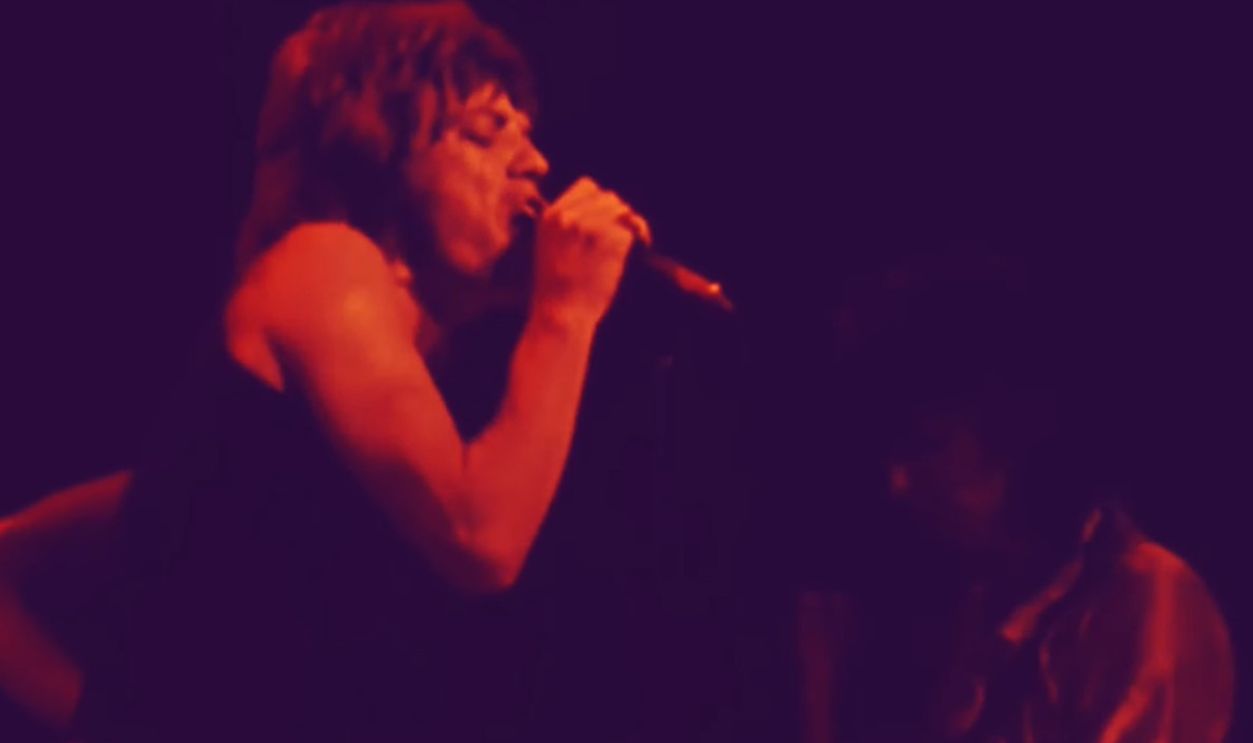
26: Sticky Fingers (The Rolling Stones)
The Rolling Stones made a lot of great albums. This might be the one that feels most like the Rolling Stones. Brown Sugar, Wild Horses, swagger for days, and enough attitude to power a small city. Not a bad combination.
 Screenshot from Sticky Fingers, Rolling Stones Records (1971)
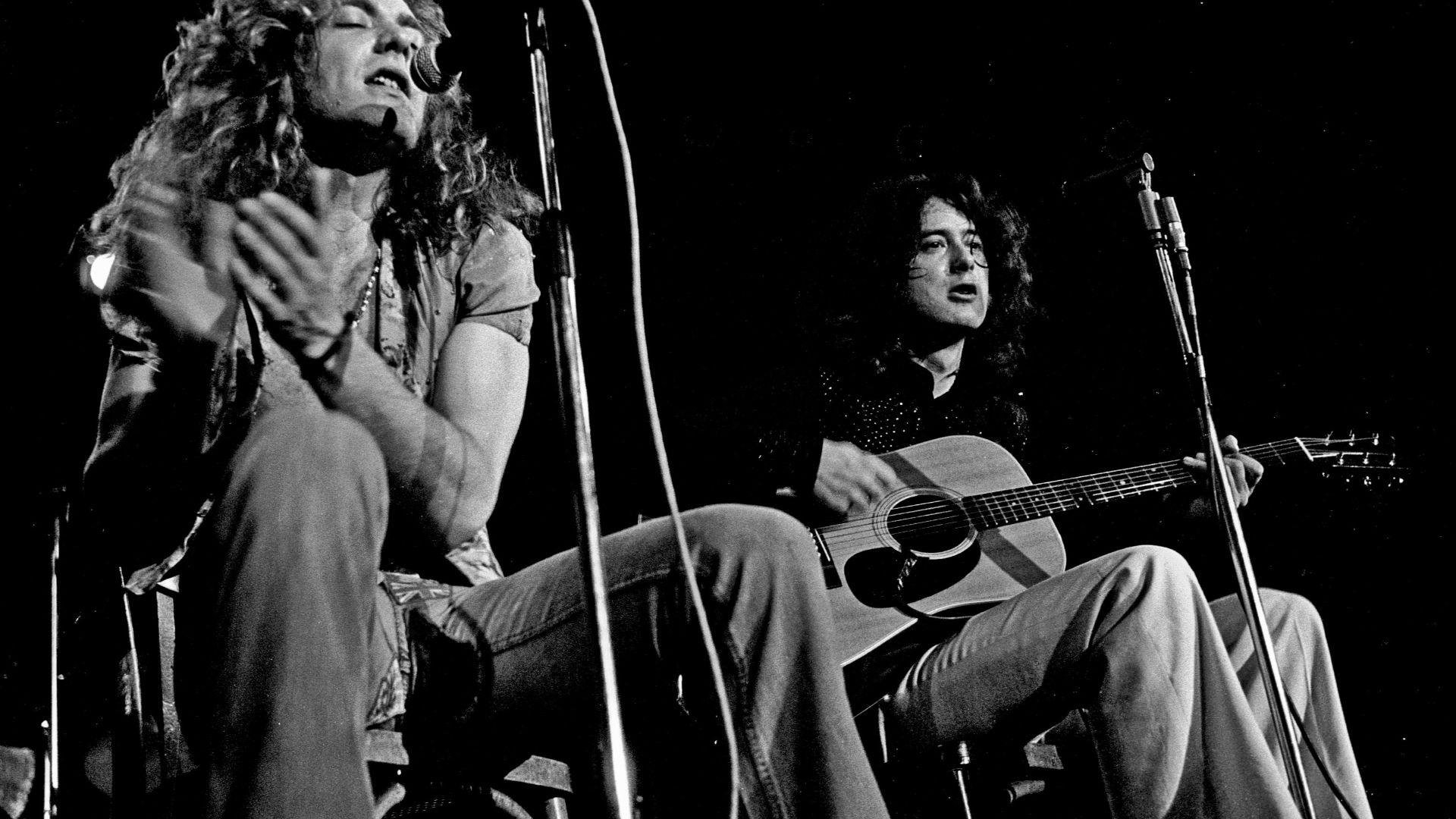
25: Physical Graffiti (Led Zeppelin)
Most bands would have been thrilled to make one classic album. Led Zeppelin somehow kept making them. The crazy part is that a double album this sprawling never feels bloated. Every time you think you've found the best song, another one shows up.
 Heinrich Klaffs, Wikimedia Commons
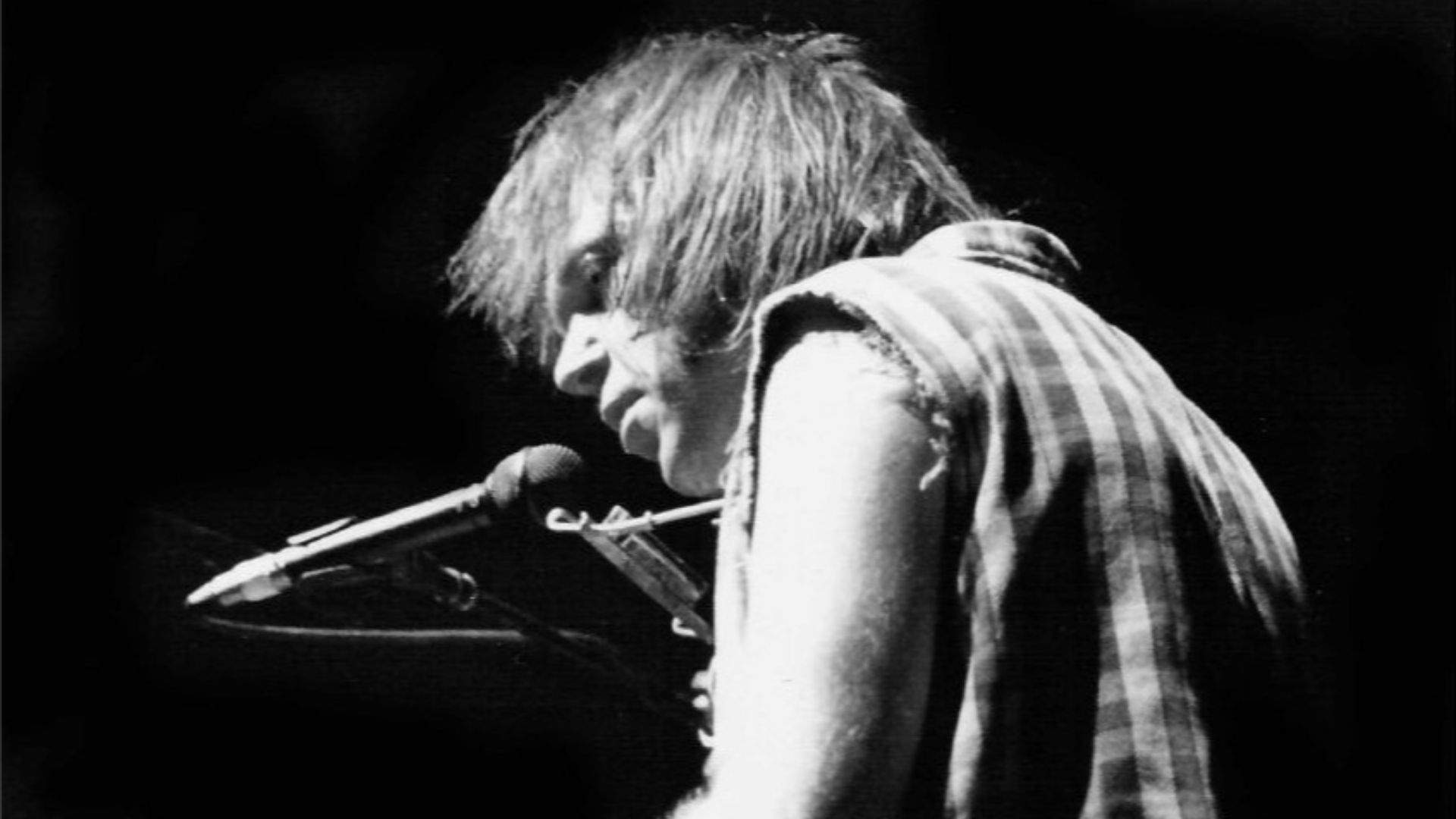
24: Harvest (Neil Young)
Some albums sound like they were carefully designed for mass appeal. Harvest sounds like Neil Young couldn't have cared less about any of that. Heart of Gold became a huge hit, but the real magic is everything around it.
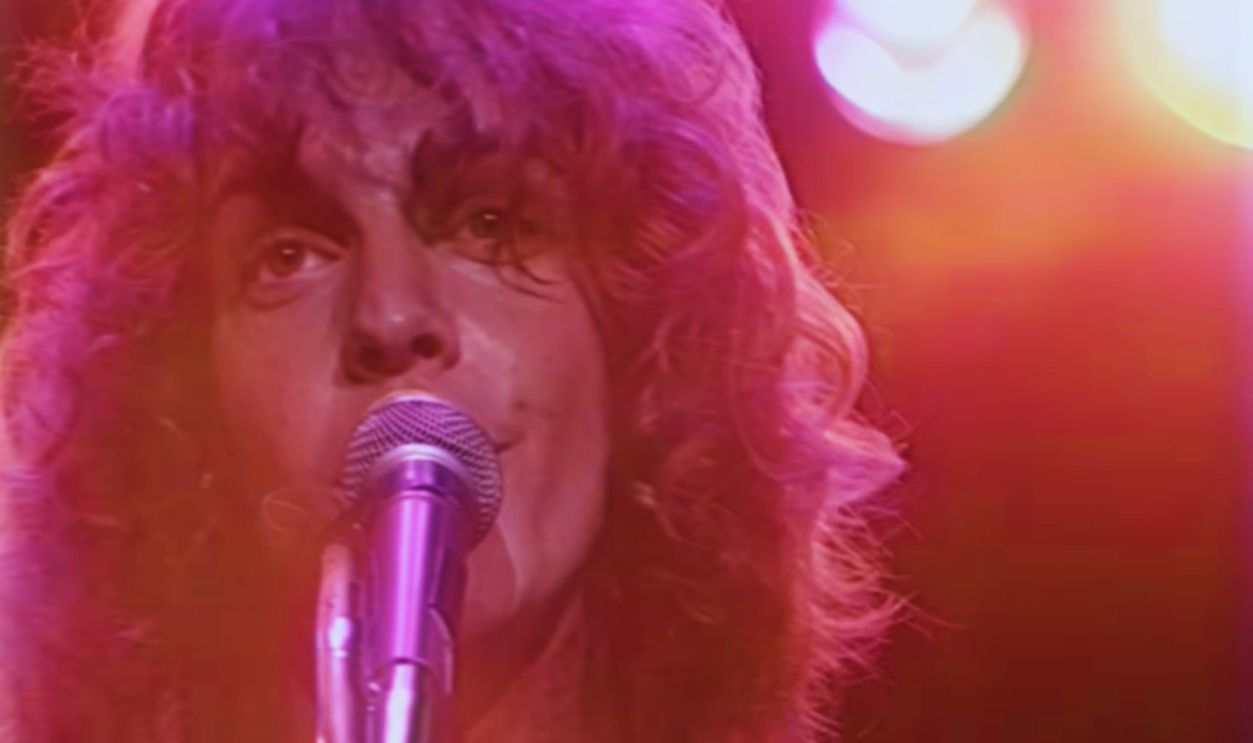
23: Frampton Comes Alive! (Peter Frampton)
For a few years, this album seemed to be in every house in America. Seriously. If somebody owned a record player in the late 70s, there was a decent chance this album was sitting nearby. People simply couldn't get enough of it.
 Screenshot from Frampton Comes Alive!, A&M Records (1976)
22: Exile on Main St. (The Rolling Stones)
This album sounds like the Rolling Stones accidentally captured lightning while trying to record a party. It's loose, messy, chaotic, and somehow brilliant. Every listen reveals another great song hiding somewhere in the madness.
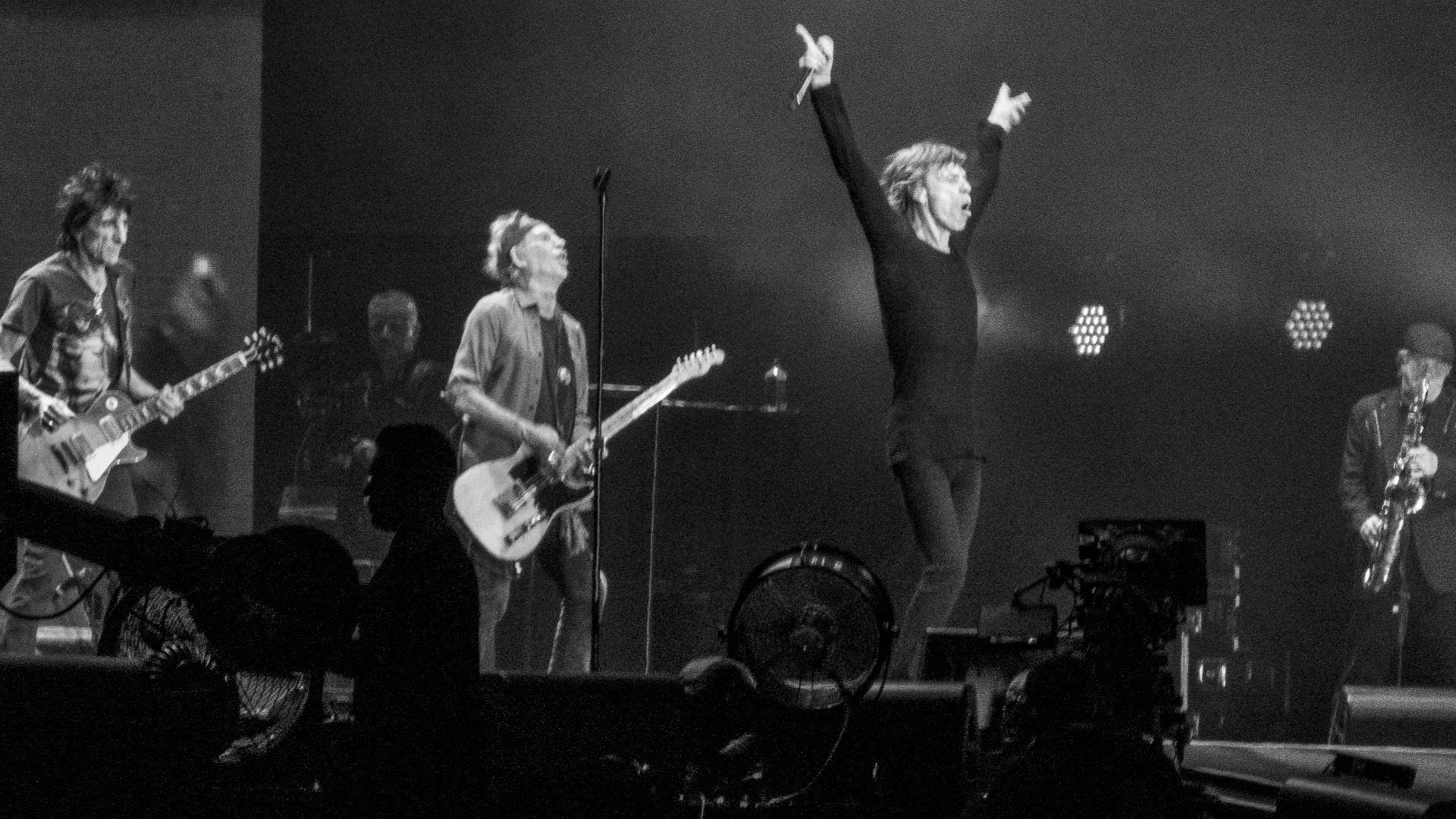 Andrea Sartorati, Wikimedia Commons
21: The Wall (Pink Floyd)
Pink Floyd didn't exactly believe in doing things halfway. The Wall isn't just an album. It's an entire world. Whether you think it's a masterpiece or completely exhausting probably depends on the day, but nobody forgets it.
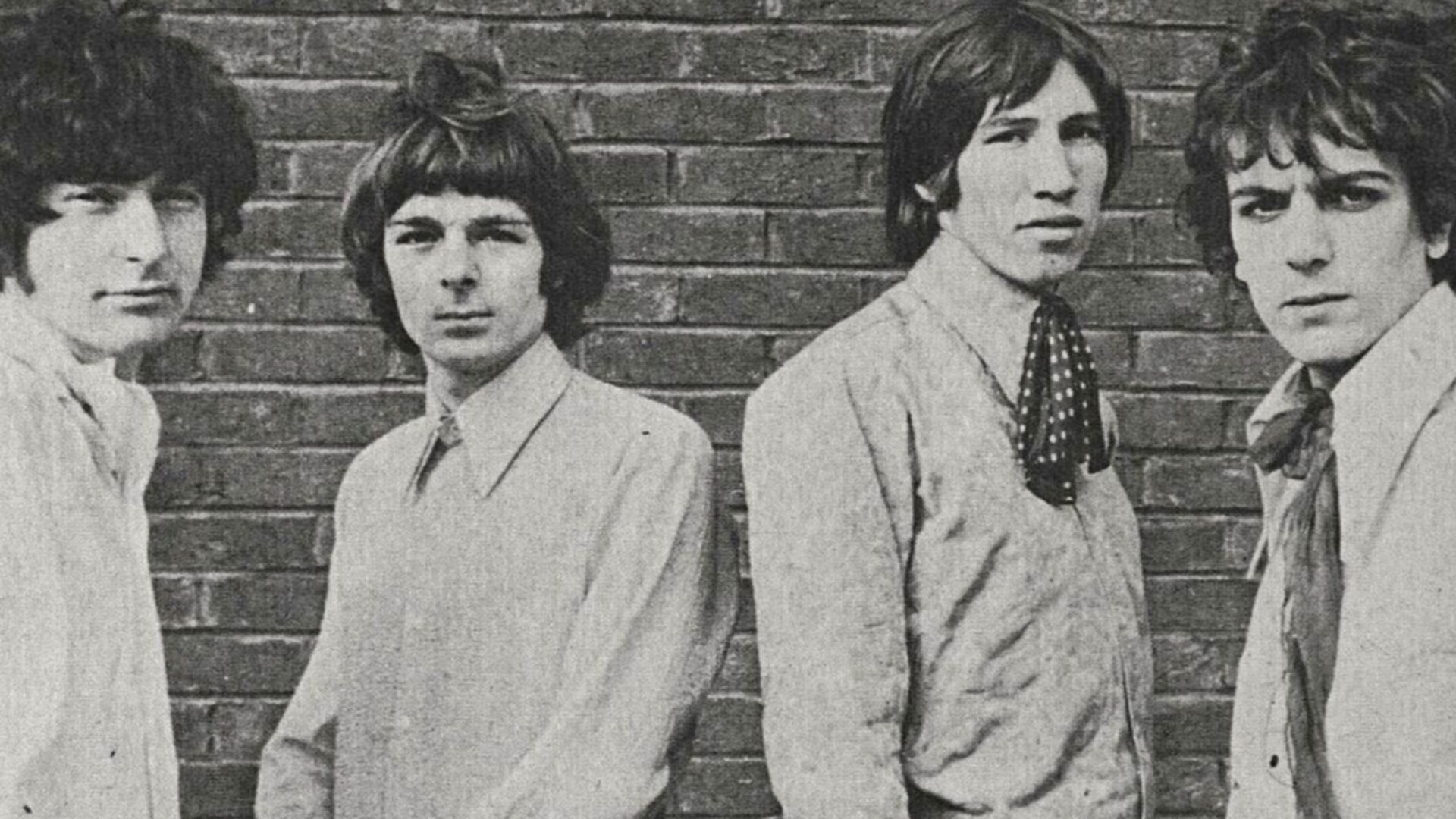 Dcameron814. , Wikimedia Commons
20: Animals (Pink Floyd)
Poor Animals. It had the misfortune of arriving between Wish You Were Here and The Wall. That's like being sandwiched between two Hall of Fame speeches. Even so, many Pink Floyd fans quietly insist this is their favorite.
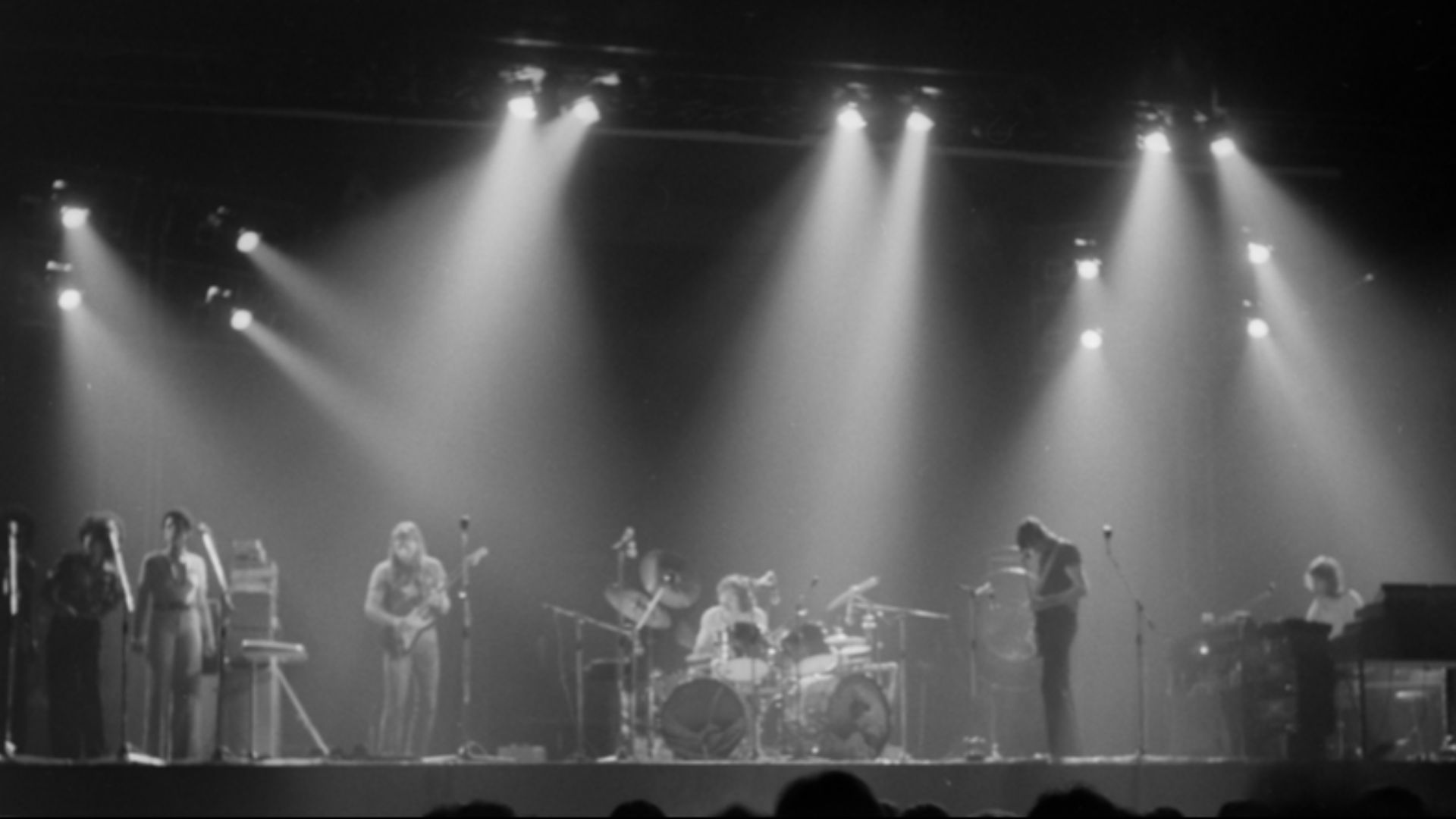
19: The Cars (The Cars)
Imagine showing up with a debut album this polished. New wave, rock, pop, and just enough weirdness to keep things interesting. The Cars somehow made sounding cool seem completely effortless, which is harder than they made it look.
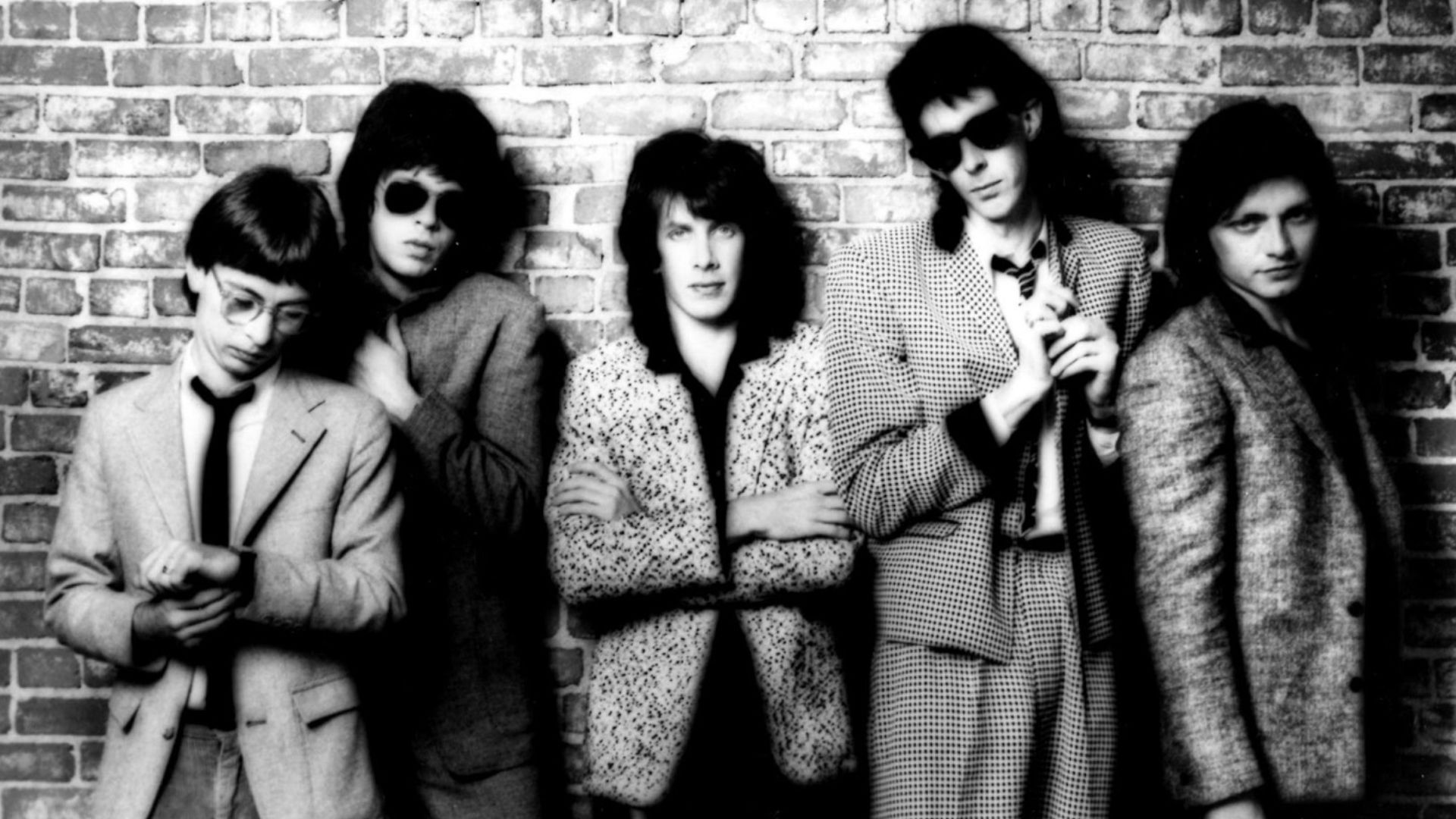 Lynn Goldsmith; Distributed by Elektra Records, Wikimedia Commons
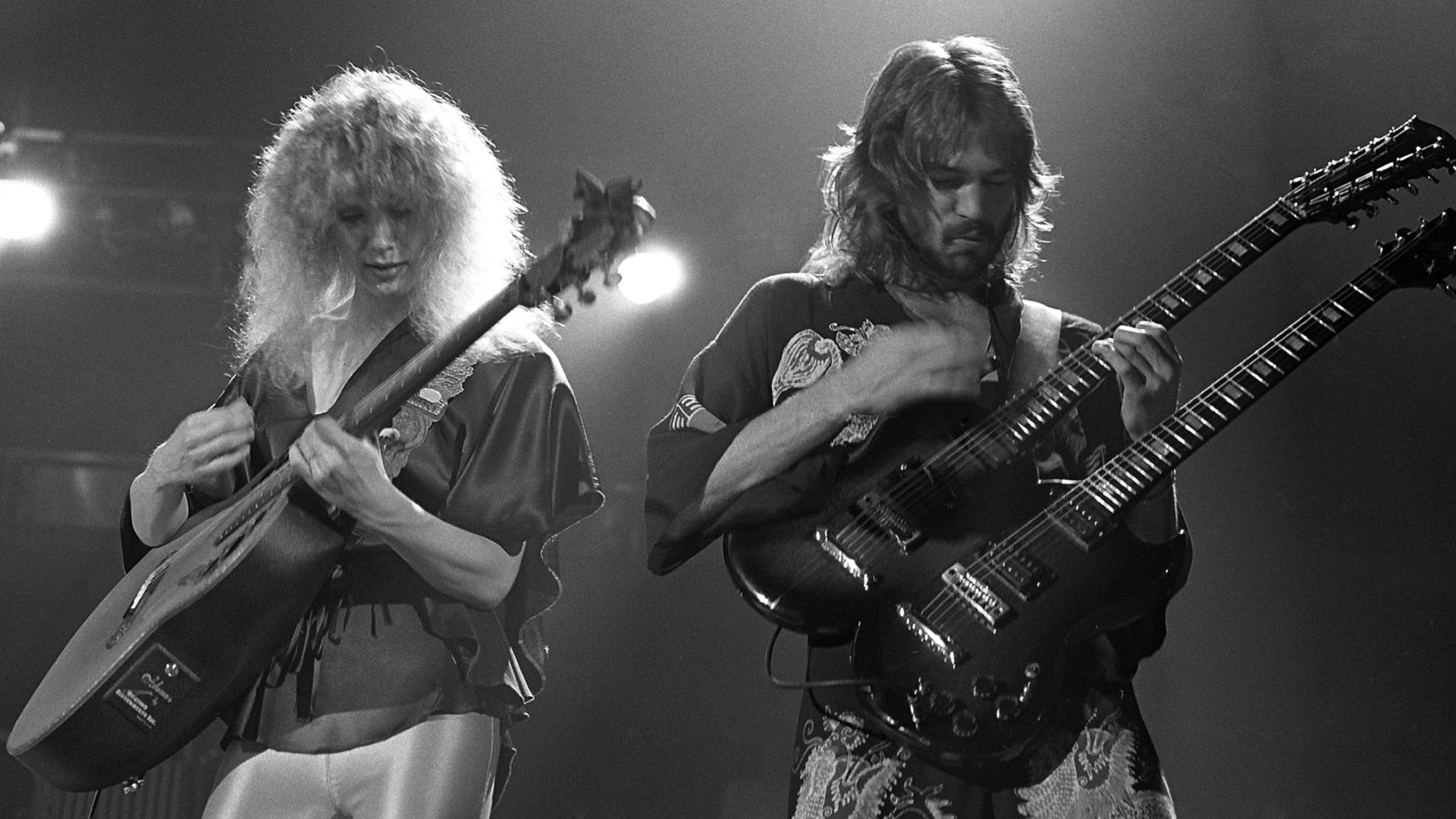
18: Dreamboat Annie (Heart)
Heart kicked the door open with this album and never looked back. Magic Man and Crazy on You are still classics, but that's only part of the story. Ann Wilson's voice alone is worth the price of admission.
 Jim Summaria, http://jimsummariaphoto.com, Wikimedia Commons
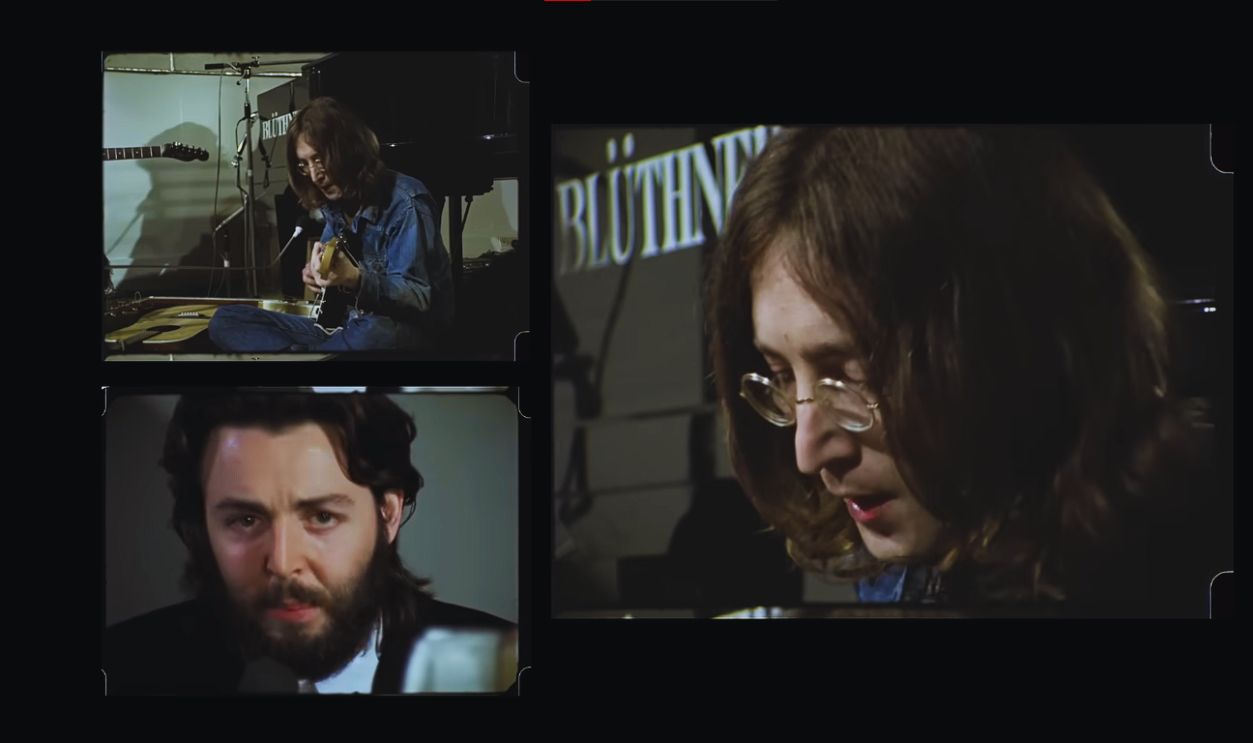
17: Let It Be (The Beatles)
No, it's not the Beatles' best album. That's not the point. This is the final chapter of the greatest band in rock history, and it still gave us Let It Be, Get Back, and The Long and Winding Road. Most bands would kill for one of those.
 Screenshot from The Beatles – “Let It Be”, Apple Records (1970)
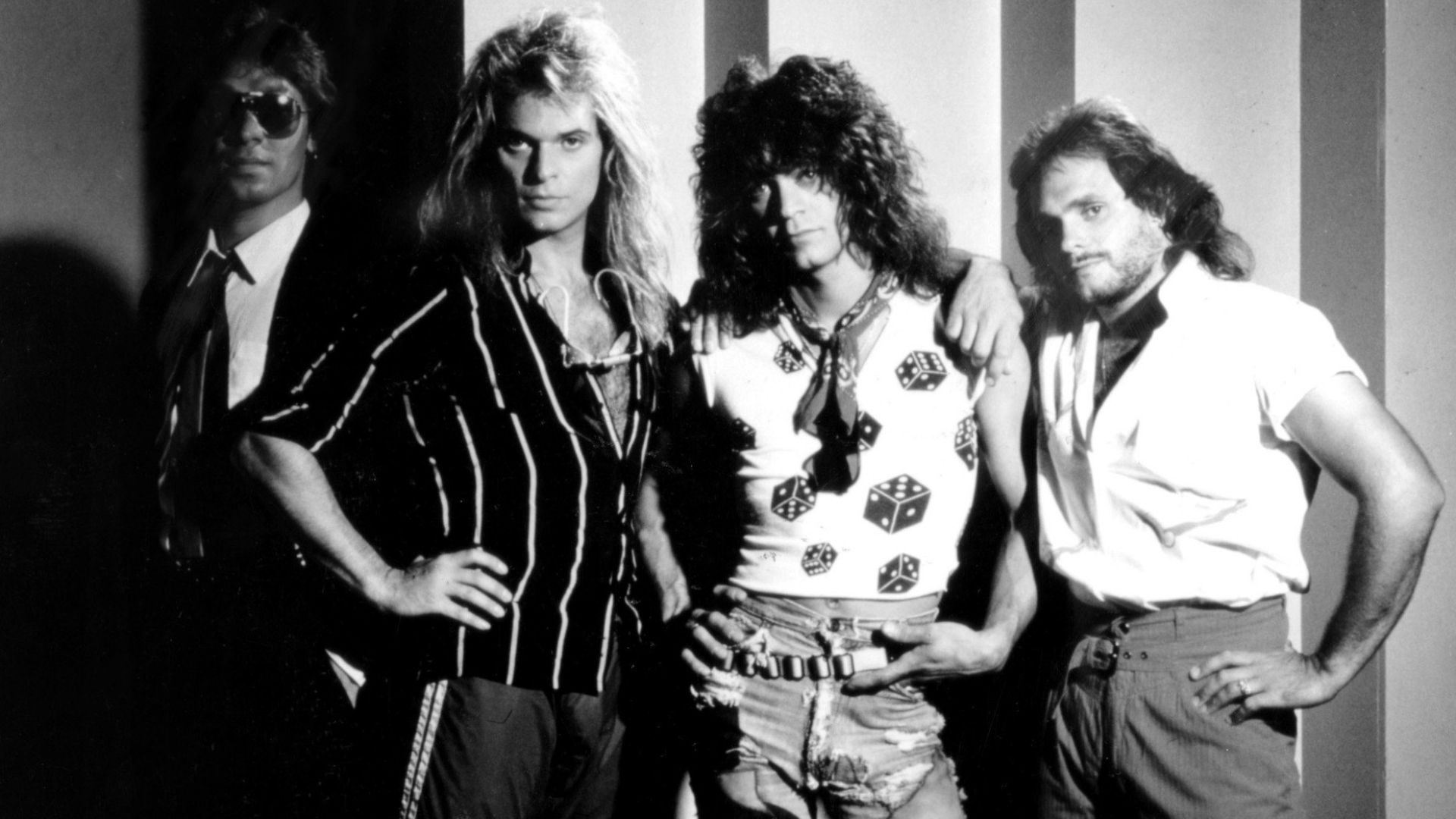
16: Van Halen (Van Halen)
The first time people heard Eddie Van Halen play guitar, a lot of musicians probably started rethinking their career choices. This debut still feels like a lightning bolt. Fast, loud, exciting, and impossible to ignore.
 Warner Records, Wikimedia Commons
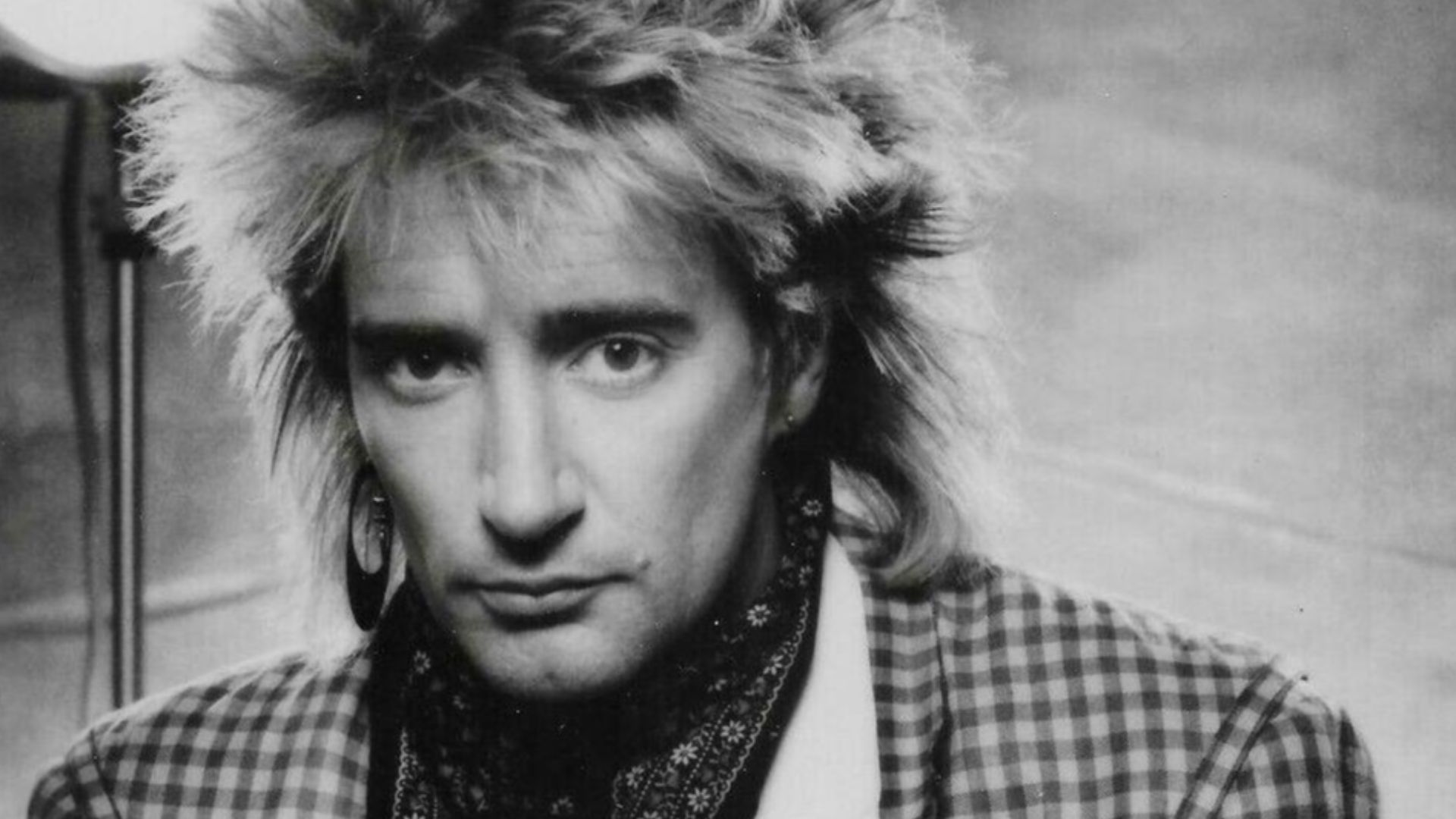
15: Every Picture Tells a Story (Rod Stewart)
Before Rod Stewart became a global superstar, he made albums like this. Maggie May gets most of the attention, but the whole record is packed with charm, swagger, and the kind of confidence that can't be taught.
 Distributed by Warner Bros. Records, Wikimedia Commons
14: Wish You Were Here (Pink Floyd)
Some albums get better every year. This is one of them. Emotional without becoming sentimental and ambitious without becoming confusing, Wish You Were Here somehow feels deeply personal while speaking to almost everybody.
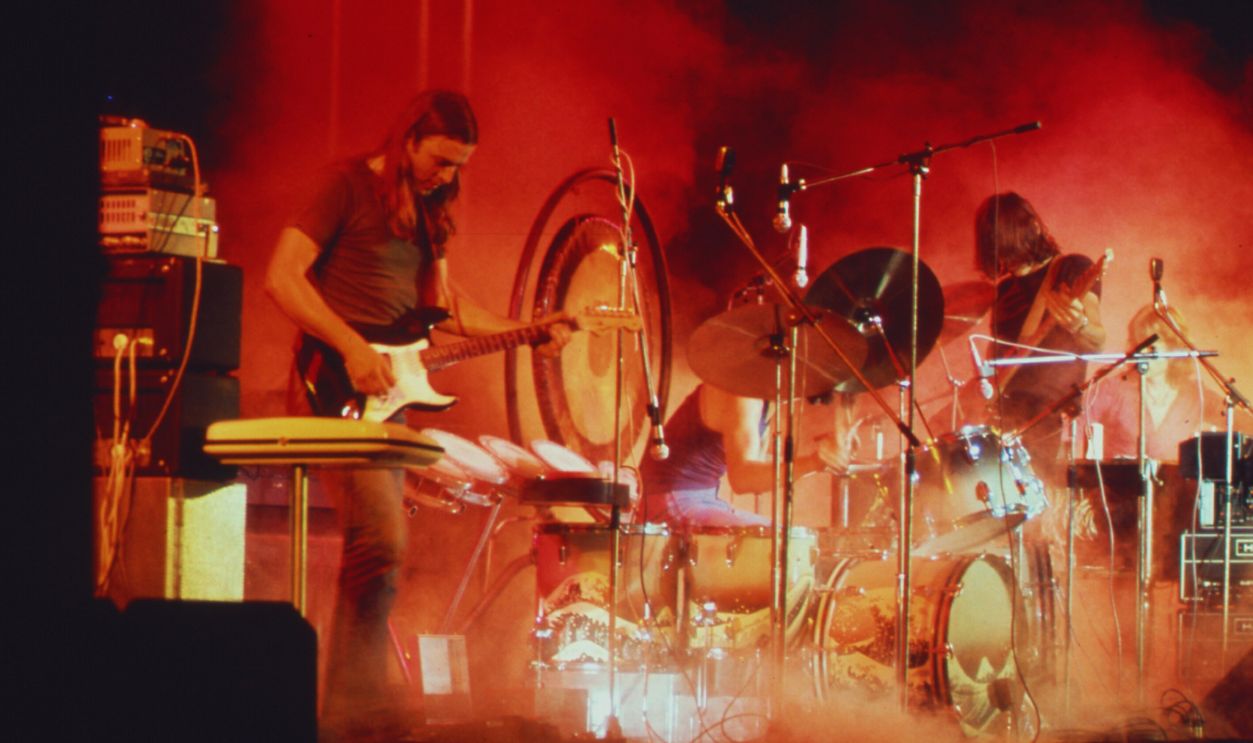 Erik Calonius, Wikimedia Commons
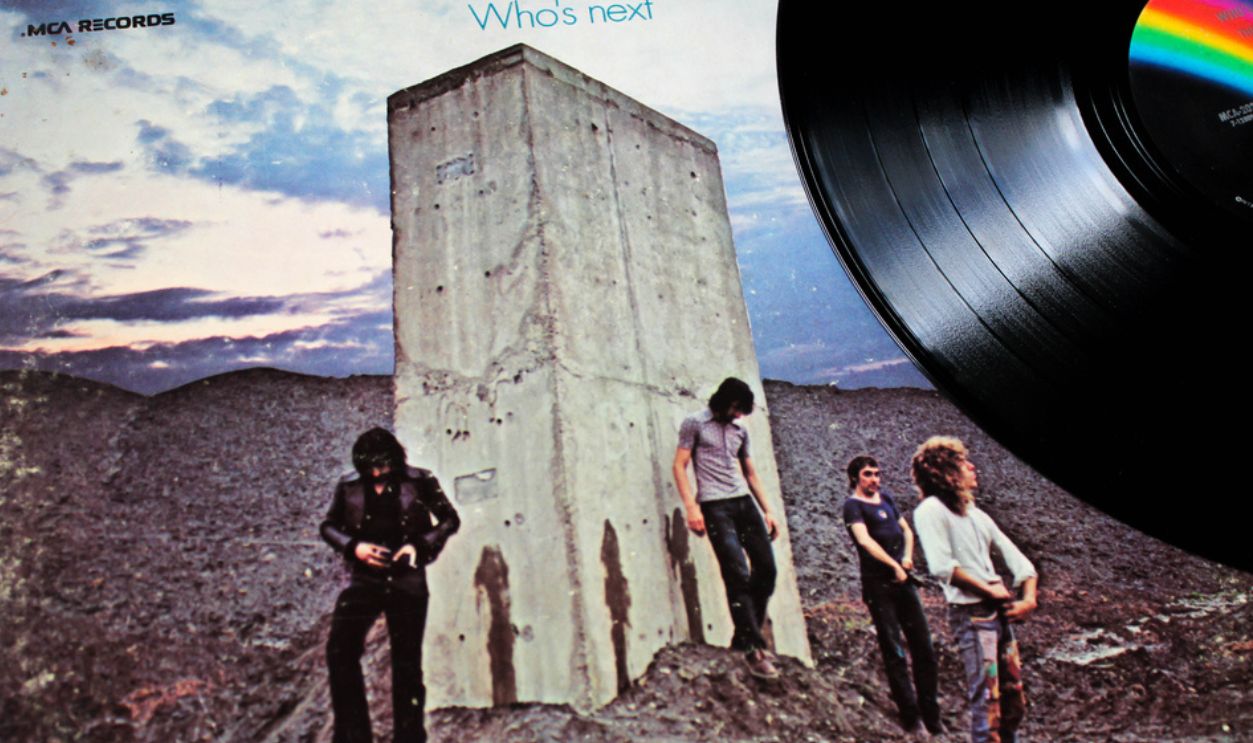
13: Who's Next (The Who)
Most bands would happily build an entire career around Baba O'Riley. The Who treated it like the opening act. Add Behind Blue Eyes and Won't Get Fooled Again and you've got one of the strongest collections of songs released by anybody during the decade.
12: Born to Run (Bruce Springsteen)
Bruce Springsteen wasn't aiming for a hit album here. He was aiming for immortality. Every song feels huge, every emotion feels turned up to eleven, and every note sounds like it matters. More than anything, this album sounds like somebody betting everything.
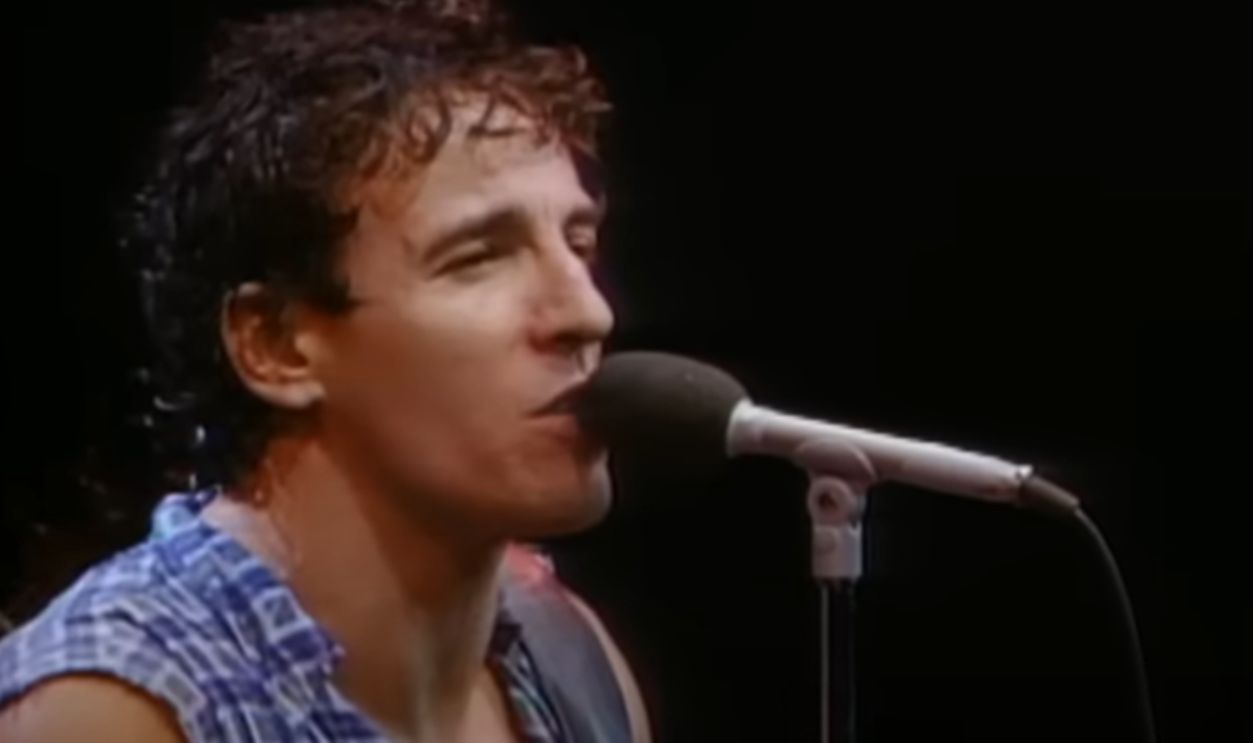 Screenshot from Born to Run, Columbia Records (1975)
11: Boston (Boston)
Imagine releasing a debut album and accidentally filling it with classic-rock radio staples. That's basically what happened here. More Than a Feeling gets most of the headlines, but nearly every track feels familiar because people never stopped playing them.
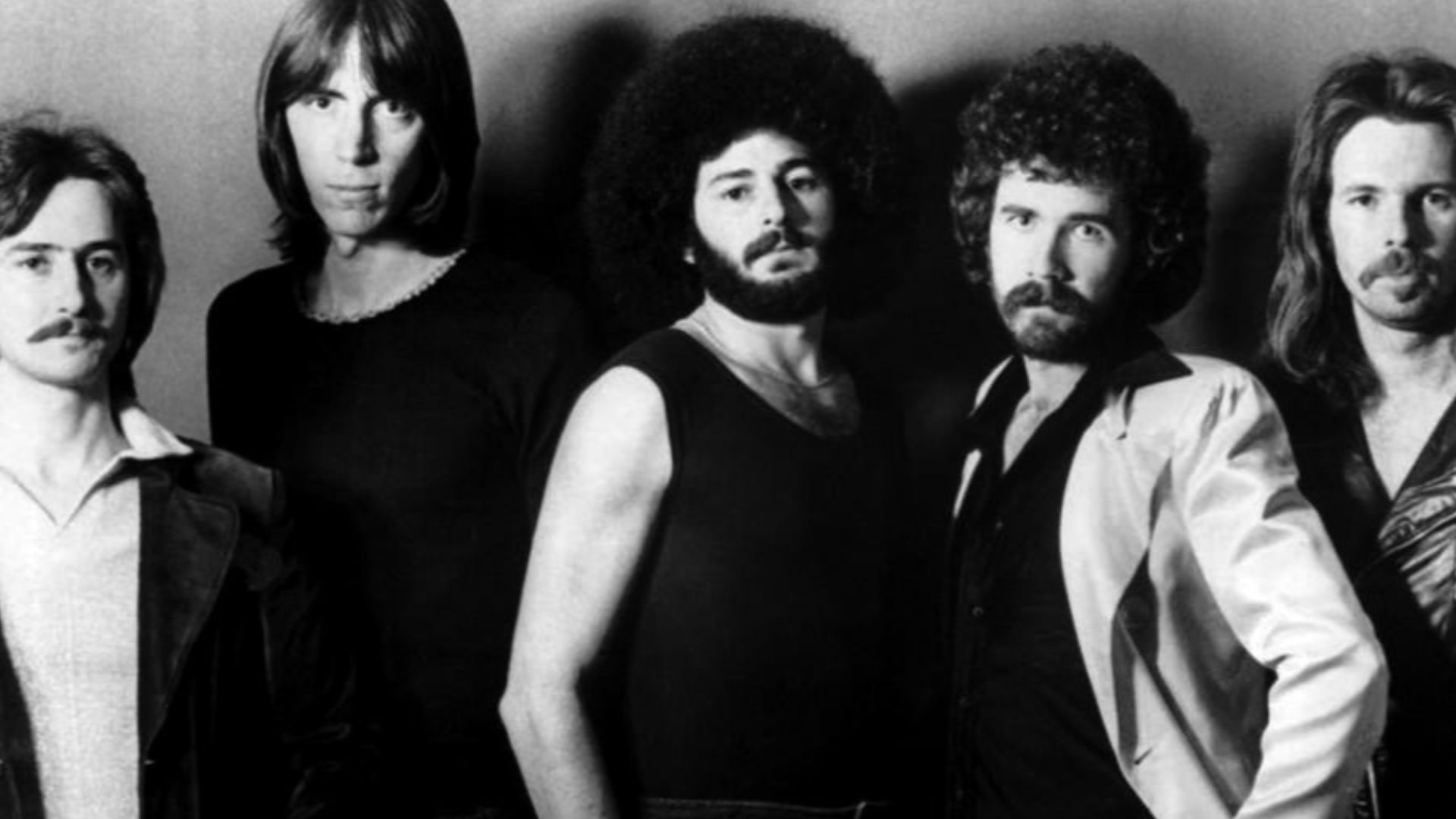 Premier Talent Associates (management company), Wikimedia Commons
10: Led Zeppelin II (Led Zeppelin)
If Led Zeppelin's debut introduced the band, this album announced they were taking over. The riffs are bigger, the confidence is higher, and the songs somehow hit even harder. Good luck making it through Whole Lotta Love without touching the volume knob.
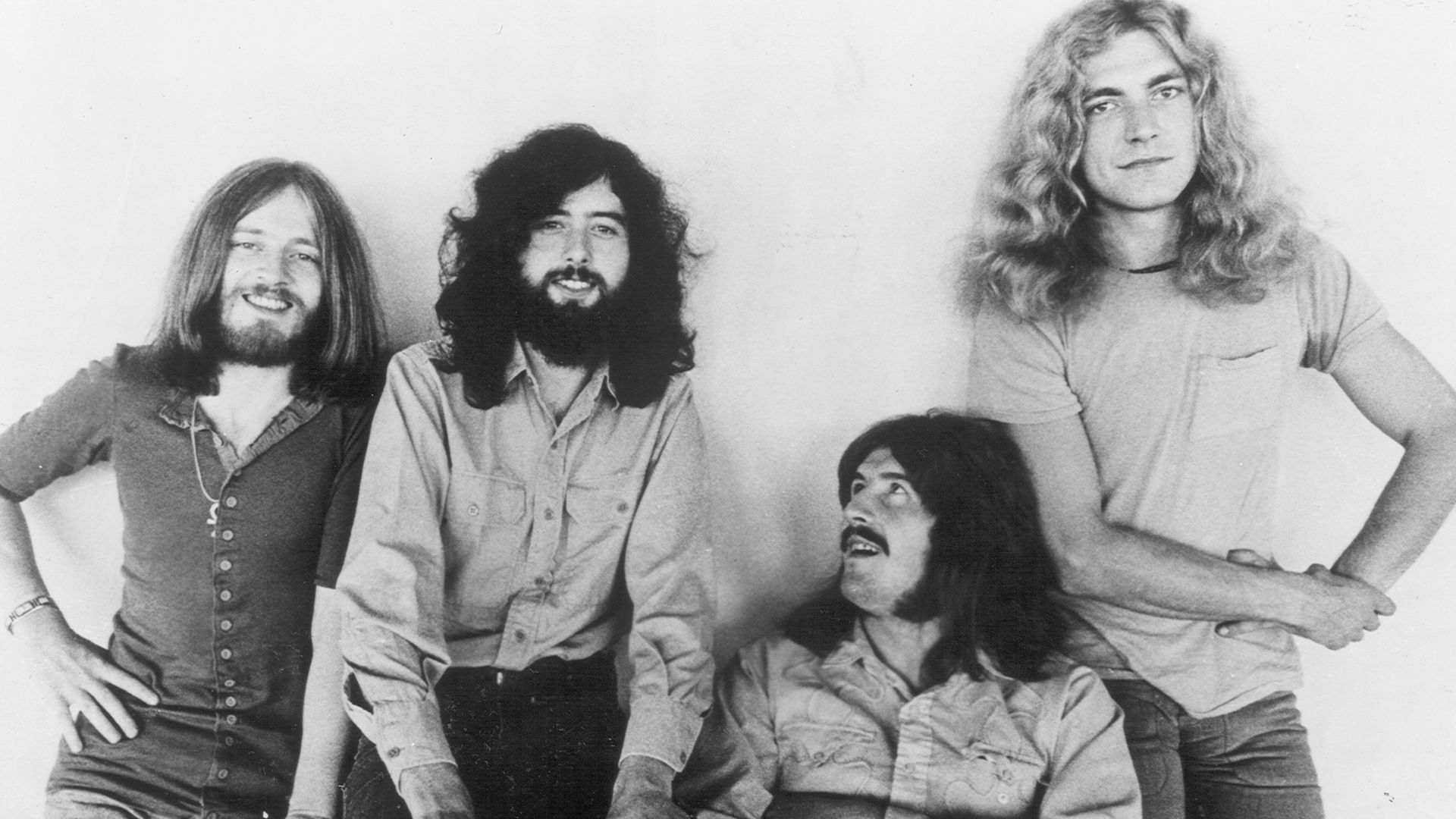 Atlantic Records, Wikimedia Commons
9: Madman Across the Water (Elton John)
This placement will probably surprise some people. Good. Madman Across the Water has spent decades living in the shadow of Elton's bigger albums. It deserves better. The crazy part is that it somehow gets stronger every time you revisit it.
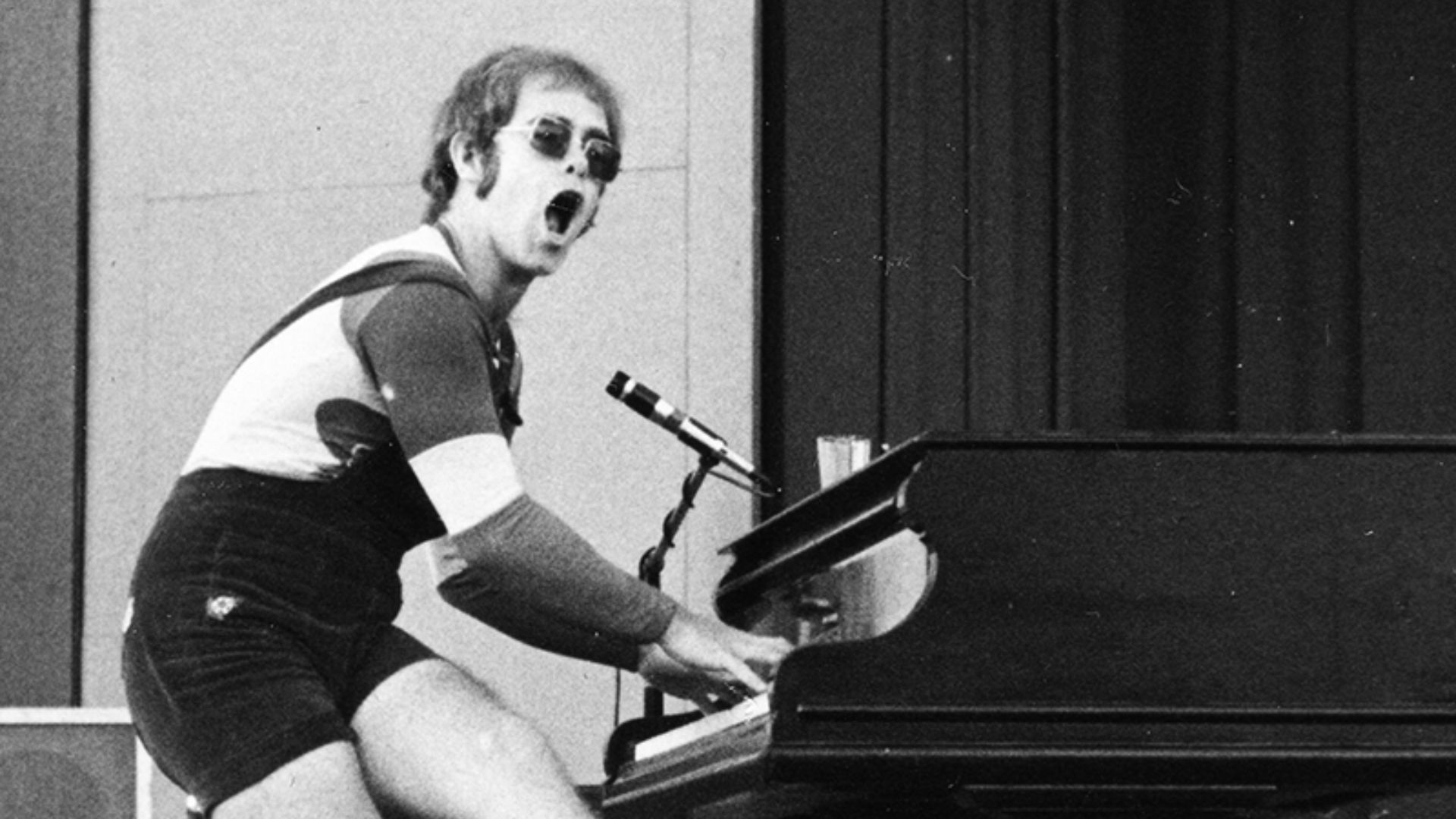 https://www.flickr.com/photos/yabosid/, Wikimedia Commons
8: The Stranger (Billy Joel)
Billy Joel spent most of his career being more popular than the critics thought he should be. That's their problem. Movin' Out, Only the Good Die Young, She's Always a Woman...some artists wait a lifetime to write songs this good.
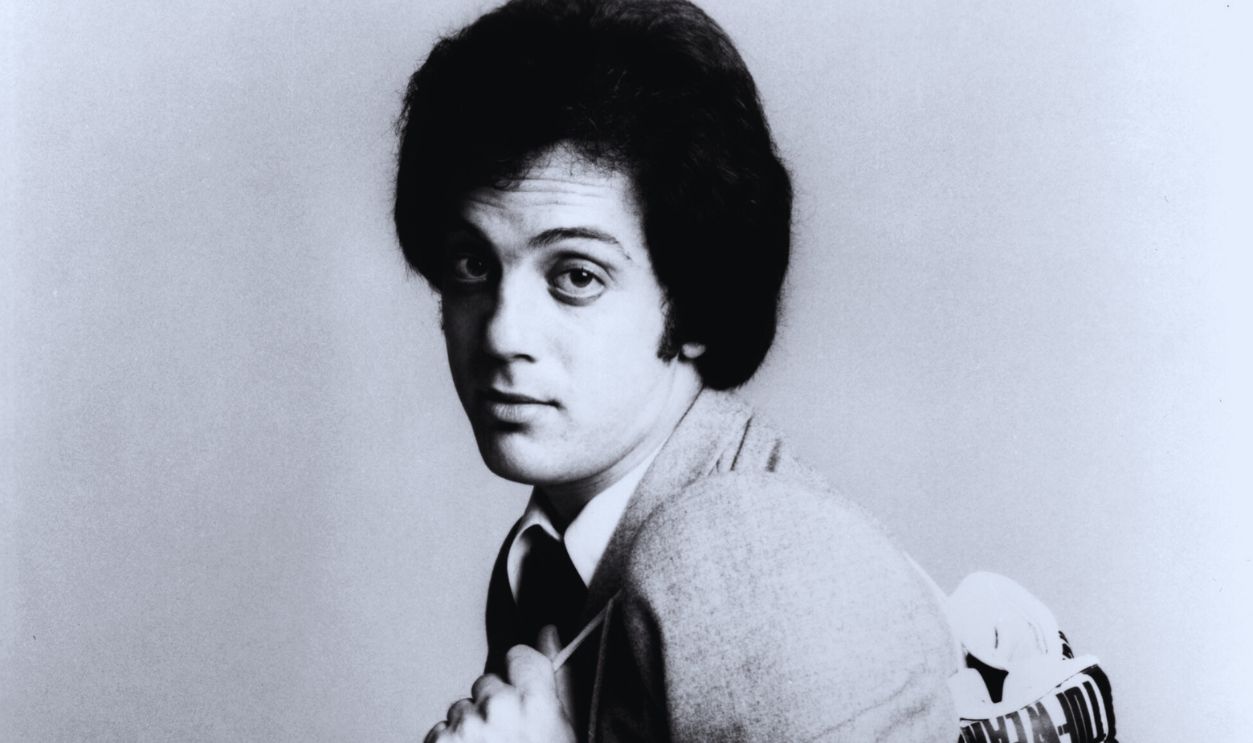 Uncredited (possibly Jim Houghton); Distributed by Columbia Records, Wikimedia Commons
7: Pronounced 'Lĕh-'nérd 'Skin-'nérd (Lynyrd Skynyrd)
Imagine releasing Free Bird and Simple Man on the same album. Most bands would build an entire career around one of those songs. Lynyrd Skynyrd put both on their debut and immediately announced themselves as one of America's great rock bands.
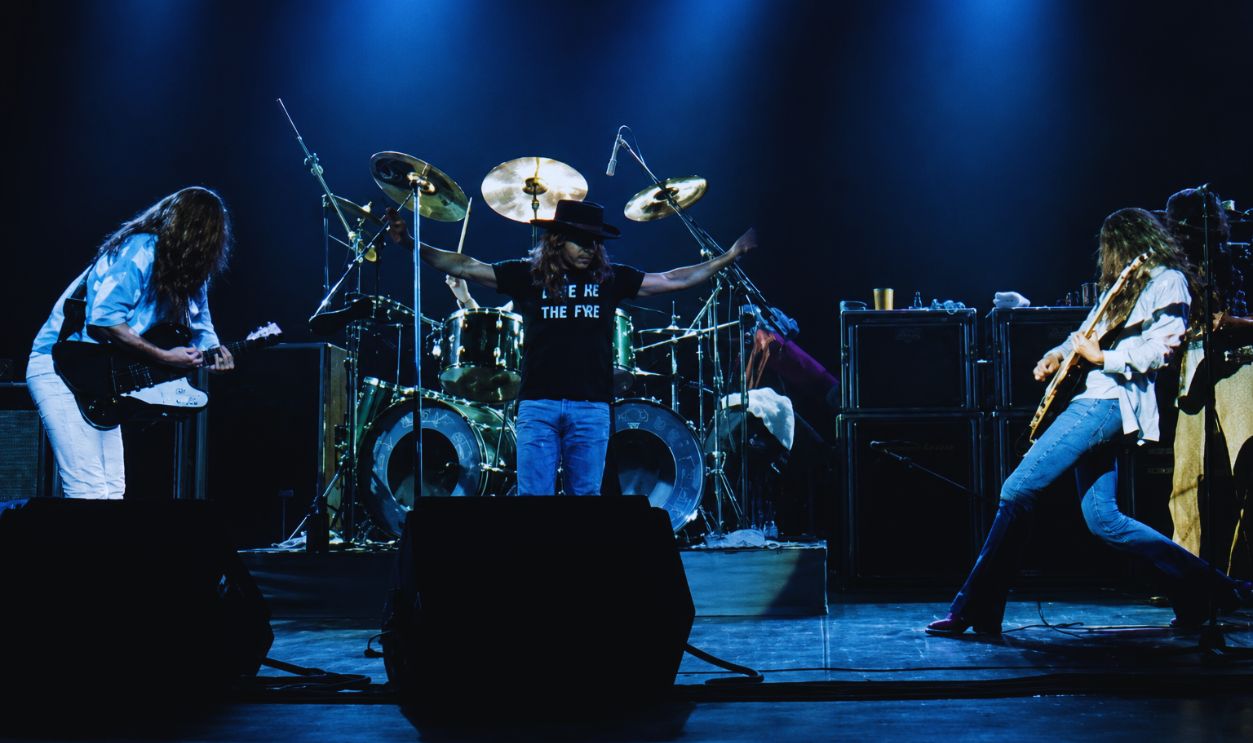 MCA Records, Wikimedia Commons
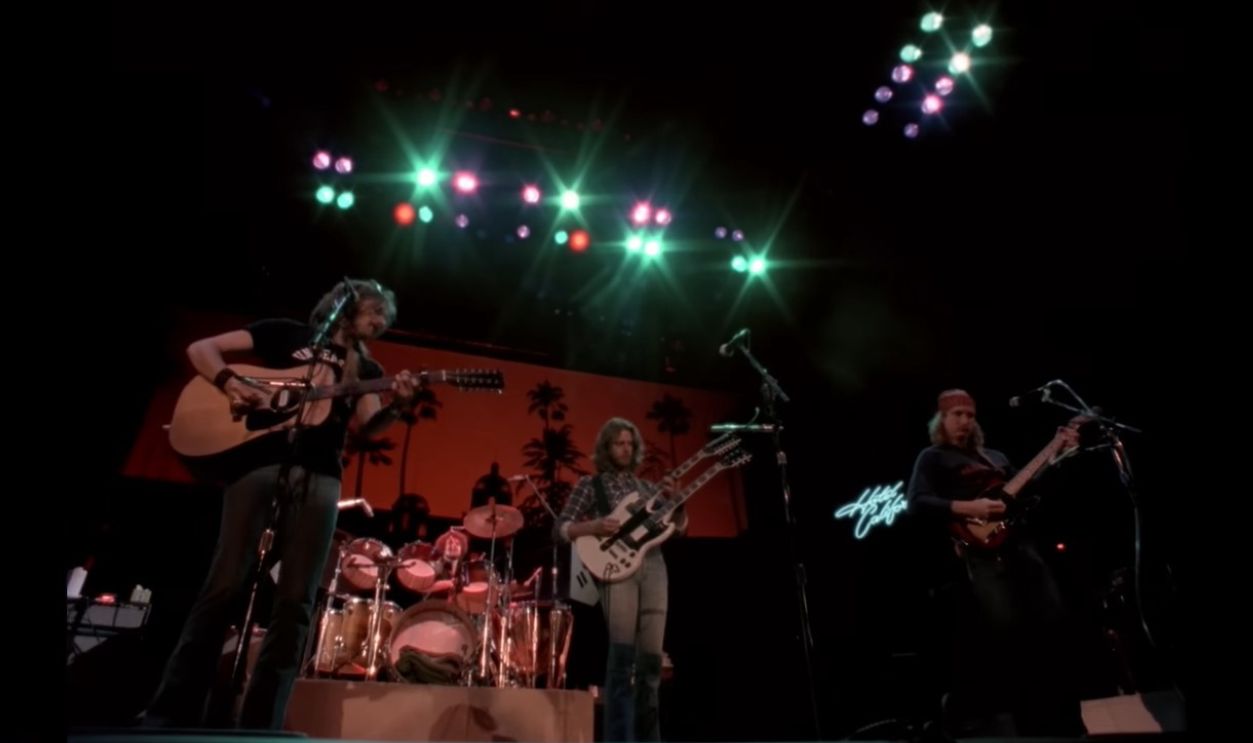
6: Hotel California (Eagles)
Yes, you've heard the title track a million times. There's a reason for that. The Eagles were operating at an absurdly high level here. The amazing part is that some of the album's best moments happen after the song everybody already knows.
 Screenshot from Hotel California, Asylum Records (1976)
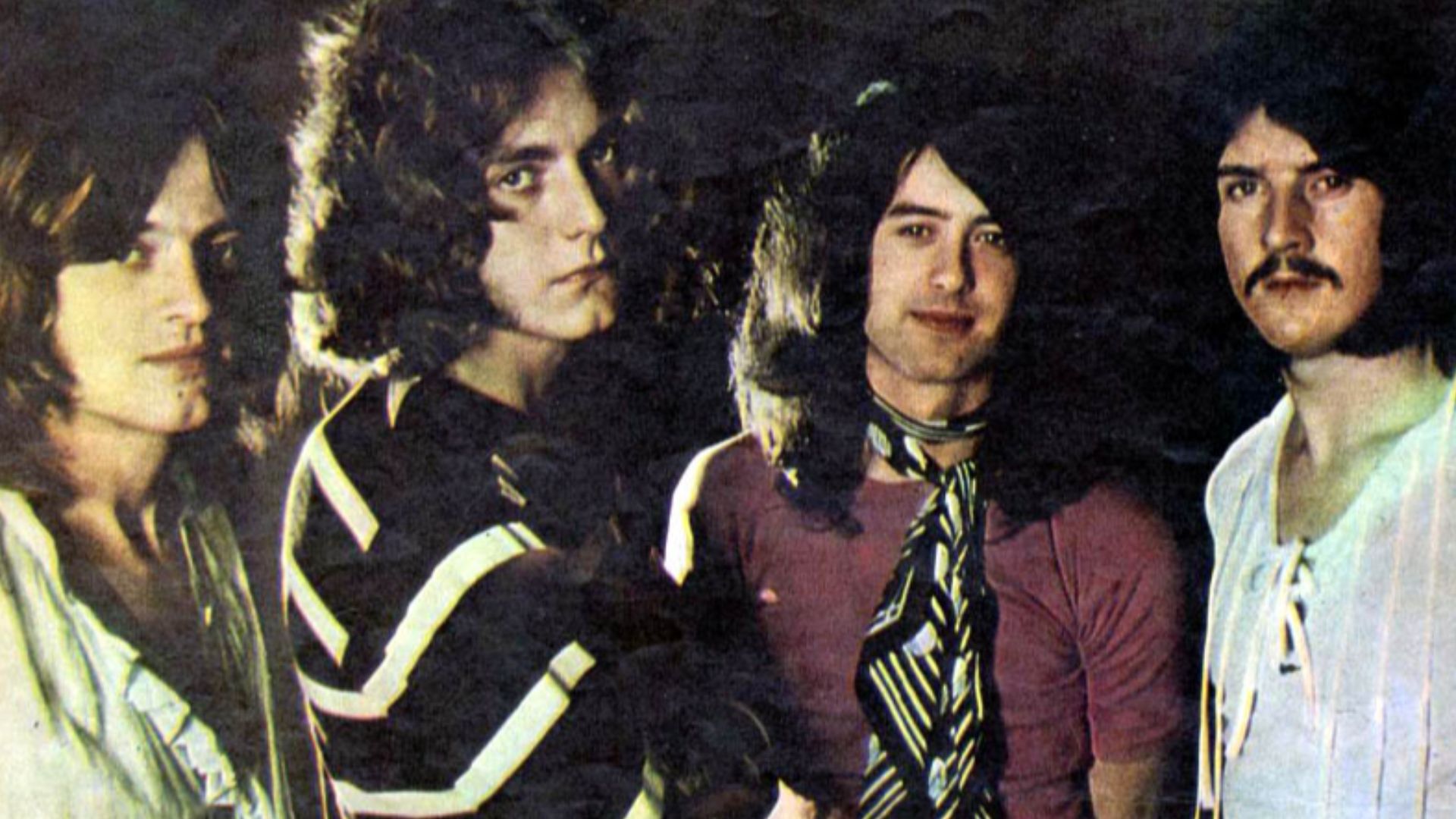
5: Led Zeppelin IV (Led Zeppelin)
You could make a convincing argument for this album at No. 1 and nobody would laugh at you. Black Dog. Rock and Roll. Stairway to Heaven. That's an absurd lineup before you even get to the rest of the record.
 Unknown authorUnknown author, Wikimedia Commons
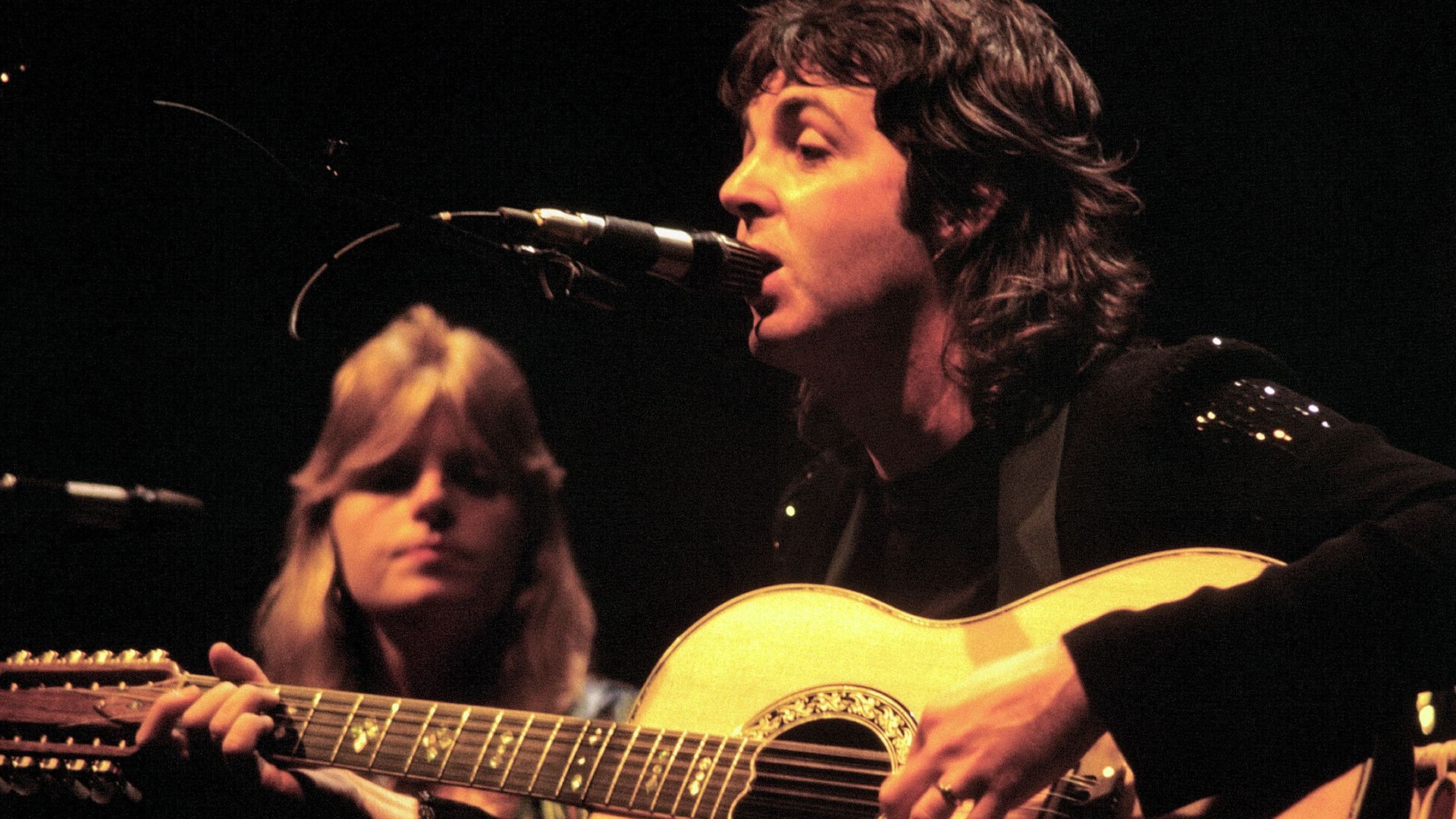
4: Band on the Run (Wings)
Paul McCartney spent years hearing that he couldn't possibly match what he'd done with The Beatles. Then he released Band on the Run and reminded everyone that being Paul McCartney was still a pretty good gig.
 Jim Summaria, Wikimedia Commons
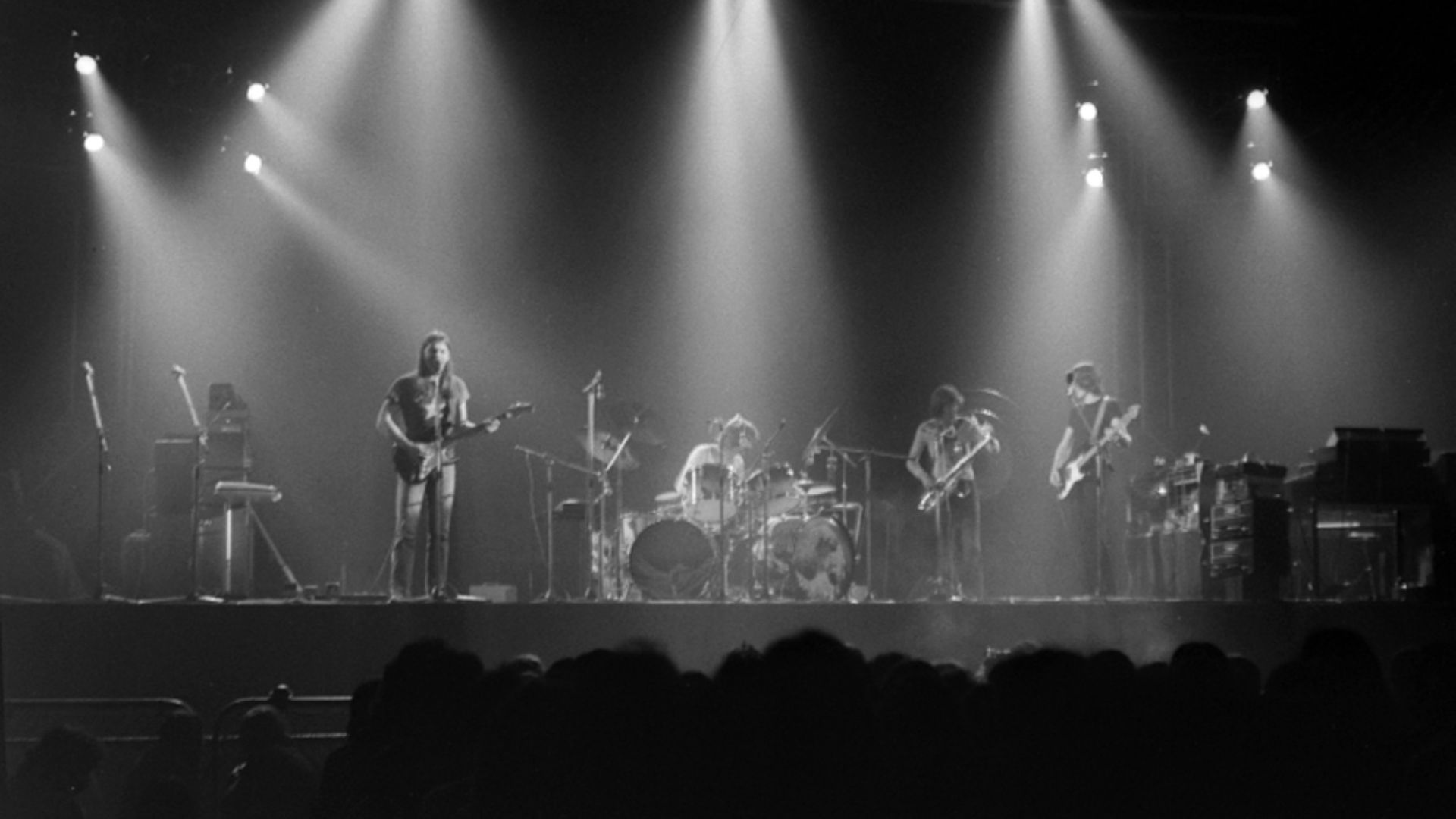
3: The Dark Side of the Moon (Pink Floyd)
Look, sometimes the obvious choice is the right one. This album is brilliant. It rewards casual listeners, obsessive fans, and everyone in between. More than fifty years later, people are still discovering it for the first time.
2: Breakfast in America (Supertramp)
This is probably where the comment section starts arguing. That's fine. The Logical Song, Goodbye Stranger, Take the Long Way Home...the hits just keep coming. Critics may rank other albums higher. We're not critics.
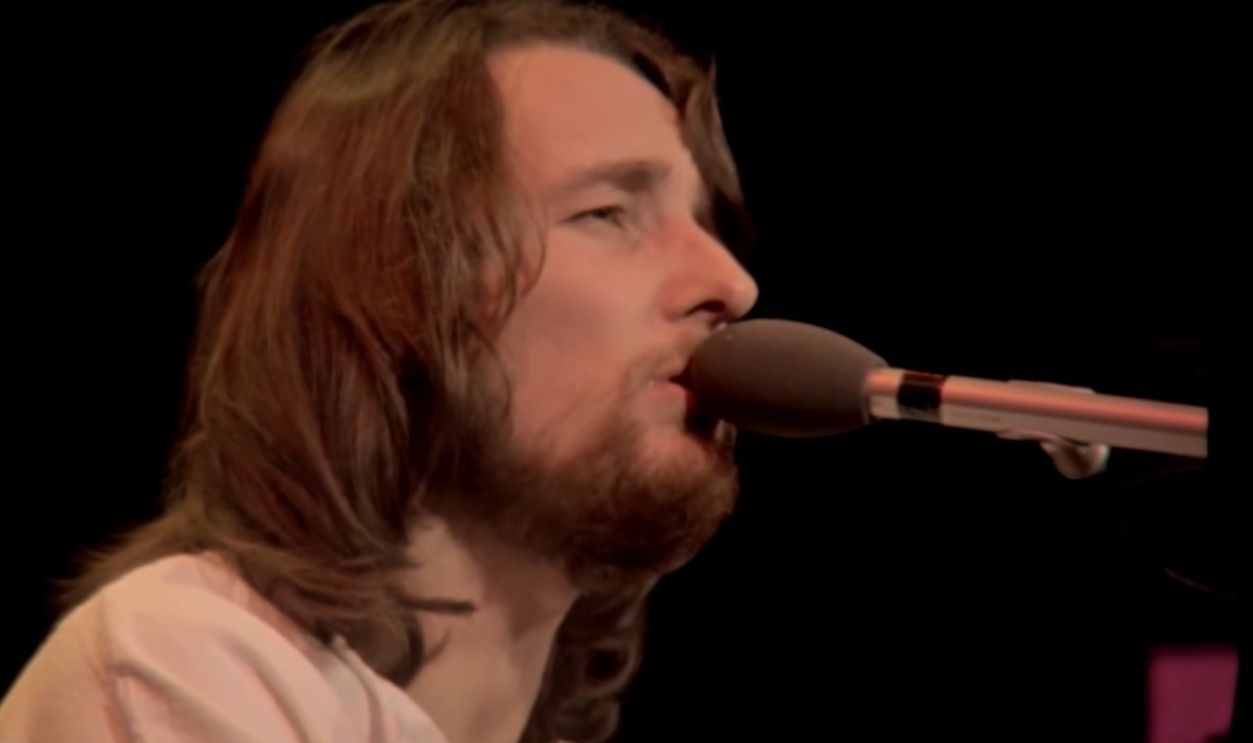 Screenshot from Breakfast in America, A&M Records (1979)
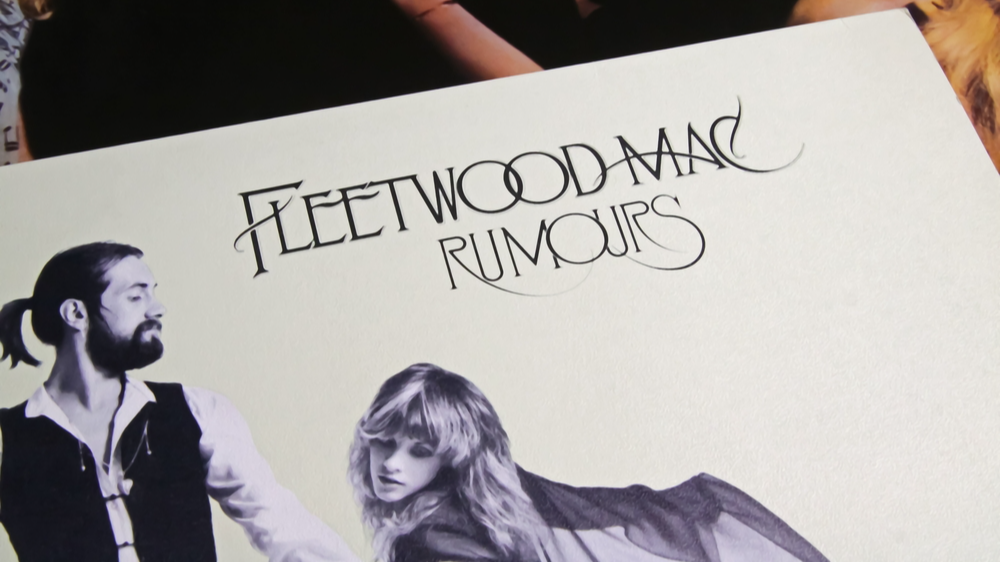
1: Rumours (Fleetwood Mac)
There are albums filled with great songs. Then there are albums where it feels like every single track could have been a hit. Fleetwood Mac somehow turned heartbreak, betrayal, and complete chaos into one masterpiece after another. Critics love it. Casual listeners love it. Your parents probably love it. Nearly fifty years later, it's still one of the easiest albums in the world to press play on and listen straight through. That's why it's No. 1.
You Might Also Like:


_-_NARA_-_553890.jpg)

