
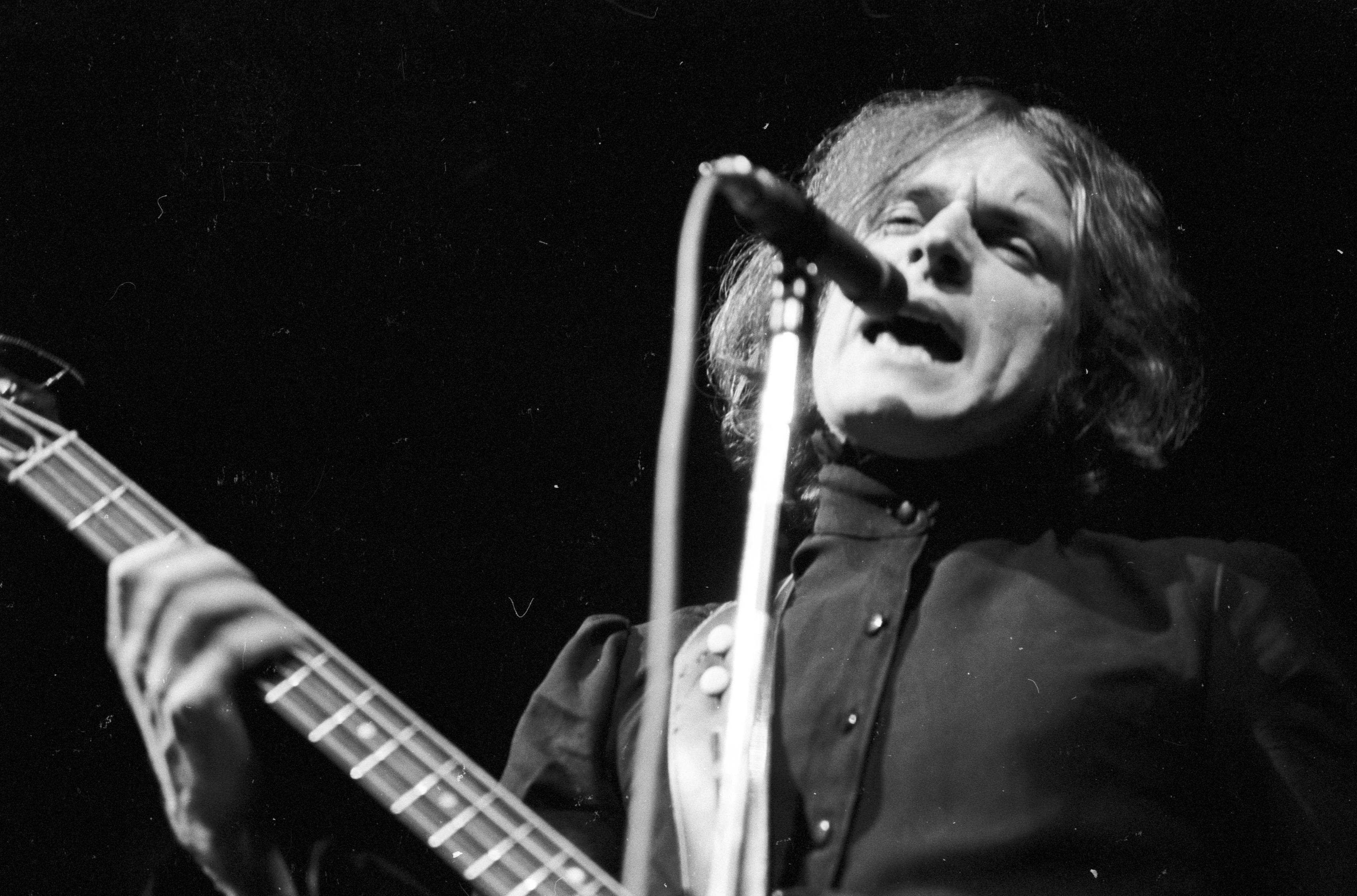
A Brilliant Talent Shadowed By Turmoil
Jack Bruce helped redefine what rock bass could be, blending jazz sophistication with raw blues power to shape the sound of a pivotal era in music. As a founding force behind the band Cream, he reached dizzying heights of fame, but his story was never simple. Behind the music lay fierce rivalries, personal loss, and constant reinvention in a life that was as turbulent as it was groundbreaking.
 Chris Walter/WireImage, Getty Images
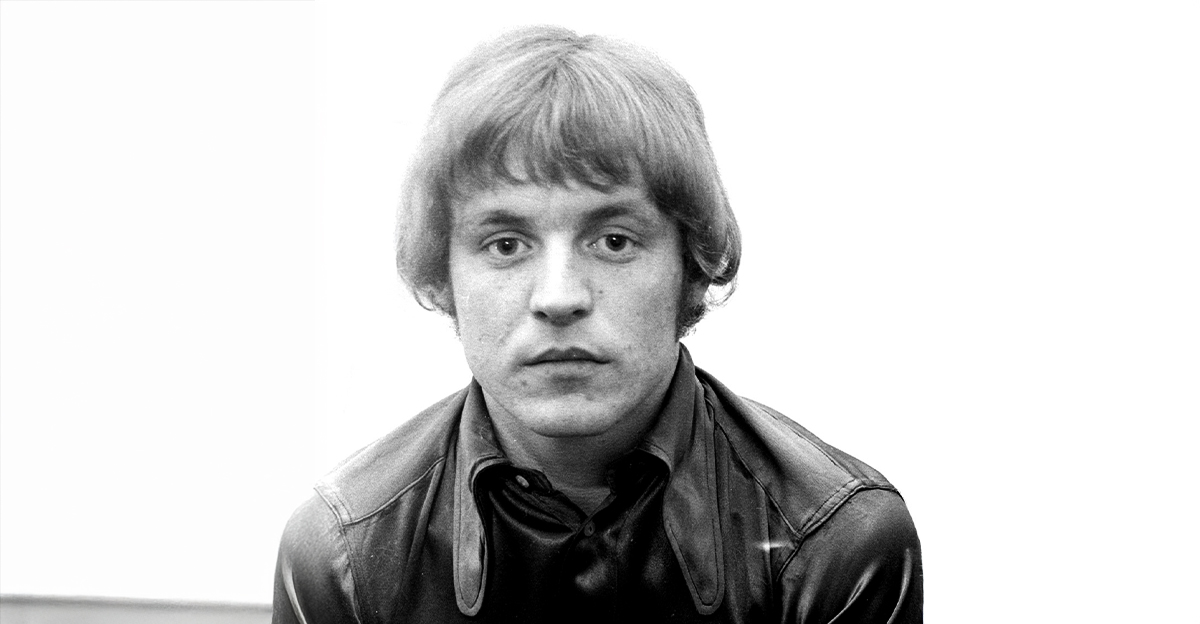
Glasgow Beginnings
Jack Bruce was born John Symon Asher Bruce on May 14, 1943, in Glasgow, Scotland. Raised in a working-class home marked by instability and frequent moves, he developed a sense of independence early on. Growing up, music became his refuge, offering both structure and escape, and it would eventually become the defining force in his life.
 F. van Geelen, Omroepvereniging VARA, Wikimedia Commons
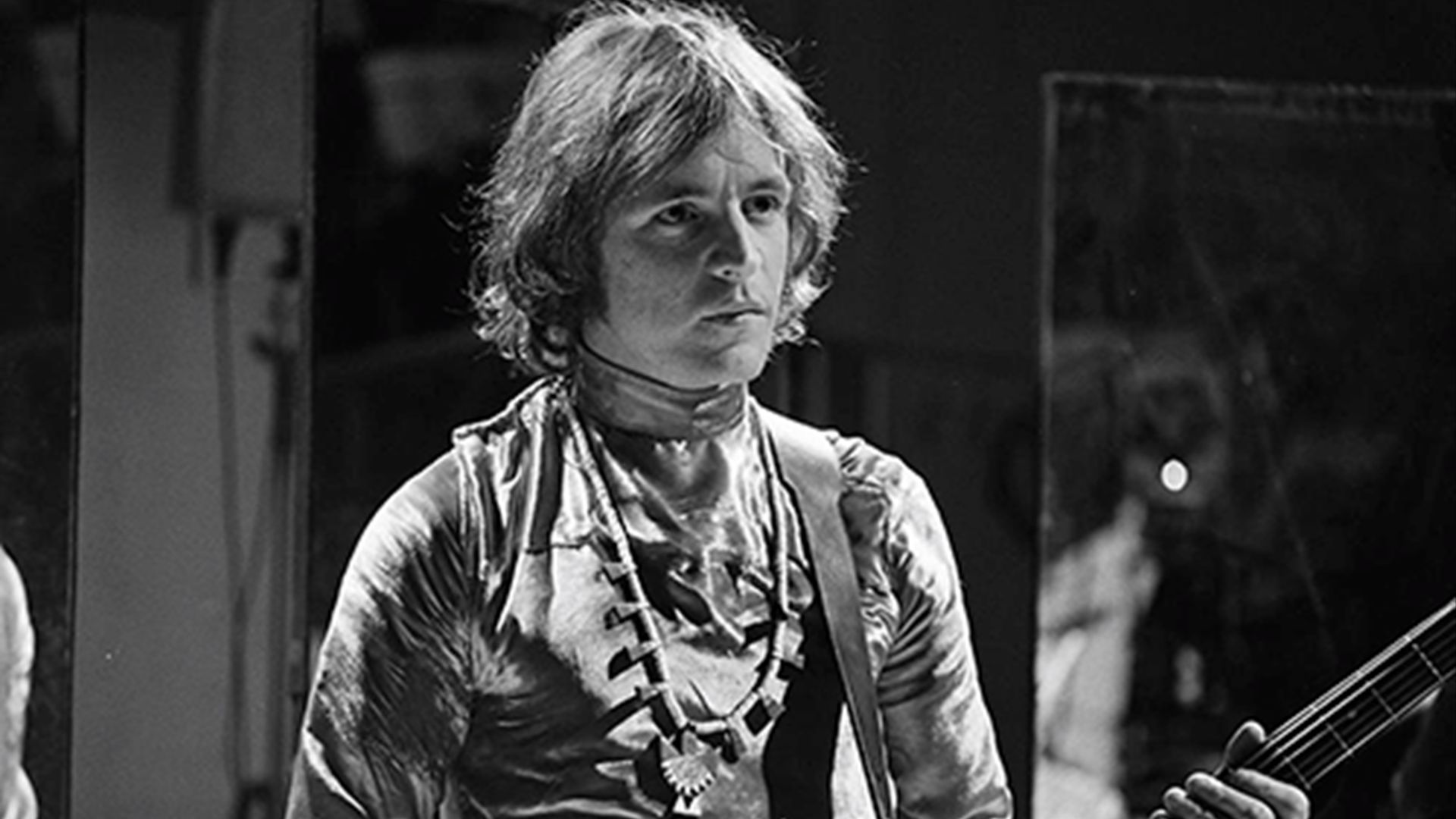
Discovering Music And Rebellion
At first Bruce studied cello and piano before gravitating toward the double bass, where he found his true voice. His time at the Royal Scottish Academy of Music and Drama fine-tuned his technique but also revealed his rebellious personality. He often clashed with authority figures, showing the temperament that would later fuel both his creativity and his conflicts in professional settings.
 Heinrich Klaffs, Wikimedia Commons
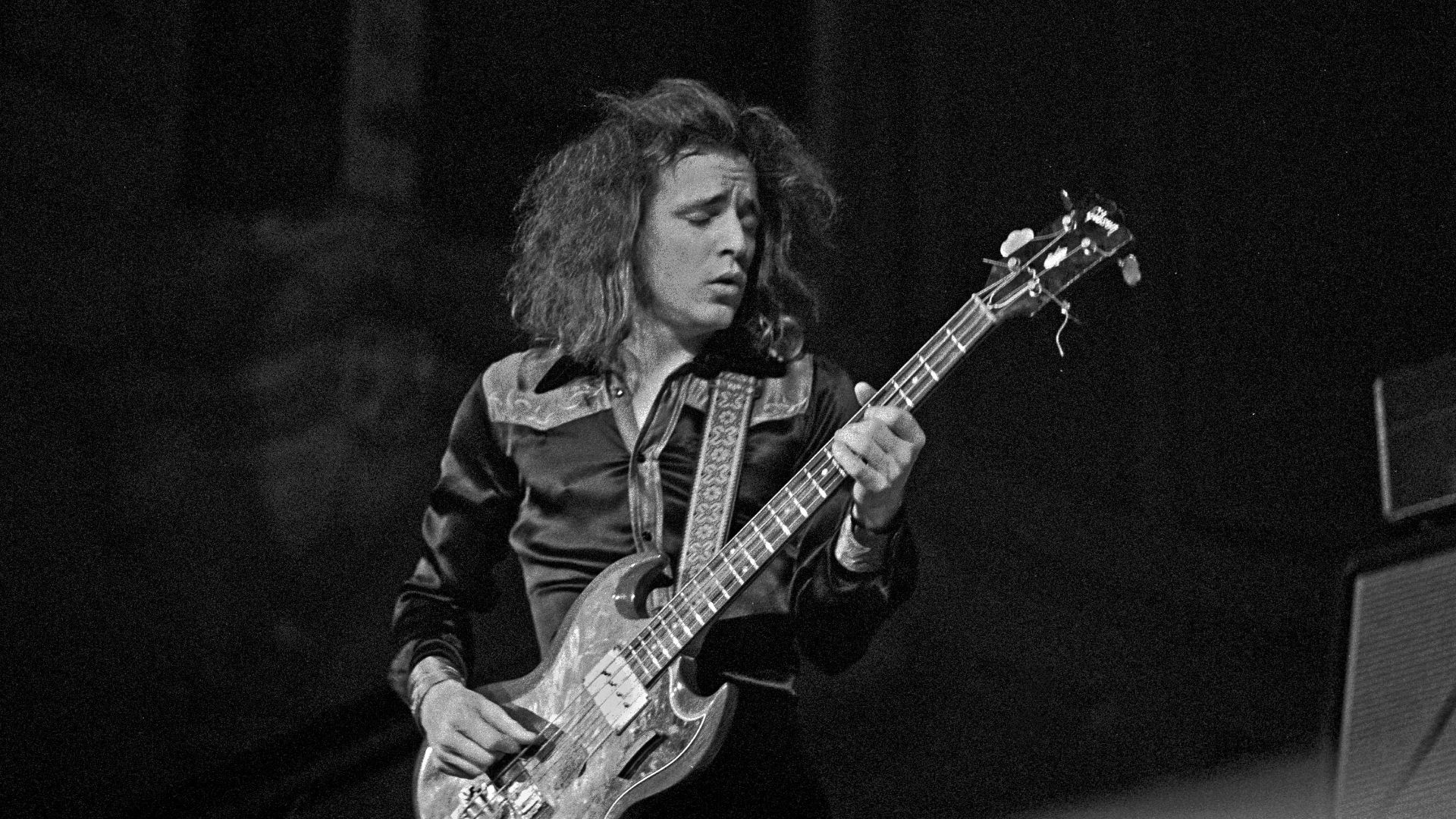
Early Influences And Jazz Roots
Deeply influenced by jazz greats like Charles Mingus, Bruce developed a bass playing style that emphasized melody and improvisation rather than simple rhythm. He absorbed blues and jazz traditions while crafting his own distinctive approach to the instrument. These early influences would be a hallmark of his later work, particularly when he began blending genres in more experimental ways.
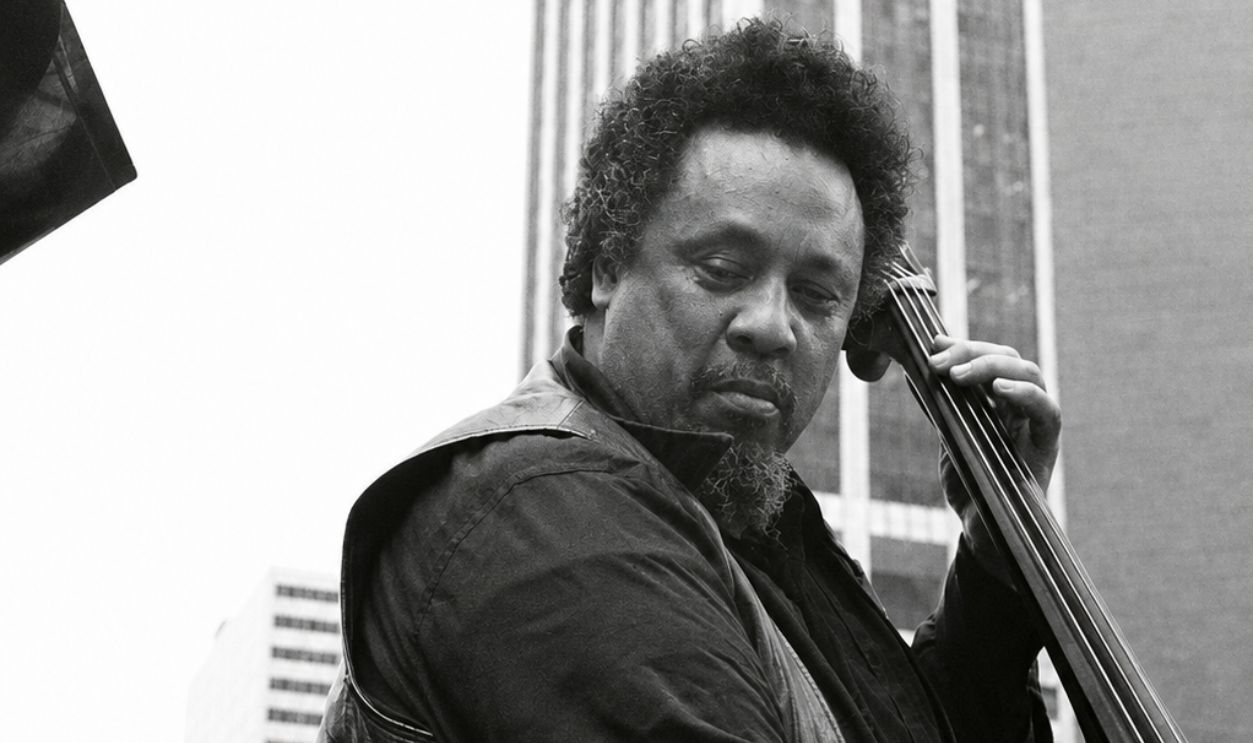 Tom Marcello Webster, New York, USA, CC BY-SA 2.0, Wikimedia Commons, Modified
First Bands And Early Breakthroughs
Bruce’s early professional career in the 1960s saw him performing with various jazz and blues groups across London. This included a stint in Alexis Korner’s Blues Incorporated, where he first ran into drummer Ginger Baker. Their musical chemistry was undeniable, but their personalities clashed almost from the start, creating a volatile partnership that would shape both of their futures.
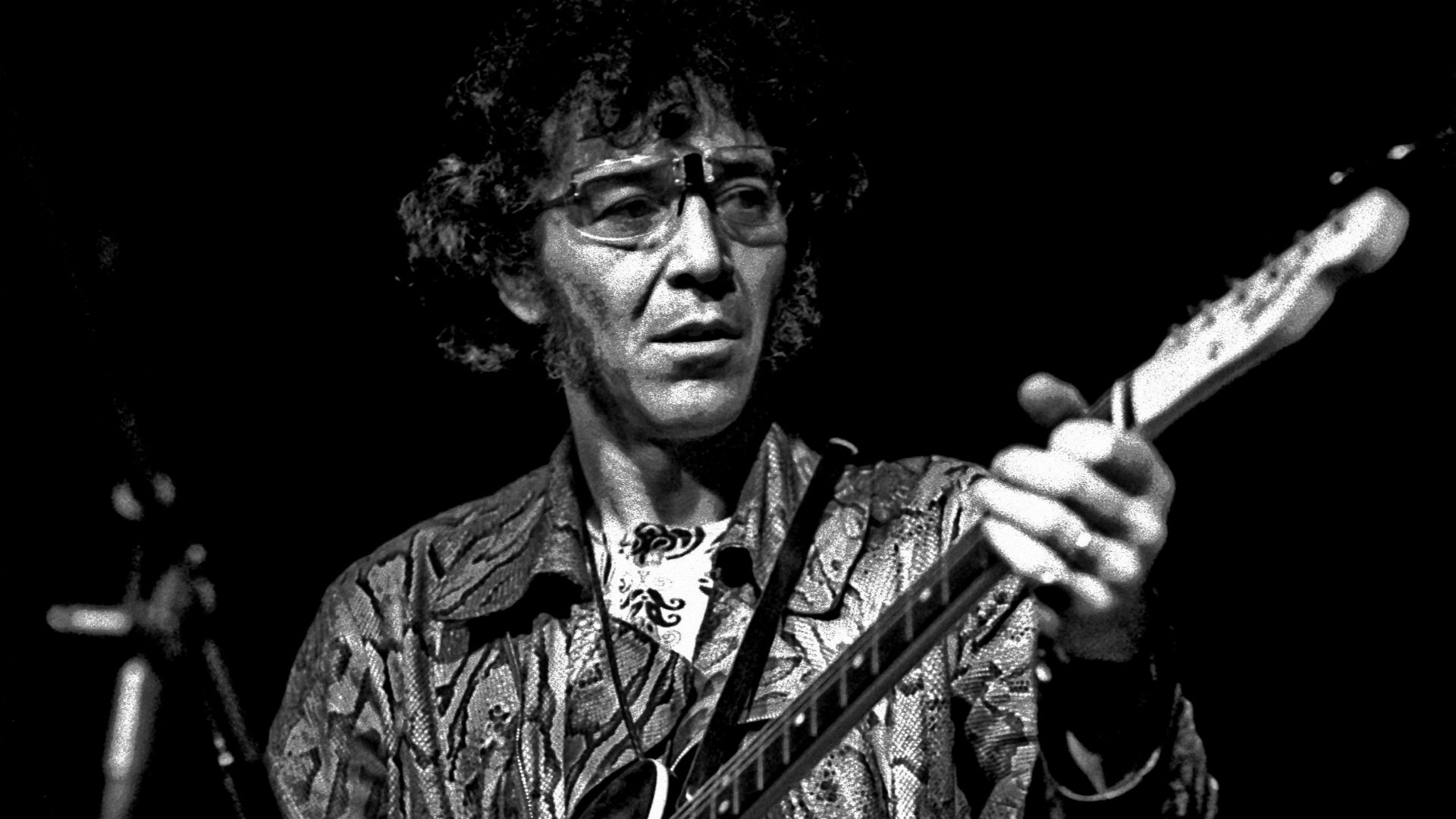 Heinrich Klaffs, Wikimedia Commons
Joining The Graham Bond Organisation
Bruce’s first major opportunity came when he joined the Graham Bond Organisation, a pioneering act in British rhythm and blues. This band was made up of Bruce, vocalist Graham Bond, Ginger Baker on drums, John McLaughlin on guitar, and Dick Heckstall-Smith on sax. The band struggled due to the substance abuse of some of its members, and Bruce’s constant battles with Ginger Baker.
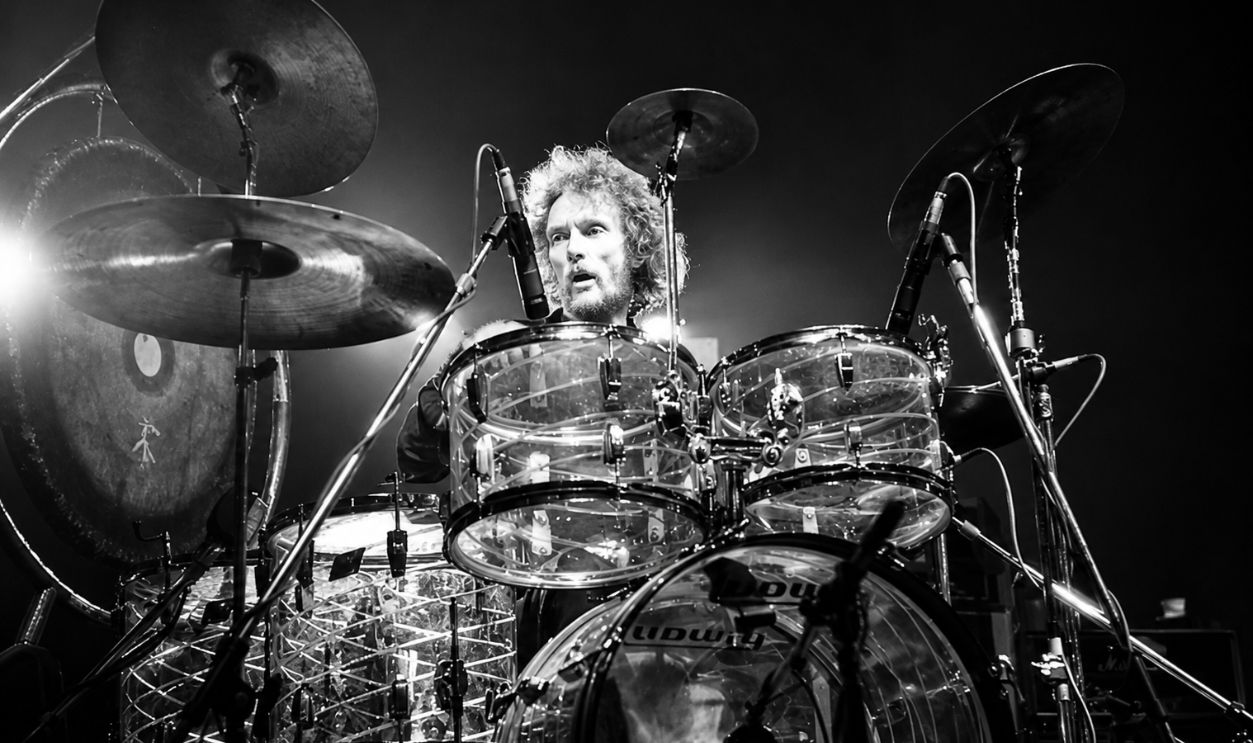 Zoran Veselinovic, CC BY-SA 2.0, Wikimedia Commons, Modified
A Volatile Partnership With Ginger Baker
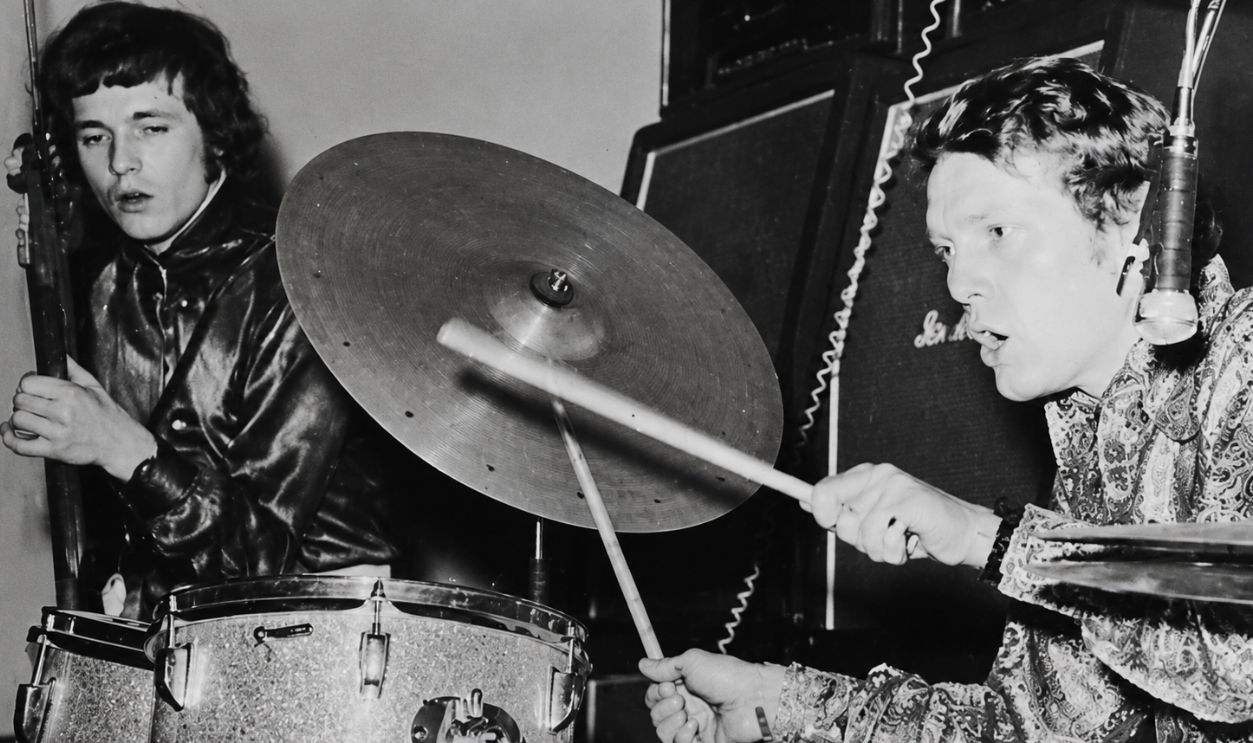
The relationship between Bruce and Baker was famously turbulent, marked by arguments, rivalries, and even physical confrontations. Despite their shared brilliance, the tension within the Graham Bond Organisation became unbearable.
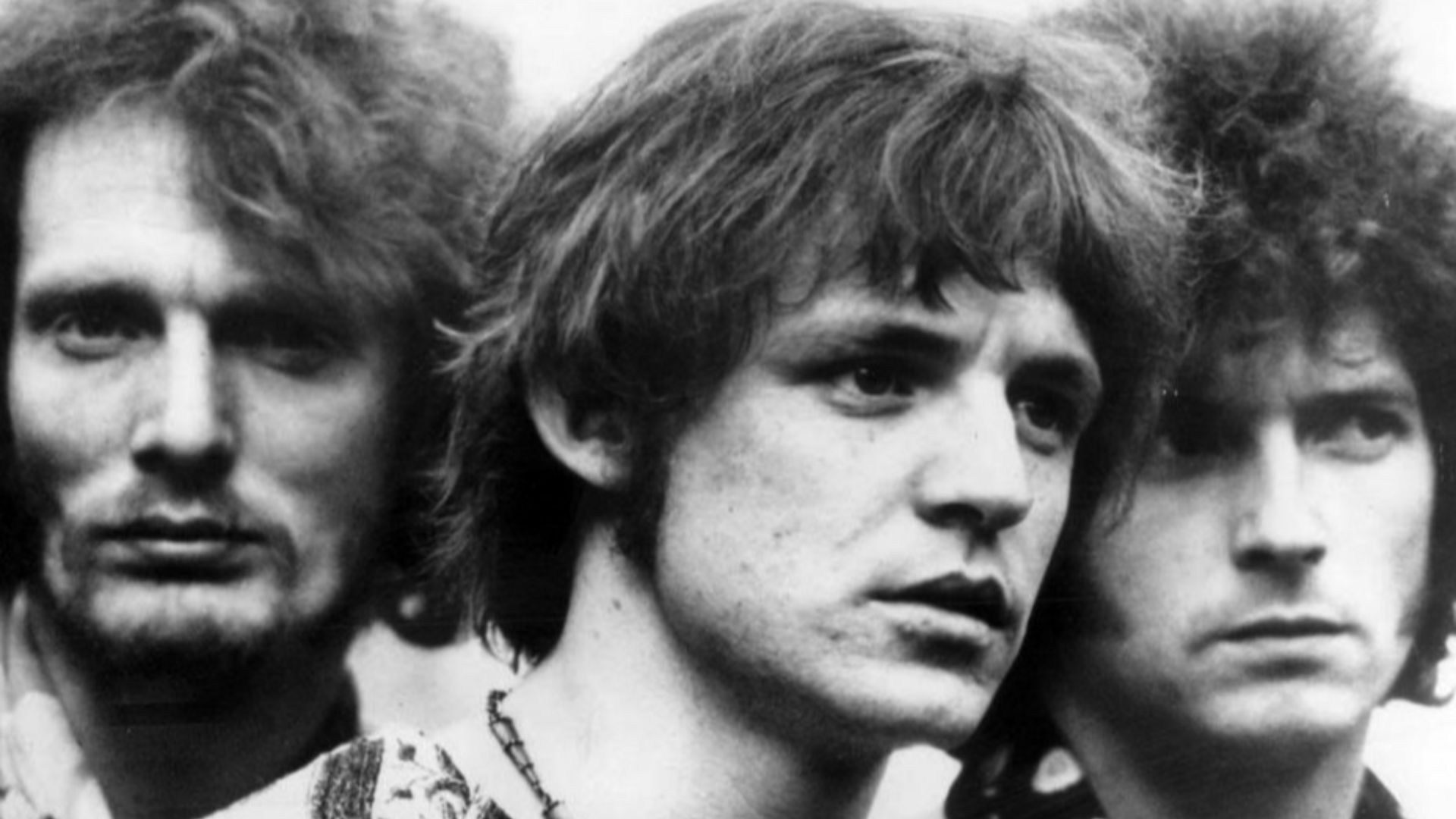
Kicked Out Of The Band
Ginger Baker finally gave Jack Bruce the news that he was fired from the band. When Bruce kept showing up to gigs, Baker finally threatened Bruce at knifepoint until he got the message that he wasn’t wanted. But the intensity of their connection suggested unfinished business, which would eventually resurface in an even more influential setting.
 Unknown Author, Wikimedia Commons, Modified
Marriage And Family Life
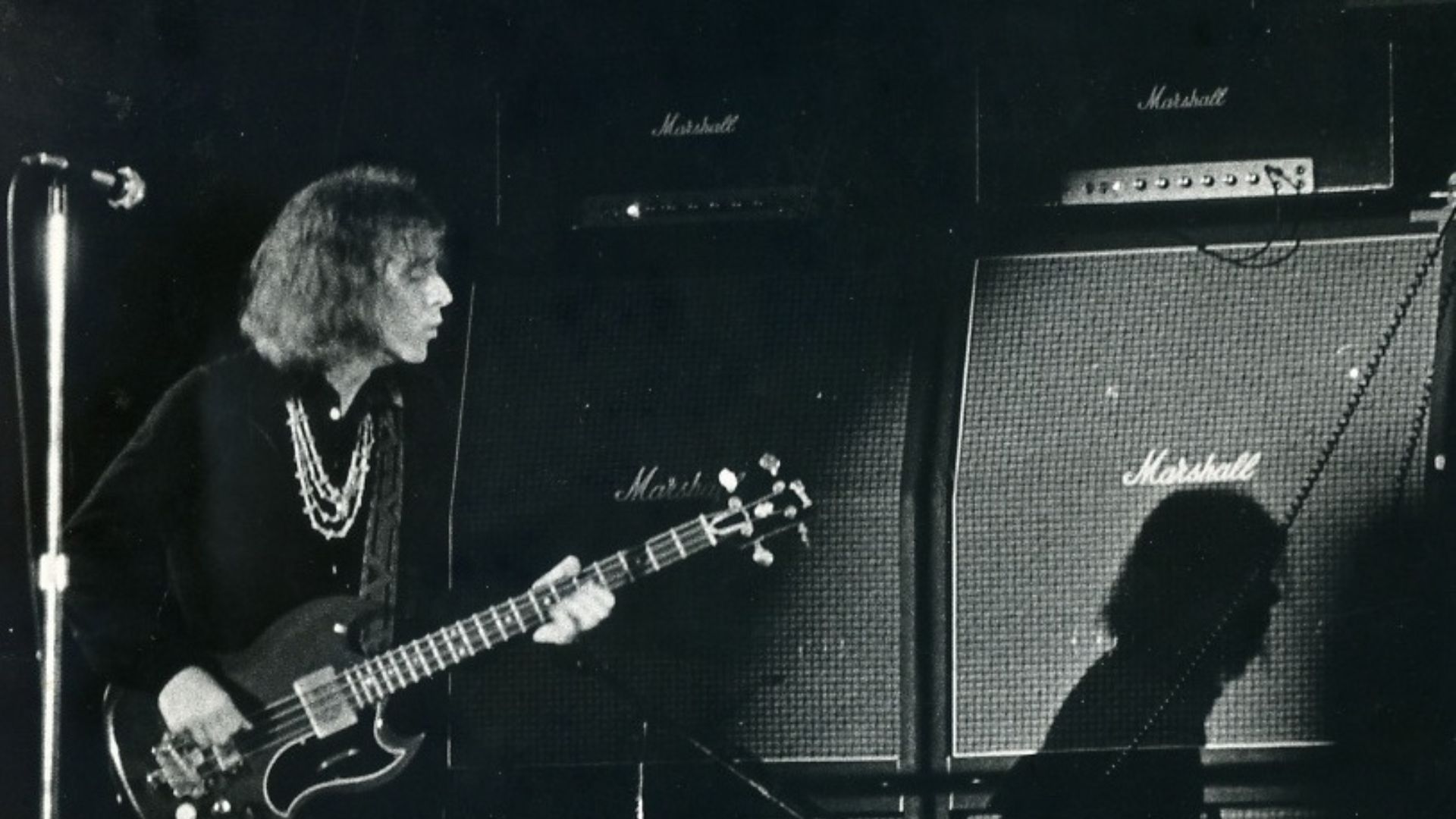
During his time with the Graham Bond Organisation, Bruce married the group’s secretary, Janet Godfrey. Together, they had two sons, Malcolm and Jonas, during a period when Bruce’s career was rapidly gaining momentum.
Crossing Paths With Eric Clapton
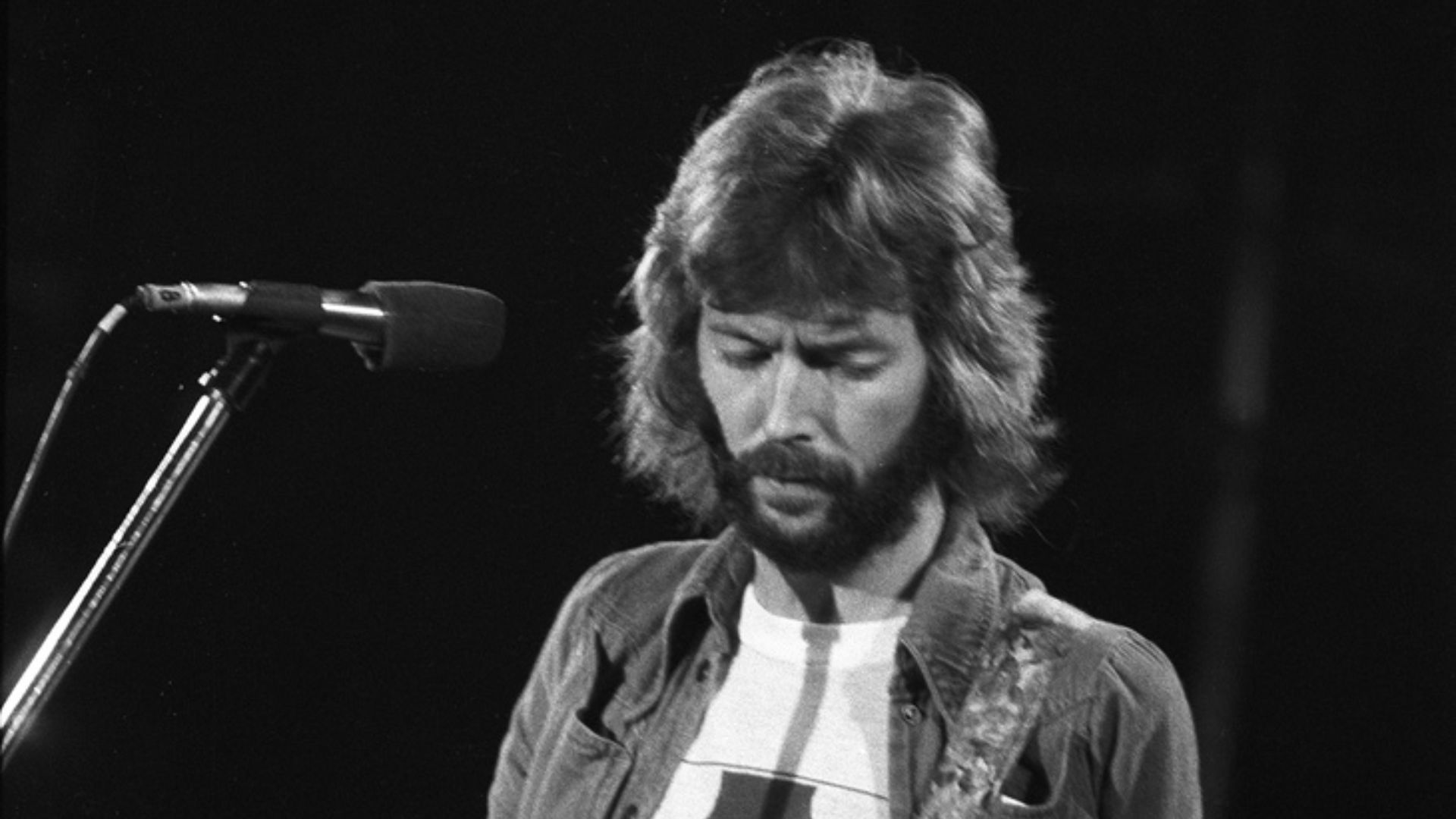
After leaving the Bond Organisation, Bruce continued building his reputation as a solid musician, including a stint with Manfred Mann. Bruce eventually connected with guitarist Eric Clapton. Clapton admired Bruce’s musicality and saw potential in a collaboration despite Bruce’s history with Baker. Things were falling in place for a bold new project that would bring all three musicians together again under unexpected circumstances.
 Matt Gibbons, Wikimedia Commons
The Birth Of Cream
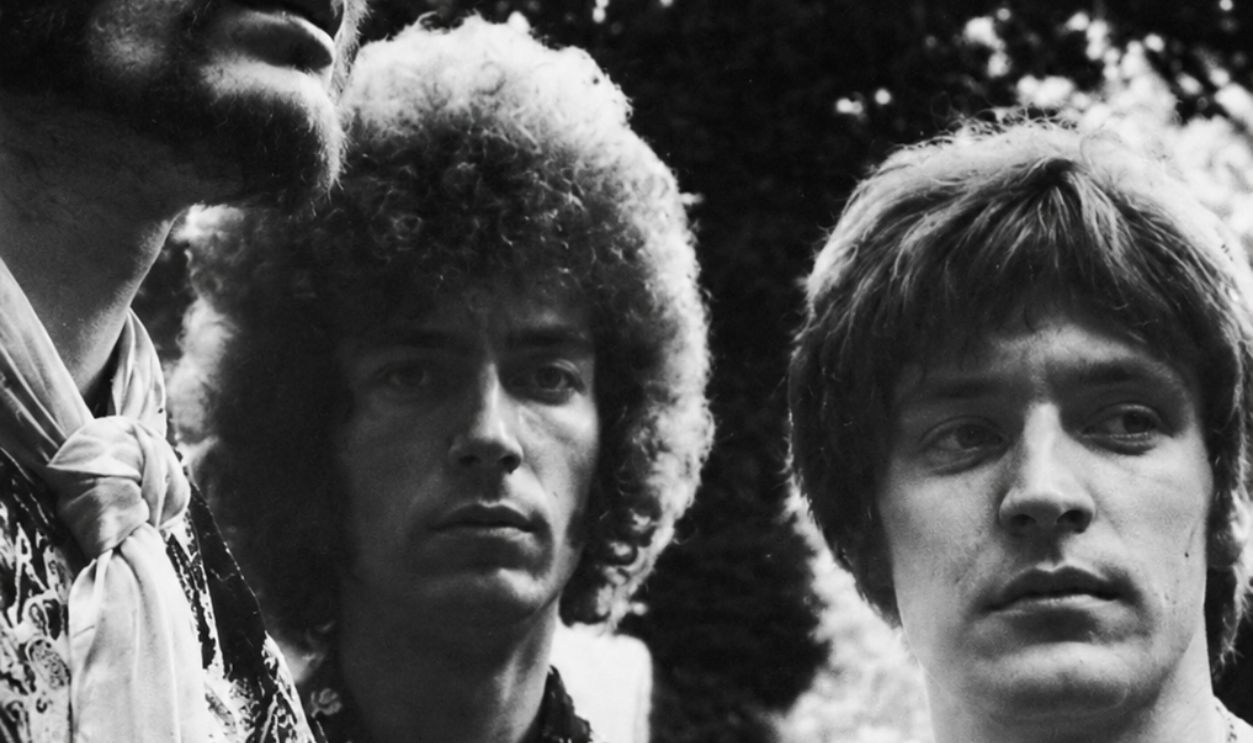
In 1966, Bruce, Clapton, and Baker formed Cream, one of the first true supergroups in rock history. Baker had recruited Clapton for the band, but to his consternation Clapton stipulated that he would only agree if Jack Bruce was on bass. Their formation of the new trio marked a turning point in Bruce’s career, launching him in a new musical direction while reigniting old tensions.
 Unknown Author, Wikimedia Commons, Modified
Redefining The Role Of The Bass
Within Cream, Bruce revolutionized bass playing by treating the instrument as a lead voice rather than just a rhythmic foundation. His melodic lines and improvisational approach transformed ordinary rock and blues songs. This innovation helped shape the sound of late 1960s rock and influenced countless bassists who followed in his footsteps.
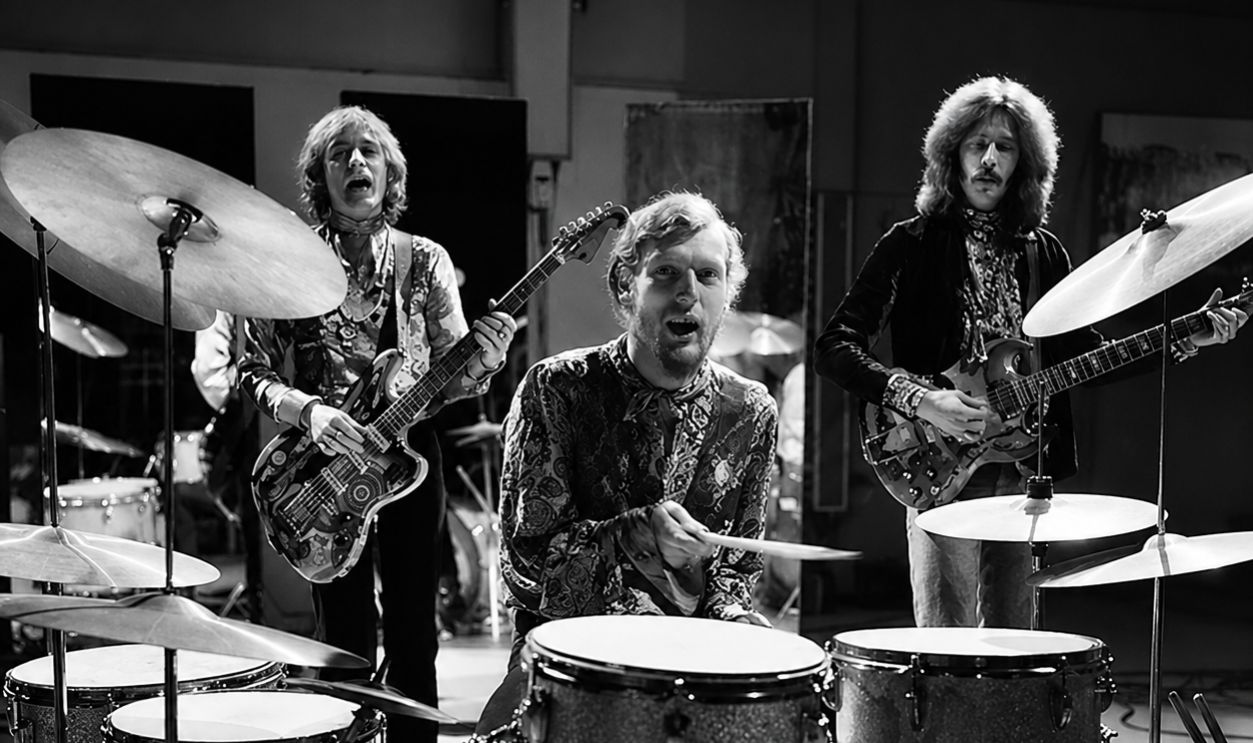 F. van Geelen, Omroepvereniging VARA, CC BY-SA 3.0, Wikimedia Commons, Modified
Vocal Power And Songwriting
Bruce also served as Cream’s primary vocalist and a key songwriter, collaborating closely with lyricist Pete Brown. His powerful, soulful voice became a defining feature of the band’s sound. Songs like “I Feel Free,” “Sunshine of Your Love,” and “White Room” showcased Bruce’s ability to blend memorable songs with blazing technical ability, cementing his role as a central creative force.
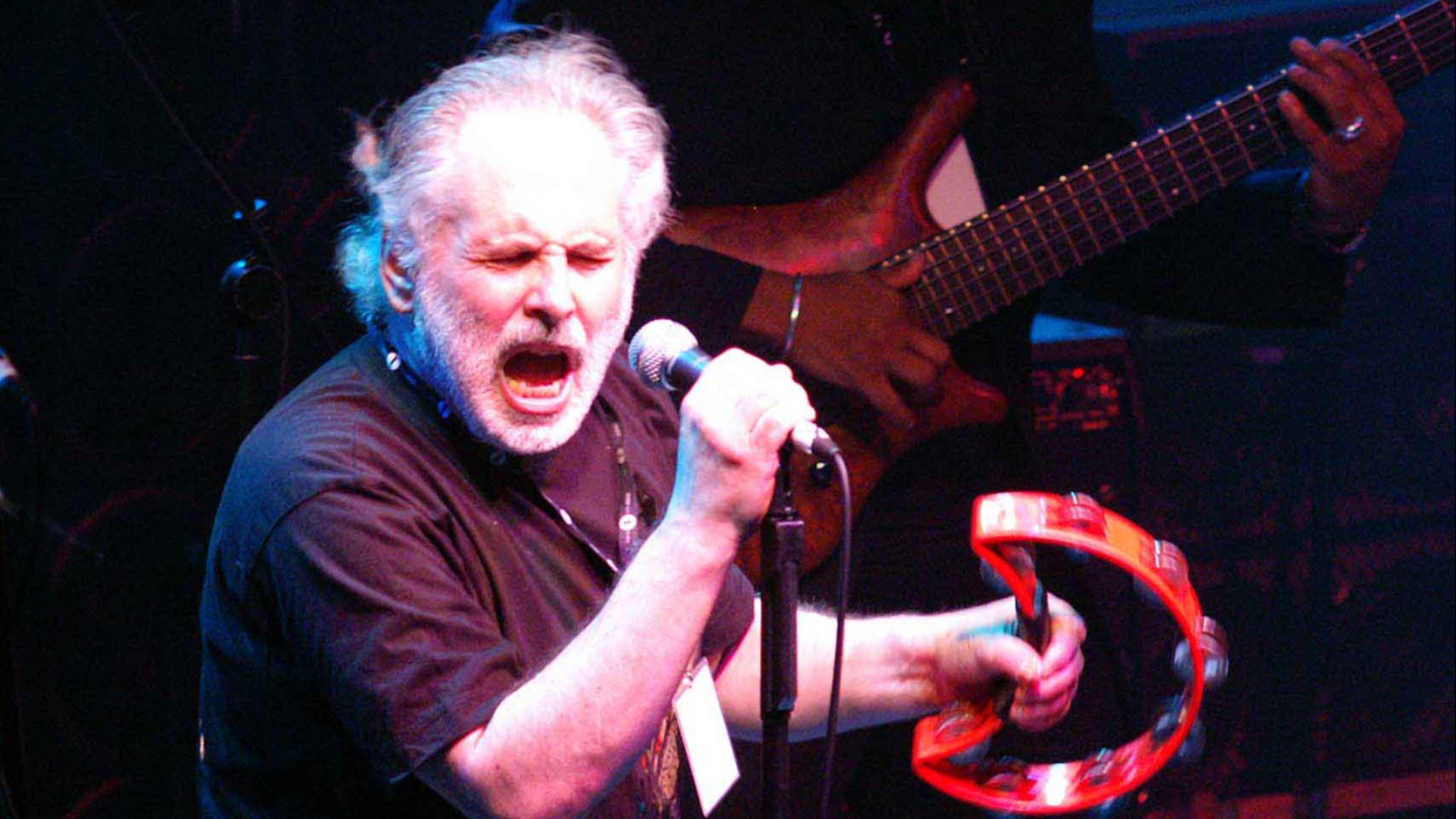 Shu Tomioka, Wikimedia Commons
Success And Rising Tensions
As Cream’s popularity soared, so did the internal conflicts between its members. Bruce and Baker’s rivalry intensified, often spilling into rehearsals and performances. The band’s rapid rise to fame brought pressure and exhaustion, amplifying personal differences and making it difficult for the trio to function as a cohesive unit.
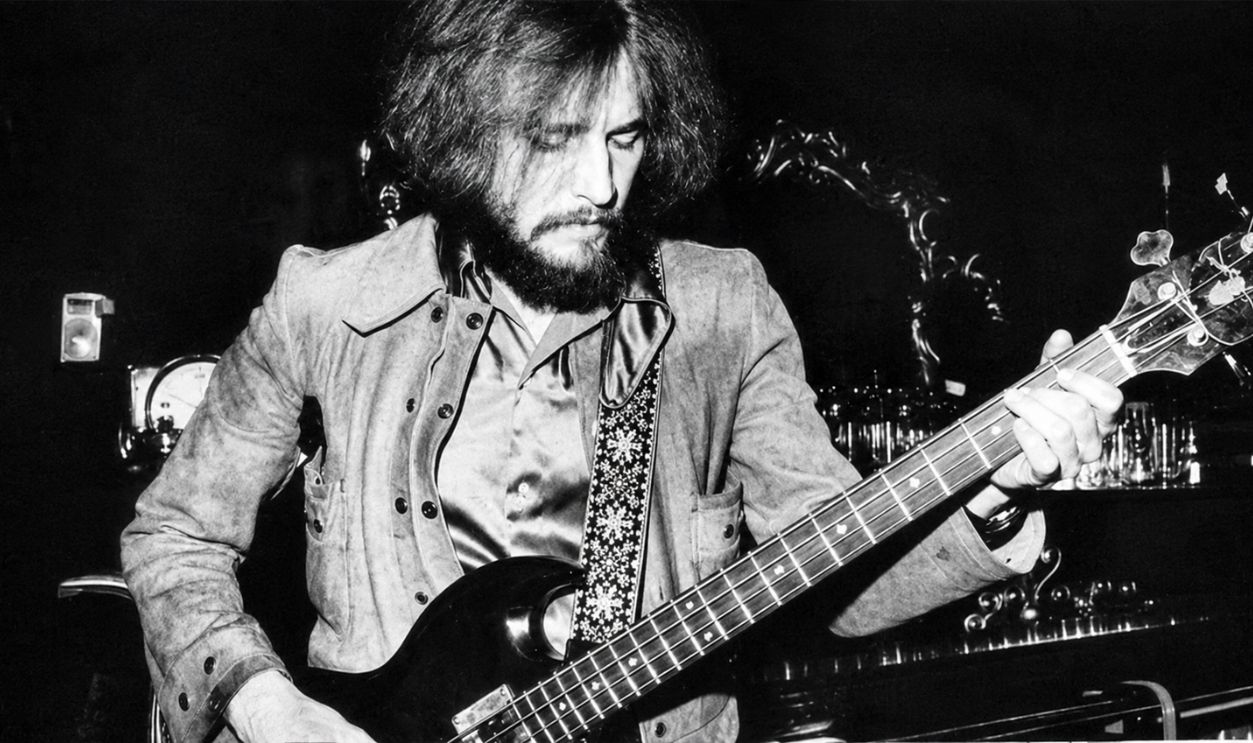 Unknown Author, Wikimedia Commons, Modified
The Collapse Of Cream
By 1968, Cream disbanded after just two years at the top of the music world. The combination of relentless touring, creative squabbles, and personal animosity proved in the end to be unsustainable. For Bruce, the breakup was both a painful ending and a chance to explore new artistic directions outside the confines of the band.
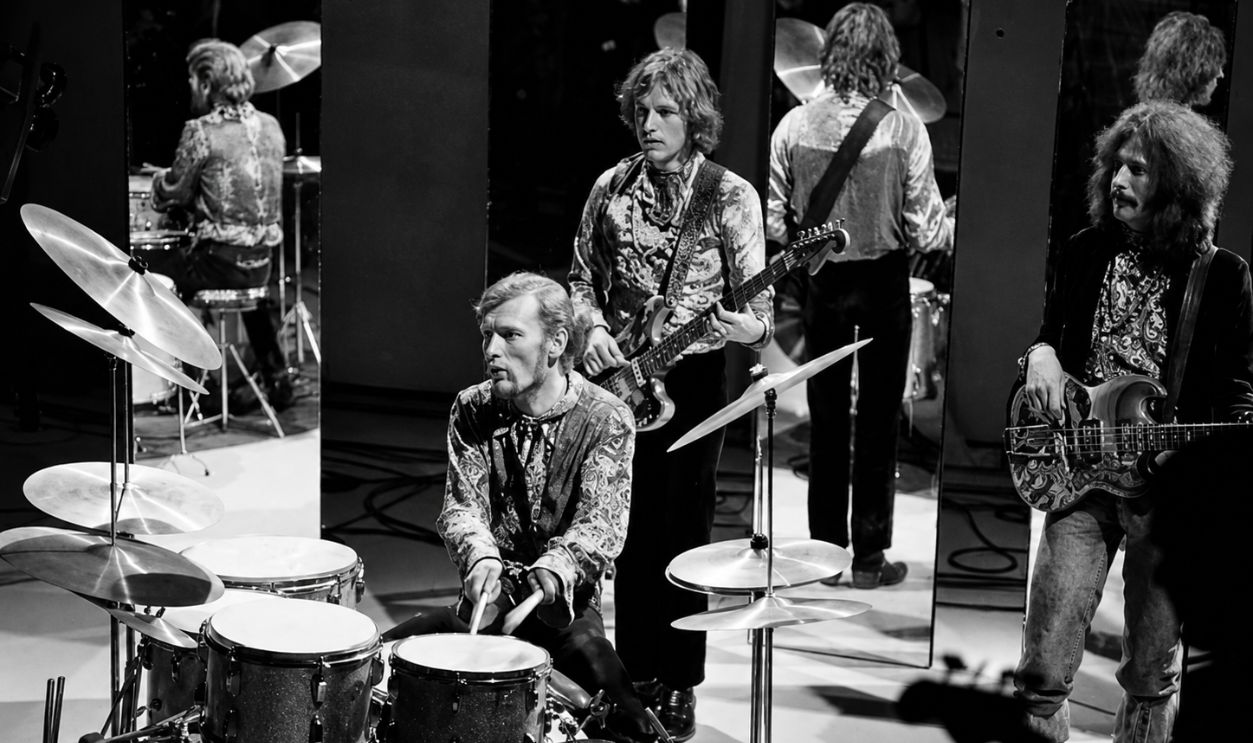 F. van Geelen, Omroepvereniging VARA, CC BY-SA 3.0 NL, Wikimedia Commons, Modified
Songs For A Tailor And A Sudden Loss
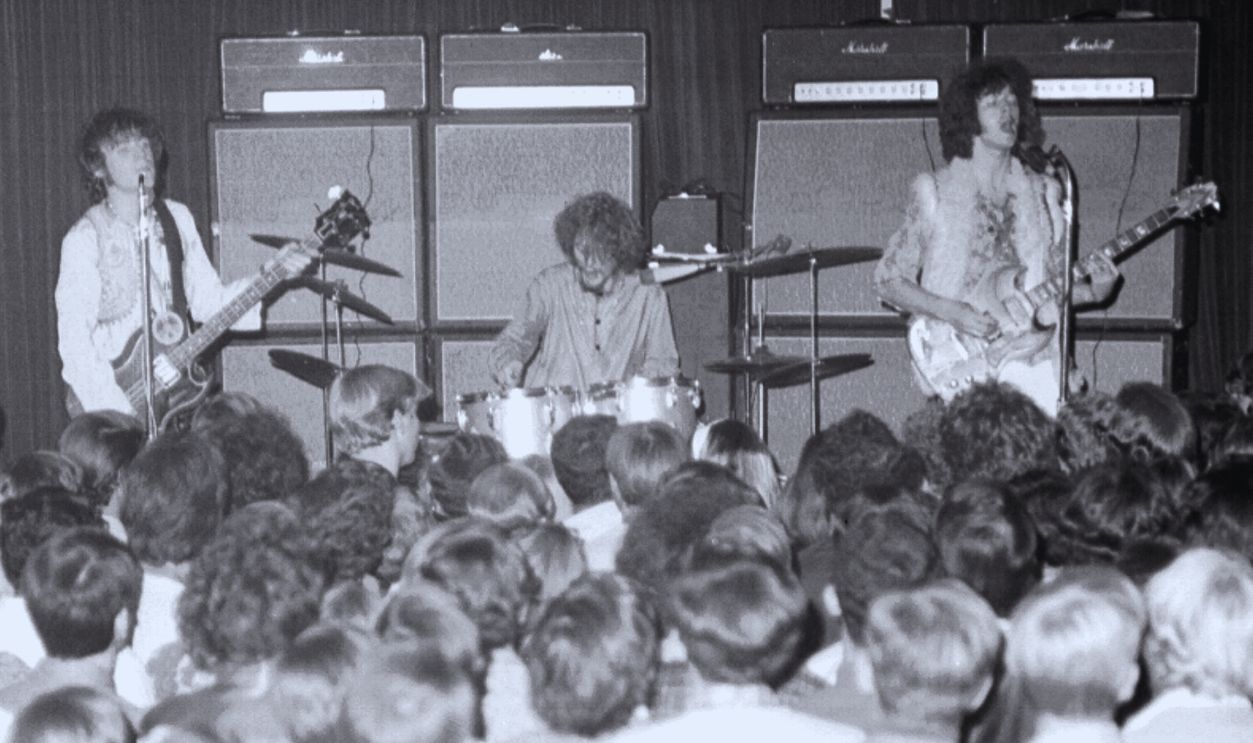
Bruce’s first solo album, Songs for a Tailor (1969), carried emotional weight beyond its musical ambition. It was dedicated to Jeanie Franklyn, a wardrobe designer associated with Cream who died in a car accident while traveling with members of the group Fairport Convention. The tragedy gave the album a reflective and somber undertone.
 Michael Ochs Archives, Getty Images
Expanding Musical Boundaries
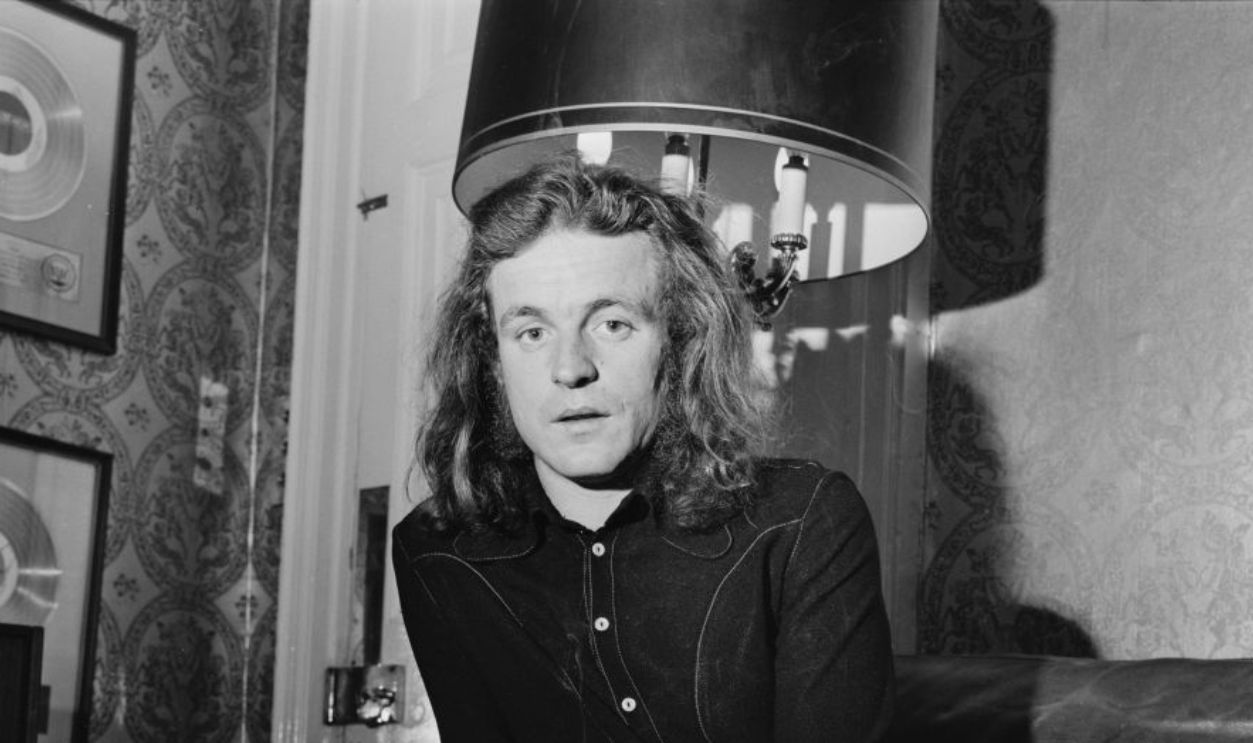
Throughout the early 1970s, Bruce pushed further into jazz fusion and experimental rock, refusing to settle into a predictable style. His willingness to explore complex compositions and unconventional arrangements set him apart from a lot of his hard rock contemporaries. While this attitude limited mainstream success, it strengthened his reputation as a fearless innovator.
Collaborations Across The Decades
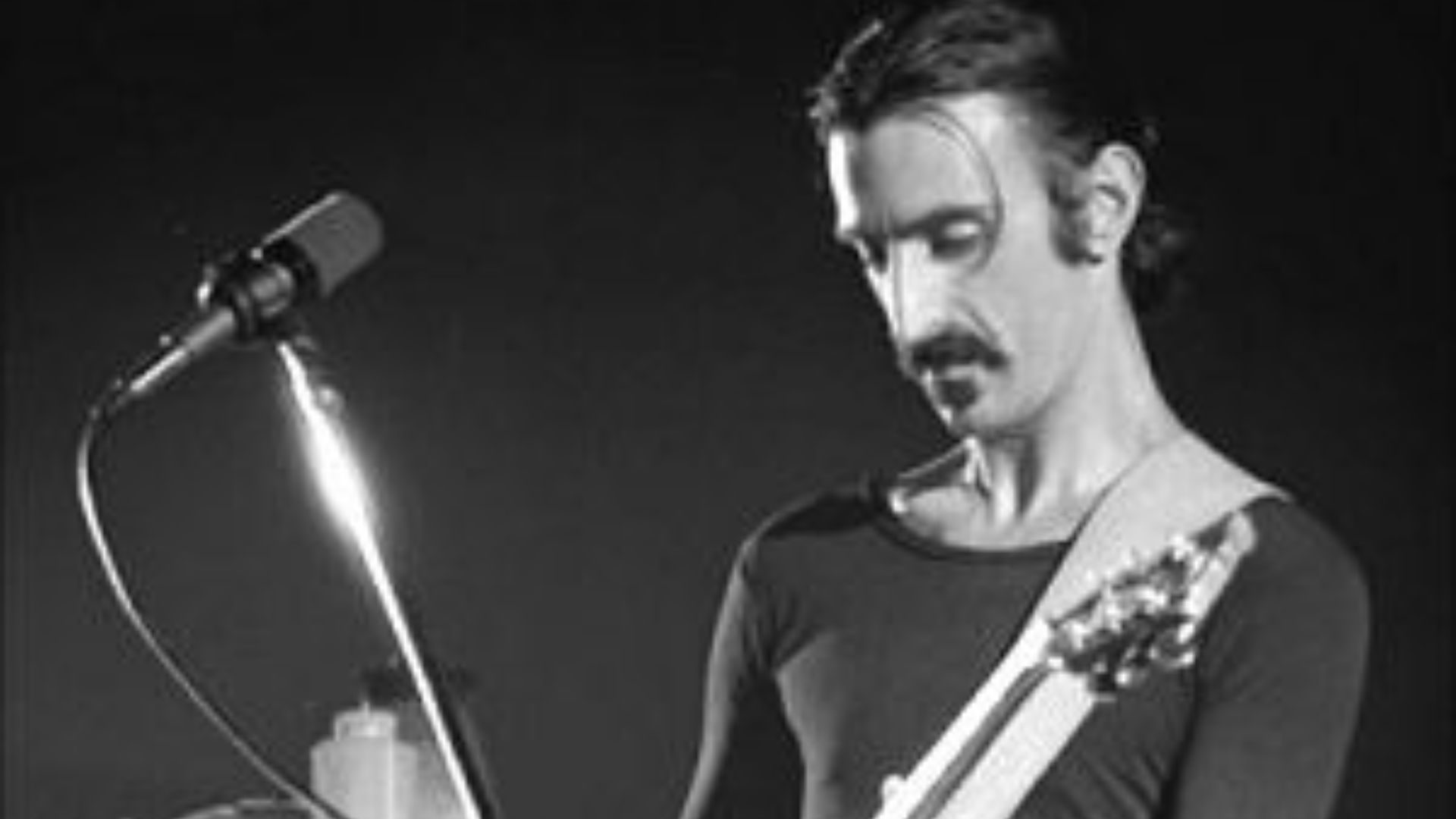
Bruce worked with a wide range of musicians, including Frank Zappa, Carla Bley, and Tony Williams, Larry Coryell, and Mitch Mitchell, to name just a few. Whether in studio sessions or live performances, he consistently demonstrated an ability to adapt and contribute meaningfully to diverse musical projects.
 Helge Øverås, Wikimedia Commons
Personal Struggles And Substance Abuse
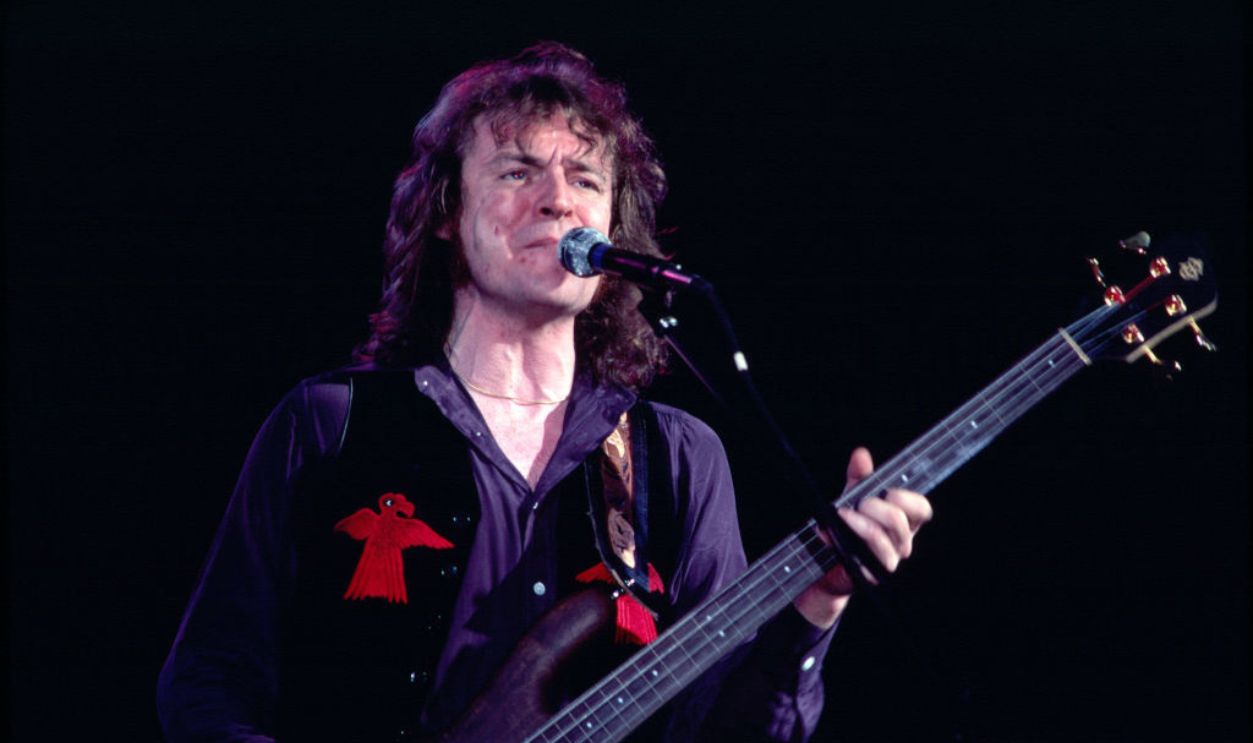
Behind his musical achievements, Bruce struggled with substance abuse, which affected both his health and career. These challenges were common among musicians of his era, but they took a significant toll on his personal life. Despite these difficulties, he remained committed to creating music and rebuilding his life whenever setbacks occurred.
A New Chapter With Margaret Seyffer
In 1982, Bruce married Margaret Seyffer, marking the beginning of a more stable phase in his personal life. The couple had three children together. The stability and new responsibilities allowed Bruce to continue his career while maintaining a stronger connection to family life.
Into The 80s
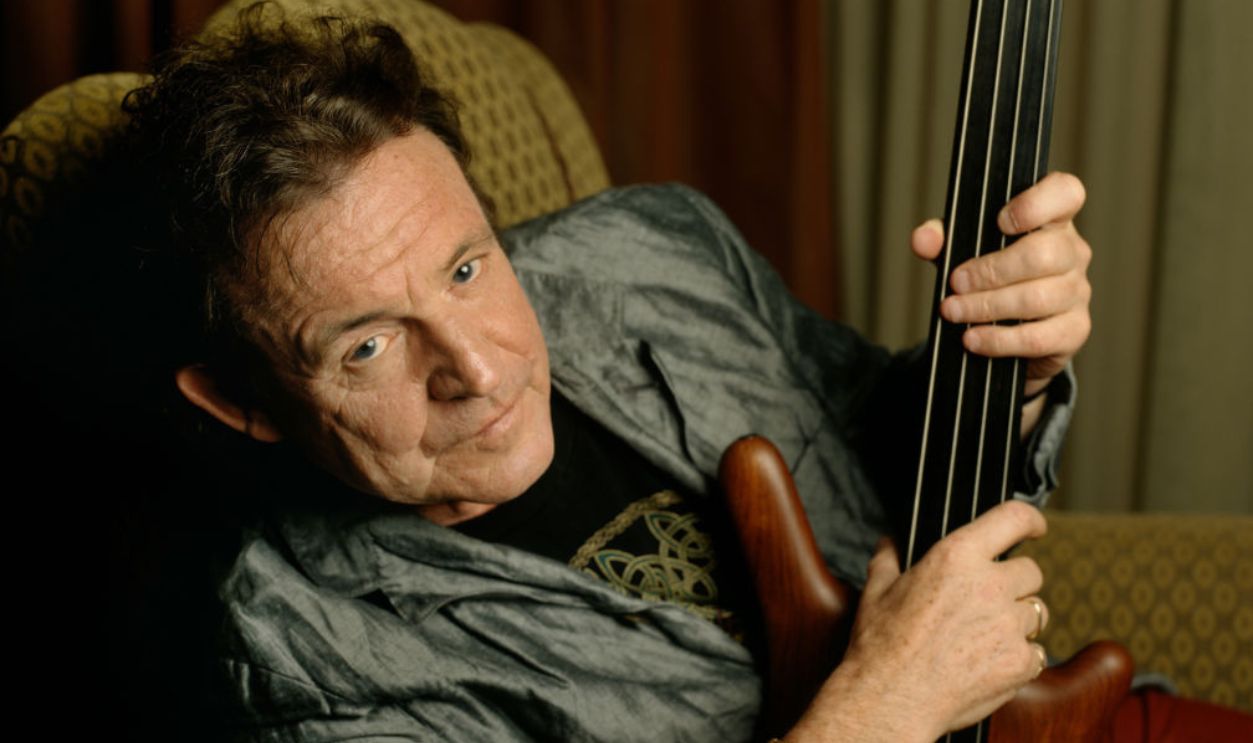
By the end of the 1970s, Jack Bruce was struggling badly with substance issues and financial problems. To stay afloat, he worked as a session musician for artists like Gary Moore and Jon Anderson. But Bruce refused to disappear quietly, and by 1980 he was mounting a determined comeback with a new touring group called Jack Bruce & Friends.
Restless Creativity
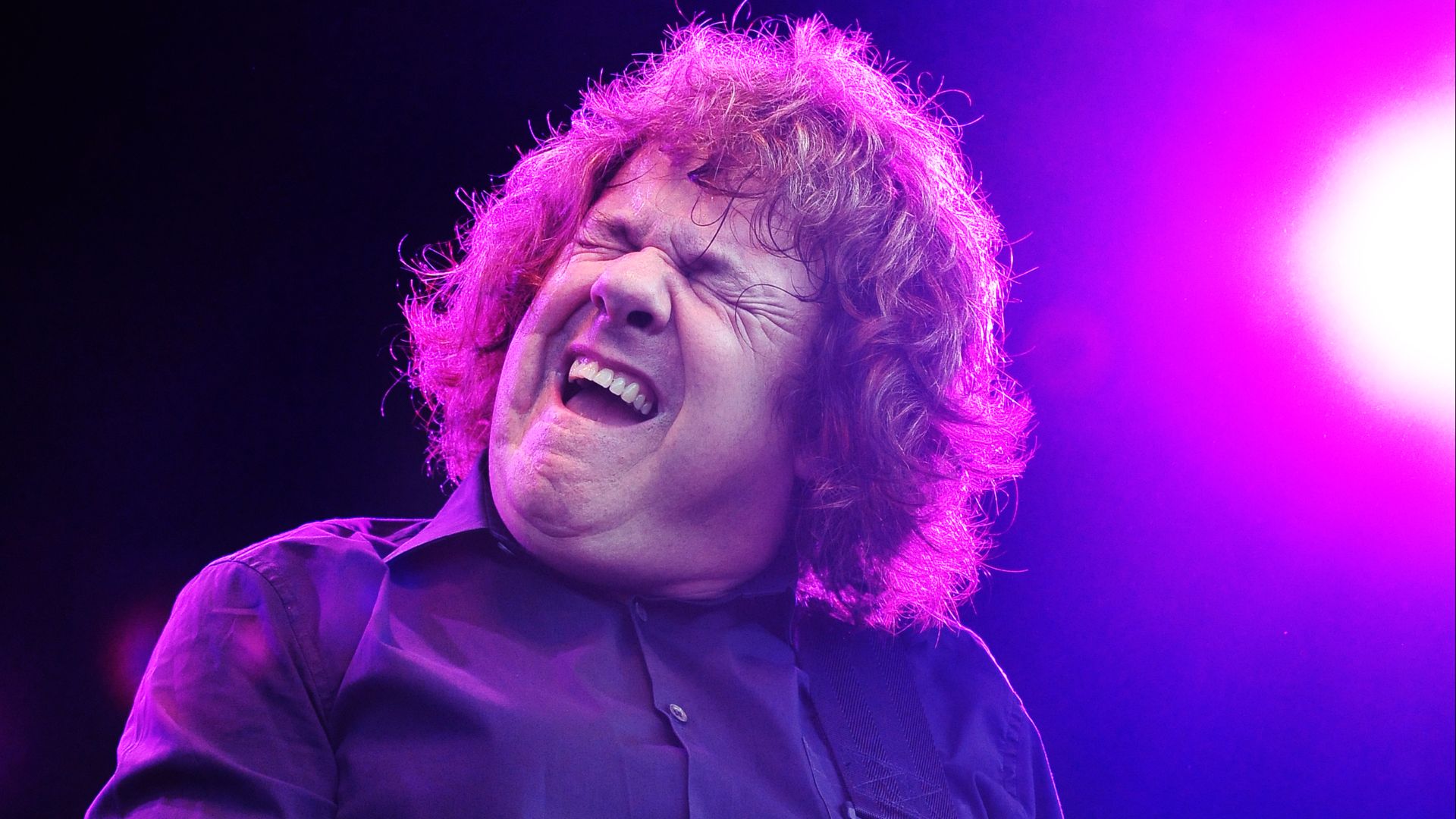
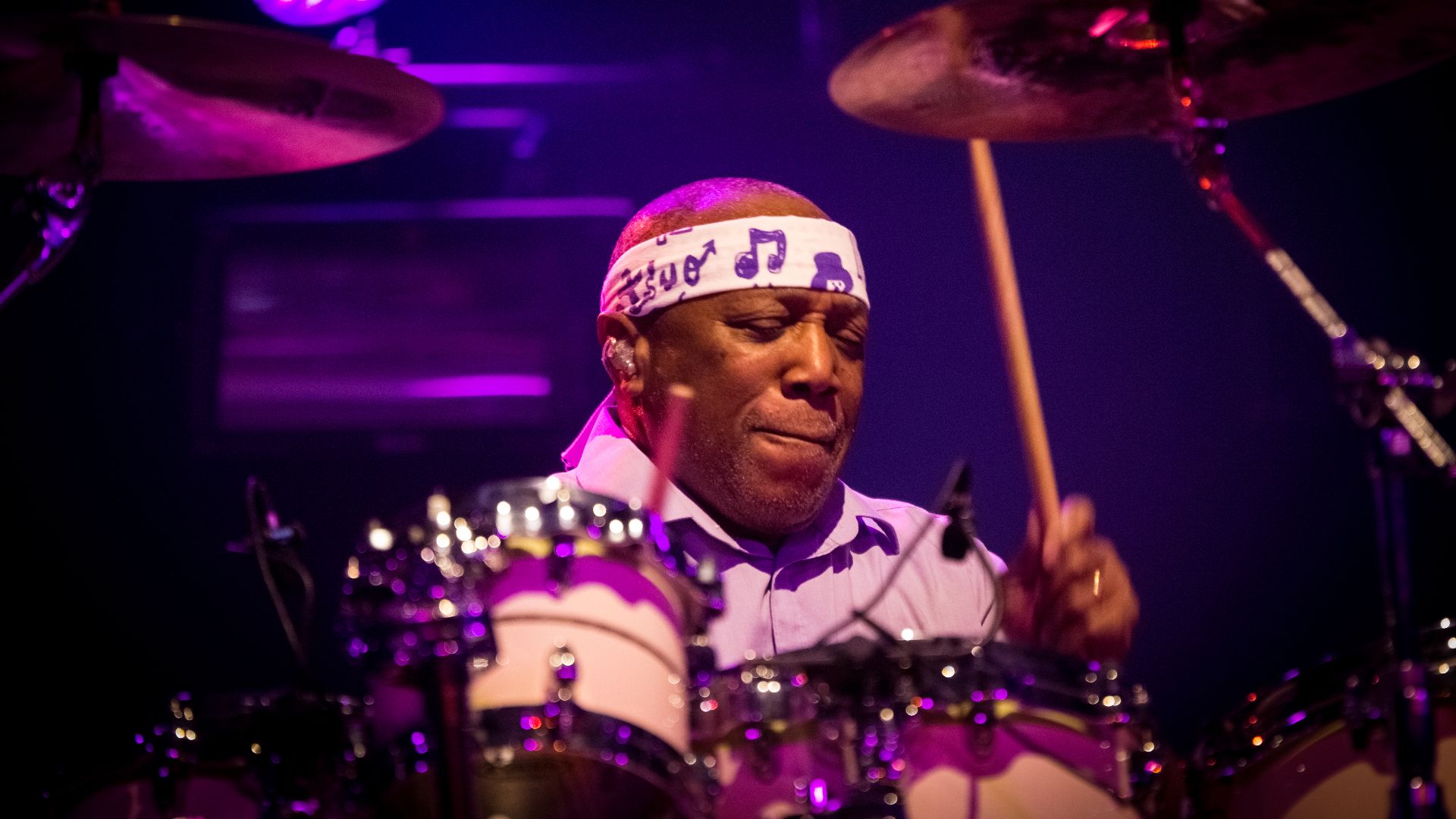
Jack Bruce & Friends was a comeback band that paired Bruce with powerhouse musicians including Billy Cobham, Clem Clempson, and David Sancious. Together they released I've Always Wanted to Do This in 1980, an ambitious jazz-rock album that showcased Bruce’s restless creativity. Although the record failed commercially, the lengthy supporting tour proved he still had serious musical fire left in him.
 Andreas Lawen, Fotandi, Wikimedia Commons
Another Artistic Spark
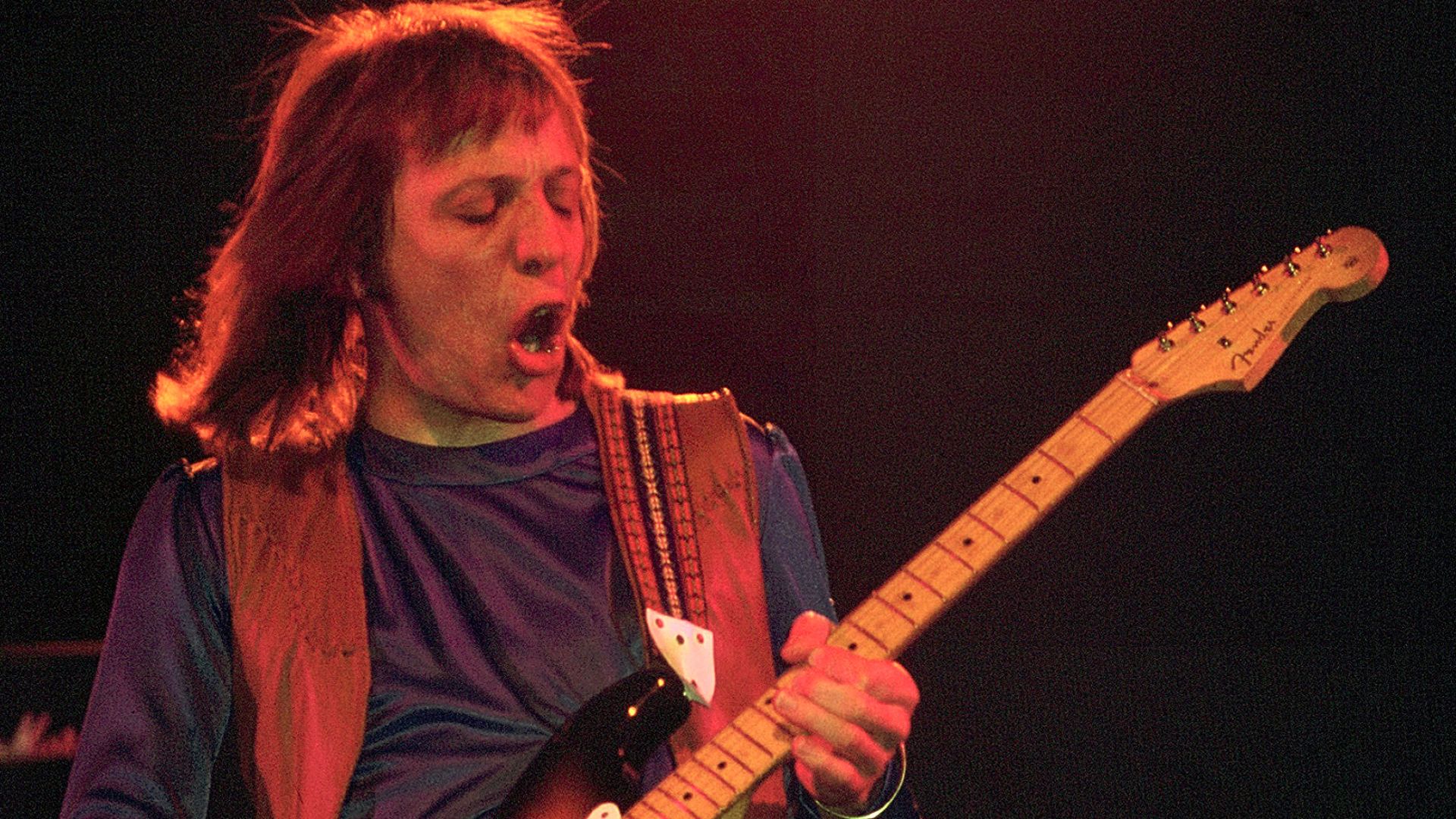
Bruce found another artistic spark when he teamed up with guitarist Robin Trower in the early 1980s. Their albums B.L.T. and Truce reunited Bruce with the hard-driving power trio format that had made Cream legendary years earlier. B.L.T. even became a modest American hit, giving Bruce one of his strongest commercial moments since the late 1960s.
 Jim Summaria, Wikimedia Commons
Uncharted Waters
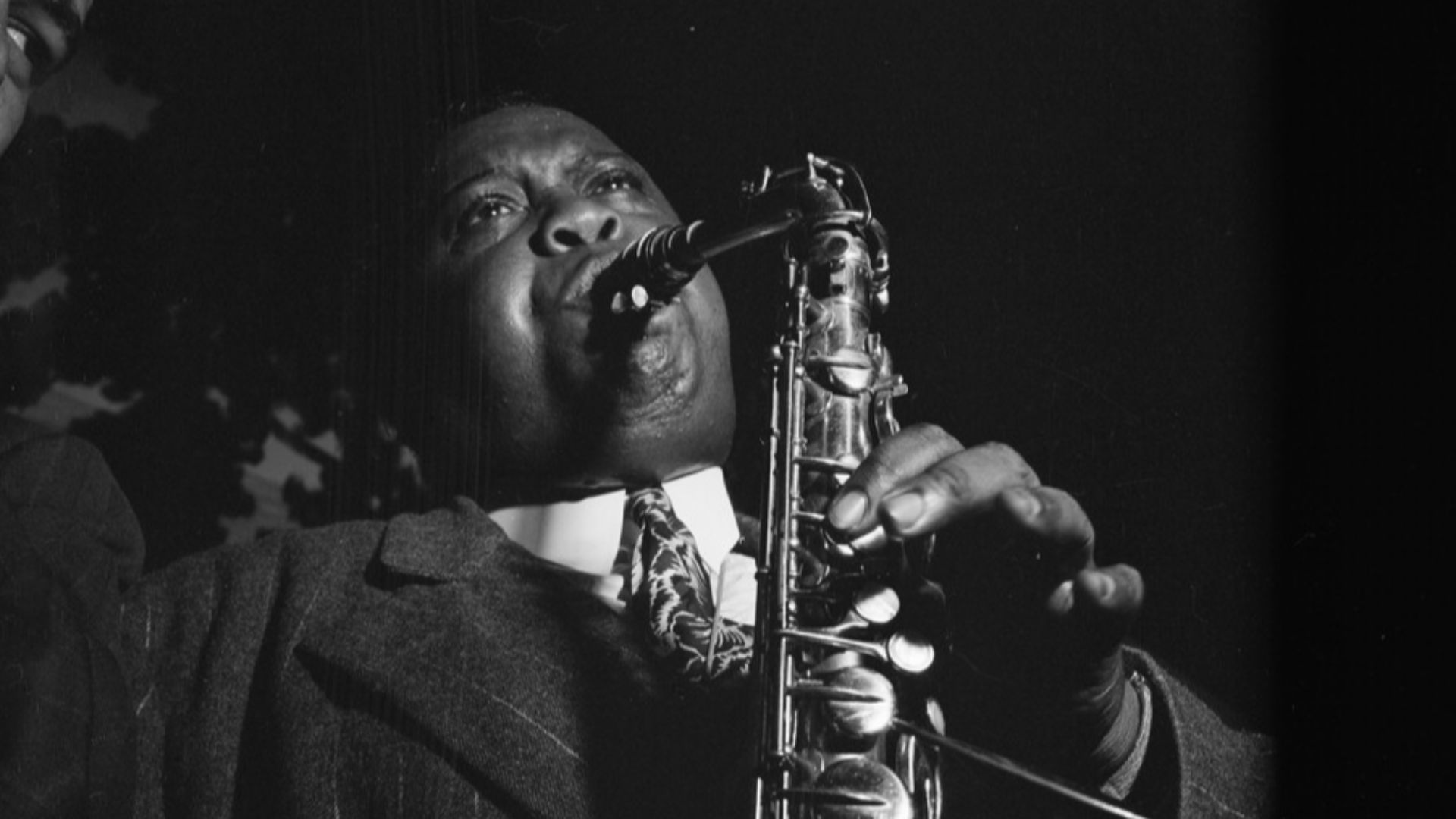
As the decade progressed, Bruce moved further into experimental territory. He collaborated extensively with producer Kip Hanrahan on a series of critically admired albums that blended jazz, Latin rhythms, avant-garde textures, and world music influences. Their partnership became one of the defining creative relationships of Bruce’s later career, second only to his long collaboration with lyricist Pete Brown.
 William P. Gottlieb, Wikimedia Commons
New Record Deal
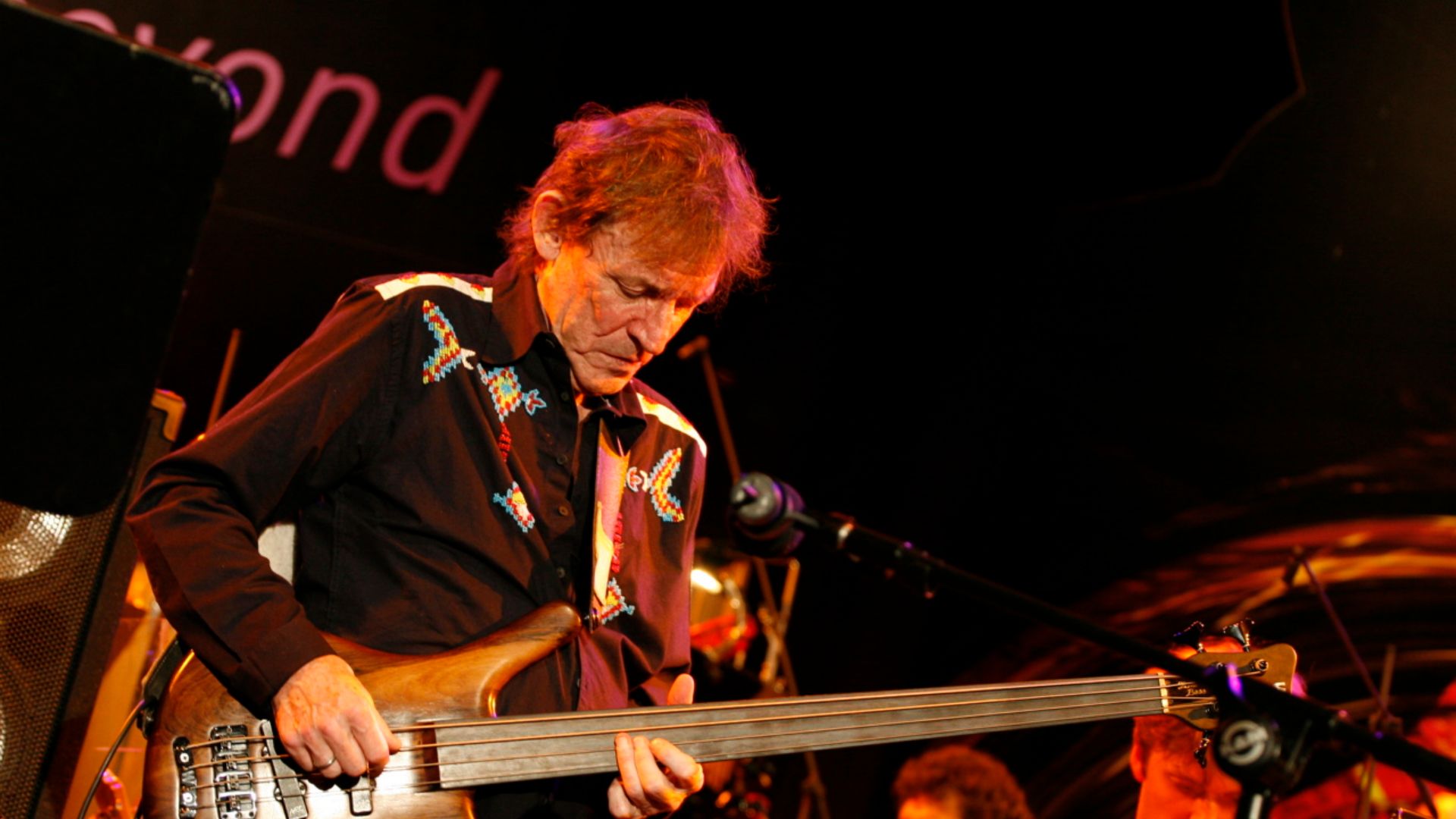
By the close of the 1980s, Bruce had clawed his way back into the mainstream music business. In 1989 he signed with Epic Records and released A Question of Time, his first major-label album in nearly ten years. The project also reunited him with former Cream bandmate Ginger Baker for the first time since the group’s breakup, setting the stage for renewed touring and another late-career revival.
 Christian Sahm, Wikimedia Commons
Long Awaited Reunion
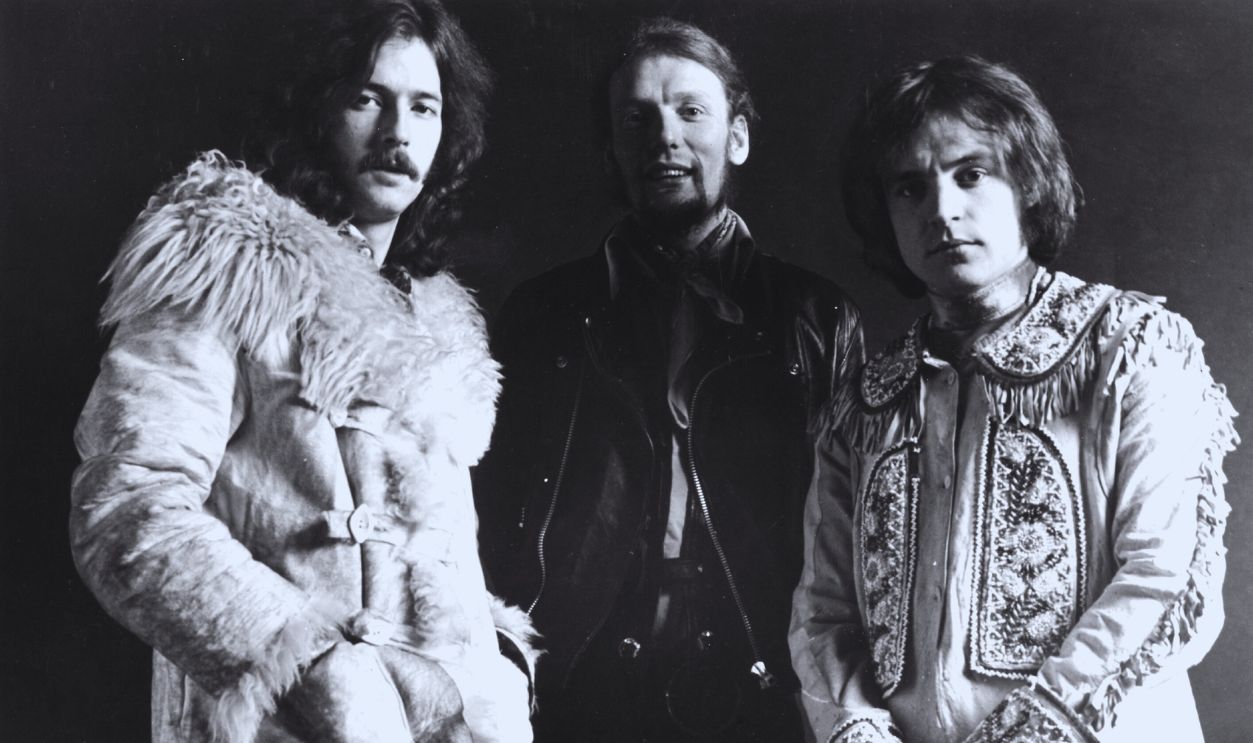
Cream’s induction into the Rock and Roll Hall of Fame in 1993 marked the first time Eric Clapton, Jack Bruce, and Ginger Baker had shared a stage together in more than two decades. After years of feuding and public insults, the ceremony saw an emotional reconciliation of sorts, ending in a short but electrifying performance that reminded people why Cream was one of the most explosive and influential power trios in rock history.
 Michael Ochs Archives, Getty Images
Devastating Loss
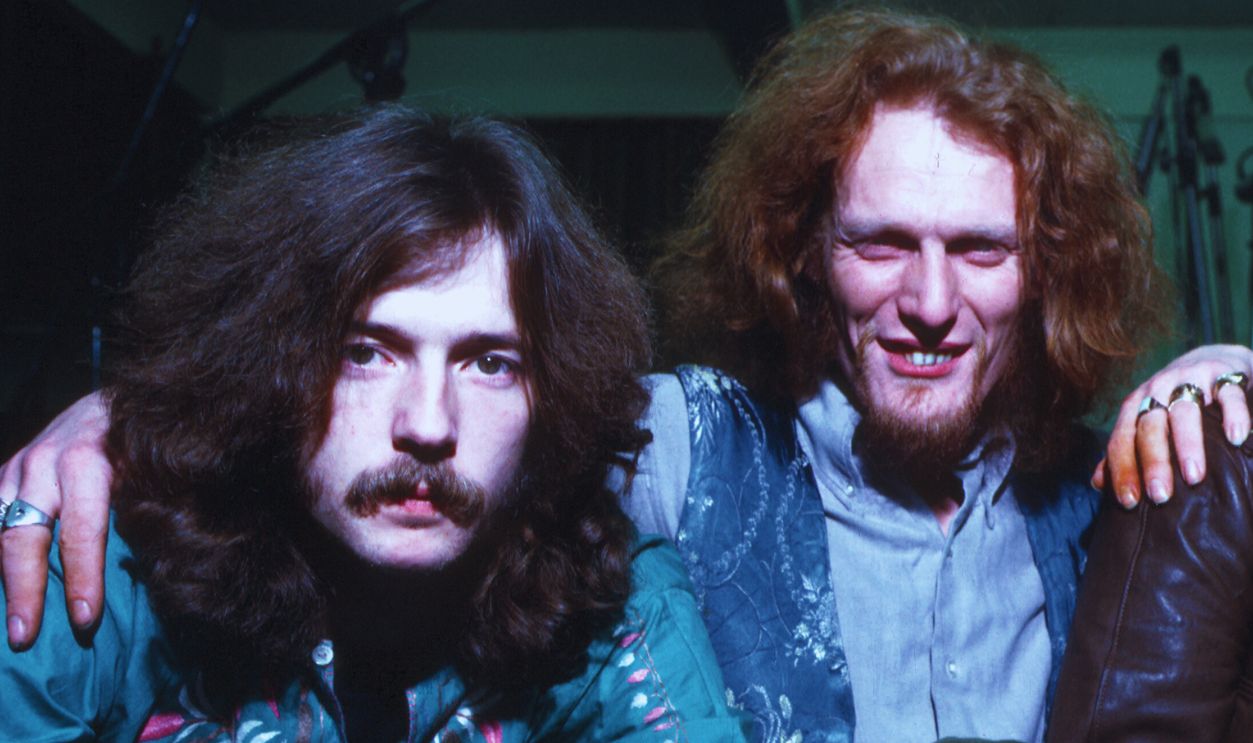
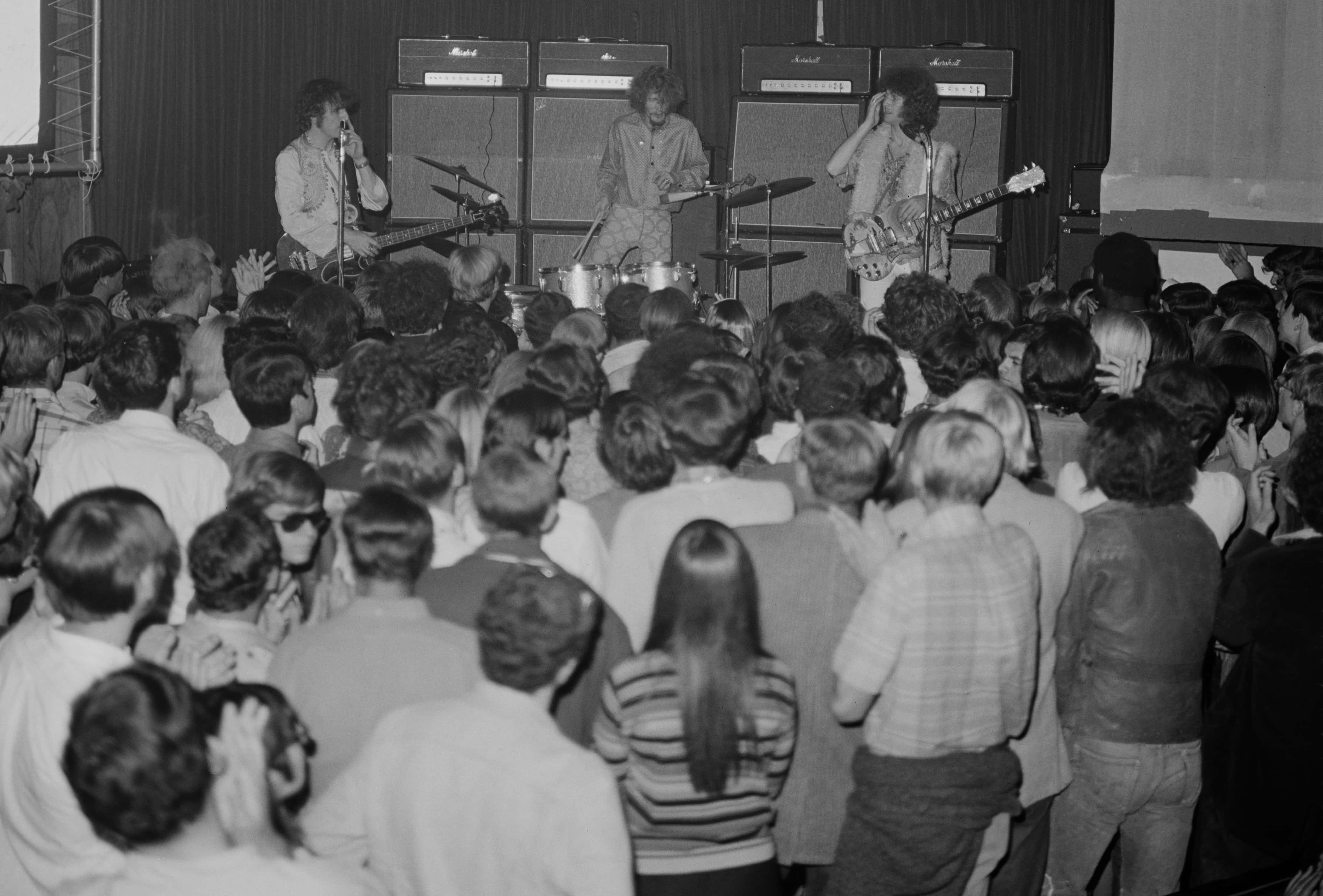
In 1997, Bruce experienced a devastating personal tragedy when his son Jonas died from an asthma attack. The loss profoundly affected him, leaving a lasting emotional impact. This heartbreaking event added a layer of depth and sorrow to his later work, influencing both his music and his outlook on life.
 Michael Ochs Archives, Getty Images
Continuing Through Grief
Despite his grief, Bruce continued to perform and record, channeling his emotions into his music. His resilience during this period demonstrated his deep commitment to his craft. Even in the face of immense personal pain, he found ways to keep creating, using music as both an outlet and a source of healing.
Health Challenges And Recovery
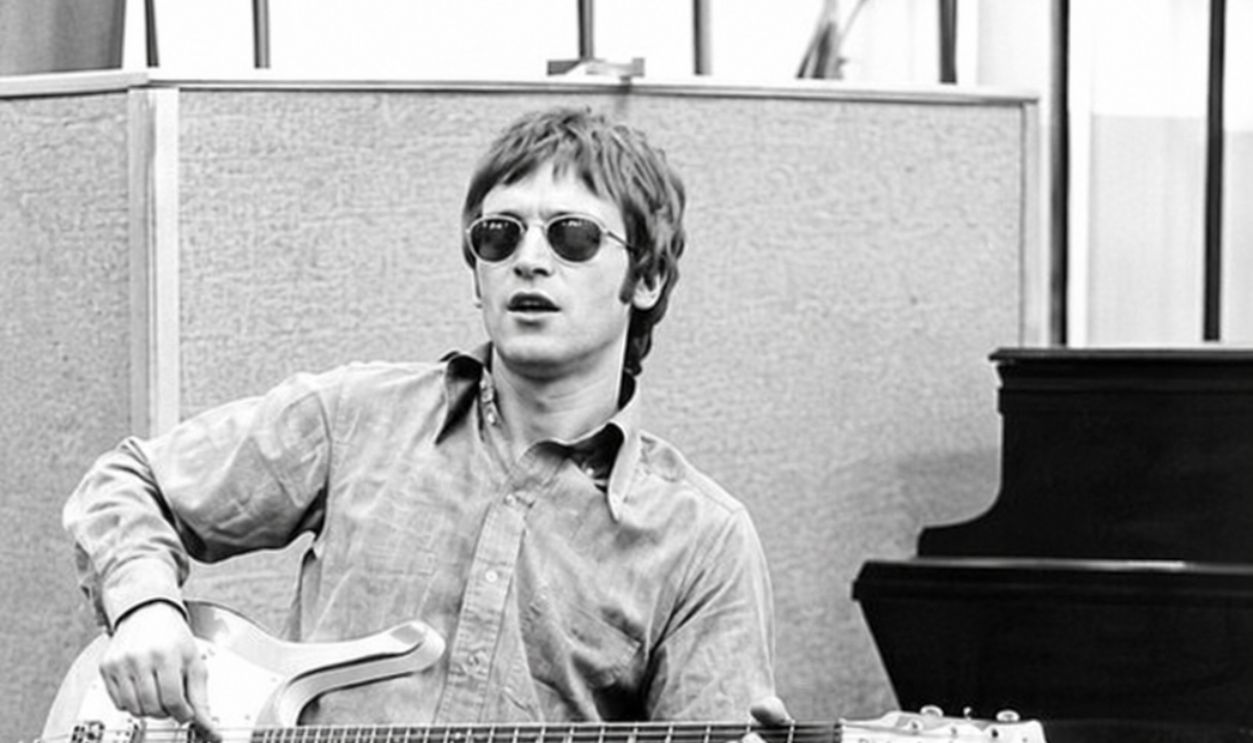
In the early 2000s, Bruce faced serious health issues that led to a liver transplant in 2003. The procedure was life-saving but nearly claimed his life as his body initially rejected the organ. Remarkably, after a long and difficult recovery, he returned to performing, showing the same determination that had defined his career from the very beginning.
 Tiziwiki, CC BY 3.0, Wikimedia Commons, Modified
Cream Reunites
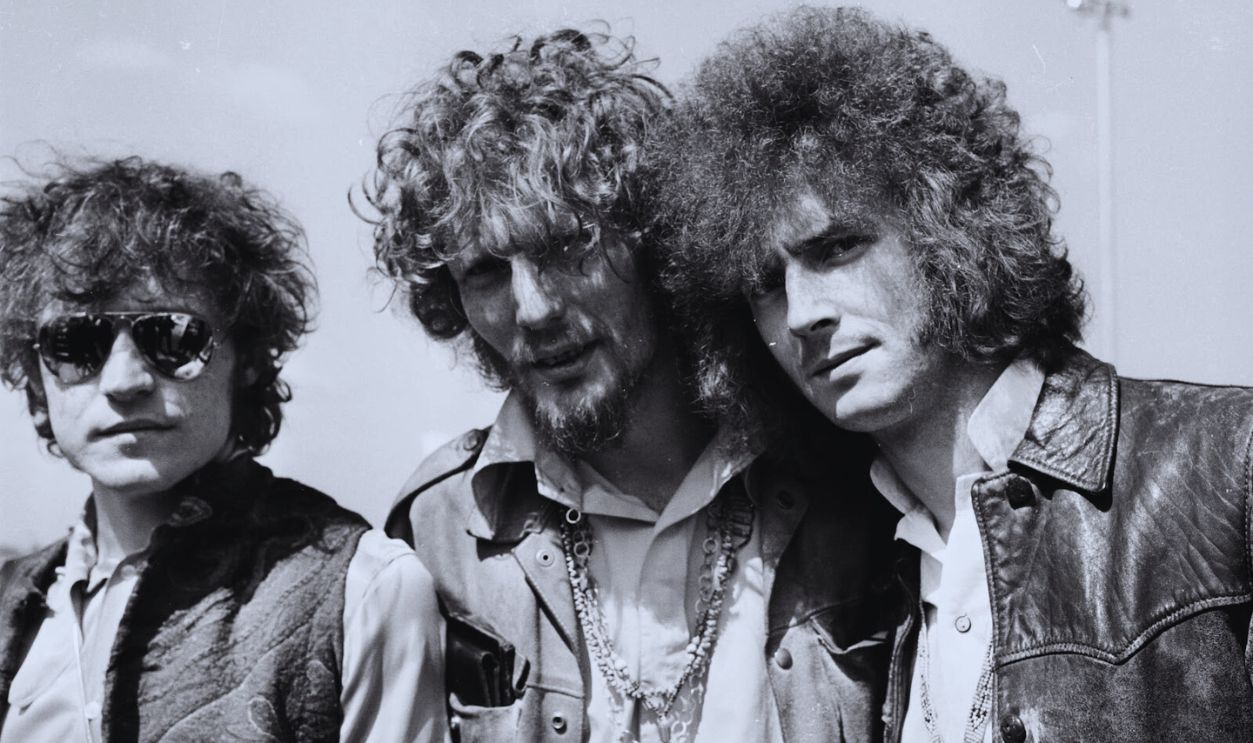
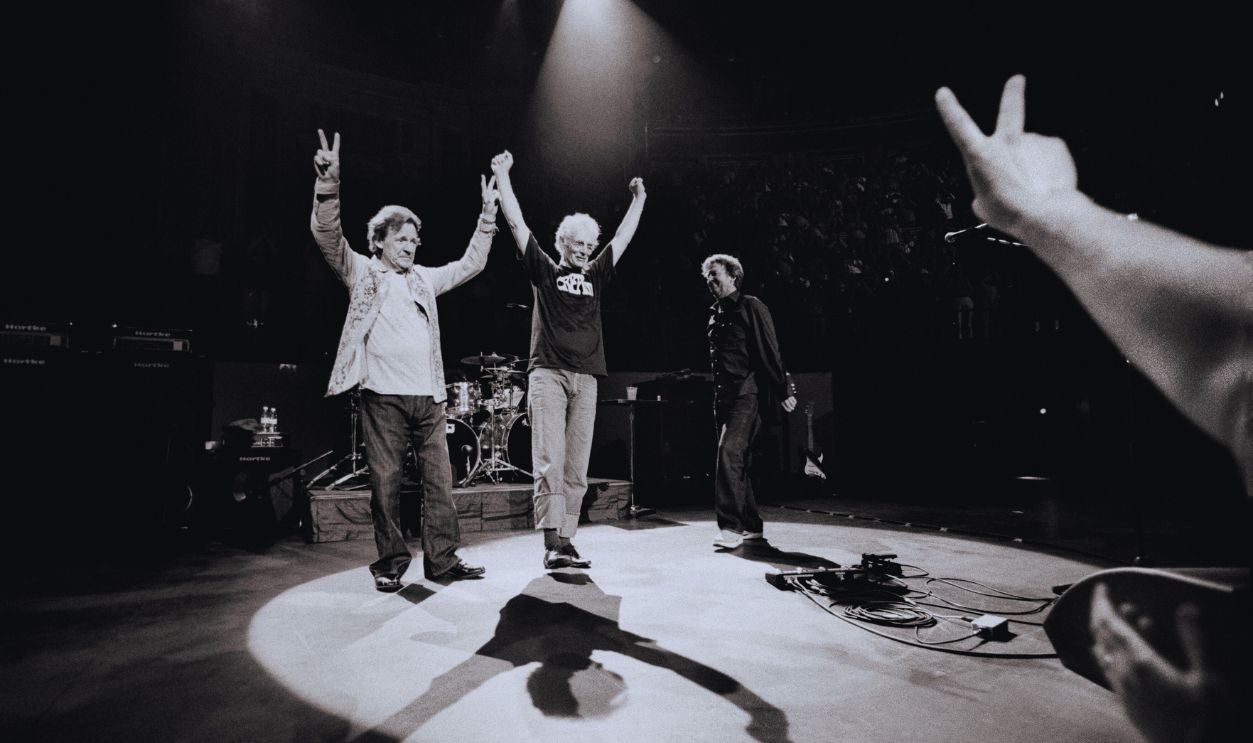
In 2005, Bruce reunited with Clapton and Baker for a series of Cream concerts at London’s Royal Albert Hall. Despite decades of conflict, the reunion was a major success. It allowed the band to celebrate its legacy while offering fans a rare chance to see the iconic trio perform together once more.
Late Career And Ongoing Creativity
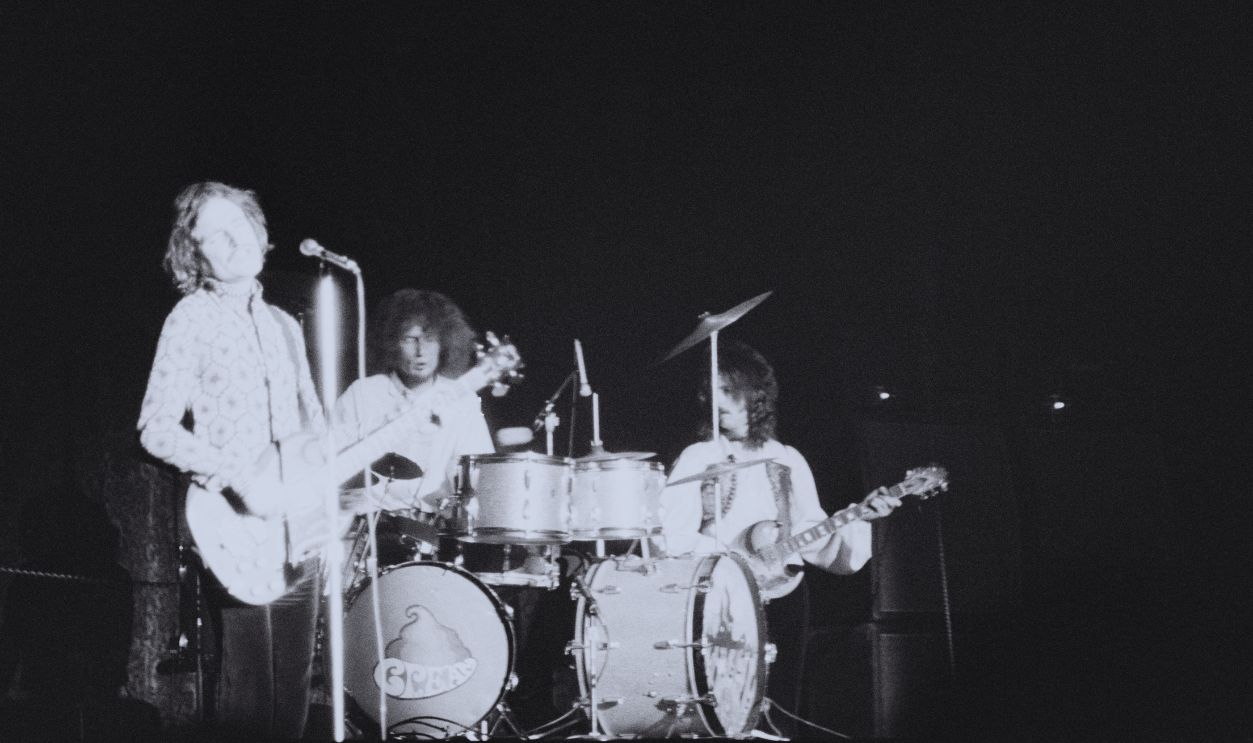
Bruce remained musically active in his later years, releasing albums and performing live. His work continued to evolve, reflecting a lifetime of experience and experimentation. Even as his health declined, his passion for music never wavered, and he continued to create with remarkable energy and purpose.
 Michael Ochs Archives, Getty Images
Death And Legacy
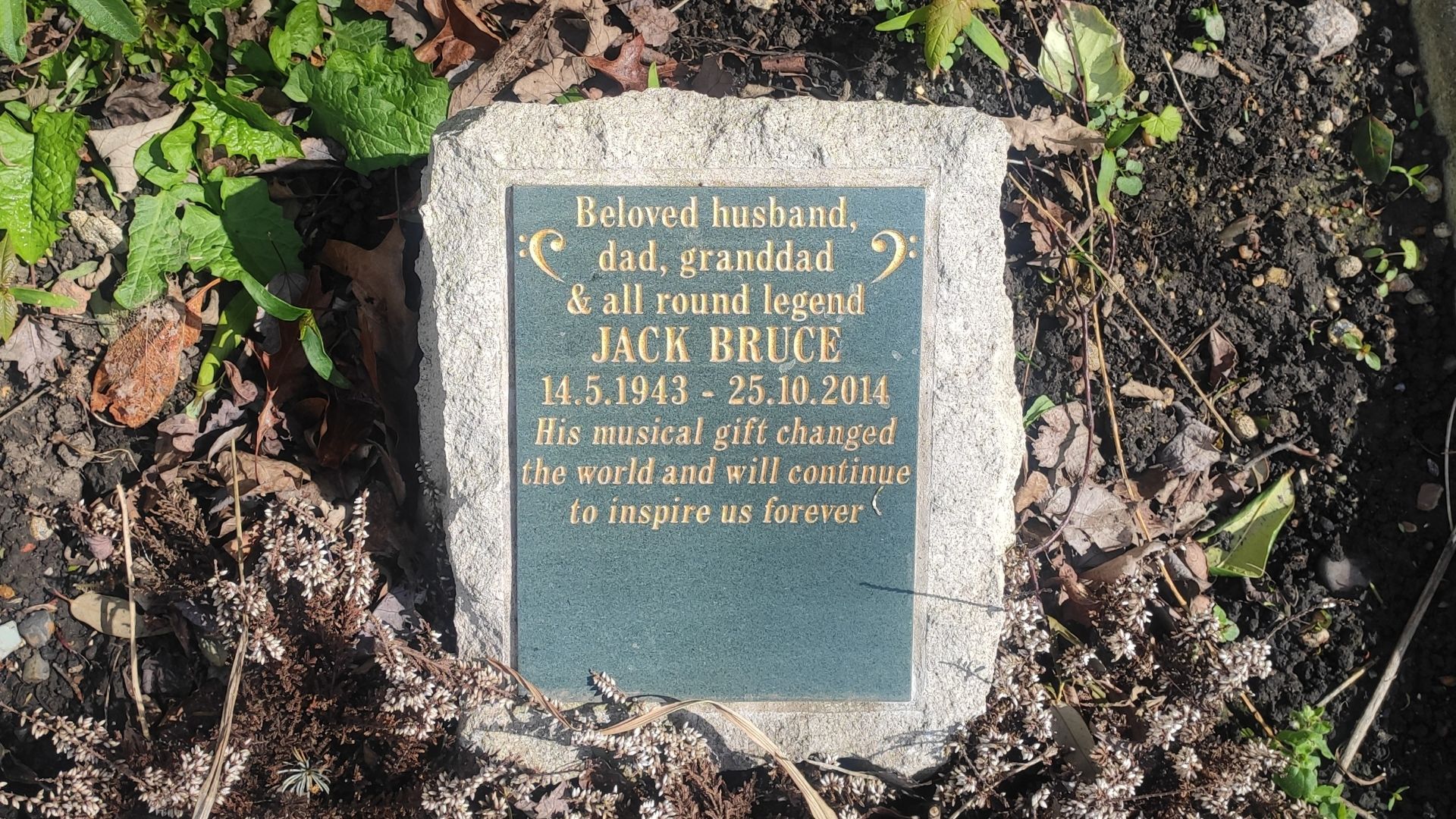
Jack Bruce passed away on October 25, 2014, at the age of 71. Tributes from across the music world highlighted his influence and contributions. His death marked the end of a remarkable career, but his work continues to resonate, ensuring that his legacy endures.
A Lasting Musical Influence
Bruce is widely regarded as one of the greatest bassists in rock history, admired for his technical skill and innovation. His approach to the instrument changed how bass was perceived and played. Musicians cited him as an inspiration, including Black Sabbath’s Geezer Butler, Geddy Lee of Rush, and Roger Waters of Pink Floyd, who said Bruce was "probably the most musically gifted bass player who's ever been.”
The Man Behind The Music
Behind the success and innovation was a complex individual who faced significant personal struggles and losses. Bruce’s life was marked by unforgettable artistic breakthroughs and hardship, making his story as compelling as his music. Ultimately, he’s remembered for his relentless creative drive and passion that left a permanent mark on rock history.
 Michael Ochs Archives/Getty Images
You May Also Like:
The Most Perfect Basslines In Rock And Roll History Will Be Stuck In Our Heads Forever
Albums From The 60s And 70s That No One Remembers—Seriously, Do You Know Even 5 Of These Albums?
Brilliant Bands That Proved Rock And Blues Are Forever Linked



.jpg)