Where Distortion Meets The Delta
Before rock music conquered stadiums, it grew out of something older and deeper: the blues. The gritty guitar riffs, emotional vocals, and improvisational solos that define rock all trace back to early blues traditions. Blues rock emerged in the 1960s when British and American musicians began electrifying classic blues styles, combining them with the energy of rock bands. The result was a powerful hybrid built around electric guitars, strong rhythm sections, and blues-inspired improvisation.
Over the decades, dozens of bands carried that tradition forward, proving that no matter how loud or modern rock becomes, its heart still beats with the soul of the blues.
 Ralph Arvesen, Wikimedia Commons
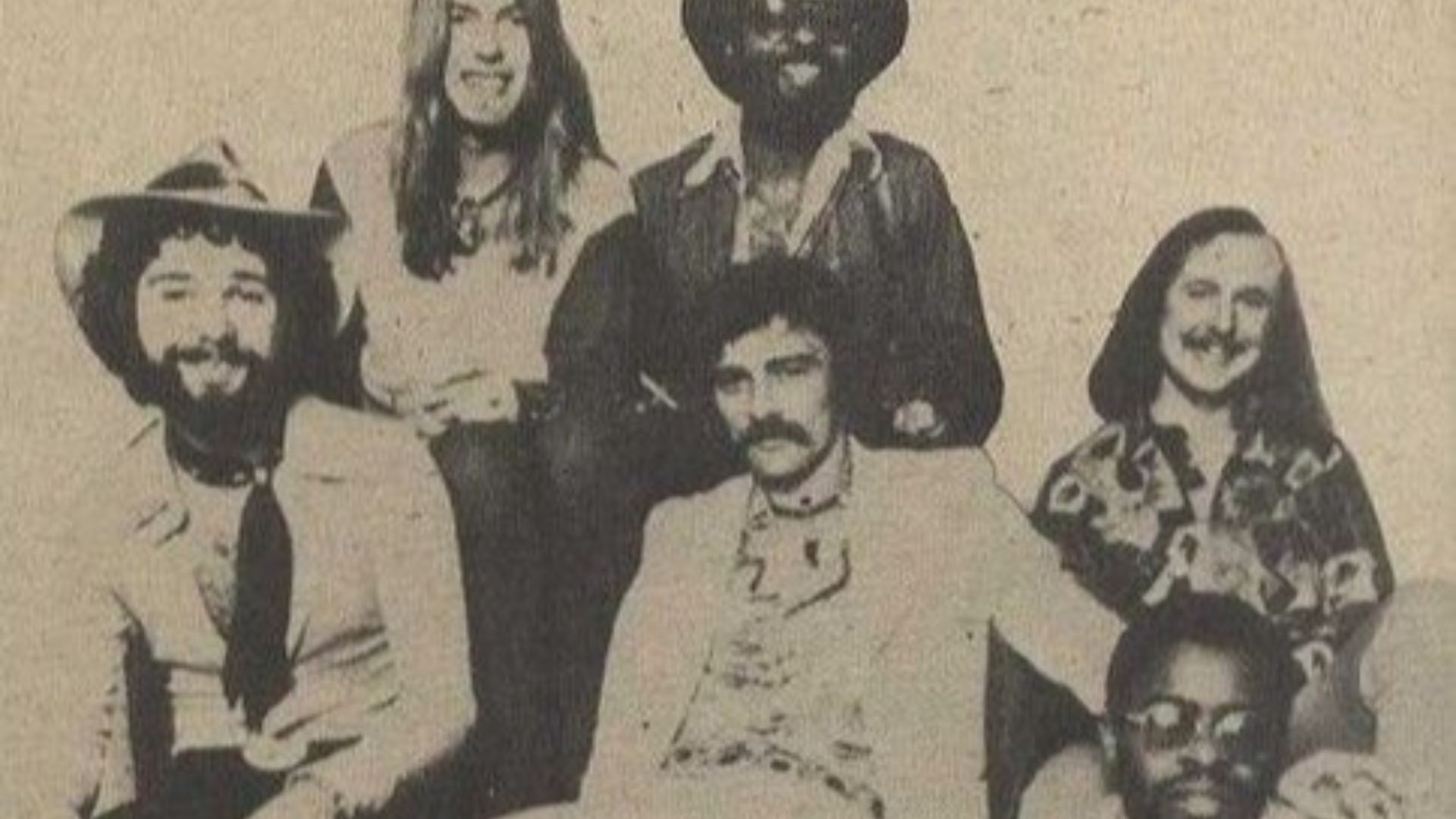
The Allman Brothers Band
Few bands captured the spirit of blues rock quite like the Allman Brothers. Formed in 1969 in Florida, the group blended blues with jazz improvisation and Southern rock. Their legendary live album At Fillmore East showcased extended jams built around Duane Allman and Dickey Betts’ twin guitars. Songs like “Whipping Post” showed how blues phrasing could evolve into something epic and expansive.
 Capricorn Records, Wikimedia Commons
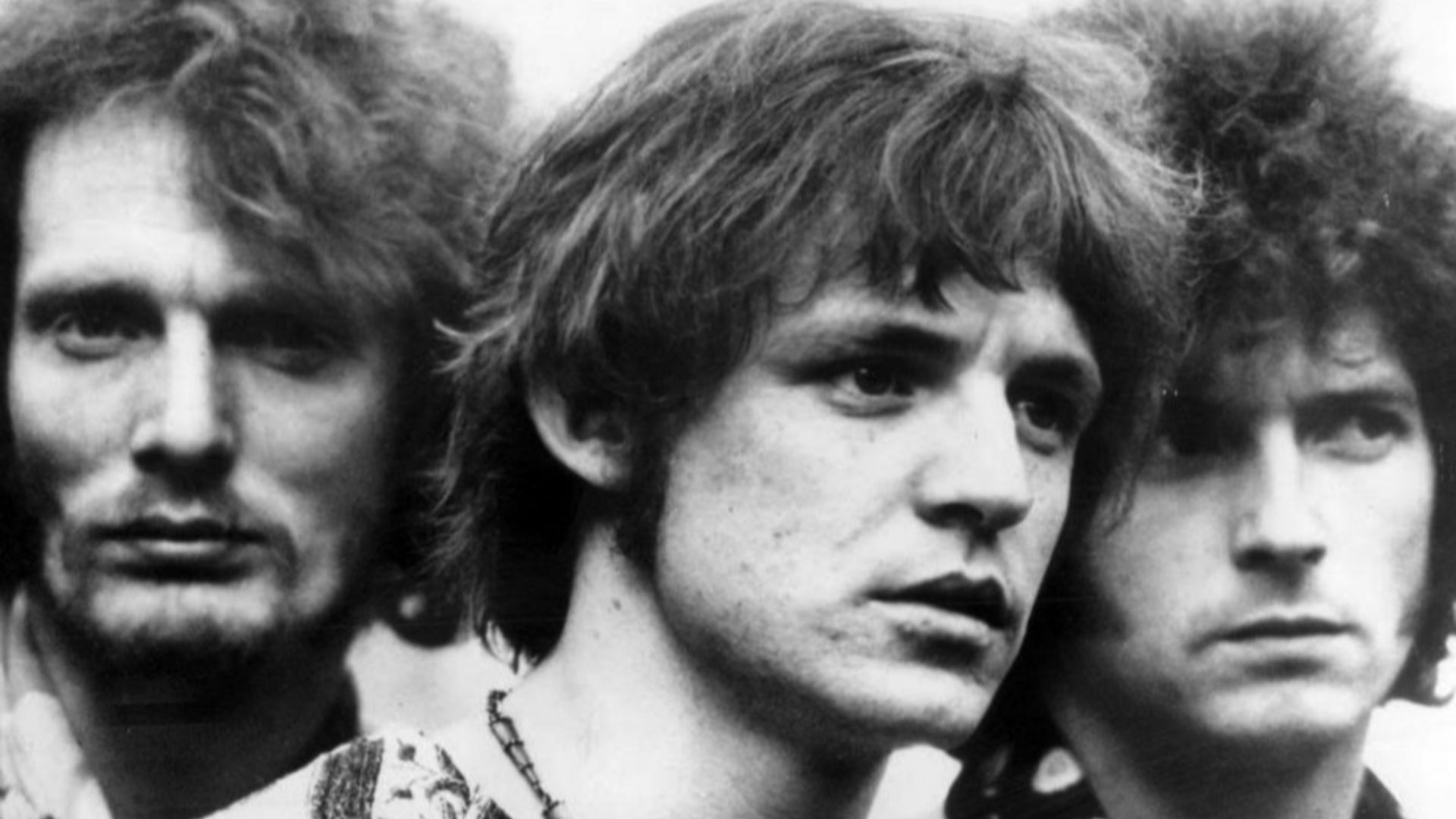
Cream
Cream helped bring blues rock to the mainstream in the late 1960s. The power trio of Eric Clapton, Jack Bruce, and Ginger Baker transformed traditional blues into loud, electrified rock jams. Clapton’s guitar work on songs like “Crossroads” and “Sunshine of Your Love” showed how blues riffs could be amplified into something heavier without losing their roots.
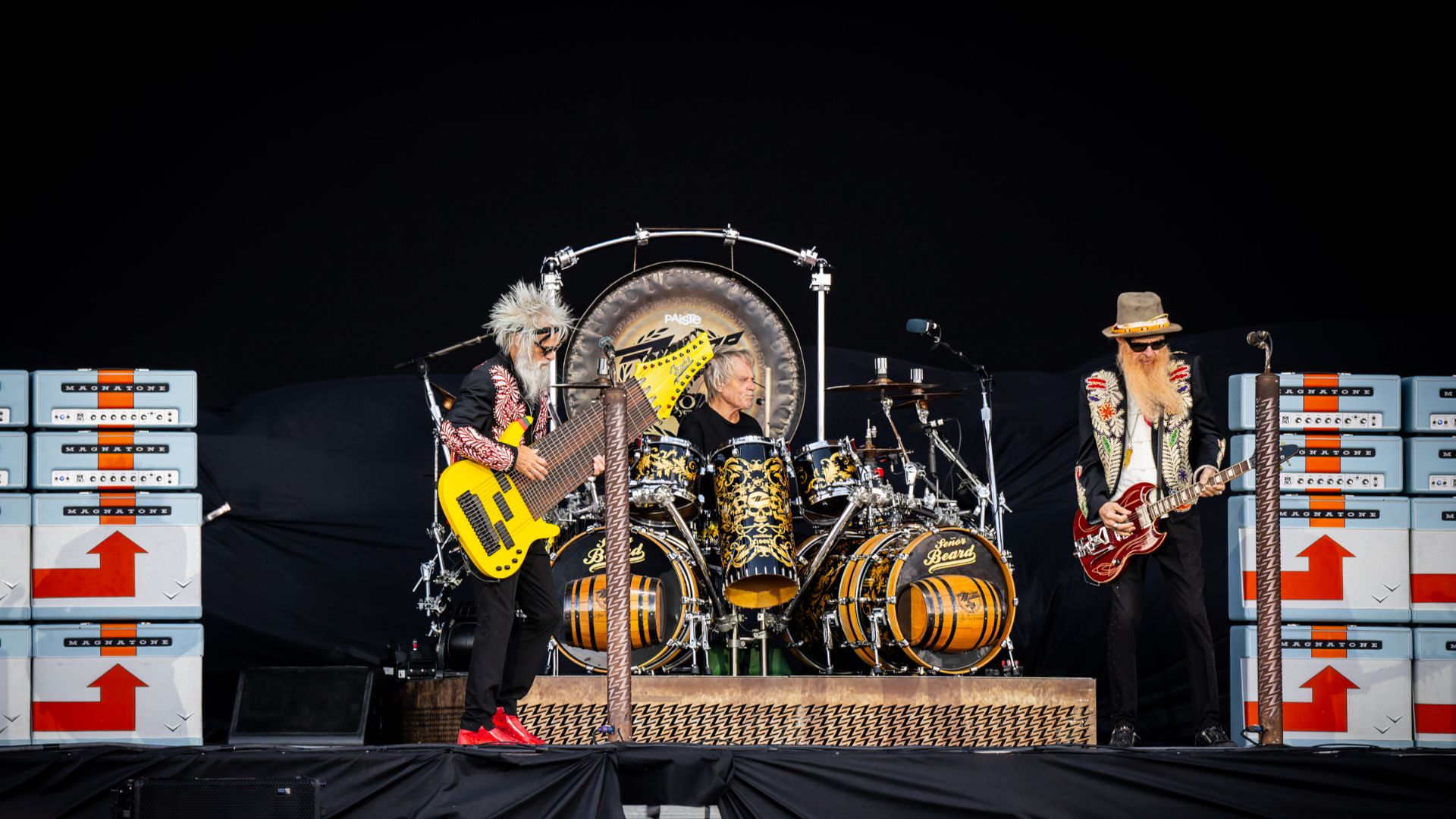
ZZ Top
Texas trio ZZ Top built an entire career around blues-based riffs and gritty grooves. Billy Gibbons’ guitar playing drew heavily from Chicago blues legends like Muddy Waters, but the band added boogie rhythms and Southern swagger. Songs like “La Grange” proved that blues progressions could still sound massive in a rock setting.
 Birgit Fostervold from Arendal, Norge, Wikimedia Commons
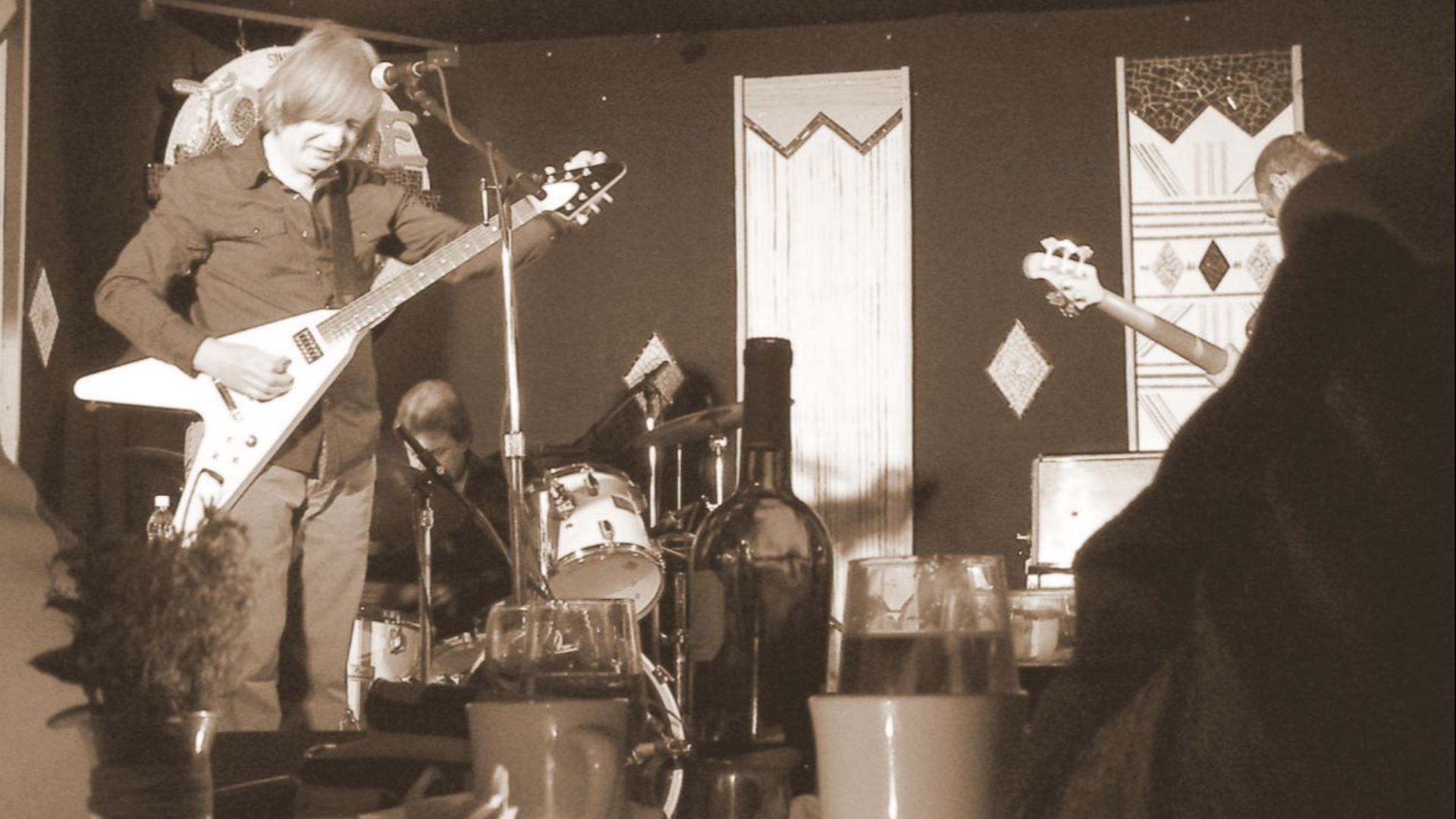
Savoy Brown
Savoy Brown emerged from the British blues boom of the mid-1960s. Founded by guitarist Kim Simmonds in London, the band built its reputation through relentless touring and blues-heavy albums that found a strong following in the United States. Their sound combined traditional blues structures with driving rock rhythms that helped define early blues rock.
 JJS Photography, Wikimedia Commons
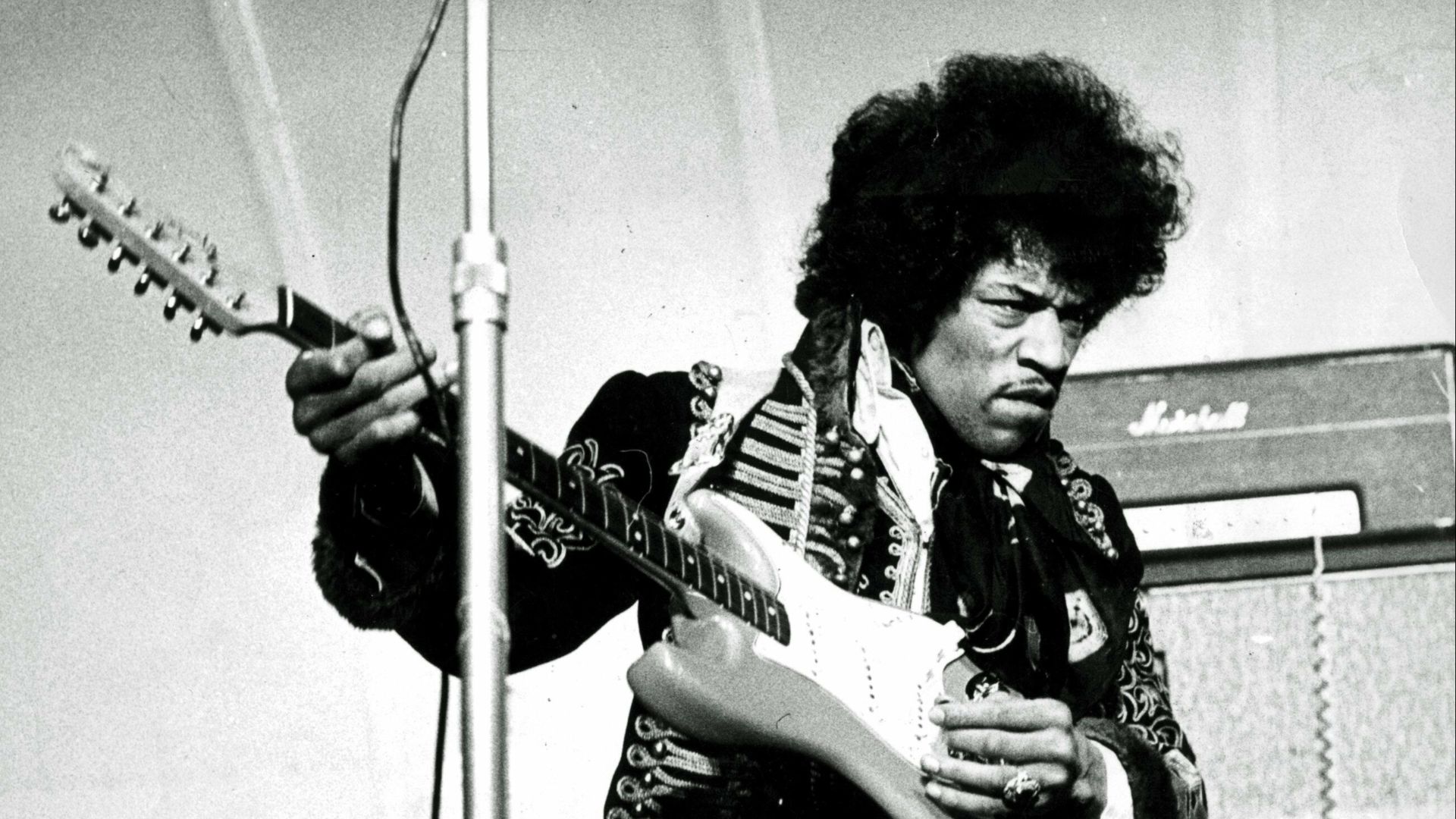
The Jimi Hendrix Experience
Jimi Hendrix revolutionized electric guitar by blending blues tradition with psychedelic rock and experimentation. Hendrix grew up studying blues legends like B.B. King and Muddy Waters, but his explosive playing pushed those influences into entirely new territory. Songs like “Red House” and “Voodoo Child (Slight Return)” show how deeply blues shaped his groundbreaking style.
 Original photographer unknown, Wikimedia Commons
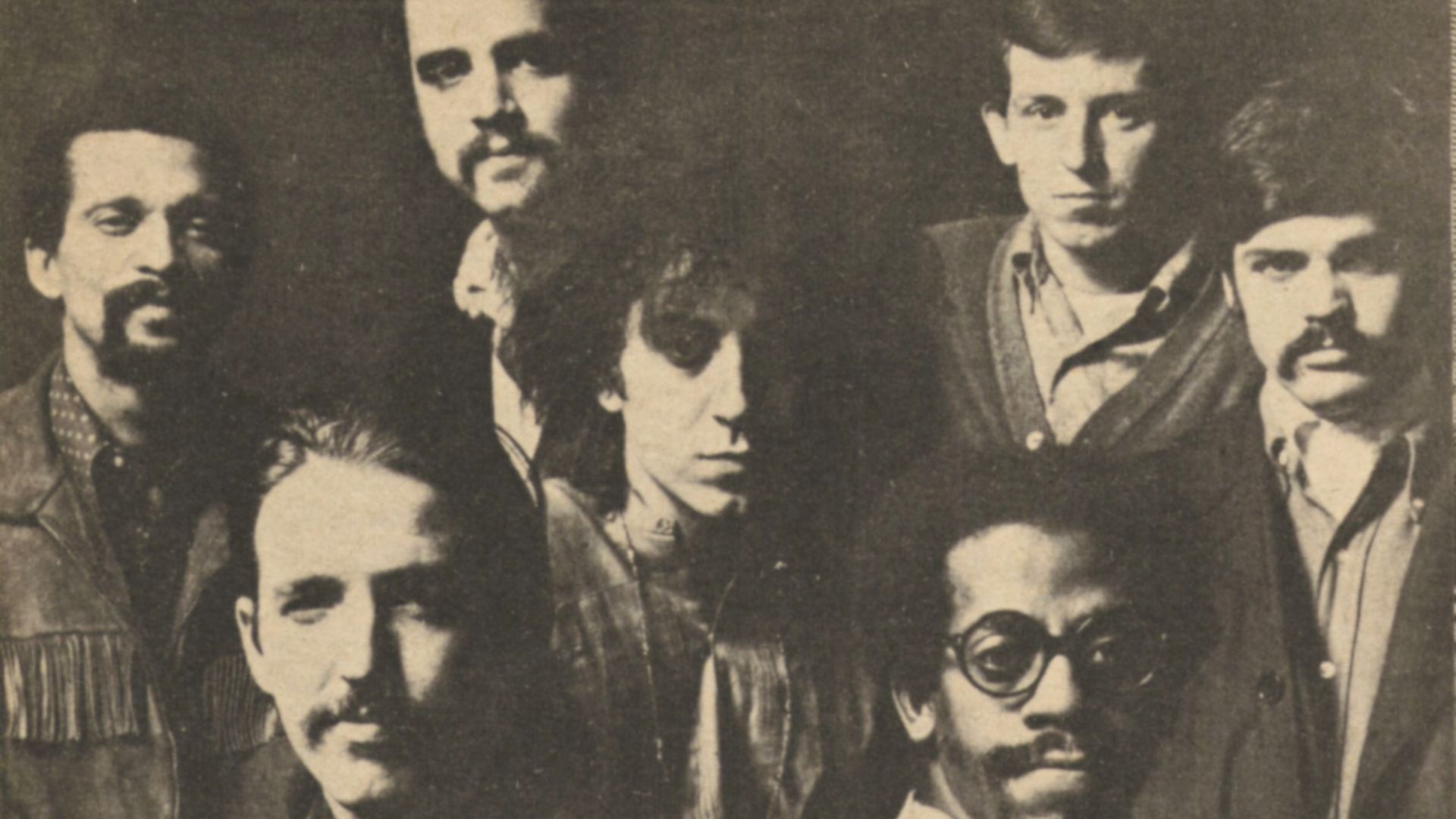
The Paul Butterfield Blues Band
The Paul Butterfield Blues Band played a major role in introducing traditional Chicago blues to rock audiences in the 1960s. Their lineup featured talented musicians like Mike Bloomfield and Elvin Bishop, who blended authentic blues techniques with rock energy. The band helped bridge the gap between classic blues artists and a younger rock generation.
 Unknown photographer, Wikimedia Commons
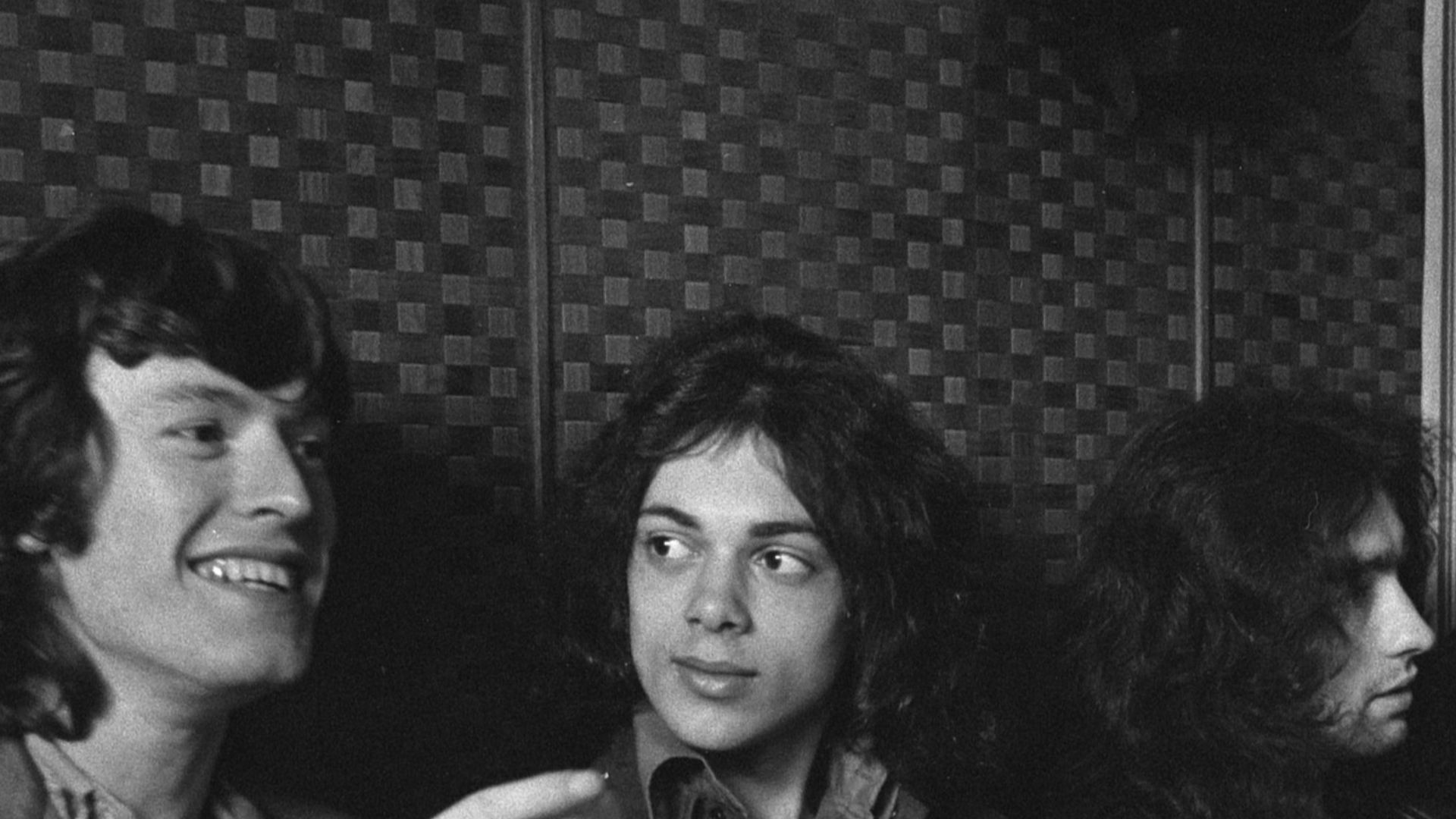
Free
Free achieved international success with the 1970 hit “All Right Now,” but their sound was rooted in the blues. Guitarist Paul Kossoff developed a distinctive tone that leaned heavily on blues phrasing, while singer Paul Rodgers delivered soulful vocals. Their stripped-down style proved that simple blues grooves could still fill arenas.
 Rob Mieremet, Wikimedia Commons
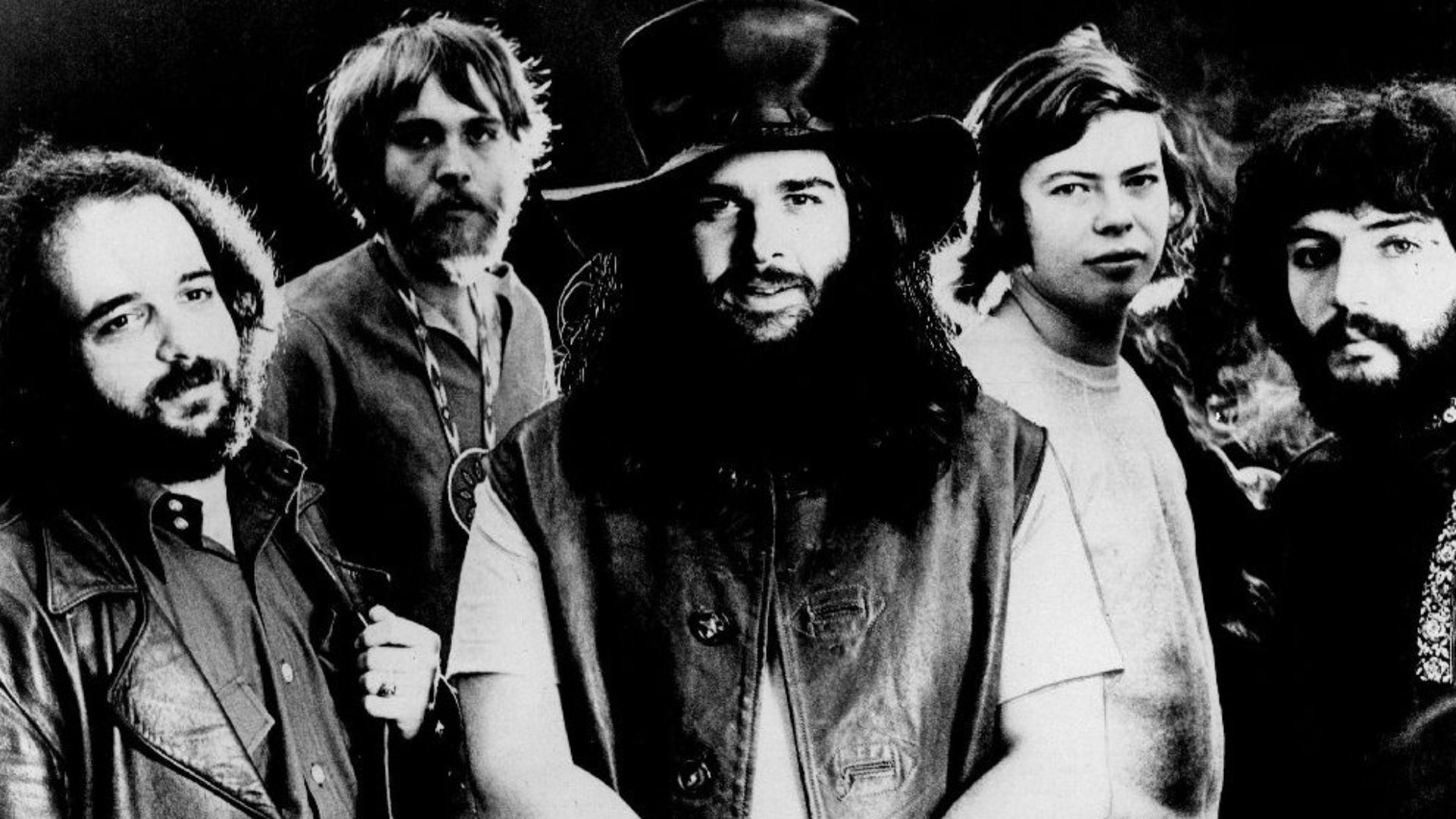
Canned Heat
Canned Heat became famous for bringing traditional blues to rock festivals and mainstream audiences. Formed in Los Angeles in 1965, the band dedicated itself to promoting blues artists and history. Their songs “Going Up the Country” and “On the Road Again” blended boogie rhythms with classic blues influences.
 Skip Taylor Productions (management)/Liberty Records, Wikimedia Commons
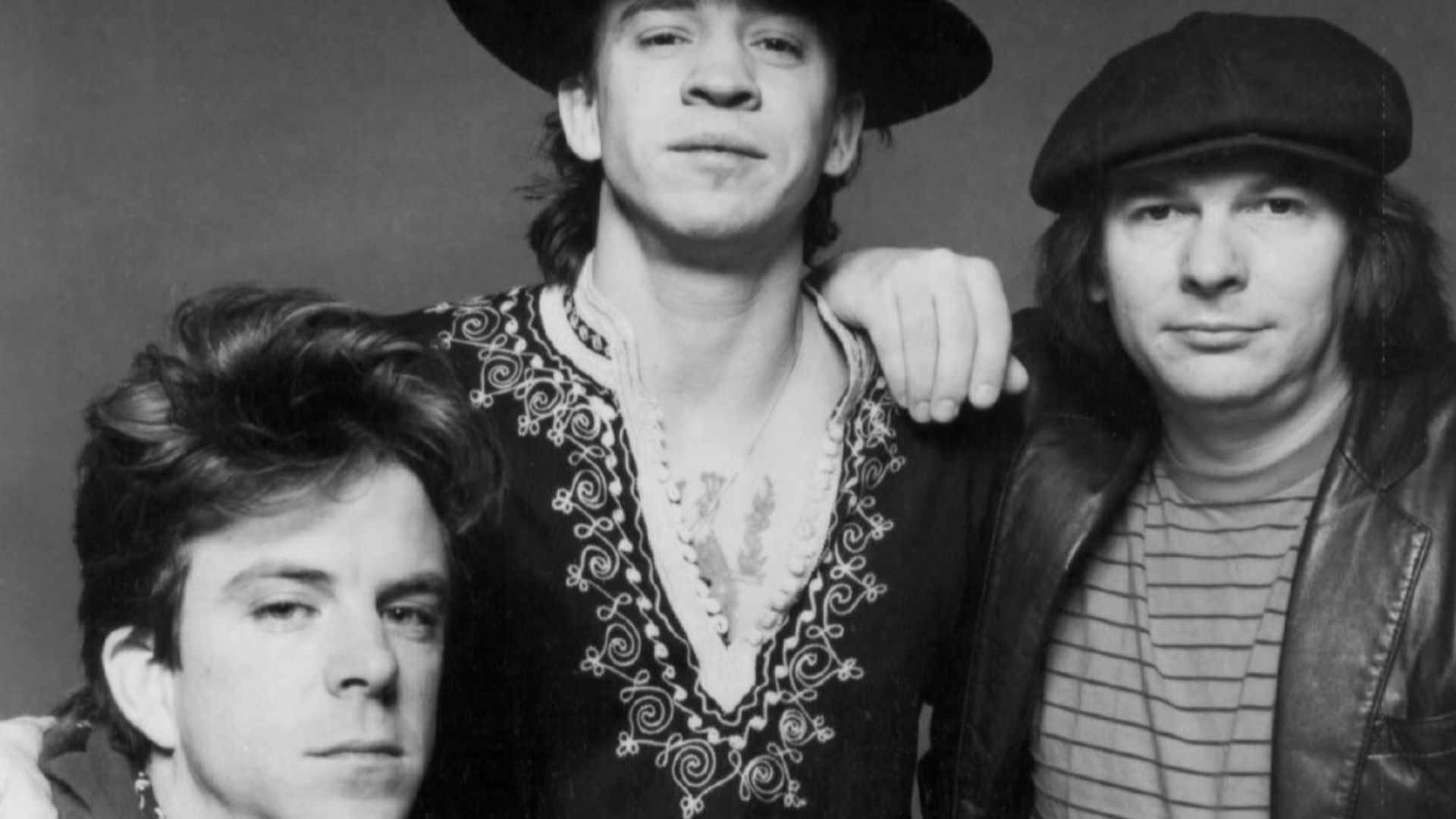
Stevie Ray Vaughan And Double Trouble
Stevie Ray Vaughan revived blues rock in the 1980s with his blistering guitar playing and deep respect for blues traditions. Inspired by players like Albert King and Jimi Hendrix, Vaughan fused Texas blues with rock intensity. Albums like Texas Flood helped reintroduce blues guitar to a new generation of listeners.
 Don Hunstein, Wikimedia Commons
The Black Crowes
The Black Crowes carried the blues rock tradition into the 1990s with their raw, soulful sound. Drawing heavily from the Rolling Stones and Southern blues influences, the band brought gritty guitars and gospel-style vocals back to mainstream rock. Their debut album Shake Your Money Maker helped reignite interest in blues-driven rock.
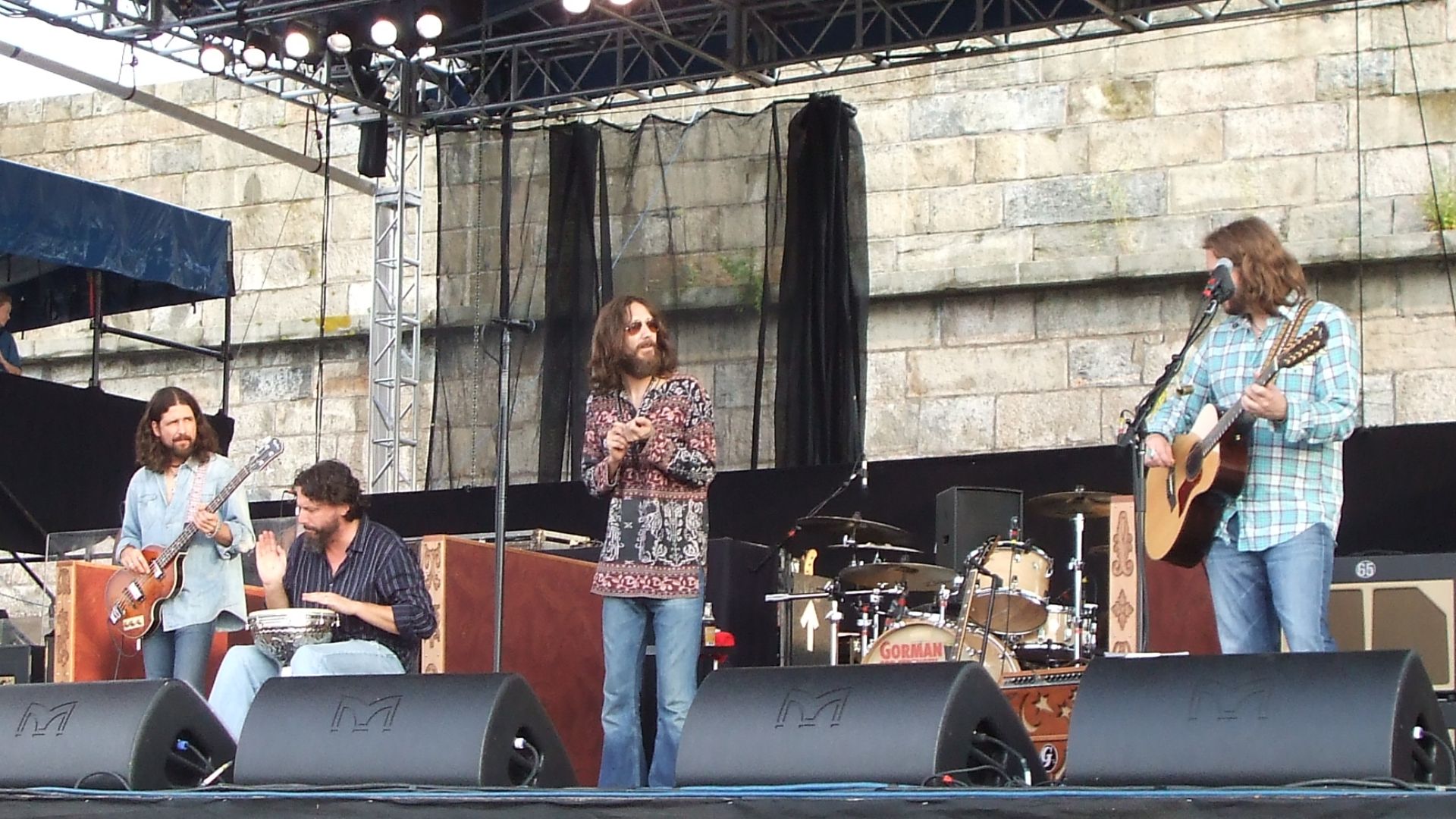 DickClarkMises (talk), Wikimedia Commons
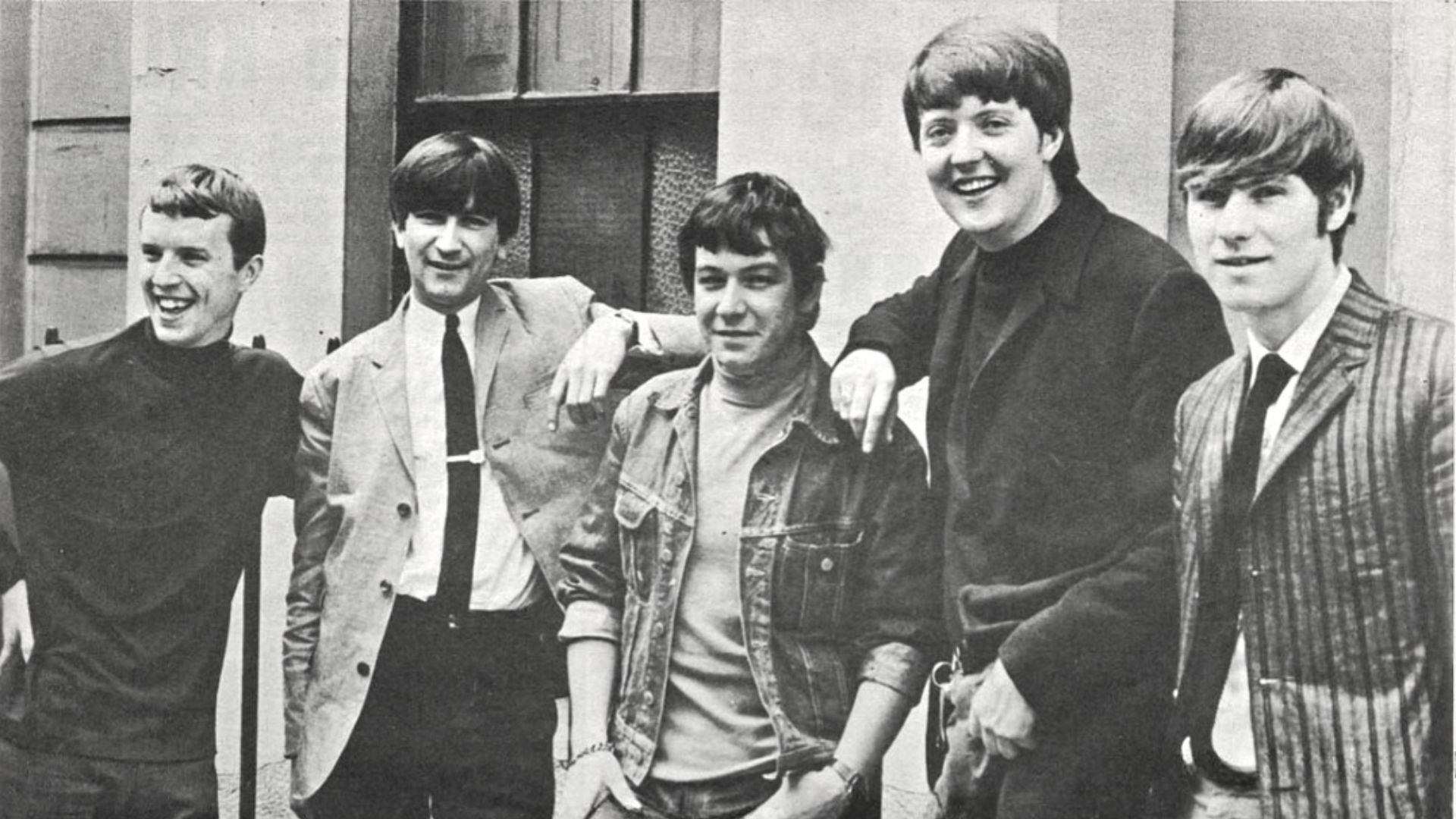
The Animals
The Animals were part of the British Invasion, but their music remained deeply rooted in American blues. Eric Burdon’s powerful voice and Alan Price’s organ-driven arrangements gave the band a distinctive sound. Their haunting version of “The House of the Rising Sun” introduced many listeners to blues storytelling.
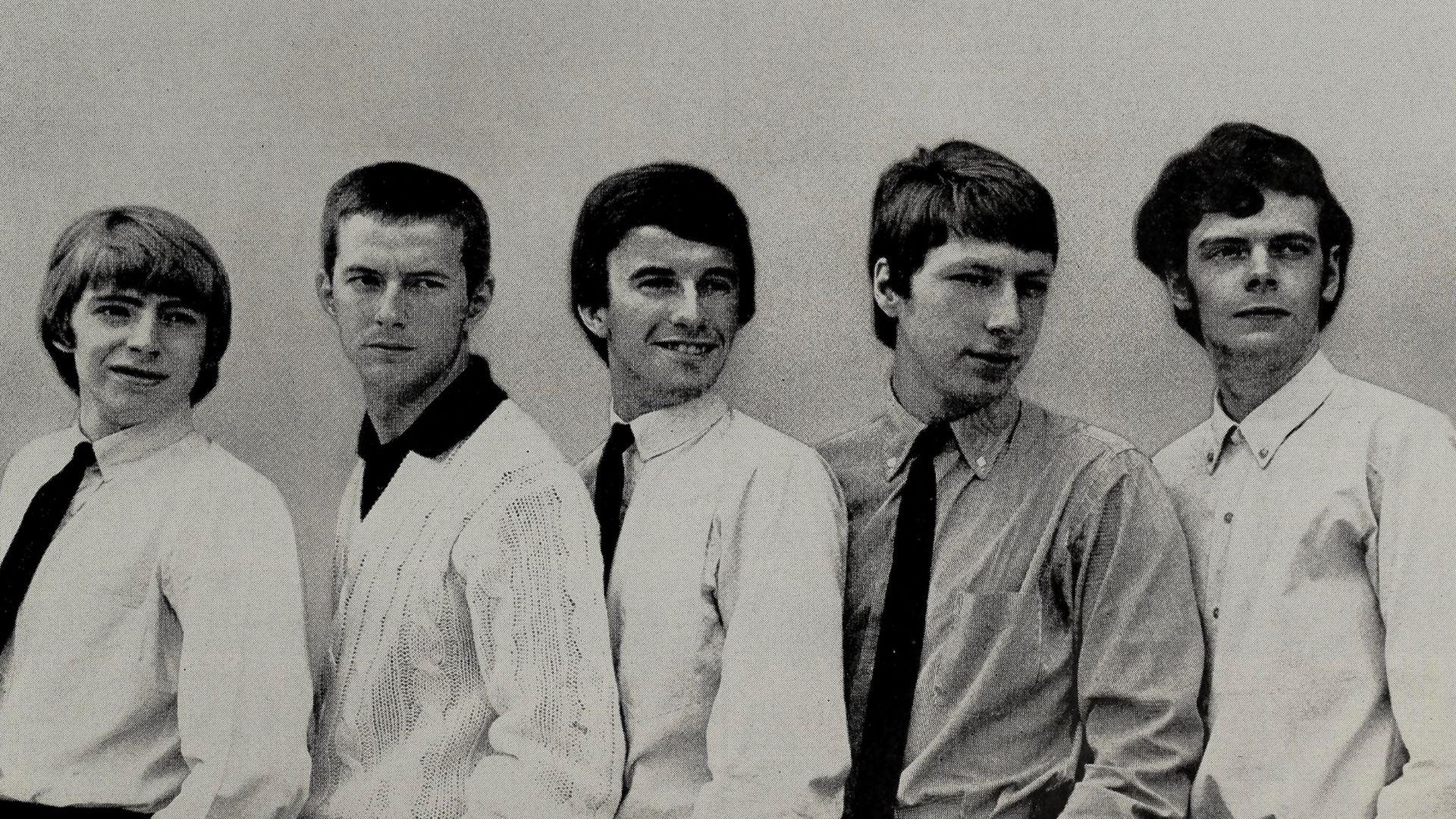
The Yardbirds
The Yardbirds became a launching pad for three legendary guitarists: Eric Clapton, Jeff Beck, and Jimmy Page. Their early music leaned heavily on Chicago blues covers before evolving into more experimental rock. The band also pioneered guitar techniques like distortion and feedback that would shape future blues rock sounds.
Lynyrd Skynyrd
Lynyrd Skynyrd fused Southern rock with deep blues influences. Songs like “The Needle and the Spoon” and “Call Me the Breeze” highlight the band’s roots in blues structures and slide guitar. Their iconic anthem “Free Bird” combined emotional blues phrasing with extended rock soloing.
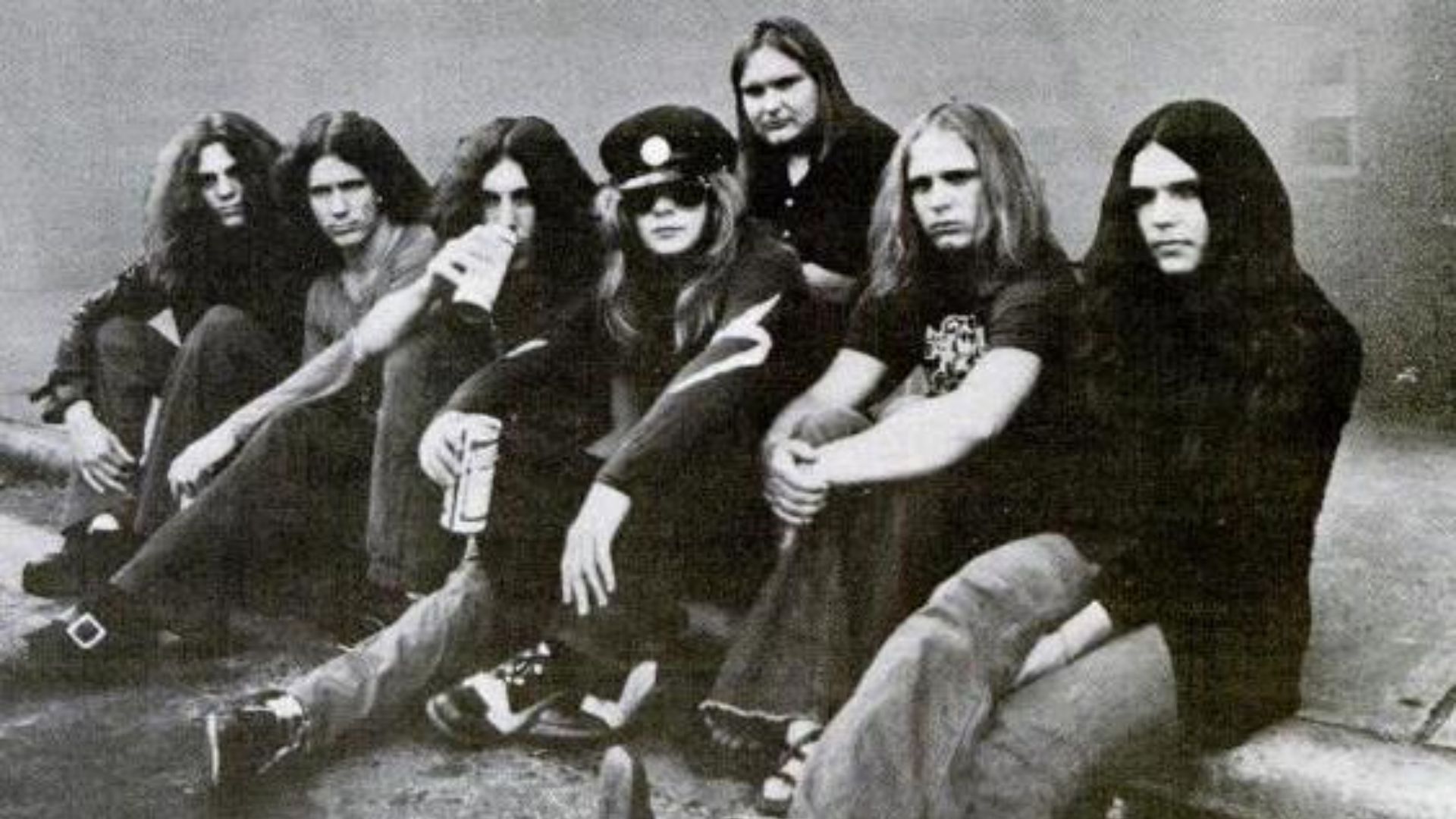 MCA Records, Wikimedia Commons
Johnny Winter
Johnny Winter was one of the most respected blues rock guitarists of the late 1960s and 1970s. Known for his lightning-fast slide guitar and passionate vocals, Winter blended traditional blues with hard rock intensity. His album Second Winter remains a landmark recording in the genre.
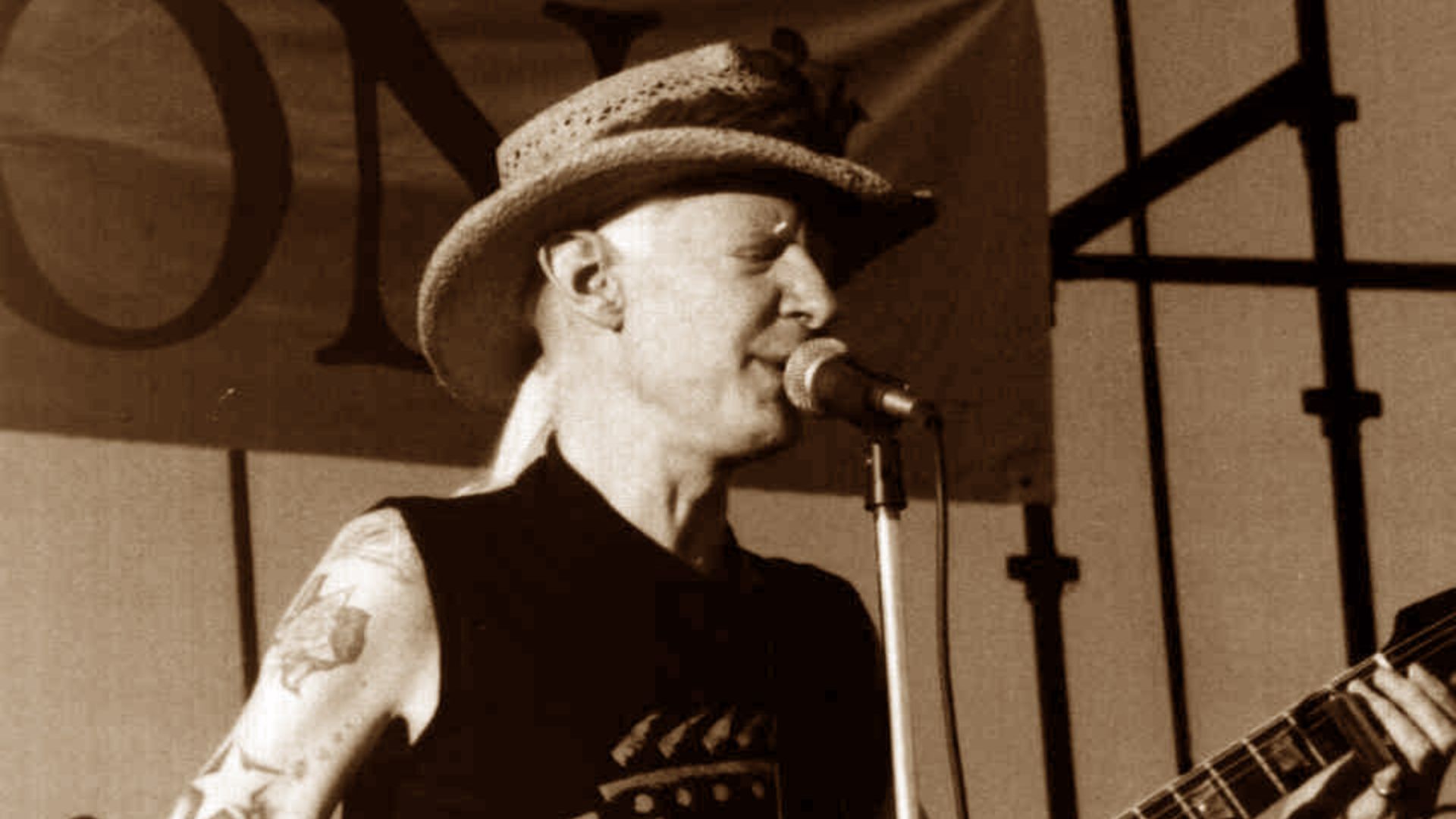 Masahiro Sumori, Wikimedia Commons
Led Zeppelin
Led Zeppelin turned blues influences into some of the heaviest rock music ever recorded. Jimmy Page’s riffs drew heavily from blues standards, while Robert Plant’s vocals echoed classic blues singers. Songs like “Whole Lotta Love” and “Since I’ve Been Loving You” highlight the band’s deep connection to the genre.
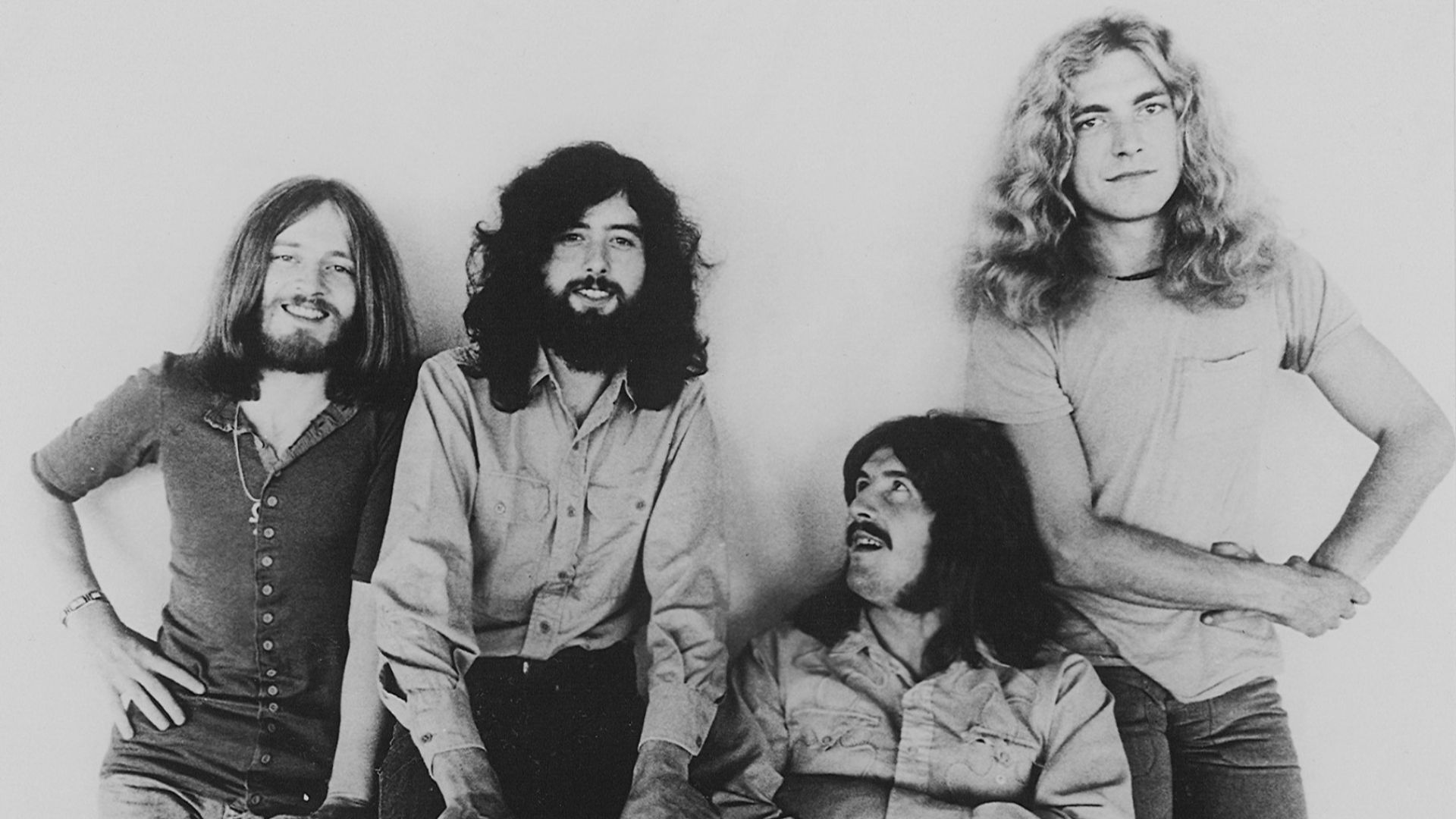 Atlantic Records, Wikimedia Commons
North Mississippi Allstars
The North Mississippi Allstars keep the blues rock tradition alive with a modern twist. Founded by brothers Luther and Cody Dickinson, the band draws heavily from Mississippi hill country blues. Their music blends traditional grooves with jam-band improvisation and modern rock textures.
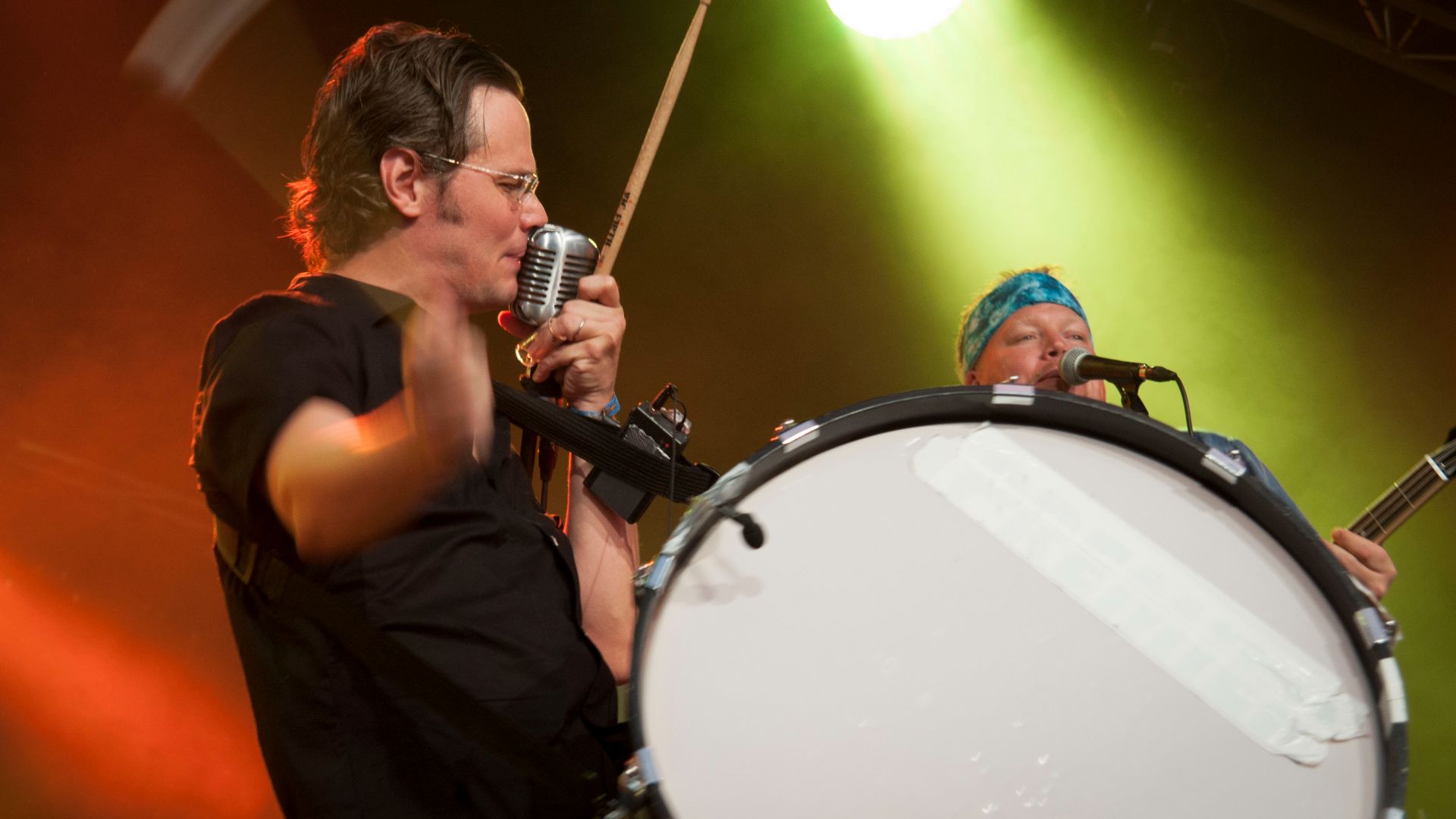 Bryan Ledgard, Wikimedia Commons
The Fabulous Thunderbirds
Fronted by harmonica master Kim Wilson, the Fabulous Thunderbirds helped bring blues rock back to the mainstream in the 1980s. Their sound combined Texas blues, rock, and boogie rhythms. Songs like “Tuff Enuff” showed how traditional blues elements could still dominate radio playlists.
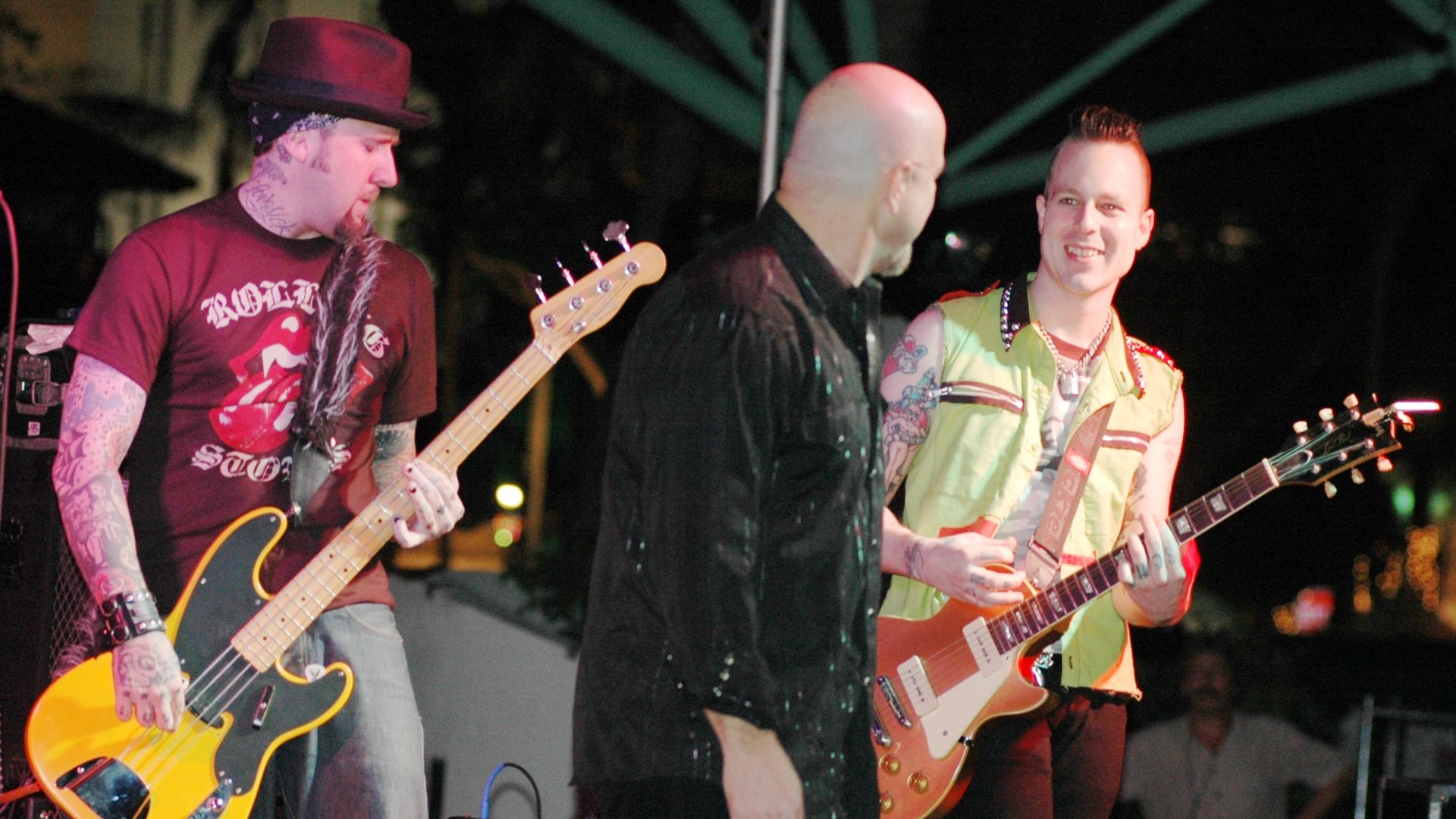 Carl Lender at https://www.flickr.com/photos/clender/, Wikimedia Commons
Blackberry Smoke
Blackberry Smoke carries the torch of Southern blues rock in the modern era. Their music blends country rock, blues riffs, and classic Southern storytelling. Influenced by bands like Lynyrd Skynyrd and the Allman Brothers, they continue the tradition of guitar-driven blues rock.
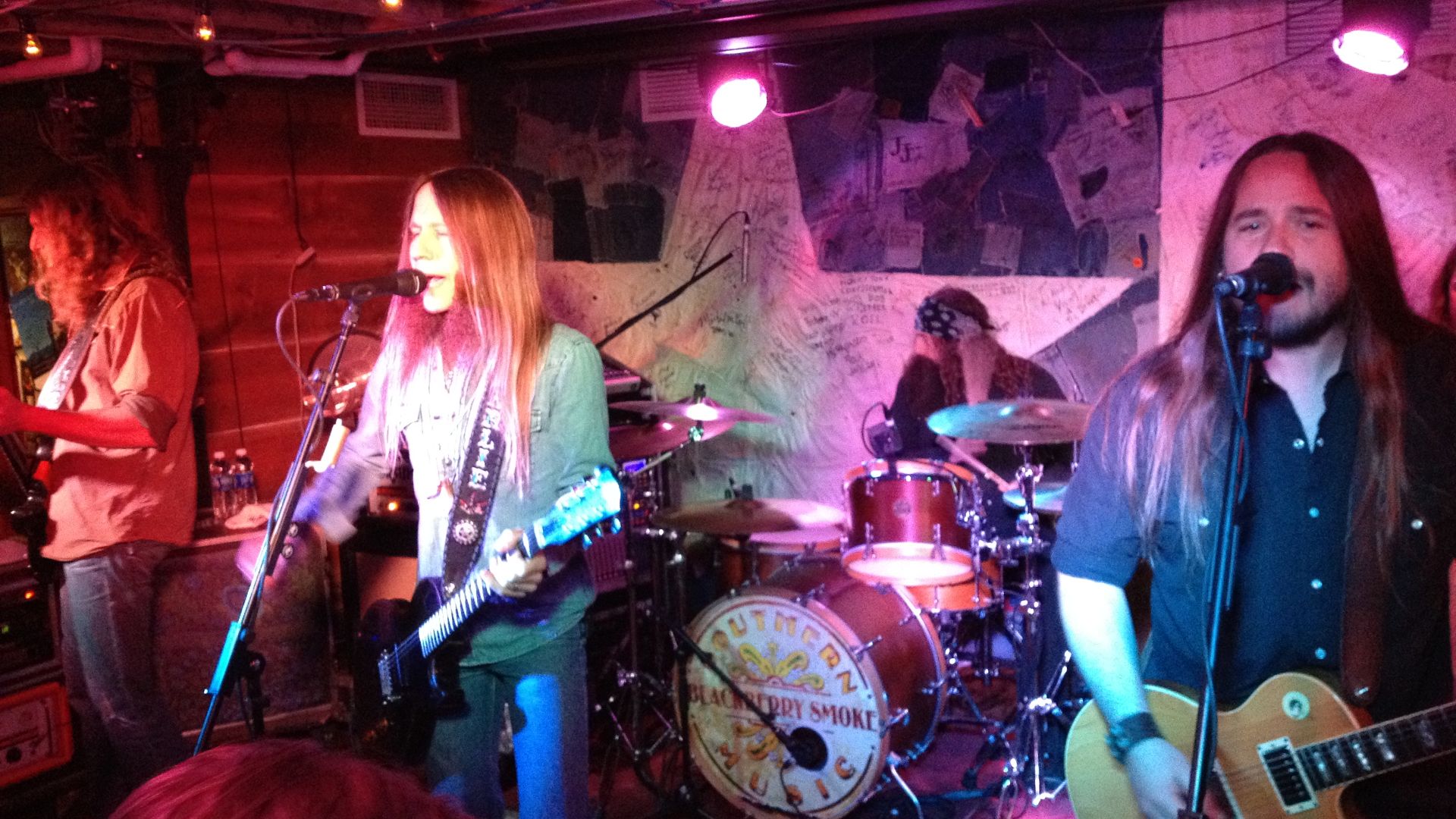 Stacey Huggins, Wikimedia Commons
Hot Tuna
Hot Tuna emerged from members of Jefferson Airplane and focused heavily on blues traditions. Jorma Kaukonen’s fingerstyle guitar and Jack Casady’s bass created a sound rooted in acoustic and electric blues. Their early albums often reinterpreted classic blues songs with a modern rock edge.
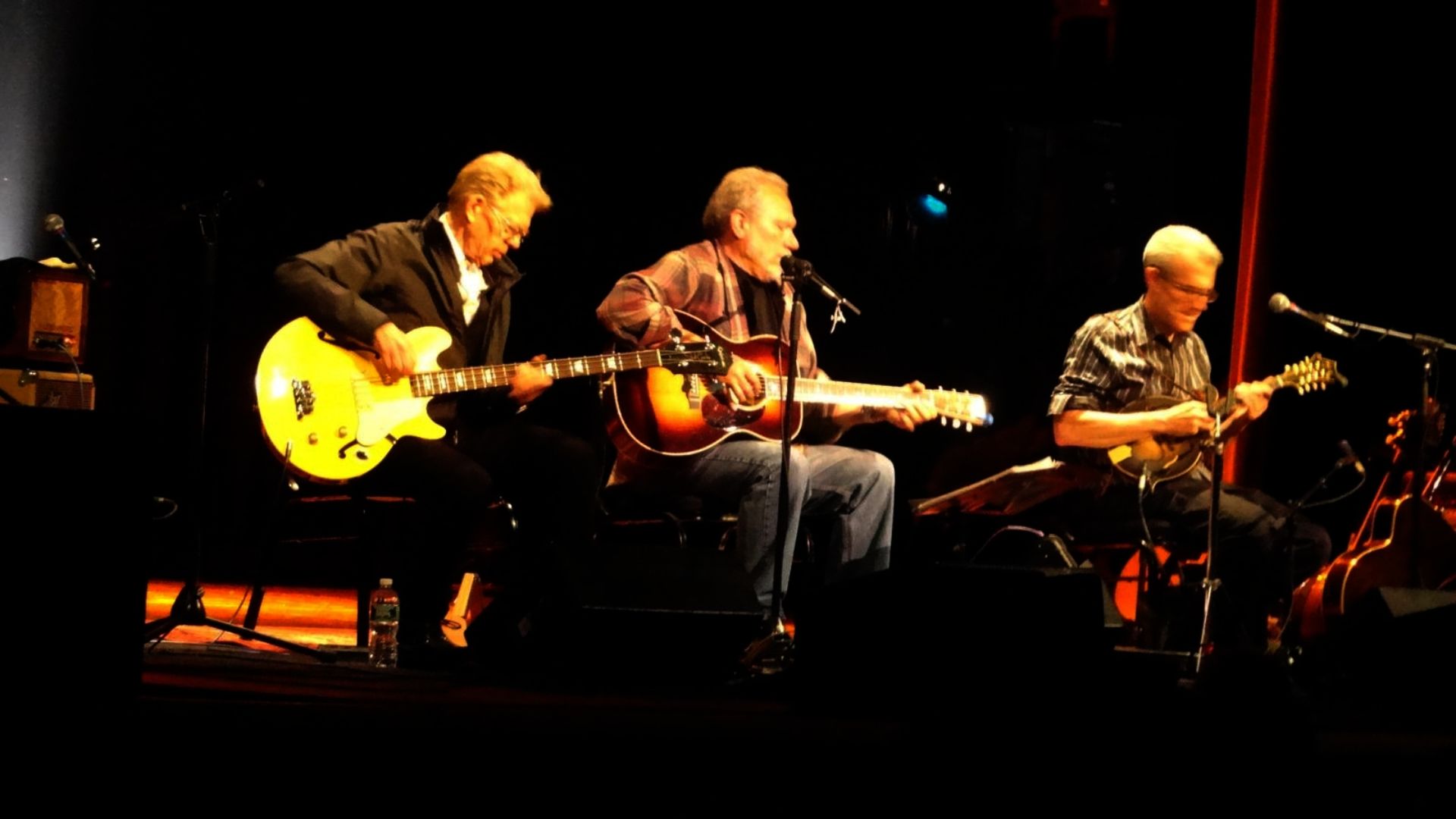 Michael Borkson, Wikimedia Commons
The Rolling Stones
The Rolling Stones began as a band devoted to American blues records. Early in their career they covered artists like Muddy Waters, Howlin’ Wolf, and Chuck Berry. Over time they transformed those influences into a distinctive rock style that still retained the swagger and rhythm of the blues.
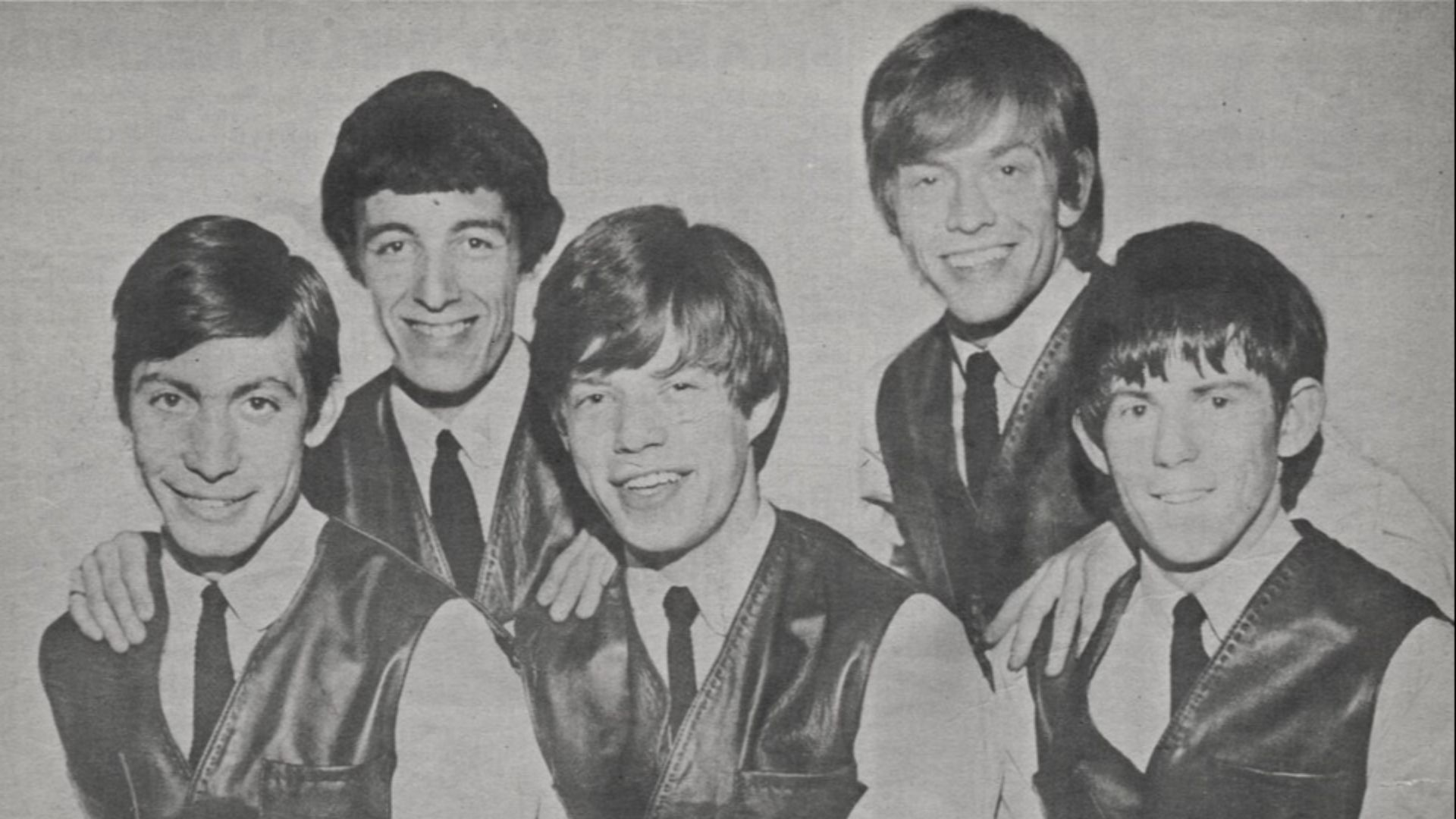
You May Also Like:
Iconic Albums That Prove Vinyl Is Still Worth The Hype
Bands That Pioneered Psychedelic Rock And Blew Minds
Bands Boomers Loved—And The Modern Bands That Sound Just Like Them