The Story Behind The Music
When Eric Clapton joined The Yardbirds at 18, he wasn’t chasing pop stardom, screaming fans, or chart-topping singles. He was chasing something far more elusive: pure blues. That devotion would turn him into a guitar god, spark rivalries with fellow legends, inspire generations of musicians—and, at times, make him one of rock’s most polarizing figures.
Here’s how a teenage blues purist became both hero and pariah.
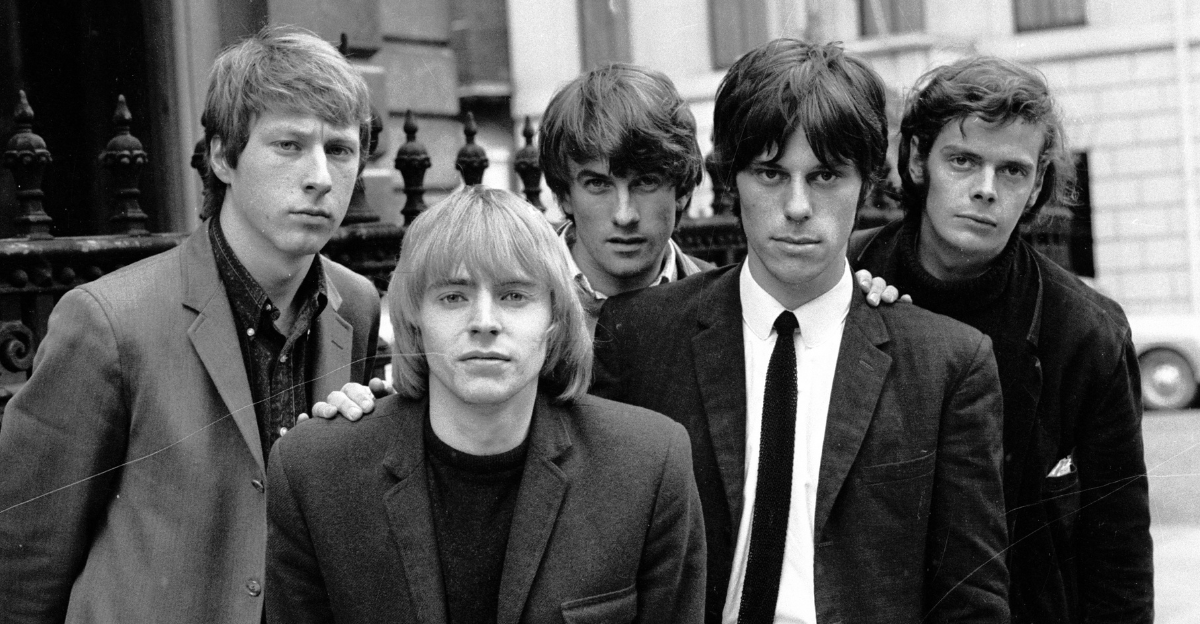
When An 18-Year-Old Blues Fan Joined The Yardbirds
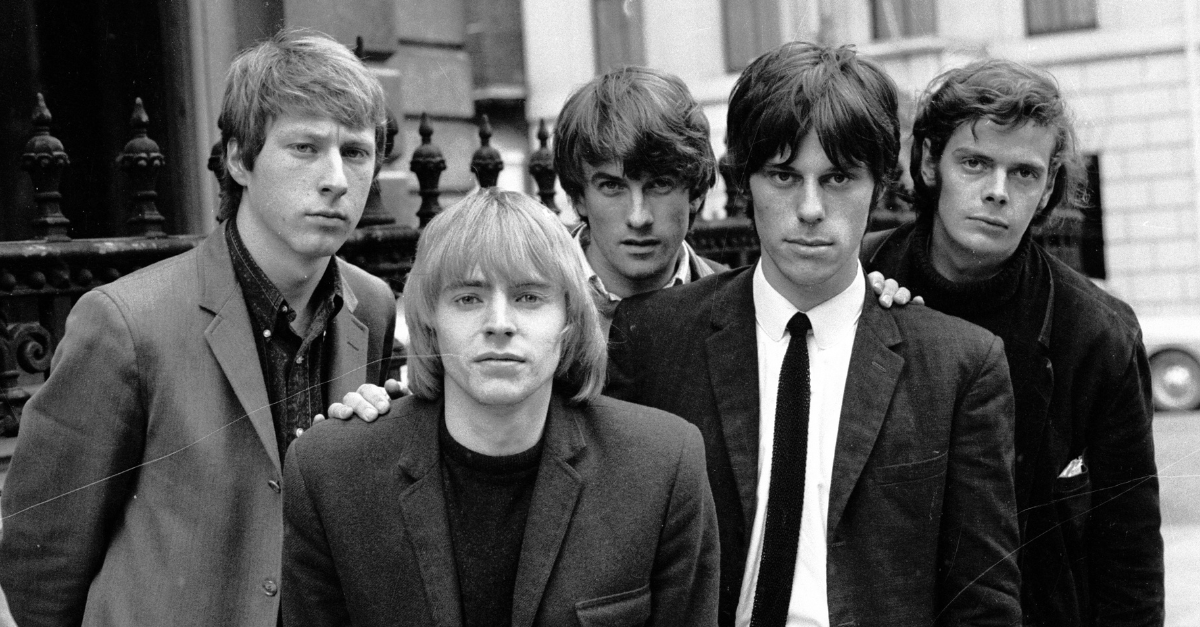
In 1963, a teenage Eric Clapton joined The Yardbirds, a rising British band immersed in American rhythm and blues. He was just 18, already obsessed with the records of Muddy Waters, BB King, and Robert Johnson. For Clapton, this wasn’t just music—it was a calling.
The Yardbirds gave him a platform, but even early on, there were hints of friction. Clapton wanted authenticity. The band wanted momentum.
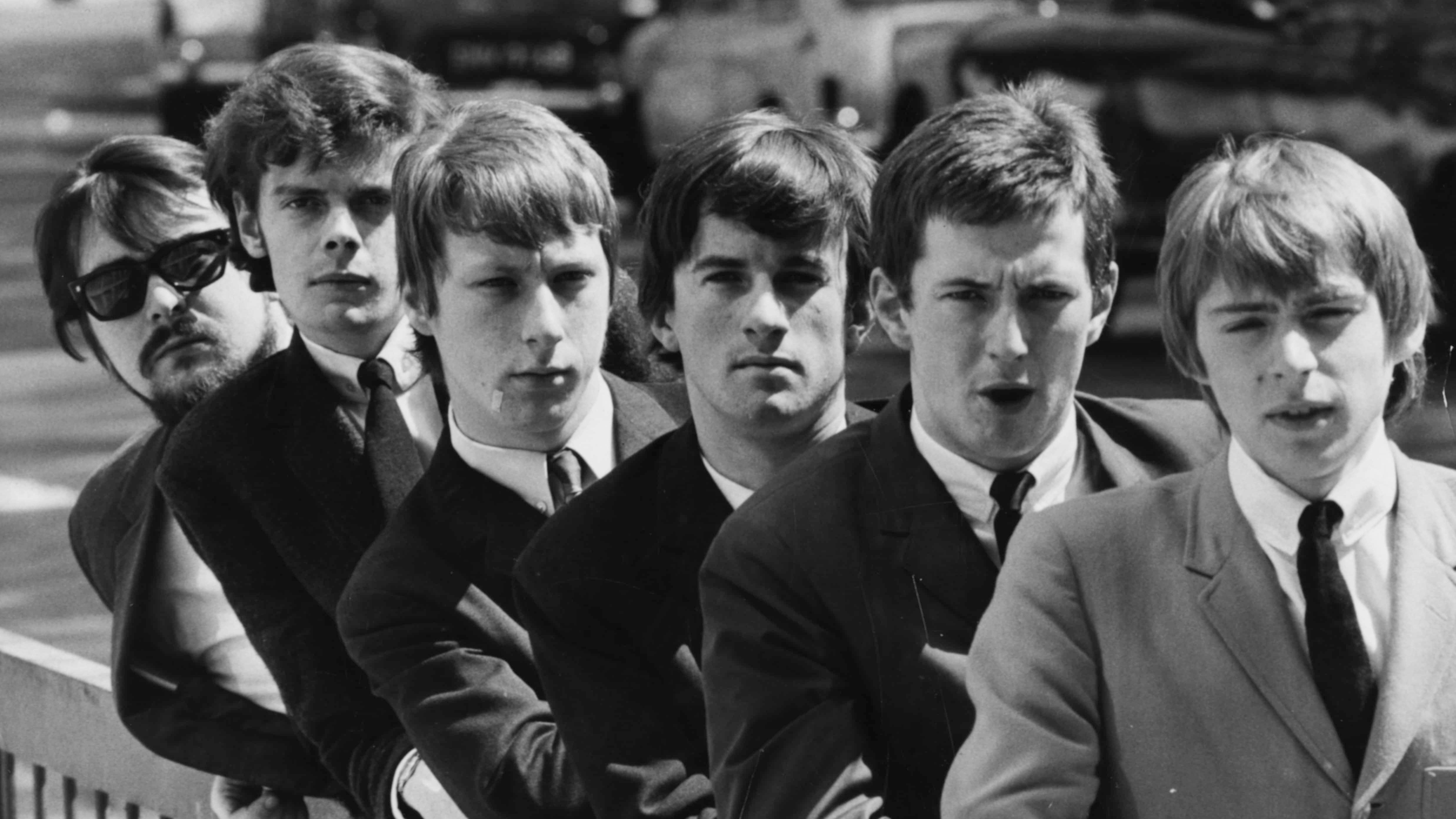 Evening Standard, Getty Images
The Gospel Of Pure Blues
Clapton’s philosophy was simple: honor the source. He believed deeply in traditional electric blues, played with emotional restraint and respect for its roots. Volume, flash, and pop ambition weren’t part of the equation.
According to fellow 60s icon Donovan, Clapton was such a purist that he even complained when the music got too loud. He reportedly told future guitar legends Jimmy Page and Jeff Beck, you’re too loud. That wasn’t just a comment—it was a worldview.
 Alex G from Puteaux, France, Wikimedia Commons
“Clapton Is God” And The Birth Of A Myth
During his Yardbirds era, graffiti began appearing around London that read Clapton is God. It was both tongue-in-cheek and strangely prophetic. His playing had a clarity and authority that stood out in the exploding British blues scene.
The myth grew quickly. Audiences weren’t just watching a guitarist—they were witnessing someone who seemed to treat the instrument like a sacred object.
Walking Away From Pop Success
In 1965, The Yardbirds recorded For Your Love, a more commercial single that leaned into pop territory. It became a hit. Clapton hated it.
To him, the song represented a betrayal of the blues. So he did something almost unthinkable for a 20-year-old musician: he quit a successful band on principle.
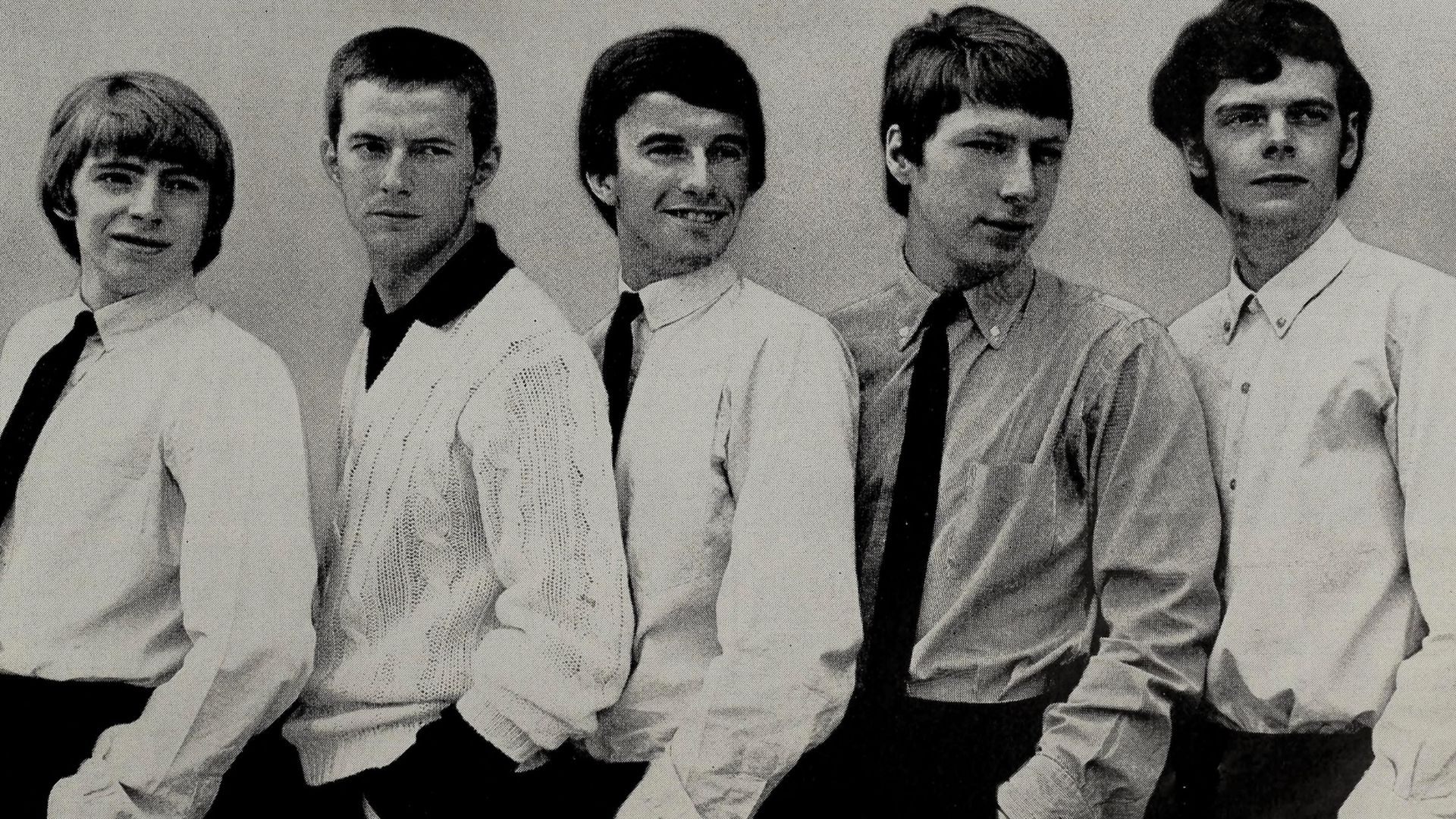
The Bluesbreakers And Turning Up The Volume
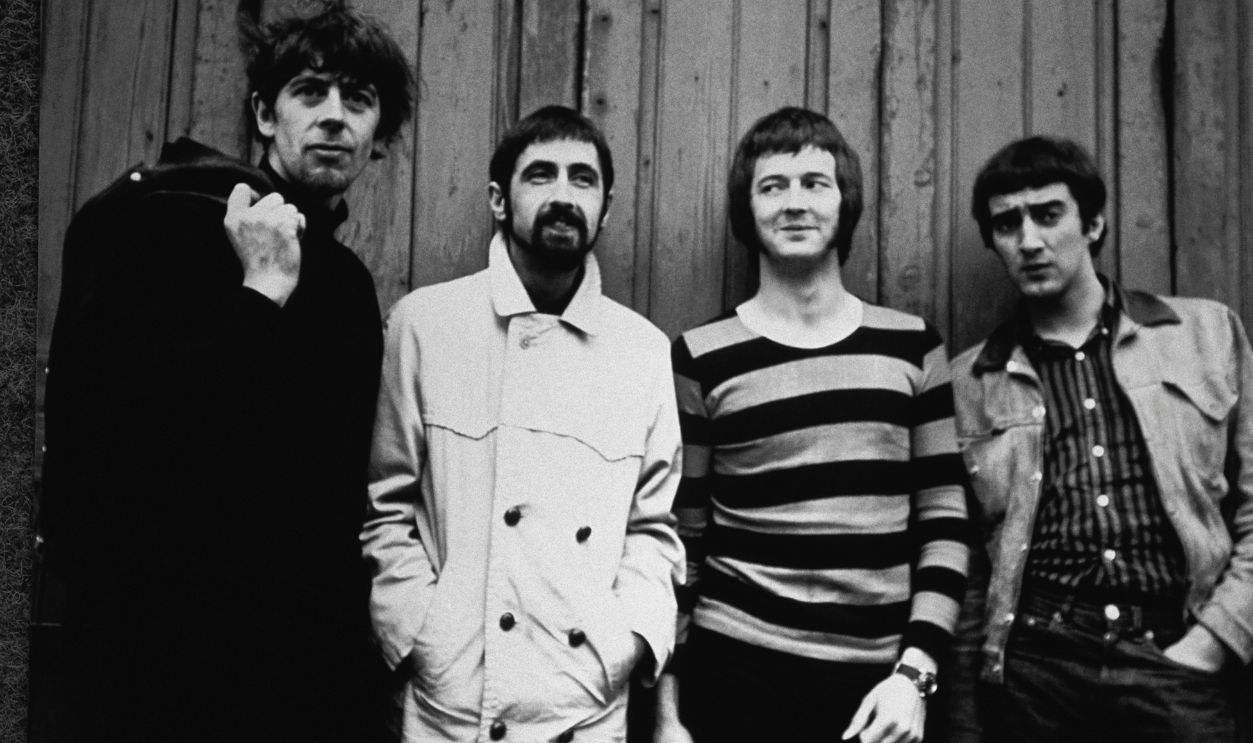
After leaving The Yardbirds, Clapton joined John Mayall & the Bluesbreakers. Ironically, this period—when he was seeking purity—also saw him embracing a louder, more distorted guitar tone.
The famous “Beano” album became a landmark in British blues-rock. His Les Paul through a cranked Marshall amplifier helped define the sound of the era. Even purists evolve.
 Michael Ochs Archives, Getty Images
Cream And Controlled Chaos
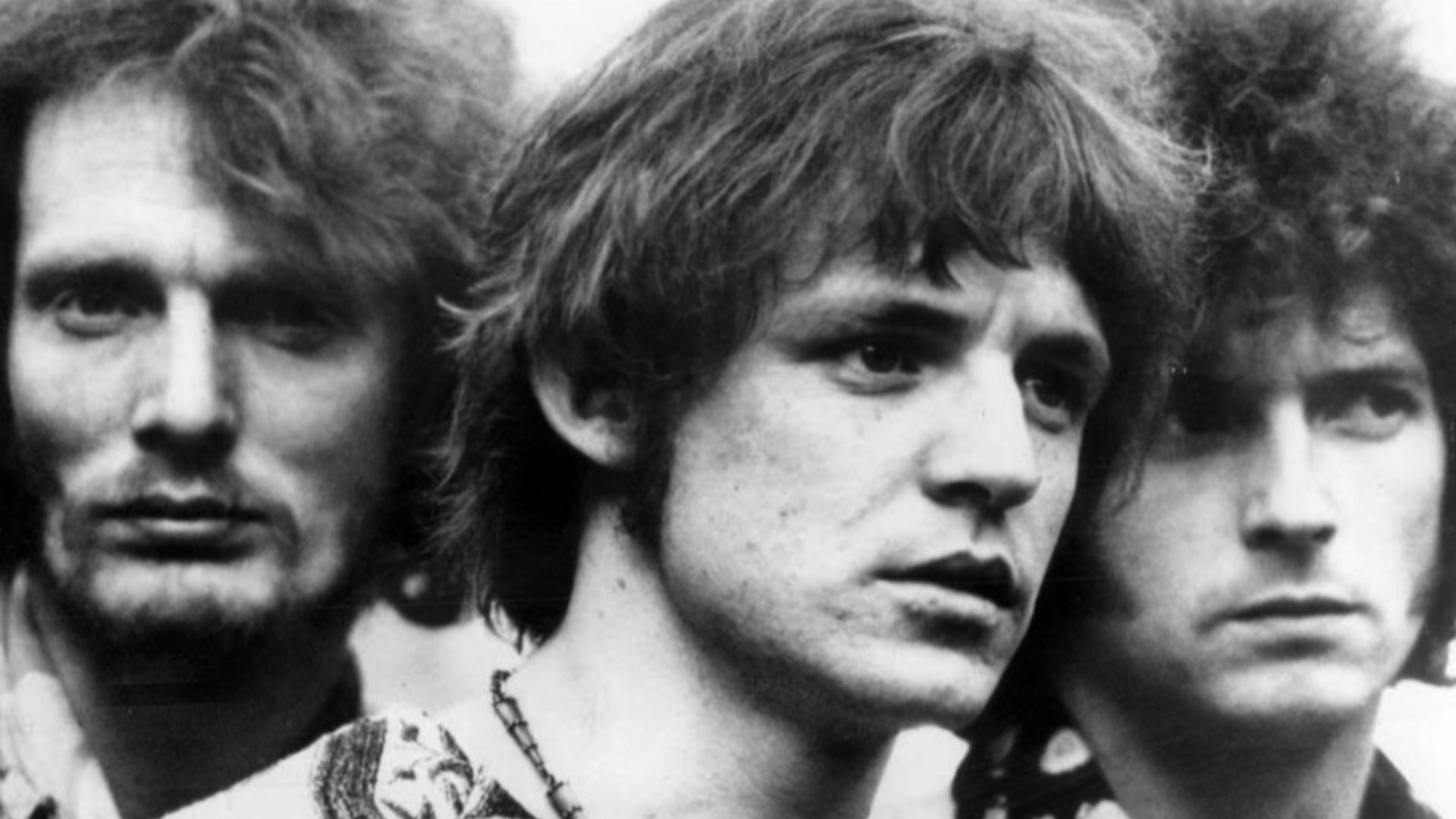
In 1966, Clapton formed Cream with bassist Jack Bruce and drummer Ginger Baker. The trio blended blues roots with improvisation and psychedelic experimentation. It was explosive, virtuosic, and often volatile.
Cream turned Clapton into an international star. Songs like Sunshine of Your Love and Crossroads showcased his ability to stretch the blues into something bigger, louder, and more arena-ready.
Guitar Hero Rivalries And Mutual Respect
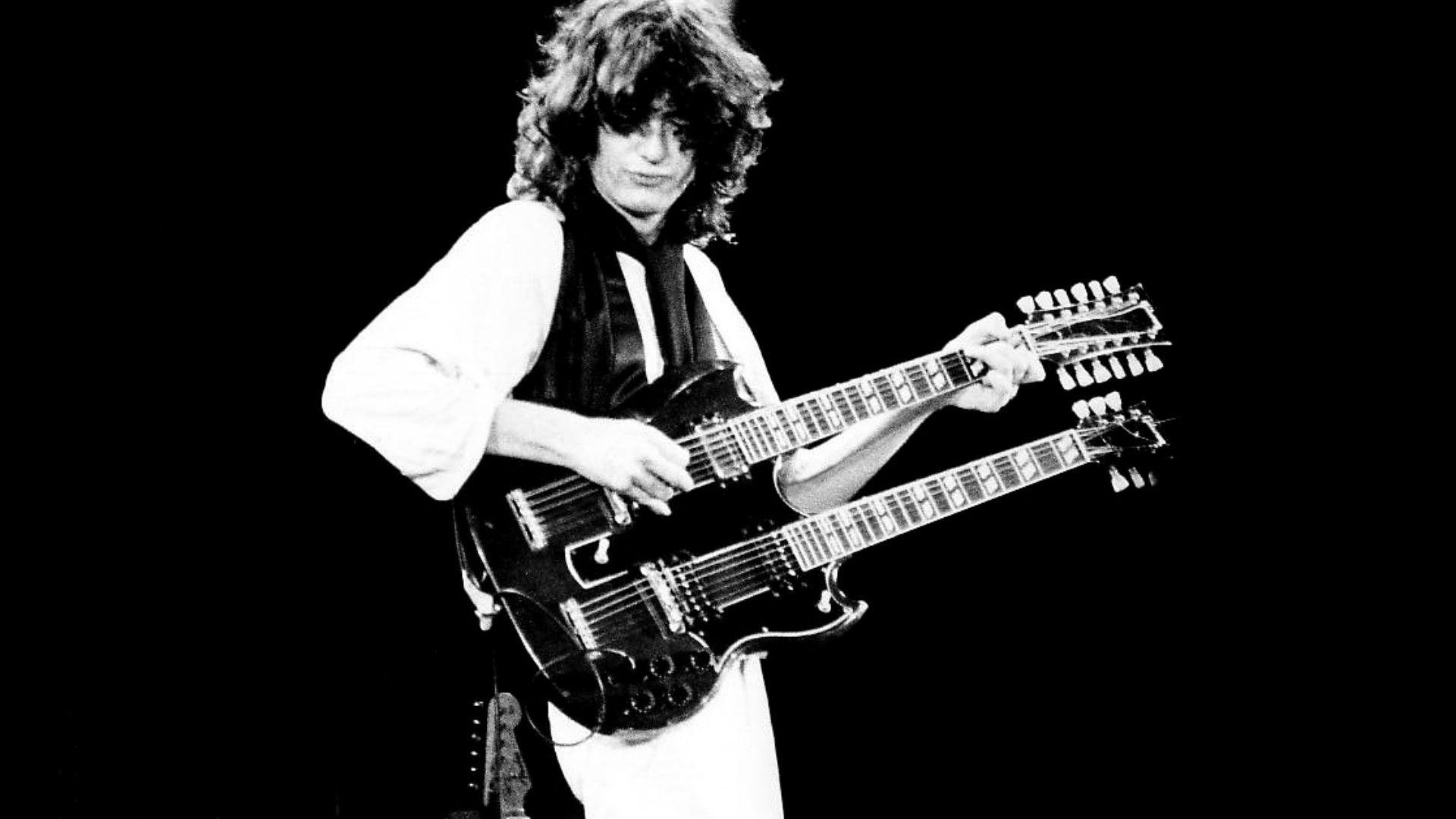
Clapton’s era was crowded with talent—Jimmy Page, Jeff Beck, Jimi Hendrix. Each pushed the electric guitar in bold new directions. Clapton’s purism sometimes clashed with the growing appetite for spectacle.
Yet the competition also fueled innovation. The so-called golden generation of British guitarists didn’t just coexist—they challenged one another to redefine rock music.
 Andrew Smith, Wikimedia Commons
The Hendrix Shockwave
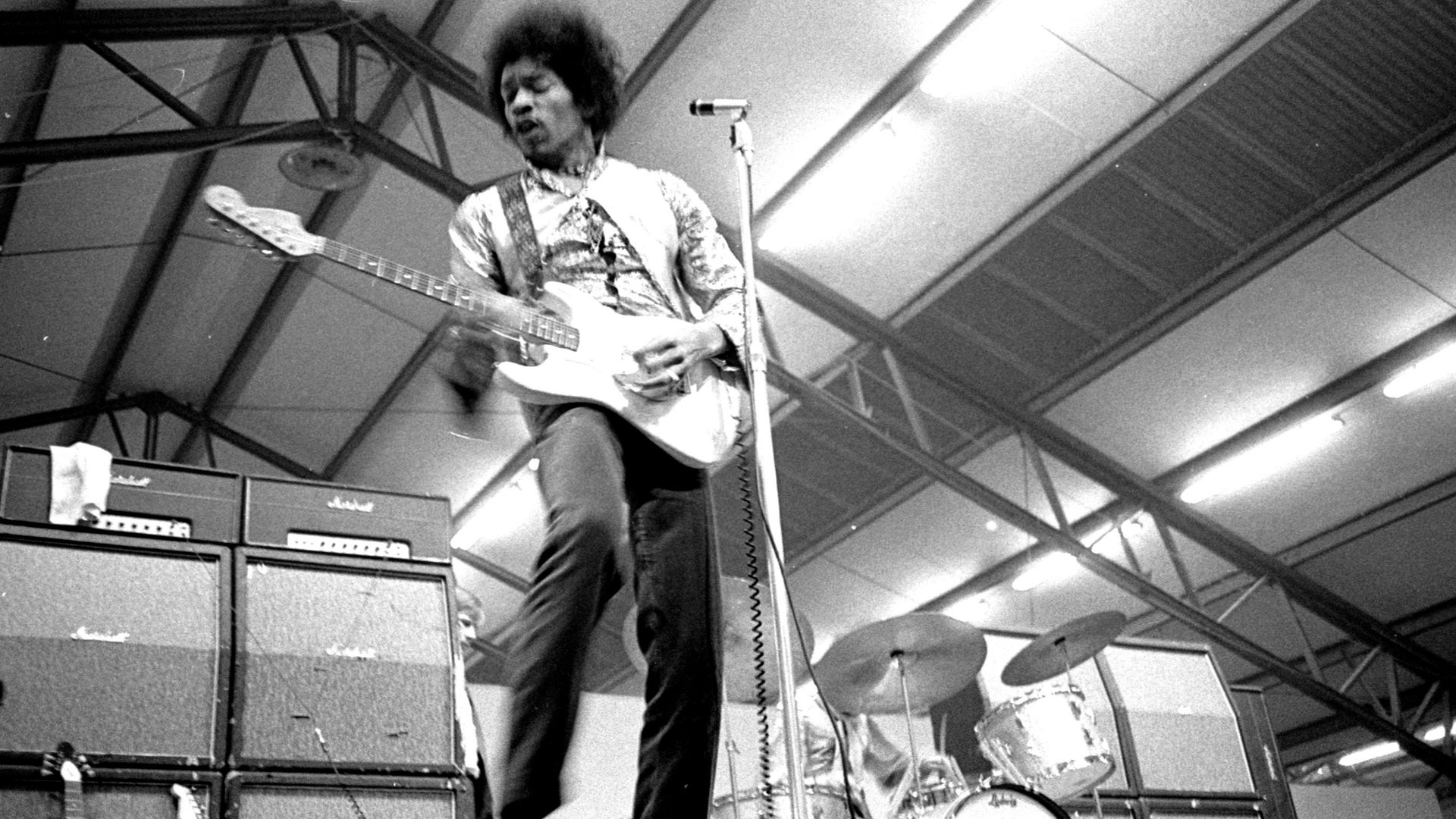
When Jimi Hendrix arrived in London in 1966, Clapton was reportedly stunned. Hendrix’s fearless technique and stage presence upended expectations overnight.
For someone who had been called God, it was a humbling moment. Clapton suddenly found himself sharing the heavens.
Blind Faith And The Weight Of Expectation
After Cream disbanded in 1968, Clapton formed Blind Faith with Steve Winwood. The supergroup’s debut album was highly anticipated and commercially successful. But internal tensions and sky-high expectations quickly took their toll.
Clapton was already growing weary of the spotlight. The hero narrative was becoming heavy.
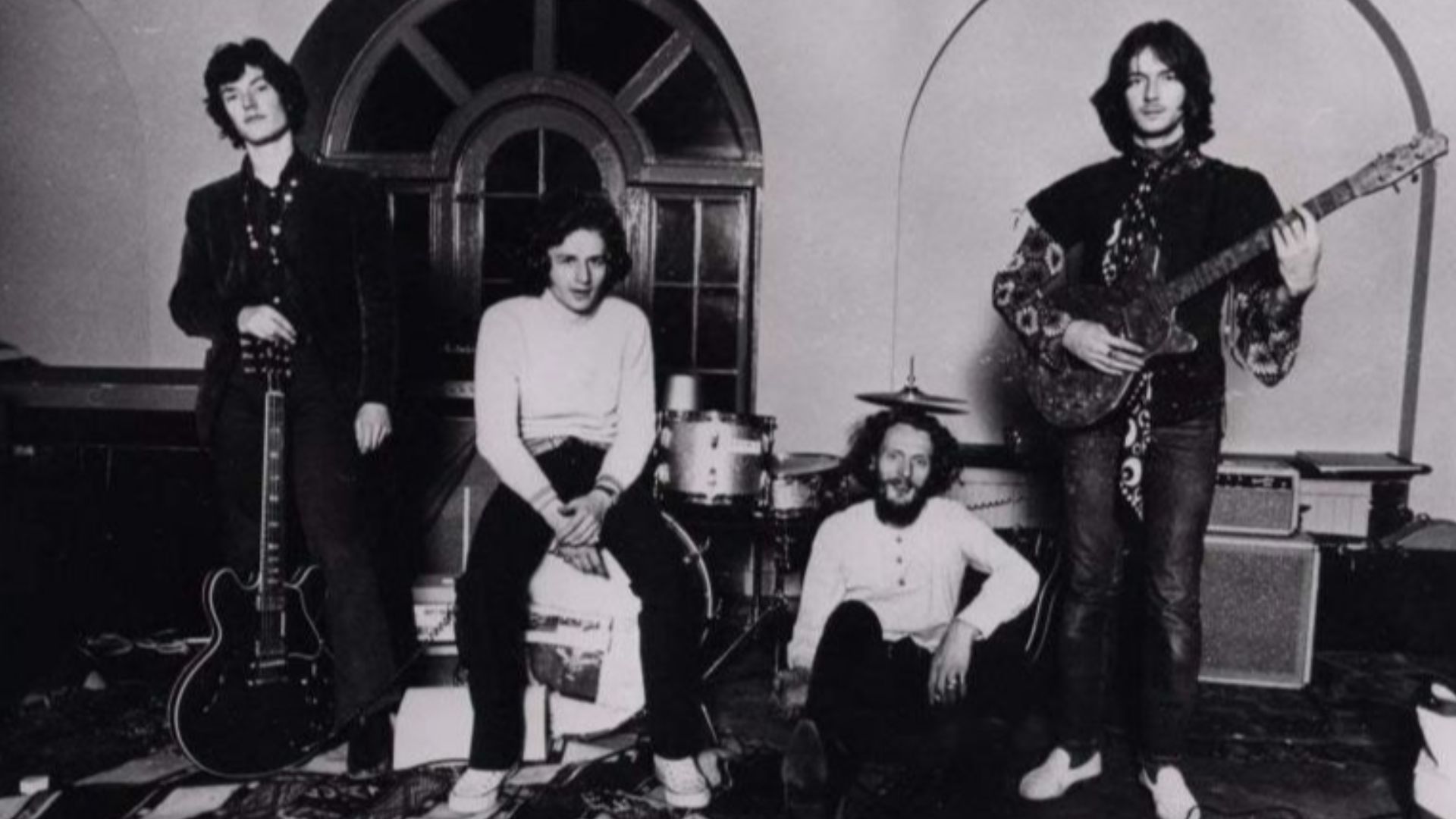 Island Records, Wikimedia Commons
Derek And The Dominos And A Love Song For The Ages
In 1970, Clapton formed Derek and the Dominos. During this period, he wrote Layla, inspired by his unrequited love for Pattie Boyd, who was then married to George Harrison.
Layla became one of rock’s defining songs—a desperate, aching expression of longing. It proved that Clapton’s emotional intensity extended far beyond guitar solos.
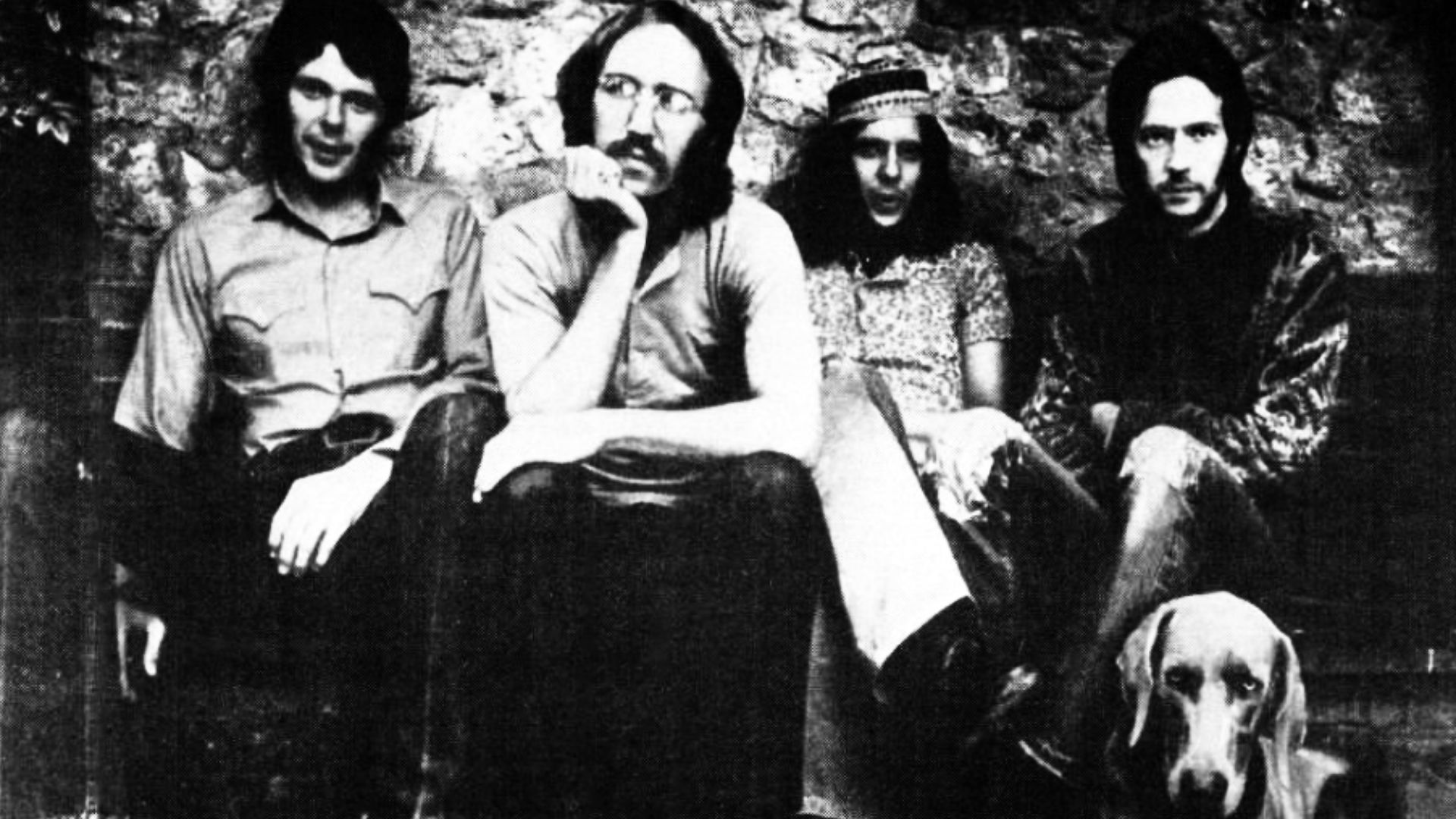 Atco Records, Wikimedia Commons
Addiction And A Fall From Grace
The early 1970s were marked by substance addiction, which stalled Clapton’s career. He withdrew from public life and struggled privately.
The bluesman who once stood on principle now faced a far more personal battle. Hero status offered no immunity from self-destruction.
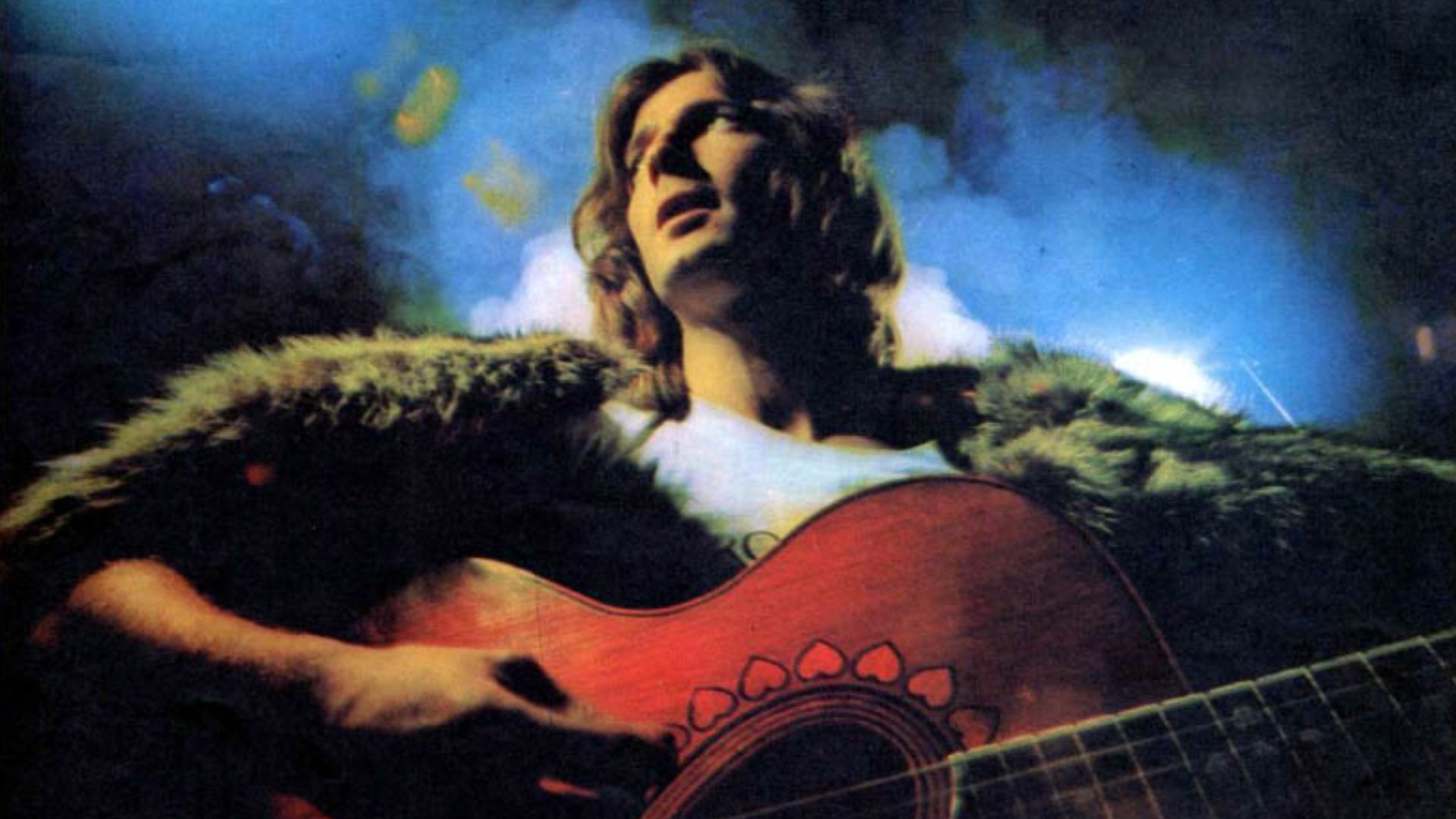 Unknown authorUnknown author, Wikimedia Commons
A Slow Climb Back
With the help of friends like Pete Townshend, Clapton returned to performing in the mid-1970s. His comeback concerts signaled resilience, even if the music world had shifted again.
He adapted, blending blues with more mainstream rock and pop influences. The purist was learning compromise.
 Ross from hamilton on, Canada, Wikimedia Commons
Controversy And Public Backlash
In 1976, Clapton made inflammatory political remarks during a concert that sparked widespread criticism. Many fans were stunned and disappointed.
The backlash was intense and long-lasting. For some, the hero image cracked permanently.
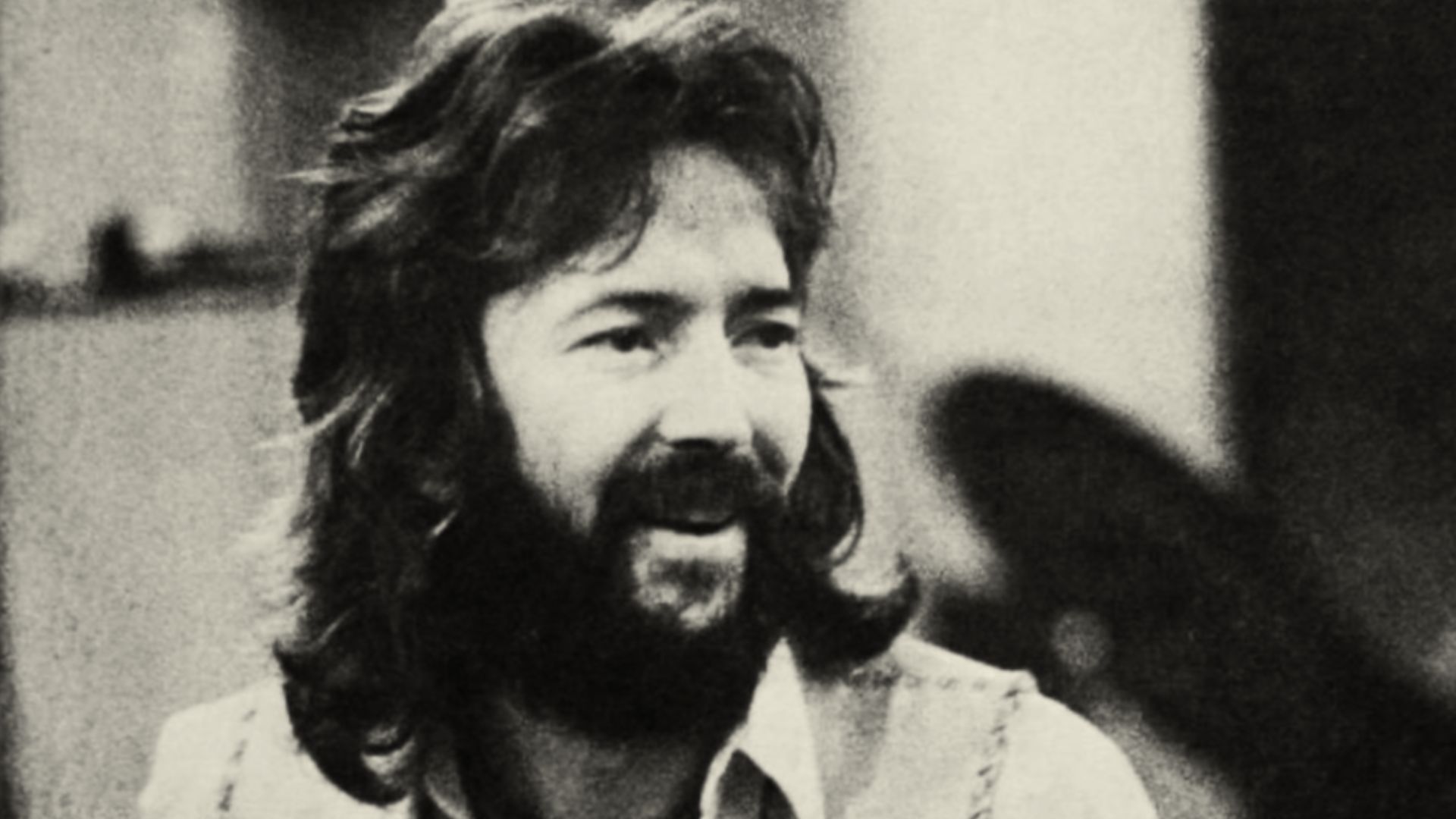 RSO Records, Wikimedia Commons
Reinvention Through Songwriting
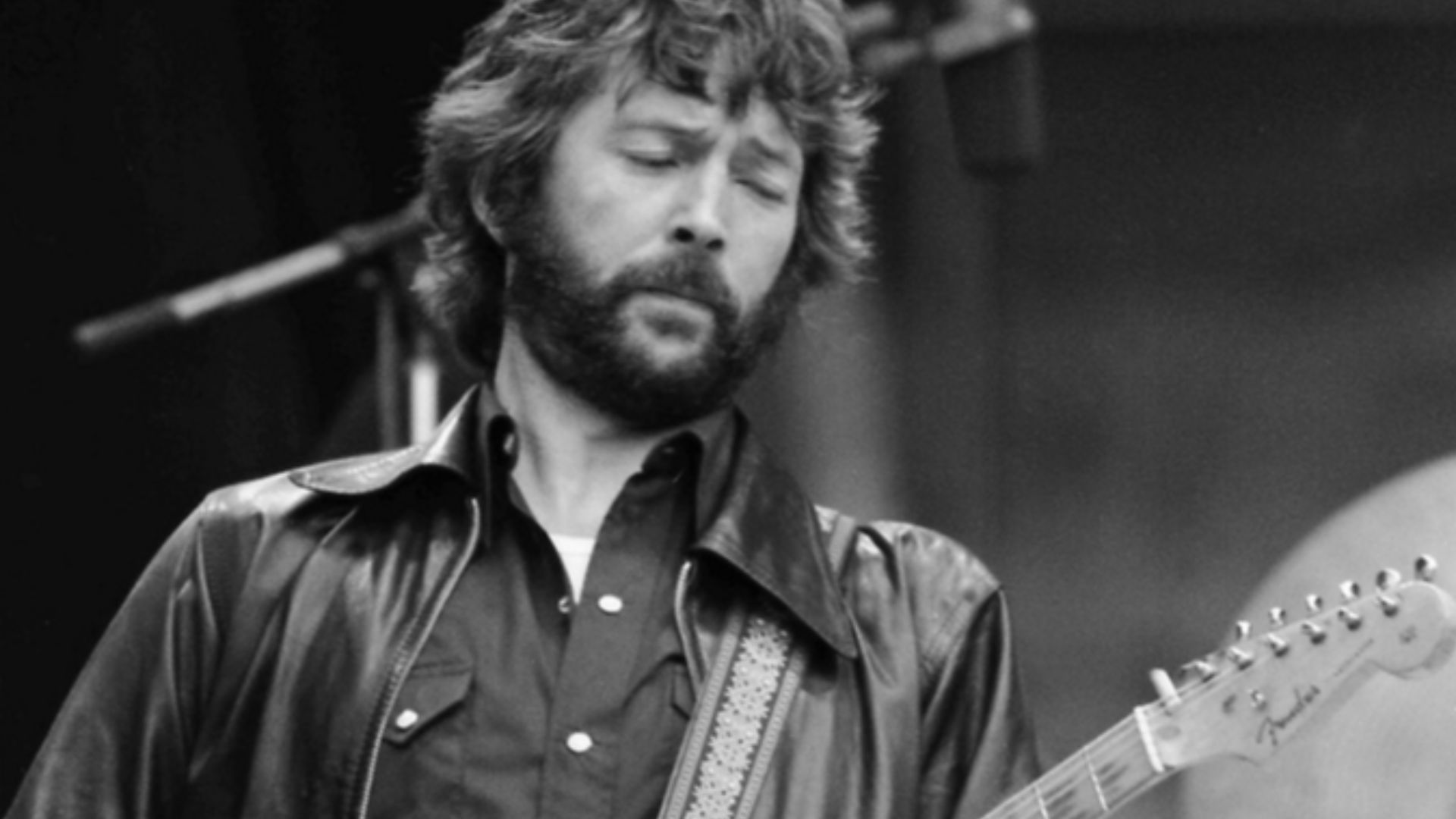
Despite controversy, Clapton continued releasing successful music throughout the late 1970s and 1980s. Songs like Wonderful Tonight and I Shot the Sheriff broadened his appeal.
He was no longer just a blues revivalist—he was a global pop-rock figure.
 Chris Hakkens, Wikimedia Commons
The MTV Era And New Audiences
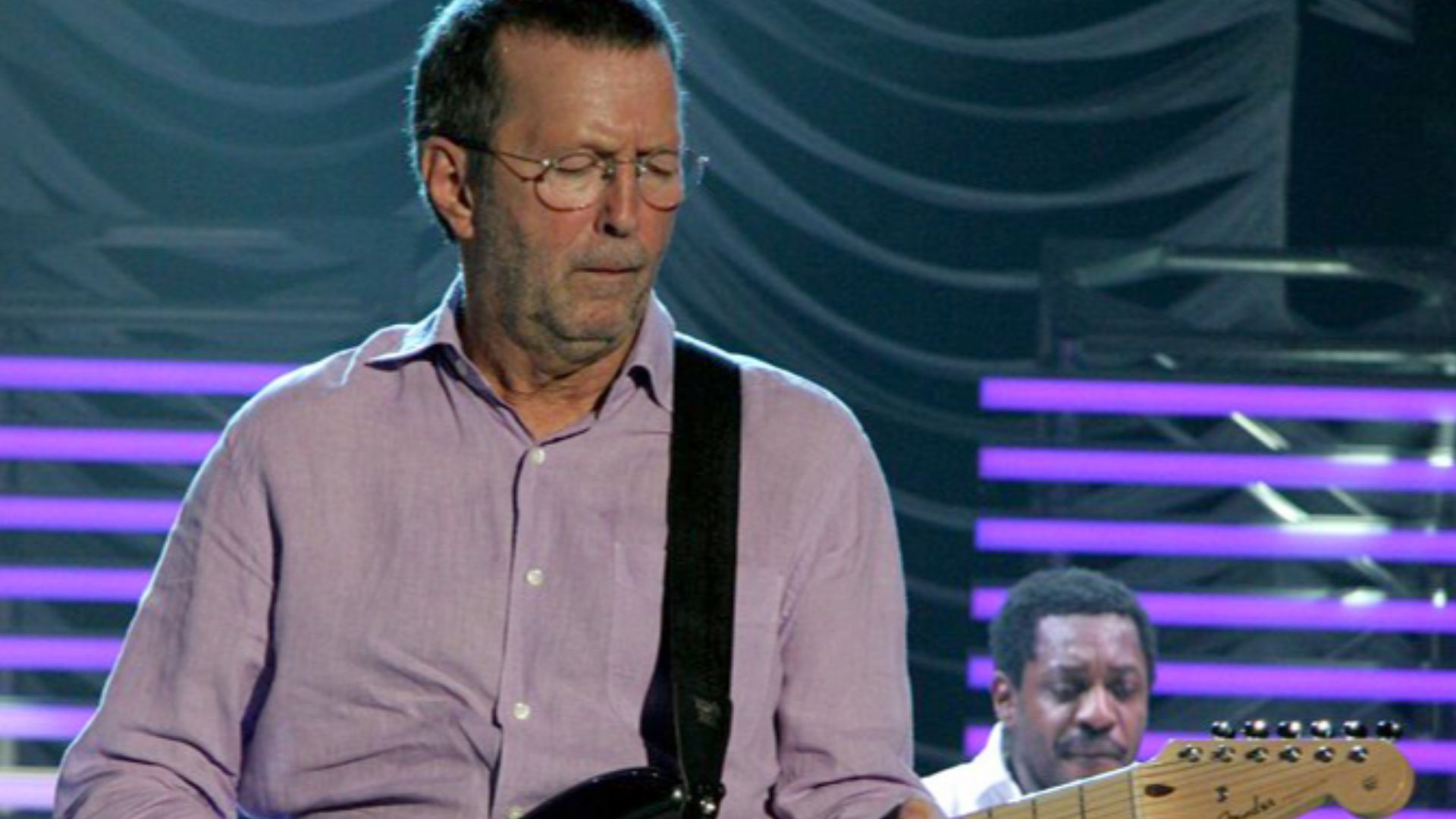
Clapton navigated the MTV era with surprising ease. His polished production and mature songwriting connected with a new generation of listeners.
He had gone from underground blues devotee to mainstream mainstay without entirely abandoning his roots.
Unplugged And A Return To Intimacy
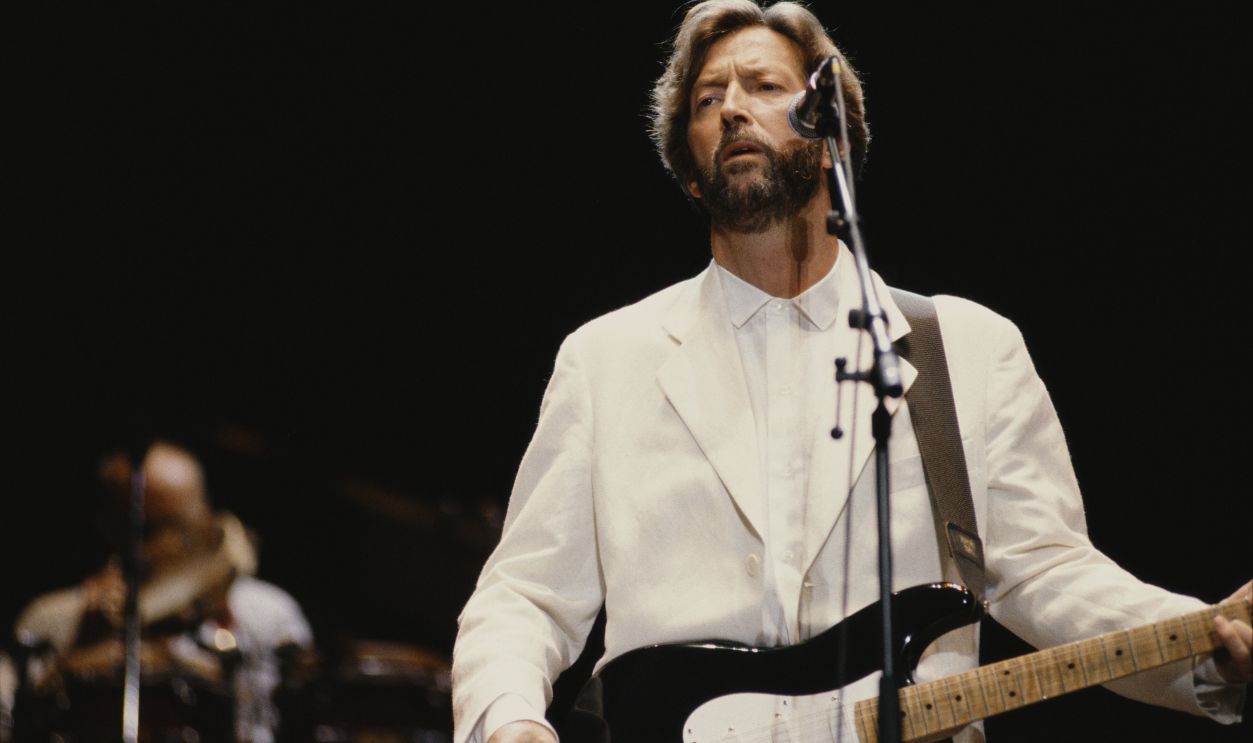
In 1992, Clapton released Unplugged, featuring an acoustic version of Layla and the deeply personal Tears in Heaven. The album became one of the best-selling live albums of all time.
Stripped-down arrangements brought him back to the essence of blues storytelling—raw, direct, and vulnerable.
Tragedy And “Tears In Heaven”
The song Tears in Heaven was written after the tragic loss of his young son, Conor, in 1991. The loss devastated Clapton. The song’s quiet grief resonated worldwide, revealing a different kind of strength—one rooted in honesty rather than guitar heroics.
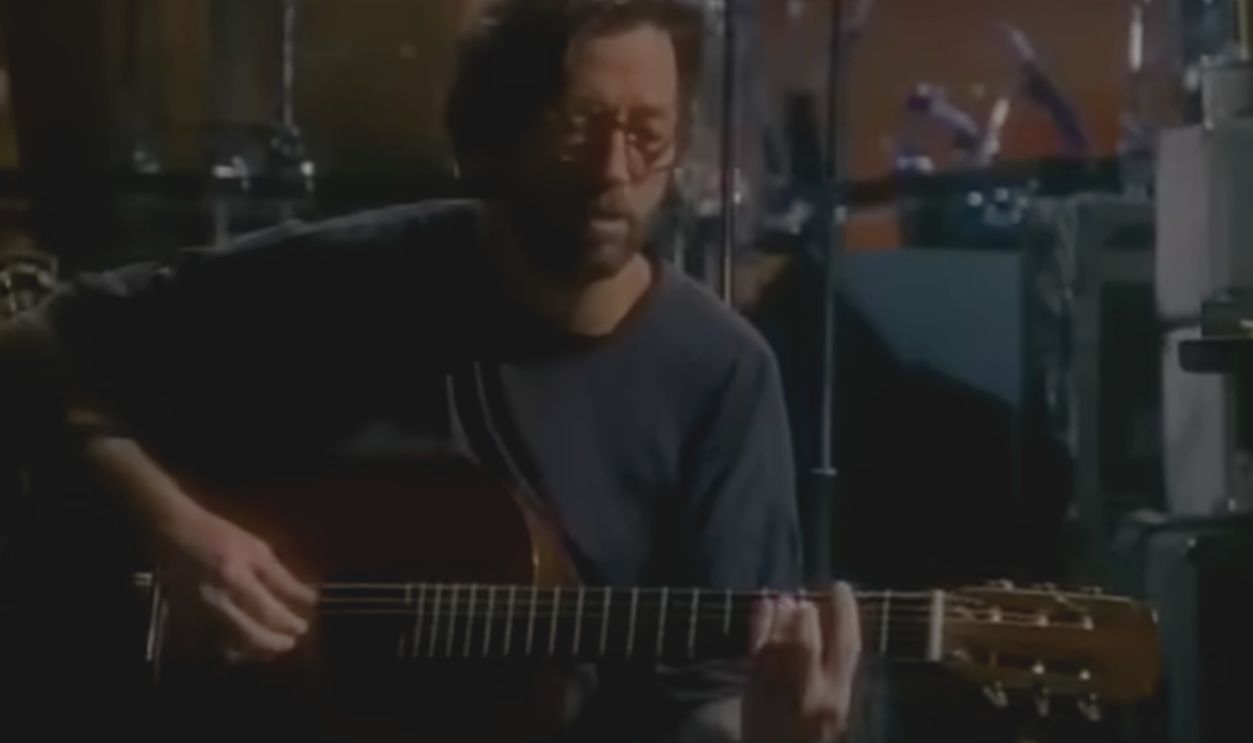 Screenshot from Tears in Heaven, Reprise Records (1992)
A Lifelong Blues Devotee
Throughout decades of stylistic shifts, Clapton consistently returned to traditional blues. He recorded tributes to Robert Johnson and collaborated with B.B. King.
The teenage obsession never fully faded. It simply matured.
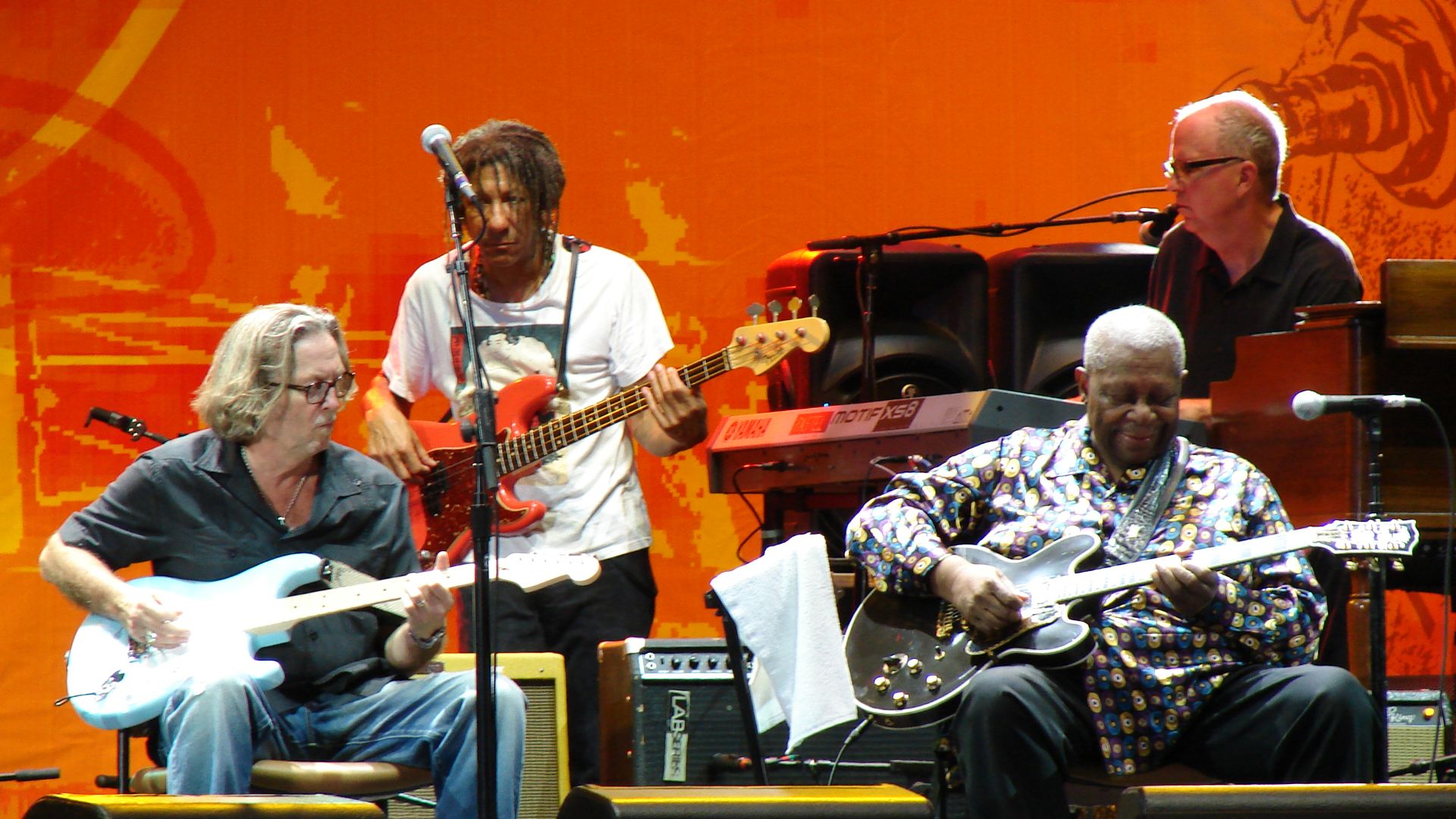 Alex G from Puteaux, France, Wikimedia Commons
Awards, Honors, And Rock History
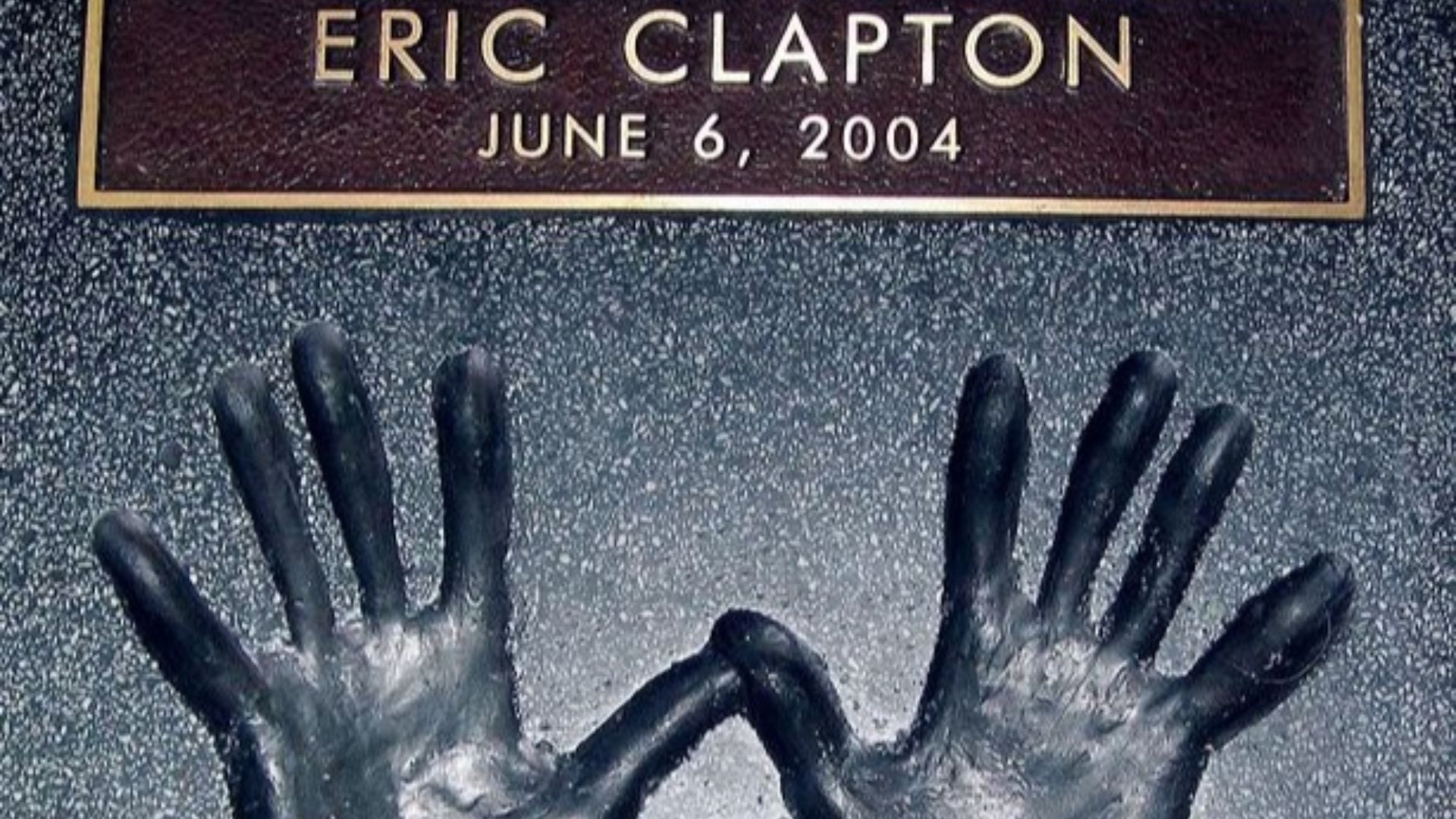
Clapton became the only musician inducted into the Rock and Roll Hall of Fame three times—once as a member of The Yardbirds, once with Cream, and once as a solo artist.
It’s a rare distinction that underscores his layered legacy.
Hero To Some, Pariah To Others
Clapton’s career has been marked by brilliance and controversy, devotion and division. His unwavering commitment to blues authenticity both defined him and isolated him at times.
Some see a guardian of tradition. Others see a complicated, flawed figure whose actions cloud his artistry.
 John Bauld from Toronto, Canada, Wikimedia Commons
The Relentless Pursuit Of The Real Thing
When he joined The Yardbirds at 18, Clapton thought he was choosing the straightest path to musical truth. Instead, that pursuit led him through superstardom, rivalry, addiction, reinvention, and public reckoning.
The irony is that his search for pure blues never kept him pure from controversy. It simply ensured that whatever he did—right or wrong—he did it loudly enough to echo for decades.
You May Also Like:
Artists Who Absolutely Refuse To Lip Sync—And The Disasters That Exposed The Fakers