When Music Lived On Your Profile Page
Before streaming algorithms and TikTok trends, there was MySpace. Your profile song said everything about you, autoplay drama was real, and discovering music meant scrolling through glittery pages and embedded players. It was messy, loud, and somehow perfect. These are the songs that lived on profiles, blasted through speakers, and defined a generation that learned music through HTML and mood swings.
Soulja Boy Tell ‘Em – “Crank That (Soulja Boy)”
“Crank That” wasn’t just a song—it was a full internet takeover. Soulja Boy used early social platforms like MySpace and YouTube to spread the dance, making it one of the first viral hits of the digital era. Its simple beat and DIY energy felt perfectly matched to the time, when anyone with a laptop could suddenly become a star.
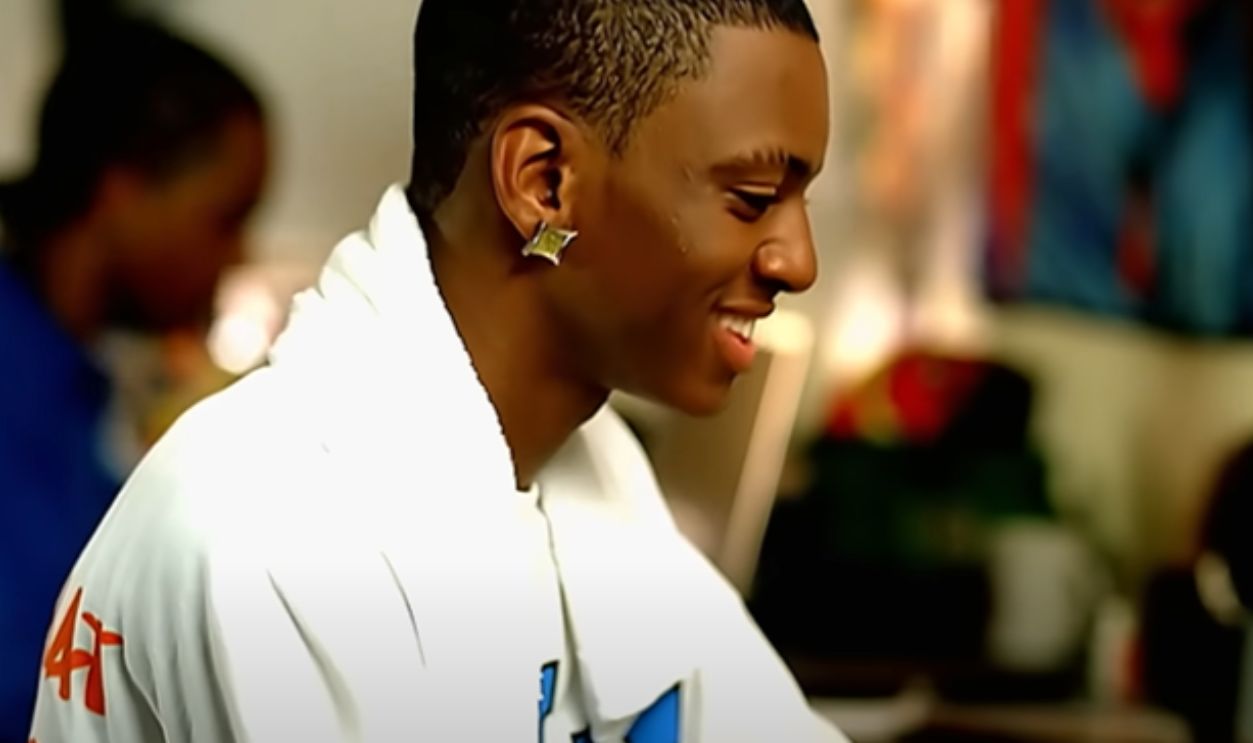 Screenshot from Crank That (Soulja Boy), Interscope Records (2007)
My Chemical Romance – “Welcome To The Black Parade”
“Welcome to the Black Parade” became an anthem for the MySpace emo generation. With its dramatic piano intro and explosive shifts, it felt like a full theatrical experience. The band’s aesthetic—black uniforms, heavy eyeliner, and cryptic lyrics—fit perfectly with profile culture, where identity and music were tightly connected.
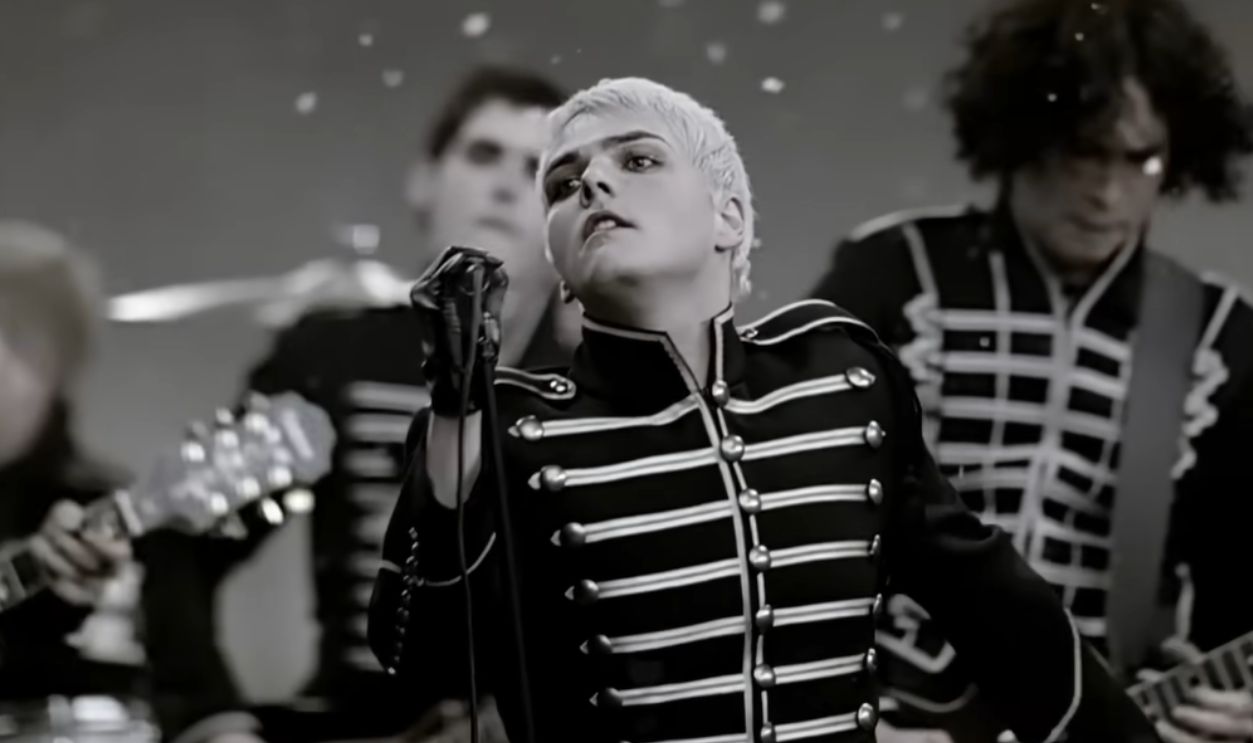 Screenshot from Welcome To The Black Parade, Reprise (2006)
Fall Out Boy – “Sugar, We’re Goin Down”
Fall Out Boy’s breakthrough hit thrived on MySpace, where its cryptic lyrics and emotional intensity resonated instantly. The song’s mix of pop hooks and punk energy made it endlessly replayable. It also helped define the era’s obsession with dramatic, poetic songwriting that fans would quote directly into their bios and status updates.
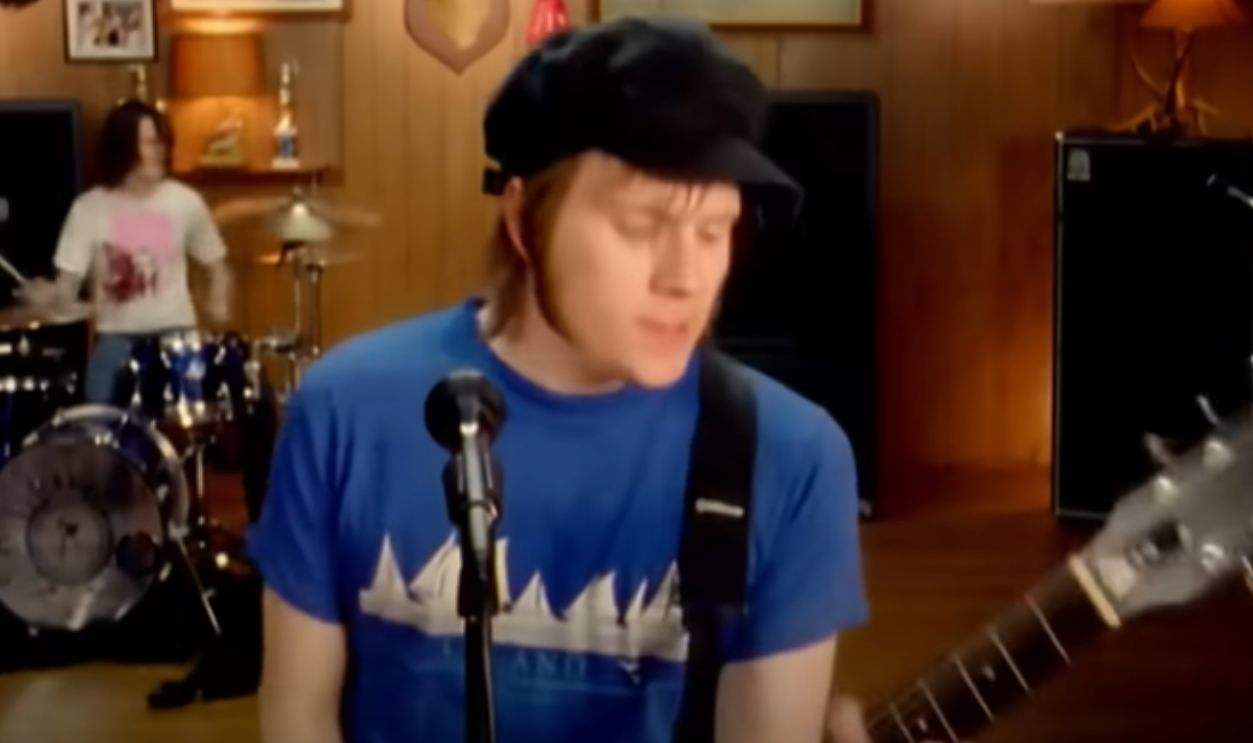 Screenshot from Sugar, We’re Goin Down, Island Records (2005)
Cascada – “Everytime We Touch”
“Everytime We Touch” brought European dance music straight into bedroom speakers. Its high-energy beat and emotional vocals made it a go-to track for late-night scrolling and dramatic profile edits. It didn’t matter where you heard it, it always felt bigger, brighter, and just a little over-the-top in the best way.
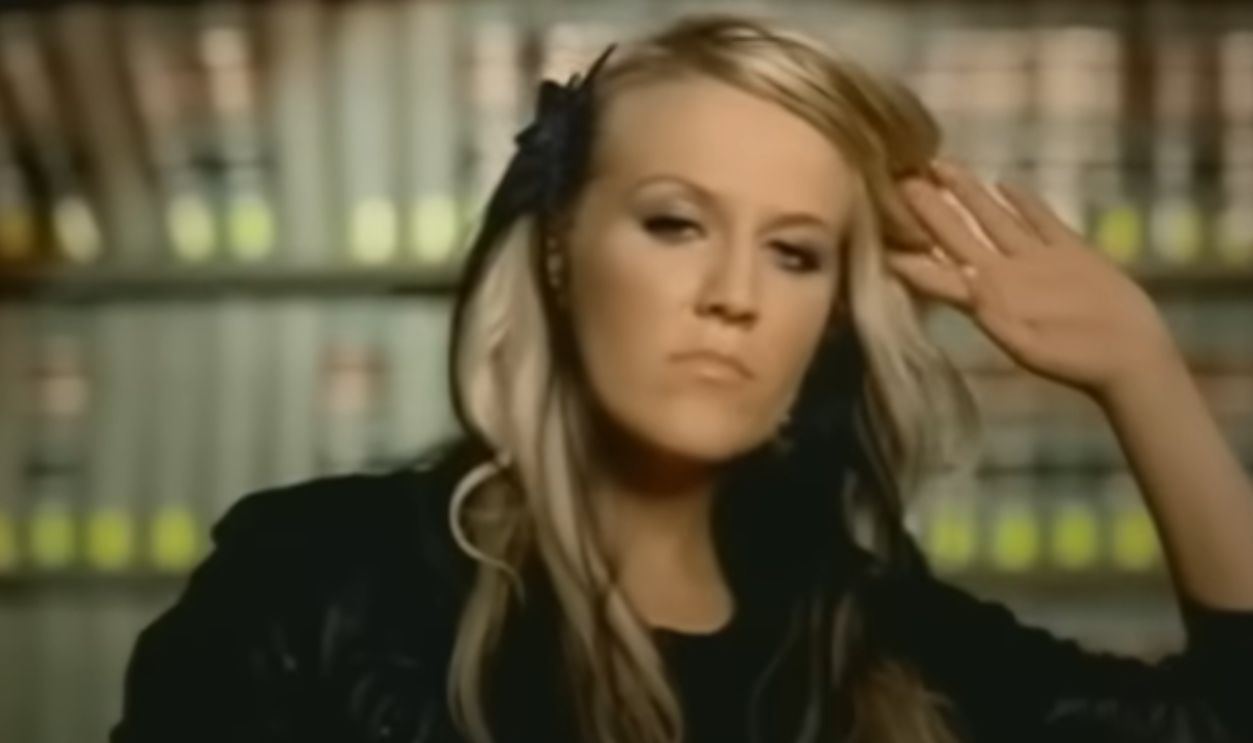 Screenshot from Everytime We Touch, Universal Music Group (2005)
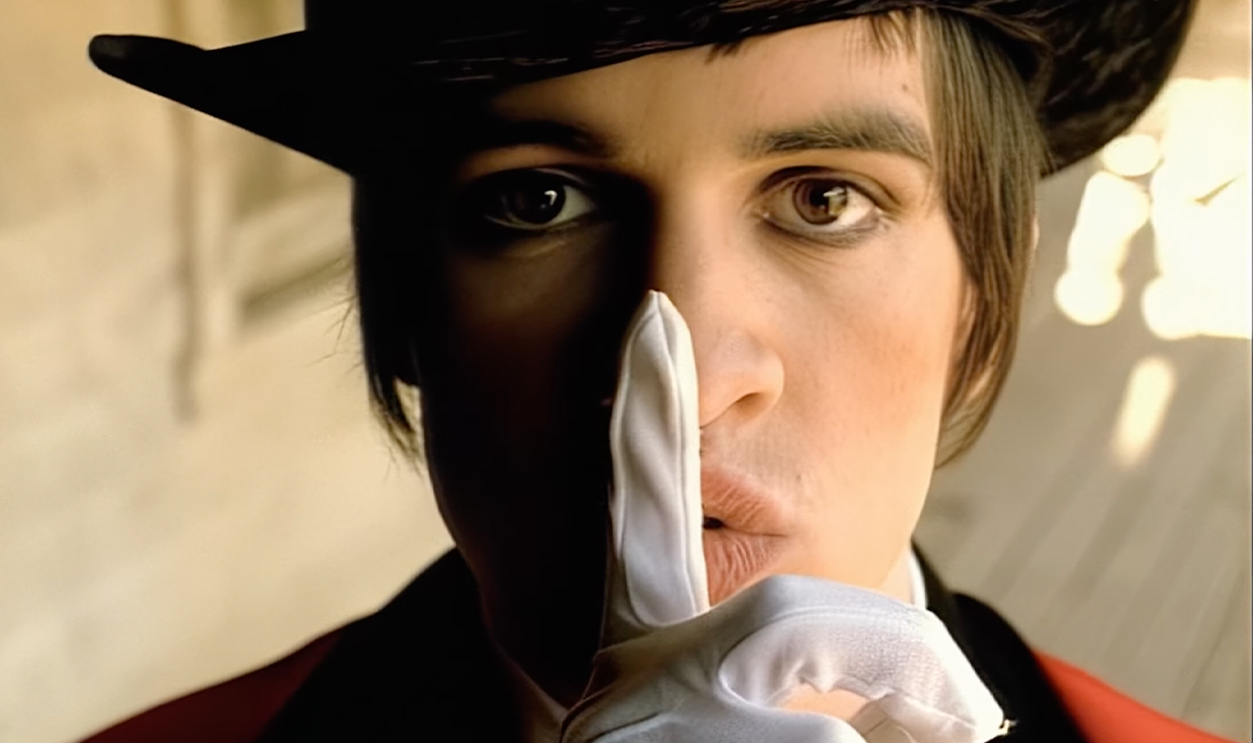
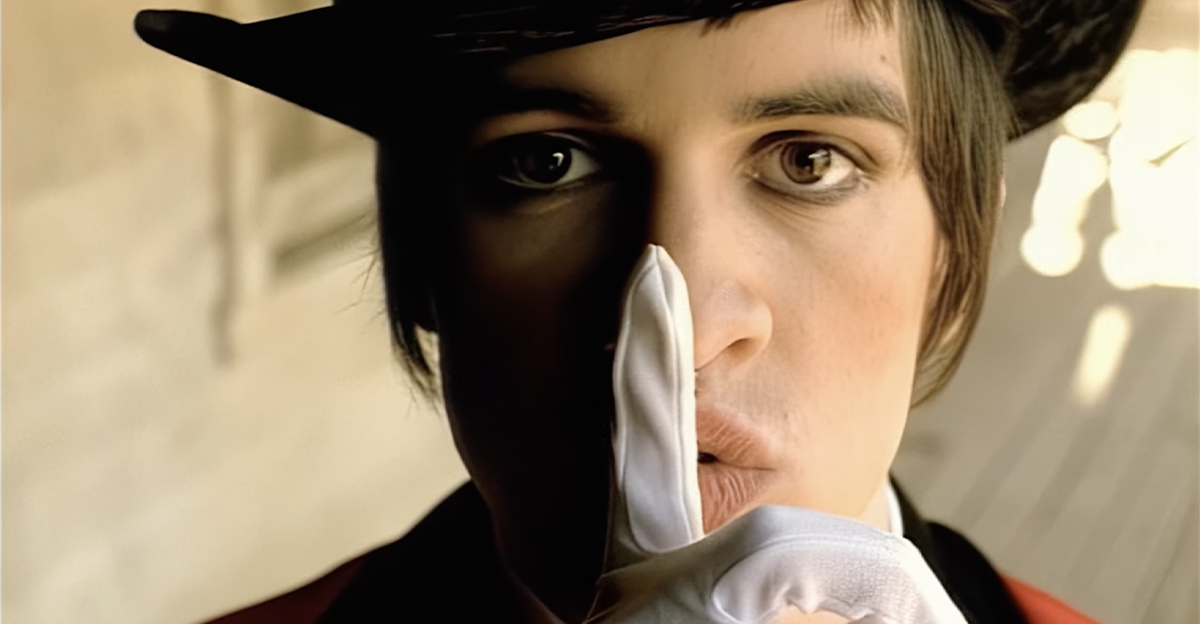
Panic! At The Disco – “I Write Sins Not Tragedies”
This song felt tailor-made for MySpace culture. Its theatrical delivery, memorable chorus, and dramatic lyrics made it instantly quotable. Panic! At The Disco leaned into a baroque, almost Victorian aesthetic that stood out visually and musically, making the track a staple for profiles that leaned into that dramatic, expressive style.
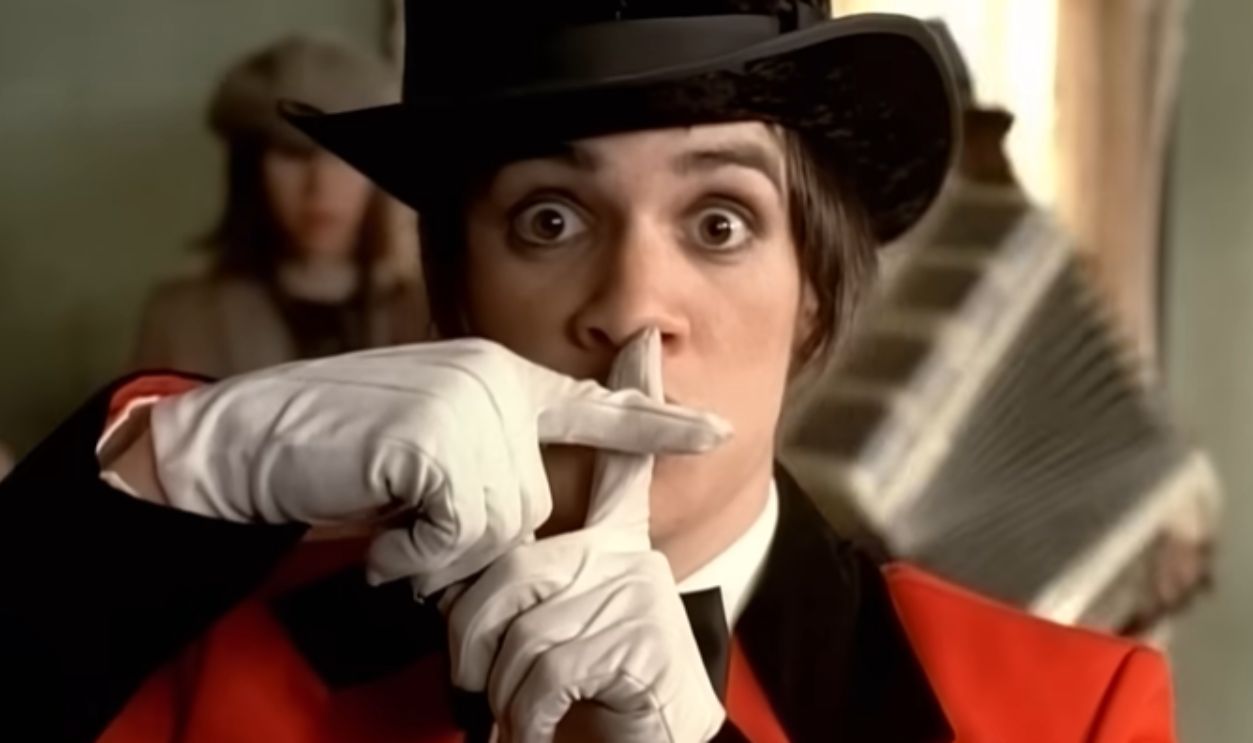 Screenshot from I Write Sins Not Tragedies, Fueled by Ramen (2006)
The Veronicas – “4ever”
“4ever” captured the restless, rebellious energy that defined a lot of MySpace-era pop. With its punchy guitars and carefree attitude, it felt like a soundtrack to late-night messages and teenage independence. The song’s direct, no-nonsense lyrics made it easy to connect with and even easier to loop endlessly.
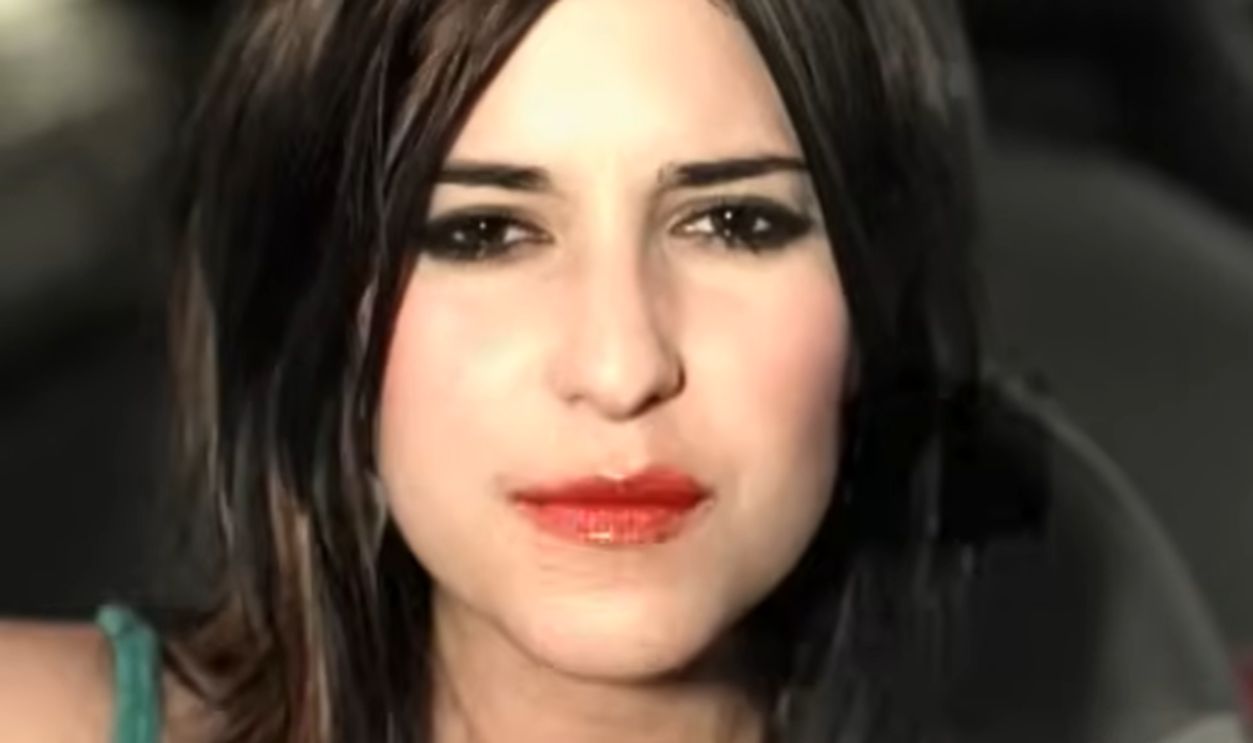 Screenshot from 4ever, Sire Records (2005)
Colbie Caillat – “Bubbly”
“Bubbly” spread through MySpace in a completely different way: quietly. Caillat built her audience through uploads and organic sharing, proving that not everything needed to be loud or dramatic. The song’s soft, acoustic feel offered a contrast to the chaos of the platform, giving it a kind of understated staying power.
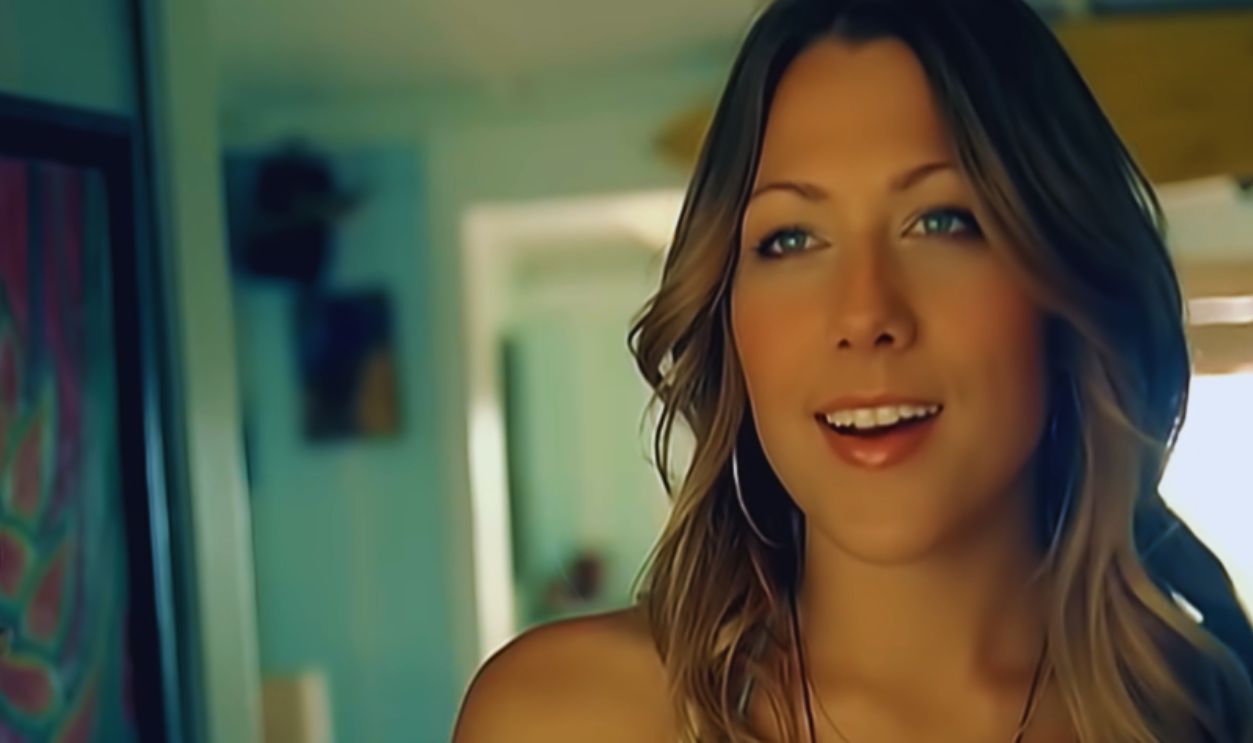 Screenshot from Bubbly, Universal Music Group (2007)
Ben Lee – “Catch My Disease”
“Catch My Disease” had a quirky, feel-good tone that stood out from heavier emo tracks. Its conversational lyrics and upbeat rhythm made it feel personal without being overly dramatic. It became one of those songs people added to their profiles when they wanted to show a slightly different side of their taste.
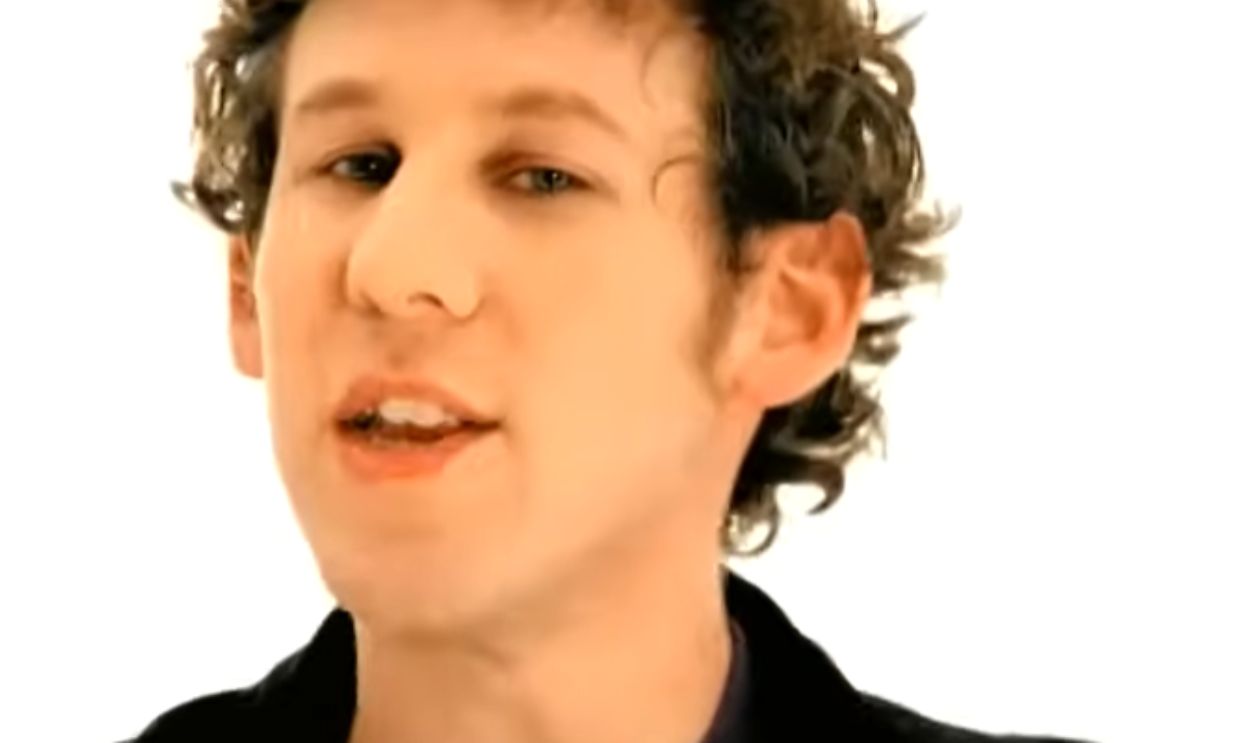 Screenshot from Catch My Disease, AllMusic Phantom Import Distribution (2005)
Jonas Brothers – “S.O.S.”
Before they became mainstream pop stars, the Jonas Brothers built a strong following through MySpace. “S.O.S.” combined catchy hooks with a polished but still youthful sound. The song’s success showed how quickly fanbases could grow online, especially when fans felt like they were discovering artists before everyone else.
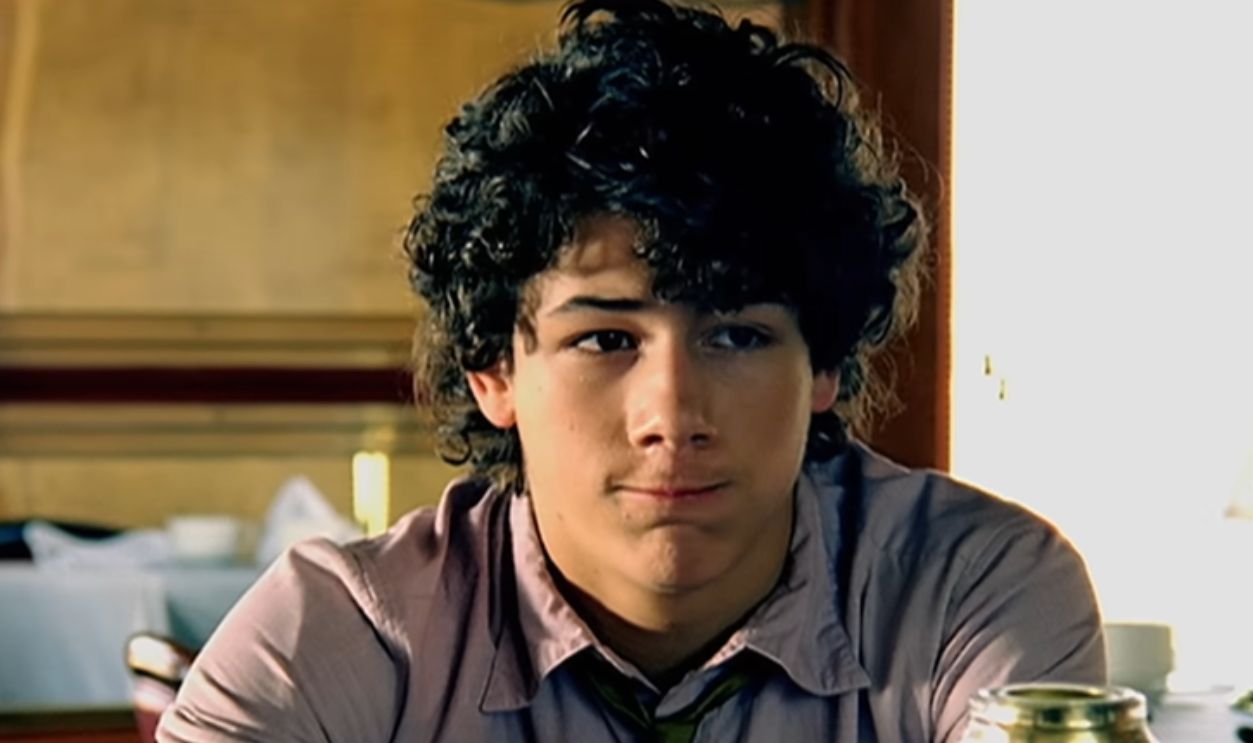 Screenshot from S.O.S., Hollywood Records (2007)
Gym Class Heroes – “Friend Request”
“Friend Request” feels like one of the most on-the-nose MySpace-era songs ever. Built around online relationships and digital communication, it captured a very specific moment in time. The concept alone made it stand out, reflecting how quickly social media was reshaping how people connected.
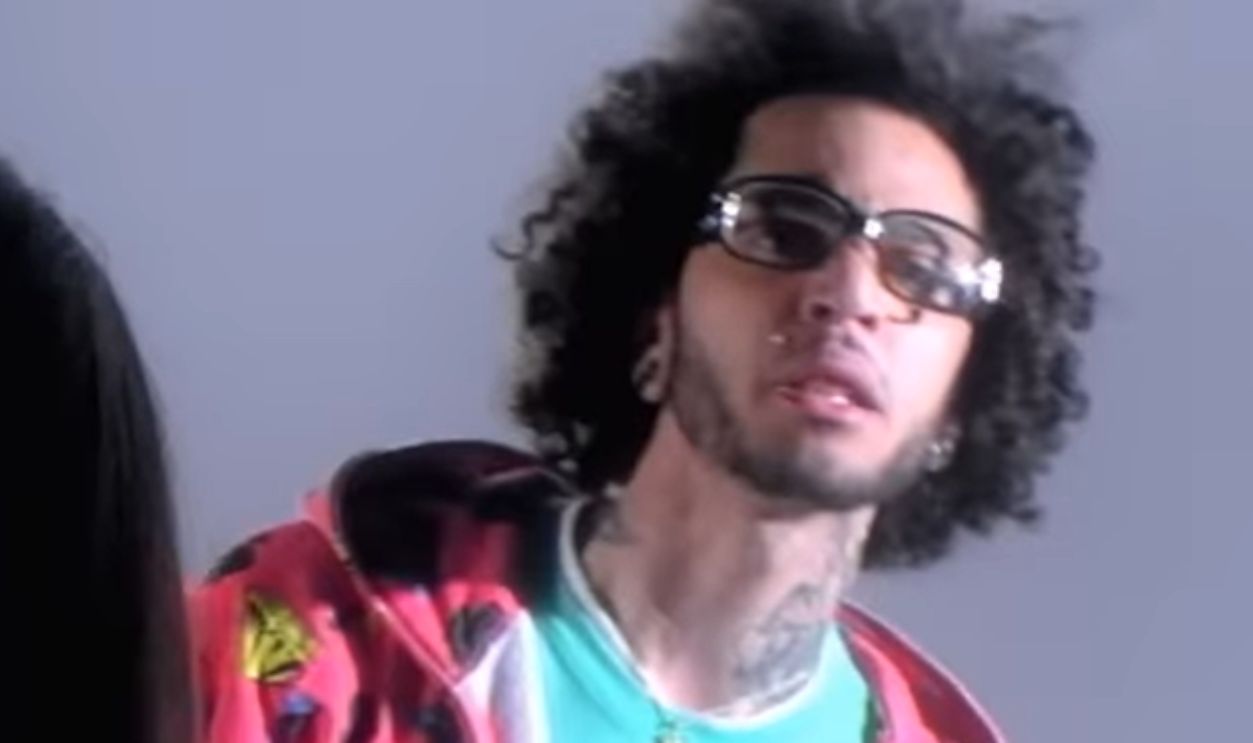 Screenshot from Friend Request, Fueled by Ramen (2006)
Lil Wayne – “A Milli”
“A Milli” brought a different kind of energy to MySpace pages. Its stripped-down beat and relentless flow made it feel raw and immediate. Lil Wayne’s dominance during this period meant the track spread quickly, becoming a staple for users who leaned more toward hip-hop.
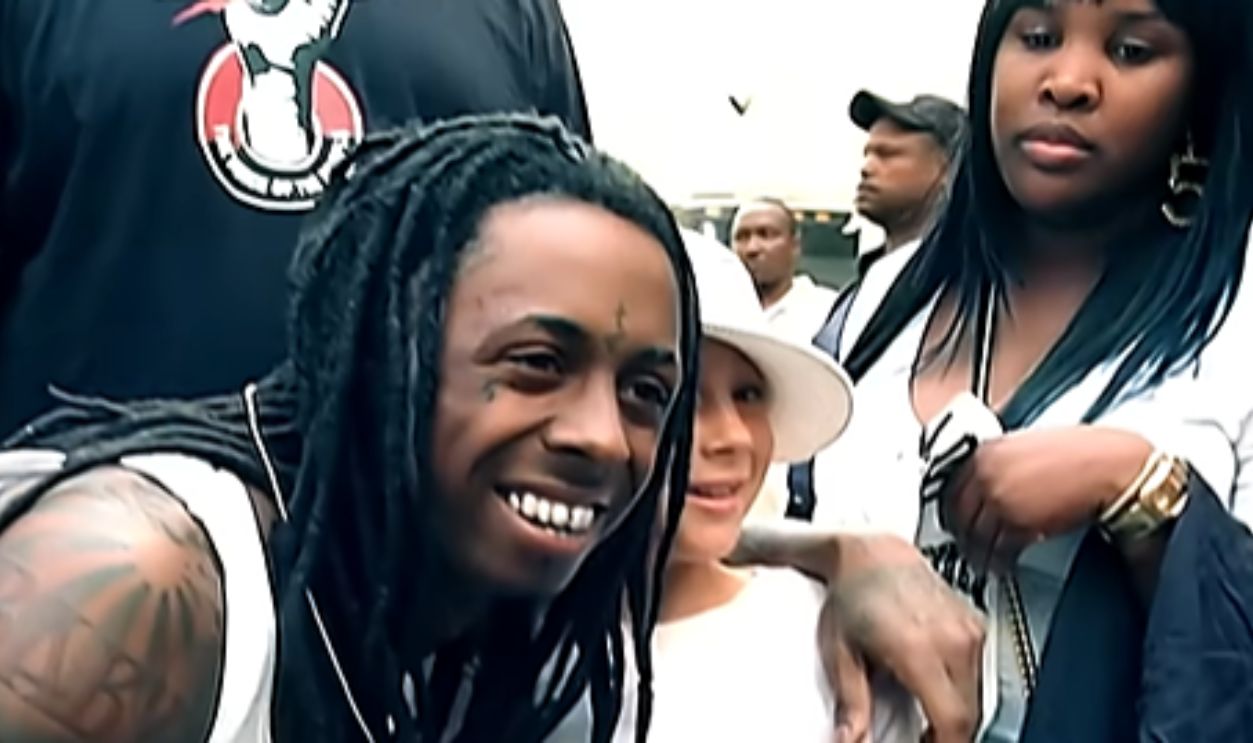 Screenshot from A Milli, Universal Music Distribution (2008)
Hellogoodbye – “Dear Jamie… Sincerely Me”
Hellogoodbye felt like a band that could only exist in the MySpace era. “Dear Jamie… Sincerely Me” combined playful lyrics with electronic pop elements, creating something that felt both personal and slightly chaotic. Their success showed how quickly a band could grow just by connecting directly with fans online.
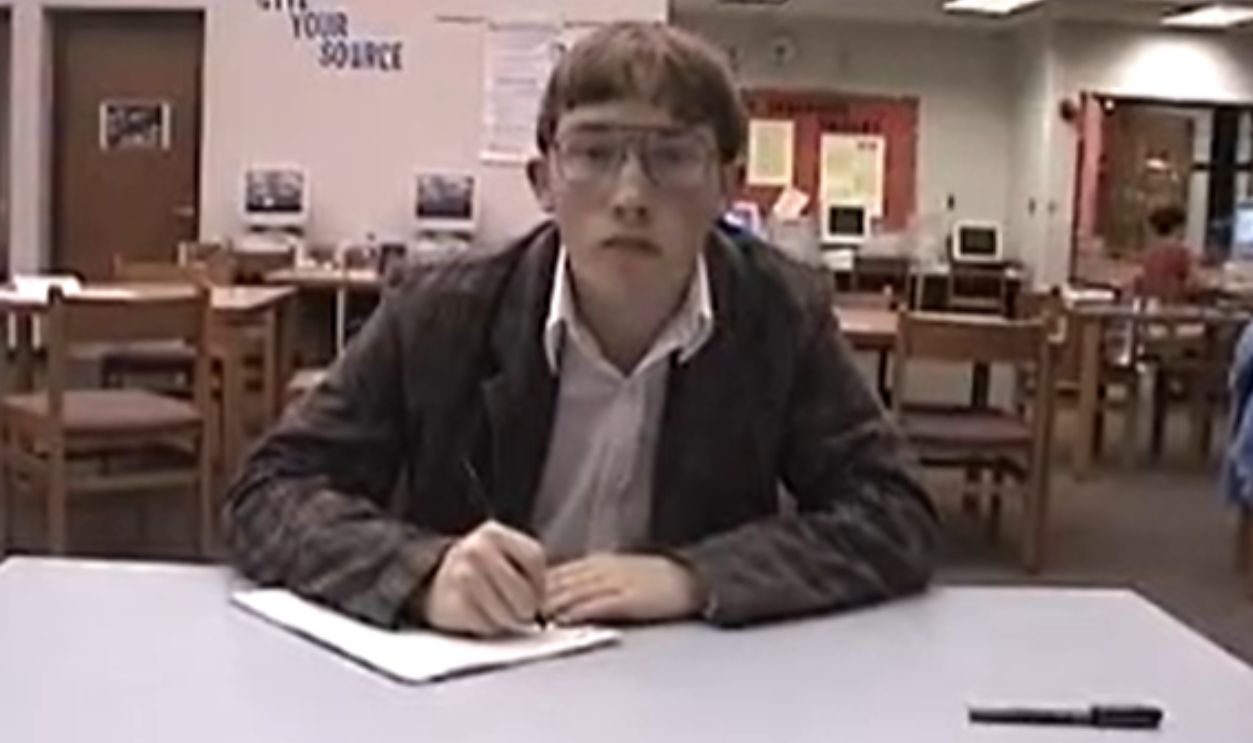 Screenshot from Dear Jamie… Sincerely Me, Sanctuary Records Group (2004)
Snow Patrol – “Chasing Cars”
“Chasing Cars” became one of the most emotional slow-burn hits of the era. Its simple structure and gradual build made it perfect for dramatic profile moments and late-night listening. The song didn’t rely on complexity—it relied on feeling, which is exactly what made it stick.
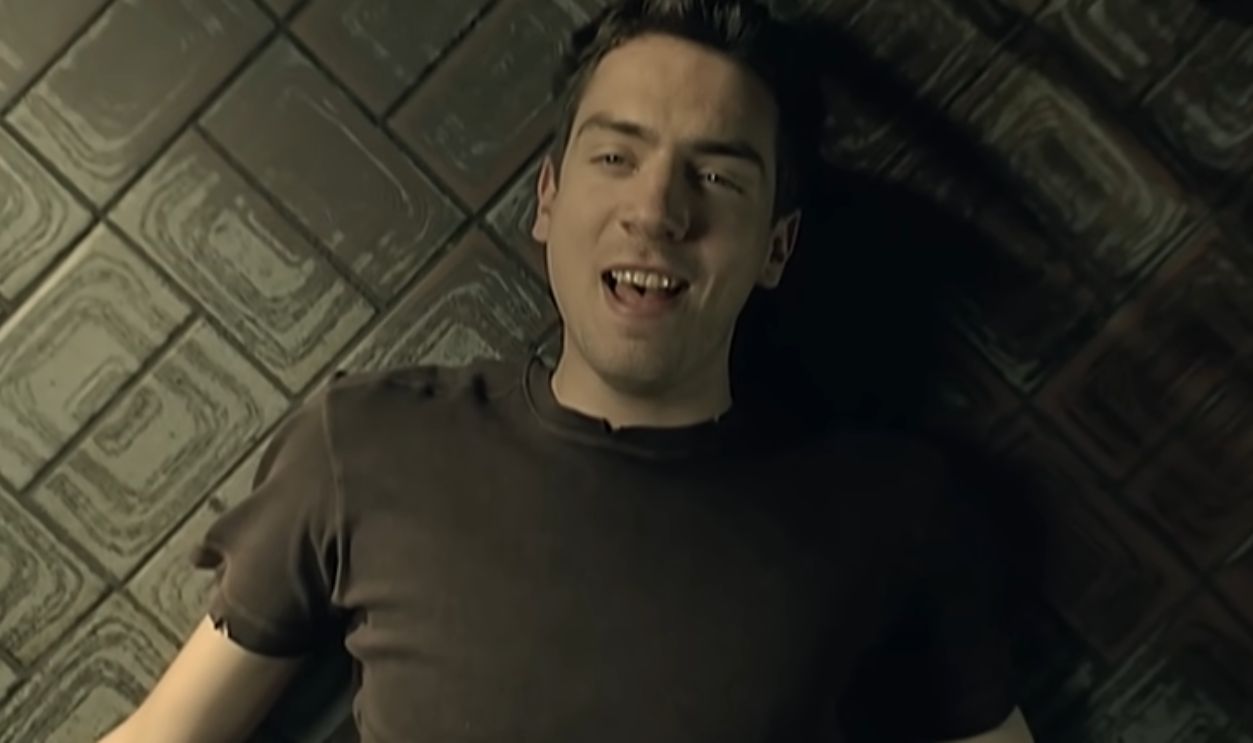 Screenshot from Chasing Cars, Polydor Records (2006)
Plain White T’s – “Hey There Delilah”
“Hey There Delilah” felt almost like a personal message turned into a hit song. Its stripped-down acoustic style made it easy to share and connect with. The story behind the song added to its appeal, giving it that extra layer of authenticity that MySpace users were always looking for.
 Screenshot from Hey There Delilah, Hollywood Records (2006)
The Killers – “Mr. Brightside”
“Mr. Brightside” became unavoidable, and for good reason. Its driving rhythm and anxious lyrics made it perfect for repeat listening. The song’s emotional intensity, paired with its polished production, made it one of the defining tracks of the era—and one of the most replayed songs on countless profiles.
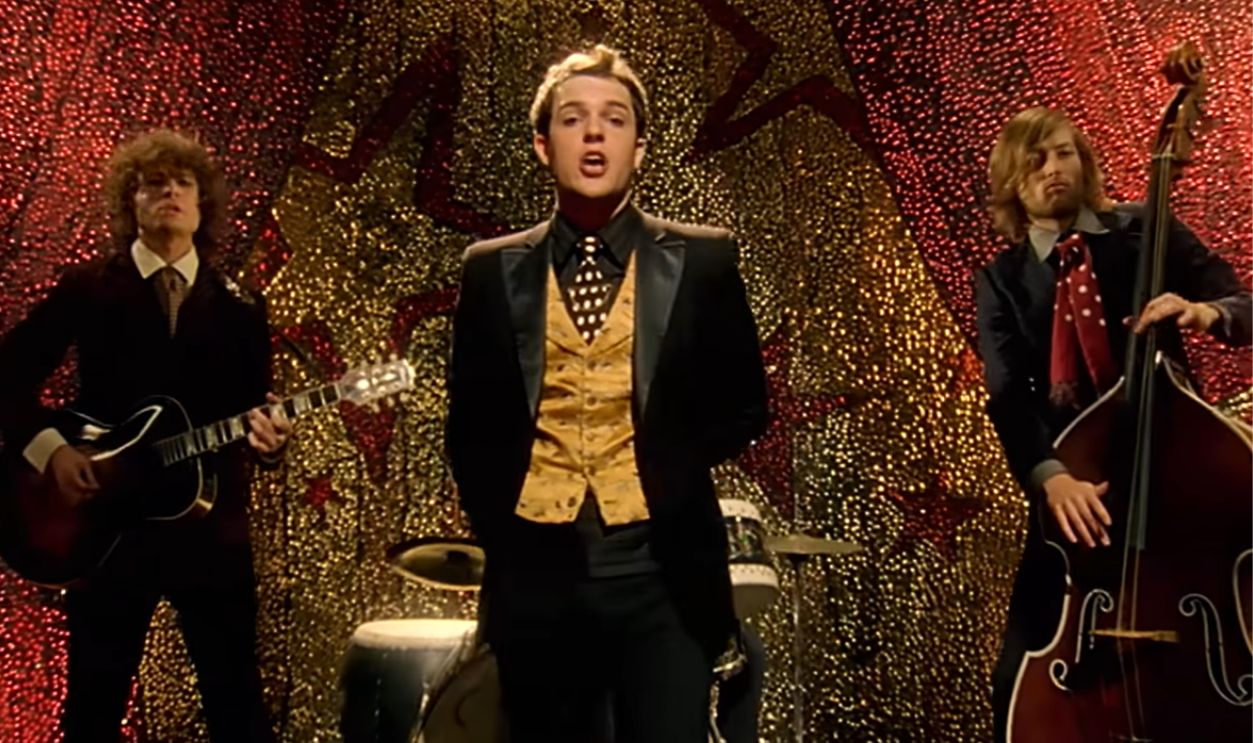 Screenshot from Mr. Brightside, Island Records (2003)
D4L – “Laffy Taffy”
“Laffy Taffy” leaned fully into the snap music trend, with a minimalist beat and repetitive hook. It wasn’t complex, but it didn’t need to be. Its simplicity made it instantly recognizable, and its playful tone fit perfectly with the more chaotic, meme-like side of MySpace culture.
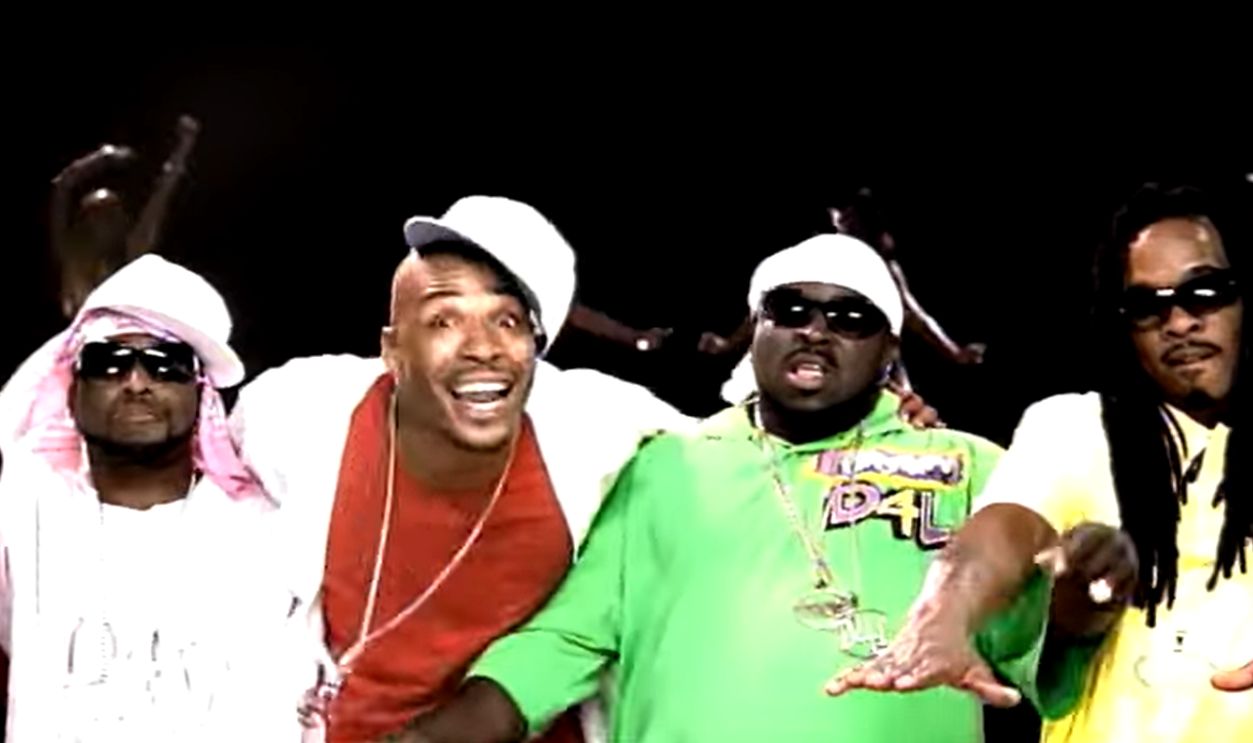 Screenshot from Laffy Taffy, Atlantic Records (2005)
Gwen Stefani – “Hollaback Girl”
“Hollaback Girl” brought cheerleader chants and bold production into mainstream pop. Its stomping beat and unmistakable hook made it impossible to ignore. The song’s attitude and visual style translated perfectly to profile customization, where personality was everything.
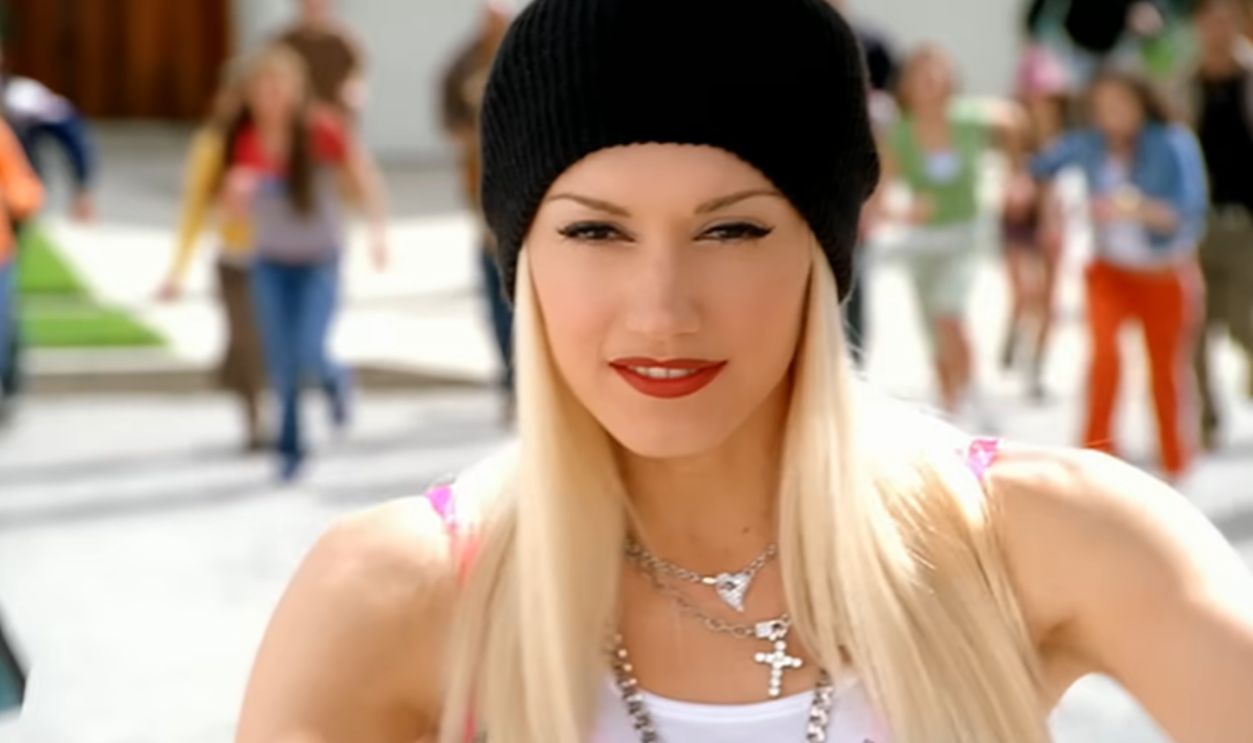 Screenshot from Hollaback Girl, Interscope Records (2005)
Nelly Furtado Featuring Timbaland – “Promiscuous”
“Promiscuous” marked a turning point for Nelly Furtado, shifting her sound into something more rhythmic and club-focused. Timbaland’s production gave it a distinct, futuristic feel. The back-and-forth vocals added personality, making it one of those songs that felt alive every time it played.
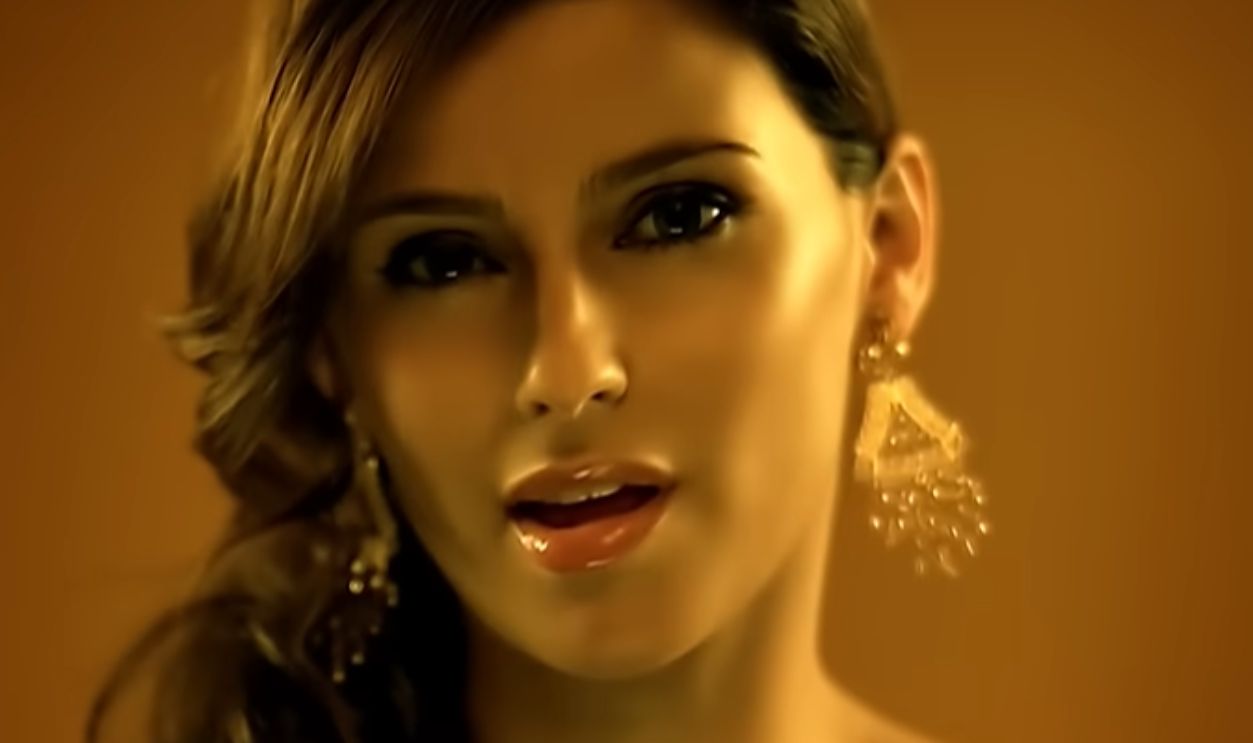 Screenshot from Promiscuous Mosley Music Group (2006)
Paramore – “Misery Business”
“Misery Business” captured the raw energy of the pop-punk and emo crossover. Hayley Williams’ vocal delivery brought intensity and attitude, while the song’s sharp lyrics made it instantly memorable. It became a defining track for a generation that used music to express everything they couldn’t say directly.
 Screenshot from Misery Business, Fueled by Ramen (2007)
Hollywood Undead – “Undead”
Hollywood Undead built their following almost entirely through MySpace, blending rap, rock, and masked personas. “Undead” felt chaotic and aggressive, matching the platform’s anything-goes energy. Their DIY rise showed how bands could bypass traditional industry paths entirely.
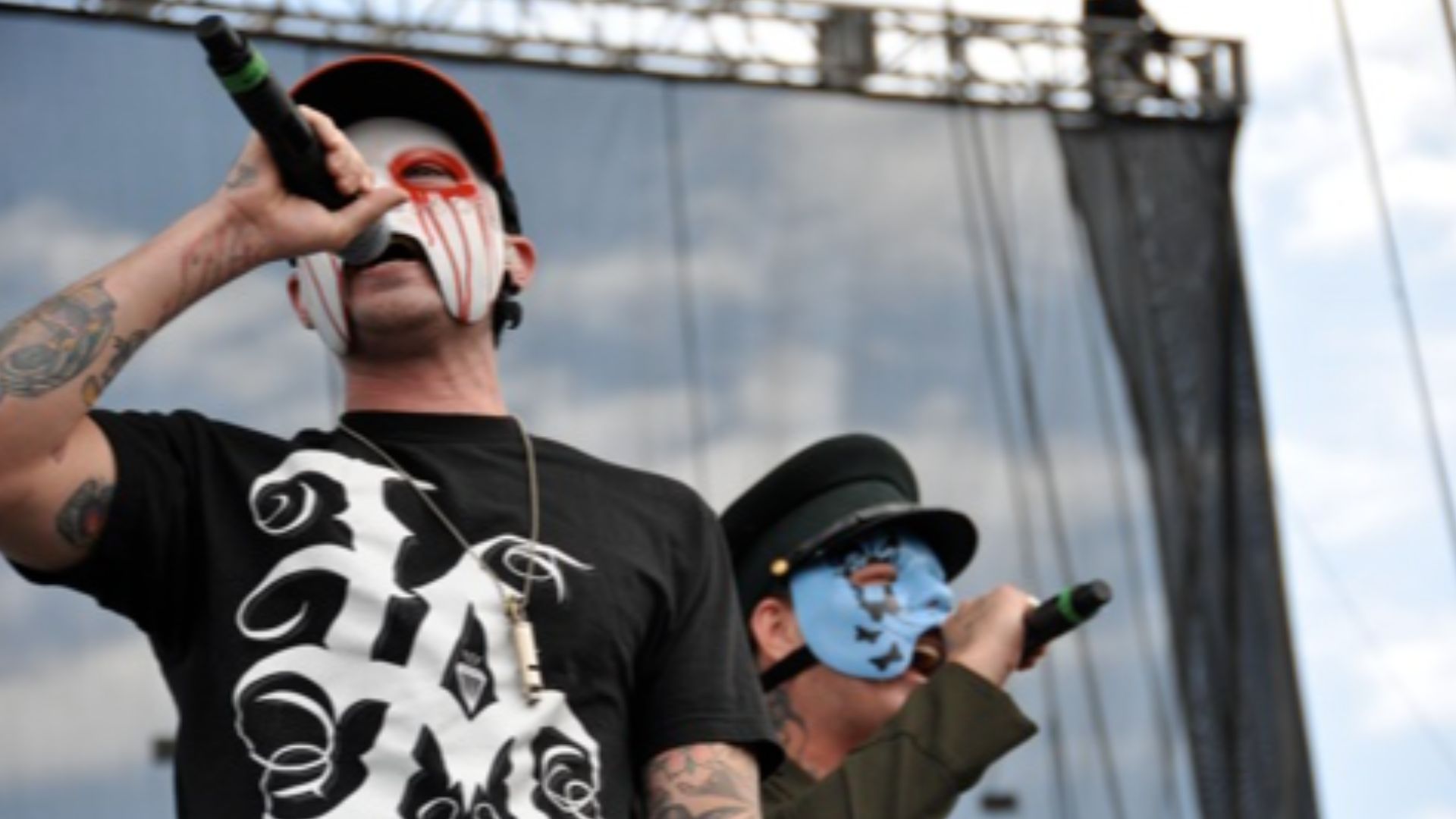 Scott Dudelson [1], Wikimedia Commons
You May Also Like:
Pop Hits That Make Us Wish We Could Go Back To The 2000s
These R&B Groups Totally Defined the 1990s And 2000s