Why Some Bands Sound Better On Stage
Some groups create polished studio albums, but others only truly come alive in front of an audience. The greatest live bands combine musicianship, improvisation, charisma, spectacle, and unpredictability into unforgettable fan experiences. These acts earned a reputation for turning concerts into historical events.
 Antony Matheus Linsen/Fairfax Media via Getty Images
33: Thin Lizzy
Thin Lizzy built a reputation on twin-guitar harmonies, swagger, and the magnetic stage presence of Phil Lynott. Their concerts captured the rough energy of seventies hard rock while still sounding tight and melodic. Fans looking for proof should start with Live and Dangerous (1978), one of rock’s definitive live albums.
 Chris Hakkens, Wikimedia Commons
32: Cheap Trick
Cheap Trick became vastly bigger after audiences heard how explosive they sounded in concert. The band mixed Beatles-inspired hooks with hard rock energy and crowd interaction that bordered on chaotic. Cheap Trick at Budokan (1979) transformed them from cult favorites into international stars almost overnight.
 Mike Burns from Somerville, MA, USA, Wikimedia Commons
31: Lynyrd Skynyrd
Lynyrd Skynyrd thrived on triple-guitar attacks, Southern swagger, and loose but powerful musicianship. Their live performances turned songs into sprawling crowd-pleasing jams full of energy and emotion. One More from the Road (1976) remains one of Southern rock’s definitive concert albums.
 Andrew King, Wikimedia Commons
30: The Ramones
The Ramones delivered some of the fastest and most relentless live performances in rock history. Songs rarely lasted longer than two minutes, and concerts often felt like a nonstop assault of energy and volume. It’s Alive (1979) perfectly captured the raw fury of the pioneering punk legends.

29: Talking Heads
Talking Heads evolved from nervous art-rock outsiders into one of the most inventive live acts of the 1980s. David Byrne’s theatrical performances and the expanded touring lineup created a hypnotic concert atmosphere. Stop Making Sense (1984) is widely regarded as one of the greatest concert films ever made.
 Michael Markos - [email protected], Wikimedia Commons
28: The Scorpions
The Scorpions became one of hard rock’s most reliable live acts thanks to huge choruses, melodic guitar leads, and arena-sized energy. Their concerts blended precision musicianship with emotional power and crowd participation. World Wide Live (1985), a compilation taken from their 84-85 world tour is still a favorite among classic metal fans worldwide.
 dr_zoidberg, Wikimedia Commons
27: Rush
Rush built a massive concert following through technical excellence and ambitious stage production. Despite being only a trio, the band recreated intricate progressive rock arrangements with astonishing precision during marathon performances. Exit…Stage Left (1981) showcased their combination of virtuosity, complexity, and live intensity.

26: Judas Priest
Judas Priest helped define heavy metal concert culture with roaring motorcycles, leather imagery, and twin-guitar attacks. Rob Halford’s operatic vocals turned live performances into full theatrical spectacles. Unleashed in the East (1979) captured the group at the peak of its explosive late seventies power, and there was lots more to come after that, too!
 Judas_Priest_2799.jpg: Dori
derivative work: Алый Король (talk), Wikimedia Commons
Judas_Priest_2799.jpg: Dori
derivative work: Алый Король (talk), Wikimedia Commons
25: The Who
The Who earned a reputation for deafening volume, smashed instruments, and ferocious energy during their prime years. Pete Townshend’s windmill guitar style and Keith Moon’s wild drumming created chaos that somehow stayed musical. Live at Leeds (1970) is still considered one of rock’s defining live recordings.

24: Kiss
Kiss understood that concerts should feel larger than life. Fire breathing, smoking guitars, levitating drum kits, and comic-book makeup helped make their shows unforgettable. The band’s popularity exploded after Alive! (1975), which preserved the crowd frenzy and over-the-top spectacle that defined their concerts.
 APA-Agency for the Performing Arts-management, Wikimedia Commons
23: Weird Al Yankovic
Weird Al Yankovic turned parody concerts into full multimedia comedy productions complete with costume changes, video clips, and surprisingly strong musicianship. Fans loved how faithfully the band recreated famous songs while making audiences laugh nonstop. Running with Scissors (1999) helped fuel one of his biggest touring eras.

22: Iron Maiden
Iron Maiden became one of heavy metal’s greatest live acts through galloping rhythms, giant stage sets, and Bruce Dickinson’s tireless energy. Their mascot Eddie became an essential concert attraction in his own right. Live After Death (1985) captured the scale and excitement of Maiden’s arena dominance.
 Harry Potts, Wikimedia Commons
21: Bruce Springsteen And The E Street Band
Bruce Springsteen became famous for marathon concerts filled with storytelling, emotional intensity, and audience connection. The E Street Band provided thunderous backing while Springsteen treated every show like a life-or-death performance. Live 1975-85 (1986) documented the stamina and passion that made their concerts legendary.
 Columbia Records, Wikimedia Commons
20: The Rolling Stones
The Rolling Stones perfected swaggering rock-and-roll spectacle through decades of relentless touring. Mick Jagger’s movement and charisma made him one of history’s ultimate frontmen. Get Yer Ya-Ya’s Out! (1970) captured the Stones during one of the most dangerous and exciting periods of their career.

19: Pink Floyd
Pink Floyd created immersive concert experiences unlike almost any other rock band. Massive lighting rigs, giant inflatables, lasers, and atmospheric soundscapes transformed performances into sensory journeys. Pulse (1995) captured the grand scale and emotional power of the group’s visually stunning live productions.

18: Metallica
Metallica evolved into one of the most overwhelming live bands in heavy metal history through an intensity and precision that fans had never seen the likes of before. Their concerts combined aggression, speed, crowd interaction, and relentless stamina on the way to becoming the biggest-selling live act in the United States in the 90s.
 Kreepin Deth, Wikimedia Commons
17: U2
U2 became one of the world’s biggest live acts because Bono treated concerts like emotional rallies rather than ordinary performances. The band excelled at creating huge communal moments in arenas and stadiums. Under a Blood Red Sky (1983) showcased their rise into live rock superstardom.
 Petr (Happy24), Wikimedia Commons
16: Led Zeppelin
Led Zeppelin concerts blended heavy blues, mystical atmosphere, and improvisation into three-hour-plus musical experiences. Songs often stretched far beyond studio versions through extended jams and spontaneous experimentation. How the West Was Won (2003) captured the band’s enormous impact during its early seventies prime.
 Heinrich Klaffs, Wikimedia Commons
15: AC/DC
AC/DC thrived on pure simplicity, thunderous riffs, and nonstop energy. Angus Young’s frantic stage antics and Bon Scott’s (and later Brian Johnson's) charismatic vocals made every concert feel dangerous and exciting. If You Want Blood You’ve Got It (1978) perfectly captured the intensity of the band’s classic live era.

14: Deep Purple
Deep Purple’s live reputation centered on extended improvisation and jaw-dropping musicianship. Jon Lord’s organ battles with Ritchie Blackmore’s guitar became legendary among hard rock fans, with the incomparable Ian Paice on drums. Made in Japan (1972) is often cited as one of the greatest live albums ever recorded in any genre.

13: Jimi Hendrix Experience
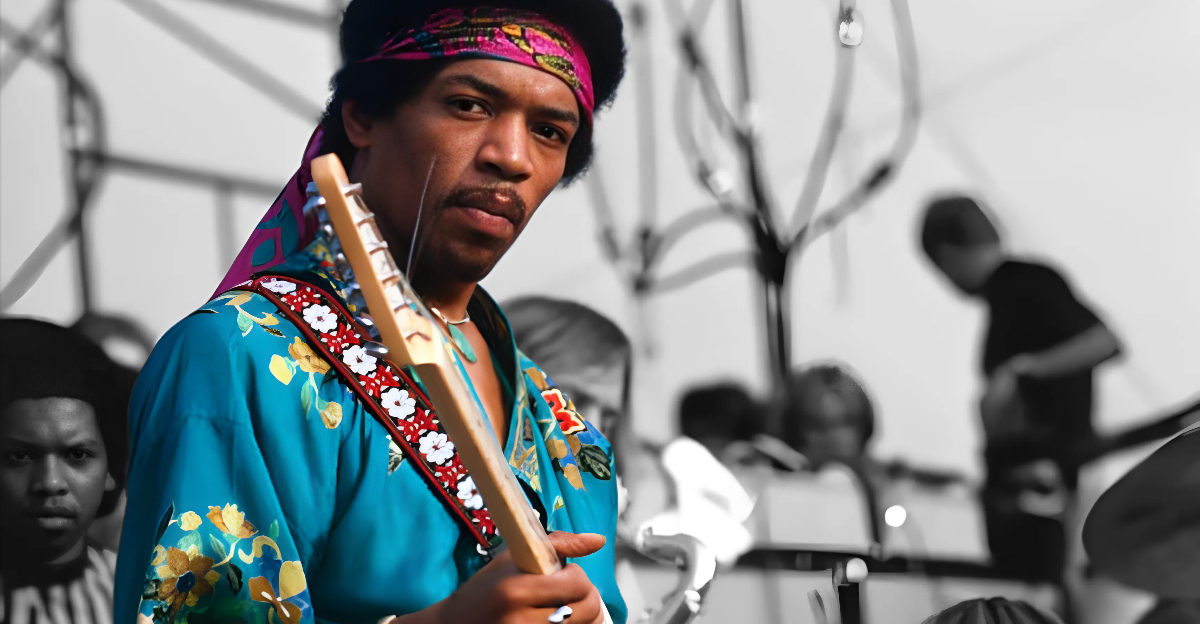
Jimi Hendrix transformed concerts into explosive showcases of creativity and guitar innovation. Audiences never knew whether they would witness blues, psychedelia, funk, feedback experimentation, or all of them simultaneously. Band of Gypsys (1970) highlighted Hendrix’s genius as a fearless and unpredictable live performer.
 Original photographer unknown, Wikimedia Commons
12: Alice Cooper
Alice Cooper transformed concerts into theatrical horror productions filled with guillotines, fake blood, snakes, and elaborate stage props. Shock rock became a mainstream attraction because of his live performances. The Alice Cooper Show (1977) captured the sinister fun and spectacle that made audiences obsessed.
 Hunter Desportes, Wikimedia Commons
11: Queen
Queen’s concerts became legendary because of Freddie Mercury’s command of massive crowds and the band’s ability to blend opera, hard rock, and pop into giant singalong moments. Live Killers (1979) demonstrated why few frontmen in history could rival Mercury’s sheer charisma and stage presence.
 Carl Lender, Wikimedia Commons
10: Ozzy Osbourne
No discussion of live rock would be complete without mentioning Ozzy and his amazing stage act. His annual Ozzfest tours helped revive heavy metal during the 1990s and introduced countless younger bands to mainstream audiences. Even during his final concert appearances, while battling severe health problems and obvious physical pain, Ozzy continued connecting with his fans with remarkable devotion.
 UCLA Library Special Collections, Wikimedia Commons
9: Humble Pie
Humble Pie became famous for its explosive concerts built around Steve Marriott’s powerhouse vocals and aggressive blues-rock jams. The band sounded heavier and more dangerous live than in the studio, and that's saying a lot. Performance Rockin’ the Fillmore (1971) remains one of hard rock’s essential concert recordings.
 Klaus Hiltscher, Wikimedia Commons
8: Janis Joplin With Big Brother And The Holding Company
Janis Joplin became a live sensation because audiences felt every ounce of pain, passion, and desperation in her performances. Backed by Big Brother and the Holding Company, her concerts felt emotionally overwhelming and unpredictable. Cheap Thrills (1968) captured the raw electricity that made her unforgettable.

7: Phish
Phish built one of music’s most devoted concert followings through improvisation, unpredictability, and constantly changing setlists. No two performances ever sounded exactly alike, which kept fans traveling from show to show. A Live One (1995) introduced many listeners to the band’s adventurous jam-band brilliance.

6: Grateful Dead
The Grateful Dead became a cultural phenomenon because concerts emphasized improvisation, spontaneity, and communal experience over polished perfection. Fans often followed entire tours because every performance was unique. Europe ’72 (1972) remains one of the clearest examples of the Dead’s magical live chemistry.
 Chris Stone https://gratefulphoto.com, Wikimedia Commons
5: Iggy Pop
Iggy Pop was one of rock’s most dangerous and unpredictable live performers during his years with The Stooges and beyond. With his stage diving, self-inflicted injuries, and chaotic audience interaction, Iggy helped invent the template for punk rock frontmen years before punk fully emerged. Albums like Metallic K.O. (1976) and TV Eye Live (1978) captured the barely controlled chaos that made his concerts a legend.
 Michael Markos - [email protected], Wikimedia Commons
4: James Brown
James Brown may have been the greatest live performer in popular music history. His concerts featured impossible energy, razor-sharp choreography, and a band disciplined to perfection. Live at the Apollo (1963) changed expectations for soul and rhythm-and-blues performances forever.
 Heinrich Klaffs, Wikimedia Commons
3: The Allman Brothers Band
The Allman Brothers Band elevated live improvisation into an art form through dual lead guitars, jazz-inspired interplay, and endless musical exploration. Their concerts balanced Southern rock grit with technical sophistication. At Fillmore East (1971) is regularly ranked among the greatest live albums in rock history.
 Capricorn Records, Wikimedia Commons
2: Little Feat
Little Feat mixed funk, blues, country, jazz, and rock into concerts that felt loose yet impossibly precise. Lowell George’s slide guitar and the band’s rhythmic groove made them favorites among musicians and fans alike. Waiting for Columbus (1978) is often hailed as a near-perfect live album.
 Warner Brothers Records., Wikimedia Commons
1: Santana
Santana concerts fused Latin rhythms, jazz improvisation, blues guitar, and spiritual intensity into hypnotic live experiences. Carlos Santana’s expressive guitar playing often pushed songs far beyond their studio versions during performances. Lotus (1974) and Moonflower (1977) showcased the band’s remarkable chemistry and improvisational depth.
 Heinrich Klaffs, Wikimedia Commons
You May Also Like:
Bands Who Left A Mark That Still Shapes Music Today