Millions Sold. No Questions Asked.
People love to say albums meant more in the 60s and 70s. And maybe they did. But let’s not pretend every record flying out of stores was Rumours or Abbey Road.
Sometimes one great single, a popular movie, a famous face, or an unforgettable album cover did almost all the work. By the time people discovered the rest wasn’t very good, the record company already had their money.
 Sunset Boulevard, Getty Images
“Saturday Night Fever” (Various Artists)
Let’s get the obvious argument out of the way: the Bee Gees songs are terrific. But Saturday Night Fever is a double album, and once you get past that incredible opening run, it starts feeling like someone refused to stop adding songs. More than 40 million copies sold. How many owners regularly made it all the way to the fourth side?
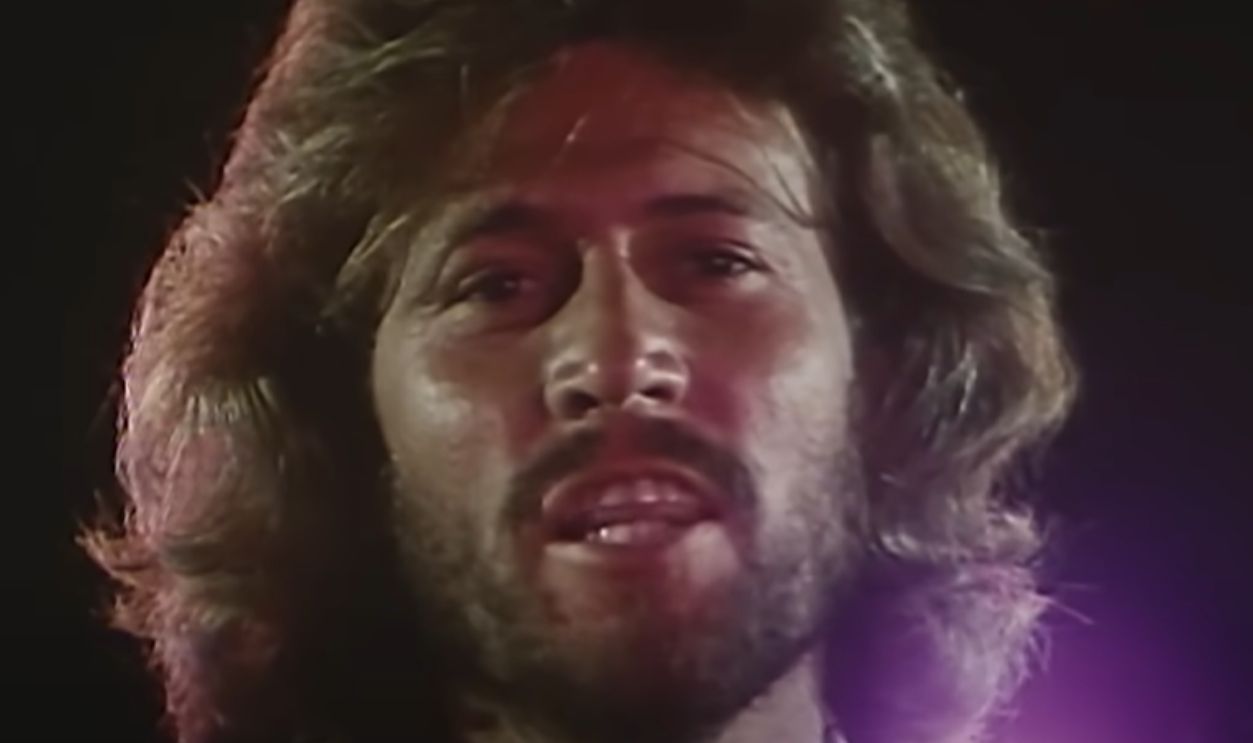 Screenshot from How Deep Is Your Love, Universal Music Group (1977)
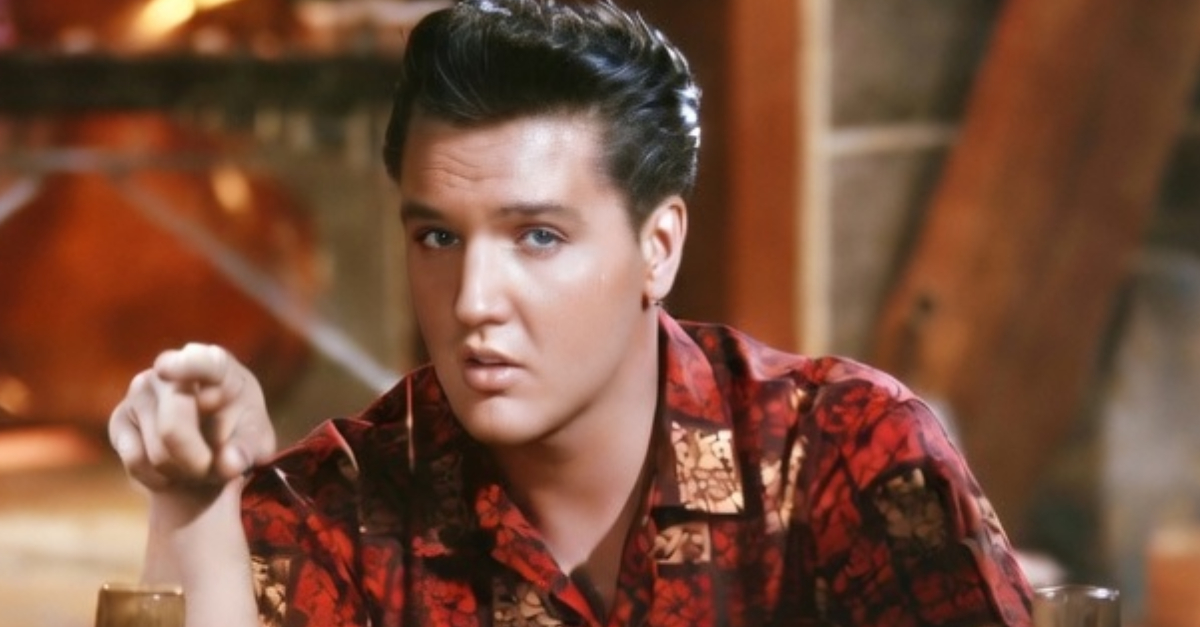
“Blue Hawaii” (Elvis Presley)
Blue Hawaii spent 20 weeks at number one and eventually went triple platinum, largely because Elvis was Elvis and “Can’t Help Falling in Love” was impossible to resist. Unfortunately, the rest is mostly lightweight movie material designed to keep the Hawaiian shirts, travel posters, and Colonel Parker money machine moving.
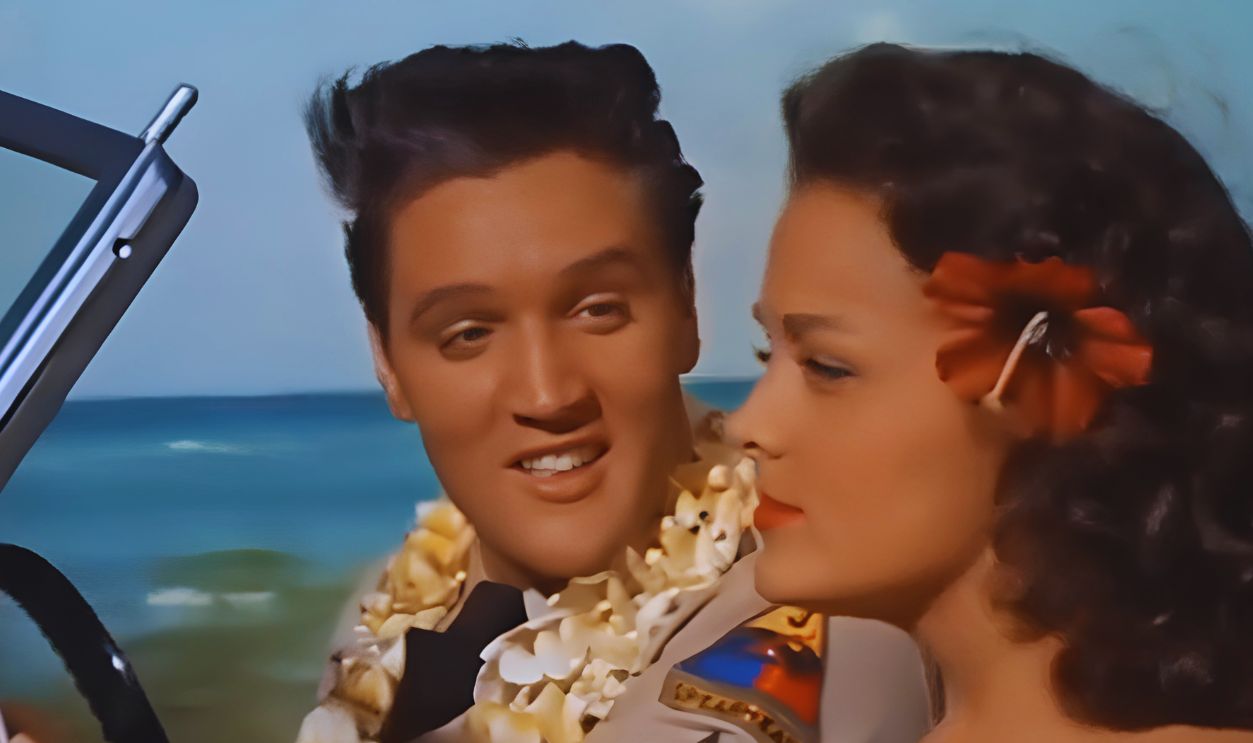 Screenshot from Almost Always True, Sony Music Entertainment (1961)
“More of the Monkees” (The Monkees)
There are several genuinely great pop songs here, including “I’m a Believer” and “(I’m Not Your) Steppin’ Stone.” But the group had little control over the album, and several members were furious that it had been rushed out without their knowledge. It still spent 18 weeks at number one and sold more than five million copies.
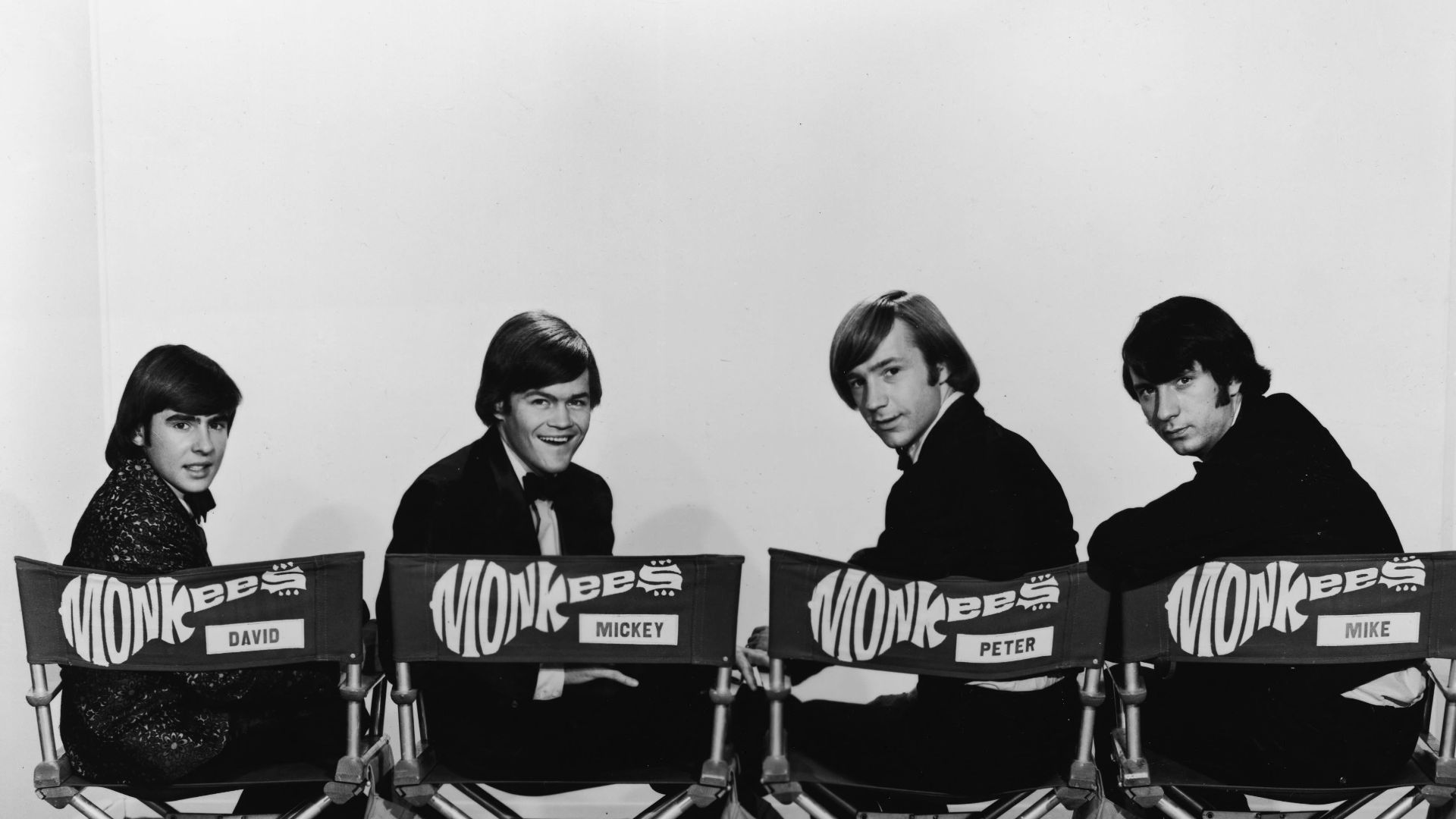 Entertainment International, Wikimedia Commons
“Wings at the Speed of Sound” (Wings)
Two enormous singles made this look like another McCartney triumph. Then listeners reached the songs where Paul generously allowed the rest of Wings to take turns. The album spent seven weeks at number one, but too much of it sounds like a company retreat where everyone was promised one song before lunch.
 Screenshot from Silly Love Songs, Universal Music Group (1976)
“Whipped Cream & Other Delights” (Herb Alpert & the Tijuana Brass)
Six million copies, eight weeks at number one, and one of the most famous album covers ever produced. The music? Pleasant trumpet versions of songs with mostly food-themed titles. It is not terrible, but take away the cover and Whipped Cream & Other Delights probably becomes something your dentist played while filling a cavity.
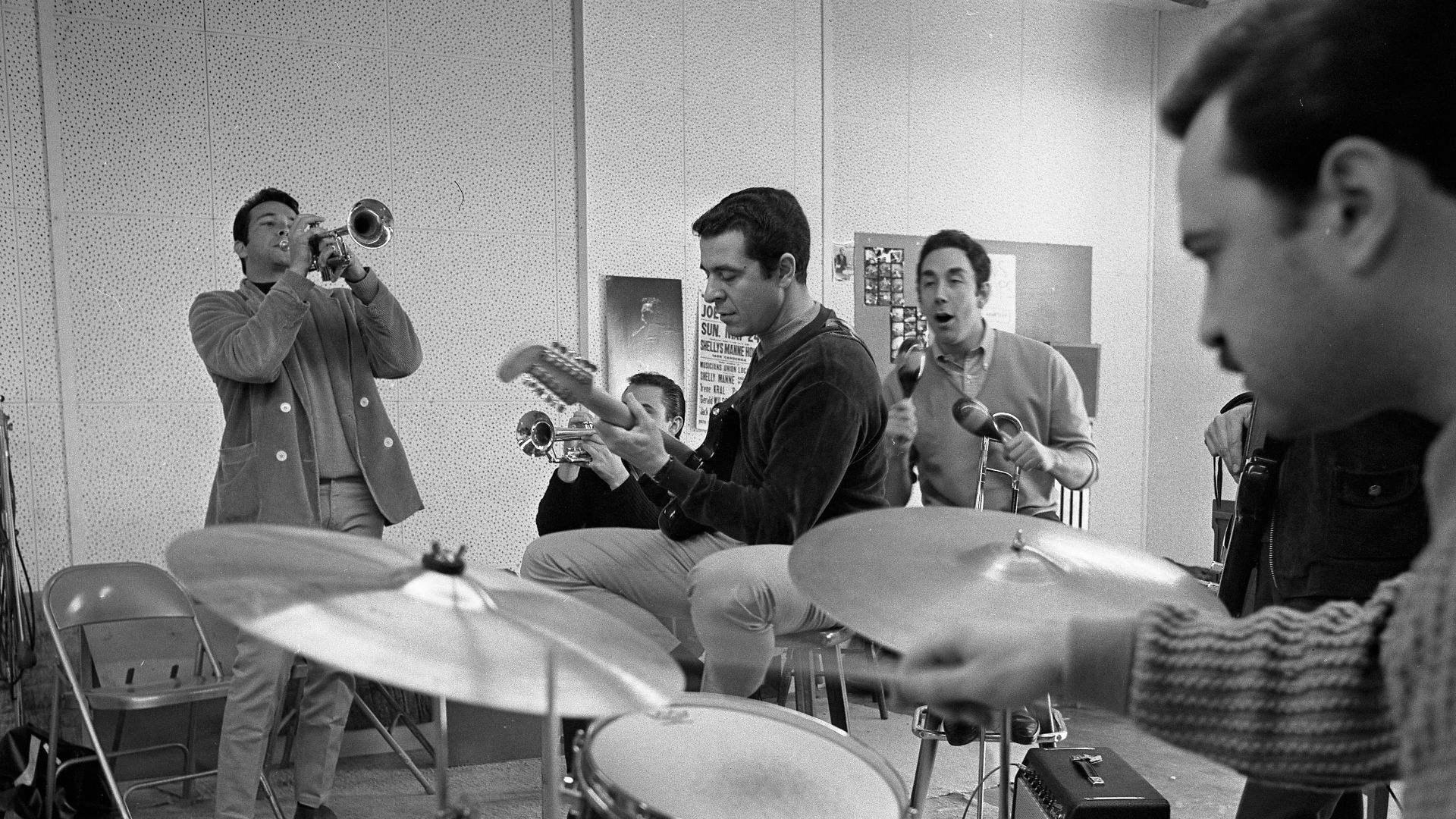 Harry Chase, Los Angeles Times, Wikimedia Commons
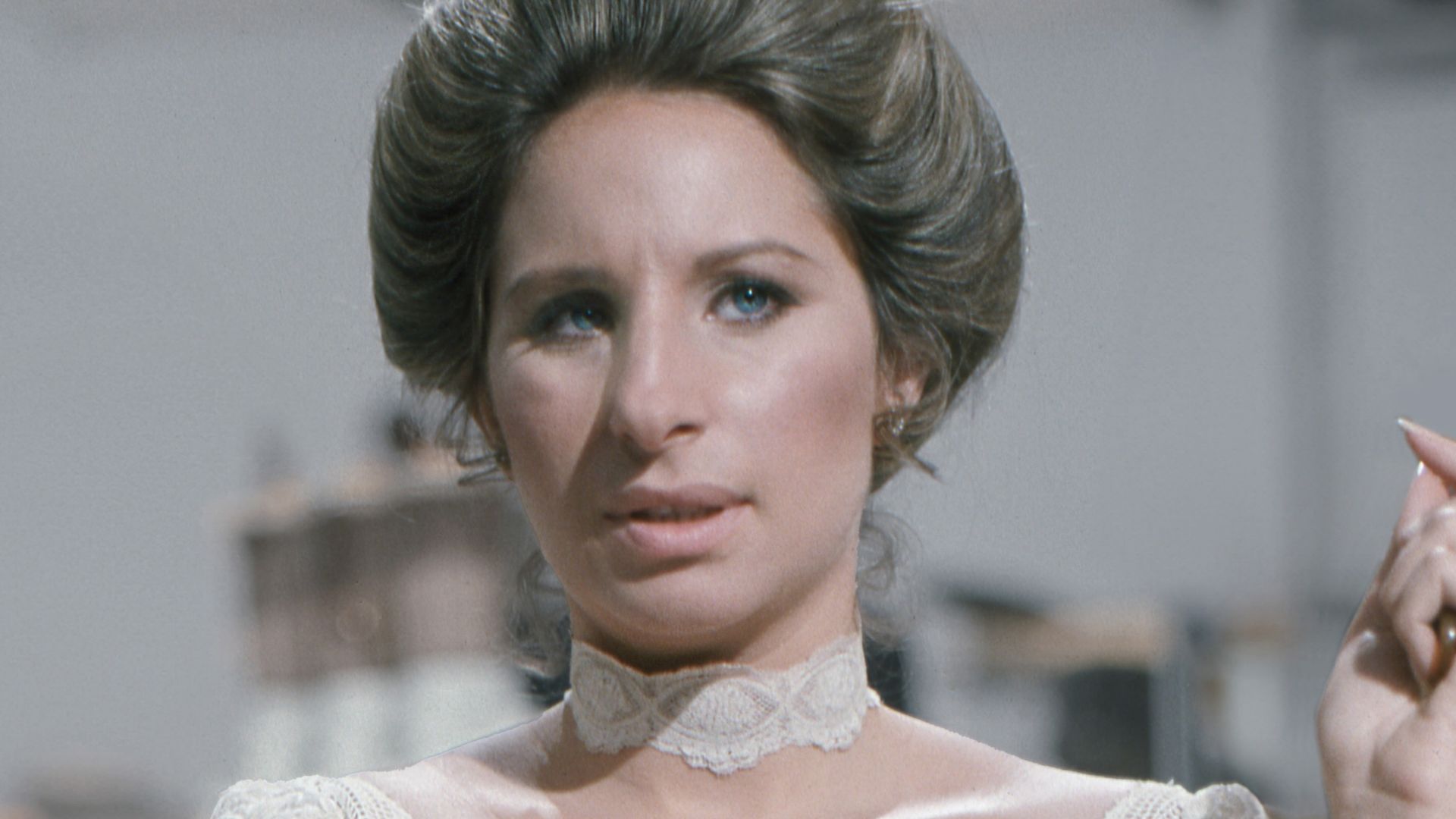
“A Star Is Born” (Barbra Streisand and Kris Kristofferson)
“Evergreen” is beautiful. Barbra Streisand sounds exactly like Barbra Streisand. The problem is that Kris Kristofferson’s fictional rock star sounds like he would have struggled to headline a Tuesday afternoon county fair. Somehow the soundtrack spent six weeks at number one and moved millions of copies anyway.
 Allan warren, Wikimedia Commons
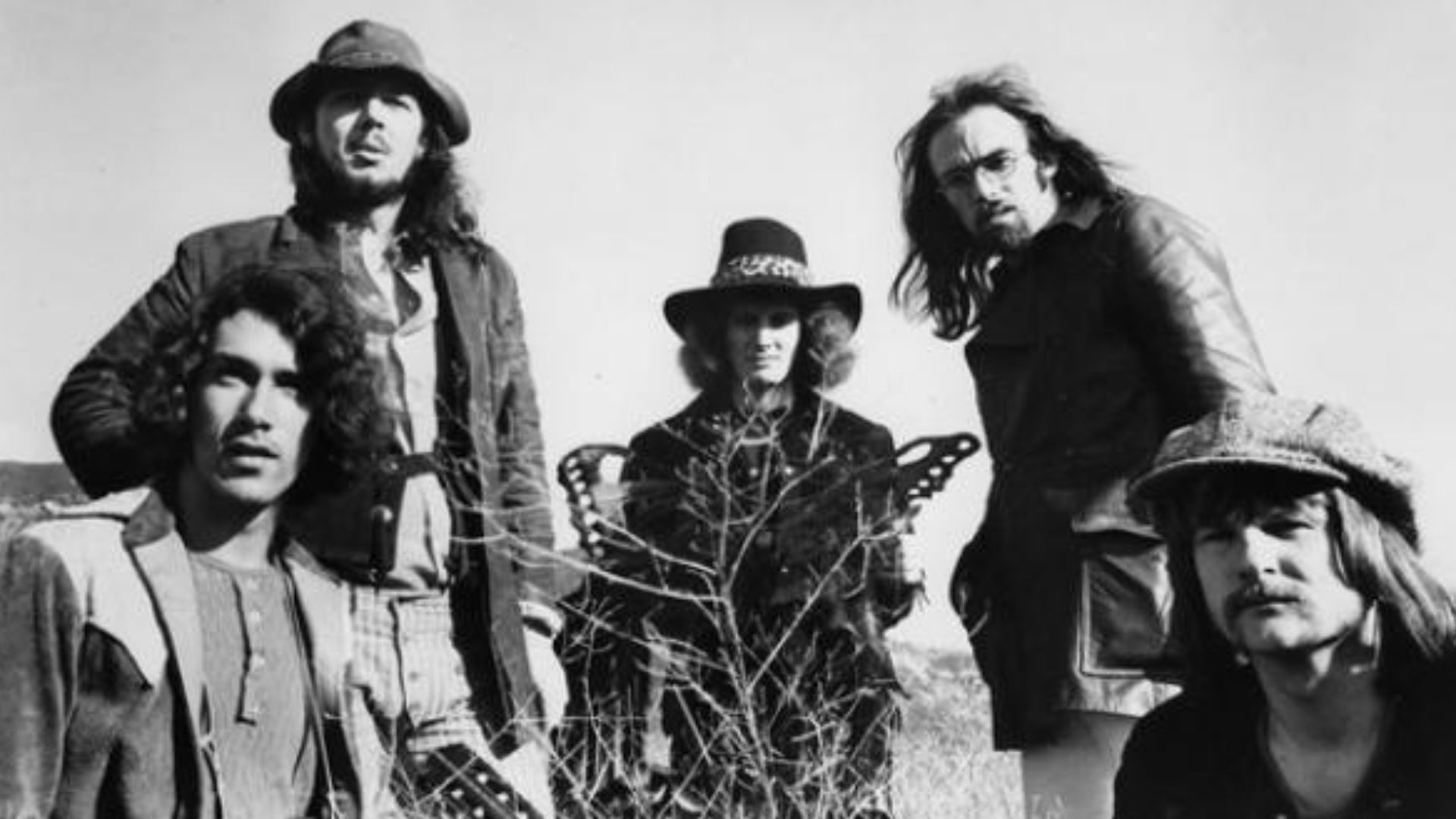
“In-A-Gadda-Da-Vida” (Iron Butterfly)
The title track takes up an entire side and lasts more than 17 minutes. That was either an ambitious psychedelic statement or an effective way to avoid writing four more songs. The album reached number four, went multi-platinum, and proved that one organ riff can travel a very, very long distance.
 ClassicRockHistory, Wikimedia Commons
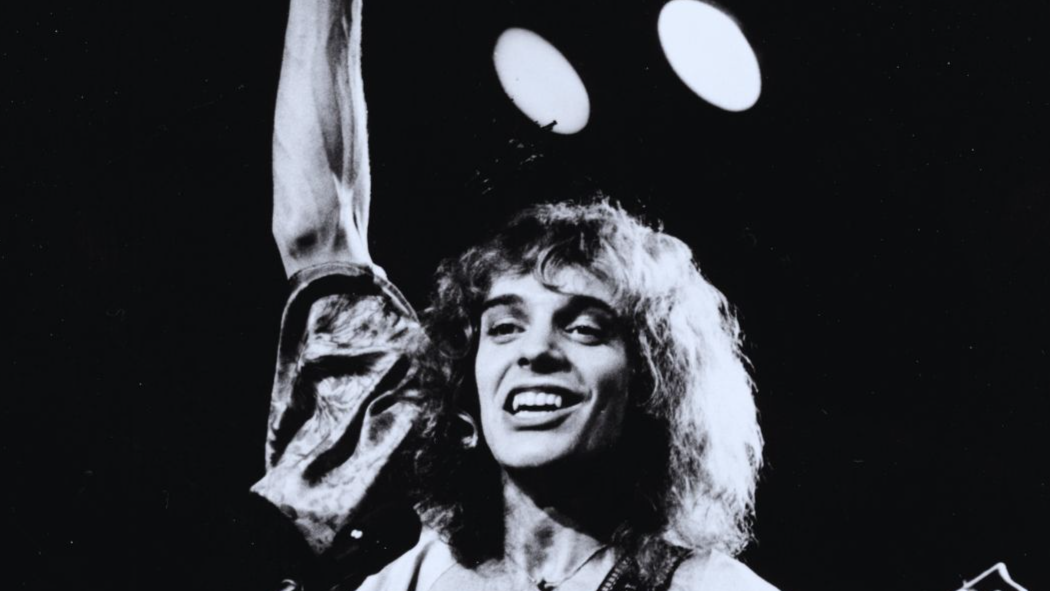
“I’m in You” (Peter Frampton)
After Frampton Comes Alive! turned Peter Frampton into one of the biggest stars on Earth, his record company understandably wanted another album immediately. What arrived was smoother, softer, and strangely sleepy. It still reached number two and went platinum because millions of people were not ready to admit the moment had already passed.
 Michael Ochs Archives, Getty Images
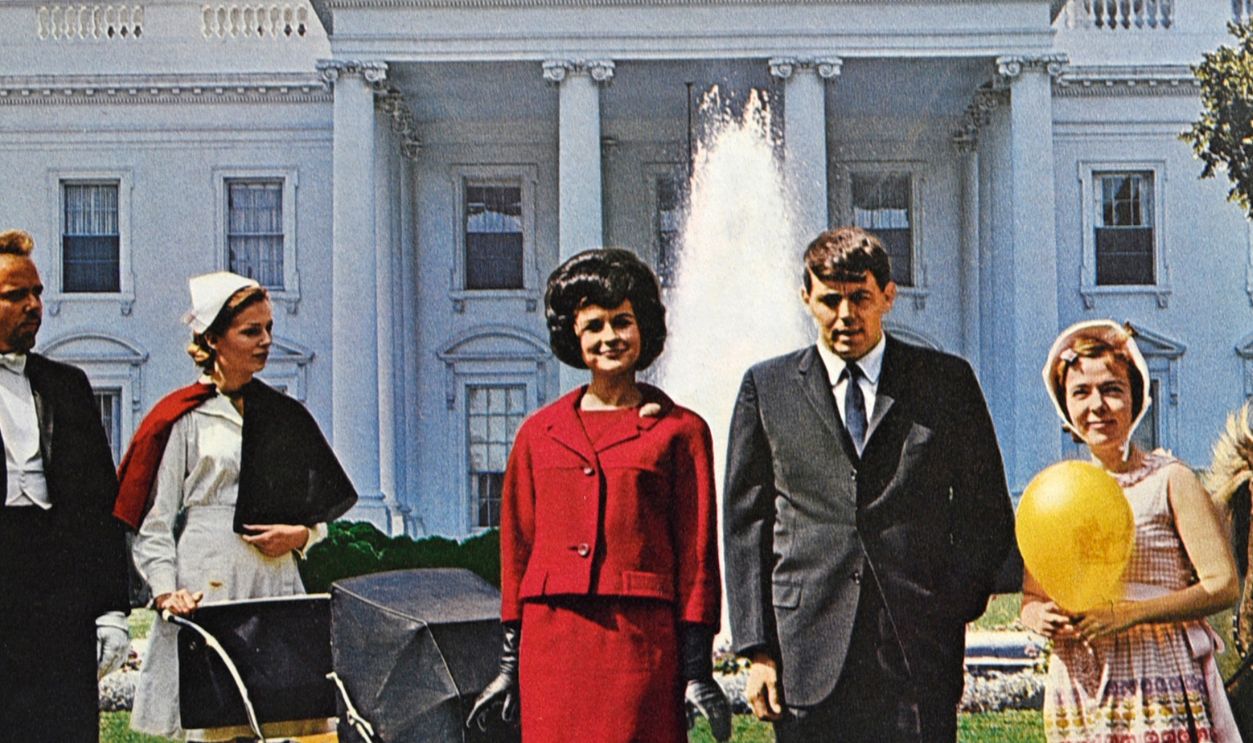
“The First Family” (Vaughn Meader)
A comedy album built around a John F. Kennedy impression reportedly sold more than seven million copies and somehow won Album of the Year at the Grammys. That really happened. It was clever and timely in 1962. Today, it plays like 50 minutes of topical late-night jokes about a news story from last Tuesday.
 Robert Alexander, Getty Images
“Caribou” (Elton John)
Elton John was making albums so quickly in the early 70s that eventually one of them had to sound rushed. Caribou went to number one, produced two massive singles, and was nominated for Album of the Year. Producer Gus Dudgeon was considerably less impressed and later described nearly every part of it as lousy.
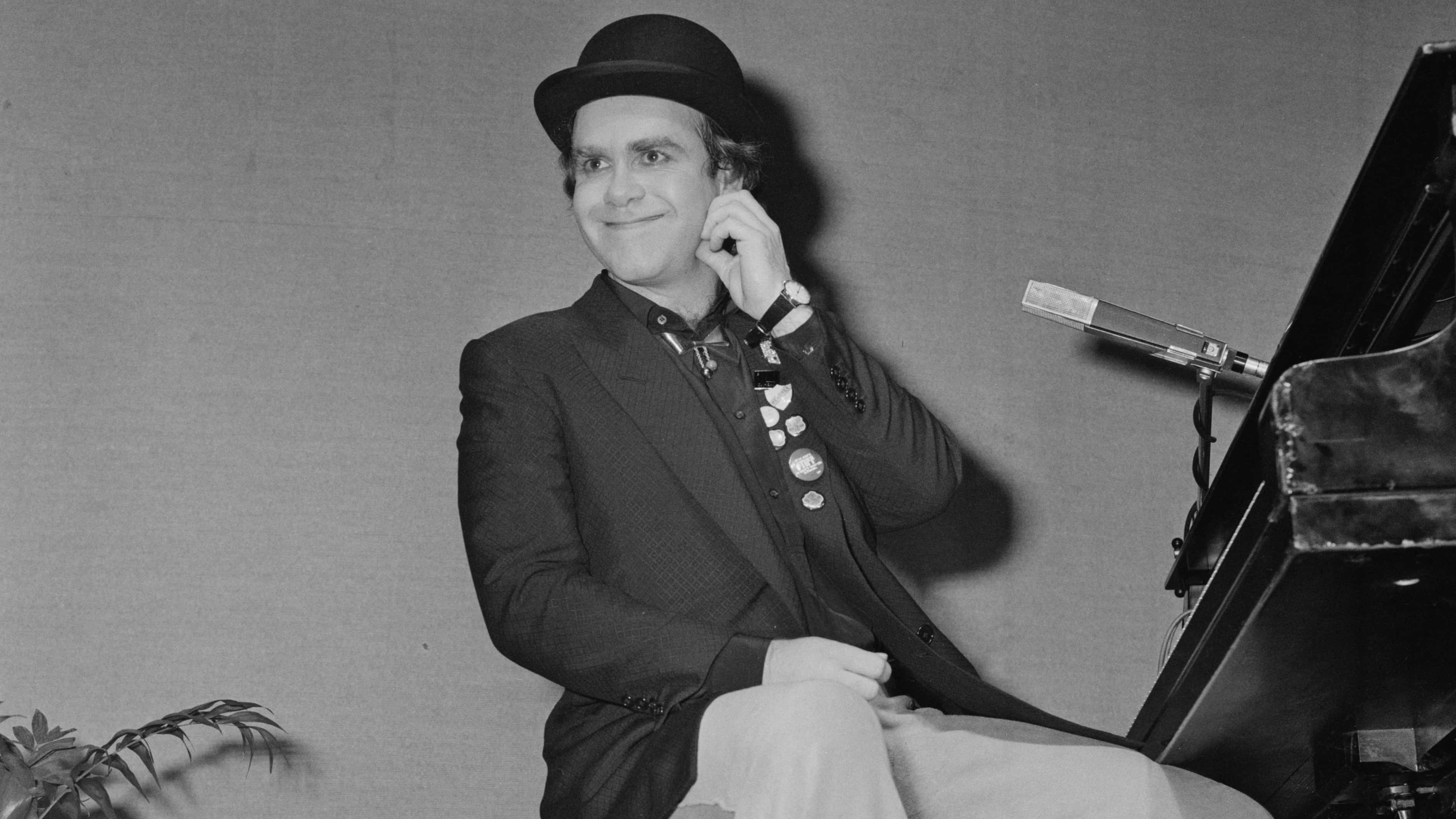
“The Graduate” (Simon & Garfunkel and Dave Grusin)
The music works beautifully in the movie. As an album, it feels like someone shuffled Simon & Garfunkel songs together with instrumental score pieces and hoped nobody would notice the abrupt changes. It reached number one, even though the finished hit version of “Mrs. Robinson” was not actually included.
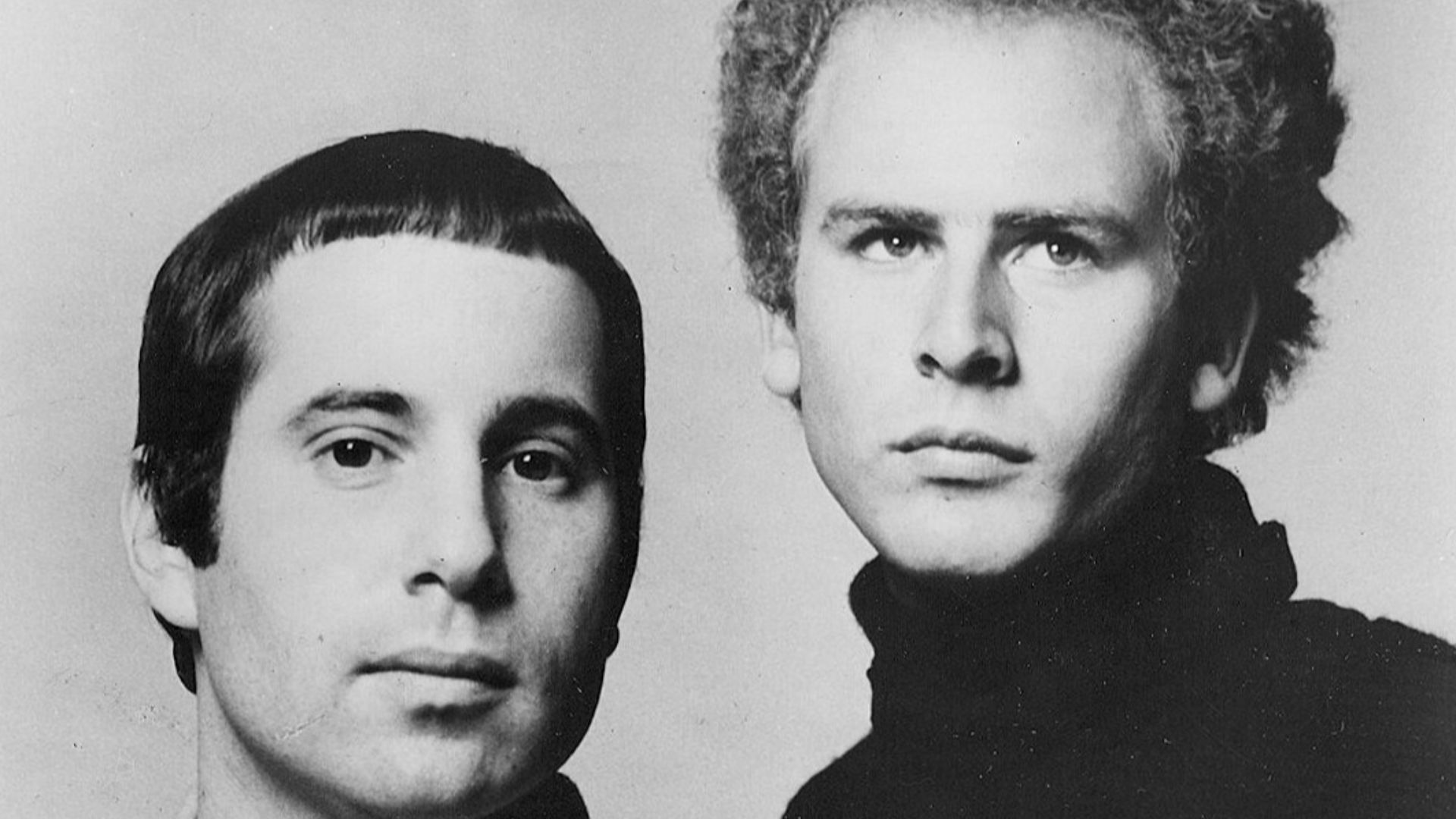
“Blondes Have More Fun” (Rod Stewart)
Rod Stewart’s move toward disco produced one of his biggest singles and a number-one album. It also produced a record that sounds increasingly exhausted as it goes along. The album eventually went triple platinum, although much of that audience was probably purchasing the enormous hit and receiving nine additional songs as packing material.
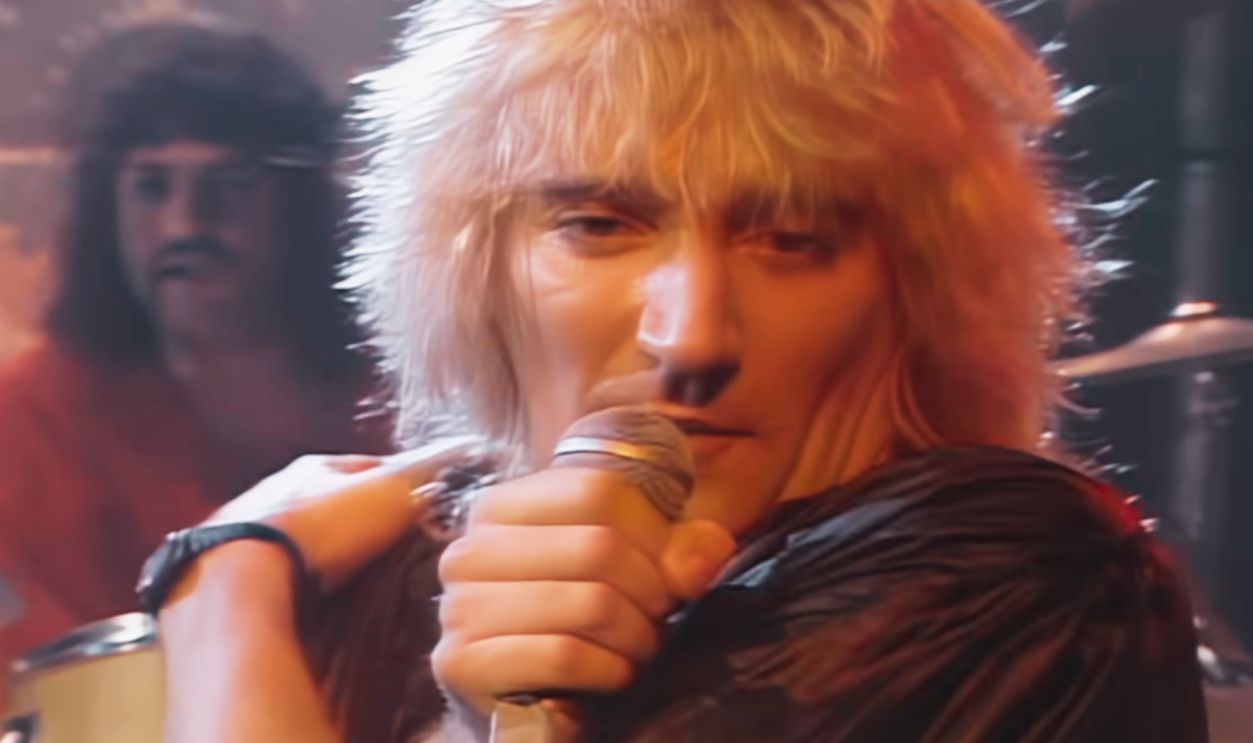 Screenshot from Da Ya Think I'm Sexy?, Warner Music Group (1978)
“Hair” (Original Broadway Cast)
The cast album from Hair spent 13 weeks at number one and sold nearly three million copies in the United States before 1969 had even ended. The famous songs still work. The complete album, filled with tiny reprises, fragments, chants, and theatrical connective tissue, is a little like buying the entire musical because you enjoyed three numbers.
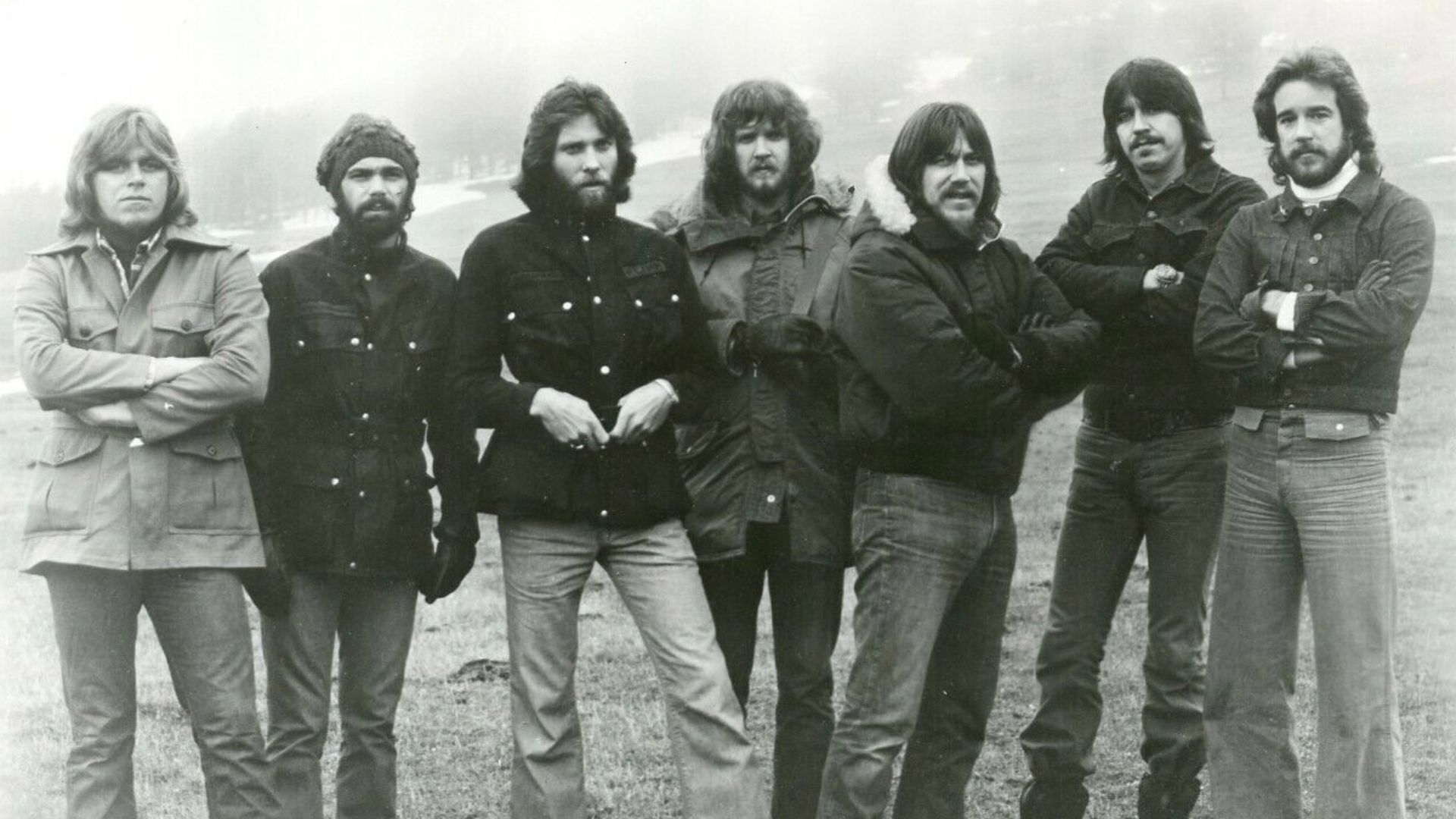
“Chicago at Carnegie Hall” (Chicago)
Chicago released four records of live material from Carnegie Hall, including between-song chatter and even instrument tuning. It still reached number three and became an enormous seller. Some members defended it. Others complained about the sound, with James Pankow saying the brass instruments came out sounding like kazoos. He had a point.
 Columbia Records, Wikimedia Commons
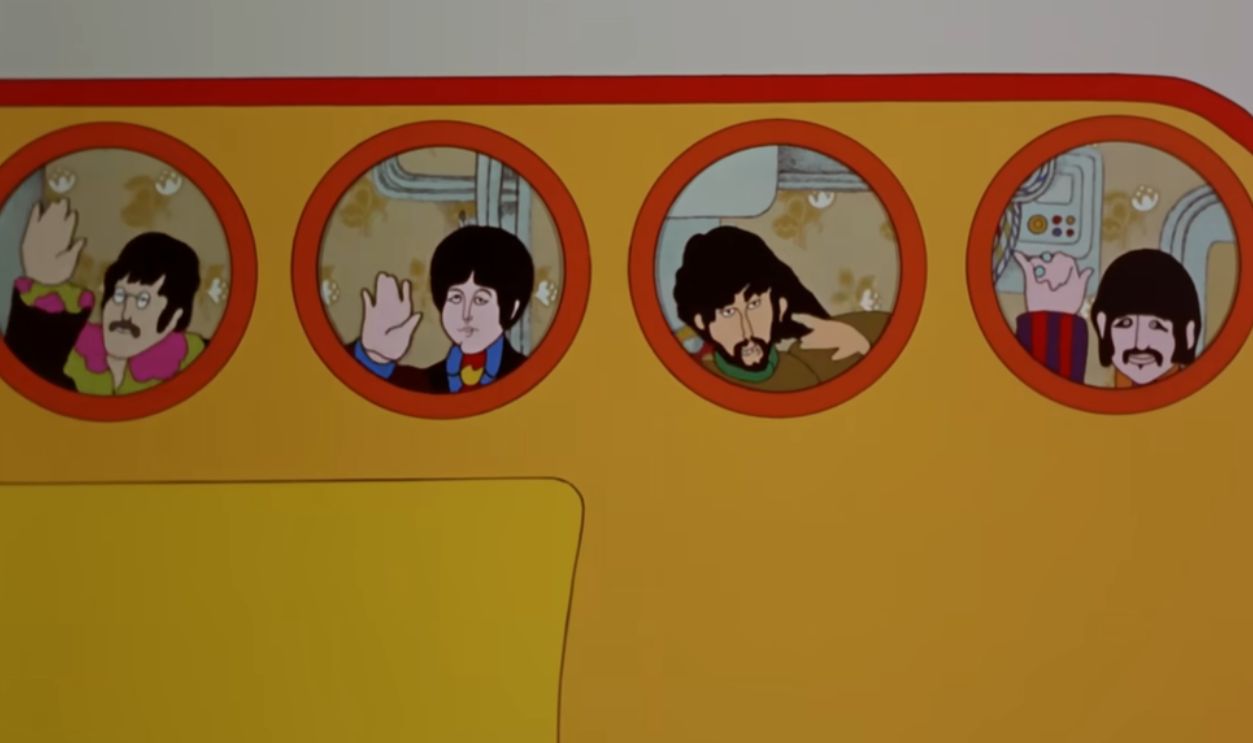
“Yellow Submarine” (The Beatles)
A Beatles album could have contained 40 minutes of Ringo looking for his car keys and probably still gone platinum. Yellow Submarine offered six Beatles songs—only four of them new—followed by an entire side of George Martin’s orchestral film score. “Hey Bulldog” is great. The rest feels suspiciously like homework.
 Screenshot from Yellow Submarine, Universal Music Group (1969)
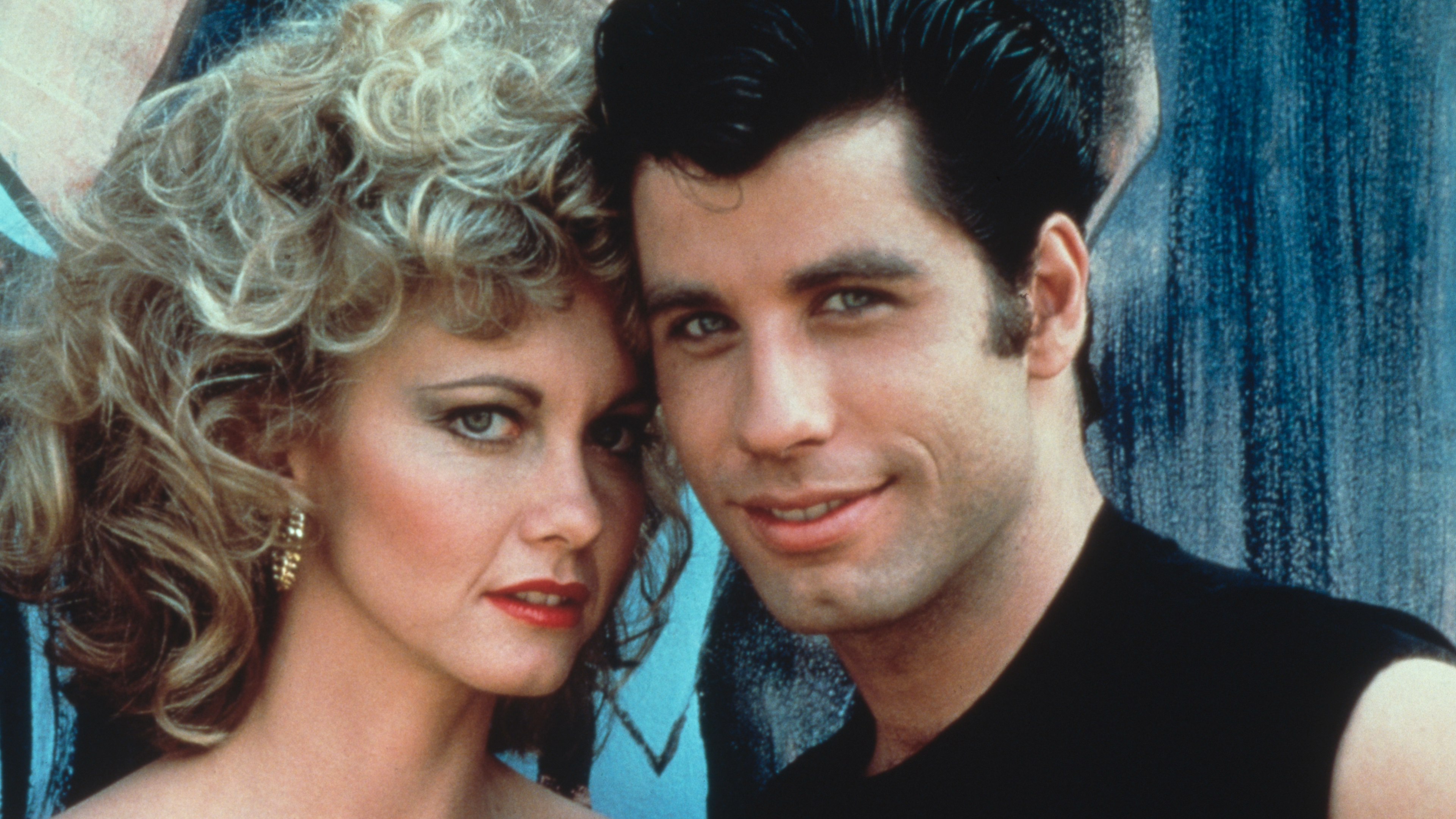
“Grease” (Various Artists)
The big songs remain practically indestructible. Unfortunately, the soundtrack lasts more than an hour and includes almost every musical moment from the film, whether listeners needed it or not. More than 30 million copies were sold, presumably to people who kept lifting the needle and returning to the Travolta and Newton-John songs.
 Paramount Pictures, Getty Images
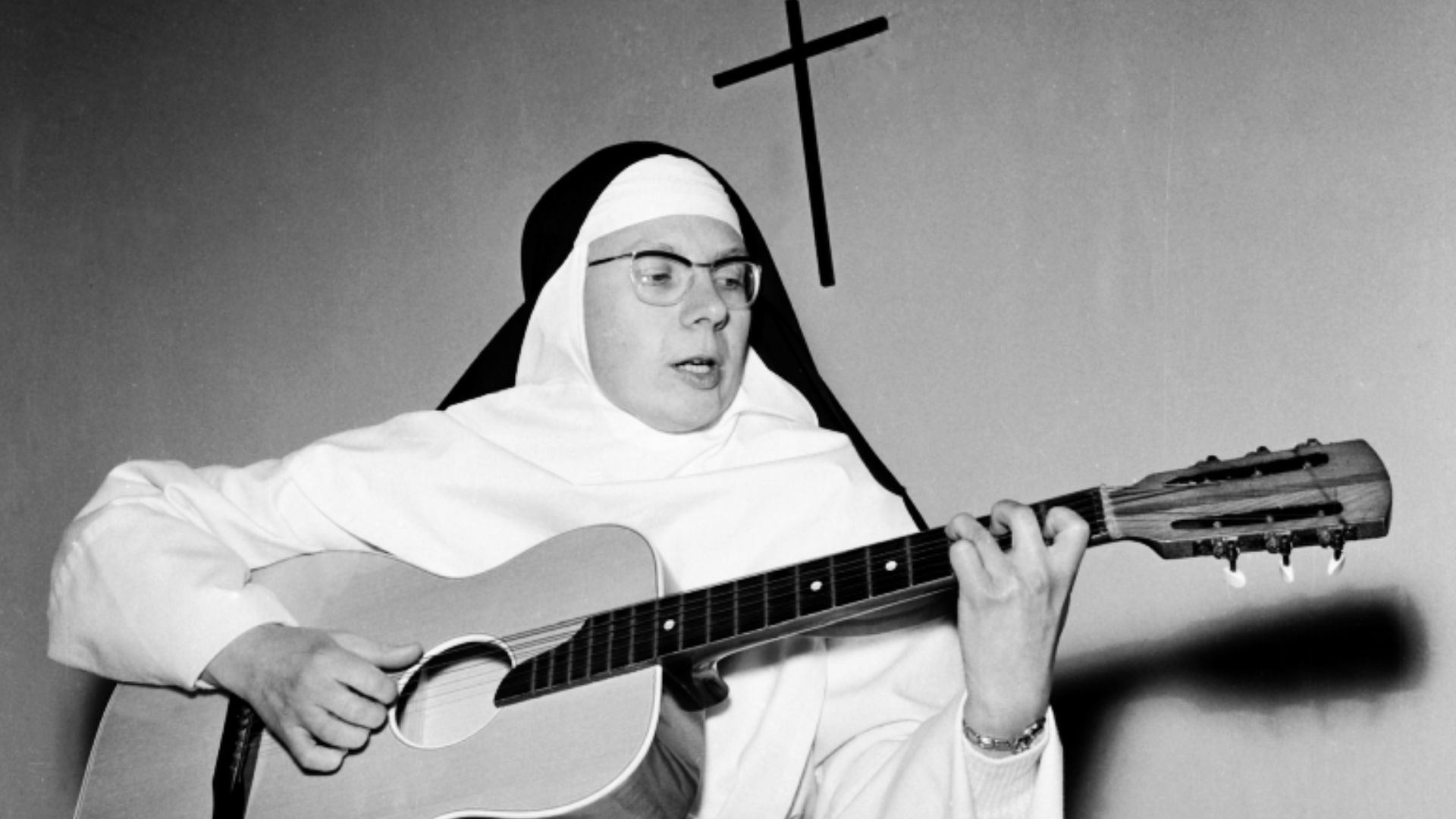
“The Singing Nun” (The Singing Nun)
A Belgian nun singing in French topped the American album chart for ten weeks and kept the Beatles out of number one until February 1964. “Dominique” was charming enough to explain the craze. Eleven more gentle folk songs in the same sitting make it easier to understand why the craze did not last.
 Priscila Sherlyn, Wikimedia Commons
“Waiting for the Sun” (The Doors)
The Doors’ only number-one album arrived while the band was struggling to finish an ambitious piece that never made the final record. “Hello, I Love You” became a huge hit, but much of the album sounds like a group circling the runway while waiting for Jim Morrison to bring in another great song.
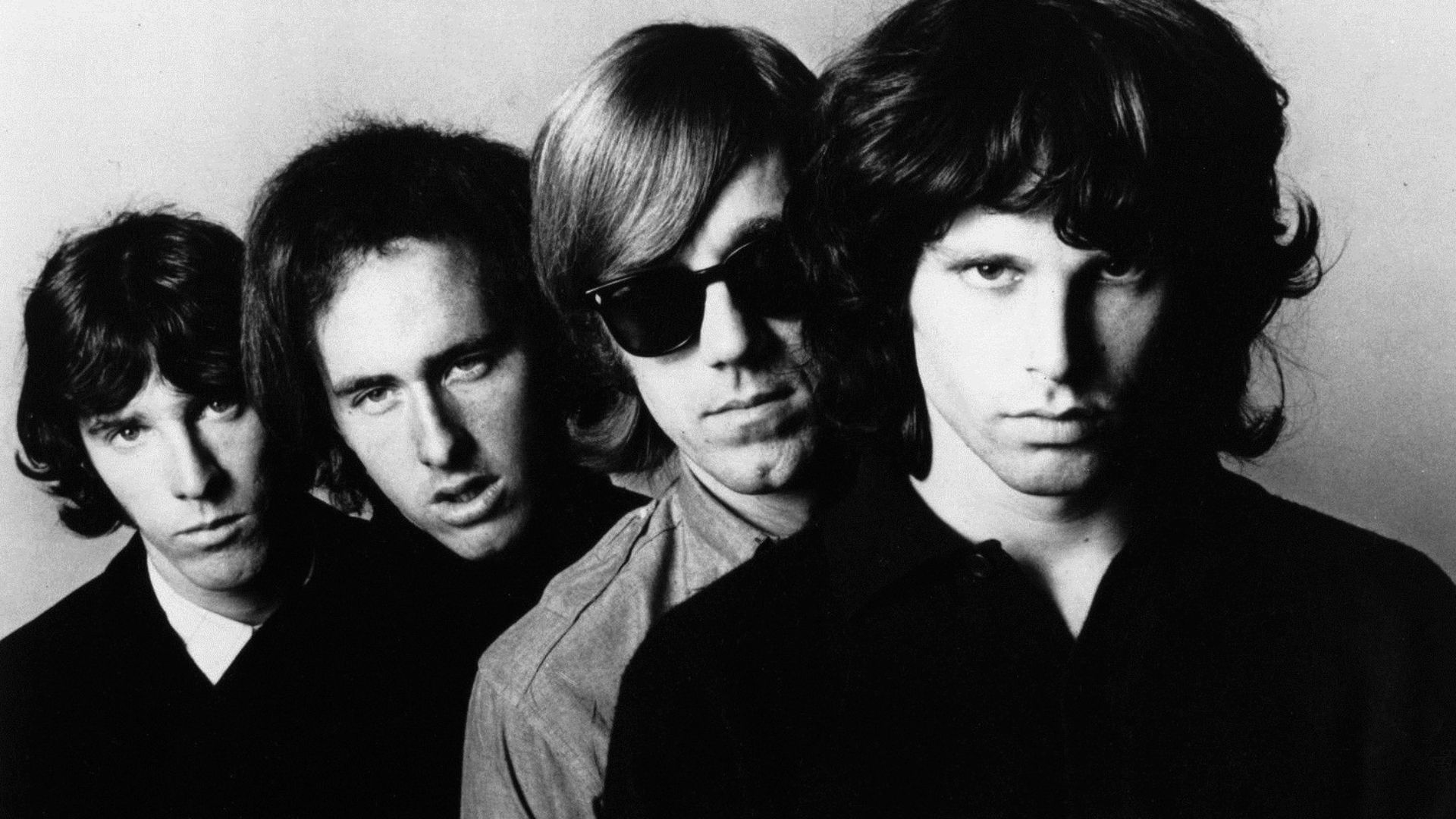 Joel Brodsky; Distributed by Elektra Records, Wikimedia Commons
“Jonathan Livingston Seagull” (Neil Diamond)
Neil Diamond created a grand, deeply serious soundtrack for a movie about a seagull seeking spiritual enlightenment. The album eventually made far more money than the film and even won a Grammy. There are some lovely melodies, but listening straight through feels like attending a motivational seminar hosted by a very emotional bird.
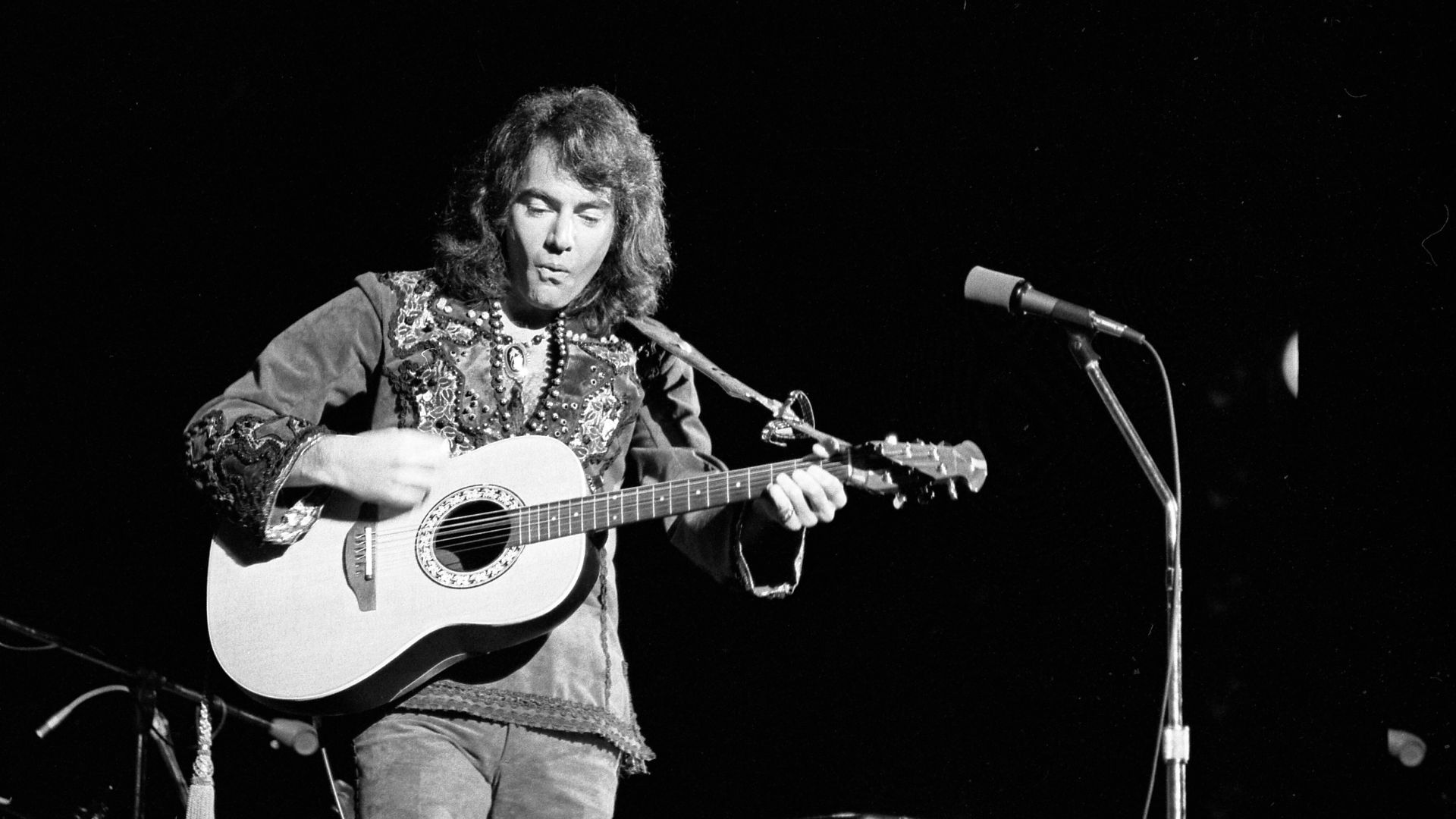 Larry Bessel, Los Angeles Times, Wikimedia Commons
“Jazz” (Queen)
Queen called the album Jazz, included almost no jazz, and threw practically every other idea they had onto the record instead. The results range from brilliant to baffling, sometimes within the same song. It reached number two in Britain and number six in America because Queen’s uneven albums were still more interesting than most bands’ good ones.
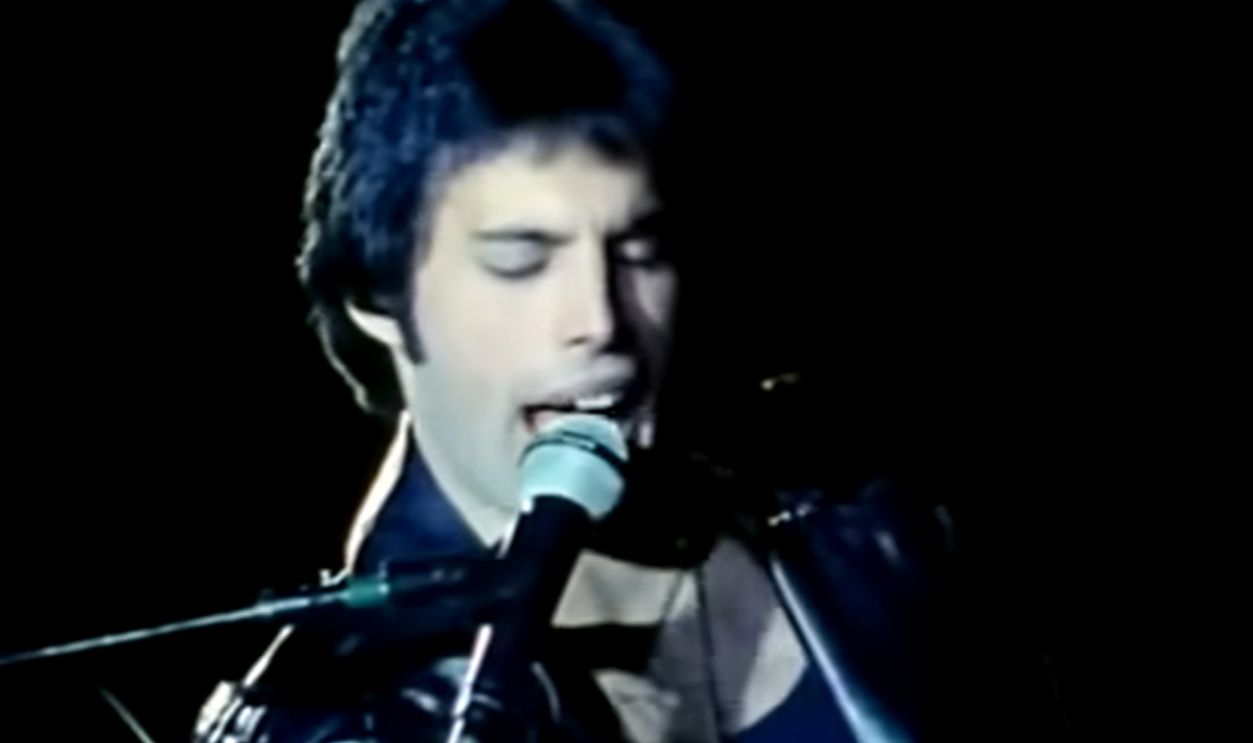 Screenshot from Don’t Stop Me Now, The Walt Disney Company (1979)
“Dynasty” (Kiss)
Kiss announced its big return with an album on which the four members barely functioned like a band. Peter Criss played drums on only one track, with Anton Fig handling the rest, and disco had officially entered the building. It still went platinum because the makeup was doing some serious work by 1979.
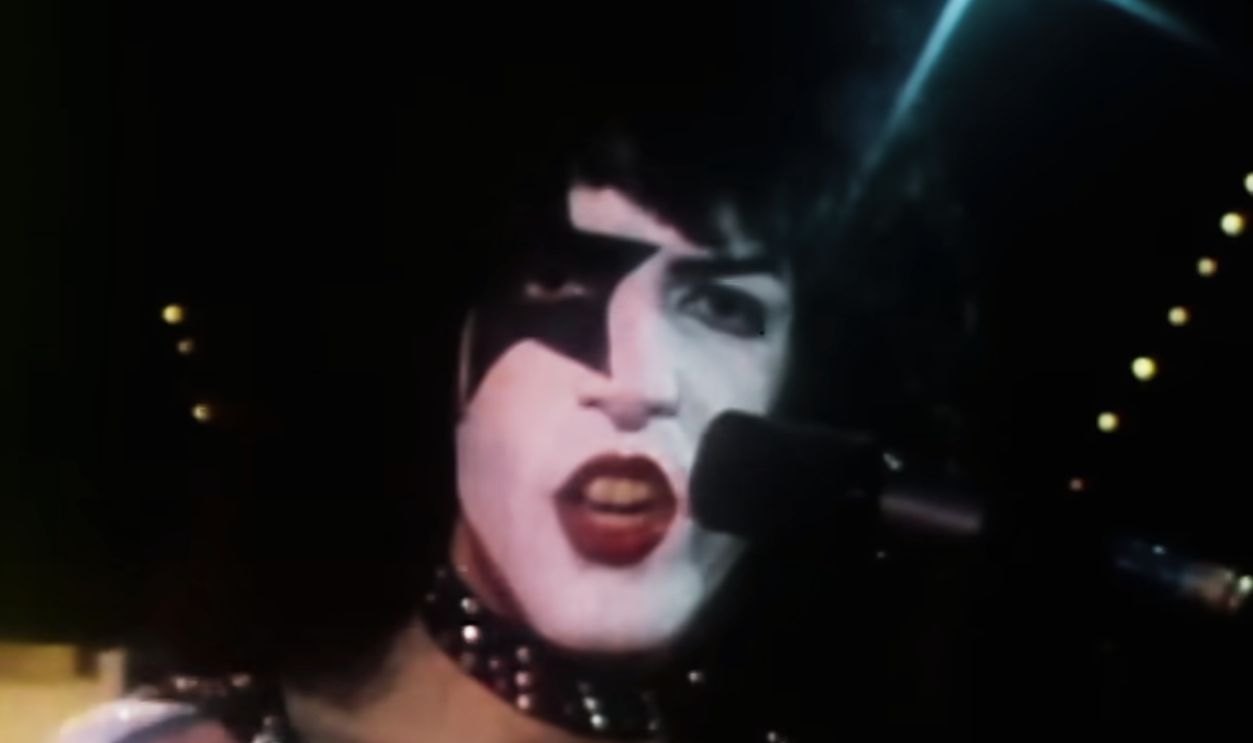 Screenshot from I Was Made For Lovin' You, Universal Music Group (1979)
“Double Vision” (Foreigner)
Foreigner’s second album sold more than seven million copies and produced three major singles. That sounds impressive until you realize those singles are also most of what anyone remembers. One contemporary critic called the album commercially powerful but artistically empty. Harsh, perhaps—but he had clearly listened past the first three tracks.
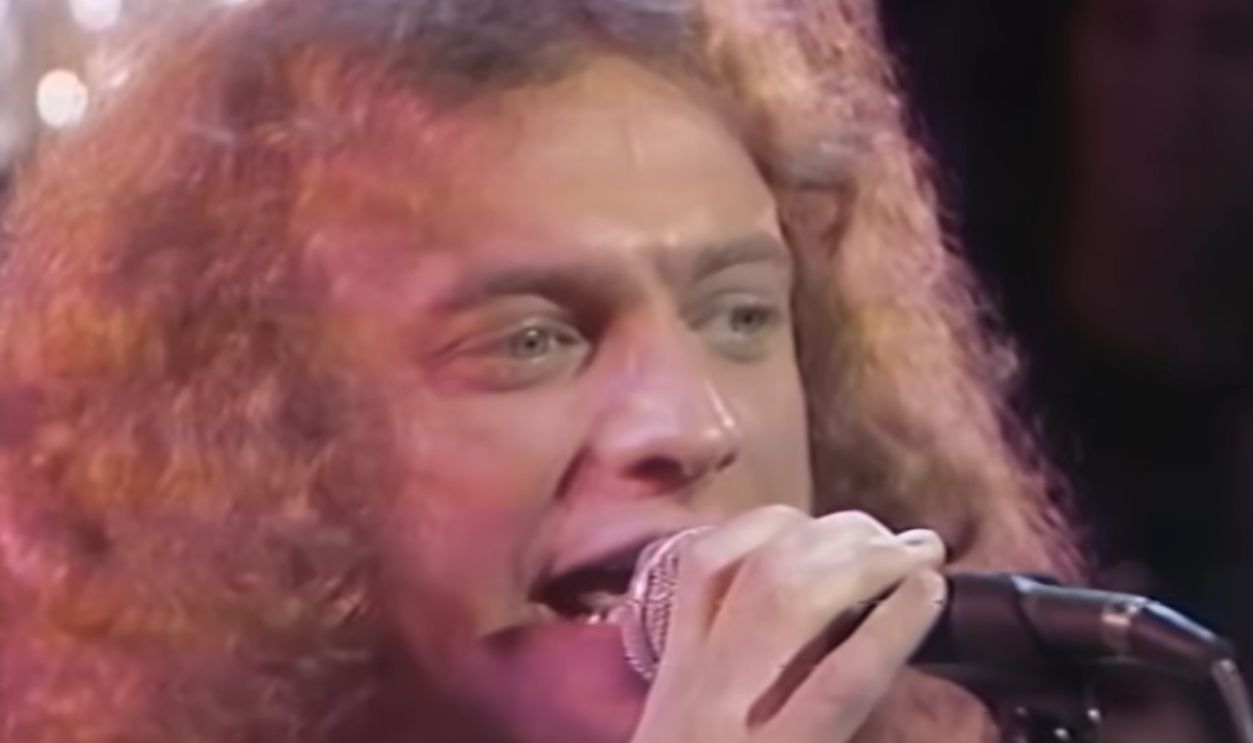 Screenshot from Double Vision, Warner Music Group (1978)
“Spirits Having Flown” (Bee Gees)
The first three songs all became number-one singles, which is an incredible achievement. After that, the Bee Gees keep polishing the same sound until it practically disappears under the shine. The album sold more than 20 million copies, but even devoted fans may struggle to name track seven without checking the sleeve.
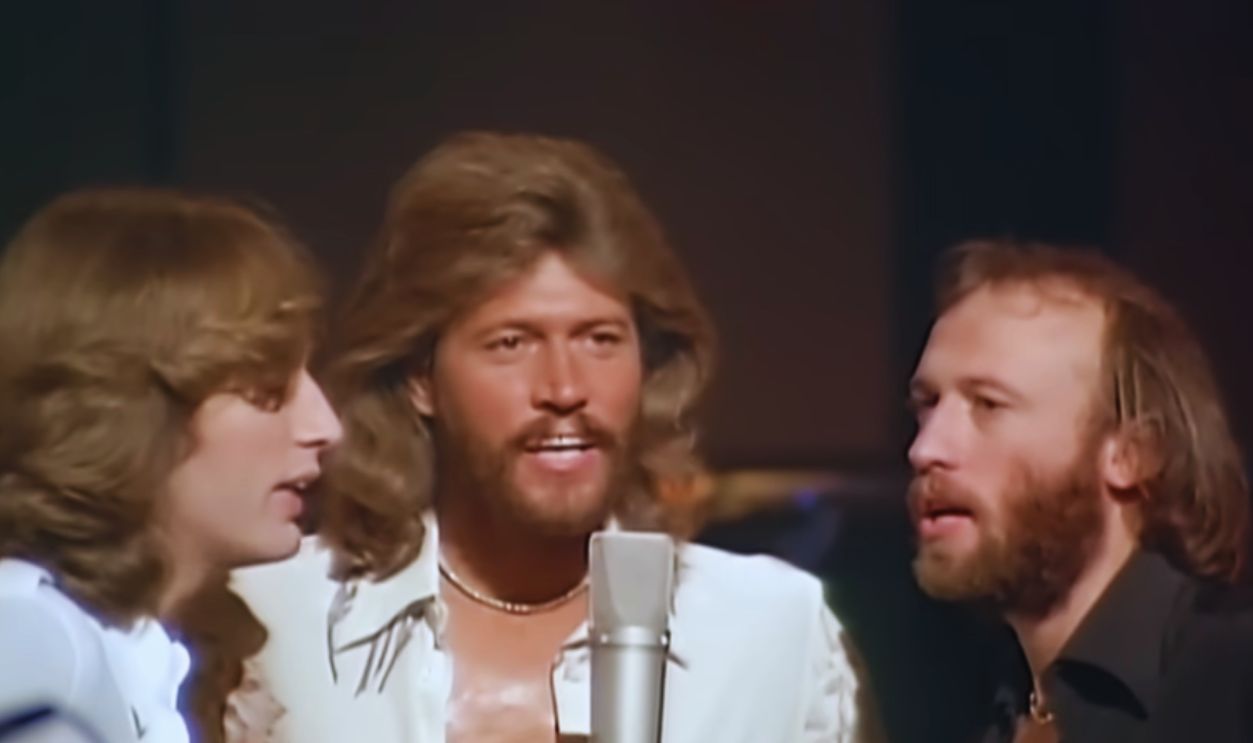 Screenshot from Too Much Heaven, Universal Music Group (1978)
“Discovery” (Electric Light Orchestra)
ELO removed much of the orchestral personality that had made the band interesting and leaned heavily into glossy disco-pop. The result became their first number-one British album and delivered four Top 10 singles. It is catchy, polished, and fun. It also occasionally sounds like Jeff Lynne producing music for a very expensive department store elevator.
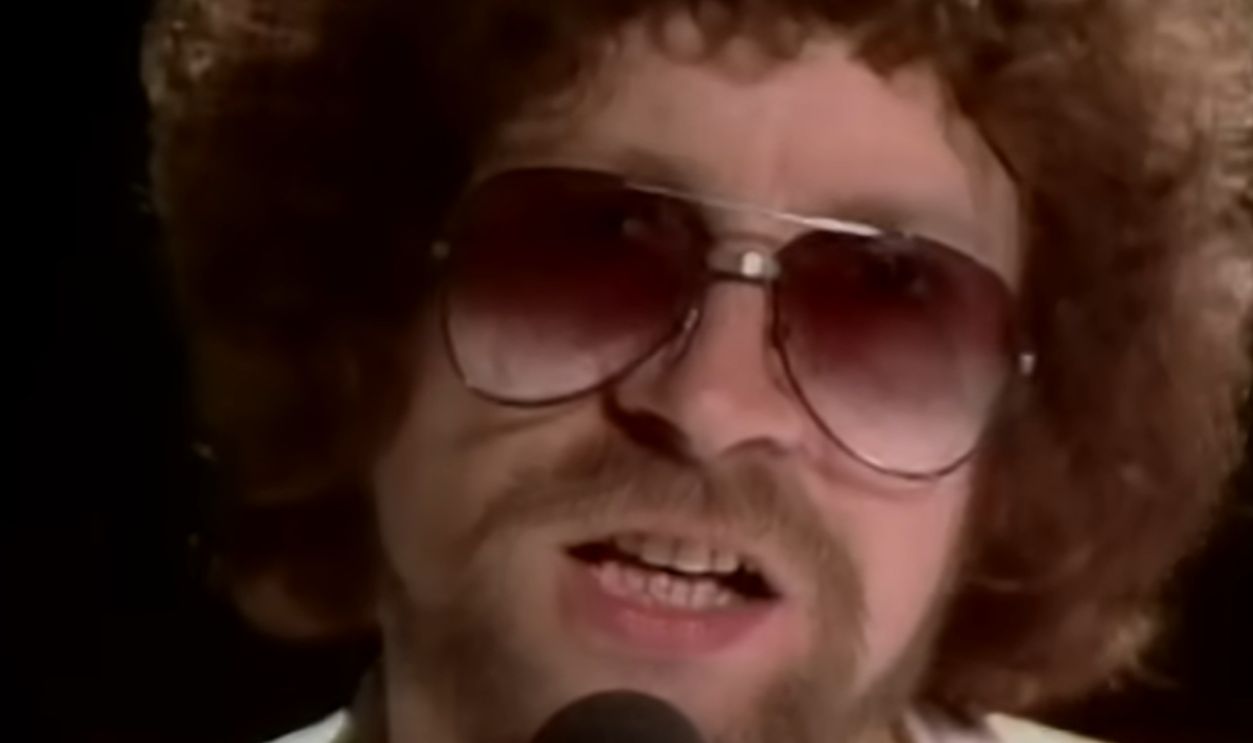 Screenshot from Last Train to London, Sony Music Entertainment (1979)
“My Son, the Folk Singer” (Allan Sherman)
Allan Sherman’s debut became the fastest-selling album recorded up to that point. It was an entire LP of parody songs built around Jewish family humor and familiar folk melodies. Some jokes still land. Others require a working knowledge of early-60s Miami hotels, delicatessens, and relatives named Max.
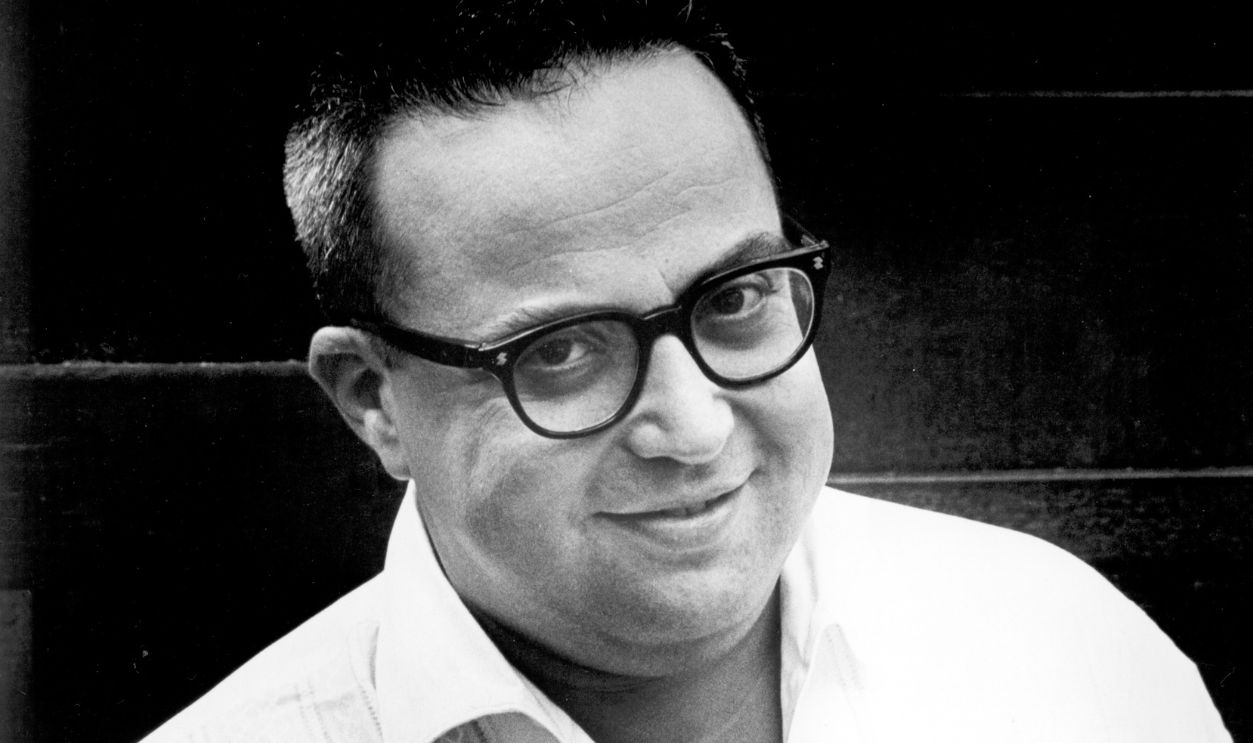 Michael Ochs Archives, Getty Images
The Hits Did a Lot of Heavy Lifting
None of these albums were completely worthless. Most contained at least one song good enough to explain why people rushed out and bought them.
But great albums make you forget about the needle, the skip button, or the next record waiting on the shelf. These albums frequently made listeners wonder how soon they could play the big single again.
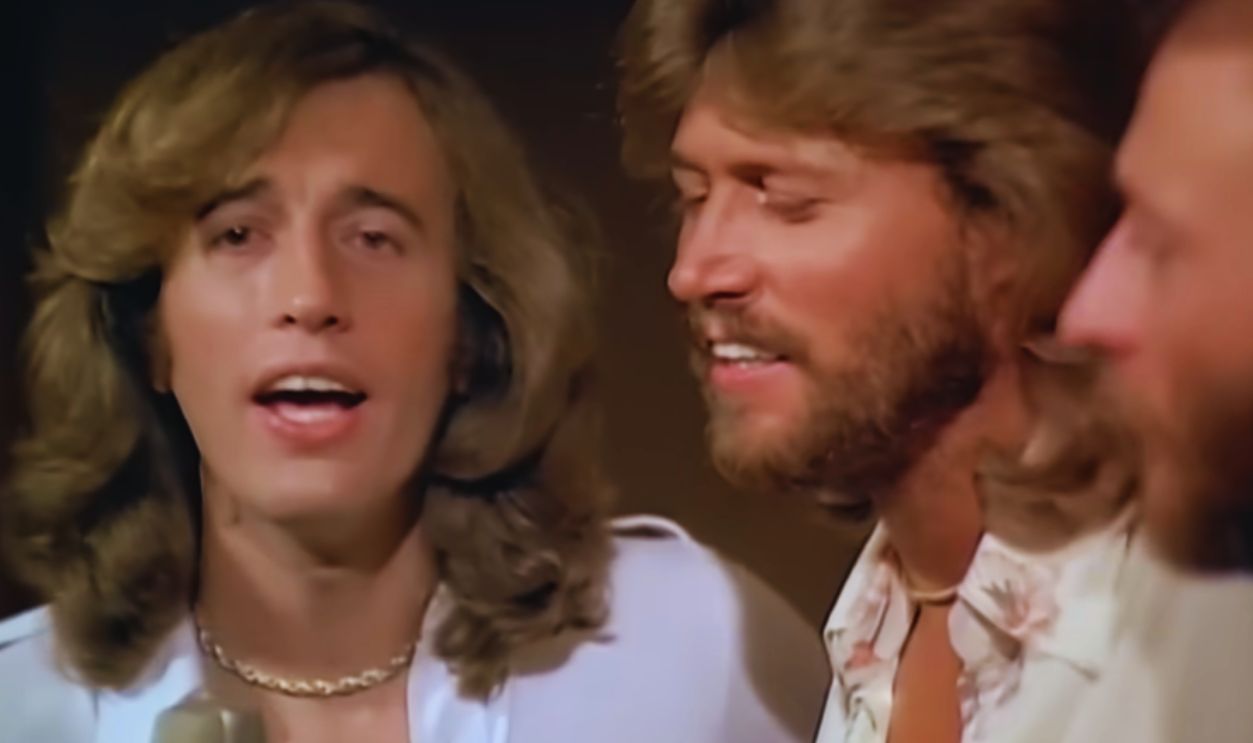 Screenshot from Too Much Heaven, Universal Music Group (1978)
You Might Also Like:
Rock Bands Who Released Albums 50 Years After Their First Record—Did Your Favorite Make The List?