The Classic Records That Nearly Stayed On The Shelf
It's easy to assume that legendary albums were destined for greatness from the moment they were recorded. The reality is often much messier. Record label executives panic. Artists lose confidence. Master tapes disappear. Band members argue. Entire projects get scrapped at the last minute.
Some of rock's most beloved albums came surprisingly close to never reaching the public at all. If just a few decisions had gone differently, music history might look very different today.
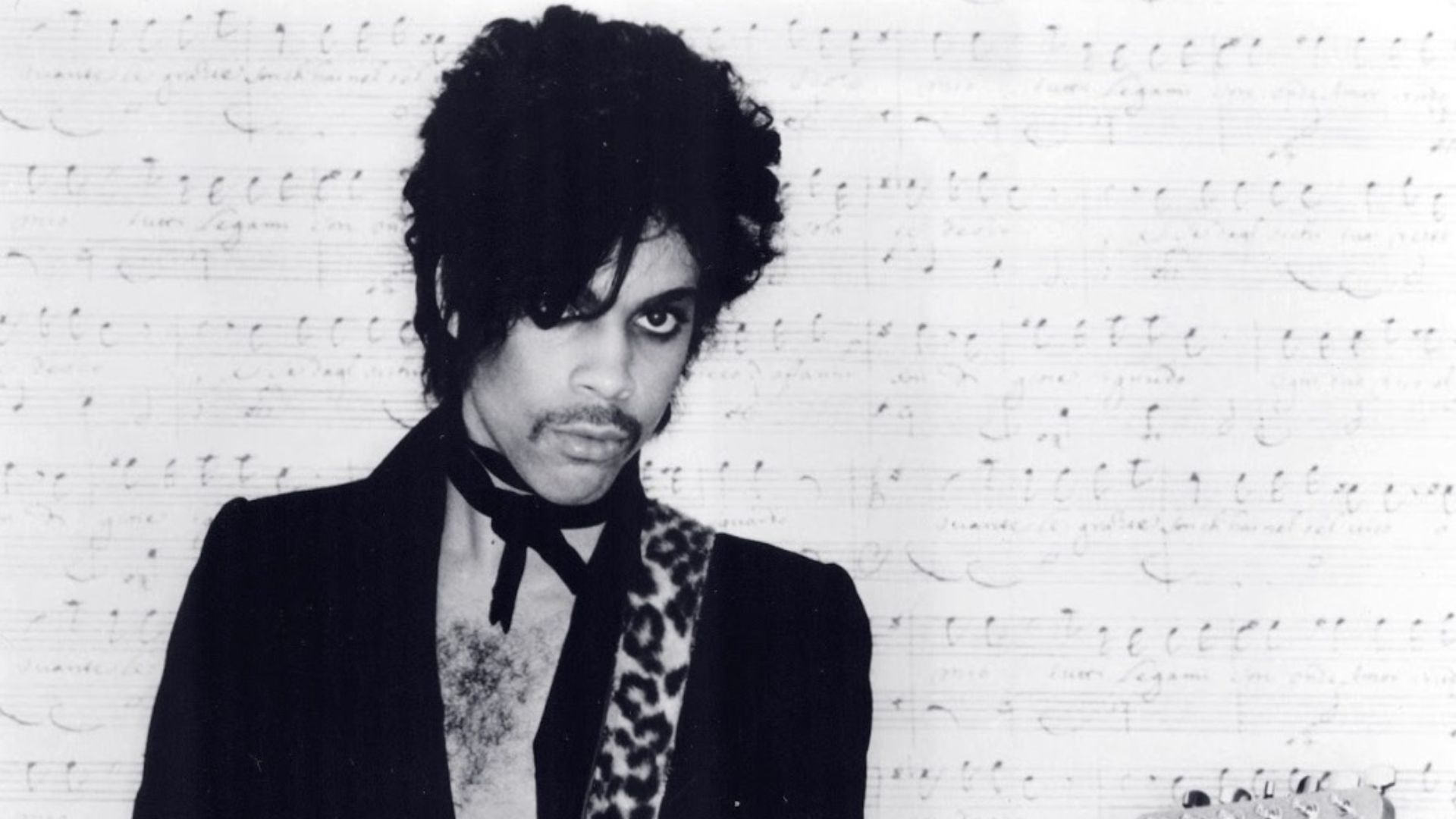
Prince – The Black Album
Few albums have a stranger history than Prince's The Black Album. Scheduled for release in 1987, the record was fully pressed and ready to ship when Prince abruptly changed his mind and pulled it from stores. According to Prince, a spiritual awakening convinced him the album's dark tone sent the wrong message. Bootleg copies quickly became legendary among fans, and the album eventually received an official release years later, turning it into one of rock's most famous lost records.
 Allen Beaulieu; Distributed by Warner Bros. Records., Wikimedia Commons
Guns N' Roses – Chinese Democracy
For years, many fans wondered if Chinese Democracy would ever actually exist. Following the departure of Slash and much of Guns N' Roses' classic lineup, Axl Rose spent more than a decade rewriting, rerecording, and rebuilding the project. Costs reportedly climbed into the millions while release dates came and went. By the time it finally arrived in 2008, the album had become one of the most delayed and discussed records in rock history.
 Kreepin Deth, Wikimedia Commons
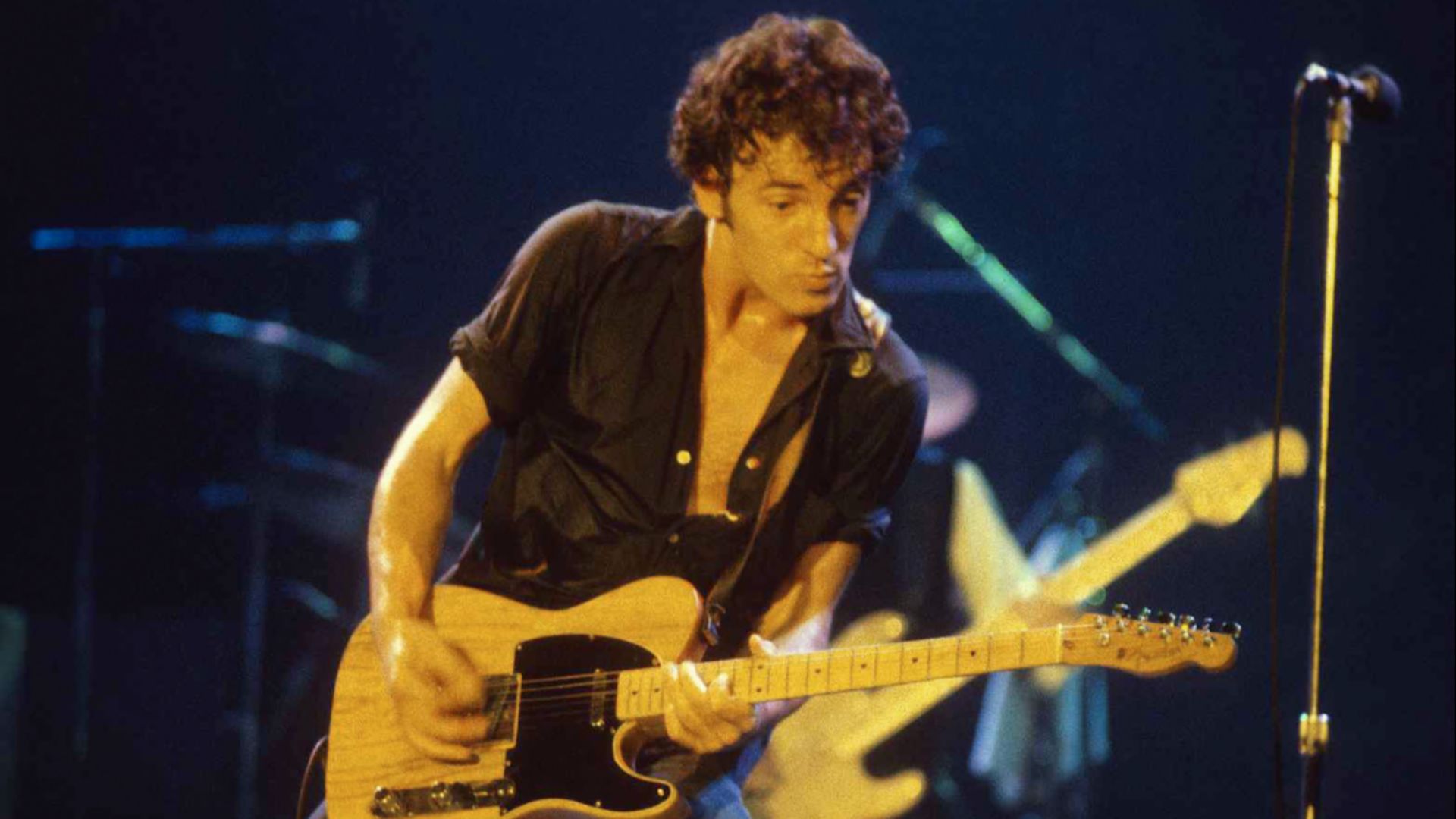
Bruce Springsteen – Nebraska
Nebraska wasn't supposed to be the album people heard. Springsteen originally recorded the songs as rough home demos with plans to rerecord them with the E Street Band. But something strange happened. The stripped-down versions captured a bleak intimacy that disappeared whenever the full band got involved. After numerous failed attempts to recreate the atmosphere, Springsteen decided the demos themselves were the finished album, resulting in one of the most haunting records of his career.
 Carl Lender, Wikimedia Commons
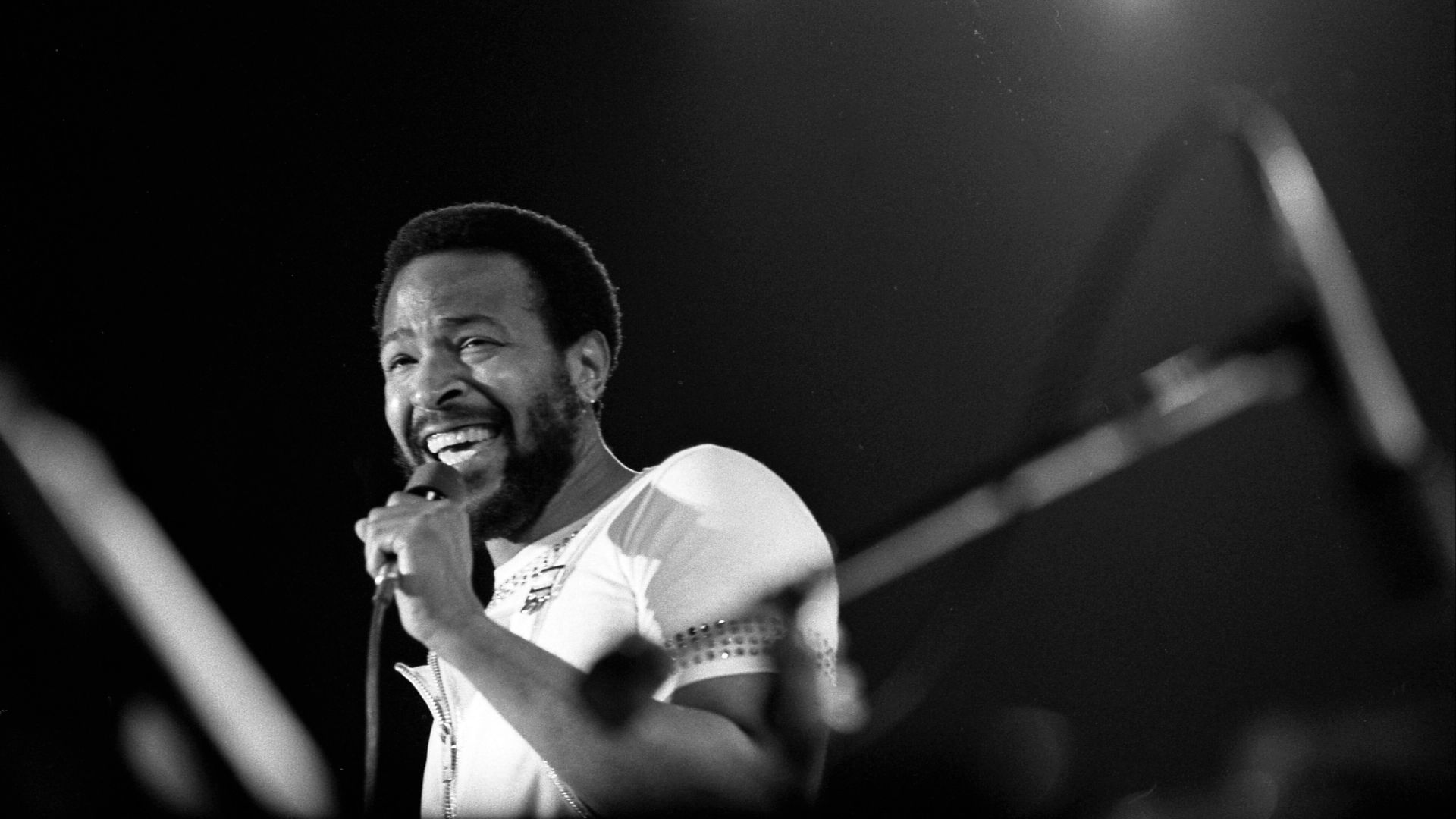
Marvin Gaye – What's Going On
Motown founder Berry Gordy hated "What's Going On" when he first heard it. He thought the song was too political, too unconventional, and completely wrong for Marvin Gaye's audience. Gaye refused to back down and even threatened not to record anything else until the song was released. When it became a massive hit, Motown finally approved the full album, which went on to become one of the most acclaimed records ever made.
 Los Angeles Times, Wikimedia Commons
Radiohead – OK Computer
Today, OK Computer is considered one of the defining albums of the 1990s, but Radiohead's label initially had concerns. The album was experimental, lengthy, and far less radio-friendly than the band's breakthrough hit "Creep." Some executives questioned whether audiences would connect with its darker themes and unusual structures. Instead, the album became a landmark release that helped redefine alternative rock for an entire generation.
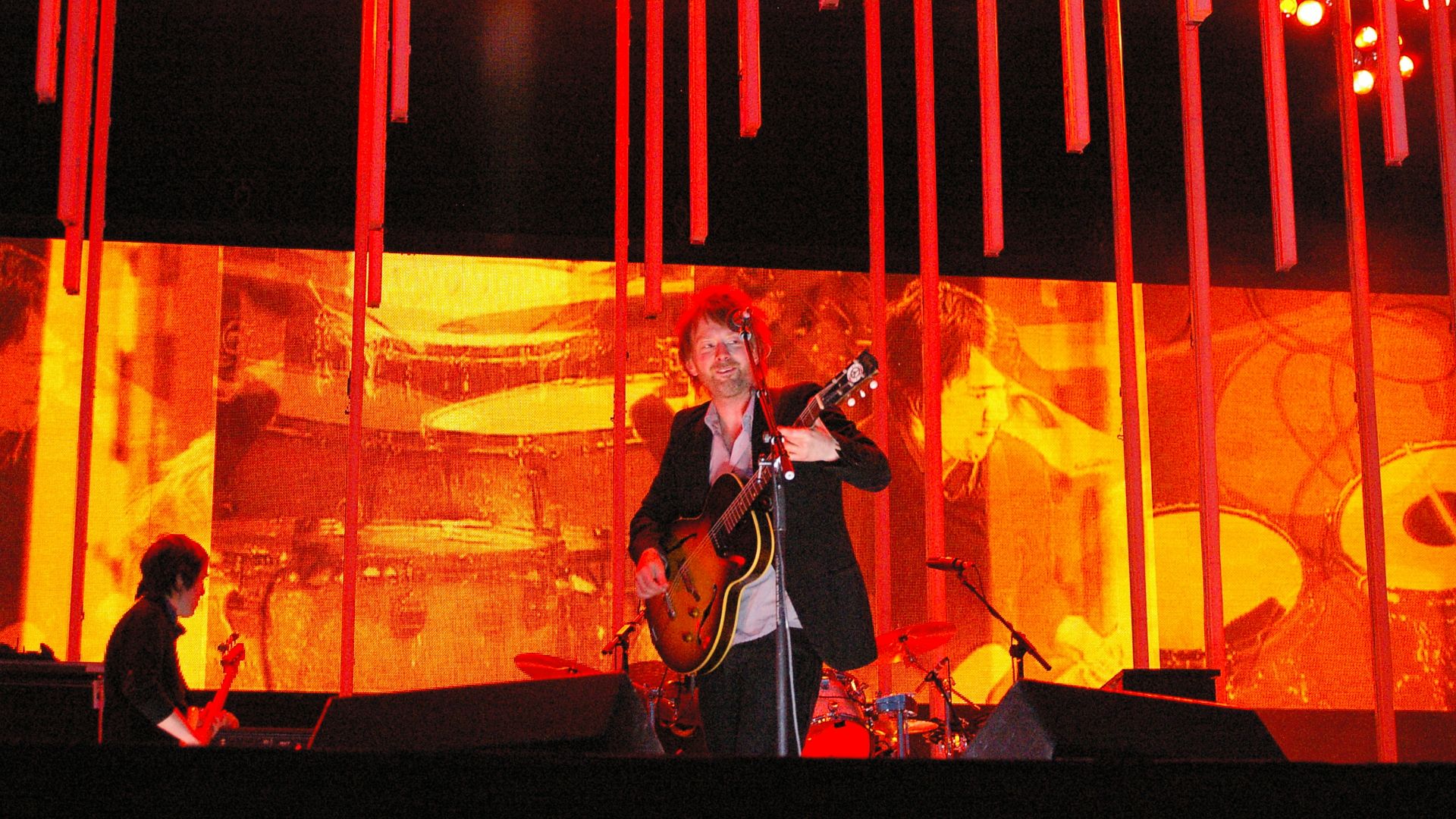 Nicolas Lœuillet, Wikimedia Commons
The Beatles – Let It Be
The making of Let It Be was so chaotic that it nearly collapsed under its own weight. Tensions between the Beatles were at an all-time high, recording sessions frequently turned sour, and the project sat unfinished for months. Eventually, producer Phil Spector was brought in to assemble the album from the scattered recordings. By the time it was released, the Beatles had effectively broken up, making it both a farewell and a rescue operation.
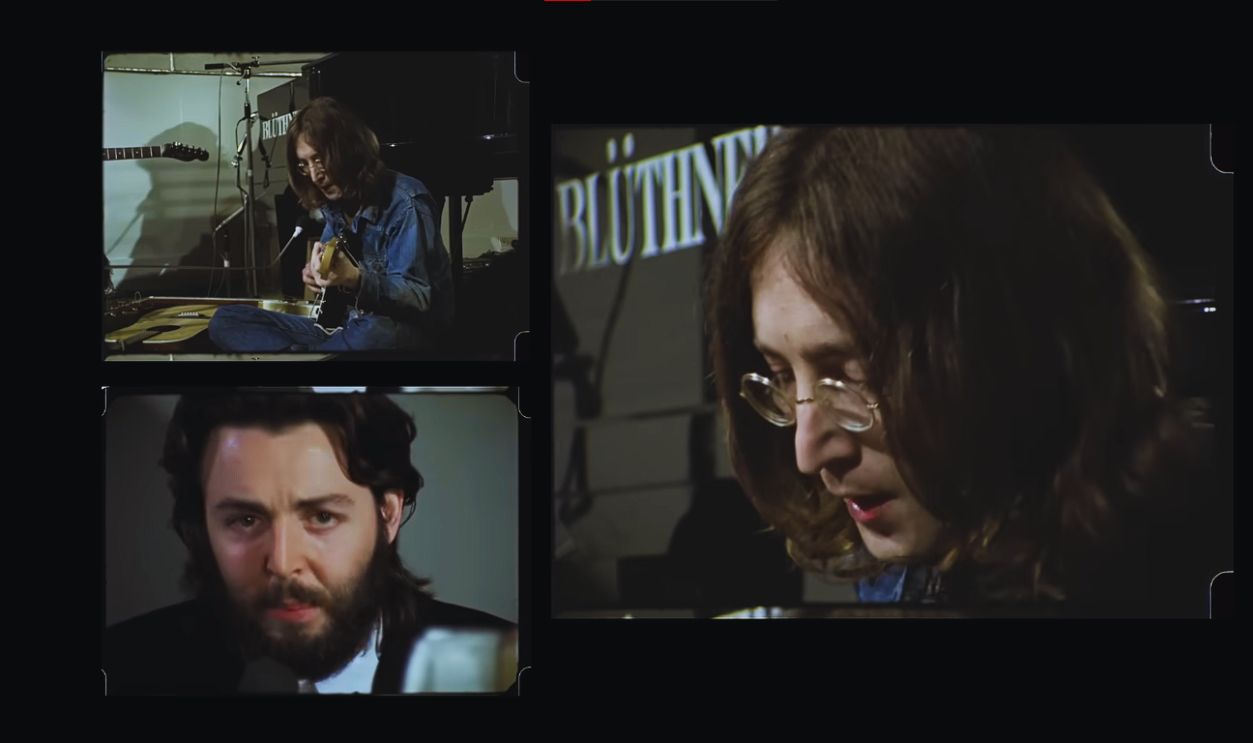 Screenshot from The Beatles – “Let It Be”, Apple Records (1970)
Fiona Apple – Extraordinary Machine
Few albums have inspired a fan movement quite like Extraordinary Machine. After Fiona Apple completed the project, years passed without a release date. Rumors spread that her label wasn't satisfied with the record, leading fans to launch the "Free Fiona" campaign. Bootleg versions circulated online while Apple reworked portions of the album. When it finally arrived in 2005, it became one of the most famous examples of fans helping pressure a label into releasing an artist's work.

Green Day – Cigarettes And Valentines
Unlike most albums on this list, Cigarettes and Valentines truly never arrived. Green Day had nearly completed the record when the master tapes were reportedly stolen from the studio. Rather than starting over and recreating the material, the band chose a completely different path. That decision eventually led to American Idiot, one of the biggest comeback albums in rock history. The lost album remains one of music's great mysteries.
 Sven Mandel, Wikimedia Commons
AC/DC – Back In Black
After the death of singer Bon Scott in 1980, AC/DC seriously considered ending the band altogether. Losing such a charismatic frontman seemed impossible to overcome. Instead, they recruited Brian Johnson and channeled their grief into a tribute album. The result was Back in Black, which became one of the best-selling albums of all time and transformed what could have been a tragic ending into one of rock's greatest success stories.
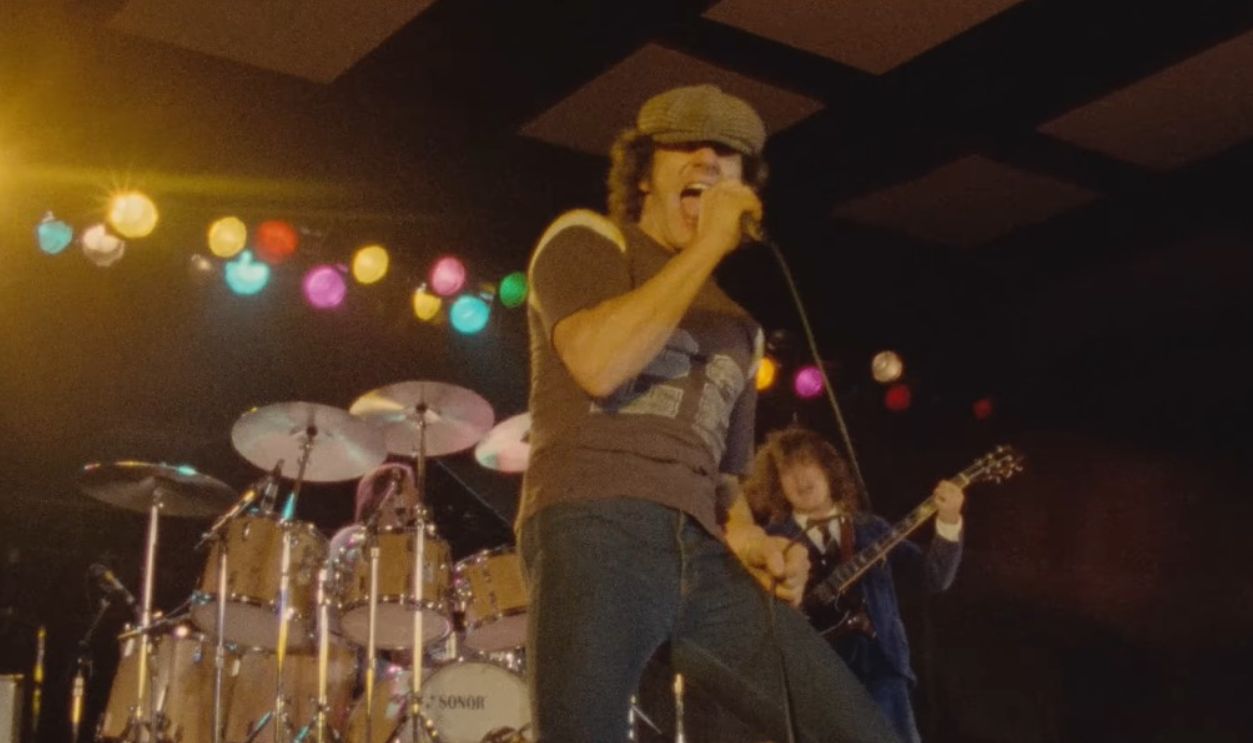 Screenshot from AC/DC – Back in Black, Atlantic Records (1980)
Wilco – Yankee Hotel Foxtrot
Yankee Hotel Foxtrot became famous long before it was released. After Wilco turned in the finished album, their label rejected it and dropped the band. Rather than bury the project, Wilco streamed the album online, generating enormous buzz. Another label eventually picked it up, and the record became a critical triumph. The irony is that the very album deemed commercially risky ended up becoming the band's defining masterpiece.
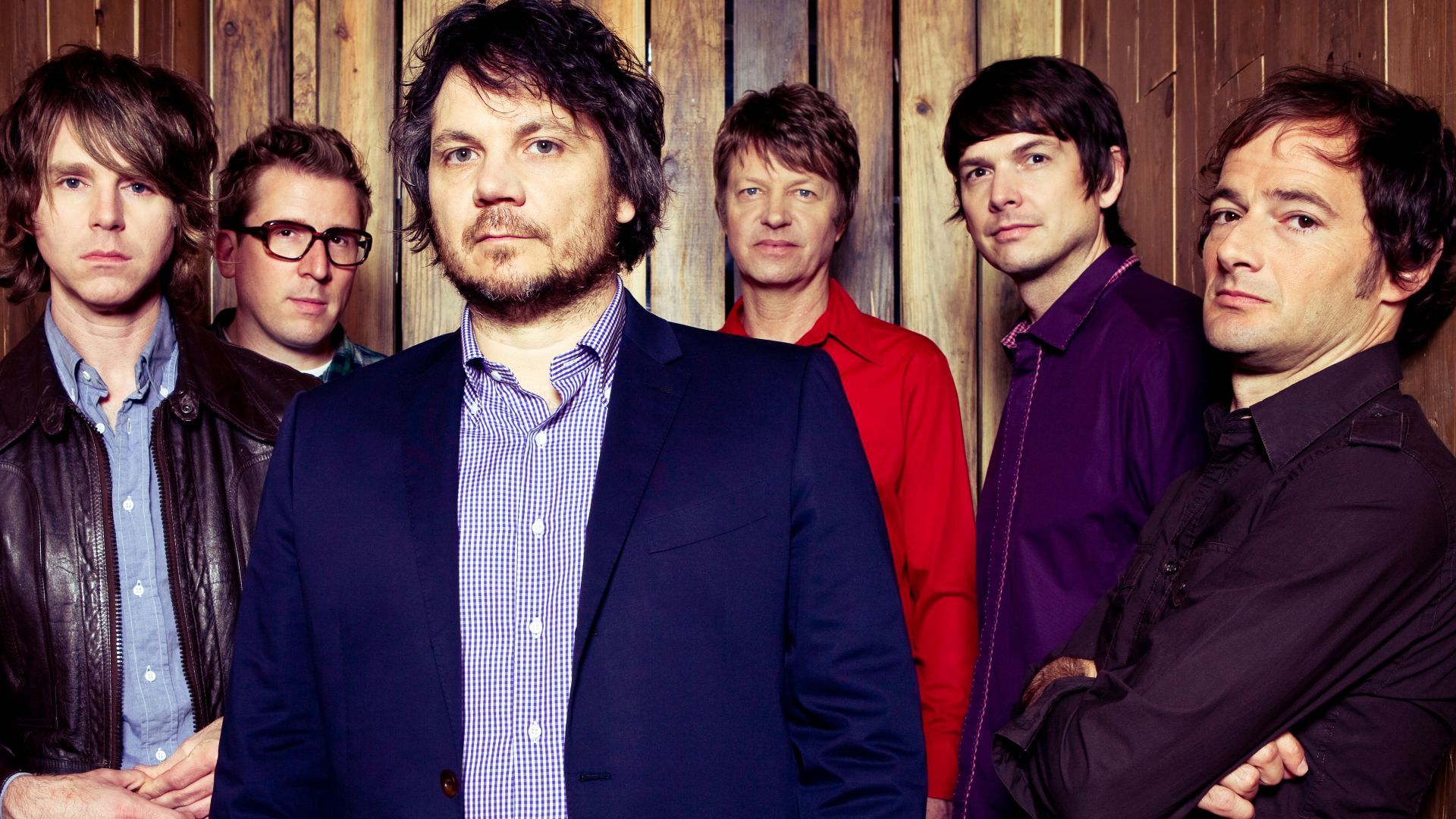 Austin Nelson, Wikimedia Commons
Mott The Hoople – All The Young Dudes
Mott the Hoople were on the verge of breaking up when David Bowie stepped in. The band had struggled commercially and morale was low. Bowie offered them "All the Young Dudes," a song he had written but chosen not to record himself. The resulting album revitalized the group's career almost overnight. Without that intervention, both the album and perhaps the band itself might never have existed.
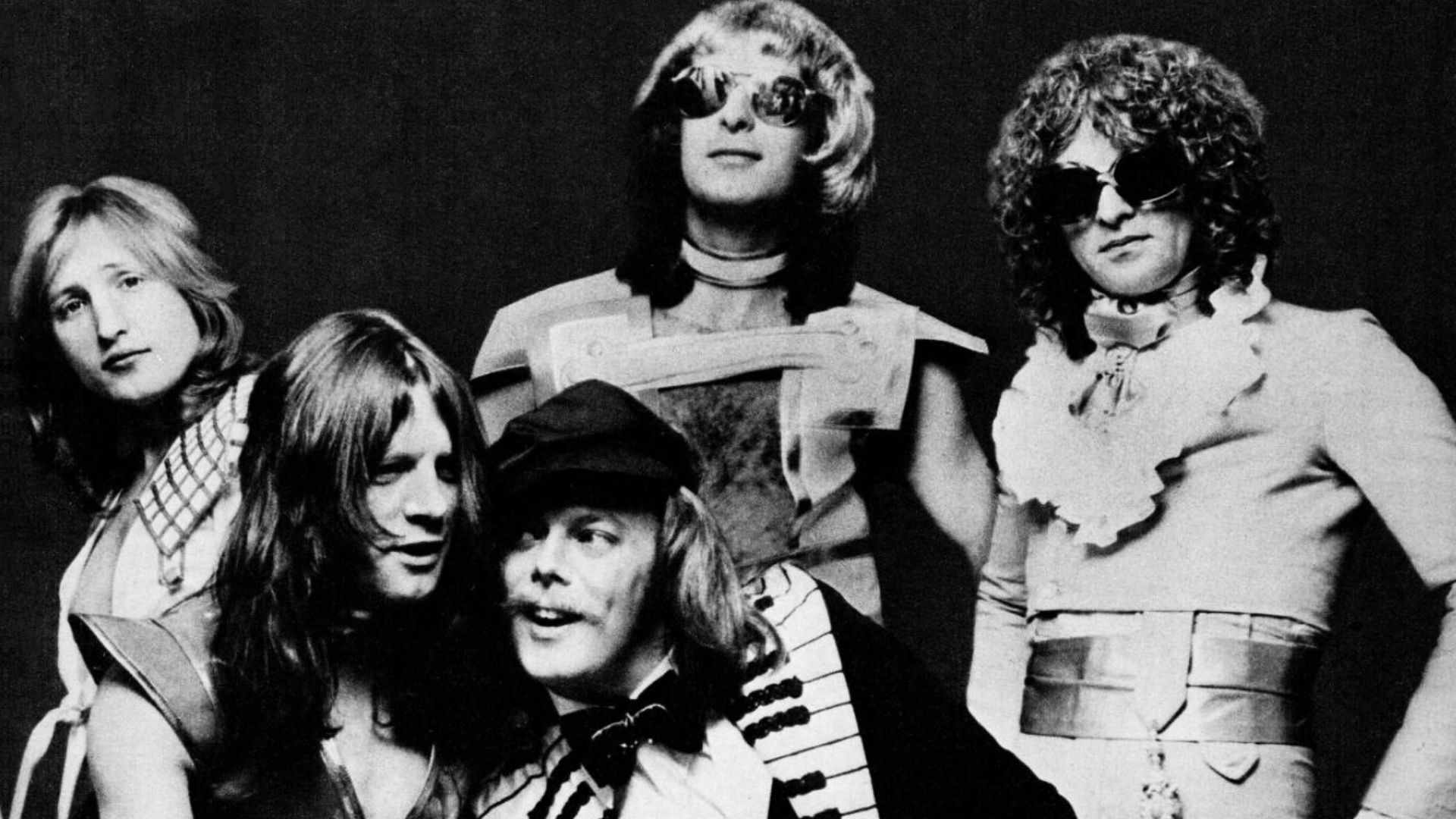 Columbia Records, Wikimedia Commons
Neil Young – Tonight's The Night
Recorded in the aftermath of several personal tragedies, Tonight's the Night was far darker and messier than what many people expected from Neil Young. His label wasn't enthusiastic about releasing such a bleak record, and Young himself shelved it for nearly two years. Eventually he insisted on its release, and it has since become one of the most respected albums in his catalog.
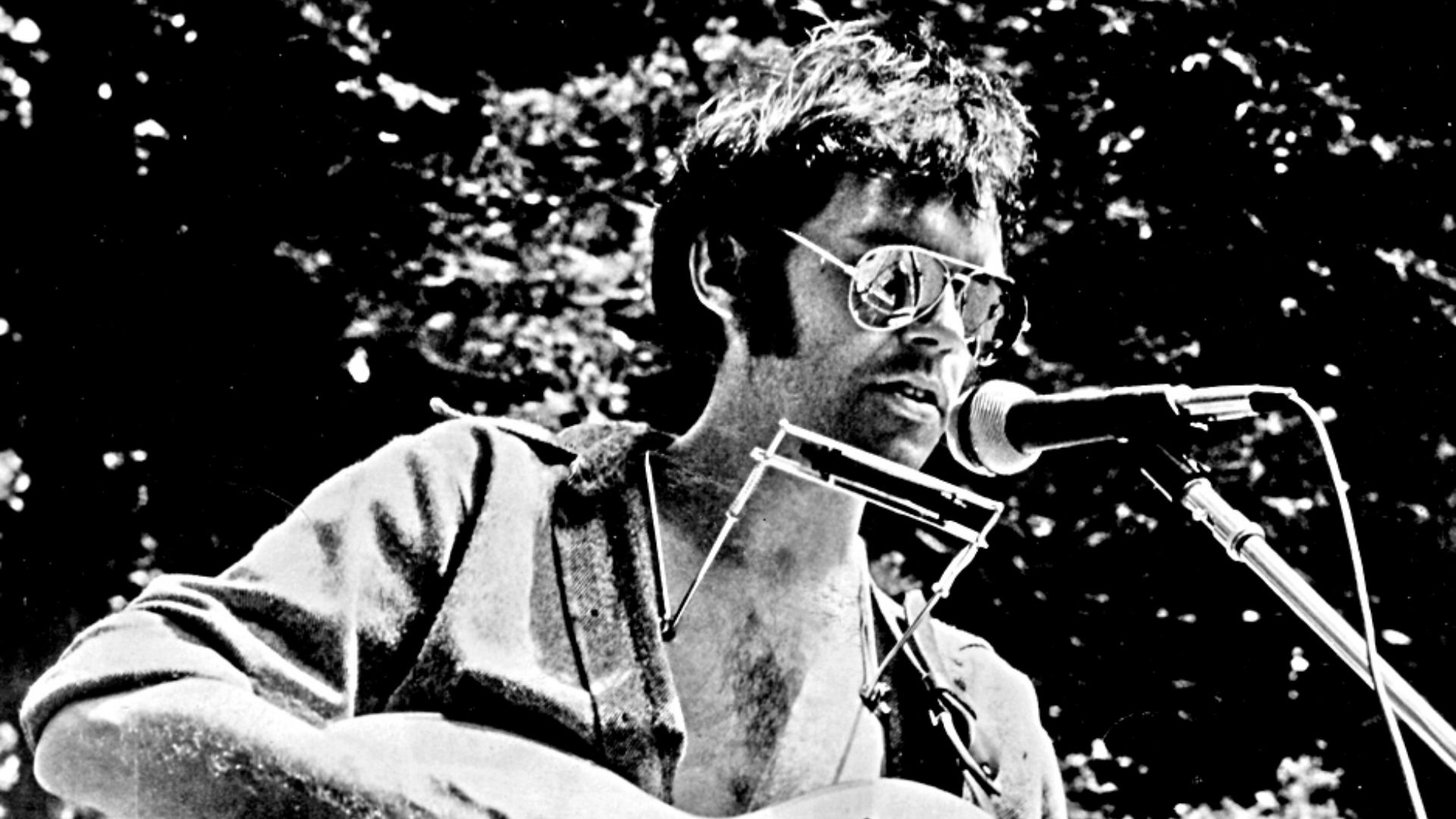 Warner/Reprise, Wikimedia Commons
Boston – Boston
Tom Scholz spent years building the recordings that became Boston's debut album, often working in a homemade studio while balancing a full-time engineering job. Record executives were skeptical about parts of the project and pushed for changes. Scholz stubbornly protected his vision, and the finished album became one of the most successful debuts in rock history, proving that perfectionism occasionally pays off.
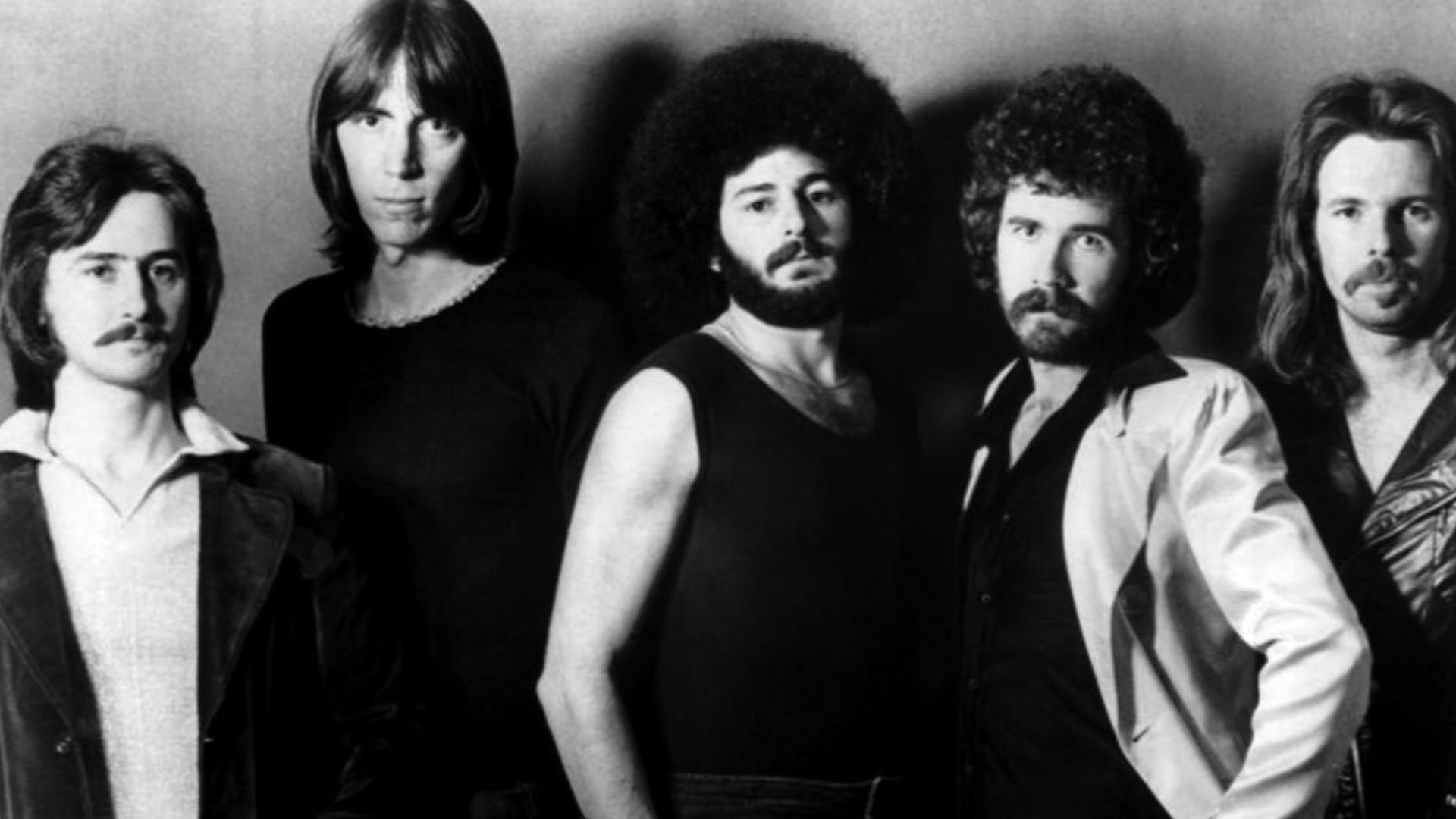 Premier Talent Associates (management company), Wikimedia Commons
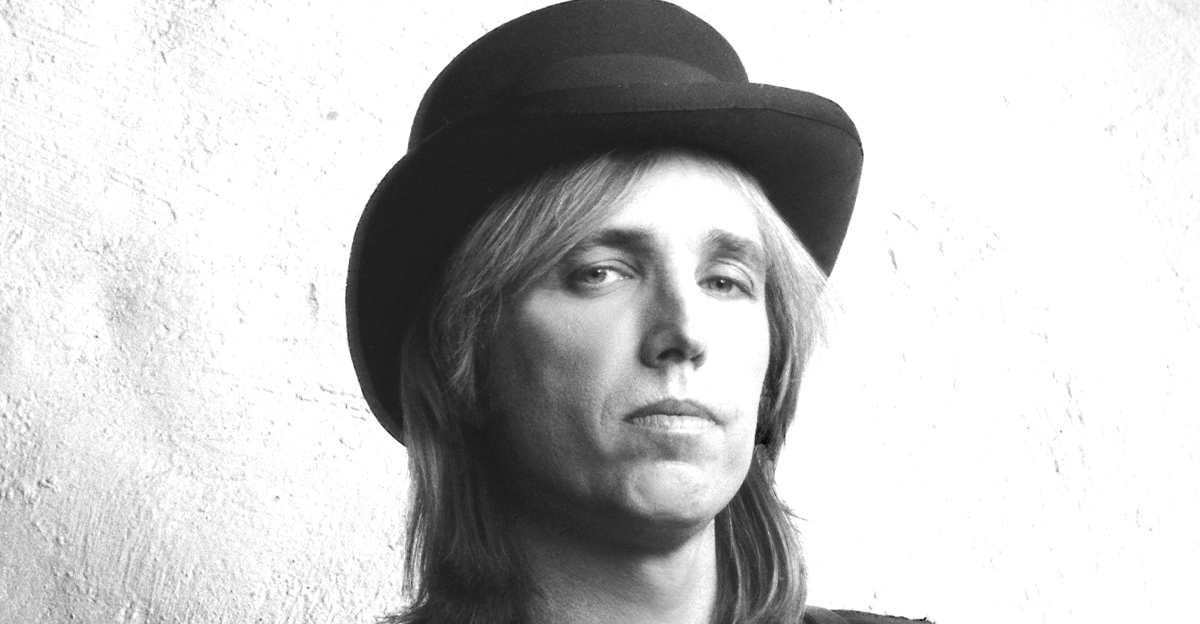
Tom Petty – Full Moon Fever
When Tom Petty presented Full Moon Fever, MCA Records reportedly questioned whether the album had enough strong material. One executive famously suggested it didn't contain enough hits. That assessment aged poorly. Featuring songs like "Free Fallin'," "I Won't Back Down," and "Runnin' Down a Dream," the album became Petty's most successful solo release and remains one of the defining rock records of the late 1980s.
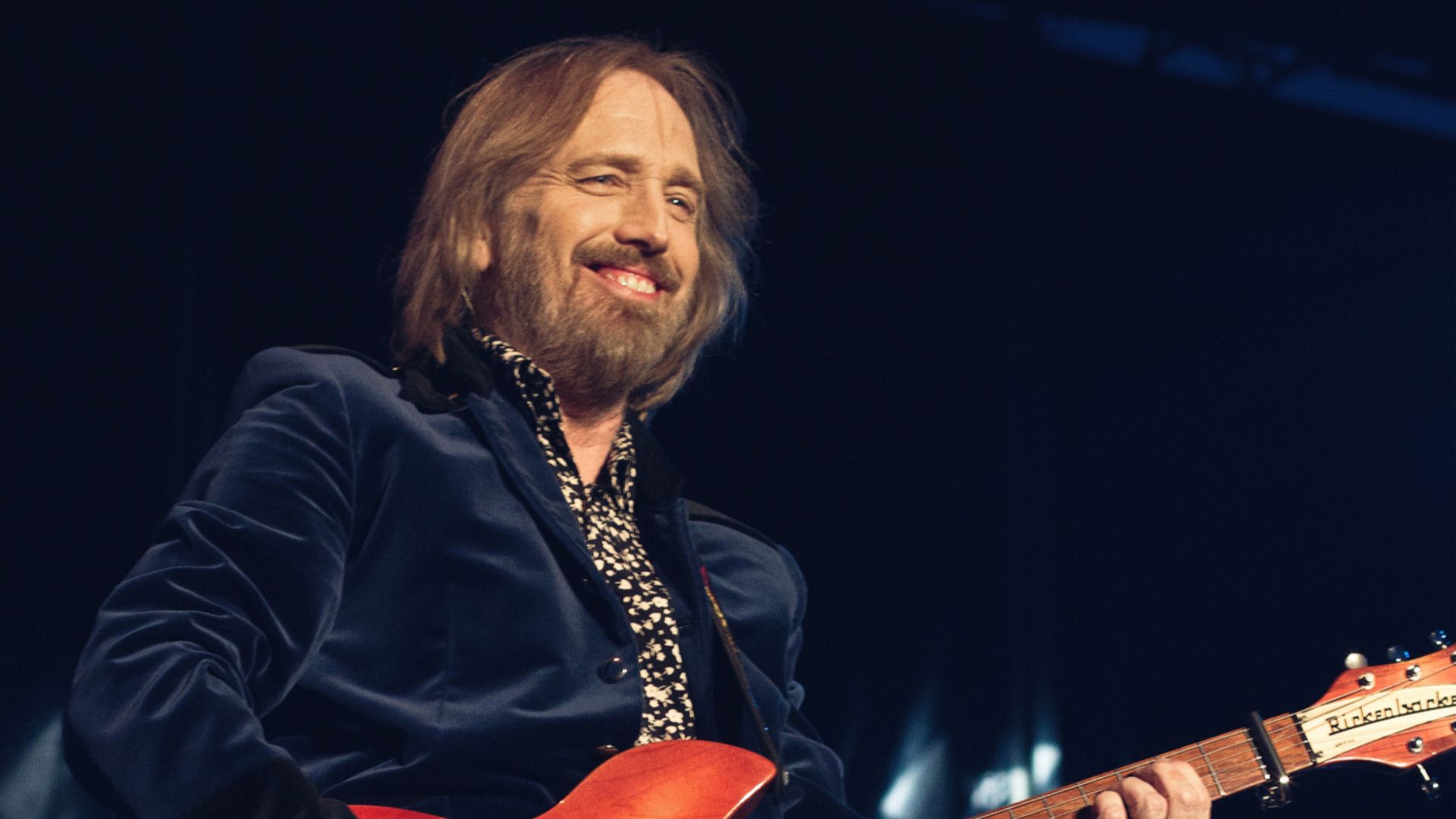 Ирина Лепнёва, Wikimedia Commons
Bruce Springsteen – Born To Run
Bruce Springsteen poured so much time and energy into Born to Run that the pressure became overwhelming. Recording stretched on for more than a year, and Columbia Records grew increasingly nervous about delays and costs. Springsteen knew the album had to succeed or his career might stall permanently. Fortunately, the gamble worked, launching him into superstardom and establishing him as one of rock's great storytellers.
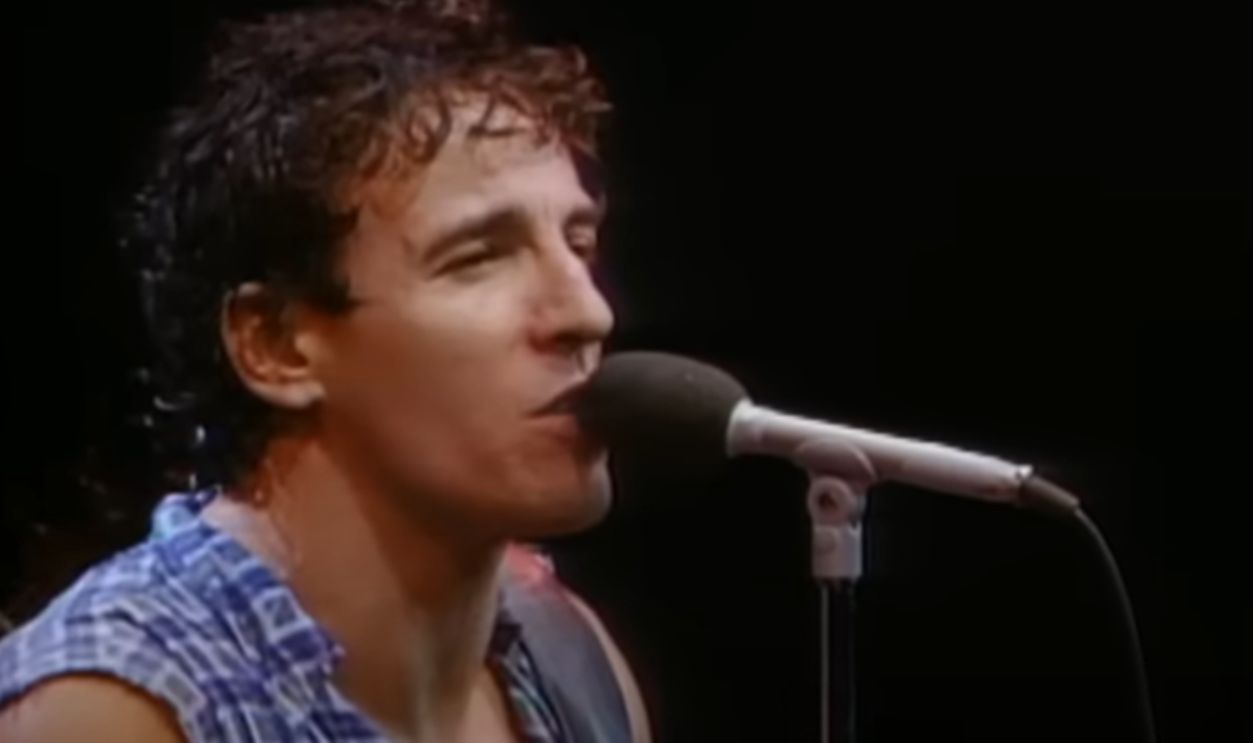 Screenshot from Born to Run, Columbia Records (1975)
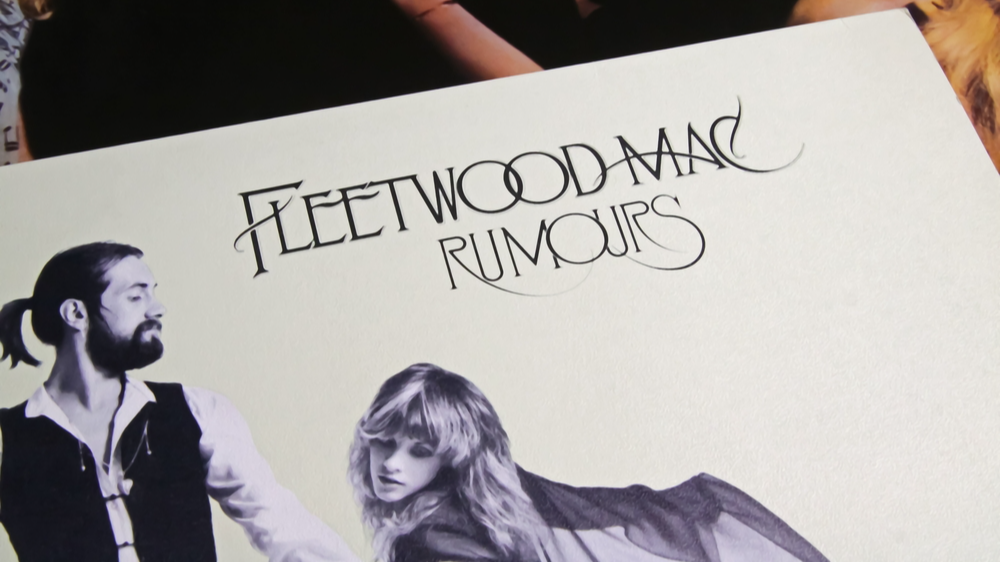
Fleetwood Mac – Rumours
Considering everything happening behind the scenes, it is remarkable that Rumours got finished at all. Band members were dealing with divorces, breakups, personal conflicts, and heavy drug use while trying to record together. Communication often happened through song lyrics rather than direct conversation. Somehow, all that emotional chaos fueled one of the best-selling and most beloved albums ever recorded.
The Beach Boys – Pet Sounds
Capitol Records had little faith that Pet Sounds would become a commercial success. Brian Wilson's ambitious arrangements and deeply personal songwriting differed dramatically from the surfing and car songs that had made the Beach Boys famous. Some executives worried fans would reject the change. Instead, the album eventually became one of the most influential records in popular music history.
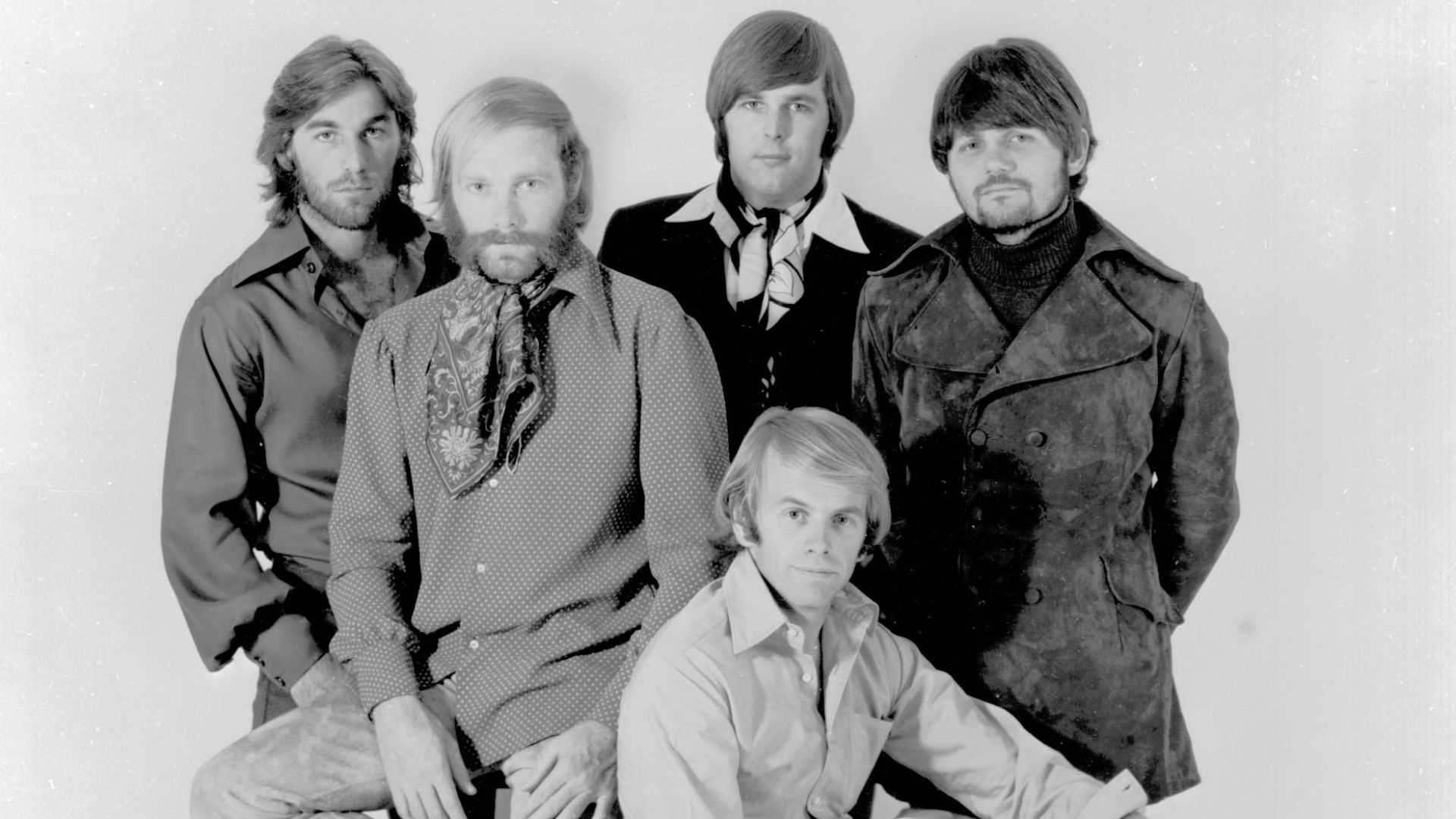 Capitol records, Wikimedia Commons
Nirvana – Nevermind
When Nirvana delivered Nevermind, nobody expected it to become a cultural earthquake. The label hoped for respectable sales but had modest expectations compared to major pop releases. Instead, "Smells Like Teen Spirit" exploded, pushing the album past Michael Jackson on the charts and helping bring alternative rock into the mainstream. The record's success far exceeded anything anyone involved had imagined.
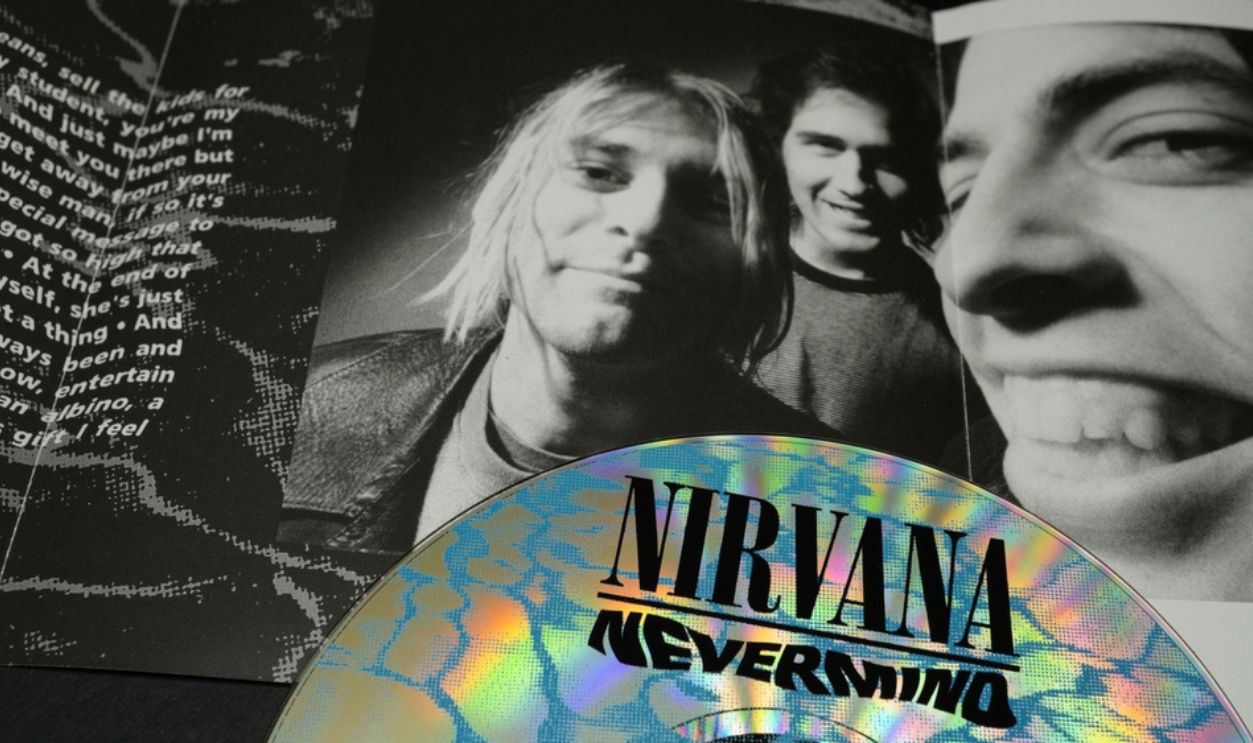 Stefano Chiacchiarini '74, Shutterstock
Pink Floyd – The Dark Side Of The Moon
Pink Floyd spent years refining the material that became The Dark Side of the Moon before committing it to tape. The ambitious concept, elaborate studio techniques, and complex production demanded enormous amounts of time and patience. Had the band or label lost faith during the process, the project could easily have stalled. Instead, the finished album became one of the most successful and enduring records ever released.
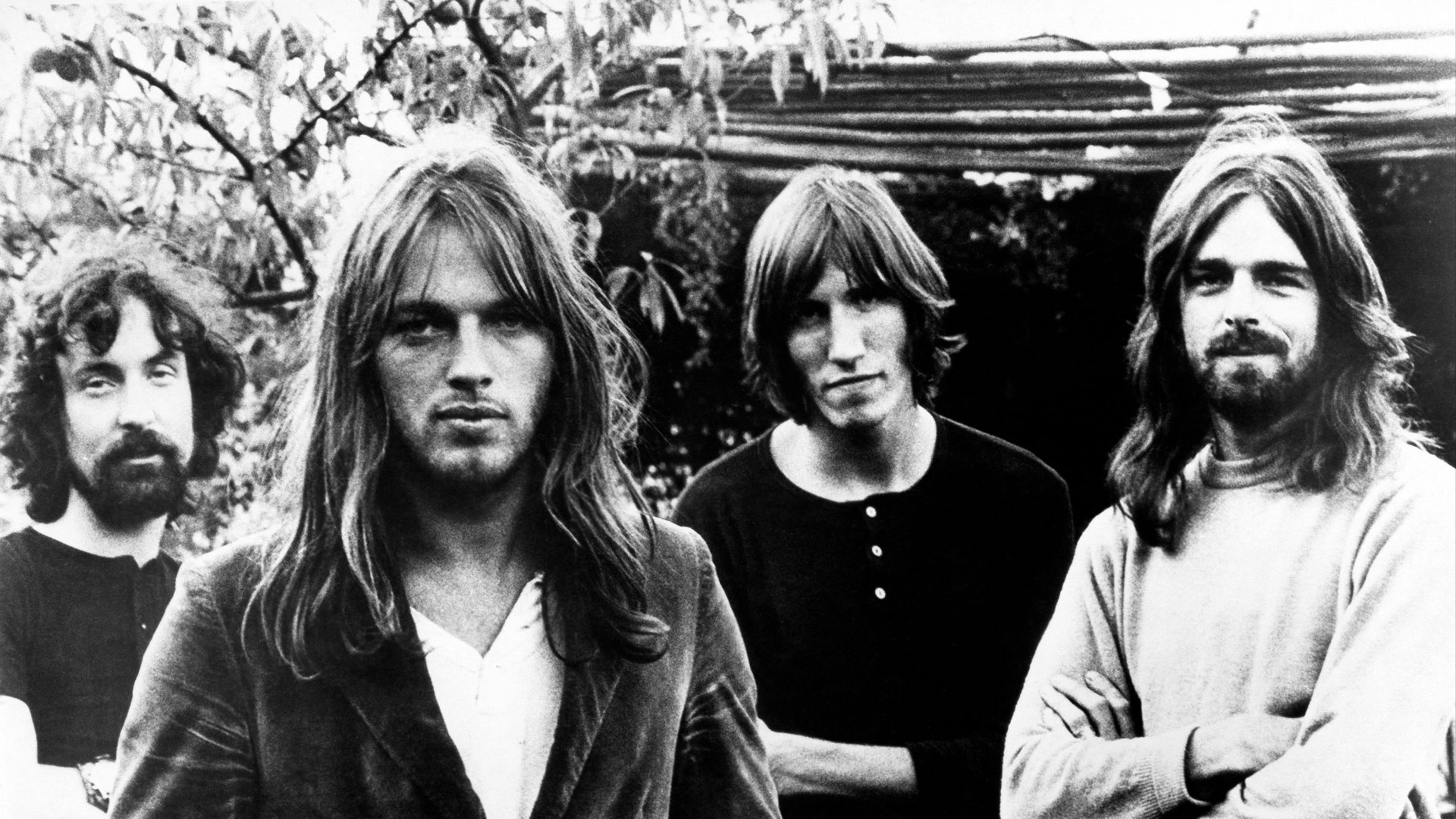 Unknown authorUnknown author, Wikimedia Commons
The Clash – London Calling
The Clash were already taking a risk by recording a double album at a time when punk was supposed to be fast, cheap, and simple. Their label worried about the cost and initially resisted aspects of the project. The band ignored expectations and expanded their sound to include reggae, ska, rockabilly, and pop influences. The gamble paid off with an album now widely considered one of rock's greatest achievements.
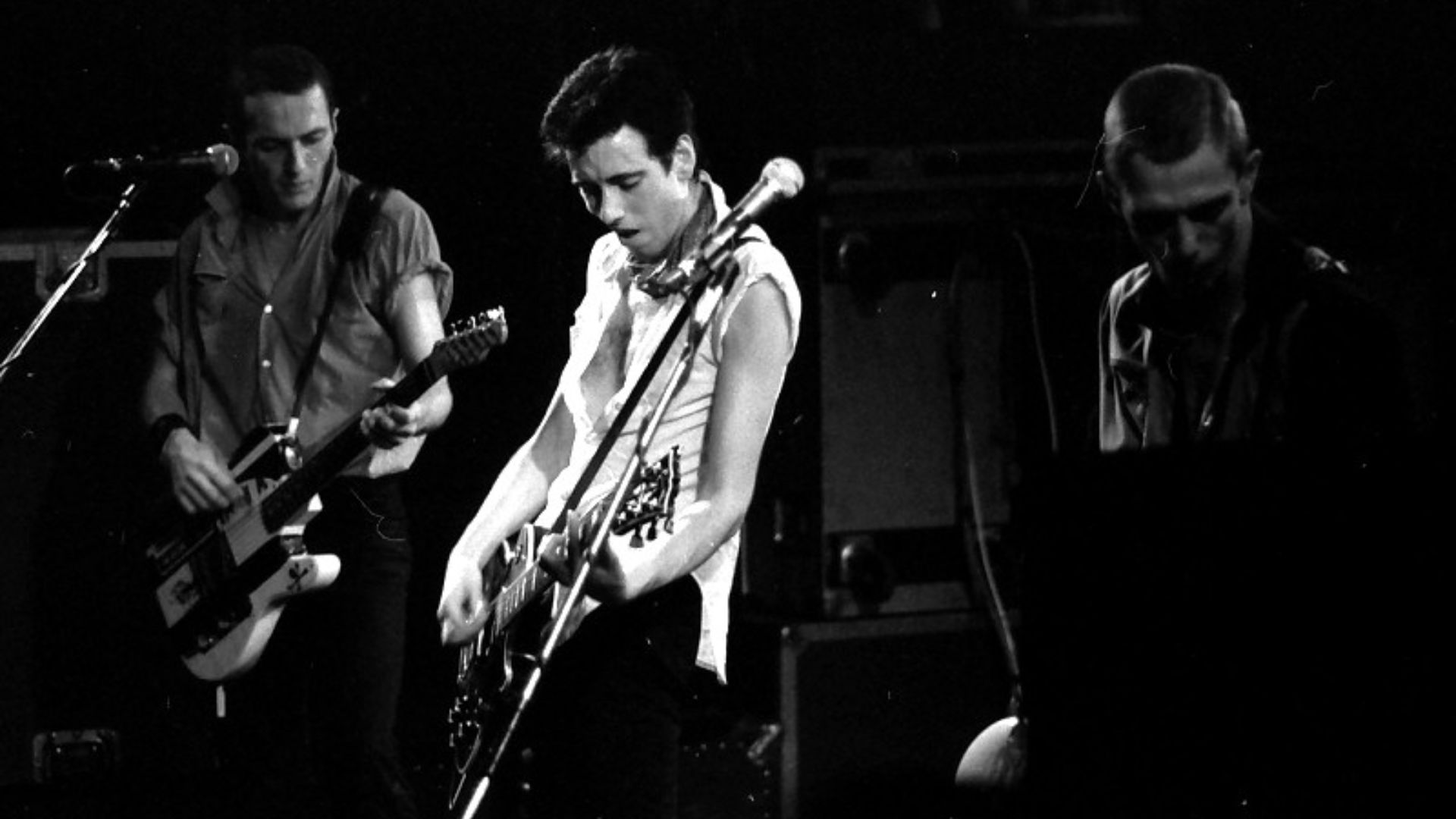 Helge Øverås, Wikimedia Commons
The Beatles – Sgt. Pepper's Lonely Hearts Club Band
Sgt. Pepper's Lonely Hearts Club Band required a level of studio experimentation that was virtually unheard of in 1967. The Beatles spent months pushing recording technology beyond its limits, creating an album that seemed wildly ambitious for its time. The expense and complexity could easily have derailed the project, but the finished result helped redefine what an album could be.
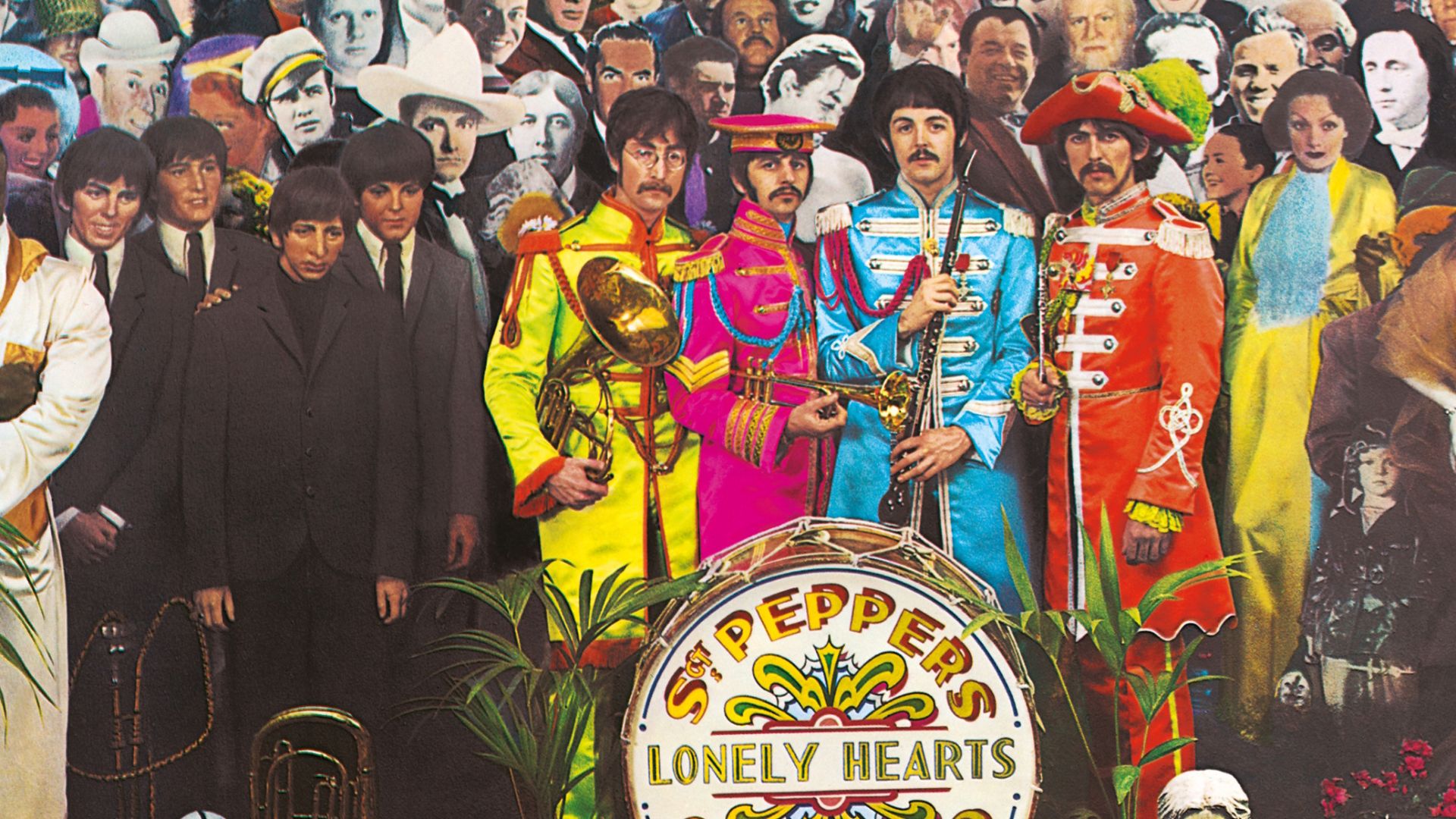 Peter Blake / Parlophone, Capitol Records, Wikimedia Commons
Guns N' Roses – Appetite For Destruction
Even after it was completed, Appetite for Destruction struggled to gain traction. Radio stations were hesitant, MTV initially showed little interest, and the album's controversial artwork created additional obstacles. The breakthrough finally came when "Welcome to the Jungle" began attracting attention. Once audiences caught on, the album exploded, eventually becoming one of the best-selling debut records in music history.
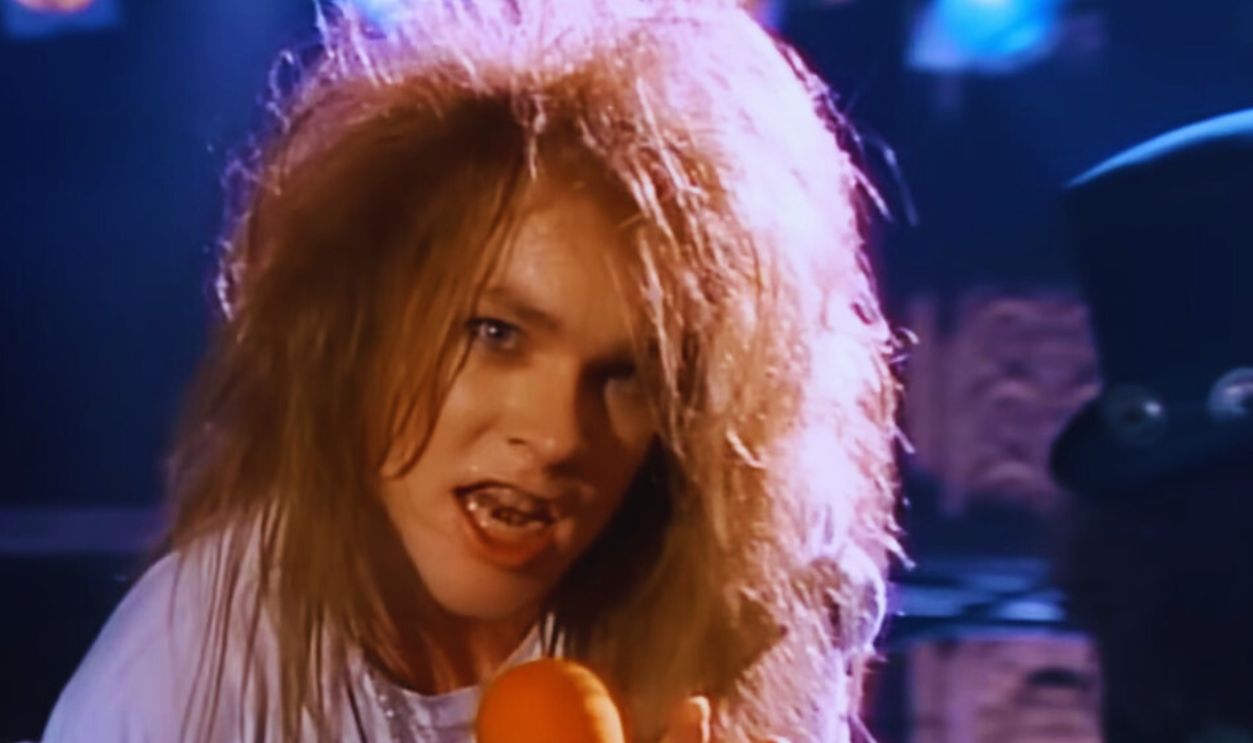 Screenshot from Welcome To The Jungle, Guns N' Roses, Geffen Records (1987)
You May Also Like:
Once Popular Albums That Are Now Totally Forgotten
Albums That Would Have Been Legendary—If They’d Been Released
Famous Songs From The 1970s That Sparked Controversy When They Were Released