When Hit Songs Crossed The Line
The 1970s produced some of the most memorable songs in music history, but not every hit was embraced without controversy. Artists like the Rolling Stones, John Lennon, and Donna Summer pushed boundaries with lyrics and ideas that challenged audiences and alarmed broadcasters. From radio bans to public backlash, these songs generated headlines almost as quickly as they climbed the charts.
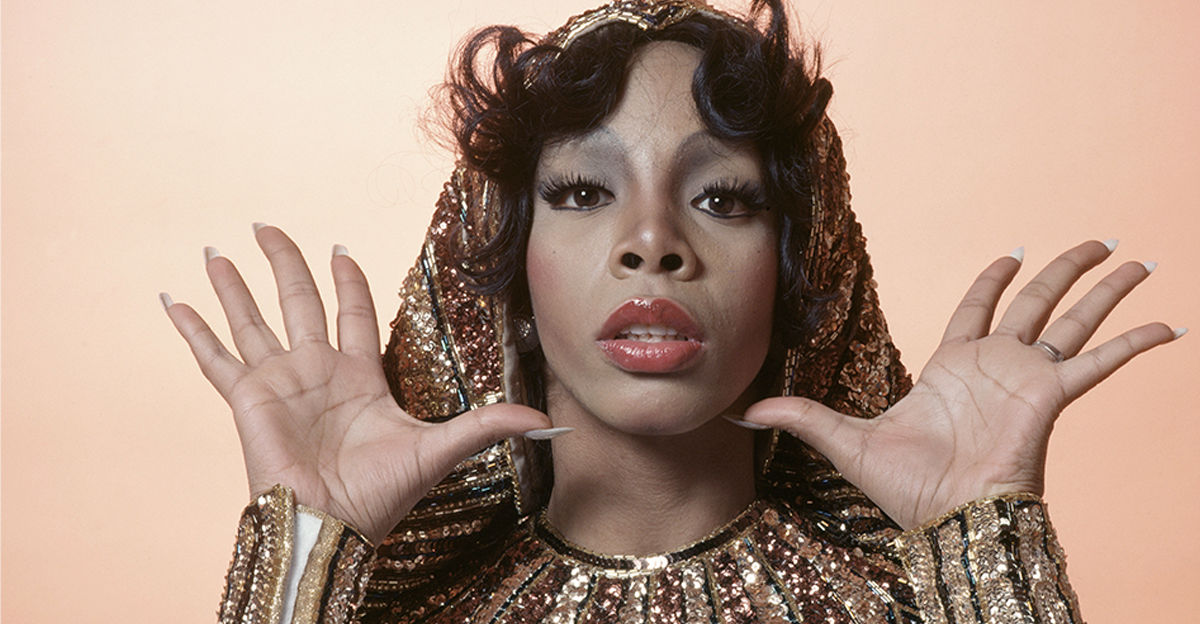
Brown Sugar by The Rolling Stones
The Rolling Stones scored a major hit with “Brown Sugar” in 1971, but the song also drew its share of criticism. Its lyrics touched on sensitive historical themes that sparked debate at the time and continued to generate discussion for years afterward. Mick Jagger later said he would not write the song the same way today
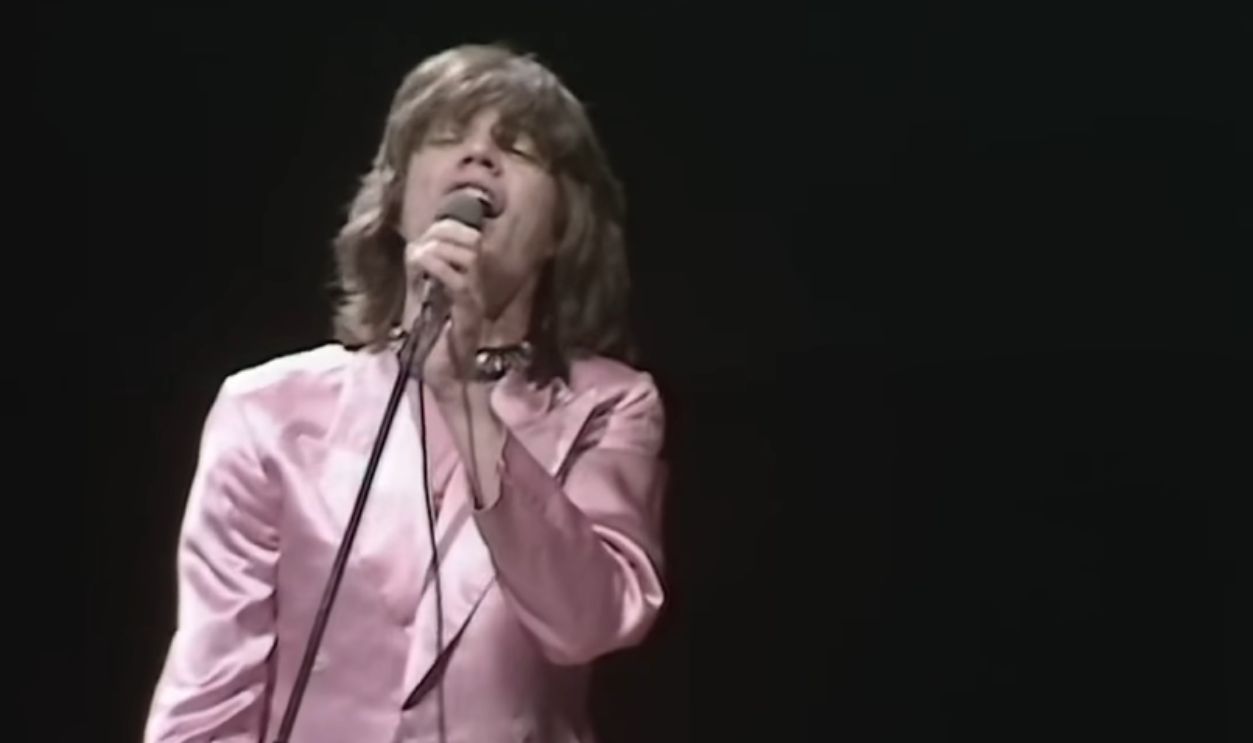 Screenshot from Brown Sugar, Rolling Stones Records (1971)
Lola by The Kinks
The Kinks’ “Lola” sounded daring because it told a playful story involving gender ambiguity. The BBC’s issue, however, was reportedly the lyric mentioning Coca-Cola, which violated rules about product references. Ray Davies changed the line to “cherry cola,” and the song moved forward.
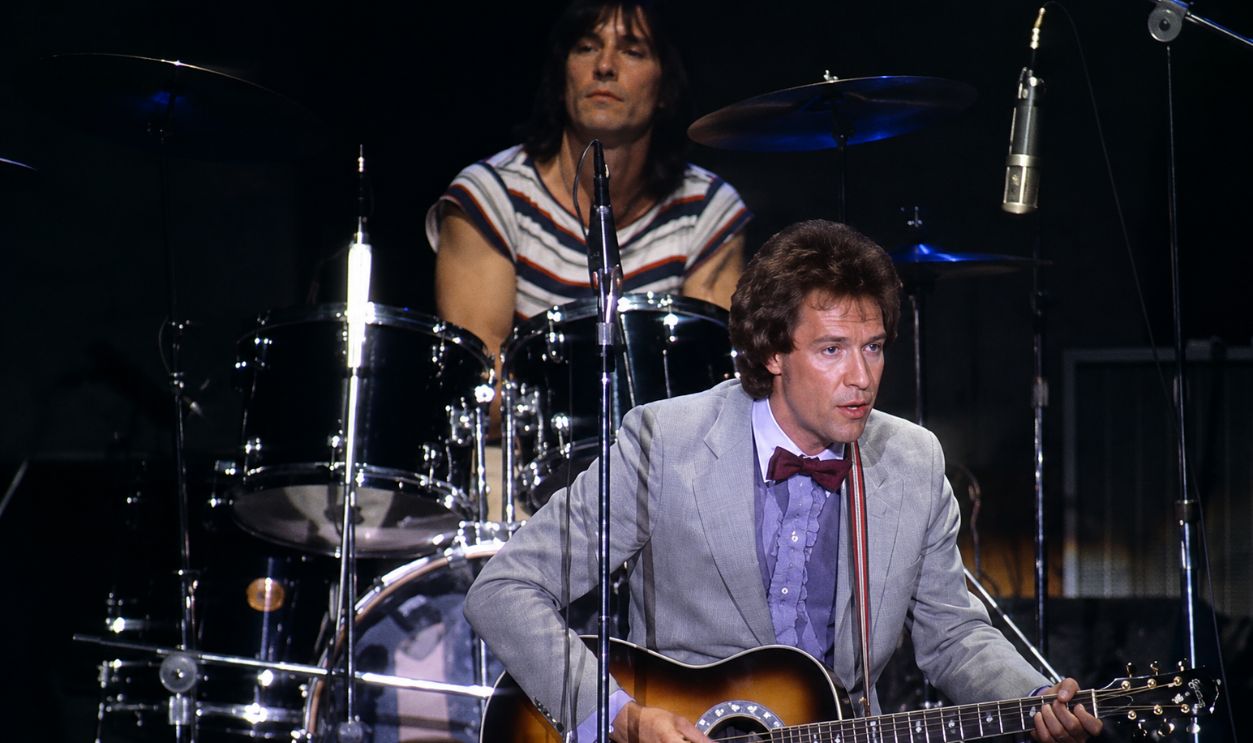 Screenshot from Lola, Pye Records (1970), Modified
Ohio by Crosby, Stills, Nash & Young
Crosby, Stills, Nash & Young released “Ohio” in response to the events at Kent State University in 1970. Neil Young’s lyric naming President Richard Nixon gave the song an urgent political edge. Some AM radio stations avoided it, while FM and college stations helped it reach a wider audience.
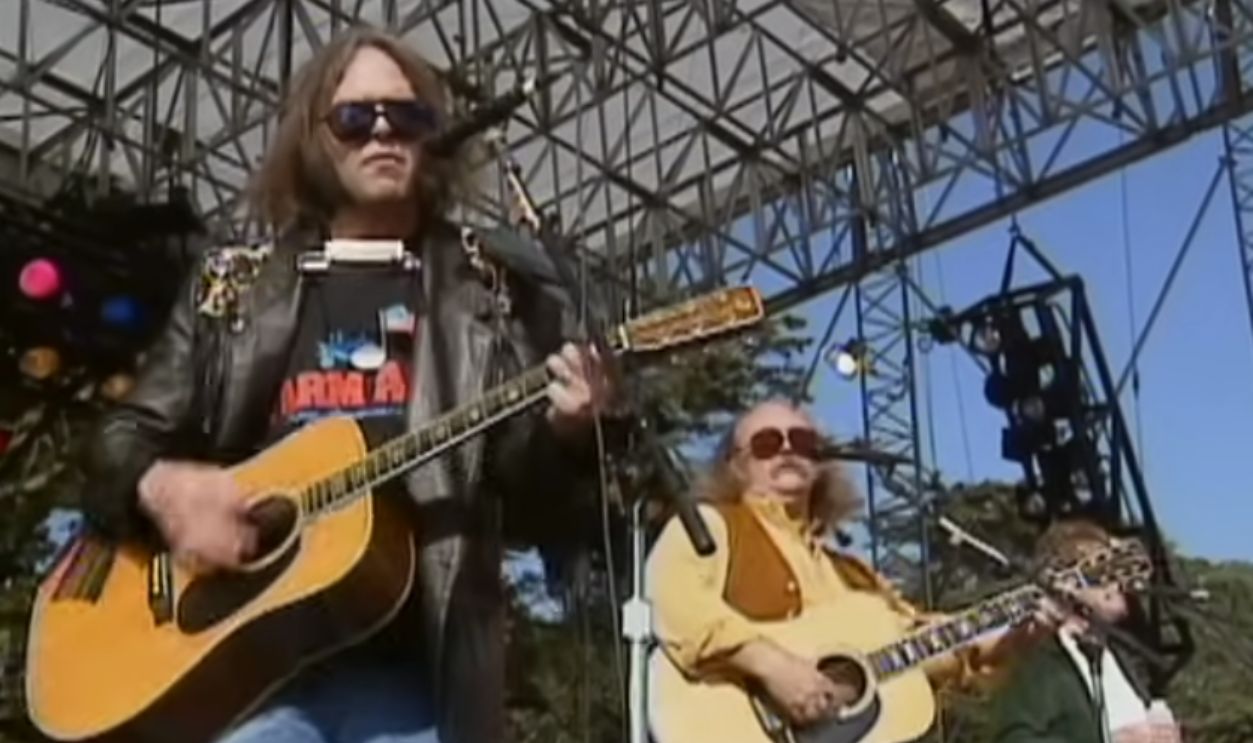 Screenshot from Ohio, Atlantic Records (1970)
Imagine by John Lennon
John Lennon’s “Imagine” became a peace anthem, but its line asking listeners to imagine “no heaven” angered some religious listeners. Lennon later described the song as anti-religious, anti-nationalistic, and anti-capitalistic, but softened by melody. That mix of beauty and provocation made it unforgettable.
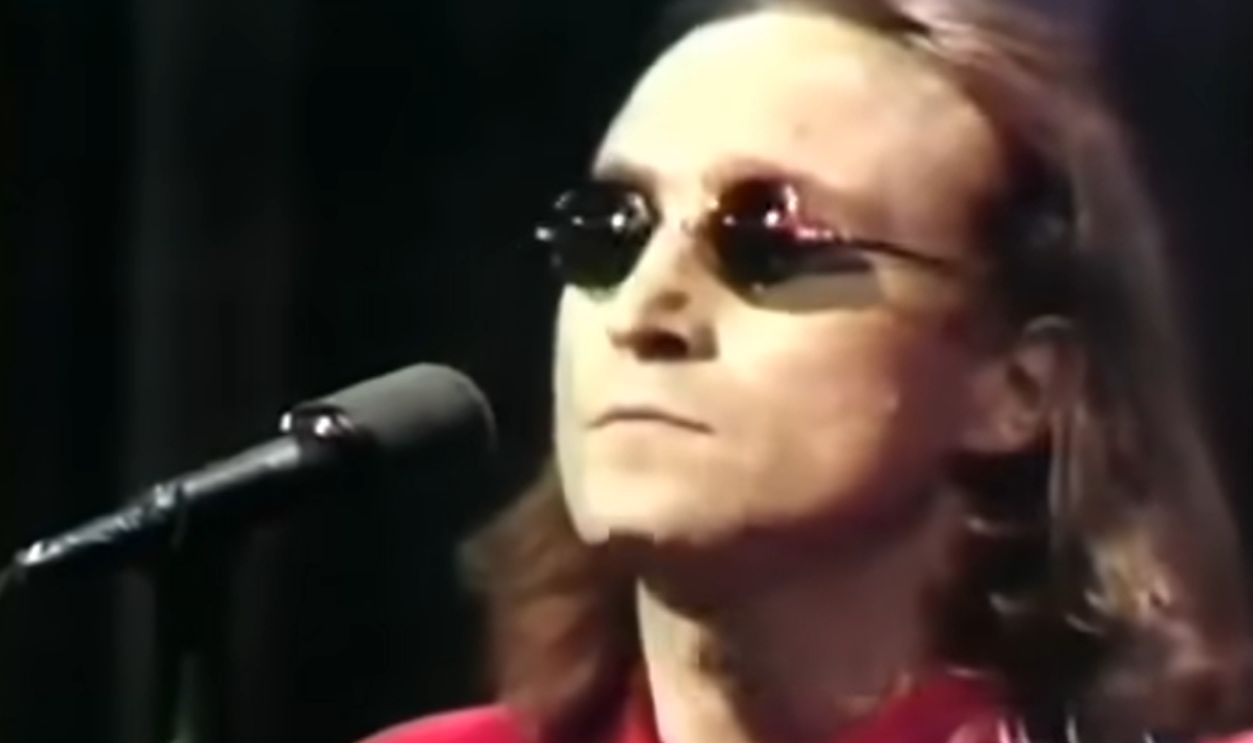 Screenshot from Imagine, Apple Records (1971)
One Toke Over The Line by Brewer & Shipley
Brewer & Shipley’s “One Toke Over the Line” became a Top 10 hit in 1971. Its lyrical references drew attention during a period when the FCC was warning broadcasters about songs that appeared to promote substance use. The controversy only made the song’s laid-back chorus more famous.
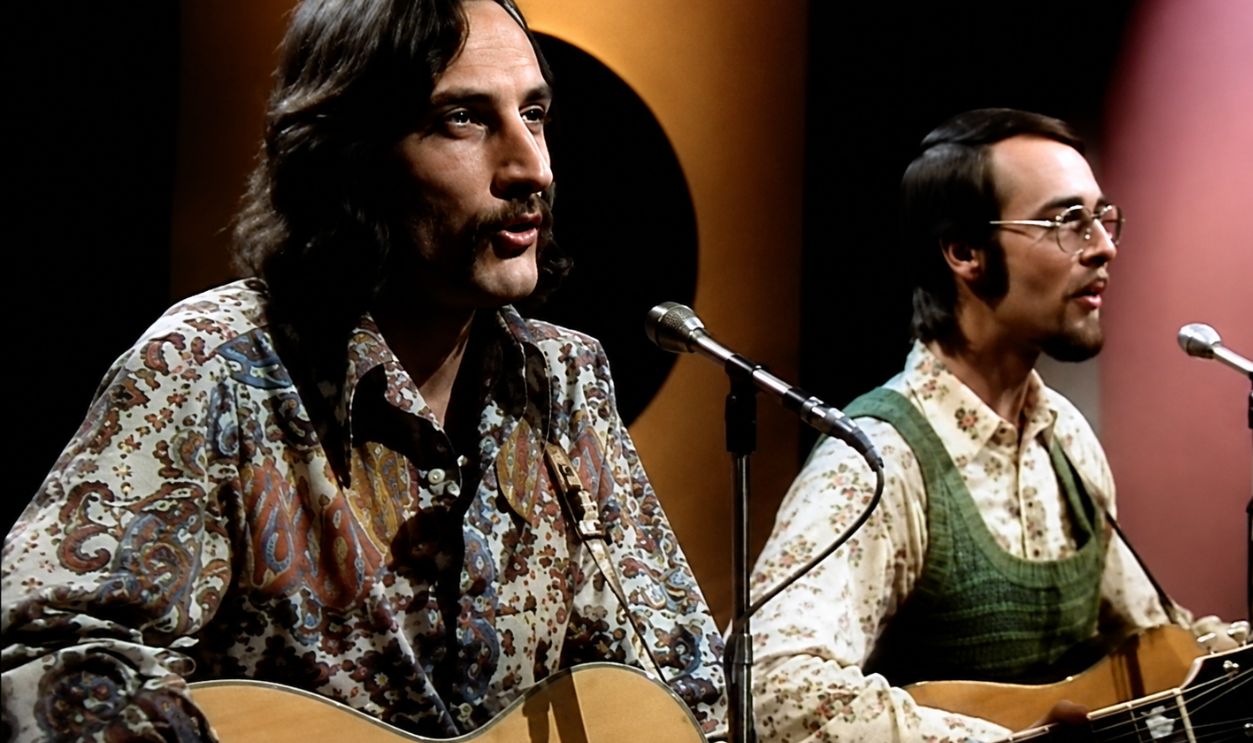 Screenshot from One Toke Over the Line, Kama Sutra Records (1970), Modified
Give Ireland Back To The Irish by Wings
Paul McCartney and Wings released “Give Ireland Back to the Irish” after Bloody Sunday in 1972. The BBC banned the song, and other British broadcasters followed. McCartney leaned into the ban, using the controversy to frame the single as a statement of conscience.
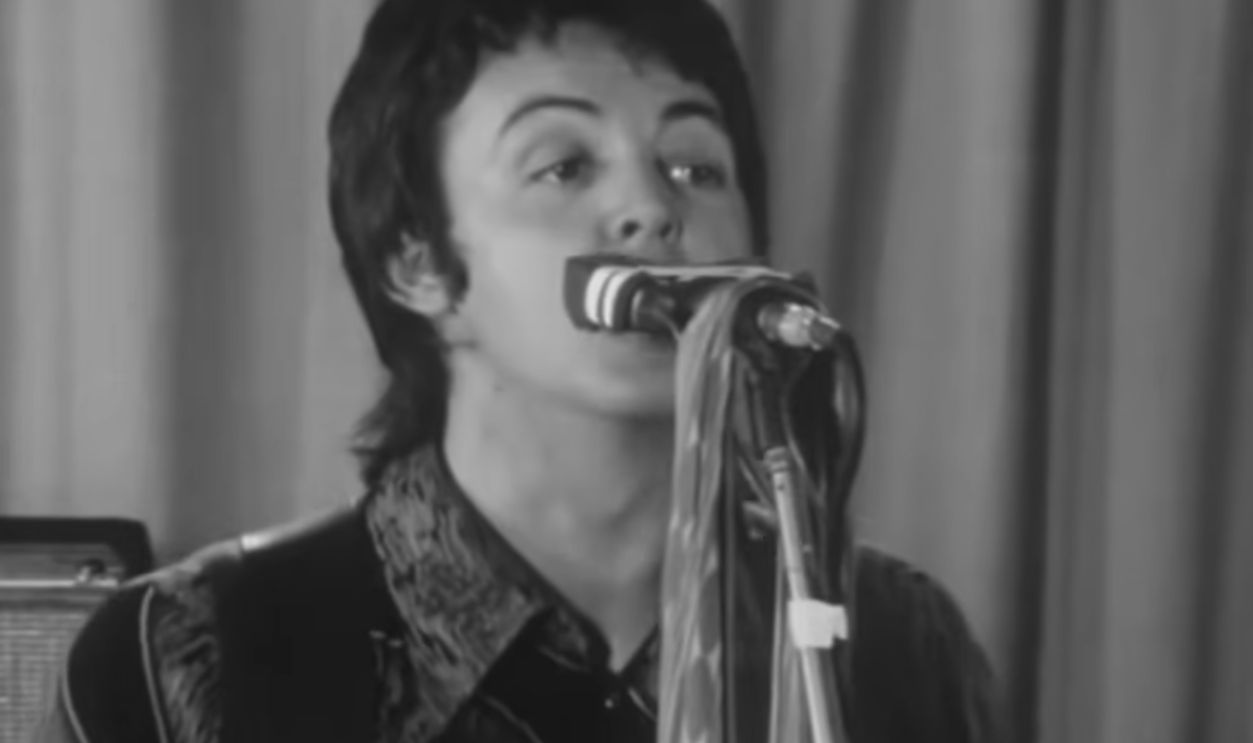 Screenshot from Give Ireland Back to the Irish, Apple Records (1972)
Hi Hi Hi by Paul McCartney and Wings
Wings ran into the BBC again with “Hi, Hi, Hi” in 1972. The broadcaster objected to lyrics it considered inappropriate for airplay. McCartney later said the BBC had misunderstood at least one line, but the ban became part of the song’s legend.
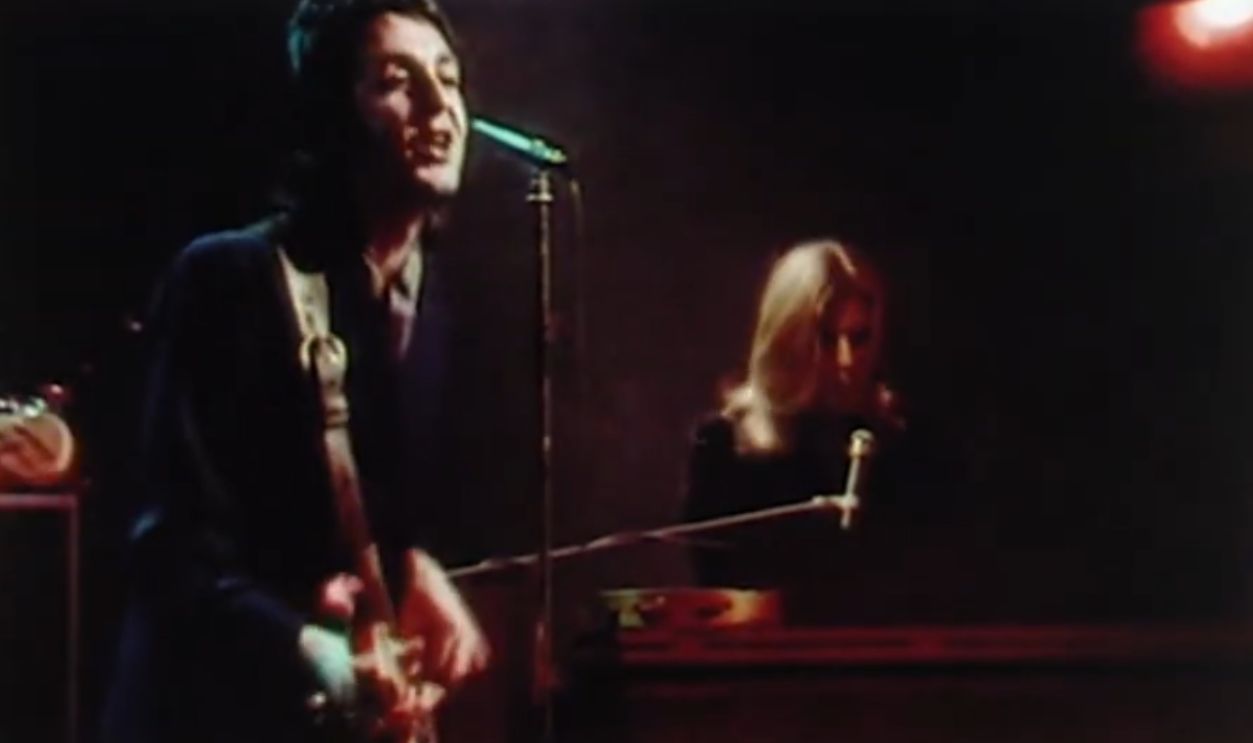 Screenshot from Hi, Hi, Hi, Apple Records (1972)
Kodachrome by Paul Simon
Paul Simon’s “Kodachrome” was a bright pop hit in the United States in 1973. In Britain, the BBC objected to the title because Kodachrome was a trademarked Kodak product. That made the song controversial for a reason that had nothing to do with the provocative themes that usually attracted censorship.
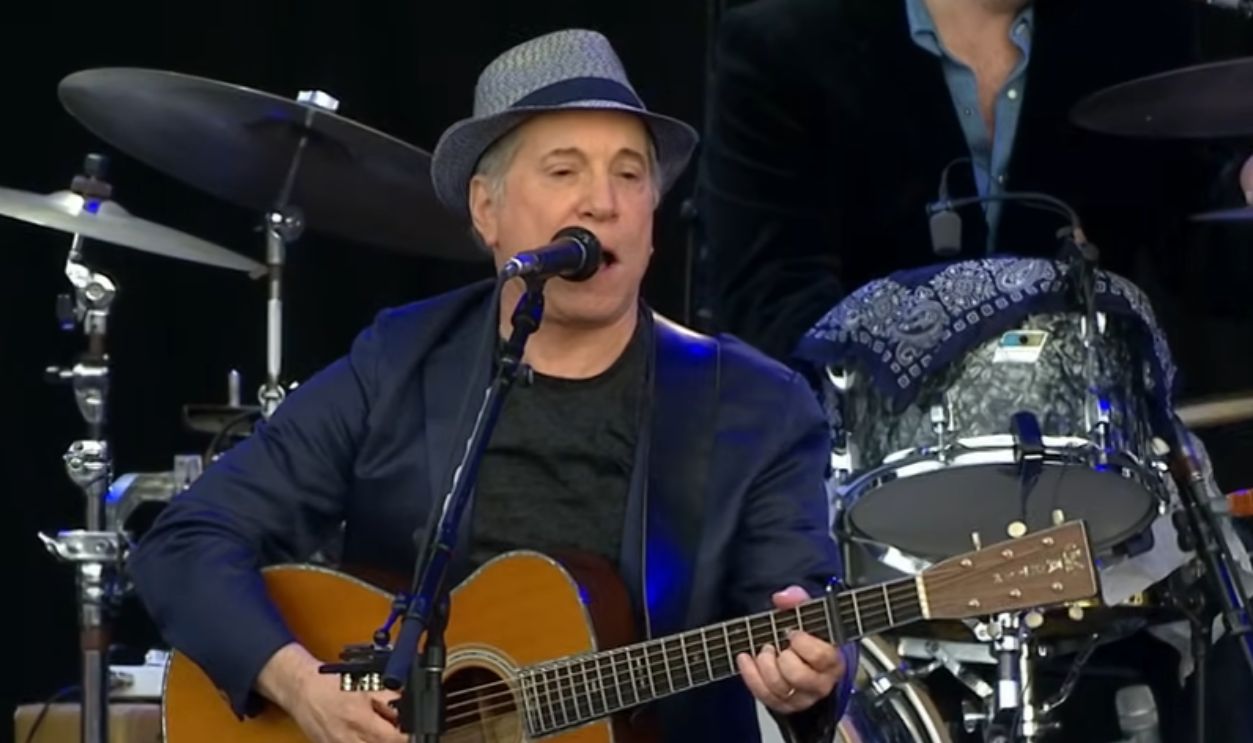 Screenshot from Kodachrome, Columbia Records (1973)
Money by Pink Floyd
Pink Floyd’s “Money” became the band’s first major U.S. hit. The album version included a profanity that made radio programmers cautious. A shorter, cleaner single edit helped the song reach a much wider audience.
 Screenshot from Money, Harvest Records (1973)
The Pill by Loretta Lynn
Loretta Lynn’s “The Pill” tackled a topic that was rarely discussed in country music at the time. Many country radio stations refused to play it, and conservative critics objected to its message. The backlash highlighted how uncommon that kind of frank female perspective still was in 1975.
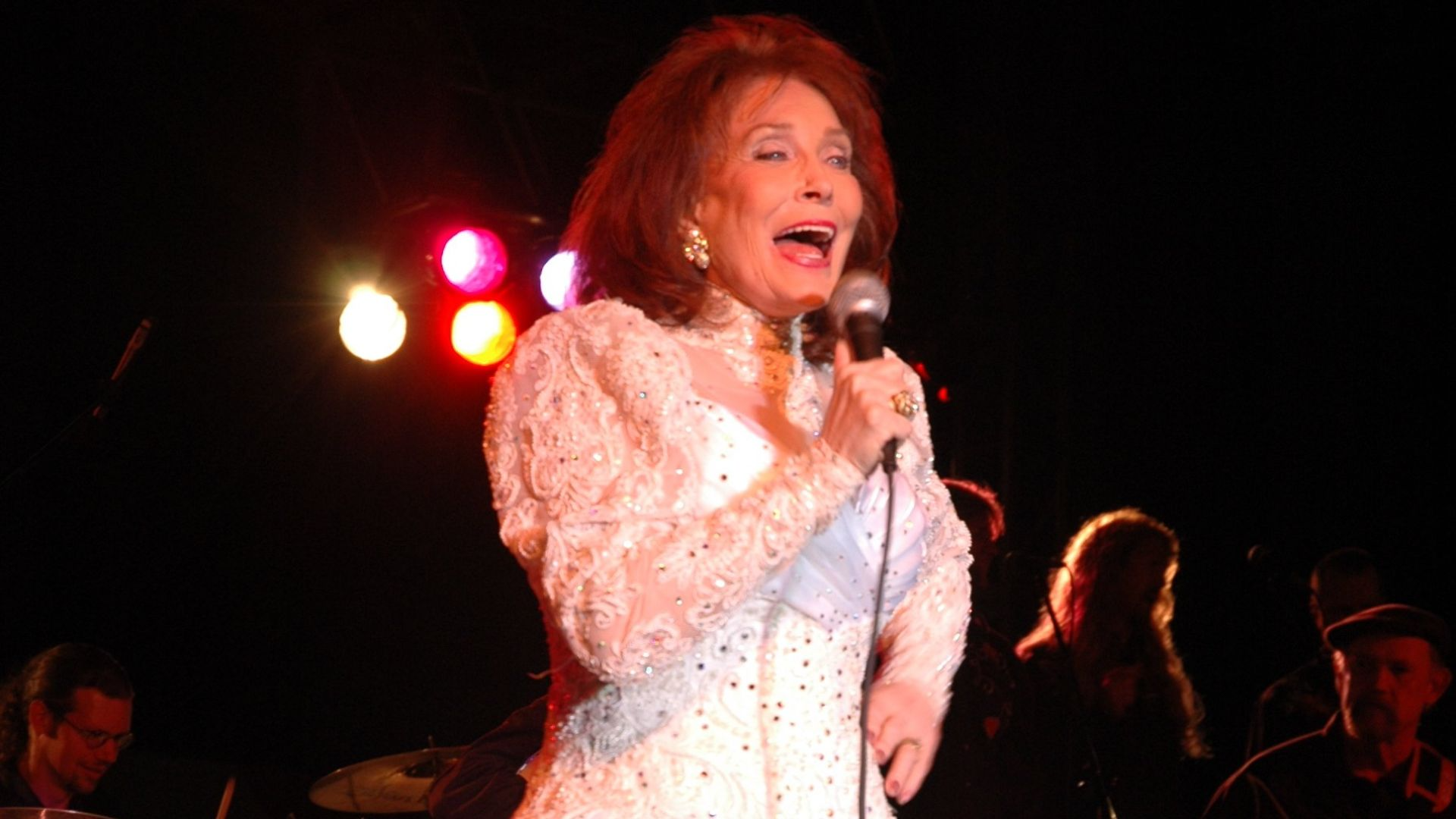 Scott Schram, CC BY 2.0, Wikimedia Commons
Only Women Bleed by Alice Cooper
Alice Cooper’s “Only Women Bleed” was inspired by the struggles faced by women, but the title led some listeners to assume it was about menstruation. Atlantic shortened the single title to “Only Women” for radio airplay. The misunderstanding complicated the release of one of Cooper’s most serious ballads.
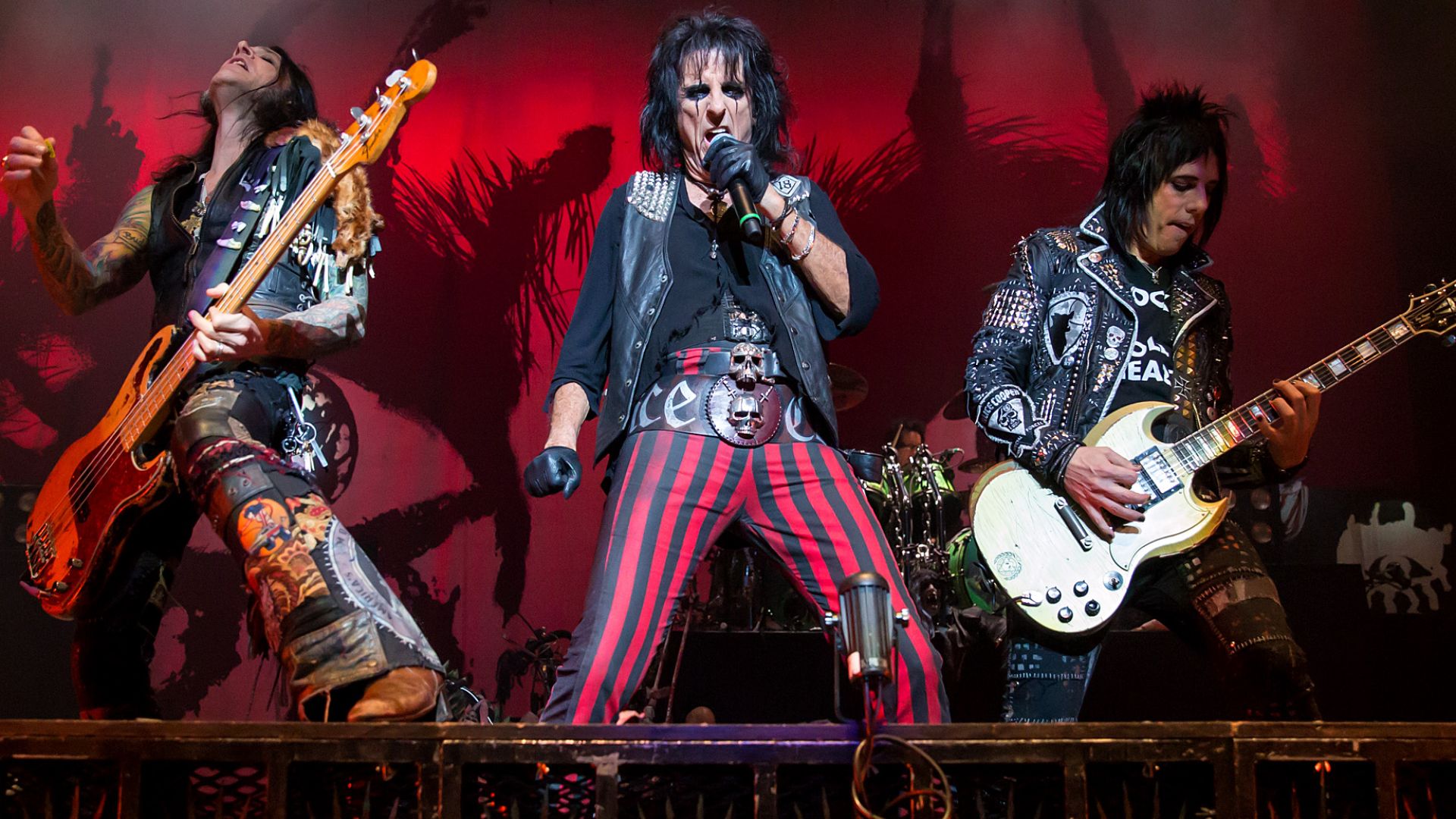 Ralph Arvesen, Wikimedia Commons
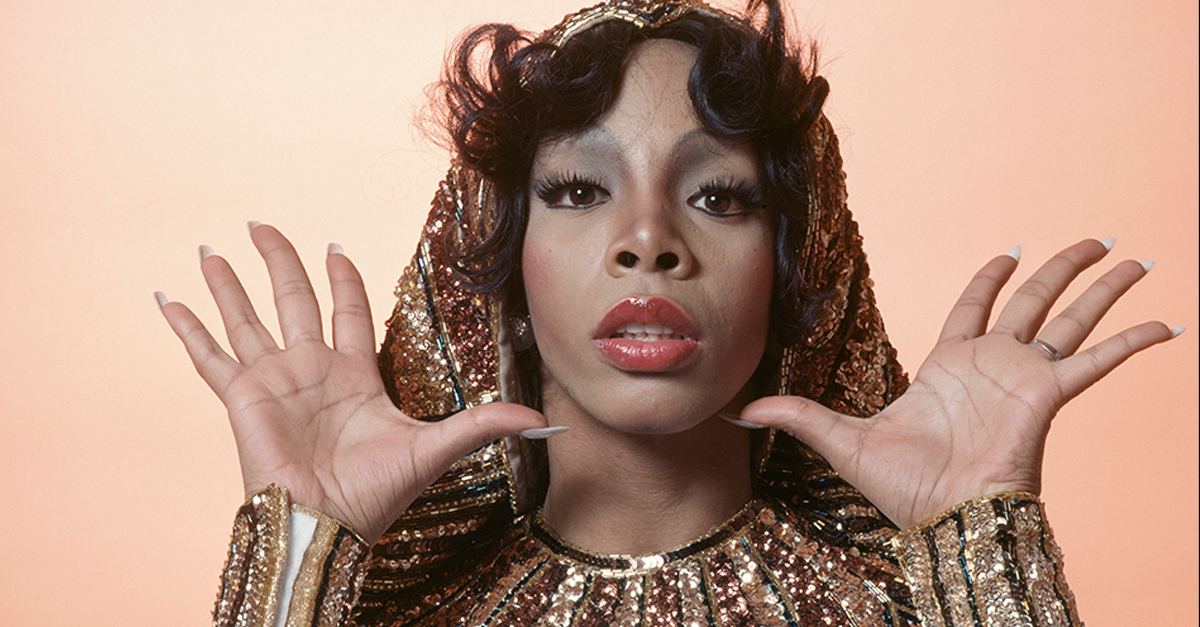
Love To Love You Baby by Donna Summer
Donna Summer’s “Love to Love You Baby” helped define disco’s sensual side. Its extended version featured vocal sounds that many broadcasters considered too suggestive. The BBC initially refused to promote it, yet the song became an international smash.
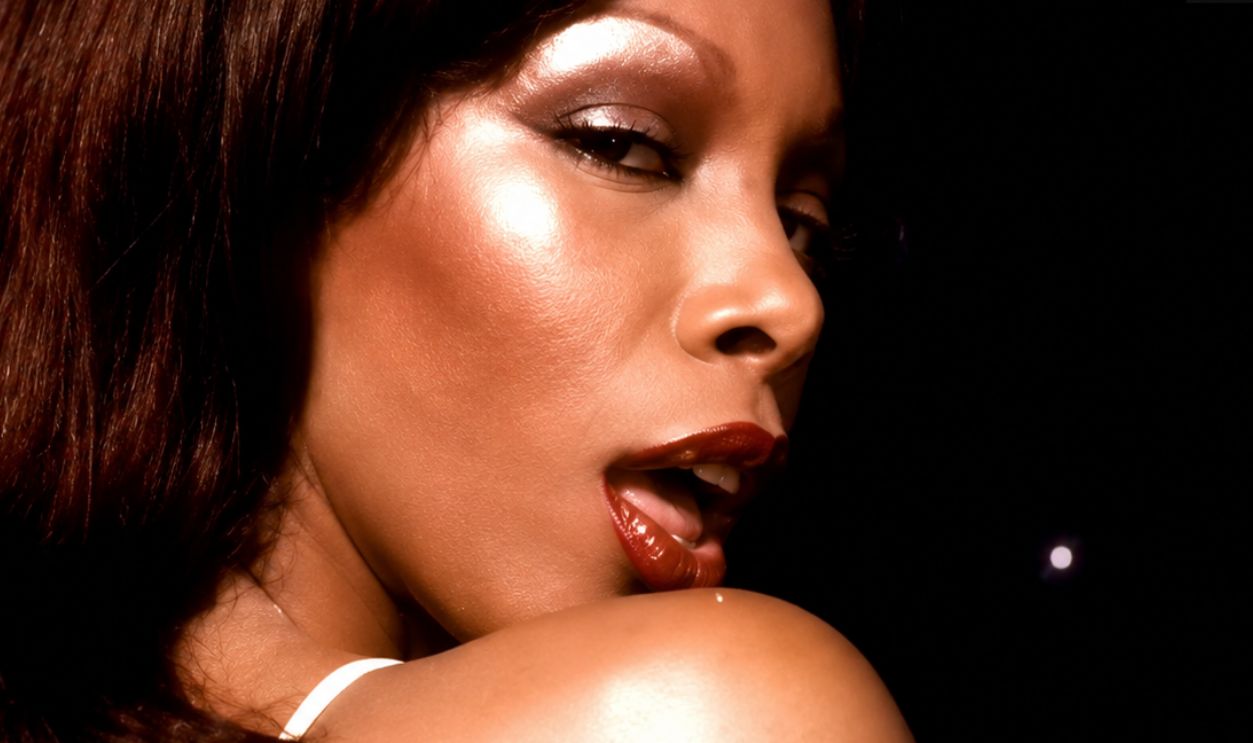 Screenshot from Love to Love You Baby, Casablanca Records (1975), Modified
Hurricane by Bob Dylan
Bob Dylan’s “Hurricane” told the story of boxer Rubin “Hurricane” Carter and argued that he had been wrongly convicted. The song named real people connected to the case, including witness Patty Valentine. Valentine later sued Dylan and CBS, which showed how legally risky topical songwriting could be.
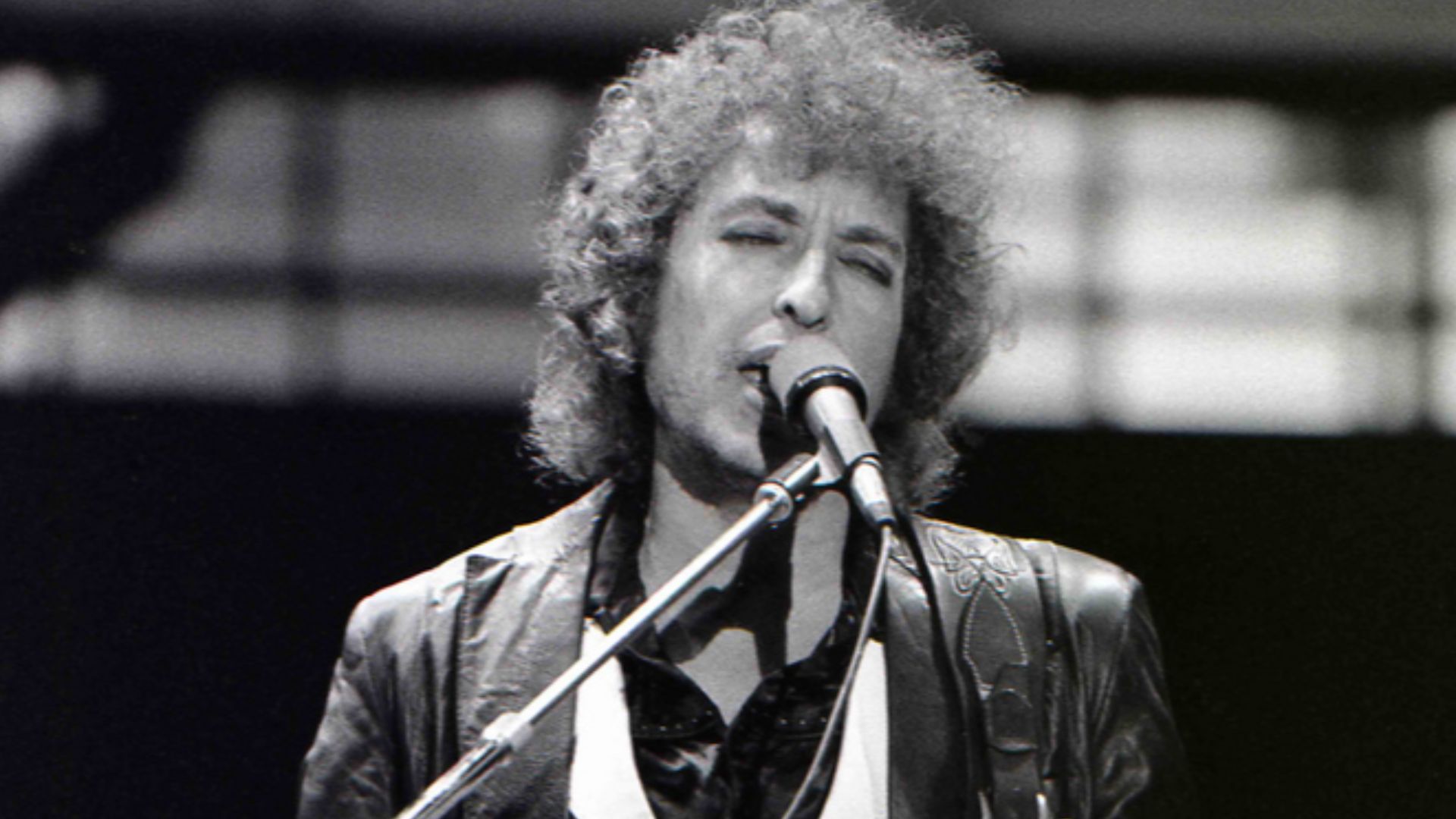 Chris Hakkens, Wikimedia Commons
Tonight’s The Night by Rod Stewart
Rod Stewart’s “Tonight’s the Night” topped the U.S. charts in 1976. Its suggestive lyrics drew criticism and radio restrictions in some places. The controversy did not slow it down, and it became one of Stewart’s defining hits.
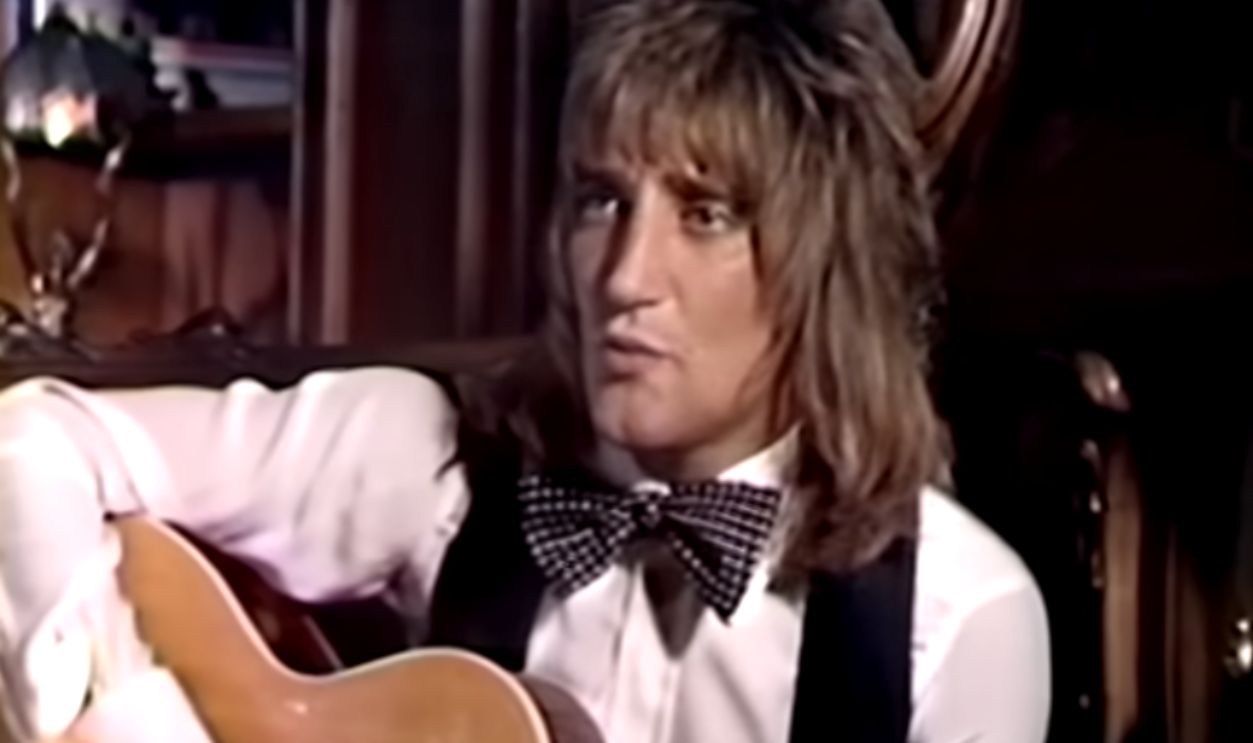 Screenshot from Tonight's the Night, Warner Bros.(1976)
God Save The Queen by The Sex Pistols
The Sex Pistols released “God Save the Queen” during Queen Elizabeth II’s Silver Jubilee in 1977. The BBC banned it, and the record became a symbol of punk’s attack on British respectability. Its chart placement became controversial too, especially because many fans believed it had been kept from number one.
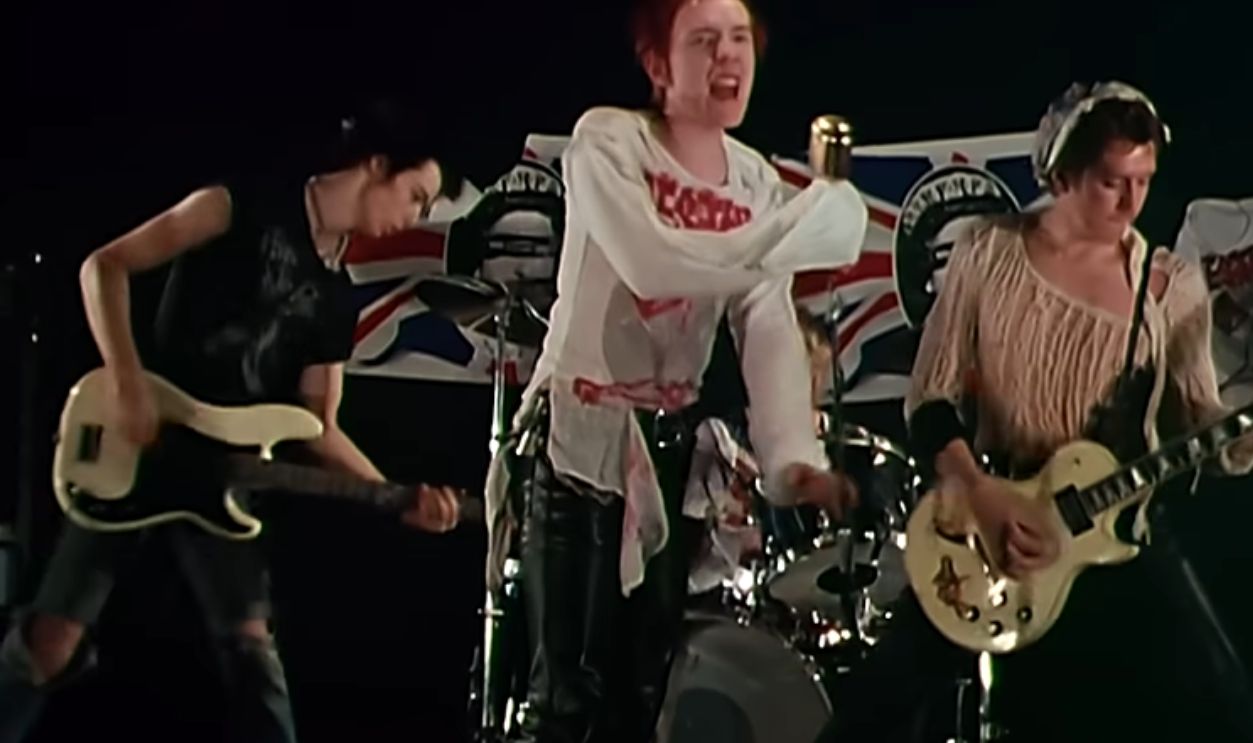 Screenshot from God Save the Queen, Virgin Records (1977)
Short People by Randy Newman
Randy Newman released “Short People” in 1977 as a satire of prejudice. Many listeners heard only the insulting surface and accused Newman of mocking people’s height. Some stations banned it, but the uproar helped turn it into his biggest pop hit.
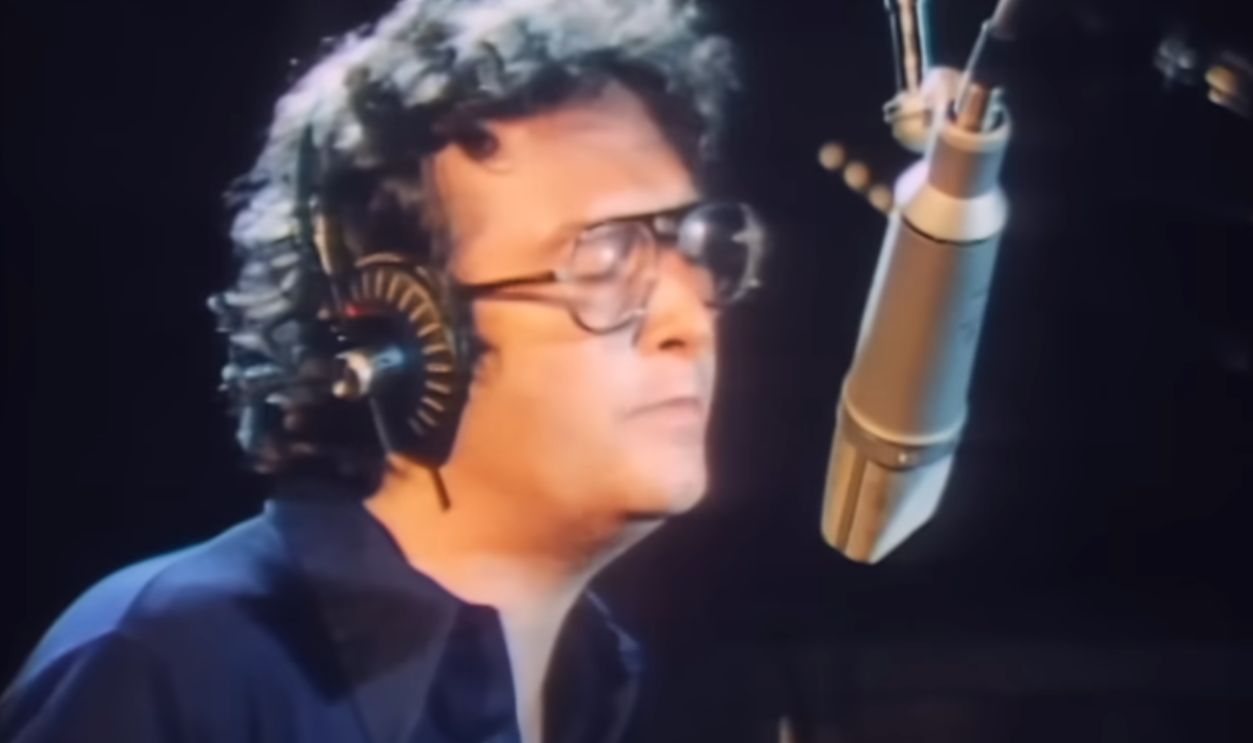 Screenshot from Short People, Warner Bros. Records (1977)
Roxanne by The Police
The Police released “Roxanne” in 1978, with Sting singing about a woman whose circumstances become the focus of the story. Its subject matter made programmers nervous, and accounts of BBC resistance became part of the song’s early mythology. After its re-release, it helped make The Police international stars.
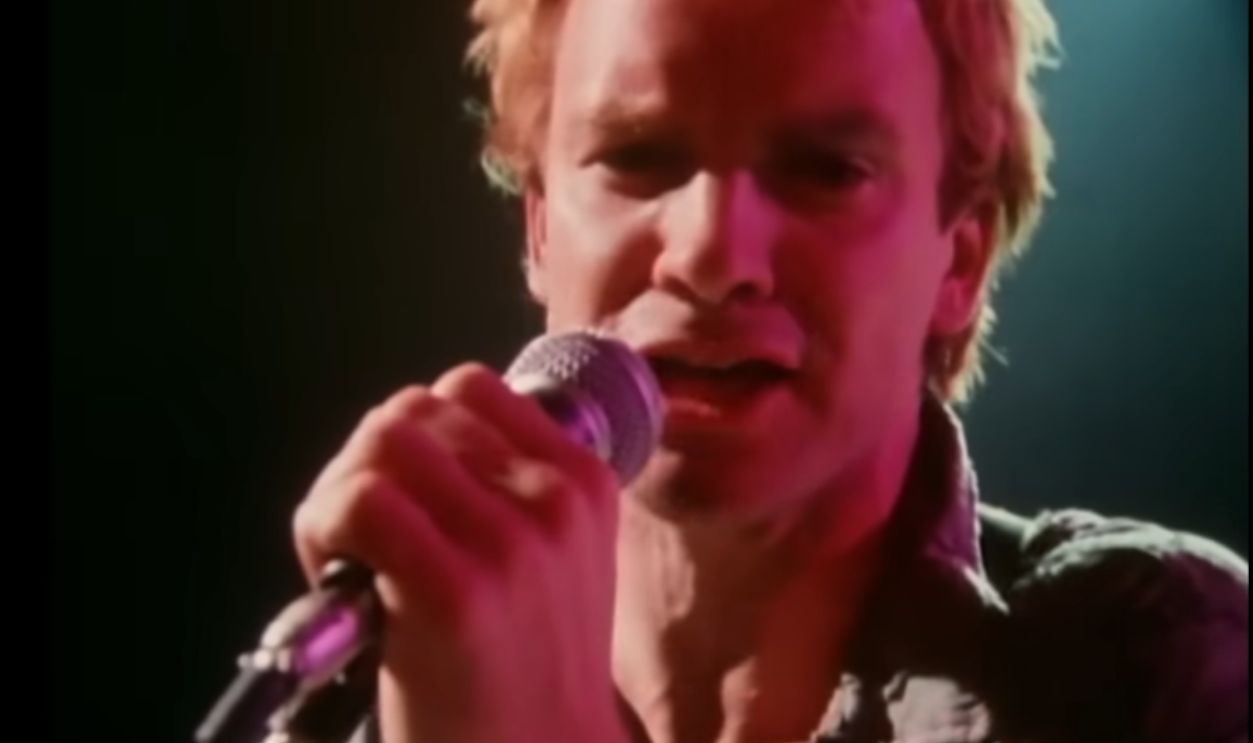 Screenshot from Roxanne, A&M Records (1978)
I Don’t Like Mondays by The Boomtown Rats
The Boomtown Rats released “I Don’t Like Mondays” in 1979 after Bob Geldof read about a highly publicized incident at Cleveland Elementary School in San Diego. A remark associated with the incident inspired the song’s title. The family involved tried to stop the U.S. release, and Geldof later said he regretted making the individual at the center of the story so well known.
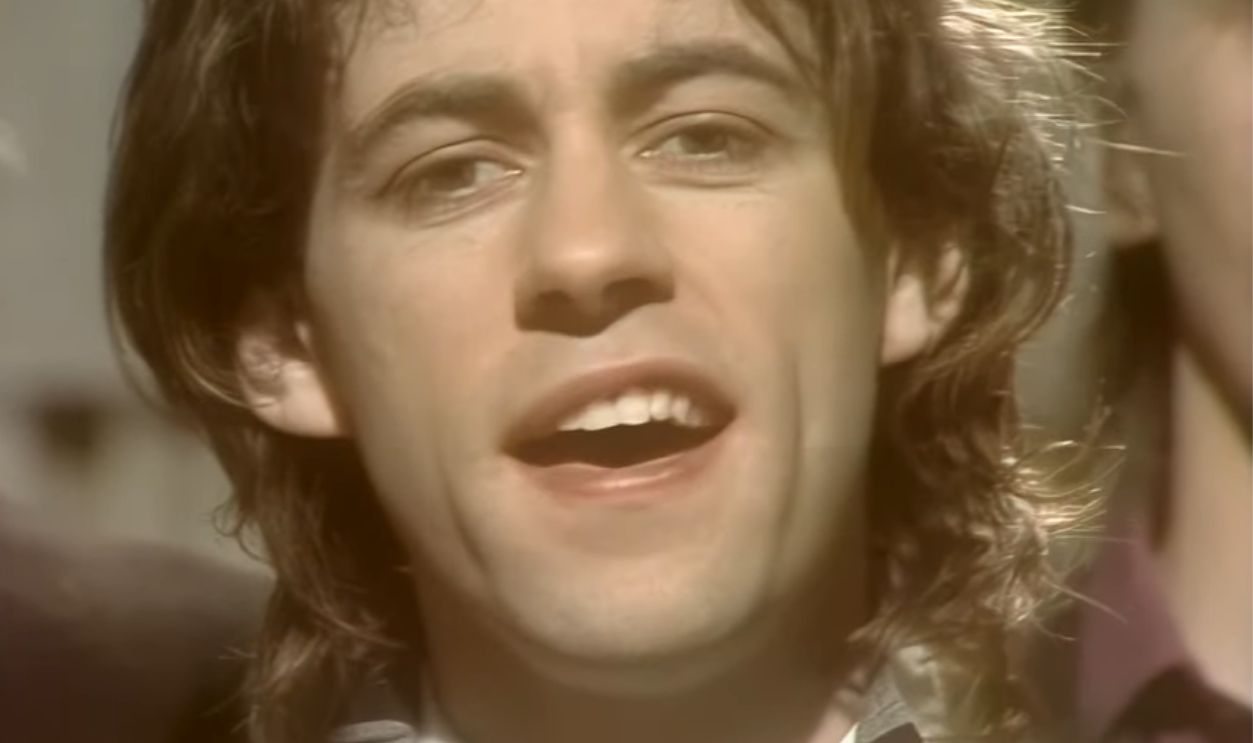 Screenshot from I Don't Like Mondays, Ensign Records (1979)
Another Brick In The Wall by Pink Floyd
Pink Floyd released “Another Brick in the Wall, Part 2” in 1979. Its anti-authoritarian school chorus alarmed some educators and became even more explosive in apartheid-era South Africa. The South African government banned it in 1980 after students used it during protests.
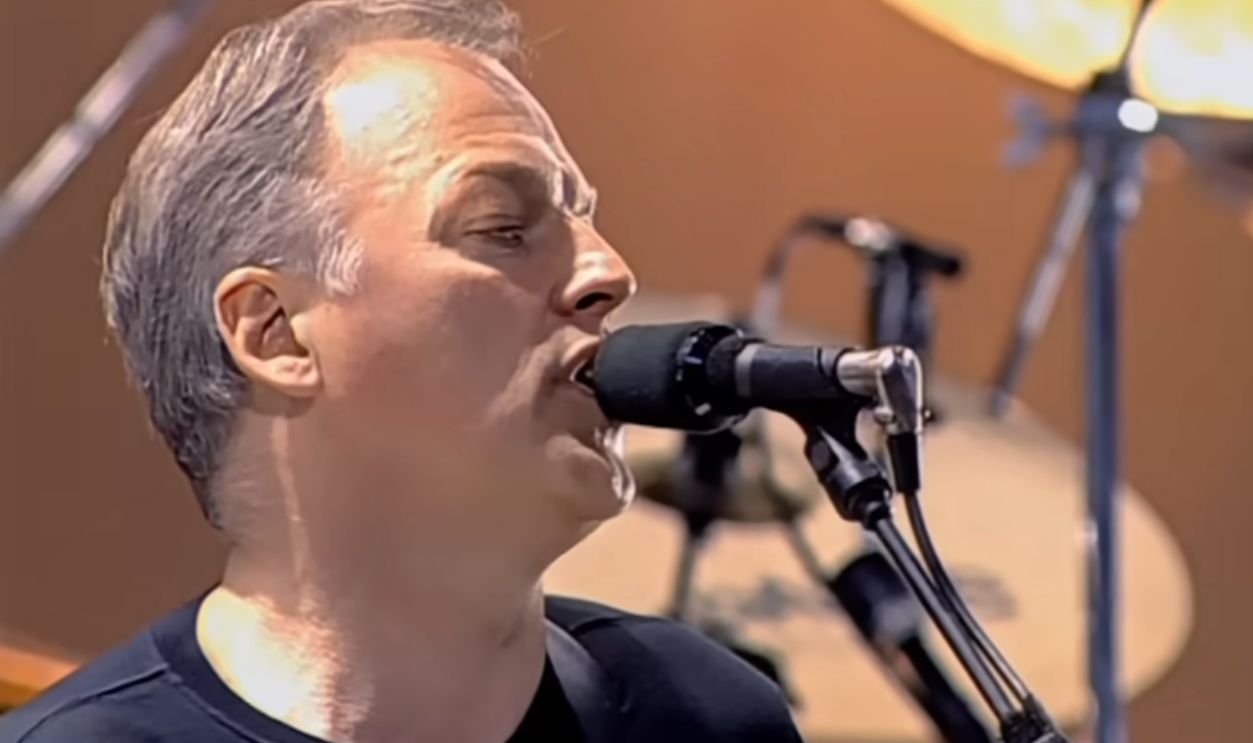 Screenshot from Another Brick in the Wall, Harvest Records (1979)
Gloria by Patti Smith
Patti Smith opened “Gloria” with a declaration rejecting inherited sin. The line came from her earlier poem “Oath” and reflected her break from a strict religious upbringing. For many listeners, it announced that punk-era rock could be literary, spiritual, and confrontational all at once.
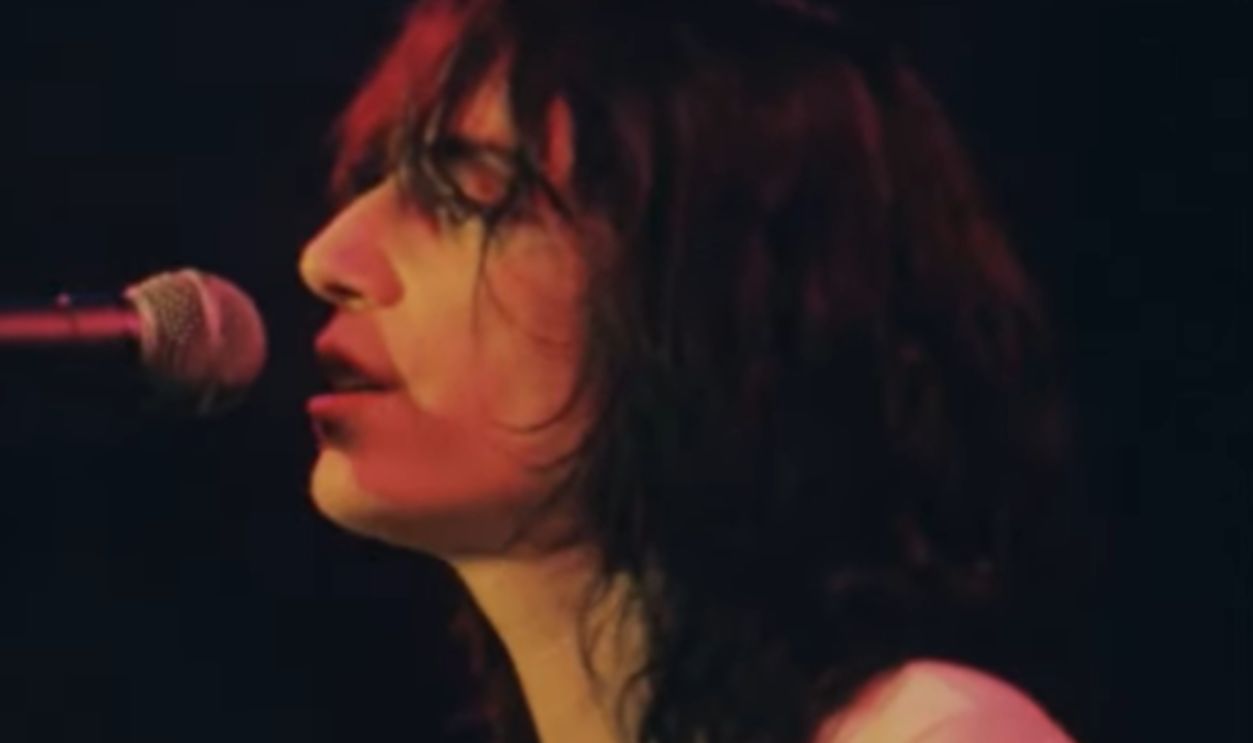 Screenshot from Gloria, CGD Records (1979)
Sweet Home Alabama by Lynyrd Skynyrd
Lynyrd Skynyrd released “Sweet Home Alabama” in 1974 as a response to Neil Young’s criticism of the South in “Southern Man” and “Alabama.” The song’s references to Young and Alabama governor George Wallace sparked debate over what the band was defending. Members later said the Young line was more playful than hostile, but the controversy never fully disappeared.
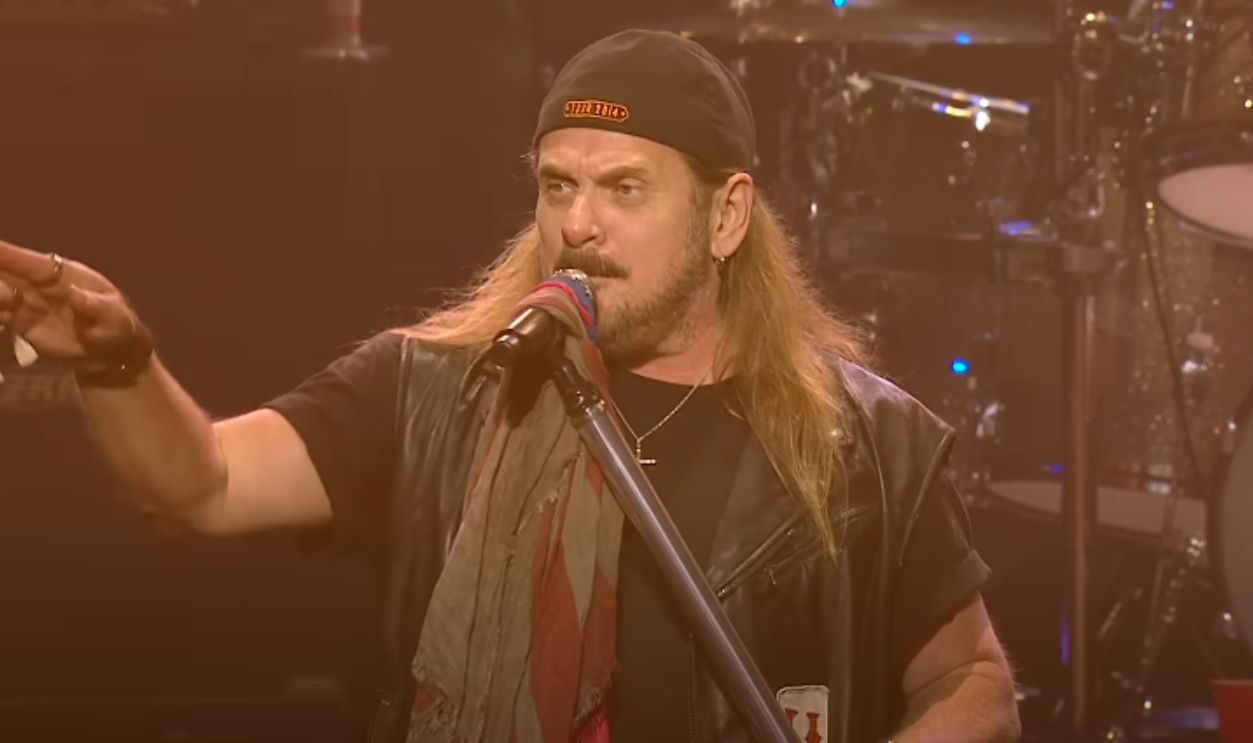 Screenshot from Sweet Home Alabama, MCA Records (1974)
Bicycle Race by Queen
Queen released “Bicycle Race” as a double A-side with “Fat Bottomed Girls” in 1978. Its promotional video featured a large group of women riding bicycles at Wimbledon Stadium. The imagery generated controversy, leading to edits, restrictions, and widespread discussion that only increased attention around the release.
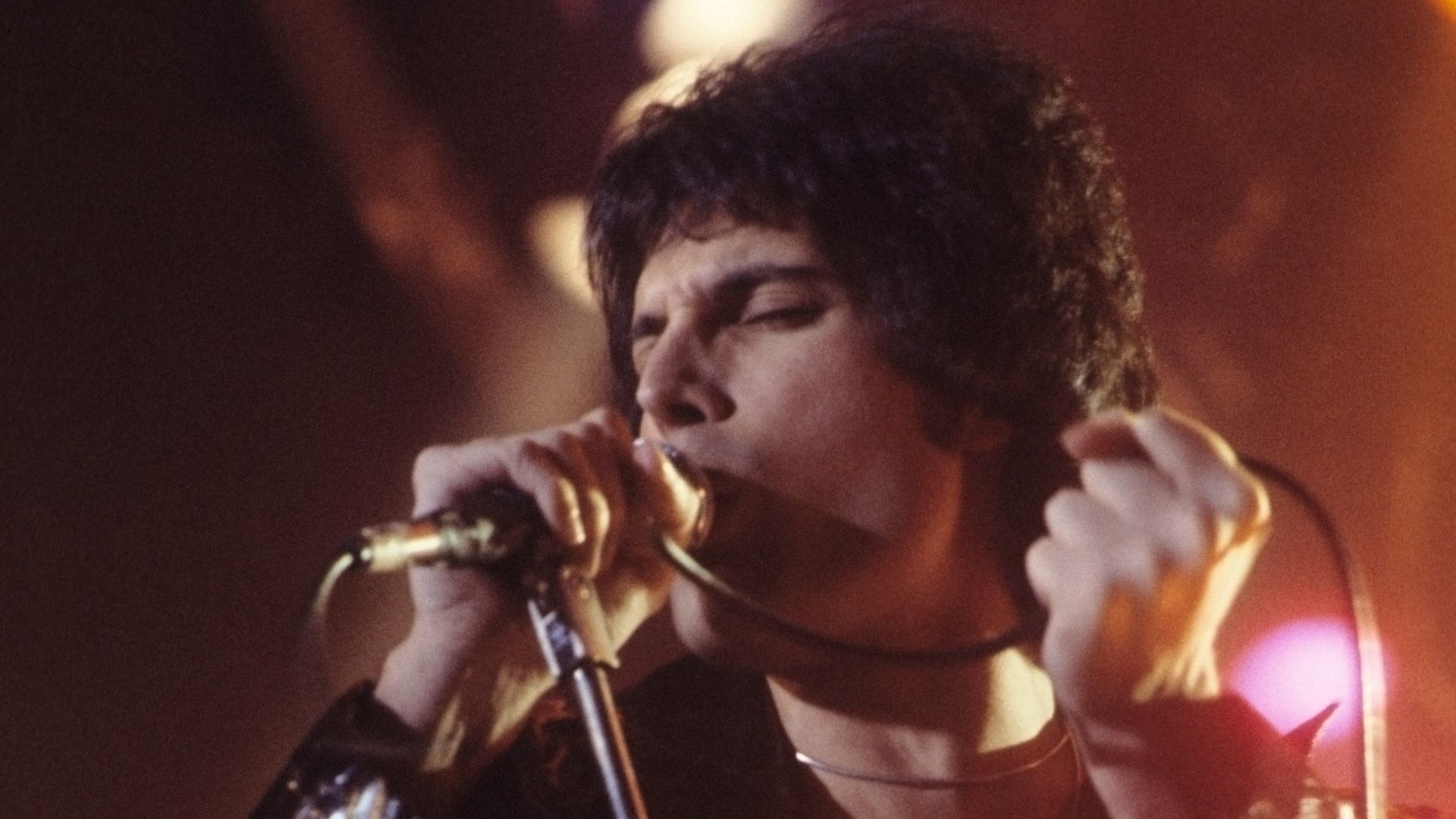 Carl Lender, Wikimedia Commons
You May Also Like:
No One Ever Questions These "Music Legends" From The 1970s, But Do They Actually Hold Up?
The Beatles vs. The Rolling Stones: Who Is The Greatest Band Of All Time?
Sources: 1, 2, 3, 4, 5, 6, 7, 8, 9, 10, 11, 12, 13, 14, 15, 16, 17, 18, 19, 20, 21, 22