The Songs Hidden On The Other Side
Before bonus tracks, deluxe editions, and streaming playlists made everything easy to find, B-sides were where bands hid some of their strangest, coolest, and most revealing songs. Sometimes they were leftovers. Sometimes they were experiments. And sometimes, somehow, they were better than the single they came attached to. These tracks prove that the “extra” song was not always extra at all.
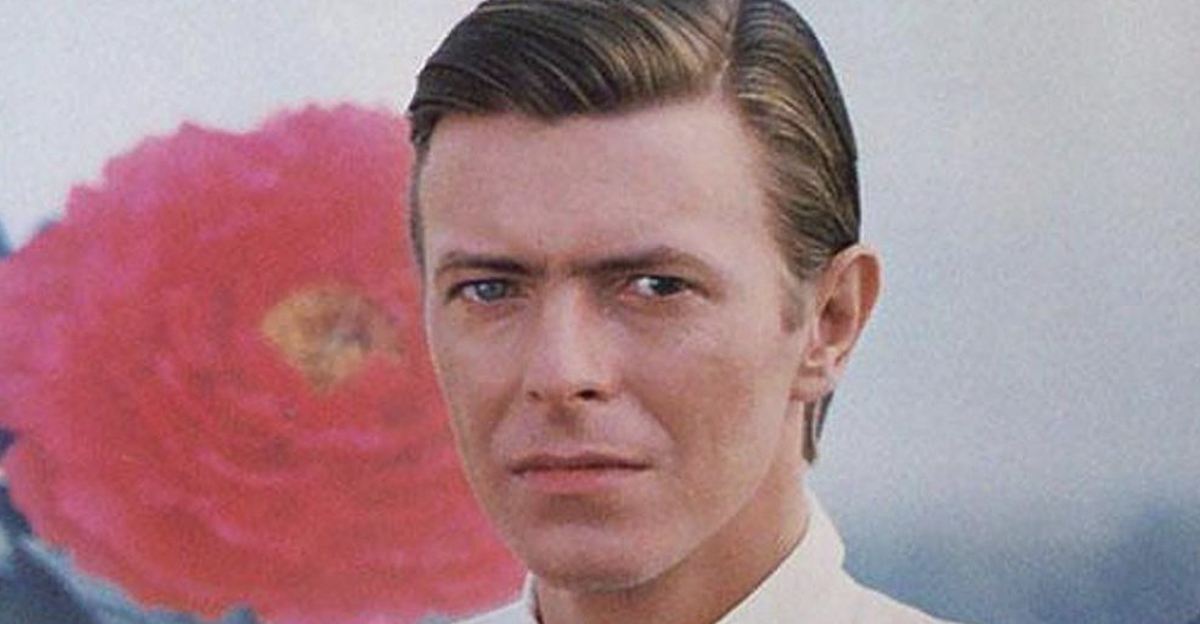
 Screenshot of David Bowie, Takara Sake advertisement (1980)
“I Just Threw Out The Love Of My Dreams” - Weezer
Weezer buried one of their best power-pop gems on the B-side of “The Good Life,” which feels wild in hindsight. “I Just Threw Out the Love of My Dreams” came from Rivers Cuomo’s abandoned Songs from the Black Hole concept and features Rachel Haden on lead vocals. It is bright, bittersweet, and absolutely strong enough to have lived on Pinkerton.
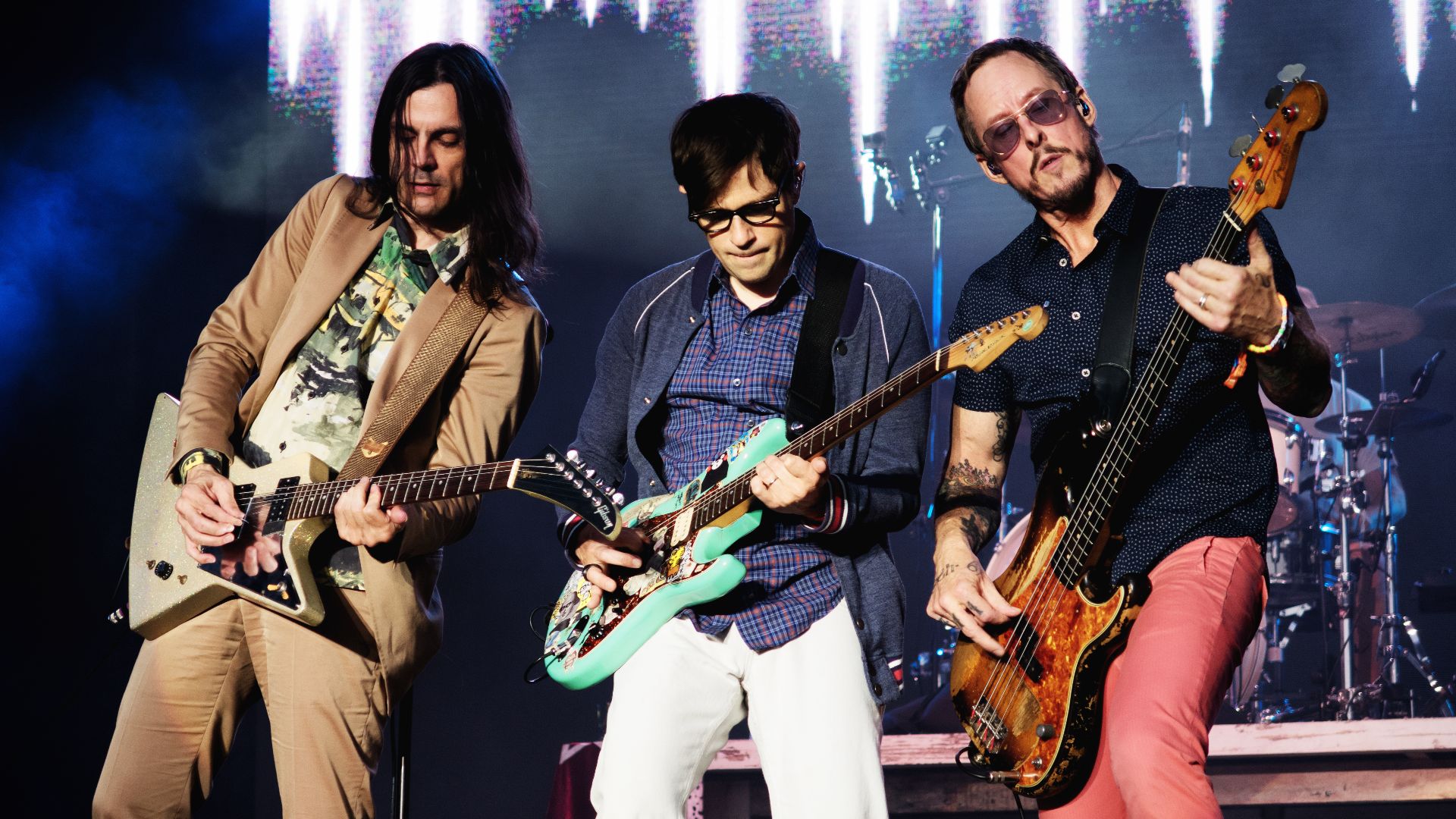 David Lee from Redmond, WA, USA, Wikimedia Commons
“Crystal Japan” - David Bowie
“Crystal Japan” started as a Japanese commercial theme, but Bowie turned it into something much stranger and more atmospheric. Released as a single in Japan and later treated like a deep-cut treasure, the instrumental captures his Berlin-era experimental side. It is cool, icy, and elegant, sounding less like a throwaway and more like a lost piece of a film score.
“My December” - Linkin Park
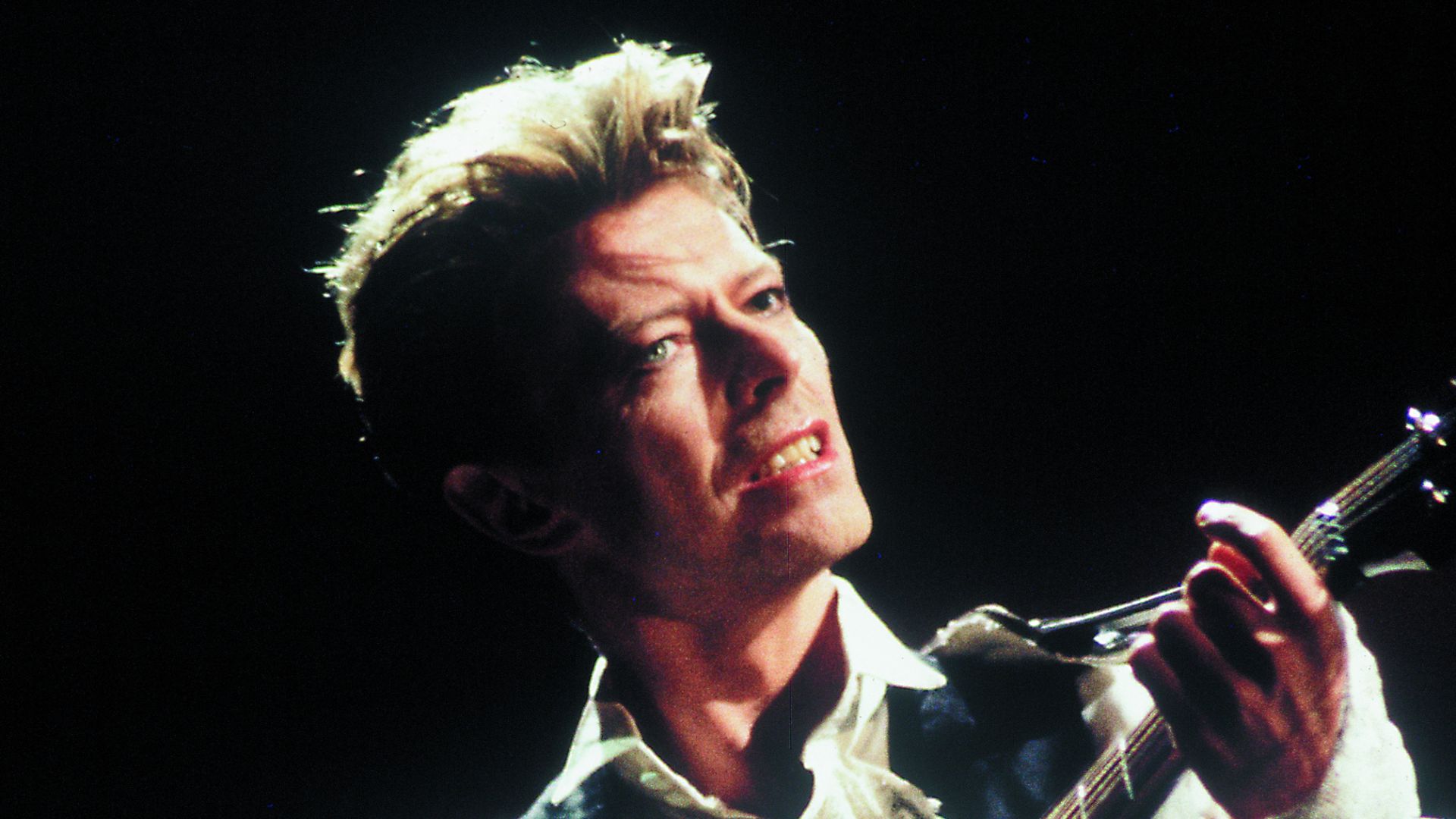
“My December” showed a softer, moodier side of Linkin Park early in their career. Originally released around the Hybrid Theory era, the song strips away the band’s usual aggression in favor of piano, atmosphere, and quiet isolation. It became a fan favorite because it proved the band could be emotionally heavy without relying on loud guitars or rap-metal force.
 Jakub Janecki, Wikimedia Commons
“Suffocate” - Green Day
“Suffocate” was released as part of Green Day’s Warning era, and it has the kind of punchy energy fans loved from their earlier records. Fast, sharp, and catchy, it sounds like the band refusing to fully abandon their punk roots even while experimenting with broader songwriting. It is exactly the kind of B-side that makes fans argue about album tracklists.
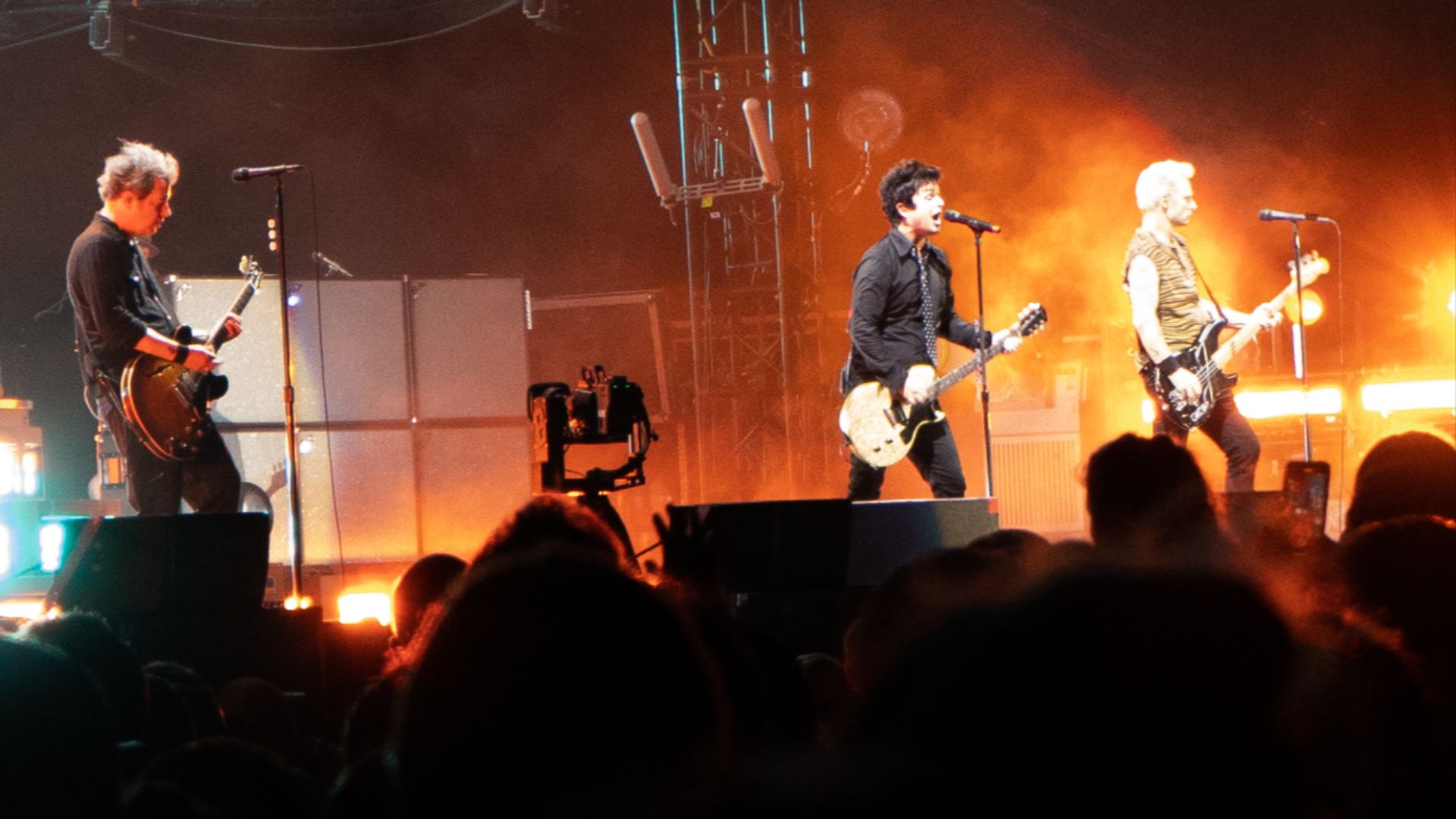 ECarterSterling, Wikimedia Commons
“Nannou” - Aphex Twin
“Nannou” is one of Aphex Twin’s most delicate pieces, which makes it stand out from the harsher, more chaotic tracks he is often associated with. Built around music-box-like textures and tiny mechanical sounds, it feels fragile and unsettling at the same time. As a B-side, it showed how much emotional depth could exist inside electronic experimentation.
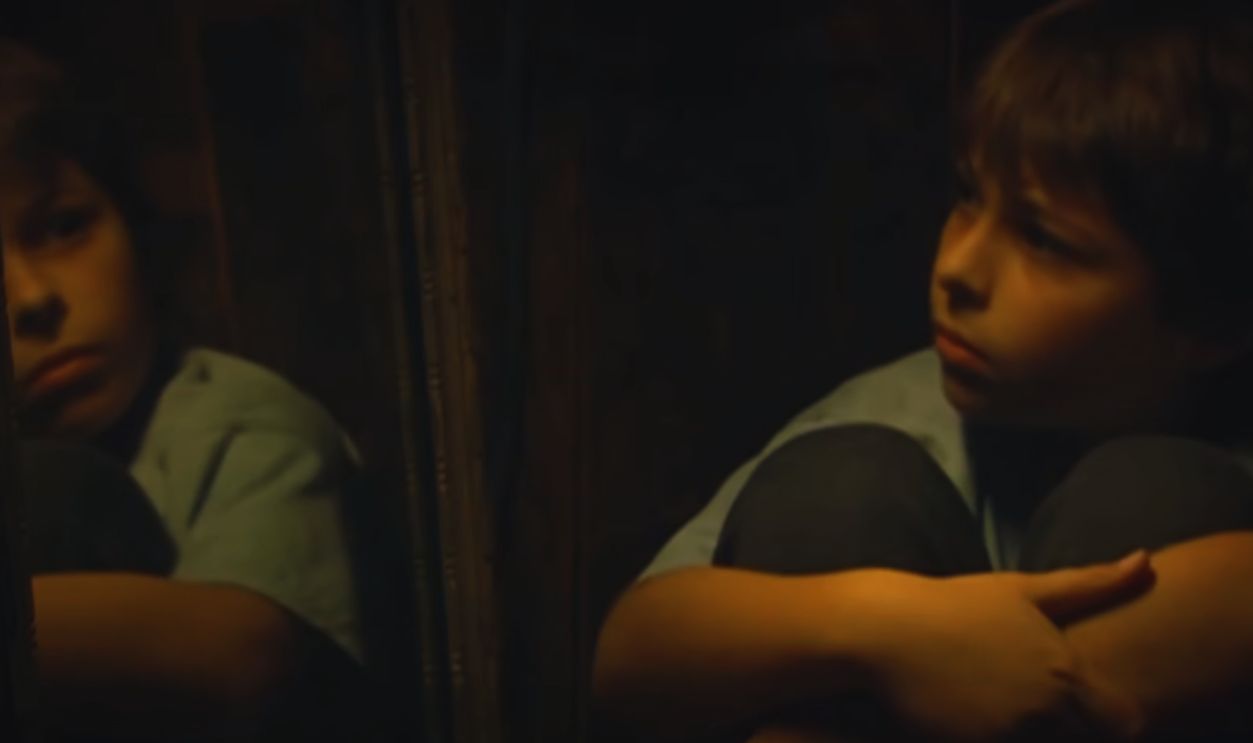 Screenshot from "Nannou" music video, Warp Records (1999)
“I Am The Walrus” - The Beatles
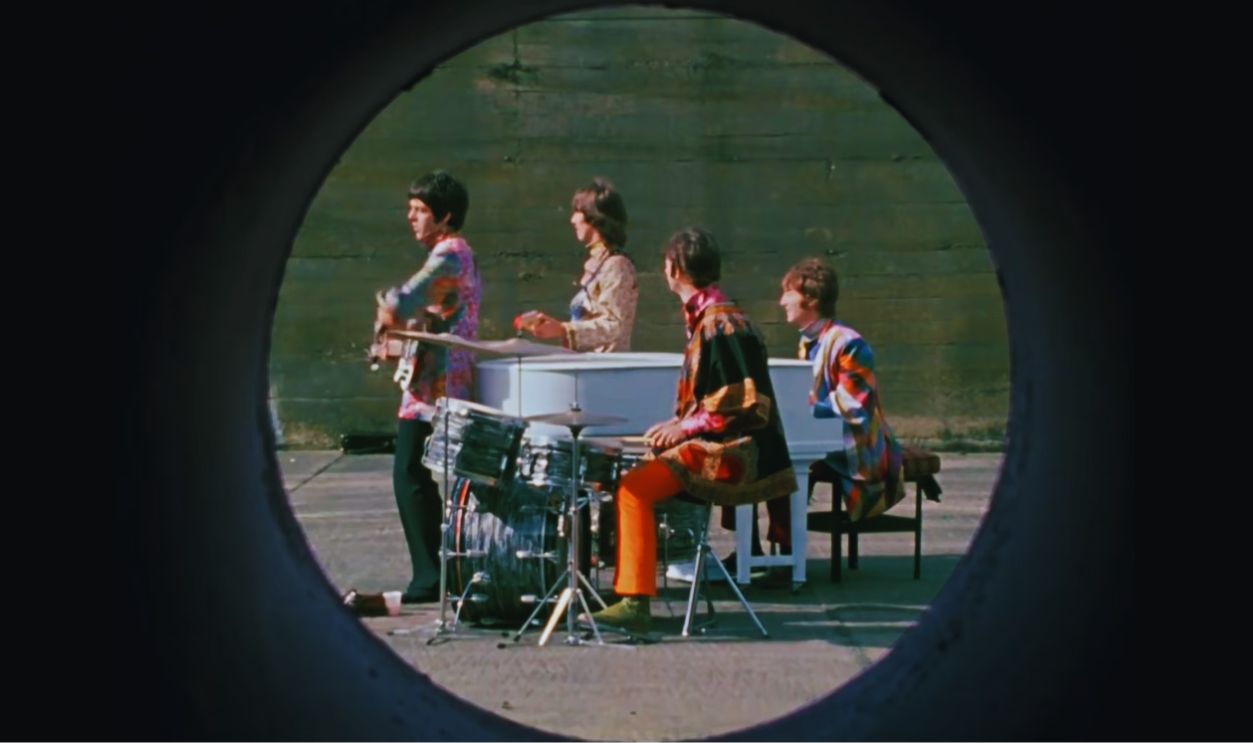
It is almost ridiculous that “I Am the Walrus” was technically a B-side, appearing on the flip side of “Hello, Goodbye”. John Lennon packed the song with surreal imagery, nonsense phrases, and psychedelic production that turned it into one of The Beatles’ strangest masterpieces. Even as a supporting track, it became one of the band’s most discussed and dissected recordings.
“Half The World Away” - Oasis
Oasis were almost unfair with their B-sides in the 1990s, and “Half the World Away” is one of the best examples. Released as the B-side to “Whatever,” the song trades swagger for homesick melancholy. Noel Gallagher’s vocal gives it a weary charm, and it later gained even more attention as the theme to The Royle Family.
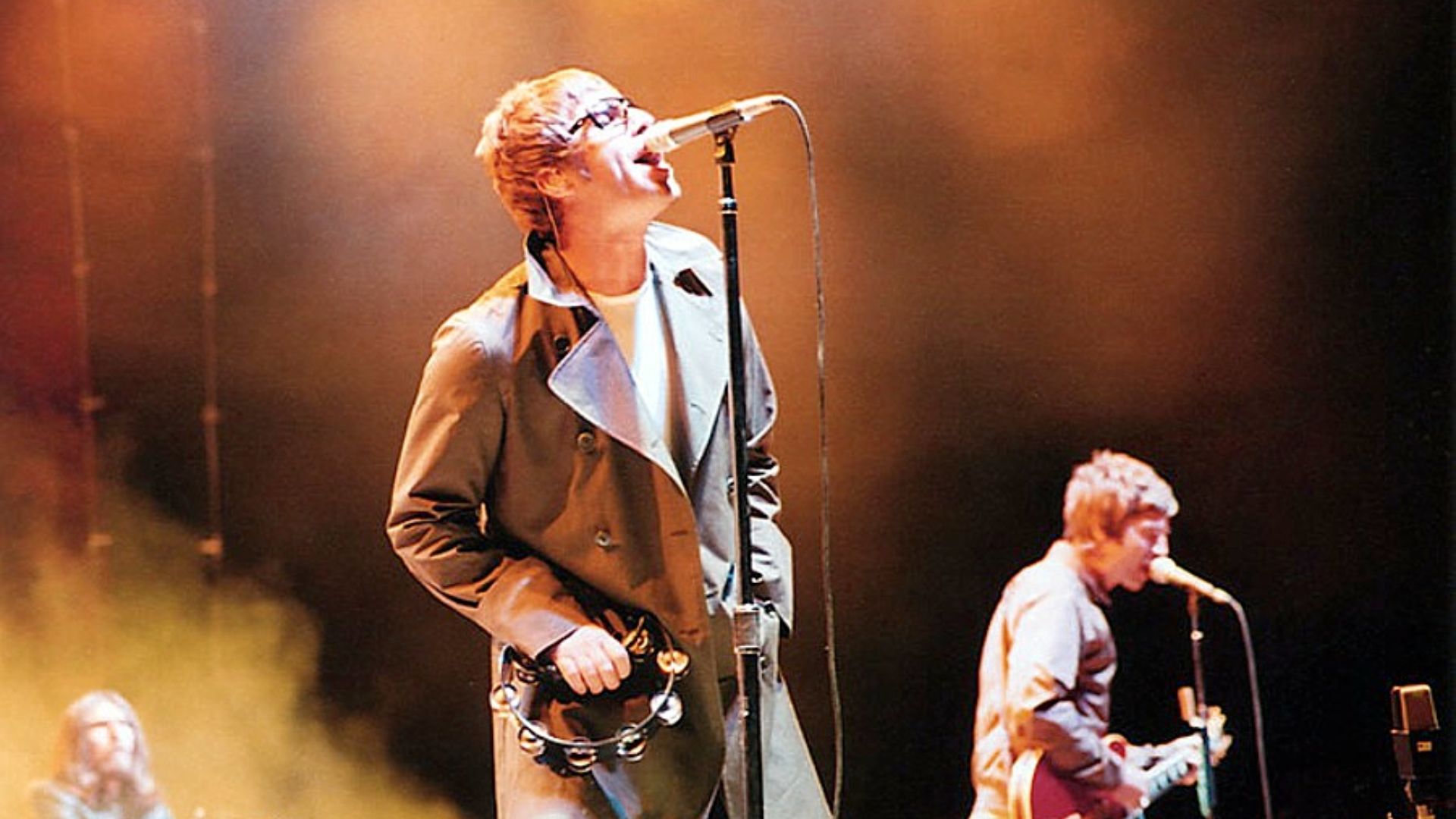 Will Fresch, Wikimedia Commons
“Yellow Ledbetter” - Pearl Jam
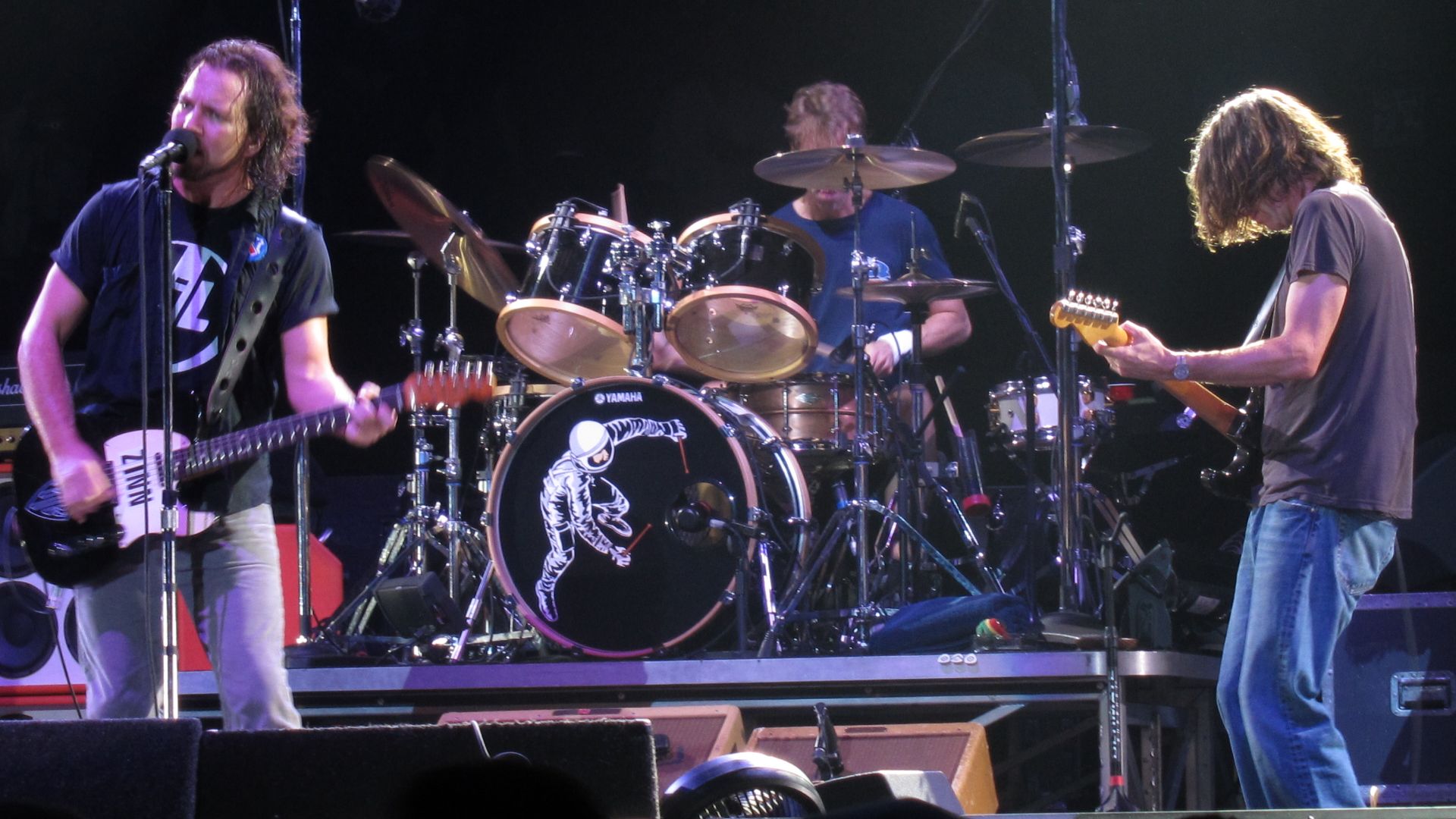
“Yellow Ledbetter” began as a B-side to “Jeremy,” then somehow became one of Pearl Jam’s most beloved songs. Eddie Vedder’s lyrics are famously hard to decipher, but the feeling comes through anyway. Mike McCready’s Hendrix-inspired guitar work gives the track its emotional pull, making it feel loose, mournful, and completely unforgettable.
“Polyethylene (Parts 1 & 2)” - Radiohead
“Polyethylene” came from Radiohead’s OK Computer era, which explains why it sounds so strong for a B-side. The song moves from a quiet, strange opening into a tense, guitar-driven second half. It captures the band between alternative rock and something more experimental, making it feel like a missing bridge in one of their greatest creative periods.
 michell zappa, Wikimedia Commons
“Dive” - Nirvana
“Dive” showed Nirvana at their heavy, grimy best before Nevermind changed everything. Released as the B-side to “Sliver,” the song has a thick riff, snarling vocals, and the kind of muddy power that defined their early sound. It later appeared on Incesticide, where it stood out as one of the band’s strongest non-album tracks.
 Screenshot from "Dive" music video / Sliver single, Sub Pop Records (1990)
“Frail And Bedazzled” - The Smashing Pumpkins
“Frail and Bedazzled” was part of The Smashing Pumpkins’ enormous pool of early-’90s material, eventually appearing on Pisces Iscariot. The song captures the band’s gift for mixing fuzzed-out guitars with dreamy melodies. Billy Corgan had so many strong songs during this period that even the leftovers felt fully formed and emotionally loaded.
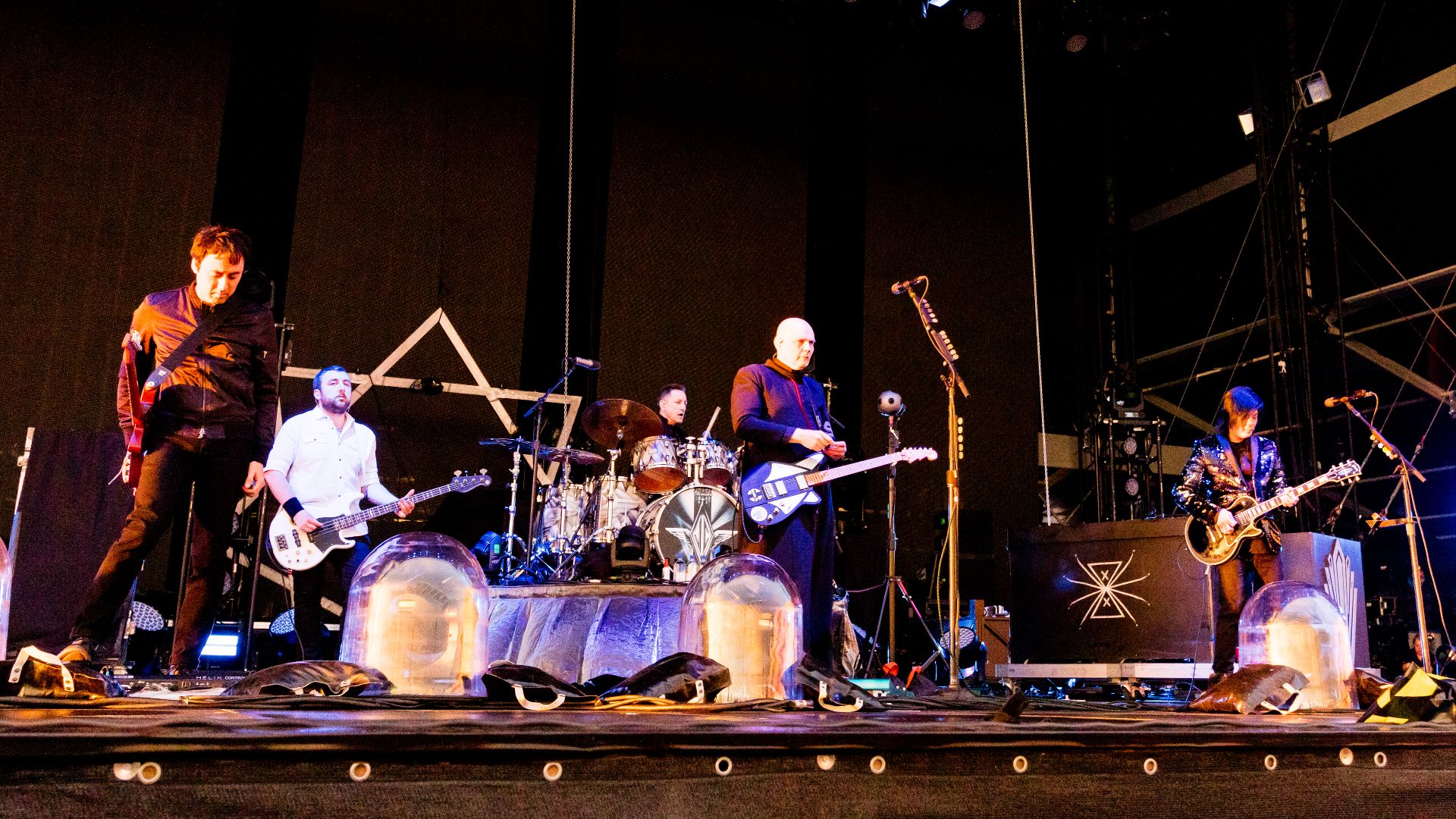 Sven Mandel, Wikimedia Commons
“Soul To Squeeze” - Red Hot Chili Peppers
“Soul to Squeeze” was left off Blood Sugar Sex Magik, which remains one of the more surprising decisions in the band’s catalog. Released as a B-side and later tied to the Coneheads soundtrack, it became a major hit anyway. The song’s warm groove and vulnerable lyrics showed the Chili Peppers at their most melodic and heartfelt.
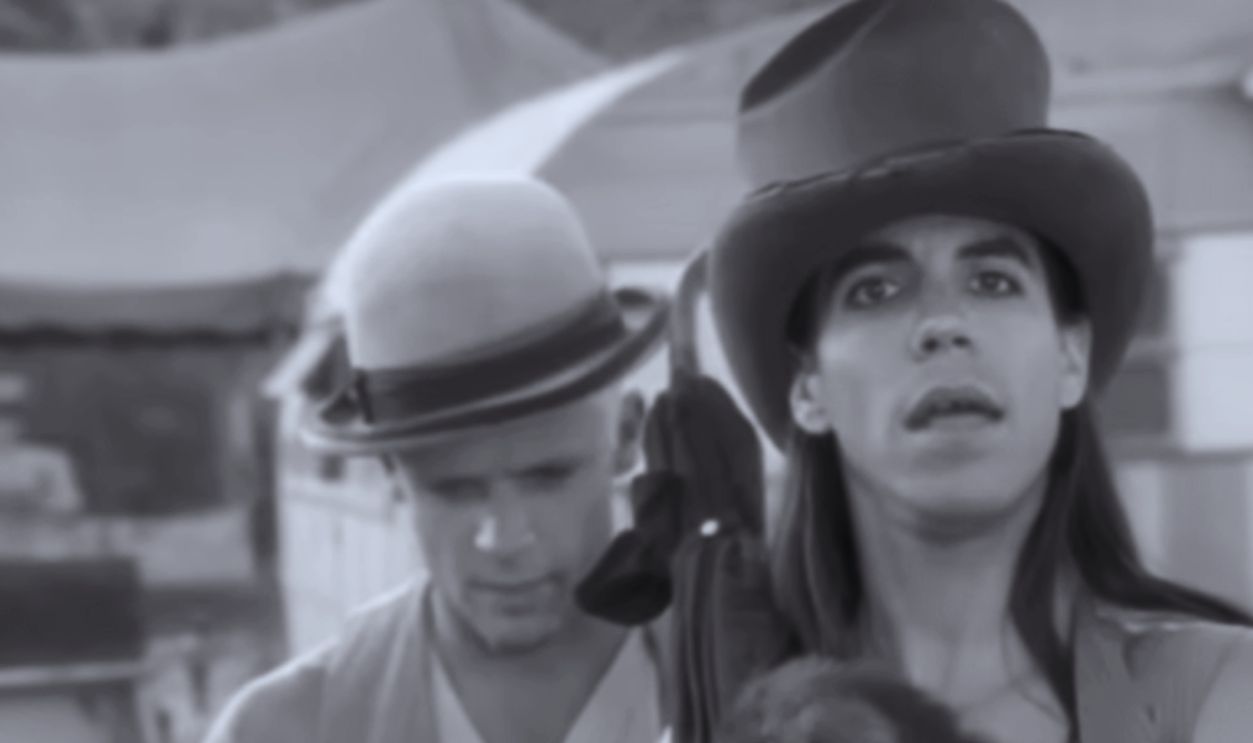 Screenshot from "Soul To Squeeze" music video, Warner Bros. Records (1993)
“Hey Hey What Can I Do” - Led Zeppelin
Led Zeppelin rarely released singles in the traditional sense, which makes “Hey Hey What Can I Do” feel even more unusual. Issued as the B-side to “Immigrant Song,” it leaned into acoustic folk-rock rather than the thunderous heaviness fans expected. Its loose, barroom feel made it a fan favorite despite being kept off the band’s studio albums.
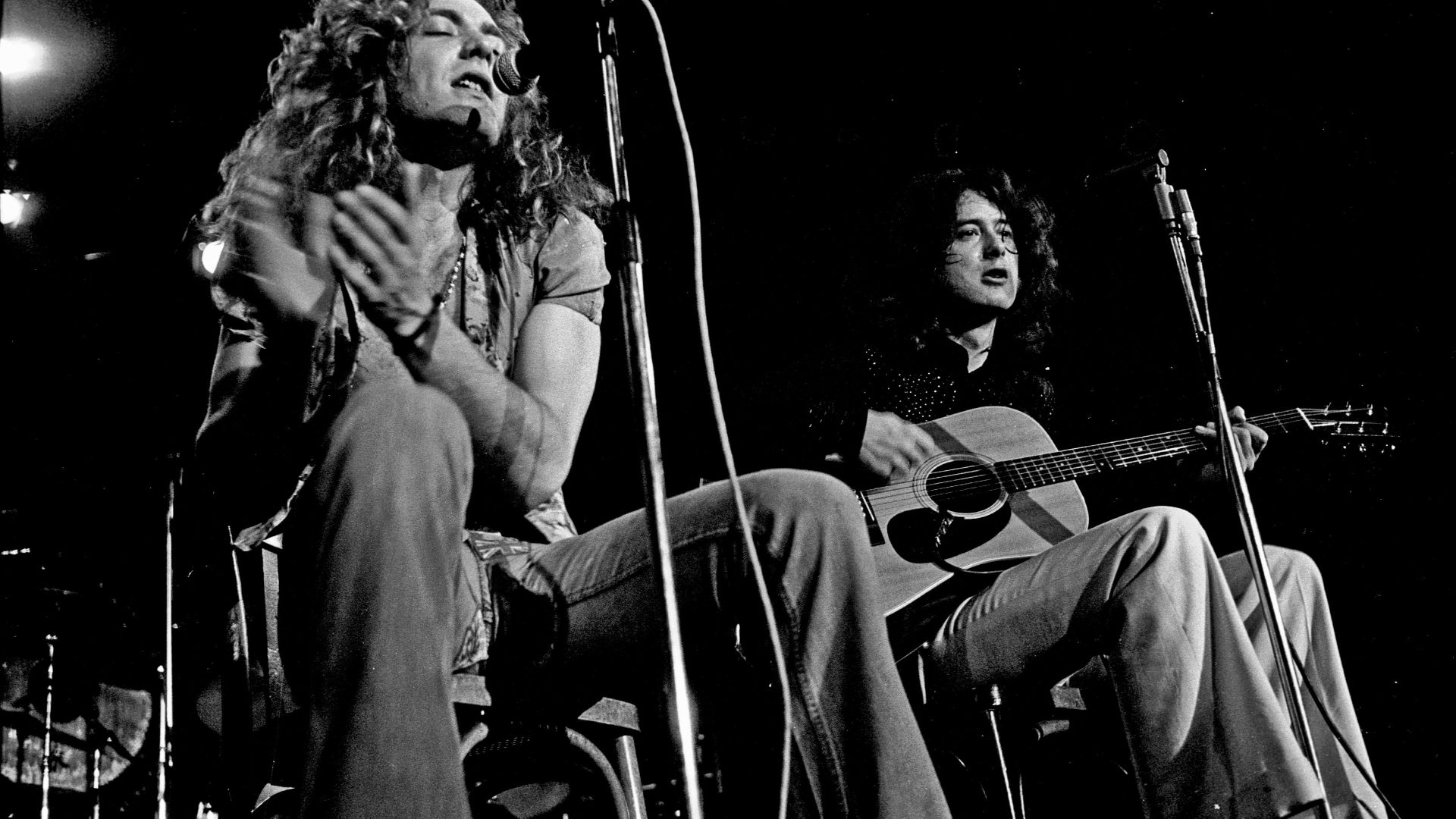 Heinrich Klaffs, Wikimedia Commons
“Waiting For Tonight” - Tom Petty
“Waiting for Tonight” is one of those Tom Petty deep cuts that sounds too good to have been left in the margins. Recorded with backing vocals from The Bangles, the song has a bright, jangly feel that fits perfectly with Petty’s classic style. Its later release only reinforced how deep his catalog really was.
 Ирина Лепнёва, Wikimedia Commons
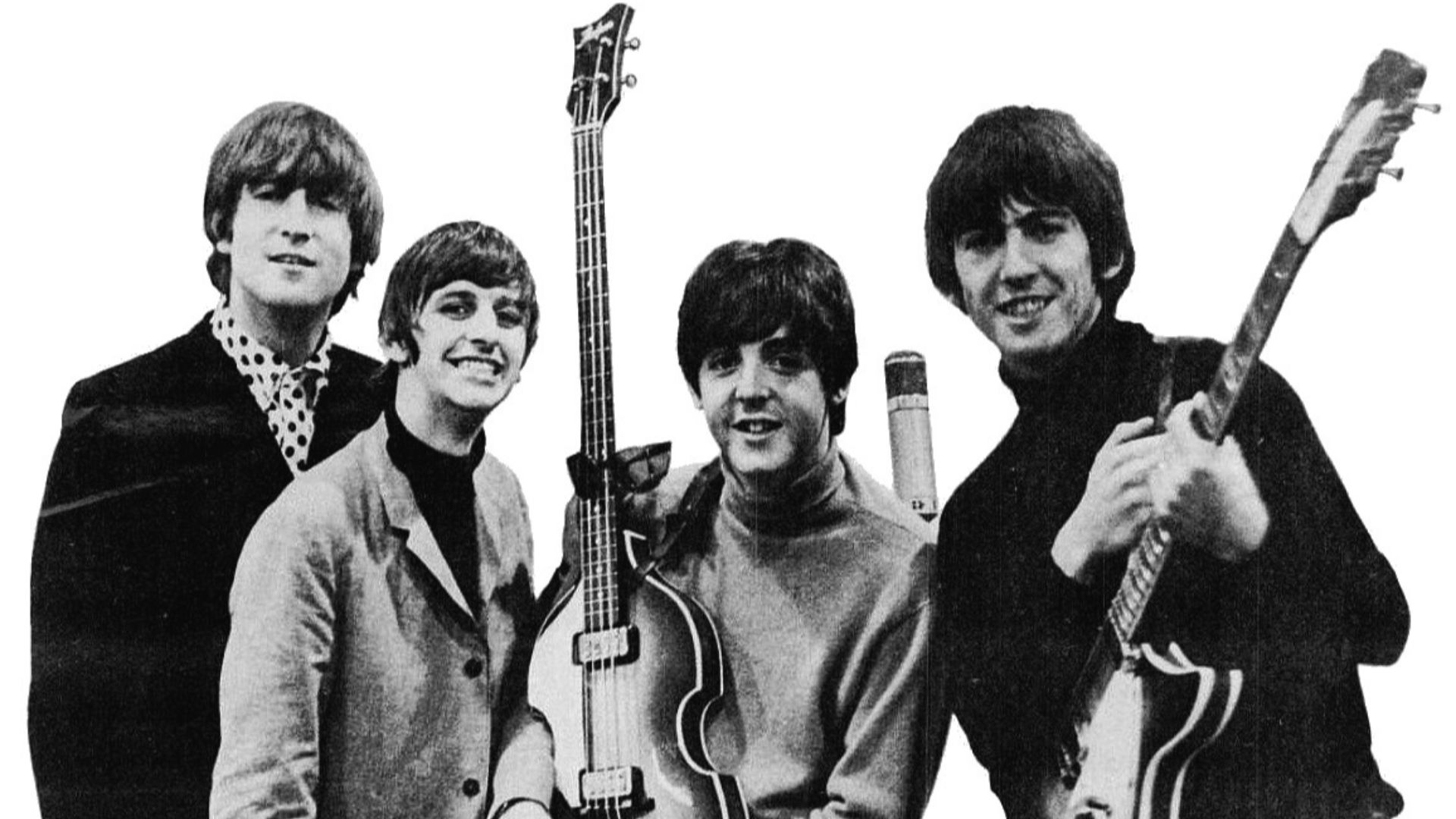
“Yes It Is” - The Beatles
“Yes It Is” appeared as the B-side to “Ticket to Ride,” but it deserved more attention than that placement suggests. The song features gorgeous three-part harmonies and a melancholy mood that points toward the band’s growing sophistication. It may not have the immediate impact of their biggest hits, but it quietly shows how advanced their writing had become.
“Silver Springs” - Fleetwood Mac
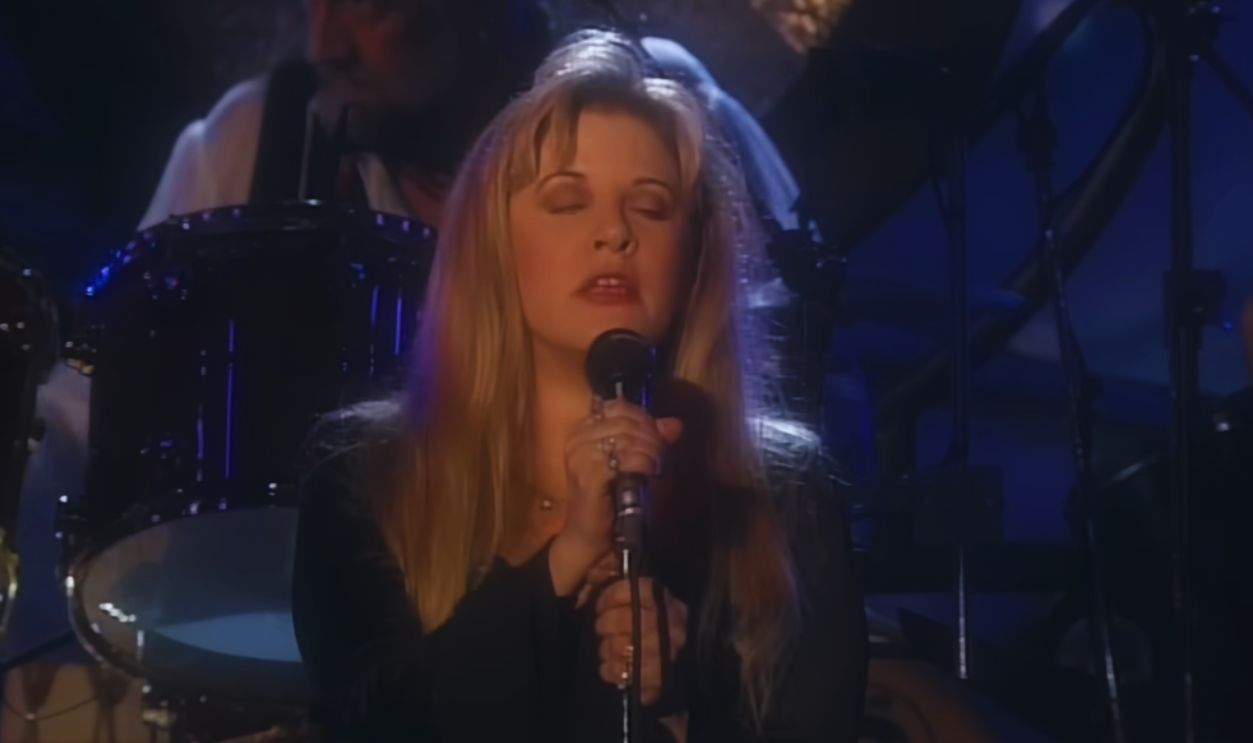
“Silver Springs” was famously left off Rumours because of space limitations, then released as the B-side to “Go Your Own Way.” That decision became legendary, especially given the song’s emotional power. Stevie Nicks wrote it about Lindsey Buckingham, and its later live revival proved it belonged among the band’s most intense breakup songs.
“Marigold” - Nirvana
“Marigold” is one of the rare Nirvana songs written and sung by Dave Grohl. Released as a B-side to “Heart-Shaped Box,” it offers a quieter, more melodic glimpse of the songwriter he would become. The track feels almost like a preview of Foo Fighters, tucked away inside one of Nirvana’s darkest eras.
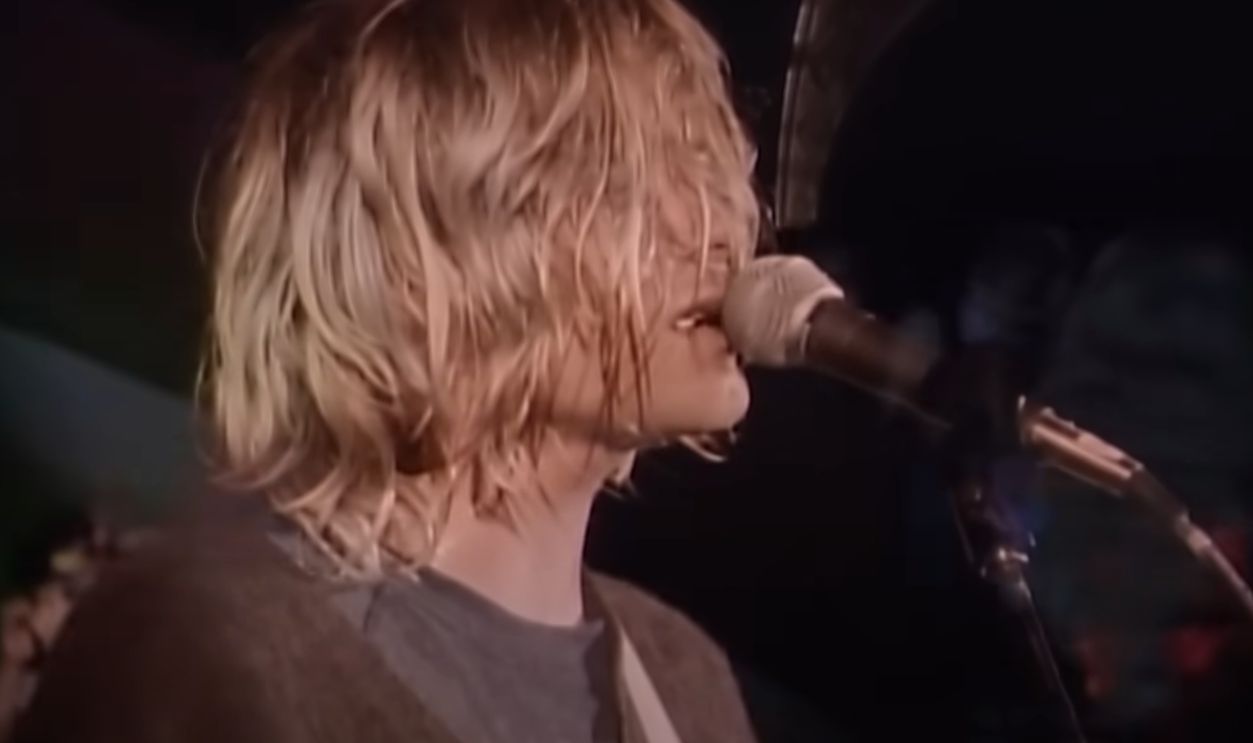 Screenshot from "Marigold" music video / "Heart-Shaped Box" single / In Utero, Geffen Records (1993)
“Talk Tonight” - Oasis
“Talk Tonight” came out of a rough moment during Oasis’s early rise, when Noel Gallagher briefly left the band after a disastrous show in Los Angeles. The song, released as a B-side to “Some Might Say,” is gentle, acoustic, and unusually sincere. It became one of the clearest examples of Noel’s strength as a songwriter outside the band’s louder anthems.
 Edwardrhodes06, Wikimedia Commons
“The Stars That Play With Laughing Sam’s Dice” - The Jimi Hendrix Experience
This psychedelic B-side to “Burning of the Midnight Lamp” is Hendrix at his strangest and loosest. The title itself is a reference to illicut substances, and the track leans into studio effects, surreal energy, and a jam-like atmosphere. It may not be as famous as his classics, but it captures the playful experimental spirit that made Hendrix so unpredictable.
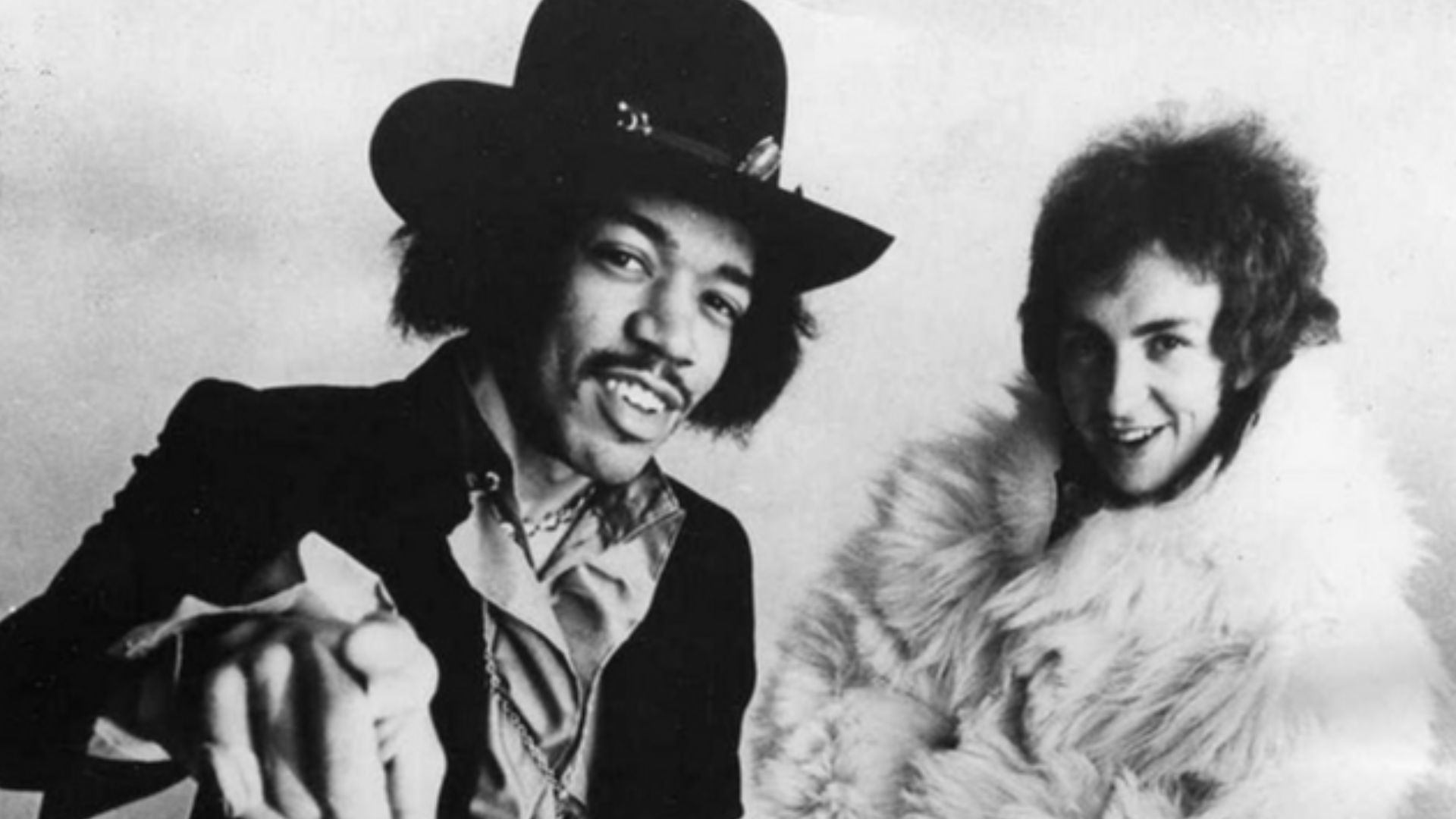 Warner/Reprise Records Uploaded by We hope at en.wikipedia, Wikimedia Commons
“No Expectations” - The Rolling Stones
“No Expectations” appeared as the B-side to “Street Fighting Man,” which is a tough song to stand beside. Still, this quiet blues ballad has become one of The Rolling Stones’ most admired deep cuts. Brian Jones’ slide guitar gives it a haunted quality, and the song feels like the band briefly dropping the swagger to reveal something more fragile.
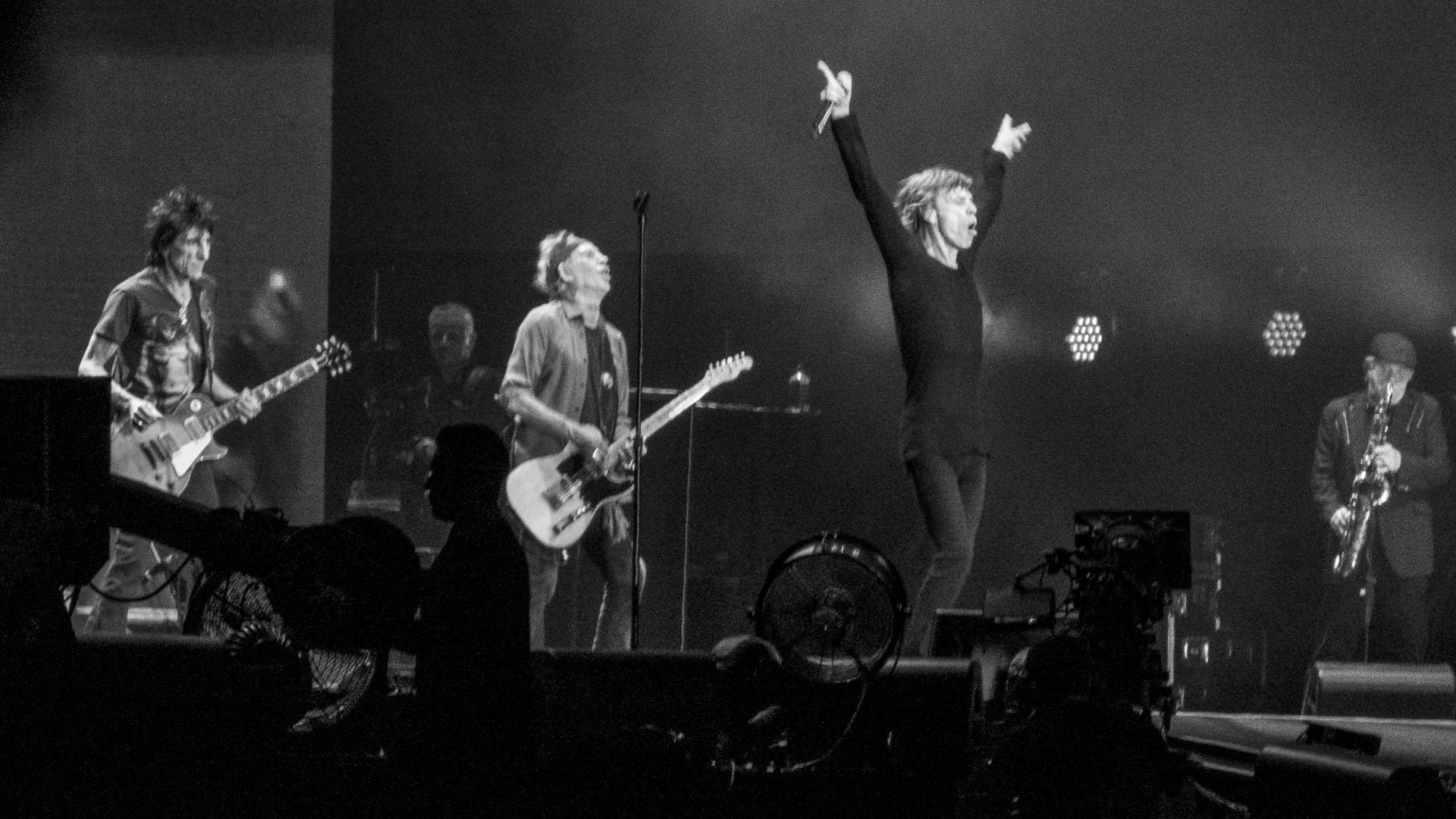 Andrea Sartorati, Wikimedia Commons
You May Also Like:
Underrated B-Sides That Became Fan Favorites
The Best Beatles B-Sides Songs—Ranked